SPINAL CORD: Injury Awareness Day 2025

By Staff Reporters

***

***

History of Spinal Cord Injury Awareness Day

The first mention of spinal cord injuries was in the ancient Egyptian Edwin Smith’s papyrus from 2,500 B.C. The ancient Egyptian physicians described the injury as “untreatable.”

The first treatment for spinal cord injuries occurred in ancient India, where Hindu doctors used traction techniques to straighten the spine. The Greeks also employed the same technique as the Hindus. For example, Hippocrates — born in the 5th century B.C. — developed traction devices that helped straighten patients’ spines. It wasn’t until the second century A.D. that Galen, a Greek physician, discovered the relation between spinal cord injuries and loss of autonomic function and sensation.

Paul of Aegina, born in 625 A.D., became the first physician to pioneer surgical techniques for spinal cord injuries. He employed laminectomy to relieve pressure on the spine and recommended using a windlass to reduce the dislocation. The notion and treatment remained the same until the latter half of the 20th century; physicians continued to believe that spinal cord injuries were incurable. Although during the Renaissance, Leonardo da Vinci and Andreas Vesalius, made contributions to S.C.I. through their accurate depiction of the human spine and nerves.

In 1981, the Canadians Albert Aguayo and Sam David ended the millennia-long belief that S.C.I. is incurable. Through experiments on rats, they showed that axons could regenerate in the central nervous system in the right environment. The introduction of imaging, surgery, medical care, and rehabilitation medicine in the mid-20th century helped improve the care for spinal cord injuries and increased the life expectancy of those living with the condition.

CHIROPRACTORS: https://medicalexecutivepost.com/2014/10/14/career-advice-for-those-interested-in-chiropracty/

Finally, the creation of emergency medical transport services in the 1970s contributed to these improvements in S.C.I. treatment.

COMMENTS APPRECIATED

Like and Refer

***

***

DAILY UPDATE: Inflation Down, Wage Garnishments Up but Stocks Finish Mixed

MEDICAL EXECUTIVE-POST TODAY’S NEWSLETTER BRIEFING

***

Essays, Opinions and Curated News in Health Economics, Investing, Business, Management and Financial Planning for Physician Entrepreneurs and their Savvy Advisors and Consultants

Serving Almost One Million Doctors, Financial Advisors and Medical Management Consultants Daily

A Partner of the Institute of Medical Business Advisors , Inc.

http://www.MedicalBusinessAdvisors.com

SPONSORED BY: Marcinko & Associates, Inc.

***

http://www.MarcinkoAssociates.com

Daily Update Provided By Staff Reporters Since 2007.
How May We Serve You?
© Copyright Institute of Medical Business Advisors, Inc. All rights reserved. 2025

REFER A COLLEAGUE: MarcinkoAdvisors@outlook.com

SPONSORSHIPS AVAILABLE: https://medicalexecutivepost.com/sponsors/

ADVERTISE ON THE ME-P: https://tinyurl.com/ytb5955z

Your Referral Count -0-

CITE: https://www.r2library.com/Resource

Inflation fell by one tenth of a percentage point to 2.3% for the year ending in April, the Bureau of Labor Statistics reported Tuesday in an update to the consumer price index. Forecasters had expected inflation to hold at 2.4%. 

CITE: https://tinyurl.com/2h47urt5

What’s up

  • Coinbase exploded 23.97% on the news that the crypto trading platform will be added to the S&P 500 next week.
  • Nvidia climbed back into the elite $3 trillion market cap club today, rising 5.63% on the announcement that it will send 18,000 AI chips to Saudi Arabia.
  • Solar stocks soared after early drafts of a Republican tax and spending bill revealed renewable energy cuts weren’t as bad as feared. First Solar climbed 22.66%, while SunRun popped 8.58%.
  • Super Micro Computer climbed 16.02% thanks to Raymond James analysts initiating their coverage of the server maker with an “outperform” rating.
  • Boeing rose 2.46% now that the Chinese government has removed its ban on domestic airlines accepting orders from the plane manufacturer.
  • Rising sentiment powered popular momentum stocks higher today: Palantir rose 8.14%, AppLovin climbed 6.38%, Robinhood Markets jumped 8.95%, and Hims & Hers Health gained 15.92%.

What’s down
  • Honda Motor fell 4.20% after the company warned that tariffs will ding its bottom line and postponed its plans to build an EV plant in Canada.
  • Hertz Global plunged 16.93% after it missed analyst estimates across the board and announced it will offer fewer cars for rentals this year.
  • Enphase Energy lost 4.82% on a downgrade from Barclays analysts, who foresee slower demand for residential solar power products.
  • Rigetti Computing dropped 14.59% after the quantum computing company failed to live up to the high expectations that strong results from its competitors had given shareholders.

CITE: https://tinyurl.com/tj8smmes

Wage garnishment for defaulted student loans to begin this summer.

COMMENTS APPRECIATED

PLEASE SUBSCRIBE: MarcinkoAdvisors@outlook.com

Thank You

***

***

***

***

EDUCATIONAL TEXTBOOKS: https://tinyurl.com/4zdxuuwf

***

CUBAN: Health Care Paradox

By Staff Reporters

***

***

Classic Definition: In our hemisphere, there is the mystery of the Cuban health care paradox.

Modern Circumstance: This small island country whose economy produces about $6,000 in goods and services per person annually, a mere fraction of U.S. economic activity, lacks access to many commonly used drugs. Specialty medical care is scarce, and obesity rates are high and growing.

Paradox Example: Yet Cuba paradoxically boasts a life expectancy that surpasses the U.S. by six months. So, could this finding be explained by their diet, too, one that is rich in fresh produce, but low in saturated fats?

Question: Or, might it be related to their accessibility to primary care services and high compliance rates of childhood vaccination?

COMMENTS APPRECIATED

The Medical Executive-Post is a  news and information aggregator and social media professional network for medical and financial service professionals. Feel free to submit education content to the site as well as links, text posts, images, opinions and videos which are then voted up or down by other members. Comments and dialog are especially welcomed. Daily posts are organized by subject. ME-P administrators moderate the activity. Moderation may also conducted by community-specific moderators who are unpaid volunteers.

Refer and Like

***

***

UNITEDHEALTH GROUP CEO: Quits and Suspends Annual Forecast

By Staff Reporters

BREAKING NEWS

***

***

UnitedHealth Group just announced the exit of CEO Andrew Witty and suspended its 2025 forecast due to surging medical costs, sending its shares down more than 10%. Chairman Stephen Hemsley will become CEO, effective immediately.

Medicare Advantage: https://medicalexecutivepost.com/2024/10/11/medicare-advantage-part-c-plans-face-headwinds/

The fourth-largest U.S company big revenue in 2024, Minnetonka-based UnitedHealth has experienced a turbulent year that saw the shock killing of United Healthcare CEO Brian Thompson in New York City, and a cyberattack that affecting an estimated 190 million people and cost the company an estimated $3.1 billion dollars.

UnitedHealth: https://medicalexecutivepost.com/2025/04/17/unitedhealth-stock-dives/

COMMENTS APPRECIATED

Subscribe, Like and Refer

***

***

OMADA: Digital Health Company Files for IPO

By Staff Reporters

SPONSOR: http://www.MarcinkoAssociates.com

***

***

Virtual chronic care provider Omada Health has filed to go public in the United States, the latest in a string of healthcare listings expected this year. Omada did not disclose the details as to how much it plans to raise from its IPO.

IPO: https://medicalexecutivepost.com/2025/03/02/ipo-road-show-with-pros-and-cons/

The San Francisco, California-based company, which last raised $192 million in a Series E funding round in 2022, reported a 38% increase in revenue to $169.8 million for 2024, according to its IPO paperwork. For the first quarter of 2025, the company posted a 56.6% year-on-year jump in revenue to $55 million. Omada has applied to list its common stock on the NASDAQ under the symbol “OMDA”.

Healthcare IPOs on U.S. exchanges have fetched $7.1 billion in 2024, compared with $2.8 billion a year earlier, according to data compiled by LSEG.

Invite Dr. Marcinko

COMMENTS APPRECIATED

Like and Refer

***

***

DAILY UPDATE: Medicare Advantage [Part C] Down as Stock Markets Blast Off

MEDICAL EXECUTIVE-POST TODAY’S NEWSLETTER BRIEFING

***

Essays, Opinions and Curated News in Health Economics, Investing, Business, Management and Financial Planning for Physician Entrepreneurs and their Savvy Advisors and Consultants

Serving Almost One Million Doctors, Financial Advisors and Medical Management Consultants Daily

A Partner of the Institute of Medical Business Advisors , Inc.

http://www.MedicalBusinessAdvisors.com

SPONSORED BY: Marcinko & Associates, Inc.

***

http://www.MarcinkoAssociates.com

Daily Update Provided By Staff Reporters Since 2007.
How May We Serve You?
© Copyright Institute of Medical Business Advisors, Inc. All rights reserved. 2025

REFER A COLLEAGUE: MarcinkoAdvisors@outlook.com

SPONSORSHIPS AVAILABLE: https://medicalexecutivepost.com/sponsors/

ADVERTISE ON THE ME-P: https://tinyurl.com/ytb5955z

Your Referral Count -0-

CITE: https://www.r2library.com/Resource

During the 2024–25 Annual Enrollment Period, Medicare Advantage drew in only 1.3 million new members, compared to 2+ million in each of the five years prior, according to a March 25 report by consulting firm HealthScape Advisors. Traditional fee-for-service Medicare grew by about 200,000 after years of losing hundreds of thousands of members, according to HealthScape. During the 2023–24 AEP, it lost about 800,000.

CITE: https://tinyurl.com/2h47urt5

🟢 What’s up

  • Semiconductor stocks that looked like some of the biggest losers of the trade war just last week soared on today’s China/US deal. Nvidia popped 5.44%, TSMC rose 5.93%, AMD climbed 5.13%, Broadcom rose 6.43%, and Qualcomm gained 4.78%.
  • Magnificent Seven stocks also shot higher, particularly Apple (6.31%) and Amazon (8.07%), two companies that were bearing the brunt of higher tariffs.
  • Tesla jumped 6.75% on the tariff deal news, given a massive production plant that was responsible for 22% of Tesla’s total revenue last year is located in China.
  • US-listed Chinese stocks popped, for obvious reasons: JD.com gained 6.47%, Alibaba rose 5.82%, and Baidu climbed 5.08%.
  • Healthcare company Kindly MD soared 251.03% today after merging with Nakamoto, a bitcoin investment company founded by Trump’s crypto advisor David Bailey.
  • NRG Energy popped 26.21% after it agreed to acquire a slew of natural gas facilities from LS Power Equity Advisors.
  • Next Technology Holding soared 38.56% after the software company added 5,000 bitcoin to its portfolio and said it wants to add even more.

What’s down

  • EchoStar tumbled 16.58% today after the Wall Street Journal reported that the Federal Communications Commission was opening an investigation into the firm’s 5G network.
  • A slew of metal mining stocks fell today as gold declined on the tariff deal: AngloGold Ashanti fell 10.31%, Wheaton Precious Metals dropped 7.92%, Newmont Corporation lost 5.93%, and Gold Fields Limited sank 10.47%.

CITE: https://tinyurl.com/tj8smmes

Visualize: How private equity tangled banks in a web of debt, from the Financial Times.

COMMENTS APPRECIATED

PLEASE SUBSCRIBE: MarcinkoAdvisors@outlook.com

Thank You

***

***

***

***

EDUCATIONAL TEXTBOOKS: https://tinyurl.com/4zdxuuwf

***

Stocks and Alternative Investments

By Staff Reporters

SPONSOR: http://www.MarcinkoAssociates.com

***

***

The Dow Jones exploded 1,000 points in pre-market trading, and the rally never waned toay. Both the Dow and the S&P 500 are nearly back to even for the year, while the NASDAQ clawed its way out of bear market territory.

Bonds tumbled while yields soared as the market pushed the timing for the Fed to cut interest rates back from July to September.

Gold sank as traders passed right on by the go-to investment for safety and sprinted straight toward equities.

Crude oil popped on the hopes of stronger economic growth for both the US and China now that the two countries are finally engaging in trade discussions.

COMMENTS APPRECIATED

Like, Subscribe and Refer

***

***

TRUMP: Brings Down Prescription Drug Costs

By Staff Reporters and ChatGPT

***

***

President Trump to bring down prescription costs

In a Sunday post to Truth Social, President Trump signed an executive order at 9 am today to institute a most-favored-nation policy with pharmaceutical companies that he predicted could lower drug prices by 30% to 80%.

PBMs: https://medicalexecutivepost.com/2022/01/15/podcast-pharma-rebates-to-pbms/

“The United States will pay the same price as the Nation that pays the lowest price anywhere in the World,

While Americans pay more for pharmaceuticals than any other country, Bloomberg reported that the American market fuels innovation and drives growth in the industry. Drug makers have pushed back on previous efforts to revamp the system in the US, saying it would make revenue evaporate and hinder the development of potentially lifesaving drugs.

WEIGHT LOSS: https://medicalexecutivepost.com/2023/10/24/weight-loss-drugs-for-kids-stocks-for-adults/

COMMENTS APPRECIATED

Like and Refer

***

***

STOCK MARKETS: Overnight Futures Soaring!

BREAKING NEWS

By Staff Reporters

***

***

Markets: After stomach-churning ups and downs this spring, the stock market calmed down last week with all three major indexes holding steady and closing just a bit lower. This week, investors will be glued to the details of the trade agreement with China, an inflation report, and more earnings.

Breaking News Overnight: After talks in Switzerland this weekend, the US and China agreed to a large reduction in tariffs on each other. The US is lowering its tariffs on China from 145% to 30%, while China is lowering its tariffs on the US from 125% to 10%. The new tariff rates will be in effect for 90 days while the two sides continue talking.

Stocks are Soaring. Dow Futures (7:50 AM, EST)

Dow Futures 42,340.00

Fair Value 41,321.34

Change + 1,017.002.46%

Implied Open + 1,018.66

S&P 500 Futures 5,848.25

Fair Value 5,676.70

Change + 170.253.00%

Implied Open + 171.55

NASDAQ Futures 20,911.50

Fair Value 20,133.56

Change + 774.753.85%

Implied Open + 777.94

COMMENTS APPRECIATED

Like and Refer

***

***

DEEPSEEK: Breaks the Artificial Intelligence Paradigm

By Vitaliy Katsenelson CFA

***

***

I’ve received emails from readers asking my thoughts on DeepSeek. I need to start with two warnings. First, the usual one: I’m a generalist value investor, not a technology specialist (last week I was analyzing a bank and an oil company), so my knowledge of AI models is superficial. Second, and more unusually, we don’t have all the facts yet.

But this story could represent a major step change in both AI and geopolitics.

Here’s what we know:

DeepSeek—a year-old startup in China that spun out of a hedge fund—has built a fully functioning large language model (LLM) that performs on par with the latest AI models. This part of the story has been verified by the industry: DeepSeek has been tested and compared to other top LLMs. I’ve personally been playing with DeepSeek over the last few days, and the results it spit out were very similar to those produced by ChatGPT and Perplexity—only faster.

This alone is impressive, especially considering that just six months ago, Eric Schmidt (former Google CEO, and certainly no generalist) suggested China was two to three years behind the U.S. in AI.

But here’s the truly shocking—and unverified—part: DeepSeek claims they trained their model for only $5.6 million, while U.S. counterparts have reportedly spent hundreds of millions or even billions of dollars. That’s 20 to 200 times less.

The implications, if true, are stunning. Despite the U.S. government’s export controls on AI chips to China, DeepSeek allegedly trained its LLM on older-generation chips, using a small fraction of the computing power and electricity that its Western competitors have. While everyone assumed that AI’s future lay in faster, better chips—where the only real choice is Nvidia or Nvidia—this previously unknown company has achieved near parity with its American counterparts swimming in cash and datacenters full of the latest Nvidia chips. DeepSeek (allegedly) had huge compute constraints and thus had to use different logic, becoming more efficient with subpar hardware to achieve a similar result.

In other words, this scrappy startup, in its quest to create a better AI “brain,” used brains where everyone else was focusing on brawn—it literally taught AI how to reason.

COMMENTS APPRECIATED

Like and Refer

***

***

PARADOX: Warren Buffett and Berkshire Hathaway (BRK)

By Vitaliy Katsenelson CFA

***

***

I am back from what has become over the past two decades an annual pilgrimage to Omaha. 

What’s fascinating about this trip is that it has everything and nothing to do with Warren Buffett. The main event that draws everyone to Omaha – the Berkshire Hathaway (BRK) annual meeting – is actually the least important part. I could have watched the shareholder meeting livestreamed on YouTube from the comfort of my living room couch.

The emergence of the Berkshire phenomenon reminds me of China’s manufacturing evolution. China initially attracted capital because of its cheap labor. But over time, China took this capital and plowed it into infrastructure. Factories were built next to each other, each specializing in certain areas. A specialized ecosystem emerged. 

Today, Chinese labor is no longer cheap. It’s been replaced by automation, and now China is a powerhouse for manufacturing anything and everything.

The transformation that the BRK weekend has undergone followed a similar progression. Initially, the only way to absorb Buffett and Munger’s wisdom was to come to Omaha, as the event was not streamed. But then something interesting happened. The BRK weekend attracted people who shared the same value system, and friendships were formed. A variety of smaller events began to be scheduled throughout the same weekend across Omaha, and an equally specialized ecosystem emerged.

The shareholder meeting began to be streamed about ten years ago, but that has had no impact on attendance. This is one reason why I think Buffett is at peace with the idea of no longer presiding at the meeting – people will still come to Omaha the weekend before Mother’s Day.
The BRK weekend now features dozens of excellent events. 

I spoke at several, including an investing panel at Creighton University, alongside the wonderful Bob Robotti, a die-hard value investor who runs Robotti & Co. I’ve known Bob for years – at 72, he exhibits the same enthusiasm for stocks as someone decades younger – and this panel was an excellent example of what the BRK Omaha ecosystem has produced.

Bob and I have very different approaches to value investing. He loves cyclical businesses, while I generally shun them. Bob mentioned that he’d buy a very cheap business run by a mediocre manager, while I would not touch it with a ten-foot pole. 

There is absolutely nothing wrong with either approach; indeed, there is an important lesson in it. Your investment philosophy and process have to fit your personality and your EQ. In my case, I get nervous (and thus irrational) when I own companies run by imbeciles who don’t have either skin or soul in the game. But the great thing about the BRK weekend is that I learn from Bob every time I spend time with him. He’s a thoughtful and genuinely kind human being. 

From the outside, the BRK weekend may seem like a place where people simply want to learn how to get and stay rich. But this gathering transcends value investing and capitalism and genuinely celebrates human values. People (like me) bring their kids to this event. And just like at the main event, at the Q&A breakfast I hosted for my readers, many questions centered on life rather than investing.

My first Omaha reader meetup fit around a small restaurant table. This year, to my surprise, 450 people packed into a venue with standing-room only. I answered questions on every imaginable topic for just over two hours, and by the end I was exhausted. 

This gave me even greater admiration for Buffett, who is four decades my senior, yet still fielded questions for four solid hours. I was delighted to hear Warren give a similar answer to one I had given the day before when asked what advice he’d give to graduating students: 
“Don’t worry too much about starting salaries and be very careful who you work for because you will take on the habits of the people around you.” 

(Incidentally, we are going to host our next Q&A Breakfast on May 1, 2026. You can sign up for it here. It’s free, but I suggest you sign up early, as it fills up fast.)

I also participated (as I have for over a decade) in an investing panel at YPO (Young President Organization) in the beautiful Holland Performance Art Center with Tom Gaynor, CEO of Markel (often described as a baby Berkshire Hathaway) and Lawrence Cunningham. Lawrence authored perhaps the most important book about Buffett, The Essays of Warren Buffett, masterfully editing Warren’s annual letters into a cohesive volume. This year’s panel was one of those occasions where I found myself listening intently to my fellow panelists instead of speaking more.

Lawrence has met Greg Abel – Buffett’s designated successor – and feels optimistic about him. He’s probably right – this was one of Buffett’s most crucial decisions, which he did not make lightly. Yet I can’t imagine sitting for four hours listening to Greg Abel. I am sure he is a brilliant CEO, but he’s neither Buffett nor Munger – few individuals possess so much worldly wisdom and communicate it with such clarity and humor.

This brings me to the point of this note: the dramatic (yet not unexpected) announcement that Buffett is stepping down as CEO of BRK at the end of the year.

Before I comment on this, let me tell you a story. Imagine you have been watching a soap opera for 17 years. You arrive dutifully every year to watch every episode in person. And then you miss the last five minutes of the explosive finale before it goes off the air. This is what happened to me when Buffett announced his retirement as CEO.

A few minutes before noon, while Buffett was answering a question I’d heard before and appeared to be winding down, I suggested we slip out early for lunch to avoid the crowds. When we came back, I discovered that the meeting had gone on until 1 pm, and just before it ended, Buffett announced that he would step down at the end of the year. Seventeen years of watching Warren speak and I missed the most dramatic moment of all, followed by a five-minute standing ovation.

I think Buffett has engineered his exit brilliantly. He will still remain chairman, and even before the announcement he was not managing BRK’s day-to-day operations. As a collection of hundreds of companies that often have absolutely nothing in common with each other, BRK is already highly decentralized. Buffett’s main contribution has been capital allocation.

Giving up the CEO title while he’s still alive means Buffett has brought in his replacement in an orderly way and created a smooth transition. But I have a feeling that on January 1, 2026, when Greg Abel officially becomes CEO, nothing will really change, and Warren will continue doing what he’s been doing for as long as he can. If Buffett is able – he’ll be 95 – he’ll still drive to the office and stop by McDonald’s for a breakfast sandwich (there’s a lot of wisdom in finding pleasure in little things). His son Howard Buffett will become chairman after Warren, with his only job being to preserve the culture.
I’ve been asked what I think of BRK stock. We bought the stock during the pandemic. It has done better than I expected, in part because of the strong performance of Apple, which was BRK’s largest holding. But BRK today is an unexciting investment at its current price. In all honesty, it is a conglomerate with some good and some merely okay businesses.

As a consumer, I get a (small) glimpse into how BRK businesses are being run by visiting Dairy Queen. BRK owns DQ, and I love their soft-serve ice cream (though I only eat it when I travel). My favorite part of research!

DQ has (or maybe had) a strong brand and operates on a capital-light model as a franchisor. But most stores I have visited looked like they have been neglected and need fresh paint. To be sure, I understand the limitations of this “analysis,” and DQ overall amounts to a rounding error on BRK’s financials. But little things often reveal much about big things.

BRK’s big businesses, from what I can glean through their financials, are not particularly well managed – GEICO and BNSF (railroad) have definitely been undermanaged lately. BNSF is not nearly as efficient as its competitors that embraced precision railroading, and until recently GEICO was losing market share to Progressive. 

BRK’s reinsurance business, a significant source of BRK’s profitability, is run by the extraordinary Ajit Jain. Ajit is in his 70s and unfortunately it seems he is not in great health. Is his replacement going to shoot the lights out, like he did? We don’t know. But Ajit is probably more important to BRK today than Buffett.

BRK is not going to melt into oblivion after Buffett is gone, but its best days are behind it. As Buffett has acknowledged, just its size alone makes it very difficult for BRK to grow. Truth be told, even if Buffett were thirty years younger and continued to run BRK, I am not sure the results would be much different than what I think the future holds with Abel at the helm. 

Buffett and Charlie Munger had a tremendous impact on me as an investor and human being. I am incredibly thankful to both. I hope Warren is there next year, but, in either case, I will be.

As value investors say, “next year in Omaha”.

COMMENTS APPRECIATED

Like and Refer

***

***

World Lupus Day

By Dr. David Edward Marcinko; MBA MEd

SPONSOR: http://www.CertifiedMedicalPlanner.org

***

***

Every year on May 10th, the world comes together to observe World Lupus Day.

Lupus is a disease that occurs when your body’s immune system attacks your own tissues and organs (autoimmune disease). Inflammation caused by lupus can affect many different body systems — including your joints, skin, kidneys, blood cells, brain, heart and lungs. Lupus can be difficult to diagnose because its signs and symptoms often mimic those of other ailments. The most distinctive sign of lupus — a facial rash that resembles the wings of a butterfly unfolding across both cheeks — occurs in many but not all cases of lupus. Some people are born with a tendency toward developing lupus, which may be triggered by infections, certain drugs or even sunlight. While there’s no cure for lupus, treatments can help control symptoms.

In 2025, this important day continues its mission of raising awareness about lupus, supporting those affected, and promoting further research into this complex autoimmune condition.

READ: https://tinyurl.com/4bfcvjtx

COMMENTS APPRECIATED

Like and Refer

***

***

DAILY UPDATE: Stock Markets End Week Mixed as UnitedHealthcare Group is Sued

MEDICAL EXECUTIVE-POST TODAY’S NEWSLETTER BRIEFING

***

Essays, Opinions and Curated News in Health Economics, Investing, Business, Management and Financial Planning for Physician Entrepreneurs and their Savvy Advisors and Consultants

Serving Almost One Million Doctors, Financial Advisors and Medical Management Consultants Daily

A Partner of the Institute of Medical Business Advisors , Inc.

http://www.MedicalBusinessAdvisors.com

SPONSORED BY: Marcinko & Associates, Inc.

***

http://www.MarcinkoAssociates.com

Daily Update Provided By Staff Reporters Since 2007.
How May We Serve You?
© Copyright Institute of Medical Business Advisors, Inc. All rights reserved. 2025

REFER A COLLEAGUE: MarcinkoAdvisors@outlook.com

SPONSORSHIPS AVAILABLE: https://medicalexecutivepost.com/sponsors/

ADVERTISE ON THE ME-P: https://tinyurl.com/ytb5955z

Your Referral Count -0-

CITE: https://www.r2library.com/Resource

  • Meta is reportedly developing a “super-sensing” mode for its AI glasses that could identify people by name.
  • De Beers, the South African-British diamond giant, is closing its lab-grown diamond business, the company announced, as the value of human-made gems declines.
  • Coinbase acquired Deribit, a popular trading platform for bitcoin and ether options, for $2.9 billion.
  • FEMA acting head Cameron Hamilton was fired yesterday, Politico reported, amid reports that President Trump could look to shrink the department or eliminate it entirely.
  • Match Group, which owns Hinge and Tinder, cut 13% of its workforce as it seeks a turnaround following several executive departures and pressure from activist investors.

CITE: https://tinyurl.com/2h47urt5

🟢 What’s up

  • Microchip Technology climbed 12.60% on a solid beat-and-raise quarter for the semiconductor stock.
  • Pinterest gained 4.84% thanks to higher-than-expected revenue last quarter and projected strong revenue growth in the current quarter.
  • Insulet popped 20.88% after the insulin device manufacturer crushed Wall Street’s estimates on the top and bottom lines and raised its fiscal forecast.
  • Trade Desk soared 18.60% thanks to an impressive first quarter for the digital marketing company, including EPS of $0.33 compared to forecasts of $0.25.
  • DraftKings rose 2.49% thanks to a smaller-than-expected loss last quarter due in part to fewer March Madness upsets than usual.
  • Cloudflare popped 6.32% on strong earnings after the cloud services provider inked its biggest contract ever last quarter.
  • Monster Beverage missed first-quarter revenue estimates, but the energy drink giant still managed to climb 1.43%.

What’s down

  • United Airlines lost 2.69% on the news that Newark Airport experienced its second major outage in two weeks.
  • Coinbase stumbled 3.48% lower on a surprise revenue miss last quarter, thanks to a 17% decline in consumer trading volume.
  • Expedia beat profit estimates, but lower revenue thanks to a travel spending slowdown still sank the stock 7.30%.
  • Sweetgreen was crushed by 16.25% due to full-year fiscal guidance that came in way worse than Wall Street anticipated.
  • Affirm may have done well in the third quarter, but the Buy Now, Pay Later company fell 14.47% thanks to lower revenue forecasts this quarter.

CITE: https://tinyurl.com/tj8smmes

UnitedHealthcare Group was sued by shareholders claiming the company didn’t properly adjust its earnings outlook following the death of CEO Brian Thompson.

COMMENTS APPRECIATED

PLEASE SUBSCRIBE: MarcinkoAdvisors@outlook.com

Thank You

***

***

***

***

EDUCATIONAL TEXTBOOKS: https://tinyurl.com/4zdxuuwf

***

GOOGLE’S Ad-Tech Monopoly

By Staff Reporters

***

***

The DOJ wants Google to break up its advertising empire

Following a federal court’s ruling that Google operates an illegal ad-tech monopoly, the Justice Department requested that the company be forced to sell two major products—its Ad Exchange and a management platform—as an appropriate remedy.

Google, unsurprisingly, asked the judge for a less drastic remedy that would see the company make certain changes to its practices without having to break up its ad business. The judge won’t rule until the remedies trial starts in September.

Until then, Google has another thing to dread:

The government also wants the tech giant to sell Chrome to remedy its other monopoly (in search).

COMMENTS APPRECIATED

Like and Refer

***

***

DAVID SOUTER: RIP

By Staff Reporters

BREAKING NEWS

SPONSOR: http://www.CertifiedMedicalPlanner.org

***

***

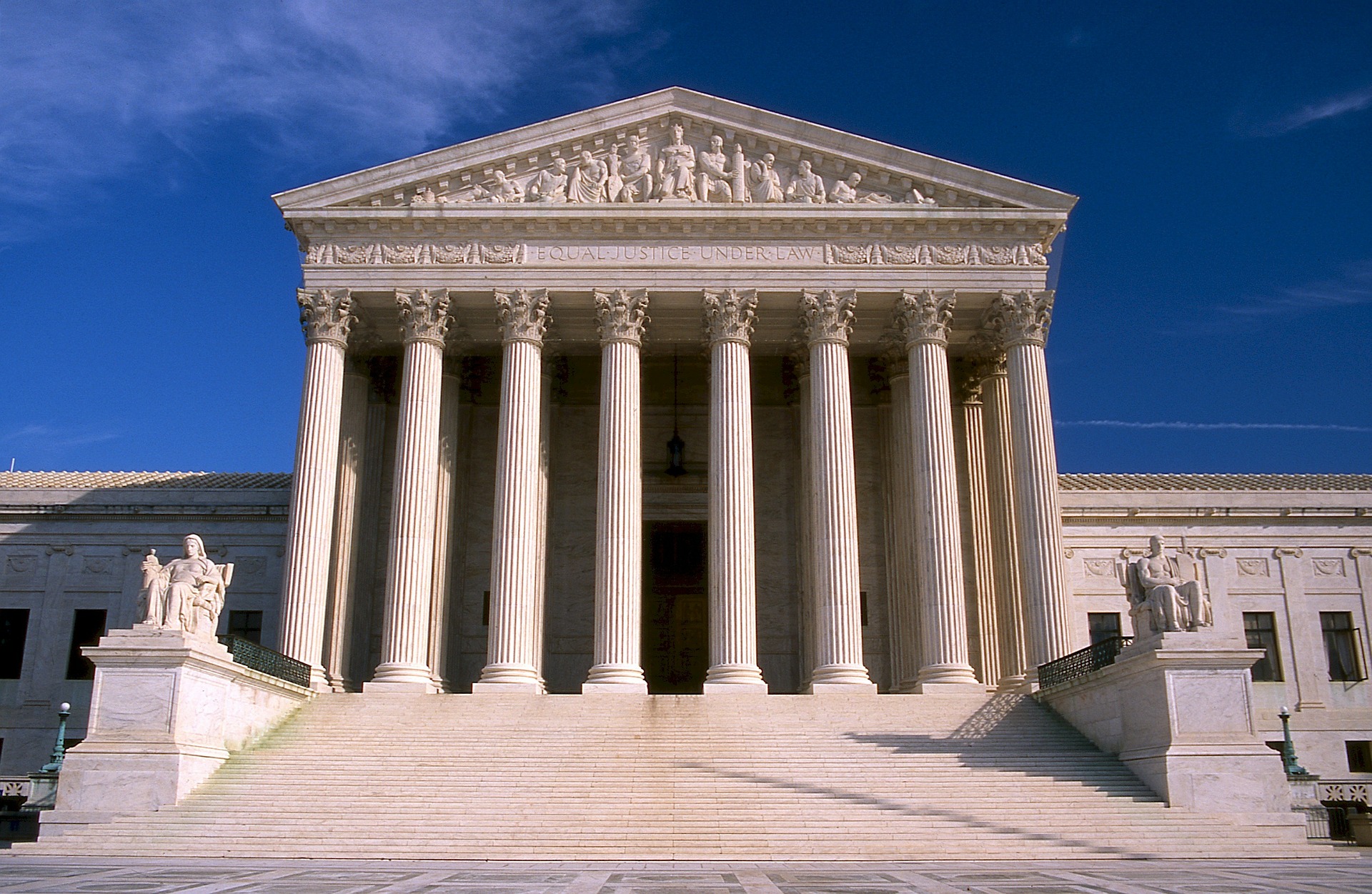
Former Supreme Court Justice of the United States, David Souter, the intellectual from New England who disappointed Republicans and delighted liberals by slowing a conservative transformation of the high court, died May 8th at his home in New Hampshire. He was 85 years old.

The high court announced his death but did not cite a cause.

COMMENTS APPRECIATED

Like and Refer

***

***

“Sell in May” – Maybe Not?

By Staff Reporters and ChatGPT

SPONSOR: http://www.MarcinkoAssociates.com

***

***

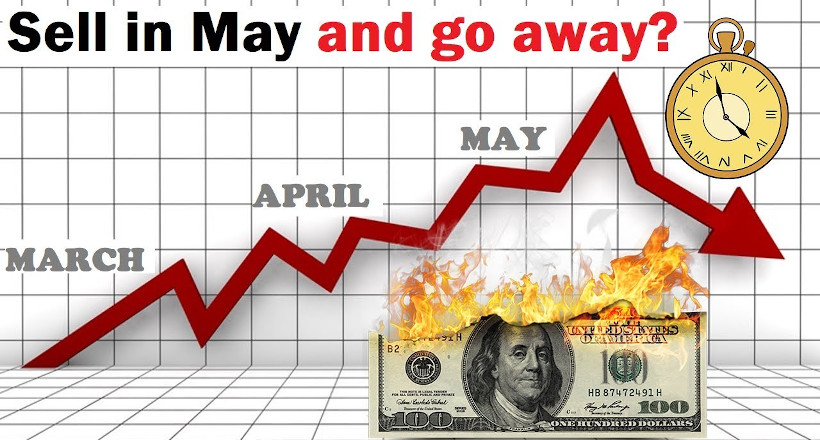
The phrase “sell in May and go away” suggests that investors should sell their stocks in May and avoid the market during the summer months, as historical data indicates poorer stock performance during this period.

***

It’s Friday morning, so you’re probably clocking out once you’re done reading this ME-P. And who could blame you, after such a wild month of watching your portfolio zig & zag with every headline.

In fact, why not just sell all your stocks and walk away entirely? You’ve got to admit, it’s tempting. After all, markets have completed an incredible round trip since Liberation Day—you could just call it even, start celebrating Cinco de Mayo a bit late, and maybe check your portfolio again sometime around August.

“Sell in May and go away” might sound like appealing advice these days, especially considering that the market usually spends the next six months under-performing: The S&P 500 gains just 1.8% on average from May through October, the worst-performing stretch of the year historically.

But Carson Research Chief Market Strategist Ryan Detrick says that would be a mistake. “

These ‘worst six months’ have gained in eight of the last 10 years,” he recently wrote. He continued: “Not to mention the month of May has been higher nine of the past 10 years, so maybe we should call it,

“Sell in June and go Away?”

***

Invite Dr. Marcinko

COMMENTS APPRECIATED

Like and Refer

***

***

DAILY UPDATE: Elizabeth Holmes Down While Stock Markets Rise Up

MEDICAL EXECUTIVE-POST TODAY’S NEWSLETTER BRIEFING

***

Essays, Opinions and Curated News in Health Economics, Investing, Business, Management and Financial Planning for Physician Entrepreneurs and their Savvy Advisors and Consultants

Serving Almost One Million Doctors, Financial Advisors and Medical Management Consultants Daily

A Partner of the Institute of Medical Business Advisors , Inc.

http://www.MedicalBusinessAdvisors.com

SPONSORED BY: Marcinko & Associates, Inc.

***

http://www.MarcinkoAssociates.com

Daily Update Provided By Staff Reporters Since 2007.
How May We Serve You?
© Copyright Institute of Medical Business Advisors, Inc. All rights reserved. 2025

REFER A COLLEAGUE: MarcinkoAdvisors@outlook.com

SPONSORSHIPS AVAILABLE: https://medicalexecutivepost.com/sponsors/

ADVERTISE ON THE ME-P: https://tinyurl.com/ytb5955z

Your Referral Count -0-

CITE: https://www.r2library.com/Resource

Former Theranos CEO Elizabeth Holmes on Thursday lost her bid to have an appeal of her 2022 fraud conviction reheard. The 9th Circuit U.S. Court of Appeals denied Holmes’ request for a rehearing before the original three-judge panel that upheld her conviction. At the same time, the court said no judge on the circuit court had asked for a vote on whether to have the full court rehear the appeal.

CITE: https://tinyurl.com/2h47urt5

🟢 What’s up

  • Boeing flew 3.31% higher after being named one of the direct beneficiaries of today’s US/UK trade deal.
  • AppLovin popped 11.88% after it revealed a 40% increase in revenue last quarter and announced it’s selling its mobile gaming unit.
  • Carvana jumped 10.17% thanks to record sales due to customers buying cars at higher rates last quarter to get ahead of tariffs.
  • Crocs climbed 9.82% on a strong earnings report, though the footwear icon pulled its fiscal guidance.
  • IonQ is one of the rare cases of a company in the quantum computing industry that reported solid financials. Shareholders rewarded it with a 9.27% gain today.
  • But it had nothing on D-Wave Quantum, which skyrocketed 51.34% thanks to record first-quarter revenue.
  • Axon Enterprise got a 14.13% jolt after the Taser maker reported strong earnings growth and upped its revenue guidance for the current quarter.
  • Crypto stocks had a great day thanks to bitcoin’s breakout (more on that later). MicroStrategy rose 5.58%, Coinbase climbed 5.06%, and Riot Platforms gained 7.65%.

What’s down
  • Arm Holdings fell 6.18% after the semiconductor manufacturer warned that both earnings and revenue will come in lower than Wall Street expected this year.
  • Peloton Interactive lost 6.73% thanks to a bigger-than-expected loss last quarter and a 13% decline in revenue.
  • Cleveland-Cliffs tumbled off a cliff on the news that the steelmaker is fully or partially pausing production at six of its facilities. Shares tumbled 15.78%.
  • Krispy Kreme crashed 24.71% after the donut chain paused its deal with McDonald’s, scrapped its dividend to save money, and pulled its fiscal guidance.
  • Fortinet dropped 8.41% after the cybersecurity company beat analyst forecasts but projected lower revenue in the current quarter than initially expected.
  • Pharma stocks fell across the board on reports that President Trump will slash drug costs with revisions to Medicare pricing. Eli Lilly lost 3.25%, Bristol Myers sank 1.55%, and AbbVie fell 1.33%.

CITE: https://tinyurl.com/tj8smmes

Visualize: How private equity tangled banks in a web of debt, from the Financial Times.

COMMENTS APPRECIATED

PLEASE SUBSCRIBE: MarcinkoAdvisors@outlook.com

Thank You

***

***

***

***

EDUCATIONAL TEXTBOOKS: https://tinyurl.com/4zdxuuwf

***

OSTRICH BIAS: Negative Information

SPONSOR: http://www.CertifiedMedicalPlanner.org

Financial Advisor, Planner and Insurance Agent Information

By Staff Reporters

***

***

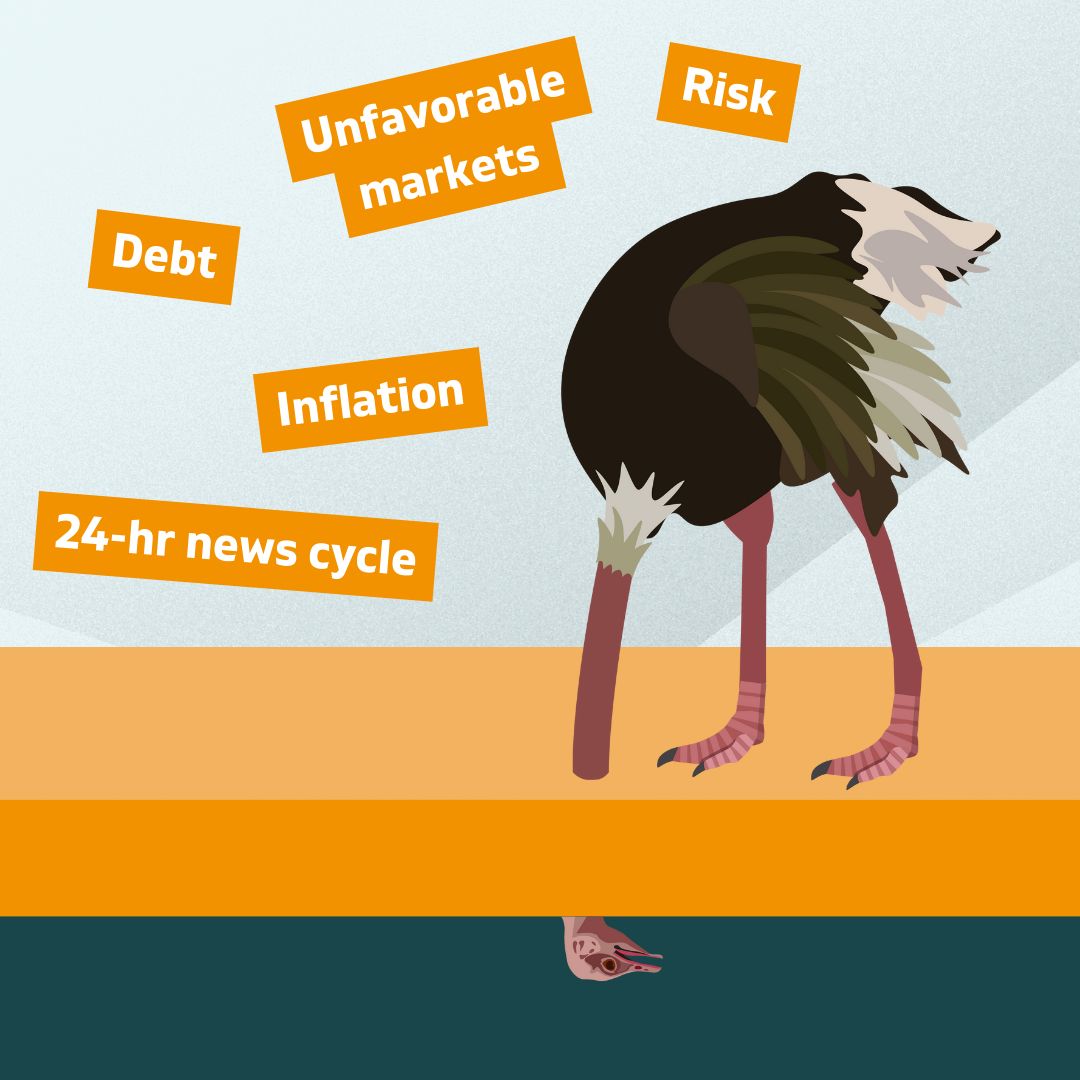
Ostrich Bias is a behavioral phenomenon describing the tendency of individuals to avoid or ignore information that they perceive as negative or threatening. This term is derived from the popular but inaccurate belief that ostriches bury their heads in the sand when faced with danger, even though they do not exhibit such behavior.

Evidence: There is neuro-scientific evidence of the ostrich effect. Sharot et al. (2012) investigated the differences in positive and negative information when updating existing beliefs. Consistent with the ostrich effect, participants presented with negative information were more likely to avoid updating their beliefs; wills, estate plans, investment portfolios, and insurance policies, etc..

Moreover, they found that the part of the brain responsible for this cognitive bias was the left IFG – inferior frontal gyrus – by disrupting this part of the brain with TMS – transcranial magnetic stimulation – participants were more likely to accept the negative information provided.

EXAMPLE: The Ostrich Bias can cause someone to avoid looking at their bills, because they’re worried about seeing how far behind they are on home mortgage payments, credit cards, education or auto loans, etc.

COMMENTS APPRECIATED

The Medical Executive-Post is a  news and information aggregator and social media professional network for medical and financial service professionals.

Feel free to submit education content to the site as well as links, text posts, images, opinions and videos which are then voted up or down by other members. Comments and dialog are especially welcomed.

Daily posts are organized by subject. ME-P administrators moderate the activity. Moderation may also conducted by community-specific moderators who are unpaid volunteers.

Invite Dr. Marcinko

Refer and Like

***

***

SURGEON GENERAL: Nesheiwat is Out – Means is In

BREAKING NEWS

SPONSOR: http://www.CertifiedMedicalPlanner.org

***

***

President Trump tapped best-selling author and wellness influencer Dr. Casey Means, whom he described as having “impeccable ‘MAHA’ credentials,” to be Surgeon General

His first nominee, Fox News contributor Dr. Janette Nesheiwat withdrew over questions about her medical training.

COMMENTS APPRECIATED

Like and Refer

***

***

DAILY UPDATE: Fed Holds Interest Rates Steady as Stock Markets Rise

MEDICAL EXECUTIVE-POST TODAY’S NEWSLETTER BRIEFING

***

Essays, Opinions and Curated News in Health Economics, Investing, Business, Management and Financial Planning for Physician Entrepreneurs and their Savvy Advisors and Consultants

Serving Almost One Million Doctors, Financial Advisors and Medical Management Consultants Daily

A Partner of the Institute of Medical Business Advisors , Inc.

http://www.MedicalBusinessAdvisors.com

SPONSORED BY: Marcinko & Associates, Inc.

***

http://www.MarcinkoAssociates.com

Daily Update Provided By Staff Reporters Since 2007.
How May We Serve You?
© Copyright Institute of Medical Business Advisors, Inc. All rights reserved. 2025

REFER A COLLEAGUE: MarcinkoAdvisors@outlook.com

SPONSORSHIPS AVAILABLE: https://medicalexecutivepost.com/sponsors/

ADVERTISE ON THE ME-P: https://tinyurl.com/ytb5955z

Your Referral Count -0-

CITE: https://www.r2library.com/Resource

The Federal Reserve is still firmly in wait-and-see mode.

The Fed left its key interest rate unchanged again Wednesday and gave no hint it plans to lower it soon as President Donald Trump’s sweeping tariffs raise the risks of both another inflation spike and recession. But officials signaled they’re growing increasingly concerned about both hazards.

CITE: https://tinyurl.com/2h47urt5

What’s up

  • Netflix rose 1.56% after the streamer revamped its homepage and rolled out new AI search tools.
  • Nvidia popped 3.10% on news that President Trump will rescind Biden-era global chip curbs.
  • Advanced Micro Devices rose just 1.76% despite the chipmaker beating earnings and forecasting solid growth ahead.
  • Lions Gate Entertainment soared 20.77% after it finalized the separation of its studio and STARZ business segments into two distinct companies.
  • Logitech rose 1.46% thanks to an upgrade from UBS analysts who say the device maker is well-positioned to capitalize on Gen Alpha, 94% of whom play video games.
  • Charles River Laboratories popped 18.81% after the pharmaceutical company raised its full-year guidance above Wall Street’s expectations.
  • Rockwell Automation gained 11.90% on a beat-and-raise quarter thanks to higher demand for domestic manufacturing.

What’s down

  • Super Micro Computer fell 1.40% after the AI server maker missed on revenue last quarter and forecast slower revenue growth this quarter.
  • WW International, better known as Weight Watchers, plummeted 43.04% on the news that the company is going bankrupt.
  • Marvell Technology plunged 8.02% after the data storage manufacturer postponed its investor day—never a good sign.
  • Rivian Automotive tumbled 5.78% on management’s forecast that vehicle deliveries will be lower than expected this year.
  • Arista Networks beat Wall Street’s estimates but fell 4.76% after it warned that its margins will be squeezed in the coming quarters.
  • Sarepta Therapeutics plummeted 21.45% after posting a bigger-than-expected loss last quarter and projecting slower revenue growth this quarter.

CITE: https://tinyurl.com/tj8smmes

Visualize: How private equity tangled banks in a web of debt, from the Financial Times.

COMMENTS APPRECIATED

PLEASE SUBSCRIBE: MarcinkoAdvisors@outlook.com

Thank You

***

***

***

***

EDUCATIONAL TEXTBOOKS: https://tinyurl.com/4zdxuuwf

***

BUY & HOLD: Challenging Investment Rules and Key Investor Traits

By Vitaliy Katsenelson CFA

***

***

Today, we’re diving into two thought-provoking questions:

What’s a famous investment rule I don’t agree with? Which key characteristics should a good investor have? Again:

  1. What’s a famous investment rule I don’t agree with?
  2. Which key characteristics should a good investor have?

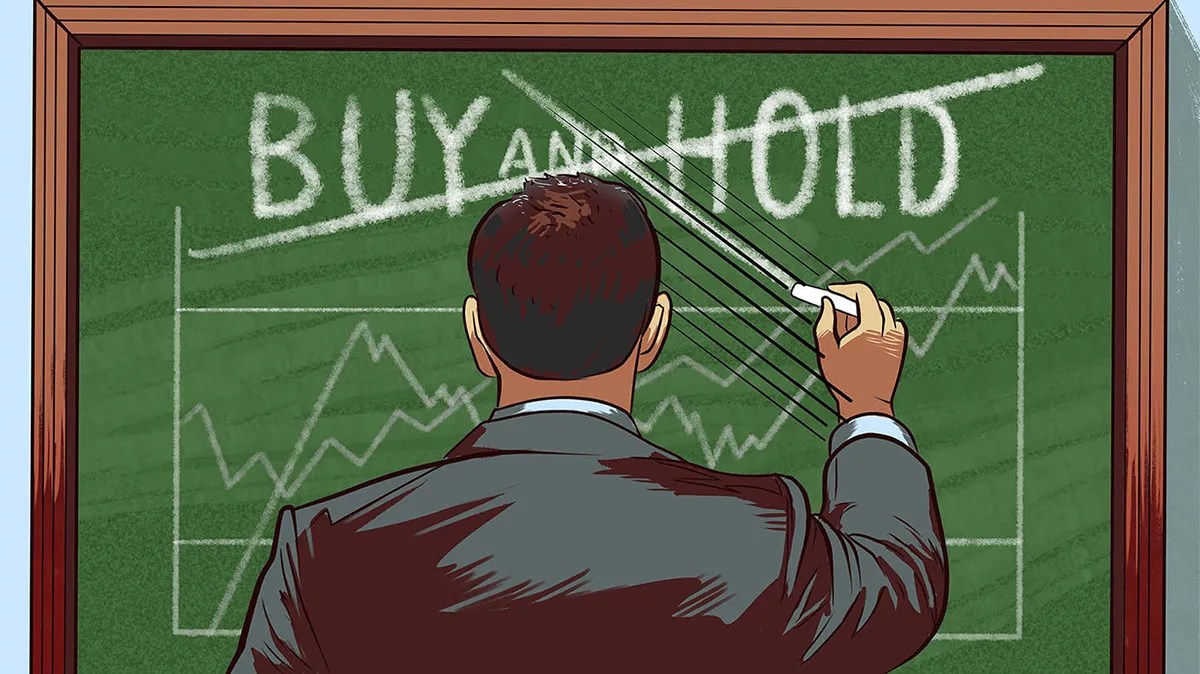
A Famous Investment Rule I Don’t Agree With: “Buy and Hold”

Buy and hold becomes a religion during bull markets. Then, holding a stock because you bought it is often rewarded through higher and higher valuations. There’s a Pavlovian bull market reinforcement – every time you don’t sell (hold) a stock, it goes higher.

Buying is a decision. So is holding, but it should not be a religion but a decision. The value of any company is the present value of its cash flows. When the present value of cash flows (per share) is less than the price of the stock, the stock should not be “held” but sold.

Warren Buffett is looked upon as the deity of buy and hold.

Look at Coca Cola when it hit $40 in 1999. Its earnings power at the time was about $0.80. It was trading at 50 times earnings. It was significantly overvalued, considering that most of the growth for this company was in the past.

Fast-forward almost a quarter of a century – literally a generation. Today the stock is at $60. It took more than a decade to reclaim its 1999 high. Today, Coke’s earnings power is around $1.50–1.90. Earnings have stagnated for over a decade. If you did not sell the stock in 1999, you collected some dividends, not a lot but some. The stock is still trading at 30–40x earnings. Unless they discover that Coke cures diabetes (not causes it), its earnings will not move much. It’s a mature business with significant health headwinds against it.

“Long-term” and “buy-and-hold” investing are often confused.

People should not own stocks unless they have a long-term time horizon. Long-term investing is an attitude, an analytical approach. When you build a discounted cash flow model, you are looking decades ahead. However, this doesn’t mean that you should stop analyzing the company’s valuation and fundamentals after you buy the stock, as they may change and affect your expected return. After you put in a lot of analytical work and buy the stock, you should not simply switch off your brain and become a mindless buy-and-hold investor.

This doesn’t mean you shouldn’t be patient, but holding, not selling, a stock is a decision.

COMMENTS APPRECIATED

Refer and Like

***

***

CELEBRATE: National Nurse’s Week 2025

***

By Staff Reporters

As of 1998, May 8th was designated as National Student Nurses Day, to be celebrated annually. And as of 2003, National School Nurse Day is celebrated on the Wednesday within National Nurses Week (May 6-12) each year.

***

***

The nursing profession has been supported and promoted by the American Nurses Association (ANA) since 1896. Each of ANA’s state and territorial nurses associations promotes the nursing profession at the state and regional levels. Each conducts celebrations on these dates to recognize the contributions that nurses and nursing make to the community.

NURSES: https://www.msn.com/en-us/money/other/the-best-worst-states-for-nurses-in-2022-report/ar-AAX4wYd?li=BBnb7Kz

***

***

The ANA supports and encourages National Nurses Week recognition programs through the state and district nurses associations, other specialty nursing organizations, educational facilities, and independent health care companies and institutions.

LINK: https://www.nursingworld.org/education-events/national-nurses-week/history/

***

COMMENTS APPRECIATED

Thank You

***

***

***

The Deeper Damage From a Declining Dollar

By Rick Kahler CFPMSFP

***

***

DECLINE OF THE DOLLAR

On-again, off-again tariffs. Rising prices. Dramatic market swings. The anxiety-producing headlines come so fast it’s hard to know what to worry about first. Meanwhile, one serious consequence of all this chaos is going almost unnoticed. That is the decline of the dollar.

Since the start of this year, the value of the U.S. dollar has slipped more than 10% against other major currencies. That drop is not just an economic statistic. It affects all Americans’ daily lives.

People are feeling the pinch of rising prices at checkout lines, gas stations, and shipping counters. But there isn’t a full understanding of why. Tariffs are only half the story. The weakening dollar amplifies those price increases even further.

For years, the dollar remained strong even as the national debt ballooned. It benefited from its reputation as a safe haven, from global demand, and from U.S. interest rates. But much of that strength, as we now see, was fragile—propped up more by perception than fundamentals. In April, sweeping tariffs triggered a sharp market correction, and the dollar suddenly fell to its lowest point in over three years. Market confidence vanished overnight.

This was more than a market reaction. It signaled a collapse in trust—not just in policy, but in principle. It is no longer a given that the U.S. will act with consistency, reason, and long-term responsibility. What’s unraveling is both our country’s financial credibility and the moral foundation that underpinned it.

When a currency represents a nation, its value reflects more than economics. It reflects governance, accountability, stability, and integrity. When the dollar stumbles, it speaks to who we are, and whether we can still be counted on.

Yet, most people aren’t talking about the decline of the dollar. This may come from being overwhelmed, choosing to ignore even more bad news, or actually believing that this is a necessary step in making things better. It is not.

We all respond differently to financial uncertainty. Some lean into hyper-vigilance—tightening budgets, tracking every headline. Others shut down, turning toward distraction. Still others press on as if nothing has changed. These are all natural human reactions.

They are not the same as leadership. And leadership—internal and external—is what’s needed now. Not panic. Not blame. Just the courage to face where we are and the willingness to start again from there.

But leadership is in short supply in Washington, where many in both parties remain silent. Some fear political retribution from the administration, others fear backlash from increasingly extreme and vocal constituencies. That silence costs us all.

A respected government official recently told me that, while some of the domestic damage to our economy could be repaired within a few years, rebuilding global confidence in the United States may take a generation. That is a reflection of the rapid erosion of trust that has already happened in the last three months. Trust that took decades to build has been unwound in a matter of weeks. Even if we reversed every policy decision tomorrow, the damage is done.

We cannot change what’s already happened. We can still choose to show up. To pay attention. To have the hard conversations. To lead our own financial lives with more clarity, integrity, and intention than before. That kind of personal leadership may not fix the dollar. But it can help rebuild what underlies its value: trust, steadiness, and the moral grounding we’ve begun to lose.

Because the dollar’s decline is more than an economic headline.

It’s a story about who we are—and whether we’re ready to live with open eyes in a world where the old assumptions no longer hold.

COMMENTS APPRECIATED

Like and Refer

***

***

DAILY UPDATE: U.S. GDP Down as Stock Markets Collapse

MEDICAL EXECUTIVE-POST TODAY’S NEWSLETTER BRIEFING

***

Essays, Opinions and Curated News in Health Economics, Investing, Business, Management and Financial Planning for Physician Entrepreneurs and their Savvy Advisors and Consultants

Serving Almost One Million Doctors, Financial Advisors and Medical Management Consultants Daily

A Partner of the Institute of Medical Business Advisors , Inc.

http://www.MedicalBusinessAdvisors.com

SPONSORED BY: Marcinko & Associates, Inc.

***

http://www.MarcinkoAssociates.com

Daily Update Provided By Staff Reporters Since 2007.
How May We Serve You?
© Copyright Institute of Medical Business Advisors, Inc. All rights reserved. 2025

REFER A COLLEAGUE: MarcinkoAdvisors@outlook.com

SPONSORSHIPS AVAILABLE: https://medicalexecutivepost.com/sponsors/

ADVERTISE ON THE ME-P: https://tinyurl.com/ytb5955z

Your Referral Count -0-

CITE: https://www.r2library.com/Resource

🟢 What’s up

  • Ford managed to rise 2.45% despite the automaker suspending its 2025 fiscal guidance, citing “industrywide supply chain disruption impacting production.”
  • WeRide skyrocketed 31.68% on the news that it’s expanding its partnership with Uber to include rolling out robotaxis in 15 new cities. Pony AI soared 47.63% thanks to its bigger role helping Uber grow throughout the Middle East.
  • Hims & Hers Health gained 18.12% after the telehealth stock beat analyst forecasts last quarter,even though it provided lower-than-expected revenue guidance this quarter.
  • Celsius Holdings missed on both top and bottom line expectations, but shares of the energy drink maker still managed to bubble 4.81% higher.
  • Mattel rose 2.78% even though the toy company paused its fiscal guidance and warned it will raise prices in the US.
  • Upwork, everyone’s favorite side-gig platform, soared 18.02% as Americans brace for economic upheaval by finding second jobs.
  • Constellation Energy may have missed Wall Street forecasts last quarter, but shareholders pushed the stock 10.29% higher on upbeat fiscal guidance.
  • SolarEdge Technologies climbed 11.22% on a smaller-than-expected loss last quarter and projections that tariffs won’t be as bad as feared.
  • Neurocrine Biosciences popped 8.36% thanks to strong revenue growth due to high sales of its movement disorder treatment Ingrezza.

What’s down

  • Tesla fell 1.75% on the latest data showing its sales plummeted in Europe last month, including a 46% decline in Germany.
  • Pharma stocks took a beating after the FDA announced that industry critic Dr. Vinay Prasad will be named its top vaccine regulator. Moderna lost 12.25%, Novavax fell 3.19%, Merck sank 4.59%, and Pfizer fell 4.15%.
  • Clorox got taken to the cleaners, losing 2.41% after missing Wall Street’s profit forecasts.
  • Vertex Pharmaceuticals fell 10.03% thanks to big misses across the board last quarter due to higher costs.
  • Lattice Semiconductor lost 9.28% after management warned that tariffs will have indirect consequences on its business.

CITE: https://tinyurl.com/2h47urt5

  • US gross domestic product (GDP) contracted 0.3% in Q1, the Commerce Department reported yesterday, missing economists’ expectations of a 0.4% increase.
  • That drop can likely be attributed to a massive spike in imports (roughly a 41% increase from the previous quarter) from companies stocking up on goods and materials before President Trump’s tariffs took effect. The Commerce Department counts imports as a negative in GDP calculations as they represent spending on foreign goods.

CITE: https://tinyurl.com/tj8smmes

Visualize: How private equity tangled banks in a web of debt, from the Financial Times.

COMMENTS APPRECIATED

PLEASE SUBSCRIBE: MarcinkoAdvisors@outlook.com

Thank You

***

***

***

***

EDUCATIONAL TEXTBOOKS: https://tinyurl.com/4zdxuuwf

***

Lessons from History’s Technology Booms

By Vitaliy Katsenelson CFA

***

***

The technology at the core of the mania is different every time. What doesn’t change over time is human emotion – the fear of missing out and then the fear of loss.

AI has a feel of “this time is different.” Optimism rarely erupts about the same technology twice; this is why history doesn’t repeat but rhymes. The technology at the core of the mania is different every time. What doesn’t change over time is human emotion – the fear of missing out and then the fear of loss, in that order. 

Humans are an optimistic bunch. We need it; it’s essential to our survival and progress; but eventually, we take our optimism too far. The graveyard of financial ruins is full of these stories.

I have beat the dotcoms and Nifty Fifties to death, so let’s go to back another century. My friend the brilliant Edward Chancellor wrote about the railroad boom and bust in England in the 1800s. Here he is, edited for brevity:

The first railway to use steam locomotives opened in 1825 and was designed to carry coal, not passengers. Railway promoters simply did not appreciate the potential demand for high-speed travel. The successful launch of the Liverpool and Manchester Railway in 1830, however, demonstrated the commercial viability of passenger travel. By the early 1840s, Britain’s railway network stretched to more than 2,000 miles. Railway companies were delivering acceptable, if not spectacular, returns for investors.

Then railway fever suddenly gripped the nation. Enthusiasts touted rail transport not just for its economic benefits, but for its benign effects on human civilization. One journal envisaged a day when the “whole world will have become one great family speaking one language, governed in unity by like laws, and adoring one God.” In the two years after 1843, the index of rail stocks doubled.

Investment peaked at around 7% of Britain’s national income. Railway enthusiasts predicted that rail would soon replace all the country’s roads and that “horse and foot transit shall be nearly extinct.”

In 1845, Britain’s railways carried nearly 34 million passengers. If the 8,000 miles of newly authorized railways were to deliver their expected 10% return, then the industry’s total revenue and passenger traffic would have to climb five fold or more – all within the space of just five years. “This should have alarmed observers by itself … But they were deluded by the collective psychology of the Mania”, writes Odlyzko. 

In 1847 a severe financial crisis broke out, induced in part by the diversion of large amounts of capital into unprofitable railway schemes. It turned out that the revenue projections provided by so-called “traffic takers” were wildly overoptimistic. Railway engineers underestimated costs. The vogue for constructing direct lines between large urban centers proved mistaken, as most traffic turned out to be local. As a result, Britain’s rail network was plagued with overcapacity. By the end of the decade, the index of railway stocks was down 65% from its 1845 peak. 
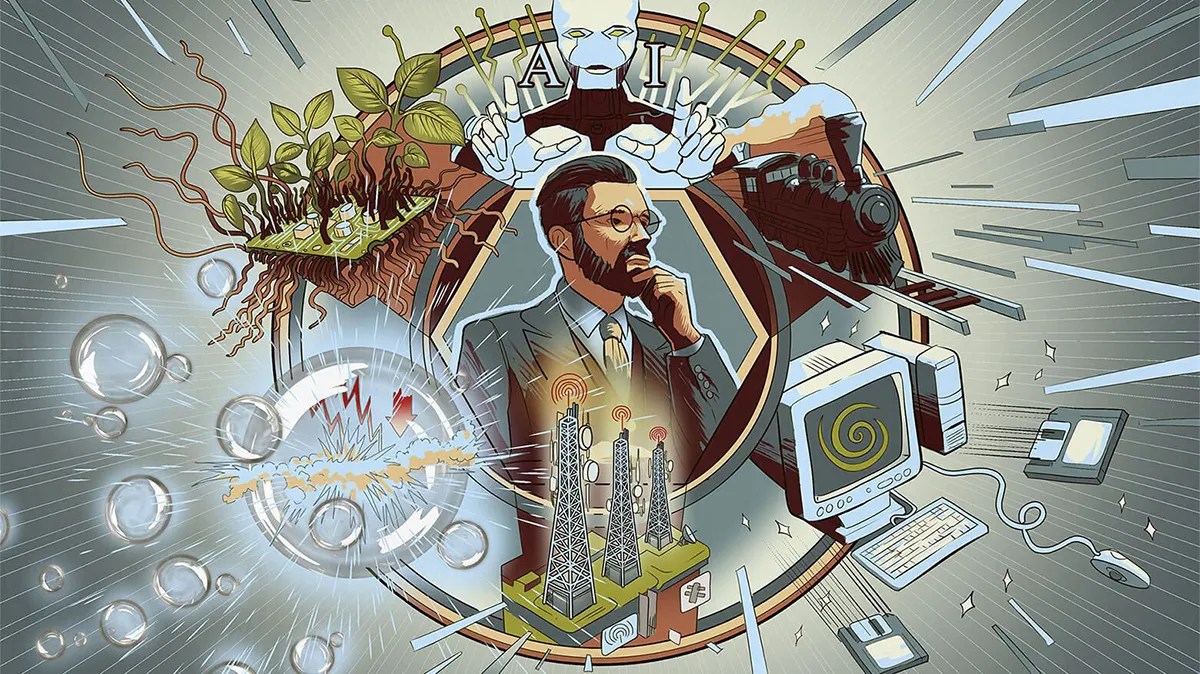
The railroad bubble in England is just one example; there are hundreds of similar stories across market history. They all share this theme:

A new technology appears on the horizon. In the early stages, investment is rational, but then at some point excitement, imagination, and optimism take over, leading to overinvestment (usually creating a financial bubble). Investors make a lot of money until most lose it all. When the dust settles, only a few companies survive.

This AI boom reminds me of the telecom sector in the 1990s. The internet was going to change the world, and it did, but first we had tremendous overcapacity in global fiber and telecom equipment.

One could say that telecommunications companies overestimated demand for broadband and underestimated changes in technology, and that would be true. But there was a more nuanced dynamic at play, what economists call the fallacy of composition.

What’s true for one participant isn’t necessarily true for the group.

COMMENTS APPRECIATED

Like and Refer

***

***

NATIONAL: Teacher’s Day 2025

By Doctor David Edward Marcinko; MBA MEd

***

***

National Teachers’ Day is observed on the first Tuesday of the first full week of May (May 6th) and we’re more than ready to show our appreciation to those who have taught us. Everyone has had that favorite teacher that has helped inspire them. This day meant to honor them was actually made by a teacher.

None other than First Lady Eleanor Roosevelt herself. Eleanor Roosevelt was more than Franklin D. Roosevelt’s wife, she has a history of civic duty and was an advocate for fellow teachers. Her love for education began at a young age when she was privately tutored and encouraged by her aunt Anna “Barnie” Roosevelt. No matter how high she rose on the social ladder, she never forgot where she came from.

Invite Dr. Marcinko

COMMENTS APPRECIATED

Refer and Like

***

***

DAILY UPDATE: CVS Exits ACA Marketplace as Markets Flounder

MEDICAL EXECUTIVE-POST TODAY’S NEWSLETTER BRIEFING

***

Essays, Opinions and Curated News in Health Economics, Investing, Business, Management and Financial Planning for Physician Entrepreneurs and their Savvy Advisors and Consultants

Serving Almost One Million Doctors, Financial Advisors and Medical Management Consultants Daily

A Partner of the Institute of Medical Business Advisors , Inc.

http://www.MedicalBusinessAdvisors.com

SPONSORED BY: Marcinko & Associates, Inc.

***

http://www.MarcinkoAssociates.com

Daily Update Provided By Staff Reporters Since 2007.
How May We Serve You?
© Copyright Institute of Medical Business Advisors, Inc. All rights reserved. 2025

REFER A COLLEAGUE: MarcinkoAdvisors@outlook.com

SPONSORSHIPS AVAILABLE: https://medicalexecutivepost.com/sponsors/

ADVERTISE ON THE ME-P: https://tinyurl.com/ytb5955z

Your Referral Count -0-

CITE: https://www.r2library.com/Resource

Aetna is waving goodbye to the ACA marketplace. Executives announced during CVS Health’s Q1 2025 earnings call on May 1 that the insurance giant is withdrawing from the individual marketplace created under the Affordable Care Act, as the company expects to lose as much as $400 million from that part of the business in 2025.

CITE: https://tinyurl.com/2h47urt5

Stocks sank a bit today while investors remain in wait-and-see mode. All eyes are on Jerome Powell & Co. this Wednesday: The market thinks the Fed will stay put until June, while some pros think the next rate cut will be in July.

Among the major indexes, the Dow Jones industrials fared best, though it was only up 0.1%. McDonald’s and UnitedHealth led blue chips with gains of more than 1%. Apple lagged most, dropping 2.6%. Chevron skidded more than 2%. The NASDAQ composite fell 0.4%. Trade Desk outperformed here, rallying more than 3%, while Charter Communications and Fortinet each rose nearly 3%. Meanwhile, On Semiconductor and Grail lagged, diving more than 8% and 4%, respectively. The S&P 500 dropped 0.4%. The benchmark index’s sectors were mixed, but with a slight downside bias. Energy and consumer discretionary were getting hit the hardest. Industrials and consumer staples made the best gains.

CITE: https://tinyurl.com/tj8smmes

🟢 What’s up

  • Skechers exploded 24.35% after the footwear retailer inked a deal with 3G Capital to go private.
  • Electronic Arts climbed 2.41% on the news that it has teamed up with Major League Soccer to offer four matches via its mobile gaming platform this year.
  • United Airlines rose 1.07% despite its announcement that it’s cutting some flights out of Newark, New Jersey, where apparently flying is terrible.
  • Howard Hughes Holdings gained 2.81% thanks to a $900 million investment in the real estate company from Bill Ackman’s Pershing Square.

What’s down

  • Sunoco sank 5.64% on the oil & gas company’s plans to acquire Canadian gas station chain Parkland Corporation for $9.1 billion.
  • Shell fell 2.28% on reports that the company is considering ways to acquire rival BP.
  • ON Semiconductor lost 8.35% despite outpacing analysts’ estimates on both the top and bottom lines, as shareholders focused on warnings of weaker demand.
  • Tyson Foods fell 7.75% after the meat giant missed sales estimates and warned revenue will remain flat in the coming year.
  • Loews may have beaten analysts’ estimates on revenue, but the luxury hospitality stock still fell 1.77% after missing on profits.
  • Wolfspeed, which is a company name we will never get tired of writing, gave up another 8.52% following a wild short squeeze last week.

COMMENTS APPRECIATED

PLEASE SUBSCRIBE: MarcinkoAdvisors@outlook.com

Thank You

***

***

***

***

EDUCATIONAL TEXTBOOKS: https://tinyurl.com/4zdxuuwf

***

MEDICAL DEMAND: Health Care Elasticity

DEFINITION

By Staff Reporters

***

***

Classic: Despite a wide variety of empirical methods and data sources, the demand for health care is consistently found to be price inelastic

Modern: If you are sick, you will not be very price sensitive. There are exceptions to this rule (e.g., elective surgery such as plastic surgery, purchases of eyeglasses) but most studies find that patients are fairly insensitive to changes in health care prices.

Examples: For instance, the RAND Health Insurance Experiment found that the price elasticity of medical expenditures is -0.2.

***

The Medical Executive-Post is a  news and information aggregator and social media professional network for medical and financial service professionals. Feel free to submit education content to the site as well as links, text posts, images, opinions and videos which are then voted up or down by other members. Comments and dialog are especially welcomed. Daily posts are organized by subject. ME-P administrators moderate the activity. Moderation may also conducted by community-specific moderators who are unpaid volunteers.

Refer and Like

COMMENTS APPRECIATED

***

***

VALUE INVESTING: Lesson from the Blackjack Table

By Vitaliy Katsenelson CFA

***

***

“Any time you make a bet with the best of it, where the odds are in your favor, you have earned something on that bet, whether you actually win or lose the bet. By the same token, when you make a bet with the worst of it, where the odds are not in your favor, you have lost something, whether you actually win or lose the bet.”

– David Sklansky, The Theory of Poker

Over a lifetime, active investors will make hundreds, often thousands of investment decisions. Not all of those decisions will work out for the better. Some will lose and some will make us money. As humans we tend to focus on the outcome of the decision rather than on the process.

On a behavioral level, this makes sense. The outcome is binary to us – good or bad, we can observe with ease. But the process is more complex and is often hidden from us.

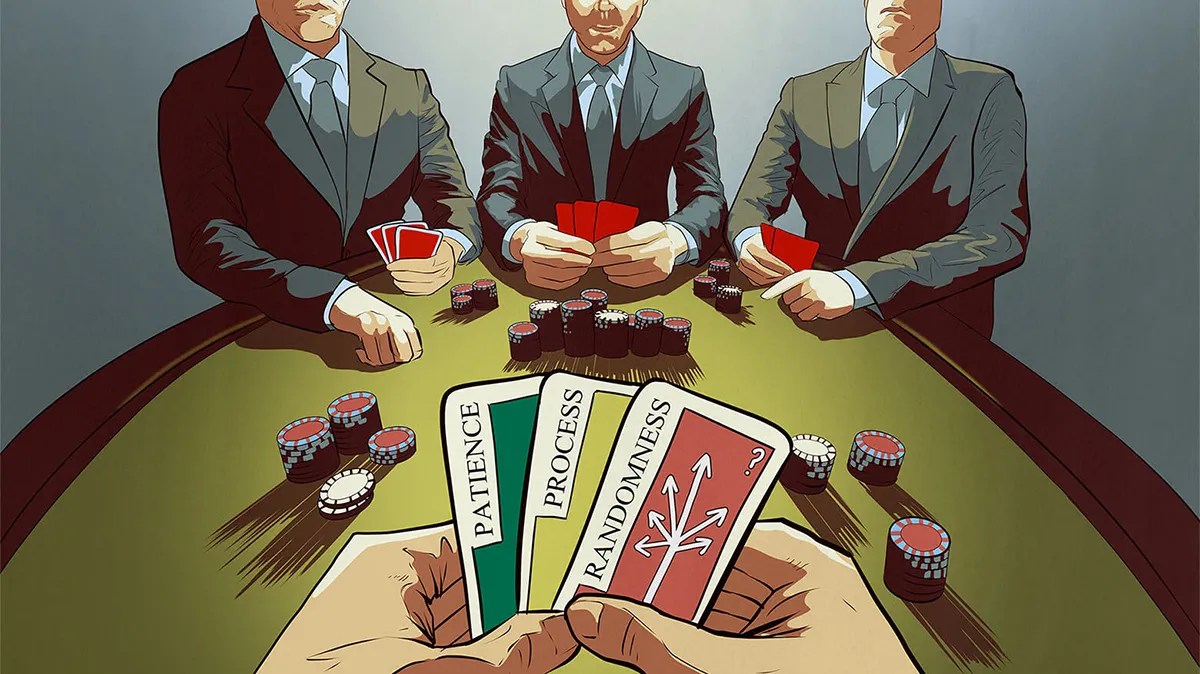
One of two things (sometimes a bit of both) can unite great investors: process and randomness (luck). Unfortunately, there is not much we can learn from randomness, as it has no predictive power. But the process we should study and learn from. To be a successful investor, all you need is a successful process and the ability (or mental strength) to stick to it.

Several years ago, I was on a business trip. I had some time to kill so I went to a casino to play blackjack. Aware that the odds were stacked against me, I set a $40 limit on how much I was willing to lose in the game.

I figured a couple hours of entertainment, plus the free drinks provided by the casino, were worth it. I was never a big gambler (as I never won much). However, several days before the trip I had picked up a book on blackjack on the deep discount rack in a local bookstore. All the dos and don’ts from the book were still fresh in my head. I figured if I played my cards right I would minimize the house advantage from 2-3 per cent to 0.5 per cent.

Wanting to get as much mileage out of my $40 as possible, I found a table with the smallest minimum bet requirement. My thinking was that the smaller the hands I played, the more time it would take for the casino’s advantage to catch up with me and take my money.

I joined a table that was dominated by a rowdy, half-drunken blue-collar worker who told me several times that it was his payday (literally: he was holding a stack of $100 bills in his hand) and that he was winning. I played by the book. But it did not matter. Luck was not on my side and my $40 was thinning with every hand.

Meanwhile, the rowdy guy was making every wrong move. He would ask for an extra card when he had a hard 18 while the dealer showed 6. The next card he drew would be a 3, giving him 21. Then the dealer would get a 10 and then a 2 (on top of the 6 that already showed), leaving him with 18. The rowdy guy barely paid attention to the cards.

He was more interested in saying “hit me”.

COMMENTS APPRECIATED

Refer and Like

***

***

DAILY UPDATE: Strong Labor Department as Stock Markets Soar Last Week but Stock and Oil Futures Drop Early Monday Morning

MEDICAL EXECUTIVE-POST TODAY’S NEWSLETTER BRIEFING

***

Essays, Opinions and Curated News in Health Economics, Investing, Business, Management and Financial Planning for Physician Entrepreneurs and their Savvy Advisors and Consultants

Serving Almost One Million Doctors, Financial Advisors and Medical Management Consultants Daily

A Partner of the Institute of Medical Business Advisors , Inc.

http://www.MedicalBusinessAdvisors.com

SPONSORED BY: Marcinko & Associates, Inc.

***

http://www.MarcinkoAssociates.com

Daily Update Provided By Staff Reporters Since 2007.
How May We Serve You?
© Copyright Institute of Medical Business Advisors, Inc. All rights reserved. 2025

REFER A COLLEAGUE: MarcinkoAdvisors@outlook.com

SPONSORSHIPS AVAILABLE: https://medicalexecutivepost.com/sponsors/

ADVERTISE ON THE ME-P: https://tinyurl.com/ytb5955z

Your Referral Count -0-

U.S. stock futures declined after the S&P 500 notched its longest winning streak in more than 20 years last week. Dow Jones Industrial Average futures were down around 280 points, or 0.7%, as of 11 p.m. Eastern. S&P 500 futures and NASDAQ-100 futures were off about 0.8%.

CITE: https://www.r2library.com/Resource

The labor market stayed strong. The US added 177,000 jobs in April, while unemployment stayed steady at 4.2%, new Labor Department data shows. That was slightly less job growth than the month before, but still more than expected, and it shows a resilient labor environment even as the president’s introduction of tariffs roiled the stock and bond markets and raised concerns about a recession. President Trump celebrated the news in a Truth Social post that once again urged the Fed to cut interest rates.

CITE: https://tinyurl.com/2h47urt5

Markets: Stocks soared like a balloon whose string a toddler couldn’t keep hold of yesterday. Unexpectedly strong jobs data for last month and reports that China is open to trade talks helped push the S&P 500 to its longest winning streak in more than 20 years (more on that later), erasing the losses from recent tariff turmoil. On its own impressive streak is Netflix, which hit an all-time high and finished its 11th day in the green for its longest positive run ever.
CITE: https://tinyurl.com/tj8smmes

Crude oil futures dropped more than 3% Sunday after OPEC+ agreed to accelerate production increases for a second straight month in June by 411K bbl/day.

U.S. WTI crude (CL1:COM) for June delivery recently traded -3.4% at $56.28/bbl and July Brent crude (CO1:COM) -3.2% at $59.34/bbl, with both front-month contracts touching their lowest levels since April 9th.

Visualize: How private equity tangled banks in a web of debt, from the Financial Times.

COMMENTS APPRECIATED

PLEASE SUBSCRIBE: MarcinkoAdvisors@outlook.com

Thank You

***

***

***

***

EDUCATIONAL TEXTBOOKS: https://tinyurl.com/4zdxuuwf

***

AI “Demolition Man” ID

By Staff Reporters

***

***

If getting answers from ChatGPT makes you feel dystopian, you may not want to hear about OpenAI CEO Sam Altman’s other co-founded venture, now rolling out stateside. It scans your eyeballs in exchange for cryptocurrency.

What in the Demolition Man? The device, which creates a unique user ID for your scan, is meant to address a problem that Altman had a hand in creating: how to verify identities and confirm humanity in a world full of artificial intelligence.

The project, called World (formerly Worldcoin), went live in other countries in 2023. Its US expansion, announced this week, featured retail outlets in five cities where you can get your eyes scanned:

  • Tools for Humanity, the company behind the orbs, says 12+ million people around the world have participated so far.
  • It claims to keep your data private, but authorities in more than a dozen places have suspended World’s operations or investigated its data practices, per the WSJ.

COMMENTS APPRECIATED

Like and Refer

***

***

2 Fast 2 Furious: HHS Cuts on the Horizon

By Health Capital Consultants LLC

***

***

During the first 90 days of the Republican Party’s government trifecta (controlling the White House, Senate, and House of Representatives), both the Trump Administration and Congress have laid the groundwork for seismic change to the U.S. healthcare industry.

In an attempt to track the latest actions of the federal government’s legislative and executive branches affecting the healthcare industry since the first installment in our February issue, this Health Capital Topics article summarizes recent events in Washington and the impact of these changes on providers and patients. (Read more…)

COMMENTS APPRECIATED

Like and Refer

***

***

BERKSHIRE HATHAWAY: Warren Buffett to Retire

BREAKING NEWS

By Staff Reporters

***

***

According to the Washington Post, legendary investor Warren Buffett said Saturday that he plans to step down from his role leading Berkshire Hathaway. Warren, 94, serves as the conglomerate’s chairman and chief executive. He said Saturday that he will recommend to the Berkshire Hathaway board that Greg Abel become CEO at the end of 2025.

“I think the time has arrived where Greg should become the chief executive officer of the company at year end,” Buffett said at Berkshire Hathaway’s annual meeting in Omaha.

Abel is chairman and CEO of Berkshire Hathaway Energy. Buffett has previously signaled that Abel would be in line to succeed him as CEO.

***

UPDATE: Berkshire Hathaway (NYSE:BRK.A)(NYSE:BRK.B) on Saturday reported its worst drop in quarterly operating earnings since 2020, and noted “considerable uncertainty” around international trade policies and tariffs. 

The sprawling conglomerate’s Q1 operating earnings slipped 14.1% Y/Y to $9.64B. This was the steepest fall in operating earnings since a 32.1% decrease logged in the third quarter of 2020

COMMENTS APPRECIATED

Like and Refer

***

***

MEDICINE: Emergent Care

SOME PHYSICIAN WORK FOR FREE

By Staff Reporters

SPONSOR: http://www.MarcinkoAssociates.com

***

***

What is an Emergency Medicine Physician?

An emergency medicine physician is a medical doctor who specializes in the diagnosis, treatment, and management of acute and life-threatening medical conditions that require immediate intervention. These physicians work in hospital emergency departments, urgent care centers, and other acute care settings, where they provide rapid assessment, stabilization, and treatment to patients of all ages with a wide range of medical emergencies.

Emergency medicine physicians are trained to handle diverse medical emergencies, including trauma, cardiac emergencies, respiratory distress, severe infections, neurological emergencies, and obstetric emergencies, among others. They play a vital role in the front line management of medical emergencies, ensuring that patients receive prompt and appropriate care to improve outcomes and save lives.

***

Classic: Emergent Room or Emergency Department care is the provision of immediate medical service offering outpatient care for the treatment of acute and chronic illness and injury. It requires a broad and comprehensive fund of knowledge to provide such care. Excellence in care for patients with complex and or unusual conditions is founded on the close communication and collaboration between the urgent care medicine physician, the specialists and the primary physicians.

Modern: Urgent care does not replace your primary care physician. An urgent care center is a convenient option when someone’s regular physician is on vacation or unable to offer a timely appointment. Or, when illness strikes outside of regular office hours, urgent care offers an alternative to waiting for hours in a hospital Emergency Room.

Examples: Chest pain, bleeding that cannot be stopped and loss of consciousness; etc.

***

***

SOME ER DOCTORS WORK FOR FREE

The new president of emergency medicine for the Alberta Medical Association says Emergency Room physicians already coping with long hours, staff shortages and jammed waiting rooms are also being obligated, in some cases, to work for free. Dr. Warren Thirsk says the government has yet to follow through on a promise to reimburse emergency room doctors for so-called “good faith” payments.

“There’s been lots of excuses, but the bottom line is no one has actually received a penny for those suspended good-faith payments,” Thirsk said in an interview. “On average, every emergency physician in this province is out thousands of dollars for free work.” Good-faith payments reimburse ER doctors when they see patients who don’t have identification and can’t prove an Alberta Health Care Insurance Plan billing number.

Thirsk said the United Conservative government stopped those payments when it ripped up the master agreement with the AMA in early 2020. He said it promised to bring back those payments when the two sides agreed to a new deal in September 2022. But to date that hasn’t happened, he said.

“I’m legally and morally bound to look after you [if] you’re unidentified [as a patient],” said Thirsk, an emergency room doctor at Edmonton’s Royal Alexandra Hospital.

“I’m going to look after you because it’s the right thing to do no matter what the problem is.”

COMMENTS APPRECIATED

The Medical Executive-Post is a  news and information aggregator and social media professional network for medical and financial service professionals. Feel free to submit education content to the site as well as links, text posts, images, opinions and videos which are then voted up or down by other members. Comments and dialog are especially welcomed. Daily posts are organized by subject. ME-P administrators moderate the activity. Moderation may also conducted by community-specific moderators who are unpaid volunteers.

Like and Refer

***

***

LONG TERM CARE INSURANCE: A Hobson’s Choice Decision?

By Staff Reporters

SPONSOR: http://www.CertifiedMedicalPlanner.org

***

***

Long Term Care Insurance [LTCI]

Some retired people live on a fixed income and many of them live right on the edge of their financial capability.  At some time in their life, they may have to make a choice regarding many purchases.  

In this case, we will illustrate “choice” using a couple’s purchase of Long-Term-Care Insurance [LTCI]. Of course, economics is the study of choice; wants, needs and scarcity, etc. In our case, if they decide to make the purchase they commit to a lifetime of premium payments. The financial tradeoff is this; if they make the commitment to purchase LTCI, they must give up something else.

EXAMPLE: In order to maintain a monthly premium of $100 ($1,200per year), an elderly patient, retired layman or couple must essentially relegate about $30,000 of financial assets to generate the $100 necessary to make an average premium payment (assumes a 7% rate of return with 4% withdrawal rate) or [4% X $30,000 = $1,200 year]. Thus, if the monthly premium cost is $500 per month, the elder must give up the use of $150,000 of retirement asset just to generate enough cash flow to pay for the LTC insurance. 

***

***

The married elder couple has to make the Hobson’s Choice decision among lifestyle (dinners, vacations, gifts to children, prescription drugs, medical care or food and shelter) versus paying an insurance premium to provide for nursing home coverage for a need, which may be very real, but will not occur until sometime in the ambiguous future. 

And so, when faced with such a tough economics Hobson’s Medicine Choice, neither of which delivers peace of mind or a respectable solution; many will simply decide that, in either case, they may already end up impoverished. Thus, many will often opt for the better lifestyle now … while they can enjoy it … together. 

Cite: Anonymous Health Insurance Agent, Norcross, Georgia

COMMENTS APPRECIATED

The Medical Executive-Post is a  news and information aggregator and social media professional network for medical and financial service professionals.

Feel free to submit education content to the site as well as links, text posts, images, opinions and videos which are then voted up or down by other members. Comments and dialog are especially welcomed.

Daily posts are organized by subject. ME-P administrators moderate the activity. Moderation may also conducted by community-specific moderators who are unpaid volunteers.

Refer, Like and Subscribe

***

***

DAILY UPDATE: Dr. Marty Makary Appointed to FDA as Stock Markets Continue Rise

MEDICAL EXECUTIVE-POST TODAY’S NEWSLETTER BRIEFING

***

Essays, Opinions and Curated News in Health Economics, Investing, Business, Management and Financial Planning for Physician Entrepreneurs and their Savvy Advisors and Consultants

Serving Almost One Million Doctors, Financial Advisors and Medical Management Consultants Daily

A Partner of the Institute of Medical Business Advisors , Inc.

http://www.MedicalBusinessAdvisors.com

SPONSORED BY: Marcinko & Associates, Inc.

***

http://www.MarcinkoAssociates.com

Daily Update Provided By Staff Reporters Since 2007.
How May We Serve You?
© Copyright Institute of Medical Business Advisors, Inc. All rights reserved. 2025

REFER A COLLEAGUE: MarcinkoAdvisors@outlook.com

SPONSORSHIPS AVAILABLE: https://medicalexecutivepost.com/sponsors/

ADVERTISE ON THE ME-P: https://tinyurl.com/ytb5955z

Your Referral Count -0-

CITE: https://www.r2library.com/Resource

Stat: $1.5 billion. That’s how much a lawsuit alleged hospitals lost because of under funding for facilities serving low-income patients. The Supreme Court ruled against the push for more reimbursement. (Healthcare Dive)

Read: An exclusive interview with Marty Makary, the newly appointed FDA commissioner, on cuts, vaccines, and his future goals. (MedPage Today)

CITE: https://tinyurl.com/2h47urt5

🟢 What’s up

  • Big day for Big Oil: Shell rose 2.81% on better-than-expected earnings, Chevron inched 1.73% higher after beating on profits but missing on revenue, and Exxon Mobil eked out a 0.38% gain after reporting a big boost in production thanks to a recent acquisition.
  • MicroStrategy climbed 3.35% despite reporting a bigger EPS loss than expected. Shareholders must have liked hearing CEO Michael Saylor call the company the Domino’s Pizza of crypto.
  • Maplebear, which does business as Instacart, rose 13.62% after missing analyst estimates but issuing strong fiscal guidance for the coming quarter.
  • Dexcom popped 16.17% on strong earnings for the glucose monitor manufacturer.
  • Five Below rose 11.88% after the discount retailer raised its revenue guidance for the quarter ahead.
  • Wolfspeed exploded 23.89% higher as shareholders cheered the departure of the semiconductor stock’s CFO and a short squeeze took traders by surprise.

What’s down

  • Take Two Interactive Software tumbled 6.66% after the video game maker announced the release of its highly anticipated Grand Theft Auto 6 will be delayed until next May.
  • Reddit fell 4.15% despite crushing analysts’ EPS estimates, while daily active users soared 31% year over year.
  • Block plummeted 20.43% after the company behind Square and Cash App missed earnings estimates and cut its fiscal forecast due to macro uncertainty.
  • Roku sank 8.50% despite beating analysts’ revenue estimates this quarter, but predicting a worse-than-expected quarter ahead.
  • Atlassian beat top and bottom line forecasts, but the software maker still sank 8.99% after issuing weak guidance for the current quarter.
  • GoDaddy lost 8.36% after the domain registrar projected lower revenue for the coming quarter than analysts expected.

CITE: https://tinyurl.com/tj8smmes

Visualize: How private equity tangled banks in a web of debt, from the Financial Times.

COMMENTS APPRECIATED

PLEASE SUBSCRIBE: MarcinkoAdvisors@outlook.com

Thank You

***

***

***

***

EDUCATIONAL TEXTBOOKS: https://tinyurl.com/4zdxuuwf

***

NATIONAL NURSES IN BUSINESS ASSOCIATION: Empowering Nurses Through Entrepreneurship

By Staff Reporters

***

***

The National Nurses in Business Association (NNBA) is the premier nursing organization for nurse entrepreneurs, and a springboard for nurses transitioning from employees to entrepreneurs and business owners. The NNBA is an invaluable resource for existing nurse business owners seeking to expand, and maximize their business success.

Members’ resumes include thousands of nurse owned businesses, local, national and international awards, and millions of dollars in revenue. The experience, knowledge and impact of the NNBA community is amazing, as well as the support provided to fellow nurse entrepreneurs and aspiring entrepreneurs.

As the forerunner of the nurse entrepreneur movement, the NNBA provides valuable business information customized for nurses on how to start, plan, expand and grow your nurse owned business. They provide expert guidance, marketing and promotional opportunities, and continuing education in professional growth and career development.

MORE: https://nursesbusiness.com/

COMMENTS APPRECIATED

Like and Refer

***

***

DAILY UPDATE: Meta, Eli Lilly, Microsoft, Amazon, Apple and the Roaring Markets

MEDICAL EXECUTIVE-POST TODAY’S NEWSLETTER BRIEFING

***

Essays, Opinions and Curated News in Health Economics, Investing, Business, Management and Financial Planning for Physician Entrepreneurs and their Savvy Advisors and Consultants

Serving Almost One Million Doctors, Financial Advisors and Medical Management Consultants Daily

A Partner of the Institute of Medical Business Advisors , Inc.

http://www.MedicalBusinessAdvisors.com

SPONSORED BY: Marcinko & Associates, Inc.

***

http://www.MarcinkoAssociates.com

Daily Update Provided By Staff Reporters Since 2007.
How May We Serve You?
© Copyright Institute of Medical Business Advisors, Inc. All rights reserved. 2025

REFER A COLLEAGUE: MarcinkoAdvisors@outlook.com

SPONSORSHIPS AVAILABLE: https://medicalexecutivepost.com/sponsors/

ADVERTISE ON THE ME-P: https://tinyurl.com/ytb5955z

Your Referral Count -0-

Meta Platforms jumped 4.23% after the big tech giant reported that its advertising revenue came in at $41.39 billion, beating analyst projections of $40.44 billion, thanks to higher ad price growth than expected. Daily active users rose to 3.43 billion, up from 3.35 billion last quarter, while nearly 1 billion people use its digital AI assistant every month. Management expects Q2 sales to come in between $42.5 billion and $45.5 billion, in-line with analyst forecasts of $44.03 billion.

  • EPS: $6.43 per share, crushing estimates of $5.28
  • Revenue: $42.31 billion, above the $41.10 expected

Microsoft leaped 7.63% after reporting its profit jumped a staggering 18% from a year earlier. That wasn’t the only good news: Revenue from Microsoft’s Azure cloud software grew 33% year over year, higher than the 31% expected by analysts. But perhaps the best news of all was management’s upbeat guidance—Microsoft projected revenue between $73.15 billion and $74.25 billion for the current quarter, well above expectations of $72.26 billion.

  • EPS: $3.46 per share, beating forecasts of $3.22
  • Revenue: $70.07 billion, above the $68.42 billion projected

Eli Lilly dropped 11.66% today, despite the fact that the pharmaceutical giant reported that sales skyrocketed 45% year over year thanks to its lucrative GLP-1 drugs, Zepbound and Mounjaro. Two things spooked investors today: The company lowered its profit outlook well below its preview estimate due its acquisition of a cancer drug from Scorpion Therapeutics, and CVS Health dropped Zepbound from its preferred drug list in lieu of arch-rival Novo Nordisk’s Wegovy this morning.—LB

  • EPS: $3.34 adjusted, beating the $3.02 expected
  • Revenue: $12.73 billion, compared to the $12.67 projected

CITE: https://www.r2library.com/Resource

🟢 What’s up

  • Kohls popped 7.76% after the retailer fired its brand-new CEO for unethical behavior.
  • CVS Health not only beat earnings expectations but raised its fiscal guidance, pushing shares of the pharmacy chain up 4.11%.
  • Wayfair rose 3.65% on surprisingly strong earnings for an online furniture seller that analysts were convinced would be hit hard by tariffs.
  • Roblox gained 2.91% as people checked out of reality and hit the metaverse in higher numbers than ever.
  • CoreWeave popped 7.31% thanks to key customer Microsoft’s strong capex guidance.
  • Carrier Global climbed 11.61% after the air conditioning company boosted its fiscal forecast. Turns out everyone needs AC regardless of economic uncertainty.
  • People also need straight teeth: Dental products manufacturer Align Technology rose 1.98% on solid earnings.
  • Quanta Services gained 9.99% after the construction engineering company beat Wall Street estimates on both the top and bottom line.

What’s down

  • Qualcomm may have beaten earnings expectations, but shares fell 8.92% after investors were disappointed by the chipmaker’s lower guidance.
  • GM was in the same boat: Earnings beat forecasts, but poor guidance and warnings that tariffs could cost the company up to $5 billion this year pushed shares 0.42% lower.
  • Robinhood Markets enjoyed a 50% increase in revenue last quarter as traders played the volatile market, but the stock still sank 5.07%.
  • Moderna fell 5.29% after the vaccine maker missed revenue expectations and said it’s planning another $1.5 billion in cost cuts.
  • Church & Dwight, maker of household goods like Arm & Hammer Baking Soda, missed revenue forecasts last quarter and sank 6.87%.
  • Becton Dickinson & Co. lost 18.13% after the medical device maker warned of the adverse effects of, what else, tariffs.

CITE: https://tinyurl.com/2h47urt5

Amazon plans to invest about $4 billion into its rural delivery network across the US.

Apple is in hot water after a judge ruled it violated a court order to reform the App Store.

The Department of Justice sued several big health insurers, alleging they used illegal kickbacks to nudge members into Medicare programs.

CITE: https://tinyurl.com/tj8smmes

Visualize: How private equity tangled banks in a web of debt, from the Financial Times.

COMMENTS APPRECIATED

PLEASE SUBSCRIBE: MarcinkoAdvisors@outlook.com

Thank You

***

***

***

***

EDUCATIONAL TEXTBOOKS: https://tinyurl.com/4zdxuuwf

***

PHANTOM: Stock Equity Plans

DEFINITIONS

By Staff Reporters

SPONSOR: http://www.CertifiedMedicalPlanner.org

***

***

Phantom equity is an increasingly popular tool within businesses, particularly startups and private companies, for incentivizing employees without diluting ownership. It allows firms to reward key personnel by linking compensation to the company’s performance, aligning employee interests with those of shareholders.

Basic Mechanisms of Phantom Equity

Phantom equity operates as a contractual agreement offering employees a simulated stake in the business without issuing actual stock. This arrangement appeals to companies aiming to maintain control over their equity structure while providing performance-based incentives. The benefits mimic stock ownership, such as dividends and capital appreciation, without the complexities of transferring actual shares.

The company establishes a phantom equity plan that defines terms such as vesting schedules, performance metrics, and payout conditions. Vesting schedules, often ranging from three to five years, encourage employee retention. Performance metrics may include revenue growth, profit margins, or other financial indicators aligned with strategic goals. Once vested, employees receive cash payments based on the value of the phantom shares, determined by the company’s valuation at payout.

Valuations, often conducted through third-party appraisals or internal financial metrics, directly affect payouts. If the company grows significantly, the value of phantom shares increases, resulting in higher payouts. Conversely, if performance declines, the value of these shares decreases, reducing compensation.

Types of Phantom Equity Plans

Phantom equity plans can be customized to suit a company’s goals, with two primary types being most common: appreciation-only arrangements and full-value arrangements.

Appreciation-Only Arrangements

Appreciation-only arrangements reward employees for the increase in the company’s value over a specified period. Employees are granted phantom shares that reflect the appreciation in the company’s valuation from the grant date to the payout date.

For instance, if phantom shares are initially valued at $10 each and the valuation rises to $15, the employee receives a payout of $5 per share. This structure ties employee rewards to company growth without affecting equity. Companies must rely on precise valuation methods, often adhering to GAAP or IFRS, to ensure fairness and compliance.

Full-Value Arrangements

Full-value arrangements provide payouts equivalent to the full value of phantom shares at vesting or payout. This includes both the initial value and any appreciation.

For example, if phantom shares are initially valued at $10 and later rise to $15, the employee receives $15 per share. While offering greater potential rewards, full-value arrangements require a larger financial commitment from the company. Careful financial planning and adherence to standards like ASC 718, which governs share-based compensation, are essential for managing these plans effectively.

Tax Implications: https://eqvista.com/phantom-stock/phantom-stock-plans-taxation/

COMMENTS APPRECIATED

Like and Review

***

***

HEALTHCARE LEADERSHIP ON THE BRINK: Executives Eyeing the Exits

By Health Capital Consultants LLC

***

***

While the healthcare industry has been dealing with high employee turnover since the start of the COVID-19 pandemic, that turnover was largely among clinical staff.

However, a recent survey found that significant healthcare leadership turnover may also be on the horizon. AMN Healthcare subsidiary B.E. Smith found that nearly half of healthcare executives plan to leave their organization in the next year.

This Health Capital Topics article reviews the survey and the reasons behind the intended exits. (Read more…) 

COMMENTS APPRECIATED

Like and Refer

***

***

DAILY UPDATE: Sutter Heath & Medicare as Stock End Up Mixed

MEDICAL EXECUTIVE-POST TODAY’S NEWSLETTER BRIEFING

***

Essays, Opinions and Curated News in Health Economics, Investing, Business, Management and Financial Planning for Physician Entrepreneurs and their Savvy Advisors and Consultants

Serving Almost One Million Doctors, Financial Advisors and Medical Management Consultants Daily

A Partner of the Institute of Medical Business Advisors , Inc.

http://www.MedicalBusinessAdvisors.com

SPONSORED BY: Marcinko & Associates, Inc.

***

http://www.MarcinkoAssociates.com

Daily Update Provided By Staff Reporters Since 2007.
How May We Serve You?
© Copyright Institute of Medical Business Advisors, Inc. All rights reserved. 2025

REFER A COLLEAGUE: MarcinkoAdvisors@outlook.com

SPONSORSHIPS AVAILABLE: https://medicalexecutivepost.com/sponsors/

ADVERTISE ON THE ME-P: https://tinyurl.com/ytb5955z

Your Referral Count -0-

CITE: https://www.r2library.com/Resource

🟢 What’s up

  • Seagate Technology popped 11.56% thanks to a beat-and-raise quarter and promises from management that tariff disruption would be minimal.
  • WingStop can’t stop, won’t stop: The purveyor of fried chicken rose 14.48% after posting an incredible earnings report.
  • Humana climbed 0.92% after the health insurer beat earnings expectations and kept its fiscal guidance intact.
  • GE HealthCare Technologies managed to rise 3.29% despite cutting its forward guidance.
  • Caterpillar eked out a 0.54% gain after raising its fiscal 2025 revenue forecast, but the construction giant warned that it will eat about $350 million in extra tariff-related costs.

What’s down

  • Super Micro Computer plunged 11.50% after reporting terrible preliminary earnings and warned of weaker results still to come.
  • Nvidia was pulled down just 0.09% by its very first “sell” rating from Wall Street analysts.
  • Etsy beat revenue expectations last quarter, but fell 5.74% after missing profit forecasts as the number of buyers and sellers using its platform continued to fall.
  • Snap tumbled 12.43% after the social media stock warned that economic uncertainty could hurt its advertising business and refused to issue a fiscal forecast.
  • Chili’s parent company Brinker International fell 1.89% despite posting solid earnings as investors worry about slowing consumer spending.
  • Norwegian Cruise Line sank 7.77% after missing earnings and warning of a slowdown in demand.

CITE: https://tinyurl.com/2h47urt5

Stat: $228 million. That’s how much Sacramento-based Sutter Health—one of the largest health systems in the US—agreed to pay to settle allegations of inflating insurance premiums. (Reuters)

Read: Here’s what some say the new Medicare director, a former tech CEO, is likely to focus on. (Stat)

CITE: https://tinyurl.com/tj8smmes

Visualize: How private equity tangled banks in a web of debt, from the Financial Times.

COMMENTS APPRECIATED

PLEASE SUBSCRIBE: MarcinkoAdvisors@outlook.com

Thank You

***

***

***

***

EDUCATIONAL TEXTBOOKS: https://tinyurl.com/4zdxuuwf

***