BOARD CERTIFICATION EXAM STUDY GUIDES Lower Extremity Trauma
[Click on Image to Enlarge]
ME-P Free Advertising Consultation
The “Medical Executive-Post” is about connecting doctors, health care executives and modern consulting advisors. It’s about free-enterprise, business, practice, policy, personal financial planning and wealth building capitalism. We have an attitude that’s independent, outspoken, intelligent and so Next-Gen; often edgy, usually controversial. And, our consultants “got fly”, just like U. Read it! Write it! Post it! “Medical Executive-Post”. Call or email us for your FREE advertising and sales consultation TODAY [678.779.8597] Email: MarcinkoAdvisors@outlook.com
Medical & Surgical e-Consent Forms
ePodiatryConsentForms.com
iMBA Inc., OFFICES
Suite #5901 Wilbanks Drive, Norcross, Georgia, 30092 USA [1.678.779.8597]. Our location is real and we are now virtually enabled to assist new long distance clients and out-of-town colleagues.
ME-P Publishing
SEEKING INDUSTRY INFO PARTNERS?
If you want the opportunity to work with leading health care industry insiders, innovators and watchers, the “ME-P” may be right for you? We are unbiased and operate at the nexus of theoretical and applied R&D. Collaborate with us and you’ll put your brand in front of a smart & tightly focused demographic; one at the forefront of our emerging healthcare free marketplace of informed and professional “movers and shakers.” Our Ad Rate Card is available upon request [678-779-8597].
In retirement, according to Josephine Nesbit, your economic class can be broadly categorized into four distinct groups, each defined by their net worth and financial capabilities, ranging from retirees with limited resources to the wealthy. And, according to Moneywise, here are the net worth categories of the poor, middle class (and upper-middle class) and rich:
Poor retirees: Poor retirees are in the lower 20th percentile, and may have a net worth of around $10,000. This is often without property ownership, forcing many to rely mainly on Social Security or minimal pensions.
Middle-class retirees: Making up the 50th percentile, with a median net worth of approximately $281,000, this group usually includes home equity, retirement savings and a 401(k) plan.
Upper-middle-class retirees: These retirees possess a net worth between $201,800 and $608,900. They have diversified assets and enjoy a comfortable retirement cushion.
Rich retirees: In the 90th percentile, with net worth starting at $1.9 million, this group has much more financial freedom and is able to afford luxuries and legacy planning.
Posted on February 15, 2025 by Dr. David Edward Marcinko MBA MEd CMP™
By Staff Reporters
***
***
Bigorexia is a psychological condition and type of body dysmorphic disorder which involves a distorted self-image that focuses specifically on muscle size and physical appearance,” Kara Becker, a certified eating disorder therapist and national director of eating disorder programs at Newport Healthcare, told HuffPost.
With bigorexia, the afflicted person is obsessed with becoming more muscular and preoccupied with the idea that their body isn’t brawny enough ― even if they actually have the physique of a bodybuilder. And, although muscle dysmorphia can affect anyone, it’s more common in males, and research indicates the disorder is on the rise.
In fact, a 2019 study indicated that 22% of adolescent boys engaged in “muscularity-oriented disordered eating behaviors” in an attempt to bulk up or gain weight and found that supplements, dietary changes and even steroid use were common among young adult males.
Posted on February 15, 2025 by Dr. David Edward Marcinko MBA MEd CMP™
By Staff Reporters
***
***
What Is a Pig Butchering Scam?
Pig butchering scams get their colorful (and gory) name from the process of fattening hogs before slaughtering them. Except in this case, it’s a scammer making friends with you before taking your money. These cons have four distinct phases:
Initial contact is made by a scammer. The scammers are often enslaved by organized crime rings who force them to contact potential victims through social media platforms, dating apps, online networking sites, and job boards.
Fattening, a phase where the scammer gets to know and builds trust with a victim. They may pretend to be romantically interested in the victim, befriend the victim, or offer the victim a job.
Slaughter refers to the phase where the con pays off. Scammers may persuade victims to send them money, invest in a fake company or cryptocurrency, or reveal sensitive personal information that can be used for identity theft. Over time, scammers ask for large sums of money threatening to end contact if victims refuse to pay.
Shaming and disappearance. Scammers will continue their relationship with the victim until the victim is unable to pay or catches onto the scam. Scammers may taunt their victims to shame them into silence, or they may simply vanish along with any accounts, websites, or apps they’ve been using.
How to Avoid Pig Butchering Scams:
To avoid becoming a victim of a pig butchering type scam, watch for these red flags and know how to protect yourself:
Unexpected contact: Never respond to unsolicited messages from unknown contacts, even about seemingly benign topics, especially via text message and on encrypted messaging applications.
Refusal to participate in video chats: If someone you’ve been messaging with consistently declines to interact face-to-face, they likely aren’t the person from the profile photo.
Request for financial information: Don’t share any personal financial information with individuals you’ve never met in person. If a new virtual friend or romantic connection starts making financial inquiries, put the brakes on the relationship.
Invitation to invest in specific financial products: Be wary of any unsolicited investment advice or tips, particularly from someone you’ve only spoken to online and even if they suggest you trade through your own account. Always question what a source has to gain from sharing tips with you and whether the transaction fits with your financial goals and investment strategy.
Unknown or confusing investment opportunity: Carefully evaluate the product, as well as the person and/or company requesting your investment. Along with a basic search, try adding words like “scam” or “fraud” to see what results come up. Consider running recommendations by a third party or an investment professional who has no stake in the investment, and use FINRA BrokerCheck to see if the promoter is a registered investment professional.
Unfamiliar trading platforms: Do extensive research before moving any money, particularly in an emerging market like cryptocurrency, which has hundreds of exchanges and new avenues for trading continuing to evolve. Who controls the platform? What security measures are in place? How can you withdraw funds if needed? If you don’t know the answers to those questions, don’t put your assets there.
Exaggerated claims and elevated emotions: Take a closer look at any investment that offers much higher than average returns or is touted as “guaranteed.” Fraudsters will also often use their knowledge about you to appeal to your emotions—something like, “Don’t you want to have money to send your kids to college?”
Sense of urgency about an upcoming news announcement or share price increase: Remember that insider trading is illegal, and you should never trade in shares of a company on the basis of material, nonpublic information.
If you think you’ve been a victim of a pig butchering stock scam, submit a regulatory tip to FINRA. If you think you’ve been the victim of internet fraud, file a report with the FBI’s Internet Crime Complaint Center.
Posted on February 15, 2025 by Dr. David Edward Marcinko MBA MEd CMP™
MEDICAL EXECUTIVE-POST–TODAY’SNEWSLETTERBRIEFING
***
Essays, Opinions and Curated News in Health Economics, Investing, Business, Management and Financial Planning for Physician Entrepreneurs and their Savvy Advisors and Consultants
“Serving Almost One Million Doctors, Financial Advisors and Medical Management Consultants Daily“
A Partner of the Institute of Medical Business Advisors , Inc.
Although Berkshire-Hathaway sold 203,091 shares on Friday, it still owns 45 percent of DaVita, Inc. The stake, valued at $6.4 billion, has been part of Berkshire’s portfolio since 2011. The sell-off Friday was after the sale was disclosed to Wall Street after markers closed on Thursday. When Wall Street shut at 4pm in New York, DaVita was down 11.1 percent – the stock’s biggest one-day selloff in almost two years for the kidney dialysis provider company.
The S&P 500 barely budged and slipped by less than 0.1%, a day after rallying within 0.1% of its record set last month. The Dow Jones Industrial Average dipped 165 points, or 0.4%, while the NASDAQ composite rose 0.4%.
Posted on February 14, 2025 by Dr. David Edward Marcinko MBA MEd CMP™
By Staff Reporters
***
***
According to colleague Eugene Schmuckler PhD MBA MED, the Exercise Paradox is the finding that individuals with an active lifestyle have a relatively similar caloric expenditure to individuals in a sedentary lifestyle.
With international stock markets comprising about 40 percent of the world’s capitalization as of 2023, a broad range of investment opportunities exist outside the borders of the U.S.
For investors who are looking to diversify their mutual fund portfolio with exposure to companies located outside the U.S., there exist two basic choices: A global mutual fund or an international mutual fund.
By definition, international funds invest in non-U.S. markets, while global funds may invest in U.S. stocks alongside non-U.S. stocks.
Make a Choice: The definition may seem clear, but what may seem less clear is why an investor might select one over the other. The reason that an investor may select a global fund is to provide the portfolio manager with the latitude to move the fund’s investments among non-U.S. markets and the U.S. market in order to take advantage of the shifts in relative opportunities these markets may present at any given moment.
By investing in a global fund, the challenge for the investor is that he or she may not know at any point in time their total exposure to the U.S. market within the context of their overall portfolio.
An Inside Look: As a consequence, some investors want to manage their allocation risk by setting the broad asset allocation for their portfolio and then identifying funds that are within those asset classes. For these investors, an international fund may make more sense since it allows them to maintain a greater adherence to their desired domestic/international stock allocation.
Keep in mind that asset allocation is an approach to help manage investment risk. Asset allocation does not guarantee against investment loss. As you consider a global or an international fund, you should also be aware of the fund’s approach to the inherent currency risks. Some funds choose to engage in strategies that may mitigate the effects of currency fluctuations, while others consider currency movements – up and down – to be an element of portfolio performance.
Posted on February 14, 2025 by Dr. David Edward Marcinko MBA MEd CMP™
MEDICAL EXECUTIVE-POST–TODAY’SNEWSLETTERBRIEFING
***
Essays, Opinions and Curated News in Health Economics, Investing, Business, Management and Financial Planning for Physician Entrepreneurs and their Savvy Advisors and Consultants
“Serving Almost One Million Doctors, Financial Advisors and Medical Management Consultants Daily“
A Partner of the Institute of Medical Business Advisors , Inc.
US stocks moved higher on Thursday after President Donald Trump said he plans to introduce reciprocal tariffs as soon as April, while investors digested another report that suggested inflation is once again heating up.
The Dow Jones Industrial Average (^DJI) added more than 0.6%, while the S&P 500 (^GSPC) put on 0.7% after closing lower on Wednesday. The tech-heavy NASDAQ Composite (^IXIC) rose more than 1% as Nvidia (NVDA) and Tesla (TSLA) gained.
Posted on February 13, 2025 by Dr. David Edward Marcinko MBA MEd CMP™
By Staff Reporters
***
***
The “Second Wind” paradox is a sudden period of increased wakefulness in individuals deprived of sleep that tends to coincide with the individual’s circadian rhythm.
Although the individual is more wakeful and aware of their surroundings, they are continuing to accrue sleep debt and thus are actually exacerbating their sleep deprivation.
Posted on February 13, 2025 by Dr. David Edward Marcinko MBA MEd CMP™
Confirmed as US Health Secretary
BREAKING NEWS
***
The Senate just confirmed Robert F. Kennedy Jr. as President Trump’s US health secretary, putting the prominent vaccine skeptic in control of $1.7 trillion in federal spending, vaccine recommendations and food safety as well as health insurance programs for roughly half the country.
Financial accounting and managerial accounting are two distinct branches of the accounting field, each serving different purposes and stakeholders. Financial accounting focuses on creating external reports that provide a snapshot of a company’s financial health for investors, regulators, and other outside parties. Managerial accounting, meanwhile, is an internal process aimed at aiding managers in making informed business decisions.
Objectives of Financial Accounting
Financial accounting is primarily concerned with the preparation and presentation of financial statements, which include the balance sheet, income statement, and cash flow statement. These documents are meticulously crafted to reflect the company’s financial performance over a specific period, providing insights into its profitability, liquidity, and solvency. The objective is to offer a clear, standardized view of the financial state of the company, ensuring that external entities have a reliable basis for evaluating the company’s economic activities.
The process of financial accounting also involves the meticulous recording of all financial transactions. This is achieved through the double-entry bookkeeping system, where each transaction is recorded in at least two accounts, ensuring that the accounting equation remains balanced. This systematic approach provides accuracy and accountability, which are paramount in financial reporting. CPA = Certified Public Accountant.
Objectives of Managerial Accounting
Managerial accounting is designed to meet the information needs of the individuals who manage organizations. Unlike financial accounting, which provides a historical record of an organization’s financial performance, managerial accounting focuses on future-oriented reports. These reports assist in planning, controlling, and decision-making processes that guide the day-to-day, short-term, and long-term operations.
At the heart of managerial accounting is budgeting. Budgets are detailed plans that quantify the economic resources required for various functions, such as production, sales, and financing. They serve as benchmarks against which actual performance can be measured and evaluated. This enables managers to identify variances, investigate their causes, and implement corrective actions. Another objective of managerial accounting is cost analysis. Managers use cost accounting methods to understand the expenses associated with each aspect of production and operation. By analyzing costs, they can determine the profitability of individual products or services, control expenditures, and optimize resource allocation.
Performance measurement is another key objective. Managerial accountants develop metrics and key performance indicators (KPIs) to assess the efficiency and effectiveness of various business processes. These performance metrics are crucial for setting goals, evaluating outcomes, and aligning individual and departmental objectives with the overall strategy of the organization. CMA = Certified Managerial Accountant
Reporting Standards in Financial Accounting
The bedrock of financial accounting is the adherence to established reporting standards, which ensure consistency, comparability, and transparency in financial statements. Globally, the International Financial Reporting Standards (IFRS) are widely adopted, setting the guidelines for how particular types of transactions and other events should be reported in financial statements. In the United States, the Financial Accounting Standards Board (FASB) issues the Generally Accepted Accounting Principles (GAAP), which serve a similar purpose. These standards are not static; they evolve in response to changing economic realities, stakeholder needs, and advances in business practices.
For instance, the shift towards more service-oriented economies and the rise of intangible assets have led to updates in revenue recognition and asset valuation guidelines. The convergence of IFRS and GAAP is an ongoing process aimed at creating a unified set of global standards that would benefit multinational corporations and investors by reducing the complexity and cost of complying with multiple accounting frameworks.
Posted on February 13, 2025 by Dr. David Edward Marcinko MBA MEd CMP™
MEDICAL EXECUTIVE-POST–TODAY’SNEWSLETTERBRIEFING
***
Essays, Opinions and Curated News in Health Economics, Investing, Business, Management and Financial Planning for Physician Entrepreneurs and their Savvy Advisors and Consultants
“Serving Almost One Million Doctors, Financial Advisors and Medical Management Consultants Daily“
A Partner of the Institute of Medical Business Advisors , Inc.
Consumer prices overall increased 3% from a year earlier, up from 2.9% the previous month, according to the Labor Department’s consumer price index, a measure of goods and service costs across the U.S. That’s the most since June and above the 2.9% expected by economists surveyed by Bloomberg.
Most U.S. stocks fell Wednesday after a report showed inflation is unexpectedly worsening for Americans.
The S&P 500 dropped 0.3%, though it had been on track for a much worse loss of 1.1% at the start of trading. The Dow Jones Industrial Average sank 225 points, or 0.5%, while the NASDAQ composite edged higher by less than 0.1%
Posted on February 12, 2025 by Dr. David Edward Marcinko MBA MEd CMP™
By Staff Reporters
***
***
PharmD – Doctor of Pharmacy
A Doctor of Pharmacy [ParrmD] is the professional degree required to become a pharmacist in the US. Practicing pharmacists complete an average of six years in school—including their pre-pharmacy education—before passing required exams and completing post-graduate training.
Here’s where things often get confusing. The word “pharmacist” is sometimes used in casual conversation to refer to healthcare professionals who aren’t technically licensed to be pharmacists.
For example, pharmacy technicians assist licensed pharmacists. They work behind the counter among the medications right alongside the pharmacist. However, they don’t need a Doctor of Pharmacy to do their job. A pharmaceutical sales representative typically needs four years of a bachelor’s degree with a foundation in chemistry and biology, though this is not always a requirement. Neither of these professionals is technically a pharmacist, although laypeople may mistakenly describe them that way.
And pursuing a PharmD doesn’t always mean you’ll work in a community pharmacy. In fact, just slightly fewer than half of all PharmD recipients end up in this role. Another 15 percent practice in other healthcare settings—hospitals, nursing homes, and managed care centers, for example. Other pharmacy students pursue research roles, government regulation positions, or work in highly specialized areas like oncology or geriatric pharmacy.
A PharmD or RPH [registered pharmacist] fills the electronic or written prescriptions of a MD/DO/DPM/DDS/DMD. They generally can not prescribe drugs or write prescriptions, however.
As of February 01, 2025, the average annual pay of Doctor of Pharmacy in the United States was $196,904. While Salary.com suggests that a Doctor of Pharmacy salary in the US can go up to $236,908 or down to $149,197, most earn between $171,932 and $217,844.
Posted on February 12, 2025 by Dr. David Edward Marcinko MBA MEd CMP™
By Staff Reporters
***
***
DEFINITION BAR SLIDES LEFT TO RIGHT
Understanding Insurance Jargon
1. Premiums
When you purchase an insurance policy, you'll be required to make regular payments, known as premiums. These payments are typically made monthly or annually and are the cost of maintaining your insurance coverage.
2. Deductible
Think of a deductible as the money you have to shell out from your own pocket before your insurance kicks in to help cover your expenses. It's like the upfront cost you need to cover before your insurance really starts working for you.For example, if you have a $500 deductible and make a claim for $1,000, you'll need to pay $500, and your insurer will cover the remaining $500.
3. Policyholder
The policyholder is the person who owns an insurance policy. This individual is responsible for paying premiums and making claims under the policy.
4. Coverage Limit
Every insurance policy has a coverage limit, which is the maximum amount your insurer will pay out for a covered claim. It's crucial to understand your policy's limits to ensure you have adequate coverage.
5. Underwriting
Underwriting is the process insurers use to assess the risk of providing coverage to an individual or entity. It involves evaluating factors such as age, health, and driving record to determine premium rates and eligibility.
Types of Insurance
6. Auto Insurance
Auto insurance provides financial protection in case of accidents, theft, or damage to your vehicle. It's a legal requirement in many places and typically includes liability, collision, and comprehensive coverage.
7. Health Insurance
Health insurance covers medical expenses, including doctor visits, hospital stays, and prescription medications. It can be provided by employers or purchased individually.
8. Homeowners Insurance
Homeowners insurance is like a safety net for your home and stuff. It steps in to help if your place or belongings get damaged or stolen. Plus, it's got your back with liability coverage in case someone gets hurt while on your property.
9. Life Insurance
Life insurance pays out a death benefit to beneficiaries when the policyholder passes away. It can provide financial security to loved ones and cover funeral expenses.
10. Liability Insurance
Liability insurance covers you in case you're responsible for injuring someone or damaging their property. It's often included in auto and homeowners insurance policies.
Navigating Insurance Policies
11. Exclusions
Exclusions are specific events or circumstances that your insurance policy doesn't cover. It's essential to review these carefully to understand what situations won't be reimbursed.
12. Riders
Riders are add-ons to insurance policies that provide additional coverage for specific situations. For example, you can add a rider to your homeowners policy to cover expensive jewelry.
13. Claim
A claim is a formal request to your insurance company for coverage or reimbursement for a loss or damage. It's essential to follow the claims process outlined in your policy.
14. Grace Period
The grace period is the amount of time you have to pay your premium after the due date without your coverage lapsing. Be aware of your policy's grace period to avoid a lapse in coverage.
15. No-Claims Discount
Many insurance companies offer a no-claims discount to policyholders who haven't filed any claims within a specified period. This can lead to lower premiums over time.
Specialized Insurance Terms
16. Subrogation
Subrogation is the process by which an insurance company seeks reimbursement from a third party for a claim it has already paid out. This often occurs in auto accidents when your insurer goes after the at-fault driver's insurance company.
17. Actuary
An actuary is a professional who uses mathematics and statistics to assess risk and set premium rates for insurance policies. They play a crucial role in the insurance industry's financial stability.
18. Adjuster
An insurance adjuster is responsible for investigating claims, evaluating damage, and determining how much the insurance company should pay. They work to ensure fair settlements for policyholders.
19. Premium Credit
Premium credit is a discount offered by insurers to policyholders who meet specific criteria, such as having a good driving record or installing safety features in their home.
20. Salvage Value
When an insured item is damaged or totaled, it may still have some value. Salvage value refers to the amount the insurer can recover by selling the damaged item.
Protecting Your Financial Future
21. Risk Management
Effective risk management involves identifying potential risks and taking steps to minimize or mitigate them. Insurance is one tool in your risk management toolkit.
22. Beneficiary
A beneficiary is the person or entity designated to receive the proceeds of a life insurance policy when the policyholder passes away. It's essential to keep this information up to date.
23. Policy Term
The policy term is the duration for which your insurance policy is valid. It's crucial to renew your policy before it expires to maintain coverage.
24. Umbrella Policy
An umbrella policy provides additional liability coverage beyond the limits of your primary insurance policies. It can protect your assets in the event of a costly lawsuit.
25. Coinsurance
Coinsurance is the percentage of costs that you and your insurance company share after you've met your deductible. It's often seen in health insurance policies.
Insurance in Practice
26. Premium Increase
Your insurance premium may increase due to factors such as claims history, changes in coverage, or external economic conditions. It's essential to shop around for the best rates.
27. Depreciation
Depreciation is the decrease in the value of an asset over time. Insurance policies may account for depreciation when settling claims for damaged property.
28. Reinstatement
If your insurance policy lapses due to non-payment, you may have the option to reinstate it by paying any outstanding premiums and fees.
29. Excess
Excess, also known as a deductible, is the portion of a claim that you're responsible for paying. It's designed to prevent small, frequent claims.
30. Pre-Existing Condition
In health insurance, a pre-existing condition is a medical condition you had before obtaining coverage. Within the framework of the Affordable Care Act, insurance providers are prohibited from refusing coverage or imposing elevated premiums due to pre-existing medical conditions.
Insurance Regulations
31. State Insurance Department
Each state in the United States has a department or commission responsible for regulating insurance within its borders. They oversee insurers' operations and protect consumers.
32. Consumer Reports
Consumer reports provide information on insurance companies' financial strength, customer satisfaction, and claims-handling. They can help you choose a reputable insurer.
33. Guaranteed Renewal
Guaranteed renewal is a provision in some insurance policies that ensures the insurer cannot refuse to renew your policy as long as you pay your premiums.
34. Non-Cancelable Policy
A non-cancelable policy is one that the insurer cannot cancel or change the terms of as long as you pay your premiums. This provides certainty in coverage.
35. Market Conduct Examination
Insurance regulators conduct market conduct examinations to assess insurers' business practices and ensure they comply with laws and regulations.
Insurance for Businesses
36. Business Interruption Insurance
Business interruption insurance provides coverage for lost income and expenses when a covered event, such as a fire or natural disaster, forces your business to close temporarily.
37. Workers’ Compensation
Workers' compensation insurance covers medical expenses and lost wages for employees who are injured on the job. It's typically required by law for businesses with employees.
38. Professional Liability Insurance
Professional liability insurance, often called errors and omissions insurance, protects professionals from liability claims resulting from errors or negligence in their work.
39. Business Owner’s Policy (BOP)
A business owner's policy bundles essential coverages, such as property and liability insurance, into a single policy designed for small businesses. It's a cost-effective option.
40. D&O Insurance
Directors and officers (D&O) insurance protects the personal assets of company leaders in case they are sued for alleged wrongful acts while managing the business.
Advanced Insurance Concepts
41. Aggregate Limit
The aggregate limit is the maximum amount an insurance policy will pay out during a policy term, regardless of the number of claims made.
42. Risk Pooling
Insurance works on the principle of risk pooling, where policyholders collectively share the financial burden of covered losses.
43. Loss Ratio
The loss ratio is a measure of an insurance company's claims payouts compared to its earned premiums. A high loss ratio may indicate financial instability.
44. Surplus Lines Insurance
Surplus lines insurance covers risks that standard insurers won't or can't cover. It's often used for unique or high-risk situations.
45. Rescission
Rescission is the cancellation of an insurance policy retroactively, often due to misrepresentation or fraud on the policyholder's part.
Future of Insurance
46. Insurtech
Insurtech refers to the use of technology, such as artificial intelligence and data analytics, to streamline and improve the insurance industry's processes.
47. Telematics
Telematics devices track driving behavior and can lead to personalized auto insurance rates based on individual habits.
48. Microinsurance
Microinsurance provides affordable coverage to low-income individuals and communities, helping them mitigate risks and protect their assets.
49. Blockchain in Insurance
Blockchain technology can enhance transparency and security in insurance by creating immutable records of policies and claims.
50. Climate Change and Insurance
Climate change poses significant challenges to the insurance industry as it leads to more frequent and severe weather events. Insurers must adapt to these changing risk landscapes.
Insurance is a complex field with a language of its own, but understanding these 50 common insurance terms can help you navigate the world of insurance with confidence. Whether you're looking for auto, health, home, or any other type of insurance, being informed about these terms and concepts is essential to making informed decisions about your coverage.
Posted on February 12, 2025 by Dr. David Edward Marcinko MBA MEd CMP™
MEDICAL EXECUTIVE-POST–TODAY’SNEWSLETTERBRIEFING
***
Essays, Opinions and Curated News in Health Economics, Investing, Business, Management and Financial Planning for Physician Entrepreneurs and their Savvy Advisors and Consultants
“Serving Almost One Million Doctors, Financial Advisors and Medical Management Consultants Daily“
A Partner of the Institute of Medical Business Advisors , Inc.
Blue Cross Blue Shield will soon begin paying out $2.67 billion to customers follow a years-long lawsuit alleging that the health insurance giant broke antitrust laws. The litigation began in 2013, when a class-action lawsuit was filed against more than 35 Blue Cross Blue Shield health insurance plans. The lawsuit claims the company broke antitrust laws by limiting market competition, resulting in increased premiums and reduced options for customers.
US stocks closed mixed on Tuesday as investors assessed more tariff policy shifts from President Donald Trump and looked ahead to upcoming inflation data.
Traders also digested the start of Federal Chair Jerome Powell’s two-day testimony in Congress. In his opening remarks, Powell told lawmakers the Fed is not in a rush to adjust interest rates and reiterated the central bank’s stance of not commenting on trade policy.
The Dow Jones Industrial Average (^DJI) edged around 0.3% higher, while the benchmark S&P 500 (^GSPC) closed just above the flatline. The tech-heavy NASDAQ Composite (^IXIC) pulled back about 0.4%.
Posted on February 11, 2025 by Dr. David Edward Marcinko MBA MEd CMP™
By Staff Reporters
***
***
The Paradox of Progress explores the tension between societal progress and individual well-being.
According to colleague Eugene Schmuckler PhD MBA MEd, it questions whether advancements in technology, economy, and society truly lead to greater happiness and fulfillment for individuals, or if they create new forms of dissatisfaction or inequality.
A new report from the Global Financial Literacy Excellence Center shows that the average American scored just 48% on a financial literacy test, with groups scoring as low as 37% in certain areas. Since the report’s inception in 2017, the results have been relatively stable: Americans have scored 48% to 52% correctly on the annual study.
But only 16% of Americans scored between 75% and 100% on the test in 2024. This alarming statistic has far-reaching consequences for companies, the wider economy, and more than half all Americans.
Posted on February 11, 2025 by Dr. David Edward Marcinko MBA MEd CMP™
By Staff Reporters
***
***
Life Insurance: A contract under which an insurance company promises, in exchange for premiums, to pay a set benefit when the policyholder dies.
Several factors will affect the cost and availability of life insurance, including age, health and the type and amount of insurance purchased. Life insurance policies have expenses, including mortality and other charges. If a policy is surrendered prematurely, the policyholder also may pay surrender charges and have income tax implications. You should consider determining whether you are insurable before implementing a strategy involving life insurance.
Any guarantees associated with a policy are dependent on the ability of the issuing insurance company to continue making claim payments.
Posted on February 11, 2025 by Dr. David Edward Marcinko MBA MEd CMP™
MEDICAL EXECUTIVE-POST–TODAY’SNEWSLETTERBRIEFING
***
Essays, Opinions and Curated News in Health Economics, Investing, Business, Management and Financial Planning for Physician Entrepreneurs and their Savvy Advisors and Consultants
“Serving Almost One Million Doctors, Financial Advisors and Medical Management Consultants Daily“
A Partner of the Institute of Medical Business Advisors , Inc.
Community Health Center, Inc. (CHC) detected a data breach on Jan. 2 after identifying unusual activity within its computer systems. An investigation confirmed that a skilled hacker had accessed and extracted data but did not delete or lock any information. If CHC’s claims are accurate, this is a positive outcome, as hackers often deploy ransomware, a type of attack in which they lock systems and demand payment before restoring access.
Over one million Floridians have had their health insurance revoked as a result of a nationwide disenrollment from coverage that was previously safeguarded as part of the COVID-19 pandemic response. Medicaid and Children’s Health Insurance Program (CHIP) enrolment in Florida has fallen from 5.1 million to 3.8 million between March 2023 and October 2024, according to health care research non-profit the Kaiser Family Foundation (KFF).
US stocks bounced back on Monday as investors looked beyond President Trump’s latest tariff threats, including new levies on steel and aluminum imports.
The Dow Jones Industrial Average (^DJI) added nearly 0.4% after the blue-chip index on Friday booked its worst loss in nearly four weeks. The S&P 500 (^GSPC) rose roughly 0.6%, while the NASDAQ Composite (^IXIC) popped nearly 1% as shares of AI chip giant Nvidia (NVDA) surged 3%, along with other tech stocks.
Posted on February 10, 2025 by Dr. David Edward Marcinko MBA MEd CMP™
EVIDENCE BASED DENTISTRY
By Staff Reporters
***
***
Evidence Based Dentistry?
Despite the high praise for evidence-based dentistry, there are a number of limitation and criticism that has been given to the process. Chambers DW provides quite a bit of criticism, as well as a number of limitations that evidence-based dentistry provides. In no particular order of importance, a number of mentioned objections towards this format are:
Evidence-based dentistry is too clumsy due to the concept being poorly defined
The implementation of evidence-based dentistry has been distorted by too heavy of an emphasis of computerized searches for research findings that meet the standards of academics
Although EBD advocates enjoy sharing anecdotal accounts of mistakes others have made, faulting others is not proof that one’s own position is correct
There is no systematic, high-quality evidence that EBD is effective
Patient and practitioner values are the shortest leg of the stool. As they are so little recognized, their integration in EBD is problematic and ethical tensions exist where paternalism privileges science over patient’s self-determined best interests.
Although dentists, dental hygienists, and dental assistants may not formally recite the Hippocratic Oath, its principles undeniably apply in their practice, particularly in the high-stakes context of emergency medical care.
By embodying these principles, dental professionals not only fulfill their commitment to ethical patient care but also ensure the safety and well-being of those they serve.
Posted on February 10, 2025 by Dr. David Edward Marcinko MBA MEd CMP™
WHAT IS RANDOM?
By Staff Reporters
***
***
Bertrand’s Paradox is a problem within probability theory first suggested by the French Mathematician Joseph Bertrand (1822–1900) in his 1889 work ‘Calcul des Probabilites’. It sets a physical problem that seems very simple but leads to differing probabilities unless its procedure is more clearly defined.
Based on constructing a random chord in a circle, Bertrand’s paradox involves a single mathematical problem with three reasonable but different solutions. It’s less a paradox and more a cautionary tale. It’s really asking the question: What exactly do you mean by random?
IOW: According to Dan Ariely PhD, two players reaching a state of Nash equilibrium both find themselves with no profits gained via exploitation.
Consequently, over the years the Bertrand paradox has inspired debate, with papers arguing what the true solution is: www.bertrands-paradox.com.
Update: The people from Numberphile and 3Blue1Brown produced a video on YouTube describing and explaining the Bertrand paradox.
Accounts payable are short-term obligations to be paid by an organization. It arises from trading activities and other business-related expenses during the business, including parties from whom we have purchased goods or services and costs incurred for which money is yet to be paid, generally in the same financial year.
#2 – Accounts Receivable
Accounts Receivable form part of current assets and refer to amounts due from parties to whom we have sold goods or services or incurred expenses on their behalf for which money is yet to be realized. It may include debtors, bills receivable, etc., which can be converted into cash in the short term to ensure the organization’s liquidity.
#3 – Balance Sheet
A Balance Sheet is a reconciliation of assets (current and fixed) and liabilities (current and noncurrent), and capital invested in an organization. Stakeholders such as creditors, shareholders, and banks, which have granted loans to the organization and government, use the Balance Sheet to analyze the financial position, growth, and stability.
#4 – Current Assets
Current assets refer to an organization’s realizable resources in the short term, generally during the same financial year. They include cash/bank balance and assets that can convert into cash, ranging from short-term loans and advances, sundry debtors, short-term investments, etc.
#5 – Equity
Equity is the amount invested in the business by its owners, in the form of capital in the case of sole proprietorship and partnerships, or shares (equity and preference) of varying denominations in companies (public or private).
#6 – Expenses
All the money outflow (present or future) incurred for procuring goods and services to affect sales in a business (direct expenses) and incidental to the business (indirect expenses) as well as ancillary to the running of an organization are referred to as expenses
#7 – Fixed Assets
Fixed assets are tangible resources that an organization uses for carrying out daily operations of a business, such as land, plant and equipment, furniture and fixtures, buildings, machinery, etc., which are not purchased to be sold in the short term.
#8 – Ledger
Ledger is the book of entry for recording transactions in such a way that we come to know the outstanding debit or credit balance of an account in our business for which we record the opening balance, transactions made in that account, and the closing balance to find out the exact position of that particular account.
#9 – Income Statement
The Income statement forms part of the financial statements and tells us the exact position of our gross and net profit at a particular cut-off date. It is done by recording all the direct incomes and closing stock on the credit side and all direct expenses and opening stock on the debit side to find the gross profit and all the indirect incomes and indirect expenses similarly to find out the net profit.
#10 – Liabilities
Liabilities are the present (short term) and future(long term) obligations of an organization which represents the debts due to be paid for goods and services procured for the business in the past and include sundry creditors, short term loans and advances, bills payable, etc. which come under short term liabilities and debentures, term loans from a bank, long term loans and advances, etc. which come under long term liabilities.
#11 – Net Income
The profit or loss arrived at after deducting all direct and indirect expenses from all the direct and indirect incomes equals to net income made by a business which is the earning done by the business at a cut-off date and is very useful in comparing the growth and financial position of an organization from previous years as well as for adopting measures for the betterment of the profitability levels of the business.
#12 – Revenue
The gross income earned by the organization from carrying out core business activities without deduction of any expenses is termed as revenue earned by the organization, which also indicates the sale and other incomes in total.
#13 – Credit
Wherever an account is credited, it reduces the balance of an account in the case of real accounts, creates an obligation to pay an individual in the case of personal accounts, and increases the income side if a nominal account is credited.
#14 – Debit
Wherever an account is debited, it increases the balance of an account in the case of real accounts, creating an obligation to receive money from an individual in the case of personal accounts and increasing the expenses side if a nominal account is debited.
#15 – Audit
An audit is an examination of books of accounts prepared by an organization to validate the entries recorded and ensure the accuracy and correctness of the financial statements along with finding out any discrepancies in the books, including frauds, if any, hidden by the employees of the organization.
The desire for security and feelings of insecurity are the same thing.
The idea of security, financial or otherwise, is an illusion; human life is inherently insecure. But, this doesn’t mean we shouldn’t be prudent with risk and diligent financial planning with strategies like saving and investing.
However, according to colleague Eugene Schmuckler PhD, MBA,MEd seeking security is like many things; the more you try to grasp and obsess about financial security, the more quickly you will reach a point of diminishing returns. You will feel increasingly less secure at a certain point.
Posted on February 9, 2025 by Dr. David Edward Marcinko MBA MEd CMP™
ACADEMIC DEFINITIONS
By Staff Reporters
***
***
What Is a PhD?
A PhD is a doctorate degree and is the highest postgraduate qualification awarded by universities. It involves undertaking original research in a narrow subject field and typically takes 4 years to complete.
A PhD in Business Administration provides an individual with a specialized and research-based background for a topic in the business management field. This is one of the key reasons it’s sought after by those who wish to work in business-related academia or research.
What Is a DBA?
A Doctor of Business Administration (DBA) is a business-orientated professional doctorate. Like a PhD, it is the highest-level postgraduate qualification which you can obtain from a university.
The degree program focuses on providing practical and innovative business management knowledge which can apply to any workplace. DBAs are designed for experienced practitioners such as senior managers, consultants and entrepreneurs who want to further their practical abilities.
This form of doctorate was first introduced as a way of allowing a distinction to be made between experienced practitioners and expert practitioners. The doctorate is an equal alternative to a traditional PhD and is an advanced follow-up for a Master’s in Business Administration (MBA).
Is a DBA and PhD Equivalent?
A Doctor of Business Administration (DBA) is equivalent to a Doctor of Philosophy (PhD); however, there are fundamental differences between these two doctoral degrees. These differences are nearly always at the center of DBA vs PhD discussions, and they stem from the intended career path of the student following their degree.
A PhD focuses on the ‘theory’ underpinning business management, whereas a DBA focuses on the ‘practical’ concepts. Those who complete a PhD in business management usually do so as they wish to pursue a career in research or academia. Those who complete a DBA do so as they want to pursue a more advanced role in the business industry or within their organization.
A century ago, one fifth of the country was involved in agriculture. Due to the transformation of farming technology, only 1% of the country is now involved in farming, while our supermarkets are flooded with cheap food. I could be wrong, but I don’t see the 19% of the country who used to farm wandering around unemployed. They have retrained to do other things.
Innovation disrupts, but it also creates new jobs and improves the standard of living of society. A century ago, you could not have imagined most of the jobs we have today. I’m not just talking about social media celebrities; think about software engineers, data scientists, cybersecurity experts, etc. In fact, most white-collar jobs you see today did not exist 100 years ago. Yes, if you specialized in driving horse-powered carriages, you had to acquire new skills.
AI will displace many jobs, but it will also empower people with new productivity tools. Microsoft Excel replaced jobs that required people to add up rows of numbers with calculators, but it created many more. In the 1960s, corporations had departments filled with typists. A photocopier and then the personal computer put these hardworking folks out of a job, but they retrained to do other things.
If we have a victim mentality, AI will run us over; if we embrace it and adapt it to our lives, it may become our best friend to do the jobs we are doing, while our soon-to-be-unemployed coworkers complain about AI.
AI may have a similar impact on our lives as electricity did. Unless it becomes sentient and just like the Terminator, it turns against us (smarter people than me cannot agree on this, especially on a reasonable time frame, so I withhold my opinion on it), it will likely improve our lives significantly. One industry that immediately comes to mind is healthcare – we need major disruption in that sector.
AI may disrupt and completely reshuffle the power dynamics in some industries. Travel, for example, comes to mind; we may start looking for trips and booking tickets with the help of our AI assistant without going to the travel websites. Some companies will adapt and become winners, while others won’t and will become market-share donors.
As I am typing this, I realize (again, something I do daily now) how important management is. In our analysis, we should pay close attention to how companies are embracing AI. Are they giving it lip service or are they really adopting it and changing the business to take advantage of it?
ChatGPT is a statistical representation of things found on the web, which will increasingly include ITS OWN output (directly and secondhand). You post something picked up from it and it will use it to reinforce its own knowledge. Progressively a self-licking lollipop.
If you want to see ChatGPT creating art, for the fun of it, spend some time on myfavoriteclassical.com, where I post music articles. Every single picture there is created by AI. I love impressionist artists, and thus I love these little AI creations. However, if you zoom in closer, you’ll find violinists playing with toothpicks, pianists with three hands and cellists with multiple arms and legs.
This self-licking lollipop is impressive, but it still has a lot to learn. (By the way, if you have not signed up to receive my classical music-only articles, you have an opportunity to do it here).
Finally, the more we rely on AI and the more content it creates, the less creative it and we become.
Posted on February 8, 2025 by Dr. David Edward Marcinko MBA MEd CMP™
By Staff Reporters
***
***
Implicit or unconscious bias is not intentional, but it has a detrimental impact. Implicit bias in nursing affects nurses’ quality of life and patient outcomes. In a Robert Wood Johnson Foundation study, researchers found that 79% of nurses experienced or observed racism or discrimination from patients and 59% saw or experienced it from colleagues.
Asian and Black nurses are particularly likely to have experienced racial aggression, and 94% of Asian and 93% of Black nurses report that it has affected their mental well-being.
Explore more about implicit bias, including how it impacts nurses and patients. Discover some components of effective implicit bias training for nurses.
Posted on February 8, 2025 by Dr. David Edward Marcinko MBA MEd CMP™
By Staff Reporters
***
***
What is a Trilemma?
A trilemma refers to a situation in which three options are available, but only two can be chosen at a time. It is a situation in economics and international finance in which all three possible options are difficult or nearly impossible to achieve. Unlike a dilemma, which has two options, a trilemma has three options, all of which cannot be selected at once.
Trilemma in Economics
The impossible trinity is an example of a trilemma in economics. In an impossible trinity, a country can’t have a fixed exchange rate, independent monetary policy, and free capital movement all at once. A country can achieve only two out of the three policy objectives.
The impossible trinity involves a third option as a trilemma constraint, which cannot be achieved with the selected two options. It means that the selection of any two options will make it necessary to sacrifice the third beneficial option. It is like a three-way trade-off.
Posted on February 8, 2025 by Dr. David Edward Marcinko MBA MEd CMP™
MEDICAL EXECUTIVE-POST–TODAY’SNEWSLETTERBRIEFING
***
Essays, Opinions and Curated News in Health Economics, Investing, Business, Management and Financial Planning for Physician Entrepreneurs and their Savvy Advisors and Consultants
“Serving Almost One Million Doctors, Financial Advisors and Medical Management Consultants Daily“
A Partner of the Institute of Medical Business Advisors , Inc.
The U.S. added 143,000 jobs in January, fewer than economists expected, but the unemployment rate inched down to 4% from 4.1%, beating forecasts. Forecasters surveyed by Dow Jones had anticipated 169,000 payroll gains in January, after a surprisingly large 256,000 jump in December.
Last month, the Securities and Exchange Commission said Vanguard would pay more than $100 million to settle charges for misleading statements related to capital gains distributions and tax consequences for retail investors who held Vanguard Investor Target Retirement Funds in taxable accounts.
Major U.S. equities indexes moved lower to close out the trading week as the January jobs report showed slower-than-expected hiring but a down tick in the unemployment rate. Despite the slump in job additions, the overall resilience in the labor market could encourage the Federal Reserve to hold off on additional interest-rate cuts. The S&P 500 and the Dow ended Friday’s session with daily losses of roughly 1.0%. The tech-heavy NASDAQ fell 1.4%.
Most notable this month is the appointment of Tim Noel as the new CEO of UnitedHealthcare after former CEO Brian Thompson was fatally shot in New York City in December.
Visualize: How private equity tangled banks in a web of debt, from the Financial Times.
Posted on February 7, 2025 by Dr. David Edward Marcinko MBA MEd CMP™
By Staff Reporters
***
***
A vexing phenomenon is plaguing the labor market. “Ghost jobs” refer to listings by employers that either aren’t real or have already been filled but never lead to an actual hire. This is frustrating not only to job seekers but also to the Federal Reserve, which is trying to steer the economy to a stable place.
People should be aware of how to distinguish a ghost job posting from a real job posting so they can avoid the disappointment and anticipation of hearing back from a job that never existed.
The warning signs you applied for a ‘ghost job’:
Job opening was posted over 30 days ago
There is no time stamp on the original post
Re-posted role
A vague job description that doesn’t include salary or location
Posted on February 7, 2025 by Dr. David Edward Marcinko MBA MEd CMP™
By Staff Reporters
***
***
Permanent Life Insurance: A class of life insurance policies that do not expire—as long as premiums are kept current—and which combine a death benefit with a savings component. This savings portion can accumulate a cash value against which the policy owner may be able to borrow funds.
Several factors will affect the cost and availability of life insurance, including age, health and the type and amount of insurance purchased. Life insurance policies have expenses, including mortality and other charges. If a policy is surrendered prematurely, the policyholder also may pay surrender charges and have income tax implications. So, you should consider determining whether you are insurable before implementing a strategy involving life insurance.
Finally, any guarantees associated with a policy are dependent on the ability of the issuing insurance company to continue making claim payments.
Posted on February 7, 2025 by Dr. David Edward Marcinko MBA MEd CMP™
By Staff Reporters
***
***
The Pygmalion Effect, also known as the Rosenthal Effect, is a fascinating psychological phenomenon where higher expectations lead to an increase in performance. This concept originated from a study conducted by Robert Rosenthal and Lenore Jacobson in the 1960s. They discovered that when teachers were led to believe that certain students were expected to perform better academically, those students indeed showed significant improvement.
Here’s a brief overview of how the Pygmalion Effect works:
Expectation Setting: When someone in a position of authority (like a teacher or manager) has high expectations for an individual, they often communicate these expectations through subtle cues.
Behavioral Changes: The individual receiving these cues tends to internalize the expectations and changes their behavior accordingly. They might become more motivated, put in more effort, and show greater persistence.
Performance Improvement: As a result of these behavioral changes, the individual’s performance improves, thereby fulfilling the initial high expectations.
This effect highlights the power of positive reinforcement and belief in someone’s potential. It underscores the importance of fostering a supportive and encouraging environment, whether in educational settings, workplaces, or personal relationships.
If you’re interested in applying the Pygmalion Effect in your life, consider these tips:
Set High, Yet Realistic Expectations: Believe in the potential of those around you and communicate your confidence in their abilities.
Provide Support and Resources: Ensure that individuals have the tools and support they need to meet these expectations.
Offer Positive Feedback: Regularly acknowledge and celebrate progress and achievements to reinforce positive behavior.
Remember, the Pygmalion Effect is a powerful reminder that our beliefs and expectations can significantly influence the outcomes we see in others.
Posted on February 7, 2025 by Dr. David Edward Marcinko MBA MEd CMP™
MEDICAL EXECUTIVE-POST–TODAY’SNEWSLETTERBRIEFING
***
Essays, Opinions and Curated News in Health Economics, Investing, Business, Management and Financial Planning for Physician Entrepreneurs and their Savvy Advisors and Consultants
“Serving Almost One Million Doctors, Financial Advisors and Medical Management Consultants Daily“
A Partner of the Institute of Medical Business Advisors , Inc.
US stocks were mixed on Thursday in anticipation of Amazon’s (AMZN) quarterly results, as investors assessed the earnings season so far and eyed President Donald Trump’s fast-moving policy overhaul.
The Dow Jones Industrial Average (^DJI) fell 0.3%. The S&P 500 (^GSPC) rose more than 0.3%, and the tech-heavy NASDAQ Composite (^IXIC) popped 0.5% on the heels of two winning days in a row for the major gauges.
The tariff jitters that shook stocks earlier in the week may have eased, but markets are tracking incoming earnings for any company warnings. At the same time, tech- and chip-related results are being scrutinized for signals about the strength of AI demand.
Visualize: How private equity tangled banks in a web of debt, from the Financial Times.
Posted on February 6, 2025 by Dr. David Edward Marcinko MBA MEd CMP™
By Staff Reporters
***
***
Cognitive bias is a pattern of thinking in humans that, although flawed, is repeated mindlessly, sometimes resulting in irrational behavior and decisions. Dental personnel need to understand how cognitive biases impact both their patients and their team members. Left unchecked, these automatic associations can cause grave mistakes and injuries, and result in real harm.
This course is designed to help dental team members recognize their own biases and see the need to introspect and self-regulate to change them.
Fund managers Tom Bailard, Larry Biehl and Ron Kaiser identified five types of investors, each type characterized by their investment preferences and actions. These 5 types are: Individualists, Adventurers, Celebrities, Guardians and Straight Arrows. Key to the different categories is their different attitude to seeking professional financial advice. Defined below:
Individualists have faith in their own investment abilities so do not approach a financial adviser. But they are also cautious.
Adventurers are what may be called high rollers, in that they like big bets, tend not to diversify and are happy to put all their eggs in one basket. They, too, are unlikely to seek financial advice.
Celebrities tend to follow the crowd in investment terms but are aware of their lack of expertise so frequently consult advisers.
Guardians are fearful of losing money, thus prefer rock-solid investments such as government bonds. They, too, are likely to seek professional investment advice.
Straight Arrows exhibit some of the characteristics of individualists and some of adventurers.
Posted on February 6, 2025 by Dr. David Edward Marcinko MBA MEd CMP™
MEDICAL EXECUTIVE-POST–TODAY’SNEWSLETTERBRIEFING
***
Essays, Opinions and Curated News in Health Economics, Investing, Business, Management and Financial Planning for Physician Entrepreneurs and their Savvy Advisors and Consultants
“Serving Almost One Million Doctors, Financial Advisors and Medical Management Consultants Daily“
A Partner of the Institute of Medical Business Advisors , Inc.
One year after forming an alliance with pharmacy schools, Walgreens says it has taken steps to get more people interested in the profession and improve working conditions at the chain.
Walgreens announced the Deans Advisory Council last February, framing it as a collaboration with pharmacy schools to boost the number of students enrolling and address some of the broader issues in the industry, like burnout and declining reimbursements from pharmacy benefit managers.
US stocks recovered from losses on Wednesday to close higher on the day. Earnings from Alphabet (GOOG, GOOGL) and AMD (AMD) fell short, but Big Tech got a boost from a jump in Nvidia (NVDA) shares.
The tech-heavy NASDAQ Composite (^IXIC) rose 0.2%, while the benchmark S&P 500 (^GSPC) added 0.4%. The Dow Jones Industrial Average (^DJI) led the gains, rising 0.7%, or more than 300 points.
Posted on February 5, 2025 by Dr. David Edward Marcinko MBA MEd CMP™
By Staff Reporters
***
***
Term Insurance: Life insurance that provides coverage for a specific period. If the policyholder dies during that time, his or her beneficiaries receive the benefit from the policy. If the policyholder outlives the term of the policy, it is no longer in effect. Several factors will affect the cost and availability of life insurance, including age, health, and the type and amount of insurance purchased.
Life insurance policies have expenses, including mortality and other charges. If a policy is surrendered prematurely, the policyholder also may pay surrender charges and have income tax implications.
And, you should consider determining whether you are insurable before implementing a strategy involving life insurance. Any guarantees associated with a policy are dependent on the ability of the issuing insurance company to continue making claim payments.
Posted on February 5, 2025 by Dr. David Edward Marcinko MBA MEd CMP™
DEFINITION
By Staff Reporters ***
***
Naturopathic Doctors are educated and trained in accredited naturopathic medical colleges. They diagnose, prevent, and treat acute and chronic illness to restore and establish optimal health by supporting the person’s inherent self-healing process.
Rather than just suppressing symptoms, naturopathic doctors work to identify underlying causes of illness, and develop personalized treatment plans to address them. Their Therapeutic Order™, identifies the natural order in which all therapies should be applied to provide the greatest benefit with the least potential for damage.
Posted on February 5, 2025 by Dr. David Edward Marcinko MBA MEd CMP™
MEDICAL EXECUTIVE-POST–TODAY’SNEWSLETTERBRIEFING
***
Essays, Opinions and Curated News in Health Economics, Investing, Business, Management and Financial Planning for Physician Entrepreneurs and their Savvy Advisors and Consultants
“Serving Almost One Million Doctors, Financial Advisors and Medical Management Consultants Daily“
A Partner of the Institute of Medical Business Advisors , Inc.
‘There are people with high I.Q.s who have fooled themselves on that one,’ Bill Gates the billionaire Microsoft co-founder told The New York Times. Gates’ comments come as Bitcoin has hit record highs in recent weeks, and the cryptocurrency industry as a whole has hailed the arrival of Donald Trump in the White House as a positive moment.
The President has said he will introduce policies supportive of digital currencies, and both him and his wife Melania launched their own meme coins last month. Cryptocurrency prices took a hit on Monday from the prospect of a trade war between the US and its trading partners, with some well-known digital assets seeing values fall more than 10 percent, AP News reported. However the notoriously volatile investment recovered later on Monday, with Bitcoin rebounding back above $100,000. Gates, who has a net worth of around $165 billion, has previously shared his skepticism around Bitcoin, and its volatility in particular.
US stocks closed higher on Tuesday, led by Big Tech, as investors assessed China’s instant retaliation to US President Donald Trump’s additional tariffs and the potential risks of a trade war.
Traders also took in fresh jobs data, with job openings declining more than expected in December. Investors are continuing to watch any signs of cooling in the labor market as the Federal Reserve debates future interest rate cuts in the face of sticky inflation.
The Dow Jones Industrial Average (^DJI) gained around 0.3%, while the benchmark S&P 500 (^GSPC) rose roughly 0.7%. The tech-heavy NASDAQ Composite (^IXIC) jumped nearly 1.4% to recoup some of Monday’s losses.
Beijing reacted swiftly on Tuesday to Trump’s additional 10% levies on Chinese imports going into effect at midnight. China slapped tariffs of 15% on US coal and liquified natural gas, starting Feb. 10, alongside 10% duties on imports of crude oil, farm equipment, and some autos.
Posted on February 4, 2025 by Dr. David Edward Marcinko MBA MEd CMP™
By Staff Reporters
***
***
According to Wikipedia, the Flexner Report was a book-length landmark report of medical education in the United States and Canada, written by Abraham Flexner and published in 1910 under the aegis of the Carnegie Foundation. Flexner not only described the state of medical education in North America, but he also gave detailed descriptions of the medical schools that were operating at the time. He provided both criticisms and recommendations for improvements of medical education in the United States.
Many aspects of the present-day American medical profession stem from the Flexner Report and its aftermath. While it had many positive impacts on American medical education, the Flexner report has been criticized for introducing policies that encouraged systemic racism and sexism.
The Report, also called Carnegie Foundation Bulletin Number Four, called on American medical schools to enact higher admission and graduation standards, and to adhere strictly to the protocols of mainstream science principles in their teaching and research. The report talked about the need for revamping and centralizing medical institutions. Many American medical schools fell short of the standard advocated in the Flexner Report and, subsequent to its publication, nearly half of such schools merged or were closed outright.
Colleges for the education of the various forms of alternative medicine, such as electro-therapy were closed. Homeopathy, traditional osteopathy, eclectic medicine, and physiomedicalism (botanical therapies that had not been tested scientifically) were derided.
The Report also concluded that there were too many medical schools in the United States, and that too many doctors were being trained. A repercussion of the Flexner Report, resulting from the closure or consolidation of university training, was the closure of all but two black medical schools and the reversion of American universities to male-only admittance programs to accommodate a smaller admission pool.
In Chapter 11, Flexner stressed that the success of medical education reform and the professionalization of medicine relied heavily on the effective legal and ethical functioning of state medical boards. However, he noted that these boards were failing in their mission, stalling progress and allowing substandard medical practices to continue, thereby jeopardizing public health. This problem persists as a significant issue in the current practice of medicine in the United States.
Posted on February 4, 2025 by Dr. David Edward Marcinko MBA MEd CMP™
MEDICAL EXECUTIVE-POST–TODAY’SNEWSLETTERBRIEFING
***
Essays, Opinions and Curated News in Health Economics, Investing, Business, Management and Financial Planning for Physician Entrepreneurs and their Savvy Advisors and Consultants
“Serving Almost One Million Doctors, Financial Advisors and Medical Management Consultants Daily“
A Partner of the Institute of Medical Business Advisors , Inc.
Just moments after he was appointed by President Donald Trump to be the new acting director of the Consumer Financial Protections Bureau, Treasury Secretary Scott Bessent moved to halt the agency’s work investigating financial abuses and regulating deceptive banking practices impacting American consumers, according to a memo sent to employees and obtained by Scripps News.
This year is expected to be busy with healthcare mergers and acquisitions (M&A).Consulting company PwC reported that annual healthcare deals shot up 70% through November 15th compared to pre-Covid trends, and projected the trend will continue into 2025.
US stocks fell on Monday in reaction to the Trump administration’s scheduled tariff rollout against Canada and China, though the major averages pared heavier losses after President Donald Trump said the US would delay duties on Mexican imports by a month.
The tech-heavy NASDAQ Composite (^IXIC) closed down 1.2%, recouping a chunk of its earlier losses. Meanwhile, the S&P 500 (^GSPC) fell roughly 0.7%, and the Dow Jones Industrial Average (^DJI) fell 0.3%.
A Sovereign Wealth Fund (SWF) is a large pool of capital managed by a country’s government to achieve specific economic and social goals. These funds are invested in various assets such as stocks, bonds, real estate, commodities, and other financial instruments.
SWFs are typically funded from the savings of state-owned enterprises, foreign currency reserves from central banks, or commodity exports. The size and composition of each SWF can vary significantly between countries based on their respective economic circumstances. Each country has various reasons for setting up an SWF. However, the most common purpose of establishing one is to diversify and protect a country’s economy. For instance, this fund can be used as emergency reserves for potential future global financial shocks.
Purpose of a Sovereign Wealth Fund
Sovereign wealth funds invest a country’s wealth to achieve the government’s economic and social objectives. These funds provide countries with an additional method to diversify their economies and reduce risk exposure. They also give governments a chance to invest in global markets outside their own countries, which can get them better returns on their investments. This increases the earning potential on foreign exchanges and provides additional economic stability.
Furthermore, SWFs are a valuable tool to help countries build up buffers and savings for future generations to be better prepared for future economic shocks. Proper use of SWFs leads to long-term economic growth and stability.
In addition to providing an alternative form of investment for governments and enterprises worldwide, SWFs have also been used to increase financial transparency and accountability in many countries. By making their investment decisions public, these funds help promote corporate governance standards across the globe. This encourages market stability and reduces risks associated with certain types of investments.
According to Rob Lenihan, of TheStreet, the January Barometer is a theory that says the investment performance of the S&P 500 in January is representative of the predicted performance of the entire year. The theory says that if stocks are higher in January, they should be higher for the year, and if they are lower in the first month, they’ll be lower for the year.
The S&P 500 finished down on January 31st, but the broad market ended up 2.6% for the month, so maybe we should heed the words of Wall Street legend Yale Hirsch, who first came up with the concept in 1972 in his Stock Trader’s Almanac, a widely read investment guide. Hirsch, by the way, also gave the world the Santa Claus Rally, which describes a rise in stock prices during the last five trading days in December and the first two trading days in the following January.
Analyst Stephen Guilfoyle said early this month in a post for TheStreet Pro that Santa Claus posted a loss this year, which was Santa’s second consecutive year in the red.
“No sweat,” the veteran trader said in his January 9th TheStreet Pro column. “That’s just a seasonal trade, and 2024 was a very nice year for U.S. equities in a broad sense.”
Book Dr. David E. MarcinkoMBA MEd CMPfor your Next Medical, Pharma or Financial Services Seminar orPersonal and Corporate Coaching Sessions
Dr. Marcinko enjoys personal coaching and public speaking and gives as many talks each year as possible, at a variety of medical society and financial services conferences around the country and world. These have included lectures and visiting professorships at major academic centers, keynote lectures for hospitals, economic seminars and health systems, keynote lectures at city and statewide financial coalitions, and annual keynote lectures for a variety of internal yearly meetings.
His talks tend to be engaging, iconoclastic, and humorous. His most popular presentations include a diverse variety of topics and typically include those in all iMBA, Inc’s textbooks, handbooks, white-papers and most topics covered on this blog.
Posted on February 3, 2025 by Dr. David Edward Marcinko MBA MEd CMP™
MEDICAL EXECUTIVE-POST–TODAY’SNEWSLETTERBRIEFING
***
Essays, Opinions and Curated News in Health Economics, Investing, Business, Management and Financial Planning for Physician Entrepreneurs and their Savvy Advisors and Consultants
“Serving Almost One Million Doctors, Financial Advisors and Medical Management Consultants Daily“
A Partner of the Institute of Medical Business Advisors , Inc.
UnitedHealthcare has agreed to a $2.5 million settlement in response to a class action lawsuit accusing the company of making unauthorized telemarketing calls. More than 12,000 individuals may be entitled to compensation, with payouts ranging from $350 to $1,000 per person, depending on how many claims are filed.
The lawsuit, filed under the Telephone Consumer Protection Act (TCPA), alleges that UnitedHealthcare placed calls to individuals without their consent between January 9, 2015, and January 9th, 2019. If you received these calls, you could be eligible for a cash settlement—but you must act before April 15th, 2025.
PALM BEACH, Fla. (AP) — President Donald Trump has fired the director of the Consumer Financial Protection Bureau, Rohit Chopra, in the latest purge of a Biden administration holdover. Chopra was one of the more important regulators from the previous Democratic administration who was still on the job since Trump took office on Jan. 20th.
A 2020 STAT analysis found more than two-thirds of Congress receiving a check from pharmaceutical companies that year. More recent data from Open Secrets likewise confirms that a large majority of leaders serving in the U.S. Congress and Senate receive significant contributions from pharmaceutical or health products companies, averaging $45,000 and $47,000 for Republicans and Democrats in the House of Representatives, respectively — and $50,000 and $69,000 for Republicans and Democrats in the Senate.
A certified financial planner (CFP®) helps individuals plan their financial futures. CFPs are not focused only on investments; they help their clients achieve specific long-term financial goals, such as saving for retirement, buying a house, or starting a college fund for their children.
To become a CFP®, a person must complete a course of study and then pass a two-part examination. The exam covers wealth management, tax palnning, insurance, retirement planning, estate planning, and other basic personal finance topics. These topics are all important for someone seeking to help clients achieve financial goals.
Chartered Financial Analyst (CFA)
A CFA, on the other hand, conducts investing in larger settings, normally for large investment firms on both the buy side and the sell side, mutual funds or hedge funds. CFAs can also provide internal financial analysis for corporations that are not in the investment industry. While a CFP® focuses on wealth management and planning for individual clients, a CFA focuses on wealth management for a corporation.
To become a CFA, a person must complete a rigorous course of study and pass three examinations over the course of two or more years. In addition, the candidate must adhere to a strict code of ethics and have four years of work experience in an investment decision-making setting.
Generative artificial intelligence (AI) is the utilization of algorithms to create content—such as text, code, imagery, videos, and even simulations—in mere seconds. The goal of AI in general is to mimic the intelligence of humans to perform tasks. “Generative” AI aims to learn from data without the assistance of humans. While today’s generative AI bots are not yet prepared for widespread utilization in patient care settings, AI is garnering significant interest in the healthcare industry as providers begin to test its capabilities in clinics and offices.
This article reviews the role that generative AI is beginning to play in the U.S. healthcare system, the potential of AI in healthcare, and concerns related to the technology.
(“Informed Voice of a New Generation of Fiduciary Advisors for Healthcare”)
For most lay folks, personal financial planning typically involves creating a personal budget, planning for taxes, setting up a savings account and developing a debt management, retirement and insurance recovery plan. Medicare, Social Security and Required Minimal Distribution [RMD] analysis is typical for lay retirement. Of course, we can assist in all of these activities, but lay individuals can also create and establish their own financial plan to reach short and long-term savings and investment goals.
But, as fellow doctors, we understand better than most the more complex financial challenges doctors can face when it comes to their financial planning. Of course, most physicians ultimately make a good income, but it is the saving, asset and risk management tolerance and investing part that many of our colleagues’ struggle with. Far too often physicians receive terrible guidance, have no time to properly manage their own investments and set goals for that day when they no longer wish to practice medicine.
For the average doctor or healthcare professional, the feelings of pride and achievement at finally graduating are typically paired with the heavy burden of hundreds of thousands of dollars in student loan debt.
You dedicated countless hours to learning, studying, and training in your field. You missed birthdays and holidays, time with your families, and sacrificed vacations to provide compassionate and excellent care for your patients. Amidst all of that, there was no time to give your finances even a second thought.
Between undergraduate, medical school, and then internship and residency, most young physicians do not begin saving for retirement until late into their 20s, if not their 30s. You’ve missed an entire decade or more of allowing your money and investments to compound and work for you. When it comes to addressing your financial health and security, there’s no time to waste.
Posted on February 1, 2025 by Dr. David Edward Marcinko MBA MEd CMP™
MEDICAL EXECUTIVE-POST–TODAY’SNEWSLETTERBRIEFING
***
Essays, Opinions and Curated News in Health Economics, Investing, Business, Management and Financial Planning for Physician Entrepreneurs and their Savvy Advisors and Consultants
“Serving Almost One Million Doctors, Financial Advisors and Medical Management Consultants Daily“
A Partner of the Institute of Medical Business Advisors , Inc.
US stocks lost ground on Friday after the White House said tariffs against Mexico, Canada, and China will take effect on Saturday, reigniting fears of a coming trade war with the nation’s closest trading partners. White House Press Secretary Karoline Leavitt said the president would impose 25% tariffs on goods from Mexico and Canada, as well as a 10% tariff on goods from China.
All three major gauges fell into the red Friday. The S&P 500 (^GSPC) lost 0.5% at the closing bell, while the Dow Jones Industrial Average (^DJI) shed 0.8%. The tech-heavy NASDAQ Composite (^IXIC) gave up 0.3%, reversing earlier gains.
The dramatic tariff news pushed aside more optimistic updates from earlier in the day, which had buoyed stocks. Solid earnings from Apple (AAPL) and an inflation reading that matched expectations lifted market sentiment for much of the day.
Finally, the S&P and the Nasdaq posted losses for the week of 1% and 1.6%, respectively. The Dow, meanwhile, recorded a weekly gain of 0.3%.







 Support our online development, and advance our onground research initiatives in free market economics, as we seek to showcase the brightest Next-Gen minds.
THE ME-P DISCLAIMER: Posts, comments and opinions do not necessarily represent iMBA, Inc., but become our property after submission. Copyright © 2006 to-date. iMBA, Inc allows colleges, universities, medical and financial professionals and related clinics, hospitals and non-profit healthcare organizations to distribute our proprietary essays, photos, videos, audios and other documents; etc. However, please review copyright and usage information for each individual asset before submission to us, and/or placement on your publication or web site. Attestation references, citations and/or back-links are required. All other assets are property of the individual copyright holder.
Support our online development, and advance our onground research initiatives in free market economics, as we seek to showcase the brightest Next-Gen minds.
THE ME-P DISCLAIMER: Posts, comments and opinions do not necessarily represent iMBA, Inc., but become our property after submission. Copyright © 2006 to-date. iMBA, Inc allows colleges, universities, medical and financial professionals and related clinics, hospitals and non-profit healthcare organizations to distribute our proprietary essays, photos, videos, audios and other documents; etc. However, please review copyright and usage information for each individual asset before submission to us, and/or placement on your publication or web site. Attestation references, citations and/or back-links are required. All other assets are property of the individual copyright holder.


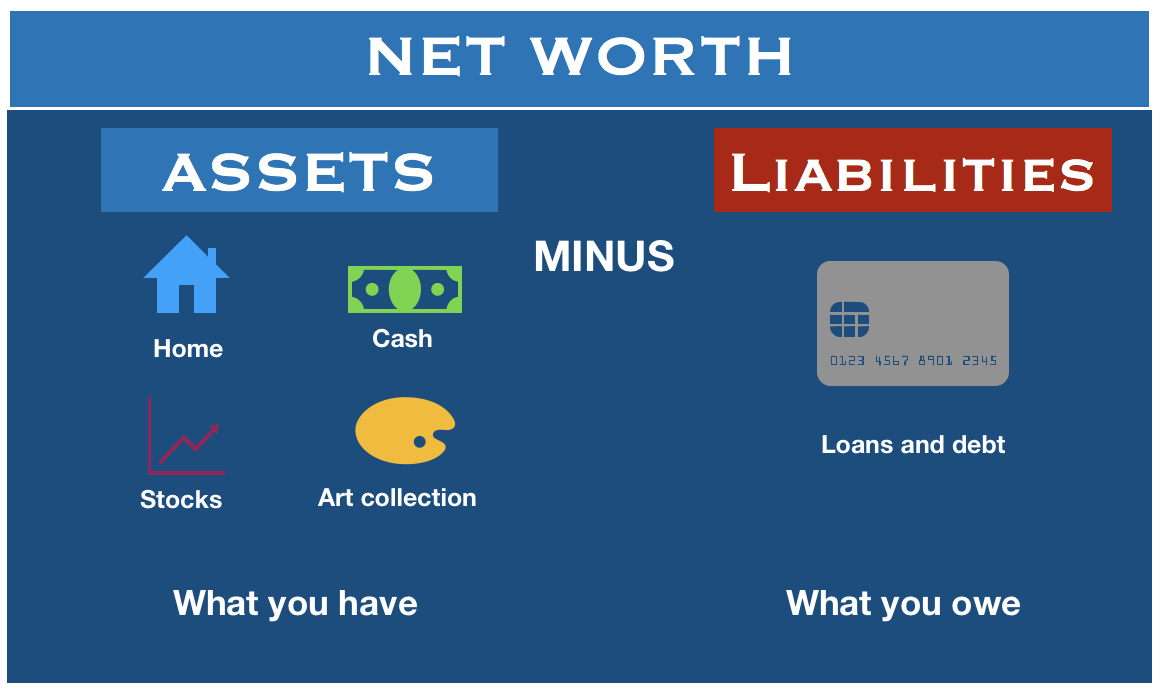

















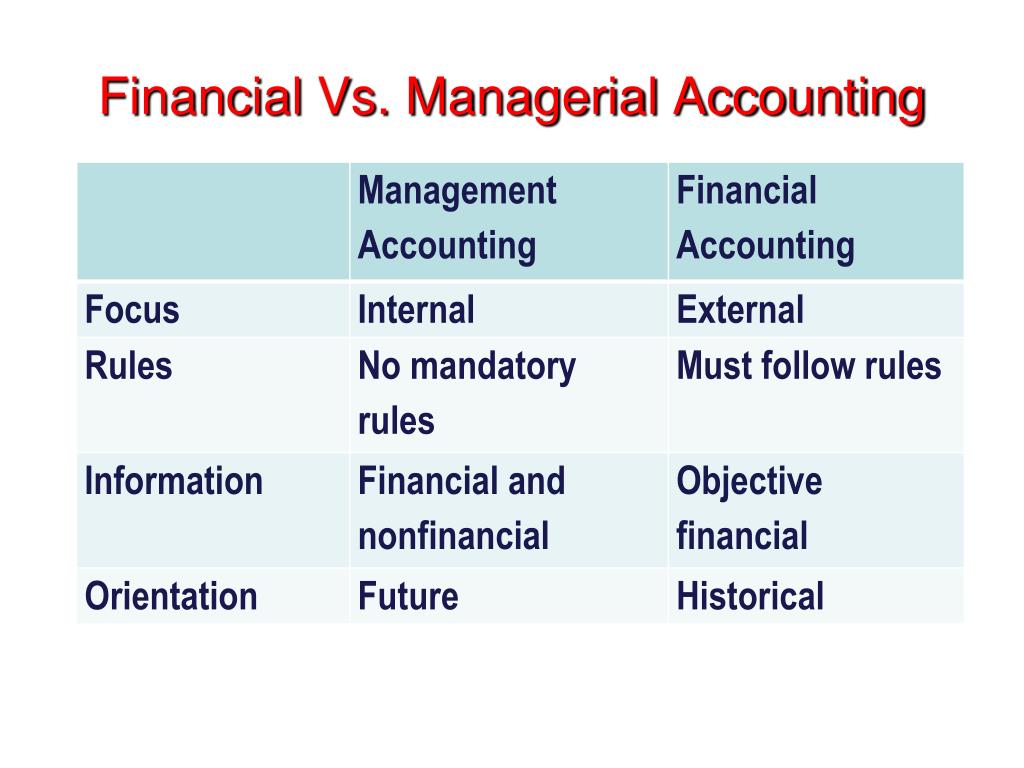




























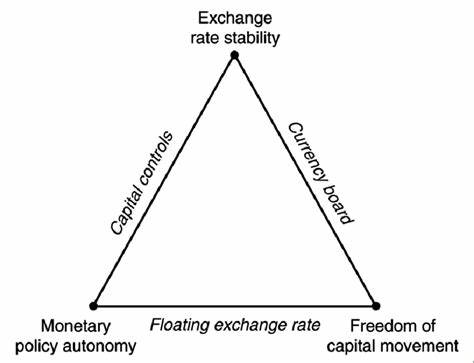






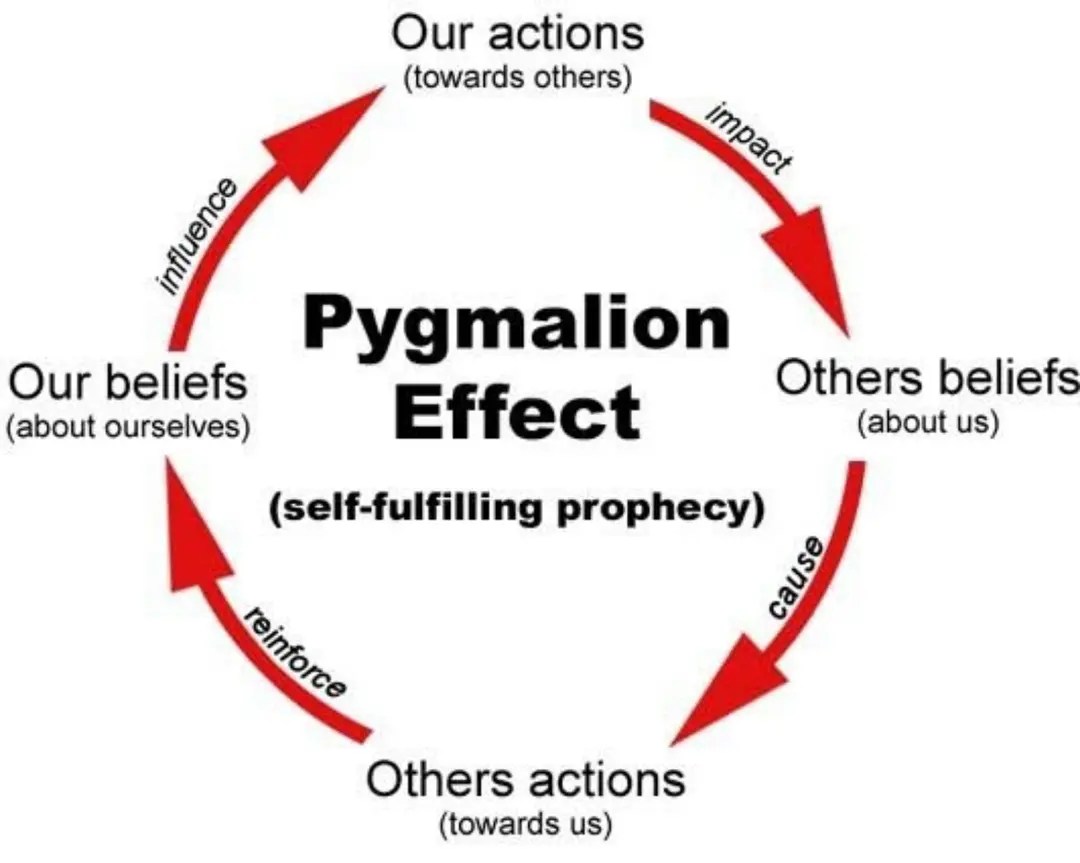




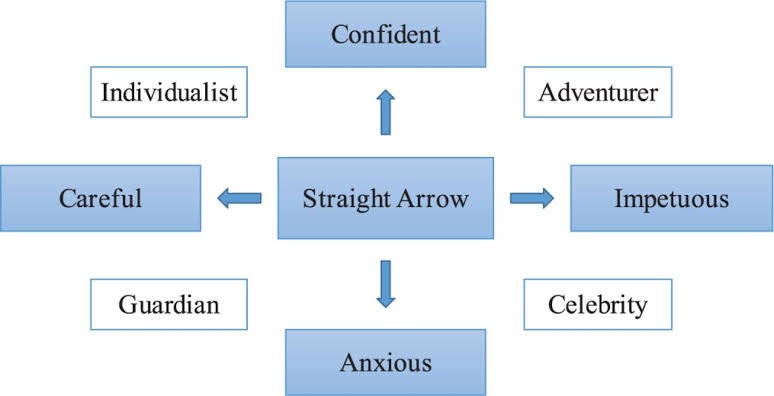


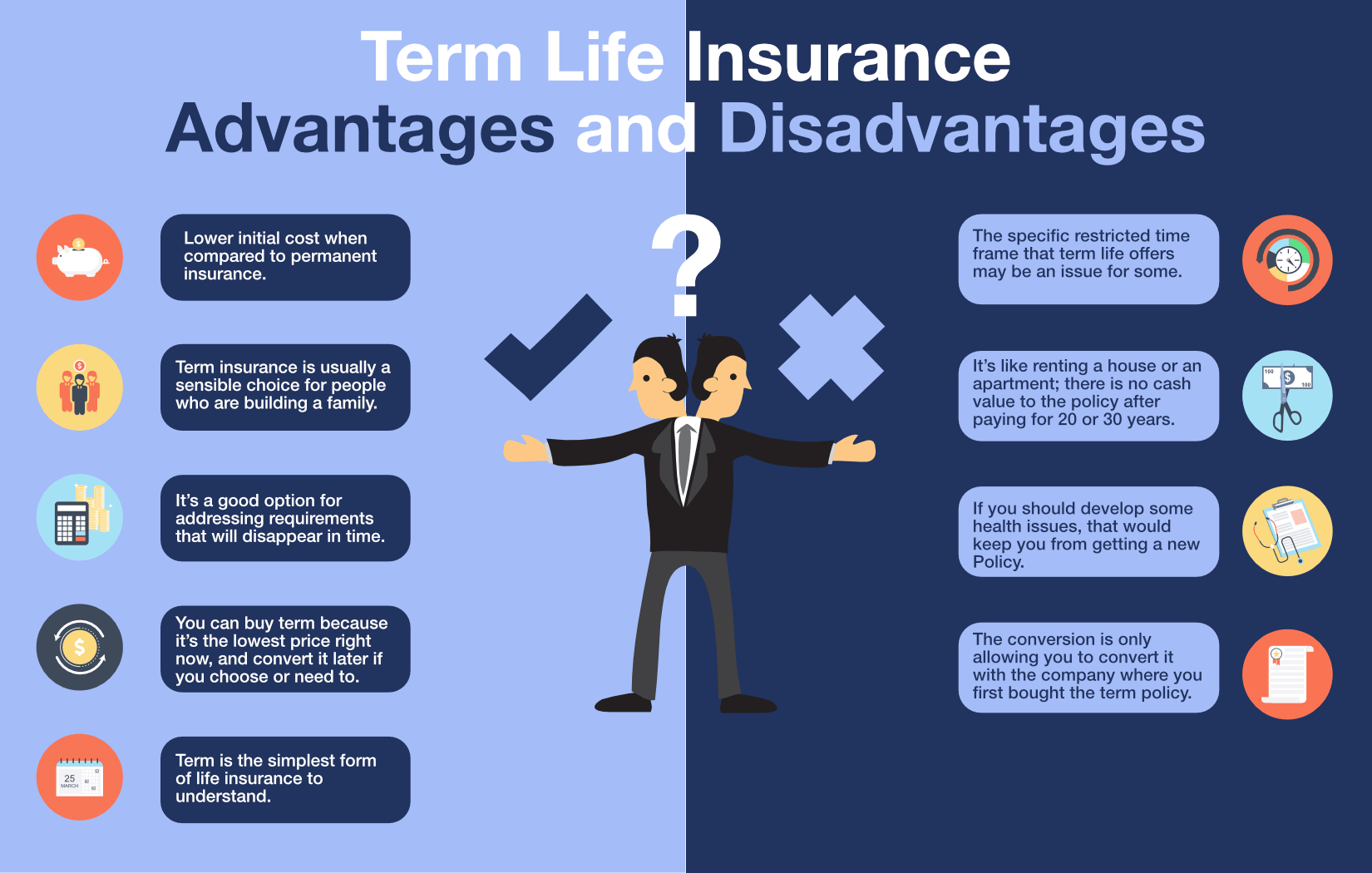







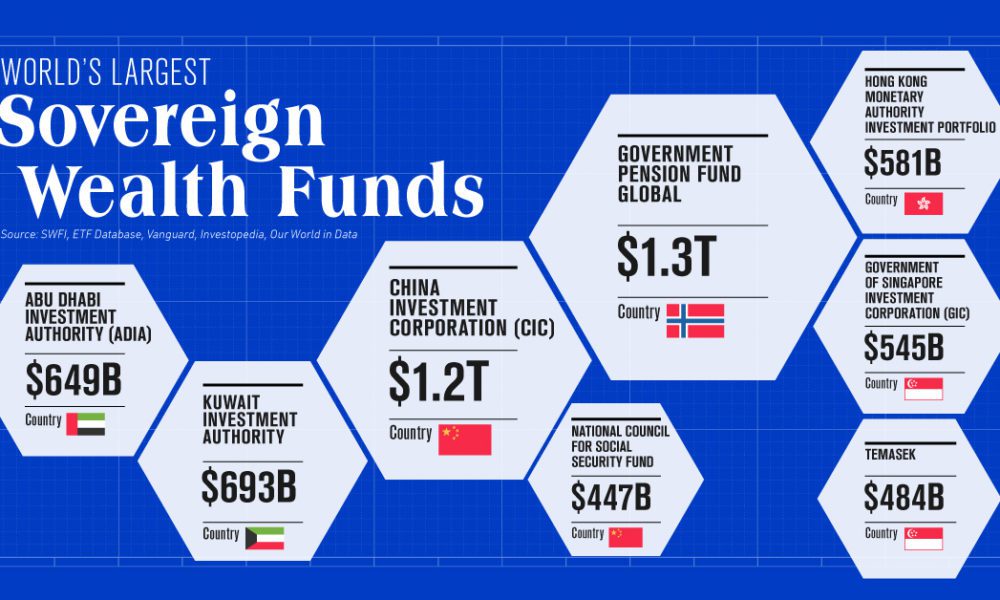

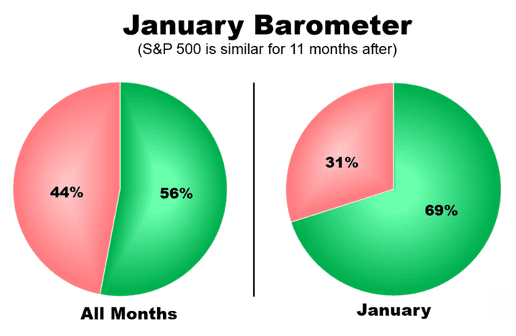














 The Leading Business Education Network for Doctors, Financial Advisors and Health Industry Consultants