SWAP AGREEMENTS: Transactions, Credit Default and Rates

By Staff Reporters

SPONSOR: http://www.MarcinkoAssociates.com

DEFINITION

***

***

Swaps (a.k.a. swap agreements) are two-party contracts entered into primarily by institutional investors for periods ranging from a few weeks to more than one year.

In a standard “swap” transaction, two parties agree to exchange the returns (or differentials in rates of return) earned or realized on particular predetermined investments or instruments. The gross returns to be exchanged or “swapped” between the parties are generally calculated with respect to a “notional amount,” i.e., the return on or increase in value of a particular dollar amount invested at a particular interest rate, in a particular foreign currency, or in a “basket” of securities representing a particular index.

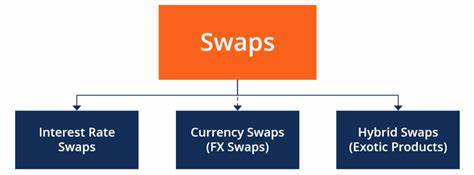
Forms of swap agreements include interest rate swaps (under which fixed- or floating-rate interest payments on a specific principal amount are exchanged) and total return swaps (under which one party agrees to pay the other the total return of a defined underlying asset in exchange for fee payments).

In addition, credit default swaps enable an investor to buy/sell protection against a credit event of a specific issuer. The seller of credit protection against a security or basket of securities receives an up-front or periodic payment to compensate against potential default(s).

COMMENTS APPRECIATED

Thank You

***

***

ECONOMIC PARADOXES: Prosperity, Thrift, Toil, Value and Productivity

AUSTRIAN SCHOOL OF ECONOMICS

By Staff Reporters

***

***

A Paradox is a logical self-contradictory statement or a statement that runs contrary to one’s expectation. It is a statement that, despite apparently valid reasoning from true or apparently true premises, leads to a seemingly self-contradictory or a logically unacceptable conclusion. A paradox usually involves contradictory-yet-interrelated elements that exist simultaneously and persist over time. They result in “persistent contradiction between interdependent elements” leading to a lasting “unity of opposites”.

Here are five economic paradoxes from the Austrian School of Economics.

***

Prosperity: Why do generations that significantly improve the economic climate seem to generally rear a successor generation that consumes rather than produces?

Thrift: If everyone saves more money during times of recession, then aggregate demand will fall and will in turn lower total savings in the population.

Toil: If everyone tries to work during times of recession, lower wages will reduce prices, leading to more deflationary expectations, leading to further thrift, reducing demand and thereby reducing employment.

Value: [also known as Diamond-Water Paradox]: Water is more useful than diamonds, yet is a lot cheaper.

Productivity: [also known as Solow Computer Paradox]: Worker productivity may go down, despite technological improvements.

Note: The Austrian School of Economics promotes an economic and social thinking that is not trapped in unrealistic, mostly mathematical models. It does not see the economy as an object of state political regulation and central, almost engineering-like control. Rather, its analysis focuses on autonomous entrepreneurial action and the free interaction of individuals in the marketplace, which eludes both the logic of differential equations, and centrally planned political control.

COMMENTS APPRECIATED

Subscribe Today!

***

***

KENNETH ARROW: Information Paradox

To sell information you need to give it away before the sale

By Dr. David Edward Marcinko MBA MEd

SPONSOR: http://www.MarcinkoAssociates.com

***

***

THE FATHER OF HEALTH ECONOMICS

According to Wikipedia, a fundamental tenet of the paradox is that the customer, i.e. the potential purchaser of the information describing a technology (or other information having some value, such as facts), wants to know the technology and what it does in sufficient detail as to understand its capabilities or have information about the facts or products to decide whether or not to buy it. Once the customer has this detailed knowledge, however, the seller has in effect transferred the technology to the customer without any compensation. This has been argued to show the need for patent protection [HIPPA].

CITE: https://www.r2library.com/Resource/Title/0826102549

If the buyer trusts the seller or is protected via contract, then they only need to know the results that the technology will provide, along with any caveats for its usage in a given context. A problem is that sellers lie, they may be mistaken, one or both sides overlook side consequences for usage in a given context, or some unknown-unknown affects the actual outcome.

MORE :https://www.nobelprize.org/prizes/economic-sciences/1972/arrow/facts/

COMMENTS APPRECIATED

Subscribe Today!

***

***

2024 NOBEL PRIZE ECONOMICS: Daron Acemoglu, James Robinson and Simon Johnson

By Staff Reporters

***

***

Authors of the seminal textbook Why Nations Fail, Daron Acemoglu, James Robinson, and former International Monetary Fund chief economist Simon Johnson will split the roughly $1 million cash prize for their research, which found a link between a country’s prosperity and the institutions it established during European colonization.

CITE: https://www.r2library.com/Resource/Title/0826102549

According to the award-winning research:

  • Places developed either “inclusive” or “extractive” institutions based on population density. The former allowed for inclusive governance (i.e., democracy), while the latter extracted resources to benefit a small group of elites.
  • Countries that developed inclusive institutions have experienced long-term prosperity; those with exclusive institutions haven’t. “Broadly speaking, the work that we have done favors democracy,” Acemoglu said.

Eample: In the twin cities of Nogales, on the US-Mexico border, the north and south parts of the transborder city have the same climate and the same resources, but the section in the US is far richer because of the country’s institutions, according to the researchers.

Critics. Some academics argue the Nobel winners’ premise ignores the effects of culture on prosperity. Others point to an irrefutable counterexample: China continues to experience explosive growth despite having an autocratic government.

COMMENTS APPRECIATED

Thank You

***

***

ECONOMICS: Price Gouging VS. Supply & Demand

NEBULOUS DEFINITIONS

By Staff Reporters

***

***

The simplest model of a market involves two things, supply and demand, and the price and quantity of the goods sold in the market are a function of both. When a natural disaster hits like Hurricane Helene, the immediate effect can be two-fold. In such situations, it is not unusual that the demand for certain products may increase. For example, if everyone is trying to leave the area, demand for gas may rise. The other effect is that supply for certain products may decrease. And, it may be more costly to transport gas in areas affected by a natural disaster, thus decreasing the supply of gas and in turn, increasing the price.

CITE: https://www.r2library.com/Resource

When supply decreases, the price of the good increases. And when demand increases, again the price of the good increases. So we would predict that the market price of gas, for example, would increase in areas recently affected by a hurricane. And in fact we do see this.

Price-gouging occurs when companies raise prices to unfair levels. There is no rule for what qualifies as price-gouging, but it is not an uncommon occurrence. For example in medicine, EpiPen costs is a current example of price increases that have been labeled unfair. 

Note: An epinephrine auto-injector (or adrenaline auto-injector, also known by the trade mark EpiPen) is a medical device for injecting a measured dose or doses of epinephrine (adrenaline) by means of auto-injector technology. It is most often used for the treatment of anaphylaxis. The first epinephrine auto-injector was brought to market in 1983.

Cite: https://tinyurl.com/55kmum86


COMMENTS APPRECIATED

Subscribe Today

***

***

Can Austrian Economics Save Medicine?

By Michel Accad MD

***

***

Dr. Michel Accad: Can Austrian Economics Save Medicine?

About

Dr. Michel Accad is a practicing cardiologist who blogs for a medical audience at alertandoriented.com

Conclusion

Your thoughts and comments on this ME-P are appreciated. Feel free to review our top-left column, and top-right sidebar materials, links, URLs and related websites, too. Then, subscribe to the ME-P. It is fast, free and secure.

Speaker: If you need a moderator or speaker for an upcoming event, Dr. David E. Marcinko; MBA – Publisher-in-Chief of the Medical Executive-Post – is available for seminar or speaking engagements. Contact: MarcinkoAdvisors@msn.com

OUR OTHER PRINT BOOKS AND RELATED INFORMATION SOURCES:

[MEDICAL PRACTICE BUSINESS MANAGEMENT TEXTBOOK – 3rd.  Edition]

Product DetailsProduct Details

  [Foreword Dr. Hashem MD PhD] *** [Foreword Dr. Silva MD MBA]

***

PHYSICIAN FINANCIAL & BUSINESS ADVICE ONLY – Not Sales!

MISSION STATEMENT

Open Letter from the CEO

Dr. David Edward Marcinko MBA CMP™

http://www.MarcinkoAssociates.com

ALL MEDICAL AND HEALTHCARE COLLEAGUES

Did you know that at MARCINKO & Associates, all medical colleagues throughout the United States may contact us when they are considering the sale, purchase, strategic operating improvement, merger, acquisition and/or other financial business or related personal financial planning transaction?

MORE: https://marcinkoassociates.com/welcome-medical-colleagues/

***

Our difference is “hard” knowledge and insider financial guidance that helps medical colleagues, nurses, private practitioners, clinics, ambulatory surgery, radiology and outpatient wound care centers realize their ultimate economic goals. This typically includes managerial and cost accounting, financial ratio analysis, fair market valuation business appraisals, business plan creation and personal financial planning.

MORE: https://marcinkoassociates.com/fmv-appraisals/

Our “expert witness” business litigation support service and divorce mediation, arbitration, asset division, settlement and second opinion offerings are always available, as well.

MORE: https://marcinkoassociates.com/expert-witness/

And, our “soft” skill professional career guidance and mentoring center includes executive coaching, consulting and mentoring advisory programs for stressed, conflicted or burned-out physicians and medical practitioners.

Most importantly, our professional fees are reasonable and always transparent.

MARCINKO & Associates also serves universities, medical, business, graduate and nursing schools; physicians, dentists, podiatrists, optometrists and legal societies. This includes accountants, financial service providers, wealth and hedge fund managers, emerging entities, hospitals, CEOs and their BODs, the press, media and related organizations.

MORE: https://marcinkoassociates.com/speaking-seminars/

Contact us for an educational white-paper on most any topic.

MORE: https://marcinkoassociates.com/case-studies/

***

Now, please review our website to learn more.

And, always retain us when needed.

How May We Serve You?

DAVID EDWARD MARCINKO

email: MarcinkoAdvisors@msn.com

***

© Copyright: Institute of Medical Business Advisors, Inc. All rights reserved, USA. Present to 2024.

SUBMITTED ESSAYS: Economics, Management and Finance from Advisors to Physicians

By Staff Reporters

SPONSOR: http://www.MARCINKOASSOCIATES.com

Finance, economics and management essays of most current interest to all physicians and healthcare professionals

READ ESSAYS: https://marcinkoassociates.com/articles-essays/

Check back periodically for practical updates. Our catalogue library of major books, texts, case models and dictionaries is suggested for additional financial, economic, business and medical practice management information and education.

COMMENTS APPRECIATED

Thank You

***

***

***

HEDGE FUNDS: A Brief Review for Physicians

By Christopher J. Cummings CFA CFP™

By Dr. David Edward Marcinko MBA MEd CMP™

SPONSOR: http://www.CertifiedMedicalPlanner.org

***

***

A hedge fund in the United States is generally a limited partnership providing a limited number of qualified investors with access to general partner investment decisions with little restriction in the type of investments or use of leverage. While the flexibility available to a hedge fund from a regulatory standpoint implies a high degree of potential risk, there is a wide range of investment philosophies, strategies, security types and objectives captured under the broad title of hedge fund.

Thus, generalizations regarding the characteristics of hedge funds are even less appropriate than with mutual funds, and evaluation of the investment characteristics and merits of a hedge fund strategy must be on a case-by-case basis. Likewise, the cost structure of a hedge fund often includes a base management fee to the general partner plus a performance-based fee or percentage of the profits, and must be evaluated on a case-by-case basis.

Several different investment vehicles operate under the oversight of varying regulatory bodies which provide access to an investment-managers’ discretionary decisions. While each approach generally represents ownership of an underlying pool of securities, there is usually a great deal of flexibility for the manager to deviate from a specific asset class or investment approach. Also, the fee structure of each vehicle can vary greatly and be quite large once distribution fees and sales charges are taken into account.

CITE: https://www.r2library.com/Resource

Thus, it is important for a medical professional to remember the following:

1. Evaluate the features and costs of an investment vehicle carefully;

2. Consider the cash flows and valuations of the securities that the manager or management approach will focus on as if the investments were being made directly, and above all;

3. Read the prospectus or agreement carefully before making any investment.

4. Visit: http://www.MarcinkoAssociates.com

COMMENTS APPRECIATED

Thank You.

***

***

PODCAST: “In-Elastic Demand” in Healthcare Economics

Economic Implications of Pain, Suffering and Imminent Death

***

See the source image

By Eric Bricker MD

Examples of Inelastic Demand in Healthcare Are:
1) Emergencies
2) Patented Medications for Diseases That Have No Other Alternative Drugs
3) Doctor Specialties Where the Patient Has No Choice in the Services Such As Radiologists, Anesthesiologists and Pathologists [RAP]

****

***

COMMENTS APPRECIATED.

Thank You

Join the Medical Executive-Post

***

***

***

What is Knightian Uncertainty in Economics?

About Frank Knight PhD

[By staff reporters]

In economics, Knightian uncertainty is a lack of any quantifiable knowledge about some possible occurrence, as opposed to the presence of quantifiable risk (e.g., that in statistical noise or a parameter’s confidence interval). The concept acknowledges some fundamental degree of ignorance, a limit to knowledge, and an essential unpredictability of future events.

Knightian uncertainty is named after University of Chicago economist Frank Knight (1885–1972), who distinguished risk and uncertainty in his work Risk, Uncertainty, and Profit:[1]

“Uncertainty must be taken in a sense radically distinct from the familiar notion of Risk, from which it has never been properly separated…. The essential fact is that ‘risk’ means in some cases a quantity susceptible of measurement, while at other times it is something distinctly not of this character; and there are far-reaching and crucial differences in the bearings of the phenomena depending on which of the two is really present and operating…. It will appear that a measurable uncertainty, or ‘risk’ proper, as we shall use the term, is so far different from an unmeasurable one that it is not in effect an uncertainty at all.”

MORE: R&D

***

Assessment: Your thoughts are appreciated.

Risk Management, Liability Insurance, and Asset Protection Strategies for Doctors and Advisors: Best Practices from Leading Consultants and Certified Medical Planners™8Comprehensive Financial Planning Strategies for Doctors and Advisors: Best Practices from Leading Consultants and Certified Medical Planners™

***

What is the Goodhart Economics Principle?

The Goodhart Principle, and related

[By staff reporters]

***

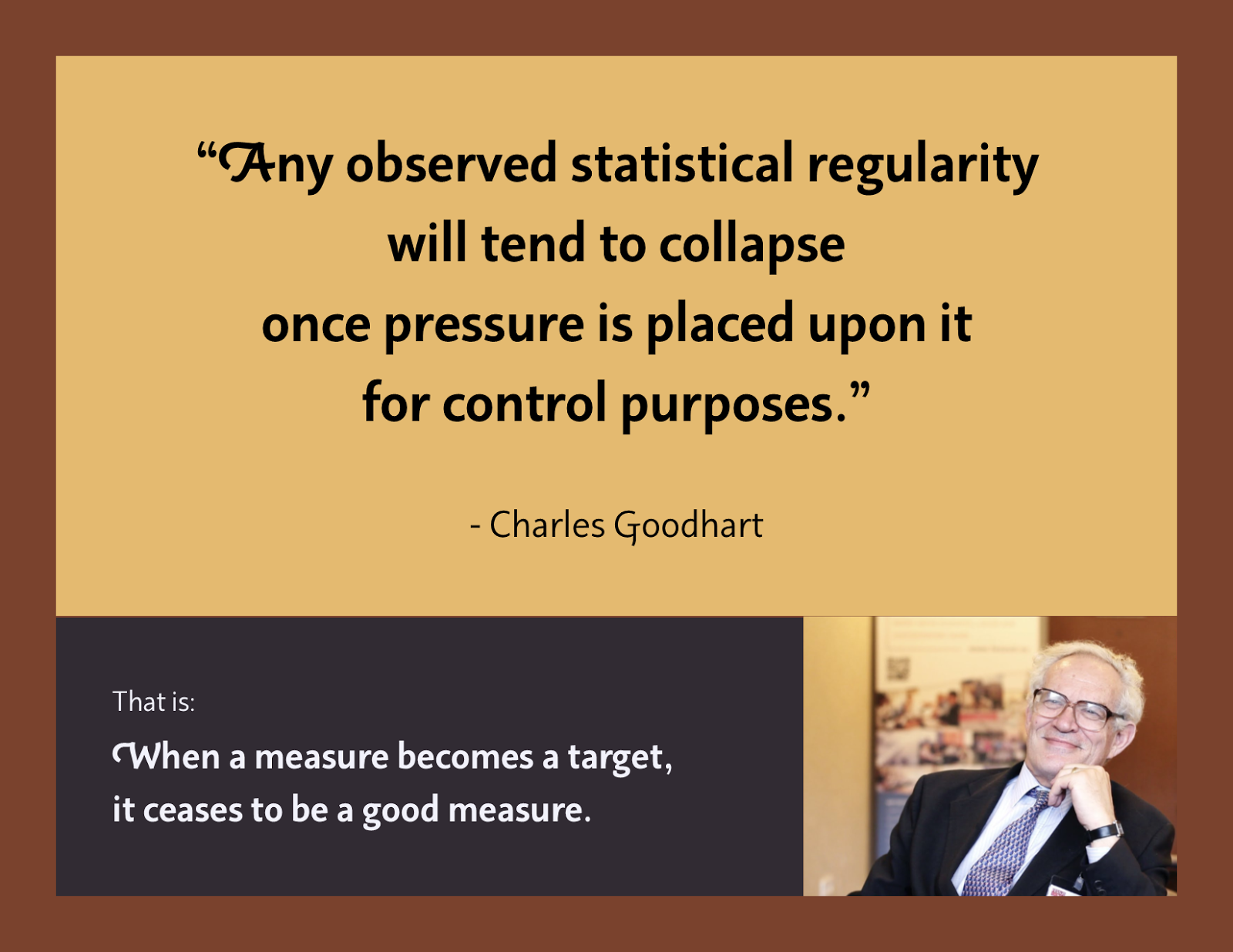
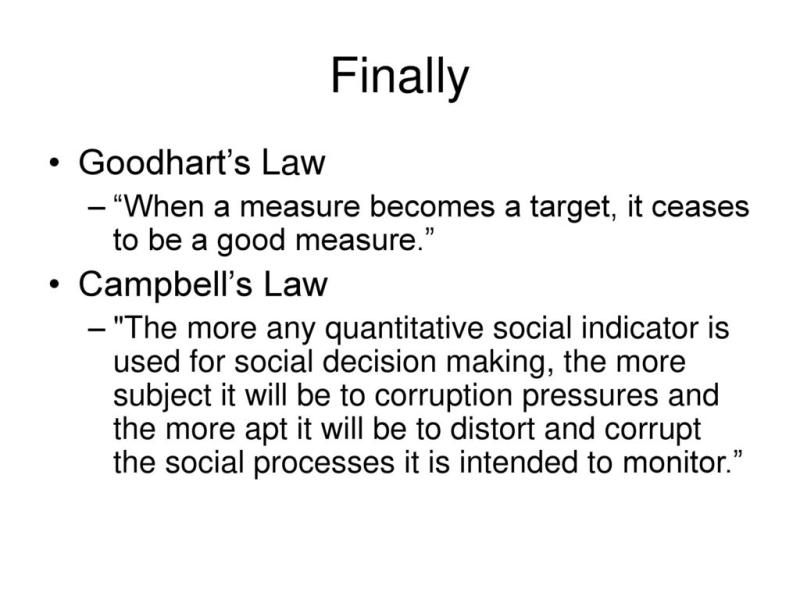
Goodhart’s law is a sociological analogue of Heisenberg’s uncertainty principle in quantum mechanics. Measuring a system usually disturbs it. The more precise the measurement, and the shorter its timescale, the greater the energy of the disturbance and the greater the unpredictability of the outcome.
***
***
***
CAMPBELL’S LAW:
“The more any quantitative social indicator is used for social decision-making, the more subject it will be to corruption pressures and the more apt it will be to distort and corrupt the social processes it is intended to monitor.”

RESOURCES: Financial and Economic Essays for Doctors and Healthcare Professionals

https://marcinkoassociates.com

***

***

Informational essays of most current interest to healthcare professionals. Check back periodically for practical updates. Our catalogue library of major books, texts, case models and dictionaries is suggested for additional financial, economic, business and medical practice management information and education.

READ HERE: https://marcinkoassociates.com/articles-essays/

UPDATE: Prior ME-P Topics:

1-The number of balance billing disputes reaching arbitration is far higher than federal projections suggested.


2-Experts worry ACOs could face lasting financial difficulties due to an alleged $2 billion Medicare urinary catheter fraud scheme. 

COMMENTS APPRECIATED

Thank You

INVITE DR. MARCINKO: https://medicalexecutivepost.com/2024/02/05/invite-dr-marcinko-to-speak-at-your-next-seminar-webcast-or-event-in-2024/

***

DAILY UPDATE: Holiday Spending Economics with Mixed Stock Markets

By Staff Reporters

***

SPONSOR: http://www.MarcinkoAssociates.com

***

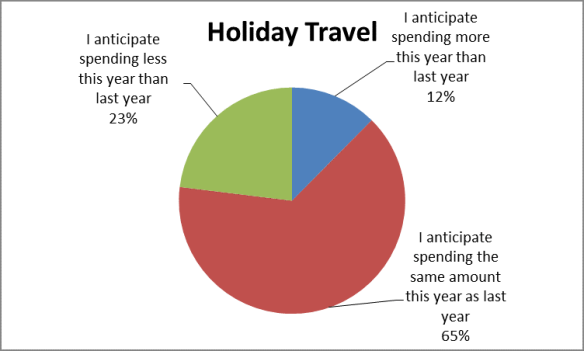
Shopping data reveals that Q4 isn’t as important as one might expect. For example, the holiday quarter in 2022 accounted for 26.8% of the year’s sales, just a hair over the 25% mark if sales were evenly spread across the year, per the US Census Bureau. Of course, some types of retailers depend on the holiday quarter far more than others. Discretionary retailers (which sell the things you want, but don’t need…aka gifts) rely on Q4 for up to 40% of their yearly sales, according to McKinsey. For department stores, clothing stores, and toy stores, the holiday season really is make-or-break. GameStop, for instance, recorded 37% of its annual revenue last year in the last three months of 2022.

But for other retailers, Q4 isn’t such a big deal. People apparently read throughout the year because book stores only depend on the fourth quarter for 27.4% of sales. People also need to eat food all year long: Q4 accounted for 26.3% of sales for grocery stores.

Meanwhile, gas stations, car dealerships, and building material companies perform worse in the holiday quarter than at other times of the year.

Here is where the major benchmarks ended:

CITE: https://www.r2library.com/Resource

The S&P 500 Index was 2.72 up points (0.1%) at 4,559.34, up 1% for the week; the Dow Jones Industrial Average®(DJI) was up 117.12 points (0.3%) at 35,390.15, up 1.3% for the week; the NASDAQ Composite was down 15.00 points (0.1%) at 14,250.85, up 0.9% for the week.

  • The 10-year Treasury note yield (TNX) was up about 5 basis points at 4.47%.
  • CBOE Volatility Index (VIX) was down 0.34 at 12.46.

COMMENTS APPRECIATED

Thank You

***

***

OPEN LETTER: MARCINKO Associates, Inc.

MISSION & PHYSICIAN COACHING STATEMENT

Open Letter from the CEO

Dr. David Edward Marcinko MBA CMP™

http://www.MarcinkoAssociates.com

ALL MEDICAL AND HEALTHCARE COLLEAGUES

Did you know that at MARCINKO & Associates, all medical colleagues throughout the United States may contact us when they are considering the sale, purchase, strategic operating improvement, merger, acquisition and/or other financial business or related personal financial planning transaction?

MORE: https://marcinkoassociates.com/welcome-medical-colleagues/

***

Our difference is “hard” knowledge and insider financial guidance that helps medical colleagues, nurses, private practitioners, clinics, ambulatory surgery, radiology and outpatient wound care centers realize their ultimate economic goals. This typically includes managerial and cost accounting, financial ratio analysis, fair market valuation business appraisals, business plan creation and personal financial planning.

MORE: https://marcinkoassociates.com/fmv-appraisals/

Our “expert witness” business litigation support service and divorce mediation, arbitration, asset division, settlement and second opinion offerings are always available, as well.

MORE: https://marcinkoassociates.com/expert-witness/

And, our “soft” skill professional career guidance and mentoring center includes executive coaching, consulting and mentoring advisory programs for stressed, conflicted or burned-out physicians and medical practitioners.

Our DIY BOOKS:

***

Most importantly, our professional fees are reasonable and always transparent.

MARCINKO & Associates also serves universities, medical, business, graduate and nursing schools; physicians, dentists, podiatrists, optometrists and legal societies. This includes accountants, financial service providers, wealth and hedge fund managers, emerging entities, hospitals, CEOs and their BODs, the press, media and related organizations.

MORE: https://marcinkoassociates.com/speaking-seminars/

Contact us for an educational white-paper on most any topic.

MORE: https://marcinkoassociates.com/case-studies/

***

Now, please review our website to learn more.

And, always retain us when needed.

How May We Serve You?

DAVID EDWARD MARCINKO

email: MarcinkoAdvisors@msn.com

© Copyright: Institute of Medical Business Advisors, Inc. All rights reserved, USA. Present to 2024.

OPEN LETTER: MARCINKO Associates, Inc.

MISSION STATEMENT

Open Letter from the CEO

Dr. David Edward Marcinko MBA CMP™

http://www.MarcinkoAssociates.com

ALL MEDICAL AND HEALTHCARE COLLEAGUES

Did you know that at MARCINKO & Associates, all medical colleagues throughout the United States may contact us when they are considering the sale, purchase, strategic operating improvement, merger, acquisition and/or other financial business or related personal financial planning transaction?

MORE: https://marcinkoassociates.com/welcome-medical-colleagues/

***

Our difference is “hard” knowledge and insider financial guidance that helps medical colleagues, nurses, private practitioners, clinics, ambulatory surgery, radiology and outpatient wound care centers realize their ultimate economic goals. This typically includes managerial and cost accounting, financial ratio analysis, fair market valuation business appraisals, business plan creation and personal financial planning.

MORE: https://marcinkoassociates.com/fmv-appraisals/

Our “expert witness” business litigation support service and divorce mediation, arbitration, asset division, settlement and second opinion offerings are always available, as well.

MORE: https://marcinkoassociates.com/expert-witness/

And, our “soft” skill professional career guidance and mentoring center includes executive coaching, consulting and mentoring advisory programs for stressed, conflicted or burned-out physicians and medical practitioners.

Most importantly, our professional fees are reasonable and always transparent.

MARCINKO & Associates also serves universities, medical, business, graduate and nursing schools; physicians, dentists, podiatrists, optometrists and legal societies. This includes accountants, financial service providers, wealth and hedge fund managers, emerging entities, hospitals, CEOs and their BODs, the press, media and related organizations.

MORE: https://marcinkoassociates.com/speaking-seminars/

Contact us for an educational white-paper on most any topic.

MORE: https://marcinkoassociates.com/case-studies/

***

Now, please review our website to learn more.

And, always retain us when needed.

How May We Serve You?

DAVID EDWARD MARCINKO

email: MarcinkoAdvisors@msn.com

© Copyright: Institute of Medical Business Advisors, Inc. All rights reserved, USA. Present to 2024.

RETAIL: Sales

By Staff Reporters

***

***

Stat: 0.7%. That’s how much retail sales grew last month, a sign that inflation isn’t dampening consumer spending or demand. (CNBC)

Quote: “This is pure market economics. We do not magically have thousands of additional AI developers, product managers, and everything else.”Paul J. Groce, partner and head of the Americas at recruitment firm Leathwaite, on how a talent shortage is driving up wages for AI positions. (the Wall Street Journal)

Read: The teetering company threatening China’s economy. (the New York Times)

***

***

COMMENTS APPRECIATED

Thank You

***

BEHAVIORAL FINANCE: Cash is Still “King”

TREATING YOURSELF WITH CASH

By Staff Reporters

http://www.MarcinkoAssociates.com

***

***

Folks are more likely to reach for dollar bills than credit cards when making a guilty pleasure purchase, according to new Stanford research.

MORE: https://medicalexecutivepost.com/2022/06/22/behavioral-finance-for-doctors/

In more than 118,000 real transactions at the university bookstore, buyers tended to slap their plastic on the counter for school supplies but pay with cash for “harder-to-justify” items like a stuffed plush mascot. And when asked how they’d pay for a hypothetical Reiki session, participants leaned toward credit card when the treatment was described as doctor-recommended but toward cash when they were told it was just an impulse purchase.

RELATED: https://medicalexecutivepost.com/2023/02/28/dr-richard-h-thaler-and-behavioral-economics/

***

COMMENTS APPRECIATED

Thank You

***

***

DAILY UPDATE: Larry Summers Speaks About Domestic Economic Activity as the Markets Collapse

By Staff Reporters

***

***

According to Bloomberg, former Treasury Secretary Lawrence Summers said worrying signals of a potential sharp drop-off in activity combined with strength in other indicators point toward an uncertain economic outlook.

Here is Why:

Inventories “look to be building up relative to sales.”Companies are “reporting concerns about their order books.”The business sector appears to have a high payroll head-count relative to “the level of output they’re producing.”“Consumer savings are being depleted, with a low savings rate.” And, “there is stuff when you look down the road a bit that has to be substantially concerning about the Wile E. Coyote kind of moment,” reiterating his reference to the cartoon character that falls off a cliff. 

Federal Reserve policymakers will need to “stay nimble and flexible” given the uncertainty, Summers said. The central bank should “resist the pressure to be giving strong signals about what it’s going to do next.”

Finally, the former Treasury chief also reiterated the lack of past examples in which the US managed to avoid a recession when the unemployment rate dropped below 4% and inflation went above 4%. “That’s a powerful historical truth and I think it’s one that’s relevant to our current situation.”

The latest unemployment-rate reading was 3.4%, while the consumer price index climbed 6.4% in January on a year-on-year basis.

***

Stocks Fell Following Hot Inflation Report and U.S. equities ended the day and week lower as the markets reacted to a Fed-favored gauge of inflation that came in hotter-than-expected. PCE and Core PCE Price Indexes rose more than anticipated, while personal income increased less than expected, and spending jumped. The moves came as equities have shown some volatility amid festering uncertainty regarding the ultimate economic impact of aggressive global central bank tightening as a result of persistent inflation. In other economic news, new home sales rose, and consumer sentiment was surprisingly revised the upside.

Treasury yields were higher, and the U.S. dollar gained ground, while crude oil prices increased, and gold traded to the downside. Q4 earnings season rounded a corner this week with some second-tier results hitting the tape, as Autodesk disappointed with its guidance and Intuit bested expectations, while Warner Bros. Discovery fell well short of forecasts.

In other equity news, shares of Boeing declined after the company paused delivery of its 787 Dreamliner planes. Asian stocks finished mixed, and markets in Europe fell, with economic data in the respective regions keeping the anxiety over future global monetary policy elevated.

CITE: https://www.r2library.com/Resource/Title/082610254

***

ORDER: https://www.routledge.com/Comprehensive-Financial-Planning-Strategies-for-Doctors-and-Advisors-Best/Marcinko-Hetico/p/book/9781482240283

***

COMMENTS APPRECIATED

Thank You

***

J.B. SAY: The “Law of Markets” Podcast

What it Is – How it Works

By Staff Reporters

***

DEFINITION: In classical economics, Say’s law, or the law of markets, is the claim that the production of a product creates demand for another product by providing something of value which can be exchanged for that other product. Thus, production is the source of demand.

CITE: https://www.r2library.com/Resource/Title/0826102549

***

Say's Law of Markets - Overview, How It Works, Criticism

***

PODCAST: https://www.youtube.com/watch?v=eGGy06xbjd8

***

COMMENTS APPRECIATED

Thank You

Subscribe to the Medical Executive-Post

***

***

Economic Market Update

By Staff Reporters

***

***

YOUR COMMENTS ARE APPRECIATED.

***

***

THANK YOU

***

PODCAST: “Inelastic” Demand in Healthcare

Economic Implications of Pain Suffering and Imminent Death?

Inelastic Demand in Healthcare: Economic Implications of Pain, Suffering and Imminent Death.

***

By Eric Bricker, MD

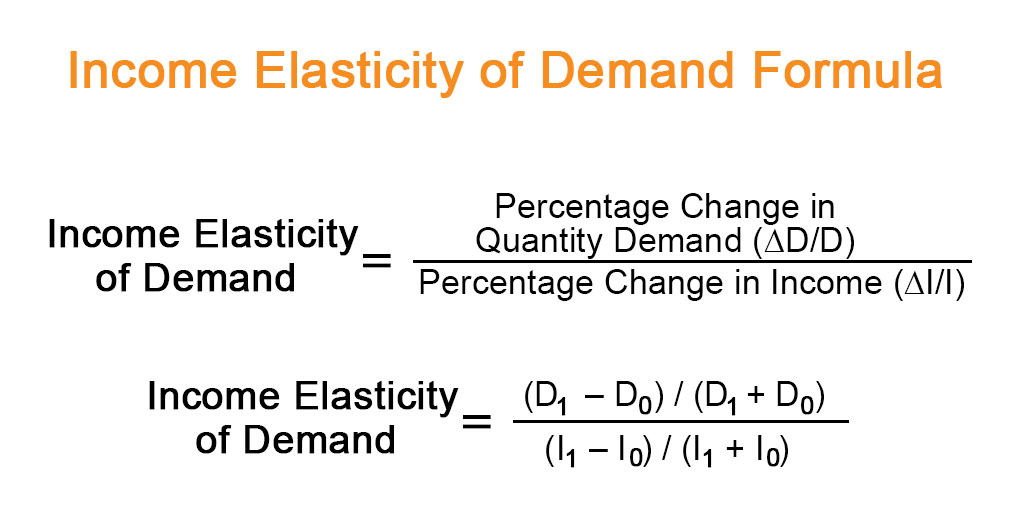
Inelastic Demand Occurs When the Quantity Demanded for a Good or Service Does NOT Change When the Price Changes.

Citation: https://www.r2library.com/Resource/Title/0826102549

Consequently, When the Supply of a Healthcare Service is Limited, then the Price Goes Up … Way Up, Since the Quantity Demanded Does Not Change.

Examples of Inelastic Demand with Limited Supply in Healthcare Are:

1) Emergencies

2) Patented Medications for Diseases That Have No Other Alternatives

3) Doctor Specialties Where the Patient Has No Choice in the Services Such As Radiologists, Anesthesiologists and Pathologists

The High-Cost Claimants with Inelastic Demand Drive the Majority of Healthcare Costs for a Group.  They Generally Fall into 3 Diagnosis Categories: 1) Orthopedics, 2) Cardiovascular and 3) Cancer.

Orthopedics Should Be the 1st Priority for Lowering Healthcare Costs for a Population … While Demand May be Inelastic, Usually There is Choice and Not a Limited Supply of Orthopedic Services.

Efforts in Orthopedics Should Focus on Increasing Choice, Such as Free Travel to Centers-of-Excellence with Bundled Pricing.

Cardiovascular Care and Cancer Care Tend to Have Inelastic Demand AND Limited Supply. Therefore, the Best Way to Lower Healthcare Costs in These Areas is Through Prevention.

ASSESSMENT: Your thoughts are appreciated.

THANK YOU

***

ME-P News Stories Wrap-Up for August 2015

Join Our Mailing List

[By ME-P Staff Reporters]

Latest News

Editor’s Pick: 

Daily Round-Up of Headlines for August 2015

BREAKING-EVENTS AND AGGREGATED STORIES 

[Editor’s Pick: A Daily Round-Up of Headlines for August 2015]

Risk Management, Liability Insurance, and Asset Protection Strategies for Doctors and Advisors: Best Practices from Leading Consultants and Certified Medical Planners™8Comprehensive Financial Planning Strategies for Doctors and Advisors: Best Practices from Leading Consultants and Certified Medical Planners™

Editor’s Pick: 

Daily Round-Up of Headlines for July 2015

BREAKING-EVENTS AND AGGREGATED STORIES 

Product DetailsProduct Details

Editor’s Pick: 

Daily Round-Up of Headlines for May 2015

BREAKING-EVENTS AND AGGREGATED STORIES 

Comprehensive Financial Planning Strategies for Doctors and Advisors: Best Practices from Leading Consultants and Certified Medical Planners(TM)  

Editor’s Pick: 

Daily Round-Up of Headlines for April 2015

Comprehensive Financial Planning Strategies for Doctors and Advisors: Best Practices from Leading Consultants and Certified Medical Planners(TM)  

***

Editor’s Pick: 

Daily Round-Up of Headlines for March 2015

Comprehensive Financial Planning Strategies for Doctors and Advisors: Best Practices from Leading Consultants and Certified Medical Planners(TM)

***

Editor’s Pick: 

Daily Round-Up of Headlines for February 2015

Comprehensive Financial Planning Strategies for Doctors and Advisors: Best Practices from Leading Consultants and Certified Medical Planners(TM)* 8

***

Editor’s Pick: 

Daily Round-Up of Headlines for January 2015

Comprehensive Financial Planning Strategies for Doctors and Advisors: Best Practices from Leading Consultants and Certified Medical Planners(TM)* 8

Editor’s Pick: 

Daily Round-Up of Headlines for December 2014

 ***

Comprehensive Financial Planning Strategies for Doctors and Advisors: Best Practices from Leading Consultants and Certified Medical Planners(TM)

***

Editor’s Pick: 

Daily Round-Up of Headlines for November 2014

Channel Surfing the ME-P

Have you visited our other topic channels? Established to facilitate idea exchange and link our community together, the value of these topics is dependent upon your input. Please take a minute to visit. And, to prevent that annoying spam, we ask that you register. It is fast, free and secure.

Conclusion

Your thoughts and comments on this ME-P are appreciated. Feel free to review our top-left column, and top-right sidebar materials, links, URLs and related websites, too. Then, subscribe to the ME-P. It is fast, free and secure.

Speaker: If you need a moderator or speaker for an upcoming event, Dr. David E. Marcinko; MBA – Publisher-in-Chief of the Medical Executive-Post – is available for seminar or speaking engagements. Contact: MarcinkoAdvisors@msn.com

OUR OTHER PRINT BOOKS AND RELATED INFORMATION SOURCES:

Product DetailsProduct DetailsProduct Details

Product Details  Product Details

Product DetailsProduct Details

Comprehensive Financial Planning Strategies for Doctors and Advisors: Best Practices from Leading Consultants and Certified Medical Planners(TM)  

Product Details

Investing and Economics is an Imprecise Science

Join Our Mailing List 

BUT … It’s still all about CONSUMERISM!

[By Dr. David Edward Marcinko MBA MBBS [Hon] CMP]

http://www.CertifiedMedicalPlanner.org

DEM 2013There is a major variable, dominant in any marketplace that pushes an economy in a forward direction. It is called consumerism.

This became apparent while I was waiting in a doctor colleague’s office one recent afternoon.

Scenario:

The front office receptionist, who appeared to be about 21 years old, was breaking for lunch and her replacement, and appeared not much older, came over to assist.

Realizing the propensity for a long wait, one was taken by the size of waiting room and the number of patients coming in and out of the office. [Americans consume healthcare and a lot of it].

There was another notable peculiarity. The sample prescription bags being carried out the door were no match for the bags under everyone’s eyes, including the doctor’s. The office staff was probably working overtime, if not two jobs, and the doctor was working harder and faster in a managed care / ACA system.

***

stock-exchange-

[Consumerism driving the Stock Market]

***

Why?

So they all could afford to buy and voraciously consume for their children and themselves. Americans indeed work longer hours than any other industrialized nation.

Assessment

Additionally, as women female medical professionals entered the workforce in unprecedented numbers, the stock markets reached an all time high in 2015, even as money was spent at a feverish pace as the Federal Reserve pumped out money in inflammatory fashion.

Channel Surfing

Have you visited our other topic channels? Established to facilitate idea exchange and link our community together, the value of these topics is dependent upon your input. Please take a minute to visit. And, to prevent that annoying spam, we ask that you register.

Link: http://feeds.feedburner.com/HealthcareFinancialsthePostForcxos

Conclusion

Your thoughts and comments on this ME-P are appreciated. Feel free to review our top-left column, and top-right sidebar materials, links, URLs and related websites, too. Then, subscribe to the ME-P. It is fast, free and secure.

share

Speaker: If you need a moderator or speaker for an upcoming event, Dr. David E. Marcinko; MBA – Publisher-in-Chief of the Medical Executive-Post – is available for seminar or speaking engagements. Contact: MarcinkoAdvisors@msn.com

OUR OTHER PRINT BOOKS AND RELATED INFORMATION SOURCES:

Product Details

Risk Management, Liability Insurance, and Asset Protection Strategies for Doctors and Advisors: Best Practices from Leading Consultants and Certified Medical Planners™8Comprehensive Financial Planning Strategies for Doctors and Advisors: Best Practices from Leading Consultants and Certified Medical Planners™

Health Economics Defined

Join Our Mailing List

How We Use and Allocate Scarce Resources

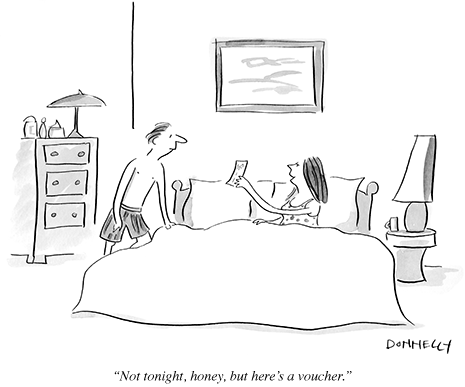
Sex Voucher

Asseessment

A sex voucher – delayed gratification?

Conclusion

Your thoughts and comments on this ME-P are appreciated. Feel free to review our top-left column, and top-right sidebar materials, links, URLs and related websites, too. Then, subscribe to the ME-P. It is fast, free and secure.

Link: http://feeds.feedburner.com/HealthcareFinancialsthePostForcxos

Speaker: If you need a moderator or speaker for an upcoming event, Dr. David E. Marcinko; MBA – Publisher-in-Chief of the Medical Executive-Post – is available for seminar or speaking engagements. Contact: MarcinkoAdvisors@msn.com

Our Other Print Books and Related Information Sources:

Health Dictionary Series: http://www.springerpub.com/Search/marcinko

Practice Management: http://www.springerpub.com/product/9780826105752

Physician Financial Planning: http://www.jbpub.com/catalog/0763745790

Medical Risk Management: http://www.jbpub.com/catalog/9780763733421

Hospitals: http://www.crcpress.com/product/isbn/9781439879900

Physician Advisors: www.CertifiedMedicalPlanner.org

Product DetailsProduct DetailsProduct Details

Introducing Somnath Basu; PhD MBA

Our Newest ME-P Thought-Leader in Finance and Economics

By Ann Miller; RN, MHA

[Executive Director]Dr. Basu

Dr. Somnath Basu is a Professor of Finance at California Lutheran University and the Director of its California Institute of Finance. Dr. Basu is also a Professor of the Helsinki School of Economics Executive MBA Program. He earned his BA in Economics, University of Delhi, MBA (Finance), Marquette University and a PhD (Finance), University of Arizona.

Publications and Experience

Dr. Basu is extensively published in the field of investments and financial planning and is an award winning teacher. He has significant consulting experience with US Fortune 100 companies, advising institutional money managers and in developing proprietary personal investment software. Dr. Basu is actively involved with financial planning organizations including the National Endowment for Financial Education (NEFE), the CFP Board of Standards, International CFP Board and the Financial Planning Association. He coauthored the book (with Block and Hirt), “Investment Planning for Financial Professionals” McGraw Hill, May 2006 which is widely used by financial planning programs nationwide. 

AssessmentCLU

To regular our ME-P readers, Dr. Basu’s opinions are well known and not without controversy. But, whether you agree with him or not, his commitment to the industry and his economics and financial planning students is solid. And, always adhering to the Socratic dialog tradition of candor intelligence and goodwill.

Link: https://healthcarefinancials.wordpress.com/2009/04/09/i-jealously-shake-my-fist-at-somnath-basu/

Link: https://healthcarefinancials.wordpress.com/2009/04/16/dr-somnath-basu-replies-to-the-cfp%c2%ae-mis-trust-controversy/ 

Conclusion

And so, your thoughts and comments on this Medical Executive-Post are appreciated. Pleas give Somnath a warm ME-P welcome and electronic “shout-out”. Then, be sure to subscribe to the ME-P. It is fast, free and secure.

Link: http://feeds.feedburner.com/HealthcareFinancialsthePostForcxos

Get our Widget: Get this widget!

Our Other Print Books and Related Information Sources:

Practice Management: http://www.springerpub.com/prod.aspx?prod_id=23759

Physician Financial Planning: http://www.jbpub.com/catalog/0763745790

Medical Risk Management: http://www.jbpub.com/catalog/9780763733421

Healthcare Organizations: www.HealthcareFinancials.com

Health Administration Terms: www.HealthDictionarySeries.com

Physician Advisors: www.CertifiedMedicalPlanner.com

Defining Comparative Medical Effectiveness

An Emerging Health Economics Issue

By Staff Reportersdhimc-book8

Comparative Medical Effectiveness [CME] is not a new healthcare term or health economics concept. Federal initiatives specifically promoting CME were authorized under the Medicare Modernization Act of 2003, but the genesis took root decades before.

Finally … a Hot Topic

Comparative Medical Effectiveness has recently become a hot topic again throughout the arena of health care stakeholders, due to funding and initiatives advanced by the Obama administration, and the positive and negative reactions drawn by different sectors of stakeholders.

Related to Evidence Based Outcomes

For stakeholders including numerous health care policy organizations, the health plan industry, and various health care provider organizations: public and private promotion of Comparative Medical Effectiveness reviews and processes offer the potential for more evidence-based, outcome-benefit or even cost-benefit driven information to improve the health care decision making for all parties. And, for stakeholders concerned about limiting the role of government and third parties in their level of regulation and control over the direct delivery of specific patient care, Comparative Medical Effectiveness may become a lightening rod due to perceived potential as to how the process and information could ultimately be applied.

Definition of the CBO Report

The Congressional Budget Office Report “Comparative Effectiveness: Issues and Options for an Expanded Federal Role” offers the definition that follows:

“As applied in the health care sector, an analysis of comparative medical effectiveness is simply a rigorous evaluation of the impact of different options that are available for treating a given medical condition for a particular set of patients. Such a study may compare similar treatments, such as competing drugs, or it may analyze very different approaches, such as surgery and drug therapy. The analysis may focus only on the relative medical benefits and risks of each option, or it may also weigh both the costs and the benefits of those options. In some cases, a given treatment may prove to be more effective clinically or more cost-effective for a broad range of patients, but frequently a key issue is determining which specific types of patients would benefit most from it. Related terms include cost–benefit analysis, technology assessment, and evidence-based medicine, although the latter concepts do not ordinarily take costs into account.”

Assessment

For related financial, economics, managed-care, insurance, health information technology and security, and health administrative terms and definitions of modernity, visit: http://www.springerpub.com/Search/marcinko

Conclusion

And so, your thoughts and comments on this Medical Executive-Post are appreciated. How do you define this term, and is its’ very definition evolving?

Health Dictionary Series: http://www.springerpub.com/Search/marcinko

Practice Management: http://www.springerpub.com/product/9780826105752

Physician Financial Planning: http://www.jbpub.com/catalog/0763745790

Medical Risk Management: http://www.jbpub.com/catalog/9780763733421

Hospitals: http://www.crcpress.com/product/isbn/9781439879900

Physician Advisors: www.CertifiedMedicalPlanner.org

Product DetailsProduct DetailsProduct Details      

Hospital Financial Capital Capacity

An Economic Risk Measurement

By Calvin Weise; MBA, CPAho-journal5

Hospital capital capacity is all about risk.

A Risk Measurement

Since capital investments have risks associated with them, capital capacity is a measurement of how much risk a hospital can bear. Capital capacity is not simple to determine. Capital investments introduce varying levels of risk, depending on the relative uncertainty of the benefits to be derived.

For example, one million dollars invested in an MRI at a hospital that has a two-month backlog for scheduling MRIs has much lower risk than $1 million invested in a new service like a PET scanner.

Profit Margins

Profit margins affect capital capacity. Larger profit margins create larger capacity for uncertainty which implies more risk and that means more capital capacity. Higher liquidity means more capital capacity. Lower debt leverage means more capital capacity. Liquidity and leverage are balance sheet ratios. Both imply capacity to absorb uncertain outcomes; both affect capital capacity.

Capital Determinations

Determining capital capacity is more art than science because of the variability in risk presented by various capital investments and the subjectivity associated with trying to measure that uncertainty.

That having been said, it is important to build models that estimate capital capacity. Most capital capacity models ignore the variability in risk presented by capital investments. They are typically built from published rating agency financial ratio medians. These models are based on the view that financial ratios of similar rating categories represent equivalent risks.

Of course, this is a simplistic view as it suggests that credit analysts simply categorize risk on the basis of financial ratios. It is not the case as the recent financial meltdown has demonstrated. Even the major credit rating agencies have been implicated as suspect; of late

Assessment

Published medians are the result of credit analysis, not the basis for credit analysis. Importantly, what is not usually published is the range or distribution around these medians. Models that estimate risk need to differentiate among risks presented by capital investments. Capital investments with little risk should consume less capital capacity than capital investments with a lot of risk.

Link: www.HealthcareFinancials.com

Conclusion

And so, your thoughts and comments on this Medical Executive-Post are appreciated. How does your practice, medical clinic or hospital measure and report capital risk; does it?

Speaker: If you need a moderator or speaker for an upcoming event, Dr. David E. Marcinko; MBA – Publisher-in-Chief of the Executive-Post – is available for seminar or speaking engagements. Contact: MarcinkoAdvisors@msn.com  or Bio: www.stpub.com/pubs/authors/MARCINKO.htm

Our Other Print Books and Related Information Sources:

Practice Management: http://www.springerpub.com/prod.aspx?prod_id=23759

Physician Financial Planning: http://www.jbpub.com/catalog/0763745790

Medical Risk Management: http://www.jbpub.com/catalog/9780763733421

Healthcare Organizations: www.HealthcareFinancials.com

Health Administration Terms: www.HealthDictionarySeries.com

Physician Advisors: www.CertifiedMedicalPlanner.com

Subscribe Now: Did you like this Medical Executive-Post, or find it helpful, interesting and informative? Want to get the latest E-Ps delivered to your email box each morning? Just subscribe using the link below. You can unsubscribe at any time. Security is assured.

Link: http://feeds.feedburner.com/HealthcareFinancialsthePostForcxos

Product DetailsProduct DetailsProduct Details       

About Healthcare Financials.com

Healthcare Organizations [Financial Management Strategies]

By Hope Rachel Hetico; RN, MHA
Managing Editor
hetico3

This 2-volume, quarterly subscription print publication will reshape the hospital management landscape by following three important principles www.HealthcareFinancials.com

1. World Class Advisory Board

First, we have assembled a world-class editorial advisory board and independent team of contributors and asked them to draw on their experience in economic thought leadership and managerial decision making in the healthcare industrial complex. Like many readers, each struggles mightily with the decreasing revenues, increasing costs, and high consumer expectations in today’s competitive healthcare marketplace.  Yet, their practical experience and applied operating vision is a source of objective information, informed opinion, and crucial information for this manual and its quarterly updates.

2. Writing Style

Second, our writing style allows us to condense a great deal of information into each quarterly issue.  We integrate prose, applications and regulatory perspectives with real-world case models, as well as charts, tables, diagrams, sample contracts, and checklists.  The result is a comprehensive oeuvre of financial management and operation strategies, vital to all healthcare facility administrators, comptrollers, physician-executives, and consulting business advisors.

3. Compelling Content

Third, as editors, we prefer engaged readers who demand compelling content. According to conventional wisdom, printed manuals like this one should be a relic of the past, from an era before instant messaging and high-speed connectivity. Our experience shows just the opposite. Applied healthcare economics and management literature has grown exponentially in the past decade and the plethora of Internet information makes updates that sort through the clutter and provide strategic analysis all the more valuable. Oh, it should provide some personality and wit, too! Don’t forget, beneath the spreadsheets, profit and loss statements, and financial models are patients, colleagues and investors who depend on you.

Assessment

ho-journal1

Rest assured, Healthcare Organizations [Financial Management Strategies] will become an important peer-reviewed vehicle for the advancement of working knowledge and the dissemination of research information and best practices in our field. In the years ahead, we trust these principles will enhance utility and add value to both your print and this e-companion subscription.

Conclusion

Most importantly, we hope to increase your return on investment. If you have any comments or would like to contribute material or suggest topics for a future update, please contact us.

Speaker: If you need a moderator or speaker for an upcoming event, Dr. David E. Marcinko; MBA – Publisher-in-Chief of the Executive-Post – is available for seminar or speaking engagements. Contact: MarcinkoAdvisors@msn.com  or Bio: www.stpub.com/pubs/authors/MARCINKO.htm

Subscribe Now: Did you like this Medical Executive-Post, or find it helpful, interesting and informative? Want to get the latest E-Ps delivered to your email box each morning? Just subscribe using the link below. You can unsubscribe at any time. Security is assured.

Link: http://feeds.feedburner.com/HealthcareFinancialsthePostForcxos

Adam Smith on Health Economics

A Fictional Interview

By Darrell Pruitt; DDSpruitt

Adam Smith, former 18th century Scottish economist, is with me in the cyber-world today.  He wrote his theories on economics around the time of the birth of our nation. His book, “An Inquiry into the Nature and Causes of the Wealth of Nations,” predates the word “capitalism” as well as “economist,” by several decades. 

Yet his common sense wisdom, like that of many post-Renaissance thinkers of his day, still stands tall and true against time. 

Welcome Mr. Smith:

Q: I have just a few questions that I was hoping you could help me with. The first question is one that is so basic, yet it causes more acute embarrassment than most doctors can tolerate.  I happen to have lifelong immunity to such silly feelings. 

Mr. Smith, why are professionals paid so much in comparison to other trades?  Please use the English you are comfortable with.

A: “We trust our health to the physician; our fortune and sometimes our life and reputation to the lawyer and attorney. Such confidence could not safely be reposed in people of a very mean or low condition. Their reward must be such, therefore, as may give them that rank in the society which so important a trust requires. The long time and the great expense which must be laid out in their education, when combined with this circumstance, necessarily enhance still further the price of their labour.”  [Smith (1776) Book I, Chapter 10]

http://www.econlib.org/library/Smith/smWN4.html#B.I,%20Ch.10,%20Of%20Wages%20and%20Profit%20in%20the%20Different%20Employments%20of%20Labour%20and%20Stock

Q: I’m glad you said that instead of me (someone in the room chuckles.)  For whatever reason, doctors in modern society have remained silent while stakeholders, who are not accountable to patients, crowded them away from the bargaining table.  To tell the truth, what you might call stakeholders’ unenlightened self-interest seems a lot like tyranny.  What can doctors do about it?  I know that in your day, organizing labour (oops, you got me doing it now) could get one quickly killed.  Since then labour movements have come and gone in American society.  What are your thoughts about unionized healthcare professionals?

A: “People of the same trade seldom meet together, even for merriment and diversion, but the conversation ends in a conspiracy against the public, or in some contrivance to raise prices. It is impossible indeed to prevent such meetings, by any law which either could be executed, or would be consistent with liberty and justice. But though the law cannot hinder people of the same trade from sometimes assembling together, it ought to do nothing to facilitate such assemblies; much less to render them necessary.”[ibid]

Comment: If I understand you correctly, Mr. Smith, you are saying that even though law should not deprive citizens of the freedom to assemble, which, by the way is now a civil right over here in the new world, the government would be wise to not render it necessary for professionals to do so because it would be impossible to prevent conspiracy against the public.  Let’s hope it doesn’t come to that. 

Now, let me show you evidence that our nation’s leaders, in an honorable effort to hold down the cost of healthcare for the common good, actually forgot that part of your lesson sometime over the last couple of centuries. It is thru a contrivance known as pay-for-performance [P4P}.

P4P

Pay for Performance (P4P), not known in your time, is one of the four cornerstone goals for healthcare reform that our President Bush described in his Executive Order.  He officially calls it “Aligning incentives so that payers, providers, and patients benefit when care delivery is focused on achieving the best value of health care at the lowest cost.”  I know you probably have never experienced the magic quality of “buzzwords” before, and the whole sentence is probably leaving with a dry mouth, wondering what “Aligning incentives” is really about.  Don’t feel bad.  This dialect of modern English is difficult for modern doctors to understand as well. 

To put it simply, Bush and his buddies put together an intricate artificial market system where the quality, price and demand will all be controlled by people other than doctors and their customers. 

Wait.  Please, don’t hang up on me.  I can completely understand why you don’t like it, Mr. Smith.  Get this:  I hear Stalin is pissed that Bush stole his idea of vertical collectivism.  I also think it smells a lot like borscht with turnips.  So, let’s move on.

Q: Finally, Mr. Smith, considering there is already unwanted and expensive interference in our nation’s healthcare system that eliminates natural competition between healthcare providers even before our nation turns to universal care, do you think it is unrealistic to imagine that a year from now consumers could demand black market dentistry rather than wait in lines for regulated dentistry?

A: “Particular acts of parliament, however, still attempt sometimes to regulate wages in particular trades and in particular places. Thus the 8th of George III prohibits under heavy penalties all master tailors in London, and five miles round it, from giving, and their workmen from accepting, more than two shillings and sevenpence halfpenny a day, except in the case of a general mourning.

Whenever the legislature attempts to regulate the differences between masters and their workmen, its counselors are always the masters. When the regulation, therefore, is in favor of the workmen, it is always just and equitable; but it is sometimes otherwise when in favor of the masters.”  [ibid]

Assessment

Damned counselors! 

Thank you; Adam Smith! 

Conclusion 

Your thoughts and comments on this artifice are appreciated.

Practice Management: http://www.springerpub.com/prod.aspx?prod_id=23759

Physician Financial Planning: http://www.jbpub.com/catalog/0763745790

Medical Risk Management: http://www.jbpub.com/catalog/9780763733421

Healthcare Organizations: www.HealthcareFinancials.com

Health Administration Terms: www.HealthDictionarySeries.com

Physician Advisors: www.CertifiedMedicalPlanner.com

Speaker: If you need a moderator or speaker for an upcoming event, Dr. David E. Marcinko; MBA – Publisher-in-Chief of the Executive-Post – is available for seminar or speaking engagements. Contact: MarcinkoAdvisors@msn.com  or Bio: www.stpub.com/pubs/authors/MARCINKO.htm

Subscribe Now: Did you like this Executive-Post, or find it helpful, interesting and informative? Want to get the latest E-Ps delivered to your email box each morning? Just subscribe using the link below. You can unsubscribe at any time. Security is assured.

Link: http://feeds.feedburner.com/HealthcareFinancialsthePostForcxos

Copyright 2008 iMBA Inc: All rights reserved, USA, unless otherwise noted. Use is restricted to Medical Executive-Post subscribers only. No redistribution is allowed. To avoid violation of iMBA Inc copyright restrictions and redistribution policy, please register for your own free Medical Executive-Post membership. Detailed information and registration links are available at:

Link: http://feeds.feedburner.com/HealthcareFinancialsthePostForcxos

Referrals: Thank you in advance for your electronic referrals to the Medical Executive-Post

Product DetailsProduct DetailsProduct Details