PODCAST: Direct Employer Contracting for Medical Services

Employers Can Enter Into Direct Contracts with Doctors, Hospitals and Other Healthcare Facilities for Medical Services for Members of Their Employee Health Plan.

***

Texas CEO Magazine 2016 Economic Forecast: Dallas - Texas ...

BY ERIC BRICKER MD

Reimbursement Typically Takes the Form of a Bundled Payment or a Lower Rate of Fee-for-Service.

Employers with Greater Than 500 Employees Tend To Engage in Direct Contracting.

Mid-Market Employers with a High Concentration of Employees in One Geographic Area Tend to Engage in Direct Contracting as Well.

The Employer Frequently Uses an Independent TPA to Process the Claims for the Direct Contract.

Also, the Employee Health Plan Changes the ‘Benefit Level’ Such that Care at the Direct Contract Facility is Often at $0 Out-of-Pocket Cost for the Member.

Engaging the Plan Members with Navigation Services is Helpful to Make the Experience Integrated with the Overall Health Plan Offerings.

YOUR THOUGHTS ARE APPRECIATED.

CITE: https://www.amazon.com/Dictionary-Health-Insurance-Managed-Care/dp/0826149944/ref=sr_1_4?ie=UTF8&s=books&qid=1275315485&sr=1-4

THANK YOU

***

Walmart’s Push to Create Healthcare ”SUPER CENTERS”

Walmart’s Push to Create Healthcare ”Super Centers”

Health Capital Consultants - Healthcare Valuation


Walmart, the world’s largest retailer, opened the first Walmart Health in 2019 with the main goal of helping to meet the healthcare needs of the communities they serve. After opening six locations in almost two years, Walmart is looking to operate a total of 22 standalone clinics by the end of 2021. 

This Health Capital Topics article will review Walmart Health’s approach to delivering primary care, the communities into which it is expanding, its partnerships it is developing in the healthcare sector, and the competitive landscape in which it operates. (Read more…) 

Citation: https://www.r2library.com/Resource/Title/0826102549

ASSESSMENT: Your thoughts are appreciated.

THANK YOU

***

PODCAST: First Rules of Population Health

One of the 1st Rules of Population Health is That 5% of the Population Generates 50% of Total Healthcare Costs

Image result for eric brikker

BY ERIC BRICKER MD

However, That 5% of High-Cost Claimants is a Heterogenous Population

2.5 Percentage Points of the 5% Are Claimants That Were Either High-Cost Claimants the Previous Year with On-Going Complex Medical Situations or Generated Claims Related to Chronic Diseases Such as Diabetes or Multiple Sclerosis.

HOWEVER, the Other 2.5 Percentage Points of the 5% Are Claimants That Generated Zero or Almost-Zero Claims in the Previous 12-Months.

They Essentially ‘Blow Up’ Out of Nowhere.

This Video Describes the 4 Categories of These High-Cost Claimants:

1) Previously Known and Prolonged High Costs

2) Previously Known and Episodic High Costs (that no longer continue)

3) Previously Unknown and Prolonged High Costs

4) Previously Unknown and Episodic High Costs (that no longer continue)

Learn the Clinical Diagnoses That Make Up Each Category and the Secret of Which Groups to Target and Why.

Your thoughts are appreciated.

THANK YOU

***

PODCAST: “Inelastic” Demand in Healthcare

Economic Implications of Pain Suffering and Imminent Death?

Inelastic Demand in Healthcare: Economic Implications of Pain, Suffering and Imminent Death.

***

By Eric Bricker, MD

Inelastic Demand Occurs When the Quantity Demanded for a Good or Service Does NOT Change When the Price Changes.

Citation: https://www.r2library.com/Resource/Title/0826102549

Consequently, When the Supply of a Healthcare Service is Limited, then the Price Goes Up … Way Up, Since the Quantity Demanded Does Not Change.

Examples of Inelastic Demand with Limited Supply in Healthcare Are:

1) Emergencies

2) Patented Medications for Diseases That Have No Other Alternatives

3) Doctor Specialties Where the Patient Has No Choice in the Services Such As Radiologists, Anesthesiologists and Pathologists

The High-Cost Claimants with Inelastic Demand Drive the Majority of Healthcare Costs for a Group.  They Generally Fall into 3 Diagnosis Categories: 1) Orthopedics, 2) Cardiovascular and 3) Cancer.

Orthopedics Should Be the 1st Priority for Lowering Healthcare Costs for a Population … While Demand May be Inelastic, Usually There is Choice and Not a Limited Supply of Orthopedic Services.

Efforts in Orthopedics Should Focus on Increasing Choice, Such as Free Travel to Centers-of-Excellence with Bundled Pricing.

Cardiovascular Care and Cancer Care Tend to Have Inelastic Demand AND Limited Supply. Therefore, the Best Way to Lower Healthcare Costs in These Areas is Through Prevention.

ASSESSMENT: Your thoughts are appreciated.

THANK YOU

***

HOSPITALS and Health Care Organizations

Management Strategies, Operational Techniques, Tools, Templates and Case Studies

Tex Book Review

Drawing on the expertise of decision-making professionals, leaders, and managers in health care organizations, Hospitals & Health Care Organizations: Management Strategies, Operational Techniques, Tools, Templates, and Case Studies addresses decreasing revenues, increasing costs, and growing consumer expectations in today’s increasingly competitive health care market.

Offering practical experience and applied operating vision, the authors integrate Lean managerial applications, and regulatory perspectives with real-world case studies, models, reports, charts, tables, diagrams, and sample contracts. The result is an integration of post PP-ACA market competition insight with Lean management and operational strategies vital to all health care administrators, comptrollers, and physician executives. The text is divided into three sections:

  1. Managerial Fundamentals
  2. Policy and Procedures
  3. Strategies and Execution

Using an engaging style, the book is filled with authoritative guidance, practical health care–centered discussions, templates, checklists, and clinical examples to provide you with the tools to build a clinically efficient system. Its wide-ranging coverage includes hard-to-find topics such as hospital inventory management, capital formation, and revenue cycle enhancement. Health care leadership, governance, and compliance practices like OSHA, HIPAA, Sarbanes–Oxley, and emerging ACO model policies are included. Health 2.0 information technologies, EMRs, CPOEs, and social media collaboration are also covered, as are 5S, Six Sigma, and other logistical enhancing flow-through principles. The result is a must-have, “how-to” book for all industry participants.

SECOND OPINIONS: https://medicalexecutivepost.com/schedule-a-consultation/

INVITE DR. MARCINKO: https://medicalexecutivepost.com/dr-david-marcinkos-

THANK YOU

***

MEDICARE: Safe Harbor Regulations

Medicare “Safe Harbor” Regulations

Invite Dr. Marcinko | The Leading Business Education ...

The Medicare Safe Harbor rules were passed in an effort to identify areas of practice that would not lead to a conviction under the anti-fraud statute.  The Safe Harbor regulations provide for eleven areas where providers may practice without violating the anti-fraud statute. 

CITE: https://www.amazon.com/Dictionary-Health-Insurance-Managed-Care/dp/0826149944/ref=sr_1_4?ie=UTF8&s=books&qid=1275315485&sr=1-4

Areas of safe practice under these regulations are briefly highlighted below:

  • Large Entity Investments – Investment in entities with assets over $50 million. The entity must be registered and traded on national exchanges.
  • Small Entity Investments – Small entity investment entities must abide by the 40-40 rule.  No more than 40% of the investment interests may be held by investors in a position to make referrals. Additionally, no more than 40% of revenues can come through referrals by these investors.
  • Space and Equipment Rentals – Such lease agreements must be in writing and must be for at least a one year term. Furthermore, the terms must be at fair market value.
  • Personal Services and Management Contracts – These contracts are allowable as long as certain rules are followed. Like lease agreements, these personal service and management contracts must be in writing for at least a one-year term, and the services must be valued at fair market value.
  • Sale of a medical practice – There are restrictions if the selling practitioner is in a position to refer patients to the purchasing practitioner.
  • Referral services– Referral services (such as hospital referral services) are allowed. However, such referral services may not discriminate between practitioners who do or do not refer patients.
  • Warranties – There is certain requirements if any item of value is received under a warranty.
  • Discounts – Certain requirements must be met if a buyer receives a discount on the purchase of goods or services that are to be paid for by Medicare or Medicaid.
  • Payments to Bona Fide Employees – Payments made to bona fide employees do not constitute fraud under the Safe Harbor Regulations.
  • Group Purchasing Organizations – Organizations that purchase goods and services for a group of entities or individuals are allowed; provided certain requirements are met.
  • Waiver of Beneficiary Co-Insurance and Deductible – Routine waiver would not come under the safe harbor.

A physician’s actions that come under the Safe Harbor Regulations will not violate the Medicare Fraud and Abuse Statutes.  However, the provider must still abide by the Stark amendments and must also abide by applicable state law.

STARK UPDATE: https://medicalexecutivepost.com/2018/08/03/cms-to-review-stark-law-relevance-once-again/

Your thoughts are appreciated.

THANK YOU

***

ORDER TEXTBOOK [3rd]: https://www.amazon.com/Business-Medical-Practice-Transformational-Doctors/dp/0826105750/ref=sr_1_9?ie=UTF8&qid=1448163039&sr=8-9&keywords=david+marcinko

***

PODCAST: The Income and Substitution Effects in Healthcare Finance

Important Economic Concepts to UNDERSTAND

Texas CEO Magazine 2016 Economic Forecast: Dallas - Texas ...

BY ERIC BRICKER MD

One of Their Applications Pertains to the Impact on Time Spent Working Vs. Time Spend on Leisure if a Healthcare Worker’s Pay is Changed.

DEFINITION: The INCOME EFFECT States That If a Worker’s Pay is Decreased, They Will Work More Hours to Maintain the Same Income. Conversely, If a Worker’s Pay is Increased, They Will Work Fewer Hours and Still Maintain the Same Income.

Citation: https://www.r2library.com/Resource/Title/0826102549

A Real-World Example of the Income Effect is When Medicare Decreased Reimbursement for Echocardiograms and as a Result, Decreased Cardiologists’ Pay. Accordingly, Cardiology Practices Increased the Number of Patients They Saw Per Day to Make Up for the Lost Pay and Maintain Their Income.

The SUBSTITUTION EFFECT States That Work and Leisure Time Have OPPORTUNITY COSTS for Each Other.

If a Worker’s Pay Goes Up, then the Opportunity Cost for Leisure (i.e. Not Working) Also Goes Up and the Worker Will Work MORE, Not LESS. Conversely, If a Worker’s Pay Goes Down, then the Opportunity Cost for Leisure Goes Down and the Worker Will Work LESS, Not MORE.

Whether the Income or Substitution Effect Dominates Depends on the Person and the Situation.

THE POINT: In the World of Fee-for-Service Reimbursement, a Decrease in Doctor Pay Per Service May Result in Doctors Providing More Services In Order to Maintain Their Income… Nullifying Any Cost-Savings.

PODCAST: The Income and Substitution Effects Are Important Economic Concepts to Understand in Healthcare Finance.

Your thoughts appreciated.

THANK YOU

***

ME-P Speaking Invitations

Dr. David E. Marcinko is at your Service

thumbnail_IMG_1663.edit1

Dr. David Edward Marcinko MBA CMP® enjoys personal coaching and public speaking and gives as many talks each year as possible, at a variety of medical society and financial services conferences around the country and world.

These have included lectures and visiting professorships at major academic centers, keynote lectures for hospitals, economic seminars and health systems, keynote lectures at city and statewide financial coalitions, and annual keynote lectures for a variety of internal yearly meetings.

His talks tend to be engaging, iconoclastic, and humorous. His most popular presentations include a diverse variety of topics and typically include those in all iMBA, Inc’s textbooks, handbooks, white-papers and most topics covered on this blog.

CONTACT: Ann Miller RN MHA

MarcinkoAdvisors@msn.com

Ph: 770-448-0769

Abbreviated Topic List: https://medicalexecutivepost.com/wp-content/uploads/2009/02/imba-inc-firm-services.pdf

Second Opinions: https://medicalexecutivepost.com/schedule-a-consultation/

DIY Textbooks: https://medicalexecutivepost.com/2021/04/29/why-are-certified-medical-planner-textbooks-so-darn-popular/

THANK YOU

***

NEWS ALERT: SCOTUS Rules to Leave ACA in Place

BREAKING NEWS!

On June 17, 2021, the Supreme Court of the United States (SCOTUS) released its long-awaited ruling on the fate of the Patient Protection and Affordable Care Act (ACA). In a 7-2 ruling, the majority (written by Justice Stephen Breyer) found that the two individual and 18 state plaintiffs did not have standing, stating

the plaintiffs…failed to show a concrete, particularized injury fairly traceable to the defendants’ conduct in enforcing the specific statutory provision they attack as unconstitutional. They have failed to show that they have standing to attack as unconstitutional the Act’s minimum essential coverage provision.” 

By ruling on the question of standing, the Court did not have to proceed to, and rule on, the issue of the constitutionality of the Individual Mandate.

The Court reversed the Fifth Circuit’s ruling with respect the standing issue, vacated the ruling, and remanded the case with instructions to dismiss.

***

***
A more robust discussion of the majority’s opinion and the procedural history of this case will be included in the June 2021 issue of Health Capital Topics.
(Read the ruling here)

ASSESSMENT: Your comments are appreciated.

THANK YOU

***

PODCAST: Soap-Box Opera of Healthcare Reform?

By Carolyn McClanahan MD CFP

Your thoughts are appreciated.

THANK YOU

***

SPONSOR: http://www.CertifiedMedicalPlanner.org

Comprehensive Financial Planning Strategies for Doctors and Advisors: Best Practices from Leading Consultants and Certified Medical Planners™

ORDER: https://www.routledge.com/Comprehensive-Financial-Planning-Strategies-for-Doctors-and-Advisors-Best/Marcinko-Hetico/p/book/9781482240283

***

PODCAST: The Future of Healthcare Looks to Medicare’s Past?

See the Future of Healthcare By Looking to Medicare’s Past

***

Texas CEO Magazine 2016 Economic Forecast: Dallas - Texas ...

BY DR. ERIC BRICKER MD

***

Desire for a Healthcare ‘Safety Net’ Goes Back Almost 100 years to President F.D.R. and His “New Deal

FDR Was Able to Pass Social Security, but He Also Wanted a Healthcare Safety Net Too.

Presidents Truman and Kennedy Also Wanted a Federally-Funded Healthcare Safety Net.

LBJ Carried the Torch of the Healthcare Safety Net. He Was Able to Have Medicare Legislation Passed in 1965 by Combining 3 Separate Proposals and Acts:

1) Hospital Insurance

2) Doctor Insurance That Was Voluntary

3) the State-Administered Kerr-Mills Act 

Hospital Insurance Became Medicare Part A. Doctor Insurance Became Medicare Part B. The Kerr-Mills Act Became Medicaid.

Presidents Carter and Clinton Also Wanted to Expand the Healthcare Safety Net. President Obama Expanded the Healthcare Safety Net with Passage of Obamacare. President Biden is Seeking to Expand the Healthcare Safety Net Too.

The Arc of Government-Funded Healthcare Stretches Back Almost 100 Years and Will Inevitably Result in the Full Government Payment for Healthcare in America.

It’s Not a Question of If, But When.

Implication: United Health Group is Making Many Acquisitions to Become a Vertically Integrated Healthcare Company to Position Itself as a Major Government Contractor for the Eventual Federal Takeover.

PODCAST: https://www.youtube.com/watch?v=OAh7Rl7w1wM

Your thoughts are appreciated.

THANK YOU

***

A FRUSTRATED PHYSICIAN ASKS: How Much Insurance is Enough?

OVER HEARD IN THE DOCTOR’S LOUNGE

Image result for Doctor Lounge Signs

I currently have no fewer than 10 separate insurance policies associated with my plastic surgery practice. I understand very little about the policies other than that somebody at some point told me I needed each and every one of them, and each made sense when I bought it. But, I often wonder:  

  • Am I over-insured and thus wasting money? 
  • Am I under-insured and thus at risk for a liability disaster? 

I never really had the means of answering these questions …. Until Now!

Lloyd M. Krieger; MD MBA

[Beverly Hills, CA]

***

Risk Management, Liability Insurance, and Asset Protection Strategies for Doctors and Advisors : Best Practices from Leading Consultants and Certified Medical Planners™ book cover

ORDER TEXTBOOK: https://www.routledge.com/Risk-Management-Liability-Insurance-and-Asset-Protection-Strategies-for/Marcinko-Hetico/p/book/9781498725989

SECOND OPINIONS: https://medicalexecutivepost.com/schedule-a-consultation/

INVITE DR. MARCINKO: https://medicalexecutivepost.com/dr-david-marcinkos-bookings/

***

PODCAST: The Hidden War for Patients and Money

The Role of Referrals and Patient Volume in Healthcare Finance

Patient Referrals are BIG Business for Hospital Systems

Hear the Story of How UMass Memorial Health Care Specifically Targeted Referring Physicians

BY ERIC BRICKER MD

Your thoughts are appreciated

THANK YOU

More on Referral Leakage: https://medicalexecutivepost.com/2015/04/24/medical-provider-network-referral-leakage/

***

Product Details

TEXTBOOK ORDER: https://www.amazon.com/Financial-Management-Strategies-Healthcare-Organizations/dp/1466558733/ref=sr_1_3?ie=UTF8&qid=1380743521&sr=8-3&keywords=david+marcinko

***

Financing LONG-TERM CARE Needs?

AGING AND RETIREMENT

Long-term care (LTC) may not be the first thing individuals or couples think about as they approach retirement, but the costs for those who needs it can disrupt and derail retirement security. A good plan for long-term care requires many decisions over an extended period of time, and well before retirement.

In this article, Milliman consultant Robert Eaton discusses the major considerations and options for financing LTC needs in retirement.

***

ASSESSMENT: Your thoughts are appreciated.

THANK YOU

Risk Management, Liability Insurance, and Asset Protection Strategies for Doctors and Advisors: Best Practices from Leading Consultants and Certified Medical Planners™

ORDER: https://www.routledge.com/Risk-Management-Liability-Insurance-and-Asset-Protection-Strategies-for/Marcinko-Hetico/p/book/9781498725989

***

PODCAST: Corporate Practice of Medicine Laws

Dictate Doctors Cannot Work for Corporations?

Texas CEO Magazine Eric Bricker 1 - SO 14 - Texas CEO Magazine

ERIC BRICKER MD

These Laws Were Put Into Place So Doctors Would Not Put Shareholders Before Patients and So Corporations Would Not Interfere with Doctor Judgement.

Corporate Practice of Medicine Laws are at the State-Level, NOT the Federal Level.

Each State Has Their Own Exceptions Such as 1) Doctors Can Work for Companies That Are Owned by Other Doctors and 2) Doctors Can Work for Hospitals.

However, Private Equity Firms Have Been on a Physician Practice Buying Binge.

Private Equity Firms Bought 355 Physician Practices from 2013 – 2016.

Two of the Largest Purchases Were KKR‘s Purchase of Envision’s 25,000 Doctors for Almost $10 Billion and Blackstone‘s Purchase of Team Health’s 20,000 Doctors for $6 Billion.

QUERY: If Corporate Practice of Medicine Laws Say that Doctors Cannot Work for a Corporation, How are Private Equity Purchases of Physician Practices Legal?

This Video by Colleague Eric Bricker MD Explains
https://www.youtube.com/watch?v=2epmk4_-kUI

***
Your comments are appreciated.
THANK YOU

***

ON RURAL HEALTHCARE PROVIDERS

Executive Order Expands Tele-Medicine to Ease Burden

By Health Capital Consultants, LLC

On August 3, 2020, President Donald Trump signed an executive order aimed at expanding access to care through two avenues: telemedicine and eased financial burdens on rural providers.

Health Disparities Continue to Plague Rural Areas

And so, our colleagues for this Health Capital Topics article will discuss the executive rule and the subsequent agency actions on these fronts.

READ: https://www.healthcapital.com/hcc/newsletter/08_20/HTML/EXEC/convert_executive_telemedicine_access_expansion_8.20.20.php

ASSESSMENT: Your thoughts are appreciated.

THANK YOU

***

ORDER [3rd. edition] TEXTBOOK: https://www.amazon.com/Business-Medical-Practice-Transformational-Doctors/dp/0826105750/ref=sr_1_9?ie=UTF8&qid=1448163039&sr=8-9&keywords=david+marcinko

INVITE DR. MARCINKO: https://medicalexecutivepost.com/dr-david-marcinkos-bookings/

****

PROCEDURES: Rural v. Urban Hospitals

Appreciating the Number of Procedures Done per Hospitalization

By http://www.MCOL.com

JOURNAL RURAL HEALTH: Rural hospitals are not associated with worse postoperative outcomes for colon cancer surgery: https://onlinelibrary.wiley.com/doi/full/10.1111/jrh.12596

***

Hospitals

***

ASSESSMENT: Your thoughts are appreciated.

INVITE DR. MARCINKO: https://medicalexecutivepost.com/dr-david-marcinkos-bookings/

order textbook: https://www.amazon.com/Financial-Management-Strategies-Healthcare-Organizations/dp/1466558733/ref=sr_1_3?ie=UTF8&qid=1380743521&sr=8-3&keywords=david+marcinko

THANK YOU

***

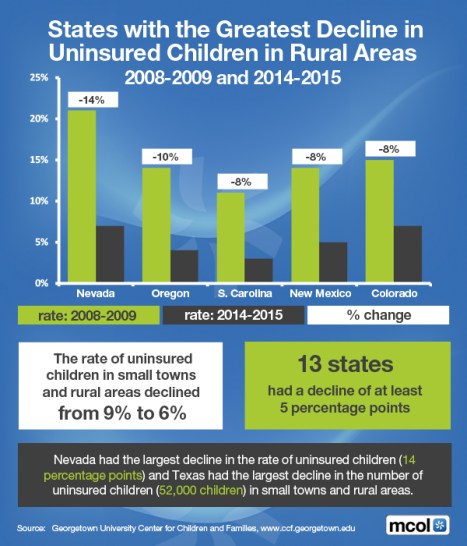
RURAL HEALTHCARE AREAS: State Uninsured Children Rates

In 2008-2009 and 2014-2015

By http://www.MCOL.com

Your thoughts are appreciated.

INVITE DR. MARCINKO: https://medicalexecutivepost.com/dr-david-marcinkos-bookings/

THANK YOU

***

PODCAST: Social Determinants of Health

Turning Potential into Actual Value

By Erin Benson and Rich Morino

Social determinants of health can directly be used to improve risk stratification and care management initiatives. But first, it’s important to identify how to effectively use this data to get the most value for your members and organizations.

And so, we present a brief recap of the webinar: “Social Determinants of Health: Turning Potential into Actual Value,” sponsored by LexisNexis Health Care, with Erin Benson, Director Market Planning and Rich Morino, Director, Strategic Solutions.

This recap includes discussion of 5 categories of SDOH. Then, the full webinar discusses elements of success for social determinants of health and opportunities for health plans to leverage social determinants of health data to attain quality goals while managing cost and enhancing member experience.

Your thoughts are appreciated.

THANK YOU

***

Effect of Negative Credit Shocks on Hospital Quality

A STUDY OF the National Bureau of Economic Research

BY HEALTH CAPITAL CONSULTANTS, LLC


A recent study from the National Bureau of Economic Research (NBER) indicates that quality and patient outcomes suffer in hospitals that cannot maintain their relationships with banks and their lines of credit.

The NBER study measured quality and cost data in Medicare-certified hospitals from 2010 to 2016, during which banks were undergoing annual stress tests. Regulatory “stress tests” are annual assessments from the Federal Reserve, put in place after the Great Recession in 2008, to examine a bank’s ability to survive an impending economic crisis. (Read more…) 

ASSESSMENT: Your thoughts are appreciated.

ORDER TEXTBOOK: https://www.amazon.com/Business-Medical-Practice-Transformational-Doctors/dp/0826105750/ref=sr_1_9?s=books&ie=UTF8&qid=1287563112&sr=1-9

Product Details
Product Details

ORDER TEXTBOOK: https://www.amazon.com/Financial-Management-Strategies-Healthcare-Organizations/dp/1466558733/ref=sr_1_3?ie=UTF8&qid=1380743521&sr=8-3&keywords=david+marcinko

THANK YOU

****

NHICs = Prepaid Preventative and Maintenance Health Care Networks

Emerging New MEDICAL BUSINESS Models 2.0

By Dr. David Edward Marcinko MBA CMP®

CMP logo

SPONSOR: http://www.CertifiedMedicalPlanner.org

Many folks feels that private preventative medical contracts may be one possible solution for those Americans going without healthcare; especially the young and healthy. Generally, and generically, they have a moniker like the “No Health Insurance Club”; or similar

Why?

Some pundits are leaning toward universal healthcare, or Medicare-4-All, which seems too socialized for others. Yet, private insurers continue to increase premiums, which prices healthcare out of reach for the average American. Employers can no longer float the cost of insurance so they pass it on to their employees. Patients aren’t the only ones being affected by the current state of healthcare. More and more doctors are going out of business and hospitals are cutting back due to escalating costs and payment defaults.

So, current remedies to this dilemma include major medical insurance policies for catastrophic events with high-deductibles to keep monthly premiums down, Medicaid, mini retail-clinics at grocery stores/pharmacies, and emergency room visits for common illnesses; as well as the PP-ACA.

Medical Maintenance

But, preventative healthcare and medical maintenance is not typically addressed. More than 90 percent of health related issues can be taken care of with preventative care and maintenance but only a small percentage of Americans currently enjoy the benefit of preventative healthcare. Healthcare economists are rethinking healthcare by offering an affordable alternative to traditional insurance options. NHICs, connect patients with participating board certified physicians that will treat and care for preventative healthcare needs for a one-time prepaid annual membership fee.

In this NHIC model:

  • Patients make a one-time annual payment that is typically less than a one-month premium with traditional insurance.
  • Patients receive up to 12 office visits per year that also include immunizations, $10 or less in-office prescriptions, and additional services including blood tests.
  • No deductible, no co-pays, no premiums.
  • No surprise bills to patients.
  • Viable alternative to COBRA for employees disengaged from work.
  • Low cost option for the self-employed.
Yakima DentiFlex Membership Club | Your Dentist in Yakima, WA

The Doctors

What’s in it for the doctors? How about no insurance clerks, no need to snail mail medical insurance claims or use expensive electronic claims submission clearinghouse services, no bad debts or bad expense write-offs, no ARs; and fast cash.

ASSESSMENT: Your thoughts are comments are appreciated.

Product Details

ORDER TEXTBOOK: https://www.amazon.com/Business-Medical-Practice-Transformational-Doctors/dp/0826105750/ref=sr_1_9?ie=UTF8&qid=1448163039&sr=8-9&keywords=david+marcinko

SECOND OPINIONS: https://medicalexecutivepost.com/schedule-a-consultation/

INVITE DR. MARCINKO: https://medicalexecutivepost.com/dr-david-marcinkos-bookings/

THANK YOU

***

Hospital Financial Price Transparency

New price transparency regulatory considerations for hospitals

By Lesley Pink Austin Barrington, David Lewis, John Pickering, and Mike Hamachek

As of January 1, 2021, regulations require U.S. hospitals to post to their websites all of their negotiated payment rates in one sprawling machine-readable file, although many hospitals may not meet the initial deadline. The aim of the regulation is to increase price transparency with the goal that such transparency will lead to increased competition, improved customer choice, and ultimately lower prices.

There will be challenges, though, to extract useful competitive information from the files.

See the source image

ASSESSMENT:

This article by Milliman professionals examines those challenges. 

Your thoughts are appreciated.

MORE:

Product Details

Textbook: https://www.amazon.com/Financial-Management-Strategies-Healthcare-Organizations/dp/1466558733/ref=sr_1_3?ie=UTF8&qid=1380743521&sr=8-3&keywords=david+marcinko

THANK YOU

***

Major Issues Facing Healthcare in 2021?

Here are the major issues facing healthcare according to PwC

Will a health system battered by the pandemic emerge stronger in the year ahead? The annual report predicts challenges such as profitably merging virtual and in-person care, and capitalizing on new consumer- and clinician-facing digital health tools.

The far future of healthcare - FOHS Plenary 2 report - The ...

READ: https://www.healthcareitnews.com/news/here-are-major-issues-facing-healthcare-2021-according-pwc

ASSESSMENT: Your thoughts are appreciated.

THANK YOU

***

ON ABUSIVE MEDICAL TREATMENT OR HEALTH CARE SERVICES

ABUSIVE TREATMENTS OR MEDICAL SERVICES

By Dr. David Edward Marcinko MBA CMP®

CMP logo

SPONSOR: http://www.CertifiedMedicalPlanner.org

According to the Dictionary of Health Economics and Finance, healthcare abuse is the activity where someone overuses or misuses services. And; the Center for Medicare and Medicaid Services [CMS] states that: “although some of the practices may be initially considered to be abusive, rather than fraudulent activities, they may evolve into fraud.”

CITE: https://www.r2library.com/Resource/Title/0826102549

In the case of healthcare abuse, this may occur when a physician sees the patient for treatment more times than deemed medically appropriate. If there are reported issues or actions from other sources, such as the National Practitioner Data Bank [NPDB] or a medical board, a health insurance program can take that opportunity to review healthcare providers’ activities.

ASSESSMENT: Most insurance or managed care participation agreements allow for this type of scrutiny.

QUERY: But, what if the patient, or care-giver, is the culprit?

BIZARRE: https://www.msn.com/en-us/news/crime/woman-subjected-adopted-daughter-to-unnecessary-feeding-tube-wheelchair-hundreds-of-medical-appointments-authorities/ar-AAKBjVx?li=BBnb7Kz

MUNCHAUSEN SYNDROME BY PROXY: https://www.webmd.com/mental-health/munchausen-by-proxy

YOUR THOUGHTS ARE APPRECIATED

ORDER TEXTBOOK: https://www.routledge.com/Risk-Management-Liability-Insurance-and-Asset-Protection-Strategies-for/Marcinko-Hetico/p/book/9781498725989

Risk Management, Liability Insurance, and Asset Protection Strategies for Doctors and Advisors: Best Practices from Leading Consultants and Certified Medical Planners™

INVITE DR. MARCINKO: https://medicalexecutivepost.com/dr-david-marcinkos-bookings/

THANK YOU

***

NASEM Recommends a Primary Care Physician to Every American

By HEALTH CAPITAL CONSULTANTS, LLC


On May 4, 2021, the National Academies for Sciences, Engineering and Medicine (NASEM) released a major report expressing a dire need to improve primary care in the U.S. 

Since January 2020, an extensive committee within NASEM has worked to develop an implementation plan that will reopen the discussion of improving primary care as a means to improving overall health and achieving health equity.

(Read more…)

Primary Care|Global Events|U.S.A|Europe|Middle East|Asia ...

ASSESSMENT: Your thoughts are appreciated.

ORDER TEXTBOOK: https://www.amazon.com/Business-Medical-Practice-Transformational-Doctors/dp/0826105750/ref=sr_1_9?s=books&ie=UTF8&qid=1287563112&sr=1-9

Product Details
Product Details

ORDER TEXTBOOK: https://www.amazon.com/Financial-Management-Strategies-Healthcare-Organizations/dp/1466558733/ref=sr_1_3?ie=UTF8&qid=1380743521&sr=8-3&keywords=david+marcinko

THANK YOU

***

The Business of Medical Practice [3rd. edition]

SPONSOR: http://www.CertifiedMedicalPlanner.org

CMP logo

ORDER TEXTBOOK: https://www.amazon.com/Business-Medical-Practice-Transformational-Doctors/dp/0826105750/ref=sr_1_9?ie=UTF8&qid=1448163039&sr=8-9&keywords=david+marcinko

SECOND OPINIONS: https://medicalexecutivepost.com/schedule-a-consultation/

INVITE DR. MARCINKO: https://medicalexecutivepost.com/dr-david-marcinkos-bookings/

THANK YOU

***

Health Dictionary Series of Administrative Terms

CMP logo

SPONSOR: http://www.CertifiedMedicalPlanner.org

To keep up with the ever-changing healthcare industrial complex, we must learn new definitions and re-learn old terminology in order to correctly apply it to practice. By aggregating the most up-to-date abbreviations, acronyms, definitions and terms, the Health Dictionary Series offers a wealth of information to help understand the ever-changing terms-of-art in healthcare today.

Each 10,000 item handbook is essential for doctors, nurses, benefits managers, financial advisors/planners, and insurance agents, CPAs, and administrators; as well as graduate and under graduate students and professors. Our goal to for each dictionary to be designated as a Doody’s Core Title.

Dictionary of Health Insurance and Managed Care

With more than 10,000 definitions, 4,000 abbreviations and acronyms, and a 3,000 item oeuvre of resources, readings, and nomenclature derivatives, this dictionary covers the Medicare, managed care and Medicaid, private insurance, Veteran’s Administration and PP-ACA language of the entire health and long-term care insurance sector.

Product Details
Product Details
Product Details

Dictionary of Health Economics and Finance

Health economics and finance is an integral component of the health care industrial complex. Its language is a diverse and broad-based concept covering many other industries: accounting, mathematics, the actuarial sciences, stochastics and statistics, salary reimbursements, physician payments, compensation and forecasting are all commingled arenas.

Product Details
Product Details
Product Details

Dictionary of Health Information Technology Security

There is a myth that all healthcare stakeholders understand the meaning of information technology jargon. In truth, the vernacular of contemporary systems is unique, and often misused or misunderstood. Moreover, emerging Heath Information Technology (HIT) thru the HITECG initiatives; in the guise of terms, definitions, acronyms, abbreviations and standards; often puts the non-expert in a position of maximum uncertainty and minimum productivity.

Product Details
Product Details
Product Details

FOREWORDS

[Mike Stahl PhD MBA] *** [Foreword Dr.Mata MD CIS] *** [Dr. Getzen PhD] 

INVITE DR. MARCINKO: https://medicalexecutivepost.com/dr-david-marcinkos-bookings/

THANK YOU

***

PODCAST: How are Hospitals Doing after the Pandemic?

The Pandemic is Ending?

How Are Hospitals Doing?

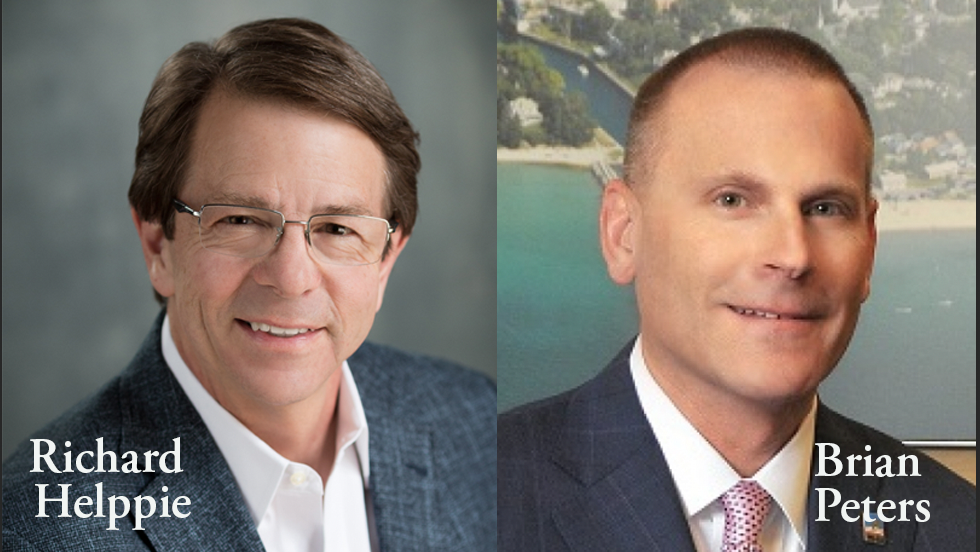
Interview with Brian Peters 

Rich Helppie brings back Brian Peters, the CEO of The Michigan Health and Hospital Association to talk about the current state of Covid-19; what we may have gotten right, what we may have gotten wrong and how to move forward.

****

EDITOR’S NOTE: I first met Rich in B-school, when I was a student, back in the day. He was the Founder and CEO of Superior Consultant Holdings Corp. Rich graciously wrote the Foreword to one of my first textbooks on financial planning for physicians and healthcare professionals. Today, Rich is a successful entrepreneur in the technology, health and finance space.
-Dr. David E. Marcinko MBA CMP®

****

PODCAST: https://richardhelppie.com/brian-peters/

ASSESSMENT: Your thoughts are appreciated.

THANK YOU

***

PODCAST: Medicare Advantage Plans [Insurance Company Goldmine]

Medicare Advantage PART C

Insurance Carriers Want Medicare-For-All to Happen?

https://roundstoneinsurance.com/wp-content/uploads/2020/01/Eric-Bricker-Headshot_500x500-480x480.png

By Eric Bricker MD

A Commonwealth Fund Study Found Insurance Carrier Revenue from Medicare Advantage Plans Increase 5X More Than Revenue from Employer Sponsored Health Plans.

In Fact, Government Sources (Medicare Advantage, Medicaid Managed Care, ACA/Obamacare Plans) Make Up More Revenue ($213B) for the 5 Largest Insurance Carriers Than Revenue from Employers ($148B).

Government Payers Are the New Cash Cow for Health Insurance Companies.  
And so, Medicare-Advantage-for-All May Happen … Because Insurance Carriers WANT It to Happen.

PODCAST: A Commonwealth Fund Study Found Insurance Carrier Revenue from Medicare Advantage Plans Increased 5X More Than Revenue from Employer Sponsored Health Plans.

Your thoughts are appreciated.

THANK YOU
***

In Defense of Employed Physicians

The History of Managed Care

Episode 91: Dr. Michel Accad - How Did Medicine Go Wrong?

By Michel Accad, MD

EDITOR’S NOTE: Dr. Accad practices internal medicine and cardiology in San Francisco.

***

I wish to make one clarification and one prediction regarding employed physicians.

The clarification is this:  There is a common misconception that if healthcare operated under free market conditions, it would primarily be a cottage industry of solo practices and of small physician-owned hospitals.  Such operations would not develop the capabilities of large healthcare entities that we commonly associate with central planning.

See the source image

ASSESSMENT: In reality, however, the opposite would be the case.

LINK: http://alertandoriented.com/in-defense-of-the-employed-physician/

[Related article: One hundred years of managed care]

Your thoughts are appreciated.

THANK YOU

***

Non-Traditional Physician Compensation Models

Creative Compensation Models

"Advisors Only" | The Leading Business Education Network ...

BY DR. DAVID EDWARD MARCINKO MBA CMP®

A Review of Some Newer Compensation Models

http://www.CERTIFIEDMEDICALPLANNER.org

CMP logo

Today, whether independent or employed, physicians can pursue several creative compensation models, other than fee-for service reimbursement based on Current Procedural Terminology [CPT®] codes, not popular a few decade ago:

  • Pay-for-Performance Initiatives [P4P]: According to Mark Fendrick, MD and Michael E. Chernew, PhD, instead of the one size fits all approach of traditional health insurance, a “clinically-sensitive” cost-sharing system that supports co-payments related to evidence-based value for targeted patients is emerging. In 2014, for example, there were a number of changes to Medicare’s pay-for-performance programs [personal communication]. These value-based payment modifiers will show up in physicians’ paychecks in few years, and will be expanded to practices with 10 or more eligible professionals. The program, mandated by the Affordable Care Act, assesses a provider’s quality of care and costs, and increases Medicare payments for good performers and decreases them for bad ones. And, doctor performance will be reflected in adjustments to 2016 payments. As much as 2% of Medicare payments will be at risk in 2021 based on physician performance in 2019. It was only 1% for 2015, which was based on doctors’ 2013 performance.
  • Physician Quality Reporting Initiative Model.  The Centers for Medicare and Medicaid Services [CMS] paid out more than $40 million in monetary incentives to medical providers who reported data on quality of care delivered between July 2020 and December 2020; as part of its PQRI. Under the PQRI, healthcare providers who participated received bonuses of 1.5 percent of their total CMS payments during the reporting period.
  • Direct Reimbursement Payment Model:  A Health Reimbursement Arrangement (HRA) is a tool which is used to provide direct reimbursement by an employer for qualified medical expenses.  The HRA is an employer-established benefit plan, and contributions to the plan may only be made by the employer.  The HRA can be used in conjunction with any insurance plan, including a high-deductible plan. Qualified reimbursements made under the HRA are tax-deductible for the employer, and the payments are not counted as income for the employee.  Any balance in an HRA can generally be carried over to the next year.  This plan allows for flexibility and tailored to meet the particular needs of both employers and employees in a tax-advantaged manner.  From the physician’s perspective, increasing use of HRAs poses new challenges.  Payment for services in the medical office may be required of the patient/employee before reimbursement from the employer occurs.  These extra steps can easily result in delayed payment or non-payment to medical providers who are not prepared to work with this model of reimbursement.  The provisions for this model are outlined in IRS publication 969, http://www.irs.gov/pub/irs-pdf/p969.pdf.
  • Concierge Practice Model:  The concept of concierge medicine (CM), also known as retainer medicine, first emerged in Seattle, Washington in the 1990’s. With CM, the physician charges an annual retainer fee to patients.  The fee usually ranges from $1,000 to $20,000 per year, and the number of patients in a practice is usually limited to a few hundred.  In return, patients receive increased levels of access and personalized care. This often includes same day appointments, extended visit times, house calls, and 24/7 access to the physician by pager and cell phone. An annual executive physical is often included, as well as an increased emphasis on preventive care.  Many physicians choosing this type of practice model do so for lifestyle and control reasons, although the average income for a successful CM primary care physician is higher than that of a typical primary care physician. .
  • Global Healthcare Model: American businesses are extending their cost-cutting initiatives to include offshore employee medical benefits, and facilities like the Bumrungrad Hospital in Bangkok, Thailand (cosmetic surgery), the Apollo Hospital in New Delhi, India (cardiac and orthopedic surgery) are premier examples for surgical care. Both are internationally recognized institutions that resemble five-star hotels equipped with the latest medical technology. Countries such as Finland, England and Canada are also catering to the English-speaking crowd, while dentistry is especially popular in Mexico and Costa Rica. Although this is still considered “medical tourism,” Mercer Health and Benefits was recently retained by three Fortune 500 companies interested in contracting with offshore hospitals and The Joint Commission [TJC] has accredited 88 foreign hospitals through a joint international commission. To be sure, when India can discount costs up to 80%, the effects on domestic hospital reimbursement and physician compensation may be assumed to increase downward compensation pressures.
  • Locum Tenens Practitioner Model: Locum Tenens (LT) as an alternative to full-time employment is enjoying a comeback for most specialties. Some younger physicians enjoy the travel, while mature physicians like to practice at their leisure. Employment factors to consider include: firm reputation, malpractice insurance, credentialing, travel and relocation expenses (which are negotiable). However, a LT firm typically will not cover taxes [NALTO.org and http://www.studentdoc.com/locum-tenens.html%5D

ASSESSMENT: Your thoughts are appreciated.

INVITE DR. MARCINKO: https://medicalexecutivepost.com/dr-david-marcinkos-bookings/

THANK YOU

***

“Buy Now – Pay Later” Changed Retail Consumerism

Health care and rent are next?

[By Terry Nguyen staff reporters]

Emerging fintech apps are looking to apply this lending model to sectors, from health care to travel to rent. Sure, people are growing acclimated to dividing their purchases into four easy payments, even applauding the option to do so.

But no matter how you frame it, the pitfalls of these plans seem to be, unfortunately, just more debt.

18-24's Owe £225 to Buy Now Pay Later Schemes - AI Global ...

Buy now, pay later providers Klarna, Afterpay, and Quadpay spent years slowly infiltrating the retail market. The pandemic has accelerated their popularity among all sorts of online brands

READ LINK: https://www.vox.com/the-goods/2021/5/11/22429014/buy-now-pay-later-pandemic-expansion?utm_source=pocket-newtab

ASSESSMENT: Your thoughts are appreciated.

THANK YOU

***

PODCAST: Price Transparency in Healthcare

David Balat

By David Balat

In this BRI Virtual Event Series, David Balat of Free2Care, talks about Price Transparency in Healthcare, right here.

PODCAST VIDEO: https://www.youtube.com/watch?v=W3iOIA1qziM

EDITOR’S NOTE: David Balat is the director of the Right on Healthcare initiative at the Texas Public Policy Foundation and founder of the patient-physician coalition, Free2Care. He has broad experience across the healthcare spectrum with special expertise in healthcare finance. He is a former congressional candidate in Texas’ 2nd Congressional District and a seasoned hospital executive with more than 20 years of healthcare industry leadership and executive management experience.

Dr. David E. Marcinko MBA

[Editor-in-Chief]

***

CMS Rule: https://medicalexecutivepost.com/2020/11/29/cms-final-rule-brings-transparency-to-healthcare-industry/

Related: https://medicalexecutivepost.com/2021/03/25/hospital-price-transparency-2021/

Physician POV: https://medicalexecutivepost.com/2019/09/09/physician-perspectives-on-price-transparency/

More: https://medicalexecutivepost.com/2021/02/01/hospitals-and-price-transparency/

Your thoughts are appreciated

THANK YOU

***

PODCAST: Healthcare Artificial Intelligence, Machine Learning and Natural Language Processing

PODCAST ON UnitedHeathcare Group Annual Report

Dr. Eric R. Bricker, Internist in Dallas, TX | US News Doctors

By Eric Bricker MD

An Annual Report from UnitedHealth Group Says United is Going Drive Growth by Using AI and Machine Learning to 1) Help High Risk Patients, 2) Assist Patients with Multiple Chronic Diseases, 3) Partner with Providers and 4) Be More Patient-Centric.

Some More Concrete Examples of How AI and Machine Learning Can Be Used in Healthcare and Health Insurance Are:

1) Better Underwriting of Risk

2) More Highly Focused Prior Authorization

3) Cherry-Pick the Individual Health Insurance Market

However, the Execution of AI’s and Machine Learning’s Finding Requires Human Behavior Modification–an Almost Impossible Task for Any Insurance Carrier to Accomplish Because of Their Low Credibility with Patients, Doctors and Nurses. Without Credibility and Trust, All the AI and Machine Learning in the World Will NOT Change People’s Behavior.

PODCAST LINK: https://www.youtube.com/watch?v=c9knoA30sD4

Disclaimer: Dr. Bricker is the founder of Texas Family Insurance – an independent insurance agent that sells Oscar Health.

ASSESSMENT: Your comments are appreciated.

THANK YOU
***

Health Equity in Value Based Payments

Health Equity Should Be a Key Value in Value-Based Payment and Delivery Reform

By: Sahil Sandhu

By: Robert S. Saunders PhD

By: Mark B. McClellan MD PhD

By: Charlene A. Wong MD MSHP

Value-based payment (VBP) structures have the potential to reduce health disparities and, during the pandemic, health care organizations with VBP models have had greater flexibility to effectively pivot their care delivery.

This Health Affairs Blog post outlines three strategies for payers and providers to embrace health equity in VBP design and implementation.

LINK: https://www.healthaffairs.org/do/10.1377/hblog20201119.836369/full/

See the source image

Your thoughts are appreciated.

THANK YOU

***

PODCAST: Could Money be the Root of Optimal Patient Outcomes?

ETHICS AND THE HEALTH ECONOMICS OF THE DOCTOR-PATIENT RELATIONSHIP

QUERY: Is a financial relationship necessary to improve the doctor-patient relationship?

ANSWER: Dr. Tony Dale, a British-trained physician, emphatically says … YES.

Editor’s Note: Dr. Tony Dale, founder of Sedera Health, spoke at the 2020 FMMA Mini-Conference on Medical Entrepreneurship.

-Dr. David E. Marcinko MBA CMP®

[Editor-in-Chief]

Dr. Tony Dale - Entrepreneur and Founder of Sedera Health ...

PODCAST: https://www.youtube.com/watch?v=TER9xNUHAlE

ASSESSMENT: Your thoughts are appreciated.

This image has an empty alt attribute; its file name is Financial-or-doctor-patient_relationship-300x169.png

THANK YOU

***

FINANCIAL ADVISORS: Prospecting Physician Clients?

CMP logo

SPONSOR: www.CertifiedMedicalPlanner.org

LINK: https://medicalexecutivepost.com/2014/12/21/why-youre-probably-using-the-wrong-medical-dictionary/

On “Meaningful” Tchotchkes and Health Dictionaries for Doctors

The doctor is out: 5 tips when leaving an inside sales ...

ASSESSMENT: Your thoughts are appreciated.

INVITE DR. MARCINKO: https://medicalexecutivepost.com/dr-david-marcinkos-bookings/

THANK YOU

***

Walmart Health To Acquire Telehealth Provider MeMD

BENTONVILLE, Ark., and PHOENIX, Ariz

[By Staff Reporters]

Walmart Health and MeMD, a multi-specialty telehealth provider, announced they have entered into an agreement for Walmart Health to acquire MeMD.

This reinforces Walmart’s commitment to integrated, omni-channel health delivery that leverages data and technology to improve engagement, health
equity and outcomes.

Walmart Health Acquires MeMD multi-specialty telehealth ...

READ LINK: https://corporate.walmart.com/newsroom/2021/05/06/walmart-health-to-acquire-telehealth-provider-memd

ASSESSMENT: Your thoughts are appreciated.

THANK YOU

***

NAACOS Recognizes Three ACOs for Health Care Improvement Efforts

Essentia Health, Ochsner Accountable Care Network, and Primaria Health win NAACOS Leaders in Quality Excellence Awards

[By David Raths]

At its Spring 2021 Conference, the National Association of Accountable Care Organizations (NAACOS) recognized three ACOs for their outstanding work to improve patient care in their communities.

DEFINITION: https://www.cms.gov/Medicare/Medicare-Fee-for-Service-Payment/ACO

NAACOS said the three inaugural winners exemplify how ACOs across the country are improving care by addressing food insecurity, making house calls to reduce preventable emergency department visits, and engaging patients in preventive services.

NAACOS 2017 Spring Conference - arcadia.io

LINK: https://www.hcinnovationgroup.com/policy-value-based-care/accountable-care-organizations-acos/article/21219825/naacos-recognizes-three-acos-for-care-improvement-efforts

Product Details

DICTIONARY: https://www.amazon.com/Dictionary-Health-Insurance-Managed-Care/dp/0826149944/ref=sr_1_4?ie=UTF8&s=books&qid=1275315485&sr=1-4

Your thoughts are appreciated.

THANK YOU

***

The Future of Health Care Under President Joe Biden?

A look at the President’s expressed priorities and actions to date

Todd Zigrang

By Todd Zigrang, MBA, MHA, FACHE, CVA, ASA

Jessica L. Bailey-Wheaton

By Jessica Bailey-Wheaton, Esq.

Health Capital Consultants, LLC

On January 20, 2021, Joseph R. Biden, Jr. was inaugurated as the 46th president of the United States. Due to the COVID-19 pandemic, among other concerns and long-standing issues, health care has become a central political issue and was hotly contested during the 2020 presidential debates.

A look at President Biden’s expressed priorities, signed executive orders, cabinet nominations and agency appointments during his first months in office provides indications as to the future—at least the short-term future—of U.S. health care.

Health Capital Consultants | LinkedIn

LINK: https://www.healthcapital.com/researchmaterialdocuments/publishedarticles/SLMM_April_2021-Biden.pdf

Your thoughts are appreciated.

THANK YOU

***

Could ARTIFICIAL INTELLIGENCE Help Make Health Care More Fair?

Helping us believe what patients say

A new study shows how training deep-learning models on patient outcomes could help reveal gaps in existing medical knowledge.

By Karen Hao

In the last few years, research has shown that deep learning can match expert-level performance in medical imaging tasks like early cancer detection and eye disease diagnosis. But there’s also cause for caution.

Other research has shown that deep learning has a tendency to perpetuate discrimination. With a health-care system already riddled with disparities, sloppy applications of deep learning could make that worse.

LINK: https://www.technologyreview.com/2021/01/22/1016577/ai-fairer-healthcare-patient-outcomes/?truid=349b552221c994e2540a304649746d7c&utm_source=weekend_reads&utm_medium=email&utm_campaign=weekend_reads.unpaid.engagement&utm_term=emtech-next-2021&utm_content=05.01.all&mc_cid=3ae91e4c2b&mc_eid=72aee829ad

LIABILITY: And, what about malpractice liability?

LINK: https://qz.com/1905712/when-ai-in-healthcare-goes-wrong-who-is-responsible-2/

Your thoughts are appreciated.

THANK YOU

Risk Management, Liability Insurance, and Asset Protection Strategies for Doctors and Advisors: Best Practices from Leading Consultants and Certified Medical Planners™

ORDER TEXTBOOK: https://www.routledge.com/Risk-Management-Liability-Insurance-and-Asset-Protection-Strategies-for/Marcinko-Hetico/p/book/9781498725989

***

CEO ADMITS: Payments in Value-Based Contracts Were Actually Fee-For-Service Based

Fee-For-Service Physician Reimbursement Not to be Replaced Anytime Soon!

AN EXPOSE’

Image result for eric brixcker

By Eric Bricker MD

VALUE BASED CARE PROPONENTS?

Definition: Value-Based Care (VBC) is a health care delivery model under which providers — hospitals, labs, doctors, nurses and others — are paid based on the health outcomes of their patients and the quality of services rendered. Under some value-based contracts, providers share in financial risk with health insurance companies. In addition to negotiated payments, they can earn incentives for providing high-quality, efficient care.

VBC differs from the traditional fee-for-service model where providers are paid separately for each medical service. While quality care can be provided under both models, it’s the difference in how providers are paid, paired with the way patient care is managed, that provides the opportunity for health improvements and savings in a VBC environment.

DICTIONARY CITATION: https://www.amazon.com/Dictionary-Health-Insurance-Managed-Care/dp/0826149944/ref=sr_1_4?ie=UTF8&s=books&qid=1275315485&sr=1-4

MEDICAL EXECUTIVE-POST REVIEW:

Advocacy: https://medicalexecutivepost.com/2015/10/19/the-case-for-value-based-medical-care/

Status: https://medicalexecutivepost.com/2018/12/07/the-state-of-value-based-care-vbc/

Transition: https://medicalexecutivepost.com/2017/08/06/transitioning-to-value-based-medical-care-payments/

Physicians: https://medicalexecutivepost.com/2016/02/03/value-based-care-vbc-and-physician-performance/

THE SHOCKING EXPOSE’

But – During a Panel Discussion Captured on YouTube at the 2019 HLTH Conference in Las Vegas, Blue Cross Blue Shield of Arizona CEO Pam Kehaly Admitted that Only 10% of the Payments in Value-Based Contracts Were Value-Based.

So, what gives?

VIDEO: https://www.youtube.com/watch?v=PfAxOpyP-sA

Your thoughts are appreciated.

Product Details

ORDER: https://www.amazon.com/Business-Medical-Practice-Transformational-Doctors/dp/0826105750/ref=sr_1_9?ie=UTF8&qid=1448163039&sr=8-9&keywords=david+marcinko

THANK YOU

***

Unable to Afford Health Care?

BRI Board Chairman Sally Pipes Takes a Closer Look

By Richard Walker

Yes, Says Gallup, but Maybe Not!

A recent Gallup poll finds Americans are unable to afford health care. But, a closer look at the data suggests otherwise.

sally_head_shot

What Health-Care Affordability Crisis?

LINK: https://www.nationalreview.com/2021/04/what-health-care-affordability-crisis/

Your thoughts are appreciated.

THANK YOU

***

***

Direct Pay Specialties Outside of DPC

Eschewing Third Party Insurance Payers

Dr Grace Torres-Hodges, DPM, FACFAOM - Appointments ...

By Dr. Grace Torres-Hodges

VIDEO: https://www.youtube.com/watch?v=HwZmQxdV5v0

NOTE: Dr. Grace Torres-Hodges is a board certified podiatrist and has been in her own independent solo practice since 2001. She is on the surgical staff at Baptist, Gulf Breeze and Sacred Heart Hospitals as well as the Andrews Institute of Orthopedics & Sports Medicine. She completed her undergraduate studies at Vanderbilt University and was pursuing graduate studies in sports medicine at the United States Sports Academy prior to medical school. Dr. Torres-Hodges was an FPME scholarship student and received her medical degree from the New York College of Podiatric Medicine. Dr. Torres-Hodges completed her post graduate residency training in both medicine and surgery at St. Vincent’s Medical Center in Jacksonville, Florida.

Dr. David E. Marcinko MBA

[Editor-in-Chief]

Direct Primary Care for Local Governments - John Locke ...

Your thoughts are appreciated.

Product Details

Link: https://www.amazon.com/Business-Medical-Practice-Transformational-Doctors/dp/0826105750/ref=sr_1_9?ie=UTF8&qid=1448163039&sr=8-9&keywords=david+marcinko

THANK YOU

***

DAVID EDWARD MARCINKO IS AT YOUR SERVICE IN 2021

DAVID EDWARD MARCINKO IS AT YOUR SERVICE IN 2020-2021

INVITATION:

EDITOR

TO SCHEDULE A SEMINAR, SPEAKING ENGAGEMENT, POD OR VLOG-CAST:
Contact: Ann Miller RN MHA CMP®
MarcinkoAdvisors@msn.com
770-448-0769
Thank You
***

On “Bundled” Medical Payments

Payor Savings Evidence?

New Evidence for Private Payor Savings Through Bundled Payments

A new RAND Corporation study on bundled payments in the private sector was published in the March 2021 issue of Health Affairs. The study analyzed data from over 2,000 procedures performed as part of a direct payment program by Carrum Health between 2016 and 2020, and found significant savings from this bundled payment program, without any significant changes in quality. This study adds important evidence to the argument in favor of bundled payments and is especially important because it examines the under-studied area of bundled payment models from commercial payment systems. (Read more…) 

***

Amazon’s New Moves in Health Care

Amazon’s New Moves in Healthcare

By Health Capital Consultants, LLC

Amazon, the largest e-commerce company in the world, has made large, strategic moves over the past several years to make a place for themselves in healthcare. This article will review Amazon’s most recent advancements in the industry, including those related to Amazon’s voice-controlled personal assistant, Alexa, and Amazon’s employee healthcare system, Amazon Care, and how this non-healthcare company is changing the industry. (Read more…)

***

American Rescue Plan Act of 2021

Healthcare Provisions in the American Rescue Plan

By Health Capital Consultants, LLC

On March 11, 2021, President Joe Biden signed into law the American Rescue Plan Act of 2021 (ARPA). The law looks to alleviate the burden felt by the millions of people who lost their employer-sponsored health insurance over the first six months of the pandemic and assist the hardest-hit communities through the extension of the Patient Protection & Affordable Care Act (ACA) and Consolidated Omnibus Budget Reconciliation Act (COBRA) subsidies, expanding Medicaid coverage, increasing funding for behavioral health, ramping up COVID-19 vaccines and testing, providing financial relief for rural providers, and enacting other individual and healthcare system protections. (Read more…)

STROKE

Right Side VERSUS Left Side Cerebral Vascular Accidents

[By staff reporters]

***

A stroke occurs when the blood supply to part of your brain is interrupted or reduced, depriving brain tissue of oxygen and nutrients [occlusive and hemorrhagic]. Within minutes, brain cells begin to die.A stroke is a medical emergency. Prompt treatment is crucial. Early action can minimize brain damage and potential complications.The good news is that strokes can be treated and prevented, and many fewer Americans die of stroke now than in the past.

***

***

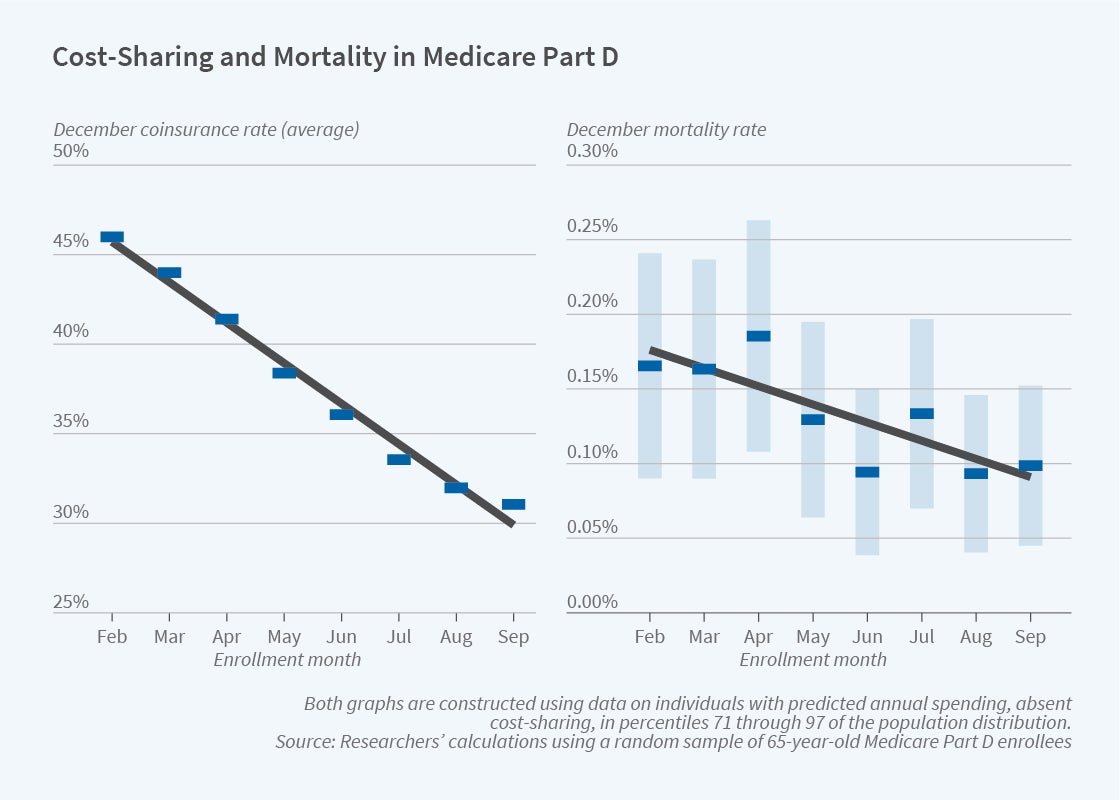
Mortality and Activity

Changes Due to Activity

[By staff reporters]

***

***