BOARD CERTIFICATION EXAM STUDY GUIDES Lower Extremity Trauma
[Click on Image to Enlarge]
ME-P Free Advertising Consultation
The “Medical Executive-Post” is about connecting doctors, health care executives and modern consulting advisors. It’s about free-enterprise, business, practice, policy, personal financial planning and wealth building capitalism. We have an attitude that’s independent, outspoken, intelligent and so Next-Gen; often edgy, usually controversial. And, our consultants “got fly”, just like U. Read it! Write it! Post it! “Medical Executive-Post”. Call or email us for your FREE advertising and sales consultation TODAY [678.779.8597] Email: MarcinkoAdvisors@outlook.com
Medical & Surgical e-Consent Forms
ePodiatryConsentForms.com
iMBA Inc., OFFICES
Suite #5901 Wilbanks Drive, Norcross, Georgia, 30092 USA [1.678.779.8597]. Our location is real and we are now virtually enabled to assist new long distance clients and out-of-town colleagues.
ME-P Publishing
SEEKING INDUSTRY INFO PARTNERS?
If you want the opportunity to work with leading health care industry insiders, innovators and watchers, the “ME-P” may be right for you? We are unbiased and operate at the nexus of theoretical and applied R&D. Collaborate with us and you’ll put your brand in front of a smart & tightly focused demographic; one at the forefront of our emerging healthcare free marketplace of informed and professional “movers and shakers.” Our Ad Rate Card is available upon request [678-779-8597].
QPADEFINITION: The qualifying payment amount is generally the median of contracted rates for a specific service in the same geographic region within the same insurance market as of January 31, 2019. The rate will be adjusted per the Consumer Price Index for All Urban Consumers (CPI-U).
Posted on March 1, 2022 by Dr. David Edward Marcinko MBA MEd CMP™
***
Dr. Eric Bricker Explains How Medicare Can Take Money Back from Hospitals if itWants. If the Hospital Thinks Medicare is Being Unfair, the Appeals Process Takes 3 Years!
BE AWARE ALL ADVISORS … NEXT GEN FINANCIAL ADVICE IS HERE?
Are you a financial planner, insurance agent or investment advisor seeking to assist your physician clients with medical practice enhancement solutions, along with healthcare targeted financial planning services, but don’t know where to turn for help?
OR, maybe you’ve already had a bad experience with a young physician or astute healthcare professional client that was actually more informed than you in these areas?
OR, a doctor/nurse client who demanded a true fiduciary advisor [not fee-based advice, with no dual licenses and no arbitration clauses] documented in writing].
After an understandable slowdown in 2020, due to the onset of the COVID-19 pandemic, merger & acquisition (M&A) activity in the healthcare industry accelerated in 2021, and the industry is expected to continue the high number of deals and high deal volume in 2022.
***
***
This Health Capital Topics article will review the U.S. healthcare industry’s M&A activity in 2021, and discuss what these trends may mean for 2022. (Read more…)
Posted on February 23, 2022 by Dr. David Edward Marcinko MBA MEd CMP™
***
By Staff Reporters
***
***
A recent American College of Healthcare Executives’ survey of 310 hospital CEOs shows:
• 94% have personnel shortages in registered nursing field • 85% have personnel shortages in technicians field • 67% have personnel shortages in therapists field • 45% have personnel shortages in primary care physicians field • 43% have personnel shortages in physician specialists field • 31% have personnel shortages in physician extenders and specially certified nurses field
Posted on February 23, 2022 by Dr. David Edward Marcinko MBA MEd CMP™
***
***
By Staff Reporters
***
An annual study of over 1,500 U.S. consumers, shows:
• 55% of consumers find it stressful paying a healthcare bill. • 53% of consumers find it stressful understanding their plan’s coverage and benefits. • 53% of consumers find it stressful comprehending what they owe. • 59% of consumers find it stressful reconciling a bill issue with their payer.
Posted on February 23, 2022 by Dr. David Edward Marcinko MBA MEd CMP™
By Staff Reporters
***
***
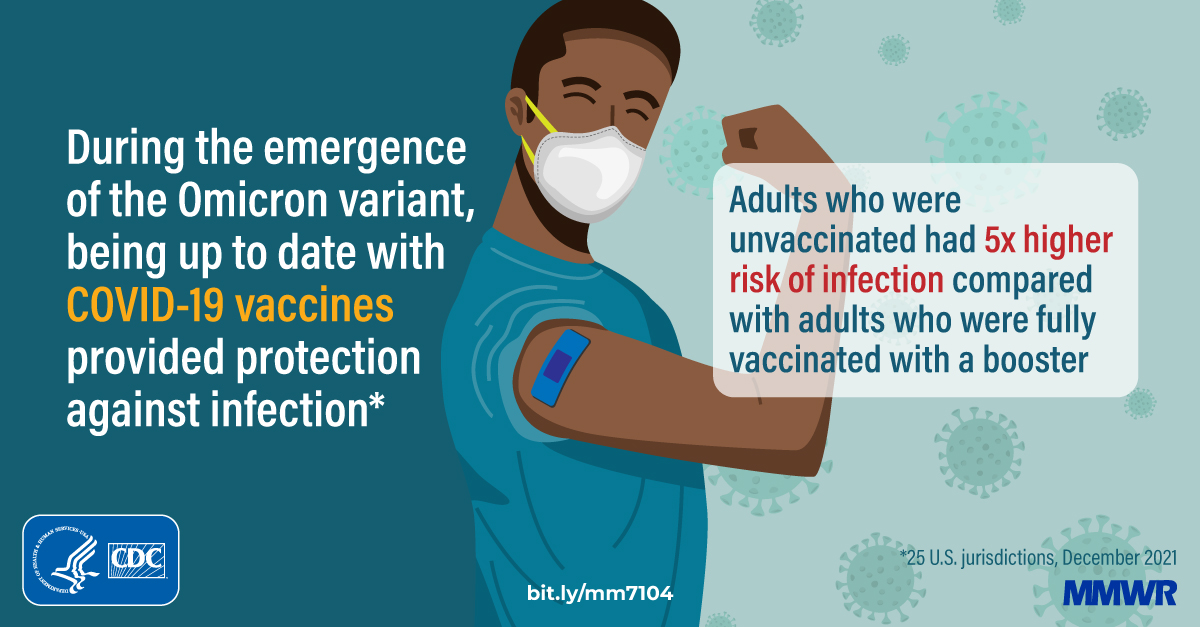
33.6% of COVID Infections Were in Unvaccinated Persons
According to a recent CDC study. Among 422,966 reported SARS-CoV-2 infections in LAC residents aged ≥18 years during November 7, 2021–January 8, 2022:
• 33.6% were in unvaccinated persons • 13.3% were in fully vaccinated persons with a booster • 53.2% were in fully vaccinated persons without a booster • Unvaccinated persons were most likely to be hospitalized, representing 2.8% of COVID infections • Unvaccinated persons were most likely to be admitted to an ICU, or 0.5% of COVID infections • Unvaccinated persons were most likely to be require intubation for mechanical ventilation, or 0.2% of COVID infections.
Posted on February 22, 2022 by Dr. David Edward Marcinko MBA MEd CMP™
***
By Staff Reporters
***
***
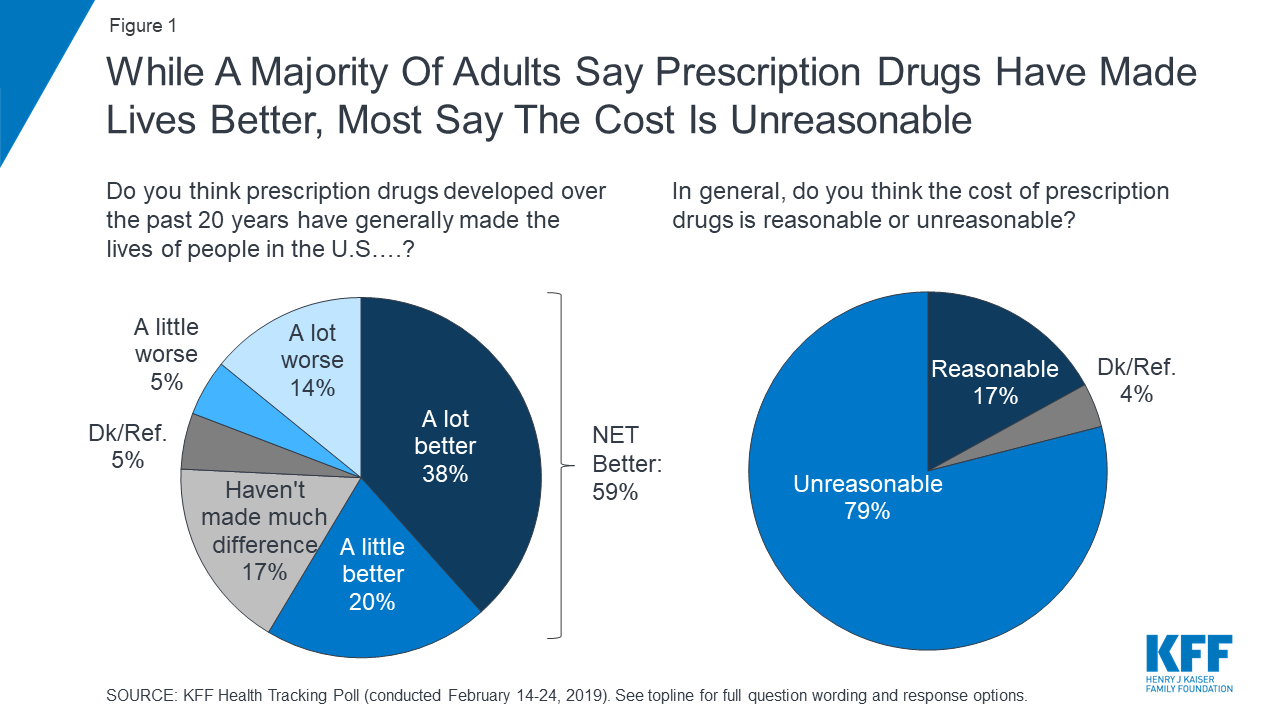
56% of Patients Attempted to Stretch Out a Prescription According tot a Recent CoverMyMeds Survey of 1,000 patients. It found:
• 79% of patients said they’ve gone to the pharmacy only to discover a prescription cost more than they expected. • When faced with an affordability challenge, 56% of patients attempted to stretch out a prescription. • When faced with an affordability challenge, 52% of patients skipped bills or other essential items to afford medications. • When faced with an affordability challenge, 51% of patients sacrificed medications to pay bills and other essentials.
Posted on February 17, 2022 by Dr. David Edward Marcinko MBA MEd CMP™
By Staff Reporters
***
***
BIOTECHNOLOGY: According to Bloomberg, former high flying biotechnology favorites Mirati Therapeutics Inc. and Sage Therapeutics Inc. have lost more than half their value from record highs, hurt by growing pessimism on new medicines as well as the higher rate environment damaging most stocks.
MARKETS: Stocks went down, then back up, and closed pretty much where they started. The e-commerce platform Shopify is another pandemic winner that’s been absolutely crushed during the “reopening”: Its stock has fallen to its lowest level since June 2020.
PPI: The producer price index rose 1% over the prior month.
Covid: Dr. Zayid Al-Aly reported that even a mild COVID-19 infection increasedthe risk of having cardiovascular problems — including heart rhythm irregularities, potentially deadly clots in the legs and lungs, heart failure, heart attack and stroke, within a year after being infected.
MICROSOFT: Microsoft CEO Satya Nadella is on a major shopping spree. The company’s planned purchase of video game maker Activision Blizzard, with a price tag of nearly $70 billion, is Microsoft’s biggest and boldest acquisition. But it’s hardly the only notable deal in the Nadella era. Microsoft scooped up advertising tech business Xandr from CNN owner AT&T late last year for a reported $1 billion. The company also shelled out nearly $20 billion for cloud software firm Nuance earlier in 2021. That’s on top of numerous other billion dollar deals Microsoft has made since Nadella took the helm in 2014, including the acquisitions of Minecraft developer Mojang, Bethesda games studio owner ZeniMax Media, open source coding site GitHub and business social media network LinkedIn. The LinkedIn deal was previously Microsoft’s largest, with a value of $26.2 billion. Now there are reports Microsoft is looking to buy Mandiant, the cybersecurity software firm formerly known as FireEye that is currently valued at about $4.5 billion.
Posted on February 16, 2022 by Dr. David Edward Marcinko MBA MEd CMP™
By Staff Reporters
***
***
MARKETS: The Dow jumped 422 points, or 1.2%. The S&P 500 surged 1.5% and the NASDAQ was 2.5% higher.
OIL: US oil futures tumbled 3.7% to just under $92 a barrel. That’s despite the fact that Russia stressed that major military exercises would continue.
CPI: The Producer Price Index rose 1% last month, marking a significant acceleration from December’s 0.2% jump.
Meta: As Varietyreports, the company has agreed to pay $90 million to settle a 2012 class action lawsuit accusing it of violating users’ privacy. Facebook allegedly overstepped its bounds in 2010 and 2011 by using tracking cookies that monitored browsing after users signed out despite promises to the contrary.
MODERNA: Moderna Inc (NASDAQ: MRNA) shares were down more than 40% since the start of the year and continues to trend lower. Vaccine stocks are facing selling pressure as the COVID-19 omicron variant fades, but Moderna investors have been expressing concerns about recent stock sales from CEO Stéphane Bancel, as well as the presumed deletion of his Twitter account.
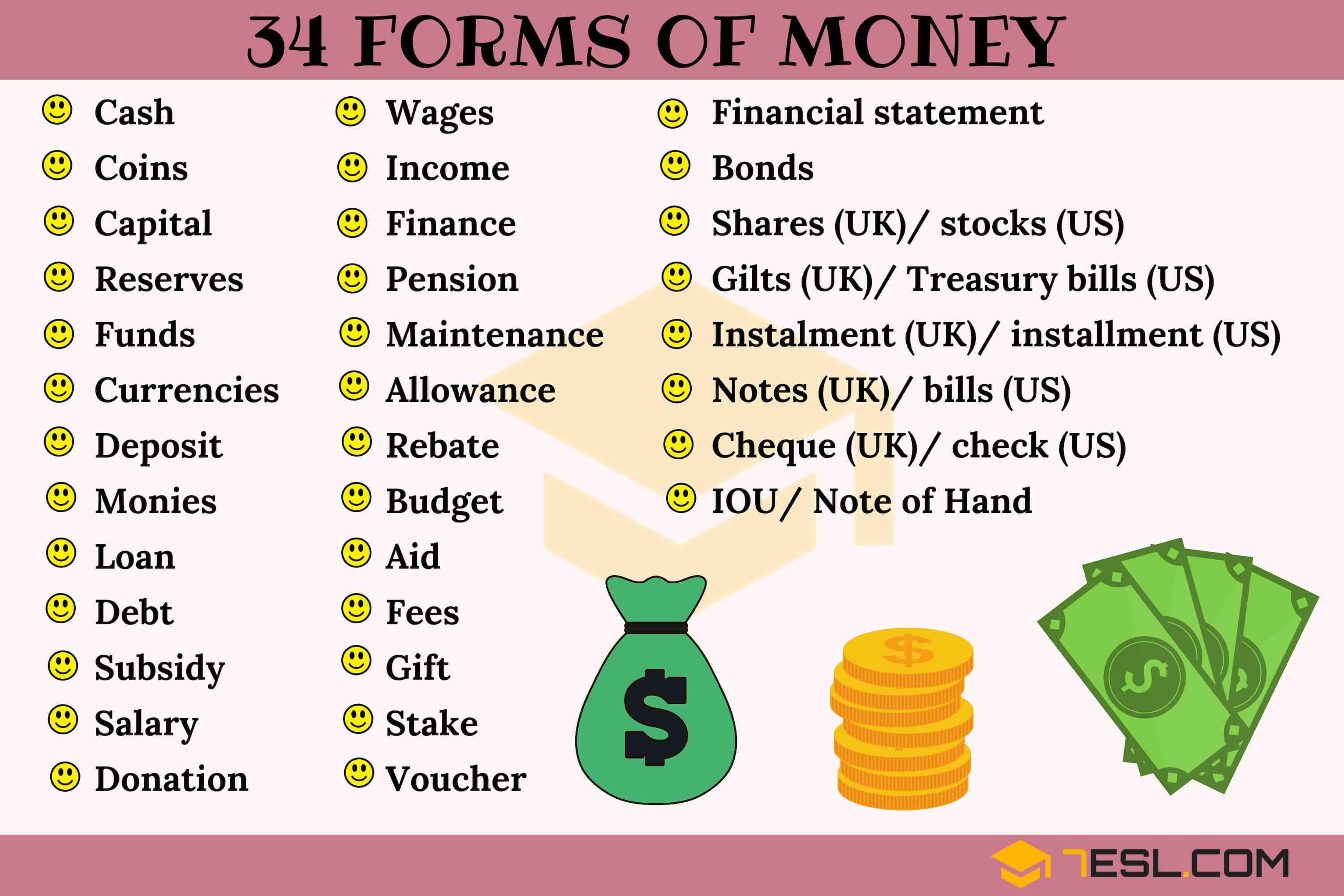
People really love money since it is needed to buy just about everything. In fact, we actually published a formal print dictionary on health economics and finance terms that is very popular with physician investors and medical colleagues; it is a favorite of economic students as well!
And, money is by far one of those words that has more slang or terms for it than any others. This proves that cash or money, does not have be boring when speaking about it. Just keep in mind that these slang synonyms are in plural form. They are also words mostly used for US currency.
Perhaps the fact that money is so important may help to explain why there are so many different ways to say it. These 95 slang words for money and their meanings are really worth taking a look at. This list not only contains the countless ways to speak, write or say the word money, but also what are the meanings behind each phrase or term.
Posted on February 15, 2022 by Dr. David Edward Marcinko MBA MEd CMP™
***
By Staff Reporters
***
MARKETS: Stocks ticked lower as investors fretted over an upcoming interest rate hike from the Federal Reserve and a potential Russian invasion of Ukraine. With all the chatter of conflict in Europe, everyone’s watching whether oil prices will hit $100 a barrel—they didn’t budge yesterday.
CRYPTO: SEC Chair Gary Gensler said thr crypto firm BlockFi would pay $100 million to the SEC and 32 states over charges that it had violated securities law. The penalty is the agency’s largest ever against a cryptocurrency company. BlockFi, a banklike crypto company backed by Peter Thiel, didn’t admit or deny the SEC’s findings but did agree to stop opening new lending accounts to customers in the US.
METAVERSE: For doctors, nurses and healthcare professionals who’ve spent the last few years hunched over laptops smiling pleasantly into a Zoom meetings, burnout has been pervasive. Zoom fatigue is now a widely recognized work-induced malady studied by university researchers, and many remote workers say they have trouble balancing work and their personal lives. With images on screens surrounding remote healthcare workers like a labyrinthine maze of fun-house mirrors, it might seem like the last thing a burned out medical provider needs is to strap on a VR headset to detach from the rigors of the digital medical workplace.
Nevertheless, some health care organizations are transporting their workers to the metaverse—a network of connected, 3D, virtual environments where people can interact through avatars and spatial audio—as a means of combating stress. But, for any organization curious about the metaverse, Jeremy Bailenson, a professor of communication and the founding director of the Virtual Human Interaction Lab at Stanford University, advises having a specific task in mind, such as addressing burnout or building camaraderie. “VR wins when it solves a hard problem,” he said.
The broader question of how organizations will further incorporate virtual reality into their mental health programs and rapport-building exercises is largely unanswered at this point, he added. Bailenson believes VR is a “home run for clinical use cases.” But “for this general burnout, it’s probably going to be a good tool for some people, but not a magic pill.”
Posted on February 14, 2022 by Dr. David Edward Marcinko MBA MEd CMP™
By Staff Reporters
***
According to Tejvan Pettinger, a public good has two characteristics:
Non-rivalry: This means that when a good is consumed, it doesn’t reduce the amount available for others. – E.g. benefiting from a street light doesn’t reduce the light available for others but eating an apple would.
Non-excludability: This occurs when it is not possible to provide a good without it being possible for others to enjoy. For example, if you erect a dam to stop flooding – you protect everyone in the area (whether they contributed to flooding defenses or not.
A public good is often (though not always) under-provided in a free market because its characteristics of non-rivalry and non-excludability mean there is an incentive not to pay. In a free market, firms may not provide the good as they have difficulty charging people for their use.
Posted on February 11, 2022 by Dr. David Edward Marcinko MBA MEd CMP™
What it Is – How it Works
By Staff Reporters
***
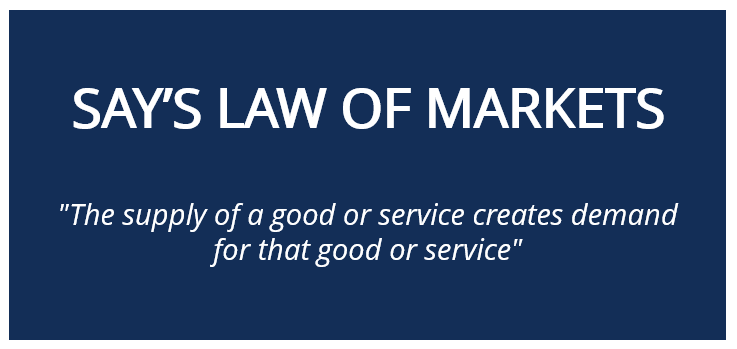
DEFINITION: In classical economics, Say’s law, or the law of markets, is the claim that the production of a product creates demand for another product by providing something of value which can be exchanged for that other product. Thus, production is the source of demand.
Posted on February 10, 2022 by Dr. David Edward Marcinko MBA MEd CMP™
By Staff Reporters
***
Average Annual Growth Rates of Spending, Utilization, and Prices
• Spending per person: commercial insurers (3.2% per year); Medicare fee for service (1.8% per year) • Utilization per person: commercial insurers (0.4% per year); Medicare fee for service (0.5% per year) • Prices paid to providers: commercial insurers (2.7% per year); Medicare fee for service (1.3% per year).
Notes: For hospitals and physicians’ services, 2013-2018 Source: Congressional Budget Office – January 2022
Posted on February 9, 2022 by Dr. David Edward Marcinko MBA MEd CMP™
By Staff Reporters
***
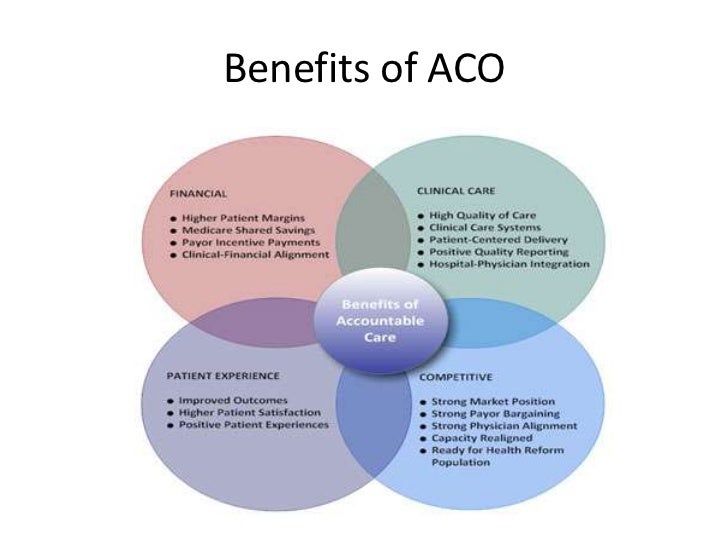
DEFINITION: An accountable care organization is a healthcare organization that ties provider reimbursements to quality metrics and reductions in the cost of care. ACOs in the United States are formed from a group of coordinated health-care practitioners. They use alternative payment models, normally, capitation.
The International Franchise Association (IFA) estimates that that about $1 trillion in sales, or 40% of all retail sales, were made through franchised establishment last year. On the positive side, franchises offer a branded practice concept with management training and access to proprietary methods, marketing and advertising campaigns and a host of support.
Moreover, there are franchises available for virtually every healthcare product or service, including: diet, weight loss and fitness; vein care and laser surgery; vitamins, nutriceuticals and pharmaceuticals; plastic and cosmetic surgery; dermatology, tanning and skin care; home healthcare and extended, etc. Some well know established healthcare and medical franchises are: Doctors Express, Being There Senior Care, Home Care Assistance, Personal Training Institute, Inches-A-Weigh, Remedy Intelligent Staffing, Visiting Angels, Unlimited MedSearch, prnYourHealth and Any Lab Test Now, etc.
On the downside, franchises incur high start-up costs, rules and obligations, payment of franchise percentages and many contractual obligations. Questions to consider when contemplating this business entity include:
Franchise stability, track record, licensing and costs.
Training, support and proximity of other franchises.
Independence, ownership laws, contracts and dispute resolutions,
Screening methods, market size and potential market share.
Replacement cost and transferability?
For more information on Uniform Franchise Offerings Circulars (UFOCs) contact www.FranChoice.com or:
Notes: U.S. value obtained from National Health Expenditure data. Data from Australia, Belgium, Canada, Japan and Switzerland are from 2019. Data for Australia, France, and Japan are estimated. Data for Austria, Canada, Germany, Netherlands, and Sweden are provisional. Health consumption does not include investments in structures, equipment, or research. Data for 2020 except as noted. Source: KFF analysis of National Health Expenditure (NHE) and OECD data, January 21, 2022
Posted on February 8, 2022 by Dr. David Edward Marcinko MBA MEd CMP™
***
By Staff Reporters
***
Markets: Stocks were mixed but Bitcoin rallied for the fifth-straight day as investors may be warming up to riskier assets again. And, Nvidia overtook Meta to become the seventh-largest US company by market cap (it’s reportedly abandoning its $40 billion megadeal to acquire the chip designer Arm).
Housing:The median home-sale price reached a record high of $365,000 in January, according to Redfin. That’s a 16% jump from the previous January and a 28% increase from January 2019.
IRS: After receiving backlash from privacy advocates and bipartisan lawmakers, the IRS is abandoning its use of third-party facial recognition software ID.me.
GAS: Prices up 8% since last week and 12% more than a month ago.
Posted on February 7, 2022 by Dr. David Edward Marcinko MBA MEd CMP™
By Staff Reporters
***
***
Markets: Major stock market indexes, the S&P 500 and NASDAQ posted their best week so far this year. And, potential buyers for Peloton include Amazon, Nike, Apple, Google, Netflix, Microsoft, or a private equity firm.
Inflation: The monthly inflation report will drop on Thursday, and consumer prices are projected to have jumped 0.5% from the previous month and 7.3% over the past year—the biggest increase since 1982.
Earnings: From Snap’s 59% gain to Meta’s 26% wipeout. the companies reporting this week—Pfizer, Disney, Coca-Cola, Pepsi, Twitter and Zillow know that any small stain on their financials could lead to a stock plunge.
Oil: The big news is that US oil prices topped $90 for the first time since 2014, despite attempts by the Biden administration to keep them down. Gas prices are back up to their highest levels in more than seven years.
Covid: The US death toll from Covid-19 has now surpassed 900,000. And, Omicron has gotten more people around the world sick at the same time than at any point since the 1918–1919 flu pandemic, the WSJ points out.
Economy: The jobs report stunned experts by adding 467,000 jobs last month, far more than expected and a sign of an extraordinarily strong labor market.
Posted on February 2, 2022 by Dr. David Edward Marcinko MBA MEd CMP™
***
By Richard Helppie
***
We’re posting this episode of The Common Bridge, with Henry Ford Health System President and CEO, Wright Lassiter, III complete with written transcript, along with the podcast and video links because there were technical difficulties with Mr. Lassiter’s audio. This way, you can read along, or refer back to us.
Posted on February 1, 2022 by Dr. David Edward Marcinko MBA MEd CMP™
By Staff Reporters
***
The IRS Tax Letter 6419 has been sent out to families who received the Child Tax Credit in 2021 and it explains how the advance tax credit will affect your filing this year. This may be of special importance to young physicians, nurses and all younger medical professionals.
Posted on January 31, 2022 by Dr. David Edward Marcinko MBA MEd CMP™
By Staff Reporters
***
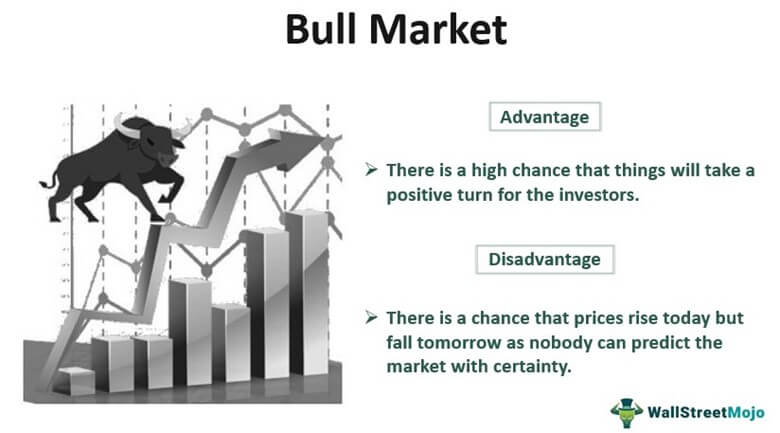
Markets: Stocks just finished a period of high volatility and biotech companies in particular are feeling unsteady. The sector is off to its worst start to a year since 2016 and Moderna is the worst performer in the S&P 500.
Social Media: More than 95,000 people lost a collective $770 million due to fraud on social media last year, a new FTC report found. That represents 25% of all reported losses to fraud in 2021 and a breathtaking 18x increase over social media scam losses in 2017. Driving the surge was bogus cryptocurrencies. In fact, investment-related scams were the most prevalent type of fraud on social media, accounting for 37% of all losses. Romance scams (24%) were No. 2, and online shopping scams (14%) won the bronze medal.
Employment: The January employment rate dropped, but with Omicron forcing so many Americans to call out sick last month, the data may be specious. Economists polled by Dow Jones are estimating the economy added 200,000 jobs last month.
Posted on January 30, 2022 by Dr. David Edward Marcinko MBA MEd CMP™
By Staff Reporters
****
StocksMarkets: The stock indexes surged higher—and the Dow [DJIA] had its best day of 2022. Just how volatile was the market this week? The S&P swung at least 2.25% every single day…and ended up on Friday afternoon around where it will start today Monday morning.
Economy: New data showed that overall compensation climbed 4% annually last quarter, the biggest jump in two decades. That’s still not enough to keep up with inflation, which is climbing at its fastest pace since 1983.
PANDEMIC: Americans are not OK during the pandemic. According to the General Social Survey, the share of people who said they were “very happy” plunged from 31% in 2018 to 19% in 2021, while the share of people who were “not too happy” surged from 13% to 24%. Over the past few decades, the very happy people had outnumbered the not-too-happies by about three to-one.
Posted on January 29, 2022 by Dr. David Edward Marcinko MBA MEd CMP™
By Staff Reporters
***
Stock Market: US stocks jumped yesterday with the NASDAQ 100 surging more than 3% as a wave of corporate earnings results helped investors overcome fears of a hawkish Federal Reserve.
Federal Reserve: Friday’s action helped the broader stock market indices end the week mostly flat after a series of volatile trading sessions sparked by the Federal Reserve’s Wednesday meeting. The Dow Jones Industrial Average recorded a swing of 1,100 points on Monday alone.
Economy: Americans are the most pessimistic about the economy they’ve been in a decade — with spirits even lower than in the early pandemic lock-downs in spring 2020. The University of Michigan’s Consumer Sentiment Index sank to 67.2 from 70.6 in January, according to data published Friday. Economists surveyed by Bloomberg expected sentiment to slide to 68.7. The final January figure is the lowest since November 2011 and sits 11.8 points below levels seen one year ago.
Cyber-Crime: Lazarus, a known cyber-crime group with ties to the North Korean government, has managed to abuse the MSFT Windows Update Client to distribute malware, cybersecurity researchers from Malwarebytes have found. In a blog post detailing their findings, the researchers said they were investigating a phishing campaign impersonating Lockheed Martin, an American aerospace, arms, defense, information security, and technology corporation.
Posted on January 28, 2022 by Dr. David Edward Marcinko MBA MEd CMP™
By Staff Reporters
***
***
According to reporter Neal Freyman, Tech giant Oracle said it’s paying $28.3 billion to buy electronic medical records company Cerner, because anything that makes paperwork less excruciating seems like a savvy business play.
Oracle is known for being aggressive with acquisitions (it even rallied a group to try and buy TikTok last year), but Cerner is Oracle’s biggest purchase in its history. The deal is further evidence that health care is “on par with banking in terms of the importance to our future,” as cofounder Larry Ellison told analysts earlier this month.
In Cerner, Oracle will get the Klay Thompson of the electronic medical records market—a very influential player, but in second place behind Epic, which owns a 31% market share.
Bottom line: Big tech companies see a golden opportunity in bringing the health care industry to the cloud, given its size (health care spending accounts for almost 20% of US GDP), and its old-school record-keeping process. A Mayo Clinic study cited by Oracle showed that doctors and nurses spend an average of 1–2 hours on desk work for every hour they take to see patients.
Posted on January 26, 2022 by Dr. David Edward Marcinko MBA MEd CMP™
By Staff Reporters
***
Maestro Health: Top 5 Ranked Risk Areas
Maestro Health surveyed 600 U.S.-based HR professionals. Survey respondents anticipate their company’s medical costs will increase. The top areas at risk are:
• Decreases in annual physicals/screenings: 62% • Increased pharmaceutical costs: 49% • Unvaccinated employees: 47% • More elective surgeries: 46% • Increased urgent care costs: 45%
Posted on January 25, 2022 by Dr. David Edward Marcinko MBA MEd CMP™
By Staff Reporters
***
Average Medical Trend in the U.S. is Projected at 7.6% in 2022
The 2022 Global Medical Trends Survey shows variation in healthcare cost increases. Increases across different regions next year are expected to range from:
• 14.2% in Latin America • 10.6% in the Middle East • 10.6% in Africa • 7.6% in Asia Pacific • 6.7% in Europe • 7.6% in the U.S.
Posted on January 23, 2022 by Dr. David Edward Marcinko MBA MEd CMP™
By Staff Reporters
Mark Cuban, not Congress, will give Americans cheaper prescription drugs
****
When universal health care fails to pass in Congress, there’s always Mark Cuban to fall back on. The billionaire and Dallas Mavericks owner launched an online pharmacy this week in order to combat the price gouging of prescription drugs by large pharmaceutical companies.
The Mark Cuban Cost Plus Drug Co. (MCCPDC) will offer more than 100 generic drugs that will be purchased directly from the manufacturers and sold online with a 15 percent markup across the board and a small pharmacist fee. For context, pharmaceutical companies generally mark prices up at least 100 percent and up to 1000 percent in some cases.
Posted on January 22, 2022 by Dr. David Edward Marcinko MBA MEd CMP™
ACCOUNTABLE CARE ORGANIZATIONS
By Staff Reporters
***
42.7% of physicians in practices that participated in a commercial ACO
An AMA survey of 3,500 physicians finds steady growth of physician participation in accountable care organizations (ACO) and medical homes:
• Nearly one-third of doctors worked in practices participating in medical homes in 2020, up from 23.7% in 2014 • 42.7% of physicians were in practices that participated in a commercial ACO in 2020, up from 31.7% in 2016 • 29.5% of physicians were in practices took part in a Medicaid ACO, up from 20.9% in 2016 • Share of physicians in practices involved in Medicare ACOs has risen from 28.6% in 2014 to 36.7% in 2020 • 32.3% of doctors worked in practices participating in medical homes in 2020, up from 23.7% in 2014
Posted on January 21, 2022 by Dr. David Edward Marcinko MBA MEd CMP™
By Staff Reporters
***
Markets: The S&P 500 closed below 4,500 points for the first time since October after a heavy sell-off in the final hour of the trading day. Netflix stock tumbled in after-hours trading when it revealed slowing subscriber growth for the prior and current quarters.
Economy: The number of people filing jobless claims took an unexpectedly big jump last week after a period of historically low readings. The pop is likely a sign of Omicron disruptions hitting the labor market, and economists expect it to be temporary.
Posted on January 20, 2022 by Dr. David Edward Marcinko MBA MEd CMP™
BY STAFF REPORTERS
***
StockMarkets: The NASDAQ made it official, closing in correction territory yesterday (meaning a 10% drop from a recent high). Meanwhile, Microsoft’s massive deal to acquire Activision Blizzard rippled across markets: Gaming company Take-Two Interactive got a bump (perhaps because it, too, could be a takeover target), while Microsoft rival Sony plunged nearly 13% in Tokyo trading.
Economy: President Biden has overseen a historic recovery in the labor market, where the unemployment rate has plunged to 3.9% from a pandemic high of 14.8%. The problem is there is currently too much money chasing too few goods. Inflation hit its highest rate since 1982 in December, while wages haven’t kept up with price growth.
Covid: The pandemic continues to rage despite the availability of vaccines. More people died of Covid in the US in 2021 than in 2020. Getting Americans vaccinated has proven to be a major challenge. President Biden’s vaccine mandate on large employers was blocked by the Supreme Court, and only 63.8% of Americans are fully vaccinated putting it behind virtually all of its wealthy peers.
Posted on January 19, 2022 by Dr. David Edward Marcinko MBA MEd CMP™
By Staff Reporters
***
StockMarkets: The prospect of higher borrowing costs has pummeled tech companies this year, and that didn’t change even after the market’s day off Monday. The 10-year yield jumped to its highest level in two years yesterday, pushing stocks (especially the tech-heavy NASDAQ) lower.
OilEnergy: Oil prices jumped to a 7-year high after an attack in the UAE raised concerns about a supply squeeze. Goldman Sachs predicts that Brent crude, the international oil benchmark, will top $100 a barrel this year because the pandemic hasn’t hurt demand for fuel as much as expected.
Gaming: An Activision Blizzard takeover would also be the biggest deal in the history of gaming, easily topping Take-Two’s purchase of Zynga for $12.7 billion last week. And, with the help of Activision’s impressive portfolio of titles including Call of Duty,World of Warcraft, Overwatch, Diablo, and Candy Crush, Microsoft will try to galvanize its monthly subscription business, Xbox Game Pass, as the “Netflix for games.”
Pandemic: New Covid cases have peaked in US regions that were hit hardest by the highly contagious variant, like the Northeast. For example, in New York City, the 7-day average of daily new cases has fallen to less than 20,000 from a high of almost 43,000 earlier this month. And, in the capital of Washington, DC, case numbers are down 20% over the last 14 days. Still, because hospitalizations tend to lag case growth by a few weeks, health care facilities are still treating more Covid patients. The average number of Covid hospitalizations has jumped 54% in the last two weeks, to 157,000.
Posted on January 18, 2022 by Dr. David Edward Marcinko MBA MEd CMP™
By Staff Reporters
***
75% of Hospitals Seeking Temporary Allied Healthcare Professionals
• 96% have used allied healthcare professionals of various types to fill temporary assignments during the last 12 months. • 75% of hospitals and other healthcare facilities currently are seeking temporary allied health care professionals. • 73% of facilities surveyed, cited a need to fill gaps while permanent workers are being sought. • 71% of facilities surveyed, cited that it is to prevent the burnout of existing staff.







 Support our online development, and advance our onground research initiatives in free market economics, as we seek to showcase the brightest Next-Gen minds.
THE ME-P DISCLAIMER: Posts, comments and opinions do not necessarily represent iMBA, Inc., but become our property after submission. Copyright © 2006 to-date. iMBA, Inc allows colleges, universities, medical and financial professionals and related clinics, hospitals and non-profit healthcare organizations to distribute our proprietary essays, photos, videos, audios and other documents; etc. However, please review copyright and usage information for each individual asset before submission to us, and/or placement on your publication or web site. Attestation references, citations and/or back-links are required. All other assets are property of the individual copyright holder.
Support our online development, and advance our onground research initiatives in free market economics, as we seek to showcase the brightest Next-Gen minds.
THE ME-P DISCLAIMER: Posts, comments and opinions do not necessarily represent iMBA, Inc., but become our property after submission. Copyright © 2006 to-date. iMBA, Inc allows colleges, universities, medical and financial professionals and related clinics, hospitals and non-profit healthcare organizations to distribute our proprietary essays, photos, videos, audios and other documents; etc. However, please review copyright and usage information for each individual asset before submission to us, and/or placement on your publication or web site. Attestation references, citations and/or back-links are required. All other assets are property of the individual copyright holder.



































 The Leading Business Education Network for Doctors, Financial Advisors and Health Industry Consultants