NEW YORK STATE: Got Health Insurance?

By Staff Reporters

SPONSOR: http://www.CertifiedMedicalPlanner.org

***

***

Just 5% of New Yorkers lacked health insurance in 2021, but the state may struggle to maintain that low rate (it’s currently among the top 10 in the US) following the end of a pandemic-era policy that prevented anyone from being kicked off Medicaid.

A new report from New York State Comptroller Tom DiNapoli analyzed health insurance trends in the state, and found the percentage of uninsured New Yorkers fell each year from 11.9% in 2010—when the Affordable Care Act (which allowed states to extend Medicaid eligibility) became law—to 5.2% in 2021.

Nationally, 8.6% of people lacked health insurance in 2021, according to the analysis. (Though Department of Health and Human Services data released earlier this month found the US uninsured rate hit a record low of 7.7% during the first three months of 2023.)

COMMENTS APPRECIATED

Thank You

***

***

***

MARCINKO & Associates, Inc.

WHAT WE DO AND HOW WE ASSIST MEDICAL COLLEAGUES

Hard Business Advice AND Personal Lifestyle Coaching

http://www.MARCINKOASSOCIATES.com

By Ann Miller RN MHA CMP™

At Marcinko & Associates our clients traditionally include physicians [MD, MBBS and DO], dentists [DDS and DMD], podiatrists [DPM], Registered Nurses [RNs], Certified Registered Nurse Anesthetists [CRNA], Physician Assistants [PA] and Nurse Practitioners [NP]. A growing cohort of clients include medical technologists, physical, speech and occupational therapists, etc.

The above are naturally segregated into three career tranches: 1. New practitioners, 2] Mid-Career practitioners and 3] Mature practitioners. We serve them all and are fully prepared for any special needs situation that may arise in any tranche [death, divorce, adverse risk event and/or bankruptcy, etc].

Marcinko & Associates understands the complexity of financial and non-financial deal terms because we are also doctors. Our “hard” knowledge of your business comes from being actual healthcare facility owners, operators and medical practitioners [with additional professional licenses and expertise] enabling us to effectively analyze your business, take corrective measures and present your healthcare entity in the best possible and accurate light.

***

But, if you’re looking at this website, chances are you are fed up, burned out, seeking practice management techniques or a better work-life balance. Or, you are looking for a new non-clinical career, thinking of finance, investing, retirement, or all of the above. Perhaps you are just looking to regain the joy and meaning in your medical or professional career? This is known as “soft” psychology, coaching, personal consulting or fraternal advice.

***

Regardless, of your “soft” personal or “hard” corporate needs, our transparent Fees for Service [FFS] model is moderated for all colleagues based on the acuity and urgency of their engagements. Reduced rates and/or limited charity work may also be possible.

***

http://www.DavidEdwardMarcinko.com

CONTACT US TODAYTHRIVE TOMORROW!

Suite #5901 Wilbanks Drive

Norcross, Georgia USA 30092-1141

email: MarcinkoAdvisors@msn.com

***

***

MICRO-CERTIFICATIONS: For Financial Advisors Seeking Physician-Client Niche Success?

Micro-Credentials on the Rise

KNOWLEDGE RICHES IN NICHES

DR. DAVID EDWARD MARCINKO MBA CMP

SPONSOR: http://www.CertifiedMedicalPlanner.org

***

***

Do you ever wish you could acquire specific information for your career activities without having to complete a university Master’s Degree or finish our entire Certified Medical Planner™ professional designation program? Well, Micro-Certifications from the Institute of Medical Business Advisors, Inc., might be the answer. Read on to learn how our three Micro-Certifications offer new opportunities for professional growth in the medical practice, business management, health economics and financial planning, investing and advisory space for physicians, nurses and healthcare professionals.

Micro-Certification Basics

Stock-Brokers, Financial Advisors, Investment Advisors, Accountants, Consultants, Financial Analyists and Financial Planners need to enhance their knowledge skills to better serve the changing and challenging healthcare professional ecosystem. But, it can be difficult to learn and demonstrate mastery of these new skills to employers, clients, physicians or medical prospects. This makes professional advancement difficult. That’s where Micro-Certification and Micro-Credentialing enters the online educational space. It is the process of earning a Micro-Certification, which is like a mini-degree or mini-credential, in a very specific topical area.

Micro-Certification Requirements

Once you’ve completed all of the requirements for our Micro-Certification, you will be awarded proof that you’ve earned it. This might take the form of a paper or digital certificate, which may be a hard document or electronic image, transcript, file, or other official evidence that you’ve completed the necessary work.

Uses of Micro-Certifications

Micro-Certifications may be used to demonstrate to physicians prospective medical clients that you’ve mastered a certain knowledge set. Because of this, Micro-Certifications are useful for those financial service professionals seeking medical clients, employment or career advancement opportunities.

Examples of iMBA, Inc., Micro-Certifications

Here are the three most popular Micro-Certification course from the Institute of Medical Business Advisors, Inc:

  • 1. Health Insurance and Managed Care: To keep up with the ever-changing field of health care physician advice, you must learn new medical practice business models in order to attract and assist physicians and nurse clients. By bringing together the most up-to-date business and medical prctice models [Medicare, Medicaid, PP-ACA, POSs, EPOs, HMOs, PPOs, IPA’s, PPMCs, Accountable Care Organizations, Concierge Medicine, Value Based Care, Physician Pay-for-Performance Initiatives, Hospitalists, Retail and Whole-Sale Medicine, Health Savings Accounts and Medical Unions, etc], this iMBA Inc., Mini-Certification offers a wealth of essential information that will help you understand the ever-changing practices in the next generation of health insurance and managed medical care.
  • 2. Health Economics and Finance: Medical economics, finance, managerial and cost accounting is an integral component of the health care industrial complex. It is broad-based and covers many other industries: insurance, mathematics and statistics, public and population health, provider recruitment and retention, health policy, forecasting, aging and long-term care, and Venture Capital are all commingled arenas. It is essential knowledge that all financial services professionals seeking to serve in the healthcare advisory niche space should possess.
  • 3. Health Information Technology and Security: There is a myth that all physician focused financial advisors understand Health Information Technology [HIT]. In truth, it is often economically misused or financially misunderstood. Moreover, an emerging national HIT architecture often puts the financial advisor or financial planner in a position of maximum uncertainty and minimum productivity regarding issues like: Electronic Medical Records [EMRs] or Electronic Health Records [EHRs], mobile health, tele-health or tele-medicine, Artificial Intelligence [AI], benefits managers and human resource professionals.

Other Topics include: economics, finance, investing, marketing, advertising, sales, start-ups, business plan creation, financial planning and entrepreneurship, etc.

How to Start Learning and Earning Recognition for Your Knowledge

Now that you’re familiar with Micro-Credentialing, you might consider earning a Micro-Certification with us. We offer 3 official Micro-Certificates by completing a one month online course, with a live instructor consisting of twelve asynchronous lessons/online classes [3/wk X 4/weeks = 12 classes]. The earned official completion certificate can be used to demonstrate mastery of a specific skill set and shared with current or future employers, current clients or medical niche financial advisory prospects.

Mini-Certification Tuition, Books and Related Fees

The tuition for each Mini-Certification live online course is $1,250 with the purchase of one required dictionary handbook. Other additional guides, white-papers, videos, files and e-content are all supplied without charge. Alternative courses may be developed in the future subject to demand and may change without notice.

***

Contact: For more information, or to speak with an academic representative, please contact Ann Miller RN MHA CMP™ at: MarcinkoAdvisors@msn.com [24/7] -OR- 770-448-0769 [9:00 – 5:00 EST].

***

Health Care Entity: Venture Capital Funding

http://www.MARCINKOASSOCIATES.com

***

***

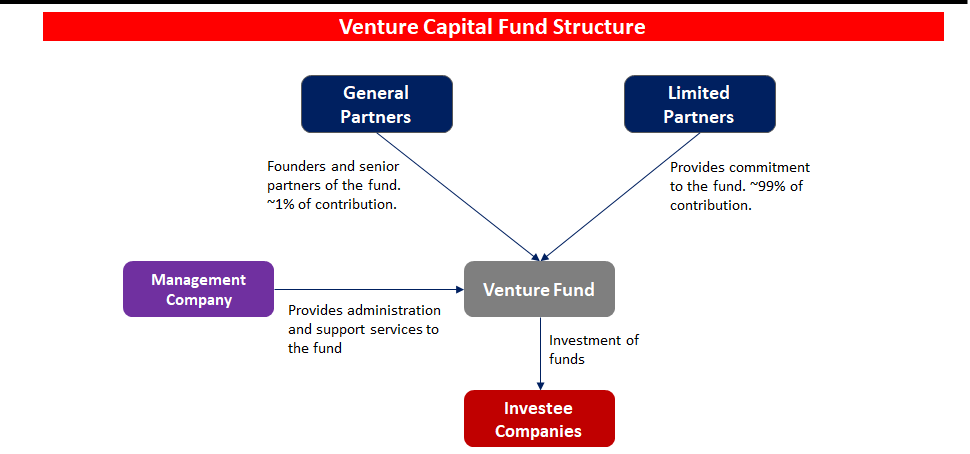
Venture capital funding in the digital health space cooled a bit in 2022 following a red-hot 2021. Overall, digital health companies raised $15.3 billion last year, down from the $29.1 billion raised in 2021—but still above the $14.1 billion raised in 2020, according to Rock Health a seed fund that supports digital health startups.

MORE: https://marcinkoassociates.com/fmv-appraisals/

Nevertheless, analysts predict VC investors and bankers will still put a good amount of money into digital health in 2024 and 2025, especially in alternative care, drug development, health information technology technology, EMRs and software that reduces physician workload.

CITE: https://www.r2library.com/Resource

Of course. an essential first part of attracting VC interest and money is the crafting and presentation of your formal business plan [“elevator pitch”]; as well as the needed technical and managerial experience. This is crucial for success and exactly where we can assist.

***

READ MORE: https://marcinkoassociates.com/welcome-medical-colleagues/

CONTACT: MarcinkoAdvisors@msn.com

***

***

PODCAST: CVS Replaces it’s PBM

Existential Threat to Pharmacy Benefits Managers?

By Staff Reporters

***

***

DEFINITION

***

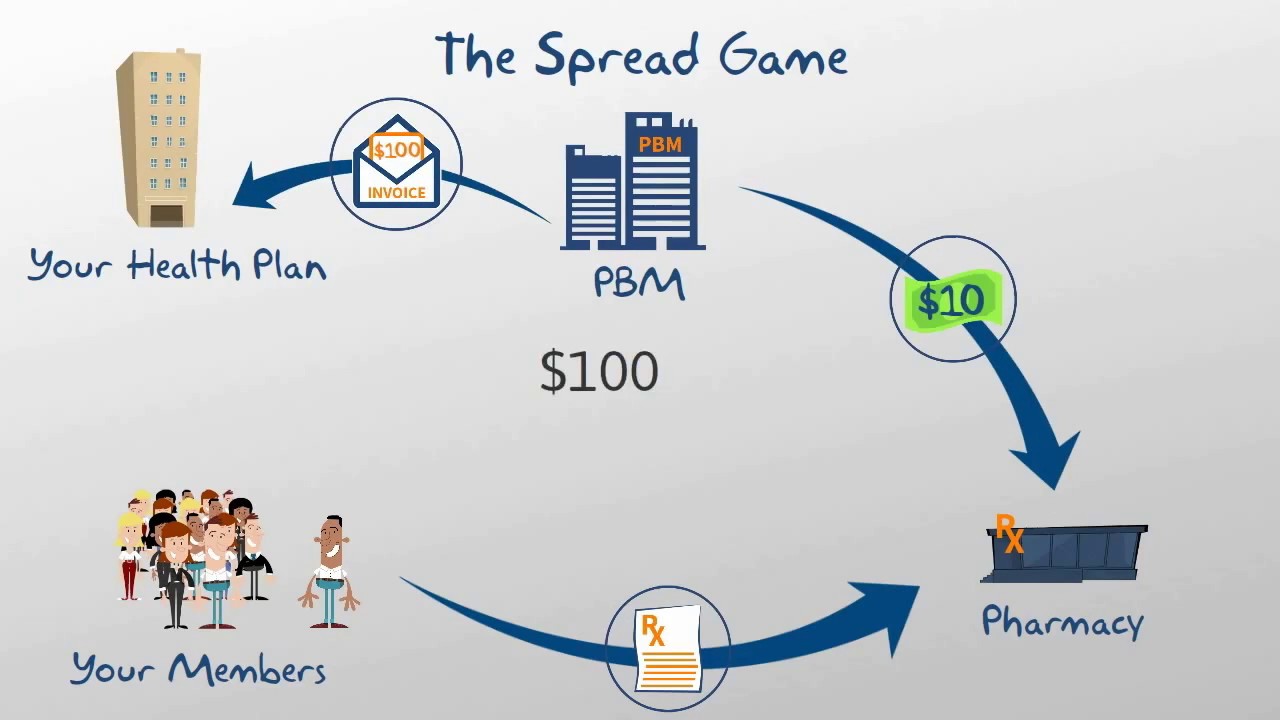
Just now, CVS got a taste of its own medicine after Blue Shield of California said it will replace CVS’s pharmacy benefit manager system [PBMs] with other companies, including Amazon Pharmacy and Mark Cuban’s Cost Plugs Drugs business, to supply cheaper drugs to its members.

CITE: https://www.r2library.com/Resource

The move poses an existential threat to the entire pharmacy-benefit manager model.

***

COMMENTS APPRECIATED

Thank You

***

***

***

OnLine MICRO-CERTIFICATIONS: For Financial Advisors Seeking Physician-Client Niche Success?

Micro-Credentials on the Rise

KNOWLEDGE RICHES IN NICHES

DR. DAVID EDWARD MARCINKO MBA CMP

SPONSOR: http://www.CertifiedMedicalPlanner.org

***

***

Do you ever wish you could acquire specific information for your career activities without having to complete a university Master’s Degree or finish our entire Certified Medical Planner™ professional designation program? Well, Micro-Certifications from the Institute of Medical Business Advisors, Inc., might be the answer. Read on to learn how our three Micro-Certifications offer new opportunities for professional growth in the medical practice, business management, health economics and financial planning, investing and advisory space for physicians, nurses and healthcare professionals.

Micro-Certification Basics

Stock-Brokers, Financial Advisors, Investment Advisors, Accountants, Consultants, Financial Analyists and Financial Planners need to enhance their knowledge skills to better serve the changing and challenging healthcare professional ecosystem. But, it can be difficult to learn and demonstrate mastery of these new skills to employers, clients, physicians or medical prospects. This makes professional advancement difficult. That’s where Micro-Certification and Micro-Credentialing enters the online educational space. It is the process of earning a Micro-Certification, which is like a mini-degree or mini-credential, in a very specific topical area.

Micro-Certification Requirements

Once you’ve completed all of the requirements for our Micro-Certification, you will be awarded proof that you’ve earned it. This might take the form of a paper or digital certificate, which may be a hard document or electronic image, transcript, file, or other official evidence that you’ve completed the necessary work.

Uses of Micro-Certifications

Micro-Certifications may be used to demonstrate to physicians prospective medical clients that you’ve mastered a certain knowledge set. Because of this, Micro-Certifications are useful for those financial service professionals seeking medical clients, employment or career advancement opportunities.

Examples of iMBA, Inc., Micro-Certifications

Here are the three most popular Micro-Certification course from the Institute of Medical Business Advisors, Inc:

  • 1. Health Insurance and Managed Care: To keep up with the ever-changing field of health care physician advice, you must learn new medical practice business models in order to attract and assist physicians and nurse clients. By bringing together the most up-to-date business and medical prctice models [Medicare, Medicaid, PP-ACA, POSs, EPOs, HMOs, PPOs, IPA’s, PPMCs, Accountable Care Organizations, Concierge Medicine, Value Based Care, Physician Pay-for-Performance Initiatives, Hospitalists, Retail and Whole-Sale Medicine, Health Savings Accounts and Medical Unions, etc], this iMBA Inc., Mini-Certification offers a wealth of essential information that will help you understand the ever-changing practices in the next generation of health insurance and managed medical care.
  • 2. Health Economics and Finance: Medical economics, finance, managerial and cost accounting is an integral component of the health care industrial complex. It is broad-based and covers many other industries: insurance, mathematics and statistics, public and population health, provider recruitment and retention, health policy, forecasting, aging and long-term care, and Venture Capital are all commingled arenas. It is essential knowledge that all financial services professionals seeking to serve in the healthcare advisory niche space should possess.
  • 3. Health Information Technology and Security: There is a myth that all physician focused financial advisors understand Health Information Technology [HIT]. In truth, it is often economically misused or financially misunderstood. Moreover, an emerging national HIT architecture often puts the financial advisor or financial planner in a position of maximum uncertainty and minimum productivity regarding issues like: Electronic Medical Records [EMRs] or Electronic Health Records [EHRs], mobile health, tele-health or tele-medicine, Artificial Intelligence [AI], benefits managers and human resource professionals.

Other Topics include: economics, finance, investing, marketing, advertising, sales, start-ups, business plan creation, financial planning and entrepreneurship, etc.

How to Start Learning and Earning Recognition for Your Knowledge

Now that you’re familiar with Micro-Credentialing, you might consider earning a Micro-Certification with us. We offer 3 official Micro-Certificates by completing a one month online course, with a live instructor consisting of twelve asynchronous lessons/online classes [3/wk X 4/weeks = 12 classes]. The earned official completion certificate can be used to demonstrate mastery of a specific skill set and shared with current or future employers, current clients or medical niche financial advisory prospects.

Mini-Certification Tuition, Books and Related Fees

The tuition for each Mini-Certification live online course is $1,250 with the purchase of one required dictionary handbook. Other additional guides, white-papers, videos, files and e-content are all supplied without charge. Alternative courses may be developed in the future subject to demand and may change without notice.

***

Contact: For more information, or to speak with an academic representative, please contact Ann Miller RN MHA CMP™ at: MarcinkoAdvisors@msn.com [24/7] -OR- 770-448-0769[9:00 – 5:00 EST].

***

DAILY UPDATE: Recession and the Markets

By Staff Reporters

***

***

There are certain types of stocks, bonds and mutual funds that perform better when the market is in decline. Seasoned investors tend to survive bear markets by focusing on the stocks of companies that make products necessary for daily life. Companies that often thrive in a recessionary environment are defensive stocks that provide products and services people simply cannot live without. Stocks included in this list are considered to be defensive by Wall Street analysts.

These type of stocks have performed -5.35% over the past year. By comparison, the S&P 500 is 7.13% over the same period. These types of stocks include: 30.00% of Consumer Cyclical stocks, 30.00% of Consumer Non-Cyclical stocks, 20.00% of Healthcare stocks, 10.00% of Technology stocks and 10.00% of Energy stocks.

Bear markets and recessions also tend to present themselves when market prices have been rising for a time; and investors are feeling irrationally exuberant. But, some markets have seen downturns in 2022 and 2023.

CITE: https://www.r2library.com/Resource

Here is where the major benchmarks ended yesterday:

  • The S&P 500® Index fell 60 points (1.35%) to 4,376.31; the Dow Jones Industrial Average (DJIA) fell 374 points (1.08%) to 34,099.42; the NASDAQ Composite fell 257 points (1.87%) to 13,463.97.
  • The 10-year Treasury note yield (TNX) rose 4 basis points to 4.236%.
  • CBOE’s Volatility Index (VIX) rose roughly 1 point to 17.08.

Consumer discretionary was the weakest sector Thursday, as heavyweight constituents Amazon (AMZN) and Tesla (TSLA) both slid around 2.5%, with communication services and tech right behind. No sector was higher for the day.

***

ORDER: https://www.routledge.com/Comprehensive-Financial-Planning-Strategies-for-Doctors-and-Advisors-Best/Marcinko-Hetico/p/book/9781482240283

***

COMMENTS APPRECIATED

Thank You

***

PODCAST: What is Synchronous Direct-to-Consumer TeleHealth

D-2-C Real Time Virtual Entrepreneurial Care

By Staff Reporters

SPONSOR: http://www.CertifiedMedicalPlanner.org

***

***

Synchronous care is the most common form of real-time, virtual, direct-to-patient appointment.

Synchronous telehealth happens in live, real-time settings where the patient interacts with a provider, usually via phone or video. Providers and patients communicate directly, often resulting in a diagnosis, treatment plan, or prescription.

Synchronous telehealth can also include additional at home devices such as a blood pressure or heart rate monitor, thermometer, oximeter, camera, or scale to help the provider more accurately assess the patient’s health status.

CITE: https://www.r2library.com/Resource

Tip: For information on setting up a space for telehealth visits, watch Telehealth Best Practices  (video) from Hawaii’s State Department of Health and read the Telehealth Visit Etiquette Checklist  (PDF) from the American Medical Association.

Benefits for entrepreneurial health care providers

Providing easy access to patient-centered care offers obvious benefits for patients. Synchronous direct-to-consumer telehealth also has many advantages for health care providers.

  • Reduce patient no-shows: On-demand telehealth allows patients to take less time away from work or care for dependents like children. As a result, patients are more likely to keep scheduled virtual appointments.
  • Increase patient retention: The convenience of telehealth lets patients make appointments when needed — with shorter wait times. Telemedicine appointments are sometimes cheaper for the patient and offer more privacy. This approach increases patient satisfaction and retention, leading to more revenue for your practice.
  • Create new business opportunities: Offering appointment times before or after the traditional workday can meet patient needs and extend billable hours beyond the standard schedule. It is a chance to reach new patients, increase revenue, and expand care beyond your immediate neighborhood or city.
  • Deliver care from home: Providers can see patients from a private space inside or close to home. This allows providers to adjust their hours to better meet patient needs and reduces the amount of time spent commuting to an off-site health setting.

Tip: Before serving patients that live outside of state lines, make sure to research licensing requirements.

NOTE: More information on synchronous telehealth:

COMMENTS APPRECIATED

Thank You
***

***

COVID VACCINE NEWS: The Companies

By Staff Reporters

***

***

Stocks started the week on an upswing as technology companies rallied—including Nvidia, whose earnings report investors eagerly await tomorrow—helping the NASDAQ snap a four-day losing streak.

But, a new Covid variants are helping to push up the value of companies that make vaccines. Novavax, Moderna, BioNTech, and Pfizer rose yesterday as fall is likely to bring demand for boosters.

CITE: https://www.r2library.com/Resource

And, Atlanta-based Morris Brown College has announced that the school is reinstating its Covid mask mandate for the next two weeks as a result of positive cases at the Atlanta University Center.

The historically black college posted a note on its official Instagram account noting that the protocols would be in effect for the next 14 days. This includes a requirement for mask-wearing by students and employees, physical distancing, contact tracing, and other significant efforts to reduce the spread of Covid-19 among the population on the Atlanta campus. 

***

COMMENTS APPRECIATED

Thank You

***

***

National Report Up-Coding Fraud Day

AUGUST 21st

By Dr. David Edward Marcinko MBA CMP

***

It’s National Report Upcoding Fraud Day, an initiative started in 2017 to support whistleblowers of Medicare fraud, which costs the US billions of dollars each year. If you need any encouragement to report suspected healthcare fraud (like upcoding or inflated Medicare reimbursement claims), here’s your chance.

CITE: https://www.r2library.com/Resource

What Is Upcoding?

Upcoding is defined as having a doctor or billing person assign an inaccurate billing code to a medical procedure or treatment. It’s done to increase the reimbursement to that physician.

Beyond that, CPT codes are 5-digit codes that tell billing and insurance companies what was done to you while in that physician’s care. It may sound straightforward, but with around 7,800 codes in use, it isn’t hard to get things mixed up or to miss the fact that they overcharged you for a service.

Sometimes the mistake is made in error. In other situations, the office or hospital may mix it up intentionally. Most often, intentional miscoding happens when the facility is billing Medicaid or Medicare. Again, this may not seem like a big deal for you since the government covers it, but it may still affect your ability to get the healthcare that you need.

MORE: https://medicalexecutivepost.com/2022/11/05/medical-billing-down-and-up-coding/

And so, National Report Upcoding Fraud Day is on August 21st. An initiative by Joel Hesch, a former attorney with the Department of Justice. Hesch and a passionate advocate for whistleblowers, created the day for anyone looking to report healthcare fraud. He wanted to make it easier, so everyone could get the process right. The day generates awareness and detailed steps on how the general public can report unethical healthcare providers. Fraudsters siphon off $65 billion each year in Medicare fraud through inflated reimbursement claims. Upcoding is one of the most rampant types of healthcare fraud that must end.Hesch draws on his 15 years as an attorney in the D.O.J. to support and encourage whistleblowers to come forward. The most successful claims have two things in common – facts and the use of proper reporting channels. National Report Upcoding Fraud Day aims to empower anyone with a legitimate case for claims.

RELATED: https://medicalexecutivepost.com/2013/06/05/understanding-the-spoils-of-healthcare-fraud-and-abuse/

MORE: https://medicalexecutivepost.com/2023/06/29/daily-update-healthcare-fraud-schemes-up-as-the-dow-dips-down/

COMMENTS APPRECIATED

Thank You

***

***

The Next-Generation of “Anti-Millionaire” Doctors

“$1 Million Mistake: Becoming a Doctor”

See the source image

BY DR. DAVID E. MARCINKO MBA CMP®

CMP logo

SPONSOR: http://www.CertifiedMedicalPlanner.org

CBS Moneywatch published an article entitled “$1 Million Mistake: Becoming a Doctor” Aside from the possibility that devoting one’s life to helping others might be considered a mistake, medical student Dan Coleman was struck by the “$1 million” figure.

Before medical school, he worked in the pharmaceutical industry and even turned down a hefty promotion to his education as soon as possible, rather than defer for a year or two. But, his financial calculations made it fairly obvious that, including benefits, bonuses, and potential promotions, his medical decision was not a $1 million mistake, but was more like a $1.3 million dollar disaster. Still; he opined:

Yet, even today, as we stare down the barrel of the Affordable Care Act, being a doctor is a very desirable job. We may not be famous, but we will be well-respected. We may not be rich, but we will certainly live comfortably. We may work a lot, but we will never be out of work. To future doctors, the young and impecunious, the anti-millionaires, tuition is a mere afterthought. All that matters is the MD.

Source: http://in-training.org/medical-students-the-anti-millionaires-4361

Millionaire Interview 81 - ESI Money

OVER HEARD IN THE MEDICAL STUDENT’S LOUNGE

“We are medical students.
We are young, proud, and righteous.
We have made the hard choice (medicine), but we have cleared the high hurdle (getting into school).


We know healthcare is a difficult, imperfect art, but we are devoted.
We arm ourselves with the weapons of knowledge and compassion, prepared to defend against the onslaught of trauma, disease, and time.
We are here to the bitter end, for our patients and ourselves.
And above all, we know the cost of our choice.

And if we’re lucky, it will stay under 6% interest through graduation”.

Daniel Coleman

[Georgetown University School of Medicine]

First-year Student

Your thoughts are appreciated,

THANK YOU

***

Comprehensive Financial Planning Strategies for Doctors and Advisors: Best Practices from Leading Consultants and Certified Medical Planners™

ORDER Textbook: https://www.amazon.com/Comprehensive-Financial-Planning-Strategies-Advisors/dp/1482240289/ref=sr_1_1?ie=UTF8&qid=1418580820&sr=8-1&keywords=david+marcinko

ODER TEXTBOOK: https://www.routledge.com/Risk-Management-Liability-Insurance-and-Asset-Protection-Strategies-for/Marcinko-Hetico/p/book/9781498725989

INVITE DR. MARCINKO: https://medicalexecutivepost.com/dr-david-marcinkos-

***

HEALTH CARE ENTITY: Venture Capital Funding

http://www.MARCINKOASSOCIATES.com

***

***

Venture capital funding in the digital health space cooled a bit in 2022 following a red-hot 2021. Overall, digital health companies raised $15.3 billion last year, down from the $29.1 billion raised in 2021—but still above the $14.1 billion raised in 2020, according to Rock Health a seed fund that supports digital health startups.

Nevertheless, analysts predict VC investors and bankers will still put a good amount of money into digital health in 2024 and 2025, especially in alternative care, drug development, health information technology technology, EMRs and software that reduces physician workload.

CITE: https://www.r2library.com/Resource

Of course. an essential first part of attracting VC interest and money is the crafting and presentation of your formal business plan [“elevator pitch”]; as well as the needed technical and managerial experience. This is crucial for success and exactly where we can assist.

***

READ MORE: https://marcinkoassociates.com/welcome-medical-colleagues/

CONTACT: MarcinkoAdvisors@msn.com

***

***

PODCAST: Economic Cycles in Healthcare

By Eric Bricker MD

***

***

***

***

***

CITE: https://www.r2library.com/Resource

***
COMMENTS APPRECIATED

Thank You

***

MICRO-CERTIFICATIONS: For Financial Advisors Seeking Physician-Client Niche Success?

Micro-Credentials on the Rise

KNOWLEDGE RICHES IN NICHES

DR. DAVID EDWARD MARCINKO MBA CMP

SPONSOR: http://www.CertifiedMedicalPlanner.org

***

***

Do you ever wish you could acquire specific information for your career activities without having to complete a university Master’s Degree or finish our entire Certified Medical Planner™ professional designation program? Well, Micro-Certifications from the Institute of Medical Business Advisors, Inc., might be the answer. Read on to learn how our three Micro-Certifications offer new opportunities for professional growth in the medical practice, business management, health economics and financial planning, investing and advisory space for physicians, nurses and healthcare professionals.

Micro-Certification Basics

Stock-Brokers, Financial Advisors, Investment Advisors, Accountants, Consultants, Financial Analyists and Financial Planners need to enhance their knowledge skills to better serve the changing and challenging healthcare professional ecosystem. But, it can be difficult to learn and demonstrate mastery of these new skills to employers, clients, physicians or medical prospects. This makes professional advancement difficult. That’s where Micro-Certification and Micro-Credentialing enters the online educational space. It is the process of earning a Micro-Certification, which is like a mini-degree or mini-credential, in a very specific topical area.

Micro-Certification Requirements

Once you’ve completed all of the requirements for our Micro-Certification, you will be awarded proof that you’ve earned it. This might take the form of a paper or digital certificate, which may be a hard document or electronic image, transcript, file, or other official evidence that you’ve completed the necessary work.

Uses of Micro-Certifications

Micro-Certifications may be used to demonstrate to physicians prospective medical clients that you’ve mastered a certain knowledge set. Because of this, Micro-Certifications are useful for those financial service professionals seeking medical clients, employment or career advancement opportunities.

Examples of iMBA, Inc., Micro-Certifications

Here are the three most popular Micro-Certification course from the Institute of Medical Business Advisors, Inc:

  • 1. Health Insurance and Managed Care: To keep up with the ever-changing field of health care physician advice, you must learn new medical practice business models in order to attract and assist physicians and nurse clients. By bringing together the most up-to-date business and medical prctice models [Medicare, Medicaid, PP-ACA, POSs, EPOs, HMOs, PPOs, IPA’s, PPMCs, Accountable Care Organizations, Concierge Medicine, Value Based Care, Physician Pay-for-Performance Initiatives, Hospitalists, Retail and Whole-Sale Medicine, Health Savings Accounts and Medical Unions, etc], this iMBA Inc., Mini-Certification offers a wealth of essential information that will help you understand the ever-changing practices in the next generation of health insurance and managed medical care.
  • 2. Health Economics and Finance: Medical economics, finance, managerial and cost accounting is an integral component of the health care industrial complex. It is broad-based and covers many other industries: insurance, mathematics and statistics, public and population health, provider recruitment and retention, health policy, forecasting, aging and long-term care, and Venture Capital are all commingled arenas. It is essential knowledge that all financial services professionals seeking to serve in the healthcare advisory niche space should possess.
  • 3. Health Information Technology and Security: There is a myth that all physician focused financial advisors understand Health Information Technology [HIT]. In truth, it is often economically misused or financially misunderstood. Moreover, an emerging national HIT architecture often puts the financial advisor or financial planner in a position of maximum uncertainty and minimum productivity regarding issues like: Electronic Medical Records [EMRs] or Electronic Health Records [EHRs], mobile health, tele-health or tele-medicine, Artificial Intelligence [AI], benefits managers and human resource professionals.

Other Topics include: economics, finance, investing, marketing, advertising, sales, start-ups, business plan creation, financial planning and entrepreneurship, etc.

How to Start Learning and Earning Recognition for Your Knowledge

Now that you’re familiar with Micro-Credentialing, you might consider earning a Micro-Certification with us. We offer 3 official Micro-Certificates by completing a one month online course, with a live instructor consisting of twelve asynchronous lessons/online classes [3/wk X 4/weeks = 12 classes]. The earned official completion certificate can be used to demonstrate mastery of a specific skill set and shared with current or future employers, current clients or medical niche financial advisory prospects.

Mini-Certification Tuition, Books and Related Fees

The tuition for each Mini-Certification live online course is $1,250 with the purchase of one required dictionary handbook. Other additional guides, white-papers, videos, files and e-content are all supplied without charge. Alternative courses may be developed in the future subject to demand and may change without notice.

***

Contact: For more information, or to speak with an academic representative, please contact Ann Miller RN MHA CMP™ at: MarcinkoAdvisors@msn.com [24/7] -OR- 770-448-0769[9:00 – 5:00 EST].

***

Generative AI Disruption in the Healthcare Industry

By Health Capital Consultants, LLC

***

***

Generative artificial intelligence (AI) is the utilization of algorithms to create content such as text, code, imagery, videos, and even simulations in mere seconds. The goal of AI generally is to mimic the intelligence of humans to perform tasks, with generative AI (a type of AI) aiming to learn from data without the assistance of humans. While today’s generative AI bots are not yet prepared for widespread utilization in patient care settings, AI is garnering significant interest in the healthcare industry as providers begin to test the capabilities of AI in clinics and offices.

This Health Capital Topics article will review the role that generative AI is beginning to play in the U.S. healthcare system, the potential of AI in healthcare, and concerns related to the technology. (Read more…)

***

COMMENTS APPRECIATED

Thank You

***

***

HAPPY: Juvedérm Day!

By Staff Reporters

***

***

Allergan has branded today the first ever “Juvedérm Day,” named after its famous dermal filler.

AbbVie, which owns Allergan, reported that it made $368 million on Juvedérm in Q2 2023, up almost 7% compared to last year. AbbVie’s aesthetics business, which also produces Botox, made almost $1.4 billion in Q2.

Maybe AbbVie’s hoping that pushing Juvedérm sales will help make up for its dropping Humira sales.

***

***

***

MICRO-CERTIFICATIONS: For Financial Advisors Seeking Physician-Client Niche Success?

Micro-Credentials on the Rise

KNOWLEDGE RICHES IN NICHES

DR. DAVID EDWARD MARCINKO MBA CMP

SPONSOR: http://www.CertifiedMedicalPlanner.org

***

***

Do you ever wish you could acquire specific information for your career activities without having to complete a university Master’s Degree or finish our entire Certified Medical Planner™ professional designation program? Well, Micro-Certifications from the Institute of Medical Business Advisors, Inc., might be the answer. Read on to learn how our three Micro-Certifications offer new opportunities for professional growth in the medical practice, business management, health economics and financial planning, investing and advisory space for physicians, nurses and healthcare professionals.

Micro-Certification Basics

Stock-Brokers, Financial Advisors, Investment Advisors, Accountants, Consultants, Financial Analyists and Financial Planners need to enhance their knowledge skills to better serve the changing and challenging healthcare professional ecosystem. But, it can be difficult to learn and demonstrate mastery of these new skills to employers, clients, physicians or medical prospects. This makes professional advancement difficult. That’s where Micro-Certification and Micro-Credentialing enters the online educational space. It is the process of earning a Micro-Certification, which is like a mini-degree or mini-credential, in a very specific topical area.

Micro-Certification Requirements

Once you’ve completed all of the requirements for our Micro-Certification, you will be awarded proof that you’ve earned it. This might take the form of a paper or digital certificate, which may be a hard document or electronic image, transcript, file, or other official evidence that you’ve completed the necessary work.

Uses of Micro-Certifications

Micro-Certifications may be used to demonstrate to physicians prospective medical clients that you’ve mastered a certain knowledge set. Because of this, Micro-Certifications are useful for those financial service professionals seeking medical clients, employment or career advancement opportunities.

Examples of iMBA, Inc., Micro-Certifications

Here are the three most popular Micro-Certification course from the Institute of Medical Business Advisors, Inc:

  • 1. Health Insurance and Managed Care: To keep up with the ever-changing field of health care physician advice, you must learn new medical practice business models in order to attract and assist physicians and nurse clients. By bringing together the most up-to-date business and medical prctice models [Medicare, Medicaid, PP-ACA, POSs, EPOs, HMOs, PPOs, IPA’s, PPMCs, Accountable Care Organizations, Concierge Medicine, Value Based Care, Physician Pay-for-Performance Initiatives, Hospitalists, Retail and Whole-Sale Medicine, Health Savings Accounts and Medical Unions, etc], this iMBA Inc., Mini-Certification offers a wealth of essential information that will help you understand the ever-changing practices in the next generation of health insurance and managed medical care.
  • 2. Health Economics and Finance: Medical economics, finance, managerial and cost accounting is an integral component of the health care industrial complex. It is broad-based and covers many other industries: insurance, mathematics and statistics, public and population health, provider recruitment and retention, health policy, forecasting, aging and long-term care, and Venture Capital are all commingled arenas. It is essential knowledge that all financial services professionals seeking to serve in the healthcare advisory niche space should possess.
  • 3. Health Information Technology and Security: There is a myth that all physician focused financial advisors understand Health Information Technology [HIT]. In truth, it is often economically misused or financially misunderstood. Moreover, an emerging national HIT architecture often puts the financial advisor or financial planner in a position of maximum uncertainty and minimum productivity regarding issues like: Electronic Medical Records [EMRs] or Electronic Health Records [EHRs], mobile health, tele-health or tele-medicine, Artificial Intelligence [AI], benefits managers and human resource professionals.

Other Topics include: economics, finance, investing, marketing, advertising, sales, start-ups, business plan creation, financial planning and entrepreneurship, etc.

How to Start Learning and Earning Recognition for Your Knowledge

Now that you’re familiar with Micro-Credentialing, you might consider earning a Micro-Certification with us. We offer 3 official Micro-Certificates by completing a one month online course, with a live instructor consisting of twelve asynchronous lessons/online classes [3/wk X 4/weeks = 12 classes]. The earned official completion certificate can be used to demonstrate mastery of a specific skill set and shared with current or future employers, current clients or medical niche financial advisory prospects.

Mini-Certification Tuition, Books and Related Fees

The tuition for each Mini-Certification live online course is $1,250 with the purchase of one required dictionary handbook. Other additional guides, white-papers, videos, files and e-content are all supplied without charge. Alternative courses may be developed in the future subject to demand and may change without notice.

***

Contact: For more information, or to speak with an academic representative, please contact Ann Miller RN MHA CMP™ at: MarcinkoAdvisors@msn.com [24/7] -OR- 770-448-0769[9:00 – 5:00 EST].

***

PODCAST: Kraft Heinz SUES Aetna Health Insurance Company

By Eric Bricker MD

***

***

Comments Appreciated

Thank You

***

***

***

PODCAST: Health Insurance Company Profits

“Inter-Company Eliminations” – Healthcare Managerial Accounting

BY ERIC BRICKER MD

***

***
COMMENTS APPRECIATED

Thank You

***

***

***

SDOH: What Exactly are They, Anyway?

By Staff Reporters

http://www.MARCINKOASSOCIATES.com

***

***

Social Determinants of Health

 According to Arjun Gosain, some SDOH concepts include:

  • Employment insecurity: Measures whether the patient is employed and their current employment or unemployment experience. This includes whether they were harassed on the job or experiencing unequal pay. Employment insecurity can lead to financial stress, mental health problems, and reduced healthcare access. 
  • Psychological circumstances: Measures current events that are affecting the patient’s health. This encompasses a wide range from unwanted pregnancies to exposure to war or violence. Stress, anxiety, and other negative emotions can have a direct effect on a patient’s physical health and contribute to disease development.
  • Housing insecurity: Notes whether a patient has a consistent place to live or is forced to move regularly. Homelessness or housing insecurity can lead to exposure to the elements, mental health challenges, and increased vulnerability to infection.
  • Social adversity: Examines a patient’s social experience including any discrimination or persecution the individual may be facing. Increased social adversity can cause an individual to socially isolate and develop feelings of depression. 
  • Transportation: Observes the patient’s access to transportation including available public transport. Missed appointments can be the direct result of transportation inaccessibility which leads to a decrease in the quality of care. 
  • Food insecurity: Indicates whether a patient has adequate food access and safe drinking water access. Receiving adequate nutrition is essential for maintaining optimal physical health. For example, if a child is food insecure, it can lead to serious developmental issues and chronic disease.
  • Education and literacy: Observes a patient’s ability to read and comprehend hospital paperwork. Note that individuals with higher literacy and education rates typically make more informed health decisions.
  • Occupational risk: Examines how a patient’s current employment affects their overall health. Determines if their job site places them at risk of toxin exposure, physical harm, undue stress, or other hazardous conditions that can contribute to injuries or illnesses.
  • Economic insecurity: Measures a patient’s poverty level to determine if copays, rent, and hospital bills are manageable. A patient living with inadequate finances will face a greater barrier to quality care. CITE: https://www.r2library.com/Resource/Title/082610254
  • Lack of support: Notes whether a patient has reliable support when experiencing difficult circumstances such as the death of a loved one. If a patient has a present support network, they will be able to receive practical, emotional, and physical assistance in times of need. 
  • Upbringing: Takes a patient’s childhood, family, and upbringing into account to assess if a patient is carrying trauma from previous years. Adverse childhood experiences can increase the risk of chronic diseases and mental health issues later in life. 
  • Language: Examines any language or communication concerns, so that a patient can both communicate their issues and understand oral and written treatment. Miscommunications can lead to misdiagnoses and inadequate treatment. 
  • Physician Stress: https://medicalexecutivepost.com/2022/05/20/sdoh-challenges-physician-stress/

What have we missed?

***

***

COMMENTS APPRECIATED

Thank You

***

VENTURE CAPITAL FUNDING: Digital Health Space

Investment Banking

SPONSOR: http://www.MarcinkoAssociates.com

***

***

Venture capital funding in the digital health space cooled a bit in 2022 following a red-hot 2021. Overall, digital health companies raised $15.3 billion last year, down from the $29.1 billion raised in 2021—but still above the $14.1 billion raised in 2020, according to Rock Health a seed fund that supports digital health startups.

MORE: https://marcinkoassociates.com/welcome-medical-colleagues/

Nevertheless, analysts predict VC investors and IBs will still put a good amount of money into digital health in 2024 and 2025, especially in alternative care, drug development, health information technology, artificial intelligence, EMRs and software that reduces physician workload.

CITE: https://www.r2library.com/Resource

Of course. an essential first part of attracting VC interest and IB money is the crafting and presentation of your formal business plan [“pitch”] ; as well as the needed technical and managerial experience. This is crucial for success and exactly where we can assist.

READ MORE: investment-banking

***

***

COMMENTS APPRECIATED

Thank You

***

ON COVENANTS FOR THE SALE OF A MEDICAL PRACTICE

http://www.MARCINKOASSOCIATES.com

And … Medical Practice Good Will

fenton

[By Dr. Charles F. Fenton III JD PC]

© iMBA Inc. All rights reserved. USA.

***

Good will should be protected in a sale of a practice because much of the value of such a practice is encompassed by the element of good will.  A medical  practice may include a building or suite of offices, either owned or leased; the equipment, furniture, and supplies on hand, records of patients, and other financial interests.

Propensity of existing patients

But, the biggest value of a practice is the propensity of existing patients to come to that location for medical services; and more recently, inclusion in insurance, hospital or third party provider networks.  The good will has been created by the practitioners who have provided those services in the past.  To the extent that patients have liked Dr. Washington and have been satisfied with his medical treatment, they will tend to come to his office after Dr. Adams has acquired the practice.  A large part of what Dr. Adams has paid for is the likelihood of transfer of that patient loyalty from Dr. Washington to him.

A necessary part of the sale of the practice then is a commitment from Dr. Washington not to compete with Dr. Adams in that location or nearby for some reasonable amount of time.  If Dr. Adams were not to require such a commitment from Dr. Washington, Dr. Washington would be free to open a new office across the street from the old one and attract the patients who were loyal to him in the old office to come to the new office.  Unless Dr. Adams only bargained for some second-hand equipment and shop-worn office space, he would not have gotten the good will he paid for.

Covenants not to compete

Covenants not to compete which are incident to the sale of a practice are favored by the law, almost universally enforced, and play a logical and necessary part of the sale or transfer of good will.  Disputes and litigation over these covenants arise when the seller tries to find a way to get around the commitment.

Example:

For example, “Yes, I signed the covenant not to compete with Dr. Adams, but my wife, Dr. Martha Washington did not.  She can start up a competing practice across the street from the old office.  She doesn’t use the business name “Washington Internal Medicine Associates” that I sold to Dr. Adams; she uses “Dr. M. Washington Internal Medicine, P.C.”  I don’t practice medicine in any way at her office; I just sit out in the waiting room and drink coffee and chat with the patients.”

***

team

***

Reasonable terms

Sellers who try such tactics usually lose. In negotiating the sale of a practice, either as seller or buyer, use an attorney who is expert in the area of covenants not to compete.  Don’t use a real estate lawyer, your tax attorney, or your divorce attorney!  Don’t use your brother’s former college roommate just because he would do it cheap!  You would never have a psychiatrist set your broken leg; so pay for the appropriate specialist.  Make sure that the terms of the covenant are reasonable.  A covenant whose terms are draconian may be voided by a court, leaving the purchaser with no protection at all.

More:

  1. Restrictive Medical Practice Covenants
  2. Regarding Hospital Security and Financial Covenants
  3. Establishing Your Medical Practice’s Fair Market Value

Assessment

With HMOs and the various managed care initiatives, ACOs, and PP-ACA with “skinny networks”- is good will still as important as it was in the FFS past?

Even More:

Conclusion

Your thoughts and comments on this ME-P are appreciated. Feel free to review our top-left column, and top-right sidebar materials, links, URLs and related websites, too. Then, subscribe to the ME-P. It is fast, free and secure.

Speaker: If you need a moderator or speaker for an upcoming event, Dr. David E. Marcinko; MBA – Publisher-in-Chief of the Medical Executive-Post – is available for seminar or speaking engagements. Contact: MarcinkoAdvisors@msn.com

OUR OTHER PRINT BOOKS AND RELATED INFORMATION SOURCES:

***

[PHYSICIAN FOCUSED FINANCIAL PLANNING AND RISK MANAGEMENT COMPANION TEXTBOOK SET]

  Risk Management, Liability Insurance, and Asset Protection Strategies for Doctors and Advisors: Best Practices from Leading Consultants and Certified Medical Planners™ Comprehensive Financial Planning Strategies for Doctors and Advisors: Best Practices from Leading Consultants and Certified Medical Planners™

[Dr. Cappiello PhD MBA] *** [Foreword Dr. Krieger MD MBA]

***

INTERVIEW: A Healthcare Financing Solution for Entrepreneurs?

Former: CEO and Founder
Superior Consultant Company, Inc.
[SUPC-NASD]

EDITOR’S NOTE: I first met Rich in B-school, when I was a student, back in the day. He was the Founder and CEO of Superior Consultant Holdings Corp. Rich graciously wrote the Foreword to one of my first textbooks on financial planning for physicians and healthcare professionals. Today, Rich is a successful entrepreneur in the technology, health and finance space.

-Dr. David E. Marcinko MBA MEd CMP®

***

Staff & Contributors - CHAMPIONS OF WAYNE

By Richard Helppie

Today for your consideration – How to fix the healthcare financing methods in the United States?

I use the term “methods” because calling what we do now a “system” is inaccurate. I also focus on healthcare financing, because in terms of healthcare delivery, there is no better place in the world than the USA in terms of supply and innovation for medical diagnosis and treatment. Similarly, I use the term healthcare financing to differentiate from healthcare insurance – because insurance without supply is an empty promise.

This is a straightforward, 4-part plan. It is uniquely American and will at last extend coverage to every US citizen while not hampering the innovation and robust supply that we have today. As this is about a Common Bridge and not about ideology or dogma, there will no doubt be aspects of this proposal that every individual will have difficulty with. However, on balance, I believe it is the most fair and equitable way to resolve the impasse on healthcare funding . . . .

CITE: https://www.r2library.com/Resource/Title/0826102549

Let me start in an area sure to raise the ire of a few. And that is, we have to start with eliminating the methods that are in place today. The first is the outdated notion that healthcare insurance is tied to one’s work, and the second is that there are overlapping and competing tax-supported bureaucracies to administer that area of healthcare finance.

Step 1 is to break the link between employment and health insurance. Fastest way to do that is simply tax the cost of benefits for the compensation that it is. This is how company cars, big life insurance policies and other fringe benefits were trimmed. Eliminating the tax-favored treatment of employer-provided healthcare is the single most important change that should be made.

Yes, you will hear arguments that this is an efficient market with satisfied customers. However, upon examination, it is highly risky, unfair, and frankly out of step with today’s job market.

Employer provided health insurance is an artifact from the 1940’s as an answer to wage freezes – an employer could not give a wage increase, but could offer benefits that weren’t taxed. It makes no sense today for a variety of reasons. Here are a few:

1. Its patently unfair. Two people living in the same apartment building, each making the same income and each have employer provided health insurance. Chris in unit 21 has a generous health plan that would be worth $25,000 each year. Pays zero tax on that compensation. Pat, in unit 42 has a skimpy plan with a narrow network, big deductibles and hefty co-pays. The play is worth $9,000 each year. Pat pays zero tax.

3. The insurance pools kick out the aged. Once one becomes too old to work, they are out of the employer plan and on to the retirement plan or over to the taxpayers (Medicare).

4. The structure is a bad fit. Health insurance and healthy living are longitudinal needs over a long period of time. In a time when people change careers and jobs frequently, or are in the gig economy, they are not any one place long enough for the insurance to work like insurance.

5. Creates perverse incentives. The incentives are weighted to have employers not have their work force meet the standards of employees so they don’t have to pay for the health insurance. Witness latest news in California with Uber and Lyft.

6. Incentives to deny claims abound. There is little incentive to serve the subscriber/patient since the likelihood the employer will shop the plan or the employee will change jobs means that stringing out a claim approval is a profitable exercise.

7. Employers have difficulty as purchasers. An employer large enough to supply health insurance has a diverse set of health insurance needs in their work force. They pay a lot of money and their work force is still not 100% happy.

Net of it, health insurance tied to work has outlived its usefulness. Time to end the tax-favored treatment of employer-based insurance. If an employer wants to provide health insurance, they can do it, but the value of that insurance is reflected in the taxable W-2 wages – now Pat and Chris will be treated equally.

Step 2 is to consolidate the multiple tax-supported bureaus that supply healthcare. Relieve the citizens from having to prove they are old enough, disabled enough, impoverished enough, young enough. Combine Medicare, Medicaid, CHIP, Tricare and even possibly the VA into a single bureaucracy. Every American Citizen gets this broad coverage at some level. Everyone pays something into the system – start at $20 a year, and then perhaps an income-adjusted escalator that would charge the most wealthy up to $75,000. Collect the money with a line on Form 1040.

I have not done the exact math. However, removing the process to prove eligibility and having one versus many bureaucracies has to generate savings. Are you a US Citizen? Yes, then here is your base insurance. Like every other nationalized system, one can expect longer waits, fewer referrals to a specialist, and less innovation. These centralized systems all squeeze supply of healthcare services to keep their spend down. The reports extolling their efficiencies come from the people whose livelihoods depend on the centralized system. However, at least everyone gets something. And, for life threatening health conditions, by and large the centralized systems do a decent job. With everyone covered, the fear of medical bankruptcy evaporates. The fear of being out of work and losing healthcare when one needs it most is gone.

So if you are a free market absolutist, then the reduction of vast bureaucracies should be attractive – no need for eligibility requirements (old enough, etc.) and a single administration which is both more efficient, more equitable (everyone gets the same thing). And there remains a private market (more on this in step 3) For those who detest private insurance companies a portion of that market just went away. There is less incentive to purchase a private plan. And for everyone’s sense of fairness, the national plan is funded on ability to pay. Bearing in mind that everyone has to pay something. Less bureaucracies. Everyone in it together. Funded on ability to pay.

Step 3 is to allow and even encourage a robust market for health insurance above and beyond the national plan – If people want to purchase more health insurance, then they have the ability to do so. Which increases supply, relieves burden on the tax-supported system, aligns the US with other countries, provides an alternative to medical tourism (and the associated health spend in our country) and offers a bit of competition to the otherwise monopolistic government plan.

Its not a new concept, in many respects it is like the widely popular Medigap plans that supplement what Medicare does not cover.

No one is forced to make that purchase. Other counties’ experience shows that those who choose to purchase private coverage over and above a national plan often cite faster access, more choice, innovation, or services outside the universal system, e.g., a woman who chooses to have mammography at an early age or with more frequency than the national plan might allow.  If the insurance provider can offer a good value to the price, then they will sell insurance. If they can deliver that value for more than their costs, then they create a profit. Owners of the company, who risk their capital in creating the business may earn a return.

For those of you who favor a free market, the choices are available. There will be necessary regulation to prevent discrimination on genetics, pre-existing conditions, and the like. Buy the type of plan that makes you feel secure – just as one purchases automobile and life insurance.For those who are supremely confident in the absolute performance of a centralized system to support 300+ million Americans in the way each would want, they should like this plan as well – because if the national plan is meeting all needs and no one wants perhaps faster services, then few will purchase the private insurance and the issuers will not have a business. Free choice. More health insurance for those who want it. Competition keeps both national and private plans seeking to better themselves.

Step 4 would be to Permit Access to Medicare Part D to every US Citizen, Immediately

One of the bright spots in the US Healthcare Financing Method is Medicare Part D, which provides prescription drug coverage to seniors. It is running at 95% subscriber satisfaction and about 40% below cost projections.

Subscribers choose from a wide variety of plans offered by private insurance companies. There are differences in formularies, co-pays, deductibles and premiums.

So there you have it, a four part plan that would maintain or increase the supply of healthcare services, universal insurance coverage, market competition, and lower costs. Its not perfect but I believe a vast improvement over what exists today. To recap:

1. Break the link between employment and healthcare insurance coverage, by taxing the benefits as the compensation they are.

2. Establish a single, universal plan that covers all US citizens paid for via personal income taxes on an ability-to-pay basis.  Eliminate all the other tax-funded plans in favor of this new one.

3. For those who want it, private, supplemental insurance to the national system, ala major industrialized nations.

4. Open Medicare Part D (prescription drugs) to every US citizen. Today.

YOUR THOUGHTS ARE APPRECIATED.

Thank You

***

HOSPITALS: https://www.amazon.com/Financial-Management-Strategies-Healthcare-Organizations/dp/1466558733/ref=sr_1_3?ie=UTF8&qid=1380743521&sr=8-3&keywords=david+marcinko

***

HEALTHCARE: https://www.amazon.com/Hospitals-Healthcare-Organizations-Management-Operational/dp/1439879907/ref=sr_1_4?s=books&ie=UTF8&qid=1334193619&sr=1-4

***

CMS: Proposes Fee Schedule Payment Cuts to Doctors

By Staff Reporters

SPONSOR: http://www.CertifiedMedicalPlanner.org

***

***

According to Paige Minemyer of Fierce Healthcare, the Joe Biden administration is proposing cuts to physician payments in its annual fee schedule, and doctors are not happy. Major industry groups have roundly called for Congress to step in to prevent the Medicare reimbursement changes from going through. Last week, the Centers for Medicare & Medicaid Services (CMS) proposed a 3.34% cut to the fee schedule’s conversion factor, which is used to calculate Medicare payouts to docs.

More: https://www.ama-assn.org/practice-management/medicare-medicaid/proposed-336-medicare-pay-cut-shows-why-overhaul-badly-needed

In a statement, the American Medical Group Association (AMGA) said that Medicare payments already fail to keep up with “the increasing cost of delivering healthcare,” and further cuts would only exacerbate that problem. “AMGA members cannot absorb this proposed payment cut,” said AMGA President and CEO Jerry Penso, MD.

BIO: https://www.amga.org/about-amga/amga-difference/board-of-directors/penso/

“Their expenses are continuing to increase, and Congress needs to act to ensure Medicare’s reimbursement reflects the cost of delivering high-quality care to patients.” 

CITE: https://www.r2library.com/Resource

Source: Paige Minemyer, Fierce Healthcare [7/17/23]

***

COMMENTS APPRECIATED

Thank You

***

***

***

PODCAST: Dr. Michel Accad: Why Can’t We Pay Cash for Doctors?

By Michel Accad MD

MISES INSTITUTE

***

Money

***

Dr. Michel Accad: Why Can’t We Pay Cash for Doctors?

About

Dr. Michel Accad is a practicing cardiologist who blogs for a medical audience at alertandoriented.com

Conclusion

Your thoughts and comments on this ME-P are appreciated. Feel free to review our top-left column, and top-right sidebar materials, links, URLs and related websites, too. Then, subscribe to the ME-P. It is fast, free and secure.

Speaker: If you need a moderator or speaker for an upcoming event, Dr. David E. Marcinko; MBA – Publisher-in-Chief of the Medical Executive-Post – is available for seminar or speaking engagements. Contact: MarcinkoAdvisors@msn.com

OUR OTHER PRINT BOOKS AND RELATED INFORMATION SOURCES:

[PRIVATE MEDICAL PRACTICE BUSINESS MANAGEMENT TEXTBOOK – 3rd.  Edition]

Product DetailsProduct Details

  [Foreword Dr. Hashem MD PhD] *** [Foreword Dr. Silva MD MBA]

***

MENTAL HEALTH: The Parity and Addiction Equity Act?

By Staff Reporters

***

***

President Joe Biden’s administration just announced new rules meant to push insurance companies to increase their coverage of mental health treatments.

DR KENT: https://medicalexecutivepost.com/2023/05/26/dr-kent-may-is-mental-health-month-2/

The new regulations, which still need to go through a public comment period, would require insurers to study whether their customers have equal access to medical and mental health benefits and to take remedial action, if necessary.

MORE: https://medicalexecutivepost.com/2023/06/23/june-mens-mental-health-month/

The Mental Health Parity and Addiction Equity Act requires that insurers provide the same level of coverage for both mental and physical health care — though the administration and advocates argue insurers’ policies restrict patient access.

ACT: https://www.cms.gov/CCIIO/Programs-and-Initiatives/Other-Insurance-Protections/mhpaea_factsheet

COMMENTS APPRECIATED

Thank You

***

***

CIGNA: Busted PxDx [Procedure-to-Diagnose]

By Dr. David Edward Marcinko MBA CMP

***

***

(AP) — A federal lawsuit alleges that health insurance giant CIGNA used a computer algorithm to automatically reject hundreds of thousands of patient claims without examining them individually as required by California law.

RELATED: https://medicalexecutivepost.com/2022/09/18/ama-joins-class-action-suit-against-cigna/

***

The class-action lawsuit, just filed in federal court in Sacramento, says CIGNA Corp. and CIGNA Health and Life Insurance Co. rejected more than 300,000 payment claims in just two months last year.

RELATED: https://medicalexecutivepost.com/2022/07/21/my-conversation-with-an-anonymous-cigna-representative/

The company used an algorithm called PXDX, shorthand for ”procedure-to-diagnosis,” to identify whether claims met certain requirements, spending an average of just 1.2 seconds on each review, according to the lawsuit.

CITE: https://www.r2library.com/Resource

Huge batches of claims were then sent on to doctors who signed off on the denials, the lawsuit said.

***

PODCAST: https://medicalexecutivepost.com/2023/07/01/podcast-the-cigna-group-ceo/

***

COMMENTS APPRECIATED

Thank You

***

PODCAST: Why Doctors Select Alternative Insurance Payment Networks

DIRECT CONTRACTING

By Eric Bricker MD

***

***

***

COMMENTS APPRECIATED

Thank You

***

***

PHYSICIAN LAYOFFS: Job Eliminations Across 66 Hospitals

By Staff Reporters

***

***

A report published by Becker’s Hospital Review highlights a large number of job elimination efforts that have been announced or already implemented across 66 hospitals, including the following:

  • As an organizational redesign measure, Oklahoma University (OU) Health has eliminated around 100 positions.
  • 200 healthcare jobs were cut by Oklahoma City-based Integris Health to curb expenses.
  • ProMedica in Toledo, Ohio, announced plans to lay off 262 employees in March.
  • 337 employees of New York City-based Memorial Sloan Kettering Cancer Center are likely to be laid off shortly.
  • 112 employees of Pikeville Medical Center in Kentucky were laid-off at the end of 2022.
  • Desert Springs Hospital Medical Center in Las Vegas has already notified its workers that 970 jobs will be lost as it transitions to an emergency department.
  • California-based Kaweah Health in Visalia is likely to eliminate 94 positions.

These healthcare worker layoffs only reveal a part of the crisis because the complete closure of numerous hospitals is also on the horizon.

While the closure rate is faster for rural hospitals, urban hospitals are not safe either. In November 2022, Atlanta Medical Center (AMC) in Atlanta Georgia, announced its closure, leaving hundreds of workers jobless. This closure also had a severe adverse impact on the availability of trauma care in Atlanta. In 2019, the city council in Washington D.C. voted in favor of closing United Medical Center prior to COVID, leaving a healthcare gap during the pandemic.

CITE: https://www.r2library.com/Resource

NOTE: The current trend of hospital closures and healthcare job cuts not only affects the healthcare workers and their families but also poses serious questions about the quality of healthcare in the country. Last year, McKinsey & Company predicted that by the end of 2025, the US healthcare system may face a shortage of up to 450,000 registered nurses [RNs].

COMMENTS APPRECIATED

Thank You

***

***

***

The HEALTH DICTIONARY SERIES

***

HEALTH DICTIONARY SERIES

By Ann Miller RN MHA

[An Internet WIKI CROWD-SOURCED Curation Project]*

To keep up with the ever-changing healthcare industrial complex, we must learn new definitions and re-learn old terminology in order to correctly apply it to practice. By aggregating the most up-to-date abbreviations, acronyms, definitions and terms, the Health Dictionary Series offers a wealth of information to help understand the ever-changing terms-of-art in healthcare today.

Each 10,000 item handbook is essential for doctors, nurses, benefits managers and insurance agents, CPAs, and administrators; as well as graduate and under graduate students and professors. Our goal to for each dictionary to be designated as a Doody’s Core Title. 

Dictionary of Health Insurance and Managed Care

With more than 8,000 definitions, 4,000 abbreviations and acronyms, and a 3,000 item oeuvre of resources, readings, and nomenclature derivatives, this dictionary covers the Medicare, managed care and Medicaid, private insurance, Veteran’s Administration and PP-ACA language of the entire health and long-term care insurance sector.

Product DetailsProduct DetailsProduct Details

Dictionary of Health Economics and Finance

Health economics and finance is an integral component of the health care industrial complex. Its language is a diverse and broad-based concept covering many other industries: accounting, mathematics, the actuarial sciences, stochastics and statistics, salary reimbursements, physician payments, compensation and forecasting are all commingled arenas.

Product DetailsProduct DetailsProduct Details

 Dictionary of Health Information Technology Security

There is a myth that all healthcare stakeholders understand the meaning of information technology jargon. In truth, the vernacular of contemporary systems is unique, and often misused or misunderstood. Moreover, emerging Heath Information Technology (HIT) thru the HITECG initiatives; in the guise of terms, definitions, acronyms, abbreviations and standards; often puts the non-expert in a position of maximum uncertainty and minimum productivity.

Product DetailsProduct DetailsProduct Details

 *NOTE: A wiki website allows users to add or update content using their browser thru a hosted server created by the collaborative effort of site visitors. The Hawaiian term “wiki wiki” means “super fast.”

HDS

****

DAILY UPDATE: “No July SSI Checks for You”

Supplemental Security Income

By Staff Reporters

***

***

Stocks popped 2% this week, as investors expect the Fed to soon pause or dial back interest rates after the release of the June inflation report. Central bankers have raised rates from zero to over 5% since March of last year, a move that led the S&P 500 to shed 20% in 2022.

And yet, No SSI for you!

DEFINITION: Supplemental Security Income (SSI) is a means-tested program that provides cash payments to disabled children, disabled adults, and individuals aged 65 or older who are citizens or nationals of the USA. SSI was created by the Social Security Amendments of 1972 and is incorporated in Title 16 of the Social Security Act The program is administered by the Social Security Administration (SSA) and began operations in 1974.

Individuals or their helpers may start the application for SSI benefits by completing a short form on SSA’s website. SSA staff will schedule an appointment for the individual or helper within 1–2 weeks and complete the process.

SSI was created to replace federal-state adult assistance programs that served the same purpose, but were administered by the state agencies and received criticism for lacking consistent eligibility criteria. The restructuring of these programs was intended to standardize the eligibility requirements and level of benefits. Although administered by SSA, SSI is funded from the U.S. Treasury general funds, not the SS Trust Fund. As of July 2022, the program provides benefits to approximately five million Americans.

CITE: https://www.r2library.com/Resource

The Social Security Administration gives, and the Social Security Administration takes away — at least when it comes to beneficiaries who qualify for Supplemental Security Income (SSI) payments.

July is one of the months when the agency doesn’t issue an SSI check. Because of a quirk in the payment schedule, SSI beneficiaries get two payments in March, June, September and December, while no payments are deposited in January, April, July and October.

***

ORDER: https://www.routledge.com/Risk-Management-Liability-Insurance-and-Asset-Protection-Strategies-for/Marcinko-Hetico/p/book/9781498725989

ORDER: https://www.routledge.com/Comprehensive-Financial-Planning-Strategies-for-Doctors-and-Advisors-Best/Marcinko-Hetico/p/book/9781482240283

***

COMMENTS APPRECIATED

Thank You

***

Earnings Season is Back!

By Staff Reporters

***

***

Miss seeing terms like “adjusted profits” and “forward guidance” in the ME-P?

They’re coming back as earnings season got underway on Friday with big banks reporting. Tech companies, in particular, will have to impress to justify their expensive share prices.

CITE: https://www.r2library.com/Resource

Also on the economic calendar is June’s inflation report.

***

COMMENTS APPRECIATED.

Thank You

***

***

FINANCIAL ADVISORS MARKETING: Meaningful “Tchotchkes” for Doctor Prospects

HDS

SPONSOR: www.CertifiedMedicalPlanner.org

According to Wikipedia, a tchotchke is a small bauble, doodad, doohickey, gewgaw, gismo knickknack, swag, thingamabob, thingamajig, toy, trinket, whatchamacallit, whosie-whatsit, widget, etc. Drug representative, various trade vendors and even prospecting financial advisors that give such cheap souvenirs to potential clients are even sometimes called “tchotchke dukes.” This industry practice is well known and wide spread.

Value-Less

Depending on context, the term has a connotation of worthlessness or disposability as well as tackiness, and has long been used in the regional speech of New York City and elsewhere.

The word may also refer to swag, in the sense of the logo pens, key rings and FOBs, t-shirts, golf balls, and other promotional freebies dispensed at trade shows, conventions, and similar large events. Most are largely value-less promotional pieces.

Valuable

Medical professionals of all types are fertile prospects for pharmaceutical representatives, insurance agents, financial advisors and like minded vendors. Most of these commissioned salesmen offer tchotchkes to their doctor clients and prospects as a reminder of their wares.

Product DetailsProduct DetailsProduct Details

Assessment

And so, wouldn’t it be interesting for these vendors to offer their doctors something of real value?  How about one of our Dictionaries of Health … in our series of three non-clinical handbooks? Affordable, memorable and valuable!

Conclusion

Your thoughts and comments on this ME-P are appreciated. Feel free to review our top-left column, and top-right sidebar materials, links, URLs and related websites, too. Then, subscribe to the ME-P. It is fast, free and secure.

Speaker: If you need a moderator or speaker for an upcoming event, Dr. David E. Marcinko; MBA – Publisher-in-Chief of the Medical Executive-Post – is available for seminar or speaking engagements. Contact: MarcinkoAdvisors@msn.com

Product Details

e-BOOKS: For Doctors, Financial Advisors, CPAs, Insurance Agents, Medical Consultants and Health Law Attorneys

By Ann Miller RN MHA CMP

INTRODUCING OUR NEXT GENERATION e-BOOK LIBRARY FROM iMBA, Inc.

An e-book is an electronic or digital book that can be read on a computer or a handheld device.

Our new e-books consists of text, images, and are fixed to a specific spot on the page.

And, our e-books are a data files similar in content and structure to a word-processing document that comes in a PDF format. To use our e-books, you need to purchase and download it to a device that has a .pdf file reader app, such as ADOBE® or similar on a smartphone, tablet or computer. A PDF, also known as a portable document format, is the format most people are familiar with and used in our e-books. PDFs are known for their ease of use and ability to hold custom layouts. They are the most commonly used e-Book formats, especially by professionals and adult-learners.

You can then access the e-book and read it, or highlight pages and even take side notes.

e-Books Save Money

With no manufacturing, printing, binding or shipping costs, e-Books are cheaper than traditional hard or paper back books.The price of each specialized and highly niche focused e-Book [50-100 pages] is only $25, whereas similar paperback printed books of this type generally cost $145, or more!

Payable thru PayPal [3% courtesy surcharge applies].

MORE HERE: https://medicalexecutivepost.com/me-pr-a-new-feature/

COMMENTS APPRECIATED

Thank You

***

CMS: Projected National Health Expenditures to Surpass $7 Trillion Dollars

By Health Capital Consultants, LLC

***

***

Projected National Health Expenditures to Surpass $7 Trillion

On June 14th, 2023, CMS released health insurance enrollment and national health expenditure (NHE) projections for 2022 through 2031.

CITE: https://www.r2library.com/Resource

The NHE, which is published annually, is the official U.S. estimate of insurance enrollment and health spending. CMS projects that from 2022 to 2031, the NHE’s annual growth rate of 5.4% will surpass the U.S. gross domestic product (GDP) annual growth rate of 4.6%. As a result, health spending as a share of the U.S. GDP is set to jump from 18.3% in 2021 to 19.6% in 2031.

This Health Capital Topics article will review the notable findings from CMS’s projection report. (Read more…) 

COMMENTS APPRECIATED

Thank You

***

***

BEWARE: Ransomware Attacks in Healthcare

HHS CYBER SECURITY PROGRAM

By Staff Reporters

***

***

According to Healthcare Brew, the rising tide of ransomware attacks in healthcare is exacting a hefty price from hospitals and other medical providers who’ve had their data locked up by cyberattacks.

Healthcare providers face potential costs arising from more than just the initial ransom; targeted systems have seen lost patient revenue, the need for remediation, and additional recovery costs. And even the largest health systems in the country aren’t immune to the costly ripple effects, such as delayed patient care, including surgeries, that can linger even after an initial attack.

“Not only is the frequency [of ransomware attack] picking up, but I’d say the magnitude or the size is also getting bigger,” said Brian Tanquilut, a healthcare services analyst at Jefferies.

CommonSpirit Health, one of the nation’s largest hospital chains, was hit with a high-profile cyberattack in October. The system has not publicly disclosed the financial fallout, but a Dec. 1 update published on the company’s website said that the cyberattackers gained access to personal information for some patients and that an investigation is ongoing. Chad Burns, a spokesperson for CommonSpirit, declined requests for an interview.

A report from the cybersecurity firm Sophos determined that “the average remediation cost [from a ransomware attack] went up from $1.27 million in 2020 to $1.85 million in 2021.” For others, it’s much more costly.

CITE: https://www.r2library.com/Resource/Title/082610254

Tenet Healthcare, a Dallas-based healthcare company, reported a loss of about $100 million attributed to a ransomware attack in April, according to its second-quarter earnings report. San Diego-based Scripps Health said a ransomware attack cost it nearly $113 million in May and June 2021 primarily due to lost revenue, along with recovery costs. Keep reading here.

***

ORDER: https://www.amazon.com/Dictionary-Health-Information-Technology-Security/dp/0826149952/ref=sr_1_5?ie=UTF8&s=books&qid=1254413315&sr=1-5

***

COMMENTS APPRECIATED

Thank You

***

PODCAST: The CIGNA Group CEO

By Staff Reporters

Health Unscripted Podcast: Lessons from a purpose-driven CEO featuring David Cordani

LISTEN: https://tinyurl.com/bddj8bud

***

***

COMMENTS APPRECIATED

Thank You

***

HEALTH SHARING AGREEMENTS: Are They Health Insurance -OR- Not?

By Staff Reporters

***

***

Health care sharing is not insurance, but the plans count as insurance under the Affordable Care Act (ACA). That means more affordable healthcare benefits while avoiding the tax penalty for going uninsured. Other pros of health care sharing over insurance include: Lower cost. Monthly costs of health sharing are usually much lower than insurance premiums, although the rules are different for what’s covered. Also, the annual “unshared amount” is much, much lower than deductibles on lower-premium or catastrophic insurance plans. Your choice of provider. There are no network requirements, and you provide your health sharing card as coverage. If a doctor won’t accept your plan and you have to pay out-of-pocket, health sharing plans reimburse your expense.s

CITE: https://www.r2library.com/Resource

Now, the caveats: Health care sharing plans aren’t required to cover pre-existing conditions, such as cancer, diabetes, or lifestyle-related conditions like smoking. Those who have them may be declined membership or won’t have the conditions fully covered for a year or more. Health care sharing also doesn’t typically cover the essential health benefits like wellness exams or mental health counseling.

Yet, at least 1.7 million Americans are involved in a health sharing agreements despite a lack of protections (KFF Health News).

***

COMMENTS APPRECIATED

Thank You

***

***

FIDUCIARY ADVICE: For Physicians, Nurses and Medical Professionals

By Ann Miller RN MHA CPHQ CMP

***

***

INVESTMENT ADVISORY & PORTFOLIO OPINIONS, MEDICAL START-UPS, ESTABLISHED PRACTICE VALUATIONS, BUSINESS MANAGEMENT AND EXPERT WITNESS CONSULTING

“FROM CHAOS-TO-CALM”

If you’re looking at this ME-P tab, chances are you are fed up, burned out, seeking practice management techniques or a better work-life balance; looking for a new non-clinical career, thinking of finance, investing, retirement, or all of the above. Perhaps you are just looking to regain the joy and meaning in your medical or professional career?

And so, we can help. From informal coaching and mentoring – to second opinions and more formal business, legal and/or financial consulting. Regardless, the need is real.

No Worries! You may have come to the right place.

A Fiduciary At Your Service

START HERE: https://davidedwardmarcinko.com/coach/

Thank You

***

DAILY UPDATE: UnitedHealth Group Down as Markets Up after FOMC Pause

By Staff Reporters

UnitedHealth Group expects to spend more of its members’ premiums on medical care in the second quarter, driven by a rise in outpatient care for Americans 65 and older in Medicare plans, CFO John Rex said Tuesday at a Goldman Sachs investor conference. Speaking at a Goldman Sachs healthcare conference, Tim Noel, CEO of UnitedHealth’s Medicare and retirement business, pointed to elevated demand for outpatient procedures from Medicare patients, per Reuters. 

“We’re seeing that more seniors are just more comfortable accessing services for things that they might have pushed off a bit like knees and hips,” Noel reportedly said at the conference. The elevated demand is expected to increase the company’s second-quarter costs and premiums look set to lag spending on claims. As a result, UnitedHealth said it expects its medical loss ratio for full-year 2023 to be in the upper end of its prior outlook. 

But, following the news, RBC Capital analyst Ben Hendrix reiterated UnitedHealth with an Outperform and maintained its $592 price target. Mizuho analyst Ann Hynes also reiterated UnitedHealth with a Buy and a $600 price target.

CITE: https://www.r2library.com/Resource

***

THE MARKETS

Here is where the major benchmarks ended:

  • The S&P 500 Index was up 3.58 points (0.1%) at 4,372.59; the Dow Jones Industrial Average (DJIA) was down 232.79 (0.7%) at 33,979.33; the NASDAQ Composite was up 53.16 (0.4%) at 13,626.48.
  • The 10-year Treasury note yield (TNX) was down about 4 basis points at 3.80%.
  • Cboe’s Volatility Index (VIX) was down 0.74 at 13.87.

Regional banks and retail were among the weakest sectors Wednesday. The KBW Regional Banking Index (KRX) tumbled from a 14-month high earlier in the day, ending down nearly 3%. Small-caps stocks also took a hit, as the Russell 2000 Index (RUT) fell 1.2%. The U.S. Dollar Index (DXY) rebounded sharply from a four-week low, boosted by the indications rates will stay higher for longer.
***

ORDER: https://www.routledge.com/Risk-Management-Liability-Insurance-and-Asset-Protection-Strategies-for/Marcinko-Hetico/p/book/9781498725989

ORDER: https://www.routledge.com/Comprehensive-Financial-Planning-Strategies-for-Doctors-and-Advisors-Best/Marcinko-Hetico/p/book/9781482240283

***

COMMENTS APPRECIATED

Thank You

***

***

VALUATION: Medicare Advantage [Part C] Plans

By Health Capital Consultants, LLC

***

***

Valuation of MA Plans: Regulatory Environment

Healthcare provider organizations, including Medicare Advantage organizations (MAOs), face a range of federal and state legal and regulatory constraints, which affect their formation, operation, procedural coding and billing, and transactions.

CITE: https://www.r2library.com/Resource

This final installment of the three-part series on the valuation of Medicare Advantage (MA) plans will review the regulatory environment in which these plans operate. (Read more…) 

***

COMMENTS APPRECIATED

Thank You

***

***

CPI REPORT: May Round-Up 2023

By Staff Reporters

***

***

DEFINITION: A consumer price index (CPI) is a price index, the price of a weighted average market basket of consumer goods and services purchased by households. Changes in measured CPI track changes in prices over time.

CITE: https://www.r2library.com/Resource

***

4 Key Points from the Report

1. Energy is doing a lot of the work. Cheaper energy played a major role in pulling inflation down to 4% last month from 4.9% in April, per Axios. Gas prices plunged almost 20% from last year, when Russia’s invasion of Ukraine sent fuel costs to the moon, while broader energy prices fell nearly 12%.

2. “Revenge spending” is down. Once COVID pandemic lock downs lifted, Americans splurged on vacations, leisure, and recreation (new pickle ball paddles!) in what economists dubbed “revenge spending.” Now that everyone has taken their week long trip to Italy, there are signs that revenge spending is waning: Airfare prices dropped 13% annually in May and, according to the US Travel Association, hotel demand is below 2019 levels. Bad for your Instagram, but good for inflation.

3. Food prices are up. The cost of food ticked up 0.2% in May from April after staying flat in the previous two months, showing how inflation has persisted on grocery store shelves. But not all aisles are created equal—the price of eggs dropped nearly 14% from April (the biggest one-month drop since 1951), while fruit and veggie prices rose 1.3%.

4. More than anything else, rent is propping up inflation. Shelter costs are the largest category in the CPI report, and they’re still on the upward march, climbing 8.7% from a year earlier. The good news: Economists say this government data doesn’t reflect on-the-ground information, such as reports of softening rent by Zillow and Apartment List. Shelter costs in the CPI are expected to decline during the second half of the year.

***

***

COMMENTS APPRECIATED

Thank You

***