DAILY UPDATE: Dow Falls Down!

By Staff Reporters

***

***

The Dow slipped on Thursday, snapping a 13-day winning streak. The blue-chip index fell 237 points after being on track to close higher for a 14th consecutive session. That would have marked the Dow’s longest run of consecutive gains since May 1897. If the Dow had closed higher Thursday and Friday, it would have notched 15 days of gains, its longest daily winning streak ever.

But the index’s run was at historic levels before it was cut short Thursday: On Wednesday it notched its 13th straight day of gains, its best winning streak since 1987 and its highest level since February 2022. The Dow, up roughly 6% for the year, has rallied in recent weeks as cooler-than-expected inflation data has investors more optimistic that a soft landing, or no recession, could be in the cards for the economy.

***

Here is where the major benchmarks ended for the day:

  • The S&P 500 Index was down 29 points (0.64%) at 4,537.41; the Dow Jones Industrial Average was down 237 points (0.67%) at 35,282.72; the NASDAQ Composite (COMP) was down 77 points (0.55%) at 14,050.11.
  • The 10-year Treasury note yield (TNX) rose about 14 points 4.002%.
  • CBOE’s Volatility Index (VIX) dropped 5 points to at 13.32.

***

ORDER: https://www.routledge.com/Comprehensive-Financial-Planning-Strategies-for-Doctors-and-Advisors-Best/Marcinko-Hetico/p/book/9781482240283

***

COMMENTS APPRECIATED

Thank You

***

INFLATION: The Interest Rate Balancing Act

By Staff Reporters

***

***

Whether we’ll see another interest rate increase soon depends on what happens between now and the Fed’s next meeting in September. Jerome Powell will be watching to see if consumer prices come down more than they already have, thanks to previous rate hikes.

There are some promising signs that the worst is behind us:

  • Tomorrow, when the government releases the latest personal consumption expenditures price index—the Fed’s preferred measure for tracking inflation—it’s expected to show the lowest inflation increase since the end of 2021. And last month, the consumer price index showed inflation fell to 3%, which is above the Fed’s 2% target but an improvement from last June’s 9.1%.
  • Meanwhile, Coca-Cola—whose prices were 10% higher last quarter compared to Q2 2022—said it’s done marking up drinks for the year, and the CFO of Unilever said the packaged goods giant’s price inflation has peaked (though prices may still get higher).

But the FOMC wants more: Chairman Powell said that for inflation to be truly conquered, the job market, which currently boasts a low unemployment rate of 3.6%, will need to slow.

***

***

COMMENTS APPRECIATED

Thank You

***

***

DAILY UPDATE: Dow and Fed Up but Markets Down

By Staff Reporters

***

***

The Federal Reserve raised its benchmark interest rate another 0.25% on Wednesday, reviving its inflation fight despite a significant cooldown of price increases in recent months. The rate hike brought the Fed’s benchmark interest rate to a 22-year high of between 5.25% and 5.5%. Inflation has fallen significantly from a peak last summer, but remains at a level one percentage point higher than the Federal Reserve’s target of 2%.

***

The Dow on Wednesday rose for a 13th straight day, matching its longest winning streak since 1987. If it closes higher today, it would be a streak not seen since 1897 — about a year after the benchmark was created — when the Dow advanced for 14 sessions in a row. During this latest run, the Dow has outperformed, gaining 5%. That momentum hasn’t been seen in the broader S&P 500 and NASDAQ Composite indexes, however. Both are up just 3% since the Dow’s streak began. The S&P 500 has fallen twice in that time, while the NASDAQ has posted three losing sessions

***

Here is where the major benchmarks ended for the day:

  • The S&P 500 Index was down 0.02% at 4,566.75; the Dow Jones Industrial Average (DJIA) was up about 82 points (0.23%) at 35,520.12; the NASDAQ Composite was down 17 points (0.12%) at 14,127.28.
  • The 10-year Treasury note yield (TNX) edged down to 3.867%.
  • CBOE’s Volatility Index (VIX) dropped 5 points to at 13.32.

***

ORDER: https://www.routledge.com/Comprehensive-Financial-Planning-Strategies-for-Doctors-and-Advisors-Best/Marcinko-Hetico/p/book/9781482240283

***

COMMENTS APPRECIATED

Thank You

***

Recession, Interest Rates and Earnings?

By Staff Reporters

***

***

Recession: Last October, economists surveyed by Bloomberg were predicting a 100% chance of a Recession. But currently, the Dow is riding a 10-day winning streak, and the S&P 500 is just over 5% away from its all-time high. This week, Wall Street will be glued to the Fed’s interest rate announcement and a heavy slate of earnings.

Final Fed rate hike? The Federal Reserve will likely announce another interest rate increase this week, but this could be the final hike in its 16-month quest to bring down inflation. If the Fed hikes 25 basis points as expected, interest rates would be at their highest level since 2001.

Earnings galore: Corporate America’s A-list will report Q2 earnings this week, including Meta, Alphabet, Microsoft, McDonald’s, Coca-Cola, and Exxon Mobil. In all, about one-third of companies in the S&P 500 will give financial updates over the next five days, so we should get a good look into the health of a bunch of different industries.

***

COMMENTS APPRECIATED

Thank You

***

***

KING IS CASH: In a Tough Interest Rate Ecosystem

By Staff Reporters

***

***

Cash is king, especially in this tough interest rate environment. That’s proving true in the mergers and acquisitions market this year, according to PwC’s US Deals 2023 midyear outlook, which says companies and private equity with cash in hand are making deals happen. There are “opportunities for corporates with strong balance sheets. Private equity sponsors with large amounts of dry powder also have been getting deals done,” according to PwC.

CITE: https://www.r2library.com/Resource

Deal makers need cash because lending has become tougher and more expensive to obtain. Additionally, “the IPO market has remained quiet for over a year.”

Even the private equity market, which often leans heavily on debt financing, is reaching for other ways to get deals done: “Some PE sponsors have turned to more creative financing solutions, including higher equity contribution, seller’s notes, paid in-kind financing and the private credit markets.”

The challenging market is also impacting deal size. PwC found that deal makers are eschewing big deals in favor of smaller opportunities. However, although the deals appear to be smaller, the volume of M&A activity is “relatively strong compared toCOVID pre-pandemic levels.

***

COMMENTS APPRECIATED

Join the ME-P

***

***

APPLE: What is its Corporate Value

AS INVESTORS – HOW DO WE EVALUATE FINANCIAL RISK?

By Vitaliy Katsenelson CFA

***

***

READ: https://vitaliy.substack.com/p/what-is-the-value-of-apple-how-do?utm_source=substack&utm_medium=email

***

***

COMMENTS APPRECIATED

Thank You

***

Earnings Season is Back!

By Staff Reporters

***

***

Miss seeing terms like “adjusted profits” and “forward guidance” in the ME-P?

They’re coming back as earnings season got underway on Friday with big banks reporting. Tech companies, in particular, will have to impress to justify their expensive share prices.

CITE: https://www.r2library.com/Resource

Also on the economic calendar is June’s inflation report.

***

COMMENTS APPRECIATED.

Thank You

***

***

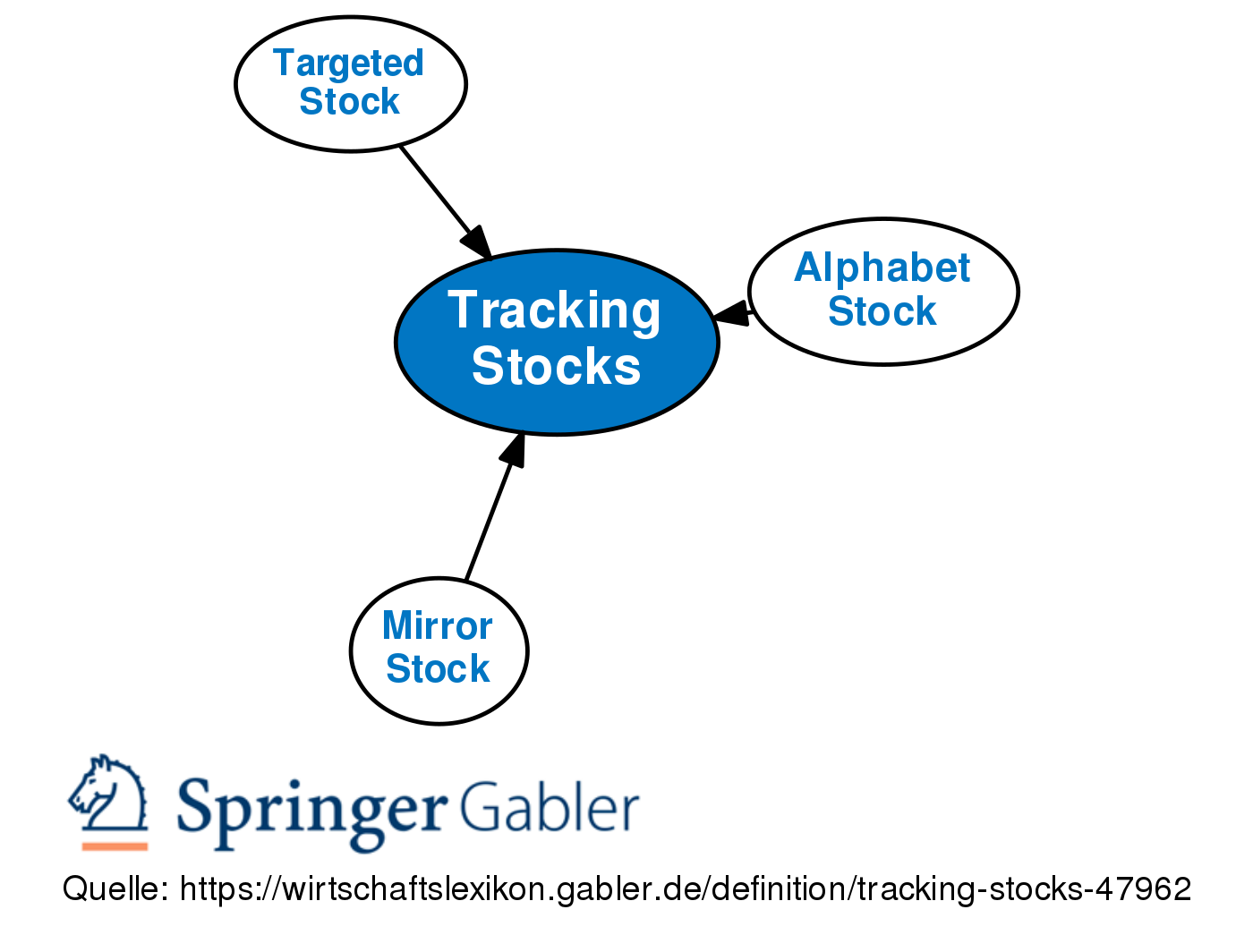
TRACKING STOCK: What is It?

By Staff Reporters

***

***

A tracking stock, also known as letter stock and/or targeted stock is a specialized equity offering issued by a company that is based on the operations of a defined business within the larger organization (such as, for instance, a wholly owned subsidiary of a diversified firm). Therefore, the tracking stock will be traded at a price related to the operations of the specific division of the company being “tracked”.

Tracking stock is typically limited, or has no voting rights. Often, tracking stock is issued to separate a high-growth (but initially, unprofitable) division from its parent company, while the parent company and its shareholders remain in control of the subsidiary’s operations.

CITE: https://www.r2library.com/Resource

Breaking New Example

The Atlanta Braves professional baseball team is set to be spun-off into an independent company along with their related properties (Battery) in two weeks. Along with this change, an as-of-yet unknown amount of equity in the company is set to be publicly traded on the stock market. The easiest explanation of this transition is to get a more accurate (Liberty Media’s Ownership) valuation of the franchise as a precursor to a sale. The Braves already have a pretty unique business structure, being owned by a publicly traded media conglomerate as a semi-autonomous entity within the conglomerate and a tracking stock, but this formalizes the franchises independence much more.

In the view of some, there is significantly more downside as a fan than upside to a sale, as the absolute upside involves more spending on the team payroll, but the team already is near the top of the league in payrolls and the team performance on the field is clearly top tier in the league. The downside is that the new ownership meddles more in the operations of the club in a negative way and/or slashes budgets, etc.

***

COMMENTS APPRECIATED

Thank You

***

***

e-BOOKS: For Doctors, Financial Advisors, CPAs, Insurance Agents, Medical Consultants and Health Law Attorneys

By Ann Miller RN MHA CMP

INTRODUCING OUR NEXT GENERATION e-BOOK LIBRARY FROM iMBA, Inc.

An e-book is an electronic or digital book that can be read on a computer or a handheld device.

Our new e-books consists of text, images, and are fixed to a specific spot on the page.

And, our e-books are a data files similar in content and structure to a word-processing document that comes in a PDF format. To use our e-books, you need to purchase and download it to a device that has a .pdf file reader app, such as ADOBE® or similar on a smartphone, tablet or computer. A PDF, also known as a portable document format, is the format most people are familiar with and used in our e-books. PDFs are known for their ease of use and ability to hold custom layouts. They are the most commonly used e-Book formats, especially by professionals and adult-learners.
You can then access the e-book and read it, or highlight pages and even take side notes.

e-Books Save Money

With no manufacturing, printing, binding or shipping costs, e-Books are cheaper than traditional hard or paper back books.The price of each specialized and highly niche focused e-Book [50-100 pages] is only $25, whereas similar paperback printed books of this type generally cost $145, or more!

Payable thru PayPal [3% courtesy surcharge applies].

MORE HERE: https://medicalexecutivepost.com/me-pr-a-new-feature/

COMMENTS APPRECIATED

Thank You

***

SPAC: Insider Traders Charged

By Staff Reporters

***

***

Three charged with insider trading related to Trump’s SPAC deal

The DOJ arrested three Florida investors, alleging they made more than $22 million in illegal profits through trading stock in the SPAC that took former President Trump’s social media company public.

The men are accused of trading shares in Digital World Acquisition Corporation based on nonpublic knowledge and making bank in October 2021 when news it planned to acquire Truth Social made its stock soar. Neither the former president nor his family members are implicated.

SPAC: https://medicalexecutivepost.com/2022/06/13/spac-v-direct-listing-v-ipo/

SPACs: https://medicalexecutivepost.com/2022/09/21/spac-popularity-soaring-in-healthcare/

***

***

COMMENTS APPRECIATED

Thank You

***

SPOTLIGHT: 23 Banks and 1 Stock

By Staff Reporters

***

***

The 23 biggest banks all passed a stress test that simulated a severe recession, the Federal Reserve said yesterday.

CITE: https://www.r2library.com/Resource

***

  • Markets: Stocks ended mixed yesterday after Jerome Powell (and other major central bankers around the world) signaled that more interest rate hikes are as inevitable. In fact, Jerome Powell hinted he couldn’t rule out two rate raises in a row.
  • Stock spotlight: AI-chip hero Nvidia fell on reports that the US is considering even more restrictions on chip exports to China.

***

***

COMMENTS APPRECIATED

Thank You

***

RETIREMENT PLANNING: The Financial Numbers and Social Security?

By Staff Reporters

***

***

The new magic number for retirement is up slightly from last year, when U.S. adults said they believed they needed $1.25 million to retire comfortably, according to new findings from Northwestern Mutual. High-net-worth individuals – those with more than $1 million in investible assets – believe they’ll need $3 million to retire comfortably.

There’s quite a gap, however, between what people have now and what they think they’ll need. The average amount that U.S. adults have saved for retirement is only $89,300, up 3% from $86,869 in 2022, Northwestern Mutual found.

***

Interestingly, more than four in 10 Americans (42%) said they could imagine a time when Social Security no longer exists, according to the research. And yet, people are relying on Social Security to provide 28% of their overall retirement funding. That’s more than personal savings (22%) and equal to retirement savings (28%).

Gen Z and millennials have tempered expectations – they anticipate Social Security will provide 15% and 19% of their overall retirement funding, respectively. That’s a significant drop from what boomers+ say – 38%.

COMMENTS APPRECIATED

Thank You

***

***

DAILY UPDATE: RIP OceanGate Titan as Stocks Rise a Bit

By Staff Reporters

***

***

The marine mystery that captivated the world this week had a tragic conclusion: Authorities confirmed yesterday that they found broken pieces of the OceanGate Titan submersible near the Titanic wreckage it was en route to explore, meaning its five passengers are dead.

They are OceanGate CEO Stockton Rush, British explorer Hamish Harding, Titanic expert Paul-Henri Nargeolet, British-Pakistani businessman Shahzada Dawood, and his son, Suleman Dawood (who, according to his aunt, was “terrified” of the trip but ultimately went to please his dad for Father’s Day).

***

Here is where the major benchmarks ended yesterday

The S&P and NASDAQ found their way back into the green after a three-day losing streak, though the market overall has been a little sleepy this week.

Yesterday’s winner goes to Overstock which jumped after the online retailer agreed to buy Bed Bath & Beyond’s IP, name and digital assets for $21.5 million. But BB&B, which went bankrupt in April, won’t be able to keep its stores open as part of the deal.

And, the 10-year Treasury note yield (TNX) was little changed at 3.727%.

While, CBOE’s Volatility Index (VIX) was  was down 0.68 at 13.19.

Technology shares were among the weakest performers Wednesday, with the Philadelphia Semiconductor Index (SOX) dropping nearly 2% to near a two-week low.

Regional banks were also lower. Energy stocks led sector gainers as crude oil futures jumped nearly 2% to a two-week high on hopes for stronger demand from China.

Volatility based on the VIX sank to its lowest level since January 2020.

***

ORDER: https://www.routledge.com/Risk-Management-Liability-Insurance-and-Asset-Protection-Strategies-for/Marcinko-Hetico/p/book/9781498725989

ORDER: https://www.routledge.com/Comprehensive-Financial-Planning-Strategies-for-Doctors-and-Advisors-Best/Marcinko-Hetico/p/book/9781482240283

***

COMMENTS APPRECIATED

Thank You

***

DAILY UPDATE: Stocks Slow in Late Day Trading

By Staff Reporters

***

***

Here is where the major benchmarks ended; yesterday

  • The S&P 500 Index was down 16.25 points (0.4%) at 4,409.59; the Dow Jones industrial average was down 108.94 (0.3%) at 34,299.12; the NASDAQ Composite was down 93.25 (0.7%) at 13,689.57.
  • The 10-year Treasury note yield (TNX) was up about 4 basis points at 3.769%.
  • CBOE’s Volatility Index (VIX) was down 0.97 at 13.53.

Retailers and regional banks were among the weakest performers Friday, and the Russell 2000 ended with a loss of about 1%.

Energy companies were among the strongest sectors thanks to crude oil futures extending a recent rally above $70 a barrel.

***

ORDER: https://www.routledge.com/Risk-Management-Liability-Insurance-and-Asset-Protection-Strategies-for/Marcinko-Hetico/p/book/9781498725989

ORDER: https://www.routledge.com/Comprehensive-Financial-Planning-Strategies-for-Doctors-and-Advisors-Best/Marcinko-Hetico/p/book/9781482240283

***

COMMENTS APPRECIATED

Thank You

***

CPI REPORT: May Round-Up 2023

By Staff Reporters

***

***

DEFINITION: A consumer price index (CPI) is a price index, the price of a weighted average market basket of consumer goods and services purchased by households. Changes in measured CPI track changes in prices over time.

CITE: https://www.r2library.com/Resource

***

4 Key Points from the Report

1. Energy is doing a lot of the work. Cheaper energy played a major role in pulling inflation down to 4% last month from 4.9% in April, per Axios. Gas prices plunged almost 20% from last year, when Russia’s invasion of Ukraine sent fuel costs to the moon, while broader energy prices fell nearly 12%.

2. “Revenge spending” is down. Once COVID pandemic lock downs lifted, Americans splurged on vacations, leisure, and recreation (new pickle ball paddles!) in what economists dubbed “revenge spending.” Now that everyone has taken their week long trip to Italy, there are signs that revenge spending is waning: Airfare prices dropped 13% annually in May and, according to the US Travel Association, hotel demand is below 2019 levels. Bad for your Instagram, but good for inflation.

3. Food prices are up. The cost of food ticked up 0.2% in May from April after staying flat in the previous two months, showing how inflation has persisted on grocery store shelves. But not all aisles are created equal—the price of eggs dropped nearly 14% from April (the biggest one-month drop since 1951), while fruit and veggie prices rose 1.3%.

4. More than anything else, rent is propping up inflation. Shelter costs are the largest category in the CPI report, and they’re still on the upward march, climbing 8.7% from a year earlier. The good news: Economists say this government data doesn’t reflect on-the-ground information, such as reports of softening rent by Zillow and Apartment List. Shelter costs in the CPI are expected to decline during the second half of the year.

***

***

COMMENTS APPRECIATED

Thank You

***

BEWARE: Mobile Payment Service Apps Lack FDIC Insurance

Mobile money, mobile money transfers and mobile wallets

By Staff Reporters

***

***

DEFINITION: A mobile payment, also referred to as mobile money, mobile money transfer and mobile wallet, is any of various payment processing services operated under financial regulations and performed from or via a mobile device, as the cardinal class of digital wallet. Instead of paying with cash, cheque, or credit cards, a consumer can use a payment app on a mobile device to pay for a wide range of services and digital or hard goods. Although the concept of using non-coin-based currency systems has a long history, it is only in the 21st century that the technology to support such systems has become widely available.

Mobile payments began adoption in Japan in the 2000s and later all over the world in different ways. The first patent exclusively defined “Mobile Payment System” was filed in 2000.

Don’t use Mobile Payment Services to Park Cash, CFPB Warns.

Venmo may not be that much better than stuffing bills under your mattress when it comes to keeping your money safe long term, the Consumer Financial Protection Bureau recently cautioned.

The app and others, like CashApp, Apple Pay, and PayPal, aren’t banks, so the Federal Deposit Insurance Corporation doesn’t provide insurance for funds stored there, the CFPB pointed out. The agency said there are billions of dollars at risk if these apps suffer an SVB-like bank failure.

***

***

***

COMMENTS APPRECIATED

Thank You

***

***

DAILY UPDATE: The US Economy and Bureau of Labor Statistics Reports

By Staff Reporters

***

***

The US kept adding jobs according to new data from the Bureau of Labor Statistics. The economy gained 339,000 pay-rolled employees in May, more than in each of the preceding three months and way more than the 190,000 Dow Jones predicted (to be fair, expert estimates low-balled 13 of the last 16 job reports, according to CNBC. This growth happened despite climbing interest rates, inflation, recent bank failures, and a nerve-racking debt ceiling standoff that threatened to destroy the economy And, Wall Street interpreted the data as a big green “buy” sign. For example:

Stocks leaped up last week as investors celebrated the deal to lift the debt ceiling being showed that the economy is still going strong. In fact, Lululemon stretched toward the heavens after beating earnings expectations thanks to a 24% year over year jump in sales.

But not all indications pointed to the hot streak continuing indefinitely.

The unemployment rate inched, wage growth slowed, and workers appear less self-assured in the labor market:

  • The self-employed lost 369,000 people from its ranks in May, a possible sign that folks might be ditching the self-employment for the security of a traditional employer.
  • And, recent data shows the quit rate has declined from an all-time high in late 2021, bringing an end to the pandemic job-hopping trend dubbed the Great Resignation.
  • Ultimately, the Fed will have to use the conflicting and mixed economic indicators to decide whether to further crank up interest rates at their next meeting. The Federal Reserve has been hinting that it might cease raising interest rates, and investors seem convinced the central bank will follow through and at least “skip” a hike this month even though the labor market is still radiating heat.

***

COMMENTS APPRECIATED

Thank You

***

***

STOCK MARKETS: Tech Giants Awakening?

By Staff Reporters

***

***

  • Last week, investors shrugged off debt ceiling worries to send the S&P and the NASDAQ to their best weekly performance since March. Tech stocks have posted impressive gains this year thanks to the hype around artificial intelligence:
  • Four giants that have made a big deal about investing in AI—Meta, Alphabet, Microsoft, and Nvidia—have surged in 2023 and now account for ~15% of the S&P 500’s market capitalization, according to Barron’s.

***

COMMENTS APPRECIATED

Thank You

***

***

e-BOOKS: For Doctors, Financial Advisors, CPAs, Insurance Agents, Medical Consultants and Health Law Attorneys

By Ann Miller RN MHA CMP

INTRODUCING OUR NEXT GENERATION e-BOOK LIBRARY FROM iMBA, Inc.

An e-book is an electronic or digital book that can be read on a computer or a handheld device.

Our new e-books consists of text, images, and are fixed to a specific spot on the page.

And, our e-books are a data files similar in content and structure to a word-processing document that comes in a PDF format. To use our e-books, you need to purchase and download it to a device that has a .pdf file reader app, such as ADOBE® or similar on a smartphone, tablet or computer. A PDF, also known as a portable document format, is the format most people are familiar with and used in our e-books. PDFs are known for their ease of use and ability to hold custom layouts. They are the most commonly used e-Book formats, especially by professionals and adult-learners.

You can then access the e-book and read it, or highlight pages and even take side notes.

e-Books Save Money

With no manufacturing, printing, binding or shipping costs, e-Books are cheaper than traditional hard or paper back books.The price of each specialized and highly niche focused e-Book [50-100 pages] is only $25, whereas similar paperback printed books of this type generally cost $145, or more!

Payable thru PayPal [3% courtesy surcharge applies].

MORE HERE: https://medicalexecutivepost.com/me-pr-a-new-feature/

COMMENTS APPRECIATED

Thank You

***

BUSINESS PLAN CONSTRUCTION: For Health Industry Modernity

FOR MEDICAL AND HEALTHCARE ENTREPRENEURS AND INNOVATORS

By Dr. David Edward Marcinko MBA MEd CMP®

I was asked by business schools and medical colleagues – and their bankers, CPAs and advisors – to speak about this topic several times last year before the pandemic.

Now, with the specter of M-4-A etc; it certainly is a vital concern to all young entrepreneurs, doctors & medical professionals whether live, audio recorded or in podcast form. And so, here is a written transcript of a recent presentation for your review.

Now, with the specter of tele-health, tele-medicine, M-4-A etc; it certainly is a vital concern to all young doctors & medical professionals whether live, audio recorded or in podcast form. And so, here is a written transcript of a recent presentation for your review.

***

New Product Business Plan Sample [2021 Updated] | OGScapital

***

READ: https://medicalexecutivepost.com/wp-content/uploads/2017/08/mba-business-plan-capstone-outline.pdf

YOUR THOUGHTS ARE APPRECIATED.

SECOND OPINIONS: https://medicalexecutivepost.com/schedule-a-consultation/

INVITE DR. MARCINKO: https://medicalexecutivepost.com/dr-david-marcinkos-bookings/

Thank You

***

USA nears DEFAULT while Europe INFLATES!

By Staff Reporters

***

***

Treasury Secretary Janet Yellen warned yesterday that the US could run out of money to pay all its bills as early as June 1st if Congress does not raise or suspend the debt limit before then. The US’ first-ever default would be disastrous for financial markets, economists say.

***

Meanwhile, Europe’s painful inflation has inched higher, extending the squeeze on households and keeping pressure on the European Central Bank to unleash what could be another large interest rate increase. Consumer prices in the 20 countries using the euro currency jumped 7% in April from a year earlier, just up from the annual rate of 6.9% in March, the European Union statistics agency Eurostat said today. Food price inflation eased a little, falling to an annual rate of 13.6% from March’s 15.5%, while energy prices rose a more modest 2.5%. Core inflation, which excludes volatile food and fuel, slowed slightly but was still high at 5.6%, underlining the expectation that the ECB will press ahead with its campaign to beat inflation into submission with rate hikes.

***

COMMENTS APPRECIATED

Thank You

***

***

BANKS: New Federal Reserve Rules?

Detailing Oversight Lapses

By Staff Reporters

***

***

The Fed says it’s time for new bank rules

Just in time for a new looming bank failure, the Federal Reserve issued a 102-page report dissecting the corpse of Silicon Valley Bank. Meanwhile, FRB [First Republic Bank] FRB was just sold to JPMorgan Chase.

LINK: https://medicalexecutivepost.com/2023/05/01/daily-update-frb-bidding-sold-to-jpmorgan-chase/

The Fed pointed the finger at both its own inadequate supervision and the bank’s management.

CITE: https://www.r2library.com/Resource

And in an accompanying letter, Michael Barr, the Fed’s vice chair for supervision, called for stricter rules to be applied to more financial institutions and for more tools to be given to regulators to bring firms with poor capital planning and risk management into line.

MORE: https://www.wsj.com/articles/jpmorgan-pnc-bid-to-buy-first-republic-as-part-of-fdic-takeover-aeb936a0?mod=RSSMSN

***

https://www.routledge.com/Risk-Management-Liability-Insurance-and-Asset-Protection-Strategies-for/Marcinko-Hetico/p/book/9781498725989

***

COMMENTS APPRECIATED

Thank You

***

CMS: “Open Payments” Pre-Publication Review & Dispute

NOW AVAILABLE

By Staff Reporters via CMS

***

***

Open Payments is a national disclosure program that promotes a transparent and accountable healthcare system. Open Payments houses a publicly accessible database of payments that reporting entities, including drug and medical device companies, make to certain healthcare providers, which are referred to as covered recipients.

Pre-publication review and dispute for the Program Year 2022 Open Payments data opened on April 1st and is available through May 15th, 2023. Disputes must be initiated by May 15th, 2023 in order to be reflected in the June 2023 data publication. 

CITE: https://www.r2library.com

For more information on review and dispute timing and publication, refer to the Review and Dispute Timing and Data Publication Quick Reference Guide.

ORDER: https://www.amazon.com/Dictionary-Health-Insurance-Managed-Care/dp/0826149944/ref=sr_1_4?ie=UTF8&s=books&qid=1275315485&sr=1-4

***
COMMENTS APPRECIATED

Thank You

****

FDIC: Lifting the Insurance Deposit Cap?

By Staff Reporters

***

Understanding FDIC insurance limits

The FDIC wants to make sure it can cover everyone with a bank account, so to make that happen, it caps how much money it insures. The FDIC says its standard is to cover up to “$250,000 per depositor, per insured bank, for each account ownership category.

CITE: https://www.r2library.com/Resource/Title/082610254

Here’s an example: Let’s say you have $100,000 in your checking account and $150,000 in your savings, all at the same bank. The FDIC classifies those under the same category: single accounts. So you would have hit your FDIC deposit limit. Every additional cent deposited into either account would be uninsured. But if you have money in other banks or other deposit categories, you may have additional coverage.

Could the insured deposit cap get a lift?

At least four US lawmakers—two from each side of the aisle—said they would support raising the cap on FDIC-insured deposits in order to reassure frazzled bank customers that their deposits are safe. The current cap is $250,000 (up from $100k pre-financial crisis), but Democratic Sen. Elizabeth Warren said bumping it up “is a good move.” Opponents of raising the cap say it would only increase risk-taking and bad behavior by banks. Some even argue we should lower it.

COMMENTS APPRECIATED

Thank You

***

ORDER: https://www.routledge.com/Risk-Management-Liability-Insurance-and-Asset-Protection-Strategies-for/Marcinko-Hetico/p/book/9781498725989

***

DAILY UPDATE: About the Markets

By Staff Reporters

***

***

Major U.S. stock indexes ended mixed, after the announcement of a surprise OPEC+ production cut sent crude oil prices to two-month highs and fueled inflation concerns that could keep the Federal Reserve in policy-tightening mode. This weekend, several OPEC+ members, including Saudi Arabia, announced production cuts totaling nearly 1.2 million barrels a day that are slated to start in May. In response, WTI crude futures soared above $80 a barrel. Word of the planned cuts also boosted expectations that the Fed could raise its benchmark interest rate again in May as the central bank extends efforts to tamp down inflation. The OPEC+ cuts “suggest more headline inflation pressure in the near-term,” says Jeffrey Kleintop, chief global investment strategist at Charles Schwab & Co. The potential for further waves of inflation will “keep central banks from declaring victory over excessive price gains,” he adds. “That’s another headwind for tech stocks and other ‘long duration’ equities that get more of their cash flow in the future than in the near term.”

CITE: https://www.r2library.com

The following is a round-up of today’s market activity:

  • The S&P 500® Index was up 15.2 (0.4%) at 4124.51, the highest close since Feb. 15; the Dow Jones industrial average was up 327 (1.0%) at 33601.15; the NASDAQ Composite was down 32.45 (0.3%) at 12189.45.
  • The 10-year Treasury yield was down about 7 basis points at 3.417%.
  • CBOE’s Volatility Index was down 0.14 at 18.56.

Oil producers and other energy companies led gainers Monday. Health care stocks also outperformed. Consumer discretionary and real estate were among the laggards.

Among individual stocks, Tesla (TSLA) shares tumbled over 6% following reports the electric car-maker delivered just 423,000 vehicles in the first quarter. Analysts had expected 430,000, according to research firm FactSet.

Looking ahead, medical companies, especially vaccine makers, may be worth watching this week with the World Vaccine Congress taking place in Washington, D.C. Some well-known vaccine makers include Moderna (MRNA), Johnson & Johnson (JNJ), and GlaxoSmithKline (GSK). Late last month, Walgreens Boots Alliance (WBA) reported a steep year-over-year decline in demand for COVID-19 vaccinations.

The U.S. dollar index fell slightly, while gold futures climbed above $2,000 per ounce to post their highest close in over two years.

CITE: https://www.amazon.com/Dictionary-Health-Information-Technology-Security/dp/0826149952/ref=sr_1_5?ie=UTF8&s=books&qid=1254413315&sr=1-5

***

ORDER: https://www.routledge.com/Comprehensive-Financial-Planning-Strategies-for-Doctors-and-Advisors-Best/Marcinko-Hetico/p/book/9781482240283

***

COMMENTS APPRECIATED

Thank You

***

DAILY UPDATE: Charles Schwab and the Major Market Indices

By Staff Reporters

***

***

Analysts at Morgan Stanley downgraded Charles Schwab Corp (NYSE: SCHW) on Tuesday, citing concerns over cash sorting and regulatory changes. But, Schwab CEO Walt Bettinger recently said that the company’s banking unit had enough liquidity to cover if 100% of its bank deposits ran off without having to sell a single security — Morgan Stanley says otherwise. Schwab’s recent performance has not been up to Morgan Stanley’s expectations, with customers moving cash out of sweep accounts into money market funds at a rate twice that which the bank had been modeling.

CITE: https://www.r2library.com/Resource/Title/082610254

***

Here’s how the major indexes performed Thursday.

  • The S&P 500® Index rose 23 points (0.57%) to 4050.84; the Dow Jones industrial average was up 141 points (0.43%) at 32859.03; the NASDAQ Composite was up 87 points (0.73%) at 12013.47.
  • The 10-year Treasury yield slipped 2 basis points to 3.555%.
  • CBOE’s Volatility Index was little changed at 19.14.

***

ORDER: https://www.routledge.com/Comprehensive-Financial-Planning-Strategies-for-Doctors-and-Advisors-Best/Marcinko-Hetico/p/book/9781482240283

***

COMMENTS APPRECIATED

Thank You

***

First Republic and Silicon Valley Banks are NOT Microsoft!

By Staff Reporters

***

***

Wall Street’s $30 billion infusion into First Republic Bank didn’t manage to calm investors’ jitters about how banks are holding up. The regional bank’s stock tanked again Friday, dragging most of the market down with it. Moody’s Investors Service downgraded its credit rating on First Republic Bank to junk, citing a “deterioration in the bank’s financial profile.” First Republic’s debt rating was cut to B2 from Baa1, Moody’s said. Fitch Ratings and S&P Global Ratings downgraded First Republic Bank’s debt earlier this week.

The downgrade reflects “the deterioration in the bank’s financial profile and the significant challenges First Republic Bank faces over the medium term in light of its increased reliance on short-term and higher cost wholesale funding due to deposit outflows,” Moody’s analysts said in a release.

And, SVB’s parent company filed for Chapter 11 bankruptcy yesterday, buying it time to pay off creditors and making it easier to sell off its assets (but the bank itself, currently in the hands of the FDIC, isn’t part of the filing). Meanwhile, President Biden called on Congress to make it easier to punish bank executives if their mismanagement causes a bank to collapse, including allowing regulators to claw back their pay.

***

But Big Tech stocks got a boost from investors looking to park their cash in non-bank companies, pushing Microsoft to its best weeks in almost eight years.

CITE: https://www.r2library.com/Resource/Title/0826102549

***

COMMENTS APPRECIATED

Thank You

ORDER: https://www.routledge.com/Risk-Management-Liability-Insurance-and-Asset-Protection-Strategies-for/Marcinko-Hetico/p/book/9781498725989

***

BOND HOLDERS: Credit Suisse

AT1 BONDS = OH NO!

By Staff Reporters

***

***

DEFINITION: Junk bonds are bonds that carry a higher risk of default than most bonds issued by corporations and governments. A bond is a debt or promise to pay investors interest payments along with the return of invested principal in exchange for buying the bond. Junk bonds represent bonds issued by companies that are financially struggling and have a high risk of defaulting or not paying their interest payments or repaying the principal to investors. Junk bonds are also called high-yield bonds since the higher yield is needed to help offset any risk of default.

CITE: https://www.r2library.com/Resource/Title/0826102549

AT1 DEFINITION: Additional Tier 1 bonds are also known as “contingent convertibles,” or “CoCos”. They were created in the wake of the 2008 financial crisis as a way for failing banks to absorb losses, making a taxpayer-funded bailout less likely. They are a risky bet — if a lender gets into trouble, this class of bonds can be quickly converted into equity, or written down completely. Because they are higher-risk, AT1s offer a higher yield than most other bonds issued by borrowers with similar credit ratings, making them very risky. If AT1s are converted into equity, this supports a bank’s balance sheet and helps it to stay afloat. They also pave the way for a “bail-in”, or a way for banks to transfer risks to investors and away from taxpayers if they get into trouble.

CITE: https://www.r2library.com/Resource/Title/0826102549

***

UBS’s emergency takeover of Credit Suisse may have been necessary to avert a financial crisis, but at least one group is Yosemite Sam-level angry over how the deal shook out. Investors holding $17 billion worth of Credit Suisse’s additional tier-one bonds were shocked to discover that their $17 billion was now worth a grand total of…$0. The value of those bonds had been completely wiped out in the deal.

Additional tier-one bonds, or AT1 bonds for short, were established after the 2008 financial crisis to reduce the likelihood that taxpayers would have to bail out a failed bank. AT1s are considered riskier assets, but with that risk comes higher potential returns.

RISK: https://www.routledge.com/Risk-Management-Liability-Insurance-and-Asset-Protection-Strategies-for/Marcinko-Hetico/p/book/9781498725989

So, if these bondholders knew they were taking on risk, why are they so upset?

According to MorningBrew, mainly because, in this unusual deal, they got wiped out while shareholders didn’t. That’s not how the order of operations usually works:

  • When a write-down happens, shareholders traditionally suffer losses before bondholders get hit.
  • This deal flipped the food chain, and livid AT1 bondholders are now huddling up with lawyers about potential legal action.

***

ORDER: https://www.routledge.com/Comprehensive-Financial-Planning-Strategies-for-Doctors-and-Advisors-Best/Marcinko-Hetico/p/book/9781482240283

***

COMMENTS APPRECIATED

Thank You

***

The Modern US Monetary System

On Modern Monetary Realism

By Rick Kahler MS CFP® ChFC CCIM www.KahlerFinancial.com

In a previous ME-P column I explained why any currency-issuing country, like the US, will never default on its obligations or run out of money with which to purchase goods and services priced in its own currency. Sovereign nations that are currency issuers have no solvency constraints, unlike currency users such as individuals, corporations, and government entities that don’t issue currency.

Why the Government is Not-Like Medical Professionals

On Modern Monetary Realism

To follow up, let’s look at what has become known as Modern Monetary Realism (MMR).  Economist Cullen O. Roche describes it in a 2011 article on his Pragmatic Capitalism website titled “Understanding the Monetary System.”

This theory came into existence in 1971 when President Nixon eliminated the gold standard and allowed the government to print money at will. This was a paradigm shift in our monetary policy that’s gone largely unnoticed for decades by many educators, economists, and politicians.

Guiding MMR Principles

The principles of MMR are:

  • The Federal Reserve works in partnership with the US Treasury to issue currency. All other units of government, private entities, and individuals are users of the currency.
  • The government creates money by minting coins, printing cash, and issuing reserves. The private banking sector creates money by creating loans and bank deposits.
  • The Federal Government cannot “go broke.” It is inaccurate to compare it to households, companies, and local governments, which all are users of money and can go bankrupt.
  • The major constraint on currency issuers (sovereign governments like the US) is inflation. It behooves governments to manage the money supply prudently in order to avoid impoverishing their citizens through devaluing the currency.
  • Floating exchange rates between countries are a necessity to help maintain equilibrium and flexibility in the global economy. Nations that unduly inflate their currency suffer the consequences of devalued currency, shrinking purchasing power, and contracting lifestyles.
  • The debt of a sovereign currency issuer is default-free. The issuer can always meet debt obligations in the currency which it issues.

Cullen O. Roche Speaks

Roche suggests that a functional government supports the country’s financial system in four ways:

  1. The US government was created by the people, for the people. “It exists to further the prosperity of the private sector—not to benefit at its expense.” Roche argues that when government becomes corrupt by obtaining too much power or issuing too much currency that results in high inflation, it then becomes susceptible to a revolt and dissolution.
  2. Government’s role is to be actively involved in regulating and helping to build an infrastructure within which the private sector can generate economic growth. Roche views regulation as not only beneficial, but necessary to temper the inevitable irrationality that can disrupt markets. Still, he emphasizes that it is the private sector, not the public sector, which drives innovation, productivity, and economic growth.
  3. Money, while a creation of law, must be accepted by the private sector while prudently regulated by the federal government, keeping in mind that the purpose of the regulation is to maximize private sector prosperity.
  4. “Because the Federal government is not a business or a household it should not manage its balance sheet for its own benefit,” notes Roche, “but in a way that most benefits the private sector and encourages private sector prosperity, productivity, innovation and growth.”

Assessment

Like me, you may need to re-read this a couple of times to begin to grasp the concepts. Once you throw off the outdated pre-1971 model of the monetary system, understanding the basics of MMR isn’t difficult. Knowing the basics of how our monetary system works will help physicians, and all of us, frame the important issues in the turmoil unfolding in Europe and in our own upcoming elections. 

Conclusion

Your thoughts and comments on this ME-P are appreciated. Feel free to review our top-left column, and top-right sidebar materials, links, URLs and related websites, too. Then, subscribe to the ME-P. It is fast, free and secure.

Speaker: If you need a moderator or speaker for an upcoming event, Dr. David E. Marcinko; MBA – Publisher-in-Chief of the Medical Executive-Post – is available for seminar or speaking engagements. Contact: MarcinkoAdvisors@msn.com

OUR OTHER PRINT BOOKS AND RELATED INFORMATION SOURCES:

Product DetailsProduct DetailsProduct Details

Product Details  Product Details

Product Details

***