PHYSICIANS & DENTISTS: Financial Consulting & Planning

Sponsored by: http://www.MARCINKOASSOCIATES.com

START TO FINISH CYCLE

***

Our Process

***

READ HERE: https://marcinkoassociates.com/financial-planning/

RELATED: https://medicalexecutivepost.com/2023/12/15/doctor-are-you-a-financial-advisors-customer-or-client/

COMMENTS APPRECIATED

Thank You

***

***

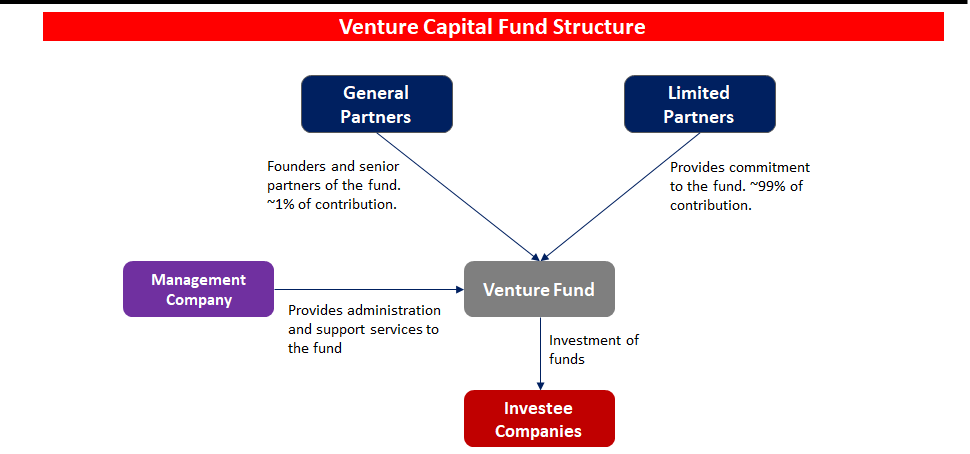
PHYSICIANS ONLY: Hedge Funds and Venture Capitalists

SPONSORED: http://www.MARCINKOASSOCIATES.com

START TO FINISH CYCLE

***

Our Process

***

READ HERE: https://marcinkoassociates.com/hedge-funds/

MORE: https://medicalexecutivepost.com/2023/02/19/what-is-an-unregistered-security/

COMMENTS APPRECIATED

Thank You

***

***

15 YEAR JOURNEY: From Active to Passive Investing?

By Staff Reporters

***

***

Historical Review

As can now be discerned 15 years later, two trends emerged from the aftermath of the 2008 financial crisis. One was a new type of investment that concentrated capital among a small number of firms. The other was left-wing activism in the style of Occupy Wall Street. Combined, these trends helped empower Wall Street behemoths to push much of the corporate wokeness that is so common today. The financial meltdown precipitated a transition from active to passive investment.

Definitions

Active investment is what one typically thinks of as investing — making risky stock purchases in an attempt to beat the market in the short-term.

More: https://medicalexecutivepost.com/2023/03/06/understanding-active-asset-allocation/

Passive investment, on the other hand, requires much less effort. According to Investopedia, it is a long-term strategy where investors try to “replicate market performance by constructing well-diversified portfolios” (e.g. mutual funds) typically based on a “representative benchmark” like the S&P 500 index.  In other words, it bets on the market rather than against it.

More: https://medicalexecutivepost.com/2015/03/19/more-on-passive-investing-for-physicians/

Dichotomy

Passive investing took off after the financial crisis when investors realized it wasn’t worth trying to beat the market. Why pay a broker a one to two percent fee every year to actively manage your assets, especially when the downturn revealed they often under-performed the regular market returns? Many opted for passive asset management that cost a fraction of a brokerage fee.

More: https://medicalexecutivepost.com/2022/03/09/active-or-passive-investing-pursuits/

Today

In fact, one study found that between 2008 and 2015, active funds lost $800 billion while passive funds gained over $1 trillion in new investment. As of 2019, more money is now invested in passive than in active funds.

Cite: https://www.cambridge.org/core/journals/business-and-politics/article/hidden-power-of-the-big-three-passive-index-funds-reconcentration-of-corporate-ownership-and-new-financial-risk/30AD689509AAD62F5B677E916C28C4B6

***

***

COMMENTS APPRECIATED

Thank You

***

DAILY UPDATE: Fiduciary Rule with Stock Market Earnings Week

MEDICAL EXECUTIVE-POST TODAY’S NEWSLETTER BRIEFING

***

Essays, Opinions and Curated News in Health Economics, Investing, Business, Management and Financial Planning for Physician Entrepreneurs and their Savvy Advisors and Consultants

Serving Almost One Million Doctors, Financial Advisors and Medical Management Consultants Daily

A Partner of the Institute of Medical Business Advisors , Inc.

http://www.MedicalBusinessAdvisors.com

SPONSORED BY: Marcinko & Associates, Inc.

***

http://www.MarcinkoAssociates.com

Daily Update Provided By Staff Reporters Since 2007.
How May We Serve You?
© Copyright Institute of Medical Business Advisors, Inc. All rights reserved. 2024

REFER A COLLEAGUE: MarcinkoAdvisors@msn.com

SPONSORSHIPS AVAILABLE: https://medicalexecutivepost.com/sponsors/

ADVERTISE ON THE ME-P: https://tinyurl.com/ytb5955z

***

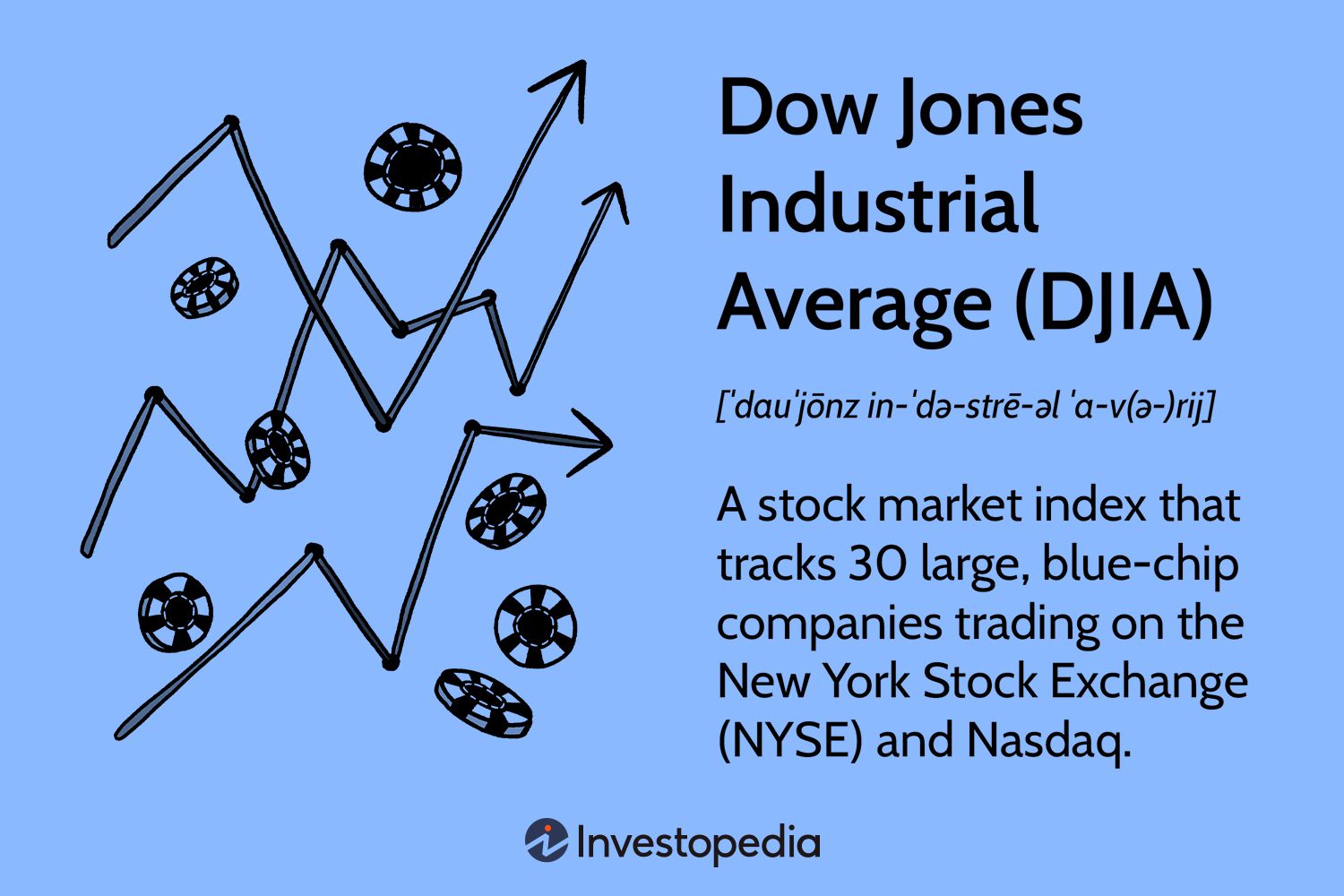
For last the week, the NASDAQ Composite (^IXIC) rose more than 2% while the S&P 500 (^GSPC) popped more than 1.5%. The Dow Jones Industrial Average (^DJI) rose more than 1%, closing above 40,000 for the first time ever on Friday.

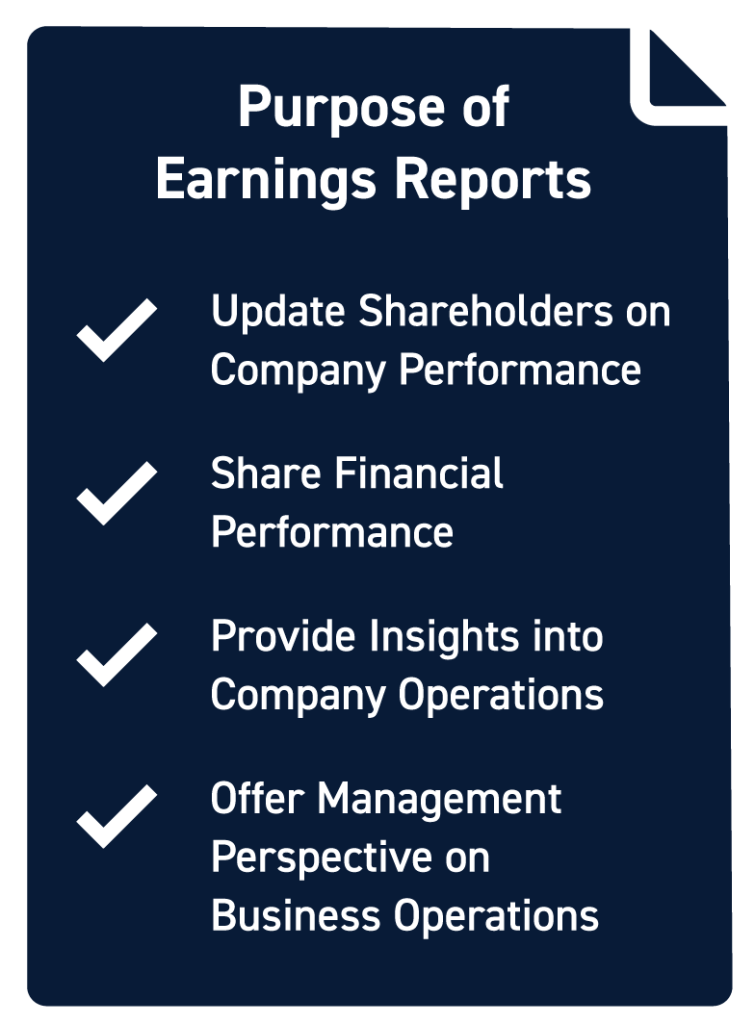
In the week ahead, highly anticipated earnings results from Nvidia (NVDA) are expected to be the key catalyst for markets. Results from Target (TGT), Palo Alto Networks (PANW), and Lowe’s (LOW) will also be closely tracked by investors.

The week is also expected to be quieter on the economic front, with updates on activity in the manufacturing and services sectors as well as the final reading of consumer sentiment for May on tap. Minutes from the Fed’s May meeting are also expected on Wednesday afternoon.

CITE: https://www.r2library.com/Resource

The rule, finalized last month by the Labor Department, requires investment advisers to provide “prudent, loyal, honest advice free from overcharges” and avoid recommendations that favor their interests at the expense of their clients. It also updates the definition of an investment advice fiduciary under the Employee Retirement Income Security Act (ERISA) and Internal Revenue Code. 

Under the new definition, a fiduciary includes any financial services provider who offers investment advice to a retirement investor for a fee and who claims to be acting as a fiduciary or who a reasonable investor understands to be a trusted adviser acting in their best interest. The update removes the requirement that fiduciaries provide advice on a regular basis, bringing one-time advice under the rule. The Biden administration has argued that the previous definition, which was written in 1975, is outdated and has not kept pace with changes to the retirement landscape. 

CITE: https://tinyurl.com/2h47urt5

And, confidence in the U.S. dollar has waned, as forecasts suggest that a dip in inflation might allow the Federal Reserve to slash interest rates. With a notable 5% climb earlier this year, the dollar is now bracing for its first loss of 2024, triggered by a promising inflation report.

CITE: https://tinyurl.com/tj8smmes

Finally, fourteen of the world’s 20 largest stock markets have hit all-time highs recently, including England, Japan, Brazil, India, and Canada, according to Bloomberg. In the USA, the S&P 500 (also at a record) hasn’t dropped more than 2% in a trading session in 311 days, the longest streak in five years.

COMMENTS APPRECIATED

PLEASE SUBSCRIBE: MarcinkoAdvisors@msns.com

Thank You

***

***

***

***

EDUCATIONAL TEXTBOOKS: https://tinyurl.com/4zdxuuwf

***

SUBMITTED ESSAYS: Economics, Management and Finance from Advisors to Physicians

By Staff Reporters

SPONSOR: http://www.MARCINKOASSOCIATES.com

Finance, economics and management essays of most current interest to all physicians and healthcare professionals

READ ESSAYS: https://marcinkoassociates.com/articles-essays/

Check back periodically for practical updates. Our catalogue library of major books, texts, case models and dictionaries is suggested for additional financial, economic, business and medical practice management information and education.

COMMENTS APPRECIATED

Thank You

***

***

***

PODCAST: Hospital Price Transparency Website

BILLY EATS MEDICAL BILLS

By Eric Bricker MD

***

***

COMMENTS APPRECIATED

Thank You

***

***

***

PODCAST: Early Retirement and Health Insurance

By Staff Reporters

***

***

COMMENTS APPRECIATED

Thank You

***

ORDER: https://www.amazon.com/Dictionary-Health-Insurance-Managed-Care/dp/0826149944/ref=sr_1_4?ie=UTF8&s=books&qid=1275315485&sr=1-4

***

VENTURE CAPITAL: Women’s Health Start-Ups

By Staff Reporters

***

***

Women’s health startups are still closing multi million-dollar funding deals despite a challenging venture capital (VC) landscape in which VC dollars are on track to fall by 73% this year compared to last.

CITE: https://www.r2library.com/Resource

For example, in the last year, virtual maternity care program Pomelo Care raised $33 million in seed and Series A rounds led by Andreessen Horowitz; Caraway Health, a digital mental, physical, and reproductive health services platform, raised almost $17 million in a Series A round led by Maveron and GV (formerly Google Ventures); and Intrinsic, which acquires brands that make women’s health products, announced a $15 million equity fund raise (which is when a company raises money by selling its shares).

***

***

COMMENTS APPRECIATED

Subscribe Today!

Thank You

***

***

FINANCIAL AND HEALTH ECONOMICS BENCH MARKING

Understanding the operational and financial status of your organization or practice

[By Dr. David Edward Marcinko MBA MEd CMP™]

SPONSOR: http://www.MarcinkoAssociates.com

Dr. DEMFinancial benchmarking can assist healthcare managers and professional financial advisors in understanding the operational and financial status of their organization or practice.

The general process of financial benchmarking analysis may include three elements: (1) Historical subject benchmarking; (2) Benchmarking to industry norms; and, (3) Financial ratio analysis.

History

Historical subject benchmarking compares a healthcare organization’s most recent performance with its reported performance in the past in order to: examine performance over time; identify changes in performance within the organization (e.g., extraordinary and non-recurring events); and, to predict future performance.

As a form of internal benchmarking, historical subject benchmarking avoids issues such as: differences in data collection and use of measurement tools; and, benchmarking metrics that often cause problems in comparing two different organizations.

However, it is necessary to common size data in order to account for company differences over time that may skew results.

Benchmarking

Benchmarking to industry norms, analogous to Fong and colleagues’ concept of industry benchmarking,   involves comparing internal company-specific data to survey data from other organizations within the same industry. This method of benchmarking provides the basis for comparing the subject entity to similar entities, with the purpose of identifying its relative strengths, weaknesses, and related measures of risk.

***

Residents

***

Financial Ratio Analysis

The process of benchmarking against industry averages or norms will typically involve the following steps:

  1. Identification and selection of appropriate surveys to use as a benchmark, i.e., to compare with data from the organization of interest. This involves answering the question, “In which survey would this organization most likely be included?”;
  2. If appropriate, re-categorization and adjustment of the organization’s revenue and expense accounts to optimize data compatibility with the selected survey’s structure and definitions (e.g., common sizing); and,
  3. Calculation and articulation of observed differences of organization from the industry averages and norms, expressed either in terms of variance in ratio, dollar unit amounts, or percentages of variation.

Trends

Financial ratio analysis typically involves the calculation of ratios that are financial and operational measures representative of the financial status of an enterprise.  These ratios are evaluated in terms of their relative comparison to generally established industry norms, which may be expressed as positive or negative trends for that industry sector. The ratios selected may function as several different measures of operating performance or financial condition of the subject entity.

The Selected Ratios

Common types of financial indicators that are measured by ratio analysis include:

  1. Liquidity. Liquidity ratios measure the ability of an organization to meet cash obligations as they become due, i.e., to support operational goals. Ratios above the industry mean generally indicate that the organization is in an advantageous position to better support immediate goals. The current ratio, which quantifies the relationship between assets and liabilities, is an indicator of an organization’s ability to meet short-term obligations. Managers use this measure to determine how quickly assets are converted into cash.
  2. Activity. Activity ratios, also called efficiency ratios, indicate how efficiently the organization utilizes its resources or assets, including cash, accounts receivable, salaries, inventory, property, plant, and equipment. Lower ratios may indicate an inefficient use of those assets.
  3. Leverage. Leverage ratios, measured as the ratio of long-term debt to net fixed assets, are used to illustrate the proportion of funds, or capital, provided by shareholders (owners) and creditors to aid analysts in assessing the appropriateness of an organization’s current level of debt. When this ratio falls equal to or below the industry norm, the organization is typically not considered to be at significant risk.
  4. Profitability. Indicates the overall net effect of managerial efficiency of the enterprise. To determine the profitability of the enterprise for benchmarking purposes, the analyst should first review and make adjustments to the owner(s) compensation, if appropriate. Adjustments for the market value of the “replacement cost” of the professional services provided by the owner are particularly important in the valuation of professional medical practices for the purpose of arriving at an ”economic level” of profit.

Data Homogeneity

The selection of financial ratios for analysis and comparison to the organization’s performance requires careful attention to the homogeneity of data. Benchmarking of intra-organizational data (i.e., internal benchmarking) typically proves to be less variable across several different measurement periods.

However, the use of data from external facilities for comparison may introduce variation in measurement methodology and procedure. In the latter case, use of a standard chart of accounts for the organization or recasting the organization’s data to a standard format can effectively facilitate an appropriate comparison of the organization’s operating performance and financial status data to survey results.

***Financial Planning MDs 2015

BOOK: Comprehensive Financial Planning Strategies for Doctors and Advisors: Best Practices from Leading Consultants and Certified Medical Planners™

***

Operational Performance Benchmarking

Operational benchmarking is used to target non-central work or business processes for improvement.  It is conceptually similar to both process and performance benchmarking, but is generally classified by the application of the results, as opposed to what is being compared.  Operational benchmarking studies tend to be smaller in scope than other types of benchmarking, but, like many other types of benchmarking, are limited by the degree to which the definitions and performance measures used by comparing entities differ.  Common sizing is a technique used to reduce the variations in measures caused by differences (e.g., definition issues) between the organizations or processes being compared.

Common Sizing

Common sizing is a technique used to alter financial operating data prior to certain types of benchmarking analysis and may be useful for any type of benchmarking that requires the comparison of entities that differ on some level (e.g., scope of respective benchmarking measurements, definitions, business processes).  This is done by expressing the data for differing entities in relative (i.e., comparable) terms.

Example:

For example, common sizing is often used to compare financial statements of the same company over different periods of time (e.g., historical subject benchmarking), or of several companies of differing sizes (e.g., benchmarking to industry norms). The latter type may be used for benchmarking an organization to another in its industry, to industry averages, or to the best performing agency in its industry.  Some examples of common size measures utilized in healthcare include:

  1. Percent of revenue or per unit produced, e.g., relative value unit (RVU);
  2. Per provider, e.g., physician;
  3. Per capacity measurement, e.g., per square foot; or,
  4. Other standard units of comparison.

Assessment

As with any data, differences in how data is collected, stored, and analyzed over time or between different organizations may complicate the use of it at a later time.  Accordingly, appropriate adjustments must be made to account for such differences and provide an accurate and reliable dataset for benchmarking.

Conclusion

Your thoughts and comments on this ME-P are appreciated. Feel free to review our top-left column, and top-right sidebar materials, links, URLs and related websites, too. Then, subscribe to the ME-P. It is fast, free and secure.

Speaker: If you need a moderator or speaker for an upcoming event, Dr. David E. Marcinko; MBA – Publisher-in-Chief of the Medical Executive-Post – is available for seminar or speaking engagements. Contact: MarcinkoAdvisors@msn.com

OUR OTHER PRINT BOOKS AND RELATED INFORMATION SOURCES:

Product DetailsProduct Details

APRIL 2024: US Hiring Slows

By Staff Reporters

***

***

Job growth slowed and unemployment ticked higher last month, marking a break from a string of data showing surprising strength in the labor market.

U.S. employers added a seasonally adjusted 175,00 jobs in April, the Labor Department reported on Friday. That was far less than in March, when gains exceeded 300,000, and also below what economists had expected. The unemployment rate ticked up to 3.9% from March’s 3.8%.

According to the WSJ, wages also rose less than anticipated, increasing 3.9% from a year earlier after rising 4.1% in March.

Friday’s report today is sure to stir immediate debate among economists and investors about whether the labor market is merely cooling in a welcome fashion or starting to show more serious strains under the pressure of higher interest rates.

Treasury yields, which largely reflect investors’ expectations for short-term rates set by the Federal Reserve, fell after the report. The yield on the benchmark 10-year U.S. Treasury note was 4.471% in recent trading, according to Tradeweb, down from 4.569% Thursday.

Stock futures climbed, suggesting investors were pleased with the data, which could increase optimism about the outlook for inflation.

COMMENTS APPRECIATED

Thank You

***

***

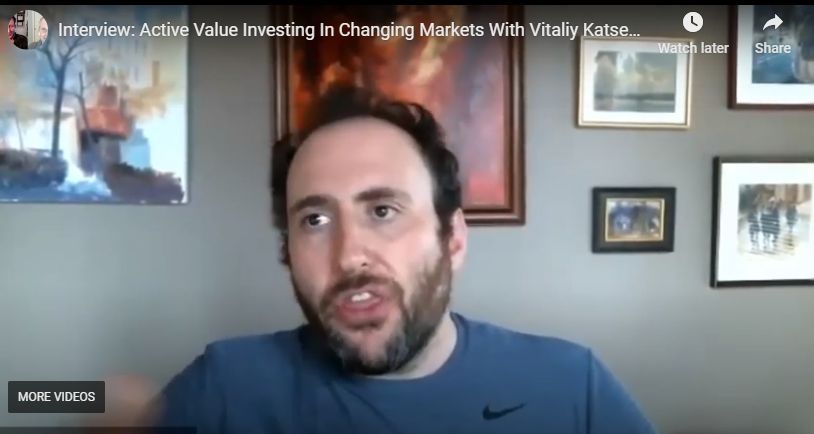
Hedging the Portfolio with Weapons of Mass Destruction

A SPECIAL REPORT

By Vitaliy N. Katsenelson CFA

***

Uber’s business is doing extremely well. It has reached escape velocity – the company’s expenses have grown at a slow rate while its revenues are growing at 22% a year. This caused profit margins to expand and earnings and free cash flows to skyrocket. Our investment in Uber was based on the assumption that its services would become a utility – just like water and electricity. The company’s name is synonymous with ride sharing. 

I must confess that the biggest risk to our investment in Uber is me. Yes, you read that right. Uber has an incredible growth runway. It is not just going after ride sharing and food delivery, where it still has plenty of room to grow, it is also making serious inroads into the grocery market. It has terrific management that is putting a lot of daylight between Uber and its competitors.

READ MORE HERE: https://tinyurl.com/3975rtyu

COMMENTS APPRECIATED

Thank You

***

***

HOSPITALS: “Weighted Average Cost of Capital”

By Dr. David Edward Marcinko MBA CMP

***

SPONSOR: http://www.MARCINKOASSOCIATES.com

***

The Cost of Hospital Capital Is “WACC”

It is critical for physician executives to understand and to measure the total cost of hospital capital. Lack of understanding and appreciation of the total cost of capital is widespread, particularly among not-for-profit hospital and physician executives. The capital structure includes long-term debt and equity; total capital is the sum of these two, and, each of these components has cost associated with it.

For the long-term debt portion, this cost is explicit—it is the interest rate plus associated costs of placement and servicing. For the equity portion, the cost is not explicit and is widely misunderstood. In many cases, hospital capital structures include significant amounts of equity that has accumulated over many years of favorable operations.

Far too many executives wrongly attribute zero cost to the equity portion of their capital structure. Although it is correct that generally accepted accounting principles continue to assign a zero cost to equity, there is opportunity cost associated with equity that needs to be considered. This cost is the opportunity available to utilize that capital in alternative ways.

***

***

In general, the cost attributed to equity is the return expected by the equity markets on hospital equity. This can be observed by evaluating the equity prices of hospital companies whose equity is traded on public stock exchanges. Usually, the equity prices will imply cost of equity in the range of 10%–14%. Almost always, the cost of equity implied by hospital equity prices traded on public stock exchanges will substantially exceed the cost of long-term debt. Thus, while many hospital executives will view the cost of equity to be substantially less than the cost of debt (i.e., to be zero) in nearly all cases, the appropriate cost of equity will be substantially greater than the cost of debt.

Hospitals need to measure their weighted average cost of capital (WACC). WACC is the cost of long-term debt multiplied by the ratio of long-term debt to total capital plus the cost of equity multiplied by the ratio of equity to total capital (where total capital is the sum of long-term debt and equity).

WACC is then used as the basis for capital charges associated with all capital investments. Capital investments should be expected to generate positive returns after applying this capital charge based on the WACC. Capital investments that do not generate returns exceeding the WACC consume enterprise value; those that generate returns exceeding WACC increase enterprise value. Therefore, physician and hospital executives need to be rewarded for increasing enterprise value.

***

COMMENTS APPRECIATED

Thank You

***

***

US INCOME GAP: A New Reality Check for Doctors NOT Going Broke!

Sobering News for all Medical Professionals

To Be Thankful

By Ann Miller RN MHA CMP

SPONSOR: https://marcinkoassociates.com/

***

***

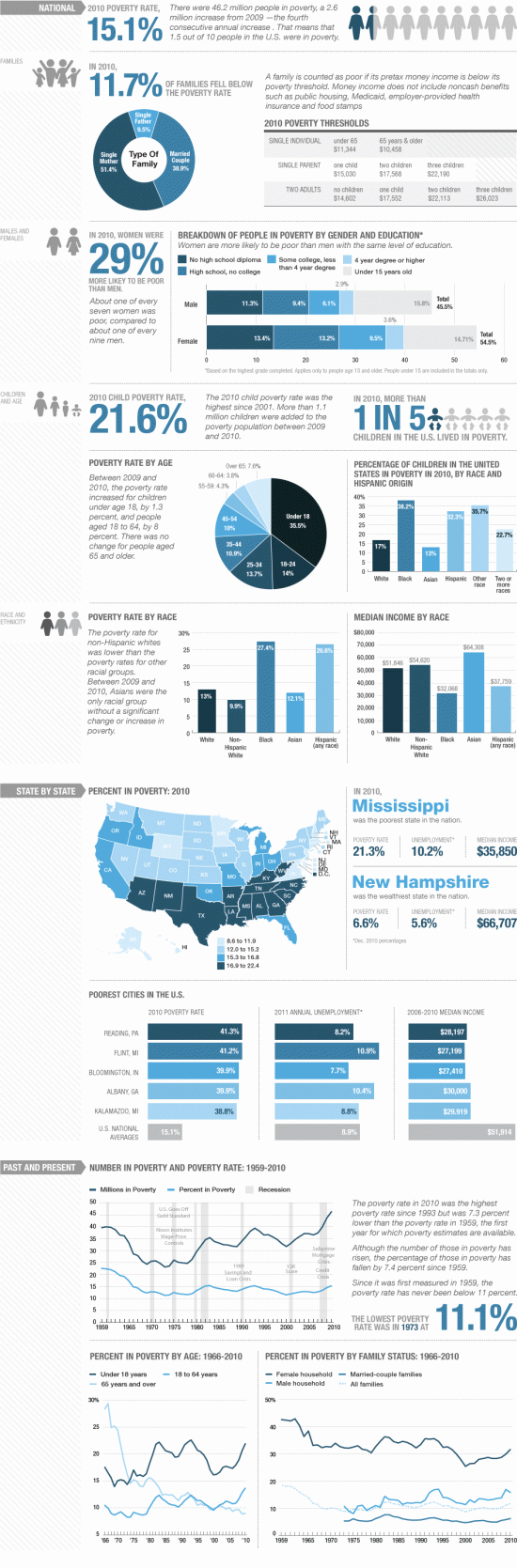
Poverty in America

***

Assessment

Conclusion

Your thoughts and comments on this ME-P are appreciated. Feel free to review our top-left column, and top-right sidebar materials, links, URLs and related websites, too. Then, subscribe to the ME-P. It is fast, free and secure.

Speaker: If you need a moderator or speaker for an upcoming event, Dr. David E. Marcinko; MBA – Publisher-in-Chief of the Medical Executive-Post – is available for seminar or speaking engagements. Contact: MarcinkoAdvisors@msn.com

Our Other Print Books and Related Information Sources:

Hospitals: http://www.crcpress.com/product/isbn/9781439879900

Physician Advisors: www.CertifiedMedicalPlanner.org

Product DetailsProduct DetailsProduct Details

  Product Details

***

FOR 4 BIG BANKS: A Big Quarter

By Staff Reporters

***

***

An uptick in corporate dealmaking fueled investment banking growth at the four largest US banksJPMorgan Chase, Bank of America, Wells Fargo, and Citibank—as well as at Goldman Sachs and Morgan Stanley. The result was “one of [investment banking’s] best quarters” since the Fed began hiking rates in 2022, the Wall Street Journal reported. Their earnings releases over the last week either matched or beat the consensus forecasts for revenue and earnings per share, according to the WSJ.

“It’s clear that we’re in the early stages of a reopening of the capital markets,” Goldman Sachs CEO David Solomon said in an earnings call last Monday. Goldman reported that growth in its investment banking and trading pushed its net income up 28% year over year, beating analyst expectations. Solomon said he expects more M&A activity will keep boosting the demand for debt underwriting at Goldman, which saw a 32% Year over Year jump in internet-banking revenue.

Solomon’s sunny outlook was beclouded the next day by Fed Chair Jerome Powell. The Fed had hoped inflation reports would show it could cut rates soon without overheating the economy, but instead inflation has continued to tick up.

COMMENTS APPRECIATED

Subscribe Today

***

***

WHAT IS A “CLOSED-END” MUTUAL FUND

REVIEW OF OPEN AND CLOSED MUTUAL FUNDS

SPONSOR: http://www.MarcinkoAssociates.com

By staff reporters

A closed-end fund (CEF) or closed-ended fund is a collective investment model based on issuing a fixed number of shares which are not redeemable from the fund.

CITE: https://www.r2library.com/Resource/Title/0826102549

Unlike open-end funds, new shares in a closed-end fund are not created by managers to meet demand from investors. Instead, the shares can be purchased and sold only in the market, which is the original design of the mutual fund, which predates open-end mutual funds but offers the same actively-managed pooled investments.

***

***

TEXTBOOK ORDER: https://www.amazon.com/Comprehensive-Financial-Planning-Strategies-Advisors/dp/1482240289/ref=sr_1_1?ie=UTF8&qid=1418580820&sr=8-1&keywords=david+marcinko

Investment Adviser v. Mutual Fund Manager

“What’s the difference … and why pay fees to both?”

By Rick Kahler MS CFP®

http://www.KahlerFinancial.com

Rick Kahler MS CFPQuestions – from doctors – like these remind me that the workings of the financial services industry which I tend to take for granted but can be confusing to people outside the field.

The following analogy may help to explain.

Orchestra Analogy

Think of an orchestra. The investment adviser is the equivalent of the director/conductor and the money managers are the instrumentalists. Each one is a specialist who plays a particular type of instrument, and it takes a variety of these specialists to make up the orchestra.

Specialists

The broad specialties are the types of instruments, such as strings, brass, winds, and percussion. These are the equivalent of fund managers who specialize in asset classes like equities, bonds, real estate, commodities, and absolute returns.

Sub-Specialists

Within each specialty are a variety of subspecialists. Winds, for example, include clarinets, oboes, and saxophones—which are further divided into alto, soprano, tenor, and bass. The brass section has French horns, trumpets, and trombones. The divisions and sub-divisions go on and on. Similarly, within the various asset classes are a great many mutual fund managers who specialize in narrower subcategories.

Conductor

The task of the orchestra conductor-director is to pick, not just the best musicians, but the best mix of musicians. A group with only trumpets or every subspecialty of percussion, no matter how skilled, isn’t an orchestra. Before auditioning a single musician, the director’s first task is to clarify the purpose of the ensemble being created. A different mix of instruments will be required for a symphony, a marching band, an intimate chamber group, or a dance band. It all depends on what the audience wants.

The conductor-director needs to weigh the various musicians’ abilities against their cost and their specific specialties against the needs of the orchestra. When the right mix of players has been chosen, the director needs to pick the appropriate music, assemble the group, and rehearse. The director’s talent, experience, and leadership skills all serve to help the right players produce the right sound for their audiences.

***

globe

***

It takes similar coordination and skill to put together the right mix of asset classes and mutual fund managers to produce the best results for various clients, especially since there are some 17,000 mutual funds to choose from.

Fees

Just as both the orchestra director and the musicians are paid based on their skills and their work, both mutual fund managers and investment advisers are paid based on the assets they manage. Mutual fund managers earn 0.05% to 3.0%. Financial advisers earn 0.30% to 3.0%. An informed consumer could pay as low as 0.35% while an uninformed consumer could pay up to 6% a year, which would eat up most of the investment returns.

One essential responsibility for an adviser, then, is to choose mutual fund managers whose fees are low.

However, the cost of the mutual fund manager isn’t the be-all and end-all. One must also weigh performance, just as an orchestra director might pay more to get an outstanding musician who would add significant value to the performances.

Example:

For example, my firm’s overall average fee for mutual fund managers is 0.5%. We could get that as low as 0.1%, which might be impressive at first glance.

However, we would give up 0.25% to 1.00% of net return in some areas, resulting in poorer outcomes for the clients.

***

INV_03_15_XMIT.indd

***

Assessment

Skilled direction of an orchestra is obviously more art than science. Skilled coordination of mutual fund managers is the same. Both require knowledge, integrity, and commitment to the quality of the final product.

Channel Surfing the ME-P

Have you visited our other topic channels? Established to facilitate idea exchange and link our community together, the value of these topics is dependent upon your input. Please take a minute to visit. And, to prevent that annoying spam, we ask that you register. It is fast, free and secure.

Conclusion

Your thoughts and comments on this ME-P are appreciated. Feel free to review our top-left column, and top-right sidebar materials, links, URLs and related websites, too. Then, subscribe to the ME-P. It is fast, free and secure.

Speaker: If you need a moderator or speaker for an upcoming event, Dr. David E. Marcinko; MBA – Publisher-in-Chief of the Medical Executive-Post – is available for seminar or speaking engagements. Contact: MarcinkoAdvisors@msn.com

OUR OTHER PRINT BOOKS AND RELATED INFORMATION SOURCES:

Comprehensive Financial Planning Strategies for Doctors and Advisors: Best Practices from Leading Consultants and Certified Medical Planners(TM)

PODCAST: What is the “Paradox of Thrift”

The Opposite of Consumerism During the Corona Pandemic!

Dr. David Edward Marcinko MBA CMP©

Courtesy: www.CertifiedMedicalPlanner.org

The paradox of thrift (saving) states that an increase in autonomous saving leads to a decrease in aggregate demand and thus a decrease in gross output which will in turn lower total saving. The paradox is that total saving may fall because of individuals’ attempts to increase their saving, and, broadly speaking, that increase in saving may be harmful to an economy.

Both the narrow and broad claims are paradoxical within the assumption underlying the fallacy of composition, namely that which is true of the parts must be true of the whole. The narrow claim transparently contradicts this assumption, and the broad one does so by implication, because while individual thrift is generally averred to be good for the economy, the paradox of thrift holds that collective thrift may be bad for the economy.

PODCAST: https://www.bing.com/videos/search?q=paradoxofthrift&&view=detail&mid=F4F1B9C1E87276A8E2B3F4F1B9C1E87276A8E2B3&&FORM=VRDGAR&ru=%2Fvideos%2Fsearch%3Fq%3Dparadoxofthrift%26FORM%3DHDRSC3

Assessment: Your thoughts and comments are appreciated.

DICTIONARIES FOR DOCTORS & FINANCIAL ADVISORS

THANK YOU

Product DetailsProduct DetailsProduct Details

***

VENTURE Capitals and Investment BANKERS

By Lon Jefferies MBA CFP® CMP®

By Dr. David Edward Marcinko MBA MEd CMP®

SPONSOR: http://www.CertifiedMedicalPlanner.org

***

***

OUR TAKE ON PRIVATE EQUITY AND VENTURE CAPITAL

Private equity and venture capital investments typically involve ownership of shares in a company and represent title to a portion of the company’s future earnings. However, private equity is an equity interest in a company or venture whose stock is not yet traded on a stock exchange.

Venture capital is typically a special case of private equity in which the investment is in a company or venture that has little financial history or is embarking on a high risk/high potential reward business strategy.

Like real estate, private equity and venture capital investments generally share a general lack of liquidity and a lack of comparability across different individual investments. The lack of liquidity comes from the fact that private equity and venture capital investments are typically not tradable on a stock exchange until the company has an IPO.

The lack of comparability is due to the fact that most private equity and venture capital investments are the result of direct negotiation between the investor/venture capitalist and the existing owners of the company  /venture.

With widely divergent terms and provisions across different investments, it is difficult to make general claims regarding the characteristics of private equity and venture capital investments.

CITE: https://www.r2library.com/Resource

COMMENTS APPRECIATED

Thank You

***

***

HOSPITALS: Private Equity Ownership Quality?

PATIENT COMPLICATION RATES

By Staff Reporters

***

***

Hospitals under private equity (PE) ownership reported higher rates of patient complications when compared to other facilities, according to a recent JAMA study—raising questions about how the business model might affect staffing and subsequent quality of care.

The surveyed Medicare beneficiaries saw a 25.4% increase in “hospital-acquired conditions,” which the Centers for Medicare and Medicaid Services defines as falls, infections, and other adverse events, when they received treatment at a PE-acquired hospital compared to those run under other forms of ownership.

On the whole, the study found that Medicare enrollees at hospitals under PE control were not only younger and less likely to additionally qualify for Medicaid but also more likely to experience complications.

COMMENTS APPRECIATED

Thank You

***

***

***

DRIPS: Disadvantages, Problems and Cons

DIVIDEND REINVESTMENT PLANS

By Staff Reporters

***

DEFINITION

DRIPs are merely an automated strategy in which a company’s dividends are reinvested into additional shares of that company. Instead of being paid dividends in cash, you get additional shares of ownership in the company.

There are three ways to get involved in DRIPs: directly through the company, through your broker, or through a transfer agent.

Company-run DRIPs are generally only available through large, blue-chip dividend stocks.That’s because smaller companies don’t want to take on the overhead costs of tracking all their shareholders and going through the paperwork headache of calculating how much each one gets in dividends and additional fractional shares. The company benefits from gaining an additional source of capital, but most of all in creating a more stable base of shareholders, ones who are less likely to panic and sell during a market decline. This can help decrease the volatility of a company’s shares.

As a result, more and more companies are deciding to use transfer agents, which are third-party DRIP administrators such as American Stock Transfer and Trust or Computershare.

Finally, most large discount brokers, such as Scottrade, TD Ameritrade, and E*Trade, also offer DRIPs, though with different requirements and limitations.

CITE: https://www.r2library.com/Resource/Title/082610254

The Case Against DRIP Plans

While dividend reinvestment is powerful, there are a couple reasons why you might not want to reinvest your dividends.

DRIPs Drawback 1: You may need the dividend income
The most obvious reason is that you need the income. If you’re in the “distribution” phase of your investing life, dividends are a perfect source of passive income. Income from qualified dividends is taxed at the long-term capital gains rate (currently 15% for investors who are in the 25% to 35% tax bracket for ordinary income, 0% for taxpayers in a lower bracket and 20% for those in the highest bracket). So if you’re going to be looking to your portfolio for income every month anyway, it makes sense to have that cash deposited in your account.

DRIPs Drawback 2: You may need to reallocate your positions
You might also choose to stop reinvesting your dividends for allocation reasons. Reinvesting your dividends, through DRIP plans or otherwise, will cause your stock positions to grow over time, and if you’ve owned a particular issue for a long time, it may already be a large enough percentage of your portfolio. Higher-yielding positions will grow faster, which can throw your allocations out of whack pretty quickly. So once a stock position is as big as you want it to get (for now) feel free to turn off dividend reinvestment for that position, and either enjoy the extra income or save up the cash to invest in other stocks.

DRIPs Drawback 3: You may not want to buy that stock at that time
Finally, you may also have stock-specific reasons not to reinvest dividends—if a stock is temporarily overvalued, or you simply don’t want to buy any more of it at current prices.

But bottom line, reinvesting dividends through a broker or by signing up for DRIP plans directly through the dividend-paying companies, is a surprisingly powerful tool to passively improve your investment returns.

***

NOTE: Former Microsoft CEO Steve Ballmer is on pace to earn $1 billion in dividends annually from his massive 4% stake in the software company. 

  • Steve Ballmer is on pace to collect annual dividend payments of $1 billion from Microsoft.
  • He is the former CEO of Microsoft and is the largest individual shareholder of the software giant.
  • Ballmer’s Microsoft stake has surged to a value of $128 billion this year following Microsoft’s 55% stock rally.

Other dividend billionaires include: https://www.dividend.com/dividend-education/14-executives-getting-rich-off-dividends/

So yes, DRIP plans are still worth it, as long as they fit with your investing goals.

***

https://images.routledge.com/common/jackets/amazon/978148224/9781482240283.jpg

***

ORDER: https://www.routledge.com/Comprehensive-Financial-Planning-Strategies-for-Doctors-and-Advisors-Best/Marcinko-Hetico/p/book/9781482240283

COMMENTS APPRECIATED

Thank You

***

“STALKING HORSE” STOCK BID: Definition with 2024 Example

By Staff Reporters

***

A stalking horse bid is an initial bid on the assets of a bankrupt company. The bankrupt company will choose an entity from a pool of bidders who will make the first bid on the firm’s remaining assets. The stalking horse sets the low-end bidding bar so that other bidders can’t underbid the purchase price.

CITE: https://www.r2library.com/Resource

The term “stalking horse” originates from a hunter trying to be concealed behind either a real or fake horse.

  • A stalking horse bid is an initial bid on the assets of a bankrupt company, setting the low-end bidding bar so that other bidders can’t underbid the purchase price. 
  • Other buyers can submit competing offers following the stalking horse bid. 
  • A stalking horse bidder is afforded various incentives, such as expense reimbursements and breakup fees.

***

On December 17th, 2023, after defaulting on a $617 million loan, Ebix, Inc of Atlanta Georgia, declared Chapter 11 bankruptcy. Then, Ebix Reaches “Stalking Horse” Sale Agreement for Life Insurance and Annuity Business with Zinnia to Ensure Successful Recapitalization Efforts in 2024.

LINK: https://www.ebix.com/press-release/ebix-reaches-sale-agreement-for-life-insurance-and-annuity-business-with-zinnia-to-ensure-successful-recapitalization-efforts

COMMENTS APPRECIATED

Thank You

***

***

A-POLITICAL: Investing SPAC Initial Public Offering of DJT Stock

By Staff Reporters

***

***

Markets: The stock market kicked off its short trading week down as some investors questioned the enthusiasm around the Fed’s recent assurances that it’s still planning three rate cuts this year.

But Digital World Acquisition Corporation roared as the shell company that’s merging with Donald Trump’s Truth Social and will begin trading under its new ticker, DJT, today.

Digital World Acquisition Corp. (Nasdaq: DWAC) is a special purpose acquisition company formed for the purpose of effecting a merger, capital stock exchange, asset acquisition, stock purchase, reorganization or similar business combination with one or more businesses.

SPACS: https://medicalexecutivepost.com/2022/06/13/spac-v-direct-listing-v-ipo/

And, it popped after Trump got good news from a New York appeals court.

CITE: https://www.r2library.com/Resource/Title/082610254

COMMENTS APPRECIATED

***

***

INVESTING: A New Era of Global Tensions

By Vitaliy Katsenelson CFA

***

***

You don’t have to worry about the market and its crazy valuations. That’s your neighbor’s problem, not yours. In building your portfolio, we are aiming for resilience.

READ: https://investor.fm/investing-in-a-new-era-of-global-tensions/?mc_cid=e9237c7145&mc_eid=671e2735cc

COMMENTS APPRECIATED

Thank You

***

***

Health Care Entity: Venture Capital Funding

http://www.MARCINKOASSOCIATES.com

***

***

Venture capital funding in the digital health space cooled a bit in 2022 following a red-hot 2021. Overall, digital health companies raised $15.3 billion last year, down from the $29.1 billion raised in 2021—but still above the $14.1 billion raised in 2020, according to Rock Health a seed fund that supports digital health startups.

MORE: https://marcinkoassociates.com/fmv-appraisals/

Nevertheless, analysts predict VC investors and bankers will still put a good amount of money into digital health in 2024 and 2025, especially in alternative care, drug development, health information technology technology, EMRs and software that reduces physician workload.

CITE: https://www.r2library.com/Resource

Of course. an essential first part of attracting VC interest and money is the crafting and presentation of your formal business plan [“elevator pitch”]; as well as the needed technical and managerial experience. This is crucial for success and exactly where we can assist.

***

READ MORE: https://marcinkoassociates.com/welcome-medical-colleagues/

CONTACT: MarcinkoAdvisors@msn.com

***

***

FINANCIAL PLANNING: Next Generation for Physicians Only

By Dr. David Edward Marcinko MBA CMP™

SPONSOR: http://www.MARCINKOASSOCIATES.com

***

SPONSOR: http://www.CertifiedMedicalPlanner.org

(“Informed Voice of a New Generation of Fiduciary Advisors for Healthcare”)

For most lay folks, personal financial planning typically involves creating a personal budget, planning for taxes, setting up a savings account and developing a debt management, retirement and insurance recovery plan. Medicare, Social Security and Required Minimal Distribution [RMD] analysis is typical for lay retirement. Of course, we can assist in all of these activities, but lay individuals can also create and establish their own financial plan to reach short and long-term savings and investment goals.

But, as fellow doctors, we understand better than most the more complex financial challenges doctors can face when it comes to their financial planning. Of course, most physicians ultimately make a good income, but it is the saving, asset and risk management tolerance and investing part that many of our colleagues’ struggle with. Far too often physicians receive terrible guidance, have no time to properly manage their own investments and set goals for that day when they no longer wish to practice medicine.

For the average doctor or healthcare professional, the feelings of pride and achievement at finally graduating are typically paired with the heavy burden of hundreds of thousands of dollars in student loan debt.

CITE: https://www.r2library.com/Resource

You dedicated countless hours to learning, studying, and training in your field. You missed birthdays and holidays, time with your families, and sacrificed vacations to provide compassionate and excellent care for your patients. Amidst all of that, there was no time to give your finances even a second thought.

Between undergraduate, medical school, and then internship and residency, most young physicians do not begin saving for retirement until late into their 20s, if not their 30s. You’ve missed an entire decade or more of allowing your money and investments to compound and work for you. When it comes to addressing your financial health and security, there’s no time to waste.

And you may be misled by unscrupulous “advisors”.

READ HERE: https://marcinkoassociates.com/financial-planning/

RELATED: https://medicalexecutivepost.com/2023/12/15/doctor-are-you-a-financial-advisors-customer-or-client/

COMMENTS APPRECIATED

Thank You

***

***

“Magnificent Seven” Stocks Down while Bitcoin Up

STATE OF THE UNION EVENING

***

  • Markets: Stocks rose yesterday as investors watched Jerome Powell tell lawmakers that he still expects to cut interest rates this year, just not right away.
  • Stock spotlight: Troubled regional lender New York Community Bancorp, which fell 40% before soaring back up after announcing it’s getting $1 billion from investors, including ex-Treasury Secretary Steven Mnuchin’s firm.

***

***

Meanwhile, Stocks tumbled on Tuesday as several of the “Magnificent Seven” tech giants shed some of their gains from earlier this year, dragging the entire market with them. One of those companies was Apple, which fell about 3% after a report suggested that iPhone sales in China have plunged in the first six weeks of 2024.

And, Bitcoin set a new record yesterday, briefly jumping past $69k before falling back down to ~$62k. The rally highlighted the crypto’s seemingly rapid recovery from the nail-in-the-coffin that was FTX’s demise in 2022.

COMMENTS APPRECIATED

Thank You

***

***

FINANCIAL PLANNING: Physician and Fiduciary Focused

(“Informed Voice of a New Generation of Fiduciary Advisors for Healthcare”)

By Dr. David Edward Marcinko MBA CMP

http://www.MarcinkoAssociates.com

As fellow doctors, we understand better than most the more complex financial challenges physicians can face when it comes to their financial planning. Of course, most physicians ultimately make a good income, but it is the saving, asset and risk management tolerance and investing part that many of our colleagues’ struggle with. Far too often physicians receive terrible guidance, have no time to properly manage their own investments and set goals for that day when they no longer wish to practice medicine.

For the average doctor or healthcare professional, the feelings of pride and achievement at finally graduating are typically paired with the heavy burden of hundreds of thousands of dollars in student loan debt.

You dedicated countless hours to learning, studying, and training in your field. You missed birthdays and holidays, time with your families, and sacrificed vacations to provide compassionate and excellent care for your patients. Amidst all of that, there was no time to give your finances even a second thought.

Between undergraduate, medical school, and then internship and residency, most young physicians do not begin saving for retirement until late into their 20s, if not their 30s. You’ve missed an entire decade or more of allowing your money and investments to compound and work for you. When it comes to addressing your financial health and security, there’s no time to waste.

And you may be misled by unscrupulous “advisors”.

For example:

Question: Do you know the difference between a “Fee-Only” and a “Fee-Based financial advisor? Not knowing may cost you tens of thousands of dollars, or more, in excessive advisory fees.

MORE: https://marcinkoassociates.com/financial-planning/

Of course, all of this compound’s physician stress and burnout related issues, as well.

MORE: https://marcinkoassociates.com/process-what-we-do/

COMMENTS APPRECIATED

Thank You

***

***

DAILY UPDATE: Super Micro Joins S&P 500 as Markets Still Rise

By Staff Reporters

***

***

Another record-high to start Monday.

The S&P 500 closed Friday at its highest level ever, having posted gains in 16 out of the last 18 weeks for the first time since 1971. And the index is getting a flashy new stock today: the server-maker Super Micro. Super Micro is the AI all-star you’ve never heard of, jumping over 20x in the past two years and more than 200% in 2024 alone.

CITE: https://www.r2library.com/Resource

COMMENTS APPRECIATED

Thank You

***

***

PEP: What is a Pooled Employer “Defined Contribution” Plan?

RETIREMENT PLANNING

By Staff Reporters

***

***

A PEP is a defined contribution plan, such as a 401(k), in which multiple employers can participate. When employers join a PEP, they delegate their named fiduciary role to a third-party pooled plan provider (PPP). PEP fiduciary oversight falls on the PPP rather than the employer. And although each PPP may set its own eligibility requirements, businesses joining a PEP benefit plan needn’t operate in the same industry or geographical area.

PEP plans provide viable 401(k) alternatives for small business owners who may otherwise struggle to compete for talent against large organizations with comprehensive benefits packages.

CITE: https://www.r2library.com/Resource/Title/082610254

Other advantages include: Less in-house administration: The PPP assumes responsibility for much of the plan administration, handling all plan documentation, governmental filings and ongoing compliance. Employee payroll deductions are left to the employer, but these can be efficiently managed with the help of a payroll service provider that integrates payroll and benefits.

Tax credits can help offset PEP start-up costs. For the first three years of participation, employers may be eligible for a tax credit of $5,000 annually, with an additional $500 available to those who set up automatic enrollment. Under Secure Act 2.0, an additional credit of up to $1,000 per employee for eligible employer contributions may apply to employers with up to 50 employees for the preceding taxable year. This credit phases out from 51 to 100 employees.

Businesses participating in single-employer retirement plans (SEP) must independently communicate and coordinate with their record-keeper, custodian, investment advisor, trustee and auditor. With PEP, all these tasks and services are bundled into one, saving employers time and money.

Despite its advantages, a PEP does have some drawbacks, particularly when compared to an SEP. Unlike a PEP, an SEP gives employers more of the following:

  • Flexibility: Employers can customize the design of their plan to meet their retirement goals and the needs of their employees.
  • Control: Employers are not dependent on the actions or decisions of others and can access information and resolve problems directly without the need of a third party.
  • Choice: Employers have the unilateral freedom to choose a different service provider, move their plan or negotiate better pricing if they are unsatisfied with the cost or quality of service.

COMMENTS APPRECIATED

Thank You

***

***

SPAC: Smack Down

By Staff Reporters

***

***

2023 was a bad year for SPACs. 2024 may be even tougher, if the SEC has anything to say about it. Last week, the agency approved rules intended to increase investor protections around SPACs and bring their treatment more in line with that of traditional IPOs.

Special purpose acquisition companies, or SPACs, are companies that go public through IPOs with the intent of merging with or acquiring private companies, known as target companies. The target companies can then be publicly listed without having to go through an IPO. SPACs, which allow companies to go public more quickly than ordinary IPOs, became popular in 2020 and 2021. But the “SPAC boom” ended in 2022 as the market worsened, and the SEC first proposed the tighter regulations it just released. In 2023, only 31 SPACs went public, compared with 613 in 2021.

CITE: https://www.r2library.com/Resource

SEC Chair Gary Gensler, a longtime critic of SPACs, hailed the new regulations as a means of safeguarding investors.

“Just because a company uses an alternative method to go public does not mean that its investors are any less deserving of time-tested investor protections,” he said in a statement.

***

***
COMMENTS APPRECIATED

Thank You

***

DAILY UPDATE: Consumer Spending Down While CVS Earnings Up

By Staff Reporters

***

To See What’s Next For Consumer Spending, Take a Closer Look at High ...
  • Stat: 0.8%. That’s how much consumer spending fell in January 204—a much bigger dip than expected (CNBC).

CITE: https://www.r2library.com/Resource

CVS reported strong results for its healthcare segment in 2023, showing a 10.2% increase in revenue compared to the prior year. Still, executives lowered the segment’s 2024 guidance in anticipation of rising medical costs, according to earnings released this month.

Finally, the US stock market reopens today after the long weekend, and everyone’s still talking about the Magnificent Seven. That’s because, according to a new report from Deutsche Bank, profits at these seven tech giants are greater than the profits of all publicly traded companies in nearly every G20 country. And in terms of market value, they’d be the second-largest national stock exchange in the world. Goldman Sachs sees this party lasting all night: It raised its 2024 target for the S&P 500 for the second time.

COMMENTS APPRECIATED

Thank You

***

***

Order Our “Best-Selling” Healthcare Administration Dictionaries

Get ’em … While They are Hot!

By Ann Miller RN MHA

[ME-P Executive Director]

Just click on the book icon to order; get any one or all three! You’ll be glad you did.

 Product Details

Product Details

Product Details

Speaker: If you need a moderator or speaker for an upcoming event, Dr. David E. Marcinko; MBA – Publisher-in-Chief of the Medical Executive-Post – is available for seminar or speaking engagements. Contact: MarcinkoAdvisors@msn.com

HOSPITAL OPERATING MARGINS: Non-Profits Still Down

By Staff Reporters

***

***

Operating margins at not-for-profit hospitals are expected to “gradually improve” in 2024 but will still lag far behind pre-pandemic levels, according to a January report from credit rating agency Fitch Ratings.

Median operating margins for not-for-profit hospitals dipped to record lows during the pandemic, falling to 0.2% in 2022, according to the agency, which has yet to report numbers for 2023. In 2019, the median not-for-profit hospital operating margin was 2.4%, according to Moody’s.

Despite signs that margins are improving, they’re still “nowhere near” where they were pre-2020, and a “larger expense base will keep huge gains unlikely,” according to Fitch.

CITE: https://www.r2library.com/Resource

“2024 will not be markedly better and certainly not the V-shaped recovery we’re hoping for,” Kevin Holloran, senior director and sector head at Fitch, said in a statement.

COMMENTS APPRECIATED

Thank You

***

***

***

BANKS: Down

By Staff Reporters

***

***

Commercial real estate has been on the struggle bus since the pandemic hit in 2020, and now it’s taking regional banks along for the ride.

CITE: https://www.r2library.com/Resource

Recently, New York Community Bancorp (NYCB) shares took an 11% tumble—on top of a 38% plunge on Wednesday—after the bank said it’s dealing with surging losses from office buildings and multifamily apartment buildings. It’s a sign that commercial real estate (CRE) lenders are reckoning with the fact that they might not get their money back as commercial landlords struggle with high vacancies and interest rates:

  • More than $2.2 trillion in US commercial property loans will come due by 2027, according to the Wall Street Journal.
  • The default risk is worse for regional banks, where CRE loans make up nearly 29% of all assets, versus 6.5% at big national banks.

The KBW Regional Banking Index also dropped 9.2% since Wednesday, the most since Silicon Valley Bank’s collapse last year. (Coincidentally, most of the assets of Signature Bank, which failed shortly after SVB, were bought by NYCB.)

COMMENTS APPRECIATED

Thank You

***

***

ENTREPRENEURS: Physicians and Medical Professionals

By Dr. David Edward Marcinko MBA

SPONSOR: http://www.MARCINKOASSOCIATES.com

***

***

SERVING ALL PHYSICIANS AND HEALTHCARE PROVIDERS

At D.E. Marcinko & Associates our clients traditionally are medical entrepreneurs that include physicians [MD, MBBS, DPM and DO], dentists [DDS and DMD], Registered Nurses [RNs], Certified Registered Nurse Anesthetists [CRNA], Physician Assistants [PA] and Nurse Practitioners [NP]. A growing cohort of clients include medical technologists, physical, speech and occupational therapists, etc.

The above healthcare providers are naturally segregated into three career tranches: 1. New practitioners, 2] Mid-Career practitioners and 3] Mature practitioners. We serve them all and are fully prepared for any special needs situation that may arise in any tranche [death, divorce, adverse risk event and/or bankruptcy, reorganization, etc].

At D. E. Marcinko & Associates, our colleagues are located throughout the United States. They are considering the sale, purchase, strategic or operational improvement, merger, acquisition and/or other business or personal financial planning transaction. Our guidance helps doctors, nurses, practices, clinics, ambulatory surgery centers, outpatient wound care facilities realize their ultimate goals.

We can do it all for you, or educate and guide do it yourself colleagues to reach the best possible outcomes.

READ MORE: https://marcinkoassociates.com/welcome-medical-colleagues/

COMMENTS APPRECIATED

Thank You

***

***

BUYING: Home Economics

By Staff Reporters

***

***

A report released last month by the National Association of Realtors (NAR) confirms what many Americans suspect: home affordability is down. Due to rising interest rates and low inventory, NAR found that the average income of a home buyer between July 2022 and June 2023 was $107,000, up from $88,000 the year prior—one of the highest levels since NAR started tracking in 1981.

But the housing market continues to churn. The organization found…

  • More and more home buyers are single women. The share of single women buying homes is almost double that of men. They’re also slightly older—a single woman buying her first home is 38 on average, while a single man is 33 years old.
  • Buyers are older. The average first-time home buyer is 35, up from 29 in the 1980s, but it’s older people who are buying up the three-bedrooms after selling their starter homes: NAR found that the median age of a repeat home buyer last year was 58. In 1981, it was 36 years old.

COMMENTS APPRECIATED

Thank You
***

***

Can this Doctor RETIRE?

AFFORDABILITY IN 2024

By Staff Reporters

SPONSOR: http://www.MARCINKOASSOCIATES.com

***

***

CAN THIS DOCTOR RETIRE – HE ASKS?

I’m a late career entry and 55 year old burned out doctor who wants out. Can I retire in 2 years with a pension of $6,100 a month (net). I have $825,000 in my 401(k) and 457 plan and a mortgage of $95,000 at 5.30%. I am not planning to move and will retire in place.

SOME THOUGHTS AND ANSWERS?

Congratulations on you solid retirement fund on top of a pending pension. 

The first step you should take is to create a detailed budget for your retirement years. Consider expected living costs, healthcare expenses, travel and any other major expenses. Many folks make the mistake of setting up a monthly budget, but keep out significant milestones that are often costly, such as paying for a child’s college education or wedding.

Next, you should figure out your plan for housing. Mortgage payments, upkeep and taxes are important considerations. There was no mention of mortgage equity. 

Another factor to take into account is state and Federal tax projections. If the 401(k) funds are all pre-tax dollars, any distributions will be taxable and there may be penalties if funds are withdrawn prior to 59 ½ years old. That will impact your retirement plan if you’re preparing to retire at 57-58.

It also sounds like you haven’t taken into account your Social Security allowance. It’s possible that your pension is one that comes with a government pension offset which would explain why you didn’t include it. On the other hand, maybe you’re thinking it’s far out enough that it doesn’t factor into your calculations?

Finally, you may want to look for a fee-only financial advisor that is paid directly by the client and doesn’t receive commissions for recommending financial products. So, advice is less biased. And get a fiduciary advisor which means they are required to put your best interests ahead of their own. 

Also, someone with medical niche specificity. Good Luck!

***

NOTE: This is not an offer to buy or sell any security or interest. All investing involves risk, including loss of principal. Working with an adviser may come with potential downsides such as payment of fees (which will reduce returns). There are no guarantees that working with an adviser will yield positive returns. The existence of a fiduciary duty does not prevent the rise of potential conflicts of interest.

Refer a Colleague: MarcinkoAdvisors@msn.com

***

COMMENTS APPRECIATED

Thank You

***

***

COMPETITION: Apple, MSFT & Google

Chat-Bots

By Staff Reporters

***

***

Microsoft just unseated Apple yesterday as the world’s most valuable publicly traded company…and then gave the throne right back. The AI-fueled stock rally that Microsoft has enjoyed for months finally buoyed the software company’s market capitalization to $2.9 trillion Thursday-Firday morning, briefly edging past Apple’s $2.89 trillion. Apple had been the most valuable company in the world for a year and a half, and on-and-off for more than a decade.

Apple was back on top by midday, but Microsoft’s momentary reign—the fourth time it’s briefly overtaken Apple since 2018—indicates that the tables may be turning between these longtime rivals.

CITE: https://www.r2library.com/Resource

***

Employees in its streaming divisions, Google cut about a thousand roles across its Assistant and core engineering teams, The Verge reported. The company is also reportedly removing 17 “underutilized” features from its voice-activated Google Assistant software, which launched in 2016 to compete with Apple’s Siri and Amazon’s Alexa. Google announced last year that it would integrate its generative AI chatbot, Bard, into Assistant.

***

COMMENTS APPRECIATED

Thank You

***

***

DAILY UPDATE: Canadian Drugs, ACA and the Mixed Stock Markets

By Staff Reporters

***

SPONSOR: http://www.MarcinkoAssociates.com

***

***

States that have long pushed the FDA to allow drug importation from Canada touted the move as a major step forward in their efforts to lower prescription drug spending and rein in healthcare costs. But while the idea of importing drugs from Canada is new for states, some businesses have been using existing drug import pathways to help consumers save money on certain high-cost medications.

***

More than 20 million US residents—a record number, according to the Biden administration—have signed up for health insurance through the Affordable Care Act’s marketplaces. (the New York Times)

***

Here’s where the major benchmarks ended:

Stocks were a mixed bag yesterday as investors pored over the first big earnings reports and new data showing that wholesale prices surprisingly went down in December. Airlines took a hit after Delta beat earning expectations but lowered its profit forecast.

  • The S&P 500 index rose 3.59 points (0.1%) to 4,783.83, up 1.8% for the week; the Dow Jones Industrial Average® (DJI) fell 118.04 points (0.3%) to 37,592.98, up 0.3% for the week; the NASDAQ Composite rose 2.57 points to 14,972.76, up 3.1% for the week.
  • The 10-year Treasury note yield (TNX) fell about 3 basis points to 3.943%.
  • The CBOE® Volatility Index (VIX) rose 0.26 to 12.70.

Retailers and consumer discretionary shares were among the market’s weakest performers Friday, and regional banks were also under pressure. The KBW Regional Banking Index (KRX) fell 2% for the week and ended at a one-month low. Energy shares led gainers behind strength in crude oil futures. The small-cap-focused Russell 2000® Index (RUT) ended little-changed for the week but is still down 3.8% so far this year.

CITE: https://www.r2library.com/Resource

COMMENTS APPRECIATED

Thank You

***

***

BANKS: JPMorgan Chase, BoA, Wells Fargo and CitiGroup Report

By Staff Reporters

***

***

JPMorgan Chase’s profit fell in the fourth quarter as the lender set aside nearly $3 billion to help refill a government deposit insurance fund. JPMorgan and several major banks are required to pay a bulk of the $16 billion to replenish the Federal Deposit Insurance Corporation’s deposit insurance fund (DIF), which was drained after Silicon Valley Bank and Signature Bank failed last year.

***

Bank of America’s fourth-quarter profit shrank as the lender took $3.7 billion in combined charges to refill a government deposit insurance fund and phase out a loan index. Its net interest income (NII) – the difference between what banks earn from loans and pay to depositors – fell 5% to $13.9 billion as the company spent more to keep customer deposits and demand for loans stayed subdued amid high interest rates.

***

Wells Fargo press release (NYSE:WFC): Q4 Non-GAAP EPS of $1.29 beats by $0.20. Revenue of $20.48B (+2.2% Y/Y) beats by $100M. Shares -1% PM. Fourth quarter 2023 results included: ◦ $(1.9) billion, or ($0.40) per share, of expense from an FDIC special assessment ◦ $(969) million, or ($0.20) per share, of severance expense for planned actions ◦ $621 million or $0.17 per share, of discrete tax benefits related to the resolution of prior period tax matters ◦ Provision for credit losses in fourth quarter 2023 included an increase in the allowance for credit losses driven by credit card and commercial real estate loans, partially offset by a lower allowance for auto loans. The change in allowance for credit losses also included higher net loan charge-offs for commercial real estate office and credit card loans

***

Citigroup (C) is in the middle of a complicated restructuring. It made it clear Wednesday that its fourth quarter earnings report Friday will be complicated, too.

The giant New York-based bank said in a regulatory document it will take more than $3 billion in one-time reserves and expenses as part of those fourth quarter results. They include everything from a $1.3 billion reserve build for currency exposure in Argentina and Russia to $780 million in charges related to severance costs and other aspects of a wide-ranging restructuring of the bank led by CEO Jane Fraser.

CITE: https://www.r2library.com/Resource

***

***

COMMENTS APPRECIATED

Thank You
***

***