Sat GREENISH: On Black-Friday?

By Staff Reporters

***

***

On ground and On line shoppers didn’t let concerns about higher prices or a recession keep them from a record-setting this Black Friday.

Consumers spent a record $9.29 billion while online shopping yesterday, Black Friday, according to Adobe Analytics which tracks more than 85% of the top 100 U.S. online retailers. That’s an increase of 2.8% over a year ago – surpassing the previous online Black Friday sales high mark of $9.03 billion in 2023.

Nearly half (48%) of online sales were made over smartphones, up from 55% last year, according to the company’s 2023 Holiday Shopping Trends & Insights Report.

***

COMMENTS APPRECIATED

Thank You

***

ORDER: https://www.routledge.com/Comprehensive-Financial-Planning-Strategies-for-Doctors-and-Advisors-Best/Marcinko-Hetico/p/book/9781482240283

***

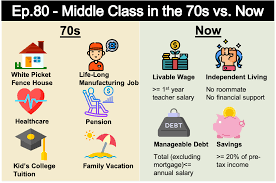
The “Middle Class” Defined?

By Staff Reporters

***

***

What’s shrinking in size, overworked and woefully underpaid?

Did you know that only half of U.S. adults live in a household with an annual income of $52,000 to $156,000, the range it takes to be considered middle income, according to the Pew Research Center. That share is significantly lower than it was in 1971, when 61% of the nation’s adults qualified as middle income.

In 2022 — an era of historic inflation and a manic economy in which jobs are plentiful but wages are stagnant — more Americans are living paycheck to paycheck. And it’s affecting more than just their income.

“People judge whether or not they’re achieving the American dream by comparing their income and their lifestyle, or what their income can buy, to what they see around them,” says Isabel Sawhill, a senior fellow at the Brookings Institution.

On paper, middle-class household income has increased considerably in the last 50 years. Measured in 2020 dollars, the median salary of the U.S. workforce is 50% higher now ($90,131) than it was in 1971 ($59,934), primarily thanks to women’s increased participation in the workforce, says Sawhill, who’s a co-author of the Brookings report “A New Contract with the Middle Class.”

Those gains, however, pale in comparison to the 69% growth enjoyed by the wealthiest households. Elisabeth Jacobs, a deputy director at the research nonprofit Urban Institute, said in a 2021 Brookings panel that if middle incomes had grown at the same pace as the top 20% of earners over the past 50 years, a solidly middle-class family would average around $139,000 annually (post-tax).

***

CITE: https://www.r2library.com/Resource/Title/082610254
***

COMMENTS APPRECIATED

Thank You

ORDER: https://www.amazon.com/Comprehensive-Financial-Planning-Strategies-Advisors/dp/1482240289/ref=sr_1_1?ie=UTF8&qid=1418580820&sr=8-1&keywords=david+marcinko

***

Over Heard in the DOCTOR’S LOUNGE

On “Hard Working” HMO Physicians

CMP logo

SPONSOR: http://www.CertifiedMedicalPlanner.org

***

By Dr. David E. Marcinko MBA CMP®

INVITE DR. MARCINKO: https://medicalexecutivepost.com/dr-david-marcinkos-

One of my favorite patients told me this anecdote as he recalled the story of the old man who spent a day watching his physician son treating HMO patients in the office. 

The doctor had been working at his usual feverish pace all morning, and although he was working hard, bitterly complained to his dad that he was not making as much money as he used to.

Finally, the old man interrupted him and said,

“Son, why don’t you just treat the sick patients?” 

The doctor-son looked annoyed at his father, and responded,

“Dad, can’t you see, I don’t have time to treat just the sick ones.”

***

COMMENTS ARE APPRECIATED.

***

FINANCE: https://www.amazon.com/Comprehensive-Financial-Planning-Strategies-Advisors/dp/1482240289/ref=sr_1_1?ie=UTF8&qid=1418580820&sr=8-1&keywords=david+marcinko

***

BUSINESS: https://www.amazon.com/Business-Medical-Practice-Transformational-Doctors/dp/0826105750/ref=sr_1_9?ie=UTF8&qid=1448163039&sr=8-9&keywords=david+marcinko

***

MIDDLE CLASS: Once-in-a-Generation Wealth Boom Ends?

By Staff Reporters

***

DEFINITION: The Pew Research Center defines the middle class as households that earn between two-thirds and double the median U.S. household income, which was $65,000 in 2021, according to the U.S. Census Bureau. 21 Using Pew’s yardstick, middle income is made up of people who make between $43,350 and $130,000.

CITE: https://www.r2library.com/Resource/Title/0826102549

***

***

The American middle class is facing the biggest hit to its wealth in a generation going into the midterm election, although it is also entering the vote richer than it has ever been thanks to a decade of cheap money and the wealth boom it fed.

That’s the conclusion of a Bloomberg News examination that paired new wealth data with an exclusive Harris Poll of attitudes of the 100 million adults who sit at the core of the US economy and its politics ahead of the election.

READ HERE: https://www.bloomberg.com/graphics/2022-us-midterms-middle-class-wealth/?leadSource=uverify%20wall

***

ORDER: https://www.routledge.com/Comprehensive-Financial-Planning-Strategies-for-Doctors-and-Advisors-Best/Marcinko-Hetico/p/book/9781482240283


***

COMMENTS APPRECIATED

Thank You

***

The CPI and Stock Markets

By Staff Reporters

***

***

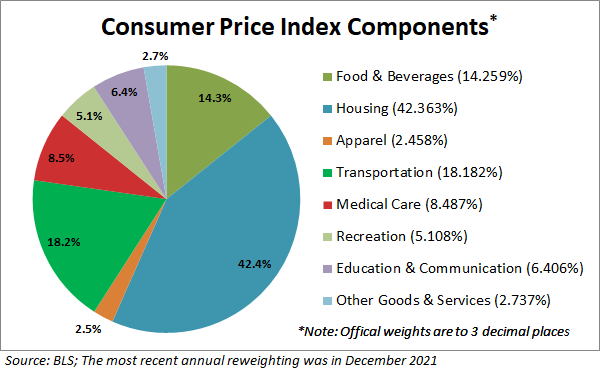
The consumer price index (CPI), the inflation report we dislike every month, dropped today and showed that price growth cooled off a bit in October (but is still far higher than where the FOMC wants it).

The Consumer Price Index (CPI) for October reflected a 7.7% increase over last year and 0.4% increase over the prior month, better than Wall Street expected. Economists surveyed by Bloomberg called for a 7.9% annual rise and 0.5% monthly gain.

The S&P 500 (^GSPC) rallied 5.5% — its biggest intraday gain since April 2020 — while the Dow Jones Industrial Average (^DJI) jumped 1,200 points, or 3.7%, the most since May 2020. The technology-heavy Nasdaq Composite (^IXIC) advanced a whopping 7.4%, its sharpest climb since emerging from the pandemic crash in March 2020. Meanwhile, Treasury yields tumbled following the report, with the benchmark 10-year note falling well below the 4% level.

Meanwhile, earnings season rolls on with reports from Disney, AMC, Palantir, Beyond Meat, and more.

***

ORDER: https://www.amazon.com/Comprehensive-Financial-Planning-Strategies-Advisors/dp/1482240289/ref=sr_1_1?ie=UTF8&qid=1418580820&sr=8-1&keywords=david+marcinko

***

COMMENTS APPRECIATED

Thank You

****

PODCAST: Inflation Impact on Healthcare

By Eric Bricker MD

***

***

CITE: https://www.r2library.com/Resource/Title/0826102549

COMMENTS APPRECIATED

Thank You

***

ELECTIONS: Money and Markets

Historical Review

By Staff Reporters

***

***

Now that the voting is behind us, it might be safe to start checking your portfolio. In recent history, stocks have only gone up after midterm elections:

  • In the year following every midterm election since 1950, the S&P 500 has risen—no matter which party won.
  • A divided government, which could happen if the GOP retakes at least the House, delivers the best market results: Data going back to 1932 shows average annual S&P returns of 13% when there’s a GOP-controlled Congress under a Democratic president, compared to 10% when Democrats have both, per RBC Capital Markets.

Why?

There’s some debate, but partisan gridlock can be advantageous for business because it minimizes the chance of major changes to taxes or other laws that impact companies. It also doesn’t hurt to have the uncertainty of the election in the rear-view mirror.

Right now however, investors are more focused on the FOMCs’ rate hikes in response to inflation. While politicians from both sides of the aisle have criticized Jerome Powell’s recent decisions, he’s unlikely to change course due to the election outcome. Plus, economists seem pretty convinced the US is headed toward a recession, regardless of who’s in control in Washington.

***
COMMENTS APPRECIATED

Thank You

***

***

ORDER: https://www.routledge.com/Comprehensive-Financial-Planning-Strategies-for-Doctors-and-Advisors-Best/Marcinko-Hetico/p/book/9781482240283

WEEKEND REVIEW: Stock Market Update and China COVID Policy

By Staff Reporters

***

***

  • Markets: Stocks closed their otherwise terrible week on a high note following another solid jobs report for October. The US economy added 261,000 jobs last month, more than expected, though the unemployment rate ticked up to 3.7%. The Fed wants to see the labor market loosen up before it’s willing to slow down its rate hikes.
  • Stock spotlight: Carvana, the online used car retailer that surged during the pandemic, suffered its worst day ever and closed near its all-time low. Carvana’s plunge of more than 95% this year makes it a prime example of Covid darlings that were caught flat-footed when the macroeconomic environment deteriorated and pandemic trends (like huge demand for used cars) snapped back to normal.
  • DraftKings stock had its worst day on record, down nearly 28%, after revealing a longer-than-expected path to profitability.

***

Is China going to loosen its Covid policies? Investors pounced on rumors this week that Beijing was thinking about relaxing its draconian Covid precautions, sending Hong Kong’s Hang Seng Index to its best week in a decade. Separately, Reuters obtained a recording of a former Chinese disease control official telling a conference that China would be making big changes to its “dynamic-zero” Covid policy.

***

ORDER: https://www.amazon.com/Dictionary-Health-Insurance-Managed-Care/dp/0826149944/ref=sr_1_4?ie=UTF8&s=books&qid=1275315485&sr=1-4

***

COMMENTS APPRECIATED

Thank You

***

CRYPTO.com and Celebrity Endorsements?

AFFINITY MARKETING!

Physicians and All Investors Beware!

By Staff Reporters

***

***

Celebrity Matt Damon’s infamous “fortune favors the brave” Crypto.com commercial premiered one year ago today, and its timing couldn’t have been worse. Had you been inspired to buy $1,000 worth of bitcoin on that day (the token was then worth $60,608, near its peak price) you would have just ~$340 now.

Fortune isn’t exactly what’s favored Crypto.com in the year since the ad debuted. The price of bitcoin has plunged ~70%, the company reportedly slashed about 40% of its workforce this summer, and the YouTube version of the Damon commercial has been set to private.

Today, the coin has been pretty stable since mid-June, 2022 and hovering at around $20,000.

***

COMMENTS APPRECIATED

Thank You

***

ORDER: https://www.routledge.com/Comprehensive-Financial-Planning-Strategies-for-Doctors-and-Advisors-Best/Marcinko-Hetico/p/book/9781482240283

ORDER: https://www.amazon.com/Dictionary-Health-Information-Technology-Security/dp/0826149952/ref=sr_1_5?ie=UTF8&s=books&qid=1254413315&sr=1-5

****

DAILY UPDATE: Are we living through Dot-com Bust 2.0?

By Staff Reporters

***

***

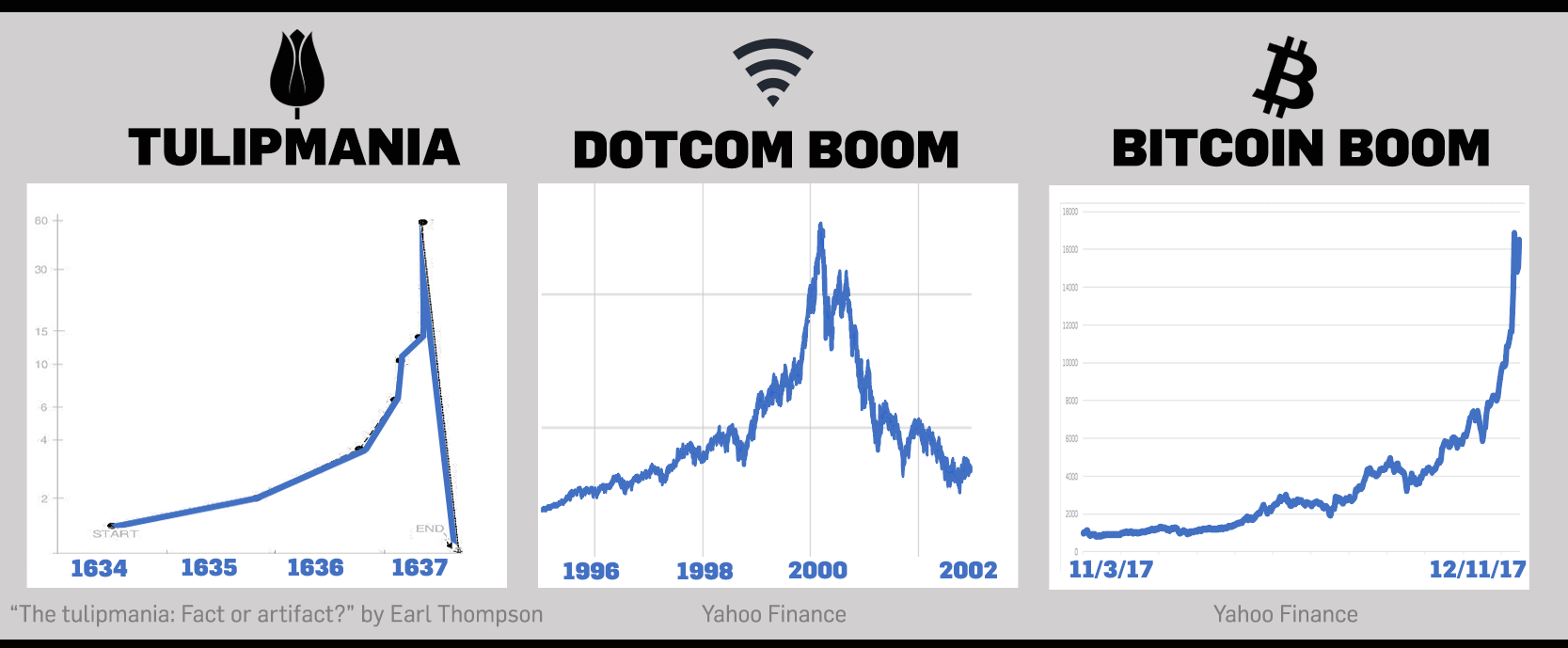
Also known as the internet bubble or the information technology bubble, the dotcom bubble was the unprecedented rise in equity valuations of internet-based tech companies during the bull market of the late 1990s.

Thanks mainly to speculation and substantial funding for these new internet start-ups, investments in dot-coms (named as such for the .com online top-level domain [TLD] used by such companies) boosted the NASDAQ Composite Index (COMP) from 751 in January 1995 to a peak of 5,048.62 on March 10, 2000. But the bubble eventually burst in March 2000, with many companies failing to even come close to fulfilling their promise. As such, the NASDAQ fell by more than 75 percent between March 2000 and October 2002, thus wiping out more than $5 trillion in market value.

***

  • Some financial and economic analysts are beginning to compare this year’s tech rout (which has cost the NASDAQ $8 trillion in value so far) with the bursting of the dot-com bubble in 2000–2002, when the NASDAQ lost the equivalent of $8.6 trillion in today’s dollars. The industrial-focused Dow, on the other hand, is on track for its best October in history.
  • The FOMC is likely a lock to hike interest rates by a large75 basis points on Wednesday for the fourth straight meeting. Evidence that its inflation-fighting campaign is working could come on Friday, with the October jobs report.

***

COMMENTS APPRECIATED

Thank You

***

FINANCE: https://www.routledge.com/Comprehensive-Financial-Planning-Strategies-for-Doctors-and-Advisors-Best/Marcinko-Hetico/p/book/9781482240283

BUSINESS MEDICINE: https://www.routledge.com/Comprehensive-Financial-Planning-Strategies-for-Doctors-and-Advisors-Best/Marcinko-Hetico/p/book/9781482240283

****

HALLOWEEN: Stock Index Indicator?

SELL IN MAY – AND GO AWAY

By Staff Reporters

***

***

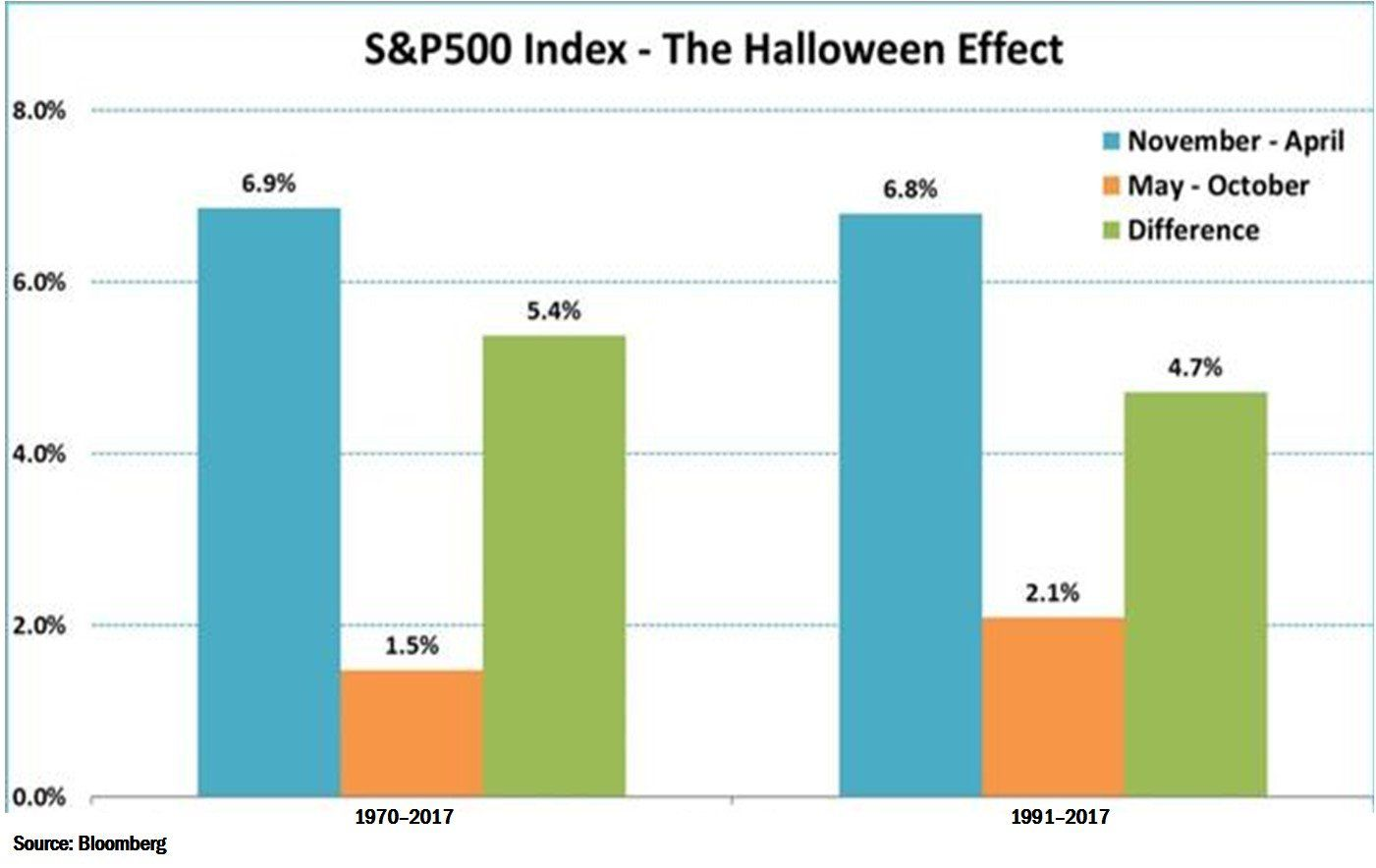
Essentially, the HALLOWEEN INDICATOR is a market-timing strategy. It argues that, by buying into the stock market after Halloween and selling at the end of April, investors would generate a better annual return on their portfolio than if they had remained invested throughout the year. Sell in May and go away is an investment strategy for stocks based on a theory that the period from November to April inclusive has significantly stronger stock market growth on average than the other months

The practice of abandoning stocks beginning in May of each year is widely thought to have its origins in the United Kingdom. The privileged class would leave London and head to their country estates for the summer months, where they would largely ignore their investment portfolios. To this day, many stock market watchers have postulated that the corresponding impact of summer vacations on market liquidity and investors’ risk aversion is at least partly responsible for the difference in seasonal returns.

In what is considered to be a seminal piece of research on the subject, “The Halloween Indicator, ‘Sell in May and Go Away’: Another Puzzle,” authors Sven Bouman and Ben Jacobsen were among the first to document a strong seasonal effect in global stock markets. In 36 of the 37 developed and emerging markets they studied between 1973 and 1998, the authors found returns in the November through April period to be, on average, significantly higher than those in the May through October period, even after taking transaction costs into account. What puzzled the authors was the fact that, while the anomaly was widely known and seemed to offer considerable economic rewards, it had not been arbitraged away.

More recently, Jacobsen partnered with Cherry Zhang on a follow up study, titled, “The Halloween Indicator: Everywhere and All the Time,” and extended the research to 108 stock markets using all historical data available. The result was a sample of 55,425 monthly observations (including more than 300 years of UK data), which helped to rebut any criticisms of data mining and sample selection bias. The results were compelling, as the November through April “winter” period delivered returns that were, on average, 4.52% higher than the “summer” returns. The Halloween effect was evident in 81 out of 108 countries. The size of the Halloween effect varied across geographies. It was found to be stronger in developed and emerging markets than in frontier markets.

***

MORE: https://medicalexecutivepost.com/2021/10/30/the-halloween-index-investment-strategy/

COMMENTS APPRECIATED

Thank You

***

***

ORDER https://www.routledge.com/Comprehensive-Financial-Planning-Strategies-for-Doctors-and-Advisors-Best/Marcinko-Hetico/p/book/9781482240283

***

October is “Financial Planning” Month [Especially for Medical Professionals]

By Staff Reporters

SPONSOR: http://www.CertifiedMedicalPlanner.org

***

***

U.S. Financial Planning Month is observed nationwide during October.

With the holiday season coming up (aka hefty gifting expenses) and the new year just around the corner, Financial Planning Month is a great opportunity to get your finances and budgets in order before life gets too busy.

CALL US TODAY TO GET STARTED: https://medicalexecutivepost.com/coach/

CALL FOR A SECOND OPINION: https://medicalexecutivepost.com/schedule-a-consultation/

***

***

FINANCE: https://www.routledge.com/Comprehensive-Financial-Planning-Strategies-for-Doctors-and-Advisors-Best/Marcinko-Hetico/p/book/9781482240283

***

COMMENTS APPRECIATED

Thank You

***

BIG TECH STOCKS: Down … Down … Down!

By Staff Reporters

***

***

Plunging tech stocks are dragging the markets down and snapping a brief winning streak. Up next for the economy: The third-quarter GDP report.

America’s internet giants are slumping hard in this era of higher interest rates, lower advertising budgets, and widespread economic uncertainty

For example, Meta recently became the latest Big Tech company to post rough financial results for the prior quarter. It recorded its second straight quarter of declining revenue and provided a gloomy outlook for Q4. Perhaps Meta shouldn’t even be considered “Big Tech” anymore. Since its share price peaked in September 2021, the company lost nearly two-thirds of its value…before diving another ~20% in after-hours trading yesterday.

What went wrong? Younger people are fleeing Facebook, and investors aren’t confident CEO Mark Zuckerberg can reinvent the company as a metaverse platform. “Meta has drifted into the land of excess—too many people, too many ideas, too little urgency,” a prominent shareholder wrote this week in a scathing letter. Meta’s metaverse unit, Reality Labs, has lost $9.4 billion so far this year.

While Meta may be the poster child for Big Tech’s struggles, it’s not the only company that needs a checkup

  • Google parent Alphabet posted its slowest revenue growth since 2013 (outside of one early pandemic quarter), and YouTube ad sales actually fell in Q3. It’s “a tough time in the ad market,” CEO Sundar Pichai acknowledged. Alphabet shares had their worst day since March 2020.
  • And Microsoft also had its worst day since March 2020 after giving a disappointing forecast. Its push to dominate the metaverse is also faltering, per the WSJ.

Big view

Tech giants scored record profits during COVID, when interest rates were near zero, stimulus checks were flowing, and everyone was stuck inside with only the internet to entertain themselves. No anymore!

***

ORDER: https://www.amazon.com/Dictionary-Health-Information-Technology-Security/dp/0826149952/ref=sr_1_5?ie=UTF8&s=books&qid=1254413315&sr=1-5

***

COMMENTS APPRECIATED

Thank You

***

What is CHROMETOPHOBIA?

***

A great question to ponder during National Financial Planning Month!

About the “FEAR OF MONEY”

By Charles Patrick Davis, MD, PhD

Fear of money: An abnormal and persistent fear of money. Sufferers experience undue anxiety even though they realize their fear is irrational. They worry that they might mismanage money or that money might live up to its reputation as “the root of all evil.” Perhaps they remember well the ill fortune that befell the mythical King Midas. His wish that everything he touched be turned to gold was fulfilled, and even his food was transformed into gold.

The fear of money is termed chrometophobia or chrematophobia, from the Greek “chrimata” (money) and “phobos” (fear). The “chrome” in “chrometophobia” may also be related to the Greek word “chroma” (color) because of the brilliant colors of ancient coins — for example, gold, silver, bronze and copper.

CITE: https://www.r2library.com/Resource/Title/0826102549

YOUR COMMENTS ARE APPRECIATED.

Thank You

****

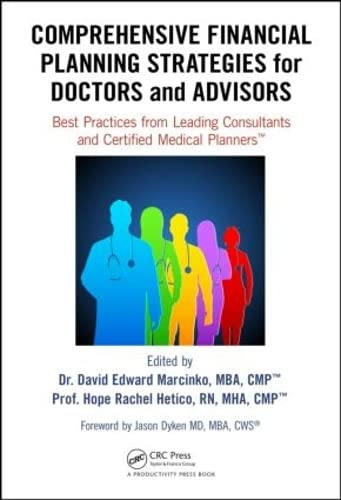
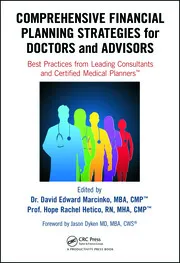
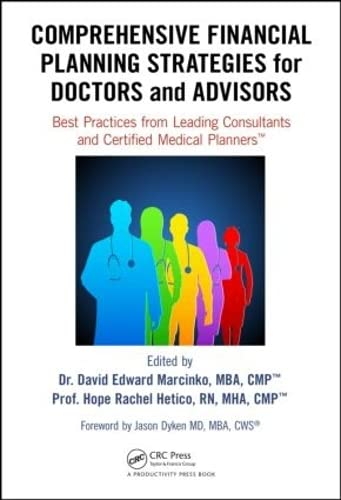
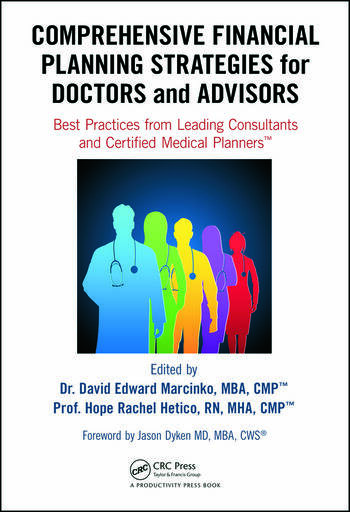
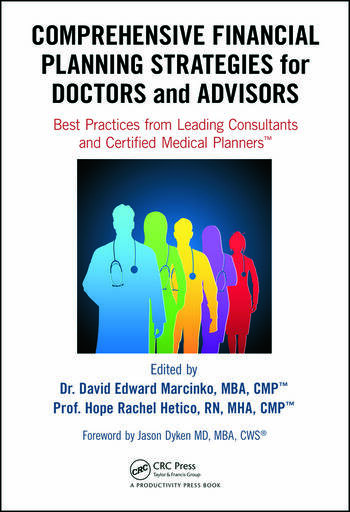
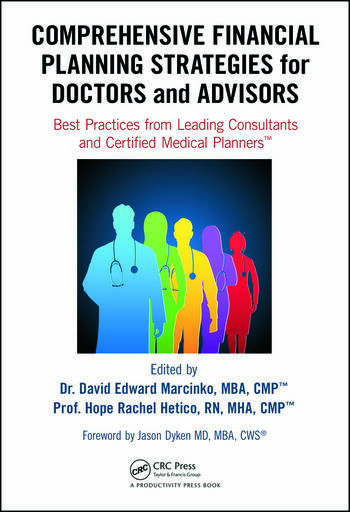
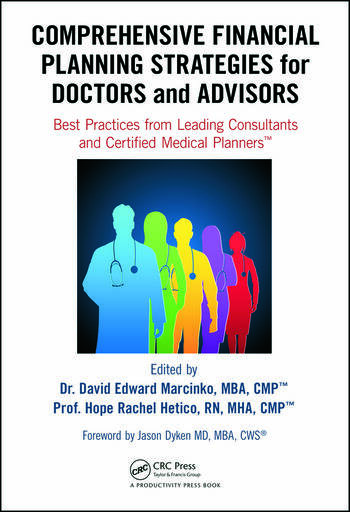
Comprehensive Financial Planning Strategies for Doctors and Advisors: Best Practices from Leading Consultants and Certified Medical Planners™

FINANCIAL PLANNING: https://www.routledge.com/Comprehensive-Financial-Planning-Strategies-for-Doctors-and-Advisors-Best/Marcinko-Hetico/p/book/9781482240283

***

Risk Management, Liability Insurance, and Asset Protection Strategies for Doctors and Advisors : Best Practices from Leading Consultants and Certified Medical Planners™ book cover

RISK MANAGEMENT: https://www.routledge.com/Risk-Management-Liability-Insurance-and-Asset-Protection-Strategies-for/Marcinko-Hetico/p/book/9781498725989

***

PHYSICIAN FINANCIAL ADVISORS: https://medicalexecutivepost.com/2021/10/11/

***

SAVINGS: Rates Plummet!

By Staff Reporters

***

***

The personal savings of Americans have plunged this year, hitting $629 billion in the second quarter of 2022, according to the Federal Reserve Bank of St. Louis. That’s down from $1.98 trillion in the second quarter of 2021, and $4.85 trillion in the second quarter of 2020, boosted by COVID-related government cash. But it’s also down from $1.41 trillion in the second quarter of 2019, before the pandemic.

In fact, the personal saving rate — meaning personal saving as a percentage of disposable income, or the share of income left after paying taxes and spending money — fell to 3.5% in August, according to the Bureau of Economic Analysis. It’s quite a U-turn: The personal saving rate recently peaked at 26.3% in March 2021 and 33.8% in April 2020. But the drop in the personal saving rate isn’t all pandemic-related: In January 2020, before the coronavirus pandemic, it was 9.1%.

But, what about doctors and other medical professionals?

***

ORDER: https://www.routledge.com/Comprehensive-Financial-Planning-Strategies-for-Doctors-and-Advisors-Best/Marcinko-Hetico/p/book/9781482240283

***

COMMENTS APPRECIATED

Thank You

***

FLASH ALERT: “Alphabet” Stock Shares!

By Staff Reporters

***

***

  • Stocks are hot and posted their third straight day of gains on hope that the FOMC might end its rate hikes at some point in the future. But that streak could end today.
  • Alphabet shares took a tumble in late trading after the company revealed its fifth consecutive quarter of slower revenue growth. Cracks are emerging in some of its core properties: Google search and YouTube. YouTube revenue declined for the first time since Google started reporting the division’s earnings separately.
  • Alphabet’s total quarterly revenue growth drastically declined from 41% to 6%.
  • The growth rate of Microsoft’s search and news advertising business has been shrinking each quarter of the past year, coinciding with the general downward trajectory of the entire online advertising market.

***

INVEST: https://www.routledge.com/Comprehensive-Financial-Planning-Strategies-for-Doctors-and-Advisors-Best/Marcinko-Hetico/p/book/9781482240283

COMMENTS APPRECIATED

Thank You

***

What is a JUMBO Home Loan Mortgage?

By Staff Reporters

***

***

What Is a Jumbo Loan?

A jumbo loan, also known as a jumbo mortgage, is a type of financing that exceeds the limits set by the Federal Housing Finance Agency (FHFA). Unlike conventional mortgages, a jumbo loan is not eligible to be purchased, guaranteed, or securitized by Fannie Mae or Freddie Mac. Designed to finance luxury properties and homes in highly competitive local real estate markets, jumbo mortgages come with unique underwriting requirements and tax implications. These kinds of mortgages have gained traction as the housing market continues to recover following the Great Recession.

The value of a jumbo mortgage varies by state—and even county. The FHFA sets the conforming loan limit size for different areas on an annual basis. The limit for 2022 was set at $647,200 for most of the country. This was an increase of $98,950 from the 2021 limit of $548,250. For counties that have higher home values, the baseline limit is set at $970,800, or 150% of $647,200.1

The FHFA has a different set of provisions for areas outside of the continental United States for loan limit calculations. As a result, the baseline limit for a jumbo loan in Alaska, Guam, Hawaii, and the U.S. Virgin Islands as of 2022 is also $970,800. That amount may actually be even higher in counties that have higher home values.

***

***

FINANCE: https://www.routledge.com/Comprehensive-Financial-Planning-Strategies-for-Doctors-and-Advisors-Best/Marcinko-Hetico/p/book/9781482240283

***

COMMENTS APPRECIATED

Thank You

***

Obtain an ME-P Second Opinion Right Here!

 2nd Opinions

Join Our Mailing List

iMBA, Inc., Consultations and Discussion Board

stk312038rkn

ImageProxy

Finally … it’s right here!

Link: http://www.medicalbusinessadvisors.com/forum-discussion.asp

Telephonic or electronic advice for medical professionals that is:

  • Objective, affordable, medically focused and personalized
  • Rendered by a prescreened financial consultant or medical management advisor
  • Offered on a pay-as-you-go basis, by phone or secure e-mail transmission.

2nd Opinions

***

***

Typical Topics 

  • Financial Planning
  • Retirement Planning
  • Overhead Assessments
  • Income Distribution Models
  • Academic Funding Analyses
  • Insurance Planning
  • Risk Management
  • Practice Assessments
  • New Venture Business Plans
  • Hospital Based Contract Assessments
  • Practice Income Turnarounds
  • Estate Planning
  • Portfolio Analysis
  • Compensation Plans
  • Cost Accounting Implementation
  • Contract Subsidy Analyses
  • Practice Buy Sell Valuations
  • Investment Policy Statement Analysis
  • Interim Management
  • Contract Compliance Models
  • New Physician Projections
  • Productivity Measurements
  • Revenue Cycle Gap Analyses
  • Payer Rate Evaluations
  • Revenue Cycle Improvements
  • Compensation Benchmarking
  • Strategic Planning Models
  • HIT System Evaluations
  • Staffing Analyses
  • P4P – ACOs – Concierge Medicine
  • Annual Budget Development
  • Ancillary Service Modeling
  • New Practice Development
  • Medical Service Line Extensions
  • Markets, Sales and Advertising
  • Health PR and Medical Practice Crisis Management
  • Investment Management-product evaluation/selection/competitive analysis
    -investment research
    -asset allocation and risk management* Research (products, pensions, planning, risk)
    * Financial Planning (IPS process, solutions, segmentation)
    * New Product Development (pension, longevity insurance, risk management)
    * Management Consulting (effectiveness/efficiency assessment of the investment management process)* Advocacy (regulatory, pensions, new products)
    * Financial Education/Coaching (corporate, groups)

***

[PHYSICIAN FOCUSED FINANCIAL PLANNING AND RISK MANAGEMENT COMPANION TEXTBOOK SET]

  Risk Management, Liability Insurance, and Asset Protection Strategies for Doctors and Advisors: Best Practices from Leading Consultants and Certified Medical Planners™Comprehensive Financial Planning Strategies for Doctors and Advisors: Best Practices from Leading Consultants and Certified Medical Planners™

***

[HOSPITAL OPERATIONS, ORGANIZATIONAL BEHAVIOR AND FINANCIAL MANAGEMENT COMPANION TEXTBOOK SET]

Product DetailsProduct Details

[Foreword Dr. Phillips MD JD MBA LLM] *** [Foreword Dr. Nash MD MBA FACP]

***

[PRIVATE MEDICAL PRACTICE BUSINESS MANAGEMENT TEXTBOOK – 3rd.  Edition]

Product Details

[Foreword Dr. Hashem MD PhD] *** [Foreword Dr. Silva MD MBA]

***

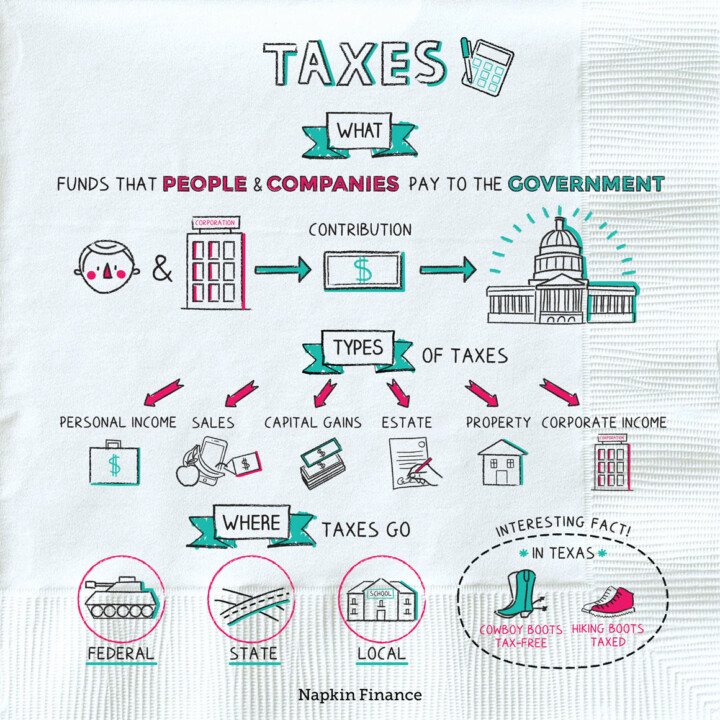
IRS: New Taxation Rates and Brackets for 2023

By Staff Reporters

***

***

The IRS just released inflation-adjusted marginal rates and brackets for 2023 on Tuesday, and many workers will see higher take-home pay in the new year as less tax is withheld from their paychecks.

Additionally, the agency released the standard deduction for next year. It is increasing by $900 to $13,850 for single taxpayers, and by $1,800 for married couples, to $27,700. For heads of household, the 2023 standard deduction will be $20,800. That’s an increase of $1,400.

Here are the marginal rates for for tax year 2023, depending on your tax status.

Single filers

  • 10%: income of $11,000 or less
  • 12%: income between $11,000 to $44,725
  • 22%: income between $44,725 to $95,375
  • 24%: income between $95,375 to $182,100
  • 32%: income between $182,100 to $231,250
  • 35% income between $231,250 to $578,125
  • 37%: income greater than $578,125

Married filing jointly

  • 10%: income of $22,000 or less
  • 12%: income between $22,000 to $89,450
  • 22%: income between $89,450 to $190,750
  • 24%: income between $190,750 to $364,200
  • 32%: income between $364,200 to $462,500
  • 35% income between $462,500 to $693,750
  • 37%: income greater than $693,750

Additionally, the maximum Earned Income Tax Credit for 2023 is $7,430 for those who have three or more qualifying children. The maximum contribution to a healthcare flexible spending account is also increasing, from $2,850 to $3,050.

Wealthy Americans will also be able to exclude significantly more assets from the estate tax in 2023. Individuals will be able to transfer up to $12.92 million tax-free to their descendants, up from just over $12 million in 2022. A married couple can pass on double that. And the annual exclusion for gifts increases to $17,000.

***
COMMENTS APPRECIATED

Thank You

***

INVESTING: https://www.routledge.com/Comprehensive-Financial-Planning-Strategies-for-Doctors-and-Advisors-Best/Marcinko-Hetico/p/book/9781482240283

***

***

BANKS: Goldman Sachs Overhaul

By Staff Reporters

***

***

Goldman Sachs is planning a major overhaul that would combine its investment banking and trading businesses into one unit and its asset and wealth management branches into another.

***

Bank Types: https://medicalexecutivepost.com/2022/10/14/the-three-various-types-of-banks/

FINANCE: https://www.routledge.com/Comprehensive-Financial-Planning-Strategies-for-Doctors-and-Advisors-Best/Marcinko-Hetico/p/book/9781482240283

***

COMMENTS APPRECIATED

Thank You

***

More on “income inequality” and financial planning

“The rich get richer and the poor get poorer”

By Rick Kahler CFP®

One of the pillars of my profession of financial planning and counseling is to help people get richer. For many people, this statement might evoke the idea of “income inequality” as summed up by the phrase “the rich get richer and the poor get poorer.” This is a common money script around a topic that evokes a lot of difficult emotion.

Of course, there are people who have wealth that tends to increase over time. This includes some who inherit vast wealth and others who achieve wealth through business ownership or creative successes. It also includes those who live on less than they make, invest the difference, and make sound investment decisions with the money they have saved.

Goals of financial planning

Regardless of the economic class people start out in, one of the goals of financial planning is to help them expand their lifestyles—in in other words, to get richer. We help them build wealth so they can afford to send their children to college, or can take care of themselves in old age, or can someday not have to work for an income. We help the poor to become middle class, the middle class to become affluent, the affluent to become rich, and the rich to become richer.

When I frame “the rich getting richer” in that manner, people typically respond, “I never thought of it that way.” It contradicts the popular interpretation that the way the rich get richer is by taking from the poor, hence “the poor get poorer.”

Certainly it’s true that some rich people and companies do exploit the poor or try to influence legislation in their own interests. The artificially high prices they charge can be one factor in causing the poor to get poorer. Examples of this might include the secondary educational system as well as industries where excessive regulations limit competition.

***

https://www.amazon.com/Comprehensive-Financial-Planning-Strategies-Advisors/dp/1482240289/ref=sr_1_1?ie=UTF8&qid=1418580820&sr=8-1&keywords=david+marcinko

***

Reasons

However, just as most of the rich don’t get richer by exploiting the poor, most of the poor don’t get poorer by being exploited by the rich. Some get poorer because they lack education or don’t know how to access help. Some get poorer by events out of their control, such as job layoffs, serious illnesses, or cultural, racial, or sexual discrimination. There are many reasons.

Some get poorer through choosing careers with little future, not taking care of their health, or making poor money decisions such as financially enabling children. Others are caught up in destructive behaviors like addictions or compulsive gambling. A few even choose poverty for religious or philosophical reasons.

Complex

As with many things, income inequality is complex.

For example, some people choose to take large risks that could result in their becoming very rich or very poor.

Others choose the security of a steady paycheck. There could ultimately be a huge wealth gap between the entrepreneur who hits it big and the more conservative person who wants to play it safe. Does that mean the gap is inherently bad, or that the risk-taker doesn’t deserve the rewards of success?

Certainly, the risk-taker could have ended up far worse than the person who played it safe. Does that make one right and the other wrong? I don’t believe so.

Assessment

Just as with other money scripts, “the rich get richer and the poor get poorer” is true in some circumstances. At other times, the truth can be that “the rich get poorer and the poor get richer.” It can also be true (think of the 2008 economic crash) that “the rich get poorer and the poor get poorer.” And the final truth—one that financial planners work toward—is to help “the rich get richer and the poor get richer.”

Conclusion

Your thoughts and comments on this ME-P are appreciated. Feel free to review our top-left column, and top-right sidebar materials, links, urls and related websites, too. Then, subscribe to the ME-P. It is fast, free and secure.

Speaker: If you need a moderator or speaker for an upcoming event, Dr. David E. Marcinko; MBA – Publisher-in-Chief of the Medical Executive-Post – is available for seminar or speaking engagements.

Book Marcinko: https://medicalexecutivepost.com/dr-david-marcinkos-bookings/
Subscribe: MEDICAL EXECUTIVE POST for curated news, essays, opinions and analysis from the public health, economics, finance, marketing, IT, business and policy management ecosystem.

***

Ask About Our Medical Science Liaison Services

Dear Pharmaceutical Company, Financial Services Firm or Corporate Medical Vendor

We often serve as Medical Science Liaison [MSL] for pharmaceutical companies, at medical seminars and/or financial services organization meetings. Based on our education, experience and skills, we are confident that we would be a great addition to your team.

My Record

For example, I have a proven record in collaborative leadership with functional healthcare executive management experience to develop and implement coordinated strategies designed to deliver top line growth; drive organizational change and enhance competitive positioning within multiple key markets; enhance relationships and influence physicians; analyze financial, economics, operational and quality measures and ensure health practices are operating within goals and standards.

In this role, I can identify external experts (KOLs), and engage, enhance, and build relationships by listening and understanding the views of these experts.

An Independent Conduit Link

More importantly, I can bring value to external experts through excellent communication of scientific dialogue.  I see this position as a non-promotional conduit link between you and this community. It is one where I fuse scientific knowledge with business acumen to accelerate commercialization success. As a fully independent MSL, I can:

  • Serve as MC, key or end-note speaker
  • Integrate quickly within any existing internal MSL structure or culture
  • Train, develop and team build career path management processes
  • Offer modern and flexible health 2.0 solutions.

CV and Related Information

And, a formal CV with evidence of national notoriety and gravitas is available with related information online:

CV: Dr. David E. Marcinko CV 2017

Letterhead: Corporate Medical Science Liaison Opportunities

Informative Websites:

Travel is non-problematic from Atlanta. Teaching, speaking, writing and mentoring are areas of expertise.  Thank you in advance for your time. Please do not hesitate to contact me if you have any questions.

Cordially,

Dave

Dr. David Edward Marcinko; FACFAS, MBA, CMP™

  • Forner, Certified Financial Planner™
  • Former, Certified Physician in Healthcare Quality
  • Former, American Society of Health Economists (ASHE) member
  • Former, American Health Information Management Association (AHIMA) member
  • Former, Healthcare Information and Management Systems Society (HIMSS) member

Product DetailsProduct DetailsProduct Details

Product Details  Product Details

Product Details

AT YOUR SERVICE: Invite Dr. Marcinko to Your Next Event, Video Conference or Blog-Cast in 2022

***

ABOUT | DAVID EDWARD MARCINKO

BY ANN MILLER RN CPHQ

https://medicalexecutivepost.com/2021/08/22/dr-marcinko-at-your-service/

THANK YOU

***

Comprehensive Financial Planning Strategies for Doctors and Advisors: Best Practices from Leading Consultants and Certified Medical Planners™

MORE: https://www.routledge.com/Comprehensive-Financial-Planning-Strategies-for-Doctors-and-Advisors-Best/Marcinko-Hetico/p/book/9781482240283

The Three [3] Types of Banks

Join Our Mailing List Understanding Differences

[By Dr. David Edward Marcinko MBA CMP™]

SPONSOR: http://www.CertifiedMedicalPlanner.org

CMP logo

***

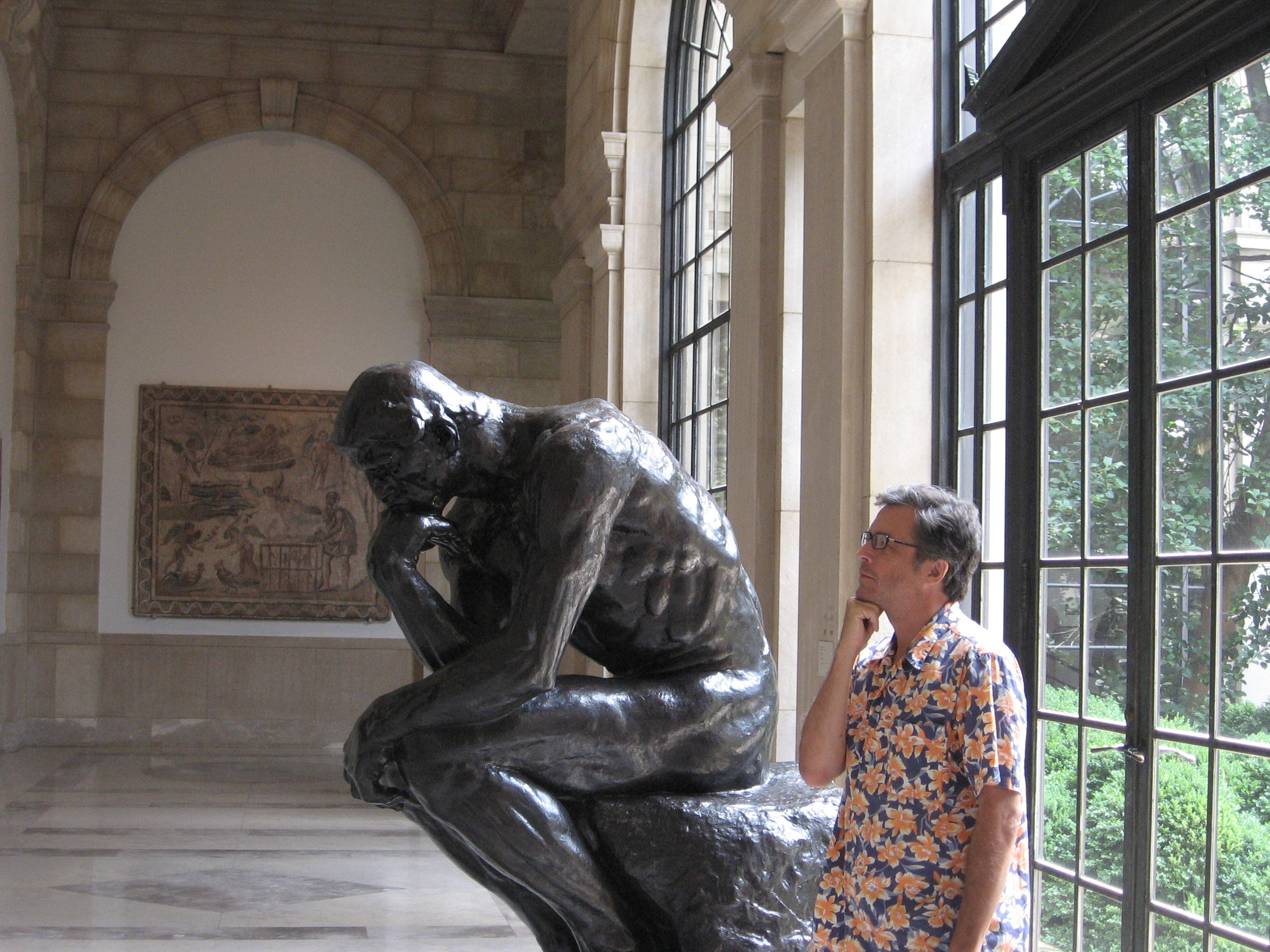
dem-thinkingThere are several different kinds of banks.

A general understanding of these types is suggested for any medical professional prior to launching a self-directed [ME, Inc], or even a guided investment strategy or wealth building portfolio effort with a financial advisor [FA], stock broker or wealth manager, etc.

This banking information is usually not included in any text on financial planning, or related, until now.

CITE: https://www.r2library.com/Resource/Title/082610254

Definition of Retail Bank

A retail bank is a typical small mass-market financial institution in which individual customers use local branches; usually of larger commercial banks. Services offered include savings and checking accounts, mortgages, personal loans, debit/credit cards and certificates of deposit (CDs).

Definition of Commercial Bank

A financial institution that provides services, such as accepting deposits, giving business loans and auto loans, mortgage lending, and basic investment products like savings accounts and certificates of deposit. The traditional commercial bank is a brick and mortar institution with tellers, safe deposit boxes, vaults and ATMs.

However, some commercial banks do not have any physical branches and require consumers to complete all transactions by phone or Internet. In exchange, they generally pay higher interest rates on investments and deposits, and charge lower fees.

Definition of Investment Bank

Investment banking activities are different than those of retail and commercial banking and include underwriting securities, acting as an intermediary between an issuer of securities and the investing public, facilitating mergers and other corporate reorganizations, and also acting as a broker for institutional clients.

***

Bankers

***

Assessment

This brief review provides a retrospective on implications for modernity.

More:

Conclusion

Your thoughts and comments on this ME-P are appreciated. Feel free to review our top-left column, and top-right sidebar materials, links, URLs and related websites, too. Then, subscribe to the ME-P. It is fast, free and secure.

Speaker: If you need a moderator or speaker for an upcoming event, Dr. David E. Marcinko; MBA – Publisher-in-Chief of the Medical Executive-Post – is available for seminar or speaking engagements. Contact: MarcinkoAdvisors@msn.com

OUR OTHER PRINT BOOKS AND RELATED INFORMATION SOURCES:

***

Dr. Dave Marcinko at YOUR Service in 2022

Join Our Mailing List

Book Marcinko for your Next Financial Planning Seminar, Meeting or Medical Business Event 

By Ann Miller RN MHA

Professor and physician executive David Edward Marcinko MBBS DPM MBA MEd BSc CMP® is originally from Loyola University MD, Temple University in Philadelphia and the Milton S. Hershey Medical Center in PA; Oglethorpe University, and Atlanta Hospital & Medical Center in GA; and the Aachen City University Hospital, Koln-Germany. He is one of the most innovative global thought leaders in health care business and entrepreneurship today.

Dr. Marcinko is a multi-degreed educator, board certified physician, surgical fellow, hospital medical staff President, Chief Education Officer and philanthropist with more than 400 published papers; 5,150 op-ed pieces and over 125+ international presentations to his credit; including the top 10 biggest pharmaceutical companies and financial services firms in the nation. He is also a best-selling Amazon author with 30 published text books in four languages [National Institute of Health, Library of Congress and Library of Medicine].

Dr. Marcinko is past Editor-in-Chief of the prestigious “Journal of Health Care Finance”, and a former Certified Financial Planner®, who was named “Health Economist of the Year” in 2001. He is a Federal and State court approved expert witness featured in hundreds of peer reviewed medical, business, management and trade publications [AMA, ADA, APMA, AAOS, Physicians Practice, Investment Advisor, Physician’s Money Digest and MD News].

As a licensed insurance agent, RIA and SEC registered endowment fund manager, Dr. Marcinko is Founding Dean of the fiduciary focused CERTIFIED MEDICAL PLANNER® chartered designation education program; as well as Chief Editor of the HEALTH DICTIONARY SERIES® Wiki Project. His professional memberships include: ASHE, AHIMA, ACHE, ACME, ACPE, MGMA, FMMA and HIMSS.

Dr. Marcinko is a MSFT Beta tester, Google Scholar, “H” Index favorite and one of LinkedIn’s “Top Cited Voices”.

Book Marcinko

David Edward Marcinko (2)

Join Our Mailing List

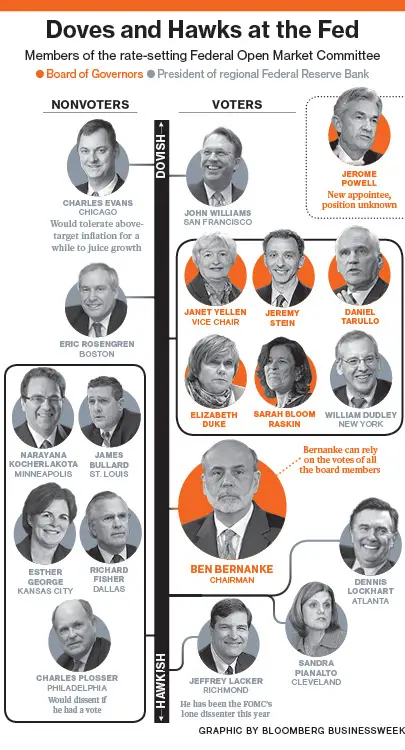
NOBEL PRIZE ECONOMICS: Former FOMC Chair Ben Bernanke

By Staff Reporters

***

***

STOCKHOLM (AP) — Former U.S. Federal Reserve Chair Ben Bernanke, who put his academic expertise on the Great Depression to work reviving the American economy after the 2007-2008 financial crisis, won the Nobel Prize in economic sciences along with two other U.S.-based economists for their research into bank failures.

***

COMMENTS APPRECIATED

Thank You

FINANCE: https://www.routledge.com/Comprehensive-Financial-Planning-Strategies-for-Doctors-and-Advisors-Best/Marcinko-Hetico/p/book/9781482240283

***

What is a Non-Fungible Token [NFT]?

About NFTs

[By staff reporters]

CMP logo

Sponsored: http://www.CertifiedMedicalPlanner.org

According to Wikipedia, a non-fungible token (NFT) (previously referred to as Bitcoin 2.0) is a unit of data stored on a digital ledger, called a blockchain, that certifies a digital asset to be unique and therefore not interchangeable. NFTs can be used to represent items such as photos, videos, audio, and other types of digital files. Access to any copy of the original file, however, is not restricted to the buyer of the NFT. While copies of these digital items are available for anyone to obtain, NFTs are tracked on blockchains to provide the owner with a proof of ownership that is separate from copyright.

In 2021, there has been increased interest in using NFTs. Blockchains like Ethereum, Flow, and Tezos have their own standards when it comes to supporting NFTs, but each works to ensure that the digital item represented is authentically one-of-a-kind. NFTs are now being used to commodify digital assets in art, music, sports, and other popular entertainment. Most NFTs are part of the Ethereum blockchain; however, other blockchains can implement their own versions of NFTs.

Crypto Currency Basics: https://medicalexecutivepost.com/2014/01/23/understanding-currencies-bitcoins/

https://medicalexecutivepost.com/2017/06/28/the-crypto-future-through-bitcoin-ethereum-ripple-xrp-and-iota/

Carbon Footprint!

See the source image

CARBON

The NFT market value tripled in 2020, reaching more than $250 million. The rise of NFT transactions has also led to increased environmental criticism. The computation-heavy processes associated with proof-of-work blockchains, the type primarily used for NFTs, require high energy inputs that are contributing to global warming. The carbon emissions produced by the energy needed to maintain these blockchains has forced some in the NFT market to rethink their carbon footprint.

Your thoughts are appreciated.

BITCOIN: https://medicalexecutivepost.com/2014/01/23/understanding-currencies-bitcoins/

Comprehensive Financial Planning Strategies for Doctors and Advisors: Best Practices from Leading Consultants and Certified Medical Planners™

ORDER Textbook: https://www.amazon.com/Comprehensive-Financial-Planning-Strategies-Advisors/dp/1482240289/ref=sr_1_1?ie=UTF8&qid=1418580820&sr=8-1&keywords=david+marcinko

Comments Appreciated

THANK YOU

***

SPEAKS: Mohamed El-Erian

By Staff Reporters

***

***

Mohamed El-Erian, Allianz’s chief economic advisor just opined that the U.S. is heading toward a recession that was “totally avoidable” amid ongoing concerns about inflation and economic stability. 

“I fear that we risk a very high probability of a damaging recession that was totally avoidable,” El-Erian told CBS’ “Face the Nation,” arguing that the Federal Reserve has made mistakes that will “go down in the history books.” 

“One is mis-characterizing inflation as transitory. By that, they meant it is temporary, it’s reversible, don’t worry about it. That was mistake number one. And then mistake number two, when they finally recognized that inflation was persistent and high. They didn’t act. They didn’t act in a meaningful way,” El-Erian said.  

***

COMMENTS APPRECIATED

FINANCE: https://www.routledge.com/Comprehensive-Financial-Planning-Strategies-for-Doctors-and-Advisors-Best/Marcinko-Hetico/p/book/9781482240283

Thank You

***

Inflation, Earnings Season the WB & IMF

By Staff Reporters

***

***

Inflation data incoming. Thursday’s consumer price index release will show how much we got clobbered by inflation in September. Last month, inflation came in hotter than expected, leading to a market rout. Economists hope to see some cooling in “core CPI,” which strips out food and gas prices, this time around.

CITE: https://medicalexecutivepost.com/2022/09/14/inflation-cpi-and-the-ppi/

Earnings season is back. A stock market that’s already on edge could get another jolt of volatility this week as corporations begin to report their Q3 earnings, starting with PepsiCo on Wednesday. These reports will reveal how companies are coping with the Fed’s interest rate hikes.

The World Bank and the International Monetary Fund will hold their annual meetings in Washington, DC, this week amid great macroeconomic uncertainty.

***

COMMENTS APPRECIATED

Thank You

***

FINANCE: https://www.routledge.com/Comprehensive-Financial-Planning-Strategies-for-Doctors-and-Advisors-Best/Marcinko-Hetico/p/book/9781482240283

***

“Best” Physician Focused Financial Planning and Medical Practice Management Books for 2022

[Doctor-Advisor]

CAREER DEVELOPMENT

Buy from Amazon

Learn How to Profit and Thrive in the PP-ACA Era

BOOK FOREWORD / TESTIMONIAL

Best Sellers

Product Details

Product DetailsProduct Details

Product DetailsProduct DetailsProduct Details

###

Comprehensive Financial Planning Strategies for Doctors and Advisors: Best Practices from Leading Consultants and Certified Medical Planners(TM)

Comprehensive Financial Planning Strategies for Doctors and Advisors: Best Practices from Leading Consultants

***

site

***

Careers and Net Worth

Join Our Mailing List 

Your Career as an Asset Class

By Rick Kahler MS CFP® http://www.KahlerFinancial.com

Rick Kahler CFPIs your [medical] career part of your net worth? Should you include it as an asset class in a diversified investment portfolio? While we consider careers as essential aspects of financial and professional success, few of us think of or manage them as financial assets.

Emerging New Philosophy

Michael Haubrich, CFP®, of Financial Service Group, Inc., in Racine, Wisconsin, encourages clients to think of careers this way. Some of the following ideas come from his new book, Career Asset Management: Getting Ahead, Staying Ahead and Using Your Head to Maximize Your Career Value.

Career as Assset

If you consider your career an asset, then managing it means paying attention to the return you get from that asset. Here are a few things to consider in order in order to receive the most value from a career.

  1. Keep in mind that the most important return on investment from a career is not necessarily financial

The value of a career is much more than just the money you earn; it includes a host of less tangible but vital rewards like the satisfaction you get from your work and the fulfillment that comes from following your dreams and using the talents that make up your unique genius.

  1. Consciously set out to build a career rather than get a job

As with investing, this provides the most benefit when you start early. Settling long-term for “just a job” usually won’t provide as much value, in terms of both income and job satisfaction, as you will get from a meaningful career.

  1. If your career asset isn’t providing a good return, make changes

Just as you might sell an underperforming mutual fund, consider making changes to your career if you aren’t getting the earnings, fulfillment, or other value you want from it. You might look for a similar job with a different company, add skills and knowledge to help you move up, consider changing careers, or explore starting your own business.

One way to fund such changes is to budget for a reserve over and above the six months of living expenses that many financial advisors recommend. Mike calls this reserve an Asset Working Capital Fund. He suggests the amount to have in this fund depends on the “velocity” and “volatility” of your career asset—including how fast you’re likely to advance, the stability of your job and career field, and life changes like starting a family that will affect your income.

  1. Think of your career as a rental property

Mike recommends viewing your career as an asset that you own and rent to others for given periods of time. To get the highest “rent”—income and satisfaction—you need to keep that asset in top shape by keeping your skills and knowledge up to date, maintaining your passion for your work, and building a strong reputation and network of relationships within your profession.

  1. Make the most of your near-retirement years

Wanting to retire early because you’re dissatisfied with your work can be a sign that your career asset isn’t working for you. Yet staying employed for even a few more years can make a big difference in your retirement income. Mike suggests considering options like part-time or contract work, flexible scheduling, consulting, or freelancing to add value to your late-career years. This can help you move into retirement gradually, as well as provide more financial security.

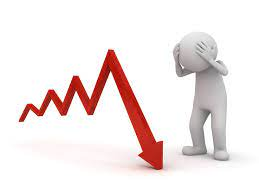
Bear + A Falling Stock Chart

Assessment

Chances are you won’t choose to list your career as an asset class in your investment portfolio. To make the most of both your aspirations and your earning power, however, keep in mind that a satisfying career is one of the most important assets you can own.

More:

Conclusion

Your thoughts and comments on this ME-P are appreciated. Feel free to review our top-left column, and top-right sidebar materials, links, URLs and related websites, too. Then, subscribe to the ME-P. It is fast, free and secure.

Speaker: If you need a moderator or speaker for an upcoming event, Dr. David E. Marcinko; MBA – Publisher-in-Chief of the Medical Executive-Post – is available for seminar or speaking engagements. Contact: MarcinkoAdvisors@msn.com

OUR OTHER PRINT BOOKS AND RELATED INFORMATION SOURCES:

Financial Planning MDs 2015BOOK:

Comprehensive Financial Planning Strategies for Doctors and Advisors: Best Practices from Leading Consultants and Certified Medical Planners™

What is a BEAR MARKET Relief Rally?

Are We Experiencing a Bear Market Relief Rally?

***

Maybe yesterday – Not today!

By Staff Reporters

***

A bear market relief rally describes a period inside of a bear market in which prices of stocks temporarily increase during, sometimes quite sharply, before returning to new lows. This rise in prices is typically a short-lived increase, sometimes lasting anywhere from days to months, amidst an overall long-term downward trend in the market.

CITE: https://www.r2library.com/Resource/Title/082610254

Key Takeaways

  • A bear market rally is when prices rise during a bear market.
  • This type of rally is difficult to identify until after it has happened and can occur more than once in a prolonged bear market.
  • Day traders can make money shorting stocks, but individual investors should just stay the course with their investing strategy.

COMMENTS APPRECIATED

Thank You

Subscribe to the Medical Executive-Post

***

***