BOARD CERTIFICATION EXAM STUDY GUIDES Lower Extremity Trauma
[Click on Image to Enlarge]
ME-P Free Advertising Consultation
The “Medical Executive-Post” is about connecting doctors, health care executives and modern consulting advisors. It’s about free-enterprise, business, practice, policy, personal financial planning and wealth building capitalism. We have an attitude that’s independent, outspoken, intelligent and so Next-Gen; often edgy, usually controversial. And, our consultants “got fly”, just like U. Read it! Write it! Post it! “Medical Executive-Post”. Call or email us for your FREE advertising and sales consultation TODAY [678.779.8597] Email: MarcinkoAdvisors@outlook.com
Medical & Surgical e-Consent Forms
ePodiatryConsentForms.com
iMBA Inc., OFFICES
Suite #5901 Wilbanks Drive, Norcross, Georgia, 30092 USA [1.678.779.8597]. Our location is real and we are now virtually enabled to assist new long distance clients and out-of-town colleagues.
ME-P Publishing
SEEKING INDUSTRY INFO PARTNERS?
If you want the opportunity to work with leading health care industry insiders, innovators and watchers, the “ME-P” may be right for you? We are unbiased and operate at the nexus of theoretical and applied R&D. Collaborate with us and you’ll put your brand in front of a smart & tightly focused demographic; one at the forefront of our emerging healthcare free marketplace of informed and professional “movers and shakers.” Our Ad Rate Card is available upon request [678-779-8597].
Posted on August 26, 2024 by Dr. David Edward Marcinko MBA MEd CMP™
By Health Capital Consultants, LLC
***
***
On August 20th, 2024, a Texas federal judge stopped the FTC’s ban on non-compete agreements from going into effect on September 4, 2024. This decision comes after the FTC issued a final rule on April 23, 2024, that bans employers from imposing non-competes on their employees. The FTC asserted that this exploitative practice kept wages low and suppressed new ideas. While the FTC’s ban will affect all industries – not just healthcare – it comes at a time when healthcare employers across the U.S. are struggling with staffing shortages.
This Health Capital Topics article reviews the court’s ruling and discusses the FTC’s ban on noncompete agreements. (Read more…)
Incorporating a practice is something many doctors are unaware but at Marcinko Associates, Inc., we are here to help you in getting your medical practice or clinical business up and running. We believe this category is by far the most important when acquiring or starting a new practice as well as a continuing practice. Selecting a business entity that will be the most conducive to your overall clinic or medical practice objectives is vital.
For example, clinic or medical business entity selection would include: Sole Proprietorship, Limited Liability Company, S-Corporation, C-Corporation, Professional Association or Non-profit organization.
There are a Myriad of Reasons for Obtaining a Medical Practice Valuation and Appraisal Engagement:
Outright selling-buying
Partnership and Associate buy-in / buy-out
Mergers and Acquisitions
Organic growth tracking
Hospital integrations
Private and public reporting
Financing and Venture Capital
Estate and tax planning
Our Capability
We have the ability to provide extensive analysis of value components in healthcare practices and provide appraisals based on business, economic, and market conditions. This involves detailed examination of financials and clinical data in the context of numerous factors including medical specialty, physician supply and demand, payer mix, regulatory environment, regional dynamics, and risk premium.
Posted on August 18, 2024 by Dr. David Edward Marcinko MBA MEd CMP™
Customizable Medical Practice Example
[By Staff Reporters]
The undersigned acknowledges that Hamilton Family Clinic (HFC) has furnished to the undersigned potential Investor (“Investor”) certain proprietary data (“Confidential Information”) relating to the business affairs and operations of Hamilton Family Clinic (HFC) for study and evaluation by Investor for possibly investing in Hamilton Family Clinic (HFC).
It is acknowledged by Investor that the information provided by Hamilton Family Clinic (HFC) is confidential; therefore, Investor agrees not to disclose it and not to disclose that any discussions or contracts with Hamilton Family Clinic (HFC) have occurred or are intended, other than as provided for in the following paragraph.
It is acknowledged by Investor that information to be furnished is in all respects confidential in nature, other than information which is in the public domain through other means and that any disclosure or use of same by Investor, except as provided in this agreement, may cause serious harm or damage to Hamilton Family Clinic (HFC), and its owners and officers.
Therefore, Investor agrees that Investor will not use the information furnished for any purpose other than as stated above, and agrees that Investor will not either directly or indirectly by agent, employee, or representative, disclose this information, either in whole or in part, to any third party; provided, however that (a) information furnished may be disclosed only to those directors, officers and employees of Investor and to Investor’s advisors or their representatives who need such information for the purpose of evaluating any possible transaction (it being understood that those directors, officers, employees, advisors and representatives shall be informed by Investor of the confidential nature of such information and shall be directed by Investor to treat such information confidentially), and (b) any disclosure of information may be made to which Hamilton Family Clinic (HFC) consents in writing. At the close of negotiations, Investor will return to Hamilton Family Clinic (HFC) all records, reports, documents, and memoranda furnished and will not make or retain any copy thereof.
No intent to practice law; sample customizable template only. Always consult an attorney or competent consultant familiar with your individual circumstances before use.
Conclusion
Your thoughts and comments on this ME-P are appreciated. Feel free to review our top-left column, and top-right sidebar materials, links, URLs and related websites, too. Then, subscribe to the ME-P. It is fast, free and secure.
Speaker: If you need a moderator or speaker for an upcoming event, Dr. David E. Marcinko; MBA – Publisher-in-Chief of the Medical Executive-Post – is available for seminar or speaking engagements. Contact: MarcinkoAdvisors@msn.com
OUR OTHER PRINT BOOKS AND RELATED INFORMATION SOURCES:
Who seeks or writes about, physician careers under a M-4-Uber scenario?
When you think about careers, how many adults are truly aware of their own interests, values, strengths and weaknesses during their teen years? As with much of human behavior, career choices actually go through a series of stages.
Psychologists have for years identified stages of human development. Kohlberg discussed stages of moral development. In the 1970’s, Daniel Levinson published The Season’s of a Man’s Life, a project he undertook when he began to look inward and tried to understand his behaviors, values and attitudes to work. Discussions with his university colleagues indicated that what he was experiencing was not unique to him.
Traditional Career Routes
For many years the prevailing thought was that the correct way to function in the labor market was to gain employment with a company progressing through the years until such time as you were eligible to receive the “gold watch”, the symbol of retirement. If you entered a professional discipline such as medicine or law, you did that for the rest of your life.
Alternate Career Paths
Today there are still individuals who follow these traditional patterns but there are other career paths that may be taken.
The most traditional career route follows a linear path, one that most of you have rejected. This entails gaining employment in a large, bureaucratic organization with a tall pyramidal structure [command-control]. It involves a series of upward (hopefully) moves in the organization until the career limit is reached. As the individual progresses upward in the organization he or she may work in different functional departments such as marketing, finance, and production. Organizations having these paths seek employees who tend to be highly oriented toward success defined in organizational terms and exhibit “leadership” skills. In general, these people demonstrate a strong commitment to the workplace. A person with this type of orientation (Organizationalist) exhibits the following tendencies:
A strong identification with the organization; seeking organization rewards and advancement that are important measures of success and organizational status.
High morale and job satisfaction.
A low tolerance for ambiguity about work goals and assignments.
Identification with superiors, showing deference toward them, conforming and complying out of a desire to advance; maintains the chain of command and compliance, and views respect for authority as the way to succeed.
Emphasis on organizational goals of efficiency and effectiveness, avoiding controversy and showing concern for threats to organizational success.
As many readers of the Medical Executive-Post are aware, you have followed the expert medical career path, building a career on the basis of personal competence, or the development of a profession (legal or accounting professionals). As you are so painfully aware, you invest heavily, personally and financially in acquiring a particular skill and then you spend the major portion of your life following that skill. Unlike the pyramidal structure of the linear path, career paths are found in organizations that tend to be relatively flat, have departments in which there is a functional emphasis, emphasize quality and reliability, and have reward systems containing a strong recognition component.
Medical Professionals are Different
Medical professionals are folks who are job-centered – not organization centered – viewing the demands of the organization as a nuisance that they seek to avoid [THINK: Gregory House MD].
However, that avoidance is impossible since the healthcare professional must have an organization in which to work. This is even more prevalent in today’s era of managed health care and e-Health 2.0, than ever before. At work, professionals experience more role conflict and are more alienated. Medical professionals exhibit these four tendencies:
An experience of occupational socialization that instills high standards of performance in the chosen field; highly ideological about work values.
Sees organizational authority as non-rational when there is pressure to act in ways that are not professionally acceptable.
Tends to feel that their skills are not fully utilized in organizations; self-esteem may be threatened when they do not have the opportunity to do those things for which they have been trained;
Seeks recognition from other professionals outside the organization, and refuses to play the organizational status game except as it reflects their worth relative to others in the organization. Professionals are very concerned with personal achievement and doing well in their chosen field. Organizational rewards serve to reflect the professional’s importance relative to others in the system. This recognition may be extremely fulfilling, especially when he or she is accorded higher status and pay than others. In the absence of organizational rewards the professional may use material objects (large homes, expensive cars) as a way of reflecting status and accomplishment.
Performance not Authority
Medical professionals are of the opinion that successful performance, not compliance with authority, is more reinforcing. With this mindset it is not surprising why many medical practitioners balk at working in the managed health care, state-run or governmental lead healthcare environment. Many professionally oriented people come from the middle class and have become successful through a higher level of education or by other efforts to acquire competence.
The Spiral Career Path
Those on the spiral career path make periodic moves from one occupation to another. Individuals who follow this career path tend to have high personal growth motives and are relatively creative. Usually these changes come after you have developed competence in the occupation you are working in and you think it is time to change what you do. The ideal spiral career path is to move from one occupation to an area related to it. This enables you to use some of the basic knowledge that you developed in your past work and to transfer it to your new occupation. The difference between this path and the linear path discussed above is that in this case the mobility pattern is lateral, not upward.
The Transitory Career Path
People who take the transitory career path cannot seem to, and perhaps do not want to settle down. The pattern is one of consistent inconsistency in their work. These are individuals who may find a great deal of satisfaction working as healthcare consultants. The work style is marked by an ability to do many things reasonably well. They value independence and variety, and they work best in relatively loose and unstructured organizations that tolerate the type of freedom they demand in their work.
The Indifferents
We have so far discussed the four types of career paths and two career orientations. A final form of career orientation is that of the indifferents, those who simply work for a paycheck. Will this be the result of Obama care? These are individuals who do their work well, but they are not highly committed to their job or the organization. Some characteristics of indifferents are:
More oriented toward leisure, not the work ethic (is it Friday yet?); separates work from more meaningful aspects of life, and seeks higher-order need satisfaction outside the work organization.
Tends to be alienated from work and not committed to the organization.
Rejects status symbols in organizations.
Withdraws psychologically from work and organizations when possible.
Assessment
Indifferents are not necessarily born that way; some are actually a product of their work experiences. People who once had an organizational orientation and were highly loyal may no longer follow orders without question.
For example, you may have had a medical officer manager who very early in his or her career was extremely committed to you and your medical practice, hospital or healthcare organization. He or she may seek rewards and want to advance. However, in later career life, after having been passed over several times for promotion, the person seeks rewards elsewhere. Thus, it is possible that through office practices, your healthcare organization may turn highly committed organizationalists (or medical professionals) into relative indifferents; HMO patsies or grunts for Uncle Sam.
Conclusion
And so, your thoughts and comments on this ME-P are appreciated. Feel free to review our top-left column, and top-right sidebar materials, links, URLs and related websites, too. Then, be sure to subscribe. It is fast, free and secure.
Note: Dr. Gene Schmuckler is director of behavioral economics. He is an expert on physician career re-engineering, and a retired Professor of Organizational Behavior who taught Dr. Marcinko [our Publisher-in-Chief] in business school, a decade ago.
Speaker: If you need a moderator or speaker for an upcoming event, Dr. David E. Marcinko and Dr. Schmuckler are available for seminar or speaking engagements .Contact: MarcinkoAdvisors@msn.com
Subscribe Now:Did you like this Medical Executive-Post, or find it helpful, interesting and informative? Want to get the latest ME-Ps delivered to your email box each morning? Just subscribe using the home page link. You can unsubscribe at any time.
Brousseau, K.R., Driver, M.J., Eneroth, K. and Larson, R.: Career Pandemonium: Realigning organizations and individuals. Academy of Management Executive 10 (4), 52-66. 1996
Presthus, R. The Organizational Society. New York, NY: St. Martin’s Press.
Posted on August 11, 2024 by Dr. David Edward Marcinko MBA MEd CMP™
By Health Capital Consultants, LLC
***
***
On July 10, 2024, the Centers for Medicare & Medicaid Services (CMS) released its proposed Medicare Physician Fee Schedule (MPFS) for calendar year (CY) 2025.
In addition to the agency’s suggested cut to physician payments, the proposed rule also announced new covered services. According to CMS, the proposed rule “reflect[s] a broader Administration-wide strategy to create a more equitable health care system that results in better accessibility, quality, affordability, empowerment, and innovation for all Medicare beneficiaries.” (Read more…)
When it comes to purchasing a medical practice, there are a variety of factors that one must consider in evaluating the worth of the practice. Assessing the value of a practice is fraught with potential landmines if one does not go into the process with a strong understanding of some key principles to medical practice valuation.
According to the Dictionary of Health Economics and Finance, practice valuation is the “formal process of determining the worth of healthcare or other medical business entity at a specific point in time and the act or process of determining fair market value.” Fair market value is defined as “ … the price at which a willing buyer will buy and a willing seller will sell an asset in an open free market with full disclosure.”
The Internal Revenue Service (IRS) Revenue Ruling 59-60 clearly states that fair market value “is essentially a future prophecy and must be based on facts available at the required date of appraisal.”
Unfortunately, one cannot directly observe the value of a medical practice as there are a number of underlying issues. Obviously, the buyer and seller are pursuing opposite objectives, and this reality is not necessarily conducive to facilitating clarity on those issues.
Accordingly, let us consider a few mistakes that are commonly made by physicians who are considering the purchase of a medical practice.
A Guide To The Myths And Realities Of Medical Practice Valuation
• Valuations are material representations providing a range of transferable worth. • Valuations are reproducible estimates based on economic assumptions. • Valuations are not “back of the envelope multiples” using specious benchmarks. • Valuations are defensible and should be “signed off” by the completing firm attesting to origination guidelines and in accordance with the Uniform Standards of Professional Appraisal Practice (USPAP) and IRS formats as needed. • Financial accounting value (book value) is not fair market value. • Professional valuators represent only one party. The buyer or seller-owner is the client. • Unbiased valuators do not provide financing or equity participation schemes.
Knowing The Distinctions Among Engagement Types
The Institute of Medical Business Advisors uses three levels that approximate engagement types for the industry. These levels are comprehensive valuation, limited valuation and ad-hoc valuation.
A comprehensive valuation is an extensive service designed to provide an unambiguous opinion of the value range. It is supported by all procedures that valuators deem relevant with mandatory onsite review. This gold standard is suitable for contentious situations like divorce, partnership dissolution, estate planning and gifting, etc. The written opinion of value is applicable for litigation support activities like depositions and trial. It is also useful for external reporting to bankers, investors, the public and IRS, etc.
A limited valuation lacks additional suggested USPAP procedures. It is considered to be an “agreed upon procedure,” which is used in circumstances in which the client is the only user. For example, one may use the limited valuation when updating a buy-sell agreement or when putting together a practice buy-in for a valued associate. This limited valuation would not be for external purposes. No onsite visit is needed. A formal opinion of value is not rendered.
An ad-hoc valuation is a low level engagement that provides a gross and non-specific approximation of value based on limited limited parameters or concerns by involved parties. Neither a written report nor an opinion of value is rendered. The ad-hoc valuation is often used periodically as an internal organic growth/decline gauge.
Are You Following Industry Standards And Rules?
Specifically, when it comes to USPAP transactions involving physician practices, the following points are implied by the industry and the IRS.
• Discounted cash flow analysis is the most relevant income approach and must be done on an “after-tax” basis. It generally produces a higher value but is costly, detail-oriented and time consuming. • Project practice collections based on reasonable assumptions for the practice and market, etc. • Physician compensation is based on market rates consistent with age, experience and productivity. • Majority (control) premiums and minority (lack of control) discounts are also to be considered. A majority premium is the amount paid to gain enough ownership to set policies, direct operations and make decisions for the practice. A minority discount for partial ownership does not allow this power. Thus, majority ownership is valuated higher than minority ownership purchase.
What About Personal Goodwill And Practice Goodwill?
Goodwill represents the difference between practice purchase price and the value of the net assets. Personal goodwill results from the charisma, skills and reputation of a specific doctor. These attributes accrue solely to the individual, are not transferable and cannot be sold. Personal goodwill has little or no economic value.
Transferable medical practice goodwill has value, may be transferred and is defined as the unidentified residual attributes that contribute to the propensity of patients and managed care contracts (and their revenue streams) to return in the future.
However, bear in mind that the Goodwill Registry, an older source used to determine the average percentage of revenue contributed to practice goodwill, has sparse to no podiatry input, may be dated for some specialties and leads to abnormally high values.
In addition to various multiple factors, one must also appreciate the impact of a changing environment and practice transfer in a local market, which can augment or blunt goodwill value. It is also important to determine whether patients or HMOs return because of true goodwill or are mandated to do so by contractual obligations.
Now to further confuse the issue, how each kind of goodwill is allocated in situations like divorce depends on state law. For example, some courts weigh in on the apportionment of both kinds of goodwill, other courts exclude both kinds of goodwill and other courts pursue a case-by-case approach.
Understanding ‘Excess Earnings Capitalization’ And Compensation Issues
Another way to determine goodwill value is through “excess earnings capitalization.” This economic method looks at the difference between salary and what you would have to pay a comparable doctor replacement.
As an example, when you subtract the numbers and divide the result by 20 percent, an important percentage referred to as the capitalization rate emerges. The final number gives a dollar value for practice goodwill. Courts seem to prefer this method in divorce situations because it tends to reflect a practice’s current value.
Regardless of the practice business model, physician compensation is inversely related to practice value. In other words, the more a doctor takes home in above average salary, the less the practice is generally worth and vice versa.
Emphasize Practice Specifics Over Benchmarks And Formulas
In the stable economic past, physicians may have used industry benchmarks as quick and inexpensive substitutes for professionally prepared valuations. However, this practice can be fraught with peril if challenged. The courts seem to frown on this simplistic and dated methodology. Moreover, generic benchmark formulas assume a financial statement reporting standard that just does not exist with contemporary professional valuations.
Therefore, almost every competitive issue that impacts value should be addressed with each practice engagement. This includes but is not limited to:
• contemporary dislocations by third parties, Medicare and commercial payers; • retail clinics and changes in supply/ demand and specialty trends; • the rise of ambulatory surgery centers, walk-in clinics and specialty hospitals; • outsourced care and medical tourism; • alterations in resource based-relative value units, ambulatory payment classifications (APCs), diagnosis-related groups (DRGs) and newer Medicare-severity diagnosis-related groups (MS-DRGs); and • the Medicare Modernization Act, HIPAA, OSHA, the EEOC and other regulations.
One must also consider the impact of current employee trends to high-deductible health care plans and private concierge medicine. Another consideration is employer shifts away from defined benefits plans to defined contribution plans.
Aggregating Or ‘Normalizing’ Financial Information: What You Should Know
In addition to possibly conducting employee interviews, one must gather appropriate financial information in order to properly value a practice. As a starting point, interested physician buyers should be able to see the following information for the most recent three-year period.
It is especially important to eliminate one-time, non-recurring practice expenses. These are adjusted for excessive or below normal expenses on the profit and loss statement. Such “normalization” can produce a big surprise for benchmark proponents and formula-driven advocates when a selling doctor runs personal expenditures through the practice that a buyer or court would not consider legitimate. Of course, one is less likely to encounter such shenanigans when the valuation is conducted according to professional USPAP and IRS style guidelines.
For example, we recall one doctor who painted his home and wrote it off as a valid business expense. Deleting other major expenses such as country club memberships make a practice look more profitable. This is good news if you are selling it. It is bad news if you are getting a divorce.
Conversely, you may have to defend legitimate business expenses that an appraiser may seek to normalize. For example, doctors may pay for a vehicle through their practice. If they use the vehicle to travel between multiple offices and hospitals, the expense may be legitimate.
Also realize that the appraiser may also add expenses that have not been incurred. For example, the appraiser may add an office manager’s salary if your spouse is in that role for free. This produces a lower appraised value and is common in small podiatry practices. Honorarium is another example that does not figure into value calculations.
Of course, normalization is a sophisticated and time intensive process. However, the expert earns his or her professional fee, and defends the resulting valuation range when challenged.
Keys To Selecting The Right Valuator Professional
The most important credentials to look for are fiduciary level experience, specificity and independence. Some doctors mistakenly turn to those who may have never appraised a practice before. Just because an appraiser has initials behind his or her name, it does not mean he or she understands the peculiarities of medical specialties. Agents, brokers, solicitors and other intermediaries are not fiduciaries.
Physicians looking to assess a practice for possible sale/purchase should only select an independent health economist, who will be your advocate under Securities Exchange Commission (SEC), IRS or other relevant managerial accounting guidelines.
Moreover, be very wary if the valuation is not done in an independent manner or, worse, performed for both parties simultaneously.
Essential Insights On Professional Fees And What You Can Expect
Of course, it is almost impossible to answer concerns regarding fees without specific information. The cost of a valuation can range from $0 to $50,000 for an onsite team of experts for behemoth practices and ambulatory surgery centers. Keep in mind that in most cases you want to ensure the value determination will stand up to IRS scrutiny so the $0 rule of thumb approach is not an option.
However, most reputable firms use a blended fee schedule of fixed and hourly rates (plus expenses). Internists should expect to spend approximately $5,000 to $10,000 for an average sized practice and a limited appraisal that is completely suitable for most internal activities.
External appraisals or poorly aggregated financial information, onsite reviews and litigation support services incur additional costs. However, most doctors find the money well spent. Expect to pay a retainer and sign a formal professional engagement letter.
Finally, once the practice price is agreed upon, sales contract terms and agreements present a plethora of financing challenges for both parties to consider. For example, one must negotiate bank loans (if they are even available), payment rates and length, personal promissory guarantees, down payment offsets, earn-out arrangements and Uniform Commercial Codes.
Final Notes
Do not be surprised if a sales broker does not consider the aforementioned issues as the modern health era emerges. Most agent-appraisers are predominantly concerned with earning commissions by working both transaction parties and may not represent your best interests. Also be aware that they are usually not obliged to disclose conflicts of interest and do not provide testimony as a court approved expert witness.
However, it is a fait accompli that medical practice worth is presently deteriorating. As the population ages and third-party reimbursements plummet, doctors are commoditized and traditional retail medicine is replaced by more efficient wholesale business models like workplace health clinics. The subprime mortgage default fiasco, credit freeze, potential tax reform law expiration, the ACA, VBC, capitation payments and the political specter of a nationalized healthcare system only add fuel to the macroeconomic fires of uncertainty. Do not forget the corona pandemic.
As a result, a good medical practice is no longer good business necessarily and retiring doctors can no longer automatically expect to extract premium sales prices. Moreover, uninformed young physicians should not be goaded to overpay.
Statistics: 7.4%. That’s the percentage drop in students who graduated with a degree in accounting in the 2021–2022 school year than the year before. Low starting salaries, heavy workloads, and uncertainty around AI are driving the exodus of students from choosing accounting degrees. (the Wall Street Journal).
Posted on July 31, 2024 by Dr. David Edward Marcinko MBA MEd CMP™
What it is – How it works
SMART CONTRACTS
[By Staff Reporters]
Wolfram Alpha is an online mathematical search engine launched in March 2009 and developed by Stephen Wolfram. It seeks to answer factual queries directly by computing the answer from structured data, rather than providing a list of web pages that might contain the answer.
In this way, WA differs from traditional semantic search engines, which index a large number of answers and then try to match the question to one. Wolfram Alpha has many parallels with Cyc, a project aimed since the 1980s at developing a common-sense inference engine. Wolfram Alpha is built on Wolfram’s earlier flagship product, Mathematica, which encompasses computer algebra, symbolic and numerical computation, visualization, and statistics capabilities.
With Mathematica running in the background, WA is suited to answer mathematical questions. The answer usually presents a human-readable solution.
Wolfram Alpha is written in about 5 million lines of Mathematica (using webMathematica and gridMathematica) code and runs on 10,000 CPUs. As well as being a web site, Wolfram Alpha provides an API (for a fee) that delivers computational answers to other applications. One such application is the Bing search engine.
Capabilities
As an example, one can input the name of a website, and it will return relevant information about the site, including its location, site rank, number of visitors and more. The database currently includes hundreds of datasets, including current and historical weather, drug data, star charts, currency conversion, and many others. The datasets have been accumulated over approximately two years, and are expected to continue to grow. The range of questions that can be answered is also expected to grow with the expansion of the datasets.
Wolfram Alpha is ideal for use by all readers and subscribers of the ME-P. It may be used by doctors, nurses, financial advisors and insurance agents, economists, mathematicians, editors, and publishers, teachers and students of all academic levels. The graphical nature of output is particularly helpful.
Assessment
Wolfram Alpha has received mixed reviews, to date. Advocates point to its potential, some even stating that how it determines output result is more important than current usefulness.
And so, your thoughts and comments on this ME-P are appreciated. Give Wolfram Alpha a click, listen to the audio-cast, and tell us what you think. Your thoughts and comments on this ME-P are appreciated. Feel free to review our top-left column, and top-right sidebar materials, links, URLs and related websites, too. Then, subscribe to the ME-P. It is fast, free and secure.
Speaker: If you need a moderator or speaker for an upcoming event, Dr. David E. Marcinko; MBA – Publisher-in-Chief of the Medical Executive-Post – is available for seminar or speaking engagements. Contact: MarcinkoAdvisors@msn.com
Posted on July 30, 2024 by Dr. David Edward Marcinko MBA MEd CMP™
A.I. and Computers
By Staff Reporters
***
***
***
***
Google revealed its answer to ChatGPT: an “experimental conversational AI service” called Bard that’s currently in testing mode.
Microsoft (which invested in ChatGPT) announced its own surprise event scheduled for later today in order to “share some progress on a few exciting projects.”
Chinese tech giant Baidu confirmed it’s on track to introduce its AI chatbot, known as “Ernie Bot” in English, in March.
Posted on July 29, 2024 by Dr. David Edward Marcinko MBA MEd CMP™
***
By MCOL
***
***
25% of Primary Care Doctors Delivered 86% of Medical Care
• 25% of primary care doctors delivered 86% of medical care. • 25% of specialists on average provided 75% of medical care. • 16.3% of physicians listed in Medicaid managed care plan provider network directors in a year qualified as ghost physicians (seeing zero Medicaid beneficiaries over the course of the year in an outpatient setting). • The share of ghost physicians ranged from 13.4% to 24.9% across states.
Posted on July 28, 2024 by Dr. David Edward Marcinko MBA MEd CMP™
By Health Capital Consultants, LLC
***
***
On June 28, 2024, the U.S. Supreme Court issued a seismic decision explicitly overruling the “Chevron doctrine,” which will limit the ability of federal agencies to rely on their own interpretation of the laws they administer.
Under the Chevron doctrine, more commonly referred to as Chevron deference, courts were mandated to uphold a federal agency’s interpretation of a statute as long as it was reasonable.
This Health Capital Topics article discusses the Chevron doctrine, the Supreme Court’s decision, and the impact of this ruling on the healthcare industry. (Read more…)
Posted on July 25, 2024 by Dr. David Edward Marcinko MBA MEd CMP™
By Vitaliy Katsenelson, CFA
***
DEFINITION: What Is a Brokerage Account?
A brokerage account is an investment account held at a licensed brokerage firm. An investor deposits funds into their brokerage account and the brokerage firm transacts orders for investments such as stocks, bonds, mutual funds, and exchange-traded-funds (ETFs) on their behalf. The assets in investment accounts belong to the investors, who normally must report as taxable the income derived from the account.
Posted on July 21, 2024 by Dr. David Edward Marcinko MBA MEd CMP™
KAMALA HARRIS IN
BREAKING NEWS!
By Staff Reporters
WASHINGTON − President Joe Biden said he is ending his bid for reelection amid intense pressure from Democratic leaders sounding the alarm that his path to beat former President Donald Trump in November has vanished.
The president’s historic withdrawal throws the 2024 race − already roiled by a shocking attempt on Trump’s life − into uncertain territory, with Vice President Kamala Harris seen as the Democrat best placed to take Biden’s place atop the party’s ticket. Biden did not immediately endorse a successor but did so later.
Biden just made the announcement Sunday from his home in Rehoboth Beach, Del., where he’s self-isolated since testing positive for COVID-19 Thursday night.
Posted on July 21, 2024 by Dr. David Edward Marcinko MBA MEd CMP™
By Staff Reporters
***
***
Orthopedic doctors and surgeons earn on average 558 thousand U.S. dollars annually. This makes Orthopedic doctors and surgeons the most well-compensated physicians in the United States as of 2024, followed by plastic surgeons. Plastic surgeons were, by far, the highest earning physicians in the U.S. in 2023. An orthopedic physician specializes in injuries and diseases involving bones, muscles, joints, nerves and other parts of the musculoskeletal system.
Although orthopedic doctors and surgeons have the highest average annual salary, from 2023 to 2024 their compensation actually decreased by 3 percent. In comparison, compensation for physicians specialized in physical medicine and rehabilitation increased 11 percent during this time, while plastic surgeons saw the largest decrease of 13 percent. The region with the highest annual compensation for physicians was West North Central in 2024, with physicians earning some 404 thousand U.S. dollars in this region.
Medicare Rates in 2025 Would Cut Pay For Docs by About 3%
And so, Federal officials on July 11th proposed Medicare rates that effectively would cut physician pay by about 3% in 2025, touching off a fresh round of protests from medical associations. The 2025 draft base rate, or conversion factor, is slated to drop to $32.36 from the current level of $33.29, the Centers for Medicare & Medicaid Services said.
This proposed cut is mostly due to the 5-year freeze in the physician schedule base rate mandated by the 2015 Medicare Access and CHIP Reauthorization Act (MACRA). Congress designed MACRA with an aim of shifting clinicians toward programs that would peg pay increases to quality measures.
Posted on July 18, 2024 by Dr. David Edward Marcinko MBA MEd CMP™
By Dr. David Edward Marcinko MBA MEd CMP
I grew up in SE inner city Baltimore, Maryland and played stick ball in the parking lot of JHU medical school. And so, I was gratified to learn that it is about to get a lot cheaper—for many students at Johns Hopkins University, at least.
Thanks Mike Bloomberg. Be like Mike!
***
***
The former New York mayor, entrepreneur, and 1964 John Hopkins alum Michael Bloomberg donated $1 billion to the university, according to Bloomberg Philanthropies and the university in a recent announcement. Starting this fall, tuition will be free for students coming from households that earn less than $300,000 annually, and the gift will also cover living expenses and other fees for students from families with less than $175,000 in annual income.
Financial access to medical school is a challenge for many students: The median debt for the class of 2023 is $200,000, according to the Association of American Medical Colleges. This cost can discourage students from attending medical school at a time when the US needs more physicians; the association predicted that there will be a physician shortage of up to 86,000 doctors nationwide by 2036.
Posted on July 17, 2024 by Dr. David Edward Marcinko MBA MEd CMP™
By Staff Reporters
***
***
A Non-Disclosure Agreement (or “NDA”) is an agreement under which a party (the “Recipient”) agrees not to disclose proprietary and confidential information (“Confidential Information”) that it receives from another party (the “Owner”).
***
Surgeon to Pay $5 Million for Restriction of Negative Reviews, Directing Fake Reviews
A Seattle plastic surgeon who illegally restricted patients from posting negative reviews about his practice and directed his staff to post fake positive reviews will pay $5 million for violating Washington state’s consumer protection law. According to a July 1 consent decree, Javad Sajan, MD, and his practice Allure Esthetic must pay $1.5 million in restitution to 21,000 patients and $3.5 million to the state for manipulation of patient ratings.
The settlement resolves a federal lawsuit brought by Washington State Attorney General Bob Ferguson that accused the doctor of illegally suppressing patients’ negative reviews by “forcing” them to sign nondisclosure agreements (NDAs) before they received care. In an April decision, US District Judge Ricardo S. Martinez sided with the state, ruling that Allure Esthetic’s actions violated the federal Consumer Review Fairness Act (CRFA).
Posted on July 16, 2024 by Dr. David Edward Marcinko MBA MEd CMP™
By Staff Reporters
***
***
According to Fierce Healthcare, 60% of patients say they are willing to switch doctors for a better communications experience, according to a survey. Patients want more of a “human touch” when texting their providers, like conversational message exchanges.
Posted on July 16, 2024 by Dr. David Edward Marcinko MBA MEd CMP™
ByStaff Reporters
***
***
Arecent survey by StaffHealth of 250 RNs, LPNS, and CNAs found the following:
• 86% of respondents say their workload/job responsibility has increased in the last year. • 54% of the above respondents say that the increase in workload has negatively impacted their mental health. • 83% of those surveyed agree that an increase in compensation/incentives would alleviate nurse burn out and shortages. • 62% of nursing professionals would currently consider a change in career paths. • 66% of respondents say access to mental health resources at work would be beneficial.
Posted on July 14, 2024 by Dr. David Edward Marcinko MBA MEd CMP™
Global Healthcare Exchange
By Staff Reporters
***
***
5 Key Findings
• 58% of Americans are worried about nurses and other clinicians being harmed while on hospital property. • 66% of Americans agree nurses and other front-line healthcare workers are more likely than those in other professions to be victims of workplace violence. • 57% say burn out from the past few years plays a role in contributing to healthcare labor shortages. • 88% believe that keeping track of every hospital visitor is essential to safety. • 82% of Americans believe that more state/federal action should be taken to keep healthcare workers safe.
Posted on July 13, 2024 by Dr. David Edward Marcinko MBA MEd CMP™
***
***
The study examines the challenges of integrating new technologies in clinical practice, identified four primary barriers: insufficient knowledge of health system technology procurement protocols, which can vary across facilities; strict regulations and clinical trial requirements; obstacles in the health system technology procurement process; and competitive disadvantages for smaller startups.
Instead, physician assistants (PAs) and nurse practitioners (NPs) will increasingly provide primary care services, according to a report from consulting firm Mercer.
Posted on July 12, 2024 by Dr. David Edward Marcinko MBA MEd CMP™
***
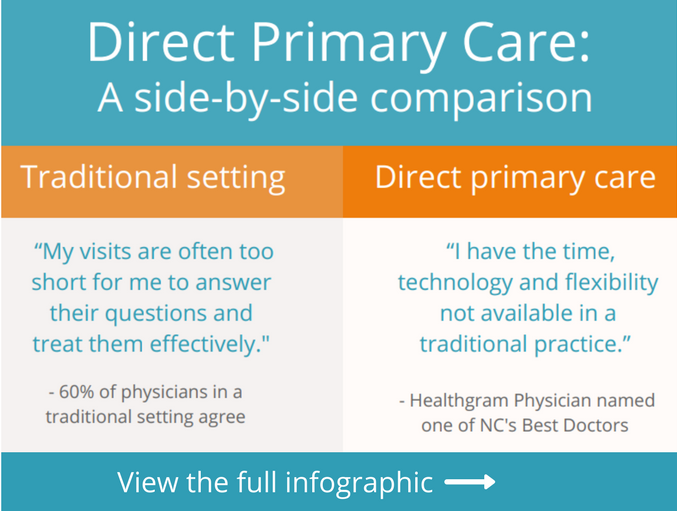
DEFINITION: The DPC model was created to allow for a singular focus upon the Primary Care Physician-2-Patient relationship. To achieve this, DPC removes the hassles and overhead expenses created by insurance and replaces it with a fixed monthly membership fee. This simplified approach frees the physician from meaningless paperwork and allows them to only see 8-10 patients a day. This level of personalized engagement allows them to develop a meaningful and enduring relationship with each patient.
Dr. James Hawkes grew up in a large family. His father was a U.S. diplomat, which exposed him to different models of healthcare. In addition to exposure, his grandmother encouraged him to become a doctor. He followed her recommendation but to his surprise, the definition of a good doctor wasn’t about improving patients’ quality of life it was about hierarchies, documentation, administrative requirements, and quality measures.
***
Shortly after saying goodbye to the traditional healthcare model, he launched his own direct care practice. Fast forward to today, he is a 100% debt-free direct care physician. He shares his story of how it’s possible to achieve this goal.
Posted on July 12, 2024 by Dr. David Edward Marcinko MBA MEd CMP™
What is anAccountable Care Organization?
DEFINITION: ACOs are groups of doctors, hospitals, and other health care providers, who come together voluntarily to give coordinated high-quality care to their patients. The goal of coordinated care is to ensure that patients get the right care at the right time, while avoiding unnecessary duplication of services and preventing medical errors. When an ACO succeeds both in delivering high-quality care and spending health care dollars more wisely, the ACO will share in the savings.
Thankfully, Anish Koka is vigilant and explains the blatant obfuscations and manipulations that the central planners engage in to have their way.
***
And so, In this video, Anish and colleague Michel Accad, MD, will reveal the machinations, take the culprits to task, and discuss pertinent questions regarding health care organization:
Does “capitation” reduce costs?
Do employed physicians necessarily utilize fewer resources?
What happens when a HMO and a traditional fee-for-service health system operate side-by-side in a community?
Posted on July 12, 2024 by Dr. David Edward Marcinko MBA MEd CMP™
By Staff Reporters
***
77% of Surveyed ACOs Use 6 or More EHR Systems
***
According to a recent AJMC survey of 163 MSSP ACOs
• Just 9% of surveyed ACOs use a single EHR system throughout their entire organization. • 77% of surveyed ACOs use 6 or more EHR systems. • Among the 37% of Medicare Shared Savings Program ACOs with 16 or more EHR systems, concerns about EHR-based quality measures include access to data, standardization of data elements, and cost of integrating across systems.
According to the Health Dictionary Series of administrative terms; valuation expert and colleague Robert James Cimasi MHA, ASA, AVA CMP™ of www.HealthCapital.com; an ACO is a healthcare organization in which a set of providers, usually large physician groups and hospitals, are held accountable for the cost and quality of care delivered to a specific local population. ACOs aim to affect provider’s patient expenditures and outcomes by integrating clinical and administrative departments to coordinate care and share financial risk [personal communication]
***
***
Enter the PP-ACA
Since their four-page introduction in the PP-ACA of 2010, ACOs have been implemented in both the Federal and commercial healthcare markets, with 32 Pioneer ACOs selected (on December 19, 2011), 116 Federal applications accepted (on April 10, 2012 and July 9, 2012), and at least 160 or more Commercial ACOs in existence today.
Federal Contracts
More recently, Donna Marbury writing in Medical Economics, revealed that Federal ACO contracts are established between an ACO and CMS, and are regulated under the CMS Medicare Shared Savings Program (MSSP) Final Rule, published November 2, 2011. ACOs participating in the MSSP are accountable for the health outcomes, represented by 33 quality metrics, and Medicare beneficiary expenditures of a prospectively assigned population of Medicare beneficiaries. If a Federal ACO achieves Medicare beneficiary expenditures below a CMS established benchmark (and meets quality targets), they are eligible to receive a portion of the achieved Medicare beneficiary expenditure savings, in the form of a shared savings payment.
***
***
Commercial Contracts
Commercial ACO contracts are not limited by any specific legislation, only by the contract between the ACO and a commercial payer. In addition to shared savings models which may not be in effect for another 3-5 years, Commercial ACOs may incentivize lower costs and improved patient outcomes through reimbursement models that share risk between the payer and the providers, i.e., pay for performance compensation arrangements and/or partial to full capitation.
Although commercial ACOs experience a greater degree of flexibility in their structure and reimbursement, the principals for success for both Federal ACOs and Commercial ACOs are similar. And, nearly any healthcare enterprise can integrate and become an ACO, larger enterprises, may be best suited for ACO status.
Larger organizations are more able to accommodate the significant capital requirements of ACO development, implementation, and operation (e.g., healthcare information technology), and sustain the sufficient number of beneficiaries to have a significant impact on quality and cost metrics.
Your thoughts and comments on this ME-P are appreciated. Feel free to review our top-left column, and top-right sidebar materials, links, URLs and related websites, too. Then, subscribe to the ME-P. It is fast, free and secure.
Speaker: If you need a moderator or speaker for an upcoming event, Dr. David E. Marcinko; MBA – Publisher-in-Chief of the Medical Executive-Post – is available for seminar or speaking engagements. Contact: MarcinkoAdvisors@msn.com
OUR OTHER PRINT BOOKS AND RELATED INFORMATION SOURCES:
The International Franchise Association (IFA) estimates that that about $1 trillion in sales, or 40% of all retail sales, were made through franchised establishment last decade. On the positive side, franchises offer a branded practice concept with management training and access to proprietary methods, marketing and advertising campaigns and a host of support. Moreover, there are franchises available for virtually every healthcare product or service, including: diet, weight loss and fitness; vein care and laser surgery; vitamins, nutriceuticals and pharmaceuticals; plastic and cosmetic surgery; dermatology, tanning and skin care; home healthcare and extended, etc.
Some well know established healthcare and medical franchises are: Doctors Express, Being There Senior Care, Home Care Assistance, Personal Training Institute, Inches-A-Weigh, Remedy Intelligent Staffing, Visiting Angels, Unlimited MedSearch, prnYourHealth and Any Lab Test Now.
On the downside, franchises incur high start-up costs, rules and obligations, payment of franchise percentages and many contractual obligations.
Questions to consider when contemplating this business entity include:
Franchise stability, track record, licensing and costs. Training, support and proximity of other franchises. Independence, ownership laws, contracts and dispute resolutions, Screening methods, market size and potential market share. Replacement cost and transferability?
For more information on Uniform Franchise Offerings Circulars (UFOCs) contact:
Frandata 1130 Connecticut Avenue, NW Washington DC 20036 202.659.8640
International Franchise Association7 1350 New York Avenue, NW Washington, DC 20005 202.628.800
Multi-Level Marketing and In-Office Dispensation
A multi-level marketing (MLM) business delivers products or services through a chain of independent distributors rather than traditional retail business outlets. Existing medical practices not only pursue income ancillary, but it is not unusual for beginning practitioners to plan for and include it in their start-up models and business plans.
The first layer is usually the distributor who must sell products/services and recruit additional members to produce a hierarchical organization with many employees. Each distributor profits from direct sales, and from a varying commission stream down-line. It may be best to investigate before you leap into these situations since some may be fraudulent pyramid schemes that sell no useful product or service, and requires only recruiting others into the scheme. Be sure to obtain a Dunn & Bradstreet or TRW credit report about any MLM company and inquire about current litigation. Most authorities agree that it take 3-5 years before serious money is made in the MLM business.
Moreover, care must be taken with this model. According to colleague Stephen Barrett MD, writing on the Mirage of Multilevel Marketing: “Many any physicians are selling health-related multi-level products to patients in their offices. The companies most involved have included Amway (now doing business as Quixtar), Body Wise, Nu Skin (Interior Design), Rexall, and Juice Plus+. Doctors are typically recruited with promises that the extra income will replace income lost to managed-care.
Back, in December 1997, the AMA Council on Ethical and Judicial Affairs (CEJA) advised against profiting from the sale of “non- health-related products” to their patients. Although CEJA’s policy statement does not mention products sold through multilevel marketing, CEJA’s chairman said the statement was triggered by the growing number of physicians who had added an Amway distributorship to their practice.”
“…small businesses with fewer than 1,000 employees are four times more likely to be impacted by attackers than medium and large businesses.” That’s us, Doc. (You might not get this kind of news from the American Dental Association).
EDITOR’S NOTE: I first met Rich in B-school, when I was a student, back in the day. He was the Founder and CEO of Superior Consultant Holdings Corp. Rich graciously wrote the Foreword to one of my first textbooks on financial planning for physicians and healthcare professionals. Today, Rich is a successful entrepreneur in the technology, health and finance space.
Posted on July 9, 2024 by Dr. David Edward Marcinko MBA MEd CMP™
By NIHCM
***
***
Private equity acquisition of physician practices continues to grow nationwide. New research focused on specialists in dermatology, gastroenterology, and ophthalmology shows the impact of the trend.
Novel evidence by NIHCM grantee Jane Zhu, MD, and her team, reveals shifts in workforce composition and hiring patterns after private equity firms obtain physician practices. The researchers’ findings are particularly important for policymakers and practices considering selling to private equity firms. Highlights include:
A significant yearly increase in the number of advanced practice providers at private equity-acquired practices, specifically nurse practitioners and physician assistants.
In acquired practices, entering clinicians replaced exiting clinicians at a higher rate than at non-private equity-acquired practices.
This work adds to the research team’s previous findings, including the geographic variations in private equity ownership across six medical specialties, and the impact of private equity on health care costs and utilization.
Posted on July 9, 2024 by Dr. David Edward Marcinko MBA MEd CMP™
By Health Capital Consultants LLC
In February 2023, Novant Health, a 19-hospital, non-profit health system operating throughout the Carolinas, agreed to acquire two North Carolina hospitals – Davis Regional Medical Center and Lake Norman Regional Medical Center – from Community Health System (CHS), a publicly-traded mega-system operating in 15 states.
After the $320 million deal was announced, the Federal Trade Commission (FTC) began an extensive review of the acquisition, and concluded that: (1) the transaction may substantially reduce competition; (2) create a monopoly; and (3) constitute an unfair method of competition. (Read more…)
Posted on July 8, 2024 by Dr. David Edward Marcinko MBA MEd CMP™
Bad things can happen in paperless practices, Doc
By Darrell Pruitt DDS
***
***
“Illinois Hospital First To Shut Down Completely After Ransomware Attack”
-By Karl Bode for Techdirt, Jun 16th 2023.
“Such attacks can have a chain reaction on already broken hospitals and health care systems. Health care workers are sometimes forced to resort to pen and paper for patient charts and prescriptions, increasing the risk of potentially fatal error. Delays in care can also prove fatal. And ransomware is only one of the problems that plague dated medical IT systems whose repair is being made increasingly costly and difficult by medical health care system manufacturers keen on monopolizing repair.”
Remember the MCNA (Managed Care of North America) data breach that was reported by Bill Toulas in Bleeping Computer on May 29th? There have been new developments.
“Patients of a Florida-based dental insurance provider brought a proposed class action lawsuit alleging negligence over a ransomware data breach that leaked the private information of more than 8.9 million people on the dark web, saying they face a lifetime risk of having their identities stolen.”
–David Minsky for Law 360
[June 16th, 2023]
If you are still using paper records, don’t change now.
Vicki Rackner MD, author, speaker, ME-P thought-leader and President of Targeting Doctors, helps financial advisors accelerate their practice growth by acquiring more physician clients. She calls on her experience as a practicing surgeon, clinical faculty at the University of Washington School of Medicine and nationally-noted expert in physician engagement to offer a bridge between the world of medicine and the world of business.
Conclusion
Your thoughts and comments on this ME-P are appreciated. Feel free to review our top-left column, and top-right sidebar materials, links, URLs and related websites, too. Then, subscribe to the ME-P. It is fast, free and secure.
Speaker: If you need a moderator or speaker for an upcoming event, Dr. David E. Marcinko; MBA – Publisher-in-Chief of the Medical Executive-Post – is available for seminar or speaking engagements. Contact: MarcinkoAdvisors@msn.com
OUR OTHER PRINT BOOKS AND RELATED INFORMATION SOURCES:
Posted on July 5, 2024 by Dr. David Edward Marcinko MBA MEd CMP™
US ECONOMY
By Staff Reporters
The Labor Department just reported that the U.S. added 206,000 jobs last month, slightly beating expectations. But the unemployment rate ticked up to 4.1%, a sign of slack in a labor market that has been remarkably strong even in the face of high interest rates.
There were other signs as well that the job market continues to cool. Average hourly earnings were up 3.9% in June from a year earlier, marking their smallest gain since 2021. The jobs counts for both April and May were revised lower. The labor force participation rate, the share of working-age people who were employed or seeking work, ticked up—an indication that more people are entering the labor market.
This will authorize the Department of Public Health to conduct a pilot program that will provide visits to at-risk and under served rural communities during pregnancy and early childhood.
***
HB591– The bill relates to mental health and it authorizes marriage and family therapists to perform certain acts that physicians and psychologists are authorized to perform regarding emergency exams for involuntary evaluation and treatment for mental illness, alcohol or drug abuse.
HB548 – The bill provides reasonable access to records concerning reports of child abuse to the Administrative Office of the Courts.
HB128– This bill enacts Gracie’s Law, which prohibits providers from discriminating against potential organ transplant recipients due to physical or mental disabilities.
Posted on July 3, 2024 by Dr. David Edward Marcinko MBA MEd CMP™
By Staff Reporters
***
***
Reminder: The stock market will close early today and remain closed all day tomorrow so we can relax.
Markets: Stocks ticked up yesterday after Jerome Powell acknowledged progress on inflation while reiterating that he wasn’t quite ready for rate cuts—and new data showing the labor market remains hot helps explain why.
Stock spotlight: Tesla got supercharged after announcing that deliveries (sales) dipped last quarter compared to the year before…but not as much as Wall Street expected them to.
Posted on July 1, 2024 by Dr. David Edward Marcinko MBA MEd CMP™
By Health Capital Consultants LLC.
***
On April 30, 2024, retail giant Walmart announced their closure of Walmart Health, a network of 51 health centers that provided “primary and urgent care, labs, x-ray and diagnostics, behavioral health, dental, optometry and hearing services.” Walmart cited the lack of profitability, escalating costs of operation, and challenging environment for reimbursement as the reasons behind Walmart Health’s unsustainability.
This Health Capital Topics article discusses Walmart’s closures, the other corporate entrants struggling in the healthcare market, and what these challenges indicate for the primary care space. (Read more…)
Posted on June 29, 2024 by Dr. David Edward Marcinko MBA MEd CMP™
By Staff Reporters
***
***
The healthcare industry has tried for years—but to little avail—to figure out how artificial intelligence (AI) can be used to make work easier and improve patient care.
Despite the middling success healthcare has had with AI, Andreessen Horowitz (a16z), the largest venture capital firm in the US, has bet big on healthcare AI startups in the past year. The firm has invested in at least four startups and co-led three funding rounds totaling $328 million.
Investment partner Daisy Wolf and general partner Vijay Pande at a16z wrote in an August blog post that the VC firm is aware that “the AI hype cycle has hit healthcare before.” But, the two partners wrote, “we’re excited by today’s overlap of data availability, public foundation models, and widespread interest.”
“The informed voice of a new generation of fiduciary advisors for healthcare”
***
Like market research analysts, financial analysts, personal financial advisors, and other jobs in personal finance that require manipulating significant amounts of numerical data can be affected by Artificial Intelligence, Mark Muro, a researcher at The Brookings Institute, said recently.
“AI can identify trends in the market, highlight what investments in a portfolio are doing better and worse, communicate all that, and then use various other forms of data by, say, a financial company to forecast a better investment mix.”
These analysts make a lot of money, he said, but parts of their jobs are auto-matable.
Posted on June 27, 2024 by Dr. David Edward Marcinko MBA MEd CMP™
Is there a correlation between higher incomes and high cognitive abilities as measured by IQ tests?
By Rick Kahler MS CFP®
“The higher your IQ, the greater the probability you will earn more than average.”
Like many people, I have believed this common money script to be true. It seems to make sense that the smarter you are, the more likely you are to succeed financially. Many of us assume there must be a correlation between higher incomes and high cognitive abilities as measured by IQ tests.
The Studies
I was surprised, however, to learn that this is not the case. A study published in November 2016 in the Proceedings of the National Academy of Sciences showed that a high level of innate intelligence is no indicator of financial success.
A December 2016 article in Bloomberg cited one of the co-authors of the study, economist James Heckman. When he asks how much of the difference between people’s incomes can be tied to their IQ’s, most people guess between 25% and 50%. The actual number is about one or two percent.
The study found that personality plays a much bigger part than IQ in financial success. The personality trait that was most strongly associated with earning a high income was conscientiousness.
Conscientiousness?
What, then is conscientiousness? One definition from the English Oxford Dictionary is “wishing to do one’s work or duty well and thoroughly.” A conscientious person is described as diligent, dedicated, perseverant, self-disciplined, meticulous, attentive, careful, studious, rigorous, and hard-working.
The article also warned to be careful not to confuse a high IQ with good grades. They are two very different things. It found that grades and the results of achievement tests were better than raw IQ scores at predicting success. Cognitive ability is only one factor in getting good grades. There are several non-cognitive factors that heavily influence grades, such as perseverance, good study habits, and the ability to collaborate. All of these, of course, are qualities of being conscientious.
The study also found that a secondary trait influencing financial success was curiosity. This is one of the nine traits commonly found in people with high emotional intelligence, according to Dr. Travis Bradberry, author of Emotional Intelligence 2.0.
In a November 2016 article titled “9 Habits Of Highly Emotionally Intelligent People”, Bradberry says that emotionally intelligent people are curious about everyone around them. “Curiosity is the product of empathy, one of the most significant gateways to a high EQ.” Bradberry says the more a person cares about other people and what they’re going through, the more curiosity they will have about them.
The bottom line in financial success is that personality counts, a lot.
This is good news for parents of young children. While you can’t do much to influence a child’s IQ, you can influence conscientiousness and curiosity. One way to do this is through direct teaching.
***
***
Direct Teaching
For example: Give them some responsibility for household chores. Provide work spaces and schedules to foster good study habits. Help them explore and learn about things they show interest in. Show them that you appreciate emotional intelligence and relationships. Encourage them to finish what they start, and celebrate and appreciate their successes when they persevere.
To teach financial conscientiousness, encourage kids to save for things they want. Allow them to experience the consequences of financial misjudgments like spending all their allowance the minute they get it. Involve them in family projects like planning and saving for a vacation.
Of course, just as with most behaviors and personality traits we would like our children to develop, the most effective form of teaching is by example. The best way to raise conscientious and curious kids is to let them see us being conscientious and curious ourselves.
Conclusion
Your thoughts and comments on this ME-P are appreciated. Feel free to review our top-left column, and top-right sidebar materials, links, URLs and related websites, too. Then, subscribe to the ME-P. It is fast, free and secure.
Speaker: If you need a moderator or speaker for an upcoming event, Dr. David E. Marcinko; MBA – Publisher-in-Chief of the Medical Executive-Post – is available for seminar or speaking engagements. Contact: MarcinkoAdvisors@msn.com
OUR OTHER PRINT BOOKS AND RELATED INFORMATION SOURCES:
Posted on June 25, 2024 by Dr. David Edward Marcinko MBA MEd CMP™
Our ME-P MARKETING Colleague
By Vicki Rackner MD
Have you been frustrated in your efforts to attract, engage and serve doctors? In this episode, colleague Dr. Vicki Rackner shares 5 common mistake financial advisors make; with more.
A general understanding of these bank types is suggested for any medical professional prior to launching a self-directed [ME, Inc] medical practice, clinic, guided investment strategy, personal financial plan or wealth building portfolio effort; etc.
If you do not have a market niche; you are not deeply informed If you are not deeply informed; you can’t different yourself If you can’t differentiate yourself; you can’t differentiate price If you can’t differentiate price; you have no market power If you have no market power; you have no unique knowledge If you have no unique knowledge; you have fewer profits
If you have fewer profits; you are not likely a CMP™







 Support our online development, and advance our onground research initiatives in free market economics, as we seek to showcase the brightest Next-Gen minds.
THE ME-P DISCLAIMER: Posts, comments and opinions do not necessarily represent iMBA, Inc., but become our property after submission. Copyright © 2006 to-date. iMBA, Inc allows colleges, universities, medical and financial professionals and related clinics, hospitals and non-profit healthcare organizations to distribute our proprietary essays, photos, videos, audios and other documents; etc. However, please review copyright and usage information for each individual asset before submission to us, and/or placement on your publication or web site. Attestation references, citations and/or back-links are required. All other assets are property of the individual copyright holder.
Support our online development, and advance our onground research initiatives in free market economics, as we seek to showcase the brightest Next-Gen minds.
THE ME-P DISCLAIMER: Posts, comments and opinions do not necessarily represent iMBA, Inc., but become our property after submission. Copyright © 2006 to-date. iMBA, Inc allows colleges, universities, medical and financial professionals and related clinics, hospitals and non-profit healthcare organizations to distribute our proprietary essays, photos, videos, audios and other documents; etc. However, please review copyright and usage information for each individual asset before submission to us, and/or placement on your publication or web site. Attestation references, citations and/or back-links are required. All other assets are property of the individual copyright holder.




















































































 The Leading Business Education Network for Doctors, Financial Advisors and Health Industry Consultants
