BOARD CERTIFICATION EXAM STUDY GUIDES Lower Extremity Trauma
[Click on Image to Enlarge]
ME-P Free Advertising Consultation
The “Medical Executive-Post” is about connecting doctors, health care executives and modern consulting advisors. It’s about free-enterprise, business, practice, policy, personal financial planning and wealth building capitalism. We have an attitude that’s independent, outspoken, intelligent and so Next-Gen; often edgy, usually controversial. And, our consultants “got fly”, just like U. Read it! Write it! Post it! “Medical Executive-Post”. Call or email us for your FREE advertising and sales consultation TODAY [678.779.8597] E-mail: MarcinkoAdvisors1738@outlook.com
Medical & Surgical e-Consent Forms
ePodiatryConsentForms.com
iMBA Inc., OFFICES
Suite #5901 Wilbanks Drive, Norcross, Georgia, 30092 USA [1.678.779.8597]. Our location is real and we are now virtually enabled to assist new long distance clients and out-of-town colleagues.
ME-P Publishing
SEEKING INDUSTRY INFO PARTNERS?
If you want the opportunity to work with leading health care industry insiders, innovators and watchers, the “ME-P” may be right for you? We are unbiased and operate at the nexus of theoretical and applied R&D. Collaborate with us and you’ll put your brand in front of a smart & tightly focused demographic; one at the forefront of our emerging healthcare free marketplace of informed and professional “movers and shakers.” Our Ad Rate Card is available upon request [678-779-8597].
Extended equity strategies attempt to provide better returns than possible with long-only investments.
An example of an extended equity strategy is a 130/30 portfolio, which gets its designation from taking a 130% long position and a 30% short position. In practice, this would mean $100mm invested in stocks that are viewed as attractive. Next, the manager would borrow and sell short $30mm of unattractive stocks. Then the manager uses the proceeds from the short sale to buy an additional $30mm of attractive stocks. This results in a portfolio that has 130% long and 30% short exposure to stocks, or “extended” exposure to equities relative to a long-only, 100% stock portfolio.
Nevertheless, it’s important to point out that here is the risk of theoretical unlimited amount of loss with short selling, (i.e. the price of the short-sold stocks increases; the long position can only go down to $0).
Posted on January 13, 2025 by Dr. David Edward Marcinko MBA MEd CMP™
MEDICAL EXECUTIVE-POST–TODAY’SNEWSLETTERBRIEFING
***
Essays, Opinions and Curated News in Health Economics, Investing, Business, Management and Financial Planning for Physician Entrepreneurs and their Savvy Advisors and Consultants
“Serving Almost One Million Doctors, Financial Advisors and Medical Management Consultants Daily“
A Partner of the Institute of Medical Business Advisors , Inc.
Healthcare insurance plans could undergo major changes under the incoming Trump administration thanks to a new bill being introduced this week seeking to reform health savings accounts. Rep. Chip Roy (R-TX) introduced the Healthcare Freedom Act on Thursday seeking to reform the healthcare system by expanding health savings accounts to broaden coverage for U.S. taxpayers and “give Americans the quality of care they deserve.”
Barron’s estimates that Bank of America’s paper losses on a portfolio of $568 billion of bonds, mostly U.S. agency mortgage securities, could widen to $111 billion or more, compared with $86 billion at the end of September.
US stocks plunged Friday as investors digested a better-than-expected jobs report that soured expectations of future rate cuts from the Federal Reserve. The Dow dropped by 697 points, closing at 41,938, while the S&P 500 fell by 1.5% and the tech-heavy NASDAQ index was lower by 1.6%. The three indices all finished the week in the red as Friday’s selloff erased the week’s previous gains.
The selloff comes as the economy added 256,000 jobs in December, far outpacing expectations of around 153,000 jobs. While strong job growth signals a healthy economy, it raises the question of how soon the central bank needs to cut interest rates again. Traders now expect just a 2.7% chance the Fed will cut rates at its policy meeting later this month, according to the CME FedWatch Tool.
At DEMarcinko & Associates an “expert witness” possesses specialized knowledge in a particular field and is qualified to provide deposition or testimony in court and under oath. This testimony can be based on their personal experience, education, training or research. The role of an expert witness is to provide objective and unbiased opinions, analysis, and insights to help a lawyer, judge and/or jury understand technical or complex issues related to the case.
An expert witness can be called by either the prosecution or the defense in a legal case. The expert witness may be required to provide a written report or affidavit detailing their opinions, analyses and conclusions, and they may be asked to testify in court to provide oral testimony and answer questions from the judge and lawyers.
Carry-oriented currencies are higher-yielding currencies of countries where interest rates are generally higher than those of countries with lower-yielding currencies.
These higher-yielding currencies are targeted for “carry trades,” where investors borrow money in a low-interest rate currency and invest in a higher yielding currency, potentially profiting from the difference in interest rates.
You can listen to a professional narration of this article on iTunes & online.
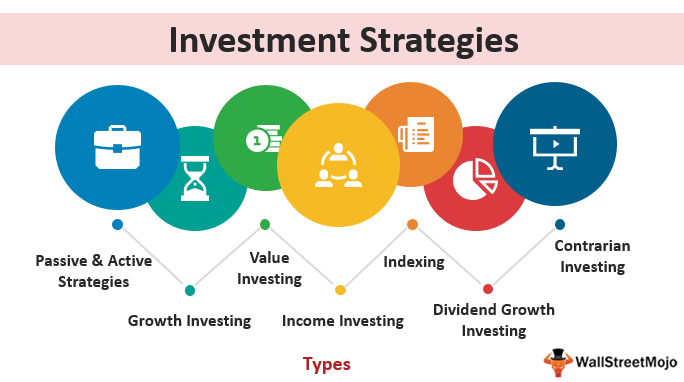
I have a problem with both growth and value demagogues.
Growth demagogues will argue that valuation is irrelevant for high-growth companies because the price you pay for growth doesn’t matter. They usually say this after a very extended move in growth stocks, where these investors look like gods that walk on water. They call value investors “accountants.”
The price you pay matters (this is not a new message). As we’ve discussed in the past, if you bought great, high-growth companies near the end of the Nifty Fifty bubble in the 1960s or near the end of the dotcom bubble in the 1990s, it took more than a decade to break even (after first struggling through double-digit losses).
Posted on January 11, 2025 by Dr. David Edward Marcinko MBA MEd CMP™
By Dr. David Edward Marcinko MBA MEd
***
***
Saying a patient’s name in the emergency room will almost ensure that person comes in that day.
A code cart next to an unstable patient is said to ward off evil spirits.
Traditional healers usually use superstition in their practices to manage human health problems and diseases.
Such practices create a conflict with the medical profession and its evidence-based practices.
***
So, what exactly is a Superstition? Does superstition change a measurable patient outcome, such as decreased anastomotic leak rate, surgical site infection, or mortality? Hard to say. But does it improve the surgeon’s confidence, thereby improving their performance? Likely so.
Science is not the opposite of superstition; it is the result of superstition, the result of humans trying to make sense of the world and prove each other wrong. We keep doing the things we do to maintain some semblance of control. In further defense of superstition, ritualistic behaviors ensure that the necessary boxes are checked and that we pay attention to the details. In surgery, details matter.
“Superstition is the irrational belief that an object or behavior has the power to influence an outcome, when there’s no logical connection between them. Most of us aren’t superstitious – but most of us are a ‘littlestitious.’” – Gretchen Rubin
So, until there is evidence to the contrary, I will keep tearing off the little patient labels and keeping their names with me in hopes that they do well after surgery.
Posted on January 11, 2025 by Dr. David Edward Marcinko MBA MEd CMP™
By Staff Reporters
***
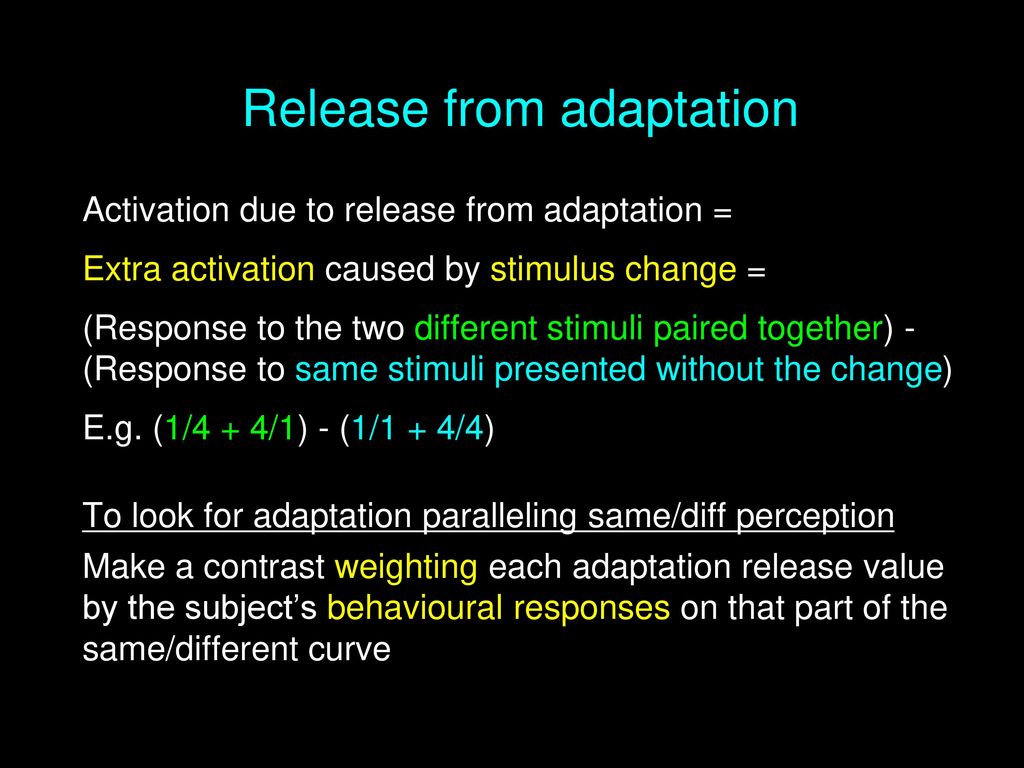
Activation due to release from adaptation = Extra activation caused by stimulus change = (Response to the two different stimuli paired together) – (Response to same stimuli presented without the change) E.g. (1/4 + 4/1) – (1/1 + 4/4) To look for adaptation paralleling same/diff perception. Make a contrast weighting each adaptation release value by the subject’s behavioural responses on that part of the same/different curve. Rajeev Raizada – UW MRI talk, Oct
***
Release from Adaptation is the joy you feel when something changes after becoming accustomed to it. It’s like the relief of a cool breeze after a hot day. Our brains get used to stimuli, making them less noticeable over time. When there’s a change, it’s like hitting the refresh button on our senses.
This is why, according to colleague Dan Ariely PhD, novelty feels so exciting and routine can become dull. So, inject some variety into your life to keep things fresh and enjoy the small releases from adaptation.
Posted on January 11, 2025 by Dr. David Edward Marcinko MBA MEd CMP™
By Staff Reporters
***
Credit report with score on a desk
***
Credit analysis is a form of financial analysis used primarily to determine the financial strength of the issuer of a security, and the ability of that issuer to provide timely payment of interest and principal to investors in the issuer’s debt securities. Credit analysis is typically an important component of security analysis and selection in credit-sensitive bond sectors such as the corporate bond market and the municipal bond market.
Credit default swap index (CDX) is a credit derivative, based on a basket of CDS, which can be used to hedge credit risk or speculate on changes in credit quality.
Credit default swaps (CDS) are credit derivative contracts between two counterparties that can be used to hedge credit risk or speculate on changes in the credit quality of a corporation or government entity.
Credit quality reflects the financial strength of the issuer of a security, and the ability of that issuer to provide timely payment of interest and principal to investors in the issuer’s securities. Common measurements of credit quality include the credit ratings provided by credit rating agencies such as Standard & Poor’s and Moody’s. Credit quality and credit quality perceptions are a key component of the daily market pricing of fixed-income securities, along with maturity, inflation expectations and interest rate levels.
Credit Rating Agency (CRA) is a company that assigns credit ratings for issuers of certain types of debt obligations as well as the debt instruments themselves. In the United States, the Securities and Exchange Commission (SEC) permits investment banks and broker-dealers to use credit ratings from “Nationally Recognized Statistical Rating Organizations” (NRSRO) for similar purposes. As of January 2012, nine organizations were designated as NRSROs, including the “Big Three” which are Standard and Poor’s, Moody’s Investor Services and Fitch Ratings.
Credit rating downgrade, by a credit rating agency (Standard & Poor’s, Moody’s or Fitch) means reducing its credit rating for a debt issuer and/or security. This is based on the agency’s evaluation, indicating, to the agency, a decline in the issuer’s financial stability, increasing the possibility of default. A downgrade should not to be confused with a default; a debt security can be downgraded without defaulting. And, conversely, a debt issuer can suddenly default without being downgraded first–credit ratings and credit rating agencies are not infallible.
Credit ratings are measurements of credit quality provided by credit rating agencies. Those provided by Standard & Poor’s typically are the most widely quoted and distributed, and range from AAA (highest quality; perceived as least likely to default) down to D (in default). Securities and issuers rated AAA to BBB are considered/perceived to be “investment-grade”; those below BBB are considered/perceived to be non-investment-grade or more speculative.
Credit risk is the inability or perceived inability of the issuers of debt securities to make interest and principal payments will cause the value of those securities to decrease. Changes in the credit ratings of debt securities could have a similar effect.
Credit Risk Transfer Securities (CRTS) are unsecured obligations of the GSEs (Government Sponsored Enterprises). Although cash flows are linked to prepays and defaults of the reference mortgage loans, the securities are unsecured loans, backed by general credit rather than by specified assets.
Posted on January 10, 2025 by Dr. David Edward Marcinko MBA MEd CMP™
By Staff Reporters
***
***
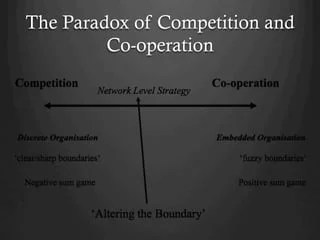
Definition of the Paradox of Competition
The Paradox of Competition refers to the complex and often counterintuitive effects competitive behaviors can have within markets and industries. Generally, competition is seen as a positive force that drives innovation, lowers prices, and improves quality and choice for consumers. However, the paradox lies in the fact that intense competition can sometimes lead to negative outcomes, such as diminished profitability for companies, reduced incentives to innovate, and the potential for a race to the bottom in terms of quality and sustainability.
According to colleague Dan Ariely PhD, understanding the nuances of the Paradox of Competition reveals the complexity of market dynamics and the importance of strategic, informed approaches to competition, both from businesses and regulators.
This paradox challenges the conventional wisdom that competition is universally beneficial, highlighting the need for a more nuanced view of how competitive forces shape markets and societies.
Posted on January 10, 2025 by Dr. David Edward Marcinko MBA MEd CMP™
By Staff Reporters
***
***
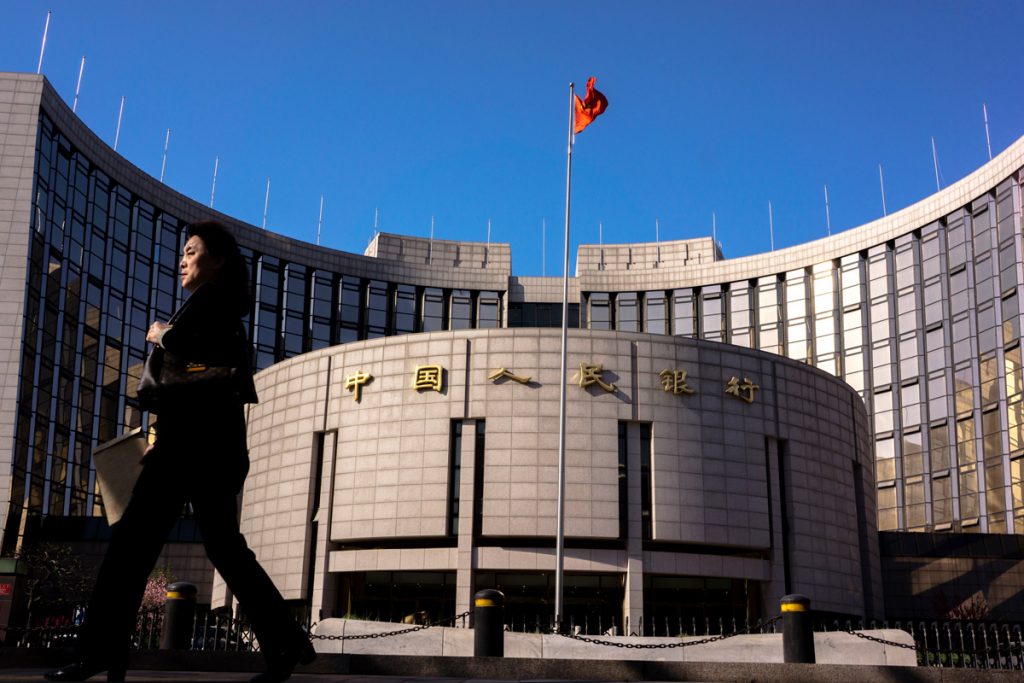
China’s 10-year bond yield plunged to a record low this month, while the Chinese currency [yuan] traded in Hong Kong on Wednesday hit its weakest against the U.S. dollar in more than a year.
The People’s Bank of China is “trying to cool down the market by suspending government bond buying,” said Larry Hu, chief China economist at Macquarie.
And, the U.S. economy added a much larger-than-expected total of new hires last month, adding more upward pressure to wage inflation and likely stoking a further selloff in U.S. Treasury bonds.
The Bureau of Labor Statistics said 256,000 new jobs were created last month, well ahead Wall Street’s 164,000 forecast and the down-wardly revised 212,000 reading from November.
***
Finally, Wall Street’s major averages are tumbling today as investors digested the hotter than expected jobs report. Early on and the S&P 500 (SP500) was -1.7%, the NASDAQ Composite (COMP:IND) was -2.2%, and the Dow (DJI) was -1.3%.
Posted on January 10, 2025 by Dr. David Edward Marcinko MBA MEd CMP™
By Staff Reporters
***
***
Ibbotson Intermediate-Term Treasuries Index constructed by Ibbotson Associates using long-term historical data. The index calculates total returns from historical index prices and calculates income using a coupon accrual method.
The index replicates intermediate-term bond performance by selecting the Treasury bond with maturity closest to five years, holds it for the calendar year, then rolls to the next five-year bond.
Posted on January 9, 2025 by Dr. David Edward Marcinko MBA MEd CMP™
By Staff Reporters
***
***
Sustainability focuses on meeting the needs of the present without compromising the ability of future generations to meet their needs. There are many different approaches to Sustainability, with motives varying from positive societal impact, to wanting to achieve competitive financial results, or both.
Methods of sustainable investing include active share ownership, integration of ESG factors, thematic investing, impact investing and exclusion among others.
Posted on January 9, 2025 by Dr. David Edward Marcinko MBA MEd CMP™
MEDICAL EXECUTIVE-POST–TODAY’SNEWSLETTERBRIEFING
***
Essays, Opinions and Curated News in Health Economics, Investing, Business, Management and Financial Planning for Physician Entrepreneurs and their Savvy Advisors and Consultants
“Serving Almost One Million Doctors, Financial Advisors and Medical Management Consultants Daily“
A Partner of the Institute of Medical Business Advisors , Inc.
Mail: The National Postal Mail Handlers Union has said that the U.S. postal service will pause its operations on Thursday. UPS and FedEX pickup and delivery services are expected to be available, and UPS Store and FedEX office locations will be open too.
Stock market: The NASDAQ is set to close all of its equities and options markets to mark the national day of mourning on Thursday. It’s also set to mark the late president’s death with a moment of silence at 9.20 a.m. E.T. The bond market is set to close at 2 p.m. E.T. following a recommendation from the Securities Industry and Financial Markets Association.
Banks: As the national day of mourning isn’t a federal holiday, many businesses, banks, and services will be open. But it’s worth checking local store hours before going out.
The S&P 500 (^GSPC) closed up more than 0.1% while the Dow Jones Industrial Average (^DJI) added 0.25%, or about 100 points. The tech-heavy NASDAQ Composite (^IXIC) closed just below the flat line.
Posted on January 8, 2025 by Dr. David Edward Marcinko MBA MEd CMP™
***
***
Smishing is a form of phishing that uses Short Message Service (SMS), commonly known as text messages, instead of email. Typically, the scammer poses as a legitimate institution, such as a bank, a service provider or a reputed company. The text message they send creates a sense of urgency or threatens consequences if the victim doesn’t respond immediately. It downloads malware on the phone or includes a link to a fraudulent website designed to look like the legitimate organization’s site. When victims reach that site they are tricked into entering their personal information.
Seven Types of Smishing Scams
1. Impersonation Scams: The attacker pretends to be a known organization or individual. The attack could be via a message pretending to be from a bank, government agency or a reputable company. 2. Tech Support Scams: Attackers pose as representatives from tech companies, claiming that the victim’s device or account has been compromised and that they need sensitive data to fix the problem. 3. Account Suspension Scams: These messages claim that an account (bank account, social media or any other service) has been suspended and prompt the victim to verify their identity by providing sensitive information. 4. Missed Delivery Scams: Attackers send messages claiming that the victim has missed a package delivery, and they need to provide personal details or a fee to reschedule the delivery. 5. Prize or Lottery Scams: Messages claiming that the victim has won a prize or a lottery, and they need to provide personal details or make a payment to claim the winnings. 6. Charity Scams: In these attacks, scammers impersonate a charitable organization, asking for donations, usually following a large-scale disaster or during holiday seasons. 7. Malware Link Scams: Messages containing a link, which when clicked, installs malware on the victim’s device, allowing the attacker to steal information or gain control over the device.
Attackers are constantly innovating and finding new ways to exploit human trust, so it’s crucial to be skeptical of any unsolicited or unexpected message that asks for sensitive information or prompts to click a link.
Posted on January 8, 2025 by Dr. David Edward Marcinko MBA MEd CMP™
MEDICAL EXECUTIVE-POST–TODAY’SNEWSLETTERBRIEFING
***
Essays, Opinions and Curated News in Health Economics, Investing, Business, Management and Financial Planning for Physician Entrepreneurs and their Savvy Advisors and Consultants
“Serving Almost One Million Doctors, Financial Advisors and Medical Management Consultants Daily“
A Partner of the Institute of Medical Business Advisors , Inc.
Three UnitedHealth-owned insurance companies must pay over $165 million for misleading thousands of customers in Massachusetts into paying for additional health insurance, a state judge has ruled.
Nvidia stock (NVDA) tumbled more than 6% Tuesday, a day after shares closed at a record high in anticipation of CEO Jensen Huang’s keynote at the tech industry’s annual CES trade show in Las Vegas.
The Biden administration’s Consumer Financial Protection Bureau (CFPB) issued a new rule Tuesday that will hide an estimated $49 billion in medical debt from credit reports. The rule, which is slated to affect 15 million Americans, prohibits the inclusion of medical bills on credit reports and bars creditors from using medical information in making lending decisions. The policy specifically targets national credit-reporting companies Equifax, Experian and Transunion, which provide detailed evaluations of consumer finances to banks, employers and landlords.
Posted on January 7, 2025 by Dr. David Edward Marcinko MBA MEd CMP™
By Staff Reporters
***
***
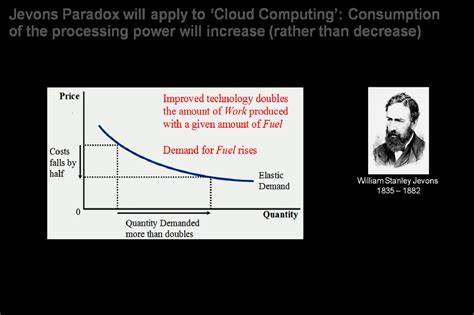
William S. Jevons Paradox suggests that increases in efficiency lead to even larger increases in demand; according to colleague Dan Ariely PhD.
The Jevons Paradox is when making something work better actually leads to using more of it, not less.
Imagine you have a really fast bike that makes you use less energy to speed up. Because it’s so good, you want to bike everywhere, even more than before. Now, even though your bike is better at saving energy, you end up using it so much that you may use even more energy overall
Posted on January 7, 2025 by Dr. David Edward Marcinko MBA MEd CMP™
By Staff Reporters
***
***
Institute for Supply Management (ISM) Manufacturing Index. Now, published on a monthly basis, the ISM surveys more than 300 manufacturing firms on employment, production, new orders, supplier deliveries, and inventories.
A composite diffusion index of national manufacturing conditions is constructed, where readings above (below) 50 percent indicate an expanding (contracting) manufacturing sector.
Posted on January 7, 2025 by Dr. David Edward Marcinko MBA MEd CMP™
MEDICAL EXECUTIVE-POST–TODAY’SNEWSLETTERBRIEFING
***
Essays, Opinions and Curated News in Health Economics, Investing, Business, Management and Financial Planning for Physician Entrepreneurs and their Savvy Advisors and Consultants
“Serving Almost One Million Doctors, Financial Advisors and Medical Management Consultants Daily“
A Partner of the Institute of Medical Business Advisors , Inc.
US stocks largely rose on Monday as chip names popped and investors awaited the release of key monthly jobs data later this week.
The S&P 500 (^GSPC) was up about 0.5%, while the Dow Jones Industrial Average (^DJI) fell about 0.1% after being higher for most of the session. The tech-heavy NASDAQ Composite (^IXIC) led the gains, adding about 1.2%, after a tech-led rally on Friday.
Posted on January 6, 2025 by Dr. David Edward Marcinko MBA MEd CMP™
By Staff Reporters
***
***
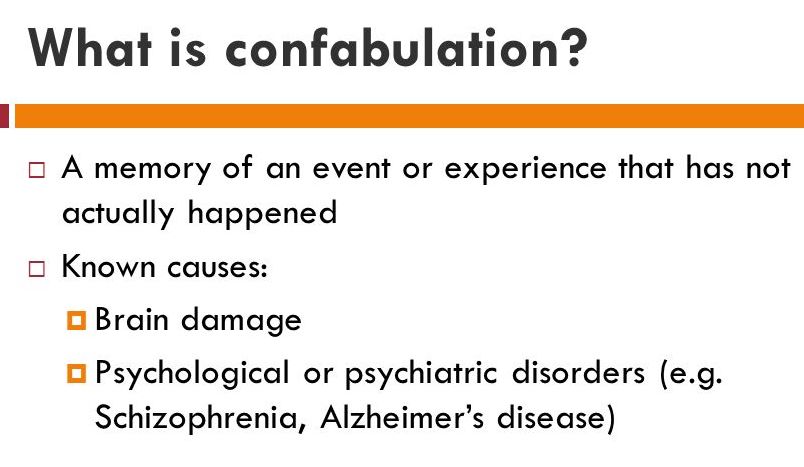
Confabulation Bias is the creation of false memories without the intent to deceive. Our brain fills in gaps, sometimes creating memories that feel real but are entirely fabricated.
According to colleague Dan Ariely PhD, this can happen especially when memory gaps are subconsciously filled to maintain coherence.
Posted on January 6, 2025 by Dr. David Edward Marcinko MBA MEd CMP™
BREAKING NEWS!
By Staff Reporters
***
***
TORONTO—Canadian Prime Minister Justin Trudeau just announced that he will resign after almost a decade in power, bowing to members of his party who have been calling on him to step aside ahead of an election later this year.
“It has become clear to me that if I’m having to fight internal battles, I cannot be the best option in that election,” said Trudeau in an announcement from the country’s capital, Ottawa.
Posted on January 5, 2025 by Dr. David Edward Marcinko MBA MEd CMP™
By Staff Reporters
***
***
Morality Priming refers to subtle reminders of ethical principles that can make us behave more responsibly. It’s like an internal nudge that brings our conscience to the surface.
And, according to colleague Dan Ariely PhD, by focusing on moral standards, people are often encouraged to act more honestly, even in small, everyday decisions.
Posted on January 5, 2025 by Dr. David Edward Marcinko MBA MEd CMP™
By Reporters
***
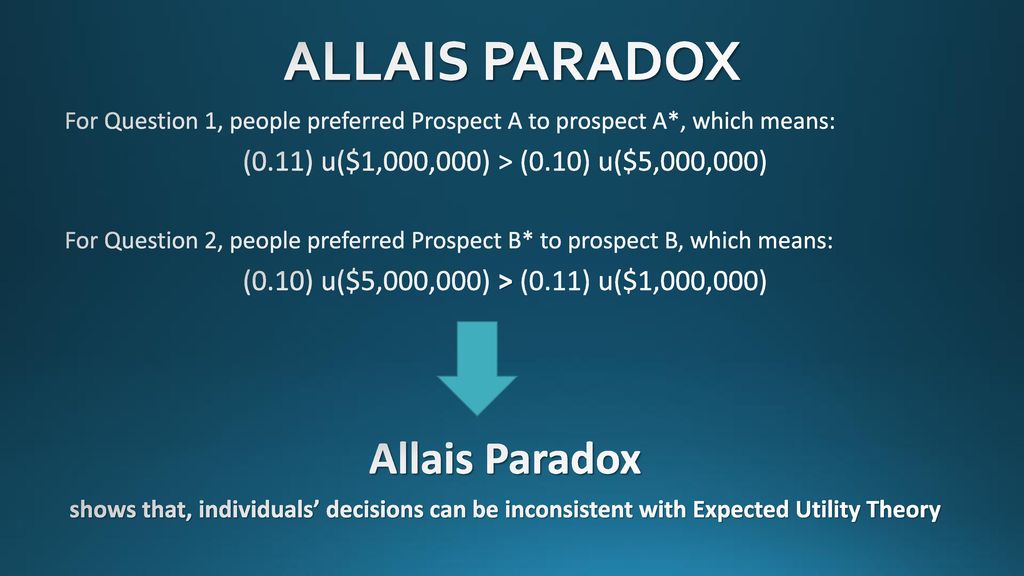
For Question 1, people preferred Prospect A to prospect A , which means: (0.11) u( 1,000,000) > (0.10) u( 5,000,000) For Question 2, people preferred Prospect B to prospect B, which means: (0.10) u( 5,000,000) > (0.11) u( 1,000,000) Allais Paradox. shows that, individuals’ decisions can be inconsistent with Expected Utility Theory.
***
Allais Paradox is a change in a possible outcome that is shared by different alternatives affects people’s choices among those alternatives, in contradiction with expected utility theory.
The Allais paradox is a choice problem designed by Maurice Allais 1953 to show an inconsistency of actual observed choices with the predictions of expected utility theory theory.
According to colleague Dan Ariely PhD, the Allais paradox demonstrates that individuals rarely make rational decisions consistently when required to do so immediately. The independence axiom of expected utility theory, which requires that the preferences of an individual should not change when altering two lotteries by equal proportions, was proven to be violated by the paradox.
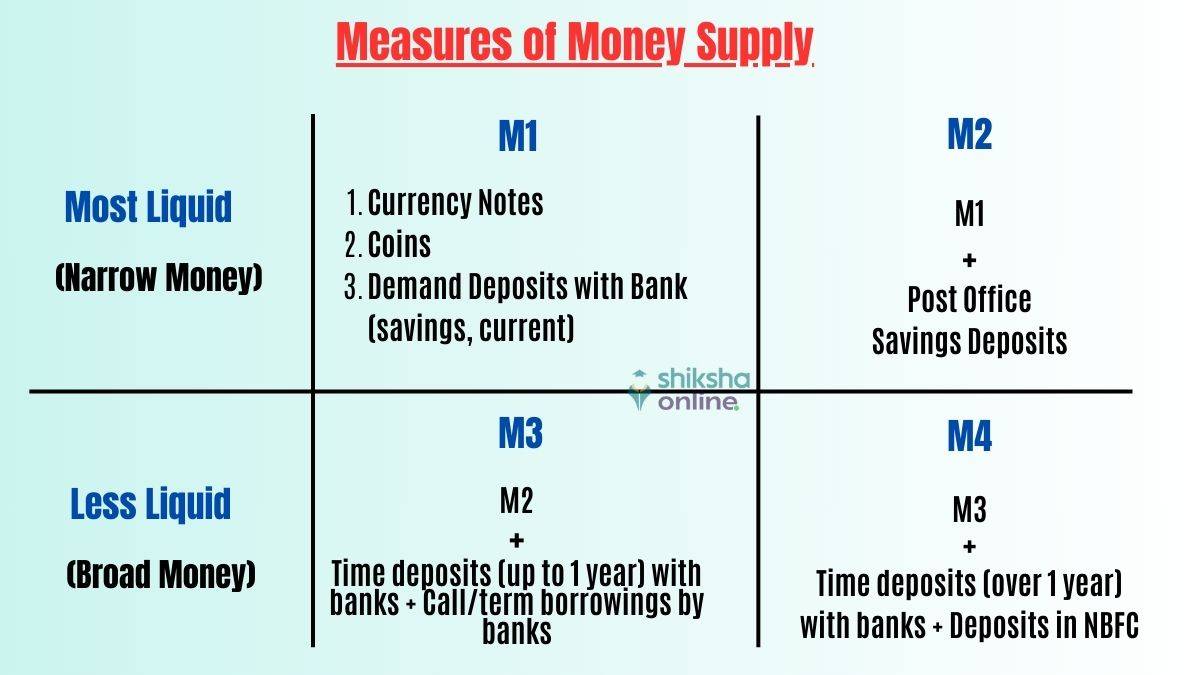
MONEY SUPPLY: The amount of money in circulation. The money supply measures currently (1985) used by the Federal Reserve System are:
M 1 – Currency in circulation + demand deposit + other check-type deposits. 35 M2 – M 1 + savings and small denomination time deposits + overnight repurchase agreements at commercial banks + overnight Eurodollars + money market mutual fund shares. M3 – M2 + large-denomination time deposits (Jumbo CDs) + term repurchase agreements. M4 – M3 + other liquid assets (such as term Eurodollars, bankers acceptances, commercial paper, Treasury securities and U.S. Savings Bonds)
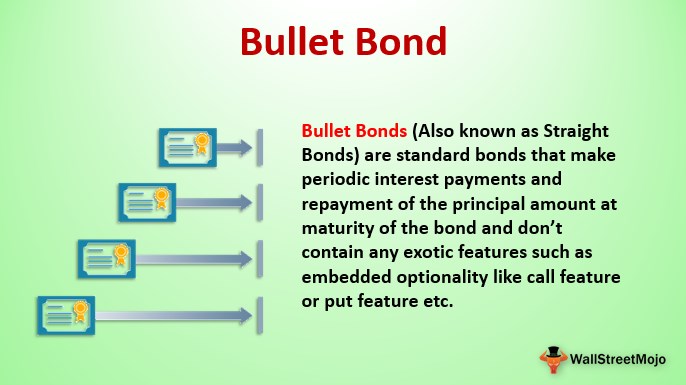
A Bullet bond structure is a bond portfolio structure that clusters a portfolio’s bond maturities around a single maturity (usually an intermediate-term maturity).
This structure tends to perform best when the yield curve is moving from flat to steep (long-term rates are rising faster than short-term rates, or short-term rates are falling faster than long-term rates).
Posted on January 4, 2025 by Dr. David Edward Marcinko MBA MEd CMP™
MEDICAL EXECUTIVE-POST–TODAY’SNEWSLETTERBRIEFING
***
Essays, Opinions and Curated News in Health Economics, Investing, Business, Management and Financial Planning for Physician Entrepreneurs and their Savvy Advisors and Consultants
“Serving Almost One Million Doctors, Financial Advisors and Medical Management Consultants Daily“
A Partner of the Institute of Medical Business Advisors , Inc.
Nvidia stock (NVDA) led gains among the “Magnificent Seven” tech stocks to start the new year after a group-wide sell-off in the last days of 2024. Shares of the AI chip-maker rose 4.5% Friday after gaining roughly 3% the prior day.
Quote: “If your credit card gets compromised, your bank will alert you, cancel it and send you get a new one. But your medical records have a long lifespan. They can be misused without detection for long periods of time, because it’s harder to identify malicious activity. That makes them very valuable.”—Geetha Thamilarasu, associate professor at the University of Washington Bothell, on why hackers want healthcare information (the Wall Street Journal)
That upswing followed a 4% dip between Christmas Eve and New Year’s Eve as megacap tech stocks dropped across the board in the absence of a “Santa Claus” rally, where the stock market typically enjoys a surge between December 24th and January 2nd. Tesla (TSLA) stock plunged nearly 13% over that time frame, while Amazon (AMZN) and Microsoft (MSFT) dropped more than 4%. Meanwhile, Meta (META) and Google (GOOG) fell just under 4%, and Apple (AAPL) dropped 3%.
Even with its December decline, Nvidia shares still ended 2024 up more than 150%. Wall Street analysts have remained bullish on the stock, estimating shares will rise to roughly $173 over the next year from their current level of $138, according to Yahoo Finance data.
Posted on January 3, 2025 by Dr. David Edward Marcinko MBA MEd CMP™
By Staff Reporters
***
***
What is a Revenue Agent?
IRS revenue agents are unarmed, civil agency employees that are skilled auditors who typically conduct in-person field audits. These are normally scheduled at the taxpayer’s home, place of business or accountant’s office where the organization’s financial books and records are located.
What is a Revenue Officer?
IRS revenue officers are unarmed civil agency employees whose duties include visiting households and businesses to help taxpayers resolve their account balances. Their job is to collect taxes that are delinquent and have not been paid to the IRS and to secure tax returns that are overdue from taxpayers.
The IRS currently has about 2,300 revenue officers working cases across the country. Revenue officers educate taxpayers on their tax filing and paying obligations and provide guidance and service on a wide range of financial issues to help the taxpayer resolve their tax issues. They also ensure taxpayers are aware of their rights under the law and provide them with quality customer service.
Confirming if it’s the IRS
Revenue officers and revenue agents are unarmed and carry two forms of official credentials with a serial number and their photo. Taxpayers have the right to see each of these credentials and can also request an additional method to verify their identification.
Remember, taxpayers should know they have a tax issue before these visits occur since multiple mailings occur. And, IRS-CI special agents are the only armed IRS personnel and always present their law enforcement credentials when conducting investigations.
Posted on January 3, 2025 by Dr. David Edward Marcinko MBA MEd CMP™
By Staff Reporters
***
***
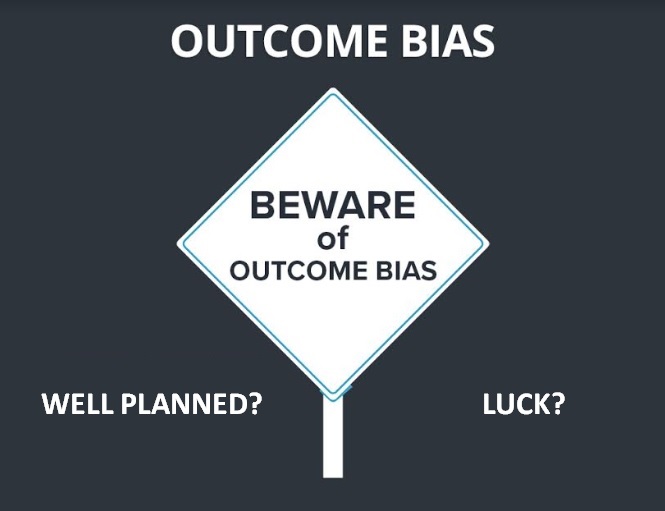
Outcome bias is judging a decision based on its result rather than the quality of the decision at the time it was made.
It’s like saying a bad poker play was smart because you won the hand. Or, a bad stock picker or financial advisor was good because the price went up!
According to psychologist and colleague Dan Ariely PhD, this bias ignores the process and focuses solely on the outcome. It’s why we celebrate lucky breaks and criticize thoughtful risks that didn’t pan out.
So, the next time you’re evaluating a decision, focus on the reasoning behind it, not just the end result.
Posted on January 3, 2025 by Dr. David Edward Marcinko MBA MEd CMP™
MEDICAL EXECUTIVE-POST–TODAY’SNEWSLETTERBRIEFING
***
Essays, Opinions and Curated News in Health Economics, Investing, Business, Management and Financial Planning for Physician Entrepreneurs and their Savvy Advisors and Consultants
“Serving Almost One Million Doctors, Financial Advisors and Medical Management Consultants Daily“
A Partner of the Institute of Medical Business Advisors , Inc.
China’s stock market suffered its worst start to a year in nearly a decade, as investors brace for Donald Trump to impose tariffs on the world’s second-largest economy. The CSI 300 index closed down 2.9pc on Thursday, marking its steepest drop on the first day of annual trading since 2016, while the Hang Seng in Hong Kong fell 2.2pc.
The fall for US stocks accompanied a rally in the dollar, a popular haven, which set a fresh two-year high Thursday and opened little changed Friday. The yen climbed in early trading after a third daily decline against the greenback in the prior session. The moves are a sign the selling that has sapped US equities over the past week may be starting to turn. Investors are preparing to implement asset-allocation strategies for the 2025 year ahead after a rocky end to 2024.
Posted on January 2, 2025 by Dr. David Edward Marcinko MBA MEd CMP™
By Anonymous
***
***
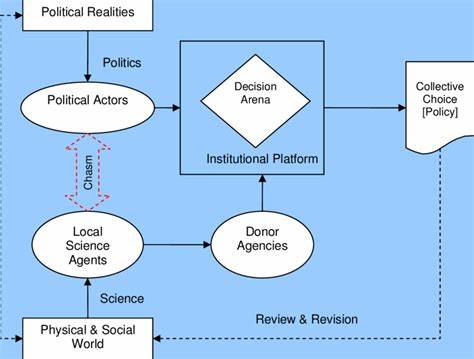
When you keep donating without thinking it through, people can start relying on those donations more than building their own sustainable solutions. It can feel nice to help, but constant aid might discourage local initiatives. You want people to grow and thrive on their own, not just depend on outside help.
This is known as donation dependency.
Sometimes, consistent aid can become a crutch instead of a stepping stone. Communities may stop exploring ways to solve their own problems if help is always coming in from elsewhere. Encouraging self-reliance is crucial in ensuring your help leads to long-term benefits.
Posted on January 2, 2025 by Dr. David Edward Marcinko MBA MEd CMP™
By Staff Reporters
***
***
Anthem Blue Cross and Scripps Health will part ways impacting thousands of patients.
Scripps Health and Anthem Blue Cross officially just parted ways on January 1st, 2025, leaving about 125,000 patients uncertain of what their healthcare and insurance will look like in 2025.
Posted on January 2, 2025 by Dr. David Edward Marcinko MBA MEd CMP™
By Staff Reporters
***
***
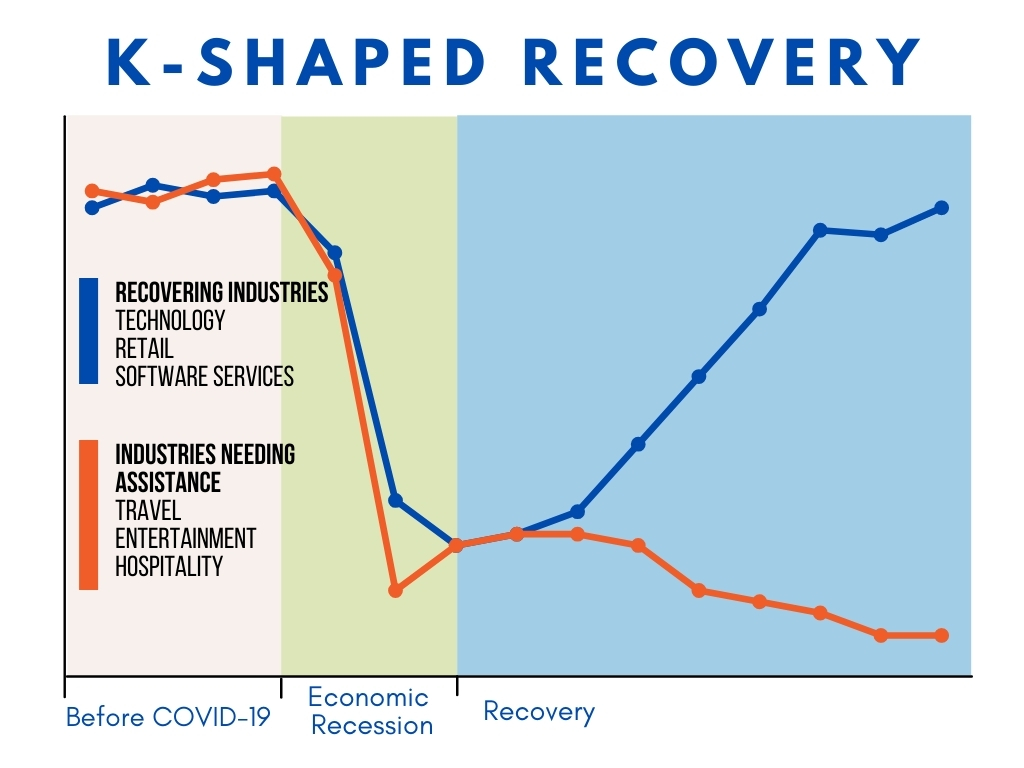
Understanding the K-shaped Economy
According to Olivia Voltaggio, in a V-shaped economy, things go down but then bounce back for everyone. In a K-shaped economy, the overall economy might go down. Only some parts of it recover, while others keep struggling.
In a K-shaped economy, people’s financial situations vary widely. Not everyone faces the same struggles. Lenders and financial institutions need to be flexible with strategy. They need to understand the different challenges their customers are dealing with.
Navigate with caution: The gaps in economic recovery highlight the importance of taking a careful, strategic approach.
How did we end up with a K-shaped recovery in 2024?
Inflation-driven price increases seem to be getting more stable. But, they may not reach the goal set by the government until 2026. This has made things more expensive for regular families.
For example, people with student loan debt had to start paying it back in October 2023. This was after a pandemic-induced grace period. Student loan repayment made budgeting harder. Borrowers might need to spend more on average than expected. For young adults (Gen Z), it could be even more.
Finally, more people are using credit cards because things are getting more expensive. Some are struggling to pay their credit card bills on time.
LAS VEGAS (AP) — A vehicle caught fire and exploded Wednesday outside the lobby of President-elect Donald Trump’s hotel in Las Vegas, authorities said.
Las Vegas police said they are investigating the fire and explosion, but neither they nor the Clark County Fire Department immediately provided more details. A county spokeswoman said in a statement that the fire was in the hotel’s valet area and was reported at 8:40 a.m.
Posted on January 1, 2025 by Dr. David Edward Marcinko MBA MEd CMP™
MEDICAL EXECUTIVE-POST–TODAY’SNEWSLETTERBRIEFING
***
Essays, Opinions and Curated News in Health Economics, Investing, Business, Management and Financial Planning for Physician Entrepreneurs and their Savvy Advisors and Consultants
“Serving Almost One Million Doctors, Financial Advisors and Medical Management Consultants Daily“
A Partner of the Institute of Medical Business Advisors , Inc.
US stocks slipped Tuesday, closing 2024 with an uncharacteristic down note after a roaring year of trading. The S&P 500 (^GSPC) fell 0.4%. The Dow Jones Industrial Average (^DJI) dropped just below the flatline, while the tech-heavy NASDAQ Composite (^IXIC) led the losses at 0.9%.
Despite the sour final stretch, the benchmark S&P 500 closed 2024 up 23%, according to Yahoo Finance data. The tech-heavy NASDAQ Composite gained almost 30%. The Dow Jones Industrial Average posted a more modest 13% win. The S&P’s annual gain roughly matches 2023’s performance, logging the highest consecutive back-to-back annual gain in nearly 30 years.
At least 10 people are dead and 35 injured after a man drove a pickup truck into a large crowd on New Orleans’ Bourbon and Canal streets early New Year’s Day, officials said. The suspect is dead. President Biden has been notified.
In an early Wednesday press conference, New Orleans Police Department (NOPD) chief Anne Kirkpatrick said a man drove a pickup truck down Bourbon Street with “clear intent.”
“He was hell bent on creating the carnage and the damage he did,” Kirkpatrick said, adding that two NOPD officers are among those injured.
The man drove down Bourbon Street “at a very fast pace,” indicating “very intentional behavior [and] trying to run over as many people as he possibly could,” Kirkpatrick said.
At least one improvised explosive device was found on the scene, said FBI New Orleans special agent-in-charge Alethea Duncan, and officials are “working on confirming if this was a viable device or not.”
The FBI is taking over the investigation, officials said.
More updates are expected from NOPD headquarters at 11 a.m. and 3 p.m. local time.
Posted on December 31, 2024 by Dr. David Edward Marcinko MBA MEd CMP™
By Staff Reporters
***
***
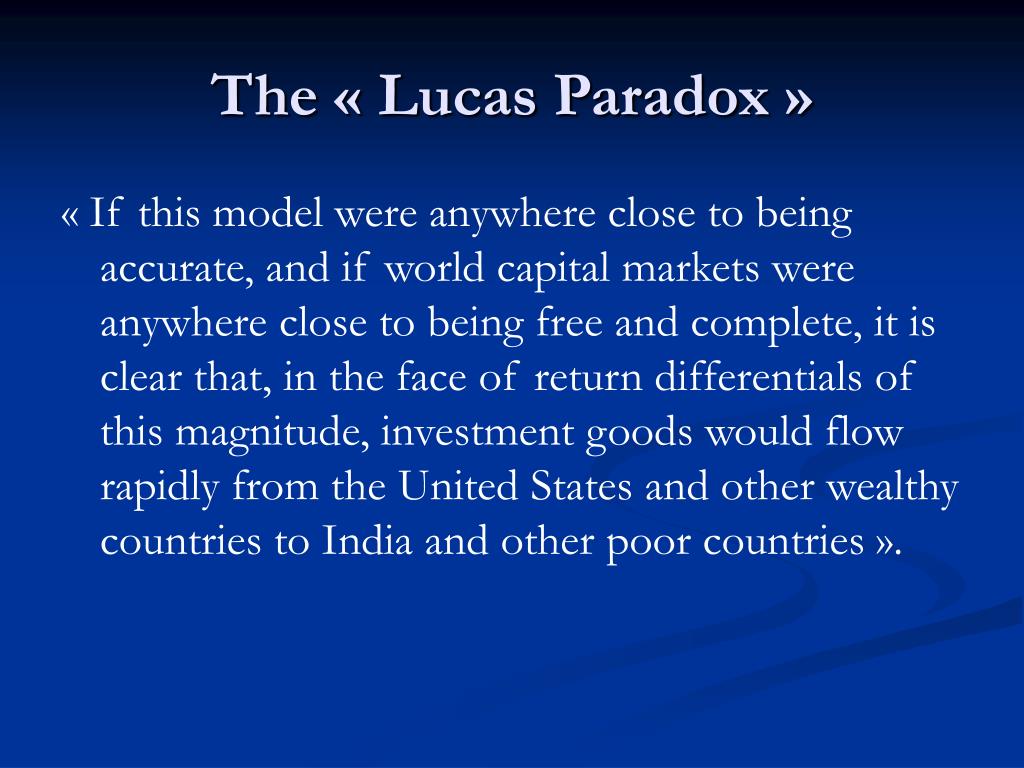
The Lucas Paradox occurs when capital is not flowing from developed countries to developing countries despite the fact that developing countries have lower levels of capital per worker, and therefore higher returns to capital.
According to Wikipedia, economic theory predicts that capital should flow from rich countries to poor countries, due to the effect of diminishing returns of capital. Poor countries have lower levels of capital per worker – which explains, in part, why they are poor. In poor countries, the scarcity of capital relative to labor should mean that the returns related to the infusion of capital are higher than in developed countries.
In response, savers in rich countries should look at poor countries as profitable places in which to invest. In reality, things do not seem to work that way. Surprisingly little capital flows from rich countries to poor countries. This puzzle was famously discussed in a paper by Robert Lucas PhD in 1990.
Posted on December 31, 2024 by Dr. David Edward Marcinko MBA MEd CMP™
By Staff Reporters
***
***
The Li Keqiang Index was created in 2010 by The Economist and measure’s China’s economy using three indicators: railway cargo volume, electricity consumption and bank loans.
The index is seen as an alternative to official gross domestic product numbers released by the Chinese government.
Posted on December 31, 2024 by Dr. David Edward Marcinko MBA MEd CMP™
By Staff Reporters
***
***
Is the Stock Market Open or Closed on New Year’s Eve?
Bond markets will close early at 2 p.m. Eastern on Tuesday, while the New York Stock Exchange and the NASDAQ Stock Market will hold regular hours from 9:30 a.m. to 4 p.m. Eastern. Over-the-counter markets, where securities trade over a broker-dealer network rather than a major exchange, will keep normal hours.
Is the Stock Market Open or Closed on New Year’s Day?
Both the U.S. bond and stock markets will be closed in observance of New Year’s Day. Over-the-counter markets will be shut, too.
What About International Markets?
Foreign exchanges, such as the London Stock Exchange, the Euronext Paris, the Stock Exchange of Hong Kong, the Shanghai Stock Exchange, and the Tokyo Stock Exchange, will be closed on Wednesday, January 1st.
Will Banks and Post Offices Be Open?
Federal Reserve banks and United States Post Service locations will be closed in observance of New Year’s Day.
Posted on December 31, 2024 by Dr. David Edward Marcinko MBA MEd CMP™
MEDICAL EXECUTIVE-POST–TODAY’SNEWSLETTERBRIEFING
***
Essays, Opinions and Curated News in Health Economics, Investing, Business, Management and Financial Planning for Physician Entrepreneurs and their Savvy Advisors and Consultants
“Serving Almost One Million Doctors, Financial Advisors and Medical Management Consultants Daily“
A Partner of the Institute of Medical Business Advisors , Inc.
Stat: 4 in 10. That’s about how many US nursing home residents got an updated Covid-19 vaccine in the winter of 2023–24, according to the CDC, despite the recommendation that adults 65 and older get the new shot. (KFF)
Stocks fell on Monday, with the woes of the three major indexes continuing in the final week of the year as an otherwise strong 2024 comes to a close.
The benchmark S&P 500 (^GSPC) slipped more than 1% while the tech-heavy NASDAQ Composite (^IXIC) fell roughly 1.2%. The Dow Jones Industrial Average (^DJI) fell about 0.8%.
Stocks moved lower as the 10-year Treasury yield (^TNX) retreated from a seven-month high to hover near 4.55%. Stocks closed out last week with a Friday slide from Big Tech names like Tesla (TSLA) and Nvidia (NVDA), with the NASDAQ Composite falling 1.5% and the S&P 500 down over 1%.
Chinese state-sponsored hackers breached the U.S. Treasury Department’s computer security guardrails this month and stole documents in what Treasury called a “major incident,” according to a letter to lawmakers that was provided to Reuters on Monday.
The hackers compromised third-party cybersecurity service provider BeyondTrust and were able to access unclassified documents, the letter said.
Posted on December 30, 2024 by Dr. David Edward Marcinko MBA MEd CMP™
By Staff Reporters
***
***
QUESTION: Ever tried convincing someone by arguing against your own point?
If so, that’s paradoxical persuasion. It’s like reverse psychology’s sophisticated cousin. By presenting the opposite argument, you make people defend your original point. It’s a mental judo move, using their own momentum against them. Next time you want someone to agree with you, try saying, “You’re right, maybe we shouldn’t get pizza.”
So, according to Dan Ariely PhD, watch as they passionately argue why pizza is, in fact, the best choice for dinner.
Posted on December 30, 2024 by Dr. David Edward Marcinko MBA MEd CMP™
By Staff Reporters
***
***
The stock market may close next month to honor Former President Jimmy Carter, who died yesterday at his home in Plains, Georgia, at the age of 100.
Carter, the 39th and longest-living U.S. president, was honored with a moment of silence earlier today at the New York Stock Exchange (ICE) and the NASDAQ (NDAQ).
When he is laid to rest in January, Wall Street will likely take a break.
Posted on December 30, 2024 by Dr. David Edward Marcinko MBA MEd CMP™
By Staff Reporters
***
***
The proportionality bias, also known as major event/major cause heuristic, is the tendency to assume that big events have big causes. It is a type of cognitive bias and plays an important role in people’s tendency to accept conspiracy theories. Academic psychologist Rob Brotherton summarized it as “When something big happens, we tend to assume that something big must have caused it”.
IOW:Proportionality Bias is the inclination to believe that the magnitude of an event’s cause must be proportional to the event’s outcome. It’s like thinking a huge disaster must have a huge cause. This bias simplifies our understanding of complex situations but often leads to misconceptions. In reality, small causes can have large effects, and vice versa.
And so, to overcome proportionality bias according to colleague Dan Ariely Phd, consider all possible explanations, regardless of their size. Remember: sometimes big things happen for small reasons.
Posted on December 30, 2024 by Dr. David Edward Marcinko MBA MEd CMP™
By Staff Reporters
***
***
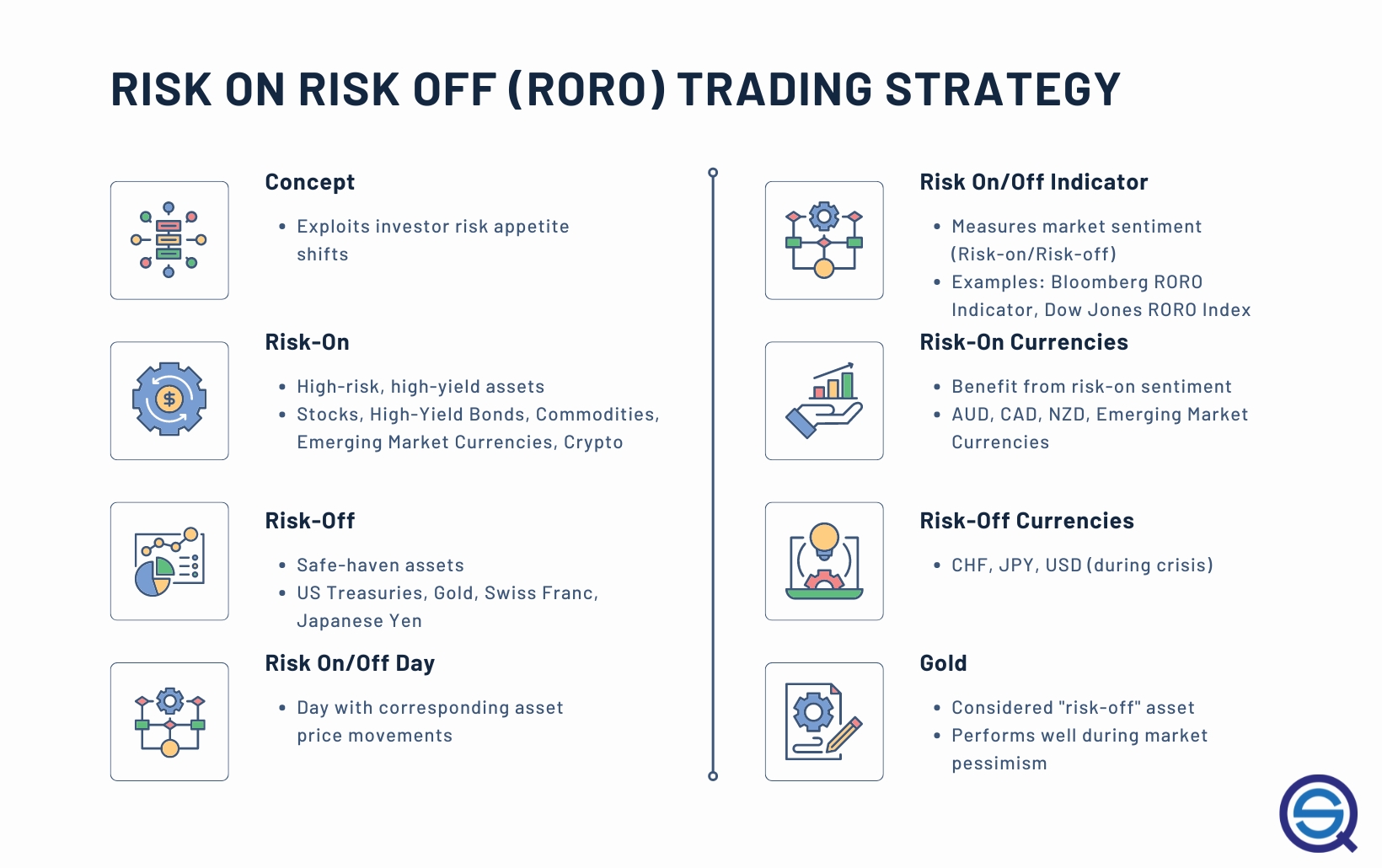
Risk-On
RO = Asset prices commonly follow the risk sentiment of the market. Investors look for changing sentiment through corporate earnings, macro-economic data, and global central bank action. An increase in the stock market or where stocks outperform bonds is said to be a risk-on environment.
Risk-on environments can be carried by expanding corporate earnings, optimistic economic outlook, accommodative central bank policies, and speculation. As the market displays strong influential fundamentals, investors perceive less risk about the market and its outlook.
Risk-Off
ROff = When stocks are selling off, and investors run for shelter to bonds or gold, the environment is said to be risk-off. Risk-off environments can be caused by widespread corporate earnings downgrades, contracting or slowing economic data, and uncertain central bank policy.
Just like the stock market rises in a risk-on environment, a drop in the stock market equals a risk-off environment. Investors jump from risky assets and pile into high grade bonds, U.S. Treasury bonds, gold, cash, and other safe havens
Risk-On Risk-Off?
Risk-on-risk-off investing relies on and is driven by changes in investor risk tolerance. Risk-on-risk-off (RORO) can also sway changes in investment activity in response to economic patterns. When risk is low, investors tend to engage in higher-risk investments. Investors tend to gravitate toward lower-risk investments when risk is perceived to be high.
Posted on December 29, 2024 by Dr. David Edward Marcinko MBA MEd CMP™
BREAKING NEWS!
Former President Jimmy Carter has died at the age of 100.
The 39th president of the United States was a Georgia peanut farmer who sought to restore trust in government when he assumed the presidency in 1977 and then built a reputation for tireless work as a humanitarian.
Posted on December 29, 2024 by Dr. David Edward Marcinko MBA MEd CMP™
By Staff Reporters
***
***
Habituation is your brain’s way of tuning out repetitive stimuli. It’s like background noise – after a while, you stop noticing it. This mental autopilot helps us focus on new and important information, but it can also make us overlook the familiar. It’s why you might not notice a smell in your house that’s obvious to a visitor.
To combat habituation, according to colleague Dan Ariely PhD, try changing up your routine and environment. Fresh experiences keep your brain engaged and alert.
Posted on December 29, 2024 by Dr. David Edward Marcinko MBA MEd CMP™
By Staff Reporters
***
***
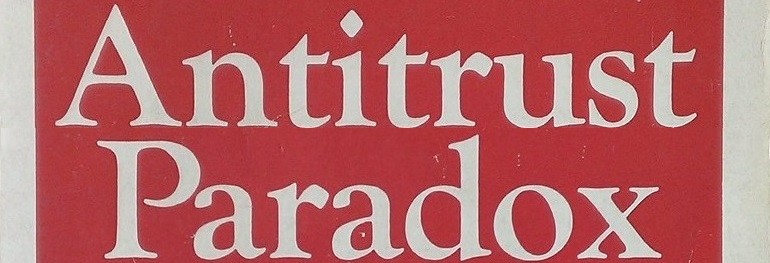
The anti-trust paradox suggests that antitrust enforcement artificially raised prices by protecting inefficient competitors from competition.
The Antitrust Paradox Book is an influential 1978 book by Robert Bork that criticized the state of US anti-trust law in the 1970s. A second edition, updated to reflect substantial changes in the law, was published in 1993. Bork has credited Aaron Director as well as other economists from the University of Chicago as influences.
Bork argued that the original intent of antitrust laws as well as economic efficiency makes consumer welfare and the protection of competition, rather than competitors, were the only goals of antitrust law.
Thus, while it was appropriate to prohibit cartels that fix prices and divide markets and mergers that create monopolies, practices that are allegedly exclusionary, such as vertical agreements and price discrimination, did not harm consumers and so should not be prohibited.
The paradox of antitrust enforcement was that legal intervention artificially raised prices by protecting inefficient enterprises from competition.
“Phantom Tax” or “Phantom Income” for direct owners of Treasury inflation-protected securities (TIPS) TIPS adjust their principal values and interest payments for inflation. As with other directly owned Treasury securities, TIPS principal, including the inflation adjustments, is not paid back to investors until the securities mature.
However, the principal adjustments are taxed by the IRS as income in the year in which they occur, even though no actual payments are made in those years to investors who own TIPS directly. This is why this income is called “phantom income” and the tax on it is known as the “phantom tax.”
Investors can avoid the phantom income/tax issue for TIPS by holding TIPS in tax-deferred retirement accounts. Mutual funds and Exchange Traded Funds (ETFs) typically take the “phantom” factor out of TIPS ownership by distributing the principal adjustments as taxable dividends.
As with direct ownership of TIPS, the tax consequences of these distributions by mutual funds and ETFs can be reduced by holding TIPS-owning instruments in tax-deferred retirement accounts







 Support our online development, and advance our onground research initiatives in free market economics, as we seek to showcase the brightest Next-Gen minds.
THE ME-P DISCLAIMER: Posts, comments and opinions do not necessarily represent iMBA, Inc., but become our property after submission. Copyright © 2006 to-date. iMBA, Inc allows colleges, universities, medical and financial professionals and related clinics, hospitals and non-profit healthcare organizations to distribute our proprietary essays, photos, videos, audios and other documents; etc. However, please review copyright and usage information for each individual asset before submission to us, and/or placement on your publication or web site. Attestation references, citations and/or back-links are required. All other assets are property of the individual copyright holder.
Support our online development, and advance our onground research initiatives in free market economics, as we seek to showcase the brightest Next-Gen minds.
THE ME-P DISCLAIMER: Posts, comments and opinions do not necessarily represent iMBA, Inc., but become our property after submission. Copyright © 2006 to-date. iMBA, Inc allows colleges, universities, medical and financial professionals and related clinics, hospitals and non-profit healthcare organizations to distribute our proprietary essays, photos, videos, audios and other documents; etc. However, please review copyright and usage information for each individual asset before submission to us, and/or placement on your publication or web site. Attestation references, citations and/or back-links are required. All other assets are property of the individual copyright holder.