BOARD CERTIFICATION EXAM STUDY GUIDES Lower Extremity Trauma
[Click on Image to Enlarge]
ME-P Free Advertising Consultation
The “Medical Executive-Post” is about connecting doctors, health care executives and modern consulting advisors. It’s about free-enterprise, business, practice, policy, personal financial planning and wealth building capitalism. We have an attitude that’s independent, outspoken, intelligent and so Next-Gen; often edgy, usually controversial. And, our consultants “got fly”, just like U. Read it! Write it! Post it! “Medical Executive-Post”. Call or email us for your FREE advertising and sales consultation TODAY [678.779.8597] Email: MarcinkoAdvisors@outlook.com
Medical & Surgical e-Consent Forms
ePodiatryConsentForms.com
iMBA Inc., OFFICES
Suite #5901 Wilbanks Drive, Norcross, Georgia, 30092 USA [1.678.779.8597]. Our location is real and we are now virtually enabled to assist new long distance clients and out-of-town colleagues.
ME-P Publishing
SEEKING INDUSTRY INFO PARTNERS?
If you want the opportunity to work with leading health care industry insiders, innovators and watchers, the “ME-P” may be right for you? We are unbiased and operate at the nexus of theoretical and applied R&D. Collaborate with us and you’ll put your brand in front of a smart & tightly focused demographic; one at the forefront of our emerging healthcare free marketplace of informed and professional “movers and shakers.” Our Ad Rate Card is available upon request [678-779-8597].
Posted on September 27, 2023 by Dr. David Edward Marcinko MBA MEd CMP™
By Staff Reporters
***
***
Instacart shares recently fell below its $30 IPO price.
After FTX crashed, the world of crypto seemed to belong to the largest exchange, Binance. Less than a year later, Binance is the one in distress. Under threat of enforcement actions by U.S. agencies, Binance’s empire is quaking. Over the past three months, more than a dozen senior executives have left, and the exchange has laid off at least 1,500 employees this year to cut costs and prepare for a decline in business. And while Binance still looms large in crypto, its dominance is dwindling.
Here is where the major benchmarks ended:
The S&P 500 Index was down 63.91 points (1.5%) at 4,273.53; the Dow Jones Industrial Average (DJIA) was down 388.00 points (1.1%) at 33,618.88; the NASDAQ Composite was down 207.71 points (1.6%) at 13,063.61.
The 10-year Treasury note yield (TNX) was up about 1 basis point at 4.548%.
CBOEs Volatility Index (VIX) was up 1.98 at 18.89.
Utilities were the weakest sector Tuesday. The Philadelphia Utility Index (UTY) dropped almost 3% to near a 12-month low. Utility stocks, traditionally favored by some investors because of their relatively high dividend yields, have fallen out of favor as bond yields surged this year. Consumer discretionary shares were also down sharply, perhaps reflecting concern that a slowing economy will prompt consumers to cut back on big-ticket purchases.
The U.S. Dollar Index (DXY) extended a nearly three-month rally and touched a 10-month high. Volatility based on the VIX hit a four-month high.
***
Finally, Moody’s, the only major credit rating agency that still gives the US government a triple-A rating, warned that a federal government shutdown would negatively impact the country’s credit.
Posted on September 15, 2023 by Dr. David Edward Marcinko MBA MEd CMP™
By Staff Reporters
***
***
The forecast for next year’s Social Security increase rose to 3.2% from 3% on Wednesday after the government said inflation ticked up in August. Annual inflation in August rose to 3.7%, from 3.2% in July but off a 40-year high of 9.1% in June 2022. Without the volatile food and energy sectors, the so-called “core” inflation rate was 4.3%, down from July’s 4.7%.
***
Illegal drugs are expected to be one of the biggest threats to national security in 2024 as overdose deaths topped 100,000 in the last year, according to the Department of Homeland Security’s annual threat study. In its report released Thursday, DHS said it expects illegal drugs produced in Mexico and sold in the United States will continue to kill more Americans than any other threat.
***
U.S. stocks ended sharply higher and the greenback jumped on Thursday as robust economic data failed to budge expectations that the Federal Reserve will leave its key interest rate unchanged next week. The rally boosted a broad array of assets. All three major stock indexes ended higher, as did all 11 major sectors of the S&P 500. The dollar jumped to a six-month high, 10-year Treasury yields rose, and crude oil futures hit their highest this year, helping energy stocks outperform the broader market.
A spate of economic data released before the opening bell showed energy prices, specifically gasoline, were largely responsible for a hotter-than-expected producer prices print and a consensus-beating retail sales reading.
***
Here is where the major benchmarks ended:
The S&P 500 Index was up 37.66 points (0.8%) at 4,505.10; the Dow Jones Industrial Average was up 331.58 points (1.0%) at 34,907.11; the NASDAQ Composite (COMP) was up 112.47 points (0.8%) at 13,926.05.The 10-year Treasury note yield (TNX) was up about 4 basis points at 4.286%. CBOE’s Volatility Index (VIX) was down 0.69 at 12.79.
Retailers were among the market’s strongest sectors Thursday in the wake of stronger-than-expected August retail sales reported by the Commerce Department. Energy companies also climbed as crude oil futures extended a rally and topped $90 a barrel for the first time since mid-November. Small-cap stocks joined the upswing, with the Russell 2000 Index (RUT) rising nearly 1.5% and ended at a one-week high. Volatility based on the VIX fell under 13.00 and near pre-pandemic levels of early 2020.
Posted on September 12, 2023 by Dr. David Edward Marcinko MBA MEd CMP™
By Staff Reporters
***
***
The U.S. Food and Drug Administration authorized and approved updated COVID boosters on Monday amid rising cases and hospitalizations across the country. The boosters made by Pfizer-BioNTech and Moderna, were formulated to target variants that are currently circulating, which are related to XBB – an offshoot of the omicron variant.
The US economy is in a “rolling recession” and a full-blown downturn looms, Liz Ann Sonders says.
Weakness in consumer goods and manufacturing is being offset by strength in services, she noted.
Charles Schwab’s chief investment strategist doesn’t expect a bunch of interest—rate cuts in 2024.
***
Here is where the major benchmarks ended:
The S&P 500 Index was up 29.97 points (0.7%) at 4,487.46; the Dow Jones Industrial Average (DJIA) was up 87.13 points (0.3%) at 34,663.72; the NASDAQ Composite was up 156.37 points (1.1%) at 13,917.89.
The 10-year Treasury note yield (TNX) was up about 3 basis points at 4.29%.
CBOE’s Volatility Index (VIX) was down 0.03 at 13.81.
The consumer discretionary sector, which includes stocks like Tesla and Amazon (AMZN), gained nearly 3% and ended at an eight-week high. Health care and utilities were also higher. Energy shares dropped as crude oil futures eased, but oil prices remained near 10-month highs.
Posted on September 2, 2023 by Dr. David Edward Marcinko MBA MEd CMP™
By Staff Reporters
***
***
Despite a recent rally, stocks couldn’t climb out of the deep hole they dug themselves earlier in the month, and all three major indexes finished August in the red.
Cannabis companies were the clear winner following news that the Department of Health and Human Services recommended that green pot should be reclassified as a lower-risk substance.
***
And, Anthony Fauci MD has said that there is “not going to be the tsunami of cases that we’ve seen” during the darkest days of the COVID-19 pandemic, following the emergence of two new variants of the virus. Speaking to the BBC, the former chief medical advisor to the president, who was regularly the face of the government’s response to the pandemic, played down the seriousness of the new strains, stressing that the vast majority of the population had enough immunity to prevent infections requiring medical intervention.
***
Markets: The Dow wrapped up its best week since July as investors celebrated another rock-solid jobs report. The economy added 187,000 jobs in August, and the unemployment rate rose to 3.8% from 3.5%—signs that the labor market is cooling, but not so fast that it’s likely to spark a recession.
Here is where the major benchmarks ended:
The S&P 500 Index was up 8.11 points (0.2%) at 4,515.77; the Dow Jones Industrial Average (DJIA) was up 115.80 points (0.3%) at 34,837.71, up 1.4% for the week; the NASDAQ Composite (COMP) was down 3.15 points at 14,031.81, up 3.2% for the week.
The 10-year Treasury note yield (TNX) was up about 7 basis points at 4.177%.
CBOE’s Volatility Index (VIX) was down 0.49 at 13.08.
Financial companies were among the strongest performers Friday, with the KBW Regional Banking Index (KRX) gaining about 2.5% to a three-week high.
Energy shares were also strong as WTI crude oil futures extended gains after the Energy Information Administration earlier this week reported a larger-than-expected drop in U.S. inventories. Crude futures surged nearly 3% to ended near $86 a barrel, the highest since mid-November. Consumer staples and consumer discretionary were among the weakest performers.
Posted on September 1, 2023 by Dr. David Edward Marcinko MBA MEd CMP™
By Staff Reporters
***
***
UBS, the Swiss lender posted the highest quarterly profit ever for a bank in Q2—$29 billion—thanks to its controversial rescue of rival Credit Suisse in March. That acquisition is looking like “one of the biggest steals in financial history,” per the Financial Times, considering the skimpy $3.6 billion price UBS paid for Credit Suisse. While UBS execs have a challenging road ahead integrating Credit Suisse’s businesses into its own, investors seem to think it can pull it off: UBS shares jumped to their highest level since the 2008 financial crisis, making it the second-largest bank in Europe behind HSBC.
***
Here is where the major benchmarks ended:
The S&P 500® Index (SPX) was down 7.21 points (0.2%) at 4,507.66, down 1.8% for the month; the Dow Jones Industrial Average (DJIA) was down 168.33 points (0.5%) at 34,721.91, down 2.4% for the month; the NASDAQ Composite was up 15.66 points (0.1%) at 14,034.97, down 2.2% for the month.
The 10-year Treasury note yield (TNX) was down about 2 basis points at 4.098%.
CBOE’s Volatility Index (VIX) was down 0.31 at 13.57.
As was the case for much of the late-August rally, technology shares helped lead gains, with the Philadelphia Semiconductor Index (SOX) up nearly 1% and ending at a four-week high. Retail and consumer discretionary were also among the strongest-performing sectors.
Transportation and utilities lagged. In other markets, WTI crude oil futures extended a week-long rally and ended at a three-week high above $83 a barrel.
Posted on August 26, 2023 by Dr. David Edward Marcinko MBA MEd CMP™
By Staff Reporters
***
***
Most CFOs think we’ll avoid a recession this year—and that confidence is shared by other members of the C-suite. That’s according to PwC’s August Pulse Survey, which found that only 8% of CFOs predict a recession within the next six months.
The survey polled more than 600 C-suite executives from a variety of public and private companies. Among all respondents just 17% strongly agreed there’d be a recession in the next 6 months—a sharp decline from October 2022, when 35% did. Economists, policymakers, and executives “see…the possibility of a soft landing,”
Wes Bricker, PwC US vice chair and trust co-leader, said during a media call. “It’s encouraging to see optimism from so many business leaders who participated in our survey.”
The S&P 500® Index (SPX) rose 29 points (0.67%) to 4,405.71; the Dow Jones Industrial Average (DJIA) rose 248 points (0.73%) to 34,346.90; the NASDAQ Composite (COMP) rose 127 points (0.94%) to 13,590.65.
The 10-year Treasury note yield (TNX) was about 2 basis points lower at 4.226%.
CBOE’s Volatility Index (VIX) fell 1.5 points to 15.68.
Friday’s gains left the S&P 500 Index up less than 1% for the week, while the NASDAQ was 2.2% higher, thanks in part to a solid week for tech as investors positioned for the quarterly earnings report from Nvidia (NVDA), widely seen as a bellwether of the artificial intelligence industry. The Dow Jones Industrial Average was still about 0.44% lower, hurt in part by a stumble by Boeing (BA) Thursday.
Energy was the best-performing sector Friday, as crude oil futures rose about 1.2% after a week in the doldrums.
Posted on August 25, 2023 by Dr. David Edward Marcinko MBA MEd CMP™
By Staff Reporters
***
***
There are certain types of stocks, bonds and mutual funds that perform better when the market is in decline. Seasoned investors tend to survive bear markets by focusing on the stocks of companies that make products necessary for daily life. Companies that often thrive in a recessionary environment are defensive stocks that provide products and services people simply cannot live without. Stocks included in this list are considered to be defensive by Wall Street analysts.
These type of stocks have performed -5.35% over the past year. By comparison, the S&P 500 is 7.13% over the same period. These types of stocks include: 30.00% of Consumer Cyclical stocks, 30.00% of Consumer Non-Cyclical stocks, 20.00% of Healthcare stocks, 10.00% of Technology stocks and 10.00% of Energy stocks.
Bear markets and recessions also tend to present themselves when market prices have been rising for a time; and investors are feeling irrationally exuberant. But, some markets have seen downturns in 2022 and 2023.
Here is where the major benchmarks ended yesterday:
The S&P 500® Index fell 60 points (1.35%) to 4,376.31; the Dow Jones Industrial Average (DJIA) fell 374 points (1.08%) to 34,099.42; the NASDAQ Composite fell 257 points (1.87%) to 13,463.97.
The 10-year Treasury note yield (TNX) rose 4 basis points to 4.236%.
CBOE’s Volatility Index (VIX) rose roughly 1 point to 17.08.
Consumer discretionary was the weakest sector Thursday, as heavyweight constituents Amazon (AMZN) and Tesla (TSLA) both slid around 2.5%, with communication services and tech right behind. No sector was higher for the day.
Posted on August 23, 2023 by Dr. David Edward Marcinko MBA MEd CMP™
By Staff Reporters
***
An ETF centered around the bullish stock picks of CNBC’s Jim Cramer is shutting down.The Long Cramer Tracker ETF was launched in February and attracted just $1.3 million in assets.
***
Charles Schwab intends to cut jobs and downsize its corporate office space, looking to save upwards of $500 million annually. Investors are underwhelmed, sending Schwab shares down about 3% yesterday.
British antitrust officials said they were reviewing a revised offer by Microsoft to win approval of its $69 billion merger with Activision Blizzard, an effort to clear the biggest remaining regulatory hurdle to the major video games deal. To address the concerns of British regulators that the deal would stunt the development of a new area of gaming technology, Microsoft said it would transfer the cloud streaming licensing rights for all current and new Activision Blizzard games to Ubisoft Entertainment, a rival game publisher.
***
Here is where the major benchmarks ended:
The S&P 500® Index (SPX) fell 12 points (0.28%) to 4,387.55; the Dow Jones Industrial Average (DJIA) fell 175 points (0.51%) to 34,288.83; the NASDAQ Composite rose 8 points (0.06%) to 13,505.87.
The 10-year Treasury note yield (TNX) edged down to 4.332%.
CBOE’s Volatility Index (VIX) fell 0.1 points to 17.04.
Posted on August 14, 2023 by Dr. David Edward Marcinko MBA MEd CMP™
By Staff Reporters
.Markets: The market’s rally during the first half of the year has fizzled out this summer despite a greater share of companies beating earnings projections than usual, the WSJ reports. For example, UPS, Apple, and PayPal all topped Wall Street expectations…only to watch shares fall after their reports. Investors suggest it’s a “snap back to reality” moment after market euphoria in H1.
Retailers take the earnings stage. Walmart, Home Depot, and Target will give us a peek into consumer spending, which drives two-thirds of the US economy. Americans filling up their shopping carts (despite interest rates rising to a 22-year high) is one of the main reasons those recession predictions haven’t materialized yet.
US Steel, a symbol of American industrial might in the early 20th century, is considering selling itself.
Posted on August 6, 2023 by Dr. David Edward Marcinko MBA MEd CMP™
By Staff Reporters
***
***
Markets: Stocks embraced the idea that what goes up must come down last week as all three major indexes ticked up in the morning only to fall in the afternoon and finish the week in the red. The back-and-forth reflected a mixed jobs report, which showed jobs being added more slowly but unemployment staying low and wages staying high.
Stock spotlight: Amazon had its best day this year after the market digested its blockbuster quarterly results. The company added over $100 billion to its value, according to Dow Jones Market Data.
Posted on July 13, 2023 by Dr. David Edward Marcinko MBA MEd CMP™
By Staff Reporters
***
***
We hope everyone is staying safe out there, especially because in healthcare, summertime is known as “trauma season.” Accidents nearly double for children, and adult injuries increase by almost 25%, with the main culprits being sports and recreational activities. So remember to put on a helmet, knee and elbow pads; etc.
***
Stocks surged on Wednesday after a cooler-than-expected June consumer price index report eased some worries that the Federal Reserve may tip the economy into a recession as it fights to bring down sticky inflation.
Fundstrat’s Tom Lee told CNBC’s “Closing Bell: Overtime” on Wednesday that today’s CPI print, future expectations for easing and recent stock activity paint a market that is “behaving more like a soft landing” scenario that many deemed unreachable at the start of 2023.
Posted on July 3, 2023 by Dr. David Edward Marcinko MBA MEd CMP™
By Staff Reporters
***
***
Investors are coming out of the mid-year investing season enthused and thanks to an Artificial Intelligence fueled stock market rally that turned into an everything rally.
The NASDAQ posted its best H1 since 1983, and the S&P 500 had its best first-half performance since 2019.
But, don’t expect Wall Street fireworks for the next few days. The US stock market will close early today and shut down tomorrow for Independence Day.
Posted on July 3, 2023 by Dr. David Edward Marcinko MBA MEd CMP™
By Staff Reporters
***
***
United States stock markets will be closing early on Monday, July 3rd, in observance of the Independence Day holiday.
In recognition of the federal holiday, the Nasdaq and New York Stock Exchange will close at 1 p.m. ET on Monday and remain closed Tuesday.
The U.S. bond market will close at 2 p.m. Eastern on Monday and will also remain closed Tuesday.
***
Nevertheless, Tesla beat expectations in the second quarter of 2023, announcing yesterday that it produced nearly 480,000 vehicles and delivered over 466,000.
The majority of production and deliveries were the Model 3 sedan and Model Y crossover, with 460,211 produced and 446,915 delivered. The electric car maker produced 19,489 of the higher-priced Model X and Model S and delivered 19,225.
***
And over the next few nights a super-moon is coming for the 2023 4th of July holiday weekend.July’s full moon, also called the buck moon, will be biggest on the nights of Sunday July 2nd and Monday July 3rd.
According to the Old Farmer’s Almanac, the moon will hit its peak illumination at 7:39 a.m. on Monday July 3 rd. It will be below the horizon at that precise moment, the Almanac said, so plan to look towards the southeast after sunset to watch it rise up into the evening sky.
Markets: Stocks ended mixed yesterday after Jerome Powell (and other major central bankers around the world) signaled that more interest rate hikes are as inevitable. In fact, Jerome Powell hinted he couldn’t rule out two rate raises in a row.
Stock spotlight: AI-chip hero Nvidia fell on reports that the US is considering even more restrictions on chip exports to China.
Posted on May 16, 2023 by Dr. David Edward Marcinko MBA MEd CMP™
By Staff Reporters
***
***
The executive branch of the European Union said Monday that Microsoft has offered enough remedies to address antitrust concerns, paving the way for the proposed $69 billion acquisition of gaming giant Activision Blizzard. The acquisition was opposed by rival game developer and PlayStation console maker Sony over fears it would see Microsoft’s Xbox platform push it out of the market. Market regulators globally, meanwhile, expressed concern over whether Microsoft would come to dominate the cloud-gaming market through the acquisition. On Monday, however, the European Commission, the executive arm of the EU, said Microsoft had done enough to allay concerns on cloud gaming specifically to warrant a positive decision on the merger.
***
Here is where the major benchmarks ended [yesterday] Monday:
The S&P 500 Index was up 12.20 points (0.30%) at 4,136.28; the Dow Jones Industrial Average was up 47.98 (0.14%) at 33,348.60; the NASDAQ Composite was up 80.47 (0.66%) at 12,365.21.
The 10-year Treasury yield was up 3 basis points at 3.50%.
CBOE’s Volatility Index was up 17 basis points at 17.20.
Financial companies were among the leaders Monday, with regional lenders Citizens Bank (CFG), PacWest Bancorp (PACW), Western Alliance (WAL), and Zions Bancorporation (ZION) all bouncing higher after a punishing stretch for the banks last week. The materials and technology sectors were also up, while utilities and real estate lagged.
Posted on May 12, 2023 by Dr. David Edward Marcinko MBA MEd CMP™
By Staff Reporters
***
***
Here is where the major benchmarks ended:
The S&P 500® Index was down 7.02 points (0.2%) 4130.62; the Dow Jones industrial average was down 221.82 (0.7%) at 33,309.51; the NASDAQ Composite was up 22.06 (0.2%) at 12,328.51.
The 10-year Treasury yield was down about 5 basis points at 3.382%.
CBOE’s Volatility Index was down 0.03 at 16.91.
Financial companies were among the weakest performers Thursday, with the KBW Regional Bank Index dropping for a fourth straight day and ending near a 2½-year low. Energy shares were also under pressure with crude oil futures down more than 1%. Consumer Staples and Consumer Discretionary were among the few sectors posting gains. The U.S. dollar index jumped to its highest level in over a week.
Earnings roundup
The following companies reported results over the past day or had large, news-driven stock price moves:
Disney reported earnings of 93 cents per share, which met expectations, and better-than-expected revenue of $21.82 billion, but the drop in streaming subscribers alarmed investors. Subscriptions for the Disney+ streaming service totaled 157.8 million, down 2% from the end of 2022 and below expectations of closer to 163.2 million. This decline overshadowed a 17% jump in revenue from Disney parks. The company’s shares fell more than 8% to near a two-month low.
Alphabet (GOOGL) shares rose over 4% after the Google parent introduced several new artificial intelligence-driven tools at a developers’ conference, according to reports.
Beyond Meat (BYND) reported an expected net quarterly loss of 92 cents per share, an improvement from the $1.58 per share loss a year earlier. But shares of the plant-based meat producer were down about 18% after the company also said it would sell up to $200 million of common stock.
Peloton (PTON) shares fell more than 8% following reports the U.S. Consumer Product Safety Commission said it was recalling more than 2 million bikes over concerns about seat breakages and related injuries. Peloton will offer free, updated seat posts to anyone using the recalled model.
Robinhood (HOOD) reported a net loss of 45 cents per share, better than Wall Street expectations for a loss of about 61 cents per share, as well as stronger than expected revenue. Monthly active users rose 3.5% compared to the previous quarter, to 11.8 million. Shares of the broker rose more than 6%.
Trade Desk (TTD)reported net earnings 2 cents per share, compared with a loss of 3 cents per share a year earlier and above Wall Street expectations. Shares ofthe advertising technology company were down more than 1%.
Earnings reports taper off Friday, with a little over 100 companies expected to report, according to Nasdaq. Next week will also be relatively earnings-light, though several major retailers, including Target Corp. (TGT) on May 17 and Wal-Mart Inc. (WMT) on May 18, are on tap to announce results. Kohl’s Corp. (KSS) is scheduled to report results May 24.
Posted on April 30, 2023 by Dr. David Edward Marcinko MBA MEd CMP™
By Staff Reporters
***
***
Eli Lilly (NYSE: LLY) investors continued to be in a good mood about their stock on Friday. Following the estimates-beating first quarter reported by the big pharmaceutical company the previous morning, they traded the shares up by 1.4% on the final trading day of the week. That eclipsed the 0.8% gain of the S&P 500 index.
Researchers at MIT have created a new type of tabletop printer that spits out vaccine doses on demand in the form of thumbnail-size microneedle patches. Once scaled, this mobile technology could produce hundreds of doses per day, revolutionizing pandemic response. And in a boon for warmer or more remote parts of the world, the vaccine patches can be stored at room temperature for months before they’re slapped on—no refrigeration or professional administering required.
Posted on April 25, 2023 by Dr. David Edward Marcinko MBA MEd CMP™
By Staff Reporters
***
***
1. Regional banks’ plight was Morgan Stanley’s perk. The bank saw nearly $20 billion in new client assets in the wake of the banking crisis that rocked smaller banks like First Republic. Why the bank became a “destination of choice” amid the crisis.
2. Taylor Swift was the only one asking the right question on FTX. The mega star didn’t sign a $100 million sponsorship deal with the crypto exchange because, unlike seemingly everyone in Silicon Valley, she did some form of due diligence.
4. It’s starting to get scary in the housing market. Foreclosure filings were up 22% in Q1 compared to last year, and repossessions are headed in the wrong direction as well.
Finally, Fintel reports that on April 21, 2023, Goldman Sachs maintained coverage of Tesla (NASDAQ:TSLA) with a Buy recommendation. As of April 6th, 2023, the average one-year price target for Tesla is $203.14. The forecasts range from a low of $24.58 to a high of $315.00. The average price target represents an increase of 24.63% from its latest reported closing price of $162.99. The projected annual revenue for Tesla is $118,517MM, an increase of 37.75%. The projected annual non-GAAP EPS is $5.70.
The S&P 500® Index was up 3.52 points (0.1%) at 4137.04; the Dow Jones industrial average was up 66.44 (0.2%) at 33,875.40; the NASDAQ Composite was down 35.25 (0.3%) at 12,037.20.
The 10-year Treasury yield was down about 7 basis points at 3.50%.
CBOEs Volatility Index was up 0.12 at 16.89.
Real estate and financials were among Monday’s weakest-performing sectors, while energy companies led gainers thanks to a jump of about 1% in crude oil futures. The U.S. dollar index fell to about 101.37, its weakest level since mid-April, while Treasury yields eased slightly.
Posted on April 22, 2023 by Dr. David Edward Marcinko MBA MEd CMP™
By Staff Reporters
***
***
Earth Day is celebrated on April 22nd annually. The day was born out of a massive oil spill in Santa Barbara, California and carried forward today by the Earth Day Network. Earth day was created to help bring awareness and support for environmental protection around the world. Arbor Day is another popular observance to help the environment by encouraging individuals to plant trees and other plants in an effort to take care of our environment.
LYFT plans to cut 1,200 jobs as the latest cuts could impact 30% or more of its’ 4,000 employees.The company planned to announce the move after a board meeting next week but did so sooner. The cuts could help Lyft slash 50% of its costs as it doesn’t count drivers as employees.
The S&P 500® Index was up 3.73 points at 4133.52; the Dow Jones industrial average was up 22.34 at 33,808.96; the NASDAQ Composite was up 12.90 (0.1%) at 12,072.46.
The 10-year Treasury yield was up about 2 basis points at 3.566%.
CBOE Volatility Index was down 0.44 at 16.73.
Consumer Discretionary and Consumer Staples led gainers among S&P 500 sectors, while energy companies continued to slump in the wake of this week’s sell-off in crude oil prices. The PHLX Oil Service index sank 4% this week and ended at a three-week low. WTI crude futures rose slightly Friday but still dropped almost 6% for the week.
Earnings Round-Up
Major companies reporting quarterly results over the past day included:
Procter & Gamble (PG) reported Earnings Per Share (EPS) of $1.37 per share for the first quarter, about 5 cents above analysts’ forecasts, as well as stronger-than-expected revenue of $20.7 billion. The company also raised its outlook for 2023 organic sales growth to 6% from its earlier forecast of 4% to 5%. Its shares rose more than 3%.
Regions Financial (RF), the latest smaller U.S. bank to report, fell short of EPS forecasts, though revenue met expectations and deposits remained stable. The company’s shares fell about 3%.
CSX Corp. (CSX) reported first-quarter EPS of 48 cents, surpassing analysts’ expectations by about 5 cents, and revenue of $3.71 billion also topped forecasts. The railroad company’s shares rose more than 3%.
Schlumberger (SLB) reported net income of 63 cents per share, beating analysts’ forecasts of 61 cents, as well as higher-than-expected revenue. However, the oilfield service company’s shares more than 4% after suggesting the North American onshore market may plateau this year.
Freeport-McMoRan (FCX) reported a profit of 46 cents per share, which was better than analysts’ were expecting but still down by about half from a year earlier. The company’s mining volumes and supply chains were hampered by extreme weather and protests in Peru. The company’s shares fell more than 4%.
HCA Healthcare (HCA) reported EPS of $4.85, beating expectations by about 70 cents, and raised its earnings and revenue forecasts for the full year. Its shares jumped nearly 4%.
Posted on April 20, 2023 by Dr. David Edward Marcinko MBA MEd CMP™
By Staff Reporters
***
***
Meta Platforms, the billionaire’s social media empire, will reportedly cut thousands more jobs. And the bloodbath is not over, according to the latest reports. Meta plans to eliminate thousands more jobs. According to Bloomberg News, an internal memo has been sent to managers, asking them to prepare for tough new announcements. The job cuts, which total 4,000, are expected to affect Facebook, WhatsApp and Instagram. They would also affect Reality Labs, the division that houses the group’s Metaverse projects — Quest virtual-reality headsets. In 2021 and 2022, Reality Labs, which is supposed to build the company’s next big thing, recorded a cumulative loss of nearly $24 billion, including $13.7 billion just last year.
And, Walt Disney Company plans to cut thousands of jobs next week, in another lay-off round that includes about 15% of the staff in its entertainment division, according to people familiar with the plans. Disney Entertainment will bear a significant chunk of the job cuts – with approximately 15% of the division’s staffers set to exit next week, according to a report. Disney has more than 200,000 employees across its various businesses.
***
And now, the Markets:
The S&P 500 Index fell 0.35 point to 4154.52; the Dow Jones industrial average was down 79.62 (0.2%) at 33,897.01; the NASDAQ Composite was up 3.81 at 12,157.23.
The 10-year Treasury yield was up about 2 basis points at 3.60%.
CBOE’s Volatility Index was down 0.37 at 16.46.
Transportation was one of the top gainers among S&P 500 sectors yesterday, thanks in part to strength in United Airlines (UAL) and other top carriers. Real estate and financials were also higher, while oilfield services stocks were among the weakest performers due to a sharp drop in crude oil prices. WTI futures fell below $80, their lowest level in nearly three weeks.
Oil prices rallied at the start of this month after members of OPEC+ announced a production cut.
Posted on April 12, 2023 by Dr. David Edward Marcinko MBA MEd CMP™
What is Your Opinion?
By Staff Reporters
***
***
Markets: Stocks ran on a treadmill yesterday as investors waited for the high-stakes inflation report to drop this morning. Major cryptocurrencies have emerged as the biggest winners of 2023 so far, and Bitcoin topped $30,000 for the first time in 10 months.
Dueling economic visions: Depending on who you ask, the economy is doing just fine…or it’s about to slow down dramatically. Treasury Secretary Janet Yellen said yesterday that “the US economy is obviously performing exceptionally well.” But that’s not obvious at all to the IMF, which predicted weak global growth this year and gave its gloomiest five-year economic forecast since 1990.
Posted on April 4, 2023 by Dr. David Edward Marcinko MBA MEd CMP™
By Staff Reporters
***
***
Major U.S. stock indexes ended mixed, after the announcement of a surprise OPEC+ production cut sent crude oil prices to two-month highs and fueled inflation concerns that could keep the Federal Reserve in policy-tightening mode. This weekend, several OPEC+ members, including Saudi Arabia, announced production cuts totaling nearly 1.2 million barrels a day that are slated to start in May. In response, WTI crude futures soared above $80 a barrel. Word of the planned cuts also boosted expectations that the Fed could raise its benchmark interest rate again in May as the central bank extends efforts to tamp down inflation. The OPEC+ cuts “suggest more headline inflation pressure in the near-term,” says Jeffrey Kleintop, chief global investment strategist at Charles Schwab & Co. The potential for further waves of inflation will “keep central banks from declaring victory over excessive price gains,” he adds. “That’s another headwind for tech stocks and other ‘long duration’ equities that get more of their cash flow in the future than in the near term.”
The following is a round-up of today’s market activity:
The S&P 500® Index was up 15.2 (0.4%) at 4124.51, the highest close since Feb. 15; the Dow Jones industrial average was up 327 (1.0%) at 33601.15; the NASDAQ Composite was down 32.45 (0.3%) at 12189.45.
The 10-year Treasury yield was down about 7 basis points at 3.417%.
CBOE’s Volatility Index was down 0.14 at 18.56.
Oil producers and other energy companies led gainers Monday. Health care stocks also outperformed. Consumer discretionary and real estate were among the laggards.
Among individual stocks, Tesla (TSLA) shares tumbled over 6% following reports the electric car-maker delivered just 423,000 vehicles in the first quarter. Analysts had expected 430,000, according to research firm FactSet.
Looking ahead, medical companies, especially vaccine makers, may be worth watching this week with the World Vaccine Congress taking place in Washington, D.C. Some well-known vaccine makers include Moderna (MRNA), Johnson & Johnson (JNJ), and GlaxoSmithKline (GSK). Late last month, Walgreens Boots Alliance (WBA) reported a steep year-over-year decline in demand for COVID-19 vaccinations.
The U.S. dollar index fell slightly, while gold futures climbed above $2,000 per ounce to post their highest close in over two years.
Posted on February 26, 2023 by Dr. David Edward Marcinko MBA MEd CMP™
By Staff Reporters
***
***
All three major stock averages just finished up their worst week of the year so far. A new data drop: One of the Fed’s favorite measures of inflation came out yesterday…and it was higher than expected for January. Meanwhile, Boeing’s shares fell on the news that the company temporarily stopped deliveries of its 787 Dreamliner jets due to a fuselage documentation problem.
Berkshire Hathaway CEO Warren Buffett is releasing his annual shareholder letter. These letters, which 92-year-old Buffett has been writing for more than 60 years, are closely analyzed for his hot takes on the US economy; complete with nitty-gritty business analysis, and folksy advice.
Posted on February 24, 2023 by Dr. David Edward Marcinko MBA MEd CMP™
By Staff Reporters
***
***
Jeffrey Gundlach has raised the alarm on an impending US recession, warning investors they need to prepare for it regardless of how severe it ends up being. Gundlach — whose nickname is the “Bond King” — is a billionaire investor and the boss of DoubleLine Capital. He warned stocks may come under pressure, loan defaults might surge, and inflation could prove stubborn in a recent Yahoo Finance interview. Moreover, he cautioned that attempting to forestall an economic slump can result in a far more devastating downturn in the future.
***
U.S. equities ended higher in a choppy trading session as uncertainty remained regarding the ultimate economic impact of aggressive global central bank tightening. The volatile session followed yesterday’s release of the minutes from the Fed’s February monetary policy meeting, which suggested that the Central Bank may need to continue its rate hike campaign to try to tame inflation. In economic news, jobless claims came in below expectations, and Q4 GDP growth was unexpectedly revised lower and the inflation components came in well above estimates.
Treasury yields were mostly lower in choppy trading, and the U.S. dollar was mostly unchanged, while crude oil prices increased after a string of losses, and gold moved to the downside. Q4 earnings season continued down the home stretch, as Nvidia Corporation rallied after topping estimates and offering upbeat Q1 revenue guidance. Elsewhere, eBay matched earnings forecasts but its outlook garnered scrutiny, and Domino’s Pizza fell after missing revenue forecasts and adjusting its guidance lower.
Asian stocks finished mostly lower, though Japan was closed for a holiday, and markets in Europe were mixed as investors around the globe grappled with the outlook for monetary policies.
Posted on February 22, 2023 by Dr. David Edward Marcinko MBA MEd CMP™
By Staff Reporters
***
***
Meta confirmed chief business officer Marne Levine is stepping down after 13 years with the company in order to “recharge and prioritize some quality time with family” before beginning her “next professional chapter.” She’s the third female C-suite leader to leave Meta in recent years, following chief operating officer Sheryl Sandberg’s exit in 2022 and global ad chief Carolyn Everson’s in 2021.
***
Cathie Wood has steadily reduced ARK Invest’s position in Nvidia (NASDAQ: NVDA) over the last four months. Between November 2022 and January 2023, her flagship ARK Innovation ETF (NYSEMKT: ARKK) completely exited its stake in the microchip stock. So far in February, Wood has also significantly trimmed the positions of Nvidia held by two other ARK Invest ETFs. ARK Fintech Innovation ETF (NYSEMKT: ARKF) still owns 48,272 shares of the stock. ARK Next Generation Internet ETF (NYSEMKT: ARKW) still owns 81,054 shares. After the sales, Nvidia ranks as the 22nd- or 23rd-largest holding in both of these ETFs. Wood’s activity isn’t because Nvidia isn’t performing well. Actually, the stock has soared close to 50% so far in 2023. Several stocks that she has bought this year haven’t delivered comparably impressive gains. So, she is likely just taking gains.
***
U.S. equities kicked off the holiday-shortened week by posting sharp losses. Uncertainty regarding the Fed’s future rate hike decisions appeared to pressure market sentiment, as investors grapple with recent hot inflation data and Fedspeak. Retail companies headlined the earnings calendar, as Dow member Walmart bested profit projections and raised its annual dividend, while Dow component Home Depot beat estimates and increased its quarterly dividend, but issued some disappointing guidance. And, Amazon corporate employees will be paid up to 50% less in 2023 due to its falling share price, the WSJ reported. Amazon’s pay packets rely heavily on stock awards, making them vulnerable to price fluctuations. The tech giant is laying off 18,000 employees, its largest ever job cuts, amid weakening economic conditions.
The economic calendar showed manufacturing activity increased but continued to contract, while services activity rose more than expected into expansion territory. Additionally, existing home sales declined in January as the median existing home price continued to rise.
Treasury yields were noticeably higher, and the U.S. dollar gained ground, while crude oil prices were slightly lower, and gold fell. Asia finished mixed, and Europe was mostly lower, as international investors digested some mixed global manufacturing and services sector reports.
Finally, SoftBank Group Corp. founder Masayoshi Son increased the amount of stock pledged as collateral to financial institutions to 175.25 million shares, or about 35% of his total stake in the Japanese conglomerate.
Posted on February 15, 2023 by Dr. David Edward Marcinko MBA MEd CMP™
By Staff Reporters
***
***
Microsoft (MSFT) ended a project that aimed to encourage the use of the Metaverse in industrial environments just four months after it was formed, according to a new report by The Information. The 100 members of the team have been laid off as the company wants to prioritize shorter-term projects over those needing longer to generate meaningful revenue.
Tech, led by Nvidia and Tesla, had it better than other sectors.
U.S. equities finished mixed, as investors digested the highly anticipated Consumer Price Index report, and its potential impact on the Fed’s future monetary policy decisions. The headline rate and core rate—excludes food and energy—both rose in line with estimates, but on a year-over-year basis inflation came in slightly hotter than expected. In other economic news, small business optimism rose slightly less than anticipated, and remained below its 48-year average for the thirteenth month in a row.
Earnings results were mixed, as Marriot International and Dow component Coca-Cola both bested EPS estimates and provided upbeat outlooks, while Restaurant Brands International missed earnings expectations, but increased its quarterly dividend.
Treasury yields were higher following the inflation data, and the U.S. dollar nudged lower, while crude oil prices fell, and gold was modestly higher in choppy trading. Asian stocks were mostly higher as markets in the region awaited the CPI report, while European stocks mostly added to its strong year-to-date gains amid the inflation data.
Posted on February 11, 2023 by Dr. David Edward Marcinko MBA MEd CMP™
By Staff Reporters
***
***
U.S. equities ended the day mixed in a quiet trading session, while the major indexes posted solid losses for the week. Investors sifted through more mixed earnings results, as Expedia Group and Lyft fell well short of the Street’s expectations, with the latter also disappointing with its Q1 guidance, and PayPal Holdings bested forecasts and offered an upbeat outlook.
US Markets: After a mixed performance yesterday, all three major indexes ended up down for the week, with both the NASDAQ and the S&P 500 suffering their worst week of the year. News Corp’s stock fell after the company said it plans to cut 1,250 jobs, or about 5% of its workforce, this year.
Economic news remained light, as the lone report showed a better-than-expected increase in consumer sentiment for February.
Treasury yields were mixed, and the U.S. dollar traded to the upside, while crude oil prices rose and gold declined.
Asian and European stocks finished lower as the international markets digested regional data and continued to grapple with the implications of monetary policy tightening.
Posted on February 6, 2023 by Dr. David Edward Marcinko MBA MEd CMP™
By Staff Reporters
***
***
Ark Investment Management’s chief executive Cathie Wood is upbeat about her strategy of investing in young technology companies. After her exchange-traded funds dropped 60% to 80% last year from highs in 2021, Woods talked about the current stock market environment in a year-end commentary Dec. 29, 2022.
“We’re getting a lot of deflationary signals, but the Fed isn’t buying in yet,” Wood said, referring to the Federal Reserve’s continuing interest-rate increases. “But the bond market will start to convince the Fed,” Wood said. “The bond market is telegraphing much lower-than-expected inflation and/or recession.”
That prediction seemed to be validated February 1st. when the Federal Open Market Committee (FOMC) raised interest rates by only 25 basis points. That was smaller than the 50 basis points it had raised them by in December and the 75 basis points it had increased the rates by in each of its previous four meetings. The Fed seemed to have been recognizing the deflationary signs.
***
Markets: In the five weeks of trading so far in 2023, the NASDAQ gained in all five and the S&P 500 in four. The still-booming labor market and falling inflation appear to be outweighing poor corporate earnings in investors’ minds.
Posted on February 5, 2023 by Dr. David Edward Marcinko MBA MEd CMP™
By Staff Reporters
***
***
Stocks ended the week subdued when a red-hot jobs report once again got investors biting their nails over what the Fed will do next—though the S&P and NASDAQ both eked out positive weeks. The tech stock rally started losing steam after several big companies reported disappointing quarterly results, with Amazon being the one investors cooled on most.
More specifically, racing game publisher Motorsport Games (NASDAQ:MSGM) is seeing more volatility, tumbling 24.2% Friday after announcing a $4M at-the-market offering. The company entered a definitive agreement to issue and sell 232,188 shares of its class A common stock at $17.39 per share. The stock has slid $5.46 to trade at $17.50. The closing of this new offering is set for on or around February 7th with H.C. Wainwright & Co. acting as exclusive placement agent. Gross proceeds will be about $4.03M, which Motorsport Games will put toward development of multiple games, working capital and general purposes.
Still, it was the most eventful week for the stock in many months. On Monday it launched a debt-for-equity exchange to shore up its balance sheet, sending the stock lower by 8.7%. After regaining full compliance with Nasdaq listing rules, the stock jumped 714% Tuesday, moving from $2.63 a share to $21.40. After moving up another 73% Wednesday, the company then moved to convert all remaining debt in a new debt-for-equity exchange, and the stock fell 38% Thursday. Before Friday’s decline, the stock moved up an aggregate 482% in five days.
Posted on February 1, 2023 by Dr. David Edward Marcinko MBA MEd CMP™
By Staff Reporters
***
Foreign-exchange volatility hammered North America’s corporate profits by a record in the third quarter, though signs of relief are on the horizon. Currency oscillations cost North American companies $43.2 billion in the July to September period — an all-time high since data tracking started a decade ago — according to Kyriba Corp. That’s a 26% spike from the previous quarter, also a record, according to the corporate-treasury management software company. And, public companies pointed to the euro, Canadian dollar and ruble as the currencies weighing the most on profits in the period, followed by the Chinese yuan and the Japanese yen, according to Kyriba’s report. The euro and the loonie had also earned top mentions in the firm’s second-quarter report.
U.S. equities ended a choppy trading session higher, as investors sifted through a host of earnings and economic data, and awaited tomorrow’s monetary policy decision from the Federal Reserve. Several Dow members were in focus, as McDonald’s beat earnings estimates, and Caterpillar missed expectations due to unfavorable foreign currency impacts.
In other equity news, UPS posted higher-than-expected earnings, declared a new quarterly dividend, and revamped its share repurchase program, while Pfizer beat forecasts but issued lower-than-anticipated guidance, and General Motors trounced expectations and offered an upbeat full-year outlook.
The economic calendar heated up, with the Q4 Employment Cost Index coming in lower than expected, and home prices declining by a smaller amount than anticipated in November. More reports came out after the opening bell, as January’s consumer confidence unexpectedly declined, and the Chicago PMI fell further into contraction territory.
Treasury yields were lower, and the U.S. dollar dipped, while crude oil prices increased, as did gold. Asian stocks were mostly lower amid a swarm of economic reports.
European markets finished mixed following the economic data, and as investors awaited monetary policy decisions from the European Central Bank and Bank of England later this week.
Posted on January 31, 2023 by Dr. David Edward Marcinko MBA MEd CMP™
By Staff Reporters
***
***
U.S. stocks declined, trimming a strong start to 2023, as investors prepared for a busy week full of earnings data, economic reports, and monetary policy decisions. The Fed is expected to raise rates by a decelerated 25-bp rate hike later this week, and the European Central Bank and Bank of England are anticipated to increase their benchmark rates by 50 bps. Equity news was light to begin the week, and the economic calendar was quiet today before heating up, with the most notable report being the Dallas Fed Manufacturing Index, which improved but remained in contraction territory.
Treasury yields were higher, and the U.S. dollar increased, while crude oil prices fell, and gold declined.
Asian stocks were mixed as China returned to action following the week-long Lunar New Year holiday break, and markets in Europe also diverged amid some caution ahead of the data and monetary policy decisions.
Posted on January 25, 2023 by Dr. David Edward Marcinko MBA MEd CMP™
By Staff Reporters
***
***
Serta Simmons Bedding, the Georgia-based mattress maker owned by private equity firm Advent International, has filed for Chapter 11 bankruptcy protection. The prepackaged bankruptcy filing includes $125 million of debtor-in-possession financing and another $125 million once it exits Chapter 11.
***
U.S. equities finished mixed in a lackluster trading session, as Q4 earnings season shifted into a higher gear today. Corporate results from several Dow members were in focus, as 3M missed estimates and reported that it would reduce its global workforce by approximately 2,500 jobs. Verizon Communications and Travelers Companies reported bottom-line results that were in line with expectations, and the former offered some disappointing full-year guidance, while Johnson & Johnson missed estimates amid a decline in revenues citing unfavorable foreign exchange and lower COVID vaccine sales.
Additionally, Lockheed Martin bested forecasts but issued EPS guidance that was lower than anticipated. The economic calendar offered several reports on domestic activity, as manufacturing and services PMIs unexpectedly rose but remained contractionary in January, while manufacturing activity in the Richmond region fell much more than expected.
Treasury rates were lower, and the U.S. dollar dipped, while crude oil prices fell, and gold was higher.
Asian stocks rose although volume remained light as Chinese and South Korean markets were closed for a holiday, while European stocks were mixed amid a host of PMI data across the globe.
Posted on January 14, 2023 by Dr. David Edward Marcinko MBA MEd CMP™
By Staff Reporters
***
***
The December CPI report showed 59% of its components “are now in deflation,” Fundstrat’s Tom Lee said in a Friday note. That’s good news for the stock market, as a drop in inflation will help ease financial conditions. “This is setting up 2023 to be the opposite of 2022, where inflation expectations fall faster than EPS risk,” Lee said.
***
Stocks Higher as Q4 Earnings Season Begins U.S. equities ended the day and week higher, as the markets reacted to a host of results from the banking sector to kick off Q4 earnings season. Bank of America, Wells Fargo, and Dow member JPMorgan Chase all bested estimates, but each posted significant increases in provisions for loan losses, while Citigroup fell short of forecasts.
Meanwhile, Dow component UnitedHealth Group beat forecasts and reaffirmed its guidance. News on the economic front was mixed, as a read on import prices surprisingly increased, detracting some from yesterday’s tamer read on consumer prices, while consumer sentiment rose far more than what was projected.
Treasury yields were higher, and the U.S. dollar dipped, while crude oil and gold prices traded to the upside.
Asian and European stocks finished mostly higher, as investors digested inflation reports from the U.S. and abroad.
Posted on January 13, 2023 by Dr. David Edward Marcinko MBA MEd CMP™
By Staff Reporters
***
***
Madison, Wisconsin-based Exact Sciences has become the top holding of Cathie Wood-led Ark Invest’s flagship exchange-traded fund. Ark Innovation ETF (NYSE: ARKK) now holds just under 10 million shares of Exact Sciences with a market value of $600.06 million. The stock currently accounts for 9.37% of the ETF. Exact Sciences has unseated Zoom Video Communications, Inc. (NASDAQ: ZM) as ARKK’s top holding, with the latter now having a weighting of 9.30%. Tesla, Inc. (NASDAQ: TSLA) and Roku, Inc. (NASDAQ: ROKU) are ARKK’s third and fourth-biggest holdings, respectively, with weightings of 6.78% and 6.72%. She just added Coinbase, too!
U.S. equities finished higher in the wake of a consumer prices report that showed inflation cooled last month. However, the gains were tempered, as the core rate, which strips out food and energy costs, rose on a monthly basis.
Treasury yields were noticeably lower, along with the U.S. dollar, while crude oil prices rose, and gold rallied to extend a recent run. Employment figures were also in focus, with jobless claims dipping slightly and coming in better than expected.
News on the equity front surrounded some ancillary corporate results ahead of the start to Q4 earnings season tomorrow, as American Airlines boosted its Q4 guidance, but KB Home missed quarterly expectations.
Asian stocks finished mostly higher, and markets in Europe continued its strong start to 2023 with the U.S. inflation data in focus.
***
NEWS FLASH: The Securities and Exchange Commission (SEC) announced it just charged Genesis GlobalCapital and Gemini Trust Company “for the unregistered offer and sale of securities to retail investors through the Gemini Earn crypto asset lending program.”
Silvergate Capital Corporation reported a sharp drop in fourth-quarter crypto-related deposits on Thursday as investors spooked by the collapse of FTX pulled out more than $8 billion in deposits, sending shares down more than 42%. The crypto-focused bank also said it would cut its workforce by 40%, or about 200 employees, as it tries to rein in costs amid a deepening industry downturn. Its stock was last trading at $12.55.
***
U.S. stocks were lower as the markets continued to speculate as to how long the Fed will keep its monetary policy tight. Yesterday’s minutes from the Fed’s December meeting suggested that the Central Bank will remain aggressive. Jobs data pointed to a tight labor market, as the ADP Employment Change Report came in higher than expected, and jobless claims were lower than anticipated, which seemed to be solidifying expectations of further rate hikes. Services sector data also came out, with output being revised higher but continuing to depict contraction.
Treasury yields were mixed, and the U.S. dollar rallied following the data, while crude oil prices rose, and gold dropped.
Equity news offered varying results, as Exxon Mobil offered mixed Q4 guidance, T-Mobile US’ phone customers topped forecasts, Constellation Brands missed earnings estimates and lowered guidance, and Conagra Brands topped quarterly estimates.
Finally, Asian stocks finished mostly higher, and European stocks were mixed following a three-day winning streak, as the markets digested the Fed’s minutes and amid optimism regarding China’s reopening.
Stock market holidays are non-weekend business days when the two major U.S. stock exchanges, the New York Stock Exchange (NYSE) and the NASDAQ, are closed for the day. These days often closely follow federal holiday schedules and include major holidays like Independence Day and Thanksgiving.
Regular operating hours for both exchanges are Monday-Friday from 9:30 a.m. – 4 p.m. ET. Markets do not operate during the weekend.
Sometimes, if a holiday falls on a weekend, stock markets will close on the Friday prior to the holiday, as is often the case with Good Friday and Easter. Other times, a holiday will be observed on a Monday after it occurs, like New Year’s Day taking place on Sunday, yesterday, in 2023.
Thus, it is a good time to catch up on you reading:
Posted on December 20, 2022 by Dr. David Edward Marcinko MBA MEd CMP™
By Staff Reporters
***
***
Sovereign wealth funds could be selling roughly $29 billion in equities by the end of December. Meanwhile, U.S. defined benefit pension plans would need to shift up to $70 billion from equities to bonds to hit their targets, reports Bloomberg quoting the JPMorgan estimates. “The recent equity market correction and bond rally are consistent with the rebalancing hypothesis,” Bloomberg quoted Vincent Deluard, a macro strategist at StoneX.
DEFINITION: A sovereign wealth fund, sovereign investment fund, or social wealth fund is a state-owned investment fund that invests in real and financial assets such as stocks, bonds, real estate, precious metals, or in alternative investments such as private equity fund or hedge funds. Sovereign wealth funds invest globally.
And, in a recent interview with CNN, Bank of America CEO Brian Moynihan said he’s concerned the housing market will continue to challenge buyers in the coming years. Moynihan pointed to sky-high mortgage rates as a big reason buyers might continue to struggle — especially first-time buyers with more limited financial resources. Moynihan also said there could be two more years of pain in the housing market before things cool off and homes become more available and affordable. And that’s a tough pill to swallow.
Finally, U.S. stocks were lower, adding to last week’s declines, as the global markets continued to grapple with the ultimate impact of aggressive monetary policy tightening around the world. Last week, the Fed, European Central Bank, Bank of England, and Swiss National Bank all increased their benchmark interest rates by 50 basis points, fostering recession concerns.
Treasury yields traded higher, and the U.S. dollar was unchanged, while crude oil gained ground, and gold was lower.
Other equity news was light, as L3Harris Technologies announced an agreement to acquire Aerojet Rocketdyne with an enterprise value of $4.7 billion, while shares of Madrigal Pharmaceuticals surged after positive trial results for its NASH and liver fibrosis treatment.
A busy week of housing data commenced, as the NAHB’s December Housing Market Index unexpectedly deteriorated.
Asia finished mostly lower as China’s COVID concerns weighed on sentiment, though European stocks were mostly higher, rebounding from last week’s decline as the global markets digest the recent rate hikes on both sides of the pond.
Posted on December 14, 2022 by Dr. David Edward Marcinko MBA MEd CMP™
By Staff Reporters
***
***
U.S. equities were able to finish higher after coming off early solid gains in the wake of the Consumer Price Index (CPI). The November CPI report came in softer-than-expected and seemed to somewhat sooth concerns regarding how aggressive the Fed will remain in its rate hike campaign. This came ahead of tomorrow’s highly anticipated Fed monetary policy decision, with the markets expecting a 50-basis point increase to the target fed funds rate.
Treasury yields tumbled following the inflation data, and the U.S. dollar fell, while crude oil and gold prices were sharply higher. In other economic news, the NFIB Small Business Optimism Index unexpectedly rose.
Equity news was light, as Oracle beat earnings estimates despite the significant impact of the strengthening U.S. dollar, while Raytheon Technologies authorized a $6 billion share repurchase program. European stocks finished higher, getting a boost from the CPI report, while markets in Asia were mixed
***
The world’s biggest central banks will this week wrap up the most aggressive year for interest-rate hikes in four decades with their fight against inflation still not over even as their economies slow. The US Federal Reserve on is set to raise its key rate by 50 basis points to a range of 4% to 4.5%, the highest since 2007, and to signal more increases in early 2023.
A day later, the European Central Bank and the Bank of England are likely to follow with half-point moves. And higher borrowing costs are also in the cards in Switzerland, Norway, Mexico, Taiwan, Colombia and the Philippines.
***
Earlier in October, Kiyosaki mentioned that he is bullish on Bitcoin because state-sponsored pension funds are starting to invest in BTC. Kiyosaki has repeatedly cautioned that the U.S. is heading toward an economic collapse. He said in a tweet that amid a financial meltdown, investors could keep their capital intact by loading up on gold, silver, and Bitcoin. At the time of writing, Bitcoin was trading at $17,156, up about 1% in the last seven days. The apex crypto’s market cap stood at around $330 billion.
Posted on December 7, 2022 by Dr. David Edward Marcinko MBA MEd CMP™
By Staff Reporters
***
***
Real estate prices continued to cool in September—the first time prices declined for three straight months in nearly four years, which is a big deal. The change was especially noticeable out west.
For example, San Francisco and Seattle experienced the largest percentage decrease (2.9%) from August to September, according to the S&P CoreLogic Case-Shiller Indices. The report, which tracks home price fluctuations, showed “short-term declines and medium-term deceleration” in US housing prices, said Craig Lazarra, S&P Dow Jones Indices managing director.And, Las Vegas, Phoenix, San Diego, and Dallas also saw declines of more than 2%, in contrast to cities like Chicago and New York, where prices fell the least (less than 1%). But even as prices cool, housing overall has grown less affordable since the start of the pandemic—the year-over-year change was 10.6% nationally in September. Pair that with mortgage rate climbs, and you’ve got a market that’s seen a decline in activity for nine straight months. The good news is economists don’t expect things to spiral as far down as they did in ’08.
***
U.S. equities tumbled for a second day, as uncertainty regarding how aggressive the Fed will remain was met with increased recession fears.
Yesterday, the economic calendar was light, with the only notable report showing that the trade deficit widened less than expected. The equity front was also fairly quiet, as AutoZone beat earnings and revenue estimates, and shares of Meta Platforms fell after the Wall Street Journal reported that European Union regulators said the company should not require users to agree to personalized ads based on their online activity.
Treasury yields finished lower, and the U.S. dollar gained ground, while gold increased slightly.
Crude oil prices added to yesterday’s drop that came amid new restrictions on Russian oil, and after OPEC+ announced that it would leave its production target unchanged.
Stocks in Asia were mostly lower despite China continuing to ease COVID restrictions in some parts of the country, while European stocks fell amid a host of construction PMI data. The international markets also digested the Reserve Bank of Australia’s decision to hike its interest rate by 25 basis points, and its subsequent statement that was less dovish than expected.
Posted on December 1, 2022 by Dr. David Edward Marcinko MBA MEd CMP™
By Staff Reporters
***
***
MARKETS
Nasdaq$11,468.00+4.41%
S&P$4,080.11+3.09%
Dow$34,589.77+2.18%
10-Year3.606%-14.2 bps
Bitcoin$17,089.73+3.73%
Biogen$305.17+4.72%
*Stock data as of market close, cryptocurrency data as of 3:00am ET.
U.S. equities reversed course and finished with solid gains in the wake of remarks from Fed Chairman Jerome Powell at a gathering at the Brookings Institution in Washington. The Chairman reiterated the Fed’s plan to “stay the course” with its rate-hike campaign, but noted that smaller increases were likely ahead, as soon as next month’s meeting. Powell’s comments came just before the Fed’s release of its Beige Book report on business activity across the nation that showed a slight moderation. Preceding Friday’s key nonfarm payroll report, ADP’s private sector payroll data came in below estimates, and job openings remained robust.
In other economic news, mortgage applications snapped a two-week winning streak, Q3 GDP growth was revised higher, Chicago manufacturing unexpectedly fell further into contraction territory, and pending home sales continued to fall but at a slower pace. Moreover, the advance goods trade deficit widened surprisingly, and wholesale inventories rose more than projected. Treasury yields turned lower following Powell’s comments, and the U.S. dollar tumbled, while crude oil prices rose and gold was solidly higher. Earnings season has headed toward the finish line, with CrowdStrike Holdings topping profit and revenue estimates but missing its annual recurring revenue growth forecast, though Workday topped earnings expectations, raised its guidance, and announced a $500 million share buyback plan.
Asia finished mostly higher and stocks in Europe gained ground, with the markets digesting mixed economic data, while optimism remains that China may be set to ease some COVID-related restrictions.
This quarter’s pharmaceutical earnings were overall better than expected. Especially Merck, thanks to its Keytruda sales. The cancer drug brought in $5.4 billion last quarter, accounting for a whopping 36% of the company’s revenue for that period. But, Keytruda’s patent is expiring in 2028, and everyone is waiting to see what Merck pulls out of its hat to replace it.
Apartment rents across the US dropped in November by the most in at least five years, a sign that a key cost tracked by the Federal Reserve could be easing up. A national index of rents fell by 1%, the third straight month-over-month decline and the steepest drop in data going back to 2017, Apartment List said in a blog post recently.
As of the week ending Nov. 19th, Americans aged 65 and older make up 92% of all deaths from the virus, according to data from the Centers for Disease Control and Prevention.MORE: Latest COVID vaccine will help people ‘move on’ from the pandemic, White House’s Jha says It’s the first time senior citizens have made up more than nine out of 10 deaths since the pandemic began and a drastic increase from the roughly 58% of deaths they made up in summer 2021, an ABC News analysis showed.
Posted on November 24, 2022 by Dr. David Edward Marcinko MBA MEd CMP™
By Staff Reporters
***
***
U.S. equities accelerated to the upside to finish solidly higher amid a slew of data heading into the Thanksgiving holiday break. The move upward came following the release of the minutes from the Fed’s November monetary policy meeting which indicated some caution among Committee members. The economic calendar was robust, as durable goods orders came in much stronger than expected, along with new home sales and consumer sentiment, while mortgage applications rose for a second-straight week.
However, not all the reports were positive as weekly initial jobless claims rose and preliminary reads on manufacturing and services output both showed contraction after falling more than expected. Earnings reports continued to pour in, with Deere & Company rallying following its results, while HP and Autodesk lowered their guidance.
Treasury yields were lower, and the U.S. dollar fell, as did crude oil prices, while gold gained ground.
Asia finished mostly higher, though Japan was closed for a holiday, and Europe was mixed as the markets digested Eurozone and U.K. manufacturing and services data that also showed contraction in activity.
Posted on November 21, 2022 by Dr. David Edward Marcinko MBA MEd CMP™
By Staff Reporters
***
***
Markets: It’ll be a short but stuffed Turkey Day week for investors. In the lead-up to Thanksgiving, when markets will close, we’ll get another batch of earnings reports and minutes from the previous Fed meeting. Traders will have to clock in on Black Friday for a half day.
Stock spotlight: The e-scooter rental company Bird is probably grateful that FTX’s implosion is stealing the spotlight from its own collapse. Last week, the company said it overstated revenue for more than two years and is warning it could go bankrupt if things don’t turn around. Currently a penny stock, Bird will be de-listed by the NYSE if its share price doesn’t rise above $1 by the end of the year.
Disney just announced that former CEO Bob Iger would return to his role atop the entertainment giant, replacing his successor Bob Chapek, who’s been CEO for less than three years.After leading the company for 15 years, Iger handed over the reins to Chapek in February 2020. It was an unexpected choice, given that streaming boss Kevin Mayer was seen as a more likely heir to the Disney throne than Chapek, who led the parks and entertainment division. But Iger had reportedly handpicked Chapek as his successor, and repeatedly said he was satisfied with being retired. “I can’t think of a better person to succeed me in this role,” Iger said in March 2020.
Posted on November 11, 2022 by Dr. David Edward Marcinko MBA MEd CMP™
By Staff Reporters
***
Unlike banks, the New York Stock Exchange doesn’t close on Veterans Day. Wall Street will have a full day of trading, and operate as usual on Veteran’s Day. Bond markets, which work with the federal government, will also be closed.
***
***
U.S. stocks closed sharply higher yesterday, with all three major indexes posting their best day of gains since 2020 as investors cheered signs that U.S. inflation finally might be headed lower.
For example, the Dow Jones Industrial Average shot up about 1,198 points, or 3.7%, ending near 33,712, marking its highest level since August and its best daily percentage gain since May 2020, according to Dow Jones Market Data. The S&P 500 index gained 5.5% and the NASDAQ Composite Index closed up 7.4%, their best daily percentage increases since 2020. The sharp rally on Wall Street was led by gains in technology and communication shares, segments of the S&P 500 that booked massive gains of about 8.3% and 6.3%, respectively, according to FactSet.
Buyers came out in force after the release of October’s consumer-price index showed a 7.7% annual rate of inflation, down from 9.1% this summer, while spurring hopes that the Federal Reserve might be making headway in its fight to bring inflation down to its 2% target.
That took some of the attention off the ongoing woes at crypto exchange FTX, with bitcoin down near a 2-year low. The 10-year Treasury rate also dropped to about 3.8% Thursday, down from a 4.2% high in October ahead of the three-day weekend for the U.S. bond market, which will remain closed on Friday for Veterans Day. U.S. stock exchanges, however, will remain open Friday.
Posted on November 10, 2022 by Dr. David Edward Marcinko MBA MEd CMP™
By Staff Reporters
***
***
The consumer price index (CPI), the inflation report we dislike every month, dropped today and showed that price growth cooled off a bit in October (but is still far higher than where the FOMC wants it).
The Consumer Price Index (CPI) for October reflected a 7.7% increase over last year and 0.4% increase over the prior month, better than Wall Street expected. Economists surveyed by Bloomberg called for a 7.9% annual rise and 0.5% monthly gain.
The S&P 500 (^GSPC) rallied 5.5% — its biggest intraday gain since April 2020 — while the Dow Jones Industrial Average (^DJI) jumped 1,200 points, or 3.7%, the most since May 2020. The technology-heavy Nasdaq Composite (^IXIC) advanced a whopping 7.4%, its sharpest climb since emerging from the pandemic crash in March 2020. Meanwhile, Treasury yields tumbled following the report, with the benchmark 10-year note falling well below the 4% level.
Meanwhile, earnings season rolls on with reports from Disney, AMC, Palantir, Beyond Meat, and more.
Posted on November 9, 2022 by Dr. David Edward Marcinko MBA MEd CMP™
Historical Review
By Staff Reporters
***
***
Now that the voting is behind us, it might be safe to start checking your portfolio. In recent history, stocks have only gone up after midterm elections:
In the year following every midterm election since 1950, the S&P 500 has risen—no matter which party won.
A divided government, which could happen if the GOP retakes at least the House, delivers the best market results: Data going back to 1932 shows average annual S&P returns of 13% when there’s a GOP-controlled Congress under a Democratic president, compared to 10% when Democrats have both, per RBC Capital Markets.
Why?
There’s some debate, but partisan gridlock can be advantageous for business because it minimizes the chance of major changes to taxes or other laws that impact companies. It also doesn’t hurt to have the uncertainty of the election in the rear-view mirror.
Right now however, investors are more focused on the FOMCs’ rate hikes in response to inflation. While politicians from both sides of the aisle have criticized Jerome Powell’s recent decisions, he’s unlikely to change course due to the election outcome. Plus, economists seem pretty convinced the US is headed toward a recession, regardless of who’s in control in Washington.
Posted on September 20, 2022 by Dr. David Edward Marcinko MBA MEd CMP™
By Staff Reporters
***
***
U.S. stocks found their solid footing in the final hour of back-and-forth trading after all three major indexes logged their worst week in three months. The S&P 500 climbed about 0.7%, while the Dow Jones Industrial Average rose nearly 200 points, or 0.6%. The tech-heavy NASDAQ gained 0.8%.
In the bond market, the benchmark U.S. 10-year Treasury touched 3.5%, its highest level since 2011, while the 2-year Treasury note inched toward 4%.
Posted on July 23, 2022 by Dr. David Edward Marcinko MBA MEd CMP™
By Staff Reporters
***
***
The stock markets fell after new data showing U.S. manufacturing activity stalled and the service sector’s pandemic recovery has gone into reverse as a result of high inflation and mounting interest rate hikes, feeding concerns that the Federal Reserve’s efforts to cool decades-high price increases may force the economy into a recession. The Dow Jones Industrial Average fell 138 points, or 0.4%, to close at 31,899, while the S&P 500 fell 0.9% and the tech-heavy NASDAQ 1.9%; for the week, the indexes ended up 2%, 2.5% and 3%, respectively.
US social-media companies also saw more than $130 billion wiped off their stock-market values after disappointing revenue from Snap Inc. and a lackluster report from Twitter Inc. raised new concerns about the outlook for online advertising. The Snapchat parent plummeted 39%, sinking to its lowest level since March 2020. Meanwhile, Facebook parent Meta Platforms Inc. fell 7.6%, Pinterest Inc dropped more than 13%, and Google owner Alphabet Inc. declined 5.6% in its biggest one-day drop since March 2020. Twitter also reported quarterly results on Friday, though Wall Street remains focused on the company’s legal battle with Tesla CEO Elon Musk, who is attempting to withdraw from a deal to buy the company. The stock rose 0.8% on the day.
Posted on July 16, 2022 by Dr. David Edward Marcinko MBA MEd CMP™
By Staff Reporters
***
***
U.S. stock markets finished sharply higher snapping a five-day losing streak thanks in part to stronger-than-expected retail sales data and a moderation in inflation expectations. But the rally — which marked the best daily performance in three weeks — still wasn’t enough to overcome earlier losses, leaving stocks with a weekly loss. The Dow Jones Industrial Average gained 658.09 points, or 2.2%, to 31,288.26. The S&P 500 advanced 72.78 points, or 1.9%, to 3,863.16. The NASDAQ Composite climbed 201.24 points, or 1.8%, to 11,452.42.
And, Citigroup (NYSE: C) reported better-than-expected quarterly results, sending its shares more than 13% higher. The Wall Street bank was helped by blowout performance in its trading business that offset weakness in investment banking revenue and an announcement that stock buybacks would be suspended. Wells Fargo (NYSE: WFC) also surged 6% despite reporting quarterly results that fell short on both the top and bottom lines as the bank set aside more money to cover potential losses from bad loans.
Banks stocks were also helped by steepening in yield curves as data showing the consumer remains in good shape eased some concerns the economy was headed for a significant slowdown.
Posted on June 28, 2022 by Dr. David Edward Marcinko MBA MEd CMP™
By Staff Reporters
***
***
Markets: Stocks were directionless dipping slightly lower without much market-moving news. But, Robinhood shares popped after a Bloomberg report claimed that the crypto exchange FTX is debating whether it might be able to buy the trading app. Sam Bankman-Fried, the CEO of FTX, already owns 7.6% of Robinhood.







 Support our online development, and advance our onground research initiatives in free market economics, as we seek to showcase the brightest Next-Gen minds.
THE ME-P DISCLAIMER: Posts, comments and opinions do not necessarily represent iMBA, Inc., but become our property after submission. Copyright © 2006 to-date. iMBA, Inc allows colleges, universities, medical and financial professionals and related clinics, hospitals and non-profit healthcare organizations to distribute our proprietary essays, photos, videos, audios and other documents; etc. However, please review copyright and usage information for each individual asset before submission to us, and/or placement on your publication or web site. Attestation references, citations and/or back-links are required. All other assets are property of the individual copyright holder.
Support our online development, and advance our onground research initiatives in free market economics, as we seek to showcase the brightest Next-Gen minds.
THE ME-P DISCLAIMER: Posts, comments and opinions do not necessarily represent iMBA, Inc., but become our property after submission. Copyright © 2006 to-date. iMBA, Inc allows colleges, universities, medical and financial professionals and related clinics, hospitals and non-profit healthcare organizations to distribute our proprietary essays, photos, videos, audios and other documents; etc. However, please review copyright and usage information for each individual asset before submission to us, and/or placement on your publication or web site. Attestation references, citations and/or back-links are required. All other assets are property of the individual copyright holder.
























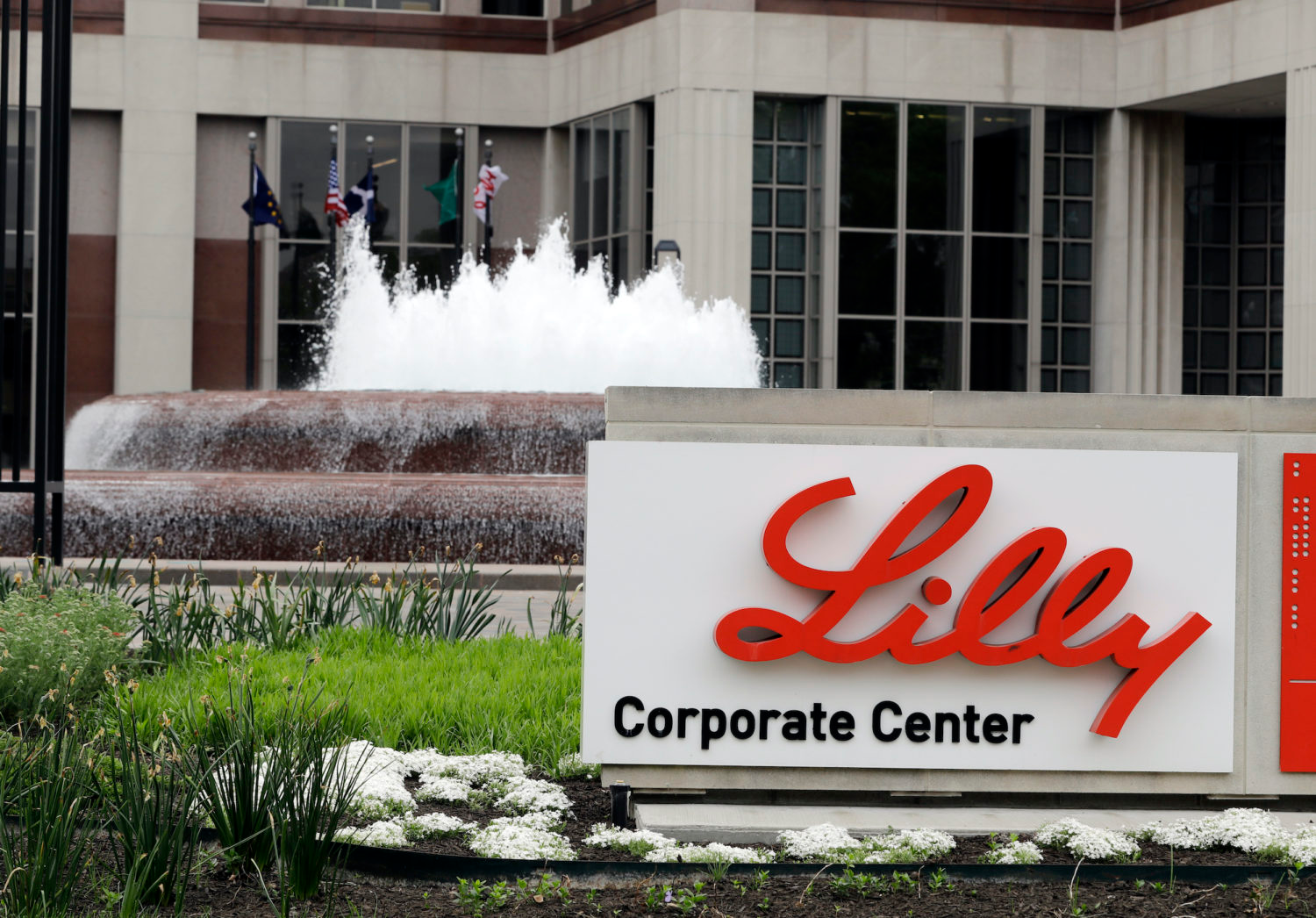













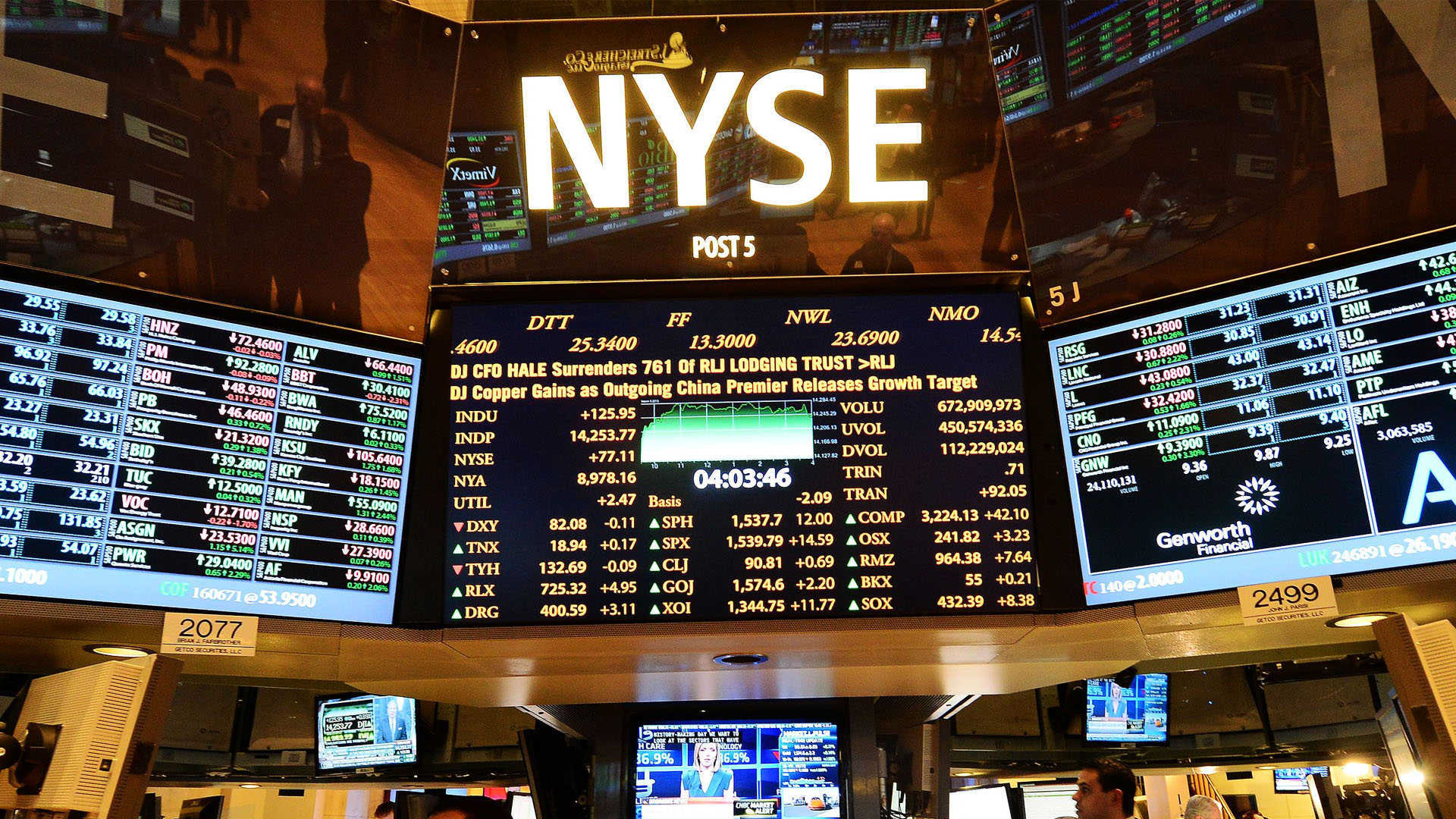




















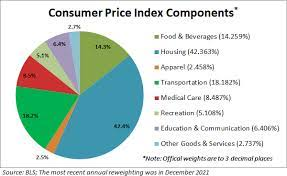


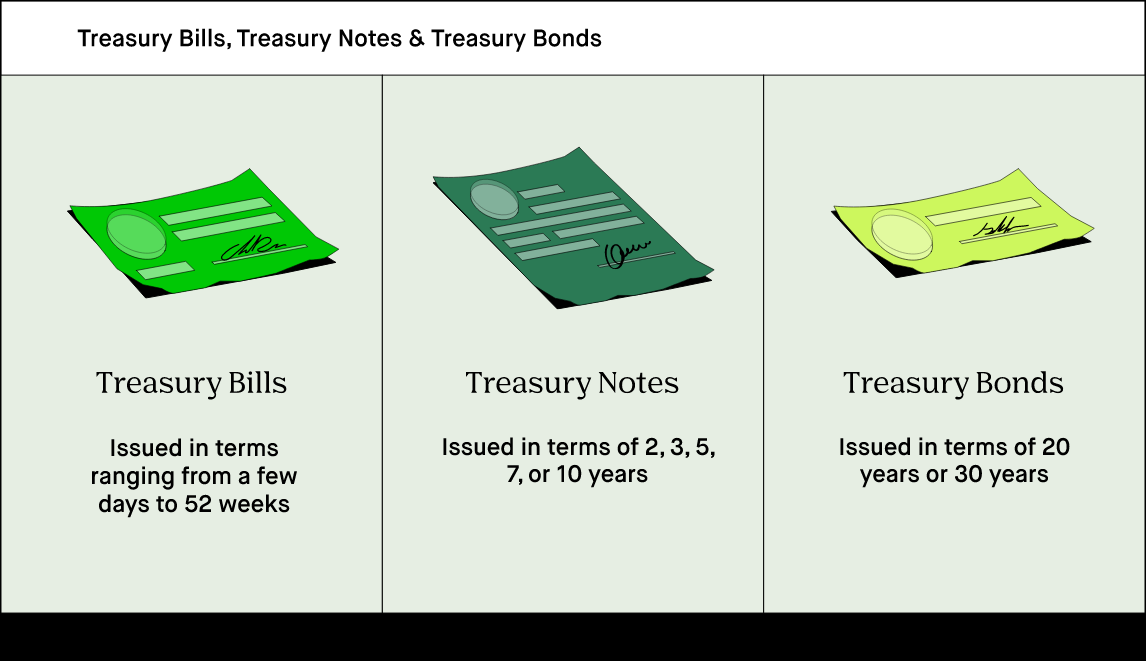














 Nasdaq$11,468.00+4.41%
 10-Year3.606%-14.2 bps







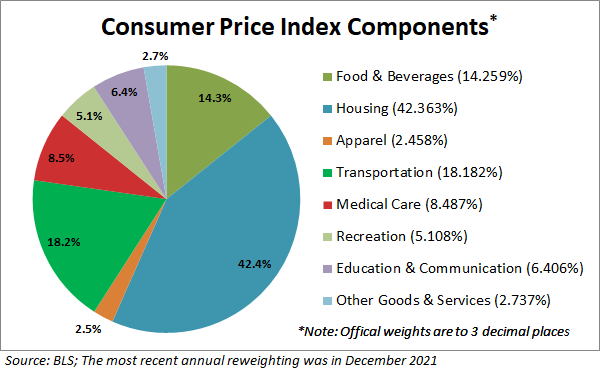







 The Leading Business Education Network for Doctors, Financial Advisors and Health Industry Consultants