BREAKING NEWS! Jerome Powell Reduces FOMC Rates

***

***

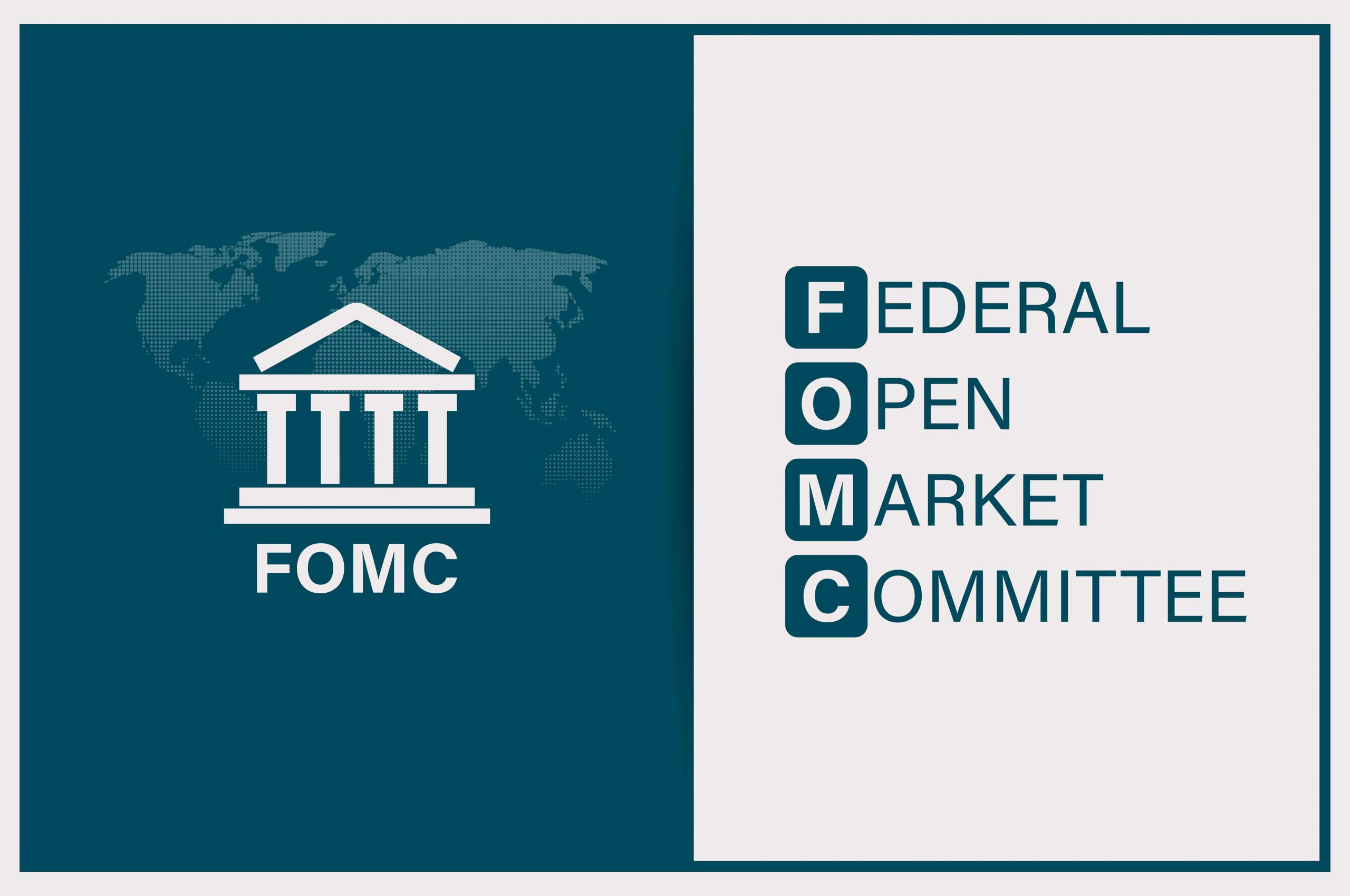
The Federal Reserve’s decision today to reduce the federal funds rate marks a pivotal moment in the central bank’s ongoing effort to navigate a complicated economic landscape. Under the leadership of Chair Jerome Powell, the Federal Open Market Committee voted to cut its benchmark interest rate by 25 basis points, bringing the target range down to 3.50%–3.75%. This move, the third rate cut of the year, reflects the Fed’s attempt to balance persistent inflation pressures with signs of weakening momentum in the labor market and broader economy.

Powell’s approach has been defined by caution, flexibility, and a willingness to adjust policy as new data emerges. Today’s cut underscores that philosophy. Although inflation has eased from its peak, it remains elevated enough to warrant vigilance. At the same time, job growth has slowed, and several indicators point to cooling demand. By trimming rates, the Fed aims to support economic activity without reigniting the inflationary surge that dominated the previous two years.

The decision was not without internal debate. Members of the committee were divided, with some arguing that further easing risks undermining progress on inflation, while others warned that failing to act could deepen labor‑market weakness. Powell acknowledged these tensions in his remarks, emphasizing that there is “no risk‑free path” and that the committee must weigh competing risks carefully. His message suggested that while the Fed is open to additional cuts if conditions deteriorate, the bar for further action has risen now that rates are approaching what policymakers view as a neutral range.

Financial markets reacted swiftly. Equities rallied on expectations that lower borrowing costs will support corporate earnings and investment. Bond yields dipped as investors priced in a more accommodative policy stance. Yet the broader economic implications will unfold over time. For households, the cut may translate into slightly lower rates on mortgages, auto loans, and credit cards, offering modest relief. For businesses, cheaper financing could encourage expansion and hiring.

Today’s rate reduction highlights the delicate balancing act facing the Federal Reserve. Powell must steer the economy between the twin risks of inflation and recession, all while navigating political scrutiny and incomplete economic data. The latest move signals confidence that the economy can regain momentum without sacrificing price stability, but it also reflects the uncertainty that continues to shape monetary policy. As the year draws to a close, the Fed’s actions today will play a central role in shaping the economic trajectory of the months ahead.

***

***

COMMENTS APPRECIATED

EDUCATION: Books

Austrian vs Keynesian Economics Explained

Austrian Economics vs. Keynesian Economics in One Simple Chart

Courtesy of 

***

AE-vs_-KE-326x1024

***

***

***

***

***

Conclusion

Your thoughts and comments on this ME-P are appreciated. Feel free to review our top-left column, and top-right sidebar materials, links, URLs and related websites, too. Then, subscribe to the ME-P. It is fast, free and secure.

Speaker: If you need a moderator or speaker for an upcoming event, Dr. David E. Marcinko; MBA – Publisher-in-Chief of the Medical Executive-Post – is available for seminar or speaking engagements.

OUR OTHER PRINT BOOKS AND RELATED INFORMATION SOURCES:

Risk Management, Liability Insurance, and Asset Protection Strategies for Doctors and Advisors: Best Practices from Leading Consultants and Certified Medical Planners™8Comprehensive Financial Planning Strategies for Doctors and Advisors: Best Practices from Leading Consultants and Certified Medical Planners™

***

Stocks, Bonds and Crypto-Currrency

By A.I. and Staff Reporters

***

***

  • Bonds: The 10-year Treasury yield popped on solid economic data yesterday, including weekly jobless claims falling to their lowest since mid-July and Q2 GDP rising unexpectedly.
  • Stocks: But good news for the labor market and economy is bad news for anyone hoping the Federal Reserve cuts interest rates next month, and the major indexes sank for a third day in a row yesterday. All eyes now turn to today’s key PCE reading.
  • Crypto: Digital assets continued to tumble yesterday with ether falling below $4,000 for the first time in months. There may be more pain ahead: $22 billion in crypto options expire today.

COMMENTS APPRECIATED

EDUCATION: Books

Like, Refer and Subscribe

***

***

Stocks, Commodities and Bonds

By Staff Reporters and A.I.

***

***

*Stock data as of market close. Here’s what these numbers mean.
Stocks: The Russell 2000 went 967 days without hitting a new record high until Thursday. But, it looks like it will have to keep waiting for the next one—the small-cap-focused index fell, even as the DJIA, NASDAQ and S&P 500 rose to new closing highs on Friday.*
Bonds: 2-year yields and 10-year yields both hit two-week intra-day highs even after the FOMC cut interest rates, indicating that traders still aren’t sure how the economy will perform in the months ahead.
Commodities: Arabica futures fell on reports that lawmakers will introduce a bipartisan bill to exempt coffee from tariffs.

COMMENTS APPRECIATED

EDUCATION: Books

Like, Refer and Subscribe

***

***

FEDERAL RESERVE: Cuts Interest Rates

BREAKING NEWS!

By Staff Reporters

***

***

Federal Reserve Chairman Jerome Powell just announced that the central bank [FOMC] would cut interest rates amid President Donald Trump’s attempts to reshape the Fed’s independence.

The chairman announced that the Federal Reserve would cut the interest rate by .25 points, the first time that it cut interest rates since December.

COMMENTS APPRECIATED

EDUCATION: Books

Like, Refer and Subscribe

***

***

Stocks, Bonds and Commodities

By A.I. and Staff Reporters

***

***

  • Stocks: The NASDAQ rose to its fifth record high of the week, while the S&P 500 and the Dow sank late in the day as investors turned their attention to the FOMC meeting next week.
  • Bonds: While equities climbed all week long, the bond market has been sending signals that weak economic data really isn’t great news.
  • Commodities: Oil rallied after President Trump expressed his growing frustration with Vladimir Putin and threatened further energy and financial sanctions. Meanwhile, the US may ask its G7 counterparts to apply 100% tariffs against China and India for purchasing Russian crude.

***

Stock Markets, Trade Tariffs and Commodities

By Staff Reporters and A.I.

***

***

  • Markets: Stocks started off Friday on a high note after a weak jobs report raised hopes that the Fed will cut interest rates this month. But the rally faded as the afternoon wore on, while 10-year bond yields tumbled to their lowest level since April.
  • Trade: President Trump said “fairly substantial” tariffs for semi-conductors are coming “very shortly,” but hinted that companies like Apple will be spared. He also clapped back at EU regulators for fines against Google.
  • Offbeat commodities: Raw sugar prices hit a two-month low as Brazilian producers churn out more of the sweet stuff, cocoa prices are expected to pop after Cargill paused production in Ivory Coast, and corn hit its highest price since July thanks to strong export demand.

COMMENTS APPRECIATED

Like, Refer and Subscribe

***

***

Stocks, Bonds and Commodities

By A.I. and Staff Reporters

***

***

  • Stocks: Markets slowed along yesterday with the S&P 500 and NASDAQ buoyed after a pivotal antitrust ruling for Alphabet pushed big tech stocks higher across the board.
  • Bonds: The 30-year Treasury pushed 5% yesterday as traders fret about the Fed’s independence and the odds of interest rate cuts.
  • Commodities: Oil sank on reports that OPEC+ is contemplating increasing its crude output next month, while gold reached yet another new record high as uncertainty swirling around the future of tariffs continued to rise. JPMorgan analysts now think the precious metal could climb as high as $4,250 by the end of next year.

COMMENTS APPRECIATED

EDUCATION: Books

Like, Subscribe and Refer

***

***

Stocks, Commodities and the FOMC

***

***

  • Stocks: The final trading day of the summer was bad as a selloff in technology stocks took indexes down from recent all-time highs.
  • Fed drama: A judge did not issue a ruling on Fed Governor Lisa Cook’s bid for a temporary restraining order against President Trump, delaying it a few more days and leaving Cook in limbo.
  • Commodities: Gold hit a new all-time high as traders worried about the possibility of the Federal Reserve losing its independence.

COMMENTS APPRECIATED

Refer, Like and Subscribe

***

***

Stocks Up, Bond Yields Down as Commodities Rise and Fall

By A.I and ME-P Staff Reporters

SPONSOR: http://www.CertifiedMedicalPlanner.org

***
***

  • Stocks: The stock markets rose today after Jerome Powell opened the door to interest rate cuts. The Dow soared to a new all-time high, while small-cap stocks in the Russell 2000 had a banner day.
  • Bonds: Yields fell while the chances of a rate cut after the Fed’s next meeting in September rose to 83%.
  • Commodities: Gold rose on rate cut hopes while oil fell as peace talks between Ukraine and Russia stalled. But the biggest winner is coffee: prices have risen for six straight days to cap off its biggest weekly gain since 2021.

COMMENTS APPRECIATED

EDUCATION: Books

Like and Subscribe

***

***

Stocks, Technology and FOMC Drama

By A.I. and Staff Reporters

***

***

  • Technology: Fears of an A.I. bubble continue to climb after MIT published a report that 95% of companies using generative A.I. programs have nothing to show for it, despite pouring billions of dollars into this space.
  • Stocks: Another day of technology stocks selling off pulled the S&P 500 and NASDAQ lower yesterday, with investors rotating out of some of the hottest names and sectors in the market.
  • FOMC Drama: President Trump demanded the resignation of Fed Governor Lisa Cook for allegations of mortgage fraud. Meanwhile, the minutes from the July FOMC meeting revealed a growing divide between central bankers.

COMMENTS APPRECIATED

EDUCATION: Books

Like and Subscribe

***

***

Stocks, Trade and the FOMC

By A.I.

***

***

Stocks: Markets lost steam late in the trading session yesterday as investors awaited more earnings announcements, with the DJIA tumbling into the red. But the S&P 500 managed to end the day above 6,300 for the first time ever, while the NASDAQ enjoyed its sixth consecutive record close

FOMC: Over the weekend, President Trump disputed reports that Treasury Secretary Scott Bessent talked him out of firing Jerome Powell. Meanwhile, Bessent said that the entire Federal Reserve should be put under review.

Trade: Commerce Secretary Howard Lutnick reiterated that August 1st will be the “hard deadline” for countries to make a deal with the US. Both negotiations and tensions with the EU are ramping up as Trump threatens to slap the bloc with 30% levies.

COMMENTS APPRECIATED

Like and Subscribe

***

***

Stocks, Crypto & Stock Markets

SPONSOR: http://www.CertifiedMedicalPlanner.org

By A.I.

***

***

  • The Fed Drama: A White House official said President Trump will likely fire Jerome Powell soon. Stocks sank at the thought of the Fed head being shown the door, offsetting the pleasant surprise of a flat wholesale inflation reading.
  • Markets: Stocks managed to recoup their losses after Trump said it’s “highly unlikely” that he will fire Powell, but bonds remained shaken.
  • Crypto: Bitcoin bounced higher after the crypto bills currently under consideration in the House of Representatives cleared a key hurdle.

COMMENTS APPRECIATED

Like and Subscribe

***

***

Stock Markets Up Slightly, Recession Still Possible as Oil Tumbles

By Staff Reporters

SPONSOR: http://www.MarcinkoAssociates.com

***

***

  • Markets started the day down yesterday but regained lost ground throughout the afternoon as investors decided that any day with no new tariff announcements is a good day.
  • Be advised: Fed Chair Jerome Powell warned that “supply shocks” pose a challenge for the economy, and that interest rates may need to remain higher for longer. Meanwhile, JPMorgan Chase CEO Jamie Dimon said a recession is still on the table.
  • Oil took a tumble on comments by President Trump that the US is nearing a deal with Iran over its nuclear program that could lift sanctions against the country.

COMMENTS APPRECIATED

Like and Subscribe

EDUCATION: Books

SPEAKING: Dr. Marcinko will be speaking and lecturing, signing and opining, teaching and preaching, storming and performing at many locations throughout the USA this year! His tour of witty and serious pontifications may be scheduled on a planned or ad-hoc basis; for public or private meetings and gatherings; formally, informally, or over lunch or dinner. All medical societies, financial advisory firms or Broker-Dealers are encouraged to submit a RFP for speaking engagements: MarcinkoAdvisors@outlook.com 

***

***

JOHN B. TAYLOR’S: Monetary Policy Rule

SPONSOR: http://www.CertifiedMedicalPlanner.org

By Staff Reporters

***

***

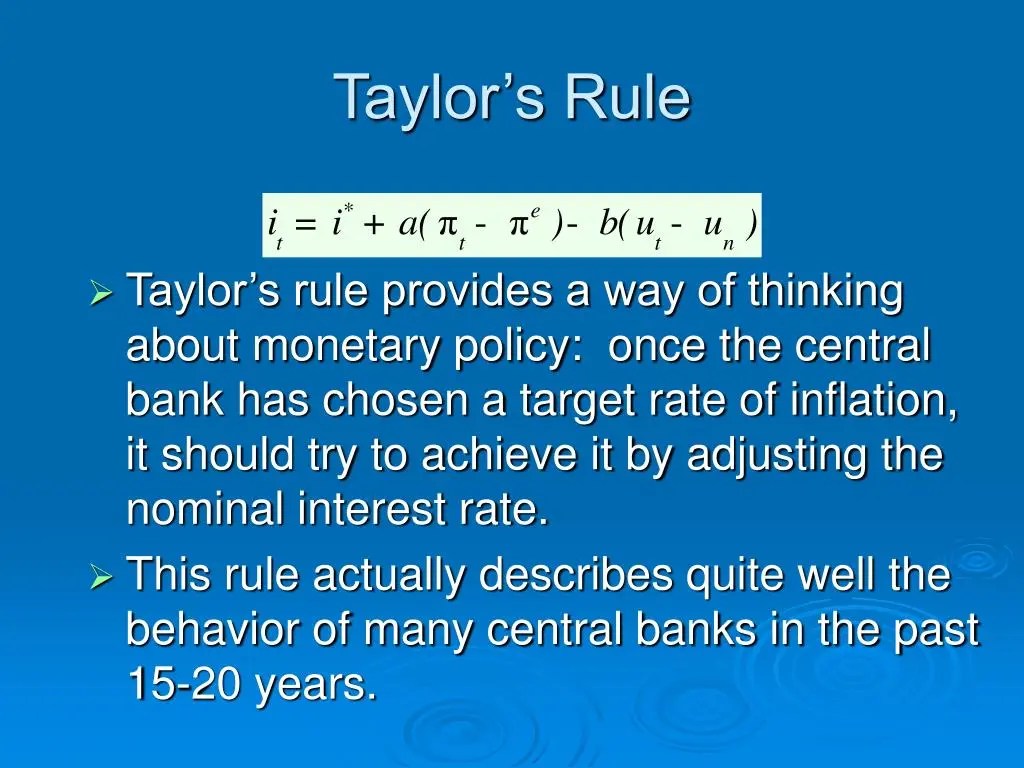
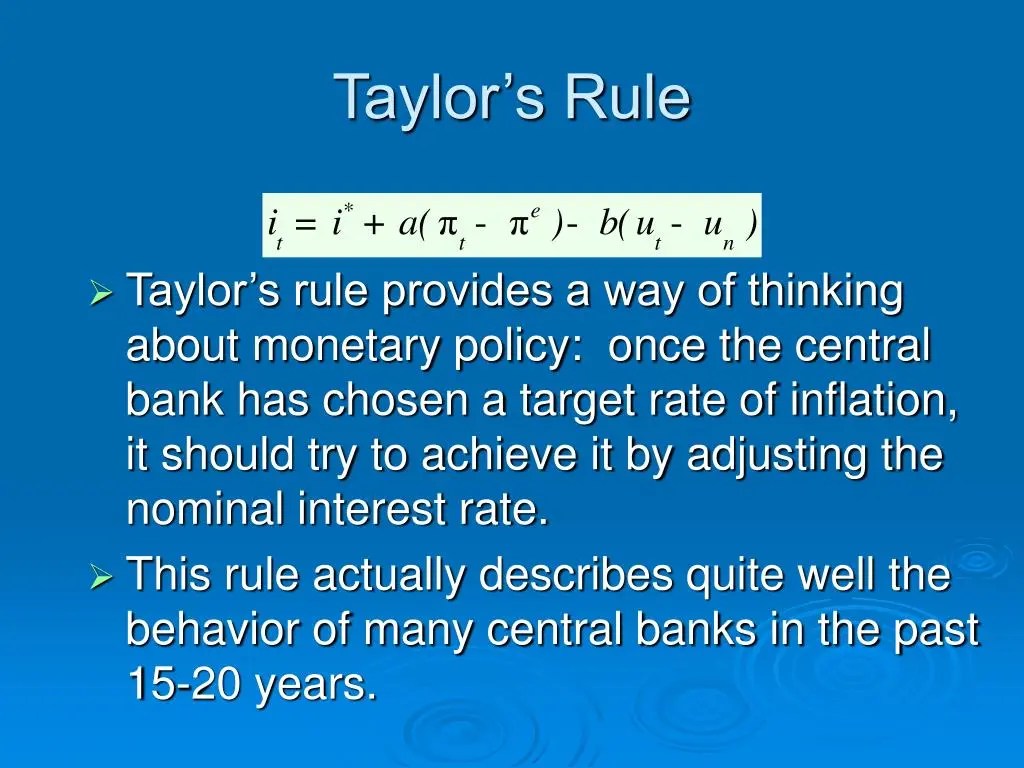
Named for a U.S. economist, the JB Taylor Rule is a mathematical monetary-policy formula that recommends how much a central bank should change its nominal short-term interest rate target (such as the U.S. Federal Reserve’s federal funds rate target) in response to changes in economic conditions, particularly inflation and economic growth. It’s typically viewed as guideline for raising short-term interest rates as inflation and potentially inflationary pressures increase. The rule recommends a relatively high interest rate (“tight” monetary policy) when inflation is above its target or when the economy is above its full employment level, and a relatively low interest rate (“easy” monetary policy) under the opposite conditions.

To illustrate, the monetary policy of the FOMC changed throughout the 20th century. The period between the 1960s and the 1970s is evaluated by Taylor and others as a period of poor monetary policy; the later years typically characterized as stagflation. The inflation rate was high and increasing, while interest rates were kept low. Since the mid-1970s monetary targets have been used in many countries as a means to target inflation.

However, in the 2000s the actual interest rate in advanced economies, notably in the US, was kept below the value suggested by the Taylor rule.

COMMENTS APPRECIATED

Like and Refer

***

***

FOMC: Interest Rates Remain Steady

BREAKING NEWS!

***

***

The Federal Reserve just opted to hold interest rates steady as officials reckon with fearful markets and concerns of an economic slowdown sparked by the trade wars launched by President Donald Trump and his efforts to overhaul and dismantle government agencies.

After a two-day meeting of its monetary policy committee in Washington, D.C., the Fed announced it would hold its rate target at a range of 4.25% to 4.50%. Investors anticipated the move. The Fed’s target rate remains a full percentage point lower than it was when the Fed pivoted to cutting rates last September.

COMMENTS APPRECIATED

Subscribe, Read and Refer

***

***

DAILY UPDATE: US Stock Markets Routed

MEDICAL EXECUTIVE-POST TODAY’S NEWSLETTER BRIEFING

***

Essays, Opinions and Curated News in Health Economics, Investing, Business, Management and Financial Planning for Physician Entrepreneurs and their Savvy Advisors and Consultants

Serving Almost One Million Doctors, Financial Advisors and Medical Management Consultants Daily

A Partner of the Institute of Medical Business Advisors , Inc.

http://www.MedicalBusinessAdvisors.com

SPONSORED BY: Marcinko & Associates, Inc.

***

http://www.MarcinkoAssociates.com

Daily Update Provided By Staff Reporters Since 2007.
How May We Serve You?
© Copyright Institute of Medical Business Advisors, Inc. All rights reserved. 2025

REFER A COLLEAGUE: MarcinkoAdvisors@outlook.com

SPONSORSHIPS AVAILABLE: https://medicalexecutivepost.com/sponsors/

ADVERTISE ON THE ME-P: https://tinyurl.com/ytb5955z

Your Referral Count -0-

CITE: https://www.r2library.com/Resource

US stocks pulled back on Tuesday, led by a nearly 2% decline in the NASDAQ, following two days of gains as investors concerned about an economic slowdown looked to the Federal Reserve’s policy meeting for insights.

The tech-heavy NASDAQ Composite (^IXIC) plummeted about 1.7% as Nvidia (NVDA) shares fell roughly 3% as its annual GTC event failed to impress investors. Other “Magnificent Seven” names also dragged down the tech-heavy index. Notably, those stocks are having their worst quarter in more than two years.

The Dow Jones Industrial Average (^DJI) and S&P 500 (^GSPC) also moved to the downside on Tuesday, dropping about 0.6% and 1.1%, respectively.

CITE: https://tinyurl.com/2h47urt5

Uncertainty still dogs markets as investors debate whether the sell-off that pushed the S&P 500 into correction territory is over. Traders now turn their attention to the Fed’s two-day policy meeting, which kicked off on Tuesday, for clues on the health of the economy and potential tariff risks.

Policymakers are largely expected to hold rates steady in their decision on Wednesday.

CITE: https://tinyurl.com/tj8smmes

Visualize: How private equity tangled banks in a web of debt, from the Financial Times.

COMMENTS APPRECIATED

PLEASE SUBSCRIBE: MarcinkoAdvisors@outlook.com

Thank You

***

***

***

***

EDUCATIONAL TEXTBOOKS: https://tinyurl.com/4zdxuuwf

***

DAILY UPDATE: US Stocks Advance

MEDICAL EXECUTIVE-POST TODAY’S NEWSLETTER BRIEFING

***

Essays, Opinions and Curated News in Health Economics, Investing, Business, Management and Financial Planning for Physician Entrepreneurs and their Savvy Advisors and Consultants

Serving Almost One Million Doctors, Financial Advisors and Medical Management Consultants Daily

A Partner of the Institute of Medical Business Advisors , Inc.

http://www.MedicalBusinessAdvisors.com

SPONSORED BY: Marcinko & Associates, Inc.

***

http://www.MarcinkoAssociates.com

Daily Update Provided By Staff Reporters Since 2007.
How May We Serve You?
© Copyright Institute of Medical Business Advisors, Inc. All rights reserved. 2025

REFER A COLLEAGUE: MarcinkoAdvisors@outlook.com

SPONSORSHIPS AVAILABLE: https://medicalexecutivepost.com/sponsors/

ADVERTISE ON THE ME-P: https://tinyurl.com/ytb5955z

Your Referral Count -0-

CITE: https://www.r2library.com/Resource

Stock markets mostly rose Wednesday on both sides of the Atlantic as investors shrugged off Washington’s latest tariffs to focus on cooling US inflation and a Ukraine ceasefire plan.

Markets have worried that the tariffs could spark a surge in US inflation and drive a stake into the chances that the Federal Reserve cuts interest rates further. But government data released Wednesday showed US consumer inflation had slowed slightly to 2.8 percent in February — the first full month of Trump’s White House return.

That was slightly better than analysts expected. Core inflation, which excludes volatile food and energy prices, dipped to an annual rate of 3.1 percent. “The inflation data are a bright spot in the Federal Reserve’s battle against rising prices. They reinforce the expectation of three rate cuts later in 2025,” said Jochen Stanzl, chief market analyst at CMC Markets.

“Sentiment on Wall Street is so negative that these positive inflation figures could spark a broader recovery in stock prices,” he added.

CITE: https://tinyurl.com/2h47urt5

Wall Street’s main stock indices mostly closed higher with the tech-heavy NASDAQ Composite rising 1.2 percent. But the Dow dipped into the red, losing 0.2 percent.

CITE: https://tinyurl.com/tj8smmes

Visualize: How private equity tangled banks in a web of debt, from the Financial Times.

COMMENTS APPRECIATED

PLEASE SUBSCRIBE: MarcinkoAdvisors@outlook.com

Thank You

***

***

***

***

EDUCATIONAL TEXTBOOKS: https://tinyurl.com/4zdxuuwf

***

DAILY UPDATE: Stocks Still Struggling Downward

MEDICAL EXECUTIVE-POST TODAY’S NEWSLETTER BRIEFING

***

Essays, Opinions and Curated News in Health Economics, Investing, Business, Management and Financial Planning for Physician Entrepreneurs and their Savvy Advisors and Consultants

Serving Almost One Million Doctors, Financial Advisors and Medical Management Consultants Daily

A Partner of the Institute of Medical Business Advisors , Inc.

http://www.MedicalBusinessAdvisors.com

SPONSORED BY: Marcinko & Associates, Inc.

***

http://www.MarcinkoAssociates.com

Daily Update Provided By Staff Reporters Since 2007.
How May We Serve You?
© Copyright Institute of Medical Business Advisors, Inc. All rights reserved. 2025

REFER A COLLEAGUE: MarcinkoAdvisors@outlook.com

SPONSORSHIPS AVAILABLE: https://medicalexecutivepost.com/sponsors/

ADVERTISE ON THE ME-P: https://tinyurl.com/ytb5955z

Your Referral Count -0-

CITE: https://www.r2library.com/Resource

Stocks inched up overnight after Monday’s ugly plunge to six-month lows, but positive catalysts were scattered and the rocky economy has begun affecting earnings forecasts. Delta Airlines (DAL) lowered its outlook yesterday amid what it called “macro uncertainty,” raising concerns it could be first on a crowded runway.

One theme as stocks plunged recently was that despite the suffering was that earnings outlooks remained strong. The latest FactSet forecasts for first quarter and 2025 S&P 500 earnings growth are 7.3% and 11.6%, respectively. Both are down from December 31st, though, and further setbacks in expectations could hurt confidence. Oracle (ORCL) missed analysts’ estimates late Monday. “The longer the tariff turmoil and related uncertainty about trade policy lasts, the more likely economic and earnings growth may take a hit,” said Jeffrey Kleintop, chief global investment strategist at Schwab.

CITE: https://tinyurl.com/2h47urt5

Job openings data later yesterday morning and the Consumer Price Index (CPI) tomorrow could help set the tone, though economic growth seems to have replaced inflation as the prime concern. Yesterday’s steep losses reflected less confidence in either the administration or the Federal Reserve potentially stepping in to rescue a slumping economy. Growth fears have pummeled the Magnificent Seven, with six of them among the bottom 350 in S&P 500 index (SPX) year-to-date performance. 

CITE: https://tinyurl.com/tj8smmes

For now, the S&P 500 (^GSPC) avoided correction territory but still fell about 0.8% to trade at just under 5,600. The Dow Jones Industrial Average (^DJI) shed roughly 500 points, or 1.1%, dragged down by shares of Verizon (VZ). The tech-heavy NASDAQ Composite (^IXIC) reversed gains in the last few minutes of trading to fall about 0.2%. All three indexes closed at their lowest levels since September.

Visualize: How private equity tangled banks in a web of debt, from the Financial Times.

COMMENTS APPRECIATED

PLEASE SUBSCRIBE: MarcinkoAdvisors@outlook.com

Thank You

***

***

***

***

EDUCATIONAL TEXTBOOKS: https://tinyurl.com/4zdxuuwf

***

DAILY UPDATE: Mayo Clinic Operating Margin Up as Domestic Stocks Crushed Down!

MEDICAL EXECUTIVE-POST TODAY’S NEWSLETTER BRIEFING

***

Essays, Opinions and Curated News in Health Economics, Investing, Business, Management and Financial Planning for Physician Entrepreneurs and their Savvy Advisors and Consultants

Serving Almost One Million Doctors, Financial Advisors and Medical Management Consultants Daily

A Partner of the Institute of Medical Business Advisors , Inc.

http://www.MedicalBusinessAdvisors.com

SPONSORED BY: Marcinko & Associates, Inc.

***

http://www.MarcinkoAssociates.com

Daily Update Provided By Staff Reporters Since 2007.
How May We Serve You?
© Copyright Institute of Medical Business Advisors, Inc. All rights reserved. 2025

REFER A COLLEAGUE: MarcinkoAdvisors@outlook.com

SPONSORSHIPS AVAILABLE: https://medicalexecutivepost.com/sponsors/

ADVERTISE ON THE ME-P: https://tinyurl.com/ytb5955z

Your Referral Count -0-

CITE: https://www.r2library.com/Resource

Stat: 6.5%. That was the size of Mayo Clinic’s operating margin in 2024, with an operating income of $1.3 billion. (Becker’s Hospital CFO Report)

CITE: https://tinyurl.com/2h47urt5

US stocks plunged on Monday as investors processed growing concerns about the health of the US economy after President Trump and his top economic officials acknowledged the possibility of a potential rough patch.

The Dow Jones Industrial Average (^DJI) fell nearly 900 points, or over 2%, while the benchmark S&P 500 (^GSPC) dropped around 2.7% after the index posted its worst week since September. The tech-heavy NASDAQ Composite (^IXIC) fell 4% in its worst day since 2022, as the “Magnificent Seven” stocks led the sell-off. Tesla’s (TSLA) rout continued, plunging 15% and officially wiping out the gains it had made in the wake of Trump’s election win. Nvidia (NVDA), Apple (AAPL), Google parent Alphabet (GOOG), and Meta (META) all each lost more than 4%.

Key inflation data includes the Consumer Price Index (CPI) and Producer Price Index (PPI) on Wednesday and Thursday could help set the tone, though economic growth concerns seem to have replaced inflation as the prime concern. The S&P 500 index (SPX) dropped more than 3% last week, the worst performance since September.

However, the U.S. economy “is in a good place” despite recent policy uncertainty, Federal Reserve Chairman Jerome Powell said Friday. He sees no need to hurry rate cuts until there’s more policy clarity, Bloomberg reported. Stocks rallied on Powell’s words late Friday, but Monday’s early action indicates that rallies continue being sold, and the Cboe Volatility Index (VIX) rose above 26 as investors piled into risk-off assets like bonds. The 200-day moving average of 5,734 for the SPX remains a key technical support area, and the SPX was on pace to open below that Monday, now more than 6% off of all-time highs but not yet in –10% correction territory.

CITE: https://tinyurl.com/tj8smmes

Visualize: How private equity tangled banks in a web of debt, from the Financial Times.

COMMENTS APPRECIATED

PLEASE SUBSCRIBE: MarcinkoAdvisors@outlook.com

Thank You

***

***

***

***

EDUCATIONAL TEXTBOOKS: https://tinyurl.com/4zdxuuwf

***

GHOST JOBS: No Jobs?

By Staff Reporters

***

***

A vexing phenomenon is plaguing the labor market. “Ghost jobs” refer to listings by employers that either aren’t real or have already been filled but never lead to an actual hire. This is frustrating not only to job seekers but also to the Federal Reserve, which is trying to steer the economy to a stable place.

People should be aware of how to distinguish a ghost job posting from a real job posting so they can avoid the disappointment and anticipation of hearing back from a job that never existed.

The warning signs you applied for a ‘ghost job’:

  • Job opening was posted over 30 days ago
  • There is no time stamp on the original post
  • Re-posted role
  • A vague job description that doesn’t include salary or location
  • Broad salary range

COMMENTS APPRECIATED

Refer and Subscribe

***

***

DAILY UPDATE: Healthcare Cyber Attacks as the FOMC Pauses Rates and Stock Markets Retreat

MEDICAL EXECUTIVE-POST TODAY’S NEWSLETTER BRIEFING

***

Essays, Opinions and Curated News in Health Economics, Investing, Business, Management and Financial Planning for Physician Entrepreneurs and their Savvy Advisors and Consultants

Serving Almost One Million Doctors, Financial Advisors and Medical Management Consultants Daily

A Partner of the Institute of Medical Business Advisors , Inc.

http://www.MedicalBusinessAdvisors.com

SPONSORED BY: Marcinko & Associates, Inc.

***

http://www.MarcinkoAssociates.com

Daily Update Provided By Staff Reporters Since 2007.
How May We Serve You?
© Copyright Institute of Medical Business Advisors, Inc. All rights reserved. 2025

REFER A COLLEAGUE: MarcinkoAdvisors@outlook.com

SPONSORSHIPS AVAILABLE: https://medicalexecutivepost.com/sponsors/

ADVERTISE ON THE ME-P: https://tinyurl.com/ytb5955z

Your Referral Count -0-

HAPPY LUNAR NEW YEAR

CITE: https://www.r2library.com/Resource

Over half the US population was affected by the Change Healthcare cyberattack last February, according to a statement from its parent company UnitedHealth Group. While United had told the federal government in October that 100 million people were hit by the attacks, an updated estimate on Monday put that number at 190 million.

CITE: https://tinyurl.com/2h47urt5

Tech stocks led markets lower on Wednesday as the broader mood stayed muted after the Federal Reserve’s latest interest rate decision saw the central bank keep rates unchanged in a range of 4.25%-4.5%.

The tech-heavy NASDAQ Composite (^IXIC) was down about 0.5%, retracing some of a bounce-back rally on Tuesday. The S&P 500 (^GSPC) was also down nearly 0.5%, while the Dow Jones Industrial Average (^DJI) lost 0.3%. In its statement on Wednesday, the Federal Reserve notably removed language from its December statement indicating that it was making progress towards its goal of 2% inflation, stating simply: “Inflation remains somewhat elevated.” Fed Chair Jerome Powell pushed back on that notion, referring to the change as “language cleanup” rather than intending to send a signal. Markets bounced off their lows of the day on Powell’s comments.

CITE: https://tinyurl.com/tj8smmes

Visualize: How private equity tangled banks in a web of debt, from the Financial Times.

COMMENTS APPRECIATED

PLEASE SUBSCRIBE: MarcinkoAdvisors@outlook.com

Thank You

***

***

***

***

EDUCATIONAL TEXTBOOKS: https://tinyurl.com/4zdxuuwf

***

FOMC: Cuts Interest Rates

BREAKING NEWS!

SPONSOR: http://www.MarcinkoAssociates.com

By Staff Reporters

***

***

The Federal Reserve cut interest rates by a quarter of a percentage point just now, delivering relief for borrowers at the central bank’s last meeting before President-elect Donald Trump takes office next month. The central bank predicted fewer rate cuts next year than it had previously indicated, however, suggesting concern that inflation may prove more difficult to bring under control than policymakers thought just a few months ago.

The move marked the third consecutive interest rate cut since the Fed opted to start dialing back its fight against inflation in the fall. The FOMC has lowered interest rates by a percentage point in recent months.

However, the Fed’s forecast said it anticipates only a half a percentage point of rate cuts next year and another half-percent cut in 2026.

COMMENTS APPRECIATED

Subscribe and Refer

***

***

ECONOMICS: John B. Taylor’s Rule

By Dr. David Edward Marcinko MBA MEd

SPONSOR: http://www.MarcinkoAssociates.com

***

***

Named for a U.S. economist, the JB Taylor Rule is a mathematical monetary-policy formula that recommends how much a central bank should change its nominal short-term interest rate target (such as the U.S. Federal Reserve’s federal funds rate target) in response to changes in economic conditions, particularly inflation and economic growth. It’s typically viewed as guideline for raising short-term interest rates as inflation and potentially inflationary pressures increase. The rule recommends a relatively high interest rate (“tight” monetary policy) when inflation is above its target or when the economy is above its full employment level, and a relatively low interest rate (“easy” monetary policy) under the opposite conditions.

To illustrate, the monetary policy of the FOMC, changed throughout the 20th century. The period between the 1960s and the 1970s is evaluated by Taylor and others as a period of poor monetary policy; the later years typically characterized as stagflation. The inflation rate was high and increasing, while interest rates were kept low. Since the mid-1970s monetary targets have been used in many countries as a means to target inflation.

However, in the 2000s the actual interest rate in advanced economics, notably in the US, was kept below the value suggested by the Taylor rule.

CITE: https://www.r2library.com/Resource/Title/0826102549

COMMENTS APPRECIATED

Subscribe Today!

Thank You

***

***

MOST VALUABLE: Stocks, Economic Indicators and Markets

By Staff Reporters

SPONSOR: http://www.MarcinkoAssociates.com

***

***

The five most valuable US companies in the S&P 500 report earnings this week, and updates on three key economic indicators are set to be released: 1. gross domestic product, 2. inflation, and 3. jobs report. Then, next week brings the election and another expected rate cut from the Federal Reserve.

CITE: https://www.r2library.com/Resource/Title/0826102549

  • Markets: All three stock indexes rose to start a week that will be filled with high-stakes data.
  • Stock spotlight: Trump Media & Technology Group gained almost 22% on Monday, following the former president and current GOP candidate’s Madison Square Garden rally. The rose means that Trump Media, which includes Truth Social, is now more valuable than Elon Musk’s X.

COMMENTS APPRECIATED

Thank You

***

***

CORPORATE EARNINGS: Quarterly Reports

By Staff Reporters

***

***

Peak earnings season: Five of the Magnificent Seven Stocks will be among the 181 companies reporting their earnings this week. Alphabet is in the Mag Seven lead-off spot on Tuesday, Microsoft and Meta step to the plate on Wednesday, and Apple and Amazon rounding out the lineup and this baseball metaphor on Thursday. These companies account for almost 25% of the S&P 500, which is up 40% over the past year and not far off its record closing number from earlier this month. But, the approaching election, it could be a volatile week in the stock markets.

***

  • Markets: Stocks are currently driving the narrative on Wall Street. Last week, bonds sold off in a big way (driving yields to their highest level since July) in a sign investors are dialing back expectations of more aggressive rate cuts from the Federal Reserve.
  • Stocks nevertheless handled the bond volatility with aplomb, and with help from Tesla’s 22% one-day rise, the NASDAQ is sitting within 2% of its record high.

CITE: https://www.r2library.com/Resource/Title/0826102549

COMMENTS APPRECIATED
Thank You

***

***

DAILY UPDATE: Markets & Economy USA

By Staff Reporters

***

***

  • Markets: Wall Street life was looking good last week as all the major indexes clinched their third consecutive winning week. Stocks were a mixed bag for Friday, but the Dow Jones scored another record close. Bristol Myers Squibb rose after the FDA approved its schizophrenia drug as the first new treatment for the condition in decades.
  • Economy: The FOMC’s favorite inflation gauge came in lower than expected for last month, likely clearing the way for Jerome Powell and the Federal Reserve to keep cutting interest rates.

CITE: https://www.r2library.com/Resource

COMMENTS APPRECIATED

Thank You

***

***

FEDERAL RESERVE: Lowers Interest Rates as Expected

By Staff Reporters

BREAKING NEWS

***

***

Jerome Powell and the Federal Reserve Bank just said that it is cutting its benchmark interest rate by 0.50 percentage points, marking the first reduction in four years and moving to ease borrowing costs as inflation-weary consumers are grappling with high rates on everything from mortgages to credit cards.

It is the first drop in the federal funds rate — or what banks charge each other for short-term loans — since the U.S. central bank lowered rates to nearly zero in March 2020 amid an economic standstill caused by the pandemic.

But as prices surged during the health crisis, the FOMC repeatedly hiked rates into a target range of 5.25% to 5.5%, the highest in 23 years, in an effort to curb inflation.

CITE: https://www.r2library.com/Resource

COMMENTS APPRECIATED

Thank You

***

***

FOMC: Interest Rate Cut Today?

At 2 pm EST Today

By Staff Reporters

***

***

ABOUT THE FEDERAL OPEN MARKET COMMITTEE

The term “monetary policy” refers to the actions undertaken by a central bank, such as the Federal Reserve, to influence the availability and cost of money and credit to help promote national economic goals. The Federal Reserve Act of 1913 gave the Federal Reserve responsibility for setting monetary policy.

The Federal Reserve controls the three tools of monetary policy–open market operations, the discount rate, and reserve requirements. The Board of Governors of the Federal Reserve System is responsible for the discount rate and reserve requirements, and the Federal Open Market Committee is responsible for open market operations. Using the three tools, the Federal Reserve influences the demand for, and supply of, balances that depository institutions hold at Federal Reserve Banks and in this way alters the federal funds rate. The federal funds rate is the interest rate at which depository institutions lend balances at the Federal Reserve to other depository institutions overnight.

Changes in the federal funds rate trigger a chain of events that affect other short-term interest rates, foreign exchange rates, long-term interest rates, the amount of money and credit, and, ultimately, a range of economic variables, including employment, output, and prices of goods and services.

Cite: https://www.federalreserve.gov/monetarypolicy/fomc.htm

***

And so, the macroeconomic FOMC is kicking off at 2pm ET today, when the Fed will announce the first interest rate cut in over four years. But, financial watchers are split between two predictions: a standard 0.25% cut or a more aggressive one of 0.5% (investors are betting on the latter, while many analysts think the former).

Regardless of its size, today’s rate cut and subsequent ones are expected to make borrowing cheaper for consumers and businesses, with ripple effects throughout the economy.

CITE: https://www.r2library.com/Resource

COMMENTS APPRECIATED

Thank You

***

***

CONSUMER CONFIDENCE INDEX: Six Month High!

By Staff Reporters

***

***

DEFINITION: Consumer confidence index (CCI) is a standardized confidence indicator providing an indication of future developments of households’ consumption and saving.

The index is based upon answers regarding household’s expected financial situation, their sentiment about the general economic situation, unemployment and capability of savings. An indicator above 100 signals a boost in the consumers’ confidence towards the future economic situation, as a consequence of which they are less prone to save, and more inclined to spend money on major purchases in the next 12 months. Values below 100 indicate a pessimistic attitude towards future developments in the economy, possibly resulting in a tendency to save more and consume less.

CITE: https://www.r2library.com/Resource

This indicator is measured as an amplitude adjusted index, long-term average = 100.

MORE: https://medicalexecutivepost.com/2024/08/28/

US consumer confidence hits a six-month high

The decline in inflation and the expectation of an imminent interest rate cut have Americans feeling better about the economy than they have in a while, according to the latest update of the Conference Board’s consumer confidence index [CCI].

On the other hand, consumers are worried about the softening labor market. While the unemployment rate remains below historical standards at 4.3%, it has increased for four straight months—likely enough to convince J. Powell and the Federal Reserve to cut rates in September.

***

COMMENTS APPRECIATED

Thank You

***

***

J. POWELL: To Speak At Jackson Hole

By Staff Reporters

***

***

Later this week, central bankers will meet in the shadow of the Tetons for the Jackson Hole Symposium, an annual retreat for global economic officials to talk monetary policy.

CITE: https://www.r2library.com/Resource

The main event: Federal Reserve Chairman Jerome Powell’s keynote speech on Friday, which investors hope will clarify the timing and pace of interest rate cuts.

COMMENTS APPRECIATED

Thank You

***

***

RECESSION INDICATOR: Inverted Yield Curve?

By Staff Reporters

***

***

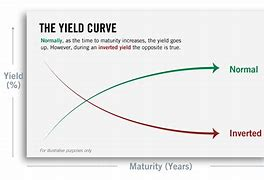
When economic trouble and/or uncertainty is brewing, it’s not uncommon for the US Treasury yield curve to flatten or even invert. A yield curve inversion, like we’re experiencing now, involves short-term-maturing bonds sporting higher yields than longer-dated Treasury bonds. It’s an indication that investors are worried about the U.S. economic outlook.

For the past 64 years, the Federal Reserve Bank of New York has used the Treasury yield spread between the 10-year bond rate and three-month bond rate to calculate the probability of a U.S. recession occurring within the next 12 months. Over these 64 years, the probability of a recession has topped 25% a dozen times and 40% on eight occasions. 

With the exception of a peak probability of a recession of 41.14% in October 1966, the New York Fed’s recession-forecasting tool hasn’t been wrong if it’s surpassed 40%. In other words, if the New York Fed’s recession probability indicator surpasses 40%, we’ve had a recession within 12 months, without fail, for more than a half-century.

In December 2022, this recession probability tool hit 47.31%. That’s the highest reading since 1981, and a very clear indication that economic activity is expected to slow at some point in 2024?

***

***

COMMENTS APPRECIATED

Comprehensive Financial Planning Strategies for Doctors and Advisors: Best Practices from Leading Consultants and Certified Medical Planners™

ORDER: https://www.routledge.com/Comprehensive-Financial-Planning-Strategies-for-Doctors-and-Advisors-Best/Marcinko-Hetico/p/book/9781482240283

***

COMMENTS APPRECIATED

Thank You

***

DAILY UPDATE: Jerome Powell, DJIA, Reddit and Life Insurance

MEDICAL EXECUTIVE-POST TODAY’S NEWSLETTER BRIEFING

***

Essays, Opinions and Curated News in Health Economics, Investing, Business, Management and Financial Planning for Physician Entrepreneurs and their Savvy Advisors and Consultants

Serving Almost One Million Doctors, Financial Advisors and Medical Management Consultants Daily

A Partner of the Institute of Medical Business Advisors , Inc.

http://www.MedicalBusinessAdvisors.com

SPONSORED BY: Marcinko & Associates, Inc.

***

http://www.MarcinkoAssociates.com

Daily Update Provided By Staff Reporters Since 2007.
How May We Serve You?
© Copyright Institute of Medical Business Advisors, Inc. All rights reserved. 2024

REFER A COLLEAGUE: MarcinkoAdvisors@msn.com

SPONSORSHIPS AVAILABLE: https://medicalexecutivepost.com/sponsors/

ADVERTISE ON THE ME-P: https://tinyurl.com/ytb5955z

***

Young adults are delaying life insurance purchases due to financial constraints and a preference for spending on immediate experiences. The insurance industry is responding with digital-first strategies and more flexible products.

CITE: https://www.r2library.com/Resource

The DJIA closed above 40,000 for the first time after briefly crossing the milestone the day before and clinching its fifth winning week. Reddit shot up after announcing a partnership with OpenAI that lets the AI train on your posts and gives Reddit advertising dollars and the ability to use the tech to make new tools.

But, GameStop stock plunged after the recently reinvigorated meme stock filed to sell 45 million new shares and revealed that sales were down last quarter.

CITE: https://tinyurl.com/2h47urt5

Jerome Powell, chair of the Federal Reserve has tested positive for Covid. But the economy needn’t worry because he’s working from home.

CITE: https://tinyurl.com/tj8smmes

COMMENTS APPRECIATED

PLEASE SUBSCRIBE: MarcinkoAdvisors@msns.com

Thank You

***

***

***

***

EDUCATIONAL TEXTBOOKS: https://tinyurl.com/4zdxuuwf

***

DAILY UPDATE: The CHIPS and Science Act & the FOMC as Stocks Edge Higher

MEDICAL EXECUTIVE-POST TODAY’S NEWSLETTER BRIEFING

***

Essays, Opinions and Curated News in Health Economics, Investing, Business, Management and Financial Planning for Physician Entrepreneurs and their Savvy Advisors and Consultants

Serving Almost One Million Doctors, Financial Advisors and Medical Management Consultants Daily

A Partner of the Institute of Medical Business Advisors , Inc.

http://www.MedicalBusinessAdvisors.com

SPONSORED BY: Marcinko & Associates, Inc.

***

http://www.MarcinkoAssociates.com

Daily Update Provided By Staff Reporters Since 2007.
How May We Serve You?
© Copyright Institute of Medical Business Advisors, Inc. All rights reserved. 2024

REFER A COLLEAGUE: MarcinkoAdvisors@msn.com

Your Referral Count -0-

SPONSORSHIPS AVAILABLE: https://medicalexecutivepost.com/sponsors/

ADVERTISE ON THE ME-P: https://tinyurl.com/ytb5955z

***

It’ll be a big week for hot takes on the US economy, after the Federal Reserve meeting Tuesday and Wednesday and the April jobs report dropping Friday. Because inflation has been sticking around, the FOMC is expected to hold interest rates steady at this meeting and for the foreseeable future. On the jobs front, economists are projecting another strong month for employment growth.

CITE: https://www.r2library.com/Resource

In 2022, with bipartisan support, Congress passed the CHIPS and Science Act, an ambitious plan to juice domestic manufacturing of a product vital to national security: semiconductors. Two years later, the government has doled out more than half of the CHIPS Act’s $39 billion in incentives. According to the Financial Times

  • Chip companies and their suppliers have announced US investments of $327 billion over the next 10 years, per the Semiconductor Industry Association.
  • Construction of manufacturing facilities for computing and electronics devices has jumped 15x, government data shows.
  • By 2030, the US will likely produce around 20% of the world’s most advanced chips, according to USCommerce Secretary Gina Raimondo. Right now, it’s making 0%.

The proposed factories are massive and could transform regional economies. Micron, which received $6.1 billion in federal grants last week, plans to invest $100 billion in a manufacturing campus near Syracuse.

CITE: https://tinyurl.com/2h47urt5

Here’s where the major benchmarks ended:

  • The S&P 500® index (SPX) rose 16.21 points (0.3%) to 5,116.17, its highest close in over two weeks; the Dow Jones Industrial Average® ($DJI) gained 146.43 points (0.4%) to 38,386.09, the NASDAQ Composite® ($COMP) advanced 55.18 points (0.4%) to 15,983.08.
  • The 10-year Treasury note yield (TNX) fell more than 5 basis points to 4.616%.
  • The CBOE Volatility Index® (VIX) declined 0.36 to  14.67.

Communication services shares were among the market’s weakest performers Monday, reversing last Friday’s upswing as Alphabet (GOOGL) dropped more than 3% and Meta Platforms (META) lost 2.4%. Banks and retailers were also soft. The Philadelphia Semiconductor Index (SOX) climbed for the sixth-straight day and ended near a three-week high even though its biggest member, Nvidia (NVDA), ended little changed.

In other markets, the U.S. Dollar Index ($DXY) faded from early gains but is still up about 1% in April, driven by expectations domestic rates will remain high. “The U.S. dollar’s strength continues to reflect the relative strength of the economy and the wide interest rate differentials between the United States and other major developed markets,” Schwab Center for Financial Research analysts said in a report.

Despite last week’s strength, the S&P 500 index and the NASAQ Composite are still down 2.6% and 2.4%, respectively, for April and on track to break five-month winning streaks.

CITE: https://tinyurl.com/tj8smmes

Humana expects to exit Medicare Advantage (MA) markets in 2025, company executives told investors. The company reported its first quarter earnings April 24th. Humana posted $741 million in net income in the first quarter of 2024, beating investor expectations, but pulled its 2025 earnings guidance. 

COMMENTS APPRECIATED

PLEASE SUBSCRIBE: MarcinkoAdvisors@msns.com

Thank You

***

***

***

***

EDUCATIONAL TEXTBOOKS: https://tinyurl.com/4zdxuuwf

***

DAILY UPDATE: Nike Stock Down but US Debt Burden Up Per Household

By Staff Reporters

***

***

Nike is planning to restructure and lay off 2% of its staff, more than 1,500 people, as consumers pull back on spending.

***

If the total U.S. debt were divided by every household in the country, each household would get about $252,000, according to a September tweet from The Kobeissi Letter.

And, Jerome Powell, the Chair of the Federal Reserve, shared his concerns regarding the fiscal direction of the United States during a “60 Minutes” interview with Scott Pelley. 

Powell said, “The U.S. is on an unsustainable fiscal path,” emphasizing that the growth of the national debt is outstripping the growth of the economy. 

CITE: https://www.r2library.com/Resource

COMMENTS APPRECIATED

Thank You

***

***

DAILY UPDATE: Stocks Markets Collapse!

By Staff Reporters

***

***

Off-the-charts inflation may be a distant 2022 phenomenon, but we’re not entirely over it. Price growth is still not back to levels that would satisfy Jerome Powell, and shoppers continue to deal with the fallout. Prices grew faster than economists expected last month, according to the consumer price index data the government released yesterday.

They climbed 0.3% in January (slightly more than in December) and 3.1% from a year prior. Excluding food and energy prices, January’s inflation was 0.4%, a bit over December’s reading, and 3.9% more than the prior January. And we point out that things aren’t so bad, since inflation isn’t too far from the Fed’s 2% annual target. But shoppers might argue that just because prices are growing more slowly doesn’t mean things are costing them less.

Here’s where the major benchmarks ended:

  • The S&P 500® index (SPX) fell 68.67 points (1.4%) to 4,953.17, its lowest close since February 5; the Dow Jones Industrial Average lost 524.63 points (1.4%) to 38,272.75; the NASDAQ Composite® (COMP) dropped 286.94 points (1.8%) to 15,655.60.
  • The 10-year Treasury note yield gained nearly 15 basis points to 4.316%.
  • The CBOE Volatility Index® (VIX) rose 1.89 to 15.82.

Bank shares were among the worst performers Tuesday amid concerns the CPI numbers suggested the Fed will maintain a higher-for-longer interest rate tack that could crimp lenders’ margins. The KBW Regional Banking Index (KRX) plunged 4.5%. Small-cap stocks, another group sensitive to interest rates, also fell sharply, with the Russell 2000® Index (RUT) sinking 4%.

In other markets, the U.S. Dollar Index (DXY) rallied about 0.7% to its strongest level in nearly three months, reflecting expectations interest rates will remain elevated.

CITE: https://www.r2library.com/Resource

COMMENTS APPRECIATED

Thank You

***

***

DAILY UPDATE: Impending C.P.I. and UPS

By Staff Reporters

***

***

US Economists just polled by The Wall Street Journal forecast a mild 0.2% in increase in consumer prices in the first month of 2024. The inflation rate in the past 12 months would decelerate to 2.9% from a prior 3.4%. If forecasters are right, it would mark the first time the CPI has fallen below 3% in almost three years.

The drama in the report, if there’s any, is likely to come from the more closely followed core CPI that omits food and energy prices. The core rate is viewed as a better predictor of future inflation. Wall Street expects the core rate to rise 0.3% — the upper limit of what the Fed would find tolerable in the short run. The 12-month increase in the core rate could also dip to 3.7% from 3.9%.

CITE: https://www.r2library.com/Resource

UPS, the shipping giant, which forecast weak demand for parcel delivery in 2024, has said it plans to lay off 12,000 employees to save $1 billion in costs. It’s also mulling a sale of its Coyote brokerage unit.

This shocking announcement was made on January 30th and comes just six months after unionized UPS workers landed a “lucrative” new labor deal, which will see delivery drivers earning an average of $170,000 in annual pay and benefits by the end of the five years. “2023 was a unique, and quite candidly, difficult and disappointing year,” said UPS CEO Carol Tomé during the company’s earnings call. “We experienced declines in volume, revenue and operating profits and all three of our business segments.”

***

COMMENTS APPRECIATED

Thank You

***

***

DAILY UPDATE: Powell Speaks and the Stock Markets Tumble

By Staff Reporters

***

***

As Jerome Powell goes, so goes the market. Stocks tumbled yesterday after Federal Reserve Chairman Jerome Powell went on 60 Minutes over the weekend and said he’s in no rush to cut interest rates. Meanwhile, shares of Estée Lauder jumped ~12% after the cosmetics company announced it was laying off 5% of its employees amid weak demand in Asia.

Here’s where the major benchmarks ended:

  • The S&P 500 index fell 15.80 points (0.3%) to 4,942.81; the Dow Jones Industrial Average dropped 274.30 points (0.7%) to 38,380.12; the NASDAQ Composite® (COMP) declined 31.28 points (0.2%) to 15,597.68.
  • The 10-year Treasury note yield surged nearly 14 basis points to 4.166%.
  • The CBOE Volatility Index® (VIX) fell 0.18 to 13.67.

Materials and real estate sector shares were among the market’s weakest performers Monday, and banks and utilities were also under pressure. Semiconductors were one of the few sectors to post gains. In other markets, the U.S. Dollar Index (DXY) strengthened to its highest level since mid-November amid expectations interest rates will remain elevated. 

CITE: https://www.r2library.com/Resource

COMMENTS APPRECIATED

Thank You

***

***

BUSINESS START-UPS: Innovative Disruption is Going Down!

GOOD-BYE VENTURE CAPITAL

By Staff Reporters

SPONSOR: http://www.MARCINKOASSOCIATES.com

***

***

DEFINITION: Venture capital (VC) is a form of private equity and a type of financing that investors provide to start-up companies and small businesses that are believed to have long term growth potential. Venture capital generally comes from well-off investors, investment banks, and any other financial institutions. Venture capital doesn’t always have to be money. In fact, it often comes as technical or managerial expertise. VC is typically allocated to small companies with exceptional growth potential or to those that grow quickly and appear poised to continue to expand.

CITE: https://www.r2library.com/Resource/Title/082610254

DEFINITION: Disruptive innovation is a business that creates a new market or value network, or enters at the bottom of an existing market and eventually displaces established market-leading firms, products, and alliances. The term, “disruptive innovation” was popularized by the American academic Clayton Christensen and his collaborators beginning in 1995, but the concept had been previously described in Richard N. Foster‘s book “Innovation: The Attacker’s Advantage” and in the paper Strategic Responses to Technological Threats.

CITE: https://www.r2library.com/Resource/Title/082610254

Start-Ups and industry disruptors: Here are just a few of the recent collapses, as per the New York Times:

  • WeWork, which raised over $11 billion as a private startup, went bankrupt earlier this fall.
  • Hopin, the virtual events startup that rode a Covid Virus wave to a $7.6 billion valuation, sold its primary business units for $15 million.
  • The e-scooter company Bird, which became the fastest startup ever to land a $1 billion valuation, was de-listed from the NYSE and is now worth $7 million.
  • We [Don’t] Work: https://medicalexecutivepost.com/2023/11/07/wework-officially-bankrupt/

Overall, more than 3,200 private venture-capital backed US startups that have collectively raised $27.2 billion have gone out of business this year, according to the New York Times and PitchBook. So, why are the disruptors doing down?

MORE: https://www.cnbc.com/2021/05/25/these-are-the-2021-cnbc-disruptor-50-companies.html

Well, the Federal Reserve raised interest rates to a 22-year high. The cost of capital has become far more expensive, and investments that are less risky have gotten more attractive. This year has been particularly bad.

It’s a sad and instantaneous end to the golden Venture Capital years fueled by low interest rates and the growth of the mobile interne. Investment in US startups jumped by 8x between 2012 and 2022 to $344 billion dollars.

COMMENTS APPRECIATED

Thank You

***

***

Inflation Up a Bit While the SEC Approves Spot Bitcoin ETFs

By Staff Reporters

***

***

Inflation climbed from 3.1% to 3.4% in December, a sign the Federal Reserve will continue to have to wrestle consumer price growth down to its desired 2% level. Forecasts had been for a reading of 3.2%.

On a monthly basis, inflation hit 0.3%, while core inflation, which strips away the more volatile costs of food and energy, was 3.9%, down from 4% in November but ahead of forecasts for a reading of 3.8%.

***

***

The Securities and Exchange Commission (SEC) officially approved spot bitcoin ETFs yesterday for the first time. The 11 exchange-traded funds will let old-school investors and bitcoin enthusiasts alike access the world’s biggest cryptocurrency without having to keep a long password for a crypto wallet.

CITE: https://www.r2library.com/Resource

The long-awaited win for the beleaguered crypto industry came after a false start on Tuesday, when someone hacked the agency’s X account that…didn’t have two-factor authentication enabled…and spuriously said the ETFs had been approved.

Crypto investors have been asking for spot bitcoin ETFs since roughly 2013, but the SEC has historically grimaced at the idea of inviting such a volatile asset into the financial system, concerned that a bitcoin ETF could be easily manipulated. Trading could begin as early as today.

COMMENTS APPRECIATED

Thank You

***

***

2024: FOMC Interest Rate Cuts?

By Staff Reporters

***

***

The Dow hit an all-time high yesterday after the Federal Reserve hinted at plans to make multiple rate cuts next year. Not having such a good day was Pfizer, which touched a 10-year low after releasing disappointing projections for 2024 because people just aren’t buying Covid products like they used to.

CITE: https://www.r2library.com/Resource/Title/082610254

Fed rate cuts may come in threes next year

The Federal Reserve had investors popping bottles yesterday, not just because it made the expected move of holding interest rates steady for now but also for signaling that there may be multiple interest rate cuts in 2024. Most Fed officials penciled in three quarter-percentage-point cuts in their projections. Fed Chair Jerome Powell said inflation had “eased” but still did his best to keep everyone from getting too excited, saying, “No one is declaring victory. That would be premature.” Even so, markets started pricing in even more aggressive cuts than the projections.

COMMENTS APPRECIATED

Thank You

***

***

U.S. ECONOMY: Perhaps a “Soft Landing” After All?

YET- HEALTH CARE IS GROWING!

By Staff Reporters

***

***

The US economy is looking like it could avoid a downturn and achieve a soft landing after all. US employers added a more-than-expected 199,000 workers to their payrolls last month, the Bureau of Labor Statistics said recently. The solid result calmed many analysts’ fears that a steeper economic slowdown is imminent due to the Federal Reserve’s earlier interest rate hikes. And, it brings us closer to the coveted “soft landing” scenario, in which the Fed tames inflation on the economy. For example:

  • The unemployment rate unexpectedly ticked down for the first time since July, to 3.7%.
  • Average hourly pay increased by 0.4% and is now up 4% for the year, beating the projected pace of annual price growth.
  • But the job market isn’t quite what it used to be

Last month’s 199-k jobs created were below the average of 240,000 added in the preceding 12 months. Plus, November hiring was confined to just a handful of industries:

  • Healthcare and the government were responsible for two-thirds of the headcount growth, adding 77,000 and 49,000 jobs, respectively.
  • The manufacturing sector gained 28,000 workers—but that was largely due to folks returning to work after striking against the Big Three automakers.
  • CITE: https://www.r2library.com/Resource/Title/082610254

Finally, in another sign that employers might be pulling back from on-boarding new people, the Labor Department reported earlier this week that job openings in late October were at their lowest since March 2021.

COMMENTS APPRECIATED

Thank You

***

***

BONDS: Are Best Right Now?

By Staff Reporters

***

CITE: https://www.r2library.com/Resource

***

The bond market just finished its best month since 1985, according to the Financial Times, with investor optimism creating a surge in bond prices and a plunge in yields (reminder: they move in opposite directions). The yield on the benchmark 10-year US Treasury note dipped below 4.3% for the first time since September. And other economic measures are looking good:

  • The bond rally spilled over to stocks, where the S&P 500 and Dow just clinched their best months since July 2022 and October 2022, respectively.
  • Mortgage rates dropped for the fifth consecutive week, to 7.22%.

Traders are optimistic that the FOMC may be done hiking interest rates. With recent data showing both consumer spending and the job market cooling down—but not too much—economists see the once-aspirational economic soft landing as achievable, which is great news for Wall Street and to avoid a recession).

CITE: https://www.r2library.com/Resource/Title/082610254

COMMENTS APPRECIATED

Thank You

***

***

JEROME POWELL: Speaks On “Premature” Interest Rate Cuts

By Staff Reporters

***

What Is Money Factor for SMB? : On Auto Monthly Lease Payment

***

With the Fed’s aggressive rate hikes to curb inflation looking like they’ve finally come to an end thanks to encouraging data on prices falling, investors are starting to look forward to when the central bankers start slashing rates again.

CITE: https://www.r2library.com/Resource/Title/082610254

But Jerome Powell sought to pour some cold water on the rate cut hype cycle during a speech at Spelman College in Atlanta, Georgia yesterday, saying that it was too soon “to speculate on when policy might ease.” However, investors still think he’ll come around: Markets are putting the odds that the Fed will cut rates in March above 50% and are totally convinced it’ll happen by May, according to Bloomberg.

***

COMMENTS APPRECIATED

Thank You

***

***

DAILY UPDATE: Interest Rate Cuts, CPA Holidays Spending Watch and the Markets

By Staff Reporters

***

SPONSOR: http://www.MarcinkoAssociates.com

***

Wall Street is gearing up for rate cuts. Yep! Twenty months after the Federal Reserve began a historic campaign against inflation, investors now believe there is a much greater chance that the central bank will cut rates in just four months than raise them again in the foreseeable future.

Interest-rate futures indicated last week a roughly 60% chance the Fed will lower rates by a quarter-of-a-percentage point by its May 2024 policy meeting, up from 29% at the end of October, according to CME Group data. The same data has pointed to four cuts by the end of the year. And, investors, battered by the Fed’s efforts to slow the economy, have reacted by driving the S&P 500 up nearly 9% this month. That is despite the wagers reflecting different possible paths for the economy, not all of them favorable for stocks.

Of course, investors look ahead to the release this week of key US inflation data that could provide a guide for the Federal Reserve’s plans for interest rates going into the new year.

CITE: https://www.r2library.com/Resource

***

Read: Can AI save accounting? (the Journal of Accountancy)

***

Here is where the major benchmarks ended:

  • The S&P 500 Index was down 8.91 points (0.2%) at 4,550.43; theDow Jones Industrial Average® (DJI) was down 56.68 points (0.2%) at 35,333.47; the NASDAQ Composite® was down 9.83 points (0.1%) at 14,241.02.
  • The 10-year Treasury note yield (TNX) was down about 10 basis points at 4.387%.
  • CBOE Volatility Index® (VIX) was up 0.23 at 12.69.

Transportation shares were among the weakest performers Monday, and energy was also soft behind a drop in crude oil futures. Weakness in many retail stocks suggested some concern over consumer spending given high interest rates and slower job growth. The S&P Retail Select Index (SPSIRE) fell 0.6% but is still up 8.2% for the month. Consumer discretionary and real estate shares were among the few gainers.

COMMENTS APPRECIATED

Thank You

***

***

DAILY UPDATE: Inflation Down but Old Navy and the Gap are Up as Altman Goes to Microsoft

By Staff Reporters

***

SPONSOR: http://www.MarcinkoAssociates.com

***

News last week that inflation eased more than expected in October solidified the view that the Federal Reserve is done with its most aggressive rate-hike campaign in four decades. And that could be a boon for the stock market and your 401(k).

Over the last 10 rate hike cycles dating to 1974, the S&P 500 index rose an average 14.3% in the 12 months following the Fed’s final rate increase, according to an analysis by Ryan Detrick, chief market strategist at Carson Group.

***

Stocks climbed to reach their third positive week in a row for the first time since summer, boosted by data showing inflation is on its way down. And, the Gap soared as the retailer reported strong sales last quarter at both Old Navy and its namesake stores.

CITE: https://www.r2library.com/Resource

COMMENTS APPRECIATED

Thank You

***

***

US TREASURY: Short Term T-Notes Auction

By Staff Reporters

***

***

Even though the Federal Reserve announced its interest rate decision yesterday, Jerome Powell wasn’t the government official investors were most anxious to hear from.

Instead, he was upstaged by Treasury Secretary Janet Yellen, who gave an update on the size of upcoming bond auctions. Although many were concerned about the US selling new debt into a market where interest rates are high and demand for bonds has flagged (pushing yields way up), the market liked what she had to say.

Yellen explained that the government would focus on shorter-term notes rather than longer-term ones, which prompted a rally for 10 and 30 year bonds.

CITE: https://www.r2library.com/Resource

SUBSCRIBE AND COMMENT

Thank You

***

***