FEELING WEALTHY: How Much is [Really] Enough?

By Staff Reporters

***

***

At the most general level, economists may define wealth as “the total of anything of value” that captures both the subjective nature of the idea and the idea that it is not a fixed or static concept. Various definitions and concepts of wealth have been asserted by various people in different contexts. Defining wealth can be a normative process with various ethical implications, since often wealth maximization is seen as a goal or is thought to be a normative principle of its own. A community, region or country that possesses an abundance of such possessions or resources to the benefit of the common good is known as wealthy.

What does wealth mean to you?

In a recent survey by Edelman Financial Engines, 57% of respondents said they’d feel wealthy if they had $1 million in the bank. But for many people, that’s not enough.

Among those with $500,000 and $3 million in assets, 53% said it would take over $3 million in the bank for them to feel wealthy, and 33% said it would take over $5 million. Given that these are amounts some people will never even come close to amassing in their lifetimes, it may be hard to wrap your head around these answers.

***

ORDER: https://www.routledge.com/Comprehensive-Financial-Planning-Strategies-for-Doctors-and-Advisors-Best/Marcinko-Hetico/p/book/9781482240283

***

COMMENTS APPRECIATED

Thank You

***

CROWD-FUNDING: Income Tax Implications

By Staff Reporters

SPONSOR: http://www.CertifiedMedicalPlanner.org

***

***

Crowdfunding is a popular way to raise money online. People often use crowdfunding to fund raise for a business, for charity, or for gifts. It’s important to know that money raised through crowdfunding may be taxable.

Do you have to pay taxes on the money you receive from GoFundMe, etc?

Generally, you will not owe taxes on donated funds you receive from a crowdfunding platform. The IRS considers the money received from GoFundMe to be a gift instead of income, so it is typically not taxable. A gift is any transfer of cash or property you make to an individual without receiving full consideration in return, according to the IRS. People who donate money to GoFundMe to help pay for medical expenses are typically doing it out of generosity and do not expect anything in return. 

Some money raised through crowdfunding may NOT be considered a gift.

Under federal tax law, gross income includes all income from any source, unless it’s excluded from gross income by law. In most cases, gifts aren’t included in the gross income of the person receiving the gift. Here’s what people involved in crowdfunding should know:

  • If a crowdfunding organizer is raising money on behalf of others, the money may not be included in the organizer’s gross income, as long as the organizer gives the money to the person for whom they organized the crowdfunding campaign.
  • If people donate to a crowdfunding campaign out of generosity and without expecting anything in return, the donations are gifts. Therefore, they will not be included in the gross income of the person for whom the campaign was organized.
  • However, not all contributions to crowdfunding campaigns are gifts and may be taxable.
  • When employers give to crowdfunding campaigns for an employee, those contributions are generally included in the employee’s gross income.

Taxpayers may want to consult a trusted tax pro for information and advice regarding how to treat amounts received from crowdfunding campaigns.

COMMENTS APPRECIATED

Thank You

***

***

DAILY UPDATE: Medicare Part D Drugs, Kidney Donor Tax Credits, UnitedHealth and the Robust Stock Markets with DJIA at Record High

MEDICAL EXECUTIVE-POST TODAY’S NEWSLETTER BRIEFING

***

Essays, Opinions and Curated News in Health Economics, Investing, Business, Management and Financial Planning for Physician Entrepreneurs and their Savvy Advisors and Consultants

Serving Almost One Million Doctors, Financial Advisors and Medical Management Consultants Daily

A Partner of the Institute of Medical Business Advisors , Inc.

http://www.MedicalBusinessAdvisors.com

SPONSORED BY: Marcinko & Associates, Inc.

***

http://www.MarcinkoAssociates.com

Daily Update Provided By Staff Reporters Since 2007.
How May We Serve You?
© Copyright Institute of Medical Business Advisors, Inc. All rights reserved. 2024

REFER A COLLEAGUE: MarcinkoAdvisors@msn.com

SPONSORSHIPS AVAILABLE: https://medicalexecutivepost.com/sponsors/

ADVERTISE ON THE ME-P: https://tinyurl.com/ytb5955z

Your Referral Count -0-

CITE: https://www.r2library.com/Resource

What’s up

  • Dell Technologies rose 4.33% after beating analyst estimates on both the top and bottom lines thanks to strong AI demand.
  • Marvell Technology popped 9.16% after beating analyst estimates on both the top and bottom lines thanks to, believe it or not, strong AI demand.
  • MongoDB gained 18.34% after beating analyst estimates on both the top and bottom lines thanks to, you’re never going to guess, strong AI demand.

What’s down

  • After accidentally announcing earnings earlier than it intended, Gap fell 1.67%, despite earnings actually looking pretty good.
  • Super Micro Computer sank another 2.48% as the fallout from short seller Hindenburg Research’s latest report continues.
  • Elastic NV plummeted 26.49% after the software maker announced a weak quarterly report and forecast worse quarters ahead.
  • Alnylam Pharmaceuticals stumbled 8.47% in spite of announcing positive Phase 3 trial results for its new heart disease drug. Shareholders don’t think the new drug is as groundbreaking as it could’ve been compared to offerings from competitors like BridgeBio, which popped 13.12% on the news.

CITE: https://tinyurl.com/2h47urt5

Here’s where the major benchmarks ended:

  • The SPX climbed 56.44 points (1.01%) to 5,648.40, roughly flat for the week; the $DJI rose 228.03 points (0.55%) to 41,563.08, up almost 1% for the week; the NASDAQ Composite®($COMP) added 197.19 points (1.13%) to 17,713.62, down nearly 1% from a week ago.
  • The 10-year Treasury note yield (TNX) climbed three basis points to 3.91% but fell about 20 basis points in August.
  • The CBOE Volatility Index® (VIX) fell moderately to 14.96, well below levels above 30 recorded earlier this month.

CITE: https://tinyurl.com/tj8smmes

The Centers for Medicare and Medicaid Services (CMS) has been doing victory laps since announcing discounts on August 15 for 10 of the most expensive Medicare Part D drugs, a change that is set to go into effect in 2026. These discounts, called maximum fair prices (MFPs), kick off annual negotiations between the CMS and drug manufacturers. The negotiations were made possible by the Inflation Reduction Act (IRA), which also brings other changes such as Medicare Part D benefit redesign.

Visualize: How private equity tangled banks in a web of debt, from the Financial Times.

And, Remember NFTs? This is an excellent history of OpenSea, the largest NFT marketplace, and all the chaos within its walls.

COMMENTS APPRECIATED

PLEASE SUBSCRIBE: MarcinkoAdvisors@msn.com

Thank You

***

***

***

***

EDUCATIONAL TEXTBOOKS: https://tinyurl.com/4zdxuuwf

***

IRS: Tax Treatment of NFTs and Crypto-Currency

By Staff Reporters

Remember NFTs? This is an excellent history of OpenSea, the largest NFT marketplace, and all the chaos within its walls.

***

***

You have to report your crypto and NFT transactions to the IRS

While not technically new, for 2024. the IRS is making a more concerted effort to track cryptocurrency sales and trades. Whenever you sell or trade your crypto or purchase an item with crypto, you trigger a taxable event. Currently, crypto is taxed like property, making it subject to short- or long-term capital gains taxes. This also means you can report any crypto losses to help offset any gains. Since 2022 saw a drastic drop and rise in the value of cryptocurrencies like bitcoin and ethereum, if you sold or traded your crypto at a loss, you may be able to reduce your tax bill by reporting your capital loss. The same goes for NFTs. 

And though the IRS will flag any unreported crypto gains, if you don’t report a loss that can lower your tax burden, the IRS won’t adjust your return on your behalf. “If you leave it off, it stays off. “Tax deductible losses from your virtual currency activity do have real consequences on your tax return, and can save you real dollars.

So we always tell people, if you’ve got something that you don’t fully understand, you certainly should seek out guidance from a trained experienced tax professional.”

CITE: https://www.r2library.com/Resource/Title/082610254

***

ORDER: https://www.amazon.com/Dictionary-Health-Information-Technology-Security/dp/0826149952/ref=sr_1_5?ie=UTF8&s=books&qid=1254413315&sr=1-5

***

***

ORDER: https://www.routledge.com/Comprehensive-Financial-Planning-Strategies-for-Doctors-and-Advisors-Best/Marcinko-Hetico/p/book/9781482240283

***

COMMENTS APPRECIATED

Thank You

***

DAILY UPDATE: Nvidia Delayed and Covid Tests Mailed as Dow Rises and Technology Stocks Lag

MEDICAL EXECUTIVE-POST TODAY’S NEWSLETTER BRIEFING

***

Essays, Opinions and Curated News in Health Economics, Investing, Business, Management and Financial Planning for Physician Entrepreneurs and their Savvy Advisors and Consultants

Serving Almost One Million Doctors, Financial Advisors and Medical Management Consultants Daily

A Partner of the Institute of Medical Business Advisors , Inc.

http://www.MedicalBusinessAdvisors.com

SPONSORED BY: Marcinko & Associates, Inc.

***

http://www.MarcinkoAssociates.com

Daily Update Provided By Staff Reporters Since 2007.
How May We Serve You?
© Copyright Institute of Medical Business Advisors, Inc. All rights reserved. 2024

REFER A COLLEAGUE: MarcinkoAdvisors@msn.com

SPONSORSHIPS AVAILABLE: https://medicalexecutivepost.com/sponsors/

ADVERTISE ON THE ME-P: https://tinyurl.com/ytb5955z

Your Referral Count -0-

Nvidia will drop its Q2 numbers on Wednesday. Investors will also look for an update from CEO Jensen Huang about reported delays in production of the company’s highly anticipated new Blackwell chips.

CITE: https://www.r2library.com/Resource

Andersen, the US unit of Andersen Global, is considering an IPO in 2025, the Wall Street Journal reported. Andersen Global, an association of consulting firms, was formed in the wake of the 2002 collapse of Big Five accounting firm Arthur Andersen. The parent company has more than 17,000 employees worldwide and earned around $1.9 billion in revenue last year.

CITE: https://tinyurl.com/2h47urt5

What’s up

  • Kroger gained 1.6% as the antitrust trial began over its plan to merge with rival Albertsons in a $25 billion deal.
  • XPeng ADRs (American Depositary Receipts) spiked 7.90% on news that the Chinese EV maker’s CEO bought more than 2 million of the company’s shares. Those ADRs are still down nearly 50% this year. Here’s what an ADR is, by the way.

What’s down

  • Nvidia (-2.25%), Super Micro Computer (-8.27%), and Broadcom (-4.05%) stunk up the joint today. Investors are biting their nails ahead of Nvidia’s earnings report on Wednesday.
  • Uber dropped 2.30% on a day it was hit with a record $324 million fine by the Dutch data protection regulator for violating EU personal data rules.
  • Intel plopped 2% after CNBC reported on Friday that the chipmaker has hired advisors to help defend the castle against activist investors.

CITE: https://tinyurl.com/tj8smmes

Here’s where the major benchmarks ended:

  • The SPX dropped 17.77 points (–0.32%) to 5,616.84; the Dow Jones Industrial Average® ($DJI) rose 65.44 points (0.16%) to 41,240.52; the NASDAQ Composite®($COMP) fell 152.02 points (–0.85%) to 17.725.77.
  • The 10-year Treasury note yield (TNX) inched up about one basis point to nearly 3.82%.
  • The CBOE Volatility Index® (VIX) edged up to 16.09 but remains below its historic average.

Americans can receive free Covid-19 tests through the mail beginning next month.

COMMENTS APPRECIATED

PLEASE SUBSCRIBE: MarcinkoAdvisors@msn.com

Thank You

***

***

***

***

EDUCATIONAL TEXTBOOKS: https://tinyurl.com/4zdxuuwf

***

What is Medical Practice FINANCIAL RATIO ANALYSIS?

BY DR. DAVID E. MARCINKO MBA MEd CMP®

CMP logo

SPONSOR: http://www.CertifiedMedicalPlanner.org

Financial ratio analysis typically involves the calculation of ratios that are financial and operational measures representative of the financial status of a clinic or medical practice enterprise.  These ratios are evaluated in terms of their relative comparison to generally established industry norms, which may be expressed as positive or negative trends for that industry sector. The ratios selected may function as several different measures of operating performance or financial condition of the subject entity.

CITE: https://www.r2library.com/Resource/Title/0826102549

Common types of financial indicators that are measured by ratio analysis include:

  • Liquidity. Liquidity ratios measure the ability of an organization to meet cash obligations as they become due, i.e., to support operational goals. Ratios above the industry mean generally indicate that the organization is in an advantageous position to better support immediate goals.  The current ratio, which quantifies the relationship between assets and liabilities, is an indicator of an organization’s ability to meet short-term obligations.  Managers use this measure to determine how quickly assets are converted into cash.
  • Activity. Activity ratios, also called efficiency ratios, indicate how efficiently the organization utilizes its resources or assets, including cash, accounts receivable, salaries, inventory, property, plant, and equipment.  Lower ratios may indicate an inefficient use of those assets.
  • Leverage. Leverage ratios, measured as the ratio of long-term debt to net fixed assets, are used to illustrate the proportion of funds, or capital, provided by shareholders (owners) and creditors to aid analysts in assessing the appropriateness of an organization’s current level of debt.  When this ratio falls equal to or below the industry norm, the organization is typically not considered to be at significant risk.
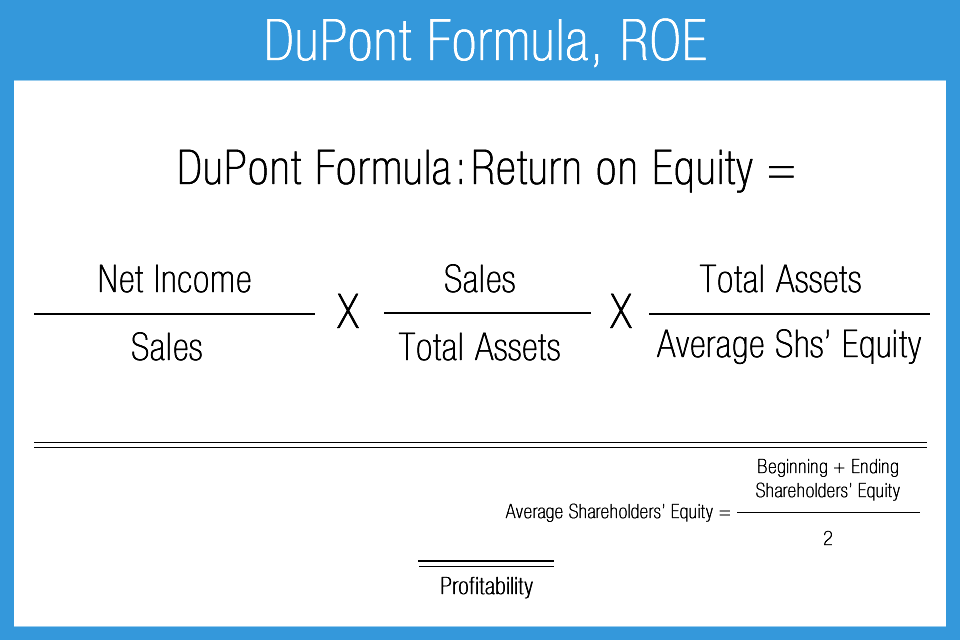
  • Profitability. Indicates the overall net effect of managerial efficiency of the enterprise. To determine the profitability of the enterprise for bench marking purposes, the analyst should first review and make adjustments to the owner(s) compensation, if appropriate.  Adjustments for the market value of the “replacement cost” of the professional services provided by the owner are particularly important in the valuation of professional medical practices for the purpose of arriving at an ”economic level” of profit.

The selection of financial ratios for analysis and comparison to the organization’s performance requires careful attention to the homogeneity of data. Bench marking of intra-organizational data (i.e., internal bench marking) typically proves to be less variable across several different measurement periods.

However, the use of data from external facilities for comparison may introduce variation in measurement methodology and procedure. In the latter case, use of a standard chart of accounts for the organization or recasting the organization’s data to a standard format can effectively facilitate an appropriate comparison of the organization’s operating performance and financial status data to survey results.

***

YOUR COMMENTS ARE APPRECIATED.

INVITE DR. MARCINKO: https://medicalexecutivepost.com/dr-david-marcinkos-

Thank You

***

Comprehensive Financial Planning Strategies for Doctors and Advisors: Best Practices from Leading Consultants and Certified Medical Planners™

MORE: https://www.routledge.com/Comprehensive-Financial-Planning-Strategies-for-Doctors-and-Advisors-Best/Marcinko-Hetico/p/book/9781482240283

***

PHYSICIAN ACQUISITION: The Art of Acquiring Your Medical Practice

Part Two: Medical Practice Valuation

By Dr. David Edward Marcinko, MBA, MED, CMP

www.CertifiedMedicalPlanner.org

In Part 1, we discussed how to establish fair market value (FMV) for a medical practice in the article, “Establish Your Practice’s Fair Market Value.” This time, we’ll review important terms and conditions for the sale acquisition and transaction.

LINK: https://medicalexecutivepost.com/2023/02/02/establish-your-practices-fair-market-value/

Valuation Types

Unfortunately, as a general rule, medical practice worth is presently deteriorating. A good medical practice is no longer a good business necessarily, and selling doctors can no longer automatically expect to extract a premium sale price. Nevertheless, appraising your medical practice on a periodic basis can play a key role in obtaining maximum value for it.

Competent practice valuation specialists typically charge a retainer to cover out-of-pocket expenses. Fees should not be based on a percentage of practice value, and may take 30-45 days to complete. Flat fees should be the norm because a sliding scale or percentage fee may be biased toward over-valuation in a declining marketplace. Fees range from $7,500-$50,000 for the small to large medical practice or clinic.

Expect to pay a retainer and sign a formal, professional engagement letter. Seek an unbiased and independent viewpoint. Buyer and sellers should each have their own independent appraisal done, using similar statistics, accounting measures, and economic assumptions.

At the Institute of Medical Business Advisors, Inc www.MedicalBusinessAdvisors.com we use three engagement levels that vary in intensity, purpose, and cost:

1. A comprehensive valuation provides an unambiguous value range. It is supported by most all procedures that valuators deem relevant, with mandatory onsite review. This gold standard is suitable for contentious situations. A written “opinion of value” is applicable for litigation support activities like depositions and trial. It is also useful for external reporting to bankers, investors, the public, Internal Revenue Service (IRS), etc.

2. A limited valuation lacks additional suggested Uniform Standards of Professional Appraisal Practice (USPAP) procedures. It is considered to be an “agreed upon engagement,” when the client is the only user. For example, it may be used when updating a buy/sell agreement, or when putting together a practice buy-in for a valued associate. This limited valuation would not be for external purposes, so no onsite visit is necessary and a formal opinion of value is not rendered.

3. An ad-hoc valuation is a low level engagement that provides a gross non-specific approximation of value based on limited parameters or concerns involved parties. Neither a written report nor an opinion of value is rendered. It is often used periodically as an internal organic growth/decline gauge.

Structure Sales Transactions and Acquisitions

When the practice price has been determined and agreed on, the actual sales deal can be structured in a couple of ways:

(1) Stock Purchase v. Asset Purchase

In an asset transaction, the buyer will receive a tax amortization benefit associated with the intangible value of the business. This tax amortization represents a non-cash expense benefiting the buyer. In this case, the present value of those future tax benefits is added to the business enterprise value.

(2) Corporate Transactions

Typical private deals in the past involved some multiple (ratio) of earning before income taxes (EBIT)—usually a combination of cash, restricted stock, notes receivable, and possibly assumption of liabilities. For some physician hospital organizations, and public deals, the receipt of common stock can increase the practice price by as much as 40-50 percent (to accept the corresponding business risk, in lieu of cash).

Complete the Deal

The deal structure will vary depending on whether the likely buyer is a private practitioner, health system or a corporate partner. Some key issues to consider in the “art of the deal” include:

  • Working capital (in or out?): Including working capital in the transaction will increase the sale price.
  • Stock vs. asset transaction: Structuring the deal as an asset purchase will increase practice value due to the tax amortization benefits received by the buyer for intangible assets of the practice.
  • Common stock premium: The total sale price can be significantly higher than a cash equivalent price for accepting the risk and relative illiquidity of common stock as part of the payment.
  • Physician compensation: If your goal is to maximize practice value, take home a lower salary to increase practice sale price. The reverse is also true.

Understand Private Deal Structure

Assuming a practice sale is a private transaction, deal negotiations are based on the following pricing methodologies:

Seller financing: Many transactions involve an earn-out arrangement where the buyer puts money down and pays the balance under a formula based on future revenues, or gives the seller a promissory note under similar terms. Seller financing decreases a buyer’s risks (the longer the terms, the lower the risk). Longer terms demand premiums, while shorter terms demand discounts. Premiums that buyers pay for a typical seller-financed practice are usually more than what you would expect from a simple time value of money calculation, as a result of buyer risk reduction from paying over time, rather than up front with a bank loan or all cash. Remember to obtain a life insurance policy on the buyer.

Down payment: The greater the down payment for acquisition of a medical practice, the greater the risk is to the buyer. Consequently, sellers who will take less money up front can command a higher than average price for their practice, while sellers who want more down usually receive less in the end.

Taxation: Tax consequences can have a major impact on the price of a medical practice. For instance, a seller who obtains the majority of the sales price as capital gains can often afford to sell for a much lower price and still pocket as much or more than if the sales price were paid as ordinary income. Value attributed to the seller’s patient list, medical records, name brand, good will, and files qualifies for capital gains treatment. Value paid for the selling doctor’s continuing assistance after the sale and value attributed to a non-compete agreement are taxed at ordinary income. A buyer willing to allocate more for items with capital gains treatment, or a seller willing to take more in ordinary income, can frequently negotiate a better price. This is the essence of economically prudent practice transition planning.

Sidestep Common Buyer Blunders

Here are 10 blunders to avoid, as a buyer:

1. Believing the selling doctor’s attestations. Always verify data through an independent appraisal.

2. Wanting to change the culture of the practice. Be careful: Patients may not adjust quickly to change.

3. Using all available cash without keeping a reserve for potential contingencies.

4. Creating a conflict with the seller by recognizing a weakness and continually focusing on it for a bargain price.

5. Failing to realize that managed care plan contracts can be lost quickly or may not be always transferable.

6. Suffering from analysis paralysis. Money cannot be made by continually checking out a medical practice, only by actually running one.

7. Not appreciating the uniqueness of each practice, and using inaccurate “rules of thumb” from the golden age of medicine.

8. Not realizing that practice worth and goodwill value have plummeted lately and continue to decline in most parts of the country.

9. Not understanding that practice brokers may play both sides of the buy/sell equation for profit. Brokers usually are not obligated to disclose conflicts of interest, are not fiduciaries, and do not provide testimony as a court-approved expert witness.

10. Not hiring an appraisal professional who will testify in court, if need be, using the IRS-approved USPAP methods of valuation. Always assume that the appraisal will be contested (many times, it is).

After pricing and contracting due diligence has been performed, the next step in the medical practice sale process—as Donald Trump might say—is just good, old-fashioned negotiation.

Electronic Downloads

Part I: Part I

Part II: Part II

Additional Reading:

Cimasi, R.J., A.P. Sharamitaro, T.A. Zigrang, L.A.Haynes. Valuation of Hospitals in a Changing Reimbursement and Regulatory Environment. Edited by David E. Marcinko. Healthcare Organizations: Financial Management Strategies. Specialty Technical Publishers, 2008.

Marcinko, D.E. “Getting it Right: How much is a plastic surgery practice really worth?” Plastic Surgery Practice, August 2006.

Marcinko, D.E., H.R. Hetico. The Business of Medical Practice (3rd ed). Springer Publishing,New York,N.Y., 2011.

Marcinko, D.E. and H.R. Hetico. Risk Management and Insurance Planning for Physicians and Advisors. Jones and Bartlett Publishers, Sudbury, Mass., 2007.

Marcinko, D.E. and H.R. Hetico. Financial Planning for Physicians and Advisors. Jones and Bartlett Publishers, Sudbury, Mass., 2007.

Marcinko, D.E. and H.R. Hetico. Dictionary of Health Insurance and Managed Care. Springer Publishers, New York, N.Y., 2007.

Marcinko, D.E. and H.R. Hetico. Dictionary of Health Economics and Finance. Springer Publishers,New York,N.Y., 2007.

Product Details  Product Details

   Product Details 

ETFs: Happy 31st. Birthday

EXCHANGE TRADED FUNDS

By Staff Reporters

SPONSOR: http://www.MarcinkoAssociates.com

***

***

Thirty one years ago yesterday, the first exchange-traded fund (ETF) in the US launched. In the decades since, these once-niche investment products have become ubiquitous on Wall Street, disrupting the mutual fund industry and transforming people’s relationship with the stock market.

CITE: https://www.r2library.com/Resource/Title/0826102549

Exchange Traded Funds

On January 29th, 1993, a spider decoration hanging in the American Stock Exchange heralded the arrival of the first US ETF—what’s now called the SPDR S&P 500 ETF Trust. It had a measly $6.5 million in assets and no one really paid much attention to it. The first US ETF is now the world’s biggest, with $375 billion in assets, and the ETF sector in total had amassed $6.5 trillion in assets by the end of 2022. While mutual funds still have 3x the amount of assets that ETFs have, the tide is turning: Investors poured $600 billion into US ETFs on a net basis last year, but pulled out almost $1 trillion from mutual funds.

ETFs and Tax Efficiency

Definition: An ETF is simply a security that tracks the performance of a particular basket of investments, like stocks. The SPDR S&P 500 ETF, for example, tracks the performance of companies in the S&P 500. Many other ETFs also track indexes, allowing people to park their money in funds that follow the ebbs and flows of the broader market.

If that sounds like a mutual fund…it’s similar. But ETFs have a few advantages over its stuffy, older cousin.

  • ETFs generally have lower fees than mutual funds.
  • They have built-in tax benefits.
  • They’re accessible to anyone with a brokerage account—you can buy or sell them like you would a stock.

CITE: https://www.r2library.com/Resource/Title/0826102549

Finally, all these advantages aside, the rise of ETFs has been also fueled by the growing recognition that trying to invest in individual stocks is foolish. Passive index funds, which aren’t designed for frequent trading, have surged to represent almost half of US fund assets, compared to less than 2% in the early ’90s.

COMMENTS APPRECIATED

Thank You

***

ORDER: https://www.routledge.com/Comprehensive-Financial-Planning-Strategies-for-Doctors-and-Advisors-Best/Marcinko-Hetico/p/book/9781482240283

***

FINANCIAL EDUCATION PODCAST: CMPs™ are In … Are CPAs Out?

CERTIFIED MEDICAL PLANNER

By Staff Reporters

SPONSOR: http://www.CertifiedMedicalPlanner.og

***

Statistics: 7.4%. That’s the percentage drop in students who graduated with a degree in accounting in the 2021–2022 school year than the year before. Low starting salaries, heavy workloads, and uncertainty around AI are driving the exodus of students from choosing accounting degrees. (the Wall Street Journal).

MORE: https://www.wsj.com/lifestyle/careers/accounting-salary-cpa-shortage-dec2caa2?utm_campaign=mb&utm_medium=newsletter&utm_source=morning_brew

PODCAST: https://www.ted.com/talks/dan_bricklin_meet_the_inventor_of_the_electronic_spreadsheet

***
COMMENTS APPRECIATED
Thank You

***

***

MEDICAL DEBT: Remains a Household Strain

Report underscores ongoing concerns about accuracy of collections data, particularly with respect to medical debt

By Staff Reporters

***

***

According to Gabriella Cruz-Martinez, tens of millions of debt collections disappeared from Americans’ credit reports during the pandemic, a new government watchdog report found, but overdue medical bills remain a big strain on many households nationwide. The total number of debt collections on credit reports dropped by 33% from 261 million in 2018 to 175 million in 2022, according to the Consumer Financial Protection Bureau, while the share of consumers with a debt collection on their credit report shrunk by 20%.

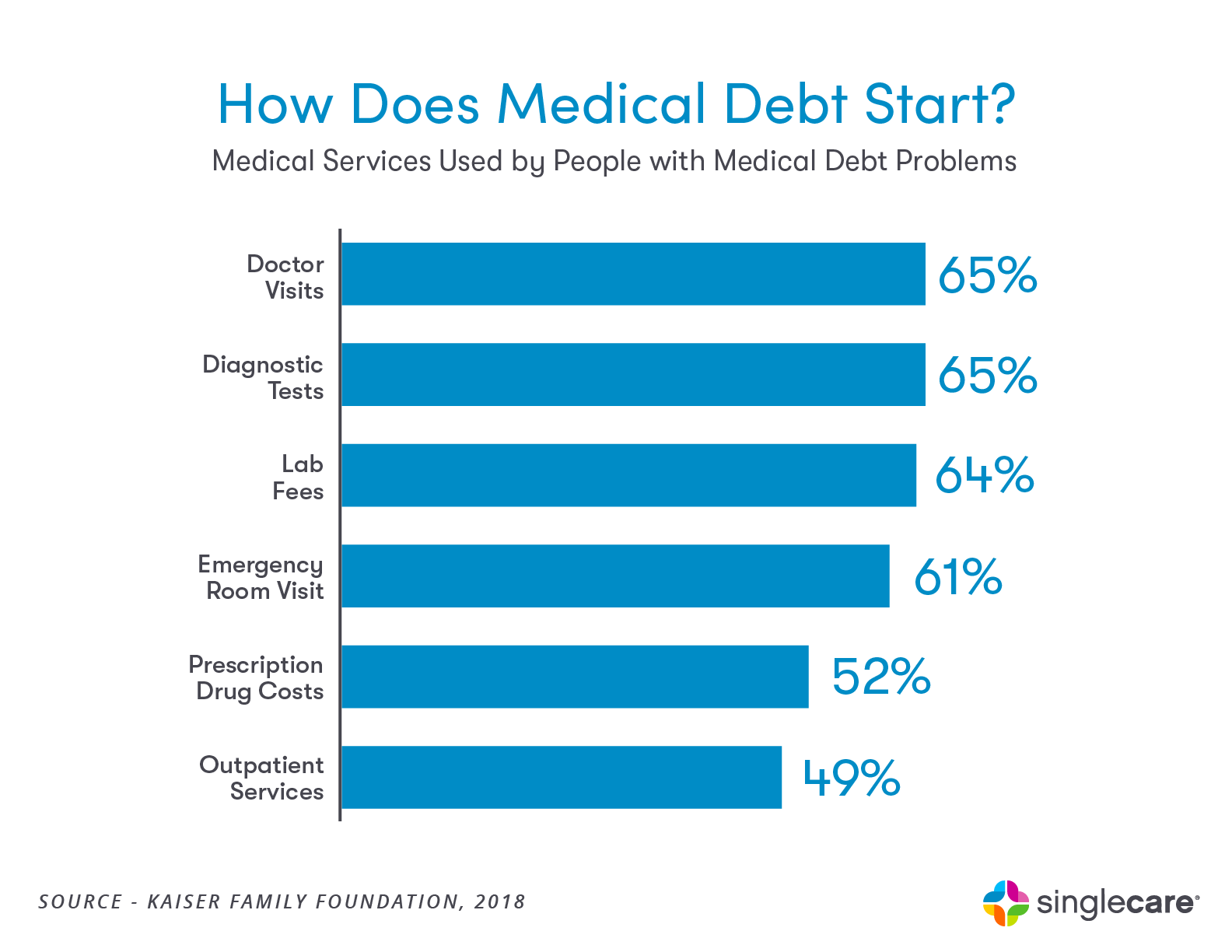
Medical debt collections also dropped by 17.9% during that time, but still made up 57% of all collection accounts on credit reports, far more than other types of debt combined — including credit cards, utilities, and rent accounts. Despite the reduction in collections, the CFPB noted that the results underscore ongoing concerns that current medical billing and collection practices can lack transparency, often hurting the credit scores and financial health of those most vulnerable.

“Our analysis of credit reports provides yet another indicator that, due to a strong labor market and emergency programs during the pandemic, household financial distress reduced over the last two years,” Rohit Chopra, CFPB director said in a statement. “However, false and inaccurate medical debt on credit reports continues to drag on household financial health.”

CITE: https://www.r2library.com/Resource/Title/0826102549

***

***

ORDER: https://www.amazon.com/Dictionary-Health-Insurance-Managed-Care/dp/0826149944/ref=sr_1_4?ie=UTF8&s=books&qid=1275315485&sr=1-4

COMMENTS APPRECIATED

Thank You

***

Doctors, Sole Proprietors and Taxes

On the Self-Employment Tax

By Perry D’Alessio CPA

perry-dalessio-cpaA sole proprietor is an individual business owner [medical practice] physician-executive whose business [practice] is accounted for on a separate schedule of the owner’s individual income tax return.

Typically, owners filing their business returns via the use of Schedule C of Form 1040 have the lowest level of reporting requirements and also (in general) do the poorest job of keeping good records of business activity.

There is only one level of tax for the sole proprietor. The net profit (or loss) from the Schedule C business is reported on page one of Form 1040 and is combined with all of the other income items reported to arrive at gross income.

Different from interest and dividend income, or investment income that is typically considered passive in nature, self-employment income is income considered to be generated by ones’ own actions.

Self Employment Tax

There is “Self Employment” tax to be paid on virtually all self-employment income reported in the tax return.  Many sole proprietors get into trouble because they neglect to take this tax into account when estimating their tax liability for the year and this tax is significant as noted below.

How SET Works

Self-employment tax is paid on 92.35 percent of all self-employment net profits.  This tax is the equivalent of the combination of the employer’s and employee’s Social Security tax and Medicare tax.  Social Security tax is 12.4 percent of the first $117,000 (in 2014) in net income and Medicare tax is paid 2.90 percent of net income without any upper income limit. There is also no maximum for the .9% additional Medicare tax under the PP-ACA [Obamacare] that applies when adjusted gross income exceeds $250,000 for joint filers, $200,000 for single filers, or $125,000 on married-filing-separate returns.

2024

The most you will have to pay in Social Security taxes for 2024 will be $10,453. That’s what you will pay if you earn $168,600 or more. As its name suggests, the Social Security tax goes to the Social Security program. For 2024, it amounts to 6.2% for employees on all income up to $168,600. Employers deduct the tax from paychecks and match it, so that 12.4% goes to the program for each employee. If you’re self-employed, you’ll pay the full 12.4%, though you can deduct half on your tax return.

solo

Social Security Limit

The Social Security income limit is indexed and adjusted (upward) annually.  The sole proprietor is allowed to deduct one half of the self-employment tax against income; however, this deduction is worth far less than the actual tax.

More: Changes   in The Health Care Marketplace and Their Likelihood Over The Next   Five Years

Conclusion

Your thoughts and comments on this ME-P are appreciated. Feel free to review our top-left column, and top-right sidebar materials, links, URLs and related websites, too. Then, subscribe to the ME-P. It is fast, free and secure.

Speaker: If you need a moderator or speaker for an upcoming event, Dr. David E. Marcinko; MBA – Publisher-in-Chief of the Medical Executive-Post – is available for seminar or speaking engagements. Contact: MarcinkoAdvisors@msn.com

OUR OTHER PRINT BOOKS AND RELATED INFORMATION SOURCES:

HOSPITALS: http://www.crcpress.com/product/isbn/9781466558731
CLINICS: http://www.crcpress.com/product/isbn/9781439879900
BLOG: www.MedicalExecutivePost.com
FINANCE: Financial Planning for Physicians and Advisors
INSURANCE: Risk Management and Insurance Strategies for Physicians and Advisors

Product DetailsProduct Details

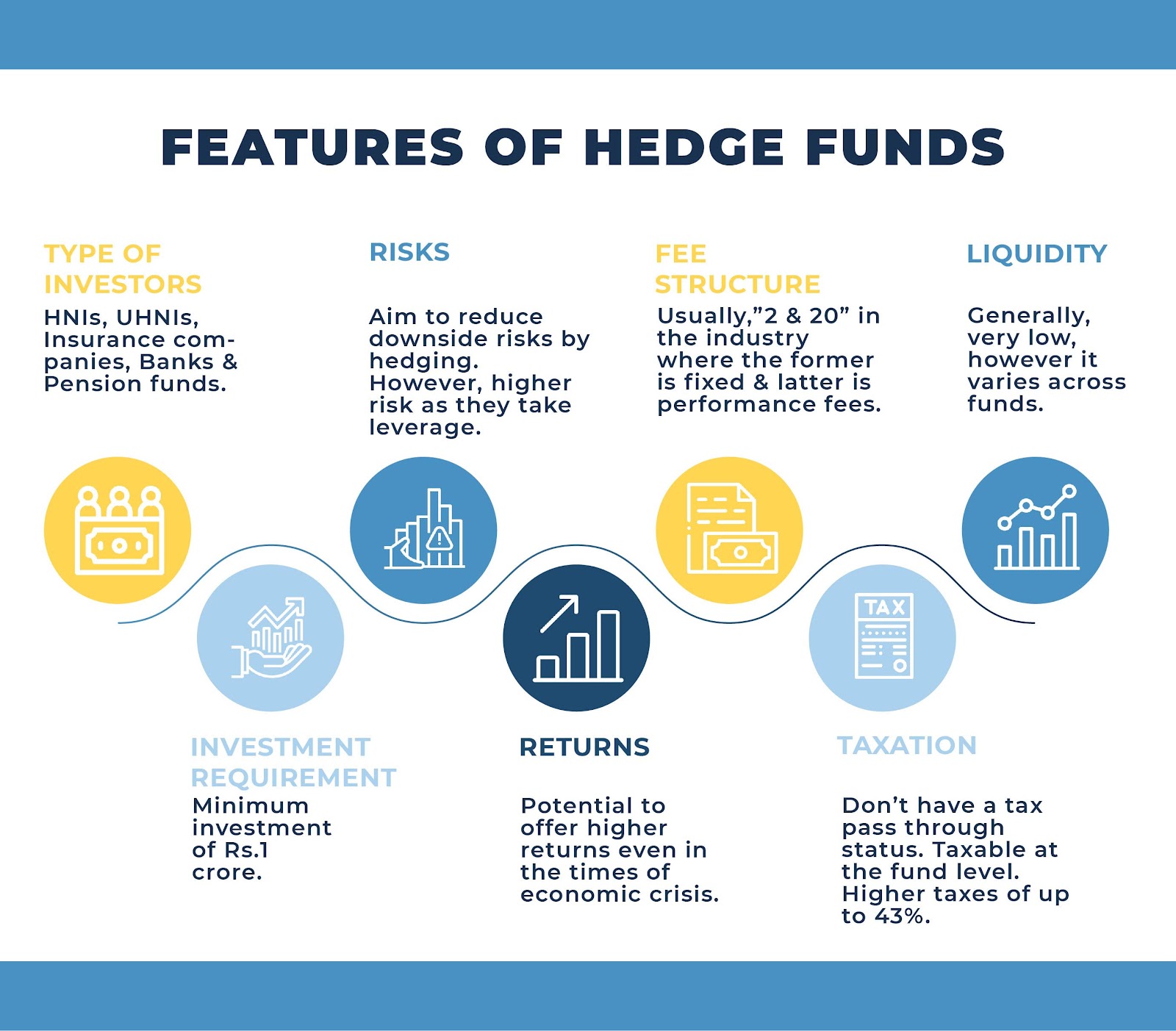
HEDGE FUNDS: Understanding Fees and Costs

SPONSOR: http://www.MARCINKOASSOCIATES.com

***

***

DEFINITION: A Hedge fund is an investment partnership with freer rein to invest aggressively in a wider variety of financial products than most mutual funds. A hedge fund’s purpose is to pool funds, maximize investor returns, and eliminate risk with hedging strategies. Hedge funds are generally considered more aggressive, risky, and exclusive than mutual funds. The hedge fund industry has grown tremendously since its inception. There are trillions of dollars of assets under management, more than 8,800 hedge fund managers, and over 27,000 funds globally

CITE: https://www.r2library.com/Resource/Title/082610254

***

Many physicians and other investors — even those that meet net worth guidelines — are surprised to learn that there exists a $500 – 999 billion, or more, alternative investment industry that is not generally marketed to the public. Such alternative investments have also been known as hedge funds or private investment funds.

Unlike mutual funds, these alternative investments can be structured in a wide variety of ways. Because of the very same regulations discussed above, these funds cannot be advertised, but they are far from illegal or illicit.

READ MORE: https://marcinkoassociates.com/hedge-funds/

***

COMMENTS APPRECIATED

Thank You

***

***

How MCOs Intensify Accounting IBNRs

Understanding the Uncertainty of Loss

By Dr. David E. Marcinko MBA MEd CMP

Because of the high degree of uncertainty inherent in the estimates of ultimate losses underlying the liability for unpaid claims, the IRS will not allow a Managed Care Organization to deduct an IBNR because the financial statements are based on an estimate (IRS, 134-155).

Loss Based Deductions

Unless the taxpayer healthcare entity qualifies for the insurance company exclusion, the IRS does not allow any taxpayer entity to deduct losses based on estimates. However, the precedent has been set that the IRS will accept an amount for IBNR claims if the amount is supported by actuarial projections and/or valid receipts of claims that the company has in-house prior to the filing of the tax return.

Time Line Controversy

There has been some controversy as to how long a reporting time period the IRS will allow to include those estimates. The time period ranges from three to six months to file a claim (IRS, 137). The process by which these reserves are established requires reliance upon estimates based on known facts and on interpretations of circumstances, including the business’s experience with similar cases and historical trends involving claim payment patterns, claim payments, pending levels of unpaid claims, and product mix, as well as other factors such as court decisions, economic conditions, and public attitudes.

Assessment

There has been no clear indication from the IRS that it will accept an accrual for these losses and entities. Therefore, healthcare organizations deducting such losses may eventually find themselves in a position where the IRS may challenge the relating deductibility of those losses.

Conclusion

And so, your thoughts and comments on this Medical Executive-Post are appreciated. Feel free to review our top-left column, and top-right sidebar materials, links, URLs and related websites, too. Then, be sure to subscribe to the ME-P. It is fast, free and secure.

Speaker: If you need a moderator or speaker for an upcoming event, Dr. David E. Marcinko; MBA – Publisher-in-Chief of the Executive-Post – is available for seminar or speaking engagements. Contact: MarcinkoAdvisors@msn.com

Subscribe Now: Did you like this Medical Executive-Post, or find it helpful, interesting and informative? Want to get the latest ME-Ps delivered to your email box each morning? Just subscribe using the link below. You can unsubscribe at any time. Security is assured.

Sponsors Welcomed: And, credible sponsors and like-minded advertisers are always welcomed.

Link: https://healthcarefinancials.wordpress.com/2007/11/11/advertise

Product DetailsProduct Details

   Product Details 

PODCAST: Healthcare Costs are Too Low?

By Eric Bricker MD

***

CITE: https://www.r2library.com/Resource

COMMENTS APPRECIATED

Thank You

***

***

***

NFTs 101: Taxes, Risks, and More

Randy Frederick

Nonfungible tokens have become the latest investment craze. Here’s what you need to know.

Until recently, nonfungible tokens (NFTs) were written off by many as a virtual fad and a waste of money. After all, why would someone pay $2.9 million to own the very first tweet when anyone with internet access can view it for free?

But when auction house Christie’s sold the NFT of Everydays: The First 5000 Days, a collage by the artist Beeple, for $69.3 million in March 2021, it suddenly put this emerging asset class on par with collecting a Picasso (whose heirs have jumped on the digital bandwagon by selling NFTs of the artist’s ceramics).

So, what’s all the fuss about?

The basics

Like cryptocurrencies, NFTs are stored on a blockchain, which is a digital, publicly available transaction ledger. However, while a single bitcoin can be exchanged for any other bitcoin—just as a $1 bill can be exchanged for any other $1 bill—each NFT is unique (i.e., nonfungible). In that sense, NFTs are more like the Hope Diamond or Picasso’s Guernica—a one-of-a-kind work for which there is no substitute.

Indeed, an NFT’s inherent scarcity, whether because it’s a unique piece of art or a limited-issue collectible, makes it potentially lucrative—but also substantially less liquid than, say, your average stock or bond. As a result, you may need to drop the price or hold on to your NFT if the demand isn’t there when you want or need to sell it. Other risks include:

  • Security: Like bitcoin, NFTs require a private key that functions as a password. If your key is lost or stolen, you may never again be able to access your NFT. Other security risks involve replicas that purport to be the original—as with any collectibles marketplace—and fraudulent sites designed to steal private keys and their attendant assets.
  • Taxation: Although the IRS has yet to issue specific guidance, NFTs are generally treated as collectibles. As such, if you sell an NFT you’ve held on to for less than a year, any short-term gains will be taxed as ordinary income. Any gains on an NFT held for a year or longer will be taxed at a top collectibles rate of 28%—plus a 3.8% net investment income tax if your modified adjusted gross income exceeds $200,000 ($250,000 for married couples).

Where to start

If, after careful consideration, you’re still interested in dipping your toe in NFT waters, you’ll first need to do three things:

  1. Pick a marketplace: To buy or sell NFTs, you’ll need to choose a reputable marketplace. Both Nifty Gateway and OpenSea are popular, although specialty marketplaces also exist, including ArtOfficial if you’re a fine-art collector and NBA Top Shot for basketball enthusiasts.
  2. Get a wallet: Shopping through most NFT marketplaces requires a Web3 wallet, such as MetaMask, that can store both cryptocurrencies and NFTs. Some marketplaces, like Nifty Gateway, will store your NFT, but you’ll have to pay a fee to transfer it to another wallet should you wish to do so later.
  3. Buy cryptocurrency: Some marketplaces accept payment in so-called fiat currencies, such as the U.S. dollar. However, many marketplaces are built on the Ethereum blockchain and prefer to transact in its native cryptocurrency, ether.

Tread with caution

Although the popularity of NFTs has exploded in the past year, with first-quarter sales topping $11 billion by mid-March 2022—up from $53 million for the fourth quarter of 2020—only time will tell if NFTs will realize their long-term potential or fall tragically short of it. 

Either way, it will be fascinating to see how this new form of digital authentication changes how we invest. (Ernst & Young, for example, is working on NFT-inspired technology that can help collectors track the provenance of fine wines.)

Quantum leap

NFTs experienced exponential growth in 2021.Beginning in Q3 2017, quarterly NFT trading volume remained under $20 million until jumping to $28.01 million in Q3 2020, then $52.98 million in Q4 2020. It went above $1 billion in Q1 2021 and, as of Q1 2022, has remained above $10 billion since Q3 2021.

DappRadar.com

Sales figures include only on-chain transactions conducted on the 49 NFT marketplaces that DappRadar tracks, excluding LooksRare.

*Q1 2022 data as of 03/25/2022.

ASSESSMENT

For the time being, however, there’s a lot to be said for taking a go-slow approach to this new asset class and all the risks it entails. 

In general, those interested in crypto assets like NFTs are wise to limit their exposure to no more than 1% of investable assets.

RELATED: https://www.schwab.com/learn/story/etfs-and-taxes-what-you-need-to-know?cmp=em-XCU


COMMENTS APPRECIATED

Thank You

***

ETFs and Tax Efficiency

A Better Financial Product than Mutual Funds?

[By JD Steinhilber]

Exchange-traded funds are inherently more tax efficient than actively managed mutual funds, which have been rightly criticized for their tax-inefficiency. Tax-efficiency is a critical issue for financial advisors and physician-investors because delaying the taxation of appreciating assets normally enhances after-tax returns over time.

For example, it is estimated that between 1994 and 1999, investors in diversified U.S. stock mutual funds lost, on average, 15% of their annual gains to taxes. The tax inefficiency of mutual funds is the result of portfolio turnover at the fund level caused by two factors: the trading activity of the portfolio manager and the activity of other shareholders in the fund.       

The Mutual Fund Performance / Redemption Problem

Due to fund manager efforts to outperform benchmarks, actively managed mutual funds almost invariably experience more “manager-driven” portfolio turnover than ETFs, where trading is generally driven by change in the composition of the underlying indexes being replicated. Mutual fund portfolio turnover can also be caused by the actions of shareholders in the fund. 

In a mutual fund structure, redemption requests by shareholders can force the fund to sell securities to raise cash. These sales may give rise to gains that, by law, must be distributed and will be taxed to all shareholders in the fund.

Unique Architectural Structure

ETFs, in contrast, are structured in such a way that the actions of one shareholder do not result in tax consequences to another shareholder.  ETFs accomplish this through the innovative architecture in which ETF “units” (which are subdivided into individual ETF shares) are created and redeemed to accommodate the fluctuating demand for the shares of a particular ETF.

ETF units are created and redeemed by institutional investors though non-taxable, “in-kind” transactions, which means that only securities – not cash – change hands in the creation and redemption process. 

An example of this process would be an institution exchanging a portfolio of stocks constituting the S&P 500 index for an S&P 500 ETF “creation unit”. And, once created, the S&P 500 ETF can be subdivided into individual shares that are tradable by investors on the exchange.   

Assessment

As a result of the above – physicians may be insulated from a tax standpoint by the actions of other investors – because taxable transactions don’t take place at the fund level.  Instead, ETF shares are traded between retail investors in transactions on the exchanges, so the tax accounting becomes very similar to that associated with individual stocks.    

Have you used ETFs in your own portfolio, and what is your tax efficiency experience with them; truth or hype? 

Conclusion

Your thoughts and comments on this ME-P are appreciated. Feel free to review our top-left column, and top-right sidebar materials, links, URLs and related websites, too. Then, subscribe to the ME-P. It is fast, free and secure.

Speaker: If you need a moderator or speaker for an upcoming event, Dr. David E. Marcinko; MBA – Publisher-in-Chief of the Medical Executive-Post – is available for seminar or speaking engagements. Contact: MarcinkoAdvisors@msn.com

OUR OTHER PRINT BOOKS AND RELATED INFORMATION SOURCES:

Product Details

Comprehensive Financial Planning Strategies for Doctors and Advisors: Best Practices from Leading Consultants and Certified Medical Planners(TM)

***

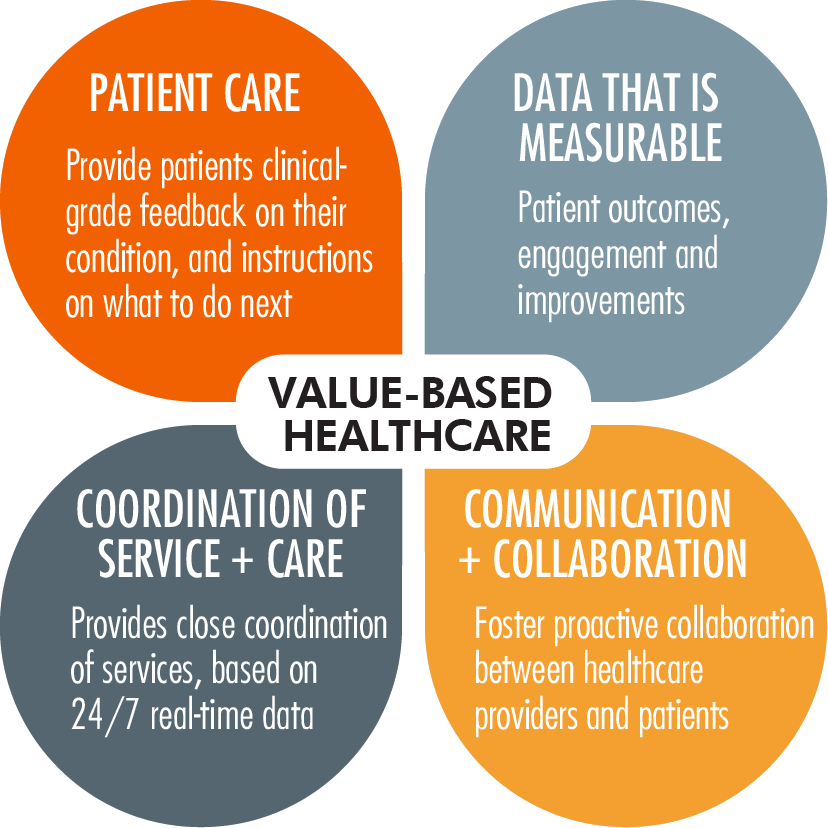
VALUE BASED CARE: CVS and Walgreens

The retail pharmacy giants have made a string of multi-billion dollar deals!

By Staff Reporters

***

***

CVS and Walgreens have been spending money like there is no tomorrow! In fact, the two retail pharmacy giants have made a string of multi-billion dollar acquisitions of primary care providers in the past couple years, including the $5.2 billion VillageMD acquisition in 2021 (Walgreens) and the $10.6 billion plan to buy Oak Street Health (CVS).

VillageMD also bought primary care clinic operator Summit Health-CityMD in January 2023, which Walgreens invested $3.5 billion in, and CVS spent roughly $8 billion to acquire Signify Health, a value-based payment platform, in September 2022.

So what do all these deals have in common? Value-based care.

CITE: https://www.r2library.com/Resource/Title/082610254

READ Healthcare Brew: https://www.healthcare-brew.com/stories/2023/03/03/cvs-walgreens-value-based-care?cid=30723705.29836&mid=349b552221c994e2540a304649746d7c&utm_campaign=hcb&utm_medium=newsletter&utm_source=morning_brew

***

***

ORDER: https://www.amazon.com/Financial-Management-Strategies-Healthcare-Organizations/dp/1466558733/ref=sr_1_3?ie=UTF8&qid=1380743521&sr=8-3&keywords=david+marcinko

COMMENTS APPRECIATED

Thank You

***

MEDICAL BILLS: Clear Health [Patient] Advocacy

By Staff Reporters

***

***

Did you know that an estimated 30-80% of medical bills in the U.S. are incorrect?

CITE: https://www.r2library.com/Resource/Title/0826102549

That’s a huge range in percentages, but even if we split it right down the middle, that means at least 50% of medical bills are wrong—50% of the medical bills that are coming into your house and mine—and most healthcare consumers don’t even realize it.

READ: https://clearhealthcareadvocacy.com/

***

COMMENTS APPRECIATED

Thank You

***

***

DAILY UPDATE: Jobs, Chips, Banks and Tax Refunds

MEDICAL EXECUTIVE-POST TODAY’S NEWSLETTER BRIEFING

***

Essays, Opinions and Curated News in Health Economics, Investing, Business, Management and Financial Planning for Physician Entrepreneurs and their Savvy Advisors and Consultants

Serving Almost One Million Doctors, Financial Advisors and Medical Management Consultants Daily

A Partner of the Institute of Medical Business Advisors , Inc.

http://www.MedicalBusinessAdvisors.com

SPONSORED BY: Marcinko & Associates, Inc.

***

http://www.MarcinkoAssociates.com

Daily Update Provided By Staff Reporters Since 2007.
How May We Serve You?
© Copyright Institute of Medical Business Advisors, Inc. All rights reserved. 2024

REFER A COLLEAGUE: MarcinkoAdvisors@msn.com

SPONSORSHIPS AVAILABLE: https://medicalexecutivepost.com/sponsors/

ADVERTISE ON THE ME-P: https://tinyurl.com/ytb5955z

***

Stat: 4.6%. That’s how much the average income tax refund increased YoY, from $2,878 in April 2023 to $3,011 as of April 5th. (Axios)

Quote: “Wall Street has never been known for high character and high values. Is there a willingness to support Trump if it looks like he’s on the right track? Yes. I’m not proud of that, and I’m not part of that either.”—Dan Lufkin, co-founder of investment bank Donaldson, Lufkin & Jenrette (Bloomberg)

Read: Bank of America’s CEO sees an overall cautiousness on display in the current spending choices of consumers and businesses. (CNBC)

CITE: https://www.r2library.com/Resource

The May jobs report will drop on Friday: Little change is expected from April, when the unemployment rate ticked up to 3.9% and fewer jobs were added than expected (175,000). This jobs report will be one of the final pieces of economic data to drop before the Fed meets on June 11th and 12th. The central bank is unlikely to announce an interest rate cut.

CITE: https://tinyurl.com/2h47urt5

Software is no longer eating the world. For the first time, chip stocks now account for the heaviest weighting in the S&P 500, taking the top spot away from software companies last week. Salesforce and other enterprise software giants are getting crushed as companies prioritize generative AI investments (chips and servers) over SaaS products.

CITE: https://tinyurl.com/tj8smmes

COMMENTS APPRECIATED

PLEASE SUBSCRIBE: MarcinkoAdvisors@msn.com

Thank You

***

***

***

***

EDUCATIONAL TEXTBOOKS: https://tinyurl.com/4zdxuuwf

***

CMS; Proposes Increasing Inpatient & Long Term Care Payments

By Health Capital Consultants, LLC

***

***

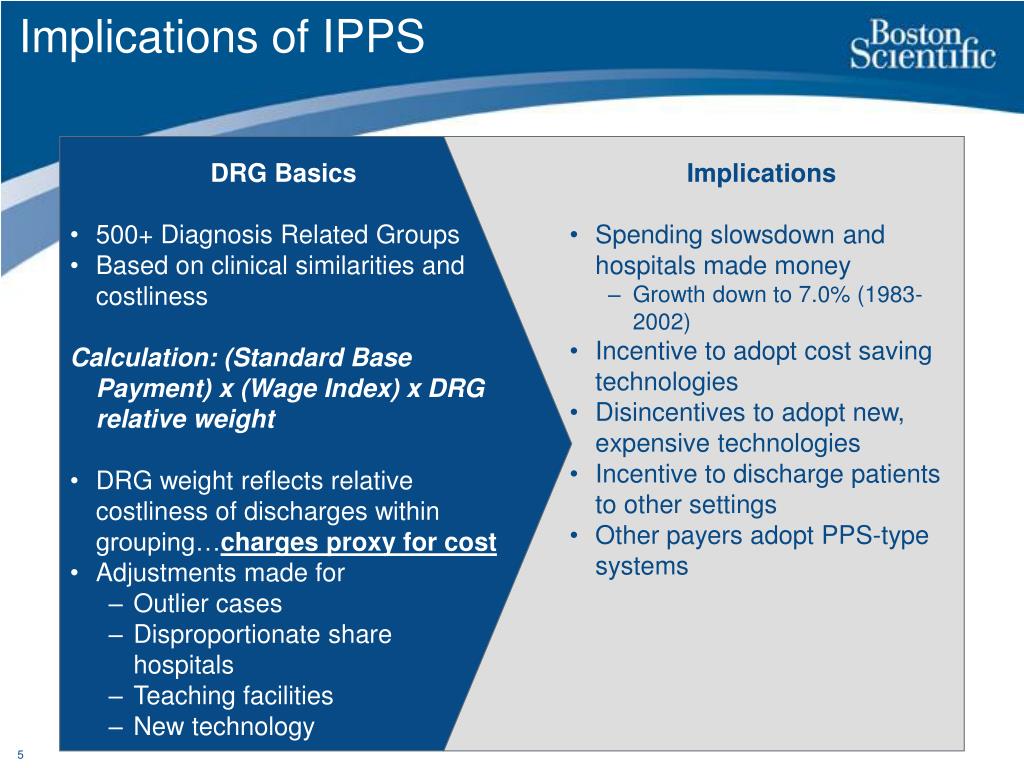
On April 10th, 2024, the Centers for Medicare & Medicaid Services (CMS) released its proposed rules for the payment and policy updates for the Medicare inpatient prospective payment system (IPPS) and long-term care hospital prospective payment system (LTCH PPS) for fiscal year (FY) 2025. 

CITE: https://www.r2library.com/Resource

This Health Capital Topics article will discuss the proposed rule and the implications for stakeholders. (Read more…)

COMMENTS APPRECIATED

Thank You

***

***

Our iMBA e-Book Sales and Service

The Institute of Medical Business Advisors is a leading national scope provider of healthcare economics, finance, investing, managerial accounting, policy, management and business administration education and medical practice management textbooks, reports, hand-books, dictionaries, journals, white-papers, fair-market valuations [FMV] and legal advisory opinions using multi-platform and traditional seminars and channels of knowledge distribution. iMBA helps the nation’s financial, healthcare and education professionals make decisive improvements in their direction and performance by empowering them through unbiased information, consultants and proprietary tools, books, templates and B-school styled case models.A virtuous “win-win” situation for all concerned.

Link: https://medicalexecutivepost.com/me-pr-a-new-feature/

The firm serves universities, medical, business, graduate and nursing schools; physicians, dentists, attorneys and legal societies – accountants, financial service providers, stock brokers, RIAs, wealth and hedge fund managers – emerging entities, hospitals, clinics, outpatient centers, CXOs and their BODs – the press, media and related academic entities.

Link: http://www.MarcinkoAssociates.com

***

AT YOUR SERVICE

***

DAILY UPDATE: Citigroup, CBO, CFPB, Spiked Treasury Yields and the Mixed Stock Markets

MEDICAL EXECUTIVE-POST TODAY’S NEWSLETTER BRIEFING

***

Essays, Opinions and Curated News in Health Economics, Investing, Business, Management and Financial Planning for Physician Entrepreneurs and their Savvy Advisors and Consultants

Serving Almost One Million Doctors, Financial Advisors and Medical Management Consultants Daily

A Partner of the Institute of Medical Business Advisors , Inc.

http://www.MedicalBusinessAdvisors.com

SPONSORED BY: Marcinko & Associates, Inc.

***

http://www.MarcinkoAssociates.com

Daily Update Provided By Staff Reporters Since 2007.
How May We Serve You?
© Copyright Institute of Medical Business Advisors, Inc. All rights reserved. 2024

REFER A COLLEAGUE: MarcinkoAdvisors@msn.com

SPONSORSHIPS AVAILABLE: https://medicalexecutivepost.com/sponsors/

ADVERTISE ON THE ME-P: https://tinyurl.com/ytb5955z

***

Stat: $78 million. That’s the fine levied against Citigroup for an accidental, “fat finger” trade that momentarily erased $322 billion in market value in the European stock markets. (Business Insider)

Quote: “The CFPB wants to make sure that these new competitive offerings are not gaining an advantage by sidestepping the rights and responsibilities enshrined under the law.”Rohit Chopra, director of the Consumer Financial Protection Bureau, on the CFPB’s decision to treat “buy now, pay later” apps as credit cards.

CITE: https://www.r2library.com/Resource

Here’s where the major benchmarks ended yesterday:

  • The S&P 500® index (SPX) rose 1.32 points (0.02%) to 5,306.04; the Dow Jones Industrial Average® ($DJI) lost 216.73 points (0.6%) to 38,852.86; the NASDAQ Composite gained 99.09 points (0.6%) to 17,019.88.
  • The 10-year Treasury note yield jumped almost 7 basis points to 4.54%.
  • The CBOE Volatility Index® (VIX) rose 0.55 to 12.91.

Financial shares were among Tuesday’s weakest performers, reflecting ideas elevated interest rates could burden bank margins. The KBW Regional Bank Index (KRX) sank 1% to its lowest close since April 30. Biotechnology and health care sectors were also under pressure.

In other markets, WTI Crude Oil (/CL) futures jumped more than 3% and ended at a four-week high above $80 per barrel ahead of next weekend’s OPEC meeting, which is expected to end with no change to the cartel’s production levels.

CITE: https://tinyurl.com/2h47urt5

House Committee Chair Jodey Arrington (R-Texas) said that site-neutral payment policy is the “most obvious” solution amid supportive testimonies from partisan think-tanks, the Congressional Budget Office and a practicing independent physician. 

CITE: https://tinyurl.com/tj8smmes

COMMENTS APPRECIATED

PLEASE SUBSCRIBE: MarcinkoAdvisors@msns.com

Thank You

***

***

***

***

EDUCATIONAL TEXTBOOKS: https://tinyurl.com/4zdxuuwf

***

UPMC: Settles Stark Law Case

By Health Capital Consultants, LLC

***

***

On May 9th, 2024, the University of Pittsburgh Medical Center (UPMC), a large nonprofit healthcare system that owns a number of hospitals, medical practices, and other subsidiaries, announced that they would pay $38 million to settle a longstanding Stark Law case which had triggered a violation of the False Claims Act (FCA). The lawsuit claimed that several of UPMC’s surgeons ordered complex and unnecessary procedures to increase their earnings. 

CITE: https://www.r2library.com/Resource

This Health Capital Topics article will discuss the UPMC settlement and the allegations underlying the case. (Read more…) 

COMMENTS APPRECIATED

Thank You

***

***

Activity-Based-Medical-Cost Accounting and Management

A Non-Traditional Accounting System

[By Dr. David Marcinko MBA MEd CMP]CPA

Sooner or later you will want to ascertain and then demonstrate the cost effectiveness of your medical care. By using the process of Activity Based Cost (ABC) management, you will be able to do so.  But, if you’re using a traditional accounting system, you won’t know a thing about your activity costs. Here’s how. 

Traditional Cost Accounting Methods 

In a traditional medical practice cost accounting system, costs are assigned to different procedures and services based on volume.  In others words, office costs are spread over the entire office’s product line and you may not know the true profitability of any single medical activity. So, if the office is doing more “procedures” than general medicine, for example, more indirect office overhead costs will be allocated to the procedural portion of the practice. 

ABC management, on the other hand, determines the actual costs of the resources that each service consumes. Because general medicine requires more human resources than “technical procedures,” ABC management will assign more costs to the general medical portion of the practice. 

Accordingly, most physicians, office managers, and their accountants are surprised that a prior notion of office profitability is different than previously thought. ABC management is just more accurate in measuring medical service profitability than traditional accounting methods. 

Medical Activity Cost Drivers 

Examples of medical activities that are office cost drivers include such items as monitoring vital signs, taking radiographic images, removing dressings or casts, performing laboratory tests or veni-punctures, surgical set-ups or operative procedures; etc.  

However, in the office setting, the most economically important activities are listed as specific CPT codes for each medical specialty.  The most important end result of ABC management is the shift of general overhead costs to low volume services from high volume services. These effects are not symmetrical as there is a bigger dollar effect on the per-unit costs of the low volume service.  

ABC Managerial Accounting Improvements 

ABC management improves office managerial cost accounting systems in three ways: 

  1. It increases the number of cost pools used to accumulate general overhead office costs. Rather than accumulate overhead costs in a single office-wide pool, costs are accumulated by activity, service or procedure.
  2. It changes the base used to assign general overhead costs to services or patients. Rather than assigning costs on the basis of a measure of volume (employee or doctor hours), costs are assigned on the basis of medical services or activities that generated those costs.
  3. It changes the nature of many overhead costs in that those formerly considered indirect, are now traced to specific activities or services. The office service mix may then be adjusted accordingly, for additional profit.   

Methodology 

In order to perform an ABC analysis for your medical office, calculate the cost of delivering a single unit of medical or surgical activity using only the work component of the resource based relative value scale (RBRVS).

Do this by adding up your office’s average variable expenses for the prior 1-3 years.  Now, count the number of work resource based relative value units (RBRVUs) delivered for each CPT code for the same time period, using the latest edition of the Federal Register to obtain the latest list of RVUs by CPT code. Then divide total variable expenses by the total number of work RVUs in order to arrive at the marginal cost of a single unit of service for the time period being evaluated.

For example, if your office had variable expenses of $480,000, and produced 80,000 work RVUs last year, it cost $6, on top of the office’s fixed expenses, to deliver one unit of work product. So, if an HMO plan offers to reimburse you at a rate of $11 per member, per month, and you can expect to reasonably deliver on average of one RVU pm/pm, you’ll earn enough on the contract to cover your marginal costs and some of your fixed and direct expenses. 

CASE MODELs: CVPA 4 and CVPA 3

dhimc-bookAssessment

Remember, this method assumes that you have the excess operating capacity and time slots, available and unused, to see the additional patients of the new plan without adding extra overhead expenses to service the contract.

If not, or if you plan for capitation to become a major portion of your practice, you might want the capitated contract(s) to cover all your office expenses, so be sure to include both the fixed and other direct costs to your variable cost calculations. ABC determines the actual costs of resources rendered for each activity and represents a real measure of practice profitability. Office service mix can then be changed to either maximize revenues or better suit your practice personality.

A Caveat

Suppose however, that a medical service is competitively priced but still shows that the CPT code is unprofitable. For example, the costs of special requests can adversely affect office profits. Yet, special patient requests are one of the biggest reasons that a CPT code or procedure isn’t profitable.

In this case, look closely at activity costs and determine which ones are being performed inefficiently. Improving the efficiency of those kinds of medical services, or referring them out or abandoning them all together, will increase office profitability.

MORE: ABCM

Conclusion

Your thoughts and comments on this ME-P are appreciated. Feel free to review our top-left column, and top-right sidebar materials, links, URLs and related websites, too. Then, subscribe to the ME-P. It is fast, free and secure.

Speaker: If you need a moderator or speaker for an upcoming event, Dr. David E. Marcinko; MBA – Publisher-in-Chief of the Medical Executive-Post – is available for seminar or speaking engagements. Contact: MarcinkoAdvisors@msn.com

OUR OTHER PRINT BOOKS AND RELATED INFORMATION SOURCES:

PHYSICIANS: www.MedicalBusinessAdvisors.com
HOSPITALS: http://www.crcpress.com/product/isbn/9781466558731
CLINICS: http://www.crcpress.com/product/isbn/9781439879900
BLOG: www.MedicalExecutivePost.com
FINANCE: Financial Planning for Physicians and Advisors
INSURANCE: Risk Management and Insurance Strategies for Physicians and Advisors

***

Product DetailsProduct DetailsProduct Details     

Product DetailsProduct Details

***

PHYSICIANS ONLY: Hedge Funds and Venture Capitalists

SPONSORED: http://www.MARCINKOASSOCIATES.com

START TO FINISH CYCLE

***

Our Process

***

READ HERE: https://marcinkoassociates.com/hedge-funds/

MORE: https://medicalexecutivepost.com/2023/02/19/what-is-an-unregistered-security/

COMMENTS APPRECIATED

Thank You

***

***

PODCAST: Accounting for Healthcare Professionals

By Eric Bricker MD

***

***

COMMENTS APPRECIATED

Thank You

***

***

***

PODCAST: Accounting Deception in Health Care

Examples of Exploitation and Deception?

BY ERIC BRICKER MD

***

***

COMMENTS APPRECIATED

Please subscribe to the ME-P

TERMS: https://medicalexecutivepost.com/2021/11/02/financial-terms-and-definitions-all-physician-should-know/

Triple Entry Accounting: https://medicalexecutivepost.com/2020/12/28/triple-entry-accounting/

HEALTH ECONOMICS CITE: https://www.r2library.com/Resource/Title/0826102549

Thank You

***

https://www.amazon.com/Financial-Management-Strategies-Healthcare-Organizations/dp/1466558733/ref=sr_1_3?ie=UTF8&qid=1380743521&sr=8-3&keywords=david+marcinko

***

https://www.amazon.com/Business-Medical-Practice-Transformational-Doctors/dp/0826105750/ref=sr_1_9?s=books&ie=UTF8&qid=1287563112&sr=1-9

***

https://www.amazon.com/Dictionary-Health-Insurance-Managed-Care/dp/0826149944/ref=sr_1_4?ie=UTF8&s=books&qid=1275315485&sr=1-4

***

DAILY UPDATE: Robinhood’s SEC Enforcement with Mixed Stock Markets

MEDICAL EXECUTIVE-POST TODAY’S NEWSLETTER BRIEFING

***

Essays, Opinions and Curated News in Health Economics, Investing, Business, Management and Financial Planning for Physician Entrepreneurs and their Savvy Advisors and Consultants

Serving Almost One Million Doctors, Financial Advisors and Medical Management Consultants Daily

A Partner of the Institute of Medical Business Advisors , Inc.

http://www.MedicalBusinessAdvisors.com

SPONSORED BY: Marcinko & Associates, Inc.

***

http://www.MarcinkoAssociates.com

Daily Update Provided By Staff Reporters Since 2007.
How May We Serve You?
© Copyright Institute of Medical Business Advisors, Inc. All rights reserved. 2024

REFER A COLLEAGUE: MarcinkoAdvisors@msn.com

SPONSORSHIPS AVAILABLE: https://medicalexecutivepost.com/sponsors/

ADVERTISE ON THE ME-P: https://tinyurl.com/ytb5955z

***

Here’s where the major stock market benchmarks ended:

  • The S&P 500 index rose 6.96 points (0.1%) to 5,187.70; the Dow Jones Industrial Average gained 31.99 points (0.1%) to 38,884.26; the NASDAQ Composite® ($COMP) eased 16.70 points (0.1%) to 16,332.56.
  • The 10-year Treasury note yield dropped more than 3 basis points to 4.457%.
  • The CBOE Volatility Index® (VIX) fell 0.26 to 13.23.

Interest-rate-sensitive sectors, such as real estate and utilities, were among the market’s strongest performers Tuesday. The Philadelphia Utility Index (UTY) rose 1.3%, its fifth straight daily gain, and hit its highest level in almost a year. The recent strength may in part reflect heightened expectations for lower interest rates, which may make utility shares with relatively high dividend yields compared to Treasuries more appealing. The utilities sector is also coming off a strong April, during which it was the only S&P 500 sector with a positive return, with chart patterns suggesting a bullish long-term momentum shift.

The semiconductor sector was among the weakest sectors Tuesday, partly behind a 1.7% drop in Nvidia (NVDA). The shares fell after billionaire investor Stanley Druckenmiller told CNBC he reduced his stake in the chipmaker in late March, saying that artificial intelligence may be a “little overhyped” for the short term.

***

Peloton is reportedly being circled by private equity firms for a potential buyout of the enfeebled fitness company.

CITE: https://www.r2library.com/Resource

The SEC is preparing to sue over Robinhood’s crypto business. Robinhood just revealed that it’s been notified that the SEC plans to bring an enforcement action against its crypto unit for alleged securities violations. But the online brokerage said it’s not sweating: “We firmly believe that the assets listed on our platform are not securities and we look forward to engaging with the SEC to make clear just how weak any case against Robinhood Crypto would be on both the facts and the law,” Dan Gallagher, Robinhood’s chief legal, compliance, and corporate affairs officer, wrote in a blog post. Such a notice doesn’t always mean a suit will follow, but crypto companies and the agency have been sparring for years over whether crypto tokens count as securities.

CITE: https://tinyurl.com/2h47urt5

The Biden administration were quick to praise a new report that extends the lifespan of the Hospital Insurance Trust Fund, but the report renewed calls for increasing physician payments.


Amwell, a telehealth company, continues to struggle in the stock market, and both its bottom- and top-line results in the first quarter missed Street analysts’ estimates.


And … between the Change Healthcare cyberattack and Medicare Advantage headwinds, major insurers faced unique challenges in the first quarter.

CITE: https://tinyurl.com/tj8smmes

Stat: 8.7%. That’s the level to which US consumers can expect the 30-year mortgage rate to rise over the next year, which marks a series high, according to a New York Federal Reserve survey (MarketWatch)

COMMENTS APPRECIATED

PLEASE SUBSCRIBE: MarcinkoAdvisors@msns.com

Thank You

***

***

***

***

EDUCATIONAL TEXTBOOKS: https://tinyurl.com/4zdxuuwf

***

DAILY UPDATE: 24/7 NYSE Trading with Last Week’s Market Round-Up

MEDICAL EXECUTIVE-POST TODAY’S NEWSLETTER BRIEFING

***

Essays, Opinions and Curated News in Health Economics, Investing, Business, Management and Financial Planning for Physician Entrepreneurs and their Savvy Advisors and Consultants

Serving Almost One Million Doctors, Financial Advisors and Medical Management Consultants Daily

A Partner of the Institute of Medical Business Advisors , Inc.

http://www.MedicalBusinessAdvisors.com

SPONSORED BY: Marcinko & Associates, Inc.

***

http://www.MarcinkoAssociates.com

Daily Update Provided By Staff Reporters Since 2007.
How May We Serve You?
© Copyright Institute of Medical Business Advisors, Inc. All rights reserved. 2024

REFER A COLLEAGUE: MarcinkoAdvisors@msn.com

Your Referral Count -0-

SPONSORSHIPS AVAILABLE: https://medicalexecutivepost.com/sponsors/

ADVERTISE ON THE ME-P: https://tinyurl.com/ytb5955z

***

Last week stocks shrugged off the news that the Fed’s favorite inflation gauge ticked up last month as strong earnings reports from Big Tech pushed them higher giving the NASDAQ and the S&P 500 their best weeks since November. Google parent Alphabet had its best day since July 2015 after showing that some of its Artificial Intelligence investments are paying off for its first-ever dividend distribution.

CITE: https://www.r2library.com/Resource

The New York Stock Exchange (NYSE) recently asked market participants to share how they’d feel about trading 24/7.

According to Morning Brew, The tradition-shattering proposal by the world’s busiest stock exchange, which operates from 9:30am to 4pm ET Monday–Friday, would make stocks no different from other assets that never stop trading, like crypto and government bonds.

The NYSE’s curiosity comes as the startup 24 Exchange, backed by Mets owner Steve Cohen, is seeking SEC permission to launch a round-the-clock stock exchange. 24 Exchange wants to cater to the growing contingent of amateur investors, some of whom prefer to trade after their kids go to bed. If the NYSE decides to become an exchange that never sleeps, it’d likely upend the day-to-day of the pros on Wall Street. So, let’s consider what 24/7 trading would look like, who’d be in the green, and who’s kept up at night by the prospect. For example:

The NYSE currently allows people to trade stocks outside regular hours from 4am until the market opens and after the closing bell until 8pm, but there are fewer participants trading, and those transactions often come with higher fees. Meanwhile, brokerages like Robinhood and Interactive Brokers have found success in letting investors put in orders for many stocks and stock indexes overnight.

  • Robinhood recently said its overnight trading options are a hit, with trading outside of the NYSE’s regular hours accounting for as much as 25% of activity on the platform.
  • Many customers aren’t used to waiting around for the NYSE to “ding a bell two times a day,” Robinhood’s Chief Brokerage Officer Steve Quirk told Bloomberg.

Many of these nocturnal transactions on brokerage apps happen because of the time difference with the Asia Pacific region, where investors are increasingly eager to tap into the US stock market when most Americans are asleep. The trades are enabled by organizations like Blue Ocean, which are seeing skyrocketing demand for cross-border services. Having the NYSE run 24/7 would make it easier for investors in different time zones to participate in the US stock market.

Proponents also say it could make morning trading less volatile by allowing investors to react to big news (like an Elon Musk tweet about Tesla) as soon as it happens rather than waiting for markets to open.

CITE: https://tinyurl.com/2h47urt5

Meanwhile, stocks popped off last week thanks to Big Tech’s impressive earnings, with the S&P 500 and NASDAQ posting their best weeks since November. Nvidia notched its best weekly gain in almost a year (up 15%), adding nearly $290 billion in market capitalization.

COMMENTS APPRECIATED

PLEASE SUBSCRIBE: MarcinkoAdvisors@msns.com

Your Referral Count -0-

Thank You

***

***

***

***

EDUCATIONAL TEXTBOOKS: https://tinyurl.com/4zdxuuwf

***

HOSPITALS: “Weighted Average Cost of Capital”

By Dr. David Edward Marcinko MBA CMP

***

SPONSOR: http://www.MARCINKOASSOCIATES.com

***

The Cost of Hospital Capital Is “WACC”

It is critical for physician executives to understand and to measure the total cost of hospital capital. Lack of understanding and appreciation of the total cost of capital is widespread, particularly among not-for-profit hospital and physician executives. The capital structure includes long-term debt and equity; total capital is the sum of these two, and, each of these components has cost associated with it.

For the long-term debt portion, this cost is explicit—it is the interest rate plus associated costs of placement and servicing. For the equity portion, the cost is not explicit and is widely misunderstood. In many cases, hospital capital structures include significant amounts of equity that has accumulated over many years of favorable operations.

Far too many executives wrongly attribute zero cost to the equity portion of their capital structure. Although it is correct that generally accepted accounting principles continue to assign a zero cost to equity, there is opportunity cost associated with equity that needs to be considered. This cost is the opportunity available to utilize that capital in alternative ways.

***

***

In general, the cost attributed to equity is the return expected by the equity markets on hospital equity. This can be observed by evaluating the equity prices of hospital companies whose equity is traded on public stock exchanges. Usually, the equity prices will imply cost of equity in the range of 10%–14%. Almost always, the cost of equity implied by hospital equity prices traded on public stock exchanges will substantially exceed the cost of long-term debt. Thus, while many hospital executives will view the cost of equity to be substantially less than the cost of debt (i.e., to be zero) in nearly all cases, the appropriate cost of equity will be substantially greater than the cost of debt.

Hospitals need to measure their weighted average cost of capital (WACC). WACC is the cost of long-term debt multiplied by the ratio of long-term debt to total capital plus the cost of equity multiplied by the ratio of equity to total capital (where total capital is the sum of long-term debt and equity).

WACC is then used as the basis for capital charges associated with all capital investments. Capital investments should be expected to generate positive returns after applying this capital charge based on the WACC. Capital investments that do not generate returns exceeding the WACC consume enterprise value; those that generate returns exceeding WACC increase enterprise value. Therefore, physician and hospital executives need to be rewarded for increasing enterprise value.

***

COMMENTS APPRECIATED

Thank You

***

***

Understanding the Failure to Recognize Mutual Fund Fees

 Going Granular and Deep with Obligatory “Fund Facts”

SPONSOR: http://www.MARCINKOASSOCIATES.com

[By Dr. David Edward Marcinko MBA CMP™]

DEM blueAn attractive investment and a polished sales pitch can often hide the underlying costs of the investment, leading some medical professionals to give up a significant portion of the long-term growth of their assets to fees. Fees absolutely matter.

In a good market investors have a propensity to ignore them and in challenging markets they are scrutinized, but in the end no matter what type of market we are in fees do make a substantial difference in your long-term investment returns.

Assessing the Worth of the Investment

The first step in assessing the worth of the investment under consideration is figuring out what the fees actually are.  If a medical professional is investing in a mutual fund, these costs are found in mutual fund company’s now obligatory “Fund Facts”.

This manuscript clearly outlines all the fees paid – including upfront fees (or commissions/loads), deferred sales charges, and any switching fees.  Fund management expense ratios are also part of the overall cost of ownership. Trading costs within the mutual fund can also impact performance.

The List of Fees Keep Coming … and Coming!

Here is a list of the traditional fees from investing in a mutual fund:

  • Front end load: It is the commission charged to purchase the fund through a broker or financial advisor. The commission reduces the amount you have available to invest. Thus if you start with $100,000 to invest and the advisor charges a 5 percent front end load, you end up actually investing $95,000.
  • Deferred Sales Charge (DSC) or back end load: Charge imposed if you sell your position in the mutual fund within a pre-specified period of time (normally five years). It is initiated at a higher start percentage (i.e. as high as 10 percent) and declines over a specific period of time.
  • Operating Fees: These are costs charged by the mutual fund including the management fee rewarded to the manager for investment services. It also includes legal, custodial, auditing and marketing.
  • Annual Administration Fee: Many mutual fund companies also charge an additional fee just for administering the account – usually under $150 per year. A 1 percent disparity in fees for a medical professional may not seem like a lot. But fees do make a considerable impact over a longer time period. [For example, a $100,000 portfolio that earns 8 percent before fees, grows to $320,714 after 20 years if the client pays a 2 percent operating fee. In comparison, if the investor opted for a fund that charges a more reasonable 1 percent fee, after 20 years, the portfolio grows to be $386,968 – a divergence of over $66,000! For many investors, this is the value of passive or index investing. In the case of an index fund, fees are generally under 0.5 percent, thus offering even more fee savings over an elongated period of time].

***

  fd9dd41a78cfc9c81d890534ddf26cce

[The Carousel of Fees]

Assessment

Fees and expenses can have significant impact on the performance of your investments. Always monitor the costs of an investment program to ensure that fees and expenses are reasonable for the services provided and are not consuming a disproportionate amount of the investment returns.

Conclusion

Your thoughts and comments on this ME-P are appreciated. Feel free to review our top-left column, and top-right sidebar materials, links, URLs and related websites, too. Then, subscribe to the ME-P. It is fast, free and secure.

Speaker: If you need a moderator or speaker for an upcoming event, Dr. David E. Marcinko; MBA – Publisher-in-Chief of the Medical Executive-Post – is available for seminar or speaking engagements. Contact: MarcinkoAdvisors@msn.com

OUR OTHER PRINT BOOKS AND RELATED INFORMATION SOURCES:

Comprehensive Financial Planning Strategies for Doctors and Advisors: Best Practices from Leading Consultants and Certified Medical Planners(TM)

DAILY UPDATE: IRS Tax Day April 15th Exceptions as American Savings Rate is Down along with Nike, Jeep, Medicare Part C and these States?

MEDICAL EXECUTIVE-POST TODAY’S NEWSLETTER BRIEFING

“Worried about an IRS audit? Avoid what’s called a red flag. That’s something the IRS always looks for. For example, say you have some money left in your bank account after paying taxes. That’s a red flag.

― Jay Leno

***

Essays, Opinions and Curated News in Health Economics, Investing, Business, Management and Financial Planning for Physician Entrepreneurs and their Savvy Advisors and Consultants

Serving Almost One Million Doctors, Financial Advisors and Medical Management Consultants Daily

A Partner of the Institute of Medical Business Advisors , Inc.

http://www.MedicalBusinessAdvisors.com

SPONSORED BY: Marcinko & Associates, Inc.

***

http://www.MarcinkoAssociates.com

Daily Update Provided By Staff Reporters Since 2007.
How May We Serve You?
© Copyright Institute of Medical Business Advisors, Inc. All rights reserved. 20224

REFER A COLLEAGUE: MarcinkoAdvisors@msn.com

SPONSORSHIPS AVAILABLE: https://medicalexecutivepost.com/sponsors/

ADVERTISE ON THE ME-P: https://tinyurl.com/ytb5955z

***

HAPPY APRIL 15th 2024

Americans are saving less at their lowest pace in more than a year, and are apparently spending more than the growth of their incomes, according to an analysis by Wells Fargo that was shared with Newsweek.

In February, the personal savings rate hit 3.6 percent, “marking the lowest rate at which households saved in 14 months,” Wells Fargo economists noted in the Thursday report, adding that spending outpaced income growth for the month. The savings rate is higher than the below 3 percent level it fell to following the COVID-19 pandemic, but is nevertheless way down from the pre-pandemic rate of 6 percent.

CITE: https://www.r2library.com/Resource

The deadline for most people to file a 2023 tax return with the IRS is fast approaching; returns are due by 11:59 p.m., in your time zone, on Monday, April 15th today, with some exceptions. Taxpayers in Massachusetts and Maine have until April 17th to file and pay taxes because of the Patriots’ Day and Emancipation Day holidays. There are also extensions in some areas impacted by extreme weather. Individuals and businesses impacted by the October 7th attack on Israel have also been given an extension, the IRS announced. There are extensions for certain active-duty military members and citizens living abroad.

CITE: https://tinyurl.com/2h47urt5

Nike announced plans to lay off around 1,600 employees, or about 2% of its global workforce, as part of a $2 billion cost-cutting strategy. CEO John Donahoe said performance has not been the best and took responsibility. Donahoe said, “This is a painful reality and not one that I take lightly.”

CITE: https://tinyurl.com/tj8smmes

Stellantis is the world’s fourth-largest automaker by sales, behind Toyota, Volkswagen Group, and Hyundai Motor Group. The company designs, manufactures, and sells automobiles bearing its 14 brands: Abarth, Alfa Romeo, Chrysler, Citroën, Dodge, DS, Fiat, Jeep, Lancia, Maserati, Opel, Peugeot, Ram, and Vauxhall. Their headquarters is located in Amsterdam, and they have over 300,000 employees in 130 countries.

***

The Biden administration wants to make changes to private Medicare insurance plans that officials say will help seniors find plans that best suit their needs, promote access to behavioral health care and increase use of extra benefits such as fitness and dental plans. “We want to ensure that taxpayer dollars actually provide meaningful benefits to enrollees,” said Health and Human Services Secretary Xavier Becerra. If finalized, the proposed rules rolled out Monday could also give seniors faster access to some lower-cost drugs. Administration officials said the changes, which are subject to a 60-day comment period, build on recent steps taken to address what they called confusing or misleading advertisements for Medicare Advantage [Part C] plans. Just over half of those eligible for Medicare get coverage through a private insurance plan rather than traditional, government-run Medicare.

***

Healthcare varies substantially by state based on dozens of factors. The same is valid for cities. Some of this is due to the availability of medical facilities. Some have to do with health habits. Some have to do with incomes and poverty levels. People who live in poor states, based on income, almost always have unhealthy populations. A new study from Renew Bariatrics shows the “Healthiest (and Unhealthiest) States in the US—2024 Rankings,” and reviews alcohol use, diabetes, drug overdoses, mental health, isolation, tobacco use, exercise, and the presence of heart disease, obesity, and cancer. These, taken together, create an index from 0 to 100, with 100 being the worst possible score. These are the most expensive states to live in.

COMMENTS APPRECIATED

PLEASE SUBSCRIBE: MarcinkoAdvisors@msns.com

Thank You

***

***

***

***

EDUCATIONAL TEXTBOOKS: https://tinyurl.com/4zdxuuwf

***

TAX SEASON: Planning and Preparation for Doctors

By Staff Reporters

***

DEFINITION: Tax season is the period of time, generally between January 1st and April 15th of each year, when individual taxpayers prepare to report their taxable income to the federal government and, in most cases, to the government of the state in which they live.

CITE: https://www.r2library.com/Resource

Some Year-End Preparation for the Upcoming Tax Filing Season

The filing season for 2023 tax returns us now upon us. A little advance preparation can prevent stressful tax time surprises for doctors and all medical professionals. Here are some important steps you can take now to set yourself up for worry-free tax filing:

  • Do one last withholding checkup. Time is running out to adjust your paycheck withholding to make sure you have paid enough tax throughout 2023. You can use the online IRS Withholding Estimator tool to make sure your numbers are on track.
  • If your name changed in 2023, report the change to the Social Security Administration as soon as possible, preferably before the end of the year.
  • Locate your bank account information, including both your account number and the bank routing number, so you can receive your tax refund by direct deposit.
  • Watch for year-end income statements, especially in late January and early February. These statements may include W-2 forms, along with 1099-NEC, 1099-MISC, 1099-INT, 1099-G and other 1099 forms. Note that some of these forms may come by mail, while others may be sent to you electronically. Keep all of the forms together and organized.
  • Organize records for tax deductions and credits. These records may include Form 1095-A (Health Insurance Marketplace Statement), tuition statements (Form 1098-T), medical bills, mortgage interest statements, and home energy improvement or clean vehicle receipts or invoices.

Waiting until the last minute to try to assemble these documents can lead to missing the filing deadline, so start early.

COMMENTS APPRECIATED

Thank You

***

***

Interest Rates and the Money Commodity

Medial Office Equipment Interest Rate Costs

David Edward Marcinko

Dr. David E. Marcinko; MBA, MEd, CMP™

[Publisher in Chief]

Physicians, administrators and healthcare entrepreneurs are aware of the compounding effect of interest. However, since interest is deductible as a medical office business expense, many seem to forget about it despite the fact that it must be continually paid until the asset is either purchased or otherwise disposed. 

So, what are the various types of interest rates important to the medical practitioner and commodity – money?

[1] Simple Interest

Simple interest is merely the pro rata interest on a loan or deposit and represents the most basic interest rate type.

For example, for every $100 Dr. Bill borrows at 12 percent annual interest, he pays twelve dollars per year. The interest is calculated by multiplying the principal or original amount, by the interest rate in decimal form (100 x .12). 

[2] Add-On Interest

Add on interest immediately attaches the annual interest amount, to the principal amount, at the beginning of the payment period. Payments are then made according to the number of years required.

The following formula is useful: 

Add-on-Interest minus Payment  = Total Interest on Balance/Number of Payments

For example, if Dr. William Needy borrows $10,000 at 8 percent add-on interest, he will repay $10,000 plus $ 800 ($10,000 x 8%) or $10,800, divided by twelve months, for a total of $900 per month, since $ 900/month x 12 months equals $10,800.  

[3] Discounted Interest

When using the discounted interest method, the interest amount is deducted from the principal right up front. Notice that this is the opposite of add-on-interest that is applied up front.

For example, if Dr. Bill borrows the same $ 10,000 at a discounted interest rate of 8 percent, he will only receive a $9,200 loan, since $10,000 – $800 is $9,200.

Obviously, the discount method is the most expense way to borrow money.  

[4] Annual Percentage Rate

 Most financial institutions advertise an annual percentage rates (APR) for loans, deposits and investments.  The APR is the periodic interest rate multiplied by the number of periods a year. If the APR is 12 percent, and interest is compounded monthly, you receive (or pay) 1 percent of your balance each month, and the balance shifts with each compounding. 

For example, if Dr. Bill deposits $ 100 dollars at 12 percent APR compounded monthly, he receives $ 1 interest the first month (1% of $100), $1.10 the second month (1% of $101), and so forth. If compounding is daily, the interest accumulates at the rate of 1/365 of the APR each day.  

Unless interest is compounded annually, the APR will be lower than the effective annual interest rate, discussed below. 

[5] Effective Interest Rate

It is important to differentiate between the effective interest rate and the APR, which is often the most prominent figure in advertisements for medical business equipment, consumer goods and financial services (loans, annuities, IRAs, CDs, investment analysis, college funding or retirement planning).  Although the APR is the periodic interest rate multiplied by the number of periods per year, the effective annual interest rate is the periodic rate, compounded. 

In our case, if the APR is 12 percent, compounded monthly, the monthly interest rate is 1 percent and the effective annual rate is the monthly rate compounded for 12 periods.

Therefore, if your calculation is for a single year, you can treat the effective rate as simple interest. If you deposit (or borrow) $1,000 at 12 percent APR, the effective rate is 12.68 percent, and interest for the first year is about $126.80 (12.68% of $1,000).

For longer periods, you can use the effective interest rate as the periodic interest rate, compounded annually. 

[a] “Rule of 72” (Double your Money)

The number of periods required to double a lump sum of money can be quickly estimated by using what is known as the “Rule of 72”. To get the number of periods, usually years, just divide 72 by the periodic interest rate, expressed as a whole number (not a decimal).

For example, if the annual interest rate is 10 percent, it will take about 7.2 years (72/10) to double any lump cache of money. Conversely, you can also calculate the interest rate required to double your money in a given period by dividing 72 by the term.

Thus, to double your money in ten years, you need to earn about 7.2 percent annual interest (72/10) = 7.2%).  

[b] “Rule of 78”

According to this method, interest is front end loaded like a home mortgage, or office condominium, to discourage prepayment of a loan and consequently preserve the lender’s profit. In other words, it is a method of calculating installment loan interest rebates. 

The number 78 comes from an approved method of accelerated tax depreciation, known as the “Sum of the Years Digits” (SOYD) method (i.e., 12 + 11 + 10 + 9 . . . = 78). This fact is important because, throughout the period of a loan, even though the payments are all the same, the portions that are interest and principal are very different.

Using this method for a one year loan shows that, in the first payment, 15.38 percent of the interest due is paid off, and by the sixth month, 73.08 percent of the interest is paid off.  This means, that if a physician makes a one year equipment loan with a total interest charge of $ 100 and pays the loan off in full with the sixth payments, he or she will not get an interest rebate of $ 50, but only $ 26.92, since $ 73.08 of the interest has already been prepaid. 

Most ethical lenders use simple interest rates for loan rebates, and the Rule of 78 is unfair according to many authorities.  

[c] “Rule of 116”

A derivative of the Rule of 72 is the Rule of 116.  This determines the number of years it takes for a principal amount to be tripled and is calculated by dividing the annual interest rate into 116.

The Rules of 72 and 78 are very handy for figuring the amount of interest payments made or growth of funds invested. They can also be used in reverse to calculate at what rate of interest money must be invested to double or triple in a certain number of years.     

[6] Medical Equipment Payback Cost Analysis

The payback period, expressed in years, is the length of time that it takes for the medical equipment investment to recoup its initial cost out of the cash receipts it generates. The basic premise is that the quicker the cost of an investment can be recovered, the better the investment is. It is most often used when considering equipment whose useful life is short and unpredictable.

When the same cash flow occurs every year, the formula is as follows: 

Investment Required / Net Annual Cash Inflow = Payback Period 

Thus, in today’s tightening medical reimbursement atmosphere, practice cost control and expense reduction is the easiest method to increase medical office profitability.  Keeping the cost of the commodity money in the form of interest rate charges, as low as possible, will assist in this endeavor 

Assessment

And so, how have these rules affected your medical office borrowing costs; if at all? Does these principles apply to the medical student loan crisis, today? 

***

Risk Management, Liability Insurance, and Asset Protection Strategies for Doctors and Advisors: Best Practices from Leading Consultants and Certified Medical Planners™8Comprehensive Financial Planning Strategies for Doctors and Advisors: Best Practices from Leading Consultants and Certified Medical Planners™

DAILY UPDATE: KPMG Fined, Aging Doctors, Water Fluoridation Outcries, Medicare Part C Down, CBO Deficit with Inflation Up as Stock Markets Crash!

MEDICAL EXECUTIVE-POST Today’s Newsletter

***

Essays, Opinions and Curated News in Health Economics, Investing, Business, Management and Financial Planning for Physician Entrepreneurs and their Savvy Advisors and Consultants

Serving Almost One Million Doctors, Financial Advisors and Medical Management Consultants Daily

A Partner of the Institute of Medical Business Advisors , Inc.

http://www.MedicalBusinessAdvisors.com

SPONSORED BY: Marcinko & Associates, Inc.

***

http://www.MarcinkoAssociates.com

Daily Update Provided By Staff Reporters.
How May We Serve You?
© Copyright Institute of Medical Business Advisors, Inc. All rights reserved. 20224

REFER A COLLEAGUE: MarcinkoAdvisors@msn.com

***

NEW YORK (Reuters) -The U.S. accounting watchdog on Wednesday said it has hit KPMG Netherlands with a $25 million civil penalty, a record for the regulator, in response to “egregious” and widespread exam cheating at the foreign affiliate of the major audit firm.

CITE: https://www.r2library.com/Resource

As millions of Americans approach age 66, they face the inevitable question, is it time to retire? The physician population is aging alongside the general population—more than 40% of physicians in the U.S. will be 65 years or older within the next decade. In the case of surgeons, there is little guidance on how to best ensure their competency throughout their career and at the same time maintain patient safety while preserving mature physician dignity.

CITE: https://tinyurl.com/2h47urt5

It is a scenario playing out nationwide. From Oregon to Pennsylvania, hundreds of communities have in recent years either stopped adding fluoride to their water supplies or voted to prevent its addition. Supporters of such bans argue that people should be given the freedom of choice. The broad availability of over-the-counter dental products containing the mineral makes it no longer necessary to add to public water supplies, they say. The Centers for Disease Control and Prevention says that while store-bought products reduce tooth decay, the greatest protection comes when they are used in combination with water fluoridation.

CITE: https://tinyurl.com/tj8smmes

More health systems are going to be opting out of Medicare Advantage (MA) plans, George Hill, a managing director at Deutsche Bank in Boston, predicted Monday at a “Wall Street Comes to Washington” webinar hosted by the Brookings Institution. “I think you’re going to see more large provider organizations threaten to opt out of networks, particularly as it relates to MA,” Hill said, adding that there are a number of reasons for this. “Prior authorizations are the problem, claims denials are a huge problem, delayed payments and rates are the problem — barriers in access to care in all varieties are the problem.”

CITE: https://tinyurl.com/tj8smmes

The latest budget update from the nonpartisan Congressional Budget Office (CBO) found that the federal government has spent more on paying interest on the national debt than on the military in fiscal year 2024. The CBO’s budget report for March showed that the U.S. has spent $412 billion on military programs at the Department of Defense through the first half of FY-2024, according to preliminary figures from CBO and the Treasury Department. 

CITE: https://www.r2library.com/Resource

Consumer price increases remained high last month, boosted by gas, rents, and car insurance, the government said Wednesday in a report that will likely give pause to the Federal Reserve as it weighs when and by how much to cut interest rates this year. Prices outside the volatile food and energy categories rose 0.4% from February to March, the same accelerated pace as in the previous month. Measured from a year earlier, these core prices were up 3.8%, unchanged from the year-over-year rise in February. The Fed closely tracks core prices because they tend to provide a good read of where inflation is headed.

Here’s where the major benchmarks ended:

  • The S&P 500® index (SPX) dropped 49.27 points (1.0%) to 5,160.64; the Dow Jones Industrial Average lost 422.16 points (1.1%) to 38,461.51; the NASDAQ Composite® ($COMP) fell 136.28 points (0.8%) to 16,170.36.
  • The 10-year Treasury note yield (TNX) soared more than 18 basis points to 4.548%.
  • The CBOE Volatility Index® (VIX) jumped 0.82 to 15.80.

Interest-rate-sensitive sectors like banks, real estate, and utilities led Wednesday’s decliners. The KBW Regional Bank Index (KRX) tumbled 5% to its lowest point since late November. The small-cap Russell 2000® Index (RUT) lost 2.5%. Energy shares were among the few gainers as WTI Crude Oil (/CL) futures rebounded after three-straight losing sessions.

In other markets, the U.S. dollar index (DXY) jumped 1% to a five-month high amid expectations interest rates will remain elevated.

COMMENTS APPRECIATED

PLEASE SUBSCRIBE: MarcinkoAdvisors@msns.com

Thank You

***

***

***

ALL EDUCATIONAL TEXTBOOKS: https://tinyurl.com/4zdxuuwf

***

DOCTORS FEELING WEALTHY: How Much is [Really] Enough?

By Staff Reporters

SPONSOR: http://www.MARCINKOASSOCIATES.com

***

***

What does wealth mean to you?

In a recent survey by Edelman Financial Engines, 57% of respondents said they’d feel wealthy if they had $1 million in the bank. But for many people, like doctors, that may not be enough.

Among those with $500,000 and $3 million in assets, 53% said it would take over $3 million in the bank for them to feel wealthy, and 33% said it would take over $5 million. Given that these are amounts some people will never even come close to amassing in their lifetimes, it may be hard to wrap your head around these answers.

***

***

COMMENTS APPRECIATED

Thank You

***

PODCAST:Safety Net Hospitals Explained

By Eric Bricker MD

***

***

MORE: https://medicalexecutivepost.com/2023/06/16/safety-net-hospitals-drug-discount-programs/

COMMENTS APPRECIATED

Thank You

***

***

***

PODCAST: Secret to Health Insurance Company Profits

INTER COMPANY ELIMINATIONS

By Eric Bricker MD

***

***

COMMENTS APPRECIATED

Thank You

***

***

DAILY UPDATE: Target of IRS Audits Up While Stock Markets are Down

By Staff Reporters

***

***

Stat: 125,000+. That’s how many high-income people the IRS is targeting for not filing their taxes. The IRS started sending letters last week to folks with over $400,000 in income who haven’t filed between 2017 and 2022 (Journal of Accountancy)

CITE: https://www.r2library.com/Resource

Here’s where the major benchmarks ended:

  • The S&P 500 index fell 6.13 points (0.1%) to 5,130.95; the Dow Jones Industrial Average lost 97.55 points (0.3%) to 38,989.83; the NASDAQ Composite declined 67.43 points (0.4%) to 16,207.51.
  • The 10-year Treasury note yield (TNX) rose about 4 basis points to 4.219%.
  • The CBOE Volatility Index® (VIX) increased 0.38 to 13.49.

Ongoing strength in chip makers propelled a 1.1% advance in the Philadelphia Semiconductor Index (SOX), which posted a record high for the third-straight trading day. Banks were also among the strongest performers. Small-cap shares eased, with the Russell 2000® Index (RUT) ending with a marginal loss after rising earlier to a two-year high. 

COMMENTS APPRECIATED

Thank You

***

***

PEP: What is a Pooled Employer “Defined Contribution” Plan?

RETIREMENT PLANNING

By Staff Reporters

***

***

A PEP is a defined contribution plan, such as a 401(k), in which multiple employers can participate. When employers join a PEP, they delegate their named fiduciary role to a third-party pooled plan provider (PPP). PEP fiduciary oversight falls on the PPP rather than the employer. And although each PPP may set its own eligibility requirements, businesses joining a PEP benefit plan needn’t operate in the same industry or geographical area.

PEP plans provide viable 401(k) alternatives for small business owners who may otherwise struggle to compete for talent against large organizations with comprehensive benefits packages.

CITE: https://www.r2library.com/Resource/Title/082610254

Other advantages include: Less in-house administration: The PPP assumes responsibility for much of the plan administration, handling all plan documentation, governmental filings and ongoing compliance. Employee payroll deductions are left to the employer, but these can be efficiently managed with the help of a payroll service provider that integrates payroll and benefits.

Tax credits can help offset PEP start-up costs. For the first three years of participation, employers may be eligible for a tax credit of $5,000 annually, with an additional $500 available to those who set up automatic enrollment. Under Secure Act 2.0, an additional credit of up to $1,000 per employee for eligible employer contributions may apply to employers with up to 50 employees for the preceding taxable year. This credit phases out from 51 to 100 employees.

Businesses participating in single-employer retirement plans (SEP) must independently communicate and coordinate with their record-keeper, custodian, investment advisor, trustee and auditor. With PEP, all these tasks and services are bundled into one, saving employers time and money.

Despite its advantages, a PEP does have some drawbacks, particularly when compared to an SEP. Unlike a PEP, an SEP gives employers more of the following:

  • Flexibility: Employers can customize the design of their plan to meet their retirement goals and the needs of their employees.
  • Control: Employers are not dependent on the actions or decisions of others and can access information and resolve problems directly without the need of a third party.
  • Choice: Employers have the unilateral freedom to choose a different service provider, move their plan or negotiate better pricing if they are unsatisfied with the cost or quality of service.

COMMENTS APPRECIATED

Thank You

***

***

15: PODCAST: CPAs are Out … Are CMPs™ In?

CERTIFIED MEDICAL PLANNER

By Staff Reporters

SPONSOR: http://www.CertifiedMedicalPlanner.org

***

The giant accounting firm Grant Thornton LLP is laying off 200 people, its second round of layoffs in the past six months and an indication that the major players in the professional consulting, accounting and advisory business are preparing for an economic slowdown that could squeeze profits across corporate America.

***

Statistics: 7.4%. That’s the percentage drop in students who graduated with a degree in accounting in the 2021–2022 school year than the year before. Low starting salaries, heavy workloads, and uncertainty around AI are driving the exodus of students from choosing accounting degrees. (the Wall Street Journal).

MORE: https://www.wsj.com/lifestyle/careers/accounting-salary-cpa-shortage-dec2caa2?utm_campaign=mb&utm_medium=newsletter&utm_source=morning_brew

PODCAST: https://www.ted.com/talks/dan_bricklin_meet_the_inventor_of_the_electronic_spreadsheet

CMP RELATED: https://medicalexecutivepost.com/2023/10/29/become-a-board-certified-medical-planner-healthcare-niche-advisor-and-thrive/

***
COMMENTS APPRECIATED
Thank You

***

***

Financial Accounting Definitions All Physician Should Know

By Meredith Wood

The Most Important Business and Finance Terms

  1. Accounts Payable
  2. Accounts Receivable
  3. Asset
  4. Balance Sheet
  5. Cash Flow
  6. Fixed Asset
  7. Income Statement
  8. Liability
  9. Profit & Loss Statement
  10. Annual Percentage Rate
  11. Collateral
  12. Loan-to-Value
  13. Debt-Service Coverage Ratio
  14. Lien
  15. Personal Guarantee
  16. Financial Statements
  17. Debt Consolidation
  18. Gross Profit
  19. Statement of Cash Flow
  20. Credit Limit

Running a business involves a constant learning curve. And that applies whether you’re a rookie entrepreneur just starting out with a great idea for a new business or a more established small business owner with a quickly growing business that needs to expand. You should always be learning as a business owner, no matter where you are in your career—there’s always a new tool to master, new problems to solve, and new vocabulary to understand.

In order to not get totally overwhelmed, it’s helpful to take things one segment at a time. For instance, feeling confident when discussing the business’s financial needs should be a priority for every small business owner. After all, you represent the heart and soul of your business in the marketplace. So knowing the “language” of business finance is an integral part of your job as the owner.

The good news is that you don’t have to be an accountant or a financial planner to negotiate in the world of business finance. Here are some business terms and finance terms that will help you find your way to successful small business funding. https://www.youtube.com/embed/0kD4X2fgxGs

Business and Finance Terms to Know

From accounting, to business loans, to general business financial operations, here’s the ultimate list to all the business finance terms and definitions you need to know:

1. Accounts Payable

Accounts payable is a business finance 101 term. This represents your small business’s obligations to pay debts owed to lenders, suppliers, and creditors. Sometimes referred to as A/P or AP for short, accounts payable can be short or long term depending upon the type of credit provided to the business by the lender.

2. Accounts Receivable

Also known as A/R (or AR, good guess), accounts receivables is another business finance 101 term that means the money owed to your small business by others for goods or services rendered. These accounts are labeled as assets because they represent a legal obligation for the customer to pay you cash for their short-term debt.

3. Accrual Basis

The accrual basis of accounting is an accounting method of recording income when it’s actually earned and expenses when they actually occur. Accrual basis accounting is the most common approach used by larger businesses to record and maintain financial transactions.

4. Accruals

A business finance term and definition referring to expenses that have been incurred but haven’t yet been recorded in the business books. Wages and payroll taxes are common examples.

5. Asset

This business finance key term is anything that has value—whether tangible or intangible—and is owned by the business is considered an asset. Typical items listed as business assets are cash on hand, accounts receivable, buildings, equipment, inventory, and anything else that can be turned into cash.

6. Balance Sheet

Along with three other reports relating to the financial health of your small business, the balance sheet is essential information that gives a “snapshot” of the company’s net worth at any given time. The report is a summary of the business assets and liabilities.

7. Bookkeeping

A method of accounting that involves the timely recording of all financial transactions for the business.

8. Capital

Refers to the overall wealth of a business as demonstrated by its cash accounts, assets, and investments. Often called “fixed capital,” it refers to the long-term worth of the business. Capital can be tangible, like durable goods, buildings, and equipment, or intangible such as intellectual property.

9. Working Capital

Not to be confused with fixed capital, working capital is another business finance 101 term. It consists of the financial resources necessary for maintaining the day-to-day operation of the business. Working capital, by definition, is the business’s cash on hand or instruments that you can convert to cash quickly.

10. Cash Flow

Every business needs cash to operate. The business finance term and definition cash flow refers to the amount of operating cash that “flows” through the business and affects the business’s liquidity. Cash flow reports reflect activity for a specified period of time, usually one accounting period or one month. Maintaining tight control of cash flow is especially important if your small business is new, since ready cash can be limited until the business begins to grow and produce more working capital.

11. Cash Flow Projections

Future business decisions will depend on your educated cash flow projections. To plan ahead for upcoming expenditures and working capital, you need to depend on previous cash flow patterns. These patterns will give you a comprehensive look at how and when you receive and spend your cash. This info is the key to unlock informed, accurate cash flow projections.

12. Depreciation

The value of any asset can be said to depreciate when it loses some of that value in increments over time. Depreciation occurs due to wear and tear. Various methods of depreciation are used by businesses to decrease the recorded value of assets.

13. Fixed Asset

A tangible, long-term asset used for the business and not expected to be sold or otherwise converted into cash during the current or upcoming fiscal year is called a fixed asset. Fixed assets are items like furniture, computer equipment, equipment, and real estate.

14. Gross Profit

This business finance term and definition can be calculated as total sales (income) less the costs (expenses) directly related to those sales. Raw materials, manufacturing expenses, labor costs, marketing, and transportation of goods are all included in expenses.

15. Income Statement

Here is one of the four most important reports lenders and investors want to see when evaluating the viability of your small business. It is also called a profit and loss statement, and it addresses the business’s bottom line, reporting how much the business has earned and spent over a given period of time. The result will be either a net gain or a net loss.

16. Intangible Asset

A business asset that is non-physical is considered intangible. These assets can be items like patents, goodwill, and intellectual property.

17. Liability

This business finance key term is a legal obligation to repay or otherwise settle a debt. Liabilities are considered either current (payable within one year or less) or long-term (payable after one year) and are listed on a business’s balance sheet. A business’s accounts payable, wages, taxes, and accrued expenses are all considered liabilities. 

18. Liquidity

Liquidity is an indicator of how quickly an asset can be turned into cash for full market value. The more liquid your assets, the more financial flexibility you have.

19. Profit & Loss Statement

See “Income Statement” above.

20. Statement of Cash Flow

One of the important documents required by lenders and investors that shows a summary of the actual collection of revenue and payment of expenses for your business. The statement of cash flow should reflect activity in the areas of operating, investing, and financing and should be an integral part of your financial statement package.

21. Statement of Shareholders’ Equity

If you have chosen to fund your small business with equity financing and you have established shares and shareholders as part of the controlling interests, you are obligated to provide a financial report that shows changes in the equity section of your balance sheet.

22. Annual Percentage Rate

The business finance term and definition APR represents the yearly real cost of a loan including all interest and fees. The total amount of interest to be paid is based on the original amount loaned, or the principal, and is represented in percentage form. When shopping for the right loan for your small business, you should know the APR for the loan in question. This figure can be very helpful in comparing one financial tool with another since it represents the actual cost of borrowing.

23. Appraisal

Just like your real estate appraisal when buying a house, an appraisal is a professional opinion of market value. When closing a loan for your small business, you will probably need one or more of the three types of appraisals: real estate, equipment, and business value.

24. Balloon Loan

A loan that is structured so that the small business owner makes regular repayments on a predetermined schedule and one much larger payment, or balloon payment, at the end. These can be attractive to new businesses because the payments are smaller at the outset when the business is more likely to be facing strict financial constraints. However, be sure that your business will be capable of making that last balloon payment since it will be a large one.

25. Bankruptcy

This federal law is used as a tool for businesses or individuals who are having severe financial challenges. It provides a plan for reduction and repayment of debts over time or an opportunity to completely eliminate the majority of the outstanding debts. Turning to bankruptcy should be given careful thought because it will have a negative effect on the business credit score.

26. Bootstrapping

Using your own money to finance the start-up and growth of your small business. Think of it as being your own investor. Once the business is up and running successfully, the business finance term and definition bootstrapping refers to the use of profits earned to reinvest in the business.

27. Business Credit Report

Just like you have a personal credit report that lenders look at to determine risk factors for making personal loans, businesses also generate credit reports. These are maintained by credit bureaus that record information about a business’s financial history.

Items like how large the company is, how long has it been in business, amount and type of credit issued to the business, how credit has been managed, and any legal filings (i.e., bankruptcy) are all questions addressed by the business credit report. Lenders, investors, and insurance companies use these reports to evaluate risk exposure and financial health of a business.

28. Business Credit Score

A business credit score is calculated based on the information found in the business credit report. Using a specialized algorithm, business credit scoring companies take into account all the information found on your credit report and give your small business a credit score. Also called a commercial credit score, this number is used by various lenders and suppliers to evaluate your creditworthiness.

29. Collateral

Any asset that you pledge as security for a loan instrument is called collateral. Lenders often require collateral as a way to make sure they won’t lose money if your business defaults on the loan. When you pledge an asset for collateral, it becomes subject to seizure by the lender if you fail to meet the requirements of the loan documents.

30. Credit Limit

When a lender offers a business line of credit it usually comes with a credit limit, or a maximum amount that you can use at any given time. It is said that you reach your credit limit or “max out” your credit when you borrow up to or exceed that number. A business line of credit can be especially useful if your business is seasonal or if the income is extremely unpredictable. It is one of the fastest ways to access cash for emergencies.
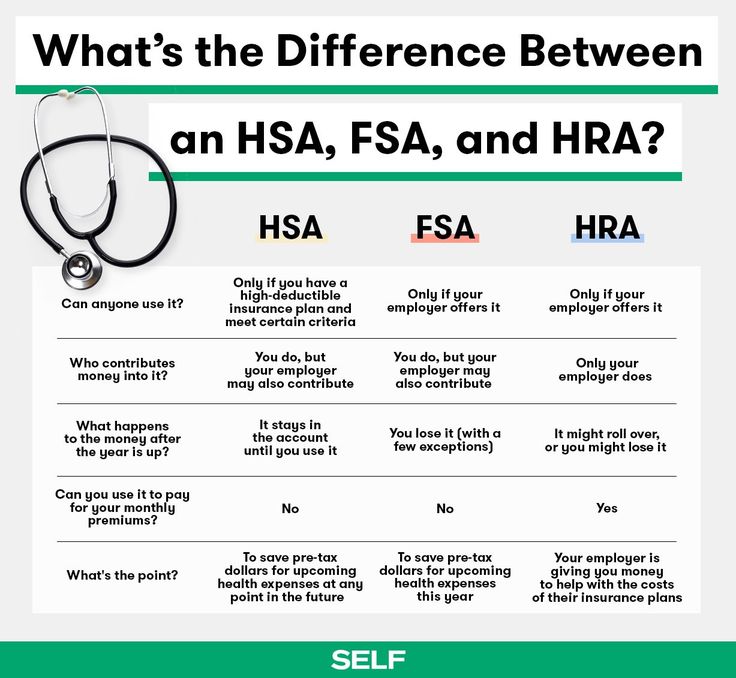
31. Debt Consolidation

If your small business has several loans with various payments, you might want to consider a business debt consolidation loan. It is a process that lets you combine multiple loans into a single loan. The advantages are possibly reducing the interest rates on the borrowed funds as well as lowering the total amount you repay each month. Businesses use this tool to help improve cash flow.

32. Debt Service Coverage Ratio

The business finance term and definition debt service coverage ratio (DSCR) is the ratio of cash your small business has available for paying or servicing its debt. Debt payments include making principal and interest payments on the loan you are requesting. Generally speaking, if your DSCR is above 1, your business has enough income to meet its debt requirements.

33. Debt Financing

When you borrow money from a lender and agree to repay the principal with interest in regular payments for a specified period of time, you’re using debt financing. Traditionally, it has been the most common form of funding for small businesses.

Debt financing can include borrowing from banks, business credit cards, lines of credit, personal loans, merchant cash advances, and invoice financing. This method creates a debt that must be repaid but lets you maintain sole control of your business.

34. Equity Financing

The act of using investor funds in exchange for a piece or ”share” of your business is another way to raise capital. These funds can come from friends, family, angel investors, or venture capitalists.

Before deciding to use equity financing to raise the cash necessary for your business, decide how much control you are willing to share when it comes to decision-making and philosophy. Some investors will also want voting rights.

35. FICO Score

A FICO score is another type of credit score used by potential lenders for evaluating the wisdom of entering a contract with you and your business. FICO scores comprise a substantial part of the credit report that lenders use to assess credit risk. It was created by the Fair Isaac Corporation, hence the name FICO.

36. Financial Statements

An integral part of the loan application process is furnishing information that shows your business is a good credit risk. The standard financial statement packet includes four main reports: the income statement, the balance sheet, the statement of cash flow, and the statement of shareholders’ equity, if you have shareholders.

Lenders and investors want to see that your business is well-balanced with assets and liabilities, has positive cash flow, and will have capital to make expected repayments.

37. Fixed Interest Rate

The interest rate on a loan that is established in the beginning and does not change for the lifetime of the loan is said to be fixed. Loans with fixed interest rates are appealing to small business owners because the repayment amounts are consistent and easier to budget for in the future.

38. Floating Interest Rate

In contrast to the business finance term and definition fixed rate, the floating interest rate will change with market fluctuations. Also referred to as variable rates or adjustable rates, these amounts may often start out lower than the fixed rate percentages. This makes them more appealing in the short term if the market is trending down.

39. Guarantor

When starting a new small business, lenders might want you to provide a guarantor. This is an individual who guarantees to cover the balance owed on a debt if you or your business cannot meet the repayment obligation.

40. Interest Rate

All loans and other lending instruments are assigned the business finance key term interest rates. This is a percentage of the principal amount charged by the lender for the use of its money. Interest rates represent the current cost of borrowing.

41. Invoice Factoring or Financing

If your business has a significant amount of open invoices outstanding, you may contact a factoring company and have them purchase the invoices at a discount. By raising capital this way, there is no debt, and the factoring company assumes the financial responsibility for collecting the invoice debts.

42. Lien

This business finance term and definition is a creditor’s legal claim to the collateral pledged as security for a loan is called a lien.

43. Line of Credit

A lender may offer you an unsecured amount of funds available for your business to draw on when capital is needed. This line of credit is considered a short-term funding option, with a maximum amount available. This pre-approved pool of money is appealing because it gives you quick access to the cash.

44. Loan-to-Value

The LTV comparison is a ratio of the fair-market value of an asset compared to the amount of the loan that will fund it. This is another important number for lenders who need to know if the value of the asset will cover the loan repayment if your business defaults and fails to pay.

45. Long-Term Debt

Any loan product with a total repayment schedule lasting longer than one year is considered a long-term debt.

46. Merchant Cash Advance

A merchant may offer a funding method through a loan based on the business’s monthly sales volume. Repayment is made with a percentage of the daily or weekly sales. These tend to be short-term loans and are one of the costliest ways to fund your small business.

47. Microloan

Microloans are loans made through nonprofit, community-based organizations and they are most often for amounts under $50,000.

48. Personal Guarantee

If you’re seeking financing for a very new business and don’t have a high value asset to offer as collateral, you may be asked by the lender to sign a statement of  personal guarantee. In effect, this statement affirms that you as an individual will act as guarantor for the business’s debt, making you personally liable for the balance of the loan even in the event that your business fails.

49. Principal

Any loan instrument is made of three parts—the principal, the interest, and the fees. The principal is a business finance key term and is the original amount that is borrowed or the outstanding balance to be repaid less interest. It is used to calculate the total interest and fees charged.

50. Revolving Line of Credit

This business finance term and definition is a funding option is similar to a standard line of credit. However, the agreement is to lend a specific amount of money, and once that sum is repaid, it can be borrowed again.

51. Secured Loan

Many lenders will require some form of security when loaning money. When this happens, this business finance term and definition is a secured loan. The asset being used as collateral for the loan is said to be “securing” the loan. In the event that your small business defaults on the loan, the lender can then claim the collateral and use its fair-market value to offset the unpaid balance.

52. Term Loan

These are debt financing tools used to raise needed funds for your small business. Term loans provide the business with a lump sum of cash up front in exchange for a promise to repay the principal and interest at specified intervals over a set period of time. These are typically longer term, one-time loans for start-up expenses or costs for established business expansion.

53. Unsecured Loans

Loans that are not backed by collateral are called unsecured loans. These types of loans represent a higher risk for the lender, so you can expect to pay higher interest rates and have shorter repayment time frames. Credit cards are an excellent example of unsecured loans that are a good option for small business funding when combined with other financing options.

54. Articles of Incorporation

This is legal documentation of the business’s creation, including name, type of business, and type of business structure or incorporation. This paperwork is one of the first tasks you will complete when you officially start your business. Once submitted, your articles of incorporation are kept on file with the appropriate governmental agencies.

55. Business Plan

Here is your tool for demonstrating how you want to establish your small business and how you plan to grow it into good financial health. When writing a business plan, it should include financial, operational, and marketing goals as well as how you plan to get there. The more specific you are with your business plan, the better prepared you will be in the long run.

56. Employer Identification Number (EIN) Certificate

In order to be more easily identified by the Internal Revenue Service, every business entity is assigned a unique number called an EIN. When you start your small business, an EIN will be assigned and mailed to the business address. This number never changes, and you will be asked to furnish it for many reasons.

57. Franchise Agreement

For a small business entrepreneur, entering into a franchise agreement with a larger company can be a way to enter the marketplace. The agreement made between you and the larger company gives you the right to operate as a satellite of the larger company in a certain territory for a given period of time. This lets you, the business owner, take advantage of a brand name that’s already familiar in the marketplace and a process or operation that has already been tested.

58. Net Worth

This business finance term and definition is an expression of your business’s total value, as determined by your total current assets less the total liabilities currently owed by the business. With your business’s most recent balance sheet in hand, you can calculate the net worth using a simple formula: Assets – Liabilities = Net Worth.

59. Retained Earnings

Just like it sounds, this term represents any profits earned that are retained in the business. This can also be referred to as bootstrapping.

60. Tax Lien

If your business fails to pay taxes owed to the designated government entity, namely the IRS, you may find your assets seized by the claim of a tax lien. The government can not only seize your assets for liquidation to resolve the tax debt, but they can also charge you penalties on the amount you owe.

Don’t Be Overwhelmed by Health Economics, Business and Finance Terms 

As a small business owner, physicians are required to wear many different hats—often including that of chief financial officer or bookkeeper. Before you let yourself get intimidated by all the business terms and definitions, just remember that knowledge is power.

Product Details

CITE: https://www.r2library.com/Resource/Title/0826102549

You can serve your small practice business, clinic, out-patient center or hospital most effectively by becoming familiar with terms used in business and finance and how they will affect your financial health. Armed with a basic understanding of business finance key terms, you will be prepared to face the financial challenges that go along with being a modern doctor, today!

INVITE DR. MARCINKO: https://medicalexecutivepost.com/dr-david-marcinkos-

***

FINANCE: https://www.amazon.com/Comprehensive-Financial-Planning-Strategies-Advisors/dp/1482240289/ref=sr_1_1?ie=UTF8&qid=1418580820&sr=8-1&keywords=david+marcinko

COMMENTS ARE APPRECIATED.

Thank You

***

DAILY UPDATE: Nike Stock Down but US Debt Burden Up Per Household

By Staff Reporters

***

***

Nike is planning to restructure and lay off 2% of its staff, more than 1,500 people, as consumers pull back on spending.

***

If the total U.S. debt were divided by every household in the country, each household would get about $252,000, according to a September tweet from The Kobeissi Letter.

And, Jerome Powell, the Chair of the Federal Reserve, shared his concerns regarding the fiscal direction of the United States during a “60 Minutes” interview with Scott Pelley. 

Powell said, “The U.S. is on an unsustainable fiscal path,” emphasizing that the growth of the national debt is outstripping the growth of the economy. 

CITE: https://www.r2library.com/Resource

COMMENTS APPRECIATED

Thank You

***

***

Can this Doctor RETIRE?

AFFORDABILITY IN 2024

By Staff Reporters

SPONSOR: http://www.MARCINKOASSOCIATES.com

***

***

CAN THIS DOCTOR RETIRE – HE ASKS?

I’m a late career entry and 55 year old burned out doctor who wants out. Can I retire in 2 years with a pension of $6,100 a month (net). I have $825,000 in my 401(k) and 457 plan and a mortgage of $95,000 at 5.30%. I am not planning to move and will retire in place.

SOME THOUGHTS AND ANSWERS?

Congratulations on you solid retirement fund on top of a pending pension. 

The first step you should take is to create a detailed budget for your retirement years. Consider expected living costs, healthcare expenses, travel and any other major expenses. Many folks make the mistake of setting up a monthly budget, but keep out significant milestones that are often costly, such as paying for a child’s college education or wedding.

Next, you should figure out your plan for housing. Mortgage payments, upkeep and taxes are important considerations. There was no mention of mortgage equity. 

Another factor to take into account is state and Federal tax projections. If the 401(k) funds are all pre-tax dollars, any distributions will be taxable and there may be penalties if funds are withdrawn prior to 59 ½ years old. That will impact your retirement plan if you’re preparing to retire at 57-58.

It also sounds like you haven’t taken into account your Social Security allowance. It’s possible that your pension is one that comes with a government pension offset which would explain why you didn’t include it. On the other hand, maybe you’re thinking it’s far out enough that it doesn’t factor into your calculations?

Finally, you may want to look for a fee-only financial advisor that is paid directly by the client and doesn’t receive commissions for recommending financial products. So, advice is less biased. And get a fiduciary advisor which means they are required to put your best interests ahead of their own. 

Also, someone with medical niche specificity. Good Luck!

***

NOTE: This is not an offer to buy or sell any security or interest. All investing involves risk, including loss of principal. Working with an adviser may come with potential downsides such as payment of fees (which will reduce returns). There are no guarantees that working with an adviser will yield positive returns. The existence of a fiduciary duty does not prevent the rise of potential conflicts of interest.

Refer a Colleague: MarcinkoAdvisors@msn.com

***

COMMENTS APPRECIATED

Thank You

***

***