BOARD CERTIFICATION EXAM STUDY GUIDES Lower Extremity Trauma
[Click on Image to Enlarge]
ME-P Free Advertising Consultation
The “Medical Executive-Post” is about connecting doctors, health care executives and modern consulting advisors. It’s about free-enterprise, business, practice, policy, personal financial planning and wealth building capitalism. We have an attitude that’s independent, outspoken, intelligent and so Next-Gen; often edgy, usually controversial. And, our consultants “got fly”, just like U. Read it! Write it! Post it! “Medical Executive-Post”. Call or email us for your FREE advertising and sales consultation TODAY [678.779.8597] Email: MarcinkoAdvisors@outlook.com
Medical & Surgical e-Consent Forms
ePodiatryConsentForms.com
iMBA Inc., OFFICES
Suite #5901 Wilbanks Drive, Norcross, Georgia, 30092 USA [1.678.779.8597]. Our location is real and we are now virtually enabled to assist new long distance clients and out-of-town colleagues.
ME-P Publishing
SEEKING INDUSTRY INFO PARTNERS?
If you want the opportunity to work with leading health care industry insiders, innovators and watchers, the “ME-P” may be right for you? We are unbiased and operate at the nexus of theoretical and applied R&D. Collaborate with us and you’ll put your brand in front of a smart & tightly focused demographic; one at the forefront of our emerging healthcare free marketplace of informed and professional “movers and shakers.” Our Ad Rate Card is available upon request [678-779-8597].
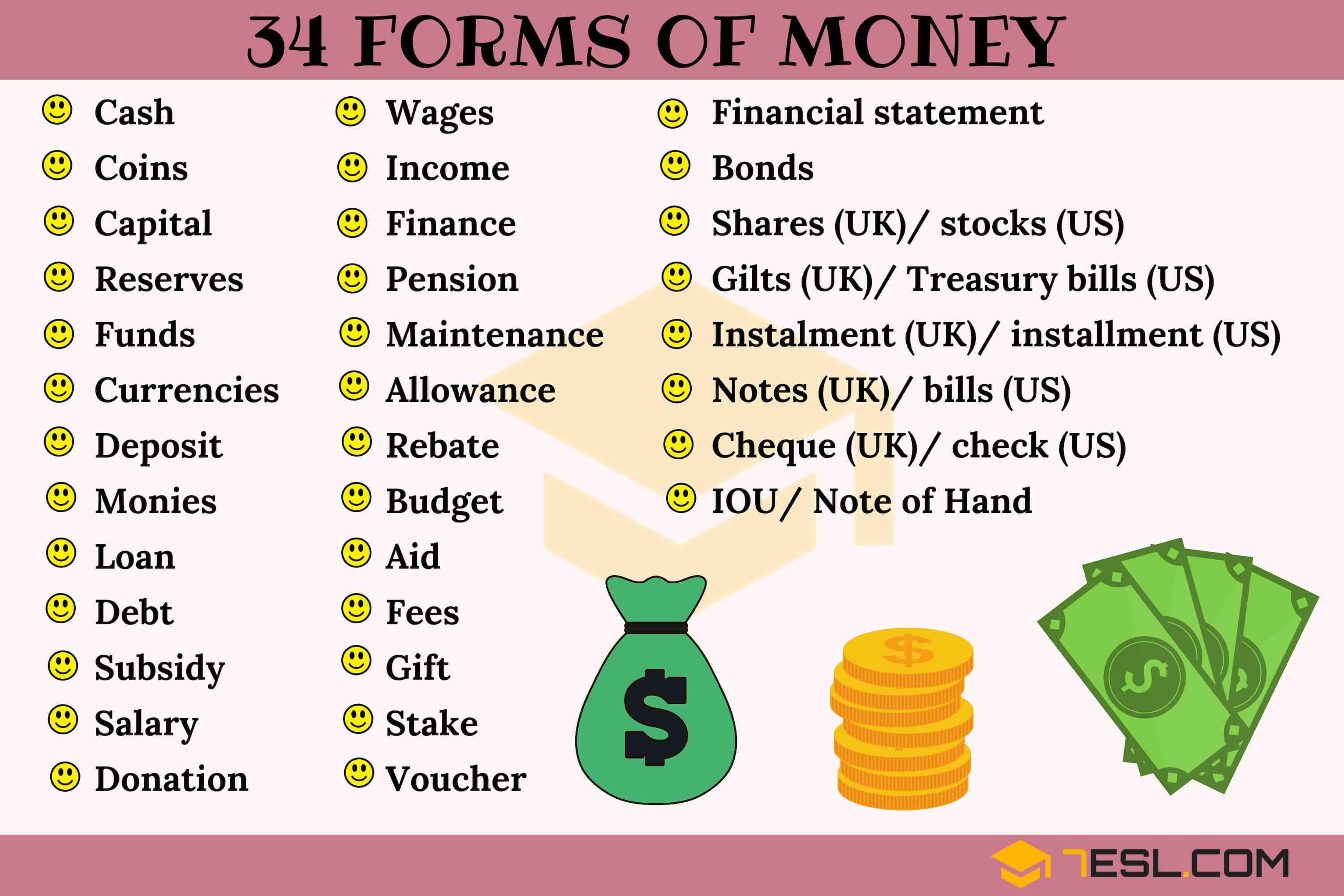
People really love money since it is needed to buy just about everything. In fact, we actually published a formal print dictionary on health economics and finance terms that is very popular with physician investors and medical colleagues; it is a favorite of economic students as well!
And, money is by far one of those words that has more slang or terms for it than any others. This proves that cash or money, does not have be boring when speaking about it. Just keep in mind that these slang synonyms are in plural form. They are also words mostly used for US currency.
Perhaps the fact that money is so important may help to explain why there are so many different ways to say it. These 95 slang words for money and their meanings are really worth taking a look at. This list not only contains the countless ways to speak, write or say the word money, but also what are the meanings behind each phrase or term.
Posted on February 14, 2022 by Dr. David Edward Marcinko MBA MEd CMP™
By Staff Reporters
***
According to Tejvan Pettinger, a public good has two characteristics:
Non-rivalry: This means that when a good is consumed, it doesn’t reduce the amount available for others. – E.g. benefiting from a street light doesn’t reduce the light available for others but eating an apple would.
Non-excludability: This occurs when it is not possible to provide a good without it being possible for others to enjoy. For example, if you erect a dam to stop flooding – you protect everyone in the area (whether they contributed to flooding defenses or not.
A public good is often (though not always) under-provided in a free market because its characteristics of non-rivalry and non-excludability mean there is an incentive not to pay. In a free market, firms may not provide the good as they have difficulty charging people for their use.
Posted on February 14, 2022 by Dr. David Edward Marcinko MBA MEd CMP™
Insights For Doctors and All Investors
***
By Vitaliy Katsenelson CFA
***
NOTE: This piece is a little more technical, and contains a bit more stock-market jargon, than most essays you get from me. While how we build portfolios is important to us and our clients, we realize that the puts and takes might bore many readers.
Posted on February 13, 2022 by Dr. David Edward Marcinko MBA MEd CMP™
The Crypto Bowl and the Dot Com Bowl?
By Staff Reporters
***
CRYPTO CURRENCY: Tonight, about 117 million people will watch celebrities pitch cryptocurrency on the Super Bowl. In what’s being dubbed the “Crypto Bowl,” a batch of crypto exchanges including FTX, Coinbase, and Crypto.com, will air Super Bowl commercials at a cost of up to $7 million per 30-second spot. The game is even being held at a stadium named after SoFi, a company that offers crypto trading.\
This isn’t the first time startups from an emerging industry have used the Super Bowl to introduce themselves to a mass audience. Does anyone remember the 2000 Super Bowl between the Rams and the Titans? That was known as the “Dot-Com Bowl.” Startups that were part of the dot-com wave of the early internet bought nearly 20% of the total ad slots in what is considered the peak of that tech bubble.
Well, that bubble burst. In fact, according to journalist Neal Freyman, of the 14 dot-com companies that purchased Super Bowl ads that year, four are still active, five were acquired, and five (including Pets.com, OnMoney.com, and Epidemic.com) are either defunct or their status is unclear.
DEFINITION: The Medicare Payment Advisory Commission is an independent, non-partisan legislative branch agency headquartered in Washington, D.C. MedPAC was established by the Balanced Budget Act of 1997.
*** In a January 2022 meeting of MedPAC, commissioners reviewed various recommendations related to the Medicare fee schedule for various health sectors, and unanimously agreed to update Medicare payments to hospitals and keep physician payment rates the same for 2023. This Health Capital Topics article will review the recommendations made by MedPAC for each of the health sectors and their respective payment systems. (Read more…)
Posted on February 12, 2022 by Dr. David Edward Marcinko MBA MEd CMP™
What it is – How it Works
By Staff Reporters
****
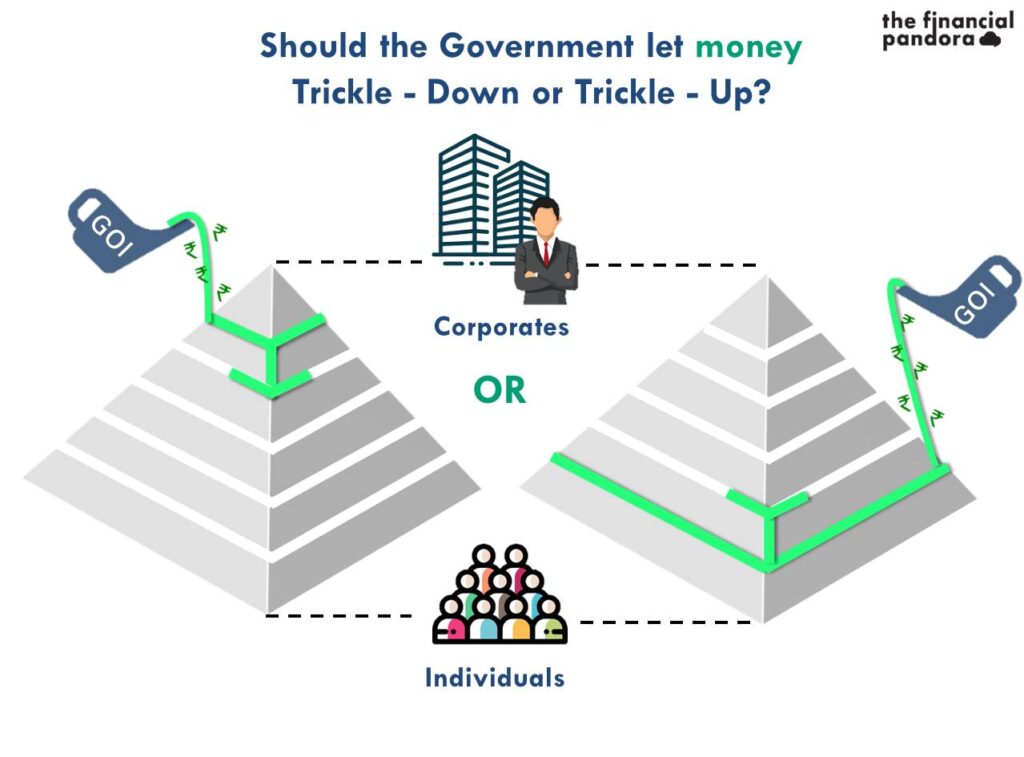
DEFINITION: Trickle-down economics is a colloquial term for supply-side economic policies. In recent history, the term has been used by critics of supply-side economic policies, such as “Reaganomics”. Whereas general supply-side theory favors lowering taxes overall, trickle-down theory more specifically advocates for a lower tax burden on the upper end of the economic spectrum. Empirical evidence shows that the proposition is regressive and has never managed to achieve all of its stated goals as described by the Reagan administration.
SAY’S LAW: In classical economics, Say’s law, or the law of markets, is the claim that the production of a product creates demand for another product by providing something of value which can be exchanged for that other product. Thus, production is the source of demand
Posted on February 11, 2022 by Dr. David Edward Marcinko MBA MEd CMP™
By Staff Reporters
***
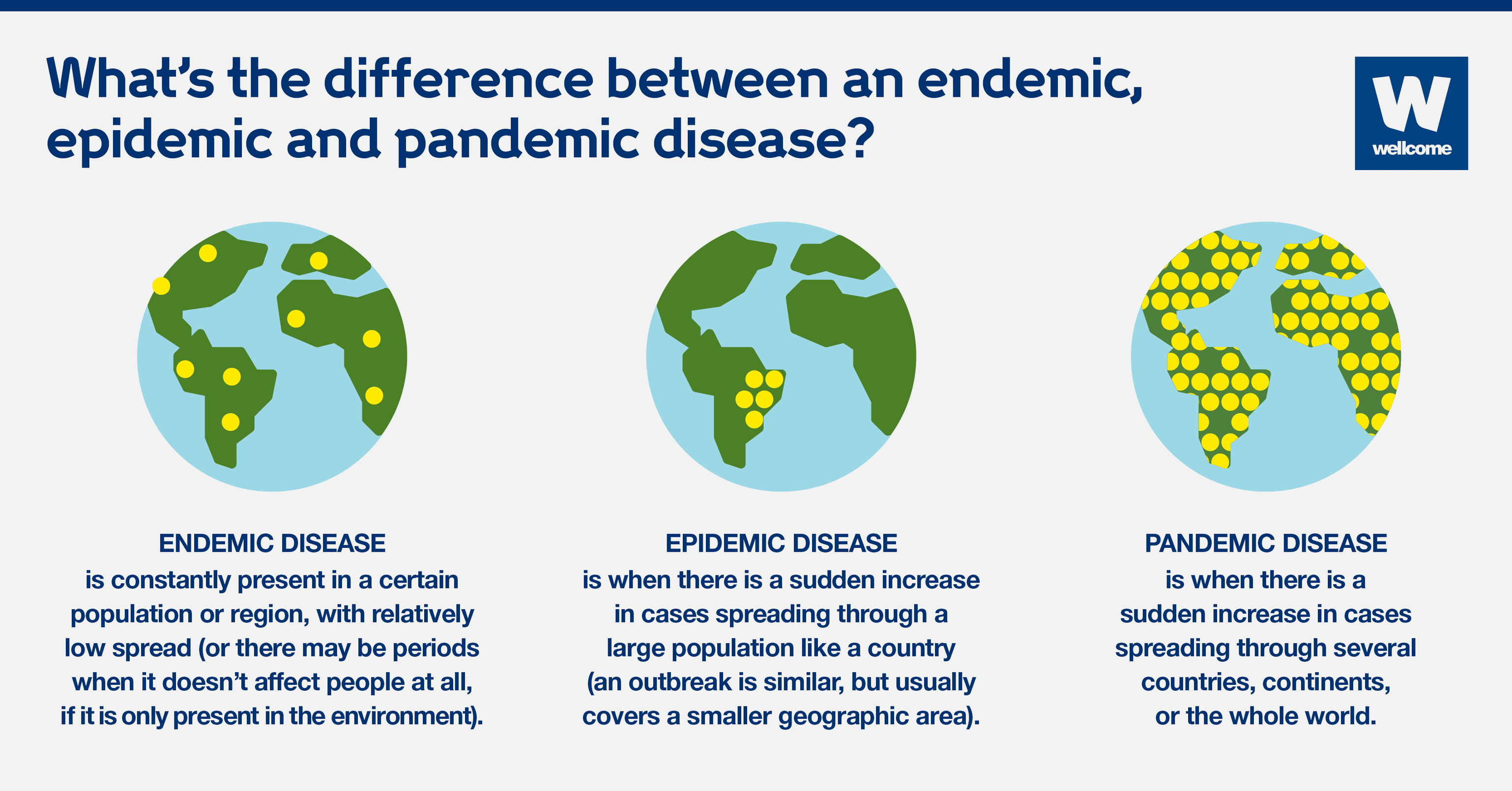
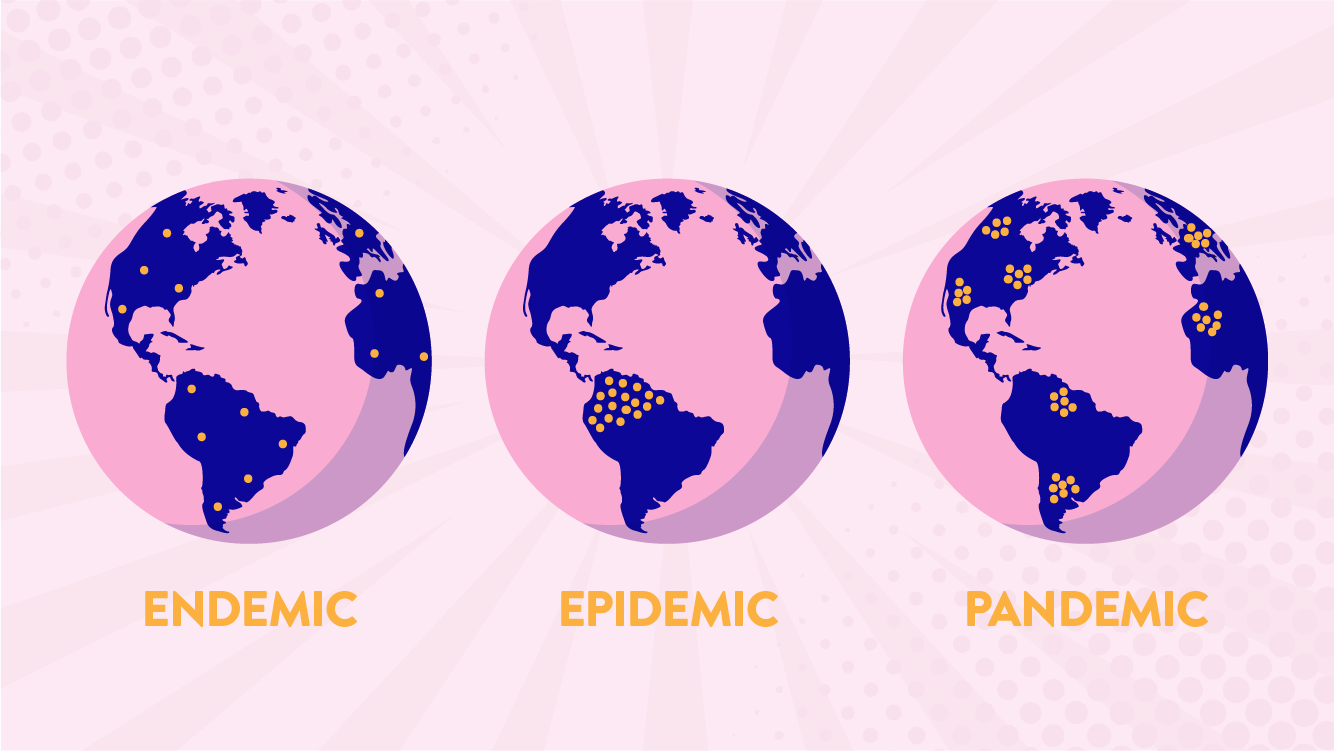
Endemic: A constant presence and/or usual prevalence of a disease or infection, such as the Corona virus, within a geographic area. (Hyperendemic is a situation in which there are persistent high levels of disease occurrence.)
Posted on February 11, 2022 by Dr. David Edward Marcinko MBA MEd CMP™
What it Is – How it Works
By Staff Reporters
***
DEFINITION: In classical economics, Say’s law, or the law of markets, is the claim that the production of a product creates demand for another product by providing something of value which can be exchanged for that other product. Thus, production is the source of demand.
Posted on February 8, 2022 by Dr. David Edward Marcinko MBA MEd CMP™
***
By Staff Reporters
***
Markets: Stocks were mixed but Bitcoin rallied for the fifth-straight day as investors may be warming up to riskier assets again. And, Nvidia overtook Meta to become the seventh-largest US company by market cap (it’s reportedly abandoning its $40 billion megadeal to acquire the chip designer Arm).
Housing:The median home-sale price reached a record high of $365,000 in January, according to Redfin. That’s a 16% jump from the previous January and a 28% increase from January 2019.
IRS: After receiving backlash from privacy advocates and bipartisan lawmakers, the IRS is abandoning its use of third-party facial recognition software ID.me.
GAS: Prices up 8% since last week and 12% more than a month ago.
Posted on February 7, 2022 by Dr. David Edward Marcinko MBA MEd CMP™
By Staff Reporters
***
***
Markets: Major stock market indexes, the S&P 500 and NASDAQ posted their best week so far this year. And, potential buyers for Peloton include Amazon, Nike, Apple, Google, Netflix, Microsoft, or a private equity firm.
Inflation: The monthly inflation report will drop on Thursday, and consumer prices are projected to have jumped 0.5% from the previous month and 7.3% over the past year—the biggest increase since 1982.
Earnings: From Snap’s 59% gain to Meta’s 26% wipeout. the companies reporting this week—Pfizer, Disney, Coca-Cola, Pepsi, Twitter and Zillow know that any small stain on their financials could lead to a stock plunge.
Oil: The big news is that US oil prices topped $90 for the first time since 2014, despite attempts by the Biden administration to keep them down. Gas prices are back up to their highest levels in more than seven years.
Covid: The US death toll from Covid-19 has now surpassed 900,000. And, Omicron has gotten more people around the world sick at the same time than at any point since the 1918–1919 flu pandemic, the WSJ points out.
Economy: The jobs report stunned experts by adding 467,000 jobs last month, far more than expected and a sign of an extraordinarily strong labor market.
Posted on February 7, 2022 by Dr. David Edward Marcinko MBA MEd CMP™
By Staff Reporters
***
DEFINITION: A stock split or stock divide increases the number of shares in a company. For example, after a 2-for-1 split, each investor will own double the number of shares, and each share will be worth half as much. A stock split causes a decrease of market price of individual shares, but does not change the total market capitalization of the company: stock dilution does not occur.
Google parent company Alphabet said it would split its stock 20–1. That means in July 2022, Alphabet shareholders will receive 19 more shares for every one that they own. It doesn’t mean they’ll be 20x richer—the price of the stock they hold will drop a proportional amount. If the stock split were to happen now, Alphabet’s share price would fall from $2,865 to $143.
Why does it matter?
In many ways, it doesn’t. A stock split does not change the value of the company. It’s simply a way to increase the number of shares outstanding.
Think of it like slicing a pizza. At a share price of almost $3,000, Alphabet’s slices were a wide a monstrosity. With the stock split, it’s cutting company ownership into smaller portions. But, in the end, the pizza isn’t growing—there are just more slices to be shared.
So why do it? By making the slices of its company smaller, it hopes that more people will look at them and say, “Well I guess one couldn’t hurt.” Alphabet said the goal of the stock split is to attract more small-time investors who might have been intimidated by buying in at such a steep share price.
Only 27 other stocks in the S&P 500 have share prices above $500 besides Alphabet.
And, there’s evidence this bit of corporate inception can be effective. To see why, let’s look at what happened when two other tech giants, Tesla and Apple, split their stock recently.
When Apple split its stock 4–1 in July 2020, retail investors upped their purchases from $150 million per week to nearly $1 billion, according to Vanda Research.
When Tesla split its stock 5–1 in August 2020, retail investing jumped from $30–$40 million/week to $700 million.
There may be another play for Alphabet here—and that is to pad its resume for inclusion in the iconic Dow Jones Industrial Average. Because the Dow is weighted by share price (an antiquated system, to be sure), Alphabet at its current price would overwhelm all of the companies. It would become the Alphabet Industrial Average. At $247, it becomes a much more attractive candidate for the Dow.
Posted on February 5, 2022 by Dr. David Edward Marcinko MBA MEd CMP™
By Staff Reporters
***
An interval fund is a type of closed-end fund with shares that do not trade on the secondary market. Instead, the fund periodically offers to buy back a percentage of outstanding shares at net asset value (NAV). The rules for interval funds, along with the types of assets held, make this investment largely illiquid compared with other funds.
Posted on February 4, 2022 by Dr. David Edward Marcinko MBA MEd CMP™
***
By Staff Reporters
***
In a spin-off, a company would distribute a number of shares to its investors. Each investor would receive shares of the new company for every share they owned.
In a split-off, investors would be allowed to directly trade none, all, or part of their owned shares. The exchange would likely retire outstanding shares for remaining investors. But investors must be convinced to voluntarily make that trade, so “sweeteners” are often included.
An equity carve-out, also known as a split-off IPO or a partial spin-off, is a type of corporate reorganization, in which a company creates a new subsidiary and subsequently IPOs it, while retaining management control
Posted on February 3, 2022 by Dr. David Edward Marcinko MBA MEd CMP™
By Staff Reporters
***
***
This is just the fourth National Women Physicians Day, on February 3rd . The event celebrates Elizabeth Blackwell’s birthday; she was the first female medical doctor in the U.S. It’s a time to honor women doctors across the country, and the progress they’ve made since Blackwell’s time.
***
Nationally, there are still fewer female doctors than male doctors, but the progress is steady. In 2017, for the first time in history, women made up more than half of all those in medical schools.
Posted on February 1, 2022 by Dr. David Edward Marcinko MBA MEd CMP™
By Staff Reporters
***
The IRS Tax Letter 6419 has been sent out to families who received the Child Tax Credit in 2021 and it explains how the advance tax credit will affect your filing this year. This may be of special importance to young physicians, nurses and all younger medical professionals.
Posted on January 31, 2022 by Dr. David Edward Marcinko MBA MEd CMP™
By Staff Reporters
***
Markets: Stocks just finished a period of high volatility and biotech companies in particular are feeling unsteady. The sector is off to its worst start to a year since 2016 and Moderna is the worst performer in the S&P 500.
Social Media: More than 95,000 people lost a collective $770 million due to fraud on social media last year, a new FTC report found. That represents 25% of all reported losses to fraud in 2021 and a breathtaking 18x increase over social media scam losses in 2017. Driving the surge was bogus cryptocurrencies. In fact, investment-related scams were the most prevalent type of fraud on social media, accounting for 37% of all losses. Romance scams (24%) were No. 2, and online shopping scams (14%) won the bronze medal.
Employment: The January employment rate dropped, but with Omicron forcing so many Americans to call out sick last month, the data may be specious. Economists polled by Dow Jones are estimating the economy added 200,000 jobs last month.
Posted on January 30, 2022 by Dr. David Edward Marcinko MBA MEd CMP™
By Staff Reporters
****
StocksMarkets: The stock indexes surged higher—and the Dow [DJIA] had its best day of 2022. Just how volatile was the market this week? The S&P swung at least 2.25% every single day…and ended up on Friday afternoon around where it will start today Monday morning.
Economy: New data showed that overall compensation climbed 4% annually last quarter, the biggest jump in two decades. That’s still not enough to keep up with inflation, which is climbing at its fastest pace since 1983.
PANDEMIC: Americans are not OK during the pandemic. According to the General Social Survey, the share of people who said they were “very happy” plunged from 31% in 2018 to 19% in 2021, while the share of people who were “not too happy” surged from 13% to 24%. Over the past few decades, the very happy people had outnumbered the not-too-happies by about three to-one.
Posted on January 29, 2022 by Dr. David Edward Marcinko MBA MEd CMP™
By Staff Reporters
***
Stock Market: US stocks jumped yesterday with the NASDAQ 100 surging more than 3% as a wave of corporate earnings results helped investors overcome fears of a hawkish Federal Reserve.
Federal Reserve: Friday’s action helped the broader stock market indices end the week mostly flat after a series of volatile trading sessions sparked by the Federal Reserve’s Wednesday meeting. The Dow Jones Industrial Average recorded a swing of 1,100 points on Monday alone.
Economy: Americans are the most pessimistic about the economy they’ve been in a decade — with spirits even lower than in the early pandemic lock-downs in spring 2020. The University of Michigan’s Consumer Sentiment Index sank to 67.2 from 70.6 in January, according to data published Friday. Economists surveyed by Bloomberg expected sentiment to slide to 68.7. The final January figure is the lowest since November 2011 and sits 11.8 points below levels seen one year ago.
Cyber-Crime: Lazarus, a known cyber-crime group with ties to the North Korean government, has managed to abuse the MSFT Windows Update Client to distribute malware, cybersecurity researchers from Malwarebytes have found. In a blog post detailing their findings, the researchers said they were investigating a phishing campaign impersonating Lockheed Martin, an American aerospace, arms, defense, information security, and technology corporation.
Posted on January 27, 2022 by Dr. David Edward Marcinko MBA MEd CMP™
By Staff Reporters
***
Markets: Stocks were in the green yesterday until Fed Chair Jerome Powell explained that the Federal Reserve Open Market Committee was planning to start hiking interest rates in March to combat soaring inflation. Then, they tanked and Treasury yields rose sharply higher. Microsoft still had a solid day after its superb earnings report offered bullish signs for the entire software industry. But, stock markets in Asia tumbled to their lowest in nearly 15 months after America’s central bank chief confirmed widely expected plans to tackle higher inflation with an increase in interest rates this year, beginning in March. And finally, Cryptos got crushed, again!
FOMC: “With inflation well above 2 percent and a strong labor market, the Committee expects it will soon be appropriate to raise the target range for the federal funds rate,” said Chairman Powell.
Posted on January 27, 2022 by Dr. David Edward Marcinko MBA MEd CMP™
By Staff Reporters
***
***
IBM has reportedly placed its Watson Health division on the auction block again
Watson is a question-answering computer system capable of answering questions posed in natural language, developed in IBM’s DeepQA project by a research team led by principal investigator David Ferrucci. Watson was named after IBM’s founder and first CEO, industrialist Thomas J. Watson.
Stock Markets: US stocks staged a big afternoon comeback for the second day in a row … but still not big enough to close in the green. American Express was the top performer in both the S&P and the Dow after the company reported its highest billings volume ever in Q4. And, enthusiasm over meme stocks more broadly appears to be dwindling along with cryptos. And, while NASDAQ took a hit, Microsoft reported quarterly sales of more than $50 billion for the first time ever.
Economy: The weight of the financial world is on Jerome Powell’s shoulders today. The Federal Reserve chair will provide an update on the central bank’s views on sky-high inflation and its plan for interest rate hikes this year (though none are expected until March).
Pandemic: Pfizer and BioNTech started clinical trials for an Omicron-specific vaccine yesterday. The results will help the pharma partners decide whether to replace their current jab formula with one that targets the most dominant Covid variant. The new vaccine is being tested both as a three-shot series for un-vaccinated participants and as a booster for the already vaccinated.
Posted on January 25, 2022 by Dr. David Edward Marcinko MBA MEd CMP™
By Staff Reporters
***
Average Medical Trend in the U.S. is Projected at 7.6% in 2022
The 2022 Global Medical Trends Survey shows variation in healthcare cost increases. Increases across different regions next year are expected to range from:
• 14.2% in Latin America • 10.6% in the Middle East • 10.6% in Africa • 7.6% in Asia Pacific • 6.7% in Europe • 7.6% in the U.S.
Posted on January 25, 2022 by Dr. David Edward Marcinko MBA MEd CMP™
By Staff Reporters
***
StockMarkets: The major equity indexes staged a thrilling comeback to close solidly in positive territory. At one point, the NASDAQ was down nearly 5% and the S&P entered correction territory.
Mark Cuban: The billionaire owner of the Dallas Mavericks just launched an online pharmacy for generic drugs that looks to cut out middlemen and combat pharmaceutical industry price gouging by offering steep discounts. Set up as CostPlusDrugs.com with 100 generic drugs to treat conditions like diabetes and asthma. Cost Plus will not accept health insurance but claims its prices will still be lower than what people would typically pay at a pharmacy. “All drugs are priced at cost plus 15%!” Cuban tweeted.
Posted on January 24, 2022 by Dr. David Edward Marcinko MBA MEd CMP™
By Staff Reporters
Stock Markets: The S&P is off to its worst start to a year since 2016. The NASDAQ is in a correction. And the week ahead features a busy earnings slate and a Federal Reserve meeting.
CovisPandemic: Tony Dr. Fauci said he is “confident as you can be” that the Omicron wave in the US will peak by mid-February. In a growing number of states, that peak has already come and gone and cases are plunging in states like New York and Florida. Other states, such as Oklahoma, Idaho, and Wyoming, are still reporting an uptick in new Covid cases.
Crypto-Currency: Crypto investors, meanwhile, wish they got the weekend off like stock traders, because bitcoin, ethereum, and other digital tokens continued to sink.
Federal Reserve: Federal Reserve officials will get together on Tuesday and Wednesday against the backdrop of quaking markets. Investors will want to hear an update on Chair Jerome Powell’s views on inflation. This Fed meeting will likely be the last before an anticipated interest rate hike in March. And, a blizzard of companies will report including nearly half of the Dow’s 30 giants (American Express, 3M, IBM, and more) and tech heavyweights such as Apple, Microsoft, and Tesla.
Tax Season: The income tax filing season opens today and government officials warn it could be bumpy due to a depleted IRS. The Treasury says to file early, file online, and request your refund via direct deposit to avoid the severe headaches.
Posted on January 22, 2022 by Dr. David Edward Marcinko MBA MEd CMP™
ACCOUNTABLE CARE ORGANIZATIONS
By Staff Reporters
***
42.7% of physicians in practices that participated in a commercial ACO
An AMA survey of 3,500 physicians finds steady growth of physician participation in accountable care organizations (ACO) and medical homes:
• Nearly one-third of doctors worked in practices participating in medical homes in 2020, up from 23.7% in 2014 • 42.7% of physicians were in practices that participated in a commercial ACO in 2020, up from 31.7% in 2016 • 29.5% of physicians were in practices took part in a Medicaid ACO, up from 20.9% in 2016 • Share of physicians in practices involved in Medicare ACOs has risen from 28.6% in 2014 to 36.7% in 2020 • 32.3% of doctors worked in practices participating in medical homes in 2020, up from 23.7% in 2014
Posted on January 22, 2022 by Dr. David Edward Marcinko MBA MEd CMP™
By Staff Reporters
***
Stock Markets: The S&P and NASDAQ suffered their worst week since the pandemic began, tumbling 5.7% and 7.55%, respectively. But Peloton bounced back after Thursday’s wipe-out when CEO John Foley assured employees that execs “feel good about right-sizing our production.”
Covid Pandemic: A third dose of either Moderna or Pfizer-BioNTech’s Covid vaccine provided significant protection against severe disease in the US, according to three real-world reports that dropped yesterday. One analysis showed that the boosters were 90% effective at preventing hospitalization.
Posted on January 20, 2022 by Dr. David Edward Marcinko MBA MEd CMP™
BY STAFF REPORTERS
***
StockMarkets: The NASDAQ made it official, closing in correction territory yesterday (meaning a 10% drop from a recent high). Meanwhile, Microsoft’s massive deal to acquire Activision Blizzard rippled across markets: Gaming company Take-Two Interactive got a bump (perhaps because it, too, could be a takeover target), while Microsoft rival Sony plunged nearly 13% in Tokyo trading.
Economy: President Biden has overseen a historic recovery in the labor market, where the unemployment rate has plunged to 3.9% from a pandemic high of 14.8%. The problem is there is currently too much money chasing too few goods. Inflation hit its highest rate since 1982 in December, while wages haven’t kept up with price growth.
Covid: The pandemic continues to rage despite the availability of vaccines. More people died of Covid in the US in 2021 than in 2020. Getting Americans vaccinated has proven to be a major challenge. President Biden’s vaccine mandate on large employers was blocked by the Supreme Court, and only 63.8% of Americans are fully vaccinated putting it behind virtually all of its wealthy peers.
Posted on January 20, 2022 by Dr. David Edward Marcinko MBA MEd CMP™
WHAT IT IS – HOW IT WORKS – WHY?
****
Noteworthy Socks
What it is: A stock is a little sliver or “share” of a company that you can purchase and own. They usually take the form of “common” shares (which have voting rights that can influence some corporate decisions) or “preferred” shares (which don’t have voting rights, but do offer an edge when it comes to receiving dividends, or quarterly payments made to shareholders).
How it works: Companies sell shares on a stock exchange through an initial public offering; an IPO helps raise money to fuel more growth. Companies can also sell extra batches of stock to raise even more money later on and lower share prices; many end up selling millions or billions of shares in total. In the market, share prices usually fluctuate based on supply and demand.
Why it matters: Stocks can move with the broader market, but isolated events from earnings reports to product unveils to C-suite shakeups to Elon Musk tweeting can also affect how investors see a company’s future growth potential, thus sending prices up or down. We’ll occasionally highlight individual stocks and explain what happened to excite or spook investors.
Posted on January 19, 2022 by Dr. David Edward Marcinko MBA MEd CMP™
By Staff Reporters
***
StockMarkets: The prospect of higher borrowing costs has pummeled tech companies this year, and that didn’t change even after the market’s day off Monday. The 10-year yield jumped to its highest level in two years yesterday, pushing stocks (especially the tech-heavy NASDAQ) lower.
OilEnergy: Oil prices jumped to a 7-year high after an attack in the UAE raised concerns about a supply squeeze. Goldman Sachs predicts that Brent crude, the international oil benchmark, will top $100 a barrel this year because the pandemic hasn’t hurt demand for fuel as much as expected.
Gaming: An Activision Blizzard takeover would also be the biggest deal in the history of gaming, easily topping Take-Two’s purchase of Zynga for $12.7 billion last week. And, with the help of Activision’s impressive portfolio of titles including Call of Duty,World of Warcraft, Overwatch, Diablo, and Candy Crush, Microsoft will try to galvanize its monthly subscription business, Xbox Game Pass, as the “Netflix for games.”
Pandemic: New Covid cases have peaked in US regions that were hit hardest by the highly contagious variant, like the Northeast. For example, in New York City, the 7-day average of daily new cases has fallen to less than 20,000 from a high of almost 43,000 earlier this month. And, in the capital of Washington, DC, case numbers are down 20% over the last 14 days. Still, because hospitalizations tend to lag case growth by a few weeks, health care facilities are still treating more Covid patients. The average number of Covid hospitalizations has jumped 54% in the last two weeks, to 157,000.
You can also listen to a professional narration of this article on iTunes, Google & online.
Mr. Market was less than kind to our portfolio over the last few months, and especially the last few weeks. I cannot tell you how little it worries us what Mr. Market thinks about our stocks at any particular point in time. We love* our portfolio even if the Mr. Market doesn’t fancy it today.
Also, before we take Mr. Market seriously, let us tell you about the rationality of Mr. Market lately. The World Health Organization (WHO) names each variant of the Covid virus by going to the next letter of the Greek alphabet. After Delta, which is currently the most predominant variant of the virus ravaging the world, there must have been nine others that were not important enough because we never heard of them. Why nine? Because when the latest variant of concern was found in South Africa, it emerged that the letter Nu was supposed to be applied to it. But Nu sounds a lot like new. WHO didn’t want to confuse people, so it skipped to the next letter in the Greek Alphabet, which is Xi – oops, that’s the Chinese supreme dictator. So, for the sake of global political stability, that letter was skipped, too.
This brings us to Omicron, the name of the latest variant.
This is where this story gets a bit more interesting.
The one disruption that really puzzles me is the labor shortage. There are millions of jobs going unfilled today. I hear stories of Starbucks stores being closed due to a lack of workers. Every service that has a heavy labor component has gotten worse – be it restaurants, ride-sharing, or pharmacies. There happens to be a cryptocurrency, one of thousands, that is also named Omicron. I still cannot grasp the logic behind it, but that cryptocurrency was up 900% on the day the South African variant was christened. There must have been a trading algorithm or a lot of bored investors looking for the next gamble, to drive something seemingly worthless up 900%.
That is the drunken Mr. Market that is pricing our stocks today.
I am going to repeat what you will find me saying several times in the letter: We own businesses that are priced, not valued, by Mr. Market thousands of times a day. We have done a lot of work on each company in the portfolio, and through diligent research we have reached the conclusion that each is worth more than the price it is changing hands at today. Are we going to be right about each and every stock? Of course not. This is a numbers game. But we use a time-tested methodology centered on common sense and the cash flows these businesses generate. Also, this is not our first rodeo. We’ll go on making small tweaks, taking advantage of Mr. Market’s manic-depressive moods, at least when it comes to anything that generates cash flows.
Of course, we could change our investment process and load up on the cryptocurrency called Pi Coin, which happens to take its name from the letter in the Greek alphabet that follows Omicron. But I think we all agree we should stick to our knitting, buying high-quality businesses that are significantly undervalued. (Anyway we already loaded up on pie during Thanksgiving.)
Our advice – enjoy this holiday season. Spend time with your loved ones; don’t look at your portfolio. Let us worry about it – after all, we own the same stocks you do.
Posted on January 17, 2022 by Dr. David Edward Marcinko MBA MEd CMP™
WHO KNEW?
By Staff Reporters
****
According to Wikipedia, in economics, inflation refers to a general progressive increase in prices of goods and services in an economy.[1] When the general price level rises, each unit of currency buys fewer goods and services; consequently, inflation corresponds to a reduction in the purchasing power of money.[2][3] The opposite of inflation is deflation, a sustained decrease in the general price level of goods and services. The common measure of inflation is the inflation rate, the annualised percentage change in a general price index.[4]
Healthcare Not a Part of the US Inflation Surge: Who Knew?
However, according to Jeff Goldsmith, overall health spending has only risen by 4.4% since January of 2020, and the percentage of GDP devoted to health has fallen by more than half a percent, from 18.1% pre-pandemic to 17.5% in October. This is despite four surges of COVID hospitalizations, overflowing ICUs and ERs, labor shortages, and other COVID-related stresses. Health system staffing levels are still nearly a half-million lower than they were pre-pandemic. Had the federal government not stepped in through the CARES Act, FEMA funding, and temporary suspensions of Medicare rate cuts, the nations’ hospitals would have been seriously damaged by COVID-related financial stresses, which are far from being over.
The modes of persuasion, modes of appeal or rhetorical appeals (Greek: pisteis) are strategies of rhetoric that classify a speaker’s or writer’s appeal to their audience. These include ethos, pathos, and logos.
Rhetorical appeal with persuasion elements are often key attributes for doctors, medical professionals, lawyers, CPAs, and all sorts of financial advisors and medical management consultants, etc.
Posted on January 16, 2022 by Dr. David Edward Marcinko MBA MEd CMP™
The 2-Ps [80/20] Rule
[By staff reporters]
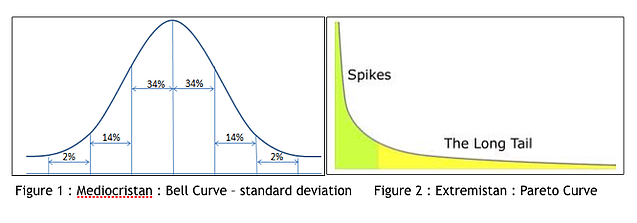
Pareto’s law is either of the following closely related ideas: Pareto principle or law of the vital few, stating that 80% of the effects come from 20% of the causes Pareto distribution
Pareto distribution
The Pareto distribution, named after the Italian civil engineer, economist, and sociologist Vilfredo Pareto, is a power law probability distribution that is used in description of social, scientific, geophysical, actuarial, and many other types of observable phenomena. en.wikipedia.org
Just like real estate, butter has been around for thousands of years. Sometime in the 1800’s someone decided that there was a need for something that looked like butter, tasted similar to butter, but wasn’t butter. Along came margarine. Real estate investment trusts (REITs) are the margarine of the real estate investing world.
NAREIT, the National Association of Real Estate Investment Trusts, answers the question
“What is a REIT?” in the following way:
“A REIT, or Real Estate Investment Trust, is a type of real estate company modeled after mutual funds. REITs were created by Congress in 1960 to give all Americans – not just the affluent – the opportunity to invest in income producing real estate in a manner similar to how many Americans invest in stocks and bonds through mutual funds. Income-producing real estate refers to land and the improvements on it – such as apartments, offices or hotels. REITs may invest in the properties themselves, generating income through the collection of rent or they may invest in mortgages or mortgage securities tied to the properties, helping to finance the properties and generating interest income.”
While REITs typically own real estate, investors in REITs do not. REITs are paper assets that represent interest in a company that owns and operates income producing properties. In essence they are real estate flavored stock. As such, REITs are generally highly correlated with the stock market.
***
***
TERMINOLOGY
When discussing REITs, you encounter the following terminology – public, private, traded, and non-traded. Public REITs can be designated as non-traded or traded depending on whether or not they are traded on a stock exchange.
Since traded REITs are traded on the stock exchange, they enjoy a high degree of liquidity just like any other stock. Unfortunately, traded REITs tend to follow the economic cycles and can closely correlate with the stock market. This can lead to a higher degree of volatility than what is usually seen with physical real estate. Additionally, they do not afford the investor the tax-advantages that come with investments in physical real estate.
Private REITs and non-traded public REITs are not traded on an exchange. These are usually offered to accredited investors through broker-dealer networks. These REITs are illiquid and generally have high fees. They have been plagued with transparency issues as well as conflicts of interest. Valuation of this stock is difficult and can be misleading to the investor. Due diligence is very important as the quality of non-traded REITs can vary widely.
Here are eight things to keep in mind as you prepare to file your 2021 taxes.
1. Income tax brackets have shifted a bit
There are still seven tax rates, but the income ranges (tax brackets) for each rate have shifted slightly to account for inflation. For 2021, the following rates and income ranges apply:
Tax rate
Taxable income brackets:Single filers
Taxable income brackets:Married couples filing jointly (and qualifying widows or widowers)
10%
$0 to $9,950
$0 to $19,900
12%
$9,951 to $40,525
$19,901 to $81,050
22%
$40,526 to $86,375
$81,051 to $172,750
24%
$86,376 to $164,925
$172,751 to $329,850
32%
$164,926 to $209,425
$329,851 to $418,850
35%
$209,426 to $523,600
$418,851 to $628,300
37%
$523,601 or more
$628,301 or more
Source: Internal Revenue Service
2. The standard deduction has increased slightly
After an inflation adjustment, the 2021 standard deduction has increased slightly to $12,550 for single filers and married couples filing separately and $18,800 for single heads of household, who are generally unmarried with one or more dependents. For married couples filing jointly, the standard deduction has risen to $25,100.
3. Itemized deductions remain the same
For most filers, taking the higher standard deduction is more practical and saves the hassle of keeping track of receipts. But if you have enough tax-deductible expenses, you might benefit from itemizing.
The following rules for itemized deductions haven’t changed much for 2021, but they’re still worth pointing out.
State and local taxes: The deduction for state and local income taxes, property taxes, and real estate taxes is capped at $10,000.
Mortgage interest deduction: The mortgage interest deduction is limited to $750,000 of indebtedness. But people who had $1,000,000 of home mortgage debt before December 16, 2017, will still be able to deduct the interest on that loan.
Medical expenses: Only medical expenses that exceed 7.5% of adjusted gross income (AGI) can be deducted in 2021.
Charitable donations: The cash donation limit of 100% of AGI remains in place for 2021, if donations were made to operating charities.1
Miscellaneous deductions: No miscellaneous itemized deductions are allowed.
4. IRA and 401(k) contribution limits remain the same
The traditional IRA and Roth contribution limits in 2021 remain the same as in 2020. Individuals can contribute up to $6,000 to an IRA, and those age 50 and older also qualify to make an additional $1,000 catch-up contribution. If you’re able to max out your IRA, consider doing so—you may qualify to deduct some or all of your contribution.
The 2021 contribution limit for 401(k) accounts also stays at $19,500. If you’re age 50 or older, you qualify to make an additional $6,500 catch-up contribution as well.
5. You can save a bit more in your health savings account (HSA)
For 2021, the max you can contribute into an HSA is $3,600 for an individual (up $50 from 2020) and $7,200 for a family (up $100). People age 55 and older can contribute an extra $1,000 catch-up contribution.
To be eligible for an HSA, you must be enrolled in a high-deductible health plan (which usually has lower premiums as well). Learn more about the benefits of an HSA.
6. The Child Tax Credit has been expanded
For 2021, the American Rescue Plan Act (ARPA) has temporarily modified the Child Tax Credit requirements and amounts for household incomes below $75,000 for single filers and $150,000 for married filing jointly.
First, the ARPA has raised the age limit for dependents from 16 to 17. In addition, the child tax credit has increased from $2,000 to $3,000 for children age 6 through 17 and up to $3,600 for children under 6. If your income exceeded the above limits but was below $200,000 for single filers or $400,000 for joint filers, you’ll receive the standard child tax credit of $2,000 per child.
The IRS began sending monthly advance Child Tax Credit payments to eligible families in July and sent its last advance in December. If your dependent didn’t qualify for the child tax credit, you may still qualify for up to $500 of tax credits under the “credit for other dependents” (see IRS Publication 972 for more details). Tax credits, which reduce the tax you owe dollar for dollar, are generally better than deductions, which reduce your taxable income.
7. The alternative minimum tax (AMT) exemption has gone up
Until the AMT exemption enacted by the Tax Cuts and Jobs Act expires in 2025, the AMT will continue to affect mostly households with incomes over $500,000. Still, the AMT has investment implications for some high earners.
For 2021, the AMT exemptions are $73,600 for single filers and $114,600 for married taxpayers filing jointly. The phase-out thresholds are $1,047,200 for married taxpayers filing a joint return and $523,600 for all other taxpayers.
8. The estate tax exemption is even higher
The estate and gift tax exemption, which is indexed to inflation, has risen to $11.7 million for 2021. But the now-higher exemption is set to expire at the end of 2025, meaning it could be essentially cut in half at that time if Congress doesn’t act.
The annual gift exclusion, which allows you to give money to your loved ones each year without incurring any tax liability or using up any of your lifetime estate and gift tax exemption, stays at $15,000 per recipient.
Don’t get caught off guard
As you prepare to file your taxes for 2021, here are a few additional items to consider.
If you’re not retired, the 10% early withdrawal penalty that was waived for retirement account distributions in 2020 has been reinstated for 2021.
If you’re age 72 or older, make sure you’ve taken your required minimum distribution (RMD) from your retirement accounts or else you face a 50% penalty on any undistributed funds (unless it’s your first RMD, in which case, you can wait until April 1, 2022).
If you haven’t contributed to your retirement accounts already, now is the time. Review your earnings for the year and take advantage of any deductions that can lower your tax bill. Also, keep an eye on Washington for any last-minute tax changes that could affect your return before you file. Tax season will be here before you know it, and it’s never too early to start preparing.
1Operating charities, or qualifying public charities, are defined by Internal Revenue Code section 170(b)(1)(A). You can use the Tax Exempt Organization Search tool on IRS.gov to check an organization’s eligibility.
Posted on January 13, 2022 by Dr. David Edward Marcinko MBA MEd CMP™
By Staff Reporters
***
COVID-19 Prevention and Treatment
The majority of COVID-19 patients being treated in hospitals are unvaccinated or have not received a booster dose of the vaccine. These hospitalizations show how vaccines work and highlight the importance of continued vaccination efforts. President Biden has emphasized that vaccines, boosters, and therapeutic drugs have lessened the danger of COVID-19 for vaccinated people.
Vaccine Recommendations: A new recommendation from the CDC says that people who were initially immunized with the Pfizer vaccine should now receive their booster dose after five months, down from six. Some people with weakened immune systems will soon be eligible for a fourth dose of the COVID-19 vaccine and an Omicron specific vaccine could be ready by March.
Vaccine Mandates:The Supreme Court is weighing the Biden administration’s requirement that workers get vaccinated or be tested regularly for COVID-19. Many states and cities have created their own vaccine rules and employers are left confused about what to do next during the legal battles and the current rise in cases.
At-Home Testing Shortage: There is a shortage of COVID-19 at-home test kits and kit prices are rising as are reports of price gouging. The White House announced a policy to make at-home tests freely available to Americans. Learn more about at-home tests and their accuracy here.
Antiviral Pills:Doctors express concern that the limited supply of antiviral drugs is unlikely to ameliorate the strain hospitals are experiencing. The U.S. doubled its order for Pfizer’s COVID pill so there’s enough for 20 million people.
Posted on January 13, 2022 by Dr. David Edward Marcinko MBA MEd CMP™
BY STAFF REPORTERS
***
Stock Markets: An inflation report couldn’t stop stocks from pushing higher yesterday, likely because it wasn’t worse than expected. Biogen shares tumbled after Medicare said it would limit coverage of its controversial $28,000 Alzheimer’s drug, Aduhelm; as the ME-P has noted.
Covid Pandemic: The current Omicron wave is projected to peak by January 19th in the US, according to an influential model from the University of Washington. Then, cases are expected to plummet “simply because everybody who could be infected will be infected,” Washington professor Ali Mokdad told the AP. Cases appear to have already peaked in Britain.
A Pandemic (from Greek πᾶν pan “all” and δῆμος demos “people”) is an epidemic of disease that has spread across a large region; for instance multiple continents, or even worldwide. A widespread endemic disease that is stable in terms of how many people are getting sick from it is not a pandemic.
Further, flu pandemics generally exclude recurrences of seasonal flu. Throughout history, there have been a number of pandemics, such as smallpox and tuberculosis. One of the most devastating pandemics was the Black Death, which killed an estimated 100 million people in the 14th century. Some recent pandemics include: HIV, Spanish flu, 2009 flu pandemic and H1N1.
An Epidemic is the rapid spread of infectious disease to a large number of people in a given population within a short period of time, usually two weeks or less.
For example, in meningococcal infections, an attack rate in excess of 15 cases per 100,000 people for two consecutive weeks is considered an epidemic.
Epidemics is the outbreak of the disease in a community while pandemic is the outbreak of the disease globally.
SARS was an epidemic while AIDS was an pandemic.
Pandemic disease has the same origin or source where so ever it gets spread while the same disease is spreading with different sources in each country, it refers to epidemic.
Epidemic when extending to greater levels becomes a pandemic.
ENDEMIC: If you translate it literally, endemic means “in the population.” It derives from the Greek endēmos, which joins en, meaning “in,” and dēmos, meaning “population.” “Endemic” is often used to characterize diseases that are generally found in a particular area; malaria, for example, is said to be endemic to tropical and subtropical regions. This use differs from that of the related word epidemic in that it indicates a more or less constant presence in a particular population or area rather than a sudden, severe outbreak within that region or group.
Posted on January 12, 2022 by Dr. David Edward Marcinko MBA MEd CMP™
By Staff Reporters
A survey that Redpoint Global conducted with Dynata of more than 1,000 US healthcare consumers found:
• 57% of healthcare consumers think retailers and/or financial services are better at providing personalized omnichannel experiences than healthcare • 29% said they expect frictionless check-in experiences across apps/phone calls/in-office • 34% expect data inputs in a healthcare portal (health history, surveys, insurance information, etc.) to reach providers • 24% of respondents said they did not utilize any sort of digital communication with providers during the pandemic • 14% said they had no contact with any healthcare provider during the same timeframe
Posted on January 11, 2022 by Dr. David Edward Marcinko MBA MEd CMP™
By Staff Reporters
***
Stock Markets: Down more than 2% with its back against the wall, the NASDAQ staged a huge comeback yesterday afternoon to close in the green and snap a 4-day losing streak.
Pandemic: Moderna was the S&P 500’s top performer after its CEO said that a booster shot targeting Omicron would soon enter clinical trials. Pfizer also said its Omicron booster would be ready by March.
Economy: A growing number of finance experts are taking the over when it comes to the number of interest rate hikes this year. Goldman Sachs now predicts the Fed will raise rates four times in 2022 (more than previously forecast) and JPMorgan CEO Jamie Dimon said he’d be surprised if it were only four hikes.
IRS: Even though tax filing season is just around the corner (opening January 24th with an April 18th deadline), the typically joyful and charismatic IRS has a case of the blues. On Monday, the Treasury Department warned that the agency has had a rough year and taxpayers should expect delays as returns are processed. According to Treasury officials, budget cuts and pandemic-related staffing shortages have created a towering backlog at the agency, and a “frustrating season” is on the horizon. While the IRS typically enters filing season with about 1 million unaddressed returns, the number stood at around 8.6 million in mid-Nov. 2021.
Posted on January 11, 2022 by Dr. David Edward Marcinko MBA MEd CMP™
BY ERIC BRICKER MD
With 43 Million Americans Having Lost Their Job at Some Point During the Pandemic and About 1/2 Those Jobs Providing Health Insurance… the 1st Group–People Who Do Not Have Health Insurance–Needs to Be Aware of How These Programs Work.
In this Video You Will Learn the Patient Assistance Program Process for:
1) 2 of the Most Common Types of Insulin
2) The Highest-Revenue Medication in America: Humira
**Note: At the Time of the Video’s Recording, the Unemployment Rate in the US was 15%. As of November 2021, the Unemployment Rate is 4.2%.
Posted on January 10, 2022 by Dr. David Edward Marcinko MBA MEd CMP™
By Staff Reporters
***
Markets: Stocks are off to a sputtering start in 2022, and they could be in for more upheaval this week with a big inflation report due, Fed Chair Jerome Powell’s confirmation hearing on Capitol Hill, and the beginning of earnings season.
NASDAQ: Last week, the tech-heavy NASDAQ fell 4.5% for its worst week since February 2021. And the ARK Innovation ETF, which is full of high-growth tech companies, plunged 11%.
Bonds: Over in the bond market, yields (or the return you can get from buying a bond) are surging. On Friday, the yield for the 10-year Treasury note hit its highest level since January 2020. Now, While rising yields are generally a bullish sign for the economy, they also make riskier assets—like expensive tech stocks—less attractive compared to other names that may get a boost from higher interest rates. The Dow, for example, with its many financial services companies, lost just 0.29% last week.
Good News: Billionaire investor Chamath Palihapitiya said US stocks could rebound rapidly after the recent sell-off. He said there’s “a ton” of money waiting on the sidelines in products such as money market accounts.







 Support our online development, and advance our onground research initiatives in free market economics, as we seek to showcase the brightest Next-Gen minds.
THE ME-P DISCLAIMER: Posts, comments and opinions do not necessarily represent iMBA, Inc., but become our property after submission. Copyright © 2006 to-date. iMBA, Inc allows colleges, universities, medical and financial professionals and related clinics, hospitals and non-profit healthcare organizations to distribute our proprietary essays, photos, videos, audios and other documents; etc. However, please review copyright and usage information for each individual asset before submission to us, and/or placement on your publication or web site. Attestation references, citations and/or back-links are required. All other assets are property of the individual copyright holder.
Support our online development, and advance our onground research initiatives in free market economics, as we seek to showcase the brightest Next-Gen minds.
THE ME-P DISCLAIMER: Posts, comments and opinions do not necessarily represent iMBA, Inc., but become our property after submission. Copyright © 2006 to-date. iMBA, Inc allows colleges, universities, medical and financial professionals and related clinics, hospitals and non-profit healthcare organizations to distribute our proprietary essays, photos, videos, audios and other documents; etc. However, please review copyright and usage information for each individual asset before submission to us, and/or placement on your publication or web site. Attestation references, citations and/or back-links are required. All other assets are property of the individual copyright holder.



























![DR. DAVID EDWARD MARCINKO FACFAS MBA CFP MBBS [Hon] [Executive Summary] - PDF Free Download](https://educationdocbox.com/docs-images/75/71938560/images/7-0.jpg)













 The Leading Business Education Network for Doctors, Financial Advisors and Health Industry Consultants