PODCASTS: Health Economics and the AMA

By Professor Jon

***

***

PODCAST: https://www.youtube.com/watch?v=fwYYae_U1OI

PODCAST: https://medicalexecutivepost.com/2022/05/30/ama-to-teach-medical-students-about-health-economics/

***

***

***

***

COMMENTS APPRECIATED

Thank You

***

Prioritizing Mental Health Care In America

By NIHCM Infographics

***

Data Insights

***

***

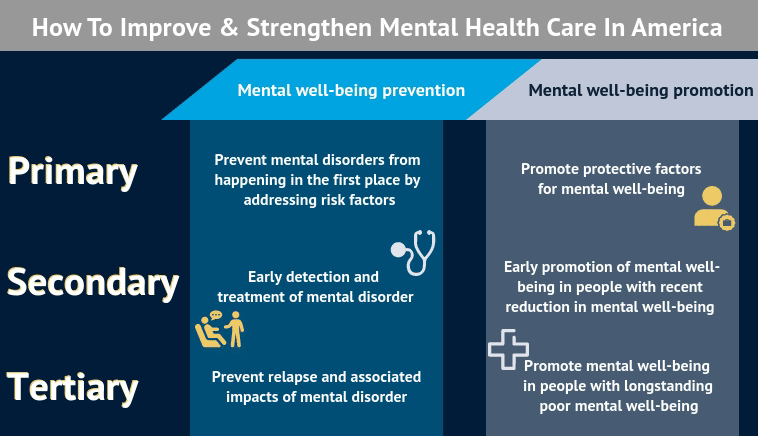
By the end of 2021, Americans found themselves in one of the worst nationwide mental health crises in years. Nearly 1 in 5 U.S. adults experience a mental illness each year, or more than 50 million people. Unfortunately, less than half of the people in need ever receive the mental health care they require. Due to physician burnout, a workforce shortage, and poor funding, this country has long struggled with handling the growing mental health crisis and providing equitable access to behavioral health care.

The mental health system in America may be largely broken, but conditions are ideal for transforming the system with scientific advances, improved coverage, and political consensus on the importance of mental health. Goals once thought to be long out of reach may soon be possible.

CITE: https://www.r2library.com/Resource/Title/082610254

This NIHCM infographic highlights the many challenges contributing to America’s mental health crisis as well as steps to improve and strengthen mental health care and the behavioral health industry and promote individual resiliency.

NIHCM: https://tinyurl.com/3whz69vk

ME-P: https://medicalexecutivepost.com/2022/06/02/medical-workplace-violence-prevention-guidelines/

***

***

****

Capitalism Blame Does Nothing to Offer Solutions

Join Our Mailing List

Blaming it on capitalism does nothing to offer any real solutions

Rick Kahler MS CFP

By Rick Kahler MSFS CFP®

http://www.KahlerFinancial.com

Recently, a respected colleague noted that the “capitalistic goal of accumulation, consumption, and collecting” is responsible for a collective mindset in Americans that “I consume, therefore I am” and “more is better.” He passionately feels the “more is better capitalistic mentality” assures a predictable future of dwindling resources. He is not alone in his views.

Certainly, identifying our self-worth by what we accumulate or spend does not produce emotional, physical, or financial well-being.

Those who embrace a money script of “I consume, therefore I am” are likely to eventually encounter financial and emotional pain. Either they will run out of money to spend, lack products to buy, or discover the futility of trying to use money and possessions as a substitute for genuine self-worth.

More is Better?

What I found curious was my colleague’s attribution of the money script “more is better” as the product of capitalism. That money script has been around a lot longer than capitalism, which according to Investopedia originated during the Middle Ages when a variety of factors, including a labor shortage caused by the Black Plague, caused the collapse of the manorial system. More is better” was part of the human condition much earlier.

For example, in the Hebrew Scriptures, Ecclesiastes 5:10 says, “Whoever loves money never has money enough; whoever loves wealth is never satisfied with his income.”

Greed

Greed, whether for money or food or anything else, is not produced by an economic model. Whether people live under a capitalistic, socialistic, or communist system—or in a Stone Age tribal group—greed is alive and well in all of them. Every human being experiences it in some way and on some level. It has been considered one of the seven deadly sins since the early days of the Christian church.

Definition

“Capitalism” is defined by Merriam-Webster as “an economic system characterized by private or corporate ownership of capital goods, by investments that are determined by private decision, and by prices, production, and the distribution of goods that are determined mainly by competition in a free market.”

There is nothing in that definition about greed or any goals of “accumulation, consumption, and collecting.”

Core to capitalism is a method of distributing limited resources in the most efficient manner possible, where the dynamics of the free market and competition drive down prices and improve quality. I find no other economic system that delivers this outcome. In fact, systems controlled by central planning have a track record of producing the opposite: economies where shortages prevail and those in charge prosper on the backs of the masses.

Research

Research shows capitalism has lifted more people out of poverty than any other economic system. Since 1945 the number of those living below the poverty line has decreased 57%, from 35% to 15%, while income inequality has risen just 15%. Any American earning over $30,600 is in the top 1% of income earners globally. Even the bottom 1% of Americans are in the top 33% of income earners globally.

Certainly there are business owners and wealthy people who are greedy, selfish, and materialistic, because such people are found in every walk of life. These traits are not tied to any particular economic system. They are signs of people who are trying to satisfy spiritual and emotional needs with material things that can never meet those needs.

***

buy-sell-merge

***

Assessment

Because one of the qualities that helps people create financial security is frugality, I actually agree with my colleague that excess consumption is often destructive and can be a genuine problem. Blaming it on capitalism, however, does nothing to offer any real solutions.

Conclusion

Your thoughts and comments on this ME-P are appreciated. Feel free to review our top-left column, and top-right sidebar materials, links, URLs and related websites, too. Then, subscribe to the ME-P. It is fast, free and secure.

Speaker: If you need a moderator or speaker for an upcoming event, Dr. David E. Marcinko; MBA – Publisher-in-Chief of the Medical Executive-Post – is available for seminar or speaking engagements. Contact: MarcinkoAdvisors@msn.com

OUR OTHER PRINT BOOKS AND RELATED INFORMATION SOURCES:

Comprehensive Financial Planning Strategies for Doctors and Advisors: Best Practices from Leading Consultants and Certified Medical Planners™

***

PODCAST: Ten Largest Medical Device Companies

By Eric Bricker MD

***

***

COMMENTS APPRECIATED

Thank You

***

***

***

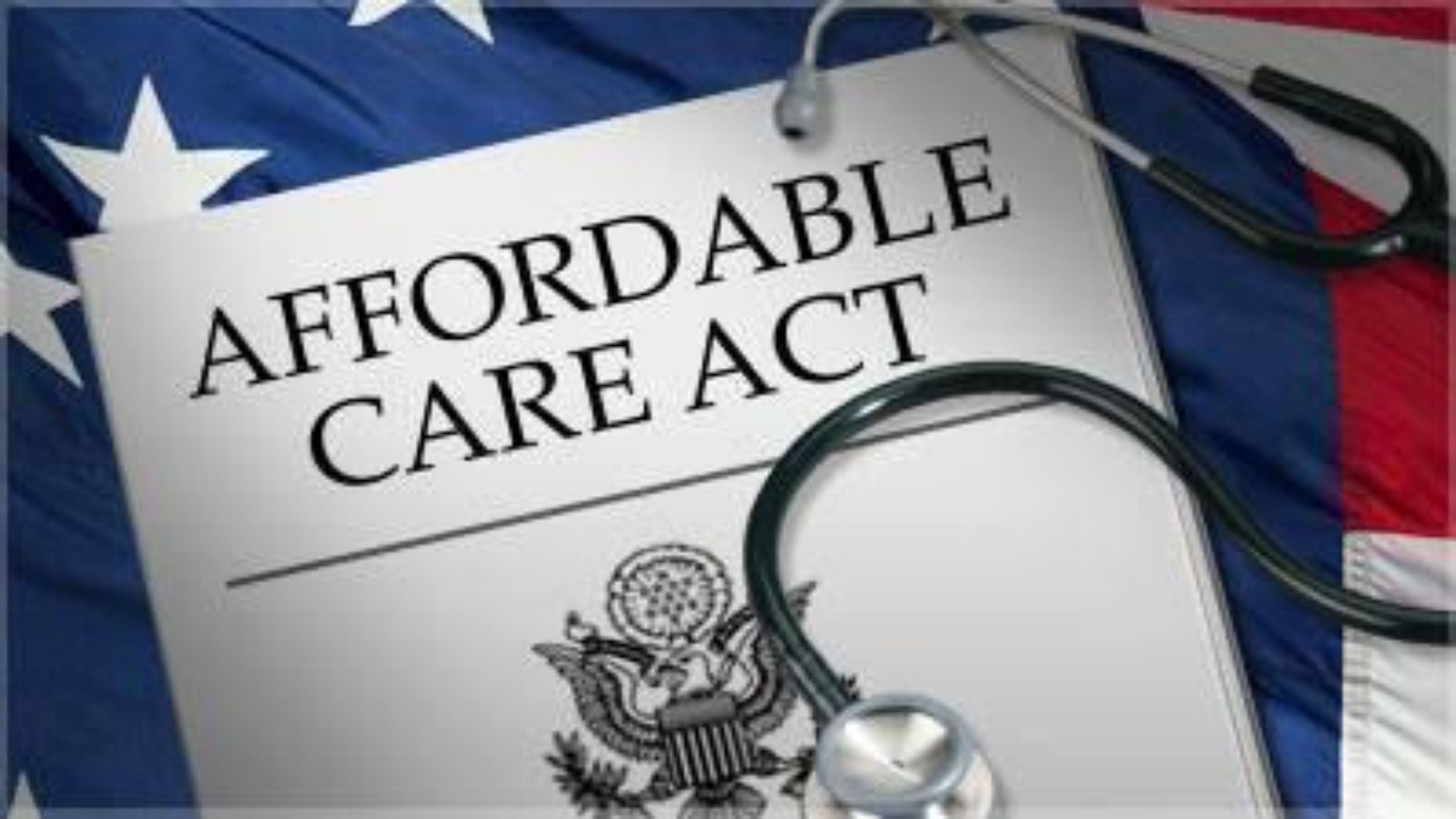
SURVEY: Affordable ACA Family Coverage

By MCOL

***

Families USA: Uninsured Rate by Quarter •  Q4 2020: 10.3%
 •  Q1 2021: 9.5%
 •  Q2 2021: 9.7%
 •  Q3 2021: 8.9%

Source: Families USA, “ACA’s Promise of Affordable Health Coverage for Families Across America Is at Risk as Pandemic-Era Policies Expire,” March 2022

***

COMMENTS APPRECIATED

Thank You

***

***
The TOP 100 Economics Blogs of 2022

INTELLIGENT ECONOMIST

Last Updated: February 3rd, 2022

By Prateek Agarwal

Welcome, and thank you for joining us for the 5th annual Top Economics Blogs list! We are happy, once again, to introduce you to a freshly updated list of economics blogs for 2022. As always, our winners list provides blogs for many different audiences, ranging from the budding economic enthusiast to the seasoned academic. The list also covers a variety of economics topics, whether it be traditional economic theory or the application of economics to current events and issues. In this meticulously curated list, we’ve condensed the most unique elements of each blog into short descriptions, so that you can see which ones catch your eye.

CITE: https://www.r2library.com/Resource/Title/0826102549

For 2022, a few newcomers have emerged, while many mainstays from previous years are present as well. Like previous years, we’ve done our best to capture the blogs which stand out for their quality rather than their popularity. As such, the list is an eclectic group that represents a wide range of tastes and perspectives.

***

What is an economist? Definition and examples - Market Business News

Regardless of your school of thought or political affiliation, you can find valuable new content in this list of engaging, high-quality economics blogs.

LINK: https://www.intelligenteconomist.com/economics-blogs/

Product Details

YOUR COMMENTS ARE APPRECIATED.

***

Thank You

***

About Healthcare Marketing Plan Revisions?

By MM+M

***

***

Cause of Healthcare Marketing Plan Revisions

A recent survey asked “Have you revised, relaunched or otherwise altered an existing healthcare marketing campaign for any reason?” The survey shows:

 •  Pandemic-related disruption: 70.0%
 •  New competitive entrant: 36.7%
 •  Access issues: 36.7%
 •  Under-performance: 36.7%
 •  New brand leadership: 33.3%
 •  New indication/label change: 30.0%
 •  Drug shortage: 13.3%
 •  Other external market shift: 6.7%

Source: MM+M, “Healthcare Marketers Trend Report 2022: The Reset,” March 8, 2022

***

COMMENTS APPRECIATED

Thank You

Subscribe to the Medical Executive-Post

***

***

***

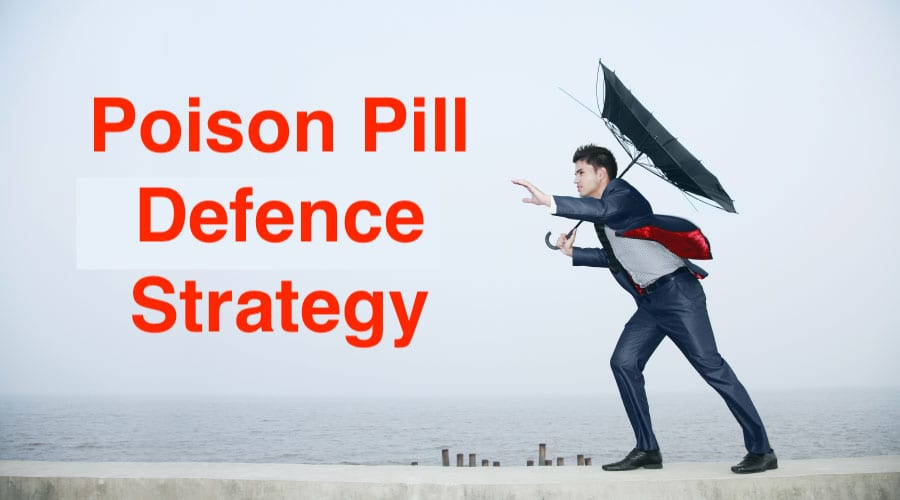
The Non-Medical “POISON PILL” Strategy is in the Investing News!

MUSK versus TWITTER

By Staff Reporters

***

DEFINITION: A shareholder rights plan, colloquially known as a “poison pill“, is a type of defensive tactic used by a corporation‘s board of directors against a takeover. In the field of mergers and acquisitions, shareholder rights plans were devised in the early 1980s as a way to prevent takeover bids by taking away a shareholder’s right to negotiate a price for the sale of shares directly.

Typically, according to Wikipedia, such a plan gives shareholders the right to buy more shares at a discount if one shareholder buys a certain percentage or more of the company’s shares. The plan could be triggered, for instance, if any one shareholder buys 20% of the company’s shares, at which point every shareholder (except the one who possesses 20%) will have the right to buy a new issue of shares at a discount. If all other shareholders are able to buy more shares at a discount, such purchases would dilute the bidder’s interest, and the cost of the bid would rise substantially. Knowing that such a plan could be activated, the bidder could be disinclined to take over the corporation without the board’s approval, and would first negotiate with the board in order to revoke the plan.

CITE: https://www.r2library.com/Resource/Title/082610254

The plan can be issued by the board of directors as an “option” or a “warrant” attached to existing shares, and only be revoked at the discretion of the board.

***

***
READ: https://www.msn.com/en-us/money/companies/twitter-adopts-poison-pill-plan-to-block-elon-musks-bid/ar-AAWfUaZ?li=BBnb7Kz

MUSK: https://www.cbsnews.com/news/twitter-poison-pill-elon-musk/

TWITTER: https://www.msn.com/en-us/money/companies/twitter-activates-poison-pill-to-thwart-musk-hostile-takeover-attempt/ar-AAWgmwW?li=BBnb7Kz

***

FINANCE: https://www.amazon.com/Comprehensive-Financial-Planning-Strategies-Advisors/dp/1482240289/ref=sr_1_1?ie=UTF8&qid=1418580820&sr=8-1&keywords=david+marcinko

***

PODCAST: Physician Entrepreneurial Tips on Opening Your Own Medical Practice

***

By MEDICAL ECONOMICS

James Underberg, MD, discusses how he left a large health system to open his own practice, and provides tips for physicians considering the same move.

***

***

Private Healthcare Equity: https://www.youtube.com/watch?v=tBwHu1uigoA

ME-P Business Plan: https://medicalexecutivepost.com/2022/04/05/get-your-free-medical-office-start-up-business-plan-from-imba-inc/

***

COMMENTS APPRECIATED

Thank You

***

***

***

****

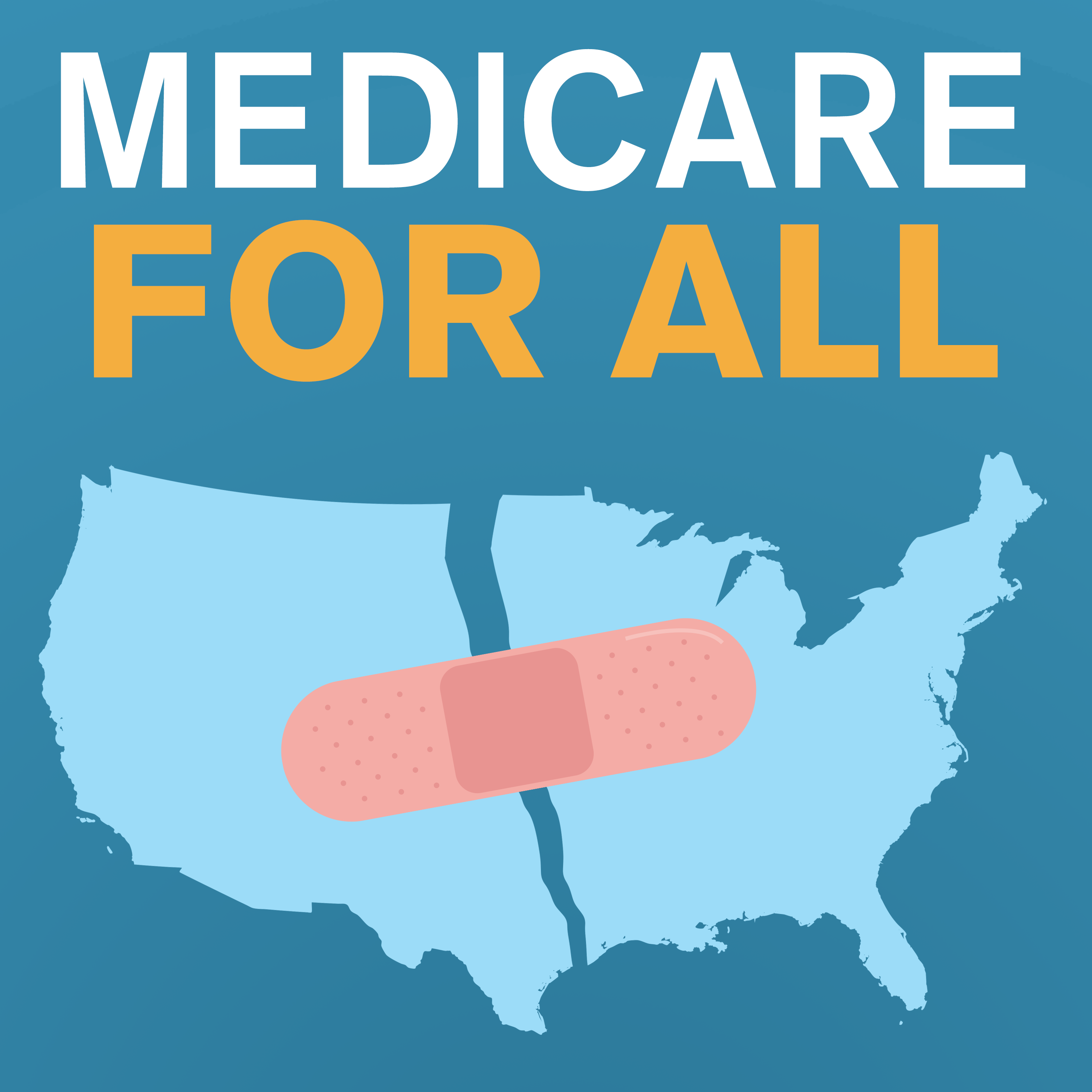
Medicare for All?

OR

Worse Care for All?

THE CBO OPINES

***

***

Senate Budget Committee Chairman Bernie Sanders (I-Vt.) has announced that as early as next week, his committee will hold a hearing “on the need to pass a Medicare for All single-payer program.”  

Sanders gets an “A” for passion, but an “F” in compassion.  

But, the non-partisan Congressional Budget Office has cautioned that Sanders’ Medicare for All bill would create “a shortage of providers, longer wait times, and changes in the quality of care.” 

MORE: https://www.msn.com/en-us/news/politics/medicare-for-all-would-mean-worse-care-for-all/ar-AAWVDo6?li=BBnb7Kz

CITE: https://www.r2library.com/Resource/Title/0826102549

***

COMMENTS APPRECIATED

Thank You

***

***
****

PODCAST: The Financial Cost of Medication Non-Adherence

Cost of Medication Non-Adherence: 33- 69% of Hospitalizations

By Eric Bricker MD

***

***

COMMENTS APPRECIATED

Thank You

***

CITE: https://www.r2library.com/Resource/Title/082610254

***

***
****

UPDATE: Vitalik Buterin, Recession Risk the Euro and BOA

By Staff Reporters

***

***

  • Vitalik Buterin tweeted Friday that he’s no longer a billionaire. Crypto has crashed in recent weeks amid a broad sell-off in traditional markets. Ethereum cofounder Vitalik Buterin tweeted Friday that he’s no longer a billionaire. Buterin, who cofounded the blockchain network in 2014, has seen its Ether token crash by 59% since hitting a high of around $4,800 in November 2021, when his holding was valued at around $1.5 billion.
  • Historically, the S&P 500 has fallen an average of 29% around recession (median of 24%). With the S&P 500 currently showing a peak-to-trough decline of almost 19%, the market is effectively already pricing in a 60%-75% chance of recession based on the average and median.
  • Thanks to a surging US dollar and a faltering Euro, many analysts expect that the two currencies could reach parity this year—meaning one dollar would fetch you one euro. The two currencies haven’t reached a 1:1 exchange rate since 2002, three years after the euro was introduced in an effort to bring stability to Europe. The euro closed at $1.057 against the dollar, just 5% above equal value with the US currency.
  • Finally, the current market plunge hasn’t yet scared investors like downturns in years past. Bank of America’s private clients are still dedicating 63% of their portfolios to stocks, compared to 39% after the 2008 financial crisis.

***

COMMENTS APPRECIATED

Thank You

***

***

SDOH = Social Determinants of Oral Health

By Staff Reporters

***

***

Social determinants of oral health and tooth loss

A study led by investigators at the Harvard School of Dental Medicine suggested that “machine-learning algorithm models incorporating socioeconomic characteristics were better at predicting tooth loss than those relying on routine clinical dental indicators alone.”

CITE: https://www.r2library.com/Resource/Title/082610254

Furthermore, new research reported that

  • adults living in urban areas visited the dentist more than those in rural areas
  • women were more likely than men to visit the dentist in both rural and urban areas
  • the number of adult dental visits increased as family income increased
  • non-Hispanic white adults were more likely than Hispanic and non-Hispanic black adults to have a dental visit in urban areas.

Therefore, it is important to consider how disparities in access to and use of dental care impact not only tooth loss but also oral and overall health.

***

COMMENTS APPRECIATED

Thank You

***

****

UPDATE: The EEOC, Yen, Wells Fargo & Tesla

By Staff Reporters

***

***

The Equal Employment Opportunity Commission (EEOC) and the Department of Justice (DOJ) Civil Rights Division each put employers on notice: When using AI in employment processes, employers are responsible for inspecting tools for disability bias, and they better have a plan to provide reasonable accommodations, because federal agencies say they have their eyes on how using artificial intelligence could lead to discrimination under the Americans with Disabilities Act (ADA).

The Yen has the potential to drop to levels last seen in 1990 on Japan’s deepening monetary policy divergence with the US. And, selling the yen has become a favorite macro trade this year as rising Treasury yields spur investors to ditch Japan’s currency for the higher-yielding greenback. The Bank Of Japan has vowed to maintain its easing bias even in the face of the currency’s losses, making it unlikely that the declines will reverse anytime soon.

Berkshire Hathaway Inc (NYSE: BRK-B) bought $3 billion worth of shares in Citigroup Inc (NYSE: C) in Q1, giving the group a stake of about 2.8%, according to filings with regulators. The investment came as Berkshire sold the remainder of its position in Wells Fargo & Co (NYSE: WFC), a rival bank that had been a staple in Buffett’s portfolio for more than three decades, Financial Times reported.

Finally, Tesla shares continued their fall, dropping ~35% since the announcement that Elon Musk was buying Twitter. That may imperil Musk’s ability to complete the deal, given that he’s taken out meaty loans tied to the value of Tesla’s stock.

***

COMMENTS APPRECIATED

Thank You

***

FINANCE: https://www.amazon.com/Comprehensive-Financial-Planning-Strategies-Advisors/dp/1482240289/ref=sr_1_1?ie=UTF8&qid=1418580820&sr=8-1&keywords=david+marcinko

***
UPDATE: Dr. Mike Burry, I-Bond Web-Site Crash and Wall Street

By Staff Reporters

***

“The Big Short” celebrity investor and colleague Michael Burry MD recently disclosed that he is short Apple stock. Could he be right about AAPL dipping even further from here? Famous hedge fund manager Michael Burry, the real-life character in “The Big Short”, became famous for his short position on subprime CDOs ahead of the 2008 crash. This time, he is shorting Apple stock. The bombshell news has come recently via a 13F filing released by Burry’s hedge fund.

CITE: https://www.r2library.com/Resource/Title/082610254

***

***

People searching for a respite from inflation have flooded the Treasury Department phone lines and website to try to buy Series I savings bonds, causing much longer waits than usual. It’s the latest example of outdated government computer systems causing anguish for Americans. On May 2nd, the Treasury Department announced that the inflation-protected I bonds will earn 9.62 percent interest at least until the end of October. A day later, TreasuryDirect, the website that people have to use to purchase the bonds, crashed.

Finally, Wall Street rumbled to the edge of a bear market after another drop for stocks briefly sent the S&P 500 more than 20% below its peak set early this year. The S&P 500 index, which sits at the heart of most workers’ 401(k) accounts, was down as much as 2.3% for the day before a furious comeback in the final hour of trading sent it to a tiny gain of less than 0.1%. It finished 18.7% below its record, set on January 3rd. The tumultuous trading capped a seventh straight losing week, its longest such streak since the dot-com bubble was deflating in 2001.

***

COMMENTS APPRECIATED

Thank You

***

***

ECONOMIC INFLATION: Why So High Right Now?

SIX REASONS

By Vitaliy Katsenelson CFA

***

DEFINITION: In economics, inflation is a general increase in the prices of goods and services in an economy. When the general price level rises, each unit of currency buys fewer goods and services; consequently, inflation corresponds to a reduction in the purchasing power of money.

CITE: https://www.r2library.com/Resource/Title/082610254

***

***
The war in Ukraine will likely pour more gasoline on the already raging inflationary fire, threatening to send the global economy into stagflation. Stagflation is a slowdown of economic activity caused by inflation.

READ: https://contrarianedge.com/why-is-inflation-so-high-right-now-6-reasons/?utm_source=IMA++-+Main+Articles&utm_campaign=8be9ec7af7-UBER_MONEY_MANAGER_KIDNAPPED_COPY_03&utm_medium=email&utm_term=0_f1c90406d1-8be9ec7af7-55139025

***
COMMENTS APPRECIATED

Thank You

***

****

MENTAL HEALTH Action Day 2022

By Staff Reporters

***

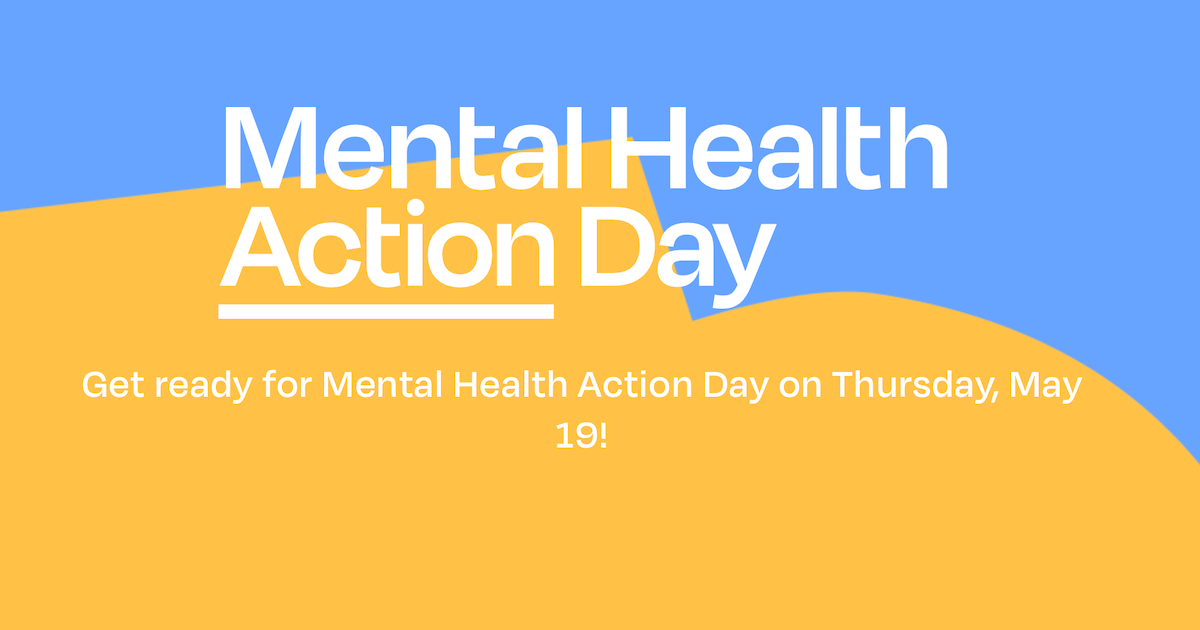
As part of its Mental Health initiative, MTV’s second-annual Mental Health Action Day – an open-source movement of brands, organizations, government agencies, and cultural leaders to drive culture of mental health from awareness to action – will bring together more than 1,600 organizations in cities across the country to encourage and empower people to take action for mental health on Thursday, May 19, 2022.

***

***

LINK: https://www.mentalhealthactionday.art/

COACHING: From Chaos to Calm: https://medicalexecutivepost.com/coach/
***

COMMENTS APPRECIATED

Thank You

***

***

Is the Financial “Stagflation” Risk Real?

Is Stagflation Risk Real?

By Merk Insight

***

DEFINITION: In economics, stagflation or recession-inflation is a situation in which the inflation rate is high, the economic growth rate slows, and unemployment remains steadily high. It presents a dilemma for economic policy, since actions intended to lower inflation may exacerbate unemployment.

CITE: https://www.r2library.com/Resource/Title/082610254

***

***

***

A few days ago, I had the pleasure of attending the Hoover Monetary Conference – I would call it a Powwow of central bankers, if there had not been an actual Powwow a few steps outside the venue. While Hoover is known to reflect “hawkish” views, “hawks” and “doves” alike used the question of whether the Fed is “behind the curve” to argue all things inflation and stagflation.

I left the conference even more concerned about the risk of stagflation; let me explain.

Please read our latest insight: Is Stagflation Risk Real?

***
COMMENTS APPRECIATED

Thank You

***

****

UPDATE: Stock Market Sentiment and Capitulation?

By Staff Reporters

***

More than $11 trillion in value has been erased from global stocks since the end of March. And, despite a a pop last Friday, many analysts don’t think we’ve hit the bottom yet. Fewer than 30% of S&P companies have hit a one-year low during this downturn, compared to almost 50% during 2018’s rout and 82% during the financial crisis in 2008, according to Bloomberg.

***

Capitulation means surrender. In financial markets, capitulation marks the point in time when a large enough proportion of investors simultaneously give up hopes of recouping recent losses, typically as the decline in prices gathers speed.

CITE: https://www.r2library.com/Resource/Title/082610254

***

***

According to MarketWatch, the latest bull market for U.S. stocks remains on the brink of expiring, with the benchmark S&P 500 just shy of the threshold that marks bear territory.

Going ganular, the S&P 500 SPX, +2.39% finished 0.1% lower at 3,930.08 on Wednesday, after falling as far as 3,858.87 at its session low. That was the index’s lowest close since March 25, 2021, and left it 18.1% below its record finish from early January. A Friday bounce for stocks saw the S&P 500 nearly halve its decline for the week to 2.4%, closing at 4023.89.

In One Chart: Stock market’s ‘ultimate lows’ are still ahead as investors have not yet capitulated, says B. of A.

A finish below 3,837.25 would mark a 20% fall, according to Dow Jones Market Data, meeting the widely used technical definition of a bear market.

***

COMMENTS APPRECIATED

Thank You

***

***

Did Public Health Fail America During the Pandemic?

***

By Dr. David E. Marcinko MBA

***

LINK: https://www.msn.com/en-us/news/us/how-public-health-failed-america/ar-AAXid2L?li=BBnb7Kz

***

CDC: https://www.cdc.gov/publichealthgateway/publichealthservices/essentialhealthservices.html

***

***

***

***

COMMENTS APPRECIATED

Thank You

***

OUTCOMES: In-Person and Tele-Health Encounters During COVID-19

By Staff Reporters and MCOL

***

***

Outcomes of In-Person and Tele-Health Encounters During COVID-19

 •  Ambulatory encounters decreased by 1.0% and the number of in-person encounters per enrollee decreased by 17.0% from 2019 to 2020.
 •  For members with an initial telehealth encounter for a new acute condition, the adjusted odds ratio was 1.44 for all follow-ups combined and 1.11 for an emergency department encounter.
 •  For members with an initial telehealth encounter for a new chronic condition, the adjusted odds ratios were 0.94 for all follow-ups combined and 0.94 for in-patient admissions.

Source: JAMA Network, April 26, 2022

***

***

****

GO FUND ME: Medical Campaigns Reveal a Big Problem with Health Care

***

By Jules Lipoff, MD: Senior fellow at the Leonard Davis Institute of Health Economics and an assistant professor of clinical dermatology at Perelman School of Medicine, both of the University of Pennsylvania. Erica Mark, medical student at the University of Virginia, contributed to this article. The opinions expressed in this article do not necessarily represent those of the University of Pennsylvania Health System or the Perelman School of Medicine.

***

If you follow the news or your social media feed, you know that crowdsourcing medical expenses is increasingly popular for financing health care costs. In fact, you might have contributed to one; 22 percent of American adults report donating to GoFundMe medical campaigns.

CITE: https://www.r2library.com/Resource/Title/082610254

As of 2021, approximately $650 million, or about one-third of all funds raised by GoFundMe, went to medical campaigns. That staggering amount of money highlights how dysfunctional our health care system is, forcing people to resort to crowdsourcing to afford their medical care — but it’s not surprising. In the United States, 62 percent of bankruptcies are related to medical costs. This should be a wake-up call to address and reform the system further.

Related: https://medicalexecutivepost.com/2021/12/30/does-crowd-sourcing-democratize-the-health-care-insurance-system/

***

***

ESSAY: https://www.msn.com/en-us/news/politics/gofundme-medical-campaigns-reveal-a-big-problem-with-health-care/ar-AAXabGB?li=BBnbfcL

***

COMMENTS APPRECIATED

Thank You

***

***

***

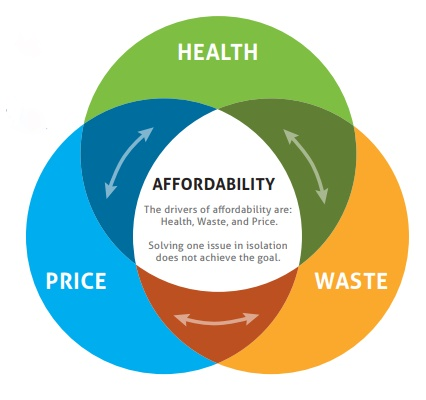
SURVEY: Employee Financial Healthcare Affordability

By Staff Reporters and MCOL

***

***

WTW: Employee Healthcare Affordability Survey

 •  By the end of 2023, most employers (95%) are expected to offer virtual care for medical and behavioral health issues, and 61% expect to offer lower cost sharing for virtual care.
 •  Over half (55%) think the expansion of virtual care will help decrease costs in the long run, and 50% think it will improve outcomes.
 •  Employer confidence in sponsoring healthcare benefits over the next 10 years is at its highest point in over 10 years (84% in 2022 versus 38% in 2011).
 •  One in 10 employers (9%) currently offer genetic testing as a screening for early-stage cancer with another 5% planning to do so by 2023.

Source: Willis Towers Watson, April 26, 2022

CITE: https://www.r2library.com/Resource/Title/082610254

***

COMMENTS APPRECIATED

Thank You

***

***

BITCOIN: A Subjective Theory for Physicians

***

By Michel Accad, MD

Michel Accad MD Practices internal medicine and cardiology in San Francisco

***

Bitcoin Cash - Wikipedia

****

In a recent article on the Mises Institute’s Power and Market blog, Kyle Ward appealed to the subjective theory of value to castigate Peter Schiff for his notorious skepticism of Bitcoin:

READ: http://alertandoriented.com/the-subjective-theory-of-bitcoin/

CITE: https://www.r2library.com/Resource/Title/082610254

COMMENTS APPRECIATED.

Subscribe to the Medical Executive-Post

Thank You

****

***

***

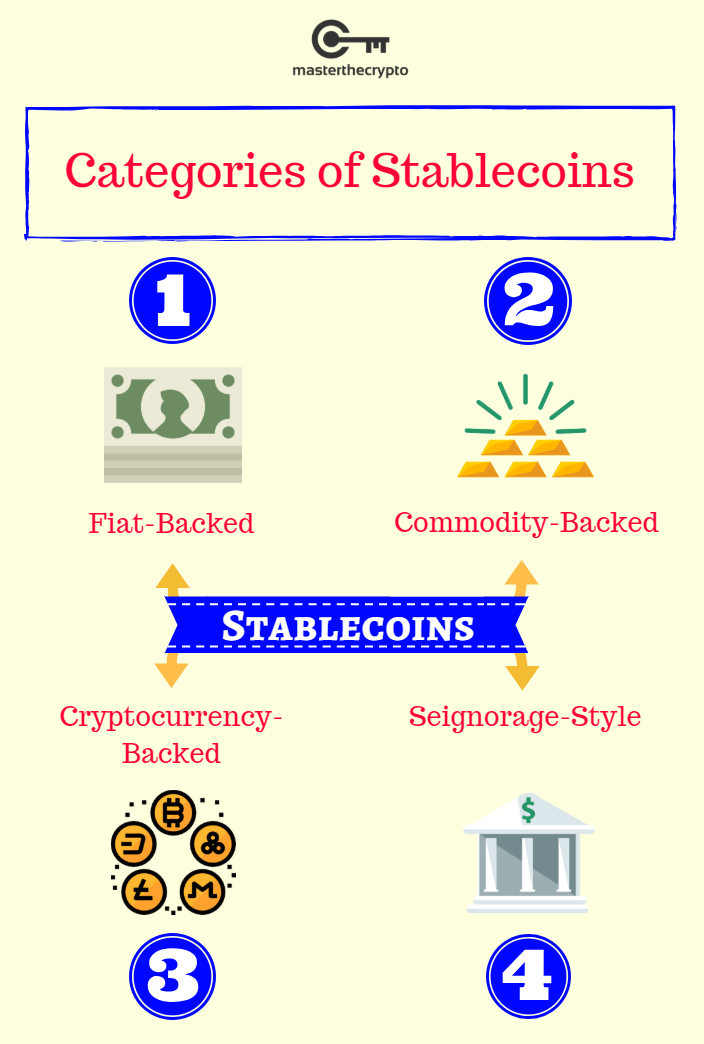
What Really is a STABLECOIN?

Types with Guide

By Staff Reporters

***

According to Investopedia, a stablecoin is a class of cryptocurrencies that attempt to offer price stability and are backed by a reserve asset. Stablecoins have gained traction as they attempt to offer the best of both worlds—the instant processing and security or privacy of payments of cryptocurrencies, and the volatility-free stable valuations of fiat currencies.

***

***

Stablecoins are cryptocurrencies where the price is designed to be pegged to a cryptocurrency, fiat money, or to exchange-traded commodities (such as precious metals or industrial metals).

CITE: https://www.r2library.com/Resource/Title/082610254

***

Key Points

  • Stablecoins are cryptocurrencies that attempt to peg their market value to some external reference.
  • Stablecoins may be pegged to a currency like the U.S. dollar or to a commodity’s price such as gold.
  • Stablecoins achieve their price stability via collateralization (backing) or through algorithmic mechanisms of buying and selling the reference asset or its derivatives.

***

***

COMMENTS APPRECIATED

Thank You

***

***

CELEBRATE: National Women’s Health Week 2022

MAY 8 – 14th, 2022

By Staff Reporters

***

***

Prioritizing your health – both physical and mental – has never been more important. Over the past few years, many women have put off taking care of their general health and wellness needs. They have adjusted their daily routines, including the way they connect with family and friends. The combination has led to serious health problems for some women.

LINK: https://www.womenshealth.gov/nwhw/about

DAY: https://medicalexecutivepost.com/2022/03/08/today-is-international-womens-day/

***

COMMENTS APPRECIATED

Thank You

***

***

***

Fake Prescription Drug Rx Example

Altered and Poorly Written Rx for Vicodin

By Dr. David Edward Marcinko MBA

***

***

Poorly-written Rx for vicodin

Drug: Rx Vicodin

Disp: # 10

Sig: Take I, as needed for pain.

Refills: 1 2 3 4 or 5

AM2685591

David Edward Marcinko, MBBS DPM MBA

The patient abuser may change drug quantity numbers, copy or remember the doctors’ DEA number, or take extra Rx pads. For this reason, a physician’s Rx pad should contain his/her name, address and telephone number. The doctor’s DEA number should not be pre-printed on the pad, for fear of mis-use.

Example:

  • Increase the quantity 10, to 100, by adding a zero, so that the additional capsules can be used, sold or bartered with on the street.
  • Change the directions to take 2 capsules, rather than 1 in order to produce greater euphoria.
  • Increase the Rx refills, from one to two, by extending the underline, or checking an additional quantity box.
  • Pre-printed DEA number can be stolen, sold or reused.
  • Pre-printed (not original) physician signature can be reproduced and widely distributed for more prescriptions.

Altered Rx for vicodin

Drug: Rx Vicodin

Disp: # 100

Sig: Take II, as needed for pain.

Refills: 1 2 3 4 or 5

AM2675591

David Edward Marcinko, MDBBS DPM MBA

 The doctor drug addict, or a doc in need of funds, may write for more narcotic agent than needed, and receive the additional pills back from the patient-shill for personal consumption, sell them on the street himself for money, or receive a monetary kickback from the patient-shill.

A pharmacist may also indirectly alter a prescription using the above methods, or simply short-change the patient with fewer narcotic capsules than the prescription intends. This is more difficult to do with pills or tablets in the out patient setting, but easy to do in the in-patient setting when liquid IV drugs are used, by dilution and placing less than the full amount in IV bottles or bags. The harm to patients, of course, may be fatal.

Well-written Rx for vicodin

Drug: Rx Vicodin

Disp: # 10 (ten) capsules

Sig: Take one or two capsules, po, prn pain.

Refills: 1 2 3 4 or 5

AM2685591

David Edward Marcinko, MBBS DPM MBA

Example:

  • Drug quantity can-not be changed.
  • Directions can-not be changed. Route of administration (by mouth) indicated.
  • Rx refills clearly indicated.
  • Handwritten, not pre-printed, DEA number.
  • Original physician signature, only.

Doctor Rx prescription abuse foibles are legendary in the DEA and include a Maryland podiatrist who wrote prescriptions for more than 1,235 Mepergan Fortis capsules ostensibly for his wife following minor foot surgery. Or, the Florida physician who prescribed more than 2,150 Vicodin capsules for a patient with whom he was having an extra-marital affair in order that his consort not disclose the fling to his wife. Or, the osteopath from New Jersey who wrote more than 100 narcotic prescriptions every 8 hour day, for more than a year, to any patient standing in a line in front of his office. And, finally the California dentist whose excuse for writing more than 1,845 narcotic tablet prescriptions in a six month period for the same patient was that they would be needed in his next reincarnation. Yes, all of these incidents are laughable if not for their serious consequences to the involved individuals, and society, alike. The bastards!

Fortunately, unlike drug local domestic drug kingpins or international narco-traffickers who ply their trade virtually undetected, these naive white-collared nerds, always get caught by the Drug Enforcement Agency. Their Rx abuse tactics are so amateurish!

***

INVITE: https://medicalexecutivepost.com/dr-david-marcinkos-bookings/

***

COMMENTS APPRECIATED

Thank You

***

***

***

SURVEY on COVID-19’s Impact On Physician Practices and Employment

***

By Staff Reporters

***

***

• 108,700 additional physicians became employees of hospitals or other corporate entities – 83,000 of that shift occurred after the onset of COVID-19.
• Hospital and other corporate entities acquired 36,200 additional physician practices over the three-year period, resulting in a 38% increase in the percentage of corporate owned practices.
• 58,200 additional physicians become hospital employees – 51,000 of that shift occurred after the onset of COVID-19.
• 50,500 additional physicians became employees of corporate entities – 32,000 of that shift occurred after the onset of COVID-19.

Source: Physicians Advocacy Institute, April 2022

***

Great Resignation: https://medicalexecutivepost.com/2022/03/08/healthcare-industry-hit-with-the-great-resignation-retirement/

***

***

****

Prescription Drug Rx ABUSE

***

By Dr. David Edwarrd Marcinko MBA

Rx DRUG ABUSE

Traditional medicinal agents come in a variety of ways, known as dispensing vehicles. Drugs may be in liquid, pill or inject able form, they may be compounded in capsules, caplets, gelatin tablets, powders or suppositories, or they may come in creams or ointments for the eye, anus and vagina. They may be ingested into the stomach, placed and dissolved under the tongue, put into the eyes, popped, injected or smeared and transported through the human skin from patches.   

A valid drug prescription is a written order, by a doctor, to a pharmacist. In this country, prescriptions are written by physicians, podiatrists, osteopaths, dentists. and some optometrists, physician assistants and nurse practitioners. In addition to the name of the patient and that of the medical prescriber, the prescription contains the name of the drug (not necessarily a narcotic), its quantity, instructions to the pharmacist, and directions to the patient. Narcotic prescriptions may not be prescribed to a drug addict to prevent withdrawal symptoms, as there must be some other therapeutic purpose for such an order.

The art of medicinal prescription writing, and pharmaceutical compounding, has declined in modern medicine for several reasons. Most drugs are made by pharmaceutical companies, and the role of the pharmacist, in most cases, consists only of compounding and error prevention. Many drugs are even automatically dispensed, and tracked, in the hospital setting with bar coding technology and modern inventory tracking mechanisms. Also, the practice of writing long and complicated prescriptions, containing many active ingredients, adjuvants, correctives, and elegant vehicles, has been abandoned in favor of using pure compounds.

Drugs may be prescribed by their official names, which were first given by the United States Pharmacopeia (USP), in 1920, or by the National Formulary (NF), since 1906. Unofficial or generic names may be used, known as New and Non-Official Drugs (NND) or by the United States Adopted Names (USAN), or by the manufactures trade name. For example, the generic narcotic meperidine or pithidine, is also known by the trade named, demerol. The designation USAN does not imply endorsement by the American Medical Association (AMA) Council on Drugs (CODs), or by the USP.

Of course, there is an advantage and disadvantages to prescribing drugs by their trade name, or generic names. Advantages of generics include economies of scale for both the patient and pharmacist, and although the active ingredient in generics are identical to trade drugs, they are often less expensive since research and development costs are absent, and various binders, colorizing agents, preservatives or dispersing agents are of an inferior quality, and hence cheaper for the patient. Appearance, size and taste issues are common. For the pharmacist, generics are cheaper since a multiplicity of very similar drugs need not be shelved.

***

***

For example, the tablet or capsular form of many drugs contains inactive ingredients, such as: ammonio methacrylate copolymer, hydroxypropyl methylcellulose, lactose, magnesium stearate, povidone, red iron oxide, stearyl alcohol, talc, titanium dioxide, triacetin, yellow iron oxide, yellow iron oxide with FD&C blue No.2 (80 mg strength tablet only), FD&C blue No.2 and other ingredients. And yes, I’ve seen an addict do into shock, or die from acute anaphylaxis, after taking drugs containing ingredient he was highly allergic to.

Shock is a life-threatening condition where blood pressure falls too low to sustain life. It occurs when low blood volume (due to severe bleeding, excessive fluid loss or inadequate fluid uptake), inadequate pumping action of the heart or excessive dilation of the blood vessel walls (vasodilation) causes low blood pressure. This in turn results in inadequate blood supply to body cells, which can quickly die or be irreversibly damaged.

Anaphylactic shock is the severest form of allergy that is a medical emergency. It is a Type I reaction according to the Gell and Coombs medical classification, and is often severe and sometimes fatal systemic reaction in a susceptible individual upon exposure to a specific antigen (such as wasp venom or penicillin) following previous sensitization, or drug use. Characterized especially by respiratory symptoms, fainting, itching, itching and swelling of the throat or other mucous membranes and a sudden decline in blood pressure! The victim literally cannot breathe and drowns in its own congested and fluid filled lungs

So, patients in need of routine drugs for acute or chronic conditions like arthritis, high blood pressure, asthma, acne, hay fever, performance enhancing steroids or, so called life style drugs, like Viagra for a limp woody, or hair growth stimulator Rogaine, may get a good deal by going to Canada or Mexico for generics. But for important drugs, like nitroglycerine fro your heart, blood thinner coumadin, birth control pills or various anti-cancer agents, stick with brand names.

The main disadvantage of trade drugs is increased cost, due to R & D, patents, trademarks, marketing and company advertising expenses. Of course, trade drug are first to market, and hence may be beneficial as a new treatment modality, or injurious if significant side affects or other complications arise.

Today, the prime source for drug information is probably the well known, Physicians Desk Reference (PDR). Now, in its 58th edition, the PDR® provides the latest information on prescription, but not illegal street drugs. It is considered the standard reference that can be found in virtually every physician’s office, hospital and pharmacy in the United States. The current edition is over 3,000 pages long, and is where you can find data on more than 4,000 drugs, by brand and generic name, manufacturer and product categories. The PDR also provides usage information and warnings, drug interactions, plus full-size, full-color photos cross-referenced to specific drugs. For the layman, it also includes: phonetic spelling for each listing, a key to controlled substances, adverse reactions and contraindications, pregnancy ratings, dosages and all other FDA-required information. Of course, on the street, or in Mexico, none of this information matters.

Latin abbreviations, sometimes still used by doctors on prescription blanks include:

Rx = take thou (receipe)

po = by mouth (para orbis)

prn = as needed (pro re’nata)

hs = at bed time (hora somnae)

BID = twice daily

TID = three times daily

QID = four times daily

M = Mix

Traditionally, a medical prescription is written in a certain order, well known to drug abusers, and DEA agents, and consist of six basic parts:

  • Superscription: This is the Rx, or recipe. In Latin it means take thou.
  • Inscription: Represents the ingredients and amounts.
  • Subscription: Represent the description for drug dispensing, and may be represented by the letter M, for mix.
  • Signature:  Often abbreviated as Sig, and contains the directions for patient use.
  • Refill Status: Indicates the number of refills allowed.
  • DEA Number: This is nine-character alpha-numeric sequence, used by all licensed physicians who prescribe narcotic agents. An example is AM2685591. The second letter is the first letter of the doctor’s last name, (ie, Marcinko) and the first two digits add up to the third (ie, 2+6=8).

Finally, in addition to the basic parts of a prescription, it should have the patient’s name, and physician signature written in ink, followed by degree designation, such as MD, DPM, DO or DDS, etc.

***

***

Perhaps the most egregious narcotic prescribing habits recently encountered by DEA agents have been by doctors of all degrees and medical designations. Reasons are generally two-fold. First, the doctor may become a drug addict himself, either by accident or through initial legitimate therapeutic use, and over-prescribe the narcotics. Or, increasing office costs, and decreased reimbursement fee reductions of many managed medical care have so economically destabilized the medical community, that economically impoverished doctors desperately sell prescriptions to finance their personal lifestyles, automobiles, clothes, fancy vacations or own addictions.

For example, a staggering medical student loan debt burden of  $100,000-$250,000 is not unusual for new practitioners. In fact, the federal Health Education Assistance Loan (HEAL) program reported that for the Year 2001, it squeezed significant repayment settlements from its Top 5 list of deadbeat doctor debtors. This included a $303,000 settlement from a New York dentist, $186,000 from a Florida osteopath, $158,000 from a New Jersey podiatrist, $128,000 from a Virginia podiatrist, and $120 from a Virginia dentist. The agency also excluded 303 practitioners from Medicare, Medicaid and other federal healthcare programs and had their cases referred for non-payment of debt.

These facts indicate that the current healthcare reimbursement climate has caused more pain and tumult to doctors than the pubic realizes. Older medical practitioners are retiring prematurely, mature providers are frustrated and in despair, and young physicians have no concept of the economic servitude to which they are about to be subjected. Frustration is high and physician suicides have been documented. Many doctors get divorced at the start of their careers. Even the U.S. Inspector General has declared healthcare providers to be public enemy  #2,behind international narco-traffickers, for their federal drug, fraud and abuse initiatives.  Still, the statistic above lends itself to narcotic drug prescription abuse, either on the part of the doctor or patient, since only these two parties that can directly alter a prescription for illicit drug use, as illustrated by this poorly written prescription for a narcotic pain killer, vicodin.

***

INVITE: https://medicalexecutivepost.com/dr-david-marcinkos-bookings/

***
COMMENTS APPRECIATED

Thank You

***

***

****

UPDATE: The Markets, Crypto and Online Retailers

By Staff Reporters

***

  • Markets: After booming stocks had their worst day of the year because of raging inflation, slowing economic growth, and a potential recession.
  • Crypto: Bitcoin and other major cryptos like ethereum also tumbled in the aftermath of the FOMC announcement. They’ve typically tracked the performance of growth stocks, which have gotten hammered on the prospect of higher interest rates.

***

Almost every major online retailer reporting earnings with signs of a decline:

  • Wayfair shares cratered nearly 26% yesterday after announcing that its active customer count dropped 23.4% from a year ago.
  • Bed Bath & Beyond reported an 18% nosedive in online sales.
  • Etsy and eBay shares both dropped by double digits yesterday after giving weak guidance for the current quarter.
  • At least five senior executives from Meta’s fledgling e-commerce division have fled in the last six months.
  • Shopify shares plummeted about 15% on Thursday after posting much lower-than-expected earnings.

***

COMMENTS APPRECIATED

Thank You

***

***

List of Healthcare IT Trade Associations

Advancing Medical Practice Success with Strategic Relationships

By Staff ReportersHDS

To be efficient in healthcare delivery today, doctors must partner and understand the resources and affiliations that are available to them. Here is a brief list of several healthcare trade associations and leading industry vendors submitted for your review.

AHIMA
The American Health Information Management Association (AHIMA) is the premier association of health information management professionals. AHIMA’s 51,000 members are dedicated to the effective management of personal health information needed to deliver quality healthcare to the public. Founded in 1928 to improve the quality of medical records, AHIMA is committed to advancing the health information management profession in an increasingly electronic and global environment through leadership in advocacy, education, certification, and lifelong learning.

EHRA
HIMSS EHRA is a trade association of Electronic Health Record (EHR) vendors that addresses national efforts to create interoperable EHRs in hospital and ambulatory care settings. HIMSS EHRA operates on the premise that the rapid, widespread adoption of EHRs will help improve the quality of patient care and the productivity of the healthcare system. The primary mission of the association is to provide a forum for the EHR vendor community relative to standards development, the EHR certification process, interoperability, performance and quality measures, and other EHR issues that may become the subject of increasing government, insurance and physician association initiatives and requests.

HIMSS
HIMSS (Healthcare Information and Management Systems Society) is the healthcare industry’s membership organization exclusively focused on providing leadership for the optimal use of healthcare information technology and management systems for the betterment of human health. Founded in 1961 with offices in Chicago, Washington D.C., and other locations across the country, HIMSS represents approximately 17,000 individual members and some 275 member corporations that employ more than 1 million people. HIMSS frames and leads healthcare public policy and industry practices through its advocacy, educational and professional development initiatives designed to promote information and management systems’ contributions to ensuring quality patient care.

HITSP
The Healthcare Information Technology Standards Panel serves as a cooperative partnership between the public and private sectors for achieving a widely accepted and useful set of standards specifically to enable and support widespread interoperability among healthcare software applications, as they will interact in a local, regional, and national health information network for the United States. Comprised of a wide range of stakeholders, the Panel will assist in the development of the U.S. Nationwide Health Information Network (NHIN) by addressing issues such as privacy and security within a shared healthcare information system. The Panel is sponsored by the American National Standards Institute (ANSI) in cooperation with strategic partners such as the Healthcare Information and Management Systems Society (HIMSS), the Advanced Technology Institute (ATI), and Booz Allen Hamilton. Funding for the Panel is being provided via the ONCHIT contract award from the U.S. Department of Health and Human Services.

HL7
Health Level Seven is an American National Standards Institute (ANSI)-accredited Standards Developing Organization (SDO) operating in the healthcare clinical and administrative data arena. It is a not-for-profit volunteer organization made up of providers, vendors, payers, consultants, government groups, and others who develop clinical and administrative data standards for healthcare. Health Level Seven develops specifications; the most widely used being a messaging standard that enables disparate healthcare applications to exchange keys sets of clinical and administrative data.

MSHUG
Microsoft Healthcare Users Group (MS-HUG) unified with the Healthcare Information and Management Systems Society (HIMSS) as part of the HIMSS Users Group Alliance Program in October 2003. The unification strengthens the commitment of HIMSS and MS-HUG to better serve their members and the industry through a shared strategic vision to provide leadership and healthcare information technology solutions that improve the delivery of patient care.

WEDI
The Workgroup for Electronic Data Interchange [WEDI’s] goal is to improve the quality of healthcare through effective and efficient information exchange and management. They aim to provide leadership and guidance to the healthcare industry on how to use and leverage the industry’s collective knowledge, expertise, and information resources to improve the quality, affordability, and availability of healthcare.

Assessment

As the health information technology industry evolves, we will continue to contribute our expertise to foster ideas that shape the future of healthcare by offering more examples similar to the above.

Conclusion

And so, your thoughts and comments on this Medical Executive-Post are appreciated. Who did we miss? Feel free to review our top-left column, and top-right sidebar materials, links, URLs and related websites, too. Then, be sure to subscribe

Speaker: If you need a moderator or speaker for an upcoming event, Dr. David E. Marcinko; MBA – Publisher-in-Chief of the Medical Executive-Post – is available for seminar or speaking engagements. Contact: MarcinkoAdvisors@msn.com

OUR OTHER PRINT BOOKS AND RELATED INFORMATION SOURCES:

Product DetailsProduct DetailsProduct Details

How to Achieve Health Equity?

How Flexible Payment Options Are Changing Healthcare

A Guest ME-Post

***

Todd Berner MD discusses how you can achieve health equity.

LINK: https://toddberner.com/how-flexible-payment-options-are-changing-healthcare/

RELATED: https://toddberner.com/why-digital-is-the-next-frontier-of-health-equity/

CITE: https://www.r2library.com/Resource/Title/082610254

COMMENTS APPRECIATED

Thank You

***

INSURANCE DICTIONARY: https://www.amazon.com/Dictionary-Health-Insurance-Managed-Care/dp/0826149944/ref=sr_1_4?ie=UTF8&s=books&qid=1275315485&sr=1-4

***

RIP: Marthe Gautier MD [Down’s Syndrome Dispute]

By Staff Reporters

Forgotten Women Scientists: https://www.msn.com/en-us/news/world/the-women-scientists-forgotten-by-history/ar-AAWURnt?li=BBnb7Kz

***

***

Marthe Gautier (10 September 1925 – 30 April 2022) was a French medical doctor and researcher, best known for her role in discovering the link of diseases to Down’s Syndrome and chromosome abnormalities

Wikipedia: https://en.wikipedia.org/wiki/Marthe_Gautier

MORE: https://www.science.org/content/article/after-more-50-years-dispute-over-down-syndrome-discovery

RELATED: https://www.parcast.com/blog/2018/1/4/17-female-scientists-who-made-remarkable-discoveries-and-advancements

***

COMMENTS APPRECIATED

Thank You

***

***

***

Healthcare A.I. and Financial Outcomes Survey

By Staff Reporters

***

17% of Healthcare Execs Said AI Would Affect Financial Outcomes

 •  60% of respondents expect AI to impact clinical outcomes.
 •  17% said AI would affect financial outcomes.
 •  13% said AI would impact their operation outcomes.
 •  9% said AI would impact administrative outcomes.
 •  61% of executives hope to bring about a complete digital transformation in their organizations within three to five years.

Source: Morning Consult via HealthIT Analytics, April 14, 2022

CITE: https://www.r2library.com/Resource/Title/082610254

***

COMMENTS APPRECIATED

Thank You

***

***

PODCAST: Mental Health Interview with Milton L. Mack Jr.

RIP NAOMI JUDD

[Original Rebroadcast]

The Common Bridge by Rick Helppie

Mental Health, Jury Bias, and Judicial Reform, with the Honorable Milton L. Mack Jr.
Rich brings back the Honorable Milton L. Mack, Jr. for a discussion on Mental Health, Jury Bias, and Judicial Reform. Judge Mack has been a leading voice on how mental health issues affect over half of the court cases in the US and how this needs to be addressed in judicial reform. He has also been on the forefront of bringing cutting edge technology into the courtroom.

***

PODCAST: https://richardhelppie.com/podcasts/

***
COMMENTS APPRECIATED.

***

BUSINESS MEDICINE: https://www.amazon.com/Business-Medical-Practice-Transformational-Doctors/dp/0826105750/ref=sr_1_9?ie=UTF8&qid=1448163039&sr=8-9&keywords=david+marcinko

***

RISK MANAGEMENT: https://www.routledge.com/Risk-Management-Liability-Insurance-and-Asset-Protection-Strategies-for/Marcinko-Hetico/p/book/9781498725989

Thank You

***

PODCAST: The TENDER OFFER?

By Staff Reporters

***

***

DEFINITION: In corporate finance, a tender offer is a type of public takeover bid. The tender offer is a public, open offer or invitation (usually announced in a newspaper advertisement) by a prospective acquirer to all stockholders of a publicly traded corporation (the target corporation) to tender their stock for sale at a specified price during a specified time, subject to the tendering of a minimum and maximum number of shares.

In a tender offer, the bidder contacts shareholders directly; the directors of the company may or may not have endorsed the tender offer proposal.

CITE: https://www.r2library.com/Resource/Title/0826102549

***

PODCAST: https://www.youtube.com/watch?v=wLaiOoVm99Q

***

COMMENTS APPRECIATED

Thank You

***

***