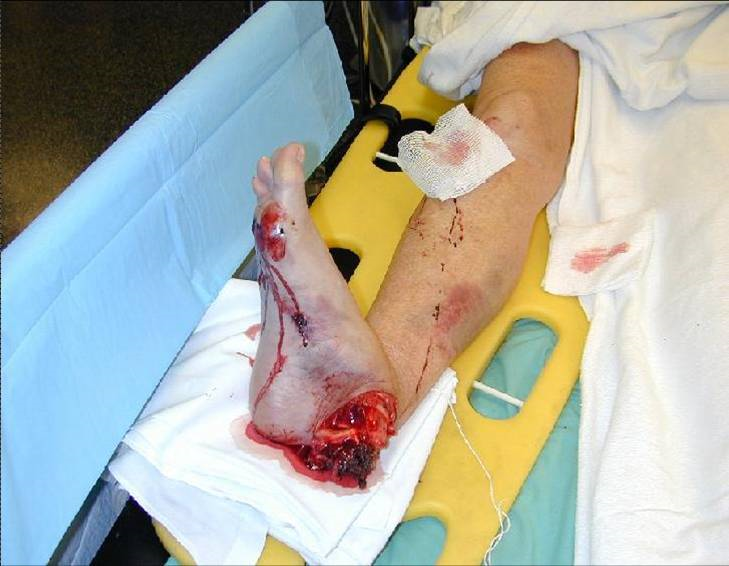
BOARD CERTIFICATION EXAM STUDY GUIDES Lower Extremity Trauma
[Click on Image to Enlarge]
ME-P Free Advertising Consultation
The “Medical Executive-Post” is about connecting doctors, health care executives and modern consulting advisors. It’s about free-enterprise, business, practice, policy, personal financial planning and wealth building capitalism. We have an attitude that’s independent, outspoken, intelligent and so Next-Gen; often edgy, usually controversial. And, our consultants “got fly”, just like U. Read it! Write it! Post it! “Medical Executive-Post”. Call or email us for your FREE advertising and sales consultation TODAY [678.779.8597] E-mail: MarcinkoAdvisors1738@outlook.com
Medical & Surgical e-Consent Forms
ePodiatryConsentForms.com
iMBA Inc., OFFICES
Suite #5901 Wilbanks Drive, Norcross, Georgia, 30092 USA [1.678.779.8597]. Our location is real and we are now virtually enabled to assist new long distance clients and out-of-town colleagues.
ME-P Publishing
SEEKING INDUSTRY INFO PARTNERS?
If you want the opportunity to work with leading health care industry insiders, innovators and watchers, the “ME-P” may be right for you? We are unbiased and operate at the nexus of theoretical and applied R&D. Collaborate with us and you’ll put your brand in front of a smart & tightly focused demographic; one at the forefront of our emerging healthcare free marketplace of informed and professional “movers and shakers.” Our Ad Rate Card is available upon request [678-779-8597].
Posted on May 10, 2022 by Dr. David Edward Marcinko MBA MEd CMP™
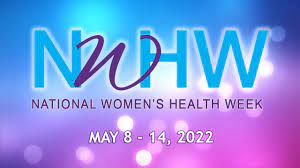
MAY 8 – 14th, 2022
By Staff Reporters
***
***
Prioritizing your health – both physical and mental – has never been more important. Over the past few years, many women have put off taking care of their general health and wellness needs. They have adjusted their daily routines, including the way they connect with family and friends. The combination has led to serious health problems for some women.
Posted on May 10, 2022 by Dr. David Edward Marcinko MBA MEd CMP™
By Staff Reporters
***
Bitcoinis now almost 50% off its all-time high. If bitcoin is a store of value, it certainly hasn’t proven itself yet. With bitcoin’s price falling below $30,000 for the first time since July 2021, at least 40% of bitcoin investors are underwater.
***
***
Markets: The S&P fell below 4,000 points for the first time in more than a year as inflation concerns trampled a day down on Wall Street. Big Tech companies lost more than $1 trillion in market value over the past three trading sessions alone.
Posted on May 10, 2022 by Dr. David Edward Marcinko MBA MEd CMP™
Altered and Poorly Written Rx for Vicodin
By Dr. David Edward Marcinko MBA
***
***
Poorly-written Rx for vicodin
Drug: Rx Vicodin
Disp: # 10
Sig: Take I, as needed for pain.
Refills: 1 2 3 4 or 5
AM2685591
David Edward Marcinko, MBBS DPMMBA
The patient abuser may change drug quantity numbers, copy or remember the doctors’ DEA number, or take extra Rx pads. For this reason, a physician’s Rx pad should contain his/her name, address and telephone number. The doctor’s DEA number should not be pre-printed on the pad, for fear of mis-use.
Example:
Increase the quantity 10, to 100, by adding a zero, so that the additional capsules can be used, sold or bartered with on the street.
Change the directions to take 2 capsules, rather than 1 in order to produce greater euphoria.
Increase the Rx refills, from one to two, by extending the underline, or checking an additional quantity box.
Pre-printed DEA number can be stolen, sold or reused.
Pre-printed (not original) physician signature can be reproduced and widely distributed for more prescriptions.
Altered Rx for vicodin
Drug: Rx Vicodin
Disp: # 100
Sig: Take II, as needed for pain.
Refills: 1 2 3 4 or 5
AM2675591
David Edward Marcinko, MDBBS DPM MBA
The doctor drug addict, or a doc in need of funds, may write for more narcotic agent than needed, and receive the additional pills back from the patient-shill for personal consumption, sell them on the street himself for money, or receive a monetary kickback from the patient-shill.
A pharmacist may also indirectly alter a prescription using the above methods, or simply short-change the patient with fewer narcotic capsules than the prescription intends. This is more difficult to do with pills or tablets in the out patient setting, but easy to do in the in-patient setting when liquid IV drugs are used, by dilution and placing less than the full amount in IV bottles or bags. The harm to patients, of course, may be fatal.
Well-written Rx for vicodin
Drug: Rx Vicodin
Disp: # 10 (ten) capsules
Sig: Take one or two capsules, po, prn pain.
Refills: 1 2 3 4 or 5
AM2685591
David Edward Marcinko, MBBS DPM MBA
Example:
Drug quantity can-not be changed.
Directions can-not be changed. Route of administration (by mouth) indicated.
Rx refills clearly indicated.
Handwritten, not pre-printed, DEA number.
Original physician signature, only.
Doctor Rx prescription abuse foibles are legendary in the DEA and include a Maryland podiatrist who wrote prescriptions for more than 1,235 Mepergan Fortis capsules ostensibly for his wife following minor foot surgery. Or, the Florida physician who prescribed more than 2,150 Vicodin capsules for a patient with whom he was having an extra-marital affair in order that his consort not disclose the fling to his wife. Or, the osteopath from New Jersey who wrote more than 100 narcotic prescriptions every 8 hour day, for more than a year, to any patient standing in a line in front of his office. And, finally the California dentist whose excuse for writing more than 1,845 narcotic tablet prescriptions in a six month period for the same patient was that they would be needed in his next reincarnation. Yes, all of these incidents are laughable if not for their serious consequences to the involved individuals, and society, alike. The bastards!
Fortunately, unlike drug local domestic drug kingpins or international narco-traffickers who ply their trade virtually undetected, these naive white-collared nerds, always get caught by the Drug Enforcement Agency. Their Rx abuse tactics are so amateurish!
Posted on May 9, 2022 by Dr. David Edward Marcinko MBA MEd CMP™
***
By Staff Reporters
***
***
• 108,700 additional physicians became employees of hospitals or other corporate entities – 83,000 of that shift occurred after the onset of COVID-19. • Hospital and other corporate entities acquired 36,200 additional physician practices over the three-year period, resulting in a 38% increase in the percentage of corporate owned practices. • 58,200 additional physicians become hospital employees – 51,000 of that shift occurred after the onset of COVID-19. • 50,500 additional physicians became employees of corporate entities – 32,000 of that shift occurred after the onset of COVID-19.
Posted on May 9, 2022 by Dr. David Edward Marcinko MBA MEd CMP™
***
By Dr. David Edwarrd Marcinko MBA
Rx DRUG ABUSE
Traditional medicinal agents come in a variety of ways, known as dispensing vehicles. Drugs may be in liquid, pill or inject able form, they may be compounded in capsules, caplets, gelatin tablets, powders or suppositories, or they may come in creams or ointments for the eye, anus and vagina. They may be ingested into the stomach, placed and dissolved under the tongue, put into the eyes, popped, injected or smeared and transported through the human skin from patches.
A valid drug prescription is a written order, by a doctor, to a pharmacist. In this country, prescriptions are written by physicians, podiatrists, osteopaths, dentists. and some optometrists, physician assistants and nurse practitioners. In addition to the name of the patient and that of the medical prescriber, the prescription contains the name of the drug (not necessarily a narcotic), its quantity, instructions to the pharmacist, and directions to the patient. Narcotic prescriptions may not be prescribed to a drug addict to prevent withdrawal symptoms, as there must be some other therapeutic purpose for such an order.
The art of medicinal prescription writing, and pharmaceutical compounding, has declined in modern medicine for several reasons. Most drugs are made by pharmaceutical companies, and the role of the pharmacist, in most cases, consists only of compounding and error prevention. Many drugs are even automatically dispensed, and tracked, in the hospital setting with bar coding technology and modern inventory tracking mechanisms. Also, the practice of writing long and complicated prescriptions, containing many active ingredients, adjuvants, correctives, and elegant vehicles, has been abandoned in favor of using pure compounds.
Drugs may be prescribed by their official names, which were first given by the United States Pharmacopeia (USP), in 1920, or by the National Formulary (NF), since 1906. Unofficial or generic names may be used, known as New and Non-Official Drugs (NND) or by the United States Adopted Names (USAN), or by the manufactures trade name. For example, the generic narcotic meperidine or pithidine, is also known by the trade named, demerol. The designation USAN does not imply endorsement by the American Medical Association (AMA) Council on Drugs (CODs), or by the USP.
Of course, there is an advantage and disadvantages to prescribing drugs by their trade name, or generic names. Advantages of generics include economies of scale for both the patient and pharmacist, and although the active ingredient in generics are identical to trade drugs, they are often less expensive since research and development costs are absent, and various binders, colorizing agents, preservatives or dispersing agents are of an inferior quality, and hence cheaper for the patient. Appearance, size and taste issues are common. For the pharmacist, generics are cheaper since a multiplicity of very similar drugs need not be shelved.
***
***
For example, the tablet or capsular form of many drugs contains inactive ingredients, such as: ammonio methacrylate copolymer, hydroxypropyl methylcellulose, lactose, magnesium stearate, povidone, redironoxide, stearyl alcohol, talc, titanium dioxide, triacetin, yellowironoxide, yellowironoxide with FD&C blue No.2 (80 mgstrengthtablet only), FD&C blue No.2 and other ingredients. And yes, I’ve seen an addict do into shock, or die from acute anaphylaxis, after taking drugs containing ingredient he was highly allergic to.
Shock is a life-threatening condition where blood pressure falls too low to sustain life. It occurs when low blood volume (due to severe bleeding, excessive fluid loss or inadequate fluid uptake), inadequate pumping action of the heart or excessive dilation of the blood vessel walls (vasodilation) causes low blood pressure. This in turn results in inadequate blood supply to body cells, which can quickly die or be irreversibly damaged.
Anaphylactic shock is the severest form of allergy that is a medical emergency. It is a Type I reaction according to the Gell and Coombs medical classification, and is often severe and sometimes fatal systemic reaction in a susceptible individual upon exposure to a specific antigen (such as wasp venom or penicillin) following previous sensitization, or drug use. Characterized especially by respiratory symptoms, fainting, itching, itching and swelling of the throat or other mucous membranes and a sudden decline in blood pressure! The victim literally cannot breathe and drowns in its own congested and fluid filled lungs
So, patients in need of routine drugs for acute or chronic conditions like arthritis, high blood pressure, asthma, acne, hay fever, performance enhancing steroids or, so called life style drugs, like Viagra for a limp woody, or hair growth stimulator Rogaine, may get a good deal by going to Canada or Mexico for generics. But for important drugs, like nitroglycerine fro your heart, blood thinner coumadin, birth control pills or various anti-cancer agents, stick with brand names.
The main disadvantage of trade drugs is increased cost, due to R & D, patents, trademarks, marketing and company advertising expenses. Of course, trade drug are first to market, and hence may be beneficial as a new treatment modality, or injurious if significant side affects or other complications arise.
Today, the prime source for drug information is probably the well known, Physicians Desk Reference (PDR). Now, in its 58th edition, the PDR® provides the latest information on prescription, but not illegal street drugs. It is considered the standard reference that can be found in virtually every physician’s office, hospital and pharmacy in the United States. The current edition is over 3,000 pages long, and is where you can find data on more than 4,000 drugs, by brand and generic name, manufacturer and product categories. The PDR also provides usage information and warnings, drug interactions, plus full-size, full-color photos cross-referenced to specific drugs. For the layman, it also includes: phonetic spelling for each listing, a key to controlled substances, adverse reactions and contraindications, pregnancy ratings, dosages and all other FDA-required information. Of course, on the street, or in Mexico, none of this information matters.
Latin abbreviations, sometimes still used by doctors on prescription blanks include:
Rx = take thou (receipe)
po = by mouth (para orbis)
prn = as needed (pro re’nata)
hs = at bed time (hora somnae)
BID = twice daily
TID = three times daily
QID = four times daily
M = Mix
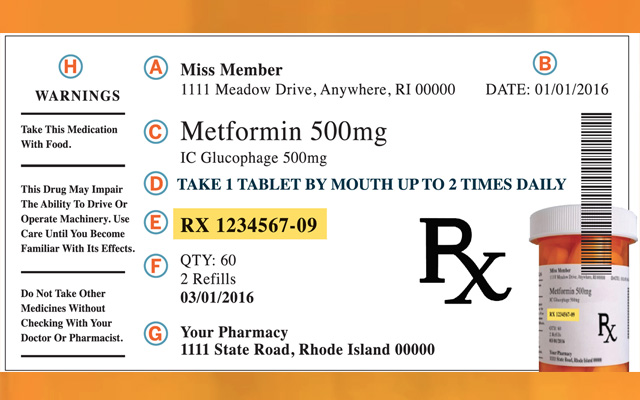
Traditionally, a medical prescription is written in a certain order, well known to drug abusers, and DEA agents, and consist of six basic parts:
Superscription: This is the Rx, or recipe. In Latin it means take thou.
Inscription: Represents the ingredients and amounts.
Subscription: Represent the description for drug dispensing, and may be represented by the letter M, for mix.
Signature: Often abbreviated as Sig, and contains the directions for patient use.
Refill Status: Indicates the number of refills allowed.
DEA Number: This is nine-character alpha-numeric sequence, used by all licensed physicians who prescribe narcotic agents. An example is AM2685591. The second letter is the first letter of the doctor’s last name, (ie, Marcinko) and the first two digits add up to the third (ie, 2+6=8).
Finally, in addition to the basic parts of a prescription, it should have the patient’s name, and physician signature written in ink, followed by degree designation, such as MD, DPM, DO or DDS, etc.
***
***
Perhaps the most egregious narcotic prescribing habits recently encountered by DEA agents have been by doctors of all degrees and medical designations. Reasons are generally two-fold. First, the doctor may become a drug addict himself, either by accident or through initial legitimate therapeutic use, and over-prescribe the narcotics. Or, increasing office costs, and decreased reimbursement fee reductions of many managed medical care have so economically destabilized the medical community, that economically impoverished doctors desperately sell prescriptions to finance their personal lifestyles, automobiles, clothes, fancy vacations or own addictions.
For example, a staggering medical student loan debt burden of $100,000-$250,000 is not unusual for new practitioners. In fact, the federal Health Education Assistance Loan (HEAL) program reported that for the Year 2001, it squeezed significant repayment settlements from its Top 5 list of deadbeat doctor debtors. This included a $303,000 settlement from a New York dentist, $186,000 from a Florida osteopath, $158,000 from a New Jersey podiatrist, $128,000 from a Virginia podiatrist, and $120 from a Virginia dentist. The agency also excluded 303 practitioners from Medicare, Medicaid and other federal healthcare programs and had their cases referred for non-payment of debt.
These facts indicate that the current healthcare reimbursement climate has caused more pain and tumult to doctors than the pubic realizes. Older medical practitioners are retiring prematurely, mature providers are frustrated and in despair, and young physicians have no concept of the economic servitude to which they are about to be subjected. Frustration is high and physician suicides have been documented. Many doctors get divorced at the start of their careers. Even the U.S. Inspector General has declared healthcare providers to be public enemy #2,behind international narco-traffickers, for their federal drug, fraud and abuse initiatives. Still, the statistic above lends itself to narcotic drug prescription abuse, either on the part of the doctor or patient, since only these two parties that can directly alter a prescription for illicit drug use, as illustrated by this poorly written prescription for a narcotic pain killer, vicodin.
Posted on May 7, 2022 by Dr. David Edward Marcinko MBA MEd CMP™
***
***
Markets: All three indexes closed lower (the Dow’s sixth-straight week) following the FOMC’s guidance on future interest rate hikes. Peloton shares fell to a record low yesterday with new CEO Barry McCarthy’s revival plan not inspiring confidence.
Economy: The April jobs report showed a labor market that continues to chug along. US employers added a more-than-expected 428,000 jobs and the unemployment rate remained low at 3.6%. The economy has recovered almost 95% of the jobs lost due to Covid pandemic.
Posted on May 6, 2022 by Dr. David Edward Marcinko MBA MEd CMP™
By Staff Reporters
***
Markets: After booming stocks had their worst day of the year because of raging inflation, slowing economic growth, and a potential recession.
Crypto: Bitcoin and other major cryptos like ethereum also tumbled in the aftermath of the FOMC announcement. They’ve typically tracked the performance of growth stocks, which have gotten hammered on the prospect of higher interest rates.
***
Almost every major online retailer reporting earnings with signs of a decline:
Wayfair shares cratered nearly 26% yesterday after announcing that its active customer count dropped 23.4% from a year ago.
Bed Bath & Beyond reported an 18% nosedive in online sales.
Etsy and eBay shares both dropped by double digits yesterday after giving weak guidance for the current quarter.
At least five senior executives from Meta’s fledgling e-commerce division have fled in the last six months.
Shopify shares plummeted about 15% on Thursday after posting much lower-than-expected earnings.
Posted on May 6, 2022 by Dr. David Edward Marcinko MBA MEd CMP™
Advancing Medical Practice Success with Strategic Relationships
By Staff Reporters
To be efficient in healthcare delivery today, doctors must partner and understand the resources and affiliations that are available to them. Here is a brief list of several healthcare trade associations and leading industry vendors submitted for your review.
AHIMA
The American Health Information Management Association (AHIMA) is the premier association of health information management professionals. AHIMA’s 51,000 members are dedicated to the effective management of personal health information needed to deliver quality healthcare to the public. Founded in 1928 to improve the quality of medical records, AHIMA is committed to advancing the health information management profession in an increasingly electronic and global environment through leadership in advocacy, education, certification, and lifelong learning.
EHRA
HIMSS EHRA is a trade association of Electronic Health Record (EHR) vendors that addresses national efforts to create interoperable EHRs in hospital and ambulatory care settings. HIMSS EHRA operates on the premise that the rapid, widespread adoption of EHRs will help improve the quality of patient care and the productivity of the healthcare system. The primary mission of the association is to provide a forum for the EHR vendor community relative to standards development, the EHR certification process, interoperability, performance and quality measures, and other EHR issues that may become the subject of increasing government, insurance and physician association initiatives and requests.
HIMSS
HIMSS (Healthcare Information and Management Systems Society) is the healthcare industry’s membership organization exclusively focused on providing leadership for the optimal use of healthcare information technology and management systems for the betterment of human health. Founded in 1961 with offices in Chicago, Washington D.C., and other locations across the country, HIMSS represents approximately 17,000 individual members and some 275 member corporations that employ more than 1 million people. HIMSS frames and leads healthcare public policy and industry practices through its advocacy, educational and professional development initiatives designed to promote information and management systems’ contributions to ensuring quality patient care.
HITSP
The Healthcare Information Technology Standards Panel serves as a cooperative partnership between the public and private sectors for achieving a widely accepted and useful set of standards specifically to enable and support widespread interoperability among healthcare software applications, as they will interact in a local, regional, and national health information network for the United States. Comprised of a wide range of stakeholders, the Panel will assist in the development of the U.S. Nationwide Health Information Network (NHIN) by addressing issues such as privacy and security within a shared healthcare information system. The Panel is sponsored by the American National Standards Institute (ANSI) in cooperation with strategic partners such as the Healthcare Information and Management Systems Society (HIMSS), the Advanced Technology Institute (ATI), and Booz Allen Hamilton. Funding for the Panel is being provided via the ONCHIT contract award from the U.S. Department of Health and Human Services.
HL7
Health Level Seven is an American National Standards Institute (ANSI)-accredited Standards Developing Organization (SDO) operating in the healthcare clinical and administrative data arena. It is a not-for-profit volunteer organization made up of providers, vendors, payers, consultants, government groups, and others who develop clinical and administrative data standards for healthcare. Health Level Seven develops specifications; the most widely used being a messaging standard that enables disparate healthcare applications to exchange keys sets of clinical and administrative data.
MSHUG
Microsoft Healthcare Users Group (MS-HUG) unified with the Healthcare Information and Management Systems Society (HIMSS) as part of the HIMSS Users Group Alliance Program in October 2003. The unification strengthens the commitment of HIMSS and MS-HUG to better serve their members and the industry through a shared strategic vision to provide leadership and healthcare information technology solutions that improve the delivery of patient care.
WEDI
The Workgroup for Electronic Data Interchange [WEDI’s] goal is to improve the quality of healthcare through effective and efficient information exchange and management. They aim to provide leadership and guidance to the healthcare industry on how to use and leverage the industry’s collective knowledge, expertise, and information resources to improve the quality, affordability, and availability of healthcare.
Assessment
As the health information technology industry evolves, we will continue to contribute our expertise to foster ideas that shape the future of healthcare by offering more examples similar to the above.
Conclusion
And so, your thoughts and comments on this Medical Executive-Post are appreciated. Who did we miss? Feel free to review our top-left column, and top-right sidebar materials, links, URLs and related websites, too. Then, be sure to subscribe
Speaker: If you need a moderator or speaker for an upcoming event, Dr. David E. Marcinko; MBA – Publisher-in-Chief of the Medical Executive-Post – is available for seminar or speaking engagements. Contact: MarcinkoAdvisors@msn.com
OUR OTHER PRINT BOOKS AND RELATED INFORMATION SOURCES:
Marthe Gautier (10 September 1925 – 30 April 2022) was a French medical doctor and researcher, best known for her role in discovering the link of diseases to Down’s Syndrome and chromosome abnormalities
Posted on May 4, 2022 by Dr. David Edward Marcinko MBA MEd CMP™
By Staff Reporters
***
Markets: Led by energy, stocks posted their second straight day of gains. But some see danger ahead given the FOMC raising interest rates with slowing growth [stagflation]. Hedge fund billionaire Paul Tudor Jones told CNBC, “You can’t think of a worse environment than where we are right now for financial assets.”
Posted on May 3, 2022 by Dr. David Edward Marcinko MBA MEd CMP™
By Staff Reporters
***
17% of Healthcare Execs Said AI Would Affect Financial Outcomes
• 60% of respondents expect AI to impact clinical outcomes. • 17% said AI would affect financial outcomes. • 13% said AI would impact their operation outcomes. • 9% said AI would impact administrative outcomes. • 61% of executives hope to bring about a complete digital transformation in their organizations within three to five years.
Posted on May 3, 2022 by Dr. David Edward Marcinko MBA MEd CMP™
***
By Staff Reporters
***
Markets: Stocks rallied very late in the day to close in the positive green. It may be the start of a turnaround or just a rest before they resume their decline.
Bonds: Over in the bond market, the yield on the 10-year Treasury note touched 3% for the first time since 2018, continuing an upward trend that coincides with the Fed’s move to raise interest rates and shrink its balance sheet.
Economy: The US economy is projected to recover all of the 22 million jobs it lost at the beginning of COVID by this summer, according to Fitch Ratings. Back in the fall of 2020, Moody’s warned that the US wouldn’t recoup all of those jobs until 2024.
Posted on May 3, 2022 by Dr. David Edward Marcinko MBA MEd CMP™
RIP NAOMI JUDD
[Original Rebroadcast]
The Common Bridge by Rick Helppie
Mental Health, Jury Bias, and Judicial Reform, with the Honorable Milton L. Mack Jr.
Rich brings back the Honorable Milton L. Mack, Jr. for a discussion on Mental Health, Jury Bias, and Judicial Reform. Judge Mack has been a leading voice on how mental health issues affect over half of the court cases in the US and how this needs to be addressed in judicial reform. He has also been on the forefront of bringing cutting edge technology into the courtroom.
Posted on May 2, 2022 by Dr. David Edward Marcinko MBA MEd CMP™
By Staff Reporters
***
***
DEFINITION: In corporate finance, a tender offer is a type of public takeover bid. The tender offer is a public, open offer or invitation (usually announced in a newspaper advertisement) by a prospective acquirer to all stockholders of a publicly traded corporation (the target corporation) to tender their stock for sale at a specified price during a specified time, subject to the tendering of a minimum and maximum number of shares.
In a tender offer, the bidder contacts shareholders directly; the directors of the company may or may not have endorsed the tender offer proposal.
The U.S. government is the largest payor of medical costs, through Medicare and Medicaid, and has a strong influence on reimbursement for home healthcare services. In 2020, Medicare and Medicaid accounted for an estimated $829.5 billion and $671.2 billion in healthcare spending, respectively. The outsized prevalence of these public payors in the healthcare marketplace often results in their acting as a price setter, and being used as a benchmark for private reimbursement rates. This effect may be even stronger in the home health industry.
The third installment of this home health valuation series will discuss the reimbursement environment in which these organizations operate. (Read more…)
Posted on April 30, 2022 by Dr. David Edward Marcinko MBA MEd CMP™
***
By Staff Reporters
***
DEFINITION:
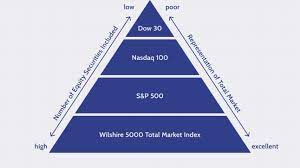
In finance, a stock index, or stock market index, is an index that measures a stock market, or a subset of the stock market, that helps investors compare current stock price levels with past prices to calculate market performance.
The Dow Jones Industrial Average DJIA, -2.77% dropped 939.18 points, or 2.8%, to close at 32,977.21.
The S&P 500 SPX, -3.63% dropped 155.57 points, or 3.6%, to finish at 4,131.93, re-entering correction territory.
The NASDAQ Composite COMP, -4.17% shed 536.89 points, or 4.2%, to end at 12,334.64.
Ironically, on Thursday, the Dow rose 614.46 points, or 1.9%, while the S&P 500 gained 2.5% and the NASDAQ Composite jumped 3.1%. The Dow and S&P 500 marked their best daily percentage climbs since March 9, while the NASDAQ saw its best day since March 16th, according to Dow Jones Market Data.
For the week, the Dow dropped 2.5%, the S&P 500 slumped 3.3% and the tech-laden NASDAQ lost 3.9%. In April, the Dow fell 4.9%, the S&P 500 tumbled 8.8% and the NASDAQ plunged 13.3%.
SCM: Supply chain bottlenecks are still stinging corporate giants. With China locking down cities at the first trace of Covid, American companies whose products are made in Chinese factories aren’t able to fulfill orders. Apple said Thursday that it would face up to $8 billion in losses due to restrictions in Shanghai.
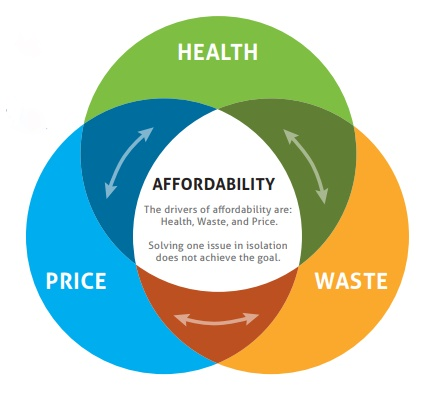
• 56% of the U.S. adult population report no recent occurrences of being unable to afford care or prescribed medicine. • 36% of the U.S. adult population report recent occurrences of being unable to pay for care or medicine or lack easy access. • 8% of the U.S. adult population report recent occurrences of being unable to pay for household care, being unable to pay for prescribed medicine and feeling that they would not have access to affordable quality care if needed today.
Posted on April 29, 2022 by Dr. David Edward Marcinko MBA MEd CMP™
***
By Staff Reporters
The Big Tech earnings boom is officially over, but some of the world’s most powerful and valuable companies are breaking off from the pack.
***
***
According to MarketWatch, profit increases are no longer a given for Big Tech. Collectively, Alphabet Inc. GOOGL, +3.70%GOOG, +3.82%, Amazon.com Inc. AMZN, +4.65%, Apple Inc. AAPL, +4.52%, Meta Platforms Inc. FB, +17.59% and Microsoft Corp. MSFT, +2.26% saw profit fall more than 17% year-over-year in the first quarter in earnings reports delivered this week, as they lapped the end of a pandemic boom that brought record results. But only three of the five actually saw earnings decrease individually, as Amazon’s surprising loss swayed the collective results.
But, it wasn’t good for the company Teladoc, which is one of investor Cathie Wood’s biggest holdings. Teladoc plunged 40% on a gloomy forecast. The pandemic winner is now down nearly 90% from its high in February 2021.
Posted on April 29, 2022 by Dr. David Edward Marcinko MBA MEd CMP™
By Staff Reporters
***
Medicare Advantage Organizations (MAOs) delayed or denied payments and services to patients, even when these requests met Medicare coverage rules, according to a report released by federal investigators on Thursday.
Posted on April 28, 2022 by Dr. David Edward Marcinko MBA MEd CMP™
***
By Eric Bricker MD
***
According to One Survey, only 4% of People Understand the Basic Insurance Terms of Deductible, Co-Insurance, Copay and Out-of-Pocket Maximum.
In Another Survey by United Healthcare Itself, Only 9% Understood the Terms Premium, Deductible, Co-Insurance and Out-of-Pocket Max.
This Lack of Understanding is Not the Fault of the Employee Benefits Professionals or the Employees… Rather, the Health Insurance Plan Designs Are Just Too Complicated.
Posted on April 27, 2022 by Dr. David Edward Marcinko MBA MEd CMP™
By Staff Reporters
***
***
The Dow Jones Industrial Average fell 809 points, or 2.4 percent today, as investors sold stock amidst concerns of coming recession.
The Dow faced a significant decline since trading opened. By the market’s close, it had reached one of its lowest closing values in the past year. Similar declines were observed on other market indices – including the S&P 500, which fell by 2.8 percent, and the NASDAQ Composite (comprising technology company stock), which lost 4 percent of its value.
The National Review and most experts ascribed the loss to stocks by big technology companies, whose increases in value have come to represent a sizeable portion of market indices. Alphabet, Apple, Microsoft, and Twitter all declined by several points. Each of these companies was due to present earnings reports after the close of trading, which investors did not expect to bode well.
Alphabet, in particular, announced slower sales growth and a drop in earnings from ad-revenue on Google and its other platforms. Netflix, which reported a decline in subscribers on Friday, had previously experienced a 30 percent decline in its stock price amounting to a loss of $54 billion.
Posted on April 26, 2022 by Dr. David Edward Marcinko MBA MEd CMP™
***
By Staff Reporters
***
***
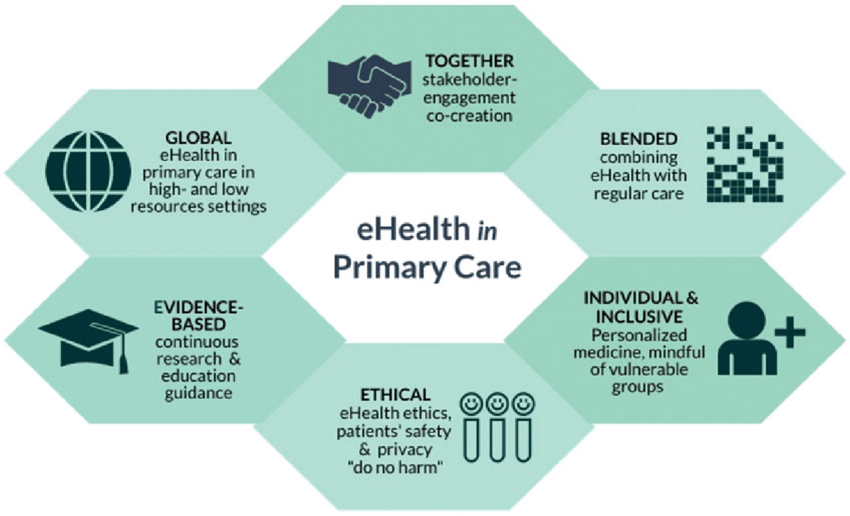
e-Health: Three Highlights
• $6 per month is the average Medicare Advantage premium for plans selected by eHealth shoppers, up from $5 last year (a majority choose $0-premium plans); $22 per month is the average Part D plan premium, up from $20 last year. • Medicare Advantage enrollees are paying deductibles 4% higher than last year ($121 vs. $116), while Part D plan enrollees have deductibles 7% higher than last year ($427 vs. $400). • The average annual out-of-pocket limit for people selecting Medicare Advantage plans decreased 5% for 2022, from $5,367 to $5,108.
Posted on April 26, 2022 by Dr. David Edward Marcinko MBA MEd CMP™
By Staff Reporters
***
***
Dogecoin jumped more than 17% Monday following several reports that Twitter is poised to accept Elon Musk’s $43 billion bid, with the potential for the two parties to finalize a deal as soon as Monday. The meme token DOGEUSD, -3.99% gained 14% over the past 24 hours, trading at around $0.15, according to CoinDesk data. Still, it is down about 80% from its all-time high in May 2021.
Bitcoin BTCUSD, 0.88% was trading 0.02% lower from 24 hours ago to around $39,407. Ether ETHUSD, 0.22% was trading at around $2,928, up 0.1%, according to CoinDesk data.
And, after Musk, chief executive at Tesla TSLA, -0.70%, made a bid on April 14 to buy the remainder of Twitter TWTR, +5.66% stock that he didn’t already own at $54.20 per share without saying how he would pay for it, the social media giant’s board had been expected to reject Musk’s offer, as it adopted a so-called “poison pill” plan. However, the company took a dramatic turn after Musk said last week he lined up $46.5 billion in financing, The Wall Street Journal reported. Deal later done!
According to MarketWatch, Dogecoin supporters are hoping that Musk, the long-time backer for the Shiba Inu-themed token, could boost its usage after he takes over the social media platform.
Posted on April 25, 2022 by Dr. David Edward Marcinko MBA MEd CMP™
By Staff Reporters
***
***
After last week’s sharp decline, the S&P is down 5.7% so far in April and is on track for its worst monthly drop since March 2020, when the spreading COVID-19 pandemic blasted stocks.
And, battered U.S. stocks are facing a potentially painful stretch in the weeks ahead as hawkish Federal Reserve policy, rising bond yields, geopolitical uncertainty and the corporate earnings season fuel investor unease. For example:
REPORTINGCOMPANIES:
Monday: Germany business climate; Earnings from PepsiCo and Whirlpool
Tuesday: US consumer confidence; Earnings from 3M, General Electric, JetBlue, UPS, Warner Bros. Discovery, Alphabet, General Motors, Mondelez, Microsoft and Visa
Wednesday: Earnings from Boeing, Harley-Davidson, Kraft Heinz, Spotify, Ford Motor, Mattel, Meta and PayPal
Thursday: Bank of Japan policy decision; US first quarter GDP; Earnings from Caterpillar, Altria, Domino’s Pizza, Mastercard, Twitter, Amazon, Apple, Intel, Roku and Robinhood
Friday: Europe first quarter GDP and inflation data; US personal income and spending data; PCE Price Index; Earnings from ExxonMobil and Chevron
One measure of investor anxiety, the CBOE Volatility Index, known as Wall Street’s fear gauge, on Friday notched its largest one-day gain in about five months to close at a five-week high of 28.21.
The S&P 500 dropped and erased earlier gains. The Dow Jones Industrial Average also turned lower. The NASDAQ fell more than 2% and extended losses when the tech-heavy index was weighed down by a slide in Netflix. Meanwhile, Tesla (TSLA) shares rose after the electric vehicle-maker handily exceeded expectations in its fiscal first-quarter results.
***
***
Treasury bond yields climbed after Federal Reserve Chair Jerome Powell suggested the case for front-loading interest rate hikes with 50 basis-point increases in order to quickly address persistent inflationary pressures. San Francisco Federal Reserve President Mary Daly also suggested in an interview with Yahoo Finance that she would back a larger-than-typical 50 basis point interest rate hike following the Fed’s May meeting given current price pressures.
China: The nation’s securities regulator issued investor guidance for the country’s giant social security fund, just as the benchmark CSI 300 Index was heading toward the lowest level since June 2020.
Posted on April 21, 2022 by Dr. David Edward Marcinko MBA MEd CMP™
By Staff Reporters
***
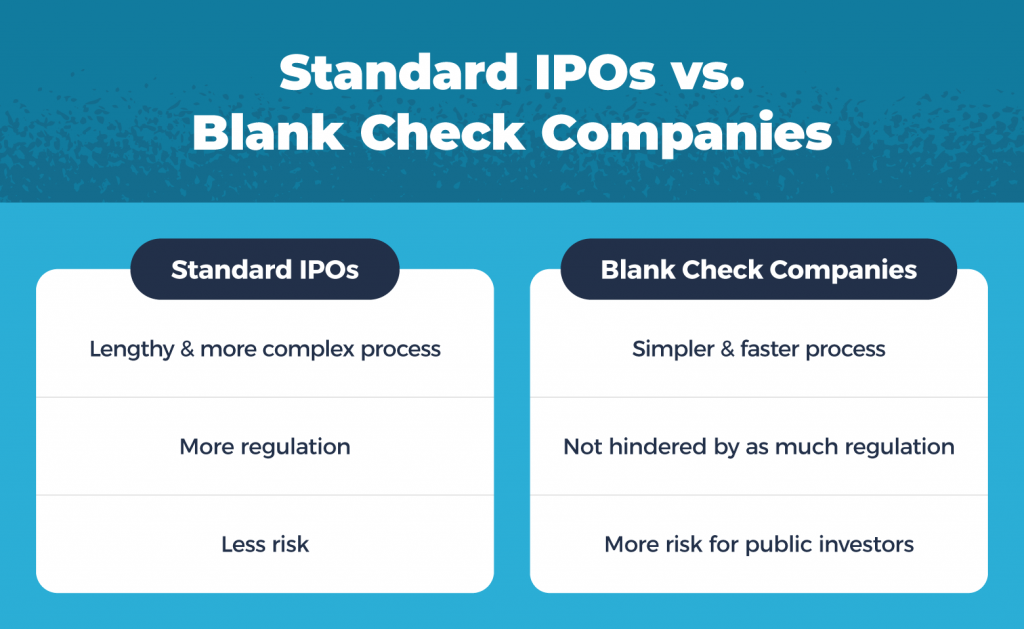
DEFINITION: A blank check company is a development stage company that has no specific business plan or purpose or has indicated its business plan is to engage in a merger or acquisition with an unidentified company or companies, other entity, or person.
Posted on April 20, 2022 by Dr. David Edward Marcinko MBA MEd CMP™
***
***
Q: What is the plan for a future with COVID? A: A new 136-page report written by dozens of experts provides a comprehensive roadmap to the next normal both to address the pandemic and protect against future biosecurity threats. The group identified 12 key areas of focus, including long COVID, equity, and vaccines. The report also addressed concerns about how the end of the pandemic will disrupt the U.S. health care system when policies introduced during the public health emergency come to an end.
Posted on April 20, 2022 by Dr. David Edward Marcinko MBA MEd CMP™
About Four-Twenty Day
[By Anonymous DEA Agent]
Today is … 420, 4:20, or 4/20 (pronounced four-twenty)
And, it refers to consumption of cannabis and, by extension, a way to identify oneself with cannabis subculture. Observances based on the number include the time (4:20 p.m.) as well as the date (April 20).
Again … that’s today as this ME-P was published @ 4:20 p.m., EST!
THE DEA DESTROYS A POT FARM
PHOTOS:
Photo taken after the “grow” was eradicated. There is still no “pot” of gold at the end of the rainbow.
DEA taking one of many seized vehicles/equipment.
The marijuana farm was operating under the name “Brian’s Green Thumb Farm.”
Inside the barn, Agents found rows and rows of drying marijuana.
Over 2,000 pounds of drying marijuana from the barn, bagged and ready for destruction.
Air view of the massive “grow” from the guard tower.
One of two sleeping shelters, each guarding the middle perimeter. In the back, one of four tents, each positioned in the corners for guards.
The plant being ripped out of the ground by the backhoe.
In 2019: Carl’s Jr. was become the first major fast-food chain to debut a cannabis-infused burger.
Conclusion
Your thoughts and comments on this ME-P are appreciated. Feel free to review our top-left column, and top-right sidebar materials, links, URLs and related websites, too. Then, subscribe to the ME-P. It is fast, free and secure.
Speaker: If you need a moderator or speaker for an upcoming event, Dr. David E. Marcinko; MBA – Publisher-in-Chief of the Medical Executive-Post – is available for seminar or speaking engagements. Contact: MarcinkoAdvisors@msn.com
OUR OTHER PRINT BOOKS AND RELATED INFORMATION SOURCES:
Posted on April 19, 2022 by Dr. David Edward Marcinko MBA MEd CMP™
***
***
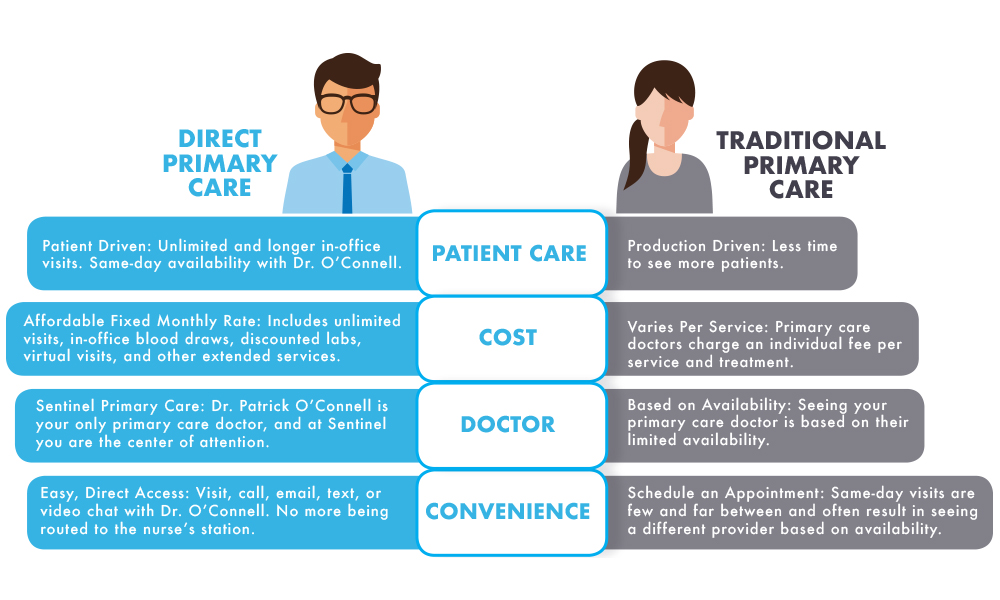
DEFINITION: Direct Medical Specialty Care (DMSC) is an innovative alternative payment model improving access to high functioning healthcare with a simple, flat, affordable membership fee. No fee-for-service payments. No third party billing. The defining element of DPC is an enduring and trusting relationship between a patient and his or her primary care provider. Patients have extraordinary access to a physician of their choice, often for as little as $70 per month, and physicians are accountable first and foremost their patients. DPC is embraced by health policymakers on the left and right and creates happy patients and happy doctors all over the country!
Doug Geinzer, Founder and President of High Performance Providers, specializes in high-cost, steerable surgeries. During the episode, Geinzer and host Chris Habig discuss the direct alignment between the specialty care community and the direct primary care community, as well as Geinzer’s job as a consultant to surgeons.
Posted on April 18, 2022 by Dr. David Edward Marcinko MBA MEd CMP™
By Staff Reporters
***
Winners: While the broader S&P 500 fell in April, the health care, utilities, consumer staples, and real estate sectors have all gained.
Bonds: The 40-year bull market in bonds could be on its last legs as interest rates continue to rise as higher interest rates often translate into lower stock prices. Now the widely-followed 10-year US Treasury yield is pushing against its 40-year downtrend line that starts with the 1981 peak in interest rates of 15.81%.
Ten Year Treasury bond: 2.843%
***
***
If the 10-year US Treasury yield decisively breaks above its 40-year downtrend, that could be seen as the start of a new uptrend, which would mean a continued rise in interest rates and ongoing pressure on stock prices.
But if the 10-year yield gets firmly rejected at the downward sloping trend line, one could expect a continuation of lower interest rates for longer, which could help boost valuations for risk assets and drive stock prices higher.
Covid-19: Cases are rising in more than half of all states due to the new coronavirus subvariant, but White House Covid-19 advisor Dr. Ashish Jha said Sunday the vaccines are still “holding up” against the virus and the new strain does not cause more severe infection.
Posted on April 18, 2022 by Dr. David Edward Marcinko MBA MEd CMP™
Follow The Money!
***
***
By Jonathan Burroughs MD MBA
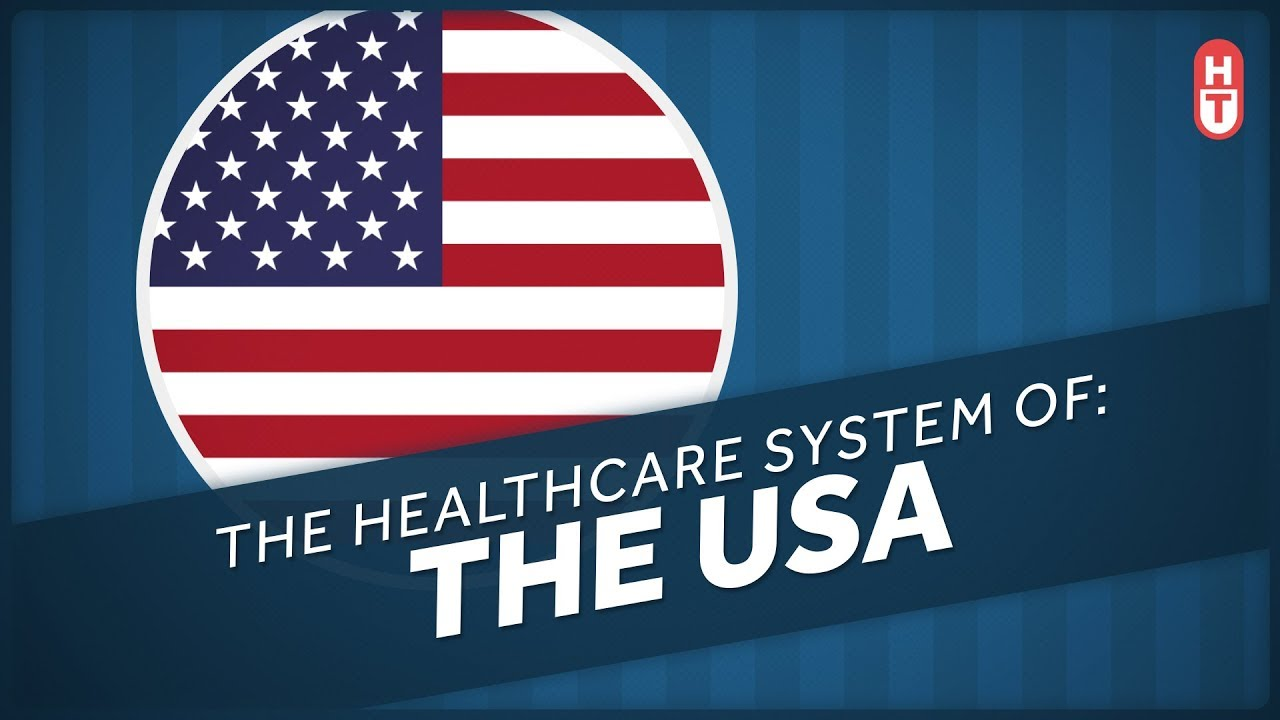
For those seeking to better understand the US healthcare system, national healthcare consultant Dr. Jonathan Burroughs suggests playing a game of “follow the money.” He asserts that whenever healthcare appears illogical, following the money will make it all rational and clear. The U.S. spends 2x as much money as the rest of the industrialized world, yet its citizens do not live as long as they do in 36 other nations. Dr. Burroughs gives an overview on how to fix the system.
Dr. Burroughs has worked with over 1,100 hospitals across the country to help healthcare leaders navigate the 21st century. He is a popular national speaker, who speaks to the impact of healthcare reform on hospitals, physicians and patients. Jonathan is a healthcare legal expert, who has participated in over 65 cases across the country. He is the winner of the James A Hamilton Award in 2016 awarded by the American College of Healthcare Executives titled “Redesign the Medical Staff Model”. This talk was given at a TEDx event using the TED conference format but independently organized by a local community. Learn more at https://www.ted.com/tedx
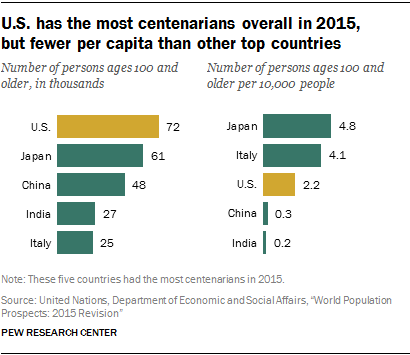
DEFINITION: A centenarian is a person who has reached the age of 100 years. Because life expectancy worldwide are below 100 years, the term is invariably associated with longevity. In 2012, the United Nations estimated that there were 316,600 living centenarians worldwide.
Sto Lat (One Hundred Years) is a traditional Polish song that is sung to express good wishes, good health and long life to a person. It is also a common way of wishing someone a happy birthday in Polish. Sto lat is used in the Spring, many birthdays and on international days of language.
***
***
What Percentage of the Population Lives to 100?
According to the Social Security Administration, the overall chances of living to 100 aren’t actually that great. And, according to the World Economic Forum, there are over 500,000 centenarians among the 7.9 billion people worldwide. That means that only a 0.006% of the population is 100 or more.
Here are a few additional facts from the most recently available information from the Society of Actuaries and the Social Security Administration:
One out of three males and one out of two females who are in their mid-50s today will live to be 90.
For a couple who is 65 today, there is a 50% chance that one person will be alive at 92.
If you have lived to be 65, you will likely live another 20 years, on average.
If you live to be 75, the average life expectancy is 88.
If you live to be 85, the average life expectancy is 92.
And, if you live to be 95, the average life expectancy is 98.
Posted on April 17, 2022 by Dr. David Edward Marcinko MBA MEd CMP™
By staff Reporters
***
39% of Providers Conduct Covid-19 Screens Via Telehealth
In a recent survey providers were asked what types of patient care they deliver via telehealth. The survey found:
• Conduct primary care visits (75%) • Conduct chronic care visits (72%) • Order prescription refills (64%) • Conduct COVID-19 screenings (39%) • Conduct urgent care visits (38%) • Address mental health concerns (36%) • Conduct follow-up after a procedure or surgery care (28%)
Posted on April 14, 2022 by Dr. David Edward Marcinko MBA MEd CMP™
By Staff Reporters
***
***
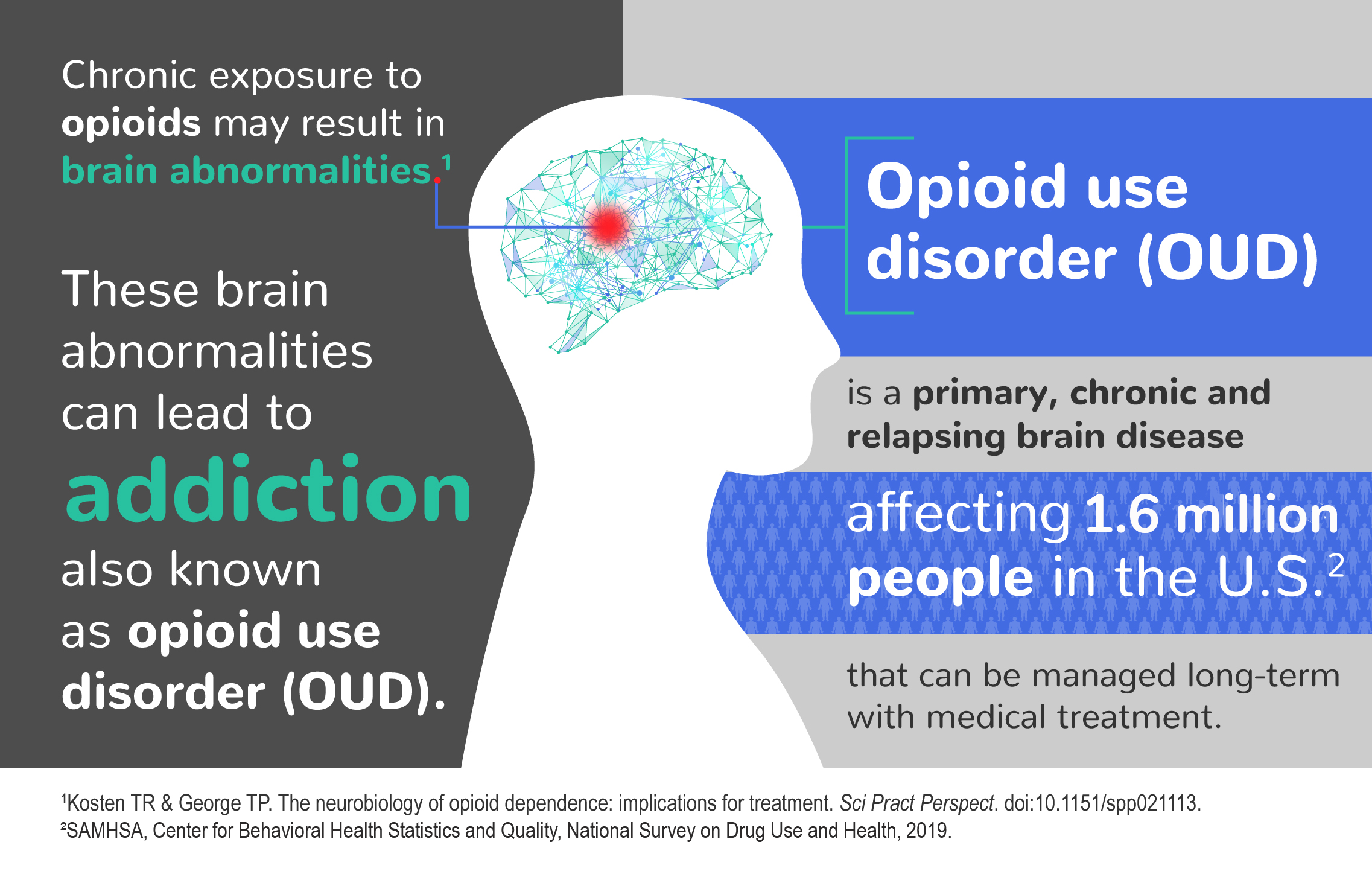
DEFINITION: Physical and psychological reliance on opioids, a substance found in certain prescription pain medications and illegal drugs like heroin.
Opioids are prescribed to treat pain. With prolonged use, pain-relieving effects may lessen and pain can become worse. In addition, the body can develop dependence. Opioid dependence causes withdrawal symptoms, which makes it difficult to stop taking them. Addiction occurs when dependence interferes with daily life. Taking more than the prescribed amount or using illegal opioids like heroin may result in death.
Symptoms of addiction include uncontrollable cravings and inability to control opioid use even though it’s having negative effects on personal relationships or finances.
Treatment varies but may include discontinuing the drug. Medications such as methadone can help alleviate the symptoms of withdrawal and cravings. Pairing medication with inpatient or support programs generally has the most success.
A recent survey of nearly 1,000 patients with opioid use disorder (OUD) about recovery, telehealth, and stigma found in regards to recovery:
• 95% Describe their overall outlook on recovery as positive; just 1% describe as negative. • 76% Report having a strong support system to help navigate treatment. • 43% Returned to treatment immediately after relapse, 34% took over 3 months to start over. • 30% Blame individuals for the opioid crisis (over drug companies, doctors, and the government.)
Posted on April 14, 2022 by Dr. David Edward Marcinko MBA MEd CMP™
By Staff Reporters
***
***
OneNFT: In March 2021, a crypto-currency entrepreneur bought an NFT of Twitter founder Jack Dorsey’s first tweet for $2.9 million. Last week he listed it for $48 million, promising to donate half of the proceeds to charity. But when the auction closed yesterday, the top bid was just … $277.
DEFINITION: NFT stands for non-fungible token. It’s generally built using the same kind of programming as cryptocurrency, like Bitcoin or Ethereum, but that’s where the similarity ends. Physical money and cryptocurrencies are “fungible,” meaning they can be traded or exchanged for one another.
Ten Year Bond Yield: 2.701%
Markets: The S&P and NASDAQ snapped their three-day losing streaks, and airline shares boomed after Delta said it would report a Q2 profit. And, Peloton’s shares are down nearly 30% this year and have lost virtually all of their pandemic gains.
JPMorgan’s profit dropped 42% last quarter and it wrote down almost $1.5 billion in assets it linked to the war in Ukraine and inflation.
Posted on April 13, 2022 by Dr. David Edward Marcinko MBA MEd CMP™
By Staff Reporters
***
***
Markets: Stocks blew a lead in the afternoon for the NASDAQ’s and S&P’s third straight losing session. Blame a red-hot inflation report that took another bite out of stocks.
DIGITS: Money is about to enter a new era of competition and digital technology is poised to change our relationship with money and, for some countries, the ability to manage their economies.
I was recently interviewed by Millennial Investors podcast. They sent me questions ahead of time that they wanted to ask me “on the air”. I found some of the questions very interesting and wanted to explore deeper. Thus, I ended up writing answers to them (I think through writing). You can listen to the podcast here.
By the way, I often get asked how I find time to write. Do I even do investment research? Considering how much content I’ve been spewing out lately, I can understand these questions. In short – I write two hours a day, early in the morning (usually from 5–7am), every single day. I don’t have time-draining hobbies like golf. I rarely watch sports. I have a great team at IMA, and I delegate a lot. I spend the bulk of my day on research because I love doing it.
This is not the first time I was asked these questions. If you’d like to adapt some of my daily hacks in your life, read this essay.
Posted on April 12, 2022 by Dr. David Edward Marcinko MBA MEd CMP™
By Staff Reporters
***
***
Today’s consumer price index [CPI] reading is expected to show that March prices surged 8.4% over last year.
Treasury yields rose and stocks dropped in anticipation of higher interest rates and a cooling economy. The tech-heavy NASDAQ lost more than $1 trillion in market value in just the past five trading sessions.
US average gas prices sank to their lowest level in more than a month, at $4.11 a gallon. The easing is likely a reaction to the White House’s big release of crude reserves and lock-downs in China reducing overall demand for fuel.
US digital health company investment financing experienced a dip in Q1 of 2022, dropping to $6 billion from the $6.7 billion invested in Q1 2021. In addition, the average size of each investment deal dropped from $46 million last year to just shy of $33 million.
Posted on April 10, 2022 by Dr. David Edward Marcinko MBA MEd CMP™
SPUR INNOVATION
The Dallas Morning News Reported that Healthcare Costs Per Capita in the Dallas-Fort Worth Metro Area are Higher than New York City, Houston, Miami, Chicago, Atlanta and Washington, D.C.
Posted on April 9, 2022 by Dr. David Edward Marcinko MBA MEd CMP™
By Staff Reporters
***
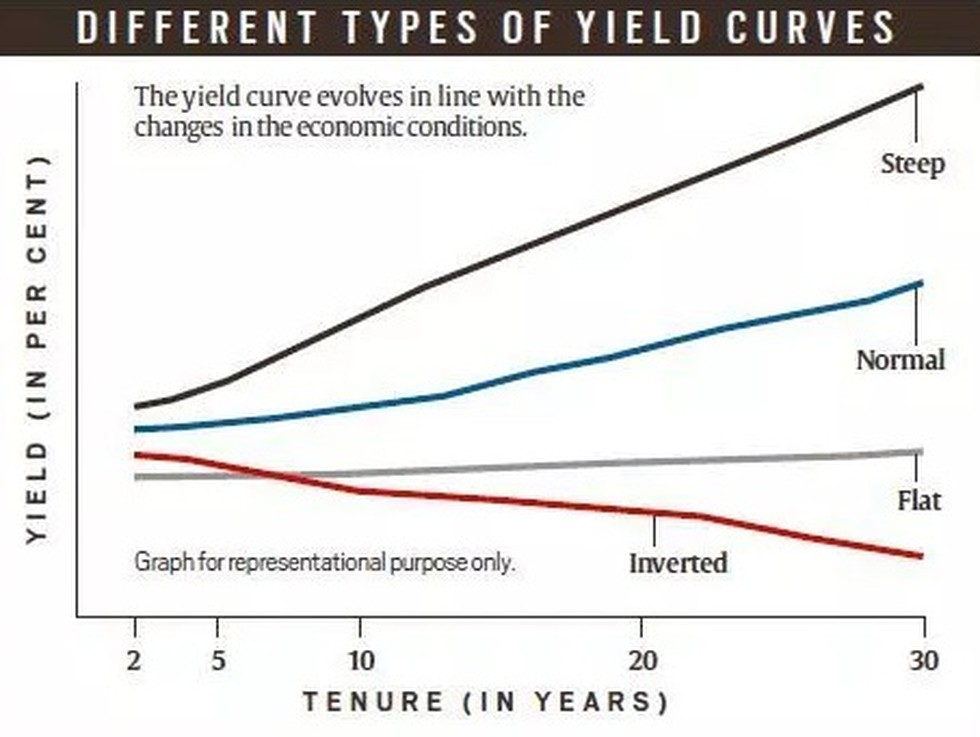
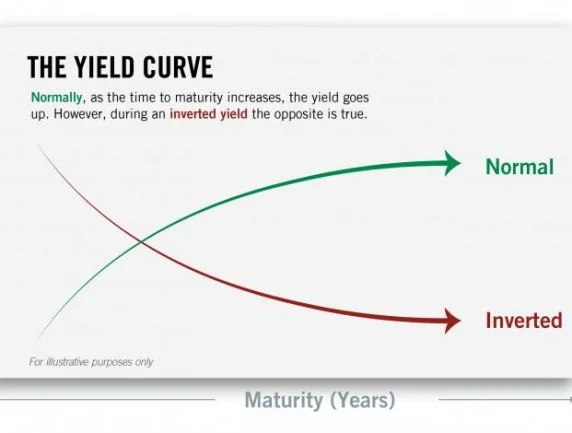
In finance, the yield curve according to Wikipedia is a graph which depicts how the yields on debt instruments – such as bonds – vary as a function of their years remaining to maturity. Typically, the graph’s horizontal or x-axis is a time line of months or years remaining to maturity, with the shortest maturity on the left and progressively longer time periods on the right. The vertical or y-axis depicts the annualized yield to maturity.
Currrently 10 year T-bonds are about 2.7%
***
***
According to finance scholar Dr. Frank J. Fabozzi, investors use yield curves to price debt securities traded in public markets and to set interest rates on many other types of debt, including bank loans and mortgages. Shifts in the shape and slope of the yield curve are thought to be related to investor expectations for the economy and interest rates.
And, Ronald Melicher and Merle Welshans have identified several characteristics of a properly constructed yield curve. It should be based on a set of securities which have differing lengths of time to maturity, and all yields should be calculated as of the same point in time. All securities measured in the yield curve should have similar credit ratings, to screen out the effect of yield differentials caused by credit risk.
For this reason, many physician investors and traders closely watch the yield curve for U.S. Treasury debt securities, which are considered to be risk-free. Informally called “the Treasury yield curve”, it is commonly plotted on a graph such as the one on the right. More formal mathematical descriptions of this relationship are often called the term structure of interest rates.
Posted on April 9, 2022 by Dr. David Edward Marcinko MBA MEd CMP™
By American Journal of Public Health
***
***
DEFINITION: Public health is “the science and art of preventing disease, prolonging life and promoting health through the organized efforts and informed choices of society, organizations, public and private, communities and individuals”.
Posted on April 8, 2022 by Dr. David Edward Marcinko MBA MEd CMP™
By Dr. David Edward Marcinko MBA
***
***
National Public Health Week is observed during the first week of April every year. That’s seven days to champion the health of all Americans. It’s a week to recognize that everyone should lead healthier lives, irrespective of where they live, work, or come from. Since its founding in 1955, the initiative has become an important movement to highlight issues that can improve the health and happiness of a nation. You could choose to crush a workout or any workout challenge today. It’s a great week to start eating healthy and stick to it. Whatever you do, remember to involve your friends, family, and the larger community. It’s also a week when we campaign for health policies that are fair, inclusive, and accessible to all communities in the United States.
The first National Public Health Week took place in April 1955 and was organized by the American Public Health Association (A.P.H.A.). Since then, the initiative has received tremendous support from civil societies and administrations across the United States. The day recognizes the long history and achievements in public health. It also serves to highlight critical issues to help people lead healthier and happier lives.
In attempting to reach these goals, National Public Health Week seeks to address the root causes of poor health, disease, and lifestyles. It starts with recognizing that healthcare is still a privilege many cannot afford. Where people are born, their neighborhoods, places of work, different lives, and backgrounds determine the quality of healthcare access.
For example, a child who goes to school hungry will not be an engaged student. People working for minimum wages sacrifice health for the sake of an income. It’s thousands of families who have no access to nutritious food in their communities. Or those without the means to travel to access quality healthcare, often located far away.
National Public Health Week is committed to making health inclusive and equitable. It hopes to foster decision-making that considers the health of all communities — irrespective of income, race, or gender. Each year, the first full week in April celebrates the power of the community in realizing this vision. The A.P.H.A. usually announces different themes for each day of the week. From fitness challenges and discussions to sharing healthy recipes — it’s seven days of committing to health as a country.
So, no matter where you are, APHA invites you to join us as we celebrate National Public Health Week! This year’s theme, Public Health Is Where You Are, celebrates what we know is true: The places where we are, physically, mentally and societally, affect our health and our lives.
Celebrate and promote health in your community by hosting your own NPHW event!
***
… Here are a few ideas:
Host virtual health panels and discussions. …
Team up to reach new audiences and build community. …







 Support our online development, and advance our onground research initiatives in free market economics, as we seek to showcase the brightest Next-Gen minds.
THE ME-P DISCLAIMER: Posts, comments and opinions do not necessarily represent iMBA, Inc., but become our property after submission. Copyright © 2006 to-date. iMBA, Inc allows colleges, universities, medical and financial professionals and related clinics, hospitals and non-profit healthcare organizations to distribute our proprietary essays, photos, videos, audios and other documents; etc. However, please review copyright and usage information for each individual asset before submission to us, and/or placement on your publication or web site. Attestation references, citations and/or back-links are required. All other assets are property of the individual copyright holder.
Support our online development, and advance our onground research initiatives in free market economics, as we seek to showcase the brightest Next-Gen minds.
THE ME-P DISCLAIMER: Posts, comments and opinions do not necessarily represent iMBA, Inc., but become our property after submission. Copyright © 2006 to-date. iMBA, Inc allows colleges, universities, medical and financial professionals and related clinics, hospitals and non-profit healthcare organizations to distribute our proprietary essays, photos, videos, audios and other documents; etc. However, please review copyright and usage information for each individual asset before submission to us, and/or placement on your publication or web site. Attestation references, citations and/or back-links are required. All other assets are property of the individual copyright holder.