BOARD CERTIFICATION EXAM STUDY GUIDES Lower Extremity Trauma
[Click on Image to Enlarge]
ME-P Free Advertising Consultation
The “Medical Executive-Post” is about connecting doctors, health care executives and modern consulting advisors. It’s about free-enterprise, business, practice, policy, personal financial planning and wealth building capitalism. We have an attitude that’s independent, outspoken, intelligent and so Next-Gen; often edgy, usually controversial. And, our consultants “got fly”, just like U. Read it! Write it! Post it! “Medical Executive-Post”. Call or email us for your FREE advertising and sales consultation TODAY [678.779.8597] Email: MarcinkoAdvisors@outlook.com
Medical & Surgical e-Consent Forms
ePodiatryConsentForms.com
iMBA Inc., OFFICES
Suite #5901 Wilbanks Drive, Norcross, Georgia, 30092 USA [1.678.779.8597]. Our location is real and we are now virtually enabled to assist new long distance clients and out-of-town colleagues.
ME-P Publishing
SEEKING INDUSTRY INFO PARTNERS?
If you want the opportunity to work with leading health care industry insiders, innovators and watchers, the “ME-P” may be right for you? We are unbiased and operate at the nexus of theoretical and applied R&D. Collaborate with us and you’ll put your brand in front of a smart & tightly focused demographic; one at the forefront of our emerging healthcare free marketplace of informed and professional “movers and shakers.” Our Ad Rate Card is available upon request [678-779-8597].
Posted on February 13, 2025 by Dr. David Edward Marcinko MBA MEd CMP™
Confirmed as US Health Secretary
BREAKING NEWS
***
The Senate just confirmed Robert F. Kennedy Jr. as President Trump’s US health secretary, putting the prominent vaccine skeptic in control of $1.7 trillion in federal spending, vaccine recommendations and food safety as well as health insurance programs for roughly half the country.
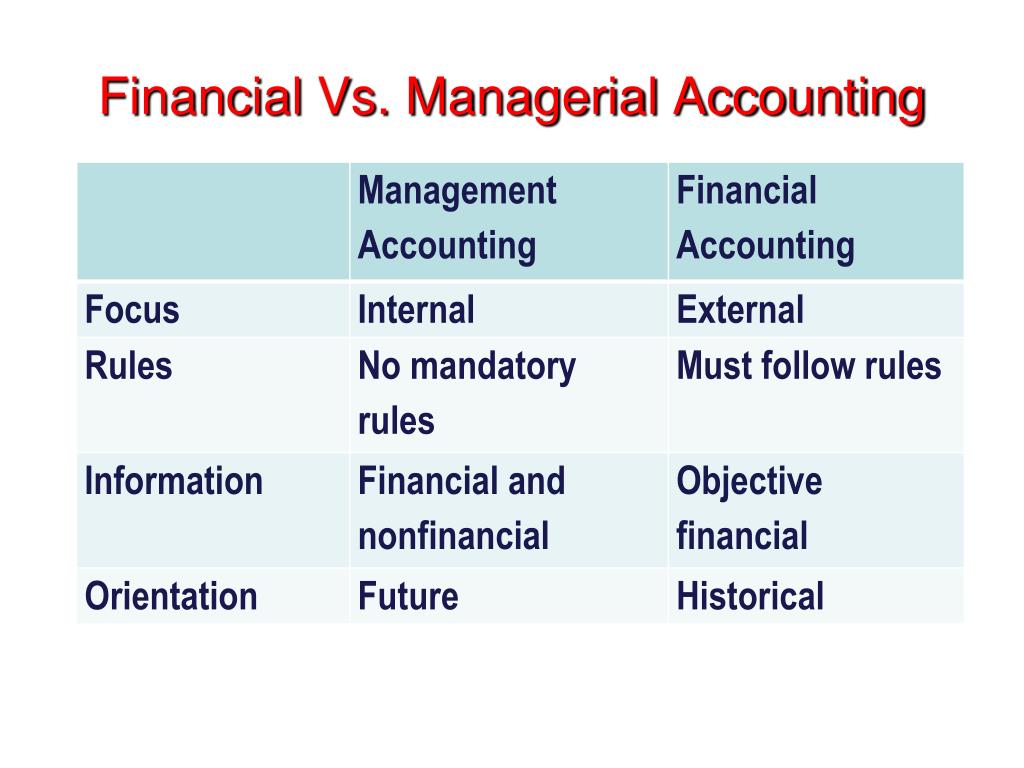
Financial accounting and managerial accounting are two distinct branches of the accounting field, each serving different purposes and stakeholders. Financial accounting focuses on creating external reports that provide a snapshot of a company’s financial health for investors, regulators, and other outside parties. Managerial accounting, meanwhile, is an internal process aimed at aiding managers in making informed business decisions.
Objectives of Financial Accounting
Financial accounting is primarily concerned with the preparation and presentation of financial statements, which include the balance sheet, income statement, and cash flow statement. These documents are meticulously crafted to reflect the company’s financial performance over a specific period, providing insights into its profitability, liquidity, and solvency. The objective is to offer a clear, standardized view of the financial state of the company, ensuring that external entities have a reliable basis for evaluating the company’s economic activities.
The process of financial accounting also involves the meticulous recording of all financial transactions. This is achieved through the double-entry bookkeeping system, where each transaction is recorded in at least two accounts, ensuring that the accounting equation remains balanced. This systematic approach provides accuracy and accountability, which are paramount in financial reporting. CPA = Certified Public Accountant.
Objectives of Managerial Accounting
Managerial accounting is designed to meet the information needs of the individuals who manage organizations. Unlike financial accounting, which provides a historical record of an organization’s financial performance, managerial accounting focuses on future-oriented reports. These reports assist in planning, controlling, and decision-making processes that guide the day-to-day, short-term, and long-term operations.
At the heart of managerial accounting is budgeting. Budgets are detailed plans that quantify the economic resources required for various functions, such as production, sales, and financing. They serve as benchmarks against which actual performance can be measured and evaluated. This enables managers to identify variances, investigate their causes, and implement corrective actions. Another objective of managerial accounting is cost analysis. Managers use cost accounting methods to understand the expenses associated with each aspect of production and operation. By analyzing costs, they can determine the profitability of individual products or services, control expenditures, and optimize resource allocation.
Performance measurement is another key objective. Managerial accountants develop metrics and key performance indicators (KPIs) to assess the efficiency and effectiveness of various business processes. These performance metrics are crucial for setting goals, evaluating outcomes, and aligning individual and departmental objectives with the overall strategy of the organization. CMA = Certified Managerial Accountant
Reporting Standards in Financial Accounting
The bedrock of financial accounting is the adherence to established reporting standards, which ensure consistency, comparability, and transparency in financial statements. Globally, the International Financial Reporting Standards (IFRS) are widely adopted, setting the guidelines for how particular types of transactions and other events should be reported in financial statements. In the United States, the Financial Accounting Standards Board (FASB) issues the Generally Accepted Accounting Principles (GAAP), which serve a similar purpose. These standards are not static; they evolve in response to changing economic realities, stakeholder needs, and advances in business practices.
For instance, the shift towards more service-oriented economies and the rise of intangible assets have led to updates in revenue recognition and asset valuation guidelines. The convergence of IFRS and GAAP is an ongoing process aimed at creating a unified set of global standards that would benefit multinational corporations and investors by reducing the complexity and cost of complying with multiple accounting frameworks.
Posted on February 12, 2025 by Dr. David Edward Marcinko MBA MEd CMP™
By Staff Reporters
***
***
PharmD – Doctor of Pharmacy
A Doctor of Pharmacy [ParrmD] is the professional degree required to become a pharmacist in the US. Practicing pharmacists complete an average of six years in school—including their pre-pharmacy education—before passing required exams and completing post-graduate training.
Here’s where things often get confusing. The word “pharmacist” is sometimes used in casual conversation to refer to healthcare professionals who aren’t technically licensed to be pharmacists.
For example, pharmacy technicians assist licensed pharmacists. They work behind the counter among the medications right alongside the pharmacist. However, they don’t need a Doctor of Pharmacy to do their job. A pharmaceutical sales representative typically needs four years of a bachelor’s degree with a foundation in chemistry and biology, though this is not always a requirement. Neither of these professionals is technically a pharmacist, although laypeople may mistakenly describe them that way.
And pursuing a PharmD doesn’t always mean you’ll work in a community pharmacy. In fact, just slightly fewer than half of all PharmD recipients end up in this role. Another 15 percent practice in other healthcare settings—hospitals, nursing homes, and managed care centers, for example. Other pharmacy students pursue research roles, government regulation positions, or work in highly specialized areas like oncology or geriatric pharmacy.
A PharmD or RPH [registered pharmacist] fills the electronic or written prescriptions of a MD/DO/DPM/DDS/DMD. They generally can not prescribe drugs or write prescriptions, however.
As of February 01, 2025, the average annual pay of Doctor of Pharmacy in the United States was $196,904. While Salary.com suggests that a Doctor of Pharmacy salary in the US can go up to $236,908 or down to $149,197, most earn between $171,932 and $217,844.
Posted on February 11, 2025 by Dr. David Edward Marcinko MBA MEd CMP™
By Staff Reporters
***
***
The Paradox of Progress explores the tension between societal progress and individual well-being.
According to colleague Eugene Schmuckler PhD MBA MEd, it questions whether advancements in technology, economy, and society truly lead to greater happiness and fulfillment for individuals, or if they create new forms of dissatisfaction or inequality.
Posted on February 10, 2025 by Dr. David Edward Marcinko MBA MEd CMP™
EVIDENCE BASED DENTISTRY
By Staff Reporters
***
***
Evidence Based Dentistry?
Despite the high praise for evidence-based dentistry, there are a number of limitation and criticism that has been given to the process. Chambers DW provides quite a bit of criticism, as well as a number of limitations that evidence-based dentistry provides. In no particular order of importance, a number of mentioned objections towards this format are:
Evidence-based dentistry is too clumsy due to the concept being poorly defined
The implementation of evidence-based dentistry has been distorted by too heavy of an emphasis of computerized searches for research findings that meet the standards of academics
Although EBD advocates enjoy sharing anecdotal accounts of mistakes others have made, faulting others is not proof that one’s own position is correct
There is no systematic, high-quality evidence that EBD is effective
Patient and practitioner values are the shortest leg of the stool. As they are so little recognized, their integration in EBD is problematic and ethical tensions exist where paternalism privileges science over patient’s self-determined best interests.
Although dentists, dental hygienists, and dental assistants may not formally recite the Hippocratic Oath, its principles undeniably apply in their practice, particularly in the high-stakes context of emergency medical care.
By embodying these principles, dental professionals not only fulfill their commitment to ethical patient care but also ensure the safety and well-being of those they serve.
Accounts payable are short-term obligations to be paid by an organization. It arises from trading activities and other business-related expenses during the business, including parties from whom we have purchased goods or services and costs incurred for which money is yet to be paid, generally in the same financial year.
#2 – Accounts Receivable
Accounts Receivable form part of current assets and refer to amounts due from parties to whom we have sold goods or services or incurred expenses on their behalf for which money is yet to be realized. It may include debtors, bills receivable, etc., which can be converted into cash in the short term to ensure the organization’s liquidity.
#3 – Balance Sheet
A Balance Sheet is a reconciliation of assets (current and fixed) and liabilities (current and noncurrent), and capital invested in an organization. Stakeholders such as creditors, shareholders, and banks, which have granted loans to the organization and government, use the Balance Sheet to analyze the financial position, growth, and stability.
#4 – Current Assets
Current assets refer to an organization’s realizable resources in the short term, generally during the same financial year. They include cash/bank balance and assets that can convert into cash, ranging from short-term loans and advances, sundry debtors, short-term investments, etc.
#5 – Equity
Equity is the amount invested in the business by its owners, in the form of capital in the case of sole proprietorship and partnerships, or shares (equity and preference) of varying denominations in companies (public or private).
#6 – Expenses
All the money outflow (present or future) incurred for procuring goods and services to affect sales in a business (direct expenses) and incidental to the business (indirect expenses) as well as ancillary to the running of an organization are referred to as expenses
#7 – Fixed Assets
Fixed assets are tangible resources that an organization uses for carrying out daily operations of a business, such as land, plant and equipment, furniture and fixtures, buildings, machinery, etc., which are not purchased to be sold in the short term.
#8 – Ledger
Ledger is the book of entry for recording transactions in such a way that we come to know the outstanding debit or credit balance of an account in our business for which we record the opening balance, transactions made in that account, and the closing balance to find out the exact position of that particular account.
#9 – Income Statement
The Income statement forms part of the financial statements and tells us the exact position of our gross and net profit at a particular cut-off date. It is done by recording all the direct incomes and closing stock on the credit side and all direct expenses and opening stock on the debit side to find the gross profit and all the indirect incomes and indirect expenses similarly to find out the net profit.
#10 – Liabilities
Liabilities are the present (short term) and future(long term) obligations of an organization which represents the debts due to be paid for goods and services procured for the business in the past and include sundry creditors, short term loans and advances, bills payable, etc. which come under short term liabilities and debentures, term loans from a bank, long term loans and advances, etc. which come under long term liabilities.
#11 – Net Income
The profit or loss arrived at after deducting all direct and indirect expenses from all the direct and indirect incomes equals to net income made by a business which is the earning done by the business at a cut-off date and is very useful in comparing the growth and financial position of an organization from previous years as well as for adopting measures for the betterment of the profitability levels of the business.
#12 – Revenue
The gross income earned by the organization from carrying out core business activities without deduction of any expenses is termed as revenue earned by the organization, which also indicates the sale and other incomes in total.
#13 – Credit
Wherever an account is credited, it reduces the balance of an account in the case of real accounts, creates an obligation to pay an individual in the case of personal accounts, and increases the income side if a nominal account is credited.
#14 – Debit
Wherever an account is debited, it increases the balance of an account in the case of real accounts, creating an obligation to receive money from an individual in the case of personal accounts and increasing the expenses side if a nominal account is debited.
#15 – Audit
An audit is an examination of books of accounts prepared by an organization to validate the entries recorded and ensure the accuracy and correctness of the financial statements along with finding out any discrepancies in the books, including frauds, if any, hidden by the employees of the organization.
Posted on February 8, 2025 by Dr. David Edward Marcinko MBA MEd CMP™
By Staff Reporters
***
***
Implicit or unconscious bias is not intentional, but it has a detrimental impact. Implicit bias in nursing affects nurses’ quality of life and patient outcomes. In a Robert Wood Johnson Foundation study, researchers found that 79% of nurses experienced or observed racism or discrimination from patients and 59% saw or experienced it from colleagues.
Asian and Black nurses are particularly likely to have experienced racial aggression, and 94% of Asian and 93% of Black nurses report that it has affected their mental well-being.
Explore more about implicit bias, including how it impacts nurses and patients. Discover some components of effective implicit bias training for nurses.
Posted on February 7, 2025 by Dr. David Edward Marcinko MBA MEd CMP™
By Staff Reporters
***
***
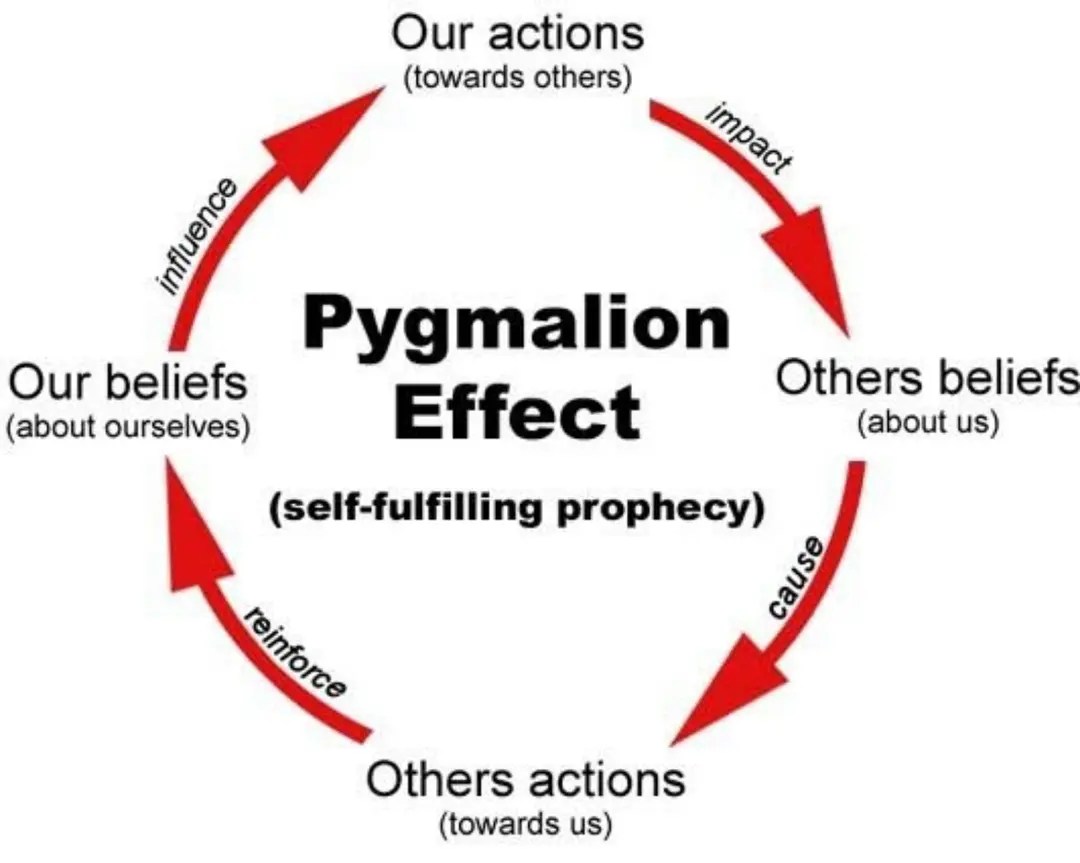
The Pygmalion Effect, also known as the Rosenthal Effect, is a fascinating psychological phenomenon where higher expectations lead to an increase in performance. This concept originated from a study conducted by Robert Rosenthal and Lenore Jacobson in the 1960s. They discovered that when teachers were led to believe that certain students were expected to perform better academically, those students indeed showed significant improvement.
Here’s a brief overview of how the Pygmalion Effect works:
Expectation Setting: When someone in a position of authority (like a teacher or manager) has high expectations for an individual, they often communicate these expectations through subtle cues.
Behavioral Changes: The individual receiving these cues tends to internalize the expectations and changes their behavior accordingly. They might become more motivated, put in more effort, and show greater persistence.
Performance Improvement: As a result of these behavioral changes, the individual’s performance improves, thereby fulfilling the initial high expectations.
This effect highlights the power of positive reinforcement and belief in someone’s potential. It underscores the importance of fostering a supportive and encouraging environment, whether in educational settings, workplaces, or personal relationships.
If you’re interested in applying the Pygmalion Effect in your life, consider these tips:
Set High, Yet Realistic Expectations: Believe in the potential of those around you and communicate your confidence in their abilities.
Provide Support and Resources: Ensure that individuals have the tools and support they need to meet these expectations.
Offer Positive Feedback: Regularly acknowledge and celebrate progress and achievements to reinforce positive behavior.
Remember, the Pygmalion Effect is a powerful reminder that our beliefs and expectations can significantly influence the outcomes we see in others.
Posted on February 6, 2025 by Dr. David Edward Marcinko MBA MEd CMP™
By Staff Reporters
***
***
Cognitive bias is a pattern of thinking in humans that, although flawed, is repeated mindlessly, sometimes resulting in irrational behavior and decisions. Dental personnel need to understand how cognitive biases impact both their patients and their team members. Left unchecked, these automatic associations can cause grave mistakes and injuries, and result in real harm.
This course is designed to help dental team members recognize their own biases and see the need to introspect and self-regulate to change them.
Posted on February 5, 2025 by Dr. David Edward Marcinko MBA MEd CMP™
DEFINITION
By Staff Reporters ***
***
Naturopathic Doctors are educated and trained in accredited naturopathic medical colleges. They diagnose, prevent, and treat acute and chronic illness to restore and establish optimal health by supporting the person’s inherent self-healing process.
Rather than just suppressing symptoms, naturopathic doctors work to identify underlying causes of illness, and develop personalized treatment plans to address them. Their Therapeutic Order™, identifies the natural order in which all therapies should be applied to provide the greatest benefit with the least potential for damage.
Posted on February 4, 2025 by Dr. David Edward Marcinko MBA MEd CMP™
By Staff Reporters
***
***
According to Wikipedia, the Flexner Report was a book-length landmark report of medical education in the United States and Canada, written by Abraham Flexner and published in 1910 under the aegis of the Carnegie Foundation. Flexner not only described the state of medical education in North America, but he also gave detailed descriptions of the medical schools that were operating at the time. He provided both criticisms and recommendations for improvements of medical education in the United States.
Many aspects of the present-day American medical profession stem from the Flexner Report and its aftermath. While it had many positive impacts on American medical education, the Flexner report has been criticized for introducing policies that encouraged systemic racism and sexism.
The Report, also called Carnegie Foundation Bulletin Number Four, called on American medical schools to enact higher admission and graduation standards, and to adhere strictly to the protocols of mainstream science principles in their teaching and research. The report talked about the need for revamping and centralizing medical institutions. Many American medical schools fell short of the standard advocated in the Flexner Report and, subsequent to its publication, nearly half of such schools merged or were closed outright.
Colleges for the education of the various forms of alternative medicine, such as electro-therapy were closed. Homeopathy, traditional osteopathy, eclectic medicine, and physiomedicalism (botanical therapies that had not been tested scientifically) were derided.
The Report also concluded that there were too many medical schools in the United States, and that too many doctors were being trained. A repercussion of the Flexner Report, resulting from the closure or consolidation of university training, was the closure of all but two black medical schools and the reversion of American universities to male-only admittance programs to accommodate a smaller admission pool.
In Chapter 11, Flexner stressed that the success of medical education reform and the professionalization of medicine relied heavily on the effective legal and ethical functioning of state medical boards. However, he noted that these boards were failing in their mission, stalling progress and allowing substandard medical practices to continue, thereby jeopardizing public health. This problem persists as a significant issue in the current practice of medicine in the United States.
(“Informed Voice of a New Generation of Fiduciary Advisors for Healthcare”)
For most lay folks, personal financial planning typically involves creating a personal budget, planning for taxes, setting up a savings account and developing a debt management, retirement and insurance recovery plan. Medicare, Social Security and Required Minimal Distribution [RMD] analysis is typical for lay retirement. Of course, we can assist in all of these activities, but lay individuals can also create and establish their own financial plan to reach short and long-term savings and investment goals.
But, as fellow doctors, we understand better than most the more complex financial challenges doctors can face when it comes to their financial planning. Of course, most physicians ultimately make a good income, but it is the saving, asset and risk management tolerance and investing part that many of our colleagues’ struggle with. Far too often physicians receive terrible guidance, have no time to properly manage their own investments and set goals for that day when they no longer wish to practice medicine.
For the average doctor or healthcare professional, the feelings of pride and achievement at finally graduating are typically paired with the heavy burden of hundreds of thousands of dollars in student loan debt.
You dedicated countless hours to learning, studying, and training in your field. You missed birthdays and holidays, time with your families, and sacrificed vacations to provide compassionate and excellent care for your patients. Amidst all of that, there was no time to give your finances even a second thought.
Between undergraduate, medical school, and then internship and residency, most young physicians do not begin saving for retirement until late into their 20s, if not their 30s. You’ve missed an entire decade or more of allowing your money and investments to compound and work for you. When it comes to addressing your financial health and security, there’s no time to waste.
Posted on January 31, 2025 by Dr. David Edward Marcinko MBA MEd CMP™
By Health Capital Consultants, LLC
In the first days of his second (nonconsecutive) presidential term, Donald Trump and his administration took a number of actions that will affect the healthcare industry in the near- and long-term. Further, the Trump Administration is reportedly poised to take a number of additional actions to pause, end, or otherwise change Biden-era initiatives.
Meanwhile, President Trump’s cabinet pick for the Department of Health & Human Services (HHS) hangs in the balance. This Health Capital Topics article reviews the new administration’s actions impacting the healthcare industry as of the date of publication. (Read more...)
Posted on January 27, 2025 by Dr. David Edward Marcinko MBA MEd CMP™
DEFINITIONS
By Staff Reporters
***
***
Registered Nurse [RN]
RNs must complete an accredited Associate Degree in Nursing (ADN) or Bachelor of Science in Nursing (BSN) program (or, in rare cases, diploma programs). After that, they become eligible to sit the NCLEX-RN exam and apply for registered nurse licensure in their state.
As a registered nurse, duties include basic patient care but expand to more technical responsibilities like medication administration, performing diagnostic tests, and operating medical equipment. Depending on the role, one may also supervise other healthcare workers like LPNs, certified nursing assistants (CNAs), or even other RNs.
Licensed Practical Nurses [LPN]
LPNs may also be called licensed vocational nurses (LVNs), and like registered nurses, LPNs must also complete an education program before becoming eligible for licensure. LPN programs typically take around one year, and you can find them at community colleges or vocational schools.
Prospective LPNs must then take and pass the NCLEX-PN exam to become licensed. As an LPN, focus is on patient care tasks like monitoring vitals and changing bandages as part of a care team supervised by a physician or RN.
Posted on January 25, 2025 by Dr. David Edward Marcinko MBA MEd CMP™
By Staff Reporters
***
***
Ego-Protection refers to psychological strategies individuals use to defend their self-esteem and sense of self-worth against threats or failures. This can include attributing failures to external factors, minimizing the importance of negative feedback, or comparing oneself to others in ways that maintain a positive self-image.
According to colleague Dan Ariely PhD, ego-protective mechanisms help people cope with setbacks and maintain mental well-being, although they can sometimes prevent individuals from learning from mistakes or accepting constructive criticism.
Dr. David Edward Marcinko works with doctors, nurses, technicians and healthcare professionals who struggle with professional disillusionment, burnout, financial distress and an unbalanced life–all of which can happen at any stage of a medical career. Through our coaching sessions, medical and healthcare professionals can achieve a more meaningful, purposeful, and flourishing life.
MBBS Degree [Bachelor of Medicine, Bachelor of Surgery]
The MBBS is usually a five-year undergraduate degree that medical students complete when they want to become doctors. However, some programs take six years to complete because the institution expects you to earn a Bachelor of Science (BSc) in your training.
By the time a student applies to a medical program, they have likely taken several foundational science courses as part of their high school (or secondary) education. For example, medical applicants in the United Kingdom are often expected to show high scores on their General Certificate of Secondary Education (GCSE) and A-levels.
Earning an MBBS means that students are certified to care for patients as junior physicians without specialized training. Graduates are expected to complete two years of additional training, which rotates them through different specialties. Once they identify a specialty they like, they can apply for additional training, which can take anywhere between three and eight years.
MD Degree [Doctor of Medicine]
The acronym “MD” stands for the Latin term “Medicinae Doctor,” which translates to “Doctor of Medicine” in English.
It refers to the title that students from the United States of America obtain after finishing medical school. Some countries consider the “MD” title a postgraduate doctoral degree that MBBS graduates can obtain with additional years of training.
Posted on January 18, 2025 by Dr. David Edward Marcinko MBA MEd CMP™
MEDICAL EXECUTIVE-POST–TODAY’SNEWSLETTERBRIEFING
***
Essays, Opinions and Curated News in Health Economics, Investing, Business, Management and Financial Planning for Physician Entrepreneurs and their Savvy Advisors and Consultants
“Serving Almost One Million Doctors, Financial Advisors and Medical Management Consultants Daily“
A Partner of the Institute of Medical Business Advisors , Inc.
WASHINGTON — The US Supreme Court on Friday delivered a blow to TikTok by upholding a law that could potentially lead to the video-sharing social media platform being banned in the United States. The justices in an unsigned opinion with no dissents rejected a free speech challenge filed by the company, meaning the law is set to go into effect on Sunday as planned. The bipartisan law requires China-based TikTok owner ByteDance to divest itself of the company by Sunday, the day before President-elect Donald Trump is to take office. If no sale takes place, the platform used by millions of Americans will in theory be banned.
Legendary short seller Nate Andersonannounced this week that he is shutting down his firm, Hindenburg Research, due to extreme job stress. With only 11 employees, Anderson took gargantuan swings at companies—and their billionaire leaders. Hindenburg published deeply researched reports about companies it believed were overvalued and rife with corruption. It got its big break when it shorted electric truck-maker Nikola in 2020, calling the company an “intricate fraud.” Regulators took note, and it led to three fraud convictions for Nikola founder Trevor Milton.
US stocks jumped on Friday amid a tech stock revival as investors assessed a week of key data and earnings reports alongside potential policy shifts under a Trump administration.
The Dow Jones Industrial Average (^DJI) gained 0.8% while the S&P 500 (^GSPC) rose 1%, coming off a losing day for the major gauges. The tech-heavy NASDAQ Composite (^IXIC) put on 1.5% as Nvidia (NVDA) and Tesla (TSLA) shares nudged back into the green.
The US Department of Justice (DOJ) filed a lawsuit against Walgreens (WBA), one of the nation’s largest pharmacy chains, alleging widespread prescription drug practice violations. According to the DOJ, Walgreens improperly dispensed millions of prescriptions from August 2012 to the present day that either lacked “legitimate medical purpose” or were otherwise invalid.
Posted on January 14, 2025 by Dr. David Edward Marcinko MBA MEd CMP™
By Staff Reporters
***
***
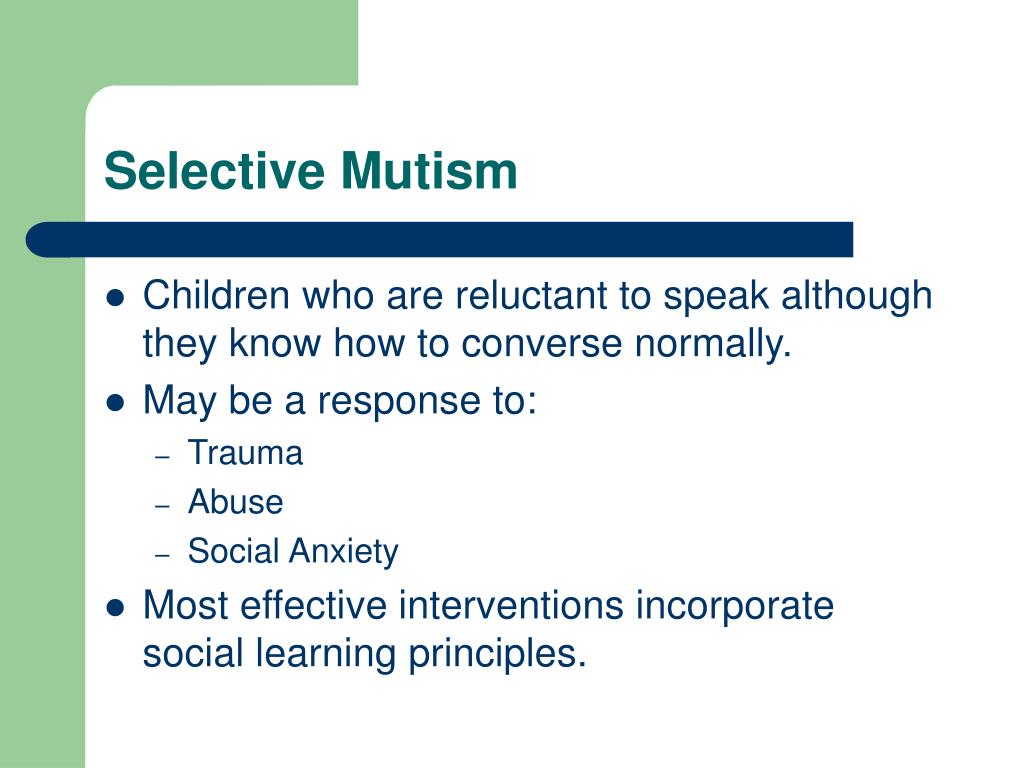
Selective Mutism: Some people experience selective mutism, a condition where intense trauma or anxiety leaves them temporarily unable to speak. It’s a defense mechanism that shields them from emotional overwhelm. It is characterized by:
A person’s inability to speak in certain social settings, even though they are otherwise capable of speech.
Triggers for selective mutism can include specific situations, places, or people.
People with SM can speak comfortably and communicate well in other settings, such as at home with family.
For many, according to colleague Dan Ariely PhD, this silence is involuntary, reflecting how deeply emotions affect speech.
Academic Team of Internationally Known Contributors
D. E. Marcinko & Associates is one of the most academically published authorities on the topic of financial planning and private wealth management for physicians, nurses and medical professionals. We have published 33 major peer reviewed textbooks redacted in the Library of Medicine, Institute of Health and the Library of Congress, in four languages, with over 5,025 online white papers, web-posts and related publications. These cover a range of financial planning topics from medical malpractice, risk management and insurance, to investment policy statement analysis and endowment funding management, and to taxation, retirement, estate and legacy planning.
Financial planning, business and strategic management, FMV for practice and clinics and related “hard” topics are included.
***
We also include “soft” subjects from investor psychology, ethics and lost fortunes to luxury spending, from understanding the middle-class millionaire to the political philosophies of physicians and the affluent. Our corpus of work is regularly consulted by doctors, medical, business, graduate and nursing schools, to elite advisors, private and investment bankers, wealth managers, venture capitalists, academics and the press.
Did you know that at MARCINKO & Associates, all medical colleagues throughout the United States may contact us when they are considering the sale, purchase, strategic operating improvement, merger, acquisition and/or other financial business or related personal financial planning transaction?
Our difference is “hard” knowledge and insider financial guidance that helps medical colleagues, nurses, private practitioners, clinics, ambulatory surgery, radiology and outpatient wound care centers realize their ultimate economic goals. This typically includes managerial and cost accounting, financial ratio analysis, fair market valuation business appraisals, business plan creation and personal financial planning.
Our “expert witness” business litigation support service and divorce mediation, arbitration, asset division, settlement and second opinion offerings are always available, as well.
And, our “soft” skill professional career guidance and mentoring center includes executive coaching, consulting and mentoring advisory programs for stressed, conflicted or burned-out physicians and medical practitioners.
Most importantly, our professional fees are reasonable and always transparent.
MARCINKO & Associates also serves universities, medical, business, graduate and nursing schools; physicians, dentists, podiatrists, optometrists and legal societies. This includes accountants, financial service providers, wealth and hedge fund managers, emerging entities, hospitals, CEOs and their BODs, the press, media and related organizations.
At DEMarcinko & Associates an “expert witness” possesses specialized knowledge in a particular field and is qualified to provide deposition or testimony in court and under oath. This testimony can be based on their personal experience, education, training or research. The role of an expert witness is to provide objective and unbiased opinions, analysis, and insights to help a lawyer, judge and/or jury understand technical or complex issues related to the case.
An expert witness can be called by either the prosecution or the defense in a legal case. The expert witness may be required to provide a written report or affidavit detailing their opinions, analyses and conclusions, and they may be asked to testify in court to provide oral testimony and answer questions from the judge and lawyers.
You can listen to a professional narration of this article on iTunes & online.
I have a problem with both growth and value demagogues.
Growth demagogues will argue that valuation is irrelevant for high-growth companies because the price you pay for growth doesn’t matter. They usually say this after a very extended move in growth stocks, where these investors look like gods that walk on water. They call value investors “accountants.”
The price you pay matters (this is not a new message). As we’ve discussed in the past, if you bought great, high-growth companies near the end of the Nifty Fifty bubble in the 1960s or near the end of the dotcom bubble in the 1990s, it took more than a decade to break even (after first struggling through double-digit losses).
Posted on January 11, 2025 by Dr. David Edward Marcinko MBA MEd CMP™
By Dr. David Edward Marcinko MBA MEd
***
***
Saying a patient’s name in the emergency room will almost ensure that person comes in that day.
A code cart next to an unstable patient is said to ward off evil spirits.
Traditional healers usually use superstition in their practices to manage human health problems and diseases.
Such practices create a conflict with the medical profession and its evidence-based practices.
***
So, what exactly is a Superstition? Does superstition change a measurable patient outcome, such as decreased anastomotic leak rate, surgical site infection, or mortality? Hard to say. But does it improve the surgeon’s confidence, thereby improving their performance? Likely so.
Science is not the opposite of superstition; it is the result of superstition, the result of humans trying to make sense of the world and prove each other wrong. We keep doing the things we do to maintain some semblance of control. In further defense of superstition, ritualistic behaviors ensure that the necessary boxes are checked and that we pay attention to the details. In surgery, details matter.
“Superstition is the irrational belief that an object or behavior has the power to influence an outcome, when there’s no logical connection between them. Most of us aren’t superstitious – but most of us are a ‘littlestitious.’” – Gretchen Rubin
So, until there is evidence to the contrary, I will keep tearing off the little patient labels and keeping their names with me in hopes that they do well after surgery.
Posted on January 5, 2025 by Dr. David Edward Marcinko MBA MEd CMP™
By Staff Reporters
***
***
Morality Priming refers to subtle reminders of ethical principles that can make us behave more responsibly. It’s like an internal nudge that brings our conscience to the surface.
And, according to colleague Dan Ariely PhD, by focusing on moral standards, people are often encouraged to act more honestly, even in small, everyday decisions.
Posted on January 2, 2025 by Dr. David Edward Marcinko MBA MEd CMP™
By Staff Reporters
***
***
Anthem Blue Cross and Scripps Health will part ways impacting thousands of patients.
Scripps Health and Anthem Blue Cross officially just parted ways on January 1st, 2025, leaving about 125,000 patients uncertain of what their healthcare and insurance will look like in 2025.
Posted on December 30, 2024 by Dr. David Edward Marcinko MBA MEd CMP™
By Staff Reporters
***
***
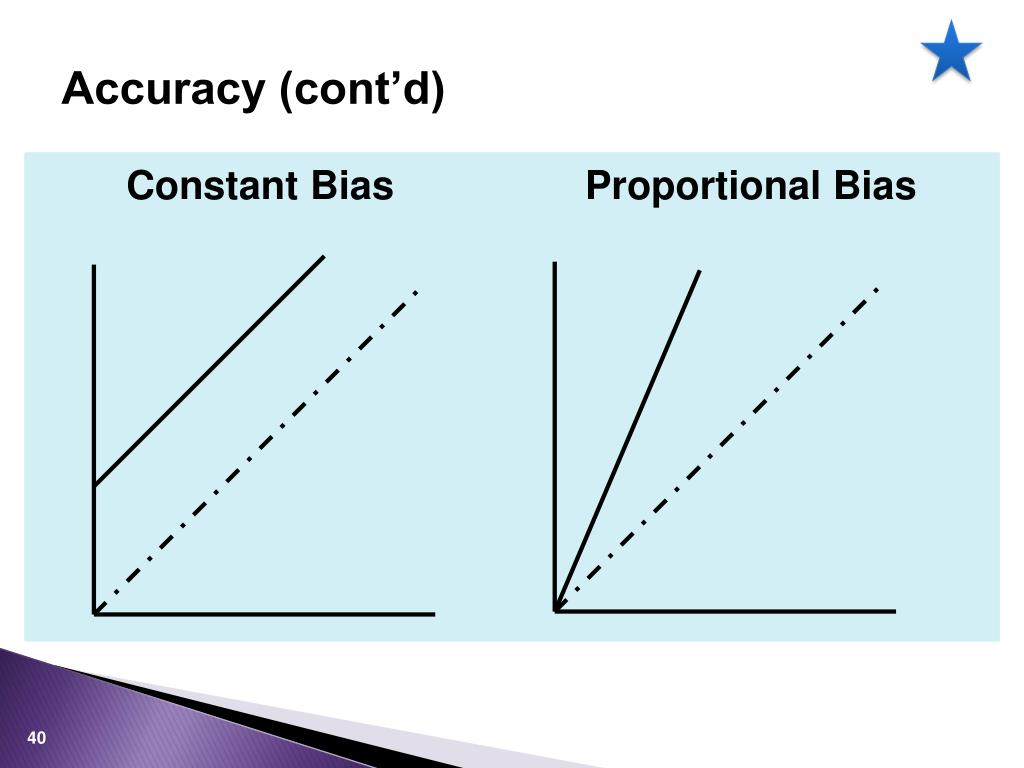
The proportionality bias, also known as major event/major cause heuristic, is the tendency to assume that big events have big causes. It is a type of cognitive bias and plays an important role in people’s tendency to accept conspiracy theories. Academic psychologist Rob Brotherton summarized it as “When something big happens, we tend to assume that something big must have caused it”.
IOW:Proportionality Bias is the inclination to believe that the magnitude of an event’s cause must be proportional to the event’s outcome. It’s like thinking a huge disaster must have a huge cause. This bias simplifies our understanding of complex situations but often leads to misconceptions. In reality, small causes can have large effects, and vice versa.
And so, to overcome proportionality bias according to colleague Dan Ariely Phd, consider all possible explanations, regardless of their size. Remember: sometimes big things happen for small reasons.
Posted on December 28, 2024 by Dr. David Edward Marcinko MBA MEd CMP™
By Staff Reporters
***
***
Envy / Jealousy: This bias also relates to the contrast and social proof biases. Prudent financial and business planning and related decision-making are based on real needs followed by desires. People’s happiness and satisfaction is often based more on one’s position relative to perceived peers rather than an ability to meet absolute needs.
The strong desire to “keep up with the Jones” can lead people to risk what they have and need for what they want. These actions can have a disastrous impact on important long-term financial goals.
According to colleague Dan Ariely PhD, clear communication and vivid examples of risks is often needed to keep people focused on important financial goals rather than spurious ones, or simply money alone, for its own sake.
Posted on December 23, 2024 by Dr. David Edward Marcinko MBA MEd CMP™
By Staff Reporters
DEFINED
***
***
Witness Stress is caused by witnessing a traumatic event and can lead to memory issues and confusion, affecting how accurately we remember details. This stress makes eyewitness testimonies more prone to error.
According to colleague Dan Ariily PhD, it highlights the role of stress in memory distortion and why additional support is often necessary for witnesses.
Choice Overload is the difficulty in making a decision when faced with too many options. It’s like standing in front of an ice cream counter with 31 flavors and feeling paralyzed.
Among personal decision-makers, a prevention focus is activated and people are more satisfied with their choices after choosing among few options compared to many options, i.e. choice overload. However, individuals can also experience a reverse choice overload effect when acting as proxy decision-maker, too.
It is widely accepted that having more choices is inherently positive. When there are more available options from which to choose, an individual is more likely to be able to select the particular option that is the best fit and most likely to satisfy them. Choice is typically thought to be related to personal freedom and enhanced well-being.
Therefore, according to colleague Neal Baum MD, for most individuals the ultimate goal is to constantly maximize their choices in life to increase their overall satisfaction and well-being. The decision-making process, however, is a complex cognitive task that does not always lead to positive outcomes.
Thus, while having options is generally good, too many choices can lead to anxiety and decision fatigue. This is why curated selections and recommendations are so popular – they simplify the decision-making process’ according to another colleague Dan Ariely PhD.
So, when you’re overwhelmed by choices, narrow them down to a manageable number and make your decision easier.
Posted on December 21, 2024 by Dr. David Edward Marcinko MBA MEd CMP™
By Ann Miller RN MHACMP™
INTRODUCING OUR NEXT GENERATION e-BOOK LIBRARYFROM iMBA, Inc.
An e-book is an electronic or digital book that can be read on a computer or a handheld device.
Our new e-books consists of text, images, and are fixed to a specific spot on the page.
And, our e-books are a data files similar in content and structure to a word-processing document that comes in a PDF format. To use our e-books, you need to purchase and download it to a device that has a .pdf file reader app, such as ADOBE® or similar on a smartphone, tablet or computer. A PDF, also known as a portable document format, is the format most people are familiar with and used in our e-books. PDFs are known for their ease of use and ability to hold custom layouts. They are the most commonly used e-Book formats, especially by professionals and adult-learners.
You can then access the e-book and read it, or highlight pages and even take side notes.
e-Books Save Money
With no manufacturing, printing, binding or shipping costs, e-Books are cheaper than traditional hard or paper back books.The price of each specialized and highly niche focused e-Book [50-100 pages] is only $25, whereas similar paperback printed books of this type generally cost $145, or more!
Posted on December 18, 2024 by Dr. David Edward Marcinko MBA MEd CMP™
By Staff Reporters
***
***
Theory of Linguistic Sciences
Avram Noam Chomsky is an American professor known for his work in linguistics and political activism. Sometimes called “the father of modern linguistics”, Chomsky is also one of the founders of the field of cognitive science. He is a laureate professor of linguistics at the University of Arizona and an professor emeritus at MIT.
And so, modern linguists today approach their work with scientific rigor and perspective [STEM], although they use methods that were once thought to be solely an academic discipline of the humanities.
Contrary to this belief, linguistics is multidisciplinary. It overlaps each of the human sciences including psychology, neurology, anthropology, and sociology. Linguists conduct formal studies of sound structure, grammar and meaning, but also investigates the history of language families, and research language acquisition.
And, as with other scientists according to linguistical engineer and Professor Mackenzie Hope Marcinko PhD from the University of Delaware [UD], they formulate hypotheses, catalog observations, and work to support explanatory theories, etc.
Posted on December 18, 2024 by Dr. David Edward Marcinko MBA MEd CMP™
MEDICAL EXECUTIVE-POST–TODAY’SNEWSLETTERBRIEFING
***
Essays, Opinions and Curated News in Health Economics, Investing, Business, Management and Financial Planning for Physician Entrepreneurs and their Savvy Advisors and Consultants
“Serving Almost One Million Doctors, Financial Advisors and Medical Management Consultants Daily“
A Partner of the Institute of Medical Business Advisors , Inc.
Stat: 97%. That’s how many healthcare leaders think A.I. will become important in healthcare over the next five years.
***
Pharmacy benefit managers (PBMs) are once again under pressure from federal leaders. A group of Democratic and Republican congresspeople proposed legislation that would attempt to prevent pharmacies from also owning PBMs. The three largest PBMs—CVS Health’s Caremark, Cigna’s Express Scripts, and UnitedHealth Group’s Optum Rx—currently operate pharmacies and administer more than 80% of the prescriptions in the US, and officials have linked this practice to drug price increases.
US stocks fell across the board on Tuesday, with the Dow logging its biggest losing streak in 46 years. The Dow Jones Industrial Average (^DJI) finished the session down roughly 0.6%, registering its ninth straight day of losses. The last 9-day losing streak for the Dow was Feb. 1978. Prior to that, the index suffered an 11-day losing streak in 1974 and another in 1971.
The other major indexes dropped in tandem on Tuesday, with the benchmark S&P 500 (^GSPC) falling around 0.4% and the NASDAQ Composite (^IXIC) losing about 0.3% after the tech-heavy index closed at a record high on Monday.
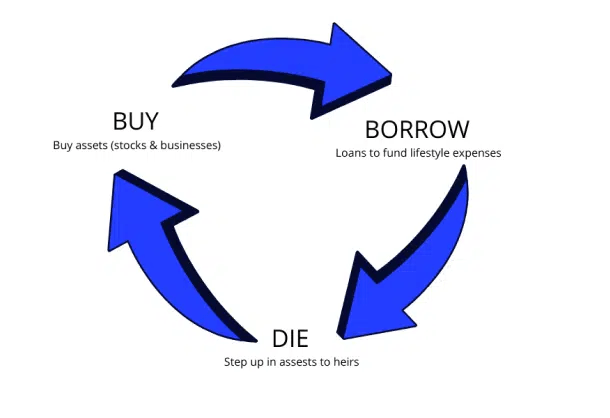
Here’s how the Buy, Borrow, Die strategy works step-by-step:
Step 1. Buy Assets
This step, broadly known as the accumulation phase, is about acquiring or creating valuable assets. It’s the most critical step taken by wealthy individuals to secure their wealth. Billionaires, for instance, often created startups that eventually turned into massive corporations. The asset here is the company they’ve established.
However, this isn’t the only way to accumulate assets. For professionals like doctors and lawyers, this phase involves securing a high-paying job and buying assets that have the potential to appreciate over time—like stocks, real estate, and private capital. Once an individual reaches a substantial level of wealth, they can leverage these assets in interesting ways using the next step of this strategy.
Step 2. Borrow Against Your Assets
This where the assets you’ve acquired are used as collateral to borrow money—all without triggering a taxable event.
Suppose you’ve got a robust stock portfolio. You can then take out a Securities Backed Line of Credit (SBLOC). This kind of loan lets you tap into the value of your portfolio without having to sell off any assets and subsequently paying capital gains taxes. What makes SBLOCs attractive to lenders is the relative ease with which the securities can be seized and sold, making them a low-risk lending option.
The ceiling for such a loan is usually around 50% of your portfolio’s value. However, we often caution against borrowing more than 25% of your account balance, especially for long-term loans. This will provide a cushion against stock market volatility, much like what we experienced in 2022 and 2023.
Borrowing against assets isn’t limited to stock portfolios either. Let’s say you own a home and have built up a certain amount of equity in it. You could opt for a Home Equity Line of Credit (HELOC), using your home as collateral. Banks tend to favor real estate-backed loans due to their stability compared to the fluctuating value of stocks.
Step 3. Die and Pass Your Wealth On
The final step in the strategy is where the proverbial tax baton is handed off to the next generation.
Under the existing tax code, when you pass away, your heirs receive a “stepped-up basis” on the assets they inherit from you. This means that their cost basis—the original amount paid for an asset—is stepped up to the market value of the asset at the time of your death. Meaning once you have passed away, your heirs would be able to sell the assets without having to pay taxes on the capital gain. Imagine you had purchased a building 20 years ago for $1 million and over the years, the value of that building increased to $2.5 million. If you were to pass away at this point, your heirs would inherit the building with the stepped-up cost basis of $2.5 million. This implies that if they decide to sell the property at this valuation, they wouldn’t owe any capital gains tax. This is because for tax purposes, their gain is calculated from the $2.5 million, not the original $1 million.
By utilizing this loophole, families can pass on their wealth without incurring a hefty tax bill. This is why many wealthy families set up trusts – it’s a way to manage and pass on their wealth at a stepped-up cost basis.
Posted on December 15, 2024 by Dr. David Edward Marcinko MBA MEd CMP™
By Staff Reporters
***
***
Humans use cognitive information to Direct Attention to relevant objects (targets) in a visual scene. Information such as the target’s color or location is represented as a ‘perceptual set’. Similarly, advance information about the required response to a target is represented as a ‘motor set’.
***
MisDirected Attention however is like polishing the brass on the Titanic while ignoring the iceberg. Our brains love details, sometimes too much. We focus on the minutiae and miss what’s really important. This is why you might spend more time choosing a font than writing the actual content.
For example, have you ever spent hours perfecting the details of a project only to miss the big picture? That’s misdirected attention, according to Dan Ariely PhD.
Always remember, it’s easy to get lost in the weeds. Keep an eyes on the horizon.
Posted on December 14, 2024 by Dr. David Edward Marcinko MBA MEd CMP™
By Staff Reporters
***
***
Curiosity is the itch you can’t scratch, the mental mosquito buzzing in your brain. It’s what makes you click on “One weird trick” articles and peek into your neighbor’s shopping cart. This insatiable desire to know drives innovation, learning, and sometimes, regrettable internet searches. Like a cat with nine lives, curiosity keeps us exploring and questioning, even if it occasionally leads us to the wrong conclusions.
So, according to Dan Ariely PhD, go right ahead, embrace your inner Sherlock Holmes, and keep asking “Why?”
Incentives: It is broadly accepted that incenting someone to do something is effective, whether it be paying office staff a commissions to sell more healthcare products, or giving bonuses to office employees if they work efficiently to see more HMO patients. Some experts even suggest there are five specific components1 that should be built into an overall physician incentive program:
Appropriate financial incentives.
Managed-care efficiency incentives.
Group citizenship.
Patient satisfaction.
Group profitability.
What is not well understood is that the incentives cause a sub-conscious distortion of decision-making ability in the incented person. This distortion causes the affected person – whether it is yourself or someone else – to truly believe in a certain decision, even if it is the wrong choice when viewed objectively. Service professionals, including financial advisors and lawyers, are affected by this bias, and it causes them to honestly offer recommendations that may be inappropriate, and that they would recognize as being inappropriate if they did not have this bias.
According to colleague Dan Ariely PhD, the existence of this bias makes it important for each one of us to examine our incentive biases and take extra care when advising physician clients, or to make sure we are appropriately considering non-incented alternatives.
Achieving your financial, wealth and medical practice management goals is important, but handling everything on your own can be overwhelming. That’s where we come in. At D. E. Marcinko & Associates, our team of dual degree experienced physician advisors and medical consultants is here to guide you every step of the way. We believe in providing unbiased, high-quality financial and business advice.
For example, we offer a one-time written financial plan with oral evaluation for a flat fee with no ongoing sales or assets under management fees or commissions. Together, we can create a personalized financial plan tailored to your unique goals, empowering you to make confident, informed decisions as you navigate your financial future.
Other Services Include:
Estate Planning We have a network of qualified legal professionals that we can refer you to for state specific estate planning needs.
Tax Strategy We can work alongside your CPA for tax planning purposes. If needed, we can refer you to a qualified tax professional.
Investment Analysis If you have investments, we review your accounts to make sure they are aligned with your long-term goals.
401-k Allocations We evaluate your 401(k) allocations and provide recommendations that align with your goals.
Education Savings We help you explore the various ways to plan and save for education expenses.
Insurance & Risk Management We assess your insurance coverage to ensure it adequately protects you against potential risks; as well as evaluate and provide expert litigation witnesses, as needed.
Medical Practice Management We evaluate your current or potential medical practice to determine value and/or private equity offers or physician practice management formats [PPMC] for new, mid-career or retiring physicians, nurses and dentists.
D. E. Marcinko & Associates is unique and fully committed to all phases of a medical professionals personal and business life cycle. We are at your service 24/7: Email MarcinkoAdvisors@outlook.com
Posted on December 11, 2024 by Dr. David Edward Marcinko MBA MEd CMP™
By Staff Reporters
***
***
Richard Easterlin PhD, Paradox: For countries with income sufficient to meet basic needs, the reported level of happiness does not correlate with national income per person.
According to colleague Dan Ariely PhD, one explanation is that my happiness depends on a comparison between my income and my perceptions of the average standard of living. If everyone’s income increases, my increased income gives a short boost to my happiness, since I do not realize that the average standard of living has gone up. Some time later, I realize that the average standard of living has also gone up, so the happiness boost produced by my increased income disappears. It is the contradiction between the point-of-time and time series findings that is the root of the paradox: while there is a correlation at a fixed point, there is no trend over multiple points.
That is, in the short run, everyone perceives increases in income to be correlated with happiness and tries to increase their incomes. However, in the long run, this proves to be an illusion, since everyone’s efforts to raise standards of living lead to increasing averages, leaving everyone in the same place in terms of relative income.
Various theories have been advanced to explain the paradox, but the paradox itself is solely an empirical generalization. The existence of the paradox has been strongly disputed by other researchers.
Two years ago, prior to the 2022 election, mental health experts alerted the medical world to their version of an assessment scale for yet another new condition – “doomscrolling.”
As defined by the National Library of Medicine in the article, “Constant exposure to negative news on social media and news feeds could take the form of ‘doomscrolling’ which is commonly defined as a habit of scrolling through social media and news feeds where users obsessively seek for depressing and negative information.”
And so, formally Doomscrolling or doomsurfing is the act of spending an excessive amount of time reading large quantities of news, particularly negative news, on the web and social media. Doomscrolling can also be defined as the excessive consumption of short-form videos or social media content for an excessive period of time without stopping. The concept was coined around 2020, particularly in the context of the COVID pandemic.
Surveys and studies suggest doomscrolling is predominant among youth. It can be considered a form of internet addiction disorder. In 2019, a study by the National Academy of Sciences found that it can be linked to a decline in mental and physical health. Numerous reasons for doomscrolling have been cited, including negativity bias and FOMO [fear of missing out], and attempts at gaining control over uncertainty.
QUERY: What about the roaring stock market, post the 2024 presidential election. Fundamental analysis or FOMO?
Posted on December 8, 2024 by Dr. David Edward Marcinko MBA MEd CMP™
By Staff Reporters
***
***
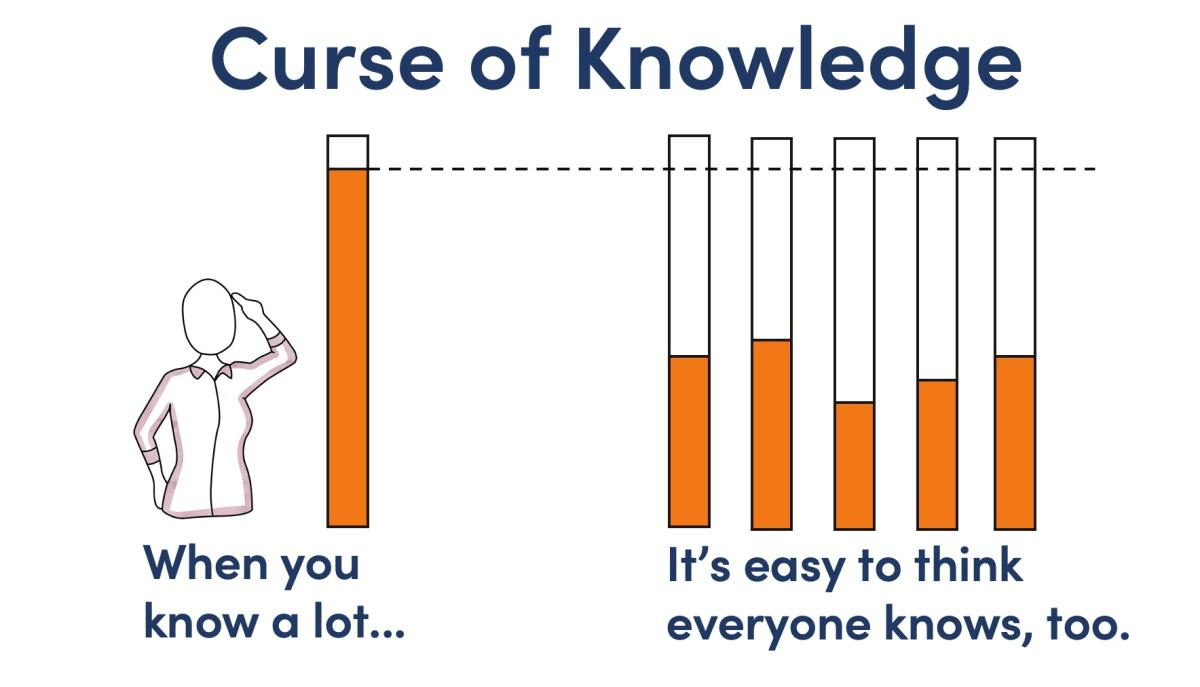
Similar to the availability heuristic (Tversky & Kahneman, 1974) and to some extent, the false consensus effect, once you really understand a new piece of information, that piece of information is now available to you and often becomes seemingly obvious. It might be easy to forget that there was ever a time you didn’t know this information and so, you assume that others, like yourself, also know this information: ie., the curse of knowledge.
However, it is often an unfair assumption that others share the same knowledge.
And so, the hindsight bias is similar to the curse of knowledge in that once we have information about an event, it then seems obvious that it was going to happen all along.
Posted on December 7, 2024 by Dr. David Edward Marcinko MBA MEd CMP™
By Staff Reporters
***
***
The Shadow Self is like the dark twin you never knew you had. It’s the part of your personality that lurks in the background, hiding your less-than-perfect traits. Think of it as the villain in your personal movie, full of suppressed desires and impulses.
According to colleague Dan Ariely PhD, acknowledging your shadow self can be a bit like therapy – uncomfortable but ultimately enlightening.
So, embrace your inner Darth Vader, and you might just find a better balance between light and dark.
Posted on December 6, 2024 by Dr. David Edward Marcinko MBA MEd CMP™
By Staff Reporters
***
***
The halo effect is when your general impression of someone influences your opinion of their actual traits and actions. Basically, if you view a person positively in one way, you tend to assume their other attributes are also positive. For example, if you find out someone graduated from an elite university, you may assume they are highly intelligent and accomplished.
The opposite of the halo effect is the horn effect. This is when you make a snap judgment about someone on the basis of one negative trait. A single negative trait can lead to an unfairly negative overall impression of a person.
Posted on December 6, 2024 by Dr. David Edward Marcinko MBA MEd CMP™
By Health Capital Consultants, LLC
***
On November 1, 2024, CMS released its Outpatient Prospective Payment System (OPPS) and Ambulatory Surgical Center (ASC) Payment System Final Rule for calendar year 2025. The rule finalizes payment updates, revises current programs, and establishes new standards to address the ongoing maternal health crisis.
This Health Capital Topics article discusses the key OPPS changes and updates included in the Final Rule. (Read more…)
Posted on December 6, 2024 by Dr. David Edward Marcinko MBA MEd CMP™
MEDICAL EXECUTIVE-POST–TODAY’SNEWSLETTERBRIEFING
***
Essays, Opinions and Curated News in Health Economics, Investing, Business, Management and Financial Planning for Physician Entrepreneurs and their Savvy Advisors and Consultants
“Serving Almost One Million Doctors, Financial Advisors and Medical Management Consultants Daily“
A Partner of the Institute of Medical Business Advisors , Inc.
Health insurance companies are under scrutiny for proposed changes to anesthesia billing policies, raising concerns about patient safety and fair compensation for medical professionals. Anthem, a major health insurer, recently announced a controversial policy limiting payments for anesthesia services in Connecticut, Missouri, and New York. The policy would only cover part of the documented anesthesia time during a patient’s surgery, a decision strongly opposed by the American Society of Anesthesiologists (ASA).
Breaking News: Anthem health insurance company is backing off of a controversial plan to limit coverage of anesthesia in at least one state, according to Connecticut’s comptroller.
December 6: November nonfarm payrolls, University of Michigan preliminary December Consumer Sentiment.
December 9: October final wholesale inventories, November consumer inflation expectations, and expected earnings from Toll Brothers (TOL) and MongoDB (MDB).
December 10: Third quarter productivity and unit labor costs and expected earnings from AutoZone (AZO).
December 11: November Consumer Price Index and expected earnings from Adobe (ADBE).
December 12: November Producer Price Index and expected earnings from Broadcom (AVGO), Ciena (CIEN), and Costco (COST).
The SPX fell 11.38 points (–0.19%) to 6,075.11; the Dow Jones Industrial Average®($DJI) lost 248.33 points (–0.55%) to 44,765.71; and the NASDAQ Composite®($COMP) declined 34.85 points (–0.18%) to 19,700.26.
The 10-year Treasury note yield was unchanged at 4.18%.
The CBOE Volatility Index®(VIX)inched up to 13.46.
Posted on December 5, 2024 by Dr. David Edward Marcinko MBA MEd CMP™
LTC
By Anonymous Insurance Agent
***
***
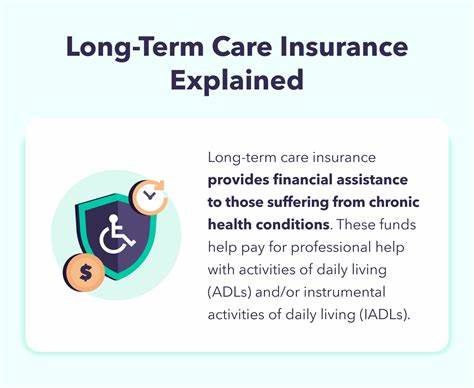
Some retired people live on a fixed income and many of them live right on the edge of their financial capability. At some time in their life, they may have to make a choice regarding many purchases. In this case, we will illustrate “choice” using a couple’s purchase of Long-Term-Care Insurance [LTCI].
Of course, economics is the study of choice; wants, needs and scarcity, etc. In our case, if they decide to make the purchase they commit to a lifetime of premium payments. The financial tradeoff is this; if they make the commitment to purchase LTCI, they must give up something else.
Example: In order to maintain a monthly premium of $100 ($1,200per year), an elderly patient, retired layman or couple must essentially relegate about $30,000 of financial assets to generate the $100 necessary to make an average premium payment (assumes a 7% rate of return with 4% withdrawal rate) or [4% X $30,000 = $1,200 year]. Thus, if the monthly premium cost is $500 per month, the elder must give up the use of $150,000 of retirement asset just to generate enough cash flow to pay for the LTC insurance.
The married elder couple has to make the decision among lifestyle (dinners, vacations, gifts to children, prescription drugs, medical care or food and shelter) versus paying an insurance premium to provide for nursing home coverage for a need, which may be very real, but will not occur until sometime in the ambiguous future.
And so, when faced with such a tough economics, neither of which delivers peace of mind or a respectable solution; many will simply decide that, in either case, they may already end up impoverished.
Thus, many will often opt for the better lifestyle now … while they can enjoy it … together.
The Foot and Ankle Research Consortium, Inc. (FARC) is the leading publisher of Podiatric educational software. Since 1992, we have been producing the most effective and innovative method of preparing for ALL the Podiatry Board Examinations.
This includes: The American Board of Podiatric Surgery, The American Board Of Podiatric Orthopedics and Primary Podiatric Medicine, the American Podiatric Medical Specialties Board, ABLES and the PMLexis. (Now includes the latest information for all Board Re-Certifications).
Posted on December 1, 2024 by Dr. David Edward Marcinko MBA MEd CMP™
By Staff Reporters
***
***
The Goal Gradient effect is the phenomenon where people accelerate their efforts as they approach a goal. It’s like a runner sprinting to the finish line.
According to colleague Dan Ariely PhD, our motivation peaks when we see the goal within reach, driving us to work harder and faster. Marketers use this by showing progress bars and loyalty rewards. Knowing about the goal gradient can help us set milestones and maintain motivation throughout our tasks.
So, break your big goals into smaller ones and watch your productivity soar as you get closer to each milestone.







 Support our online development, and advance our onground research initiatives in free market economics, as we seek to showcase the brightest Next-Gen minds.
THE ME-P DISCLAIMER: Posts, comments and opinions do not necessarily represent iMBA, Inc., but become our property after submission. Copyright © 2006 to-date. iMBA, Inc allows colleges, universities, medical and financial professionals and related clinics, hospitals and non-profit healthcare organizations to distribute our proprietary essays, photos, videos, audios and other documents; etc. However, please review copyright and usage information for each individual asset before submission to us, and/or placement on your publication or web site. Attestation references, citations and/or back-links are required. All other assets are property of the individual copyright holder.
Support our online development, and advance our onground research initiatives in free market economics, as we seek to showcase the brightest Next-Gen minds.
THE ME-P DISCLAIMER: Posts, comments and opinions do not necessarily represent iMBA, Inc., but become our property after submission. Copyright © 2006 to-date. iMBA, Inc allows colleges, universities, medical and financial professionals and related clinics, hospitals and non-profit healthcare organizations to distribute our proprietary essays, photos, videos, audios and other documents; etc. However, please review copyright and usage information for each individual asset before submission to us, and/or placement on your publication or web site. Attestation references, citations and/or back-links are required. All other assets are property of the individual copyright holder.









































































 The Leading Business Education Network for Doctors, Financial Advisors and Health Industry Consultants