PODCAST: Medicare Advantage [Part C] Fraud?

By Eric Bricker MD

***

CITE: https://www.r2library.com/Resource

***

COMMENTS APPRECIATED

Thank You

***

***

D.E. MARCINKO & Associates, Inc.

WHAT WE DO AND HOW WE ASSIST MEDICAL COLLEAGUES

Hard Business Advice AND Personal Lifestyle Coaching

http://www.MARCINKOASSOCIATES.com

By Ann Miller RN MHA CMP™

At D.E. Marcinko & Associates our clients traditionally include physicians [MD, MBBS and DO], dentists [DDS and DMD], podiatrists [DPM], Registered Nurses [RNs], Certified Registered Nurse Anesthetists [CRNA], Physician Assistants [PA] and Nurse Practitioners [NP]. A growing cohort of clients include medical technologists, physical, speech and occupational therapists, etc.

The above are naturally segregated into three career tranches: 1. New practitioners, 2] Mid-Career practitioners and 3] Mature practitioners. We serve them all and are fully prepared for any special needs situation that may arise in any tranche [death, divorce, adverse risk event and/or bankruptcy, etc].

D.E. Marcinko & Associates understands the complexity of financial and non-financial deal terms because we are also doctors. Our “hard” knowledge of your business comes from being actual healthcare facility owners, operators and medical practitioners [with additional professional licenses and expertise] enabling us to effectively analyze your business, take corrective measures and present your healthcare entity in the best possible and accurate light.

***

But, if you’re looking at this website, chances are you are fed up, burned out, seeking practice management techniques or a better work-life balance. Or, you are looking for a new non-clinical career, thinking of finance, investing, retirement, or all of the above. Perhaps you are just looking to regain the joy and meaning in your medical or professional career? This is known as “soft” psychology, coaching, personal consulting or fraternal advice.

***

Regardless, of your “soft” personal or “hard” corporate needs, our transparent Fees for Service [FFS] model is moderated for all colleagues based on the acuity and urgency of their engagements. Reduced rates and/or limited charity work may also be possible.

***

http://www.DavidEdwardMarcinko.com

CONTACT US TODAYTHRIVE TOMORROW!

Suite #5901 Wilbanks Drive

Norcross, Georgia USA 30092-1141

email: MarcinkoAdvisors@msn.com

***

***

D.E. MARCINKO & Associates, Inc.

WHAT WE DO AND HOW WE ASSIST MEDICAL COLLEAGUES

Hard Business Advice AND Personal Lifestyle Coaching

http://www.MARCINKOASSOCIATES.com

By Ann Miller RN MHA CMP™

At D.E. Marcinko & Associates our clients traditionally include physicians [MD, MBBS and DO], dentists [DDS and DMD], podiatrists [DPM], Registered Nurses [RNs], Certified Registered Nurse Anesthetists [CRNA], Physician Assistants [PA] and Nurse Practitioners [NP]. A growing cohort of clients include medical technologists, physical, speech and occupational therapists, etc.

The above are naturally segregated into three career tranches: 1. New practitioners, 2] Mid-Career practitioners and 3] Mature practitioners. We serve them all and are fully prepared for any special needs situation that may arise in any tranche [death, divorce, adverse risk event and/or bankruptcy, etc].

D.E. Marcinko & Associates understands the complexity of financial and non-financial deal terms because we are also doctors. Our “hard” knowledge of your business comes from being actual healthcare facility owners, operators and medical practitioners [with additional professional licenses and expertise] enabling us to effectively analyze your business, take corrective measures and present your healthcare entity in the best possible and accurate light.

***

But, if you’re looking at this website, chances are you are fed up, burned out, seeking practice management techniques or a better work-life balance. Or, you are looking for a new non-clinical career, thinking of finance, investing, retirement, or all of the above. Perhaps you are just looking to regain the joy and meaning in your medical or professional career? This is known as “soft” psychology, coaching, personal consulting or fraternal advice.

***

Regardless, of your “soft” personal or “hard” corporate needs, our transparent Fees for Service [FFS] model is moderated for all colleagues based on the acuity and urgency of their engagements. Reduced rates and/or limited charity work may also be possible.

***

http://www.DavidEdwardMarcinko.com

CONTACT US TODAYTHRIVE TOMORROW!

Suite #5901 Wilbanks Drive

Norcross, Georgia USA 30092-1141

email: MarcinkoAdvisors@msn.com

***

***

U.S. INCOME: Falling

By Staff Reporters

For the third straight year, US incomes fell, according to new Census Bureau data. In 2022, the median household income fell to $74,580, adjusted for inflation. That’s a 2.3% decline from 2021’s median estimate of $76,330, according to the Census Bureau. And the latest figures mark a 4.7% drop from a 2019 peak of $78,250.

Meanwhile, earnings for both part-time and full-time workers fell 2.2% between 2021 and 2022. For full-time, year-round workers, median earnings dropped 1.3% in 2022.

One small bright spot: The Gini index, a measure of income inequality, modestly improved. The income gap between high- and low-income households decreased by 1.2% between 2021 and 2022, marking the first annual decrease since 2007.

GINI INDEX: https://medicalexecutivepost.com/2022/09/24/what-is-the-gini-index/

In all, though, the latest Census data provides a snapshot of American households’ economic troubles, and the abundance of cash-strapped workers has created new challenges for CFOs.

***

COMMENTS APPRECIATED

Thank You

***

***

Pricing Increases at Independent Hospitals Post-Acquisition

By Health Capital Consultants, LLC

Pricing Increases at Independent Hospitals Post-Acquisition

Over the past decade, hospital acquisitions have changed the healthcare market, with transactions leading to hospital consolidation and resulting in larger health systems and fewer hospitals.

CITE: https://www.r2library.com/Resource

An August 2023 study conducted by the Public Policy Institute of health insurer Elevance Health (formerly known as Anthem) found that when independent hospitals are acquired by health systems, employers, payors, and consumers are exposed to higher pricing without a similar increase in hospital care access or quality of care. This Health Capital Topics article will review the Elevance study and the impact of acquisitions on independent hospital pricing. (Read more…)

COMMENTS APPRECIATED

Thank You

***

***

DAILY UPDATE: America’s Health Insurance Plans, Auto Insurance and New Car Costs & the Markets

By Staff Reporters

Yesterday was the first day of trade group America’s Health Insurance Plans 2023 Consumer Experience & Digital Health Forum, a two-day conference focused on emerging digital health innovations and how they’re changing the consumer experience of the US healthcare system.

***

RISK MANAGEMENT: https://www.routledge.com/Risk-Management-Liability-Insurance-and-Asset-Protection-Strategies-for/Marcinko-Hetico/p/book/9781498725989

***

According to Bankrate’s extensive research, the average cost of auto insurance in the U.S. is $2,014 per year. Minimum coverage, on the other hand, has an average annual cost of $622. However, car insurance is like a fingerprint. Although your circumstances may seem similar, your personalized rating factors will cause your premium to vary from that of friends, family and the national average. Still, knowing the average cost of car insurance might give you the information you need to ensure you’re not overpaying for this necessary financial protection

***

The average cost of new cars is now well over $48,000—up almost $6,000 from two years ago and about $10,000 from September 2020, according to Kelley Blue Book.

***

Here is where the major benchmarks ended:

***

COMMENTS APPRECIATED

Thank You

***

***

DAILY UPDATE: Rothification and the Markets

By Staff Reporters

REMINDER

***

***

Starting in 2026, high-income earners over the age of 50 who make more than $145,000 can no longer make catch-up contributions to regular 401(k)s. Instead, those catch-ups will head to Roth accounts. That carries significant tax implications.

MORE: https://taxfoundation.org/blog/what-rothification-means-for-tax-reform/

CITE: https://www.r2library.com/Resource

***

Here is where the major benchmarks ended yesterday:

  • The S&P 500® Index (SPX) was down 25.56 points (0.6%) at 4,461.90; the Dow Jones Industrial Average (DJIA) was down 17.73 points at 34,645.99; the NASDAQ Composite was down 144.28 points (1.0%) at 13,773.61.
  • The 10-year Treasury note yield (TNX) was down about 2 basis points at 4.272%.
  • CBOE’s Volatility Index (VIX) was up 0.42 at 14.22.

While tech was the weakest performing sector Tuesday, consumer discretionary and communication services shares were also lower. Energy shares led sector gainers Tuesday as oil prices continued to rise.

The Philadelphia Oil Service Index (OSX) gained more than 2% and ended at its highest level since April 2019. WTI crude futures, the U.S. benchmark, extended gains to near $90 a barrel after OPEC, in a report, slightly increased its forecasts for global consumption in 2023 and 2024.

***

***

PODCAST: The Future of Healthcare Profits

By Eric Bricker MD

***

***

CITE: https://www.r2library.com/Resource

COMMENTS APPRECIATED

Thank You

***

***

What is Financial CARRIED INTEREST?

A TAX LOOPHOLE?

BY DR. DAVID E. MARCINKO MBA CMP®

CMP logo

SPONSOR: http://www.CertifiedMedicalPlanner.org

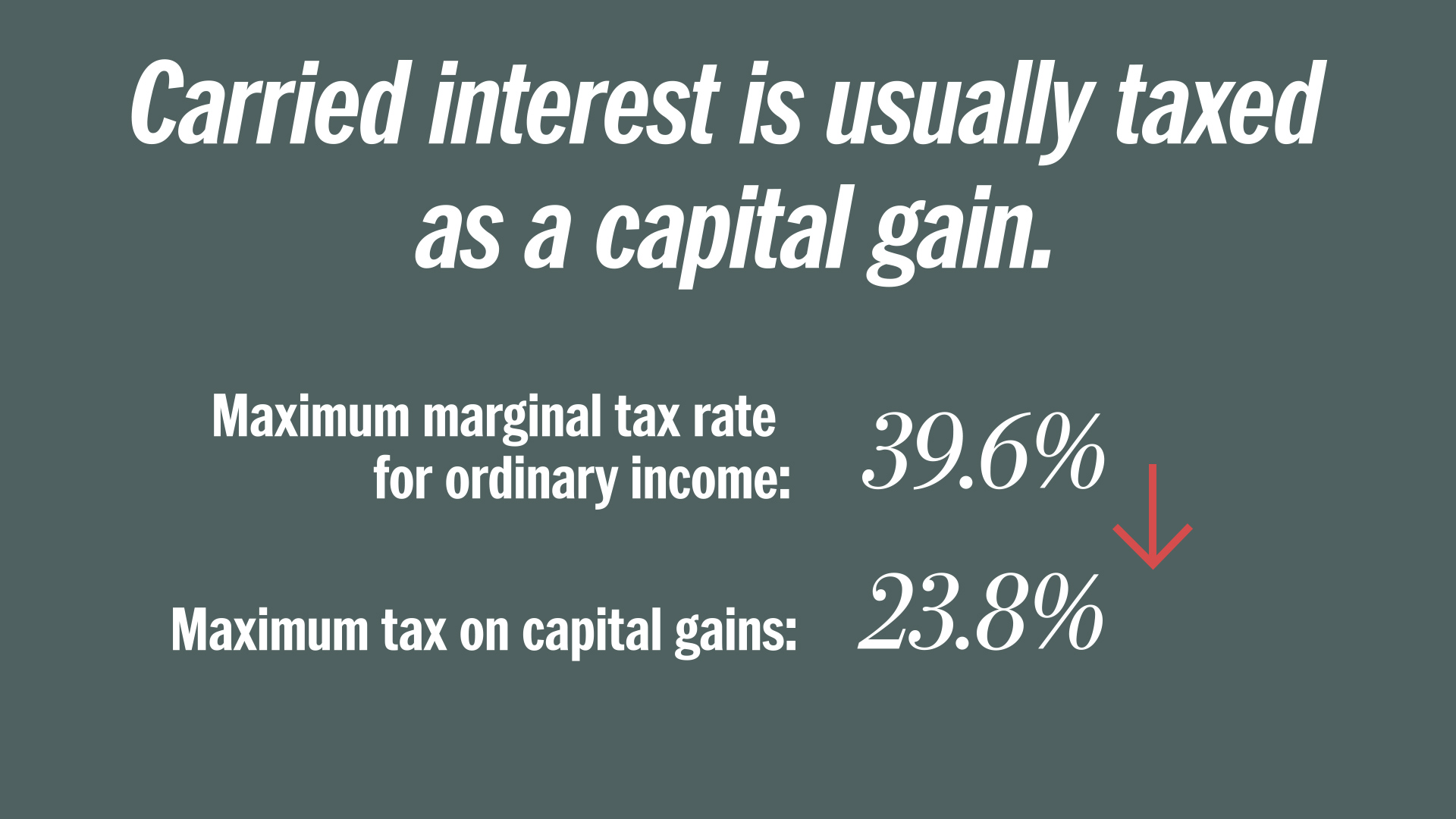
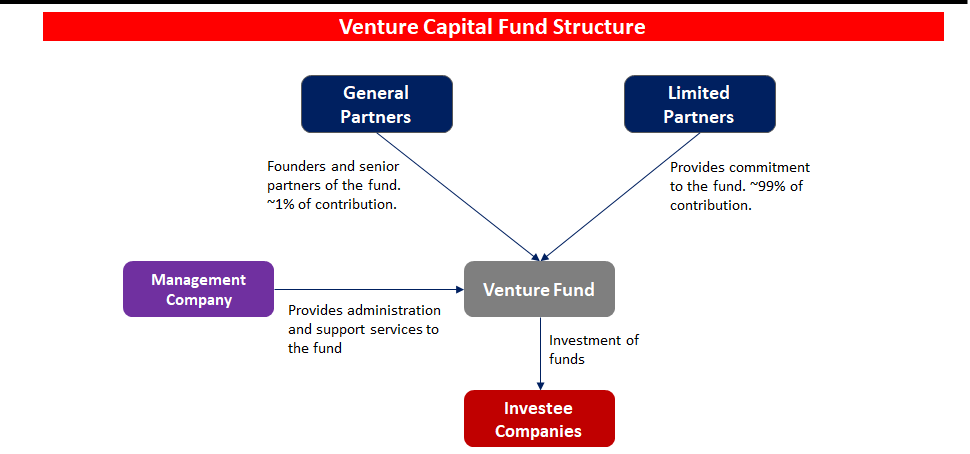
Carried interest, or carry, in finance, is a share of the profits of an investment paid to the investment manager in excess of the amount that the manager contributes to the partnership, specifically in alternative investments (private equity and hedge funds).

CITE: https://www.r2library.com/Resource/Title/0826102549

In small businesses that are not blind pools, such as single property real estate, the investment manager often funds the business prior to the formation of the partnership. It is a performance fee, rewarding the manager for enhancing performance. The structure also takes advantage of favorable tax treatment in the United States.

However, critics of carried interest want it to be reclassified as ordinary income – not capital gains – to be taxed at the ordinary income tax rate. Private equity advocates argue that the increased tax will subdue the incentive to take the kind of risk that is necessary to invest in and manage companies to profitability.

***

What is the carried interest tax loophole?

***

TAXATION: https://www.taxpolicycenter.org/briefing-book/what-carried-interest-and-how-it-taxed

YOUR COMMENTS ARE APPRECIATED.

***

ORDER: https://www.amazon.com/Comprehensive-Financial-Planning-Strategies-Advisors/dp/1482240289/ref=sr_1_1?ie=UTF8&qid=1418580820&sr=8-1&keywords=david+marcinko

Thank You

***

MARCINKO & Associates, Inc.

WHAT WE DO AND HOW WE ASSIST MEDICAL COLLEAGUES

Hard Business Advice AND Personal Lifestyle Coaching

http://www.MARCINKOASSOCIATES.com

By Ann Miller RN MHA CMP™

At Marcinko & Associates our clients traditionally include physicians [MD, MBBS and DO], dentists [DDS and DMD], podiatrists [DPM], Registered Nurses [RNs], Certified Registered Nurse Anesthetists [CRNA], Physician Assistants [PA] and Nurse Practitioners [NP]. A growing cohort of clients include medical technologists, physical, speech and occupational therapists, etc.

The above are naturally segregated into three career tranches: 1. New practitioners, 2] Mid-Career practitioners and 3] Mature practitioners. We serve them all and are fully prepared for any special needs situation that may arise in any tranche [death, divorce, adverse risk event and/or bankruptcy, etc].

Marcinko & Associates understands the complexity of financial and non-financial deal terms because we are also doctors. Our “hard” knowledge of your business comes from being actual healthcare facility owners, operators and medical practitioners [with additional professional licenses and expertise] enabling us to effectively analyze your business, take corrective measures and present your healthcare entity in the best possible and accurate light.

***

But, if you’re looking at this website, chances are you are fed up, burned out, seeking practice management techniques or a better work-life balance. Or, you are looking for a new non-clinical career, thinking of finance, investing, retirement, or all of the above. Perhaps you are just looking to regain the joy and meaning in your medical or professional career? This is known as “soft” psychology, coaching, personal consulting or fraternal advice.

***

Regardless, of your “soft” personal or “hard” corporate needs, our transparent Fees for Service [FFS] model is moderated for all colleagues based on the acuity and urgency of their engagements. Reduced rates and/or limited charity work may also be possible.

***

http://www.DavidEdwardMarcinko.com

CONTACT US TODAYTHRIVE TOMORROW!

Suite #5901 Wilbanks Drive

Norcross, Georgia USA 30092-1141

email: MarcinkoAdvisors@msn.com

***

***

MARCINKO & Associates, Inc.

WHAT WE DO AND HOW WE ASSIST MEDICAL COLLEAGUES

Hard Business Advice AND Personal Lifestyle Coaching

http://www.MARCINKOASSOCIATES.com

By Ann Miller RN MHA CMP™

At Marcinko & Associates our clients traditionally include physicians [MD, MBBS and DO], dentists [DDS and DMD], podiatrists [DPM], Registered Nurses [RNs], Certified Registered Nurse Anesthetists [CRNA], Physician Assistants [PA] and Nurse Practitioners [NP]. A growing cohort of clients include medical technologists, physical, speech and occupational therapists, etc.

The above are naturally segregated into three career tranches: 1. New practitioners, 2] Mid-Career practitioners and 3] Mature practitioners. We serve them all and are fully prepared for any special needs situation that may arise in any tranche [death, divorce, adverse risk event and/or bankruptcy, etc].

Marcinko & Associates understands the complexity of financial and non-financial deal terms because we are also doctors. Our “hard” knowledge of your business comes from being actual healthcare facility owners, operators and medical practitioners [with additional professional licenses and expertise] enabling us to effectively analyze your business, take corrective measures and present your healthcare entity in the best possible and accurate light.

***

But, if you’re looking at this website, chances are you are fed up, burned out, seeking practice management techniques or a better work-life balance. Or, you are looking for a new non-clinical career, thinking of finance, investing, retirement, or all of the above. Perhaps you are just looking to regain the joy and meaning in your medical or professional career? This is known as “soft” psychology, coaching, personal consulting or fraternal advice.

***

Regardless, of your “soft” personal or “hard” corporate needs, our transparent Fees for Service [FFS] model is moderated for all colleagues based on the acuity and urgency of their engagements. Reduced rates and/or limited charity work may also be possible.

***

http://www.DavidEdwardMarcinko.com

CONTACT US TODAYTHRIVE TOMORROW!

Suite #5901 Wilbanks Drive

Norcross, Georgia USA 30092-1141

email: MarcinkoAdvisors@msn.com

***

***

THE U.S. DOLLAR: It is Strong!

By Staff Reporters

***

***

The dollar’s still strong—and recent earnings reports have reflected that, for better or worse.

Around this time last year, earnings took a significant forex hit. Power players like Coca-Cola and Procter & Gamble said the strong dollar hurt profits, while others, like Microsoft, cited currency fluctuations in lowered forecasts.

Back then, the dollar was at a 20-year high. In recent months, the dollar has stayed relatively high as a string of economic data suggested interest rates will stay elevated—at least for now. And after Federal Reserve Chair Jerome Powell suggested the Fed might have to keep raising rates, the US dollar index climbed to its highest since June 1st.

In any case, foreign exchange rates are yet again cropping up as a talking point in recent earnings reports.

***

COMMENTS APPRECIATED

Thank You

***

***

Health Care Entity: Venture Capital Funding

http://www.MARCINKOASSOCIATES.com

***

***

Venture capital funding in the digital health space cooled a bit in 2022 following a red-hot 2021. Overall, digital health companies raised $15.3 billion last year, down from the $29.1 billion raised in 2021—but still above the $14.1 billion raised in 2020, according to Rock Health a seed fund that supports digital health startups.

MORE: https://marcinkoassociates.com/fmv-appraisals/

Nevertheless, analysts predict VC investors and bankers will still put a good amount of money into digital health in 2024 and 2025, especially in alternative care, drug development, health information technology technology, EMRs and software that reduces physician workload.

CITE: https://www.r2library.com/Resource

Of course. an essential first part of attracting VC interest and money is the crafting and presentation of your formal business plan [“elevator pitch”]; as well as the needed technical and managerial experience. This is crucial for success and exactly where we can assist.

***

READ MORE: https://marcinkoassociates.com/welcome-medical-colleagues/

CONTACT: MarcinkoAdvisors@msn.com

***

***

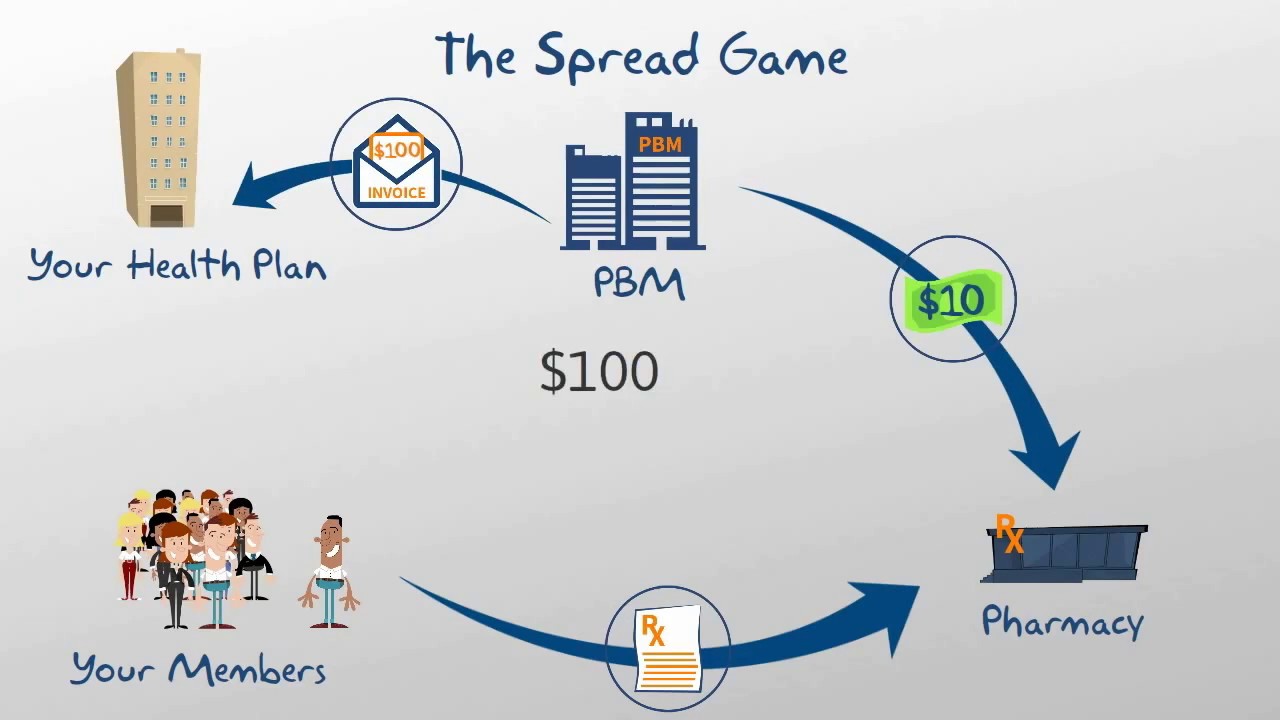
PODCAST: CVS Replaces it’s PBM

Existential Threat to Pharmacy Benefits Managers?

By Staff Reporters

***

***

DEFINITION

***

Just now, CVS got a taste of its own medicine after Blue Shield of California said it will replace CVS’s pharmacy benefit manager system [PBMs] with other companies, including Amazon Pharmacy and Mark Cuban’s Cost Plugs Drugs business, to supply cheaper drugs to its members.

CITE: https://www.r2library.com/Resource

The move poses an existential threat to the entire pharmacy-benefit manager model.

***

COMMENTS APPRECIATED

Thank You

***

***

***

SUBWAY: Private Equity

By Staff Reporters

***

***

A private equity firm just ate Subway

More precisely, the families that founded the sandwich chain agreed to sell it to PE firm Roark Capital after seeking a buyer. The terms of the deal weren’t made public, but the Wall Street Journal previously reported that Roark offered ~$9.6 billion.

Subway, which has been losing market share to other sandwich chains, will be in good foodie company at Roark as it also owns Dunkin’, Jimmy John’s, Baskin-Robbins, Auntie Anne’s, Carvel, Cinnabon and other eateries.

COMMENTS APPRECIATED

Thank You

***

***

DAILY UPDATE: Mortgages Rates and the Markets are Up!

By Staff Reporters

***

***

Home Mortgage rates just hit their highest mark since 2002, making home ownership even less attainable to potential buyers. Stagnation in the housing market could also put a squeeze on consumer spending, slowing broader economic growth. The average 30-year fixed-rate mortgage, a popular home loan, hit 7.09% last Thursday, up from 6.96% the week before, according to mortgage behemoth the Federal Home Loan Mortgage Corporation (Freddie Mac).

In a statement tied to the release, Freddie Mac noted that the rise of the 10-year Treasury yield and the strength of the economy both contributed to the high rate.

***

Here is where the major benchmarks ended:

  • The S&P 500® Index rose 49 points (1.1%) to 4,436.02; the Dow Jones Industrial Average (DJIA) rose 184 points (0.54%) to 34,472.98; the NASDAQ Composite (COMP) rose 215 points (1.59%) to 13,721.03.
  • The 10-year Treasury note yield (TNX) fell 15 basis points to 4.180%.
  • CBOE’s Volatility Index (VIX) fell roughly 1 point to 16.03.

Communication services—which is home to tech-adjacent companies such as Google parent Alphabet (GOOG), Facebook parent Meta (META), and Netflix (NFLX)—and technology were the top-performing sectors Wednesday.

Energy was the laggard, as crude oil futures slipped more than 1% to below $79.

***

COMMENTS APPRECIATED

Thank You

***

***

National Report Up-Coding Fraud Day

AUGUST 21st

By Dr. David Edward Marcinko MBA CMP

***

It’s National Report Upcoding Fraud Day, an initiative started in 2017 to support whistleblowers of Medicare fraud, which costs the US billions of dollars each year. If you need any encouragement to report suspected healthcare fraud (like upcoding or inflated Medicare reimbursement claims), here’s your chance.

CITE: https://www.r2library.com/Resource

What Is Upcoding?

Upcoding is defined as having a doctor or billing person assign an inaccurate billing code to a medical procedure or treatment. It’s done to increase the reimbursement to that physician.

Beyond that, CPT codes are 5-digit codes that tell billing and insurance companies what was done to you while in that physician’s care. It may sound straightforward, but with around 7,800 codes in use, it isn’t hard to get things mixed up or to miss the fact that they overcharged you for a service.

Sometimes the mistake is made in error. In other situations, the office or hospital may mix it up intentionally. Most often, intentional miscoding happens when the facility is billing Medicaid or Medicare. Again, this may not seem like a big deal for you since the government covers it, but it may still affect your ability to get the healthcare that you need.

MORE: https://medicalexecutivepost.com/2022/11/05/medical-billing-down-and-up-coding/

And so, National Report Upcoding Fraud Day is on August 21st. An initiative by Joel Hesch, a former attorney with the Department of Justice. Hesch and a passionate advocate for whistleblowers, created the day for anyone looking to report healthcare fraud. He wanted to make it easier, so everyone could get the process right. The day generates awareness and detailed steps on how the general public can report unethical healthcare providers. Fraudsters siphon off $65 billion each year in Medicare fraud through inflated reimbursement claims. Upcoding is one of the most rampant types of healthcare fraud that must end.Hesch draws on his 15 years as an attorney in the D.O.J. to support and encourage whistleblowers to come forward. The most successful claims have two things in common – facts and the use of proper reporting channels. National Report Upcoding Fraud Day aims to empower anyone with a legitimate case for claims.

RELATED: https://medicalexecutivepost.com/2013/06/05/understanding-the-spoils-of-healthcare-fraud-and-abuse/

MORE: https://medicalexecutivepost.com/2023/06/29/daily-update-healthcare-fraud-schemes-up-as-the-dow-dips-down/

COMMENTS APPRECIATED

Thank You

***

***

HEALTH CARE ENTITY: Venture Capital Funding

http://www.MARCINKOASSOCIATES.com

***

***

Venture capital funding in the digital health space cooled a bit in 2022 following a red-hot 2021. Overall, digital health companies raised $15.3 billion last year, down from the $29.1 billion raised in 2021—but still above the $14.1 billion raised in 2020, according to Rock Health a seed fund that supports digital health startups.

Nevertheless, analysts predict VC investors and bankers will still put a good amount of money into digital health in 2024 and 2025, especially in alternative care, drug development, health information technology technology, EMRs and software that reduces physician workload.

CITE: https://www.r2library.com/Resource

Of course. an essential first part of attracting VC interest and money is the crafting and presentation of your formal business plan [“elevator pitch”]; as well as the needed technical and managerial experience. This is crucial for success and exactly where we can assist.

***

READ MORE: https://marcinkoassociates.com/welcome-medical-colleagues/

CONTACT: MarcinkoAdvisors@msn.com

***

***

PODCAST: Economic Cycles in Healthcare

By Eric Bricker MD

***

***

***

***

***

CITE: https://www.r2library.com/Resource

***
COMMENTS APPRECIATED

Thank You

***

FINANCIAL RESOLUTIONS: For Mid-Yeat 2023

A MID-YEAR UPDATE

By Staff Reporters

Are you the kind of ME-P reader who makes resolutions on New Year’s Day? If so, here are five steps we encourage all investors to consider taking to boost your financial fitness at any time of the year; according to Charles Schwab & Company. So, why not resolve to take them right now? 

CITE: https://www.r2library.com/Resource/Title/082610254

***

Resolution 1: Create a budget

Committing to a saving and investing program during your working years is generally the best way to boost your net worth and achieve many of life’s most important goals. Of course, first you’ll need to know how much money you’ve got to work with. That’s where a budget and net worth statement can help. Here’s how to think about them.

  • Budget and save. At a minimum, be sure to have a high-level budget with three things: how much you’re taking in after taxes, how much you’re spending, and how much you’re saving. If you’re not sure where your money is going, track your spending using a spreadsheet or an online budgeting tool for 30 days. Determine how much money you need to cover your fixed monthly expenses, such as your rent or mortgage and other living expenses, and how much you’d like to put away for other goals. For retirement, our rule of thumb is to save 10%–15% of pre-tax income, including any match from an employer, starting in your 20s. If you delay, the amount you may need to save goes up. Add 10% for every decade you delay saving for retirement. Once you commit to an amount, consider ways you can save automatically, such as through monthly direct deposits. 
  • Calculate your personal net worth annually. It doesn’t have to be complicated. Make a list of your assets (what you own) and subtract your liabilities (what you owe). Subtract the liabilities from the assets to determine your net worth. Don’t panic if your net worth declines when the market is struggling. What’s important is to see a general upward trend over your earning years. If you’re retired, you’ll want to plan an income and distribution strategy to help make your savings last as long as necessary and support other objectives.
  • Project the cost of essential big-ticket items. If you have a big expense in the near term, like college tuition or roof repair, put the money aside or increase your savings and treat that money as spent. If you know that you’ll need the money within a few years, keep it in relatively liquid, safe investments like short-term certificates of deposit (CDs), a savings account, or money market funds purchased within a brokerage account. If you choose to invest in a CD, make sure the term ends by the time you need the cash. If you have more than a few years, invest wisely, based on your time horizon.
  • Prepare for emergencies. If you aren’t retired, we suggest creating an emergency fund with three to six months’ worth of essential living expenses, set aside in a savings account. The emergency fund can help you cover unexpected but necessary expenses without having to sell more volatile investments.
  • Retired? Invest your living-expense money conservatively. Consider keeping 12 months of living expenses—after accounting for non-portfolio income sources like Social Security or a pension—in short-term CDs, an interest-bearing savings account, or a money market fund. Then consider keeping another two to four years’ worth of spending laddered in short-term bonds or invested in short-term bond funds as part of your portfolio’s fixed income allocation. You can use this money to cover expenses in the near term. Having a chunk of savings invested conservatively should allow you to invest a portion of your remaining savings for growth, at a level of risk appropriate for you, while reducing the chances you’ll be forced to sell more volatile investments (like stocks) in a down market.

Resolution 2: Manage your debt

Debt is neither inherently good nor bad—it’s simply a tool. It all depends on how you use it. For most people, some level of debt is a practical necessity, especially to purchase an expensive long-term asset to pay back over time, such as a home. However, problems arise when debt becomes more of a burden than a tool. Here’s how to stay in control.

  • Keep your total debt load manageable. Don’t confuse what you can borrow with what you should borrow. Keep the monthly costs of owning a home (principal, interest, taxes, and insurance) below 28% of your pre-tax income, and your total monthly debt payments (including credit cards, auto loans, and mortgage payments) below 36% of your pre-tax income.
  • Eliminate high-cost, non-deductible consumer debt. Try to pay off credit-card debt and avoid borrowing to buy depreciating assets, such as cars. The cost of consumer debt adds up quickly if you carry a balance. Consider consolidating your debt in a low-rate home equity loan or line of credit (HELOC), set a realistic budget, and implement a schedule to pay it back.
  • Match repayment terms to your time horizons. If you’re likely to move within five to seven years, you could consider a shorter-maturity loan or an adjustable-rate mortgage (ARM), depending on current mortgage rates and options. Don’t consider this if you think you may live in your home for longer or struggle to manage mortgage payment resets if interest rates or your plans change. We also don’t suggest that you borrow money under the assumption that your home will automatically increase in value. Historically, long-term home appreciation has significantly lagged the total return of a diversified stock portfolio. And, for any type of debt, have a disciplined payback schedule. Create a plan to pay off the mortgage on your primary home before you plan to retire.

Resolution 3: Optimize your portfolio

We all share the goal of getting better investment results. But research shows that it’s extremely difficult to always invest at the “perfect” time. So, create a plan that will help you stay disciplined in all kinds of markets. Follow your plan and adjust it as needed. Here are ideas to help you stay focused on your goals.

  • Focus on your overall investment mix. After committing to a savings plan, how you invest is your next most important decision. Have a targeted asset allocation—that is, strategically proportioned mix of stocks, bonds, and cash in your portfolio—that you’re comfortable with, even in a down market. Make sure it fits your long-term goals, risk tolerance, and time frame. The longer your time horizon, the more time you’ll have to potentially benefit from up or down markets.
  • Diversify across and within asset classes. Diversification can help reduce risk and can be a critical factor in helping you reach your goals. Mutual funds and exchange-traded funds (ETFs) are great ways to own a diversified basket of securities in just about any asset class.
  • Consider taxes.Place relatively tax-efficient investments, like ETFs and municipal bonds, in taxable accounts, and relatively tax-inefficient investments, like mutual funds and real estate investment trusts (REITs), in tax-advantaged accounts. Tax-advantaged accounts include retirement accounts, such as a traditional or Roth individual retirement account (IRA). If you trade frequently, do so in tax-advantaged accounts to help reduce your tax bill.
  • Monitor and rebalance your portfolio as needed. Evaluate your portfolio’s performance at least twice a year using a benchmark that makes sense for you. Remember, the long-term progress that you make toward your goals is more important than short-term portfolio performance. As you approach a savings goal, such as the beginning of a child’s education or retirement, begin to reduce investment risk, if appropriate, so you don’t have to sell more volatile investments, such as stocks, when you need them. 
  • Choose appropriate benchmarks. Lastly, your benchmark to measure investment performance should match your portfolio and your goals. Don’t be tempted to compare your portfolio to what performed best in the market last year or even a portfolio invested 100% in stocks. You should have a portfolio selected to best meet your goals, with an appropriate balance of potential return and risk as well. Progress toward your goals is more important than picking the top-performing stocks each year—which, for any investor, isn’t possible to predict.

Resolution 4: Prepare for the unexpected

Risk is a part of life, particularly in investments and finance. Your financial life can be upended by all kinds of surprises—an illness, job loss, disability, death, natural disasters, or lawsuits. If you don’t have enough assets to self-insure against major risks, make a resolution to get your insurance needs covered. Insurance helps protect against unforeseen events that don’t happen often but are expensive to manage yourself when they do. The following guidelines can help you prepare for life’s unexpected moments.

  • Protect against large medical expenses with health insurance. Select a health insurance policy that matches your needs in areas such as coverage, deductibles, co-payments, and choice of medical providers. If you’re in good health and don’t visit the doctor often, consider a high-deductible policy to insure against the possibility of a serious illness or unexpected health-care event.
  • Purchase life insurance if you have dependents or other obligations. First, take advantage of a group term insurance policy, if offered by your employer. Such programs don’t generally require a medical check and can be a cost-effective way to provide income replacement for dependents. If you have minor children or large liabilities that will continue after your death for which you can’t self-insure, you may need additional life insurance. Unless you have a permanent life insurance need or special circumstances, consider starting with a low-cost term life policy before a whole life policy.
  • Protect your earning power with long-term disability insurance. The odds of becoming disabled are greater than the odds of dying young. According to the Social Security Administration, a 20-year-old American has a 25% chance of becoming disabled before normal retirement age and a 13% chance of dying before retirement age.1 If you can’t get adequate short- and long-term coverage through work, consider an individual policy.
  • Protect your physical assets with property-casualty insurance. Check your homeowner’s or renter’s and auto insurance policies to make sure your coverage and deductibles are still right for you.
  • Obtain additional liability coverage, if needed. A personal liability “umbrella” policy is a cost-effective way to increase your liability coverage by $1 million or more, in case you’re at fault in an accident or someone is injured on your property. Umbrella policies don’t cover business-related liabilities, so make sure your business is also properly insured, especially if you’re in a profession with unique risks and aren’t covered by an employer.
  • Consider the pros and cons of long-term-care insurance. If you consider a long-term-care policy, look for a policy that provides the right type of care and is guaranteed renewable with locked-in premium rates. Long-term care typically is most cost-effective starting at about age 50 and generally becomes more expensive or difficult to find after age 70. You can get independent sources of information from your state insurance commissioner. A sound retirement savings strategy is another way to plan for long-term-care costs.
  • Create a disaster plan for your safety and peace of mind. Review your homeowner’s or renter’s policy to see what’s covered and what’s not. Talk to your agent about flood or earthquake insurance if either is a concern for your area. Generally, neither is included in most homeowner’s policies. Keep an updated video inventory of valuable household items and possessions along with any professional appraisals and estimates of replacement values in a safe place away from your home.

Consider storing inventories and important documents on a portable hard drive. It’s also a good idea to have copies of birth certificates, passports, wills, trust documents, records of home improvements, and insurance policies in a small, secure evacuation box (the fireproof, waterproof kind you can lock is best) that you can grab in a hurry in case you have to evacuate immediately. Make sure your trusted loved ones know about this file as well, in case they need it.

Resolution 5: Protect your estate

An estate plan may seem like something only for the wealthy. But there are simple steps everyone should take. Without proper beneficiary designations, a will, and other basic steps, the fate of your assets or minor children may be decided by attorneys and tax agencies. Taxes and attorneys’ fees can eat away at these assets and delay the distribution of assets just when your heirs need them most. Here’s how to protect your estate—and your loved ones.

  • Review your beneficiaries, especially for retirement accounts, annuities, and life insurance.The beneficiary designation is your first line of defense, to make your wishes for assets known, and ensure that they transfer to who you want quickly. Keep information on beneficiaries up-to-date to ensure the proceeds of life insurance policies and retirement accounts are consistent with your wishes, your will, and other documents.
  • Update or prepare your will. A will isn’t just about transferring assets. It can provide for your dependents’ support and care and help you avoid the costs and delays associated with dying without one. It can also spell out plans to repay debts, such as a credit card or mortgage. Keep in mind that a beneficiary designation or asset titling trumps what’s written in a will, so make sure all documents are consistent and reflect your desires. When writing a will, we recommend working with an experienced lawyer or estate planning attorney.
  • Coordinate asset titling with the rest of your estate plan. The titling of your property and non-retirement accounts can affect the ultimate disposition and taxation of your assets. Talk with an estate attorney or lawyer about debts and the titling of assets, such as a home, that don’t have a beneficiary designation, to make sure they reflect your wishes and are consistent with titling laws that can vary by state.
  • Have in place durable powers of attorney for health care. In these documents, appoint trusted and competent confidants to make decisions on your behalf if you become incapacitated.
  • Consider a revocable living trust. This is especially important if your estate is large and complex, and you want to spell out how your assets should be used in detail, or if you have dependent children and want to spell in detail how assets should be managed to support them, who will manage the assets, and other issues. A living trust may not be needed for smaller estates where beneficiaries, titling, and a will can be sufficient, but talk with a qualified financial planner or attorney to be sure.
  • Take care of important estate documents. Make sure a trusted and competent family member or close friend knows the location of your important estate documents.

Finally, remember you don’t have to do everything at once. There’s a lot you can do to improve your financial health by taking one step at a time and think of these resolutions as a checklist. This ME-P and our books and posts can help. Make some real progress on your journey this year. 

1Johanna Maleh and Tiffany Bosley. “Disability and Death Probability Tables for Insured Workers Who Attain Age 20 in 2022.” Social Security Administration, December 2022.

***

WELL- HOW DID YOU DO?

COMMENTS APPRECIATED

Thank You

***

ORDER: https://www.routledge.com/Comprehensive-Financial-Planning-Strategies-for-Doctors-and-Advisors-Best/Marcinko-Hetico/p/book/9781482240283

***

ORDER: https://www.routledge.com/Risk-Management-Liability-Insurance-and-Asset-Protection-Strategies-for/Marcinko-Hetico/p/book/9781498725989

***

HAPPY: Juvedérm Day!

By Staff Reporters

***

***

Allergan has branded today the first ever “Juvedérm Day,” named after its famous dermal filler.

AbbVie, which owns Allergan, reported that it made $368 million on Juvedérm in Q2 2023, up almost 7% compared to last year. AbbVie’s aesthetics business, which also produces Botox, made almost $1.4 billion in Q2.

Maybe AbbVie’s hoping that pushing Juvedérm sales will help make up for its dropping Humira sales.

***

***

***

SIX TYPES: OF Financial Professionals

By Aleksandar Stojanović, MSc

Here’s a brief insight before the explanations:

  • 𝗖𝗙𝗢𝘀 are heavily invested in strategic planning, leadership, and risk management, often overlooking the entire financial spectrum.
  • 𝗖𝗼𝗻𝘁𝗿𝗼𝗹𝗹𝗲𝗿𝘀 play a key role in accounting, financial reporting, and regulatory compliance, ensuring financial integrity.
  • 𝗙𝗣&𝗔 𝗠𝗮𝗻𝗮𝗴𝗲𝗿𝘀 focus on financial modeling, analytical skills, and business acumen to drive business growth.
  • 𝗜𝗻𝘁𝗲𝗿𝗻𝗮𝗹 𝗔𝘂𝗱𝗶𝘁𝗼𝗿𝘀 specialize in risk management, regulatory compliance, and analytical tasks to ensure internal control.
  • 𝗙𝗶𝗻𝗮𝗻𝗰𝗲 𝗔𝗻𝗮𝗹𝘆𝘀𝘁𝘀 are adept at financial modeling, analytics, and reporting to support data-driven decisions.
  • 𝗔𝗰𝗰𝗼𝘂𝗻𝘁𝗮𝗻𝘁𝘀 emphasize accounting skills, financial reporting, and regulatory compliance for precise record-keeping.

***

***

Now, generally, CFOs and FP&A Managers might spend more time connecting to business stakeholders for strategic decisions, while Controllers and Internal Auditors focus more on regulatory and compliance tasks.

Finance Analysts and Accountants are more involved in financial modeling and reporting.

These titles and responsibilities can be interchanged in some job descriptions, and the weight of these skills also depends on the industry and project.

But this breakdown is still quite helpful when planning career paths or understanding the roles within a finance department.

CITE: https://www.r2library.com/Resource

***
COMMENTS APPRECIATED

Thank You

***

***

High-Earning Americans to Lose 401(k) Tax Deduction in 2023

By Staff Reporters

***

***

Changes to a popular 401(K) tax deduction are set to hit millions of high-earning Americans from next year. Workers over the aged of 50 are entitled to make catch-up contributions to their 401(K)s worth up to $7,500 this year. The annual cap on all contributions is $30,000. 

CITE: https://www.r2library.com/Resource

But from 2024, those earning over $145,000 will no longer be able to put these catch-up payments into a traditional 401(K).  Instead, the money will be only funneled into a Roth IRA account, according to new rules passed through Congress in December. 

***

***
COMMENTS APPRECIATED

Thank You

***

WEWORK: Maybe Not!

By Staff Reporters

***

***

WeWork, the co-working company that was valued at $47 billion four years ago just warned that there was “substantial doubt about our ability to continue as a going concern,” which means it could soon file for bankruptcy.

The We Company filed its Form S-1 for the IPO in August 2019. The following month, facing mounting pressure from investors based on disclosures in the S-1, company co-founder Adam Neumann resigned from his position as CEO and gave up majority voting control. Amid growing investor concerns over its corporate governance, valuation, and outlook for the business, the company formally withdrew its S-1 filing and announced the postponing of its IPO. At that time, the reported public valuation of the company was US $10 billion, a reduction from the $47 billion valuation it had achieved in January and less than the $12.8 billion it had raised since 2010.

The gradual return-to-work movement has not benefited WeWork as much as it anticipated: Memberships declined last quarter, and the company posted a net loss of $397 million.

***

***

COMMENTS APPRECIATED

Thank You

***

PODCAST: Health Insurance Company Profits

“Inter-Company Eliminations” – Healthcare Managerial Accounting

BY ERIC BRICKER MD

***

***
COMMENTS APPRECIATED

Thank You

***

***

***

IRA: Inherited Rules Change

By Staff Reporters

***

***

The Internal Revenue Service is allowing people who inherited an individual retirement account after 2019 to skip a required minimum distribution [RMD] this year, but most still must empty the account within 10 years. The IRS issued the new guidance last week.

There has been confusion surrounding the rules for inherited IRAs ever since the Secure Act of 2019 eliminated the so-called “stretch IRA” for most non-spouse beneficiaries. The old rules had allowed beneficiaries of inherited IRAs to stretch their required minimum distributions over their own lifetimes, permitting decades of tax-free or tax-deferred growth in some cases.

Under the Secure Act of 2019, most non-spouse beneficiaries must now empty their inherited IRA by the end of the 10th year following the original owner’s death. When the law was first passed, experts interpreted it to mean that all the money could be withdrawn in year 10 if so desired, said Ed Slott, CPA and founder of IRAHelp.com 

Yet in early 2022, the IRS proposed stricter rules that would apply to someone who inherited an IRA from a person who had already begun taking RMDs; in that case, the recipient must continue taking distributions on an annual schedule. In other words, if the RMD tap had already been turned on, Slott said, it couldn’t be turned off following the original owner’s death, and beneficiaries had to keep withdrawing every year and paying income tax on the amount withdrawn.

***

***

COMMENTS APPRECIATED

Thank You

***

IRS: “No More Door Knocks”

By Staff Reporters

***

***

 The IRS will not come to the front / back door 

The tax agency will no longer make unannounced visits to taxpayers’ homes or businesses to collect payments due (in most cases). The IRS said it was halting the controversial practice, which has been around since at least the 1950s, to protect its agents’ safety.

Instead, the agency will send letters requesting that the taxpayer schedule an appointment. In specific cases, such as to deliver a summons or subpoena or seize assets, an unannounced visit may still occur, but there are only a few hundred of those each year compared to tens of thousands of the more routine visits, according to Reuters.

***

COMMENTS APPRECIATED

Thank You

***

***

PODCAST: Why Doctors Select Alternative Insurance Payment Networks

DIRECT CONTRACTING

By Eric Bricker MD

***

***

***

COMMENTS APPRECIATED

Thank You

***

***

INSTANT BANK PAYMENTS? The “FedNow” 24/7 Service

By Staff Reporters

***

***

According to Morning Brew, the US banking system is about to speed up, potentially eliminating those frustrating waiting days it can take for money to hit your account. The Fed is launching its FedNow instant payment service later this month. The new system will enable banks to send each other cash instantly, 24/7, as an alternative to the existing system that runs only during regular business hours and often takes days to move money.

FedNow could put America’s banking system on track to catch up to countries like India and Nigeria, where high-speed payments are as common. The US does already have an instant payments system, but it’s private rather than government-backed, and it hasn’t been widely adopted. It’s mostly only used by big banks, and only 1.4% of US transactions happen in real time, according to payment systems company ACI Worldwide.

FedNow enabled services will soon likely appear at the 41 banks that have been certified to participate so far.

  • People moving money between banks or paying bills could complete their transactions in seconds without the need to plan payments days in advance.
  • Businesses will be able to access customer payments immediately and to send workers payments more frequently with instant direct deposit rather than the usual payroll cycle.

BUT … Faster payments could mean faster bank runs, too!

Some experts worry that allowing people to drain their bank accounts instantaneously could make SVB-style bank runs more likely. Smaller banks struggling with liquidity would have even less time to react to customer panic and get collateral for emergency government loans to cover fleeing cash.

But there are safeguards built in. FedNow has a transaction limit of $500,000, and banks can set their own ceilings to ensure that customers don’t pull their deposits.

***
COMMENTS APPRECIATED

Thank You

***

***

KING IS CASH: In a Tough Interest Rate Ecosystem

By Staff Reporters

***

***

Cash is king, especially in this tough interest rate environment. That’s proving true in the mergers and acquisitions market this year, according to PwC’s US Deals 2023 midyear outlook, which says companies and private equity with cash in hand are making deals happen. There are “opportunities for corporates with strong balance sheets. Private equity sponsors with large amounts of dry powder also have been getting deals done,” according to PwC.

CITE: https://www.r2library.com/Resource

Deal makers need cash because lending has become tougher and more expensive to obtain. Additionally, “the IPO market has remained quiet for over a year.”

Even the private equity market, which often leans heavily on debt financing, is reaching for other ways to get deals done: “Some PE sponsors have turned to more creative financing solutions, including higher equity contribution, seller’s notes, paid in-kind financing and the private credit markets.”

The challenging market is also impacting deal size. PwC found that deal makers are eschewing big deals in favor of smaller opportunities. However, although the deals appear to be smaller, the volume of M&A activity is “relatively strong compared toCOVID pre-pandemic levels.

***

COMMENTS APPRECIATED

Join the ME-P

***

***

DAILY UPDATE: “No July SSI Checks for You”

Supplemental Security Income

By Staff Reporters

***

***

Stocks popped 2% this week, as investors expect the Fed to soon pause or dial back interest rates after the release of the June inflation report. Central bankers have raised rates from zero to over 5% since March of last year, a move that led the S&P 500 to shed 20% in 2022.

And yet, No SSI for you!

DEFINITION: Supplemental Security Income (SSI) is a means-tested program that provides cash payments to disabled children, disabled adults, and individuals aged 65 or older who are citizens or nationals of the USA. SSI was created by the Social Security Amendments of 1972 and is incorporated in Title 16 of the Social Security Act The program is administered by the Social Security Administration (SSA) and began operations in 1974.

Individuals or their helpers may start the application for SSI benefits by completing a short form on SSA’s website. SSA staff will schedule an appointment for the individual or helper within 1–2 weeks and complete the process.

SSI was created to replace federal-state adult assistance programs that served the same purpose, but were administered by the state agencies and received criticism for lacking consistent eligibility criteria. The restructuring of these programs was intended to standardize the eligibility requirements and level of benefits. Although administered by SSA, SSI is funded from the U.S. Treasury general funds, not the SS Trust Fund. As of July 2022, the program provides benefits to approximately five million Americans.

CITE: https://www.r2library.com/Resource

The Social Security Administration gives, and the Social Security Administration takes away — at least when it comes to beneficiaries who qualify for Supplemental Security Income (SSI) payments.

July is one of the months when the agency doesn’t issue an SSI check. Because of a quirk in the payment schedule, SSI beneficiaries get two payments in March, June, September and December, while no payments are deposited in January, April, July and October.

***

ORDER: https://www.routledge.com/Risk-Management-Liability-Insurance-and-Asset-Protection-Strategies-for/Marcinko-Hetico/p/book/9781498725989

ORDER: https://www.routledge.com/Comprehensive-Financial-Planning-Strategies-for-Doctors-and-Advisors-Best/Marcinko-Hetico/p/book/9781482240283

***

COMMENTS APPRECIATED

Thank You

***

e-BOOKS: For Doctors, Financial Advisors, CPAs, Insurance Agents, Medical Consultants and Health Law Attorneys

By Ann Miller RN MHA CMP

INTRODUCING OUR NEXT GENERATION e-BOOK LIBRARY FROM iMBA, Inc.

An e-book is an electronic or digital book that can be read on a computer or a handheld device.

Our new e-books consists of text, images, and are fixed to a specific spot on the page.

And, our e-books are a data files similar in content and structure to a word-processing document that comes in a PDF format. To use our e-books, you need to purchase and download it to a device that has a .pdf file reader app, such as ADOBE® or similar on a smartphone, tablet or computer. A PDF, also known as a portable document format, is the format most people are familiar with and used in our e-books. PDFs are known for their ease of use and ability to hold custom layouts. They are the most commonly used e-Book formats, especially by professionals and adult-learners.

You can then access the e-book and read it, or highlight pages and even take side notes.

e-Books Save Money

With no manufacturing, printing, binding or shipping costs, e-Books are cheaper than traditional hard or paper back books.The price of each specialized and highly niche focused e-Book [50-100 pages] is only $25, whereas similar paperback printed books of this type generally cost $145, or more!

Payable thru PayPal [3% courtesy surcharge applies].

MORE HERE: https://medicalexecutivepost.com/me-pr-a-new-feature/

COMMENTS APPRECIATED

Thank You

***

CMS: Projected National Health Expenditures to Surpass $7 Trillion Dollars

By Health Capital Consultants, LLC

***

***

Projected National Health Expenditures to Surpass $7 Trillion

On June 14th, 2023, CMS released health insurance enrollment and national health expenditure (NHE) projections for 2022 through 2031.

CITE: https://www.r2library.com/Resource

The NHE, which is published annually, is the official U.S. estimate of insurance enrollment and health spending. CMS projects that from 2022 to 2031, the NHE’s annual growth rate of 5.4% will surpass the U.S. gross domestic product (GDP) annual growth rate of 4.6%. As a result, health spending as a share of the U.S. GDP is set to jump from 18.3% in 2021 to 19.6% in 2031.

This Health Capital Topics article will review the notable findings from CMS’s projection report. (Read more…) 

COMMENTS APPRECIATED

Thank You

***

***

DAILY UPDATE: Markets Fall on Jerome Powell’s Testimony

By Staff Reporters

***

***

Wall Street’s major averages yesterday, on Wednesday, ended lower for a third straight session, weighed down by losses in growth stocks. And, sentiment was dampened by Federal Reserve Chair Jerome Powell’s largely hawkish reiteration that more rate hikes were likely.

Powell in his published opening remarks to his two-day testimony to Congress said that nearly all policymakers expect that interest rates would have to be raised further by the end of the year. The Fed chief then, in responses to questions from lawmakers, said that it may “make sense” for the central bank to raise rates at a “more moderate pace” going forward.

***

So, here is where the major benchmarks ended:

  • The S&P 500 Index was down 23.02 points (0.5%) at 4,365.69; the Dow Jones Industrial Average (DJIA) was down 102.35 (0.3%) at 33,951.52; the NASDAQ Composite was down 165.10 (1.2%) at 13,502.20.
  • The 10-year Treasury note yield (TNX) was little changed at 3.727%.
  • Cboe’s Volatility Index (VIX) was  was down 0.68 at 13.19.

Technology shares were among the weakest performers Wednesday, with the Philadelphia Semiconductor Index (SOX) dropping nearly 2% to near a two-week low. Regional banks were also lower.

Energy stocks led sector gainers as crude oil futures jumped nearly 2% to a two-week high on hopes for stronger demand from China. Volatility based on the VIX sank to its lowest level since January 2020.

***

ORDER: https://www.routledge.com/Risk-Management-Liability-Insurance-and-Asset-Protection-Strategies-for/Marcinko-Hetico/p/book/9781498725989

ORDER: https://www.routledge.com/Comprehensive-Financial-Planning-Strategies-for-Doctors-and-Advisors-Best/Marcinko-Hetico/p/book/9781482240283

***

***

COMMENTS APPRECIATED

Thank You

***

VALUATION: Medicare Advantage [Part C] Plans

By Health Capital Consultants, LLC

***

***

Valuation of MA Plans: Regulatory Environment

Healthcare provider organizations, including Medicare Advantage organizations (MAOs), face a range of federal and state legal and regulatory constraints, which affect their formation, operation, procedural coding and billing, and transactions.

CITE: https://www.r2library.com/Resource

This final installment of the three-part series on the valuation of Medicare Advantage (MA) plans will review the regulatory environment in which these plans operate. (Read more…) 

***

COMMENTS APPRECIATED

Thank You

***

***

KAISER PERMANENTE: Acquires Geisinger Health

By Health Capital Consultants, LLC

***

***

On April 26, 2023, the California-based healthcare giant Kaiser Permanente announced a $5 billion “mega deal” to acquire Pennsylvania health system Geisinger Health. Kaiser also announced the formation of a new nonprofit health system, to be called Risant Health. Geisinger Health will be the first health system under the umbrella of Risant Health, although Kaiser aims to add approximately five more systems to the entity.

CITE: https://www.r2library.com/Resource

This Health Capital Topics article will review this mega deal and discuss what this transaction may mean for hospitals and health systems. (Read more…)

COMMENTS APPRECIATED

Thank You

***

***

Congress Mulling Medicare Site-Neutral Payment Policy

By Health Capital Consultants, LLC

***

***

Congress Mulling Medicare Site-Neutral Payment Policy

Congress is actively considering several bills related to site-neutral payment that has hospitals across the U.S. significantly concerned. The proposed legislation would lower the price that Medicare pays hospitals for common outpatient services, such as x-rays and general checkups, and match what it pays outpatient facilities such as physician offices. Facilities that are owned by hospitals (known as hospital outpatient departments, or HOPDs) earn more than twice what an independent outpatient facility earns for providing the same services.

CITE: https://www.r2library.com/Resource

This Health Capital Topics article will review the changes that are being considered by Congress, as well as the responses from stakeholders. (Read more…)

***

COMMENTS APPRECIATED

Thank You

***

***

PHYSICIAN COMPENSATION: Rising but NOT with Inflation!

By Staff Reporters and MGMA Survey

Physician Compensation is Rising but Not Keeping Pace with Inflation

Despite physician and advanced practice provider productivity continuing its post-pandemic recovery, compensation gains are being outstripped by the most severe inflationary growth in decades, according to a new report. Provider compensation increased across the board, with primary care physicians (PCPs) receiving the biggest increase last year. Growth in median total compensation for primary care doctors doubled from 2021 to 2022—from pay growth of 2.13% to 4.41%. But these gains were eclipsed by the rate of inflation at 7% and 6.5%, respectively.

CITE: https://www.r2library.com/Resource

Surgical and non-surgical specialists saw their change in median total compensation cool slightly in 2022, dropping from 3.89% for surgical specialists in 2021 to 2.54% in 2022, and from 3.12% for non-surgical physicians in 2021 to 2.36% in 2022, according to the Medical Group Management Association’s 2023 provider compensation and production report.

Source: Heather Landi, Fierce Healthcare [6/6/23]

***

COMMENTS APPRECIATED

Thank You

***

***

META: Sells Giphy for Peanuts

By Staff Reporters

Meta, the Facebook tech giant sold the GIF platform it had recently bought at a steep loss after the UK’s competition regulator demanded it unwind its acquisition over antitrust concerns.

Meta had acquired Giphy in 2020 for $400 million, and just sold the company to Shutterstock for nearly $350 million less than that—$53 million. This was the first instance of British authorities dismantling a Big Tech deal that had already closed

***

COMMENTS APPRECIATED

Thank You

***

***

MORE Personal BUDGET Rules for Doctors

Personal Physician Budgeting Rules

BY DR. DAVID E. MARCINKO MBA CMP®

CMP logo

SPONSOR: http://www.CertifiedMedicalPlanner.org

NOTE: The US debt-ceiling bill just passed, June 1, 2023. So, here are some budgeting rules for doctors and medical professionals.

***

Budgeting is probably one of the greatest tools in building wealth. However, it is also one of the greatest weaknesses among physicians who tend to live a certain lifestyle. This includes living in an exclusive neighborhood, driving an expensive car, wearing imported suits and a fine watch, all of which do not lend themselves to expense budgeting. Only one in ten medical professionals has a personal budget. Fear, or a lack of knowledge, is a major cause of procrastination.

The following guidelines will assist in this microeconomic endeavor:

  1. Set reasonable goals and estimate annual income. Do not keep large amounts of cash at     home, or in the office. Deposit it in a money market account for safety and interest.
  1. Do not pay bills early, do not have more taxes withheld from your salary than you owe, and develop spending estimates and budget fixed expenses first. Fixed expenses are usually contractual, and may include housing, utilities, food, telephone, social security, medical, debt repayment, homeowner’ or renter’s insurance, auto, life and disability insurance, and maintenance, etc.
  1. Make variable expenses a priority. Variable expenses are not usually contractual, and may include clothing, education, recreational, travel, vacation, gas, entertainment, gifts, furnishings, savings, investments, etc.
  1. Trim variable expenses by 10-15 percent, and fixed expenses, when possible. Ultimately, all fixed expenses get paid and become variable in the long run.
  1. Use carve-out or set-asides for big ticket items and differentiate “wants from needs.”
  1. Know the difference between saving and investing. Savers tend to be risk adverse and     investors understand risk and takes steps to mitigate it.
  1. Determine shortfalls or excesses with the budget period.
  1. Track actual expenses.
  1. Calculate both income and expenses as a percentage of the total, and determine if there    is a better way to allocate resources. Then, review the budget on a monthly basis to determine if there is a variance. Determine if the variance was avoidable, unavoidable, or a result of inaccurate assumptions, and take needed corrective action.

***

Verify Your Budget and Follow a Financial Plan

The process of establishing a budget relies heavily on guesswork, and the use of software or “apps”, that seamlessly track expenditures and help your budget and your financial plan become more of reality. Most doctors underestimate their true expenses, so lumping and best guesses on expense usually prove very inaccurate. Personal financial software and mobile phone applications make the verification of budgets easier. Once your personal accounts are setup, free apps like MINT.com will let give you a detailed report on where your money is going and the adjustments you must make. Few professions make larger contributions to the Internal Revenue Service than physicians and the medical profession. It is very important to categorize different budget categories not only to be proactive about your expenses, but also to accurately reflect the effect your different expenditures have on your real savings capability. All expense dollars are not equal.

For example, a mortgage payment, which is mostly interest expense in the early years, is likewise mostly tax deductible. Spending money on your family vacation is typically not tax deductible. Itemized deductions, which are deductions that a US taxpayer can claim on their tax return in order to reduce their Adjustable Gross Income (AGI), may include such costs as property taxes, vehicle registration fees, income taxes, mortgage expense, investment interest, charitable contributions, medical expenses (to the extent the expenses exceed 10% of the taxpayers AGI) and more.

Employing a qualified certified medical planneR® that utilizes a cash-flow based financial planning software program may help the physician identify their actual after-tax projected cash flow and more accurately plan their future.

ASSESSMENT: Your thoughts are appreciated.

Comprehensive Financial Planning Strategies for Doctors and Advisors: Best Practices from Leading Consultants and Certified Medical Planners™

ORDER TEXTBOOK: https://www.routledge.com/Comprehensive-Financial-Planning-Strategies-for-Doctors-and-Advisors-Best/Marcinko-Hetico/p/book/9781482240283

INVITE DR. MARCINKO: https://medicalexecutivepost.com/dr-david-marcinkos-

THANK YOU

***

STUDENTS: Student Loan Repayments Commencing?

By Staff Reporters

***

***

Student loan payments could restart soon. Tucked into the debt ceiling deal agreed to by President Biden and House Speaker Kevin McCarthy is a measure that requires student loan borrowers to start paying their monthly bills again 60 days after June 30th.

A freeze on repayments has been in place since March 2020 due to COVID-19, and it’s been extended several times as the pandemic dragged on. This deadline for the resumption of payments is similar to the timeline previously laid out by President Joe Biden, but it prevents him from issuing another pause.

COLLEGE COSTS: https://medicalexecutivepost.com/2016/07/18/is-the-cost-of-a-college-education-really-worth-it/

GOV PSLF: https://studentaid.gov/manage-loans/forgiveness-cancellation/public-service

***

COMMENTS APPRECIATED

Thank You

***

***