BOARD CERTIFICATION EXAM STUDY GUIDES Lower Extremity Trauma
[Click on Image to Enlarge]
ME-P Free Advertising Consultation
The “Medical Executive-Post” is about connecting doctors, health care executives and modern consulting advisors. It’s about free-enterprise, business, practice, policy, personal financial planning and wealth building capitalism. We have an attitude that’s independent, outspoken, intelligent and so Next-Gen; often edgy, usually controversial. And, our consultants “got fly”, just like U. Read it! Write it! Post it! “Medical Executive-Post”. Call or email us for your FREE advertising and sales consultation TODAY [678.779.8597] Email: MarcinkoAdvisors@outlook.com
Medical & Surgical e-Consent Forms
ePodiatryConsentForms.com
iMBA Inc., OFFICES
Suite #5901 Wilbanks Drive, Norcross, Georgia, 30092 USA [1.678.779.8597]. Our location is real and we are now virtually enabled to assist new long distance clients and out-of-town colleagues.
ME-P Publishing
SEEKING INDUSTRY INFO PARTNERS?
If you want the opportunity to work with leading health care industry insiders, innovators and watchers, the “ME-P” may be right for you? We are unbiased and operate at the nexus of theoretical and applied R&D. Collaborate with us and you’ll put your brand in front of a smart & tightly focused demographic; one at the forefront of our emerging healthcare free marketplace of informed and professional “movers and shakers.” Our Ad Rate Card is available upon request [678-779-8597].
Exchange‑traded funds (ETFs) have been one of the most transformative innovations in modern investing. Since the first U.S. ETF launched in the early 1990s, they have grown from a niche product to a dominant force, reshaping how individuals and institutions build portfolios. Their rise has been so dramatic that it’s fair to ask whether ETFs have already peaked. Are they past their prime, or are they simply entering a more mature—and still powerful—phase of their evolution?
To answer that, it helps to understand why ETFs became so popular in the first place. They offered something investors had long wanted: low‑cost, diversified exposure to markets without the high fees and underperformance that plagued many actively managed mutual funds. ETFs also traded like stocks, giving investors flexibility and transparency that mutual funds couldn’t match. These advantages fueled explosive growth, especially as passive investing gained cultural and academic momentum. For years, ETFs were the fresh, disruptive alternative to traditional funds.
But today, the landscape looks different. ETFs are no longer the scrappy upstarts; they are the establishment. With trillions of dollars in assets and thousands of products on the market, the ETF ecosystem is crowded, competitive, and increasingly complex. This shift has led some observers to argue that ETFs have reached saturation—that the innovation wave has crested and the industry is coasting on past success.
There is some truth to the idea that the ETF boom has matured. Many of the most useful, broad‑market ETFs already exist, and new launches often feel like variations on a theme. Investors can choose from dozens of S&P 500 ETFs, dozens more bond ETFs, and an overwhelming array of thematic funds that slice the market into ever‑narrower niches. When a market becomes this saturated, it’s natural to wonder whether the era of groundbreaking ETF innovation is behind us.
Yet maturity is not the same as decline. In fact, the very saturation that critics point to is evidence of the ETF’s enduring relevance. Investors continue to demand these products, and issuers continue to create them because ETFs remain one of the most efficient vehicles for accessing markets. Even if the pace of novelty has slowed, the core value proposition—low cost, liquidity, transparency—has not diminished.
Moreover, ETFs are still evolving in meaningful ways. One of the most significant developments in recent years has been the rise of actively managed ETFs. For decades, ETFs were synonymous with passive investing, but that boundary has blurred. Active managers have embraced the ETF structure because it offers tax advantages and lower operating costs compared to traditional mutual funds. This shift has opened the door to new strategies and has attracted investors who want the benefits of active management without the drawbacks of older fund structures. Far from being past their prime, ETFs are expanding into territory once considered off‑limits.
Another area of growth is fixed‑income ETFs. Bond markets have historically been opaque and difficult for individual investors to navigate. ETFs have changed that by offering simple, liquid access to everything from government bonds to high‑yield credit. During periods of market stress, bond ETFs have even served as price discovery tools, providing transparency when underlying bond markets were sluggish. This role suggests that ETFs are not just surviving—they are becoming integral to how modern markets function.
The rise of thematic and specialized ETFs also complicates the “past their prime” narrative. While some of these funds are gimmicky or short‑lived, others have tapped into genuine long‑term trends such as clean energy, cybersecurity, and artificial intelligence. These products allow investors to express views on specific sectors or technologies without picking individual stocks. Even if not every thematic ETF succeeds, the category reflects ongoing experimentation and investor interest.
***
***
Of course, ETFs are not without challenges. Their popularity has raised concerns about market concentration, especially in large index funds that hold significant portions of major companies. Some critics argue that passive investing distorts price signals or contributes to market bubbles. Others worry about liquidity risks in certain types of ETFs, particularly those holding less liquid assets. These debates are important, but they do not indicate that ETFs are fading. Instead, they show that ETFs have become so influential that their impact must be carefully examined.
Ultimately, the question of whether ETFs are past their prime depends on how one defines “prime.” If it means rapid, explosive growth driven by novelty, then yes—the early era of ETF disruption has passed. The industry is more mature, more crowded, and less defined by breakthrough innovation than it once was. But if “prime” refers to relevance, utility, and influence, then ETFs are arguably stronger than ever. They have become foundational tools for investors of all types, from retirees to hedge funds. Their evolution into active strategies, fixed‑income markets, and thematic investing shows that they are still adapting to new demands.
ETFs may no longer be the newest thing in finance, but they remain one of the most powerful. Rather than being past their prime, they appear to be settling into a long, stable middle age—one defined not by hype, but by enduring value.
SPEAKING: Dr. Marcinko will be speaking and lecturing, signing and opining, teaching and preaching, storming and performing at many locations throughout the USA this year! His tour of witty and serious pontifications may be scheduled on a planned or ad-hoc basis; for public or private meetings and gatherings; formally, informally, or over lunch or dinner. All medical societies, financial advisory firms or Broker-Dealers are encouraged to submit an RFP for speaking engagements: CONTACT: Ann Miller RN MHA at MarcinkoAdvisors@outlook.com -OR-http://www.MarcinkoAssociates.com
Closed‑end mutual funds occupy a curious corner of the investment world. Once a more prominent vehicle for accessing professional management and diversified portfolios, they now sit in the shadow of open‑end mutual funds and exchange‑traded funds (ETFs). The question of whether closed‑end funds are past their prime is not just about performance; it’s about relevance in a market that has evolved dramatically. While they still offer unique advantages, the broader trends in investor behavior and financial innovation suggest that their golden era may indeed be behind them.
Closed‑end funds were originally designed to give investors access to a professionally managed pool of assets without the liquidity constraints that come from daily redemptions. Unlike open‑end mutual funds, which issue and redeem shares based on investor demand, closed‑end funds issue a fixed number of shares at launch. Those shares then trade on an exchange like a stock. This structure frees managers from having to hold large cash reserves to meet redemptions, allowing them to invest more fully in their chosen strategies. In theory, this should give closed‑end funds an edge, especially in less liquid markets such as municipal bonds or emerging‑market debt.
However, the very feature that once made closed‑end funds appealing—their fixed capital structure—has become a double‑edged sword. Because shares trade on the open market, their price often diverges from the value of the underlying assets. This leads to persistent discounts or premiums relative to net asset value. For some investors, discounts represent an opportunity; for others, they are a source of frustration. The discount phenomenon can make closed‑end funds feel unpredictable, especially compared to ETFs, which are designed to keep market prices closely aligned with underlying asset values.
The rise of ETFs is perhaps the strongest argument that closed‑end funds have lost their prime position. ETFs offer intraday liquidity, tax efficiency, low fees, and tight tracking of net asset value. They have become the default choice for many investors seeking diversified exposure. In contrast, closed‑end funds often carry higher expense ratios, and many use leverage to enhance returns—an approach that can magnify both gains and losses. In a market increasingly focused on transparency and cost efficiency, these characteristics can make closed‑end funds seem outdated.
Investor behavior has also shifted. Modern investors value simplicity, liquidity, and low fees. Robo‑advisors, model portfolios, and passive strategies have reinforced these preferences. Closed‑end funds, with their idiosyncratic pricing and sometimes opaque strategies, do not fit neatly into this landscape. Their complexity can be a barrier for newer investors who are accustomed to the straightforward nature of ETFs and index funds.
***
***
Yet it would be a mistake to dismiss closed‑end funds entirely. They continue to offer advantages that other vehicles cannot easily replicate. Their ability to use leverage, for example, can be attractive in certain market environments. Skilled managers can exploit inefficiencies in niche markets without worrying about redemptions forcing them to sell assets at inopportune times. Income‑focused investors, particularly those seeking municipal bond exposure, often find closed‑end funds appealing because they can deliver higher yields than comparable open‑end funds or ETFs.
Moreover, the discounts that plague closed‑end funds can also be a source of opportunity. Contrarian investors who are willing to tolerate volatility may find value in purchasing shares at a discount and waiting for market sentiment to shift. In some cases, activist investors have stepped in to push for changes that unlock value, such as tender offers or fund reorganizations. These dynamics create a unique ecosystem that continues to attract a dedicated, if smaller, group of investors.
Still, the broader trend is hard to ignore. The investment industry has moved toward vehicles that emphasize liquidity, transparency, and low cost. Closed‑end funds, by design, struggle to compete on these dimensions. Their niche strengths are not enough to offset the structural advantages of ETFs for most investors. As a result, while closed‑end funds remain relevant in certain corners of the market, they no longer occupy the central role they once did.
So, are closed‑end mutual funds past their prime? In many ways, yes. Their peak influence has faded as the industry has embraced more modern, flexible, and cost‑effective investment vehicles. But “past their prime” does not mean obsolete. Closed‑end funds continue to serve a purpose for investors who understand their quirks and are willing to navigate their complexities. They may no longer be the star of the show, but they still play a meaningful supporting role in the broader investment landscape.
SPEAKING: Dr. Marcinko will be speaking and lecturing, signing and opining, teaching and preaching, storming and performing at many locations throughout the USA this year! His tour of witty and serious pontifications may be scheduled on a planned or ad-hoc basis; for public or private meetings and gatherings; formally, informally, or over lunch or dinner. All medical societies, financial advisory firms or Broker-Dealers are encouraged to submit an RFP for speaking engagements: CONTACT: Ann Miller RN MHA at MarcinkoAdvisors@outlook.com -OR-http://www.MarcinkoAssociates.com
The theory emerged during a period when stock trading was dominated by institutions and wealthy individuals. Small investors, who could not afford 100‑share blocks, often purchased odd lots. Analysts observed that these traders tended to enter the market after prices had already risen significantly and to sell only after declines had already occurred. The odd‑lot theory formalized this observation into a broader claim: odd‑lot investors consistently act on emotion rather than analysis, making them a useful signal of crowd psychology.
Two assumptions sit at the heart of the theory:
Odd‑lot traders are generally uninformed. They are presumed to lack access to research, professional advice, or disciplined strategies.
Their behavior is reactive rather than predictive. They buy after feeling confident and sell after feeling fearful, which often means they are late to major turning points.
From these assumptions, analysts concluded that odd‑lot buying was a bearish sign and odd‑lot selling was bullish.
How the theory was used
Market services once tracked odd‑lot purchases and sales, publishing weekly statistics. Analysts interpreted these numbers in several ways:
Odd‑lot buying as a sell signal. If small investors were aggressively buying, it suggested optimism had peaked.
Odd‑lot selling as a buy signal. Heavy selling implied capitulation, a point at which fear had driven out the last hesitant holders.
Odd‑lot short selling as a bullish sign. Because odd‑lot traders were thought to be poor market timers, their attempts to short the market were interpreted as a sign that prices were likely to rise.
These interpretations were not mechanical rules but sentiment cues. The theory functioned similarly to modern contrarian indicators such as surveys of investor confidence or measures of retail trading activity.
Why the theory gained traction
The odd‑lot theory resonated for several reasons. First, it aligned with the broader belief that markets are driven by cycles of fear and greed. Small investors, lacking experience, were seen as especially vulnerable to these emotional swings. Second, the theory offered a simple, intuitive tool for identifying market extremes. In an era before sophisticated data analytics, any observable pattern in investor behavior was valuable. Finally, the theory fit the narrative that professional investors were more rational and disciplined, reinforcing the idea that the “smart money” moved opposite the crowd.
Limitations and criticisms
Despite its historical appeal, the odd‑lot theory has significant weaknesses.
Its assumptions about small investors are overly broad. Not all odd‑lot traders were uninformed; many simply lacked the capital to buy round lots.
Market structure has changed dramatically. Fractional shares, online brokerages, and algorithmic trading have blurred the distinction between small and large investors.
Retail investors today are more diverse. Some are inexperienced, but others are highly sophisticated, using advanced tools and strategies.
Empirical support is inconsistent. Studies over time have shown mixed results, with odd‑lot activity not reliably predicting market turning points.
SPEAKING: Dr. Marcinko will be speaking and lecturing, signing and opining, teaching and preaching, storming and performing at many locations throughout the USA this year! His tour of witty and serious pontifications may be scheduled on a planned or ad-hoc basis; for public or private meetings and gatherings; formally, informally, or over lunch or dinner. All medical societies, financial advisory firms or Broker-Dealers are encouraged to submit an RFP for speaking engagements: CONTACT: Ann Miller RN MHA at MarcinkoAdvisors@outlook.com -OR-http://www.MarcinkoAssociates.com
The pecking order theory is one of the most influential ideas in corporate finance because it offers a simple but powerful explanation for how firms choose among different sources of funding. Rather than treating financing decisions as purely mathematical exercises, the theory argues that managers follow a predictable hierarchy shaped by information, risk, and the desire to avoid sending negative signals to the market. This hierarchy places internal funds at the top, debt in the middle, and equity at the bottom. Understanding why this order exists reveals much about how real companies behave and why capital structure choices often deviate from textbook models.
At the heart of the pecking order theory is the idea that managers know more about their firm’s prospects than outside investors. This information gap creates a problem: whenever a company raises external capital, investors must interpret the decision without full knowledge of the firm’s true condition. Because of this, financing choices become signals. Some signals are reassuring, while others raise doubts. The theory argues that managers, aware of how their decisions will be interpreted, choose financing methods that minimize the risk of sending negative signals.
Internal financing sits at the top of the hierarchy because it avoids the information problem entirely. When a firm uses retained earnings, no outside party needs to evaluate the firm’s value or future prospects. There is no need to justify the decision to lenders or convince investors that the firm is worth its current valuation. Internal funds are also cheaper because they do not involve underwriting fees, interest payments, or dilution of ownership. For these reasons, firms prefer to rely on internal cash flow whenever possible. This preference explains why profitable firms often carry less debt: they simply do not need to borrow.
When internal funds are insufficient, firms turn to debt. Debt is preferred over equity because it sends a more neutral signal to the market. Borrowing does require external evaluation, but lenders focus primarily on the firm’s ability to repay rather than its long‑term growth prospects. As a result, issuing debt does not imply that managers believe the firm is overvalued. In fact, taking on debt can sometimes signal confidence, since managers are committing the firm to fixed payments that they believe it can meet. Debt also avoids ownership dilution, which managers and existing shareholders often want to prevent. Although debt increases financial risk, the theory argues that managers accept this risk before considering equity because the informational costs of issuing equity are even higher.
Equity sits at the bottom of the hierarchy because it sends the strongest negative signal. When a firm issues new shares, investors may interpret the decision as a sign that managers believe the stock is overpriced. If managers truly thought the firm was undervalued, they would avoid issuing equity and instead rely on internal funds or debt. Because investors fear that equity issuance reflects insider pessimism, stock prices often fall when new shares are announced. This reaction reinforces the reluctance of managers to issue equity unless they have no other choice. Equity becomes the financing method of last resort, used only when internal funds are exhausted and additional debt would create excessive financial risk.
The pecking order theory helps explain several real‑world patterns that traditional models struggle to address. For example, firms do not appear to target a specific debt‑to‑equity ratio, even though many theories suggest they should. Instead, leverage tends to rise when internal funds are low and fall when profits are strong. This behavior aligns closely with the pecking order: firms borrow when they must and repay debt when they can. The theory also explains why young, fast‑growing firms often rely heavily on external financing. These firms have limited internal funds and may not yet have the credit history needed for large loans, forcing them to issue equity despite the negative signal it may send.
Another strength of the theory is its ability to account for managerial behavior. Managers often prefer financing choices that preserve control and minimize scrutiny. Internal funds and debt allow managers to maintain greater autonomy, while equity introduces new shareholders who may demand influence or oversight. The theory captures this preference by placing equity at the bottom of the hierarchy.
Despite its strengths, the pecking order theory is not without limitations. It assumes that information asymmetry is the dominant factor in financing decisions, but real firms face many other considerations. Tax advantages, bankruptcy risk, market conditions, and strategic goals all influence capital structure choices. Some firms issue equity even when internal funds and debt are available, especially if they want to reduce leverage or take advantage of favorable market valuations. These exceptions do not invalidate the theory but show that it is one lens among many.
SPEAKING: Dr. Marcinko will be speaking and lecturing, signing and opining, teaching and preaching, storming and performing at many locations throughout the USA this year! His tour of witty and serious pontifications may be scheduled on a planned or ad-hoc basis; for public or private meetings and gatherings; formally, informally, or over lunch or dinner. All medical societies, financial advisory firms or Broker-Dealers are encouraged to submit an RFP for speaking engagements: CONTACT: Ann Miller RN MHA at MarcinkoAdvisors@outlook.com -OR-http://www.MarcinkoAssociates.com
Reputational risk has become one of the most consequential and complex challenges facing modern banks. In an industry built fundamentally on trust, reputation functions as a form of capital—intangible yet immensely valuable. When customers deposit money, purchase financial products, or rely on a bank for advice, they are placing confidence in the institution’s integrity, competence, and stability. Because of this, reputational damage can undermine a bank’s ability to attract customers, retain investors, and maintain regulatory goodwill. In severe cases, it can even threaten a bank’s survival. Understanding the nature, drivers, and management of reputational risk is therefore essential for any financial institution operating in today’s environment.
Reputational risk refers to the potential for negative public perception to harm a bank’s business operations, financial position, or stakeholder relationships. Unlike credit or market risk, reputational risk is not easily quantified. It is shaped by public sentiment, media narratives, and stakeholder expectations, all of which can shift rapidly. A single incident—whether a data breach, compliance failure, or poorly handled customer complaint—can escalate into a broader crisis if it signals deeper cultural or operational weaknesses. Because reputation is cumulative, built over years but vulnerable to sudden erosion, banks must treat it as a strategic asset requiring continuous attention.
One of the primary drivers of reputational risk is regulatory non‑compliance. Banks operate in a heavily regulated environment, and violations—such as money‑laundering failures, sanctions breaches, or misleading product disclosures—can quickly become public scandals. Even when fines are manageable, the reputational fallout can be far more damaging. Customers may question the bank’s ethical standards, while regulators may impose heightened scrutiny. In some cases, non‑compliance suggests systemic governance issues, prompting investors to reassess the bank’s long‑term stability. Because compliance failures often become headline news, they can shape public perception more powerfully than technical financial metrics.
Another major source of reputational risk is operational failure. Technology outages, cybersecurity breaches, and payment system disruptions can erode customer confidence, especially as banking becomes increasingly digital. A bank that cannot reliably safeguard data or provide uninterrupted access to accounts risks appearing incompetent or careless. Cyber incidents are particularly damaging because they raise concerns about privacy and financial security—two pillars of trust in the banking relationship. Even when the root cause is external, such as a sophisticated cyberattack, customers often hold the bank responsible for inadequate defenses.
Customer treatment also plays a central role in shaping reputation. Banks interact with millions of individuals and businesses, and each interaction contributes to the institution’s public image. Poor customer service, unfair fees, aggressive sales practices, or mishandled complaints can accumulate into a perception that the bank prioritizes profit over people. In the age of social media, individual negative experiences can spread rapidly, influencing broader sentiment. Conversely, banks that demonstrate empathy, transparency, and responsiveness can strengthen their reputational resilience, even when mistakes occur.
***
***
Corporate culture and leadership behavior are equally important. Scandals involving executives—such as conflicts of interest, unethical conduct, or mismanagement—can tarnish the entire organization. Stakeholders often interpret leadership failures as indicators of deeper cultural problems. A bank perceived as having a toxic or complacent culture may struggle to attract talent, maintain employee morale, or convince regulators that it can self‑govern effectively. Because culture influences decision‑making at every level, it is both a source of reputational vulnerability and a potential safeguard.
The consequences of reputational damage can be far‑reaching. Customers may withdraw deposits or move business to competitors, reducing liquidity and revenue. Investors may lose confidence, increasing funding costs or depressing share prices. Regulators may impose stricter oversight, limiting strategic flexibility. Business partners may distance themselves to avoid association with controversy. In extreme cases, reputational crises can trigger self‑reinforcing cycles: negative publicity leads to customer attrition, which weakens financial performance, which in turn fuels further negative publicity. The collapse of trust can be swift, even if the underlying financial fundamentals remain sound.
Given these stakes, effective management of reputational risk requires a proactive and integrated approach. Banks must embed reputational considerations into strategic planning, risk assessment, and daily operations. This begins with strong governance frameworks that emphasize ethical conduct, transparency, and accountability. Leadership must set the tone by modeling integrity and prioritizing long‑term trust over short‑term gains. Clear policies, robust internal controls, and continuous monitoring help prevent misconduct and operational failures before they escalate.
Communication is another critical component. When incidents occur, banks must respond quickly, honestly, and empathetically. Attempts to minimize or obscure problems often backfire, deepening public distrust. Transparent communication—acknowledging mistakes, explaining corrective actions, and demonstrating commitment to improvement—can mitigate reputational harm. Stakeholders are more forgiving when they perceive sincerity and responsibility.
Building reputational resilience also involves cultivating strong relationships with customers, employees, regulators, and communities. Banks that consistently demonstrate social responsibility, customer‑centric values, and community engagement create goodwill that can buffer against negative events. Investing in cybersecurity, customer service, and ethical training further strengthens the institution’s ability to prevent and withstand reputational shocks.
Ultimately, reputational risk is inseparable from the broader identity and purpose of a bank. It reflects not only what the institution does, but how it behaves and what it stands for. In a competitive and highly scrutinized industry, reputation is a differentiator that can drive loyalty, growth, and long‑term success. By treating reputation as a strategic priority—protected through strong governance, ethical culture, operational excellence, and transparent communication—banks can navigate the complexities of modern finance while maintaining the trust that underpins their existence.
SPEAKING: Dr. Marcinko will be speaking and lecturing, signing and opining, teaching and preaching, storming and performing at many locations throughout the USA this year! His tour of witty and serious pontifications may be scheduled on a planned or ad-hoc basis; for public or private meetings and gatherings; formally, informally, or over lunch or dinner. All medical societies, financial advisory firms or Broker-Dealers are encouraged to submit an RFP for speaking engagements: CONTACT: Ann Miller RN MHA at MarcinkoAdvisors@outlook.com -OR-http://www.MarcinkoAssociates.com
Financial scams have become a defining challenge of the modern American economy. As technology evolves and financial systems grow more complex, scammers continually adapt, exploiting vulnerabilities in human psychology, digital infrastructure, and regulatory gaps. While the specific tactics shift over time, the underlying goal remains constant: to separate people from their money. Understanding the most prevalent and damaging scams is essential for building a more informed and resilient public. The following analysis explores ten of the most significant financial scams in the United States, examining how they operate and why they continue to succeed.
***
***
1. Phishing and Identity Theft
Phishing remains one of the most widespread and effective financial scams in the country. It relies on deception rather than technical sophistication, tricking individuals into revealing sensitive information such as Social Security numbers, bank credentials, or credit card details. Scammers often impersonate trusted institutions—banks, government agencies, or major retailers—using emails, text messages, or fake websites. Once personal data is obtained, criminals can open fraudulent accounts, drain bank balances, or sell the information on illicit markets. The persistence of phishing stems from its simplicity and the sheer volume of attempts; even a tiny success rate yields substantial profit.
2. IRS and Government Impersonation Scams
Government impersonation scams exploit fear and authority. Fraudsters pose as IRS agents, Social Security officials, or law enforcement officers, claiming the victim owes money, faces arrest, or must verify personal information. These scams often target older adults, immigrants, or individuals unfamiliar with government procedures. The scammers’ aggressive tone and threats of legal consequences create a sense of urgency that overrides rational judgment. Despite widespread public warnings, these scams continue to thrive because they tap into deep-seated anxieties about government power and financial responsibility.
3. Investment and Ponzi Schemes
Investment scams, including Ponzi and pyramid schemes, have a long history in the United States. They promise high returns with little or no risk—an enticing proposition that often lures even financially savvy individuals. Ponzi schemes rely on using new investors’ money to pay earlier participants, creating the illusion of legitimate profit. Eventually, the scheme collapses when new investments dry up. These scams succeed because they exploit trust, often spreading through social networks, religious communities, or professional circles. The combination of social pressure and the allure of easy wealth makes them particularly destructive.
4. Romance Scams
Romance scams have surged with the rise of online dating platforms and social media. Scammers create fake personas, build emotional connections with victims, and eventually fabricate crises that require financial assistance. These scams are not only financially devastating but emotionally traumatic. Victims often feel ashamed, which can delay reporting and allow scammers to continue operating. The success of romance scams lies in their slow, deliberate manipulation; by the time money is requested, the victim may feel deeply bonded to someone who never existed.
5. Tech Support Scams
Tech support scams prey on individuals’ fear of losing access to their devices or data. Scammers pose as representatives from major technology companies, claiming the victim’s computer is infected or compromised. They persuade victims to grant remote access or pay for unnecessary services. Once inside the device, scammers may install malware, steal information, or lock the user out entirely. These scams often target older adults or those less comfortable with technology, but anyone can fall victim during a moment of panic.
6. Credit Repair and Debt Relief Scams
In a country where many people struggle with debt, credit repair and debt relief scams exploit financial vulnerability. Fraudulent companies promise to erase bad credit, negotiate with creditors, or eliminate debt entirely. They often charge high upfront fees and deliver little or nothing in return. Some even instruct clients to engage in illegal practices, such as creating new identities. These scams persist because they offer hope to people who feel overwhelmed by financial pressure, making them susceptible to unrealistic promises.
***
***
7. Lottery and Sweepstakes Scams
Lottery scams typically begin with a message claiming the recipient has won a large prize. To collect it, the victim must pay taxes, processing fees, or insurance costs. Of course, no prize exists. These scams often target older adults, who may be more trusting or more likely to respond to unsolicited communication. The psychological hook is powerful: the idea of sudden wealth can cloud judgment, especially when the scammer uses official‑sounding language and fabricated documentation.
8. Business Email Compromise (BEC)
BEC scams are among the most financially damaging schemes affecting American businesses. Criminals infiltrate or spoof corporate email accounts to trick employees into wiring funds or revealing sensitive information. These scams often involve extensive research and social engineering, making them highly convincing. A scammer might impersonate a CEO requesting an urgent transfer or a vendor sending updated payment instructions. Because the communication appears legitimate and the transactions are often routine, victims may not realize anything is wrong until the money is gone.
9. Mortgage and Real Estate Scams
Real estate transactions involve large sums of money, making them prime targets for fraud. Scammers may pose as lenders offering unrealistic mortgage terms, title companies requesting wire transfers, or landlords advertising properties they do not own. In some cases, criminals steal the identities of property owners and attempt to sell homes without their knowledge. These scams exploit the complexity of real estate processes, where multiple parties and documents create opportunities for deception.
10. Cryptocurrency Scams
The rapid growth of cryptocurrency has created fertile ground for new forms of fraud. Scammers promote fake coins, fraudulent exchanges, or high‑yield investment programs. Some impersonate celebrities or financial influencers to lend credibility to their schemes. Because cryptocurrency transactions are irreversible and often anonymous, victims have little recourse once funds are transferred. The combination of technological novelty, speculative excitement, and limited regulation makes this one of the fastest‑growing categories of financial scams in the United States.
Conclusion
Financial scams in the United States are diverse, adaptive, and increasingly sophisticated. They exploit human emotions—fear, hope, trust, loneliness—as much as technological vulnerabilities. While law enforcement and regulatory agencies work to combat these schemes, public awareness remains the most powerful defense. Understanding how these scams operate empowers individuals to recognize warning signs, question suspicious requests, and protect themselves and their communities. As long as money and technology continue to evolve, scammers will follow, making vigilance an essential part of modern financial life.
SPEAKING: Dr. Marcinko will be speaking and lecturing, signing and opining, teaching and preaching, storming and performing at many locations throughout the USA this year! His tour of witty and serious pontifications may be scheduled on a planned or ad-hoc basis; for public or private meetings and gatherings; formally, informally, or over lunch or dinner. All medical societies, financial advisory firms or Broker-Dealers are encouraged to submit an RFP for speaking engagements: CONTACT: Ann Miller RN MHA at MarcinkoAdvisors@outlook.com -OR-http://www.MarcinkoAssociates.com
For decades, private equity has occupied a powerful and sometimes controversial position in global finance. It has been praised for revitalizing companies, generating strong returns, and driving innovation. It has also been criticized for excessive leverage, aggressive cost‑cutting, and widening inequality. But in recent years, a new question has emerged: Is private equity past its prime? The answer is more nuanced than a simple yes or no. Private equity is not disappearing, but the conditions that once made it a near‑unstoppable engine of outsized returns have shifted. The industry is entering a more mature, constrained, and competitive phase—one that challenges its traditional playbook and forces a rethinking of what “prime” even means.
The Golden Era: Why Private Equity Flourished
To understand whether private equity has peaked, it helps to recall why it thrived in the first place. For roughly three decades, the industry benefited from a rare alignment of favorable forces:
Low interest rates made debt cheap, enabling firms to finance large leveraged buyouts at minimal cost.
Abundant institutional capital—from pensions, endowments, and sovereign wealth funds—flowed into private equity in search of higher returns than public markets could offer.
A plentiful supply of undervalued or underperforming companies created opportunities for operational turnarounds.
Regulatory environments in many countries allowed for aggressive restructuring, asset sales, and financial engineering.
This combination created a powerful formula: buy companies using mostly borrowed money, streamline operations, sell at a higher valuation, and deliver returns that consistently beat public markets. For many years, private equity firms did exactly that.
The Changing Landscape
But the environment that fueled private equity’s rise has changed dramatically. The most obvious shift is the end of ultra‑low interest rates. When borrowing becomes more expensive, leveraged buyouts become harder to justify, and the math behind traditional private equity deals becomes less attractive. Higher rates squeeze returns, reduce deal volume, and force firms to hold assets longer than planned.
At the same time, competition has intensified. Private equity is no longer a niche strategy; it is a mainstream asset class with trillions of dollars under management. With so much capital chasing a finite number of attractive targets, valuations have risen. Buying companies at premium prices leaves less room for value creation and increases the risk of disappointing returns.
Another challenge is the scarcity of easy wins. Many of the low‑hanging fruit—industries ripe for consolidation, companies bloated with inefficiencies, or sectors overlooked by public markets—have already been picked over. Today’s deals often require deeper operational expertise, longer time horizons, and more complex strategies than the classic buy‑improve‑sell model.
Public Scrutiny and Political Pressure
Private equity also faces growing public and political scrutiny. Critics argue that some firms prioritize short‑term gains over long‑term stability, leading to layoffs, reduced investment, and weakened companies. Whether or not these criticisms are fair, they have shaped public perception and influenced policymakers.
In several countries, lawmakers have proposed or enacted regulations targeting leveraged buyouts, tax treatment of carried interest, and transparency requirements. These changes may not dismantle the industry, but they do increase compliance costs and limit certain strategies that once boosted returns.
The Maturation of an Industry
All of this raises the question: if private equity is no longer delivering the same level of outperformance, does that mean it is past its prime? One way to answer is to consider what “prime” means in the context of a financial industry.
If “prime” refers to a period of explosive growth, easy returns, and minimal competition, then yes—private equity’s prime may be behind it. The industry is no longer the scrappy outsider disrupting public markets. It is a mature, institutionalized part of the financial system, with all the constraints that maturity brings.
But if “prime” means relevance, influence, and adaptability, then private equity is far from finished. In fact, the industry is evolving in ways that may position it for a different kind of success.
***
***
A New Phase: Reinvention Rather Than Decline
Private equity firms are not standing still. Many are expanding into adjacent areas such as private credit, infrastructure, real estate, and growth equity. These strategies rely less on leverage and more on specialized expertise, long‑term capital, and diversified revenue streams.
Firms are also investing heavily in operational capabilities—bringing in experts in technology, supply chain, digital transformation, and sustainability. Instead of relying primarily on financial engineering, they are increasingly focused on building stronger companies from the inside out.
Another trend is the rise of permanent capital vehicles, which allow firms to hold assets longer and avoid the pressure of short exit timelines. This shift aligns private equity more closely with long‑term value creation rather than quick turnarounds.
Finally, private equity is playing a growing role in sectors that require large, patient capital—such as renewable energy, healthcare, and technology infrastructure. These areas may define the next era of economic growth, and private equity is positioning itself to be a major player.
So, Is Private Equity Past Its Prime?
The most accurate answer is that private equity is transitioning from one prime to another. The era of easy leverage, abundant undervalued targets, and outsized returns relative to public markets is fading. But the industry is not declining; it is evolving. Its future will be shaped by innovation, specialization, and a broader definition of value creation.
Private equity’s first prime was defined by financial engineering. Its next prime—if it succeeds—will be defined by operational excellence, strategic insight, and long‑term investment in complex sectors. Whether this new phase will be as lucrative as the old one remains to be seen, but it is clear that private equity is not disappearing. It is simply growing up.
In that sense, private equity is not past its prime. It is past its first prime, and entering a second—one that may be less flashy, more demanding, and ultimately more sustainable.
SPEAKING: Dr. Marcinko will be speaking and lecturing, signing and opining, teaching and preaching, storming and performing at many locations throughout the USA this year! His tour of witty and serious pontifications may be scheduled on a planned or ad-hoc basis; for public or private meetings and gatherings; formally, informally, or over lunch or dinner. All medical societies, financial advisory firms or Broker-Dealers are encouraged to submit an RFP for speaking engagements: CONTACT: Ann Miller RN MHA at MarcinkoAdvisors@outlook.com -OR-http://www.MarcinkoAssociates.com
Milton Friedman, one of the most influential economists of the twentieth century, devoted much of his work to understanding the nature of money and its role in the economy. Although he is best known for his advocacy of monetary policy rules and his critique of discretionary central banking, Friedman also offered a clear conceptual framework for understanding different forms of money. His discussion of the “four types of money” helps illuminate how money functions, how it evolves, and why its various forms matter for economic stability. These categories—commodity money, commodity‑backed money, fiat money, and fiduciary money—capture the historical progression of monetary systems and the institutional choices societies make in managing their currencies.
Friedman’s first category, commodity money, refers to money that has intrinsic value. Gold, silver, and other precious metals are the classic examples. In this system, the money itself is the valuable good; the coin is worth its weight in metal. Friedman appreciated the historical importance of commodity money because it emerged spontaneously in markets without central planning. People gravitated toward commodities that were durable, divisible, portable, and scarce. However, he also emphasized its limitations. Commodity money ties the money supply to the availability of the underlying resource, which can create instability. Gold discoveries can cause inflation, while shortages can cause deflation. For Friedman, the key issue was that commodity money makes the money supply dependent on mining rather than on the needs of the economy. This rigidity, he argued, is not ideal for modern economic systems that require flexibility and predictability.
The second type, commodity‑backed money, represents a transitional stage between pure commodity money and modern monetary systems. In this arrangement, paper notes or coins circulate, but they are redeemable for a fixed quantity of a commodity such as gold. The gold standard is the most famous example. Friedman acknowledged that commodity‑backed systems solved some of the practical problems of carrying and storing precious metals. They also introduced a degree of trust and institutional structure, since governments or banks promised convertibility. Yet Friedman was critical of the gold standard’s constraints. He argued that tying the money supply to gold reserves limited governments’ ability to respond to economic crises. The Great Depression, in his view, was worsened by the Federal Reserve’s failure to expand the money supply because it was constrained by gold convertibility. For Friedman, the gold standard was neither flexible enough nor stable enough to support a growing, complex economy.
***
***
The third category, fiat money, is the system used by most modern economies. Fiat money has no intrinsic value and is not backed by a commodity. Its value comes from government decree and, more importantly, from public confidence. Friedman recognized that fiat money allows for a more adaptable money supply, which can be adjusted to meet the needs of the economy. However, he also believed that fiat money introduces significant risks. Without the discipline imposed by a commodity standard, governments may be tempted to expand the money supply excessively, leading to inflation. Friedman’s famous statement—“inflation is always and everywhere a monetary phenomenon”—reflects his belief that fiat money systems require strict rules to prevent abuse. He argued that central banks should follow predictable, rule‑based policies, such as increasing the money supply at a constant rate, to avoid the destabilizing effects of discretionary monetary decisions.
The fourth type, fiduciary money, is closely related to fiat money but emphasizes the role of trust and financial institutions. Fiduciary money includes bank deposits, checks, and other forms of money that exist primarily as accounting entries rather than physical currency. These forms of money rely on the confidence that banks will honor withdrawals and that the financial system will remain stable. Friedman viewed fiduciary money as an essential component of modern economies, but he also saw it as a source of vulnerability. Bank failures, credit contractions, and financial panics can all disrupt the supply of fiduciary money. His work with Anna Schwartz in A Monetary History of the United States highlighted how the collapse of the banking system during the Great Depression caused a severe contraction in the money supply, deepening the economic downturn. For Friedman, the lesson was clear: a stable monetary system requires not only sound government policy but also a well‑regulated and resilient banking sector.
Taken together, Friedman’s four types of money illustrate the evolution of monetary systems from tangible commodities to abstract financial instruments. Each type reflects a different balance between stability, flexibility, and trust. Commodity money offers intrinsic value but lacks adaptability. Commodity‑backed money introduces institutional structure but remains constrained by physical resources. Fiat money provides flexibility but requires disciplined policy to maintain stability. Fiduciary money expands the money supply through financial intermediation but depends on the health of the banking system.
Friedman’s analysis ultimately underscores his broader belief that the key to a stable economy is a predictable and well‑managed money supply. Regardless of the form money takes, he argued that economic stability depends on avoiding large swings in the quantity of money. His framework for understanding the four types of money remains relevant today, especially as new forms of digital and electronic money continue to emerge. By examining the strengths and weaknesses of each type, Friedman provided a foundation for thinking about how monetary systems can best support economic growth, stability, and public confidence.
SPEAKING: Dr. Marcinko will be speaking and lecturing, signing and opining, teaching and preaching, storming and performing at many locations throughout the USA this year! His tour of witty and serious pontifications may be scheduled on a planned or ad-hoc basis; for public or private meetings and gatherings; formally, informally, or over lunch or dinner. All medical societies, financial advisory firms or Broker-Dealers are encouraged to submit an RFP for speaking engagements: CONTACT: Ann Miller RN MHA at MarcinkoAdvisors@outlook.com -OR-http://www.MarcinkoAssociates.com
The Net Investment Income Tax (NIIT) occupies a distinctive place in the modern U.S. tax landscape. Introduced as part of the Affordable Care Act, it was designed to generate revenue from higher‑income households by taxing certain forms of unearned income. Although it affects a relatively small portion of taxpayers, its implications reach into investment strategy, tax planning, and broader debates about fairness and economic policy. Understanding how the NIIT works—and why it exists—offers insight into the evolving relationship between tax policy and wealth in the United States.
At its core, the NIIT is a 3.8 percent surtax applied to specific types of investment income for individuals whose modified adjusted gross income exceeds statutory thresholds. These thresholds—$200,000 for single filers and $250,000 for married couples filing jointly—are not indexed for inflation. As a result, over time, more taxpayers may find themselves subject to the tax even if their real purchasing power has not increased. This “bracket creep” is one of the subtle but important features of the NIIT, shaping its long‑term reach.
The tax applies only to “net investment income,” a term that includes interest, dividends, capital gains, rental income, royalties, and passive business income. It does not apply to wages, self‑employment earnings, or distributions from qualified retirement plans. The logic behind this distinction is straightforward: the NIIT targets income derived from wealth rather than labor. In practice, this means that two taxpayers with identical total income may face different NIIT liabilities depending on how much of their income comes from investments versus work.
The mechanics of the NIIT involve a comparison between two amounts: net investment income and the excess of modified adjusted gross income over the applicable threshold. The tax is applied to whichever of these two figures is smaller. This structure ensures that the NIIT functions as a surtax on high‑income households without taxing investment income for those below the threshold. It also means that taxpayers with large investment portfolios but modest overall income may avoid the tax entirely, while those with high wages and relatively small investment income may still owe it.
One of the most significant effects of the NIIT is its influence on investment behavior. Because the tax applies to capital gains, it can affect decisions about when to sell appreciated assets. Taxpayers may choose to time sales to avoid pushing their income above the threshold in a given year. Others may shift toward tax‑exempt investments, such as municipal bonds, or toward assets that generate unrealized rather than realized gains. The NIIT therefore becomes not just a revenue tool but a factor shaping the broader investment landscape.
The tax also interacts with other parts of the tax code in ways that can be complex. For example, rental real estate income is generally subject to the NIIT unless the taxpayer qualifies as a real estate professional and materially participates in the activity. Trusts and estates face their own NIIT rules, often reaching the surtax threshold at much lower income levels than individuals. These layers of complexity mean that the NIIT is often a central topic in tax planning for high‑income households, especially those with diverse investment portfolios.
Beyond its technical features, the NIIT reflects broader policy debates about equity and the distribution of tax burdens. Supporters argue that it helps ensure that high‑income individuals contribute a fair share to the cost of public programs, particularly those related to health care. Because investment income is disproportionately concentrated among wealthier households, the NIIT is seen as a way to align tax policy with ability to pay. Critics, however, contend that the tax discourages investment, adds unnecessary complexity, and imposes an additional layer of taxation on income that may already be subject to corporate taxes or other levies.
Despite these debates, the NIIT has become a stable part of the federal tax system. It raises billions of dollars annually and plays a role in funding health‑related initiatives. As discussions about tax reform continue, the NIIT often resurfaces as policymakers consider how best to balance revenue needs with economic incentives. Whether it remains unchanged, is expanded, or is modified in future legislation, the NIIT will continue to shape the financial decisions of high‑income taxpayers and contribute to the ongoing conversation about how the United States taxes wealth.
SPEAKING: Dr. Marcinko will be speaking and lecturing, signing and opining, teaching and preaching, storming and performing at many locations throughout the USA this year! His tour of witty and serious pontifications may be scheduled on a planned or ad-hoc basis; for public or private meetings and gatherings; formally, informally, or over lunch or dinner. All medical societies, financial advisory firms or Broker-Dealers are encouraged to submit an RFP for speaking engagements: CONTACT: Ann Miller RN MHA at MarcinkoAdvisors@outlook.com -OR-http://www.MarcinkoAssociates.com
For many people, renting a home or apartment feels like a temporary or transitional stage, something less permanent than homeownership and therefore less in need of formal protection. Yet this assumption often leads renters to overlook one of the most important safeguards available to them: renter’s insurance. While landlords typically carry insurance for the building itself, that coverage does not extend to a tenant’s personal belongings or liability. Renter’s insurance fills that gap, offering a surprisingly robust layer of protection at a relatively low cost. Understanding what renter’s insurance covers, how it works, and why it matters can help renters make informed decisions that protect their financial stability and peace of mind.
At its core, renter’s insurance is designed to protect personal property. Many renters underestimate the value of their belongings, assuming that they do not own enough to justify insurance. But when you add up the cost of furniture, electronics, clothing, kitchenware, and other essentials, the total value can easily reach several thousands of dollars. A single fire, burst pipe, or break‑in could wipe out years of accumulated possessions. Renter’s insurance provides reimbursement for these losses, allowing tenants to replace what was damaged or stolen without bearing the full financial burden. Policies typically cover a wide range of events, including theft, vandalism, smoke damage, and certain types of water damage. For renters who rely on their belongings for work or daily living, this protection can be invaluable.
Another major component of renter’s insurance is liability coverage. This aspect of the policy protects renters if they are found legally responsible for injuries or property damage that occur within their rented space. For example, if a guest slips on a wet floor and suffers an injury, the renter could be held liable for medical expenses or legal fees. Without insurance, these costs could be financially devastating. Liability coverage also extends to accidental damage caused by the renter to someone else’s property. Even a small mishap—like a kitchen fire that spreads to a neighboring unit—can result in significant costs. Renter’s insurance helps shield tenants from these unexpected financial risks, offering a safety net that many people do not realize they need until it is too late.
A lesser‑known but highly valuable feature of renter’s insurance is coverage for additional living expenses. If a rental unit becomes uninhabitable due to a covered event, such as a fire or severe water damage, the policy can help pay for temporary housing, meals, and other necessary expenses. This benefit ensures that renters are not left scrambling for a place to stay or forced to pay out‑of‑pocket for hotel rooms while repairs are underway. In moments of crisis, having this support can make a significant difference in maintaining stability and reducing stress.
One of the most compelling aspects of renter’s insurance is its affordability. Compared to other types of insurance, premiums for renter’s policies are generally low, often costing less per month than a typical streaming subscription. This affordability makes it accessible to a wide range of renters, including students, young professionals, and families. The relatively small investment can yield substantial financial protection, making renter’s insurance one of the most cost‑effective forms of coverage available. For many renters, the peace of mind alone is worth the modest monthly expense.
***
***
Despite its benefits, renter’s insurance remains underutilized. Some renters assume that their landlord’s insurance will cover their belongings, not realizing that the landlord’s policy only protects the building structure. Others believe that their possessions are not valuable enough to insure, or they simply have not taken the time to explore their options. Education plays a key role in addressing these misconceptions. When renters understand what is at stake and how renter’s insurance works, they are more likely to recognize its importance and take steps to protect themselves.
Choosing the right renter’s insurance policy involves evaluating personal needs and understanding the different types of coverage available. One important decision is whether to select actual cash value coverage or replacement cost coverage. Actual cash value policies reimburse the depreciated value of items, while replacement cost policies cover the cost of buying new items at current prices. Although replacement cost coverage is typically more expensive, it often provides more meaningful protection, especially for essential items like electronics or furniture. Renters should also consider the policy’s deductible, coverage limits, and any optional add‑ons that may be relevant to their situation.
Ultimately, renter’s insurance is about more than protecting belongings; it is about safeguarding financial well‑being and creating a sense of security. Life is unpredictable, and even the most careful renter cannot control every circumstance. Whether it is a break‑in, a kitchen accident, or a burst pipe, unexpected events can disrupt daily life and lead to significant expenses. Renter’s insurance offers a practical, affordable way to prepare for these possibilities. By investing in a policy, renters take an important step toward protecting themselves, their possessions, and their future stability.
SPEAKING: Dr. Marcinko will be speaking and lecturing, signing and opining, teaching and preaching, storming and performing at many locations throughout the USA this year! His tour of witty and serious pontifications may be scheduled on a planned or ad-hoc basis; for public or private meetings and gatherings; formally, informally, or over lunch or dinner. All medical societies, financial advisory firms or Broker-Dealers are encouraged to submit an RFP for speaking engagements: CONTACT: Ann Miller RN MHA at MarcinkoAdvisors@outlook.com -OR-http://www.MarcinkoAssociates.com
SPEAKING: Dr. Marcinko will be speaking and lecturing, signing and opining, teaching and preaching, storming and performing at many locations throughout the USA this year! His tour of witty and serious pontifications may be scheduled on a planned or ad-hoc basis; for public or private meetings and gatherings; formally, informally, or over lunch or dinner. All medical societies, financial advisory firms or Broker-Dealers are encouraged to submit an RFP for speaking engagements: CONTACT: Ann Miller RN MHA at MarcinkoAdvisors@outlook.com -OR-http://www.MarcinkoAssociates.com
The term “INVEST Act” has appeared in multiple financial policy discussions over the past several years, and although it may sound like a single, well‑defined piece of legislation, it actually refers to a range of proposals aimed at encouraging investment, reforming tax treatment, and strengthening long‑term financial security. In the world of finance, the acronym has been used repeatedly because it signals a clear legislative intention: to stimulate economic growth by making investment easier, more attractive, or more accessible. Understanding the INVEST Act in a financial context therefore requires examining the major themes that these proposals share, the problems they attempt to solve, and the broader implications for investors, businesses, and households.
One of the most common uses of the INVEST Act label appears in proposals designed to increase capital investment within the United States. These versions of the act typically focus on adjusting the tax code to encourage companies to expand, innovate, and hire. They may include provisions such as accelerated depreciation schedules, expanded tax credits for research and development, or incentives for domestic manufacturing. The underlying logic is straightforward: when businesses face lower after‑tax costs for investing in equipment, technology, or facilities, they are more likely to undertake projects that boost productivity and create jobs. By lowering barriers to capital formation, these proposals aim to strengthen the country’s long‑term economic competitiveness.
Another major interpretation of the INVEST Act centers on reforming capital gains taxation. In this version, lawmakers propose changes intended to reward long‑term investment rather than short‑term speculation. These reforms might include simplified capital gains brackets, reduced tax rates for assets held over extended periods, or deferral options that allow investors to reinvest gains without immediate tax consequences. The goal is to encourage individuals and institutions to commit capital to productive, long‑horizon ventures such as infrastructure, innovation, or business expansion. Supporters argue that a tax system favoring patient investment helps stabilize financial markets and channels resources toward activities that generate sustainable economic growth.
A third category of INVEST Act proposals focuses on retirement savings. In these cases, the acronym is often used to highlight the importance of long‑term financial security for American workers. These proposals typically aim to expand access to retirement plans, increase contribution limits, or provide tax credits to small businesses that establish retirement programs for their employees. Some versions emphasize automatic enrollment or improved portability, making it easier for workers to maintain consistent savings even as they change jobs. By strengthening the retirement system, these proposals seek to address the growing concern that many households are not saving enough to support themselves later in life. The INVEST Act, in this context, becomes a tool for promoting financial stability and reducing future reliance on social safety nets.
In addition to these targeted reforms, the INVEST Act label has also been applied to broader economic‑development initiatives. These proposals aim to direct private capital into underserved or economically distressed regions. They may expand programs such as Opportunity Zones, offer tax incentives for investment in rural or low‑income areas, or support public‑private partnerships that fund infrastructure and community development. The intention is to use financial policy as a lever to reduce geographic inequality and stimulate growth in areas that have struggled to attract investment. By encouraging capital to flow into regions that need it most, these versions of the INVEST Act attempt to create more balanced and inclusive economic progress.
Although the specific details vary across proposals, the financial versions of the INVEST Act share a common philosophy: investment is a cornerstone of economic strength, and public policy can play a meaningful role in shaping how and where investment occurs. Whether the focus is corporate expansion, capital gains reform, retirement security, or regional development, each version reflects an effort to align financial incentives with long‑term national priorities. These proposals recognize that markets do not always allocate capital in ways that maximize social or economic well‑being, and that targeted policy interventions can help correct imbalances or encourage beneficial behavior.
The diversity of proposals that fall under the INVEST Act umbrella also highlights the complexity of financial policymaking. Encouraging investment is not a single, simple task; it touches on taxation, regulation, household behavior, business strategy, and regional development. As a result, the INVEST Act has become a flexible legislative brand—one that can be adapted to different economic challenges and political goals. While this flexibility can sometimes create confusion about what the act specifically entails, it also reflects the broad recognition that investment, in all its forms, is essential to the country’s future prosperity.
In sum, the INVEST Act in finance is best understood not as a single law but as a recurring legislative theme aimed at strengthening the nation’s economic foundation. Whether through tax incentives, retirement reforms, or development programs, these proposals share a commitment to promoting long‑term growth and financial stability. By examining the various interpretations of the INVEST Act, one gains insight into the evolving priorities of financial policy and the ongoing effort to create an economy that supports innovation, security, and opportunity.
SPEAKING: Dr. Marcinko will be speaking and lecturing, signing and opining, teaching and preaching, storming and performing at many locations throughout the USA this year! His tour of witty and serious pontifications may be scheduled on a planned or ad-hoc basis; for public or private meetings and gatherings; formally, informally, or over lunch or dinner. All medical societies, financial advisory firms or Broker-Dealers are encouraged to submit an RFP for speaking engagements: CONTACT: Ann Miller RN MHA at MarcinkoAdvisors@outlook.com -OR-http://www.MarcinkoAssociates.com
Long‑duration investing is often described as the art of patience in a world that rewards immediacy. It asks investors to look beyond the noise of daily market swings and instead focus on the slow, compounding power of time. While the concept may sound simple, its practice requires discipline, emotional steadiness, and a willingness to embrace uncertainty. Yet for those who commit to it, long‑duration investing remains one of the most reliable paths to building meaningful, lasting wealth.
At its core, long‑duration investing is grounded in the idea that value reveals itself gradually. Businesses do not transform overnight. Innovations take years to mature, management teams need time to execute their strategies, and competitive advantages strengthen—or erode—over long cycles. By extending the investment horizon, an investor positions themselves to benefit from these structural forces rather than being whipsawed by short‑term volatility. Markets can be irrational in the moment, but over time they tend to reward companies that consistently grow earnings, reinvest wisely, and maintain strong competitive positions.
One of the most powerful advantages of long‑duration investing is compounding. When returns are reinvested year after year, the growth curve becomes exponential rather than linear. The early years may feel slow, but as the base grows, the effect accelerates. This dynamic is often underestimated because humans naturally think in straight lines, not curves. Long‑duration investors, however, learn to appreciate that the most meaningful gains often occur after years of steady accumulation. The patience required is substantial, but so is the payoff.
Another benefit of a long horizon is the ability to look past short‑term market sentiment. Markets are influenced by countless unpredictable events—economic data releases, political developments, investor mood swings, and even social media narratives. These forces can cause prices to deviate significantly from underlying value. Short‑term traders attempt to navigate this turbulence, but long‑duration investors can treat it as background noise. By focusing on fundamentals rather than fluctuations, they avoid the emotional traps that lead to buying high, selling low, and constantly reacting to headlines.
Long‑duration investing also encourages deeper thinking about the quality of the businesses one owns. When the goal is to hold an investment for many years, the criteria for selection naturally become more rigorous. Investors must consider whether a company has durable competitive advantages, a resilient business model, strong leadership, and the ability to adapt to changing environments. This mindset shifts the focus from short‑term catalysts to long‑term value creation. It also reduces the need for constant trading, which can erode returns through taxes, fees, and poor timing.
***
***
Of course, long‑duration investing is not without challenges. The biggest obstacle is psychological. Humans are wired to seek immediate results and to avoid discomfort. Watching an investment decline in value—even temporarily—can trigger fear and self‑doubt. The temptation to abandon a long‑term plan in favor of short‑term action is ever‑present. Successful long‑duration investors learn to manage these emotions. They develop conviction through research, maintain perspective during downturns, and remind themselves that volatility is not the enemy—impulsive decisions are.
Another challenge is the need for flexibility. Long‑duration investing does not mean holding an asset forever regardless of new information. Businesses change, industries evolve, and competitive landscapes shift. A long horizon should not become an excuse for complacency. Instead, it should provide the space to evaluate changes thoughtfully rather than reactively. When the original investment thesis no longer holds, a disciplined investor must be willing to adjust course.
Despite these challenges, the long‑duration approach remains compelling because it aligns with how real value is created. Wealth built slowly tends to be more stable and resilient. It is the product of thoughtful decisions, consistent habits, and a willingness to endure periods of uncertainty. In a world that increasingly prioritizes speed, long‑duration investing offers a refreshing counterpoint: a strategy rooted in patience, discipline, and the belief that time is an ally rather than an adversary.
Ultimately, long‑duration investing is less about predicting the future and more about positioning oneself to benefit from it. It is a philosophy that rewards those who can look beyond the moment and trust in the power of compounding, the resilience of strong businesses, and the steady march of time. For investors willing to embrace its principles, it offers not just financial returns but a calmer, more thoughtful way of engaging with markets—and that may be its greatest advantage.
SPEAKING: Dr. Marcinko will be speaking and lecturing, signing and opining, teaching and preaching, storming and performing at many locations throughout the USA this year! His tour of witty and serious pontifications may be scheduled on a planned or ad-hoc basis; for public or private meetings and gatherings; formally, informally, or over lunch or dinner. All medical societies, financial advisory firms or Broker-Dealers are encouraged to submit an RFP for speaking engagements: CONTACT: Ann Miller RN MHA at MarcinkoAdvisors@outlook.com -OR-http://www.MarcinkoAssociates.com
Understanding the Foundations of Financial Protection
Insurance plays a quiet but essential role in modern life. It is one of the few tools that helps individuals, families, and businesses manage uncertainty in a world where accidents, illnesses, natural disasters, and unexpected losses can occur at any moment. At its core, insurance is a system of risk transfer: a policyholder pays a relatively small, predictable premium to an insurer, who in turn promises financial protection against specific, larger risks. Over time, different types of insurance have evolved to address different needs. Understanding these categories not only helps people make informed decisions but also highlights how deeply insurance is woven into the structure of society.
Health Insurance
Health insurance is often considered the most essential type because medical care can be extremely expensive. A single hospital stay or emergency procedure can create financial strain for even the most prepared households. Health insurance helps reduce this burden by covering part or all of the cost of doctor visits, hospitalizations, surgeries, medications, and preventive care. Policies vary widely, from employer-sponsored plans to individual policies and government programs. Regardless of the structure, the purpose remains the same: to ensure that people can access medical care without facing overwhelming financial consequences.
Life Insurance
Life insurance addresses a different kind of risk—the financial impact of a person’s death on their dependents. When the insured person passes away, the insurer pays a lump sum to the beneficiaries. This money can replace lost income, cover funeral expenses, pay off debts, or support long-term financial goals such as education. There are two major forms: term life insurance, which provides coverage for a specific period, and whole life insurance, which lasts for the insured’s lifetime and often includes a savings component. Life insurance is especially important for families who rely on one or more income earners.
Auto Insurance
For anyone who owns or drives a vehicle, auto insurance is both a legal requirement in most places and a practical necessity. It protects drivers financially if they cause an accident, damage property, or injure someone. Many policies also cover damage to the insured’s own vehicle from collisions, theft, vandalism, or natural events. Auto insurance is typically divided into components such as liability, collision, and comprehensive coverage. Because driving involves constant exposure to risk, auto insurance is one of the most widely purchased forms of protection.
Homeowners and Renters Insurance
A home is often the largest investment a person makes, and protecting it is crucial. Homeowners insurance covers the structure of the home and the personal belongings inside it against risks like fire, theft, storms, and other hazards. It also includes liability protection if someone is injured on the property. Renters insurance serves a similar purpose for those who do not own their homes, covering personal belongings and liability but not the building itself. These policies provide peace of mind by ensuring that a single disaster does not lead to financial ruin.
Disability Insurance
While many people think about protecting their property, fewer consider protecting their ability to earn an income. Disability insurance fills this gap by providing income replacement if a person becomes unable to work due to illness or injury. Short‑term disability covers temporary conditions, while long‑term disability can provide support for years or even decades. Because the loss of income can be more financially damaging than the loss of property, disability insurance is a critical but often overlooked component of financial planning.
Business Insurance
Businesses face a wide range of risks, from property damage to lawsuits to employee injuries. Business insurance is a broad category that includes many specialized policies. General liability insurance protects against claims of injury or property damage caused by the business. Property insurance covers buildings, equipment, and inventory. Workers’ compensation insurance provides benefits to employees who are injured on the job. More specialized forms, such as cyber insurance or professional liability insurance, address modern risks that have emerged with technological and economic changes. For companies of all sizes, insurance is essential to maintaining stability and continuity.
***
***
Travel Insurance
Travel insurance has grown in popularity as more people explore the world. It typically covers trip cancellations, lost luggage, medical emergencies abroad, and other unexpected events that can disrupt travel plans. While not always necessary, it can be extremely valuable when traveling internationally, where healthcare systems and costs may differ significantly from those at home.
Why Insurance Matters
Across all these categories, the underlying purpose of insurance remains consistent: to reduce the financial impact of unpredictable events. It allows individuals and businesses to plan for the future with greater confidence. Without insurance, many people would be unable to recover from major setbacks, and many businesses would struggle to survive unexpected losses. Insurance also contributes to broader economic stability by spreading risk across large groups of people.
Conclusion
Insurance may not be the most exciting topic, but its importance is undeniable. By understanding the different types of insurance—health, life, auto, homeowners, renters, disability, business, and travel—people can make informed decisions about the protections they need. Each type addresses a specific category of risk, and together they form a comprehensive safety net that supports financial security and resilience. In a world full of uncertainties, insurance remains one of the most reliable tools for safeguarding the future.
SPEAKING: Dr. Marcinko will be speaking and lecturing, signing and opining, teaching and preaching, storming and performing at many locations throughout the USA this year! His tour of witty and serious pontifications may be scheduled on a planned or ad-hoc basis; for public or private meetings and gatherings; formally, informally, or over lunch or dinner. All medical societies, financial advisory firms or Broker-Dealers are encouraged to submit an RFP for speaking engagements: CONTACT: Ann Miller RN MHA at MarcinkoAdvisors@outlook.com -OR-http://www.MarcinkoAssociates.com
Speed, Strategy and the Structure of Modern Stock Markets
High‑frequency trading (HFT) has become one of the most influential and controversial forces in modern financial markets. Built on the premise that speed itself can be a competitive advantage, HFT uses advanced algorithms, powerful computing infrastructure, and ultra‑fast data connections to execute trades in fractions of a second. While the practice has reshaped market structure and liquidity, it has also raised questions about fairness, stability, and the role of technology in finance. Understanding HFT requires examining not only how it works, but also why it emerged, what benefits it provides, and what risks it introduces.
At its core, high‑frequency trading is a subset of algorithmic trading distinguished by its extreme speed and high turnover. Firms engaged in HFT rely on sophisticated models that scan markets for tiny, fleeting price discrepancies. These opportunities might exist for only microseconds, far too short for human traders to exploit. To capture them, HFT firms invest heavily in technology: colocated servers placed physically close to exchange data centers, microwave transmission networks that shave milliseconds off communication times, and custom hardware designed to process market data at extraordinary speeds. In this environment, competitive advantage is measured not in minutes or even seconds, but in microseconds and nanoseconds.
The rise of HFT is closely tied to the evolution of market structure. As exchanges shifted from floor‑based trading to electronic platforms, barriers to rapid execution fell dramatically. Decimalization of stock prices increased the granularity of quotes, creating more opportunities for small price movements. Regulation that encouraged competition among trading venues also fragmented markets, allowing HFT firms to profit from price differences across exchanges. In many ways, HFT is a natural outcome of a system that rewards speed, efficiency, and the ability to process vast amounts of information instantly.
Proponents of high‑frequency trading argue that it provides several important benefits. One of the most frequently cited is improved liquidity. Because HFT firms often act as market makers—posting bids and offers and profiting from the spread—they can narrow the gap between buy and sell prices. This reduces transaction costs for all market participants. Additionally, the constant activity of HFT firms can make markets more efficient by quickly incorporating new information into prices. When an HFT algorithm detects a price discrepancy between two related assets, its rapid trades help bring those prices back into alignment. In theory, this contributes to more accurate valuations and smoother market functioning.
However, the benefits of HFT are accompanied by significant concerns. One of the most persistent criticisms is that HFT creates an uneven playing field. Firms with the resources to invest in cutting‑edge technology gain access to opportunities unavailable to slower participants. While markets have always rewarded those with better information or faster execution, the scale of advantage in HFT—measured in millionths of a second—raises questions about fairness and accessibility. Critics argue that markets should not be won simply by those who can afford the fastest cables or the most advanced servers.
***
***
Another concern is the potential for HFT to contribute to market instability. Because algorithms react to market conditions automatically and at high speed, they can amplify volatility during periods of stress. The most famous example is the 2010 “Flash Crash,” during which U.S. equity markets plunged and recovered within minutes. Although HFT was not the sole cause, its rapid withdrawal of liquidity played a role in the severity of the event. Similar, smaller disruptions have occurred since, highlighting the fragility that can arise when automated systems interact in unpredictable ways.
Moreover, some HFT strategies raise ethical and regulatory questions. Practices such as latency arbitrage—profiting from tiny delays in how information reaches different market participants—may technically comply with rules but still feel exploitative. Other strategies, like quote stuffing or spoofing, involve flooding markets with orders to confuse competitors or manipulate prices. While regulators have taken steps to curb abusive behavior, the complexity and opacity of HFT make oversight challenging.
Despite these concerns, high‑frequency trading is unlikely to disappear. It has become deeply embedded in the infrastructure of modern markets, and many of its functions—such as providing liquidity—are now essential. The challenge for regulators and market designers is to preserve the benefits of HFT while mitigating its risks. This may involve refining rules around market access, improving transparency, or designing trading systems that reduce the advantage of raw speed. Some exchanges have experimented with “speed bumps,” intentional delays that level the playing field by preventing any participant from acting too quickly. Others have explored batch auctions that execute trades at discrete intervals rather than continuously.
SPEAKING: Dr. Marcinko will be speaking and lecturing, signing and opining, teaching and preaching, storming and performing at many locations throughout the USA this year! His tour of witty and serious pontifications may be scheduled on a planned or ad-hoc basis; for public or private meetings and gatherings; formally, informally, or over lunch or dinner. All medical societies, financial advisory firms or Broker-Dealers are encouraged to submit an RFP for speaking engagements: CONTACT: Ann Miller RN MHA at MarcinkoAdvisors@outlook.com -OR-http://www.MarcinkoAssociates.com
Artificial intelligence has become one of the most transformative forces in modern finance. What began as a set of experimental tools for data analysis has evolved into a sophisticated ecosystem of algorithms that influence nearly every corner of global markets. From high‑frequency trading to risk management and fraud detection, AI now plays a central role in how financial institutions operate, compete, and innovate. Its rise has reshaped the speed, structure, and strategy of trading, while also raising new questions about transparency, fairness, and systemic stability.
At its core, AI excels at identifying patterns in vast amounts of data—patterns that are often too subtle or complex for human analysts to detect. Financial markets generate enormous streams of information every second: price movements, order flows, economic indicators, corporate disclosures, and even social sentiment. Traditional analytical methods struggle to keep pace with this volume and velocity. AI systems, particularly those built on machine learning, thrive in such environments. They can process millions of data points in real time, continuously refine their models, and adapt to changing market conditions. This ability to learn dynamically gives AI‑driven trading strategies a significant edge in speed and precision.
One of the most visible applications of AI in finance is algorithmic trading. Many trading firms now rely on automated systems that execute orders based on predefined rules or predictive models. High‑frequency trading (HFT) is a prominent example, where algorithms place and cancel orders within microseconds to exploit tiny price discrepancies. While HFT predates modern AI, machine learning has enhanced these strategies by enabling algorithms to anticipate short‑term market movements more effectively. AI‑powered systems can detect fleeting opportunities, adjust positions instantly, and manage risk with a level of responsiveness that human traders simply cannot match.
Beyond speed, AI has expanded the analytical toolkit available to traders. Natural language processing allows algorithms to interpret news articles, earnings reports, and even social media posts to gauge market sentiment. This capability has become especially valuable in an era where information spreads rapidly and investor reactions can shift within minutes. By quantifying sentiment and integrating it into trading models, AI helps firms anticipate volatility and position themselves accordingly. In many cases, these systems can react to breaking news before a human trader has even finished reading the headline.
AI also plays a growing role in portfolio management. Robo‑advisors, for example, use algorithms to build and rebalance investment portfolios based on an individual’s goals, risk tolerance, and market conditions. While early robo‑advisors relied on relatively simple rules, newer systems incorporate machine learning to optimize asset allocation more dynamically. They can analyze historical performance, forecast potential outcomes, and adjust strategies as new data emerges. This has made investment management more accessible and cost‑effective for retail investors, while also pushing traditional firms to adopt more technologically advanced approaches.
Risk management is another area where AI has become indispensable. Financial institutions face a wide range of risks—market risk, credit risk, operational risk—and AI helps them monitor and mitigate these threats more effectively. Machine learning models can detect anomalies in trading behavior, identify early signs of credit deterioration, and simulate stress scenarios with greater accuracy. These tools allow firms to respond proactively rather than reactively, strengthening the resilience of their operations. In addition, AI‑driven fraud detection systems analyze transaction patterns to flag suspicious activity, helping protect both institutions and consumers.
***
***
Despite its many advantages, the integration of AI into financial markets is not without challenges. One major concern is transparency. Many AI models, especially deep learning systems, operate as “black boxes,” making it difficult to understand how they arrive at specific decisions. In a highly regulated industry like finance, this lack of interpretability can create compliance issues and complicate oversight. Regulators increasingly expect firms to explain the logic behind their models, which has sparked interest in developing more interpretable AI techniques.
Another challenge is the potential for AI to amplify systemic risk. Because many firms use similar data and modeling techniques, their algorithms may behave in correlated ways during periods of market stress. This can lead to rapid, self‑reinforcing price movements, as seen in several flash crashes over the past decade. While AI did not cause these events, the speed and automation it enables can exacerbate volatility if not carefully managed. Ensuring that AI systems incorporate safeguards—such as circuit breakers, diversity of models, and human oversight—is essential for maintaining market stability.
Ethical considerations also come into play. AI systems are only as good as the data they are trained on, and biased or incomplete data can lead to flawed outcomes. In areas like credit scoring or loan approvals, such biases can have real‑world consequences for individuals and communities. Financial institutions must therefore prioritize fairness, accountability, and transparency when deploying AI, ensuring that their models do not inadvertently reinforce existing inequalities.
Looking ahead, AI’s influence on financial markets is likely to grow even stronger. Advances in computing power, data availability, and model sophistication will enable even more accurate predictions and more efficient trading strategies. At the same time, the industry will need to balance innovation with responsibility. Human judgment will remain essential, not only to oversee AI systems but also to provide the strategic insight and ethical grounding that algorithms cannot replicate.
In sum, AI has become a powerful force reshaping financial markets and trading. It enhances speed, precision, and analytical depth, opening new possibilities for investors and institutions alike. Yet its rise also brings new complexities that require thoughtful governance and ongoing scrutiny. As AI continues to evolve, the financial sector will face the challenge—and the opportunity—of integrating these technologies in ways that promote efficiency, stability, and fairness.
SPEAKING: Dr. Marcinko will be speaking and lecturing, signing and opining, teaching and preaching, storming and performing at many locations throughout the USA this year! His tour of witty and serious pontifications may be scheduled on a planned or ad-hoc basis; for public or private meetings and gatherings; formally, informally, or over lunch or dinner. All medical societies, financial advisory firms or Broker-Dealers are encouraged to submit an RFP for speaking engagements: CONTACT: Ann Miller RN MHA at MarcinkoAdvisors@outlook.com -OR-http://www.MarcinkoAssociates.com
A capital call is a notice sent to investors requesting that they contribute additional capital to a private equity fund. Capital calls are made when the fund manager has identified a new investment opportunity that requires additional funds.
Investors must be prepared to respond to capital calls with the required funds in a timely manner, as failure to do so could result in penalties or even the loss of their investment.
Carried Interest: Understanding the Concept
Carried interest is a form of incentive fee paid to private equity fund managers. This fee is calculated as a percentage of the profits generated by the fund’s investments.
Carried interest is often criticized as a tax loophole, as it is treated as capital gains, which are taxed at a lower rate than ordinary income.
Deal Flow: What it Means for Investors
Deal flow refers to the number of potential investment opportunities that a private equity firm evaluates. A robust deal flow is important for private equity firms, as it provides a pipeline of potential investments to consider.
Investors may want to investigate a private equity firm’s deal flow as part of their due diligence process, as a strong deal flow can indicate the firm has a good track record of finding attractive investment opportunities.
Due Diligence: A Key Step in Private Equity Investing
Due diligence is the process of evaluating a potential investment opportunity to assess its viability. This process involves a thorough investigation of the company’s financials, operations, and management team.
Due diligence is a critical step in the private equity investment process, as it helps to identify potential risks associated with an investment opportunity. Investors who skip due diligence do so at their own risk.
Exit Strategy: How Private Equity Firms Make Money
Exit strategy refers to the plan that private equity firms have in place to cash out of their investments. Private equity firms typically exit investments through an initial public offering (IPO), a sale to another company, or a management buyout.
Exit strategy is critical to the private equity investment process, as it is how investors ultimately make returns on their investments.
Fund of Funds: An Overview
A fund of funds is a type of investment fund that invests in other investment funds. In the private equity space, fund of funds typically invest in a portfolio of private equity funds.
Fund of funds can be a good way for investors to gain exposure to a wider range of private equity investments with less risk than investing in individual funds.
General Partner vs Limited Partner: What’s the Difference?
The general partner is the party responsible for managing the private equity fund and making investment decisions. Limited partners, on the other hand, are typically passive investors who provide capital but have little involvement in the investment process.
The distinction between general partners and limited partners is important for investors to understand, as it can impact their level of involvement in the investment process.
Investment Horizon: A Crucial Factor in Private Equity Investments
Investment horizon refers to the length of time an investor plans to hold an investment. In the private equity space, investment horizons can be several years or even a decade.
Investment horizon is a critical factor for investors to consider, as it impacts the level of liquidity they will have and the returns they can expect to make on their investment.
Leveraged Buyout (LBO): Definition and Examples
A leveraged buyout is a type of acquisition where the acquiring company uses a significant amount of debt to finance the purchase. The idea is that the acquired company’s assets will be used as collateral to secure the debt.
Leveraged buyouts can be an effective way for private equity firms to acquire companies with minimal capital investment. However, the use of leverage also increases the risk associated with these types of acquisitions.
Management Fee vs Performance Fee: Understanding the Two
The management fee is the fee paid to the general partner for managing the private equity fund. The performance fee, or carried interest, is paid based on the fund’s performance and returns generated for investors.
The distinction between management fees and performance fees is important for investors to understand, as it affects the level of fees they will be responsible for paying.
Pitchbook: A Guide to Creating an Effective Pitchbook
A pitchbook is a presentation used by private equity firms to pitch their investment strategy to potential investors. An effective pitchbook should be clear, well-organized, and provide a compelling rationale for why investors should consider investing in the fund.
Investors reviewing a fund’s pitchbook should look for evidence of a well-thought-out investment strategy and a track record of successful investments.
Private Placement Memorandum (PPM): What it is and Why It Matters
A private placement memorandum is a legal document provided to potential investors that details the terms of the private equity fund. It includes information on the fund’s investment strategy, expected returns, fees, and risks associated with the investment.
Reviewing a fund’s private placement memorandum is a critical step in the due diligence process, as it provides investors with a comprehensive understanding of the investment opportunity.
Recapitalization: A Strategy for Restructuring a Company
Recapitalization is a strategy used by private equity firms to restructure a company’s capital structure. This can involve issuing debt to pay off equity holders or issuing equity to pay off debt holders.
Recapitalization is often used to improve a company’s financial position and increase its value, making it a key tool in the private equity arsenal.
Valuation Techniques Used in Private Equity Investing
Valuation techniques are used to determine the value of a private company. These techniques can include discounted cash flow analysis, market multiples analysis, and asset-based valuation.
Understanding valuation techniques is important for investors, as it allows them to evaluate the relative value of investment opportunities and make informed investment decisions.
Posted on February 15, 2026 by Dr. David Edward Marcinko MBA MEd CMP™
Dr. David Edward Marcinko MBA MEdCMP
Eugene Schmuckler PhD MBA MEd CTS
***
***
A paradox is a logically self-contradictory statement or a statement that runs contrary to one’s expectation. It is a statement that, despite apparently valid reasoning from true or apparently true premises, leads to a seemingly self-contradictory or a logically unacceptable conclusion. A paradox usually involves contradictory-yet-interrelated elements that exist simultaneously and persist over time. They result in “persistent contradiction between interdependent elements” leading to a lasting “unity of opposites”.
***
1. The Paradox of Skill
As more investors become skilled, skill matters less.
When everyone is highly skilled, outperformance becomes mostly luck because the competition is too tight.
2. The Market Efficiency Paradox
Markets are efficient because people believe they are not.
If everyone believed markets were efficient, no one would try to exploit mispricings—and markets would become inefficient.
3. The Liquidity Paradox
Liquidity is abundant until you need it most.
In crises, assets that were easy to trade suddenly become impossible to sell at a fair price.
4. The Volatility Paradox
Strategies that appear safe (low volatility) can be the most dangerous.
Strategies that look risky (high volatility) can be safer long-term.
Example: selling insurance-like options feels safe—until it blows up.
5. The Risk Paradox
Taking more risk can lead to lower returns if the risks are poorly compensated.
Taking less risk can lead to higher returns if it keeps you invested through downturns.
6. The Diversification Paradox
Diversification always feels unnecessary before a crisis and always feels insufficient during one.
7. The Time Paradox
The longer your time horizon, the less risky stocks become.
But the longer your time horizon, the harder it is to stay disciplined.
8. The Cash Paradox
Holding cash feels safe, but over long periods it’s one of the riskiest assets because inflation quietly destroys it.
9. The Contrarian Paradox
Being contrarian works only when you’re right.
Most of the time, the crowd is correct—so being contrarian for its own sake is a losing strategy.
10. The Information Paradox
More information doesn’t always lead to better decisions.
Sometimes it leads to overconfidence, noise-chasing, and worse outcomes.
11. The Performance Paradox
The best-performing funds are often the worst-performing funds right before and after their peak.
Investors chase past returns and end up buying high and selling low.
12. The Leverage Paradox
Leverage boosts returns—until it destroys them.
The more leverage you use, the more fragile your portfolio becomes.
13. The Behavioral Paradox
You can know all the right investing principles and still fail because behavior > knowledge.
14. The “Do Nothing” Paradox
Doing nothing is often the most profitable strategy.
But doing nothing is psychologically the hardest thing to do.
SPEAKING: Dr. Marcinko will be speaking and lecturing, signing and opining, teaching and preaching, storming and performing at many locations throughout the USA this year! His tour of witty and serious pontifications may be scheduled on a planned or ad-hoc basis; for public or private meetings and gatherings; formally, informally, or over lunch or dinner. All medical societies, financial advisory firms or Broker-Dealers are encouraged to submit an RFP for speaking engagements: CONTACT: Ann Miller RN MHA at MarcinkoAdvisors@outlook.com -OR-http://www.MarcinkoAssociates.com
A concept of tax fairness that states that people with different amounts of wealth or different amounts of income should pay tax at different rates. Wealth includes assets such as houses, cars, stocks, bonds, and savings accounts. Income includes wages, interest and dividends, and other payments.
A business authorized by the IRS to participate in the IRS e-file Program. The business may be a sole proprietorship, a partnership, a corporation, or an organization. Authorized IRS e-file Providers include Electronic Return Originators (EROs), Transmitters, Intermediate Service Providers, and Software Developers. These categories are not mutually exclusive. For example, an ERO can at the same time, be a Transmitter, a Software Developer, or an Intermediate Service Provider, depending on the function being performed.
Assuming all other dependency tests are met, the citizen or resident test allows taxpayers to claim a dependency exemption for persons who are U.S. citizens for some part of the year or who live in the United States, Canada, or Mexico for some part of the year.
Amount that taxpayers can claim for a “qualifying child” or “qualifying relative”. Each exemption reduces the income subject to tax. The exemption amount is a set amount that changes from year to year. One exemption is allowed for each qualifying child or qualifying relative claimed as a dependent.
This allows tax refunds to be deposited directly to the taxpayer’s bank account. Direct Deposit is a fast, simple, safe, secure way to get a tax refund. The taxpayer must have an established checking or savings account to qualify for Direct Deposit. A bank or financial institution will supply the required account and routing transit numbers to the taxpayer for Direct Deposit.
The transmission of tax information directly to the IRS using telephones or computers. Electronic filing options include (1) Online self-prepared using a personal computer and tax preparation software, or (2) using a tax professional. Electronic filing may take place at the taxpayer’s home, a volunteer site, the library, a financial institution, the workplace, malls and stores, or a tax professional’s place of business.
Electronic preparation means that tax preparation software and computers are used to complete tax returns. Electronic tax preparation helps to reduce errors.
The Authorized IRS e-file Provider that originates the electronic submission of an income tax return to the IRS. EROs may originate the electronic submission of income tax returns they either prepared or collected from taxpayers. Some EROs charge a fee for submitting returns electronically.
Free from withholding of federal income tax. A person must meet certain income, tax liability, and dependency criteria. This does not exempt a person from other kinds of tax withholding, such as the Social Security tax.
Amount that taxpayers can claim for themselves, their spouses, and eligible dependents. There are two types of exemptions-personal and dependency. Each exemption reduces the income subject to tax. While each is worth the same amount, different rules apply to each.
A program sponsored by the IRS in partnership with participating states that allows taxpayers to file federal and state income tax returns electronically at the same time.
The federal government levies a tax on personal income. The federal income tax provides for national programs such as defense, foreign affairs, law enforcement, and interest on the national debt.
Provides benefits for retired workers and their dependents as well as for disabled workers and their dependents. Also known as the Social Security tax.
To mail or otherwise transmit to an IRS service center the taxpayer’s information, in specified format, about income and tax liability. This information-the return-can be filed on paper, electronically (e-file).
Determines the rate at which income is taxed. The five filing statuses are: single, married filing a joint return, married filing a separate return, head of household, and qualifying widow(er) with dependent child.
Spending and income records and items to keep for tax purposes, including paycheck stubs, statements of interest or dividends earned, and records of gifts, tips, and bonuses. Spending records include canceled checks, cash register receipts, credit card statements, and rent receipts.
A foster child is any child placed with a taxpayer by an authorized placement agency or by court order. Eligible foster children may be claimed by taxpayers for tax benefits.
Money, goods, services, and property a person receives that must be reported on a tax return. Includes unemployment compensation and certain scholarships. It does not include welfare benefits and nontaxable Social Security benefits.
You must meet the following requirements: 1. You are unmarried or considered unmarried on the last day of the year. 2. You paid more than half the cost of keeping up a home for the year. 3. A qualifying person lived with you in the home for more than half the year (except temporary absences, such as school). However, a dependent parent does not have to live with the taxpayer.
Taxes on income, both earned (salaries, wages, tips, commissions) and unearned (interest, dividends). Income taxes can be levied on both individuals (personal income taxes) and businesses (business and corporate income taxes).
Performs services for others. The recipients of the services do not control the means or methods the independent contractor uses to accomplish the work. The recipients do control the results of the work; they decide whether the work is acceptable. Independent contractors are self-employed.
A person who represents the concerns or special interests of a particular group or organization in meetings with lawmakers. Lobbyists work to persuade lawmakers to change laws in the group’s favor.
An economic system based on private enterprise that rests upon three basic freedoms: freedom of the consumer to choose among competing products and services, freedom of the producer to start or expand a business, and freedom of the worker to choose a job and employer.
You are married and both you and your spouse agree to file a joint return. (On a joint return, you report your combined income and deduct your combined allowable expenses.)
You must be married. This method may benefit you if you want to be responsible only for your own tax or if this method results in less tax than a joint return. If you and your spouse do not agree to file a joint return, you may have to use this filing status.
Used to provide medical benefits for certain individuals when they reach age 65. Workers, retired workers, and the spouses of workers and retired workers are eligible to receive Medicare benefits upon reaching age 65.
When the amount of a credit is greater than the tax owed, taxpayers can only reduce their tax to zero; they cannot receive a “refund” for any excess nonrefundable credit.
Allow taxpayers to “sign” their tax returns electronically. The PIN, a five-digit self-selected number, ensures that electronically submitted tax returns are authentic. Most taxpayers can qualify to use a PIN.
Taxes on property, especially real estate, but also can be on boats, automobiles (often paid along with license fees), recreational vehicles, and business inventories.
Benefits that cannot be withheld from those who don’t pay for them, and benefits that may be “consumed” by one person without reducing the amount of the product available for others. Examples include national defense, streetlights, and roads and highways. Public services include welfare programs, law enforcement, and monitoring and regulating trade and the economy.
To be a qualifying child, the dependent must meet eight tests: (1) relationship, (2) age, (3) residence, (4) support, (5) citizenship or residency, (6) joint return, (7) qualifying child of more than one person, and (8) dependent taxpayer.
There are tests that must be met to be a qualifying relative, they are: (1) not a qualifying child, (2) member of household or relationship, (3) citizenship or residency, (4) gross income, (5) support, (6) joint return, and (7) dependent taxpayer.
If your spouse died in 2010, you can use married filing jointly as your filing status for 2010 if you otherwise qualify to use that status. The year of death is the last year for which you can file jointly with your deceased spouse. You may be eligible to use qualifying widow(er) with dependent child as your filing status for two years following the year of death of your spouse. For example, if your spouse died in 2010, and you have not remarried, you may be able to use this filing status for 2011 and 2012. This filing status entitles you to use joint return tax rates and the highest standard deduction amount (if you do not itemize deductions). This status does not entitle you to file a joint return.
Compensation received by an employee for services performed. A salary is a fixed sum paid for a specific period of time worked, such as weekly or monthly.
Similar to Social Security and Medicare taxes. The self-employment tax rate is 15.3 percent of self-employment profit. The self-employment tax is calculated on Schedule SE—Self-Employment Tax. The self-employment tax is reported on Form 1040, U.S. Individual Income Tax Return.
If on the last day of the year, you are unmarried or legally separated from your spouse under a divorce or separate maintenance decree and you do not qualify for another filing status.
Provides benefits for retired workers and their dependents as well as for the disabled and their dependents. Also known as the Federal Insurance Contributions Act (FICA) tax.
Develops software for the purposes of (1) formatting electronic tax return information according to IRS specifications, and/or (2) transmitting electronic tax return information directly to the IRS.
For dependency test purposes, support includes food, clothing, shelter, education, medical and dental care, recreation, and transportation. It also includes welfare, food stamps, and housing provided by the state. Support includes all income, taxable and nontaxable.
Interest income that is not subject to income tax. Tax-exempt interest income is earned from bonds issued by states, cities, or counties and the District of Columbia.
The amount of tax that must be paid. Taxpayers meet (or pay) their federal income tax liability through withholding, estimated tax payments, and payments made with the tax forms they file with the government.
Money and goods received for services performed by food servers, baggage handlers, hairdressers, and others. Tips go beyond the stated amount of the bill and are given voluntarily.
Taxes on economic transactions, such as the sale of goods and services. These can be based on a set of percentages of the sales value (ad valorem-sales taxes), or they can be a set amount on physical quantities (“per unit”-gasoline taxes).
The concept that people in different income groups should pay different rates of taxes or different percentages of their incomes as taxes. “Unequals should be taxed unequally.”
A system of compliance that relies on individual citizens to report their income freely and voluntarily, calculate their tax liability correctly, and file a tax return on time.
This provides free income tax return preparation for certain taxpayers. The VITA program assists taxpayers who have limited or moderate incomes, have limited English skills, or are elderly or disabled. Many VITA sites offer electronic preparation and transmission of income tax returns.
Compensation received by employees for services performed. Usually, wages are computed by multiplying an hourly pay rate by the number of hours worked.
Money, for example, that employers withhold from employees paychecks. This money is deposited for the government. (It will be credited against the employees’ tax liability when they file their returns.) Employers withhold money for federal income taxes, Social Security taxes and state and local income taxes in some states and localities.
Posted on February 4, 2026 by Dr. David Edward Marcinko MBA MEd CMP™
By Staff Reporters
***
***
Long-Term Liabilities
A secured debt is pledged by a specific property. This is a collateralized loan.
Generally, the purchased item is pledged with the proceeds of the loan. This would include long-term liabilities (more than 12 months) such as a mortgage, home equity loan, or a car loan. Although the creditor has the ability to take possession of your property in order to recover a bad debt, it is done very rarely. A creditor is more interested in recovering money. Sometimes, when borrowing money, there may be a requirement to pledge assets that are owned prior to the loan.
For example, a personal loan from a finance company requires that you pledge all personal property such as your car, furniture, and equipment. The same property may become subject to a judicial lien if you are sued and a judgment is made against you. In this case, you would not be able to sell or pledge these assets until the judgment is satisfied. A common example of a lien would be from unpaid federal, state or local taxes. Doctors can be found personally liable for unpaid payroll taxes of employees in their professional corporations.
***
Distinguishing from Short-Term Liabilities
The primary distinction between long-term and short-term liabilities lies in their repayment timing. Long-term liabilities are obligations due beyond one year, while short-term, or current, liabilities are financial obligations settled within one year of the balance sheet date or the company’s operating cycle, whichever is longer. This timing difference impacts how these obligations are viewed in financial analysis.
Examples of short-term liabilities include accounts payable, which are amounts owed to suppliers for goods or services purchased on credit, typically due within 30 to 60 days. Other common short-term obligations are short-term notes payable, accrued expenses like salaries or utilities, and the portion of long-term debt that becomes due within the next 12 months. These obligations are usually paid using current assets.
This distinction is important for financial analysis, as it helps assess a company’s financial health. Short-term liabilities are relevant for evaluating a company’s liquidity, its ability to meet immediate financial obligations. Conversely, long-term liabilities provide insights into a company’s solvency, indicating its ability to meet financial obligations over an extended period and its overall financial stability.
***
Finally, be aware that some assets and liabilities defy short or long-term definition. When this happens, simply be consistent in your comparison of financial statements, over time.
Physicians are entrepreneurial by nature and take great pride in the creation of their businesses. Market pressures are motivating physicians to be proactive and to make informed decisions concerning the future of their businesses. The decision to sell, buy or merge while often financially driven and is inherently an emotional one. Other economic reasons for a practice valuation include changes in ownership, determining insurance coverage for a practice buy-sell agreement or upon a physician owners death, establishing stock options, or bringing in a new partner.
Practice appraisals are also used for legal reasons such as divorce, bankruptcy, breach of contract and minority shareholder complaints. In 2002, the Financial Accounting Standards Board (FASB) issued rules that required certain intangible assets to be valued, such as goodwill. This may be important for practices seeking start-up, service segmentation extensions, or operational funding.
Estate Planning is another reasons for a medical practice appraisal and the considerations that go along with it are discussed here.
***
***
Estate Planning
Medical practice valuation may be required for estate planning purposes. For a decedent physician with a gross estate of more than $1 million, his or her assets must be reported at fair market value on an estate tax return. If lifetime gifts of a medial practice business interest are made, it is generally wise to obtain an appraisal and attach it to the gift tax return.
Note that when a “closely-held” level of value (in contrast to “freely traded,” “marketable,” or “publicly traded” level) is sought, the valuation consultant may need to make adjustments to the results. There are inherent risks relative to the liquidity of investments in closely held, non-public companies (e.g., medical group practice) that are not relevant to the investment in companies whose shares are publicly traded (freely-traded). Investors in closely-held companies do not have the ability to dispose of an invested interest quickly if the situation is called for, and this relative lack of liquidity of ownership in a closely held company is accompanied by risks and costs associated with the selling of an interest said company (i.e., locating a buyer, negotiation of terms, advisor/broker fees, risk of exposure to the market, etc.).
Conversely, investors in the stock market are most often able to sell their interest in a publicly traded company within hours and receive cash proceeds in a few days. Accordingly, a discount may be applicable to the value of a closely held company due to the inherent illiquidity of the investment. Such a discount is commonly referred to as a “discount for lack of marketability.”
Discount for lack of marketability is typically discussed in three categories: (1) transactions involving restricted stock of publicly traded companies; (2) private transactions of companies prior to their initial public offering (IPO); and, (3) an analysis and comparison of the price to earnings (P/E) ratios of acquisitions of public and private companies respectively published in the “Mergerstat Review Study.”
With a non-controlling interest, in which the holder cannot solely authorize and cannot solely prevent corporate actions (in contrast to a controlling interest), a “discount for lack of control,” (DLOC), may be appropriate. In contrast, a control premium may be applicable to a controlling interest. A control premium is an increase to the pro rata share of the value of the business that reflects the impact on value inherent in the management and financial power that can be exercised by the holders of a control interest of the business (usually the majority holders).
Conversely, a discount for lack of control or minority discount is the reduction from the pro rata share of the value of the business as a whole that reflects the impact on value of the absence or diminution of control that can be exercised by the holders of a subject interest.
Several empirical studies have been done to attempt to quantify DLOC from its antithesis, control premiums. The studies include the Mergerstat Review, an annual series study of the premium paid by investors for controlling interest in publicly traded stock, and the Control Premium Study, a quarterly series study that compiles control premiums of publicly traded stocks by attempting to eliminate the possible distortion caused by speculation of a deal.
SPEAKING: Dr. Marcinko will be speaking and lecturing, signing and opining, teaching and preaching, storming and performing at many locations throughout the USA this year! His tour of witty and serious pontifications may be scheduled on a planned or ad-hoc basis; for public or private meetings and gatherings; formally, informally, or over lunch or dinner. All medical societies, financial advisory firms or Broker-Dealers are encouraged to submit an RFP for speaking engagements: CONTACT: Ann Miller RN MHA at MarcinkoAdvisors@outlook.com -OR-http://www.MarcinkoAssociates.com
Posted on January 30, 2026 by Dr. David Edward Marcinko MBA MEd CMP™
A FINANCIAL THEORY
By Staff Reporters
***
***
FINANCIAL THEORY
Theories of finance are essential for understanding and analyzing various financial phenomena. They provide the conceptual framework for investment strategies, risk management, and financial decision-making.
***
Merton’s Credit Risk Model: Innovations in Corporate Debt Valuation
Merton’s Model for Credit Risk, developed by Robert C. Merton in 1974, represents a significant advancement in the field of financial economics, particularly in the assessment of credit risk. Building upon the foundations of the Black-Scholes Model for options pricing, Merton’s approach introduced a novel method for valuing corporate debt and assessing the probability of default.
Merton’s model conceptualizes a company’s equity as a call option on its assets, with the strike price equivalent to the debt’s face value maturing at the debt’s due date. In this framework, if the value of the company’s assets falls below the debt’s face value at maturity, the firm defaults, as it is more beneficial for equity holders to hand over the assets to the debt holders rather than repay the debt. Conversely, if the asset value exceeds the debt value, the firm pays off its debt and equity holders retain control of the company.
The model calculates the risk of default by analyzing the volatility of the firm’s assets and the level of its liabilities. The key insight of the model is that the safer a company’s debt (lower probability of default), the less valuable the equity as a call option, and vice versa. This approach provides a more dynamic and market-based view of credit risk, as opposed to traditional static measures.
***
***
One of the model’s critical assumptions is that the firm’s assets follow a random walk and are normally distributed. The model also presumes that markets are efficient, and there is no friction in trading. Furthermore, Merton’s model assumes that the firm’s capital structure only comprises equity and zero-coupon debt, which simplifies the real-world complexities of corporate finance.
Despite these simplifications, Merton’s model has had a profound impact on the field of credit risk analysis. It laid the groundwork for the development of more sophisticated credit risk models and tools used in the financial industry, such as Moody’s KMV Model. These models have become integral in the risk management practices of banks and financial institutions, particularly in the assessment of counter-party risk and the pricing of risky debt.
In conclusion, Merton’s Model for Credit Risk has been instrumental in bridging the gap between corporate finance and asset pricing theory. It has provided a more comprehensive and market-based framework for understanding and managing credit risk, which has been pivotal for both academia and the financial industry. The model’s influence extends beyond credit risk analysis, affecting the broader areas of corporate finance, risk management, and financial regulation.
The history of U.S. recessions reflects the nation’s evolving economy, shaped by wars, financial crises, policy shifts, and global events. Since 1857, the U.S. has experienced over 30 recessions, each offering lessons in resilience and reform.
The United States has endured a long and varied history of economic recessions, defined as periods of significant decline in economic activity lasting more than a few months. These downturns are typically marked by falling GDP, rising unemployment, and reduced consumer spending. Since the mid-19th century, recessions have been triggered by a range of factors—from banking panics and inflation to global conflicts and pandemics.
The earliest recorded U.S. recession began in 1857, sparked by a banking crisis and declining international trade. This was followed by the Long Depression of 1873–1879, which lasted a staggering 65 months, making it the longest in U.S. history. The downturn was triggered by the collapse of a major bank and a speculative bubble in railroad investments.
The Great Depression remains the most severe economic crisis in American history. Beginning in 1929 after the stock market crash, it lasted until 1933 and saw unemployment soar to 25%. The Depression reshaped U.S. economic policy, leading to the creation of Social Security, the FDIC, and other New Deal programs aimed at stabilizing the economy and protecting citizens.
Post-World War II recessions were generally shorter and less severe. The 1945 recession, for example, lasted eight months and was caused by the transition from wartime to peacetime production. The 1973–75 recession, however, was more prolonged, driven by an oil embargo and stagflation—a combination of stagnant growth and high inflation.
The early 1980s recession was triggered by the Federal Reserve’s aggressive interest rate hikes to combat inflation. Though painful, it ultimately helped stabilize prices and set the stage for a long period of growth. The early 1990s recession followed a savings and loan crisis and a slowdown in defense spending after the Cold War.
The Great Recession of 2007–2009 was the most significant downturn since the Great Depression. It was caused by the collapse of the housing bubble and widespread failures in financial institutions. Unemployment peaked at 10%, and the crisis led to sweeping reforms in banking and mortgage lending practices.
Most recently, the COVID-19 recession in 2020 was the shortest in U.S. history, lasting just two months. Despite its brevity, it was severe, with unemployment briefly reaching 14.7% due to lockdowns and global supply chain disruptions.
Throughout its history, the U.S. has shown remarkable resilience in recovering from recessions. Each downturn has prompted changes in fiscal and monetary policy, regulatory reform, and shifts in public perception about the role of government and markets. As the economy becomes more interconnected globally, future recessions may be shaped by international events as much as domestic ones.
SPEAKING: ME-P Editor Dr. David Edward Marcinko MBA MEd will be speaking and lecturing, signing and opining, teaching and preaching, storming and performing at many locations throughout the USA this year! His tour of witty and serious pontifications may be scheduled on a planned or ad-hoc basis; for public or private meetings and gatherings; formally, informally, or over lunch or dinner. All medical societies, financial advisory firms or Broker-Dealers are encouraged to submit an RFP for speaking engagements: CONTACT: Ann Miller RN MHA at MarcinkoAdvisors@outlook.com -OR-http://www.MarcinkoAssociates.com
Example of historical stock price data (top half) with the typical presentation of a MACD(12,26,9) indicator (bottom half). The blue line is the MACD series proper, the difference between the 12-day and 26-day EMAs of the price. The red line is the average or signal series, a 9-day EMA of the MACD series. The bar graph shows the divergence series, the difference of those two lines.
***
MACD, short for moving average convergence/divergence, is a trading indicator used in technical analysis of securities prices, created by Gerald Appel in the late 1970s. It is designed to reveal changes in the strength, direction, momentum, and duration of a trend in a stock’s price.
The MACD indicator (or “oscillator”) is a collection of three time series calculated from historical price data, most often the closing price. These three series are: the MACD series proper, the “signal” or “average” series, and the “divergence” series which is the difference between the two. The MACD series is the difference between a “fast” (short period) exponential moving average (EMA), and a “slow” (longer period) EMA of the price series. The average series is an EMA of the MACD series itself.
The MACD indicator thus depends on three time parameters, namely the time constants of the three EMAs. The notation “MACD(a,b,c)” usually denotes the indicator where the MACD series is the difference of EMAs with characteristic times a and b, and the average series is an EMA of the MACD series with characteristic time c. These parameters are usually measured in days. The most commonly used values are 12, 26, and 9 days, that is, MACD (12,26,9). As true with most of the technical indicators, MACD also finds its period settings from the old days when technical analysis used to be mainly based on the daily charts. The reason was the lack of the modern trading platforms which show the changing prices every moment. As the working week used to be 6-days, the period settings of (12, 26, 9) represent 2 weeks, 1 month and one and a half week. Now when the trading weeks have only 5 days, possibilities of changing the period settings cannot be overruled. However, it is always better to stick to the period settings which are used by the majority of traders as the buying and selling decisions based on the standard settings further push the prices in that direction.
Although the MACD and average series are discrete values in nature, but they are customarily displayed as continuous lines in a plot whose horizontal axis is time, whereas the divergence is shown as a bar chart (often called a histogram).
***
MACD indicator showing vertical lines (histogram)
A fast EMA responds more quickly than a slow EMA to recent changes in a stock’s price. By comparing EMAs of different periods, the MACD series can indicate changes in the trend of a stock. It is claimed that the divergence series can reveal subtle shifts in the stock’s trend.
Since the MACD is based on moving averages, it is a lagging indicator. As a future metric of price trends, the MACD is less useful for stocks that are not trending (trading in a range) or are trading with unpredictable price action. Hence the trends will already be completed or almost done by the time MACD shows the trend.
Posted on January 24, 2026 by Dr. David Edward Marcinko MBA MEd CMP™
By Staff Reporters.
***
***
A fake job or ghost job is a scam job posting for a non-existent or already filled position. A scam is a dishonest scheme to gain money or possessions from someone fraudulently, especially a complex or prolonged one.
Due to current economic conditions in 2025, there’s been a rise in scams related to job postings and financial relief offers, preying on people’s financial insecurities. Keep your wits about you and be wary of potential fraud in seemingly legitimate opportunities.
For example, an employer may post fake job opening listings for many reasons such as inflating statistics about their industries, protecting the company from discrimination lawsuits, fulfilling requirements by human-resources departments, identifying potentially promising recruits for future hiring, pacifying existing employees that the company is looking for extra help, or retaining desirable employees. They may also use this strategy to gather information regarding their competitors’ wages. And, there is a rising trend in employers promising remote work as “bait,” and it underscores the relative power of the employers in the job market.
GHOST NURSING: The 1982 Movie
A young woman nanny plagued with bad luck travels to Thailand to visit a friend. There, her friend suggests a visit to a sorcerer, which results in her adopting a child ghost/demon who begins to protect her, but matters soon go awry.
Impact on the Healthcare Field
This is not a 44 year old science-fiction movie. Medicine and the healthcare industry isn’t immune to the ghost job phantom trend. Some contingent labor or medical staffing agencies lack ethics and post jobs solely to bolster their database, without any intention of filling those roles. This deceptive practice misleads job seekers and wastes their time, further eroding trust in the hiring process.
If you are a nanny or caregiver, you may have your services listed on an online job site. While this is a great way to find work, it can also open you to ghost scams. One phone scam is to send you an offer of employment. The “employer” sends you a check, and asks you to send them some money to buy assistive care items needed for the job. However, the person you are talking to isn’t really interested in you. After you’ve sent the money, the check will bounce and the “employer” will ghost you and disappear. Not only do you not really have a job, you just sent money to a ghost scammer and will not be reimbursed.
Impact on the Finance Field
In finance, ghost jobs can appear for various reasons, such as companies wanting to gauge the labor market, fulfill internal posting policies, or maintain a pool of potential candidates. Consulting roles, including those in financial planning, have seen an increase in ghost jobs, with some firms keeping listings open despite slowing hiring activity. The IRS will never ghost call, but your bank might, which makes it harder to figure out if it’s the real deal; or a ghost scam. Plus, it makes sense that your bank would need to confirm your identity to protect your account. If your bank calls and asks you to confirm if transactions are legitimate, feel free to give a yes or no. But don’t give up any more information than that, says Adam Levin, founder of global identity protection and data risk services firm CyberScout and author of Swiped: How to Protect Yourself in a World Full of Scammers, Phishers, and Identity Thieves. Some scammers rattle off your credit card number and expiration date, then ask you to say your security code as confirmation, he says. Others will claim they froze your credit card because you might be a fraud victim, then ask for your Social Security number.
If someone claiming to be your accountant, insurance agent or financial advisor calls and says you have a computer problem with them, just say no and hang up. No one is ‘watching’ your computer for signs of a virus. And, those scammers won’t fix the problem—they’ll make it worse by installing malware or stealing your account information or even money.
Promoters of cryptocurrency and other investments use complex schemes, often enhanced through deepfake videos or AI-manipulated audio, to lend credibility. According to the FBI’s Internet Crime Complaint Center (IC3), victims reported an estimated $3.9 billion in losses from investment fraud in 2024. Promises of “guaranteed returns” or requests for money transfers via crypto wallets are warning signs.
Many targets lack experience in crypto markets, amplifying risk. Do thorough research, consult official resources (like SEC.gov), and use licensed platforms if investing. Treat “sure thing” tips and unsolicited offers as red flags.
***
The Medical Executive-Post is a news and information aggregator and social media professional network for medical and financial service professionals. Feel free to submit education content to the site as well as links, text posts, images, opinions and videos which are then voted up or down by other members. Comments and dialog are especially welcomed. Daily posts are organized by subject. ME-P administrators moderate the activity. Moderation may also conducted by community-specific moderators who are unpaid volunteers.
Artificial Intelligence (AI) is revolutionizing the banking industry by enhancing efficiency, security, and customer experience. This 500-word essay explores how AI is transforming banking operations and shaping the future of financial services.
Artificial Intelligence (AI) has emerged as a transformative force in the banking sector, reshaping traditional operations and introducing innovative solutions to age-old challenges. As financial institutions strive to remain competitive in a rapidly evolving digital landscape, AI offers tools that enhance efficiency, improve customer service, and bolster security.
One of the most visible applications of AI in banking is customer service automation. AI-powered chatbots and virtual assistants are now commonplace, handling routine inquiries, guiding users through transactions, and offering personalized financial advice. These systems operate 24/7, reducing wait times and freeing human agents to focus on complex issues. For example, banks like Bank of America and JPMorgan Chase have deployed AI-driven assistants that interact with millions of customers daily, providing seamless support and improving satisfaction.
AI also plays a crucial role in fraud detection and risk management. By analyzing vast amounts of transaction data in real time, AI systems can identify unusual patterns and flag potentially fraudulent activities. Machine learning algorithms continuously adapt to new threats, making fraud prevention more proactive and effective. This not only protects customers but also saves banks billions in potential losses.
In the realm of credit scoring and loan approvals, AI has introduced more nuanced and inclusive models. Traditional credit assessments often rely on limited data, excluding individuals with thin credit histories. AI, however, can evaluate alternative data sources—such as utility payments, social media behavior, and employment history—to generate more accurate credit profiles. This enables banks to extend services to underserved populations while minimizing default risks.
Operational efficiency is another area where AI shines. Through process automation, banks can streamline back-office functions like document verification, compliance checks, and data entry. Robotic Process Automation (RPA), powered by AI, reduces human error and accelerates workflows, leading to significant cost savings and improved accuracy.
Moreover, AI enhances personalized banking experiences. By analyzing customer behavior and preferences, AI systems can recommend tailored financial products, investment strategies, and budgeting tools. This level of personalization fosters deeper customer engagement and loyalty.
Despite its benefits, the integration of AI in banking is not without challenges. Data privacy concerns, regulatory compliance, and ethical considerations must be addressed to ensure responsible AI deployment. Banks must invest in robust governance frameworks and transparent algorithms to maintain trust and accountability.
Looking ahead, the role of AI in banking will only expand. Emerging technologies like natural language processing, predictive analytics, and AI-driven cybersecurity will further revolutionize the industry. As banks continue to embrace digital transformation, AI will be at the forefront, driving innovation and redefining the future of finance.
In conclusion, Artificial Intelligence is not just a technological upgrade for banks—it is a strategic imperative. By harnessing AI’s capabilities, financial institutions can deliver smarter, safer, and more customer-centric services, positioning themselves for long-term success in the digital age.
SPEAKING: ME-P Editor Dr. David Edward Marcinko MBA MEd will be speaking and lecturing, signing and opining, teaching and preaching, storming and performing at many locations throughout the USA this year! His tour of witty and serious pontifications may be scheduled on a planned or ad-hoc basis; for public or private meetings and gatherings; formally, informally, or over lunch or dinner. All medical societies, financial advisory firms or Broker-Dealers are encouraged to submit an RFP for speaking engagements: CONTACT: Ann Miller RN MHA at MarcinkoAdvisors@outlook.com -OR-http://www.MarcinkoAssociates.com
The economics of information explores how knowledge—or the lack of it—affects decision-making, market behavior, and resource allocation. It reveals why perfect competition rarely exists and why information itself can be a powerful economic asset.
Economics of Information: Understanding the Value and Impact of Knowledge
In traditional economic models, markets are often assumed to operate under perfect information—where all participants have equal access to relevant data. However, in reality, information is often incomplete, asymmetric, or costly to obtain. The field known as economics of information emerged to address these discrepancies, fundamentally reshaping how economists understand markets, incentives, and efficiency.
One of the core concepts in this field is information asymmetry, where one party in a transaction possesses more or better information than the other. This imbalance can lead to adverse selection and moral hazard. For example, in the insurance market, individuals who know they are high-risk are more likely to seek coverage, while insurers may struggle to differentiate between high- and low-risk clients. Similarly, in lending, borrowers may have private knowledge about their ability to repay, which lenders cannot easily verify.
To mitigate these problems, economists have developed mechanisms such as signaling and screening. Signaling occurs when the informed party takes action to reveal their type—like a job applicant earning a degree to signal competence. Screening, on the other hand, involves the uninformed party designing tests or contracts to elicit information—such as offering different insurance packages to separate risk levels.
Another important area is the cost of acquiring information. Gathering data, analyzing trends, or verifying facts requires time and resources. This leads to decisions being made under uncertainty, where individuals rely on heuristics or limited data. The economics of information examines how these costs influence behavior, pricing, and market structure. For instance, consumers may not compare every available product due to search costs, allowing firms to maintain price dispersion.
The rise of digital technology has intensified the relevance of this field. In the age of big data, companies like Google and Amazon thrive by collecting and analyzing vast amounts of user information. This data allows them to personalize services, predict behavior, and gain competitive advantages. However, it also raises concerns about privacy, market power, and inequality—issues that economists of information are increasingly addressing.
Moreover, information goods—such as software, media, and research—have unique economic properties. They are often non-rivalrous and can be reproduced at near-zero marginal cost. This challenges traditional pricing models and calls for innovative approaches like freemium strategies, bundling, and subscription services.
In public policy, the economics of information plays a crucial role in designing regulations, transparency standards, and consumer protections. Governments must balance the need for open access to information with incentives for innovation and investment. For example, patent laws aim to encourage research by granting temporary monopolies, while disclosure requirements in finance promote market integrity.
In conclusion, the economics of information reveals that knowledge is not just a passive input but a dynamic force shaping economic outcomes. By understanding how information is produced, distributed, and used, economists can better explain real-world phenomena and design systems that promote fairness, efficiency, and innovation.
Gold has long been regarded as a cornerstone of wealth preservation, and its role within modern investment portfolios continues to attract scholarly attention. As both a tangible asset and a financial instrument, gold embodies characteristics that distinguish it from equities, fixed income securities, and other commodities. Its historical resilience, inflation-hedging capacity, and diversification benefits render it a subject of considerable importance in portfolio construction and risk management.
Historical and Monetary Significance
Gold’s enduring appeal is rooted in its function as a monetary standard and store of value. For centuries, gold underpinned global currency systems, most notably through the gold standard, which provided stability in international trade and monetary policy. Although fiat currencies have supplanted gold in official circulation, its symbolic and practical role as a measure of wealth persists. This historical continuity reinforces investor confidence in gold as a reliable repository of value during periods of economic uncertainty.
Inflation Hedge and Safe-Haven Asset
A substantial body of empirical research demonstrates that gold serves as a hedge against inflation and currency depreciation. When consumer prices rise and fiat currencies weaken, gold tends to appreciate, thereby preserving purchasing power. Moreover, gold’s status as a safe-haven asset is particularly evident during geopolitical crises, financial market turbulence, and systemic shocks. In such contexts, investors reallocate capital toward gold, seeking protection from volatility in traditional asset classes. This defensive quality underscores gold’s utility in stabilizing portfolios during adverse conditions.
Diversification and Risk Management
From the perspective of modern portfolio theory, gold offers diversification benefits due to its low correlation with equities and bonds. Incorporating gold into a portfolio reduces overall variance and enhances risk-adjusted returns. Studies suggest that even modest allocations—typically ranging from 5 to 10 percent—can improve portfolio resilience by mitigating downside risk. This non-correlation is especially valuable in environments characterized by heightened uncertainty, where traditional diversification strategies may prove insufficient.
Investment Vehicles and Accessibility
Gold’s versatility as an investment is reflected in the variety of instruments available to investors. Physical bullion, in the form of coins and bars, provides tangible ownership but entails storage and insurance costs. Exchange-traded funds (ETFs) offer liquidity and ease of access, while mining equities provide leveraged exposure to gold prices, albeit with operational risks. Futures contracts and derivatives enable sophisticated strategies, though they demand expertise and tolerance for volatility. The breadth of these vehicles ensures that gold remains accessible across diverse investor profiles.
Limitations and Critical Considerations
Despite its strengths, gold is not without limitations. Unlike equities or bonds, gold does not generate income, such as dividends or interest. This absence of yield can constrain long-term portfolio growth, particularly in low-inflation environments. Furthermore, gold prices are subject to volatility, influenced by investor sentiment, central bank policies, and global demand dynamics. Overexposure to gold may therefore hinder portfolio performance, underscoring the necessity of balanced allocation.
Conclusion
Gold’s dual identity as a historical store of value and a contemporary financial instrument secures its relevance in portfolio construction. Its inflation-hedging capacity, safe-haven qualities, and diversification benefits justify its inclusion as a strategic asset. Nevertheless, prudent management is essential, given its lack of yield and susceptibility to volatility. Within a scholarly framework of portfolio theory, gold emerges not as a panacea but as a complementary asset, enhancing resilience and stability in the face of evolving economic landscapes.
SPEAKING: Dr. Marcinko will be speaking and lecturing, signing and opining, teaching and preaching, storming and performing at many locations throughout the USA this year! His tour of witty and serious pontifications may be scheduled on a planned or ad-hoc basis; for public or private meetings and gatherings; formally, informally, or over lunch or dinner. All medical societies, financial advisory firms or Broker-Dealers are encouraged to submit an RFP for speaking engagements: CONTACT: Ann Miller RN MHA at MarcinkoAdvisors@outlook.com -OR-http://www.MarcinkoAssociates.com
Rental income can be an attractive source of passive income for physicians seeking financial diversification beyond clinical practice. However, while real estate investing offers potential tax advantages and long-term wealth accumulation, it also carries a unique set of risks that doctors must carefully consider before entering the market.
One of the primary risks is time and management burden. Physicians often work long hours and have demanding schedules, leaving little time to manage rental properties. Even with property managers, landlords must make decisions about maintenance, tenant issues, and legal compliance. Unexpected repairs, vacancies, or tenant disputes can quickly consume time and energy, detracting from a physician’s core professional responsibilities.
***
***
Another significant concern is financial exposure. Real estate investments typically require substantial upfront capital, and financing through loans adds debt to a physician’s balance sheet. If the property fails to generate consistent rental income—due to market downturns, high vacancy rates, or unreliable tenants—the investor may struggle to cover mortgage payments, property taxes, and maintenance costs. This can lead to cash flow problems and even jeopardize personal financial stability.
Market volatility also poses a risk. Real estate values and rental demand fluctuate based on economic conditions, interest rates, and local market trends. Physicians who invest in properties without thoroughly researching the area or understanding market cycles may find themselves holding depreciating assets or facing difficulty finding tenants. Unlike stocks or bonds, real estate is illiquid, meaning it cannot be easily sold in a downturn without potentially incurring losses.
Legal and regulatory risks are another consideration. Landlords must comply with local housing laws, fair housing regulations, and safety codes. Failure to do so can result in fines, lawsuits, or reputational damage. Physicians unfamiliar with these legal frameworks may inadvertently violate rules, especially if they rely on informal advice or neglect to consult legal professionals.
Additionally, tax complexity can be a challenge. While rental income may offer deductions for depreciation, mortgage interest, and operating expenses, navigating these benefits requires careful record-keeping and often professional tax guidance. Misreporting income or deductions can trigger audits or penalties, adding stress and financial risk to the investment.
***
***
Finally, there’s the opportunity cost. Time and money spent on rental properties could be invested in other ventures, such as medical practice expansion, retirement accounts, or diversified portfolios. Physicians must weigh whether real estate aligns with their long-term financial goals and risk tolerance.
In conclusion, while rental income can be a valuable tool for wealth building, it is not without its pitfalls. Doctors considering this path should conduct thorough due diligence, seek professional advice, and assess whether the demands and risks of property ownership fit their lifestyle and financial strategy. A well-informed approach can help mitigate these risks and turn rental income into a sustainable asset rather than a liability.
Philanthropy is often celebrated as a noble endeavor, allowing wealthy individuals to contribute to societal welfare. However, beneath its altruistic veneer, philanthropic giving can also function as a strategic financial tool—particularly as a form of tax shelter. This duality raises important questions about equity, influence, and the role of private wealth in shaping public outcomes.
At its core, a tax shelter is any legal strategy that reduces taxable income. In the case of philanthropy, the U.S. tax code allows individuals to deduct charitable donations from their taxable income, often up to 60% depending on the type of donation and recipient organization. For billionaires and high-net-worth individuals, this can translate into substantial tax savings. For example, donating appreciated stock or real estate not only earns a deduction for the full market value but also avoids capital gains taxes that would have been incurred through a sale.
One common vehicle for such giving is the donor-advised fund (DAF). These funds allow donors to make a charitable contribution, receive an immediate tax deduction, and then distribute the money to charities over time. While DAFs offer flexibility and convenience, critics argue they enable donors to delay actual charitable impact while still reaping tax benefits. In some cases, funds sit idle for years, raising concerns about whether the public good is truly being served.
Private foundations present another avenue for tax-advantaged giving. By establishing a foundation, donors can retain significant control over how their money is spent, often employing family members or influencing policy through grantmaking. While foundations are required to distribute a minimum of 5% of their assets annually, this threshold is relatively low, and administrative expenses can count toward it. This means that a large portion of foundation assets may remain invested, growing tax-free, while only a fraction is used for charitable work.
Beyond financial mechanics, philanthropic tax shelters raise ethical and democratic concerns. When wealthy individuals use charitable giving to reduce their tax burden, they effectively shift resources away from public coffers—funds that could support schools, infrastructure, or healthcare. Moreover, philanthropy allows donors to direct resources according to personal priorities, which may not align with broader societal needs. This privatization of public influence can undermine democratic decision-making and perpetuate inequality.
In conclusion, while philanthropic giving can yield positive social outcomes, it also serves as a powerful tax shelter for the wealthy. The challenge lies in balancing the benefits of private generosity with the need for transparency, accountability, and equitable tax policy. As debates over wealth concentration and tax reform intensify, reexamining the role of philanthropy in public finance becomes increasingly urgent. Only by addressing these complexities can society ensure that charitable giving truly serves the common good.
SPEAKING: Dr. Marcinko will be speaking and lecturing, signing and opining, teaching and preaching, storming and performing at many locations throughout the USA this year! His tour of witty and serious pontifications may be scheduled on a planned or ad-hoc basis; for public or private meetings and gatherings; formally, informally, or over lunch or dinner. All medical societies, financial advisory firms or Broker-Dealers are encouraged to submit an RFP for speaking engagements: CONTACT: Ann Miller RN MHA at MarcinkoAdvisors@outlook.com -OR-http://www.MarcinkoAssociates.com
The Adaptive Market Hypothesis (AMH) blends principles of efficient markets with behavioral finance, proposing that market dynamics evolve through competition, adaptation, and natural selection. Developed by MIT professor Andrew Lo in 2004, AMH offers a flexible framework for understanding investor behavior and market efficiency in changing environments.
The Adaptive Market Hypothesis (AMH) is a groundbreaking theory that challenges the rigid assumptions of the Efficient Market Hypothesis (EMH). While EMH posits that markets are always rational and reflect all available information, AMH suggests that market efficiency is not static but evolves over time. Andrew Lo introduced AMH to reconcile the contradictions between EMH and behavioral finance, arguing that financial markets behave more like ecosystems than machines.
At its core, AMH applies evolutionary principles—such as competition, adaptation, and natural selection—to financial behavior. Investors are seen as biological entities who learn and adapt based on experience, environmental changes, and survival pressures. This perspective allows for periods of irrationality, bubbles, and crashes, which EMH struggles to explain. For example, during times of economic uncertainty, fear and greed may dominate decision-making, leading to herd behavior and market volatility.
One of the key tenets of AMH is that market efficiency is context-dependent. In stable environments with abundant information and experienced participants, markets may behave efficiently. However, in volatile or unfamiliar conditions, behavioral biases like overconfidence, loss aversion, and anchoring can distort prices. This dynamic view accommodates both rational and irrational behaviors, making AMH more realistic and applicable to real-world investing.
AMH also emphasizes the role of heuristics—simple decision-making rules that investors use to navigate complex markets. These heuristics may not always lead to optimal outcomes, but they are adaptive tools shaped by past successes and failures. Over time, ineffective strategies are weeded out, while successful ones proliferate, mirroring evolutionary selection.
In practical terms, AMH has significant implications for investment management. It encourages flexibility in strategy, recognizing that what works in one market phase may fail in another. Portfolio managers are urged to continuously monitor market conditions, investor sentiment, and technological changes. AMH also supports the integration of behavioral insights into financial models, improving risk assessment and forecasting.
Critics of AMH argue that its flexibility makes it difficult to test empirically. Unlike EMH, which offers clear predictions, AMH’s adaptive nature resists rigid modeling. Nonetheless, its explanatory power and alignment with observed market behavior have earned it growing acceptance among academics and practitioners.
In conclusion, the Adaptive Market Hypothesis offers a nuanced and evolutionary view of financial markets. By acknowledging that investor behavior and market efficiency evolve, AMH bridges the gap between traditional finance and behavioral economics. It provides a robust framework for understanding complex market phenomena and adapting investment strategies in an ever-changing financial landscape.
SPEAKING: Dr. Marcinko will be speaking and lecturing, signing and opining, teaching and preaching, storming and performing at many locations throughout the USA this year! His tour of witty and serious pontifications may be scheduled on a planned or ad-hoc basis; for public or private meetings and gatherings; formally, informally, or over lunch or dinner. All medical societies, financial advisory firms or Broker-Dealers are encouraged to submit an RFP for speaking engagements: CONTACT: Ann Miller RN MHA at MarcinkoAdvisors@outlook.com -OR-http://www.MarcinkoAssociates.com
Posted on January 11, 2026 by Dr. David Edward Marcinko MBA MEd CMP™
By Dr. David Edward Marcinko MBA MEd
***
***
The 3-5-7 investing rule is a practical framework designed to help traders and investors manage risk, maintain discipline, and improve long-term profitability. Though not a formal financial regulation, it serves as a guideline for structuring trades and portfolios with clear boundaries. The rule is especially popular among retail traders and those seeking a simple yet effective way to navigate volatile markets.
At its core, the 3-5-7 rule breaks down into three components:
3% Risk Per Trade: This principle advises that no single trade should risk more than 3% of your total capital. For example, if your trading account holds $10,000, the maximum loss you should accept on any one trade is $300. This limit helps protect your portfolio from catastrophic losses and ensures that even a series of losing trades won’t wipe out your account.
5% Exposure Across All Positions: This part of the rule suggests that your total exposure across all open trades should not exceed 5% of your capital. It encourages diversification and prevents over-leveraging. By capping overall exposure, traders can avoid being overly reliant on a few positions and reduce the impact of market-wide downturns.
7% Profit Target: The final component sets a goal for each successful trade to yield at least 7% profit. This ensures that your winning trades are significantly larger than your losing ones. Even with a win rate below 50%, maintaining a favorable risk-reward ratio can lead to consistent profitability over time.
Together, these numbers form a balanced strategy that emphasizes risk control and reward optimization. The 3-5-7 rule is particularly useful in volatile markets, where emotional decision-making can lead to impulsive trades. By adhering to predefined limits, traders can stay focused and avoid common pitfalls like revenge trading or chasing losses.
One of the key advantages of the 3-5-7 rule is its adaptability. Traders can adjust the percentages based on their risk tolerance, market conditions, and account size. For instance, during periods of high volatility, one might reduce the per-trade risk to 2% or lower. Conversely, in stable markets, slightly higher exposure might be acceptable. The rule is not rigid but serves as a flexible foundation for building a disciplined trading strategy.
Moreover, the 3-5-7 rule promotes consistency. By applying the same criteria to every trade, investors can evaluate performance more objectively and refine their approach over time. It also helps in setting realistic expectations and avoiding the trap of overconfidence after a few successful trades.
In conclusion, the 3-5-7 investing rule is a simple yet powerful tool for managing risk and enhancing trading discipline. It provides a structured approach to position sizing, portfolio exposure, and profit targeting. Whether you’re a novice trader or a seasoned investor, incorporating this rule into your strategy can lead to more confident, calculated, and ultimately successful trading decisions.
SPEAKING: Dr. Marcinko will be speaking and lecturing, signing and opining, teaching and preaching, storming and performing at many locations throughout the USA this year! His tour of witty and serious pontifications may be scheduled on a planned or ad-hoc basis; for public or private meetings and gatherings; formally, informally, or over lunch or dinner. All medical societies, financial advisory firms or Broker-Dealers are encouraged to submit an RFP for speaking engagements: CONTACT: Ann Miller RN MHA at MarcinkoAdvisors@outlook.com
A medical economic white elephant is a healthcare-related investment—such as a hospital, device, or system—that consumes vast resources but fails to deliver proportional value, often becoming a financial burden rather than a benefit to public health.
In economic terms, a white elephant refers to an asset whose cost of upkeep far exceeds its utility. In the medical field, this concept manifests in projects or technologies that are expensive to build, maintain, or operate, yet offer limited practical use, accessibility, or return on investment. These ventures often begin with noble intentions—improving care, advancing technology, or expanding access—but end up draining resources due to poor planning, misaligned incentives, or lack of demand.
One prominent example is the construction of underutilized hospitals or specialty centers in regions with low patient volume. Governments or private entities may invest heavily in state-of-the-art facilities without conducting thorough needs assessments. The result: gleaming buildings with advanced equipment but few patients, high operating costs, and staff shortages. These facilities often struggle to stay open, becoming financial sinkholes that divert funds from more pressing healthcare needs.
Medical devices and technologies can also become white elephants. For instance, robotic surgical systems or high-end imaging machines are sometimes purchased by hospitals to boost prestige or attract patients, despite limited clinical necessity or trained personnel. These devices require costly maintenance, specialized training, and may not significantly improve outcomes compared to traditional methods. When reimbursement rates don’t justify their use, they become liabilities.
***
***
Electronic health record (EHR) systems offer another cautionary tale. While digitizing patient records is essential, some EHR implementations have ballooned into multi-million-dollar projects plagued by inefficiencies, poor interoperability, and user dissatisfaction. Hospitals may invest in proprietary systems that are difficult to integrate with others, leading to fragmented care and wasted resources. In extreme cases, these systems are abandoned or replaced, compounding the financial loss.
The consequences of medical white elephants are far-reaching. They can strain public budgets, increase healthcare costs, and erode trust in institutions. In developing countries, such projects may be funded by international aid or loans, saddling governments with debt while failing to improve population health. Even in wealthier nations, misallocated resources can mean fewer funds for primary care, preventive services, or community health initiatives.
***
***
Avoiding medical white elephants requires rigorous planning, stakeholder engagement, and evidence-based decision-making. Health systems must assess actual needs, forecast demand, and consider long-term sustainability. Cost-benefit analyses should include not only financial metrics but also health outcomes, equity, and accessibility. Transparency and accountability are key to ensuring that investments serve the public good.
In conclusion, the concept of a medical economic white elephant highlights the importance of aligning healthcare investments with real-world needs and outcomes. While innovation and expansion are vital, they must be grounded in practicality and sustainability.
By learning from past missteps, health systems can prioritize value-driven care and avoid the costly pitfalls of overambitious or poorly conceived projects.
SPEAKING: Dr. Marcinko will be speaking and lecturing, signing and opining, teaching and preaching, storming and performing at many locations throughout the USA this year! His tour of witty and serious pontifications may be scheduled on a planned or ad-hoc basis; for public or private meetings and gatherings; formally, informally, or over lunch or dinner. All medical societies, financial advisory firms or Broker-Dealers are encouraged to submit an RFP for speaking engagements: CONTACT: Ann Miller RN MHA at MarcinkoAdvisors@outlook.com -OR-http://www.MarcinkoAssociates.com
Posted on January 7, 2026 by Dr. David Edward Marcinko MBA MEd CMP™
FINANCIAL DEFINITIONS
By Dr. David Edward Marcinko MBA MEd
***
***
Macaulay duration is a foundational concept in fixed-income investing that measures the weighted average time until a bondholder receives the bond’s cash flows. It is essential for understanding interest rate risk and managing bond portfolios.
Named after economist Frederick Macaulay, Macaulay duration represents the average time in years that an investor must hold a bond to recover its present value through coupon and principal payments. Unlike simple maturity, which only reflects the final payment date, Macaulay duration accounts for the timing and magnitude of all cash flows, weighted by their present value. This makes it a more precise tool for evaluating a bond’s sensitivity to interest rate changes.
To calculate Macaulay duration, each cash flow is discounted to its present value using the bond’s yield to maturity. These present values are then weighted by the time at which each payment occurs. The formula is:
Where CFtCF_t is the cash flow at time tt, yy is the yield to maturity, and PP is the bond’s price. The result is expressed in years.
Why does this matter? Macaulay duration is crucial for investors who want to match the timing of their liabilities with their assets—a strategy known as immunization. By aligning the duration of a bond portfolio with the time horizon of future liabilities, investors can minimize the impact of interest rate fluctuations. For example, pension funds often use duration matching to ensure they can meet future payouts regardless of rate changes.
Duration also helps investors compare bonds with different maturities and coupon structures. Generally, bonds with longer maturities and lower coupons have higher durations, meaning they are more sensitive to interest rate changes. Conversely, short-term or high-coupon bonds have lower durations and are less affected by rate shifts.
While Macaulay duration is a powerful tool, it has limitations. It assumes a flat yield curve and constant interest rates, which rarely hold true in dynamic markets. For more precise risk management, investors often use modified duration, which adjusts Macaulay duration to estimate the percentage change in a bond’s price for a 1% change in interest rates.
In practice, Macaulay duration is most useful for long-term planning and strategic asset allocation. It provides a clear measure of time-weighted cash flow exposure and helps investors build portfolios that are resilient to interest rate volatility.
Whether used for individual bond selection or broader portfolio construction, understanding Macaulay duration equips investors with a deeper grasp of fixed-income dynamics.
SPEAKING: Dr. Marcinko will be speaking and lecturing, signing and opining, teaching and preaching, storming and performing at many locations throughout the USA this year! His tour of witty and serious pontifications may be scheduled on a planned or ad-hoc basis; for public or private meetings and gatherings; formally, informally, or over lunch or dinner. All medical societies, financial advisory firms or Broker-Dealers are encouraged to submit an RFP for speaking engagements: CONTACT: Ann Miller RN MHA at MarcinkoAdvisors@outlook.com
Posted on January 6, 2026 by Dr. David Edward Marcinko MBA MEd CMP™
By Dr. David Edward Marcinko MBA MEd
***
***
Corporate debt restructuring is a critical financial strategy that enables distressed companies to regain stability, avoid insolvency, and preserve stakeholder value. It involves renegotiating debt terms with creditors to ensure sustainable repayment while maintaining business continuity.
Introduction
Corporate debt restructuring (CDR) refers to the reorganization of a company’s outstanding financial obligations when it faces severe distress or risks defaulting on loans. Instead of proceeding to bankruptcy, firms often negotiate with creditors to modify repayment schedules, reduce interest rates, or even partially write off debt. This process is designed to restore liquidity, protect jobs, and safeguard the interests of shareholders, lenders, and employees.
Causes of Debt Restructuring
Companies typically resort to restructuring due to:
Economic downturns that reduce revenues and profitability
Poor financial management or over-leveraging, leaving firms unable to meet obligations
Sectoral disruptions, such as technological shifts or regulatory changes
Unexpected crises, including pandemics or geopolitical shocks, which strain cash flows
Methods of Debt Restructuring
Several strategies are employed depending on the severity of distress:
Rescheduling debt: Extending repayment periods to ease short-term cash flow pressures
Lowering interest rates: Negotiating reduced borrowing costs to make debt more manageable
Debt-to-equity swaps: Creditors convert debt into equity, reducing liabilities while gaining ownership stakes
Haircuts on principal: Creditors agree to accept less than the full amount owed, preventing total default
Benefits of Debt Restructuring
Avoidance of bankruptcy, preserving business operations
Protection of stakeholders, including employees, creditors, and shareholders
Contribution to economic stability by preventing systemic crises
Improved financial health, allowing companies to refocus on growth and innovation
Challenges in Implementation
Despite its advantages, corporate debt restructuring is complex:
Balancing interests between creditors and companies requires delicate negotiation
Legal and regulatory hurdles complicate cross-border restructuring
Creditor resistance can prolong distress
Reputational risks may reduce investor confidence
Conclusion
Corporate debt restructuring is not merely a reactive measure but a proactive tool for ensuring long-term sustainability. By renegotiating obligations, firms can avoid insolvency, stabilize operations, and contribute to broader economic recovery. While challenges exist, successful restructuring requires transparent communication, fair creditor engagement, and sound financial planning. Ultimately, CDR serves as a bridge between financial distress and renewed corporate viability, making it indispensable in modern business practice.
SPEAKING: Dr. Marcinko will be speaking and lecturing, signing and opining, teaching and preaching, storming and performing at many locations throughout the USA this year! His tour of witty and serious pontifications may be scheduled on a planned or ad-hoc basis; for public or private meetings and gatherings; formally, informally, or over lunch or dinner. All medical societies, financial advisory firms or Broker-Dealers are encouraged to submit an RFP for speaking engagements: CONTACT: Ann Miller RN MHA at MarcinkoAdvisors@outlook.com -OR-http://www.MarcinkoAssociates.com
Posted on January 4, 2026 by Dr. David Edward Marcinko MBA MEd CMP™
By Dr. David Edward Marcinko MBA MEd
***
***
Commodities are essential raw materials that fuel the global economy, traded in markets and used in everything from food production to energy and manufacturing. Their value lies in their universality, stability, and role in investment strategies.
A commodity is a basic good used in commerce that is interchangeable with other goods of the same type. These raw materials are the building blocks of the global economy, ranging from agricultural products like wheat and coffee to natural resources such as crude oil, gold, and copper. Because commodities are standardized and widely used, they are traded on exchanges where their prices fluctuate based on supply and demand.
There are two main types of commodities: hard and soft. Hard commodities include natural resources that are mined or extracted—such as oil, gas, and metals. Soft commodities are agricultural products or livestock—like corn, soybeans, cotton, and cattle. These categories help investors and analysts understand market behavior and economic trends.
Commodities play a vital role in global trade. Countries rich in natural resources often rely on commodity exports to drive their economies. For example, oil-exporting nations like Saudi Arabia and Venezuela depend heavily on petroleum revenues. Similarly, agricultural powerhouses like Brazil and the United States benefit from exporting soybeans, coffee, and wheat. The prices of these commodities can significantly impact national income, inflation rates, and currency strength.
Commodity markets are also important for investors. Many people invest in commodities to diversify their portfolios and hedge against inflation. Since commodity prices often rise when inflation increases, they can act as a buffer against declining purchasing power. Investors can gain exposure to commodities through futures contracts, exchange-traded funds (ETFs), or direct ownership of physical goods. However, commodity investing carries risks, including price volatility due to weather events, geopolitical tensions, and changes in global demand.
One of the key features of commodities is their fungibility. This means that a unit of a commodity is essentially the same regardless of its origin. For example, a barrel of crude oil from Saudi Arabia is considered equivalent to one from Texas, as long as it meets the same grade. This standardization allows commodities to be traded efficiently on global markets.
Commodities also influence consumer prices. When the cost of raw materials rises, it often leads to higher prices for finished goods. For instance, an increase in wheat prices can make bread more expensive, while rising oil prices can lead to higher transportation and heating costs. This ripple effect makes commodity prices a key indicator of economic health.
In conclusion, commodities are foundational to both economic activity and investment strategy. They represent the raw inputs that power industries and sustain daily life. Understanding commodities—how they’re categorized, traded, and priced—offers insight into global markets and helps individuals and nations make informed financial decisions.
Whether you’re a consumer, investor, or policymaker, commodities are a crucial part of the economic landscape.
SPEAKING: Dr. Marcinko will be speaking and lecturing, signing and opining, teaching and preaching, storming and performing at many locations throughout the USA this year! His tour of witty and serious pontifications may be scheduled on a planned or ad-hoc basis; for public or private meetings and gatherings; formally, informally, or over lunch or dinner. All medical societies, financial advisory firms or Broker-Dealers are encouraged to submit an RFP for speaking engagements: CONTACT: Ann Miller RN MHA at MarcinkoAdvisors@outlook.com -OR-http://www.MarcinkoAssociates.com
In the world of financial advising, few principles are as foundational—and as misunderstood—as diversification. Clients often come to advisors hoping for bold moves and big wins. Yet the most prudent strategy we offer is not a thrilling stock pick or a market-timing miracle, but a quiet, calculated spread of risk. Diversification, in essence, is the art of saying “sorry” in advance—for not chasing every hot trend, for not going all-in, and for not promising perfection. But it’s also the strategy that earns trust, builds resilience, and delivers long-term value.
Diversification means allocating assets across different sectors, geographies, and investment vehicles to reduce exposure to any single point of failure. For financial advisors, it’s not just a portfolio tactic—it’s a philosophy of humility. It acknowledges that markets are unpredictable, that no one can consistently forecast winners, and that protecting capital is just as important as growing it.
Clients may initially resist this approach. They might question why their portfolio includes lagging sectors or why we’re not doubling down on tech or crypto. This is where our role as educators becomes critical. We explain that diversification isn’t about avoiding risk—it’s about managing it. It’s the reason why, when tech stumbles, healthcare or consumer staples might hold steady. It’s why international exposure can buffer domestic volatility. And it’s why fixed income still matters, even in a rising-rate environment.
The challenge for advisors is that diversification rarely feels heroic. It doesn’t make headlines. It doesn’t deliver overnight gains. Instead, it delivers consistency. It smooths out the ride. It allows clients to sleep at night. And over time, it compounds into something powerful: confidence.
***
***
One of the most effective ways to communicate this is through behavioral coaching. We remind clients that diversification is designed to protect them from their own impulses—from chasing trends, reacting to headlines, or panicking during downturns. It’s a guardrail against emotional investing. And when markets inevitably wobble, diversified portfolios give us the credibility to say, “This is why we planned ahead.”
Moreover, diversification is a relationship tool. It shows clients that we’re not betting their future on a single idea. We’re building something durable. We’re thinking about their retirement, their children’s education, their legacy. And we’re doing it with a strategy that’s built to last.
In short, diversification may feel like an apology to the thrill-seeker in every investor. But it’s also a promise: that we’re here to protect, to guide, and to deliver results that matter—not just today, but for decades to come.
SPEAKING: Dr. Marcinko will be speaking and lecturing, signing and opining, teaching and preaching, storming and performing at many locations throughout the USA this year! His tour of witty and serious pontifications may be scheduled on a planned or ad-hoc basis; for public or private meetings and gatherings; formally, informally, or over lunch or dinner. All medical societies, financial advisory firms or Broker-Dealers are encouraged to submit an RFP for speaking engagements: CONTACT: Ann Miller RN MHA at MarcinkoAdvisors@outlook.com
The Sudden Money Paradox: When Wealth Disrupts Instead of Liberates
The “Sudden Money Paradox” refers to the counterintuitive reality that receiving a large financial windfall—whether through inheritance, lottery winnings, business sales, or legal settlements—can lead to emotional turmoil, poor decision-making, and even financial ruin. While most people assume that sudden wealth guarantees security and happiness, the paradox reveals that it often destabilizes lives instead.
At the heart of this paradox is the psychological shock that accompanies a dramatic change in financial status. Sudden wealth can trigger a cascade of emotions: excitement, guilt, anxiety, and confusion. Recipients may feel overwhelmed by the responsibility of managing their newfound resources, especially if they lack financial literacy or a support system. The windfall can also disrupt one’s sense of identity. Someone who previously lived modestly may struggle to reconcile their new status with their values, relationships, and lifestyle. This identity dissonance can lead to impulsive decisions, such as extravagant spending, quitting a job prematurely, or giving away money without boundaries.
Financial mismanagement is a common consequence of sudden wealth. Without a plan, recipients may fall prey to scams, make poor investments, or underestimate tax obligations. The phenomenon known as “Sudden Wealth Syndrome” describes the psychological stress and behavioral pitfalls that often follow a windfall. Studies show that lottery winners and professional athletes frequently go bankrupt within a few years of receiving large sums. The paradox lies in the fact that the very thing meant to provide freedom—money—can instead create chaos.
***
***
Relationships also suffer under the weight of sudden wealth. Friends and family may treat the recipient differently, leading to feelings of isolation or mistrust. Requests for financial help can strain bonds, and recipients may struggle to set boundaries. The paradox deepens when generosity becomes a source of conflict rather than connection.
Experts like Susan Bradley, founder of the Sudden Money® Institute, emphasize that financial transitions require more than technical advice—they demand emotional intelligence and structured support. Her work highlights the importance of pausing before making major decisions, assembling a transition team of advisors, and creating a personal vision for the money. These steps help recipients align their financial choices with their values and long-term goals.
Ultimately, the Sudden Money Paradox teaches that wealth is not just a numerical asset—it’s a psychological and relational force. Navigating it successfully requires self-awareness, education, and guidance. When approached thoughtfully, sudden money can be a catalyst for growth and purpose. But without preparation, it risks becoming a burden disguised as a blessing.
This paradox challenges society’s assumptions about wealth and reminds us that financial well-being is as much about mindset and meaning as it is about money itself.
SPEAKING: Dr. Marcinko will be speaking and lecturing, signing and opining, teaching and preaching, storming and performing at many locations throughout the USA this year! His tour of witty and serious pontifications may be scheduled on a planned or ad-hoc basis; for public or private meetings and gatherings; formally, informally, or over lunch or dinner. All medical societies, financial advisory firms or Broker-Dealers are encouraged to submit an RFP for speaking engagements: CONTACT: Ann Miller RN MHA at MarcinkoAdvisors@outlook.com -OR-http://www.MarcinkoAssociates.com
The Firm Foundation Theory of investing is one of the most influential approaches to stock valuation. It rests on the belief that every financial asset possesses an intrinsic value that can be objectively determined through careful analysis of its fundamentals. This theory contrasts sharply with more speculative approaches, such as the “Castle-in-the-Air” theory, which emphasizes crowd psychology and market sentiment.
At its core, the Firm Foundation Theory was popularized by economist John Burr Williams in his 1938 book The Theory of Investment Value. Williams argued that the intrinsic value of a stock is equal to the present value of all future dividends the company is expected to pay. In other words, the worth of a stock is not determined by short-term price movements or investor enthusiasm, but by the long-term cash flows it generates. This principle has become a cornerstone of fundamental analysis, influencing investors such as Warren Buffett, who is often cited as a practitioner of this approach.
The theory assumes that while market prices may fluctuate due to speculation, fear, or irrational exuberance, they will eventually regress toward intrinsic value. This creates opportunities for disciplined investors: when a stock trades below its intrinsic value, it represents a buying opportunity; when it trades above, it may be time to sell. Thus, the Firm Foundation Theory provides a rational framework for identifying mispriced securities and making long-term investment decisions.
***
***
One of the strengths of this theory is its emphasis on objective analysis. By focusing on dividends, earnings, and growth potential, it encourages investors to ground their decisions in measurable financial data rather than emotional impulses. This approach aligns with the broader philosophy of value investing, which seeks to purchase securities at a discount to their true worth. It also offers a counterbalance to speculative bubbles, reminding investors that prices untethered from fundamentals are unsustainable in the long run.
However, the Firm Foundation Theory is not without challenges. Forecasting future dividends and earnings is inherently uncertain. Companies may change their payout policies, face unexpected competition, or encounter macroeconomic shocks that alter their growth trajectory. Additionally, the theory assumes that markets will eventually correct mispricings, but in reality, irrational exuberance or pessimism can persist for extended periods. Critics argue that this makes the theory more idealistic than practical in certain contexts.
Despite these limitations, the Firm Foundation Theory remains a vital tool in the investor’s toolkit. It underpins many valuation models used today, including discounted cash flow (DCF) analysis, which extends Williams’s dividend-based approach to include broader measures of cash generation. By insisting that stocks have a calculable intrinsic value, the theory provides a disciplined lens through which investors can evaluate opportunities and avoid being swayed by market noise.
In conclusion, the Firm Foundation Theory offers a rational, fundamentals-driven perspective on investing. While it requires careful forecasting and is vulnerable to uncertainty, its emphasis on intrinsic value continues to guide prudent investors. By reminding us that stocks are ultimately worth the cash they return to shareholders, the theory stands as a bulwark against speculation and a foundation for long-term wealth building.
SPEAKING: Dr. Marcinko will be speaking and lecturing, signing and opining, teaching and preaching, storming and performing at many locations throughout the USA this year! His tour of witty and serious pontifications may be scheduled on a planned or ad-hoc basis; for public or private meetings and gatherings; formally, informally, or over lunch or dinner. All medical societies, financial advisory firms or Broker-Dealers are encouraged to submit an RFP for speaking engagements: CONTACT: Ann Miller RN MHA at MarcinkoAdvisors@outlook.com -OR-http://www.MarcinkoAssociates.com
Posted on December 31, 2025 by Dr. David Edward Marcinko MBA MEd CMP™
By Dr. David Edward Marcinko MBA MEd
***
***
Synthetic stocks represent one of the most intriguing innovations in contemporary financial markets. Unlike traditional shares, which grant direct ownership in a company, synthetic stocks are financial instruments designed to mimic the behavior of real stocks without requiring investors to actually hold the underlying asset. They are created through derivatives, contracts, or blockchain-based mechanisms that replicate the price movements and returns of equities. This concept has gained traction as technology reshapes investing, offering new opportunities and challenges for both retail and institutional participants.
What Are Synthetic Stocks?
At their core, synthetic stocks are contracts that simulate the performance of a real stock. For example, if a company’s share price rises by 10 percent, the synthetic version of that stock would also increase by the same amount. Investors gain exposure to the asset’s price movements, dividends, or other features without owning the actual shares. These instruments can be built using options, swaps, or tokenized assets on blockchain platforms. The goal is to provide flexibility and accessibility, especially in markets where direct ownership may be restricted or costly.
Advantages of Synthetic Stocks
Synthetic stocks offer several benefits that make them appealing to modern investors:
Accessibility: They allow individuals in regions with limited access to U.S. or global equities to participate in those markets.
Fractional Ownership: Synthetic instruments can be divided into smaller units, enabling investors to buy exposure to expensive stocks like Tesla or Amazon without needing large sums of capital.
Liquidity: Because they are often traded on digital platforms, synthetic stocks can provide faster and more efficient transactions.
Customization: Investors can tailor synthetic contracts to include specific features, such as dividend replication or leverage, depending on their risk appetite.
These advantages highlight how synthetic stocks democratize investing, making global markets more inclusive.
Risks and Challenges
Despite their promise, synthetic stocks also carry significant risks.
Counterparty Risk: Since synthetic instruments are contracts, investors rely on the issuer to honor obligations. If the issuer defaults, the investor may lose their capital.
Regulatory Uncertainty: Many jurisdictions are still grappling with how to classify and regulate synthetic assets, especially those built on blockchain. This creates potential legal and compliance challenges.
Market Volatility: Synthetic stocks mirror the volatility of real equities, meaning investors are still exposed to sharp price swings.
Complexity: Understanding the mechanics of synthetic instruments requires financial literacy. Without proper knowledge, retail investors may face unexpected losses.
These challenges underscore the importance of caution and education when engaging with synthetic markets.
***
***
Synthetic Stocks and Blockchain
One of the most exciting developments in synthetic stocks is their integration with blockchain technology. Platforms can issue tokenized versions of real equities, allowing investors to trade synthetic shares 24/7 across borders. Smart contracts automate dividend payments or price tracking, reducing reliance on intermediaries. This innovation not only enhances transparency but also expands access to markets previously limited by geography or regulation. However, blockchain-based synthetic stocks also raise questions about investor protection, taxation, and systemic risk.
The Future of Synthetic Stocks
Looking ahead, synthetic stocks are likely to play a growing role in global finance. As regulators establish clearer frameworks, these instruments could become mainstream tools for portfolio diversification. They may also serve as bridges between traditional finance and decentralized finance (DeFi), blending the stability of established markets with the innovation of digital platforms. For institutional investors, synthetic stocks could provide efficient hedging strategies, while retail investors may use them to gain exposure to assets that were once out of reach.
Conclusion
Synthetic stocks embody the evolving nature of financial markets in the digital age. By replicating the performance of real equities, they expand access, flexibility, and innovation for investors worldwide. Yet they also introduce new risks that require careful management and regulatory oversight. As technology continues to reshape finance, synthetic stocks stand as a symbol of both opportunity and caution. They remind us that while markets evolve, the balance between innovation and responsibility remains essential. For investors willing to learn and adapt, synthetic stocks may represent not just a trend, but a transformative force in the future of investing.
SPEAKING: Dr. Marcinko will be speaking and lecturing, signing and opining, teaching and preaching, storming and performing at many locations throughout the USA this year! His tour of witty and serious pontifications may be scheduled on a planned or ad-hoc basis; for public or private meetings and gatherings; formally, informally, or over lunch or dinner. All medical societies, financial advisory firms or Broker-Dealers are encouraged to submit an RFP for speaking engagements: CONTACT: Ann Miller RN MHA at MarcinkoAdvisors@outlook.com -OR-http://www.MarcinkoAssociates.com
Posted on December 30, 2025 by Dr. David Edward Marcinko MBA MEd CMP™
By Dr. David Edward Marcinko MBA MEd
***
***
In the field of investment analysis, one of the most important challenges is balancing risk and reward. Investors want to maximize returns, but they also want to minimize the chances of losing money. Traditional measures such as the Sharpe Ratio have long been used to evaluate risk‑adjusted performance, but they treat all volatility the same. This means that both upward and downward swings in returns are penalized equally, even though investors generally welcome upside volatility. To address this limitation, the Sortino Ratio was developed as a more refined tool that focuses specifically on downside risk.
Definition and Formula
The Sortino Ratio measures the excess return of an investment relative to the risk‑free rate, divided by the standard deviation of negative returns. In formula form:
σd\sigma_d = standard deviation of downside returns
This formula highlights the unique feature of the Sortino Ratio: it only considers harmful volatility, ignoring fluctuations that exceed expectations.
Why It Matters
The key advantage of the Sortino Ratio is its ability to separate “good” volatility from “bad” volatility. Upside volatility, which represents returns above the target or minimum acceptable rate, is not penalized. Downside volatility, which represents returns below expectations, is penalized heavily. This distinction makes the Sortino Ratio especially useful for investors who prioritize capital preservation. For example, retirees or individuals saving for short‑term goals may prefer investments with higher Sortino Ratios because they indicate stronger protection against losses.
Practical Applications
The Sortino Ratio has several practical uses:
Portfolio Evaluation: Investors can compare funds or strategies using the Sortino Ratio. A higher ratio suggests better risk‑adjusted performance.
Risk Management: By focusing on downside deviation, managers can identify investments that minimize losses during downturns.
Goal‑Oriented Investing: For individuals with specific financial targets, the Sortino Ratio helps ensure that chosen investments align with their tolerance for risk.
For instance, a mutual fund with a Sortino Ratio of 2 is generally considered strong, meaning it generates twice the return per unit of downside risk.
Comparison with the Sharpe Ratio
While both the Sharpe and Sortino Ratios measure risk‑adjusted returns, they differ in how they treat volatility. The Sharpe Ratio penalizes all fluctuations, whether positive or negative. The Sortino Ratio, however, only penalizes harmful volatility. This makes the Sortino Ratio more investor‑friendly, especially for those who care more about avoiding losses than capturing every possible gain. In practice, the Sharpe Ratio is better for broad comparisons across asset classes, while the Sortino Ratio is better for evaluating downside protection in portfolios.
Limitations
Despite its strengths, the Sortino Ratio is not without limitations:
Data Sensitivity: It requires accurate downside deviation data, which can be difficult to calculate.
Threshold Choice: Results vary depending on the minimum acceptable return chosen.
Context Dependence: It should be used alongside other metrics, such as the Sharpe or Treynor Ratios, for a complete picture of risk and return.
Conclusion
The Sortino Ratio is a powerful tool for investors who want to measure performance while minimizing exposure to harmful volatility. By focusing exclusively on downside risk, it provides a more realistic assessment of whether returns justify the risks taken. While not perfect, it complements other risk‑adjusted metrics and is especially valuable for investors with low tolerance for losses. In today’s uncertain markets, understanding and applying the Sortino Ratio can help investors make smarter, more resilient decisions.
SPEAKING: Dr. Marcinko will be speaking and lecturing, signing and opining, teaching and preaching, storming and performing at many locations throughout the USA this year! His tour of witty and serious pontifications may be scheduled on a planned or ad-hoc basis; for public or private meetings and gatherings; formally, informally, or over lunch or dinner. All medical societies, financial advisory firms or Broker-Dealers are encouraged to submit an RFP for speaking engagements: CONTACT: Ann Miller RN MHA at MarcinkoAdvisors@outlook.com -OR-http://www.MarcinkoAssociates.com
Posted on December 29, 2025 by Dr. David Edward Marcinko MBA MEd CMP™
By Dr. David Edward Marcinko MBA MEd
***
***
Introduction
In the world of finance and accounting, time is not merely a backdrop but a critical dimension that shapes how information is recorded, interpreted, and acted upon. The concept of a financial time range—expressed through accounting periods, fiscal years, and financial quarters—provides the framework for organizing economic activity into manageable segments. Without such ranges, businesses would struggle to measure performance, investors would lack comparability, and regulators would face difficulties in enforcing transparency. This essay explores the meaning, types, and importance of financial time ranges, while also considering their implications for decision-making.
Definition and Purpose A financial time range is essentially the span of time covered by financial statements. It defines the boundaries within which transactions are accumulated, summarized, and reported. For example, an accounting period may be one month, one quarter, or one year. By establishing these ranges, businesses ensure that financial data is timely, relevant, and comparable. Stakeholders rely on this consistency to evaluate trends, assess risks, and make informed decisions.
Types of Financial Time Ranges
Accounting periods: Specific intervals—monthly, quarterly, or annually—used to prepare financial statements. They allow managers to monitor performance regularly and adjust strategies accordingly.
Fiscal years: Unlike calendar years, fiscal years can begin and end at any point, depending on the company’s preference.
Financial quarters: Companies often divide their fiscal year into four quarters, each lasting three months. This practice is especially important for firms that report quarterly earnings.
Annual reporting: At the end of each fiscal year, businesses prepare comprehensive financial statements, which provide a holistic view of performance.
Importance of Financial Time Ranges The significance of financial time ranges lies in their ability to impose structure on the continuous flow of transactions. Key benefits include:
Comparability: Results can be compared across successive periods, identifying growth patterns or declines.
Timeliness: Regular reporting ensures that information is available when decisions need to be made.
Accountability: Defined ranges allow regulators and shareholders to hold management responsible for performance.
Strategic planning: Managers use financial ranges to forecast, budget, and allocate resources effectively.
Global Variations and Challenges Financial time ranges are not uniform across the globe. While many organizations follow the calendar year, others adopt fiscal years that align with tax regulations or industry cycles. This diversity can complicate cross-border comparisons, requiring adjustments in analysis. Moreover, technological advancements now allow for real-time financial tracking, raising questions about whether traditional ranges remain sufficient in a digital economy.
Conclusion
The financial time range is more than a technical detail; it is a cornerstone of modern financial systems. By segmenting time into accounting periods, fiscal years, and quarters, businesses create a rhythm of reporting that supports transparency, comparability, and accountability. As globalization and technology reshape financial practices, the concept of time in finance may evolve, but its fundamental role will remain unchanged. Ultimately, financial time ranges ensure that the story of a business is told in chapters rather than scattered fragments, enabling stakeholders to interpret and act with confidence.
SPEAKING: Dr. Marcinko will be speaking and lecturing, signing and opining, teaching and preaching, storming and performing at many locations throughout the USA this year! His tour of witty and serious pontifications may be scheduled on a planned or ad-hoc basis; for public or private meetings and gatherings; formally, informally, or over lunch or dinner. All medical societies, financial advisory firms or Broker-Dealers are encouraged to submit an RFP for speaking engagements: CONTACT: Ann Miller RN MHA at MarcinkoAdvisors@outlook.com -OR-http://www.MarcinkoAssociates.com
Posted on December 25, 2025 by Dr. David Edward Marcinko MBA MEd CMP™
By Dr. David Edward Marcinko; MBA MEd
***
***
The 50/30/20 budgeting rule is a widely embraced personal finance strategy that offers a straightforward framework for managing income. This rule divides after-tax income into three categories: 50% for needs, 30% for wants, and 20% for savings and debt repayment. Its simplicity and flexibility make it an ideal starting point for individuals seeking financial stability and long-term growth.
🏠 50% for Needs
The first category, “needs,” encompasses essential expenses that are non-negotiable for daily living. These include housing costs (rent or mortgage), utilities, groceries, transportation, insurance, and minimum loan payments. The goal is to keep these necessities within half of one’s income to avoid financial strain. If needs exceed 50%, it may signal the need to reassess lifestyle choices—such as downsizing housing or reducing commuting costs—to maintain balance.
🎉 30% for Wants
“Wants” refer to discretionary spending—things that enhance life but aren’t essential. Dining out, entertainment, travel, hobbies, and luxury purchases fall into this category. This portion of the budget allows for enjoyment and personal fulfillment, which is crucial for mental well-being. However, distinguishing between wants and needs can be tricky. For example, a basic phone plan is a need, but the latest smartphone upgrade is a want. Practicing mindful spending helps ensure this category doesn’t encroach on essentials or savings.
💰 20% for Savings and Debt Repayment
The final 20% is allocated to financial growth and security. This includes building an emergency fund, contributing to retirement accounts, investing, and paying off debts beyond minimum payments. Prioritizing this category helps individuals prepare for unexpected expenses and achieve long-term goals like homeownership or early retirement. For those with high-interest debt, allocating more of this portion toward repayment can yield significant financial benefits over time.
📊 Benefits of the 50/30/20 Rule
One of the rule’s greatest strengths is its simplicity. Unlike complex budgeting systems that require meticulous tracking of every expense, the 50/30/20 rule offers a high-level view that’s easy to implement and maintain. It’s also adaptable—users can tweak percentages based on personal circumstances. For instance, someone aggressively saving for a home might shift to a 40/20/40 model temporarily.
Moreover, this rule promotes financial discipline without sacrificing enjoyment. By clearly defining boundaries for spending, it encourages intentional choices and reduces impulsive purchases. It also fosters a habit of saving, which is often overlooked in traditional budgeting approaches.
🧭 Conclusion
The 50/30/20 budgeting rule is a powerful tool for anyone seeking to take control of their finances. Its balanced approach ensures that essential needs are met, personal desires are fulfilled, and future goals are actively pursued. Whether you’re just starting your financial journey or looking to simplify your budget, this rule offers a clear, effective roadmap to financial wellness.
SPEAKING: Dr. Marcinko will be speaking and lecturing, signing and opining, teaching and preaching, storming and performing at many locations throughout the USA this year! His tour of witty and serious pontifications may be scheduled on a planned or ad-hoc basis; for public or private meetings and gatherings; formally, informally, or over lunch or dinner. All medical societies, financial advisory firms or Broker-Dealers are encouraged to submit an RFP for speaking engagements: CONTACT: Ann Miller RN MHA at MarcinkoAdvisors@outlook.com
Posted on December 19, 2025 by Dr. David Edward Marcinko MBA MEd CMP™
By Dr. David Edward Marcinko MBA MEd
***
***
🎄 Introduction
The holiday season has long been synonymous with heightened consumer spending, as families allocate budgets for gifts, travel, food, and entertainment. In 2025, however, this tradition is unfolding against a backdrop of inflation, rising living costs, and shifting consumer priorities. While spending remains robust in certain segments, the overall picture reveals a more complex and cautious approach to holiday consumption.
📊 Spending Trends
Overall increase in spending: According to KPMG, consumers expect to spend 4.6% more than last year, though this rise is largely attributed to higher prices rather than stronger financial positions.
Income disparities: Higher‑income households are driving most of the gains, while lower‑income families anticipate cutting back.
Decline in discretionary spending: Growth in discretionary purchases is minimal, with real buying power declining.
Generational differences: Younger generations, especially Gen Z, plan to reduce holiday spending, reflecting financial strain and shifting values.
Gift spending contraction: Average gift spending is expected to drop, signaling a move toward more practical or meaningful purchases.
🛍️ Shopping Behavior
Timing of purchases: Many consumers are delaying shopping, avoiding the traditional early‑season surge.
Digital vs. physical stores: Online shopping continues to grow, but physical stores remain critical for driving results.
Technology in discovery: Tools powered by artificial intelligence are reshaping holiday shopping, helping consumers find deals and products more efficiently.
Concentration of spending: A large share of gift purchases occurs between Thanksgiving and Cyber Monday, reflecting the importance of promotional events.
🎁 Shifts in Priorities
Focus on essentials: Consumers are prioritizing tangible goods and essentials over luxury or experiential items.
Value‑driven choices: Shoppers are seeking value and meaning, often opting for fewer but more thoughtful gifts.
Travel and self‑spending: Many households are allocating more budget for travel and personal indulgence, even as they cut back on gifts.
🌍 Broader Implications
Holiday spending trends highlight the tension between tradition and economic reality. Retailers face challenges in predicting demand, as consumer sentiment remains cautious. Marketing strategies are shifting toward digital platforms, social media, and personalized promotions. For policymakers and economists, these spending patterns serve as indicators of household confidence and broader economic health.
🎯 Conclusion
In summary, consumer spending during the holiday season is marked by uneven growth, generational shifts, and a stronger emphasis on essentials and value. While higher‑income households sustain overall spending levels, many others are scaling back, reflecting the pressures of inflation and rising costs. The season remains festive, but it is increasingly defined by careful budgeting, strategic shopping, and evolving consumer values.
SPEAKING: Dr. Marcinko will be speaking and lecturing, signing and opining, teaching and preaching, storming and performing at many locations throughout the USA this year! His tour of witty and serious pontifications may be scheduled on a planned or ad-hoc basis; for public or private meetings and gatherings; formally, informally, or over lunch or dinner. All medical societies, financial advisory firms or Broker-Dealers are encouraged to submit an RFP for speaking engagements: CONTACT: Ann Miller RN MHA at MarcinkoAdvisors@outlook.com -OR-http://www.MarcinkoAssociates.com
The U.S. faces a heightened risk of recession in 2026, with economic indicators, expert forecasts, and global instability contributing to widespread concern. While some analysts remain cautiously optimistic, the probability of a downturn is significant.
The potential for a U.S. recession in 2026 is a topic of growing concern among economists, policymakers, and investors. According to UBS, the probability of a recession has surged to 93% based on hard data analysis, including employment trends, industrial production, and credit market signals. This alarming figure reflects a convergence of economic stressors that could culminate in a downturn by the end of 2026.
One of the most prominent warning signs is the inverted yield curve, a historically reliable predictor of recessions. When short-term interest rates exceed long-term rates, it suggests that investors expect weaker growth ahead. This inversion, coupled with elevated federal debt and persistent inflationary pressures, has led many analysts to forecast a slowdown in consumer spending and business investment.
Despite these concerns, some sectors—particularly artificial intelligence (AI)—are providing temporary buoyancy. The AI infrastructure boom has fueled GDP growth and market optimism, with global AI investment projected to reach $500 billion by 2026.
However, experts warn that this surge may be masking underlying economic fragility. If AI-driven investment slows, the economy could quickly lose momentum, revealing vulnerabilities in other sectors such as manufacturing and retail.
Global factors also play a critical role. Trade tensions, geopolitical instability, and fluctuating oil prices have created an unpredictable environment. The lingering effects of tariff pass-throughs and policy uncertainty are expected to intensify in 2026, further straining the U.S. economy. Additionally, speculative forecasts—like those from mystic Baba Vanga—have captured public imagination by predicting a “cash crush” that could disrupt both virtual and physical currency systems, although such claims lack empirical support. Not all forecasts are dire. Oxford Economics suggests that while growth will moderate, the U.S. may avoid a full-blown recession thanks to continued investment incentives and robust AI-related spending. Their above-consensus GDP forecast hinges on the assumption that business confidence remains stable and that fiscal policy supports non-AI sectors effectively.
Nevertheless, the risks are real and multifaceted. The Polymarket prediction platform currently estimates a 43% chance of a U.S. recession by the end of 2026, based on criteria such as two consecutive quarters of negative GDP growth or an official declaration by the National Bureau of Economic Research.
In conclusion, while the U.S. economy may continue to navigate “choppy waters,” the potential for a recession in 2026 is substantial. Policymakers must remain vigilant, balancing stimulus with fiscal discipline, and addressing structural weaknesses before temporary growth drivers fade.
The coming year will be pivotal in determining whether the U.S. can steer clear of recession or succumb to the mounting pressures.
SPEAKING: Dr. Marcinko will be speaking and lecturing, signing and opining, teaching and preaching, storming and performing at many locations throughout the USA this year! His tour of witty and serious pontifications may be scheduled on a planned or ad-hoc basis; for public or private meetings and gatherings; formally, informally, or over lunch or dinner. All medical societies, financial advisory firms or Broker-Dealers are encouraged to submit an RFP for speaking engagements: CONTACT: Ann Miller RN MHA at MarcinkoAdvisors@outlook.com -OR-http://www.MarcinkoAssociates.com
Posted on December 11, 2025 by Dr. David Edward Marcinko MBA MEd CMP™
By Dr. David Edward Marcinko; MBA MEd
***
***
When individuals seek financial advice, one of the most important considerations is how their advisor is compensated. The structure of payment not only influences the advisor’s incentives but also shapes the client’s trust in the relationship. Two common models dominate the financial services industry: fee‑only and fee‑based commissions. While they may sound similar, they represent distinct approaches with meaningful implications for both advisors and clients.
Fee‑only compensation means that an advisor is paid exclusively through fees charged directly to the client. These fees can take the form of hourly rates, flat fees, or a percentage of assets under management. The critical point is that the advisor does not earn commissions from selling financial products. This structure is designed to minimize conflicts of interest, as the advisor’s income is tied solely to the client’s willingness to pay for advice. In theory, this creates a purer advisory relationship, where recommendations are based on what is best for the client rather than what generates additional revenue for the advisor. Clients often perceive fee‑only advisors as more transparent, since the costs are clear and predictable.
On the other hand, fee‑based commissions combine two streams of compensation: fees paid by the client and commissions earned from selling financial products such as insurance policies, mutual funds, or annuities. This hybrid model allows advisors to charge for their time and expertise while also benefiting financially from product sales. Supporters of fee‑based structures argue that it provides flexibility, enabling advisors to offer a wider range of services and products. For example, an advisor might charge a planning fee while also earning a commission for placing a client in a suitable insurance policy. This can be convenient for clients who prefer a one‑stop shop for both advice and product implementation.
However, the fee‑based model raises concerns about potential conflicts of interest. Because advisors can earn commissions, there is a risk that recommendations may be influenced by the financial incentives tied to specific products. Even if the advisor genuinely believes the product is appropriate, the dual compensation structure can create doubt in the client’s mind. Transparency becomes more complicated, as clients must distinguish between the advisory fee and the embedded commissions within financial products. This complexity can erode trust if not managed carefully.
The choice between fee‑only and fee‑based ultimately depends on the client’s priorities. Those who value independence, clarity, and a strictly advisory relationship may gravitate toward fee‑only advisors. They may feel reassured knowing that their advisor’s livelihood depends solely on the quality of advice provided. Conversely, clients who appreciate convenience and the ability to access both advice and product solutions in one place may find fee‑based arrangements appealing. For them, the potential conflict of interest is outweighed by the practicality of bundled services.
In conclusion, fee‑only and fee‑based commissions represent two distinct philosophies in financial advising. Fee‑only emphasizes transparency and independence, while fee‑based offers flexibility and product access. Understanding these differences empowers clients to make informed decisions about the kind of advisory relationship they want. Ultimately, the best choice is the one that aligns with the client’s values, comfort level, and financial goals.
SPEAKING: Dr. Marcinko will be speaking and lecturing, signing and opining, teaching and preaching, storming and performing at many locations throughout the USA this year! His tour of witty and serious pontifications may be scheduled on a planned or ad-hoc basis; for public or private meetings and gatherings; formally, informally, or over lunch or dinner. All medical societies, financial advisory firms or Broker-Dealers are encouraged to submit an RFP for speaking engagements: CONTACT: Ann Miller RN MHA at MarcinkoAdvisors@outlook.com -OR-http://www.MarcinkoAssociates.com
Posted on December 10, 2025 by Dr. David Edward Marcinko MBA MEd CMP™
***
***
The Federal Reserve’s decision today to reduce the federal funds rate marks a pivotal moment in the central bank’s ongoing effort to navigate a complicated economic landscape. Under the leadership of Chair Jerome Powell, the Federal Open Market Committee voted to cut its benchmark interest rate by 25 basis points, bringing the target range down to 3.50%–3.75%. This move, the third rate cut of the year, reflects the Fed’s attempt to balance persistent inflation pressures with signs of weakening momentum in the labor market and broader economy.
Powell’s approach has been defined by caution, flexibility, and a willingness to adjust policy as new data emerges. Today’s cut underscores that philosophy. Although inflation has eased from its peak, it remains elevated enough to warrant vigilance. At the same time, job growth has slowed, and several indicators point to cooling demand. By trimming rates, the Fed aims to support economic activity without reigniting the inflationary surge that dominated the previous two years.
The decision was not without internal debate. Members of the committee were divided, with some arguing that further easing risks undermining progress on inflation, while others warned that failing to act could deepen labor‑market weakness. Powell acknowledged these tensions in his remarks, emphasizing that there is “no risk‑free path” and that the committee must weigh competing risks carefully. His message suggested that while the Fed is open to additional cuts if conditions deteriorate, the bar for further action has risen now that rates are approaching what policymakers view as a neutral range.
Financial markets reacted swiftly. Equities rallied on expectations that lower borrowing costs will support corporate earnings and investment. Bond yields dipped as investors priced in a more accommodative policy stance. Yet the broader economic implications will unfold over time. For households, the cut may translate into slightly lower rates on mortgages, auto loans, and credit cards, offering modest relief. For businesses, cheaper financing could encourage expansion and hiring.
Today’s rate reduction highlights the delicate balancing act facing the Federal Reserve. Powell must steer the economy between the twin risks of inflation and recession, all while navigating political scrutiny and incomplete economic data. The latest move signals confidence that the economy can regain momentum without sacrificing price stability, but it also reflects the uncertainty that continues to shape monetary policy. As the year draws to a close, the Fed’s actions today will play a central role in shaping the economic trajectory of the months ahead.
Posted on December 4, 2025 by Dr. David Edward Marcinko MBA MEd CMP™
By Dr. David Edward Marcinko MBA MEd
***
***
The Case of Kalshi
Financial prediction markets represent a fascinating intersection of economics, finance, and collective intelligence. Unlike traditional stock or commodity markets, these platforms allow participants to trade contracts whose value depends on the outcome of real‑world events. Kalshi, one of the most prominent examples, has emerged as a regulated exchange in the United States where individuals can buy and sell event contracts tied to measurable outcomes such as inflation rates, interest rate decisions, or even the release of government data. These markets transform uncertainty into tradable assets, offering both a mechanism for hedging risk and a tool for aggregating information.
At their core, prediction markets operate on a simple principle: the price of a contract reflects the probability of an event occurring. If a contract pays one dollar if the Federal Reserve raises interest rates at its next meeting, and it trades at seventy cents, the market is signaling a seventy percent chance of that outcome. This pricing mechanism is not dictated by a single analyst or institution but emerges from the collective actions of traders who bring diverse knowledge, expectations, and incentives to the table. The result is a dynamic forecast that updates in real time as new information becomes available.
Kalshi distinguishes itself by focusing on financial and economic events rather than purely political or cultural ones. Its contracts cover topics such as monthly inflation figures, unemployment rates, GDP growth, and central bank decisions. For businesses and investors, these markets provide a way to hedge against risks that are otherwise difficult to manage. A company worried about rising inflation can take positions in Kalshi’s inflation contracts, effectively offsetting potential losses in its operations. Similarly, an investor anticipating a change in interest rates can use event contracts to protect their portfolio or speculate on outcomes. In this sense, prediction markets serve both speculative and risk‑management purposes, much like traditional derivatives.
The appeal of financial prediction markets lies in their ability to aggregate dispersed information. Economists have long argued that markets are efficient at processing data because prices reflect the collective wisdom of participants. Prediction markets extend this logic to events that are not strictly financial but have financial consequences. By allowing traders to express their beliefs in monetary terms, these markets generate probabilities that often rival or surpass expert forecasts. For example, the probability of a rate hike inferred from Kalshi’s contracts may provide a more accurate signal than surveys of economists, because traders have skin in the game and adjust their positions continuously.
Another important aspect of Kalshi is its regulatory status. Unlike many informal or crypto‑based prediction platforms, Kalshi operates as a regulated exchange in the United States. This gives it legitimacy and ensures compliance with financial laws. Regulation also allows institutional investors to participate with greater confidence, expanding the scope and liquidity of the market. The presence of oversight helps distinguish financial prediction markets from gambling, emphasizing their role as instruments for hedging and forecasting rather than mere speculation.
Despite their promise, prediction markets face challenges. Liquidity is a constant concern; without sufficient participation, prices may not accurately reflect probabilities. There is also the question of accessibility, as not all individuals or institutions are comfortable trading event contracts. Moreover, critics argue that prediction markets could influence the very events they are meant to forecast, particularly in sensitive areas like politics. Kalshi mitigates some of these concerns by focusing on measurable economic outcomes, which are less susceptible to manipulation.
CONCLUSION
Looking ahead, financial prediction markets like Kalshi may become an integral part of the financial ecosystem. As global uncertainty increases, businesses and investors seek tools to manage risks beyond traditional hedging instruments. Event contracts provide a novel way to do so, while simultaneously offering valuable insights into collective expectations. If adoption continues to grow, prediction markets could evolve into a mainstream source of information, complementing surveys, expert analysis, and traditional financial indicators.







 Support our online development, and advance our onground research initiatives in free market economics, as we seek to showcase the brightest Next-Gen minds.
THE ME-P DISCLAIMER: Posts, comments and opinions do not necessarily represent iMBA, Inc., but become our property after submission. Copyright © 2006 to-date. iMBA, Inc allows colleges, universities, medical and financial professionals and related clinics, hospitals and non-profit healthcare organizations to distribute our proprietary essays, photos, videos, audios and other documents; etc. However, please review copyright and usage information for each individual asset before submission to us, and/or placement on your publication or web site. Attestation references, citations and/or back-links are required. All other assets are property of the individual copyright holder.
Support our online development, and advance our onground research initiatives in free market economics, as we seek to showcase the brightest Next-Gen minds.
THE ME-P DISCLAIMER: Posts, comments and opinions do not necessarily represent iMBA, Inc., but become our property after submission. Copyright © 2006 to-date. iMBA, Inc allows colleges, universities, medical and financial professionals and related clinics, hospitals and non-profit healthcare organizations to distribute our proprietary essays, photos, videos, audios and other documents; etc. However, please review copyright and usage information for each individual asset before submission to us, and/or placement on your publication or web site. Attestation references, citations and/or back-links are required. All other assets are property of the individual copyright holder.























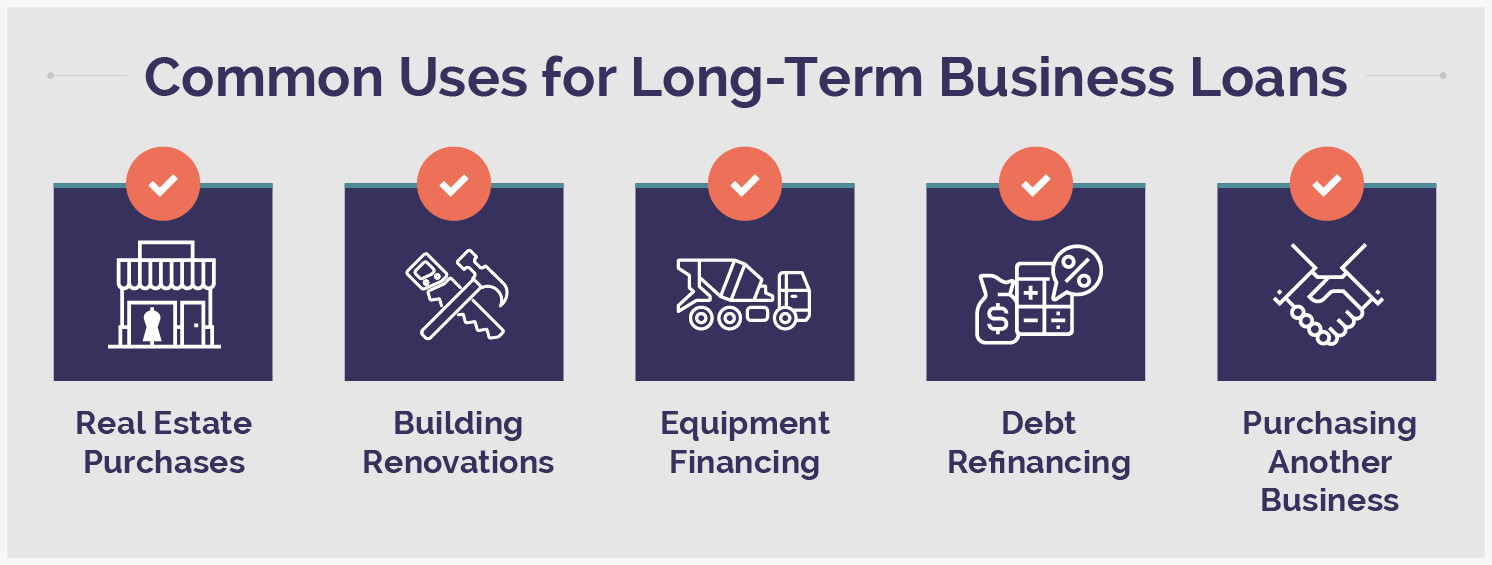







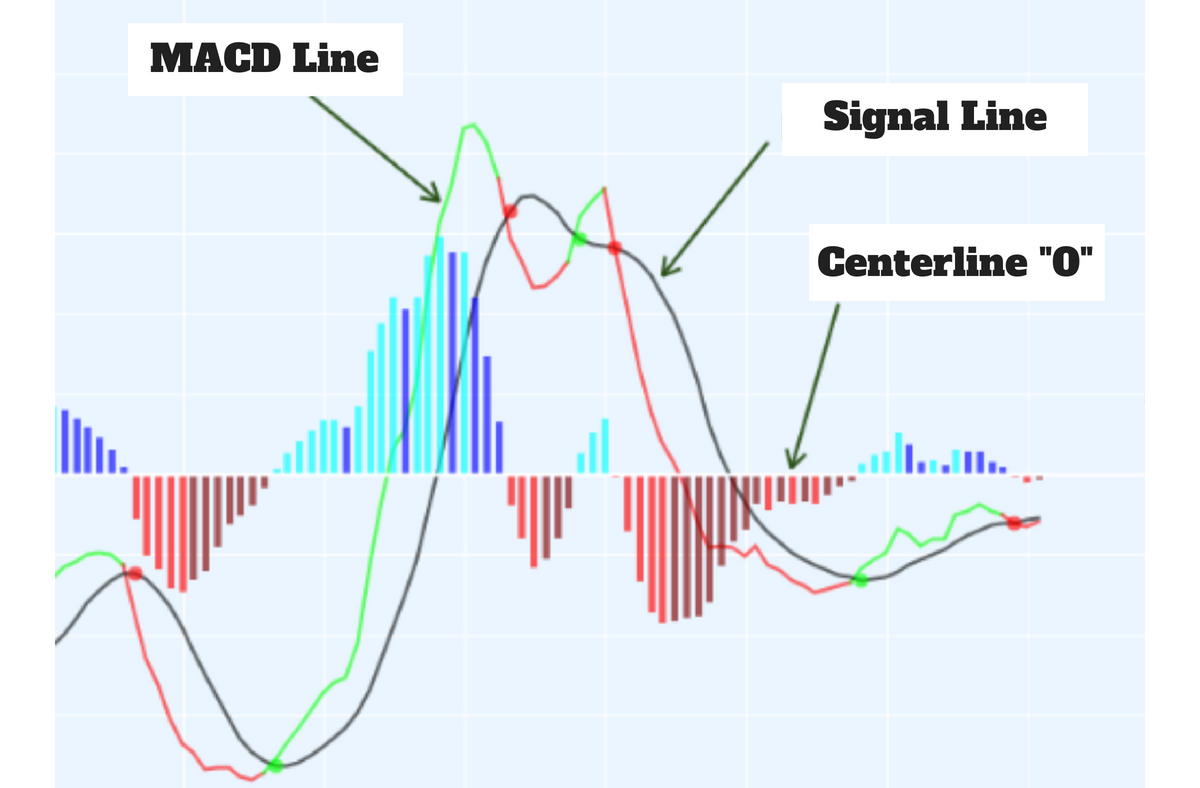
































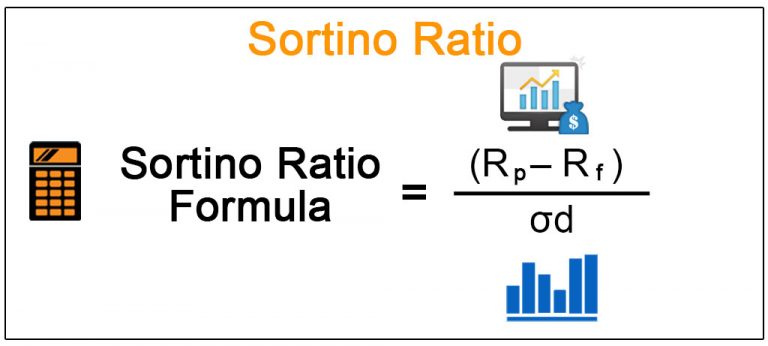
















 The Leading Business Education Network for Doctors, Financial Advisors and Health Industry Consultants