FINANCIAL YIELDS: All About Fixed Income Securities

By Dr. David Edward Marcinko MBA MEd CMP™

SPONSOR: http://www.MarcinkoAssociates.com

SPONSOR: http://www.CertifiedMedicalPlanner.org

***

***

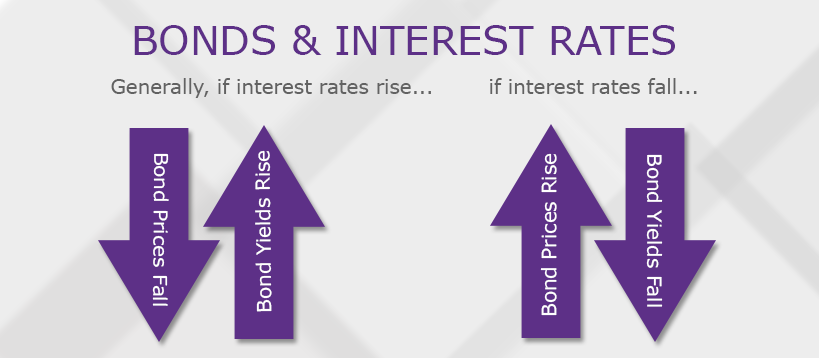
Yield: For bonds and other fixed-income securities, yield is a rate of return on those securities. There are several types of yields and yield calculations. “Yield to maturity” is a common calculation for fixed-income securities, which takes into account total annual interest payments, the purchase price, the redemption value, and the amount of time remaining until maturity.

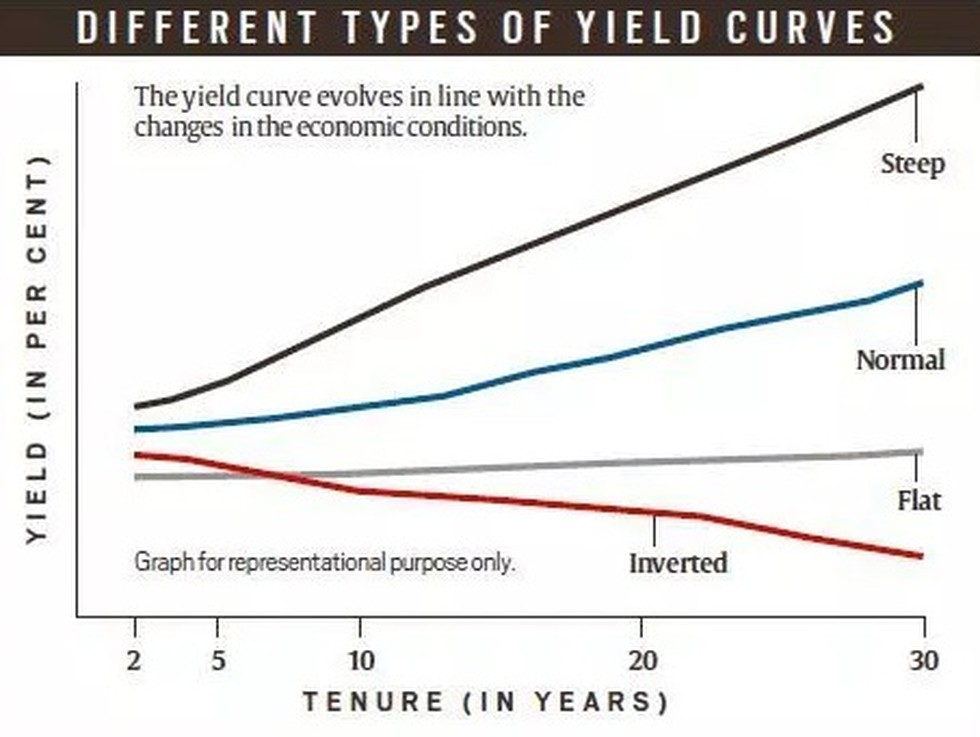
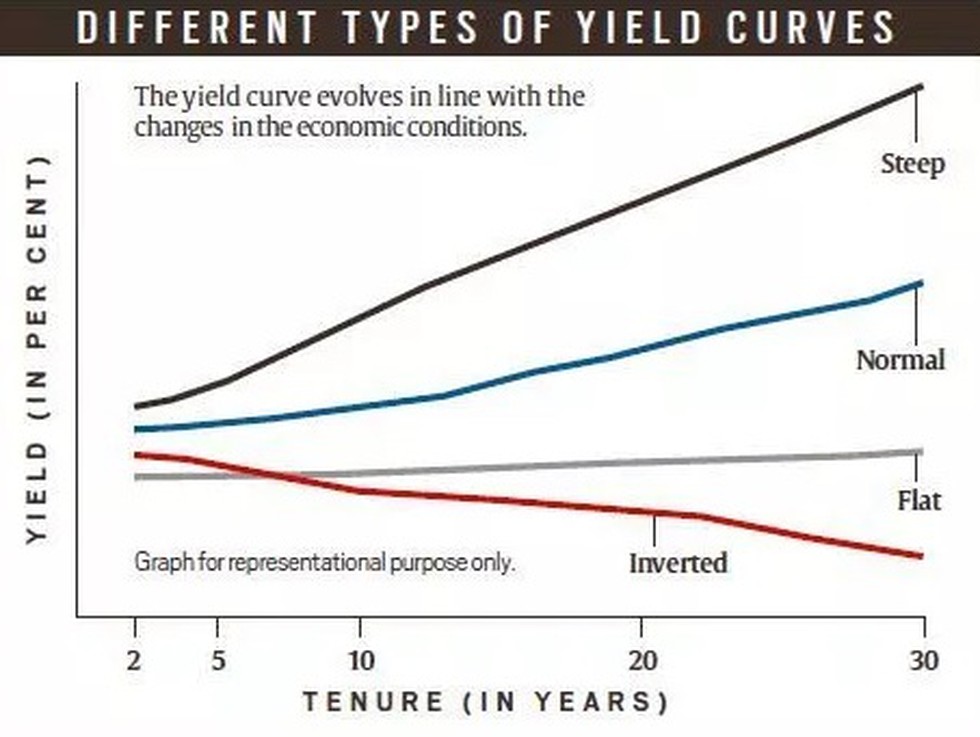
Yield curve: A line graph showing the yields of fixed income securities from a single sector (such as Treasuries or municipals), but from a range of different maturities (typically three months to 30 years), at a single point in time (often at month-, quarter- or year-end). Maturities are plotted on the x-axis of the graph, and yields are plotted on the y-axis. The resulting line is a key bond market benchmark and a leading economic indicator.

Yield to maturity [real yield to maturity]: Yield to maturity is a common performance calculation for fixed-income securities, which takes into account total annual interest payments, the purchase price, the redemption value, and the amount of time remaining until maturity. Real yield to maturity is simply yield to maturity minus any “inflation premium” that had been added/priced in. (See Real yield.)

Yield ratio: A ratio of one yield divided by another. Most often used as a relative value measurement.

Yield spread: A “spread,” in fixed income parlance, is simply a difference. Yield spreads measure yield differences, typically between debt securities with high credit ratings (which typically have lower yields) and those with lower ratings (which typically have higher yields). Yield spreads can also be measured between debt securities with different maturities (shorter-maturity securities typically have lower yields and longer-maturity securities typically have higher yields).

Yield trap: An investment that can lure investors with an attractive yield that may not be fundamentally sustainable, or that may lead to undesired price volatility. Yield traps can lurk in both the equity and fixed income markets. They have a tendency to prey on those who can least afford them, including retirement investors looking for increased relative income and stability, who may have been too focused on their income goals and not enough on stability.

CITE: https://www.r2library.com/Resource/Title/0826102549

COMMENTS APPRECIATED

Subscribe Today!

***

***

DAILY UPDATE: About the Markets

MEDICAL EXECUTIVE-POST TODAY’S NEWSLETTER BRIEFING

***

Essays, Opinions and Curated News in Health Economics, Investing, Business, Management and Financial Planning for Physician Entrepreneurs and their Savvy Advisors and Consultants

Serving Almost One Million Doctors, Financial Advisors and Medical Management Consultants Daily

A Partner of the Institute of Medical Business Advisors , Inc.

http://www.MedicalBusinessAdvisors.com

SPONSORED BY: Marcinko & Associates, Inc.

***

http://www.MarcinkoAssociates.com

Daily Update Provided By Staff Reporters Since 2007.
How May We Serve You?
© Copyright Institute of Medical Business Advisors, Inc. All rights reserved. 2024

REFER A COLLEAGUE: MarcinkoAdvisors@msn.com

SPONSORSHIPS AVAILABLE: https://medicalexecutivepost.com/sponsors/

ADVERTISE ON THE ME-P: https://tinyurl.com/ytb5955z

Your Referral Count -0-

CITE: https://www.r2library.com/Resource

The S&P 500 closed above 6,000 for the first time. Chips fell on China trade tension. The US dollar rose. Treasuries were closed.

CITE: https://tinyurl.com/2h47urt5

Here’s where the major benchmarks ended:

  •  The SPX rose 5.81 points (0.10%) to 6,001.35; the Dow Jones Industrial Average® ($DJI) added 304.14 points (0.69%) to 44,293.13, a new all-time closing high; and the NASDAQ Composite® ($COMP) gained 11.99 points (0.06%) to 19,298.76.
  • The 10-year Treasury note yield (TNX) didn’t trade today due to the Veterans Day holiday.
  • The CBOE Volatility Index® (VIX) inched up to 15.05. 

CITE: https://tinyurl.com/tj8smmes

Visualize: How private equity tangled banks in a web of debt, from the Financial Times.

COMMENTS APPRECIATED

PLEASE SUBSCRIBE: MarcinkoAdvisors@msn.com

Thank You

***

***

***

***

EDUCATIONAL TEXTBOOKS: https://tinyurl.com/4zdxuuwf

***

INVESTING NEWS: Stocks, Bonds, Oil, Gold, Bitcoin and Sectors Review Post Election

By Staff Reporters

SPONSOR: http://www.MarcinkoAssociates.com

BREAKING NEWS!

***

***

  • Stocks surged and stayed higher all yesterday day on news of Donald Trump’s presidential victory. The Dow rocketed over 1,350 points as soon as markets opened, and all three indexes ended the day at record highs.
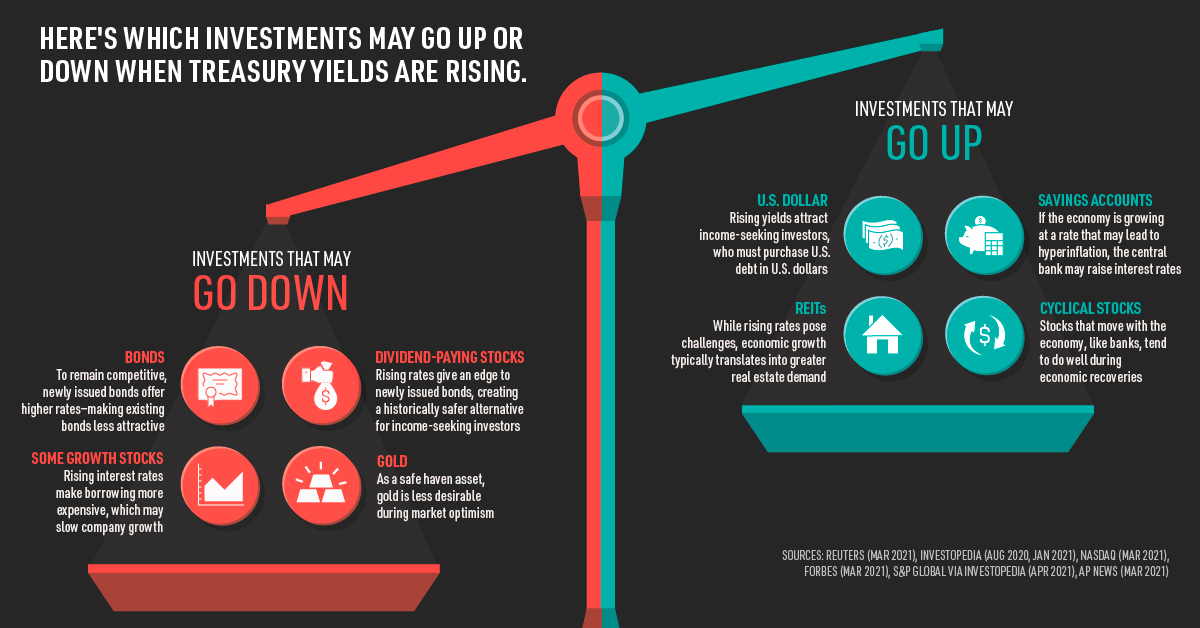
  • Treasury yields have paralleled Trump’s chances of taking the White House for the last few weeks, and his election sent them soaring to over 4.46% at one point today.
  • Oil and gold both fell as the dollar rose after Trump’s win. The greenback popped on the promise of Trump’s protectionist tariff policies and the lower likelihood of the Fed cutting interest rates as fast as previously expected.
  • Bitcoin surged as traders celebrated the beginning of the new, friendlier regulatory environment that Trump promised during his campaign.

CITE: https://www.r2library.com/Resource/Title/0826102549

Sector check-up

  • Financials were the biggest sector mover Wednesday, up 6.16%, hitting a new high.
  • Industrials were up 3.93% Wednesday, hitting a new high.
  • Energy was up 3.54% in the session. It’s now 4.28% from the April high.
  • Real Estate fell 2.64% during trading. It’s now 5.6% from the high. 
  • Consumer Staples fell 1.5%. The sector is 5.76% from the September high.
  • Utilities fell 1%. It’s now 5.72% from the mid-October high.
  • Duke Energy was flat over the past three months, and it is 6.3% from the October high.

COMMENTS APPRECIATED

Please Subscribe!

***

***

CORPORATE EARNINGS: Quarterly Reports

By Staff Reporters

***

***

Peak earnings season: Five of the Magnificent Seven Stocks will be among the 181 companies reporting their earnings this week. Alphabet is in the Mag Seven lead-off spot on Tuesday, Microsoft and Meta step to the plate on Wednesday, and Apple and Amazon rounding out the lineup and this baseball metaphor on Thursday. These companies account for almost 25% of the S&P 500, which is up 40% over the past year and not far off its record closing number from earlier this month. But, the approaching election, it could be a volatile week in the stock markets.

***

  • Markets: Stocks are currently driving the narrative on Wall Street. Last week, bonds sold off in a big way (driving yields to their highest level since July) in a sign investors are dialing back expectations of more aggressive rate cuts from the Federal Reserve.
  • Stocks nevertheless handled the bond volatility with aplomb, and with help from Tesla’s 22% one-day rise, the NASDAQ is sitting within 2% of its record high.

CITE: https://www.r2library.com/Resource/Title/0826102549

COMMENTS APPRECIATED
Thank You

***

***

COLUMBUS DAY 2024: Stocks, Bonds, Gold & Oil

By Staff Reporters

***

U.S. stock markets, including the New York Stock Exchange and the NASDAQ remain open and follow a regular schedule today.

The bond markets will be closed, however.

***

***

  • Stocks ended last week on a high note, closing out their fifth straight week of gains. The Dow was pushed to yet another new all-time high by strong earnings from JPMorgan, while the S&P 500 was in the green and rose to its own record close, and the NASDAQ clawed its way out of the red by early Friday afternoon.
  • Bond yields took a breather, falling below 4.1% thanks to a better-than-expected PPI report that helped offset inflation fears that had re-arisen after a worse-than-expected CPI report.
  • Gold rose as well on PPI news, since the data pointed to a better chance of more rate cuts ahead.
  • Oil fell a bit but gained over the last two weeks on geopolitical tensions and destruction in the Gulf of Mexico following the two major hurricanes.

COMMENTS APPRECIATED

Thank You

***

***

What is a CARRY TRADE?

By Staff Reporters

***

***

A carry trade is a tactic in which an investor borrows a currency with lower interest rates and invests the proceeds in a higher-yielding asset, often in a different market with higher interest rates.

CITE: https://www.r2library.com/Resource

Over the past few years, many funds were using this strategy by buying US equities or selling US bonds with money borrowed from the yen because of the huge disparity in interest rates between the US and Japan. Japan kept the yen cheap on purpose because its economy is primarily export-driven, and the low price of Japanese products kept exports thriving. And the dollar, as the dominant global currency, has remained impressively strong through thick and thin.

This was all fun and profits, until Japan raised interest rates for the first time in 17 years last week. Suddenly, the yen wasn’t as cheap as it once was. And at the exact same time, the US is expected to cut interest rates in September, which means the dollar would become less valuable, completely throwing this international carry trade out of balance

COMMENTS APPRECIATED

Thank You

***

***

DOW JONES INDUSTRIAL AVERAGE: 30 “Blue Chip” Stock Index Update

By Staff Reporters

***

***

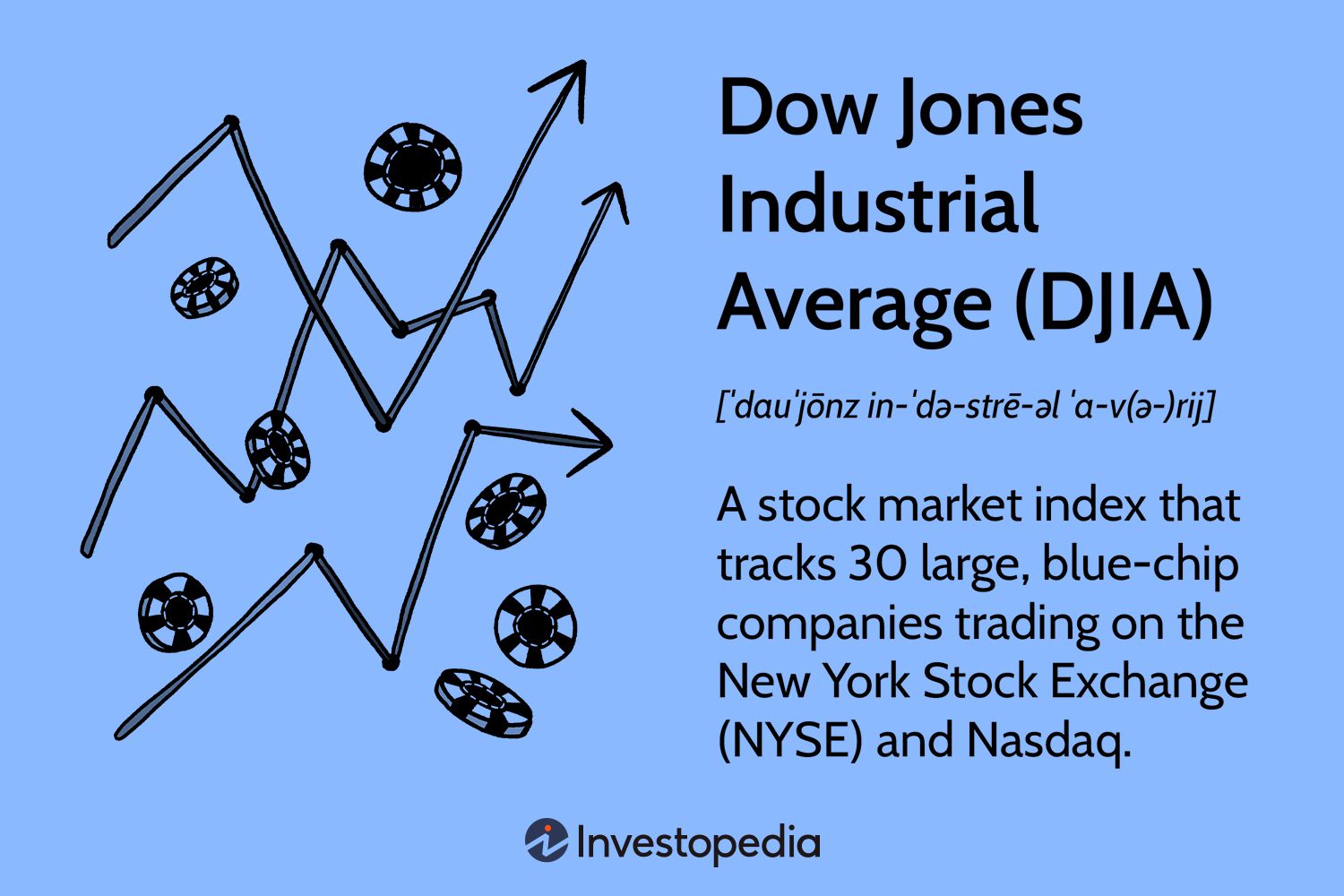
The Dow Jones Industrial Average is a collection of 30 “blue-chip” U.S. stocks. Blue chip = big, established, and influential companies like Microsoft, JPMorgan, Disney, and McDonald’s. The Dow recently updated its roster, swapping ExxonMobil, Pfizer, and Raytheon for Salesforce, biotech Amgen, and manufacturing heavyweight Honeywell.

The Dow is weighted by share price, so higher-priced stocks have more influence on the index’s total value. Price-weighting also means that if the price of any stock in the Dow changes by $1, it has the same impact on the index, even though a $1 increase to a stock worth $20 is more significant (relatively) than a $1 change to a stock worth, say, $40.

  • During stock splits—when a company increases its number of outstanding shares and chops prices by the same factor—a company’s influence in the Dow can fall even if their market value doesn’t change. The Dow has some mechanisms to account for stock splits, but they can still lead to a shakeup in the index (like what happened last summer).

At 124 years old, the Dow has had plenty of time to cement its reputation as a leading indicator of the stock market. But with only 30 stocks representing a smattering of U.S. corporate titans, it’s not exactly representative.

***

At one point the Dow Jones Industrial Average was up 585 points before it sold off later yesterday afternoon, though it wrapped the trading session with a small win. The S&P 500 fought its way into positive territory but struggled to stay there, eventually sinking into negative territory at the end of the day.

As for the NASDAQ, the tech selloff continued to punish the index for most of yesterday afternoon. Treasury yields fell a bit on positive GDP news, though the big PCE [personal consumption expenditures] announcement is the one investors have been waiting for.

Oil popped on a stronger than expected GDP reading, with traders banking on future economic growth and stronger oil demand.

Bitcoin sank a bit yesterday ahead of a major conference that could set the tone for the entire digital asset industry for years to come.

COMMENTS APPRECIATED

Thank You

***

***

DAILY UPDATE: Tesla, PBMs, Medicare Part C and the Hot Stock Markets

MEDICAL EXECUTIVE-POST TODAY’S NEWSLETTER BRIEFING

***

Essays, Opinions and Curated News in Health Economics, Investing, Business, Management and Financial Planning for Physician Entrepreneurs and their Savvy Advisors and Consultants

Serving Almost One Million Doctors, Financial Advisors and Medical Management Consultants Daily

A Partner of the Institute of Medical Business Advisors , Inc.

http://www.MedicalBusinessAdvisors.com

SPONSORED BY: Marcinko & Associates, Inc.

***

http://www.MarcinkoAssociates.com

Daily Update Provided By Staff Reporters Since 2007.
How May We Serve You?
© Copyright Institute of Medical Business Advisors, Inc. All rights reserved. 2024

REFER A COLLEAGUE: MarcinkoAdvisors@msn.com

SPONSORSHIPS AVAILABLE: https://medicalexecutivepost.com/sponsors/

ADVERTISE ON THE ME-P: https://tinyurl.com/ytb5955z

***

A day before the June CPI report, major indexes extended their rally amid growing demand for semiconductors and rate cut hopes.

  • The S&P 500 rose above 5,600 for the first time ever, only a few short days after breaking above 5,500, with the index hitting a new record for the last seven straight trading sessions. The NASDAQ also enjoyed a solid day as well thanks to strong performances by tech stocks, while even the Dow got in on the action and ended the session in the green.
  • Bond yields stayed almost right where they’ve been all week as investors hold their breath ahead of tomorrow’s key CPI reading.
  • Gold rose as investors hope for a strong CPI report to point the Fed toward more rate cuts, while oil rose as well thanks to a stronger-than-expected outlook on global demand from OPEC.

***

The Centers for Medicare & Medicaid Services (CMS) announced in June it would recalculate 2024 Medicare Advantage (MA) star ratings for all plans after two court rulings called into question the agency’s method for determining this year’s ratings. The decision is estimated to cost the federal agency roughly $1 billion in additional bonus payments for insurers, according to healthcare analytics firm Cotiviti. The move comes after several large insurers laid off employees in late 2023 after their star ratings decreased.

HIPAA: Some groups are disputing a proposed federal rule that would require hospitals to report cybersecurity incidents, saying they want it to also include insurers and third-party vendors. (Healthcare Dive)

CITE: https://www.r2library.com/Resource

What’s up

  • Taiwan Semiconductor rose 3.54% after it reported that its June revenue fell 10% month over month, but its sales rose roughly 33% year over year.
  • Advanced Micro Devices popped 3.87% on the news it is acquiring Silo AI, the largest private artificial intelligence lab in Europe, for $665 million.
  • Carvana drove 4.21% higher after Needham analysts upgraded the stock from “hold” to “buy” due in part to new features at checkout highlighting EVs. Competitor CarMax jumped 6.42% in sympathy.
  • Aehr Test Systems rocketed 24.01% after the semiconductor testing equipment maker raised earnings guidance thanks to strong AI demand.
  • Smart Global Holdings rose 26.27% thanks to earnings that beat Wall Street expectations in the third quarter and a strong outlook for the rest of the year.

What’s down

  • LegalZoom plummeted 25.35% to a new all-time low after the company cut its outlook and its CEO stepped down.
  • HubSpot sank 12.24% on a report that Alphabet is no longer interested in acquiring the company.
  • Intuit dropped 2.57% on the news that the tax prep company is cutting 10% of its workforce.
  • Deckers Outdoor fell 4.86% after M Science analysts published a note cautioning that sales for key brands UGG and HOKA fell in June.
  • Ziff Davis fell 10.32% after the digital media company tried to get ahead of the bad news and pre-announced that second-quarter earnings will fall below analyst expectations.
  • Fast-casual restaurant stocks continued to sink today as investors grow more concerned about lower consumer spending and higher valuations. CAVA Group fell 5.47%, Sweetgreen dropped 1.72%, and Dutch Bros fell 4.34%.

CITE: https://tinyurl.com/2h47urt5

Tesla’s US electric car market share fell below 50% in Q2 for the first time, according to estimates by the research firm Cox Automotive.

CITE: https://tinyurl.com/tj8smmes

In a scathing report, the Federal Trade Commission accused [PBMs] pharmacy benefit managers—the companies that act as go-betweens for drug makers and consumers—of jacking up drug prices

COMMENTS APPRECIATED

PLEASE SUBSCRIBE: MarcinkoAdvisors@msn.com

Thank You

***

***

***

***

EDUCATIONAL TEXTBOOKS: https://tinyurl.com/4zdxuuwf

***

On Purchasing Individual BONDS!

A Seldom Discussed Investing Topics for Doctors and All Investors Until Now?

By Dr. David Edward Marcinko MBA MEd CMP®

http://www.MarcinkoAssociates.com

CMP logo

SPONSOR: http://www.CertifiedMedicalPlanner.org

Now – Trading individual bonds is not like trading stocks. Stocks can be bought at uniform prices and are traded through exchanges. Most bonds trade over the counter, and individual brokers price them.  But, price transparency has gotten better in the last decade. 

For example, in 1999, the bond markets gained clearness from the House of Representatives’ Bond Price Competition Improvement Act of 1999. Responding to this pioneering law, the site http://www.investinginbonds.com was established. This site provides current prices on bonds that have traded more than four times the previous day. With the advent of Investinginbonds.com and real-time reporting of many trades, investors are much better off today.  Many well regarded brokers including Schwab, Ameritrade, and Fidelity Investments now have dedicated websites devoted to bond trading and pricing. 

Fidelity Investments chose to disclose its fee structure for all bonds, making it clear what it will cost you per trade. Fidelity charges $1 per bond trade. Some on-line brokers charge a flat fee as well, ranging from $10.95 at Zions Direct to $45 at TD Ameritrade. Depending on the number of bonds trading, one may be more complimentary than another. The trading fee disclosures, however, do not divulge the spreads between the buy and sell price embedded in the transaction that some dealer is making in the channel. Keep in mind that only by comparison shopping can assist you in finding the best transaction price, after all fees are taken into account. Other sites may not charge any fee, but rather embed the profit in the spread.

Despite the difficulty in pricing and transparency, investing in individual bonds offers several rewards over purchasing bond mutual funds.

First, bond mutual funds never mature.

Second, you know exactly what you will be receiving in interest each year.  You will also know the exact maturity date. 

Furthermore, your individual investment is protected against interest rate risk, at least over the full term to maturity.  Both individual bonds and bond funds share interest-rate risk (the risk of locking up an investment at a given rate, only to see rates rise). This pushes bond prices down.  At least with an individual bond, you can re-invest it at the higher, market rate once the bond matures.

But, the lack of a fixed maturity date on a bond mutual fund causes an open ended problem; there is no promise of the original investment back.  Short of default, an individual bond will return all principal and pay all interest assuming you hold it to maturity.  Bond funds are not likely to default as most funds maintain positions in hundreds of individual bonds.  The force of interest rate risk to individual bond or bond mutual fund prices depends on the maturity of a bond investment: the longer the maturity of a bond or bond fund (average), the more the price will drop due to rising rates. This is known as duration.

Duration is a statistical term that measures the price sensitivity to yield, is the primary measurement of a bond or bond fund’s sensitivity to interest rate changes.  Duration indicates approximately how much the price of a bond or bond fund will adjust in the reverse direction given a rise in interest rates. For instance, an individual bond with an average duration of five years will fall in value approximately 5% if rates rise by 1% and the opposite is accurate as well.

Although stated in years, duration is not simply a gauge of time. Instead, duration signals how much the price of your bond investment is likely to oscillate when there is an up or down movement in interest rates. The higher the duration number, the more susceptible your bond investment will be to changes in interest rates.  If you have money in a bond or bond fund that holds primarily long-term bonds, expect the value of that fund to decline, perhaps significantly, when interest rates rise. The higher a bond’s duration, the greater its sensitivity to interest rates alterations. This means fluctuations in price, whether positive or negative, will be more prominent.

For example, a bond fund with 10-year duration will diminish in value by 10 percent if interest rates increase by one percent. On the other hand, the bond fund will rise in value by 10 percent if interest rates descend by one percent. The important concept to remember is once you recognize a bond’s or bond fund’s duration, you can forecast how it will react to a change in interest rates.

UPDATE:

The yield on the 10-year Treasury note serves as a benchmark for interest rates across the US economy. Since bond prices and yields move in opposite directions, falling yields signal higher demand for Treasuries.

Why it matters: At the most basic level, the 10-year yield is a key indicator of investors’ confidence in future US economic growth. As the Delta variant spreads and threatens to slow the economic recovery, the fall in yields means investors are souring on a mega growth spurt and snapping up safer assets rather than riskier stocks.

What does this mean for inflation? Because investors sell bonds when they think inflation is coming, the runup in bond prices means the worst of Wall Street’s inflation concerns may be over. “It feels like we have moved from thinking inflation will be transitory, to fearing growth will be transitory,” Art Hogan, chief marketing strategist at National Securities, said.

ASSESSMENT: Your thoughts are appreciated.

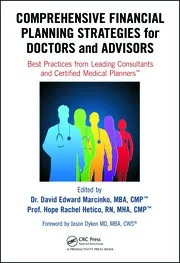
Comprehensive Financial Planning Strategies for Doctors and Advisors: Best Practices from Leading Consultants and Certified Medical Planners™

ORDER Textbook: https://www.amazon.com/Comprehensive-Financial-Planning-Strategies-Advisors/dp/1482240289/ref=sr_1_1?ie=UTF8&qid=1418580820&sr=8-1&keywords=david+marcinko

SECOND OPINIONS: https://medicalexecutivepost.com/schedule-a-consultation/

INVITE DR. MARCINKO: https://medicalexecutivepost.com/dr-david-marcinkos-bookings/

THANK YOU

***

BEWARE FAKE: U.S. Savings Bonds!

Fake savings bond scheme leads to $50M in losses and issues for legitimate savers

By Staff Reporters

***

***

Authorities claimed that $1 million in counterfeit savings bonds showed up at South Texas banks as part of one crackdown on a scheme to steal money by cashing phony savings bonds, including inflation-indexed or I Bonds, according to the U.S. Attorney’s Office for the Southern District of Texas.

***

***

COMMENTS APPRECIATED

Thank You

***

DAILY UPDATE: Sunday Stock Market Weekend Recap

MEDICAL EXECUTIVE-POST TODAY’S NEWSLETTER BRIEFING

***

Essays, Opinions and Curated News in Health Economics, Investing, Business, Management and Financial Planning for Physician Entrepreneurs and their Savvy Advisors and Consultants

Serving Almost One Million Doctors, Financial Advisors and Medical Management Consultants Daily

A Partner of the Institute of Medical Business Advisors , Inc.

http://www.MedicalBusinessAdvisors.com

SPONSORED BY: Marcinko & Associates, Inc.

***

http://www.MarcinkoAssociates.com

Daily Update Provided By Staff Reporters Since 2007.
How May We Serve You?
© Copyright Institute of Medical Business Advisors, Inc. All rights reserved. 2024

REFER A COLLEAGUE: MarcinkoAdvisors@msn.com

SPONSORSHIPS AVAILABLE: https://medicalexecutivepost.com/sponsors/

ADVERTISE ON THE ME-P: https://tinyurl.com/ytb5955z

***

CITE: https://www.r2library.com/Resource

  • A tough week just ended with the Dow Jones just barely in the green, though the index snapped its 5-week winning streak thanks in large part to its worst day of trading this year on Thursday. The NASDAQ hit a new all-time high on the back of Nvidia’s strong earnings, while the S&P 500 rose but ended the week flat.
  • Bond yields rose this week as investors came to terms with the idea that the Federal Reserve may not cut rates more than once in 2024, fleeing to the safety of Treasuries. Gold ended the week down overall.
  • The market turned on copper selling off for a third straight day. And oil finally snapped its losing streak, rising on the hopes of a travel-heavy Memorial Day weekend, though crude still ended the week lower than where it started.
  • The big winner was ethereum thanks to the approval of a spot ethereum ETF by the SEC.

CITE: https://tinyurl.com/2h47urt5

The U.S. Markets were closed on Monday, May 27th, 2024. Please be aware that, transactions made after 4 p.m. EST on Friday, May 24th, 2024, will receive the closing price as of Tuesday, May 28th, 2024.

CITE: https://tinyurl.com/tj8smmes

COMMENTS APPRECIATED

PLEASE SUBSCRIBE: MarcinkoAdvisors@msns.com

Thank You

***

***

***

***

EDUCATIONAL TEXTBOOKS: https://tinyurl.com/4zdxuuwf

***

BONDS: Are Best Right Now?

By Staff Reporters

***

CITE: https://www.r2library.com/Resource

***

The bond market just finished its best month since 1985, according to the Financial Times, with investor optimism creating a surge in bond prices and a plunge in yields (reminder: they move in opposite directions). The yield on the benchmark 10-year US Treasury note dipped below 4.3% for the first time since September. And other economic measures are looking good:

  • The bond rally spilled over to stocks, where the S&P 500 and Dow just clinched their best months since July 2022 and October 2022, respectively.
  • Mortgage rates dropped for the fifth consecutive week, to 7.22%.

Traders are optimistic that the FOMC may be done hiking interest rates. With recent data showing both consumer spending and the job market cooling down—but not too much—economists see the once-aspirational economic soft landing as achievable, which is great news for Wall Street and to avoid a recession).

CITE: https://www.r2library.com/Resource/Title/082610254

COMMENTS APPRECIATED

Thank You

***

***

10 YEAR T-BONDS: Hit Five Percent [5-%]

And … Bill Gross Speaks

By Staff Reporters

***

***

The yield on the 10-year Treasury bond shot above 5% in early trading yesterday—hitting its highest since 2007 and rattling investors—before retreating a bit so everyone could chill out. While a high return on long-term government debt sounds like something only a Wall Street wonk would fret about, it can raise borrowing costs for everyone from homebuyers to small businesses.

  • Treasury yields have been rising steadily for almost two years as investors kept anticipating (correctly) that Jerome Powell would raise interest rates to combat persistent inflation.
  • Bond yields are used as the measure against which lots of other interest rates are set, so recent sky-high yields have contributed to the current eye-popping mortgage rates, which have made homeownership 52% more expensive than renting, and they’re part of the reason why the number of Americans struggling to make car payments is at its highest since at least 1994.
  • CITE: https://www.treasurydirect.gov/

Yields crossed the symbolically significant 5% mark yesterday because investors rushed to sell off 10-year bonds, making them cheaper, per supply and demand—that boosted the bond yields, since yields move in the opposite direction from price.So, why did Wall Street press “sell” on Treasurys?

CITE: https://www.r2library.com/Resource

It’s usually a sign of confidence in the economy, but some analysts are concerned that this time, investors are shedding government debt because they perceive the US as being a spendthrift as the deficit grows. However, the traditional psychology may also be at play: The influential billionaire investor Bill Ackman is believed to have single-handedly stopped yesterday’s bond market sell-off by saying he’d ended his bet on 30-year Treasury bond prices falling because he thinks there is “too much risk in the world” and the economy isn’t as strong as it seems. The 10-year bonds dropped back to 4.85% yesterday afternoon.

BILL GROSS: https://fortune.com/recommends/investing/the-inverted-yield-curve-recession/?utm_source=search&utm_medium=suggested_search&utm_campaign=search_link_clicks

COMMENTS APPRECIATED

Thank You

***

***

DAILY UPDATE: Recession and the Markets

By Staff Reporters

***

***

There are certain types of stocks, bonds and mutual funds that perform better when the market is in decline. Seasoned investors tend to survive bear markets by focusing on the stocks of companies that make products necessary for daily life. Companies that often thrive in a recessionary environment are defensive stocks that provide products and services people simply cannot live without. Stocks included in this list are considered to be defensive by Wall Street analysts.

These type of stocks have performed -5.35% over the past year. By comparison, the S&P 500 is 7.13% over the same period. These types of stocks include: 30.00% of Consumer Cyclical stocks, 30.00% of Consumer Non-Cyclical stocks, 20.00% of Healthcare stocks, 10.00% of Technology stocks and 10.00% of Energy stocks.

Bear markets and recessions also tend to present themselves when market prices have been rising for a time; and investors are feeling irrationally exuberant. But, some markets have seen downturns in 2022 and 2023.

CITE: https://www.r2library.com/Resource

Here is where the major benchmarks ended yesterday:

  • The S&P 500® Index fell 60 points (1.35%) to 4,376.31; the Dow Jones Industrial Average (DJIA) fell 374 points (1.08%) to 34,099.42; the NASDAQ Composite fell 257 points (1.87%) to 13,463.97.
  • The 10-year Treasury note yield (TNX) rose 4 basis points to 4.236%.
  • CBOE’s Volatility Index (VIX) rose roughly 1 point to 17.08.

Consumer discretionary was the weakest sector Thursday, as heavyweight constituents Amazon (AMZN) and Tesla (TSLA) both slid around 2.5%, with communication services and tech right behind. No sector was higher for the day.

***

ORDER: https://www.routledge.com/Comprehensive-Financial-Planning-Strategies-for-Doctors-and-Advisors-Best/Marcinko-Hetico/p/book/9781482240283

***

COMMENTS APPRECIATED

Thank You

***

DAILY UPDATE: The Markets and Economy

By Staff Reporters

***

***

  • Markets: Stocks held steady despite a jump in bond yields (which typically sends equities lower). Gas station, oil prices continued their upward march.
  • Economy: Jobs Report at 8:30am ET today, as the government will drop the employment situation for July. It is expected to show a softening—but still healthy—labor market. Economists will be especially dialed in to wage growth for insights on the future trajectory of inflation. Workers getting big raises could put upward pressure on prices.

***

Here is where the major benchmarks ended yesterday:

  • The S&P 500® Index (SPX) was down 11.50 points (0.3%) at 4,501.89; the Dow Jones Industrial Average (DJIA) was down 66.63 points (0.2%) at 35,215.89; the NASDAQ Composite (COMP) was down 13.73 points (0.1%) at 13,959.72.
  • The 10-year Treasury note yield (TNX) was up about 11 basis points at 4.185%.
  • CBOE’s Volatility Index (VIX) was down 0.11 at 15.98.

Energy was among the strongest sectors Thursday as crude oil futures surged nearly 3%. Consumer Discretionary shares and regional bank stocks recovered some of their losses from the day before.

Utilities were among the weakest sectors, with the Philadelphia Utility Index (UTY) dropping near a four-week low.

***

ORDER: https://www.routledge.com/Comprehensive-Financial-Planning-Strategies-for-Doctors-and-Advisors-Best/Marcinko-Hetico/p/book/9781482240283

***

COMMENTS APPRECIATED

Thank You

***

DAILY UPDATE: The WHO Calls for Radiology Readiness and Bonds Sell-Off

By Staff Reporters

***

***

A new World Health Organization (WHO) report calling for an increased global preparedness for radiological and nuclear emergencies doesn’t spell out any particular current conflict, but it doesn’t need to. The world has become fully aware of the increased dangers of radiological and nuclear threats.

  • The World Health Organization’s updated list of critical medicines puts a focus on radiological and nuclear emergencies.
  • The WHO says governments need to have treatments available for citizens exposed to radiation.
  • New formulas developed in the last decade have, in part, prompted the updated guidelines from WHO.

In the just-issued report, the WHO updated its list of medicines that governments should stockpile for these types of emergencies, including medicines that “either prevent or reduce exposure to radiation or treat injuries once exposure has occurred.”

***

Finally, a major sell-off in bonds sent Treasury yields higher, making stocks less attractive to investors. Last week, the major US stock indexes posted their biggest weekly losses of the year.

ORDER: https://www.routledge.com/Comprehensive-Financial-Planning-Strategies-for-Doctors-and-Advisors-Best/Marcinko-Hetico/p/book/9781482240283

***

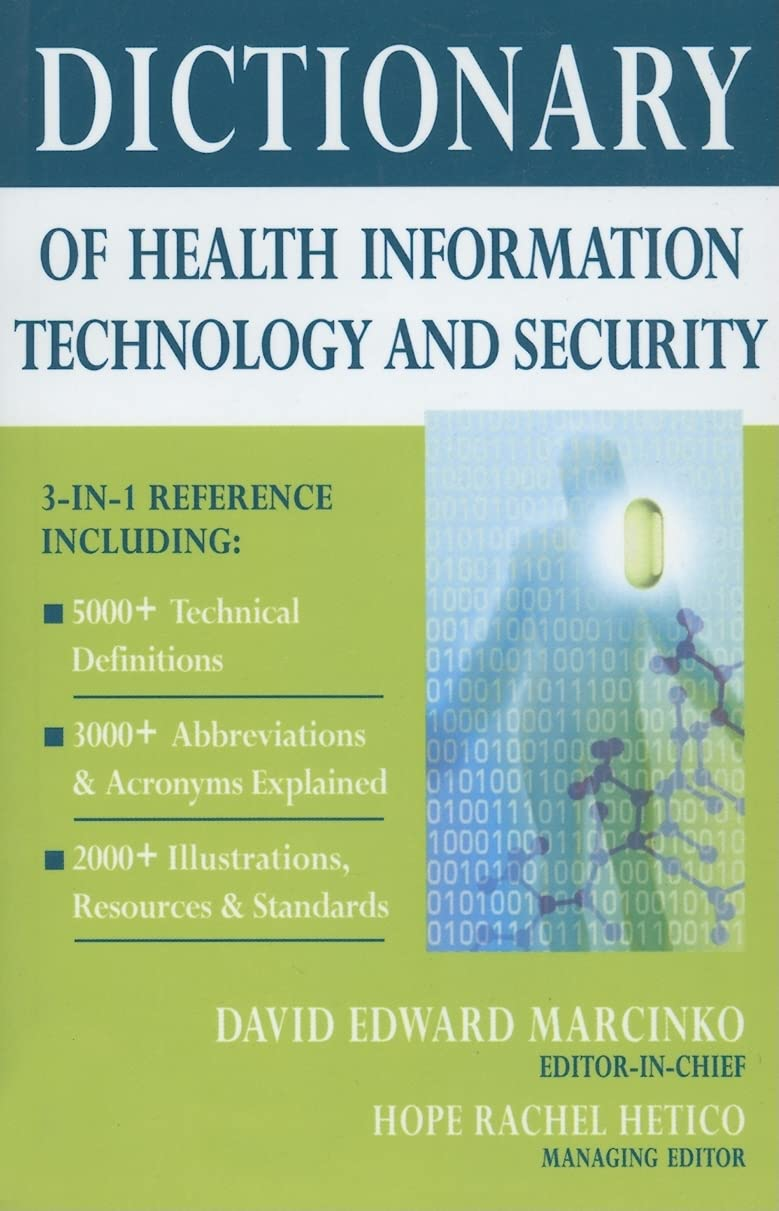
ORDER: https://www.amazon.com/Dictionary-Health-Information-Technology-Security/dp/0826149952/ref=sr_1_5?ie=UTF8&s=books&qid=1254413315&sr=1-5

COMMENTS APPRECIATED

Thank You

***

PODCAST: Hospital Debt and Tax Exempt Bonds

By Eric Bricker MD

***

***

CITE: https://www.r2library.com/Resource/Title/082610254

COMMENTS APPRECIATED

Thank You

***

ORDER: https://www.routledge.com/Comprehensive-Financial-Planning-Strategies-for-Doctors-and-Advisors-Best/Marcinko-Hetico/p/book/9781482240283

****

“I” Bonds: DOWN!

By Staff Reporters

***

DEFINITION: https://www.treasurydirect.gov/savings-bonds/i-bonds/

***

***

The rate for I bonds, an asset that’s tied to the rate of inflation, was lowered to 6.89% yesterday from its record high of 9.62%. But in the final days of the previous rate, investors hoarded I bonds like crazy.

Now, on Friday, the Treasury sold $979 million of I bonds, nearly as much as the entire amount sold in the three years from 2018 to 2020, per CNBC. The investors also crashed the website.

***

COMMENTS APPRECIATED

Thank You

***

ORDER: https://www.routledge.com/Comprehensive-Financial-Planning-Strategies-for-Doctors-and-Advisors-Best/Marcinko-Hetico/p/book/9781482240283

***

US Treasury “I” Bonds [Maybe -OR- Not?]

HOW DO THEY WORK?

By Staff Reporters

***

***

What is an I bond and how do they work?

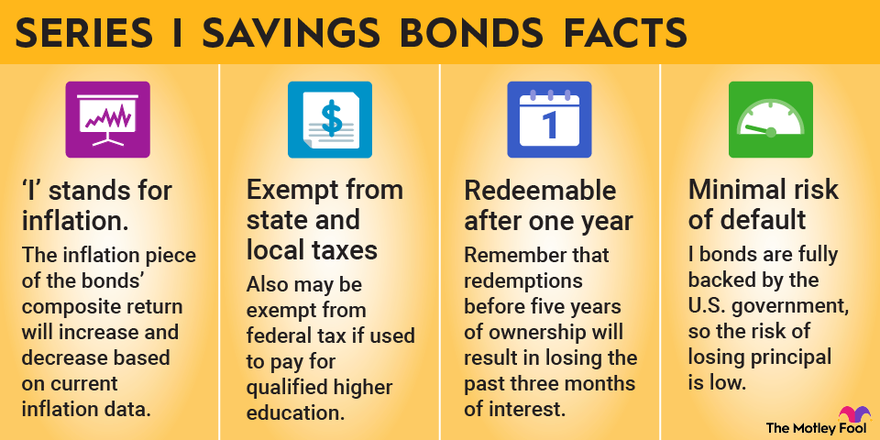
DEFINITION: A a 30-year Treasury bond that protects you against inflation. It pays both a fixed interest rate and a rate that changes twice a year with inflation.

Interest is compounded semiannually, meaning every 6 months a new interest rate is applied to a new principal value that equals the prior principal plus the interest earned in the last 6 months. The bond’s value grows because it earns interest and because the principal value gets bigger.

You can buy $10,000 worth from the Treasury and another $5,000 using your tax refund. You can cash them in after 12 months, but if you do so in less than 5 years, you lose the last 3 months of interest.

Taxes on I Bonds?

You must pay federal income tax but no state and local taxes on I bonds. You can either report each year’s earnings or wait to report all the earnings when you cash the bond.

If you use the money for qualified higher education expenses, you may not owe tax on the earnings.

Current Interest Rates

The current the record high 9.62% interest rate on I bonds issued through October will drop Nov. 1st, 2022 to 6.48%.

***

CONTRARY OPINION: https://www.msn.com/en-us/money/markets/why-i-don-t-want-i-bonds/ar-AA13uyWg?cvid=ee66997c39214055ab89f3883629bb92

***

ORDER: https://www.routledge.com/Comprehensive-Financial-Planning-Strategies-for-Doctors-and-Advisors-Best/Marcinko-Hetico/p/book/9781482240283

***

COMMENTS APPRECIATED

Thank You

****

Mature Company Stocks Are Not Bonds

Dividends bring tangible and intangible benefits

vitaly

By Vitaliy Katsenelson CFA


You can also listen to the article here, or by clicking on the buttons below:

Like many professional investors, I love companies that pay dividends. Dividends bring tangible and intangible benefits: Over the last hundred years, half of total stock returns came from dividends.

In a world where earnings often represent the creative output of CFOs’ imaginations, dividends are paid out of cash flows, and thus are proof that a company’s earnings are real.

Finally, a company that pays out a significant dividend has to have much greater discipline in managing the business, because a significant dividend creates another cash cost, so management has less cash to burn in empire-building acquisitions.

Mature Company Stocks Are Not Bonds

***

[PHYSICIAN FOCUSED FINANCIAL PLANNING AND RISK MANAGEMENT COMPANION TEXTBOOK SET]

Comprehensive Financial Planning Strategies for Doctors and Advisors: Best Practices from Leading Consultants and Certified Medical Planners™

Risk Management, Liability Insurance, and Asset Protection Strategies for Doctors and Advisors: Best Practices from Leading Consultants and Certified Medical Planners™

JUNK-BOND Demand

By Staff Reporters

***

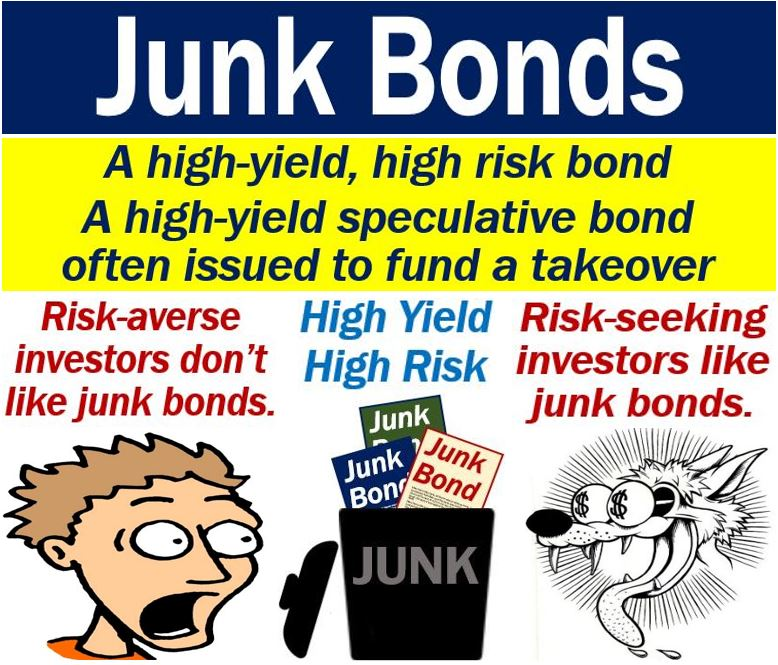
Junk bonds carry a higher risk of default compared to other bonds. Bond yields – or the return you get on investing in a bond – dip when prices go up. If investors crave junk bonds, the yields drop. Likewise, yields rise when people are selling.

So a smaller difference (or spread) between yields for junk bonds and safer government bonds is a sign investors are taking on more risk. A wider spread shows more caution. The Fear & Greed Index uses junk bond demand as a signal for Greed.

CITE: https://www.r2library.com/Resource/Title/082610254

***

***

COMMENTS APPRECIATED

Thank You

***

***

The SAFE-HAVEN Demand

By Staff Reporters

***

***

Stocks are riskier than bonds. But the reward for investing in stocks over the long haul is greater. Still, bonds can outperform stocks over short periods. Safe Haven Demand shows the difference between Treasury bond and stock returns over the past 20 trading days.

Bonds do better when investors are scared. The Fear & Greed Index uses increasing safe haven demand as a signal for Fear.

CITE: https://www.r2library.com/Resource/Title/082610254

***

COMMENTS APPRECIATED

Thank You

***

***

UPDATE: The Domestic GDP, Bond Yield Surge and Stock Market Volatility [VIX]

***

***

By Staff Reporters

***

The U.S. economy reversed course in this year’s first quarter, when it shrank at an annual rate of 1.4% after posting full-year growth of 5.7% in 2021. While many economists believe the first-quarter setback was temporary, it marked the worst quarterly GDP result since the second quarter of 2020, when the pandemic triggered a brief recession.

And, despite a relatively flat result in the latest week, the yield of the 10-year U.S. Treasury bond jumped in March and April, climbing from 1.83% at the start of that two-month period to around 2.89% on Friday. Rising interest rates have eroded bond prices, pushing yields higher.

Finally, the stock market’s relative calm in the first half of April was fleeting, as the past two weeks produced a 47% jump in an index that measures investors’ expectations of short-term volatility. The CBOE Volatility Indexꟷalso known as the VIXꟷrose to an index level of 33.4 on Friday, up from 22.7 on April 15.

CITE: https://www.r2library.com/Resource/Title/082610254

***

COMMENTS APPRECIATED

Thank You

***

***

UPDATE: First Quarter Stock Index Review & T-Bond Yields

By Staff Reporters

U.S. stocks fell Thursday afternoon to cap a quarter in which Federal Reserve monetary tightening and the Russian invasion of Ukraine have weighed on sentiment and has put the S&P 500 on track for its first quarterly loss in two years.

***

***

How stock indexes performed?

  • The Dow Jones Industrial Average fell 336 points, or 1%, to about 34,893.
  • The S&P 500 was down 38 points, or 0.8%, at 4,564.
  • The NASDAQ Composite shed 107 points, or 0.7%, to trade near 14,335.

BONDS: The yield on the 10-year Treasury fell to 2.331%, while the yield on the 2-year Treasury was at 2.337% at one point in late trading Thursday. After a brief inversion, both yields were basically trading at the 2.34% level in the latest trading.

CITE: https://www.r2library.com/Resource/Title/082610254

***

***

HAPPY APRIL 1st 2022

COMMENTS APPRECIATED

Thank You

Subscribe to the Medical Executive-Post

***

***

UPDATE: IRS Interest Rates Rising, Currency Inflation and Upcoming Earning Reports, etc.

By Staff Reporters

****

IRS: The IRS sent out a notice on February 23rd, warning taxpayers about a price hike coming in the next few months. The tax agency said that interest rates will increase for the calendar quarter starting April 1st, 2022. You can accrue interest on two types of payments: over-payment or underpayment. So starting in April, over-payments will have an interest rate of 4 percent, except for corporations which will earn a 3 percent rate and a 1.5 percent rate for the portion of a corporate over-payment that exceeds $10,000. In terms of underpayments, the interest rate will increase to 4 percent overall and 6 percent for large corporate underpayments.

“Under the Internal Revenue Code, the rate of interest is determined on a quarterly basis,” the IRS website explained. The tax agency did not change interest rates in this last quarter, which began Jan. 1, 2022. Before they get changed in April, the rates are currently 3 percent for general over-payments and 2 percent for corporation over-payments, with a 0.5 percent rate for the portion of a corporate over-payment exceeding $10,000. The underpayment interest is 3 percent right now, expect for large corporations which have a 5 percent rate.

***

***

CURRENCY INFLATION: Inflation may occur when the Federal Reserve, or another central bank, adds fiat currency into circulation at a rate that exceeds that of the economy’s growth rate. That creates a situation in which there are more dollars bidding on fewer goods and services. The result is that goods and services cost more. One reason that inflation has been a constant in the US since 1933 is that the FOMC has continually increased the money supply. In response to the 2008 financial crisis, the Fed dropped its lending rate close to zero as a way to inject more liquidity into the economy, which led to increased inflation but not hyperinflation. While those increases have usually moved in step with growth, that hasn’t always been the case.

CITE: https://www.r2library.com/Resource/Title/0826102549

And so, in response to the COVID-19 pandemic and subsequent lock-downs, the Federal Reserve released the equivalent of $3.8 trillion in new liquidity in 2020. That amount was equal to roughly 20% of the dollars previously in circulation. And it is one reason why many investors were watching the CPI closely in 2021.

EARNING REPORTS:

Monday: India GDP data; Earnings from Lordstown Motors, Groupon, HP, SmileDirectClub and Zoom Video

Tuesday: US and China manufacturing data; Earnings from AutoZone, Baidu, Domino’s Pizza, Hostess Brands, J.M. Smucker, Kohl’s, Target, AMC Entertainment and Salesforce

Wednesday: European inflation data; Earnings from Abercrombie & Fitch, Dine Brands, Dollar Tree, Snowflake and Victoria’s Secret

Thursday: ISM Non-Manufacturing Index; Earnings from Best Buy, Weibo, Costco and Gap

Friday: US jobs report

10-Year: Treasuries rallied to 1.902%.

Oil: The rise in oil prices is spilling over at the gas pump: The average gas price in the US has jumped 10 cents, to $3.64/gallon, in the past two weeks.

Partial SWIFT ban: Western governments put aside their hesitations and proposed banning some Russian lenders from SWIFT, the global messaging service that facilitates cross-border transactions. It’s a move that could cause turmoil across global financial markets.

***

COMMENTS APPRECIATED

Thank You

Subscribe to the Medical Executive-Post

***

***

The Ten Year Treasury Note

WHAT IT IS – HOW IT WORKS – WHY?

By Staff Reporters

***

10-Year Note

What it is: The 10-year Treasury note is a debt instrument the U.S. government issues to fund itself. The Federal Reserve closely watches the “yield” (i.e. the return on investment) as a benchmark for other interest rates.

How it works: The U.S. Treasury issues bonds that are auctioned to investment banks by the Federal Reserve; banks can then sell those bonds to investors. The 10-year matures over—you guessed it—10 years, with interest paid out every six months until the full value is paid out at the end.

Why it matters: The 10-year is considered another safe-haven asset for investors. But as demand goes up, the yield goes down. Investors can even end up paying more than the face value of the Treasury note (but some are willing to accept the tradeoff for the low-risk investment).

CITE: https://www.r2library.com/Resource/Title/082610254

***

COMMENTS APPRECIATED.

***

Thank You

***

UPDATE: Markets and Medicine

By Staff Reporters

***

The Federal Reserve announced that it will stop buying bonds about three months earlier than initially planned. The Fed now plans to trim its monthly Treasury and mortgage-backed security purchases by $30 billion a month starting next month. The new pace is expected to put an end to bond buying by March.

CITE: https://www.r2library.com/Resource/Title/0826102549

The Fed also announced that it would leave interest rates unchanged at near-zero percent. The announcement paves the way for three interest rate hikes by the end of 2022, which could weigh on tech and growth stocks.

UPDATE: https://www.msn.com/en-us/money/news/tech-takes-a-beating-as-central-banks-pull-back/vi-AARTp0n

  • Markets: Stocks reversed their post-Federal Reserve announcement rally with a stinker of a day—especially tech stocks. Semiconductor companies like AMD and Nvidia got particularly thwacked.
  • Covid: The CDC recommended adults use Moderna’s and Pfizer’s Covid vaccines over J&J’s due to the risk of developing rare but serious blood clots.

MORE: https://www.msn.com/en-us/money/markets/stocks-fall-as-investors-digest-feds-latest-move/vi-AARTm2C

***
COMMENTS APPRECIATED.

***

***

Thank You

***

Are Bonds Worth Some Excitement?

Bonds an Investment Class Worth Some Excitement, Today?

By Rick Kahler CFP®

“One thing I definitely don’t want in my portfolio is bonds,” a prospective client told me a few weeks ago. “Bonds are boring and don’t give good returns.”

Her confidence in her money script that bonds had no place in her portfolio was palpable. However, her understanding of the role bonds play in a portfolio was incomplete. I restrained myself from launching into a lecture on the importance of bonds and simply replied, “While it is true bonds can be boring, sometimes they can be phenomenally exciting.”

Certainly stocks, commodities, and real estate investments are generally much more exciting. They are many times more volatile than bonds; in just a year it’s possible they might even gain or decline 50% in value. Meanwhile, individually held bonds and their mutual funds can crank out predictable coupon yields quarter after quarter after quarter, with one-third of the volatility of stocks. The cost of the lower volatility is that the long-term returns on bonds tend to be half to a third that of stocks.

However, the bond market right now is anything but boring. So far this year, while stocks are back to prices roughly where they were in early 2018, a sharp fall in interest rates has caused bond investors to reap some significant capital gains. Bonds have an inverse relationship with interest rates. The value of most bonds increases when interest rates decline and go down when interest rates rise.

***

Bonds

***

How significant are the gains in bonds?

Since the beginning of 2019, investors in the 30-year Treasury bond have seen gains (interest plus price appreciation) of 26.4%. That would be an outstanding full year’s return for stocks. According to the Bloomberg Barclay’s U.S. Aggregate Bond Index, long-term bonds overall have generated a 23.5% return. Investment grade corporate bonds have returned 14.1%, while the 10-year Treasury note has gained 12.6%.

Market observers have predicted for the last decade or so that bond rates have nowhere to go but up. What we’re seeing currently is a yield on the ten-year Treasury note of just under 1.47%. At the end of 2018 it was more than 3%.

Will we see more of the same? It’s very hard to imagine that same 10-year Treasury falling another 1.5%—to zero yield. So the smart money says that most of the gains have already been taken, and anybody looking for 20-plus percent returns in long bonds going forward is just chasing them after the fact when returns are dropping.

But how smart is smart?

Just in case you agree and think interest rates have nowhere to go but up, consider that many countries in Europe actually have negative interest rates, where the investor or depositor pays to loan their money to organizations or banks. Another 1.5% fall to 0% interest rates could deliver similar 20% bond returns.

Lessons Learned

The lesson here is that even if you think of bonds as the boring part of your portfolio, there are times when they can add a little more kick to your returns than you might have expected. And in times of falling equity markets, they are an invaluable buffer against big losses. Still, with the long term probability that bonds produce a return half that of equities, there is a significant chance that they won’t sustain the 20-plus percent returns as rates stabilize and increase at some point in the future.

Unlike the misinformed prospect I visited with, most investors over the age of 40 can benefit by having a substantial slice of their investment portfolio in bonds. Whether their returns are typically boring or occasionally exciting, bonds are an important asset class for diversified investors.

Assessment: Your thoughts are appreciated.

***

Risk Management, Liability Insurance, and Asset Protection Strategies for Doctors and Advisors: Best Practices from Leading Consultants and Certified Medical Planners™8Comprehensive Financial Planning Strategies for Doctors and Advisors: Best Practices from Leading Consultants and Certified Medical Planners™

***

Is it Time to Reduce Your Bond Exposure?

Join Our Mailing List 

On Investment Portfolio Analysis

By Lon Jefferies MBA CFP®

Lon Jefferies

For the last half-decade, investors have been continually concerned about rising interest rates and the effect they may have on the bond portion of their investment portfolio.

The fear is that if interest rates rise, the bonds currently held by investors will be outdated and provide investment returns that are less than what new bonds issued at the higher yields would return.

Concerned?

There is validity to this concern – if an investor could buy a bond yielding 4% on the open market, why would anyone buy a bond that yields only 3%, unless they could do so at a significant discount? Given that today’s interest rates are considerably lower than historical averages and expected to rise in the future, would now be a good time to sell some of the bonds in your portfolio?

Consider the Timing

First, let’s consider one of the most basic principles of investing – that markets are unpredictable. Are we certain that interest rates will rise, and are we confident this rate increase will happen soon? I’d contend the answer to both questions is no.

Actually, the majority of investors have believed interest rates would rise since the first round of quantitative easing took place in 2009, and have suspected rates would rise in every calendar year since.  Quite simply, this has not happened. In fact, interest rates are currently lower than they were during the majority of 2009 despite five years of buzz about interest rate hikes.

During this five-year period, how have bonds performed? From 2009 through 2013, the Barclays Aggregate Bond Index (AGG) returned 5.93%, 6.54%, 7.84%, 4.22%, and -2.02%, respectively. Bonds only declined once during the five-year period, by a relatively nominal -2.02%, and still averaged a compound rate of return of 4.86%—not bad for the conservative portion of a portfolio.

Additionally, various bond categories have done even better than the Aggregate Bond Index, which consists of just U.S. government and corporate bond holdings. For instance, emerging market bonds (EMB) achieved a compounded return of 9.30%, while high yield bonds (HYG) returned 12.26% annually over the same five-year span. An investor whose bond portfolio was diversified among a range of asset categories has far from suffered since the expectation of a rate increases began.

Will You Miss the Stability of Bonds?

Let’s also consider the consistency of bonds. Since 1980, the Aggregate Bond Index has achieved a positive return an astonishing 31 out of 34 years (91% of the time!). Given this data, perhaps bonds aren’t as likely to decline in value as some investors think.

Equally amazing, although the bond index has achieved an annual return as high as 32.65% during this time period (in 1982), the largest loss it ever suffered in a calendar year over the same period was just -2.92% (in 1994). Over the entire 34-year period, the index obtained an average annual gain of 8.42%. Bottom line: Over the last 34 years, bonds have offered a lot of return for relatively little risk.

Diversification: the Most Important Factor

Not putting all your eggs in one basket is another basic principal of investing, and the primary motivation for having a significant portion of your portfolio allocated in bonds. It is important to remember that for an investor with a long-term perspective, equities will likely provide the majority of investment growth and return in a portfolio while bonds are needed to reduce volatility and risk.

For example, while a portfolio that was 100% stocks suffered a 38.6% loss in 2008, a portfolio that was 50% stocks and 50% bonds suffered a loss of only 14.5% the same year—still not pleasant, but much more manageable.

***

healthcare costs

***

Correlation

Bonds reduce risk in a portfolio because their return has a low correlation to the return of stocks. How low? Since 1928, both the S&P 500 and the 10-year treasury note have lost value during a calendar year only three times (in 1931, 1941 and 1969). That is less than 4% of all annual periods!

Further, since the Barclays Aggregate Bonds Index was created in 1973, the index has never decreased in value in the same year as the S&P 500. Amazing, but true! Clearly, bonds are fulfilling their role as a diversifier and reducing the volatility in your portfolio.

There is Always a Role for Bonds

Despite the continuous threat of rising interest rates, bonds have continued to perform. More importantly, history illustrates that mixing bonds with stocks smoothes out the investment results of your portfolio.

Assessment

Don’t get sucked in by the media buzz. Bonds are too valuable an asset to disregard.

The Author:

Lon Jefferies is a Certified Financial Planner with a fee-only approach to ensure the client’s best interest is the top priority. He isn’t paid commission and gains nothing through recommendations but his client’s satisfaction. He has contributed to national publications like The Wall Street Journal, The New York Times, USA Today, Morningstar.com and Investment News.   

Conclusion

Your thoughts and comments on this ME-P are appreciated. Feel free to review our top-left column, and top-right sidebar materials, links, URLs and related websites, too. Then, subscribe to the ME-P. It is fast, free and secure.

Speaker: If you need a moderator or speaker for an upcoming event, Dr. David E. Marcinko; MBA – Publisher-in-Chief of the Medical Executive-Post – is available for seminar or speaking engagements. Contact: MarcinkoAdvisors@msn.com

OUR OTHER PRINT BOOKS AND RELATED INFORMATION SOURCES:

Product Details  Product Details

How Have Bonds Responded to Higher Interest Rates?

Join Our Mailing List 

A Survey of Economists

By Lon Jefferies MBA CFP™

Lon JeffriesRecently, I pondered the possibility of interest rates rising and the impact it might have on bonds. The article was motivated by a Wall Street Journal survey of 50 top economists who forecasted the yield on the 10-year Treasury bond to rise to 3.47% by the end of 2014.

As you may know, the investment return of existing bonds tends to move inversely to interest rates. Consequently, there has been significant concern that bond values are due for a considerable drop, and investors have constantly questioned whether they should reduce their exposure to fixed-income investments.

The Forecast Results

So how has the economists’ forecast panned out through January? The 10-year Treasury bond began the year at 3.03%, but ended January at 2.65% — a significant decline.

As a result, bonds have generally increased in value. For instance, the iShares Investment Grade Corporate Bond ETF (LQD) is up 1.88% since the New Year, while the iShares Barclays 7-10 Year Treasury Bond (IEF) is up 3.06%. Even the SPDR Barclays International Treasury Bond ETF (BWX) is up .45% in 2014.

Why?

What has caused this unexpected result?

First, the historical inaccuracy of interest rate forecasts is well documented. A study by the University of North Carolina found economists predict future rates far less accurately than a random coin flip would fare as a predictor. Rising interest rates have been a general expectation since shortly after the market crash of 2008. Remember all the people who refinanced their homes away from an adjustable-rate mortgage to a fixed mortgage from 2010-2011 out of fear of rising rates? That rate hike still hasn’t come.

But, more important than the unpredictable nature of interest rates is the way bond performance has historically been related to the stock market’s performance.

In difficult market environments, the investment returns of stocks and bonds tend to have an inverse relationship. In fact, the S&P 500 (a broad measure of the U.S. stock market) has decreased in value during a calendar year five times since 1990 (1990, 2000, 2001, 2002, 2008). In all five instances, the value of U.S. Government Bonds (as measured by the Barclays Long-Term Government Bond Index) has increased (6.29%, 20.28%, 4.34%, 16.99%, and 22.69%, respectively).

RISK

Performance of Equities

How have risky stocks performed in 2014? The S&P 500 is down -3.46%, the Dow Jones Developed Market ex-U.S. market index (a measure of international stock performance) is down -3.64%, and the iShares MSCI Emerging Markets Index is down -8.63%.

It appears investors have fled stocks in a declining market and sought solace in the fixed income benefit that bonds provide, in-step with historic behavioral norms. Of course, higher demand for bonds means higher values. This last month has been a nice reminder of the stability bonds can add to a portfolio in a time of declining stock prices.

Assessment

While it is reasonable to expect interest rates to rise by some measure over the long-term, it would clearly be a mistake to dramatically shift your asset allocation away from bonds if they were determined to be a part of an investment portfolio that matches your risk tolerance.

January 2014 illustrated that bonds tend to increase in value and add benefit to a portfolio during market pullbacks, regardless of what interest rates are doing. In fact, bonds’ historical inverse relationship with stocks may be a larger determinate of performance than interest rate expectations.

More:

Conclusion

Your thoughts and comments on this ME-P are appreciated. Feel free to review our top-left column, and top-right sidebar materials, links, URLs and related websites, too. Then, subscribe to the ME-P. It is fast, free and secure.

Link: http://feeds.feedburner.com/HealthcareFinancialsthePostForcxos

Speaker: If you need a moderator or speaker for an upcoming event, Dr. David E. Marcinko; MBA – Publisher-in-Chief of the Medical Executive-Post – is available for seminar or speaking engagements. Contact: MarcinkoAdvisors@msn.com

OUR OTHER PRINT BOOKS AND RELATED INFORMATION SOURCES:

DICTIONARIES: http://www.springerpub.com/Search/marcinko
PHYSICIANS: www.MedicalBusinessAdvisors.com
PRACTICES: www.BusinessofMedicalPractice.com
HOSPITALS: http://www.crcpress.com/product/isbn/9781466558731
CLINICS: http://www.crcpress.com/product/isbn/9781439879900
BLOG: www.MedicalExecutivePost.com
FINANCE: Financial Planning for Physicians and Advisors
INSURANCE: Risk Management and Insurance Strategies for Physicians and Advisors

Product Details  Product Details

The Impact of Rising Interest Rates on Bonds

Join Our Mailing List

On Interest and Exchange Rates

Lon JeffriesBy Lon Jefferies MBA CFP® www.NetWorthAdvice.com

An interest rate hike has been widely anticipated for some time. According to an October survey of 50 top economists conducted by the Wall Street Journal, the yield on the 10-year Treasury was forecasted to rise nearly one percentage point to 3.47% by the end of 2014.

What impact would such a rise have on your investment or retirement portfolio?

The Impact

Christopher Philips, a senior analyst in Vanguard’s Investment Strategy Group, points out the historical inaccuracy of such forecasts.

For instance, a similar survey conducted in 2010 had economists predicting a 4.24% 10-year Treasury yield by the end of the year, an increase from 3.61% at the time of the forecast. In actuality, rates declines to 3.30% at year-end. The inaccuracy of these forecasts is well documented.

In fact, as Allen Roth mentioned in the December issue of Financial Planning Magazine, a 2005 study by the University of North Carolina titled “Professional Forecasts of Interest Rates and Exchange Rates” found economists predict future rates far less accurately than a random coin flip would fare as a predictor.

Clearly, we can’t be confident what interest rates will do in 2014, but what if economists are finally correct and rates rise? How damaging would an interest rate increase be for bonds? If interest rates rise one percentage point next year, the intermediate aggregate bond index is expected to lose -2.8% — far from catastrophic. Of course, such potential risk is notably minimal when compared to the downside of owning stocks (remember the -36.93% loss endured by the S&P 500 in 2008?).

Historical Performance

It is also interesting to study how bonds have historically performed in periods of rising interest rates. Craig Israelsen, a BYU professor, recently documented how bonds performed during the two most recent periods of rate increases. Israelsen points out that although the federal discount rate rose from 5.46% to 13.42% from 1977 through 1981, the intermediate government/credit index had a 5.63% annualized return during that period. The next period of rising interest rates was from 2002 through 2006, when the federal discount rate had a fivefold increase: from 1.17% to 5.96%. During this period, the intermediate government/credit index obtained a 4.53% annual return. Clearly, even in an environment of rising interest rates, bond performance was surprisingly strong.

##

Muni Bond Underwriters

###

Most importantly, investors should never forget the value bonds add to a portfolio as a diversifier to stocks. Frequently, the performance of stocks and bonds are inversely related.

For instance, when the stock market suffered during the tech bubble crash of 2000-2002, the Barclays Long-Term Government Bond Index rose 20.28%, 4.34%, and 16.99% in those years, respectively.

Current Indices

More recently, when the S&P 500 lost -36.93% in 2008, the Long-Term Government Bond Index rose 22.69% during the year. This diversification benefit may prove useful when stocks ultimately cool off from the extended hot streak they have experienced since 2009.
In 2013, the Aggregate Bond Index decreased in value by -1.98%. Given the occasional negative correlation in performance between stocks and bonds, is it really surprising that bonds didn’t produce a positive return given the incredible year stocks had (S&P 500 up over 32%)? Additionally, held within a diversified portfolio, isn’t the -1.98% return produced by bonds during the recent equity surge a small price to pay for the additional security they are likely to provide when markets reverse?

Assessment

It doesn’t seem prudent to avoid bonds entirely during periods of expected interest rate increases.

  1. First, forecasts of rising rates are far from certain.
  2. Second, even if interest rates rise bonds are still likely to be far less risky than stocks.
  3. Third, rising interest rates don’t necessarily mean declining bond values are a certainty – in fact, bonds performed quite well during the past two periods of rate increases.
  4. Finally, bonds are a vitally important part of a diversified portfolio, and owning uncorrelated and negatively correlated assets will be critical when equities ultimately lose their momentum.

Conclusion

Your thoughts and comments on this ME-P are appreciated. Feel free to review our top-left column, and top-right sidebar materials, links, URLs and related websites, too. Then, subscribe to the ME-P. It is fast, free and secure.

Link: http://feeds.feedburner.com/HealthcareFinancialsthePostForcxos

Speaker: If you need a moderator or speaker for an upcoming event, Dr. David E. Marcinko; MBA – Publisher-in-Chief of the Medical Executive-Post – is available for seminar or speaking engagements. Contact: MarcinkoAdvisors@msn.com

OUR OTHER PRINT BOOKS AND RELATED INFORMATION SOURCES:

DICTIONARIES: http://www.springerpub.com/Search/marcinko
PHYSICIANS: www.MedicalBusinessAdvisors.com
PRACTICES: www.BusinessofMedicalPractice.com
HOSPITALS: http://www.crcpress.com/product/isbn/9781466558731
CLINICS: http://www.crcpress.com/product/isbn/9781439879900
BLOG: www.MedicalExecutivePost.com
FINANCE: Financial Planning for Physicians and Advisors
INSURANCE: Risk Management and Insurance Strategies for Physicians and Advisors

Product Details  Product Details