BOARD CERTIFICATION EXAM STUDY GUIDES Lower Extremity Trauma
[Click on Image to Enlarge]
ME-P Free Advertising Consultation
The “Medical Executive-Post” is about connecting doctors, health care executives and modern consulting advisors. It’s about free-enterprise, business, practice, policy, personal financial planning and wealth building capitalism. We have an attitude that’s independent, outspoken, intelligent and so Next-Gen; often edgy, usually controversial. And, our consultants “got fly”, just like U. Read it! Write it! Post it! “Medical Executive-Post”. Call or email us for your FREE advertising and sales consultation TODAY [678.779.8597] Email: MarcinkoAdvisors@outlook.com
Medical & Surgical e-Consent Forms
ePodiatryConsentForms.com
iMBA Inc., OFFICES
Suite #5901 Wilbanks Drive, Norcross, Georgia, 30092 USA [1.678.779.8597]. Our location is real and we are now virtually enabled to assist new long distance clients and out-of-town colleagues.
ME-P Publishing
SEEKING INDUSTRY INFO PARTNERS?
If you want the opportunity to work with leading health care industry insiders, innovators and watchers, the “ME-P” may be right for you? We are unbiased and operate at the nexus of theoretical and applied R&D. Collaborate with us and you’ll put your brand in front of a smart & tightly focused demographic; one at the forefront of our emerging healthcare free marketplace of informed and professional “movers and shakers.” Our Ad Rate Card is available upon request [678-779-8597].
Posted on September 10, 2023 by Dr. David Edward Marcinko MBA MEd CMP™
NARCAN
By Staff Reporters
***
***
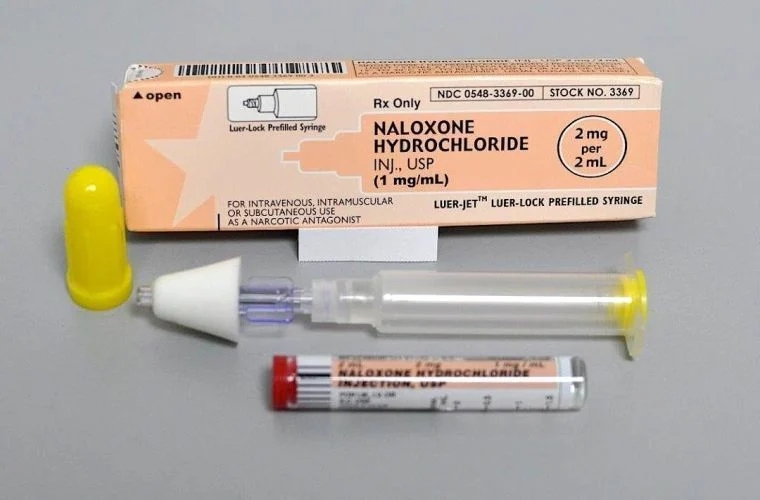
According to Morning Brew, for the first time, people across the US will be able to purchase an overdose-reversal drug that’s as easy to administer as Flonase, without a prescription. Next week, nationwide chains like Walgreens, CVS, Walmart, and Rite Aid will begin selling two-dose boxes of Narcan, a naloxone nasal spray that saves people from opioid overdose, in stores and online.
Making naloxone widely accessible has long been a goal for public health experts because Fentanyl-laced drugs can kill people before paramedics arrive, but some now worry that over-the-counter Narcan’s $45 retail price could be too high for those who need it most.
That’s where insurance comes in:
Medicaid and Medicare already cover prescription naloxone, and so far, Missouri, California, Massachusetts, Washington, Rhode Island, and Oregon Medicaid programs said they’ll cover OTC Narcan, too.
While private health plans often restrict OTC drug coverage, Blue Cross Blue Shield of Massachusetts said it’ll fully cover nonprescription Narcan.
But this won’t help the one-fifth of people with opioid use disorder who are uninsured. Some government and harm reduction programs give out Narcan for free—and those groups can now order two-dose boxes in bulk at a discounted $41 per box, according to manufacturer Emergent BioSolutions.
Posted on September 5, 2023 by Dr. David Edward Marcinko MBA MEd CMP™
By Staff Reporters
***
***
The company that makes Ozempic and Wegovy, Novo Nordisk, just became Europe’s most valuable, eclipsing luxury conglomerate LVMH. The Danish drugmaker had a value of $428 billion when European markets closed yesterday (compared to LVMH’s $419 billion), putting it on top of the heap. Its share price rose on the introduction of Wegovy into the UK market—where it costs much less than in the US.
Posted on September 2, 2023 by Dr. David Edward Marcinko MBA MEd CMP™
By Staff Reporters
***
***
Despite a recent rally, stocks couldn’t climb out of the deep hole they dug themselves earlier in the month, and all three major indexes finished August in the red.
Cannabis companies were the clear winner following news that the Department of Health and Human Services recommended that green pot should be reclassified as a lower-risk substance.
***
And, Anthony Fauci MD has said that there is “not going to be the tsunami of cases that we’ve seen” during the darkest days of the COVID-19 pandemic, following the emergence of two new variants of the virus. Speaking to the BBC, the former chief medical advisor to the president, who was regularly the face of the government’s response to the pandemic, played down the seriousness of the new strains, stressing that the vast majority of the population had enough immunity to prevent infections requiring medical intervention.
***
Markets: The Dow wrapped up its best week since July as investors celebrated another rock-solid jobs report. The economy added 187,000 jobs in August, and the unemployment rate rose to 3.8% from 3.5%—signs that the labor market is cooling, but not so fast that it’s likely to spark a recession.
Here is where the major benchmarks ended:
The S&P 500 Index was up 8.11 points (0.2%) at 4,515.77; the Dow Jones Industrial Average (DJIA) was up 115.80 points (0.3%) at 34,837.71, up 1.4% for the week; the NASDAQ Composite (COMP) was down 3.15 points at 14,031.81, up 3.2% for the week.
The 10-year Treasury note yield (TNX) was up about 7 basis points at 4.177%.
CBOE’s Volatility Index (VIX) was down 0.49 at 13.08.
Financial companies were among the strongest performers Friday, with the KBW Regional Banking Index (KRX) gaining about 2.5% to a three-week high.
Energy shares were also strong as WTI crude oil futures extended gains after the Energy Information Administration earlier this week reported a larger-than-expected drop in U.S. inventories. Crude futures surged nearly 3% to ended near $86 a barrel, the highest since mid-November. Consumer staples and consumer discretionary were among the weakest performers.
Just 5% of New Yorkers lacked health insurance in 2021, but the state may struggle to maintain that low rate (it’s currently among the top 10 in the US) following the end of a pandemic-era policy that prevented anyone from being kicked off Medicaid.
A new report from New York State ComptrollerTom DiNapoli analyzed health insurance trends in the state, and found the percentage of uninsured New Yorkers fell each year from 11.9% in 2010—when the Affordable Care Act (which allowed states to extend Medicaid eligibility) became law—to 5.2% in 2021.
Nationally, 8.6% of people lacked health insurance in 2021, according to the analysis. (Though Department of Health and Human Services data released earlier this month found the US uninsured rate hit a record low of 7.7% during the first three months of 2023.)
Posted on August 30, 2023 by Dr. David Edward Marcinko MBA MEd CMP™
By Staff Reporters
***
***
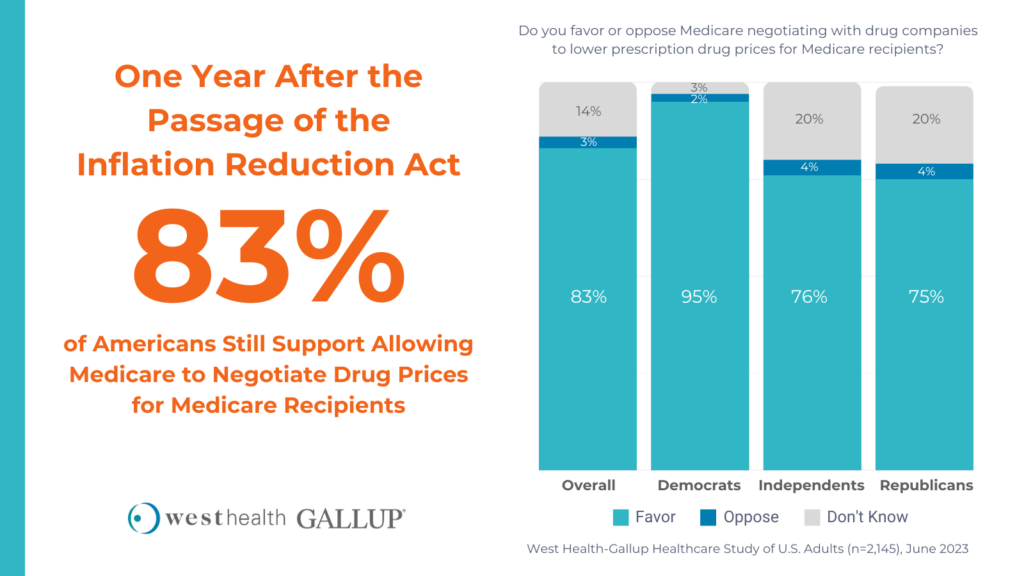
President Joe Biden’s signature Inflation Reduction Act (IRA), signed into law last year, allows the Medicare health program for Americans aged 65 and over to negotiate prices for some of its most costly drugs.
Medicines on the list include Merck & Co’s diabetes drug Januvia, Eliquis rival Xarelto from Johnson & Johnson, and AbbVie’s leukemia treatment Imbruvica. Other drugs on the list include Amgen’s rheumatoid arthritis drug Enbrel, Boehringer Ingelheim and Eli Lilly’s diabetes drug Jardiance, J&J’s arthritis and Crohn’s disease medicine Stelara and insulin from Novo Nordisk.
***
Here is where the major benchmarks ended:
The S&P 500® Index (SPX) was up 64.32 points (1.5%) at 4,497.63; the Dow Jones Industrial Average (DJIA) was up 292.69 points (0.9%) at 34,852.67; the NASDAQ Composite was up 238.63 points (1.7%) at 13,943.76.
The 10-year Treasury note yield (TNX) was down about 10 basis points at 4.112%.
CBOE’s Volatility Index (VIX) was down 0.62 at 14.46.
Technology, Communications Services and Retail shares were among the market’s strongest performers Tuesday. Energy stocks also climbed behind continued strength in crude oil futures, which closed at a two-week high.
The U.S. Dollar Index (DXY) fell along with expectations that interest rates will remain elevated.
Posted on August 27, 2023 by Dr. David Edward Marcinko MBA MEd CMP™
By Staff Reporters
Jerome Powell: Speaking at the Jackson Hole Symposium, an annual meeting of central bankers from around the globe at a former Wild West outpost, the FOMC chair said inflation “remains too high” and “we are prepared to raise rates further if appropriate” and to keep them high. So, why didn’t the stock market nose-dive like it did after last year’s similarly hawkish Powell speech? It helps that inflation has come down considerably since then (which Powell acknowledged) and that he nodded to the dangers of the Fed doing too much as well as too little.
***
Rite Aid is preparing to file for bankruptcy in the face of costly lawsuits over its sales of opioids, the Wall Street Journal reports.
Wegovy, the weight-loss drug, also helps prevent heart failure, its maker, Novo Nordisk, said after a clinical trial.
Wells Fargoagreed to pay $35 million to settle the SEC’s claims that it overcharged fees on nearly 11,000 investment advisory accounts—claims it neither admits nor denies.
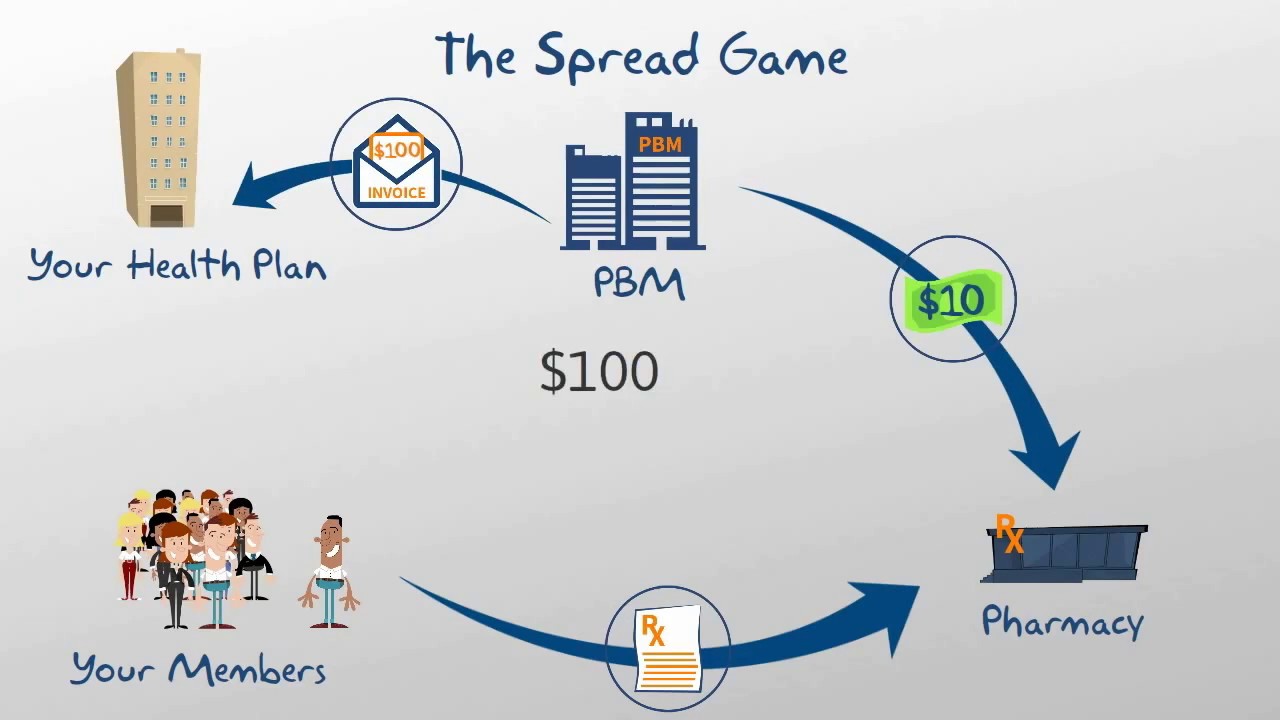
Just now, CVS got a taste of its own medicine after Blue Shield of California said it will replace CVS’s pharmacy benefit manager system [PBMs] with other companies, including Amazon Pharmacy and Mark Cuban’s Cost Plugs Drugs business, to supply cheaper drugs to its members.
Posted on August 22, 2023 by Dr. David Edward Marcinko MBA MEd CMP™
By Staff Reporters
***
***
Stocks started the week on an upswing as technology companies rallied—including Nvidia, whose earnings report investors eagerly await tomorrow—helping the NASDAQ snap a four-day losing streak.
But, a new Covid variants are helping to push up the value of companies that make vaccines. Novavax, Moderna, BioNTech, and Pfizer rose yesterday as fall is likely to bring demand for boosters.
And, Atlanta-based Morris Brown Collegehas announced that the school is reinstating its Covid mask mandate for the next two weeks as a result of positive cases at the Atlanta University Center.
The historically black college posted a note on its official Instagram account noting that the protocols would be in effect for the next 14 days. This includes a requirement for mask-wearing by students and employees, physical distancing, contact tracing, and other significant efforts to reduce the spread of Covid-19 among the population on the Atlanta campus.
Posted on August 19, 2023 by Dr. David Edward Marcinko MBA MEd CMP™
By Staff Reporters
Pharmaceutical distributor Cardinal Health raised its 2024 profit expectations following strong demand for generic and specialty drugs such as GLP-1 medications, the company announced in its Q4 2023 earnings call. The Ohio-based company reported that its pharmaceutical segment profit increased 12% to $504 million in Q4 2023, up from $451 million during the same period last year. “Positive generics program performance” drove the increase, CFO Aaron Alt said during the call. Cardinal, whose fiscal year ends June 30, expects revenue from its pharmaceutical division to grow by 10%–12% in FY 2024, he added.
“Fiscal ’23 was an inflection point for Cardinal Health with improved performance, strong execution, and notable progress against both our short- and long-term plans,” CEO Jason Hollar said.
GLP-1 drugs such as Novo Nordisk-manufactured Ozempic and Wegovy were developed to treat diabetes, but have skyrocketed in popularity as a weight management tool. These medications can stimulate insulin production, which can help lower blood sugar levels and help Type-2 diabetes patients, according to the Mayo Clinic.
Posted on August 16, 2023 by Dr. David Edward Marcinko MBA MEd CMP™
By Staff Reporters
***
***
Allergan has branded today the first ever “Juvedérm Day,” named after its famous dermal filler.
AbbVie, which owns Allergan, reported that it made $368 million on Juvedérm in Q2 2023, up almost 7% compared to last year. AbbVie’s aesthetics business, which also produces Botox, made almost $1.4 billion in Q2.
Maybe AbbVie’s hoping that pushing Juvedérm sales will help make up for its dropping Humira sales.
Posted on August 10, 2023 by Dr. David Edward Marcinko MBA MEd CMP™
By Staff Reporters
Mark Cuban’s Cost Plus Drug Company has been on a partnering spree lately, and its latest collaborator is Scripta Insights, a digital health company that helps health plans and members find prescription savings.
Scripta plans to incorporate Cost Plus Drugs’s discounted pricing into its Med Mapper, which “maps every drug on the market to every possible way to save,” according to Scripta.
Palantir stock fell 11% to $15.25 yesterday, its biggest drop since November 2022. With that decline, shares are now below their 50-day moving average, at $16.16, for the first time May. It’s broken its uptrend line, which sat around $17, and its first level of support, near $16. Worse still, the stock has fallen for six straight days and is 22% during its losing streak, the worst six-day stretch since May 2022.
***
Here is where the major benchmarks ended:
The S&P 500 Index was down 31.67 points (0.7%) at 4,467.71; the Dow Jones Industrial Average (DJIA) was down 191.13 points (0.5%) at 35,123.36; the NASDAQ Composite was down 162.31 points (1.2%) at 13,722.02.
The 10-year Treasury note yield (TNX) was down about 2 basis points at 4.004%.
CBOE’s Volatility Index (VIX) was little changed at 15.99.
Financial shares joined tech stocks in the laggard column Wednesday. The KBW Regional Banking Index (KRX) was down about 1%, while the Philadelphia Semiconductor Index (SOX) dropped about 1.4%. Energy stocks continued to outperform as crude oil futures gained nearly 2% and touched a nine-month high near $85 a barrel.
Oil’s recent rally reflects production cuts by top global producers and concern over supply disruptions stemming from the Russia-Ukraine war.
Posted on August 3, 2023 by Dr. David Edward Marcinko MBA MEd CMP™
By Staff Reporters
FOX News: A doctor appearing on MSNBC Tuesday said that Americans should start wearing masks for COVID again. Former Obama official and current MSNBC medical contributor Dr. Kavita Patel was brought on Jose Diaz-Balart Reports to discuss an uptick in COVID hospitalizations.
“If you’ve noticed more of your friends, neighbors, loved ones are testing positive for COVID, you’re not alone. According to the CDC, COVID-19 hospitalizations are up 12 percent from last week and, while we’re nowhere near previous levels, it’s still raising concerns,” Diaz-Balart said.
The number of COVID-19 hospitalizations is rising this summer in the U.S., according to the Centers for Disease Control and Prevention (CDC). More than 7,100 patients with COVID were hospitalized in the week of July 15, up from 6,444 the prior week, the sharpest percentage increase since December 2022.
Posted on August 2, 2023 by Dr. David Edward Marcinko MBA MEd CMP™
By Staff Reporters
***
CVS Health is eliminating about 5,000 jobs in an effort to reduce costs as it turns its focus to healthcare services, the company said Tuesday. The cuts represent less than 2% of the company’s total workforce, which comprised of roughly 300,000 employees at the end of 2022. The layoffs will affect “non-customer facing positions,” the company said in an emailed statement to USA TODAY.
***
AT&T Inc.’s human resources chief, Angela Santone, will leave the company at the end of September, just as the telecommunications giant is eliminating thousands of jobs as part of a newly expanded $8 billion cost-reduction program. Chief Executive Officer John Stankey informed employees last week in an email that Santone was leaving. She is one of only three female top executives at AT&T.
***
Here is where the major benchmarks ended:
The S&P 500 Index was down 12.23 points (0.3%) at 4,576.73; the Dow Jones Industrial Average (DJIA) was up 71.15 points (0.2%) at 35,630.68; the NASDAQ Composite (COMP) was down 62.11 points (0.4%) at 14,283.91.
The 10-year Treasury note yield was up about 8 basis points at 4.037%.
Cboe’s Volatility Index (VIX) was up 0.29 at 13.92.
Financials were among the weakest sectors Tuesday, with the KBW Regional Banking Index (KRX) falling more than 1%.
Energy shares were also under pressure as crude oil futures pulled back from a recent rally.
The U.S. Dollar Index (DXY) strengthened for a fourth consecutive day, rising to its highest level in about three weeks.
Posted on July 24, 2023 by Dr. David Edward Marcinko MBA MEd CMP™
By Staff Reporters
Philip Morris International Inc. abandoned a goal to get at least $1 billion of revenue from healthcare and wellness products next year following setbacks at companies it has acquired in the sector.
The tobacco company has built a health and wellness unit around the purchases of UK inhaler maker Vectura Group Plc and Fertin Pharma, the producer of a smoking-cessation aid. PMI just took a $680 million impairment charge after unsuccessful clinical trials for an inhalable aspirin product as well as slower-than-expected development of other products.
***
***
PMI paid more than $1 billion for Vectura and about $820 million for Fertin in 2021. Vectura scientists faced a backlash after the acquisition, with the company getting kicked out of a medical conference due to its link to the tobacco industry.
Posted on July 23, 2023 by Dr. David Edward Marcinko MBA MEd CMP™
ATLANTA, GEORGIA
By Staff Reporters
***
***
A large orthopedic practice in Atlanta notified patients last week of a data breach. In a letter to patients, Peachtree Orthopedics warns personal information may have been exposed during an incident in April, 2023.
From April 14th to April 20th an unauthorized party gained access to the company’s network, and that information potentially impacted included patients’ “address, date of birth, driver’s license number, Social Security number, medical treatment/ diagnosis information, treatment cost and other financial and related information
This is the third hack Peachtree Orthopedics has reported to the U.S. Departmentof Health and Human Services (HHS) in the last seven years, according to federal data. According to HHS, this breach is impacting 34,691 patients.
Posted on July 23, 2023 by Dr. David Edward Marcinko MBA MEd CMP™
By Staff Reporters
***
***
WASHINGTON (Reuters) -The White House just launched an office to prepare for and respond to potential pandemics, to be led by Paul Friedrichs, a military combat surgeon and retired Air Force major general who helped lead the Pentagon’s COVID response. The new Office of Pandemic Preparedness and Response Policy will also take over the duties of President Joe Biden’s current COVID-19 and m-pox response teams, the White House said. The office will be a charged with
“leading, coordinating, and implementing actions related to preparedness for, and response to, known and unknown biological threats or pathogens that could lead to a pandemic or to significant public health-related disruptions in the United States,” its statement said.
‘Threads’ was an attempt by Mark Zuckerberg to pull away traffic from Elon Musk and Twitter, as Zuckerberg and Musk have started a nasty feud. But, it appears that Zuckerberg’s attempt to steal traffic from Twitter is going horribly wrong. Reports released yesterday claim that the number of users on ‘Threads’ has decreased 70% since its July 7th launch. Vice ran a hilarious headline about the failed app, saying, “Threads is All The Worst Parts of Twitter And Instagram in One Very Bad App”
CITE: TheWrap reports on the 70% decrease in users ….
Posted on July 18, 2023 by Dr. David Edward Marcinko MBA MEd CMP™
By Staff Reporters
***
***
Earnings season picks up: The Q2 reports will come fast and furious this week from companies including Bank of America, Tesla, major airlines, and American Express. But the most tea is expected to be spilled by Netflix, which will give an update on its password-sharing crackdown and discuss how the Hollywood strikes are impacting its business.
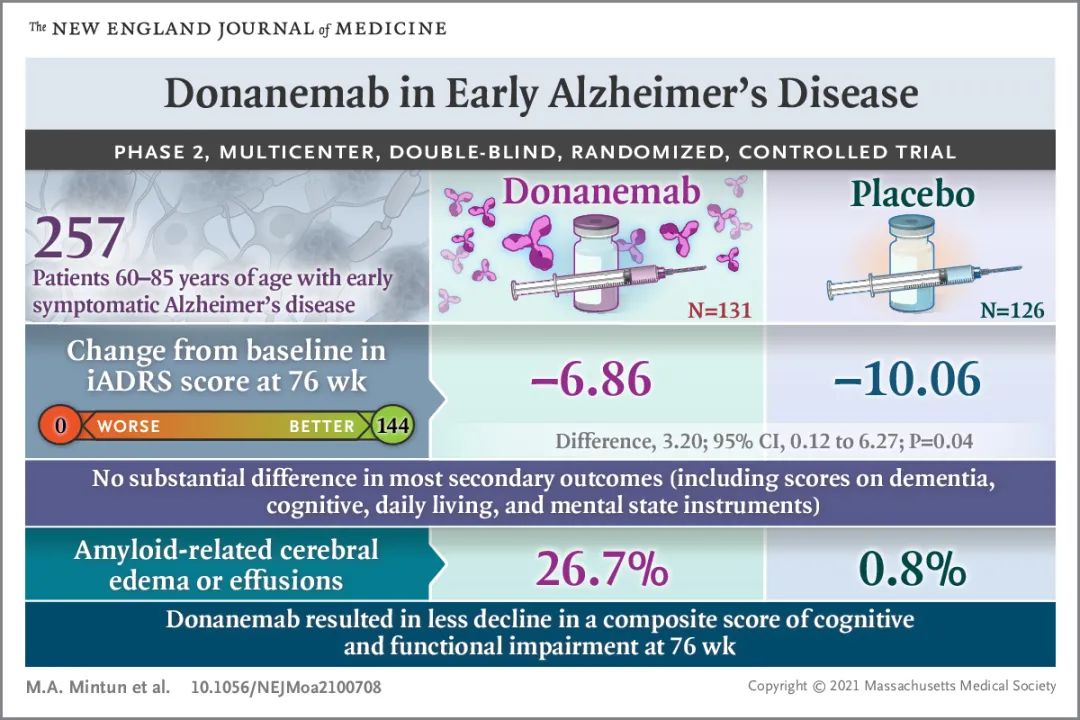
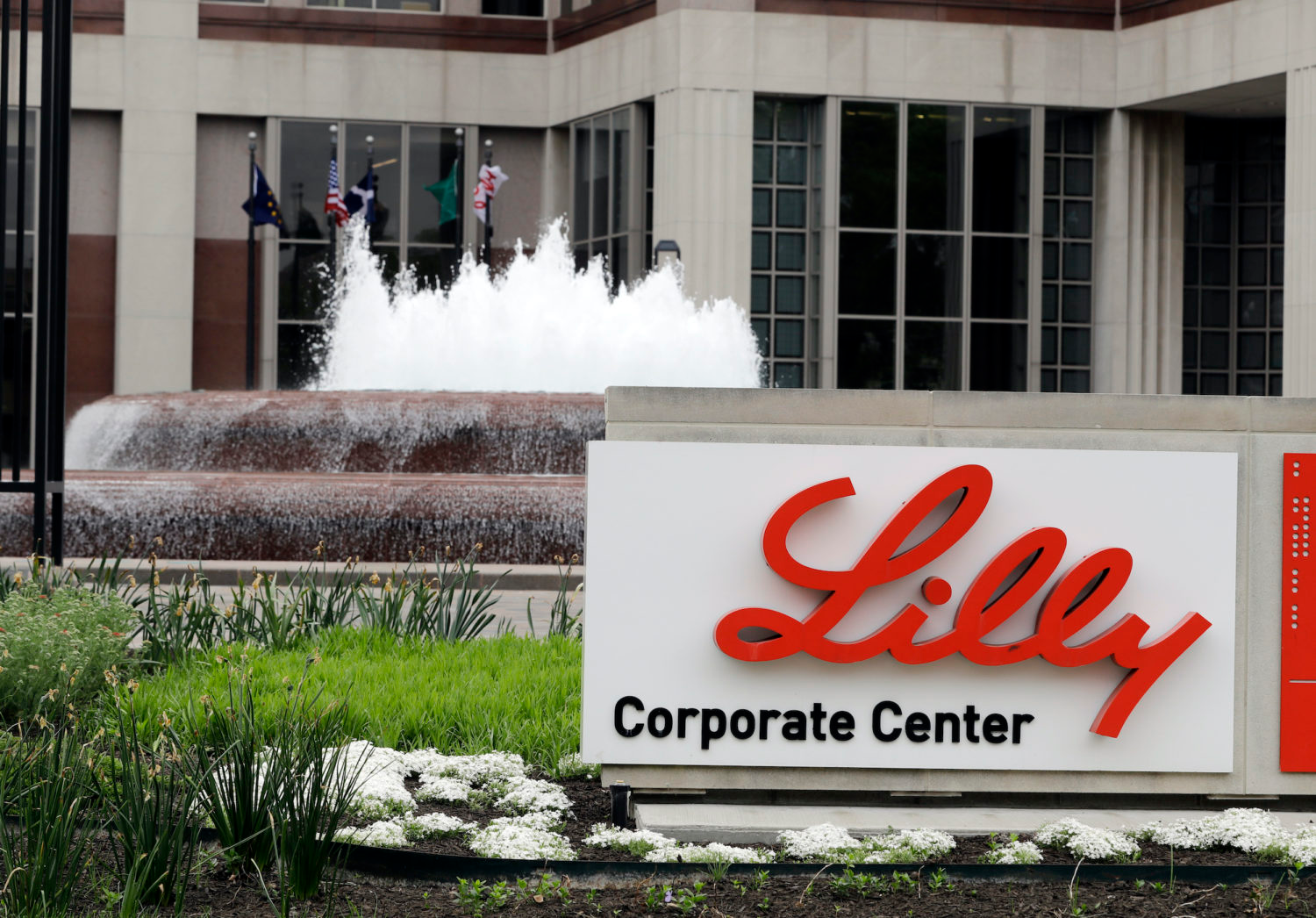
A new study reports Eli Lilly’s Alzheimer’s drug slowed cognitive and functional decline for people with early stages of the disease. The data, published Monday in the Journal of the American Medical Association, found the experimental drug Donanemab slowed decline by 35% compared to a placebo group based on a measure of daily activities such as driving, managing finances and talking about current events. Researchers also shared the data at the Alzheimer’s Association International Conference in Amsterdam.
***
Lilly said it submitted an application for traditional Food and Drug Administration approval earlier this year and expects the agency will act before the end of the year.
***
Finally, technology shares were among the strongest performers yesterday, with the Philadelphia Semiconductor Index (SOX) surging over 2% to its highest level since January 2022. Smaller companies also performed well, with the small-cap focused Russell 2000 (RUT) up over 1% to end at a five-month high. Financial shares remained robust following mostly better-than-expected results from big banks last week. Here is where the major benchmarks ended:
The S&P 500 Index was up 17.37 points (0.4%) at 4,522.79; the Dow Jones Industrial Average was up 76.32 points (0.2%) at 34,585.35; and the NASDAQ Composite was up 131.25 points (0.9%) at 14,244.95.
The 10-year Treasury note yield (TNX) was down about 2 basis points at 3.805%.
CBOE’s Volatility Index (VIX) was up 0.14 at 13.48.
Posted on July 7, 2023 by Dr. David Edward Marcinko MBA MEd CMP™
By Staff Reporters
***
***
(AP) — U.S. officials granted full approval to a closely watched Alzheimer’s drug on Thursday, clearing the way for Medicare and other insurance plans to begin covering the treatment for people with the brain-robbing disease. The Food and Drug Administration endorsed the IV drug, Leqembi, for patients with mild dementia and other symptoms caused by early Alzheimer’s disease. It’s the first medicine that’s been convincingly shown to modestly slow Alzheimer’s cognitive decline.
***
Markets: Yesterday was yet another “good news is bad news” day on Wall Street. After the ADP employment report showed private sector companies added more than 2x the jobs that were forecast last month, stocks fell and Treasury yields surged—an indication that investors expect the Fed to resume hiking interest rates to cool down the job market. So, all eyes are on the non-farm payrolls report since a stronger-than-expected report could result in even more Fed rate hikes than currently expected. Here is where the major benchmarks ended yesterday:
The S&P 500® Index was down 35.23 points (0.8%) at 4,411.59; the Dow Jones Industrial Average (DJIA) was down 366.38 points (1.1%) at 33,922.26; the NASDAQ Composite (COMP) was down 112.61 points (0.8%) at 13,679.04.
The 10-year Treasury note yield (TNX) was up about 9 basis points at 4.035%.
The CBOE Volatility Index (VIX) was up 1.25 at 15.43.
Energy was among the weakest sectors despite crude oil futures touching a two-week high.
Regional banks and Consumer Discretionary stocks were also lower. Volatility expectations based on the VIX jumped to their highest level since late May.
The NHE, which is published annually, is the official U.S. estimate of insurance enrollment and health spending. CMS projects that from 2022 to 2031, the NHE’s annual growth rate of 5.4% will surpass the U.S. gross domestic product (GDP) annual growth rate of 4.6%. As a result, health spending as a share of the U.S. GDP is set to jump from 18.3% in 2021 to 19.6% in 2031.
This Health Capital Topics article will review the notable findings from CMS’s projection report. (Read more…)
Posted on July 5, 2023 by Dr. David Edward Marcinko MBA MEd CMP™
A SINCERE SHOUT OUT!
By Staff Reporters
***
***
We hope you’ve recovered from overindulging in hot dogs, beer and parade candy; yesterday. The hospital employees out there are probably even busier than usual today, as more than 45,000 people on average visited emergency rooms on both July 4th and 5th due to holiday-related injuries.
On behalf of those ER patients, we thank all doctors, nurses, technicians and healthcare workers for their service.
Posted on June 29, 2023 by Dr. David Edward Marcinko MBA MEd CMP™
By Staff Reporters
***
***
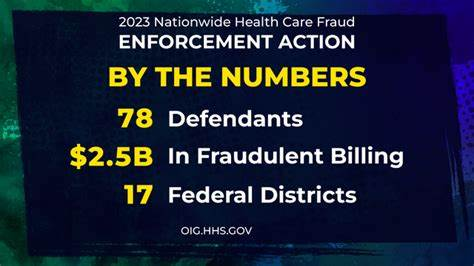
WASHINGTON (Reuters) -The U.S. Justice Department on Wednesday announced federal and local criminal charges targeting 78 defendants across 16 states as part of a law enforcement action involving $2.5 billion in alleged healthcare fraud schemes targeting elderly and disabled people, HIV patients and even pregnant women.
The cases range from allegations of falsely billing the federal Medicare insurance program for elderly and disabled Americans and paying illegal kickbacks, to the illicit diversion of expensive prescription medications and the improper dispensing of highly addictive opioid pain killers.
Among those facing charges include 24 doctors, nurses and other licensed medical professionals, as well as healthcare executives including the current and former CEOs of a durable medical equipment online platform accused of falsely billing $1.9 billion in fraudulent claims.
Of the $2.5 billion in alleged fraudulent claims to Medicare, state Medicaid programs that serve the poor and supplemental Medicare insurance programs offered by private insurers, about $1.1 billion was actually paid out to the fraudsters, officials said.
“The Justice Department will find and bring to justice criminals who seek to defraud Americans and steal from taxpayer-funded programs,” Attorney General Merrick Garland said in a statement.
On Friday, the Labor Department will update its Personal Consumption and Expenditures (PCE) index, which is the Fed’s preferred inflation measure. The June employment report follows on July 7th.
So, here is where the major benchmarks ended, yesterday:
The S&P 500 Index was down 1.55 points at 4,376.86; the Dow Jones Industrial Average was down 74.08 (0.2%) at 33,852.66; the NASDAQ Composite was up 36.08 points (0.3%) at 13,591.75.
The 10-year Treasury note yield (TNX) was down about 6 basis points at 3.71%.
CBOEs Volatility Index (VIX) was down 0.31 point at 13.43.
Regional banks and utilities were among the weakest sectors Wednesday, with the Philadelphia Utility Index (UTY) ending at its lowest level in nearly four weeks. Energy companies ranked among the top gainers as crude oil futures rose more than 2%.
Insurer Travelers Companies fell 2.5% to become the day’s worst-performing Dow stock.
Salesforce shares rose after Goldman Sachs said the company was poised to boost its profits.
Intel shares fell after Oracle said its software would be compatible with Ampere Computing chips in a blow to Intel’s position with data center customers.
Posted on June 28, 2023 by Dr. David Edward Marcinko MBA MEd CMP™
CONGRATULATIONS DR. COHEN
By Staff Reporters
***
***
President Joe Biden on Friday said that he planned to appoint Dr. Mandy Cohen, the former North Carolina health secretary, as the next director of the Centers for Disease Control and Prevention, a widely expected move that marks a major transition at the federal agency tasked with overseeing the nation’s public health infrastructure.
Posted on June 28, 2023 by Dr. David Edward Marcinko MBA MEd CMP™
By Staff Reporters
***
***
Over $200 billion from the U.S. government’s COVID-19 relief programs were likely stolen, a federal watchdog said on Tuesday, adding that the U.S. Small Business Administration (SBA) had weakened its controls in a rush to disburse the funds.
At least 17% of all funds related to the government’s coronavirus Economic Injury Disaster Loan (EIDL) and Paycheck Protection Program (PPP) schemes were disbursed to potentially fraudulent actors, according to a report released Tuesday by the SBA’s office of inspector general. Over the course of the pandemic, the SBA disbursed about $1.2 trillion of EIDL and PPP funds.
The SBA disputed the more than $200 billion figure put forward by the watchdog and said the inspector general’s approach had significantly overestimated fraud.
***
Here is where the major benchmarks ended, yesterday
The S&P 500 Index was up 49.59 points (1.2%) at 4,378.41; the Dow Jones Industrial Average (DJIA) was up 212.03 points (0.6%) at 33,926.74; the NASDAQ Composite was up 219.89 points (1.7%) at 13,555.67.
The 10-year Treasury note yield (TNX) was up about 5 basis points at 3.766%.
Cboe’s Volatility Index (VIX) was up 0.50 at 13.75.
Technology stocks led sector gainers, with the Philadelphia Semiconductor Index (SOX) rising nearly 4%. Consumer Discretionary and Retail shares were also higher. Energy shares lagged as crude oil futures dropped more than 2%.
Posted on June 27, 2023 by Dr. David Edward Marcinko MBA MEd CMP™
ThePROS and CONS
By Staff Reporters
***
***
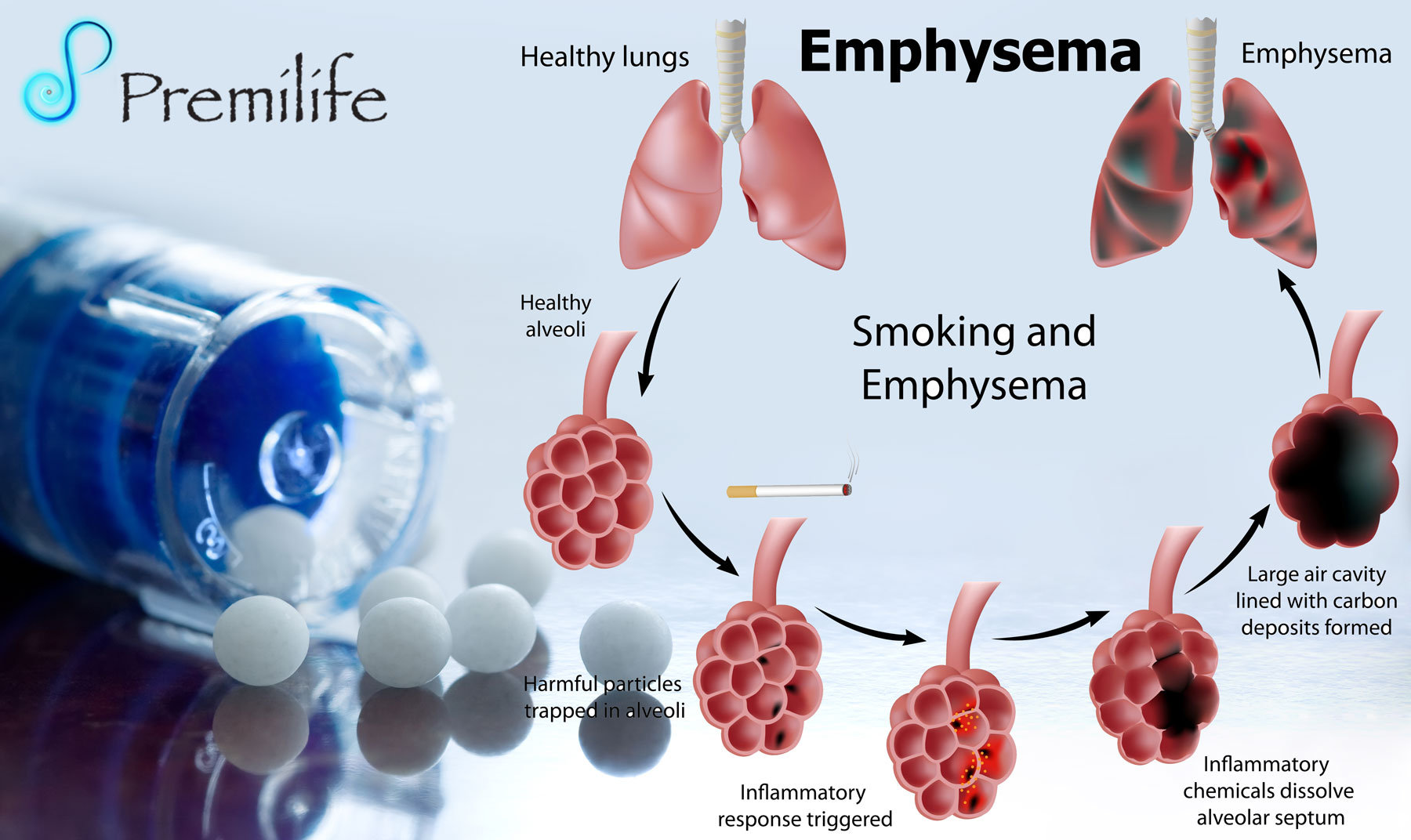
DEFINITION: An electronic cigarette is an electronic device that simulates tobacco smoking. It consists of an atomizer, a power source such as a battery, and a container such as a cartridge or tank. Instead of smoke, the user inhales vapor. As such, using an e-cigarette is often called “vaping“. The atomizer is a heating element that vaporizes a liquid solution called e-liquid, which quickly cools into an aerosol of tiny droplets, vapor and air. E-cigarettes are activated by taking a puff or pressing a button. Some look like traditional cigarettes, and most kinds are reusable. The vapor mainly comprises propylene glycol and/or glycerin, usually with nicotine and flavoring. Its exact composition varies, and depends on several things including user behavior.
***
***
You’ve seen them inhaled at parties, discarded on city sidewalks, and sold in strip malls: Refillable e-cigarettes are taking over the US vape market. Disposables’ market share surged from 24.7% in early 2020 to almost 52% by December 2022, according to an analysis by the CDC, the CDC Foundation, and the Truth Initiative. The rise of disposables shows how the government’s vaping crackdown is not working—the FDA snuffed out refillable brands such as Juul and Vuse in 2020, but a new crop of vapable plastic has emerged to take their place. Overall, US e-cig sales grew 47% in the period analyzed.
Posted on June 19, 2023 by Dr. David Edward Marcinko MBA MEd CMP™
By Staff Reporters
***
***
Referral Change Was Resolution 504 AMERICAN MEDICAL ASSOCIATION HOUSE OF DELEGATES Resolution: 256 (A-23) Introduced by: American Society for Surgery of the Hand, American Association of Hand Surgery Subject: Regulating Misleading AI Generated Advice to Patients Referred to: Reference Committee
The American Medical Association (AMA) just voted to adopt a proposal to help protect patients against false or misleading medical information from artificial intelligence (AI) tools such as generative pre-trained transformers (GPT), etc.
Posted on June 13, 2023 by Dr. David Edward Marcinko MBA MEd CMP™
THE COMMON BRIDGE
By Richard Helppie
***
20 years ago, as HIV and AIDS threatened vast populations in sub-Saharan Africa, Haiti, Guyana and Vietnam, the US Government made the largest investment in battling a pandemic. Known as the President’s Emergency Plan for AIDS Relief (PEPFAR). May 27th marked the 20th anniversary of the creation of this bipartisan program which coordinated the work of government agencies and local governments to reduce the infections. Dr. Deborah Birx, who had a significant role in the program visits The Common Bridge to talk about PEPFAR’s renewal. Don’t be surprised when the discussion takes a turn to more current events.
In part 2, Dr. Birx responds to Rich’s questions about the decline in scientific credibility.
Posted on June 11, 2023 by Dr. David Edward Marcinko MBA MEd CMP™
By Staff Reporters
***
***
CRANIA: A delivery driver for the Anatomical Gift Association (AGA) of Illinois claims that after he complained about corpse storage protocol, he arrived at work to find three [3] severed heads in plastic containers in his office. The AGA denied it was retaliation, saying a desk full of skulls is just part of the job.
***
Doctors on TikTok? Hospital re-brandings? Healthcare marketers are trying new strategies to reach patients—but they’re not always a slam dunk success.
Posted on June 9, 2023 by Dr. David Edward Marcinko MBA MEd CMP™
By Staff Reporters
***
***
About one in three physicians reported that they’ve been sued for medical malpractice during their career, a new study from the American Medical Association (AMA) found.
The study analyzed 14,000 responses from AMA Physician Practice Benchmark Surveys between 2016 and 2022. The longer a physician works in the industry, the higher their risk of getting a malpractice claim.
In summary, almost half of physicians over the age of 54 have been sued in their career, versus 9.5% of physicians younger than 40 years old. Specialty and gender influenced the likelihood of being sued. For example, general surgeons and ob-gyns, as well as men physicians, had the highest risk, per the AMA report.
***
This is exactly why we produced a major 800 page textbook for all our medical colleagues: Risk Management, Liability Insurance, and Asset Protection Strategies for Doctors and Advisors Best Practices from Leading Consultants and Certified Medical Planners™
The Biden administration is confident it will succeed in the courts against Merck & Co’s lawsuit filed on Tuesday, the White House said, defending the Medicare health insurance program’s authority to seek deals on medicine prices. “We are confident we will succeed in the courts: there is nothing in the Constitution that prevents Medicare from negotiating lower drug prices,” White House spokeswoman Karine Jean-Pierre said in a statement.
Behind negative returns for shares of UnitedHealth and Merck, as noted above, UnitedHealth’s shares were off $14.28, or 2.9%, while those of Merck have dropped $3.23, or 2.9%. A $1 move in any one of the 30 components of the Dow results in a 6.59-point swing. In summary:
***
Here is where the major benchmarks ended yesterday:
The S&P 500® Index was up 10.04 points (0.2%) at 4283.84; the Dow Jones industrial average was up 10.48 at 33,573.34; the NASDAQ Composite was up about 47 points (0.36%) at 13,276.42.
The 10-year Treasury yield was little changed at 3.687%.
Posted on May 17, 2023 by Dr. David Edward Marcinko MBA MEd CMP™
By Staff Reporters
***
***
The Federal Trade Commission said on Tuesday [yesterday] it will try to block an effort by bio-pharmaceutical leader Amgen Inc. from purchasing Horizon Therapeutics for $28.3 billion, charging the move could force insurance companies to favor their products. The FTC said the coupling of Amgen and Horizon could have allowed Amgen to leverage its portfolio of top-selling drugs to entrench a monopoly position in treatments for thyroid eye disease and chronic refractory gout. The watchdog agency said Amgen could force insurance companies and pharmacy benefit managers, or PBMs, into favoring Horizon’s two monopoly products. It said Tepezza is used to treat thyroid eye disease, while Krystexxa is used to treat chronic refractory gout. The agency said neither of the treatments has competition in the pharmaceutical marketplace.
And, the CME FedWatch Tool shows an 82% probability of the Fed leaving rates where they are, versus an 18% chance of another rate hike. As for rate cuts, Liz Ann Sonders of Schwab said they remain unlikely “unless the banking crisis significantly worsens and/or the economy or labor market sinks notably.” “Otherwise, the most likely outcome is for the Fed to pause and hold,” she added.
***
So, here is where the major benchmarks ended yesterday:
The S&P 500® Index was down 26.38 points (0.64%) at 4,109.90; the Dow Jones Industrial Average was down 336.46 (1.01%) at 33,012.14; the NASDAQ Composite was down 22.16 (0.18%) at 12,343.05.
The 10-year Treasury yield was up about 4 basis points at 3.541%.
CBOE’s Volatility Index was up 90 basis points at 18.02.
The energy sector was one of the weakest performers Tuesday, as WTI Crude Oil futures dipped. The Dow Jones U.S. Oil & Gas Total Stock Market Index was down more than 2%, while the S&P Global Oil Index shed 2.5%. Real estate and utilities also lagged. Communication services and tech were the strongest performers.
Posted on May 16, 2023 by Dr. David Edward Marcinko MBA MEd CMP™
By Anonymous
GoodRx Holdings, Inc. is an American healthcare company that operates a telemedicine platform and a free-to-use website and mobile app that track prescription drug prices in the United States and provide free drug coupons for discounts on medications. GoodRx checks more than 75,000 pharmacies in the United States
***
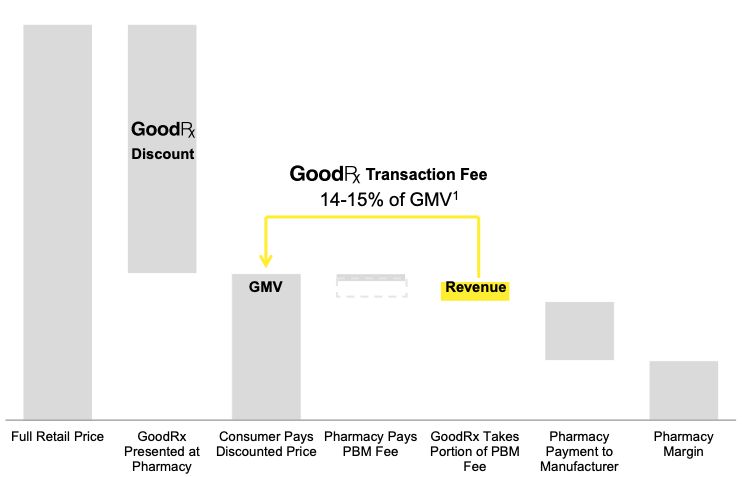
Good Rx makes money by perpetuating the, artificially set, high sticker prices of medications and receiving a portion of Pharmacy Benefits Manager [PBM] fees.
How it Works
GoodRx taps into PBM network for their “discounts” off of sticker price (e.g. Express Scripts, Optum Rx, Navitus … etc)
Consumer pays the newly “discounted” drug price.
Pharmacy pays PBM fee.
PBM pays GoodRx portion of the fee.
Good Rx adjusted EBITDA in 2019: $160 Million
Good Rx 2020 revenue is up 48% first half of 2020 – $257M
Posted on May 12, 2023 by Dr. David Edward Marcinko MBA MEd CMP™
By Staff Reporters
***
***
Happy 203rd birthday to Florence Nightingale, the founder of modern nursing. She rose to fame during the Crimean War, when her hygiene standards substantially reduced the mortality rate at army hospitals. The healthcare industry still relies on some of her ideas, such as using data as a tool to improve hospital care. The “lady with the lamp” is still lighting the path forward.
Posted on May 11, 2023 by Dr. David Edward Marcinko MBA MEd CMP™
By Staff Reporters
***
***
Because the inflation data came in roughly as expected, Wall Street sees the door still open for the Federal Reserve to leave interest rates alone at its next meeting in June. That would be the first time it hasn’t raised rates at a meeting in more than a year, and a pause would offer some breathing room for the economy and financial markets.
Today is the last day of the US Covid-19 public health emergency, which has been in place since Jan. 31st, 2020. With it comes the end of certain Covid-era rules, though some telehealth protections have been extended through the end of 2024. Here’s to all the medical professionals who got us through, and a remembrance for the millions who lost their lives to Covid.
***
Brightline, a California-based mental health startup, laid off 20% of its staff this week following a data breach. North Carolina is the latest state to consider changes to the prior authorization process that advocates say delays care. A board member at Geisinger claims that consolidation prompted the healthcare provider to sell to Kaiser Permanente. Texas Gov. Greg Abbottsaid the state should address mental health issues in the wake of a shopping mall mass shooting, but did not call for gun control reform.
Finally, here is where the major benchmarks ended yesterday:
The S&P 500 Index was up 18.47 points (0.5%) at 4137.64; the Dow Jones industrial average was down 30.48 (0.1%) at 33,531.33; the NASDAQ Composite was up 126.89 (1.0%) at 12,306.44.
The 10-year Treasury yield was down about 8 basis points at 3.441%.
CBOE’s Volatility Index was down 0.80 at 16.91.
Oilfield services providers and other energy companies were among the laggards Wednesday, pressured by a more-than 1% drop in WTI crude oil futures.
Financial sector stocks struggling to escape the effects of the bank volatility earlier this spring helped push the KWB Regional Bank Index back near a 2½-year low reached last week.
Posted on May 10, 2023 by Dr. David Edward Marcinko MBA MEd CMP™
By Health Capital Consultants, Inc
***
***
On February 22, 2023, UnitedHealth Group’s (UHG’s) Optum division, the health insurance giant’s care delivery arm, acquired Crystal Run Healthcare, a New York based physician group of almost 400 physicians, nurse practitioners, and other providers
This significant move is just the latest in UHG’s concerted effort over the past few years to acquire outpatient providers, surgery centers, and physician groups. This Health Capital Topics article will briefly survey some of the insurer’s recent acquisitions and initiatives to expand their physician services network. (Read more…)
Posted on May 9, 2023 by Dr. David Edward Marcinko MBA MEd CMP™
By Staff Reporters
***
***
It’s National Nurses Week and National Student Nurses Day. We at the ME-P salute all the nurses (and future nurses) who read and inform our stories, and all of those who’ve been on the front-lines of the pandemic. We hope you take some time to kick back or at least slip into some comfortable shoes.
The S&P 500® Index was up 1.87 points at 4138.12; the Dow Jones industrial average was down 55.69 (0.2%) at 33,618.69; the NASDAQ Composite was up 21.50 (0.2%) at 12,256.92.
The 10-year Treasury yield was up about 7 basis points at 3.515%.
CBOEs Volatility Index was down 0.2 at 16.99.
Among S&P 500 sectors, financial and energy companies were top gainers, with the latter getting some help from a more than 2% rally in WTI crude oil futures.
Transportation, utility and industrial stocks were among the weakest performers, and the Russell 2000 was down about 0.3%, reflecting continued weakness in small-caps.
Posted on May 8, 2023 by Dr. David Edward Marcinko MBA MEd CMP™
By Staff Reporters
***
***
The S&P 500 and the Dow are coming off their worst weeks since March. And even with the Fed signaling the end of interest rate hikes, analysts don’t expect the market to perk up all of a sudden. Goldman Sachs, Bank of America, and Morgan Stanley predict the S&P will end the year lower than its current level. US oil prices, meanwhile, have fallen for three consecutive weeks over economic concerns.
***
We mentioned the annual “Woodstock for Capitalists” meeting last week on this ME-P. Here are the highlights.
On the regional banking crisis: W. Buffett bashed leaders at the banks that failed this spring (First Republic, SVB, etc.), saying they “should suffer” and face “punishment.” But he also blamed the “totally crazy” bank regulations that incentivize bad behavior and “very poor” messaging around the debacle from politicians and the media. Buffett thinks the government was right to intervene to protect SVB depositors, claiming, “It would have been catastrophic” otherwise.
On the status of the dollar: “We are the reserve currency. I see no option for any other currency to be the reserve currency,” Buffett said. He called the notion of bitcoin or other tokens dethroning the dollar a “joke.”
On Berkshire’s investment in Apple: The value of Berkshire’s stake in Apple has ballooned to $151 billion, amounting to nearly half the value of its entire stock portfolio. “It just happens to be a better business than any we own,” Buffett said.
***
US ends Covid-19 public health emergency: Like Title 42, the US public health emergency for Covid-19 will end on this Thursday. That may limit access to testing for millions of Americans, but it won’t affect the availability of treatments and vaccines.
Posted on May 7, 2023 by Dr. David Edward Marcinko MBA MEd CMP™
By Staff Reporters
***
***
Tele-Health medical providers are cheering the Drug Enforcement Agency (DEA) move to temporarily extend virtual prescribing flexibility.
The DEA is looking to buy some time to consider whether it should require patients to see doctors face-to-face to get prescriptions for controlled drugs or continue to allow Tele-Health prescriptions. The agency received a record 38,000 public comments on its proposed rule.
Posted on May 6, 2023 by Dr. David Edward Marcinko MBA MEd CMP™
By Staff Reporters
***
***
Dr. Rochelle Walensky, the head of the Centers for Disease Control and Prevention, submitted her resignation yesterday, saying the waning of the COVID-19 pandemic was a good time to make a transition.
***
The World Health Organization just reported that COVID-19 no longer qualifies as a global emergency, marking a symbolic end to the devastating coronavirus pandemic that triggered once-unthinkable lock-downs, upended economies and killed millions of people worldwide.
***
Here’s where the major indexes ended:
The S&P 500® Index was up 75.03 points (1.9%) at 4136.25; the Dow Jones industrial average was up 546.64 (1.7%) at 33,674.38; the NASDAQ Composite was up 269.01 (2.3%) at 12,235.41.
The 10-year Treasury yield was up about 8 basis points at 3.431%.
CBOE’s Volatility Index was down 2.89 at 17.20.
Financial shares were a bright spot Friday, with the KBW Regional Banking Index up over 4% after sinking near a 2½-year low Thursday. Energy stocks were also strong as crude oil futures rallied over 4% and pushed back above $70 a barrel. Small-cap stocks also gained, with the Russell 2000 up more than 2%.
***
* UNC Health might be able to expand its footprint faster, pending state approval. * A new chatbot called Pi is helping people with their emotional well-being. * The FDA approved the first RSV vaccine, which comes from GSK.
Posted on May 4, 2023 by Dr. David Edward Marcinko MBA MEd CMP™
By Staff Reporters
MAY THE FOURTH BE WITH YOU
***
***
Many pharma companies reported earnings in the last week, and the common thread is crashing Covid-related sales.
For example, AstraZeneca’s Covid medication sales dropped $1.5b in Q1, Merck’s Covid antiviral sales fell 88% from the same quarter in 2022, and Roche’s diagnostics division sales fell 28% from Q1 2022, thanks to low Covid-test demand. Clearly, pharma companies have to figure out how to pivot their strategies in a post-Covid world.
The CDCwill not continue to track Covid-19 community spread as the country enters the endemic stage of the pandemic.
***
The Food and Drug Administration approved Wednesday the first-ever vaccine to combat severe respiratory syncytial virus, or RSV. Arexvy, the new vaccine developed by GlaxoSmithKline, was approved for adults 60 and older and was 82% effective at preventing lower respiratory tract illness caused by RSV, according to trial data. It was also 94% effective in those who had at least one underlying medical condition.
***
The Federal Reserve voted unanimously to raise interest rates by a quarter point yesterday, the tenth rate hike since the central bank started its battle against inflation last March. The move comes amid ongoing fragility in the banking sector triggered partly by higher interest rates, and following the collapse of three regional banks. Markets had anticipated the rate hike, and remained fairly muted after the Fed’s announcement.
***
Finally, here’s where the major indexes ended up:
The S&P 500® Index was down 28.83 points at 4090.75; the Dow Jones industrial average was down 270.29 (0.8%) at 33,414.24; the NASDAQ Composite was down 55.18 (0.5%) at 12,025.33.
The 10-year Treasury yield was down about 7 basis points at 3.367%.
CBOE’s Volatility Index was up 0.52 at 18.30.
Energy companies were among the market’s weakest performers as crude oil continued a recent decline, with WTI crude futures falling more than 4% under $70 a barrel—a nearly six-week low.
Semiconductor and financial shares were also weak. The U.S. dollar index dropped sharply in the wake of the Fed announcement before rebounding.
Posted on April 30, 2023 by Dr. David Edward Marcinko MBA MEd CMP™
By Staff Reporters
***
***
Eli Lilly (NYSE: LLY) investors continued to be in a good mood about their stock on Friday. Following the estimates-beating first quarter reported by the big pharmaceutical company the previous morning, they traded the shares up by 1.4% on the final trading day of the week. That eclipsed the 0.8% gain of the S&P 500 index.
Researchers at MIT have created a new type of tabletop printer that spits out vaccine doses on demand in the form of thumbnail-size microneedle patches. Once scaled, this mobile technology could produce hundreds of doses per day, revolutionizing pandemic response. And in a boon for warmer or more remote parts of the world, the vaccine patches can be stored at room temperature for months before they’re slapped on—no refrigeration or professional administering required.
Posted on April 30, 2023 by Dr. David Edward Marcinko MBA MEd CMP™
By Staff Reporters
***
***
Cigarette smoking hits a record low in the USA
Just 1 in 9 Americans smoked cigarettes last year, a record low, according to the CDC. Compared to the 1960s, when 42% of US adults smoked cigarettes, it’s a dramatic drop that reflects greater awareness of the health risks of smoking, and economic hurdles like cigarette taxes.
But Americans haven’t given up their nicotine addiction entirely. Vaping rose to almost 6% last year, and 14% of teens reported using e-cigarettes in another CDC study.
Posted on April 29, 2023 by Dr. David Edward Marcinko MBA MEd CMP™
APRIL 23-29, 2023
By Staff Reporters
***
This celebration is to honor and appreciate the important role laboratory professionals play in improving diagnostic innovation and accuracy, particularly in light of the rapidly evolving global public health climate. Join us in acknowledging and appreciating their contributions and commitment!
Medical Laboratory Professionals Week, an annual celebration of medical laboratory professionals and pathologists who play a vital role in health care and patient advocacy, takes place between April 23-29, 2023. CLSI is one of 17 laboratory medicine organizations responsible for coordinating this annual celebration of this profession.
Posted on April 27, 2023 by Dr. David Edward Marcinko MBA MEd CMP™
By Staff Reporters
***
***
The two tech giants posted earnings that showed they’re both on solid footing, despite investors’ concerns that growth would slow to a trickle. For Alphabet, Google search advertising revenue grew again after a quarter in the red. And Microsoft’s all-important cloud division posted better-than-expected sales. Both companies stated AI could impact their businesses, but they differed in their predictions: Microsoft characterized AI as a much more disruptive force than Google did.
Get ready for earnings calls from pharmaceutical companies: Eli Lilly, AstraZeneca, AbbVie, and more quarterly calls this week. Investors will watch AbbVie’s sales numbers, as Amgen introduced the first biosimilar version of AbbVie’s blockbuster arthritis drug, Humira, in January. In its last call, AbbVie executives said they expected to lose $7.9 billion in Humira sales in 2023
The S&P 500 Index was down 15.64 points (0.4%) at 4055.99; the Dow Jones industrial average was down 228.96 (0.7%) at 33,301.87; the NASDAQ Composite was up 55.19 (0.5%) at 11,854.35.
The 10-year Treasury yield was up about 4 basis points at 3.439%.
Posted on April 25, 2023 by Dr. David Edward Marcinko MBA MEd CMP™
By Staff Reporters
***
***
Physicians Who Accept Medicare, Medicaid at All-time Low of 65%
Reduced Medicare and Medicaid payments are having more physicians considering reducing those patient bases, according to Medscape’s “Physician Compensation Report” for 2023. Sixty-five percent of physicians surveyed said they would continue treating current Medicare or Medicaid patients and take on new ones, according to the report. Medscape said it is the lowest percentage it has seen in its annual compensation reports. Five years ago, 71 percent of physicians said they would continue treating current Medicare or Medicaid patients and take on new ones.
For the report, Medscape collected responses from 10,011 physicians across more than 29 specialties. The data was collected between Oct. 7, 2022, and Jan. 17, 2023. Eight percent of physicians surveyed said they would not take on new Medicare patients, and 5 percent said they would not take new Medicaid patients. Four percent said they will stop treating some or all of their current Medicare patients and will not take on new ones, and 3 percent said the same about Medicaid patients. Twenty-two percent said they have not yet decided how they will move forward regarding Medicare and Medicaid patients, according to the report.
Source: Andrew Cass, Becker’s Payer Issues [4/18/23]
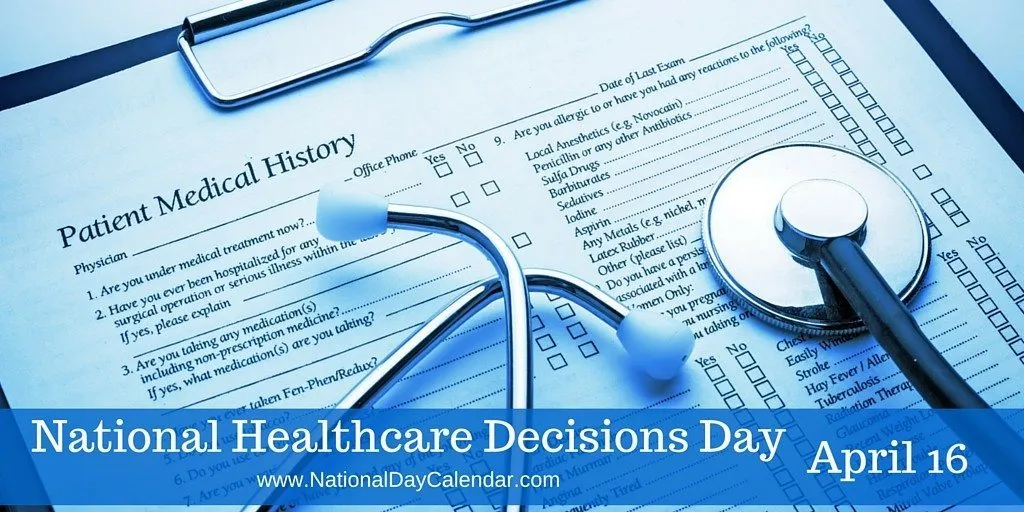
National Healthcare Decisions Day (NHDD) exists to inspire, educate and empower the public and providers about the importance of advance care planning. NHDD is an initiative to encourage patients to express their wishes regarding healthcare and for providers and facilities to respect those wishes, whatever they may be.
NHDD was founded in 2008 by Nathan Kottkamp, a Virginia-based health care lawyer, to provide clear, concise, and consistent information on healthcare decision-making to both the public and providers/facilities through the widespread availability and dissemination of simple, free, and uniform tools (not just forms) to guide the process.
NHDD is a series of independent events held across the country, supported by a national media and public education campaign. In all respects, NHDD is inclusive and brings a variety of players in the larger healthcare, legal, and religious community together to work on a common project, to the benefit of patients, families, and providers. A key goal of NHDD is to demystify healthcare decision-making and make the topic of advance care planning inescapable. Among other things, NHDD helps people understand that advance healthcare decision-making includes much more than living wills; it is a process that should focus first on conversation and choosing an agent.
As of June 2016, The Conversation Project has been responsible for the management, finances, and structure of NHDD. NHDD’s founder, Nathan Kottkamp, continues to be involved in NHDD and provides leadership by ensuring the maintenance of NHDD’s high quality resources and support for the community.
DEFINITION: What is advance care planning for financial advisors and lawyers?
Advance care planning involves discussing and preparing for future decisions about your medical care if you become seriously ill or unable to communicate your wishes with your estate planning attorney or financial advisor. Having meaningful conversations with your loved ones is the most important part of advance care planning. Many people also choose to put their preferences in writing by completing legal documents called advance directives.
What are advance directives?
Advance directives are legal documents that provide instructions for medical care and only go into effect if you cannot communicate your own wishes.
The two most common advance directives for health care are the living will and the durable power of attorney for health care.
Living will: A living will is a legal document that tells doctors how you want to be treated if you cannot make your own decisions about emergency treatment. In a living will, you can say which common medical treatments or care you would want, which ones you would want to avoid, and under which conditions each of your choices applies. Learn more about preparing a living will.
Durable power of attorneyfor health care: A durable power of attorney for health care is a legal document that names your health care proxy, a person who can make health care decisions for you if you are unable to communicate these yourself. Your proxy, also known as a representative, surrogate, or agent, should be familiar with your values and wishes. A proxy can be chosen in addition to or instead of a living will. Having a health care proxy helps you plan for situations that cannot be foreseen, such as a serious car accident or stroke. Learn more about choosing a health care proxy.
Think of your advance directives as living documents that you review at least once each year and update if a major life event occurs such as retirement, moving out of state, or a significant change in your health.
Advance care planning is not just for people who are very old or ill. At any age, a medical crisis could leave you unable to communicate your own health care decisions. Planning now for your future health care can help ensure you get the medical care you want and that someone you trust will be there to make decisions for you.
Advance care planning for people with dementia. Many people do not realize that Alzheimer’s disease and related dementias are terminal conditions and ultimately result in death. People in the later stages of dementia often lose their ability to do the simplest tasks. If you have dementia, advance care planning can give you a sense of control over an uncertain future and enable you to participate directly in decision-making about your future care. If you are a loved one of someone with dementia, encourage these discussions as early as possible. In the later stages of dementia, you may wish to discuss decisions with other family members, your loved one’s health care provider, or a trusted friend to feel more supported when deciding the types of care and treatments the person would want.
What happens if you do not have an advance directive?
If you do not have an advance directive and you are unable to make decisions on your own, the state laws where you live will determine who may make medical decisions on your behalf. This is typically your spouse, your parents if they are available, or your children if they are adults. If you are unmarried and have not named your partner as your proxy, it’s possible they could be excluded from decision-making. If you have no family members, some states allow a close friend who is familiar with your values to help. Or they may assign a physician to represent your best interests. To find out the laws in your state, contact your state legal aid office or state bar association.
Will an advance directive guarantee your wishes are followed?
An advance directive is legally recognized but not legally binding. This means that your health care provider and proxy will do their best to respect your advance directives, but there may be circumstances in which they cannot follow your wishes exactly. For example, you may be in a complex medical situation where it is unclear what you would want. This is another key reason why having conversations about your preferences is so important. Talking with your loved ones ahead of time may help them better navigate unanticipated issues.
There is the possibility that a health care provider refuses to follow your advance directives. This might happen if the decision goes against:
The health care provider’s conscience
The health care institution’s policy
Accepted health care standards
In these situations, the health care provider must inform your health care proxy immediately and consider transferring your care to another provider.
Other advance care planning forms and orders from doctors
You might want to prepare documents to express your wishes about a single medical issue or something else not already covered in your advance directives, such as an emergency. For these types of situations, you can talk with a doctor about establishing the following orders:
Do not resuscitate (DNR) order: A DNR becomes part of your medical chart to inform medical staff in a hospital or nursing facility that you do not want CPR or other life-support measures to be attempted if your heartbeat and breathing stop. Sometimes this document is referred to as a do not attempt resuscitation (DNR) order or an allow natural death (AND) order. Even though a living will might state that CPR is not wanted, it is helpful to have a DNR order as part of your medical file if you go to a hospital. Posting a DNR next to your hospital bed might avoid confusion in an emergency. Without a DNR order, medical staff will attempt every effort to restore your breathing and the normal rhythm of your heart.
Do not intubate (DNI) order: A similar document, a DNI informs medical staff in a hospital or nursing facility that you do not want to be on a ventilator.
Do not hospitalize (DNH) order: A DNH indicates to long-term care providers, such as nursing home staff, that you prefer not to be sent to a hospital for treatment at the end of life.
Out-of-hospital DNR order: An out-of-hospital DNR alerts emergency medical personnel to your wishes regarding measures to restore your heartbeat or breathing if you are not in a hospital.
Physician orders for life-sustaining treatment (POLST) and medical orders for life-sustaining treatment (MOLST) forms:These forms provide guidance about your medical care that health care professionals can act on immediately in an emergency. They serve as a medical order in addition to your advance directive. Typically, you create a POLST or MOLST when you are near the end of life or critically ill and understand the specific decisions that might need to be made on your behalf. These forms may also be called portable medical orders or physician orders for scope of treatment (POST). Check with your state department of health to find out if these forms are available where you live.
At enrollment, Medicare in the future could offer three advancedirectives with goals of care: DirectiveA: CONSENT to treat — inpatient medical treatment DirectiveB: CONSENT to comfort — home bound holistic care DirectiveC: CHOOSE against medical advice — outpatient palliative resources.







 Support our online development, and advance our onground research initiatives in free market economics, as we seek to showcase the brightest Next-Gen minds.
THE ME-P DISCLAIMER: Posts, comments and opinions do not necessarily represent iMBA, Inc., but become our property after submission. Copyright © 2006 to-date. iMBA, Inc allows colleges, universities, medical and financial professionals and related clinics, hospitals and non-profit healthcare organizations to distribute our proprietary essays, photos, videos, audios and other documents; etc. However, please review copyright and usage information for each individual asset before submission to us, and/or placement on your publication or web site. Attestation references, citations and/or back-links are required. All other assets are property of the individual copyright holder.
Support our online development, and advance our onground research initiatives in free market economics, as we seek to showcase the brightest Next-Gen minds.
THE ME-P DISCLAIMER: Posts, comments and opinions do not necessarily represent iMBA, Inc., but become our property after submission. Copyright © 2006 to-date. iMBA, Inc allows colleges, universities, medical and financial professionals and related clinics, hospitals and non-profit healthcare organizations to distribute our proprietary essays, photos, videos, audios and other documents; etc. However, please review copyright and usage information for each individual asset before submission to us, and/or placement on your publication or web site. Attestation references, citations and/or back-links are required. All other assets are property of the individual copyright holder.


























































 The Leading Business Education Network for Doctors, Financial Advisors and Health Industry Consultants