DAILY UPDATE: Walgreens, Healthcare Fraud and Opioids as Stock Markets Hurt

MEDICAL EXECUTIVE-POST TODAY’S NEWSLETTER BRIEFING

***

Essays, Opinions and Curated News in Health Economics, Investing, Business, Management and Financial Planning for Physician Entrepreneurs and their Savvy Advisors and Consultants

Serving Almost One Million Doctors, Financial Advisors and Medical Management Consultants Daily

A Partner of the Institute of Medical Business Advisors , Inc.

http://www.MedicalBusinessAdvisors.com

SPONSORED BY: Marcinko & Associates, Inc.

***

http://www.MarcinkoAssociates.com

Daily Update Provided By Staff Reporters Since 2007.
How May We Serve You?
© Copyright Institute of Medical Business Advisors, Inc. All rights reserved. 2024

REFER A COLLEAGUE: MarcinkoAdvisors@msn.com

SPONSORSHIPS AVAILABLE: https://medicalexecutivepost.com/sponsors/

ADVERTISE ON THE ME-P: https://tinyurl.com/ytb5955z

***

In an interview with the Wall Street Journal, CEO Tim Wentworth said the pharmacy chain Walgreens will shutter a significant share of its 8,600 locations in the US. The closures are part of a broader attempt to boost the ailing company, which also includes reducing its stake in the primary care business VillageMD. Wentworth said the company can reassign most employees instead of conducting layoffs. Shares cratered yesterday after Walgreens whiffed on Wall Street’s earnings projections due to weak consumer spending.

And, read how some counties reduced opioid overdose deaths during the pandemic. (Politico)

CITE: https://www.r2library.com/Resource

What’s up

  • Oliveda International, which makes beauty products from olive oil, rose 38.33% for no apparent reason. Maybe people just really like the feel of extra virgin olive oil on their skin?
  • Infinera popped 16.38% after Nokia announced it would acquire the telecommunications hardware manufacturer for $2.3 billion.
  • Synchrony Financial rose 6.17% after a Baird analyst initiated coverage of the financial services company with an outperform rating.
  • Regional banking stocks rose on the hopes that a good PCE reading means a better chance of the Fed cutting rates soon. Regions Financial rose 3.83%, while Citizens Financial Group rose 3.16%.

What’s down

A late round of selling in the Treasury market sent yields to fresh highs as the day ended so here’s where the major benchmarks ended:

  • The S&P 500® index (SPX) dipped 22.39 points (0.41%) to 5,460.48; the Dow Jones Industrial Average® ($DJI) fell 45.20 points (0.12%) to 39,118.86; the NASDAQ Composite® ($COMP) lost 126.08 points (0.71%) to 17,732.6.
  • The 10-year Treasury note yield climbed nine basis points to 4.38%.
  • The CBOE Volatility Index® (VIX) moved up slightly to 12.43.

CITE: https://tinyurl.com/2h47urt5

Nearly 200 people have been charged for their roles in various health care fraud schemes across the U.S. that federal authorities say amounted to over $2.7 billion in intended losses, the Justice Department announced. Attorney General Merrick Garland said charges against 193 people, including 76 doctors, nurse practitioners, and other licensed medical professionals in 32 different federal districts. The defendants were charged over a two-week sweep involving numerous law enforcement agencies nationwide, resulting in the seizure of more than “$231 million in cash, luxury vehicles, gold, and other assets,” according to Garland.

CITE: https://tinyurl.com/tj8smmes

COMMENTS APPRECIATED

PLEASE SUBSCRIBE: MarcinkoAdvisors@msn.com

Thank You

***

***

***

***

EDUCATIONAL TEXTBOOKS: https://tinyurl.com/4zdxuuwf

***

PHYSICIANS BEWARE: Financial “Advice”

BEWARE THE “DOCTOR EFFECT”

Bread for the advisor – Crumbs for the client

By Dr. David Edward Marcinko MBA CMP

SPONSOR: http://www.MarcinkoAssociates.com

Several years ago a group of highly trusted and deeply experienced financial services professionals and estate planners noted that far too many of their physician clients, using traditional stock brokers, management consultants and financial advisors, seemed to be less successful than those who went it alone. These Do-it-Yourselfers [DIYs] had setbacks and made mistakes, for sure. But, the ME Inc. doctors seemed to learn from their mistakes and did not incur the high management and service fees demanded from general or retail one-size-fits-all “advisors.

”In fact, an informal inverse relationship was noted, and dubbed the “Doctor Effect.” In others words, the more consultants an individual doctor retained; the less well they did in all disciplines of the financial planning and medical practice management, continuum.

Of course, the reason for this discrepancy eluded many of them as Wall Street brokerages and wire-houses flooded the media with messages, infomercials, print, radio, TV, texts, tweets, and internet ads to the contrary. Rather than self-learn the basics, the prevailing sentiment seemed to purse the holy grail of finding the “perfect financial advisor.” This realization was a confirmation of the industry culture which seemed to be: Bread for the advisor – Crumbs for the client!

And so, at D.E. Marcinko & Associates, our informed cadre’ of technology focused and highly educated doctors, nurses, financial advisors, attorneys, accountants, psychologists and educational visionaries decided there must be a better way for their healthcare colleagues to receive financial planning advice and related management services within a culture of fiduciary responsibility.

CMP: http://www.CertifiedMedicalPlanner.org

COMMENTS APPRECIATED

Thank You

***

***

RISK MANAGEMENT: https://www.routledge.com/Comprehensive-Financial-Planning-Strategies-for-Doctors-and-Advisors-Best/Marcinko-Hetico/p/book/9781482240283

***

PODCASTS: Avoid 5 Marketing Mistakes Financial Advisors Make Engaging Doctors & More!

Our ME-P MARKETING Colleague

By Vicki Rackner MD

Have you been frustrated in your efforts to attract, engage and serve doctors? In this episode, colleague Dr. Vicki Rackner shares 5 common mistake financial advisors make; with more.

PODCAST: https://www.listennotes.com/podcasts/the-academy-of/avoid-the-5-mistakes-l65YVT4UP3S/

PODCAST: https://www.youtube.com/watch?v=Dr5GXKRd3Xg

PODCAST: https://www.youtube.com/watch?v=W0SGlL0UzXE

****

YOUR COMMENTS ARE APPRECIATED.

Thank You

***

BANKS: Eight Types; plus 1

DOCTORS NEED TO KNOW

SPONSOR: https://marcinkoassociates.com/

By Dr. David Edward Marcinko MBA MEd CMP

A general understanding of these bank types is suggested for any medical professional prior to launching a self-directed [ME, Inc] medical practice, clinic, guided investment strategy, personal financial plan or wealth building portfolio effort; etc.

READ HERE: https://marcinkoassociates.com/bank-types/

COMMENTS APPRECIATED

Thank You

***

***

PODCASTS: The Physician-Patient Population Health Mis-Match

By Eric Bricker MD

***

***

PODCAST: https://medicalexecutivepost.com/2022/10/23/podcast-help-your-medical-practice-embrace-population-health/

Population Health: https://medicalexecutivepost.com/2022/07/12/enter-population-health-management/

CITE: https://www.r2library.com/Resource/Title/082610254

***

ORDER: https://www.routledge.com/Risk-Management-Liability-Insurance-and-Asset-Protection-Strategies-for/Marcinko-Hetico/p/book/9781498725989

***

COMMENTS APPRECIATED

Thank You

***

Social Media and Surgery

By Robert E.H. Khoo MD FRCS(C) FACS

http://www.colondoc.com.

***

Social Media and Surgery

Ankle-Leg Trauma

[Copyright © Dr. David Edward Marcinko. All rights reserved, USA]

***

More:

Conclusion

Your thoughts and comments on this ME-P are appreciated. Feel free to review our top-left column, and top-right sidebar materials, links, URLs and related websites, too. Then, subscribe to the ME-P. It is fast, free and secure.

Speaker: If you need a moderator or speaker for an upcoming event, Dr. David E. Marcinko; MBA – Publisher-in-Chief of the Medical Executive-Post – is available for seminar or speaking engagements. Contact: MarcinkoAdvisors@msn.com

OUR OTHER PRINT BOOKS AND RELATED INFORMATION SOURCES:

***

[MEDICAL PRACTICE BUSINESS MANAGEMENT TEXTBOOK – 3rd.  Edition]

Product Details

[Foreword Dr. Hashem MD PhD] *** [Foreword Dr. Silva MD MBA]

***

MURTHY: Warnings on Social Media Apps

By Staff Reporters

***

***

The top health official in the US is urging Congress to pass legislation that would stamp social media apps with a surgeon general’s warning “stating that social media is associated with significant mental health harms for adolescents,” he wrote in an op-ed for the New York Times recently.

Surgeon General Dr. Vivek Murthy’s push for a warning label follows years of alarm-sounding with his strongest appeal to lawmakers yet.

  • In his statement, Murthy referenced a 2019 study that found risks of depression doubled among teens who scroll for more than three hours per day, and a 2023 Gallup poll showing that US teens log a daily average of 4.8 hours on social media.

COMMENTS APPRECIATED

Thank You

***

***

MEDICAL ETHICS: Physician and Financial Organizations

Demanding High Professional Moral Standards of Self and Financing Organizations

By Dr. David Edward Marcinko MBA MEd

By Render Davis MBA

***

***

It has been argued that physicians have abdicated the “moral high ground” in health care by their interest in seeking protection for their high incomes, their highly publicized self-referral arrangements, and their historical opposition toward reform efforts that jeopardized their clinical autonomy.

In his book Medicine at the Crossroads, Emory University professor Melvin Konnor, M.D., noted that “throughout its history, organized medicine has represented, first and foremost, the pecuniary interests of doctors.” He goes on to lay significant blame for the present problems in health care at the doorstep of both insurers and doctors, stating that “the system’s ills are pervasive and all its participants are responsible.” In order to reclaim their once esteemed moral position, physicians must actively reaffirm their commitment to the highest standards of the medical profession and call on other participants in the health care delivery system also to elevate their values and standards to the highest level.

In the evolutionary shifts in models for care, physicians have been asked to embrace business values of efficiency and cost effectiveness, sometimes at the expense of their professional judgment and personal values. While some of these changes have been inevitable as our society sought to rein in out-of-control costs, it is not unreasonable for physicians to call on payers, regulators and other parties to the health care delivery system to raise their ethical bar.

Harvard University physician-ethicist Linda Emmanuel noted that “health professionals are now accountable to business values (such as efficiency and cost effectiveness), so business persons should be accountable to professional values including kindness and compassion.

”Within the framework of ethical principles, John La Puma, M.D., wrote in Managed Care Ethics, that “business’s ethical obligations are integrity and honesty. Medicine’s are those plus altruism, beneficence, nonmaleficence, respect, and fairness.”

Incumbent in these activities is the expectation that the forces that control our health care delivery system, the payers, the regulators, and the providers will reach out to the larger community, working to eliminate the inequities that have left so many Americans with limited access to even basic health care. Charles Dougherty clarified this obligation in Back to Reform, when he noted that “behind the daunting social reality stands a simple moral value that motivates the entire enterprise. Health care is grounded in caring. It arises from a sympathetic response to the suffering of others.”

MORE: https://medicalexecutivepost.com/2017/02/23/healthcare-policy-on-health-and-ethics/

AMA:  Ethics this discussion

COMMENTS APPRECIATED
Thank You

***

***

PODCAST: A Full Course on Bio-Statistics

By Quinnipiac University

Biostatistics are the development and application of statistical methods to a wide range of topics in biology. It encompasses the design of biological experiments, the collection and analysis of data from those experiments and the interpretation of the results.

The following topics of #biostatistics are discussed in this course

⭐️ Table of Contents ⭐️ 0:00

Module 1 – Introduction to Statistics 29:13 Module 2 – Describing Data: Shape 45:44 Module 3 – Describing Data: Central Tendency 1:03:34 Module 4 – Describing Data: Variability 1:34:51 Module 5 – Describing Data: Z-scores 1:43:25 Module 6 – Probability (part I) 2:09:21 Module 6 – Probability (part II) 2:26:22 Module 7 – Distribution of Sample Means 2:41:24 Module 9 – Estimation & Confidence Intervals & Effect Size 2:56:59 Module 10 – Misleading with Statistics 3:17:43 Module 11 – Biostatistics in Medical Decision-making 4:13:36 Module 11b – Biostatistics in Medical Decision-Making: Clinical Application 4:56:51 Module 12 – Biostatistics in Epidemiology 5:05:16 Module 13 – Asking Questions: Research Study Design 5:10:15 Module 14 – Bias & Confounders 5:39:20 Module 16 – Correlation & Regression 6:06:19 Module 17 – Non-parametric Tests ⭐️

CITE: https://www.r2library.com/Resource/Title/0826102549

PODCAST: 0:00

YOUR COMMENTS ARE APPRECIATED.

Thank You

Risk Management, Liability Insurance, and Asset Protection Strategies for Doctors and Advisors : Best Practices from Leading Consultants and Certified Medical Planners™ book cover

RISK MANAGEMENT: https://www.routledge.com/Risk-Management-Liability-Insurance-and-Asset-Protection-Strategies-for/Marcinko-Hetico/p/book/9781498725989

***

VENTURE CAPITAL FUNDING: Digital Health Space

Investment Banking

SPONSOR: http://www.MarcinkoAssociates.com

***

***

Venture capital funding in the digital health space cooled a bit in 2022 following a red-hot 2021. Overall, digital health companies raised $15.3 billion last year, down from the $29.1 billion raised in 2021—but still above the $14.1 billion raised in 2020, according to Rock Health a seed fund that supports digital health startups.

MORE: https://marcinkoassociates.com/welcome-medical-colleagues/

Nevertheless, analysts predict VC investors and IBs will still put a good amount of money into digital health in 2024 and 2025, especially in alternative care, drug development, health information technology, artificial intelligence, EMRs and software that reduces physician workload.

CITE: https://www.r2library.com/Resource

Of course. an essential first part of attracting VC interest and IB money is the crafting and presentation of your formal business plan [“pitch”] ; as well as the needed technical and managerial experience. This is crucial for success and exactly where we can assist.

READ MORE: investment-banking

***

***

COMMENTS APPRECIATED

Thank You

***

PODCAST: Artificial Intelligence in Healthcare

By Eric Bricker MD

***

COMMENTS APPRECIATED

Thank You

***

***

Invite Dr. Marcinko to Speak at your Next Seminar, Webcast or Event in 2024?

Invite Dr. Marcinko

The Choice is Up to You

***

Colleagues know that I enjoy personal coaching and public speaking and give as many talks each year as possible, at a variety of medical society and financial services conferences around the country and world.

These include lectures and visiting professorships at major academic centers, keynote lectures for hospitals, economic seminars and health systems, keynote lectures at city and statewide financial coalitions, and annual keynote lectures for a variety of internal yearly meetings.

 Topics Link: imba-inc-firm-services

And so, we appreciate your consideration.

Invite Dr. Marcinko

THANK YOU!

***

POPULATION HEALTH: Management?

By Dr. David Edward Marcinko MBA CMP

SPONSOR: http://www.MarcinkoAssociates.com

What is population health management?

The Care Continuum Alliance, an alliance of stakeholders across the continuum of care, is working precisely toward the goal of improving the health of populations. They espouse a detailed set of principles and a model of “population health management.” It can be summed up, in the broadest sense, as the care provider community, in partnership with patients and their families, conducting proactive and collective monitoring of the patient’s healthcare quality, adherence, access, and outcomes with the goal of improving the health of an entire patient population.

As such, population health management stresses wellness and prevention through lifestyle and disease management and complex case management to remove the gap between zero care and costly chronic or emergency care. It emphasizes the full spectrum of needs from prevention and wellness to keeping healthy people and at-risk people healthy, to better manage the care of those with chronic conditions, and to still be ready to provide emergent or acute care services. In most cases, it also includes the involved providers taking on accountability for the financial risk and quality of care provided.

We have been working with administrative and physician leaders across the country to grapple with what it will mean to actually foster valuable population health management in the different communities they serve. It is clear that this is a whole new paradigm and that the years of experience and training that have brought them to where they are today may not have sufficiently prepared them for what is to come. It requires a well-coordinated and complete continuum of care, with new metrics and advanced analytics. As one might expect,while clusters of resistance to the idea remain, most have flung themselves into learning mode and are beginning to “act their way into new thinking.”

However, we also see a big risk in powering ahead without revisiting the role of a key stakeholder group—patients and their families, whose experience and perspective are often left behind, but whose actions will have a profound effect on the future success of population health management efforts.

CITE: https://www.r2library.com/Resource

***

***

***

Its earnings season once again and CVS Health beat Wall Street estimates with $2.3 billion in profit during Q3. Humana raised its Medicare Advantage enrollment projections again.

And, population management telehealth giant Amwell inked a major federal contract but has seen its losses balloon in 2023.

SUBSCRIBE AND COMMENT TODAY

Thank You

***

***

***

DAILY UPDATE: Done Global TeleHealth

MEDICAL EXECUTIVE-POST TODAY’S NEWSLETTER BRIEFING

***

Essays, Opinions and Curated News in Health Economics, Investing, Business, Management and Financial Planning for Physician Entrepreneurs and their Savvy Advisors and Consultants

Serving Almost One Million Doctors, Financial Advisors and Medical Management Consultants Daily

A Partner of the Institute of Medical Business Advisors , Inc.

http://www.MedicalBusinessAdvisors.com

SPONSORED BY: Marcinko & Associates, Inc.

***

http://www.MarcinkoAssociates.com

Daily Update Provided By Staff Reporters Since 2007.
How May We Serve You?
© Copyright Institute of Medical Business Advisors, Inc. All rights reserved. 2024

REFER A COLLEAGUE: MarcinkoAdvisors@msn.com

SPONSORSHIPS AVAILABLE: https://medicalexecutivepost.com/sponsors/

ADVERTISE ON THE ME-P: https://tinyurl.com/ytb5955z

***

CITE: https://www.r2library.com/Resource

The NASDAQ nabbed its fifth-straight record close last week, and the S&P 500 snapped its four-day streak. Both were up for the week as investors digested data that showed inflation cooling. Adobe became the latest company to soar thanks to AI, spiking after delivering better-than-expected earnings and forecasts.

CITE: https://tinyurl.com/2h47urt5

Those who rely on ADHD medication got some bad news last week when the CDC issued a health advisory alerting patients that there may be possible “increased risks for injury and overdose,” after two executives at Done Global, a telehealth company, were arrested for fraud linked to allegedly selling Adderall over the internet. The CDC warned that as many as 30,000 to 50,000 adult patients could be affected. https://tinyurl.com/3rf5py6c

CITE: https://tinyurl.com/tj8smmes

COMMENTS APPRECIATED

PLEASE SUBSCRIBE: MarcinkoAdvisors@msn.com

Thank You

***

***

***

***

EDUCATIONAL TEXTBOOKS: https://tinyurl.com/4zdxuuwf

***

What is the VIP [Patient] Syndrome

VERY IMPORTANT PERSONS

By Dr. David Edward Marcinko MBA MEd CMP

***

VERY IMPORTANT PATIENTS

***

DEFINITION: “VIP syndrome” is a term coined in 1964 by the psychiatrist Walter Weintraub to describe an intriguing paradox: Throughout history, the rich and famous, with all their resources and fancy doctors, have often received worse medical treatment, and suffered from worse health outcomes, than the average person. When physicians afford “special privileges” to their powerful patients, from “Mad King” George III to Michael Jackson, they seem to get sicker and even die. While Weintraub, a psychoanalyst, attributed the problem in part to doctors unconsciously resenting their influential patients, it seems doctors simply get starstruck around famous people and high-ranking figures. Despite their medical expertise, these physicians find themselves opting out of basic tests for “privacy” or prescribing dangerous medications for “comfort.”

CITE: https://www.r2library.com/Resource/Title/0826102549

RELATED: https://journal.chestnet.org/article/S0012-3692(16)37268-3/fulltext

DKE: https://medicalexecutivepost.com/2018/09/14/what-is-the-dunning-kruger-effect/?preview_id=188020&preview_nonce=b5c7f4a5de&preview=true

INVITATION: https://medicalexecutivepost.com/dr-david-marcinkos-bookings/

***

***

COMMENTS APPRECIATED

Thank You

Subscribe to the Medical Executive-Post

***

***

BUSINESS MEDICINE: https://www.amazon.com/Business-Medical-Practice-Transformational-Doctors/dp/0826105750/ref=sr_1_9?ie=UTF8&qid=1448163039&sr=8-9&keywords=david+marcinko

***

***

HIT: https://www.amazon.com/Dictionary-Health-Information-Technology-Security/dp/0826149952/ref=sr_1_5?ie=UTF8&s=books&qid=1254413315&sr=1-5

****

On Elder Safety and Frugality

Spending Money for Comfort and Safety

By Rick Kahler MS CFP®

Rick Kahler CFPWant to increase your independence in retirement? Save money? Live safely in your own home? Then buy a new car. No, this isn’t a scam or a seedy sales pitch. In certain cases, a new car can be a wise use of your retirement dollars.

Introduction

As regular readers of the ME-P know, I’m a big fan of frugality. Spending less than you earn is a crucial strategy for building wealth. Continuing this frugal lifestyle in retirement can also be a good way to be sure of having enough money to last for the rest of your life.

Some retirees, though, take it too far. Under-spending can be a threat to retirement as much as overspending, especially when it affects your comfort and safety.

As more of my retired clients move into their later years, I am becoming increasingly aware of one kind of retirement spending that can actually be considered more of an investment than an expense. This, for elderly people or adult children caring for elderly parents, is spending money to make their homes and activities safer.

Safer Spending

One immediate benefit of this kind of spending is being able to live more comfortably and with less anxiety. A second benefit is financial. Helping elderly parents stay in their homes and live independently for as long as possible can save money in the long term by reducing medical costs and long-term care expenses. It’s especially important to invest in this type of spending if you live too far away from your parents to provide regular help yourself.

Some of the ways to invest relatively small amounts to provide more comfort, safety, and independence for elderly parents are obvious. Or, carpet slick tile or hardwood floors to reduce the risk of falls. Upgrade older appliances to newer ones with safety features like automatic shutoffs or warning signals. Add basic safety aids like stair railings and shower bars. Repair hazards like worn carpets, uneven steps, or broken sidewalks. Provide emergency alert buttons. Install phones in several rooms.

Other Considerations

Some less obvious ways to foster safety and extend independent living might require a bit more spending. Such expenditures can be a good use of retirement income if they extend parents’ ability to live independently. Here are a few possibilities to consider:

1. Buying that new car. Safety features like GPS navigation systems and backup cameras can allow elderly people to hold onto their drivers’ licenses longer without putting themselves or others at risk.

2. Paying for gym memberships or exercise classes. Increasing strength, balance, and flexibility can help prevent falls and possibly even help stave off dementia.

3. Taking care of ears and eyes. Hearing aids and corrective lenses may not be cheap, but good hearing and eyesight can help people drive more safely, avoid falls, and take care of themselves and their homes.

4. Remodeling. Moving the laundry room to the main floor or replacing bathtubs with walk-in showers can make homes safer and more comfortable.

5. Hiring help. Many of us equate in-home help for the elderly with home health care. Certainly, hiring aides to help with cooking, bathing, and other needs as people become frail is an important option. But well before that time, it makes sense to get help with a host of other services that become harder or even dangerous to do as we grow older. Hire a house cleaner. Find someone to do yard work, home maintenance, and heavy cleaning jobs (especially if they involve ladders) like window washing.

***

Elder

***

Assessment

Spending that creates safety belongs in any retirement budget. It’s a good way to use your financial independence to help maintain your physical and mental independence.

Conclusion

Your thoughts and comments on this ME-P are appreciated. Feel free to review our top-left column, and top-right sidebar materials, links, URLs and related websites, too. Then, subscribe to the ME-P. It is fast, free and secure.

Speaker: If you need a moderator or speaker for an upcoming event, Dr. David E. Marcinko; MBA – Publisher-in-Chief of the Medical Executive-Post – is available for seminar or speaking engagements. Contact: MarcinkoAdvisors@msn.com

***

Risk Management, Liability Insurance, and Asset Protection Strategies for Doctors and Advisors: Best Practices from Leading Consultants and Certified Medical Planners™8Comprehensive Financial Planning Strategies for Doctors and Advisors: Best Practices from Leading Consultants and Certified Medical Planners™

The Elderly Population is Exploding

Yet, Nursing Homes are Still Closing!

Here is a visually compelling graphic that covers the rash of nursing home closures that have been occurring since 2008 across the United States.

Even in the face of a ballooning Boomer and elderly population and the ACA, nursing homes are closing, and minority areas are feeling the brunt of it.

What gives?

Source: assistedlivingtoday.com 

Conclusion

Your thoughts and comments on this ME-P are appreciated. Feel free to review our top-left column, and top-right sidebar materials, links, URLs and related websites, too. Then, subscribe to the ME-P. It is fast, free and secure.

Speaker: If you need a moderator or speaker for an upcoming event, Dr. David E. Marcinko; MBA – Publisher-in-Chief of the Medical Executive-Post – is available for seminar or speaking engagements. Contact: MarcinkoAdvisors@msn.com

OUR OTHER PRINT BOOKS AND RELATED INFORMATION SOURCES:

Product Details  Product Details

MEDICAL BILLS: Clear Health [Patient] Advocacy

By Staff Reporters

***

***

Did you know that an estimated 30-80% of medical bills in the U.S. are incorrect?

CITE: https://www.r2library.com/Resource/Title/0826102549

That’s a huge range in percentages, but even if we split it right down the middle, that means at least 50% of medical bills are wrong—50% of the medical bills that are coming into your house and mine—and most healthcare consumers don’t even realize it.

READ: https://clearhealthcareadvocacy.com/

***

COMMENTS APPRECIATED

Thank You

***

***

MEDICAL DEBT: Banks and Private Equity Cash In When Patients Can’t Pay Bills

By Noam N. Levey and Aneri Pattani

***

Robin Milcowitz, a Florida woman who found herself enrolled in an AccessOne loan at a Tampa hospital in 2018 after having a hysterectomy for ovarian cancer, said she was appalled by the financing arrangements.“Hospitals have found yet another way to monetize our illnesses and our need for medical help,” said Milcowitz, a graphic designer.

She was charged 11.5% interest — almost three times what she paid for a separate bank loan. “It’s immoral,” she said.

READ: https://khn.org/news/article/how-banks-and-private-equity-cash-in-when-patients-cant-pay-their-medical-bills/

MORE: https://khn.org/news/article/medical-debt-hospitals-dallas-fort-worth/

***

COMMENTS APPRECIATED

Thank You

***

ORDER: https://www.amazon.com/Financial-Management-Strategies-Healthcare-Organizations/dp/1466558733/ref=sr_1_3?ie=UTF8&qid=1380743521&sr=8-3&keywords=david+marcinko

***

ORDER: https://www.amazon.com/Hospitals-Healthcare-Organizations-Management-Operational/dp/1439879907/ref=sr_1_4?s=books&ie=UTF8&qid=1334193619&sr=1-4

***

PODCAST: Corporate Practice of Medicine Laws

Private Equity Owning Doctor Practices

LEGALITY?

By Eric Bricker MD

***

PODCAST: https://www.youtube.com/watch?v=2epmk4_-kUI

These Laws Were Put Into Place So That Doctors Would Not Put Shareholders Before Patients and So That Corporations Would Not Interfere with Doctor Judgement.

Corporate Practice of Medicine Laws are at the State Level, NOT the Federal Level.

Each State Has Its Own Exceptions Such as 1) Doctors Can Work for Companies That Are Owned by Other Doctors and 2) Doctors Can Work for Hospitals.

Accordingly, Private Equity Firms Have Been on a Physician Practice Buying Binge.

Private Equity Firms Bought 355 Physician Practices from 2013 – 2016.

Two of the Largest Purchases Were KKR’s Purchase of Envision’s 25,000 Doctors for Almost $10 Billion and Blackstone’s Purchase of Team Health’s 20,000 Doctors for $6 Billion.

If Corporate Practice of Medicine Laws Say that Doctors Cannot Work for a Corporation, How are Private Equity Purchases of Physician Practices Legal?

CITE: https://www.r2library.com/Resource/Title/0826102549

PODCAST: https://www.youtube.com/watch?v=DgWEybUSiuo

***

***

ORDER: https://www.amazon.com/Business-Medical-Practice-Transformational-Doctors/dp/0826105750/ref=sr_1_9?ie=UTF8&qid=1448163039&sr=8-9&keywords=david+marcinko

***

COMMENTS APPRECIATED

Thank You

***

PODCAST: Blue Cross Health Insurance Companies Must Now Compete

Second BlueBid Explained

By Eric Bricker MD

***

***

COMMENTS APPRECIATED

Thank You

***

***

Some Modern Issues Impacting Hospital Revenue Cycles

By Carol S. Miller RN CPM MHA

Sponsor: http://www.CertifiedMedicalPlanner.org

By Dr. David Edward Marcinko MBA MEd CMP™

Carol S. Miller “Collectively the healthcare industry spends over $350 Billion to submit and process claims while still working with cumbersome workflows, inefficient processes, and a changing landscape marked by increasing out-of-pocket cost for patients as well as increasing operating costs.”

The Norm Continues Downhill

For many years hospitals and healthcare organizations have struggled to maintain and improve their operating margins.  They continue to face a widening gap between their operating costs and the revenues required to cover not only current costs, but also to finance strategic growth initiatives and investments.

Faced with increased operational costs and associated declines in rates of reimbursement, many healthcare hospital executives and leaders are concerned that they will not achieve margin targets.  To stabilize the internal financial issue, some hospital have focused on lowering expenses in order to save costs – an area they control and an area that will show an immediate impact; however, that is not the best solution.

Beware Cost Reductions

Hospital executives are concerned with the effect that these reductions may have on patient quality and service.  Finding ways to maximize workflow to lower operating costs is vital.  Every dollar not collected negatively impacts short- and long term capital projects, lowers patient satisfaction scores and possibly affects quality of patient care.

Status Today

Hospitals, healthcare organizations and all medical providers are under great pressure to collect revenue in order to remain solvent. And so, here are some of the issues impacting the modern hospital revenue cycle as Obama-Care, or the PP-ACA of 2010, as launched last decade?

Issues Impacting the Revenue Cycle

Several of the major leading issues facing the revenue cycle are:

  • Impact of Consumer-driven Health – This process has emerged as a new approach to the traditional managed care system, shifting payment flows and introducing new “non-traditional” parties into the claims processing workflow.  As market adoption enters the mainstream, consumer-driven health stands to alter the healthcare landscape more dramatically than anything we have seen since the advent of managed care.  This process places more financial responsibility on the consumer to encourage value-drive healthcare spending decisions.
  • Competing high-priority projects –Hospitals are feeling pressured to maximize collections primarily because they know changes are coming down the pike due to healthcare reform and they know they will need to juggle these major initiatives along with the day-to-day revenue cycle operations.
  • Lack of skilled resources in several areas – Hospital have struggled to find the right personnel with sufficient knowledge of project management, clinical documentation improvement, coding and other revenue cycle functions, resulting in inefficient operations.
  • Narrowing margins – Declines in reimbursement are forcing hospitals to look at their organization to determine if they can increase efficiencies and automate to save money.  Hospitals are faced with the potential of increased cost to upgrade and adapt clinical software while not meeting budget projections.  There are a number of factors contributing to the financial pressure including inefficient administrative processes such as redundant data collection, manual processes, and repetitive rework of claims submissions.  Also included are organizations using outdated processes and legacy technologies.
  • Significant market changes – Regardless of what happens with the Patient Protection and Affordable Care Act, hospitals will have to deal with fluctuating amounts of insured and uninsured patients and variable payments.
  • Limited access to capital – With the trend towards more complex and expensive systems, industry may not have the internal resources and funding to build and manage these systems that keep pace with the trends.
  • Need to optimize revenue – There are five core areas hospitals have to examine carefully and they are:
    • ICD-10 – This is an entirely new coding and health information technology issue but is also a revenue issues
    • System integration – Hospitals need to look at integrating software and hardware systems that can combine patient account billing, collections and electronic health records.
    • Clinical documentation – Meaningful use will require detailed documentation in order for payment to be made and this is another revenue issue.
    • Billing and claims management – Reducing denials and reject claims, training staff, improving point-of-service collections and decreasing delays in patient billing can improve the revenue cycle productivity,
    • Contract analysis – Hospitals need to focus more on negotiating rates with insurers in order to increase revenue.

Hospital

Conclusion

Your thoughts and comments on this ME-P are appreciated. Feel free to review our top-left column, and top-right sidebar materials, links, URLs and related websites, too. Then, subscribe to the ME-P. It is fast, free and secure.

Speaker: If you need a moderator or speaker for an upcoming event, Dr. David E. Marcinko; MBA – Publisher-in-Chief of the Medical Executive-Post – is available for seminar or speaking engagements. Contact: MarcinkoAdvisors@msn.com

OUR OTHER PRINT BOOKS AND RELATED INFORMATION SOURCES:

Product Details

Product DetailsProduct Details

***

STOCK SPLITS: A Vital Equity Investing Concept for Physicians and all Investors

By Dr. David Edward Marcinko MBA MEd CMP™

SPONSOR: http://www.CertifiedMedicalPlanner.org

***

***
One important equity concept that medical professionals should be aware of is the idea of stock splits.

In a stock split, a corporation issues a set number of shares in exchange for each share held by share holders. Typically, a stock split increases the number of shares owned by a shareholder.

CITE: https://www.r2library.com/Resource

For example, XYZ Corp. may declare a 2-for-1 split, which means that share holders will receive two shares for each share that they own. However, corporations can also declare a reverse stock split, such as a 1-for-2 split where shareholders would receive 1 share for every two shares that they own.


While stock splits can either increase or decrease the number of shares that a share holder owns, the most important thing to understand about stock splits is that they have no impact on the aggregate value of the shareholder’s position in the company.

Using the XYZ Corp. example above, if the stock is trading at $10 per share, an investor owning 100 shares has a 24 total position of $1,000. After the 2-for-1 split occurs the investor will now own 200 shares, but the value of the stock will adjust downward from $10 per share to $5 per share.

Thus, the investor still owns $1,000 of XYZ stock. While stock splits are often interpreted as signals from management that conditions in the company are strong, there is no intrinsic reason that a stock split will result in subsequent stock appreciation.

NVIDIA Splits: https://tinyurl.com/238yze4k

***

COMMENTS APPRECIATED

Thank You

***

***

VENTURE CAPITAL: In the Digital Health Care Space

Dr. David Edward Marcinko MBA CMP

SPONSOR: http://www.MarcinkoAssociates.com

***

***

At Marcinko & Associates, we appreciate that Venture Capital funding for entrepreneurs in the digital health space cooled a bit in 2020-22 following a red-hot 2018-20. And, overall, digital health companies raised $15.3 billion last year, down from the $29.1 billion raised in 2021—but still above the $14.1 billion raised in 2020, according to Rock Health a seed fund that supports digital health startups.

CITE: https://www.r2library.com/Resource

Nevertheless, other analysts predict VC investors and Investment Bankers will still put a good amount of money into digital health in 2024 thru 2027, especially in alternative care, drug development, health information technology, artificial intelligence, EMRs and software that reduces physician workload.

An essential first part of attracting VC interest and IB money is the crafting and presentation of your formal business plan [“elevator pitch”]; as well as the needed technical and managerial experience. This too is crucial for success and exactly where we can assist.

Of course, companies focused on scaling and growing will have different needs across the business lifecycle.

And so, no matter where you are in your journey—from seeking early funding to making final preparations for your IPO—we have equity and insightful administration solutions for you and can assist at any stage of your growth spectrum.

MORE: https://marcinkoassociates.com/fmv-appraisals/

CONTACT US TODAY – RETAIN US TOMORROW

How May We Serve You?

E-mail: MarcinkoAdvisors@msn.com

Thank You

***

***

A DENTAL INDUSTRY SECRET: No One Wants to Share!

By Darrell Pruitt DDS

***

***

Ransomware is getting worse, not better.

One doesn’t see this in dental literature, but ransomware is not going away. It is getting worse. “Ransomware Victim Count Increased by 75% in 2023” By Steve Alder for The HIPAA Journal, Jun 4, 2024. https://www.hipaajournal.com/ransomware-victim-count-increased-by-75-in-2023/

A new report from the Google-owned cybersecurity firm Mandiant suggests several reasons for the increase in attacks. “First, there has been a resetting of the cybe rcriminal ecosystem after a tumultuous year in 2022, an influx of new actors conducting attacks, new partnerships between existing groups, and members of disrupted, prolific ransomware groups such as Conti starting up their own RaaS operations. While the attacks in 2023 largely followed the same patterns as the previous year, there were some notable changes with several groups trialing new tactics, techniques, and procedures.

For example, to increase the pressure on victims to pay, attacks on healthcare providers saw extortion demands issued to patients whose data were stolen, threatening to publish their medical data if they did not personally pay a ransom. The ALPHV group created a searchable database to make stolen data more accessible, and threats were issued to report attacks on publicly traded companies to the Securities and Exchange Commission (SEC).”

Imagine how ransomware would affect your practice if the extortion scheme bypassed you to directly threaten your patients – and blamed you for not paying the “reasonable” ransom demand.

COMMENTS APPRECIATED

Thank You

***

***

SPEAKING: MARCINKO Associates, Inc.

CAREER DEVELOPMENT

By: http://www.MarcinkoAssociates.com

***

***

As CEO and favorite on the lecture circuit, medical and entrepreneurial futurist Dr. David Edward Marcinko MBA MEd CMP™ enjoys public speaking and gives many talks each year to a variety of conferences around the country, Asia and Europe. He is often quoted in the media, with speaking engagements to more than 135 financial, educational and state medical societies and business groups in an entertaining and witty fashion.

These include seminar speaking engagements and interviews for TV, radio, news and trade magazines, podcasts, blogs and vlogs, and Key-note speeches for colleges, universities, hospitals, business schools or commencement exercises; End-note lectures at city, state, regional or national coalitions on capitalism and free-markets; and annual Break-out sessions for a variety of public and population healthcare policy, management and administration colloquia and meetings.

Past sponsors include Medical Pharmaceutical Companies [Pfizer, Glaxo, Smith-Klein-Fujisawa, Novartis, Shering, Terumo, Sunoviom, Schering-Plough, Sepracor and Aventis, etc]; and Financial Services Corporations [First Global Financial Advisors, Merrill Lynch, Sun-Trust, The Principal, and Pacific Life Insurance Company, etc].

SEMINARS: https://marcinkoassociates.com/speaking-seminars/

CONTACT: Ann Miller RN MHA for public speaking and interview information, professional fees and related engagement details: MarcinkoAdvisors@msn.com

THANK YOU

***

PREDICTIONS: Health Information Technology [HIT]?

Seven [plus one] predictions for healthcare technology trends?

In the wake of a pandemic, shifting care delivery models, and a surge of clinical content, Wolters Kluwer healthcare experts have identified seven healthcare technology trends going forward.

 1. Building trust in an age of digital information overload
 2. Telemedicine becomes a fixture of the healthcare landscape
 3. Resilience is key to retaining the nursing workforce
 4. Unstructured health data helps researchers build health equity
 5. AI reduces healthcare-associated infections (HAIs)
 6. Quality improvement accelerates evidence to implementation
 7. Virtual simulation and technology transforms nursing education

8. Artificial Intelligence [AI].

Source: Wolters Kluwer

CITE: https://www.amazon.com/Dictionary-Health-Information-Technology-Security/dp/0826149952/ref=sr_1_5?ie=UTF8&s=books&qid=1254413315&sr=1-5

YOUR COMMENTS APPRECIATED

THANK YOU

***

PODCAST: Number #1 Rule for Healthcare Investing

SUPPLY-DEMAND CONSIDERATIONS

By Eric Bricker MD

***

CITE: https://www.r2library.com/Resource

***

COMMENTS APPRECIATED

Thank You

***

***

***

What Kind of [Physician] Entrepreneur Are You?

More Doctors are Joining the Ranks

http://www.MarcinkoAssociates.com

Marcnko & Associates

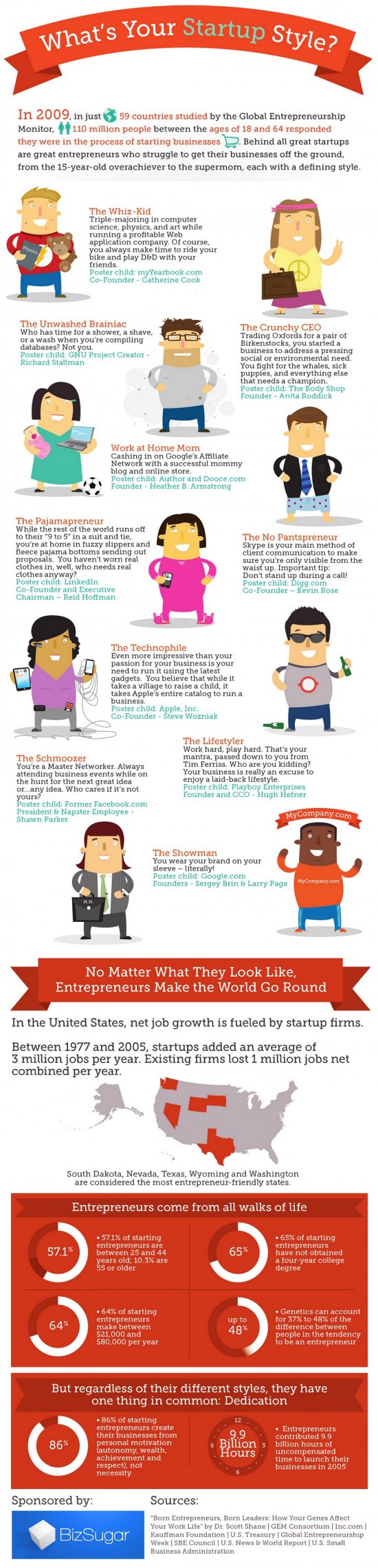
[Medical] entrepreneurs, doctors and nurses, clinics and small-to-medium size healthcare business are on the forefront of  job creation in the United States because of the Affordable Care Act [ACA] of 2010.

And so, we now preview this infographic to celebrate the entrepreneur, their styles, and to investigate the data behind startup growth. Hopefully, it will encourage the next generation of physician-entrepreneurs.

Who knows, there just may be the next Steve Jobs MD out there!

Source: BizSugar

Conclusion

And so, your thoughts and comments on this ME-P are appreciated. Feel free to review our top-left column, and top-right sidebar materials, links, URLs and related websites, too. Then, subscribe to the ME-P. It is fast, free and secure.

Speaker: If you need a moderator or speaker for an upcoming event, Dr. David E. Marcinko; MBA – Publisher-in-Chief of the Medical Executive-Post – is available for seminar or speaking engagements. Contact: MarcinkoAdvisors@msn.com

Physician Advisors: http://www.CertifiedMedicalPlanner.org

Subscribe Now: Did you like this Medical Executive-Post, or find it helpful, interesting and informative? Want to get the latest ME-Ps delivered to your email box each morning? Just subscribe using the link below. You can unsubscribe at any time.

Sponsors Welcomed: And, credible sponsors and like-minded advertisers are always welcomed. Link: https://healthcarefinancials.wordpress.com/2007/11/11/advertise

Product Details

PODCAST: Simpson’s Paradox in Medicine

 EXPLAINED

Courtesy: www.CertifiedMedicalPlanner.org

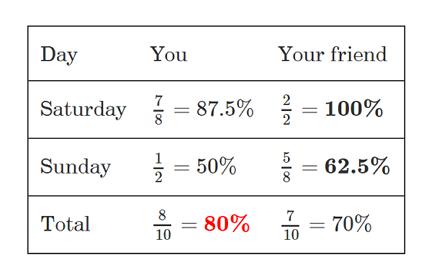
Simpson’s paradox (or Simpson’s reversal, Yule–Simpson effect, amalgamation paradox, or reversal paradox) is a phenomenon in probability and statistics, in which a trend appears in several different groups of data but disappears or reverses when these groups are combined.

This result is often encountered in social-science and medical-science statistics and is particularly problematic when frequency data is unduly given causal interpretations. The paradox can be resolved when causal relations are appropriately addressed in the statistical modeling.

Simpson’s paradox has been used as an exemplar to illustrate to the non-specialist or public audience the kind of misleading results misapplied statistics can generate. Martin Gardner wrote a popular account of Simpson’s paradox in his March 1976 Mathematical Games column in Scientific American.

Edward H. Simpson first described this phenomenon in a technical paper in 1951, but the statisticians Karl Pearson et al., in 1899, and Udny Yule, in 1903, had mentioned similar effects earlier. The name Simpson’s paradox was introduced by Colin R. Blyth in 1972.

PODCAST: https://tinyurl.com/5hycyjv6

Your thoughts are appreciated.

***

THANK YOU

PODCAST: Lifespan Risk Factors

By Eric Bricker MD

***

***

COMMENTS APPRECIATED

Thank You

***

***

GAP: Life Span Expectancy Widening

By Staff Reporters

MEN versus WOMEN

***

***

The gap in life expectancy between men and women is widening, and Covid was primarily to blame.

CITE: https://www.r2library.com/Resource

In 2021, women’s life expectancy was 79.3, while men’s was 73.5—the largest gap since 1996, according to a new study in JAMA Internal Medicine. Covid contributed to 40% of the difference, as men are more likely to work in industries with high rates of exposure, like transportation (and women are more likely to be vaccinated).

COVID: https://medicalexecutivepost.com/2022/05/17/update-the-grim-covid-reality/

But the opioid epidemic was also a major factor: Drug overdoses, which are more common in men than women, accounted for about 30% of the life expectancy gap.

VIDEO: https://medicalexecutivepost.com/2022/08/31/what-is-the-baltimore-nod/

COMMENTS APPRECIATED

Thank You

***

***

CONNECT: With Us

http://www.MedicalExecutivePost.com

***

It’s been a while since you’ve connected with us. Are you still interested in emerging financial planning, investing, medical practice management and health information technology insights from the Institute of Medical Business, Advisors, Inc?

If so, please email us if you want to continue receiving daily updates about cutting-edge news and trends or if you’d like to be removed from our e-mailing list.

Your own related posts, comments and personal referrals are appreciated as well.

Thank You
Dr. David Edward Marcinko MBA MEd CMP
Editor-in-Chief
MarcinkoAdvisors@msn.com

***

***

DIGITAL HEALTH: Technology Start-Ups

By Staff Reporters

***

***

The “new normal” is characterized by fewer deals, smaller deal sizes, and fewer investors, Rock Health found in a recent study. And if funding in the second half of the year continues at its current pace, 2023 will be the lowest digital health funding year since 2019, according to the report, authored primarily by research associates Mihir Somaiya and Madelyn Knowles. For example, in the first half of 2023:

  • Digital health startups raised $6.1 billion in 244 deals. The average deal size was $24.8 million.
  • In Q1, startups raised $3.5 billion in 131 deals, and $2.5 billion over 113 deals in Q2.
  • 555 investors were involved in fund raises, compared to 775 in the first half of 2022 and 832 in the first half of 2021. Of those investors, 71% had previously invested in digital health.
  • There were roughly 12 digital health startup acquisitions per month, compared to 15 monthly in 2022 and 14 each month for the past five years.

The lack of dollars flowing to companies is already reverberating: Some startups are closing down. Pear Therapeutics filed for bankruptcy in April and sold its assets to four buyers in May. Other digital health startups—SimpleHealth, The Pill Club, Hurdle, and Quil Health—also closed in the first half of 2023.

RELATED: https://medicalexecutivepost.com/2023/08/04/venture-capital-rising-for-womens-health-start-ups/

Assessment: There may be fewer investors overall, but those still investing in digital health are putting a lot of money down, according to Rock Health.

***

***
COMMENTS APPRECIATED

Thank You

***

***

PODCAST: Healthcare Business Start-Ups and Incubators

By Eric Bricker MD

***

***

COMMENTS APPRECIATED

Thank You

***

***

***

OFTEN NEEDED: A Business, Medical Management or Financial SECOND Opinion?

SPONSOR: http://www.MARCINKOASSOCIATES.com

***

***

When You May Need a Business, Management or Financial Second Opinion?

The Marcinko & Associates second opinion service is a physician-to-advisor telephone or e-mail portal that connects independent financial and business management professionals and consultants, with doctors or healthcare executives desiring affordable and unbiased financial or business advice on an as-needed, pay-per-use basis.

Medical professionals and healthcare executives can now receive direct access to us in the areas of Practice Enhancement, Investing, Financial Planning, Asset Allocation, Portfolio Management, Insurance, Mortgage and Lending, Practice Management, Information Technology, Human Resources and Employee Benefits.

This Marcinko & Associates service is designed to fill a growing need for medically focused financial or managerial advice that traditional consultants have not been able to serve. For example, situations in which you could benefit from a personal financial planning second opinion include: 

READ HERE: https://marcinkoassociates.com/opinions-second/

COMMENTS APPRECIATED

Thank You

***

***

Physician Owned Hospitals Myths DeBunked

BY HEALTH CAPITAL CONSULTANTS, LLC

Literature Review Debunks Claims Against Physician-Owned Hospitals


Approximately 250 hospitals across the U.S. are completely or partially physician owned. These physician-owned hospitals (POHs) can offer a variety of services, from general care to specialty services, such as cardiovascular or orthopedic care, known as “focused factories.”

Over the past several decades, healthcare providers and policymakers have claimed that POHs have a negative impact on the healthcare industry, suggesting that: (1) POHs “cherry-pick” the most profitable patients; (2) the quality of care provided at POHs is substandard; and, (3) conflicts of interest exist due to the financial incentive for physician owners to refer patients to their POHs. (Read more…) 

YOUR COMMENTS ARE APPRECIATED.

Thank You

MORE: https://www.amazon.com/Financial-Management-Strategies-Healthcare-Organizations/dp/1466558733/ref=sr_1_3?ie=UTF8&qid=1380743521&sr=8-3&keywords=david+marcinko

***

RELATED: https://www.amazon.com/Hospitals-Healthcare-Organizations-Management-Operational/dp/1439879907/ref=sr_1_4?s=books&ie=UTF8&qid=1334193619&sr=1-4

***

CMS; Proposes Increasing Inpatient & Long Term Care Payments

By Health Capital Consultants, LLC

***

***

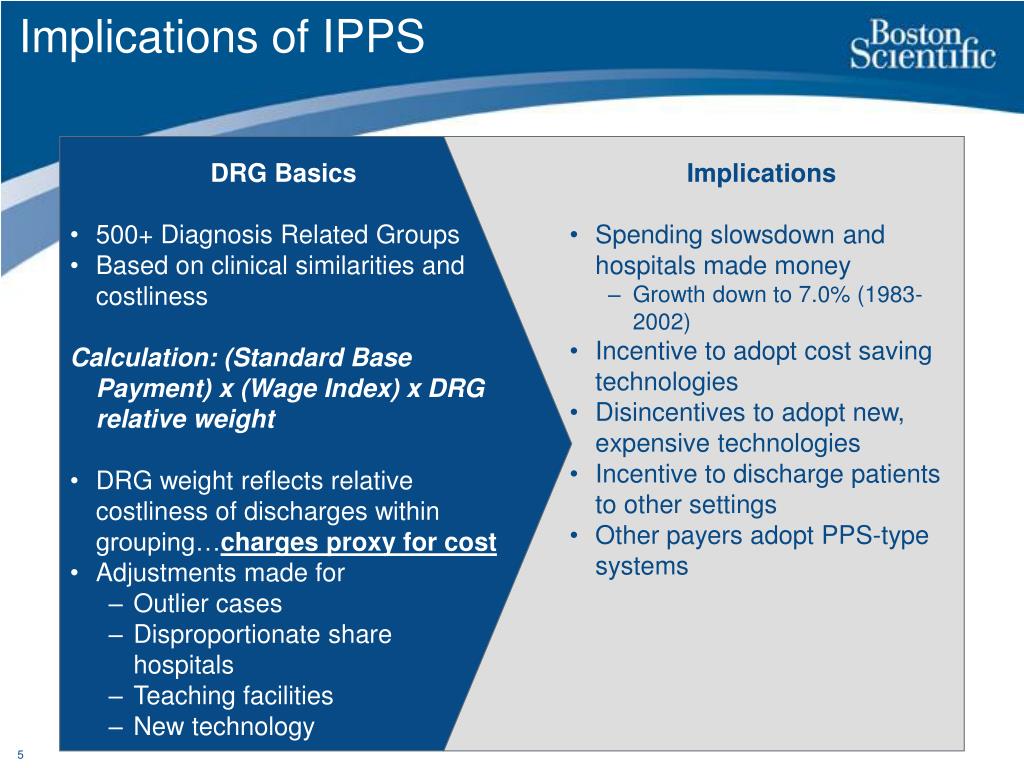
On April 10th, 2024, the Centers for Medicare & Medicaid Services (CMS) released its proposed rules for the payment and policy updates for the Medicare inpatient prospective payment system (IPPS) and long-term care hospital prospective payment system (LTCH PPS) for fiscal year (FY) 2025. 

CITE: https://www.r2library.com/Resource

This Health Capital Topics article will discuss the proposed rule and the implications for stakeholders. (Read more…)

COMMENTS APPRECIATED

Thank You

***

***

The Medicare Cost Control Paradox?

WHAT IS THE “MEDICARE COST CONTROL EFFICIENCY” PARADOX?

The 800 Pound Gorilla in the Medical Treatment Room

By Staff Reporters

Blogger Ezra Klein opined more than a decade ago that one of the dirty little secrets of the health-care system is that Medicare has done a much better job controlling costs than private health insurers. It is a paradox!

DEFINITION: A paradox is a seemingly absurd or self-contradictory statement or proposition that when investigated may prove to be well founded or true.

***

***

QUERY:  But, what about Medicare, cost control efficiency, today?

Medicare Will Not Cover These 6 Medical Costs

LINK: https://tinyurl.com/2s38xwff

Your thoughts are appreciated.

THANK YOU
***

***

***

FTC: Finalizes Ban on Non-Compete Agreements

By Health Capital Consultants, LLC

***

***

On April 23rd, 2024, the Federal Trade Commission (FTC) issued a final rule that would ban employers from imposing non-competes on their employees. The FTC asserts that this exploitative practice keeps wages low, and suppresses new ideas. Notably, while the final rule will affect all industries, not just healthcare, this proposal comes at a time when healthcare employers across the U.S. are struggling with staffing shortages. 

CITE: https://www.r2library.com/Resource

This Health Capital Topics article will discuss the final rule, reactions from healthcare industry stakeholders, and potential implications for healthcare valuations (both business and compensation valuations). (Read more…)

COMMENTS APPRECIATED

Thank You
***

***

UPMC: Settles Stark Law Case

By Health Capital Consultants, LLC

***

***

On May 9th, 2024, the University of Pittsburgh Medical Center (UPMC), a large nonprofit healthcare system that owns a number of hospitals, medical practices, and other subsidiaries, announced that they would pay $38 million to settle a longstanding Stark Law case which had triggered a violation of the False Claims Act (FCA). The lawsuit claimed that several of UPMC’s surgeons ordered complex and unnecessary procedures to increase their earnings. 

CITE: https://www.r2library.com/Resource

This Health Capital Topics article will discuss the UPMC settlement and the allegations underlying the case. (Read more…) 

COMMENTS APPRECIATED

Thank You

***

***

Select and Check Your Stock Broker and Financial Advisor?

Shopping Suggestions

Rick Kahler MS CFP

By Rick Kahler MS CFP®

Shopping for a financial adviser you can trust has never been easy. The Department of Labor [DOL] rule requiring brokers to act in a fiduciary capacity when dealing with retirement plan assets has not made it any easier. The government’s intent was to help consumers clearly distinguish when financial professionals can be relied upon to give unbiased financial advice or when they are acting in their own interests to sell a financial product. Unfortunately, the rule has only exacerbated the confusion.

When shopping for financial advisers, you need to investigate their education, niche, process, compensation structure, and experience to see whether they are a good fit for your needs. Equally important, it’s up to you to do a background check and determine whose interest the adviser is looking out for. No one else will do it for you.

Two-Steps

Here are two important steps you can take to greatly increase your chances of getting someone who will truly be looking out for you.

First, ask any adviser you deal with to sign a statement affirming they will act in the capacity of a fiduciary to you, meaning you will be a client, not a customer. A copy of this form can be found at www.advisorperspectives.com. Advisers unwilling to sign the Form Adv are not likely to be fiduciaries who will put your interests first.

Second, check the adviser’s background. If advisers receive any type of fee, they are held to a fiduciary standard automatically by the SEC. Still, it’s wise to check their background for any misconduct, which you can do at www.adviserinfo.sec.gov. If advisers sell securities, mutual funds, private REITs, or limited partnerships and receive any type of commission, they will be regulated by FINRA. You can go to BrokerCheck.finra.org to view their records for misconduct.

It’s important to check an adviser’s background because being found guilty of misconduct doesn’t mean they can’t actively be selling financial products.

For example, in a March 7 article at kitces.com, financial planner and writer Michael Kitces points out that over 73% of FINRA-registered brokers who FINRA lists as having a misconduct “are still employed a year later, despite the fact that such brokers are a whopping 5x more likely to engage in misconduct again in the future.”

Kitces explains that while just 7.3% of all FINRA brokers have some type of misconduct on their records, only about half of them actually lose their jobs and about half of those find employment with another firm. Additionally, it seems some firms have more of a culture of employing brokers with misconduct.

***

Wall Street

***

The top five brokerage firms with the highest (15% or more) concentration of brokers with misconduct are Oppenhiemer & Co, First Allied Securities, Wells Fargo Advisers Financial Network, UBS Financial Services, and Cetera Advisers. This is according to a working paper, “The Market for Financial Adviser Misconduct,” by Mark Egan, Gregor Matvos, and Amit Seru, business school professors at the University of Chicago and University of Minnesota. Geographic location also makes a big difference with the states of California, Florida, and New York having counties with much higher concentrations of brokers guilty of misconduct (15 – 30%) than states like Pennsylvania, Kansas, Iowa, Kentucky, and Vermont with the counties having the lowest concentration (2 – 3%).

Kitces reminds us that the “single greatest predictor of whether a broker will engage in misconduct is whether he/she has engaged in any prior misconduct.”

Assessment

For this reason, it’s crucial to make FINRA’s Broker Check part of your research before hiring a financial adviser. Before trusting any adviser to put your interests first, look out for your own interests by investigating the adviser’s history.

Conclusion

Your thoughts and comments on this ME-P are appreciated. Feel free to review our top-left column, and top-right sidebar materials, links, URLs and related websites, too. Then, subscribe to the ME-P. It is fast, free and secure.

Speaker: If you need a moderator or speaker for an upcoming event, Dr. David E. Marcinko; MBA – Publisher-in-Chief of the Medical Executive-Post – is available for seminar or speaking engagements. Contact: MarcinkoAdvisors@msn.com

OUR OTHER PRINT BOOKS AND RELATED INFORMATION SOURCES:

Comprehensive Financial Planning Strategies for Doctors and Advisors: Best Practices from Leading Consultants and Certified Medical Planners™

***

PODCAST: Health Insurance Denials Contradict DEI, ESG and Fairness Initiatives

By Eric Bricker MD

***

***

CITE: https://www.r2library.com/Resource/Title/0826102549

***

ORDER: https://www.amazon.com/Dictionary-Health-Insurance-Managed-Care/dp/0826149944/ref=sr_1_4?ie=UTF8&s=books&qid=1275315485&sr=1-4

***

COMMENTS APPRECIATED

Thank You

***

PODCAST: How to Select a Physician?

By Eric Bricker MD

***

***
COMMENTS APPRECIATED

Thank You

***

***

Activity-Based-Medical-Cost Accounting and Management

A Non-Traditional Accounting System

[By Dr. David Marcinko MBA MEd CMP]CPA

Sooner or later you will want to ascertain and then demonstrate the cost effectiveness of your medical care. By using the process of Activity Based Cost (ABC) management, you will be able to do so.  But, if you’re using a traditional accounting system, you won’t know a thing about your activity costs. Here’s how. 

Traditional Cost Accounting Methods 

In a traditional medical practice cost accounting system, costs are assigned to different procedures and services based on volume.  In others words, office costs are spread over the entire office’s product line and you may not know the true profitability of any single medical activity. So, if the office is doing more “procedures” than general medicine, for example, more indirect office overhead costs will be allocated to the procedural portion of the practice. 

ABC management, on the other hand, determines the actual costs of the resources that each service consumes. Because general medicine requires more human resources than “technical procedures,” ABC management will assign more costs to the general medical portion of the practice. 

Accordingly, most physicians, office managers, and their accountants are surprised that a prior notion of office profitability is different than previously thought. ABC management is just more accurate in measuring medical service profitability than traditional accounting methods. 

Medical Activity Cost Drivers 

Examples of medical activities that are office cost drivers include such items as monitoring vital signs, taking radiographic images, removing dressings or casts, performing laboratory tests or veni-punctures, surgical set-ups or operative procedures; etc.  

However, in the office setting, the most economically important activities are listed as specific CPT codes for each medical specialty.  The most important end result of ABC management is the shift of general overhead costs to low volume services from high volume services. These effects are not symmetrical as there is a bigger dollar effect on the per-unit costs of the low volume service.  

ABC Managerial Accounting Improvements 

ABC management improves office managerial cost accounting systems in three ways: 

  1. It increases the number of cost pools used to accumulate general overhead office costs. Rather than accumulate overhead costs in a single office-wide pool, costs are accumulated by activity, service or procedure.
  2. It changes the base used to assign general overhead costs to services or patients. Rather than assigning costs on the basis of a measure of volume (employee or doctor hours), costs are assigned on the basis of medical services or activities that generated those costs.
  3. It changes the nature of many overhead costs in that those formerly considered indirect, are now traced to specific activities or services. The office service mix may then be adjusted accordingly, for additional profit.   

Methodology 

In order to perform an ABC analysis for your medical office, calculate the cost of delivering a single unit of medical or surgical activity using only the work component of the resource based relative value scale (RBRVS).

Do this by adding up your office’s average variable expenses for the prior 1-3 years.  Now, count the number of work resource based relative value units (RBRVUs) delivered for each CPT code for the same time period, using the latest edition of the Federal Register to obtain the latest list of RVUs by CPT code. Then divide total variable expenses by the total number of work RVUs in order to arrive at the marginal cost of a single unit of service for the time period being evaluated.

For example, if your office had variable expenses of $480,000, and produced 80,000 work RVUs last year, it cost $6, on top of the office’s fixed expenses, to deliver one unit of work product. So, if an HMO plan offers to reimburse you at a rate of $11 per member, per month, and you can expect to reasonably deliver on average of one RVU pm/pm, you’ll earn enough on the contract to cover your marginal costs and some of your fixed and direct expenses. 

CASE MODELs: CVPA 4 and CVPA 3

dhimc-bookAssessment

Remember, this method assumes that you have the excess operating capacity and time slots, available and unused, to see the additional patients of the new plan without adding extra overhead expenses to service the contract.

If not, or if you plan for capitation to become a major portion of your practice, you might want the capitated contract(s) to cover all your office expenses, so be sure to include both the fixed and other direct costs to your variable cost calculations. ABC determines the actual costs of resources rendered for each activity and represents a real measure of practice profitability. Office service mix can then be changed to either maximize revenues or better suit your practice personality.

A Caveat

Suppose however, that a medical service is competitively priced but still shows that the CPT code is unprofitable. For example, the costs of special requests can adversely affect office profits. Yet, special patient requests are one of the biggest reasons that a CPT code or procedure isn’t profitable.

In this case, look closely at activity costs and determine which ones are being performed inefficiently. Improving the efficiency of those kinds of medical services, or referring them out or abandoning them all together, will increase office profitability.

MORE: ABCM

Conclusion

Your thoughts and comments on this ME-P are appreciated. Feel free to review our top-left column, and top-right sidebar materials, links, URLs and related websites, too. Then, subscribe to the ME-P. It is fast, free and secure.

Speaker: If you need a moderator or speaker for an upcoming event, Dr. David E. Marcinko; MBA – Publisher-in-Chief of the Medical Executive-Post – is available for seminar or speaking engagements. Contact: MarcinkoAdvisors@msn.com

OUR OTHER PRINT BOOKS AND RELATED INFORMATION SOURCES:

PHYSICIANS: www.MedicalBusinessAdvisors.com
HOSPITALS: http://www.crcpress.com/product/isbn/9781466558731
CLINICS: http://www.crcpress.com/product/isbn/9781439879900
BLOG: www.MedicalExecutivePost.com
FINANCE: Financial Planning for Physicians and Advisors
INSURANCE: Risk Management and Insurance Strategies for Physicians and Advisors

***

Product DetailsProduct DetailsProduct Details     

Product DetailsProduct Details

***

PHYSICIAN OUT-PATIENT AMBULATORY CENTERS: Consulting on ASCs and More!

SPONSOR: http://www.MARCINKOASSOCIATES.com

START TO FINISH CYCLE

***

Our Process

***

READ HERE: https://marcinkoassociates.com/asc/

COMMENTS APPRECIATED

Thank You

***

***

***

METAVERSE MEDICINE: Doctor, Patient Avatars Ahead?

By WebMD

In what some are calling the next iteration of the internet, the metaverse is an unfamiliar digital world where you could be an avatar navigating computer-generated places and interacting with others in real time. In this space, the constraints of our physical, bricks and mortar world and travel habits fade. And new opportunities and challenges emerge.

***


***

READ HERE: https://www.webmd.com/a-to-z-guides/news/20220812/metaverse-medicine-doctor-patient-avatars-ahead

Cite: https://www.amazon.com/Dictionary-Health-Information-Technology-Security/dp/0826149952/ref=sr_1_5?ie=UTF8&s=books&qid=1254413315&sr=1-5

***

COMMENTS APPRECIATED

Thank You

***

PODCAST: Medicare Value Based Payments Explained

By Eric Bricker MD

***

***

COMMENTS APPRECIATED

Thank You

***

***

***

PHYSICIANS & DENTISTS: Financial Consulting & Planning

Sponsored by: http://www.MARCINKOASSOCIATES.com

START TO FINISH CYCLE

***

Our Process

***

READ HERE: https://marcinkoassociates.com/financial-planning/

RELATED: https://medicalexecutivepost.com/2023/12/15/doctor-are-you-a-financial-advisors-customer-or-client/

COMMENTS APPRECIATED

Thank You

***

***

PHYSICIANS ONLY: Hedge Funds and Venture Capitalists

SPONSORED: http://www.MARCINKOASSOCIATES.com

START TO FINISH CYCLE

***

Our Process

***

READ HERE: https://marcinkoassociates.com/hedge-funds/

MORE: https://medicalexecutivepost.com/2023/02/19/what-is-an-unregistered-security/

COMMENTS APPRECIATED

Thank You

***

***