INFLATION Is Here – UPDATE?

But for How Long?

See the source image

Vitaliy N. Katsenelson, CFA

[CEO & Chief Investment Officer]

READERS

DEFINITION: In economics, inflation (or less frequently, price inflation) is a general rise in the price level of an economy over a period of time. When the general price level rises, each unit of currency buys fewer goods and services; consequently, inflation reflects a reduction in the purchasing power per unit of money – a loss of real value in the medium of exchange and unit of account within the economy. The opposite of inflation is deflation, a sustained decrease in the general price level of goods and services. The common measure of inflation is the inflation rate, the annualized percentage change in a general price index, usually the consumer price index, over time.

CITATION: https://www.r2library.com/Resource/Title/0826102549

***
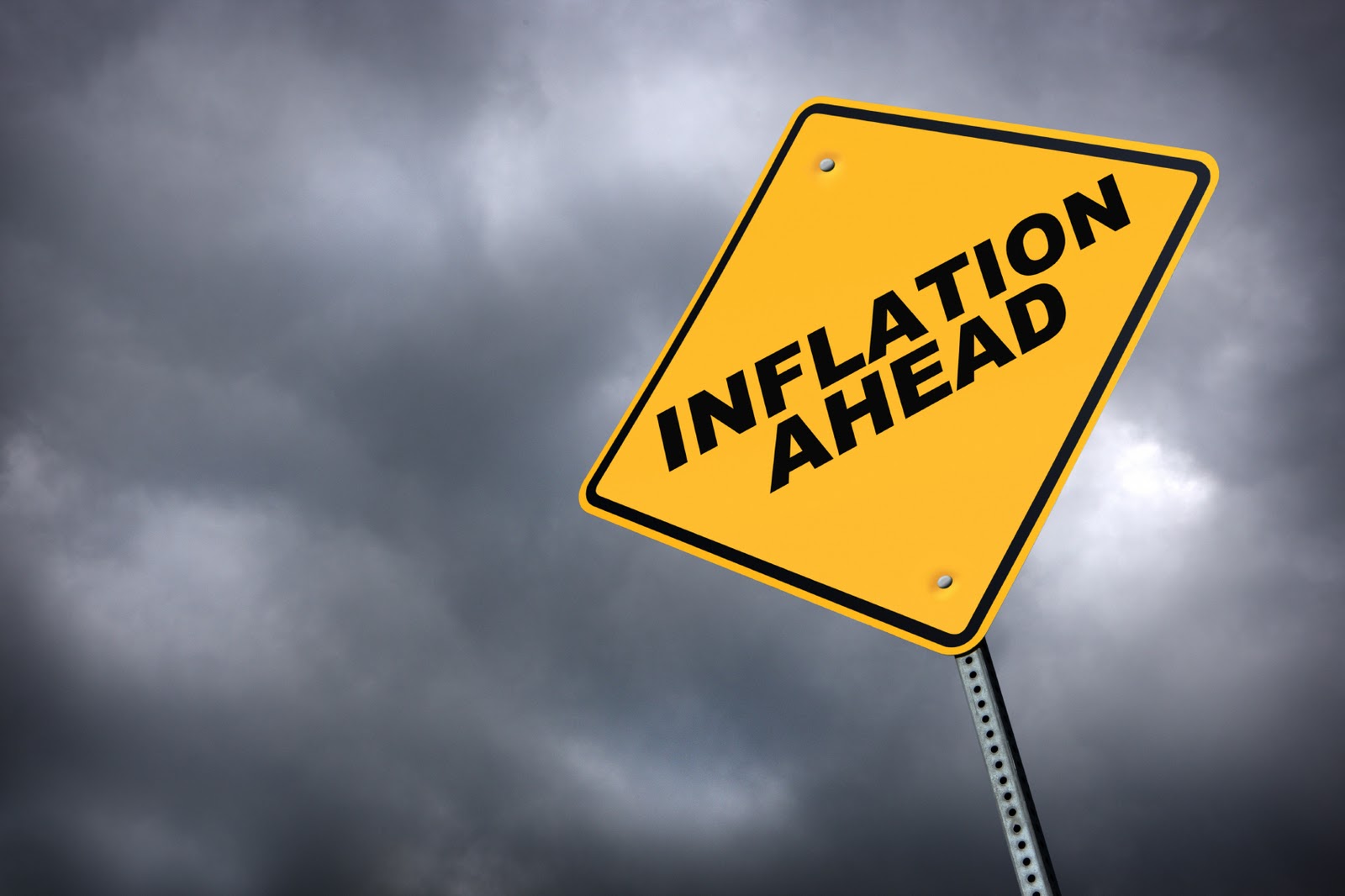
See the source image

***

DEAR READERS

This essay is going to be long.
I blame inflation, be it transitory or not, for inflating its length. 

The number one question I am asked by clients, friends, readers, and random strangers is, are we going to have inflation? 

I think about inflation on three timelines: short, medium, and long-term

The pandemic disrupted a well-tuned but perhaps overly optimized global economy and time-shifted the production and consumption of various goods. For instance, in the early days of the pandemic automakers cut their orders for semiconductors. As orders for new cars have come rolling back, it is taking time for semiconductor manufacturers, who, like the rest of the economy, run with little slack and inventory, to produce enough chips to keep up with demand. A $20 device the size of a quarter that goes into a $40,000 car may have caused a significant decline in the production of cars and thus higher prices for new and used cars. (Or, as I explained to my mother-in-law, all the microchips that used to go into cars went into a new COVID vaccine, so now Bill Gates can track our whereabouts.)

Here is another example. The increase in new home construction and spike in remodeling drove demand for lumber while social distancing at sawmills reduced lumber production – lumber prices spiked 300%. Costlier lumber added $36,000 to the construction cost of a house, and the median price of a new house in the US is now about $350,000.

The semiconductor shortage will get resolved by 2022, car production will come back to normal, and supply and demand in the car market will return to the pre-pandemic equilibrium. High prices in commodities are cured by high prices. High lumber prices will incentivize lumber mills to run triple shifts. Increased supply will meet demand, and lumber prices will settle at the pre-pandemic level in a relatively short period of time. That is the beauty of capitalism! 

Most high prices caused by the time-shift in demand and supply fall into the short-term basket, but not all. It takes a considerable amount of time to increase production of industrial commodities that are deep in the ground – oil, for instance. Low oil prices preceding the pandemic were already coiling the spring under oil prices, and COVID coiled it further. It will take a few years and increased production for high oil prices to cure high oil prices. Oil prices may also stay high because of the weaker dollar, but we’ll come back to that.

Federal Reserve officials have told us repeatedly they are not worried about inflation; they believe it is transitory, for the reasons I described above. We are a bit less dismissive of inflation, and the two factors that worry us the most in the longer term are labor costs and interest rates. 

Let’s start with labor costs 

During a garden-variety recession, companies discover that their productive capacity exceeds demand. To reduce current and future output they lay off workers and cut capital spending on equipment and inventory. The social safety net (unemployment benefits) kicks in, but not enough to fully offset the loss of consumer income; thus demand for goods is further reduced, worsening the economic slowdown. Through millions of selfish transactions (microeconomics), the supply of goods and services readjusts to a new (lower) demand level. At some point this readjustment goes too far, demand outstrips supply, and the economy starts growing again.

This pandemic was not a garden-variety recession 

The government manually turned the switch of the economy to the “off” position. Economic output collapsed. The government sent checks to anyone with a checking account, even to those who still had jobs, putting trillions of dollars into consumer pockets. Though output of the economy was reduced, demand was not. It mostly shifted between different sectors within the economy (home improvement was substituted for travel spending). Unlike in a garden-variety recession, despite the decline in economic activity (we produced fewer widgets), our consumption has remained virtually unchanged. Today we have too much money chasing too few goods– that is what inflation is. This will get resolved, too, as our economic activity comes back to normal.

But …

Today, though the CDC says it is safe to be inside or outside without masks, the government is still paying people not to work. Companies have plenty of jobs open, but they cannot fill them. Many people have to make a tough choice between watching TV while receiving a paycheck from big-hearted Uncle Sam and working. Zero judgement here on my part – if I was not in love with what I do and had to choose between stacking boxes in Amazon’s warehouse or watching Amazon Prime while collecting a paycheck from a kind uncle, I’d be watching Sopranos for the third time. 

To entice people to put down the TV remote and get off the couch, employers are raising wages. For instance, Amazon has already increased minimum pay from $15 to $17 per hour. Bank of America announced that they’ll be raising the minimum wage in their branches from $20 to $25 over the next few years. The Biden administration may not need to waste political capital passing a Federal minimum wage increase; the distorted labor market did it for them. 

These higher wages don’t just impact new employees, they help existing employees get a pay boost, too. Labor is by far the biggest expense item in the economy. This expense matters exponentially more from the perspective of the total economy than lumber prices do. We are going to start seeing higher labor costs gradually make their way into higher prices for the goods and services around us, from the cost of tomatoes in the grocery store to the cost of haircuts.

Only investors and economists look at higher wages as a bad thing. These increases will boost the (nominal) earnings of workers; however, higher prices of everything around us will negate (at least) some of the purchasing power. 

Wages, unlike timber prices, rarely decline. It is hard to tell someone “I now value you less.” Employers usually just tell you they need less of your valuable time (they cut your hours) or they don’t need you at all (they lay you off and replace you with a machine or cheap overseas labor). It seems that we are likely going to see a one-time reset to higher wages across lower-paying jobs. However, once the government stops paying people not to work, the labor market should normalize; and inflation caused by labor disbalance should come back to normal, though increased higher wages will stick around.

There is another trend that may prove to be inflationary in the long-term: de-globalization.  Even before the pandemic the US set plans to bring manufacturing of semiconductors, an industry deemed strategic to its national interests, to its shores. Taiwan Semiconductor and Samsung are going to be spending tens of billions of dollars on factories in Arizona.  

The pandemic exposed the weaknesses inherent in just-in-time manufacturing but also in over reliance on the kindness of other countries to manufacture basic necessities such as masks or chemicals that are used to make pharmaceuticals.  Companies will likely carry more inventory going forward, at least for a while.  But more importantly more manufacturing will likely come back to the US. This will bring jobs and a lot of automation, but also higher wages and thus higher costs.  

If globalization was deflationary, de-globalization is inflationary  

We are not drawing straight-line conclusions, just yet. A lot of manufacturing may just move away from China to other low-cost countries that we consider friendlier to the US; India and Mexico come to mind.  

And then we have the elephant in the economy – interest rates, the price of money. It’s the most important variable in determining asset prices in the short term and especially in the long term. The government intervention in the economy came at a significant cost, which we have not felt yet: a much bigger government debt pile. This pile will be there long after we have forgotten how to spell social distancing
 
The US government’s debt increased by $5 trillion to $28 trillion in 2020 – more than a 20% increase in one year! At the same time the laws of economics went into hibernation: The more we borrow the less we pay for our debt, because ultra-low interest rates dropped our interest payments from $570 billion in 2019 to $520 billion in 2020. 

That is what we’ve learned over the last decade and especially in 2020: The more we borrow the lower interest we pay. I should ask for my money back for all the economics classes I took in undergraduate and graduate school.

This broken link between higher borrowing and near-zero interest rates is very dangerous. It tells our government that how much you borrow doesn’t matter; you can spend (after you borrow) as much as your Republican or Democratic heart desires. 

However, by looking superficially at the numbers I cited above we may learn the wrong lesson. If we dig a bit deeper, we learn a very different lesson: Foreigners don’t want our (not so) fine debt. It seems that foreign investors have wised up: They were not the incremental buyer of our new debt – most of the debt the US issued in 2020 was bought by Uncle Fed. Try explaining to your kids that our government issued debt and then bought it itself. Good luck.

Let me make this point clear: Neither the Federal Reserve, nor I, nor a well-spoken guest on your business TV knows where interest rates are going to be (the total global bond market is bigger even than the mighty Fed, and it may not be able to control over interest rates in the long run). But the impact of what higher interest rates will do the economy increases with every trillion we borrow. There is no end in sight for this borrowing and spending spree (by the time you read this, the administration will have announced another trillion in spending). 

Let me provide you some context about our financial situation 


The US gross domestic product (GDP) – the revenue of the economy – is about $22 trillion, and in 2019 our tax receipts were about $3.5 trillion. Historically, the-10 year Treasury has yielded about 2% more than inflation. Consumer prices (inflation) went up 4.2% in April. Today the 10-year Treasury pays 1.6%; thus the World Reserve Currency debt has a negative 2.6% real interest rate (1.6% – 4.2%). 

These negative real (after inflation) interest rates are unlikely to persist while we are issuing trillions of dollars of debt. But let’s assume that half of the increase is temporary and that 2% inflation is here to stay. Let’s imagine the unimaginable. Our interest rate goes up to the historical norm to cover the loss of purchasing power caused by inflation. Thus it goes to 4% (2 percentage points above 2% “normal” inflation). In this scenario our federal interest payments will be over $1.2 trillion (I am using vaguely right math here). A third of our tax revenue will have to go to pay for interest expense. Something has to give. It is not going to be education or defense, which are about $230 billion and $730 billion, respectively. You don’t want to be known as a politician who cut education; this doesn’t play well in the opponent’s TV ads. The world is less safe today than at any time since the end of the Cold War, so our defense spending is not going down (this is why we own a lot of defense stocks). 

The government that borrows in its own currency and owns a printing press will not default on its debt, at least not in the traditional sense. It defaults a little bit every year through inflation by printing more and more money. Unfortunately, the average maturity of our debt is about five years, so it would not take long for higher interest expense to show up in budget deficits. 

Money printing will bring higher inflation and thus even higher interest rates

If things were not confusing enough, higher interest rates are also deflationary 

We’ve observed significant inflation in asset prices over the last decade; however, until this pandemic we had seen nothing yet. Median home prices are up 17% in one year. The wild, speculative animal spirits reached a new high during the pandemic. Flush with cash (thanks to kind Uncle Sam), bored due to social distancing, and borrowing on the margin (margin debt is hitting a 20-year high), consumers rushed into the stock market, turning this respectable institution (okay, wishful thinking on my part) into a giant casino. 

It is becoming more difficult to find undervalued assets. I am a value investor, and believe me, I’ve looked (we are finding some, but the pickings are spare). The stock market is very expensive. Its expensiveness is setting 100-year records. Except, bonds are even more expensive than stocks – they have negative real (after inflation) yields.

But stocks, bonds, and homes were not enough – too slow, too little octane for restless investors and speculators. Enter cryptocurrencies (note: plural). Cryptocurrencies make Pets.com of the 1999 era look like a conservative investment (at least it had a cute sock commercial). There are hundreds if not thousands of crypto “currencies,” with dozens created every week. (I use the word currency loosely here. Just because someone gives bits and bytes a name, and you can buy these bits and bytes, doesn’t automatically make what you’re buying a currency.)

“The definition of a bubble is when people are making money all out of proportion to their intelligence or work ethic.”

By Mike Burry MD
[The Big Short]

I keep reading articles about millennials borrowing money from their relatives and pouring their life savings into cryptocurrencies with weird names, and then suddenly turning into millionaires after a celebrity CEO tweets about the thing he bought. Much ink is spilled to celebrate these gamblers, praising them for their ingenious insight, thus creating ever more FOMO (fear of missing out) and spreading the bad behavior.

Unfortunately, at some point they will be writing about destitute millennials who lost all of their and their friends’ life savings, but this is down the road. Part of me wants to call this a crypto craziness a bubble, but then I think, Why that’s disrespectful to the word bubble, because something has to be worth something to be overpriced. At least tulips were worth something and had a social utility. (I’ll come back to this topic later in the letter).

But ….

When interest rates are zero or negative, stocks of sci-fi-novel companies that are going to colonize and build five-star hotels on Mars are priced as if El Al (the Israeli airline) has regular flights to the Red Planet every day of the week except on Friday (it doesn’t fly on Shabbos). Rising interest rates are good defusers of mass delusions and rich imaginations. 

In the real economy, higher interest rates will reduce the affordability of financed assets. They will increase the cost of capital for businesses, which will be making fewer capital investments. No more 2% car loans or 3% business loans. Most importantly, higher rates will impact the housing market. 

Up to this point, declining interest rates increased the affordability of housing, though in a perverse way: The same house with white picket fences (and a dog) is selling for 17% more in 2021 than a year before, but due to lower interest rates the mortgage payments have remained the same. Consumers are paying more for the same asset, but interest rates have made it affordable.

At higher interest rates housing prices will not be making new highs but revisiting past lows. Declining housing prices reduce consumers’ willingness to improve their depreciating dwellings (fewer trips to Home Depot). Many homeowners will be upside down in their homes, mortgage defaults will go up… well, we’ve seen this movie before in the not-so-distant past. Higher interest rates will expose a lot of weaknesses that have been built up in the economy. We’ll be finding fault lines in unexpected places – low interest has covered up a lot of financial sins.

And then there is the US dollar, the world’s reserve currency. Power corrupts, but the unchallenged and unconstrained the power of being the world’s reserve currency corrupts absolutely. It seems that our multitrillion-dollar budget deficits will not suddenly stop in 2021. With every trillion dollars we borrow, we chip away at our reserve currency status (I’ve written about this topic in great detail, and things have only gotten worse since). And as I mentioned above, we’ve already seen signs that foreigners are not willing to support our debt addiction. 

A question comes to mind.
Am I yelling fire where there is not even any smoke? 

Higher interest rates is anything but a consensus view today. Anyone who called for higher rates during the last 20 years is either in hiding or has lost his voice, or both. However, before you dismiss the possibility of higher rates as an unlikely plot for a sci-fi novel, think about this. 

In the fifty years preceding 2008, housing prices never declined nationwide. This became an unquestioned assumption by the Federal Reserve and all financial players. Trillions of dollars of mortgage securities were priced as if “Housing shall never decline nationwide” was the Eleventh Commandment, delivered at Temple Sinai to Goldman Sachs. Or, if you were not a religious type, it was a mathematical axiom or an immutable law of physics. The Great Financial Crisis showed us that confusing the lack of recent observations of a phenomenon for an axiom may have grave consequences. 

Today everyone (consumers, corporations, and especially governments) behaves as if interest rates can only decline, but what if… I know it’s unimaginable, but what if ballooning government debt leads to higher interest rates? And higher interest rates lead to even more runaway money printing and inflation? 

This will bring a weaker dollar 

A weaker US dollar will only increase inflation, as import prices for goods will go up in dollar terms. This will create an additional tailwind for commodity prices. 

If your head isn’t spinning from reading this, I promise mine is from having written it. 

To sum up: A lot of the inflation caused by supply chain disruption that we see today is temporary. But some of it, particularly in industrial commodities, will linger longer, for at least a few years. Wages will be inflationary in the short-term and will reset prices higher, but once the government stops paying people not to work, wage growth should slow down. Finally, in the long term a true inflationary risk comes from growing government borrowing and budget deficits, which will bring higher interest rates and a weaker dollar with them, which will only make inflation worse and will also deflate away a lot of assets.

THE END
UPDATE: https://www.msn.com/en-us/news/us/how-us-inflation-rate-is-impacting-americans-wallets-before-the-holiday-season/vi-AAROG5J

CURRENT: https://www.msn.com/en-us/money/markets/us-treasury-yields-tick-lower-on-fears-omicron-will-dent-recovery/ar-AARYSKy?li=BBnbfcL

Your thoughts are appreciated.

THANK YOU

***
See the source image

UPDATE: Markets and Medicine

By Staff Reporters

***

The Federal Reserve announced that it will stop buying bonds about three months earlier than initially planned. The Fed now plans to trim its monthly Treasury and mortgage-backed security purchases by $30 billion a month starting next month. The new pace is expected to put an end to bond buying by March.

CITE: https://www.r2library.com/Resource/Title/0826102549

The Fed also announced that it would leave interest rates unchanged at near-zero percent. The announcement paves the way for three interest rate hikes by the end of 2022, which could weigh on tech and growth stocks.

UPDATE: https://www.msn.com/en-us/money/news/tech-takes-a-beating-as-central-banks-pull-back/vi-AARTp0n

  • Markets: Stocks reversed their post-Federal Reserve announcement rally with a stinker of a day—especially tech stocks. Semiconductor companies like AMD and Nvidia got particularly thwacked.
  • Covid: The CDC recommended adults use Moderna’s and Pfizer’s Covid vaccines over J&J’s due to the risk of developing rare but serious blood clots.

MORE: https://www.msn.com/en-us/money/markets/stocks-fall-as-investors-digest-feds-latest-move/vi-AARTm2C

***
COMMENTS APPRECIATED.

***

***

Thank You

***

Stock Markets and the Economy

UPDATES

By Staff Reporters

***

  • Markets: Stocks stumbled yesterday as investors anxiously await an update from the Federal Reserve this afternoon. Uber shares bucked the trend after CEO Dara Khosrowshahi said the company had its “best week ever” for overall gross bookings, which encompasses its ride-sharing and delivery units.
  • Economy: The Fed will make a big announcement today about its inflation-fighting strategy. Fresh data released yesterday—showing that producer prices rose at their fastest pace on record—will put even more pressure on the central bank to wind down its stimulus measures quickly and chart out a plan to hike interest rates.
  • CITE: https://www.r2library.com/Resource/Title/082610254

Chained CPI: https://medicalexecutivepost.com/2012/12/21/what-chained-cpi-could-mean-for-social-security/

FED UPDATE: https://www.msn.com/en-us/money/markets/fed-chair-jerome-powell-to-confirm-hawkish-turn-tee-up-faster-taper-2022-rate-hikes/ar-AARPZAW?li=BBnb7Kz

SUMMERS SPEAKS: https://www.msn.com/en-us/money/markets/summers-says-fed-will-struggle-to-engineer-soft-landing-as-he-frets-about-spontaneous-deflating-in-markets/ar-AARPA77?li=BBnb7Kz

***

***

YOUR COMMENTS APPRECIATED.

Thank You

UPDATE: Stock Market

By Staff Reporters

***

Markets: Meme stocks like GameStop surged at the beginning of the year, but they’re now in a big funk as investors dump riskier assets.

An index of 37 stocks favored by retail traders hit its lowest level in seven months, and lost almost 25% of its value in just the last three weeks.

CITE: https://www.r2library.com/Resource/Title/082610254

MEME Stocks: https://medicalexecutivepost.com/2021/10/23/what-are-meme-stocks/

PEEK AHEAD TODAY: https://www.msn.com/en-us/money/markets/a-peek-into-the-markets-us-stock-futures-down-ahead-of-producer-price-index/ar-AARNFUs?li=BBnb7Kz

***

***
COMMENTS APPRECIATED.

Thank You

***

New Study Compares Medicare-Commercial Payment Gaps by Specialty

New Study Compares Medicare-Commercial Payment Gaps by Specialty

BY HEALTH CAPITAL CONSULTANTS


Utilizing data from FAIR Health, the Urban Institute conducted an October 2021 study which reviewed commercial insurance claims across the U.S. (for approximately 60 insurers and third-party administrators covering over 150 million Americans under age 65) from March 2019 through February 2020.

CITE: https://www.r2library.com/Resource/Title/0826102549

This study assessed the gap between commercial insurance payments and Medicare payments for professional physician services to determine whether the payment gap between Medicare and commercial insurance differs by specialty. (Read more…)

YOUR COMMENTS ARE APPRECIATED.

***

Thank You

***

Stock MARKET Update

ALL TIME HIGHS?

***

  • Markets: The S&P begins the week after closing at an all-time high last Friday. The index has closed at a record more times this year (67) than in any other year since 1995. It needs 10 more to tie the mark.
  • More S&P fun facts: Microsoft, Alphabet, Apple, Nvidia, and Tesla alone account for over a third of the S&P’s gains this year.
  • CITE: https://www.r2library.com/Resource/Title/082610254

NOTE: 35,630.18market open‎-340.81 (‎-0.95%)as of 12/13/2021, 11:31 AM EST

COMMENTS APPRECIATED.

***

Thank You

***

CMS Innovation Center Launches “Bold New” Strategy

BY HEALTH CAPITAL CONSULTANTS, LLC

CMS Innovation Center Launches “Bold New” Strategy


When President Joe Biden was elected in 2020, there was much anticipation and speculation regarding what his election would mean for the U.S. healthcare industry in the coming years.

CITE: https://www.r2library.com/Resource/Title/0826102549

Thriving in a value-based health care model - Biotricity

As an ardent supporter of the Patient Protection and Affordable Care Act (ACA) who campaigned on offering a public insurance option similar to Medicare, many in the healthcare industry assumed that the Biden Administration would be a strong proponent of continuing the shift to value-based care, which shift was largely spurred by his predecessor and former boss, Barack Obama, with the passage of the ACA. (Read more…)

YOUR COMMENTS ARE APPRECIATED.

***

Thank You

***

Economic Market Update

END OF “WHAT A WEEK”

By Staff Reporters

***

Wall Street closed lower on Thursday as investors banked some profits after three straight days of gains and turned their focus toward upcoming inflation data and how it might influence the Federal Reserve’s meeting next week.

So, what about today-prognostications?

YOUR COMMENTS ARE APPRECIATED.

Thank You

***

***

Economic Market Update

By Staff Reporters

***

***

YOUR COMMENTS ARE APPRECIATED.

***

***

THANK YOU

***

TRIFECTA Update: Markets, Covid and Congress

TOPICS PREVIOUSLY MENTIONED ON THE ME-P

By Staff Reporters

***

  • Markets: Omicron who? Fed tapering what? Stocks continued to roar back from their post-Thanksgiving hangover, with tech shares leading the way. The NASDAQ had its best day since March.
  • Covid: Pfizer’s Covid-19 vaccine is less effective, but still provides some protection, against the Omicron variant, an early study from South Africa showed.
  • US Government: Congress had a busy evening. Lawmakers reached a deal to raise the country’s debt ceiling, and the House passed a $768 billion defense policy bill that increases pay for service members.
  • Citation: https://www.r2library.com/Resource/Title/0826102549

***
YOUR COMMENTS ARE APPRECIATED.

***

Thank You

***

Marriage Penalty Fading – Single Penalty Rising

A Curated Report

By Staff Reporters

***

The marriage penalty has faded in recent years, particularly after the 2017 Republican tax cuts that targeted high incomes. But the singles penalty remains — the tax code is still written to benefit people in 1950s middle-class marriages who own their homes. That’s not great for the millions of households who are shouldering other cost burdens around single life.

CITE: https://www.r2library.com/Resource/Title/0826102549

Progressive tax codes are intended, at least theoretically, to ensure equitable distribution of the costs of maintaining civilization. They should (again, theoretically) be readjusted when a certain group begins to shoulder a disproportionate amount of that burden — like, for instance, single or divorced people. That’s not what’s happened, not for couples with two earners and not for the growing number of single or solo households. The reality of how people live and who works has changed. The policy has not kept pace.

The same principle holds true for Social Security, which was created first and foremost as a means of protecting the elderly from living out their final years in the literal poorhouse. The idea was simple: You and your employers pay in part of your salary now, and when you retire, you have enough to survive.

READ FULL REPORT HERE: https://www.vox.com/the-goods/22788620/single-living-alone-cost

YOUR COMMENTS ARE APPRECIATED.

***

Thank You

***

Recent Weekend Stock Market Volatility

By Staff Reporters

***

WHAT A WEEK!

  • Markets: Stocks ended a topsy-turvy week with another stinker yesterday, dragged netherward (big word alert) by the tech sector. Meta shares nearly entered a bear market, falling almost 20% from a closing record in September. Still, the S&P was down less than 1% for the week.
  • CITE: https://www.r2library.com/Resource/Title/0826102549
  • Covid: The first bits of solid Omicron data are starting to trickle out. One study from South Africa showed that the new variant may cause a higher rate of reinfection in people who already got Covid. Critical information on the effectiveness of current vaccines against Omicron could come in a few days, a WHO scientist said.

COMMENTS APPRECIATED.

Thank You

***

***

Stock Markets with Economic Update

***

By staff reporters

***

  • Markets: Stocks Gone Wild, the major indexes all bounced back from a bruising Wednesday, led by travel and hospitality stocks. Omicron has the markets looking like a sine wave this week.
  • Other updates: Congress passed a short-term spending bill to avoid a government shutdown this weekend. Plus, it’s jobs report day. Economists expect a meaty gain of 550,000 jobs in November, which would be the biggest number since July.

***
YOUR
COMMENTS ARE APPRECIATED.

***

Thank You

***

INTERNATIONAL DAY for Persons with DISABILITIES 2021

***

International Day of Persons with Disabilities (December 3) is an international observance promoted by the United Nations since 1992. It has been observed with varying degrees of success around the planet.

The observance of the Day aims to promote an understanding of disability issues and mobilize support for the dignity, rights and well-being of persons with disabilities. It also seeks to increase awareness of gains to be derived from the integration of persons with disabilities in every aspect of political, social, economic and cultural life. It was originally called “International Day of Disabled Persons” until 2007.

MORE: https://en.wikipedia.org/wiki/United_Nations’_International_Day_of_Persons_with_Disabilities

Each year the day focuses on a different issue.

***

See the source image

***

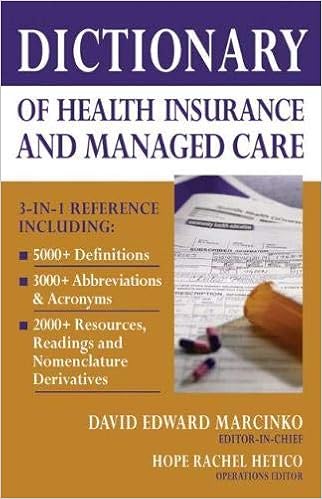
Product Details

DICTIONARY: https://www.amazon.com/Dictionary-Health-Insurance-Managed-Care/dp/0826149944/ref=sr_1_4?ie=UTF8&s=books&qid=1275315485&sr=1-4

***

Product Details

DICTIONARY: https://www.amazon.com/Dictionary-Health-Information-Technology-Security/dp/0826149952/ref=sr_1_5?ie=UTF8&s=books&qid=1254413315&sr=1-5


THANK YOU

***

WORLD AIDS DAY 2021

December 1, 2021

***

World AIDS Day, designated on 1 December every year since 1988, is an international day dedicated to raising awareness of the AIDS pandemic caused by the spread of HIV infection and mourning those who have died of the disease.

Related: https://medicalexecutivepost.com/2015/09/18/aids-in-america/

More: https://medicalexecutivepost.com/2011/07/07/finding-the-cure-for-aids/

***

COMMENTS ARE APPRECIATED

Thank You

***

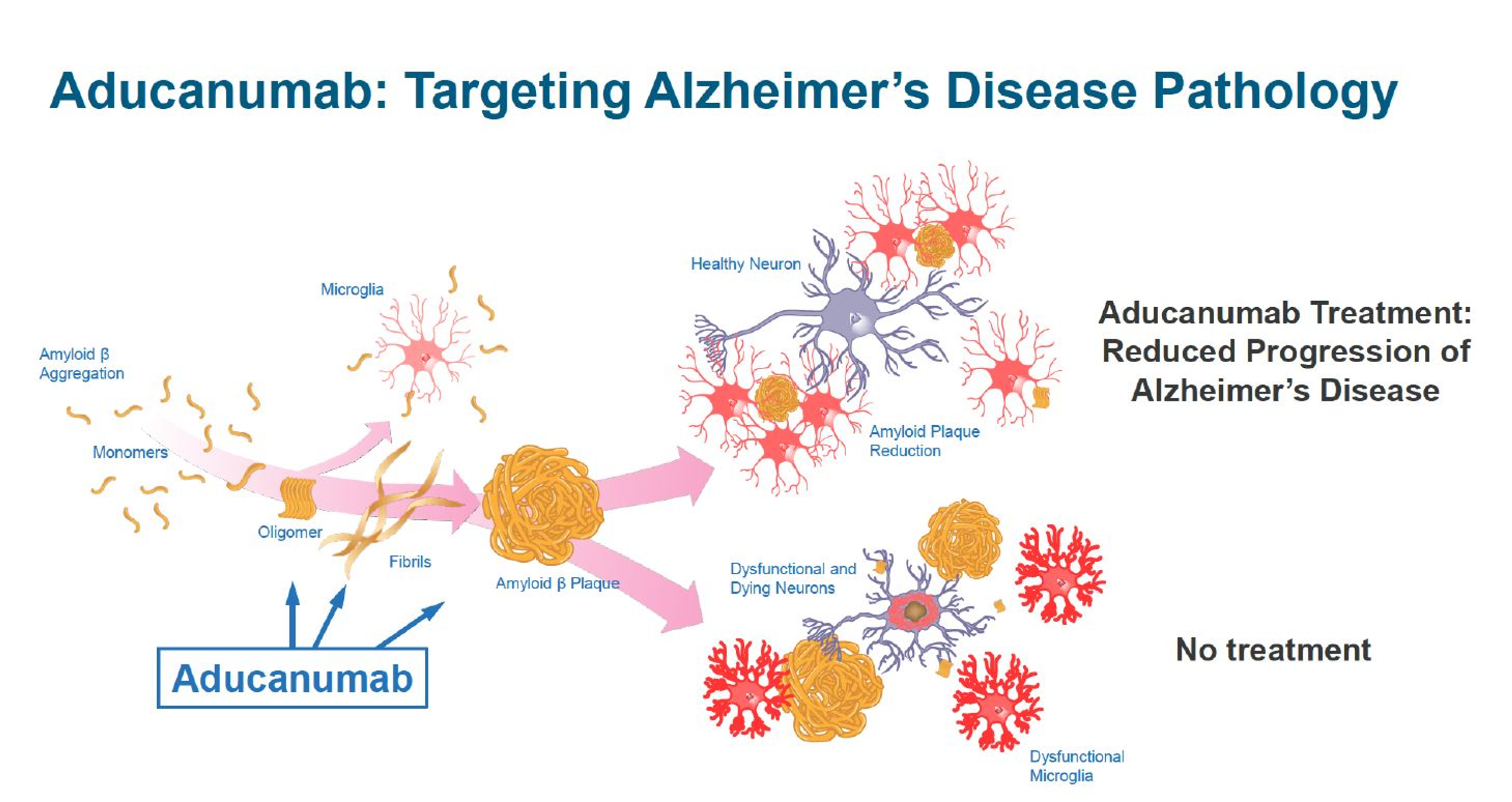
Money and the Drug Aducanumab

BIG PHARMA AND ECONOMICS

By Health Care Renewal

***

Aducanumab, sold under the brand name Aduhelm, is a medication designed to treat Alzheimer’s disease. It is an amyloid beta-directed monoclonal antibody that targets aggregated forms of amyloid beta found in the brains of people with Alzheimer’s disease to reduce its buildup.

LINK: https://hcrenewal.blogspot.com/2021/07/money-and-aducanumab.html

***

Cureus | Aducanumab as a Novel Treatment for Alzheimer's Disease: A Decade  of Hope, Controversies, and the Future

RELATED: https://hcrenewal.blogspot.com/2021/07/the-future-of-aducanumab-as-medicine.html

CITE: https://www.r2library.com/Resource/Title/0826102549

YOUR COMMENTS ARE APPRECIATED.

***

Thank You

***

The Bear MARKETS and Cyber ECONOMY

By Staff Reporters

  • Markets: Stocks dropped sharply in the post-Thanksgiving trading session on Friday due to concerns over the new Covid variant, Omicron. The Dow fell 2.5% for its worst day of the year, and the S&P also tumbled 2.3%. Oil prices and travel stocks also got rocked given fresh worries over travel demand, while “stay-at-home” names like Peloton and Zoom got a boost.
See the source image
  • Economy: It’s still way too early to know the impact of Omicron on economic growth. As we laid out last week, the Fed is under pressure to accelerate the winding down of its stimulus measures in order to battle inflation, but the new variant could change the calculus. Investors dialed back their expectations of a sooner-than-expected rate increase on Friday.

YOUR COMMENTS ARE APPRECIATED.

Thank You

***

***

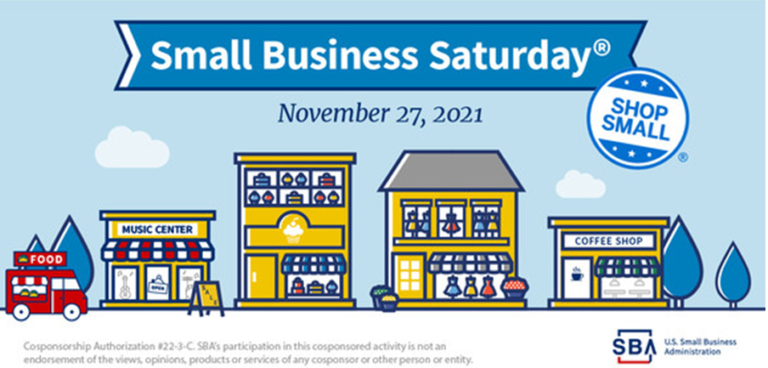
SMALL BUSINESS SATURDAY 2021

SPEND AND CELEBRATE

By Staff Reporters

Saturday, November 27, 2021 is Small Business Saturday – a day to celebrate and support small businesses and all they do for their communities.

CITE: https://www.r2library.com/Resource/Title/0826102549

This year, we know that small businesses need our support now more than ever as they navigate, retool and pivot from the effects of the coronavirus pandemic.

***

See the source image

THANK YOU

***

***

***

VALUATION of Internal Medicine Services

Valuation of Internal Medicine Services: Reimbursement

BY HEALTH CAPITAL CONSULTANTS, LLC


As noted in the first installment of this five-part series, internal medicine is the largest specialty among physicians and an understanding of the various environments in which these physicians operate is crucial in determining their numerous value drivers.

In particular, healthcare reimbursement, the process by which private health insurers and government agencies pay for the services of healthcare providers (including internists), is perhaps one of the most important environments to understand, as it comprises a provider’s expectation of future return on investment.

CITE: https://www.r2library.com/Resource/Title/0826102549

This installment will discuss the reimbursement of internal medicine services. (Read more…)

YOUR COMMENTS ARE APPRECIATED.

BUSINESS: https://www.amazon.com/Business-Medical-Practice-Transformational-Doctors/dp/0826105750/ref=sr_1_9?ie=UTF8&qid=1448163039&sr=8-9&keywords=david+marcinko

***h

HOSPITALS: ttps://www.amazon.com/Financial-Management-Strategies-Healthcare-Organizations/dp/1466558733/ref=sr_1_3?ie=UTF8&qid=1380743521&sr=8-3&keywords=david+marcinko

THANK YOU

***

PODCAST: NaviHealth Digital Health Start-Up

SOLD TO OPTUM

BY ERIC BRICKER MD

***

***

YOUR COMMENTS ARE APPRECIATED.

Thank You

***

***

***

Today is FIBONACCI NUMBERS DAY

MATH NERDS

By Dr. David E. Marcinko MBA

SPONSOR: http://www.CertifiedMedicalPlanner.org

Fibonacci, also known as Leonardo Bonacci, Leonardo of Pisa, or Leonardo Bigollo Pisano, was an Italian mathematician from the Republic of Pisa, considered to be “the most talented Western mathematician of the Middle Ages”

CITE:https://www.r2library.com/Resource/Title

Today, 11/23, is the second holiest day of the year for math nerds after Pi Day. Why? Because it’s Fibonacci Day. If you forgot about the Fibonacci series from middle school, it goes 0, 1, 1, 2, 3, 5, 8, 13, 21, and so on, formed by taking the sum of the previous two numbers to create the next number in the sequence.

Fibonacci numbers can be found in many aspects of the natural world, including petal arrangements in flowers, the shape of hurricanes, a honeybee’s family tree, and even DNA molecules.

So yeah, to quote Jack Black in School of Rock, “Math is a really cool thing.”

***

The Fibonacci Sequence Is Everywhere—Even the Troubled Stock Market |  Science | Smithsonian Magazine

***
YOUR COMMENTS ARE APPRECIATED.

***

***

Thank You

***

PODCAST: Value-Based Care

Ochsner Health Has Real Hospital Success

By Dr. Eric Bricker MD

***

***
YOUR COMMENTS ARE APPRECIATED.

***

Thank You

***

COVID-19 UPDATE: Vaccine Booster Shots

BY MEDICARE TEAM

***

Important update on COVID-19 vaccine booster shots
If you previously got 2 doses of the Pfizer-BioNTech COVID-19 vaccine, you can get a booster shot of the Pfizer-BioNTech COVID-19 vaccine if you fall into one of these groups:

You’re 65 and older,You’re 18+ and have certain underlying medical conditions, or
You’re 18+ and work or live in a high-risk setting.

You can get your booster shot at least 6 months after you complete your second dose of the Pfizer vaccine.
The booster shot can help strengthen and prolong your protection against COVID-19.

Learn More: Visit CDC.gov for more information on other groups already vaccinated with the Pfizer vaccine that may be eligible for a booster shot.

Remember: Medicare covers a Pfizer vaccine booster shot at no cost to you.

***

Oregon says it's ready to provide COVID-19 booster shots to those eligible,  but asks for patience - KTVZ

Sincerely,
The Medicare Team
****

***

The “BADLANDS” Off-Shore Tax Havens in South Dakota

By Morning Brew, NF and Staff Reporters

One of the world’s most prolific offshore tax havens is located more than 1,000 miles from any shore.

The US state of South Dakota now rivals notorious tax shelters like Panama, the Cayman Islands, and Switzerland as a destination for the top 0.01% to shield their  wealth from the grubby hands of tax authorities, the newly released Pandora Papers show.

Product Details

CITE: https://www.r2library.com/Resource/Title/0826102549

Quick recap: The Pandora Papers, published one week ago, represent one of the biggest leaks of financial docs in history. They show how celebrities, world leaders, and business magnates take advantage of opaque financial laws to hold onto as much of their wealth as they can…and, in some cases, get away with crimes.

And while none of that is particularly surprising, what is surprising is the changing geography of tax havens. The ultrarich are taking their money out of traditional tax shelters like the island of Jersey (one of the Channel Islands) and stashing it in rural US states like Nevada, Wyoming, and, most of all…South Dakota.

  • Of the more than 200 US trusts appearing in the Pandora Papers, 81 were located in South Dakota.

South Dakota’s trust industry held $367 billion in anonymous, untraceable assets in 2020, a nearly 4x increase from $75.5 billion in 2011. And these trusts aren’t catering to cattle ranchers who made it big—they’re linked to individuals in 40 different countries outside the US.

The bigger issue? 28 US-based trusts are linked to individuals or companies accused of misconduct overseas, such as money laundering, bribery, and human rights abuses, per the Washington Post.

***

Badlands National Park Has Stunning Landscapes and Diverse Wildlife -  Here's How to Experience It (Video) | Travel + Leisure

And now the question you’ve all been waiting for…

Why South Dakota?

It’s not why most people arrive in South Dakota—by accident. For decades, the state has intentionally loosened regulations on its financial services sector to grow its economy and create finance jobs, particularly in the city of Sioux Falls.

This deregulation push, spurred by trust industry insiders, turned a South Dakotan trust into “the most potent force-field money can buy,” wrote the Guardian’s Oliver Bullough.

By setting up a trust in South Dakota…

  • Your assets are protected from claims by creditors, angry clients, or even your ex-spouse (a level of security not afforded by other tax havens).
  • You are not subject to income tax, inheritance tax, or capital gains tax in the state…because South Dakota has none of those.
  • You never actually have to go to South Dakota.

In sum, if you’re a shady billionaire or a corrupt president of a Latin American country with something to hide, South Dakota looks like a mighty attractive place to shield your fortune from governments.

Or, rather, the US more broadly is an attractive place to hide your wealth. After years of bashing “offshore” havens for sheltering tax avoiders, the US has moved up to second in the world rankings for financial secrecy.

YOUR COMMENTS ARE APPRECIATED.

MORE: https://www.msn.com/en-us/money/markets/the-worlds-rich-and-powerful-are-stashing-dollar500-billion-in-this-tax-haven/ar-AAPw6Ny?li=BBnb7Kz

MORE: https://www.msn.com/en-us/news/politics/opinion-the-reason-its-so-easy-for-wealthy-americans-to-hide-their-money-%e2%80%94-and-how-to-stop-it/ar-AAPzf9W?li=BBnb7Kz

Thank You

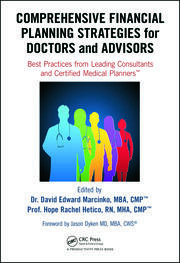
Comprehensive Financial Planning Strategies for Doctors and Advisors: Best Practices from Leading Consultants and Certified Medical Planners™

ORDER: https://www.routledge.com/Comprehensive-Financial-Planning-Strategies-for-Doctors-and-Advisors-Best/Marcinko-Hetico/p/book/9781482240283

***

Risk Management, Liability Insurance, and Asset Protection Strategies for Doctors and Advisors : Best Practices from Leading Consultants and Certified Medical Planners™ book cover

***

RISK MANAGEMENT: https://www.routledge.com/Risk-Management-Liability-Insurance-and-Asset-Protection-Strategies-for/Marcinko-Hetico/p/book/9781498725989

***

Celebrate Multicultural Diversity Day 2021

OCTOBER 18th, 2021

By Staff Reporters

***

October 18, 2021 (every third Monday in October) is Multicultural Diversity Day, a national day created by Cleorah Scruggs, a fourth-grade teacher in Flint, Michigan.

CITE: https://www.mlive.com/news/flint/2013/05/retired_flint_teacher_cleorah.html

The day was adopted as a national event by the NEA’s 1993 Representative Assembly to “increase awareness of the tremendous need to celebrate our diversity collectively.”

CITE: https://www.nea.org/

***

See the source image

Your comments are appreciated.

THANK YOU

***

The Impact of Climate Change on Health

250,000 additional deaths

BY NIHCM

***

INFO-GRAPHIC: https://nihcm.org/publications/impact-of-climate-change-on-health?utm_source=NIHCM+Foundation&utm_campaign=0ad9a221bb-Climate_Change_Infographic_101421&utm_medium=email&utm_term=0_6f88de9846-0ad9a221bb-167744768

***
YOUR COMMENTS ARE APPRECIATED.

Risk Management, Liability Insurance, and Asset Protection Strategies for Doctors and Advisors : Best Practices from Leading Consultants and Certified Medical Planners™ book cover

RISK MANAGEMENT: https://www.routledge.com/Risk-Management-Liability-Insurance-and-Asset-Protection-Strategies-for/Marcinko-Hetico/p/book/9781498725989

***

PHYSICIAN FINANCIAL ADVISORS: https://medicalexecutivepost.com/2021/10/11/

***

Thank You

***

The NOBEL PRIZE IN ECONOMICS

By Neal Freyman

***

Prizewinning Economists Show You Don’t Need a Lab
The three Nobel Prize winners in economics show that science is happening all around us—if we’re willing to look.

David Card, Joshua Angrist, and Guido Imbens, US-based economists who shared the prize awarded yesterday, helped pioneer the use of “natural experiments” to conduct studies on real-life situations as if they had happened in a tightly controlled lab.

Here’s one example: Card is most famous for his and Alan Krueger’s 1993 study on the effects of minimum wage on employment. They compared fast food jobs in New Jersey, which had just raised its minimum wage from $4.25 to $5.05, to fast food restaurants in neighboring Pennsylvania. The idea was that NJ and PA are generally pretty similar, so any observed differences in the labor market could lead to important conclusions about raising the minimum wage.

What did they find? That NJ’s higher minimum wage did not hurt job growth…and may have even increased employment. This shocked most experts at the time.

Bottom line: Natural experiments are now ubiquitous in economics research, but only because these Nobel Prize recipients showed what was possible. —NF

***

Product Details

CITE: https://www.r2library.com/Resource/Title/0826102549

YOUR COMMENTS ARE APPRECIATED.

Thank You

***

WORLD MENTAL HEALTH WEEK 2022

By Ann Miller RN MHA

Good Morning

This is World Mental Health Week. Since one of the ways you can practice good mental health is to express gratitude, I’d like to express my gratitude to my friend and ME-P founder and executive chairman Dr. David Edward Marcinko for working to destigmatize mental health issues.

A lot of people look up to David. And they should—he started this ME-P from nothing and was relentless in building the company to the digital media ship it is today.

***

RELATED: https://medicalexecutivepost.com/2021/07/28/mental-health-entrepreneurial-start-up/

DICTIONARY: https://www.amazon.com/Dictionary-Health-Insurance-Managed-Care/dp/0826149944/ref=sr_1_4?ie=UTF8&s=books&qid=1275315485&sr=1-4

***

World Mental Health Week (3-8 October) is an international day for global mental health education, awareness and advocacy against social stigma. It was first celebrated in 1992 at the initiative of the World Federation for Mental Health, a global mental health organization with members and contacts in more than 150 countries.

This week, each October, thousands of supporters come to celebrate this annual awareness program to bring attention to mental illness and its major effects on peoples’ lives worldwide.

YOUR COMMENTS ARE APPRECIATED.

Thank You

***

PODCAST: Warren Buffett’s Thoughts on Healthcare

BY ERIC BRICKER MD

CITE: https://www.r2library.com/Resource/Title/0826102549

****

***

In Response to a Question Regarding the Ending of Haven Healthcare–the Joint Venture Among Berkshire Hathaway, JP Morgan Chase and Amazon to Improve Healthcare for their Employee Health Plan Members–Warren Buffett Made the Following Statement:

“Healthcare is the Tapeworm of the US Economy and the TAPEWORM WON.”

Additionally, Warren Buffett Goes on to Say that ‘Prestigious‘ People in the Community Run Hospital Boards and These People Are ‘Fairly Happy‘ with the Healthcare System the Way It Currently Is.

It is Likely that Warren Buffett Formed Some of This Opinion in Speaking About Healthcare with the Vice Chairman of Berkshire Hathaway, Charlie Munger, and Berkshire Board Member and Famous CEO, Tom Murphy.

Charlie Munger Has Served on the Board of a Los Angeles Hospital for 31 Years and Tom Murphy Currently Serves on the NYU Langone Hospital System Board of Directors.

The Support of the Status Quo by ‘Prestigious,’ ‘Fairly Happy’ Hospital Board Members Cannot Be Understated… It Blocks Change and Warren Buffett Appears to Think Similarly.

***

YOUR COMMENTS ARE APPRECIATED.

Thank You

***

***

PODCAST: “The Hospital” Book Review

By Brian Alexander

If You Like Michael Lewis Books, You’ll Love This

****

YOUR COMMENTS ARE APPRECIATED.

Thank You

***

***

PODCAST: Health Insurance Carrier STOCK EARNINGS CALLS

BY ERIC BRICKER MD

***

***

YOUR COMMENTS ARE APPRECIATED.

CITE: https://www.r2library.com/Resource/Title/0826102549

Thank You

***

***

***

PODCAST: The Economics of Healthcare Will Never be the Same After Covid-19

POST PANDEMIC HEALTH ECONOMICS

BY LAURA GLENN

***

As a leader in a community health system, Laura talks about how the COVID 19 pandemic has affected the economics of healthcare. Laura Glenn joined Munson Healthcare as the Vice President of the Physician Network in December, 2017.

In July, 2019 her role expanded and she was appointed the President of Ambulatory Services and Value Based Care. In this role, she remains responsible for integration of the employed and aligned physician practices across the system. In addition, she is responsible for advancing population health strategies including the Munson Clinical Integration Network and other value based payment models as well as providing leadership to the home health division, MHC’s clinical service lines and clinical business intelligence.

CITE: https://www.r2library.com/Resource/Title/0826102549

****

***
YOUR COMMENTS ARE APPRECIATED.

THANK YOU

***

***

US DEBT BUSTERS: The 1 TRILLION DOLLAR Coin

***

BY MORNING BREW

The Legend of the $1 Trillion Platinum Coin

****

See the source image

***

You may have heard that a deadline to suspend the debt ceiling is rapidly approaching, and if lawmakers don’t do anything it could lead to “economic catastrophe,” in the words of Treasury Secretary Janet Yellen.

But what if we told you there was a solution to the debt ceiling fiasco so crazy…it just might work?

The solution: Yellen could have the Treasury mint a $1 trillion platinum coin, deposit it at the Fed to “retire” loads of US federal debt, and then enable the government to carry on with business as usual without having to worry about defaulting on its existing debt.

But can the Treasury really do that? Yes. According to Section 31 US Code § 5112

  • “The Secretary may mint and issue platinum bullion coins and proof platinum coins in accordance with such specifications, designs, varieties, quantities, denominations, and inscriptions as the Secretary, in the Secretary’s discretion, may prescribe from time to time.”

The law is crystal clear, and has been deemed kosher by numerous academics. “The statute clearly does authorize the issuance of trillion-dollar coins,” Laurence Tribe, a Harvard Law professor, told Washington Monthly back in 2013.

In fact, nothing says we have to stop at $1 trillion. Yellen could go big with a $10 trillion coin, hypothetically. As Bloomberg’s Joe Weisenthal explains, none of this would lead to inflation because it’s merely an “accounting trick”—not an influx of money into the economy.

Have we tried this before? The $1 trillion platinum coin idea seems to pop up every time the US faces a debt ceiling crunch. It was first introduced by a Georgia lawyer in 2010 and gained traction during the debt-ceiling crisis of 2011.

Things really turned up in 2013, when the government was…you guessed it, facing another debt ceiling deadline. The hashtag #MintTheCoin became popular on Twitter, and economists like Paul Krugman advocated for unleashing the coin. “If we have a crisis over the debt ceiling, it will be only because the Treasury Department would rather see economic devastation than look silly for a couple of minutes,” he wrote.

But each time the $1 trillion coin is mentioned as a way of resolving debt ceiling problems, the people in charge dismiss it as a distraction from Congress doing its job. “Neither the Treasury nor the Federal Reserve believes that the law can or should be used to produce platinum coins for the purpose of avoiding an increase in the debt limit,” The Treasury wrote during…well, yes, another debt ceiling emergency in 2015.

As for our current predicament, the Biden administration rejected the minting of the $1 trillion coin yet again last week.

CITE: https://www.r2library.com/Resource/Title/0826102549

Bottom line: Perhaps some enterprising future Treasury Secretary will manifest the platinum coin into existence, but for now it remains as mythical as Camelot.

MORE: https://medicalexecutivepost.com/2021/09/21/what-is-the-us-debt-ceiling/

COINS: https://www.msn.com/en-us/news/politics/2-democrats-say-they-want-to-mint-a-coin-to-solve-the-debt-ceiling-showdown-and-save-the-us-from-catastrophic-default/ar-AAOXLcU?li=BBnb7Kz

GOVERNMENT Rxn: https://www.msn.com/en-us/news/politics/heres-what-would-happen-if-washington-doesnt-prevent-a-government-shutdown/ar-AAODYi5?li=BBnb7Kz

Your comments are appreciated.

****

THANK YOU

***

US SENATE: Averts Government Shutdown?

Senate passes last-minute deal to avert government shutdown


The Senate on Thursday afternoon just passed a deal party leaders reached late Wednesday to avert a government shutdown that would have affected hundreds of thousands of federal workers and slammed an economy still struggling to recover from the pandemic, all with just hours left to stave off a crisis.

READ: https://www.msn.com/en-us/news/politics/senate-passes-last-minute-deal-to-avert-government-shutdown/ar-AAP0mXN

***

US Senate Passes Bill for Nearly $250 Billion in Science Funding | The  Scientist Magazine®

YOUR COMMENTS ARE APPRECIATED.

Thank You

***

PODCAST: On Covid Pandemic Hospital Costs

FOR EMPLOYERSEMPLOYER SPONSORED HEALTH PLANS

BY ERIC BRICKER MD

***

***

YOUR COMMENTS ARE APPRECIATED.

Thank You

***

***

PODCASTS: JEFF BEZOS and Altos Longevity Labs?

***

REPORTEDLY FUNDING ANTI-AGEING VENTURES TO CHEAT DEATH

“Not Today – Death”

***

death

By Alma Fabiani

***

Jeff Bezos is allegedly investing in Altos Labs, a biological reprogramming tech company currently looking into a variety of methods that could help reverse the ageing process,

Bezos is said to have a fairly long-standing interest in longevity research. But although Altos Labs has so far managed to recruit some impressive names in the biological reprogramming sector, as well as some pretty big investors, its research still needs a lot of work before it can ever be applied to humans.

***

PODCAST: https://www.lifespan.io/news/lifespan-news-altos-labs/

PODCAST: https://www.sciencetimes.com/articles/33399/20210913/jeff-bezos-wants-to-live-forever-why-is-he-cheating-death-anyway.htm

MORE: https://www.technologyreview.com/2021/09/04/1034364/altos-labs-silicon-valleys-jeff-bezos-milner-bet-living-forever/

YOUR COMMENTS ARE APPRECIATED.

****

***

Risk Management, Liability Insurance, and Asset Protection Strategies for Doctors and Advisors : Best Practices from Leading Consultants and Certified Medical Planners™ book cover

***

Risk Management Textbook: https://www.routledge.com/Risk-Management-Liability-Insurance-and-Asset-Protection-Strategies-for/Marcinko-Hetico/p/book/9781498725989

***

What is the US DEBT CEILING?

IN BRIEF

***

Invite Dr. Marcinko | The Leading Business Education Network for Doctors,  Financial Advisors and Health Industry Consultants

By Dr. David E. Marcinko MBA CMP®

CMP logo

SPONSOR: http://www.CertifiedMedicalPlanner.org

What is the domestic national debt ceiling? 

A cap on how much the US government can borrow to finance its operations. 

  • It was introduced during World War I so that Congress wouldn’t have to approve every bond issuance by the Treasury Department as it had done previously—freeing up more time for name-calling. 
  • The debt ceiling has been suspended dozens of times over the years, including 3x during the Trump administration. 

CITE: https://www.r2library.com/Resource/Title/0826102549

****

Debt Ceiling: Definition, Current Status

***

Without suspending the debt ceiling, the US wouldn’t be able to borrow money to pay its bills—and things would get ugly if that happened. The federal government would have to slash spending for programs like Medicaid, local governments would find it harder to borrow, and financial markets could go haywire.

In short, a failure to act would “produce widespread economic catastrophe,” Treasury Secretary Janet Yellen wrote in the Wall Street Journal. 

Important note: The debt ceiling doesn’t account for new spending, like the $3.5 trillion proposal the Democrats have on the table. Instead, it’s about spending Congress has already authorized, such as paying out Social Security. Over the years, the debt ceiling has become a “political weapon,” according to the AP, as each party tries to blame the other for their spending habits and for heaping more debt on the US. 

IRS: https://home.treasury.gov/policy-issues/financial-markets-financial-institutions-and-fiscal-service/debt-limit

YOUR COMMENTS ARE APPRECIATED.

***

CITE: https://www.r2library.com/Resource/Title/0826102549

Product Details

INVITE DR. MARCINKO: https://medicalexecutivepost.com/dr-david-marcinkos-

Thank You

***

Why the Stock Markets CRASHED TODAY [9/20/21]?

Feel Free to Add to the Our Growing List of Reasons!

BUT REMEMBER THAT CORRELATION IS NOT CAUSATION

CMP logo

BY DR. DAVID E. MARCINKO MBA CMP®

SPONSOR: http://www.CertifiedMedicalPlanner.org

***

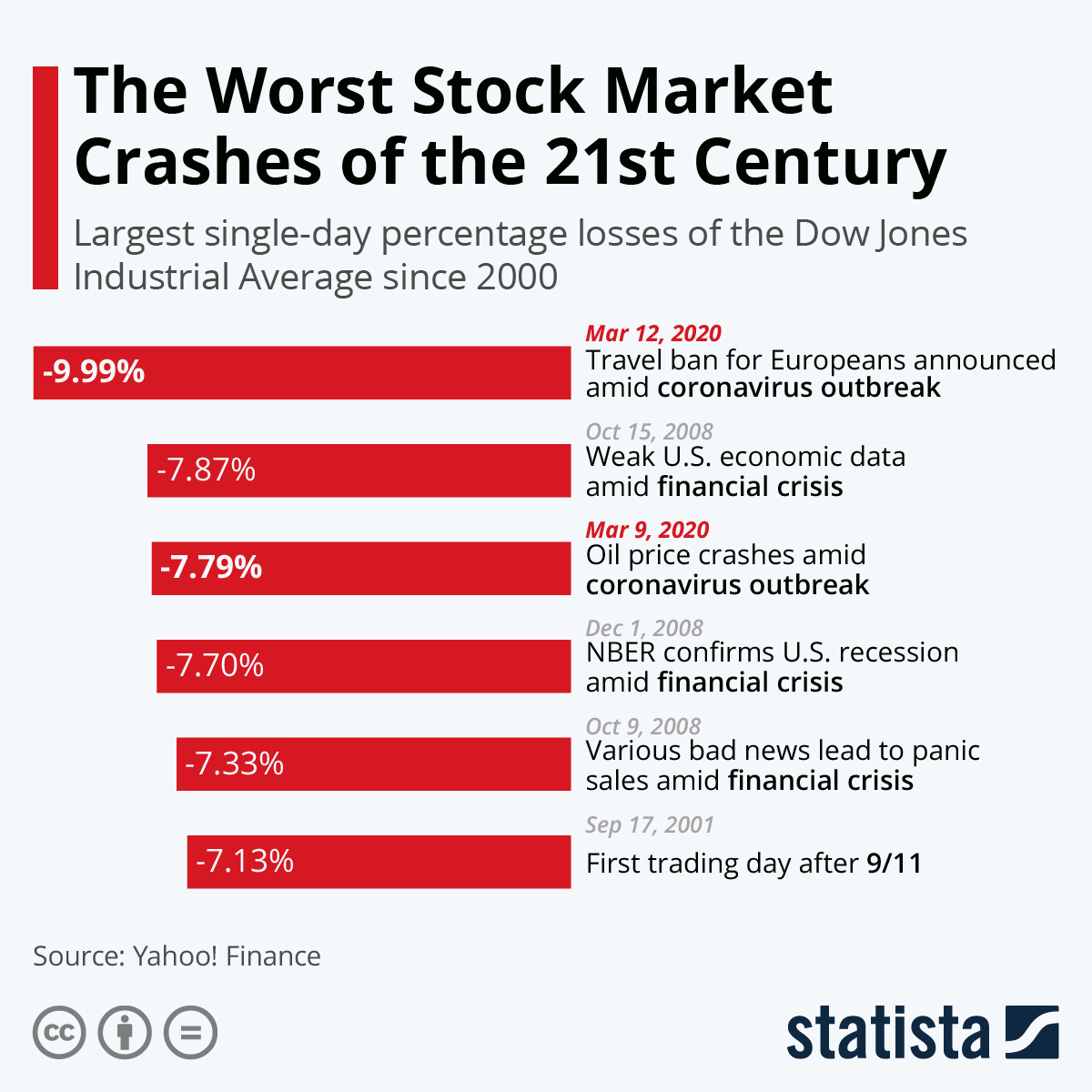
Chart: The Worst Stock Market Crashes of the 21st Century | Statista

THE LIST GOES ON

***

China’s Evergrande Project Giant Contagion Jitters

Global and International Market Meltdowns

Crypto-Currency and Gas Price Tumbles

Depressed Automobile Rentals and Used Car Prices

Lowering US Treasury Bond Yields

US Debt Ceiling Risks and Looming Federal Shutdown

Travel Bans with Mask & Vaccine Debates During the Corono-Virus Pandemic

The $3.5 Trillion Dollar Senate Bill

Politics and Potential Federal Tax Law Changes

The National Park, Pacific North-West and California Wild Fires

The Weather, Flooding, Tornadoes, Hurricanes and Tropical Storms

Southern Border Immigration Crisis

A Dearth of Micro-Chips

Quadruple Witching Friday

***

CORRECTION? https://www.msn.com/en-us/money/markets/the-odds-of-a-20-correction-in-stocks-are-rising-as-the-market-transitions-to-the-next-stage-of-its-cycle-morgan-stanley-warns/ar-AAODytg

***

YOUR COMMENTS ARE APPRECIATED.

Feel free to add to our list.

Is this the start of a cyclical bear market?

MORE: https://medicalexecutivepost.com/2018/12/22/stocks-and-sectors-in-bear-territory/

RELATED: https://medicalexecutivepost.com/2016/03/18/doctors-and-bull-and-bear-markets/

MORE: https://medicalexecutivepost.com/2007/11/25/of-bull-and-bear-markets/

EVERGRANDE: https://www.msn.com/en-us/money/markets/evergrande-s-debt-crisis-has-jolted-the-stock-market-here-s-why-everyone-s-suddenly-worrying-about-china-s-2nd-largest-property-developer/ar-AAODW0q

Thank You

***

INVITE DR. MARCINKO: https://medicalexecutivepost.com/dr-david-marcinkos-

***

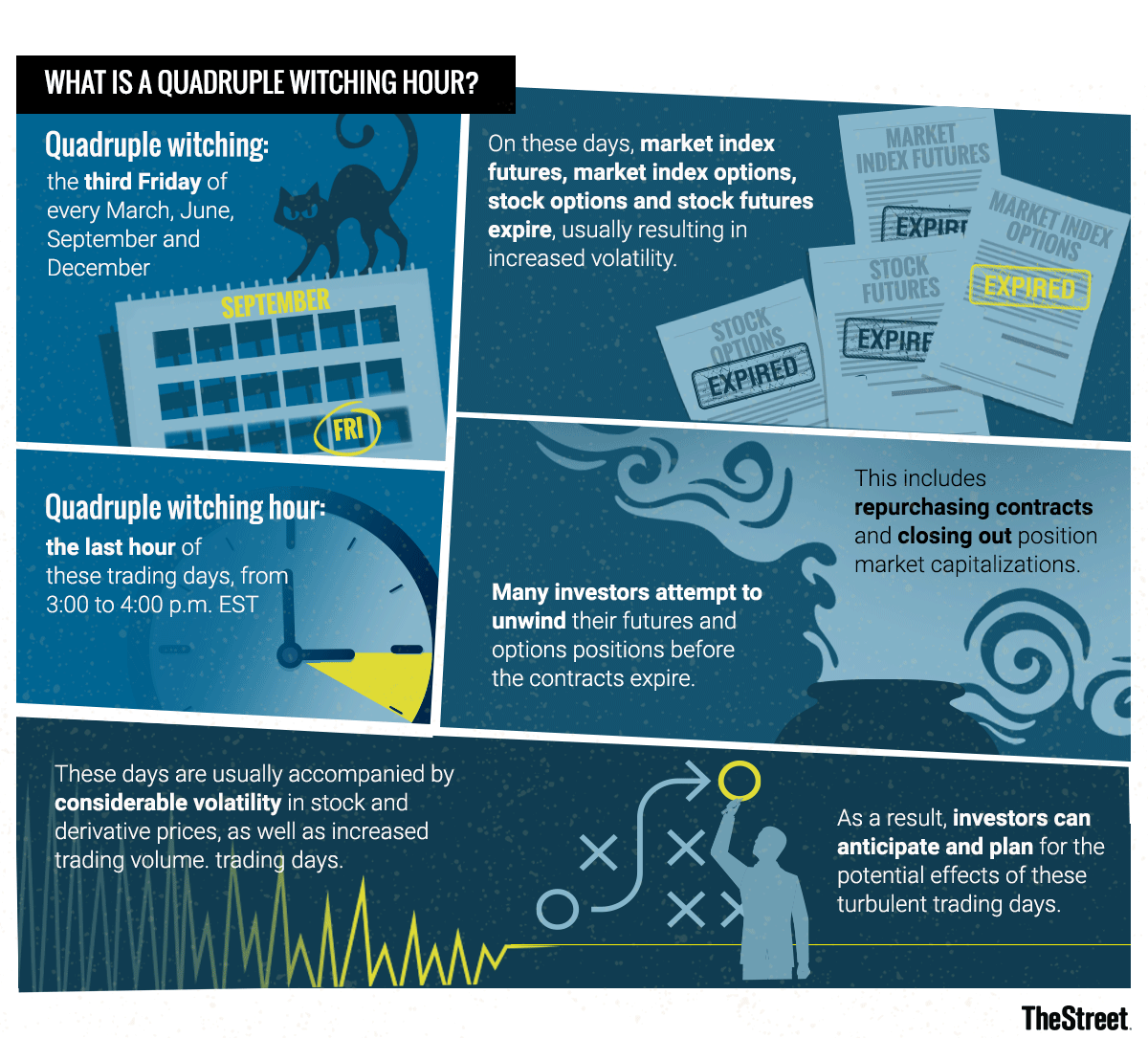
TODAY: “Quadruple Witching” Expiration [Hour] Day

BEWARE THE STOCK MARKETS TODAY

By Dr. David E. Marcinko MBA CMP®

CMP logo

SPONSOR: http://www.CertifiedMedicalPlanner.org

Markets: While yesterday was somewhat of a snoozefest on Wall Street, today should be more interesting. In a quarterly event known as “quadruple witching,” stock options, index options, stock futures, and index futures all expire on the same day, which can produce fireworks.

CITE: https://www.r2library.com/Resource/Title/0826102549

HISTORY

The phrase quadruple witching brings to mind stories that begin, “It was a dark and stormy night…” or folkloric visions of witches flying chaotically on broomsticks across the brightness of a moon.

In the context of investing, quadruple witching also refers to possible chaos but chaos in the financial markets. Such chaos can erupt due to four different types of contracts on financial assets expiring on the same day. The quadruple witching hour is the last hour of the trading session on that day. The question is whether investors can make abnormally robust profits on quadruple witching days due to market fluctuations.

What Is Quadruple Witching?

Quadruple witching refers to four days during the calendar year when the contracts on four different kinds of financial assets expire. The days are the third Friday of March, June, September and December. The assets on which the contracts expire on that day are stock options, single stock futures, stock index futures and stock index options. Options contracts also expire monthly. Futures contracts expire quarterly.

Because all four types of contracts expire on the same day, the quadruple witching day usually sees a heavier volume of trading. This is why the reference to chaos is made about this witching day. Market volume is increased partly due to offsetting trades that are made automatically. Volume on quadruple witching days has increased roughly two-thirds of the time since 2005.

See the source image

Recent Quadruple Witching Expiration Day

On June 18, 2021, a quadruple witching day, a near-record volume of single-stock equity options was set to expire at the end of the day in the amount of $818 billion. As a result, a near-record of single stock open interest of about $3 trillion stood on June 18, 2021. Open interest refers to how many contracts are open during any given point during the day. It is an important metric for traders to watch since a large amount of open interest can move the value of the underlying stock.

YOUR COMMENTS ARE APPRECIATED.

Thank You

***

INVITE DR. MARCINKO: https://medicalexecutivepost.com/dr-david-marcinkos-

***

PODCAST: United States Health Spending by Race & Ethnicity (2021)

CULTURE IN HEALTHCARE

Culture is a factor to consider with healthcare. Depending on the culture they may seek alternative treatment such as homeopathic and treatment they have been raised with in their country Some cultures will get medications from their country because they believe in their medical system more then what is offered.

BY IHME

Creating a culture of health - Sedgwick

***

Dr. Joseph L. Dieleman, Associate Professor in the Department of Health Metric Sciences at the University of Washington, is the lead author of the study “US Health Care Spending by Race and Ethnicity, 2002-2016,” published August 17, 2021 in the Journal of the American Medical Association

***

PODCAST: https://www.youtube.com/watch?v=xbkSZmB-3f8&t=171s

YOUR THOUGHTS ARE APPRECIATED.

Thank You

****

ORAL HEALTH AND EQUITY

BY NIHCM

INFO-GRAPHIC
Gum disease remains one of the most prevalent chronic diseases in the United States with 46% of adults over 30 showing symptoms. Although significant improvements have been made to improve oral health in America, many people still experience barriers to preventive or essential dental care.

Black Americans, Latinos, and Native Americans, as well as low-income populations, children and pregnant women are at greater risk of oral health diseases. The disparities experienced by these populations have only been exacerbated by the pandemic. 

***

Image result for caries

***

In this infographic highlights the challenges to achieving optimal oral health and identifies opportunities for advancing health equity moving forward. 

INFO-GRAPHIC: https://nihcm.org/publications/oral-health-health-equity?utm_source=NIHCM+Foundation&utm_campaign=901307447a-Oral_Health_Infographic_091421&utm_medium=email&utm_term=0_6f88de9846-901307447a-167744768

YOUR COMMENTS ARE APPRECIATED.

Thank You

***

COMMUNITY MASKING: The Impact on COVID-19

A Cluster-Randomized Trial in Bangladesh

***

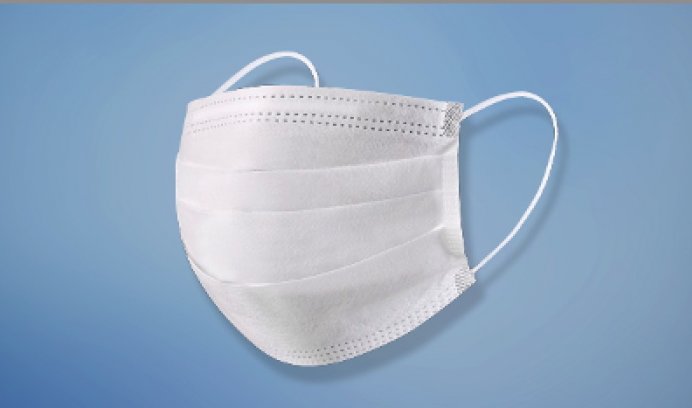
Freudenberg's surgical masks get FDA clearance

LINK: https://www.poverty-action.org/sites/default/files/publications/Mask_RCT____Symptomatic_Seropositivity_083121.pdf

YOUR COMMENTS ARE APPRECIATED.

MORE: https://www.msn.com/en-us/news/world/us-records-40-million-known-virus-cases/ar-AAOaN08?li=BBnb7Kz

Thank You

***

How vaccine-induced immunity stacks up against natural immunity after an infection?

By Ivan Gazit, Roei Shlezinger, Galit Perez, Roni Lotan, Asaf Peretz, Amir Ben-Tov, Dani Cohen, Khitam Muhsen, Gabriel Chodick, Tal Patalon

***

Experts advise people who’ve had COVID-19 to get vaccinated. Still, natural immunity seems to provide stronger, more lasting protection than vaccines alone.

And, it’s a staggering number: Nearly 39 million Americans have had confirmed coronavirus infections – almost 12% of the population.

A spate of new research suggests that natural infection can offer powerful long-term protection against the coronavirus, but that immunity isn’t guaranteed. So researchers still recommend a full vaccine course to lower the risk of reinfection for people who’ve had COVID-19 before.

Genomic Study Points to Natural Origin of COVID-19 – NIH Director's Blog

Here’s how to understand your immunity if you’ve had COVID-19.

READ: https://www.medrxiv.org/content/10.1101/2021.08.24.21262415v1

RELATED: https://www.thelancet.com/action/showPdf?pii=S1473-3099%2821%2900460-6

YOUR COMMENTS ARE APPRECIATED.

Thank You

***

Study Finds COVID-19 Accelerated Physician Practice Acquisitions

Study Finds COVID-19 Accelerated Physician Practice Acquisitions

By Health Capital Consultants, LLC


A recent study from Physicians Advocacy Institute (PAI), prepared by Avalere Health, associated the growing number of both physician practice acquisitions and employed physicians between 2019 and 2021 with the COVID-19 pandemic.

To study COVID-19’s impact on physician employment trends, the June 2021 study evaluated the IQVIA OneKey database that contains physician practice and health system ownership information.

HC Topics Banner Image

To assess these trends at a national and regional level, Avalere researchers studied the two-year period from January 1, 2019 to January 1, 2021. (Read more…)

YOUR COMMENTS ARE APPRECIATED.

Thank You

***

PODCAST: The Growing Tele-Medicine Adoption

By First Stop Health

What is Telemedicine?

Even Through the Waxing and Waning of the Pandemic Over the Subsequent Months, Consumers Are Still 4X More Likely to Use Telemedicine Than They Were Previously.

PODCAST: https://tinyurl.com/druhseb5

Your comments are appreciated.

THANK YOU

***

ADVERTISE: With the Medical Executive-Post

Advertise with THE ME-P

***

Advertise With Us

***

LINK: https://medicalexecutivepost.com/2007/11/11/advertise/

CONTACT: Ann Miller RN MHA

Email: MarcinkoAdvisors@msn.com

***

PODCAST: Richard Sackler’s Testimony About Purdue Pharma and the Opioid Crisis

BY PROPUBLICA

Investigative Journalism in the Public Interest

***

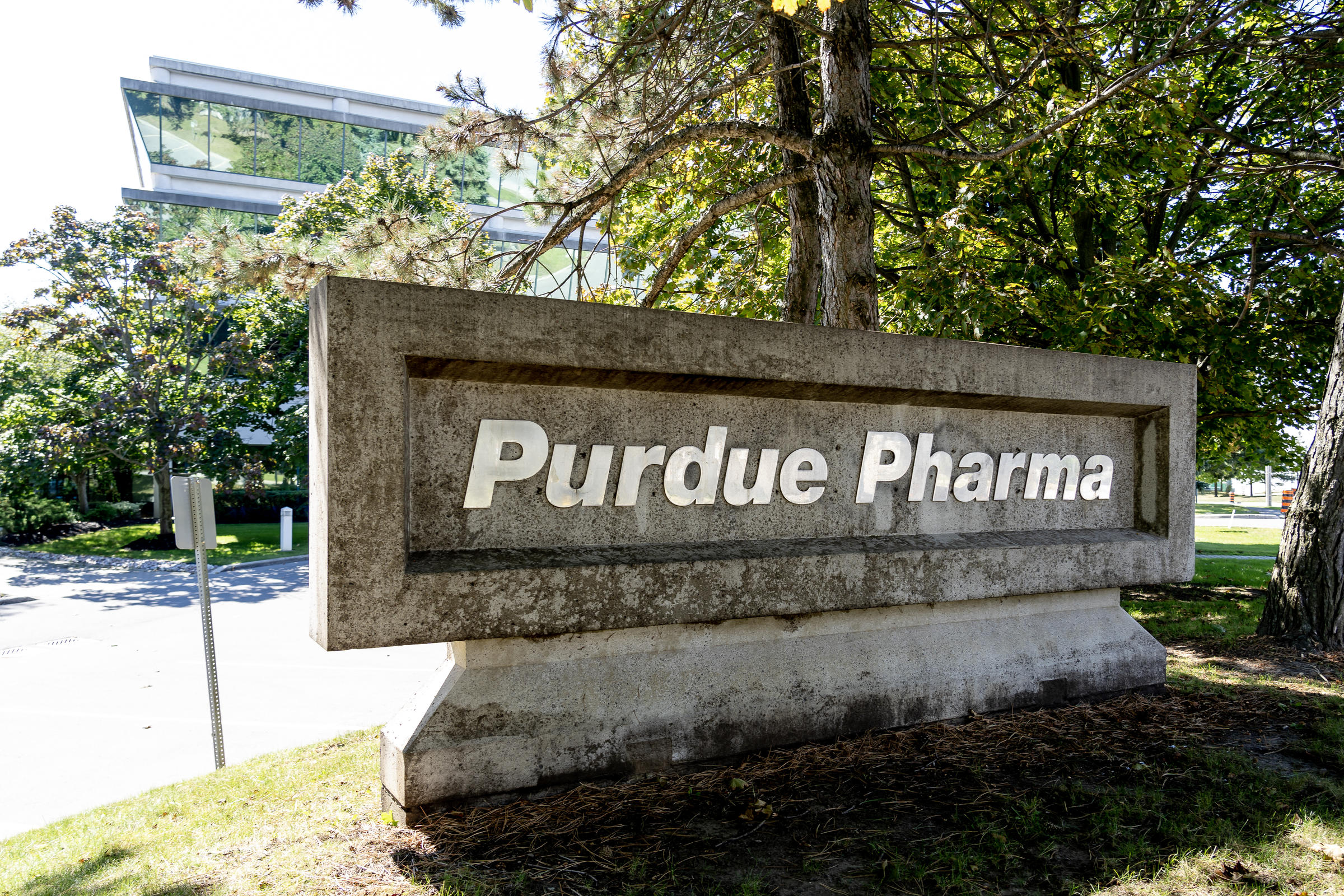
NY, other states announce $4.5B settlement with Purdue Pharma and Sackler  family | WXXI News

***

A settlement is about to shield members of the Sackler family from civil litigation regarding their alleged roles in the opioid crisis. So it’s a good time to release the full video of Richard Sackler’s 2015 deposition.

PODCAST: https://www.propublica.org/article/we-are-releasing-the-full-video-of-richard-sacklers-testimony-about-purdue-pharma-and-the-opioid-crisis?utm_source=sailthru&utm_medium=email&utm_campaign=dailynewsletter&utm_content=feature

Your comments are appreciated.

THANK YOU

***