MICRO-CERTIFICATIONS: For Financial Advisors Seeking Physician-Client Niche Success?

Micro-Credentials on the Rise

KNOWLEDGE RICHES IN NICHES

DR. DAVID EDWARD MARCINKO MBA CMP

SPONSOR: http://www.CertifiedMedicalPlanner.org

***

***

Do you ever wish you could acquire specific information for your career activities without having to complete a university Master’s Degree or finish our entire Certified Medical Planner™ professional designation program? Well, Micro-Certifications from the Institute of Medical Business Advisors, Inc., might be the answer. Read on to learn how our three Micro-Certifications offer new opportunities for professional growth in the medical practice, business management, health economics and financial planning, investing and advisory space for physicians, nurses and healthcare professionals.

Micro-Certification Basics

Stock-Brokers, Financial Advisors, Investment Advisors, Accountants, Consultants, Financial Analyists and Financial Planners need to enhance their knowledge skills to better serve the changing and challenging healthcare professional ecosystem. But, it can be difficult to learn and demonstrate mastery of these new skills to employers, clients, physicians or medical prospects. This makes professional advancement difficult. That’s where Micro-Certification and Micro-Credentialing enters the online educational space. It is the process of earning a Micro-Certification, which is like a mini-degree or mini-credential, in a very specific topical area.

Micro-Certification Requirements

Once you’ve completed all of the requirements for our Micro-Certification, you will be awarded proof that you’ve earned it. This might take the form of a paper or digital certificate, which may be a hard document or electronic image, transcript, file, or other official evidence that you’ve completed the necessary work.

Uses of Micro-Certifications

Micro-Certifications may be used to demonstrate to physicians prospective medical clients that you’ve mastered a certain knowledge set. Because of this, Micro-Certifications are useful for those financial service professionals seeking medical clients, employment or career advancement opportunities.

Examples of iMBA, Inc., Micro-Certifications

Here are the three most popular Micro-Certification course from the Institute of Medical Business Advisors, Inc:

  • 1. Health Insurance and Managed Care: To keep up with the ever-changing field of health care physician advice, you must learn new medical practice business models in order to attract and assist physicians and nurse clients. By bringing together the most up-to-date business and medical prctice models [Medicare, Medicaid, PP-ACA, POSs, EPOs, HMOs, PPOs, IPA’s, PPMCs, Accountable Care Organizations, Concierge Medicine, Value Based Care, Physician Pay-for-Performance Initiatives, Hospitalists, Retail and Whole-Sale Medicine, Health Savings Accounts and Medical Unions, etc], this iMBA Inc., Mini-Certification offers a wealth of essential information that will help you understand the ever-changing practices in the next generation of health insurance and managed medical care.
  • 2. Health Economics and Finance: Medical economics, finance, managerial and cost accounting is an integral component of the health care industrial complex. It is broad-based and covers many other industries: insurance, mathematics and statistics, public and population health, provider recruitment and retention, health policy, forecasting, aging and long-term care, and Venture Capital are all commingled arenas. It is essential knowledge that all financial services professionals seeking to serve in the healthcare advisory niche space should possess.
  • 3. Health Information Technology and Security: There is a myth that all physician focused financial advisors understand Health Information Technology [HIT]. In truth, it is often economically misused or financially misunderstood. Moreover, an emerging national HIT architecture often puts the financial advisor or financial planner in a position of maximum uncertainty and minimum productivity regarding issues like: Electronic Medical Records [EMRs] or Electronic Health Records [EHRs], mobile health, tele-health or tele-medicine, Artificial Intelligence [AI], benefits managers and human resource professionals.

Other Topics include: economics, finance, investing, marketing, advertising, sales, start-ups, business plan creation, financial planning and entrepreneurship, etc.

How to Start Learning and Earning Recognition for Your Knowledge

Now that you’re familiar with Micro-Credentialing, you might consider earning a Micro-Certification with us. We offer 3 official Micro-Certificates by completing a one month online course, with a live instructor consisting of twelve asynchronous lessons/online classes [3/wk X 4/weeks = 12 classes]. The earned official completion certificate can be used to demonstrate mastery of a specific skill set and shared with current or future employers, current clients or medical niche financial advisory prospects.

Mini-Certification Tuition, Books and Related Fees

The tuition for each Mini-Certification live online course is $1,250 with the purchase of one required dictionary handbook. Other additional guides, white-papers, videos, files and e-content are all supplied without charge. Alternative courses may be developed in the future subject to demand and may change without notice.

***

Contact: For more information, or to speak with an academic representative, please contact Ann Miller RN MHA CMP™ at: MarcinkoAdvisors@msn.com [24/7] -OR- 770-448-0769[9:00 – 5:00 EST].

***

SIX TYPES: OF Financial Professionals

By Aleksandar Stojanović, MSc

Here’s a brief insight before the explanations:

  • 𝗖𝗙𝗢𝘀 are heavily invested in strategic planning, leadership, and risk management, often overlooking the entire financial spectrum.
  • 𝗖𝗼𝗻𝘁𝗿𝗼𝗹𝗹𝗲𝗿𝘀 play a key role in accounting, financial reporting, and regulatory compliance, ensuring financial integrity.
  • 𝗙𝗣&𝗔 𝗠𝗮𝗻𝗮𝗴𝗲𝗿𝘀 focus on financial modeling, analytical skills, and business acumen to drive business growth.
  • 𝗜𝗻𝘁𝗲𝗿𝗻𝗮𝗹 𝗔𝘂𝗱𝗶𝘁𝗼𝗿𝘀 specialize in risk management, regulatory compliance, and analytical tasks to ensure internal control.
  • 𝗙𝗶𝗻𝗮𝗻𝗰𝗲 𝗔𝗻𝗮𝗹𝘆𝘀𝘁𝘀 are adept at financial modeling, analytics, and reporting to support data-driven decisions.
  • 𝗔𝗰𝗰𝗼𝘂𝗻𝘁𝗮𝗻𝘁𝘀 emphasize accounting skills, financial reporting, and regulatory compliance for precise record-keeping.

***

***

Now, generally, CFOs and FP&A Managers might spend more time connecting to business stakeholders for strategic decisions, while Controllers and Internal Auditors focus more on regulatory and compliance tasks.

Finance Analysts and Accountants are more involved in financial modeling and reporting.

These titles and responsibilities can be interchanged in some job descriptions, and the weight of these skills also depends on the industry and project.

But this breakdown is still quite helpful when planning career paths or understanding the roles within a finance department.

CITE: https://www.r2library.com/Resource

***
COMMENTS APPRECIATED

Thank You

***

***

High-Earning Americans to Lose 401(k) Tax Deduction in 2023

By Staff Reporters

***

***

Changes to a popular 401(K) tax deduction are set to hit millions of high-earning Americans from next year. Workers over the aged of 50 are entitled to make catch-up contributions to their 401(K)s worth up to $7,500 this year. The annual cap on all contributions is $30,000. 

CITE: https://www.r2library.com/Resource

But from 2024, those earning over $145,000 will no longer be able to put these catch-up payments into a traditional 401(K).  Instead, the money will be only funneled into a Roth IRA account, according to new rules passed through Congress in December. 

***

***
COMMENTS APPRECIATED

Thank You

***

MICRO: Credentials and Certifications

PROFESSIONAL GROWTH

MARCINKO ASSOCIATES, Inc.

http://www.MARCINKOASSOCIATES.com

***

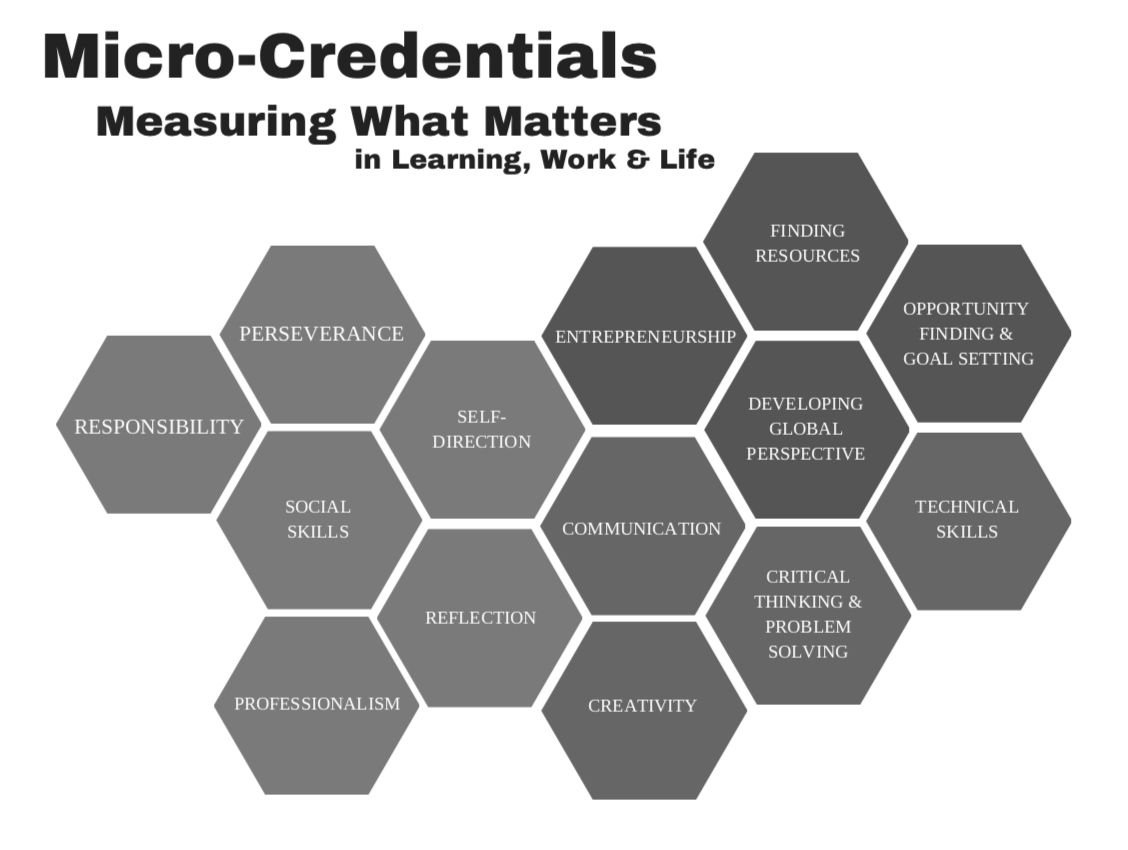
DEFINITION: One way to accelerate and support learning is with continuous up-skilling. A key component is micro-certification and credentialing, which is best thought of as learning that happens in smaller “chunks” — such as boot-camp training, an online course from a university or other provider, or even an apprenticeship.

When competency in a specific knowledge area or skill is demonstrated, a micro-certification is issued, which can be listed on a resume or displayed as a “badge” or a mastery credit on an online profile.

Over time, individuals can amass portfolios of competencies that characterize their capabilities in a way that is much more relevant to their professional lives than relying solely on academic credentials.

***

So – Do you ever wish you could acquire specific information or subject matter expertise for your career activities without having to complete a college or university Master’s Degree in Business or finish our entire online Certified Medical Planner™ professional certification and designation program?

CMP: http://www.CertifiedMedicalPlanner.org

Topics include: economics, finance, investing, marketing, advertising, sales, start-ups, business plan creation, financial planning and entrepreneurship, etc.

Well, Micro-Certifications and Credentials from the Institute of Medical Business Advisors, Inc., might be an alternative knowledge pursuit.

***

READ MORE: https://marcinkoassociates.com/micro-credentials/

***

***

DAILY UPDATE: The Markets, Retail Earnings and US Steel

By Staff Reporters

.Markets: The market’s rally during the first half of the year has fizzled out this summer despite a greater share of companies beating earnings projections than usual, the WSJ reports. For example, UPS, Apple, and PayPal all topped Wall Street expectations…only to watch shares fall after their reports. Investors suggest it’s a “snap back to reality” moment after market euphoria in H1.

  • Retailers take the earnings stage. Walmart, Home Depot, and Target will give us a peek into consumer spending, which drives two-thirds of the US economy. Americans filling up their shopping carts (despite interest rates rising to a 22-year high) is one of the main reasons those recession predictions haven’t materialized yet.
  • US Steel, a symbol of American industrial might in the early 20th century, is considering selling itself.

***

ORDER: https://www.routledge.com/Comprehensive-Financial-Planning-Strategies-for-Doctors-and-Advisors-Best/Marcinko-Hetico/p/book/9781482240283

***

COMMENTS APPRECIATED

Thank You

***

PODCAST: Kraft Heinz SUES Aetna Health Insurance Company

By Eric Bricker MD

***

***

Comments Appreciated

Thank You

***

***

***

CAREER: Physician Coaching and Development

MARCINKO ASSOCIATES, Inc.

SPONSOR: http://www.MarcinkoAssociates.com

***

***

Did you Know?

Experts estimate that it can cost more than $1 million to recruit and train a replacement for a doctor who leaves the profession because of burnout. But, as no broad calculation of burnout costs exists, Dr. Tait Shanafelt [Mayo Clinic researcher and Stanford Medicine’s first Chief Physician Wellness Officer] said Stanford, Harvard Business School, Mayo Clinic and the American Medical Association (AMA) are further cost estimating the issue. Nevertheless, Shanafelt and other researchers have shown that burnout erodes job performance, increases medical errors, and leads doctors to leave a profession they once loved.

CITE: https://www.r2library.com/Resource

Fortunately, we can help. From formal coaching to second career opinions, mentoring and advising, we can help with our remediation executive career programs. Regardless of what is happening in your life, it is wonderful to have a non-partial, confidential and informed career coach and sounding board on your side.

CITE: JAMA Internal Medicine [Effect of a Professional Coaching Intervention on the Well-Being and Distress of Physicians].

NCBI: https://www.ncbi.nlm.nih.gov/pmc/articles/PMC6686971/

THANK YOU

CONTACT US: https://marcinkoassociates.com/process-what-we-do/

***

ABS CDOs: Rest in Peace

Asymmetric Information and the Death of ABS CDOs

By Daniel O. Beltran, Larry Cordell and Charles P. Thomas

***

***

ABSTRACT

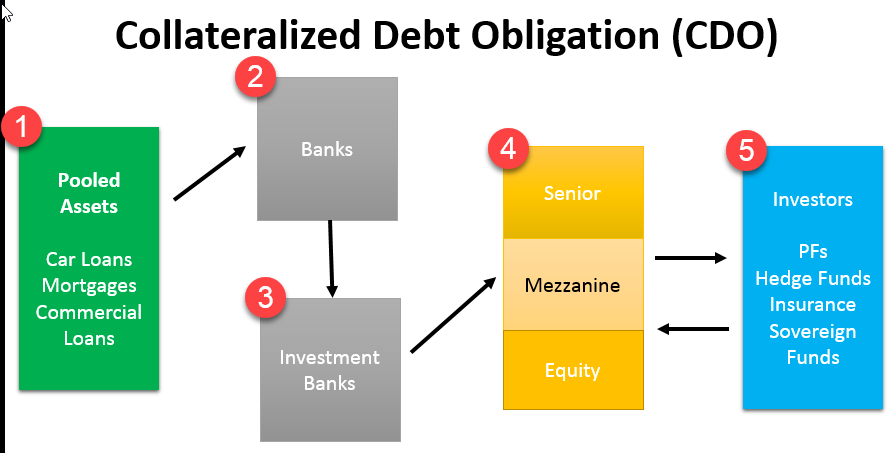
An asset-backed security (ABS) is a type of investment that is backed by a pool of debt, such as auto loans or home equity loans. A collateralized debt obligation (CDO) is a version of an ABS that may include mortgages as well as other types of assets. In either case, the owner of such a product makes money, directly or indirectly, from the repayment of principal and interest by the pool of consumers whose loans have been packaged to create that security.

***

A key feature of the 2007 financial crisis is that for some classes of securities trade has practically ceased. And where trade has occurred, it appears that market prices are well below their intrinsic values. This seems especially true for those securities where the payoff streams are particularly complex, for example, structured finance ABS CDOs.

One explanation for this is that information about these securities’ intrinsic values since the crisis has been asymmetric, with current holders having better information than potential buyers. We first characterize the information asymmetries that were present in the structured finance ABS CDO market. Because many of the CDO dealers had partially or fully integrated the pipeline from mortgage originations through CDO issuance, they had informational advantages over potential buyers that could well have disrupted trading in CDOs as the crisis took hold in August of 2007.

Using a “workhorse” model for pricing securities under asymmetric information and a novel dataset for the intrinsic values of ABS CDOs, we show how the resulting adverse selection problem could explain why the bulk of these securities either trade at significant discounts to their intrinsic values or do not trade at all.

READ: https://www.federalreserve.gov/pubs/ifdp/2013/1075/ifdp1075.htm

***

***

COMMENTS APPRECIATED

Thank You

***

Become a Board CERTIFIED MEDICAL PLANNER™ and Thrive

Think Different – Be Different  – Thrive

[By Ann Miller RN MHA]

Letterhead CMP

http://www.CertifiedMedicalPlanner.org

Dear Physician Focused Financial Advisors

Did you know that desperate doctors of all ages are turning to knowledgeable financial advisors and medical management consultants for help? Symbiotically too, generalist advisors are finding that the mutual need for knowledge and extreme niche synergy is obvious.

***

planning

***

But, there was no established curriculum or educational program; no corpus of knowledge or codifying terms-of-art; no academic gravitas or fiduciary accountability; and certainly no identifying professional designation that demonstrated integrated subject matter expertise for the increasingly unique healthcare focused financial advisory niche … Until Now! 

***

CMP logo

http://www.CertifiedMedicalPlanner.org

Enter the CMPs

“The informed voice of a new generation of fiduciary advisors for healthcare”

Think Different

 [Think Different – Be Different – Thrive]

InfoGraphic

http://e.infogr.am/enter_the_certified_medical_planner?src=embed

CMP logo

http://www.CertifiedMedicalPlanner.org

***

So, if you are looking to supplement your knowledge, income and designations; and find other qualified professionals you may want to consider the CMP® program.

Enter the Certified Medical Planner™ charter professional designation. And, CMPs™ are FIDUCIARIES, 24/7.

Channel Surfing the ME-P

Have you visited our other topic channels? Established to facilitate idea exchange and link our community together, the value of these topics is dependent upon your input. Please take a minute to visit. And, to prevent that annoying spam, we ask that you register. It is fast, free and secure.

Conclusion

Your thoughts and comments on this ME-P are appreciated. Feel free to review our top-left column, and top-right sidebar materials, links, URLs and related websites, too. Then, subscribe to the ME-P. It is fast, free and secure.

***

Become a CMP

***

Speaker: If you need a moderator or speaker for an upcoming event, Dr. David E. Marcinko; MBA – Publisher-in-Chief of the Medical Executive-Post – is available for seminar or speaking engagements. Contact: MarcinkoAdvisors@msn.com

OUR OTHER PRINT BOOKS AND RELATED INFORMATION SOURCES:

 Comprehensive Financial Planning Strategies for Doctors and Advisors: Best Practices from Leading Consultants and Certified Medical Planners(TM)* 8

WEWORK: Maybe Not!

By Staff Reporters

***

***

WeWork, the co-working company that was valued at $47 billion four years ago just warned that there was “substantial doubt about our ability to continue as a going concern,” which means it could soon file for bankruptcy.

The We Company filed its Form S-1 for the IPO in August 2019. The following month, facing mounting pressure from investors based on disclosures in the S-1, company co-founder Adam Neumann resigned from his position as CEO and gave up majority voting control. Amid growing investor concerns over its corporate governance, valuation, and outlook for the business, the company formally withdrew its S-1 filing and announced the postponing of its IPO. At that time, the reported public valuation of the company was US $10 billion, a reduction from the $47 billion valuation it had achieved in January and less than the $12.8 billion it had raised since 2010.

The gradual return-to-work movement has not benefited WeWork as much as it anticipated: Memberships declined last quarter, and the company posted a net loss of $397 million.

***

***

COMMENTS APPRECIATED

Thank You

***

A STEP-WISE APPROACH TO THE DIVORCE MEDIATION PROCESS FOR DOCTORs

And … their Financial Advisors

[An Appendix Styled Special ME-P Report]

Anju D. Jessani, MBA, APM

Accredited Professional Mediator & Arbitrator

Divorce with Dignity

223 Bloomfield Street, Suite #104

Hoboken, New Jersey 07030

201-217-1090 (voice)

201-217-1220 (fax)

www.MedicalBusinessAdvisors.com

As opposed to therapy with is often open-ended, mediation should be approached in a structured manner so as to minimize mediation fees, maximize the productivity of sessions by keeping clients focused, and expedite a fair resolution before the conflict is allowed to escalate. The reality of divorce is that most clients have similar issues they need to address such as the house, the pension, and college education for the children.  Nevertheless, the process should also be flexible to properly address the uniqueness of each clients’ situation such as different religious requirements, or the needs of a gifted child.

In this ME-P, I describe an approach to the divorce mediation process with the caveat that each mediator has their own style, hat there are many right approaches to this process, and the process can take more or less sessions and time than described below depending on the complexity of the issues, the availability of documentation and third-party appraisals, and preparedness of the parties, and the parties readiness to proceed. I have found that on average, I meet with client from three to eight 90 minute sessions over a two-three month time frame.  However, I have had clients who literally take years to work through the issues, and also clients who have completed the mediation process over two weekends.

My objective is to provide information that demystifies what happens behind closed doors during the divorce mediation process. Although I have outlined an approach that assumes the couple has children, I use the same approach in a more contracted fashion, for couples without children.

The mediator helps the separating couple address the custody and parenting time issues, distribution of assets and liabilities, child and spousal support amounts, insurance, income tax and other decisions needed to restructure their family into two units.

The mediator’s role is to help the couple explore options and their consequences, and bring knowledge and experience that provides a context for decision-making.   Mediation is guided by the concept of self-determination – decision-making authority in the mediation process rests with the parties. When necessary, the mediator will refer the couple to experts for services such as appraisals.

At the end of the mediation process, the mediator prepares a Memorandum of Understanding that summarizes the agreements reached. Although attorneys generally do not participate in the mediation sessions, the two spouses are advised to have their attorneys review the memorandum.  They may also use the services of an attorney or attorneys to prepare their separation or divorce agreement, based on the decisions in the memorandum.

The success rate for divorce mediation, which I define as the parties coming to agreement, is higher than in other civil mediation cases. Additionally, the success rate for couples voluntarily seeking divorce mediation is significantly higher than for court-mandated mediation.  From my experience, 90% of separating clients who voluntarily come to mediation, complete the process.

AAbzrcw

Product Details

Scheduling The First Mediation Session

A client may phone or e-mail to either learn more about mediation or to make an appointment. In his book The Fundamentals of Family Mediation, John Haynes, the Founding President of the Academy of Family Mediators, states that “the mediator is presented with a classic dilemma: how to provide sufficient information so she can make can intelligent decision about the suitability of mediation while at the same time not developing a relationship with the client.”1

During this initial inquiry, the mediator will try and ascertain the following:

  1. How the prospect received their name.
  2. The names of the parties and their attorneys.
  3. Where the parties are in the divorce process with their attorneys.
  4. Whether there are any domestic violence issues that would preclude the couple form mediating.
  5. The length of the marriage and the ages of the children, if any.

The mediator will provide the following information during the conversation:

  1. Description of the mediation process and the role of the mediator.
  2. The role of mediator versus role of the attorney in the divorce process.
  3. Typical number of sessions, fee structure, and available times for the first session.
  4. Information on my background, training and experience.

Mediation Session #1

The first session serves as an introduction and overview of the mediation process. The agenda for the first session will usually encompass the following:

  1. Description of mediation, the mediator’s role, number of sessions and fees.
  2. Parties’ objectives for today and for the mediation process.
  3. Review the mediation agreement (not to be signed that day).
  4. Grounds for filing for divorce/separation, and a summary of the legal process of divorce.
  5. Issues that must be addressed today.
  6. Description of issues to be addressed in the mediation process.
  7. Develop list of documents for clients to bring in for the next session.

This session is usually highly emotionally charged. There may be great anxiety about the session, anger between the parties, and apprehension about the mediator and the mediation process.  A number of things help to put the clients at ease during this session.  Mediators may remind clients that the purpose of the first session is to provide them with information, and that they are under no pressure to make any decision until they are comfortable.

The most helpful information obtained during this session is each of the party’s objectives for the mediation. What mediators hear most frequently is that the parties don’t want to spend unnecessary money, don’t have the intestinal fortitude for a court battle, want to keep their conflict private, and want to remain friendly with each other for the sake of the children.

The mediation agreement includes the following:

  1. The parties have entered mediation voluntarily, and it is understood that they may discontinue the mediation process at any time.
  2. They have not waived the right to consult with and/or retain their own attorney.
  3. The mediation process is confidential with the exception of information regarding abuse, neglect, abandonment, or exploitation of a child.
  4. Neither the mediator nor his/her records shall be subject to subpoena.
  5. Good faith disclosure requires full disclosure of information and production of documents; if documents requested are not provided, the mediator reserves the right to terminate the mediation.
  6. If the services of other experts are required such as appraisers, the parties will retain neutral experts and will pay their fees directly to them.
  7. The hourly fee for the mediation and the payment schedule (usually pay-as-you go).
  8. That the Memorandum of Understanding (MOU) is not a legal document; their attorney(s) will include information from the MOU in the Property Settlement Agreement/Divorce Agreement.
  9. That the parties are urged to consult with attorneys prior to signing the Property Settlement Agreement/ Divorce Agreement.

The mediator may provide legal information, but should not provide legal advice. They may cover the grounds for filing for divorce for their state, who may file for divorce, any residence requirements, as well as a time-line of the legal process.

Towards the end of the first session, the mediator will provide a list of documents needed for the next session. If either party has a defined benefit pension plan, the mediator will provide forms so that they can request a valuation of the pensions. If there is a business or professional practice, the mediator will suggest that the parties need a business valuation by a neutral business appraiser, and may provide a list of professionals they recommend.  Other documents that are usually requested include:

  1. The children’s school schedules with holidays.
  2. Pay stubs.
  3. Last year’s W-2 Forms for each party (summarizing annual earnings).
  4. Most recent federal tax return.
  5. Copies of all bank, brokerage, and 401(k)/403(b) statements.
  6. Most recent mortgage statement showing outstanding loan balances
  7. A summary of all insurance policies and coverage.
  8. A market assessment of real estate if property values are in dispute.
  9. A list of household items to be divided, if the parties cannot agree among themselves how to divide these items.
  10. A credit report for each party.

With the exception of business appraisals which can be very time consuming, it usually takes two or three weeks for clients to collect the other requested documentation and deal with getting a market assessment on the house. Therefore, scheduling the second session for three weeks later makes sense.  The time lapse is also helpful in allowing client to process what happened in mediation and their emotional issues regarding their impending separation and divorce.

Picture by Ryan McGuire

Mediation Session #2

The focus of this session is on developing the parenting plan and on data collection. The agenda for the second session will usually encompass the following:

  1. Sign the mediation agreement.
  2. Develop the parenting plan and address related issues.
  3. Meet with each party alone (caucus).
  4. Collect requested documentation.
  5. Provide budget worksheets for completion by the next session.

Many states require parents in divorce proceeding to file parenting plans, with the hope that the parties will be encouraged to fulfill their parenting responsibilities through their agreements rather than rely on judiciary intervention. The parenting plan typically encompasses non-financial parenting issues, including:

  1. The type of custody chosen and reasons for selecting it (usually either sole custody to one parent with parenting time to the other, joint legal custody with one parent having primary residential care, or joint physical custody).
  2. A specific schedule for parenting time for each party including weeknights, weekends, vacations, religious holidays, school vacations, birthdays, and special occasions, and including procedures for transferring the child.
  3. Access to various records including educational and medical records.
  4. Provisions or restrictions on domestic or international travel.
  5. The impact if there is a contemplated change of residence by a parent; and
  6. Participation in making decisions regarding the child included decisions about religious upbringing, health care and education.During this session, the mediator may meet with each party alone (caucus) for approximately ten minutes with the idea of providing equal time to each participant. Different mediators have different views on whether the caucus is confidential; they should share this information, so you can proceed accordingly. Most clients appreciate the time in caucus, as it allows them to share the emotional details of their personal situation without worrying about their spouse’s reactions.
  7. If the case appears appropriate for spousal support because of a large difference in the parties incomes, or if one party is a supported spouse, budgeting is a necessity. However, even for clients who have similar incomes, preparing a budget can help reduce the level of anxiety about separating.   The mediator may provide budget work sheets for clients to complete outlining current and projected expenses. As time is needed to go through the documents provided by clients, for them to collect budget information, and for the return of the business appraisal, it is good to schedule the next session at least two weeks out.
  8. In some other states, child support is based on a number of factors including the number of overnights each parent has with the child/children. By first developing the parenting plan, the mediator has an essential building block to assist the clients in structuring their financial settlement.

Product DetailsProduct Details

Mediation Session #3

The focus of this session is on data analysis for child support and distribution of assets and liabilities. The agenda for the third session will usually encompass the following:

  1. Review child support based on child support guidelines.
  2. Discuss other financial issues related to the children.
  3. Review inventory of assets and liabilities.
  4. Decide how to divide assets and liabilities.
  5. Collect budgeting information.

By the third session, most clients feel comfortable with mediation process and the routine of going through the agenda. This session will be pivotal, and requires that clients be ready to make key financial decisions.  However, because the clients have provided the necessary documentation that has allowed the mediator to conduct data analysis, they will now be in a position to make decisions based on information.

Each state has its own child support guidelines and formulas, and many of the courts will require proof that parties have been provided with information regarding what child support would be by the state’s child support guidelines. Therefore the mediator should be able to perform these calculations.  Clients may choose to adjust the child support — that is also something the mediator should work through with clients.  Additionally, if spousal support is also warranted, child support may be revised upward or downward depending on the amount of spousal support agreed to in Session Four.

There are frequent and recurring child expenses that must also addressed during this session including:

  1. Work-related childcare.

·         Child’s share of health insurance premiums.

  1. Out-of-pocket health care expenses of the child such as for orthodontia.

·         Other extraordinary, but forcasted expenses such at SAT preparation classes.

Some child-related costs cannot be anticipated at the time of the divorce such as fees for summer camps or karate lessons.   Parents often choose to share these costs, or pay them in percentage to their incomes.  The mediator may also bring up the following issues:

  1. Frequency and/or events that should trigger a child support modification.
  2. Age of emancipation for the children as related to the child support obligation.
  3. Any religious rights of passage and how they will be funded such as Bar Mitzvahs.
  4. The parties’ desires regarding the child’s college education and costs.

The first area discussed with respect to assets and liabilities is personal property. If the parties can decide how to divide their personal property on their own such as furniture, stereo equipment, television, computer equipment, antiques, photographs, the mediator will usually stay out of that process.  If they cannot, the mediator may suggest they make an inventory of household items, place a fire sale price next to each item, and then take turns picking which items they desire.  If one person ends up with significantly less, they can ask for reimbursement from the other party.

The parties have provided documentation including copies of bank statements, business valuations, brokerage statements, and pensions statements. Once all the information has been collected, one methodology for dividing assets and liabilities it to prepare a three column spreadsheet program such as Excel.  The total estate would be in Column One.  Columns Two would be reserved for assets and liabilities the wife is receiving, and Column Three would be reserved for assets and liabilities for husband is receiving.  As an example, if the parties have a car worth $10,000 with a $5,000 loan, a house worth $250,000 with a $125,000 mortgage, and a bank account with $130,000, the total value of their entire estate as indicated in Column One would be $260,000.  If the parties decide the wife is keeping the car, the car loan, the house and the mortgage, those values go in Column One, it is clear that she is getting 50% of the total assets.  Please note that this is a simple illustration and does not adjust for potential taxes, sales commissions and closing costs that may or not be considered in the mediation process.

During the mediation session, the mediator may go through numerous alternatives on how they could divide up the marital assets and liabilities, and may look for ways to balance the division through vehicles such as Qualified Domestic Relations Orders that allow the transfer of part of a pension of deferred savings plan to the other party.

As time is needed to analyze budget information provided by the clients, it is wise to schedule the next session for two weeks later.

Comprehensive Financial Planning Strategies for Doctors and Advisors: Best Practices from Leading Consultants and Certified Medical Planners(TM) 

Mediation Session #4

The focus of this session is on budgets, spousal support and other outstanding. The agenda for the fourth session will usually encompass the following:

  1. Review parties current and forecasted budgets.
  2. Discuss what is needed if there are shortfalls including spousal support.
  3. Review other outstanding issues including incomes taxes, religious issues, cost of the divorce, etc.
  4. Provide agenda for next session.

As with the balance sheet, the mediator will take data provided by the clients and create a spreadsheet with the parties’ marital budget, and the projected budgets for each of the parties after the separation and divorce. There are many issues that influence the ease or difficulty of this task.  It is usually easier if the parties are already living in separate residences, and if both parties are employed and working at their full earning capacity.  It is harder if the parties are self-employed, and also if they have a lot of cash expenditures that are hard to track.  The parties’ capacity for record keeping will influence the accuracy of the budget.  For most clients the goal is to capture the 20% of expenses that account for 80% of their budget.

During the session, the mediator will review the current and forecasted budgets with the clients, and try and help them jog their memories for expenditures and well as income sources we may have missed. The budgets either provide reassurance that both parties will be self-sustaining and relatively comfortable, or help identify shortfalls.  The budgeting exercise provides for a more rational discussion regarding spousal support be it some type of interim support, support for a number of years, or in longer-term marriages, permanent alimony.  Because establishing both the amount and the term of spousal support is highly subjective, it is advisable that that clients see advise from counsel, and even get a second opinion, if they are not comfortable

Outstanding issues usually addressed in this session include:

  1. Income taxes including exemptions for the children, and filing status during the separation.
  2. Religious issues such as possibly religious annulments for Catholic clients, and Gets for Jewish clients.
  3. Whether the wife plans to change her name following the divorce.
  4. Social Security issues, including a process for equalizing social security benefits for long-term marriages.
  5. How the parties plan to pay the legal costs and fees for the divorce.

Once the mediator has gathered the remaining information so that he/she will be in a position to write a draft version of the Memorandum of Understanding. As I now need time to draft this document, the next session will be scheduled for at least for two weeks later.

couple

Mediation Session #5

The focus of the fifth, and usually the last session is on reviewing the Draft Memorandum of Understanding and amending/correcting it.

The Draft MOU summarizes everything the parties have agreed to in the mediation process. The MOU   is not intended as a legal document and will remain unsigned by the parties.  It serves the purpose of putting in writing the goals, intentions and attitudes of the couple.  The mediator will each client with a drafts copy of the MOU, and then should go through it in as great detail as is needed, to ensure that the document reflects the intentions of the clients.   The Final MOU will be mailed to clients shortly after the session.

Generally, the text of the MOU does not come as a surprise to client. However, seeing the document itself can be upsetting to some clients, as it reminds them that they are moving along in the process.  If any of the issues appear to be creating conflict, the mediator may caucus with the parties to try and bring it to closure.  If it appears that the clients could benefit from another mediation session, the mediator will suggest it.  However, this is the exception rather than the rule.

If clients have not secured legal counsel, most mediators will supply a list of mediation friendly attorneys, and will encourage their clients to make contact with a few attorneys so that they can inquire about fees, availability and approach.

Frequently, mediators will suggest that clients also review the MOU with their accountant, tax accountant, and financial planner. This review often helps identify or confirm strategies that may be mutually advantageous.  As an example, there may be a tax benefit to waiting until the next-year for the divorce to be finalized.  In that situation, the parties can instruct their attorneys accordingly.

The last part of this session will be spent answering questions and addressing concerns. Most clients are comfortable with the MOU, but apprehensive about moving forward.  They should be assured that the hardest part of the process is done – the decision making. Their attorneys will review the MOU and help them implement the agreement.  For some clients, there is a sadness in moving on.  The mediator will assure them that if any conflicts arise during the filing process, during the divorce, or after the divorce, they are free to come back to mediation to address those issues.

[THE END]

Note 1 John M. Haynes, The Fundamental of Mediation, 31 (State University of New York Press, 1994).

Conclusion

Your thoughts and comments on this ME-P are appreciated. Feel free to review our top-left column, and top-right sidebar materials, links, URLs and related websites, too. Then, subscribe to the ME-P. It is fast, free and secure.

***

divorce

***

Speaker: If you need a moderator or speaker for an upcoming event, Dr. David E. Marcinko; MBA – Publisher-in-Chief of the Medical Executive-Post – is available for seminar or speaking engagements. Contact: MarcinkoAdvisors@msn.com

OUR OTHER PRINT BOOKS AND RELATED INFORMATION SOURCES:

Financial Planning MDs 2015

Comprehensive Financial Planning Strategies for Doctors and Advisors: Best Practices from Leading Consultants

Become a Board CERTIFIED MEDICAL PLANNER™ and Thrive

Think Different – Be Different  – Thrive

[By Ann Miller RN MHA]

Letterhead CMP

http://www.CertifiedMedicalPlanner.org

Dear Physician Focused Financial Advisors

Did you know that desperate doctors of all ages are turning to knowledgeable financial advisors and medical management consultants for help? Symbiotically too, generalist advisors are finding that the mutual need for knowledge and extreme niche synergy is obvious.

***

planning

***

But, there was no established curriculum or educational program; no corpus of knowledge or codifying terms-of-art; no academic gravitas or fiduciary accountability; and certainly no identifying professional designation that demonstrated integrated subject matter expertise for the increasingly unique healthcare focused financial advisory niche … Until Now! 

***

CMP logo

http://www.CertifiedMedicalPlanner.org

Enter the CMPs

“The informed voice of a new generation of fiduciary advisors for healthcare”

Think Different

 [Think Different – Be Different – Thrive]

InfoGraphic

http://e.infogr.am/enter_the_certified_medical_planner?src=embed

CMP logo

http://www.CertifiedMedicalPlanner.org

***

So, if you are looking to supplement your knowledge, income and designations; and find other qualified professionals you may want to consider the CMP® program.

Enter the Certified Medical Planner™ charter professional designation. And, CMPs™ are FIDUCIARIES, 24/7.

Channel Surfing the ME-P

Have you visited our other topic channels? Established to facilitate idea exchange and link our community together, the value of these topics is dependent upon your input. Please take a minute to visit. And, to prevent that annoying spam, we ask that you register. It is fast, free and secure.

Conclusion

Your thoughts and comments on this ME-P are appreciated. Feel free to review our top-left column, and top-right sidebar materials, links, URLs and related websites, too. Then, subscribe to the ME-P. It is fast, free and secure.

***

Become a CMP

***

Speaker: If you need a moderator or speaker for an upcoming event, Dr. David E. Marcinko; MBA – Publisher-in-Chief of the Medical Executive-Post – is available for seminar or speaking engagements. Contact: MarcinkoAdvisors@msn.com

OUR OTHER PRINT BOOKS AND RELATED INFORMATION SOURCES:

 Comprehensive Financial Planning Strategies for Doctors and Advisors: Best Practices from Leading Consultants and Certified Medical Planners(TM)* 8

Become a Board CERTIFIED MEDICAL PLANNER™ and Thrive

Think Different – Be Different  – Thrive

[By Ann Miller RN MHA]

Letterhead CMP

http://www.CertifiedMedicalPlanner.org

Dear Physician Focused Financial Advisors

Did you know that desperate doctors of all ages are turning to knowledgeable financial advisors and medical management consultants for help? Symbiotically too, generalist advisors are finding that the mutual need for knowledge and extreme niche synergy is obvious.

***

planning

***

But, there was no established curriculum or educational program; no corpus of knowledge or codifying terms-of-art; no academic gravitas or fiduciary accountability; and certainly no identifying professional designation that demonstrated integrated subject matter expertise for the increasingly unique healthcare focused financial advisory niche … Until Now! 

***

CMP logo

http://www.CertifiedMedicalPlanner.org

Enter the CMPs

“The informed voice of a new generation of fiduciary advisors for healthcare”

Think Different

 [Think Different – Be Different – Thrive]

InfoGraphic

http://e.infogr.am/enter_the_certified_medical_planner?src=embed

CMP logo

http://www.CertifiedMedicalPlanner.org

***

So, if you are looking to supplement your knowledge, income and designations; and find other qualified professionals you may want to consider the CMP® program.

Enter the Certified Medical Planner™ charter professional designation. And, CMPs™ are FIDUCIARIES, 24/7.

Channel Surfing the ME-P

Have you visited our other topic channels? Established to facilitate idea exchange and link our community together, the value of these topics is dependent upon your input. Please take a minute to visit. And, to prevent that annoying spam, we ask that you register. It is fast, free and secure.
Conclusion

Your thoughts and comments on this ME-P are appreciated. Feel free to review our top-left column, and top-right sidebar materials, links, URLs and related websites, too. Then, subscribe to the ME-P. It is fast, free and secure.

***

Become a CMP

***

Speaker: If you need a moderator or speaker for an upcoming event, Dr. David E. Marcinko; MBA – Publisher-in-Chief of the Medical Executive-Post – is available for seminar or speaking engagements. Contact: MarcinkoAdvisors@msn.com

OUR OTHER PRINT BOOKS AND RELATED INFORMATION SOURCES:

 Comprehensive Financial Planning Strategies for Doctors and Advisors: Best Practices from Leading Consultants and Certified Medical Planners(TM)* 8

PAYPAL: Crypto StableCoin PYUSD?

Global Launch

By Staff Reporters

***

***

Recently, PayPal debuted its stablecoin, PayPal USD (PYUSD), the first issued by a global financial platform. Stablecoin is a cryptocurrency pegged to a stable asset, in this case, the US dollar, which is meant to make it less volatile and safer than other digital tokens. Stablecoins have been around for decades but haven’t taken off in the consumer payment space—mainly because regulators aren’t convinced of the stability promise.

But, PayPal asserts that PYUSD will “reduce friction for in-experience payments in virtual environments” and allow faster and cheaper transfers between countries.

  • PYUSD works for peer-to-peer payments, both for checking out online and transferring value among digital wallets.
  • The currency is redeemable for dollars and is convertible to or from other digital currencies that PayPal supports.
  • And soon, you’ll be able to send your tokens between PayPal and Venmo, making it even more convenient to send money any where and any time..
***

COMMENTS APPRECIATED

Thank You

***

***

PODIATRY PREP: Pass All Your Board Certification Examinations

Celebrating 30 Years of Your Success!

***

pod_prep_text

Pass ALL the Certification Boards!

By: http://www.PodiatryPrep.org

The Foot and Ankle Research Consortium, Inc. (FARC) is the leading publisher of Podiatric educational software. Since 1992, we have been producing the most effective and innovative method of preparing for ALL the Podiatry Board Examinations.

CURIOUS STUDY: Hallux Valgus Met I

SCARF: scarf osteotomy

This includes: The American Board of Podiatric Surgery, The American Board Of Podiatric Orthopedics and Primary Podiatric Medicine, the American Podiatric Medical Specialties Board, ABLES and the PMLexis. (Now includes the latest information for all Board Re-Certifications).

CONTENTS: https://podiatryprep.org/compatibility-test/

Customization and private  tutoring services also available.

FAN CLUB: https://podiatryprep.org/podiatryprep-fan-club/

doctor_pass2

PURCHASE – PREPARE – PASS®

ORDER HERE: https://podiatryprep.org/order-form/

GOOD LUCK!

Thank You

BUSINESS: https://www.amazon.com/Business-Medical-Practice-Transformational-Doctors/dp/0826105750/ref=sr_1_9?ie=UTF8&qid=1448163039&sr=8-9&keywords=david+marcinko

***

PODCAST: Health Insurance Company Profits

“Inter-Company Eliminations” – Healthcare Managerial Accounting

BY ERIC BRICKER MD

***

***
COMMENTS APPRECIATED

Thank You

***

***

***

SDOH: What Exactly are They, Anyway?

By Staff Reporters

http://www.MARCINKOASSOCIATES.com

***

***

Social Determinants of Health

 According to Arjun Gosain, some SDOH concepts include:

  • Employment insecurity: Measures whether the patient is employed and their current employment or unemployment experience. This includes whether they were harassed on the job or experiencing unequal pay. Employment insecurity can lead to financial stress, mental health problems, and reduced healthcare access. 
  • Psychological circumstances: Measures current events that are affecting the patient’s health. This encompasses a wide range from unwanted pregnancies to exposure to war or violence. Stress, anxiety, and other negative emotions can have a direct effect on a patient’s physical health and contribute to disease development.
  • Housing insecurity: Notes whether a patient has a consistent place to live or is forced to move regularly. Homelessness or housing insecurity can lead to exposure to the elements, mental health challenges, and increased vulnerability to infection.
  • Social adversity: Examines a patient’s social experience including any discrimination or persecution the individual may be facing. Increased social adversity can cause an individual to socially isolate and develop feelings of depression. 
  • Transportation: Observes the patient’s access to transportation including available public transport. Missed appointments can be the direct result of transportation inaccessibility which leads to a decrease in the quality of care. 
  • Food insecurity: Indicates whether a patient has adequate food access and safe drinking water access. Receiving adequate nutrition is essential for maintaining optimal physical health. For example, if a child is food insecure, it can lead to serious developmental issues and chronic disease.
  • Education and literacy: Observes a patient’s ability to read and comprehend hospital paperwork. Note that individuals with higher literacy and education rates typically make more informed health decisions.
  • Occupational risk: Examines how a patient’s current employment affects their overall health. Determines if their job site places them at risk of toxin exposure, physical harm, undue stress, or other hazardous conditions that can contribute to injuries or illnesses.
  • Economic insecurity: Measures a patient’s poverty level to determine if copays, rent, and hospital bills are manageable. A patient living with inadequate finances will face a greater barrier to quality care. CITE: https://www.r2library.com/Resource/Title/082610254
  • Lack of support: Notes whether a patient has reliable support when experiencing difficult circumstances such as the death of a loved one. If a patient has a present support network, they will be able to receive practical, emotional, and physical assistance in times of need. 
  • Upbringing: Takes a patient’s childhood, family, and upbringing into account to assess if a patient is carrying trauma from previous years. Adverse childhood experiences can increase the risk of chronic diseases and mental health issues later in life. 
  • Language: Examines any language or communication concerns, so that a patient can both communicate their issues and understand oral and written treatment. Miscommunications can lead to misdiagnoses and inadequate treatment. 
  • Physician Stress: https://medicalexecutivepost.com/2022/05/20/sdoh-challenges-physician-stress/

What have we missed?

***

***

COMMENTS APPRECIATED

Thank You

***

What Kind of [Physician] Entrepreneur Are You?

More Doctors are Joining the Ranks

http://www.MarcinkoAssociates.com

Marcnko & Associates

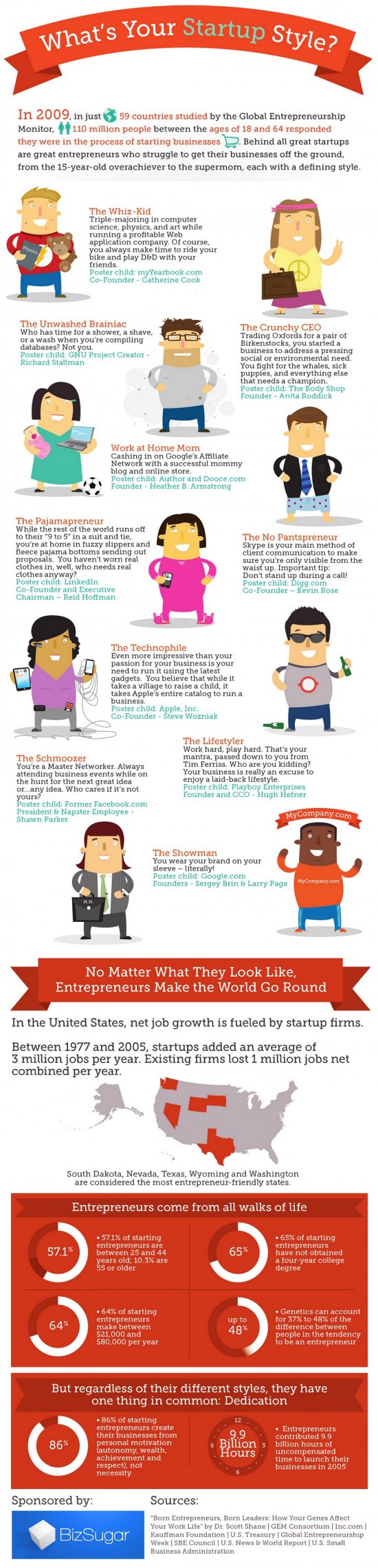
[Medical] entrepreneurs, doctors and nurses, clinics and small-to-medium size healthcare business are on the forefront of  job creation in the United States because of the Affordable Care Act [ACA] of 2010.

And so, we now preview this infographic to celebrate the entrepreneur, their styles, and to investigate the data behind startup growth. Hopefully, it will encourage the next generation of physician-entrepreneurs.

Who knows, there just may be the next Steve Jobs MD out there!

Source: BizSugar

Conclusion

And so, your thoughts and comments on this ME-P are appreciated. Feel free to review our top-left column, and top-right sidebar materials, links, URLs and related websites, too. Then, subscribe to the ME-P. It is fast, free and secure.

Speaker: If you need a moderator or speaker for an upcoming event, Dr. David E. Marcinko; MBA – Publisher-in-Chief of the Medical Executive-Post – is available for seminar or speaking engagements. Contact: MarcinkoAdvisors@msn.com

Our Other Print Books and Related Information Sources:

Physician Financial Planning: http://www.jbpub.com/catalog/0763745790

Medical Risk Management: http://www.jbpub.com/catalog/9780763733421

Physician Advisors: www.CertifiedMedicalPlanner.com

Subscribe Now: Did you like this Medical Executive-Post, or find it helpful, interesting and informative? Want to get the latest ME-Ps delivered to your email box each morning? Just subscribe using the link below. You can unsubscribe at any time.

Sponsors Welcomed: And, credible sponsors and like-minded advertisers are always welcomed. Link: https://healthcarefinancials.wordpress.com/2007/11/11/advertise

Product Details

SEC: Money Market Fund Reforms

RICHARD CAYNE

By Staff Reporters

***

***

  • SEC money market fund reforms: On July 12, 2023 the SEC released new rules intended to decrease the risk of runs on money market funds (MMFs). MMFs must charge liquidity fees if their daily net redemptions exceed 5% of their net assets, or if their boards deem it necessary, and must maintain a liquidity buffer of at least 25% of their total daily assets and at least 50% of their weekly assets. MMFs are also no longer allowed to use “gates” to temporarily suspend redemption!
  • CITE: https://www.r2library.com/Resource

    Goes into effect:
    60 days after the rule is published in the Federal Register.

***

COMMENTS APPRECIATED

Thank You

***

***

VENTURE CAPITAL FUNDING: Digital Health Space

Investment Banking

SPONSOR: http://www.MarcinkoAssociates.com

***

***

Venture capital funding in the digital health space cooled a bit in 2022 following a red-hot 2021. Overall, digital health companies raised $15.3 billion last year, down from the $29.1 billion raised in 2021—but still above the $14.1 billion raised in 2020, according to Rock Health a seed fund that supports digital health startups.

MORE: https://marcinkoassociates.com/welcome-medical-colleagues/

Nevertheless, analysts predict VC investors and IBs will still put a good amount of money into digital health in 2024 and 2025, especially in alternative care, drug development, health information technology, artificial intelligence, EMRs and software that reduces physician workload.

CITE: https://www.r2library.com/Resource

Of course. an essential first part of attracting VC interest and IB money is the crafting and presentation of your formal business plan [“pitch”] ; as well as the needed technical and managerial experience. This is crucial for success and exactly where we can assist.

READ MORE: investment-banking

***

***

COMMENTS APPRECIATED

Thank You

***

ON COVENANTS FOR THE SALE OF A MEDICAL PRACTICE

http://www.MARCINKOASSOCIATES.com

And … Medical Practice Good Will

fenton

[By Dr. Charles F. Fenton III JD PC]

© iMBA Inc. All rights reserved. USA.

***

Good will should be protected in a sale of a practice because much of the value of such a practice is encompassed by the element of good will.  A medical  practice may include a building or suite of offices, either owned or leased; the equipment, furniture, and supplies on hand, records of patients, and other financial interests.

Propensity of existing patients

But, the biggest value of a practice is the propensity of existing patients to come to that location for medical services; and more recently, inclusion in insurance, hospital or third party provider networks.  The good will has been created by the practitioners who have provided those services in the past.  To the extent that patients have liked Dr. Washington and have been satisfied with his medical treatment, they will tend to come to his office after Dr. Adams has acquired the practice.  A large part of what Dr. Adams has paid for is the likelihood of transfer of that patient loyalty from Dr. Washington to him.

A necessary part of the sale of the practice then is a commitment from Dr. Washington not to compete with Dr. Adams in that location or nearby for some reasonable amount of time.  If Dr. Adams were not to require such a commitment from Dr. Washington, Dr. Washington would be free to open a new office across the street from the old one and attract the patients who were loyal to him in the old office to come to the new office.  Unless Dr. Adams only bargained for some second-hand equipment and shop-worn office space, he would not have gotten the good will he paid for.

Covenants not to compete

Covenants not to compete which are incident to the sale of a practice are favored by the law, almost universally enforced, and play a logical and necessary part of the sale or transfer of good will.  Disputes and litigation over these covenants arise when the seller tries to find a way to get around the commitment.

Example:

For example, “Yes, I signed the covenant not to compete with Dr. Adams, but my wife, Dr. Martha Washington did not.  She can start up a competing practice across the street from the old office.  She doesn’t use the business name “Washington Internal Medicine Associates” that I sold to Dr. Adams; she uses “Dr. M. Washington Internal Medicine, P.C.”  I don’t practice medicine in any way at her office; I just sit out in the waiting room and drink coffee and chat with the patients.”

***

team

***

Reasonable terms

Sellers who try such tactics usually lose. In negotiating the sale of a practice, either as seller or buyer, use an attorney who is expert in the area of covenants not to compete.  Don’t use a real estate lawyer, your tax attorney, or your divorce attorney!  Don’t use your brother’s former college roommate just because he would do it cheap!  You would never have a psychiatrist set your broken leg; so pay for the appropriate specialist.  Make sure that the terms of the covenant are reasonable.  A covenant whose terms are draconian may be voided by a court, leaving the purchaser with no protection at all.

More:

  1. Restrictive Medical Practice Covenants
  2. Regarding Hospital Security and Financial Covenants
  3. Establishing Your Medical Practice’s Fair Market Value

Assessment

With HMOs and the various managed care initiatives, ACOs, and PP-ACA with “skinny networks”- is good will still as important as it was in the FFS past?

Even More:

Conclusion

Your thoughts and comments on this ME-P are appreciated. Feel free to review our top-left column, and top-right sidebar materials, links, URLs and related websites, too. Then, subscribe to the ME-P. It is fast, free and secure.

Speaker: If you need a moderator or speaker for an upcoming event, Dr. David E. Marcinko; MBA – Publisher-in-Chief of the Medical Executive-Post – is available for seminar or speaking engagements. Contact: MarcinkoAdvisors@msn.com

OUR OTHER PRINT BOOKS AND RELATED INFORMATION SOURCES:

***

[PHYSICIAN FOCUSED FINANCIAL PLANNING AND RISK MANAGEMENT COMPANION TEXTBOOK SET]

  Risk Management, Liability Insurance, and Asset Protection Strategies for Doctors and Advisors: Best Practices from Leading Consultants and Certified Medical Planners™ Comprehensive Financial Planning Strategies for Doctors and Advisors: Best Practices from Leading Consultants and Certified Medical Planners™

[Dr. Cappiello PhD MBA] *** [Foreword Dr. Krieger MD MBA]

***

BEHAVIORAL FINANCE: Cash is Still “King”

TREATING YOURSELF WITH CASH

By Staff Reporters

http://www.MarcinkoAssociates.com

***

***

Folks are more likely to reach for dollar bills than credit cards when making a guilty pleasure purchase, according to new Stanford research.

MORE: https://medicalexecutivepost.com/2022/06/22/behavioral-finance-for-doctors/

In more than 118,000 real transactions at the university bookstore, buyers tended to slap their plastic on the counter for school supplies but pay with cash for “harder-to-justify” items like a stuffed plush mascot. And when asked how they’d pay for a hypothetical Reiki session, participants leaned toward credit card when the treatment was described as doctor-recommended but toward cash when they were told it was just an impulse purchase.

RELATED: https://medicalexecutivepost.com/2023/02/28/dr-richard-h-thaler-and-behavioral-economics/

***

COMMENTS APPRECIATED

Thank You

***

***

CAREER: Physician Coaching and Development

MARCINKO ASSOCIATES, Inc.

SPONSOR: http://www.MarcinkoAssociates.com

***

***

Did you Know?

Experts estimate that it can cost more than $1 million to recruit and train a replacement for a doctor who leaves the profession because of burnout. But, as no broad calculation of burnout costs exists, Dr. Tait Shanafelt [Mayo Clinic researcher and Stanford Medicine’s first Chief Physician Wellness Officer] said Stanford, Harvard Business School, Mayo Clinic and the American Medical Association (AMA) are further cost estimating the issue. Nevertheless, Shanafelt and other researchers have shown that burnout erodes job performance, increases medical errors, and leads doctors to leave a profession they once loved.

CITE: https://www.r2library.com/Resource

Fortunately, we can help. From formal coaching to second career opinions, mentoring and advising, we can help with our remediation executive career programs. Regardless of what is happening in your life, it is wonderful to have a non-partial, confidential and informed career coach and sounding board on your side.

CITE: JAMA Internal Medicine [Effect of a Professional Coaching Intervention on the Well-Being and Distress of Physicians].

NCBI: https://www.ncbi.nlm.nih.gov/pmc/articles/PMC6686971/

THANK YOU

CONTACT US: https://marcinkoassociates.com/process-what-we-do/

***

IRA: Inherited Rules Change

By Staff Reporters

***

***

The Internal Revenue Service is allowing people who inherited an individual retirement account after 2019 to skip a required minimum distribution [RMD] this year, but most still must empty the account within 10 years. The IRS issued the new guidance last week.

There has been confusion surrounding the rules for inherited IRAs ever since the Secure Act of 2019 eliminated the so-called “stretch IRA” for most non-spouse beneficiaries. The old rules had allowed beneficiaries of inherited IRAs to stretch their required minimum distributions over their own lifetimes, permitting decades of tax-free or tax-deferred growth in some cases.

Under the Secure Act of 2019, most non-spouse beneficiaries must now empty their inherited IRA by the end of the 10th year following the original owner’s death. When the law was first passed, experts interpreted it to mean that all the money could be withdrawn in year 10 if so desired, said Ed Slott, CPA and founder of IRAHelp.com 

Yet in early 2022, the IRS proposed stricter rules that would apply to someone who inherited an IRA from a person who had already begun taking RMDs; in that case, the recipient must continue taking distributions on an annual schedule. In other words, if the RMD tap had already been turned on, Slott said, it couldn’t be turned off following the original owner’s death, and beneficiaries had to keep withdrawing every year and paying income tax on the amount withdrawn.

***

***

COMMENTS APPRECIATED

Thank You

***

DAILY UPDATE: The Markets and Economy

By Staff Reporters

***

***

  • Markets: Stocks held steady despite a jump in bond yields (which typically sends equities lower). Gas station, oil prices continued their upward march.
  • Economy: Jobs Report at 8:30am ET today, as the government will drop the employment situation for July. It is expected to show a softening—but still healthy—labor market. Economists will be especially dialed in to wage growth for insights on the future trajectory of inflation. Workers getting big raises could put upward pressure on prices.

***

Here is where the major benchmarks ended yesterday:

  • The S&P 500® Index (SPX) was down 11.50 points (0.3%) at 4,501.89; the Dow Jones Industrial Average (DJIA) was down 66.63 points (0.2%) at 35,215.89; the NASDAQ Composite (COMP) was down 13.73 points (0.1%) at 13,959.72.
  • The 10-year Treasury note yield (TNX) was up about 11 basis points at 4.185%.
  • CBOE’s Volatility Index (VIX) was down 0.11 at 15.98.

Energy was among the strongest sectors Thursday as crude oil futures surged nearly 3%. Consumer Discretionary shares and regional bank stocks recovered some of their losses from the day before.

Utilities were among the weakest sectors, with the Philadelphia Utility Index (UTY) dropping near a four-week low.

***

ORDER: https://www.routledge.com/Comprehensive-Financial-Planning-Strategies-for-Doctors-and-Advisors-Best/Marcinko-Hetico/p/book/9781482240283

***

COMMENTS APPRECIATED

Thank You

***

Become a Board CERTIFIED MEDICAL PLANNER™ and Thrive

Think Different – Be Different  – Thrive

[By Ann Miller RN MHA]

Letterhead CMP

http://www.CertifiedMedicalPlanner.org

Dear Physician Focused Financial Advisors

Did you know that desperate doctors of all ages are turning to knowledgeable financial advisors and medical management consultants for help? Symbiotically too, generalist advisors are finding that the mutual need for knowledge and extreme niche synergy is obvious.

***

planning

***

But, there was no established curriculum or educational program; no corpus of knowledge or codifying terms-of-art; no academic gravitas or fiduciary accountability; and certainly no identifying professional designation that demonstrated integrated subject matter expertise for the increasingly unique healthcare focused financial advisory niche … Until Now! 

***

CMP logo

http://www.CertifiedMedicalPlanner.org

Enter the CMPs

“The informed voice of a new generation of fiduciary advisors for healthcare”

Think Different

 [Think Different – Be Different – Thrive]

InfoGraphic

http://e.infogr.am/enter_the_certified_medical_planner?src=embed

CMP logo

http://www.CertifiedMedicalPlanner.org

***

So, if you are looking to supplement your knowledge, income and designations; and find other qualified professionals you may want to consider the CMP® program.

Enter the Certified Medical Planner™ charter professional designation. And, CMPs™ are FIDUCIARIES, 24/7.

Channel Surfing the ME-P

Have you visited our other topic channels? Established to facilitate idea exchange and link our community together, the value of these topics is dependent upon your input. Please take a minute to visit. And, to prevent that annoying spam, we ask that you register. It is fast, free and secure.

Conclusion

Your thoughts and comments on this ME-P are appreciated. Feel free to review our top-left column, and top-right sidebar materials, links, URLs and related websites, too. Then, subscribe to the ME-P. It is fast, free and secure.

***

Become a CMP

***

Speaker: If you need a moderator or speaker for an upcoming event, Dr. David E. Marcinko; MBA – Publisher-in-Chief of the Medical Executive-Post – is available for seminar or speaking engagements. Contact: MarcinkoAdvisors@msn.com

OUR OTHER PRINT BOOKS AND RELATED INFORMATION SOURCES:

 Comprehensive Financial Planning Strategies for Doctors and Advisors: Best Practices from Leading Consultants and Certified Medical Planners(TM)* 8

Seeking University Faculty Appointment in 2024

Endowed Scholar-on-Sabbatical

dem

By David Edward Marcinko MBBS DPM MBA MEd CMP™ 

Any New Year typically brings to mind the passage of Father Time. And, it’s hard to believe I will be finishing up my current endowed R&D sabbatical after the Summer semester.

It means searching for a new faculty appointment to continue my passion for: [1] classroom teaching and junior faculty mentorship [2], university PR, outreach, promotion and grant-funding; and of course [3] more research, development, books and publications.

This competitive scholarship ethos is AKA the triad of success: “being a guide on the side – not a sage on the stage” AND “no margin – no mission” AND “publish or perish.

Employment and Subject Matter Expertise

Now, as a consummate team player, I’ve served as adjunct, to visiting, to full distinguished professor – and as department chair, to endowed chairman, online MOOC Dean and professor-of-the-practice.  Areas of specialization include: public and population health policy, management and administration; health economics, finance and insurance; and medical capitalism, innovation and free-enterprise at the graduate or doctoral levels.

And, as a former surgeon and clinician who also trained in Europe, and devotee of Nobel Laureate Ken Arrow PhD, I’m a global inter-disciplinarian within the health care industrial complex that may soon comprise 20% of domestic GDP.

Location – Location – Location

I’m pretty much private or public [mid-size] school agnostic, but prefer the Southeast, Northeast and Midwest in a livable city; with a 9-10 month faculty appointment.

But, I wouldn’t rule out a 12-month business school, or public health sciences type Dean position, as long as it is not totally administrative. A founding department chair, or inaugural deanship, would be near perfect; 24/7/365.

Crowd-Sourcing a Job?

So, I am crowd-sourcing this new job search as an emerging trend. Moreover, crowd-funding health insurance, and crowd-sourcing medical and diagnostic care is an emerging HIT trend. In fact, it’s the R&D equivalent of my current Health Dictionary Series™ WIKI project. It’s an experiment!

Regardless of the job search, check it out and tell me what you think!

Assessment

Finally, please know that I am not looking for a mere job or to climb the ladder of academia. Rather, I am seeking a university home to continue my passionate career by paying it forward as servant-leader for the next generation of business and/or public health care executives.

More Info:

If you think I might be a good fit for your university, or would just like to brainstorm ideas; give me a holler: email: MarcinkoAdvisors@msn.com; or arrange a virtual Skype interview to “chat”. Grab yourself a cup of coffee, because I am verbose.

Serious inquirers might also want to check me out, in far-too-much-detail, here!

http://www.DavidEdwardMarcinko.com

professor-dem

Thank you for the opportunity

MSNBC Contributor Says Mask-Up After Uptick in COVID-19 Hospitalizations

By Staff Reporters

FOX News: A doctor appearing on MSNBC Tuesday said that Americans should start wearing masks for COVID again. Former Obama official and current MSNBC medical contributor Dr. Kavita Patel was brought on Jose Diaz-Balart Reports to discuss an uptick in COVID hospitalizations.

“If you’ve noticed more of your friends, neighbors, loved ones are testing positive for COVID, you’re not alone. According to the CDC, COVID-19 hospitalizations are up 12 percent from last week and, while we’re nowhere near previous levels, it’s still raising concerns,” Diaz-Balart said.

The number of COVID-19 hospitalizations is rising this summer in the U.S., according to the Centers for Disease Control and Prevention (CDC). More than 7,100 patients with COVID were hospitalized in the week of July 15, up from 6,444 the prior week, the sharpest percentage increase since December 2022.

COMMENTS APPRECIATED

Thank You

***

***

NIH: Jeanne Marrazzo MD Succeeds Dr. Anthony Fauci as Infectious Disease Chief

By Staff Reporters

***

***

Jeanne M. Marrazzo MD, a University of Alabama at Birmingham infectious-disease expert, will succeed Anthony S. Fauci this fall as director of the National Institute of Allergy and Infectious Diseases, federal officials announced yesterday.

The $6.3 billion research institute is among the largest of the 27 institutes and centers that constitute the National Institutes of Health, America’s flagship biomedical agency. NIAID is also particularly prominent given its involvement in the response to the coronavirus pandemic and other diseases; it has also received attention because of Dr. Tony Fauci’s own high profile and Republicans’ ongoing efforts to investigate the institute’s workings.

Marrazzo, an infectious-disease physician and epidemiologist who has been a principal investigator on NIH grants since 1997, has focused her research on the human microbiome and the prevention of HIV and infections in the female reproductive tract. She emerged as a frequent commentator during the pandemic, appearing on national television and urging Americans to get vaccinated and take other steps to protect themselves from the virus.

An openly gay physician, Marrazzo has studied barriers to care for LGBTQ patients and advocated to address them.

***

COMMENTS APPRECIATED

Thank You

***

***

***

INTERVIEW: A Healthcare Financing Solution for Entrepreneurs?

Former: CEO and Founder
Superior Consultant Company, Inc.
[SUPC-NASD]

EDITOR’S NOTE: I first met Rich in B-school, when I was a student, back in the day. He was the Founder and CEO of Superior Consultant Holdings Corp. Rich graciously wrote the Foreword to one of my first textbooks on financial planning for physicians and healthcare professionals. Today, Rich is a successful entrepreneur in the technology, health and finance space.

-Dr. David E. Marcinko MBA MEd CMP®

***

Staff & Contributors - CHAMPIONS OF WAYNE

By Richard Helppie

Today for your consideration – How to fix the healthcare financing methods in the United States?

I use the term “methods” because calling what we do now a “system” is inaccurate. I also focus on healthcare financing, because in terms of healthcare delivery, there is no better place in the world than the USA in terms of supply and innovation for medical diagnosis and treatment. Similarly, I use the term healthcare financing to differentiate from healthcare insurance – because insurance without supply is an empty promise.

This is a straightforward, 4-part plan. It is uniquely American and will at last extend coverage to every US citizen while not hampering the innovation and robust supply that we have today. As this is about a Common Bridge and not about ideology or dogma, there will no doubt be aspects of this proposal that every individual will have difficulty with. However, on balance, I believe it is the most fair and equitable way to resolve the impasse on healthcare funding . . . .

CITE: https://www.r2library.com/Resource/Title/0826102549

Let me start in an area sure to raise the ire of a few. And that is, we have to start with eliminating the methods that are in place today. The first is the outdated notion that healthcare insurance is tied to one’s work, and the second is that there are overlapping and competing tax-supported bureaucracies to administer that area of healthcare finance.

Step 1 is to break the link between employment and health insurance. Fastest way to do that is simply tax the cost of benefits for the compensation that it is. This is how company cars, big life insurance policies and other fringe benefits were trimmed. Eliminating the tax-favored treatment of employer-provided healthcare is the single most important change that should be made.

Yes, you will hear arguments that this is an efficient market with satisfied customers. However, upon examination, it is highly risky, unfair, and frankly out of step with today’s job market.

Employer provided health insurance is an artifact from the 1940’s as an answer to wage freezes – an employer could not give a wage increase, but could offer benefits that weren’t taxed. It makes no sense today for a variety of reasons. Here are a few:

1. Its patently unfair. Two people living in the same apartment building, each making the same income and each have employer provided health insurance. Chris in unit 21 has a generous health plan that would be worth $25,000 each year. Pays zero tax on that compensation. Pat, in unit 42 has a skimpy plan with a narrow network, big deductibles and hefty co-pays. The play is worth $9,000 each year. Pat pays zero tax.

3. The insurance pools kick out the aged. Once one becomes too old to work, they are out of the employer plan and on to the retirement plan or over to the taxpayers (Medicare).

4. The structure is a bad fit. Health insurance and healthy living are longitudinal needs over a long period of time. In a time when people change careers and jobs frequently, or are in the gig economy, they are not any one place long enough for the insurance to work like insurance.

5. Creates perverse incentives. The incentives are weighted to have employers not have their work force meet the standards of employees so they don’t have to pay for the health insurance. Witness latest news in California with Uber and Lyft.

6. Incentives to deny claims abound. There is little incentive to serve the subscriber/patient since the likelihood the employer will shop the plan or the employee will change jobs means that stringing out a claim approval is a profitable exercise.

7. Employers have difficulty as purchasers. An employer large enough to supply health insurance has a diverse set of health insurance needs in their work force. They pay a lot of money and their work force is still not 100% happy.

Net of it, health insurance tied to work has outlived its usefulness. Time to end the tax-favored treatment of employer-based insurance. If an employer wants to provide health insurance, they can do it, but the value of that insurance is reflected in the taxable W-2 wages – now Pat and Chris will be treated equally.

Step 2 is to consolidate the multiple tax-supported bureaus that supply healthcare. Relieve the citizens from having to prove they are old enough, disabled enough, impoverished enough, young enough. Combine Medicare, Medicaid, CHIP, Tricare and even possibly the VA into a single bureaucracy. Every American Citizen gets this broad coverage at some level. Everyone pays something into the system – start at $20 a year, and then perhaps an income-adjusted escalator that would charge the most wealthy up to $75,000. Collect the money with a line on Form 1040.

I have not done the exact math. However, removing the process to prove eligibility and having one versus many bureaucracies has to generate savings. Are you a US Citizen? Yes, then here is your base insurance. Like every other nationalized system, one can expect longer waits, fewer referrals to a specialist, and less innovation. These centralized systems all squeeze supply of healthcare services to keep their spend down. The reports extolling their efficiencies come from the people whose livelihoods depend on the centralized system. However, at least everyone gets something. And, for life threatening health conditions, by and large the centralized systems do a decent job. With everyone covered, the fear of medical bankruptcy evaporates. The fear of being out of work and losing healthcare when one needs it most is gone.

So if you are a free market absolutist, then the reduction of vast bureaucracies should be attractive – no need for eligibility requirements (old enough, etc.) and a single administration which is both more efficient, more equitable (everyone gets the same thing). And there remains a private market (more on this in step 3) For those who detest private insurance companies a portion of that market just went away. There is less incentive to purchase a private plan. And for everyone’s sense of fairness, the national plan is funded on ability to pay. Bearing in mind that everyone has to pay something. Less bureaucracies. Everyone in it together. Funded on ability to pay.

Step 3 is to allow and even encourage a robust market for health insurance above and beyond the national plan – If people want to purchase more health insurance, then they have the ability to do so. Which increases supply, relieves burden on the tax-supported system, aligns the US with other countries, provides an alternative to medical tourism (and the associated health spend in our country) and offers a bit of competition to the otherwise monopolistic government plan.

Its not a new concept, in many respects it is like the widely popular Medigap plans that supplement what Medicare does not cover.

No one is forced to make that purchase. Other counties’ experience shows that those who choose to purchase private coverage over and above a national plan often cite faster access, more choice, innovation, or services outside the universal system, e.g., a woman who chooses to have mammography at an early age or with more frequency than the national plan might allow.  If the insurance provider can offer a good value to the price, then they will sell insurance. If they can deliver that value for more than their costs, then they create a profit. Owners of the company, who risk their capital in creating the business may earn a return.

For those of you who favor a free market, the choices are available. There will be necessary regulation to prevent discrimination on genetics, pre-existing conditions, and the like. Buy the type of plan that makes you feel secure – just as one purchases automobile and life insurance.For those who are supremely confident in the absolute performance of a centralized system to support 300+ million Americans in the way each would want, they should like this plan as well – because if the national plan is meeting all needs and no one wants perhaps faster services, then few will purchase the private insurance and the issuers will not have a business. Free choice. More health insurance for those who want it. Competition keeps both national and private plans seeking to better themselves.

Step 4 would be to Permit Access to Medicare Part D to every US Citizen, Immediately

One of the bright spots in the US Healthcare Financing Method is Medicare Part D, which provides prescription drug coverage to seniors. It is running at 95% subscriber satisfaction and about 40% below cost projections.

Subscribers choose from a wide variety of plans offered by private insurance companies. There are differences in formularies, co-pays, deductibles and premiums.

So there you have it, a four part plan that would maintain or increase the supply of healthcare services, universal insurance coverage, market competition, and lower costs. Its not perfect but I believe a vast improvement over what exists today. To recap:

1. Break the link between employment and healthcare insurance coverage, by taxing the benefits as the compensation they are.

2. Establish a single, universal plan that covers all US citizens paid for via personal income taxes on an ability-to-pay basis.  Eliminate all the other tax-funded plans in favor of this new one.

3. For those who want it, private, supplemental insurance to the national system, ala major industrialized nations.

4. Open Medicare Part D (prescription drugs) to every US citizen. Today.

YOUR THOUGHTS ARE APPRECIATED.

Thank You

***

HOSPITALS: https://www.amazon.com/Financial-Management-Strategies-Healthcare-Organizations/dp/1466558733/ref=sr_1_3?ie=UTF8&qid=1380743521&sr=8-3&keywords=david+marcinko

***

HEALTHCARE: https://www.amazon.com/Hospitals-Healthcare-Organizations-Management-Operational/dp/1439879907/ref=sr_1_4?s=books&ie=UTF8&qid=1334193619&sr=1-4

***

What is the Free Market Medical Association?

[By Staff Reporters]

The Free Market Medical Association Promotes Transparency in Healthcare

The free market movement in healthcare is gaining steam. This is because of providers, patients, and self-funded employers, who believe that changing the way we purchase healthcare services is necessary, and seeking out value driven healthcare providers is important.

Matching a willing buyer with a willing seller of valuable healthcare services is the goal of everyone involved in this movement. We help identify patients willing to pay cash, doctors willing to list their prices, businesses attempting to provide affordable quality insurance, and providers/services/and patient advocates that are helping make everything work.

LINK: https://fmma.org/contact/

***

change

***

Assessment

To further promote this movement, the FMMA is dedicated to bringing together BUYERS and SELLERS.

And, our Publisher-in-Chief, Dr. David E. Marcinko MBA will be joining FMMA soon. Will you join, too?

Conclusion

Your thoughts and comments on this ME-P are appreciated. Feel free to review our top-left column, and top-right sidebar materials, links, URLs and related websites, too. Then, subscribe to the ME-P. It is fast, free and secure.

Speaker: If you need a moderator or speaker for an upcoming event, Dr. David E. Marcinko; MBA – Publisher-in-Chief of the Medical Executive-Post – is available for seminar or speaking engagements. Contact: MarcinkoAdvisors@msn.com

OUR OTHER PRINT BOOKS AND RELATED INFORMATION SOURCES:

Product DetailsProduct Details

***

US CREDIT: Rating Downgraded by Fitch

WARNING!

By Staff Reporters

***

***

Fitch, the credit assessor knocked the US’ credit rating from the gold-standard AAA to AA+, citing the country’s growing debt burden and the “erosion of governance” (a reference to political standoffs over the debt ceiling).

LINK: https://www.fitchratings.com/

The last time the US received a credit downgrade was in 2011, when S&P sent it to AA+, causing market mayhem. Past and present US economic officials said Fitch was off its rocker for the decision. Former Treasury Secretary Larry Summers called it “bizarre and inept” given the current strength of the US economy.

***

COMMENTS APPRECIATED

Thank You

***

***

PODCAST: The FOUR PERCENT Spending Rule with Challenge?

Still Valid or Not?

PLUS the “RULES of 72, 78 and 115″ Explained”

By Staff Reporters

SPONSOR: http://www.CertifiedMedicalPlanner.org

CMP logo

***

What Is The 4% Rule? How Much Money Do I Need To Retire? - YouTube

***

The 4% Rule is a practical rule of thumb that may be used by retirees to decide how much they should withdraw from their retirement funds each year; according to Investopedia.

READ: https://www.investopedia.com/terms/f/four-percent-rule.asp#:~:text=The%20Four%20Percent%20Rule%20is%20a%20rule%20of,account%20balance%20that%20keeps%20income%20flowing%20through%20retirement.

The purpose of adopting the rule is to keep a steady income stream while maintaining an adequate overall account balance for future years. The withdrawals will consist primarily of interest and dividends on savings.

CITE: https://www.r2library.com/Resource/Title/082610254

READ: https://www.financial-planning.com/news/kitces-smart-fix-for-the-4-rule#:~:text=The%20purpose%20of%20the%204%25%20rule%20is%20to,when%20it%20provides%20superior%20outcomes%20in%20all%20situations.

CHALLENGE: But, experts like Mike Kitces are divided on whether the 4% withdrawal rate is the best option. Many, including the creator of the rule, say that 5% is a better rule for all but the worst-case scenario.

***

RULES of 72, 78 and 115: https://medicalexecutivepost.com/2020/11/22/the-rules-of-72-78-and-115/

***

***

PODCAST: https://www.bing.com/videos/search?q=4+percent+rule&&view=detail&mid=5B0C2D1CABA12C7CF6075B0C2D1CABA12C7CF607&&FORM=VRDGAR&ru=%2Fvideos%2Fsearch%3Fq%3D4%2Bpercent%2Brule%26FORM%3DHDRSC3

***
COMMENTS APPRECIATED.

Thank You

Subscribe to the Medical Executive-Post.com

***

***

DOW THEORY: Explained

What is the Dow Theory?

By Staff Reporters

Pioneered by Charles H. Dow, one of the founders of The Wall Street Journal and Dow Jones & Co., and the publisher of MarketWatch, the theory states that if two stock-market averages, most commonly the Dow industrials and transport gauges, reach notable new highs within the same short period, then the broader market is likely headed higher.

It also was one of the first theories that sought to codify a methodology for prognosticating where the market might be headed in the intermediate future. For more than a century, it’s been a staple in the repertoire of technical strategists, who aim to glean insights through analysis of stock-market charts and indicators.

CITE: https://www.r2library.com/Resource

Dow Theory has lost some of its luster in modern times, especially as the Dow has taken a backseat in recent years to the S&P 500 and high flying tech-heavy indexes like the NASDAQ Composite and NASDAQ-100 critics also have lambasted it as overly simplistic.

MORE: https://medicalexecutivepost.com/2022/06/23/the-technicians/

But proponents of the technical Dow Theory can still point to a wealth of historical data showing it generally works as a buy signal, especially if its broadened to include other indexes like the now-dominant S&P 500.

MORE: https://www.investopedia.com/terms/d/dowtheory.asp

***

***

COMMENTS APPRECIATED

Thank You

***

Advertise on the MEDICAL EXECUTIVE-POST: Reap Benefits in 2023?

Reach Industry Pros, Executives and Decision-Makers with Ease

By Ann Miller RN MHA [Executive-Director]

MarcinkoAdvisors@msn.com

The Medical Executive Post [ME-P] is the premier online community and marketing platform that allows you to profile your company’s product and services to financial advisors, stock brokers, insurance agents, financial planners, accountants, wealth-managers and their highly-targeted healthcare professional clients.

Highlight your company’s news, events, white papers, videos and contact information – all in one place – and update your information 24/7.

And, because we’ll promote your resources to the entire ME-P eco-space, it’s a highly efficient way to fortify your existing marketing programs with the critical decision makers you’re trying to reach.

Why should your company sponsor the ME-P? 

  • Reader loyalty. Not only does the ME-P receive a mind-boggling number of page views and visits each month, its readers are loyal.
  • Reader stature. ME-P readers are experienced industry pros, executives and decision-makers.
  • Selective advertising. The ME-P is a free read that’s off the radar of the big-ad companies. Your ad here stands out as personal and different.
  • Supporting the ME-P makes a big difference and costs only a fraction of other online publications with far fewer readers.
  • Cost. CPM is ridiculously low compared to other sites.
  • E-mail us for a full packet, but give a look to these results from the ME-P’s annual reader survey:
  • 89% of readers said the ME-P influences their perception of products and companies
  • 34% said that ME-P sponsorship alone give them a higher interest or appreciation for those companies
  • 754% said the ME-P has some, a good bit, or a lot of industry influence

Contact us and I’ll e-mail you a rate card. Your support makes a difference!

 Text Ads

We have great sponsor packages, but maybe you want to run a short-term ad — a position listing, an announcement, or your booth number at an upcoming conference. Or, perhaps your company is between budget cycles and can’t commit to sponsorship yet. We’ve got an answer – ME-P text ads.

Text ads are up to five lines long and are highly cost-effective. You’ll get about 25-35,000 impressions per week, reaching the ME-P’s highly targeted and loyal audience of decision-makers. Think small text ads don’t work? They’ve made two Google kids billionaires!

PayPal Certified

All ME-P text ad costs are for one month, payable in advance online via PayPal. We’ll post it quickly and you’ll see results almost immediately.

Assessment

Why waste money on magazines that never get read and with months of lead time required? The best way to quickly reach the critical mass of the healthcare and financial services industry is right here on the ME-P.

So, advertise with the Medical Executive-Post and Reap the Benefits

Conclusion

Request a rate card, today!

MarcinkoAdvisors@msn.com

###

Product DetailsProduct DetailsProduct Details

Product Details  Product Details

Product DetailsProduct Details

Risk Management, Liability Insurance, and Asset Protection Strategies for Doctors and Advisors: Best Practices from Leading Consultants and Certified Medical Planners™8Comprehensive Financial Planning Strategies for Doctors and Advisors: Best Practices from Leading Consultants and Certified Medical Planners™

***

Invite Dr. Marcinko

***

Advertise on the Medical Executive Post?

***

← Back

Thank you for your response. ✨