Become a Board CERTIFIED MEDICAL PLANNER™ and Thrive

Think Different – Be Different  – Thrive

[By Ann Miller RN MHA]

Letterhead CMP

http://www.CertifiedMedicalPlanner.org

Dear Physician Focused Financial Advisors

Did you know that desperate doctors of all ages are turning to knowledgeable financial advisors and medical management consultants for help? Symbiotically too, generalist advisors are finding that the mutual need for knowledge and extreme niche synergy is obvious.

***

planning

***

But, there was no established curriculum or educational program; no corpus of knowledge or codifying terms-of-art; no academic gravitas or fiduciary accountability; and certainly no identifying professional designation that demonstrated integrated subject matter expertise for the increasingly unique healthcare focused financial advisory niche … Until Now! 

***

CMP logo

http://www.CertifiedMedicalPlanner.org

Enter the CMPs

“The informed voice of a new generation of fiduciary advisors for healthcare”

Think Different

 [Think Different – Be Different – Thrive]

InfoGraphic

http://e.infogr.am/enter_the_certified_medical_planner?src=embed

CMP logo

http://www.CertifiedMedicalPlanner.org

***

So, if you are looking to supplement your knowledge, income and designations; and find other qualified professionals you may want to consider the CMP® program.

Enter the Certified Medical Planner™ charter professional designation. And, CMPs™ are FIDUCIARIES, 24/7.

Channel Surfing the ME-P

Have you visited our other topic channels? Established to facilitate idea exchange and link our community together, the value of these topics is dependent upon your input. Please take a minute to visit. And, to prevent that annoying spam, we ask that you register. It is fast, free and secure.

Conclusion

Your thoughts and comments on this ME-P are appreciated. Feel free to review our top-left column, and top-right sidebar materials, links, URLs and related websites, too. Then, subscribe to the ME-P. It is fast, free and secure.

***

Become a CMP

***

Speaker: If you need a moderator or speaker for an upcoming event, Dr. David E. Marcinko; MBA – Publisher-in-Chief of the Medical Executive-Post – is available for seminar or speaking engagements. Contact: MarcinkoAdvisors@msn.com

OUR OTHER PRINT BOOKS AND RELATED INFORMATION SOURCES:

 Comprehensive Financial Planning Strategies for Doctors and Advisors: Best Practices from Leading Consultants and Certified Medical Planners(TM)* 8

SPONSOR: iMBA Inc.

INSTItute of Medical Business Advisors, Inc.

center

About the Institute of Medical Business Advisors, Inc

The Institute of Medical Business Advisors, Inc provides a team of experienced, senior level consultants led by iMBA Chief Executive Officer Dr. David Edward Marcinko MBA CMP™ MBBS [Hon] and President Hope Rachel Hetico RN MHA CMP™ to provide going contact with our clients throughout all phases of each project, with most of the communications between iMBA and the key client participants flowing through this Senior Team.  iMBA Inc., and its skilled staff of certified professionals have many years of significant experience, enjoy a national reputation in the healthcare consulting field, and are supported by an unsurpassed research and support staff of CPAs, MBAs, MPHs, PhDs, CMPs™, CFPs® and JDs to maintain a thorough and extensive knowledge of the healthcare environment. The iMBA team approach emphasizes providing superior service in a timely, cost-effective manner to our clients by working together to focus on identifying and presenting solutions for our clients’ unique, individual needs.

The iMBA Inc project team’s exclusive focus on the healthcare industry provides a unique advantage for our clients.  Over the years, our industry specialization has allowed iMBA to maintain instantaneous access to a comprehensive collection of healthcare industry-focused data comprised of both historically-significant resources as well as the most recent information available.  iMBA Inc’s specific, in-depth knowledge and understanding of the “value drivers” in various healthcare markets, in addition to the transaction marketplace for healthcare entities, will provide you with a level of confidence unsurpassed in the public health, health economics, management, administration, and financial planning and consulting fields.  iMBA Inc’s information resources and network of healthcare industry textbook resources enhanced by our professional consultants and research staff, ensure that the iMBA project team will maintain the highest level of knowledge regarding the current and future trends of the specific specialty market related to the project, as well as the healthcare industry overall, which serves as the “foundation” for each of our client engagements.

DIY Textbooks: https://medicalexecutivepost.com/2021/04/29/why-are-certified-medical-planner-textbooks-so-darn-popular/

INVITE DR. MARCINKO: https://medicalexecutivepost.com/dr-david-marcinkos-

CONTACT: Ann Miller RN MH

[Executive Director]

MarcinkoAdvisors@msn.com

770-448-0769

***

HOUSING: Affordability Down

By Staff Reporters

***

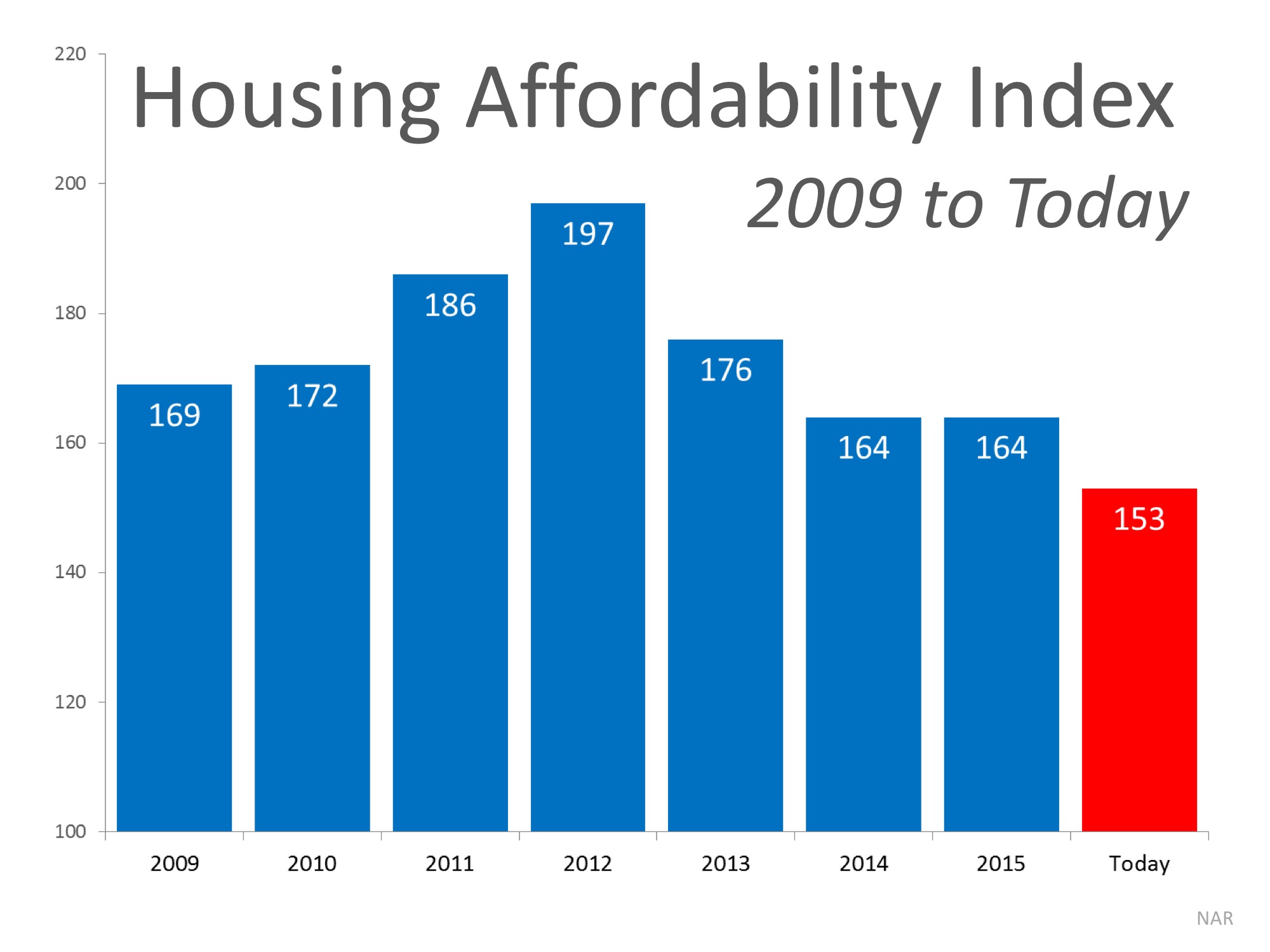
Housing affordability Getting Worse

Surging bond yields are playing out in a bad way in the housing market, where the average mortgage rate in the US jumped to 7.09%, its highest level since 2002, per Freddie Mac. Combine those eye-watering borrowing costs with an inventory crunch that’s driven up prices, and you get the worst housing affordability conditions in four decades, Bloomberg reports.

Roughly 75% of US homeowners have mortgage rates of less than 4%, according to JPMorgan, so you can imagine why no one is eager to move and pay upward of 7% on a new place.

***

COMMENTS APPRECIATED

Thank You

***

***

DAILY UPDATE: Visionary CFOs and the Markets

By Staff Reporters

***

***

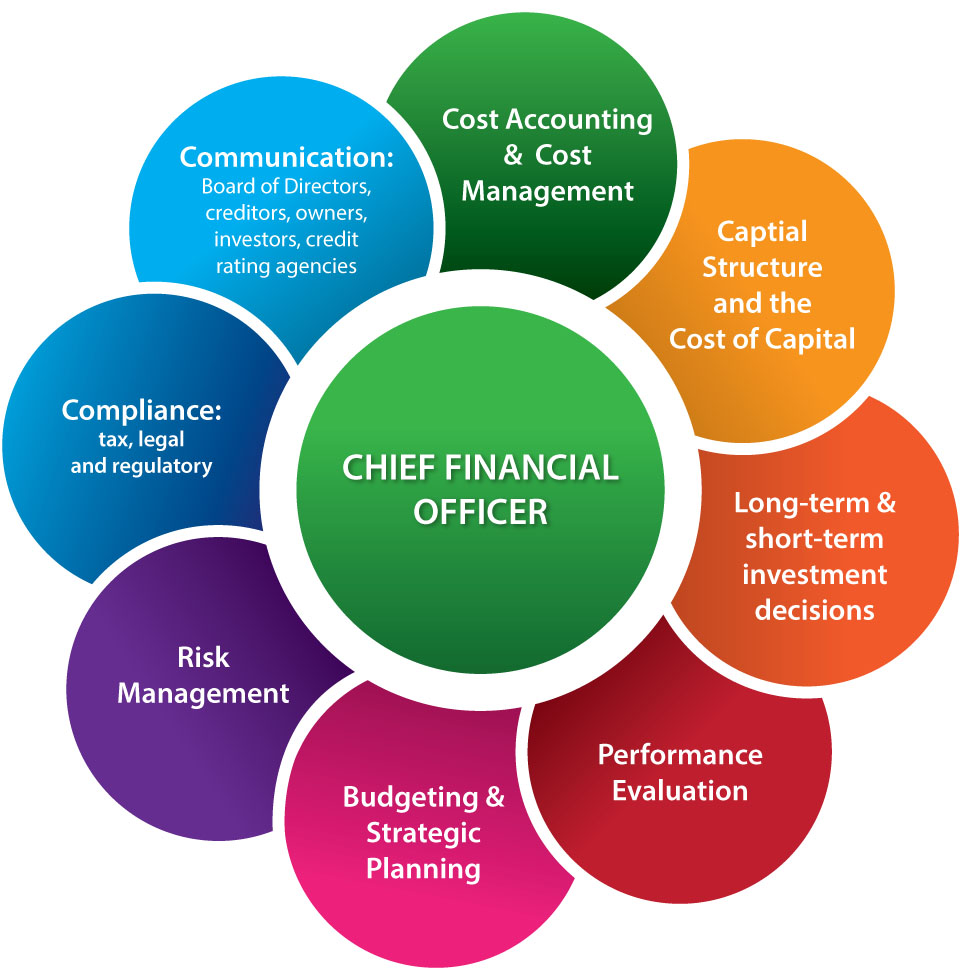
Most CFOs think we’ll avoid a recession this year—and that confidence is shared by other members of the C-suite. That’s according to PwC’s August Pulse Survey, which found that only 8% of CFOs predict a recession within the next six months.

The survey polled more than 600 C-suite executives from a variety of public and private companies. Among all respondents just 17% strongly agreed there’d be a recession in the next 6 months—a sharp decline from October 2022, when 35% did. Economists, policymakers, and executives “see…the possibility of a soft landing,”

Wes Bricker, PwC US vice chair and trust co-leader, said during a media call. “It’s encouraging to see optimism from so many business leaders who participated in our survey.”

CITE: https://www.r2library.com/Resource

***

Here is where the major benchmarks ended:

  • The S&P 500® Index (SPX) rose 29 points (0.67%) to 4,405.71; the Dow Jones Industrial Average (DJIA) rose 248 points (0.73%) to 34,346.90; the NASDAQ Composite (COMP) rose 127 points (0.94%) to 13,590.65.
  • The 10-year Treasury note yield (TNX) was about 2 basis points lower at 4.226%.
  • CBOE’s Volatility Index (VIX) fell 1.5 points to 15.68.

Friday’s gains left the S&P 500 Index up less than 1% for the week, while the NASDAQ was 2.2% higher, thanks in part to a solid week for tech as investors positioned for the quarterly earnings report from Nvidia (NVDA), widely seen as a bellwether of the artificial intelligence industry. The Dow Jones Industrial Average was still about 0.44% lower, hurt in part by a stumble by Boeing (BA) Thursday.

Energy was the best-performing sector Friday, as crude oil futures rose about 1.2% after a week in the doldrums.

***

ORDER: https://www.routledge.com/Comprehensive-Financial-Planning-Strategies-for-Doctors-and-Advisors-Best/Marcinko-Hetico/p/book/9781482240283

***

COMMENTS APPRECIATED

Thank You

***

Health Care Entity: Venture Capital Funding

http://www.MARCINKOASSOCIATES.com

***

***

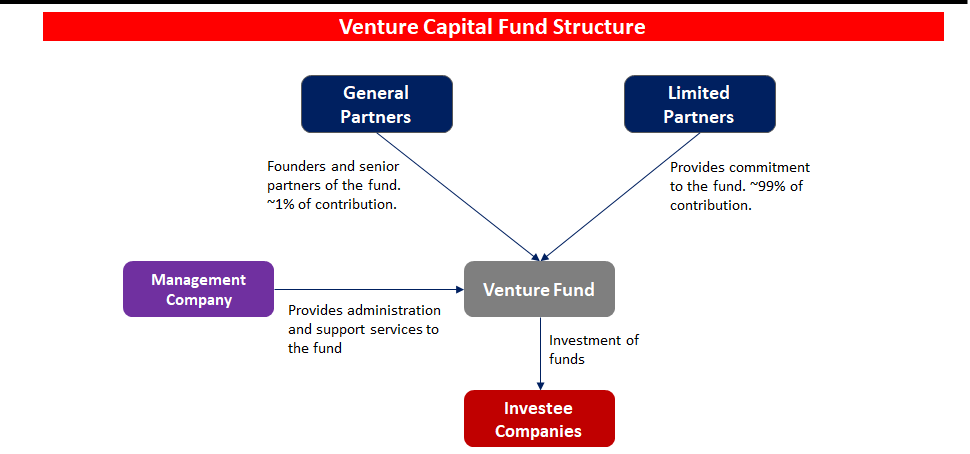
Venture capital funding in the digital health space cooled a bit in 2022 following a red-hot 2021. Overall, digital health companies raised $15.3 billion last year, down from the $29.1 billion raised in 2021—but still above the $14.1 billion raised in 2020, according to Rock Health a seed fund that supports digital health startups.

MORE: https://marcinkoassociates.com/fmv-appraisals/

Nevertheless, analysts predict VC investors and bankers will still put a good amount of money into digital health in 2024 and 2025, especially in alternative care, drug development, health information technology technology, EMRs and software that reduces physician workload.

CITE: https://www.r2library.com/Resource

Of course. an essential first part of attracting VC interest and money is the crafting and presentation of your formal business plan [“elevator pitch”]; as well as the needed technical and managerial experience. This is crucial for success and exactly where we can assist.

***

READ MORE: https://marcinkoassociates.com/welcome-medical-colleagues/

CONTACT: MarcinkoAdvisors@msn.com

***

***

PODCAST: CVS Replaces it’s PBM

Existential Threat to Pharmacy Benefits Managers?

By Staff Reporters

***

***

DEFINITION

***

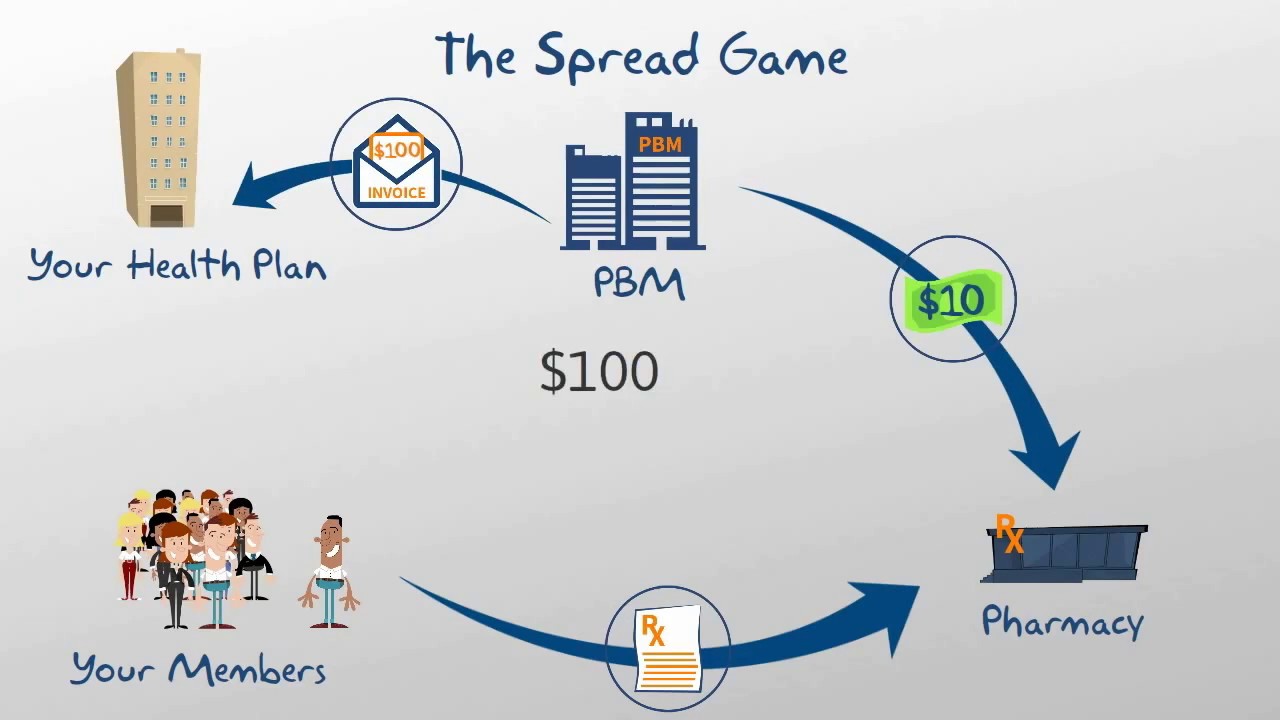
Just now, CVS got a taste of its own medicine after Blue Shield of California said it will replace CVS’s pharmacy benefit manager system [PBMs] with other companies, including Amazon Pharmacy and Mark Cuban’s Cost Plugs Drugs business, to supply cheaper drugs to its members.

CITE: https://www.r2library.com/Resource

The move poses an existential threat to the entire pharmacy-benefit manager model.

***

COMMENTS APPRECIATED

Thank You

***

***

***

OnLine MICRO-CERTIFICATIONS: For Financial Advisors Seeking Physician-Client Niche Success?

Micro-Credentials on the Rise

KNOWLEDGE RICHES IN NICHES

DR. DAVID EDWARD MARCINKO MBA CMP

SPONSOR: http://www.CertifiedMedicalPlanner.org

***

***

Do you ever wish you could acquire specific information for your career activities without having to complete a university Master’s Degree or finish our entire Certified Medical Planner™ professional designation program? Well, Micro-Certifications from the Institute of Medical Business Advisors, Inc., might be the answer. Read on to learn how our three Micro-Certifications offer new opportunities for professional growth in the medical practice, business management, health economics and financial planning, investing and advisory space for physicians, nurses and healthcare professionals.

Micro-Certification Basics

Stock-Brokers, Financial Advisors, Investment Advisors, Accountants, Consultants, Financial Analyists and Financial Planners need to enhance their knowledge skills to better serve the changing and challenging healthcare professional ecosystem. But, it can be difficult to learn and demonstrate mastery of these new skills to employers, clients, physicians or medical prospects. This makes professional advancement difficult. That’s where Micro-Certification and Micro-Credentialing enters the online educational space. It is the process of earning a Micro-Certification, which is like a mini-degree or mini-credential, in a very specific topical area.

Micro-Certification Requirements

Once you’ve completed all of the requirements for our Micro-Certification, you will be awarded proof that you’ve earned it. This might take the form of a paper or digital certificate, which may be a hard document or electronic image, transcript, file, or other official evidence that you’ve completed the necessary work.

Uses of Micro-Certifications

Micro-Certifications may be used to demonstrate to physicians prospective medical clients that you’ve mastered a certain knowledge set. Because of this, Micro-Certifications are useful for those financial service professionals seeking medical clients, employment or career advancement opportunities.

Examples of iMBA, Inc., Micro-Certifications

Here are the three most popular Micro-Certification course from the Institute of Medical Business Advisors, Inc:

  • 1. Health Insurance and Managed Care: To keep up with the ever-changing field of health care physician advice, you must learn new medical practice business models in order to attract and assist physicians and nurse clients. By bringing together the most up-to-date business and medical prctice models [Medicare, Medicaid, PP-ACA, POSs, EPOs, HMOs, PPOs, IPA’s, PPMCs, Accountable Care Organizations, Concierge Medicine, Value Based Care, Physician Pay-for-Performance Initiatives, Hospitalists, Retail and Whole-Sale Medicine, Health Savings Accounts and Medical Unions, etc], this iMBA Inc., Mini-Certification offers a wealth of essential information that will help you understand the ever-changing practices in the next generation of health insurance and managed medical care.
  • 2. Health Economics and Finance: Medical economics, finance, managerial and cost accounting is an integral component of the health care industrial complex. It is broad-based and covers many other industries: insurance, mathematics and statistics, public and population health, provider recruitment and retention, health policy, forecasting, aging and long-term care, and Venture Capital are all commingled arenas. It is essential knowledge that all financial services professionals seeking to serve in the healthcare advisory niche space should possess.
  • 3. Health Information Technology and Security: There is a myth that all physician focused financial advisors understand Health Information Technology [HIT]. In truth, it is often economically misused or financially misunderstood. Moreover, an emerging national HIT architecture often puts the financial advisor or financial planner in a position of maximum uncertainty and minimum productivity regarding issues like: Electronic Medical Records [EMRs] or Electronic Health Records [EHRs], mobile health, tele-health or tele-medicine, Artificial Intelligence [AI], benefits managers and human resource professionals.

Other Topics include: economics, finance, investing, marketing, advertising, sales, start-ups, business plan creation, financial planning and entrepreneurship, etc.

How to Start Learning and Earning Recognition for Your Knowledge

Now that you’re familiar with Micro-Credentialing, you might consider earning a Micro-Certification with us. We offer 3 official Micro-Certificates by completing a one month online course, with a live instructor consisting of twelve asynchronous lessons/online classes [3/wk X 4/weeks = 12 classes]. The earned official completion certificate can be used to demonstrate mastery of a specific skill set and shared with current or future employers, current clients or medical niche financial advisory prospects.

Mini-Certification Tuition, Books and Related Fees

The tuition for each Mini-Certification live online course is $1,250 with the purchase of one required dictionary handbook. Other additional guides, white-papers, videos, files and e-content are all supplied without charge. Alternative courses may be developed in the future subject to demand and may change without notice.

***

Contact: For more information, or to speak with an academic representative, please contact Ann Miller RN MHA CMP™ at: MarcinkoAdvisors@msn.com [24/7] -OR- 770-448-0769[9:00 – 5:00 EST].

***

SUBWAY: Private Equity

By Staff Reporters

***

***

A private equity firm just ate Subway

More precisely, the families that founded the sandwich chain agreed to sell it to PE firm Roark Capital after seeking a buyer. The terms of the deal weren’t made public, but the Wall Street Journal previously reported that Roark offered ~$9.6 billion.

Subway, which has been losing market share to other sandwich chains, will be in good foodie company at Roark as it also owns Dunkin’, Jimmy John’s, Baskin-Robbins, Auntie Anne’s, Carvel, Cinnabon and other eateries.

COMMENTS APPRECIATED

Thank You

***

***

DAILY UPDATE: Recession and the Markets

By Staff Reporters

***

***

There are certain types of stocks, bonds and mutual funds that perform better when the market is in decline. Seasoned investors tend to survive bear markets by focusing on the stocks of companies that make products necessary for daily life. Companies that often thrive in a recessionary environment are defensive stocks that provide products and services people simply cannot live without. Stocks included in this list are considered to be defensive by Wall Street analysts.

These type of stocks have performed -5.35% over the past year. By comparison, the S&P 500 is 7.13% over the same period. These types of stocks include: 30.00% of Consumer Cyclical stocks, 30.00% of Consumer Non-Cyclical stocks, 20.00% of Healthcare stocks, 10.00% of Technology stocks and 10.00% of Energy stocks.

Bear markets and recessions also tend to present themselves when market prices have been rising for a time; and investors are feeling irrationally exuberant. But, some markets have seen downturns in 2022 and 2023.

CITE: https://www.r2library.com/Resource

Here is where the major benchmarks ended yesterday:

  • The S&P 500® Index fell 60 points (1.35%) to 4,376.31; the Dow Jones Industrial Average (DJIA) fell 374 points (1.08%) to 34,099.42; the NASDAQ Composite fell 257 points (1.87%) to 13,463.97.
  • The 10-year Treasury note yield (TNX) rose 4 basis points to 4.236%.
  • CBOE’s Volatility Index (VIX) rose roughly 1 point to 17.08.

Consumer discretionary was the weakest sector Thursday, as heavyweight constituents Amazon (AMZN) and Tesla (TSLA) both slid around 2.5%, with communication services and tech right behind. No sector was higher for the day.

***

ORDER: https://www.routledge.com/Comprehensive-Financial-Planning-Strategies-for-Doctors-and-Advisors-Best/Marcinko-Hetico/p/book/9781482240283

***

COMMENTS APPRECIATED

Thank You

***

PODCAST: What is Synchronous Direct-to-Consumer TeleHealth

D-2-C Real Time Virtual Entrepreneurial Care

By Staff Reporters

SPONSOR: http://www.CertifiedMedicalPlanner.org

***

***

Synchronous care is the most common form of real-time, virtual, direct-to-patient appointment.

Synchronous telehealth happens in live, real-time settings where the patient interacts with a provider, usually via phone or video. Providers and patients communicate directly, often resulting in a diagnosis, treatment plan, or prescription.

Synchronous telehealth can also include additional at home devices such as a blood pressure or heart rate monitor, thermometer, oximeter, camera, or scale to help the provider more accurately assess the patient’s health status.

CITE: https://www.r2library.com/Resource

Tip: For information on setting up a space for telehealth visits, watch Telehealth Best Practices  (video) from Hawaii’s State Department of Health and read the Telehealth Visit Etiquette Checklist  (PDF) from the American Medical Association.

Benefits for entrepreneurial health care providers

Providing easy access to patient-centered care offers obvious benefits for patients. Synchronous direct-to-consumer telehealth also has many advantages for health care providers.

  • Reduce patient no-shows: On-demand telehealth allows patients to take less time away from work or care for dependents like children. As a result, patients are more likely to keep scheduled virtual appointments.
  • Increase patient retention: The convenience of telehealth lets patients make appointments when needed — with shorter wait times. Telemedicine appointments are sometimes cheaper for the patient and offer more privacy. This approach increases patient satisfaction and retention, leading to more revenue for your practice.
  • Create new business opportunities: Offering appointment times before or after the traditional workday can meet patient needs and extend billable hours beyond the standard schedule. It is a chance to reach new patients, increase revenue, and expand care beyond your immediate neighborhood or city.
  • Deliver care from home: Providers can see patients from a private space inside or close to home. This allows providers to adjust their hours to better meet patient needs and reduces the amount of time spent commuting to an off-site health setting.

Tip: Before serving patients that live outside of state lines, make sure to research licensing requirements.

NOTE: More information on synchronous telehealth:

COMMENTS APPRECIATED

Thank You
***

***

Ten [10] Great Money Quotes for Physicians

To Reach Your Dreams

pat

[By Patrick Bourbon CFA]

  1. Beware of little expenses; a small leak will sink a great ship. Source: Benjamin Franklin
  2. If you can’t pay for a thing, don’t buy it. If you can’t get paid for it, don’t sell it. Source: Benjamin Franklin
  3. We think much more about the use of money, which is renewable, than we do about the use of our time, which is irreplaceable. Source: Peter Lynch
  4. Avoiding big mistakes is key to generating long term wealth. Source: Don Phillip
  5. It is part of a wise man to keep himself today for tomorrow, and not to venture all his eggs in one basket. Source: Cervantes, Don Quixote
  6. History tells us that when we become overenthusiastic about certain type of financial arrangements, we overdo it. Source: Alan Greenspan
  7. If it’s in the papers, it’s in the price. Source: Bill Miller
  8. The assets may shrink but the debt doesn’t. Source: Gretchen Morgenson
  9. Frugality doesn’t mean doing less. It means doing as much or more with less. Source: William Marth
  10. When times are tough, almost all assets are highly correlated, except for cash. When liquidity dries up, people sell what they can sell, no matter what the price of what they are selling. Source: Bruce Berkowitz

***

businessman-fashion-man-person-1

***

Assessment

Feel free to send in your own favorite quotes.

Conclusion

Your thoughts and comments on this ME-P are appreciated. Feel free to review our top-left column, and top-right sidebar materials, links, URLs and related websites, too. Then, subscribe to the ME-P. It is fast, free and secure.

Speaker: If you need a moderator or speaker for an upcoming event, Dr. David E. Marcinko; MBA – Publisher-in-Chief of the Medical Executive-Post – is available for seminar or speaking engagements. Contact: MarcinkoAdvisors@msn.com

OUR OTHER PRINT BOOKS AND RELATED INFORMATION SOURCES:

Risk Management, Liability Insurance, and Asset Protection Strategies for Doctors and Advisors: Best Practices from Leading Consultants and Certified Medical Planners™          8Comprehensive Financial Planning Strategies for Doctors and Advisors: Best Practices from Leading Consultants and Certified Medical Planners™

***

Abercrombie Up and Peloton Down

By Staff Reporters

***

***

Abercrombie’s stock popped like its collars. Abercrombie & Fitch’s 21st-century reinvention keeps picking up steam. Shares shot up 24% after the clothing retailer reported monster sales for Q2 and its CEO asserted, “We are no longer a jeans and T-shirt brand. We certainly are a lifestyle brand today.”

On the other hand, Peloton, continued its spiral into a financial black hole after losing 29,000 subscribers last quarter. At Peloton’s peak, its share price was more than $167—yesterday, its stock sank to an all-time low of $5.41.

***

COMMENTS APPRECIATED

THANK YOU

***

***

DAILY UPDATE: Mortgages Rates and the Markets are Up!

By Staff Reporters

***

***

Home Mortgage rates just hit their highest mark since 2002, making home ownership even less attainable to potential buyers. Stagnation in the housing market could also put a squeeze on consumer spending, slowing broader economic growth. The average 30-year fixed-rate mortgage, a popular home loan, hit 7.09% last Thursday, up from 6.96% the week before, according to mortgage behemoth the Federal Home Loan Mortgage Corporation (Freddie Mac).

In a statement tied to the release, Freddie Mac noted that the rise of the 10-year Treasury yield and the strength of the economy both contributed to the high rate.

***

Here is where the major benchmarks ended:

  • The S&P 500® Index rose 49 points (1.1%) to 4,436.02; the Dow Jones Industrial Average (DJIA) rose 184 points (0.54%) to 34,472.98; the NASDAQ Composite (COMP) rose 215 points (1.59%) to 13,721.03.
  • The 10-year Treasury note yield (TNX) fell 15 basis points to 4.180%.
  • CBOE’s Volatility Index (VIX) fell roughly 1 point to 16.03.

Communication services—which is home to tech-adjacent companies such as Google parent Alphabet (GOOG), Facebook parent Meta (META), and Netflix (NFLX)—and technology were the top-performing sectors Wednesday.

Energy was the laggard, as crude oil futures slipped more than 1% to below $79.

***

COMMENTS APPRECIATED

Thank You

***

***

Become a Board CERTIFIED MEDICAL PLANNER™ and Thrive

Think Different – Be Different  – Thrive

[By Ann Miller RN MHA]

Letterhead CMP

http://www.CertifiedMedicalPlanner.org

Dear Physician Focused Financial Advisors

Did you know that desperate doctors of all ages are turning to knowledgeable financial advisors and medical management consultants for help? Symbiotically too, generalist advisors are finding that the mutual need for knowledge and extreme niche synergy is obvious.

***

planning

***

But, there was no established curriculum or educational program; no corpus of knowledge or codifying terms-of-art; no academic gravitas or fiduciary accountability; and certainly no identifying professional designation that demonstrated integrated subject matter expertise for the increasingly unique healthcare focused financial advisory niche … Until Now! 

***

CMP logo

http://www.CertifiedMedicalPlanner.org

Enter the CMPs

“The informed voice of a new generation of fiduciary advisors for healthcare”

Think Different

 [Think Different – Be Different – Thrive]

InfoGraphic

http://e.infogr.am/enter_the_certified_medical_planner?src=embed

CMP logo

http://www.CertifiedMedicalPlanner.org

***

So, if you are looking to supplement your knowledge, income and designations; and find other qualified professionals you may want to consider the CMP® program.

Enter the Certified Medical Planner™ charter professional designation. And, CMPs™ are FIDUCIARIES, 24/7.

Channel Surfing the ME-P

Have you visited our other topic channels? Established to facilitate idea exchange and link our community together, the value of these topics is dependent upon your input. Please take a minute to visit. And, to prevent that annoying spam, we ask that you register. It is fast, free and secure.

Conclusion

Your thoughts and comments on this ME-P are appreciated. Feel free to review our top-left column, and top-right sidebar materials, links, URLs and related websites, too. Then, subscribe to the ME-P. It is fast, free and secure.

***

Become a CMP

***

Speaker: If you need a moderator or speaker for an upcoming event, Dr. David E. Marcinko; MBA – Publisher-in-Chief of the Medical Executive-Post – is available for seminar or speaking engagements. Contact: MarcinkoAdvisors@msn.com

OUR OTHER PRINT BOOKS AND RELATED INFORMATION SOURCES:

 Comprehensive Financial Planning Strategies for Doctors and Advisors: Best Practices from Leading Consultants and Certified Medical Planners(TM)* 8

NAHUC: Happy “Health Unit Coordinators” Day

By Dr. David Edward Marcinko MBA

***

***

Today is Health Unit Coordinators Day, It is a day to celebrate the vital behind-the-scenes work these healthcare professionals do. Health unit coordinators act as a liaison between all the departments in a healthcare facility, helping to check in patients, maintain patient records, order supplies, and more.

Myrna LaFleur, who became the NAHUC founding president, invited several interested persons to meet with her in Phoenix, Arizona, on August 23, 1980, to discuss the formation of an association for health unit coordinators. This was the first meeting and resulted in selecting the name of the association. Each year thereafter, August 23 has been declared Health Unit Coordinator Day by many mayors and governors nationwide, who issue proclamations declaring August 23rd “Health Unit Coordinator Day”. Beginning in 2017, NAHUC expanded the recognition period to a full week: August 23-29th.

MORE: https://nahuc.org/

And so, to all you coordinators who keep our healthcare facilities afloat, we salute you.

***

COMMENTS APPRECIATED

Thank You

***

***

***

DICK’S is Down, etc!

BREAKING MORNING FINANCIAL NEWS

By Staff Reporters

Dick’s had its worst day ever. The sporting goods retailer lost nearly a quarter of its value after it warned that increased theft and slowing sales of outdoor gear would result in lower-than-expected profits for the rest of the year.

Meanwhile, Macy’s also posted a sad excuse for a quarter, reporting shrinking sales across the board and particularly dramatic declines in categories like active wear and casual apparel. Macy’s CEO said consumers are spending less on goods and more on experiences this summer

Finally, the Dow Jones futures edged higher this Wednesday morning, along with S&P 500 futures and NASDAQ futures. Toll Brothers and Urban Outfitters reported Tuesday night, with Foot Locker and Analog Devices big losers early Wednesday. Nvidia looms large after Wednesday’s close.

COMMENTS APPRECIATED

Thank You

***

***

Become a Board CERTIFIED MEDICAL PLANNER™ and Thrive

Think Different – Be Different  – Thrive

[By Ann Miller RN MHA]

Letterhead CMP

http://www.CertifiedMedicalPlanner.org

Dear Physician Focused Financial Advisors

Did you know that desperate doctors of all ages are turning to knowledgeable financial advisors and medical management consultants for help? Symbiotically too, generalist advisors are finding that the mutual need for knowledge and extreme niche synergy is obvious.

***

planning

***

But, there was no established curriculum or educational program; no corpus of knowledge or codifying terms-of-art; no academic gravitas or fiduciary accountability; and certainly no identifying professional designation that demonstrated integrated subject matter expertise for the increasingly unique healthcare focused financial advisory niche … Until Now! 

***

CMP logo

http://www.CertifiedMedicalPlanner.org

Enter the CMPs

“The informed voice of a new generation of fiduciary advisors for healthcare”

Think Different

 [Think Different – Be Different – Thrive]

InfoGraphic

http://e.infogr.am/enter_the_certified_medical_planner?src=embed

CMP logo

http://www.CertifiedMedicalPlanner.org

***

So, if you are looking to supplement your knowledge, income and designations; and find other qualified professionals you may want to consider the CMP® program.

Enter the Certified Medical Planner™ charter professional designation. And, CMPs™ are FIDUCIARIES, 24/7.

Channel Surfing the ME-P

Have you visited our other topic channels? Established to facilitate idea exchange and link our community together, the value of these topics is dependent upon your input. Please take a minute to visit. And, to prevent that annoying spam, we ask that you register. It is fast, free and secure.

Conclusion

Your thoughts and comments on this ME-P are appreciated. Feel free to review our top-left column, and top-right sidebar materials, links, URLs and related websites, too. Then, subscribe to the ME-P. It is fast, free and secure.

***

Become a CMP

***

Speaker: If you need a moderator or speaker for an upcoming event, Dr. David E. Marcinko; MBA – Publisher-in-Chief of the Medical Executive-Post – is available for seminar or speaking engagements. Contact: MarcinkoAdvisors@msn.com

OUR OTHER PRINT BOOKS AND RELATED INFORMATION SOURCES:

 Comprehensive Financial Planning Strategies for Doctors and Advisors: Best Practices from Leading Consultants and Certified Medical Planners(TM)* 8

PODCASTS: Intentional Medical Practice Marketing

By Entrepreneurial MD

***

***

PODCAST: https://www.theentrepreneurmd.com/11

MORE: https://medicalexecutivepost.com/2022/07/06/the-emerging-role-of-university-chief-strategy-officer/

RELATED: https://medicalexecutivepost.com/2022/10/28/crafting-a-medical-practice-marketing-plan/

ADVERTISING: https://medicalexecutivepost.com/2022/08/05/on-marketing-adverting-and-sales/

VIDEO: https://medicalexecutivepost.com/2022/09/29/podcast-investing-in-digital-health-sales-and-marketing/

***

COMMENTS APPRECIATED

Thank You

***

ORDER: https://www.amazon.com/Business-Medical-Practice-Transformational-Doctors/dp/0826105750/ref=sr_1_9?ie=UTF8&qid=1448163039&sr=8-9&keywords=david+marcinko

***

PODCAST: Generative A.I. In Healthcare Today!

By Eric Bricker MD

***

***

COMMENTS APPRECIATED

Thank You

***

***

COVID VACCINE NEWS: The Companies

By Staff Reporters

***

***

Stocks started the week on an upswing as technology companies rallied—including Nvidia, whose earnings report investors eagerly await tomorrow—helping the NASDAQ snap a four-day losing streak.

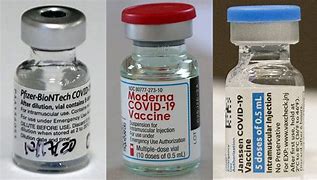
But, a new Covid variants are helping to push up the value of companies that make vaccines. Novavax, Moderna, BioNTech, and Pfizer rose yesterday as fall is likely to bring demand for boosters.

CITE: https://www.r2library.com/Resource

And, Atlanta-based Morris Brown College has announced that the school is reinstating its Covid mask mandate for the next two weeks as a result of positive cases at the Atlanta University Center.

The historically black college posted a note on its official Instagram account noting that the protocols would be in effect for the next 14 days. This includes a requirement for mask-wearing by students and employees, physical distancing, contact tracing, and other significant efforts to reduce the spread of Covid-19 among the population on the Atlanta campus. 

***

COMMENTS APPRECIATED

Thank You

***

***

National Report Up-Coding Fraud Day

AUGUST 21st

By Dr. David Edward Marcinko MBA CMP

***

It’s National Report Upcoding Fraud Day, an initiative started in 2017 to support whistleblowers of Medicare fraud, which costs the US billions of dollars each year. If you need any encouragement to report suspected healthcare fraud (like upcoding or inflated Medicare reimbursement claims), here’s your chance.

CITE: https://www.r2library.com/Resource

What Is Upcoding?

Upcoding is defined as having a doctor or billing person assign an inaccurate billing code to a medical procedure or treatment. It’s done to increase the reimbursement to that physician.

Beyond that, CPT codes are 5-digit codes that tell billing and insurance companies what was done to you while in that physician’s care. It may sound straightforward, but with around 7,800 codes in use, it isn’t hard to get things mixed up or to miss the fact that they overcharged you for a service.

Sometimes the mistake is made in error. In other situations, the office or hospital may mix it up intentionally. Most often, intentional miscoding happens when the facility is billing Medicaid or Medicare. Again, this may not seem like a big deal for you since the government covers it, but it may still affect your ability to get the healthcare that you need.

MORE: https://medicalexecutivepost.com/2022/11/05/medical-billing-down-and-up-coding/

And so, National Report Upcoding Fraud Day is on August 21st. An initiative by Joel Hesch, a former attorney with the Department of Justice. Hesch and a passionate advocate for whistleblowers, created the day for anyone looking to report healthcare fraud. He wanted to make it easier, so everyone could get the process right. The day generates awareness and detailed steps on how the general public can report unethical healthcare providers. Fraudsters siphon off $65 billion each year in Medicare fraud through inflated reimbursement claims. Upcoding is one of the most rampant types of healthcare fraud that must end.Hesch draws on his 15 years as an attorney in the D.O.J. to support and encourage whistleblowers to come forward. The most successful claims have two things in common – facts and the use of proper reporting channels. National Report Upcoding Fraud Day aims to empower anyone with a legitimate case for claims.

RELATED: https://medicalexecutivepost.com/2013/06/05/understanding-the-spoils-of-healthcare-fraud-and-abuse/

MORE: https://medicalexecutivepost.com/2023/06/29/daily-update-healthcare-fraud-schemes-up-as-the-dow-dips-down/

COMMENTS APPRECIATED

Thank You

***

***

About Nvidia [+] and WeWork [-]

By Staff Reporters

***

***

  • Markets: AI leader Nvidia’s earnings will be out on Wednesday, and Fed Chair Jerome Powell’s annual speech will be at the Fed conference in Jackson Hole on Friday.
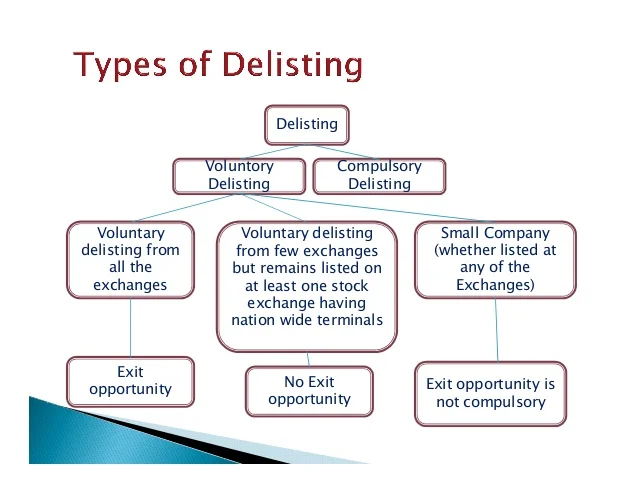
  • Stock spotlight: WeWork, the co-working company just announced a 1-for-40 reverse stock split in an attempt to avoid getting de-listed from the New York Stock Exchange.

***

***

Become a Board CERTIFIED MEDICAL PLANNER™ and Thrive

Think Different – Be Different  – Thrive

[By Ann Miller RN MHA]

Letterhead CMP

http://www.CertifiedMedicalPlanner.org

Dear Physician Focused Financial Advisors

Did you know that desperate doctors of all ages are turning to knowledgeable financial advisors and medical management consultants for help? Symbiotically too, generalist advisors are finding that the mutual need for knowledge and extreme niche synergy is obvious.

***

planning

***

But, there was no established curriculum or educational program; no corpus of knowledge or codifying terms-of-art; no academic gravitas or fiduciary accountability; and certainly no identifying professional designation that demonstrated integrated subject matter expertise for the increasingly unique healthcare focused financial advisory niche … Until Now! 

***

CMP logo

http://www.CertifiedMedicalPlanner.org

Enter the CMPs

“The informed voice of a new generation of fiduciary advisors for healthcare”

Think Different

 [Think Different – Be Different – Thrive]

InfoGraphic

http://e.infogr.am/enter_the_certified_medical_planner?src=embed

CMP logo

http://www.CertifiedMedicalPlanner.org

***

So, if you are looking to supplement your knowledge, income and designations; and find other qualified professionals you may want to consider the CMP® program.

Enter the Certified Medical Planner™ charter professional designation. And, CMPs™ are FIDUCIARIES, 24/7.

Channel Surfing the ME-P

Have you visited our other topic channels? Established to facilitate idea exchange and link our community together, the value of these topics is dependent upon your input. Please take a minute to visit. And, to prevent that annoying spam, we ask that you register. It is fast, free and secure.

Conclusion

Your thoughts and comments on this ME-P are appreciated. Feel free to review our top-left column, and top-right sidebar materials, links, URLs and related websites, too. Then, subscribe to the ME-P. It is fast, free and secure.

***

Become a CMP

***

Speaker: If you need a moderator or speaker for an upcoming event, Dr. David E. Marcinko; MBA – Publisher-in-Chief of the Medical Executive-Post – is available for seminar or speaking engagements. Contact: MarcinkoAdvisors@msn.com

OUR OTHER PRINT BOOKS AND RELATED INFORMATION SOURCES:

 Comprehensive Financial Planning Strategies for Doctors and Advisors: Best Practices from Leading Consultants and Certified Medical Planners(TM)* 8

The Next-Generation of “Anti-Millionaire” Doctors

“$1 Million Mistake: Becoming a Doctor”

See the source image

BY DR. DAVID E. MARCINKO MBA CMP®

CMP logo

SPONSOR: http://www.CertifiedMedicalPlanner.org

CBS Moneywatch published an article entitled “$1 Million Mistake: Becoming a Doctor” Aside from the possibility that devoting one’s life to helping others might be considered a mistake, medical student Dan Coleman was struck by the “$1 million” figure.

Before medical school, he worked in the pharmaceutical industry and even turned down a hefty promotion to his education as soon as possible, rather than defer for a year or two. But, his financial calculations made it fairly obvious that, including benefits, bonuses, and potential promotions, his medical decision was not a $1 million mistake, but was more like a $1.3 million dollar disaster. Still; he opined:

Yet, even today, as we stare down the barrel of the Affordable Care Act, being a doctor is a very desirable job. We may not be famous, but we will be well-respected. We may not be rich, but we will certainly live comfortably. We may work a lot, but we will never be out of work. To future doctors, the young and impecunious, the anti-millionaires, tuition is a mere afterthought. All that matters is the MD.

Source: http://in-training.org/medical-students-the-anti-millionaires-4361

Millionaire Interview 81 - ESI Money

OVER HEARD IN THE MEDICAL STUDENT’S LOUNGE

“We are medical students.
We are young, proud, and righteous.
We have made the hard choice (medicine), but we have cleared the high hurdle (getting into school).


We know healthcare is a difficult, imperfect art, but we are devoted.
We arm ourselves with the weapons of knowledge and compassion, prepared to defend against the onslaught of trauma, disease, and time.
We are here to the bitter end, for our patients and ourselves.
And above all, we know the cost of our choice.

And if we’re lucky, it will stay under 6% interest through graduation”.

Daniel Coleman

[Georgetown University School of Medicine]

First-year Student

Your thoughts are appreciated,

THANK YOU

***

Comprehensive Financial Planning Strategies for Doctors and Advisors: Best Practices from Leading Consultants and Certified Medical Planners™

ORDER Textbook: https://www.amazon.com/Comprehensive-Financial-Planning-Strategies-Advisors/dp/1482240289/ref=sr_1_1?ie=UTF8&qid=1418580820&sr=8-1&keywords=david+marcinko

ODER TEXTBOOK: https://www.routledge.com/Risk-Management-Liability-Insurance-and-Asset-Protection-Strategies-for/Marcinko-Hetico/p/book/9781498725989

INVITE DR. MARCINKO: https://medicalexecutivepost.com/dr-david-marcinkos-

***

Become a Board CERTIFIED MEDICAL PLANNER™ and Thrive

Think Different – Be Different  – Thrive

[By Ann Miller RN MHA]

Letterhead CMP

http://www.CertifiedMedicalPlanner.org

Dear Physician Focused Financial Advisors

Did you know that desperate doctors of all ages are turning to knowledgeable financial advisors and medical management consultants for help? Symbiotically too, generalist advisors are finding that the mutual need for knowledge and extreme niche synergy is obvious.

***

planning

***

But, there was no established curriculum or educational program; no corpus of knowledge or codifying terms-of-art; no academic gravitas or fiduciary accountability; and certainly no identifying professional designation that demonstrated integrated subject matter expertise for the increasingly unique healthcare focused financial advisory niche … Until Now! 

***

CMP logo

http://www.CertifiedMedicalPlanner.org

Enter the CMPs

“The informed voice of a new generation of fiduciary advisors for healthcare”

Think Different

 [Think Different – Be Different – Thrive]

InfoGraphic

http://e.infogr.am/enter_the_certified_medical_planner?src=embed

CMP logo

http://www.CertifiedMedicalPlanner.org

***

So, if you are looking to supplement your knowledge, income and designations; and find other qualified professionals you may want to consider the CMP® program.

Enter the Certified Medical Planner™ charter professional designation. And, CMPs™ are FIDUCIARIES, 24/7.

Channel Surfing the ME-P

Have you visited our other topic channels? Established to facilitate idea exchange and link our community together, the value of these topics is dependent upon your input. Please take a minute to visit. And, to prevent that annoying spam, we ask that you register. It is fast, free and secure.

Conclusion

Your thoughts and comments on this ME-P are appreciated. Feel free to review our top-left column, and top-right sidebar materials, links, URLs and related websites, too. Then, subscribe to the ME-P. It is fast, free and secure.

***

Become a CMP

***

Speaker: If you need a moderator or speaker for an upcoming event, Dr. David E. Marcinko; MBA – Publisher-in-Chief of the Medical Executive-Post – is available for seminar or speaking engagements. Contact: MarcinkoAdvisors@msn.com

OUR OTHER PRINT BOOKS AND RELATED INFORMATION SOURCES:

 Comprehensive Financial Planning Strategies for Doctors and Advisors: Best Practices from Leading Consultants and Certified Medical Planners(TM)* 8

HEALTH CARE ENTITY: Venture Capital Funding

http://www.MARCINKOASSOCIATES.com

***

***

Venture capital funding in the digital health space cooled a bit in 2022 following a red-hot 2021. Overall, digital health companies raised $15.3 billion last year, down from the $29.1 billion raised in 2021—but still above the $14.1 billion raised in 2020, according to Rock Health a seed fund that supports digital health startups.

Nevertheless, analysts predict VC investors and bankers will still put a good amount of money into digital health in 2024 and 2025, especially in alternative care, drug development, health information technology technology, EMRs and software that reduces physician workload.

CITE: https://www.r2library.com/Resource

Of course. an essential first part of attracting VC interest and money is the crafting and presentation of your formal business plan [“elevator pitch”]; as well as the needed technical and managerial experience. This is crucial for success and exactly where we can assist.

***

READ MORE: https://marcinkoassociates.com/welcome-medical-colleagues/

CONTACT: MarcinkoAdvisors@msn.com

***

***

CARDINAL HEALTH: Profits Up

By Staff Reporters

Pharmaceutical distributor Cardinal Health raised its 2024 profit expectations following strong demand for generic and specialty drugs such as GLP-1 medications, the company announced in its Q4 2023 earnings call. The Ohio-based company reported that its pharmaceutical segment profit increased 12% to $504 million in Q4 2023, up from $451 million during the same period last year. “Positive generics program performance” drove the increase, CFO Aaron Alt said during the call. Cardinal, whose fiscal year ends June 30, expects revenue from its pharmaceutical division to grow by 10%–12% in FY 2024, he added.

“Fiscal ’23 was an inflection point for Cardinal Health with improved performance, strong execution, and notable progress against both our short- and long-term plans,” CEO Jason Hollar said.

GLP-1 drugs such as Novo Nordisk-manufactured Ozempic and Wegovy were developed to treat diabetes, but have skyrocketed in popularity as a weight management tool. These medications can stimulate insulin production, which can help lower blood sugar levels and help Type-2 diabetes patients, according to the Mayo Clinic.

***

COMMENTS APPRECIATED

Thank You

***

***

***

“Deep Tech” Entrepreneurial Start-Ups

Entrepreneurs

By Dr. Jeffery Funk

All 12 Ex-Unicorn Deep Tech startups are unprofitable and another 20 privately-held #Unicorns appear to be far from profitability.

These 32 include biotech/health (12), AI/Big Data (8), sensors/AVs (4), wearables (3), satellites/space (2), and one for 3D printing, storage, and fuel cells. Of ex-Unicorns, 10 have losses greater than 30% of revenues.

Why are these #deeptech #startups so unprofitable?

My conclusion is fewer #breakthrough #technologies are coming out than decades before and ones coming out are taking longer to successfully commercialize. #AI/#BigData, sensors/#AVs, wearables, satellites, 3D printing, and fuel cells have all been over-hyped, their costs and performance are still disappointing, and their diffusion continues to be slow.

Overall, a successful example of a breakthrough #technology is hard to find since iPhone was introduced in 2007, other than OLEDs and solar cells. Yes AI, #EVs, drones, VR, AR, and IoT are diffusing and thus an analysis in 10 years might come to different conclusions, but for 2010s, there was little to commercialize. #innovation #ipo #ipos #venturecapital #vcs #vc https://lnkd.in/gThUWFR

***

***

UPDATE: https://www.seedtable.com/startups-deeptech

***

COMMENTS APPRECIATED

Thank You

***

RETAIL: Sales

By Staff Reporters

***

***

Stat: 0.7%. That’s how much retail sales grew last month, a sign that inflation isn’t dampening consumer spending or demand. (CNBC)

Quote: “This is pure market economics. We do not magically have thousands of additional AI developers, product managers, and everything else.”Paul J. Groce, partner and head of the Americas at recruitment firm Leathwaite, on how a talent shortage is driving up wages for AI positions. (the Wall Street Journal)

Read: The teetering company threatening China’s economy. (the New York Times)

***

***

COMMENTS APPRECIATED

Thank You

***

PODCAST: Economic Cycles in Healthcare

By Eric Bricker MD

***

***

***

***

***

CITE: https://www.r2library.com/Resource

***
COMMENTS APPRECIATED

Thank You

***

Invite Dr. Marcinko to Speak at your Next Seminar, Webcast or Event in Late 2023?

Invite Dr. Marcinko

The Choice is Up to You

***

Colleagues know that I enjoy personal coaching and public speaking and give as many talks each year as possible, at a variety of medical society and financial services conferences around the country and world.

These include lectures and visiting professorships at major academic centers, keynote lectures for hospitals, economic seminars and health systems, keynote lectures at city and statewide financial coalitions, and annual keynote lectures for a variety of internal yearly meetings.

 Topics Link: imba-inc-firm-services

My Fond Farewell to Tuskegee University

And so, we appreciate your consideration.

Invite Dr. Marcinko

THANK YOU!

***

INTEL: Intel Nixes $5.4 B Purchase of Tower Semiconductor

By Staff Reporters

***

Intel said yesterday it had agreed to ditch a deal to buy Israeli chip manufacturer Tower Semiconductor (and pay Tower a $353 million fee) after Chinese regulators failed to conduct a required antitrust review of the acquisition before a crucial deadline.

The scuttled purchase comes amid tension between the US and China over technology, especially chips, which the Biden administration has worked to restrict China’s access to them.

***

COMMENTS APPRECIATED

Thank You

***

***

MICRO-CERTIFICATIONS: For Financial Advisors Seeking Physician-Client Niche Success?

Micro-Credentials on the Rise

KNOWLEDGE RICHES IN NICHES

DR. DAVID EDWARD MARCINKO MBA CMP

SPONSOR: http://www.CertifiedMedicalPlanner.org

***

***

Do you ever wish you could acquire specific information for your career activities without having to complete a university Master’s Degree or finish our entire Certified Medical Planner™ professional designation program? Well, Micro-Certifications from the Institute of Medical Business Advisors, Inc., might be the answer. Read on to learn how our three Micro-Certifications offer new opportunities for professional growth in the medical practice, business management, health economics and financial planning, investing and advisory space for physicians, nurses and healthcare professionals.

Micro-Certification Basics

Stock-Brokers, Financial Advisors, Investment Advisors, Accountants, Consultants, Financial Analyists and Financial Planners need to enhance their knowledge skills to better serve the changing and challenging healthcare professional ecosystem. But, it can be difficult to learn and demonstrate mastery of these new skills to employers, clients, physicians or medical prospects. This makes professional advancement difficult. That’s where Micro-Certification and Micro-Credentialing enters the online educational space. It is the process of earning a Micro-Certification, which is like a mini-degree or mini-credential, in a very specific topical area.

Micro-Certification Requirements

Once you’ve completed all of the requirements for our Micro-Certification, you will be awarded proof that you’ve earned it. This might take the form of a paper or digital certificate, which may be a hard document or electronic image, transcript, file, or other official evidence that you’ve completed the necessary work.

Uses of Micro-Certifications

Micro-Certifications may be used to demonstrate to physicians prospective medical clients that you’ve mastered a certain knowledge set. Because of this, Micro-Certifications are useful for those financial service professionals seeking medical clients, employment or career advancement opportunities.

Examples of iMBA, Inc., Micro-Certifications

Here are the three most popular Micro-Certification course from the Institute of Medical Business Advisors, Inc:

  • 1. Health Insurance and Managed Care: To keep up with the ever-changing field of health care physician advice, you must learn new medical practice business models in order to attract and assist physicians and nurse clients. By bringing together the most up-to-date business and medical prctice models [Medicare, Medicaid, PP-ACA, POSs, EPOs, HMOs, PPOs, IPA’s, PPMCs, Accountable Care Organizations, Concierge Medicine, Value Based Care, Physician Pay-for-Performance Initiatives, Hospitalists, Retail and Whole-Sale Medicine, Health Savings Accounts and Medical Unions, etc], this iMBA Inc., Mini-Certification offers a wealth of essential information that will help you understand the ever-changing practices in the next generation of health insurance and managed medical care.
  • 2. Health Economics and Finance: Medical economics, finance, managerial and cost accounting is an integral component of the health care industrial complex. It is broad-based and covers many other industries: insurance, mathematics and statistics, public and population health, provider recruitment and retention, health policy, forecasting, aging and long-term care, and Venture Capital are all commingled arenas. It is essential knowledge that all financial services professionals seeking to serve in the healthcare advisory niche space should possess.
  • 3. Health Information Technology and Security: There is a myth that all physician focused financial advisors understand Health Information Technology [HIT]. In truth, it is often economically misused or financially misunderstood. Moreover, an emerging national HIT architecture often puts the financial advisor or financial planner in a position of maximum uncertainty and minimum productivity regarding issues like: Electronic Medical Records [EMRs] or Electronic Health Records [EHRs], mobile health, tele-health or tele-medicine, Artificial Intelligence [AI], benefits managers and human resource professionals.

Other Topics include: economics, finance, investing, marketing, advertising, sales, start-ups, business plan creation, financial planning and entrepreneurship, etc.

How to Start Learning and Earning Recognition for Your Knowledge

Now that you’re familiar with Micro-Credentialing, you might consider earning a Micro-Certification with us. We offer 3 official Micro-Certificates by completing a one month online course, with a live instructor consisting of twelve asynchronous lessons/online classes [3/wk X 4/weeks = 12 classes]. The earned official completion certificate can be used to demonstrate mastery of a specific skill set and shared with current or future employers, current clients or medical niche financial advisory prospects.

Mini-Certification Tuition, Books and Related Fees

The tuition for each Mini-Certification live online course is $1,250 with the purchase of one required dictionary handbook. Other additional guides, white-papers, videos, files and e-content are all supplied without charge. Alternative courses may be developed in the future subject to demand and may change without notice.

***

Contact: For more information, or to speak with an academic representative, please contact Ann Miller RN MHA CMP™ at: MarcinkoAdvisors@msn.com [24/7] -OR- 770-448-0769[9:00 – 5:00 EST].

***

FINANCIAL RESOLUTIONS: For Mid-Yeat 2023

A MID-YEAR UPDATE

By Staff Reporters

Are you the kind of ME-P reader who makes resolutions on New Year’s Day? If so, here are five steps we encourage all investors to consider taking to boost your financial fitness at any time of the year; according to Charles Schwab & Company. So, why not resolve to take them right now? 

CITE: https://www.r2library.com/Resource/Title/082610254

***

Resolution 1: Create a budget

Committing to a saving and investing program during your working years is generally the best way to boost your net worth and achieve many of life’s most important goals. Of course, first you’ll need to know how much money you’ve got to work with. That’s where a budget and net worth statement can help. Here’s how to think about them.

  • Budget and save. At a minimum, be sure to have a high-level budget with three things: how much you’re taking in after taxes, how much you’re spending, and how much you’re saving. If you’re not sure where your money is going, track your spending using a spreadsheet or an online budgeting tool for 30 days. Determine how much money you need to cover your fixed monthly expenses, such as your rent or mortgage and other living expenses, and how much you’d like to put away for other goals. For retirement, our rule of thumb is to save 10%–15% of pre-tax income, including any match from an employer, starting in your 20s. If you delay, the amount you may need to save goes up. Add 10% for every decade you delay saving for retirement. Once you commit to an amount, consider ways you can save automatically, such as through monthly direct deposits. 
  • Calculate your personal net worth annually. It doesn’t have to be complicated. Make a list of your assets (what you own) and subtract your liabilities (what you owe). Subtract the liabilities from the assets to determine your net worth. Don’t panic if your net worth declines when the market is struggling. What’s important is to see a general upward trend over your earning years. If you’re retired, you’ll want to plan an income and distribution strategy to help make your savings last as long as necessary and support other objectives.
  • Project the cost of essential big-ticket items. If you have a big expense in the near term, like college tuition or roof repair, put the money aside or increase your savings and treat that money as spent. If you know that you’ll need the money within a few years, keep it in relatively liquid, safe investments like short-term certificates of deposit (CDs), a savings account, or money market funds purchased within a brokerage account. If you choose to invest in a CD, make sure the term ends by the time you need the cash. If you have more than a few years, invest wisely, based on your time horizon.
  • Prepare for emergencies. If you aren’t retired, we suggest creating an emergency fund with three to six months’ worth of essential living expenses, set aside in a savings account. The emergency fund can help you cover unexpected but necessary expenses without having to sell more volatile investments.
  • Retired? Invest your living-expense money conservatively. Consider keeping 12 months of living expenses—after accounting for non-portfolio income sources like Social Security or a pension—in short-term CDs, an interest-bearing savings account, or a money market fund. Then consider keeping another two to four years’ worth of spending laddered in short-term bonds or invested in short-term bond funds as part of your portfolio’s fixed income allocation. You can use this money to cover expenses in the near term. Having a chunk of savings invested conservatively should allow you to invest a portion of your remaining savings for growth, at a level of risk appropriate for you, while reducing the chances you’ll be forced to sell more volatile investments (like stocks) in a down market.

Resolution 2: Manage your debt

Debt is neither inherently good nor bad—it’s simply a tool. It all depends on how you use it. For most people, some level of debt is a practical necessity, especially to purchase an expensive long-term asset to pay back over time, such as a home. However, problems arise when debt becomes more of a burden than a tool. Here’s how to stay in control.

  • Keep your total debt load manageable. Don’t confuse what you can borrow with what you should borrow. Keep the monthly costs of owning a home (principal, interest, taxes, and insurance) below 28% of your pre-tax income, and your total monthly debt payments (including credit cards, auto loans, and mortgage payments) below 36% of your pre-tax income.
  • Eliminate high-cost, non-deductible consumer debt. Try to pay off credit-card debt and avoid borrowing to buy depreciating assets, such as cars. The cost of consumer debt adds up quickly if you carry a balance. Consider consolidating your debt in a low-rate home equity loan or line of credit (HELOC), set a realistic budget, and implement a schedule to pay it back.
  • Match repayment terms to your time horizons. If you’re likely to move within five to seven years, you could consider a shorter-maturity loan or an adjustable-rate mortgage (ARM), depending on current mortgage rates and options. Don’t consider this if you think you may live in your home for longer or struggle to manage mortgage payment resets if interest rates or your plans change. We also don’t suggest that you borrow money under the assumption that your home will automatically increase in value. Historically, long-term home appreciation has significantly lagged the total return of a diversified stock portfolio. And, for any type of debt, have a disciplined payback schedule. Create a plan to pay off the mortgage on your primary home before you plan to retire.

Resolution 3: Optimize your portfolio

We all share the goal of getting better investment results. But research shows that it’s extremely difficult to always invest at the “perfect” time. So, create a plan that will help you stay disciplined in all kinds of markets. Follow your plan and adjust it as needed. Here are ideas to help you stay focused on your goals.

  • Focus on your overall investment mix. After committing to a savings plan, how you invest is your next most important decision. Have a targeted asset allocation—that is, strategically proportioned mix of stocks, bonds, and cash in your portfolio—that you’re comfortable with, even in a down market. Make sure it fits your long-term goals, risk tolerance, and time frame. The longer your time horizon, the more time you’ll have to potentially benefit from up or down markets.
  • Diversify across and within asset classes. Diversification can help reduce risk and can be a critical factor in helping you reach your goals. Mutual funds and exchange-traded funds (ETFs) are great ways to own a diversified basket of securities in just about any asset class.
  • Consider taxes.Place relatively tax-efficient investments, like ETFs and municipal bonds, in taxable accounts, and relatively tax-inefficient investments, like mutual funds and real estate investment trusts (REITs), in tax-advantaged accounts. Tax-advantaged accounts include retirement accounts, such as a traditional or Roth individual retirement account (IRA). If you trade frequently, do so in tax-advantaged accounts to help reduce your tax bill.
  • Monitor and rebalance your portfolio as needed. Evaluate your portfolio’s performance at least twice a year using a benchmark that makes sense for you. Remember, the long-term progress that you make toward your goals is more important than short-term portfolio performance. As you approach a savings goal, such as the beginning of a child’s education or retirement, begin to reduce investment risk, if appropriate, so you don’t have to sell more volatile investments, such as stocks, when you need them. 
  • Choose appropriate benchmarks. Lastly, your benchmark to measure investment performance should match your portfolio and your goals. Don’t be tempted to compare your portfolio to what performed best in the market last year or even a portfolio invested 100% in stocks. You should have a portfolio selected to best meet your goals, with an appropriate balance of potential return and risk as well. Progress toward your goals is more important than picking the top-performing stocks each year—which, for any investor, isn’t possible to predict.

Resolution 4: Prepare for the unexpected

Risk is a part of life, particularly in investments and finance. Your financial life can be upended by all kinds of surprises—an illness, job loss, disability, death, natural disasters, or lawsuits. If you don’t have enough assets to self-insure against major risks, make a resolution to get your insurance needs covered. Insurance helps protect against unforeseen events that don’t happen often but are expensive to manage yourself when they do. The following guidelines can help you prepare for life’s unexpected moments.

  • Protect against large medical expenses with health insurance. Select a health insurance policy that matches your needs in areas such as coverage, deductibles, co-payments, and choice of medical providers. If you’re in good health and don’t visit the doctor often, consider a high-deductible policy to insure against the possibility of a serious illness or unexpected health-care event.
  • Purchase life insurance if you have dependents or other obligations. First, take advantage of a group term insurance policy, if offered by your employer. Such programs don’t generally require a medical check and can be a cost-effective way to provide income replacement for dependents. If you have minor children or large liabilities that will continue after your death for which you can’t self-insure, you may need additional life insurance. Unless you have a permanent life insurance need or special circumstances, consider starting with a low-cost term life policy before a whole life policy.
  • Protect your earning power with long-term disability insurance. The odds of becoming disabled are greater than the odds of dying young. According to the Social Security Administration, a 20-year-old American has a 25% chance of becoming disabled before normal retirement age and a 13% chance of dying before retirement age.1 If you can’t get adequate short- and long-term coverage through work, consider an individual policy.
  • Protect your physical assets with property-casualty insurance. Check your homeowner’s or renter’s and auto insurance policies to make sure your coverage and deductibles are still right for you.
  • Obtain additional liability coverage, if needed. A personal liability “umbrella” policy is a cost-effective way to increase your liability coverage by $1 million or more, in case you’re at fault in an accident or someone is injured on your property. Umbrella policies don’t cover business-related liabilities, so make sure your business is also properly insured, especially if you’re in a profession with unique risks and aren’t covered by an employer.
  • Consider the pros and cons of long-term-care insurance. If you consider a long-term-care policy, look for a policy that provides the right type of care and is guaranteed renewable with locked-in premium rates. Long-term care typically is most cost-effective starting at about age 50 and generally becomes more expensive or difficult to find after age 70. You can get independent sources of information from your state insurance commissioner. A sound retirement savings strategy is another way to plan for long-term-care costs.
  • Create a disaster plan for your safety and peace of mind. Review your homeowner’s or renter’s policy to see what’s covered and what’s not. Talk to your agent about flood or earthquake insurance if either is a concern for your area. Generally, neither is included in most homeowner’s policies. Keep an updated video inventory of valuable household items and possessions along with any professional appraisals and estimates of replacement values in a safe place away from your home.

Consider storing inventories and important documents on a portable hard drive. It’s also a good idea to have copies of birth certificates, passports, wills, trust documents, records of home improvements, and insurance policies in a small, secure evacuation box (the fireproof, waterproof kind you can lock is best) that you can grab in a hurry in case you have to evacuate immediately. Make sure your trusted loved ones know about this file as well, in case they need it.

Resolution 5: Protect your estate

An estate plan may seem like something only for the wealthy. But there are simple steps everyone should take. Without proper beneficiary designations, a will, and other basic steps, the fate of your assets or minor children may be decided by attorneys and tax agencies. Taxes and attorneys’ fees can eat away at these assets and delay the distribution of assets just when your heirs need them most. Here’s how to protect your estate—and your loved ones.

  • Review your beneficiaries, especially for retirement accounts, annuities, and life insurance.The beneficiary designation is your first line of defense, to make your wishes for assets known, and ensure that they transfer to who you want quickly. Keep information on beneficiaries up-to-date to ensure the proceeds of life insurance policies and retirement accounts are consistent with your wishes, your will, and other documents.
  • Update or prepare your will. A will isn’t just about transferring assets. It can provide for your dependents’ support and care and help you avoid the costs and delays associated with dying without one. It can also spell out plans to repay debts, such as a credit card or mortgage. Keep in mind that a beneficiary designation or asset titling trumps what’s written in a will, so make sure all documents are consistent and reflect your desires. When writing a will, we recommend working with an experienced lawyer or estate planning attorney.
  • Coordinate asset titling with the rest of your estate plan. The titling of your property and non-retirement accounts can affect the ultimate disposition and taxation of your assets. Talk with an estate attorney or lawyer about debts and the titling of assets, such as a home, that don’t have a beneficiary designation, to make sure they reflect your wishes and are consistent with titling laws that can vary by state.
  • Have in place durable powers of attorney for health care. In these documents, appoint trusted and competent confidants to make decisions on your behalf if you become incapacitated.
  • Consider a revocable living trust. This is especially important if your estate is large and complex, and you want to spell out how your assets should be used in detail, or if you have dependent children and want to spell in detail how assets should be managed to support them, who will manage the assets, and other issues. A living trust may not be needed for smaller estates where beneficiaries, titling, and a will can be sufficient, but talk with a qualified financial planner or attorney to be sure.
  • Take care of important estate documents. Make sure a trusted and competent family member or close friend knows the location of your important estate documents.

Finally, remember you don’t have to do everything at once. There’s a lot you can do to improve your financial health by taking one step at a time and think of these resolutions as a checklist. This ME-P and our books and posts can help. Make some real progress on your journey this year. 

1Johanna Maleh and Tiffany Bosley. “Disability and Death Probability Tables for Insured Workers Who Attain Age 20 in 2022.” Social Security Administration, December 2022.

***

WELL- HOW DID YOU DO?

COMMENTS APPRECIATED

Thank You

***

ORDER: https://www.routledge.com/Comprehensive-Financial-Planning-Strategies-for-Doctors-and-Advisors-Best/Marcinko-Hetico/p/book/9781482240283

***

ORDER: https://www.routledge.com/Risk-Management-Liability-Insurance-and-Asset-Protection-Strategies-for/Marcinko-Hetico/p/book/9781498725989

***

Generative AI Disruption in the Healthcare Industry

By Health Capital Consultants, LLC

***

***

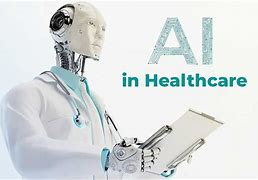
Generative artificial intelligence (AI) is the utilization of algorithms to create content such as text, code, imagery, videos, and even simulations in mere seconds. The goal of AI generally is to mimic the intelligence of humans to perform tasks, with generative AI (a type of AI) aiming to learn from data without the assistance of humans. While today’s generative AI bots are not yet prepared for widespread utilization in patient care settings, AI is garnering significant interest in the healthcare industry as providers begin to test the capabilities of AI in clinics and offices.

This Health Capital Topics article will review the role that generative AI is beginning to play in the U.S. healthcare system, the potential of AI in healthcare, and concerns related to the technology. (Read more…)

***

COMMENTS APPRECIATED

Thank You

***

***

HAPPY: Juvedérm Day!

By Staff Reporters

***

***

Allergan has branded today the first ever “Juvedérm Day,” named after its famous dermal filler.

AbbVie, which owns Allergan, reported that it made $368 million on Juvedérm in Q2 2023, up almost 7% compared to last year. AbbVie’s aesthetics business, which also produces Botox, made almost $1.4 billion in Q2.

Maybe AbbVie’s hoping that pushing Juvedérm sales will help make up for its dropping Humira sales.

***

***

***

MICRO-CERTIFICATIONS: For Financial Advisors Seeking Physician-Client Niche Success?

Micro-Credentials on the Rise

KNOWLEDGE RICHES IN NICHES

DR. DAVID EDWARD MARCINKO MBA CMP

SPONSOR: http://www.CertifiedMedicalPlanner.org

***

***

Do you ever wish you could acquire specific information for your career activities without having to complete a university Master’s Degree or finish our entire Certified Medical Planner™ professional designation program? Well, Micro-Certifications from the Institute of Medical Business Advisors, Inc., might be the answer. Read on to learn how our three Micro-Certifications offer new opportunities for professional growth in the medical practice, business management, health economics and financial planning, investing and advisory space for physicians, nurses and healthcare professionals.

Micro-Certification Basics

Stock-Brokers, Financial Advisors, Investment Advisors, Accountants, Consultants, Financial Analyists and Financial Planners need to enhance their knowledge skills to better serve the changing and challenging healthcare professional ecosystem. But, it can be difficult to learn and demonstrate mastery of these new skills to employers, clients, physicians or medical prospects. This makes professional advancement difficult. That’s where Micro-Certification and Micro-Credentialing enters the online educational space. It is the process of earning a Micro-Certification, which is like a mini-degree or mini-credential, in a very specific topical area.

Micro-Certification Requirements

Once you’ve completed all of the requirements for our Micro-Certification, you will be awarded proof that you’ve earned it. This might take the form of a paper or digital certificate, which may be a hard document or electronic image, transcript, file, or other official evidence that you’ve completed the necessary work.

Uses of Micro-Certifications

Micro-Certifications may be used to demonstrate to physicians prospective medical clients that you’ve mastered a certain knowledge set. Because of this, Micro-Certifications are useful for those financial service professionals seeking medical clients, employment or career advancement opportunities.

Examples of iMBA, Inc., Micro-Certifications

Here are the three most popular Micro-Certification course from the Institute of Medical Business Advisors, Inc:

  • 1. Health Insurance and Managed Care: To keep up with the ever-changing field of health care physician advice, you must learn new medical practice business models in order to attract and assist physicians and nurse clients. By bringing together the most up-to-date business and medical prctice models [Medicare, Medicaid, PP-ACA, POSs, EPOs, HMOs, PPOs, IPA’s, PPMCs, Accountable Care Organizations, Concierge Medicine, Value Based Care, Physician Pay-for-Performance Initiatives, Hospitalists, Retail and Whole-Sale Medicine, Health Savings Accounts and Medical Unions, etc], this iMBA Inc., Mini-Certification offers a wealth of essential information that will help you understand the ever-changing practices in the next generation of health insurance and managed medical care.
  • 2. Health Economics and Finance: Medical economics, finance, managerial and cost accounting is an integral component of the health care industrial complex. It is broad-based and covers many other industries: insurance, mathematics and statistics, public and population health, provider recruitment and retention, health policy, forecasting, aging and long-term care, and Venture Capital are all commingled arenas. It is essential knowledge that all financial services professionals seeking to serve in the healthcare advisory niche space should possess.
  • 3. Health Information Technology and Security: There is a myth that all physician focused financial advisors understand Health Information Technology [HIT]. In truth, it is often economically misused or financially misunderstood. Moreover, an emerging national HIT architecture often puts the financial advisor or financial planner in a position of maximum uncertainty and minimum productivity regarding issues like: Electronic Medical Records [EMRs] or Electronic Health Records [EHRs], mobile health, tele-health or tele-medicine, Artificial Intelligence [AI], benefits managers and human resource professionals.

Other Topics include: economics, finance, investing, marketing, advertising, sales, start-ups, business plan creation, financial planning and entrepreneurship, etc.

How to Start Learning and Earning Recognition for Your Knowledge

Now that you’re familiar with Micro-Credentialing, you might consider earning a Micro-Certification with us. We offer 3 official Micro-Certificates by completing a one month online course, with a live instructor consisting of twelve asynchronous lessons/online classes [3/wk X 4/weeks = 12 classes]. The earned official completion certificate can be used to demonstrate mastery of a specific skill set and shared with current or future employers, current clients or medical niche financial advisory prospects.

Mini-Certification Tuition, Books and Related Fees

The tuition for each Mini-Certification live online course is $1,250 with the purchase of one required dictionary handbook. Other additional guides, white-papers, videos, files and e-content are all supplied without charge. Alternative courses may be developed in the future subject to demand and may change without notice.

***

Contact: For more information, or to speak with an academic representative, please contact Ann Miller RN MHA CMP™ at: MarcinkoAdvisors@msn.com [24/7] -OR- 770-448-0769[9:00 – 5:00 EST].

***

SIX TYPES: OF Financial Professionals

By Aleksandar Stojanović, MSc

Here’s a brief insight before the explanations:

  • 𝗖𝗙𝗢𝘀 are heavily invested in strategic planning, leadership, and risk management, often overlooking the entire financial spectrum.
  • 𝗖𝗼𝗻𝘁𝗿𝗼𝗹𝗹𝗲𝗿𝘀 play a key role in accounting, financial reporting, and regulatory compliance, ensuring financial integrity.
  • 𝗙𝗣&𝗔 𝗠𝗮𝗻𝗮𝗴𝗲𝗿𝘀 focus on financial modeling, analytical skills, and business acumen to drive business growth.
  • 𝗜𝗻𝘁𝗲𝗿𝗻𝗮𝗹 𝗔𝘂𝗱𝗶𝘁𝗼𝗿𝘀 specialize in risk management, regulatory compliance, and analytical tasks to ensure internal control.
  • 𝗙𝗶𝗻𝗮𝗻𝗰𝗲 𝗔𝗻𝗮𝗹𝘆𝘀𝘁𝘀 are adept at financial modeling, analytics, and reporting to support data-driven decisions.
  • 𝗔𝗰𝗰𝗼𝘂𝗻𝘁𝗮𝗻𝘁𝘀 emphasize accounting skills, financial reporting, and regulatory compliance for precise record-keeping.

***

***

Now, generally, CFOs and FP&A Managers might spend more time connecting to business stakeholders for strategic decisions, while Controllers and Internal Auditors focus more on regulatory and compliance tasks.

Finance Analysts and Accountants are more involved in financial modeling and reporting.

These titles and responsibilities can be interchanged in some job descriptions, and the weight of these skills also depends on the industry and project.

But this breakdown is still quite helpful when planning career paths or understanding the roles within a finance department.

CITE: https://www.r2library.com/Resource

***
COMMENTS APPRECIATED

Thank You

***

***

High-Earning Americans to Lose 401(k) Tax Deduction in 2023

By Staff Reporters

***

***

Changes to a popular 401(K) tax deduction are set to hit millions of high-earning Americans from next year. Workers over the aged of 50 are entitled to make catch-up contributions to their 401(K)s worth up to $7,500 this year. The annual cap on all contributions is $30,000. 

CITE: https://www.r2library.com/Resource

But from 2024, those earning over $145,000 will no longer be able to put these catch-up payments into a traditional 401(K).  Instead, the money will be only funneled into a Roth IRA account, according to new rules passed through Congress in December. 

***

***
COMMENTS APPRECIATED

Thank You

***