


ACOs: A Brief History of Accountable Care Organizations

ACOs to the Rescue – Not Yet!

DEM white shirt

By Dr. David E. Marcinko MBA CMP®

SPONSOR: http://www.CertifiedMedicalPlanner.org

According to the Health Dictionary Series of administrative terms; valuation expert and colleague Robert James Cimasi MHA, ASA, AVA CMP™ of www.HealthCapital.com; an ACO is a healthcare organization in which a set of providers, usually large physician groups and hospitals, are held accountable for the cost and quality of care delivered to a specific local population. ACOs aim to affect provider’s patient expenditures and outcomes by integrating clinical and administrative departments to coordinate care and share financial risk [personal communication]

***

Product DetailsProduct DetailsProduct Details

***

Enter the PP-ACA

Since their four-page introduction in the PP-ACA of 2010, ACOs have been implemented in both the Federal and commercial healthcare markets, with 32 Pioneer ACOs selected (on December 19, 2011), 116 Federal applications accepted (on April 10, 2012 and July 9, 2012), and at least 160 or more Commercial ACOs in existence today.

Federal Contracts

More recently, Donna Marbury writing in Medical Economics, revealed that Federal ACO contracts are established between an ACO and CMS, and are regulated under the CMS Medicare Shared Savings Program (MSSP) Final Rule, published November 2, 2011.  ACOs participating in the MSSP are accountable for the health outcomes, represented by 33 quality metrics, and Medicare beneficiary expenditures of a prospectively assigned population of Medicare beneficiaries. If a Federal ACO achieves Medicare beneficiary expenditures below a CMS established benchmark (and meets quality targets), they are eligible to receive a portion of the achieved Medicare beneficiary expenditure savings, in the form of a shared savings payment.

***

thumb

***

Commercial Contracts

Commercial ACO contracts are not limited by any specific legislation, only by the contract between the ACO and a commercial payer. In addition to shared savings models which may not be in effect for another 3-5 years, Commercial ACOs may incentivize lower costs and improved patient outcomes through reimbursement models that share risk between the payer and the providers, i.e., pay for performance compensation arrangements and/or partial to full capitation.

Although commercial ACOs experience a greater degree of flexibility in their structure and reimbursement, the principals for success for both Federal ACOs and Commercial ACOs are similar. And, nearly any healthcare enterprise can integrate and become an ACO, larger enterprises, may be best suited for ACO status.

Medicare Contracts

Assessment

Larger organizations are more able to accommodate the significant capital requirements of ACO development, implementation, and operation (e.g., healthcare information technology), and sustain the sufficient number of beneficiaries to have a significant impact on quality and cost metrics.

More:

Conclusion

Your thoughts and comments on this ME-P are appreciated. Feel free to review our top-left column, and top-right sidebar materials, links, URLs and related websites, too. Then, subscribe to the ME-P. It is fast, free and secure.

Speaker: If you need a moderator or speaker for an upcoming event, Dr. David E. Marcinko; MBA – Publisher-in-Chief of the Medical Executive-Post – is available for seminar or speaking engagements. Contact: MarcinkoAdvisors@msn.com

OUR OTHER PRINT BOOKS AND RELATED INFORMATION SOURCES:

***

[HOSPITAL OPERATIONS, ORGANIZATIONAL BEHAVIOR AND FINANCIAL MANAGEMENT COMPANION TEXTBOOK SET]

Product DetailsProduct Details

[Foreword Dr. Phillips MD JD MBA LLM] *** [Foreword Dr. Nash MD MBA FACP]

***

Medical Franchises, MLM and In-Office Dispensation

BY Dr. DAVID EDWARD MARCINKO MBA MEd CMP™

http://www.MARCINKOASSOCIATES.com

***

***
Healthcare Business and Medical Franchises

The International Franchise Association (IFA) estimates that that about $1 trillion in sales, or 40% of all retail sales, were made through franchised establishment last decade. On the positive side, franchises offer a branded practice concept with management training and access to proprietary methods, marketing and advertising campaigns and a host of support. Moreover, there are franchises available for virtually every healthcare product or service, including: diet, weight loss and fitness; vein care and laser surgery; vitamins, nutriceuticals and pharmaceuticals; plastic and cosmetic surgery; dermatology, tanning and skin care; home healthcare and extended, etc.

CITE: https://www.r2library.com/Resource

Some well know established healthcare and medical franchises are: Doctors Express, Being There Senior Care, Home Care Assistance, Personal Training Institute, Inches-A-Weigh, Remedy Intelligent Staffing, Visiting Angels, Unlimited MedSearch, prnYourHealth and Any Lab Test Now.

On the downside, franchises incur high start-up costs, rules and obligations, payment of franchise percentages and many contractual obligations.

Questions to consider when contemplating this business entity include:

 Franchise stability, track record, licensing and costs.
 Training, support and proximity of other franchises.
 Independence, ownership laws, contracts and dispute resolutions,
 Screening methods, market size and potential market share.
 Replacement cost and transferability?

For more information on Uniform Franchise Offerings Circulars (UFOCs) contact:

Frandata
1130 Connecticut Avenue, NW
Washington DC 20036
202.659.8640

International Franchise Association7
1350 New York Avenue, NW
Washington, DC 20005
202.628.800

Multi-Level Marketing and In-Office Dispensation


A multi-level marketing (MLM) business delivers products or services through a chain of independent distributors rather than traditional retail business outlets. Existing medical practices not only pursue income ancillary, but it is not unusual for beginning practitioners to plan for and include it in their start-up models and business plans.

The first layer is usually the distributor who must sell products/services and recruit additional members to produce a hierarchical organization with many employees. Each distributor profits from direct sales, and from a varying commission stream down-line. It may be best to investigate before you leap into these situations since some may be fraudulent pyramid schemes that sell no useful product or service, and requires only recruiting others into the scheme. Be sure to obtain a Dunn & Bradstreet or TRW credit
report about any MLM company and inquire about current litigation. Most authorities agree that it take 3-5 years before serious money is made in the MLM business.

Moreover, care must be taken with this model. According to colleague Stephen Barrett MD, writing on the Mirage of Multilevel Marketing: “Many any physicians are selling health-related multi-level products to patients in their offices. The companies most involved have included Amway (now doing business as Quixtar), Body Wise, Nu Skin (Interior Design), Rexall, and Juice Plus+. Doctors are typically recruited with promises that the extra income will replace income lost to managed-care.

Back, in December 1997, the AMA Council on Ethical and Judicial Affairs (CEJA) advised against profiting from the sale of “non- health-related products” to their patients. Although CEJA’s policy statement does
not mention products sold through multilevel marketing, CEJA’s chairman said the statement was triggered by the growing number of physicians who had added an Amway distributorship to their practice.”

COMMENTS APPRECIATED

Thank You

***

***

DAILY UPDATE: Tesla, PBMs, Medicare Part C and the Hot Stock Markets

MEDICAL EXECUTIVE-POST – TODAY’S NEWSLETTER BRIEFING

***

Essays, Opinions and Curated News in Health Economics, Investing, Business, Management and Financial Planning for Physician Entrepreneurs and their Savvy Advisors and Consultants

“Serving Almost One Million Doctors, Financial Advisors and Medical Management Consultants Daily“

A Partner of the Institute of Medical Business Advisors , Inc.

http://www.MedicalBusinessAdvisors.com

SPONSORED BY: Marcinko & Associates, Inc.

***

http://www.MarcinkoAssociates.com

Daily Update Provided By Staff Reporters Since 2007.
How May We Serve You?
© Copyright Institute of Medical Business Advisors, Inc. All rights reserved. 2024

REFER A COLLEAGUE: MarcinkoAdvisors@msn.com

SPONSORSHIPS AVAILABLE: https://medicalexecutivepost.com/sponsors/

ADVERTISE ON THE ME-P: https://tinyurl.com/ytb5955z

***

A day before the June CPI report, major indexes extended their rally amid growing demand for semiconductors and rate cut hopes.

  • The S&P 500 rose above 5,600 for the first time ever, only a few short days after breaking above 5,500, with the index hitting a new record for the last seven straight trading sessions. The NASDAQ also enjoyed a solid day as well thanks to strong performances by tech stocks, while even the Dow got in on the action and ended the session in the green.
  • Bond yields stayed almost right where they’ve been all week as investors hold their breath ahead of tomorrow’s key CPI reading.
  • Gold rose as investors hope for a strong CPI report to point the Fed toward more rate cuts, while oil rose as well thanks to a stronger-than-expected outlook on global demand from OPEC.

***

The Centers for Medicare & Medicaid Services (CMS) announced in June it would recalculate 2024 Medicare Advantage (MA) star ratings for all plans after two court rulings called into question the agency’s method for determining this year’s ratings. The decision is estimated to cost the federal agency roughly $1 billion in additional bonus payments for insurers, according to healthcare analytics firm Cotiviti. The move comes after several large insurers laid off employees in late 2023 after their star ratings decreased.

HIPAA: Some groups are disputing a proposed federal rule that would require hospitals to report cybersecurity incidents, saying they want it to also include insurers and third-party vendors. (Healthcare Dive)

CITE: https://www.r2library.com/Resource

What’s up

  • Taiwan Semiconductor rose 3.54% after it reported that its June revenue fell 10% month over month, but its sales rose roughly 33% year over year.
  • Advanced Micro Devices popped 3.87% on the news it is acquiring Silo AI, the largest private artificial intelligence lab in Europe, for $665 million.
  • Carvana drove 4.21% higher after Needham analysts upgraded the stock from “hold” to “buy” due in part to new features at checkout highlighting EVs. Competitor CarMax jumped 6.42% in sympathy.
  • Aehr Test Systems rocketed 24.01% after the semiconductor testing equipment maker raised earnings guidance thanks to strong AI demand.
  • Smart Global Holdings rose 26.27% thanks to earnings that beat Wall Street expectations in the third quarter and a strong outlook for the rest of the year.

What’s down

  • LegalZoom plummeted 25.35% to a new all-time low after the company cut its outlook and its CEO stepped down.
  • HubSpot sank 12.24% on a report that Alphabet is no longer interested in acquiring the company.
  • Intuit dropped 2.57% on the news that the tax prep company is cutting 10% of its workforce.
  • Deckers Outdoor fell 4.86% after M Science analysts published a note cautioning that sales for key brands UGG and HOKA fell in June.
  • Ziff Davis fell 10.32% after the digital media company tried to get ahead of the bad news and pre-announced that second-quarter earnings will fall below analyst expectations.
  • Fast-casual restaurant stocks continued to sink today as investors grow more concerned about lower consumer spending and higher valuations. CAVA Group fell 5.47%, Sweetgreen dropped 1.72%, and Dutch Bros fell 4.34%.

CITE: https://tinyurl.com/2h47urt5

Tesla’s US electric car market share fell below 50% in Q2 for the first time, according to estimates by the research firm Cox Automotive.

CITE: https://tinyurl.com/tj8smmes

In a scathing report, the Federal Trade Commission accused [PBMs] pharmacy benefit managers—the companies that act as go-betweens for drug makers and consumers—of jacking up drug prices

COMMENTS APPRECIATED

PLEASE SUBSCRIBE: MarcinkoAdvisors@msn.com

Thank You

***

***

***

***

EDUCATIONAL TEXTBOOKS: https://tinyurl.com/4zdxuuwf

***

Why a Physician’s Charitable Contribution was Denied

Setty Gundanna Viralam et ux. v. Commissioner

[A Case Model]

By Children’s Home Society of Florida Foundation

In Setty Gundanna Viralam et ux. v. Commissioner; 136 T.C. No. 8; No. 21355-03 (13 Feb 2011), the Tax Court denied a deduction for a charitable gift to an organization maintaining donor advised funds for doctors. In addition to not receiving the charitable deduction, the doctor was subject to capital gains tax on sale of the stock and an accuracy-related penalty.

Physician Example

Dr. Viralam is a medical practitioner. In 1998, Dr. Viralam sold his 50% interest in a medical practice for $2,262,500, producing a taxable gain of $2,261,750. Dr. Viralam had joined a membership organization of doctors named Xelan. He paid a $975 membership fee for the “Xelan tax reduction plan.”

Xelan Foundation

Based upon promotional materials that promised “a tax reduction” program, Dr. Viralam transferred appreciated stock to the Xelan Foundation (“Foundation”) in 1998. The Foundation indicated that Dr. Viralam could create an account described variously as a “donor advised fund” or “family public charity.” The fund was available for “charitable giving, income tax reduction planning, estate tax reduction, educational funding and future retirement planning.”

The Xelan Foundation had been recognized by the IRS as a public charity and was included in IRS Publication 78. In addition, the Foundation had obtained an opinion letter from the Conner & Winters law firm on deductibility of gifts. In their opinion letter, Conner & Winters suggested that gifts to the Foundation were more likely than not to be deductible. However, the opinion letter declined to issue an opinion on the specific grants or educational programs of the Foundation donor advised funds.

The Gifting Mechanism

Following Dr. Viralam’s gift of stock with fair market value of $262,433 and cost basis of $131,360, the Foundation sold the gifted stock and provided him with a receipt. The receipt included the Sec. 170(f)(8) statement that “no goods or services” were transferred in exchange for the gift.

At the recommendation of Dr. Viralam, the Foundation accountant distributed $15,500 to religious organizations for the next two years. However, his Foundation account also made distributions to the University of Pennsylvania of $70,299. Dr. Viralam’s son Vinay was at that time a student at that university. The IRS audited Dr. Viralam and issued a notice of deficiency for 1998. The IRS denied the charitable deduction, assessed a tax on the sale of the appreciated stock by Xelan Corporation and also accessed an accuracy-related penalty under Sec. 6662.

The Court and IRS Opines

The court noted that under Sec. 170(c)(2), a charitable contribution is permitted if it is given to “a foundation organized and operated exclusively for charitable or educational purposes.”

The IRS claimed that the supposed “student loan” to Vinay showed that Dr. Viralam had “never surrendered dominion and control” over the fund. When Dr. Viralam created the fund in 1998, he anticipated that his three children would receive most of the fund for their college expenses. The initial distributions for the benefit of Vinay were made and “the Foundation’s approval of petitioner’s son as a student loan beneficiary was perfunctory.”
While it was true that the Foundation had been granted exempt status and was listed in Publication 78, the issue of the operation exclusively for the benefit of charitable purposes remained. Even though the purported donor advised fund was supposedly for charitable purposes, the facts indicated that Dr. Viralam had retained dominion and control.

The Sec. 170(f)(8)(A) receipt issued by Xelan Foundation indicated that there were no “goods or services” provided in consideration of the gift. However, the “student loans” were clearly within the regulatory definition of “cash, property, services, benefits and privileges.” Because the student loans were contemplated as part of the fund benefits, the gift failed the “no goods or services” test. Under Sec. 170(f)(8), there is “no deduction” if that test is failed.

Assessment

Because there was no charitable deduction, Dr. Viralam is also taxable on the long-term capital gain produced by sale of the stock in 1998. In addition, the penalty under Sec. 6662 applied. Dr. Viralam pointed to the legal opinion by the law firm Connor & Winters. However, that legal opinion explicitly excepted a potential student loan program. In the view of the court, the arrangement fails the “too good to be true” test. In the view of a reasonable person, a taxpayer should realize that this gift to provide university-level educations for children would not be deductible.

Conclusion

And so, your thoughts and comments on this ME-P are appreciated. Feel free to review our top-left column, and top-right sidebar materials, links, URLs and related websites, too. Then, subscribe to the ME-P. It is fast, free and secure.

Speaker: If you need a moderator or speaker for an upcoming event, Dr. David E. Marcinko; MBA – Publisher-in-Chief of the Medical Executive-Post – is available for seminar or speaking engagements. Contact: MarcinkoAdvisors@msn.com

Our Other Print Books and Related Information Sources:

Physician Financial Planning: http://www.jbpub.com/catalog/0763745790

Medical Risk Management: http://www.jbpub.com/catalog/9780763733421

Subscribe Now: Did you like this Medical Executive-Post, or find it helpful, interesting and informative? Want to get the latest ME-Ps delivered to your email box each morning? Just subscribe. You can unsubscribe at any time. Security is assured.

Sponsors Welcomed: And, credible sponsors and like-minded advertisers are always welcomed.

Link: https://healthcarefinancials.wordpress.com/2007/11/11/advertise

Product DetailsProduct DetailsProduct Details

Product Details  Product Details

On Donor Advised Funds

More on DAFs

By Rick Kahler CFP®

In A Christmas Carol, Charles Dickens has a scene where two charity workers raising funds for the poor approach Ebenezer Scrooge on Christmas Eve.

” What shall I put you down for?”
   “Nothing!” Scrooge replied.
   “You wish to be anonymous?”
   “I wish to be left alone,” said Scrooge.”

Scrooge may not be alone in his desire to be left alone. With 60% of Americans supporting presidential candidates’ proposals for wealth taxes, financial transaction taxes, higher capital gains tax rates, and increases in income taxes, many of our affluent neighbors are just not feeling the love this Christmas.

Nevertheless, there are still millions more who want to give. Charitable giving, though, can be more complicated than it was in Scrooge’s time. For example:

  • Are you bunching your itemized deductions into every other year and would like to give a substantial amount to charities this year, but you haven’t had time to research which charity you want to support or you want to spread the giving out over time as opposed to giving it all this month?
  • Do you support a number of charities and would like to support even more, but find the IRS requirements for documenting your gifts to be burdensome?
  • Would you like to set aside a sum of money for your favorite charities that could generate an annual income forever, but forming a foundation or charitable trust is beyond your reach?

All the above are possible with a donor-advised fund.

Let’s say you wanted to give small amounts to fifty different charities. Rather than write fifty checks and obtain fifty receipts, you can make one gift to the fund, which distributes the money to the fifty charities. You only have to provide one receipt to the IRS.

You can also make a charitable gift to the donor-advised fund that qualifies as a deduction on your 2019 tax return, but you can delay the distribution of the funds until sometime in the future. This gives you time to explore the various causes you may want to support.

What really sets a donor-advised fund apart from other types of charitable giving is that you can decide how your donations are used, much as you would if you set up your own foundation. You can even create either an endowed or a non-permanent fund for a particular purpose, such as a specifically-designated scholarship fund in memory of a loved one.

***

***

Case Example:

One example of a donor-advised fund is the Black Hills Area Community Foundation. The BHACF supports scores of local charities and special projects. However, almost all financial institutions like Fidelity, TD Ameritrade, and Schwab have relationships with donor-advised funds.

While DAFs create an easy-to-establish, low-cost, flexible vehicle for charitable giving as an alternative to an expensive and complex private foundation, they are not hassle-free or without costs. Many charge a combination of fixed quarterly fees and an annual percentage of the undistributed funds. There is also a reasonable amount of administrative work involved. One DAF that I use assesses a penalty of $500 if the account is closed in under a year. They work best when a person anticipates significant contributions and a long-term giving plan.

Every donor-advised fund has different charities, minimums, processes, and costs, so it’s important to do your homework. Research whether the fund approves of the charities you want to support, as well as the costs involved.

Assessment

A donor advised fund may be a good way to take a large deduction this year, reduce the administrative hassles and costs of setting up a foundation, and still give to causes you choose to support.

Your thoughts are appreciated.

BUSINESS, FINANCE, INVESTING AND INSURANCE TEXTS FOR DOCTORS:

Comments Appreciated

THANK YOU

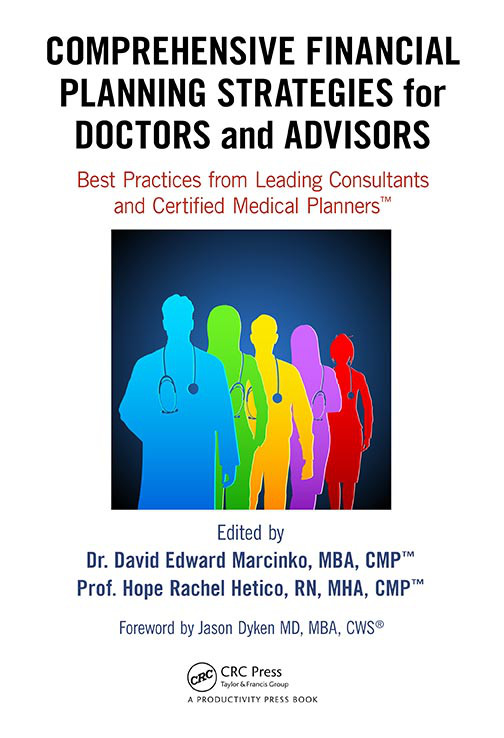
Risk Management, Liability Insurance, and Asset Protection Strategies for Doctors and Advisors: Best Practices from Leading Consultants and Certified Medical Planners™8Comprehensive Financial Planning Strategies for Doctors and Advisors: Best Practices from Leading Consultants and Certified Medical Planners™

DAILY UPDATE: Mike Bloomberg, Arianna Huffington and Andreessen Horowitz as Stock Markets Tread Lightly

MEDICAL EXECUTIVE-POST – TODAY’S NEWSLETTER BRIEFING

***

Essays, Opinions and Curated News in Health Economics, Investing, Business, Management and Financial Planning for Physician Entrepreneurs and their Savvy Advisors and Consultants

“Serving Almost One Million Doctors, Financial Advisors and Medical Management Consultants Daily“

A Partner of the Institute of Medical Business Advisors , Inc.

http://www.MedicalBusinessAdvisors.com

SPONSORED BY: Marcinko & Associates, Inc.

***

http://www.MarcinkoAssociates.com

Daily Update Provided By Staff Reporters Since 2007.
How May We Serve You?
© Copyright Institute of Medical Business Advisors, Inc. All rights reserved. 2024

REFER A COLLEAGUE: MarcinkoAdvisors@msn.com

SPONSORSHIPS AVAILABLE: https://medicalexecutivepost.com/sponsors/

ADVERTISE ON THE ME-P: https://tinyurl.com/ytb5955z

***

Most medical students at Johns Hopkins University won’t have to pay tuition anymore thanks to a $1 billion gift from Michael Bloomberg.

CITE: https://www.r2library.com/Resource

Here’s where the major benchmarks ended:

  • The S&P 500 index®(SPX) rose 4.13 points (0.1%) to 5,576.98; the Dow Jones Industrial Average® ($DJI) fell 52.82 points (0.1%) to 39,291.97; the NASDAQ Composite® ($COMP) climbed 25.55 points (0.1%) to 18,429.9.
  • The 10-year Treasury note yield increased two basis points to 4.29%.
  • The CBOE Volatility Index® (VIX) inched up to 12.49, still near recent lows.

What’s up

  • Tesla rose 3.71%, putting the company squarely in the green year to date as investors continue to celebrate the automaker’s strong delivery numbers.
  • Corning rose yet another 3.76%, extending the glassmaker’s gains as it quickly becomes the new hot AI stock du jour.
  • Kymera Therapeutics shot 23.40% higher after its partner Sanofi gave the go-ahead for further studies of its experimental skin disease treatment.
  • Jumia Technologies soared 29.79% after Benchmark analysts initiated coverage of the African e-commerce company with a “buy” rating.
  • Sony rose 4.46% on the news that it has nothing to do with the merger of Paramount and Skydance as shareholders celebrate dodging a Paramount-shaped bullet.

What’s down

  • Albemarle dropped 8.76% after Baird analysts warned that lower lithium demand will translate to lower profits for the miner in its upcoming second quarter.
  • BP sank 4.80% after management warned of lower-than-expected profits and a writedown of its German refining facility to the tune of up to $2 billion.
  • Helios Technologies fell 10.94% on the news that the CEO of the industrial manufacturer had been placed on paid leave for potentially violating the company’s code of ethics.
  • Helen of Troy plummeted 27.73% after the Hydro Flask maker announced terrible earnings and lowered its fiscal year outlook.
  • UiPath fell 6.90% on the announcement that the software company will cut 10% of its workforce.

CITE: https://tinyurl.com/2h47urt5

OpenAI’s venture fund and Arianna Huffington’s Thrive Global are jointly funding a new startup that aims to build an AI health coach to promote healthier lifestyles.


Function Health, a health tech company focused on preventive medicine, recently closed a series A round led by Andreessen Horowitz (a16z) Bio + Health along with a slew of celebrity investors.


And … made possible by the American Rescue Plan, the Biden administration is putting $27.5 million toward women’s behavioral health.

CITE: https://tinyurl.com/tj8smmes

COMMENTS APPRECIATED

PLEASE SUBSCRIBE: MarcinkoAdvisors@msn.com

Thank You

***

***

***

***

EDUCATIONAL TEXTBOOKS: https://tinyurl.com/4zdxuuwf

***

Selecting Money Managers?

TRUST BUT VERIFY – CAVEAT EMPTOR

SPONSOR: http://www.MarcinkoAssociates.com

Image result for money managers

By Clifton McIntire; CIMA, CFP® and Lisa McIntire; CIMA, CFP® 

Most physicians and healthcare executives do not manage their own portfolios, or those of their office or medical foundations. Most are more comfortable using outside money managers to make their investment decisions. Just as the general public does not have the facilities, equipment, staff, or training to make medical decisions, physicians generally do not have the time, education, infrastructure or temperament, to make their own investment decisions.

The Style Search 

The search for the right manager(s) begins with creating a “want” list. What kind of a manager do you want? Let’s say you want to find a large cap growth manager. That narrows the field considerably from the start. You are looking for a manger that does research in and understands the field of large growth companies like Microsoft, Walmart, Pfizer, Google, and AOL-Time Warner.   Jim Cowperthwait, Managing Partner of NewBridge Partners, LLC in New York City, is a “growth” manager.  Cowperthwait sums up this philosophy with the statement, “Earnings growth drives stock prices over the long-term. Therefore, we invest our clients’ money in companies whose earnings are expected to grow at 20 percent per year.  Over the long term, this should result in portfolio growth of 15 percent per year.” The other main investment “style” is “value.” 

Value managers buy stocks at a discount to some perceived value.  Generally these stocks pay above market dividend yield, are selling below market price/earnings ratios, and have a low price to cash flow ratio.  Examples of value stocks would be Exxon, Philip Morris, Dupont, and Texas Utilities.  Jim Landau of Berkeley Capital Management in San Francisco, California is a value manager. Landau says, “We look for quality companies with a consistent record of dividend increases and a stock price that is undervalued.” Other styles include the following:

  • Contrarian—invest in stocks that are out of favor or have little market interest
  • Small Cap Growth—small growing companies with high capital appreciation potential
  • Small Cap Value—companies that sell at a discount to some perceived value
  • Market timers
  • Asset Allocators
  • Sector Rotators

Fixed Income Managers 

Managers in the field of fixed income also have a variety of styles. Some are managers of municipal bond portfolios such as John Mousseau of Cumberland Advisors of Vineland, New Jersey.  George Shaffrey of Morgan Keegan & Company of Memphis, Tennessee manages a portfolio of high yielding (average rating “B”) corporate bonds.  Madison Investment Advisors of Madison, Wisconsin offers management of U.S. Government Bonds.  To limit the field even more let us establish some minimum requirements.  To begin with, the performance numbers must be in conformance with AIMR (Association for Investment Management and Research); now CFA Institute, standards.  After that, limit your search to firms with the following characteristics: 

  • Assets under management of at least $1 billion
  • Organization with at least four principals
  • Some independent research
  • Length of time in business  (at least 2 market cycles)
  • Consistent return performance
  • Control of risk well defined
  • Minimum account size within our reach

Software programs are available to screen the world of investment management and come up with a list of potential candidates. CheckFree Investment Services of Research Triangle Park, North Carolina has one of the best. Many others are available. Whether the Bank Trust Department, Private Money Manager or Personal Investment Consultant is being interviewed, here are a few of the questions that should be asked: 

  • Can I get a sample of that report?
  • What kind of performance measurement reporting do I get from you?
  • What due diligence work is done by your organization?
  • What investment/portfolio choices do I have?
  • Who is/are the portfolio manager(s)?
  • How experienced is the portfolio manager?
  • How is he/she compensated?
  • Are you showing me audited performance?
  • How has the performance been? (1, 3, 5 and 7 years)
  • Whose performance is it?  The same portfolio manager as five years ago?
  • Have other key personnel changes been made?
  • Will my account be a separate or commingled account?
  • What are the total costs?  Does that include the following:  ü       [Custody of assets?   Management fee?  Trustee fees?  Transaction fees?  Transaction costs?  Distribution fees?  Termination fees?, etc] 
  • Can I get the costs in writing with a statement that there are no additional costs?

stock-exchange

Decision Matrix 

Now decide what’s important to you in a money-manger and weight each matrix or category. Here are four useful qualities to assess each potential money-manager on the same criteria to be as objective as possible.  These areas are organization, philosophy, performance and fit with your overall plan.  Decide how much weight to assign each of these areas and then rank each manager on a scale of 1 (lowest) to 4 (highest) for each manager. 

1. Performance: 

Like some medical P4P initiatives, after installing your manager(s) you must monitor the performance to assure strict and complete conformance with your investment policy statement. You need to compare your returns with standard indexes, your return objectives, consumer price index, and Treasury Bills. It is also important to compare your results with other investment managers with similar investment style. Let’s not forget the very important capital market line analysis, which depicts the risk we experienced for the return we received; or manager expenses and portfolio size.                   

2. Capital Market Line Analysis:

Quarterly in depth analysis of the portfolio is a must. Most institutions require a formal presentation from the consultant quarterly. Your money is certainly as important to you as the fiduciary responsibility is to them. Some consultants let the report always reflect the account from the beginning. The theory is that the more data that we put in, the more accurate the statistics become, but this begins to distort the performance after the fifth year, and data going back to 1940 is not relative to current market environments. Many reports exclude numbers more than five to seven years old. 

3. Expenses:

Expenses can play an important role in performance. You don’t hear much about expense ratios in an up market. If your account was up +28 percent, whether the expense was 3 percent or 1 percent doesn’t seem to make much difference.  But let the market decline and the portfolio with it for a year and we change our perspective. A 10 percent portfolio decline plus charges of 3 percent equals a 13 percent decline.  Now we need a 15 percent increase net of fees just to get even.  Basically you have four cost areas: 

  • Custody—someone must hold the stocks and bonds, collect dividends and interest, prepare tax information for the government, issue monthly statements, and send checks.
  • Commissions—orders must be executed, transfer securities into and out of your account, trades settled.
  • Investment Decisions—the money manager must be paid.
  • Monitoring Performance and Advice—usually an investment management analyst is engaged to provide this service as well as write the investment policy statement and prepare the asset allocation study.

4. Size:

Naturally, size makes a difference. For a stock account with a $200,000 total value, all of the above can be accomplished for annual fees between 2.00 and 3.00 percent.  An account with $1,500,000 in total assets part bonds and part stocks would pay annual fees between 1.25 and 1.75 percent depending on the ratio of stocks and bonds.  These are annual fees and are all-inclusive. Commissions, portfolio management fees, and statements check charges are all included.  One quarter of the annual fee is charged every three months.  Family related accounts are generally grouped for a quantity fee discount. Most all fee structures are negotiable. Some consultants prefer to use mutual funds with smaller accounts.  A charge of 1 percent per year for their service with a stated minimal fee is common practice. This does not include fees deducted from the account by the mutual fund (anywhere from .50 to 2.50 percent) or commissions paid by the fund managers for trade executions.   

Assessment 

Remember, when considering money management, be sure to understand the ultimate fiscal consequences and your own personal liability? Always be sure to use a fiduciary consultant and let the competition for your business begin. 

Conclusion

Your thoughts and comments on this ME-P are appreciated. Feel free to review our top-left column, and top-right sidebar materials, links, URLs and related websites, too. Then, subscribe to the ME-P. It is fast, free and secure.

Speaker: If you need a moderator or speaker for an upcoming event, Dr. David E. Marcinko; MBA – Publisher-in-Chief of the Medical Executive-Post – is available for seminar or speaking engagements. Contact: MarcinkoAdvisors@msn.com

OUR OTHER PRINT BOOKS AND RELATED INFORMATION SOURCES:

Comprehensive Financial Planning Strategies for Doctors and Advisors: Best Practices from Leading Consultants and Certified Medical Planners(TM)

***


CYBERSECURITY: Healthcare Podcast

***

“Victims of cyber extortion and ransomware increase in 2024”

By Dan Raywood for SC Magazine, July 8, 2024.
https://www.scmagazine.com/news/victims-of-cyber-extortion-and-ransomware-increase-in-2024

“…small businesses with fewer than 1,000 employees are four times more likely to be impacted by attackers than medium and large businesses.” That’s us, Doc. (You might not get this kind of news from the American Dental Association).

DARRELL PRUITT DDS

***

Protecting Healthcare: Unveiling the Cybersecurity Imperative

Podcast: A Conversation with Dan Dotson

RICH HELPPIE The Common Bridge

EDITOR’S NOTE: I first met Rich in B-school, when I was a student, back in the day. He was the Founder and CEO of Superior Consultant Holdings Corp. Rich graciously wrote the Foreword to one of my first textbooks on financial planning for physicians and healthcare professionals. Today, Rich is a successful entrepreneur in the technology, health and finance space.

-Dr. David E. Marcinko MBA MEd CMP®

COMMENTS APPRECIATED

Thank You

***

***

SECOND OPINIONS: Secure Investment Advisory -OR- Medical Practice Management Advice

***

MARCINKO & ASSOCIATES, Inc.

Dr. David Edward Marcinko MBA MEd CMP®

Certified Medical Planner®

SPONSOR: http://www.CertifiedMedicalPlanner.org

CMP logo

***

FINANCIAL PLANNING

CAREER DEVELOPMENT

MEDICAL PRACTICE BUY IN / OUT

INVESTMENT ANALYSIS

PORTFOLIO MANAGEMENT

MERGERS AND ACQUISITIONS

PRACTICE APPRAISALS AND VALUATIONS

RETIREMENT PLANNING

FEE-ONLY CONSULTATIONS

***

CONTACT: Ann Miller RN MHA

EMAIL: MarcinkoAdvisors@msn.com

***

PRIVATE EQUITY: Ownership in Physician Practices

By NIHCM

***

***

Private equity acquisition of physician practices continues to grow nationwide. New research focused on specialists in dermatology, gastroenterology, and ophthalmology shows the impact of the trend.

CITE: https://www.r2library.com/Resource/Title/0826102549

Novel evidence by NIHCM grantee Jane Zhu, MD, and her team, reveals shifts in workforce composition and hiring patterns after private equity firms obtain physician practices. The researchers’ findings are particularly important for policymakers and practices considering selling to private equity firms. Highlights include:

  • A significant yearly increase in the number of advanced practice providers at private equity-acquired practices, specifically nurse practitioners and physician assistants. 
  • In acquired practices, entering clinicians replaced exiting clinicians at a higher rate than at non-private equity-acquired practices.

This work adds to the research team’s previous findings, including the geographic variations in private equity ownership across six medical specialties, and the impact of private equity on health care costs and utilization.

***

ORDER: https://www.routledge.com/Comprehensive-Financial-Planning-Strategies-for-Doctors-and-Advisors-Best/Marcinko-Hetico/p/book/9781482240283

***

COMMENTS APPRECIATED

Thank You

***

DAILY UPDATE: Health Insurers & Hospital Mergers with Light Stock Market Trading

MEDICAL EXECUTIVE-POST – TODAY’S NEWSLETTER BRIEFING

***

Essays, Opinions and Curated News in Health Economics, Investing, Business, Management and Financial Planning for Physician Entrepreneurs and their Savvy Advisors and Consultants

“Serving Almost One Million Doctors, Financial Advisors and Medical Management Consultants Daily“

A Partner of the Institute of Medical Business Advisors , Inc.

http://www.MedicalBusinessAdvisors.com

SPONSORED BY: Marcinko & Associates, Inc.

***

http://www.MarcinkoAssociates.com

Daily Update Provided By Staff Reporters Since 2007.
How May We Serve You?
© Copyright Institute of Medical Business Advisors, Inc. All rights reserved. 2024

REFER A COLLEAGUE: MarcinkoAdvisors@msn.com

SPONSORSHIPS AVAILABLE: https://medicalexecutivepost.com/sponsors/

ADVERTISE ON THE ME-P: https://tinyurl.com/ytb5955z

***

Here’s where the major benchmarks ended:

The CBOE Volatility Index® (VIX) climbed slightly to 12.37.

The S&P 500 index®(SPX) rose 5.66points (0.1%) to 5,572.85; the Dow Jones Industrial Average® ($DJI) dropped 31.08 points (0.1%) to 39,344.79; the NASDAQ Composite® ($COMP) gained 50.98 points (0.3%) to 18,403.74.

The 10-year Treasury note yield (TNX) was roughly flat at 4.27%.

CITE: https://www.r2library.com/Resource

What’s up

  • Intel popped 6.15% after an analyst at Melius Research declared the company could be one of the big AI winners in the second half of this year.
  • Morphic Holding skyrocketed 75.06% on the news that Eli Lilly will acquire the drugmaker for $3.2 billion in cash.
  • SolarEdge climbed 9.26% thanks to an upgrade from “underperform” to “neutral” by Bank of America analysts, who see big upside and few downside risks ahead.
  • Corning rose 11.98% after management raised earnings guidance for the coming quarter thanks to higher demand due to the AI boom.
  • Lucid rose 7.85% on the news that its deliveries rose 70% in the second quarter.

What’s down

CITE: https://tinyurl.com/2h47urt5

Stat: 27. That’s a tally of some of the hospital mergers, acquisitions, joint ventures, affiliations, and partnerships that have been canceled since January 2022. (Becker’s Hospital Review)

Read: Health insurers received $50 billion from Medicare for diseases that doctors did not treat over three years, according to a recent analysis. (Wall Street Journal)

CITE: https://tinyurl.com/tj8smmes

COMMENTS APPRECIATED

PLEASE SUBSCRIBE: MarcinkoAdvisors@msn.com

Thank You

***

***

***

***

EDUCATIONAL TEXTBOOKS: https://tinyurl.com/4zdxuuwf

***

HEDGE FUNDS: Understanding Fees and Costs

SPONSOR: http://www.MARCINKOASSOCIATES.com

***

***

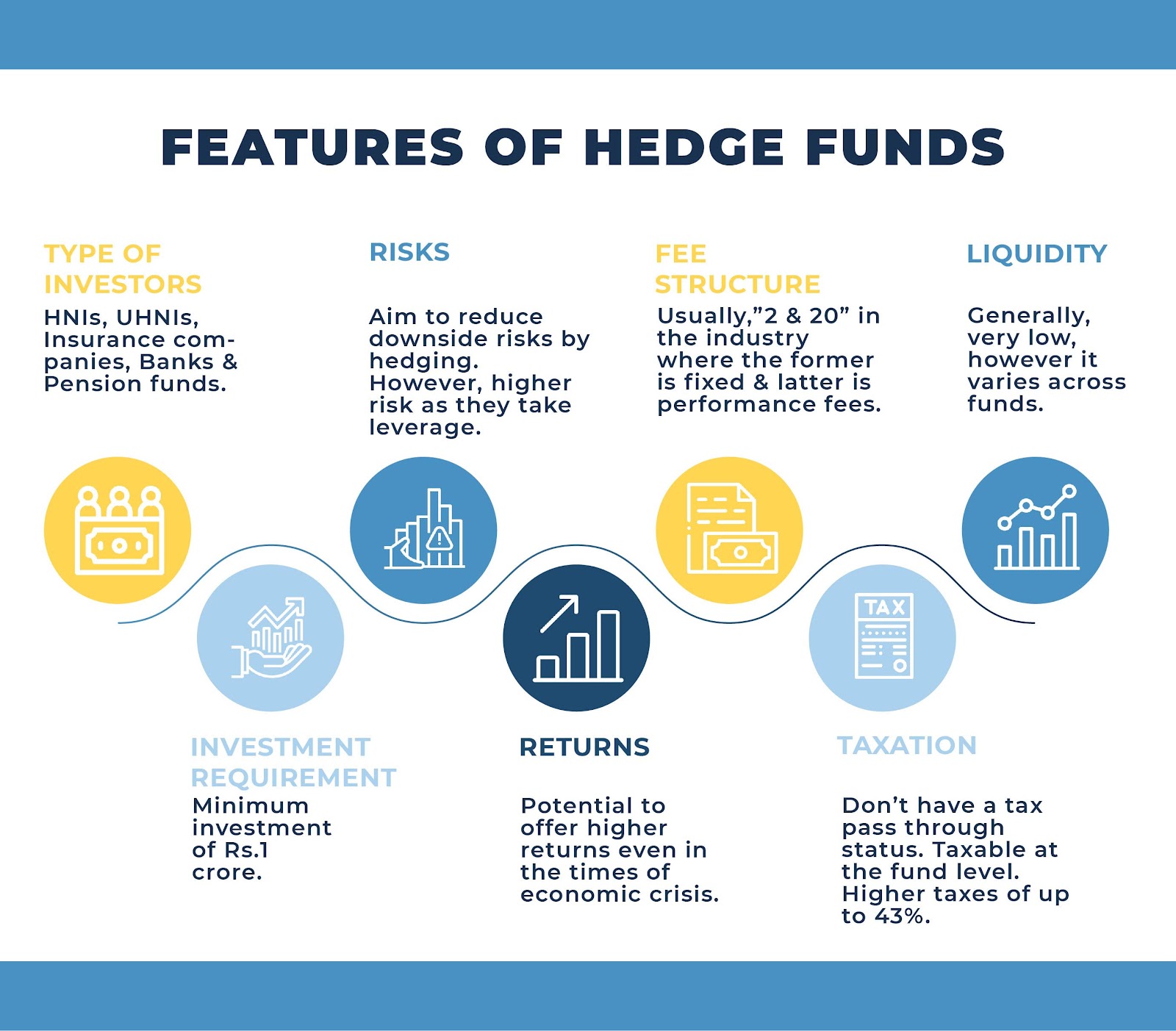
DEFINITION: A Hedge fund is an investment partnership with freer rein to invest aggressively in a wider variety of financial products than most mutual funds. A hedge fund’s purpose is to pool funds, maximize investor returns, and eliminate risk with hedging strategies. Hedge funds are generally considered more aggressive, risky, and exclusive than mutual funds. The hedge fund industry has grown tremendously since its inception. There are trillions of dollars of assets under management, more than 8,800 hedge fund managers, and over 27,000 funds globally

CITE: https://www.r2library.com/Resource/Title/082610254

***

Many physicians and other investors — even those that meet net worth guidelines — are surprised to learn that there exists a $500 – 999 billion, or more, alternative investment industry that is not generally marketed to the public. Such alternative investments have also been known as hedge funds or private investment funds.

Unlike mutual funds, these alternative investments can be structured in a wide variety of ways. Because of the very same regulations discussed above, these funds cannot be advertised, but they are far from illegal or illicit.

READ MORE: https://marcinkoassociates.com/hedge-funds/

***

COMMENTS APPRECIATED

Thank You

***

***

Novant/CHS Deal Scrapped after FTC Intervenes

By Health Capital Consultants LLC

In February 2023, Novant Health, a 19-hospital, non-profit health system operating throughout the Carolinas, agreed to acquire two North Carolina hospitals – Davis Regional Medical Center and Lake Norman Regional Medical Center – from Community Health System (CHS), a publicly-traded mega-system operating in 15 states.

After the $320 million deal was announced, the Federal Trade Commission (FTC) began an extensive review of the acquisition, and concluded that: (1) the transaction may substantially reduce competition; (2) create a monopoly; and (3) constitute an unfair method of competition. (Read more…)

***

***

COMMENTS APPRECIATED

Thank You

***

***

How to Monitor Hedge Funds

Four Ways to Monitor after Purchase

By Dr. David Edward Marcinko MBA, MEd, CMP™

SPONSOR: www.CertifiedMedicalPlanner.org

[Publisher-in-Chief]

Hedge funds (broadly defined as private investment vehicles that trade a variety of long and short equities, derivatives, futures contracts, and options in a variety of capital markets) have grown in size and importance in client portfolios because of superior performance, until late [2008-09 and 2022], and readily available investor capital.

Risk Factors

Physicians and clients often ask us to assess certain risk factors and a variety of investment entity structural characteristics associated with hedge funds. Accordingly, we must often be involved in discussing clients’ specific risk/return desires and expectations as they consider such investments.

Four Key Post-Investment Issues:

  1. A change in core investment strategies or risk postures from those which are documented in the investment policy statement—Among these are the specific markets to be traded, the degree of financial leverage to be employed or allowable, the underlying instruments or contracts to be used, and the investment strategies to be pursued under various conditions. Hence, there is no substitute for careful and regular assessment by the planner of changes in how and what an investment manager is trading and communication of such to the client.
  2. Use of financial leverage can dramatically increase returns just as poor performance can be accentuated—The key issue for the planner is whether a given investment manager’s use of leverage changes over the life of the hedge-fund investment, thereby possibly affecting the client’s initial desired risk/return profile.
  3. The composition of the performance return, particularly with respect to the long-term capital gain component.
  4. Asset growth—Regularly monitor and evaluate whether it is detrimental to performance and capable of causing an erosion of performance over a long-term horizon.

Assessment

http://www.MarcinkoAssociates.com

Often, after a hedge-fund investment has been made, if performance over time is good (or even adequate), both the doctor client and the financial advisors or planner may assume that there has been no material changes in investment strategy or structural characteristics that warrant attention or concern. Such changes often occur subtly over time and, if performance erodes, and the client may feel that the planner did not adequately monitor the investment. Hence the necessity for the above warning post

Note: “Post investment Issues Regarding Hedge Funds,” by Richard L. Fisher, Personal Financial Planning, November/December 1996, pp. 14–19, Warren, Gorham & Lamont, 1-800-950-1205.)

Conclusion

Your thoughts and comments on this ME-P are appreciated. Feel free to review our top-left column, and top-right sidebar materials, links, URLs and related websites, too. Then, subscribe to the ME-P. It is fast, free and secure.

Speaker: If you need a moderator or speaker for an upcoming event, Dr. David E. Marcinko; MBA – Publisher-in-Chief of the Medical Executive-Post – is available for seminar or speaking engagements. Contact: MarcinkoAdvisors@msn.com

OUR OTHER PRINT BOOKS AND RELATED INFORMATION SOURCES:

HOSPITALS: http://www.crcpress.com/product/isbn/9781466558731
CLINICS: http://www.crcpress.com/product/isbn/9781439879900
BLOG: www.MedicalExecutivePost.com
FINANCE: Financial Planning for Physicians and Advisors
INSURANCE: Risk Management and Insurance Strategies for Physicians and Advisors

Product DetailsProduct DetailsProduct Details

Product Details  Product Details

SPONSOR & ADVERTISE on the MEDICAL EXECUTIVE-POST

***

INFLUENCERS

Reach Industry Pros, Executives and Decision-Makers with Ease!

Thank you for your interest in advertising on, or sponsoring the ME-P, the web’s only site integrating medical practice management with personal financial planning for all industry professionals.

imba inc

Why should your company sponsor or advertise on the ME-P?

• Reader loyalty. Not only does the ME-P receive a mind-boggling number of page views and visits each month, its readers are loyal.
• Reader stature. ME-P readers are experienced industry pros, executives and decision-makers.
• Selective advertising. The ME-P is a free read that’s off the radar of the big-ad companies. Your ad here stands out as personal and different.
• Supporting the ME-P makes a big difference and costs only a fraction of other online publications with far fewer readers.
• Cost. CPM is reasonable and low compared to other sites.

E-mail us for a full packet, but give a look to these results from the ME-P’s annual reader survey:

* 89% of readers said the ME-P influences their perception of products and companies
* 34% said that ME-P sponsorship alone give them a higher interest or appreciation for those companies
* 754% said the ME-P has some, a good bit, or a lot of industry influence

Contact me and I’ll e-mail you a rate card. Your support makes a difference!

THANK YOU

ANN MILLER RN MHA CMP CPHQ

EMAIL: MarcinkoAdvisors@msn.com

DAILY UPDATE: Earnings Season, the FOMC, Threads and Boeing

MEDICAL EXECUTIVE-POST – TODAY’S NEWSLETTER BRIEFING

***

Essays, Opinions and Curated News in Health Economics, Investing, Business, Management and Financial Planning for Physician Entrepreneurs and their Savvy Advisors and Consultants

“Serving Almost One Million Doctors, Financial Advisors and Medical Management Consultants Daily“

A Partner of the Institute of Medical Business Advisors , Inc.

http://www.MedicalBusinessAdvisors.com

SPONSORED BY: Marcinko & Associates, Inc.

***

http://www.MarcinkoAssociates.com

Daily Update Provided By Staff Reporters Since 2007.
How May We Serve You?
© Copyright Institute of Medical Business Advisors, Inc. All rights reserved. 2024

REFER A COLLEAGUE: MarcinkoAdvisors@msn.com

SPONSORSHIPS AVAILABLE: https://medicalexecutivepost.com/sponsors/

ADVERTISE ON THE ME-P: https://tinyurl.com/ytb5955z

***

Wall Street is counting down the hours until Friday, which is when Q2 earnings season kicks off. Investors are hoping anyone besides Big Tech will post impressive results to keep the rally going. Although the stock market has set record after record this year, it’s mostly been the work of tech giants. As of Tuesday, about 40% of S&P 500 companies were in the red for 2024.

CITE: https://www.r2library.com/Resource

Federal Reserve Chair Jerome Powell will give updates on the economy to Congress on Tuesday and Wednesday, where he’ll likely be asked about the prospect of interest rate cuts. Those plans could become clearer on Thursday, when the consumer price index inflation report drops.

CITE: https://tinyurl.com/2h47urt5

Meta’s Twitter clone, Threads, has 175 million monthly users one year after its launch, CEO Mark Zuckerberg said.

CITE: https://tinyurl.com/tj8smmes

Boeing will plead guilty to a criminal fraud charge stemming from two fatal crashes of 737 Max planes and pay an additional $243.6 million fine, allowing it to avoid a criminal trial sought by victims’ families. More here.

COMMENTS APPRECIATED

PLEASE SUBSCRIBE: MarcinkoAdvisors@msn.com

Thank You

***

***

***

***

EDUCATIONAL TEXTBOOKS: https://tinyurl.com/4zdxuuwf

***

OUR TAKE: Private Equity and Venture Capital

By Lon Jefferies MBA CMP™ CFP®

By Dr. David Edward Marcinko MBA CMP®

***

SPONSOR: http://www.CertifiedMedicalPlanner.org

SPONSOR: http://www.MarcinkoAssociates.com

Private equity and venture capital investments typically involve ownership of shares in a company and represent title to a portion of the company’s future earnings. However, private equity is an equity interest in a company or venture whose stock is not yet traded on a stock exchange.

Venture capital is typically a special case of private equity in which the investment is in a company or venture that has little financial history or is embarking on a high risk/high potential reward business strategy.

Like real estate, private equity and venture capital investments generally share a general lack of liquidity and a lack of comparability across different individual investments. The lack of liquidity comes from the fact that private equity and venture capital investments are typically not tradable on a stock exchange until the company has an IPO.

The lack of comparability is due to the fact that most private equity and venture capital investments are the result of direct negotiation between the investor/venture capitalist and the existing owners of the company  /venture.

With widely divergent terms and provisions across different investments, it is difficult to make general claims regarding the characteristics of private equity and venture capital investments.

COMMENTS APPRECIATED

Thank You

***

***

HEALTH INFORMATION TECHNOLOGY: Ransomware and Bankruptcy!

Bad things can happen in paperless practices, Doc

By Darrell Pruitt DDS

***

***

“Illinois Hospital First To Shut Down Completely After Ransomware Attack”

-By Karl Bode for Techdirt, Jun 16th 2023.

“Such attacks can have a chain reaction on already broken hospitals and health care systems. Health care workers are sometimes forced to resort to pen and paper for patient charts and prescriptions, increasing the risk of potentially fatal error. Delays in care can also prove fatal. And ransomware is only one of the problems that plague dated medical IT systems whose repair is being made increasingly costly and difficult by medical health care system manufacturers keen on monopolizing repair.”

Remember the MCNA (Managed Care of North America) data breach that was reported by Bill Toulas in Bleeping Computer on May 29th? There have been new developments.

LINK: https://www.bleepingcomputer.com/news/security/mcna-dental-data-breach-impacts-89-million-people-after-ransomware-attack/?fbclid=IwAR29pojexxoxDrrjIbcQqAAgnw17L5xqMXGxCnnDk_ZL0-kIv2PCniVaG0Y

“Patients of a Florida-based dental insurance provider brought a proposed class action lawsuit alleging negligence over a ransomware data breach that leaked the private information of more than 8.9 million people on the dark web, saying they face a lifetime risk of having their identities stolen.”

–David Minsky for Law 360

[June 16th, 2023]

If you are still using paper records, don’t change now.

***

***

COMMENTS APPRECIATED

Thank You

***

META: Violating the DMA?

Europe can’t stop penalizing US tech firms.

The European Union or EU has charged Meta with violating its Digital Markets Act (DMA), a new law regulating digital platforms, through its “pay or consent” model. That model, which Meta introduced in November to comply with the DMA, allowed European users of Instagram and Facebook to pay for a subscription instead of seeing ads. The EU now says these options prevent users from consenting to the use of their personal data.

Meta is the second US-based Big Tech company to be charged for violating the DMA, after Apple got nailed last week.

COMMENTS APPRECIATED

Thank You

***

***

What is ADVERSE SELECTION in Health Insurance?

ADVERSE SELECTION

By staff reporters

The tendency of people who are less than standard health insurance risks to seek or continue insurance to a greater extent than other individuals.  This so called “selection against the insurer”, or “anti-selection”, is a form of stacking the deck and is also found in the tendency of policy owners to take advantage of favorable options in health insurance or managed care contracts.

Or, a particular health plan, whether indemnity or managed care, is selected against by the enrollee, and thus an inequitable proportion of enrollees requiring more medical services are found in that plan.

Example:   Low enrollee out-of-pocket costs might lure those individuals requiring more health services into an HMO rather than an indemnity-plan because the former does not have a deductible.

Therefore, the HMO would have a greater proportion of less-healthy enrollees, thereby driving up costs and increasing financial risks. Also occurs with one of the following:

  1. When a premium doesn’t cover costs. Some populations, perhaps due to age or health status, have a great potential for high utilization.
  2. Some population parameter such as age (e.g., a much greater number of 65-year-olds or older to young population) that increases the potential for higher utilization and often increases costs above those covered by a payer’s capitation rate.

***

COMMENTS?

Thank You

“DICTIONARY OF TERMS FOR THE BUSINESS OF MEDICINE”
***

Product DetailsProduct Details

***

On Nursing Capitation Reimbursement?

Partial-Risk Medicare Nursing Capitation Economics is Still Not Working!

By Dr. David E. Marcinko MBA MEd CMP®

SPONSOR: http://www.CertifiedMedicalPlanner.org

CMP logo

Capitated reimbursement is predominantly, but not exclusively, within the realm of physician providers. But, a decade ago Community Nursing Organization project examined an innovative approach to community nursing and ambulatory care services for Medicare beneficiaries. The hypothesis was that provision of such services would promote the timely and appropriate use of health care and to reduce the use of costly acute care services.

Organizations participating in the CNO demonstration were paid a fixed per-member-per-month capitated rate for covered services. But, the participating CNOs were only at risk under capitation for a subset of Medicare benefits [partial-capitation or carve-out]. The financial incentive was to minimize utilization covered under the capitated payment, but not necessarily to minimize utilization of services not covered because traditional Medicare, not the CNO, would be at risk.

Assessment

Final results indicated that the CNO model under partial capitation led to increased Medicare costs based on findings consistent across several analytic approaches. The cost differences between treatment and control or reference groups persisted after the application of increasingly complex risk-adjustment methods.

Moreover, the differences increased over time and were robust to changes in the way CNO participation was defined.

Lastly, there was no statistically significant evidence of increase in physical or social functioning of the treatment group, as compared with the control group. CNOs cost more without providing any health benefits along dimensions measured

[Source: Voluntary Partial Capitation: The CNO Medicare Demonstration Project, Austin Frakt, Steve Pizer, Robert Schmitz, and Soeren Mattke – Health Care Financing Review 2005).

Your thoughts are appreciated.

CAPITATION ECONOMICS WHITE-PAPER: https://medicalexecutivepost.com/wp-content/uploads/2008/11/capitation-actuarial-medical-econometrics.pdf

SECOND OPINIONS: https://medicalexecutivepost.com/schedule-a-consultation/

INVITE DR. MARCINKO: https://medicalexecutivepost.com/dr-david-marcinkos-bookings/

Product Details

ORDER Textbook: https://www.amazon.com/Business-Medical-Practice-Transformational-Doctors/dp/0826105750/ref=sr_1_9?ie=UTF8&qid=1448163039&sr=8-9&keywords=david+marcinko

THANK YOU

***

How MCOs Intensify Accounting IBNRs

Understanding the Uncertainty of Loss

By Dr. David E. Marcinko MBA MEd CMP

Because of the high degree of uncertainty inherent in the estimates of ultimate losses underlying the liability for unpaid claims, the IRS will not allow a Managed Care Organization to deduct an IBNR because the financial statements are based on an estimate (IRS, 134-155).

Loss Based Deductions

Unless the taxpayer healthcare entity qualifies for the insurance company exclusion, the IRS does not allow any taxpayer entity to deduct losses based on estimates. However, the precedent has been set that the IRS will accept an amount for IBNR claims if the amount is supported by actuarial projections and/or valid receipts of claims that the company has in-house prior to the filing of the tax return.

Time Line Controversy

There has been some controversy as to how long a reporting time period the IRS will allow to include those estimates. The time period ranges from three to six months to file a claim (IRS, 137). The process by which these reserves are established requires reliance upon estimates based on known facts and on interpretations of circumstances, including the business’s experience with similar cases and historical trends involving claim payment patterns, claim payments, pending levels of unpaid claims, and product mix, as well as other factors such as court decisions, economic conditions, and public attitudes.

Assessment

There has been no clear indication from the IRS that it will accept an accrual for these losses and entities. Therefore, healthcare organizations deducting such losses may eventually find themselves in a position where the IRS may challenge the relating deductibility of those losses.

Conclusion

And so, your thoughts and comments on this Medical Executive-Post are appreciated. Feel free to review our top-left column, and top-right sidebar materials, links, URLs and related websites, too. Then, be sure to subscribe to the ME-P. It is fast, free and secure.

Speaker: If you need a moderator or speaker for an upcoming event, Dr. David E. Marcinko; MBA – Publisher-in-Chief of the Executive-Post – is available for seminar or speaking engagements. Contact: MarcinkoAdvisors@msn.com

Subscribe Now: Did you like this Medical Executive-Post, or find it helpful, interesting and informative? Want to get the latest ME-Ps delivered to your email box each morning? Just subscribe using the link below. You can unsubscribe at any time. Security is assured.

Sponsors Welcomed: And, credible sponsors and like-minded advertisers are always welcomed.

Link: https://healthcarefinancials.wordpress.com/2007/11/11/advertise

Product DetailsProduct Details

   Product Details 

What Is an IBNR Medical Claim?

Significance Often Under Appreciated

By Dr. David Edward Marcinko; MBA, MEd, CMP™

[Publisher-in-Chiefdem2]

As some Medical Executive-Post readers and subscribers are aware, hospitals that filed bankruptcy a decade ago include: a two-hospital system in Honolulu; one in Pontiac, MI; Trinity Hospital in Erin, Tennessee; Century City Doctors Hospital in Beverly Hills, and four hospital system Hospital Partners of America, in Charlotte. Today,

one can only wonder about the impact of Incurred But Not Reported claims on their plight?  

IBNR Definition

According to the www.CertifiedMedicalPlanner.org, an IBNR claim is a concept that signifies healthcare services have been rendered but not invoiced or recorded by the healthcare provider, clinic, hospital, or organization.

Cause and Affect

IBNRs are usually the result of a commercial prospective payment risk contract between managed care organizations and healthcare providers, an IBNR claim refers to the estimated cost of medical services for which a claim has not been filed, or monitored by an IBNR collection systems or control sheet.

IBNR Types

More formally, IBNRs are a financial accounting of all services that have been performed but, as a result of a short period of time or “lag,” have not been invoiced or recorded. The medical services that will not be collected should be accounted for using the following accrued but not recorded (ABNR) entry:

Debit — accrued payments to medical providers or healthcare entity

Credit — IBNR accrual account

Example:

An example of an IBNR is hospital Coronary Artery Bypass Graft [CABG] surgery for a managed care plan member. Out of the capitated or prospective payment funds, the surgeon and/or healthcare organization has to pay for all related physical and respirator therapy, and rehabilitation services, as well as ancillary providers, drugs, and durable medical equipment [DME], as contractually obligated. This may also include complication diagnosis and extensive follow-up treatment.

Accordingly, the health plan will not be completely billed until several weeks, months, or quarters later or even further downstream in the reporting year after the patient is discharged. In order to accurately project the health plan’s financial liability, however, the health plan and hospital must estimate the cost of care based on past expenses.

Accounting Cost Controls

Since the identification and control of costs are paramount in financial healthcare management, an IBNR reserve fund (an interest bearing account) must be set up for claims that reflect services already delivered but, for whatever reason, not yet reimbursed.

From the accounting perspective, IBNR is accrued as an expense and is related as a short-term liability each fiscal month or accounting period.

Otherwise, the organization may not be able to pay the claim, if the associated revenue has already been spent. The proper handling of these “bills in the pipeline” is crucial for proactive providers and health organizations that are exploring arrangements that put them in the role of adjudicating claims or operating in a sub-capitated system.

###

Stetho-Claim

###

Assessment

IBNRs are especially important with newer patients who may be sicker than prior norms.

Recoverables that hospitals post as part of their large reserve charges are also, in many cases, IBNR losses. They may be recorded as IBNR claims on their balance sheets. Once these losses start becoming actual losses, the hospital may look to the insurer to pay a part of the claim. This causes disputes between the payor, provider, and/or healthcare organization.

Conclusion

Your thoughts and comments on this ME-P are appreciated. Feel free to review our top-left column, and top-right sidebar materials, links, URLs and related websites, too. Then, subscribe to the ME-P. It is fast, free and secure.

Speaker: If you need a moderator or speaker for an upcoming event, Dr. David E. Marcinko; MBA – Publisher-in-Chief of the Medical Executive-Post – is available for seminar or speaking engagements. Contact: MarcinkoAdvisors@msn.com

OUR OTHER PRINT BOOKS AND RELATED INFORMATION SOURCES:

HOSPITALS: http://www.crcpress.com/product/isbn/9781466558731
CLINICS: http://www.crcpress.com/product/isbn/9781439879900
ADVISORS: www.CertifiedMedicalPlanner.org
BLOG: www.MedicalExecutivePost.com
FINANCE: Financial Planning for Physicians and Advisors
INSURANCE: Risk Management and Insurance Strategies for Physicians and Advisors

Product DetailsProduct DetailsProduct Details      

Product Details

PHYSICIAN APPRAISAL ENGAGEMENTS: Investment Banking, FMV and Venture Capital

By Staff Reporters

SPONSOR: http://www.MARCINKOASSOCIATES.com

***

***

There are a myriad of reasons for obtaining a Fair Market Value [FMV], Venture Capital [VC} and/or Investment Banking [IB] funding appraisal engagement:

  • Outright Selling-Buying
  • Partnership and Associate buy-in / buy-out
  • Mergers and Acquisitions
  • Organic growth tracking
  • Hospital integrations
  • Private and public reporting
  • Financing and Venture Capital
  • Estate and Tax Planning

And, there are many cautions, too. On July 19, 2023, the Federal Trade Commission (FTC) and the Department of Justice (DOJ) released a draft update of its Merger Guidelines, which guides the regulatory agencies in their review of both mergers and acquisitions in evaluating compliance with federal antitrust laws.

The new Guidelines replace, amend, and consolidate the Vertical Merger Guidelines and Horizontal Merger Guidelines, which were published in 2020 and 2010, respectively.

Our Value Analysis: https://marcinkoassociates.com/fmv-appraisals/

COMMENTS APPRECIATED

Thank You

***

***

***

DAILY UPDATE: Home Health and Nurse Vacancies as Stock Markets Reach New Highs

MEDICAL EXECUTIVE-POST – TODAY’S NEWSLETTER BRIEFING

***

Essays, Opinions and Curated News in Health Economics, Investing, Business, Management and Financial Planning for Physician Entrepreneurs and their Savvy Advisors and Consultants

“Serving Almost One Million Doctors, Financial Advisors and Medical Management Consultants Daily“

A Partner of the Institute of Medical Business Advisors , Inc.

http://www.MedicalBusinessAdvisors.com

SPONSORED BY: Marcinko & Associates, Inc.

***

http://www.MarcinkoAssociates.com

Daily Update Provided By Staff Reporters Since 2007.
How May We Serve You?
© Copyright Institute of Medical Business Advisors, Inc. All rights reserved. 2024

REFER A COLLEAGUE: MarcinkoAdvisors@msn.com

SPONSORSHIPS AVAILABLE: https://medicalexecutivepost.com/sponsors/

ADVERTISE ON THE ME-P: https://tinyurl.com/ytb5955z

***

As home hospital programs continue to grow—employment in the home health industry is projected to increase by nearly 30% by 2029—so does the concern that home healthcare professionals are increasingly vulnerable to assault and harassment.

CITE: https://www.r2library.com/Resource

Here’s where the major benchmarks ended:

  • The S&P 500 index® (SPX)rose 30.17 points (0.54%) to 5,567.19; the Dow Jones Industrial Average® ($DJI) rose 67.87 points (0.17%) to 39,375.87; the NASDAQ Composite® ($COMP) climbed 164.46 points (0.9%) to 18,352.76.
  • The 10-year Treasury note yield (TNX) dropped nearly seven basis points to just below 4.28%.
  • The CBOE Volatility Index® (VIX) increased slightly to 12.45.

What’s up

  • Meta Platforms rose 5.88% a day after CEO Mark Zuckerberg posted a video of himself wearing a tux, holding an American flag and a beer, and wakeboarding. Shareholders apparently approve of such an absolute stud running the company.
  • Koss Corp. rose another 25.68% as the latest meme stock continues to rally for no reason at all.
  • Macy’s popped 9.48% after bidders looking to acquire the beleaguered retailer raised their offer from $6.6 billion to $6.9 billion.
  • Smith & Nephew rose 6.67% on the news that activist investor Cevian Capital has taken a 5% stake in the medical device maker.
  • Instructure Holdings rose 5.25% on the news that a bidding war is building for the education software company.

What’s down

  • Nvidia fell 1.91% after it received a rare analyst downgrade due to the company’s valuation.
  • Southwest sank 5.67% on the first full trading day after the company adopted a “poison pill” to fend off activist investor Elliott Management.
  • Budget airline companies took a blow after a Raymond James analyst downgraded the industry due to a “clear as mud” outlook for the third quarter. Frontier Group fell 6.79%, while Spirit Airlines dropped 8.70%.
  • Crypto-related stocks tumbled after bitcoin fell below $54,000 at one point today, though they recovered alongside the cryptocurrency later in the trading session. Coinbase Global fell 0.56%, Robinhood Markets dropped 0.98%, and MicroStrategy fell 1.56%.

CITE: https://tinyurl.com/2h47urt5

Stat: 9.9%. That’s the current vacancy rate for nurses in the US, down from 15.7% in 2023. (2024 NSI National Health Care Retention & RN Staffing Report)

PBMs: How pharmacy benefit managers are “driving up drug costs for millions of people, employers, and the government.” (the New York Times)

CITE: https://tinyurl.com/tj8smmes

COMMENTS APPRECIATED

PLEASE SUBSCRIBE: MarcinkoAdvisors@msn.com

Thank You

***

***

***

***

EDUCATIONAL TEXTBOOKS: https://tinyurl.com/4zdxuuwf

***

PODCAST: How Financial Advisors Acquire Physician Clients

It’s About Deep Niche Knowledge [An AV Presentation]

By Vicki Rackner MD

Enter the CMPs vicki

AUDIO-VIDEO PRESENTATION

PODCAST; https://www.youtube.com/watch?v=W0SGlL0UzXE#t=22

More:

About the Author

Vicki Rackner MD, author, speaker, ME-P thought-leader and President of Targeting Doctors, helps financial advisors accelerate their practice growth by acquiring more physician clients. She calls on her experience as a practicing surgeon, clinical faculty at the University of Washington School of Medicine and nationally-noted expert in physician engagement to offer a bridge between the world of medicine and the world of business.

Conclusion

DAILY UPDATE: Non-Competes Pause as Stock Markets Rise

MEDICAL EXECUTIVE-POST – TODAY’S NEWSLETTER BRIEFING

***

Essays, Opinions and Curated News in Health Economics, Investing, Business, Management and Financial Planning for Physician Entrepreneurs and their Savvy Advisors and Consultants

“Serving Almost One Million Doctors, Financial Advisors and Medical Management Consultants Daily“

A Partner of the Institute of Medical Business Advisors , Inc.

http://www.MedicalBusinessAdvisors.com

SPONSORED BY: Marcinko & Associates, Inc.

***

http://www.MarcinkoAssociates.com

Daily Update Provided By Staff Reporters Since 2007.
How May We Serve You?
© Copyright Institute of Medical Business Advisors, Inc. All rights reserved. 2024

REFER A COLLEAGUE: MarcinkoAdvisors@msn.com

SPONSORSHIPS AVAILABLE: https://medicalexecutivepost.com/sponsors/

ADVERTISE ON THE ME-P: https://tinyurl.com/ytb5955z

***

CITE: https://www.r2library.com/Resource

Wednesday’s stock market trading was brief but sweet—the S&P 500 and NASDAQ closed at records in a half-day session. The stock market was closed yesterday for the Fourth of July, but will reopen today with all eyes on the June jobs report to be released this morning. It’s expected to show more cooling in the labor market, which would reinforce the FOMC is likely plan to cut interest rates this fall.

CITE: https://tinyurl.com/2h47urt5

A federal court temporarily paused a ban on noncompetes from taking effect in September, ruling that the FTC overstepped its authority in April when it ordered a halt to the clauses affecting 30 million Americans. The ban on noncompetes was intended to allow workers like doctors and nurses to move jobs more easily and boost wages in the process, but businesses opposed it on the grounds that competitors could poach their employees and they’d lose valuable trade secrets.

CITE: https://tinyurl.com/tj8smmes

COMMENTS APPRECIATED

PLEASE SUBSCRIBE: MarcinkoAdvisors@msn.com

Thank You

***

***

***

***

EDUCATIONAL TEXTBOOKS: https://tinyurl.com/4zdxuuwf

***

LABOR DEPARTMENT: US Jobs

US ECONOMY

By Staff Reporters

The Labor Department just reported that the U.S. added 206,000 jobs last month, slightly beating expectations. But the unemployment rate ticked up to 4.1%, a sign of slack in a labor market that has been remarkably strong even in the face of high interest rates.

There were other signs as well that the job market continues to cool. Average hourly earnings were up 3.9% in June from a year earlier, marking their smallest gain since 2021. The jobs counts for both April and May were revised lower. The labor force participation rate, the share of working-age people who were employed or seeking work, ticked up—an indication that more people are entering the labor market.

COMMENTS APPRECIATED

Thank You

***

***

FROM BULL: To Sideways Markets to Nvidia

By Vitaliy Katsenelson CFA

***

***
Today I am sharing with you an excerpt from a letter I wrote to IMA clients in the winter of 2023.

I discussed my condensed views on the stock market, economy, and our investment strategy. I think it is a good overview of where we are still today, almost a year and a half later. If you’ve read it before, skip to the end, where I share my updated thoughts on the Magnificent Seven and Nvidia.

READ MORE: From Bull to Sideways Markets to Nvidia

COMMENTS APPRECIATED
Thank You

***

***

NEW: Georgia Health Care Laws [July 1, 2023]

TOPICS PREVIOUSLY DISCUSSED ON THIS ME-P NOW REALITY IN 2024

By Staff Reporters

***

***

HB 383 (Safer Hospitals Act)

This will increase the penalties for assault on healthcare workers while on the job. It also allows hospitals to create their own police forces.

Senate Bill 46 

Physicians and healthcare workers will now be required to test all pregnant women for HIV and syphilis at the first prenatal visit.

House Bill 416

This authorizes qualified pharmacy technicians to administer certain vaccines, such as COVID-19.

Healthy Babies Act

This will authorize the Department of Public Health to conduct a pilot program that will provide visits to at-risk and under served rural communities during pregnancy and early childhood.

***

HB591 – The bill relates to mental health and it authorizes marriage and family therapists to perform certain acts that physicians and psychologists are authorized to perform regarding emergency exams for involuntary evaluation and treatment for mental illness, alcohol or drug abuse. 

HB548 – The bill provides reasonable access to records concerning reports of child abuse to the Administrative Office of the Courts.  

HB128 – This bill enacts Gracie’s Law, which prohibits providers from discriminating against potential organ transplant recipients due to physical or mental disabilities.

***

COMMENTS APPRECIATED

Thank You

***

***

DAILY UPDATE: Walmart, HHS and Geriatrics as Companies and Stock Market Still Rise

MEDICAL EXECUTIVE-POST – TODAY’S NEWSLETTER BRIEFING

***

Essays, Opinions and Curated News in Health Economics, Investing, Business, Management and Financial Planning for Physician Entrepreneurs and their Savvy Advisors and Consultants

“Serving Almost One Million Doctors, Financial Advisors and Medical Management Consultants Daily“

A Partner of the Institute of Medical Business Advisors , Inc.

http://www.MedicalBusinessAdvisors.com

SPONSORED BY: Marcinko & Associates, Inc.

***

http://www.MarcinkoAssociates.com

Daily Update Provided By Staff Reporters Since 2007.
How May We Serve You?
© Copyright Institute of Medical Business Advisors, Inc. All rights reserved. 2024

REFER A COLLEAGUE: MarcinkoAdvisors@msn.com

SPONSORSHIPS AVAILABLE: https://medicalexecutivepost.com/sponsors/

ADVERTISE ON THE ME-P: https://tinyurl.com/ytb5955z

***

HAPPY JULY FOURTH

The S&P 500 broke above 5,500 yesterday and stayed there for the first time in market history, notching yet another all-time high for the index—its 32nd this year alone. With so much bullishness it’s understandable that investors may be wondering if we’re at the top yet, but chartists suggests gains tend to beget gains. The bulls have too much momentum to stop now—and if/when the FOMC cuts rates later this year, it seems likely that we’ll see more all-time highs in 2024? Any thoughts.

CITE: https://www.r2library.com/Resource

The Biden administration has awarded $206.3 million of funding to clinician training programs across 42 universities and provider organizations to bolster the nation’s geriatrics care workforce. Programs will be able to integrate geriatrics training into primary care and will work to educate older adults’ families on their care needs. Health and Human Services, in its announcement, noted that primary care providers are a crucial source of care for much of the aging population.


As Walmart shutters its primary care clinics, the retail giant inked a deal to sell its MeMD telehealth business to health tech startup Fabric. Fabric provides a telemedicine platform for a range of customers, including provider groups, with the goal of improving the clinician and patient experience, as well as operational efficiency. The acquisition will expand its provider network, add virtual behavioral health to the company’s services and build on Fabric’s employer and payer solutions.


And…The U.S. Supreme Court has overturned the Chevron deference, stripping power from federal agencies to interpret and enforce regulations. Courts no longer have to defer to reasonable agency interpretations. One healthcare attorney told Fierce Healthcare he predicts the Centers for Medicare & Medicaid Services will be under a microscope from the courts going forward, and there will be more scrutiny towards provider reimbursement cuts, drug pricing regulation and the Inflation Reduction Act.

CITE: https://tinyurl.com/2h47urt5

Here’s where the major benchmarks ended:

  • The S&P 500 index®(SPX)rose 28.01 points (0.51%) to 5,537.02; the Dow Jones Industrial Average® ($DJI) fell 23.85 points (-0.1%) to 39,308.00; the NASDAQ Composite® ($COMP) gained 159.54 points (0.9%) to 18,188.30.
  • The 10-year Treasury note yield (TNX) dropped seven basis points to 4.36%.
  • The CBOE Volatility Index® (VIX) held steady at 12.09.

What’s up

What’s down

  • First Foundation plummeted 23.81% after the bank announced it will raise $225 million to shore up a balance sheet burdened by commercial real estate loans.
  • Constellation Brands fell 3.76% after the alcoholic beverage maker reported stronger than expected earnings but missed Wall Street’s expectations on revenue.
  • Simulations Plus slid 14.87% after it reported strong third-quarter earnings but announced it’s cutting its dividend.
  • CureVac popped then dropped 6.59% after GSK bought the rights to the smaller pharma company’s Covid-19 and flu vaccines for $1.6 billion.

CITE: https://tinyurl.com/tj8smmes

COMMENTS APPRECIATED

PLEASE SUBSCRIBE: MarcinkoAdvisors@msn.com

Thank You

***

***

***

***

EDUCATIONAL TEXTBOOKS: https://tinyurl.com/4zdxuuwf

***

JULY FOURTH WEEKEND READING LIST 2024

Happy Independence Weekend Greetings to our Readers and Subscribers for 2024

Product Details

From the Medical Executive-Post

***

Product Details
Product Details
Product Details
Product Details
Product Details
Product Details
Product Details

Rate this:

Comprehensive Financial Planning Strategies for Doctors and Advisors: Best Practices from Leading Consultants and Certified Medical Planners™
Risk Management, Liability Insurance, and Asset Protection Strategies for Doctors and Advisors: Best Practices from Leading Consultants and Certified Medical Planners™

INVITE DR. MARCINKO: https://medicalexecutivepost.com/dr-david-marcinkos-

CONTACT: Ann Miller RN MH

[Executive Director]

MarcinkoAdvisors@msn.com

THANK YOU

***

DAILY UPDATE: Pitch-Book Health Companies, SCOTUS and the Peaking Stock Markets

MEDICAL EXECUTIVE-POST – TODAY’S NEWSLETTER BRIEFING

***

Essays, Opinions and Curated News in Health Economics, Investing, Business, Management and Financial Planning for Physician Entrepreneurs and their Savvy Advisors and Consultants

“Serving Almost One Million Doctors, Financial Advisors and Medical Management Consultants Daily“

A Partner of the Institute of Medical Business Advisors , Inc.

http://www.MedicalBusinessAdvisors.com

SPONSORED BY: Marcinko & Associates, Inc.

***

http://www.MarcinkoAssociates.com

Daily Update Provided By Staff Reporters Since 2007.
How May We Serve You?
© Copyright Institute of Medical Business Advisors, Inc. All rights reserved. 2024

REFER A COLLEAGUE: MarcinkoAdvisors@msn.com

SPONSORSHIPS AVAILABLE: https://medicalexecutivepost.com/sponsors/

ADVERTISE ON THE ME-P: https://tinyurl.com/ytb5955z

***

SCOTUS: Two technology company cases involving Texas and Florida laws challenging social-media companies’ content moderation were sent to lower courts. SCOTUS thus effectively granted the companies a victory. The Supreme Court isn’t willing to blow up the internet just yet.

CITE: https://www.r2library.com/Resource

PitchBook released its analysis of digital health venture capital deals done in the first quarter. The first quarter saw downturns in telehealth and digital therapeutics, but opportunities exist in mental health chatbots and care search platforms.


Amedisys, a large home health provider, plans to divest a number of care centers to an affiliate of VitalCaring Group in advance of its planned merger with UnitedHealth Group later this year.


And … ACOs may soon be able to take a breath of fresh air, as CMS shared that it has no intention of punishing them for a $2 billion urinary catheter fraud scandal that rocked the industry.  

What’s up

  • Tesla rose another 10.06% today, continuing its push higher thanks to quarterly car deliveries that beat Wall Street’s expectations. Rivian Automotive rose 6.82% today after beating projections for their own deliveries as well.
  • Paramount Global rose 5.97% on a report from the New York Times that Barry Diller’s IAC may be exploring an acquisition of the embattled entertainment company. IAC fell just 0.26%.
  • Archer Aviation popped 8.92% after the air taxi manufacturer received a $55 million investment from Stellantis.
  • Oliveda International is up 19.81% today after the olive oil company announced massive quarterly revenue growth at a key subsidiary.

What’s down

  • Chewy fell yet another 2.24% as fallout from Roaring Kitty’s stake in the company continues to rattle investors.
  • Pure Storage plunged 4.15% after UBS analysts downgraded the stock to “sell,” citing its high valuation and overhyped AI potential.
  • Home builders took a beating after Citi analysts downgraded Lennar and D.R. Horton from “neutral” to “sell,” noting the housing market will remain soft in the second half of the year. Lennar dropped 1.61%, and D.R. Horton fell 1.35%.

Here’s where the major benchmarks ended:

  • The S&P 500 index rose 33.92 points (0.62%) to 5,509.01; the Dow Jones Industrial Average® ($DJI) climbed 162.33 points (0.41%) to 39,331.85; the NASDAQ Composite® ($COMP) rallied 149.46 points (0.84%) to 18,028.76.
  • The 10-year Treasury note yield (TNX) dipped four basis points to 4.43%.
  • The CBOE Volatility Index® (VIX) dropped to 12.03 after earlier trading at its lowest intraday level since late May.

CITE: https://tinyurl.com/2h47urt5

SCOTUS: Health policy leaders say patients, providers, and health systems should brace for more uncertainty and less stability in the healthcare system. Even routine government functions such as deciding the rate to pay doctors for treating Medicare beneficiaries could become embroiled in long legal battles that disrupt patient care or strain providers to adapt.

CITE: https://tinyurl.com/tj8smmes

COMMENTS APPRECIATED

PLEASE SUBSCRIBE: MarcinkoAdvisors@msn.com

Thank You

***

***

***

***

EDUCATIONAL TEXTBOOKS: https://tinyurl.com/4zdxuuwf

***

The Business Side of July 4th 2024

Perhaps this Post-Pandemic Year!

By Staff Reporters

***

***

COMMENTS APPRECIATED

***

“Independence Day” on July Second?

Did you know that today is the real Independence Day?

The Continental Congress formally declared freedom from Great Britain on July 2nd, 1776, but approved the Declaration of Independence two days later.

John Adams was so sure that July 2nd would be the date of the holiday that he wrote, “I am apt to believe that it will be celebrated, by succeeding Generations, as the great anniversary Festival … It ought to be solemnized with Pomp and Parade with shews, Games, Sports, Guns, Bells, Bonfires and Illuminations.”

COMMENTS?

DAILY UPDATE: Nurses & AI, Private Equity & CPAs, Public Companies and the Hot July Stock Markets

MEDICAL EXECUTIVE-POST – TODAY’S NEWSLETTER BRIEFING

***

Essays, Opinions and Curated News in Health Economics, Investing, Business, Management and Financial Planning for Physician Entrepreneurs and their Savvy Advisors and Consultants

“Serving Almost One Million Doctors, Financial Advisors and Medical Management Consultants Daily“

A Partner of the Institute of Medical Business Advisors , Inc.

http://www.MedicalBusinessAdvisors.com

SPONSORED BY: Marcinko & Associates, Inc.

***

http://www.MarcinkoAssociates.com

Daily Update Provided By Staff Reporters Since 2007.
How May We Serve You?
© Copyright Institute of Medical Business Advisors, Inc. All rights reserved. 2024

REFER A COLLEAGUE: MarcinkoAdvisors@msn.com

SPONSORSHIPS AVAILABLE: https://medicalexecutivepost.com/sponsors/

ADVERTISE ON THE ME-P: https://tinyurl.com/ytb5955z

***

Private equity gets a big accounting firm yet. The March story about private equity firm New Market Capital buying a $2.8 billion stake in accounting firm Grant Thorton was a big story. Private equity is gobbling up accounting firms, signaling a potential sea change in how accounting firms will operate in the future, with “more than half” of the top 20 accounting firms in talks with private equity.

CITE: https://www.r2library.com/Resource

Here’s where the major benchmarks ended:

  • The S&P 500® index (SPX) rose 14.61 points (0.27%) to 5,475.09; the Dow Jones Industrial Average® ($DJI) climbed 50.66 points (0.13%) to 39,169.52; the NASDAQ Composite® ($COMP) added 146.70 points (0.83%) to 17,879.30.
  • The 10-year Treasury note yield (TNX) rose 12 basis points to 4.47%, the highest level since May 30 and back above its 50-day moving average, a technically important move.
  • The CBOE Volatility Index® (VIX) slipped to 12.19.

Crude oil is up sharply over the last month amid rising Middle East tensions.

What’s up

What’s down

  • Chewy stock popped then dropped 6.63% after Roaring Kitty revealed a 6.6% stake in the pet products company.
  • GameStop shares fell 5.35% after CEO Ryan Cohen posted on Twitter/X for the first time in months to advertise a job opening.
  • Uber fell 2.17% and Lyft fell 0.92% on the news that Massachusetts now requires both companies to pay rideshare drivers $32.50 an hour, plus benefits.
  • Cruise stocks sank on the news that Hurricane Beryl is stronger than expected and will disrupt service throughout the Caribbean. Norwegian Cruise Line fell 5.86%, Carnival fell 5.40%, and Royal Caribbean fell 1.86%.

CITE: https://tinyurl.com/2h47urt5

The largest nursing union in the US, National Nurses United (NNU), is sounding the alarm about the use of artificial intelligence (AI) in healthcare. In April, the union’s affiliate California Nurses Association (CNA) protested an AI conference helmed by managed care consortium Kaiser Permanente. Like workers in other sectors who are worried about AI encroachment, the nurses fear that the tech is contributing to the devaluation of their skills amid what they say is already a “chronic” understaffing crisis, nurses reported in an NNU survey of 2,300 registered nurses and members in early 2024.

CITE: https://tinyurl.com/tj8smmes

COMMENTS APPRECIATED

PLEASE SUBSCRIBE: MarcinkoAdvisors@msn.com

Thank You

***

***

***

***

EDUCATIONAL TEXTBOOKS: https://tinyurl.com/4zdxuuwf

***

HEALTH INSURANCE: Benefits Costs are Up!

By Staff Reporters

***

***

Employers expect health benefit costs to rise by more than 5% on average in 2024 as factors like high inflation, health labor shortages, and expensive new therapies put pressure on plan spending after years of 3%–4% annual growth, early data suggests.

Preliminary results from Mercer’s 2023 National Survey of Employer-Sponsored Health Plans found that total health benefit costs could increase by as much as 6.6% per employee if companies do nothing to control spending, or an average of 5.4% if employers take steps to hold down costs.

That slight gap suggests most employers don’t plan to make cost-cutting changes to their plans—likely due to concerns about healthcare affordability, the analysis noted. Many large companies (with 500+ employees) have avoided shifting costs to employees over the last five years, resulting in little growth in deductibles and other cost-sharing requirements.

CITE: https://www.r2library.com/Resource

COMMENTS APPRECIATED

Thank You

***

***

PODCAST: Healthcare Costs are Too Low?

By Eric Bricker MD

***

CITE: https://www.r2library.com/Resource

COMMENTS APPRECIATED

Thank You

***

***

***

DAILY UPDATE: Wall Street Stocks, Dow Dogs, Commodities, Gold, the Fed, Yen and Bitcoin

MEDICAL EXECUTIVE-POST – TODAY’S NEWSLETTER BRIEFING

***

Essays, Opinions and Curated News in Health Economics, Investing, Business, Management and Financial Planning for Physician Entrepreneurs and their Savvy Advisors and Consultants

“Serving Almost One Million Doctors, Financial Advisors and Medical Management Consultants Daily“

A Partner of the Institute of Medical Business Advisors , Inc.

http://www.MedicalBusinessAdvisors.com

SPONSORED BY: Marcinko & Associates, Inc.

***

http://www.MarcinkoAssociates.com

Daily Update Provided By Staff Reporters Since 2007.
How May We Serve You?
© Copyright Institute of Medical Business Advisors, Inc. All rights reserved. 2024

REFER A COLLEAGUE: MarcinkoAdvisors@msn.com

SPONSORSHIPS AVAILABLE: https://medicalexecutivepost.com/sponsors/

ADVERTISE ON THE ME-P: https://tinyurl.com/ytb5955z

***

If you can believe it, Friday was the final trading day of the first half of 2024. It might be a good time to reflect on your New Year’s resolutions to see how you’re measuring up halfway through the year.

CITE: https://www.r2library.com/Resource

Dogs of the Dow: The 139-year-old index has never looked more its age, with components Nike, Intel, and Boeing all down more than 30% in 2024. The Dow has gained less than 4% this year.

CITE: https://tinyurl.com/2h47urt5

But, the S&P 500 gained a sublime 15% in H1, and Nvidia alone was responsible for more than a third of that gain. The maker of AI chips surged ~150% since Jan. 1st to become the most valuable company in the USA at one point.

Going into 2024, investors were expecting the Fed to cut interest rates six times. There hasn’t been a single rate cut yet, but that hasn’t stopped the S&P from notching 31 all-time closing highs, good for the second-best tally of records this century. Stocks have overcome the Fed’s delay thanks to strong earnings, a sturdy economy, and AI fever.

Commodities soar and a currency plummets. Cocoa boomed nearly 85% over shortage concerns. Gold hit a record high last month. The Japanese yen has slumped to a 38-year low against the US dollar.

Bitcoin got a boost from new ETFs, but it’s getting boring.

CITE: https://tinyurl.com/tj8smmes

COMMENTS APPRECIATED

PLEASE SUBSCRIBE: MarcinkoAdvisors@msn.com

Thank You

***

***

***

***

EDUCATIONAL TEXTBOOKS: https://tinyurl.com/4zdxuuwf

***

CORPORATE: Entrants in Healthcare Struggle

By Health Capital Consultants LLC.

***

On April 30, 2024, retail giant Walmart announced their closure of Walmart Health, a network of 51 health centers that provided “primary and urgent care, labs, x-ray and diagnostics, behavioral health, dental, optometry and hearing services.” Walmart cited the lack of profitability, escalating costs of operation, and challenging environment for reimbursement as the reasons behind Walmart Health’s unsustainability.

This Health Capital Topics article discusses Walmart’s closures, the other corporate entrants struggling in the healthcare market, and what these challenges indicate for the primary care space. (Read more…)

***

***
COMMENTS APPRECIATED

Thank You

***

***

NFTs 101: Taxes, Risks, and More

Randy Frederick

Nonfungible tokens have become the latest investment craze. Here’s what you need to know.

Until recently, nonfungible tokens (NFTs) were written off by many as a virtual fad and a waste of money. After all, why would someone pay $2.9 million to own the very first tweet when anyone with internet access can view it for free?

But when auction house Christie’s sold the NFT of Everydays: The First 5000 Days, a collage by the artist Beeple, for $69.3 million in March 2021, it suddenly put this emerging asset class on par with collecting a Picasso (whose heirs have jumped on the digital bandwagon by selling NFTs of the artist’s ceramics).

So, what’s all the fuss about?

The basics

Like cryptocurrencies, NFTs are stored on a blockchain, which is a digital, publicly available transaction ledger. However, while a single bitcoin can be exchanged for any other bitcoin—just as a $1 bill can be exchanged for any other $1 bill—each NFT is unique (i.e., nonfungible). In that sense, NFTs are more like the Hope Diamond or Picasso’s Guernica—a one-of-a-kind work for which there is no substitute.

Indeed, an NFT’s inherent scarcity, whether because it’s a unique piece of art or a limited-issue collectible, makes it potentially lucrative—but also substantially less liquid than, say, your average stock or bond. As a result, you may need to drop the price or hold on to your NFT if the demand isn’t there when you want or need to sell it. Other risks include:

  • Security: Like bitcoin, NFTs require a private key that functions as a password. If your key is lost or stolen, you may never again be able to access your NFT. Other security risks involve replicas that purport to be the original—as with any collectibles marketplace—and fraudulent sites designed to steal private keys and their attendant assets.
  • Taxation: Although the IRS has yet to issue specific guidance, NFTs are generally treated as collectibles. As such, if you sell an NFT you’ve held on to for less than a year, any short-term gains will be taxed as ordinary income. Any gains on an NFT held for a year or longer will be taxed at a top collectibles rate of 28%—plus a 3.8% net investment income tax if your modified adjusted gross income exceeds $200,000 ($250,000 for married couples).

Where to start

If, after careful consideration, you’re still interested in dipping your toe in NFT waters, you’ll first need to do three things:

  1. Pick a marketplace: To buy or sell NFTs, you’ll need to choose a reputable marketplace. Both Nifty Gateway and OpenSea are popular, although specialty marketplaces also exist, including ArtOfficial if you’re a fine-art collector and NBA Top Shot for basketball enthusiasts.
  2. Get a wallet: Shopping through most NFT marketplaces requires a Web3 wallet, such as MetaMask, that can store both cryptocurrencies and NFTs. Some marketplaces, like Nifty Gateway, will store your NFT, but you’ll have to pay a fee to transfer it to another wallet should you wish to do so later.
  3. Buy cryptocurrency: Some marketplaces accept payment in so-called fiat currencies, such as the U.S. dollar. However, many marketplaces are built on the Ethereum blockchain and prefer to transact in its native cryptocurrency, ether.

Tread with caution

Although the popularity of NFTs has exploded in the past year, with first-quarter sales topping $11 billion by mid-March 2022—up from $53 million for the fourth quarter of 2020—only time will tell if NFTs will realize their long-term potential or fall tragically short of it. 

Either way, it will be fascinating to see how this new form of digital authentication changes how we invest. (Ernst & Young, for example, is working on NFT-inspired technology that can help collectors track the provenance of fine wines.)

Quantum leap

NFTs experienced exponential growth in 2021.Beginning in Q3 2017, quarterly NFT trading volume remained under $20 million until jumping to $28.01 million in Q3 2020, then $52.98 million in Q4 2020. It went above $1 billion in Q1 2021 and, as of Q1 2022, has remained above $10 billion since Q3 2021.

DappRadar.com

Sales figures include only on-chain transactions conducted on the 49 NFT marketplaces that DappRadar tracks, excluding LooksRare.

*Q1 2022 data as of 03/25/2022.

ASSESSMENT

For the time being, however, there’s a lot to be said for taking a go-slow approach to this new asset class and all the risks it entails. 

In general, those interested in crypto assets like NFTs are wise to limit their exposure to no more than 1% of investable assets.

RELATED: https://www.schwab.com/learn/story/etfs-and-taxes-what-you-need-to-know?cmp=em-XCU


COMMENTS APPRECIATED

Thank You

***

DAILY UPDATE: Stock Market Review

MEDICAL EXECUTIVE-POST – TODAY’S NEWSLETTER BRIEFING

***

Essays, Opinions and Curated News in Health Economics, Investing, Business, Management and Financial Planning for Physician Entrepreneurs and their Savvy Advisors and Consultants

“Serving Almost One Million Doctors, Financial Advisors and Medical Management Consultants Daily“

A Partner of the Institute of Medical Business Advisors , Inc.

http://www.MedicalBusinessAdvisors.com

SPONSORED BY: Marcinko & Associates, Inc.

***

http://www.MarcinkoAssociates.com

Daily Update Provided By Staff Reporters Since 2007.
How May We Serve You?
© Copyright Institute of Medical Business Advisors, Inc. All rights reserved. 2024

REFER A COLLEAGUE: MarcinkoAdvisors@msn.com

SPONSORSHIPS AVAILABLE: https://medicalexecutivepost.com/sponsors/

ADVERTISE ON THE ME-P: https://tinyurl.com/ytb5955z

***

The S&P 500 and NASDAQ shot to record highs last week on a solid PCE reading. But all three indexes spent Friday hovering around flat levels before they all fell into the red by the end of the trading session.

Treasury yields and gold prices alike popped higher on PCE news, with traders hoping that the Fed now has good reason to cut interest rates sooner rather than later. Despite this decline, oil wrapped up a fantastic month, with prices rising for a third straight week on higher demand this summer in the US and higher risks to supply given geopolitical turmoil between Israel and Lebanon.

But, Bitcoin continued to fall, with the crypto inching closer to the all-important $60,000 price point—a line in the sand that traders are desperate not to cross for fear of further declines.

CITE: https://www.r2library.com/Resource

COMMENTS APPRECIATED

PLEASE SUBSCRIBE: MarcinkoAdvisors@msn.com

Thank You

***

***

***

***

EDUCATIONAL TEXTBOOKS: https://tinyurl.com/4zdxuuwf

***

PODCAST: Shortages in Healthcare

SUPPLY DEMAND CURVE

By Eric Bricker MD

***

***

COMMENTS APPRECIATED

Subscribe Today!

***

***

Are We Over-Optimizing Portfolio Asset Classes?

Too Many Other Asset Classes?

SPONSOR: http://www.MarcinkoAssociates.com

[By Dr. David Edward Marcinko MBA MEd CMP™]Dr. David E. Marcinko MBA

Some financial analysts believe that the focus on asset classes may have gone too far as physicians and other investors have sought to “over optimize” their portfolios.

In fact, colleague David Loeper, CEO of Wealthcare Capital Management, explained this concept as follows:

“Where things have really got off track has been the insistence on breaking asset classes into sub-classes by style, market capitalization, etc. The unpredictability of all the inputs into our optimizers, even over long periods of time, has been ignored. We have attempted to take efficient portfolios of stocks, bonds and cash and make them even more efficient by breaking the unpredictable asset classes into even less predictable sub-classes. This has all been done into the pursuit of “efficiency” as the proposal was validated by the Brinson & Beebower study, which purports to find that over 90% of the investment return variance is explained by asset allocation. The risk that you produce inefficient portfolios INCREASES if you increase the number of “asset classes” for which you must forecast not only the risk and returns but also each asset class’ correlation to the others.”

Assessment

If true, and I think it is a valid point, the results of the optimizer and your resulting portfolio’s efficiency is based on the accuracy of the inputs and NOT THE NUMBER OF THE INPUTS.

Stock_Market

Or, is this like the TNTC situation in cell cultures and microbiology [Too Numerous To Count].

Conclusion

Your thoughts and comments on this ME-P are appreciated. Feel free to review our top-left column, and top-right sidebar materials, links, URLs and related websites, too. Then, subscribe to the ME-P. It is fast, free and secure.

Speaker: If you need a moderator or speaker for an upcoming event, Dr. David E. Marcinko; MBA – Publisher-in-Chief of the Medical Executive-Post – is available for seminar or speaking engagements. Contact: MarcinkoAdvisors@msn.com

OUR OTHER PRINT BOOKS AND RELATED INFORMATION SOURCES:

HOSPITALS: http://www.crcpress.com/product/isbn/9781466558731
CLINICS: http://www.crcpress.com/product/isbn/9781439879900
BLOG: www.MedicalExecutivePost.com
FINANCE: Financial Planning for Physicians and Advisors
INSURANCE: Risk Management and Insurance Strategies for Physicians and Advisors

Product Details  Product Details

Product DetailsProduct Details

Product Details

ARTIFICIAL INTELLIGENCE: Healthcare

By Staff Reporters

***

***

The healthcare industry has tried for years—but to little avail—to figure out how artificial intelligence (AI) can be used to make work easier and improve patient care.

Despite the middling success healthcare has had with AI, Andreessen Horowitz (a16z), the largest venture capital firm in the US, has bet big on healthcare AI startups in the past year. The firm has invested in at least four startups and co-led three funding rounds totaling $328 million.

Investment partner Daisy Wolf and general partner Vijay Pande at a16z wrote in an August blog post that the VC firm is aware that “the AI hype cycle has hit healthcare before.” But, the two partners wrote, “we’re excited by today’s overlap of data availability, public foundation models, and widespread interest.”

COMMENTS APPRECIATED

Thank You

***

***

DAILY UPDATE: Walgreens, Healthcare Fraud and Opioids as Stock Markets Hurt

MEDICAL EXECUTIVE-POST – TODAY’S NEWSLETTER BRIEFING

***

Essays, Opinions and Curated News in Health Economics, Investing, Business, Management and Financial Planning for Physician Entrepreneurs and their Savvy Advisors and Consultants

“Serving Almost One Million Doctors, Financial Advisors and Medical Management Consultants Daily“

A Partner of the Institute of Medical Business Advisors , Inc.

http://www.MedicalBusinessAdvisors.com

SPONSORED BY: Marcinko & Associates, Inc.

***

http://www.MarcinkoAssociates.com

Daily Update Provided By Staff Reporters Since 2007.
How May We Serve You?
© Copyright Institute of Medical Business Advisors, Inc. All rights reserved. 2024

REFER A COLLEAGUE: MarcinkoAdvisors@msn.com

SPONSORSHIPS AVAILABLE: https://medicalexecutivepost.com/sponsors/

ADVERTISE ON THE ME-P: https://tinyurl.com/ytb5955z

***

In an interview with the Wall Street Journal, CEO Tim Wentworth said the pharmacy chain Walgreens will shutter a significant share of its 8,600 locations in the US. The closures are part of a broader attempt to boost the ailing company, which also includes reducing its stake in the primary care business VillageMD. Wentworth said the company can reassign most employees instead of conducting layoffs. Shares cratered yesterday after Walgreens whiffed on Wall Street’s earnings projections due to weak consumer spending.

And, read how some counties reduced opioid overdose deaths during the pandemic. (Politico)

CITE: https://www.r2library.com/Resource

What’s up

  • Oliveda International, which makes beauty products from olive oil, rose 38.33% for no apparent reason. Maybe people just really like the feel of extra virgin olive oil on their skin?
  • Infinera popped 16.38% after Nokia announced it would acquire the telecommunications hardware manufacturer for $2.3 billion.
  • Synchrony Financial rose 6.17% after a Baird analyst initiated coverage of the financial services company with an outperform rating.
  • Regional banking stocks rose on the hopes that a good PCE reading means a better chance of the Fed cutting rates soon. Regions Financial rose 3.83%, while Citizens Financial Group rose 3.16%.

What’s down

A late round of selling in the Treasury market sent yields to fresh highs as the day ended so here’s where the major benchmarks ended:

  • The S&P 500® index (SPX) dipped 22.39 points (0.41%) to 5,460.48; the Dow Jones Industrial Average® ($DJI) fell 45.20 points (0.12%) to 39,118.86; the NASDAQ Composite® ($COMP) lost 126.08 points (0.71%) to 17,732.6.
  • The 10-year Treasury note yield climbed nine basis points to 4.38%.
  • The CBOE Volatility Index® (VIX) moved up slightly to 12.43.

CITE: https://tinyurl.com/2h47urt5

Nearly 200 people have been charged for their roles in various health care fraud schemes across the U.S. that federal authorities say amounted to over $2.7 billion in intended losses, the Justice Department announced. Attorney General Merrick Garland said charges against 193 people, including 76 doctors, nurse practitioners, and other licensed medical professionals in 32 different federal districts. The defendants were charged over a two-week sweep involving numerous law enforcement agencies nationwide, resulting in the seizure of more than “$231 million in cash, luxury vehicles, gold, and other assets,” according to Garland.

CITE: https://tinyurl.com/tj8smmes

COMMENTS APPRECIATED

PLEASE SUBSCRIBE: MarcinkoAdvisors@msn.com

Thank You

***

***

***

***

EDUCATIONAL TEXTBOOKS: https://tinyurl.com/4zdxuuwf

***

BEWARE FINANCIAL ADVISORS: ChatGPT and A.I. is Coming for Your Job?

Finance Jobs (Financial Analysts, Personal Financial Advisors and Consultants, etc.)

By Staff Reporters

***

SPONSOR: http://www.CertifiedMedicalPlanner.org

“The informed voice of a new generation of fiduciary advisors for healthcare”

***

Like market research analysts, financial analysts, personal financial advisors, and other jobs in personal finance that require manipulating significant amounts of numerical data can be affected by Artificial Intelligence, Mark Muro, a researcher at The Brookings Institute, said recently.

CITE: https://www.r2library.com/Resource

“AI can identify trends in the market, highlight what investments in a portfolio are doing better and worse, communicate all that, and then use various other forms of data by, say, a financial company to forecast a better investment mix.” 

These analysts make a lot of money, he said, but parts of their jobs are auto-matable.

READ HERE: https://tinyurl.com/4zk5ert7

COMMENTS APPRECIATED

Thank You

***

***

MUTUAL FUNDS: Institutional Shares

Institutional Shares

By Rick Kahler CFP®

One of the low points of my career was the day I lost a client because another advisor “had found a way to put their clients into the lowest cost shares available only to large institutions.”

This experience was especially painful because, through my office, the client already was invested in those same low-cost shares. I just hadn’t made sure the client knew that. It was a significant mistake in my personal communication.

Mutual Fund Classes

Many investors don’t know that most mutual fund companies offer a special class of share available only to investors with sizable minimum investments (usually over $1 million per fund). These shares carry the lowest expense ratio (annual fees paid to the fund manager) of any other share class and usually waive any front-end or trailing sales charges. Because it’s generally large private and public intuitions that have the large sums to meet the minimum investment, these are called institutional shares.

Most Registered Investment Advisers (RIAs) who don’t receive commissions have special access to institutional shares through their custodian. Over the life of your investments, these low-cost shares can result in thousands upon thousands of dollars of savings.

If you are in class A, B, C, or R shares, the expense ratio is higher than the fund’s institutional shares, often called I shares. The other share classes often include a commission paid to the broker/advisor. The average annual expense ratio of these funds is around 1.25%. That charge can drop to as little as 0.03% when an advisor places clients in institutional shares.

Example:

For example, take the Rydex S&P 500 Fund, Class C (RYSYX). The Rydex fund tracks the S&P 500, just like hundreds of other index funds. It charges investors 2.33 percent. As an alternative, you can buy the retail share of Vanguard’s S&P 500 Index Fund (VFINX) with a cost of just 0.14 percent, a 94% savings. But you can still save another 71% if your advisor places you in Vanguard’s institutional share of the same fund (VINIX), with a expense ratio of just 0.04 percent.

Any RIA who doesn’t accept commissions and who uses a major custodian like TD Ameritrade, Schwab, or Fidelity has access to institutional class shares. These advisers not only can use them, but are strongly encouraged by the SEC to use them if at all possible. RIAs who don’t put clients in institutional shares had better have a good reason: perhaps a company doesn’t have that class of share, or the client is so small that using a higher cost class of share which eliminates a transaction fee to the investor is actually cheaper.

Selling Point

t had never occurred to me to use our firm’s use of institutional shares as a selling point to prospective clients. After all, every other RIA not only does the same, but is basically required to do so by the SEC.

If you don’t use the services of a RIA and don’t have the $1 million minimum per fund to get into the I shares of the funds, you have several options.

  • One would be to look for a similar fund with a lower expense ratio, like the example above of replacing the Rydex 500 with the Vanguard 500.
  • You can also consider an online robo advisor that for 0.25 to 0.50 will put you in institutional shares.
  • Or you can consider engaging an advice-only planner who is an RIA.

Assessment

Whatever you do, check the share class of your mutual funds. If they are not I shares, ask your fund company or advisor why they are not and how you can move into the I shares. The savings could be phenomenal.

Conclusion

Your thoughts and comments on this ME-P are appreciated. Feel free to review our top-left column, and top-right sidebar materials, links, urls and related websites, too. Then, subscribe to the ME-P. It is fast, free and secure.

Speaker: If you need a moderator or speaker for an upcoming event, Dr. David E. Marcinko; MBA – Publisher-in-Chief of the Medical Executive-Post – is available for seminar or speaking engagements.

Contact: MarcinkoAdvisors@msn.com

Subscribe: MEDICAL EXECUTIVE POST for curated news, essays, opinions and analysis from the public health, economics, finance, marketing, I.T, business and policy management ecosystem.

***

DAILY UPDATE: Tenet, Rivian, Yen, Public Companies and the Light Stock Markets

MEDICAL EXECUTIVE-POST – TODAY’S NEWSLETTER BRIEFING

***

Essays, Opinions and Curated News in Health Economics, Investing, Business, Management and Financial Planning for Physician Entrepreneurs and their Savvy Advisors and Consultants

“Serving Almost One Million Doctors, Financial Advisors and Medical Management Consultants Daily“

A Partner of the Institute of Medical Business Advisors , Inc.

http://www.MedicalBusinessAdvisors.com

SPONSORED BY: Marcinko & Associates, Inc.

***

http://www.MarcinkoAssociates.com

Daily Update Provided By Staff Reporters Since 2007.
How May We Serve You?
© Copyright Institute of Medical Business Advisors, Inc. All rights reserved. 2024

REFER A COLLEAGUE: MarcinkoAdvisors@msn.com

SPONSORSHIPS AVAILABLE: https://medicalexecutivepost.com/sponsors/

ADVERTISE ON THE ME-P: https://tinyurl.com/ytb5955z

***

Stat: 40%. That’s how much Tenet Healthcare’s shares jumped in Q1. (Yahoo Finance)

Stat: 12%. This is how much the yen has weakened so far this year against the US dollar, which has people wondering whether the Japanese government will need to intervene. (Bloomberg)

Quote: “We believe the opportunity ahead is significant.”—RJ Scaringe, CEO and co-founder of Rivian, commenting on Volkswagen Group’s plans to invest as much as $5 billion in the EV company. (CNBC)

CITE: https://www.r2library.com/Resource

What’s up

  • McCormick & Co rose 4.34% after the company posted spicy earnings results, absolutely crushing estimates.
  • Arista Networks rose 3.92% after Citigroup reiterated its buy rating for the cloud company but increased its price target from $330 to $385.
  • BlackBerry is still a company, and rose 10.41% after a berry good first quarter.

What’s down

  • Walgreens Boots Alliance plummeted 22.16% due to a worse-than-expected earnings report that saw the company slash its full-year guidance.
  • Hims & Hers dropped 7.19% after Hunter Growth Capital accused the company of using a shady supplier for its new weight-loss drugs.
  • Levi Strauss crashed 15.27% in a denim downfall for the ages, with second quarter earnings missing expectations after consumers spent less on blue jeans.
  • Micron Technology slid 7.12% despite beating analyst expectations in the third quarter. Unfortunately, management isn’t as bullish as analysts about the rest of the year.
  • Chewy fell 0.03% despite a tweet from Roaring Kitty of a cartoon dog—which is apparently all it takes to move markets these days.

CITE: https://tinyurl.com/2h47urt5

The U.S. government’s final gross domestic product (GDP) estimate announced early Thursday included a downward revision to quarterly consumer spending.

Treasury yields could move on the data, especially if the report is “hotter” than expected. Yields fell Thursday following mostly soft U.S. economic readings this morning.

Here’s where the major benchmarks ended:

  • The S&P 500® index (SPX) rose 4.97 points (0.1%) to 5,482.87; the Dow Jones Industrial Average® ($DJI) rose 36.26 points (0.1%) to 39,164.06; the NASDAQ Composite® ($COMP) rose 53.53 points (0.3%) to 17,858.68.
  • The 10-year Treasury note yield lost two basis points to 4.29%.
  • The CBOE Volatility Index® (VIX) fell to 12.29, its lowest close since June 13.

CITE: https://tinyurl.com/tj8smmes

COMMENTS APPRECIATED

PLEASE SUBSCRIBE: MarcinkoAdvisors@msn.com

Thank You

***

***

***

***

EDUCATIONAL TEXTBOOKS: https://tinyurl.com/4zdxuuwf

***