OCTOBER: The 2025 Stock Market Crash

By A.I. and Staff Reporters

SPONSOR: http://www.MarcinkoAssociates.com

***
***

The October 2025 Stock Market Crash: A Perfect Storm of Geopolitics and Investor Panic

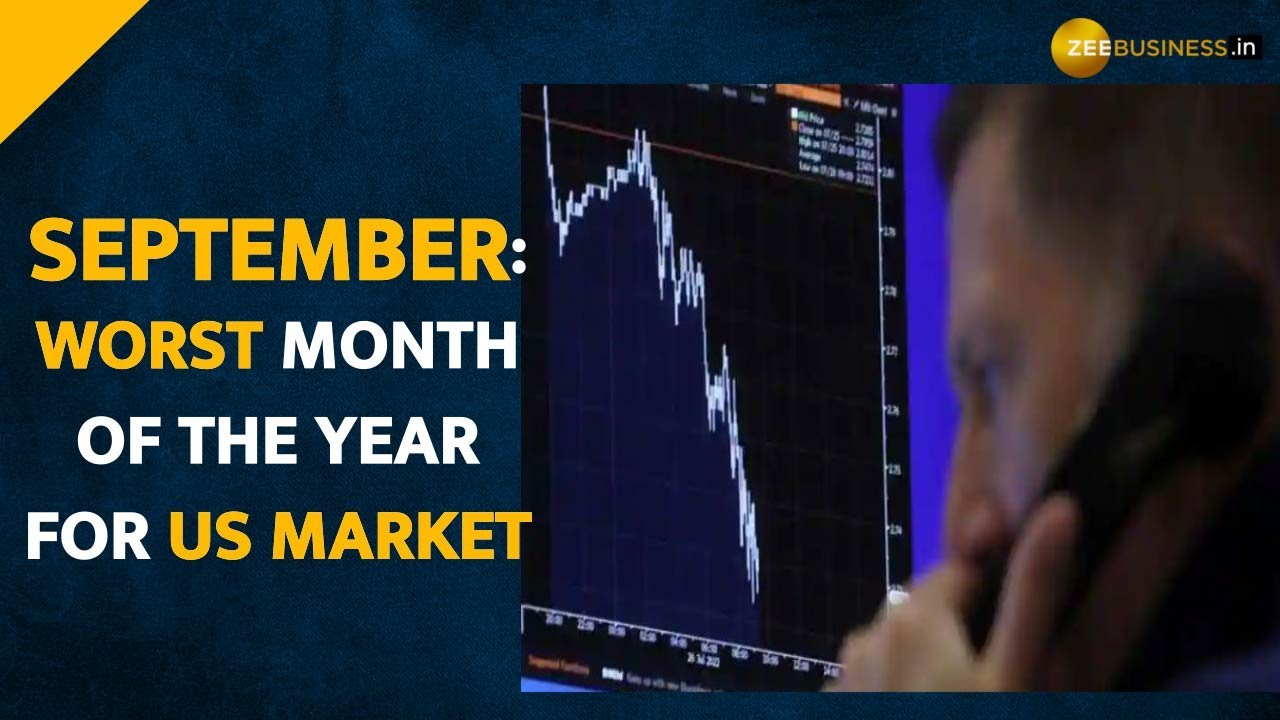
The weekend of October 10–12, 2025, marked one of the most dramatic downturns in global financial markets in recent memory. What began as a series of unsettling headlines quickly snowballed into a full-blown market crash, sending shockwaves through economies and portfolios worldwide. This event was not the result of a single catalyst but rather a convergence of geopolitical tensions, speculative excess, and investor psychology.

At the heart of the crisis was a sudden escalation in U.S.–China trade relations. President Donald Trump abruptly canceled a scheduled diplomatic meeting with Chinese President Xi Jinping and announced a sweeping 100% tariff on all Chinese imports. This move reignited fears of a prolonged trade war, reminiscent of the economic standoff that rattled markets in the late 2010s. Investors, already jittery from months of uncertainty, interpreted the announcement as a signal of deteriorating global cooperation and retaliatory economic measures to come.

VIX: https://medicalexecutivepost.com/2025/10/12/vix-the-stock-market-fear-gauge/

The impact was immediate and severe. Major U.S. indices plummeted: the S&P 500 dropped 2.7%, the Nasdaq fell 3.6%, and the Dow Jones Industrial Average lost 1.9%. These declines marked the worst single-day performance since April and triggered automatic trading halts in several sectors. The selloff was not confined to the United States; European and Asian markets mirrored the panic, with steep losses across the board.

Compounding the crisis was a massive liquidation in the cryptocurrency market. As traditional assets tumbled, investors rushed to offload digital holdings, leading to the largest crypto wipeout in history. Trillions of dollars in value evaporated within hours, further destabilizing investor confidence and draining liquidity from the broader financial system.

Another underlying factor was growing concern over the valuation of artificial intelligence (AI) stocks. The International Monetary Fund (IMF) had recently issued a warning that the AI sector was exhibiting signs of a speculative bubble, drawing parallels to the dot-com era. With many AI companies trading at astronomical price-to-earnings ratios, the crash exposed the fragility of investor sentiment and the dangers of overexuberance in emerging technologies.

Perhaps most telling was the psychological shift among investors. The weekend saw widespread capitulation, with many choosing to exit the market entirely rather than weather further volatility. This behavior—marked by fear-driven decision-making and herd mentality—is often a hallmark of deeper financial crises. It underscores the importance of trust and stability in maintaining market equilibrium.

Abbvie: https://medicalexecutivepost.com/2024/09/04/abbvie-the-economic-recession/

In conclusion, the October 2025 stock market crash was a multifaceted event driven by geopolitical shocks, speculative risk, and emotional contagion. It serves as a stark reminder of how interconnected and fragile global markets have become. As policymakers and investors assess the damage, the focus must shift toward restoring confidence, recalibrating risk, and ensuring that future growth is built on sustainable foundations rather than speculative fervor.

COMMENTS APPRECIATED

SPEAKING: ME-P Editor Dr. David Edward Marcinko MBA MEd will be speaking and lecturing, signing and opining, teaching and preaching, storming and performing at many locations throughout the USA this year! His tour of witty and serious pontifications may be scheduled on a planned or ad-hoc basis; for public or private meetings and gatherings; formally, informally, or over lunch or dinner. All medical societies, financial advisory firms or Broker-Dealers are encouraged to submit an RFP for speaking engagements: CONTACT: Ann Miller RN MHA at MarcinkoAdvisors@outlook.com -OR- http://www.MarcinkoAssociates.com

EDUCATION: Books

Like, Refer and Subscribe

***

***

What is the Dow Jones Industrial Average?

DEFINED

By A.I. and Staff Reporters

SPONSOR: http://www.MarcinkoAssociates.com

***

***

The Dow Jones Industrial Average (DJIA), often referred to simply as “the Dow,” is one of the oldest and most well-known stock market indices in the world. It was created in 1896 by Charles Dow, the co-founder of The Wall Street Journal, and is designed to represent the performance of the broader U.S. stock market, specifically focusing on 30 large, publicly traded companies. These companies are considered leaders in their respective industries and serve as a barometer for the overall health of the U.S. economy.

The Composition of the DJIA

The DJIA includes 30 companies, which are selected by the editors of The Wall Street Journal based on various factors such as market influence, reputation, and the stability of the company. These companies represent a wide array of sectors, including technology, finance, healthcare, consumer goods, and energy. Notably, the companies chosen for the DJIA are not necessarily the largest companies in the U.S. by market capitalization, but rather those that are most indicative of the broader economy. Some of the prominent companies listed in the DJIA include names like Apple, Microsoft, Coca-Cola, and Johnson & Johnson.

However, the list of 30 companies is not static. Over time, companies may be added or removed to reflect changes in the economic landscape. For example, if a company experiences significant decline or no longer represents a leading sector, it might be replaced with another company that better reflects modern economic trends. This periodic reshuffling ensures that the DJIA continues to be a relevant measure of economic activity.

How the DJIA is Calculated

The DJIA is a price-weighted index, which means that the value of the index is determined by the share price of the component companies, rather than their market capitalization. To calculate the DJIA, the sum of the stock prices of all 30 companies is divided by a special divisor. This divisor adjusts for stock splits, dividends, and other corporate actions to maintain the integrity of the index over time. The price-weighted method means that higher-priced stocks have a greater impact on the movement of the index, regardless of the overall size or economic weight of the company.

For instance, if a company with a higher stock price like Apple experiences a significant change in value, it will influence the DJIA more than a company with a lower stock price, even if the latter has a larger market capitalization. This makes the DJIA somewhat different from other indices, like the S&P 500, which is weighted by market cap and gives more weight to larger companies in terms of their economic impact.

Significance of the DJIA

The DJIA is widely regarded as a barometer of the U.S. stock market’s performance. Investors and analysts closely monitor the movements of the Dow to gauge the overall health of the economy. When the DJIA rises, it generally suggests that investors are optimistic about the economic outlook and that large companies are performing well. Conversely, when the DJIA falls, it often signals economic uncertainty or a downturn in market conditions.

Despite being a narrow index, with only 30 companies, the DJIA holds substantial sway in financial markets. It is widely covered in the media and is often cited in discussions about the state of the economy. In fact, the performance of the DJIA is considered a key indicator of investor sentiment and economic confidence.

However, the DJIA has its limitations. Since it only includes 30 companies, it does not necessarily represent the broader market or capture the performance of smaller companies. Other indices, like the S&P 500, which includes 500 companies, offer a more comprehensive view of the market’s performance.

Conclusion

The Dow Jones Industrial Average is a key metric for understanding the state of the U.S. economy and the stock market. Although it has evolved over the years, it continues to provide valuable insights into the performance of large, influential companies. While it is not a perfect reflection of the market as a whole, the DJIA remains one of the most important and widely recognized indices in global finance. Through its historical significance and its role in shaping market sentiment, the Dow has cemented its place as a cornerstone of financial analysis.

COMMENTS APPRECIATED

EDUCATION: Books

Like, Refer and Subscribe

***

***

Understanding Behavioral Finance Paradoxes

By Staff Reporters

SPONSOR: http://www.MarcinkoAssociates.com

***

***

 “THE INVESTOR’S CHIEF problem—even his worst enemy—is likely to be himself.” So wrote Benjamin Graham, the father of modern investment analysis.

With these words, written in 1949, Graham acknowledged the reality that investors are human. Though he had written an 800 page book on techniques to analyze stocks and bonds, Graham understood that investing is as much about human psychology as it is about numerical analysis.

In the decades since Graham’s passing, an entire field has emerged at the intersection of psychology and finance. Known as behavioral finance, its pioneers include Daniel Kahneman, Amos Tversky and Richard Thaler. Together, they and their peers have identified countless human foibles that interfere with our ability to make good financial decisions. These include hindsight bias, recency bias and overconfidence, among others. On my bookshelf, I have at least as many volumes on behavioral finance as I do on pure financial analysis, so I certainly put stock in these ideas.

At the same time, I think we’re being too hard on ourselves when we lay all of these biases at our feet. We shouldn’t conclude that we’re deficient because we’re so susceptible to biases. Rather, the problem is that finance isn’t a scientific field like math or physics. At best, it’s like chaos theory. Yes, there is some underlying logic, but it’s usually so hard to observe and understand that it might as well be random. The world of personal finance is bedeviled by paradoxes, so no individual—no matter how rational—can always make optimal decisions.

As we plan for our financial future, I think it’s helpful to be cognizant of these paradoxes. While there’s nothing we can do to control or change them, there is great value in being aware of them, so we can approach them with the right tools and the right mindset.

Here are just seven of the paradoxes that can bedevil financial decision-making:

  1. There’s the paradox that all of the greatest fortunes—Carnegie, Rockefeller, Buffett, Gates—have been made by owning just one stock. And yet the best advice for individual investors is to do the opposite: to own broadly diversified index funds.
  2. There’s the paradox that the stock market may appear overvalued and yet it could become even more overvalued before it eventually declines. And when it does decline, it may be to a level that is even higher than where it is today.
  3. There’s the paradox that we make plans based on our understanding of the rules—and yet Congress can change the rules on us at any time, as it did just last year.
  4. There’s the paradox that we base our plans on historical averages—average stock market returns, average interest rates, average inflation rates and so on—and yet we only lead one life, so none of us will experience the average.
  5. There’s the paradox that we continue to be attracted to the prestige of high-cost colleges, even though a rational analysis that looks at return on investment tells us that lower-cost state schools are usually the better bet.
  6. There’s the paradox that early retirement seems so appealing—and has even turned into a movement—and yet the reality of early retirement suggests that we might be better off staying at our desks.
  7. There’s the paradox that retirees’ worst fear is outliving their money and yet few choose the financial product that is purpose-built to solve that problem: the single-premium immediate annuity.

How should you respond to these paradoxes? As you plan for your financial future, embrace the concept of “loosely held views.”

In other words, make financial plans, but continuously update your views, question your assumptions and rethink your priorities.

COMMENTS APPRECIATED

Subscribe, Refer and Like

***

***

Stocks, Commodities, Japan & France

By A.I.

***

***

  • Stocks: The S&P 500 hit its seventh record close in a row today, its longest win streak since May. The NASDAQ was buoyed by big tech, while the DJIA fell.
  • Commodities: Oil climbed thanks to a decision by OPEC+ to boost crude production at a more modest rate than experts expected. Gold continued its record run, rising above $3,900 for the first time ever, while bitcoin hovered just below a new all-time high.
  • Japan and France: Japanese stocks rose after the country elected its first female prime minister, and French stocks dropped after its prime minister quit less than a month into the job.

COMMENTS APPRECIATED

EDUCATION: Books

Like, Refer and Subscribe

***

The Economy, Stocks and Commodities

By. A.I. and Staff Reporters

SPONSOR: http://www.CertifiedMedicalPlanner.org

***

***

  • Economy: Headline PCE rose from 2.6% on an annual basis in July to 2.7% in August, while core PCE stayed flat at 2.9%—all in line with analyst expectations.
  • Stocks: Solid inflation numbers helped equities arrest their recent selloff and offset the latest batch of tariffs. However, all three major indexes still ended the week lower than where they started.
  • Commodities: Oil climbed as Ukrainian drones continue to strike Russian energy infrastructure. Meanwhile, gold hit another all-time high, and rose above $3,800 for the first time ever at one point today.

COMMENTS APPRECIATED

EDUCATION: Books

Like, Refer and Subscribe

***

***

Stocks, Bonds and Crypto-Currrency

By A.I. and Staff Reporters

***

***

  • Bonds: The 10-year Treasury yield popped on solid economic data yesterday, including weekly jobless claims falling to their lowest since mid-July and Q2 GDP rising unexpectedly.
  • Stocks: But good news for the labor market and economy is bad news for anyone hoping the Federal Reserve cuts interest rates next month, and the major indexes sank for a third day in a row yesterday. All eyes now turn to today’s key PCE reading.
  • Crypto: Digital assets continued to tumble yesterday with ether falling below $4,000 for the first time in months. There may be more pain ahead: $22 billion in crypto options expire today.

COMMENTS APPRECIATED

EDUCATION: Books

Like, Refer and Subscribe

***

***

VALUE STOCKS: Discovering Under Priced Investment Gems

BY DR. DAVID EDWARD MARCINKO; MBA MEd CMP™

***

***

SPONSOR: http://www.MarcinkoAssociates.com

Value Stocks – Looking for Bargains!

The bargain-hunting value style is looking for shares that are under priced in relation to the company’s future potential. A physician value investor will invest in a company in the expectation that its shares will increase in value over time. Value investing is based essentially on quantitative criteria; asset values, cash flow, and discounted future earnings. The key properties of value shares are low Price/Earnings, Price/Sales ratios, and normally higher dividend yields. 

On observing a company’s earnings growth, a value manager will decide whether to buy shares based on the company’s consistency or recovery prospects.

The key research questions are: 1) Does the current P/E ratio warrant an investment in a slow growth company or, 2) Is the company a higher growth candidate that has dropped in price due to a temporary problem.  If this is the case, will the company’s earnings growth recover, and if so, when? The key to value investing is to find bargain shares (priced low historically or for temporary and/or irrational reasons), avoiding shares that are merely cheap (priced low because the company is failing).

The buying opportunity is identified when a company undergoing some immediate problems is perceived to have good chances of recovery in the medium to long term.  If there is a loss in market confidence in the company, the share price may fall, and the value investor can step in. Once the share price has achieved a suitable value, reflecting the predicted turnaround in company performance, the shareholding is sold, realizing a capital gain.

And, a potential risk in value investing is that the company may not turn around, in which case the share price may stay static or fall.

EDUCATION: Books

SPEAKING: Dr. Marcinko will be speaking and lecturing, signing and opining, teaching and preaching, storming and performing at many locations throughout the USA this year! His tour of witty and serious pontifications may be scheduled on a planned or ad-hoc basis; for public or private meetings and gatherings; formally, informally, or over lunch or dinner. All medical societies, financial advisory firms or Broker-Dealers are encouraged to submit a RFP for speaking engagements: MarcinkoAdvisors@outlook.com 

COMMENTS APPRECIATED

Like, Refer and Subscribe

***

***

How Investment Banking Works for Corporations

By Dr. David Edward Marcinko MBA MEd

***

***

SPONSOR: http://www.MarcinkoAssociates.com

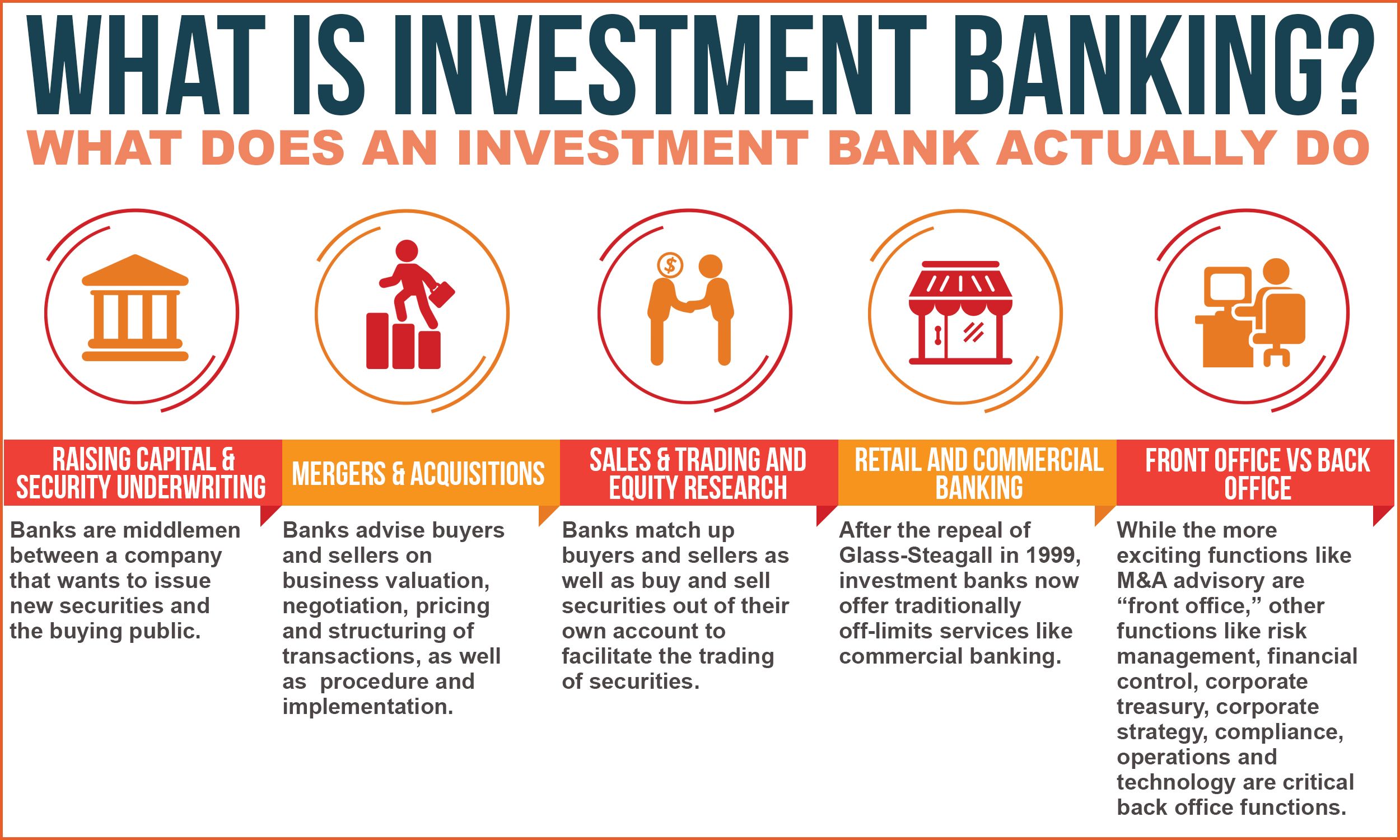
Investment bankers are not really bankers at all. The fact that the word banker appears in the name is partially responsible for the false impressions that exist in the medical community regarding the functions they perform.

For example, they are not permitted to accept deposit, provide checking accounts, or perform other activities normally construed to be commercial banking activities. An investment bank is simply a firm that specializes in helping other corporations obtain money they need under the most advantageous terms possible. When it comes to the actual process of having securities issued, the corporation approaches an investment banking firm, either directly, or through a competitive selection process and asks it to act as adviser and distributor.

MORE: https://www.amazon.ca/Management-Liability-Insurance-Protection-Strategies/dp/1498725988

Investment bankers, or under writers, as they are sometimes called, are middlemen in the capital markets for corporate securities. The corporation requiring the funds discusses the amount, type of security to be issued, price and other features of the security, as well as the cost to issuing the securities. All of these factors are negotiated in a process known as negotiated underwriting. If mutually acceptable terms are reached, the investment banking firm will be the middle man through which the securities are sold to the general public. Since such firms have many customers, they are able to sell new securities, without the costly search that individual corporations may require to sell its own security.

Thus, although the firm in need of additional capital must pay for the service, it is usually able to raise the additional capital at less expense through the use of an investment banker, than by selling the securities itself. The agreement between the investment banker and the corporation may be one of two types. The investment bank may agree to purchase, or underwrite, the entire issue of securities and to re-offer them to the general public. This is known as a firm commitment.

When an investment banker agrees to underwrite such a sale; it agrees to supply the corporation with a specified amount of money. The firm buys the securities with the intention to resell them. If it fails to sell the securities, the investment banker must still pay the agreed upon sum.

Thus, the risk of selling rests with the underwriter and not with the company issuing the securities.

INVESTMENT BANKING: https://medicalexecutivepost.com/2024/04/17/understanding-tnvestment-banking-rules-securities-markets-brokerage-accounts-margin-and-debt/

***


The alternative agreement is a best efforts agreement in which the investment banker makes his best effort to sell the securities acting on behalf of the issuer, but does not guarantee a specified amount of money will be raised. When a corporation raises new capital through a public offering of stock, one might inquire where the stock comes from. The only source the corporation has is authorized, but previously un-issued stock. Anytime authorized, but previously un-issued stock (new stock) is issued to the public, it is known as a primary offering.

If it’s the very first time the corporation is making the offering, it’s also known as the Initial Public Offering (IPO). Anytime there is a primary offering of stock, the issuing corporation is raising additional equity capital.

A secondary offering, or distribution, on the other hand, is defined as an offering of a large block of outstanding stock. Most frequently, a secondary offering is the sale of a large block of stock owned by one or more stockholders. It is stock that has previously been issued and is now being re-sold by investors. Another case would be when a corporation re-sells its treasury stock.

STOCK BROKERS: https://medicalexecutivepost.com/2024/09/04/understanding-traditional-full-service-brokers/

COMMENTS APPRECIATED

EDUCATION: Books

SPEAKING: Dr. Marcinko will be speaking and lecturing, signing and opining, teaching and preaching, storming and performing at many locations throughout the USA this year! His tour of witty and serious pontifications may be scheduled on a planned or ad-hoc basis; for public or private meetings and gatherings; formally, informally, or over lunch or dinner. All medical societies, financial advisory firms or Broker-Dealers are encouraged to submit an RFP for speaking engagements: CONTACT: Ann Miller RN MHA at MarcinkoAdvisors@outlook.com -OR- http://www.MarcinkoAssociates.com

Like and Subscribe

***

***

FIXED INCOME SECURITY RISKS: All Physician Investors Should Know

By Dr. David Edward Marcinko MBA MEd CMP™

SPONSOR: http://www.MarcinkoAssociates.com

***

***

Here are some of the most common risks associated with fixed income securities.

Interest Rate Risk

The market value of the securities will be inversely affected by movements in interest rates. When rates rise, market prices of existing debt securities fall as these securities become less attractive to investors when compared to higher coupon new issues. As prices decline, bonds become cheaper so the overall return, when taking into account the discount, can compete with newly issued bonds at higher yields. When interest rates fall, market prices on existing fixed income securities tend to rise because these bonds become more attractive when compared to the newly issued bonds priced at lower rates. 

Price Risk

Investors who need access to their principal prior to maturity have to rely on the secondary market to sell their securities. The price received may be more or less than the original purchase price and may depend, in general, on the level of interest rates, time to term, credit quality of the issuer and liquidity.

Among other reasons, prices may also be affected by current market conditions, or by the size of the trade (prices may be different for 10 bonds versus 1,000 bonds), etc. It is important to note that selling a security prior to maturity may affect actual yield received, which may be different than the yield at which the bond was originally purchased. This is because the initially quoted yield assumed holding the bond to term. As mentioned above, there is an inverse relationship between interest rates and bond prices. Therefore, when interest rates decline, bond prices increase, and when interest rates increase, bond prices decline.

Generally, longer maturity bonds will be more sensitive to interest rate changes. Dollar for dollar, a long-term bond should go up or down in value more than a short-term bond for the same change in yield. Price risk can be determined through a statistic called duration, which is featured at the end of the fixed income section.

REVENUE BONDS: https://medicalexecutivepost.com/2024/12/20/bonds-revenue/

***

***

Liquidity Risk

Liquidity risk is the risk that an investor will be unable to sell securities due to a lack of demand from potential buyers, sell them at a substantial loss and/or incur substantial transaction costs in the sale process. Broker/dealers, although not obligated to do so, may provide secondary markets.

Reinvestment Risk

Downward trends in interest rates also create reinvestment risk, or the risk that the income and/or principal repayments will have to be invested at lower rates. Reinvestment risk is an important consideration for investors in callable securities. Some bonds may be issued with a call feature that allows the issuer to call, or repay, bonds prior to maturity. This generally happens if the market rates fall low enough for the issuer to save money by repaying existing higher coupon bonds and issuing new ones at lower rates. Investors will stop receiving the coupon payments if the bonds are called. Generally, callable fixed income securities will not appreciate in value as much as comparable non-callable securities.

ZERO COUPON BONDS: https://medicalexecutivepost.com/2024/11/12/bonds-zero-coupon/

Prepayment Risk

Similar to call risk, prepayment risk is the risk that the issuer may repay bonds prior to maturity. This type of risk is generally associated with mortgage-backed securities. Homeowners tend to prepay their mortgages at times that are advantageous to their needs, which may be in conflict with the holders of the mortgage-backed securities. If the bonds are repaid early, investors face the risk of reinvesting at lower rates.

Purchasing Power Risk

Fixed income investors often focus on the real rate of return, or the actual return minus the rate of inflation. Rising inflation has a negative impact on real rates of return because inflation reduces the purchasing power of the investment income and principal.

GENERAL OBLIGATION BONDS: https://medicalexecutivepost.com/2022/03/24/general-obligation-and-revenue-bonds/

COMMENTS APPRECIATED

EDUCATION: Books

Like and Subscribe

***

***

Stocks, Crypto-Currency and Commodities

By A.I. and Staff Reporters

***

***

  • Stocks: Equities climbed slowly but steadily yesterday as investors braced themselves for today’s all-important jobs report.
  • Crypto: Bitcoin fell as a selloff in cryptocurrencies associated with the Trump family pulled the entire crypto market lower.
  • Commodities: Gold remains in the spotlight as traders bulk up on bullion to protect their portfolios in case the FOMC loses its independence. If that does happen, Goldman Sachs analysts think gold could climb to $5,000.

COMMENTS APPRECIATED

EDUCATION: Books

Like, Refer and Subscribe

***

***

Stocks, Bonds and Commodities

By A.I. and Staff Reporters

***

***

  • Stocks: Markets slowed along yesterday with the S&P 500 and NASDAQ buoyed after a pivotal antitrust ruling for Alphabet pushed big tech stocks higher across the board.
  • Bonds: The 30-year Treasury pushed 5% yesterday as traders fret about the Fed’s independence and the odds of interest rate cuts.
  • Commodities: Oil sank on reports that OPEC+ is contemplating increasing its crude output next month, while gold reached yet another new record high as uncertainty swirling around the future of tariffs continued to rise. JPMorgan analysts now think the precious metal could climb as high as $4,250 by the end of next year.

COMMENTS APPRECIATED

EDUCATION: Books

Like, Subscribe and Refer

***

***

Stocks, Bonds and Commodities

By A.I.

***

***


Bonds
: Treasury yields rose yesterday as investors dug into a Federal appeals court ruling last Friday stating that most of President Trump’s tariffs are illegal. The 30-year yield closed in on the key 5% level.
Stocks: Equities tumbled across the board as technology stocks sold off and pulled the rest of the market down with them.
Commodities: Gold hit a new record high as traders hedged against tariff uncertainty and braced themselves for an extremely important US jobs report on Friday that could make or break the case for the Fed to start cutting rates.

COMMENTS APPRECIATED

EDUCATION: Books

Refer, Like and Subscribe

***

***

BEWARE: Stocks and the U.S. Stock Markets?

By A.I.

***

***

  • Markets: After a day off for Labor Day, Wall Street is entering September with little confidence as stocks shrugle with tariffs and AI-slowdown jitters to rise for four straight months. September has historically been the weakest month for US stocks, plus a hugely consequential Federal Reserve meeting looms on September17th.
  • Stock spotlight: An already booming Celsius hit a 52-week high last week after Pepsi said it would up its stake in the energy drink maker.

COMMENTS APPRECIATED

EDUCATION: Books

Like, Refer and Subscribe

***

***

Stocks, Commodities and the FOMC

***

***

  • Stocks: The final trading day of the summer was bad as a selloff in technology stocks took indexes down from recent all-time highs.
  • Fed drama: A judge did not issue a ruling on Fed Governor Lisa Cook’s bid for a temporary restraining order against President Trump, delaying it a few more days and leaving Cook in limbo.
  • Commodities: Gold hit a new all-time high as traders worried about the possibility of the Federal Reserve losing its independence.

COMMENTS APPRECIATED

Refer, Like and Subscribe

***

***

Stocks, Bonds and Trade Craft

By A.I.

***

***

  • Bonds: Long-term Treasury yields rose and short-term yields fell after President Trump fired Fed Governor Lisa Cook opening the gap between 5-year and 30-year yields to its widest point in three years.
  • Stocks: Equities barely budged on the latest FOMC drama with investors’ attention fully focused on Nvidia earnings tomorrow afternoon.
  • Trade Craft: President Trump vowed retaliation against countries that apply a digital services tax against US tech companies. He may also slap a 200% tariff on China if that country restricts trade on rare earth magnets.

COMMENTS APPRECIATED

EDUCATION: Books

Read, Refer and Subscribe

***

***

INVESTMENT TYPES: Young Physicians and Medical Practitioners

By Dr. David Edward Marcinko MBA MEd

***

***

Types of investments

Once a physician [MD, DO, DPM or DDS] has a brokerage account, the young doctior will need to decide what to invest in. There are lots of options, and each comes with different benefits and drawbacks. Here are some of the most common options for new physician investors.

BROKE DOCTORS: https://medicalexecutivepost.com/2025/08/02/doctors-going-broke-and-living-paycheck-to-paycheck/

Individual stocks.

Stocks are the first thing most people think about when they are considering investing, but they are not the only option. The prices of stocks change daily, sometimes by large amounts, as the market adjusts to news and various cycles. For that reason, it’s important to do your research. If you’re just beginning with a retirement account, you could also consider the longer-term products listed below.

Index funds and mutual funds.

Index funds attempt to replicate the performance of an un-managed market index. The performance of mutual funds [open and closed] varies. You can often get involved for a lower initial investment, and they can provide good diversification, which makes your portfolio better equipped to handle market fluctuations [active and passive].

For that reason, many financial experts say they should form the core of your retirement portfolio. While they have many similar characteristics, there are important differences. Read more about some of the differences in index funds and mutual funds.

Annuities.

These technically aren’t investment products; they are a contract between you and an insurance company. However, they work to accomplish a similar goal. There are immediate annuities that convert some of your existing savings into lifetime payments, but if we’re talking about saving for retirement, a deferred income annuity is the closest comparison. You make premium payments into the deferred annuity on a regular or irregular basis depending on the contract terms, and when you reach retirement age, you annuitize those savings and receive payments for the rest of your life. They can make a valuable addition to a retirement savings strategy.

Other investments.

There are many other types of investments and financial vehicles: bonds [local, state or US], money market funds, certificates of deposit through a brokerage account or investment apps. Even the cash value of life insurance can play a part. They are all designed to address different needs and have benefits and drawbacks and may be important to your overall strategy.

***

***

Crypto-Currency.

Crypto.com is a cryptocurrency company based in Singapore that offers various financial services, including an app, exchange, and noncustodial DeFi wallet, NFT marketplace, and direct payment service in cryptocurrency. As of 2024, the company reportedly had more than 100 million customers and more than 4,000 employees.

CRYPTO CURRENCY: https://medicalexecutivepost.com/2025/03/27/cryptocurrency-real-money-or-not/

COMMENTS APPRECIATED

EDUCATION: Books

SPEAKING: Dr. Marcinko will be speaking and lecturing, signing and opining, teaching and preaching, storming and performing at many locations throughout the USA this year! His tour of witty and serious pontifications may be scheduled on a planned or ad-hoc basis; for public or private meetings and gatherings; formally, informally, or over lunch or dinner. All medical societies, financial advisory firms or Broker-Dealers are encouraged to submit an RFP for speaking engagements: CONTACT: Ann Miller RN MHA at MarcinkoAdvisors@outlook.com -OR- http://www.MarcinkoAssociates.com

Like and Subscribe

***

***

Stocks Up, Bond Yields Down as Commodities Rise and Fall

By A.I and ME-P Staff Reporters

SPONSOR: http://www.CertifiedMedicalPlanner.org

***

***

  • Stocks: The stock markets rose today after Jerome Powell opened the door to interest rate cuts. The Dow soared to a new all-time high, while small-cap stocks in the Russell 2000 had a banner day.
  • Bonds: Yields fell while the chances of a rate cut after the Fed’s next meeting in September rose to 83%.
  • Commodities: Gold rose on rate cut hopes while oil fell as peace talks between Ukraine and Russia stalled. But the biggest winner is coffee: prices have risen for six straight days to cap off its biggest weekly gain since 2021.

COMMENTS APPRECIATED

EDUCATION: Books

Like and Subscribe

***

***

Stocks, Technology and FOMC Drama

By A.I. and Staff Reporters

***

***

  • Technology: Fears of an A.I. bubble continue to climb after MIT published a report that 95% of companies using generative A.I. programs have nothing to show for it, despite pouring billions of dollars into this space.
  • Stocks: Another day of technology stocks selling off pulled the S&P 500 and NASDAQ lower yesterday, with investors rotating out of some of the hottest names and sectors in the market.
  • FOMC Drama: President Trump demanded the resignation of Fed Governor Lisa Cook for allegations of mortgage fraud. Meanwhile, the minutes from the July FOMC meeting revealed a growing divide between central bankers.

COMMENTS APPRECIATED

EDUCATION: Books

Like and Subscribe

***

***

INVESTMENTS: Four Firm Updates

By A.I.

SPONSOR: http://www.MarcinkoAssociates.com

***

***

UnitedHealth Group soared almost 12%, its biggest one-day gain in nearly five years, after getting the “Buffett Bounce.” Buffett’s Berkshire Hathaway revealed it bought ~5 million shares worth nearly $1.6 billion, giving a much-needed vote of confidence to the struggling health giant.

The White House is considering buying part of Intel, Bloomberg reported this week, which would be the latest big business deal the president pursues on behalf of the government. The Trump administration might acquire a stake in the struggling computer chip-maker using CHIPS Act funding—nearly $11 billion of which was already earmarked for Intel.

Saudi Arabia’s Public Investment Fund took an $8 billion write-down on five mega-projects it’s building, due to lower oil prices and higher costs.

Pimco, the asset management giant, warned that President Trump’s plan to IPO Fannie Mae and Freddie Mac could push mortgage rates higher.

COMMENTS APPRECIATED

EDUCATION: Books

Like and Subscribe

***

***

Stocks, Commodities and Trade

By A.I.

***

***

  • Stocks: Markets struggled to pick a direction as investors took a wait-and-see approach ahead of today’s CPI reading—even as Wall Street worries about the data’s reliability.
  • Trade: President Trump asked China, the world’s largest soybean buyer, to quadruple its soybean purchases from the US. He also extended the trade war truce with China by 90 days
  • Commodities: Gold had its worst day in three months as traders waited for the White House to clarify its new tariffs on the key commodity—only for Trump to announce that it won’t be tariffed at all. Meanwhile, Chinese battery giant CATL halted operations at a mine that produces 4% of the world’s lithium, sending prices of the precious metal soaring.

COMMENTS APPRECIATED

Like and Subscribe

***

***

ALTERNATE INVESTMENTS: 401[k] Accounts

By A.I. and Staff Reporters

***

***

President Trump is set to sign an executive order allowing alternative assets such as cryptocurrency, private equity investments, and real estate in 401(k) accounts. Those accounts are a veritable gold mine—Americans have stashed approximately $12.5 trillion away for retirement, and alternative asset managers have been chomping at the bit to get a piece of that pie.

WIND ENERGY: https://medicalexecutivepost.com/2012/08/20/wind-energy-alternate-investments/

According to Brew Markets, the changes have been a long time coming. All the way back in his first term, Trump ordered the Labor Department to review how to incorporate private equity investments into retirement accounts, an effort that was later reversed under President Biden. This latest move expands beyond private equity, coinciding with Trump’s push to bring crypto mainstream.

REAL ESTATE: https://medicalexecutivepost.com/2013/09/10/financial-freedom-through-commercial-real-estate-education-and-investing/

Proponents argue that alternative assets in 401(k) accounts will enhance investment diversification and could provide retirees with greater profits. Detractors note that these assets are less liquid, less transparent, and generally more risky than investing retirement funds into publicly traded stocks and bonds.

HEDGE FUNDS: https://medicalexecutivepost.com/2024/07/09/hedge-funds-understanding-fees-and-costs/

COMMENTS APPRECIATED

Like and Subscribe

***

***

DIRECT TO PHYSICIAN [D-2-P] INVESTOR ADVISORY PLATFORMS

Enter Artificial Intelligence and the “Robo-Advisors”

By Dr. David Edward Marcinko; MBA MED CMP

SPONSOR: http://www.CertifiedMedicalPlanner.org

***

***

DIRECT TO INVESTOR ONLINE ADVISORY PLATFORMS

Since the financial crisis in 2008, several start-up companies from Silicon Valley and Boston [Learn Vest, Betterment, Financial Guard, Quovo, WealthFront, Nest Egg Wealth. Wealth-Front and Personal Capital] have emerged with the mantra that individual investors, younger and informed clients will receive portfolio strategies, financial advice and performance metrics directly from various internet and online advisory platforms. Termed “robo-advisors” by some, their existence heralds the doom of financial advisors; or at least drives down the value of Financial Advisory guidance; reduces fees and holds them more accountable to clients.

STOCK MARKET HELL: https://medicalexecutivepost.com/2025/01/30/escaping-stock-market-double-hell/

On the other hand, detractors say the financial advice may not be as good because the personalization will not be there; but pricing fees will be more competitive, at least initially. Going forward price will get even lower and service better. And ultimately, as consumers get more information on line, product and service will improve and be delivered to them faster than thru traditional human channels of distribution. The era of quarterly client meetings with TAMPs is fading. Clients will have access to their portfolios; in real time, all the time.

Turnkey Asset Management Program (TAMP) Defined

A turnkey asset management program offers a fee-account technology platform that financial advisers, broker-dealers, insurance companies, banks, law firms, and CPA firms can use to oversee their clients’ investment accounts.

Turnkey asset management programs are designed to help financial professionals save time and allow them to focus on providing clients with service in their areas of expertise, which may not include asset management tasks like investment research and portfolio allocation. In other words, TAMPs let financial professionals and firms delegate asset management and research responsibilities to another party that specializes in those areas.

Conclusion

The growth of more traditional direct to investment platforms like E-Trade and Schwab has outpaced Financial Advisors and recently human advisors must have the technology and niche space specificity to survive in the future. Realistically, robo-advisors, Artificial Intelligence and traditional flesh-and-blood FAs will seamlessly merge into a hybrid platform indistinguishable to most all.

COMMENTS APPRECIATED

EDUCATION: Books

SPEAKING: Dr. Marcinko will be speaking and lecturing, signing and opining, teaching and preaching, storming and performing at many locations throughout the USA this year! His tour of witty and serious pontifications may be scheduled on a planned or ad-hoc basis; for public or private meetings and gatherings; formally, informally, or over lunch or dinner. All medical societies, financial advisory firms or Broker-Dealers are encouraged to submit an RFP for speaking engagements: CONTACT: Ann Miller RN MHA at MarcinkoAdvisors@outlook.com -OR- http://www.MarcinkoAssociates.com

Like and Subscribe

***

***

Commodities, Stock Markets and International Trade

By A.I.

SPONSOR: http://www.CertifiedMedicalPlanner.org

***

***

Trade: President Trump signed an executive order late yesterday unleashing a wave of new tariffs on 69 US trading partners that will go into effect on August 7th. Here’s a handy list of tariffs and their economic effects for anyone else having trouble keeping track of all these new numbers.

Markets: Stocks opened lower and kept falling thanks to a double whammy of new tariff rates and a shocking slowdown in the labor market, while bond yields tumbled.

Commodities: Gold jumped as the likelihood of a rate cut rose due to the latest jobs report, while oil sank on reports that OPEC+ may announce a crude production boost as soon as this weekend.

COMMENTS APPRECIATED

Like and Subscribe

***

***

INVESTMENT POLICY STATEMENT CONSTRUCTION: For Physicians and Medical Professionals

THE ESSENTIAL DOCUMENT

By Dr. David Edward Marcinko MBA MEd CMP™

SPONSOR: http://www.MarcinkoAssociates.com

***

***

In order to create and monitor an investment portfolio for personal or institutional use, the physician executive, financial advisor, wealth manager, or healthcare institutional endowment fund manager, should ask three questions:

  1. How much do we have invested?
  2. How much did we make on our investments?
  3. How much risk did we take to get that rate of return?

Introduction to the IPS

Most doctors, and hospital endowment fund executives, know how much money they have invested.  If they don’t, they can add a few statements together to obtain a total. But, few can answers the questions above or actually know the rate of return achieved last year; or so far this year. Everyone can get this number by simply subtracting the ending balance from the beginning balance and dividing the difference.  But, few take the time to do it. Why? A typical response to the question is, “We’re doing fine.”

POOR DOCTORS: https://medicalexecutivepost.com/2025/07/29/why-too-many-physician-colleagues-dont-get-rich/

Now, ask how much risk is in the portfolio and help is needed [risk adjusted rate of return]. In fact, Nobel laureate Harry Markowitz, Ph.D. said, “If you take more risk, you deserve more return.” Using standard deviation, he referred to the “variability of returns;” in other words, how much the portfolio goes up and down, its volatility [Markowitz, H: Portfolio Selection. Journal of Finance, March, 1952].

***

COMMENTS APPRECIATED

EDUCATION: Books

SPEAKING: Dr. Marcinko will be speaking and lecturing, signing and opining, teaching and preaching, storming and performing at many locations throughout the USA this year! His tour of witty and serious pontifications may be scheduled on a planned or ad-hoc basis; for public or private meetings and gatherings; formally, informally, or over lunch or dinner. All medical societies, financial advisory firms or Broker-Dealers are encouraged to submit an RFP for speaking engagements: CONTACT: Ann Miller RN MHA at MarcinkoAdvisors@outlook.com -OR- http://www.MarcinkoAssociates.com

Like and Subscribe

***

***

DAILY UPDATE: Stocks, Commodities and Trade as Stock Markets End Mixed

MEDICAL EXECUTIVE-POST TODAY’S NEWSLETTER BRIEFING

***

Essays, Opinions and Curated News in Health Economics, Investing, Business, Management and Financial Planning for Physician Entrepreneurs and their Savvy Advisors and Consultants

Serving Almost One Million Doctors, Financial Advisors and Medical Management Consultants Daily

A Partner of the Institute of Medical Business Advisors , Inc.

http://www.MedicalBusinessAdvisors.com

SPONSORED BY: Marcinko & Associates, Inc.

***

http://www.MarcinkoAssociates.com

Daily Update Provided By Staff Reporters Since 2007.
How May We Serve You?
© Copyright Institute of Medical Business Advisors, Inc. All rights reserved. 2025

REFER A COLLEAGUE: MarcinkoAdvisors@outlook.com

SPONSORSHIPS AVAILABLE: https://medicalexecutivepost.com/sponsors/

ADVERTISE ON THE ME-P: https://tinyurl.com/ytb5955z

Your Referral Count -0-

CITE: https://www.r2library.com/Resource

  • Stocks: Investors cheered the news of an EU & US trade deal over the weekend, pushing the S&P 500 above 6,400 for the first time ever. But the index gave up most of its gains late in the day as attention turned to a huge week of data ahead (more on that in a minute).
  • Trade: Today was the first day of discussions between US and Chinese negotiators in Stockholm to keep the trade war truce alive. Elsewhere, President Trump foresees a baseline 15% to 20% tariff rate for the rest of the world.
  • Commodities: Gold fell as trade deal hopes heightened investors’ risk appetite, while oil spiked higher after Trump gave Russia a 10- to 12-day deadline to sign a truce with Ukraine.

CITE: https://tinyurl.com/2h47urt5

According to Bloomberg, 83% of the S&P 500 companies that have reported earnings have outpaced Wall Street’s estimates, putting the index on pace for its best season of beats since the second quarter of 2021.

CITE: https://tinyurl.com/tj8smmes

Visualize: How private equity tangled banks in a web of debt, from the Financial Times.

COMMENTS APPRECIATED

PLEASE SUBSCRIBE: MarcinkoAdvisors@outlook.com

Thank You

***

***

***

***

EDUCATIONAL TEXTBOOKS: https://tinyurl.com/4zdxuuwf

***

Stocks & Commodities

By A.I.

***

***

  • Stocks: President Trump said there’s a “50/50 chance” of a deal with the EU ahead of next week’s deadline. Investors decided they like those odds, and pushed the NASDAQ and S&P 500 to yet another new closing record high—in fact, the S&P 500 set a new record every day this week. Meanwhile, trade deal talks with Brazil have reportedly stalled.
  • Commodities: Oil fell to a three-week low today as Iran signaled a willingness to come to the negotiating table with European powers for nuclear talks.
  • Hopes of trade deals and less need for a safe haven investment pushed gold prices lower.

COMMENTS APPRECIATED

Like and Subscribe

***

***

Commodities, Stocks and Bonds

By A.I.

SPONSOR: http://www.CertifiedMedicalPlanner.org

***

***

  • Stocks: Investors were pleased to hear about the trade deal with Japan yesterday and reports of an agreement with the EU coming soon kept the stock rally alive through market close. The S&P 500 notched its 12th new closing record this year, and the NASDAQ ended the day above 21,000 for the first time.
  • Bonds: Treasury yields rose a bit after an auction of 20-year notes was met with strong demand, indicating investor appetite for longer-term US debt.
  • Commodities: Oil inched higher while gold edged lower as investors hedge their bets in anticipation of more trade deals before the August 1st deadline.

COMMENTS APPRECIATED

Like and Subscribe

***

***

DAILY UPDATE: Both ACA Premiums and Stock Markets Rise

MEDICAL EXECUTIVE-POST TODAY’S NEWSLETTER BRIEFING

***

Essays, Opinions and Curated News in Health Economics, Investing, Business, Management and Financial Planning for Physician Entrepreneurs and their Savvy Advisors and Consultants

Serving Almost One Million Doctors, Financial Advisors and Medical Management Consultants Daily

A Partner of the Institute of Medical Business Advisors , Inc.

http://www.MedicalBusinessAdvisors.com

SPONSORED BY: Marcinko & Associates, Inc.

***

http://www.MarcinkoAssociates.com

Daily Update Provided By Staff Reporters Since 2007.
How May We Serve You?
© Copyright Institute of Medical Business Advisors, Inc. All rights reserved. 2025

REFER A COLLEAGUE: MarcinkoAdvisors@outlook.com

SPONSORSHIPS AVAILABLE: https://medicalexecutivepost.com/sponsors/

ADVERTISE ON THE ME-P: https://tinyurl.com/ytb5955z

Your Referral Count -0-

CITE: https://www.r2library.com/Resource

What’s up

  • Krispy Kreme and GoPro got caught up in the new meme stock craze—the donut maker jumped 4.60%, while the wearable camera company leaped 12.41%.
  • Nintendo rose 2.36% after the company’s new Switch 2 console sold 1.6 million units in June, making it the fastest-selling console in US history.
  • GE Vernova gained 14.58% thanks to an impressive beat-and-raise earnings report for the power equipment manufacturer.
  • USANA Health Sciences soared 12.37% after the nutritional supplement maker crushed earnings estimates.
  • Cal-Maine Foods, the biggest egg producer in the country, added 13.80% after profiting from the high cost of eggs over the previous quarter.
  • Lamb Weston sizzled 16.31% higher as shareholders applauded the french fry giant’s strong earnings report and new cost-cutting program.

What’s down

  • Texas Instruments tumbled 13.34% after the semiconductor company revealed a disappointing third-quarter earnings forecast.
  • Enphase Energy plunged 14.16% thanks to weak earnings guidance, with the solar company’s management blaming tariffs for squeezing its margins.
  • SAP lost 5.03% after the enterprise software company missed Q2 revenue estimates.
  • Fiserv may have beaten analyst forecasts last quarter, but the fintech still sank 13.85% due to weaker-than-expected financial guidance.
  • Going down: Otis Worldwide dropped 12.38% after the elevator manufacturer lowered its fiscal guidance due to weak demand.

CITE: https://tinyurl.com/2h47urt5

Insurers selling plans on ACA exchanges are expected to hike premiums next year as subsidies on them are set to expire, with the average person expected to be paying 75% more, according to an analysis from the nonpartisan research group KFF.

CITE: https://tinyurl.com/tj8smmes

Visualize: How private equity tangled banks in a web of debt, from the Financial Times.

COMMENTS APPRECIATED

PLEASE SUBSCRIBE: MarcinkoAdvisors@outlook.com

Thank You

***

***

***

***

EDUCATIONAL TEXTBOOKS: https://tinyurl.com/4zdxuuwf

***

Individual Up and Down Stocks

By A.I.

SPONSOR: http://www.CertifiedMedicalPlanner.org

***

***

What’s up

  • Medpace isn’t a meme stock, but it still soared 54.67% yesterday. It was all thanks to a seriously impressive beat-and-raise earnings report for the clinical researcher.
  • It was also a great day for healthcare stocks: IQVIA climbed 17.92% after beating Wall Street forecasts last quarter.
  • DR Horton popped 17.02% after the homebuilder crushed Q3 earnings expectations.
  • It was also a great day for other homebuilders: Pultegroup rose 11.52% despite lower home closings last quarter, and management is optimistic that sales will bounce back next quarter.
  • Northrop Grumman gained 9.41% after a strong quarter, including an 18% increase in international sales for the defense contractor.

What’s down

  • Lockheed Martin dropped 10.81% after the legacy defense contractor revealed big losses in its classified aeronautics program.
  • It wasn’t that great a day for defense contractors in general: RTX fell 1.58% after the company cut its earnings guidance.
  • General Motors may have beaten earnings expectations last quarter and kept its fiscal forecast intact, but investors didn’t like to hear about the $1.1 billion in tariff costs. Shares of the automaker stumbled 8.12%
  • Coca-Cola lost 0.59% after strong European sales helped the soft drink titan beat earnings estimates, but shareholders weren’t happy about weakness everywhere else.
  • Equifax tumbled 8.18% thanks to disappointing guidance for the current quarter from the consumer credit company.

COMMENTS APPRECIATED

Like and Subscribe

***

***

Stocks, the FOMC and Trade Deals

SPONSOR: http://www.CertifiedMedicalPlanner.org

By A.I.

***

***

  • Stocks: The multi-day rally wavered this afternoon as investors turned their attention to big tech earnings tomorrow. The S&P 500 closed at a record high, while the NASDAQ finally broke its hot streak.
  • FOMC: Treasury Secretary Scott Bessent sees no reason for Jerome Powell to step down, while President Trump tempered his outrage against the Fed chair. Instead, well-known economist Mohamed El-Erian took up the gauntlet.
  • Trade: Bessent said China may get an extension to make a true trade deal, while promising a “rash of trade deals” in the coming days. Speaking of, Trump declared the US has made a deal with the Philippines capping import levies at 19%.

COMMENTS APPRECIATED

Like and Refer

***

***

Crypto-Currency and the Stock Markets

By A.I.

SPONSOR: http://www.CertifiedMedicalPlanner.org

***

***

  • Markets: Stocks slid lower today even as a preliminary survey revealed that consumer sentiment hit its highest point since February, while inflation expectations fell to pre-tariff levels. The selloff deepened on reports that President Trump wants 15% to 20% tariffs against the EU, though the NASDAQ managed to eke out a win.
  • Crypto: Although bitcoin fell after the president signed the GENIUS Act into law, ether rose to its highest price in six months today, while enthusiasm for the new legislation pushed total crypto assets above $4 trillion.

COMMENTS APPRECIATED

Like and Subscribe

***

***

COMMODITIES and STOCKS

By A.I.

SPONSOR: http://www.CertifiedMedicalPlanner.org

***

***

Stocks: Markets started the day on a high note thanks to a fifth straight decline in weekly initial jobless claims and surprisingly strong monthly retail sales. The NASDAQ hit its 10th record closing high of 2025 and the S&P 500 hit its ninth high.

Commodities: Lithium prices popped around the globe after the Chinese government ordered domestic producer Zangge Mining to halt operations. Plus, the US is reportedly set to impose 93.5% tariffs on Chinese imports of graphite, a key component.

COMMENTS APPRECIATED

Like and Subscribe

***

***

Stocks, Crypto & Stock Markets

SPONSOR: http://www.CertifiedMedicalPlanner.org

By A.I.

***

***

  • The Fed Drama: A White House official said President Trump will likely fire Jerome Powell soon. Stocks sank at the thought of the Fed head being shown the door, offsetting the pleasant surprise of a flat wholesale inflation reading.
  • Markets: Stocks managed to recoup their losses after Trump said it’s “highly unlikely” that he will fire Powell, but bonds remained shaken.
  • Crypto: Bitcoin bounced higher after the crypto bills currently under consideration in the House of Representatives cleared a key hurdle.

COMMENTS APPRECIATED

Like and Subscribe

***

***

Stocks and Commodities

By A.I.

***

***

  • Stocks: Markets shrugged off President Trump’s weekend threat of 30% levies against the EU and Mexico, as well as his proposed 100% secondary tariffs against Russia today. Stocks eked out a win across the board, with the NASDAQ climbing to a new record close.
  • Commodities: Oil prices fell while gold took a breather, but the big winner was orange juice futures, which hit a four-month high thanks to Trump’s promise of 50% tariffs on all imports from Brazil. Coffee prices also climbed.

COMMENTS APPRECIATED

Like and Subscribe

***

***

BIAS: Beware Overconfident Investing

By Staff Reporters and A.I.

SPONSOR: http://www.CertifiedMedicalPlanner.org

***

***

OVERCONFIDENT INVESTING BIAS

Overconfident Investing Bias happens when we believe we can out-smart other investors via market timing or through quick, frequent trading. This causes the results of a study to be unreliable and hard to reproduce in other research settings.

Example: Data convincingly shows that people and financial planners/advisors and wealth managers who trade most often under-perform the market by a significant margin over time. Active traders lose money.

Example: Overconfidence Investing Bias moreover leads to: (1) excessive trading (which in turn results in lower returns due to costs incurred), (2) underestimation of risk (portfolios of decreasing risk were found for single men, married men, married women, and single women), (3) illusion of knowledge (you can get a lot more data nowadays on the internet) and (4) illusion of control (on-line trading).

***

***

MORE:

COMMENTS APPRECIATED

Like and Subscribe

***

***

Bitcoin, Stocks, Oil, Gold and Silver

By A.I.

SPONSOR: http://www.CertifiedMedicalPlanner.org

***

***

  • Stocks: The major Wall Street stock indexes languished. The S&P pulled back from its record high to close the week just a bit lower, but the NASDAQ managed to post a gain across the week.
  • Crypto: Bitcoin hit a new high-water mark above $118,000. Next week, July 14th, Congress hosts “Crypto Week” to discuss regulating the industry in a growth-oriented manner.
  • Commodities: Silver rose to its highest level since 2011, and it’s been even hotter than gold. The metal is up ~27% this year. Oil, meanwhile, ticked higher on speculation that President Trump will place more sanctions on Russia early next week.

COMMENTS APPRECIATED

Like and Subscribe

***

***

Stocks, Commodities and Crypto-Currency

By A.I.

SPONSOR: http://www.CertifiedMedicalPlanner.org

***

***

  • Stocks: Jobless claims came in lower than expected, the 30-year US bond auction met with strong demand, and Delta Airlines unofficially kicking off earnings season with a solid report. The S&P 500 and the NASDAQ hit record highs.
  • Crypto: Bitcoin reached a record high for the second day in a row, hitting $113,863.31 today. The crypto’s price has stayed above $100k for 60 consecutive days.
  • Commodities: Coffee futures in New York climbed as much as 3.5% in response to President Trump’s threat to slap 50% tariffs on Brazil, which is the top producer of higher-end arabica coffee.

COMMENTS APPRECIATED

Like and Subscribe

***

***

DAILY UPDATE: Stock Markets Surge!

MEDICAL EXECUTIVE-POST TODAY’S NEWSLETTER BRIEFING

***

Essays, Opinions and Curated News in Health Economics, Investing, Business, Management and Financial Planning for Physician Entrepreneurs and their Savvy Advisors and Consultants

Serving Almost One Million Doctors, Financial Advisors and Medical Management Consultants Daily

A Partner of the Institute of Medical Business Advisors , Inc.

http://www.MedicalBusinessAdvisors.com

SPONSORED BY: Marcinko & Associates, Inc.

***

http://www.MarcinkoAssociates.com

Daily Update Provided By Staff Reporters Since 2007.
How May We Serve You?
© Copyright Institute of Medical Business Advisors, Inc. All rights reserved. 2025

REFER A COLLEAGUE: MarcinkoAdvisors@outlook.com

SPONSORSHIPS AVAILABLE: https://medicalexecutivepost.com/sponsors/

ADVERTISE ON THE ME-P: https://tinyurl.com/ytb5955z

Your Referral Count -0-

***

CITE: https://www.r2library.com/Resource

Nvidia: Worth 4-trillion dollars.

CITE: https://tinyurl.com/2h47urt5

Stocks up

  • Hims & Hers Health gained 4.62% after announcing it will sell generic semaglutide in Canada when Novo Nordisk’s patent for Ozempic and Wegovy expires in January.
  • Merck shareholders applauded its move to buy respiratory drugmaker Verona Pharma for $10 billion, sending its stock up 2.88%.
  • Rhythm Pharmaceuticals popped 36.63% thanks to a promising new trial for its oral obesity treatment.
  • AES, a renewable power company that counts Microsoft among its clients, jumped 19.87% after Bloomberg reported it was considering a sale.
  • Fashion names Ralph Lauren (+2.10%) and Coach owner Tapestry (+3.31%) hit record highs.

Stocks down

  • WPP cut its guidance and watched its stock fall 18.11% as a result. The ad giant is dealing with a laundry list of challenges, from AI disrupting the industry to clients spending less to finding a new CEO.
  • Medical device maker RxSight plunged 37.84% after slashing its full-year revenue forecast.
  • T-Mobile ticked 1.55% lower after getting a downgrade from KeyBanc, which said its weakness in fiber internet would prevent it from catching up to rival AT&T.
  • Mobileye, which makes self-driving tech and was spun out of Intel, fell 7.08% when Intel said it was selling 45 million shares.

CITE: https://tinyurl.com/tj8smmes

Visualize: How private equity tangled banks in a web of debt, from the Financial Times.

COMMENTS APPRECIATED

PLEASE SUBSCRIBE: MarcinkoAdvisors@outlook.com

Thank You

***

***

***

***

EDUCATIONAL TEXTBOOKS: https://tinyurl.com/4zdxuuwf

***

Bonds, Socks and Nvidia

By A.I.

SPONSOR: http://www.CertifiedMedicalPlanner.org

***

***

  • Stocks: The major indexes plowed higher with the minutes of the last FOMC meeting showing that officials were not at all united about when to begin cutting rates. Investors also treated more tariff letters sent by President Trump to seven more countries including Iraq and the Philippines as not vital.
  • Bonds: US Treasuries snapped a five-day losing streak after a $39 billion sale of 1-year notes was met with solid demand.
  • Nvidia: Worth 4-trillion dollars.

COMMENTS APPRECIATED

Like and Subscribe

***

***

DAILY UPDATE: Women’s Health, and Commodities, as Stock Markets Struggle

MEDICAL EXECUTIVE-POST TODAY’S NEWSLETTER BRIEFING

***

Essays, Opinions and Curated News in Health Economics, Investing, Business, Management and Financial Planning for Physician Entrepreneurs and their Savvy Advisors and Consultants

Serving Almost One Million Doctors, Financial Advisors and Medical Management Consultants Daily

A Partner of the Institute of Medical Business Advisors , Inc.

http://www.MedicalBusinessAdvisors.com

SPONSORED BY: Marcinko & Associates, Inc.

***

http://www.MarcinkoAssociates.com

Daily Update Provided By Staff Reporters Since 2007.
How May We Serve You?
© Copyright Institute of Medical Business Advisors, Inc. All rights reserved. 2025

REFER A COLLEAGUE: MarcinkoAdvisors@outlook.com

SPONSORSHIPS AVAILABLE: https://medicalexecutivepost.com/sponsors/

ADVERTISE ON THE ME-P: https://tinyurl.com/ytb5955z

Your Referral Count -0-

***

CITE: https://www.r2library.com/Resource

Record VC investments for women’s health: Venture-backed women’s health startups experienced unprecedented investment last year, according to a new SVB report. The report examines the factors driving such record-breaking funding—like growing recognition of how various health conditions affect women differently and disproportionately, plus the causes and biological drivers behind this imbalance. Read it here.

CITE: https://tinyurl.com/2h47urt5

  • Stocks: Investors mostly yawned and the major indexes held steady a day after President Trump reignited his trade war by announcing higher tariffs would go into effect on 14 countries starting August 1st. Wall Street banks don’t seem concerned either, as Goldman Sachs and Bank of America became the latest strategists to raise their year-end target for the S&P 500.
  • Commodities: Copper futures popped as much as 17% to a new record, the largest intra-day gain since at least 1988, after Trump said he plans to place a 50% tariff on copper imports.

CITE: https://tinyurl.com/tj8smmes

Visualize: How private equity tangled banks in a web of debt, from the Financial Times.

COMMENTS APPRECIATED

PLEASE SUBSCRIBE: MarcinkoAdvisors@outlook.com

Thank You

***

***

***

***

EDUCATIONAL TEXTBOOKS: https://tinyurl.com/4zdxuuwf

***

DAILY UPDATE: FBI and FDA as Stock Markets Crash

MEDICAL EXECUTIVE-POST TODAY’S NEWSLETTER BRIEFING

***

Essays, Opinions and Curated News in Health Economics, Investing, Business, Management and Financial Planning for Physician Entrepreneurs and their Savvy Advisors and Consultants

Serving Almost One Million Doctors, Financial Advisors and Medical Management Consultants Daily

A Partner of the Institute of Medical Business Advisors , Inc.

http://www.MedicalBusinessAdvisors.com

SPONSORED BY: Marcinko & Associates, Inc.

***

http://www.MarcinkoAssociates.com

Daily Update Provided By Staff Reporters Since 2007.
How May We Serve You?
© Copyright Institute of Medical Business Advisors, Inc. All rights reserved. 2025

REFER A COLLEAGUE: MarcinkoAdvisors@outlook.com

SPONSORSHIPS AVAILABLE: https://medicalexecutivepost.com/sponsors/

ADVERTISE ON THE ME-P: https://tinyurl.com/ytb5955z

Your Referral Count -0-

***

CITE: https://www.r2library.com/Resource

  • The FBI has uncovered $14.6 billion worth of fraudulent claims submitted to Medicare, Medicaid and other government health care programs, the agency said on Monday in conjunction with the Department of Justice (DOJ). The investigation resulted in 324 defendants being charged, including 96 medical professionals.
  • Now, the DOJ, FBI and HHS say they are collaborating to create a health care data fusion center that will help them identify, investigate and prosecute health care fraud.
  • And yesterday, the entities announced a DOJ-HHS False Claims Act Working Group, in which HHS will refer potential False Claims Act violations to the DOJ. Read more about the working group, its members and its goals here.

CITE: https://tinyurl.com/2h47urt5

Stocks: US equities tumbled from record highs, dragged down by megacaps, as President Trump reignited the dormant trade war with fresh tariff warnings against major trading partners (more on that in a sec). Meanwhile, the dollar bounced 0.5% against a basket of other currencies.

Commodities: Oil gained despite OPEC+ deciding to raise crude production by 548,000 barrels per day beginning in August, a larger-than-expected increase. Ultimately, Wall Street analysts expect oil futures to drop below $60 a barrel by the end of the year due to the increase in production.

CITE: https://tinyurl.com/tj8smmes

Read: FDA Commissioner Marty Makary MD is revamping the agency, with plans to use more AI assistance. (the Wall Street Journal)

Visualize: How private equity tangled banks in a web of debt, from the Financial Times.

COMMENTS APPRECIATED

PLEASE SUBSCRIBE: MarcinkoAdvisors@outlook.com

Thank You

***

***

***

***

EDUCATIONAL TEXTBOOKS: https://tinyurl.com/4zdxuuwf

***

Stocks, Bonds & Commodities

By A.I.

***

***

COMMENTS APPRECIATED

Like and Subscribe

***

***

Stocks, Bonds & Commodities

Subscribe to continue reading

Subscribe to get access to the rest of this post and other subscriber-only content.

Stocks, Bonds and Safe Havens

By A.I.

SPONSOR: http://www.CertifiedMedicalPlanner.org

***

***

COMMENTS APPRECIATED

Like and Subscribe

***

***

Deals, Stocks and the FOMC

By A.I.

SPONSOR: http://www.CertifiedMedicalPlanner.org

***

***

  • Deals: Stocks popped at the open yesterday on the news that Canada has rescinded the digital services tax in order to lure the US back to the negotiating table. Meanwhile, Bloomberg reported that the EU will accept a 10% universal tariff in exchange for some key concessions.
  • Stocks: The S&P 500 and the NASDAQ both hit new record highs today, with the S&P 500 wrapping up its best quarter since Q4 20
  • The Fed: President Trump published a handwritten note asking Jerome Powell to cut interest rates, even as the White House considers new ways to replace the Fed Chair. Meanwhile, Goldman Sachs now sees the chances of the Fed cutting interest rates in September as “somewhat above 50%.”

COMMENTS APPRECIATED

Like and Subscribe

***

***

Stocks and Deals

By A.I.

***

***

  • Deals: The US and China revealed the details of their trade deal framework, easing restrictions on rare earth metals and semiconductor chips. Commerce Secretary Howard Lutnick promised up to 10 more deals are on their way ahead of the July 9th tariff-pause deadline, but that probably won’t include Canada: President Trump ended all trade discussions with the country thanks to a dispute over the digital services tax.
  • Stocks: Indexes climbed at the open thanks to the deal with China, but they tumbled on news of a fallout with Canada. Still, the S&P 500 managed to post its 1,245th new all-time high, while the NASDAQ booked its own record close. The Dow trundled higher as well, though it’s still about 1,600 points below its previous record.

COMMENTS APPRECIATED

EDUCATION: Books

Like and Subscribe

***

***

Stocks, Deals and Commodities

BY A.I.

***

***

Stocks: The S&P 500 briefly traded a few cents above its February all-time closing high yesterday afternoon, but couldn’t sustain the gain and fell just short at the end of the day. The NASDAQ remains inches away from its record high as well.

Deals: The end of the 90-day tariff pause is less than two weeks away, but the White House said that the July 9th deadline “is not critical.”

Meanwhile, the Treasury Department is doing everything it can to make the dreaded “revenge tax” in the big, beautiful bill irrelevant.

Commodities: Gold and oil had muted moves upward but copper climbed to a three-month high after Goldman Sachs analysts warned of shortages ahead

COMMENTS APPRECIATED

Like and Refer

***

***

Stocks, Economics & Commodities

By AI

***

***

  • Stocks: The S&P 500 and NASDAQ started the day inches away from their all-time highs, but the market rally faltered in mid-afternoon as relief from an Israel/Iran ceasefire faded and investors turned their attention to Friday’s PCE report.
  • Economy: Speaking of inflation, Jerome Powell stuck to his guns during his second day of congressional testimony, endorsing a wait-and-see mentality. President Trump is apparently tired of waiting, and says he has “3 or 4” candidates in mind to replace Powell.
  • Commodities: Oil bounced back after posting its biggest two-day decline since 2022.

Comments Appreciated

Like and Subscribe

***

***

MORE INVESTING TERMS: All Doctors Should Know

By Staff Reporters

SPONSOR: http://www.MarcinkoAssociates.com

***

***

Here is a list of the most common and helpful investment terms you’ll come across and should know.

  • Ask. The price that someone looking to sell stock wants to receive.
  • Bid. The price that someone is willing to pay for stock.
  • Buy. To acquire shares and thereby take a position in a company.
  • Sell. To get rid of shares whether because you’ve reached your goal or to prevent losses.
  • Bull market. Market conditions in which investors expect prices to rise.
  • Bear market. Market conditions in which investors expect prices to fall.
  • Dividend. A portion of a company’s earnings paid to shareholders.
  • Blue chip stocks. Shares of large and well-recognized companies that have a long history of solid financial performance.
  • Earning per share. A company’s net profit divided by the number of outstanding common shares.
  • Mutual fund. A collection of investments — stocks, bonds, commodities, and more — bundled together and held in common by a group of investors.
  • Asset. Something you own that could generate a return in the form of more assets.
  • Asset allocation. Your investment strategy, essentially — the mix of assets you choose to put your money into, whether that be cash, bonds, stocks, commodities, real estate or something else.
  • Broker. A person or firm — or robot — that arranges transactions between buyers and sellers in exchange for a commission (that is, a fee).
  • Capital gain (or capital loss). The money you make (or lose) on the sale of an asset.
  • Diversification. Investing in a variety of sectors, such as health care, energy and IT as well as across different geographic locations.
  • Dow Jones Industrial Average. A price-weighted list of 30 blue-chip stocks. It’s often used to help get a sense of the overall health of the stock market, even though it only reflects a small portion of the players.
  • Exchange-traded fund (ETF). A collection of investments that is traded like a stock.
  • Index fund. A type of mutual fund or exchange-traded fund that allows you to invest in a portfolio that mimics a market index, which is basically a list that tracks the performance of a group of investments either for a specific sector or the overall market.
  • Hedge fund. A type of investment partnership. Partners pool money from investors and try out a few different investing strategies. Generally, hedge funds will make riskier investments than your typical investor. They’ll also often use leverage (that is, borrowed money) or place bets against the market to get bigger returns. They make their money by charging their investors management fees based on a percentage of their profits.
  • Expense ratio. The percentage-based fee that mutual fund managers charge you to manage your investments.
  • Market price. How much it would cost right now to buy or sell an asset or service.
  • Securities and Exchange Commission (SEC). An independent government body that was created to protect investors and the national banking system. The SEC enforces laws that maintain orderly, fair and efficient markets.
  • Short selling. A tactic available to investors who predict a stock’s price is about to drop. An investor borrows a quantity of shares through a broker and then sells them, intending to repurchase them later, at a lower price, and return them to the lender.
  • Stock exchange. A place buyers and sellers come together to buy, sell and trade stock during set business hours. The New York Stock Exchange (NYSE) is the most important stock exchange in the world, but there are a total of 16 exchanges around the world.
  • Stock market. Refers in general to the collection of markets and exchanges where the buying, selling and trading of investment vehicles takes place.
  • Price per share. A simple way of calculating a company’s market value at a given moment. To find the price per share, you take a company’s most recent share price and multiply it by its total number of outstanding shares.
  • Prospectus. A legal document that contains in-depth information about anything you might be planning to invest in: stocks, bonds or mutual funds.

EDUCATION: Books

COMMENTS APPRECIATED

Refer and Subscribe

***

***

DAILY UPDATE: SPACs Defined as Stock Markets Surge!

MEDICAL EXECUTIVE-POST TODAY’S NEWSLETTER BRIEFING

***

Essays, Opinions and Curated News in Health Economics, Investing, Business, Management and Financial Planning for Physician Entrepreneurs and their Savvy Advisors and Consultants

Serving Almost One Million Doctors, Financial Advisors and Medical Management Consultants Daily

A Partner of the Institute of Medical Business Advisors , Inc.

http://www.MedicalBusinessAdvisors.com

SPONSORED BY: Marcinko & Associates, Inc.

***

http://www.MarcinkoAssociates.com

Daily Update Provided By Staff Reporters Since 2007.
How May We Serve You?
© Copyright Institute of Medical Business Advisors, Inc. All rights reserved. 2025

REFER A COLLEAGUE: MarcinkoAdvisors@outlook.com

SPONSORSHIPS AVAILABLE: https://medicalexecutivepost.com/sponsors/

ADVERTISE ON THE ME-P: https://tinyurl.com/ytb5955z

Your Referral Count -0-

CITE: https://www.r2library.com/Resource

SPACs, or special purpose acquisition companies, are shell companies that are created just to acquire or merge with an existing company, allowing that company to enter public markets without going through an IPO. The catch, however, is the SPAC sponsors have a small window of time—usually within two years—to find a suitable company to acquire.

CITE: https://tinyurl.com/2h47urt5

What’s up

Carnival popped 6.91% after the cruise line reported impressive earnings and reiterated its healthy financial guidance.
If you can’t beat ‘em, join ‘em: Mastercard rose 2.80% on the news that it will integrate Fiserv’s new stablecoin into its products. Fiserv gained 1.24%.
Lyft gained 6.09% after TD Cowen analysts upgraded the stock, calling the ride-sharing company their “Best SMIDcap Idea for 2025.”
Falling oil prices helped airline stocks soar today: Frontier Group jumped 7.56%, JetBlue Airways rose 4.15%, and American Airlines added 4.31%.
Ambarella soared 20.61% on reports that the chip designer may be exploring a sale.
Nektar Therapeutics exploded 156.29% thanks to strong results in the Phase 2 trial of its new eczema treatment.
Crypto miners rose as investors took on more risk following a ceasefire in the Middle East: CleanSpark climbed 13.45%, Riot Platforms rose 8.09%, and MARA Holdings gained 4.94%.

What’s down

Oil prices fell on news of a ceasefire between Israel and Iran, pulling oil stocks down with them: Exxon Mobil lost 3.04%, Chevron dropped 2.25%, and Occidental Petroleum fell 3.34%.
The ceasefire also sent defense contractors tumbling: Lockheed Martin lost 2.59%, RTX dropped 2.72%, and Northrup Grumman fell 3.20%.
Krispy Kreme fell 0.76% on the news that its deal with McDonald’s has fallen apart due to rising costs.

CITE: https://tinyurl.com/tj8smmes

Visualize: How private equity tangled banks in a web of debt, from the Financial Times.

COMMENTS APPRECIATED

PLEASE SUBSCRIBE: MarcinkoAdvisors@outlook.com

Thank You

***

***

***

***

EDUCATIONAL TEXTBOOKS: https://tinyurl.com/4zdxuuwf

***