BOARD CERTIFICATION EXAM STUDY GUIDES Lower Extremity Trauma
[Click on Image to Enlarge]
ME-P Free Advertising Consultation
The “Medical Executive-Post” is about connecting doctors, health care executives and modern consulting advisors. It’s about free-enterprise, business, practice, policy, personal financial planning and wealth building capitalism. We have an attitude that’s independent, outspoken, intelligent and so Next-Gen; often edgy, usually controversial. And, our consultants “got fly”, just like U. Read it! Write it! Post it! “Medical Executive-Post”. Call or email us for your FREE advertising and sales consultation TODAY [678.779.8597] Email: MarcinkoAdvisors@outlook.com
Medical & Surgical e-Consent Forms
ePodiatryConsentForms.com
iMBA Inc., OFFICES
Suite #5901 Wilbanks Drive, Norcross, Georgia, 30092 USA [1.678.779.8597]. Our location is real and we are now virtually enabled to assist new long distance clients and out-of-town colleagues.
ME-P Publishing
SEEKING INDUSTRY INFO PARTNERS?
If you want the opportunity to work with leading health care industry insiders, innovators and watchers, the “ME-P” may be right for you? We are unbiased and operate at the nexus of theoretical and applied R&D. Collaborate with us and you’ll put your brand in front of a smart & tightly focused demographic; one at the forefront of our emerging healthcare free marketplace of informed and professional “movers and shakers.” Our Ad Rate Card is available upon request [678-779-8597].
Posted on April 14, 2022 by Dr. David Edward Marcinko MBA MEd CMP™
By Staff Reporters
***
***
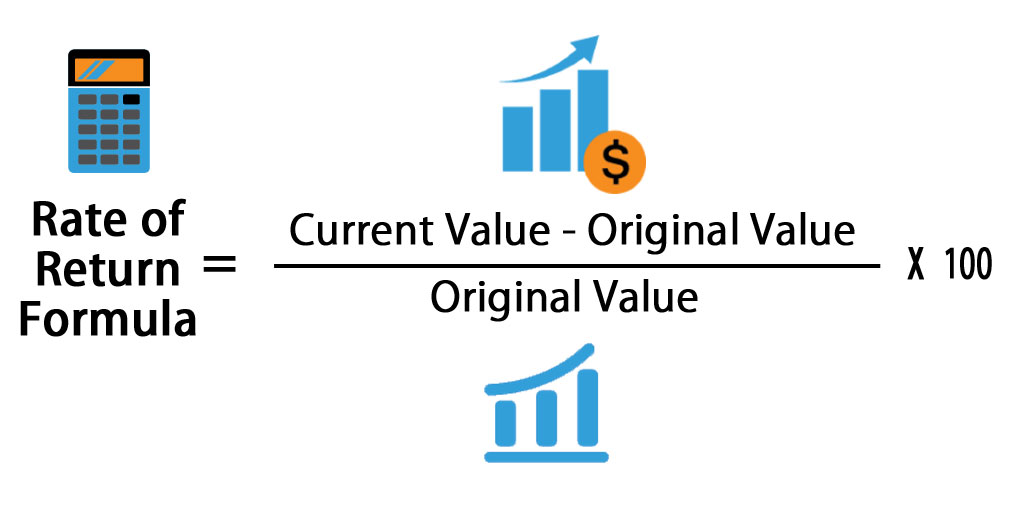
DEFINITION: A rate of return (RoR) is the net gain or loss of an investment over a specified time period, expressed as a percentage of the investment’s initial cost. When calculating the rate of return, you are determining the percentage change from the beginning of the period until the end.
***
And so, according to Greg McBride CFA, before you invest your money, you’re likely wondering how much you’re going to earn. This is known as the rate of return. The rate of return is expressed as a percentage of the total amount you invested. If you invest $1,000 and get back your original investment plus an additional $100 in interest, you’ve earned a 10 percent return.
However, numbers don’t always tell the full story. You’ll also need to think about how long you plan to keep the money invested, how your investment options have performed historically and how inflation will impact your bottom line.
Key return on investment statistics
When you’re trying to get the best return on your investment, you’ll likely start combing through loads of data. A good place to start is looking at the past decade of returns on some of the most common investments:
Pink sheets are an over-the-counter (OTC) market that connects broker-dealers electronically. There is no trading floor and the quotations are also all done electronically. Since there is no central trading floor or stock exchange like the New York Stock Exchange (NYSE), the pink sheet-listed companies do not have the same criteria to fulfill as the companies listed on national stock exchanges. Many stocks listed on the pink sheets are low-priced penny stocks that trade for under $5 a share.
Pink sheets got their name because the original pink sheets listing the stocks were actually printed and distributed on pink pieces of paper. Trading over-the-counter (OTC) refers to the process of how securities listed on the pink sheets are traded through a broker-dealer network.
A client recently asked me whether there is a difference in our sell discipline between high and low growth companies.
Selling is one of the hardest parts of investing. I wrote a lot on the subject in the past, but let’s zoom in on how our selling practice differs between high-growth companies with long runways for compounding and slow-growth companies.
EDITOR’S NOTE: It has been a few years since I spoke with my colleague Vitaliy. But, I read his newsletters and blog regularly and suggest all ME-P readers do the same.
Posted on March 14, 2022 by Dr. David Edward Marcinko MBA MEd CMP™
***
Investing and Chess
By Vitaliy Katsenelson, CFA
***
Conclusion: Investing and Chess
I read somewhere that chess is a game of small advantages. When the game starts, the players are equal – both hold the same number of pieces in the same positions. But then every move either adds to your position (competitive advantage) or subtracts from it. These little decisions (resulting in a better pawn structure, a more secure king, a centrally positioned knight, and so on) that you make with every move accumulate into victory.
Investing is not that much different, especially in today’s world where access to information has flattened. A mutual fund that manages $100 billion may spend $100 million on research, but that $100 million doesn’t buy any more than what a patient value investor can glean by reading financial statements.
I am not talking about Warren Buffett either, who doesn’t even have a PC in his office. Ted Weschler and Todd Combs (Warren Buffett’s right-hand men) achieved phenomenal investment success without a fancy research department by simply reading carefully and following our Six Commandments.
The key to succeeding in this irrational world is to actively ingrain each one of these principles into your investment operating system, improving your process just a little on a daily basis, and then success will follow.
Finally, this would not be a worthy chapter if I did not contradict myself, just a little. Investing is also unlike chess. Investing affords us a luxury that few people appreciate: You can choose your own opponent. In chess tournaments, you don’t get to choose your opponent. Tournament organizers match you to someone with an equal rating; then as you win, you are progressively matched against better opponents.
In investing, you are the “tournament organizer.” You get to walk into the room and, instead of choosing the geekiest opponent – the dude with thick glasses who hasn’t been on a date in years and has only thought and dreamt about chess – you can go for the muscular guy who spends five hours a day in the gym, and only joined the tournament because he lost a bet.
Money doesn’t know how you made it. A hundred dollars made by solving easy problems (buying stocks where both your IQ and EQ were at their highest) buys as much as a hundred dollars that caused you to lose your hair. In investing, you don’t have to solve the problems that everyone else is solving. There are thousands of stocks out there, and your portfolio needs only a few dozen.
Posted on March 12, 2022 by Dr. David Edward Marcinko MBA MEd CMP™
By Staff Reporters
***
***
Markets: Another losing week for Wall Street’s three main indexes, and the fifth down week in a row for the Dow. Despite ticking up yesterday, oil prices have actually fallen over the last five days thanks to assurances that producers could plug the supply gap left by Russia.
Ukraine: As Russian forces expanded their assault on new cities in Ukraine, President Biden once again ruled out deploying US troops to the country. “A direct confrontation between NATO and Russia is World War III,” he said.
Stress: More than 80% of Americans said that the invasion of Ukraine and inflation are significant sources of stress, according to a new survey from the American Psychological Association. That share is higher than for any other issue asked about since the survey began in 2007. Meanwhile, US consumer confidence fell to its lowest level in almost 11 years in early March.
Posted on March 10, 2022 by Dr. David Edward Marcinko MBA MEd CMP™
WHAT A DAY!
By Staff Reporters
***
***
MARKETS: The Dow Jones Industrial Average rose 653.61 points, or 2%, to end at 33,286.25.
The S&P 500 gained 2.6%, or 107.18 points, finishing at 4,277.88, its best daily percentage gain since June 5, 2020, according to Dow Jones Market Data.
The NASDAQ Composite Index advanced 3.6%, or 459.99 points, closing at 13,255.55, its best daily percentage gain since March 9, 2021.
The S&P 500 had dropped nearly 5% over the last four sessions.
LABOR DEPARTMENT: Will issue its inflation report, which economists expect will show that prices for U.S. consumers leapt 7.9% in February compared with a year ago, according to data provided by FactSet. That would be the biggest gain in four decades. Consumer prices jumped 7.5% in January from a year earlier. Shortages of supplies and workers, heavy doses of federal aid, ultra-low interest rates and robust consumer spending combined to send inflation accelerating in the past year.
Posted on March 4, 2022 by Dr. David Edward Marcinko MBA MEd CMP™
By Staff Reporters
***
Stocks fell and oil prices eased back after another bumpy day of trading on Wall Street as markets remained anxious about the broader impact of Russia’s invasion of Ukraine.
Okta shares were down 8.06% while Snowflake plummeted 15.37%.
***
INTEL: Intel stock (NASDAQ: INTC) fell 2.5% after Morgan Stanley and Bank of America Securities cut their targets to $47, according to StreetInsider. The stock fell to a low of $47.62, not far from its 52-week low of $43.63. Morgan Stanley (NYSE:MS) analyst Joseph Moore also downgraded the stock to underweight from equal weight while BofA’s Vivek Arya maintained his under perform rating.
INDEXES: Major indexes veered up and down for much of the day before a late-day slide pushed them into the red. The S&P 500 shed a 0.7% gain to close 0.5% lower, while the Dow Jones Industrial Average fell 0.3%. The NASDAQ composite fell 1.6%, weighed down by technology stocks, which accounted for a big share of the market’s decline.
The Dow is down 0.9% for the week, on track for its fourth negative week in a row. The S&P 500 is down about 0.5% for the week, while the NASDAQ Composite is down more than 1%.
BUYBACKS: In the third quarter of 2021, Apple, Inc. (NASDAQ: AAPL) led all S&P 500 companies with $20.4 billion in buybacks. Alphabet, Inc. (NASDAQ: GOOG) (NASDAQ: GOOGL) was a distant second with $15 billion in buybacks, followed by Meta Platforms Inc (NASDAQ: FB) with $12.6 billion.
Over the last decade, no company has come close to Apple in the buyback department. Apple has bought back $487.6 billion in stock since 2012. Microsoft Corporation (NASDAQ: MSFT) is a very distant second with $147.1 billion in buybacks, followed by JPMorgan Chase & Co (NYSE: JPM) with $146.2 billion.
Why Buybacks Matter: It should come as no surprise to investors that all three of the stocks that have been most aggressive in buying back shares over the last 10 years have outperformed the SPDR S&P 500 ETF (NYSE: SPY) total return by a wide margin in that period.
BONDS: Bond yields were mostly steady. The yield on the 10-year Treasury slipped to 1.85% from 1.86% late Wednesday.
Posted on March 3, 2022 by Dr. David Edward Marcinko MBA MEd CMP™
By Staff Reporters
***
Economy: Federal Reserve Chair Jerome Powell told Congress that “it’s too soon to say” how the war in Ukraine will affect the central bank’s plans, but for now it’s not enough to derail the FOMC from hiking interest rates later this month.
Markets: Stocks rose across the board with strong corporate fundamentals outshining geopolitical worries…at least for a day. Intel had a strong showing after its CEO got a shout-out in the State of the Union address (to be fair, we have no idea if those two things are related).
Posted on February 27, 2022 by Dr. David Edward Marcinko MBA MEd CMP™
By Staff Reporters
***
Microsoft: Microsoft Corp.’s stock dropped 2.6% on Wednesday to close at a seven-month low of $280.07. On Thursday, the software giant’s stock opened down 2.8% at $272.51, hit an intra-day low of $271.52, then bounced 8.5% off that low to close up 5.1% on the day at $294.59. The difference between Microsoft’s bullish engulfing and that of Twitter and Meta is that the downtrend has lasted only three months, since the stock closed at a record $343.11 on November. 19th. On Friday, the stock edged up 0.9% to $297.31.
Salesforce: Shares of Saleforce.com Inc. sank 2.4% on Wednesday to close at a 19-month low of $190.54, or 38.5% below its Nov. 8, 2021 record close of $309.96. Then on Thursday, it opened down 3.0% at $184.74, but bounced sharply to close up 7.2% at $204.29. The customer relationship management software company’s stock rose another 1.9% on Friday to $208.09, but remained the worst performer of the Dow Jones Industrial Average’s 30 components over the past three months with a loss of 26.8%.
AMAZON: The stock traded down roughly 9% across 2021and it’s down roughly 19% from the high that it hit last year. Lapping incredible, pandemic-driven performance, Amazon is facing some tough growth comparisons. Massive technology and infrastructure investments are also putting some pressure on earnings in the near term, but the business remains excellently positioned to win the future, and it will almost certainly be one of the most influential companies of the next decade [maybe]?
Posted on February 23, 2022 by Dr. David Edward Marcinko MBA MEd CMP™
***
By Staff Reporters
***
MARKETS: The S&P 500 fell into a correction for the first time in two years, joining the NASDAQ Composite, as Russia sent troops into pro-Russian regions in Ukraine. The S&P 500 index ended down 1% at 4,304.76, below the correction level at 4,316.91, which would represent a 10% drop from its January 3rd record close. A correction is commonly defined by market technicians as a fall of at least 10% (but not greater than 20%) from a recent peak. The last time the S&P 500 entered a correction was February 27th 2020, when the market was being whipsawed by fears about the outbreak of the COVID pandemic.
And, this bearish market isn’t sparing 2021 winners like Home Depot, which fell the most in nearly two years after supply-chain bottlenecks squeezed its margins. HD was the Dow’s biggest gainer last year.
IRS: According to a news release issued by the IRS, taxpayers now have the option to verify their identities during live, virtual interviews with agents. The agency stresses that no bio-metric data will be required for those interviews.
However, taxpayers once again have the option to verify their identity using ID.me’s facial recognition services. Addressing privacy concerns, the IRS says new requirements are in place to ensure that images provided will be deleted upon verification. That would apply to any new IRS accounts created and those where selfies have already been collected.
Posted on February 22, 2022 by Dr. David Edward Marcinko MBA MEd CMP™
***
By Staff Reporters
***
***
Markets: The domestic markets were closed yesterday as stocks around the world tumbled.
Crypto: Bitcoin was trading at $36,649 at 2:30 a.m. ET, falling nearly 6.5% in the last 24 hours, according to data from CoinDesk. The world’s most valuable cryptocurrency fell below $40,000 over the weekend, and has continued to slide as the Ukraine crisis intensifies. The currency has lost almost half its value since its November high of $68,990 due to geopolitical tensions, the prospect of interest rate hikes by the US Federal Reserve and curbs by some major economies on digital assets. Bitcoin’s peers have also been faring poorly. Ethereum, the world’s second most valuable cryptocurrency, fell over 8% in the last 24 hours and was trading at $2,520.
Putin: Russian President Vladimir Putin dramatically escalated the Ukrainian conflict. He recognized two separatist regions in eastern Ukraine as independent and ordered Russian troops to enter those areas, which may provide the pretext for an invasion of other parts of the country. Western leaders condemned the move as a violation of international law and the US said it will impose sanctions on those regions.
Capital markets require confidence that all market participants have fair access to the same relevant information about a company and its prospects. Laws governing the trading of securities have been in existence since stocks were first traded. It seems as if each piece of legislation, from the Securities and Exchange Act of the 1930’s through to the 2002 Sarbanes-Oxley Law fought the prior corruption as successfully as preparing an army to fight the last war.
Curiously, the issue of insider trading by members of Congress is not a partisan issue. If behavior is any indication, certain Republicans and Democrats are fond of having the ability to profit from access to material, nonpublic information. Others of both parties are introducing legislation to block illegal insider trading.
Congress has passed laws that prohibit people with insider knowledge from trading on non-public information, and from sharing that non-public information with others who may trade stocks based on that information. The former is known as “illegal insider trading” and the latter as “tipping.” There exists legal insider trading, which is bound by rules of disclosure and third-party decision makers, but we will leave that for another day. Illegal insider trading is enforced through Federal Agencies including the Securities and Exchange Commission (SEC), Internal Revenue Service (IRS) and the Department of Justice (DOJ), as well as by regulations on major stock exchanges such as the New York Stock Exchange (NYSE) and National Association of Securities Dealers Automated Quotation Systems (NASDAQ).
While there is universal agreement that executives, board members, employees and others with access to non-public information may not use that information to trade stocks, members of Congress and their staffs face few practical barriers. And in more recent months, members of the Federal Reserve and their staffs have made questionable, if not downright suspicious trades of stocks.
History is littered with cases of both average citizens and celebrities like Martha Stewart being prosecuted for insider trading. Stewart was ultimately prosecuted and jailed for obstruction after denying insider knowledge.
There are members of both the US Senate and US House of Representatives who want to stop illegal insider trading by their peers. For example, in 2012, President Barack Obama signed the Stop Trading on Congressional Knowledge (STOCK) Act to prevent insider trading by members of Congress and Congressional Staff. However, there have been no prosecutions under this statute to date. The reason is that the “Speech and Debate” clause prohibits questioning an elected Senator or Congressional Representative.
Moreover, much of the disclosure of material, non-public information that would establish a foundation for illegal insider trading occurs outside the public eye. Members of Congress cannot act on information obtained from companies themselves. The difficulty arises in proving that a member of Congress or Congressional staff knew of material, non-public information acquired in a confidential congressional meeting. Let me rephrase that. There is no way of knowing what transpired in the confidential committee meeting so there is no provable path to a stock trade benefiting the member of Congress or their staff.
Suppose two publicly traded defense contractors were bidding on a new weapons system. In a confidential committee, a Department of Defense (DOD) recommendation to accept the bid of company A versus Company B was made and endorsed by the committee. At that point, everyone with access to the non-public information about the weapons system bid would know that it would be good for the stock of Company A and bad for the stock of Company B.
Take this a step further. Company A and Company B are notified about the confidential decision and advised to keep this material, non-public information protected. At this point, if any executive, board member or employee with that knowledge traded in the stock of Company A or Company B they would be subject to prosecution, including fines and imprisonment. Also, if any person at the company provided that material, non-public information to another person, including a member of Congress, that action would be subject to investigation and potential prosecution.
Now suppose a Senator, Congressional Representative or staff member, after receiving the news of the weapons system award went to their broker, computer or telephone and bought stock in Company A while selling (or shorting in another way) Company B. Or perhaps communicated to a friend or family member on a trade “suggestion.” Relaying or exploiting information – material, non-public information — behavior that would land any other person in an investigation and make them subject to prosecution, cannot be practically pursued because there is no way to use the committee deliberations as evidence.
When Senators Richard Burr (R-NC), Kelly Loeffler (R-GA) and Diane Feinstein (D-CA) were accused of insider trading, instead of being subjected to investigation and potential prosecution through the SEC, IRS, or DOJ, their actions instead were reviewed by the Senate Ethics Committee. The Senate Ethics Committee, made up of other US Senators, found no wrongdoing. Let me rephrase that – other US Senators, who might benefit themselves from insider trading – decided to give suspicious behavior a pass. Even if the conduct of the Senators was on the up-and-up, the optics do not inspire confidence.
The US Senate does not have a monopoly on suspicious trading. For example, Congresswoman Lois Frankel (D-FL), was accused of trading stocks of companies in the fossil fuel industry while a sitting on a Congressional subcommittee that oversees funding for the Department of Energy.
Legislation to Block Insider Trading by Congress and the Federal Reserve
US Senators and Congressional Representatives have made proposals to improve public perception of their ranks with more practical solutions and stiffer penalties. Pre-eminent among the reformers is Senator Elizabeth Warren (D-MA), a person with a strong background in financial matters. Senator Warren appears to be the leading voice in calling for members of the Federal Reserve and their staffs to also be subject to laws prohibiting illegal insider trading and tipping. These restrictions are long overdue, as statements by the Fed has caused wild gyrations in the prices of securities. Senator Warren’s ideas are recommended reading on her web site at
. Enter “Insider Trading” on the search bar of the Senator’s web site for 61 references.
Senators Jeff Merkley (D-OR) and Sherrod Brown (D-OH) have offered the “Ban Conflicted Trading Act.” Under the legislation, elected persons and their staffs would be required to either sell or freeze their stock holdings, or put them in a blind trust. Introduced in 2018, the legislation has stalled. Last winter, Representative Alexandria Ocasio-Cortez (D-NY) and others have indicated they would introduce the same legislation in the House.
Earlier this month, Senators Jon Ossoff (D-GA) and Mark Kelly (D-AZ) introduced the Ban Congressional Stock Trading Act. If it becomes law, every member of Congress—as well as their spouses and dependent children—would be required to place their stock portfolios into a blind trust. One benefit of an outright ban or blind trusts would mean that clerical matters would no longer be a concern of those elected. Kelly himself, according to news reports, did not make a timely disclosure about a stock option exercise.
Senator Josh Hawley (R-MO) announced he will introduce the Banning Insider Trading in Congress Act. Wryly pointing out that politicians manage to outperform the stock market year after year, Hawley’s bill would prohibit members of Congress and their spouses from buying and trading individual stocks. Those who violate it would have to disgorge their profits.
Congress: Keep it simple and fix this
The singular, clear way to avoid abuses of insider information is to ban the trade of individual stocks and industry-specific Exchange Traded Funds (ETF) by members of Congress, Congressional staffs, members of the Federal Reserve and their staffs. Double blind trusts (where neither the owner or trustee knows identity of the other) would be an acceptable form of investing. Finally, add stronger criminal penalties for tipping insider information.
This is one of the few things that seem to enjoy bipartisan support, and would seemingly be welcomed by nonpartisans and those on the political poles as well.
Of course, like everything political, proposals of these types do not enjoy absolute, clear-cut support. As House Speaker Nancy Pelosi (D-CA) said about her opposition to such restrictions “We are a free market economy,” Pelosi, purported to be one of the 25 wealthiest members of Congress, continued, “They (Congress) should be able to participate in that.” Pelosi’s recent financial disclosure is said to have 48 transactions made by her family valued at a total of some $50 million so she is sympathetic to serving in Congress and participating in trading.
Posted on February 19, 2022 by Dr. David Edward Marcinko MBA MEd CMP™
By Staff Reporters
***
***
MARKETS: Stocks closed down for a second straight week in the US— and sunk deeper into the red for 2022 so far — as investors assess the risks from escalating tensions in Ukraine and a shift in monetary policy by the Federal Reserve.
And, after another day of turbulence, the Dow and the S&P 500 both fell 0.7% (with the Dow ending Friday at 34,079) and the tech-heavy NASDAQ composite declined 1.2%. The NASDAQ has fallen farthest of the three major U.S. stock indexes to date, down 13.4% for the year, while the S&P 500 is off 8.8% and the Dow is down 6.2%.
Specifically, Intel’s shares declined $2.47, or 5.2%, while those of Boeing were off $4.38 (2.1%), combining for a roughly 45-point drag on the Dow. Salesforce.com Inc. Caterpillar and Honeywell International Inc. also contributed significantly to the decline.
STOCKS:
Shopify, which represented the Covid e-commerce boom, is down 62% from its peak.
Roblox, which represented the Covid gaming boom, is down 63%.
Netflix, which represented the Covid streaming boom, is down 43%.
Noteworthy: A $1 move in any of the Dow’s 30 components equates to a 6.59-point swing.
UKRAINE: Investors watched the latest developments in Ukraine, where Russia has been amassing troops on the border. The tensions are yet another concern for investors as they also try to determine how the economy will react to rising inflation and looming interest rate hikes.
Posted on February 17, 2022 by Dr. David Edward Marcinko MBA MEd CMP™
By Staff Reporters
****
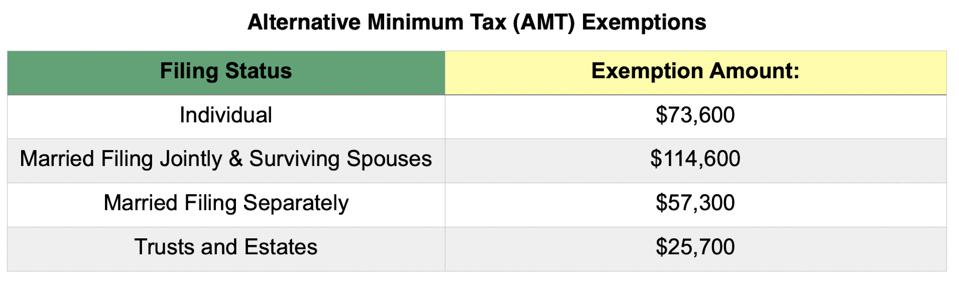
Alternative Minimum Tax
DEFINITION: The alternative minimum tax (AMT) is a tax imposed by the United States federal government in addition to the regular income tax for certain individuals, estates, and trusts. As of tax year 2018, the AMT raises about $5.2 billion, or 0.4% of all federal income tax revenue, affecting 0.1% of taxpayers, mostly in the upper income ranges.
Posted on February 17, 2022 by Dr. David Edward Marcinko MBA MEd CMP™
By Staff Reporters
***
***
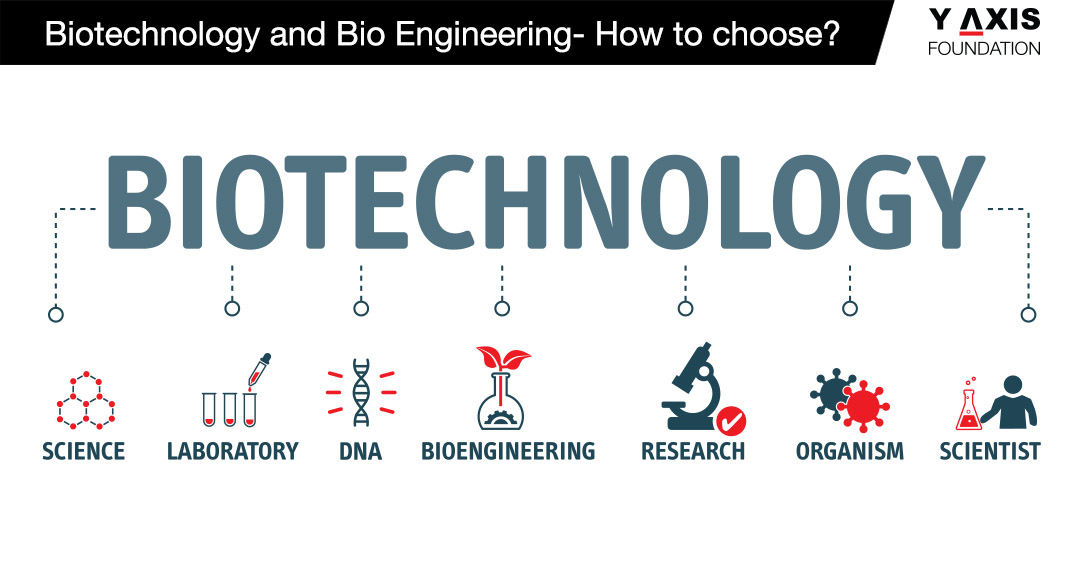
BIOTECHNOLOGY: According to Bloomberg, former high flying biotechnology favorites Mirati Therapeutics Inc. and Sage Therapeutics Inc. have lost more than half their value from record highs, hurt by growing pessimism on new medicines as well as the higher rate environment damaging most stocks.
MARKETS: Stocks went down, then back up, and closed pretty much where they started. The e-commerce platform Shopify is another pandemic winner that’s been absolutely crushed during the “reopening”: Its stock has fallen to its lowest level since June 2020.
PPI: The producer price index rose 1% over the prior month.
Covid: Dr. Zayid Al-Aly reported that even a mild COVID-19 infection increasedthe risk of having cardiovascular problems — including heart rhythm irregularities, potentially deadly clots in the legs and lungs, heart failure, heart attack and stroke, within a year after being infected.
MICROSOFT: Microsoft CEO Satya Nadella is on a major shopping spree. The company’s planned purchase of video game maker Activision Blizzard, with a price tag of nearly $70 billion, is Microsoft’s biggest and boldest acquisition. But it’s hardly the only notable deal in the Nadella era. Microsoft scooped up advertising tech business Xandr from CNN owner AT&T late last year for a reported $1 billion. The company also shelled out nearly $20 billion for cloud software firm Nuance earlier in 2021. That’s on top of numerous other billion dollar deals Microsoft has made since Nadella took the helm in 2014, including the acquisitions of Minecraft developer Mojang, Bethesda games studio owner ZeniMax Media, open source coding site GitHub and business social media network LinkedIn. The LinkedIn deal was previously Microsoft’s largest, with a value of $26.2 billion. Now there are reports Microsoft is looking to buy Mandiant, the cybersecurity software firm formerly known as FireEye that is currently valued at about $4.5 billion.
Posted on February 14, 2022 by Dr. David Edward Marcinko MBA MEd CMP™
Insights For Doctors and All Investors
***
By Vitaliy Katsenelson CFA
***
NOTE: This piece is a little more technical, and contains a bit more stock-market jargon, than most essays you get from me. While how we build portfolios is important to us and our clients, we realize that the puts and takes might bore many readers.
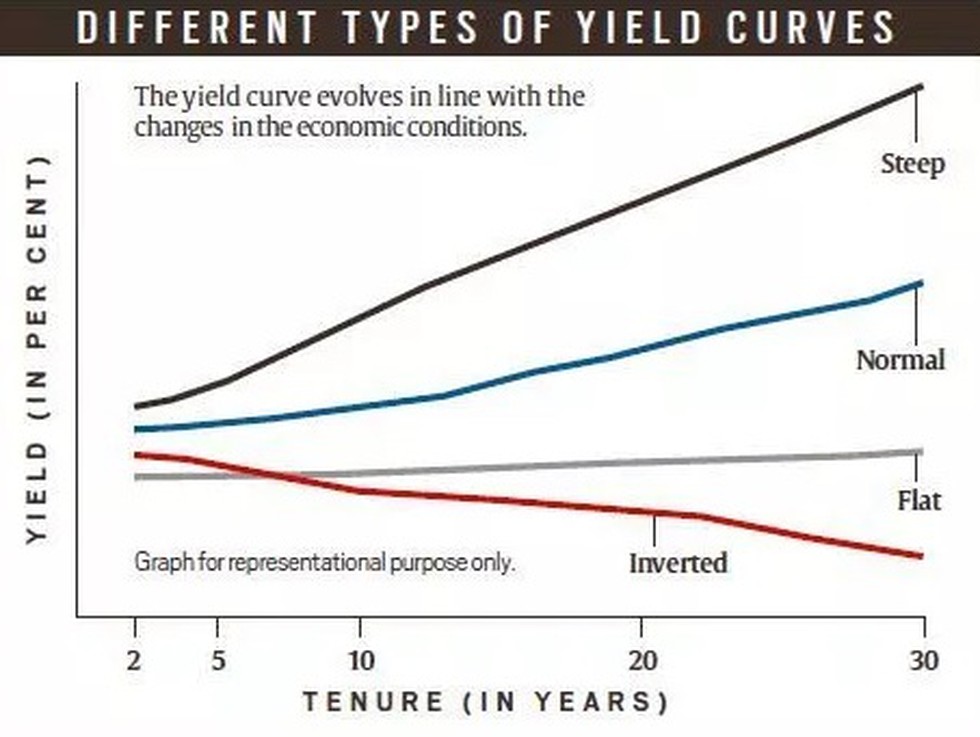
Bonds: A bond selloff eased up a day ahead of an eagerly anticipated inflation report as investors absorbed another batch of earnings reports. The DJIA rose 300 points higher, but tech-related stocks lead the rally on Wall Street as bond yields stabilized and treasury yields paused their run higher ahead of the red-hot inflation report estimates.
Markets: The S&P 500 closed as a rally in Facebook-parent Meta helped the broader tech sector build on recent gains just as the S&P 500 rose 1.5%. The Dow Jones Industrial Average added 0.8%, or 306 points, the NASDAQ jumped 2.1%. And, Meta Platforms (NASDAQ: FB) jumped more than 5% as investors appeared to the buy the dip in the social media company, which hit fresh 52-week lows a day earlier. For the second-straight day, a rally in semiconductor stocks also pushed tech higher, with Nvidia (NASDAQ: NVDA) racking up a 5% gain as analysts downplayed the $1.25 billion hit to the company after its deal to acquire UK chip-maker ARM fell through.
Posted on February 7, 2022 by Dr. David Edward Marcinko MBA MEd CMP™
By Staff Reporters
***
DEFINITION: A stock split or stock divide increases the number of shares in a company. For example, after a 2-for-1 split, each investor will own double the number of shares, and each share will be worth half as much. A stock split causes a decrease of market price of individual shares, but does not change the total market capitalization of the company: stock dilution does not occur.
Google parent company Alphabet said it would split its stock 20–1. That means in July 2022, Alphabet shareholders will receive 19 more shares for every one that they own. It doesn’t mean they’ll be 20x richer—the price of the stock they hold will drop a proportional amount. If the stock split were to happen now, Alphabet’s share price would fall from $2,865 to $143.
Why does it matter?
In many ways, it doesn’t. A stock split does not change the value of the company. It’s simply a way to increase the number of shares outstanding.
Think of it like slicing a pizza. At a share price of almost $3,000, Alphabet’s slices were a wide a monstrosity. With the stock split, it’s cutting company ownership into smaller portions. But, in the end, the pizza isn’t growing—there are just more slices to be shared.
So why do it? By making the slices of its company smaller, it hopes that more people will look at them and say, “Well I guess one couldn’t hurt.” Alphabet said the goal of the stock split is to attract more small-time investors who might have been intimidated by buying in at such a steep share price.
Only 27 other stocks in the S&P 500 have share prices above $500 besides Alphabet.
And, there’s evidence this bit of corporate inception can be effective. To see why, let’s look at what happened when two other tech giants, Tesla and Apple, split their stock recently.
When Apple split its stock 4–1 in July 2020, retail investors upped their purchases from $150 million per week to nearly $1 billion, according to Vanda Research.
When Tesla split its stock 5–1 in August 2020, retail investing jumped from $30–$40 million/week to $700 million.
There may be another play for Alphabet here—and that is to pad its resume for inclusion in the iconic Dow Jones Industrial Average. Because the Dow is weighted by share price (an antiquated system, to be sure), Alphabet at its current price would overwhelm all of the companies. It would become the Alphabet Industrial Average. At $247, it becomes a much more attractive candidate for the Dow.
Posted on February 5, 2022 by Dr. David Edward Marcinko MBA MEd CMP™
By Staff Reporters
***
Markets: The stock market was downright crazy last week. A day after Meta [Facebook] suffered the worst one-day drop in value in US stock market history (losing more than $230 billion), Amazon set the record for the biggest one-day gain on Wall Street (adding $191 billion). As for the major indexes, the S&P 500 and NASDAQ posted their best week so far this year.
Economy: The jobs report stunned experts by adding 467,000 jobs last month, far more than expected and a sign of an extraordinarily strong labor market. In even better news, the government said it had under-counted the number of jobs added in November and December by more than 700,000.
Posted on February 5, 2022 by Dr. David Edward Marcinko MBA MEd CMP™
By Staff Reporters
***
An interval fund is a type of closed-end fund with shares that do not trade on the secondary market. Instead, the fund periodically offers to buy back a percentage of outstanding shares at net asset value (NAV). The rules for interval funds, along with the types of assets held, make this investment largely illiquid compared with other funds.
But, Snap Inc. and Pinterest Inc. came roaring back after upbeat results eased fears that a slowdown at rival Facebook reflected an industry-wide social media slump.
IRS: Regardless of the stock markets, the IRS just assembled a ‘surge team’ of 1,200 staffers to tackle filing backlogs and the busy tax season this year.
COVID-19: Medicare to start paying for at-home tests.
JOBS: The January jobs report due this morning will have several Covid issues that will make the numbers extremely confusing to interpret (folks out sick with Omicron, for example).
Posted on February 3, 2022 by Dr. David Edward Marcinko MBA MEd CMP™
By Staff Reporters
***
Stock Markets: S&P 500, DJIA and NASDAQ booked their 4th straight day of gains with technology shares in focus.
And, Facebook rattled investors by posting a rare profit decline, driven by the company’s heavy spending on its vision for a so-called Metaverse while simultaneously confronting advertising challenges on its existing services. The company, formerly known as Facebook, posted net income of nearly $10.3 billion in the final three months of last year, a decline 8% from the same period in the prior year and below Wall Street analysts’ projections. For Meta, the disappointing earnings add to its challenges. It’s in the middle of a number of regulatory fights and also looking to justify its strategic shift to bet on an immersive internet known as the metaverse. Meanwhile, other platforms like TikTok and YouTube are gaining ground with younger users.
Several other social media companies also fell hard after the bell, including Twitter, Pinterest and Spotify, which also released disappointing results. And PayPal fell hard, too!
IRS: The Internal Revenue Service is adding about 1,200 employees to its rolls to help the agency navigate what will likely be one of the most challenging tax filing seasons in years.
Mike Milken: Is headed to the latest power base for U.S. financiers and politicians: South Florida. The income tax-free, palm tree-lined oasis is where New York’s ultra-wealthy have long decamped for the winter, but are increasingly making their permanent home. The 75-year-old billionaire kicks off the first Milken Institute South Florida Dialogues on Friday. The six-day preliminary agenda of island and mansion hopping has Ken Griffin talking national security in South Beach, and Sonia and Paul Tudor Jones hosting tennis matches at their oceanfront Palm Beach estate Casa Apava. The format is similar to the dialogues he’s presented in the Hamptons for years.
Posted on February 2, 2022 by Dr. David Edward Marcinko MBA MEd CMP™
WHAT IT IS – HOW IT WORKS – WHY?
UPDATE: Hits $90 dollars/barrel
By Staff Reporters
***
What it is: Exactly what it sounds like. The North American crude oil benchmark, known as West Texas Intermediate (WTI), is one of three main oil benchmarks used around the globe. While WTI is sourced primarily from Texas, it’s considered one of the highest-quality oils and is often refined into gasoline.
How it works: WTI is the physical commodity behind oil futures contracts traded on the New York Mercantile Exchange. Oil futures = financial instruments that allow investors to buy “abstract oil.” When the futures contract expires, that investment is converted into IRL oil, cashed out, or rolled into a future futures contract.
Why it matters: Oil prices are affected by economic conditions, supply and demand, and geopolitical forces. The coronavirus pandemic caused a historic collapse in prices this spring, and while prices have stabilized, the outlook is shaky.
Posted on February 2, 2022 by Dr. David Edward Marcinko MBA MEd CMP™
By Staff Reporters
***
STOCK MARKET: Alphabet Inc., announced a 20-for-1 stock split in the form of a one-time special stock dividend, aiming to draw a wider audience for its shares.
Covid: Pfizer asked the FDA to authorize its two-dose Covid shot for children under 5 years old. Those 19 million children represent the only age group that isn’t currently eligible to get a Covid vaccine.
NHTSA: The National Highway Traffic Safety Administration (NHTSA) has cited more reckless driving since the pandemic began, including drivers not wearing seat belts and blowing through speed limits.
Posted on January 31, 2022 by Dr. David Edward Marcinko MBA MEd CMP™
By Staff Reporters
***
Markets: Stocks just finished a period of high volatility and biotech companies in particular are feeling unsteady. The sector is off to its worst start to a year since 2016 and Moderna is the worst performer in the S&P 500.
Social Media: More than 95,000 people lost a collective $770 million due to fraud on social media last year, a new FTC report found. That represents 25% of all reported losses to fraud in 2021 and a breathtaking 18x increase over social media scam losses in 2017. Driving the surge was bogus cryptocurrencies. In fact, investment-related scams were the most prevalent type of fraud on social media, accounting for 37% of all losses. Romance scams (24%) were No. 2, and online shopping scams (14%) won the bronze medal.
Employment: The January employment rate dropped, but with Omicron forcing so many Americans to call out sick last month, the data may be specious. Economists polled by Dow Jones are estimating the economy added 200,000 jobs last month.
Posted on January 20, 2022 by Dr. David Edward Marcinko MBA MEd CMP™
WHAT IT IS – HOW IT WORKS – WHY?
****
Noteworthy Socks
What it is: A stock is a little sliver or “share” of a company that you can purchase and own. They usually take the form of “common” shares (which have voting rights that can influence some corporate decisions) or “preferred” shares (which don’t have voting rights, but do offer an edge when it comes to receiving dividends, or quarterly payments made to shareholders).
How it works: Companies sell shares on a stock exchange through an initial public offering; an IPO helps raise money to fuel more growth. Companies can also sell extra batches of stock to raise even more money later on and lower share prices; many end up selling millions or billions of shares in total. In the market, share prices usually fluctuate based on supply and demand.
Why it matters: Stocks can move with the broader market, but isolated events from earnings reports to product unveils to C-suite shakeups to Elon Musk tweeting can also affect how investors see a company’s future growth potential, thus sending prices up or down. We’ll occasionally highlight individual stocks and explain what happened to excite or spook investors.
Posted on January 18, 2022 by Dr. David Edward Marcinko MBA MEd CMP™
By Staff Reporters
***
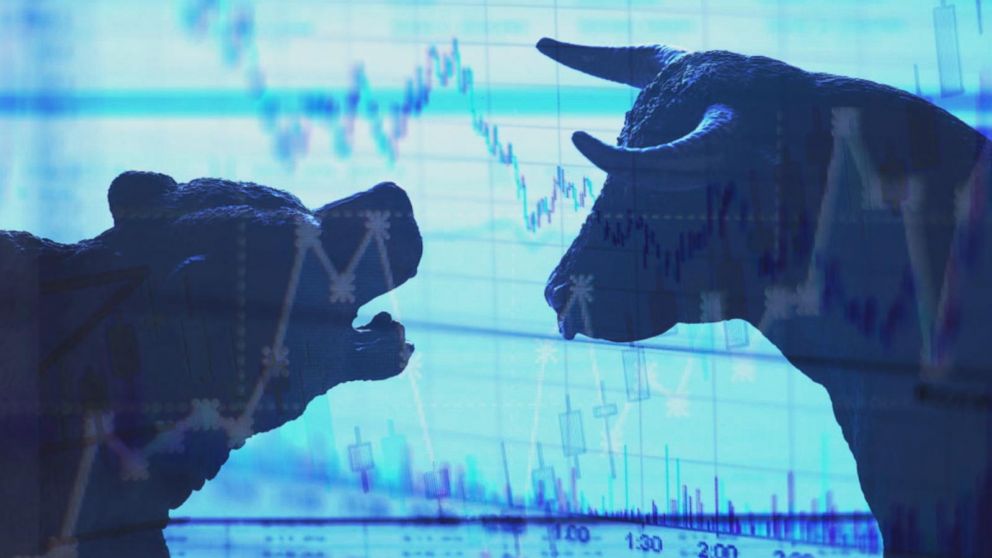
Markets: The stock market was closed for Martin Luther King Jr. Day. Maybe a day off is just what the market needs to score its first winning week of 2022. But … For many stocks, 2022 was a real bear of a year. More than 220 US-listed companies with a market cap of $10+ billion are down at least 20% from their peaks. And things are even worse in the tech-heavy NASDAQ, where 39% of companies have dropped at least half from their all-time highs.
Economy: A combo of Omicron disruptions, higher inflation, and shortages of everything has caused forecasters to lower their projections for economic growth this quarter. Analysts surveyed by the WSJ dropped their Q1 forecast to 3% annual growth from 4.2% back in October.
China: World shares were mixed after China reported that its economy expanded at an 8.1% annual pace in 2021, though growth slowed to half that level in the last quarter. And, Paris, Frankfurt, Tokyo and Shanghai advanced while Hong Kong and Seoul declined.
You can also listen to a professional narration of this article on iTunes, Google & online.
Mr. Market was less than kind to our portfolio over the last few months, and especially the last few weeks. I cannot tell you how little it worries us what Mr. Market thinks about our stocks at any particular point in time. We love* our portfolio even if the Mr. Market doesn’t fancy it today.
Also, before we take Mr. Market seriously, let us tell you about the rationality of Mr. Market lately. The World Health Organization (WHO) names each variant of the Covid virus by going to the next letter of the Greek alphabet. After Delta, which is currently the most predominant variant of the virus ravaging the world, there must have been nine others that were not important enough because we never heard of them. Why nine? Because when the latest variant of concern was found in South Africa, it emerged that the letter Nu was supposed to be applied to it. But Nu sounds a lot like new. WHO didn’t want to confuse people, so it skipped to the next letter in the Greek Alphabet, which is Xi – oops, that’s the Chinese supreme dictator. So, for the sake of global political stability, that letter was skipped, too.
This brings us to Omicron, the name of the latest variant.
This is where this story gets a bit more interesting.
The one disruption that really puzzles me is the labor shortage. There are millions of jobs going unfilled today. I hear stories of Starbucks stores being closed due to a lack of workers. Every service that has a heavy labor component has gotten worse – be it restaurants, ride-sharing, or pharmacies. There happens to be a cryptocurrency, one of thousands, that is also named Omicron. I still cannot grasp the logic behind it, but that cryptocurrency was up 900% on the day the South African variant was christened. There must have been a trading algorithm or a lot of bored investors looking for the next gamble, to drive something seemingly worthless up 900%.
That is the drunken Mr. Market that is pricing our stocks today.
I am going to repeat what you will find me saying several times in the letter: We own businesses that are priced, not valued, by Mr. Market thousands of times a day. We have done a lot of work on each company in the portfolio, and through diligent research we have reached the conclusion that each is worth more than the price it is changing hands at today. Are we going to be right about each and every stock? Of course not. This is a numbers game. But we use a time-tested methodology centered on common sense and the cash flows these businesses generate. Also, this is not our first rodeo. We’ll go on making small tweaks, taking advantage of Mr. Market’s manic-depressive moods, at least when it comes to anything that generates cash flows.
Of course, we could change our investment process and load up on the cryptocurrency called Pi Coin, which happens to take its name from the letter in the Greek alphabet that follows Omicron. But I think we all agree we should stick to our knitting, buying high-quality businesses that are significantly undervalued. (Anyway we already loaded up on pie during Thanksgiving.)
Our advice – enjoy this holiday season. Spend time with your loved ones; don’t look at your portfolio. Let us worry about it – after all, we own the same stocks you do.
Posted on January 13, 2022 by Dr. David Edward Marcinko MBA MEd CMP™
BY STAFF REPORTERS
***
Stock Markets: An inflation report couldn’t stop stocks from pushing higher yesterday, likely because it wasn’t worse than expected. Biogen shares tumbled after Medicare said it would limit coverage of its controversial $28,000 Alzheimer’s drug, Aduhelm; as the ME-P has noted.
Covid Pandemic: The current Omicron wave is projected to peak by January 19th in the US, according to an influential model from the University of Washington. Then, cases are expected to plummet “simply because everybody who could be infected will be infected,” Washington professor Ali Mokdad told the AP. Cases appear to have already peaked in Britain.
Posted on January 12, 2022 by Dr. David Edward Marcinko MBA MEd CMP™
By Larry Culp
***
Hi David,
Earlier this week, GE’s Chairman and CEO Larry Culp shared a note with employees reflecting on GE’s priorities as we enter the new year. “Ten days into 2022, our work has already begun,” Larry said in his note. “I am excited for our road ahead.”
As we shared in November, GE is on a path to become three stronger, more focused companies positioned to lead in aviation, healthcare, and energy. Here are our priorities for the year ahead to take us there:
Ensure safety is always first.
Build on our progress to further strengthen GE for today and tomorrow.
Lead in areas of urgent global need – Future of Flight, Precision Health and the Energy Transition.
Lay the groundwork for the creation of three independent companies – starting with Healthcare – positioned to succeed on their own.
Posted on January 8, 2022 by Dr. David Edward Marcinko MBA MEd CMP™
By Staff Reporters
Stock Markets: The S&P is off to its worst start to a year since 2016, and the NASDAQ fell 4.5% this week—its worst drop since February 2021. The Fed’s hawkish pivot + rising bond yields are really pounding technology stocks.
Crypto-Currency: Bitcoin fell to its lowest level since last September, and other cryptos like ethereum and solana are also in the doghouse. It appears as though the Fed’s move to raise borrowing costs and the turmoil in mining powerhouse Kazakhstan are dragging down prices.
Posted on January 7, 2022 by Dr. David Edward Marcinko MBA MEd CMP™
By Staff Reporters
***
NASDAQ Markets: The good news—if you own tech stocks—is that they didn’t fall as much yesterday as they had in the previous two days. NASDAQ comp: 15,080.87 at the close.
Posted on January 5, 2022 by Dr. David Edward Marcinko MBA MEd CMP™
By Staff Reporters
***
The stock market was very sharply mixed yesterday, and the NASDAQ Composite took the brunt of the damage. Even as the Dow Jones Industrial Average was up triple digits, the NASDAQ fell almost 2% as of 1:45 p.m. ET; and finishing down 210.08 points or (-1.33%).
Physicians and other investors looking at the biggest stocks in the NASDAQ would have to go through three dozen stocks on the list before finding a single one that rose more than 1%. Many of the top tech giants were down 1% to 5% or more on the day. Yet there were some winning NASDAQ stocks, and a few in particular might seem surprising to those used to seeing more popular names among top performers.
Bond yields gained thanks to bullish attitudes around economic growth.
Economy: The Great Resignation rolls on as a record 4.5 million Americans quit their jobs in November. That’s equivalent to 3% of the workforce.
Posted on January 1, 2022 by Dr. David Edward Marcinko MBA MEd CMP™
STRATEGIES AND MITIGATION
Finding investments to weather the storm. Strategies and ways to mitigate inflation risk, including investing in businesses with pricing power, capital intensity, and investing abroad.
Posted on December 21, 2021 by Dr. David Edward Marcinko MBA MEd CMP™
By Staff Reporters
***
Markets: With Omicron concerns swirling and President Biden’s big spending plan KO’d by Senator Joe Manchin, the S&P posted its biggest three-day drop since September. Tesla shares have now fallen back to their price before their big Hertz deal was announced in October.
Build Back Better: Goldman Sachs cut its economic growth forecast for next year after Joe Manchin said he wouldn’t vote for Democrats’ $2 trillion social spending bill. But yesterday the senator detailed some changes to the bill he’d support, reviving hopes that negotiations could resume in January.
Posted on December 17, 2021 by Dr. David Edward Marcinko MBA MEd CMP™
By Staff Reporters
***
The Federal Reserve announced that it will stop buying bonds about three months earlier than initially planned. The Fed now plans to trim its monthly Treasury and mortgage-backed security purchases by $30 billion a month starting next month. The new pace is expected to put an end to bond buying by March.
The Fed also announced that it would leave interest rates unchanged at near-zero percent. The announcement paves the way for three interest rate hikes by the end of 2022, which could weigh on tech and growth stocks.
Markets: Stocks reversed their post-Federal Reserve announcement rally with a stinker of a day—especially tech stocks. Semiconductor companies like AMD and Nvidia got particularly thwacked.
Covid: The CDC recommended adults use Moderna’s and Pfizer’s Covid vaccines over J&J’s due to the risk of developing rare but serious blood clots.
Posted on December 15, 2021 by Dr. David Edward Marcinko MBA MEd CMP™
UPDATES
By Staff Reporters
***
Markets: Stocks stumbled yesterday as investors anxiously await an update from the Federal Reserve this afternoon.Uber shares bucked the trend after CEO Dara Khosrowshahi said the company had its “best week ever” for overall gross bookings, which encompasses its ride-sharing and delivery units.
Economy: The Fed will make a big announcement today about its inflation-fighting strategy. Fresh data released yesterday—showing that producer prices rose at their fastest pace on record—will put even more pressure on the central bank to wind down its stimulus measures quickly and chart out a plan to hike interest rates.
Posted on December 6, 2021 by Dr. David Edward Marcinko MBA MEd CMP™
StockMarketInvesting Perspectives
By Staff Reporters
***
Markets: With stocks selling off sharply last week, at least we still have Crypto, right? Right? Bitcoin tanked more than 20% at one point this weekend, dragging many other digital tokens with it. El Salvador, for one, bought the dip.
Covid: At first glance, Omicron does not appear to cause more severe illness, Dr. Fauci said yesterday. Early results out of South Africa, where Omicron is spreading, show it’s not driving up hospitalizations. Fauci called the data “a bit encouraging.”
Posted on December 4, 2021 by Dr. David Edward Marcinko MBA MEd CMP™
***
By staff reporters
***
Markets: Stocks Gone Wild, the major indexes all bounced back from a bruising Wednesday, led by travel and hospitality stocks. Omicron has the markets looking like a sine wave this week.
Other updates: Congress passed a short-term spending bill to avoid a government shutdown this weekend.Plus, it’s jobs report day. Economists expect a meaty gain of 550,000 jobs in November, which would be the biggest number since July.
Posted on December 2, 2021 by Dr. David Edward Marcinko MBA MEd CMP™
IN BRIEF
By Staff Reporters
Markets: The major indexes continued their fall as the first Omicron case in the US was identified in California. The S&P just posted its worst 2-day drop since October 2020.
Politics: Another government shutdown deadline is approaching. Lawmakers are negotiating a short-term spending patch to avoid a partial shutdown that would begin at 12:01am ET on Saturday.
Posted on November 29, 2021 by Dr. David Edward Marcinko MBA MEd CMP™
By Staff Reporters
Markets: Stocks dropped sharply in the post-Thanksgiving trading session on Friday due to concerns over the new Covid variant, Omicron. The Dow fell 2.5% for its worst day of the year, and the S&P also tumbled 2.3%. Oil prices and travel stocks also got rocked given fresh worries over travel demand, while “stay-at-home” names like Peloton and Zoom got a boost.
Economy: It’s still way too early to know the impact of Omicron on economic growth. As we laid out last week, the Fed is under pressure to accelerate the winding down of its stimulus measures in order to battle inflation, but the new variant could change the calculus. Investors dialed back their expectations of a sooner-than-expected rate increase on Friday.
Almost everything you own and use for personal or investment purposes is a capital asset. Examples include a home, personal-use items like household furnishings, and stocks or bonds held as investments. When you sell a capital asset, the difference between the adjusted basis in the asset and the amount you realized from the sale is a capital gain or a capital loss.
Generally, an asset’s basis is its cost to the owner, but if you received the asset as a gift or inheritance, refer to Topic No. 703 for information about your basis.
For information on calculating adjusted basis, refer to Publication 551, Basis of Assets. You have a capital gain if you sell the asset for more than your adjusted basis. You have a capital loss if you sell the asset for less than your adjusted basis. Losses from the sale of personal-use property, such as your home or car, aren’t tax deductible.
Posted on October 19, 2021 by Dr. David Edward Marcinko MBA MEd CMP™
YOU DECIDE AND OPINE
By Dr. David E. Marcinko MBA
The Plot Thickens
Autumn is here, and leaves aren’t the only thing falling.
After seven months of higher monthly closes, plus one record-setting high early in the month, the benchmark S&P 500® Index wobbled its way to a 5% pullback in September. The causes were many—uncertainty emanating from Washington, inflation, supply chain problems, and softer earnings growth forecasts—and now the horizon is looking foggy as we gaze ahead toward the final months of 2021.
Shipping bottlenecks and a near-record number of job openings are raising costs and putting upward pressure on wages, which may start to hurt profit margins, and the twin specters of inflation and higher interest rates are making investors wonder when the Federal Reserve might step in to raise interest rates.
But, if there’s a potential bright spot, we have to look across the sea to the Eurozone, where the signs point toward an era of increased government spending that could be positive for global economic growth.
Generally speaking, all income is taxable unless it’s specifically excluded, as is the case with certain gifts and inheritances. In most instances, the income you earn will be reported to both you and the government on an information return, such as a Form 1099 or W-2. If the income you report doesn’t match the IRS’s records, you could face problems down the road—so be sure you include the income from all of the following forms that are applicable to your situation:
1099-B: The form on which financial institutions report capital gains.
1099-DIV: The form on which financial institutions report dividends.
1099-MISC: The form used to report various types of income, such as royalties, rents, payments to independent contractors, and numerous other types of income.
1099-R:The form on which financial institutions report withdrawals from tax-advantaged retirement accounts.
Form 1099-INT: The form on which financial institutions report interest income.
Form SSA-1099:The form on which the Social Security Administration reports Social Security benefits (a portion of which may be taxable, depending on your level of income).
Form W-2:The form on which employers report total annual compensation, payroll taxes, contributions to retirement accounts, and other information.
If you receive an inaccurate statement of income, immediately contact the responsible party to request a corrected form and have them resend the documents to both you and the IRS as soon as possible to avoid delaying your tax return. Also, be aware that you must report income for which there is no form, such as renting out your vacation home.
When you sell an investment, you’ll need to know both the cost basis (what you paid for the investment) and the sale price to determine your net gain or loss. The cost basis of your investment may need to be adjusted to account for commissions, fees, stock splits, or other events, which could help reduce your taxable gain or increase your net loss.
Financial institutions are required to adjust your investments’ cost basis and provide that information on a Form 1099. However, brokerages aren’t required to report the cost basis for investments purchased prior to a certain date, which means you’ll be responsible for supplying that information (see the table below). Be sure to keep records of all investment purchases and sales—even those for which your brokerage is responsible.
Your reporting responsibility
Depending on security type and date of purchase, you—rather than your brokerage—could be responsible for reporting the cost basis of your investment to the IRS.
Posted on October 11, 2021 by Dr. David Edward Marcinko MBA MEd CMP™
BYSTEVE WINOKER
Hi David,
I hope this note finds you well. Here at GE, September was an important month for us. We concluded our annual strategy reviews with each business, complementing the quarterly operating reviews with a longer-term focus. I had the opportunity to participate in many of the review processes and came away impressed with our progress, leadership team, and the growth opportunities that lie ahead as we innovate for the future of flight, precision health, and energy transition.
In my last investor update, I shared the exciting news that GE announced an agreement to acquire BK Medical, and in the spirit of growth and innovation, I’d like to share a few more recent business highlights that illustrate how our teams are delivering for our customers:
At Aviation, Bamboo Airways signed a Memorandum of Understanding agreement to purchase GEnx engines for its Boeing 787-9 aircraft. This order of 10 firm and 20 options, valued at a list price of approximately $2 billion, will help the airline expand its transcontinental flight network. Dang Tat Thang, CEO of Bamboo Airways, said, “The selection of the GEnx engines for our Boeing 787-9 aircraft will help increase the operational efficiency and service quality of Bamboo Airways on Vietnam-U.S. nonstop flights as well as many potential international routes.”
Renewable Energyannounced today that it received an order to supply Haliade-X turbines for Massachusetts’s Vineyard Wind 1, the first utility-scale offshore wind installation in the U.S. Additionally, our Haliade-X offshore wind prototype turbine recently became the first in the industry to operate at 14 MW, increasing our customers’ ability to produce more power from a single turbine.
Gas Powerannounced the delivery, installation, and commissioning of four TM2500 aeroderivative gas turbines in only 42 days to supplement renewable power generation for the State of California’s Department of Water Resources during peak demand season. GE’s TM2500s start and ramp up quickly in just minutes and will help enhance the reliability and sustainability of California’s grid.
We’re excited about what the future holds, as our teams are highly focused on executing for our customers, leveraging lean to drive meaningful progress and innovating for a more sustainable world.
We look forward to sharing more on our 3Q’21 earnings call on Tuesday, October 26. As always, I welcome your feedback.
A Ponzi scheme (/ˈpɒnzi/, Italian: [ˈpontsi]) is a form of fraud that lures investors and pays profits to earlier investors with funds from more recent investors. Recall Bernie Madoff.
The scheme leads victims to believe that profits are coming from legitimate business activity (e.g., product sales or successful investments), and they remain unaware that other investors are the source of funds. A Ponzi scheme can maintain the illusion of a sustainable business as long as new investors contribute new funds, and as long as most of the investors do not demand full repayment and still believe in the non-existent assets they are purported to own.
A pyramid scheme is a business model that recruits members via a promise of payments or services for enrolling others into the scheme, rather than supplying investments or sale of products. As recruiting multiplies, recruiting becomes quickly impossible, and most members are unable to profit; as such, pyramid schemes are unsustainable and often illegal.







 Support our online development, and advance our onground research initiatives in free market economics, as we seek to showcase the brightest Next-Gen minds.
THE ME-P DISCLAIMER: Posts, comments and opinions do not necessarily represent iMBA, Inc., but become our property after submission. Copyright © 2006 to-date. iMBA, Inc allows colleges, universities, medical and financial professionals and related clinics, hospitals and non-profit healthcare organizations to distribute our proprietary essays, photos, videos, audios and other documents; etc. However, please review copyright and usage information for each individual asset before submission to us, and/or placement on your publication or web site. Attestation references, citations and/or back-links are required. All other assets are property of the individual copyright holder.
Support our online development, and advance our onground research initiatives in free market economics, as we seek to showcase the brightest Next-Gen minds.
THE ME-P DISCLAIMER: Posts, comments and opinions do not necessarily represent iMBA, Inc., but become our property after submission. Copyright © 2006 to-date. iMBA, Inc allows colleges, universities, medical and financial professionals and related clinics, hospitals and non-profit healthcare organizations to distribute our proprietary essays, photos, videos, audios and other documents; etc. However, please review copyright and usage information for each individual asset before submission to us, and/or placement on your publication or web site. Attestation references, citations and/or back-links are required. All other assets are property of the individual copyright holder.








 NASDAQ 13,752.02+1.62%

















 The Leading Business Education Network for Doctors, Financial Advisors and Health Industry Consultants