BOARD CERTIFICATION EXAM STUDY GUIDES Lower Extremity Trauma
[Click on Image to Enlarge]
ME-P Free Advertising Consultation
The “Medical Executive-Post” is about connecting doctors, health care executives and modern consulting advisors. It’s about free-enterprise, business, practice, policy, personal financial planning and wealth building capitalism. We have an attitude that’s independent, outspoken, intelligent and so Next-Gen; often edgy, usually controversial. And, our consultants “got fly”, just like U. Read it! Write it! Post it! “Medical Executive-Post”. Call or email us for your FREE advertising and sales consultation TODAY [678.779.8597] Email: MarcinkoAdvisors@outlook.com
Medical & Surgical e-Consent Forms
ePodiatryConsentForms.com
iMBA Inc., OFFICES
Suite #5901 Wilbanks Drive, Norcross, Georgia, 30092 USA [1.678.779.8597]. Our location is real and we are now virtually enabled to assist new long distance clients and out-of-town colleagues.
ME-P Publishing
SEEKING INDUSTRY INFO PARTNERS?
If you want the opportunity to work with leading health care industry insiders, innovators and watchers, the “ME-P” may be right for you? We are unbiased and operate at the nexus of theoretical and applied R&D. Collaborate with us and you’ll put your brand in front of a smart & tightly focused demographic; one at the forefront of our emerging healthcare free marketplace of informed and professional “movers and shakers.” Our Ad Rate Card is available upon request [678-779-8597].
Posted on April 27, 2024 by Dr. David Edward Marcinko MBA MEd CMP™
By Staff Reporters
***
***
FTC Votes 3-2 to Ban Non-Compete Agreements, but Legal Challenges Expected
The Federal Trade Commission (FTC) just voted 3-2 to issue a final rule striking new non-compete agreements for all workers and phasing out existing non-competes for all but senior executives across “most employers.” The ban does not apply to non-profits including many of the country’s healthcare provider organizations due to the limitations of the FTC’s jurisdiction, one of several points of contention that has been raised by hospital industry groups that have opposed the ban.
The final rule will take effect 120 days after its publication in the Federal Register. To be in compliance, impacted employers will need to stop enforcing existing non-competes with workers other than senior executives, inform those who are no longer bound by existing non-competes and stop initiating new non-competes for all workers going forward, FTC staff said during an open meeting on the final rule held last week.
Source: Dave Muoio, Fierce Healthcare [4/23/24]
Moreover, the stay-or-pay contract practice requires nurses to put in a certain amount of time “or be required to pay money to their employer for an alleged debt, which could be tied to so-called training, a sign-on bonus, or other costs their employer claims are related to their employment,” according to National Nurses United (NNU), a union that represents about a quarter of a million registered nurses (RNs).
“The new FTC rule is a step in the right direction for nurses and those aspiring to take on this critical role in our communities,” NNU President Nancy Hagans said in a statement.
Posted on April 10, 2024 by Dr. David Edward Marcinko MBA MEd CMP™
By Staff Reporters
***
***
Physicians Received $12 Billion from Drug & Device Makers in Less Than 10 Years
A review of the federal Open Payments database found that the pharmaceutical and medical device industry paid physicians $12.1 billion over nearly a decade. Almost two thirds of eligible physicians — 826,313 doctors — received a payment from a drug or device maker from 2013 to 2022, according to a study published online in JAMA on March 28th. Overall, the median payment was $48 per physician.
Orthopedists received the largest amount of payments in aggregate, $1.3 billion, followed by neurologists and psychiatrists at $1.2 billion, and cardiologists at $1.29 billion. To find out what any physician was paid, click here.
Posted on April 7, 2024 by Dr. David Edward Marcinko MBA MEd CMP™
By Staff Reporters
***
***
It’s not often a guy on a computer is the hero of the story. Andres Freund, a Microsoft developer, found a malicious backdoor in popular open-source software last week. Programmers scrambled to fix the problem but warned that if they hadn’t, it could have led to hundreds of millions of compromised devices and a catastrophic cybersecurity breach.
Freund told the New York Times that he first noticed an unusual error message while doing routine maintenance on the Linux operating system—a vital software used by banks, governments, and corporations around the globe. At first, he wrote it off, but a few weeks later, he noticed an application used to log into computers remotely was using a lot more power in the system than it was supposed to.
Written by doctors and healthcare professionals, this textbook should be mandatory reading for all medical school students—highly recommended for both young and veteran physicians—and an eliminating factor for any financial advisor who has not read it. The book uses jargon like ‘innovative,’ ‘transformational,’ and ‘disruptive’—all rightly so! It is the type of definitive financial lifestyle planning book we often seek, but seldom find. —LeRoy Howard MA CMPTM,Candidate and Financial Advisor, Fayetteville, North Carolina I taught diagnostic radiology for over a decade. The physician-focused niche information, balanced perspectives, and insider industry transparency in this book may help save your financial life. —Dr. William P. Scherer MS, Barry University, Ft. Lauderdale, Florida This book was crafted in response to the frustration felt by doctors who dealt with top financial, brokerage, and accounting firms. These non-fiduciary behemoths often prescribed costly wholesale solutions that were applicable to all, but customized for few, despite ever-changing needs. It is a must-read to learn why brokerage sales pitches or Internet resources will never replace the knowledge and deep advice of a physician-focused financial advisor, medical consultant, or collegial Certified Medical Planner™ financial professional. —Parin Khotari MBA,Whitman School of Management, Syracuse University, New York In today’s healthcare environment, in order for providers to survive, they need to understand their current and future market trends, finances, operations, and impact of federal and state regulations. As a healthcare consulting professional for over 30 years supporting both the private and public sector, I recommend that providers understand and utilize the wealth of knowledge that is being conveyed in these chapters. Without this guidance providers will have a hard time navigating the supporting system which may impact their future revenue stream. I strongly endorse the contents of this book.—Carol S. Miller BSN MBA PMP,President, Miller Consulting Group, ACT IAC Executive Committee Vice-Chair at-Large, HIMSS NCA Board Member This is an excellent book on financial planning for physicians and health professionals. It is all inclusive yet very easy to read with much valuable information. And, I have been expanding my business knowledge with all of Dr. Marcinko’s prior books. I highly recommend this one, too. It is a fine educational tool for all doctors.—Dr. David B. Lumsden MD MS MA,Orthopedic Surgeon, Baltimore, Maryland There is no other comprehensive book like it to help doctors, nurses, and other medical providers accumulate and preserve the wealth that their years of education and hard work have earned them. —Dr. Jason Dyken MD MBA,Dyken Wealth Strategies, Gulf Shores, Alabama I plan to give a copy of this book written ‘by doctors and for doctors’ to all my prospects, physician, and nurse clients. It may be the definitive text on this important topic. —Alexander Naruska CPA,Orlando, Florida
Health professionals are small business owners who need to apply their self-discipline tactics in establishing and operating successful practices. Talented trainees are leaving the medical profession because they fail to balance the cost of attendance against a realistic business and financial plan. Principles like budgeting, saving, and living below one’s means, in order to make future investments for future growth, asset protection, and retirement possible are often lacking. This textbook guides the medical professional in his/her financial planning life journey from start to finish. It ranks a place in all medical school libraries and on each of our bookshelves. —Dr. Thomas M. DeLauro DPM,Professor and Chairman – Division of Medical Sciences, New York College of Podiatric Medicine
Physicians are notoriously excellent at diagnosing and treating medical conditions. However, they are also notoriously deficient in managing the business aspects of their medical practices. Most will earn $20-30 million in their medical lifetime, but few know how to create wealth for themselves and their families. This book will help fill the void in physicians’ financial education. I have two recommendations: 1) every physician, young and old, should read this book; and 2) read it a second time! —Dr. Neil Baum MD,Clinical Associate Professor of Urology, Tulane Medical School, New Orleans, Louisiana
I worked with a Certified Medical Planner™ on several occasions in the past, and will do so again in the future. This book codified the vast body of knowledge that helped in all facets of my financial life and professional medical practice. —Dr. James E. Williams DABPS, Foot and Ankle Surgeon, Conyers, Georgia
This is a constantly changing field for rules, regulations, taxes, insurance, compliance, and investments. This book assists readers, and their financial advisors, in keeping up with what’s going on in the healthcare field that all doctors need to know. —Patricia Raskob CFP® EA ATA, Raskob Kambourian Financial Advisors, Tucson, Arizona I particularly enjoyed reading the specific examples in this book which pointed out the perils of risk … something with which I am too familiar and have learned (the hard way) to avoid like the Black Death. It is a pleasure to come across this kind of wisdom, in print, that other colleagues may learn before it’s too late— many, many years down the road. —Dr. Robert S. Park MD, Robert Park and Associates Insurance, Seattle, Washington
Although this book targets physicians, I was pleased to see that it also addressed the financial planning and employment benefit needs of nurses; physical, respiratory, and occupational therapists; CRNAs, hospitalists, and other members of the health care team….highly readable, practical, and understandable. —Nurse Cecelia T. Perez RN, Hospital Operating Room Manager, Ellicott City, Maryland
Personal financial success in the PP-ACA era will be more difficult to achieve than ever before. It requires the next generation of doctors to rethink frugality, delay gratification, and redefine the very definition of success and work–life balance. And, they will surely need the subject matter medical specificity and new-wave professional guidance offered in this book. This book is a ‘must-read’ for all health care professionals, and their financial advisors, who wish to take an active role in creating a new subset of informed and pioneering professionals known as Certified Medical Planners™. —Dr. Mark D. Dollard FACFAS, Private Practice, Tyson Corner, Virginia As healthcare professionals, it is our Hippocratic duty to avoid preventable harm by paying attention. On the other hand, some of us are guilty of being reckless with our own financial health—delaying serious consideration of investments, taxation, retirement income, estate planning, and inheritances until the worry keeps one awake at night. So, if you have avoided planning for the future for far too long, perhaps it is time to take that first step toward preparedness. This in-depth textbook is an excellent starting point—not only because of its readability, but because of his team’s expertise and thoroughness in addressing the intricacies of modern investments—and from the point of view of not only gifted financial experts, but as healthcare providers, as well … a rare combination. —Dr. Darrell K. Pruitt DDS, Private Practice Dentist, Fort Worth, Texas This text should be on the bookshelf of all contemporary physicians. The book is physician-focused with unique topics applicable to all medical professionals. But, it also offers helpful insights into the new tax and estate laws, fiduciary accountability for advisors and insurance agents, with investing, asset protection and risk management, and retirement planning strategies with updates for the brave new world of global payments of the Patient Protection and Affordable Care Act. Starting out by encouraging readers to examine their personal ‘money blueprint’ beliefs and habits, the book is divided into four sections offering holistic life cycle financial information and economic education directed to new, mid-career, and mature physicians.
This structure permits one to dip into the book based on personal need to find relief, rather than to overwhelm. Given the complexity of modern domestic healthcare, and the daunting challenges faced by physicians who try to stay abreast of clinical medicine and the ever-evolving laws of personal finance, this textbook could not have come at a better time. —Dr. Philippa Kennealy MD MPH, The Entrepreneurial MD, Los Angeles, California Physicians have economic concerns unmatched by any other profession, arriving ten years late to the start of their earning years. This textbook goes to the core of how to level the playing field quickly, and efficaciously, by a new breed of dedicated Certified Medical Planners™. With physician-focused financial advice, each chapter is a building block to your financial fortress. —Thomas McKeon, MBA, Pharmaceutical Representative, Philadelphia, Pennsylvania An excellent resource … this textbook is written in a manner that provides physician practice owners with a comprehensive guide to financial planning and related topics for their professional practice in a way that is easily comprehended. The style in which it breaks down the intricacies of the current physician practice landscape makes it a ‘must-read’ for those physicians (and their advisors) practicing in the volatile era of healthcare reform. —Robert James Cimasi, MHA ASA FRICS MCBA CVA CM&AA CMP™, CEO-Health Capital Consultants, LLC, St. Louis, Missouri Rarely can one find a full compendium of information within a single source or text, but this book communicates the new financial realities we are forced to confront; it is full of opportunities for minimizing tax liability and maximizing income potential. We’re recommending it to all our medical practice management clients across the entire healthcare spectrum. —Alan Guinn, The Guinn Consultancy Group, Inc., Cookeville, Tennessee Dr. David Edward Marcinko MBA CMP™ and his team take a seemingly endless stream of disparate concepts and integrate them into a simple, straightforward, and understandable path to success. And, he codifies them all into a step-by-step algorithm to more efficient investing, risk management, taxation, and enhanced retirement planning for doctors and nurses. His text is a vital read—and must execute—book for all healthcare professionals and physician-focused financial advisors. —Dr. O. Kent Mercado, JD, Private Practitioner and Attorney, Naperville, Illinois
Kudos. The editors and contributing authors have compiled the most comprehensive reference book for the medical community that has ever been attempted. As you review the chapters of interest and hone in on the most important concerns you may have, realize that the best minds have been harvested for you to plan well… Live well. —Martha J. Schilling; AAMS® CRPC® ETSC CSA, Shilling Group Advisors, LLC, Philadelphia, Pennsylvania I recommend this book to any physician or medical professional that desires an honest no-sales approach to understanding the financial planning and investing world. It is worthwhile to any financial advisor interested in this space, as well. —David K. Luke, MIM MS-PFP CMP™, Net Worth Advisory Group, Sandy, Utah Although not a substitute for a formal business education, this book will help physicians navigate effectively through the hurdles of day-to-day financial decisions with the help of an accountant, financial and legal advisor. I highly recommend it and commend Dr. Marcinko and the Institute of Medical Business Advisors, Inc. on a job well done. —Ken Yeung MBA CMP™, Tseung Kwan O Hospital, Hong Kong I’ve seen many ghost-written handbooks, paperbacks, and vanity-published manuals on this topic throughout my career in mental healthcare. Most were poorly written, opinionated, and cheaply produced self-aggrandizing marketing drivel for those agents selling commission-based financial products and expensive advisory services. So, I was pleasantly surprised with this comprehensive peer-reviewed academic textbook, complete with citations, case examples, and real-life integrated strategies by and for medical professionals. Although a bit late for my career, I recommend it highly to all my younger colleagues … It’s credibility and specificity stand alone. —Dr. Clarice Montgomery PhD MA,Retired Clinical Psychologist In an industry known for one-size-fits-all templates and massively customized books, products, advice, and services, the extreme healthcare specificity of this text is both refreshing and comprehensive. —Dr. James Joseph Bartley, Columbus, Georgia
My brother was my office administrator and accountant. We both feel this is the most comprehensive textbook available on financial planning for healthcare providers. —Dr. Anthony Robert Naruska DC,Winter Park, Florida
Posted on April 2, 2024 by Dr. David Edward Marcinko MBA MEd CMP™
What’s Your Back-up Plan – Doctor?
As per a recent study, 32% of data is lost by human errors. However hardware, software, hacks and smack-downs are responsible for remaining 68% data loss.
Data protection gains major importance in data loss. It can be achieved by implementing data management successfully.
Your thoughts and comments on this ME-P are appreciated. Feel free to review our top-left column, and top-right sidebar materials, links, URLs and related websites, too. Then, subscribe to the ME-P. It is fast, free and secure.
Speaker: If you need a moderator or speaker for an upcoming event, Dr. David E. Marcinko; MBA – Publisher-in-Chief of the Medical Executive-Post – is available for seminar or speaking engagements. Contact: MarcinkoAdvisors@msn.com
OUR OTHER PRINT BOOKS AND RELATED INFORMATION SOURCES:
Posted on April 1, 2024 by Dr. David Edward Marcinko MBA MEd CMP™
By Staff Reporters
APRIL FOOL’S DAY
April Fools’ Day customs date back to at least Renaissance Europe, but it’s likely the tradition originated long before then. Some historians have linked April Fools’ Day to the ancient Roman festival of “Hilaria,” where at the end of March, people would come together to commemorate the resurrection of the god Attis. It was a celebration of renewal in which revelers would dress up in disguises and imitate others.
It’s also possible that the medieval celebration of the Feast of Fools, where a mock bishop or pope was elected and church customs were parodied, could have inspired the day.
***
***
Stocks had their best Q1 in five years. The S&P 500 ended Thursday—the last trading day of the quarter—up by more than 10%, marking its best start to a year since 2019.
The AI craze, record corporate profits, and optimism around cooling inflation are all contributing to the stock boom. The economy got more good news yesterday when theStocks had their best Q1 in five years reported that several key gauges, including GDP and consumer spending, grew in Q4 of last year.
And, that’s not all: Home sales bounced back after a January slump, jobless claims fell, and advertisers raised their full-year forecast. Consumer sentiment is now at its highest level since 2021.
Posted on March 28, 2024 by Dr. David Edward Marcinko MBA MEd CMP™
By Related Influential Thought-Leaders
Dr. Brad Klontz CSAC CFP®
Dr. Ted Klontz PsyD
Dr. Eugene Schmuckler MBA MEd CTS
Dr. Kenneth Shubin-Stein FACP CFA
Dr. David Edward Marcinko MEd MBA CMP™
***
***
James O. Prochaska PhD, Professor of Psychology and Director of the Cancer Prevention Research Center at the University of Rhode Island, developed the Trans-Theoretic Model of Behavior Change [TTM] which has been evolving since in 1977. Nominated as one of the five most influential authors in Psychology, by the Institute for Scientific Information and the American Psychological Society, Dr. Prochaska is author of more than 300 papers on behavior change for health promotion and disease prevention.
TTM Stages of Change
In his Trans-Theoretical Model, behavior change is a “process involving progress through a series of these stages:
Pre-Contemplation (Not Ready) – “People are not intending to take action in the foreseeable future, and can be unaware that their behavior is problematic”
Contemplation (Getting Ready) – “People are beginning to recognize that their behavior is problematic, and start to look at the pros and cons of their continued actions”
Preparation (Ready) – “People are intending to take action in the immediate future, and may begin taking small steps toward behavior change”
Action – “People have made specific overt modifications in changing their problem behavior or in acquiring new healthy behaviors”
Maintenance – “People have been able to sustain action for a while and are working to prevent relapse”
Termination – “Individuals have zero temptation and they are sure they will not return to their old unhealthy habit as a way of coping”
Relapse
In addition, researchers conceptualized “relapse” (recycling) which is not a stage in itself but rather the “return from Action or Maintenance to an earlier stage.” In medical care, these stages of behavior change have applicability to anti-hypertension and lipid lowering medication use, as well as depression prevention, weight control and smoking cessation.
***
***
Uniting Psychology and Financial Behavior
More recently, validating the emerging alliance between psychology (human behavior) and finance (economics) are two Americans who won the Royal Swedish Academy of Science’s 2002 Nobel Memorial Prize in Economic Science. Their research was nothing short of an explanation for the idiosyncrasies incumbent in human financial decision-making outcomes.
Enter Kahneman and Smith
Daniel Kahneman, PhD, professor of psychology at Princeton University, and Vernon L. Smith, PhD, professor of economics at George Mason University in Fairfax, Va., shared the prize for work that provided insight on everything from stock market bubbles, to regulating utilities, and countless other economic activities. In several cases, the winners tried to explain apparent financial paradoxes.
For example, Professor Kahneman made the economically puzzling discovery that most of his subjects would make a 20-minute trip to buy a calculator for $10 instead of $15, but would not make the same trip to buy a jacket for $120 instead of $125, saving the same $5.
in vitro and in-vivo Economics
Initially, in the 1960’s, Smith set out to demonstrate how economic theory worked in the laboratory (in vitro), while Kahneman was more interested in the ways economic theory mis-predicted people in real-life (in-vivo). He tested the limits of standard economic choice theory in predicting the actions of real people, and his work formalized laboratory techniques for studying economic decision making, with a focus on trading and bargaining.
Later, Smith and Kahneman together were among the first economists to make experimental data a cornerstone of academic output. Their studies included people playing games of cooperation and trust, and simulating different types of markets in a laboratory setting. Their theories assumed that individuals make decisions systematically, based on preferences and available information, in a way that changes little over time, or in different contexts.
University of Chicago
By the late 1970’s, Richard H. Thaler, PhD, an economist at the University of Chicago also began to perform behavioral experiments further suggesting irrational wrinkles in standard financial theory and behavior, enhancing the still embryonic but increasingly popular theories of Kahneman and Smith.
Other economists’ laboratory experiments used ideas about competitive interactions pioneered by game theorists like John Forbes Nash Jr., PhD, who shared the Nobel in 1994, as points of reference.
Assessment
But, Kahneman and Smith often concentrated on cases where people’s actions departed from the systematic, rational strategies that Nash envisioned. Psychologically, this was all a precursor to the informal concept of life or holistic financial planning. Kahneman was awarded the Medal of Freedom, by President Barack Obama, on November 20, 2013.
Have you visited our other topic channels? Established to facilitate idea exchange and link our community together, the value of these topics is dependent upon your input. Please take a minute to visit. And, to prevent that annoying spam, we ask that you register. It is fast, free and secure.
Your thoughts and comments on this ME-P are appreciated. Feel free to review our top-left column, and top-right sidebar materials, links, URLs and related websites, too. Then, subscribe to the ME-P. It is fast, free and secure.
Speaker: If you need a moderator or speaker for an upcoming event, Dr. David E. Marcinko; MBA – Publisher-in-Chief of the Medical Executive-Post – is available for seminar or speaking engagements. Contact: MarcinkoAdvisors@msn.com
OUR OTHER PRINT BOOKS AND RELATED INFORMATION SOURCES:
Posted on March 28, 2024 by Dr. David Edward Marcinko MBA MEd CMP™
NOBEL PRIZE WINNER AND FATHER OF BEHAVIORAL ECONOMICS
By Staff Reporters
DEFINITION: According to Wikipedia, behavioral economics is the study of the psychological, cognitive, emotional, cultural and social factors involved in the decisions of individuals or institutions, and how these decisions deviate from those implied by classical economic theory.
Behavioral economics is primarily concerned with the bounds of rationality of economic agents. Behavioral models typically integrate insights from psychology, neuroscience and microeconomic theory. The study of behavioral economics includes how market decisions are made and the mechanisms that drive public opinion.
Behavioral economics began as a distinct field of study in the 1970s and ’80s, but can be traced back to 18th-century economists, such as Adam Smith, who deliberated how the economic behavior of individuals could be influenced by their desires.
The status of behavioral economics as a subfield of economics is a fairly recent development; the breakthroughs that laid the foundation for it were published through the last three decades of the 20th century. Behavioral economics is still growing as a field, being used increasingly in research and in teaching.
***
***
Daniel Kahneman PhD, the father of behavioral economics, died yesterday at age 90 years old. He’s best known for applying psychology to economics and uncovering biases and mental shortcuts that make people act irrationally, as he chronicled in his best-selling book Thinking, Fast and Slow.
Kahneman, along with his long-time collaborator and friend Amos Tversky PhD, developed “prospect theory,” or loss-aversion theory, which earned him the Nobel Prize in Economics in 2002 (which he shared with fellow economist Vernon Smith). The idea is that people value losses and gains differently, so we feel more bad about losing $100 than we feel good about making the same amount. He applied this theory to investors, who had previously been considered rational decision-makers. It shows up elsewhere, too—for example, golfers putt better when they’re facing the loss of a stroke than when they might gain one.
Two other biases he identified include:
The “peak-end rule” that people remember an experience primarily based on how they felt at its most intense moment and the final part of it. It’s why you consider a whole vacation good if the last day was good—or the opposite.
The conjunction fallacy where people erroneously think the probability of two things being true is more likely than just one thing, which the famous “Linda the Bank Teller” problem illustrates.
The fact that every physician in private medical practice, without a business education, leaves approximately a million dollars on the table and is unaware of it is well known to business experts who work with medical doctors experiencing financial difficulties.
Business experts such as Dan S. Kennedy, Peter Drucker, Michael Gerber, Maxwell Maltz, Neil Baum, William Hanson,Huss and Coleman, Steven Hacker, Thomas Stanley, Chris Hurn, Napoleon Hill, and Dave Ramsey, among others, understand the financial problems faced by medical practices and how to solve them.
Posted on March 4, 2024 by Dr. David Edward Marcinko MBA MEd CMP™
Spiked in 2023
By Staff Reporters
***
***
Healthcare company bankruptcies spiked in 2023 amid high interest rates, rising labor and supply costs, and an uptick in denials from payers, according to a January report from healthcare restructuring firm Gibbins Advisors.
For example, Seventy-nine healthcare companies filed for bankruptcy in 2023—the highest number since 2019, which saw 51 bankruptcies, according to the report. The volume of bankruptcies last year was nearly 2x as high as 2022 and over 3x the level seen in 2021.
“We saw a dramatic increase in healthcare bankruptcy filings in 2023, continuing the trend which began in mid-2022,” Clare Moylan, co-founder and principal at Gibbins Advisors, said in a statement. “Key observations from 2023 are the return of large bankruptcy cases with over $100 million in liabilities, and a spike in hospital filings, both of which appear to primarily be a result of Covid-19 pandemic-related protections ending.”
Posted on March 2, 2024 by Dr. David Edward Marcinko MBA MEd CMP™
RETIREMENT PLANNING
By Staff Reporters
***
***
A PEP is a defined contribution plan, such as a 401(k), in which multiple employers can participate. When employers join a PEP, they delegate their named fiduciary role to a third-party pooled plan provider (PPP). PEP fiduciary oversight falls on the PPP rather than the employer. And although each PPP may set its own eligibility requirements, businesses joining a PEP benefit plan needn’t operate in the same industry or geographical area.
PEP plans provide viable 401(k) alternatives for small business owners who may otherwise struggle to compete for talent against large organizations with comprehensive benefits packages.
Other advantages include: Less in-house administration: The PPP assumes responsibility for much of the plan administration, handling all plan documentation, governmental filings and ongoing compliance. Employee payroll deductions are left to the employer, but these can be efficiently managed with the help of a payroll service provider that integrates payroll and benefits.
Tax credits can help offset PEP start-up costs. For the first three years of participation, employers may be eligible for a tax credit of $5,000 annually, with an additional $500 available to those who set up automatic enrollment. Under Secure Act 2.0, an additional credit of up to $1,000 per employee for eligible employer contributions may apply to employers with up to 50 employees for the preceding taxable year. This credit phases out from 51 to 100 employees.
Businesses participating in single-employer retirement plans (SEP) must independently communicate and coordinate with their record-keeper, custodian, investment advisor, trustee and auditor. With PEP, all these tasks and services are bundled into one, saving employers time and money.
Despite its advantages, a PEP does have some drawbacks, particularly when compared to an SEP. Unlike a PEP, an SEP gives employers more of the following:
Flexibility: Employers can customize the design of their plan to meet their retirement goals and the needs of their employees.
Control: Employers are not dependent on the actions or decisions of others and can access information and resolve problems directly without the need of a third party.
Choice: Employers have the unilateral freedom to choose a different service provider, move their plan or negotiate better pricing if they are unsatisfied with the cost or quality of service.
In a January 24th letter, AHA and other national hospital organizations voiced support for the Safety from Violence for Healthcare Employees (SAVE) Act (H.R. 2584/S. 2768), bipartisan legislation that would provide federal protections for health care workers similar to those that apply to aircraft and airport workers.
“Although our members have for many years had protocols in place designed to protect their employees and promote a safe environment for patient care, the number of violent attacks against health care workers has increased markedly in recent years,” the letters to House and Senate sponsors note. “Recent studies indicate that 44% of nurses have reported being subjected to physical violence and 68% have reported verbal abuse. These experiences affect the individual provider, who may suffer from both physical and psychological trauma, and they can also interfere with care delivery when providers fear for their personal safety, are distracted by disruptive patients or family members, or are traumatized from prior violent interactions. These types of incidents also consume scarce hospital and health system resources, which in turn could impact the care available for other patients.”
Posted on February 25, 2024 by Dr. David Edward Marcinko MBA MEd CMP™
By Staff Reporters
***
***
DEFINITION: The Nikkei, also known as The Nihon Keizai Shimbun (日本経済新聞, lit. “Japan Economics Newspaper”), is the flagship publication of Nikkei Inc (based in Tokyo) and the world’s largest financial newspaper, with a daily circulation exceeding 1.73 million copies. The Nikkei 225 a stock market index for the Tokyo Stock Exchange has been calculated by the newspaper since 1950.
Stocks surged 2.1% yesterday, surpassing the record set in 1989 at the height of the country’s postwar economic boom.
Nvidia’s epic Q4 earnings helped lift stocks around the world, but Japan’s surge was already bubbling, thanks to foreign investors, strong corporate profits, and the downturn in China. Still, Japan’s economy remains in a recession as—unlike in the US and much of the world—officials are keeping interest rates low to spur inflation and stop the yen from weakening.
Posted on February 23, 2024 by Dr. David Edward Marcinko MBA MEd CMP™
DR. DAVID EDWARD MARCINKO MBA MEd CMP
By Staff Reporters
***
***
DEFINITION: Behavioral economics is grounded in empirical observations of human behavior, which have demonstrated that people do not always make what neoclassical economists consider the “rational” or “optimal” decision, even if they have the information and the tools available to do so.
For example, why do people often avoid or delay investing in 401ks or exercising, even if they know that doing those things would benefit them? And why do gamblers often risk more after both winning and losing, even though the odds remain the same, regardless of “streaks”?
By asking questions like these and identifying answers through experiments, the field of behavioral economics considers people as human beings who are subject to emotion and impulsivity, and who are influenced by their environments and circumstances.
***
***
The state and federal governments and health insurance companies are harnessing lessons from a still-emerging academic field of behavioral economics to nudge clients and customers into spending more money.
“Behavioral economics was developed by incorporating ideas from psychology into standard economic theories,” said Cait Lamberton, a professor of marketing at the University of Pennsylvania’s Wharton School. “If you see a deal that is available for only a short amount of time [like Medicare open enrollment periods], and thus pay more than you usually would, standard economics would say you’ve made an irrational decision. Behavioral economics says that no, what your brain is doing is responding to scarcity.”
These seemingly irrational choices are called “biases,” many of which can affect how we shop. For example, “loss aversion” makes us hypersensitive to losing money and more likely to buy something like whole life insurance for children.
The “decoy effect” makes us more likely to choose between two sub-optimal options when a third, even worse option is presented. For example, Medicare Part D providers may offer a decoy like an high costs, which may make the cheaper Medicare Part C with more [so-called] benefits look more appealing.
Most companies are well aware of these tendencies and how they drive our decisions. So to save money customers, patients and clients need to understand how the purchasing and shopping experience has been engineered to exploit our biases.
Managed care insurers have profited handsomely from Medicare Advantage plans, scoring billions in annual profits. They credit this financial wizardry to their use of sophisticated data analytics, preventative care, cost optimization, provider networks, evidence and value-based care and risk mitigation strategies. However, doctors, hospitals, and medical providers assert something else.
In fact, Medicare Advantage plans have been making headlines in 2024, but not in a positive light, at least for health insurance companies. Medicare is a government-sponsored health insurance benefit; generally for retired people aged 65 and older.
For most, the money for Medicare Part B medical insurance or Part C Medicare Advantage plans is withdrawn directly from Social Security benefits monthly, coupled with a relatively small monthly payment from the patient. Nearly half of the Medicare population is enrolled in Part C Medicare Advantage plans.
***
***
However, there have been rumblings in the medical sector between medical providers and medical insurers coming to a head. So, where do you stand?
Bank of America just acknowledged that the personal information of 57,028 of its customers has been compromised. This breach, attributed to a failure at Infosys McCamish Systems (IMS), a provider of insurance business process solutions engaged by the bank, poses a substantial risk of identity theft to the affected individuals.
The data breach notification, filed in Maine, reveals that sensitive information related to Bank of America’s deferred compensation plans was inadvertently accessed. IMS, in a notification letter to customers, disclosed that the compromised data encompasses a range of critical personal details. The accessed information includes customers’ names, addresses, business email addresses, dates of birth, Social Security numbers, and other account specifics. Such data is typically all required for an identity thief to execute fraudulent activities under another person’s name.
IMS’s admission that it might never be able to precisely identify what information was accessed underscores the severity and potential long-term consequences of the breach. This uncertainty adds an additional layer of anxiety for customers, highlighting the challenges in mitigating the aftermath of such security failures.
Finally, Walmart and Home Depot will be the star of the show this week they report their earnings for the holiday quarter. Nvidia will also try to keep its historic hot streak going when it reports on Wednesday—expectations are through the roof.
Posted on February 19, 2024 by Dr. David Edward Marcinko MBA MEd CMP™
ON MEDICAL WORKPLACE VIOLENCE
By Eugene Schmuckler PhD, MBA CTA
By Dr. David E. Marcinko MBA
1. What Is Workplace Violence?
Workplace violence is more than physical assault — it is any act in which a person is abused, threatened, intimidated, harassed, or assaulted in his or her employment. Swearing, verbal abuse, playing “pranks,” spreading rumors, arguments, property damage, vandalism, sabotage, pushing, theft, physical assaults, psychological trauma, anger-related incidents, rape, arson, and murder are all examples of workplace violence. The Registered Nurses Association of Nova Scotia defines violence as “any behavior that results in injury whether real or perceived by an individual, including, but not limited to, verbal abuse, threats of physical harm, and sexual harassment.” As such, workplace violence includes:
threatening behavior — such as shaking fists, destroying property, or throwing objects;
verbal or written threats — any expression of intent to inflict harm;
harassment — any behavior that demeans, embarrasses, humiliates, annoys, alarms, or verbally abuses a person and that is known or would be expected to be unwelcome. This includes words, gestures, intimidation, bullying, or other inappropriate activities;
verbal abuse — swearing, insults, or condescending language;
muggings — aggravated assaults, usually conducted by surprise with intent to rob; or
physical attacks — hitting, shoving, pushing, or kicking.
Workplace violence can be brought about by a number of different actions in the workplace. It may also be the result of non-work related situations such as domestic violence or “road rage.” Workplace violence can be inflicted by an abusive employee, a manager, supervisor, co-worker, customer, family member, or even a stranger. The University of Iowa Injury Prevention Research Center classifies most workplace violence into one of four categories.
Type I Criminal Intent — Results while a criminal activity (e.g., robbery) is being committed and the perpetrator had no legitimate relationship to the workplace.
Type II Customer/Client — The perpetrator is a customer or client at the workplace (e.g., healthcare patient) and becomes violent while being assisted by the worker.
Type III Worker on Worker — Employees or past employees of the workplace are the perpetrators.
Type IV Personal Relationship — The perpetrator usually has a personal relationship with an employee (e.g., domestic violence in the workplace).
2. Effects of Workplace Violence
The healthcare sector continues to lead all other industry sectors in incidents of non-fatal workplace assaults. In 2000, 48% of all non-fatal injuries from violent acts against workers occurred in the healthcare sector. Nurses, nurses’ aides, and orderlies suffer the highest proportion of these injuries. Non-fatal assaults on healthcare workers include assaults, bruises, lacerations, broken bones, and concussions. These reported incidents include only injuries severe enough to result in lost time from work. Of significance is that the median time away from work as a result of an assault or other violent act is 5 days. Almost 25% of these injuries result in longer than 20 days away from work. Obviously, this is quite costly to the facility as well as to the victim.
A study undertaken in Canada found that 46% of 8,780 staff nurses experienced one or more types of violence in the last five shifts worked. Physical assault was defined as being spit on, bitten, hit, or pushed.
Both Canadian and U.S. researchers have described the prevalence of verbal threats and physical assaults in intensive care, emergency departments, and general wards. A study in Florida reported that 100% of emergency department nurses experience verbal threats and 82% reported being physically assaulted. Similar results were found in a study undertaken in a Canadian hospital. Possible reasons for the high incidence of violence in emergency departments include presence of weapons, frustration with long waits for medical care, dissatisfaction with hospital policies, and the levels of violence in the community served by the emergency department.
Similar findings have been reported in studies of mental health professionals, nursing home and long-term care employees, as well as providers of service in home and community health.
Violence in hospitals usually results from patients, and occasionally family members, who feel frustrated, vulnerable, and out of control. Transporting patients, long waits for service, inadequate security, poor environmental design, and unrestricted movement of the public are associated with increased risk of assault in hospitals and may be significant factors in social services workplaces as well. Finally, lack of staff training and the absence of violence prevention programming are associated with elevated risk of assault in hospitals. Although anyone working in a hospital may become a victim of violence, nurses and aides who have the most direct contact with patients are at higher risk. Other hospital personnel at increased risk of violence include emergency response personnel, hospital safety officers, and all healthcare providers. Personnel working in large medical practices fall into this category as well. Although no area is totally immune from acts of violence it most frequently occurs in psychiatric wards, emergency rooms, waiting rooms, and geriatric settings.
Many medical facilities mistakenly focus on systems, operations, infrastructure, and public relations when planning for crisis management and emergency response: they tend to overlook the people. Obviously, no medical facility can operate without employees who are healthy enough to return to work and to be productive. Individuals who have been exposed to a violent incident need to be assured of their safety.
The costs associated with workplace violence crises are not limited to healthcare dollars, absenteeism rates, legal battles, or increased insurance rates. If mishandled, traumatic events can severely impair trust between patients, employees, their peers, and their managers. Without proper planning, an act of violence can disrupt normal group processes, interfere with the delivery of crucial information, and temporarily impair management effectiveness. It may also lead to other negative outcomes such as low employee morale, increased job stress, increased work turnover, reduced trust of management and co-workers, and a hostile working environment.
Data collected by the U.S. Department of Justice shows workplace violence to be the fastest growing category of murder in the country. Homicide, including domestic homicides, is the leading cause of on-the-job death for women, and is the second leading cause for men. The National Institute of Occupational Safety and Health (NIOSH) found that an average of 20 workers is murdered each week in the U.S. In addition, an estimated 1 million workers — 28,000 per week — are victims of non-fatal workplace assaults each year. Workplace attacks, threats, or harassment can include the following monetary costs:
$13.5 billion in medical costs per year;
500,000 employees missing 1,750,000 days of work per year; with a 41% increase in stress levels with the concomitant related costs!
Dr. Eugene Schmuckler was Coordinator of Behavioral Sciences at a Public Training Center before accepting his current position as Academic Dean for iMBA, Inc. He is an international expert on personal re-engineering and coaching whose publications have been translated into Dutch and Russian. He now focuses on career development, change management, coaching and stress reduction for physicians and financial professionals. Behavioral finance, life planning and economic risk tolerance assessments are additional areas of focus. Formerly, Dr. Schmuckler was a senior adjunct faculty member at the Keller Graduate School of Management, Atlanta. He taught courses in Organizational Behavior and Leadership, Strategic Staffing, Training and Development, and the capstone course in human resources management. He is a member of a number of professional organizations including the American Psychological Association, the Academy of Management, and the Society for Human Resource Management. A native of Brooklyn New York, he received his BS degree in Psychology from Brooklyn College. He earned his MBA and PhD degrees in Industrial and Organizational Psychology from Louisiana State University. Currently, he serves on the executive BOD for: www.MedicalBusinessAdvisors.com and is the Dean of Admissions for www.CertifiedMedicalPlanner.org
Conclusion
Your thoughts and comments on this ME-P are appreciated. Feel free to review our top-left column, and top-right sidebar materials, links, URLs and related websites, too. Then, subscribe to the ME-P. It is fast, free and secure.
Speaker: If you need a moderator or speaker for an upcoming event, Dr. David E. Marcinko; MBA – Publisher-in-Chief of the Medical Executive-Post – is available for seminar or speaking engagements. Contact: MarcinkoAdvisors@msn.com
OUR OTHER PRINT BOOKS AND RELATED INFORMATION SOURCES:
Despite the convenience of avoiding probate, a TOD account does not inherently provide tax benefits or protections against estate or inheritance taxes.
Upon your death, estate taxes may apply if the total value of your estate exceeds the federal exemption threshold, which is $13.61 million in 2024. Most people won’t come anywhere close to this level. However, a handful of states do impose inheritance taxes, which are paid by beneficiaries, though these exemption amounts are also generously high.
For capital gains, beneficiaries get a step-up in basis to the fair market value of the assets at the date of your death, which can provide significant tax benefits if the assets have appreciated in value.
Posted on February 17, 2024 by Dr. David Edward Marcinko MBA MEd CMP™
By Staff Reporters
***
***
The CDC may update Covid-19 isolation guidelines from five days to 24 hours if an individual is fever-free without medication—standardizing the protocol for the disease with the same rule for the flu and RSV. (the New York Times)
Here’s where the major benchmarks ended:
Stocks slumped into the long weekend yesterday, snapping a five-week weekly winning streak when they fell in the wake of wholesale price data that shows inflation is probably not as tamed as the Fed would like it to be. But Coinbase gave the latest indication that the crypto winter has thawed. The crypto exchange’s stock rose after it reported its first quarterly profit in two years.
The S&P 500 index fell 24.16 points (0.5%) to 5,005.57, down 0.4% for the week; the Dow Jones Industrial Average® (DJI) lost 145.13 points (0.4%) to 38,627.99, down 0.1% for the week; the NASDAQ Composite® (COMP) declined 130.52 points (0.8%) to 15,775.65, down 1.3% for the week.
The 10-year Treasury note yield (TNX) rose over 4 basis points to 4.285%.
The CBOE Volatility Index® (VIX) rose 0.23 to 14.24.
Communications services and transportation shares were among the market’s weakest performers Friday, while energy companies firmed behind strength in crude oil futures. The small-cap Russell 2000® Index (RUT) fell 1.4% Friday but still ended the week with a gain of 1.1%, its second straight weekly advance.
Posted on February 17, 2024 by Dr. David Edward Marcinko MBA MEd CMP™
Beneficial Ownership Information Report
IMPORTANT FOR DOCTORS, CONSULTANTS AND ADVISORS
By Staff Reporters
***
***
The BOI E-Filing System supports the electronic filing of the Beneficial Ownership Information Report (BOIR) under the Corporate Transparency Act (CTA). The CTA requires certain types of U.S. and foreign entities to report beneficial ownership information to the Financial Crimes Enforcement Network (FinCEN), a bureau of the U.S. Department of the Treasury.
This notice is given under the Privacy Act of 1974 (Privacy Act) and the Paperwork Reduction Act of 1995 (Paperwork Reduction Act). The Privacy Act and Paperwork Reduction Act require that FinCEN inform persons of the following when requesting and collecting information in connection with this collection of information.
This collection of information is authorized under 31 U.S.C. 5336 and 31 C.F.R. 1010.380. The principal purpose of this collection of information is to generate a database of information that is highly useful in facilitating national security, intelligence, and law enforcement activities, as well as compliance with anti-money laundering, countering the financing of terrorism, and customer due diligence requirements under applicable law. Pursuant to 31 U.S.C. 5336 and 31 C.F.R. 1010.380, reporting companies and certain other persons must provide specified information. The provision of that information is mandatory and failure to provide that information may result in criminal and civil penalties. The provision of information for the purpose of requesting a FinCEN Identifier is voluntary; however, failure to provide such information may result in the denial of such a request.
Generally, the information within this collection of information may be shared as a “routine use” with other government agencies and financial institutions that meet certain criteria under applicable law. The complete list of routine uses of the information is set forth in the relevant Privacy Act system of record notice available at https://www.federalregister.gov/documents/2023/09/13/2023-19814/privacy-act-of-1974-system-of-records.
According to the Paperwork Reduction Act of 1995, no persons are required to respond to a collection of information unless it displays a valid OMB control number. The valid OMB control number for this information collection is 1506-0076. It expires on November 30, 2026.
The estimated average burden associated with this collection of information from reporting companies is 90 to 650 minutes per respondent for reporting companies with simple or complex beneficial ownership structures, respectively. The estimated average burden associated with reporting companies updating information previously provided is 40 to 170 minutes per respondent for reporting companies with simple or complex beneficial ownership structures, respectively. The estimated average burden associated with this collection of information from individuals applying for FinCEN identifiers is 20 minutes per applicant. The estimated average burden associated with individuals who have obtained FinCEN identifiers updating information previously provided is 10 minutes per individual.
***
***
Comments regarding the accuracy of this burden estimate, and suggestions for reducing the burden should be directed to the Financial Crimes Enforcement Network, P. O. Box 39, Vienna, VA 22183, Attn: Policy Division.
Posted on February 16, 2024 by Dr. David Edward Marcinko MBA MEd CMP™
Understanding the Litigation Process
By Dr. Jay S. Grife; Esq, MA
There are two types of trials, trial by jury and trial by judge. It is the task of the judge to determine the law, while the jury determines the facts. In a trial by judge—called a “bench” trial—the judge determines both the law and the facts. The U.S. Constitution guarantees a trial by jury. If a party does not request a jury trial, however, the right to a jury trial can be waived.
The Statistics
Most civil cases in the United States are tried by jury. Of the 3 percent of all cases that go to trial, the Department of Justice reports about two-thirds are jury trials, and one-third are bench trials. Whether to try a case to the judge or to a jury is strictly a matter of choice by the litigants. If either party timely requests a jury trial, however, the case must be tried to a jury. Because of the constitutional implications, in most cases both parties must waive their right to a jury trial in order for the case to be tried to a judge. In a few instances, such as trials for injunctions and family law matters, a jury trial is not an option and a judge must hear the case. However, the majority of civil issues offer the litigants a choice between bench or jury trials.
Notions and Perceptions
So why would anyone choose to have a case heard by a judge as opposed to a jury, or vice versa? The reasons are mainly based on preconceived notions about judge and juror biases. Generally, most litigants favor a jury over a judge because the decision is put into the hands of many rather than in the hands of one. Plaintiffs usually like juries because lay individuals are believed to be more sympathetic, and a plaintiff can appeal to the emotions of a jury. Conversely, defendants usually prefer bench trials because a judge is thought to be more objective in deciding a case. Requesting a bench trial can also result in a much quicker trial date. Since court dockets in most large cities are becoming increasingly congested, the time difference between a jury trial date and a bench trial date can be literally years.
Assessment
None of the perceptions about the benefits of a jury trial or a bench trial apply to all situations—every case is different. There is at least some empirical evidence that some of the commonly held conceptions about bench and jury trials are actually misconceptions. For example, while it is almost universally believed that juries tend to favor plaintiffs and award much higher monetary amounts, a recent study by the Department of Justice suggests that judges favor plaintiffs and return higher verdicts. Still, jury trials outnumber bench trials by about two to one [1].
Conclusion
Your thoughts and comments on this ME-P are appreciated. Feel free to review our top-left column, and top-right sidebar materials, links, URLs and related websites, too. Then, subscribe to the ME-P. It is fast, free and secure.
Speaker: If you need a moderator or speaker for an upcoming event, Dr. David E. Marcinko; MBA – Publisher-in-Chief of the Medical Executive-Post – is available for seminar or speaking engagements. Contact: MarcinkoAdvisors@msn.com
OUR OTHER PRINT BOOKS AND RELATED INFORMATION SOURCES:
Posted on February 16, 2024 by Dr. David Edward Marcinko MBA MEd CMP™
Understanding the Trial Process
[By Dr. Jay S. Grife; Esq, MA]
The selection process for a jury begins with what is called the jury pool. A number of citizens are selected as potential jurors, usually several times the number of jurors needed for a trial. From this pool of potential jurors, the jury panel is selected.
Jury Size and Constituency
The size of the jury panel varies by state and locale. Most juries consist of about six to twelve individuals on a panel. In addition, one or more alternate jurors may also be selected. Alternate jurors sit with the jury and hear evidence just as all the other jurors. In some states, they also sit in on jury deliberations, though they are not allowed to participate. If for some reason a member of the panel is unable to continue with the trial or other deliberations, the alternate juror fills in. The number of alternate jurors varies, and determining the number is usually left to the discretion of the judge. Generally; longer trials require more alternate jurors.
Pre-Trial Questionnaires
Before any potential juror appears at the courthouse for a trial, usually a questionnaire form is mailed for the individual to complete and return to the court. Such forms request information such as name, age, occupation, educational background, participation as a party or witness in previous litigation, previous jury service, etc. Attorneys for the parties are able to obtain and review these questionnaires in advance of the trial date.
More Questions
On the day of trial, when the potential jurors arrive at the courthouse, the judge typically asks some generic questions about their ability to serve. The judge may ask whether any potential juror has a problem staying for the duration of the trial, or whether the potential jurors know any of the parties or their attorneys. The purpose of these questions is for the judge to determine which, if any, of the potential jurors will be excused immediately from service.
Assessment
Many juries tend to be comprised of citizens with little or no college education. One of the possible reasons for this result is that many professionals, especially medical professionals, request to be excused from jury service, citing their professional commitments as justification. Ironically, professionals are usually the first to complain when juries who lack any representatives with advanced education hear their own cases. Once the judge is finished with the preliminary screening of the jury pool; attorney questioning of the jurors and voir dire begins.
Conclusion
Your thoughts and comments on this ME-P are appreciated. Feel free to review our top-left column, and top-right sidebar materials, links, URLs and related websites, too. Then, subscribe to the ME-P. It is fast, free and secure.
Speaker: If you need a moderator or speaker for an upcoming event, Dr. David E. Marcinko; MBA – Publisher-in-Chief of the Medical Executive-Post – is available for seminar or speaking engagements. Contact: MarcinkoAdvisors@msn.com
OUR OTHER PRINT BOOKS AND RELATED INFORMATION SOURCES:
January is nick-named the “divorce month” because of an uptick in activity for divorce lawyers after the New Year. Yet, January to April 15th is also a very low period in terms of people inquiring about divorce mediation. The reason is that couples generally want to know where they stand financially before pursuing divorce.
And, with the economy improving in 2024, people may be less inclined to wait. While anecdotal evidence abounds, hard figures are more elusive. An analysis of national divorce filings between 2008 and 2011 by legal information website FindLaw.com found a spike in January and a gradual rise until a peak in late March.
UPDATE 2024: The exclusivity of marriage in the contemporary era has dire, compounding consequences across generations. As researchers Shelly Lundberg, Robert A. Pollak and Jenna Stearns document, in 1960, people with and without college degrees married and formed families in a similar manner, but today, just 11% of childbirths for those with college degrees are non-marital, while 58% of childbirths for those without are. This cleavage makes possible what the Brookings Institution’s Melissa Kearney describes as “two-parent privilege,” an emerging phenomenon through which well-off couples transmit educational and economic advantages to their children. Viewed from this angle, it should not surprise us that many Americans think the rich are galloping ever further ahead.
Every workplace has “micro-aggressors” or/or bullies that exhibit disruptive behavior.
But, when the workplace is a hospital, it’s not just an employee problem.
Definition
Microaggression is a term coined by psychiatrist and Harvard University professor Chester M. Pierce in 1970 to describe insults and dismissals he said he had regularly witnessed non-black Americans inflict on African Americans.
In 1973, MITeconomistMary Rowe extended the term to include similar aggression directed at women; eventually, the term came to encompass the casual degradation of any socially marginalized group, such as the poor and the disabled.
***
***
Case Report
In one reported case, the worker, felt threatened: His superior came at him “with clenched fists, piercing eyes, beet-red face, popping veins, and screaming and swearing.” He thought he was about to be hit. Instead, his angry co-worker stormed out of the room.
But, it wasn’t just any room: It was in a hospital, adjacent to a surgical area. The screamer was a cardiac surgeon, and the threatened employee was a perfusionist, a person who operates a heart/lung machine during open heart surgery. In 2008, the Indiana Supreme Court ruling in Raess v. Doescherupheld a $325,000 settlement for the perfusionist, who said he was traumatized.
Your thoughts and comments on this ME-P are appreciated. Feel free to review our top-left column, and top-right sidebar materials, links, URLs and related websites, too. Then, subscribe to the ME-P. It is fast, free and secure.
Speaker: If you need a moderator or speaker for an upcoming event, Dr. David E. Marcinko; MBA – Publisher-in-Chief of the Medical Executive-Post – is available for seminar or speaking engagements. Contact: MarcinkoAdvisors@msn.com
OUR OTHER PRINT BOOKS AND RELATED INFORMATION SOURCES:
Posted on December 23, 2023 by Dr. David Edward Marcinko MBA MEd CMP™
Follow these 5 Tips to be sure you cruise safely into the new year!
By Dr. David Edward Marcinko MBA
I am not an auto mechanic but I did cover the local hospital ER for more than a decade.
So, here are some holiday driving tips and pearls for Christmas, Holiday motoring safety and the New Year 2024.
1. Get a Pre-holiday Vehicle Check-up
A general pre-holiday vehicle check-up at your dealership can reduce your risk of having problems on the road. You’ll want to pay close attention to your vehicle’s tire pressure. Temperature fluctuations can affect pressure and a little destabilization can create unsafe driving conditions. Be sure to check yours and when you need to add air to those tires.
2. Raise ‘Em High – to Not Drinking and Driving
Sounds obvious but it bears repeating. Whether it’s at the company Christmas party, New Year’s Eve or just catching up with friends for a festive drink, drinking and driving is just not worth it. Designate a driver or enjoy a mock-tail instead.
3. Slow the Rein-Deer Down and Pay Attention
Not only are drivers distracted today by all their electronic devices, pedestrians are too. Be aware and pay attention to everyone. Speed is another one of the leading causes of car accidents (plus sudden acceleration is a major gas guzzler). Yes, rushing around can make you feel like you can make up some time on the road. But we promise you that your friends and family would rather have you arrive safely even if you are 10 minutes late.
4. Buckle Up
Another pretty obvious tip…but, you don’t want to wrinkle your new party dress! That dress is not going to impress the Emergency Room Doctor! According to the National Highway Traffic Safety Administration, in 2015, seat belts saved an estimated 13,941 lives among passenger vehicle occupants age 5 and older. An estimated 266 lives of children under age 5 were saved by their use of restraints and an estimated 2,573 lives were saved by frontal air bags. You definitely want to be part of that statistic in the event of an accident.
5. Rest Up Before Your Trip
Be sure to stay alert and be well rested before heading out. Late night holiday gatherings or long trips to visit family can lead to drowsiness. Sharing the driving responsibilities can help. You can stretch and walk around to help wake your body up. Be sure to take additional breaks as needed. If you are feeling tired and fatigued, pull over to get coffee, water and a snack.
Your thoughts and comments on this ME-P are appreciated. Feel free to review our top-left column, and top-right sidebar materials, links, URLs and related websites, too. Then, subscribe to the ME-P. It is fast, free and secure.
Speaker: If you need a moderator or speaker for an upcoming event, Dr. David E. Marcinko; MBA – Publisher-in-Chief of the Medical Executive-Post – is available for seminar or speaking engagements.
Subscribe: MEDICAL EXECUTIVE POST for curated news, essays, opinions and analysis from the public health, economics, finance, marketing, IT, business and policy management ecosystem.
Posted on December 22, 2023 by Dr. David Edward Marcinko MBA MEd CMP™
By Rick Kahler MS CFP®
“There he is,” our South African guide whispered excitedly. About 200 feet away stood a black rhino, the rarest and most aggressive of the rhinos. The rhino focused his full attention on us as he repeatedly took a few steps and stopped. After several minutes, he moved so a bush blocked our view of him. “Ok, he is using the bush as a cover and is probably going to charge. We need to leave. Start walking backward and keep your eyes in the direction where you saw the rhino.”
As I started backing up as fast as I could, the guide barked in his loudest whisper, “Don’t run! If he charges drop to the ground; he won’t trample you.” I can’t say I was comforted by this bit of information.
This experience taught me a rhino on the horizon represents a real and present danger.
Ignoring it can result in paying a heavy price
At this year’s FPA Retreat, one of the speakers was Michele Wucker, author of The Gray Rhino: How to Recognize and Respond to the Obvious Dangers We Ignore. She said that when it comes to financial planning and investments, rhinos loom everywhere. Wucker described these dangers as different from elephants and black swans.
The elephant in the room is something we see but no one is going to do anything about. It’s not going anywhere, and we will construct our life to accommodate it. Common financial elephants that I see are adult children financially dependent upon enabling parents, a financially controlling spouse with a history of poor financial decisions, or a family member addicted to spending,
A black swan is unpredictable, something we don’t even see. It can be the loss of a job, the sudden death of a breadwinner, or the collapse of a highly rated financial institution.
The grey rhino is something you know is stalking you. You know it is coming, but you don’t know when. The trick to avoiding a rhino is recognizing and acting on the obvious dangers we ignore.
***
[Black Swan]
***
There are a lot of grey rhinos in the financial world
Here are a few common ones:
1. The next stock market crash. I guarantee you the stock market will crash at some time in the future. The best plan I know is to prepare yourself to do nothing, so you don’t panic and sell.
2. Death. It is certainly inevitable, yet the majority of Americans don’t have a will.
3. Health costs. At some point in your life you will need health care, and good health care is, and will always be, expensive.
4. House and vehicle repairs. Normal wear and tear should come as no surprise.
Yet another critter lurks around the financial landscape: the bat. Where I live, bats show up every evening at dusk, without fail. Financial bats are equally predictable.
These are future events or expenses that we know are coming, such as:
1. College. Subtract each minor child’s age from 18. That’s the number of years you have to save to fund their college education.
2. Retirement. Subtract your age from the age at which you want to quit working. This is how many years you have to accumulate enough wealth to replace your salary.
3. Taxes. We even know the day and the hour on this one.
4. Birthday and Christmas gifts. These come every year, just as reliably as the bats.
Assessment
What’s the best way to cope with this financial zoo? I suggest emulating another animal—the lowly ant from Aesop’s fable. Unlike the happy-go-lucky grasshopper, the ant put away resources so it was prepared for future hardships.
Conclusion
Your thoughts and comments on this ME-P are appreciated. Feel free to review our top-left column, and top-right sidebar materials, links, URLs and related websites, too. Then, subscribe to the ME-P. It is fast, free and secure.
Speaker: If you need a moderator or speaker for an upcoming event, Dr. David E. Marcinko; MBA – Publisher-in-Chief of the Medical Executive-Post – is available for seminar or speaking engagements. Contact: MarcinkoAdvisors@msn.com
OUR OTHER PRINT BOOKS AND RELATED INFORMATION SOURCES:
Posted on December 21, 2023 by Dr. David Edward Marcinko MBA MEd CMP™
BAD Medicine … and that is NOT “Good”
[By Michael Lawrence Langan MD]
The original pitch to the medical boards for Etg was done by ex-felon Greg Skipper who is one of the Federation of State Physician Health Program (FSPHP) “impaired physician” architect…
Your thoughts and comments on this ME-P are appreciated. Feel free to review our top-left column, and top-right sidebar materials, links, URLs and related websites, too. Then, subscribe to the ME-P. It is fast, free and secure.
Speaker: If you need a moderator or speaker for an upcoming event, Dr. David E. Marcinko; MBA – Publisher-in-Chief of the Medical Executive-Post – is available for seminar or speaking engagements. Contact: MarcinkoAdvisors@msn.com
OUR OTHER PRINT BOOKS AND RELATED INFORMATION SOURCES:
“Bad financial advice by unscrupulous financial advisers driven by their own self-interest can cost a retiree up to 1.2% per year in lost investment,” President Biden said. “That doesn’t sound like much but if you’re living long, it’s a lot of money.
“Over a lifetime, it can add up to 20% less money when they retire. For a middle-class household, that can amount to tens of thousands of dollars over time.”
Posted on December 13, 2023 by Dr. David Edward Marcinko MBA MEd CMP™
By Dr. David Edward Marcinko MBA
***
***
DEFINITION: A general review of research on frailty defined it more specifically as “a state characterized by reduced physiological reserve and loss of resistance to stressors caused by accumulated age-related deficits.”
Between 10 and 15% of older adults are considered frail. But how do doctors measure frailty? One tool is called the Frailty Index for Elders (FIFE) and consists of 10 items that are scored zero to 10, with zero indicating no frailty, one to three indicating that there is a risk of frailty, and four or above indicating that the individual is considered frail in that item.
Another frailty index, used byDalhousie University in Canada, requires 30 variables to be measured and is regarded more as a comprehensive measure of one’s overall health.
It’s important to understand that maintaining good health and fitness is not just about avoiding illness and injury, reaching overhead for that jar of peanut butter on the top shelf, and walking the dog farther than just around the block. It’s also about recovering more quickly when you get sick or injured, which everyone does eventually.
Posted on December 4, 2023 by Dr. David Edward Marcinko MBA MEd CMP™
By Staff Reporters
RPMCONSUMER ALERT
***
***
The U.S. Department of Health and Human Services Office of Inspector General is alerting the public about a fraud scheme involving monthly billing for remote patient monitoring. This scam involves signing up Medicare enrollees for remote patient monitoring (RPM). Legitimate RPM involves using medical devices such as scales, glucose monitors, blood pressure cuffs, cardiac rhythm devices, and other equipment to remotely monitor for anomalies in patients with chronic medical conditions. This new treatment is beneficial for those whose condition might deteriorate quickly, where monitoring can reduce complications, hospitalizations, or death.
Unscrupulous companies are signing up Medicare enrollees for this service, regardless of medical necessity. Scammers have several ways to make contact. It may involve phone solicitations (“cold calling”), internet ads (“click bait”), or television advertising. These contacts may originate from a Durable Medical Equipment Company (DME) or pharmacy. Equipment may or may not be sent or is equipment that is not FDA-approved.
Billing then occurs for set-up, patient teaching, and monthly monitoring of data. Most often, the monthly monitoring never happens, but the enrollee is billed monthly anyway.
At Marcinko & Associates our clients traditionally includephysicians [MD, MBBS and DO], dentists [DDS and DMD], podiatrists [DPM], Registered Nurses [RNs], Certified Registered Nurse Anesthetists [CRNA], Physician Assistants [PA] and Nurse Practitioners [NP]. A growing cohort of clients include medical technologists, physical, speech and occupational therapists, etc.
The above are naturally segregated into three career tranches: 1. New practitioners, 2] Mid-Career practitioners and 3] Mature practitioners. We serve them all and are fully prepared for any special needs situation that may arise in any tranche [death, divorce, adverse risk event and/or bankruptcy, etc].
Marcinko & Associates understands the complexity of financial and non-financial deal terms because we are also doctors. Our “hard” knowledge of your business comes from being actual healthcare facility owners, operators and medical practitioners [with additional professional licenses and expertise] enabling us to effectively analyze your business, take corrective measures and present your healthcare entity in the best possible and accurate light.
***
But, if you’re looking at this website, chances are you are fed up, burned out, seeking practice management techniques or a better work-life balance. Or, you are looking for a new non-clinical career, thinking of finance, investing, retirement, or all of the above. Perhaps you are just looking to regain the joy and meaning in your medical or professional career? This is known as “soft” psychology, coaching, personal consulting or fraternal advice.
***
Regardless, of your “soft” personal or “hard” corporate needs, our transparent Fees for Service [FFS] model is moderated for all colleagues based on the acuity and urgency of their engagements. Reduced rates and/or limited charity work may also be possible.
Posted on November 23, 2023 by Dr. David Edward Marcinko MBA MEd CMP™
***
Thanksgiving is a trading holiday. Both the New York Stock Exchange and the Nasdaq are closed. Black Friday, one of the biggest shopping days of the year, is a half day for the stock market. Both stock exchanges close at 1:00 p.m. ET, with eligible options trading until 1:15 p.m. Normal trading hours resume on the Monday after Thanksgiving, also known as Cyber Monday, when many online retailers host major sales.
***
***
Thanks to plummeting prices at the pump, US drivers will save a collective $1.2 billion this Thanksgiving travel period, and day, compared to last year, according to GasBuddy. The average price per gallon is down nearly 46 cents from a year ago, and more than 50,000 stations now show gas prices at $2.99/gallon or less.
***
Narrow traffic lanes are safer than wide ones. Researchers at Johns Hopkins analyzed more than 1,000 streets in seven major cities across the US and found that narrower roads mitigated traffic collisions in certain conditions. The study did not find a significant difference between roads 9-feet wide and those 10- or 11-feet wide, but it did conclude that traffic accidents increase 1.5x when a road widens from 9 feet to 12 feet. Traffic fatalities are the leading cause of death for Americans aged 1–54.
***
Walgreens will close most of its pharmacies and stores on Thanksgiving Day for the first time in the company’s history, executives said last Thursday. The move to close more than 8,700 stores for the federal holiday comes as some Walgreens workers staged a three-day walkout this fall to push for improved working conditions and increased staffing numbers, Reuters reported.
***
***
Here is where the major benchmarks ended on Wednesday:
The S&P 500 Index was up 18.43 points (0.4%) at 4,556.62, near a four-month high close; the Dow Jones Industrial Average®(DJI) was up 184.74 points (0.5%) at 35,273.03; the NASDAQ Composite was up 65.88 points (0.5%) at 14,265.86.
The 10-year Treasury note yield (TNX) was down about 1 basis point at 4.41%, after earlier dropping to a two-month low under 4.37%.
CBOE Volatility Index (VIX) was down 0.50 at 12.85.
Communications services and technology were among the strongest performers Wednesday. Food and beverage companies were also firm. Energy shares were among the weakest performers Wednesday behind a drop of over 1% in WTI Crude Oil futures (/CL). ), which fell following reports OPEC delayed a weekend meeting until November 30th, a possible reflection of cartel members struggling to reach consensus over production cuts. WTI crude ended just under $77 a barrel, down 19% from a 2023 high above $95 in late October.
At Marcinko & Associates our clients traditionally includephysicians [MD, MBBS and DO], dentists [DDS and DMD], podiatrists [DPM], Registered Nurses [RNs], Certified Registered Nurse Anesthetists [CRNA], Physician Assistants [PA] and Nurse Practitioners [NP]. A growing cohort of clients include medical technologists, physical, speech and occupational therapists, etc.
The above are naturally segregated into three career tranches: 1. New practitioners, 2] Mid-Career practitioners and 3] Mature practitioners. We serve them all and are fully prepared for any special needs situation that may arise in any tranche [death, divorce, adverse risk event and/or bankruptcy, etc].
Marcinko & Associates understands the complexity of financial and non-financial deal terms because we are also doctors. Our “hard” knowledge of your business comes from being actual healthcare facility owners, operators and medical practitioners [with additional professional licenses and expertise] enabling us to effectively analyze your business, take corrective measures and present your healthcare entity in the best possible and accurate light.
***
But, if you’re looking at this website, chances are you are fed up, burned out, seeking practice management techniques or a better work-life balance. Or, you are looking for a new non-clinical career, thinking of finance, investing, retirement, or all of the above. Perhaps you are just looking to regain the joy and meaning in your medical or professional career? This is known as “soft” psychology, coaching, personal consulting or fraternal advice.
***
Regardless, of your “soft” personal or “hard” corporate needs, our transparent Fees for Service [FFS] model is moderated for all colleagues based on the acuity and urgency of their engagements. Reduced rates and/or limited charity work may also be possible.
Posted on November 18, 2023 by Dr. David Edward Marcinko MBA MEd CMP™
By Staff Reporters
***
***
Healthcare Fraud and Abuse Control Program Annual Report Released
In Fiscal Year (FY) 2022, the Department of Justice (DOJ) opened more than 809 new criminal healthcare fraud investigations. Federal prosecutors filed criminal charges in over 419 cases involving at least 680 defendants. More than 477 defendants were convicted of healthcare fraud related crimes during the year. Also, in FY 2022, DOJ opened more than 774 new civil healthcare fraud investigations and had over 1,288 civil healthcare fraud matters pending at the end of the fiscal year.
Federal Bureau of Investigation (FBI) investigative efforts resulted in over 499 operational disruptions of criminal fraud organizations and the dismantlement of the criminal hierarchy of more than 132 healthcare fraud criminal enterprises. In FY 2022, investigations conducted by HHS’s Office of Inspector General (HHS-OIG) resulted in 661 criminal actions against individuals or entities that engaged in crimes related to Medicare and Medicaid, and 726 civil actions, which include false claims, unjust-enrichment lawsuits filed in Federal district court, and civil monetary penalty (CMP) settlements. HHS-OIG excluded 2,332 individuals and entities from participation in Medicare, Medicaid, and other Federal healthcare programs.
Source: U.S. Department of Health and Human Services and U.S. Department of Justice
Kaiser Permanente continues to rebound from a rough 2022 and pulled in $239 million in net income in Q3. That marks a dramatic turnaround from the $1.5 billion net loss the integrated system had seen a year prior.
Finally, family physicians utilizing value-based payment (VBP) models reported burnout relief in a study from EHR company Elation Health and the American Academy of Family Physicians.Burnout among providers decreased once practices passed a threshold of 75% financial investment in VBP models.
Posted on November 7, 2023 by Dr. David Edward Marcinko MBA MEd CMP™
JUST ANNOUNCED
By Staff Reporters
***
***
The Biden administration wants to make changes to private Medicare insurance plans that officials say will help seniors find plans that best suit their needs, promote access to behavioral health care and increase use of extra benefits such as fitness and dental plans.
CUSTOMIZABLE CMS & AGENCY FOR HEALTHCARE RESEARCH AND QUALITY STYLED PROTOCOLS, CHECKLISTS AND TEMPLATES
.… Specifically for Podiatrists ….
e-Podiatry Consent Forms™ is an innovative new suite of software programs from the Institute of Medical Business Advisors [iMBA, Inc]. Our products solve your informed consent problems and enhance the education, discussion and documentation of the informed consent process for all podiatrists performing foot, ankle and leg reconstructive surgical procedures.
THE PROBLEM
All podiatrists are being pressured by the Centers for Medicare and Medicaid Services [CMS], the Joint Commission on Accreditation of Healthcare Organizations [JCAHO], liability carriers and private insurance payers to make their consent process more patient-friendly, informed and easily understood. And, the pressure to standardize and comply is great.
Most recently, based on the need to make healthcare even safer, the Agency for Healthcare Research and Quality (AHRQ) undertook a major study to identify patient safety issues and develop recommendations for “best practices”.
The AHRQ Evidence Report
The AHRQ report identified the challenge of addressing shortcomings such as missed, incomplete or not fully comprehended informed consent, as a significant patient safety issue and opportunity for improvement.
The authors of the AHRQ report hypothesized that better informed patients:
“are less likely to experience errors by acting as another layer of protection.”
And, the AHRQ study ranked a “more interactive informed consent process” among the top 11 practices supporting more widespread implementation; especially for surgical consent forms.
One answer to the modern risk-management problem of “informed consent interactivity” may be e-Podiatry Consent Forms™ We license two core interactive surgical products, and a reference library, with related concepts and products in development:
Forefoot, Mid-Foot and Simple Rear-Foot Version
Complex Rear-Foot, Ankle and Lower Leg Version
Comprehensive content library for extreme customization.
Each e-Podiatry Consent Forms™ CD-ROM [secure email delivery is now available] is increasingly trusted as the simple solution to standardized communications across the entire office-enterprise; from managing-risk, informing-patients and complying with modern regulatory requirements through enhanced patient-centric informed consent encounters.
Thus, by improving the consistency, details, documentation and effectiveness of the informed consent process, e-Podiatry Consent Forms™ equips all podiatric surgeons with the tools needed to augment quality standards, reduce litigation potential and improve patient outcomes and safety.
KANSAS CITY, Mo.—A federal jury just found the National Association of Realtors and large residential brokerages liable for about $1.8 billion in damages after determining they conspired to keep commissions for home sales artificially high. The verdict could lead to industry wide upheaval by changing decades-old rules that have helped lock in commission rates even as home prices have skyrocketed—which has allowed real-estate agents to collect ever-larger sums. It comes in the first of two antitrust lawsuits arguing that unlawful industry practices have left consumers unable to lower their costs even though internet-era innovations have allowed many buyers to find homes themselves online.
The Sitzer/Burnett class action lawsuit alleged that some of the nation’s largest real estate companies, including NAR, Keller Williams, Anywhere (formerly, Realogy), RE/MAX, Berkshire Hathaway’s HomeServices of America and two of its subsidiaries conspired to inflate commissions.
Over 12% of American families, or over 16 million, are millionaires, per the WSJ.
Median net worth for the 80th-90th income percentile saw net worth gains of 69% from 2019 to 2022.
The upper-middle class is growing and becoming wealthier, particularly among those aged 55-74.
It’s not just the top 1% that’s getting richer — over 16 million American families now have a net worth over $1 million. That’s over 12% of American families, according to a Wall Street Journal analysis of the Federal Reserve’s Survey of Consumer Finances of over 4,600 American households. This compares to just 9.8 million families who were millionaires in 2019, the WSJ found.
The analysis further noted how nearly eight million families have wealth over $2 million, compared to 4.7 million in 2019. This was particularly pronounced among families in the 55-74 age range. On the whole, median net worth — which measures household assets like houses and vehicles, minus debts like mortgages and student loans — rose an inflation-adjusted 37% between 2019 and 2022 up to around $193,000. Meanwhile, the average net worth rose to over $1 million, though this is skewed by extremely wealthy Americans.
Net worth has increased for all income percentiles even amid rising interest rates, though while the top 10% jumped from $1.84 million to $2.65 million, the bottom 20% rose from $10,780 to $16,900.
Finally, here is where the major US stock market benchmarks ended:
Economists expect the Fed to leave interest rates unchanged today, allowing previous rate increases to take greater hold of the economy and granting the central bank time to assess whether another hike will be necessary. Investors and policymakers will closely scour comments made by Fed Chair Jerome Powell for clues about the central bank’s path over the remainder of the year.
The S&P 500 Index was up 26.98 points (0.7%) at 4,193.80, down 2.2% for the month; the Dow Jones Industrial Average was up 123.91 points (0.4%) at 33,052.87, down 1.4% for the month; the NASDAQ Composite was up 61.76 points (0.5%) at 12,851.24, down 2.8% for the month.
The 10-year Treasury note yield was up about 3 basis points at 4.909%.
CBOE’s Volatility Index (VIX) was down 1.61 at 18.14.
Real estate and financial shares were among the strongest performers Tuesday. Semiconductor companies were also higher. Energy shares lagged as crude oil futures extended their slide, dropping to near $81 a barrel to end at a two-month low. The U.S. dollar index (DXY) strengthened to near 11-month highs in the wake of a Bank of Japan (BoJ) policy shift.
At D.E. Marcinko & Associates our clients traditionally includephysicians [MD, MBBS and DO], dentists [DDS and DMD], podiatrists [DPM], Registered Nurses [RNs], Certified Registered Nurse Anesthetists [CRNA], Physician Assistants [PA] and Nurse Practitioners [NP]. A growing cohort of clients include medical technologists, physical, speech and occupational therapists, etc.
The above are naturally segregated into three career tranches: 1. New practitioners, 2] Mid-Career practitioners and 3] Mature practitioners. We serve them all and are fully prepared for any special needs situation that may arise in any tranche [death, divorce, adverse risk event and/or bankruptcy, etc].
D.E.Marcinko & Associates understands the complexity of financial and non-financial deal terms because we are also doctors. Our “hard” knowledge of your business comes from being actual healthcare facility owners, operators and medical practitioners [with additional professional licenses and expertise] enabling us to effectively analyze your business, take corrective measures and present your healthcare entity in the best possible and accurate light.
***
But, if you’re looking at this website, chances are you are fed up, burned out, seeking practice management techniques or a better work-life balance. Or, you are looking for a new non-clinical career, thinking of finance, investing, retirement, or all of the above. Perhaps you are just looking to regain the joy and meaning in your medical or professional career? This is known as “soft” psychology, coaching, personal consulting or fraternal advice.
***
Regardless, of your “soft” personal or “hard” corporate needs, our transparent Fees for Service [FFS] model is moderated for all colleagues based on the acuity and urgency of their engagements. Reduced rates and/or limited charity work may also be possible.
TOD deeds are legal documents that can be filed in local land records offices, and do not require the notice of the beneficiary, though it’s probably a good idea to inform them. Each state has its own requirements as to what the deed entails. TOD deeds are offered in 27 states (and D.C.).
These deeds are revocable once filed. Beneficiaries have no ownership claim to your property while you’re still alive. You maintain full control of the property, including responsibility for any mortgage debt, taxes, liens and the like. Once you pass away, the property will transfer to your named beneficiary, along with any debts attached to it.
Before signing a transfer on death deed, there are a few things to keep in mind.
Pros
You retain ownership while you’re still alive. Your beneficiary only takes over once you pass away; until then, you make all decisions about your property, and can even sell it if you choose. This makes a TOD deed a better choice than, say, adding someone as a joint owner on your property. (In that case, you would need their permission before selling, refinancing, mortgaging or even improving the home.)
It is revocable. If you choose to withdraw or revoke your transfer on death deed, you can do so at any time. You can also replace an existing TOD deed with a new one, if desired.
It’s simple. Establishing a transfer on death deed is easy. It just requires signing the document and filing with your county land records office. You don’t even need to let the beneficiary know you’ve done it.
Anyone can be named you beneficiary. You can use a transfer on death deed to pass property to anyone when you die. This includes family members, friends, other loved ones or even charitable causes.
Cons
Joint ownership takes precedence. If the property is jointly owned with someone else, that ownership supersedes a TOD deed. The property will instead transfer to the other owner if you pass away. Once they also pass away, the TOD deed will go into effect (if still valid).
If your beneficiary dies first, your property goes to probate anyway. If you pass away along with or after your beneficiary, and don’t have a backup beneficiary named, your property will go through probate with the rest of your estate.
Posted on October 8, 2023 by Dr. David Edward Marcinko MBA MEd CMP™
By Staff Reporters
***
***
The Centers for Disease Control and Prevention will no longer print or issue COVID-19 vaccination cards, the agency said in guidance updated this week. The agency also said it does not maintain vaccination records. According to the CDC, your state health department immunization information system can provide you a digital or paper copy of your full vaccination record, including your COVID-19 vaccinations, but cannot issue you a new vaccination card.
***
The more than 6 million-barrel weekly rise in U.S. gasoline supplies reported by the Energy Information Administration wasn’t just a surprise, but the strongest sign yet that prices for oil and its products have reached the breaking point for consumers.
Posted on September 28, 2023 by Dr. David Edward Marcinko MBA MEd CMP™
By Staff Reporters
***
***
Stocks are diving recently, giving the Dow its worst day since March as new data on declining home sales and consumer confidence gave investors the recession-could-be-coming jitters again.
And, Amazon dipped after the FTC filed its long-awaited anti-monopoly suit against the company. The FTC and 17 states delivered a sweeping lawsuit accusing the trillion-dollar e-commerce company of being an illegal monopoly. It’s the fourth lawsuit levied by the FTC against Amazon this year and easily the one with the most profound consequences for US antitrust legislation. The FTC and state attorneys general allege that Amazon abused its power by punishing sellers if they offered lower prices on other platforms, a practice that led to higher prices for consumers. Sellers on the marketplace were also allegedly coerced to use Amazon’s logistics and advertising services or face penalties like reduced visibility.
Meanwhile the FTC is also looking to break up both Google and Facebook but it is unclear if that’s the real goal here. The FTC asked for a permanent injunction to stop alleged misconduct. Bad news for Google which celebrates its’ 25th birthday today.
At Marcinko & Associates our clients traditionally includephysicians [MD, MBBS and DO], dentists [DDS and DMD], podiatrists [DPM], Registered Nurses [RNs], Certified Registered Nurse Anesthetists [CRNA], Physician Assistants [PA] and Nurse Practitioners [NP]. A growing cohort of clients include medical technologists, physical, speech and occupational therapists, etc.
The above are naturally segregated into three career tranches: 1. New practitioners, 2] Mid-Career practitioners and 3] Mature practitioners. We serve them all and are fully prepared for any special needs situation that may arise in any tranche [death, divorce, adverse risk event and/or bankruptcy, etc].
Marcinko & Associates understands the complexity of financial and non-financial deal terms because we are also doctors. Our “hard” knowledge of your business comes from being actual healthcare facility owners, operators and medical practitioners [with additional professional licenses and expertise] enabling us to effectively analyze your business, take corrective measures and present your healthcare entity in the best possible and accurate light.
***
But, if you’re looking at this website, chances are you are fed up, burned out, seeking practice management techniques or a better work-life balance. Or, you are looking for a new non-clinical career, thinking of finance, investing, retirement, or all of the above. Perhaps you are just looking to regain the joy and meaning in your medical or professional career? This is known as “soft” psychology, coaching, personal consulting or fraternal advice.
***
Regardless, of your “soft” personal or “hard” corporate needs, our transparent Fees for Service [FFS] model is moderated for all colleagues based on the acuity and urgency of their engagements. Reduced rates and/or limited charity work may also be possible.
Did you know that at MARCINKO & Associates, all medical colleagues throughout the United States may contact us when they are considering the sale, purchase, strategic operating improvement, merger, acquisition and/or other financial business or related personal financial planning transaction?
Our difference is “hard” knowledge and insider financial guidance that helps medical colleagues, nurses, private practitioners, clinics, ambulatory surgery, radiology and outpatient wound care centers realize their ultimate economic goals. This typically includes managerial and cost accounting, financial ratio analysis, fair market valuation business appraisals, business plan creation and personal financial planning.
Our “expert witness” business litigation support service and divorce mediation, arbitration, asset division, settlement and second opinion offerings are always available, as well.
And, our “soft” skill professional career guidance and mentoring center includes executive coaching, consulting and mentoring advisory programs for stressed, conflicted or burned-out physicians and medical practitioners.
Most importantly, our professional fees are reasonable and always transparent.
MARCINKO & Associates also serves universities, medical, business, graduate and nursing schools; physicians, dentists, podiatrists, optometrists and legal societies. This includes accountants, financial service providers, wealth and hedge fund managers, emerging entities, hospitals, CEOs and their BODs, the press, media and related organizations.
At D.E. Marcinko & Associates our clients traditionally includephysicians [MD, MBBS and DO], dentists [DDS and DMD], podiatrists [DPM], Registered Nurses [RNs], Certified Registered Nurse Anesthetists [CRNA], Physician Assistants [PA] and Nurse Practitioners [NP]. A growing cohort of clients include medical technologists, physical, speech and occupational therapists, etc.
The above are naturally segregated into three career tranches: 1. New practitioners, 2] Mid-Career practitioners and 3] Mature practitioners. We serve them all and are fully prepared for any special needs situation that may arise in any tranche [death, divorce, adverse risk event and/or bankruptcy, etc].
D.E.Marcinko & Associates understands the complexity of financial and non-financial deal terms because we are also doctors. Our “hard” knowledge of your business comes from being actual healthcare facility owners, operators and medical practitioners [with additional professional licenses and expertise] enabling us to effectively analyze your business, take corrective measures and present your healthcare entity in the best possible and accurate light.
***
But, if you’re looking at this website, chances are you are fed up, burned out, seeking practice management techniques or a better work-life balance. Or, you are looking for a new non-clinical career, thinking of finance, investing, retirement, or all of the above. Perhaps you are just looking to regain the joy and meaning in your medical or professional career? This is known as “soft” psychology, coaching, personal consulting or fraternal advice.
***
Regardless, of your “soft” personal or “hard” corporate needs, our transparent Fees for Service [FFS] model is moderated for all colleagues based on the acuity and urgency of their engagements. Reduced rates and/or limited charity work may also be possible.
At D.E. Marcinko & Associates our clients traditionally includephysicians [MD, MBBS and DO], dentists [DDS and DMD], podiatrists [DPM], Registered Nurses [RNs], Certified Registered Nurse Anesthetists [CRNA], Physician Assistants [PA] and Nurse Practitioners [NP]. A growing cohort of clients include medical technologists, physical, speech and occupational therapists, etc.
The above are naturally segregated into three career tranches: 1. New practitioners, 2] Mid-Career practitioners and 3] Mature practitioners. We serve them all and are fully prepared for any special needs situation that may arise in any tranche [death, divorce, adverse risk event and/or bankruptcy, etc].
D.E.Marcinko & Associates understands the complexity of financial and non-financial deal terms because we are also doctors. Our “hard” knowledge of your business comes from being actual healthcare facility owners, operators and medical practitioners [with additional professional licenses and expertise] enabling us to effectively analyze your business, take corrective measures and present your healthcare entity in the best possible and accurate light.
***
But, if you’re looking at this website, chances are you are fed up, burned out, seeking practice management techniques or a better work-life balance. Or, you are looking for a new non-clinical career, thinking of finance, investing, retirement, or all of the above. Perhaps you are just looking to regain the joy and meaning in your medical or professional career? This is known as “soft” psychology, coaching, personal consulting or fraternal advice.
***
Regardless, of your “soft” personal or “hard” corporate needs, our transparent Fees for Service [FFS] model is moderated for all colleagues based on the acuity and urgency of their engagements. Reduced rates and/or limited charity work may also be possible.
Posted on September 15, 2023 by Dr. David Edward Marcinko MBA MEd CMP™
Public Company Accounting Oversight Board
By Staff Reporters
DEFINITION: The Public Company Accounting Oversight Board (PCAOB) is a Congressionally-established nonprofit that assesses audits of public companies in the United States to protect investors’ interests. The PCAOB also oversees broker-dealer audits, including compliance reports filed under federal securities laws. In addition, the PCAOB establishes auditing and related professional practice standards for registered public accounting firms to help prepare and issue audit reports. The firms registered with the PCAOB range in size from sole proprietorships to large global organizations.
And now, audit quality declined for a second straight year, the PCAOB announced last week. Around 40% of the audit firms it inspected in 2022 had Part I.A deficiencies, “up from 34% in 2021 and 29% in 2020. Deficiencies are mentioned in Part I.A of an inspection report when the PCAOB finds that an audit firm did not present sufficient evidence to back up its opinion on a “company’s financial statements and/or internal controls over financial reporting.”.
PCAOB Chair Erica Williams expressed disappointment with the findings in a statement. “Let me be clear: a 40% Part I.A deficiency rate is completely unacceptable,” she said. “The PCAOB will continue demanding firms do better and deliver the high-quality audits investors deserve.”
Williams asked investors to encourage audit committees to choose auditors with “proven track records on quality,” and pointed them to resources on the PCAOB’s website that let viewers see and compare audit firms’ deficiency rates.
Posted on September 11, 2023 by Dr. David Edward Marcinko MBA MEd CMP™
What it is?
[By Staff Reporters]
National Prostate Health Month (NPHM) is observed every September in the United States by health experts, health advocates, and individuals concerned with men’s prostate health.
***
***
Purpose
Designating a month for the issue serves the purpose of:
Increasing public awareness of the importance of prostate health
Providing easily accessible prostate health screenings
Educating about risk factors and symptoms of prostate related diseases and
Advocating for further research on prostate health issues.
[A light blue ribbon is the symbol for prostate cancer]
Senators push for research into prostate cancer Two U.S. senators have just proposed a bill to support research into prostate cancer, calling for “a national strategy to combat prostate cancer.”
Conclusion
Your thoughts and comments on this ME-P are appreciated. Feel free to review our top-left column, and top-right sidebar materials, links, URLs and related websites, too. Then, subscribe to the ME-P. It is fast, free and secure.
Speaker: If you need a moderator or speaker for an upcoming event, Dr. David E. Marcinko; MBA – Publisher-in-Chief of the Medical Executive-Post – is available for seminar or speaking engagements. Contact: MarcinkoAdvisors@msn.com
OUR OTHER PRINT BOOKS AND RELATED INFORMATION SOURCES:
Posted on September 10, 2023 by Dr. David Edward Marcinko MBA MEd CMP™
NARCAN
By Staff Reporters
***
***
According to Morning Brew, for the first time, people across the US will be able to purchase an overdose-reversal drug that’s as easy to administer as Flonase, without a prescription. Next week, nationwide chains like Walgreens, CVS, Walmart, and Rite Aid will begin selling two-dose boxes of Narcan, a naloxone nasal spray that saves people from opioid overdose, in stores and online.
Making naloxone widely accessible has long been a goal for public health experts because Fentanyl-laced drugs can kill people before paramedics arrive, but some now worry that over-the-counter Narcan’s $45 retail price could be too high for those who need it most.
That’s where insurance comes in:
Medicaid and Medicare already cover prescription naloxone, and so far, Missouri, California, Massachusetts, Washington, Rhode Island, and Oregon Medicaid programs said they’ll cover OTC Narcan, too.
While private health plans often restrict OTC drug coverage, Blue Cross Blue Shield of Massachusetts said it’ll fully cover nonprescription Narcan.
But this won’t help the one-fifth of people with opioid use disorder who are uninsured. Some government and harm reduction programs give out Narcan for free—and those groups can now order two-dose boxes in bulk at a discounted $41 per box, according to manufacturer Emergent BioSolutions.







 Support our online development, and advance our onground research initiatives in free market economics, as we seek to showcase the brightest Next-Gen minds.
THE ME-P DISCLAIMER: Posts, comments and opinions do not necessarily represent iMBA, Inc., but become our property after submission. Copyright © 2006 to-date. iMBA, Inc allows colleges, universities, medical and financial professionals and related clinics, hospitals and non-profit healthcare organizations to distribute our proprietary essays, photos, videos, audios and other documents; etc. However, please review copyright and usage information for each individual asset before submission to us, and/or placement on your publication or web site. Attestation references, citations and/or back-links are required. All other assets are property of the individual copyright holder.
Support our online development, and advance our onground research initiatives in free market economics, as we seek to showcase the brightest Next-Gen minds.
THE ME-P DISCLAIMER: Posts, comments and opinions do not necessarily represent iMBA, Inc., but become our property after submission. Copyright © 2006 to-date. iMBA, Inc allows colleges, universities, medical and financial professionals and related clinics, hospitals and non-profit healthcare organizations to distribute our proprietary essays, photos, videos, audios and other documents; etc. However, please review copyright and usage information for each individual asset before submission to us, and/or placement on your publication or web site. Attestation references, citations and/or back-links are required. All other assets are property of the individual copyright holder.


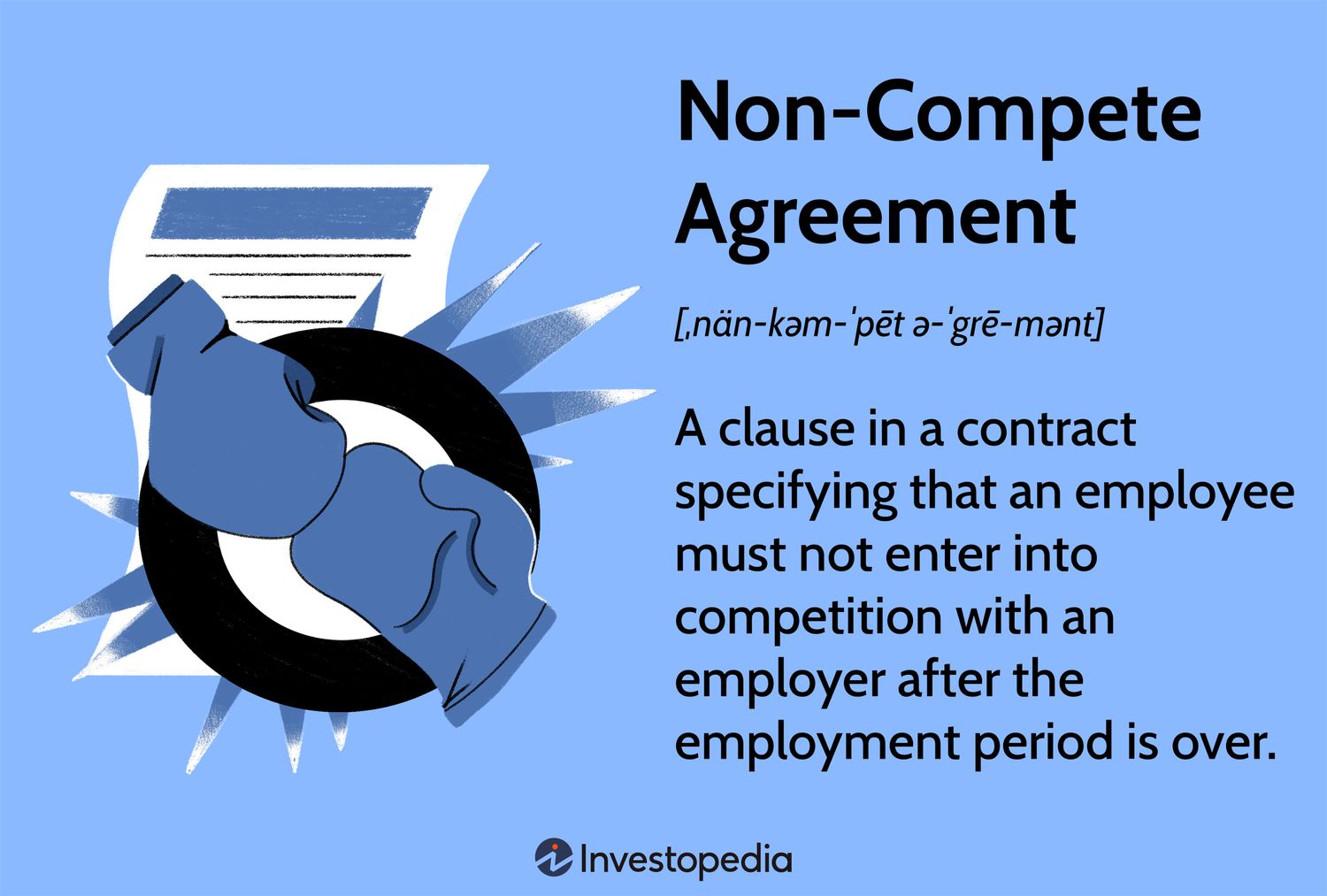








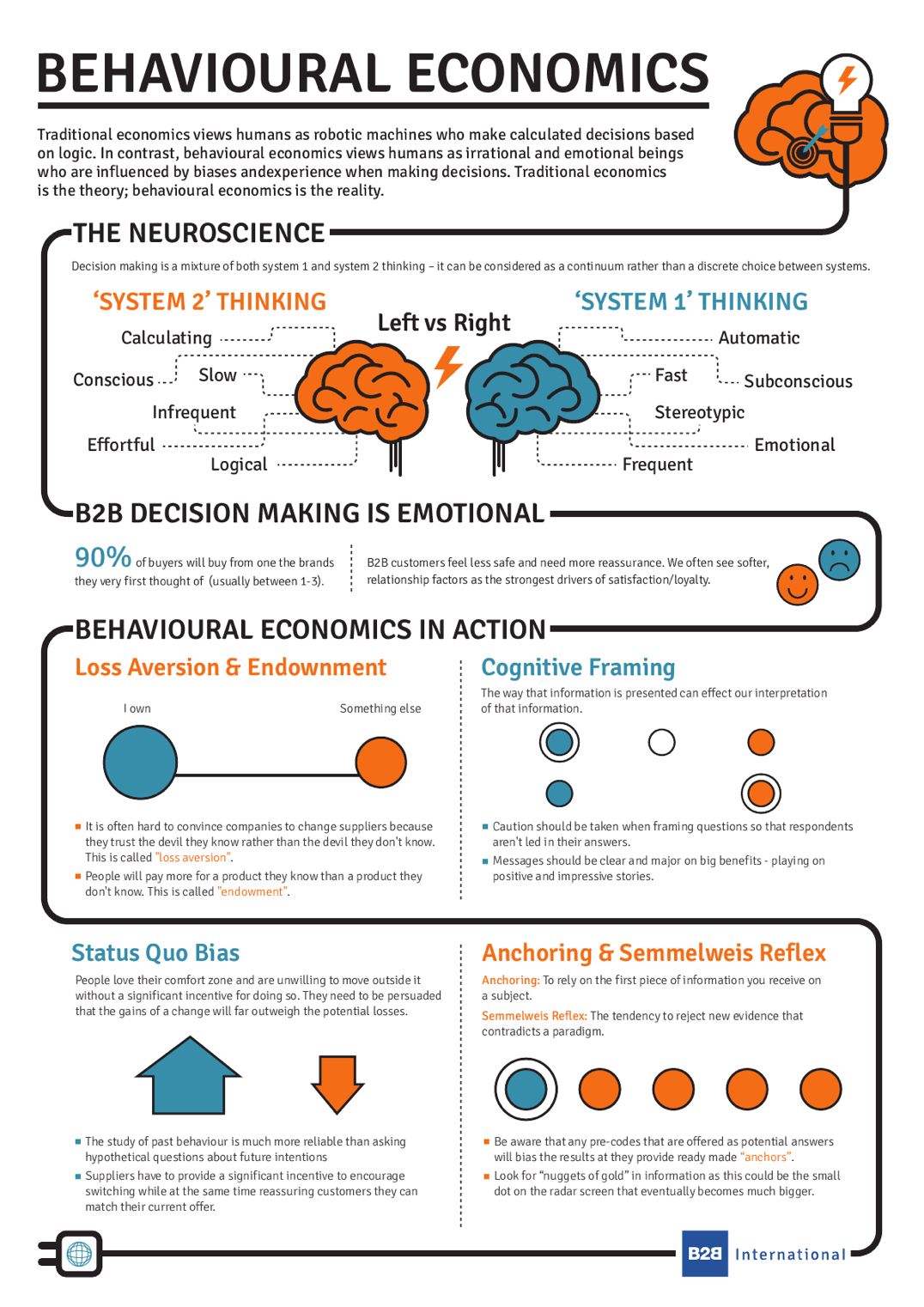





































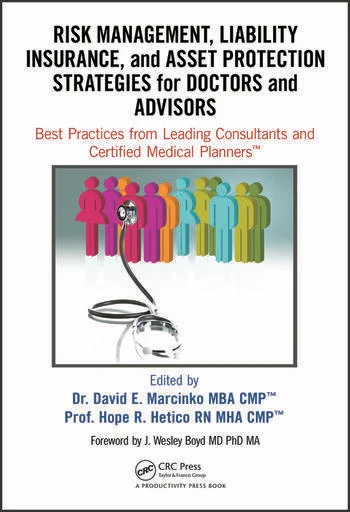



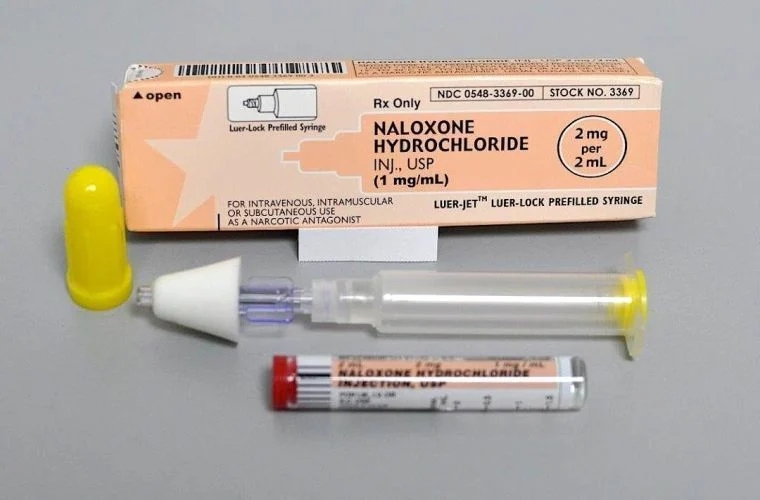


 The Leading Business Education Network for Doctors, Financial Advisors and Health Industry Consultants