BOARD CERTIFICATION EXAM STUDY GUIDES Lower Extremity Trauma
[Click on Image to Enlarge]
ME-P Free Advertising Consultation
The “Medical Executive-Post” is about connecting doctors, health care executives and modern consulting advisors. It’s about free-enterprise, business, practice, policy, personal financial planning and wealth building capitalism. We have an attitude that’s independent, outspoken, intelligent and so Next-Gen; often edgy, usually controversial. And, our consultants “got fly”, just like U. Read it! Write it! Post it! “Medical Executive-Post”. Call or email us for your FREE advertising and sales consultation TODAY [678.779.8597] Email: MarcinkoAdvisors@outlook.com
Medical & Surgical e-Consent Forms
ePodiatryConsentForms.com
iMBA Inc., OFFICES
Suite #5901 Wilbanks Drive, Norcross, Georgia, 30092 USA [1.678.779.8597]. Our location is real and we are now virtually enabled to assist new long distance clients and out-of-town colleagues.
ME-P Publishing
SEEKING INDUSTRY INFO PARTNERS?
If you want the opportunity to work with leading health care industry insiders, innovators and watchers, the “ME-P” may be right for you? We are unbiased and operate at the nexus of theoretical and applied R&D. Collaborate with us and you’ll put your brand in front of a smart & tightly focused demographic; one at the forefront of our emerging healthcare free marketplace of informed and professional “movers and shakers.” Our Ad Rate Card is available upon request [678-779-8597].
Posted on February 17, 2025 by Dr. David Edward Marcinko MBA MEd CMP™
MSFT-HUG Update
By Dr. David Edward Marcinko; MBA MEd
***
***
MSHUG: Microsoft Healthcare Users Group (MS-HUG) unified with the Healthcare Information and Management Systems Society (HIMSS) as part of the HIMSS Users Group Alliance Program in October 2003.
Today, the unification strengthens the commitment of HIMSS and MS-HUG to better serve their members and the industry through a shared strategic vision to provide leadership and healthcare information technology solutions that improve the delivery of patient care.
Posted on February 16, 2025 by Dr. David Edward Marcinko MBA MEd CMP™
DEFINITION
By Staff Reporters
***
***
The Karpman drama triangle is a social model of human interaction proposed by San Francisco psychiatrist, Stephen B. Karpman in 1968. The triangle maps a type of destructive interaction that can occur among people in conflict. The drama triangle model is a tool used in psychotherapy, specifically transactional analysis. The triangle of actors in the drama are persecutors, victims and rescuers.
Karpman described how in some cases these roles were not undertaken in an honest manner to resolve the presenting problem, but rather were used fluidly and switched between by the actors in a way that achieved unconscious goals and agendas.
The outcome in such cases was that the actors would be left feeling justified and entrenched, but there would often be little or no change to the presenting problem, and other more fundamental problems giving rise to the situation remaining unaddressed.
Posted on February 12, 2025 by Dr. David Edward Marcinko MBA MEd CMP™
By Staff Reporters
***
***
DEFINITION BAR SLIDES LEFT TO RIGHT
Understanding Insurance Jargon
1. Premiums
When you purchase an insurance policy, you'll be required to make regular payments, known as premiums. These payments are typically made monthly or annually and are the cost of maintaining your insurance coverage.
2. Deductible
Think of a deductible as the money you have to shell out from your own pocket before your insurance kicks in to help cover your expenses. It's like the upfront cost you need to cover before your insurance really starts working for you.For example, if you have a $500 deductible and make a claim for $1,000, you'll need to pay $500, and your insurer will cover the remaining $500.
3. Policyholder
The policyholder is the person who owns an insurance policy. This individual is responsible for paying premiums and making claims under the policy.
4. Coverage Limit
Every insurance policy has a coverage limit, which is the maximum amount your insurer will pay out for a covered claim. It's crucial to understand your policy's limits to ensure you have adequate coverage.
5. Underwriting
Underwriting is the process insurers use to assess the risk of providing coverage to an individual or entity. It involves evaluating factors such as age, health, and driving record to determine premium rates and eligibility.
Types of Insurance
6. Auto Insurance
Auto insurance provides financial protection in case of accidents, theft, or damage to your vehicle. It's a legal requirement in many places and typically includes liability, collision, and comprehensive coverage.
7. Health Insurance
Health insurance covers medical expenses, including doctor visits, hospital stays, and prescription medications. It can be provided by employers or purchased individually.
8. Homeowners Insurance
Homeowners insurance is like a safety net for your home and stuff. It steps in to help if your place or belongings get damaged or stolen. Plus, it's got your back with liability coverage in case someone gets hurt while on your property.
9. Life Insurance
Life insurance pays out a death benefit to beneficiaries when the policyholder passes away. It can provide financial security to loved ones and cover funeral expenses.
10. Liability Insurance
Liability insurance covers you in case you're responsible for injuring someone or damaging their property. It's often included in auto and homeowners insurance policies.
Navigating Insurance Policies
11. Exclusions
Exclusions are specific events or circumstances that your insurance policy doesn't cover. It's essential to review these carefully to understand what situations won't be reimbursed.
12. Riders
Riders are add-ons to insurance policies that provide additional coverage for specific situations. For example, you can add a rider to your homeowners policy to cover expensive jewelry.
13. Claim
A claim is a formal request to your insurance company for coverage or reimbursement for a loss or damage. It's essential to follow the claims process outlined in your policy.
14. Grace Period
The grace period is the amount of time you have to pay your premium after the due date without your coverage lapsing. Be aware of your policy's grace period to avoid a lapse in coverage.
15. No-Claims Discount
Many insurance companies offer a no-claims discount to policyholders who haven't filed any claims within a specified period. This can lead to lower premiums over time.
Specialized Insurance Terms
16. Subrogation
Subrogation is the process by which an insurance company seeks reimbursement from a third party for a claim it has already paid out. This often occurs in auto accidents when your insurer goes after the at-fault driver's insurance company.
17. Actuary
An actuary is a professional who uses mathematics and statistics to assess risk and set premium rates for insurance policies. They play a crucial role in the insurance industry's financial stability.
18. Adjuster
An insurance adjuster is responsible for investigating claims, evaluating damage, and determining how much the insurance company should pay. They work to ensure fair settlements for policyholders.
19. Premium Credit
Premium credit is a discount offered by insurers to policyholders who meet specific criteria, such as having a good driving record or installing safety features in their home.
20. Salvage Value
When an insured item is damaged or totaled, it may still have some value. Salvage value refers to the amount the insurer can recover by selling the damaged item.
Protecting Your Financial Future
21. Risk Management
Effective risk management involves identifying potential risks and taking steps to minimize or mitigate them. Insurance is one tool in your risk management toolkit.
22. Beneficiary
A beneficiary is the person or entity designated to receive the proceeds of a life insurance policy when the policyholder passes away. It's essential to keep this information up to date.
23. Policy Term
The policy term is the duration for which your insurance policy is valid. It's crucial to renew your policy before it expires to maintain coverage.
24. Umbrella Policy
An umbrella policy provides additional liability coverage beyond the limits of your primary insurance policies. It can protect your assets in the event of a costly lawsuit.
25. Coinsurance
Coinsurance is the percentage of costs that you and your insurance company share after you've met your deductible. It's often seen in health insurance policies.
Insurance in Practice
26. Premium Increase
Your insurance premium may increase due to factors such as claims history, changes in coverage, or external economic conditions. It's essential to shop around for the best rates.
27. Depreciation
Depreciation is the decrease in the value of an asset over time. Insurance policies may account for depreciation when settling claims for damaged property.
28. Reinstatement
If your insurance policy lapses due to non-payment, you may have the option to reinstate it by paying any outstanding premiums and fees.
29. Excess
Excess, also known as a deductible, is the portion of a claim that you're responsible for paying. It's designed to prevent small, frequent claims.
30. Pre-Existing Condition
In health insurance, a pre-existing condition is a medical condition you had before obtaining coverage. Within the framework of the Affordable Care Act, insurance providers are prohibited from refusing coverage or imposing elevated premiums due to pre-existing medical conditions.
Insurance Regulations
31. State Insurance Department
Each state in the United States has a department or commission responsible for regulating insurance within its borders. They oversee insurers' operations and protect consumers.
32. Consumer Reports
Consumer reports provide information on insurance companies' financial strength, customer satisfaction, and claims-handling. They can help you choose a reputable insurer.
33. Guaranteed Renewal
Guaranteed renewal is a provision in some insurance policies that ensures the insurer cannot refuse to renew your policy as long as you pay your premiums.
34. Non-Cancelable Policy
A non-cancelable policy is one that the insurer cannot cancel or change the terms of as long as you pay your premiums. This provides certainty in coverage.
35. Market Conduct Examination
Insurance regulators conduct market conduct examinations to assess insurers' business practices and ensure they comply with laws and regulations.
Insurance for Businesses
36. Business Interruption Insurance
Business interruption insurance provides coverage for lost income and expenses when a covered event, such as a fire or natural disaster, forces your business to close temporarily.
37. Workers’ Compensation
Workers' compensation insurance covers medical expenses and lost wages for employees who are injured on the job. It's typically required by law for businesses with employees.
38. Professional Liability Insurance
Professional liability insurance, often called errors and omissions insurance, protects professionals from liability claims resulting from errors or negligence in their work.
39. Business Owner’s Policy (BOP)
A business owner's policy bundles essential coverages, such as property and liability insurance, into a single policy designed for small businesses. It's a cost-effective option.
40. D&O Insurance
Directors and officers (D&O) insurance protects the personal assets of company leaders in case they are sued for alleged wrongful acts while managing the business.
Advanced Insurance Concepts
41. Aggregate Limit
The aggregate limit is the maximum amount an insurance policy will pay out during a policy term, regardless of the number of claims made.
42. Risk Pooling
Insurance works on the principle of risk pooling, where policyholders collectively share the financial burden of covered losses.
43. Loss Ratio
The loss ratio is a measure of an insurance company's claims payouts compared to its earned premiums. A high loss ratio may indicate financial instability.
44. Surplus Lines Insurance
Surplus lines insurance covers risks that standard insurers won't or can't cover. It's often used for unique or high-risk situations.
45. Rescission
Rescission is the cancellation of an insurance policy retroactively, often due to misrepresentation or fraud on the policyholder's part.
Future of Insurance
46. Insurtech
Insurtech refers to the use of technology, such as artificial intelligence and data analytics, to streamline and improve the insurance industry's processes.
47. Telematics
Telematics devices track driving behavior and can lead to personalized auto insurance rates based on individual habits.
48. Microinsurance
Microinsurance provides affordable coverage to low-income individuals and communities, helping them mitigate risks and protect their assets.
49. Blockchain in Insurance
Blockchain technology can enhance transparency and security in insurance by creating immutable records of policies and claims.
50. Climate Change and Insurance
Climate change poses significant challenges to the insurance industry as it leads to more frequent and severe weather events. Insurers must adapt to these changing risk landscapes.
Insurance is a complex field with a language of its own, but understanding these 50 common insurance terms can help you navigate the world of insurance with confidence. Whether you're looking for auto, health, home, or any other type of insurance, being informed about these terms and concepts is essential to making informed decisions about your coverage.
Posted on February 12, 2025 by Dr. David Edward Marcinko MBA MEd CMP™
MEDICAL EXECUTIVE-POST–TODAY’SNEWSLETTERBRIEFING
***
Essays, Opinions and Curated News in Health Economics, Investing, Business, Management and Financial Planning for Physician Entrepreneurs and their Savvy Advisors and Consultants
“Serving Almost One Million Doctors, Financial Advisors and Medical Management Consultants Daily“
A Partner of the Institute of Medical Business Advisors , Inc.
Blue Cross Blue Shield will soon begin paying out $2.67 billion to customers follow a years-long lawsuit alleging that the health insurance giant broke antitrust laws. The litigation began in 2013, when a class-action lawsuit was filed against more than 35 Blue Cross Blue Shield health insurance plans. The lawsuit claims the company broke antitrust laws by limiting market competition, resulting in increased premiums and reduced options for customers.
US stocks closed mixed on Tuesday as investors assessed more tariff policy shifts from President Donald Trump and looked ahead to upcoming inflation data.
Traders also digested the start of Federal Chair Jerome Powell’s two-day testimony in Congress. In his opening remarks, Powell told lawmakers the Fed is not in a rush to adjust interest rates and reiterated the central bank’s stance of not commenting on trade policy.
The Dow Jones Industrial Average (^DJI) edged around 0.3% higher, while the benchmark S&P 500 (^GSPC) closed just above the flatline. The tech-heavy NASDAQ Composite (^IXIC) pulled back about 0.4%.
Posted on February 5, 2025 by Dr. David Edward Marcinko MBA MEd CMP™
DEFINITION
By Staff Reporters ***
***
Naturopathic Doctors are educated and trained in accredited naturopathic medical colleges. They diagnose, prevent, and treat acute and chronic illness to restore and establish optimal health by supporting the person’s inherent self-healing process.
Rather than just suppressing symptoms, naturopathic doctors work to identify underlying causes of illness, and develop personalized treatment plans to address them. Their Therapeutic Order™, identifies the natural order in which all therapies should be applied to provide the greatest benefit with the least potential for damage.
Posted on February 4, 2025 by Dr. David Edward Marcinko MBA MEd CMP™
By Staff Reporters
***
***
According to Wikipedia, the Flexner Report was a book-length landmark report of medical education in the United States and Canada, written by Abraham Flexner and published in 1910 under the aegis of the Carnegie Foundation. Flexner not only described the state of medical education in North America, but he also gave detailed descriptions of the medical schools that were operating at the time. He provided both criticisms and recommendations for improvements of medical education in the United States.
Many aspects of the present-day American medical profession stem from the Flexner Report and its aftermath. While it had many positive impacts on American medical education, the Flexner report has been criticized for introducing policies that encouraged systemic racism and sexism.
The Report, also called Carnegie Foundation Bulletin Number Four, called on American medical schools to enact higher admission and graduation standards, and to adhere strictly to the protocols of mainstream science principles in their teaching and research. The report talked about the need for revamping and centralizing medical institutions. Many American medical schools fell short of the standard advocated in the Flexner Report and, subsequent to its publication, nearly half of such schools merged or were closed outright.
Colleges for the education of the various forms of alternative medicine, such as electro-therapy were closed. Homeopathy, traditional osteopathy, eclectic medicine, and physiomedicalism (botanical therapies that had not been tested scientifically) were derided.
The Report also concluded that there were too many medical schools in the United States, and that too many doctors were being trained. A repercussion of the Flexner Report, resulting from the closure or consolidation of university training, was the closure of all but two black medical schools and the reversion of American universities to male-only admittance programs to accommodate a smaller admission pool.
In Chapter 11, Flexner stressed that the success of medical education reform and the professionalization of medicine relied heavily on the effective legal and ethical functioning of state medical boards. However, he noted that these boards were failing in their mission, stalling progress and allowing substandard medical practices to continue, thereby jeopardizing public health. This problem persists as a significant issue in the current practice of medicine in the United States.
Posted on February 4, 2025 by Dr. David Edward Marcinko MBA MEd CMP™
MEDICAL EXECUTIVE-POST–TODAY’SNEWSLETTERBRIEFING
***
Essays, Opinions and Curated News in Health Economics, Investing, Business, Management and Financial Planning for Physician Entrepreneurs and their Savvy Advisors and Consultants
“Serving Almost One Million Doctors, Financial Advisors and Medical Management Consultants Daily“
A Partner of the Institute of Medical Business Advisors , Inc.
Just moments after he was appointed by President Donald Trump to be the new acting director of the Consumer Financial Protections Bureau, Treasury Secretary Scott Bessent moved to halt the agency’s work investigating financial abuses and regulating deceptive banking practices impacting American consumers, according to a memo sent to employees and obtained by Scripps News.
This year is expected to be busy with healthcare mergers and acquisitions (M&A).Consulting company PwC reported that annual healthcare deals shot up 70% through November 15th compared to pre-Covid trends, and projected the trend will continue into 2025.
US stocks fell on Monday in reaction to the Trump administration’s scheduled tariff rollout against Canada and China, though the major averages pared heavier losses after President Donald Trump said the US would delay duties on Mexican imports by a month.
The tech-heavy NASDAQ Composite (^IXIC) closed down 1.2%, recouping a chunk of its earlier losses. Meanwhile, the S&P 500 (^GSPC) fell roughly 0.7%, and the Dow Jones Industrial Average (^DJI) fell 0.3%.
Book Dr. David E. MarcinkoMBA MEd CMPfor your Next Medical, Pharma or Financial Services Seminar orPersonal and Corporate Coaching Sessions
Dr. Marcinko enjoys personal coaching and public speaking and gives as many talks each year as possible, at a variety of medical society and financial services conferences around the country and world. These have included lectures and visiting professorships at major academic centers, keynote lectures for hospitals, economic seminars and health systems, keynote lectures at city and statewide financial coalitions, and annual keynote lectures for a variety of internal yearly meetings.
His talks tend to be engaging, iconoclastic, and humorous. His most popular presentations include a diverse variety of topics and typically include those in all iMBA, Inc’s textbooks, handbooks, white-papers and most topics covered on this blog.
Posted on February 1, 2025 by Dr. David Edward Marcinko MBA MEd CMP™
MEDICAL EXECUTIVE-POST–TODAY’SNEWSLETTERBRIEFING
***
Essays, Opinions and Curated News in Health Economics, Investing, Business, Management and Financial Planning for Physician Entrepreneurs and their Savvy Advisors and Consultants
“Serving Almost One Million Doctors, Financial Advisors and Medical Management Consultants Daily“
A Partner of the Institute of Medical Business Advisors , Inc.
US stocks lost ground on Friday after the White House said tariffs against Mexico, Canada, and China will take effect on Saturday, reigniting fears of a coming trade war with the nation’s closest trading partners. White House Press Secretary Karoline Leavitt said the president would impose 25% tariffs on goods from Mexico and Canada, as well as a 10% tariff on goods from China.
All three major gauges fell into the red Friday. The S&P 500 (^GSPC) lost 0.5% at the closing bell, while the Dow Jones Industrial Average (^DJI) shed 0.8%. The tech-heavy NASDAQ Composite (^IXIC) gave up 0.3%, reversing earlier gains.
The dramatic tariff news pushed aside more optimistic updates from earlier in the day, which had buoyed stocks. Solid earnings from Apple (AAPL) and an inflation reading that matched expectations lifted market sentiment for much of the day.
Finally, the S&P and the Nasdaq posted losses for the week of 1% and 1.6%, respectively. The Dow, meanwhile, recorded a weekly gain of 0.3%.
Posted on January 31, 2025 by Dr. David Edward Marcinko MBA MEd CMP™
By Health Capital Consultants, LLC
In the first days of his second (nonconsecutive) presidential term, Donald Trump and his administration took a number of actions that will affect the healthcare industry in the near- and long-term. Further, the Trump Administration is reportedly poised to take a number of additional actions to pause, end, or otherwise change Biden-era initiatives.
Meanwhile, President Trump’s cabinet pick for the Department of Health & Human Services (HHS) hangs in the balance. This Health Capital Topics article reviews the new administration’s actions impacting the healthcare industry as of the date of publication. (Read more...)
Posted on January 22, 2025 by Dr. David Edward Marcinko MBA MEd CMP™
MEDICAL EXECUTIVE-POST–TODAY’SNEWSLETTERBRIEFING
***
Essays, Opinions and Curated News in Health Economics, Investing, Business, Management and Financial Planning for Physician Entrepreneurs and their Savvy Advisors and Consultants
“Serving Almost One Million Doctors, Financial Advisors and Medical Management Consultants Daily“
A Partner of the Institute of Medical Business Advisors , Inc.
Stocks ended firmly higher on Tuesday, with the S&P 500 rising 0.88% and reclaiming the 6,000 point mark amid a pullback in Treasury yields and optimism over Donald Trump’s focus on deregulation, focused tariff strategies and the prospect of solid corporate earnings into the fourth quarter reporting season.
Tech stocks are likely to pace early gains in the Wednesday session, however, following the unveiling of a new AI joint venture called ‘Stargate’ that will include an initial $100 billion investment from SoftBank, Oracle Corp. (ORCL) and OpenAI.
Executive Order 14009, titled “Strengthening Medicaid and the Affordable Care Act,” includes several key components designed to increase access to affordable health care and reduce the number of uninsured Americans:
Reversal of Trump administration policies: The order sought to undo measures that limited ACA provisions or made healthcare less accessible.
Longer enrollment periods: The order encouraged states to lengthen enrollment periods and provided additional federal support. As a result, many states extended their enrollment windows to ensure broader access to affordable healthcare.
Restoration of pre-existing condition protections: Reaffirmed protections for individuals with pre-existing conditions and reinforced nondiscrimination policies in healthcare.
Immediate review of agency actions: The order directed various executive departments and agencies to review existing regulations, orders, and policies to ensure they align with the goal of strengthening Medicaid and the ACA.
xecutive Order 14070, titled “Continuing To Strengthen Americans’ Access to Affordable, Quality Health Coverage,” aimed to maintain and enhance Medicaid and the ACA. Key components included:
Enhanced marketplace subsidies: The order highlights the positive impact of the American Rescue Plan Act on access to coverage, including enhanced marketplace subsidies.
Extended postpartum Medicaid coverage: It provides options for states to extend postpartum Medicaid coverage.
New incentives for Medicaid expansion: The order includes new incentives for states to expand their Medicaid programs.
Posted on January 20, 2025 by Dr. David Edward Marcinko MBA MEd CMP™
BREAKING NEWS
By Staff Reporters
***
***
WASHINGTON: 8:15 am: The President Joe Biden administration just preemptively pardoned Anthony Fauci, MD.
“Our nation relies on dedicated, selfless public servants every day. They are the lifeblood of our democracy,” Biden said in a statement just hours before President-elect Donald Trump is sworn into office.
“The issuance of these pardons should not be mistaken as an acknowledgment that any individual engaged in any wrongdoing, nor should acceptance be misconstrued as an admission of guilt for any offense,” Biden said in a statement.
MBBS Degree [Bachelor of Medicine, Bachelor of Surgery]
The MBBS is usually a five-year undergraduate degree that medical students complete when they want to become doctors. However, some programs take six years to complete because the institution expects you to earn a Bachelor of Science (BSc) in your training.
By the time a student applies to a medical program, they have likely taken several foundational science courses as part of their high school (or secondary) education. For example, medical applicants in the United Kingdom are often expected to show high scores on their General Certificate of Secondary Education (GCSE) and A-levels.
Earning an MBBS means that students are certified to care for patients as junior physicians without specialized training. Graduates are expected to complete two years of additional training, which rotates them through different specialties. Once they identify a specialty they like, they can apply for additional training, which can take anywhere between three and eight years.
MD Degree [Doctor of Medicine]
The acronym “MD” stands for the Latin term “Medicinae Doctor,” which translates to “Doctor of Medicine” in English.
It refers to the title that students from the United States of America obtain after finishing medical school. Some countries consider the “MD” title a postgraduate doctoral degree that MBBS graduates can obtain with additional years of training.
Posted on January 18, 2025 by Dr. David Edward Marcinko MBA MEd CMP™
MEDICAL EXECUTIVE-POST–TODAY’SNEWSLETTERBRIEFING
***
Essays, Opinions and Curated News in Health Economics, Investing, Business, Management and Financial Planning for Physician Entrepreneurs and their Savvy Advisors and Consultants
“Serving Almost One Million Doctors, Financial Advisors and Medical Management Consultants Daily“
A Partner of the Institute of Medical Business Advisors , Inc.
WASHINGTON — The US Supreme Court on Friday delivered a blow to TikTok by upholding a law that could potentially lead to the video-sharing social media platform being banned in the United States. The justices in an unsigned opinion with no dissents rejected a free speech challenge filed by the company, meaning the law is set to go into effect on Sunday as planned. The bipartisan law requires China-based TikTok owner ByteDance to divest itself of the company by Sunday, the day before President-elect Donald Trump is to take office. If no sale takes place, the platform used by millions of Americans will in theory be banned.
Legendary short seller Nate Andersonannounced this week that he is shutting down his firm, Hindenburg Research, due to extreme job stress. With only 11 employees, Anderson took gargantuan swings at companies—and their billionaire leaders. Hindenburg published deeply researched reports about companies it believed were overvalued and rife with corruption. It got its big break when it shorted electric truck-maker Nikola in 2020, calling the company an “intricate fraud.” Regulators took note, and it led to three fraud convictions for Nikola founder Trevor Milton.
US stocks jumped on Friday amid a tech stock revival as investors assessed a week of key data and earnings reports alongside potential policy shifts under a Trump administration.
The Dow Jones Industrial Average (^DJI) gained 0.8% while the S&P 500 (^GSPC) rose 1%, coming off a losing day for the major gauges. The tech-heavy NASDAQ Composite (^IXIC) put on 1.5% as Nvidia (NVDA) and Tesla (TSLA) shares nudged back into the green.
The US Department of Justice (DOJ) filed a lawsuit against Walgreens (WBA), one of the nation’s largest pharmacy chains, alleging widespread prescription drug practice violations. According to the DOJ, Walgreens improperly dispensed millions of prescriptions from August 2012 to the present day that either lacked “legitimate medical purpose” or were otherwise invalid.
Academic Team of Internationally Known Contributors
D. E. Marcinko & Associates is one of the most academically published authorities on the topic of financial planning and private wealth management for physicians, nurses and medical professionals. We have published 33 major peer reviewed textbooks redacted in the Library of Medicine, Institute of Health and the Library of Congress, in four languages, with over 5,025 online white papers, web-posts and related publications. These cover a range of financial planning topics from medical malpractice, risk management and insurance, to investment policy statement analysis and endowment funding management, and to taxation, retirement, estate and legacy planning.
Financial planning, business and strategic management, FMV for practice and clinics and related “hard” topics are included.
***
We also include “soft” subjects from investor psychology, ethics and lost fortunes to luxury spending, from understanding the middle-class millionaire to the political philosophies of physicians and the affluent. Our corpus of work is regularly consulted by doctors, medical, business, graduate and nursing schools, to elite advisors, private and investment bankers, wealth managers, venture capitalists, academics and the press.
Did you know that at MARCINKO & Associates, all medical colleagues throughout the United States may contact us when they are considering the sale, purchase, strategic operating improvement, merger, acquisition and/or other financial business or related personal financial planning transaction?
Our difference is “hard” knowledge and insider financial guidance that helps medical colleagues, nurses, private practitioners, clinics, ambulatory surgery, radiology and outpatient wound care centers realize their ultimate economic goals. This typically includes managerial and cost accounting, financial ratio analysis, fair market valuation business appraisals, business plan creation and personal financial planning.
Our “expert witness” business litigation support service and divorce mediation, arbitration, asset division, settlement and second opinion offerings are always available, as well.
And, our “soft” skill professional career guidance and mentoring center includes executive coaching, consulting and mentoring advisory programs for stressed, conflicted or burned-out physicians and medical practitioners.
Most importantly, our professional fees are reasonable and always transparent.
MARCINKO & Associates also serves universities, medical, business, graduate and nursing schools; physicians, dentists, podiatrists, optometrists and legal societies. This includes accountants, financial service providers, wealth and hedge fund managers, emerging entities, hospitals, CEOs and their BODs, the press, media and related organizations.
Posted on January 8, 2025 by Dr. David Edward Marcinko MBA MEd CMP™
MEDICAL EXECUTIVE-POST–TODAY’SNEWSLETTERBRIEFING
***
Essays, Opinions and Curated News in Health Economics, Investing, Business, Management and Financial Planning for Physician Entrepreneurs and their Savvy Advisors and Consultants
“Serving Almost One Million Doctors, Financial Advisors and Medical Management Consultants Daily“
A Partner of the Institute of Medical Business Advisors , Inc.
Three UnitedHealth-owned insurance companies must pay over $165 million for misleading thousands of customers in Massachusetts into paying for additional health insurance, a state judge has ruled.
Nvidia stock (NVDA) tumbled more than 6% Tuesday, a day after shares closed at a record high in anticipation of CEO Jensen Huang’s keynote at the tech industry’s annual CES trade show in Las Vegas.
The Biden administration’s Consumer Financial Protection Bureau (CFPB) issued a new rule Tuesday that will hide an estimated $49 billion in medical debt from credit reports. The rule, which is slated to affect 15 million Americans, prohibits the inclusion of medical bills on credit reports and bars creditors from using medical information in making lending decisions. The policy specifically targets national credit-reporting companies Equifax, Experian and Transunion, which provide detailed evaluations of consumer finances to banks, employers and landlords.
Posted on January 7, 2025 by Dr. David Edward Marcinko MBA MEd CMP™
MEDICAL EXECUTIVE-POST–TODAY’SNEWSLETTERBRIEFING
***
Essays, Opinions and Curated News in Health Economics, Investing, Business, Management and Financial Planning for Physician Entrepreneurs and their Savvy Advisors and Consultants
“Serving Almost One Million Doctors, Financial Advisors and Medical Management Consultants Daily“
A Partner of the Institute of Medical Business Advisors , Inc.
US stocks largely rose on Monday as chip names popped and investors awaited the release of key monthly jobs data later this week.
The S&P 500 (^GSPC) was up about 0.5%, while the Dow Jones Industrial Average (^DJI) fell about 0.1% after being higher for most of the session. The tech-heavy NASDAQ Composite (^IXIC) led the gains, adding about 1.2%, after a tech-led rally on Friday.
Posted on January 4, 2025 by Dr. David Edward Marcinko MBA MEd CMP™
MEDICAL EXECUTIVE-POST–TODAY’SNEWSLETTERBRIEFING
***
Essays, Opinions and Curated News in Health Economics, Investing, Business, Management and Financial Planning for Physician Entrepreneurs and their Savvy Advisors and Consultants
“Serving Almost One Million Doctors, Financial Advisors and Medical Management Consultants Daily“
A Partner of the Institute of Medical Business Advisors , Inc.
Nvidia stock (NVDA) led gains among the “Magnificent Seven” tech stocks to start the new year after a group-wide sell-off in the last days of 2024. Shares of the AI chip-maker rose 4.5% Friday after gaining roughly 3% the prior day.
Quote: “If your credit card gets compromised, your bank will alert you, cancel it and send you get a new one. But your medical records have a long lifespan. They can be misused without detection for long periods of time, because it’s harder to identify malicious activity. That makes them very valuable.”—Geetha Thamilarasu, associate professor at the University of Washington Bothell, on why hackers want healthcare information (the Wall Street Journal)
That upswing followed a 4% dip between Christmas Eve and New Year’s Eve as megacap tech stocks dropped across the board in the absence of a “Santa Claus” rally, where the stock market typically enjoys a surge between December 24th and January 2nd. Tesla (TSLA) stock plunged nearly 13% over that time frame, while Amazon (AMZN) and Microsoft (MSFT) dropped more than 4%. Meanwhile, Meta (META) and Google (GOOG) fell just under 4%, and Apple (AAPL) dropped 3%.
Even with its December decline, Nvidia shares still ended 2024 up more than 150%. Wall Street analysts have remained bullish on the stock, estimating shares will rise to roughly $173 over the next year from their current level of $138, according to Yahoo Finance data.
Posted on January 2, 2025 by Dr. David Edward Marcinko MBA MEd CMP™
By Staff Reporters
***
***
Anthem Blue Cross and Scripps Health will part ways impacting thousands of patients.
Scripps Health and Anthem Blue Cross officially just parted ways on January 1st, 2025, leaving about 125,000 patients uncertain of what their healthcare and insurance will look like in 2025.
Posted on December 28, 2024 by Dr. David Edward Marcinko MBA MEd CMP™
MEDICAL EXECUTIVE-POST–TODAY’SNEWSLETTERBRIEFING
***
Essays, Opinions and Curated News in Health Economics, Investing, Business, Management and Financial Planning for Physician Entrepreneurs and their Savvy Advisors and Consultants
“Serving Almost One Million Doctors, Financial Advisors and Medical Management Consultants Daily“
A Partner of the Institute of Medical Business Advisors , Inc.
US stocks closed the holiday week on a downbeat note as Wall Street slogged to the finish of a largely triumphant year.
The S&P 500 (^GSPC) lost 1.1%, while the tech-heavy NASDAQ Composite (^IXIC) shed 1.5% Friday at the close. The Dow Jones Industrial Average (^DJI) gave up 0.8%. Meanwhile, the 10-year Treasury yield (^TNX) hovered near seven-month highs around 4.6%.
After stacking impressive gains this year, some of the biggest names in tech lost ground as investors took profits, rebalance portfolios, or reassessed their lofty valuations. Tesla (TSLA) lost 5%. Nvidia (NVDA) gave up c2%, while Amazon (AMZN) decreased by 1%.
Wall Street has just three trading days remaining in a 2024 full of big gains, but markets have been unable to mount a “Santa Claus” rally into the end of the year.
Posted on December 27, 2024 by Dr. David Edward Marcinko MBA MEd CMP™
MEDICAL EXECUTIVE-POST–TODAY’SNEWSLETTERBRIEFING
***
Essays, Opinions and Curated News in Health Economics, Investing, Business, Management and Financial Planning for Physician Entrepreneurs and their Savvy Advisors and Consultants
“Serving Almost One Million Doctors, Financial Advisors and Medical Management Consultants Daily“
A Partner of the Institute of Medical Business Advisors , Inc.
Absent Congressional action, beginning January 1sy, 2025, the statutory limitations that were in place for Medicare telehealth services prior to the COVID-19 PHE will retake effect for most telehealth services.
This means most telehealth visits will not be covered by Medicare in 2025, unless Congress acts by the end of December 2024.
***
(Reuters) -The Dow Jones Industrial Average closed fractionally higher on Thursday, stretching its winning streak to five sessions despite light trading volumes and rising U.S. Treasury yields weighing on some of the dominant technology megacaps.
While the NASDAQ Composite and the S&P 500 were broadly unchanged, the indexes both finished slightly in negative territory. This snapped the NASDAQ’s four-session run of higher closes, and ended the S&P 500’s own run at three sessions.
On a day of few catalysts, investors responded to yields on U.S. government bonds inching higher, including the yield on the benchmark 10-year Treasury note hitting its highest since early May at 4.64% earlier in the session. And, a strong auction of seven-year notes early in the afternoon though helped yields come off slightly, with the 10-year note at 4.58% in late-afternoon trade.
Higher yields are traditionally seen as negative for growth stocks, as it raises the cost of their borrowing to fund expansion. With markets increasingly dominated by the megacap technology stocks known as the Magnificent Seven, crimping their performance – especially in lieu of other market catalysts – will put downward pressure on benchmark indexes.
The S&P 500 slipped 2.45 points, or 0.04%, to 6,037.59 points, while the NASDAQ Composite lost 10.77 points, or 0.05%, to 20,020.36. The Dow Jones Industrial Average rose 28.77 points, or 0.07%, to 43,325.80.
Six of the megacaps fell, with Tesla leading decliners with a 1.8% fall. The outlier was Apple, rising 0.3% and continuing to edge closer to becoming the first company in the world to hit a market value of $4 trillion.
Posted on December 23, 2024 by Dr. David Edward Marcinko MBA MEd CMP™
By Staff Reporters
DEFINED
***
***
Witness Stress is caused by witnessing a traumatic event and can lead to memory issues and confusion, affecting how accurately we remember details. This stress makes eyewitness testimonies more prone to error.
According to colleague Dan Ariily PhD, it highlights the role of stress in memory distortion and why additional support is often necessary for witnesses.
Posted on December 21, 2024 by Dr. David Edward Marcinko MBA MEd CMP™
By Ann Miller RN MHACMP™
INTRODUCING OUR NEXT GENERATION e-BOOK LIBRARYFROM iMBA, Inc.
An e-book is an electronic or digital book that can be read on a computer or a handheld device.
Our new e-books consists of text, images, and are fixed to a specific spot on the page.
And, our e-books are a data files similar in content and structure to a word-processing document that comes in a PDF format. To use our e-books, you need to purchase and download it to a device that has a .pdf file reader app, such as ADOBE® or similar on a smartphone, tablet or computer. A PDF, also known as a portable document format, is the format most people are familiar with and used in our e-books. PDFs are known for their ease of use and ability to hold custom layouts. They are the most commonly used e-Book formats, especially by professionals and adult-learners.
You can then access the e-book and read it, or highlight pages and even take side notes.
e-Books Save Money
With no manufacturing, printing, binding or shipping costs, e-Books are cheaper than traditional hard or paper back books.The price of each specialized and highly niche focused e-Book [50-100 pages] is only $25, whereas similar paperback printed books of this type generally cost $145, or more!
Posted on December 19, 2024 by Dr. David Edward Marcinko MBA MEd CMP™
MEDICAL EXECUTIVE-POST–TODAY’SNEWSLETTERBRIEFING
***
Essays, Opinions and Curated News in Health Economics, Investing, Business, Management and Financial Planning for Physician Entrepreneurs and their Savvy Advisors and Consultants
“Serving Almost One Million Doctors, Financial Advisors and Medical Management Consultants Daily“
A Partner of the Institute of Medical Business Advisors , Inc.
Stat: 23,000. That’s about how many Connecticut residents will get at least part of their medical debt eliminated, thanks to a state partnership with nonprofit organization Undue Medical Debt. (NBC Connecticut)
The stock market plunged on Wednesday after the Federal Reserve scaled back its expectations for interest rate cuts next year.
The Dow Jones Industrial Average fell about 1,100 points, or 2.5%, the largest drop for the index since August. The dip marked the 10th consecutive day of losses for the Dow, its longest losing streak since 1974.
The S&P 500 fell nearly 3%, while the tech-heavy NASDAQ plummeted about 3.5%.
Native American patients are reportedly often billed for healthcare services the government is supposed to pay for, according to an investigation. (KFF Health News)
Visualize: How private equity tangled banks in a web of debt, from the Financial Times.
Posted on December 18, 2024 by Dr. David Edward Marcinko MBA MEd CMP™
MEDICAL EXECUTIVE-POST–TODAY’SNEWSLETTERBRIEFING
***
Essays, Opinions and Curated News in Health Economics, Investing, Business, Management and Financial Planning for Physician Entrepreneurs and their Savvy Advisors and Consultants
“Serving Almost One Million Doctors, Financial Advisors and Medical Management Consultants Daily“
A Partner of the Institute of Medical Business Advisors , Inc.
Stat: 97%. That’s how many healthcare leaders think A.I. will become important in healthcare over the next five years.
***
Pharmacy benefit managers (PBMs) are once again under pressure from federal leaders. A group of Democratic and Republican congresspeople proposed legislation that would attempt to prevent pharmacies from also owning PBMs. The three largest PBMs—CVS Health’s Caremark, Cigna’s Express Scripts, and UnitedHealth Group’s Optum Rx—currently operate pharmacies and administer more than 80% of the prescriptions in the US, and officials have linked this practice to drug price increases.
US stocks fell across the board on Tuesday, with the Dow logging its biggest losing streak in 46 years. The Dow Jones Industrial Average (^DJI) finished the session down roughly 0.6%, registering its ninth straight day of losses. The last 9-day losing streak for the Dow was Feb. 1978. Prior to that, the index suffered an 11-day losing streak in 1974 and another in 1971.
The other major indexes dropped in tandem on Tuesday, with the benchmark S&P 500 (^GSPC) falling around 0.4% and the NASDAQ Composite (^IXIC) losing about 0.3% after the tech-heavy index closed at a record high on Monday.
Posted on December 15, 2024 by Dr. David Edward Marcinko MBA MEd CMP™
By Staff Reporters
***
***
Pro hac vice is Law Latin that means “for this time [only]” (literally, “for this turn”). When a lawyer is admitted to a case pro hac vice, a court has granted them a limited license to practice in a jurisdiction where they otherwise would not be licensed to do so.
For example, a lawyer licensed only to practice in California may nonetheless practice in a New York case once a court has granted them admission pro hac vice, so long as the lawyer practices only within the limited scope of their pro hac vice admission. In almost all U.S. jurisdictions, lawyers who practice pro hac vice must do so in conjunction with a local lawyer acting as local counsel. Local counsel typically acts as an anchor to the bar of a foreign jurisdiction, exposing local counsel to liability for the acts or omissions of the lawyer admitted pro hac vice. Local counsel therefore usually assumes, at a minimum, a role of monitoring the lawyer admitted pro hac vice.
Incentives: It is broadly accepted that incenting someone to do something is effective, whether it be paying office staff a commissions to sell more healthcare products, or giving bonuses to office employees if they work efficiently to see more HMO patients. Some experts even suggest there are five specific components1 that should be built into an overall physician incentive program:
Appropriate financial incentives.
Managed-care efficiency incentives.
Group citizenship.
Patient satisfaction.
Group profitability.
What is not well understood is that the incentives cause a sub-conscious distortion of decision-making ability in the incented person. This distortion causes the affected person – whether it is yourself or someone else – to truly believe in a certain decision, even if it is the wrong choice when viewed objectively. Service professionals, including financial advisors and lawyers, are affected by this bias, and it causes them to honestly offer recommendations that may be inappropriate, and that they would recognize as being inappropriate if they did not have this bias.
According to colleague Dan Ariely PhD, the existence of this bias makes it important for each one of us to examine our incentive biases and take extra care when advising physician clients, or to make sure we are appropriately considering non-incented alternatives.
Posted on December 7, 2024 by Dr. David Edward Marcinko MBA MEd CMP™
By Health Capital Consultants, LLC
The U.S. government is the largest payor of medical costs, through Medicare and Medicaid, and has a strong influence on reimbursement to hospitals. In 2022, Medicare and Medicaid accounted for an estimated $944.3 billion and $805.7 billion in healthcare spending, respectively. The prevalence of these public payors in the healthcare marketplace often results in their acting as a price setter, and being used as a benchmark for private reimbursement rates.
This third installment of the series discusses the reimbursement environment in which hospitals operate. (Read more…)
Posted on December 7, 2024 by Dr. David Edward Marcinko MBA MEd CMP™
How insurance agents will be compensated for helping seniors?
By Staff Reporters
***
***
Health insurance agents offering support to seniors signing up for healthcare coverage will be compensated differently starting in 2025. For example:
The government will pay $100 more per enrollment to agents who sign seniors up for Medicare Advantage Plans or Medicare Part D for the first time — a significant increase from the proposed $31 pay increase for agents.
And, Medicare is ending sales incentives for agents who currently receive bonuses, including volume-based bonuses, for signing people up for Medicare Advantage Plans, Medigap Supplement Plans or Part D. Medicare is also putting a stop to agents and brokers collecting “administrative fees” above the fixed compensation cap the government has put in place.
The hope is that providing agents with fair initial compensation will no longer incentivize them to steer seniors towards plans that may not be a good fit.
Posted on December 6, 2024 by Dr. David Edward Marcinko MBA MEd CMP™
By Staff Reporters
BREAKING NEWS!
***
***
The internet web page listing the corporate leadership team behind Anthem Blue Cross Blue Shield (BCBS), one of America’s biggest health insurers, has disappeared from the company’s website.
The disappearance of the page listing the provider’s 25 highest-ranking employees was highlighted in a post shared to the r/antiwork subreddit on Reddit by the user u/wendysdriv
Posted on December 6, 2024 by Dr. David Edward Marcinko MBA MEd CMP™
By Health Capital Consultants, LLC
***
On November 1, 2024, CMS released its Outpatient Prospective Payment System (OPPS) and Ambulatory Surgical Center (ASC) Payment System Final Rule for calendar year 2025. The rule finalizes payment updates, revises current programs, and establishes new standards to address the ongoing maternal health crisis.
This Health Capital Topics article discusses the key OPPS changes and updates included in the Final Rule. (Read more…)
Posted on December 6, 2024 by Dr. David Edward Marcinko MBA MEd CMP™
MEDICAL EXECUTIVE-POST–TODAY’SNEWSLETTERBRIEFING
***
Essays, Opinions and Curated News in Health Economics, Investing, Business, Management and Financial Planning for Physician Entrepreneurs and their Savvy Advisors and Consultants
“Serving Almost One Million Doctors, Financial Advisors and Medical Management Consultants Daily“
A Partner of the Institute of Medical Business Advisors , Inc.
Health insurance companies are under scrutiny for proposed changes to anesthesia billing policies, raising concerns about patient safety and fair compensation for medical professionals. Anthem, a major health insurer, recently announced a controversial policy limiting payments for anesthesia services in Connecticut, Missouri, and New York. The policy would only cover part of the documented anesthesia time during a patient’s surgery, a decision strongly opposed by the American Society of Anesthesiologists (ASA).
Breaking News: Anthem health insurance company is backing off of a controversial plan to limit coverage of anesthesia in at least one state, according to Connecticut’s comptroller.
December 6: November nonfarm payrolls, University of Michigan preliminary December Consumer Sentiment.
December 9: October final wholesale inventories, November consumer inflation expectations, and expected earnings from Toll Brothers (TOL) and MongoDB (MDB).
December 10: Third quarter productivity and unit labor costs and expected earnings from AutoZone (AZO).
December 11: November Consumer Price Index and expected earnings from Adobe (ADBE).
December 12: November Producer Price Index and expected earnings from Broadcom (AVGO), Ciena (CIEN), and Costco (COST).
The SPX fell 11.38 points (–0.19%) to 6,075.11; the Dow Jones Industrial Average®($DJI) lost 248.33 points (–0.55%) to 44,765.71; and the NASDAQ Composite®($COMP) declined 34.85 points (–0.18%) to 19,700.26.
The 10-year Treasury note yield was unchanged at 4.18%.
The CBOE Volatility Index®(VIX)inched up to 13.46.
Posted on December 5, 2024 by Dr. David Edward Marcinko MBA MEd CMP™
LTC
By Anonymous Insurance Agent
***
***
Some retired people live on a fixed income and many of them live right on the edge of their financial capability. At some time in their life, they may have to make a choice regarding many purchases. In this case, we will illustrate “choice” using a couple’s purchase of Long-Term-Care Insurance [LTCI].
Of course, economics is the study of choice; wants, needs and scarcity, etc. In our case, if they decide to make the purchase they commit to a lifetime of premium payments. The financial tradeoff is this; if they make the commitment to purchase LTCI, they must give up something else.
Example: In order to maintain a monthly premium of $100 ($1,200per year), an elderly patient, retired layman or couple must essentially relegate about $30,000 of financial assets to generate the $100 necessary to make an average premium payment (assumes a 7% rate of return with 4% withdrawal rate) or [4% X $30,000 = $1,200 year]. Thus, if the monthly premium cost is $500 per month, the elder must give up the use of $150,000 of retirement asset just to generate enough cash flow to pay for the LTC insurance.
The married elder couple has to make the decision among lifestyle (dinners, vacations, gifts to children, prescription drugs, medical care or food and shelter) versus paying an insurance premium to provide for nursing home coverage for a need, which may be very real, but will not occur until sometime in the ambiguous future.
And so, when faced with such a tough economics, neither of which delivers peace of mind or a respectable solution; many will simply decide that, in either case, they may already end up impoverished.
Thus, many will often opt for the better lifestyle now … while they can enjoy it … together.
Posted on December 4, 2024 by Dr. David Edward Marcinko MBA MEd CMP™
MEDICAL EXECUTIVE-POST–TODAY’SNEWSLETTERBRIEFING
***
Essays, Opinions and Curated News in Health Economics, Investing, Business, Management and Financial Planning for Physician Entrepreneurs and their Savvy Advisors and Consultants
“Serving Almost One Million Doctors, Financial Advisors and Medical Management Consultants Daily“
A Partner of the Institute of Medical Business Advisors , Inc.
AT&T climbed 4.58% thanks to a few big announcements during its investor day, including returning over $40 billion to shareholders via dividends and stock buybacks over the next three years.
Palantir popped 6.88% after the US government gave the cybersecurity darling the green light to let its cloud offerings handle classified data. It also helped that Barrons expects the company will be added to the Nasdaq 100 in 2025.
Speaking of Palantir, BigBear.ai soared 28.64% after the server company was touted as the next Palantir by the Economic Times.
Data center company Credo Technology Group skyrocketed 47.89% thanks to an impressive earnings report and a glowing fiscal forecast.
Tesla sank 1.59% after a Delaware judge once again blocked Elon Musk’s $56 billion pay package. The case will go back to court yet again, and may eventually reach the Supreme Court.
The children aren’t alright: Children’s Place crashed 24.15% after the children’s clothing retailer announced its turnaround isn’t going so well.
South Korean stocks took a beating after the country’s president declared martial law. The country’s largest online retailer, Coupang, sank 3.74%, steel manufacturer Posco Holdings dropped 4.32%, and Samsung tumbled 3.71%.
The S&P 500® index (SPX) rose 2.73 points (0.05%) to 6,049.88; the Dow Jones Industrial Average®($DJI) fell 76.47 points (–0.17%) to 44,705.53; and the NASDAQ Composite®($COMP) added 76.96 points (0.40%) to 19,480.91.
The 10-year Treasury note yield added three basis points to 4.22% after falling below 4.17% at one point.
The CBOE Volatility Index®(VIX)held steady at 13.39.
Posted on December 1, 2024 by Dr. David Edward Marcinko MBA MEd CMP™
ACCOUNTABLE CARE ORGANIZATIONS
By Health Capital Consultants, LLC
***
On October 29, 2024, CMS announced Performance Year (PY) 2023 results for accountable care organizations (ACOs) participating its Medicare Shared Savings Program (MSSP). Notably, MSSP ACOs garnered the largest net savings in MSSP’s history – more than $2.1 billion.
This Health Capital Topics article discusses MSSP performance in 2023 and how this may inform value-based care going forward. (Read more…)
Posted on November 30, 2024 by Dr. David Edward Marcinko MBA MEd CMP™
By Staff Reporters
***
***
In a sign of legislative momentum, 41 senators are supporting efforts to prevent a pending 2.8 percent cut in Medicare physician payments that will go into effect January 1st. The bipartisan letter led by Sens. John Boozman, R-Ark., and Peter Welch, D-Vt., to Senate leaders says the cuts would interfere with the ability of physicians to provide high-quality care. “These continued payment cuts undermine the ability of independent clinical practices – especially in rural and under served areas – to care for their communities,” the letter said.
The Senate letter follows one from the American Medical Association (AMA) and 127 other state medical associations and national medical societies asking Congress to use these last few congressional days to prevent the scheduled cuts. The letter to congressional leaders also urges Congress to provide a positive payment update for 2025. All 50 state medical societies – and DC— as well as 77 national medical societies signed.
Posted on November 27, 2024 by Dr. David Edward Marcinko MBA MEd CMP™
MEDICAL EXECUTIVE-POST–TODAY’SNEWSLETTERBRIEFING
***
Essays, Opinions and Curated News in Health Economics, Investing, Business, Management and Financial Planning for Physician Entrepreneurs and their Savvy Advisors and Consultants
“Serving Almost One Million Doctors, Financial Advisors and Medical Management Consultants Daily“
A Partner of the Institute of Medical Business Advisors , Inc.
In breaking news, the Biden administration is attempting to cover anti-obesity drugs for weight loss under Medicare and Medicaid. A recent study finds 137 million people are eligible for semaglutide drugs nationwide.
Another insurer can claim victory against CMS after UnitedHealthcare prevailed in its star ratings lawsuit on Friday. The feds will now have to recalculate the scores.
And ... Emory Healthcare is looking to expand value-based care for more than 350,000 patients through a population health partnership with tech company Guidehealth.
Amgen’s new drug did help patients lose up to 20% of their weight in a given year, but that wasn’t enough to impress shareholders, who kicked shares down 4.76%.
Kohl’s plummeted 17.01% after the retailer met revenue expectations but missed on earnings last quarter. It definitely doesn’t help that the CEO announced his retirement last night.
Abercrombie & Fitch’s turnaround is well underway, and the company beat earnings forecasts last quarter and projected strong holiday sales. But it still fell short of shareholder expectations, and the stock sank 5.10% today.
Best Buy rounded out retailer earnings today, dropping 4.89% after missing revenue expectations last quarter and cutting its full-year guidance.
Zoom Communications changed its name, but that wasn’t enough to save the company from a 6.31% decline today thanks to its tepid fiscal outlook.
The S&P 500® index (SPX)rose 34.26 points (0.57%) to 6,021.63; the Dow Jones Industrial Average®($DJI) added 123.74 points (0.28%) to 44,860.31; and the NASDAQ Composite®($COMP) gained 119.46 points (0.63%) to 19,174.30.
The 10-year Treasury note yield climbed four basis points to 4.3% after Trump’s tariff comments, but shorter-term yields fell after the Fed minutes, keeping the yield curve slightly out of inversion.
The CBOE Volatility Index®(VIX)dropped to 14.19, near a two-week low.
Posted on November 26, 2024 by Dr. David Edward Marcinko MBA MEd CMP™
MEDICAL EXECUTIVE-POST–TODAY’SNEWSLETTERBRIEFING
***
Essays, Opinions and Curated News in Health Economics, Investing, Business, Management and Financial Planning for Physician Entrepreneurs and their Savvy Advisors and Consultants
“Serving Almost One Million Doctors, Financial Advisors and Medical Management Consultants Daily“
A Partner of the Institute of Medical Business Advisors , Inc.
The Commonwealth Fund’s 2024 biennial health insurance survey, released November 21, found that though 79% of US adults had continuous health insurance for 12 months, 23% were under insured, meaning they have health insurance and still can’t afford care. About 56% of those surveyed had adequate insurance coverage all year.
Flying taxi company VerticalAerospace popped 45.51% after announcing an additional $50 million in funding from one of its biggest shareholders.
STOCKS DOWN
Defense contractor stocks got a double whammy today: Hopes of a ceasefire between Israel and Hezbollah, combined with Elon Musk’s declaration on X that buying manned military aircraft is wasteful. LockheedMartin fell 3.76%, NorthropGrumman dropped 2.39%, and Raytheon Technologies parent company RTX Corp. fell 1.74%.
Speaking of Musk, Tesla sank 3.96% after California announced it may exclude the automaker from incentives that encourage drivers to buy EVs in the state.
Pipeline operator Oneok lost 4.72% on the news that it will acquire the remaining portion of EnLink Midstream that it doesn’t already own.
After rallying last week thanks to its inclusion in the S&P 500, Texas Pacific Land sank 6.71% today as investors took profits.
The SPX rose 18.03 points (0.30%) to 5,987.37; the $DJI added 440.06 points (0.99%) to 44,736.57; and the NASDAQ Composite®($COMP) gained 51.18 points (0.27%) to 19,054.84.
The 10-year Treasury note yield fell 15 basis points to 4.27%.
The CBOE Volatility Index® (VIX)dropped to 14.74, the lowest since November 14.
Posted on November 25, 2024 by Dr. David Edward Marcinko MBA MEd CMP™
By Health Capital Consultants, LLC
***
***
Technological advancements have accelerated the shift of healthcare services from inpatient to outpatient settings, creating both opportunities and challenges for hospitals. For instance, minimally invasive procedures often serve as alternatives to traditional, more invasive surgeries. Additionally, the integration of telehealth and artificial intelligence (AI) has the potential to enhance access to and quality of care while reducing expenditures and administrative burdens.
This final installment of a five-part series on the valuation of hospitals examines the technological advancements transforming the industry. (Read more…)
Classic Definition: A comprehensive review of a physician, clinic, facility, medical provider or hospital’s charges to ensure Medicare billing compliance through complete and accurate HCPCS/CPT and UB-92 revenue code assignments for all items including supplies and pharmaceuticals. The charge master captures the costs of each procedure, service, supply, prescription drug, and diagnostic test provided at the hospital, as well as any fees associated with services, such as equipment fees and room charges
Modern Circumstance: A charge master quizlet (charge description master [CDM]) document that contains a computer-generated list of procedures, services, and supplies with charges for each. Charge master rates are essentially the health care market equivalent of Manufacturer’s Suggested Retail Price (MSRP) in the car buying market. Poor charge master maintenance can lead to overpayments or underpayments. It can also lead to claim rejections from insurance companies, poor patient experience, or compliance violations.
Paradox Examples:
Superbills: An encounter form that is the financial record source document used by healthcare providers and other personnel to record treated diagnoses and services rendered to the patient during the current encounter. It is also called a superbill.
Payment rates: Almost no one actually pays the publicized charge master rates. The vast majority of health care consumers are represented by a payer of some kind, such as a commercial health insurance company, Medicaid, or Medicare. Commercial insurers negotiate the actual prices they pay during the process of contracting with providers. Medicare and Medicaid establish their own payment levels independent of hospitals’ charge master lists – Medicare through the federal government and Medicaid through state governments.
Cash pay: The sad irony of the charge master is that the uninsured are the most likely to be billed charge master rates because they are not represented by a third-party payer.
Problematic features: Other items also impede the ability of payers to have a comprehensive and accurate understanding of hospitals’ financial positions. For example, nonprofit hospitals are required to report charity care, bad debt expenses, community benefit initiatives, and uncompensated care. When these expenses are reported at the charge master level, expenses can be paradoxically overstated, potentially making a hospital’s financial position look worse than it actually is.
Posted on November 17, 2024 by Dr. David Edward Marcinko MBA MEd CMP™
By Dr. David Edward Marcinko MBA MEd
***
***
The number of people living with Alzheimer’s disease is growing. The ripple effect is straining families, communities, and the healthcare system, yet talking about the disease on a personal level can be difficult.
November is Alzheimer’s Awareness Month because it can happen in any family, and because it’s worth talking about the challenges of living with or caring for someone with this disease.
You may notice splashes of teal and purple sprouting up this November, as both colors are associated with Alzheimer’s awareness. Teal is the color of the Alzheimer’s Foundation of America, chosen for its calming effect. Purple is the signature color of the Alzheimer’s Foundation, which stands for strength in the fight against Alzheimer’s disease.
Posted on November 15, 2024 by Dr. David Edward Marcinko MBA MEd CMP™
MEDICAL EXECUTIVE-POST–TODAY’SNEWSLETTERBRIEFING
***
Essays, Opinions and Curated News in Health Economics, Investing, Business, Management and Financial Planning for Physician Entrepreneurs and their Savvy Advisors and Consultants
“Serving Almost One Million Doctors, Financial Advisors and Medical Management Consultants Daily“
A Partner of the Institute of Medical Business Advisors , Inc.
Private equity (PE) dollars have become prominent in the US healthcare industry in recent decades, with PE firms now owning roughly 8% of all private hospitals in the country, according to nonprofit Private Equity Stakeholder Project. But studies have illustrated the financial model’s potential adverse effects, such one published in JAMA in December 2023 that found PE-owned hospitals are 25.4% more likely to report patient complications. Others have found that PE-owned healthcare companies represented more than one-fifth of healthcare company bankruptcies in 2023 and that PE-owned hospitals see their assets drop an average of 24% following an acquisition.
Tapestry, parent company of luxury brands like Coach and Kate Spade, and Capri, parent company of luxury brands like Versace and Jimmy Choo, have announced they will mutually terminate their planned merger. Tapestry popped 12.80%, while Capri rose 4.43%.
Speaking of luxury brands, Burberry soared 18.04% after its CEO announced a turnaround plan designed to halt the company’s recent decline.
Semiconductor maker ASML plummeted last month on a profit warning, but rose 2.90% today on reassurances that it’s still on track to meet its 2030 revenue forecasts.
STOCKS DOWN
Super Micro Computer fell yet another 11.41% as it nears the November 16 deadline to report fiscal year earnings or be delisted from the Nasdaq.
Trump Media & Technology Group dropped 6.71% as investors digested news that company insiders are shedding shares, as well as in reaction to a number of President-elect Trump’s cabinet appointments.
Hims & Hers Health tumbled 24.46% on the news that Amazon is getting into the telehealth game, offering Prime members fixed prices on treatments for hair loss and erectile dysfunction.
Ibotta is a cashback rewards company, but its shareholders may want their cash back. The company beat on top and bottom line estimates last quarter, but the win wasn’t good enough, and shares sank 12.55%.
The S&P 500® index (SPX) fell 36.21 points (–0.60%) to 5,949.17; the Dow Jones Industrial Average® ($DJI) lost 207.33 points (–0.47%) to 43,750.86; and the NASDAQ Composite®($COMP) dropped 123.07 points (–0.64%) to 19,107.65.
The 10-year Treasury note yield fell three basis points to 4.42%.
The CBOE Volatility Index® (VIX) edged up to 14.17.
Classic Definition: Despite rising costs, health care often is of poor quality. Evidence from a classic medical improvement outcomes study assessed care of patients with several chronic diseases. This study found that patients’ functional health status outcomes are similar to care rendered by specialists and generalists but that generalists use far fewer resources. Similar outcome at lower cost represents higher value.
Modern Circumstance: Current solutions to improving care quality may do more harm than good if they focus more on diseases than on people. Efforts to improve the parts (evidence-based care of specific diseases) may not necessarily improve the whole (the health of people and populations).
Expanding access to specialty care, for example, has been proposed as both a source of and a solution for deficiencies in quality of care. Primary care is touted as an essential building block of a high-value health care system even as it is undermined by systems attempting to improve the quality, effectiveness, and value of their health care..
Paradox Example: The above contradictions plague improvement efforts in health care systems around the world, particularly the United States The paradox is that compared with specialty care or with systems dominated by specialty medical care, primary care is associated with the following: (1) poorer quality care for individual diseases, yet (2) similar functional health status at lower cost for people with chronic disease, and (3) better quality, better health, greater health equity and lower costs for whole peoples and populations.
And so, this contradiction plagues improvement efforts in health care systems around the world, particularly the United States.
Posted on November 11, 2024 by Dr. David Edward Marcinko MBA MEd CMP™
By Health Capital Consultants, LLC
***
***
On September 28th, 2024, California Governor Gavin Newsom vetoed Assembly Bill (AB) 3129, which sought to regulate private equity (PE) transactions involving healthcare organizations by requiring certain transactions to be reviewed by, and to receive approval from, the California Attorney General (AG).
In his veto message, Governor Newsom stated that the state’s Office of Health Care Affordability (OHCA), established in 2022, has the power to review and evaluate healthcare transactions (including the ones at issue in AB 3129). While OHCA does not have the power to block proposed transactions, as the AG would have had under AB 3129, it can refer transactions to the AG for further examination. Put simply, the governor’s veto seems to stem from concern that taking power away from the newly-created OHCA could muddy the waters in healthcare transaction regulation.
While there is a possibility that the California legislature could override Governor Newsom’s veto, it appears unlikely as of the publication of this Alert. However, the overall popularity of this bill in the legislature (as evidenced by the fairly wide margins with which it passed) indicates that PE groups looking to transact in the healthcare space – both in California and across the U.S. – should be on high alert, as regulators are increasingly turning their focus on the role of PE in healthcare.
With the Presidential Election just weeks away, healthcare has once again come front and center of national political discourse, as voters rank healthcare as an important issue, and Vice President Kamala Harris and former President Donald Trump tout their respective healthcare agendas.
While details related to future healthcare proposals have been light, both candidates do have political track records that can be examined for clues as to their priorities should they become president.
This Health Capital Topics article explores where the candidates stand on various issues related to healthcare. (Read more…)
Classic: Investment purchases and private expenditures of healthcare firms, the value of related construction, and the change in inventory during the year.
Modern: Gross Revenue Per Day is the average amount charged by a hospital for one day of inpatient care (gross inpatient revenue divided by patient-census days).
Gross Revenue Per Discharge: The average amount charged by a hospital to treat an inpatient from admission to discharge (gross inpatient revenue divided by discharges).
Gross Revenue Per Visit: The average amount charged by a hospital for an outpatient visit (gross outpatient revenue divided by outpatient visits).
Posted on November 5, 2024 by Dr. David Edward Marcinko MBA MEd CMP™
MEDICAL EXECUTIVE-POST–TODAY’SNEWSLETTERBRIEFING
***
Essays, Opinions and Curated News in Health Economics, Investing, Business, Management and Financial Planning for Physician Entrepreneurs and their Savvy Advisors and Consultants
“Serving Almost One Million Doctors, Financial Advisors and Medical Management Consultants Daily“
A Partner of the Institute of Medical Business Advisors , Inc.
Among consideration for CVS is splitting up its assets: CVS Pharmacy, pharmacy benefit managerCVS Caremark, and insurance arm Aetna. The company has reportedly been in talks with bankers about the move, Reuters reported early this month.
Just as Nvidia will replace Intel, Sherwin Williamswill replaceDow Inc. on the Dow (how embarrassing, getting kicked off an index you share a name with). Sherwin Williams popped 4.59%, while Dow Inc. fell 2.08%.
Peloton pedaled 3.59% higher on a double upgrade from Bank of America analysts, who like the bike company’s higher profit outlook and hiring of new CEO Peter Stern from Ford.
Yum! China, the company that operates Pizza Hut and KFC restaurants in China, climbed 7.12% after announcing that new store openings translated into better-than-expected revenue and earnings last quarter.
STOCKS DOWN
Nuclear energy stocks took a big hit today after the Federal Energy Regulatory Commission ruled that Talen Energycould not increase the amount of energy its nuclear plant in Susquehanna, PA, produces in order to power an Amazon data center. Talen fell 2.23%, Vistra Corp sank 3.18%, and Constellation Energy plummeted 12.46%.
Clinical data from a Viking Therapeutics trial shows its weight-loss pill is effective. Shares soared then sank 13.36% as investors took profits.
The S&P 500®index (SPX) dipped 16.11 points (–0.28%) to 5,712.69; the $DJI dropped 257.59 points (–0.61%) to 41,794.60; and the $COMP lost 59.93 points (–0.33%) to 18,179.98.
The 10-year Treasury note yield (TNX) fell five basis points to 4.31%.
The CBOE Volatility Index® (VIX)edged up to 22.11, still below last week’s peaks.







 Support our online development, and advance our onground research initiatives in free market economics, as we seek to showcase the brightest Next-Gen minds.
THE ME-P DISCLAIMER: Posts, comments and opinions do not necessarily represent iMBA, Inc., but become our property after submission. Copyright © 2006 to-date. iMBA, Inc allows colleges, universities, medical and financial professionals and related clinics, hospitals and non-profit healthcare organizations to distribute our proprietary essays, photos, videos, audios and other documents; etc. However, please review copyright and usage information for each individual asset before submission to us, and/or placement on your publication or web site. Attestation references, citations and/or back-links are required. All other assets are property of the individual copyright holder.
Support our online development, and advance our onground research initiatives in free market economics, as we seek to showcase the brightest Next-Gen minds.
THE ME-P DISCLAIMER: Posts, comments and opinions do not necessarily represent iMBA, Inc., but become our property after submission. Copyright © 2006 to-date. iMBA, Inc allows colleges, universities, medical and financial professionals and related clinics, hospitals and non-profit healthcare organizations to distribute our proprietary essays, photos, videos, audios and other documents; etc. However, please review copyright and usage information for each individual asset before submission to us, and/or placement on your publication or web site. Attestation references, citations and/or back-links are required. All other assets are property of the individual copyright holder.




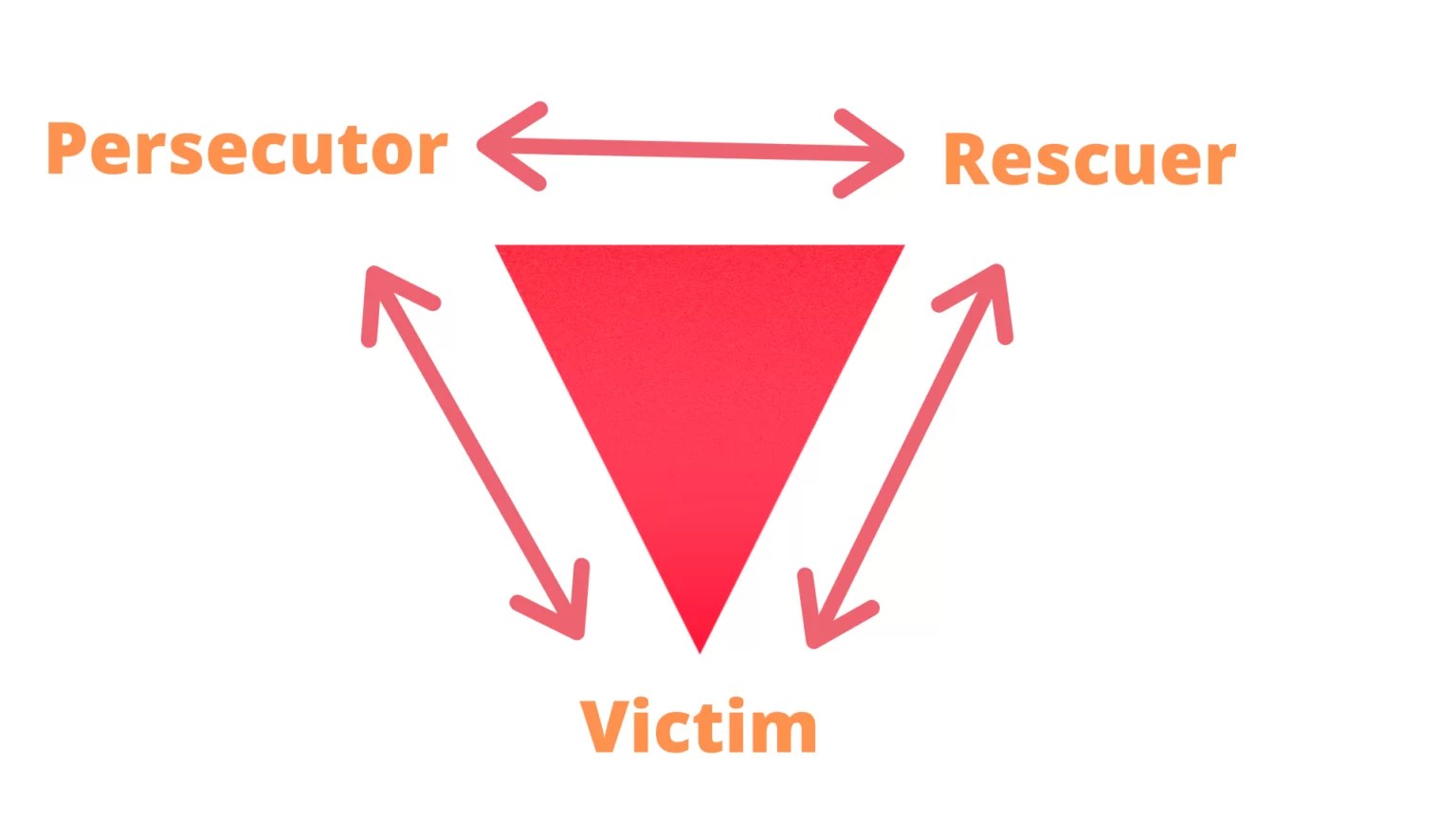








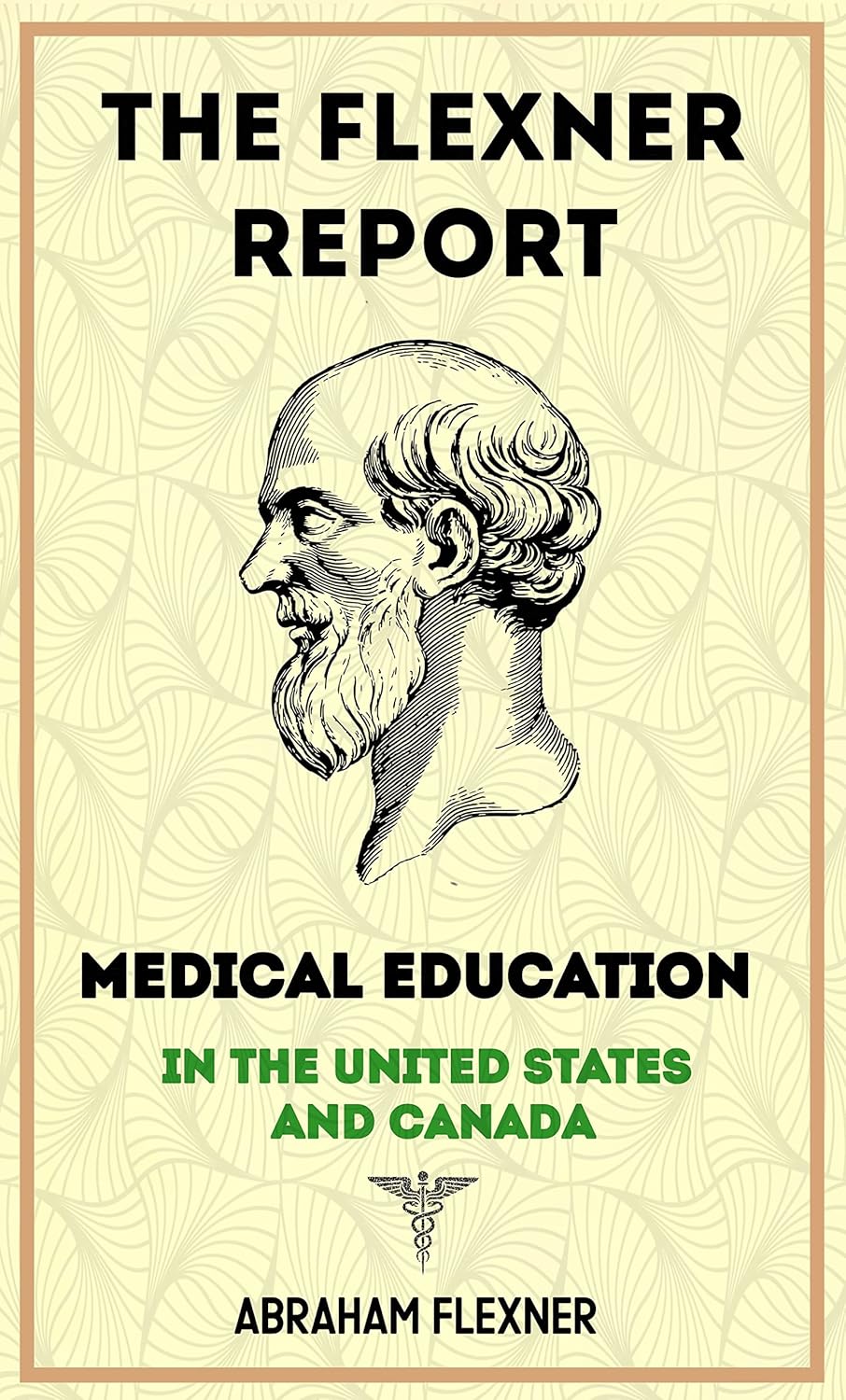







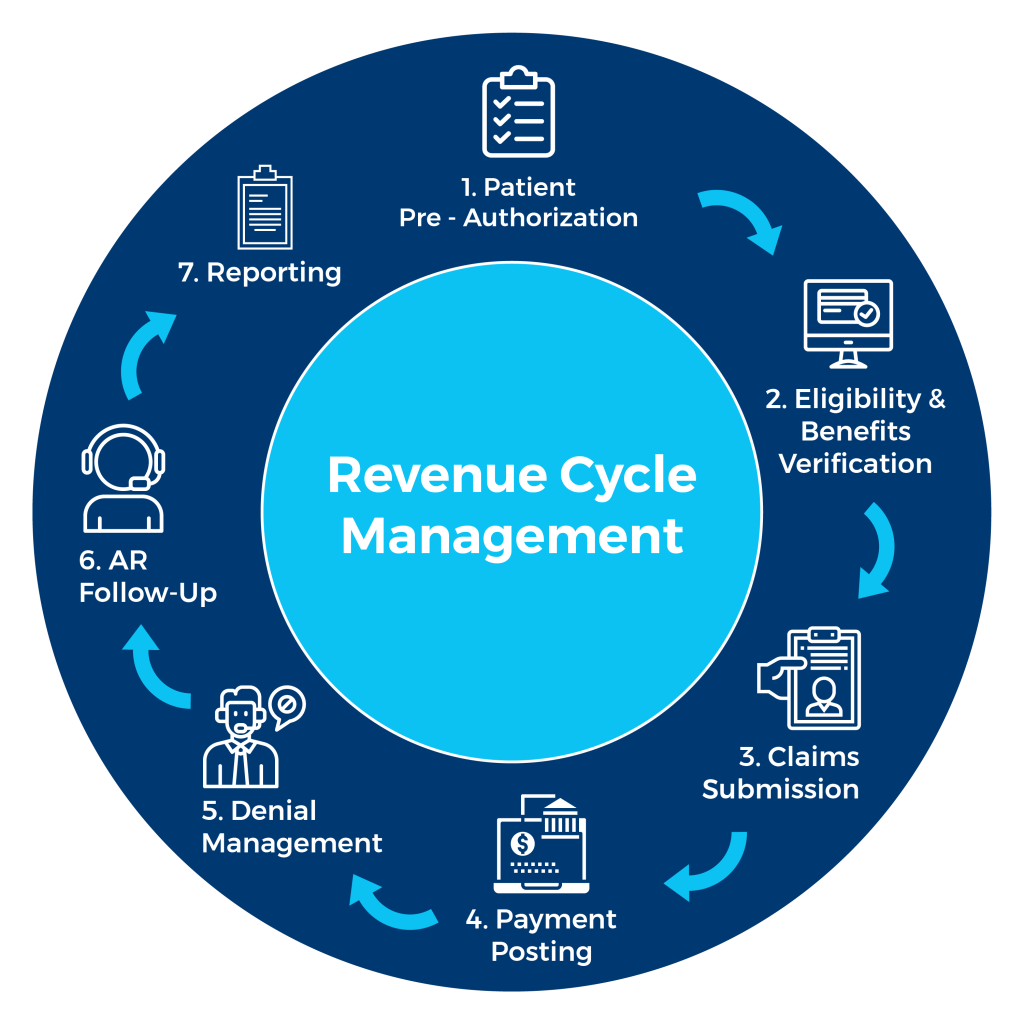




















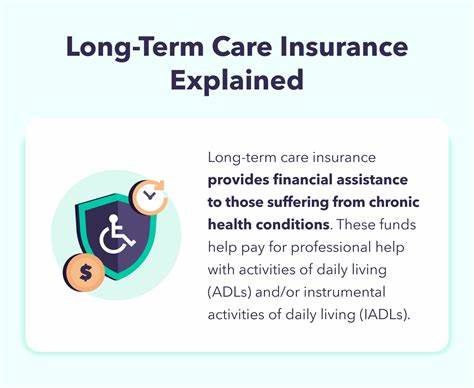

















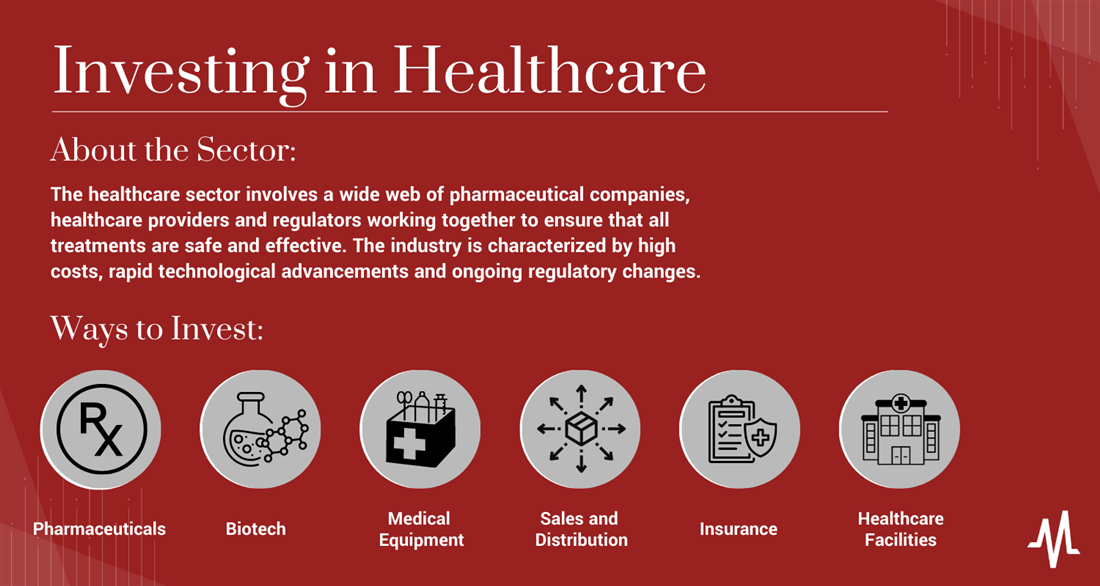


 The Leading Business Education Network for Doctors, Financial Advisors and Health Industry Consultants