BUSINESS MANAGEMENT STUDY: Physician Vertical Integration

***

BY HEALTH CAPITAL CONSULTANTS, LLC.

DEFINITION: Vertical integration is an arrangement in which the supply chain of a company is integrated and owned by that company. Usually each member of the supply chain produces a different product or service, and the products combine to satisfy a common need.

CITE: https://www.r2library.com/Resource/Title/0826102549

***

Study: Vertical Integration Not Financially Beneficial for Physicians


A study released in the December 2021 issue of Health Affairs examined the correlation between hospital/health system ownership of physician practices and physician compensation. While a number of studies have analyzed the “rapidly growing trend” of vertical integration from the hospital/health system perspective, this is the first study to evaluate vertical integration from the physician practice perspective.

This Health Capital Topics article will discuss the study’s findings and potential implications. (Read more…) 

***

***

COMMENTS APPRECIATED

Thank You

Subscribe to the Medical Executive-Post

***

***

The RETURN of Paper Dental Records?

By Darrell Pruitt DDS

***

***

More reasons to stick with paper if you haven’t yet become paperless, Doc 

“Paying Ransomware Paints Bigger Bullseye on Target’s Back – Ransomware attackers often strike targets twice, regardless of whether the ransom was paid. Paying ransomware attackers doesn’t pay off and often paints a bigger target on a victim’s back. Eighty percent of ransomware victims that paid their attackers were hit a second time by the malware scourge.” – Threatpost, June 8, 2022.

A dentist can avoid the second ransomware attack by returning to paper … What? Yeah. I said it.

“New ransomware numbers come from a Cybereason’s April ransomware survey of 1,456 cybersecurity professionals. According to the gated report (registration required), victims that were successfully extorted were not only targeted a second time, but frequently data encrypted by criminals later became unusable during the decryption process because of corruption issues.”

OR – one can retire!

***

***

COMMENTS APPRECIATED

Thank You

***

***
***

Understanding Hospital Financial Net Working Capital

Lower is Better

[By Staff Reporters]

Join Our Mailing List 

Net working capital is the difference between current assets and current liabilities. The lower the net working capital, the more economically efficient the medical care provided. Some important definitions and ratios for hospitals include those immediately below:

  • Days Sales Outstanding: AR/(net sales/365)

Year-end receivables net of allowances for doubtful accounts, plus financial receivables divided by net sales per day. A decrease in days sales outstanding (DSO) represents an improvement in cash flows while an increase represents deterioration. The hospital industry average is 30 days.

  • Days Payable Outstanding: AP/(total expenses [less depreciation and amortization] / 365)

Year-end payables divided by expenses per day. An increase in days payable outstanding (DPO) is an improvement, while a decrease is not. Payables exclude accrued expenses. Hospital industry average is 20 days.

  • Days Inventory Outstanding: Inventory/(net sales/365)

Year-end inventories divided by sales per day. A decrease in days inventory outstanding (DIO) is an improvement, while an increase may be a sales deterioration. Hospital industry average is 4 days.

  • Days Working Capital: (AR + inventory – AP)/net sales/365)

Year-end net working capital (service receivables plus inventory, minus AP) divided by sales per day. The lower the better. Hospital industry average is 14 days.

Assessment

For more health economics and finance terms and definitions, please review the following:

Product DetailsProduct DetailsProduct Details

Product Details  Product Details

    Product Details

Conclusion

Your thoughts and comments on this ME-P are appreciated. Feel free to review our top-left column, and top-right sidebar materials, links, URLs and related websites, too. Then, subscribe to the ME-P. It is fast, free and secure.

Link: http://feeds.feedburner.com/HealthcareFinancialsthePostForcxos

Speaker: If you need a moderator or speaker for an upcoming event, Dr. David E. Marcinko; MBA – Publisher-in-Chief of the Medical Executive-Post – is available for seminar or speaking engagements. Contact: MarcinkoAdvisors@msn.com

OUR OTHER PRINT BOOKS AND RELATED INFORMATION SOURCES:

DICTIONARIES: http://www.springerpub.com/Search/marcinko
PHYSICIANS: www.MedicalBusinessAdvisors.com
PRACTICES: www.BusinessofMedicalPractice.com
HOSPITALS: http://www.crcpress.com/product/isbn/9781466558731
CLINICS: http://www.crcpress.com/product/isbn/9781439879900
BLOG: www.MedicalExecutivePost.com
FINANCE: Financial Planning for Physicians and Advisors
INSURANCE: Risk Management and Insurance Strategies for Physicians and Advisors

Product DetailsProduct Details

Product Details

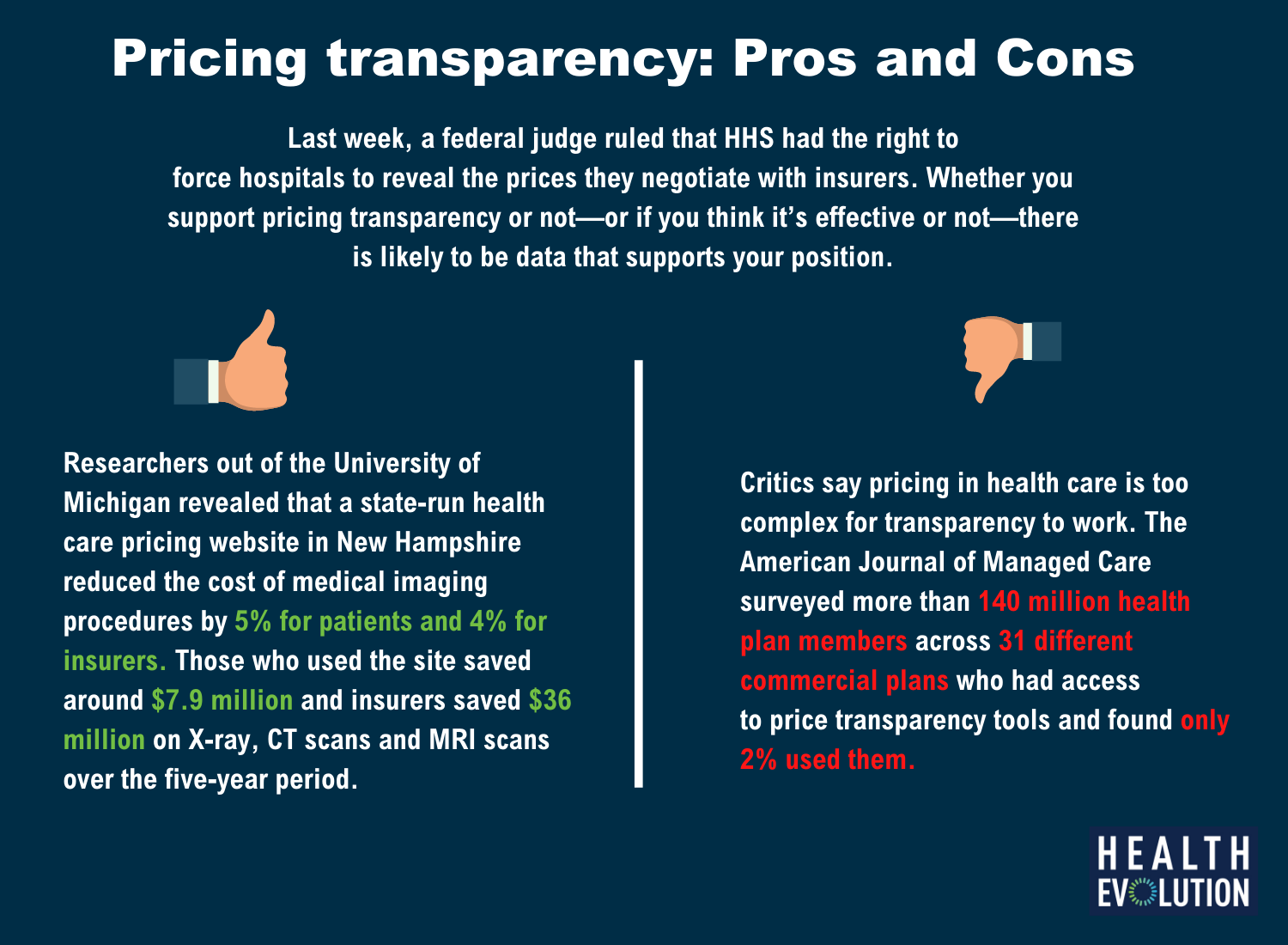
SURVEY: Resources Offered by Health Insurance Plan Transparency Tool

By MCOL

***

***

Percentage of Resources

 •  Finding in-network providers: 72%
 •  Telehealth: 55%
 •  Ability to select PCP online: 53%
 •  Help navigating benefits and healthcare options: 50%
 •  Cost estimates for healthcare services: 50%
 •  Status of deductible: 49%
 •  Reviews of doctors and facilities: 46%
 •  Online appointment scheduling: 41%
 •  Financial incentives/rewards for choosing cost-effective care: 25%

Source: Health Sparq, “2022 Annual Consumer Sentiment Benchmark Report,” January 2022

CITE: https://www.r2library.com/Resource/Title/082610254

***

COMMENTS APPRECIATED

Thank You

***

***

***

Organizational Economics and Physician Practices

N.B.E.R.

By James B. Rebitzer & Mark E. Votruba

Economists seeking to improve the efficiency of health care delivery frequently emphasize two issues: the fragmented structure of physician practices and poorly designed physician incentives. This decade old paper analyzes these issues from the perspective of organizational economics.

We begin with a brief overview of the structure of physician practices and observe that the long anticipated triumph of integrated care delivery has largely gone unrealized. We then analyze the special problems that fragmentation poses for the design of physician incentives. Organizational economics suggests some promising incentive strategies for this setting, but implementing these strategies is complicated by norms of autonomy in the medical profession and by other factors that inhibit effective integration between hospitals and physicians. Compounding these problems are patterns of medical specialization that complicate coordination among physicians.

We conclude by considering the policy implications of our analysis – paying particular attention to proposed Accountable Care Organizations.

***

READ HERE: https://www.nber.org/papers/w17535

ASSESSMENT: What has changed this past decade; if anything? Your thoughts are appreciated.

***

***

CONTACT: Ann Miller RN MHA

INVITATIONS: https://medicalexecutivepost.com/dr-david-marcinkos-bookings/

MarcinkoAdvisors@msn.com

Ph: 770-448-0769

Second Opinions: https://medicalexecutivepost.com/schedule-a-consultation/

THANK YOU

***

PODCASTS: Health Economics and the AMA

By Professor Jon

***

***

PODCAST: https://www.youtube.com/watch?v=fwYYae_U1OI

PODCAST: https://medicalexecutivepost.com/2022/05/30/ama-to-teach-medical-students-about-health-economics/

***

***

***

***
COMMENTS APPRECIATED

Thank You

***

ACO Home-Visit Initiatives

ACCOUNTABLE CARE ORGANIZATIONS

By MCOL and Charlene Ice

***

ACOs That Offer 6 Primary Care Services

  • home-based primary care: 37%
  • care coordination: 24%
  • care transitions support: 13%
  • addressing social needs: 13%
  • acute hospital-level services: 11%
  • palliative care services: 2%

Notes: From an article entitled, “Characteristics of Home-Based Care Provided by Accountable Care Organizations,” by Robert E. Mechanic, MBA, Jennifer Perloff, PhD, Amy R. Stuck, PhD, RN, Christopher Crowley, PhD. In a 2019 ACO survey, 40 out of 151 responding ACOs reported formal home-visit initiatives serving high-need, high-cost patients.

Source: The American Journal of Managed Care, May 12, 2022
Source URL: https://www.ajmc.com/view/characteristics-of-home-based-care…

***

COMMENTS APPRECIATED

Thank You

***

***

***

Whatever Happened to the Invisible Hand of Capitalism?

Join Our Mailing List

The Invisible Hand of Capitalism?

vitaly

By Vitaliy Katsenelson CFA

Just as the well-meaning economist of the Soviet Union didn’t know the correct price of sugar, nor do the good-intentioned economists of our global central banks know where interest rates should be.

***

246_1

***

Assessment

Even more important, they can’t predict the consequences of their actions.

Here’s why?

http://contrarianedge.com/2016/03/16/whatever-happened-to-the-invisible-hand-of-capitalism/

Conclusion

Your thoughts and comments on this ME-P are appreciated. Feel free to review our top-left column, and top-right sidebar materials, links, URLs and related websites, too. Then, subscribe to the ME-P. It is fast, free and secure.

Speaker: If you need a moderator or speaker for an upcoming event, Dr. David E. Marcinko; MBA – Publisher-in-Chief of the Medical Executive-Post – is available for seminar or speaking engagements. Contact: MarcinkoAdvisors@msn.com

OUR OTHER PRINT BOOKS AND RELATED INFORMATION SOURCES:

Comprehensive Financial Planning Strategies for Doctors and Advisors: Best Practices from Leading Consultants and Certified Medical Planners™

***

Transformational Business Skills for Doctor Entrepreneurs

THE BUSINESS OF MEDICAL PRACTICE [Health 2.0]

Textbook Review

***

SECOND OPINIONS: https://medicalexecutivepost.com/schedule-a-consultation/

INVITE DR. MARCINKO: https://medicalexecutivepost.com/dr-david-marcinkos-bookings/

SPONSOR: http://www.CertifiedMedicalPlanner.org

***

PODCAST: The “Economy” – How it Affects Everyone

By Rich Helppie

THE COMMON BRIDGE

The Second of a Two-Part Episode with Beata Kirr

***

***

PODCAST LINK: https://tinyurl.com/zrxdxzya

***

COMMENTS APPRECIATED

Thank You

***

PODCAST: Health Insurance Carrier Stock Market Performance

By Eric Bricker MD

***

***

CITE: https://www.r2library.com/Resource/Title/082610254

***

COMMENTS APPRECIATED

Thank You

***

***

***

SURVEY: Affordable ACA Family Coverage

By MCOL

***

Families USA: Uninsured Rate by Quarter •  Q4 2020: 10.3%
 •  Q1 2021: 9.5%
 •  Q2 2021: 9.7%
 •  Q3 2021: 8.9%

Source: Families USA, “ACA’s Promise of Affordable Health Coverage for Families Across America Is at Risk as Pandemic-Era Policies Expire,” March 2022

***

COMMENTS APPRECIATED

Thank You

***

***

The TOP 100 Economics Blogs of 2022

INTELLIGENT ECONOMIST

Last Updated: February 3rd, 2022

By Prateek Agarwal

Welcome, and thank you for joining us for the 5th annual Top Economics Blogs list! We are happy, once again, to introduce you to a freshly updated list of economics blogs for 2022. As always, our winners list provides blogs for many different audiences, ranging from the budding economic enthusiast to the seasoned academic. The list also covers a variety of economics topics, whether it be traditional economic theory or the application of economics to current events and issues. In this meticulously curated list, we’ve condensed the most unique elements of each blog into short descriptions, so that you can see which ones catch your eye.

CITE: https://www.r2library.com/Resource/Title/0826102549

For 2022, a few newcomers have emerged, while many mainstays from previous years are present as well. Like previous years, we’ve done our best to capture the blogs which stand out for their quality rather than their popularity. As such, the list is an eclectic group that represents a wide range of tastes and perspectives.

***

What is an economist? Definition and examples - Market Business News

Regardless of your school of thought or political affiliation, you can find valuable new content in this list of engaging, high-quality economics blogs.

LINK: https://www.intelligenteconomist.com/economics-blogs/

Product Details

YOUR COMMENTS ARE APPRECIATED.

***

Thank You

***

The Non-Medical “POISON PILL” Strategy is in the Investing News!

MUSK versus TWITTER

By Staff Reporters

***

DEFINITION: A shareholder rights plan, colloquially known as a “poison pill“, is a type of defensive tactic used by a corporation‘s board of directors against a takeover. In the field of mergers and acquisitions, shareholder rights plans were devised in the early 1980s as a way to prevent takeover bids by taking away a shareholder’s right to negotiate a price for the sale of shares directly.

Typically, according to Wikipedia, such a plan gives shareholders the right to buy more shares at a discount if one shareholder buys a certain percentage or more of the company’s shares. The plan could be triggered, for instance, if any one shareholder buys 20% of the company’s shares, at which point every shareholder (except the one who possesses 20%) will have the right to buy a new issue of shares at a discount. If all other shareholders are able to buy more shares at a discount, such purchases would dilute the bidder’s interest, and the cost of the bid would rise substantially. Knowing that such a plan could be activated, the bidder could be disinclined to take over the corporation without the board’s approval, and would first negotiate with the board in order to revoke the plan.

CITE: https://www.r2library.com/Resource/Title/082610254

The plan can be issued by the board of directors as an “option” or a “warrant” attached to existing shares, and only be revoked at the discretion of the board.

***

***
READ: https://www.msn.com/en-us/money/companies/twitter-adopts-poison-pill-plan-to-block-elon-musks-bid/ar-AAWfUaZ?li=BBnb7Kz

MUSK: https://www.cbsnews.com/news/twitter-poison-pill-elon-musk/

TWITTER: https://www.msn.com/en-us/money/companies/twitter-activates-poison-pill-to-thwart-musk-hostile-takeover-attempt/ar-AAWgmwW?li=BBnb7Kz

***

FINANCE: https://www.amazon.com/Comprehensive-Financial-Planning-Strategies-Advisors/dp/1482240289/ref=sr_1_1?ie=UTF8&qid=1418580820&sr=8-1&keywords=david+marcinko

***

PODCAST: Physician Entrepreneurial Tips on Opening Your Own Medical Practice

***

By MEDICAL ECONOMICS

James Underberg, MD, discusses how he left a large health system to open his own practice, and provides tips for physicians considering the same move.

***

***

Private Healthcare Equity: https://www.youtube.com/watch?v=tBwHu1uigoA

ME-P Business Plan: https://medicalexecutivepost.com/2022/04/05/get-your-free-medical-office-start-up-business-plan-from-imba-inc/

***

COMMENTS APPRECIATED

Thank You

***

***

***

****

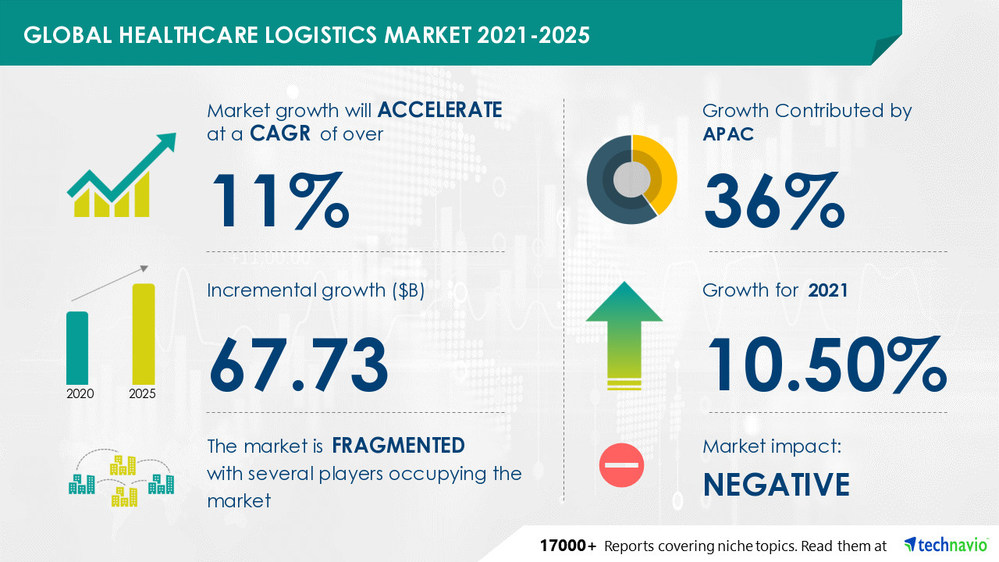
Healthcare LOGISTICS Survey

By MCOL

***

***

4 Key Take-Aways

 •  87% of nurses said that medical courier deliveries—or lack thereof—impacted their work weekly.
 •  32% of nurses have created a “secret stash” of supplies.
 •  27% have personally transported an item to another facility in the past year to overcome courier issues.
 •  19% said that errors or delays impacted their ability to provide patient care five or more times per month.

Source: American Nurse Journal via Businesswire

***

COMMENTS APPRECIATED

Thank You

***

***

****

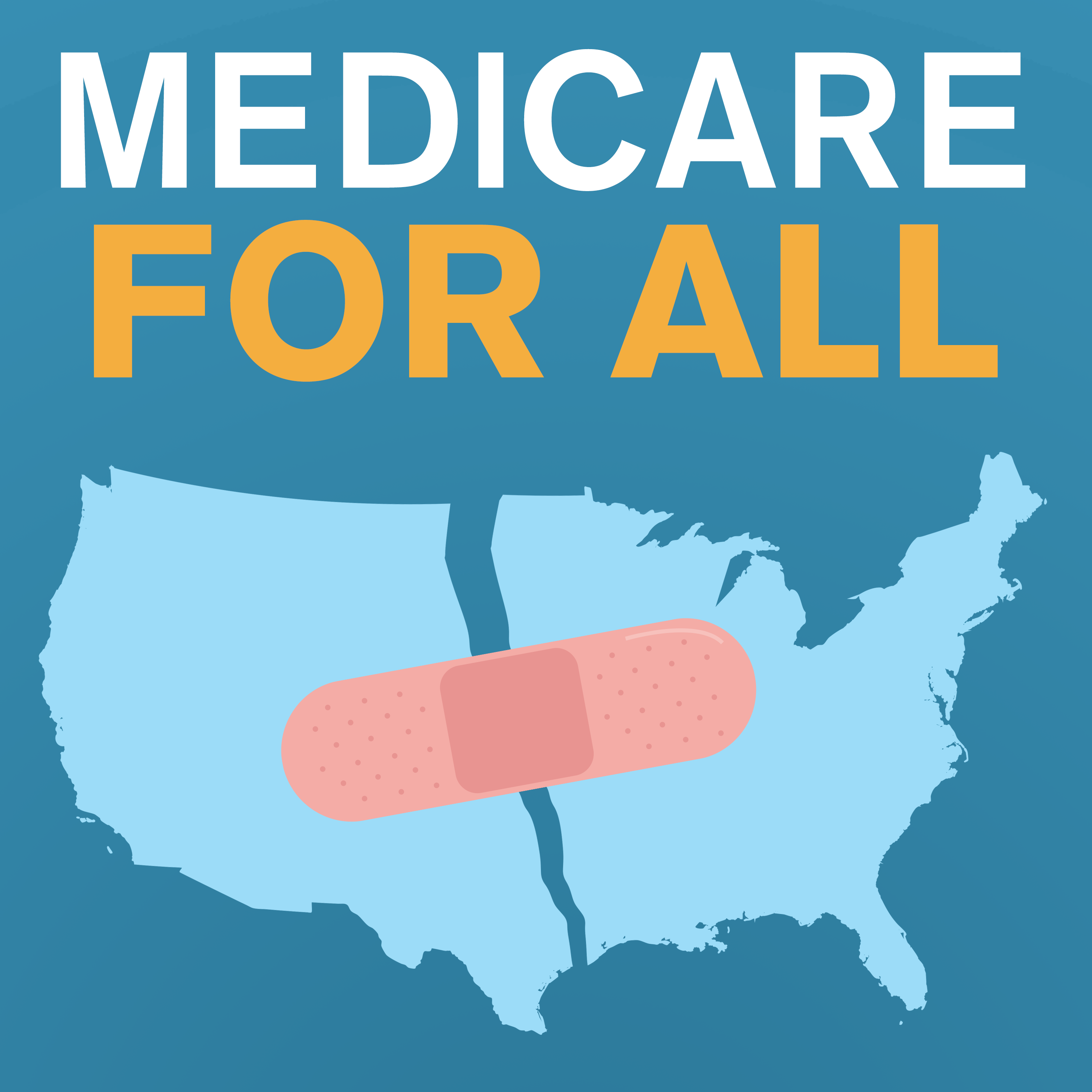
Medicare for All?

OR

Worse Care for All?

THE CBO OPINES

***

***

Senate Budget Committee Chairman Bernie Sanders (I-Vt.) has announced that as early as next week, his committee will hold a hearing “on the need to pass a Medicare for All single-payer program.”  

Sanders gets an “A” for passion, but an “F” in compassion.  

But, the non-partisan Congressional Budget Office has cautioned that Sanders’ Medicare for All bill would create “a shortage of providers, longer wait times, and changes in the quality of care.” 

MORE: https://www.msn.com/en-us/news/politics/medicare-for-all-would-mean-worse-care-for-all/ar-AAWVDo6?li=BBnb7Kz

CITE: https://www.r2library.com/Resource/Title/0826102549

***

COMMENTS APPRECIATED

Thank You

***

***

****

PODCAST: The Financial Cost of Medication Non-Adherence

Cost of Medication Non-Adherence: 33- 69% of Hospitalizations

By Eric Bricker MD

***

***

COMMENTS APPRECIATED

Thank You

***

CITE: https://www.r2library.com/Resource/Title/082610254

***

***

****

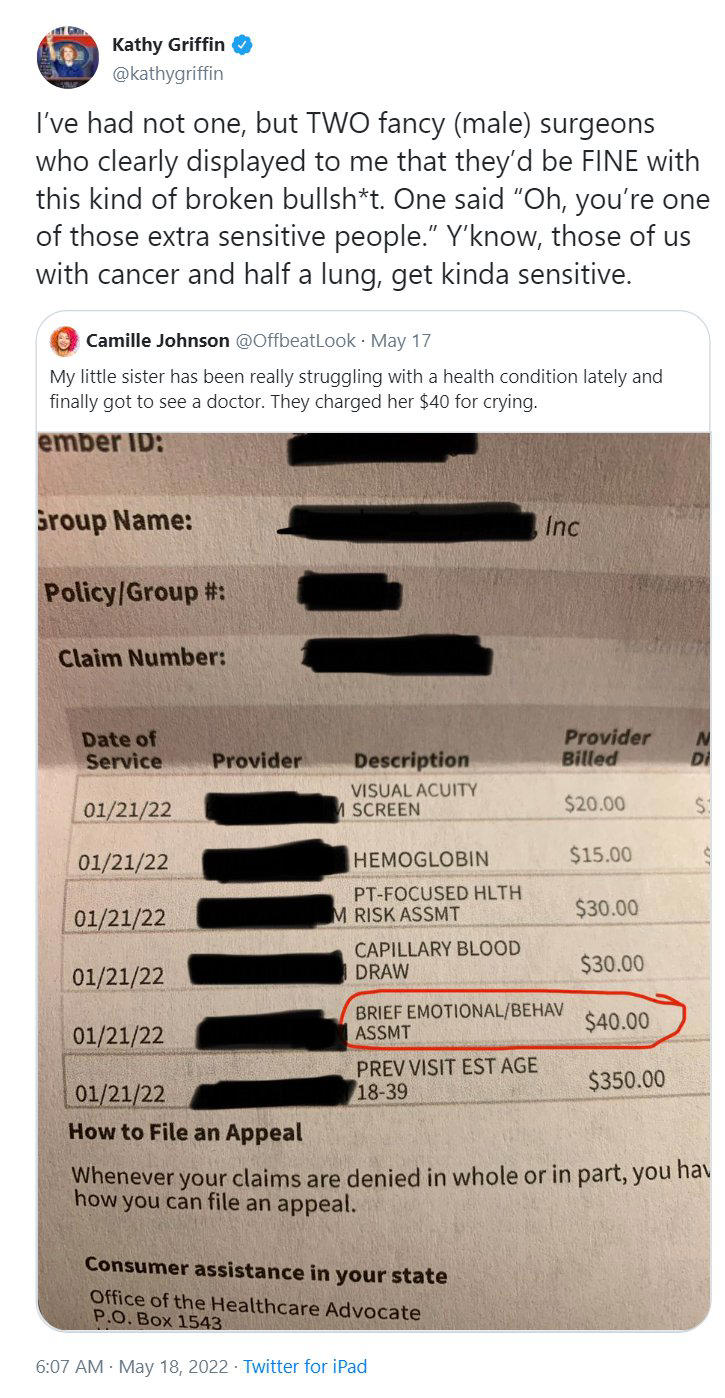
Clinic ‘Charged Patient $40 for Crying’

By Staff Reporters

***

***

***

FULL REPRINT: A woman who visited doctors in the US was charged for an ’emotional and behavioral assessment’ simply for shedding a tear.

LINK: https://7news.com.au/news/world/us-patient-charged-extra-for-crying-during-doctors-appointment-c-6867615

***

COMMENTS APPRECIATED

Thank You

***

***

***

Is the Financial “Stagflation” Risk Real?

Is Stagflation Risk Real?

By Merk Insight

***

DEFINITION: In economics, stagflation or recession-inflation is a situation in which the inflation rate is high, the economic growth rate slows, and unemployment remains steadily high. It presents a dilemma for economic policy, since actions intended to lower inflation may exacerbate unemployment.

CITE: https://www.r2library.com/Resource/Title/082610254

***

***

***

A few days ago, I had the pleasure of attending the Hoover Monetary Conference – I would call it a Powwow of central bankers, if there had not been an actual Powwow a few steps outside the venue. While Hoover is known to reflect “hawkish” views, “hawks” and “doves” alike used the question of whether the Fed is “behind the curve” to argue all things inflation and stagflation.

I left the conference even more concerned about the risk of stagflation; let me explain.

Please read our latest insight: Is Stagflation Risk Real?

***
COMMENTS APPRECIATED

Thank You

***

****

Did Public Health Fail America During the Pandemic?

***

By Dr. David E. Marcinko MBA

***

LINK: https://www.msn.com/en-us/news/us/how-public-health-failed-america/ar-AAXid2L?li=BBnb7Kz

***

CDC: https://www.cdc.gov/publichealthgateway/publichealthservices/essentialhealthservices.html

***

***

***

***

COMMENTS APPRECIATED

Thank You

***

OUTCOMES: In-Person and Tele-Health Encounters During COVID-19

By Staff Reporters and MCOL

***

***

Outcomes of In-Person and Tele-Health Encounters During COVID-19

 •  Ambulatory encounters decreased by 1.0% and the number of in-person encounters per enrollee decreased by 17.0% from 2019 to 2020.
 •  For members with an initial telehealth encounter for a new acute condition, the adjusted odds ratio was 1.44 for all follow-ups combined and 1.11 for an emergency department encounter.
 •  For members with an initial telehealth encounter for a new chronic condition, the adjusted odds ratios were 0.94 for all follow-ups combined and 0.94 for in-patient admissions.

Source: JAMA Network, April 26, 2022

***

***

****

GO FUND ME: Medical Campaigns Reveal a Big Problem with Health Care

***

By Jules Lipoff, MD: Senior fellow at the Leonard Davis Institute of Health Economics and an assistant professor of clinical dermatology at Perelman School of Medicine, both of the University of Pennsylvania. Erica Mark, medical student at the University of Virginia, contributed to this article. The opinions expressed in this article do not necessarily represent those of the University of Pennsylvania Health System or the Perelman School of Medicine.

***

If you follow the news or your social media feed, you know that crowdsourcing medical expenses is increasingly popular for financing health care costs. In fact, you might have contributed to one; 22 percent of American adults report donating to GoFundMe medical campaigns.

CITE: https://www.r2library.com/Resource/Title/082610254

As of 2021, approximately $650 million, or about one-third of all funds raised by GoFundMe, went to medical campaigns. That staggering amount of money highlights how dysfunctional our health care system is, forcing people to resort to crowdsourcing to afford their medical care — but it’s not surprising. In the United States, 62 percent of bankruptcies are related to medical costs. This should be a wake-up call to address and reform the system further.

Related: https://medicalexecutivepost.com/2021/12/30/does-crowd-sourcing-democratize-the-health-care-insurance-system/

***

***

ESSAY: https://www.msn.com/en-us/news/politics/gofundme-medical-campaigns-reveal-a-big-problem-with-health-care/ar-AAXabGB?li=BBnbfcL

***

COMMENTS APPRECIATED

Thank You

***

***

***

SURVEY: Employee Financial Healthcare Affordability

By Staff Reporters and MCOL

***

***

WTW: Employee Healthcare Affordability Survey

 •  By the end of 2023, most employers (95%) are expected to offer virtual care for medical and behavioral health issues, and 61% expect to offer lower cost sharing for virtual care.
 •  Over half (55%) think the expansion of virtual care will help decrease costs in the long run, and 50% think it will improve outcomes.
 •  Employer confidence in sponsoring healthcare benefits over the next 10 years is at its highest point in over 10 years (84% in 2022 versus 38% in 2011).
 •  One in 10 employers (9%) currently offer genetic testing as a screening for early-stage cancer with another 5% planning to do so by 2023.

Source: Willis Towers Watson, April 26, 2022

CITE: https://www.r2library.com/Resource/Title/082610254

***

COMMENTS APPRECIATED

Thank You

***

***

The GAP between Medicare and Commercial Hospital Prices

THE GAP INCREASES!

***

By Health Capital Consultants, LLC

Gap between Medicare and Commercial Hospital Prices Increases

***

***

A recent study examined the growth in hospital prices paid by commercial health insurance companies compared to Medicare over a seven-year period and found that commercial health plan rates were, on average, 180% higher than Medicare rates as of 2019.

While the national ratio between commercial and Medicare hospital payment growth rates remained relatively stable during the seven-year study period, ratios varied widely on a regional basis. This Health Capital Topics article will discuss this recent study and its implications. (Read more…)

***

COMMENTS APPRECIATED

Thank You

***

***

***

BITCOIN: A Subjective Theory for Physicians

***

By Michel Accad, MD

Michel Accad MD Practices internal medicine and cardiology in San Francisco

***

Bitcoin Cash - Wikipedia

****

In a recent article on the Mises Institute’s Power and Market blog, Kyle Ward appealed to the subjective theory of value to castigate Peter Schiff for his notorious skepticism of Bitcoin:

READ: http://alertandoriented.com/the-subjective-theory-of-bitcoin/

CITE: https://www.r2library.com/Resource/Title/082610254

COMMENTS APPRECIATED.

Subscribe to the Medical Executive-Post

Thank You

****

***

***

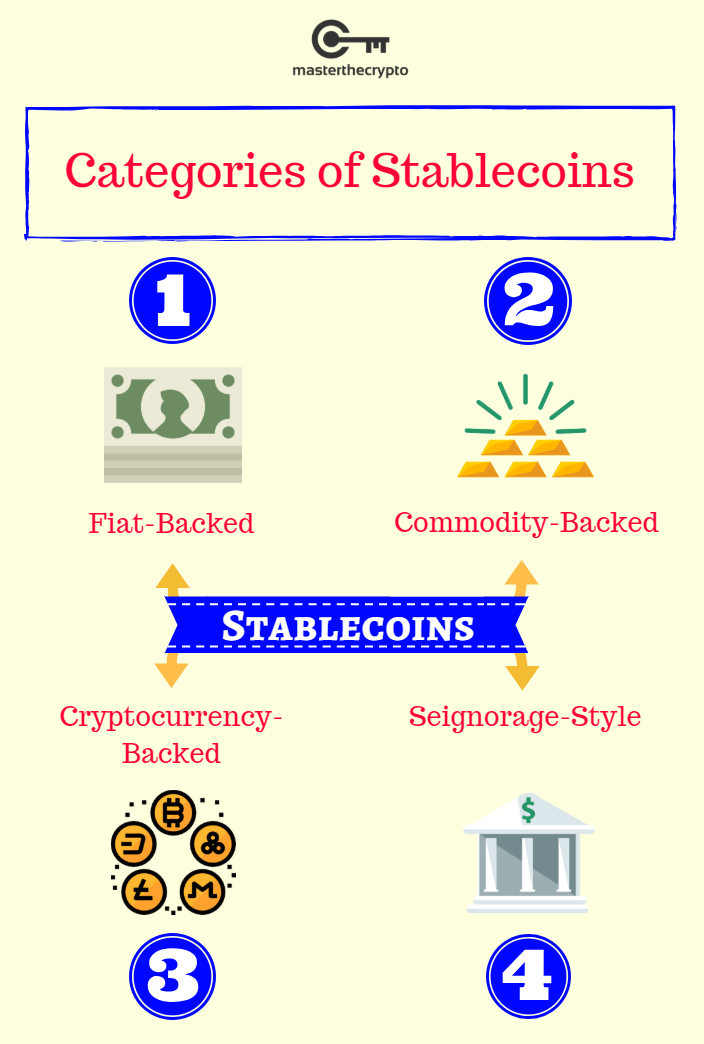
What Really is a STABLECOIN?

Types with Guide

By Staff Reporters

***

According to Investopedia, a stablecoin is a class of cryptocurrencies that attempt to offer price stability and are backed by a reserve asset. Stablecoins have gained traction as they attempt to offer the best of both worlds—the instant processing and security or privacy of payments of cryptocurrencies, and the volatility-free stable valuations of fiat currencies.

***

***

Stablecoins are cryptocurrencies where the price is designed to be pegged to a cryptocurrency, fiat money, or to exchange-traded commodities (such as precious metals or industrial metals).

CITE: https://www.r2library.com/Resource/Title/082610254

***

Key Points

  • Stablecoins are cryptocurrencies that attempt to peg their market value to some external reference.
  • Stablecoins may be pegged to a currency like the U.S. dollar or to a commodity’s price such as gold.
  • Stablecoins achieve their price stability via collateralization (backing) or through algorithmic mechanisms of buying and selling the reference asset or its derivatives.

***

***

COMMENTS APPRECIATED

Thank You

***

***

SURVEY on COVID-19’s Impact On Physician Practices and Employment

***

By Staff Reporters

***

***

• 108,700 additional physicians became employees of hospitals or other corporate entities – 83,000 of that shift occurred after the onset of COVID-19.
• Hospital and other corporate entities acquired 36,200 additional physician practices over the three-year period, resulting in a 38% increase in the percentage of corporate owned practices.
• 58,200 additional physicians become hospital employees – 51,000 of that shift occurred after the onset of COVID-19.
• 50,500 additional physicians became employees of corporate entities – 32,000 of that shift occurred after the onset of COVID-19.

Source: Physicians Advocacy Institute, April 2022

***

Great Resignation: https://medicalexecutivepost.com/2022/03/08/healthcare-industry-hit-with-the-great-resignation-retirement/

***

***

****

How to Achieve Health Equity?

How Flexible Payment Options Are Changing Healthcare

A Guest ME-Post

***

Todd Berner MD discusses how you can achieve health equity.

LINK: https://toddberner.com/how-flexible-payment-options-are-changing-healthcare/

RELATED: https://toddberner.com/why-digital-is-the-next-frontier-of-health-equity/

CITE: https://www.r2library.com/Resource/Title/082610254

COMMENTS APPRECIATED

Thank You

***

INSURANCE DICTIONARY: https://www.amazon.com/Dictionary-Health-Insurance-Managed-Care/dp/0826149944/ref=sr_1_4?ie=UTF8&s=books&qid=1275315485&sr=1-4

***

Healthcare A.I. and Financial Outcomes Survey

By Staff Reporters

***

17% of Healthcare Execs Said AI Would Affect Financial Outcomes

 •  60% of respondents expect AI to impact clinical outcomes.
 •  17% said AI would affect financial outcomes.
 •  13% said AI would impact their operation outcomes.
 •  9% said AI would impact administrative outcomes.
 •  61% of executives hope to bring about a complete digital transformation in their organizations within three to five years.

Source: Morning Consult via HealthIT Analytics, April 14, 2022

CITE: https://www.r2library.com/Resource/Title/082610254

***

COMMENTS APPRECIATED

Thank You

***

***

PODCASTS: The GREAT ECONOMIC MODERATION / RESIGNATION in Medicine?

A HISTORICAL REVIEW WITH UPDATE

Dr. David Edward Marcinko | The Leading Business Education Network for  Doctors, Financial Advisors and Health Industry Consultants

By Dr. David E. Marcinko MBA CMP®

CMP logo

SPONSOR: http://www.CertifiedMedicalPlanner.org

What was the Great Economic Moderation?

The Great Moderation is the name given to the period of decreased macroeconomic volatility experienced in the United States starting in the 1980s.

CITE: https://www.r2library.com/Resource/Title/0826102549

During this period, the standard deviation of quarterly real gross domestic product (GDP) declined by half and the standard deviation of inflation declined by two-thirds, according to figures reported by former U.S. Federal Reserve Chair Ben Bernanke. The Great Moderation can be summed up as a multi-decade period of low inflation and positive economic growth.

But, what about health economics, writ large? And, the actual practice of medicine by physicians in the trenches. Consider this historical review.

GOLDEN AGE OF MEDICINE

The ‘golden age of medicine’ – the first half of the 20th century, reaching its zenith with Jonas Salk’s 1955 polio vaccine – was a time of profound advances in surgical techniques, immunization, drug discovery, and the control of infectious disease; however, when the burden of disease shifted to lifestyle-driven, chronic, non-communicable diseases, the golden era slipped away. Although modifiable lifestyle practices now account for some 80% of premature mortality, medicine remains loathe to embrace lifestyle interventions as medicine Here, we argue that a 21st century golden age of medicine can be realized; the path to this era requires a transformation of medical school recruitment and training in ways that prioritize a broad view of lifestyle medicine. Moving beyond the basic principles of modifiable lifestyle practices as therapeutic interventions, each person/community should be viewed as a biological manifestation of accumulated experiences (and choices) made within the dynamic social, political, economic and cultural ecosystems that comprise their total life history. This requires an understanding that powerful forces operate within these ecosystems; marketing and neoliberal forces push an exclusive ‘personal responsibility’ view of health – blaming the individual, and deflecting from the large-scale influences that maintain health inequalities and threaten planetary health. The latter term denotes the interconnections between the sustainable vitality of person and place at all scales. We emphasize that barriers to planetary health and the clinical application of lifestyle medicine – including authoritarianism and social dominance orientation – are maintaining an unhealthy status quo.

NOTE: https://pubmed.ncbi.nlm.nih.gov/31828026/

GOLDEN AGE OF MEDICAL PRACTICE

To listen to all those desperate to reform health care, you get the impression that physicians are pretty horrible people. We are all sexist, greedy, money grubbing tyrants who will perform unnecessary tests and procedures just to make money. We don’t care about quality or cost. We are killing off 250,000 patients every year with our ignored “errors.”

We purposely keep our patients in pain, or we addict them to narcotics just to shut them up. We are constantly told by lawyers that lawsuits are necessary to protect patients from doctors. We provide unsafe drugs just because the drug reps give us free pens and coffee cups. The government must step in to clean up the mess.

PODCAST: https://www.kevinmd.com/blog/2017/08/9-reasons-golden-age-medicine-golden.html

GOLDEN AGE OF PATIENT TRUST

****

***

THE GREAT PHYSICIAN RETIREMENT AND RESIGNATION: https://medicalexecutivepost.com/2021/11/09/healthcare-industry-hit-with-the-great-resignation-retirement/

YOUR COMMENTS ARE APPRECIATED.

Thank You

***

Risk Management, Liability Insurance, and Asset Protection Strategies for Doctors and Advisors: Best Practices from Leading Consultants and Certified Medical Planners™

RETIREMENT PLANNING: https://www.routledge.com/Risk-Management-Liability-Insurance-and-Asset-Protection-Strategies-for/Marcinko-Hetico/p/book/9781498725989

***

Comprehensive Financial Planning Strategies for Doctors and Advisors: Best Practices from Leading Consultants and Certified Medical Planners™

***

Valuation of Home Health Agencies [The Reimbursement Environment]

***

By Health Capital Consultants, LLC

***

***

Valuation of Home Health Agencies: Reimbursement Environment

The U.S. government is the largest payor of medical costs, through Medicare and Medicaid, and has a strong influence on reimbursement for home healthcare services. In 2020, Medicare and Medicaid accounted for an estimated $829.5 billion and $671.2 billion in healthcare spending, respectively. The outsized prevalence of these public payors in the healthcare marketplace often results in their acting as a price setter, and being used as a benchmark for private reimbursement rates. This effect may be even stronger in the home health industry.

The third installment of this home health valuation series will discuss the reimbursement environment in which these organizations operate. (Read more…) 

***

CITE: https://www.r2library.com/Resource/Title/0826102549

COMMENTS APPRECIATED

Thank You

***

***

***

Survey on Healthcare Financial Affordability

By Staff Reporters

***

Gallup: Healthcare Affordability Survey – 3 Takeaways

 •  56% of the U.S. adult population report no recent occurrences of being unable to afford care or prescribed medicine.
 •  36% of the U.S. adult population report recent occurrences of being unable to pay for care or medicine or lack easy access.
 •  8% of the U.S. adult population report recent occurrences of being unable to pay for household care, being unable to pay for prescribed medicine and feeling that they would not have access to affordable quality care if needed today.

Source: Gallup, “Benchmarking Healthcare Affordability and Perceived Value,” March 31, 2022.

CITE: https://www.r2library.com/Resource/Title/082610254

***

COMMENTS APPRECIATED

Thank You

***

***

****

PROBE: Medicare Advantage [Part C] Plans Deny Needed Care to Tens of Thousands of Patients

By Staff Reporters

***

Medicare Advantage Organizations (MAOs) delayed or denied payments and services to patients, even when these requests met Medicare coverage rules, according to a report released by federal investigators on Thursday.

***

***

A verbatim link: https://thehill.com/policy/healthcare/3470005-probe-finds-medicare-advantage-plans-deny-needed-care-to-tens-of-thousands/

Confirmation link: https://www.msn.com/en-us/news/politics/watchdog-private-medicare-plans-denied-nearly-1-in-5-claims-that-should-have-been-paid/ar-AAWHZuT?li=BBnb7Kz

***

CITE: https://www.r2library.com/Resource/Title/082610254

***
COMMENTS APPRECIATED

Thank You

***https://www.amazon.com/Dictionary-Health-Insurance-Managed-Care/dp/0826149944/ref=sr_1_4?ie=UTF8&s=books&qid=1275315485&sr=1-4

***

PODCAST: Health Insurance Plans Confusing and Largely Misunderstood

***

By Eric Bricker MD

***

According to One Survey, only 4% of People Understand the Basic Insurance Terms of Deductible, Co-Insurance, Copay and Out-of-Pocket Maximum.

In Another Survey by United Healthcare Itself, Only 9% Understood the Terms Premium, Deductible, Co-Insurance and Out-of-Pocket Max.

This Lack of Understanding is Not the Fault of the Employee Benefits Professionals or the Employees… Rather, the Health Insurance Plan Designs Are Just Too Complicated.

CITE: https://www.r2library.com/Resource/Title/082610254

***

PODCAST: https://www.youtube.com/watch?v=Yp6TI7iu-m0

***

Comments Appreciated

THANK YOU

***

***

****

INDEX: Fear & Greed

By Staff Reporters

****

What a week in the world’s financial markets? It is perfect timing for this ME-P.

***

***

It is useful to look at stock market levels compared to where they’ve been over the past few months. When the S&P 500 is above its moving or rolling average of the prior 125 trading days, that’s a sign of positive momentum. But if the index is below this average, it shows investors are getting skittish.

The Fear & Greed Index uses slowing momentum as a signal for Fear and a growing momentum for Greed.

But, a few big stocks can skew returns for the market. So, it’s important to also know how many stocks are doing well versus those that are struggling.

***

***

COMMENTS APPRECIATED

Thank You

***

***

PODCAST: The Decline of Employer Sponsored Family Healthcare Insurance Coverage

By Eric Bricker MD

***

***

CITE: https://www.r2library.com/Resource/Title/082610254

***

COMMENTS APPRECIATED

Thank You

***

***