PODCAST: The United Health Group Financial Giant

By Eric Bricker MD

***

***

CITE: https://www.r2library.com/Resource

COMMENTS APPRECIATED

Thank You

***

***

***

PODCAST: Hospitals Post Laboratory Test Prices on EMRs

By Eric Bricker MD

***

***
COMMENTS APPRECIATED

Thank You

***

                       ***

***

***

WALGREENS: Quarterly Dividend Cuts

By Staff Reporters

***

***

Walgreens doled out some tough medicine to its investors this week when it cut its quarterly dividend to shareholders nearly in half, in a move to conserve cash and strengthen its long-term financial position, according to CEO Tim Wentworth.

CITE: https://www.r2library.com/Resource

Illinois-based Walgreens Boots Alliance Inc (WBA), which operates one of the largest US drugstore chains, on Thursday declared a quarterly dividend of 25 cents per share, a reduction from 48 cents per share the previous quarter. The dividend will be payable on March 12th.

The move will allow Walgreens to increase cash flow and free up capital “to invest in sustainable growth initiatives in our pharmacy and healthcare businesses, which we believe will ultimately improve shareholder value,” Wentworth said in a statement.

COMMENTS APPRECIATED

Thank You

***

***

BANKS: JPMorgan Chase, BoA, Wells Fargo and CitiGroup Report

By Staff Reporters

***

***

JPMorgan Chase’s profit fell in the fourth quarter as the lender set aside nearly $3 billion to help refill a government deposit insurance fund. JPMorgan and several major banks are required to pay a bulk of the $16 billion to replenish the Federal Deposit Insurance Corporation’s deposit insurance fund (DIF), which was drained after Silicon Valley Bank and Signature Bank failed last year.

***

Bank of America’s fourth-quarter profit shrank as the lender took $3.7 billion in combined charges to refill a government deposit insurance fund and phase out a loan index. Its net interest income (NII) – the difference between what banks earn from loans and pay to depositors – fell 5% to $13.9 billion as the company spent more to keep customer deposits and demand for loans stayed subdued amid high interest rates.

***

Wells Fargo press release (NYSE:WFC): Q4 Non-GAAP EPS of $1.29 beats by $0.20. Revenue of $20.48B (+2.2% Y/Y) beats by $100M. Shares -1% PM. Fourth quarter 2023 results included: ◦ $(1.9) billion, or ($0.40) per share, of expense from an FDIC special assessment ◦ $(969) million, or ($0.20) per share, of severance expense for planned actions ◦ $621 million or $0.17 per share, of discrete tax benefits related to the resolution of prior period tax matters ◦ Provision for credit losses in fourth quarter 2023 included an increase in the allowance for credit losses driven by credit card and commercial real estate loans, partially offset by a lower allowance for auto loans. The change in allowance for credit losses also included higher net loan charge-offs for commercial real estate office and credit card loans

***

Citigroup (C) is in the middle of a complicated restructuring. It made it clear Wednesday that its fourth quarter earnings report Friday will be complicated, too.

The giant New York-based bank said in a regulatory document it will take more than $3 billion in one-time reserves and expenses as part of those fourth quarter results. They include everything from a $1.3 billion reserve build for currency exposure in Argentina and Russia to $780 million in charges related to severance costs and other aspects of a wide-ranging restructuring of the bank led by CEO Jane Fraser.

CITE: https://www.r2library.com/Resource

***

***

COMMENTS APPRECIATED

Thank You
***

***

DOWN: Digital Health Care Funding

By Dr. David Edward Marciniko MBA CMP

SPONSOR: http://www.MarcinkoAssociates.com

***

***

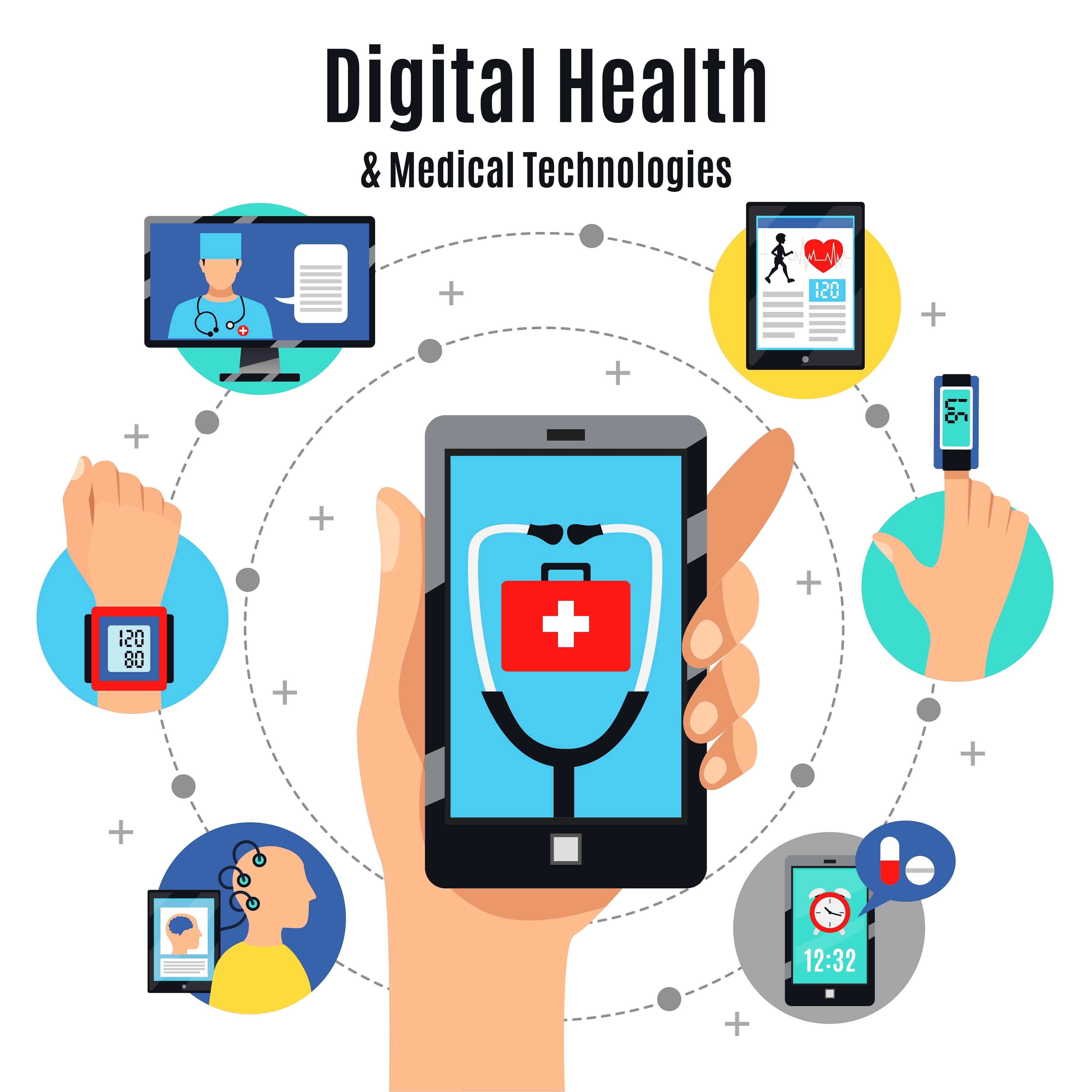
DEFINITION: According to the Food and Drug Administration [FDA], the broad scope of digital health includes categories such as mobile health (mHealth), health information technology (IT), wearable devices, tele-health and tele-medicine, and personalized medicine. From mobile medical apps and software that support the clinical decisions doctors make every day to artificial intelligence and machine learning, digital technology has been driving a revolution in health care. Digital health tools have the vast potential to improve our ability to accurately diagnose and treat disease and to enhance the delivery of health care for the individual. Digital health technologies use computing platforms, connectivity, software, and sensors for health care and related uses. These technologies span a wide range of uses, from applications in general wellness to applications as a medical device. They include technologies intended for use as a medical product, in a medical product, as companion diagnostics, or as an adjunct to other medical products (devices, drugs, and biologics). They may also be used to develop or study medical products.

Cite: http://tinyurl.com/2jbafuc7

***

As many investors predicted, digital health funding took a dive in 2023, according to Rock Health’s year-end funding report. Startups got creative to stay afloat but many digital health founders will have to “face the music” in 2024, the VC firm’s analysts say.

CITE: https://www.r2library.com/Resource

Editor’s Note: I am on the Advisory Board of Medblob™a start-up based in Boston, MA. The digital mission of Medblob™ is to improve community and national health by allowing patients to better manage their health, providers to better treat their patients, and researchers to have the best information to discover cures to the most prevalent and pernicious diseases.

COMMENTS APPRECIATED

Thank You

***

***

PODCAST: Impact of Education on Employee Health Care

HEALTH INSURANCE DEMOGRAPHICS

By Eric Bricker MD

***

***
COMMENTS APPRECIATED

Thank You

***

***

***

PODCAST: Hospital Cost to Charge Ratios Explained

By Eric Bricker MD

***

***

CITE: https://www.r2library.com/Resource/Title/082610254

Medical Cost Accounting: https://medicalexecutivepost.com/2022/08/30/understanding-medical-cost-accounting/

COMMENTS APPRECIATED

Thank You

***

***

***

PODCAST: Why Hospitals Cry “Poor”

By Eric Bricker MD

***

***

COMMENTS APPRECIATED

Thank You

***

***

***

DAILY UPDATE: ChristianaCare Settles FCA Lawsuit as Stock Markets Celebrate 2023 but Start Off Rocky in 2024

By Staff Reporters

***

SPONSOR: http://www.MarcinkoAssociates.com

***

ChristianaCare agreed to pay $47.1 million to resolve illegal kickback allegations flagged by its former chief compliance officer.

***

Markets: The stock market was closed yesterday to give investors time to celebrate New Year’s Day 2024. As the just passed old year, 2023, provided plenty of reasons to pop bottles and celebrate:

For example, global stock markets had their best year since 2019, and all three major US indexes finished the year higher than they started it, with tech company gains pushing the NASDAQ up the most. Even among tech giants, Nvidia was a standout, boosted by A.I. suddenly being everywhere.

But, all major markets are down as of this posting time, today.

CITE: https://www.r2library.com/Resource

COMMENTS APPRECIATED

Refer a Colleague: MarcinkoAdvisors@msn.com

Thank You

***

***

HAPPY NEW YEAR: From All of Us at the ME-P

***

www.CERTIFIEDMEDICALPLANNER.org

www.MARCINKOASSOCIATES.com

***

***

EDUCATION: https://marcinkoassociates.com/textbooks-academic-catalog/

***

 From us all to you and yours.
Here’s to making a difference and paying it forward today, in 2024, and beyond. 

THANK YOU

***

DAILY UPDATE: S&P 500 is High as McKinsey Settles Opioid Claims

***

The S&P 500 has climbed about 24% in 2023, hovering right around its all-time high. And, the NASDAQ Composite is up 44%, although the tech-heavy index still has some ground to cover before it starts carving out new all-time highs of its own.

***

By Staff Reporters

***

SPONSOR: http://www.MarcinkoAssociates.com

***

Consulting firm McKinsey and Co. has agreed to pay $78 million to settle claims from insurers and health care funds that its work with drug companies helped fuel an opioid addiction crisis. The agreement was revealed late Friday in documents filed in federal court in San Francisco. The settlement must still be approved by a judge.

Under the agreement, McKinsey would establish a fund to reimburse insurers, private benefit plans and others for some or all of their prescription opioid costs. The insurers argued that McKinsey worked with Purdue Pharma – the maker of OxyContin – to create and employ aggressive marketing and sales tactics to overcome doctors’ reservations about the highly addictive drugs. Insurers said that forced them to pay for prescription opioids rather than safer, non-addictive and lower-cost drugs, including over-the-counter pain medication. They also had to pay for the opioid addiction treatment that followed.

COMMENTS APPRECIATED

Refer a Colleague: MarcinkoAdvisors@msn.com

Thank You

***

***

EDITOR’S CORNER: Fierce Health-Care’s 10 Most-Read Stories of 2023

By Heather Landi

***

READ HERE: http://tinyurl.com/484773vm

COMMENTS APPRECIATED

Thank You

***

***

Of Gray Rhinos & Other Financial Threats!

Rick Kahler MS CFP

By Rick Kahler MS CFP®

“There he is,” our South African guide whispered excitedly. About 200 feet away stood a black rhino, the rarest and most aggressive of the rhinos. The rhino focused his full attention on us as he repeatedly took a few steps and stopped. After several minutes, he moved so a bush blocked our view of him. “Ok, he is using the bush as a cover and is probably going to charge. We need to leave. Start walking backward and keep your eyes in the direction where you saw the rhino.”

As I started backing up as fast as I could, the guide barked in his loudest whisper, “Don’t run! If he charges drop to the ground; he won’t trample you.” I can’t say I was comforted by this bit of information.

This experience taught me a rhino on the horizon represents a real and present danger.

Ignoring it can result in paying a heavy price

At this year’s FPA Retreat, one of the speakers was Michele Wucker, author of The Gray Rhino: How to Recognize and Respond to the Obvious Dangers We Ignore. She said that when it comes to financial planning and investments, rhinos loom everywhere. Wucker described these dangers as different from elephants and black swans.

The elephant in the room is something we see but no one is going to do anything about. It’s not going anywhere, and we will construct our life to accommodate it. Common financial elephants that I see are adult children financially dependent upon enabling parents, a financially controlling spouse with a history of poor financial decisions, or a family member addicted to spending,

A black swan is unpredictable, something we don’t even see. It can be the loss of a job, the sudden death of a breadwinner, or the collapse of a highly rated financial institution.

The grey rhino is something you know is stalking you. You know it is coming, but you don’t know when. The trick to avoiding a rhino is recognizing and acting on the obvious dangers we ignore.

***

Ex-Cathedra black swan

[Black Swan]

***

There are a lot of grey rhinos in the financial world

Here are a few common ones:

1. The next stock market crash. I guarantee you the stock market will crash at some time in the future. The best plan I know is to prepare yourself to do nothing, so you don’t panic and sell.
2. Death. It is certainly inevitable, yet the majority of Americans don’t have a will.
3. Health costs. At some point in your life you will need health care, and good health care is, and will always be, expensive.
4. House and vehicle repairs. Normal wear and tear should come as no surprise.

Yet another critter lurks around the financial landscape: the bat. Where I live, bats show up every evening at dusk, without fail. Financial bats are equally predictable.

These are future events or expenses that we know are coming, such as:

1. College. Subtract each minor child’s age from 18. That’s the number of years you have to save to fund their college education.
2. Retirement. Subtract your age from the age at which you want to quit working. This is how many years you have to accumulate enough wealth to replace your salary.
3. Taxes. We even know the day and the hour on this one.
4. Birthday and Christmas gifts. These come every year, just as reliably as the bats.

Assessment

What’s the best way to cope with this financial zoo? I suggest emulating another animal—the lowly ant from Aesop’s fable. Unlike the happy-go-lucky grasshopper, the ant put away resources so it was prepared for future hardships.

Conclusion

Your thoughts and comments on this ME-P are appreciated. Feel free to review our top-left column, and top-right sidebar materials, links, URLs and related websites, too. Then, subscribe to the ME-P. It is fast, free and secure.

Speaker: If you need a moderator or speaker for an upcoming event, Dr. David E. Marcinko; MBA – Publisher-in-Chief of the Medical Executive-Post – is available for seminar or speaking engagements. Contact: MarcinkoAdvisors@msn.com

OUR OTHER PRINT BOOKS AND RELATED INFORMATION SOURCES:

Risk Management, Liability Insurance, and Asset Protection Strategies for Doctors and Advisors: Best Practices from Leading Consultants and Certified Medical Planners™8Comprehensive Financial Planning Strategies for Doctors and Advisors: Best Practices from Leading Consultants and Certified Medical Planners™

***

PODCAST: FFS MedicalPayment As a Public Health Threat?

FEE FOR SERVICE

By Eric Bricker MD

***

COMMENTS APPRECIATED

Thank You

***

***

***

***

DAILY UPDATE: The “Magnificent Seven” Technology Stocks PLUS Uber

By Staff Reporters

***

SPONSOR: http://www.MarcinkoAssociates.com

***

  • Markets: The Magnificent Seven technology mega-cap stocks—Microsoft, Apple, Alphabet, Nvidia, Tesla, Meta, and Amazon—have surged 75% this year, while the other 493 companies in the S&P 500 have gained 12%. The Magnificent Seven now account for nearly 30% of the entire index’s value, per the WSJ.
  • Stock spotlight: Speaking of the S&P 500, it’s getting a prominent new member—Uber will join the index today. With a market cap of $127 billion, Uber is the most valuable company that hadn’t yet been included in the S&P 500, and it celebrated by notching a 52-week high last week.
  • CITE: https://www.r2library.com/Resource

COMMENTS APPRECIATED

Refer a Colleague: MarcinkoAdvisors@msn.com

Your referral Count: 0

Thank You

***

***

PODCAST: US Primary Medical Care V. Other Industrialized Nations

By Eric Bricker MD

***

***

COMMENTS APPRECIATED

Thank You

***

***

***

MICRO-CERTIFICATIONS: Physician Insider Knowledge for Financial Advisor Success?

Micro-Credentials on the Rise

KNOWLEDGE RICHES IN NICHES

DR. DAVID EDWARD MARCINKO MBA CMP

SPONSOR: http://www.CertifiedMedicalPlanner.org

***

***

Do you ever wish you could acquire specific information for your career activities without having to complete a university Master’s Degree or finish our entire Certified Medical Planner™ professional designation program? Well, Micro-Certifications from the Institute of Medical Business Advisors, Inc., might be the answer. Read on to learn how our three Micro-Certifications offer new opportunities for professional growth in the medical practice, business management, health economics and financial planning, investing and advisory space for physicians, nurses and healthcare professionals.

Micro-Certification Basics

Stock-Brokers, Financial Advisors, Investment Advisors, Accountants, Consultants, Financial Analyists and Financial Planners need to enhance their knowledge skills to better serve the changing and challenging healthcare professional ecosystem. But, it can be difficult to learn and demonstrate mastery of these new skills to employers, clients, physicians or medical prospects. This makes professional advancement difficult. That’s where Micro-Certification and Micro-Credentialing enters the online educational space. It is the process of earning a Micro-Certification, which is like a mini-degree or mini-credential, in a very specific topical area.

Micro-Certification Requirements

Once you’ve completed all of the requirements for our Micro-Certification, you will be awarded proof that you’ve earned it. This might take the form of a paper or digital certificate, which may be a hard document or electronic image, transcript, file, or other official evidence that you’ve completed the necessary work.

Uses of Micro-Certifications

Micro-Certifications may be used to demonstrate to physicians prospective medical clients that you’ve mastered a certain knowledge set. Because of this, Micro-Certifications are useful for those financial service professionals seeking medical clients, employment or career advancement opportunities.

Examples of iMBA, Inc., Micro-Certifications

Here are the three most popular Micro-Certification course from the Institute of Medical Business Advisors, Inc:

  • 1. Health Insurance and Managed Care: To keep up with the ever-changing field of health care physician advice, you must learn new medical practice business models in order to attract and assist physicians and nurse clients. By bringing together the most up-to-date business and medical prctice models [Medicare, Medicaid, PP-ACA, POSs, EPOs, HMOs, PPOs, IPA’s, PPMCs, Accountable Care Organizations, Concierge Medicine, Value Based Care, Physician Pay-for-Performance Initiatives, Hospitalists, Retail and Whole-Sale Medicine, Health Savings Accounts and Medical Unions, etc], this iMBA Inc., Mini-Certification offers a wealth of essential information that will help you understand the ever-changing practices in the next generation of health insurance and managed medical care.
  • 2. Health Economics and Finance: Medical economics, finance, managerial and cost accounting is an integral component of the health care industrial complex. It is broad-based and covers many other industries: insurance, mathematics and statistics, public and population health, provider recruitment and retention, health policy, forecasting, aging and long-term care, and Venture Capital are all commingled arenas. It is essential knowledge that all financial services professionals seeking to serve in the healthcare advisory niche space should possess.
  • 3. Health Information Technology and Security: There is a myth that all physician focused financial advisors understand Health Information Technology [HIT]. In truth, it is often economically misused or financially misunderstood. Moreover, an emerging national HIT architecture often puts the financial advisor or financial planner in a position of maximum uncertainty and minimum productivity regarding issues like: Electronic Medical Records [EMRs] or Electronic Health Records [EHRs], mobile health, tele-health or tele-medicine, Artificial Intelligence [AI], benefits managers and human resource professionals.

Other Topics include: economics, finance, investing, marketing, advertising, sales, start-ups, business plan creation, financial planning and entrepreneurship, etc.

How to Start Learning and Earning Recognition for Your Knowledge

Now that you’re familiar with Micro-Credentialing, you might consider earning a Micro-Certification with us. We offer 3 official Micro-Certificates by completing a one month online course, with a live instructor consisting of twelve asynchronous lessons/online classes [3/wk X 4/weeks = 12 classes]. The earned official completion certificate can be used to demonstrate mastery of a specific skill set and shared with current or future employers, current clients or medical niche financial advisory prospects.

Mini-Certification Tuition, Books and Related Fees

The tuition for each Mini-Certification live online course is $1,250 with the purchase of one required dictionary handbook. Other additional guides, white-papers, videos, files and e-content are all supplied without charge. Alternative courses may be developed in the future subject to demand and may change without notice.

***

Contact: For more information, or to speak with an academic representative, please contact Ann Miller RN MHA CMP™ at: MarcinkoAdvisors@msn.com [24/7] -OR- 770-448-0769[9:00 – 5:00 EST].

***

DAILY UPDATE: Mental Health and NASDAQ Technology Stocks

By Staff Reporters

***

SPONSOR: http://www.MarcinkoAssociates.com

***

“We kept hearing nightmare stories about Americans not getting the treatment that they needed because insurance companies were denying them care. But we didn’t have enough data to show just how extensive and deep the problem was.”—

Bill Smith, founder of mental health advocacy coalition Inseparable, on patients with mental health diagnoses not receiving care (NPR)

***

***

The NASDAQ closed at an all-time high yesterday, breaking the record it set in November 2021, as technology stocks continued to rally on the news that the Fed may cut interest rates next year.

DocuSign shot up following reports that the $11 billion company whose tech lets you use your signature without a pen could be up for sale.

CITE: https://www.r2library.com/Resource

COMMENTS APPRECIATED

Refer a Colleague: MarcinkoAdvisors@msn.com

Your referral Count: 0

Thank You

***

***

DAILY UPDATE: Healthcare Artificial Intelligence Safety as the DJIA Sets Record

By Staff Reporters

***

SPONSOR: http://www.MarcinkoAssociates.com

***

Twenty-eight healthcare companies, including CVS Health , are signing U.S. President Joe Biden’s voluntary commitments aimed at ensuring the safe development of artificial intelligence (AI), a White House official said yesterday. The commitments by healthcare providers and payers follow those of 15 leading AI companies, including Google, OpenAI and OpenAI partner Microsoft to develop AI healthcare models responsibly.

***

***

Health insurance company Humana is being accused of allegedly wrongfully denying care to elderly patients, who are enrolled in Medicare Advantage Plans, using an augmented intelligence model “to override” physicians’ orders on “necessary care patients require,” according to a new lawsuit.

The lawsuit, filed by two Humana Medicare Advantage Plan customers on December th 12 in Kentucky, claims that Humana uses an AI model called nH Predict, and it allegedly has a high error rate. And allegedly, despite knowing that it’s inaccurate, the company still uses it.

Related: CVS, Kroger and Rite Aid face unsettling medical privacy concerns

***

***

Here is where the major benchmarks ended:

The S&P 500 index was up 12.46 points (0.3%) at 4,719.55; the Dow Jones Industrial Average was up 158.11 points (0.4%) at 37,248.35; the NASDAQ Composite® (COMP) was up 27.59 points (0.2%) at 14,761.56.

  • The 10-year Treasury note yield (TNX) was down about 11 basis points at 3.923%, falling under 4% for the first time since early August.
  • The CBOE® Volatility Index (VIX) was up 0.25 at 12.44.

Financial shares remained among the market’s strongest post-FOMC gainers, reflecting ideas that lower interest rates will boost profit margins for banks. Goldman Sachs (GS) rallied nearly 6%, the second-best gain among Dow companies, and hit a 23-month high. The KBW Bank Index (BKX), which includes major companies like Bank of America (BAC) and Citigroup (C) as well as several regional lenders, surged 5% to a nine-month high.

Also, the small-cap Russell 2000® Index (RUT) continued to outgain large-cap counterparts, rising 2.7% to a 4 ½-month high.

COMMENTS APPRECIATED

Refer a Colleague: MarcinkoAdvisors@msn.com

Your referral Count: 0

Thank You

***

***

PODCAST: Health Insurance is Sold; NOT Bought

BUILD A HEALTHCARE SALES MACHINE

By Eric Bricker MD

***

***

COMMENTS APPRECIATED

Thank You

***

***

PHYSICIANS: Leaving Medical Practice

By Staff Reporters

***

***

QUESTION: Why are doctors leaving their practices?

For many it’s about demographics. Just like the rest of us, doctors are aging too. Already the average physician age is about 53 years old. The Association of American Medical Colleges reports that about half of doctors are over the age of 55. Over the next decade, an estimated 40% of physicians will be over 65 years old. This means more than two of every five active physicians will reach age 65 within the next 10 years.

Moreover, compared with their boomer colleagues who were more likely to work past retirement, a robust 60% of younger Generation X doctors are reporting that they plan to retire by age 60.

***

***

Doctors cite poor quality of life and stress as reasons for their early departure. The pandemic certainly crushed many providers and has led to burnout. Generation X physicians in their 40s and early 50s were more likely than boomers to report that their current work life was not making the grade. In short, 43% of middle-aged doctors, compared with 31% of doctors over age 55, were reporting lower levels of professional fulfillment. Moreover, 47% of mostly Gen X doctors indicated dissatisfaction with their level of personal fulfillment compared with 36% of practicing boomer physicians.

COMMENTS APPRECIATED

Thank You

***

***

FTC Lawsuit Targets Private Equity & U.S. Anesthesia Partners

By Health Capital Consultants, LLC

***

***

FTC Lawsuit Targets Private Equity

On September 21, 2023, the Federal Trade Commission (FTC) sued U.S. Anesthesia Partners (USAP), a Texas-based anesthesia provider, and Welsh, Carson, Anderson & Stowe (Welch Carson), a private equity firm. The FTC alleged that the two companies executed an anti-competitive scheme for multiple years to consolidate anesthesiology practices in Texas, boost their profits, and drive up the price of anesthesia services rendered to patients.

CITE: https://www.r2library.com/Resource/Title/082610254

This Health Capital Topics article will discuss the lawsuit and how it appears to fit in with the FTC’s recent moves to crack down on anti-competitive actions in healthcare. (Read more…)

SUBSCRIBE AND COMMENT

Thank You

***

***

U.S. ECONOMY: Perhaps a “Soft Landing” After All?

YET- HEALTH CARE IS GROWING!

By Staff Reporters

***

***

The US economy is looking like it could avoid a downturn and achieve a soft landing after all. US employers added a more-than-expected 199,000 workers to their payrolls last month, the Bureau of Labor Statistics said recently. The solid result calmed many analysts’ fears that a steeper economic slowdown is imminent due to the Federal Reserve’s earlier interest rate hikes. And, it brings us closer to the coveted “soft landing” scenario, in which the Fed tames inflation on the economy. For example:

  • The unemployment rate unexpectedly ticked down for the first time since July, to 3.7%.
  • Average hourly pay increased by 0.4% and is now up 4% for the year, beating the projected pace of annual price growth.
  • But the job market isn’t quite what it used to be

Last month’s 199-k jobs created were below the average of 240,000 added in the preceding 12 months. Plus, November hiring was confined to just a handful of industries:

  • Healthcare and the government were responsible for two-thirds of the headcount growth, adding 77,000 and 49,000 jobs, respectively.
  • The manufacturing sector gained 28,000 workers—but that was largely due to folks returning to work after striking against the Big Three automakers.
  • CITE: https://www.r2library.com/Resource/Title/082610254

Finally, in another sign that employers might be pulling back from on-boarding new people, the Labor Department reported earlier this week that job openings in late October were at their lowest since March 2021.

COMMENTS APPRECIATED

Thank You

***

***

DAILY UPDATE: Health Care, FOMC and the Tepid Markets

By Staff Reporters

***

SPONSOR: http://www.MarcinkoAssociates.com

***

In healthcare, legislators could vote next week on a major health reform package that includes a ban on spread pricing in Medicaid and a push toward site-neutral payments.


In more news from the Hill, a bipartisan bill was introduced that seeks to cancel a 3.4% Medicare pay cut to docs, which has drawn plenty of ire from the industry.

***

The final FOMC meeting of the year will take place this week, and like most work meetings in mid-December, not a whole lot is going to happen. Chair Jerome Powell is widely expected to leave interest rates unchanged as inflation continues its descent to a 2% target. But 2024 planning is in full swing, and investors are desperate to learn when the Federal Reserve thinks it will need to cut rates next year.

***

Here is where the major stock index benchmarks ended:

  • The S&P 500 index was up 18.07 points (0.4%) at 4,622.44; the Dow Jones Industrial Average® (DJI) was up 157.06 points (0.4%) at 36,404.93; the NASDAQ Composite was up 28.51 points (0.2%) at 14,432.49.
  • The 10-year Treasury note yield (TNX) was little-changed at 4.239%.
  • The CBOE® Volatility Index (VIX) was up 0.28 at 12.63.

In addition to retailers, semiconductor company shares also posted outsized gains Monday, boosted in part by a jump of nearly 10% in Broadcom (AVGO). The Philadelphia Semiconductor Index (SOX) gained more than 3% and ended near a two-year high. Transportation companies were also strong.

In other markets, Natural Gas futures (/NG) plunged more than 6% to a six-month low, reflecting warmer-than-normal U.S. temperatures and excess supplies.

Finally, the so-called Magnificent Seven stocks of Apple, Microsoft, Alphabet, Amazon.com, Nvidia, Tesla and Meta Platforms each fell at least 0.8%. Meta led the declines, dropping 2.2%. But only one out of 11 S&P 500 sectors fell. Even the information technology sub-index ticked higher, reflecting gains outside of the largest companies in the sector.

COMMENTS APPRECIATED

Refer a Colleague: MarcinkoAdvisors@msn.com

Your referral Count: 0

Thank You

***

***

TELE-HEALTH: The “Smile Direct Club” Frowns

By Staff Reporters

***

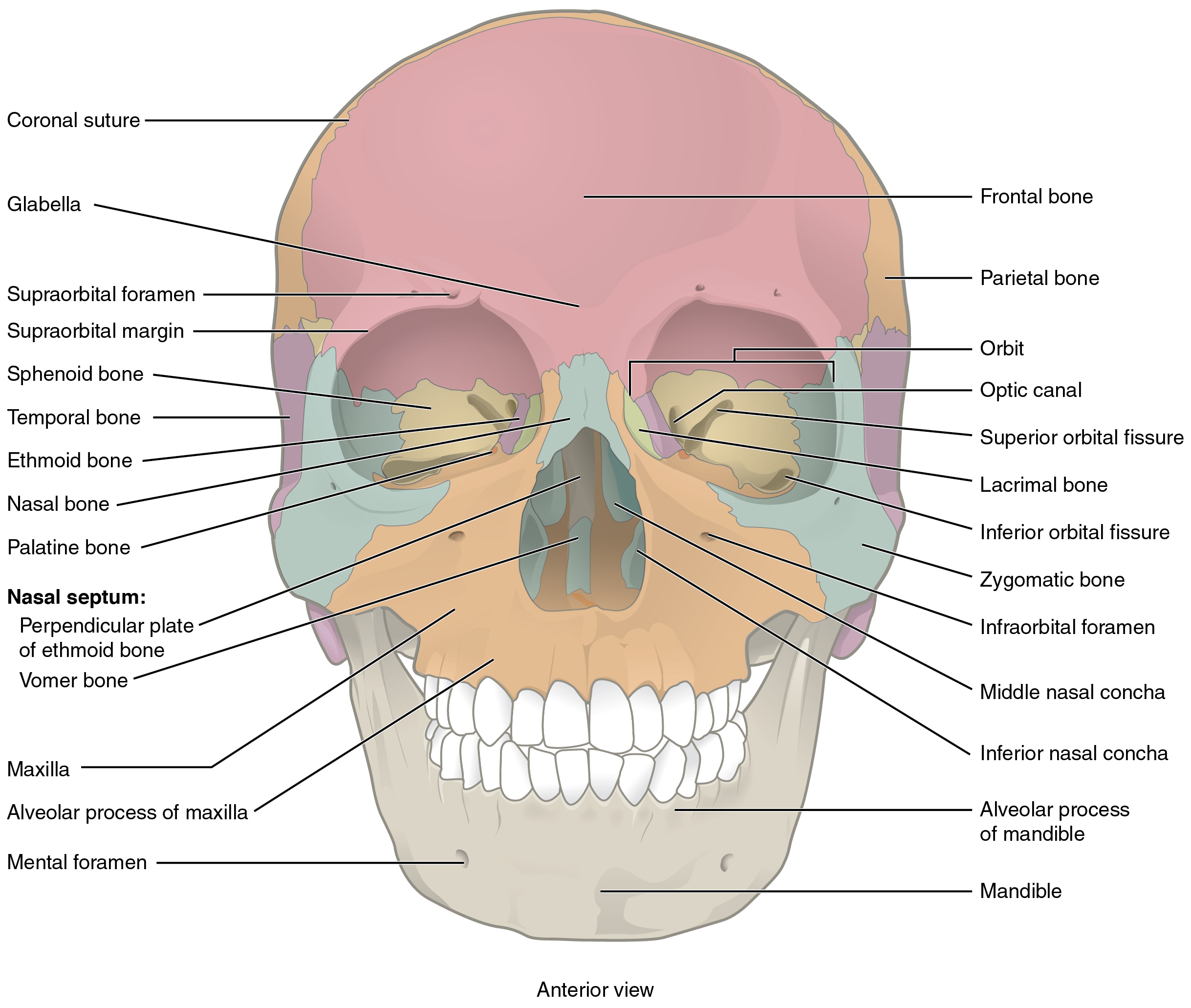
7.2 The Skull – Anatomy and Physiology

***

SmileDirectClub is the latest casualty of what some have dubbed a startup Mass Extinction Event.

The telehealth company that attempted to revolutionize traditional orthodontics just announced that it was winding down operations less than three months after it filed for Chapter 11 bankruptcy. At its peak, SmileDirectClub was valued at $8.9 billion and had raised $427 million as a private company before going public in 2019.

CITE: https://www.r2library.com/Resource/Title/082610254

COMMENTS APPRECIATED

Thank You

***

***

***

PODCAST: Physician Performance Reviews

By Eric Bricker MD

***

***

COMMENTS APPRECIATED

Thank You

***

***

The Perfect Holiday Gift [The “Business of Medical Practice”]

Third Edition of Classic Text Now Available

[Transformational Health 2.0 Skills for Savvy Doctors]

By Ann Miller RN MHA [Executive-Director]

Product Details

For the first time anywhere, we offer our loyal ME-P readers and subscribers an exclusive first look at the new book: The “Business of Medical Practice” from the Institute of Medical Business Advisors Inc, in Atlanta, GA www.MedicalBusinessAdvisors.com

Synopsis

Now in its 3rd edition, the book explores a variety of issues and seeks to answer these questions:

  • Does Health 2.0 enhance or detract from traditional medical care delivery, and can private practice business models survive?
  • How does transparent business information and reimbursement data impact the modern competitive healthcare scene?
  • How are medical practices, clinics, and physicians evolving as a result of rapid health- and non-health-related technology change?
  • Does transparent quality information affect the private practice ecosystem?

A Tool for all Stakeholders

Answering these questions and more, this newly updated and revised edition is an essential tool for doctors, nurses, and healthcare administrators; management and business consultants; accountants; and medical, dental, business, and healthcare administration graduate, doctoral students and virtually all stakeholders of the healthcare industrial complex.

Management and Operational Strategies for Private Practice

Written in plain language using nontechnical jargon, the text presents a progressive discussion of management and operation strategies. It incorporates prose, news reports, and regulatory and academic perspectives with Health 2.0 examples, and blog and internet links, as well as charts, tables, diagrams, and Web site references, resulting in an all-encompassing resource. It integrates various medical practice business disciplines-from finance and economics to marketing to the strategic management sciences-to improve patient outcomes and achieve best practices in the healthcare administration field. With contributions by a world-class team of expert authors, the third edition covers brand-new information, including:

  • The impact of Web 2.0 technologies on the healthcare industry
  • Internal office controls for preventing fraud and abuse
  • Physician compensation with pay-for-performance trend analysis
  • Healthcare marketing, advertising, CRM, and public relations
  • eMRs, mobile IT systems, medical devices, and cloud computing
  • and much more!

Front Matter: Front Matter BoMP – 3

Assessment

Please send any question/and or comments directly to us at: MarcinkoAdvisors@msn.com

Conclusion

Your thoughts and comments on this ME-P are appreciated. Feel free to review our top-left column, and top-right sidebar materials, links, URLs and related websites, too. Then, subscribe to the ME-P. It is fast, free and secure.

Speaker: If you need a moderator or speaker for an upcoming event, Dr. David E. Marcinko; MBA – Publisher-in-Chief of the Medical Executive-Post – is available for seminar or speaking engagements. Contact: MarcinkoAdvisors@msn.com

OUR OTHER PRINT BOOKS AND RELATED INFORMATION SOURCES:

HOSPITALS: http://www.crcpress.com/product/isbn/9781466558731
CLINICS: http://www.crcpress.com/product/isbn/9781439879900
BLOG: www.MedicalExecutivePost.com
FINANCE: Financial Planning for Physicians and Advisors
INSURANCE: Risk Management and Insurance Strategies for Physicians and Advisors

Product DetailsProduct DetailsProduct Details

CVS PHARMACY: Rx Drug Price Overhaul

By Staff Reporters

***

***

CVS is overhauling how it prices prescription drugs

In a recent announcement, the company CVS promised that its new model would be more transparent than the current setup, which prices drugs based on complex reimbursement formulas that can make the costs of prescriptions confusing for consumers.

CITE: https://www.r2library.com/Resource/Title/082610254

The new model, called CVS CostVantage, is based on a simple equation: Drugs will cost what CVS paid for them, plus a limited markup and a flat fee to cover the services of fulfilling the prescriptions. That’s similar to a plan proposed by billionaire Mark Cuban, founder of Cost Plus Drugs, to bring accountability to drug pricing in the US.

MORE: https://medicalexecutivepost.com/2022/06/23/mark-cubans-cost-plus-drugs-com/

COMMENTS APPRECIATED

Thank You

***

***

VALUATION OF MSOs: Introduction and Competitive Environment

MANAGEMENT SERVICE ORGANIZATION

By Health Capital Consultants, LLC

***

Valuation of MSOs: Introduction & Competitive Environment

DEFINITION: A management services organization is an outside entity that can help with the non-medical parts of running a medical practice, out-patient facility or clinic; etc.

CITE: https://www.r2library.com/Resource/Title/082610254

Management service organizations (MSOs) can be defined as “a healthcare specific administrative and management engine that provides a host of administrative and management functions necessary to be successful in the ever changing healthcare environment.” MSOs are primarily utilized by non-physicians as a vehicle to legally owning an entity that provides administrative support to a medical practice’s operations.

Most states only allow medical practices to be owned by physicians, which can limit the number of investors in a medical practice, as well as the financial value of the practice. (Read more…) 

COMMENTS APPRECIATED

Thank You

***

***

PODCAST: “Open Enrollment” Best Practices

By Eric Bricker MD

***

***

COMMENTS APPRECIATED

Thank You

***

***

***

MEDICARE [dis] ADVANTAGE Plans?

By Staff Reporters

***

***

Leading hospital trade groups are accusing some Medicare Advantage plans, including giant UnitedHealthcare, of flaunting coverage requirements recently codified by CMS. The American Hospital Association is now petitioning the Biden administration to crack down.


However … the Medicare Advantage market is booming but investment in cancer care continues to lag.

***

COMMENTS APPRECIATED

Thank You

***

***

MPFS Final Rule Cuts Physician Payments

Medicare Physician Fee Schedule

By Health Capital Consultants

***

***

DEFINITION: The Centers for Medicare and Medicaid Services (CMS) uses the Medicare Physician Fee Schedule (MPFS) to reimburse physician services. The MPFS is funded by Part B and is composed of resource costs associated with physician work, practice expense and professional liability insurance.

Under the MPFS, each of these three elements is assigned a Relative Value Unit (RVU) for each Current Procedural Terminology (CPT®) code. These RVUs are then adjusted based on the Geographical Practice Cost Index associated with various geographic areas for different medical costs and wage differentials. The conversion factor is the national dollar amount that is multiplied by the total geographically adjusted RVU to determine the Medicare-allowed payment amount for a particular physician service.

CITE: https://www.r2library.com/Resource

***

MPFS Final Rule Cuts Physician Payments

On November 2nd, 2023, the Centers for Medicare & Medicaid Services (CMS) released its finalized Medicare Physician Fee Schedule (MPFS) for calendar year (CY) 2024. While the finalized fee schedule cuts payments to physicians, there are a number of other (more positive) provisions in the final rule.

This Health Capital Topics article explores the various changes and updates included in the MPFS final rule. (Read more…)

COMMENTS APPRECIATED

Thank You

***

***

HEALTHCARE Innovation and Practice Management on the Move

By Staff Reporters

***

Online therapy company Talkspace will provide free virtual mental health services to more than 400,000 adolescents and teens in New York City after inking a deal with the city. The new program, dubbed TeenSpace, will connect teens to a licensed therapist through phone, video and text.

***

***


The Patient-Centered Outcomes Research Institute (PCORI) has announced funding awards of $80.5 million to support four new studies focused on disparities in maternal health. They will take into account clinical and social factors that contribute to inequities and will compare interventions in various settings.


And … Ayble Health, a digital health platform for patients with chronic gastrointestinal conditions, is working with the Mayo Clinic Complex Care Program to offer a hybrid care model that matches patients with the appropriate virtual and in-person care based on acuity and need.

***

***

COMMENTS APPRECIATED

Thank You

***

***

DAILY UPDATE: Hospital Ransomware Attack as Stock Markets Mixed Ahead of Inflation Reading

By Staff Reporters

***

SPONSOR: http://www.MarcinkoAssociates.com

***

A ransomware attack has caused a health care chain, which operates 30 hospitals in six states, to move patients from some of its emergency rooms to other hospitals, while putting certain procedures on pause, the company announced.

According to a statement from Ardent Health Services, the attack happened on November 23rd. The company said as a result of the attack, it took its network offline and suspended user access to its information technology applications, including the software used to document patient care.

***

***

Here is where the major benchmarks ended:

Here’s where the major benchmarks ended:

  • The S&P 500® index was down 4.31 points (0.1%) at 4,550.58; the Dow Jones Industrial Average was up 13.44 points at 35,430.42; the NASDAQ Composite ® was down 23.27 points (0.2%) at 14,258.49.
  • The 10-year Treasury note yield (TNX) was down about 8 basis points at 4.261%.
  • CBOE ® Volatility Index (VIX) was up 0.29 at 12.98.

CITE: https://www.r2library.com/Resource

COMMENTS APPRECIATED

Thank You

***

***

“BREAKING NEWS” Cigna and Humana to Merge?

By Staff Reporters

***

***

Cigna and Humana are in talks for a combination that would create a new powerhouse in the health-insurance industry. The companies are discussing a stock-and-cash deal that could be finalized by the end of the year, assuming the talks don’t fall apart.

***

***

A combination of the managed-care providers would be huge, given Cigna’s market value Wednesday morning of about $83 billion and Humana’s of roughly $62 billion.

***

***

Cigna and Humana previously explored merging in 2015, but Humana instead struck a deal with another rival, Aetna, that was blocked by a judge on antitrust grounds, leaving Aetna to be scooped up by CVS in 2018. Another deal that would have combined Cigna with Anthem, now known as Elevance Health, also died after an adverse antitrust ruling.

CITE: https://www.r2library.com/Resource

Editor’s Note: Medicare Advantage plans are pretty popular with both lawmakers and ordinary Americans — they now enroll about 31 million people, representing just over half of everyone in Medicare, by KFF’s count. Across the country, doctors are grumbling about claim denials and onerous pre-approval requirements by Medicare Advantage plans. Some hospitals and physician practices are so fed up they’re refusing to accept the plans — even big ones like those offered by United Healthcare, Cigna and Humana.

“The insurance companies running the Medicare Advantage plans are pushing physicians and hospitals to the edge,” said Chip Kahn, president and CEO of the Federation of American Hospitals, which represents the for-profit hospital sector.

And, just last week, the industry’s largest lobbying group, the American Hospital Association, fired off a letter to the Centers for Medicare and Medicaid Services warning that some insurers seem intent on circumventing new rules put in place by the Biden administration aimed at reining in some prior authorization and claim denials.

COMMENTS APPRECIATED

Thank You

***

MARCINKO & Associates, Inc.

WHAT WE DO AND HOW WE ASSIST MEDICAL COLLEAGUES

Hard Business Advice AND Personal Lifestyle Coaching

http://www.MARCINKOASSOCIATES.com

By Ann Miller RN MHA CMP™

At Marcinko & Associates our clients traditionally include physicians [MD, MBBS and DO], dentists [DDS and DMD], podiatrists [DPM], Registered Nurses [RNs], Certified Registered Nurse Anesthetists [CRNA], Physician Assistants [PA] and Nurse Practitioners [NP]. A growing cohort of clients include medical technologists, physical, speech and occupational therapists, etc.

The above are naturally segregated into three career tranches: 1. New practitioners, 2] Mid-Career practitioners and 3] Mature practitioners. We serve them all and are fully prepared for any special needs situation that may arise in any tranche [death, divorce, adverse risk event and/or bankruptcy, etc].

Marcinko & Associates understands the complexity of financial and non-financial deal terms because we are also doctors. Our “hard” knowledge of your business comes from being actual healthcare facility owners, operators and medical practitioners [with additional professional licenses and expertise] enabling us to effectively analyze your business, take corrective measures and present your healthcare entity in the best possible and accurate light.

***

But, if you’re looking at this website, chances are you are fed up, burned out, seeking practice management techniques or a better work-life balance. Or, you are looking for a new non-clinical career, thinking of finance, investing, retirement, or all of the above. Perhaps you are just looking to regain the joy and meaning in your medical or professional career? This is known as “soft” psychology, coaching, personal consulting or fraternal advice.

***

Regardless, of your “soft” personal or “hard” corporate needs, our transparent Fees for Service [FFS] model is moderated for all colleagues based on the acuity and urgency of their engagements. Reduced rates and/or limited charity work may also be possible.

***

http://www.DavidEdwardMarcinko.com

CONTACT US TODAYTHRIVE TOMORROW!

Suite #5901 Wilbanks Drive

Norcross, Georgia USA 30092-1141

email: MarcinkoAdvisors@msn.com

***

***

DAILY UPDATE: Holiday Spending Economics with Mixed Stock Markets

By Staff Reporters

***

SPONSOR: http://www.MarcinkoAssociates.com

***

Shopping data reveals that Q4 isn’t as important as one might expect. For example, the holiday quarter in 2022 accounted for 26.8% of the year’s sales, just a hair over the 25% mark if sales were evenly spread across the year, per the US Census Bureau. Of course, some types of retailers depend on the holiday quarter far more than others. Discretionary retailers (which sell the things you want, but don’t need…aka gifts) rely on Q4 for up to 40% of their yearly sales, according to McKinsey. For department stores, clothing stores, and toy stores, the holiday season really is make-or-break. GameStop, for instance, recorded 37% of its annual revenue last year in the last three months of 2022.

But for other retailers, Q4 isn’t such a big deal. People apparently read throughout the year because book stores only depend on the fourth quarter for 27.4% of sales. People also need to eat food all year long: Q4 accounted for 26.3% of sales for grocery stores.

Meanwhile, gas stations, car dealerships, and building material companies perform worse in the holiday quarter than at other times of the year.

Here is where the major benchmarks ended:

CITE: https://www.r2library.com/Resource

The S&P 500 Index was 2.72 up points (0.1%) at 4,559.34, up 1% for the week; the Dow Jones Industrial Average®(DJI) was up 117.12 points (0.3%) at 35,390.15, up 1.3% for the week; the NASDAQ Composite was down 15.00 points (0.1%) at 14,250.85, up 0.9% for the week.

  • The 10-year Treasury note yield (TNX) was up about 5 basis points at 4.47%.
  • CBOE Volatility Index (VIX) was down 0.34 at 12.46.

COMMENTS APPRECIATED

Thank You

***

***

DAILY UPDATE: Thanksgiving Travel Gas Prices Down – Narrow Traffic Lanes Safer – Walgreens Pharmacies Closed as the Stock Markets Roar

***

Thanksgiving is a trading holiday. Both the New York Stock Exchange and the Nasdaq are closed. Black Friday, one of the biggest shopping days of the year, is a half day for the stock market. Both stock exchanges close at 1:00 p.m. ET, with eligible options trading until 1:15 p.m. Normal trading hours resume on the Monday after Thanksgiving, also known as Cyber Monday, when many online retailers host major sales.

***

***

Thanks to plummeting prices at the pump, US drivers will save a collective $1.2 billion this Thanksgiving travel period, and day, compared to last year, according to GasBuddy. The average price per gallon is down nearly 46 cents from a year ago, and more than 50,000 stations now show gas prices at $2.99/gallon or less.

***

Narrow traffic lanes are safer than wide ones. Researchers at Johns Hopkins analyzed more than 1,000 streets in seven major cities across the US and found that narrower roads mitigated traffic collisions in certain conditions. The study did not find a significant difference between roads 9-feet wide and those 10- or 11-feet wide, but it did conclude that traffic accidents increase 1.5x when a road widens from 9 feet to 12 feet. Traffic fatalities are the leading cause of death for Americans aged 1–54.

***

Walgreens will close most of its pharmacies and stores on Thanksgiving Day for the first time in the company’s history, executives said last Thursday. The move to close more than 8,700 stores for the federal holiday comes as some Walgreens workers staged a three-day walkout this fall to push for improved working conditions and increased staffing numbers, Reuters reported.

***

***

Here is where the major benchmarks ended on Wednesday:

  • The S&P 500 Index was up 18.43 points (0.4%) at 4,556.62, near a four-month high close; the Dow Jones Industrial Average®(DJI) was up 184.74 points (0.5%) at 35,273.03; the NASDAQ Composite was up 65.88 points (0.5%) at 14,265.86.
  • The 10-year Treasury note yield (TNX) was down about 1 basis point at 4.41%, after earlier dropping to a two-month low under 4.37%.
  • CBOE Volatility Index (VIX) was down 0.50 at 12.85.

Communications services and technology were among the strongest performers Wednesday. Food and beverage companies were also firm. Energy shares were among the weakest performers Wednesday behind a drop of over 1% in WTI Crude Oil futures (/CL). ), which fell following reports OPEC delayed a weekend meeting until November 30th, a possible reflection of cartel members struggling to reach consensus over production cuts. WTI crude ended just under $77 a barrel, down 19% from a 2023 high above $95 in late October.

COMMENTS APPRECIATED

Thank You

***

ORDER: https://www.routledge.com/Risk-Management-Liability-Insurance-and-Asset-Protection-Strategies-for/Marcinko-Hetico/p/book/9781498725989

***

MARCINKO & Associates, Inc.

WHAT WE DO AND HOW WE ASSIST MEDICAL COLLEAGUES

Hard Business – Financial Advice AND Personal Lifestyle Coaching

http://www.MARCINKOASSOCIATES.com

***

By Ann Miller RN MHA CMP™

At Marcinko & Associates our clients traditionally include physicians [MD, MBBS and DO], dentists [DDS and DMD], podiatrists [DPM], Registered Nurses [RNs], Certified Registered Nurse Anesthetists [CRNA], Physician Assistants [PA] and Nurse Practitioners [NP]. A growing cohort of clients include medical technologists, physical, speech and occupational therapists, etc.

The above are naturally segregated into three career tranches: 1. New practitioners, 2] Mid-Career practitioners and 3] Mature practitioners. We serve them all and are fully prepared for any special needs situation that may arise in any tranche [death, divorce, adverse risk event and/or bankruptcy, etc].

Marcinko & Associates understands the complexity of financial and non-financial deal terms because we are also doctors. Our “hard” knowledge of your business comes from being actual healthcare facility owners, operators and medical practitioners [with additional professional licenses and expertise] enabling us to effectively analyze your business, take corrective measures and present your healthcare entity in the best possible and accurate light.

***

But, if you’re looking at this website, chances are you are fed up, burned out, seeking practice management techniques or a better work-life balance. Or, you are looking for a new non-clinical career, thinking of finance, investing, retirement, or all of the above. Perhaps you are just looking to regain the joy and meaning in your medical or professional career? This is known as “soft” psychology, coaching, personal consulting or fraternal advice.

***

Regardless, of your “soft” personal or “hard” corporate needs, our transparent Fees for Service [FFS] model is moderated for all colleagues based on the acuity and urgency of their engagements. Reduced rates and/or limited charity work may also be possible.

***

***

CONTACT US TODAYTHRIVE TOMORROW!

Suite #5901 Wilbanks Drive

Norcross, Georgia USA 30092-1141

email: MarcinkoAdvisors@msn.com

***

***

FINANCIAL PLANNING: Physician Niche Focused Fiduciaries

(“Informed Voice of a New Generation of Fiduciary Advisors for Healthcare”)

By Dr. David Edward Marcinko MBA CMP

http://www.MarcinkoAssociates.com

As fellow doctors, we understand better than most the more complex financial challenges physicians can face when it comes to their financial planning. Of course, most physicians ultimately make a good income, but it is the saving, asset and risk management tolerance and investing part that many of our colleagues’ struggle with. Far too often physicians receive terrible guidance, have no time to properly manage their own investments and set goals for that day when they no longer wish to practice medicine.

For the average doctor or healthcare professional, the feelings of pride and achievement at finally graduating are typically paired with the heavy burden of hundreds of thousands of dollars in student loan debt.

You dedicated countless hours to learning, studying, and training in your field. You missed birthdays and holidays, time with your families, and sacrificed vacations to provide compassionate and excellent care for your patients. Amidst all of that, there was no time to give your finances even a second thought.

Between undergraduate, medical school, and then internship and residency, most young physicians do not begin saving for retirement until late into their 20s, if not their 30s. You’ve missed an entire decade or more of allowing your money and investments to compound and work for you. When it comes to addressing your financial health and security, there’s no time to waste.

And you may be misled by unscrupulous “advisors”.

For example:

Question: Do you know the difference between a “Fee-Only” and a “Fee-Based financial advisor? Not knowing may cost you tens of thousands of dollars, or more, in excessive advisory fees.

MORE: https://marcinkoassociates.com/financial-planning/

Of course, all of this compound’s physician stress and burnout related issues, as well.

MORE: https://marcinkoassociates.com/process-what-we-do/

COMMENTS APPRECIATED

Thank You

***

***

CASE MODELS: Healthcare Business Entities

MARCINKO ASSOCIATES, Inc.

SPONSOR: http://www.MarcinkoAssociates.com

***

***

The Marcinko & Associates case study and white-paper compendium is a teaching vehicle that presents potential clients with a critical management issue that serves as a spring board to lively debate in which participants present and defend their analysis and prescriptions. The average case is 2 to 100 pages long (prose, tables, graphs, charts, spread sheets and figures, etc).

CASE MODEL Sample Privatization: https://tinyurl.com/3af5nf7s

ORDER: https://marcinkoassociates.com/case-studies/

THANK YOU

***

On Merging Medical Practices

By David Edward Marcinko MBA CMP

***

SPONSOR: http://www.MARCINKOASSOCIATES.com

Merging Medical Practices

There are only three possibilities if you want to go into practice for yourself; buy a practice; franchise a business, or start one. However, if you have an existing practice, merging it to form a larger entity can be a satisfying experience. The pace of practice mergers is accelerating, but it is often difficult to make an informed judgment about synergy. Mergers make sense only if the resulting value is more than additive to the original; not duplicative.

CITE: https://www.r2library.com/Resource

Unfortunately, far too many mergers fail to create, or actually destroy existing value. So, look for complimentary processes, personalities and ideas. In a merger of two existing practices, there is no substitute for personal interaction between employees and physician-management. This creates cross-pollination and new ideas in everything from service-lines and the patient production process, to marketing and finance, and to proprietary and intellectual rights. Most importantly, it allows
diversity of ideas.

And so, the following are questions to consider when contemplating a medical practice
merger:


 What are the risks of this transaction and how are they mitigated?
 Will talented employees be retained on both sides and can an exodus be
prevented?
 Are the specific liabilities of each practice known? Remember, the farther outside
your area of specialty or expertise, the greater the risk of being wrong.
 Will I appraise each practice independently, and correctly?
 Where will employee allegiance rest?
 What is the name, and logo, of the new entity? Who will be the CEO?

Vertical Integration: https://medicalexecutivepost.com/2023/04/14/integration-as-a-competitive-strategy-in-healthcare-reform/

More: https://medicalexecutivepost.com/2022/06/19/healthcare-mergers-acquisitions-2021-in-review/

COMMENTS APPRECIATED

Thank You

***

***

***

***

MICRO-CERTIFICATIONS: Financial Advisors Seeking Physician-Client Niche Success?

Micro-Credentials on the Rise

KNOWLEDGE RICHES IN NICHES

DR. DAVID EDWARD MARCINKO MBA CMP

SPONSOR: http://www.CertifiedMedicalPlanner.org

***

***

Do you ever wish you could acquire specific information for your career activities without having to complete a university Master’s Degree or finish our entire Certified Medical Planner™ professional designation program? Well, Micro-Certifications from the Institute of Medical Business Advisors, Inc., might be the answer. Read on to learn how our three Micro-Certifications offer new opportunities for professional growth in the medical practice, business management, health economics and financial planning, investing and advisory space for physicians, nurses and healthcare professionals.

Micro-Certification Basics

Stock-Brokers, Financial Advisors, Investment Advisors, Accountants, Consultants, Financial Analyists and Financial Planners need to enhance their knowledge skills to better serve the changing and challenging healthcare professional ecosystem. But, it can be difficult to learn and demonstrate mastery of these new skills to employers, clients, physicians or medical prospects. This makes professional advancement difficult. That’s where Micro-Certification and Micro-Credentialing enters the online educational space. It is the process of earning a Micro-Certification, which is like a mini-degree or mini-credential, in a very specific topical area.

Micro-Certification Requirements

Once you’ve completed all of the requirements for our Micro-Certification, you will be awarded proof that you’ve earned it. This might take the form of a paper or digital certificate, which may be a hard document or electronic image, transcript, file, or other official evidence that you’ve completed the necessary work.

Uses of Micro-Certifications

Micro-Certifications may be used to demonstrate to physicians prospective medical clients that you’ve mastered a certain knowledge set. Because of this, Micro-Certifications are useful for those financial service professionals seeking medical clients, employment or career advancement opportunities.

Examples of iMBA, Inc., Micro-Certifications

Here are the three most popular Micro-Certification course from the Institute of Medical Business Advisors, Inc:

  • 1. Health Insurance and Managed Care: To keep up with the ever-changing field of health care physician advice, you must learn new medical practice business models in order to attract and assist physicians and nurse clients. By bringing together the most up-to-date business and medical prctice models [Medicare, Medicaid, PP-ACA, POSs, EPOs, HMOs, PPOs, IPA’s, PPMCs, Accountable Care Organizations, Concierge Medicine, Value Based Care, Physician Pay-for-Performance Initiatives, Hospitalists, Retail and Whole-Sale Medicine, Health Savings Accounts and Medical Unions, etc], this iMBA Inc., Mini-Certification offers a wealth of essential information that will help you understand the ever-changing practices in the next generation of health insurance and managed medical care.
  • 2. Health Economics and Finance: Medical economics, finance, managerial and cost accounting is an integral component of the health care industrial complex. It is broad-based and covers many other industries: insurance, mathematics and statistics, public and population health, provider recruitment and retention, health policy, forecasting, aging and long-term care, and Venture Capital are all commingled arenas. It is essential knowledge that all financial services professionals seeking to serve in the healthcare advisory niche space should possess.
  • 3. Health Information Technology and Security: There is a myth that all physician focused financial advisors understand Health Information Technology [HIT]. In truth, it is often economically misused or financially misunderstood. Moreover, an emerging national HIT architecture often puts the financial advisor or financial planner in a position of maximum uncertainty and minimum productivity regarding issues like: Electronic Medical Records [EMRs] or Electronic Health Records [EHRs], mobile health, tele-health or tele-medicine, Artificial Intelligence [AI], benefits managers and human resource professionals.

Other Topics include: economics, finance, investing, marketing, advertising, sales, start-ups, business plan creation, financial planning and entrepreneurship, etc.

How to Start Learning and Earning Recognition for Your Knowledge

Now that you’re familiar with Micro-Credentialing, you might consider earning a Micro-Certification with us. We offer 3 official Micro-Certificates by completing a one month online course, with a live instructor consisting of twelve asynchronous lessons/online classes [3/wk X 4/weeks = 12 classes]. The earned official completion certificate can be used to demonstrate mastery of a specific skill set and shared with current or future employers, current clients or medical niche financial advisory prospects.

Mini-Certification Tuition, Books and Related Fees

The tuition for each Mini-Certification live online course is $1,250 with the purchase of one required dictionary handbook. Other additional guides, white-papers, videos, files and e-content are all supplied without charge. Alternative courses may be developed in the future subject to demand and may change without notice.

***

Contact: For more information, or to speak with an academic representative, please contact Ann Miller RN MHA CMP™ at: MarcinkoAdvisors@msn.com [24/7] -OR- 770-448-0769[9:00 – 5:00 EST].

***