BOARD CERTIFICATION EXAM STUDY GUIDES Lower Extremity Trauma
[Click on Image to Enlarge]
ME-P Free Advertising Consultation
The “Medical Executive-Post” is about connecting doctors, health care executives and modern consulting advisors. It’s about free-enterprise, business, practice, policy, personal financial planning and wealth building capitalism. We have an attitude that’s independent, outspoken, intelligent and so Next-Gen; often edgy, usually controversial. And, our consultants “got fly”, just like U. Read it! Write it! Post it! “Medical Executive-Post”. Call or email us for your FREE advertising and sales consultation TODAY [678.779.8597] Email: MarcinkoAdvisors@outlook.com
Medical & Surgical e-Consent Forms
ePodiatryConsentForms.com
iMBA Inc., OFFICES
Suite #5901 Wilbanks Drive, Norcross, Georgia, 30092 USA [1.678.779.8597]. Our location is real and we are now virtually enabled to assist new long distance clients and out-of-town colleagues.
ME-P Publishing
SEEKING INDUSTRY INFO PARTNERS?
If you want the opportunity to work with leading health care industry insiders, innovators and watchers, the “ME-P” may be right for you? We are unbiased and operate at the nexus of theoretical and applied R&D. Collaborate with us and you’ll put your brand in front of a smart & tightly focused demographic; one at the forefront of our emerging healthcare free marketplace of informed and professional “movers and shakers.” Our Ad Rate Card is available upon request [678-779-8597].
Reimbursement Typically Takes the Form of a Bundled Payment or a Lower Rate of Fee-for-Service.
Employers with Greater Than 500 Employees Tend To Engage in Direct Contracting.
Mid-Market Employers with a High Concentration of Employees in One Geographic Area Tend to Engage in Direct Contracting as Well.
The Employer Frequently Uses an Independent TPA to Process the Claims for the Direct Contract.
Also, the Employee Health Plan Changes the ‘Benefit Level’ Such that Care at the Direct Contract Facility is Often at $0 Out-of-Pocket Cost for the Member.
Engaging the Plan Members with Navigation Services is Helpful to Make the Experience Integrated with the Overall Health Plan Offerings.
DEFINITION: Personalized medicine, also referred to as precision medicine, is a medical model that separates people into different groups—with medical decisions, practices, interventions and/or products being tailored to the individual patient based on their predicted response or risk of disease
We discuss the economic value of personalized medicine and the optimal pricing of the combination products involved. We build on previous work of Egan and Philipson (2015) who stress a link between rational adherence in health care and the value of personalized medicine. Personalized medicine converts experience goods to search goods by speeding up the learning process relative to trial and error. This explains the emergence of personalized medicine in cancer care as well as the timing of this emergence. It also predicts greater innovation-and merger incentives from Disneyland style two-part pricing of the combination products.
However, That 5% of High-Cost Claimants is a Heterogenous Population
2.5 Percentage Points of the 5% Are Claimants That Were Either High-Cost Claimants the Previous Year with On-Going Complex Medical Situations or Generated Claims Related to Chronic Diseases Such as Diabetes or Multiple Sclerosis.
HOWEVER, the Other 2.5 Percentage Points of the 5% Are Claimants That Generated Zero or Almost-Zero Claims in the Previous 12-Months.
They Essentially ‘Blow Up’ Out of Nowhere.
This Video Describes the 4 Categories of These High-Cost Claimants:
1) Previously Known and Prolonged High Costs
2) Previously Known and Episodic High Costs (that no longer continue)
3) Previously Unknown and Prolonged High Costs
4) Previously Unknown and Episodic High Costs (that no longer continue)
Learn the Clinical Diagnoses That Make Up Each Category and the Secret of Which Groups to Target and Why.
Nurses on General Medical and Surgical Floors Typically Have a 4:1 Patient to Nurse Ratio During the Day and an 8:1 Patient to Nurse Ratio Overnight.
Nurses in the ICU Typically Have a 2:1 or 1:1 Patient to Nurse Ratio.
Nurses on a Floor or Unit Have a ‘Charge Nurse‘ Who is the Head Nurse for the Floor for That Specific Shift.
Those Charge Nurses Then Collaborate with the Shift Coordinator Who is a Very Senior and Experience Nurse Who Coordinates All the Patient Beds for a Particular Division at a Large Hospital (e.g. All Medicine Patients vs. All Surgical Patients) or for the Entire Hospital If It Is a Smaller Hospital.
Medical Techs Provide Support Roles in Patient Rooms Such as Checking Vitals, Blood Glucose Finger-Sticks, Etc.
The Clerk Sits at the Nurses Station for the Floor and Typically Answers the Call-Button for Each of the Patient Rooms During the Day in Addition To Their Administrative Responsibilities.
Consequently, When the Supply of a Healthcare Service is Limited, then the Price Goes Up … Way Up, Since the Quantity Demanded Does Not Change.
Examples of Inelastic Demand with Limited Supply in Healthcare Are:
1) Emergencies
2) Patented Medications for Diseases That Have No Other Alternatives
3) Doctor Specialties Where the Patient Has No Choice in the Services Such As Radiologists, Anesthesiologists and Pathologists
The High-Cost Claimants with Inelastic Demand Drive the Majority of Healthcare Costs for a Group. They Generally Fall into 3 Diagnosis Categories: 1) Orthopedics, 2) Cardiovascular and 3) Cancer.
Orthopedics Should Be the 1st Priority for Lowering Healthcare Costs for a Population … While Demand May be Inelastic, Usually There is Choice and Not a Limited Supply of Orthopedic Services.
Efforts in Orthopedics Should Focus on Increasing Choice, Such as Free Travel to Centers-of-Excellence with Bundled Pricing.
Cardiovascular Care and Cancer Care Tend to Have Inelastic Demand AND Limited Supply. Therefore, the Best Way to Lower Healthcare Costs in These Areas is Through Prevention.
Posted on June 17, 2021 by Dr. David Edward Marcinko MBA MEd CMP™
BREAKING NEWS!
On June 17, 2021, the Supreme Court of the United States (SCOTUS) released its long-awaited ruling on the fate of the Patient Protection and Affordable Care Act (ACA). In a 7-2 ruling, the majority (written by Justice Stephen Breyer) found that the two individual and 18 state plaintiffs did not have standing, stating
“the plaintiffs…failed to show a concrete, particularized injury fairly traceable to the defendants’ conduct in enforcing the specific statutory provision they attack as unconstitutional. They have failed to show that they have standing to attack as unconstitutional the Act’s minimum essential coverage provision.”
By ruling on the question of standing, the Court did not have to proceed to, and rule on, the issue of the constitutionality of the Individual Mandate.
The Court reversed the Fifth Circuit’s ruling with respect the standing issue, vacated the ruling, and remanded the case with instructions to dismiss.
***
*** A more robust discussion of the majority’s opinion and the procedural history of this case will be included in the June 2021 issue of Health Capital Topics. (Read the ruling here)
Posted on June 16, 2021 by Dr. David Edward Marcinko MBA MEd CMP™
DEFINITION:Telehealth is the distribution of health-related services and information via electronic information and telecommunication technologies. It allows long-distance patient and clinician contact, care, advice, reminders, education, intervention, monitoring, and remote admissions.
Telehealth could include two clinicians discussing a case over video conference; a robotic surgery occurring through remote access; physical therapy done via digital monitoring instruments, live feed and application combinations; tests being forwarded between facilities for interpretation by a higher specialist; home monitoring through continuous sending of patient health data; client to practitioner online conference; or even videophone interpretation during a consult.
Rich talks with veteran Telehealth executive, C.J. Mark about the growth of Telehealth in the last decade. They discuss the issues surrounding Telehealth, and how Covid has accelerated the importance of remote medical care.
Posted on June 15, 2021 by Dr. David Edward Marcinko MBA MEd CMP™
BY ERIC BRICKER MD
[Book Review]
***
The Technology Adoption Lifecycle Was Explained in Geoffrey Moore’s Famous Book ‘Crossing the Chasm.‘
If You Are a Healthcare Entrepreneur or Innovator Your MUST Understand and Apply the Technology Adoption Lifecycle.
It States that Disruptive Innovation (i.e. Innovations that Require Behavior Change) Is Not Evenly Adopted Across a Population.
Rather, People Segment Themselves into Sub-Groups That Adopt the New Innovation Differently. To Whit:
**************
Early AdoptersLove Tinker and Like New Innovations Just Because They Are New. Early Adopters Tend to Not Be Price-Sensitive.
PragmatistsHave a Specific Problem that the New Innovation Will Solve and If They See Other People Using It, They Will Use It Too. Pragmatists Are Somewhat Price-Sensitive.
Conservatives Would Rather Not Adopt the New Innovation, but if it is Already Built-in to Something They Already Buy, Then They Will Be More Likely to Use It. Conservatives are Very Price Sensitive.
Skeptics Will Never Adopt the New Innovation.
**************
To Spread a New Innovation, One Must Cross the Chasm Between the Early Adopters and Pragmatists With a ‘Niche‘ and ‘Bowling Pin‘ Strategy.
Posted on June 15, 2021 by Dr. David Edward Marcinko MBA MEd CMP™
On Asset ProtectionFOR PHYSICIANS
From my perspective, asset protection is a team sport, and lawyers rely on financial advisers all the time to spot issues for clients. We do not all share the opinion that non-lawyers are incapable of giving good advice.
Posted on June 13, 2021 by Dr. David Edward Marcinko MBA MEd CMP™
See the Future of Healthcare By Looking to Medicare’s Past
***
BY DR. ERIC BRICKER MD
***
Desire for a Healthcare ‘Safety Net’ Goes Back Almost 100 years to President F.D.R. and His “New Deal“
FDR Was Able to Pass Social Security, but He Also Wanted a Healthcare Safety Net Too.
Presidents Truman and Kennedy Also Wanted a Federally-Funded Healthcare Safety Net.
LBJ Carried the Torch of the Healthcare Safety Net. He Was Able to Have Medicare Legislation Passed in 1965 by Combining 3 Separate Proposals and Acts:
1) Hospital Insurance
2) Doctor Insurance That Was Voluntary
3) the State-Administered Kerr-Mills Act
Hospital Insurance Became Medicare Part A. Doctor Insurance Became Medicare Part B. The Kerr-Mills Act Became Medicaid.
Presidents Carter and Clinton Also Wanted to Expand the Healthcare Safety Net. President Obama Expanded the Healthcare Safety Net with Passage of Obamacare. President Biden is Seeking to Expand the Healthcare Safety Net Too.
The Arc of Government-Funded Healthcare Stretches Back Almost 100 Years and Will Inevitably Result in the Full Government Payment for Healthcare in America.
It’s Not a Question of If, But When.
Implication:United Health Group is Making Many Acquisitions to Become a Vertically Integrated Healthcare Company to Position Itself as a Major Government Contractor for the Eventual Federal Takeover.
Posted on June 11, 2021 by Dr. David Edward Marcinko MBA MEd CMP™
Bhagwan Satiani, MD, MBA, DFSVS, FACHE, FACS
Todd A. Zigrang, MBA, MHA, FACHE, CVA, ASA
Jessica L. Bailey-Wheaton, JD
ABSTRACT
The appropriate focus in managing the COVID-19 pandemic in the United States has been addressing access and delivery of care to the population affected by the outbreak. All sectors of the U.S. economy have been significantly affected,including physicians. Physician groups of all specialties and sizes have experienced the financial effects of the pandemic.Hospitals have received billions of dollars to support and enable them to manage emergencies and cover the costs of the disruption.
However, many vascular surgeons are under great financial pressure because of the postponement of all non-emergency procedures. The federal government has announced a myriad of programs in the form of grants and loans to reimburse physicians for some of their expenses and loss of revenue. It is more than likely that unless the public health emergency subsides significantly, many practices will experience dire consequences without additional financial assistance.
The authors have attempted to provide a concise listing of such programs and resources available to assist vascular surgeons who are small businesses in accessing these opportunities.
Posted on June 9, 2021 by Dr. David Edward Marcinko MBA MEd CMP™
AGING AND RETIREMENT
Long-term care (LTC) may not be the first thing individuals or couples think about as they approach retirement, but the costs for those who needs it can disrupt and derail retirement security. A good plan for long-term care requires many decisions over an extended period of time, and well before retirement.
In this article, Milliman consultant Robert Eaton discusses the major considerations and options for financing LTC needs in retirement.
Posted on June 9, 2021 by Dr. David Edward Marcinko MBA MEd CMP™
A Hardening Market Arrives Just in Time TO GREET the GLOBAL Pandemic
The year 2019 marked a turning point for the medical professional liability (MPL) insurance industry. Reserve releases declined to less than 5% of premium. Insurers projected a combined ratio over 120% on 2019 earned business. Frequency increased for many writers and the trend in indemnity severity was above inflation. In response, insurers began to take rate action, manifesting in growth in direct written premium that exceeded inflation for the first time since 2005.
Despite significant underwriting losses, the MPL industry returned double its net income for the year as dividends to policyholders. Policyholder dividends show little sign of declining as the MPL industry remains well-capitalized and able to fund policyholder dividends with investment income.
Two of the Largest Purchases Were KKR‘s Purchase of Envision’s 25,000 Doctors for Almost $10 Billion and Blackstone‘s Purchase of Team Health’s 20,000 Doctors for $6 Billion.
QUERY: If Corporate Practice of Medicine Laws Say that Doctors Cannot Work for a Corporation, How are Private Equity Purchases of Physician Practices Legal?
Posted on June 6, 2021 by Dr. David Edward Marcinko MBA MEd CMP™
Executive Order Expands Tele-Medicine to Ease Burden
By Health Capital Consultants, LLC
On August 3, 2020, President Donald Trump signed an executive order aimed at expanding access to care through two avenues: telemedicine and eased financial burdens on rural providers.
And so, our colleagues for this Health Capital Topics article will discuss the executive rule and the subsequent agency actions on these fronts.
Posted on June 5, 2021 by Dr. David Edward Marcinko MBA MEd CMP™
Turning Potential into Actual Value
By Erin Benson and Rich Morino
Social determinants of health can directly be used to improve risk stratification and care management initiatives. But first, it’s important to identify how to effectively use this data to get the most value for your members and organizations.
And so, we present a brief recap of the webinar: “Social Determinants of Health: Turning Potential into Actual Value,” sponsored by LexisNexis Health Care, with Erin Benson, Director Market Planning and Rich Morino, Director, Strategic Solutions.
This recap includes discussion of 5 categories of SDOH. Then, the full webinar discusses elements of success for social determinants of health and opportunities for health plans to leverage social determinants of health data to attain quality goals while managing cost and enhancing member experience.
Posted on June 4, 2021 by Dr. David Edward Marcinko MBA MEd CMP™
A Post Pandemic OVERDOSE AND ADDICTIONUpdate
By NIHCM Foundation
The opioid epidemic continues to devastate communities, with provisional data showing overdose death rates rising during the pandemic. Isolation and economic upheaval, as well as hindered access to treatment options and support systems, have increased the risk of addiction and relapse. These new pressures exist along with the stigma that often prevents people from receiving care for substance use disorder (SUD) and the ongoing need to adopt harm reduction strategies.
Speakers Discuss:
The latest federal priorities for addressing the overdose and addiction epidemic, including a focus on harm reduction efforts and ensuring racial equity in drug policy
Strategies for state agencies to meet existing and increasing SUD treatment needs
A health plan’s innovative approaches to expand SUD care through an in-home addiction treatment program and recovery coaches
ASSESSMENT: And so, this podcast / webinar further explores solutions to reduce overdose rates, with a focus on efforts to expand access to evidence-based recovery programs after the corona virus pandemic.
A recent study from the National Bureau of Economic Research (NBER) indicates that quality and patient outcomes suffer in hospitals that cannot maintain their relationships with banks and their lines of credit.
The NBER study measured quality and cost data in Medicare-certified hospitals from 2010 to 2016, during which banks were undergoing annual stress tests. Regulatory “stress tests” are annual assessments from the Federal Reserve, put in place after the Great Recession in 2008, to examine a bank’s ability to survive an impending economic crisis. (Read more…)
As of January 1, 2021, regulations require U.S. hospitals to post to their websites all of their negotiated payment rates in one sprawling machine-readable file, although many hospitals may not meet the initial deadline. The aim of the regulation is to increase price transparency with the goal that such transparency will lead to increased competition, improved customer choice, and ultimately lower prices.
There will be challenges, though, to extract useful competitive information from the files.
ASSESSMENT:
This article by Milliman professionals examines those challenges.
Posted on June 2, 2021 by Dr. David Edward Marcinko MBA MEd CMP™
Here are the major issues facing healthcare according to PwC
Will a health system battered by the pandemic emerge stronger in the year ahead? The annual report predicts challenges such as profitably merging virtual and in-person care, and capitalizing on new consumer- and clinician-facing digital health tools.
So, how can AI be integrated into healthcare in a way that maximizes its potential while also protecting patient safety and privacy?
In this session faculty from the Stanford AI in Healthcare specialization discuss the challenges and opportunities involved in bringing AI into the clinic, safely and ethically, as well as its impact on the doctor-patient relationship.
They also outline a framework for analyzing the utility of machine learning models in healthcare and will describe how the US healthcare system impacts strategies for acquiring data to power machine learning algorithms.
Posted on June 1, 2021 by Dr. David Edward Marcinko MBA MEd CMP™
By HEALTH CAPITAL CONSULTANTS, LLC
On May 4, 2021, the National Academies for Sciences, Engineering and Medicine (NASEM) released a major report expressing a dire need to improve primary care in the U.S.
Since January 2020, an extensive committee within NASEM has worked to develop an implementation plan that will reopen the discussion of improving primary care as a means to improving overall health and achieving health equity.
The COVID-19 pandemic has spurred—and aggravated—a range of mental health and substance use issues in the United States.
In this episode of Critical Point, Milliman’s Stoddard Davenport discusses the rising demand for mental health services and how different populations are being affected. Stoddard also highlights recent statistics on the topic and what the road ahead may look like for mental health in America.
Posted on May 26, 2021 by Dr. David Edward Marcinko MBA MEd CMP™
The Pandemic is Ending?
How Are Hospitals Doing?
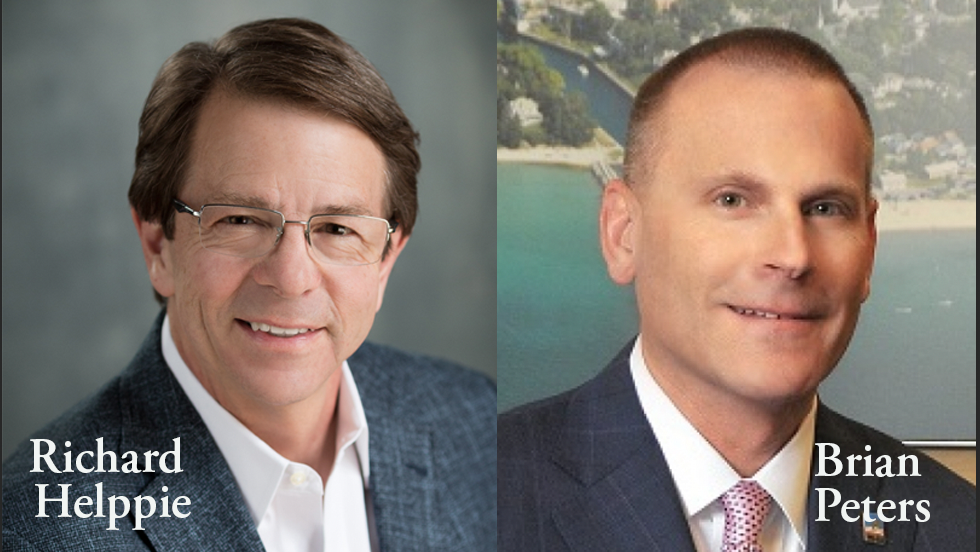
Interview with Brian Peters
Rich Helppie brings back Brian Peters, the CEO of The Michigan Health and Hospital Association to talk about the current state of Covid-19; what we may have gotten right, what we may have gotten wrong and how to move forward.
****
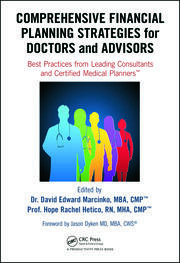
EDITOR’S NOTE: I first met Rich in B-school, when I was a student, back in the day. He was the Founder and CEO of Superior Consultant Holdings Corp. Rich graciously wrote the Foreword to one of my first textbooks on financial planning for physicians and healthcare professionals. Today, Rich is a successful entrepreneur in the technology, health and finance space. -Dr. David E. Marcinko MBA CMP®
Posted on May 25, 2021 by Dr. David Edward Marcinko MBA MEd CMP™
Why we remember more by reading – especially print – than from audio or video
By Naomi S. Baron
PREMISE: Recently, several readers of this Medical Executive-Post have asked why we have not embraced vlogging, podcasting and / or videos even more on our growing platform?
Professor Naomi S. Baron [unrelated] explains most eloquently.
***
EDITOR’S NOTE: Dr. Naomi S. Baron does not work for, consult, own shares in or receive funding from any company or organization that would benefit from this article, and has disclosed no relevant affiliations beyond academic appointment. She is a Professor of Linguistics Emerita, at American University.
EDITOR’S NOTE: I first met Vicki Rackner MD FACS a few years ago. day. She is the founder of Thriving Doctors. Vicki calls on her personal experience as a practicing surgeon, clinical faculty member at the University of Washington School of Medicine and serial entrepreneur, to help financial advisors thrive. We appreciate her contributions to the ME-P.
What I see in my accounting practice is that significant accumulation in younger physician portfolio growth is not happening as it once did. This is partially because confidence in the equity markets is still not what it was; but that doctors are also looking for better solutions to support their reduced incomes.
For example, I see older doctors with about 25 percent of their wealth in the market, and even in retirement years, do not rely much on that accumulation to live on. Of this 25 percent, about 80 percent is in their retirement plan, as tax breaks for funding are just too good to ignore.
What I do see is that about 50 percent of senior physician wealth is in rental real estate, both in a private residence that has a rental component, and mixed-use properties. It is this that provides a good portion of income in retirement.
So; could I add dialog about real estate as a long term solution for retirement?
Yes, as I believe a real estate concentration in the amount of 5 percent is optimal for a diversified portfolio, but in a very passive way through mutual or index funds that are invested in real estate holdings and not directly owning properties.
Today, as an option, we have the ability to take pension plan assets and transfer marketable securities for rental property to be held inside the plan collecting rents instead of dividends.
Real estate holdings never vary very much, tend to go up modestly, and have preferential tax treatment due to depreciation of the property against income.
Posted on May 21, 2021 by Dr. David Edward Marcinko MBA MEd CMP™
Medicare Advantage PART C
Insurance Carriers Want Medicare-For-All to Happen?
By Eric Bricker MD
A Commonwealth Fund Study Found Insurance Carrier Revenue from Medicare Advantage Plans Increase 5X More Than Revenue from Employer Sponsored Health Plans.
In Fact, Government Sources (Medicare Advantage, Medicaid Managed Care, ACA/Obamacare Plans) Make Up More Revenue ($213B) for the 5 Largest Insurance Carriers Than Revenue from Employers ($148B).
Government Payers Are the New Cash Cow for Health Insurance Companies. And so, Medicare-Advantage-for-All May Happen … Because Insurance Carriers WANT It to Happen.
Today, whether independent or employed, physicians can pursue several creative compensation models, other than fee-for service reimbursement based on Current Procedural Terminology [CPT®] codes, not popular a few decade ago:
Pay-for-Performance Initiatives [P4P]: According to Mark Fendrick, MD and Michael E. Chernew, PhD, instead of the one size fits all approach of traditional health insurance, a “clinically-sensitive” cost-sharing system that supports co-payments related to evidence-based value for targeted patients is emerging. In 2014, for example, there were a number of changes to Medicare’s pay-for-performance programs [personal communication]. These value-based payment modifiers will show up in physicians’ paychecks in few years, and will be expanded to practices with 10 or more eligible professionals. The program, mandated by the Affordable Care Act, assesses a provider’s quality of care and costs, and increases Medicare payments for good performers and decreases them for bad ones. And, doctor performance will be reflected in adjustments to 2016 payments. As much as 2% of Medicare payments will be at risk in 2021 based on physician performance in 2019. It was only 1% for 2015, which was based on doctors’ 2013 performance.
Physician Quality Reporting Initiative Model. The Centers for Medicare and Medicaid Services [CMS] paid out more than $40 million in monetary incentives to medical providers who reported data on quality of care delivered between July 2020 and December 2020; as part of its PQRI. Under the PQRI, healthcare providers who participated received bonuses of 1.5 percent of their total CMS payments during the reporting period.
Direct Reimbursement Payment Model: A Health Reimbursement Arrangement (HRA) is a tool which is used to provide direct reimbursement by an employer for qualified medical expenses. The HRA is an employer-established benefit plan, and contributions to the plan may only be made by the employer. The HRA can be used in conjunction with any insurance plan, including a high-deductible plan. Qualified reimbursements made under the HRA are tax-deductible for the employer, and the payments are not counted as income for the employee. Any balance in an HRA can generally be carried over to the next year. This plan allows for flexibility and tailored to meet the particular needs of both employers and employees in a tax-advantaged manner. From the physician’s perspective, increasing use of HRAs poses new challenges. Payment for services in the medical office may be required of the patient/employee before reimbursement from the employer occurs. These extra steps can easily result in delayed payment or non-payment to medical providers who are not prepared to work with this model of reimbursement. The provisions for this model are outlined in IRS publication 969, http://www.irs.gov/pub/irs-pdf/p969.pdf.
Concierge Practice Model: The concept of concierge medicine (CM), also known as retainer medicine, first emerged in Seattle, Washington in the 1990’s. With CM, the physician charges an annual retainer fee to patients. The fee usually ranges from $1,000 to $20,000 per year, and the number of patients in a practice is usually limited to a few hundred. In return, patients receive increased levels of access and personalized care. This often includes same day appointments, extended visit times, house calls, and 24/7 access to the physician by pager and cell phone. An annual executive physical is often included, as well as an increased emphasis on preventive care. Many physicians choosing this type of practice model do so for lifestyle and control reasons, although the average income for a successful CM primary care physician is higher than that of a typical primary care physician. .
Global Healthcare Model: American businesses are extending their cost-cutting initiatives to include offshore employee medical benefits, and facilities like the Bumrungrad Hospital in Bangkok, Thailand (cosmetic surgery), the Apollo Hospital in New Delhi, India (cardiac and orthopedic surgery) are premier examples for surgical care. Both are internationally recognized institutions that resemble five-star hotels equipped with the latest medical technology. Countries such as Finland, England and Canada are also catering to the English-speaking crowd, while dentistry is especially popular in Mexico and Costa Rica. Although this is still considered “medical tourism,” Mercer Health and Benefits was recently retained by three Fortune 500 companies interested in contracting with offshore hospitals and The Joint Commission [TJC] has accredited 88 foreign hospitals through a joint international commission. To be sure, when India can discount costs up to 80%, the effects on domestic hospital reimbursement and physician compensation may be assumed to increase downward compensation pressures.
Locum Tenens Practitioner Model: Locum Tenens (LT) as an alternative to full-time employment is enjoying a comeback for most specialties. Some younger physicians enjoy the travel, while mature physicians like to practice at their leisure. Employment factors to consider include: firm reputation, malpractice insurance, credentialing, travel and relocation expenses (which are negotiable). However, a LT firm typically will not cover taxes [NALTO.org and http://www.studentdoc.com/locum-tenens.html%5D
Posted on May 13, 2021 by Dr. David Edward Marcinko MBA MEd CMP™
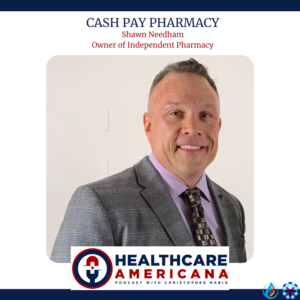
Owner of Independent Pharmacy
EDITOR’S NOTE: We’ve written, posted and opined on concierge and retail medicine; cash based care and direct primary care medicine, and related machinations before on this ME-P. Now, Shawn Needham and his wife, Janet, discuss starting their own, independent pharmacy in the late ’90s. At first glance, this is a success story for an independent pharmacy but Shawn explains what makes their pharmacy different in a big way.
Posted on May 12, 2021 by Dr. David Edward Marcinko MBA MEd CMP™
Global Insights with Focus on India
By Gopukrishnan Pillai
PRESENTED: International Course in Health Development 16 September 2019 – 04 September 2020. KIT Royal Tropical Institute: Health Education/Vrije Universiteit Amsterdam
Occupational Violence against Health Workers (global insights with focus on India
A thesis submitted in partial fulfilment of the requirement for the degree of Master of Science in Public Health by Gopukrishnan S. Pillai,
Declaration: Where other people’s work has been used (from either a printed source, internet or any other source), this has been carefully acknowledged and referenced in accordance with departmental requirements.
The thesis “Occupational Violence against Health Workers (global insights with focus on India)” is my own work.
56th Master of Public Health/International Course in Health Development (MPH/ICHD)
16 September 2019 – 04 September 2020: KIT (Royal Tropical Institute)/Vrije Universiteit Amsterdam Amsterdam, The Netherlands.
Organized by: KIT (Royal Tropical Institute) Amsterdam, The Netherlands in co-operation with: Vrije Universiteit Amsterdam (VU) Amsterdam, The Netherlands.
EDITOR’S NOTE: We recently received a request to demonstrate an authentic master’s degree thesis. So, we are delighted to present this manuscript for your educational edification and review. The topic and country is timely considering the prior state of medical tourism and the current corona virus pandemic. We appreciate the author’s contribution to the ME-P.
Posted on May 12, 2021 by Dr. David Edward Marcinko MBA MEd CMP™
CCCs AND UCCs Popularity on the Rise!
EDITOR’S NOTE: Convenience Care Clinics [CCCs], including Urgent Care Centers (UCCs) and retail health clinics, have seen increasing popularity and attention in recent years. Colleague Todd Zigrang of HCC, LLC opines.
–Dr. David E. Marcinko MBA CMP®
***
President Health Capital Consultants, LLC
By Todd A. Zigrang, MBA, MHA, FACHE, CVA, ASA
As the number of UCCs and retail health clinics in the U.S., as well as the number of patients they serve, grow, some experts have called for stronger state regulation and oversight in order to ensure that these convenience care centers are providing access to all, including vulnerable communities, without discrimination. (Read more…)
Posted on May 11, 2021 by Dr. David Edward Marcinko MBA MEd CMP™
DOCTOR OF OSTEOPATHIC MEDICINE
By Dr. David Edward Marcinko MBA CMP®
[Editor-in-Chief]
OK; I admit it. I have a formal educational background in allopathic, podiatric and osteopathic medicine. I also have both earned and conferred medical degrees from the States as well as Europe. I even dropped out of dental and law school back in the day … Such the protean dilettante!
Now, today there are about 950,000 allopathic physicians, 20,000 podiatrists, 150,000 dentists and 50,000 osteopaths. And, from this cohort of medical professionals, the Doctor of Osteopathic Medicine [DO] seems to be the least well understood practitioner.
And so, I thought this essay from Very Well Health might be helpful to all our Medical Executive-Post readers and subscribers [Differences Between a DO Physician and an MD – Comparing Osteopathic and Allopathic Medical Training].
Posted on May 10, 2021 by Dr. David Edward Marcinko MBA MEd CMP™
A PODCAST PRESENTATIONON THE C.C.P.
By Vitaliy Katsenelson, CFA
EDITOR’S NOTE: Over the last six months, my value investing management colleague Vitaliy Katsenelson has skewed his IMA’s portfolios more towards defense companies.
–Dr. David Edward Marcinko MBA CMP®
WHY THE SHIFT?
The world appears less safe today than at any time since the Berlin Wall came down. Fast-forward two decades from then to now, and we find a drastically different world.
For example, China’s large Long March 5b rocket has fallen to Earth mostly as expected, much to the chagrin of critics. And some suggest the country is gearing up for “World War III” after Congress passed a multi-billion dollar defense Bill on Friday which President Donald Trump had previously vetoed.
Posted on May 8, 2021 by Dr. David Edward Marcinko MBA MEd CMP™
See You Soon!
Colleagues know that I enjoy personal coaching and public speaking and give as many talks each year as possible, at a variety of medical society and financial services conferences around the country and world. All in a Corona safe environment.
These include lectures and visiting professorships at major academic centers, keynote lectures for hospitals, economic seminars and health systems, end-note lectures at city and statewide financial coalitions, and annual lectures for a variety of internal yearly meetings.
Posted on May 7, 2021 by Dr. David Edward Marcinko MBA MEd CMP™
The Dramatic Rise in the Stock Market Over the Last 10 Years Has Caused Institutional Investors Like Pension Funds to Re-balance to Private Equity
By Eric Bricker MD
A Typical Pension Fund Portfolio Will Be 51% Bonds, 28% Equities, 6% Real Estate, 5% Private Equity, 4% Other and 6% Cash. As a Result of Rebalancing Money Out of Skyrocketing Equities, Private Equity Funding Has Doubled to Over $1.2 Trillion in the Last 10 Years.
Specifically in Healthcare, Private Equity Investment in Providers (i.e. Physician Groups, Surgery Centers, Imaging Centers, etc.) Doubled to $30 Billion in Just ONE YEAR. The Private Equity Investment on the Payor Side of Healthcare PALES in Comparison at Only $1 Billion. The Majority of These Private Equity Investments Plan on Making Money By INCREASING Healthcare Costs in a Fee-for-Service Payment Environment.
Healthcare Costs Don’t Rise By Accident. They Rise Because Specific People Make Specific Plans to Increase Costs to Earn a Return on Their Investment.
In the last few years, research has shown that deep learning can match expert-level performance in medical imaging tasks like early cancer detection and eye disease diagnosis. But there’s also cause for caution.
Other research has shown that deep learning has a tendency to perpetuate discrimination. With a health-care system already riddled with disparities, sloppy applications of deep learning could make that worse.
EDITOR’S NOTE: It has been a few years since I spoke with my colleague Rick. But, I read his newsletters and blog regularly and suggest all ME-P readers do the same.
NOTE: Dr. Grace Torres-Hodges is a board certified podiatrist and has been in her own independent solo practice since 2001. She is on the surgical staff at Baptist, Gulf Breeze and Sacred Heart Hospitals as well as the Andrews Institute of Orthopedics & Sports Medicine. She completed her undergraduate studies at Vanderbilt University and was pursuing graduate studies in sports medicine at the United States Sports Academy prior to medical school. Dr. Torres-Hodges was an FPME scholarship student and received her medical degree from the New York College of Podiatric Medicine. Dr. Torres-Hodges completed her post graduate residency training in both medicine and surgery at St. Vincent’s Medical Center in Jacksonville, Florida.
Posted on April 25, 2021 by Dr. David Edward Marcinko MBA MEd CMP™
Private? Public? With a Payer?
[By staff reporters]
Reporter Jessica DaMassa, the emerging ‘It girl’ of health tech interviewing, chats it up with a ‘who’s who’ of the health care business scene. Today, it is Scott Shreeve MD of Crossover Health.
Looking past the virtual-first primary care company’s $168M Series D offering, CEO Shreeve gets grilled on the long-game.
Posted on March 11, 2021 by Dr. David Edward Marcinko MBA MEd CMP™
Nobel Laureate Jennifer Doudna
By Staff Reporters
Even as a child growing up in Hawaii, Nobel Laureate Jennifer Doudna had a strong urge to know things. One day, her father placed the book ‘The Double Helix’ on her bed. This detective-style story about how the structure of the DNA molecule was solved was like nothing she had read in her school textbooks. She was captivated by the scientific process and realised that science is more than just facts.
However, when she started to solve scientific mysteries, her attention was not on DNA, but on its molecular sibling: RNA. This would eventually lead her to the discovery of CRISPR/Cas9 a tool that can be used to change the DNA of organisms with extremely high precision and, in 2020, to the Nobel Prize in Chemistry.
1. I will continue to verify any statements I make about the healthcare system by talking to physicians and operators with REAL-WORLD EXPERIENCE and not rely solely on statistical comparisons.
2. I will promote that there is a correlation between cost, quality, and access in today’s healthcare system. Those who believe health systems should approach anything close to Medicare breakeven advocate for low quality and significant service reductions.3. I will continue to promote the fact that whoever affiliates with the best doctors will win in the long run.
4. I will encourage my clients to avoid the attempt by payers and many industry desk jockeys (e.g., Rand Corp.) to commoditize healthcare delivery. The best doctors, services, and ultimately the best outcomes are not commodities; they come at a price.
5. I will not stand by and watch the payers, government, and the aforementioned academic knuckleheads destroy the hospital industry using the ‘value con’– they already destroyed the rural hospital sector.
6. I will only consider a health system to be under quality leadership if market share grows and profits meet or exceed the industry benchmark. I won’t accept ‘mission’ as an excuse.







 Support our online development, and advance our onground research initiatives in free market economics, as we seek to showcase the brightest Next-Gen minds.
THE ME-P DISCLAIMER: Posts, comments and opinions do not necessarily represent iMBA, Inc., but become our property after submission. Copyright © 2006 to-date. iMBA, Inc allows colleges, universities, medical and financial professionals and related clinics, hospitals and non-profit healthcare organizations to distribute our proprietary essays, photos, videos, audios and other documents; etc. However, please review copyright and usage information for each individual asset before submission to us, and/or placement on your publication or web site. Attestation references, citations and/or back-links are required. All other assets are property of the individual copyright holder.
Support our online development, and advance our onground research initiatives in free market economics, as we seek to showcase the brightest Next-Gen minds.
THE ME-P DISCLAIMER: Posts, comments and opinions do not necessarily represent iMBA, Inc., but become our property after submission. Copyright © 2006 to-date. iMBA, Inc allows colleges, universities, medical and financial professionals and related clinics, hospitals and non-profit healthcare organizations to distribute our proprietary essays, photos, videos, audios and other documents; etc. However, please review copyright and usage information for each individual asset before submission to us, and/or placement on your publication or web site. Attestation references, citations and/or back-links are required. All other assets are property of the individual copyright holder.













































 The Leading Business Education Network for Doctors, Financial Advisors and Health Industry Consultants