BOARD CERTIFICATION EXAM STUDY GUIDES Lower Extremity Trauma
[Click on Image to Enlarge]
ME-P Free Advertising Consultation
The “Medical Executive-Post” is about connecting doctors, health care executives and modern consulting advisors. It’s about free-enterprise, business, practice, policy, personal financial planning and wealth building capitalism. We have an attitude that’s independent, outspoken, intelligent and so Next-Gen; often edgy, usually controversial. And, our consultants “got fly”, just like U. Read it! Write it! Post it! “Medical Executive-Post”. Call or email us for your FREE advertising and sales consultation TODAY [678.779.8597] E-mail: MarcinkoAdvisors1738@outlook.com
Medical & Surgical e-Consent Forms
ePodiatryConsentForms.com
iMBA Inc., OFFICES
Suite #5901 Wilbanks Drive, Norcross, Georgia, 30092 USA [1.678.779.8597]. Our location is real and we are now virtually enabled to assist new long distance clients and out-of-town colleagues.
ME-P Publishing
SEEKING INDUSTRY INFO PARTNERS?
If you want the opportunity to work with leading health care industry insiders, innovators and watchers, the “ME-P” may be right for you? We are unbiased and operate at the nexus of theoretical and applied R&D. Collaborate with us and you’ll put your brand in front of a smart & tightly focused demographic; one at the forefront of our emerging healthcare free marketplace of informed and professional “movers and shakers.” Our Ad Rate Card is available upon request [678-779-8597].
At Marcinko & Associates, we appreciate that Venture Capital funding for entrepreneurs in the digital health space cooled a bit in 2020-22 following a red-hot 2018-20. And, overall, digital health companies raised $15.3 billion last year, down from the $29.1 billion raised in 2021—but still above the $14.1 billion raised in 2020, according to Rock Health a seed fund that supports digital health startups.
Nevertheless, other analysts predict VC investors and Investment Bankers will still put a good amount of money into digital health in 2024 thru 2027, especially in alternative care, drug development, health information technology, artificial intelligence, EMRs and software that reduces physician workload.
An essential first part of attracting VC interest and IB money is the crafting and presentation of your formal business plan [“elevator pitch”]; as well as the needed technical and managerial experience. This too is crucial for success and exactly where we can assist.
Of course, companies focused on scaling and growing will have different needs across the business lifecycle.
And so, no matter where you are in your journey—from seeking early funding to making final preparations for your IPO—we have equity and insightful administration solutions for you and can assist at any stage of your growth spectrum.
A new report from the Google-owned cybersecurity firm Mandiant suggests several reasons for the increase in attacks. “First, there has been a resetting of the cybe rcriminal ecosystem after a tumultuous year in 2022, an influx of new actors conducting attacks, new partnerships between existing groups, and members of disrupted, prolific ransomware groups such as Conti starting up their own RaaS operations. While the attacks in 2023 largely followed the same patterns as the previous year, there were some notable changes with several groups trialing new tactics, techniques, and procedures.
For example, to increase the pressure on victims to pay, attacks on healthcare providers saw extortion demands issued to patients whose data were stolen, threatening to publish their medical data if they did not personally pay a ransom. The ALPHV group created a searchable database to make stolen data more accessible, and threats were issued to report attacks on publicly traded companies to the Securities and Exchange Commission (SEC).”
Imagine how ransomware would affect your practice if the extortion scheme bypassed you to directly threaten your patients – and blamed you for not paying the “reasonable” ransom demand.
The Austrian school of Economics uses the logic of a priori thinking—something a person can think on their own without relying on the outside world—to discover economic laws of universal application.
The other mainstream schools of economics, like the neoclassical school, the new Keynesians and others, make use of data and mathematical models to prove their point objectively.
In this respect, the Austrian school can be more specifically contrasted with the German historical school that rejects the universal application of any economic theorem.
And so, colleague Peter Quinones – Free Man Beyond The Wall – welcomes Per in this podcast presentation. Per talks about the role of the entrepreneur, not only in society, but according to the Austrian School of Economics!
As CEO and favorite on the lecture circuit, medical and entrepreneurial futurist Dr. David Edward MarcinkoMBA MEdCMP™ enjoys public speaking and gives many talks each year to a variety of conferences around the country, Asia and Europe. He is often quoted in the media, with speaking engagements to more than 135 financial, educational and state medical societies and business groups in an entertaining and witty fashion.
These include seminar speaking engagements and interviews for TV, radio, news and trade magazines, podcasts, blogs and vlogs, and Key-note speeches for colleges, universities, hospitals, business schools or commencement exercises; End-note lectures at city, state, regional or national coalitions on capitalism and free-markets; and annual Break-out sessions for a variety of public and population healthcare policy, management and administration colloquia and meetings.
Past sponsors include Medical Pharmaceutical Companies [Pfizer, Glaxo, Smith-Klein-Fujisawa, Novartis, Shering, Terumo, Sunoviom, Schering-Plough, Sepracor and Aventis, etc]; and Financial Services Corporations [First Global Financial Advisors, Merrill Lynch, Sun-Trust, The Principal, and Pacific Life Insurance Company, etc].
Posted on June 6, 2024 by Dr. David Edward Marcinko MBA MEd CMP™
MEDICAL EXECUTIVE-POST–TODAY’SNEWSLETTERBRIEFING
***
Essays, Opinions and Curated News in Health Economics, Investing, Business, Management and Financial Planning for Physician Entrepreneurs and their Savvy Advisors and Consultants
“Serving Almost One Million Doctors, Financial Advisors and Medical Management Consultants Daily“
A Partner of the Institute of Medical Business Advisors , Inc.
Today is the 80th anniversary of D-Day: More than 60 World War II veterans flew to Paris over the weekend to take part in what organizers believe could be the final major WWII commemoration involving living veterans. American veterans will be joined by President Joe Biden and other heads of state in Normandy.
The digital health market has had a tough year, with no IPOs in all of 2023. Comparatively, the industry saw roughly 20 public exits in 2021. The recent slowdown in the broader IPO market is linked to several trends, including high interest rates and some high-profile bankruptcies, according to Adriana Krasniansky, head of research at digital health strategy group and venture fund Rock Health’s advisory arm.
Here’s where the major benchmarks ended:
The S&P 500 index rose 62.69 points (1.2%) to 5,354.03; the Dow Jones Industrial Average® ($DJI) gained 96.04 points (0.3%) to 38,807.33; the NASDAQ Composite rallied 330.86 points (2.0%) to 17,187.90.
The 10-year Treasury note yield (TNX) fell more than 5 basis points to 4.283%, its lowest level since April 1.
The CBOE Volatility Index® (VIX) declined 0.53 to 12.63.
What’s up
Nvidia only rose 5.16% today, but it was enough to surpass Apple’s market cap, making the high-flying semiconductor stock the second most valuable public company in the US.
Crowdstrike rose 11.98% today after reporting better than expected fiscal first quarter earnings yesterday afternoon.
Stitch Fix rose 29.40% after a red-hot earnings report, completely turning around the stock’s slow slide downward this year.
SweetGreen popped 12.76% this afternoon after revealing that its new automated kitchens can actually save on costs and cut time for orders in the long run.
What’s down
Campbell Soup sagged 0.20% after the company announced earnings. The highlight: While prices are higher on shelves everywhere, the price of Campbell’s products didn’t rise for the first time in three years.
Dollar Tree dropped 4.92% after the company revealed it is likely going to have to spin off Family Dollar, which it bought for $8.5 billion in 2015.
In case you needed more proof that we’re living in the strangest timeline: Morgan Stanley, which owns E*Trade, is contemplating kicking stock influencer Roaring Kitty off the platform. It’s concerned he manipulated GameStop stocks by…posting a meme on X. (the Wall Street Journal)
Posted on June 6, 2024 by Dr. David Edward Marcinko MBA MEd CMP™
By Staff Reporters
***
***
Today is the 80th anniversary of D-Day, and this year’s event is especially poignant: It could be the last major commemoration that involves WWII veterans. People who were 20 years old when Allied soldiers stormed the beaches of Normandy France, on June 6th, 1944, are now 100.
Given the gravitas of this year’s anniversary, organizers are giving it a “last hurrah” feel, holding concerts, parachute drops, ceremonies, and parades in what will be the biggest D-Day commemoration in history. Fewer than 200 WWII vets have traveled to France, supported by aides, to take it all in one final time.
Posted on June 6, 2024 by Dr. David Edward Marcinko MBA MEd CMP™
Seven [plus one] predictions for healthcare technology trends?
In the wake of a pandemic, shifting care delivery models, and a surge of clinical content, Wolters Kluwer healthcare experts have identified seven healthcare technology trends going forward.
1. Building trust in an age of digital information overload 2. Telemedicine becomes a fixture of the healthcare landscape 3. Resilience is key to retaining the nursing workforce 4. Unstructured health data helps researchers build health equity 5. AI reduces healthcare-associated infections (HAIs) 6. Quality improvement accelerates evidence to implementation 7. Virtual simulation and technology transforms nursing education
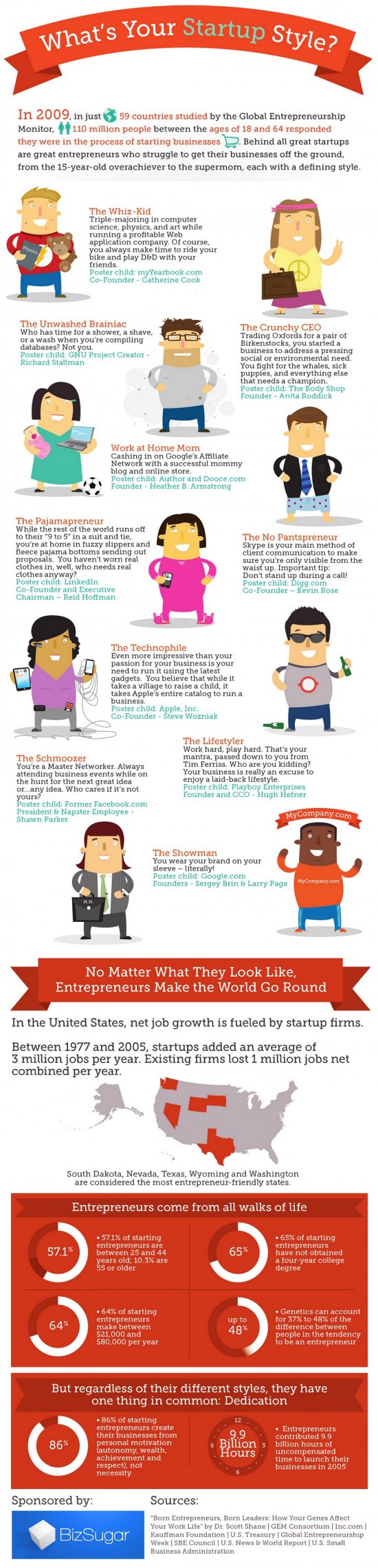
[Medical] entrepreneurs, doctors and nurses, clinics and small-to-medium size healthcare business are on the forefront of job creation in the United States because of the Affordable Care Act [ACA] of 2010.
And so, we now preview this infographic to celebrate the entrepreneur, their styles, and to investigate the data behind startup growth. Hopefully, it will encourage the next generation of physician-entrepreneurs.
Who knows, there just may be the next Steve Jobs MD out there!
And so, your thoughts and comments on this ME-P are appreciated. Feel free to review our top-left column, and top-right sidebar materials, links, URLs and related websites, too. Then, subscribe to the ME-P. It is fast, free and secure.
Speaker: If you need a moderator or speaker for an upcoming event, Dr. David E. Marcinko; MBA – Publisher-in-Chief of the Medical Executive-Post – is available for seminar or speaking engagements. Contact: MarcinkoAdvisors@msn.com
Subscribe Now: Did you like this Medical Executive-Post, or find it helpful, interesting and informative? Want to get the latest ME-Ps delivered to your email box each morning? Just subscribe using the link below. You can unsubscribe at any time.
Posted on June 5, 2024 by Dr. David Edward Marcinko MBA MEd CMP™
MEDICAL EXECUTIVE-POST–TODAY’SNEWSLETTERBRIEFING
***
Essays, Opinions and Curated News in Health Economics, Investing, Business, Management and Financial Planning for Physician Entrepreneurs and their Savvy Advisors and Consultants
“Serving Almost One Million Doctors, Financial Advisors and Medical Management Consultants Daily“
A Partner of the Institute of Medical Business Advisors , Inc.
Sword Health, a virtual provider of musculoskeletal care, banked a financing round of $130 million after nearly tripling its revenue in the past year.
Blue Cross and Blue Shield of Kansas City is leaving the Medicare Advantage market, citing increased regulatory demands and a relatively small MA membership.
And … Cignalaid off 261 employees from its Evernorth Care Group division in Arizona. Keep up to date with all workforce updates with Fierce Healthcare’s ongoing layoff tracker.
On Monday, the largest U.S.-traded, Mexico-focused fund — the iShares MSCI Mexico ETF which has more than $2 billion under management — slid 10.7% to book its largest daily percentage decrease since March 16th, 2020. Meanwhile, the Franklin FTSE Mexico ETF was off 10%, also logging its worst day in over four years, according to Dow Jones Market Data. The two funds, which traded at $57.93 and $28.78, respectively, on Monday afternoon, closed at their lowest levels since early November, according to Dow Jones Market Data.
June got off to a rough start on Monday when a glitch at the NYSE incorrectly made it appear that some stocks suffered steep plunges—including a 99% dip in Berkshire Hathaway. Trading in the affected stocks was quickly halted and the errors were fixed.
Stanley Black & Decker fell 3.69% after it was downgraded at Barclays. A slowdown in consumer spending plus a slow housing market means not many people are buying fancy drills at the moment.
Designer Brands fell 20.27% after it beat revenue expectations but missed on earnings as its turnaround continues.
Here’s where the major benchmarks ended:
The S&P 500 index gained 7.94 points (0.2%) to 5,291.34; the Dow Jones Industrial Average® ($DJI) added 140.26 points (0.4%) to 38,711.29; the NASDAQ Composite® ($COMP) rose 28.38 points (0.2%) to 16,857.05.
The 10-year Treasury note yield (TNX) fell more than 7 basis points to 4.328%.
The CBOE Volatility Index® (VIX) rose 0.05 to 13.16.
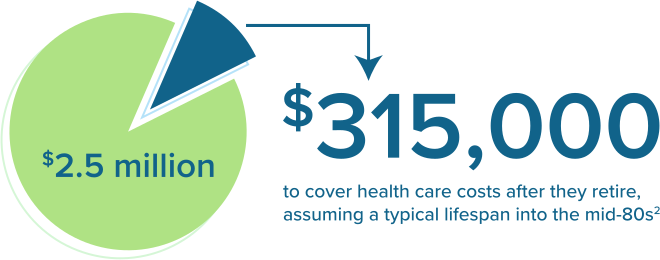
A retirement nest egg of $2.5 million can likely produce an annual income of $100,000 for as long as you are likely to live. This is using the 4% withdrawal rate many financial advisors consider standard. After starting with the first withdrawal of 4% of the total, the annual withdrawal will adjust for inflation. For example, if inflation runs at the target 2% rate of federal policymakers, during retirement the retiree will withdraw:
$100,000
in the first year
$102,000
in the second year
$104,040
in the third year and so on …
According to this model and conventional wisdom, a 4% withdrawal rate will allow a portfolio to last for at least 30 years. This would permit a 65-year-old retiree to maintain consistent purchasing power until age 95 and beyond.
For most retirees, this will likely be adequate to maintain a satisfying standard of living. Only about 3% of 2,000 retirees surveyed by the Employee Benefit Research Institute in 2022 spent $7,000 or more per month, equivalent to $84,000 in annual spending.
This model does not include a number of other factors. For instance, nearly all retirees are eligible for Social Security. For 2023, the maximum monthly Social Security benefit for people who claim benefits at full retirement age is $3,627. That’s equal to more than half the spending of the top 3% of retirees surveyed by EBRI. And, like the standard withdrawal rate, Social Security benefits are indexed to inflation.
5 Variables for Retiring With $2.5 Million at Age 65
While $2.5 million could seem like enough to retire at 65, many factors could change the outlook.
1. Unexpected Healthcare Costs
The Fidelity Retiree Health Care Cost Estimate suggests an average 65-year-old couple could need (approximate, after taxes):
This assumes both spouses are enrolled in traditional Medicare, which between Medicare Part A and Part B covers expenses such as hospital stays, doctor visits and services, physical therapy, lab tests and more, and in Medicare Part D, which covers prescription drugs.
This figure does not include long-term care (“custodial care”), most dental care, eye exams and more, so your estimated healthcare costs in retirement could be considerably more.
2. Inflation
Inflation can powerfully influence retirees’ financial well-being. When inflation occurs, it reduces the purchasing power of money withdrawn from your retirement account. You can increase withdrawals to maintain purchasing power, but this risks more quickly depleting your savings.
3. Market Downturns
Inflation isn’t the only cause of market downturns. Business cycles and financial crises can exaggerate normal fluctuations in stock market valuations. If you’re selling investments to generate income for living expenses, you may want to sell more if valuations are down.
4. Longevity
While living a long life is positive, you could outlive the money you’ve saved for retirement. Many financial planners use life expectancy to age 95 or 100 when developing plans for funding retirement.
The Social Security Administration says an average 65-year-old male can live to age 83, while the average woman can live to age 86. However, people in their 80s and 90s also generally reduce their spending, with the exception of healthcare costs.
5. Estate Planning
Retiring at 65 with $2.5 million likely involved generating high income and savings, so there’s a chance you could have assets to pass on. With estate planning, adding members of your family as beneficiaries for homes you paid off with a mortgage may have long-term positives.
You may also want to think about any additional income streams. For example, if you own a medical practice or business, you may want to add your family as a beneficiary so they can decide to keep the business running or sell it.
Posted on June 5, 2024 by Dr. David Edward Marcinko MBA MEd CMP™
“CORRELATION DOES NOT IMPLY CAUSATION” Repeat After Me!
DEFINITION: The phrase “correlation does not imply causation” refers to the inability to legitimately deduce a cause-and-effect relationship between two events or variables solely on the basis of an observed association between them. CITE: https://www.r2library.com/Resource/Title/082610254
***
***

LOGIC FALLACY: The idea that “correlation implies causation” is an example of a questionable-cause logical fallacy, in which two events occurring together are taken to have established a cause-and-effect relationship.
This fallacy is also known by the Latin phrase cum hoc ergo propter hoc (‘with this, therefore because of this‘). This differs from the fallacy known as post hoc ergo propter hoc (“after this, therefore because of this”), in which an event following another is seen as a necessary consequence of the former event, and from conflation, the errant merging of two events, ideas, databases, etc., into one.
A sunk cost fallacy is a simple logical fallacy that means sticking with a losing or failed venture or activity because you have already invested considerable time, energy, money, or other things you can’t get back. It’s the idea that because you already have incurred costs, you stick with it to “get your money’s worth.”
The sunk cost fallacy differs from other logical fallacies because it’s not a rhetorical fallacy. You may also experience a discussion with a “red herring” or “straw man” fallacy with someone. But the sunk cost fallacy is an illogical choice as a way to justify to yourself why you keep doing something.
Posted on June 4, 2024 by Dr. David Edward Marcinko MBA MEd CMP™
MEDICAL EXECUTIVE-POST–TODAY’SNEWSLETTERBRIEFING
***
Essays, Opinions and Curated News in Health Economics, Investing, Business, Management and Financial Planning for Physician Entrepreneurs and their Savvy Advisors and Consultants
“Serving Almost One Million Doctors, Financial Advisors and Medical Management Consultants Daily“
A Partner of the Institute of Medical Business Advisors , Inc.
Dollar General has ended a pilot program with mobile care provider DocGo, becoming the latest retailer to wind down primary care operations, spokespeople from both companies confirmed to Healthcare Brew on May 31st. The retail giant—the largest in the US by number of stores—began the healthcare partnership in 2023 after announcing ambitions to establish itself as a “health destination” two years prior. DocGo and Dollar General offered mobile health clinics with basic, preventive, and urgent care services at three stores in Tennessee. Dollar General executives previously said in a June 2023 press release that they would expand the DocGo pilot program to more stores.
The S&P 500® index (SPX) rose 5.89 points (0.1%) to 5,283.40; the Dow Jones Industrial Average® ($DJI) lost 115.29 points (0.3%) to 38,571.03; the NASDAQ Composite® ($COMP) advanced 93.65 points (0.6%) to 16,828.67.
The 10-year Treasury note yield (TNX) declined more than 11 basis points to 4.40%, near a two-week low.
The CBOE Volatility Index® (VIX) rose 0.19 to 13.11.
🟢 What’s up?
GameStop shares rose 21% after Roaring Kitty revealed his position in the stock. Fellow meme stocks popped in tandem, including AMC Holdings rising by 11.43%.
Bio-Path Holdings soared 56.80% after announcing strong phase 2 trial results for its new acute myeloid leukemia treatment.
Coherent shares popped 22.98% after the company announced it had poached Jim Anderson, the extremely competent CEO of Lattice Semiconductor—whose shares plummeted 15.49%.
What’s down?
GSK dropped 8.65% on the news that a Delaware court will allow scientific evidence to be heard in a series of lawsuits regarding the discontinued heartburn drug Zantac.
Boston Beer fell 3.25% after shareholders decided to take their winnings and run following Friday’s big pop after news of its apparent acquisition by Suntory.
Tractor Supply shares toppled 6.21%, likely on poor manufacturing news from the ISM Index, while Halliburton shares fell 5.34%, likely on poor oil news from OPEC+.
Dozens of Mexican stocks and ETFs tumbled today on the election of a new president. The steepest decline was seen by Grupo Financiero Banorte, SAB, which fell 11.38%.
Cyberattacks around the country are wreaking havoc on the ground at targeted hospitals, but a new study shows that security breaches hurt surrounding providers, too. The research published in JAMA on May 29 found that cyberattacks led to a decrease in emergency department (ED) visits at attacked hospitals and an increase in ED patients at nearby hospitals.
Simpson’s paradox (or Simpson’s reversal, Yule–Simpson effect, amalgamation paradox, or reversal paradox) is a phenomenon in probability and statistics, in which a trend appears in several different groups of data but disappears or reverses when these groups are combined.
This result is often encountered in social-science and medical-science statistics and is particularly problematic when frequency data is unduly given causal interpretations. The paradox can be resolved when causal relations are appropriately addressed in the statistical modeling.
Simpson’s paradox has been used as an exemplar to illustrate to the non-specialist or public audience the kind of misleading results misapplied statistics can generate. Martin Gardner wrote a popular account of Simpson’s paradox in his March 1976 Mathematical Games column in Scientific American.
Edward H. Simpson first described this phenomenon in a technical paper in 1951, but the statisticians Karl Pearson et al., in 1899, and Udny Yule, in 1903, had mentioned similar effects earlier. The name Simpson’s paradox was introduced by Colin R. Blyth in 1972.
The quality-adjusted life year or quality-adjusted life-year (QALY) is a generic measure of disease burden, including both the quality and the quantity of life lived.
It is used in economic evaluation to assess the value for money of medical interventions. One QALY equates to one year in perfect health. If an individual’s health is below this maximum, QALYs are accrued at a rate of less than 1 per year.
ASSESSMENT: To be dead is associated with 0 QALYs. QALYs can be used to inform personal decisions, to evaluate programs, and to set priorities for future programs
Your thoughts and comments on this ME-P are appreciated. Feel free to review our top-left column, and top-right sidebar materials, links, URLs and related websites, too. Then, subscribe to the ME-P. It is fast, free and secure.
Speaker: If you need a moderator or speaker for an upcoming event, Dr. David E. Marcinko; MBA – Publisher-in-Chief of the Medical Executive-Post – is available for seminar or speaking engagements. Contact: MarcinkoAdvisors@msn.com
In 2021, women’s life expectancy was 79.3, while men’s was 73.5—the largest gap since 1996, according to a new study in JAMA Internal Medicine. Covid contributed to 40% of the difference, as men are more likely to work in industries with high rates of exposure, like transportation (and women are more likely to be vaccinated).
But the opioid epidemic was also a major factor: Drug overdoses, which are more common in men than women, accounted for about 30% of the life expectancy gap.
It’s been a while since you’ve connected with us. Are you still interested in emerging financial planning, investing, medical practice management and health information technology insights from the Institute ofMedical Business, Advisors, Inc?
If so, please email us if you want to continue receiving daily updates about cutting-edge news and trends or if you’d like to be removed from our e-mailing list.
Your own related posts, comments and personal referrals are appreciated as well.
Thank You Dr. David Edward Marcinko MBA MEd CMP Editor-in-Chief MarcinkoAdvisors@msn.com
Posted on June 3, 2024 by Dr. David Edward Marcinko MBA MEd CMP™
MEDICAL EXECUTIVE-POST–TODAY’SNEWSLETTERBRIEFING
***
Essays, Opinions and Curated News in Health Economics, Investing, Business, Management and Financial Planning for Physician Entrepreneurs and their Savvy Advisors and Consultants
“Serving Almost One Million Doctors, Financial Advisors and Medical Management Consultants Daily“
A Partner of the Institute of Medical Business Advisors , Inc.
Stat: 4.6%. That’s how much the average income tax refund increased YoY, from $2,878 in April 2023 to $3,011 as of April 5th. (Axios)
Quote: “Wall Street has never been known for high character and high values. Is there a willingness to support Trump if it looks like he’s on the right track? Yes. I’m not proud of that, and I’m not part of that either.”—Dan Lufkin, co-founder of investment bank Donaldson, Lufkin & Jenrette (Bloomberg)
Read: Bank of America’s CEO sees an overall cautiousness on display in the current spending choices of consumers and businesses. (CNBC)
The May jobs report will drop on Friday: Little change is expected from April, when the unemployment rate ticked up to 3.9% and fewer jobs were added than expected (175,000). This jobs report will be one of the final pieces of economic data to drop before the Fed meets on June 11th and 12th. The central bank is unlikely to announce an interest rate cut.
Software is no longer eating the world. For the first time, chip stocks now account for the heaviest weighting in the S&P 500, taking the top spot away from software companies last week. Salesforce and other enterprise software giants are getting crushed as companies prioritize generative AI investments (chips and servers) over SaaS products.
Posted on June 3, 2024 by Dr. David Edward Marcinko MBA MEd CMP™
By Staff Reporters
***
***
The “new normal” is characterized by fewer deals, smaller deal sizes, and fewer investors, Rock Health found in a recent study. And if funding in the second half of the year continues at its current pace, 2023 will be the lowest digital health funding year since 2019, according to the report, authored primarily by research associates Mihir Somaiya and Madelyn Knowles. For example, in the first half of 2023:
Digital health startups raised $6.1 billion in 244 deals. The average deal size was $24.8 million.
In Q1, startups raised $3.5 billion in 131 deals, and $2.5 billion over 113 deals in Q2.
555 investors were involved in fund raises, compared to 775 in the first half of 2022 and 832 in the first half of 2021. Of those investors, 71% had previously invested in digital health.
There were roughly 12 digital health startup acquisitions per month, compared to 15 monthly in 2022 and 14 each month for the past five years.
The lack of dollars flowing to companies is already reverberating: Some startups are closing down. Pear Therapeutics filed for bankruptcy in April and sold its assets to four buyers in May. Other digital health startups—SimpleHealth, The Pill Club, Hurdle, and Quil Health—also closed in the first half of 2023.
Assessment: There may be fewer investors overall, but those still investing in digital health are putting a lot of money down, according to Rock Health.
Posted on June 2, 2024 by Dr. David Edward Marcinko MBA MEd CMP™
Understanding the Difference
By Rick Kahler CFP®
Retirement planning is one of the issues that commonly lead clients to consult financial advisers.
One of its essential aspects is creating a plan to save and invest in order to provide a comfortable retirement income. Ideally, this starts many years ahead of retirement, even as early as your first paycheck.
As retirement comes closer, planning for it expands to take in a host of other considerations, such as deciding when to retire, where to live, and what kind of lifestyle you hope to have. When retirement becomes a reality, the focus shifts to carrying out the plan.
Preparing
All of this planning is crucial. Yet, for both financial advisers and clients, it’s good to keep in mind that planning has its limits. In the post-retirement years, it may be helpful to think in terms of preparing for old age rather than planning for it.
The older we get, the more important this distinction between planning and preparing becomes. Too many life-changing things can happen without regard to our best-laid plans. Often they occur unexpectedly, resulting in emergency situations where urgent decisions have to be made. A stroke or a fall, a diagnosis of terminal illness, a broken hip that leaves someone unable to go back to independent living—and suddenly, right now, the family needs to find an assisted living facility, arrange for live-in help, or sell a home.
What are some of the ways to prepare for these contingencies?
Explore housing options well ahead of time. Find out what assisted living, home care, and nursing home services and facilities are available where you live and whether they have waiting lists. Have family conversations about possibilities like relocating or sharing households:
Research the financial side of these options. Investigate the cost of hiring help at home, assisted living facilities, and nursing care centers. Find out what is and is not covered by Medicare and long-term care insurance. For example, people are sometimes surprised to learn that Medicare does not pay for nursing home care other than short-term medical stays.
Designate someone to take over decision-making, and do the paperwork. Execute documents like a living will, medical power of attorney, and contingent power of attorney. Update them as necessary, and give copies to your doctors, your financial planner, and appropriate family members.
Start relatively early to downsize. Well before you’re ready to let go of possessions or move into smaller housing, start considering what to do with your “stuff.” Focus on the decisions rather than the distribution. There’s no need to get rid of possessions prematurely, but decide what you want to do with them—and put in writing. Do this while it’s still your choice, rather than something your family members do while you’re in the hospital or nursing home
Do your best to practice flexibility and acceptance. No matter how strongly you want to live in your own home until the end of your life, for example, it may not be possible. The physical limitations of aging can limit our choices, and even the best options available may not be what we would like them to be. It is a profound gift to yourself and your family members to accept these realities with as much grace as you can muster.
***
***
Assessment
Finally, please don’t underestimate the importance of planning financially for retirement. Because the bottom line is that you can’t plan for all the things that might happen as you age, but you can prepare to deal with them. One of the most useful tools to cope with those contingencies is having enough money.
Conclusion
Your thoughts and comments on this ME-P are appreciated. Feel free to review our top-left column, and top-right sidebar materials, links, URLs and related websites, too. Then, subscribe to the ME-P. It is fast, free and secure.
Speaker: If you need a moderator or speaker for an upcoming event, Dr. David E. Marcinko; MBA – Publisher-in-Chief of the Medical Executive-Post – is available for seminar or speaking engagements. Contact: MarcinkoAdvisors@msn.com
OUR OTHER PRINT BOOKS AND RELATED INFORMATION SOURCES:
When You May Need a Business, Management or Financial Second Opinion?
The Marcinko & Associates second opinion service is a physician-to-advisor telephone or e-mail portal that connects independent financial and business management professionals and consultants, with doctors or healthcare executives desiring affordable and unbiased financial or business advice on an as-needed, pay-per-use basis.
Medical professionals and healthcare executives can now receive direct access to us in the areas of Practice Enhancement, Investing, Financial Planning, Asset Allocation, Portfolio Management, Insurance, Mortgage and Lending, Practice Management, Information Technology, Human Resources and Employee Benefits.
This Marcinko & Associates service is designed to fill a growing need for medically focused financial or managerial advice that traditional consultants have not been able to serve. For example, situations in which you could benefit from a personal financial planning second opinion include:
Approximately 250 hospitals across the U.S. are completely or partially physician owned. These physician-owned hospitals (POHs) can offer a variety of services, from general care to specialty services, such as cardiovascular or orthopedic care, known as “focused factories.”
Over the past several decades, healthcare providers and policymakers have claimed that POHs have a negative impact on the healthcare industry, suggesting that: (1) POHs “cherry-pick” the most profitable patients; (2) the quality of care provided at POHs is substandard; and, (3) conflicts of interest exist due to the financial incentive for physician owners to refer patients to their POHs. (Read more…)
MORE: Schrödinger’s cat is a thought experiment, sometimes described as a paradox, devised by Austrian physicist Erwin Schrödinger in 1935. It illustrates what he saw as the problem of the Copenhagen interpretation of quantum mechanics applied to everyday objects. The scenario presents a hypothetical cat that may be simultaneously both alive and dead, a state known as a quantum superposition, as a result of being linked to a random subatomic event that may or may not occur. The thought experiment is also often featured in theoretical discussions of the interpretations of quantum mechanics. Schrödinger coined the term Verschränkung (entanglement) in the course of developing the thought experiment.
Compassion Fade is a cognitive bias that predisposes people to behave more compassionately towards a small number of identifiable victims than to a large number of anonymous ones.
It is the psychological explanation to the known phenomenon alluded to by Joseph Stalin in his famous quote “The death of one man is a tragedy; the death of millions is a statistic”.
Posted on June 1, 2024 by Dr. David Edward Marcinko MBA MEd CMP™
MEDICAL EXECUTIVE-POST–TODAY’SNEWSLETTERBRIEFING
***
Essays, Opinions and Curated News in Health Economics, Investing, Business, Management and Financial Planning for Physician Entrepreneurs and their Savvy Advisors and Consultants
“Serving Almost One Million Doctors, Financial Advisors and Medical Management Consultants Daily“
A Partner of the Institute of Medical Business Advisors , Inc.
The S&P 500 index added 42.03 points (0.8%) to 5,277.51, down 0.5% for the week; the Dow Jones Industrial Average® ($DJI) gained 574.84 points (1.5%) to 38,686.32, down 1.0% for the week; the NASDAQ Composite® ($COMP) declined 2.06 points (0.01%) to 16,735.02, down 1.1% for the week.
The 10-year Treasury note yield (TNX) fell more than 6 basis points to 4.491%.
The CBOE Volatility Index® (VIX) declined 1.55 to 12.92.
Posted on June 1, 2024 by Dr. David Edward Marcinko MBA MEd CMP™
A Vital Feedback Loop for any Medical Professional’s Investment Program
By Dr. David Edward Marcinko MBA, MEd, CMP™
[Publisher-in-Chief]
While recently visiting the beautiful Johns Hopkins University and Medical School in Baltimore Maryland, I realized that investment portfolio performance measurement — much like an annual physical exam in the Spring — is an important feedback loop to monitor progress towards the goals of the medical professional’s investment program.
Performance comparisons to market indices and/or peer groups are a useful part of this feedback loop, as long as they are considered in the context of the market environment and with the limitations of market index and manager database construction. Inherent to performance comparisons is the reality that portfolios taking greater risk will tend to out-perform less risky investments during bullish phases of a market cycle, but are also more likely to under-perform during the bearish phase. The reason for focusing on performance comparisons over a full market cycle is that the phases biasing results in favor of higher risk approaches can be balanced with less favorable environments for aggressive approaches to lessen/eliminate those biases.
THINK: The “flash crash” of March 2009, and the DJIA now hovering near a record of late.
The Biases
Can we eliminate the biases of the market environment by adjusting performance for the risk assumed by the portfolio? While several interesting calculations have been developed to measure risk-adjusted performance, the unfortunate answer is that the biases of the market environment still tend to have an impact even after adjusting returns for various measures of risk.
Assessment
However, medical professionals and their advisors will have many different risk-adjusted return statistics presented to them, so understanding the Sharpe ratio, Treynor ratio, Jensen’s measure or alpha, Morningstar star ratings, etc. and their limitations should help to improve the decisions made from the performance measurement feedback loop.
Your thoughts and comments on this ME-P are appreciated. Feel free to review our top-left column, and top-right sidebar materials, links, URLs and related websites, too. Then, subscribe to the ME-P. It is fast, free and secure.
Speaker: If you need a moderator or speaker for an upcoming event, Dr. David E. Marcinko; MBA – Publisher-in-Chief of the Medical Executive-Post – is available for seminar or speaking engagements. Contact: MarcinkoAdvisors@msn.com
OUR OTHER PRINT BOOKS AND RELATED INFORMATION SOURCES:
Posted on June 1, 2024 by Dr. David Edward Marcinko MBA MEd CMP™
By Health Capital Consultants, LLC
***
***

On April 10th, 2024, the Centers for Medicare & Medicaid Services (CMS) released its proposed rules for the payment and policy updates for the Medicare inpatient prospective payment system (IPPS) and long-term care hospital prospective payment system (LTCH PPS) for fiscal year (FY) 2025.
Posted on June 1, 2024 by Dr. David Edward Marcinko MBA MEd CMP™
The Institute of Medical Business Advisors is a leading national scope provider of healthcare economics, finance, investing, managerial accounting, policy, management and business administration education and medical practice management textbooks, reports, hand-books, dictionaries, journals, white-papers, fair-market valuations [FMV] and legal advisory opinions using multi-platform and traditional seminars and channels of knowledge distribution. iMBA helps the nation’s financial, healthcare and education professionals make decisive improvements in their direction and performance by empowering them through unbiased information, consultants and proprietary tools, books, templates and B-school styled case models.A virtuous “win-win” situation for all concerned.
The firm serves universities, medical, business, graduate and nursing schools; physicians, dentists, attorneys and legal societies – accountants, financial service providers, stock brokers, RIAs, wealth and hedge fund managers – emerging entities, hospitals, clinics, outpatient centers, CXOs and their BODs – the press, media and related academic entities.
Posted on May 31, 2024 by Dr. David Edward Marcinko MBA MEd CMP™
What’s Up?
[By staff reporters]
According to Wikipedia, the hemline index is a theory presented by economist George Taylor in 1926. The theory suggests that hemlines on women’s dresses rise along with stock prices.
In good economies, we get such results as miniskirts (as seen in the 1920s and the 1960s), or in poor economic times, as shown by the 1929 Wall Street Crash, hems can drop almost overnight.
Non-peer-reviewed research in 2010 supported the correlation, suggesting that “the economic cycle leads the hemline with about three years”.
***
***
Conclusion
Your thoughts and comments on this ME-P are appreciated. Feel free to review our top-left column, and top-right sidebar materials, links, URLs and related websites, too. Then, subscribe to the ME-P. It is fast, free and secure.
Speaker: If you need a moderator or speaker for an upcoming event, Dr. David E. Marcinko; MBA – Publisher-in-Chief of the Medical Executive-Post – is available for seminar or speaking engagements. Contact: MarcinkoAdvisors@msn.com
Posted on May 31, 2024 by Dr. David Edward Marcinko MBA MEd CMP™
MEDICAL EXECUTIVE-POST–TODAY’SNEWSLETTERBRIEFING
***
Essays, Opinions and Curated News in Health Economics, Investing, Business, Management and Financial Planning for Physician Entrepreneurs and their Savvy Advisors and Consultants
“Serving Almost One Million Doctors, Financial Advisors and Medical Management Consultants Daily“
A Partner of the Institute of Medical Business Advisors , Inc.
The prices hospitals charge for their services have long been opaque, but thanks to a 2021 hospital price transparency law, the picture is starting to come slightly into focus. And it turns out, there are some huge disparities in the prices hospitals charge that can’t be attributed to quality of care, according to a recent study from research institute Rand Corporation.
Birkenstock rose 11.65% after announcing beats on earnings and revenue, as well as strong consumer demand despite inflation.
Burlington Stores boomed 17.52% after announcing estimate-beating earnings as well as strong margin growth.
What’s down
Salesforce is down 19.73% after the cloud computing company missed revenue estimates for the first time since 2006 and projected slower sales in the coming quarter. Turns out not even commercials featuring hunky Matthew McConaughey could save the company’s quarter.
UIPath shares plummeted 34.06% after announcing disappointing results and lower forward guidance, and to add insult to injury got hit with an analyst downgrade from Bank of America.
Build-A-Bear Workshop got the stuffing knocked out of it, dropping 13.92% after it missed estimates on both the top and bottom lines.
Hormel sank 9.69% after missing earnings thanks to slower retail sales offsetting higher meat prices, leaving shareholders stuck eating bologna sandwiches for lunch.
Kohl’s dropped 22.88% in its worst day ever after the company announced a terrible quarter and forecast more issues ahead due to customers contending with inflation.
Here’s where the major benchmarks ended:
The S&P 500® index (SPX) fell 31.47 points (0.6%) to 5,235.48; the Dow Jones Industrial Averagedropped 330.06 points (0.9%) to 38,111.48; the NASDAQ Composite® ($COMP) declined 183.50 points (1.1%) to 16,737.08.
The 10-year Treasury note yield (TNX) lost more than 7 basis points to 4.548%.
The CBOE Volatility Index® (VIX) rose 0.19 to 14.47.
Interest-rate-sensitive sectors including banks and utilities were among the stronger performers Thursday, boosted by a pullback in Treasury yields from four-week highs posted earlier in the week. Stocks are still heading for a down week, with the S&P 500 on track for its first weekly decline out of the past six.
Legal cannabis is a booming industry: An estimated $38.4 billion in medical and recreational cannabis was sold in the US in 2023, and that figure is projected to rise to $56.9 billion by 2028. The industry has grown an average of 29.1% per year between 2018 and 2023, according to IBISWorld.
Posted on May 31, 2024 by Dr. David Edward Marcinko MBA MEd CMP™
By Staff Reporters
***
***
The Basel AML Index, an annual survey published by the International Centre for Asset Recovery (ICAR) at the Basel Institute of Governance, found that countries are not keeping up with “the evolving financial crimes risk of new technologies,” especially crypto and other digital assets.
Citing Financial Action Task Force (FATF) data covering six years from 2017 to 2023, the report found that only 43% of global jurisdictions surveyed are in technical compliance with international standards for crypto anti-money laundering (AML) measures.
While I was in Omaha attending the BRK annual meeting, I hosted Q&A sessions for my readers. Due to high reader interest, what started out as a simple breakfast get-together turned into two breakfast sessions and an afternoon session. We had so much interest that we were still unable to accommodate all of our readers – we had 200 folks on the waiting list.
I was exhausted, but I really enjoyed answering questions and meeting readers. The upside of this is that we have three video recordings.
Over the next three weeks, I will share the videos from each session. For those who prefer to read, I will also include a lightly edited full transcript.
Posted on May 31, 2024 by Dr. David Edward Marcinko MBA MEd CMP™
A TECHNICAL ANALYSIS STOCK TRADING SIGNAL?
By Dr. David Edward Marcinko MBA, MEd CMP
***
DEFINITION: The DeMark indicator (DeM) is a technical analysis oscillator that compares the most recent and previous prices of an asset to measure the demand and the directional trend of the market. It is based on principles promoted by technical analyst Thomas DeMark, who developed it over his nearly 50-year career. It aims to identify potential price reversals and inflection points before the market responds. It can be applied to any asset class, region, time interval, and data set.
Posted on May 30, 2024 by Dr. David Edward Marcinko MBA MEd CMP™
What it is – How it works [Courtesy Wikipedia and staff reporters]
AKA “The Fear Gauge”
The CBOE Volatility Index, known by its ticker symbol VIX, is a popular measure of the stock market’s expectation of volatility implied by S&P 500 index options, calculated and published by the Chicago Board Options Exchange (CBOE). It is colloquially referred to as the fear index or the fear gauge.
******
According to Wikipedia, the formulation of a volatility index, and financial instruments based on such an index, were developed by Menachem Brenner and Dan Galai in 1986 and described in academic papers. The authors stated the “volatility index, to be named Sigma Index, would be updated frequently and used as the underlying asset for futures and options. … A volatility index would play the same role as the market index play for options and futures on the index.”
In 1986, Brenner and Galai proposed to the American Stock Exchange the creation of a series of volatility indices, beginning with an index on stock market volatility, and moving to interest rate and foreign exchange rate volatility. In 1987, Brenner and Galai met with Joseph Levine and Deborah Clayworth at the Chicago Board of Options Exchange to propose various structures for a tradeable index on volatility; those discussions continued until 1991.
The current VIX concept formulates a theoretical expectation of stock market volatility in the near future. The current VIX index value quotes the expected annualized change in the S&P 500 index over the next 30 days, as computed from the options-based theory and current options-market data.
The CBOE retained consultant Robert Whaley in 1992 to develop a tradable volatility instrument based on index option prices.[4] Since 1993, CBOE has published VIX real-time data. Based on historical index option prices, Whaley has computed a data series of retrospective daily VIX levels from January 1986 onward.
Conclusion
Your thoughts and comments on this ME-P are appreciated. Feel free to review our top-left column, and top-right sidebar materials, links, URLs and related websites, too. Then, subscribe to the ME-P. It is fast, free and secure.
Speaker: If you need a moderator or speaker for an upcoming event, Dr. David E. Marcinko; MBA – Publisher-in-Chief of the Medical Executive-Post – is available for seminar or speaking engagements.
Subscribe: MEDICAL EXECUTIVE POST for curated news, essays, opinions and analysis from the public health, economics, finance, marketing, IT, business and policy management ecosystem.
Posted on May 30, 2024 by Dr. David Edward Marcinko MBA MEd CMP™
Analysis of Paralysis
[By Staff reporters]
Buridan’s ass is an illustration of a paradox in philosophy in the conception of free will. It refers to a hypothetical situation wherein a donkey that is equally hungry and thirsty is placed precisely midway between a stack of hay and a pail of water. Since the paradox assumes the ass will always go to whichever is closer, it dies of both hunger and thirst since it cannot make any rational decision between the hay and water. A common variant of the paradox substitutes two identical piles of hay for the hay and water; the ass, unable to choose between the two, dies of hunger.
The paradox is named after the 14th-century FrenchphilosopherJean Buridan, whose philosophy of moral determinism it satirizes. Although the illustration is named after Buridan, philosophers have discussed the concept before him, notably Aristotle who used the example of a man equally hungry and thirsty, and Al-Ghazali who used a man faced with the choice of equally good dates.
***
***
A version of this situation appears as metastability in digital electronics, when a circuit must decide between two states based on an input that is in itself undefined (neither zero nor one). Metastability becomes a problem if the circuit spends more time than it should in this “undecided” state, which is usually set by the speed of the clock the system is running at.
Posted on May 30, 2024 by Dr. David Edward Marcinko MBA MEd CMP™
MEDICAL EXECUTIVE-POST–TODAY’SNEWSLETTERBRIEFING
***
Essays, Opinions and Curated News in Health Economics, Investing, Business, Management and Financial Planning for Physician Entrepreneurs and their Savvy Advisors and Consultants
“Serving Almost One Million Doctors, Financial Advisors and Medical Management Consultants Daily“
A Partner of the Institute of Medical Business Advisors , Inc.
After several years of modest or declining growth, the average pay for doctors jumped 5.9% in 2023, rebounding from a decline of 2.4% in 2022. Most medical specialties experienced positive growth in 2023, with the top 10 seeing annual growth rates exceeding 7%, according to the 2024 Physician Compensation Report from professional medical network Doximity.
However, inflationary pressures continue to impact physicians’ real income. According to the American Medical Association, when adjusted for inflation, Medicare physician payment has dropped 26% since 2001. Doximity’s compensation data draw from nearly 150,000 survey responses over five years, including responses from more than 33,000 U.S. physicians in 2023 alone.
The S&P 500 has risen 23 of the last 30 weeks, according to Deutsche Bank, and rose slightly today as well. Meanwhile, the NASDAQ closed at a record high yesterday after tech companies across the board rose, while the Dow dropped over 200 points.
Gold prices slipped 5% last week after falling four days in a row, but the key commodity kicked off this week with a win. With key PCE data coming out on Friday that could send the market soaring or tanking, investors are hedging their bets with the shiny yellow metal.
The S&P 500® index (SPX) fell 39.09 points (0.7%) to 5,266.95; the Dow Jones Industrial Average lost 411.32 points (1.1%) to 38,441.54; the NASDAQ Composite® ($COMP) shed 99.30 points (0.6%) to 16,920.58.
The 10-year Treasury note yield climbed more than 7 basis points to 4.614%.
The CBOE Volatility Index® (VIX) rose 1.38 to 14.30.
Consumer confidence rose for the first time in four months
Americans are unexpectedly feeling better about the economy this month: Per the Conference Board’s monthly index, US consumer sentiment rose from 97.5 in April to 102 in May, smashing economists’ estimates. Meanwhile, the expectations index, which measures the short-term outlook for income and other labor market conditions, increased the most since July. However, the report showed that Americans remain worried about inflation and interest rates. Despite their mixed feelings about the economy, Americans continue to spend vigorously on travel. The TSA set a record for most travelers screened in a single day last Friday.
AST SpaceMobile shares shot to the moon by 69.23% on the news it has reached a deal with Verizon to build a satellite network for unmodified smartphones.
Marathon Oil shares are up 8.47% as shareholders voice their approval of the company’s acquisition by ConocoPhillips, whose shares are down 3.11% today.
STOCKS DOWN:
American Airlines shares fell 13.54% after the company cut its guidance for the second quarter. Southwest Airlines fell 3.83%, and Delta Air Lines fell 0.74%.
Posted on May 30, 2024 by Dr. David Edward Marcinko MBA MEd CMP™
WHAT IS THE “MEDICARE COST CONTROL EFFICIENCY” PARADOX?
The 800 Pound Gorilla in the Medical Treatment Room
By Staff Reporters
Blogger Ezra Klein opined more than a decade ago that one of the dirty little secrets of the health-care system is that Medicare has done a much better job controlling costs than private health insurers. It is a paradox!
DEFINITION: A paradox is a seemingly absurd or self-contradictory statement or proposition that when investigated may prove to be well founded or true.
***
***
QUERY:But, what about Medicare, cost control efficiency, today?
Posted on May 30, 2024 by Dr. David Edward Marcinko MBA MEd CMP™
By Health Capital Consultants, LLC
***
***

On April 23rd, 2024, the Federal Trade Commission (FTC) issued a final rule that would ban employers from imposing non-competes on their employees. The FTC asserts that this exploitative practice keeps wages low, and suppresses new ideas. Notably, while the final rule will affect all industries, not just healthcare, this proposal comes at a time when healthcare employers across the U.S. are struggling with staffing shortages.
This Health Capital Topics article will discuss the final rule, reactions from healthcare industry stakeholders, and potential implications for healthcare valuations (both business and compensation valuations).(Read more…)
A cognitive bias refers to a systematic pattern of deviation from norm or rationality in judgment, whereby inferences about other people and situations may be drawn in an illogical fashion. Individuals create their own “subjective social reality” from their perception of the input.
***
It is a re-emerging topic in investing and financial planning, today! Here are some examples.
***
Conclusion
Your thoughts and comments on this ME-P are appreciated. Feel free to review our top-left column, and top-right sidebar materials, links, URLs and related websites, too. Then, subscribe to the ME-P. It is fast, free and secure.
Speaker: If you need a moderator or speaker for an upcoming event, Dr. David E. Marcinko; MBA – Publisher-in-Chief of the Medical Executive-Post – is available for seminar or speaking engagements. https://medicalexecutivepost.com/dr-david-marcinkos-bookings/
Posted on May 29, 2024 by Dr. David Edward Marcinko MBA MEd CMP™
MEDICAL EXECUTIVE-POST–TODAY’SNEWSLETTERBRIEFING
***
Essays, Opinions and Curated News in Health Economics, Investing, Business, Management and Financial Planning for Physician Entrepreneurs and their Savvy Advisors and Consultants
“Serving Almost One Million Doctors, Financial Advisors and Medical Management Consultants Daily“
A Partner of the Institute of Medical Business Advisors , Inc.
Stat: $78 million. That’s the fine levied against Citigroup for an accidental, “fat finger” trade that momentarily erased $322 billion in market value in the European stock markets. (Business Insider)
Quote: “The CFPB wants to make sure that these new competitive offerings are not gaining an advantage by sidestepping the rights and responsibilities enshrined under the law.”—Rohit Chopra, director of the Consumer Financial Protection Bureau, on the CFPB’s decision to treat “buy now, pay later” apps as credit cards.
Here’s where the major benchmarks ended yesterday:
The S&P 500® index (SPX) rose 1.32 points (0.02%) to 5,306.04; the Dow Jones Industrial Average® ($DJI) lost 216.73 points (0.6%) to 38,852.86; the NASDAQ Composite gained 99.09 points (0.6%) to 17,019.88.
The 10-year Treasury note yield jumped almost 7 basis points to 4.54%.
The CBOE Volatility Index® (VIX) rose 0.55 to 12.91.
Financial shares were among Tuesday’s weakest performers, reflecting ideas elevated interest rates could burden bank margins. The KBW Regional Bank Index (KRX) sank 1% to its lowest close since April 30. Biotechnology and health care sectors were also under pressure.
In other markets, WTI Crude Oil (/CL) futures jumped more than 3% and ended at a four-week high above $80 per barrel ahead of next weekend’s OPEC meeting, which is expected to end with no change to the cartel’s production levels.
House Committee Chair Jodey Arrington (R-Texas) said that site-neutral payment policy is the “most obvious” solution amid supportive testimonies from partisan think-tanks, the Congressional Budget Office and a practicing independent physician.
Posted on May 29, 2024 by Dr. David Edward Marcinko MBA MEd CMP™
By Health Capital Consultants, LLC
***
***
On May 9th, 2024, the University of Pittsburgh Medical Center (UPMC), a large nonprofit healthcare system that owns a number of hospitals, medical practices, and other subsidiaries, announced that they would pay $38 million to settle a longstanding Stark Law case which had triggered a violation of the False Claims Act (FCA). The lawsuit claimed that several of UPMC’s surgeons ordered complex and unnecessary procedures to increase their earnings.
Posted on May 28, 2024 by Dr. David Edward Marcinko MBA MEd CMP™
MEDICAL EXECUTIVE-POST–TODAY’SNEWSLETTERBRIEFING
***
Essays, Opinions and Curated News in Health Economics, Investing, Business, Management and Financial Planning for Physician Entrepreneurs and their Savvy Advisors and Consultants
“Serving Almost One Million Doctors, Financial Advisors and Medical Management Consultants Daily“
A Partner of the Institute of Medical Business Advisors , Inc.
US markets were closed for Memorial Day in what will be a quiet few days until the latter half of the week, when a slew of economic reports get filed. The highlights include the Fed’s Beige Book on Wednesday, initial jobless claims and Q1 GDP on Thursday, and both the April personal income & spending report and the all-important PCE read on Friday.
PCE, or the Personal Consumption Expenditures Price Index, will dictate market moves more than any of the other readings next week, since the Fed places a lot of importance on the measure—particularly core PCE, which excludes ever-changing food and gas prices. April’s CPI report was better than expected, but recent FOMC minutes revealed the Fed is still hesitant to cut interest rates without more data—which makes this PCE reading all the more significant.
And don’t forget, the US isn’t the only country fending off high inflation. Germany reports preliminary May CPI on Wednesday, while readings for France, Italy, and the entire Eurozone will be released on Friday. Tokyo CPI, economic activity, and job market data will also come out on Friday, in what is turning out to be a key day in determining where markets are heading as the second half of the year kicks off.
Stock spotlight: One to watch this week is Dell, which reports its quarterly earnings on Thursday. Investors will be seeking news on its AI-server business. The company hit a record high last week as Nvidia’s red-hot revenue numbers boosted AI-related stocks.
Posted on May 28, 2024 by Dr. David Edward Marcinko MBA MEd CMP™
Shopping Suggestions
By Rick Kahler MS CFP®
Shopping for a financial adviser you can trust has never been easy. The Department of Labor [DOL] rule requiring brokers to act in a fiduciary capacity when dealing with retirement plan assets has not made it any easier. The government’s intent was to help consumers clearly distinguish when financial professionals can be relied upon to give unbiased financial advice or when they are acting in their own interests to sell a financial product. Unfortunately, the rule has only exacerbated the confusion.
When shopping for financial advisers, you need to investigate their education, niche, process, compensation structure, and experience to see whether they are a good fit for your needs. Equally important, it’s up to you to do a background check and determine whose interest the adviser is looking out for. No one else will do it for you.
Two-Steps
Here are two important steps you can take to greatly increase your chances of getting someone who will truly be looking out for you.
First, ask any adviser you deal with to sign a statement affirming they will act in the capacity of a fiduciary to you, meaning you will be a client, not a customer. A copy of this form can be found at www.advisorperspectives.com. Advisers unwilling to sign the Form Adv are not likely to be fiduciaries who will put your interests first.
Second, check the adviser’s background. If advisers receive any type of fee, they are held to a fiduciary standard automatically by the SEC. Still, it’s wise to check their background for any misconduct, which you can do at www.adviserinfo.sec.gov. If advisers sell securities, mutual funds, private REITs, or limited partnerships and receive any type of commission, they will be regulated by FINRA. You can go to BrokerCheck.finra.org to view their records for misconduct.
It’s important to check an adviser’s background because being found guilty of misconduct doesn’t mean they can’t actively be selling financial products.
For example, in a March 7 article at kitces.com, financial planner and writer Michael Kitces points out that over 73% of FINRA-registered brokers who FINRA lists as having a misconduct “are still employed a year later, despite the fact that such brokers are a whopping 5x more likely to engage in misconduct again in the future.”
Kitces explains that while just 7.3% of all FINRA brokers have some type of misconduct on their records, only about half of them actually lose their jobs and about half of those find employment with another firm. Additionally, it seems some firms have more of a culture of employing brokers with misconduct.
***
***

The top five brokerage firms with the highest (15% or more) concentration of brokers with misconduct are Oppenhiemer & Co, First Allied Securities, Wells Fargo Advisers Financial Network, UBS Financial Services, and Cetera Advisers. This is according to a working paper, “The Market for Financial Adviser Misconduct,” by Mark Egan, Gregor Matvos, and Amit Seru, business school professors at the University of Chicago and University of Minnesota. Geographic location also makes a big difference with the states of California, Florida, and New York having counties with much higher concentrations of brokers guilty of misconduct (15 – 30%) than states like Pennsylvania, Kansas, Iowa, Kentucky, and Vermont with the counties having the lowest concentration (2 – 3%).
Kitces reminds us that the “single greatest predictor of whether a broker will engage in misconduct is whether he/she has engaged in any prior misconduct.”
Assessment
For this reason, it’s crucial to make FINRA’s Broker Check part of your research before hiring a financial adviser. Before trusting any adviser to put your interests first, look out for your own interests by investigating the adviser’s history.
Conclusion
Your thoughts and comments on this ME-P are appreciated. Feel free to review our top-left column, and top-right sidebar materials, links, URLs and related websites, too. Then, subscribe to the ME-P. It is fast, free and secure.
Speaker: If you need a moderator or speaker for an upcoming event, Dr. David E. Marcinko; MBA – Publisher-in-Chief of the Medical Executive-Post – is available for seminar or speaking engagements. Contact: MarcinkoAdvisors@msn.com
OUR OTHER PRINT BOOKS AND RELATED INFORMATION SOURCES:
Posted on May 28, 2024 by Dr. David Edward Marcinko MBA MEd CMP™
T+1 DayImplications
By Staff Reporters
***
***
Starting today on May 28th, 2024, the settlement period for most securities traded on U.S. exchanges or over the counter will shorten from two business days (T+2) to one business day (T+1). For most investors, this event may have little or no impact. However, there are a few key things to know.
New shortened settlement period reduces risk.
The T+1 settlement period may benefit investors like you by reducing credit and liquidity risks present between the trade date and the settlement date. This is an industry-wide change for most security transactions and types, such as stocks, bonds, municipal securities, exchange-traded products, secondary market CDs, unit investment trusts, and certain mutual funds and limited partnerships that trade on U.S. exchange or over the counter. There will be no change to the settlement period for treasuries, options, or futures as they already use the T+1 settlement period.
Cost basis Implications
After T+1 goes into effect, any changes to your cost basis method will have to be made within one business day of the trade, not two.
Margin interest implications
If you place a trade in a margin account and then need to sell money market funds (“MMFs”) to cover your purchase, the funds will need to be available prior to or on the same day as the trade settlement to avoid being charged margin interest. For trades placed for bonds, equities and other securities, the MMFs will need to be sold by 4 p.m. ET the same day the purchase trade is placed.To avoid accruing margin interest:•MMFs will need to be sold by 4 p.m. ET to cover trading in the after-hours market that same day.•MMFs will need to be sold by 4 p.m. ET to cover purchases of Fixed Income securities that can be traded until 5 p.m. ET the same day.
Your next steps.
The new settlement period will automatically apply to any new trades executed on or after May 28, 2024. You may need to pay closer attention to how the shorter settlement time could affect your investment, trading, or tax decisions.
Posted on May 28, 2024 by Dr. David Edward Marcinko MBA MEd CMP™
By Staff Reporters
***
Payment for order flow, or PFOF, is a tactic some brokerages use to rake in piles of cash. Payment for order flow (PFOF) is a form of compensation, usually in terms of fractions of a penny per share, that a brokerage firm receives for directing orders for trade execution to a particular market maker or exchange. Payment for order flow is common in options markets, and is increasingly found in equity (stock market) transactions.
The “P” in PFOF stands for “payment.” That’s because PFOF gets stock brokers paid. It starts when brokers direct trade orders to a particular e-trading firm (like Mountain Securities, for example) instead of routing the trades straight to exchanges. At that point, the e-trading firm may be able to collect the difference between the bid and the ask price, and the brokerages get a cut of that profit. It’s the proverbial “You scratch your broker’s back through their bespoke Ermenegildo Zegna suit, and they’ll scratch yours.”
According to Lillian Stone, some industry experts argue that PFOF is a conflict of interest. (The practice came under scrutiny last year when US brokers made billions on meme stock trading.) You want your broker to get you the best possible prices during a trade, right? Well, if your broker is incentivized to work with one specific e-trading firm, there’s a chance you may not get the sweetest deal—but they’ll line their pockets all the same.
Posted on May 27, 2024 by Dr. David Edward Marcinko MBA MEd CMP™
MEDICAL EXECUTIVE-POST–TODAY’SNEWSLETTERBRIEFING
***
Essays, Opinions and Curated News in Health Economics, Investing, Business, Management and Financial Planning for Physician Entrepreneurs and their Savvy Advisors and Consultants
“Serving Almost One Million Doctors, Financial Advisors and Medical Management Consultants Daily“
A Partner of the Institute of Medical Business Advisors , Inc.
Here’s where the major stock market benchmarks ended:
The S&P 500 index added 36.9 points (0.7%) to 5,304.72, basically flat on the week; the Dow Jones Industrial Average gained 4.3 points (0.0%) to 39,069.59, down 2.3% for the week; the NASDAQ Composite® ($COMP) rallied 184.8 points (1.1%) to 16,920.79, up 1.4% for the week.
The 10-year Treasury note yield (TNX) was little changed at 4.46%, up about four basis points for the week.
The CBOE Volatility Index® (VIX) fell 0.86 to 11.91 and finished a roller-coaster week roughly where it started.
Some of the mega cap names saw notable strength Friday. Nvidia added another 2.6% to Thursday’s 9.3% post-earnings rally. Apple (AAPL) gained 1.7%, Meta Platforms (META) added 2.7%, and Tesla (TSLA) rose 3.2%
The small cap Russell 2000® Index (RUT) also outperformed, gaining nearly 1% Friday. However, for the week, the index lost 1.3%.