DAILY UPDATE: Charles Schwab and the Major Market Indices

By Staff Reporters

***

***

Analysts at Morgan Stanley downgraded Charles Schwab Corp (NYSE: SCHW) on Tuesday, citing concerns over cash sorting and regulatory changes. But, Schwab CEO Walt Bettinger recently said that the company’s banking unit had enough liquidity to cover if 100% of its bank deposits ran off without having to sell a single security — Morgan Stanley says otherwise. Schwab’s recent performance has not been up to Morgan Stanley’s expectations, with customers moving cash out of sweep accounts into money market funds at a rate twice that which the bank had been modeling.

CITE: https://www.r2library.com/Resource/Title/082610254

***

Here’s how the major indexes performed Thursday.

  • The S&P 500® Index rose 23 points (0.57%) to 4050.84; the Dow Jones industrial average was up 141 points (0.43%) at 32859.03; the NASDAQ Composite was up 87 points (0.73%) at 12013.47.
  • The 10-year Treasury yield slipped 2 basis points to 3.555%.
  • CBOE’s Volatility Index was little changed at 19.14.

***

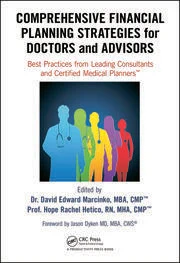
ORDER: https://www.routledge.com/Comprehensive-Financial-Planning-Strategies-for-Doctors-and-Advisors-Best/Marcinko-Hetico/p/book/9781482240283

***

COMMENTS APPRECIATED

Thank You

***

Understanding Financial Broker and Advisor Licenses

Image result for sec

Series #65 VS Series #7

By Dr. David Edward Marcinko MBA

When I am approached by a prospective client, the question they always ask without fail is “Are you properly licensed?” This is actually the wrong question to ask. The right question should be, “Which license do you have?”

The Types of Licenses

Generally, there are two types of licenses for people who call themselves a “financial advisor.” People who passed the series #65 test and people who passed the series #7 test. The nature of these two licenses is as far apart as heaven and earth.

The Securities License

Series #7 is a securities license. People who have passed this test can legally be a stock-broker. They are actually prohibited by law to give financial advice, except incidental to the financial products they are selling.

A financial advisor with a series #7 license can receive third party payments like kickbacks, commissions etc in conjunction with the products they sell you. They are not required to put your interest first as they are not your fiduciary. Legally they abide by a much lenient “suitability standard.” That is, if they think the product is suitable for you, irrespective of the cost, they are legally off the hook.

All of Morgan Stanley, Merrill Lynch and other Wall Street firms’ financial advisors are required to pass the series 7# license.

The Advisor License

Series #65 is an advisor license. People who have passed this test are legally called registered investment advisors or RIA representative. An RIA representative’s compensation is in the form of fees paid directly by the client. He or She is prohibited to receive any third party payment unless disclosed to and approved by the client first.

###

Wall Street

###

Assessment

When searching for a financial advisor, it’s crucial to find out what licensure he or she has. Do not use a stock-broker as your financial advisor – unless you’re in the habit of letting you friendly neighborhood used car salesman hand pick your vehicle purchases.

More:

Conclusion

Your thoughts and comments on this ME-P are appreciated. Feel free to review our top-left column, and top-right sidebar materials, links, URLs and related websites, too. Then, subscribe to the ME-P. It is fast, free and secure.

Speaker: If you need a moderator or speaker for an upcoming event, Dr. David E. Marcinko; MBA – Publisher-in-Chief of the Medical Executive-Post – is available for seminar or speaking engagements. Contact: MarcinkoAdvisors@msn.com

OUR OTHER PRINT BOOKS AND RELATED INFORMATION SOURCES:

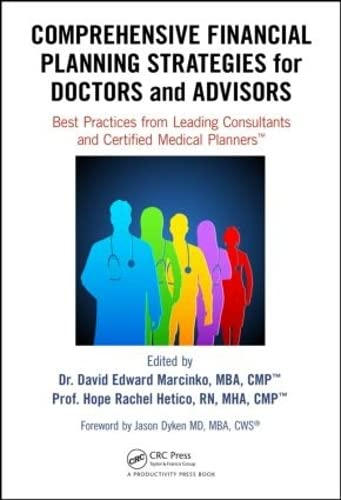
Comprehensive Financial Planning Strategies for Doctors and Advisors: Best Practices from Leading Consultants and Certified Medical Planners(TM)

PODCAST: Hospitals Co-Ordinate Care for Medicare Patients

USUALLY NOT PRIVATE INSURERS!

By Eric Bricker MD

***

***

RELATED: https://www.amazon.com/Hospitals-Healthcare-Organizations-Management-Operational/dp/1439879907/ref=sr_1_4?s=books&ie=UTF8&qid=1334193619&sr=1-4

***

***

ORDER: https://www.amazon.com/Financial-Management-Strategies-Healthcare-Organizations/dp/1466558733/ref=sr_1_3?ie=UTF8&qid=1380743521&sr=8-3&keywords=david+marcinko

COMMENTS APPRECIATED

Thank You

***

The DENTA-VERSE [A Dental Web 3.0 & Virtual Reality Community

Connecting the future of dentistry in 3D

By Staff Reporters

***

***

Dentaverse was born in the heart of Europe between young professionals. A combination of Dental, Finance, 3D and web professionals coming together to connect dental dots. In doing so Dentaverse has grown in to a deep integration of dental know-how and innovative technologies like: Metaverse (VR), blockchain, web3 tech and education.

Accelerating personal and professional growth by connecting dental students, universities, professionals and suppliers in virtual reality.

WEBSITE: https://www.dentaverse.io/

Related: Google Health rolls out new tech offerings to improve access to care, health outcomes

***

COMMENTS APPRECIATED

Thank You

***

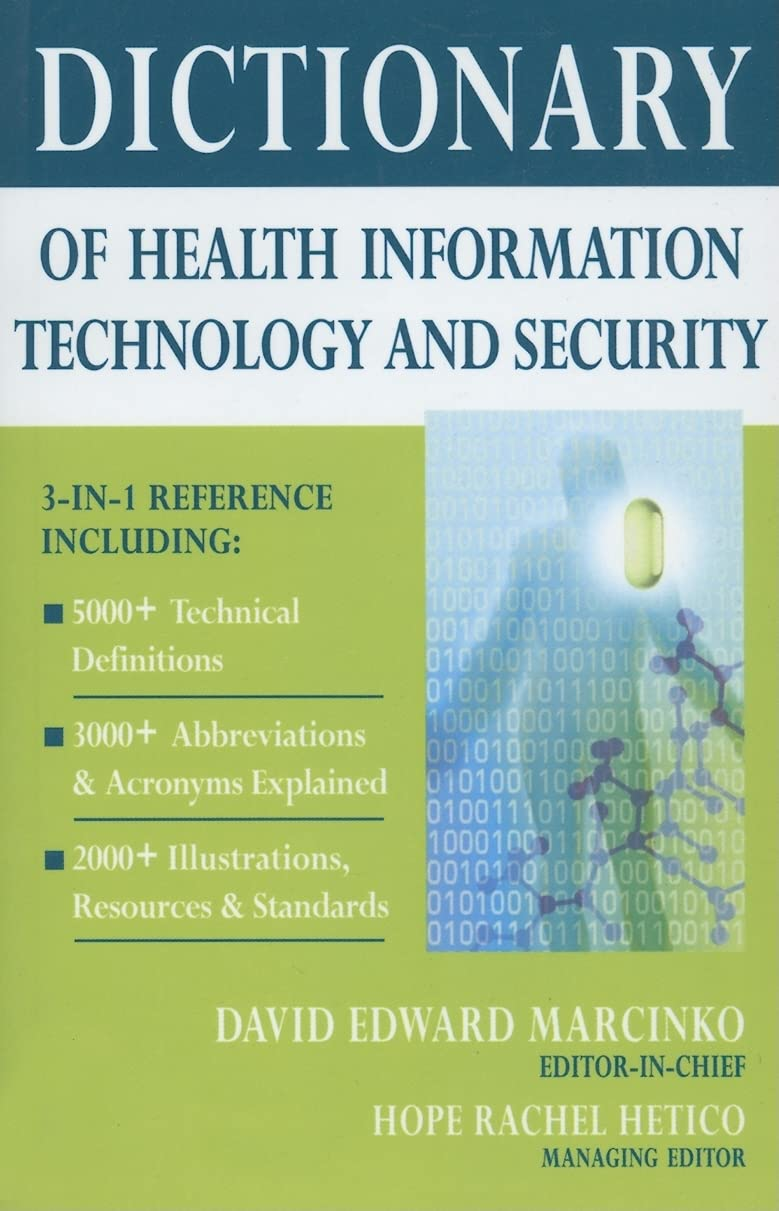
ORDER: https://www.amazon.com/Dictionary-Health-Information-Technology-Security/dp/0826149952/ref=sr_1_5?ie=UTF8&s=books&qid=1254413315&sr=1-5

***

CELEBRATE: National Physician’s Week 2023

By Staff Reporters

SPONSOR: http://www.CertifiedMedicalPlanner.org

***

This National Physicians Week, from March 25–31, we can show doctors we appreciate them as much as they deserve with creative gifts, simple notes, and appreciation posts online.

Doctors deal with years of school, grueling shifts, and emotionally difficult decisions, and still manage to care for us with focus and kindness. Physicians drastically improve the duration and quality of life for everyone, and throughout history have done their best to use cutting-edge science to care for others.

Physician appreciation is also symbolized by a red carnation, so be sure to bring one to your favorite doc this week!

***

***

Here Are the Top Ten Ways To Celebrate National Physicians Week in 2023:

  1. Send a doctor red carnation and/or gift of your choice to show appreciation.
  2. Host a Zoom or virtual celebration.
  3. Doctors can take the day off (If the schedule permits)
  4. Record and post a video to show gratitude for your doctor and physicians nationwide.
  5. Encourage others and spread the word about National Physicians Week on and offline.
  6. Write or share an article about National Physicians Week.
  7. Offer product or service discounts to doctors.
  8. Host an office party to celebrate staff physicians.
  9. Plan a happy hour or networking event for physicians and the community.
  10. Send red carnations and or/greeting cards.

READ: https://www.physiciansworkingtogether.org/national-physicians-week

LOCUM: https://www.locumjobsonline.com/blog/week-remember-showing-appreciation-doctors-physicians-week/

COMMENTS APPRECIATED

Thank You

***

PODCAST: Doctor MEDICAL Specialty Rankings

The R.O.A.D. to Happiness?

By Eric Bricker MD

***

***
COMMENTS APPRECIATED

Thank You

***

***

ORDER: https://www.amazon.com/Business-Medical-Practice-Transformational-Doctors/dp/0826105750/ref=sr_1_9?ie=UTF8&qid=1448163039&sr=8-9&keywords=david+marcinko

CITE: https://www.r2library.com/Resource/Title/082610254

***

Socially Responsible and ESG Investing!

S.R.I.

[By Rick Kahler CFP®]

The concept of socially responsible investing is far from new; the first SRI fund appeared in 1952. Since then, these funds have used social and ethical screens to exclude companies selling products like tobacco, alcohol, or firearms.

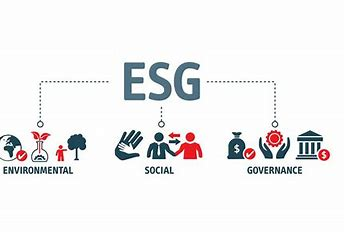
You may not have heard of the next generation of SRI funds, called ESG funds, which means environmental, social and governance funds. Social responsibility is just one-third of the expanded focus of these funds, which also look to include companies that are sensitive to the environment and have more holistic corporate governance.

Updates

In recent years, ESG investing has exploded. According to a July 11, 2018, article in Forbes, The Remarkable Rise of ESG, by Georg Kell, over $20 trillion is invested in ESG funds. This accounts for 25% of all the professionally managed assets in the world. There are currently 275 ESG mutual funds and ETF’s from which to choose.

Yet one facet of investing in ESG funds is widely misunderstood. While ESG investing may help you feel better about yourself, it does not actually impact or hamper the companies you choose not to own.

This may come as a surprise to many ESG investors, who commonly believe that by not owning the shares of an offensive company they are restricting the flow of capital to that company, thereby imperiling its existence. For the most part, that isn’t the case.

The offenders

Listed among the worst offending companies by several ESG organizations are Philip Morris, WalMart, Tyson Foods, Pepsi Corporation, Coca-Cola, and Chevron. No dedicated ESG investors would have these companies in their portfolios. None of these companies would care or be hurt in the least if you didn’t own any of their shares.

Why?

The only time a company benefits from a sale of stock is when the company initially goes public (called an initial public offering, or IPO) or issues additional new shares to raise capital. These are actually fairly rare events.

Most stocks are bought and sold in the “secondary” market through exchanges like the New York Stock Exchange. These platforms facilitate transactions between individuals or institutions wanting to buy or sell shares in a company. The money moves between the buyer and the seller; none of the money goes to the company.

Another way companies receive funding to support their ventures is to borrow money from investors. This is called issuing a bond and is similar to an IPO, only the investor receives a promise from the company to pay them back at some future date and receives interest on the loan in the meantime.

Just like stocks, bonds are only issued by a company once. From then on, buying and selling bonds is done on the open market, and none of the money paid or received goes to the company.

So if you want to punish a company, don’t buy stocks or bonds it issues directly. Otherwise, excluding its shares from your portfolio has no effect on the company’s profits or cash flow.

***

big

***

Assessment

But if no one bought a company’s shares on the secondary market, wouldn’t that have an impact? Yes, it most certainly would. If the demand for the shares of a company dried up, the company’s stock price would plummet.

The problem is the demand for the shares of these companies isn’t going away as long as they remain profitable. If 25% of investors purchase ESG funds,  that leaves 75% of the market willing to buy these companies. This includes the 20% of stocks owned by passive index funds, which own the entire market.

CONCLUSION

Your thoughts and comments on this ME-P are appreciated. Feel free to review our top-left column, and top-right sidebar materials, links, URLs and related websites, too. Then, subscribe to the ME-P. It is fast, free and secure.

Speaker: If you need a moderator or speaker for an upcoming event, Dr. David E. Marcinko; MBA – Publisher-in-Chief of the Medical Executive-Post – is available for seminar or speaking engagements.

Book Marcinko: https://medicalexecutivepost.com/dr-david-marcinkos-bookings/

Subscribe: MEDICAL EXECUTIVE POST for curated news, essays, opinions and analysis from the public health, economics, finance, marketing, IT, business and policy management ecosystem.

DOCTORS:

“Insurance & Risk Management Strategies for Doctors” https://tinyurl.com/ydx9kd93

“Fiduciary Financial Planning for Physicians” https://tinyurl.com/y7f5pnox

“Business of Medical Practice 2.0” https://tinyurl.com/yb3x6wr8

HOSPITALS:

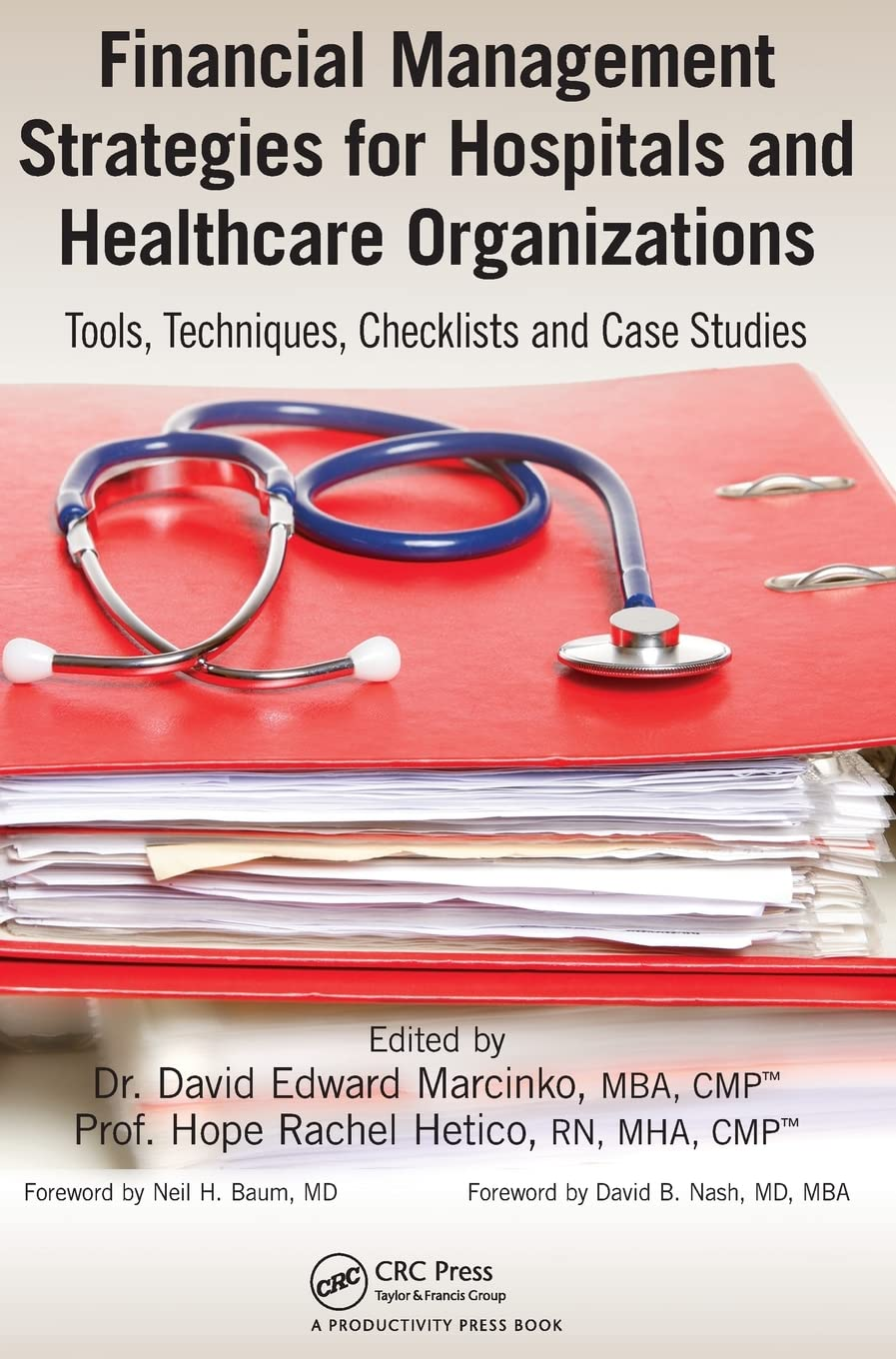
“Financial Management Strategies for Hospitals” https://tinyurl.com/yagu567d

“Operational Strategies for Clinics and Hospitals” https://tinyurl.com/y9avbrq5

***

Risk Management, Liability Insurance, and Asset Protection Strategies for Doctors and Advisors: Best Practices from Leading Consultants and Certified Medical Planners™8Comprehensive Financial Planning Strategies for Doctors and Advisors: Best Practices from Leading Consultants and Certified Medical Planners™

ESG Investing: Not So Hot … Anymore?

By Staff Reporters

Environmental, Social, and Corporate Governance

Florida is pulling $2 billion from BlackRock in the largest divestment ever made as part of the growing vendetta against Environmental, Social, and Governance (ESG) investing practices. Florida Governor Ron DeSantis and other Republican leaders claim that by taking ESG standards into account when making investment decisions, the firm isn’t prioritizing the bottom line. But, for a few years, things were good. In 2020 and 2021, ESG funds outperformed the market by ~4.3%.

DEFINITION: According to Wikipedia, ESG (environmental, social, and corporate governance) data reflect the externalities (costs to others) an organization is generating with respect to the environment, to society and to corporate governance. ESG data can be used by investors to assess the material risk the organization is taking and by the organization itself as metrics for strategic and managerial purposes. Investors may also use ESG data beyond assessing material risks to the organization in their evaluation of enterprise value, specifically by designing models based on assumptions that the identification, assessment and management of sustainability-related risks and opportunities in respect to all organizational stakeholders leads to higher long-term risk-adjusted return. Organizational stakeholders include but not limited to customers, suppliers, employees, leadership, and the environment.

CITE: https://www.r2library.com/Resource/Title/082610254

Since 2020, there has been accelerating interest in overlaying ESG data with the Sustainable Development Goals (SDGs), developed based on work by United Nations beginning in the 1980s.

LINK: http://www.ESG.org

The term ESG was popularly used first in a 2004 report titled “Who Cares Wins”, which was a joint initiative of financial institutions at the invitation of UN. In less than 20 years, the ESG movement has grown from a corporate social responsibility initiative launched by the United Nations into a global phenomenon representing more than US$30 trillion in assets under management. In the year 2019 alone, capital totaling US$17.67 billion flowed into ESG-linked products, an almost 525 percent increase from 2015, according to Morningstar, Inc.. Critics claim ESG linked-products have not had and are unlikely to have the intended impact of raising the cost of capital for polluting firms, and have accused the movement of greenwashing.

PODCAST: https://medicalexecutivepost.com/2022/10/10/podcast-what-is-financial-green-washing/

Now All Mad

DeSantis ran his most recent campaign on fighting the “woke ideology” he believes is infiltrating the state. As part of the fight, Florida passed a resolution in August that said ESG standards should be ignored when investing state funds.

And he’s not the only one:

  • Other Republican-controlled states, including Missouri and Louisiana, have moved almost $1.3 billion away from BlackRock for similar reasons.
  • Texas flagged BlackRock as a financial firm that boycotts the state’s energy industry (something BlackRock has denied).

Meanwhile, Democrats aren’t happy either…they criticize BlackRock and ESG investing in general for not going far enough (and for using lax standards that let oil giants onto lists of ESG investments).

Bottom line: According to the Morning Brew, BlackRock and Florida are now cursed to yell “How could you prioritize politics over returns?” back and forth for eternity, and the debate over ESG investing is far from over. Republicans are poised to take over the House—after a campaign season that BlackRock poured record cash into—so we’re likely to see more drama play out at the federal level soon.

***

COMMENTS APPRECIATED

Thank You

***

ORDER: https://www.routledge.com/Comprehensive-Financial-Planning-Strategies-for-Doctors-and-Advisors-Best/Marcinko-Hetico/p/book/9781482240283

***

PODCASTS: Intentional Medical Practice Marketing

By Entrepreneurial MD

***

***

PODCAST: https://www.theentrepreneurmd.com/11

MORE: https://medicalexecutivepost.com/2022/07/06/the-emerging-role-of-university-chief-strategy-officer/

RELATED: https://medicalexecutivepost.com/2022/10/28/crafting-a-medical-practice-marketing-plan/

ADVERTISING: https://medicalexecutivepost.com/2022/08/05/on-marketing-adverting-and-sales/

VIDEO: https://medicalexecutivepost.com/2022/09/29/podcast-investing-in-digital-health-sales-and-marketing/

***

COMMENTS APPRECIATED

Thank You

***

ORDER: https://www.amazon.com/Business-Medical-Practice-Transformational-Doctors/dp/0826105750/ref=sr_1_9?ie=UTF8&qid=1448163039&sr=8-9&keywords=david+marcinko

***

Americans Feel Politicians Lost Touch With Public Health Care Needs

A SURVEY-POLL

By Staff Reporters

***

A recent poll of 2,510 American adults by Ipsos found:

 •  87% of Americans feel politicians have lost touch with what the public needs from their health care.
 •  86% of Americans agree that Congress should focus on cracking down on abusive health insurance practices that make it harder for people to get the care they need.
 •  71% of Americans would rather see Congress focus more on reducing the overall costs of health care coverage such as premiums, deductibles, and co-pays.

Source: Ipsos, “Americans frustrated with insurance coverage and costs,” March 1, 2022

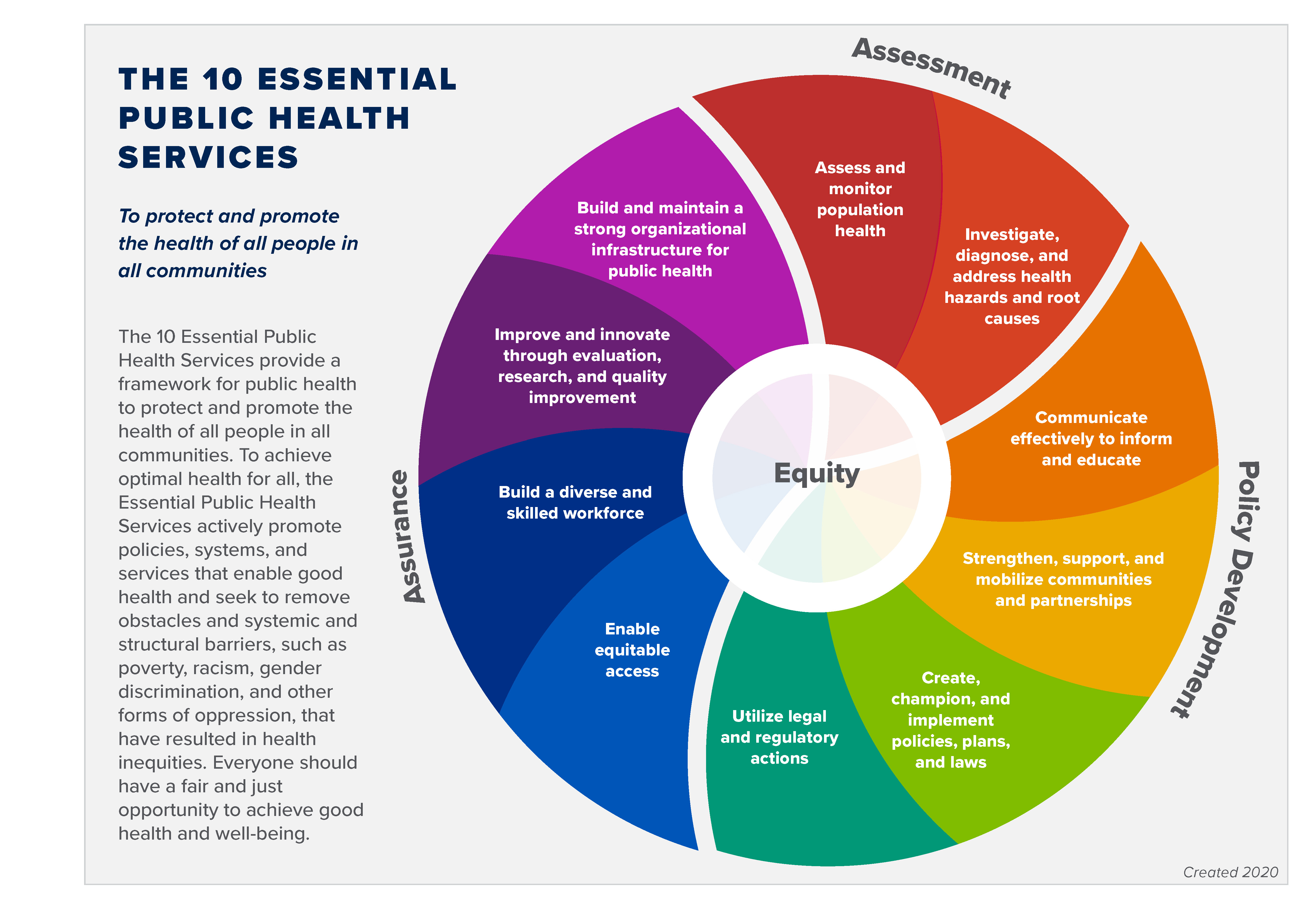
CDC: https://www.cdc.gov/publichealthgateway/publichealthservices/essentialhealthservices.html

***

COMMENTS APPRECIATED

Thank You

Subscribe to the Medical Executive-Post

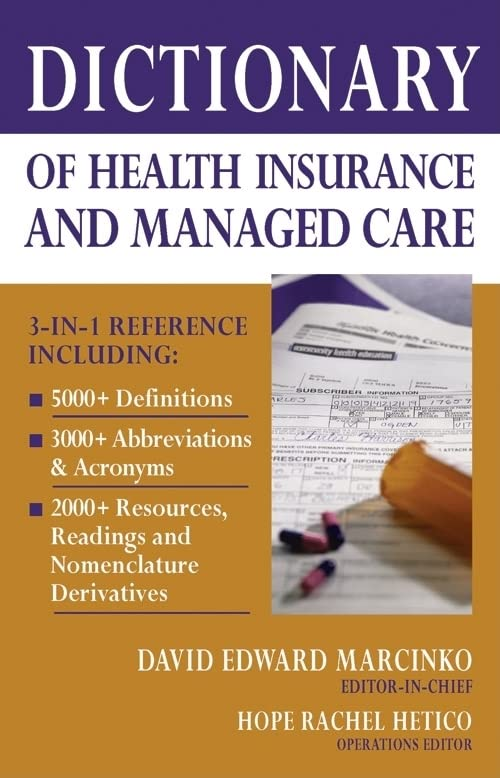
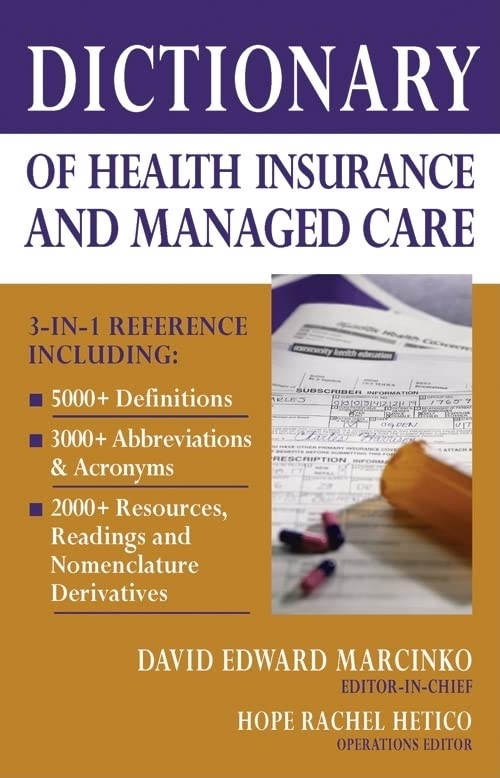
DICTIONARY: https://www.amazon.com/Dictionary-Health-Insurance-Managed-Care/dp/0826149944/ref=sr_1_4?ie=UTF8&s=books&qid=1275315485&sr=1-4

***

CRYPTO WINTER: A Triad Devastating to Miners?

Tim Berners-Lee of the WWW

By Staff Reporters

***

***

* Profits are down, and they’re set to plummet even further. (Wired $)
* A hedge fund that invested heavily in FTX is shutting down. (FT $)
* Tim Berners-Lee thinks crypto is comparable to gambling. (CNBC)

***

COMMENTS APPRECIATED

Thank You

***

ORDER: https://www.amazon.com/Dictionary-Health-Information-Technology-Security/dp/0826149952/ref=sr_1_5?ie=UTF8&s=books&qid=1254413315&sr=1-5

***

What to Expect After the Silicon Valley Bank [SVB] Collapse

By CFA

***

***

Over the past decade, the Federal Reserve has manipulated asset prices by interfering with free markets by deciding what both short-term and long-term interest rates should be. This resulted in an increase in risk-taking behavior among investors.

CITE: https://www.r2library.com/Resource/Title/08

Risk became a four-letter word uttered only by curmudgeons; the only thing investors feared was being left out. The more risk you took, the more money you made – until you lost it all.

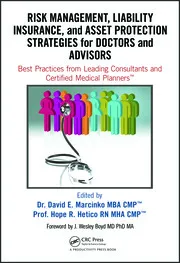
RISK: https://www.routledge.com/Risk-Management-Liability-Insurance-and-Asset-Protection-Strategies-for/Marcinko-Hetico/p/book/9781498725989

READ: Silicon Valley Bank’s Downfall: A Cautionary Tale of What’s to Come

COMMENTS APPRECIATED

Thank You

***

RIP: Intel Co-Founder Gordon Moore, 94

By Dr. David Edward Marcinko MBA

***

***

Gordon Earle Moore (January 3, 1929 – March 24, 2023) was an American businessman, engineer, and the co-founder and emeritus chairman of Intel Corporation. He proposed Moore’s law, the observation that the number of transistors in an integrated circuit (IC) doubles about every two years

A childhood hero of mine. Although I was never a “fair”child.

READ: https://www.paloaltoonline.com/news/2023/03/24/gordon-moore-co-founder-of-intel-and-a-philanthropist-who-donated-billions-dies

***

COMMENTS APPRECIATED

Thank You

***

ORDER: https://healthcarefinancials.wordpress.com/wp-admin/post.php?post=291615&action=edit

***

DAILY UPDATE: Jack Dorsey, Deutsche Bank and the Markets

By Staff Reporters

***

***

Short seller Hindenburg Research has hit another billionaire’s fortune with a report. Jack Dorsey, the co-founder of payments company Block and Twitter, saw his net worth tumble by $526 million, or 11%, to $4.4 billion after the US-based research firm led by Nathan Anderson accused Block of misleading investors in a March 23 report, according to Bloomberg. Dorsey isn’t on the list of the world’s 500 richest persons on the Bloomberg Billionaires Index currently. He was previously featured at number 456 with a net worth of $5.41 billion on March 22nd, per Insider’s scan of the Index on Wednesday.

***

Investors sparked a furious selloff in Deutsche Bank AG and thrust one of Europe’s most important lenders into the center of concerns about the health of the global financial system. Shares of Germany’s largest lender tumbled as much as 15%, their third consecutive day of losses, though they later regained some ground and were recently down 10%. The cost to insure against its default using credit-default swaps soared to their highest levels since 2020.

***

Chairman Jerome Powell was ambiguous this week about future Federal Reserve moves, suggesting “some additional policy firming may be needed.”

Treasury yields dropped near seven-month lows, a seeming indication of escalating recession worries after the Fed raised its benchmark lending rate nine times to a range of 4.75% to 5% over the past year. The release next week of updated data on consumer confidence, inflation, and economic growth will likely be in focus.

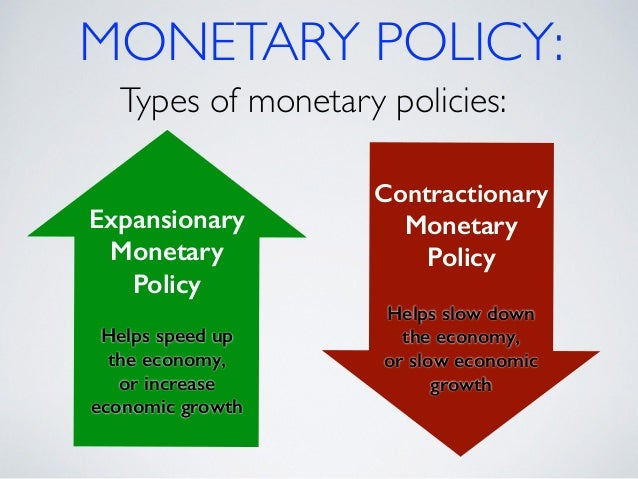
Monetary Policy: https://medicalexecutivepost.com/2023/03/17/the-modern-us-monetary-system/

The swings in stock prices this week “were consistent with the unclear outlook for monetary policy, the banking system, and the broader economy,” says Kevin Gordon, senior investment strategist at Charles Schwab. “More time needs to pass before we know the true impact of the expected tightening in credit conditions.”

  • The S&P 500® Index was up 22.27 (0.6%) at 3970.99; the Dow Jones industrial average was up 132.28 (0.4%) at 32,237.53; the NASDAQ Composite was up 36.56 (0.3%) at 11,823.96.
  • The 10-year Treasury yield was little changed at about 3.374%.
  • CBOE’s Volatility Index was down 0.87 at 21.74.

The real estate sector led the gainers Friday, followed by consumer staples and health care. Financials and consumer discretionary stocks edged lower, and technology stocks were little changed, though the tech-focused NASDAQ Composite still notched its second straight weekly gain. Gold and crude oil futures both declined, while the U.S. dollar strengthened.

***

ORDER: https://www.routledge.com/Comprehensive-Financial-Planning-Strategies-for-Doctors-and-Advisors-Best/Marcinko-Hetico/p/book/9781482240283

***

COMMENTS APPRECIATED

Thank You

***

First Republic and Silicon Valley Banks are NOT Microsoft!

By Staff Reporters

***

***

Wall Street’s $30 billion infusion into First Republic Bank didn’t manage to calm investors’ jitters about how banks are holding up. The regional bank’s stock tanked again Friday, dragging most of the market down with it. Moody’s Investors Service downgraded its credit rating on First Republic Bank to junk, citing a “deterioration in the bank’s financial profile.” First Republic’s debt rating was cut to B2 from Baa1, Moody’s said. Fitch Ratings and S&P Global Ratings downgraded First Republic Bank’s debt earlier this week.

The downgrade reflects “the deterioration in the bank’s financial profile and the significant challenges First Republic Bank faces over the medium term in light of its increased reliance on short-term and higher cost wholesale funding due to deposit outflows,” Moody’s analysts said in a release.

And, SVB’s parent company filed for Chapter 11 bankruptcy yesterday, buying it time to pay off creditors and making it easier to sell off its assets (but the bank itself, currently in the hands of the FDIC, isn’t part of the filing). Meanwhile, President Biden called on Congress to make it easier to punish bank executives if their mismanagement causes a bank to collapse, including allowing regulators to claw back their pay.

***

But Big Tech stocks got a boost from investors looking to park their cash in non-bank companies, pushing Microsoft to its best weeks in almost eight years.

CITE: https://www.r2library.com/Resource/Title/0826102549

***

COMMENTS APPRECIATED

Thank You

ORDER: https://www.routledge.com/Risk-Management-Liability-Insurance-and-Asset-Protection-Strategies-for/Marcinko-Hetico/p/book/9781498725989

***

ORGAN TRANSPLANTS: Overhauling the System

By Staff Reporters

***

***

The Biden administration just unveiled a plan to revamp the problem-ridden system for organ procurement and transplants.

Health Insurance: https://www.amazon.com/Dictionary-Health-Insurance-Managed-Care/dp/0826149944/ref=sr_1_4?ie=UTF8&s=books&qid=1275315485&sr=1-4

One nonprofit, United Network for Organ Sharing, has had a monopoly on running the system for nearly four decades, but the government’s proposal includes potentially bringing more organizations in, as well as upping funding and modernizing the computer systems involved.

Health Technology: https://www.amazon.com/Dictionary-Health-Information-Technology-Security/dp/0826149952/ref=sr_1_5?ie=UTF8&s=books&qid=1254413315&sr=1-5

NOTE: There are ~104,000 people currently waiting for an organ transplant, and 17 people die per day while waiting.

***

Harvesting: https://medicalexecutivepost.com/2017/09/05/on-organ-harvesting/

Dialysis: https://medicalexecutivepost.com/2021/09/22/podcasts-more-dialysis-center-investigative-reporting/

Body Brokers: https://www.msn.com/en-us/news/us/new-cbs-reports-documentary-body-brokers-explores-realities-of-donating-bodies-to-science/vi-AA18WVZ8?ocid=U521DHP&pc=U521&cvid=11f7cdab99224f1aa9290a2a3dbed05b&ei=33

COMMENTS APPRECIATED

Thank You

***

ORDER: https://www.routledge.com/Risk-Management-Liability-Insurance-and-Asset-Protection-Strategies-for/Marcinko-Hetico/p/book/9781498725989

***

BOND HOLDERS: Credit Suisse

AT1 BONDS = OH NO!

By Staff Reporters

***

***

DEFINITION: Junk bonds are bonds that carry a higher risk of default than most bonds issued by corporations and governments. A bond is a debt or promise to pay investors interest payments along with the return of invested principal in exchange for buying the bond. Junk bonds represent bonds issued by companies that are financially struggling and have a high risk of defaulting or not paying their interest payments or repaying the principal to investors. Junk bonds are also called high-yield bonds since the higher yield is needed to help offset any risk of default.

CITE: https://www.r2library.com/Resource/Title/0826102549

AT1 DEFINITION: Additional Tier 1 bonds are also known as “contingent convertibles,” or “CoCos”. They were created in the wake of the 2008 financial crisis as a way for failing banks to absorb losses, making a taxpayer-funded bailout less likely. They are a risky bet — if a lender gets into trouble, this class of bonds can be quickly converted into equity, or written down completely. Because they are higher-risk, AT1s offer a higher yield than most other bonds issued by borrowers with similar credit ratings, making them very risky. If AT1s are converted into equity, this supports a bank’s balance sheet and helps it to stay afloat. They also pave the way for a “bail-in”, or a way for banks to transfer risks to investors and away from taxpayers if they get into trouble.

CITE: https://www.r2library.com/Resource/Title/0826102549

***

UBS’s emergency takeover of Credit Suisse may have been necessary to avert a financial crisis, but at least one group is Yosemite Sam-level angry over how the deal shook out. Investors holding $17 billion worth of Credit Suisse’s additional tier-one bonds were shocked to discover that their $17 billion was now worth a grand total of…$0. The value of those bonds had been completely wiped out in the deal.

Additional tier-one bonds, or AT1 bonds for short, were established after the 2008 financial crisis to reduce the likelihood that taxpayers would have to bail out a failed bank. AT1s are considered riskier assets, but with that risk comes higher potential returns.

RISK: https://www.routledge.com/Risk-Management-Liability-Insurance-and-Asset-Protection-Strategies-for/Marcinko-Hetico/p/book/9781498725989

So, if these bondholders knew they were taking on risk, why are they so upset?

According to MorningBrew, mainly because, in this unusual deal, they got wiped out while shareholders didn’t. That’s not how the order of operations usually works:

  • When a write-down happens, shareholders traditionally suffer losses before bondholders get hit.
  • This deal flipped the food chain, and livid AT1 bondholders are now huddling up with lawyers about potential legal action.

***

ORDER: https://www.routledge.com/Comprehensive-Financial-Planning-Strategies-for-Doctors-and-Advisors-Best/Marcinko-Hetico/p/book/9781482240283

***

COMMENTS APPRECIATED

Thank You

***

Re-Imagining Global Health Care Business Models?

The State of MEDICAL TOURSIM in the USA

By Dr. David Edward Marcinko MBA CMP®

CMP logo

SPONSORED: www.CertifiedMedicalPlanner.org

American businesses are extending their cost-cutting initiatives to include offshore employee medical benefits, and facilities like the Bumrungrad Hospital in Bangkok, Thailand (cosmetic surgery), the Apollo Hospital in New Delhi, India (cardiac and orthopedic surgery) are premier examples for surgical care. Both are internationally recognized institutions that resemble five-star hotels equipped with the latest medical technology.

What Is Medical Tourism? - YouTube

Foreign countries where I studied medicine and surgery, and practiced briefly, such as Finland, England, Canada and Germany are also catering to the English-speaking crowd, while dentistry is especially popular in Mexico and Costa Rica. Although this is still considered “medical tourism,” Mercer Health and Benefits was retained a decade ago by three Fortune 500 companies interested in contracting with offshore hospitals and The Joint Commission [TJC] has accredited 88 foreign hospitals through a joint international commission.

To be sure, when India can discount costs up to 80%, the effects on domestic hospital reimbursement and physician compensation may be assumed to increase downward compensation pressures.

So far, so good; right? Thumbs Up!

But, then came the Corona Virus Pandemic!

Hand With Thumb Down Free Stock Photo - Public Domain Pictures

Johns Hopkins University Covid 19 Tracker: https://coronavirus.jhu.edu/map.html

India Today: https://www.indiatoday.in/coronavirus

INDIA RATIONING: https://www.msn.com/en-us/health/medical/who-to-be-saved-who-not-to-be-inside-a-hospital-during-indias-covid-19-crisis/ar-BB1golnK?li=BBnb7Kz

ASSESSMENT: Your thoughts are now appreciated.

ORDER Textbook: https://www.amazon.com/Comprehensive-Financial-Planning-Strategies-Advisors/dp/1482240289/ref=sr_1_1?ie=UTF8&qid=1418580820&sr=8-1&keywords=david+marcinko

Product Details

SECOND OPINIONS: https://medicalexecutivepost.com/schedule-a-consultation/

INVITE DR. MARCINKO: https://medicalexecutivepost.com/dr-david-marcinkos-bookings/

THANK YOU

***

PODCAST: The Healthcare Eco-System Explained?

By Eric Bricker MD

***

***

CITE: https://www.r2library.com/Resource/Title/0826102549

COMMENTS APPRECIATED

Thank You

***

ORDER: https://www.amazon.com/Dictionary-Health-Insurance-Managed-Care/dp/0826149944/ref=sr_1_4?ie=UTF8&s=books&qid=1275315485&sr=1-4

***

FOMC Hikes Interest Rates 0.25%

BREAKING NEWS!

By Staff Reporters

***

***

Dateline: WASHINGTON—The Federal Reserve raised its key short-term interest rate by a quarter percentage point today, pushing ahead with its aggressive campaign to tame inflation despite financial turmoil following Silicon Valley Bank’s collapse.

FOMC officials forecast another quarter point in rate increases this year to a peak range of 5% to 5.25%, in line with its December estimate and lower than the level markets anticipated before SVB’s meltdown.

In a statement after a two-day meeting, the Fed acknowledged recent strains in the nation’s banks and said they will soften the economy but added the financial system is stable.

CITE: https://www.r2library.com/Resource/Title/0826102549

***

COMMENTS APPRECIATED

Thank You

***

ORDER: https://www.routledge.com/Comprehensive-Financial-Planning-Strategies-for-Doctors-and-Advisors-Best/Marcinko-Hetico/p/book/9781482240283

***

The Spring “Cherry Blossom” Festival

By Staff Reporters

***

***

D.C. CHERRY BLOSSOM FESTIVAL: The festivities began yesterday, a few days earlier than intended. DC is coming off of a historically warm winter, and the blossoms will be their fluffiest selves (aka “peak bloom”) March 22–25.

***

ORDER: https://www.routledge.com/Comprehensive-Financial-Planning-Strategies-for-Doctors-and-Advisors-Best/Marcinko-Hetico/p/book/9781482240283

***

COMMENTS APPRECIATED

Thank You

***

PHYSICIANS: “Aging Out”

By Staff Reporters

***

***

According to HealthcareBrew, thousands of doctors are expected to reach retirement age in the next three years, and their replacements won’t be physicians. Instead, physician assistants (PAs) and nurse practitioners (NPs) will increasingly provide primary care services, according to a report from consulting firm Mercer.

By 2026, 21% of family medicine, pediatric, and obstetrics and gynecology physicians—or about 32,000 doctors—will be 65 or older, and Mercer anticipates about 23,000 physicians will leave the profession permanently. At the same time, demand for primary care physicians is expected to grow 4%, the report found.

PAs and NPs—also called advanced practice providers (APPs) or physician extenders—are highly trained medical professionals. To become a PA, you have to have both a bachelor’s and a master’s, some clinical work experience, pass the Physician Assistant National Certifying Exam, and then apply to get licensed in your state (you know, easy peasy). It takes seven to nine years to go through that process, compared to 11+ years to become an MD.

CITE: https://www.r2library.com/Resource/Title/0826102549

To become an NP, you must have both a bachelor’s and a master’s in nursing, become a registered nurse, and pass a national NP board certification exam. It takes between six to eight years to become an NP.

Compared to physicians, PAs and NPs are “considerably younger professions with less than half the retirement risk,” the Mercer report stated. Roughly 40,000 PAs and NPs join the workforce annually.

“We’re certainly going to see increasing demand for APPs,” David Mitchell, a partner in Mercer’s career consulting business and a specialist in the healthcare industry, told Healthcare Brew.

While most state licensing boards require a physician to oversee APPs, both PAs and NPs have the authority to do many services primary care physicians do, like seeing and diagnosing patients, ordering lab tests, and writing prescriptions, said Mitchell.

READ HERE: https://www.healthcare-brew.com/stories/2023/03/16/non-mds-will-provide-primary-care?cid=30859907.17846&mid=349b552221c994e2540a304649746d7c&utm_campaign=hcb&utm_medium=newsletter&utm_source=morning_brew

MORE: https://www.aamc.org/data-reports/data/2022-physician-specialty-data-report-executive-summary

***
COMMENTS APPRECIATED

Thank You

***

ORDER: https://www.routledge.com/Risk-Management-Liability-Insurance-and-Asset-Protection-Strategies-for/Marcinko-Hetico/p/book/9781498725989

***

Why are CERTIFIED MEDICAL PLANNER® Textbooks So DARN Popular?

[By Dr. David Edward Marcinko MBA CMP®]

http://www.CertifiedMedicalPlanner.org

OK – I was a Certified Financial Planner® before my academic team launched the Certified Medical Planner™ online and on-ground chartered education and board certification designation program a few years ago. I am now CFP reformed and in remission.

MORE: Enter CPMs

Enter the Certified Medical PlannerChartered Designation

Today, we are of course, gratified that Certified Medical Planner™ mark notoriety is growing organically in the healthcare, as well as financial services, industry.

Even uber-blogger Mike Kitces MSFS, MTAX, CFP, CLU, ChFC, RHU, REBC, CASL has taken note of us in his musings on the Nerd’s Eye View website. And, the reality is that there are a growing number of CFP educational programs at the post-CFP niche market level.

But, none for healthcare industrial complex: for doctors … by doctors!

Popularity of our Text Books

However, it is our modern, innovative and proprietary Certified Medical Planner™ textbooks and dictionaries that have exploded in the academic marketplace.

In fact, they are now redacted in thousands of medical, graduate, law and B-schools and libraries, as well as colleges and universities throughout the nation. This includes the Library of Congress, National Institute of Health and  the Library of Congress.

What Gives?

We have been told that this textbook popularity and publishing success is because of their balanced and peer-reviewed nature; something not very widespread in the financial services industry that is prone to gross and overstated advertising, salesmanship and marketing hyperbole. And, for this we are very gratified.

But, is there another reason our books are so popular?

A bit of networking and research suggests that interested folks may be eschewing the actual course work in favor of just the high quality textbooks! UGH!

Another reason may be that our books and curricula are kept fresh and updated on our corporate website: http://www.MedicalBusinessAdvisors.com

Assessment

So, what do you think? Matriculation with the professional mark versus self study without the designation mark. Please opine.

Conclusion

Your thoughts and comments on this ME-P are appreciated. Feel free to review our top-left column, and top-right sidebar materials, links, URLs and related websites, too. Then, subscribe to the ME-P. It is fast, free and secure.

Speaker: If you need a moderator or speaker for an upcoming event, Dr. David E. Marcinko; MBA – Publisher-in-Chief of the Medical Executive-Post – is available for seminar or speaking engagements.

Book Marcinko: https://medicalexecutivepost.com/dr-david-marcinkos-bookings/

Subscribe: MEDICAL EXECUTIVE POST for curated news, essays, opinions and analysis from the public health, economics, finance, marketing, IT, business and policy management ecosystem.

DOCTORS:

“Insurance & Risk Management Strategies for Doctors” https://tinyurl.com/ydx9kd93

“Fiduciary Financial Planning for Physicians” https://tinyurl.com/y7f5pnox

“Business of Medical Practice 2.0” https://tinyurl.com/yb3x6wr8

Risk Management, Liability Insurance, and Asset Protection Strategies for Doctors and Advisors: Best Practices from Leading Consultants and Certified Medical Planners™  Comprehensive Financial Planning Strategies for Doctors and Advisors: Best Practices from Leading Consultants and Certified Medical Planners™

Product DetailsProduct Details

HOSPITALS:

“Financial Management Strategies for Hospitals” https://tinyurl.com/yagu567d

“Operational Strategies for Clinics and Hospitals” https://tinyurl.com/y9avbrq5

Product DetailsProduct Details

Adult Learners and Students:

Product DetailsProduct DetailsProduct Details

***

Malpractice Allegations Alter Practice Patterns of Emergency Department Doctors

Malpractice Allegations Alter Practice Patterns of Emergency Department Doctors

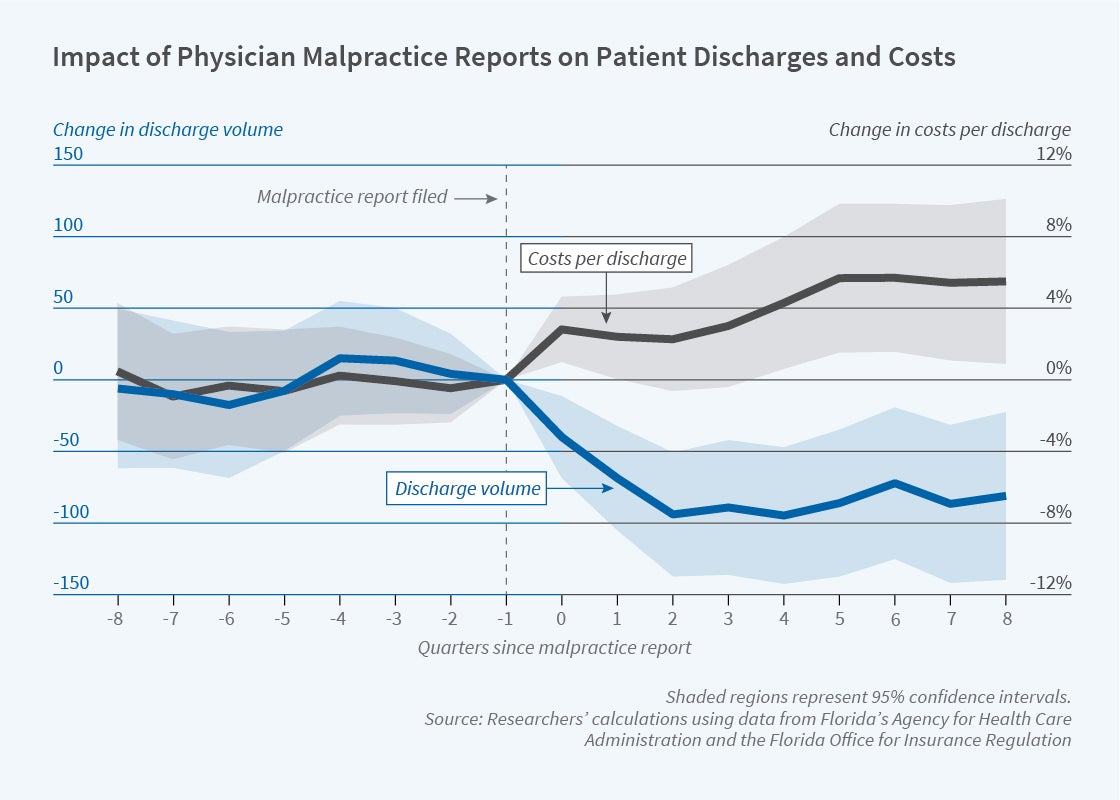
QUERY: When physicians are accused of malpractice, how does this experience affect their practice of medicine?

w28330.jpg

Researchers Caitlin Carroll, David M. Cutler and Anupam Jena use administrative data on all emergency medicine physicians in Florida to answer this question in How Do Physicians Respond to Malpractice Allegations? Evidence from Florida Emergency Departments (NBER Working Paper 28330).

WHITE PAPER: https://www.nber.org/system/files/working_papers/w28330/w28330.pdf

ASSESSMENT: Your thoughts and comments are appreciated.

MORE: https://www.routledge.com/Risk-Management-Liability-Insurance-and-Asset-Protection-Strategies-for/Marcinko-Hetico/p/book/9781498725989

THANK YOU

***

COLLAPSE: How Greed and Leverage Destroyed the Crypto-Tulip Market

By Vitaliy Katsenelson CFA

Crypto currency was touted as antidote to central banking.

But with its own flaws, is the system itself to blame for this crypto market crash?

***

Cryptocurrencies were supposed to offer a new, virtual alternative to the current, mundane, “corrupt” system, in which a few dozen bureaucrats in conference rooms around the world – central bankers – manipulate the most important commodity of all – interest rates – the price of money.

CITE: https://www.r2library.com/Resource/Title/0826102549

The collapse of FTX (a cryptocurrency exchange that was valued at $30 billion just a few months ago) and the subsequent bankruptcies revealed what may have started as a kernel of sincere libertarian ideas to stand up to endless money printing and debt creation in our financial system, has been hijacked by what appears to be an immutable flaw of the human condition: our greed and desire to get rich fast.

READ: How Greed and Leverage Destroyed the Crypto Tulip Market

***

ORDER: https://www.amazon.com/Dictionary-Health-Information-Technology-Security/dp/0826149952/ref=sr_1_5?ie=UTF8&s=books&qid=1254413315&sr=1-5

***

COMMENTS APPRECIATED

Thank You

***

PODCAST: Value Based Care

THE EVOLUTION OF VBC

By Digital Health New York

***

***

***

ORDER: https://www.amazon.com/Hospitals-Healthcare-Organizations-Management-Operational/dp/1439879907/ref=sr_1_4?s=books&ie=UTF8&qid=1334193619&sr=1-4

COMMENTS APPRECIATED

Thank You

***

DAILY UPDATE: The Bitcoin Boost Up!

By Staff Reporters

***

***

Bitcoin prices climbed to as high as $27,293 last week, wrapping up the cryptocurrency’s best week since January 2021. And it has Silicon Valley Bank and friends to thank for it. Crypto diehards claim bitcoin’s gains are the result of people losing faith in traditional banking after SVB and Signature imploded (though it’s worth noting that Signature was a big player in the crypto world).

However, after the second-and third-biggest bank failures in history, economists started second-guessing whether the Fed would stick to the plan to hike interest rates again or change course to protect the rest of the very fragile banking industry. That could mean the crypto market, which slid into the dreaded Crypto Winter in the first half of last year because of macroeconomic factors like the Fed’s rate hikes, might finally be approaching spring.

So, according to MorningBrew, the Fed’s interest rate decision next week will likely serve as crypto’s redeux. And despite the banking industry hoping Jerome Powell pauses the interest rate hikes, February’s inflation numbers showed that the Fed may need to stick to its original plan to keep inflation in check.

***

COMMENTS APPRECIATED

Thank You

***

ORDER: https://www.amazon.com/Dictionary-Health-Information-Technology-Security/dp/0826149952/ref=sr_1_5?ie=UTF8&s=books&qid=1254413315&sr=1-5

***

Cyber-Risks in Banking

By Ibrahim Jaafaru

This is a review of a white paper by Longitude Research that talks about Cyber-Risks in Banking.

It is perfect for Modernity!

***

346_1

***

Cyberrisk in Banking

Cyber security is a complex and multifaceted challenge that is growing in importance.

https://www.r2library.com/Resource/Title/0826102549

Conclusion

Your thoughts and comments on this ME-P are appreciated. Feel free to review our top-left column, and top-right sidebar materials, links, URLs and related websites, too. Then, subscribe to the ME-P. It is fast, free and secure.

Speaker: If you need a moderator or speaker for an upcoming event, Dr. David E. Marcinko; MBA – Publisher-in-Chief of the Medical Executive-Post – is available for seminar or speaking engagements. Contact: MarcinkoAdvisors@msn.com

OUR OTHER PRINT BOOKS AND RELATED INFORMATION SOURCES:

 Product DetailsProduct DetailsProduct Details

***

CIGNA Healthcare Truth

By Darrell K. Pruitt DDS

QUOTE: “Employees are the biggest asset of any company, so it’s more important than ever to focus on staff well-being during uncertain times.”

Jason SadlerPresident, International Health

Cigna Healthcare

QUERIES: So, Jason Sadler, how do you think Cigna’s dentists feel about Cigna?

Do you even dare to publicly respond to that question? … I didn’t think so.

COMMENTS APPRECIATED

Thank You

***

ORDER: https://www.amazon.com/Dictionary-Health-Insurance-Managed-Care/dp/0826149944/ref=sr_1_4?ie=UTF8&s=books&qid=1275315485&sr=1-4

***

Digital Health Insurance Tracking Devices

By Staff Reporters

Blue Cross Blue Shield has deployed several trackers on its website, according to the web extension Ghostery, a tool that can tell you what kind of technology web pages are using.

  • Ghostery returned a list of trackers from Twitter, Google, and LinkedIn.

Though we don’t know specifically what kind of data is being transferred, these pixels are usually installed to help marketing departments. Tracking pixels, for the uninitiated, are hidden or embedded graphics that can give a more complete picture of a customer’s journey: what they’ve clicked on, if they’ve searched for something specific, if they’ve put something in a shopping cart, or whether an advertisement drove them to, say, Blue Cross Blue Shield’s homepage. For example, if an insurer wants to show that its ads are working, it can use a pixel to determine that it was their ad that got someone to finally sign up for health insurance, not Susan in HR.

CITE: https://www.r2library.com/Resource/Title/082610254

Trackers are ubiquitous, but experts and consumers have raised serious questions about the data that’s shared between companies. For example, investigative reporting outlet The Markup found that hospitals shared sensitive information with Facebook through the Meta pixel. And just this month, Indianapolis-based Community Health Network reported that pixels may have affected 1.5 million of its patients.

For more, read Marketing Brew’s interview with sociologist Mary F.E. Ebeling, who wrote a book about the collection of sensitive health data.

***

ORDER: https://www.amazon.com/Dictionary-Health-Information-Technology-Security/dp/0826149952/ref=sr_1_5?ie=UTF8&s=books&qid=1254413315&sr=1-5

***

COMMENTS APPRECIATED

Thank You

***

RISK MANAGEMENT & LIABILITY PROTECTION FOR PHYSICIANS

And … Their Insurance Agents and Financial Advisors

INVITE DR. MARCINKO: https://medicalexecutivepost.com/dr-david-marcinkos-

DEM avatar

By DR. DAVID EDWARD MARCINKO MBA CMP®

CMP logo

SPONSOR: http://www.CertifiedMedicalPlanner.org

***

https://images.routledge.com/common/jackets/amazon/978149872/9781498725989.jpg

***

BOOK REVIEW

It is not uncommon for practicing physicians to have more than a dozen separate insurance policies to protect their medical practice and personal assets. Yet, most doctors understand very little about their policies.BOOK REVIR

Risk Management, Liability Insurance, and Asset Protection Strategies for Doctors and Advisors: Best Practices from Leading Consultants and Certified Medical Planners™explains to physicians and insurance professionals the background, theory, and practicalities of medical risk management, asset protection methods, and insurance planning.

The book presents information in a manner that is convenient and highly useful for busy medical practitioners. It discusses the medical records revolution and addresses concerns regarding cloud computing, data security, and technological threats.

The book covers modern health law and policy, including fraud and abuse, workplace-violence, Medicare compliance, HIPAA regulations, AR protection strategies with internal controls, P4P and value based care, insurance and reputation management, and how the ARA legislation is impacting physician practices. It also includes case models and examples that provide you with a real-world understanding of how to recognize and reduce personal and medical practice risks.

With time at a premium for all, and so much information packed into one well-organized resource, this book is a must-read for every physician and financial advisor that serves the health care sector. The book will help physicians make better decisions about the risks they face and will help financial advisors improve the value they provide to their clients who are doctors.

MORE = ORDER HERE: https://www.routledge.com/Risk-Management-Liability-Insurance-and-Asset-Protection-Strategies-for/Marcinko-Hetico/p/book/9781498725989

THANK YOU

***

CIGNA Healthcare Truth

By Darrell K. Pruitt DDS

QUOTE: “Employees are the biggest asset of any company, so it’s more important than ever to focus on staff well-being during uncertain times.”

Jason SadlerPresident, International Health

Cigna Healthcare

QUERIES: So, Jason Sadler, how do you think Cigna’s dentists feel about Cigna?

Do you even dare to publicly respond to that question? … I didn’t think so.

COMMENTS APPRECIATED

Thank You

***

ORDER: https://www.amazon.com/Dictionary-Health-Insurance-Managed-Care/dp/0826149944/ref=sr_1_4?ie=UTF8&s=books&qid=1275315485&sr=1-4

***

MEDICAL RESIDENCY “MATCH” DAY: 2023

By Dr. David Edward Marcinko MBA

SPONSOR: http://www.CertifiedMedicalPlanner.org

***

***

Each year in the middle of March, tens of thousands of graduating American medical students find out where they are going for their residency — and whether they will be whisked away from their families, friends, and romantic partners.

For many relationships in which one or both people are in medical school, residency “Match Day” — which falls today, on March 17th this year — can be the end of another match. This mass breakup and match happened to many of my own classmates, and to students at medical schools all around the country. But, fortunately not to me years ago.

And, it all ultimately ended well.

***

READ: https://www.nydailynews.com/opinion/ny-oped-the-residency-match-is-a-match-breaker-too-20230312-5e4hg25ki5g63mdgxhkvfppxvm-story.html?utm_campaign=hcb&utm_medium=newsletter&utm_source=morning_brew

***

COMMENTS APPRECIATED

Thank You

***

ORDER: https://www.amazon.com/Business-Medical-Practice-Transformational-Doctors/dp/0826105750/ref=sr_1_9?ie=UTF8&qid=1448163039&sr=8-9&keywords=david+marcinko

***

The Modern US Monetary System

On Modern Monetary Realism

By Rick Kahler MS CFP® ChFC CCIM www.KahlerFinancial.com

In a previous ME-P column I explained why any currency-issuing country, like the US, will never default on its obligations or run out of money with which to purchase goods and services priced in its own currency. Sovereign nations that are currency issuers have no solvency constraints, unlike currency users such as individuals, corporations, and government entities that don’t issue currency.

Why the Government is Not-Like Medical Professionals

On Modern Monetary Realism

To follow up, let’s look at what has become known as Modern Monetary Realism (MMR).  Economist Cullen O. Roche describes it in a 2011 article on his Pragmatic Capitalism website titled “Understanding the Monetary System.”

This theory came into existence in 1971 when President Nixon eliminated the gold standard and allowed the government to print money at will. This was a paradigm shift in our monetary policy that’s gone largely unnoticed for decades by many educators, economists, and politicians.

Guiding MMR Principles

The principles of MMR are:

  • The Federal Reserve works in partnership with the US Treasury to issue currency. All other units of government, private entities, and individuals are users of the currency.
  • The government creates money by minting coins, printing cash, and issuing reserves. The private banking sector creates money by creating loans and bank deposits.
  • The Federal Government cannot “go broke.” It is inaccurate to compare it to households, companies, and local governments, which all are users of money and can go bankrupt.
  • The major constraint on currency issuers (sovereign governments like the US) is inflation. It behooves governments to manage the money supply prudently in order to avoid impoverishing their citizens through devaluing the currency.
  • Floating exchange rates between countries are a necessity to help maintain equilibrium and flexibility in the global economy. Nations that unduly inflate their currency suffer the consequences of devalued currency, shrinking purchasing power, and contracting lifestyles.
  • The debt of a sovereign currency issuer is default-free. The issuer can always meet debt obligations in the currency which it issues.

Cullen O. Roche Speaks

Roche suggests that a functional government supports the country’s financial system in four ways:

  1. The US government was created by the people, for the people. “It exists to further the prosperity of the private sector—not to benefit at its expense.” Roche argues that when government becomes corrupt by obtaining too much power or issuing too much currency that results in high inflation, it then becomes susceptible to a revolt and dissolution.
  2. Government’s role is to be actively involved in regulating and helping to build an infrastructure within which the private sector can generate economic growth. Roche views regulation as not only beneficial, but necessary to temper the inevitable irrationality that can disrupt markets. Still, he emphasizes that it is the private sector, not the public sector, which drives innovation, productivity, and economic growth.
  3. Money, while a creation of law, must be accepted by the private sector while prudently regulated by the federal government, keeping in mind that the purpose of the regulation is to maximize private sector prosperity.
  4. “Because the Federal government is not a business or a household it should not manage its balance sheet for its own benefit,” notes Roche, “but in a way that most benefits the private sector and encourages private sector prosperity, productivity, innovation and growth.”

Assessment

Like me, you may need to re-read this a couple of times to begin to grasp the concepts. Once you throw off the outdated pre-1971 model of the monetary system, understanding the basics of MMR isn’t difficult. Knowing the basics of how our monetary system works will help physicians, and all of us, frame the important issues in the turmoil unfolding in Europe and in our own upcoming elections. 

Conclusion

Your thoughts and comments on this ME-P are appreciated. Feel free to review our top-left column, and top-right sidebar materials, links, URLs and related websites, too. Then, subscribe to the ME-P. It is fast, free and secure.

Speaker: If you need a moderator or speaker for an upcoming event, Dr. David E. Marcinko; MBA – Publisher-in-Chief of the Medical Executive-Post – is available for seminar or speaking engagements. Contact: MarcinkoAdvisors@msn.com

OUR OTHER PRINT BOOKS AND RELATED INFORMATION SOURCES:

Product DetailsProduct DetailsProduct Details

Product Details  Product Details

Product Details

***

The Legacy of Dr. Jack Treynor

The History Behind A Popular Investing Theory

[By Dr. David Edward Marcinko MBA CMP™]

http://www.CertifiedMedicalPlanner.org

[Publisher-in-Chief]

In his 1959 “Portfolio Selection,” Harry Markowitz PhD [father of MPT], said that investors should diversify against market risk but that determining the required return from such a group of diversified assets was another matter. Seven years later, economist Jack Treynor PhD wrestled with the issue of how investors can measure the expected risk in a portfolio against its expected return. Meanwhile, William Sharpe developed his own measure of risk and return known as the Capital Asset Pricing Model (CAPM) first published in the Journal of Finance in 1964 and discussed elsewhere on the ME-P.

A Seminal Paper

Treynor’s 1961 paper entitled “Toward a Theory of Market Value of Risky Assets” concluded that investors expect greater compensation for the larger risk they take in the stock market than they do from risk-free assets, such as Treasury bills. He called it the “equity risk premium” and created a method to predict it.

Fisher Black Collaboration

In 1973, Treynor collaborated with Fischer Black to devise a method for predicting the risk premium and to demonstrate its overarching importance in the behavior of capital markets as well as in portfolio selection. From 1969 through 1981 he furthered the work of many leading financial theorists, including Sharpe and Black, when he edited the Financial Analysts Journal.

Intellectual Band-Aid

In an interview about a decade ago, Treynor stated his belief that modern finance is preoccupied with statistical, rather than economic, thinking about risk. He explained that beta has come under attack in recent years because it is a statistical concept of risk. An economic concept of risk would have a lot more predictive value—it would be tied more intimately into fundamental analysis of companies and portfolios. He refers to beta as “just an intellectual Band-Aid.”

The Jensen Alpha

Treynor also described Bill Jensen’s alpha as looking at a market line established by a large number of funds and identifying those that had returns above the market line. Accordingly, a portfolio manager can increase his or her alpha by simply buying and selling larger positions of the same research recommendations.

Assessment

Black and Treynor developed a ratio of alpha to residual risk (return squared /risk squared), which shows that when you have everything else equal and you increase this ratio, you improve performance. And, they actually introduced the term Sharpe ratio.

Note: “It’s All About Odds,” Jonathan Burton, Dow Jones Asset Management, July/August 1997, pp. 20–28, Dow Jones Financial Publishing Corp., (732) 389-8700.

Conclusion

Your thoughts and comments on this ME-P are appreciated. Feel free to review our top-left column, and top-right sidebar materials, links, URLs and related websites, too. Then, subscribe to the ME-P. It is fast, free and secure.

Speaker: If you need a moderator or speaker for an upcoming event, Dr. David E. Marcinko; MBA – Publisher-in-Chief of the Medical Executive-Post – is available for seminar or speaking engagements. Contact: MarcinkoAdvisors@msn.com

OUR OTHER PRINT BOOKS AND RELATED INFORMATION SOURCES:

Product DetailsProduct DetailsProduct Details

Product Details  Product Details

What is “Mark to Market” Valuation?

***

By Staff Reporters

***

***

Marking to Market (MTM) means valuing the security at the current trading price. Therefore, it results in the traders’ daily settlement of profits and losses due to the changes in its market value.

  • Suppose on a particular trading day, the value of the security rises. In that case, the trader taking a long position (buyer) will collect the money equal to the security’s change in value from the trader holding the short position (seller).
  • On the other hand, if the security value falls, the selling trader will collect money from the buyer. The money is equal to the change in the value of the security. It should be noted that the value at maturity does not change much. However, the parties involved in the contract pay gains and losses to each other at the end of every trading day.

***

Examples of Mark to Market

An exchange marks traders’ accounts to their market values daily by settling the gains and losses that result due to changes in the value of the security. There are two counterparties on either side of a futures contract—a long trader and a short trader. The trader who holds the long position in the futures contract is usually bullish, while the trader shorting the contract is considered bearish.

If at the end of the day, the futures contract entered into goes down in value, the long margin account will be decreased and the short margin account increased to reflect the change in the value of the derivative.
An increase in value results in an increase in the margin account holding the long position and a decrease in the short futures account.

According to investopedia, for example, to hedge against falling commodity prices, a wheat farmer takes a short position in 10 wheat futures contracts on November 21st. Since each contract represents 5,000 bushels, the farmer is hedging against a price decline on 50,000 bushels of wheat. If the price of one contract is $4.50 on Nov. 21st. the wheat farmer’s account will be recorded as $4.50 x 50,000 bushels = $225,000.

DayFutures PriceChange in ValueGain/LossCumulative Gain/LossAccount Balance
1$4.50   225,000
2$4.55+0.05-2,500-2,500222,500
3$4.53-0.02+1,000-1,500223,500
4$4.46-0.07+3,500+2,000227,000
5$4.39-0.07+3,500+5,500230,500

Because the farmer has a short position in wheat futures, a fall in the value of the contract will result in an increase in their account. Likewise, an increase in value will result in a decrease in account value. For example, on Day 2, wheat futures increased by $4.55 – $4.50 = $0.05, resulting in a loss for the day of $0.05 x 50,000 bushels = $2,500. While this amount is subtracted from the farmer’s account balance, the exact amount will be added to the account of the trader on the other end of the transaction holding a long position on wheat futures.

The daily mark to market settlements will continue until the expiration date of the futures contract or until the farmer closes out his position by going long on a contract with the same maturity.

***

CITE: https://www.r2library.com/Resource/Title/082610254

COMMENTS APPRECIATED

Thank You

***