Stocks, Commodities and Bonds

By Staff Reporters and A.I.

***

***

*Stock data as of market close. Here’s what these numbers mean.
Stocks: The Russell 2000 went 967 days without hitting a new record high until Thursday. But, it looks like it will have to keep waiting for the next one—the small-cap-focused index fell, even as the DJIA, NASDAQ and S&P 500 rose to new closing highs on Friday.*
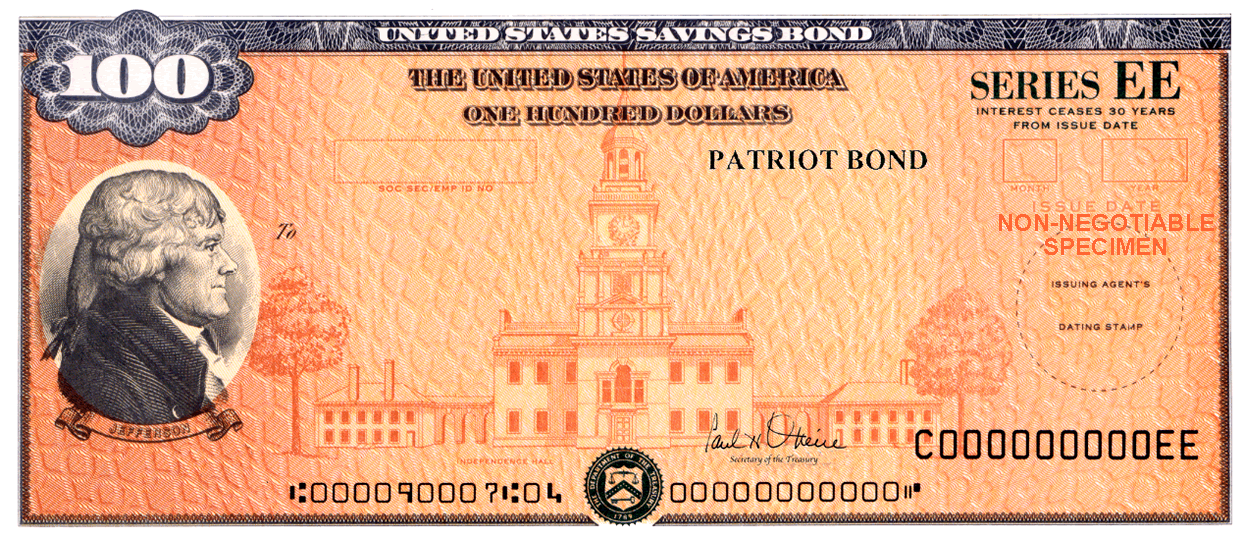
Bonds: 2-year yields and 10-year yields both hit two-week intra-day highs even after the FOMC cut interest rates, indicating that traders still aren’t sure how the economy will perform in the months ahead.
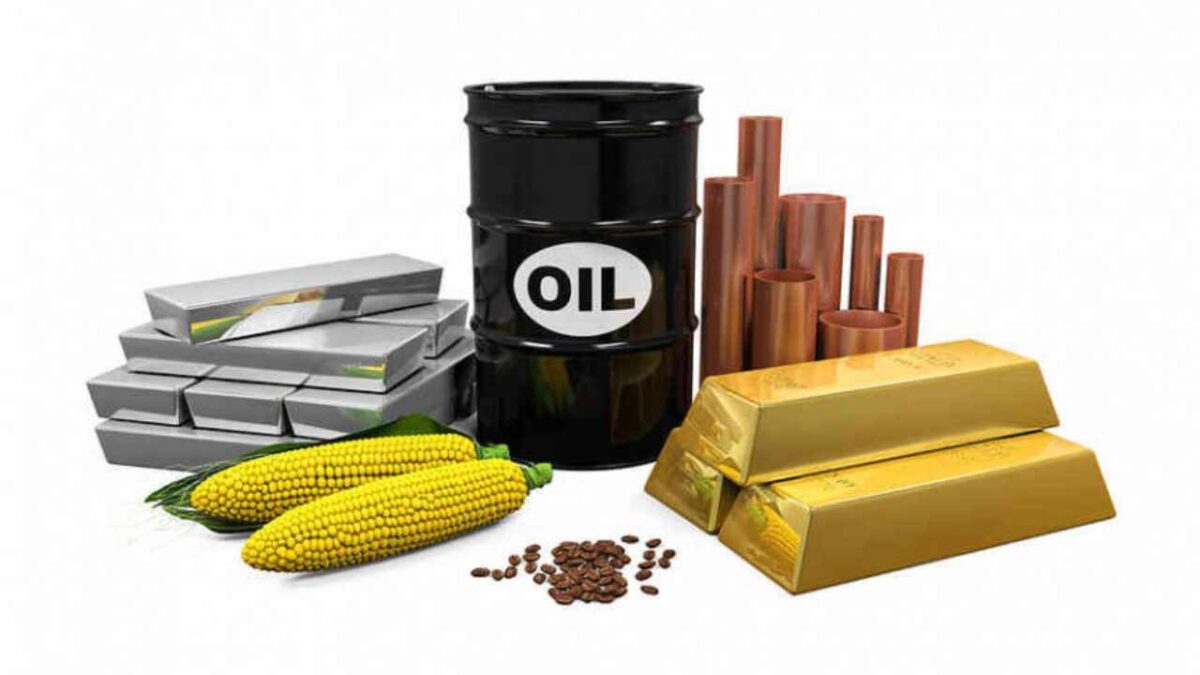
Commodities: Arabica futures fell on reports that lawmakers will introduce a bipartisan bill to exempt coffee from tariffs.

COMMENTS APPRECIATED

EDUCATION: Books

Like, Refer and Subscribe

***

***

Stocks, Bonds and Commodities

By A.I. and Staff Reporters

***

***

  • Stocks: The NASDAQ rose to its fifth record high of the week, while the S&P 500 and the Dow sank late in the day as investors turned their attention to the FOMC meeting next week.
  • Bonds: While equities climbed all week long, the bond market has been sending signals that weak economic data really isn’t great news.
  • Commodities: Oil rallied after President Trump expressed his growing frustration with Vladimir Putin and threatened further energy and financial sanctions. Meanwhile, the US may ask its G7 counterparts to apply 100% tariffs against China and India for purchasing Russian crude.

***

Stocks, Bonds and Commodities

By A.I.

***

***


Bonds
: Treasury yields rose yesterday as investors dug into a Federal appeals court ruling last Friday stating that most of President Trump’s tariffs are illegal. The 30-year yield closed in on the key 5% level.
Stocks: Equities tumbled across the board as technology stocks sold off and pulled the rest of the market down with them.
Commodities: Gold hit a new record high as traders hedged against tariff uncertainty and braced themselves for an extremely important US jobs report on Friday that could make or break the case for the Fed to start cutting rates.

COMMENTS APPRECIATED

EDUCATION: Books

Refer, Like and Subscribe

***

***

PHARMACEUTICALS: Trump Tariff Plans

By A.I. and Staff Reporters

SPONSOR: http://www.CertifiedMedicalPlanner.org

***

***

Trump says pharma tariffs could be as high as 250%

The president revealed that he plans to formally announce tariffs on the pharmaceutical industry “within the next week or so” in an attempt to force drug manufacturing to the US, he told CNBC several days ago.

PBMs: https://medicalexecutivepost.com/2019/01/18/on-pbms-pharmacy-benefits-management/

It would start with a “small” tariff, Trump said, before rising to 150% in a year to a year and a half, and eventually to 250%.

Pharma companies have argued that tariffs could drive up costs and threaten their ability to fund research for new medicines.

COMMENTS APPRECIATED

Like and Subscribe

***

***

Commodities, Stock Markets and International Trade

By A.I.

SPONSOR: http://www.CertifiedMedicalPlanner.org

***

***

Trade: President Trump signed an executive order late yesterday unleashing a wave of new tariffs on 69 US trading partners that will go into effect on August 7th. Here’s a handy list of tariffs and their economic effects for anyone else having trouble keeping track of all these new numbers.

Markets: Stocks opened lower and kept falling thanks to a double whammy of new tariff rates and a shocking slowdown in the labor market, while bond yields tumbled.

Commodities: Gold jumped as the likelihood of a rate cut rose due to the latest jobs report, while oil sank on reports that OPEC+ may announce a crude production boost as soon as this weekend.

COMMENTS APPRECIATED

Like and Subscribe

***

***

Stocks & Commodities

By A.I.

***

***

  • Stocks: President Trump said there’s a “50/50 chance” of a deal with the EU ahead of next week’s deadline. Investors decided they like those odds, and pushed the NASDAQ and S&P 500 to yet another new closing record high—in fact, the S&P 500 set a new record every day this week. Meanwhile, trade deal talks with Brazil have reportedly stalled.
  • Commodities: Oil fell to a three-week low today as Iran signaled a willingness to come to the negotiating table with European powers for nuclear talks.
  • Hopes of trade deals and less need for a safe haven investment pushed gold prices lower.

COMMENTS APPRECIATED

Like and Subscribe

***

***

Commodities, Stocks and Bonds

By A.I.

SPONSOR: http://www.CertifiedMedicalPlanner.org

***

***

  • Stocks: Investors were pleased to hear about the trade deal with Japan yesterday and reports of an agreement with the EU coming soon kept the stock rally alive through market close. The S&P 500 notched its 12th new closing record this year, and the NASDAQ ended the day above 21,000 for the first time.
  • Bonds: Treasury yields rose a bit after an auction of 20-year notes was met with strong demand, indicating investor appetite for longer-term US debt.
  • Commodities: Oil inched higher while gold edged lower as investors hedge their bets in anticipation of more trade deals before the August 1st deadline.

COMMENTS APPRECIATED

Like and Subscribe

***

***

Crypto-Currency and the Stock Markets

By A.I.

SPONSOR: http://www.CertifiedMedicalPlanner.org

***

***

  • Markets: Stocks slid lower today even as a preliminary survey revealed that consumer sentiment hit its highest point since February, while inflation expectations fell to pre-tariff levels. The selloff deepened on reports that President Trump wants 15% to 20% tariffs against the EU, though the NASDAQ managed to eke out a win.
  • Crypto: Although bitcoin fell after the president signed the GENIUS Act into law, ether rose to its highest price in six months today, while enthusiasm for the new legislation pushed total crypto assets above $4 trillion.

COMMENTS APPRECIATED

Like and Subscribe

***

***

COMMODITIES and STOCKS

By A.I.

SPONSOR: http://www.CertifiedMedicalPlanner.org

***

***

Stocks: Markets started the day on a high note thanks to a fifth straight decline in weekly initial jobless claims and surprisingly strong monthly retail sales. The NASDAQ hit its 10th record closing high of 2025 and the S&P 500 hit its ninth high.

Commodities: Lithium prices popped around the globe after the Chinese government ordered domestic producer Zangge Mining to halt operations. Plus, the US is reportedly set to impose 93.5% tariffs on Chinese imports of graphite, a key component.

COMMENTS APPRECIATED

Like and Subscribe

***

***

Stocks and Commodities

By A.I.

***

***

  • Stocks: Markets shrugged off President Trump’s weekend threat of 30% levies against the EU and Mexico, as well as his proposed 100% secondary tariffs against Russia today. Stocks eked out a win across the board, with the NASDAQ climbing to a new record close.
  • Commodities: Oil prices fell while gold took a breather, but the big winner was orange juice futures, which hit a four-month high thanks to Trump’s promise of 50% tariffs on all imports from Brazil. Coffee prices also climbed.

COMMENTS APPRECIATED

Like and Subscribe

***

***

Stocks, Commodities and Crypto-Currency

By A.I.

SPONSOR: http://www.CertifiedMedicalPlanner.org

***

***

  • Stocks: Jobless claims came in lower than expected, the 30-year US bond auction met with strong demand, and Delta Airlines unofficially kicking off earnings season with a solid report. The S&P 500 and the NASDAQ hit record highs.
  • Crypto: Bitcoin reached a record high for the second day in a row, hitting $113,863.31 today. The crypto’s price has stayed above $100k for 60 consecutive days.
  • Commodities: Coffee futures in New York climbed as much as 3.5% in response to President Trump’s threat to slap 50% tariffs on Brazil, which is the top producer of higher-end arabica coffee.

COMMENTS APPRECIATED

Like and Subscribe

***

***

Bonds, Socks and Nvidia

By A.I.

SPONSOR: http://www.CertifiedMedicalPlanner.org

***

***

  • Stocks: The major indexes plowed higher with the minutes of the last FOMC meeting showing that officials were not at all united about when to begin cutting rates. Investors also treated more tariff letters sent by President Trump to seven more countries including Iraq and the Philippines as not vital.
  • Bonds: US Treasuries snapped a five-day losing streak after a $39 billion sale of 1-year notes was met with solid demand.
  • Nvidia: Worth 4-trillion dollars.

COMMENTS APPRECIATED

Like and Subscribe

***

***

Liberation Day Comeback

By A.I.

SPONSOR: http://www.CertifiedMedicalPlanner.org

***

***

The S&P 500 closed within a hair of a new record yesterday marking an enormous comeback that followed the April announcement of “Liberation Day” tariffs.

Despite a persistent vibe of uncertainty related to US economic policy and geopolitics:

  • The S&P 500 closed less than 0.1% away from a record high which it notched in February before cratering nearly 20% in April. The index has regained ground in fits and starts since then and briefly surpassed its record in intra-day trading yesterday.
  • On Monday, the tech-heavy NASDAQ 100 one-upped the broader market and logged its highest-ever close. It came after President Trump said Israel and Iran agreed to a ceasefire, which eased investors’ concerns about a potential oil crisis.

According to Morning Brew, between unresolved geopolitical conflicts and President Trump’s still-unfolding tariff policies, a portfolio manager with Capital Wealth Planning, Kevin Simpson, told CNBC that he was “surprised by the magnitude of the rebound.”

COMMENTS APPRECIATED

Like and Subscribe

***

***

Deals, Stocks and the FOMC

By A.I.

SPONSOR: http://www.CertifiedMedicalPlanner.org

***

***

  • Deals: Stocks popped at the open yesterday on the news that Canada has rescinded the digital services tax in order to lure the US back to the negotiating table. Meanwhile, Bloomberg reported that the EU will accept a 10% universal tariff in exchange for some key concessions.
  • Stocks: The S&P 500 and the NASDAQ both hit new record highs today, with the S&P 500 wrapping up its best quarter since Q4 20
  • The Fed: President Trump published a handwritten note asking Jerome Powell to cut interest rates, even as the White House considers new ways to replace the Fed Chair. Meanwhile, Goldman Sachs now sees the chances of the Fed cutting interest rates in September as “somewhat above 50%.”

COMMENTS APPRECIATED

Like and Subscribe

***

***

Stocks, Bonds and Commodities

By AI

***

***

COMMENTS APPRECIATED

Like and Subscribe

***

***

Tariffs, Private Sector Jobs, Interest Rates, Gold and the US Dollar

BREAKING NEWS!

By Staff Reporters with AI Generation

SPONSOR: http://www.CertifiedMedicalPlanner.org

***

***

  • 50% tariffs on steel and aluminum went into effect today. To celebrate, President Trump hopped on Truth Social to put China’s President Xi on blast ahead of an expected call between the two heads of state. And, Temu lost 58% of its daily users thanks to tariffs.
  • The president also pushed Jerome Powell to “LOWER THE RATE” following terrible private sector job numbers. Stocks are seemingly immune to tough trade talk and interest rate rants at this point, but bond yields sank on fears of slower economic growth.
  • The US dollar slipped, propelling gold higher as investors sought safety.

COMMENTS APPRECIATED

Like and Subscribe

***

***

MARKETS: Weekly Recap

***

***

Stock markets are coming off their worst week since April as President Trump’s tariff threats on Europe and Apple revived trade war jitters. The president has since delayed tariff threats on the EU, giving European stocks a boost yesterday, while Wall Street had the day off for Memorial Day.

MORE: https://medicalexecutivepost.com/2025/05/26/financial-paradox-compounding-interest-and-time/

No such relief appears to be coming for Apple, which has fallen 8% so far this month, and is the only Magnificent Seven member in the red for May, per FactSet.

Mag 7: https://medicalexecutivepost.com/2024/07/30/the-magnificent-7-and-the-dangers-of-stock-market-hype/

COMMENTS APPRECIATED

Like and Refer

***

***

DAILY UPDATE: Medicare A.I. as Markets Go Down

MEDICAL EXECUTIVE-POST TODAY’S NEWSLETTER BRIEFING

***

Essays, Opinions and Curated News in Health Economics, Investing, Business, Management and Financial Planning for Physician Entrepreneurs and their Savvy Advisors and Consultants

Serving Almost One Million Doctors, Financial Advisors and Medical Management Consultants Daily

A Partner of the Institute of Medical Business Advisors , Inc.

http://www.MedicalBusinessAdvisors.com

SPONSORED BY: Marcinko & Associates, Inc.

***

http://www.MarcinkoAssociates.com

Daily Update Provided By Staff Reporters Since 2007.
How May We Serve You?
© Copyright Institute of Medical Business Advisors, Inc. All rights reserved. 2025

REFER A COLLEAGUE: MarcinkoAdvisors@outlook.com

SPONSORSHIPS AVAILABLE: https://medicalexecutivepost.com/sponsors/

ADVERTISE ON THE ME-P: https://tinyurl.com/ytb5955z

Your Referral Count -0-

CITE: https://www.r2library.com/Resource

Medicare may soon be able to reimburse physicians for using artificial intelligence-based medical devices, thanks to a bipartisan bill recently introduced to Congress. The bill, called the Health Tech Investment Act, would set up a payment system for devices that use AI or machine learning, which the bill’s cosponsors say would encourage providers to use the technology in clinical settings and help improve diagnoses.

CITE: https://tinyurl.com/2h47urt5

Stock markets were down in trading on Friday after President Donald Trump said he wanted to impose a 50-percent tariff on the European Union and a new 25-percent tariff on iPhone maker Apple.

The S&P 500 was down around 0.8 percent, the NASDAQ Composite down 1.0 percent, and the Dow Jones Industrial Average of 0.6 percent.

Apple stock fell 2.3 percent.

CITE: https://tinyurl.com/tj8smmes

Visualize: How private equity tangled banks in a web of debt, from the Financial Times.

COMMENTS APPRECIATED

PLEASE SUBSCRIBE: MarcinkoAdvisors@outlook.com

Thank You

***

***

***

***

EDUCATIONAL TEXTBOOKS: https://tinyurl.com/4zdxuuwf

***

Moodys, Stocks, Bonds and UnitedHealth

By Staff Reporters

***

***

Moody’s decision couldn’t dampen the mood on Wall Street yesterday; despite tariffs and credit, etc..

Stocks rose even as bond yields spiked in response to the rating agency’s decision to downgrade the US’ credit.

And, UnitedHealth popped as investors decided to buy the dip the insurer faced last week amid a slew of bad news.

COMMENTS APPRECIATED

Like and Refer

***

***

U.S. Stock Markets Surge After Tariffs Lowered

By Staff Reporters

SPONSOR: http://www.MarcinkoAssociates.com

***

***

S&P 500 surges 20% in Six Weeks as Stock Market Euphoria Returns to Wall Street

U.S. stock markets surged after an agreement between the Trump administration and China to lower tariffs.

The Dow Jones Industrial Average rose over 1,000 points, while the NASDAQ and S&P 500 gained nearly 600 and about 100 points, respectively last week. The improvement has erased recent losses from President Donald Trump’s tariffs.

The U.S. and China agreed to reduce tariffs on each other’s goods for an initial 90 days. The U.S. will lower tariffs on Chinese products from 145% to 30%, while China will cut its tariffs on American imports from 125% to 10%.

This unexpected breakthrough has eased tensions in their trade war and positively impacted global markets.

COMMENTS APPRECIATED

Like, Subscribe and Refer

***

***

Stock Markets Up Slightly, Recession Still Possible as Oil Tumbles

By Staff Reporters

SPONSOR: http://www.MarcinkoAssociates.com

***

***

  • Markets started the day down yesterday but regained lost ground throughout the afternoon as investors decided that any day with no new tariff announcements is a good day.
  • Be advised: Fed Chair Jerome Powell warned that “supply shocks” pose a challenge for the economy, and that interest rates may need to remain higher for longer. Meanwhile, JPMorgan Chase CEO Jamie Dimon said a recession is still on the table.
  • Oil took a tumble on comments by President Trump that the US is nearing a deal with Iran over its nuclear program that could lift sanctions against the country.

COMMENTS APPRECIATED

Like and Subscribe

EDUCATION: Books

SPEAKING: Dr. Marcinko will be speaking and lecturing, signing and opining, teaching and preaching, storming and performing at many locations throughout the USA this year! His tour of witty and serious pontifications may be scheduled on a planned or ad-hoc basis; for public or private meetings and gatherings; formally, informally, or over lunch or dinner. All medical societies, financial advisory firms or Broker-Dealers are encouraged to submit a RFP for speaking engagements: MarcinkoAdvisors@outlook.com 

***

***

Why Tariffs Won’t Bring Back the “Good Old Days”

By Rick Kahler MSFP CFP

***

***

If I had a dollar for every time someone referred to the “good old days,” of the American economy, I could probably buy a vintage diner, jukebox and all, and still have enough left for a slice of apple pie.

The newest round of on-again, off-again tariffs is built around that same kind of nostalgia. Slapping big taxes on goods from other countries will supposedly protect American jobs and industries. The aim is to bring factories back, boost wages, and make the country more self-reliant.

This is a powerful story that taps into a deep feeling that we’ve lost control. Supporters argue that the U.S. has opened its markets and played by the rules, allowing many other countries to prosper at its expense, while America has been in a long, slow economic decline. This story frames the U.S. as a victim, with tariffs a form of payback to punish countries that have “taken advantage of us.”

Except that story is a myth. Rather than punishing foreign economies, the pain of tariffs hits Americans at home. Our businesses face costlier goods, consumers pay higher prices at the store, and the ripple effects include falling sales, layoffs, and frayed trade relationships.

In addition, the U.S. economy has actually been booming. Over the past three decades, the U.S. has pulled far ahead of most developed nations. In 2008, the American economy was about the same size as the Eurozone’s. Today, it’s nearly twice as large. Wages have risen. Even the poorest U.S. state now has a higher per-person income than countries like France, Japan, or the U.K.

So why do so many people still feel like we’re falling behind?

First, the growth hasn’t reached everyone, especially in rural America. In some areas and industries, jobs have disappeared and opportunities have dwindled.

Second, many people who are doing okay themselves have bought into a powerful, repeated myth that things are going terribly for everyone else.

This narrative takes hold in people’s internal voices, the parts of themselves shaped by past pain, fear, or frustration. Tariffs, then, can feel like a way to stand up and take action. It makes perfect sense to want to relieve anxiety by shutting the world out and protecting what is left.

Yet, when we act from fear or anger without pausing to reflect, we tend to overcorrect or trade one set of problems for another. This is what many economists and business leaders see happening with tariffs. Even supporters of tariffs are beginning to admit they’re a gamble. Many are still willing to take that gamble if it means restoring something they feel they’ve lost, a sense of purpose, security, and control.

Reacting out of fear in this way is not likely to create lasting solutions. A more challenging but more productive approach would be to take time to listen with compassion to those inner voices, helping them move past anxiety to find answers based in truth rather than myth. Maybe real liberation comes from letting go of narratives that no longer serve us, choosing a future built on connection, courage, and clarity.

Because if we keep heading down an isolationist path, turning inward out of fear, the future might not be the golden age we imagine. It might look a lot more like the actual 1950s, before the civil rights movement, before women fully entered the workforce, before the innovations that made the U.S. economy a global leader. A time more isolated, less equal, and far less dynamic than the one we’ve come to idealize.

That’s a version of the past we don’t need to relive, no matter what nostalgic song is playing on the jukebox.

COMMENTS APPRECIATED

Like and Refer

***

***

STOCK MARKETS: Overnight Futures Soaring!

BREAKING NEWS

By Staff Reporters

***

***

Markets: After stomach-churning ups and downs this spring, the stock market calmed down last week with all three major indexes holding steady and closing just a bit lower. This week, investors will be glued to the details of the trade agreement with China, an inflation report, and more earnings.

Breaking News Overnight: After talks in Switzerland this weekend, the US and China agreed to a large reduction in tariffs on each other. The US is lowering its tariffs on China from 145% to 30%, while China is lowering its tariffs on the US from 125% to 10%. The new tariff rates will be in effect for 90 days while the two sides continue talking.

Stocks are Soaring. Dow Futures (7:50 AM, EST)

Dow Futures 42,340.00

Fair Value 41,321.34

Change + 1,017.002.46%

Implied Open + 1,018.66

S&P 500 Futures 5,848.25

Fair Value 5,676.70

Change + 170.253.00%

Implied Open + 171.55

NASDAQ Futures 20,911.50

Fair Value 20,133.56

Change + 774.753.85%

Implied Open + 777.94

COMMENTS APPRECIATED

Like and Refer

***

***

The Deeper Damage From a Declining Dollar

By Rick Kahler CFPMSFP

***

***

DECLINE OF THE DOLLAR

On-again, off-again tariffs. Rising prices. Dramatic market swings. The anxiety-producing headlines come so fast it’s hard to know what to worry about first. Meanwhile, one serious consequence of all this chaos is going almost unnoticed. That is the decline of the dollar.

Since the start of this year, the value of the U.S. dollar has slipped more than 10% against other major currencies. That drop is not just an economic statistic. It affects all Americans’ daily lives.

People are feeling the pinch of rising prices at checkout lines, gas stations, and shipping counters. But there isn’t a full understanding of why. Tariffs are only half the story. The weakening dollar amplifies those price increases even further.

For years, the dollar remained strong even as the national debt ballooned. It benefited from its reputation as a safe haven, from global demand, and from U.S. interest rates. But much of that strength, as we now see, was fragile—propped up more by perception than fundamentals. In April, sweeping tariffs triggered a sharp market correction, and the dollar suddenly fell to its lowest point in over three years. Market confidence vanished overnight.

This was more than a market reaction. It signaled a collapse in trust—not just in policy, but in principle. It is no longer a given that the U.S. will act with consistency, reason, and long-term responsibility. What’s unraveling is both our country’s financial credibility and the moral foundation that underpinned it.

When a currency represents a nation, its value reflects more than economics. It reflects governance, accountability, stability, and integrity. When the dollar stumbles, it speaks to who we are, and whether we can still be counted on.

Yet, most people aren’t talking about the decline of the dollar. This may come from being overwhelmed, choosing to ignore even more bad news, or actually believing that this is a necessary step in making things better. It is not.

We all respond differently to financial uncertainty. Some lean into hyper-vigilance—tightening budgets, tracking every headline. Others shut down, turning toward distraction. Still others press on as if nothing has changed. These are all natural human reactions.

They are not the same as leadership. And leadership—internal and external—is what’s needed now. Not panic. Not blame. Just the courage to face where we are and the willingness to start again from there.

But leadership is in short supply in Washington, where many in both parties remain silent. Some fear political retribution from the administration, others fear backlash from increasingly extreme and vocal constituencies. That silence costs us all.

A respected government official recently told me that, while some of the domestic damage to our economy could be repaired within a few years, rebuilding global confidence in the United States may take a generation. That is a reflection of the rapid erosion of trust that has already happened in the last three months. Trust that took decades to build has been unwound in a matter of weeks. Even if we reversed every policy decision tomorrow, the damage is done.

We cannot change what’s already happened. We can still choose to show up. To pay attention. To have the hard conversations. To lead our own financial lives with more clarity, integrity, and intention than before. That kind of personal leadership may not fix the dollar. But it can help rebuild what underlies its value: trust, steadiness, and the moral grounding we’ve begun to lose.

Because the dollar’s decline is more than an economic headline.

It’s a story about who we are—and whether we’re ready to live with open eyes in a world where the old assumptions no longer hold.

COMMENTS APPRECIATED

Like and Refer

***

***

INTRA-DAY: Stock Markets Crash!

BREAKING NEWS

Artificial Intelligence Enhanced

***

***

Markets drop as tariff concerns shake the market

Key takeaways (1:30 EST)

  • The Dow Jones Industrial Average experienced a significant drop of more than 1,100 points, reflecting investor anxiety over tariff policies finance. The S&P was down 150 and the NASDAQ was down 550.
  • This decline is part of a broader trend affecting the S&P 500 and NASDAQ, as geopolitical tensions and economic uncertainties weigh heavily on market sentiment finance.yahoo.com .
  • Investors are closely monitoring developments regarding trade policies and their potential impact on the economy, leading to heightened volatility in the stock market

COMMENTS APPRECIATED
Refer and Like

***

***

STOCK MARKET: Update

By Staff Reporters

***

***

Stocks kept the good vibes going for a second trading day yesterday with tech companies like Apple rising as investors reacted to the weekend’s news that smartphones and computers would be temporarily exempt from “reciprocal” tariffs—at least until new semiconductor tariffs are imposed.

Car companies also jumped after President Trump suggested he wanted to “help” as automakers try to transition their production to the US in the face of 25% auto tariffs.

COMMENTS APPRECIATED

Refer and Subscribe

***

***

STOCK MARKET: Panic Buying Apple A18 Processor iPhones

By Staff Reporters

***

***

Just after midnight, President Trump’s “reciprocal” tariffs went into effect against 86 countries. Analysts have estimated that the new US average effective tariff rate is north of 20%, the highest in more than 100 years. Ahead of the tariff deadline, markets swung violently, mostly way down: According to Bloomberg’s Cameron Crise, yesterday was the fourth straight trading day when the S&P 500’s trading range was 5% or more. That’s only happened in 1987, 2008, and 2020.

***

***

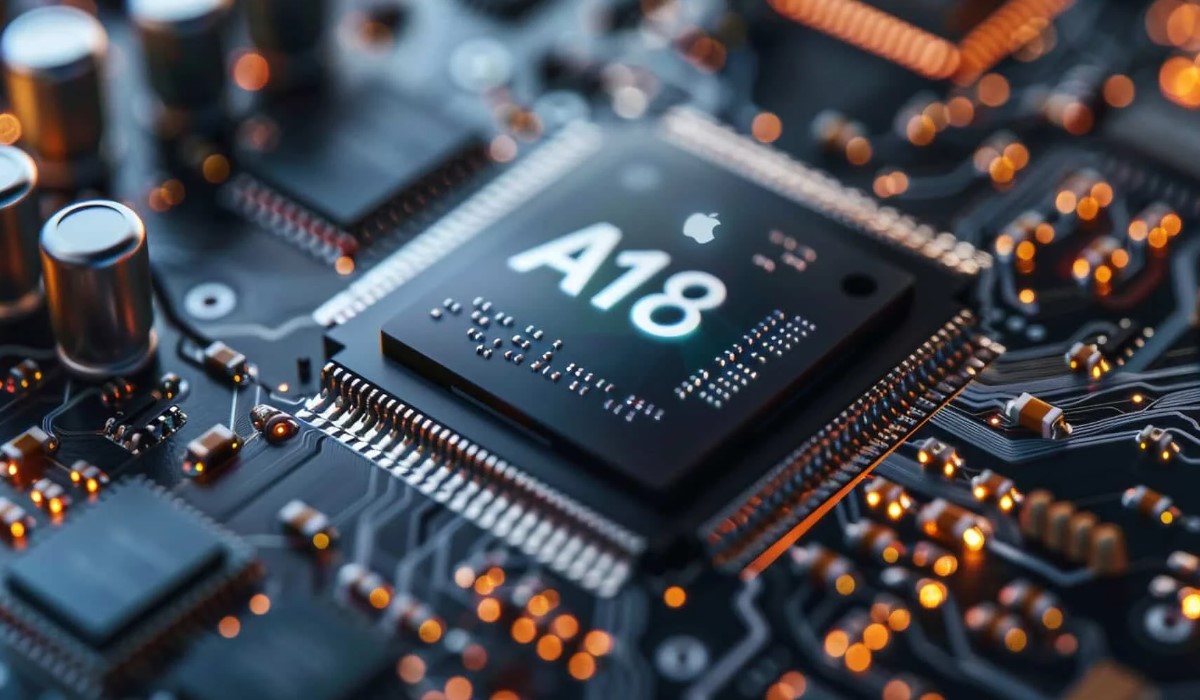
The Apple A18 and Apple A18 Pro are a pair of 64-bit ARM-based system on a chip (SoC) designed by Apple Inc., part of the Apple silicon series. They are used in the iPhone 16 and iPhone 16 Pro lineups and the iPhone 16e, and built on a second generation 3 nm process by TSMC.

***

Yesterday, for several hours on Tuesday, it looked like stocks were going to regain some of the ground lost during the market’s very bad week. But after the Trump administration made it clear that its increased tariffs on China would go into effect, all three indexes plunged. Apple, which makes most of its iPhones in China, was hit harder than many of its Big Tech peers.

So shoppers are thinking it’s better to have an Apple A18 processor and not need it, than to need it and not have it. Apple customers are scrambling to buy new iPhones out of fear that the company could raise prices to offset President Trump’s tariffs.

Employees at locations throughout the US said they’re being bombarded with questions about potential price hikes and have witnessed customers panic-buying phones. Though Apple declined to comment to Bloomberg, its retail stores reportedly saw higher sales over the last weekend than in previous years.

COMMENTS APPRECIATED

Like and Subscribe

***

***

BLACK MONDAY REDEUX: Interesting Day or Financial Crisis?

BILL ACKMAN versus JIM KRAMER

By Staff Reporters

SPONSOR: http://www.CertifiedMedicalPlanner.org

***

***

Interesting Day?

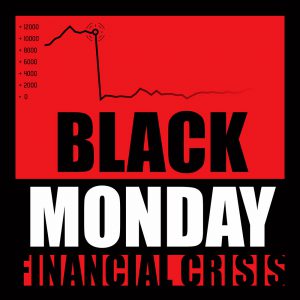
Markets: Last week’s market bloodbath will go down in the history books. The S&P 500’s 10% plunge on Thursday and Friday, after President Trump announced massive tariffs, ranks among the steepest two-day decline in the last 70 years, on par with Black Monday in 1987, the post-Lehman Brothers rout in 2008, and the Covid plunge in March 2020. More than $6 trillion was wiped out from stocks over two days, and the NASDAQ entered a bear market, down 20% from a previous high.

Trading restarted at 9:30 am ET for what Bill Ackman predicts will be “one of the more interesting days in our country’s economic history.”

***

Monday Crash?

On the other hand, CNBC host and market commentator Jim Cramer just warned that America is in store for another “Black Monday” market crash similar to the record 1987 collapse if President Trump doesn’t curtail his tariff plan.

Cramer — who noted that the 1987 crash saw the Dow Jones Industrial Average fall by 22.6% in a single day — said the bloodbath could be repeated after the brutal two-day sell-off following the announcement of Trump’s sweeping tariffs against nearly 90 countries.

If the president doesn’t try to reach out and reward these countries and companies that play by the rules, then the 1987 scenario … the one where we went down three days and then down 22% on Monday, has the most cogency,” Cramer said on his show Saturday, referencing the worst single-day fall in the history of the Dow.

QUESTION: Who is correct; Ackman or Cramer?

COMMENTS APPRECIATED

Read, Like, Refer and Subscribe

***

***

DAILY UPDATE: US Healthcare History as Stock Markets Soar

MEDICAL EXECUTIVE-POST TODAY’S NEWSLETTER BRIEFING

***

Essays, Opinions and Curated News in Health Economics, Investing, Business, Management and Financial Planning for Physician Entrepreneurs and their Savvy Advisors and Consultants

Serving Almost One Million Doctors, Financial Advisors and Medical Management Consultants Daily

A Partner of the Institute of Medical Business Advisors , Inc.

http://www.MedicalBusinessAdvisors.com

SPONSORED BY: Marcinko & Associates, Inc.

***

http://www.MarcinkoAssociates.com

Daily Update Provided By Staff Reporters Since 2007.
How May We Serve You?
© Copyright Institute of Medical Business Advisors, Inc. All rights reserved. 2025

REFER A COLLEAGUE: MarcinkoAdvisors@outlook.com

SPONSORSHIPS AVAILABLE: https://medicalexecutivepost.com/sponsors/

ADVERTISE ON THE ME-P: https://tinyurl.com/ytb5955z

Your Referral Count -0-

CITE: https://www.r2library.com/Resource

We are embarking on the ambitious task of highlighting some big moments from the last 25 years of healthcare.

CITE: https://tinyurl.com/2h47urt5

US stocks closed near session highs on Monday as investors welcomed reports that the next wave of President Trump’s tariffs will be narrower than expected.

The S&P 500 (^GSPC) rose almost 1.8% on the heels of the broad benchmark snapping a four-week losing streak. The Dow Jones Industrial Average (^DJI) advanced 1.4%, while contracts on the tech-heavy NASDAQ Composite (^IXIC) led the gains, up 2.3%.

CITE: https://tinyurl.com/tj8smmes

Visualize: How private equity tangled banks in a web of debt, from the Financial Times.

COMMENTS APPRECIATED

PLEASE SUBSCRIBE: MarcinkoAdvisors@outlook.com

Thank You

***

***

***

***

EDUCATIONAL TEXTBOOKS: https://tinyurl.com/4zdxuuwf

***