BOARD CERTIFICATION EXAM STUDY GUIDES Lower Extremity Trauma
[Click on Image to Enlarge]
ME-P Free Advertising Consultation
The “Medical Executive-Post” is about connecting doctors, health care executives and modern consulting advisors. It’s about free-enterprise, business, practice, policy, personal financial planning and wealth building capitalism. We have an attitude that’s independent, outspoken, intelligent and so Next-Gen; often edgy, usually controversial. And, our consultants “got fly”, just like U. Read it! Write it! Post it! “Medical Executive-Post”. Call or email us for your FREE advertising and sales consultation TODAY [678.779.8597] Email: MarcinkoAdvisors@outlook.com
Medical & Surgical e-Consent Forms
ePodiatryConsentForms.com
iMBA Inc., OFFICES
Suite #5901 Wilbanks Drive, Norcross, Georgia, 30092 USA [1.678.779.8597]. Our location is real and we are now virtually enabled to assist new long distance clients and out-of-town colleagues.
ME-P Publishing
SEEKING INDUSTRY INFO PARTNERS?
If you want the opportunity to work with leading health care industry insiders, innovators and watchers, the “ME-P” may be right for you? We are unbiased and operate at the nexus of theoretical and applied R&D. Collaborate with us and you’ll put your brand in front of a smart & tightly focused demographic; one at the forefront of our emerging healthcare free marketplace of informed and professional “movers and shakers.” Our Ad Rate Card is available upon request [678-779-8597].
Exchange‑traded funds (ETFs) have been one of the most transformative innovations in modern investing. Since the first U.S. ETF launched in the early 1990s, they have grown from a niche product to a dominant force, reshaping how individuals and institutions build portfolios. Their rise has been so dramatic that it’s fair to ask whether ETFs have already peaked. Are they past their prime, or are they simply entering a more mature—and still powerful—phase of their evolution?
To answer that, it helps to understand why ETFs became so popular in the first place. They offered something investors had long wanted: low‑cost, diversified exposure to markets without the high fees and underperformance that plagued many actively managed mutual funds. ETFs also traded like stocks, giving investors flexibility and transparency that mutual funds couldn’t match. These advantages fueled explosive growth, especially as passive investing gained cultural and academic momentum. For years, ETFs were the fresh, disruptive alternative to traditional funds.
But today, the landscape looks different. ETFs are no longer the scrappy upstarts; they are the establishment. With trillions of dollars in assets and thousands of products on the market, the ETF ecosystem is crowded, competitive, and increasingly complex. This shift has led some observers to argue that ETFs have reached saturation—that the innovation wave has crested and the industry is coasting on past success.
There is some truth to the idea that the ETF boom has matured. Many of the most useful, broad‑market ETFs already exist, and new launches often feel like variations on a theme. Investors can choose from dozens of S&P 500 ETFs, dozens more bond ETFs, and an overwhelming array of thematic funds that slice the market into ever‑narrower niches. When a market becomes this saturated, it’s natural to wonder whether the era of groundbreaking ETF innovation is behind us.
Yet maturity is not the same as decline. In fact, the very saturation that critics point to is evidence of the ETF’s enduring relevance. Investors continue to demand these products, and issuers continue to create them because ETFs remain one of the most efficient vehicles for accessing markets. Even if the pace of novelty has slowed, the core value proposition—low cost, liquidity, transparency—has not diminished.
Moreover, ETFs are still evolving in meaningful ways. One of the most significant developments in recent years has been the rise of actively managed ETFs. For decades, ETFs were synonymous with passive investing, but that boundary has blurred. Active managers have embraced the ETF structure because it offers tax advantages and lower operating costs compared to traditional mutual funds. This shift has opened the door to new strategies and has attracted investors who want the benefits of active management without the drawbacks of older fund structures. Far from being past their prime, ETFs are expanding into territory once considered off‑limits.
Another area of growth is fixed‑income ETFs. Bond markets have historically been opaque and difficult for individual investors to navigate. ETFs have changed that by offering simple, liquid access to everything from government bonds to high‑yield credit. During periods of market stress, bond ETFs have even served as price discovery tools, providing transparency when underlying bond markets were sluggish. This role suggests that ETFs are not just surviving—they are becoming integral to how modern markets function.
The rise of thematic and specialized ETFs also complicates the “past their prime” narrative. While some of these funds are gimmicky or short‑lived, others have tapped into genuine long‑term trends such as clean energy, cybersecurity, and artificial intelligence. These products allow investors to express views on specific sectors or technologies without picking individual stocks. Even if not every thematic ETF succeeds, the category reflects ongoing experimentation and investor interest.
***
***
Of course, ETFs are not without challenges. Their popularity has raised concerns about market concentration, especially in large index funds that hold significant portions of major companies. Some critics argue that passive investing distorts price signals or contributes to market bubbles. Others worry about liquidity risks in certain types of ETFs, particularly those holding less liquid assets. These debates are important, but they do not indicate that ETFs are fading. Instead, they show that ETFs have become so influential that their impact must be carefully examined.
Ultimately, the question of whether ETFs are past their prime depends on how one defines “prime.” If it means rapid, explosive growth driven by novelty, then yes—the early era of ETF disruption has passed. The industry is more mature, more crowded, and less defined by breakthrough innovation than it once was. But if “prime” refers to relevance, utility, and influence, then ETFs are arguably stronger than ever. They have become foundational tools for investors of all types, from retirees to hedge funds. Their evolution into active strategies, fixed‑income markets, and thematic investing shows that they are still adapting to new demands.
ETFs may no longer be the newest thing in finance, but they remain one of the most powerful. Rather than being past their prime, they appear to be settling into a long, stable middle age—one defined not by hype, but by enduring value.
SPEAKING: Dr. Marcinko will be speaking and lecturing, signing and opining, teaching and preaching, storming and performing at many locations throughout the USA this year! His tour of witty and serious pontifications may be scheduled on a planned or ad-hoc basis; for public or private meetings and gatherings; formally, informally, or over lunch or dinner. All medical societies, financial advisory firms or Broker-Dealers are encouraged to submit an RFP for speaking engagements: CONTACT: Ann Miller RN MHA at MarcinkoAdvisors@outlook.com -OR-http://www.MarcinkoAssociates.com
Closed‑end mutual funds occupy a curious corner of the investment world. Once a more prominent vehicle for accessing professional management and diversified portfolios, they now sit in the shadow of open‑end mutual funds and exchange‑traded funds (ETFs). The question of whether closed‑end funds are past their prime is not just about performance; it’s about relevance in a market that has evolved dramatically. While they still offer unique advantages, the broader trends in investor behavior and financial innovation suggest that their golden era may indeed be behind them.
Closed‑end funds were originally designed to give investors access to a professionally managed pool of assets without the liquidity constraints that come from daily redemptions. Unlike open‑end mutual funds, which issue and redeem shares based on investor demand, closed‑end funds issue a fixed number of shares at launch. Those shares then trade on an exchange like a stock. This structure frees managers from having to hold large cash reserves to meet redemptions, allowing them to invest more fully in their chosen strategies. In theory, this should give closed‑end funds an edge, especially in less liquid markets such as municipal bonds or emerging‑market debt.
However, the very feature that once made closed‑end funds appealing—their fixed capital structure—has become a double‑edged sword. Because shares trade on the open market, their price often diverges from the value of the underlying assets. This leads to persistent discounts or premiums relative to net asset value. For some investors, discounts represent an opportunity; for others, they are a source of frustration. The discount phenomenon can make closed‑end funds feel unpredictable, especially compared to ETFs, which are designed to keep market prices closely aligned with underlying asset values.
The rise of ETFs is perhaps the strongest argument that closed‑end funds have lost their prime position. ETFs offer intraday liquidity, tax efficiency, low fees, and tight tracking of net asset value. They have become the default choice for many investors seeking diversified exposure. In contrast, closed‑end funds often carry higher expense ratios, and many use leverage to enhance returns—an approach that can magnify both gains and losses. In a market increasingly focused on transparency and cost efficiency, these characteristics can make closed‑end funds seem outdated.
Investor behavior has also shifted. Modern investors value simplicity, liquidity, and low fees. Robo‑advisors, model portfolios, and passive strategies have reinforced these preferences. Closed‑end funds, with their idiosyncratic pricing and sometimes opaque strategies, do not fit neatly into this landscape. Their complexity can be a barrier for newer investors who are accustomed to the straightforward nature of ETFs and index funds.
***
***
Yet it would be a mistake to dismiss closed‑end funds entirely. They continue to offer advantages that other vehicles cannot easily replicate. Their ability to use leverage, for example, can be attractive in certain market environments. Skilled managers can exploit inefficiencies in niche markets without worrying about redemptions forcing them to sell assets at inopportune times. Income‑focused investors, particularly those seeking municipal bond exposure, often find closed‑end funds appealing because they can deliver higher yields than comparable open‑end funds or ETFs.
Moreover, the discounts that plague closed‑end funds can also be a source of opportunity. Contrarian investors who are willing to tolerate volatility may find value in purchasing shares at a discount and waiting for market sentiment to shift. In some cases, activist investors have stepped in to push for changes that unlock value, such as tender offers or fund reorganizations. These dynamics create a unique ecosystem that continues to attract a dedicated, if smaller, group of investors.
Still, the broader trend is hard to ignore. The investment industry has moved toward vehicles that emphasize liquidity, transparency, and low cost. Closed‑end funds, by design, struggle to compete on these dimensions. Their niche strengths are not enough to offset the structural advantages of ETFs for most investors. As a result, while closed‑end funds remain relevant in certain corners of the market, they no longer occupy the central role they once did.
So, are closed‑end mutual funds past their prime? In many ways, yes. Their peak influence has faded as the industry has embraced more modern, flexible, and cost‑effective investment vehicles. But “past their prime” does not mean obsolete. Closed‑end funds continue to serve a purpose for investors who understand their quirks and are willing to navigate their complexities. They may no longer be the star of the show, but they still play a meaningful supporting role in the broader investment landscape.
SPEAKING: Dr. Marcinko will be speaking and lecturing, signing and opining, teaching and preaching, storming and performing at many locations throughout the USA this year! His tour of witty and serious pontifications may be scheduled on a planned or ad-hoc basis; for public or private meetings and gatherings; formally, informally, or over lunch or dinner. All medical societies, financial advisory firms or Broker-Dealers are encouraged to submit an RFP for speaking engagements: CONTACT: Ann Miller RN MHA at MarcinkoAdvisors@outlook.com -OR-http://www.MarcinkoAssociates.com
A financial advisor’s draw payment system is a compensation structure that blends stability with performance incentives, giving advisors predictable income while still tying their long‑term earnings to the revenue they generate. It is widely used in brokerage firms, independent advisory practices, and insurance‑based financial services organizations because it helps new or transitioning advisors manage cash flow while they build a client base. Understanding how a draw works, why firms use it, and what trade‑offs it creates is essential for evaluating its fairness and effectiveness.
What a Draw Payment System Is
A draw is an advance on future commissions or advisory fees. Instead of being paid strictly when revenue is earned, the advisor receives a regular, predetermined payment—weekly, biweekly, or monthly—that functions like a salary. Later, when the advisor earns commissions or fees, those earnings are used to “repay” the draw. If the advisor earns more than the draw amount, they receive the excess. If they earn less, the draw may accumulate as a deficit that must be repaid or carried forward.
Firms use several types of draws. A recoverable draw must be paid back through future production, while a non‑recoverable draw functions more like a temporary stipend that the firm does not reclaim. Some firms offer a graduated draw, which decreases over time as the advisor becomes more productive. These variations allow firms to tailor compensation to the advisor’s experience level and the firm’s risk tolerance.
Why Firms Use Draw Systems
The draw system exists because financial advising is a revenue‑driven profession with unpredictable income patterns. New advisors often face months of prospecting before earning meaningful commissions or fees. Without a draw, many would struggle to cover basic living expenses, making the profession inaccessible to anyone without substantial savings.
For firms, the draw system is a way to attract talent without committing to a full salary. It shifts part of the financial risk to the advisor while still providing enough stability to support early‑stage business development. It also aligns incentives: advisors are motivated to produce revenue because their long‑term earnings depend on it.
How Draws Affect Advisor Behavior
A draw system shapes advisor behavior in several ways:
Encourages early productivity — Because the draw must be repaid, advisors feel pressure to generate revenue quickly.
Promotes long‑term client building — Once production exceeds the draw, advisors begin earning true commissions or fees, reinforcing the value of building a strong book of business.
Creates accountability — Firms can track whether advisors are on pace to justify their compensation.
Influences risk‑taking — Advisors may feel pressure to sell products with higher commissions to cover their draw, which can create ethical tensions if not properly supervised.
These behavioral effects are neither inherently good nor bad; their impact depends on firm culture, compliance oversight, and the advisor’s professional judgment.
Advantages for Advisors
A draw system offers several benefits:
Income stability — Advisors can rely on predictable payments while building their client base.
Reduced financial stress — The draw helps cover living expenses during slow periods.
Opportunity for high earnings — Once production exceeds the draw, advisors can earn significantly more than a fixed salary would allow.
Professional runway — The system gives advisors time to develop skills, build relationships, and refine their business model.
For many advisors, the draw is the bridge that makes the early years of the profession survivable.
Advantages for Firms
Firms also benefit from draw systems:
Lower upfront risk — Firms avoid paying full salaries to advisors who may not produce.
Performance alignment — Compensation is tied directly to revenue generation.
Talent attraction — Draws make the profession accessible to candidates who lack financial reserves.
Scalable compensation — Firms can adjust draw levels as advisors grow, reducing support as production increases.
This balance of risk and reward is one reason the draw system remains common across the industry.
Challenges and Criticisms
Despite its advantages, the draw system has drawbacks:
Debt pressure — Recoverable draws can accumulate into large deficits, creating financial stress.
Potential conflicts of interest — Advisors may feel pressure to recommend products with higher commissions.
Uneven income — Once the draw period ends, income can fluctuate dramatically.
Advisor turnover — High draw deficits can push advisors out of the industry before they have time to succeed.
These challenges highlight the importance of training, ethical oversight, and realistic production expectations.
The Draw System in a Modern Advisory Environment
As the industry shifts toward fee‑based planning and fiduciary standards, some firms are rethinking draw structures. Fee‑based advisors often experience more stable revenue streams, reducing the need for large draws. At the same time, firms still use draws to support new advisors who are transitioning from other careers or building a client base from scratch.
Hybrid models are emerging, combining modest base salaries with smaller draws and performance bonuses. These structures aim to reduce conflicts of interest while still rewarding productivity.
Closing Thought
A financial advisor’s draw payment system is ultimately a tool for balancing stability and performance. When designed thoughtfully, it supports new advisors, aligns incentives, and helps firms manage risk. When poorly structured, it can create financial pressure and ethical challenges. The key is finding a balance that supports both advisor success and client‑centered service.
SPEAKING: Dr. Marcinko will be speaking and lecturing, signing and opining, teaching and preaching, storming and performing at many locations throughout the USA this year! His tour of witty and serious pontifications may be scheduled on a planned or ad-hoc basis; for public or private meetings and gatherings; formally, informally, or over lunch or dinner. All medical societies, financial advisory firms or Broker-Dealers are encouraged to submit an RFP for speaking engagements: CONTACT: Ann Miller RN MHA at MarcinkoAdvisors@outlook.com -OR-http://www.MarcinkoAssociates.com
The pecking order theory is one of the most influential ideas in corporate finance because it offers a simple but powerful explanation for how firms choose among different sources of funding. Rather than treating financing decisions as purely mathematical exercises, the theory argues that managers follow a predictable hierarchy shaped by information, risk, and the desire to avoid sending negative signals to the market. This hierarchy places internal funds at the top, debt in the middle, and equity at the bottom. Understanding why this order exists reveals much about how real companies behave and why capital structure choices often deviate from textbook models.
At the heart of the pecking order theory is the idea that managers know more about their firm’s prospects than outside investors. This information gap creates a problem: whenever a company raises external capital, investors must interpret the decision without full knowledge of the firm’s true condition. Because of this, financing choices become signals. Some signals are reassuring, while others raise doubts. The theory argues that managers, aware of how their decisions will be interpreted, choose financing methods that minimize the risk of sending negative signals.
Internal financing sits at the top of the hierarchy because it avoids the information problem entirely. When a firm uses retained earnings, no outside party needs to evaluate the firm’s value or future prospects. There is no need to justify the decision to lenders or convince investors that the firm is worth its current valuation. Internal funds are also cheaper because they do not involve underwriting fees, interest payments, or dilution of ownership. For these reasons, firms prefer to rely on internal cash flow whenever possible. This preference explains why profitable firms often carry less debt: they simply do not need to borrow.
When internal funds are insufficient, firms turn to debt. Debt is preferred over equity because it sends a more neutral signal to the market. Borrowing does require external evaluation, but lenders focus primarily on the firm’s ability to repay rather than its long‑term growth prospects. As a result, issuing debt does not imply that managers believe the firm is overvalued. In fact, taking on debt can sometimes signal confidence, since managers are committing the firm to fixed payments that they believe it can meet. Debt also avoids ownership dilution, which managers and existing shareholders often want to prevent. Although debt increases financial risk, the theory argues that managers accept this risk before considering equity because the informational costs of issuing equity are even higher.
Equity sits at the bottom of the hierarchy because it sends the strongest negative signal. When a firm issues new shares, investors may interpret the decision as a sign that managers believe the stock is overpriced. If managers truly thought the firm was undervalued, they would avoid issuing equity and instead rely on internal funds or debt. Because investors fear that equity issuance reflects insider pessimism, stock prices often fall when new shares are announced. This reaction reinforces the reluctance of managers to issue equity unless they have no other choice. Equity becomes the financing method of last resort, used only when internal funds are exhausted and additional debt would create excessive financial risk.
The pecking order theory helps explain several real‑world patterns that traditional models struggle to address. For example, firms do not appear to target a specific debt‑to‑equity ratio, even though many theories suggest they should. Instead, leverage tends to rise when internal funds are low and fall when profits are strong. This behavior aligns closely with the pecking order: firms borrow when they must and repay debt when they can. The theory also explains why young, fast‑growing firms often rely heavily on external financing. These firms have limited internal funds and may not yet have the credit history needed for large loans, forcing them to issue equity despite the negative signal it may send.
Another strength of the theory is its ability to account for managerial behavior. Managers often prefer financing choices that preserve control and minimize scrutiny. Internal funds and debt allow managers to maintain greater autonomy, while equity introduces new shareholders who may demand influence or oversight. The theory captures this preference by placing equity at the bottom of the hierarchy.
Despite its strengths, the pecking order theory is not without limitations. It assumes that information asymmetry is the dominant factor in financing decisions, but real firms face many other considerations. Tax advantages, bankruptcy risk, market conditions, and strategic goals all influence capital structure choices. Some firms issue equity even when internal funds and debt are available, especially if they want to reduce leverage or take advantage of favorable market valuations. These exceptions do not invalidate the theory but show that it is one lens among many.
SPEAKING: Dr. Marcinko will be speaking and lecturing, signing and opining, teaching and preaching, storming and performing at many locations throughout the USA this year! His tour of witty and serious pontifications may be scheduled on a planned or ad-hoc basis; for public or private meetings and gatherings; formally, informally, or over lunch or dinner. All medical societies, financial advisory firms or Broker-Dealers are encouraged to submit an RFP for speaking engagements: CONTACT: Ann Miller RN MHA at MarcinkoAdvisors@outlook.com -OR-http://www.MarcinkoAssociates.com
The Net Investment Income Tax (NIIT) occupies a distinctive place in the modern U.S. tax landscape. Introduced as part of the Affordable Care Act, it was designed to generate revenue from higher‑income households by taxing certain forms of unearned income. Although it affects a relatively small portion of taxpayers, its implications reach into investment strategy, tax planning, and broader debates about fairness and economic policy. Understanding how the NIIT works—and why it exists—offers insight into the evolving relationship between tax policy and wealth in the United States.
At its core, the NIIT is a 3.8 percent surtax applied to specific types of investment income for individuals whose modified adjusted gross income exceeds statutory thresholds. These thresholds—$200,000 for single filers and $250,000 for married couples filing jointly—are not indexed for inflation. As a result, over time, more taxpayers may find themselves subject to the tax even if their real purchasing power has not increased. This “bracket creep” is one of the subtle but important features of the NIIT, shaping its long‑term reach.
The tax applies only to “net investment income,” a term that includes interest, dividends, capital gains, rental income, royalties, and passive business income. It does not apply to wages, self‑employment earnings, or distributions from qualified retirement plans. The logic behind this distinction is straightforward: the NIIT targets income derived from wealth rather than labor. In practice, this means that two taxpayers with identical total income may face different NIIT liabilities depending on how much of their income comes from investments versus work.
The mechanics of the NIIT involve a comparison between two amounts: net investment income and the excess of modified adjusted gross income over the applicable threshold. The tax is applied to whichever of these two figures is smaller. This structure ensures that the NIIT functions as a surtax on high‑income households without taxing investment income for those below the threshold. It also means that taxpayers with large investment portfolios but modest overall income may avoid the tax entirely, while those with high wages and relatively small investment income may still owe it.
One of the most significant effects of the NIIT is its influence on investment behavior. Because the tax applies to capital gains, it can affect decisions about when to sell appreciated assets. Taxpayers may choose to time sales to avoid pushing their income above the threshold in a given year. Others may shift toward tax‑exempt investments, such as municipal bonds, or toward assets that generate unrealized rather than realized gains. The NIIT therefore becomes not just a revenue tool but a factor shaping the broader investment landscape.
The tax also interacts with other parts of the tax code in ways that can be complex. For example, rental real estate income is generally subject to the NIIT unless the taxpayer qualifies as a real estate professional and materially participates in the activity. Trusts and estates face their own NIIT rules, often reaching the surtax threshold at much lower income levels than individuals. These layers of complexity mean that the NIIT is often a central topic in tax planning for high‑income households, especially those with diverse investment portfolios.
Beyond its technical features, the NIIT reflects broader policy debates about equity and the distribution of tax burdens. Supporters argue that it helps ensure that high‑income individuals contribute a fair share to the cost of public programs, particularly those related to health care. Because investment income is disproportionately concentrated among wealthier households, the NIIT is seen as a way to align tax policy with ability to pay. Critics, however, contend that the tax discourages investment, adds unnecessary complexity, and imposes an additional layer of taxation on income that may already be subject to corporate taxes or other levies.
Despite these debates, the NIIT has become a stable part of the federal tax system. It raises billions of dollars annually and plays a role in funding health‑related initiatives. As discussions about tax reform continue, the NIIT often resurfaces as policymakers consider how best to balance revenue needs with economic incentives. Whether it remains unchanged, is expanded, or is modified in future legislation, the NIIT will continue to shape the financial decisions of high‑income taxpayers and contribute to the ongoing conversation about how the United States taxes wealth.
SPEAKING: Dr. Marcinko will be speaking and lecturing, signing and opining, teaching and preaching, storming and performing at many locations throughout the USA this year! His tour of witty and serious pontifications may be scheduled on a planned or ad-hoc basis; for public or private meetings and gatherings; formally, informally, or over lunch or dinner. All medical societies, financial advisory firms or Broker-Dealers are encouraged to submit an RFP for speaking engagements: CONTACT: Ann Miller RN MHA at MarcinkoAdvisors@outlook.com -OR-http://www.MarcinkoAssociates.com
For many people, renting a home or apartment feels like a temporary or transitional stage, something less permanent than homeownership and therefore less in need of formal protection. Yet this assumption often leads renters to overlook one of the most important safeguards available to them: renter’s insurance. While landlords typically carry insurance for the building itself, that coverage does not extend to a tenant’s personal belongings or liability. Renter’s insurance fills that gap, offering a surprisingly robust layer of protection at a relatively low cost. Understanding what renter’s insurance covers, how it works, and why it matters can help renters make informed decisions that protect their financial stability and peace of mind.
At its core, renter’s insurance is designed to protect personal property. Many renters underestimate the value of their belongings, assuming that they do not own enough to justify insurance. But when you add up the cost of furniture, electronics, clothing, kitchenware, and other essentials, the total value can easily reach several thousands of dollars. A single fire, burst pipe, or break‑in could wipe out years of accumulated possessions. Renter’s insurance provides reimbursement for these losses, allowing tenants to replace what was damaged or stolen without bearing the full financial burden. Policies typically cover a wide range of events, including theft, vandalism, smoke damage, and certain types of water damage. For renters who rely on their belongings for work or daily living, this protection can be invaluable.
Another major component of renter’s insurance is liability coverage. This aspect of the policy protects renters if they are found legally responsible for injuries or property damage that occur within their rented space. For example, if a guest slips on a wet floor and suffers an injury, the renter could be held liable for medical expenses or legal fees. Without insurance, these costs could be financially devastating. Liability coverage also extends to accidental damage caused by the renter to someone else’s property. Even a small mishap—like a kitchen fire that spreads to a neighboring unit—can result in significant costs. Renter’s insurance helps shield tenants from these unexpected financial risks, offering a safety net that many people do not realize they need until it is too late.
A lesser‑known but highly valuable feature of renter’s insurance is coverage for additional living expenses. If a rental unit becomes uninhabitable due to a covered event, such as a fire or severe water damage, the policy can help pay for temporary housing, meals, and other necessary expenses. This benefit ensures that renters are not left scrambling for a place to stay or forced to pay out‑of‑pocket for hotel rooms while repairs are underway. In moments of crisis, having this support can make a significant difference in maintaining stability and reducing stress.
One of the most compelling aspects of renter’s insurance is its affordability. Compared to other types of insurance, premiums for renter’s policies are generally low, often costing less per month than a typical streaming subscription. This affordability makes it accessible to a wide range of renters, including students, young professionals, and families. The relatively small investment can yield substantial financial protection, making renter’s insurance one of the most cost‑effective forms of coverage available. For many renters, the peace of mind alone is worth the modest monthly expense.
***
***
Despite its benefits, renter’s insurance remains underutilized. Some renters assume that their landlord’s insurance will cover their belongings, not realizing that the landlord’s policy only protects the building structure. Others believe that their possessions are not valuable enough to insure, or they simply have not taken the time to explore their options. Education plays a key role in addressing these misconceptions. When renters understand what is at stake and how renter’s insurance works, they are more likely to recognize its importance and take steps to protect themselves.
Choosing the right renter’s insurance policy involves evaluating personal needs and understanding the different types of coverage available. One important decision is whether to select actual cash value coverage or replacement cost coverage. Actual cash value policies reimburse the depreciated value of items, while replacement cost policies cover the cost of buying new items at current prices. Although replacement cost coverage is typically more expensive, it often provides more meaningful protection, especially for essential items like electronics or furniture. Renters should also consider the policy’s deductible, coverage limits, and any optional add‑ons that may be relevant to their situation.
Ultimately, renter’s insurance is about more than protecting belongings; it is about safeguarding financial well‑being and creating a sense of security. Life is unpredictable, and even the most careful renter cannot control every circumstance. Whether it is a break‑in, a kitchen accident, or a burst pipe, unexpected events can disrupt daily life and lead to significant expenses. Renter’s insurance offers a practical, affordable way to prepare for these possibilities. By investing in a policy, renters take an important step toward protecting themselves, their possessions, and their future stability.
SPEAKING: Dr. Marcinko will be speaking and lecturing, signing and opining, teaching and preaching, storming and performing at many locations throughout the USA this year! His tour of witty and serious pontifications may be scheduled on a planned or ad-hoc basis; for public or private meetings and gatherings; formally, informally, or over lunch or dinner. All medical societies, financial advisory firms or Broker-Dealers are encouraged to submit an RFP for speaking engagements: CONTACT: Ann Miller RN MHA at MarcinkoAdvisors@outlook.com -OR-http://www.MarcinkoAssociates.com
SPEAKING: Dr. Marcinko will be speaking and lecturing, signing and opining, teaching and preaching, storming and performing at many locations throughout the USA this year! His tour of witty and serious pontifications may be scheduled on a planned or ad-hoc basis; for public or private meetings and gatherings; formally, informally, or over lunch or dinner. All medical societies, financial advisory firms or Broker-Dealers are encouraged to submit an RFP for speaking engagements: CONTACT: Ann Miller RN MHA at MarcinkoAdvisors@outlook.com -OR-http://www.MarcinkoAssociates.com
The term “INVEST Act” has appeared in multiple financial policy discussions over the past several years, and although it may sound like a single, well‑defined piece of legislation, it actually refers to a range of proposals aimed at encouraging investment, reforming tax treatment, and strengthening long‑term financial security. In the world of finance, the acronym has been used repeatedly because it signals a clear legislative intention: to stimulate economic growth by making investment easier, more attractive, or more accessible. Understanding the INVEST Act in a financial context therefore requires examining the major themes that these proposals share, the problems they attempt to solve, and the broader implications for investors, businesses, and households.
One of the most common uses of the INVEST Act label appears in proposals designed to increase capital investment within the United States. These versions of the act typically focus on adjusting the tax code to encourage companies to expand, innovate, and hire. They may include provisions such as accelerated depreciation schedules, expanded tax credits for research and development, or incentives for domestic manufacturing. The underlying logic is straightforward: when businesses face lower after‑tax costs for investing in equipment, technology, or facilities, they are more likely to undertake projects that boost productivity and create jobs. By lowering barriers to capital formation, these proposals aim to strengthen the country’s long‑term economic competitiveness.
Another major interpretation of the INVEST Act centers on reforming capital gains taxation. In this version, lawmakers propose changes intended to reward long‑term investment rather than short‑term speculation. These reforms might include simplified capital gains brackets, reduced tax rates for assets held over extended periods, or deferral options that allow investors to reinvest gains without immediate tax consequences. The goal is to encourage individuals and institutions to commit capital to productive, long‑horizon ventures such as infrastructure, innovation, or business expansion. Supporters argue that a tax system favoring patient investment helps stabilize financial markets and channels resources toward activities that generate sustainable economic growth.
A third category of INVEST Act proposals focuses on retirement savings. In these cases, the acronym is often used to highlight the importance of long‑term financial security for American workers. These proposals typically aim to expand access to retirement plans, increase contribution limits, or provide tax credits to small businesses that establish retirement programs for their employees. Some versions emphasize automatic enrollment or improved portability, making it easier for workers to maintain consistent savings even as they change jobs. By strengthening the retirement system, these proposals seek to address the growing concern that many households are not saving enough to support themselves later in life. The INVEST Act, in this context, becomes a tool for promoting financial stability and reducing future reliance on social safety nets.
In addition to these targeted reforms, the INVEST Act label has also been applied to broader economic‑development initiatives. These proposals aim to direct private capital into underserved or economically distressed regions. They may expand programs such as Opportunity Zones, offer tax incentives for investment in rural or low‑income areas, or support public‑private partnerships that fund infrastructure and community development. The intention is to use financial policy as a lever to reduce geographic inequality and stimulate growth in areas that have struggled to attract investment. By encouraging capital to flow into regions that need it most, these versions of the INVEST Act attempt to create more balanced and inclusive economic progress.
Although the specific details vary across proposals, the financial versions of the INVEST Act share a common philosophy: investment is a cornerstone of economic strength, and public policy can play a meaningful role in shaping how and where investment occurs. Whether the focus is corporate expansion, capital gains reform, retirement security, or regional development, each version reflects an effort to align financial incentives with long‑term national priorities. These proposals recognize that markets do not always allocate capital in ways that maximize social or economic well‑being, and that targeted policy interventions can help correct imbalances or encourage beneficial behavior.
The diversity of proposals that fall under the INVEST Act umbrella also highlights the complexity of financial policymaking. Encouraging investment is not a single, simple task; it touches on taxation, regulation, household behavior, business strategy, and regional development. As a result, the INVEST Act has become a flexible legislative brand—one that can be adapted to different economic challenges and political goals. While this flexibility can sometimes create confusion about what the act specifically entails, it also reflects the broad recognition that investment, in all its forms, is essential to the country’s future prosperity.
In sum, the INVEST Act in finance is best understood not as a single law but as a recurring legislative theme aimed at strengthening the nation’s economic foundation. Whether through tax incentives, retirement reforms, or development programs, these proposals share a commitment to promoting long‑term growth and financial stability. By examining the various interpretations of the INVEST Act, one gains insight into the evolving priorities of financial policy and the ongoing effort to create an economy that supports innovation, security, and opportunity.
SPEAKING: Dr. Marcinko will be speaking and lecturing, signing and opining, teaching and preaching, storming and performing at many locations throughout the USA this year! His tour of witty and serious pontifications may be scheduled on a planned or ad-hoc basis; for public or private meetings and gatherings; formally, informally, or over lunch or dinner. All medical societies, financial advisory firms or Broker-Dealers are encouraged to submit an RFP for speaking engagements: CONTACT: Ann Miller RN MHA at MarcinkoAdvisors@outlook.com -OR-http://www.MarcinkoAssociates.com
Long‑duration investing is often described as the art of patience in a world that rewards immediacy. It asks investors to look beyond the noise of daily market swings and instead focus on the slow, compounding power of time. While the concept may sound simple, its practice requires discipline, emotional steadiness, and a willingness to embrace uncertainty. Yet for those who commit to it, long‑duration investing remains one of the most reliable paths to building meaningful, lasting wealth.
At its core, long‑duration investing is grounded in the idea that value reveals itself gradually. Businesses do not transform overnight. Innovations take years to mature, management teams need time to execute their strategies, and competitive advantages strengthen—or erode—over long cycles. By extending the investment horizon, an investor positions themselves to benefit from these structural forces rather than being whipsawed by short‑term volatility. Markets can be irrational in the moment, but over time they tend to reward companies that consistently grow earnings, reinvest wisely, and maintain strong competitive positions.
One of the most powerful advantages of long‑duration investing is compounding. When returns are reinvested year after year, the growth curve becomes exponential rather than linear. The early years may feel slow, but as the base grows, the effect accelerates. This dynamic is often underestimated because humans naturally think in straight lines, not curves. Long‑duration investors, however, learn to appreciate that the most meaningful gains often occur after years of steady accumulation. The patience required is substantial, but so is the payoff.
Another benefit of a long horizon is the ability to look past short‑term market sentiment. Markets are influenced by countless unpredictable events—economic data releases, political developments, investor mood swings, and even social media narratives. These forces can cause prices to deviate significantly from underlying value. Short‑term traders attempt to navigate this turbulence, but long‑duration investors can treat it as background noise. By focusing on fundamentals rather than fluctuations, they avoid the emotional traps that lead to buying high, selling low, and constantly reacting to headlines.
Long‑duration investing also encourages deeper thinking about the quality of the businesses one owns. When the goal is to hold an investment for many years, the criteria for selection naturally become more rigorous. Investors must consider whether a company has durable competitive advantages, a resilient business model, strong leadership, and the ability to adapt to changing environments. This mindset shifts the focus from short‑term catalysts to long‑term value creation. It also reduces the need for constant trading, which can erode returns through taxes, fees, and poor timing.
***
***
Of course, long‑duration investing is not without challenges. The biggest obstacle is psychological. Humans are wired to seek immediate results and to avoid discomfort. Watching an investment decline in value—even temporarily—can trigger fear and self‑doubt. The temptation to abandon a long‑term plan in favor of short‑term action is ever‑present. Successful long‑duration investors learn to manage these emotions. They develop conviction through research, maintain perspective during downturns, and remind themselves that volatility is not the enemy—impulsive decisions are.
Another challenge is the need for flexibility. Long‑duration investing does not mean holding an asset forever regardless of new information. Businesses change, industries evolve, and competitive landscapes shift. A long horizon should not become an excuse for complacency. Instead, it should provide the space to evaluate changes thoughtfully rather than reactively. When the original investment thesis no longer holds, a disciplined investor must be willing to adjust course.
Despite these challenges, the long‑duration approach remains compelling because it aligns with how real value is created. Wealth built slowly tends to be more stable and resilient. It is the product of thoughtful decisions, consistent habits, and a willingness to endure periods of uncertainty. In a world that increasingly prioritizes speed, long‑duration investing offers a refreshing counterpoint: a strategy rooted in patience, discipline, and the belief that time is an ally rather than an adversary.
Ultimately, long‑duration investing is less about predicting the future and more about positioning oneself to benefit from it. It is a philosophy that rewards those who can look beyond the moment and trust in the power of compounding, the resilience of strong businesses, and the steady march of time. For investors willing to embrace its principles, it offers not just financial returns but a calmer, more thoughtful way of engaging with markets—and that may be its greatest advantage.
SPEAKING: Dr. Marcinko will be speaking and lecturing, signing and opining, teaching and preaching, storming and performing at many locations throughout the USA this year! His tour of witty and serious pontifications may be scheduled on a planned or ad-hoc basis; for public or private meetings and gatherings; formally, informally, or over lunch or dinner. All medical societies, financial advisory firms or Broker-Dealers are encouraged to submit an RFP for speaking engagements: CONTACT: Ann Miller RN MHA at MarcinkoAdvisors@outlook.com -OR-http://www.MarcinkoAssociates.com
Understanding the Foundations of Financial Protection
Insurance plays a quiet but essential role in modern life. It is one of the few tools that helps individuals, families, and businesses manage uncertainty in a world where accidents, illnesses, natural disasters, and unexpected losses can occur at any moment. At its core, insurance is a system of risk transfer: a policyholder pays a relatively small, predictable premium to an insurer, who in turn promises financial protection against specific, larger risks. Over time, different types of insurance have evolved to address different needs. Understanding these categories not only helps people make informed decisions but also highlights how deeply insurance is woven into the structure of society.
Health Insurance
Health insurance is often considered the most essential type because medical care can be extremely expensive. A single hospital stay or emergency procedure can create financial strain for even the most prepared households. Health insurance helps reduce this burden by covering part or all of the cost of doctor visits, hospitalizations, surgeries, medications, and preventive care. Policies vary widely, from employer-sponsored plans to individual policies and government programs. Regardless of the structure, the purpose remains the same: to ensure that people can access medical care without facing overwhelming financial consequences.
Life Insurance
Life insurance addresses a different kind of risk—the financial impact of a person’s death on their dependents. When the insured person passes away, the insurer pays a lump sum to the beneficiaries. This money can replace lost income, cover funeral expenses, pay off debts, or support long-term financial goals such as education. There are two major forms: term life insurance, which provides coverage for a specific period, and whole life insurance, which lasts for the insured’s lifetime and often includes a savings component. Life insurance is especially important for families who rely on one or more income earners.
Auto Insurance
For anyone who owns or drives a vehicle, auto insurance is both a legal requirement in most places and a practical necessity. It protects drivers financially if they cause an accident, damage property, or injure someone. Many policies also cover damage to the insured’s own vehicle from collisions, theft, vandalism, or natural events. Auto insurance is typically divided into components such as liability, collision, and comprehensive coverage. Because driving involves constant exposure to risk, auto insurance is one of the most widely purchased forms of protection.
Homeowners and Renters Insurance
A home is often the largest investment a person makes, and protecting it is crucial. Homeowners insurance covers the structure of the home and the personal belongings inside it against risks like fire, theft, storms, and other hazards. It also includes liability protection if someone is injured on the property. Renters insurance serves a similar purpose for those who do not own their homes, covering personal belongings and liability but not the building itself. These policies provide peace of mind by ensuring that a single disaster does not lead to financial ruin.
Disability Insurance
While many people think about protecting their property, fewer consider protecting their ability to earn an income. Disability insurance fills this gap by providing income replacement if a person becomes unable to work due to illness or injury. Short‑term disability covers temporary conditions, while long‑term disability can provide support for years or even decades. Because the loss of income can be more financially damaging than the loss of property, disability insurance is a critical but often overlooked component of financial planning.
Business Insurance
Businesses face a wide range of risks, from property damage to lawsuits to employee injuries. Business insurance is a broad category that includes many specialized policies. General liability insurance protects against claims of injury or property damage caused by the business. Property insurance covers buildings, equipment, and inventory. Workers’ compensation insurance provides benefits to employees who are injured on the job. More specialized forms, such as cyber insurance or professional liability insurance, address modern risks that have emerged with technological and economic changes. For companies of all sizes, insurance is essential to maintaining stability and continuity.
***
***
Travel Insurance
Travel insurance has grown in popularity as more people explore the world. It typically covers trip cancellations, lost luggage, medical emergencies abroad, and other unexpected events that can disrupt travel plans. While not always necessary, it can be extremely valuable when traveling internationally, where healthcare systems and costs may differ significantly from those at home.
Why Insurance Matters
Across all these categories, the underlying purpose of insurance remains consistent: to reduce the financial impact of unpredictable events. It allows individuals and businesses to plan for the future with greater confidence. Without insurance, many people would be unable to recover from major setbacks, and many businesses would struggle to survive unexpected losses. Insurance also contributes to broader economic stability by spreading risk across large groups of people.
Conclusion
Insurance may not be the most exciting topic, but its importance is undeniable. By understanding the different types of insurance—health, life, auto, homeowners, renters, disability, business, and travel—people can make informed decisions about the protections they need. Each type addresses a specific category of risk, and together they form a comprehensive safety net that supports financial security and resilience. In a world full of uncertainties, insurance remains one of the most reliable tools for safeguarding the future.
SPEAKING: Dr. Marcinko will be speaking and lecturing, signing and opining, teaching and preaching, storming and performing at many locations throughout the USA this year! His tour of witty and serious pontifications may be scheduled on a planned or ad-hoc basis; for public or private meetings and gatherings; formally, informally, or over lunch or dinner. All medical societies, financial advisory firms or Broker-Dealers are encouraged to submit an RFP for speaking engagements: CONTACT: Ann Miller RN MHA at MarcinkoAdvisors@outlook.com -OR-http://www.MarcinkoAssociates.com
A concept of tax fairness that states that people with different amounts of wealth or different amounts of income should pay tax at different rates. Wealth includes assets such as houses, cars, stocks, bonds, and savings accounts. Income includes wages, interest and dividends, and other payments.
A business authorized by the IRS to participate in the IRS e-file Program. The business may be a sole proprietorship, a partnership, a corporation, or an organization. Authorized IRS e-file Providers include Electronic Return Originators (EROs), Transmitters, Intermediate Service Providers, and Software Developers. These categories are not mutually exclusive. For example, an ERO can at the same time, be a Transmitter, a Software Developer, or an Intermediate Service Provider, depending on the function being performed.
Assuming all other dependency tests are met, the citizen or resident test allows taxpayers to claim a dependency exemption for persons who are U.S. citizens for some part of the year or who live in the United States, Canada, or Mexico for some part of the year.
Amount that taxpayers can claim for a “qualifying child” or “qualifying relative”. Each exemption reduces the income subject to tax. The exemption amount is a set amount that changes from year to year. One exemption is allowed for each qualifying child or qualifying relative claimed as a dependent.
This allows tax refunds to be deposited directly to the taxpayer’s bank account. Direct Deposit is a fast, simple, safe, secure way to get a tax refund. The taxpayer must have an established checking or savings account to qualify for Direct Deposit. A bank or financial institution will supply the required account and routing transit numbers to the taxpayer for Direct Deposit.
The transmission of tax information directly to the IRS using telephones or computers. Electronic filing options include (1) Online self-prepared using a personal computer and tax preparation software, or (2) using a tax professional. Electronic filing may take place at the taxpayer’s home, a volunteer site, the library, a financial institution, the workplace, malls and stores, or a tax professional’s place of business.
Electronic preparation means that tax preparation software and computers are used to complete tax returns. Electronic tax preparation helps to reduce errors.
The Authorized IRS e-file Provider that originates the electronic submission of an income tax return to the IRS. EROs may originate the electronic submission of income tax returns they either prepared or collected from taxpayers. Some EROs charge a fee for submitting returns electronically.
Free from withholding of federal income tax. A person must meet certain income, tax liability, and dependency criteria. This does not exempt a person from other kinds of tax withholding, such as the Social Security tax.
Amount that taxpayers can claim for themselves, their spouses, and eligible dependents. There are two types of exemptions-personal and dependency. Each exemption reduces the income subject to tax. While each is worth the same amount, different rules apply to each.
A program sponsored by the IRS in partnership with participating states that allows taxpayers to file federal and state income tax returns electronically at the same time.
The federal government levies a tax on personal income. The federal income tax provides for national programs such as defense, foreign affairs, law enforcement, and interest on the national debt.
Provides benefits for retired workers and their dependents as well as for disabled workers and their dependents. Also known as the Social Security tax.
To mail or otherwise transmit to an IRS service center the taxpayer’s information, in specified format, about income and tax liability. This information-the return-can be filed on paper, electronically (e-file).
Determines the rate at which income is taxed. The five filing statuses are: single, married filing a joint return, married filing a separate return, head of household, and qualifying widow(er) with dependent child.
Spending and income records and items to keep for tax purposes, including paycheck stubs, statements of interest or dividends earned, and records of gifts, tips, and bonuses. Spending records include canceled checks, cash register receipts, credit card statements, and rent receipts.
A foster child is any child placed with a taxpayer by an authorized placement agency or by court order. Eligible foster children may be claimed by taxpayers for tax benefits.
Money, goods, services, and property a person receives that must be reported on a tax return. Includes unemployment compensation and certain scholarships. It does not include welfare benefits and nontaxable Social Security benefits.
You must meet the following requirements: 1. You are unmarried or considered unmarried on the last day of the year. 2. You paid more than half the cost of keeping up a home for the year. 3. A qualifying person lived with you in the home for more than half the year (except temporary absences, such as school). However, a dependent parent does not have to live with the taxpayer.
Taxes on income, both earned (salaries, wages, tips, commissions) and unearned (interest, dividends). Income taxes can be levied on both individuals (personal income taxes) and businesses (business and corporate income taxes).
Performs services for others. The recipients of the services do not control the means or methods the independent contractor uses to accomplish the work. The recipients do control the results of the work; they decide whether the work is acceptable. Independent contractors are self-employed.
A person who represents the concerns or special interests of a particular group or organization in meetings with lawmakers. Lobbyists work to persuade lawmakers to change laws in the group’s favor.
An economic system based on private enterprise that rests upon three basic freedoms: freedom of the consumer to choose among competing products and services, freedom of the producer to start or expand a business, and freedom of the worker to choose a job and employer.
You are married and both you and your spouse agree to file a joint return. (On a joint return, you report your combined income and deduct your combined allowable expenses.)
You must be married. This method may benefit you if you want to be responsible only for your own tax or if this method results in less tax than a joint return. If you and your spouse do not agree to file a joint return, you may have to use this filing status.
Used to provide medical benefits for certain individuals when they reach age 65. Workers, retired workers, and the spouses of workers and retired workers are eligible to receive Medicare benefits upon reaching age 65.
When the amount of a credit is greater than the tax owed, taxpayers can only reduce their tax to zero; they cannot receive a “refund” for any excess nonrefundable credit.
Allow taxpayers to “sign” their tax returns electronically. The PIN, a five-digit self-selected number, ensures that electronically submitted tax returns are authentic. Most taxpayers can qualify to use a PIN.
Taxes on property, especially real estate, but also can be on boats, automobiles (often paid along with license fees), recreational vehicles, and business inventories.
Benefits that cannot be withheld from those who don’t pay for them, and benefits that may be “consumed” by one person without reducing the amount of the product available for others. Examples include national defense, streetlights, and roads and highways. Public services include welfare programs, law enforcement, and monitoring and regulating trade and the economy.
To be a qualifying child, the dependent must meet eight tests: (1) relationship, (2) age, (3) residence, (4) support, (5) citizenship or residency, (6) joint return, (7) qualifying child of more than one person, and (8) dependent taxpayer.
There are tests that must be met to be a qualifying relative, they are: (1) not a qualifying child, (2) member of household or relationship, (3) citizenship or residency, (4) gross income, (5) support, (6) joint return, and (7) dependent taxpayer.
If your spouse died in 2010, you can use married filing jointly as your filing status for 2010 if you otherwise qualify to use that status. The year of death is the last year for which you can file jointly with your deceased spouse. You may be eligible to use qualifying widow(er) with dependent child as your filing status for two years following the year of death of your spouse. For example, if your spouse died in 2010, and you have not remarried, you may be able to use this filing status for 2011 and 2012. This filing status entitles you to use joint return tax rates and the highest standard deduction amount (if you do not itemize deductions). This status does not entitle you to file a joint return.
Compensation received by an employee for services performed. A salary is a fixed sum paid for a specific period of time worked, such as weekly or monthly.
Similar to Social Security and Medicare taxes. The self-employment tax rate is 15.3 percent of self-employment profit. The self-employment tax is calculated on Schedule SE—Self-Employment Tax. The self-employment tax is reported on Form 1040, U.S. Individual Income Tax Return.
If on the last day of the year, you are unmarried or legally separated from your spouse under a divorce or separate maintenance decree and you do not qualify for another filing status.
Provides benefits for retired workers and their dependents as well as for the disabled and their dependents. Also known as the Federal Insurance Contributions Act (FICA) tax.
Develops software for the purposes of (1) formatting electronic tax return information according to IRS specifications, and/or (2) transmitting electronic tax return information directly to the IRS.
For dependency test purposes, support includes food, clothing, shelter, education, medical and dental care, recreation, and transportation. It also includes welfare, food stamps, and housing provided by the state. Support includes all income, taxable and nontaxable.
Interest income that is not subject to income tax. Tax-exempt interest income is earned from bonds issued by states, cities, or counties and the District of Columbia.
The amount of tax that must be paid. Taxpayers meet (or pay) their federal income tax liability through withholding, estimated tax payments, and payments made with the tax forms they file with the government.
Money and goods received for services performed by food servers, baggage handlers, hairdressers, and others. Tips go beyond the stated amount of the bill and are given voluntarily.
Taxes on economic transactions, such as the sale of goods and services. These can be based on a set of percentages of the sales value (ad valorem-sales taxes), or they can be a set amount on physical quantities (“per unit”-gasoline taxes).
The concept that people in different income groups should pay different rates of taxes or different percentages of their incomes as taxes. “Unequals should be taxed unequally.”
A system of compliance that relies on individual citizens to report their income freely and voluntarily, calculate their tax liability correctly, and file a tax return on time.
This provides free income tax return preparation for certain taxpayers. The VITA program assists taxpayers who have limited or moderate incomes, have limited English skills, or are elderly or disabled. Many VITA sites offer electronic preparation and transmission of income tax returns.
Compensation received by employees for services performed. Usually, wages are computed by multiplying an hourly pay rate by the number of hours worked.
Money, for example, that employers withhold from employees paychecks. This money is deposited for the government. (It will be credited against the employees’ tax liability when they file their returns.) Employers withhold money for federal income taxes, Social Security taxes and state and local income taxes in some states and localities.
Posted on February 4, 2026 by Dr. David Edward Marcinko MBA MEd CMP™
By Staff Reporters
***
***
Long-Term Liabilities
A secured debt is pledged by a specific property. This is a collateralized loan.
Generally, the purchased item is pledged with the proceeds of the loan. This would include long-term liabilities (more than 12 months) such as a mortgage, home equity loan, or a car loan. Although the creditor has the ability to take possession of your property in order to recover a bad debt, it is done very rarely. A creditor is more interested in recovering money. Sometimes, when borrowing money, there may be a requirement to pledge assets that are owned prior to the loan.
For example, a personal loan from a finance company requires that you pledge all personal property such as your car, furniture, and equipment. The same property may become subject to a judicial lien if you are sued and a judgment is made against you. In this case, you would not be able to sell or pledge these assets until the judgment is satisfied. A common example of a lien would be from unpaid federal, state or local taxes. Doctors can be found personally liable for unpaid payroll taxes of employees in their professional corporations.
***
Distinguishing from Short-Term Liabilities
The primary distinction between long-term and short-term liabilities lies in their repayment timing. Long-term liabilities are obligations due beyond one year, while short-term, or current, liabilities are financial obligations settled within one year of the balance sheet date or the company’s operating cycle, whichever is longer. This timing difference impacts how these obligations are viewed in financial analysis.
Examples of short-term liabilities include accounts payable, which are amounts owed to suppliers for goods or services purchased on credit, typically due within 30 to 60 days. Other common short-term obligations are short-term notes payable, accrued expenses like salaries or utilities, and the portion of long-term debt that becomes due within the next 12 months. These obligations are usually paid using current assets.
This distinction is important for financial analysis, as it helps assess a company’s financial health. Short-term liabilities are relevant for evaluating a company’s liquidity, its ability to meet immediate financial obligations. Conversely, long-term liabilities provide insights into a company’s solvency, indicating its ability to meet financial obligations over an extended period and its overall financial stability.
***
Finally, be aware that some assets and liabilities defy short or long-term definition. When this happens, simply be consistent in your comparison of financial statements, over time.
Physicians are entrepreneurial by nature and take great pride in the creation of their businesses. Market pressures are motivating physicians to be proactive and to make informed decisions concerning the future of their businesses. The decision to sell, buy or merge while often financially driven and is inherently an emotional one. Other economic reasons for a practice valuation include changes in ownership, determining insurance coverage for a practice buy-sell agreement or upon a physician owners death, establishing stock options, or bringing in a new partner.
Practice appraisals are also used for legal reasons such as divorce, bankruptcy, breach of contract and minority shareholder complaints. In 2002, the Financial Accounting Standards Board (FASB) issued rules that required certain intangible assets to be valued, such as goodwill. This may be important for practices seeking start-up, service segmentation extensions, or operational funding.
Estate Planning is another reasons for a medical practice appraisal and the considerations that go along with it are discussed here.
***
***
Estate Planning
Medical practice valuation may be required for estate planning purposes. For a decedent physician with a gross estate of more than $1 million, his or her assets must be reported at fair market value on an estate tax return. If lifetime gifts of a medial practice business interest are made, it is generally wise to obtain an appraisal and attach it to the gift tax return.
Note that when a “closely-held” level of value (in contrast to “freely traded,” “marketable,” or “publicly traded” level) is sought, the valuation consultant may need to make adjustments to the results. There are inherent risks relative to the liquidity of investments in closely held, non-public companies (e.g., medical group practice) that are not relevant to the investment in companies whose shares are publicly traded (freely-traded). Investors in closely-held companies do not have the ability to dispose of an invested interest quickly if the situation is called for, and this relative lack of liquidity of ownership in a closely held company is accompanied by risks and costs associated with the selling of an interest said company (i.e., locating a buyer, negotiation of terms, advisor/broker fees, risk of exposure to the market, etc.).
Conversely, investors in the stock market are most often able to sell their interest in a publicly traded company within hours and receive cash proceeds in a few days. Accordingly, a discount may be applicable to the value of a closely held company due to the inherent illiquidity of the investment. Such a discount is commonly referred to as a “discount for lack of marketability.”
Discount for lack of marketability is typically discussed in three categories: (1) transactions involving restricted stock of publicly traded companies; (2) private transactions of companies prior to their initial public offering (IPO); and, (3) an analysis and comparison of the price to earnings (P/E) ratios of acquisitions of public and private companies respectively published in the “Mergerstat Review Study.”
With a non-controlling interest, in which the holder cannot solely authorize and cannot solely prevent corporate actions (in contrast to a controlling interest), a “discount for lack of control,” (DLOC), may be appropriate. In contrast, a control premium may be applicable to a controlling interest. A control premium is an increase to the pro rata share of the value of the business that reflects the impact on value inherent in the management and financial power that can be exercised by the holders of a control interest of the business (usually the majority holders).
Conversely, a discount for lack of control or minority discount is the reduction from the pro rata share of the value of the business as a whole that reflects the impact on value of the absence or diminution of control that can be exercised by the holders of a subject interest.
Several empirical studies have been done to attempt to quantify DLOC from its antithesis, control premiums. The studies include the Mergerstat Review, an annual series study of the premium paid by investors for controlling interest in publicly traded stock, and the Control Premium Study, a quarterly series study that compiles control premiums of publicly traded stocks by attempting to eliminate the possible distortion caused by speculation of a deal.
SPEAKING: Dr. Marcinko will be speaking and lecturing, signing and opining, teaching and preaching, storming and performing at many locations throughout the USA this year! His tour of witty and serious pontifications may be scheduled on a planned or ad-hoc basis; for public or private meetings and gatherings; formally, informally, or over lunch or dinner. All medical societies, financial advisory firms or Broker-Dealers are encouraged to submit an RFP for speaking engagements: CONTACT: Ann Miller RN MHA at MarcinkoAdvisors@outlook.com -OR-http://www.MarcinkoAssociates.com
Gold has long been regarded as a cornerstone of wealth preservation, and its role within modern investment portfolios continues to attract scholarly attention. As both a tangible asset and a financial instrument, gold embodies characteristics that distinguish it from equities, fixed income securities, and other commodities. Its historical resilience, inflation-hedging capacity, and diversification benefits render it a subject of considerable importance in portfolio construction and risk management.
Historical and Monetary Significance
Gold’s enduring appeal is rooted in its function as a monetary standard and store of value. For centuries, gold underpinned global currency systems, most notably through the gold standard, which provided stability in international trade and monetary policy. Although fiat currencies have supplanted gold in official circulation, its symbolic and practical role as a measure of wealth persists. This historical continuity reinforces investor confidence in gold as a reliable repository of value during periods of economic uncertainty.
Inflation Hedge and Safe-Haven Asset
A substantial body of empirical research demonstrates that gold serves as a hedge against inflation and currency depreciation. When consumer prices rise and fiat currencies weaken, gold tends to appreciate, thereby preserving purchasing power. Moreover, gold’s status as a safe-haven asset is particularly evident during geopolitical crises, financial market turbulence, and systemic shocks. In such contexts, investors reallocate capital toward gold, seeking protection from volatility in traditional asset classes. This defensive quality underscores gold’s utility in stabilizing portfolios during adverse conditions.
Diversification and Risk Management
From the perspective of modern portfolio theory, gold offers diversification benefits due to its low correlation with equities and bonds. Incorporating gold into a portfolio reduces overall variance and enhances risk-adjusted returns. Studies suggest that even modest allocations—typically ranging from 5 to 10 percent—can improve portfolio resilience by mitigating downside risk. This non-correlation is especially valuable in environments characterized by heightened uncertainty, where traditional diversification strategies may prove insufficient.
Investment Vehicles and Accessibility
Gold’s versatility as an investment is reflected in the variety of instruments available to investors. Physical bullion, in the form of coins and bars, provides tangible ownership but entails storage and insurance costs. Exchange-traded funds (ETFs) offer liquidity and ease of access, while mining equities provide leveraged exposure to gold prices, albeit with operational risks. Futures contracts and derivatives enable sophisticated strategies, though they demand expertise and tolerance for volatility. The breadth of these vehicles ensures that gold remains accessible across diverse investor profiles.
Limitations and Critical Considerations
Despite its strengths, gold is not without limitations. Unlike equities or bonds, gold does not generate income, such as dividends or interest. This absence of yield can constrain long-term portfolio growth, particularly in low-inflation environments. Furthermore, gold prices are subject to volatility, influenced by investor sentiment, central bank policies, and global demand dynamics. Overexposure to gold may therefore hinder portfolio performance, underscoring the necessity of balanced allocation.
Conclusion
Gold’s dual identity as a historical store of value and a contemporary financial instrument secures its relevance in portfolio construction. Its inflation-hedging capacity, safe-haven qualities, and diversification benefits justify its inclusion as a strategic asset. Nevertheless, prudent management is essential, given its lack of yield and susceptibility to volatility. Within a scholarly framework of portfolio theory, gold emerges not as a panacea but as a complementary asset, enhancing resilience and stability in the face of evolving economic landscapes.
SPEAKING: Dr. Marcinko will be speaking and lecturing, signing and opining, teaching and preaching, storming and performing at many locations throughout the USA this year! His tour of witty and serious pontifications may be scheduled on a planned or ad-hoc basis; for public or private meetings and gatherings; formally, informally, or over lunch or dinner. All medical societies, financial advisory firms or Broker-Dealers are encouraged to submit an RFP for speaking engagements: CONTACT: Ann Miller RN MHA at MarcinkoAdvisors@outlook.com -OR-http://www.MarcinkoAssociates.com
Philanthropy is often celebrated as a noble endeavor, allowing wealthy individuals to contribute to societal welfare. However, beneath its altruistic veneer, philanthropic giving can also function as a strategic financial tool—particularly as a form of tax shelter. This duality raises important questions about equity, influence, and the role of private wealth in shaping public outcomes.
At its core, a tax shelter is any legal strategy that reduces taxable income. In the case of philanthropy, the U.S. tax code allows individuals to deduct charitable donations from their taxable income, often up to 60% depending on the type of donation and recipient organization. For billionaires and high-net-worth individuals, this can translate into substantial tax savings. For example, donating appreciated stock or real estate not only earns a deduction for the full market value but also avoids capital gains taxes that would have been incurred through a sale.
One common vehicle for such giving is the donor-advised fund (DAF). These funds allow donors to make a charitable contribution, receive an immediate tax deduction, and then distribute the money to charities over time. While DAFs offer flexibility and convenience, critics argue they enable donors to delay actual charitable impact while still reaping tax benefits. In some cases, funds sit idle for years, raising concerns about whether the public good is truly being served.
Private foundations present another avenue for tax-advantaged giving. By establishing a foundation, donors can retain significant control over how their money is spent, often employing family members or influencing policy through grantmaking. While foundations are required to distribute a minimum of 5% of their assets annually, this threshold is relatively low, and administrative expenses can count toward it. This means that a large portion of foundation assets may remain invested, growing tax-free, while only a fraction is used for charitable work.
Beyond financial mechanics, philanthropic tax shelters raise ethical and democratic concerns. When wealthy individuals use charitable giving to reduce their tax burden, they effectively shift resources away from public coffers—funds that could support schools, infrastructure, or healthcare. Moreover, philanthropy allows donors to direct resources according to personal priorities, which may not align with broader societal needs. This privatization of public influence can undermine democratic decision-making and perpetuate inequality.
In conclusion, while philanthropic giving can yield positive social outcomes, it also serves as a powerful tax shelter for the wealthy. The challenge lies in balancing the benefits of private generosity with the need for transparency, accountability, and equitable tax policy. As debates over wealth concentration and tax reform intensify, reexamining the role of philanthropy in public finance becomes increasingly urgent. Only by addressing these complexities can society ensure that charitable giving truly serves the common good.
SPEAKING: Dr. Marcinko will be speaking and lecturing, signing and opining, teaching and preaching, storming and performing at many locations throughout the USA this year! His tour of witty and serious pontifications may be scheduled on a planned or ad-hoc basis; for public or private meetings and gatherings; formally, informally, or over lunch or dinner. All medical societies, financial advisory firms or Broker-Dealers are encouraged to submit an RFP for speaking engagements: CONTACT: Ann Miller RN MHA at MarcinkoAdvisors@outlook.com -OR-http://www.MarcinkoAssociates.com
Posted on January 7, 2026 by Dr. David Edward Marcinko MBA MEd CMP™
FINANCIAL DEFINITIONS
By Dr. David Edward Marcinko MBA MEd
***
***
Macaulay duration is a foundational concept in fixed-income investing that measures the weighted average time until a bondholder receives the bond’s cash flows. It is essential for understanding interest rate risk and managing bond portfolios.
Named after economist Frederick Macaulay, Macaulay duration represents the average time in years that an investor must hold a bond to recover its present value through coupon and principal payments. Unlike simple maturity, which only reflects the final payment date, Macaulay duration accounts for the timing and magnitude of all cash flows, weighted by their present value. This makes it a more precise tool for evaluating a bond’s sensitivity to interest rate changes.
To calculate Macaulay duration, each cash flow is discounted to its present value using the bond’s yield to maturity. These present values are then weighted by the time at which each payment occurs. The formula is:
Where CFtCF_t is the cash flow at time tt, yy is the yield to maturity, and PP is the bond’s price. The result is expressed in years.
Why does this matter? Macaulay duration is crucial for investors who want to match the timing of their liabilities with their assets—a strategy known as immunization. By aligning the duration of a bond portfolio with the time horizon of future liabilities, investors can minimize the impact of interest rate fluctuations. For example, pension funds often use duration matching to ensure they can meet future payouts regardless of rate changes.
Duration also helps investors compare bonds with different maturities and coupon structures. Generally, bonds with longer maturities and lower coupons have higher durations, meaning they are more sensitive to interest rate changes. Conversely, short-term or high-coupon bonds have lower durations and are less affected by rate shifts.
While Macaulay duration is a powerful tool, it has limitations. It assumes a flat yield curve and constant interest rates, which rarely hold true in dynamic markets. For more precise risk management, investors often use modified duration, which adjusts Macaulay duration to estimate the percentage change in a bond’s price for a 1% change in interest rates.
In practice, Macaulay duration is most useful for long-term planning and strategic asset allocation. It provides a clear measure of time-weighted cash flow exposure and helps investors build portfolios that are resilient to interest rate volatility.
Whether used for individual bond selection or broader portfolio construction, understanding Macaulay duration equips investors with a deeper grasp of fixed-income dynamics.
SPEAKING: Dr. Marcinko will be speaking and lecturing, signing and opining, teaching and preaching, storming and performing at many locations throughout the USA this year! His tour of witty and serious pontifications may be scheduled on a planned or ad-hoc basis; for public or private meetings and gatherings; formally, informally, or over lunch or dinner. All medical societies, financial advisory firms or Broker-Dealers are encouraged to submit an RFP for speaking engagements: CONTACT: Ann Miller RN MHA at MarcinkoAdvisors@outlook.com
Required Minimum Distributions (RMDs) are mandatory withdrawals from certain retirement accounts that begin at age 73, designed to ensure the IRS collects taxes on previously tax-deferred savings.
Required Minimum Distributions (RMDs) are a critical component of retirement planning in the United States. They represent the minimum amount that retirees must withdraw annually from specific tax-deferred retirement accounts, such as traditional IRAs, 401(k)s, and other qualified plans, once they reach a certain age. As of 2025, individuals must begin taking RMDs at age 73, a change implemented by the SECURE 2.0 Act for those born between 1951 and 1959.
The rationale behind RMDs is rooted in tax policy. Contributions to tax-deferred accounts are made with pre-tax dollars, allowing investments to grow without immediate tax consequences. However, the IRS eventually wants its share. RMDs ensure that retirees begin paying taxes on these funds, preventing indefinite tax deferral. The amount of each RMD is calculated using the account balance at the end of the previous year and a life expectancy factor provided by IRS tables.
Failing to take an RMD can result in steep penalties. Historically, the penalty was 50% of the amount not withdrawn, but recent changes have reduced this to 25%, and potentially 10% if corrected promptly. These penalties underscore the importance of understanding and complying with RMD rules.
Not all retirement accounts are subject to RMDs. Roth IRAs are exempt during the original account holder’s lifetime, and under the SECURE 2.0 Act, Roth 401(k) and Roth 403(b) accounts are also exempt from RMDs while the original owner is alive. However, beneficiaries of these accounts may still face RMD requirements.
***
***
Strategically managing RMDs can help retirees minimize tax impacts and optimize their retirement income. For example, retirees might consider withdrawing more than the minimum in years with lower income to reduce future RMD amounts. Others may choose to convert traditional IRA funds to Roth IRAs before reaching RMD age, thereby reducing future taxable distributions. Additionally, using RMDs to fund charitable donations through Qualified Charitable Distributions (QCDs) can satisfy the RMD requirement while excluding the amount from taxable income.
Timing is also crucial. The first RMD must be taken by April 1 of the year following the year the individual turns 73. Subsequent RMDs must be taken by December 31 each year. Delaying the first RMD can result in two withdrawals in one year, potentially increasing taxable income and affecting Medicare premiums or tax brackets.
In conclusion, RMDs are more than just a tax obligation—they are a planning opportunity. Understanding the rules, calculating the correct amount, and integrating RMDs into a broader retirement strategy can help retirees maintain financial stability and reduce unnecessary tax burdens.
As regulations evolve, staying informed and consulting with financial professionals is essential to make the most of retirement savings.
SPEAKING: Dr. Marcinko will be speaking and lecturing, signing and opining, teaching and preaching, storming and performing at many locations throughout the USA this year! His tour of witty and serious pontifications may be scheduled on a planned or ad-hoc basis; for public or private meetings and gatherings; formally, informally, or over lunch or dinner. All medical societies, financial advisory firms or Broker-Dealers are encouraged to submit an RFP for speaking engagements: CONTACT: Ann Miller RN MHA at MarcinkoAdvisors@outlook.com -OR-http://www.MarcinkoAssociates.com
In the world of financial advising, few principles are as foundational—and as misunderstood—as diversification. Clients often come to advisors hoping for bold moves and big wins. Yet the most prudent strategy we offer is not a thrilling stock pick or a market-timing miracle, but a quiet, calculated spread of risk. Diversification, in essence, is the art of saying “sorry” in advance—for not chasing every hot trend, for not going all-in, and for not promising perfection. But it’s also the strategy that earns trust, builds resilience, and delivers long-term value.
Diversification means allocating assets across different sectors, geographies, and investment vehicles to reduce exposure to any single point of failure. For financial advisors, it’s not just a portfolio tactic—it’s a philosophy of humility. It acknowledges that markets are unpredictable, that no one can consistently forecast winners, and that protecting capital is just as important as growing it.
Clients may initially resist this approach. They might question why their portfolio includes lagging sectors or why we’re not doubling down on tech or crypto. This is where our role as educators becomes critical. We explain that diversification isn’t about avoiding risk—it’s about managing it. It’s the reason why, when tech stumbles, healthcare or consumer staples might hold steady. It’s why international exposure can buffer domestic volatility. And it’s why fixed income still matters, even in a rising-rate environment.
The challenge for advisors is that diversification rarely feels heroic. It doesn’t make headlines. It doesn’t deliver overnight gains. Instead, it delivers consistency. It smooths out the ride. It allows clients to sleep at night. And over time, it compounds into something powerful: confidence.
***
***
One of the most effective ways to communicate this is through behavioral coaching. We remind clients that diversification is designed to protect them from their own impulses—from chasing trends, reacting to headlines, or panicking during downturns. It’s a guardrail against emotional investing. And when markets inevitably wobble, diversified portfolios give us the credibility to say, “This is why we planned ahead.”
Moreover, diversification is a relationship tool. It shows clients that we’re not betting their future on a single idea. We’re building something durable. We’re thinking about their retirement, their children’s education, their legacy. And we’re doing it with a strategy that’s built to last.
In short, diversification may feel like an apology to the thrill-seeker in every investor. But it’s also a promise: that we’re here to protect, to guide, and to deliver results that matter—not just today, but for decades to come.
SPEAKING: Dr. Marcinko will be speaking and lecturing, signing and opining, teaching and preaching, storming and performing at many locations throughout the USA this year! His tour of witty and serious pontifications may be scheduled on a planned or ad-hoc basis; for public or private meetings and gatherings; formally, informally, or over lunch or dinner. All medical societies, financial advisory firms or Broker-Dealers are encouraged to submit an RFP for speaking engagements: CONTACT: Ann Miller RN MHA at MarcinkoAdvisors@outlook.com
The Sudden Money Paradox: When Wealth Disrupts Instead of Liberates
The “Sudden Money Paradox” refers to the counterintuitive reality that receiving a large financial windfall—whether through inheritance, lottery winnings, business sales, or legal settlements—can lead to emotional turmoil, poor decision-making, and even financial ruin. While most people assume that sudden wealth guarantees security and happiness, the paradox reveals that it often destabilizes lives instead.
At the heart of this paradox is the psychological shock that accompanies a dramatic change in financial status. Sudden wealth can trigger a cascade of emotions: excitement, guilt, anxiety, and confusion. Recipients may feel overwhelmed by the responsibility of managing their newfound resources, especially if they lack financial literacy or a support system. The windfall can also disrupt one’s sense of identity. Someone who previously lived modestly may struggle to reconcile their new status with their values, relationships, and lifestyle. This identity dissonance can lead to impulsive decisions, such as extravagant spending, quitting a job prematurely, or giving away money without boundaries.
Financial mismanagement is a common consequence of sudden wealth. Without a plan, recipients may fall prey to scams, make poor investments, or underestimate tax obligations. The phenomenon known as “Sudden Wealth Syndrome” describes the psychological stress and behavioral pitfalls that often follow a windfall. Studies show that lottery winners and professional athletes frequently go bankrupt within a few years of receiving large sums. The paradox lies in the fact that the very thing meant to provide freedom—money—can instead create chaos.
***
***
Relationships also suffer under the weight of sudden wealth. Friends and family may treat the recipient differently, leading to feelings of isolation or mistrust. Requests for financial help can strain bonds, and recipients may struggle to set boundaries. The paradox deepens when generosity becomes a source of conflict rather than connection.
Experts like Susan Bradley, founder of the Sudden Money® Institute, emphasize that financial transitions require more than technical advice—they demand emotional intelligence and structured support. Her work highlights the importance of pausing before making major decisions, assembling a transition team of advisors, and creating a personal vision for the money. These steps help recipients align their financial choices with their values and long-term goals.
Ultimately, the Sudden Money Paradox teaches that wealth is not just a numerical asset—it’s a psychological and relational force. Navigating it successfully requires self-awareness, education, and guidance. When approached thoughtfully, sudden money can be a catalyst for growth and purpose. But without preparation, it risks becoming a burden disguised as a blessing.
This paradox challenges society’s assumptions about wealth and reminds us that financial well-being is as much about mindset and meaning as it is about money itself.
SPEAKING: Dr. Marcinko will be speaking and lecturing, signing and opining, teaching and preaching, storming and performing at many locations throughout the USA this year! His tour of witty and serious pontifications may be scheduled on a planned or ad-hoc basis; for public or private meetings and gatherings; formally, informally, or over lunch or dinner. All medical societies, financial advisory firms or Broker-Dealers are encouraged to submit an RFP for speaking engagements: CONTACT: Ann Miller RN MHA at MarcinkoAdvisors@outlook.com -OR-http://www.MarcinkoAssociates.com
Posted on December 31, 2025 by Dr. David Edward Marcinko MBA MEd CMP™
By Dr. David Edward Marcinko MBA MEd
***
***
Synthetic stocks represent one of the most intriguing innovations in contemporary financial markets. Unlike traditional shares, which grant direct ownership in a company, synthetic stocks are financial instruments designed to mimic the behavior of real stocks without requiring investors to actually hold the underlying asset. They are created through derivatives, contracts, or blockchain-based mechanisms that replicate the price movements and returns of equities. This concept has gained traction as technology reshapes investing, offering new opportunities and challenges for both retail and institutional participants.
What Are Synthetic Stocks?
At their core, synthetic stocks are contracts that simulate the performance of a real stock. For example, if a company’s share price rises by 10 percent, the synthetic version of that stock would also increase by the same amount. Investors gain exposure to the asset’s price movements, dividends, or other features without owning the actual shares. These instruments can be built using options, swaps, or tokenized assets on blockchain platforms. The goal is to provide flexibility and accessibility, especially in markets where direct ownership may be restricted or costly.
Advantages of Synthetic Stocks
Synthetic stocks offer several benefits that make them appealing to modern investors:
Accessibility: They allow individuals in regions with limited access to U.S. or global equities to participate in those markets.
Fractional Ownership: Synthetic instruments can be divided into smaller units, enabling investors to buy exposure to expensive stocks like Tesla or Amazon without needing large sums of capital.
Liquidity: Because they are often traded on digital platforms, synthetic stocks can provide faster and more efficient transactions.
Customization: Investors can tailor synthetic contracts to include specific features, such as dividend replication or leverage, depending on their risk appetite.
These advantages highlight how synthetic stocks democratize investing, making global markets more inclusive.
Risks and Challenges
Despite their promise, synthetic stocks also carry significant risks.
Counterparty Risk: Since synthetic instruments are contracts, investors rely on the issuer to honor obligations. If the issuer defaults, the investor may lose their capital.
Regulatory Uncertainty: Many jurisdictions are still grappling with how to classify and regulate synthetic assets, especially those built on blockchain. This creates potential legal and compliance challenges.
Market Volatility: Synthetic stocks mirror the volatility of real equities, meaning investors are still exposed to sharp price swings.
Complexity: Understanding the mechanics of synthetic instruments requires financial literacy. Without proper knowledge, retail investors may face unexpected losses.
These challenges underscore the importance of caution and education when engaging with synthetic markets.
***
***
Synthetic Stocks and Blockchain
One of the most exciting developments in synthetic stocks is their integration with blockchain technology. Platforms can issue tokenized versions of real equities, allowing investors to trade synthetic shares 24/7 across borders. Smart contracts automate dividend payments or price tracking, reducing reliance on intermediaries. This innovation not only enhances transparency but also expands access to markets previously limited by geography or regulation. However, blockchain-based synthetic stocks also raise questions about investor protection, taxation, and systemic risk.
The Future of Synthetic Stocks
Looking ahead, synthetic stocks are likely to play a growing role in global finance. As regulators establish clearer frameworks, these instruments could become mainstream tools for portfolio diversification. They may also serve as bridges between traditional finance and decentralized finance (DeFi), blending the stability of established markets with the innovation of digital platforms. For institutional investors, synthetic stocks could provide efficient hedging strategies, while retail investors may use them to gain exposure to assets that were once out of reach.
Conclusion
Synthetic stocks embody the evolving nature of financial markets in the digital age. By replicating the performance of real equities, they expand access, flexibility, and innovation for investors worldwide. Yet they also introduce new risks that require careful management and regulatory oversight. As technology continues to reshape finance, synthetic stocks stand as a symbol of both opportunity and caution. They remind us that while markets evolve, the balance between innovation and responsibility remains essential. For investors willing to learn and adapt, synthetic stocks may represent not just a trend, but a transformative force in the future of investing.
SPEAKING: Dr. Marcinko will be speaking and lecturing, signing and opining, teaching and preaching, storming and performing at many locations throughout the USA this year! His tour of witty and serious pontifications may be scheduled on a planned or ad-hoc basis; for public or private meetings and gatherings; formally, informally, or over lunch or dinner. All medical societies, financial advisory firms or Broker-Dealers are encouraged to submit an RFP for speaking engagements: CONTACT: Ann Miller RN MHA at MarcinkoAdvisors@outlook.com -OR-http://www.MarcinkoAssociates.com
Posted on December 30, 2025 by Dr. David Edward Marcinko MBA MEd CMP™
By Dr. David Edward Marcinko MBA MEd
***
***
In the field of investment analysis, one of the most important challenges is balancing risk and reward. Investors want to maximize returns, but they also want to minimize the chances of losing money. Traditional measures such as the Sharpe Ratio have long been used to evaluate risk‑adjusted performance, but they treat all volatility the same. This means that both upward and downward swings in returns are penalized equally, even though investors generally welcome upside volatility. To address this limitation, the Sortino Ratio was developed as a more refined tool that focuses specifically on downside risk.
Definition and Formula
The Sortino Ratio measures the excess return of an investment relative to the risk‑free rate, divided by the standard deviation of negative returns. In formula form:
σd\sigma_d = standard deviation of downside returns
This formula highlights the unique feature of the Sortino Ratio: it only considers harmful volatility, ignoring fluctuations that exceed expectations.
Why It Matters
The key advantage of the Sortino Ratio is its ability to separate “good” volatility from “bad” volatility. Upside volatility, which represents returns above the target or minimum acceptable rate, is not penalized. Downside volatility, which represents returns below expectations, is penalized heavily. This distinction makes the Sortino Ratio especially useful for investors who prioritize capital preservation. For example, retirees or individuals saving for short‑term goals may prefer investments with higher Sortino Ratios because they indicate stronger protection against losses.
Practical Applications
The Sortino Ratio has several practical uses:
Portfolio Evaluation: Investors can compare funds or strategies using the Sortino Ratio. A higher ratio suggests better risk‑adjusted performance.
Risk Management: By focusing on downside deviation, managers can identify investments that minimize losses during downturns.
Goal‑Oriented Investing: For individuals with specific financial targets, the Sortino Ratio helps ensure that chosen investments align with their tolerance for risk.
For instance, a mutual fund with a Sortino Ratio of 2 is generally considered strong, meaning it generates twice the return per unit of downside risk.
Comparison with the Sharpe Ratio
While both the Sharpe and Sortino Ratios measure risk‑adjusted returns, they differ in how they treat volatility. The Sharpe Ratio penalizes all fluctuations, whether positive or negative. The Sortino Ratio, however, only penalizes harmful volatility. This makes the Sortino Ratio more investor‑friendly, especially for those who care more about avoiding losses than capturing every possible gain. In practice, the Sharpe Ratio is better for broad comparisons across asset classes, while the Sortino Ratio is better for evaluating downside protection in portfolios.
Limitations
Despite its strengths, the Sortino Ratio is not without limitations:
Data Sensitivity: It requires accurate downside deviation data, which can be difficult to calculate.
Threshold Choice: Results vary depending on the minimum acceptable return chosen.
Context Dependence: It should be used alongside other metrics, such as the Sharpe or Treynor Ratios, for a complete picture of risk and return.
Conclusion
The Sortino Ratio is a powerful tool for investors who want to measure performance while minimizing exposure to harmful volatility. By focusing exclusively on downside risk, it provides a more realistic assessment of whether returns justify the risks taken. While not perfect, it complements other risk‑adjusted metrics and is especially valuable for investors with low tolerance for losses. In today’s uncertain markets, understanding and applying the Sortino Ratio can help investors make smarter, more resilient decisions.
SPEAKING: Dr. Marcinko will be speaking and lecturing, signing and opining, teaching and preaching, storming and performing at many locations throughout the USA this year! His tour of witty and serious pontifications may be scheduled on a planned or ad-hoc basis; for public or private meetings and gatherings; formally, informally, or over lunch or dinner. All medical societies, financial advisory firms or Broker-Dealers are encouraged to submit an RFP for speaking engagements: CONTACT: Ann Miller RN MHA at MarcinkoAdvisors@outlook.com -OR-http://www.MarcinkoAssociates.com
Posted on December 25, 2025 by Dr. David Edward Marcinko MBA MEd CMP™
By Dr. David Edward Marcinko; MBA MEd
***
***
The 50/30/20 budgeting rule is a widely embraced personal finance strategy that offers a straightforward framework for managing income. This rule divides after-tax income into three categories: 50% for needs, 30% for wants, and 20% for savings and debt repayment. Its simplicity and flexibility make it an ideal starting point for individuals seeking financial stability and long-term growth.
🏠 50% for Needs
The first category, “needs,” encompasses essential expenses that are non-negotiable for daily living. These include housing costs (rent or mortgage), utilities, groceries, transportation, insurance, and minimum loan payments. The goal is to keep these necessities within half of one’s income to avoid financial strain. If needs exceed 50%, it may signal the need to reassess lifestyle choices—such as downsizing housing or reducing commuting costs—to maintain balance.
🎉 30% for Wants
“Wants” refer to discretionary spending—things that enhance life but aren’t essential. Dining out, entertainment, travel, hobbies, and luxury purchases fall into this category. This portion of the budget allows for enjoyment and personal fulfillment, which is crucial for mental well-being. However, distinguishing between wants and needs can be tricky. For example, a basic phone plan is a need, but the latest smartphone upgrade is a want. Practicing mindful spending helps ensure this category doesn’t encroach on essentials or savings.
💰 20% for Savings and Debt Repayment
The final 20% is allocated to financial growth and security. This includes building an emergency fund, contributing to retirement accounts, investing, and paying off debts beyond minimum payments. Prioritizing this category helps individuals prepare for unexpected expenses and achieve long-term goals like homeownership or early retirement. For those with high-interest debt, allocating more of this portion toward repayment can yield significant financial benefits over time.
📊 Benefits of the 50/30/20 Rule
One of the rule’s greatest strengths is its simplicity. Unlike complex budgeting systems that require meticulous tracking of every expense, the 50/30/20 rule offers a high-level view that’s easy to implement and maintain. It’s also adaptable—users can tweak percentages based on personal circumstances. For instance, someone aggressively saving for a home might shift to a 40/20/40 model temporarily.
Moreover, this rule promotes financial discipline without sacrificing enjoyment. By clearly defining boundaries for spending, it encourages intentional choices and reduces impulsive purchases. It also fosters a habit of saving, which is often overlooked in traditional budgeting approaches.
🧭 Conclusion
The 50/30/20 budgeting rule is a powerful tool for anyone seeking to take control of their finances. Its balanced approach ensures that essential needs are met, personal desires are fulfilled, and future goals are actively pursued. Whether you’re just starting your financial journey or looking to simplify your budget, this rule offers a clear, effective roadmap to financial wellness.
SPEAKING: Dr. Marcinko will be speaking and lecturing, signing and opining, teaching and preaching, storming and performing at many locations throughout the USA this year! His tour of witty and serious pontifications may be scheduled on a planned or ad-hoc basis; for public or private meetings and gatherings; formally, informally, or over lunch or dinner. All medical societies, financial advisory firms or Broker-Dealers are encouraged to submit an RFP for speaking engagements: CONTACT: Ann Miller RN MHA at MarcinkoAdvisors@outlook.com
Posted on December 19, 2025 by Dr. David Edward Marcinko MBA MEd CMP™
By Dr. David Edward Marcinko MBA MEd
***
***
🎄 Introduction
The holiday season has long been synonymous with heightened consumer spending, as families allocate budgets for gifts, travel, food, and entertainment. In 2025, however, this tradition is unfolding against a backdrop of inflation, rising living costs, and shifting consumer priorities. While spending remains robust in certain segments, the overall picture reveals a more complex and cautious approach to holiday consumption.
📊 Spending Trends
Overall increase in spending: According to KPMG, consumers expect to spend 4.6% more than last year, though this rise is largely attributed to higher prices rather than stronger financial positions.
Income disparities: Higher‑income households are driving most of the gains, while lower‑income families anticipate cutting back.
Decline in discretionary spending: Growth in discretionary purchases is minimal, with real buying power declining.
Generational differences: Younger generations, especially Gen Z, plan to reduce holiday spending, reflecting financial strain and shifting values.
Gift spending contraction: Average gift spending is expected to drop, signaling a move toward more practical or meaningful purchases.
🛍️ Shopping Behavior
Timing of purchases: Many consumers are delaying shopping, avoiding the traditional early‑season surge.
Digital vs. physical stores: Online shopping continues to grow, but physical stores remain critical for driving results.
Technology in discovery: Tools powered by artificial intelligence are reshaping holiday shopping, helping consumers find deals and products more efficiently.
Concentration of spending: A large share of gift purchases occurs between Thanksgiving and Cyber Monday, reflecting the importance of promotional events.
🎁 Shifts in Priorities
Focus on essentials: Consumers are prioritizing tangible goods and essentials over luxury or experiential items.
Value‑driven choices: Shoppers are seeking value and meaning, often opting for fewer but more thoughtful gifts.
Travel and self‑spending: Many households are allocating more budget for travel and personal indulgence, even as they cut back on gifts.
🌍 Broader Implications
Holiday spending trends highlight the tension between tradition and economic reality. Retailers face challenges in predicting demand, as consumer sentiment remains cautious. Marketing strategies are shifting toward digital platforms, social media, and personalized promotions. For policymakers and economists, these spending patterns serve as indicators of household confidence and broader economic health.
🎯 Conclusion
In summary, consumer spending during the holiday season is marked by uneven growth, generational shifts, and a stronger emphasis on essentials and value. While higher‑income households sustain overall spending levels, many others are scaling back, reflecting the pressures of inflation and rising costs. The season remains festive, but it is increasingly defined by careful budgeting, strategic shopping, and evolving consumer values.
SPEAKING: Dr. Marcinko will be speaking and lecturing, signing and opining, teaching and preaching, storming and performing at many locations throughout the USA this year! His tour of witty and serious pontifications may be scheduled on a planned or ad-hoc basis; for public or private meetings and gatherings; formally, informally, or over lunch or dinner. All medical societies, financial advisory firms or Broker-Dealers are encouraged to submit an RFP for speaking engagements: CONTACT: Ann Miller RN MHA at MarcinkoAdvisors@outlook.com -OR-http://www.MarcinkoAssociates.com
Posted on December 11, 2025 by Dr. David Edward Marcinko MBA MEd CMP™
By Dr. David Edward Marcinko; MBA MEd
***
***
When individuals seek financial advice, one of the most important considerations is how their advisor is compensated. The structure of payment not only influences the advisor’s incentives but also shapes the client’s trust in the relationship. Two common models dominate the financial services industry: fee‑only and fee‑based commissions. While they may sound similar, they represent distinct approaches with meaningful implications for both advisors and clients.
Fee‑only compensation means that an advisor is paid exclusively through fees charged directly to the client. These fees can take the form of hourly rates, flat fees, or a percentage of assets under management. The critical point is that the advisor does not earn commissions from selling financial products. This structure is designed to minimize conflicts of interest, as the advisor’s income is tied solely to the client’s willingness to pay for advice. In theory, this creates a purer advisory relationship, where recommendations are based on what is best for the client rather than what generates additional revenue for the advisor. Clients often perceive fee‑only advisors as more transparent, since the costs are clear and predictable.
On the other hand, fee‑based commissions combine two streams of compensation: fees paid by the client and commissions earned from selling financial products such as insurance policies, mutual funds, or annuities. This hybrid model allows advisors to charge for their time and expertise while also benefiting financially from product sales. Supporters of fee‑based structures argue that it provides flexibility, enabling advisors to offer a wider range of services and products. For example, an advisor might charge a planning fee while also earning a commission for placing a client in a suitable insurance policy. This can be convenient for clients who prefer a one‑stop shop for both advice and product implementation.
However, the fee‑based model raises concerns about potential conflicts of interest. Because advisors can earn commissions, there is a risk that recommendations may be influenced by the financial incentives tied to specific products. Even if the advisor genuinely believes the product is appropriate, the dual compensation structure can create doubt in the client’s mind. Transparency becomes more complicated, as clients must distinguish between the advisory fee and the embedded commissions within financial products. This complexity can erode trust if not managed carefully.
The choice between fee‑only and fee‑based ultimately depends on the client’s priorities. Those who value independence, clarity, and a strictly advisory relationship may gravitate toward fee‑only advisors. They may feel reassured knowing that their advisor’s livelihood depends solely on the quality of advice provided. Conversely, clients who appreciate convenience and the ability to access both advice and product solutions in one place may find fee‑based arrangements appealing. For them, the potential conflict of interest is outweighed by the practicality of bundled services.
In conclusion, fee‑only and fee‑based commissions represent two distinct philosophies in financial advising. Fee‑only emphasizes transparency and independence, while fee‑based offers flexibility and product access. Understanding these differences empowers clients to make informed decisions about the kind of advisory relationship they want. Ultimately, the best choice is the one that aligns with the client’s values, comfort level, and financial goals.
SPEAKING: Dr. Marcinko will be speaking and lecturing, signing and opining, teaching and preaching, storming and performing at many locations throughout the USA this year! His tour of witty and serious pontifications may be scheduled on a planned or ad-hoc basis; for public or private meetings and gatherings; formally, informally, or over lunch or dinner. All medical societies, financial advisory firms or Broker-Dealers are encouraged to submit an RFP for speaking engagements: CONTACT: Ann Miller RN MHA at MarcinkoAdvisors@outlook.com -OR-http://www.MarcinkoAssociates.com
Posted on November 29, 2025 by Dr. David Edward Marcinko MBA MEd CMP™
BASIC DEFINITIONS
By Dr. David Edward Marcinko MBA MEd
***
***
A financial warrant is similar to an option, but it is typically issued directly by a company rather than traded on an exchange. Warrants allow holders to purchase shares of the issuing company at a fixed price, known as the exercise price, within a specified time frame. Unlike options, which are standardized and traded on secondary markets, warrants are often attached to bonds or preferred stock as a “sweetener” to make those securities more attractive to investors.
🔑 Key Features of Warrants
Right, not obligation: Investors can choose whether to exercise the warrant depending on market conditions.
Longer maturity: Warrants often have longer lifespans than options, sometimes lasting several years.
Issued by companies: They are a direct financing tool, unlike exchange-traded options.
Dilution effect: When exercised, new shares are created, which can dilute existing shareholders’ equity.
📊 Types of Warrants
Equity warrants: Allow purchase of common stock at a set price.
Bond warrants: Sometimes attached to debt instruments, giving bondholders the right to buy equity.
Detachable vs. non-detachable: Detachable warrants can be traded separately from the bond or preferred share they were issued with, while non-detachable ones remain tied.
Exotic warrants: Some markets offer specialized versions, such as knock-out warrants or mini-futures, which add complexity and leverage.
💼 Uses in Corporate Finance
Companies issue warrants for several reasons:
Capital raising: Warrants encourage investors to buy bonds or preferred shares, providing immediate funding.
Employee incentives: Similar to stock options, warrants can reward employees with potential future equity.
Strategic deals: Warrants may be used in mergers or acquisitions to align interests between parties.
⚖️ Benefits and Risks
Benefits:
Provide leverage, allowing investors to control more shares with less capital.
Offer long-term exposure to a company’s growth potential.
Can enhance returns if the underlying stock price rises above the exercise price.
Risks:
Warrants may expire worthless if the stock price never exceeds the exercise price.
Dilution reduces the value of existing shares when warrants are exercised.
Higher volatility compared to traditional equity investments.
📌 Conclusion
Financial warrants occupy a unique space between corporate finance and speculative investing. They serve as capital-raising tools for companies and leveraged opportunities for investors, but they also carry risks of dilution and expiration without value. Understanding their mechanics, types, and strategic uses is essential for anyone navigating modern financial markets.
In essence, warrants are a bridge between debt and equity, offering flexibility to issuers and optionality to investors. Their role in corporate finance highlights the innovative ways companies structure securities to balance risk, reward, and capital needs.
SPEAKING: Dr. Marcinko will be speaking and lecturing, signing and opining, teaching and preaching, storming and performing at many locations throughout the USA this year! His tour of witty and serious pontifications may be scheduled on a planned or ad-hoc basis; for public or private meetings and gatherings; formally, informally, or over lunch or dinner. All medical societies, financial advisory firms or Broker-Dealers are encouraged to submit an RFP for speaking engagements: CONTACT: Ann Miller RN MHA at MarcinkoAdvisors@outlook.com -OR-http://www.MarcinkoAssociates.com
Posted on November 23, 2025 by Dr. David Edward Marcinko MBA MEd CMP™
By Dr. David Edward Marcinko MBA MEd
***
***
An Overview
Introduction In the world of finance, the distinction between recourse and non-recourse loans is critical. Non-recourse financing refers to loans in which the lender’s rights are limited strictly to the collateral pledged for the loan. If the borrower defaults, the lender cannot pursue the borrower’s personal assets or income beyond the collateral. This structure makes non-recourse loans particularly attractive to borrowers who want to protect their broader financial portfolio, though it comes with trade-offs such as higher interest rates and stricter eligibility requirements.
Definition and Core Features
A non-recourse loan is secured by collateral, typically real estate or high-value assets. Unlike recourse loans, where lenders can seize collateral and pursue additional assets if the collateral does not cover the debt, non-recourse loans restrict recovery to the collateral alone.
Key features include:
Collateral-based repayment: Only the pledged asset can be seized.
Borrower protection: Other personal or business assets remain untouched.
Higher lender risk: Because recovery is limited, lenders face greater exposure.
Higher interest rates: To offset risk, lenders often charge more.
Applications in Real Estate and Project Financing
Non-recourse financing is most common in commercial real estate and large-scale projects. For example, developers building shopping centers or office towers often rely on non-recourse loans because repayment depends on future rental income once the project is complete. Similarly, infrastructure projects with long lead times—such as energy plants or toll roads—use non-recourse financing to align repayment with project revenues.
This structure allows borrowers to undertake ambitious projects without risking personal bankruptcy if the venture fails. It also encourages investment in sectors where upfront costs are high and returns are delayed.
Comparison with Recourse Loans
The difference between recourse and non-recourse loans lies in risk allocation:
Recourse loans: Lenders can seize collateral and pursue other assets. These loans are lower risk for lenders and typically carry lower interest rates.
Non-recourse loans: Lenders are limited to collateral. Borrowers gain protection, but lenders demand higher rates and stricter terms.
This trade-off means non-recourse loans are less common and usually reserved for borrowers with strong creditworthiness or projects with predictable revenue streams.
Advantages of Non-Recourse Financing
Risk limitation for borrowers: Protects personal wealth and other business assets.
Encourages investment: Makes large-scale, high-risk projects feasible.
Predictable liability: Borrowers know their maximum exposure is limited to collateral.
Disadvantages and Risks
Higher costs: Interest rates and fees are higher due to lender risk.
Strict eligibility: Only borrowers with strong financial standing or valuable collateral qualify.
Collateral dependency: If the collateral loses value, lenders face significant losses.
Bad boy carve-outs: Certain clauses allow lenders to pursue borrowers if fraud, misrepresentation, or intentional misconduct occurs.
Legal and Financial Implications
Non-recourse financing is shaped by legal frameworks that define lender rights. In many jurisdictions, lenders cannot pursue deficiency judgments beyond collateral. However, exceptions exist through “bad boy carve-outs,” which hold borrowers personally liable for misconduct such as misappropriation of funds or environmental violations.
Conclusion
Non-recourse financing is a powerful tool in modern finance, particularly for commercial real estate and infrastructure projects. By limiting borrower liability to collateral, it enables ambitious ventures while protecting personal assets. However, this protection comes at the cost of higher interest rates, stricter eligibility, and potential carve-outs that reintroduce personal liability. Ultimately, non-recourse loans represent a balance between borrower protection and lender risk, shaping the way large-scale projects are funded and developed.
SPEAKING: Dr. Marcinko will be speaking and lecturing, signing and opining, teaching and preaching, storming and performing at many locations throughout the USA this year! His tour of witty and serious pontifications may be scheduled on a planned or ad-hoc basis; for public or private meetings and gatherings; formally, informally, or over lunch or dinner. All medical societies, financial advisory firms or Broker-Dealers are encouraged to submit an RFP for speaking engagements: CONTACT: Ann Miller RN MHA at MarcinkoAdvisors@outlook.com -OR-http://www.MarcinkoAssociates.com
Posted on November 22, 2025 by Dr. David Edward Marcinko MBA MEd CMP™
By Dr. David Edward Marcinko MBA MEd
***
***
The Financial Industry Regulatory Authority (FINRA) is a cornerstone of the U.S. financial system, serving as a self-regulatory organization that oversees brokerage firms and their registered representatives. Established in 2007 through the consolidation of the National Association of Securities Dealers (NASD) and the regulatory arm of the New York Stock Exchange, FINRA plays a critical role in maintaining market integrity, protecting investors, and ensuring that the securities industry operates fairly and transparently.
Origins and Mission
FINRA’s creation was driven by the need for a unified regulatory body that could streamline oversight of broker-dealers. Its mission is straightforward yet vital: to safeguard investors and promote market integrity. Unlike government agencies such as the Securities and Exchange Commission (SEC), FINRA is a non-governmental organization, but it operates under the SEC’s supervision. This unique structure allows FINRA to act with agility while still being accountable to federal oversight.
Core Responsibilities
FINRA’s responsibilities are broad and multifaceted.
Licensing and Registration: FINRA ensures that brokers and brokerage firms meet professional standards before they can operate. This includes administering qualification exams such as the Series 7 and Series 63.
Rulemaking and Enforcement: FINRA develops rules that govern broker-dealer conduct and enforces them through disciplinary actions when violations occur.
Market Surveillance: FINRA monitors trading activity across U.S. markets to detect fraud, manipulation, or other irregularities.
Investor Education: Through initiatives like BrokerCheck, FINRA provides investors with tools to research brokers and firms, empowering them to make informed decisions.
Each of these functions contributes to a safer and more transparent marketplace.
Protecting Investors
Investor protection lies at the heart of FINRA’s mission. By enforcing ethical standards and monitoring trading practices, FINRA reduces the risk of misconduct such as insider trading, excessive risk-taking, or misleading investment advice. Its arbitration and mediation services also provide investors with avenues to resolve disputes with brokers outside of lengthy court proceedings. This combination of proactive regulation and accessible dispute resolution strengthens public trust in financial markets.
Challenges and Criticisms
Like any regulatory body, FINRA faces challenges. Critics argue that as a self-regulatory organization, it may be too close to the industry it oversees, raising concerns about conflicts of interest. Others question whether its penalties are sufficient to deter misconduct. Additionally, the rapid evolution of financial technology, cryptocurrency markets, and complex trading algorithms presents new regulatory hurdles. FINRA must continually adapt its rules and surveillance systems to keep pace with innovation.
Impact on the Financial System
Despite these challenges, FINRA’s impact is undeniable. By maintaining standards of conduct and transparency, it helps ensure that capital markets remain efficient and trustworthy. Investors, from individuals saving for retirement to institutions managing billions, rely on FINRA’s oversight to protect their interests. Broker-dealers, meanwhile, benefit from clear rules that create a level playing field and reduce systemic risk.
Conclusion
In summary, FINRA is an essential pillar of the U.S. financial regulatory framework. Its blend of licensing, rulemaking, enforcement, and investor education fosters confidence in the securities industry. While it must continue to evolve in response to technological and market changes, its mission remains constant: protecting investors and promoting integrity. Without FINRA’s presence, the risk of misconduct and instability in financial markets would be far greater. As the financial landscape grows more complex, FINRA’s role will only become more critical in ensuring that markets remain fair, transparent, and resilient.
SPEAKING: Dr. Marcinko will be speaking and lecturing, signing and opining, teaching and preaching, storming and performing at many locations throughout the USA this year! His tour of witty and serious pontifications may be scheduled on a planned or ad-hoc basis; for public or private meetings and gatherings; formally, informally, or over lunch or dinner. All medical societies, financial advisory firms or Broker-Dealers are encouraged to submit an RFP for speaking engagements: CONTACT: Ann Miller RN MHA at MarcinkoAdvisors@outlook.com -OR-http://www.MarcinkoAssociates.com
Posted on November 21, 2025 by Dr. David Edward Marcinko MBA MEd CMP™
By Dr. David Edward Marcinko MBA MEd
***
***
In the realm of finance and investment, the pursuit of profit is inseparable from the presence of risk. Every investor, whether an individual or an institution, must grapple with the reality that higher returns often come with greater uncertainty. To evaluate investments effectively, it is not enough to look at raw returns alone. Instead, one must consider how much risk was undertaken to achieve those returns. This balance is captured by the concept of the risk-adjusted rate of return, a cornerstone of modern portfolio theory and investment analysis.
The risk-adjusted rate of return measures the profitability of an investment relative to the risk assumed. Unlike simple return calculations, which only show the percentage gain or loss, risk-adjusted metrics incorporate volatility and other forms of uncertainty. For example, two investments may both yield a 10% annual return, but if one is highly volatile and the other is stable, the stable investment is more attractive when viewed through a risk-adjusted lens. This approach ensures that investors are not misled by high returns that are achieved through excessive risk-taking.
Several tools have been developed to calculate risk-adjusted returns. The Sharpe Ratio is among the most widely used. It measures excess return per unit of risk, with risk defined as the standard deviation of returns. A higher Sharpe Ratio indicates that an investment is delivering better returns for the level of risk taken. Another measure, the Treynor Ratio, evaluates returns relative to systematic risk, using beta as the risk measure. The Sortino Ratio refines the Sharpe Ratio by focusing only on downside volatility, thereby distinguishing between harmful risk and general fluctuations. Each of these metrics provides a different perspective, but all share the same goal: to assess whether the reward justifies the risk.
The importance of risk-adjusted returns extends beyond individual securities to entire portfolios. Portfolio managers use these metrics to compare strategies, evaluate asset allocations, and determine whether their investment approach aligns with client objectives. For instance, a hedge fund may report impressive raw returns, but if those returns are accompanied by extreme volatility, its risk-adjusted performance may be inferior to that of a conservative mutual fund. By incorporating risk-adjusted measures, investors can make more informed decisions and build portfolios that reflect their risk tolerance and long-term goals.
Risk-adjusted returns also play a vital role in distinguishing skill from luck in investment management. A manager who consistently delivers high risk-adjusted returns demonstrates genuine expertise in navigating markets. Conversely, a manager who achieves high raw returns through excessive risk-taking may simply be gambling with investor capital. This distinction is critical for institutions and individuals alike, as it ensures that performance evaluations are grounded in sustainability rather than short-term speculation.
Of course, risk-adjusted metrics are not without limitations. They often rely on historical data, which may not accurately predict future outcomes. Market conditions can change rapidly, and past volatility may not reflect future risks. Additionally, different metrics may yield conflicting results, complicating the decision-making process. Despite these challenges, risk-adjusted returns remain indispensable because they encourage investors to look beyond superficial gains and consider the broader context of risk management.
In conclusion, the risk-adjusted rate of return is a fundamental concept in investment analysis. By integrating both risk and reward into a single measure, it empowers investors to evaluate opportunities more effectively, compare diverse assets, and build resilient portfolios. While no metric is flawless, the emphasis on risk-adjusted performance ensures that investment decisions are not driven solely by the pursuit of high returns but by the pursuit of sustainable, well-balanced growth. In a financial landscape defined by uncertainty, the ability to measure success in terms of both profit and prudence is what ultimately separates wise investing from reckless speculation.
SPEAKING: Dr. Marcinko will be speaking and lecturing, signing and opining, teaching and preaching, storming and performing at many locations throughout the USA this year! His tour of witty and serious pontifications may be scheduled on a planned or ad-hoc basis; for public or private meetings and gatherings; formally, informally, or over lunch or dinner. All medical societies, financial advisory firms or Broker-Dealers are encouraged to submit an RFP for speaking engagements: CONTACT: Ann Miller RN MHA at MarcinkoAdvisors@outlook.com -OR-http://www.MarcinkoAssociates.com
Posted on November 20, 2025 by Dr. David Edward Marcinko MBA MEd CMP™
By Dr. David Edward Marcinko MBA MEd
***
***
Risk arbitrage, often referred to as merger arbitrage, is a specialized investment strategy that seeks to exploit pricing inefficiencies arising during corporate mergers, acquisitions, or other restructuring events. Unlike traditional arbitrage, which involves risk-free profit opportunities from price discrepancies across markets, risk arbitrage carries inherent uncertainty because it depends on the successful completion of corporate transactions. Despite its name, it is not risk-free; rather, it is a calculated approach to profiting from the probability of deal closure.
At its core, risk arbitrage involves buying the stock of a company being acquired and, in some cases, shorting the stock of the acquiring company. For example, if Company A announces it will acquire Company B at $50 per share, but Company B’s stock trades at $47, arbitrageurs may purchase shares of Company B, betting that the deal will close and the stock will rise to the agreed acquisition price. The $3 difference represents the potential arbitrage profit. However, this spread exists precisely because of uncertainty: regulatory approval, financing challenges, shareholder resistance, or unforeseen market conditions could derail the transaction, leaving arbitrageurs exposed to losses.
The practice of risk arbitrage has a long history in Wall Street. It gained prominence in the mid-20th century, particularly during the wave of conglomerate mergers in the 1960s and leveraged buyouts in the 1980s. Hedge funds and specialized arbitrage desks at investment banks became key players, using sophisticated models to assess the likelihood of deal completion. Today, risk arbitrage remains a central strategy for event-driven funds, which focus on corporate actions as catalysts for investment opportunities.
One of the defining features of risk arbitrage is its reliance on probability analysis. Investors must evaluate not only the financial terms of the deal but also the legal, regulatory, and political environment. For instance, antitrust regulators may block a merger if it reduces competition, or foreign investment committees may intervene in cross-border acquisitions. Arbitrageurs often assign probabilities to deal completion and calculate expected returns accordingly. A deal with high regulatory risk may offer a wider spread, but the probability of failure tempers the attractiveness of the trade.
Risk arbitrage also plays an important role in market efficiency. By narrowing the spread between target company stock prices and acquisition offers, arbitrageurs help align market prices with expected outcomes. Their activity provides liquidity to shareholders of target firms and signals market confidence—or skepticism—about deal success. In this sense, arbitrageurs act as informal referees of corporate transactions, reflecting collective judgment about feasibility.
Nevertheless, risk arbitrage is not without controversy. Critics argue that it can encourage speculative behavior and amplify volatility around merger announcements. Moreover, when deals collapse, arbitrageurs can suffer significant losses, as seen in high-profile failed mergers. The strategy requires not only financial acumen but also resilience in managing downside risk.
In conclusion, risk arbitrage is a sophisticated investment strategy that blends financial analysis with legal and regulatory insight. While it offers opportunities for profit, it demands careful risk management and a deep understanding of corporate dynamics. Far from being risk-free, it is a calculated gamble on the successful execution of complex transactions. For investors willing to navigate uncertainty, risk arbitrage remains a compelling, though challenging, avenue in modern financial markets.
SPEAKING: Dr. Marcinko will be speaking and lecturing, signing and opining, teaching and preaching, storming and performing at many locations throughout the USA this year! His tour of witty and serious pontifications may be scheduled on a planned or ad-hoc basis; for public or private meetings and gatherings; formally, informally, or over lunch or dinner. All medical societies, financial advisory firms or Broker-Dealers are encouraged to submit an RFP for speaking engagements: CONTACT: Ann Miller RN MHA at MarcinkoAdvisors@outlook.com -OR-http://www.MarcinkoAssociates.com
Posted on November 19, 2025 by Dr. David Edward Marcinko MBA MEd CMP™
By Dr. David Edward Marcinko MBA MEd
***
***
A Special Purpose Acquisition Company (SPAC) is a corporate entity created solely to raise capital through an initial public offering (IPO) with the intention of merging with or acquiring an existing private company. Unlike traditional firms, SPACs have no commercial operations at the time of their IPO. They exist as shell companies, holding investor funds in trust until a suitable target is identified. This unique structure has earned them the nickname “blank check companies.”
How SPACs Work
The lifecycle of a SPAC typically unfolds in three stages:
Formation and IPO: Sponsors—often experienced investors or industry executives—form the SPAC and take it public, raising funds from investors.
Target Search: The SPAC has a limited time frame, usually 18–24 months, to identify and negotiate with a private company to merge with.
De-SPAC Transaction: Once a merger is completed, the private company effectively becomes public, bypassing the traditional IPO process.
This process allows private firms to access public markets more quickly and with fewer regulatory hurdles compared to conventional IPOs.
Advantages of SPACs
SPACs gained traction because they offered several benefits:
Speed and Certainty: Traditional IPOs can be lengthy and uncertain, while SPACs provide a faster route to public markets.
Flexibility in Valuation: Unlike IPOs, SPACs can negotiate valuations directly with target companies.
Access to Expertise: Sponsors often bring industry knowledge and networks that can help the acquired company grow.
Investor Opportunity: Investors can participate early, with the option to redeem shares if they dislike the proposed merger.
Risks and Criticisms
Despite their appeal, SPACs are not without controversy:
Sponsor Incentives: Sponsors typically receive a significant stake (often 20%) at a low cost, which can misalign their interests with ordinary investors.
Uncertain Targets: Investors commit funds without knowing which company will be acquired, creating risk.
Performance Concerns: Studies show that many SPACs underperform after completing mergers, with share prices often declining.
Regulatory Scrutiny: Authorities have warned investors to carefully evaluate SPACs, especially regarding projections of future performance, which are less restricted than in IPOs.
Historical Context and Trends
SPACs first appeared in the 1990s but remained niche until the early 2020s, when they experienced a boom. In 2020 and 2021, hundreds of SPAC IPOs raised billions of dollars, fueled by market liquidity and investor enthusiasm. High-profile deals, such as DraftKings and Virgin Galactic, brought attention to the model. However, by the mid-2020s, enthusiasm cooled due to poor post-merger performance and tighter regulations.
Conclusion
SPACs represent a fascinating innovation in financial markets, offering an alternative to traditional IPOs. Their advantages in speed, flexibility, and access to capital made them attractive during periods of market optimism. Yet, their risks—misaligned incentives, uncertain outcomes, and regulatory challenges—have tempered investor enthusiasm. While SPACs are unlikely to disappear entirely, their future will depend on whether they can evolve into a more transparent and sustainable mechanism for taking companies public.
SPEAKING: Dr. Marcinko will be speaking and lecturing, signing and opining, teaching and preaching, storming and performing at many locations throughout the USA this year! His tour of witty and serious pontifications may be scheduled on a planned or ad-hoc basis; for public or private meetings and gatherings; formally, informally, or over lunch or dinner. All medical societies, financial advisory firms or Broker-Dealers are encouraged to submit an RFP for speaking engagements: CONTACT: Ann Miller RN MHA at MarcinkoAdvisors@outlook.com -OR-http://www.MarcinkoAssociates.com
Posted on November 18, 2025 by Dr. David Edward Marcinko MBA MEd CMP™
By Dr. David Edward Marcinko MBA MEd
***
***
+ Plus / – Minus Two Weeks
Stock market crashes have long been associated with the fall season, particularly October, which has earned a reputation as a month of financial turmoil. While crashes can occur at any time, the clustering of several historic downturns in autumn has led many investors to believe that markets are more vulnerable during this period.
Historical Patterns of Fall Crashes
Some of the most devastating collapses in financial history have taken place in the fall. The Wall Street Crash of 1929 began in late October and marked the start of the Great Depression. In October 1987, markets experienced “Black Monday,” when the Dow Jones Industrial Average plunged more than 20% in a single day. More recently, the global financial crisis of 2008 saw some of its steepest declines in September and October. These events have cemented autumn’s reputation as a season of heightened risk.
Why the Fall Is Riskier
Several factors contribute to the perception that fall is a dangerous time for markets:
Investor psychology: The memory of past crashes in October can heighten anxiety, making traders more prone to panic selling.
Fiscal cycles: Many institutional investors close their books at the end of September, leading to portfolio adjustments and sell-offs in October.
Economic data releases: Key reports on employment, corporate earnings, and government budgets often arrive in the fall, influencing sentiment.
Global events: Political and economic developments frequently coincide with autumn months, adding uncertainty.
Statistical Evidence and Skepticism
Despite the historical examples, statistical studies suggest that crashes are not inherently more likely in October than in other months. Market downturns are rare events, and their clustering in autumn may be more coincidence than causation. Crashes have also occurred outside the fall, such as the bursting of the dot-com bubble in spring 2000 and the COVID-19 crash in March 2020. This suggests that the so-called “October Effect” may be more psychological than empirical.
Lessons for Investors
Whether or not fall crashes are statistically more likely, the historical record offers important lessons:
Diversify investments to reduce vulnerability to sudden downturns.
Avoid panic selling, since many crashes are followed by rapid recoveries.
Prepare for volatility, as autumn often brings heightened uncertainty.
Conclusion
Stock market crashes are not guaranteed to happen in the fall, but history has made October synonymous with financial turmoil. The clustering of major downturns during this season has created a psychological bias that influences investor behavior. Whether coincidence or pattern, the lesson is clear: autumn is a time when vigilance, discipline, and preparation are especially important for market participants.
SPEAKING: Dr. Marcinko will be speaking and lecturing, signing and opining, teaching and preaching, storming and performing at many locations throughout the USA this year! His tour of witty and serious pontifications may be scheduled on a planned or ad-hoc basis; for public or private meetings and gatherings; formally, informally, or over lunch or dinner. All medical societies, financial advisory firms or Broker-Dealers are encouraged to submit an RFP for speaking engagements: CONTACT: Ann Miller RN MHA at MarcinkoAdvisors@outlook.com -OR-http://www.MarcinkoAssociates.com
Posted on November 17, 2025 by Dr. David Edward Marcinko MBA MEd CMP™
By Dr. David Edward Marcinko MBA MEd
***
***
Investing in Butterfly Spreads
Options trading provides investors with a wide range of strategies to suit different market conditions. One of the more refined approaches is the butterfly spread, a strategy designed to profit from stability in the price of an underlying asset. It combines multiple option contracts at different strike prices to create a position with limited risk and limited reward. The name comes from the shape of its profit-and-loss diagram, which resembles the wings of a butterfly.
Structure of the Strategy
A typical butterfly spread involves four options contracts with three strike prices. In a long call butterfly spread, the investor buys one call at a lower strike, sells two calls at a middle strike, and buys one call at a higher strike. This creates a payoff that peaks if the underlying asset closes at the middle strike price. Losses are capped at the initial premium paid, while profits are capped at the difference between the strikes minus the premium.
Variations of Butterfly Spreads
Butterfly spreads can be built with calls, puts, or a mix of both:
Long Call Butterfly: Profits if the asset stays near the middle strike.
Long Put Butterfly: Similar structure but using puts.
Iron Butterfly: Combines calls and puts, selling an at-the-money straddle and buying protective wings.
Reverse Iron Butterfly: Designed to benefit from sharp price movements and volatility.
Each variation adapts to different market expectations, but all share the principle of balancing risk and reward.
Benefits of Butterfly Spreads
Defined Risk: The maximum loss is known upfront.
Cost Efficiency: Requires less capital than outright buying options.
Neutral Outlook: Works best when the investor expects little price movement.
Flexibility: Can be tailored to different market conditions with calls, puts, or combinations.
Drawbacks and Risks
Limited Profit Potential: Gains are capped, which may not appeal to aggressive traders.
Dependence on Timing: The strategy works only if the asset closes near the middle strike at expiration.
Complexity: Requires careful planning of strike prices and expiration dates.
Example in Practice
Suppose a stock trades at $100, and the investor expects it to remain near that level. They could set up a butterfly spread with strikes at $95, $100, and $105. If the stock closes at $100, the strategy delivers maximum profit. If the stock moves significantly away from $100, the investor’s loss is limited to the premium paid. This makes the butterfly spread particularly useful in calm, low-volatility markets.
Conclusion
The butterfly spread is a disciplined options strategy that thrives in stable markets. It offers a balance between risk control and profit potential, making it attractive to traders who prefer structured outcomes. While the rewards are capped, the defined risk and cost efficiency make butterfly spreads a valuable tool for investors who anticipate minimal price movement and want to manage their exposure carefully.
SPEAKING: Dr. Marcinko will be speaking and lecturing, signing and opining, teaching and preaching, storming and performing at many locations throughout the USA this year! His tour of witty and serious pontifications may be scheduled on a planned or ad-hoc basis; for public or private meetings and gatherings; formally, informally, or over lunch or dinner. All medical societies, financial advisory firms or Broker-Dealers are encouraged to submit an RFP for speaking engagements: CONTACT: Ann Miller RN MHA at MarcinkoAdvisors@outlook.com -OR-http://www.MarcinkoAssociates.com
Posted on November 17, 2025 by Dr. David Edward Marcinko MBA MEd CMP™
By Dr. David Edward Marcinko MBA MEd
***
***
Retirement planning has evolved significantly over the past several decades, with employers and employees seeking solutions that balance security, flexibility, and predictability. Among the various retirement plan options available today, cash balance plans stand out as a hybrid design that combines features of both traditional defined benefit pensions and defined contribution plans. Their unique structure makes them an attractive choice for employers aiming to provide meaningful retirement benefits while maintaining financial predictability.
At their core, cash balance plans are a type of defined benefit plan. Unlike traditional pensions, which promise retirees a monthly income based on years of service and final salary, cash balance plans define the benefit in terms of a hypothetical account balance. Each participant’s account grows annually through two components: a “pay credit” and an “interest credit.” The pay credit is typically a percentage of the employee’s salary or a flat dollar amount, while the interest credit is either a fixed rate or tied to an index such as U.S. Treasury yields. Although the account is hypothetical—meaning the funds are not actually segregated for each employee—the structure provides participants with a clear, understandable statement of their retirement benefit.
One of the primary advantages of cash balance plans is their transparency. Employees can easily track the growth of their account balance, much like they would with a 401(k). This clarity helps workers better understand the value of their retirement benefits and fosters a sense of ownership. Additionally, cash balance plans are portable: when employees leave a company, they can roll over the vested balance into an IRA or another qualified plan, ensuring continuity in retirement savings.
***
***
From the employer’s perspective, cash balance plans offer several benefits as well. Traditional pensions often create unpredictable liabilities, as they depend on factors such as longevity and investment performance. Cash balance plans, by contrast, provide more predictable costs because the employer commits to specific pay and interest credits. This predictability makes them easier to manage and budget for, particularly in industries where workforce mobility is high. Moreover, cash balance plans can be designed to reward long-term employees while still appealing to younger workers who value portability.
Despite these advantages, cash balance plans are not without challenges. Because they are defined benefit plans, employers bear the investment risk and must ensure the plan is adequately funded. Regulatory requirements, including nondiscrimination testing and funding rules, add complexity and administrative costs. Additionally, while cash balance plans are generally more equitable across generations of workers, transitions from traditional pensions to cash balance designs have sometimes sparked controversy, particularly among older employees who may perceive a reduction in benefits.
In recent years, cash balance plans have gained popularity among professional firms, such as law practices and medical groups, as well as small businesses seeking tax-efficient retirement solutions. These plans allow owners and highly compensated employees to accumulate larger retirement savings than would be possible under defined contribution limits, while still providing benefits to rank-and-file workers. As such, they serve as a valuable tool for both talent retention and financial planning.
SPEAKING: Dr. Marcinko will be speaking and lecturing, signing and opining, teaching and preaching, storming and performing at many locations throughout the USA this year! His tour of witty and serious pontifications may be scheduled on a planned or ad-hoc basis; for public or private meetings and gatherings; formally, informally, or over lunch or dinner. All medical societies, financial advisory firms or Broker-Dealers are encouraged to submit an RFP for speaking engagements: CONTACT: Ann Miller RN MHA at MarcinkoAdvisors@outlook.com -OR-http://www.MarcinkoAssociates.com
Posted on November 14, 2025 by Dr. David Edward Marcinko MBA MEd CMP™
By Dr. David Edward Marcinko MBA MEd
***
***
Silver occupies a distinctive position within the realm of investment assets, functioning simultaneously as a precious metal and an industrial commodity. This dual nature imbues silver with characteristics that make it a valuable component of a diversified portfolio, offering both defensive qualities and growth potential. While its volatility necessitates careful consideration, silver’s unique attributes warrant attention from investors seeking balance between risk mitigation and opportunity.
Silver as a Hybrid Asset
Unlike gold, which is primarily regarded as a store of value, silver derives a substantial portion of its demand from industrial applications. It is indispensable in sectors such as electronics, renewable energy, and medical technology, with photovoltaic cells in solar panels representing a particularly significant driver of consumption. This industrial utility ensures that silver’s price is influenced not only by macroeconomic uncertainty but also by technological innovation and global manufacturing trends. Consequently, silver provides investors with exposure to both traditional safe-haven dynamics and cyclical industrial growth.
Accessibility and Cost Efficiency
Silver’s affordability relative to gold enhances its appeal to a broad spectrum of investors. Physical silver, in the form of coins and bars, allows individuals with modest capital to participate in the precious metals market. Moreover, financial instruments such as exchange-traded funds (ETFs) and mining equities provide liquid and scalable avenues for investment. This accessibility ensures that silver can serve as an entry point into alternative assets, particularly for those seeking to hedge against inflation without committing substantial resources.
Inflation Hedge and Currency Protection
Historically, silver has demonstrated resilience during periods of inflation and currency depreciation. As fiat currencies lose purchasing power, tangible assets such as silver tend to appreciate, preserving wealth for investors. Although gold is often considered the primary hedge, silver’s similar properties, combined with its lower cost, render it a practical complement. In times of geopolitical instability or monetary expansion, silver can function as a safeguard against systemic risks.
Volatility and Associated Risks
Despite its advantages, silver is characterized by pronounced price volatility. Its smaller market size relative to gold renders it more susceptible to speculative trading and abrupt shifts in investor sentiment. Furthermore, fluctuations in industrial demand can amplify short-term price movements. While this volatility can generate significant returns, it also exposes investors to heightened risk. Accordingly, silver is best employed as a long-term holding within a diversified portfolio rather than as a vehicle for short-term speculation.
Portfolio Diversification and Investment Vehicles
Incorporating silver into a portfolio enhances diversification by introducing an asset class with low correlation to equities and fixed income securities. This non-correlation reduces overall portfolio risk and provides stability during market downturns. Investors may access silver through several channels: physical bullion for tangible ownership, ETFs for liquidity, mining stocks for leveraged exposure, and futures contracts for advanced strategies. Each vehicle entails distinct risk-reward profiles, enabling investors to tailor their approach according to objectives and tolerance.
Conclusion
Silver’s dual identity as both a precious metal and an industrial commodity distinguishes it from other investment assets. Its affordability, inflation-hedging capacity, and diversification benefits make it a compelling addition to portfolios. While volatility requires prudent management, silver’s potential to balance defensive and growth-oriented strategies underscores its enduring relevance in contemporary investment practice.
SPEAKING: Dr. Marcinko will be speaking and lecturing, signing and opining, teaching and preaching, storming and performing at many locations throughout the USA this year! His tour of witty and serious pontifications may be scheduled on a planned or ad-hoc basis; for public or private meetings and gatherings; formally, informally, or over lunch or dinner. All medical societies, financial advisory firms or Broker-Dealers are encouraged to submit an RFP for speaking engagements: CONTACT: Ann Miller RN MHA at MarcinkoAdvisors@outlook.com -OR-http://www.MarcinkoAssociates.com
Posted on November 13, 2025 by Dr. David Edward Marcinko MBA MEd CMP™
By Dr. David Edward Marcinko MBA MEd
***
***
For generations, the prevailing belief in healthcare has been that physicians [MD, DO and DPM], with their high salaries and prestige, inevitably retire wealthier than nurses. Yet this assumption overlooks the financial realities of different nursing specialties and the long‑term impact of debt, lifestyle, and retirement planning. In fact, some Registered Nurses (RNs)—particularly Certified Registered Nurse Anesthetists (CRNAs), visiting nurses, and those who participate in structured pay programs like the Baylor plan—can retire richer than physicians. The reasons lie in the interplay of education costs, career flexibility, income potential, and disciplined financial planning.
Education Costs and Debt Burden
One of the most decisive factors shaping retirement wealth is the cost of education. Physicians often spend over a decade in training, including undergraduate studies, medical school, and residency. This path not only delays their earning years but also saddles them with substantial student debt. The median medical school debt in the United States exceeds $200,000, and many physicians spend years paying it down.
By contrast, RNs typically complete their training in two to four years, with advanced practice nurses such as CRNAs requiring graduate‑level education. Even so, their debt burden is far lighter, often less than half of what physicians carry. This difference means nurses can begin earning earlier, save for retirement sooner, and avoid the crushing interest payments that erode physicians’ wealth. A CRNA who starts practicing in their late twenties may already be investing in retirement accounts while a physician is still in residency earning a modest stipend.
Income Potential of Specialized Nurses
While physicians generally earn more annually than nurses, the gap is narrower in certain specialties. CRNAs, for example, are among the highest‑paid nursing professionals, with average salaries often exceeding $200,000 per year. This places them in direct competition with some physician specialties, especially primary care doctors, who may earn similar or even lower salaries.
Visiting nurses also benefit from unique financial advantages. Many work on flexible schedules, contract arrangements, or per‑visit compensation models. This allows them to maximize income while minimizing burnout. By avoiding the overhead costs of private practice and the administrative burdens physicians face, visiting nurses can channel more of their earnings directly into savings and investments.
When combined with lower debt and earlier career starts, these income streams can compound into significant retirement wealth.
The Baylor plan, a structured pay program used by some hospitals, allows nurses to work full‑time hours compressed into fewer days—often weekends—while still receiving full‑time pay and benefits. This arrangement provides several financial advantages. First, it enables nurses to earn competitive wages while freeing up weekdays for additional work, education, or entrepreneurial ventures. Second, it reduces commuting and childcare costs, allowing more income to be saved. Third, the plan often includes robust retirement benefits, such as employer‑matched contributions to 401(k) or pension programs.
Nurses who consistently participate in such structured pay plans can accumulate substantial nest eggs, often surpassing physicians who delay retirement savings due to debt repayment or lifestyle inflation. The Baylor plan highlights the importance of systematic investing: by automating contributions and focusing on long‑term growth, nurses can harness the power of compound interest. A nurse who invests steadily for 35 years may accumulate more wealth than a physician who begins saving late and inconsistently, despite earning a higher salary.
Lifestyle and Work‑Life Balance
Another overlooked factor is lifestyle. Physicians often face grueling schedules, high stress, and the temptation to maintain expensive lifestyles commensurate with their social status. Luxury homes, cars, and vacations can erode their financial base. Nurses, while not immune to lifestyle inflation, often maintain more modest spending habits.
Visiting nurses, in particular, enjoy flexibility that allows them to balance work with personal life. This reduces burnout and healthcare costs while enabling consistent employment into later years. By living within their means and prioritizing savings, nurses can accumulate wealth steadily without the financial pitfalls that sometimes accompany physician lifestyles.
Retirement Wealth Beyond Salary
Retirement wealth is not solely determined by annual income. It is shaped by debt management, savings discipline, investment strategies, and lifestyle choices. Nurses who leverage high‑paying specialties like anesthesia, flexible arrangements like visiting nursing, and structured programs like the Baylor plan can outperform physicians in these areas.
Consider two professionals: a physician earning $250,000 annually but burdened by $200,000 in debt and high living expenses, and a CRNA earning $200,000 with minimal debt and disciplined savings. Over decades, the CRNA may accumulate more net wealth, retire earlier, and enjoy greater financial security.
Conclusion
The assumption that physicians always retire richer than nurses is outdated. While physicians command higher salaries, their delayed earnings, heavy debt, and lifestyle pressures often undermine long‑term wealth. Nurses, particularly CRNAs, visiting nurses, and those who participate in structured pay programs like the Baylor plan, can retire wealthier by combining lower debt, earlier savings, competitive incomes, and disciplined financial planning.
Ultimately, retirement wealth is not about prestige but about strategy. Nurses who recognize this truth and act accordingly may find themselves enjoying more financial freedom than the very physicians they once assisted.
SPEAKING: Dr. Marcinko will be speaking and lecturing, signing and opining, teaching and preaching, storming and performing at many locations throughout the USA this year! His tour of witty and serious pontifications may be scheduled on a planned or ad-hoc basis; for public or private meetings and gatherings; formally, informally, or over lunch or dinner. All medical societies, financial advisory firms or Broker-Dealers are encouraged to submit an RFP for speaking engagements: CONTACT: Ann Miller RN MHA at MarcinkoAdvisors@outlook.com -OR-http://www.MarcinkoAssociates.com
Money is a powerful tool. It can provide security, open opportunities, and help build a fulfilling life. Yet, when mismanaged, it can quickly become a source of stress and regret. Understanding the worst ways to use money is essential for anyone who wants to avoid financial pitfalls and build lasting stability.
1. Impulse Spending
One of the most damaging habits is spending without thought. Buying items on impulse—whether it’s clothes, gadgets, or luxury goods—often leads to regret and wasted resources. These purchases rarely align with long‑term goals and can drain savings meant for emergencies or investments.
2. High‑Interest Debt
Credit cards and payday loans can trap people in cycles of debt. Paying 20% or more in interest means that even small purchases balloon into massive financial burdens. Using debt irresponsibly is one of the fastest ways to erode wealth.
3. Ignoring Savings and Investments
Failing to save for the future is another critical mistake. Without an emergency fund, unexpected expenses like medical bills or car repairs can derail financial stability. Similarly, neglecting investments means missing out on compound growth that builds wealth over time.
4. Chasing Get‑Rich‑Quick Schemes
From pyramid schemes to speculative “hot tips,” chasing unrealistic returns is a recipe for disaster. These schemes prey on greed and impatience, often leaving participants with nothing but losses. Sustainable wealth comes from patience and discipline, not shortcuts.
5. Overspending on Status
Many people waste money trying to impress others—buying luxury cars, designer clothes, or extravagant experiences they cannot afford. This pursuit of status often leads to debt and financial insecurity, while providing only fleeting satisfaction.
6. Neglecting Insurance
Skipping health, auto, or home insurance to save money may seem smart in the short term, but it can be catastrophic when disaster strikes. Without protection, one accident or emergency can wipe out years of savings.
7. Failing to Budget
Living without a plan is like sailing without a map. Without a budget, it’s easy to overspend, miss bills, or fail to allocate money toward goals. Budgeting is not restrictive—it’s empowering, because it ensures money is used intentionally.
8. Ignoring Education and Skills
Spending money without investing in personal growth is another hidden mistake. Education, training, and skill development often yield lifelong returns. Neglecting these opportunities can limit earning potential and financial independence.
Conclusion
The worst things to do with money often stem from short‑term thinking, lack of discipline, or the desire for instant gratification. Impulse spending, high‑interest debt, chasing schemes, and neglecting savings all undermine financial health. By avoiding these traps and focusing on budgeting, investing wisely, and protecting against risks, money can serve as a foundation for security and freedom rather than a source of stress.
SPEAKING: Dr. Marcinko will be speaking and lecturing, signing and opining, teaching and preaching, storming and performing at many locations throughout the USA this year! His tour of witty and serious pontifications may be scheduled on a planned or ad-hoc basis; for public or private meetings and gatherings; formally, informally, or over lunch or dinner. All medical societies, financial advisory firms or Broker-Dealers are encouraged to submit an RFP for speaking engagements: CONTACT: Ann Miller RN MHA at MarcinkoAdvisors@outlook.com -OR-http://www.MarcinkoAssociates.com
Diworsification is a term coined by Peter Lynch to describe when investors over‑diversify their portfolios, adding too many holdings and ultimately reducing returns instead of improving them.
Diversification has long been heralded as one of the cornerstones of sound investing. By spreading capital across different asset classes, industries, and geographies, investors can reduce risk and protect themselves against the volatility of individual securities. Yet, as with many strategies, there exists a point where the benefits diminish and the practice becomes counterproductive. This phenomenon, known as diworsification, was popularized by legendary investor Peter Lynch to describe the tendency of investors and corporations to dilute their strengths by expanding too broadly.
At its core, diworsification occurs when the pursuit of safety leads to excessive complexity. For individual investors, this often manifests in portfolios bloated with dozens or even hundreds of stocks, mutual funds, or exchange‑traded funds. While the intention is to minimize risk, the result is frequently a portfolio that mirrors the market index but with higher costs and less focus. Instead of achieving superior returns, the investor ends up with average performance weighed down by management fees, trading expenses, and the difficulty of monitoring so many positions. In essence, the investor has sacrificed the potential for meaningful gains in exchange for a false sense of security.
Corporations are not immune to this trap. In the corporate world, diworsification describes the tendency of firms to expand into unrelated businesses, diluting their competitive advantage. A company that excels in consumer electronics, for example, may attempt to branch into unrelated industries such as food services or real estate. Without the expertise, synergies, or strategic fit, these ventures often fail to deliver value, distracting management and eroding shareholder wealth. History is replete with examples of conglomerates that grew too large, too fast, only to later divest their non‑core businesses in recognition of the inefficiencies created.
The dangers of diworsification are not merely theoretical. They highlight the importance of discipline in both investing and corporate strategy. For investors, the lesson is clear: diversification should be purposeful, not indiscriminate. A well‑constructed portfolio might include a mix of equities, bonds, and alternative assets, but each holding should serve a specific role—whether it is growth, income, or risk mitigation. Beyond a certain point, adding more securities does not reduce risk meaningfully; instead, it complicates decision‑making and reduces the chance of outperforming the market.
Similarly, for corporations, strategic focus is paramount. Expansion should be guided by core competencies and long‑term vision rather than the allure of short‑term growth. Firms that resist the temptation to chase every opportunity are better positioned to strengthen their brand, innovate within their domain, and deliver sustainable value to shareholders.
In conclusion, diworsification serves as a cautionary tale against the excesses of diversification. While spreading risk is essential, overdoing it can undermine performance and clarity. Both investors and corporations must strike a balance between breadth and focus, ensuring that every addition to a portfolio or business strategy enhances rather than dilutes overall strength. In other words, “diversification means you will always have to say you’re sorry.”
True wisdom lies not in owning everything, but in owning the right things.
SPEAKING: Dr. Marcinko will be speaking and lecturing, signing and opining, teaching and preaching, storming and performing at many locations throughout the USA this year! His tour of witty and serious pontifications may be scheduled on a planned or ad-hoc basis; for public or private meetings and gatherings; formally, informally, or over lunch or dinner. All medical societies, financial advisory firms or Broker-Dealers are encouraged to submit an RFP for speaking engagements: CONTACT: Ann Miller RN MHA at MarcinkoAdvisors@outlook.com -OR-http://www.MarcinkoAssociates.com
The 3-5-7 Rule is a trading strategy that helps investors manage risk and maximize gains by setting clear limits on losses and targets for profits. It’s a simple yet powerful framework for disciplined decision-making.
In the volatile world of trading, success often hinges not just on identifying opportunities but on managing risk with precision. The 3-5-7 Rule is a widely respected risk management strategy designed to help traders protect their capital while pursuing consistent returns. This rule provides a structured approach to trading by setting specific thresholds for risk exposure and profit expectations.
At its core, the 3-5-7 Rule breaks down into three key components:
3% Risk Per Trade: Traders should never risk more than 3% of their total account value on a single trade. This limit ensures that even if a trade goes against them, the loss is manageable and doesn’t jeopardize their overall portfolio.
5% Total Exposure Across All Positions: The rule advises that total exposure across all open positions should not exceed 5% of the account value. This prevents over-leveraging and reduces the impact of correlated losses during market downturns.
7% Profit Target: For every trade, the goal is to achieve a profit that is at least 7% greater than the potential loss. This risk-to-reward ratio helps ensure that even with a lower win rate, traders can remain profitable over time.
The beauty of the 3-5-7 Rule lies in its simplicity and adaptability. It can be applied across various asset classes—stocks, forex, crypto—and suits both beginners and seasoned traders. By enforcing discipline, it helps traders avoid emotional decisions, such as chasing losses or holding onto losing positions too long. Moreover, this rule encourages thoughtful position sizing. Traders must calculate their entry and exit points carefully, factoring in stop-loss levels and account size. This analytical approach fosters better trade planning and reduces impulsive behavior.
Another advantage is its scalability. As a trader’s account grows, the percentages remain constant, but the dollar amounts adjust accordingly. This keeps the strategy relevant and effective regardless of portfolio size. In practice, the 3-5-7 Rule acts as a safety net. It doesn’t guarantee profits, but it significantly reduces the likelihood of catastrophic losses. It also promotes consistency, which is crucial for long-term success in trading.
In conclusion, the 3-5-7 Rule is more than just a guideline—it’s a mindset. It teaches traders to respect risk, plan strategically, and aim for favorable outcomes.
By adhering to this rule, traders can navigate the unpredictable markets with greater confidence and control.
SPEAKING: Dr. Marcinko will be speaking and lecturing, signing and opining, teaching and preaching, storming and performing at many locations throughout the USA this year! His tour of witty and serious pontifications may be scheduled on a planned or ad-hoc basis; for public or private meetings and gatherings; formally, informally, or over lunch or dinner. All medical societies, financial advisory firms or Broker-Dealers are encouraged to submit an RFP for speaking engagements: CONTACT: Ann Miller RN MHA at MarcinkoAdvisors@outlook.com
Short Interest Theory suggests that high levels of short interest in a stock may actually signal a potential price increase, contrary to traditional bearish interpretations.
Short Interest Theory is a contrarian investment concept that challenges conventional wisdom in financial markets. Traditionally, a high short interest—meaning a large percentage of a company’s shares are being sold short—is seen as a bearish signal, indicating that many investors expect the stock’s price to decline. However, Short Interest Theory flips this assumption, proposing that a high short interest can actually be a bullish indicator, suggesting a potential upward price movement due to a phenomenon known as a “short squeeze.”
To understand this theory, it’s important to grasp the mechanics of short selling. When investors short a stock, they borrow shares and sell them on the open market, hoping to repurchase them later at a lower price and pocket the difference. However, if the stock price rises instead of falling, short sellers face mounting losses. To limit these losses, they may be forced to buy back the stock at higher prices, which increases demand and drives the price up even further. This chain reaction is what’s known as a short squeeze.
Short Interest Theory posits that when short interest reaches unusually high levels, the stock becomes a prime candidate for a short squeeze. Investors who follow this theory look for stocks with high short interest ratios—often measured as the number of shares sold short divided by the stock’s average daily trading volume. A high ratio suggests that it would take many days for all short sellers to cover their positions, increasing the likelihood of a rapid price surge if positive news or buying pressure emerges.
This theory gained widespread attention during the GameStop (GME) saga in early 2021. Retail investors noticed that GME had an extremely high short interest—more than 100% of its float—and began buying shares en masse. This triggered a historic short squeeze, sending the stock price soaring and forcing institutional short sellers to cover their positions at massive losses. The event served as a real-world validation of Short Interest Theory and highlighted the power of collective investor behavior in modern markets.
Despite its appeal, Short Interest Theory is not without risks. Betting on a short squeeze can be speculative and volatile. Not all heavily shorted stocks experience upward momentum; some may continue to decline if the negative sentiment is justified by poor fundamentals or weak earnings. Moreover, timing a short squeeze is notoriously difficult, and investors can suffer significant losses if the anticipated rebound fails to materialize.
In conclusion, Short Interest Theory offers a compelling contrarian perspective on market sentiment. By interpreting high short interest as a potential bullish signal, it encourages investors to look beyond surface-level indicators and consider the dynamics of market psychology and trading behavior. While it can lead to lucrative opportunities, especially in the context of short squeezes, it also demands careful analysis and risk management. As with any investment strategy, understanding the underlying fundamentals and market context is essential for making informed decisions.
SPEAKING: Dr. Marcinko will be speaking and lecturing, signing and opining, teaching and preaching, storming and performing at many locations throughout the USA this year! His tour of witty and serious pontifications may be scheduled on a planned or ad-hoc basis; for public or private meetings and gatherings; formally, informally, or over lunch or dinner. All medical societies, financial advisory firms or Broker-Dealers are encouraged to submit an RFP for speaking engagements: CONTACT: Ann Miller RN MHA at MarcinkoAdvisors@outlook.com -OR-http://www.MarcinkoAssociates.com
The Life Cycle Hypothesis (LCH) is a foundational theory in economics and personal finance that explains how individuals plan their consumption and savings behavior over the course of their lives. Developed in the 1950s by economists Franco Modigliani and Richard Brumberg, the LCH posits that people aim to smooth their consumption throughout their lifetime, regardless of fluctuations in income. This theory has had a profound impact on how economists, financial planners, and policymakers understand saving patterns, retirement planning, and fiscal policy.
At its core, the LCH assumes that individuals are forward-looking and rational. They anticipate changes in income—such as those caused by retirement, unemployment, or career progression—and adjust their saving and spending accordingly. During high-income periods, typically in mid-career, individuals save more to prepare for low-income phases, such as retirement. Conversely, in early adulthood and old age, when income is lower, individuals are expected to dissave, or spend from their accumulated savings.
One of the key insights of the LCH is that consumption is not directly tied to current income but rather to expected lifetime income. This means that temporary changes in income should not significantly affect consumption patterns, as individuals base their spending decisions on long-term expectations. For example, a young professional may take out a loan to buy a car, anticipating higher future earnings that will allow them to repay the debt without drastically altering their lifestyle.
The LCH also provides a framework for understanding the role of pensions, social security, and other retirement savings mechanisms. By recognizing that individuals need to save during their working years to maintain consumption levels in retirement, the theory supports the development of policies that encourage long-term savings and financial literacy. It also helps explain why some people may under-save or over-consume if they misjudge their future income or lack access to financial planning resources.
Despite its elegance, the Life Cycle Hypothesis has faced criticism and refinement. Behavioral economists argue that individuals are not always rational and may struggle with self-control, procrastination, or lack of financial knowledge. These limitations have led to the development of the Behavioral Life Cycle Hypothesis, which incorporates psychological factors such as mental accounting and framing effects. Moreover, empirical studies have shown that many people do not smooth consumption as predicted, often due to liquidity constraints, uncertainty, or cultural influences.
Nevertheless, the LCH remains a powerful tool for analyzing financial behavior across different stages of life. It has influenced retirement planning strategies, tax policy, and the design of financial products. By emphasizing the importance of long-term planning and the intertemporal nature of financial decisions, the Life Cycle Hypothesis continues to shape how individuals and institutions approach economic well-being.
In conclusion, the Life Cycle Hypothesis offers a compelling lens through which to view personal finance. While it may not capture every nuance of human behavior, its emphasis on lifetime income and consumption smoothing provides a valuable foundation for understanding and improving financial decision-making.
SPEAKING: Dr. Marcinko will be speaking and lecturing, signing and opining, teaching and preaching, storming and performing at many locations throughout the USA this year! His tour of witty and serious pontifications may be scheduled on a planned or ad-hoc basis; for public or private meetings and gatherings; formally, informally, or over lunch or dinner. All medical societies, financial advisory firms or Broker-Dealers are encouraged to submit an RFP for speaking engagements: CONTACT: Ann Miller RN MHA at MarcinkoAdvisors@outlook.com -OR-http://www.MarcinkoAssociates.com
Nepo babies often go broke due to a mix of financial mismanagement, lack of resilience, and the illusion of inherited success. Their privileged upbringing can mask the need for discipline, adaptability, and long-term planning—traits essential for sustaining wealth.
The term nepo baby—short for nepotism baby—refers to children of celebrities or influential figures who benefit from family connections to launch careers, especially in entertainment, fashion, or media. While these individuals often start with significant advantages, including wealth, fame, and access, many struggle to maintain financial stability over time. The reasons are complex and rooted in both personal and systemic factors.
First, many nepo babies lack financial literacy. Growing up in environments where money flows freely, they may never learn budgeting, investing, or the value of money. Without these skills, they’re prone to overspending, poor investments, and unsustainable lifestyles. Lavish purchases—designer clothes, luxury cars, expensive homes—can quickly drain even sizable inheritances if not managed wisely.
Second, the illusion of guaranteed success can be dangerous. Nepo babies often enter industries where their family name opens doors, but that doesn’t guarantee longevity. Fame is fickle, and public interest can fade. If they don’t develop their own talents or work ethic, they may find themselves unemployable once the novelty wears off. This overreliance on family reputation can lead to complacency, making it harder to adapt when challenges arise.
Third, many nepo babies face identity crises and public scrutiny. Constant comparisons to their successful parents can erode confidence and create pressure to live up to unrealistic expectations. Some rebel by distancing themselves from their family’s legacy, while others try to prove themselves in unrelated fields. Either way, this struggle can lead to erratic career choices and unstable income streams.
Fourth, fame without privacy can fuel destructive habits. The entertainment world is rife with stories of young stars—many of them nepo babies—falling into substance abuse, reckless behavior, or toxic relationships. These issues not only affect mental health but also lead to legal troubles and financial loss. Without strong support systems or accountability, it’s easy to spiral.
Finally, inherited wealth can disappear quickly without proper estate planning. Trust funds and inheritances may be mismanaged or depleted by taxes, lawsuits, or poor financial advisors. Some nepo babies assume the money will last forever and fail to plan for long-term sustainability. Others are exploited by opportunistic friends or partners who take advantage of their naivety.
In contrast, those who succeed often do so by acknowledging their privilege, developing their own skills, and surrounding themselves with trustworthy mentors. They treat their inherited platform as a launchpad—not a safety net—and work to build something lasting.
In short, nepo babies go broke not because they lack opportunity, but because opportunity without discipline is a recipe for downfall. Wealth and fame are fleeting without the grit to sustain them. The lesson here isn’t just about celebrity—it’s a universal truth: success inherited must still be earned.
SPEAKING: Dr. Marcinko will be speaking and lecturing, signing and opining, teaching and preaching, storming and performing at many locations throughout the USA this year! His tour of witty and serious pontifications may be scheduled on a planned or ad-hoc basis; for public or private meetings and gatherings; formally, informally, or over lunch or dinner. All medical societies, financial advisory firms or Broker-Dealers are encouraged to submit an RFP for speaking engagements: CONTACT: Ann Miller RN MHA at MarcinkoAdvisors@outlook.com
Turning 50 with little to no savings can be daunting, especially for a doctor who has spent decades in a demanding profession. Yet, all is not lost. With strategic planning, discipline, and a willingness to adapt, a broke 50-year-old physician can still build a solid retirement foundation by age 65.
First, it’s essential to confront the financial reality. This means calculating current income, expenses, debts, and any assets, however small. A clear picture allows for realistic goal-setting. The target should be to save aggressively—ideally 30–50% of income—over the next 15 years. While this may seem steep, doctors often have above-average earning potential, even in their later years, which can be leveraged.
Next, lifestyle adjustments are crucial. Downsizing housing, eliminating unnecessary expenses, and avoiding new debt can free up significant cash flow. If possible, relocating to a lower-cost area or refinancing existing loans can also help. Every dollar saved should be redirected into retirement accounts such as a 401(k), IRA, or a solo 401(k) if self-employed. Catch-up contributions for those over 50 allow for higher annual deposits, which can accelerate growth.
Investing wisely is non-negotiable. A diversified portfolio with a mix of stocks, bonds, and alternative assets can provide both growth and stability. Working with a fiduciary financial advisor ensures that investments align with retirement goals and risk tolerance. Time is limited, so the focus should be on maximizing returns without taking reckless risks.
Increasing income is another powerful lever. Many doctors can boost earnings through side gigs like telemedicine, consulting, teaching, or locum tenens work. These flexible options can add tens of thousands annually without requiring a full career shift. Additionally, monetizing expertise—writing, speaking, or creating online courses—can generate passive income streams.
Debt reduction must be prioritized. High-interest loans, especially credit card debt, can erode savings potential. Paying off these balances aggressively while avoiding new liabilities is key. For student loans, exploring forgiveness programs or refinancing options may offer relief.
Finally, mindset matters. Retirement at 65 doesn’t have to mean complete cessation of work. It can mean transitioning to part-time roles, passion projects, or advisory positions that provide income and fulfillment. The goal is financial independence, not necessarily total inactivity.
In conclusion, while starting late is challenging, a broke 50-year-old doctor can still retire comfortably at 65. It requires a blend of financial discipline, income optimization, smart investing, and lifestyle changes. With focus and determination, the next 15 years can be transformative—turning a precarious situation into a secure and dignified retirement.
SPEAKING: Dr. Marcinko will be speaking and lecturing, signing and opining, teaching and preaching, storming and performing at many locations throughout the USA this year! His tour of witty and serious pontifications may be scheduled on a planned or ad-hoc basis; for public or private meetings and gatherings; formally, informally, or over lunch or dinner. All medical societies, financial advisory firms or Broker-Dealers are encouraged to submit an RFP for speaking engagements: CONTACT: Ann Miller RN MHA at MarcinkoAdvisors@outlook.com
What Medical School Didn’t Teach Doctors About Money
Medical school is designed to mold students into competent, compassionate physicians. It teaches anatomy, pathology, pharmacology, and clinical skills with precision and rigor. Yet, despite the depth of medical knowledge imparted, one critical area is often overlooked: financial literacy. For many doctors, the transition from student to professional comes with a steep learning curve—not in medicine, but in money. From managing debt to understanding taxes, investing, and retirement planning, medical school leaves a financial education gap that can have long-term consequences.
The Debt Dilemma
One of the most glaring omissions in medical education is how to manage student loan debt. The average medical student graduates with over $200,000 in debt, yet few are taught how to navigate repayment options, interest accrual, or loan forgiveness programs. Many doctors enter residency with little understanding of income-driven repayment plans or Public Service Loan Forgiveness (PSLF), missing opportunities to reduce their financial burden. Without guidance, some make costly mistakes—such as refinancing federal loans prematurely or choosing repayment plans that don’t align with their career trajectory.
Income ≠ Wealth
Medical students often assume that a high salary will automatically lead to financial security. While physicians do earn more than most professionals, income alone doesn’t guarantee wealth. Medical school rarely addresses the importance of budgeting, saving, and investing. As a result, many doctors fall into the “HENRY” trap—High Earner, Not Rich Yet. They spend lavishly, assuming their income will always cover expenses, only to find themselves living paycheck to paycheck. Without a solid financial foundation, even high earners can struggle to build net worth.
***
***
Taxes and Business Skills
Doctors are also unprepared for the complexities of taxes. Whether employed by a hospital or running a private practice, physicians face unique tax challenges. Medical school doesn’t teach how to track deductible expenses, optimize retirement contributions, or navigate self-employment taxes. For those who open their own clinics, the lack of business education is even more pronounced. Understanding profit margins, payroll, insurance billing, and compliance regulations is essential—but rarely covered in medical training.
Investing and Retirement Planning
Another blind spot is investing. Medical students are rarely taught the basics of compound interest, asset allocation, or retirement accounts. Many don’t know the difference between a Roth IRA and a traditional 401(k), or how to evaluate mutual funds and index funds. This lack of knowledge delays retirement planning and can lead to missed opportunities for long-term growth. Some doctors rely on financial advisors without understanding the fees or conflicts of interest involved, putting their wealth at risk.
Insurance and Risk Management
Medical school also fails to educate students on insurance—life, disability, malpractice, and health. Doctors need robust coverage to protect their income and assets, but many don’t know how to evaluate policies or understand terms like “own occupation” or “elimination period.” Inadequate coverage can leave physicians vulnerable to financial disaster in the event of illness, injury, or litigation.
Emotional and Behavioral Finance
Beyond technical knowledge, medical school overlooks the emotional side of money. Physicians often face pressure to maintain a certain lifestyle, especially after years of sacrifice. The desire to “catch up” can lead to impulsive spending, luxury purchases, and financial stress. Without tools to manage money mindset and behavioral habits, doctors may struggle with guilt, anxiety, or burnout related to finances.
The Case for Financial Education
Fortunately, awareness of this gap is growing. Organizations like Medics’ Money and podcasts such as “Docs Outside the Box” are working to fill the void by offering financial education tailored to physicians.
These resources cover everything from budgeting and debt management to investing and entrepreneurship. Some medical schools are beginning to incorporate financial literacy into their curricula, but progress is slow and inconsistent.
Conclusion
Medical school equips doctors to save lives, but it doesn’t prepare them to secure their own financial future. The lack of financial education leaves many physicians vulnerable to debt, poor investment decisions, and lifestyle inflation. To thrive both professionally and personally, doctors must seek out financial knowledge beyond the classroom. Whether through self-study, mentorship, or professional guidance, understanding money is as essential as understanding medicine. After all, financial health is a cornerstone of overall well-being—and every doctor deserves to master both.
SPEAKING: Dr. Marcinko will be speaking and lecturing, signing and opining, teaching and preaching, storming and performing at many locations throughout the USA this year! His tour of witty and serious pontifications may be scheduled on a planned or ad-hoc basis; for public or private meetings and gatherings; formally, informally, or over lunch or dinner. All medical societies, financial advisory firms or Broker-Dealers are encouraged to submit an RFP for speaking engagements: CONTACT: Ann Miller RN MHA at MarcinkoAdvisors@outlook.com -OR-http://www.MarcinkoAssociates.com
Turning 65 is often seen as the gateway to retirement—a time to slow down, reflect, and enjoy the fruits of decades of labor. But for some, including doctors who may have faced financial setbacks, poor planning, or unexpected life events, reaching this milestone without financial security can be deeply unsettling. The image of a broke 65-year-old doctor may seem paradoxical, given the profession’s reputation for high earnings. Yet, reality paints a more nuanced picture. Fortunately, even in the face of financial hardship, retirement is not a closed door—it’s a challenge that can be met with creativity, resilience, and strategic planning.
Understanding the Situation
Before exploring solutions, it’s important to understand how a physician might arrive at retirement age without adequate savings. Medical school debt, late career starts, divorce, health issues, poor investment decisions, or supporting family members can all contribute. Some doctors work in lower-paying specialties or underserved areas, sacrificing income for impact. Others may have lived beyond their means, assuming their high salary would always be enough. Regardless of the cause, the key is to shift focus from regret to action.
Traditional retirement—ceasing work entirely—is not the only option. For a broke 65-year-old doctor, retirement may mean transitioning to a less demanding role, reducing hours, or shifting to a new field. The goal is to create a sustainable lifestyle that balances income, purpose, and well-being.
Leveraging Medical Expertise
Even if full-time clinical practice is no longer viable, a physician’s knowledge remains valuable. Here are several ways to continue earning while easing into retirement:
Telemedicine: Remote consultations are in high demand, especially in primary care, psychiatry, and chronic disease management. Telemedicine offers flexibility, reduced overhead, and the ability to work from home.
Locum Tenens: Temporary assignments can fill staffing gaps in hospitals and clinics. These roles often pay well and allow for travel or seasonal work.
Medical Writing and Reviewing: Physicians can write for journals, websites, or pharmaceutical companies. Peer reviewing, editing, and content creation are viable options.
Teaching and Mentoring: Medical schools, nursing programs, and residency programs need experienced educators. Adjunct teaching or mentoring can be fulfilling and financially helpful.
Consulting: Doctors can advise healthcare startups, legal teams, or insurance companies. Their insights are valuable in product development, litigation, and policy.
Exploring Non-Clinical Opportunities
Some physicians may wish to pivot entirely. Transferable skills—critical thinking, communication, leadership—open doors in other industries:
Health Coaching or Life Coaching: With certification, doctors can guide clients in wellness, stress management, or career transitions.
Entrepreneurship: Starting a small business, such as a tutoring service, online course, or specialty clinic, can generate income and autonomy.
Real Estate or Investing: With careful planning, investing in rental properties or learning about the stock market can create passive income.
Maximizing Government and Community Resources
At 65, individuals become eligible for Medicare, which can significantly reduce healthcare costs. Additionally, Social Security benefits may be available, depending on work history. While delaying benefits until age 70 increases monthly payments, some may need to claim earlier to meet immediate needs.
***
***
Other resources include:
Supplemental Security Income (SSI): For those with limited income and assets.
SNAP (food assistance) and LIHEAP (energy assistance): These programs help cover basic living expenses.
Community Organizations: Nonprofits and religious groups often provide support with housing, transportation, and social engagement.
Downsizing and Budgeting
Reducing expenses is a powerful way to stretch limited resources. Consider:
Relocating: Moving to a lower-cost area or state with favorable tax policies can reduce housing and living expenses.
Selling Assets: A large home, unused vehicle, or collectibles may be converted into cash.
Shared Housing: Living with family, roommates, or in co-housing communities can cut costs and reduce isolation.
Minimalist Living: Prioritizing needs over wants and embracing simplicity can lead to financial and emotional freedom.
Creating a realistic budget is essential. Track income and expenses, eliminate unnecessary costs, and prioritize essentials. Free budgeting tools and financial counseling services can help.
Financial stress can take a toll on mental health. It’s important to cultivate resilience and maintain a sense of purpose. Strategies include:
Staying Active: Physical activity improves mood and health. Walking, yoga, or swimming are low-cost options.
Volunteering: Giving back can provide structure, community, and fulfillment.
Learning New Skills: Online courses, hobbies, or certifications can reignite passion and open new doors.
Building a Support Network: Friends, family, and peer groups offer emotional support and practical advice.
Planning for the Future
Even at 65, it’s not too late to plan. Consider:
Debt Management: Negotiate payment plans, consolidate loans, or seek professional help.
Estate Planning: Create a will, designate healthcare proxies, and organize important documents.
Insurance Review: Ensure adequate coverage for health, life, and long-term care.
Financial Advising: A fee-only advisor can help create a sustainable plan without selling products.
Embracing a New Chapter
Retirement is not a destination—it’s a transition. For a broke 65-year-old doctor, it may not look like the glossy brochures, but it can still be rich in meaning. By leveraging experience, reducing expenses, accessing resources, and nurturing well-being, retirement becomes a journey of reinvention.In many ways, doctors are uniquely equipped for this challenge. They’ve faced long hours, high stakes, and complex problems. That same grit and adaptability can guide them through financial hardship and into a fulfilling retirement.
SPEAKING: Dr. Marcinko will be speaking and lecturing, signing and opining, teaching and preaching, storming and performing at many locations throughout the USA this year! His tour of witty and serious pontifications may be scheduled on a planned or ad-hoc basis; for public or private meetings and gatherings; formally, informally, or over lunch or dinner. All medical societies, financial advisory firms or Broker-Dealers are encouraged to submit an RFP for speaking engagements: CONTACT: Ann Miller RN MHA at MarcinkoAdvisors@outlook.com -OR-http://www.MarcinkoAssociates.com
🏦 100 Minus Age Rule: Subtract your age from 100 to estimate the percentage of your portfolio to invest in stocks. The rest goes to bonds or safer assets.
Rule of 110 or 120: A modern twist—subtract your age from 110 or 120 to allow for more stock exposure in a low-interest environment.
Diversify, Don’t Speculate: Spread investments across asset classes to reduce risk.
Don’t Invest What You Can’t Afford to Lose: Especially for speculative assets like crypto or startups.
📈 Growth & Returns
Rule of 72: Divide 72 by your annual return rate to estimate how many years it takes to double your money.
Time in the Market Beats Timing the Market: Staying invested long-term usually outperforms trying to predict short-term moves.
Start Early, Compound Often: The earlier you invest, the more compound interest works in your favor.
🧾 Budgeting & Saving
50/30/20 Rule: Allocate 50% of income to needs, 30% to wants, and 20% to savings/investments.
Emergency Fund Rule: Save 3–6 months of living expenses before investing aggressively.
Pay Yourself First: Automatically invest a portion of your income before spending.
🧠 Behavioral & Strategy Tips
Buy What You Understand: Don’t invest in companies or assets you don’t comprehend.
Avoid Emotional Decisions: Fear and greed are the enemies of smart investing.
Rebalance Annually: Adjust your portfolio to maintain your target asset allocation.
Don’t Chase Past Performance: What worked last year may not work this year.
🏦 Retirement & Withdrawal
The 4% Rule: Withdraw 4% of your retirement savings annually to make it last ~30 years.
Save 15% of Income for Retirement: A common target for long-term financial security.
Max Out Tax-Advantaged Accounts First: Prioritize 401(k), IRA, or Roth IRA before taxable accounts.
SPEAKING: Dr. Marcinko will be speaking and lecturing, signing and opining, teaching and preaching, storming and performing at many locations throughout the USA this year! His tour of witty and serious pontifications may be scheduled on a planned or ad-hoc basis; for public or private meetings and gatherings; formally, informally, or over lunch or dinner. All medical societies, financial advisory firms or Broker-Dealers are encouraged to submit an RFP for speaking engagements: CONTACT: Ann Miller RN MHA at MarcinkoAdvisors@outlook.com -OR-http://www.MarcinkoAssociates.com
Investing may seem complicated, but today there are many ways for the newly minted physician [MD, DO, DPM, DMD or DDS] to begin, even with minimal knowledge and only a small amount to invest. Starting as soon as possible will help you get closer to the retirement you deserve.
***
Why is investing important?
Investing often feels like a luxury reserved for the already wealthy physician. Many of us find it difficult to think about investing for the future when there are so many things we need that money for right now; medical school loans, auto, home and children; etc. But, at some point, we’re going to want to stop working and enjoy retirement. And simply put, retirement is expensive.
Most calculations advise that you aim for enough savings to give you 70% to 80% of your pre-retirement income for 20 years or more. Depending on your goals for retirement, that means you could need between $500,000 and $1 million in savings by the time you retire. That may not sound attainable, but with the power of compounding growth, it’s not as hard to achieve as you think. The key is starting as soon as possible and making smart choices.
The short answer is “now,” no matter what your age. Due to the way the gains in investments can compound, the earlier you start the better. Money invested in your 20s could very easily grow over 20 times before you retire, without you having to do much.That is powerful. Even if you’re in your 50s or older, you can still make significant progress toward meeting your goals in retirement.
How much should you invest per month?
Most financial experts say you should invest 10% to 15% of your annual income for retirement. That’s the goal, but you don’t have to get there immediately. Whatever you can start investing today is going to help you down the road.
So, if 10% to 15% is too much right now, start small and build toward that goal over time. You can actually start investing with $5 if you want. And you should. Some investment products require a minimum investment, but there are plenty that don’t, and a lot of online brokerage accounts can be started for free.
The best investments for you are going to depend on your age, goals, and strategy. The important thing is to get started. You’ll learn as you go. If you have questions, a dedicated DIYer or investment advisor can help give you the guidance and options you need.
SPEAKING: Dr. Marcinko will be speaking and lecturing, signing and opining, teaching and preaching, storming and performing at many locations throughout the USA this year! His tour of witty and serious pontifications may be scheduled on a planned or ad-hoc basis; for public or private meetings and gatherings; formally, informally, or over lunch or dinner. All medical societies, financial advisory firms or Broker-Dealers are encouraged to submit an RFP for speaking engagements: CONTACT: Ann Miller RN MHA at MarcinkoAdvisors@outlook.com -OR-http://www.MarcinkoAssociates.com
The S&P 500, short for the Standard & Poor’s 500 Index, is one of the most widely followed stock market indices in the world. It tracks the performance of 500 of the largest publicly traded companies in the United States, offering a broad snapshot of the overall health and direction of the U.S. economy. Created in 1957 by the financial services company Standard & Poor’s, the index has become a benchmark for investors, analysts, and economists alike.
Composition and Criteria The S&P 500 includes companies from a wide range of industries, such as technology, healthcare, finance, energy, and consumer goods. To be included in the index, a company must meet specific criteria: it must be based in the U.S., have a market capitalization of at least $14.5 billion (as of 2025), be highly liquid, and have a public float of at least 50% of its shares. Additionally, the company must have positive earnings in the most recent quarter and over the sum of its most recent four quarters.
Some of the most recognizable names in the S&P 500 include Apple, Microsoft, Amazon, Johnson & Johnson, JPMorgan Chase, and ExxonMobil. These companies are selected by a committee that reviews eligibility and ensures the index remains representative of the broader market.
How It Works The S&P 500 is a market-capitalization-weighted index, meaning that companies with larger market values have a greater influence on the index’s performance. For example, a significant movement in Apple’s stock price will affect the index more than a similar movement in a smaller company’s stock. This weighting system helps reflect the real impact of large corporations on the economy.
The index is updated in real time during trading hours and is used by investors to gauge market trends. It also serves as the basis for many investment products, such as mutual funds and exchange-traded funds (ETFs), which aim to replicate its performance.
Why It Matters The S&P 500 is considered a leading indicator of U.S. equity markets and the economy as a whole. When the index rises, it often signals investor confidence and economic growth. Conversely, a decline may indicate uncertainty or economic slowdown. Because it includes companies from diverse sectors, the S&P 500 provides a more balanced view than narrower indices like the Dow Jones Industrial Average, which only tracks 30 companies.
Investment and Strategy Many investors use the S&P 500 as a benchmark to measure the performance of their portfolios. Passive investment strategies, such as index funds, aim to match the returns of the S&P 500 rather than beat it. This approach has gained popularity due to its low fees and consistent long-term performance.
In summary, the S&P 500 is more than just a number—it’s a powerful tool that reflects the pulse of the American economy. By tracking the performance of 500 major companies, it offers insights into market trends, investor sentiment, and economic health. Whether you’re a seasoned investor or just starting out, understanding the S&P 500 is essential to navigating the world of finance.







 Support our online development, and advance our onground research initiatives in free market economics, as we seek to showcase the brightest Next-Gen minds.
THE ME-P DISCLAIMER: Posts, comments and opinions do not necessarily represent iMBA, Inc., but become our property after submission. Copyright © 2006 to-date. iMBA, Inc allows colleges, universities, medical and financial professionals and related clinics, hospitals and non-profit healthcare organizations to distribute our proprietary essays, photos, videos, audios and other documents; etc. However, please review copyright and usage information for each individual asset before submission to us, and/or placement on your publication or web site. Attestation references, citations and/or back-links are required. All other assets are property of the individual copyright holder.
Support our online development, and advance our onground research initiatives in free market economics, as we seek to showcase the brightest Next-Gen minds.
THE ME-P DISCLAIMER: Posts, comments and opinions do not necessarily represent iMBA, Inc., but become our property after submission. Copyright © 2006 to-date. iMBA, Inc allows colleges, universities, medical and financial professionals and related clinics, hospitals and non-profit healthcare organizations to distribute our proprietary essays, photos, videos, audios and other documents; etc. However, please review copyright and usage information for each individual asset before submission to us, and/or placement on your publication or web site. Attestation references, citations and/or back-links are required. All other assets are property of the individual copyright holder.































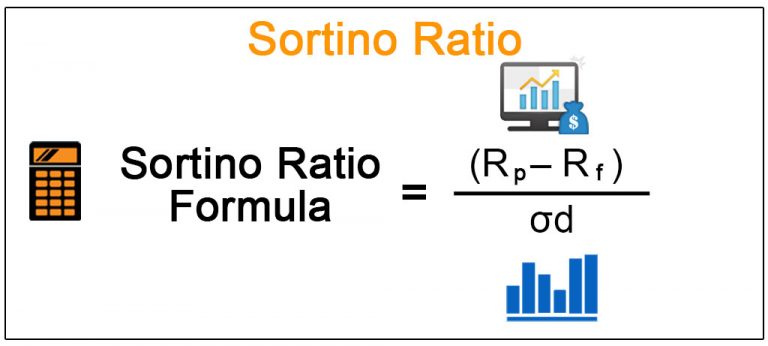























































 The Leading Business Education Network for Doctors, Financial Advisors and Health Industry Consultants