Site-Neutral Payments Still a Long Ways Off

By Health Capital Consultants, LLC

***

***

An October 2025 Health Affairs study found that payment equity between facilities owned by hospitals, known as hospital outpatient departments (HOPDs), and independent outpatient facilities such as ambulatory surgery centers (ASCs), is still far from reality. Comparing payments for common procedures, researchers found commercial prices were 78% higher in HOPDs compared to ASCs, although payment differentials varied considerably.

This Health Capital Topics article reviews the article and potential policy implications. (Read more…) 

COMMENTS APPRECIATED

EDUCATION: Books

Like, Refer and Subscribe

***

QUATERNARY: Medical Care Defined

Primary – Secondary – Tertiary Care

By A.I. and Staff Reporters

***

***

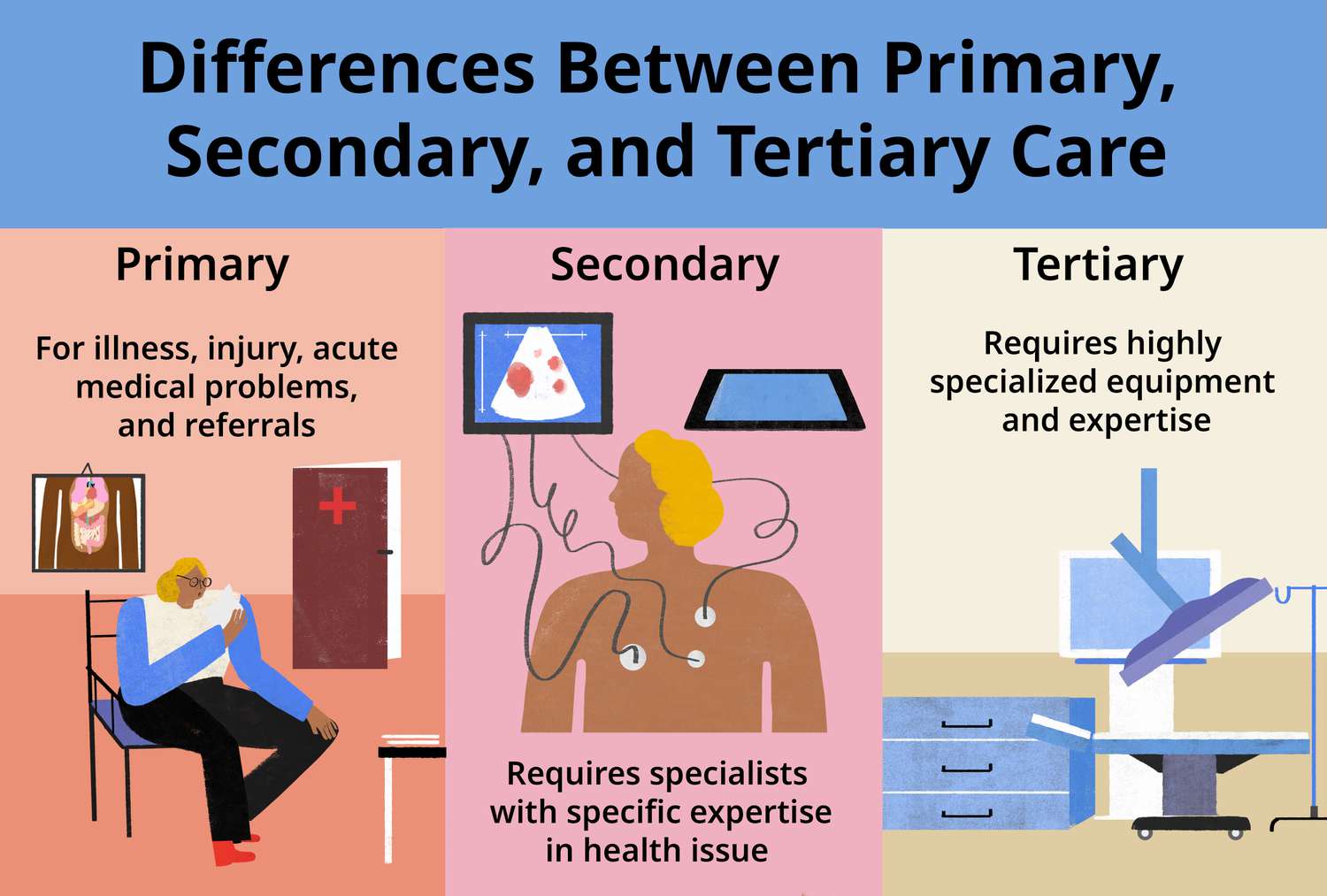
In medicine, there are four levels of care: primary, secondary, tertiary, and quaternary. The levels of care refer to the complexity of the medical cases that doctors and healthcare providers treat and the skills and specialties of the providers. 

Primary care involves consulting with a primary care provider. Secondary care refers to seeing a specialist such as a dermatologist, neurologist or oncologist. Tertiary care is specialized care in a hospital setting such as brain surgery, renal dialysis or heart surgery.

Quaternary care is thus an advanced level of specialized care.

PRIMARY CARE: https://medicalexecutivepost.com/2024/09/27/cms-a-new-primary-care-medicine-model/

QUATERNARY CARE

Classic: Sometimes used as an extension of tertiary medical and surgical care in reference to advanced levels of medicine which are highly specialized and not widely accessed by most patients.

Modern: A higher level of specialized care within a hospital. Experimental medicine and some types of uncommon diagnostic or surgical procedures are also considered quaternary care.

According to the Wonca International Dictionary for General/Family Practice -Quaternary Prevention [QP] – is defined as: ‘Action taken to identify patient at risk of over medicalization, to protect him/her from new medical invasion, and to suggest to him interventions, which are ethically acceptable’.

Examples: Types of quaternary care include: experimental medicine, procedures and uncommon and specialized surgeries. This includes sub-specialty services such as advanced trauma care and organ [heart, lung, liver, kidney, etc] transplantation.

MEDICAL CARE: https://medicalexecutivepost.com/2024/07/29/survey-primary-care-doctors-deliver-most-medical-care/

COMMENTS APPRECIATED

EDUCATION: Books

Like, Refer and Subscribe

***

***

***

UNHAPPY HOSPITALS: One Big Beautiful Bill Act!

SPONSOR: http://www.CertifiedMedicalPlanner.org

***

***

One Big Beautiful Bill Act (OBBBA; OBBB; BBB), or the Big Beautiful Bill, is a budget reconciliation bill in the 119th US Congress.

Hospitals are not happy with the health care provisions of the bill, which would reduce the support they receive from states to care for Medicaid enrollees and leave them with more uncompensated care costs for treating uninsured patients.

“The real-life consequences of these nearly $1 trillion in Medicaid cuts – the largest ever proposed by Congress – will result in irreparable harm to our health care system, reducing access to care for all Americans and severely undermining the ability of hospitals and health systems to care for our most vulnerable patients,” said Rick Pollack, CEO of the American Hospital Association.

The association said it is “deeply disappointed” with the bill, even though it contains a $50 billion fund to help rural hospitals contend with the Medicaid cuts, which hospitals say is not nearly enough to make up for the shortfall.

COMMENTS APPRECIATED

Like and Subscribe

***

***

Hospital Operations Finally Rebound Post-COVID

By Health Capital Consultants, LLC

***

***

For the first time since the COVID-19 pandemic, hospitals are finally reporting sustained, improved financial and operational performance. To date in 2024, hospitals have seen better margins, increased patient utilization, and a more stabilized workforce. Another result of this improved performance has been an increase in hospital transactional activity.

CITE: https://www.r2library.com/Resource

This Health Capital Topics article reviews the hospital sector performance to date, factors driving this improvement, and the impact on hospital transactional activity. (Read more...) 

COMMENTS APPRECIATED

Thank You

***

***

CMS; Proposes Increasing Inpatient & Long Term Care Payments

By Health Capital Consultants, LLC

***

***

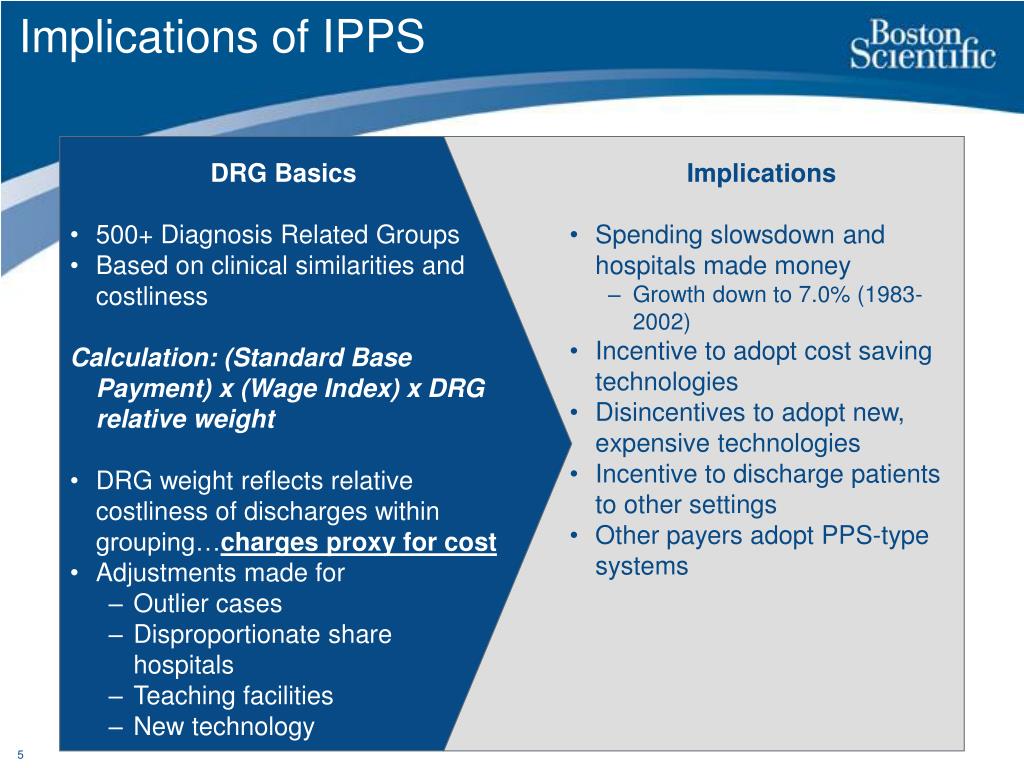
On April 10th, 2024, the Centers for Medicare & Medicaid Services (CMS) released its proposed rules for the payment and policy updates for the Medicare inpatient prospective payment system (IPPS) and long-term care hospital prospective payment system (LTCH PPS) for fiscal year (FY) 2025. 

CITE: https://www.r2library.com/Resource

This Health Capital Topics article will discuss the proposed rule and the implications for stakeholders. (Read more…)

COMMENTS APPRECIATED

Thank You

***

***

HOSPITALS: “Weighted Average Cost of Capital”

By Dr. David Edward Marcinko MBA CMP

***

SPONSOR: http://www.MARCINKOASSOCIATES.com

***

The Cost of Hospital Capital Is “WACC”

It is critical for physician executives to understand and to measure the total cost of hospital capital. Lack of understanding and appreciation of the total cost of capital is widespread, particularly among not-for-profit hospital and physician executives. The capital structure includes long-term debt and equity; total capital is the sum of these two, and, each of these components has cost associated with it.

For the long-term debt portion, this cost is explicit—it is the interest rate plus associated costs of placement and servicing. For the equity portion, the cost is not explicit and is widely misunderstood. In many cases, hospital capital structures include significant amounts of equity that has accumulated over many years of favorable operations.

Far too many executives wrongly attribute zero cost to the equity portion of their capital structure. Although it is correct that generally accepted accounting principles continue to assign a zero cost to equity, there is opportunity cost associated with equity that needs to be considered. This cost is the opportunity available to utilize that capital in alternative ways.

***

***

In general, the cost attributed to equity is the return expected by the equity markets on hospital equity. This can be observed by evaluating the equity prices of hospital companies whose equity is traded on public stock exchanges. Usually, the equity prices will imply cost of equity in the range of 10%–14%. Almost always, the cost of equity implied by hospital equity prices traded on public stock exchanges will substantially exceed the cost of long-term debt. Thus, while many hospital executives will view the cost of equity to be substantially less than the cost of debt (i.e., to be zero) in nearly all cases, the appropriate cost of equity will be substantially greater than the cost of debt.

Hospitals need to measure their weighted average cost of capital (WACC). WACC is the cost of long-term debt multiplied by the ratio of long-term debt to total capital plus the cost of equity multiplied by the ratio of equity to total capital (where total capital is the sum of long-term debt and equity).

WACC is then used as the basis for capital charges associated with all capital investments. Capital investments should be expected to generate positive returns after applying this capital charge based on the WACC. Capital investments that do not generate returns exceeding the WACC consume enterprise value; those that generate returns exceeding WACC increase enterprise value. Therefore, physician and hospital executives need to be rewarded for increasing enterprise value.

***

COMMENTS APPRECIATED

Thank You

***

***

HOSPITALS: Private Equity Ownership Quality?

PATIENT COMPLICATION RATES

By Staff Reporters

***

***

Hospitals under private equity (PE) ownership reported higher rates of patient complications when compared to other facilities, according to a recent JAMA study—raising questions about how the business model might affect staffing and subsequent quality of care.

The surveyed Medicare beneficiaries saw a 25.4% increase in “hospital-acquired conditions,” which the Centers for Medicare and Medicaid Services defines as falls, infections, and other adverse events, when they received treatment at a PE-acquired hospital compared to those run under other forms of ownership.

On the whole, the study found that Medicare enrollees at hospitals under PE control were not only younger and less likely to additionally qualify for Medicaid but also more likely to experience complications.

COMMENTS APPRECIATED

Thank You

***

***

***

HOSPITAL OPERATING MARGINS: Non-Profits Still Down

By Staff Reporters

***

***

Operating margins at not-for-profit hospitals are expected to “gradually improve” in 2024 but will still lag far behind pre-pandemic levels, according to a January report from credit rating agency Fitch Ratings.

Median operating margins for not-for-profit hospitals dipped to record lows during the pandemic, falling to 0.2% in 2022, according to the agency, which has yet to report numbers for 2023. In 2019, the median not-for-profit hospital operating margin was 2.4%, according to Moody’s.

Despite signs that margins are improving, they’re still “nowhere near” where they were pre-2020, and a “larger expense base will keep huge gains unlikely,” according to Fitch.

CITE: https://www.r2library.com/Resource

“2024 will not be markedly better and certainly not the V-shaped recovery we’re hoping for,” Kevin Holloran, senior director and sector head at Fitch, said in a statement.

COMMENTS APPRECIATED

Thank You

***

***

***

PODCAST: Why Hospitals Cry “Poor”

By Eric Bricker MD

“Cross Subsidization”

***

COMMENTS APPRECIATED

Thank You

***

***

***

Pricing Increases at Independent Hospitals Post-Acquisition

By Health Capital Consultants, LLC

Pricing Increases at Independent Hospitals Post-Acquisition

Over the past decade, hospital acquisitions have changed the healthcare market, with transactions leading to hospital consolidation and resulting in larger health systems and fewer hospitals.

CITE: https://www.r2library.com/Resource

An August 2023 study conducted by the Public Policy Institute of health insurer Elevance Health (formerly known as Anthem) found that when independent hospitals are acquired by health systems, employers, payors, and consumers are exposed to higher pricing without a similar increase in hospital care access or quality of care. This Health Capital Topics article will review the Elevance study and the impact of acquisitions on independent hospital pricing. (Read more…)

COMMENTS APPRECIATED

Thank You

***

***

PODCAST: Doctors Divorcing from their Hospital Systems

By Eric Bricker MD

***

***

***

COMMENTS APPRECIATED

Thank You

***

***

Hospital Capital Structure

Understanding the Cost of Capital

[By Calvin W. Wiese; MBA, CPA]

[By David Edward Marcinko MBA]

[Staff Writers]

It is critical to understand and to measure the total cost of capital. Lack of understanding and appreciation of the total cost of capital is widespread, particularly among not-for-profit hospital executives.

Capital Structure Defined

The capital structure includes long-term debt and equity; total capital is the sum of these two. Each of these components has cost associated with it. For the long-term debt portion, this cost is explicit: it is the interest rate plus associated costs of placement and servicing. For the equity portion, the cost is not explicit and is widely misunderstood.

Capital Structure of Hospitals

In many cases, hospital capital structures include significant amounts of equity that has accumulated over many years of favorable operations. Too many physician and healthcare executives wrongly attribute zero cost to the equity portion of their capital structure. Although it is correct that generally accepted accounting principles continue to assign a zero cost to equity, there is opportunity cost associated with equity that needs to be considered. This cost is the opportunity available to utilize that capital in alternative ways.

Cost of Capital

In general, the cost attributed to equity is the return expected by the equity markets on hospital equity. This can be observed by evaluating the equity prices of hospital companies whose equity is traded on public stock exchanges. Usually the equity prices will imply cost of equity in the range of 10% to 14%; at least prior to the recent Wall Street meltdown.

Cost of Equity Exceeds Long-Term Debt

Almost always, the cost of equity implied by hospital equity prices traded on public stock exchanges will substantially exceed the cost of long-term debt. Thus, while many hospital executives will view the cost of equity to be substantially less than the cost of debt (i.e., to be zero), in nearly all cases, the appropriate cost of equity will be substantially greater than the cost of debt.

Weighted Average Cost of Capital

Hospitals need to measure their weighted average cost of capital. WACC is the cost of long-term debt multiplied by the ratio of long-term debt to total capital plus the cost of equity multiplied by the ratio of equity to total capital (where total capital is the sum of long-term debt and equity).

Hospital

Assessment

WACC is then used as the basis for capital charges associated with all capital investments. Capital investments should be expected to generate positive returns after applying this capital charge based on the WACC.

Conclusion

Your thoughts and comments on this ME-P are appreciated. Feel free to review our top-left column, and top-right sidebar materials, links, URLs and related websites, too. Then, subscribe to the ME-P. It is fast, free and secure.

Link: http://feeds.feedburner.com/HealthcareFinancialsthePostForcxos

Speaker: If you need a moderator or speaker for an upcoming event, Dr. David E. Marcinko; MBA – Publisher-in-Chief of the Medical Executive-Post – is available for seminar or speaking engagements. Contact: MarcinkoAdvisors@msn.com

OUR OTHER PRINT BOOKS AND RELATED INFORMATION SOURCES:

DICTIONARIES: http://www.springerpub.com/Search/marcinko
PHYSICIANS: www.MedicalBusinessAdvisors.com
PRACTICES: www.BusinessofMedicalPractice.com
HOSPITALS: http://www.crcpress.com/product/isbn/9781466558731
CLINICS: http://www.crcpress.com/product/isbn/9781439879900
BLOG: www.MedicalExecutivePost.com
FINANCE: Financial Planning for Physicians and Advisors
INSURANCE: Risk Management and Insurance Strategies for Physicians and Advisors

Product DetailsProduct DetailsProduct Details     

Product Details


PODCAST: Financially Hospitals Must Survive

HOW TO SURVIVE?

***

***

COMMENTS APPRECIATED

THANK YOU

***

***

***

Is the Return of Physician-Owned Hospitals Imminent?

By Health Capital Consultants, LLC

***

Is the Return of Physician-Owned Hospitals Imminent?

Recent congressional actions and a white paper authored by officials from the Department of Justice (DOJ), Federal Trade Commission (FTC), and the American Medical Association (AMA) are pushing for the removal of barriers for physician-owned hospitals (POHs), potentially paving a path by which these controversial facilities can be established and expanded going forward.  (Read more…)

***

CITE: https://www.r2library.com/Resource/Title/082610254

COMMENTS APPRECIATED

Thank You

***

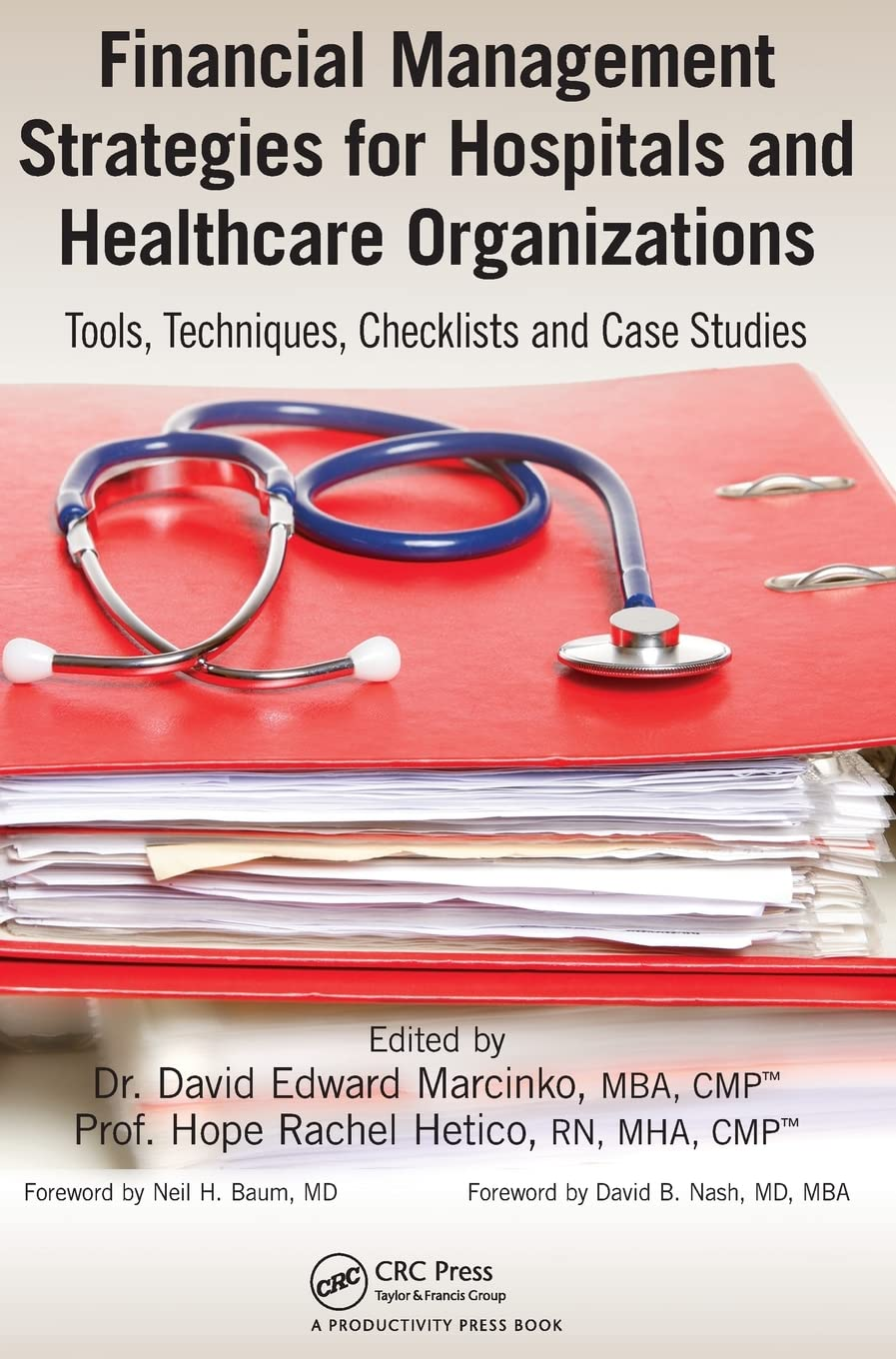
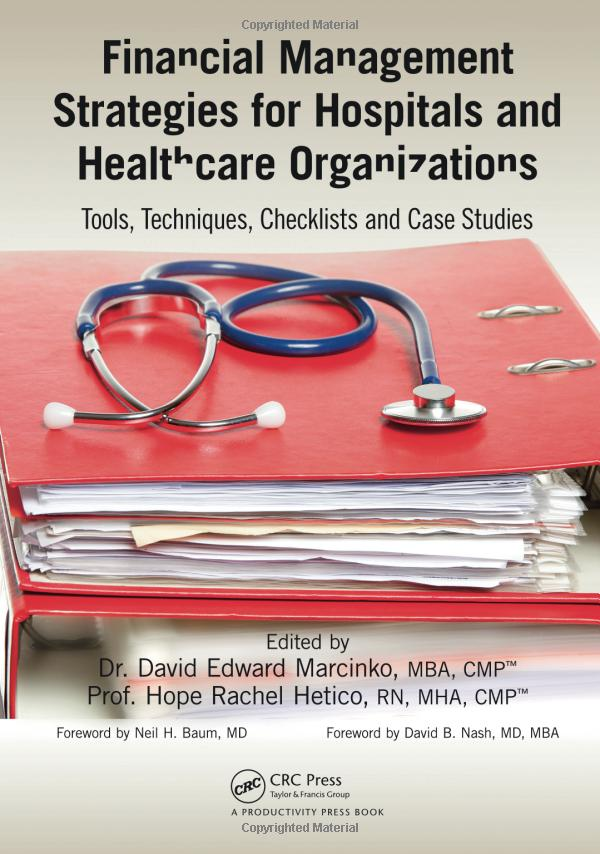
ORDER: https://www.amazon.com/Financial-Management-Strategies-Healthcare-Organizations/dp/1466558733/ref=sr_1_3?ie=UTF8&qid=1380743521&sr=8-3&keywords=david+marcinko

***

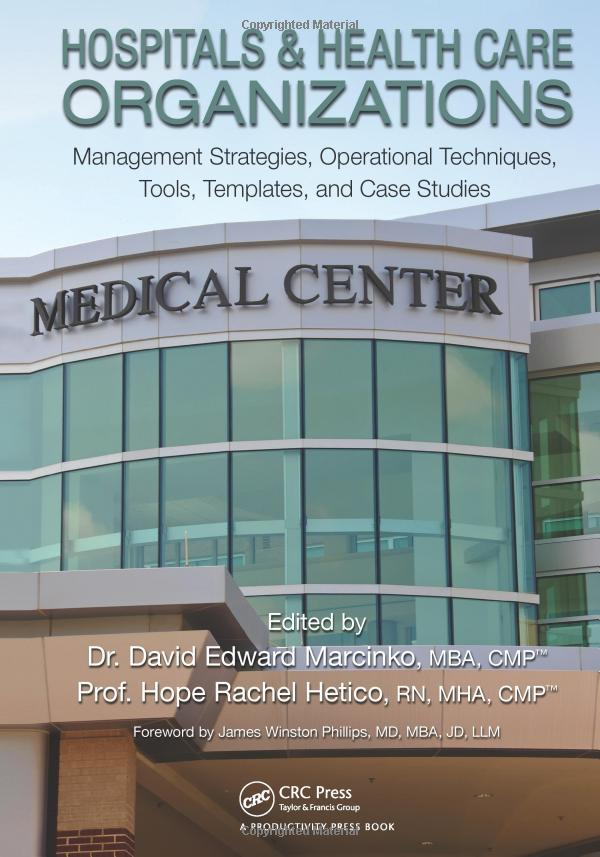
ORDER: https://www.amazon.com/Hospitals-Healthcare-Organizations-Management-Operational/dp/1439879907/ref=sr_1_4?s=books&ie=UTF8&qid=1334193619&sr=1-4

***

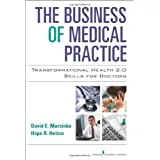
ORDER: https://www.amazon.com/Business-Medical-Practice-Transformational-Doctors/dp/0826105750/ref=sr_1_9?ie=UTF8&qid=1448163039&sr=8-9&keywords=david+marcinko

***

PODCAST: Hospitals Co-Ordinate Care for Medicare Patients

USUALLY NOT PRIVATE INSURERS!

By Eric Bricker MD

***

***

RELATED: https://www.amazon.com/Hospitals-Healthcare-Organizations-Management-Operational/dp/1439879907/ref=sr_1_4?s=books&ie=UTF8&qid=1334193619&sr=1-4

***

***

ORDER: https://www.amazon.com/Financial-Management-Strategies-Healthcare-Organizations/dp/1466558733/ref=sr_1_3?ie=UTF8&qid=1380743521&sr=8-3&keywords=david+marcinko

COMMENTS APPRECIATED

Thank You

***

PODCAST: Out-Patient Hospital Pricing Explained

By Eric Bricker MD

***

***

ORDER: https://www.amazon.com/Financial-Management-Strategies-Healthcare-Organizations/dp/1466558733/ref=sr_1_3?ie=UTF8&qid=1380743521&sr=8-3&keywords=david+marcinko

***

ORDER: https://www.amazon.com/Hospitals-Healthcare-Organizations-Management-Operational/dp/1439879907/ref=sr_1_4?s=books&ie=UTF8&qid=1334193619&sr=1-4

***

COMMENTS APPRECIATED

Thank You

***

HOSPITALS: Another New Designation

“BIRTHING-FRIENDLY”

By Staff Reporters

***

***

The Centers for Medicare and Medicaid Services (CMS) added a new designation to identify which hospitals are “Birthing-Friendly”—a label it will begin adding to qualifying hospitals in fall 2023.

The designation aims to reduce maternal mortality and complications in the US; maternal mortality rose by 25% in 2020, and Black women die at nearly three times the rates of white women, according to a CDC report from February. The US ranked last in maternal mortality that year compared to 10 other high-income countries, according to the Commonwealth Fund.

To earn the designation, CMS said, hospitals must participate in a statewide or national collaborative program where medical teams and public health leaders work together to improve care quality for birthing parents and babies. Hospitals that opt in qualify for an operating payment rate increase of 4.3%, a much-needed boost for hospitals struggling with profitability in the wake of the Covid-19 pandemic and inflation.

But there’s no single set of metrics that hospitals will be required to follow to earn CMS’s new designation, and any changes they make may depend on what areas need improvement. For example, hospitals could focus on reducing pregnancy complications and early births, which happen before 39 weeks, according to the CDC.

CMS’s designation—at least in its initial form—isn’t tied to outcomes. However, medical professionals said there are a variety of measures and outcomes that have been shown to make a hospital truly birthing-friendly.

When it comes to measuring maternal-care quality, one metric comes up over and over again: a hospital’s C-section rate, said Holly Loudon, chair of obstetrics, gynecology, and reproductive science at Mount Sinai West and Mount Sinai Morningside in New York City.

Keep reading here

RELATED PODCAST: https://www.kevinmd.com/2022/11/protect-black-womens-maternal-health-podcast.html

***

COMMENTS APPRECIATED

Thank You

***

HEALTH INSURANCE: https://www.amazon.com/Dictionary-Health-Insurance-Managed-Care/dp/0826149944/ref=sr_1_4?ie=UTF8&s=books&qid=1275315485&sr=1-4

ORDER: https://www.amazon.com/Financial-Management-Strategies-Healthcare-Organizations/dp/1466558733/ref=sr_1_3?ie=UTF8&qid=1380743521&sr=8-3&keywords=david+marcinko

****

Hospitals in the RED

By Staff Reporters

Hospitals this year are seeing more red than black as growing financial challenges, like spiked labor costs and inflation on medical supplies, puts them on pace to have the worst financial performance into the pandemic thus far.

More than half of hospitals (53% of more than 900 sampled) are projected to have negative margins by the end of the year, compared to 39% in 2019, according to a September report from management consulting firm Kaufman Hall, on behalf of AHA. The firm put the median operating margin for hospitals at about -1%, which could mean service cuts, and for more vulnerable hospitals, including rural ones, closing their doors.

But why is the financial outlook so bleak for hospitals? A few factors are conspiring:

Labor costs: The top reasons hospitals are struggling financially in 2022 are “labor, labor, and labor,” said Kevin Holloran, senior director at Fitch Ratings. The healthcare labor shortage doesn’t just extend to nurses, but across the board.

Rising supply prices: Blame inflation. AHA reported that the “costs for energy, resins, cotton, and most metals surged in excess of 30%” between fall 2020 and early 2022.

Sicker patients, longer stays: Intensive care units across the country were overwhelmed with Covid-19 patients at the outset of the pandemic, but more recently hospitals have been caring for sicker non-Covid patients, said Aaron Wesolowski, AHA’s vice president for policy research and analytics

***

COMMENTS APPRECIATED

Thank You

***

***

HOSPITALS: https://www.amazon.com/Financial-Management-Strategies-Healthcare-Organizations/dp/1466558733/ref=sr_1_3?ie=UTF8&qid=1380743521&sr=8-3&keywords=david+marcinko

***

***

OPERATIONS: https://www.amazon.com/Hospitals-Healthcare-Organizations-Management-Operational/dp/1439879907/ref=sr_1_4?s=books&ie=UTF8&qid=1334193619&sr=1-4

***

PODCAST: High Medical Debt Yet Hospitals Still Thrive!

By Eric Bricker MD

***

***

COMMENTS APPRECIATED

Thank You

***

HOSPITALS: https://www.amazon.com/Financial-Management-Strategies-Healthcare-Organizations/dp/1466558733/ref=sr_1_3?ie=UTF8&qid=1380743521&sr=8-3&keywords=david+marcinko

***

Hospital Revenue Cycle Recruitment Survey

By Staff Reporters

***

Entry-level Revenue Cycle Recruitment Takes 84 Days on Average

A recent AKASA survey of 514 chief financial officers and revenue cycle leaders at hospitals and health systems in the U.S. found:

 •  Entry-level revenue cycle talent (0-5 years): On average, costs $2,167 for recruitment and takes 84 days to fill vacant roles.
 •  Mid-level revenue cycle talent (6-10 years): On average, costs $3,581 for recruitment and takes 153 days to fill vacant roles.
 •  Senior-level revenue cycle talent (10+ years): On average, costs $5,699 for recruitment and takes 207 days to fill vacant roles.

Source: AKASA via PR Newswire, “Survey: Recruitment Costs, Long Hiring Timelines Negatively Impact Healthcare Finance Teams”, January 26, 2022

***

***

***

PODCAST: Future Hospital “Profit Pool” in 2022?

McKinsey Healthcare Industry Analysis – Future Sources of Hospital Profit

BY ERIC BRICKER MD

***

Many thanks

***

***

***
COMMENTS APPRECIATED.

Please subscribe to the ME-P

Thank You

***

PODCAST: Unique Kaiser Permanente Success Factors

A VERTICAL INTEGRATED HEALTH PLAN AND HOSPITAL SYSTEM

BY ERIC BRICKER MD

***

***

YOUR COMMENTS ARE APPRECIATED.

Thank You

***

***

***

***

KP STRIKE: https://www.msn.com/en-us/money/other/some-32000-workers-at-kaiser-permanente-ready-to-strike-on-november-15/vi-AAQvYi5

***

***

PODCAST: “The Hospital” Book Review

By Brian Alexander

If You Like Michael Lewis Books, You’ll Love This

****

YOUR COMMENTS ARE APPRECIATED.

Thank You

***

***

HOSPITAL OPERATIONS: Organizations, Strategies, Techniques, Tools, Templates and Case Models

YOUR COMMENTS ARE APPRECIATED.

RELATED TEXTS: https://medicalexecutivepost.com/2021/04/29/why-are-certified-medical-planner-textbooks-so-darn-popular/

INVITE DR. MARCINKO: https://medicalexecutivepost.com/dr-david-marcinkos-

THANK YOU!

***

Management Strategies, Operational Techniques, Tools, Templates and Case Studies

FOR HOSPITALS AND HEALTHCARE ORGANIZATIONS

***

BY DR. DAVID E. MARCINKO MBA

INVITE DR. MARCINKO: https://medicalexecutivepost.com/dr-david-marcinkos-bookings/

THANK YOU

***

PODCAST: The Hidden War for Patients and Money

The Role of Referrals and Patient Volume in Healthcare Finance

Patient Referrals are BIG Business for Hospital Systems

Hear the Story of How UMass Memorial Health Care Specifically Targeted Referring Physicians

BY ERIC BRICKER MD

Your thoughts are appreciated

THANK YOU

More on Referral Leakage: https://medicalexecutivepost.com/2015/04/24/medical-provider-network-referral-leakage/

***

Product Details

TEXTBOOK ORDER: https://www.amazon.com/Financial-Management-Strategies-Healthcare-Organizations/dp/1466558733/ref=sr_1_3?ie=UTF8&qid=1380743521&sr=8-3&keywords=david+marcinko

***

Hospitals and Healthcare Organizations

SPONSOR: http://www.CertifiedMedicalPlanner.org

CMP logo

ORDER TEXTBOOK: https://www.amazon.com/Hospitals-Healthcare-Organizations-Management-Operational/dp/1439879907/ref=sr_1_4?s=books&ie=UTF8&qid=1334193619&sr=1-4

SECOND OPINIONS: https://medicalexecutivepost.com/schedule-a-consultation/

INVITE DR. MARCINKO: https://medicalexecutivepost.com/dr-david-marcinkos-bookings/

THANK YOU

***

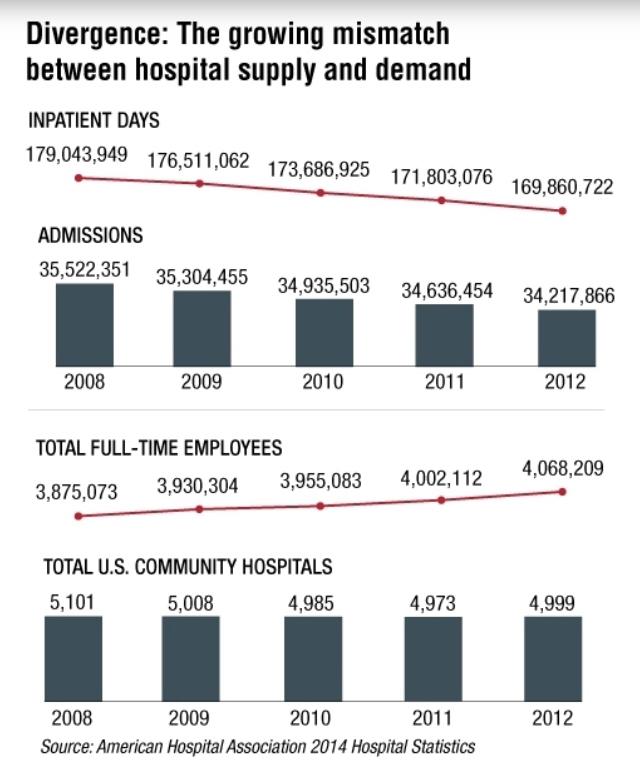
The Hospital Mismatch and Divergence

On Supply and Demand: Economics 101

***

***

Conclusion

Your thoughts and comments on this ME-P are appreciated. Feel free to review our top-left column, and top-right sidebar materials, links, URLs and related websites, too. Then, subscribe to the ME-P. It is fast, free and secure.

Speaker: If you need a moderator or speaker for an upcoming event, Dr. David E. Marcinko; MBA – Publisher-in-Chief of the Medical Executive-Post – is available for seminar or speaking engagements. https://medicalexecutivepost.com/dr-david-marcinkos-bookings/

Contact: MarcinkoAdvisors@msn.com

https://www.amazon.com/Financial-Management-Strategies-Healthcare-Organizations/dp/1466558733/ref=sr_1_3?ie=UTF8&qid=1380743521&sr=8-3&keywords=david+marcinko

***

US Healthcare – Giving Doctors a Say

US Healthcare: Giving Doctors a Say

[A Bain infographic]

Doctors that are involved in the decision-making process are more willing to lead change.

***

***

http://www.bain.com/publications/articles/front-line-of-healthcare-2017-doctors-infographic.aspx

***

***

ME-P News Stories Wrap-Up for August 2015

Join Our Mailing List

[By ME-P Staff Reporters]

Latest News

Editor’s Pick: 

Daily Round-Up of Headlines for August 2015

BREAKING-EVENTS AND AGGREGATED STORIES 

[Editor’s Pick: A Daily Round-Up of Headlines for August 2015]

Risk Management, Liability Insurance, and Asset Protection Strategies for Doctors and Advisors: Best Practices from Leading Consultants and Certified Medical Planners™8Comprehensive Financial Planning Strategies for Doctors and Advisors: Best Practices from Leading Consultants and Certified Medical Planners™

Editor’s Pick: 

Daily Round-Up of Headlines for July 2015

BREAKING-EVENTS AND AGGREGATED STORIES 

Product DetailsProduct Details

Editor’s Pick: 

Daily Round-Up of Headlines for May 2015

BREAKING-EVENTS AND AGGREGATED STORIES 

Comprehensive Financial Planning Strategies for Doctors and Advisors: Best Practices from Leading Consultants and Certified Medical Planners(TM)  

Editor’s Pick: 

Daily Round-Up of Headlines for April 2015

Comprehensive Financial Planning Strategies for Doctors and Advisors: Best Practices from Leading Consultants and Certified Medical Planners(TM)  

***

Editor’s Pick: 

Daily Round-Up of Headlines for March 2015

Comprehensive Financial Planning Strategies for Doctors and Advisors: Best Practices from Leading Consultants and Certified Medical Planners(TM)

***

Editor’s Pick: 

Daily Round-Up of Headlines for February 2015

Comprehensive Financial Planning Strategies for Doctors and Advisors: Best Practices from Leading Consultants and Certified Medical Planners(TM)* 8

***

Editor’s Pick: 

Daily Round-Up of Headlines for January 2015

Comprehensive Financial Planning Strategies for Doctors and Advisors: Best Practices from Leading Consultants and Certified Medical Planners(TM)* 8

Editor’s Pick: 

Daily Round-Up of Headlines for December 2014

 ***

Comprehensive Financial Planning Strategies for Doctors and Advisors: Best Practices from Leading Consultants and Certified Medical Planners(TM)

***

Editor’s Pick: 

Daily Round-Up of Headlines for November 2014

Channel Surfing the ME-P

Have you visited our other topic channels? Established to facilitate idea exchange and link our community together, the value of these topics is dependent upon your input. Please take a minute to visit. And, to prevent that annoying spam, we ask that you register. It is fast, free and secure.

Conclusion

Your thoughts and comments on this ME-P are appreciated. Feel free to review our top-left column, and top-right sidebar materials, links, URLs and related websites, too. Then, subscribe to the ME-P. It is fast, free and secure.

Speaker: If you need a moderator or speaker for an upcoming event, Dr. David E. Marcinko; MBA – Publisher-in-Chief of the Medical Executive-Post – is available for seminar or speaking engagements. Contact: MarcinkoAdvisors@msn.com

OUR OTHER PRINT BOOKS AND RELATED INFORMATION SOURCES:

Product DetailsProduct DetailsProduct Details

Product Details  Product Details

Product DetailsProduct Details

Comprehensive Financial Planning Strategies for Doctors and Advisors: Best Practices from Leading Consultants and Certified Medical Planners(TM)  

Product Details

How “Leaner” Hospitals Can Be Profitable in 2014

    Our Newest Textbooks with Checklists

Buy from Amazon

Learn How to Profit and Thrive in the PP-ACA Era

BOOK FOREWORD / TESTIMONIAL

###

Financial Management Strategies for Hospitals and Healthcare Organizations: Tools, Techniques, Checklists and Case Studies

###

But …. enough about me!

Join Our Mailing List

Did you read my interviews?

Dr. David Edward Marcinko MBA

www.MedicalBusinessAdvisors.com

[CEO and Editor-in-Chief]

DEM 2013

AMA News:

Goodwill hunting – what’s your medical practice worth?

AMA News.Valuation.Marcinko

Best practices can help hospitals in recession

Arkansas Medical News:

Arkansas Medical News Interviews Dr. Marcinko

Conclusion

Your thoughts and comments on this ME-P are appreciated. Feel free to review our top-left column, and top-right sidebar materials, links, URLs and related websites, too. Then, subscribe to the ME-P. It is fast, free and secure.

Link: http://feeds.feedburner.com/HealthcareFinancialsthePostForcxos

Speaker: If you need a moderator or speaker for an upcoming event, Dr. David E. Marcinko; MBA – Publisher-in-Chief of the Medical Executive-Post – is available for seminar or speaking engagements. Contact: MarcinkoAdvisors@msn.com

Our Other Print Books and Related Information Sources:

Health Dictionary Series: http://www.springerpub.com/Search/marcinko

Practice Management: http://www.springerpub.com/product/9780826105752

Physician Financial Planning: http://www.jbpub.com/catalog/0763745790

Medical Risk Management: http://www.jbpub.com/catalog/9780763733421

Hospitals: http://www.crcpress.com/product/isbn/9781439879900

Physician Advisors: www.CertifiedMedicalPlanner.org

Product DetailsProduct Details

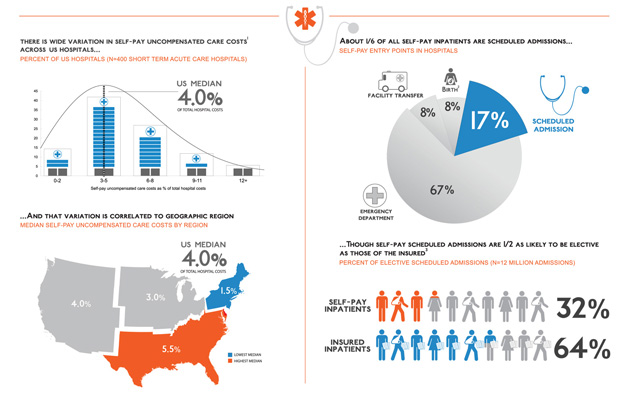
Understanding the Pre-Reform Impact of Self-Pay Patients

Join Our Mailing List

On Us Hospitals

Source: Objective Health

Pre-reform, many hospitals experience significant uncompensated care costs from self-pay patients.

###

Reform Impact

###

This infographic illustrates the variation in self-pay uncompensated care costs across US hospitals and regions.

Assessment

Despite the uncompensated care risk, 1/6th of self-pay inpatients are scheduled admissions, though their procedures are much less elective than the procedures of the insured.

Conclusion

Your thoughts and comments on this ME-P are appreciated. Feel free to review our top-left column, and top-right sidebar materials, links, URLs and related websites, too. Then, subscribe to the ME-P. It is fast, free and secure.

Link: http://feeds.feedburner.com/HealthcareFinancialsthePostForcxos

Speaker: If you need a moderator or speaker for an upcoming event, Dr. David E. Marcinko; MBA – Publisher-in-Chief of the Medical Executive-Post – is available for seminar or speaking engagements. Contact: MarcinkoAdvisors@msn.com

Our Other Print Books and Related Information Sources:

Health Dictionary Series: http://www.springerpub.com/Search/marcinko

Practice Management: http://www.springerpub.com/product/9780826105752

Physician Financial Planning: http://www.jbpub.com/catalog/0763745790

Medical Risk Management: http://www.jbpub.com/catalog/9780763733421

Hospitals: http://www.crcpress.com/product/isbn/9781439879900

Physician Advisors: www.CertifiedMedicalPlanner.org

Product DetailsProduct Details

The Impact Of The U.S. Recession On Hospitals

Join Our Mailing List

Drivers of Decline

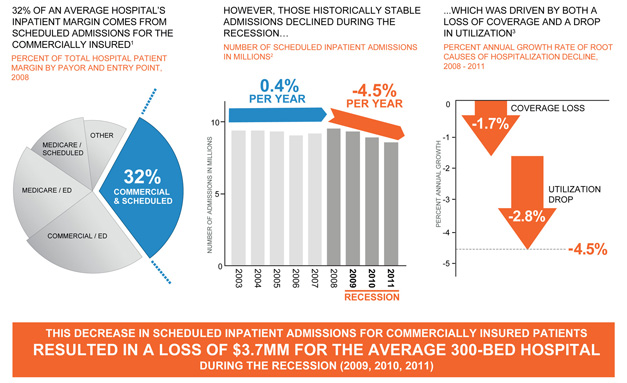
Commercially insured scheduled admissions are the largest contributor to inpatient margins for the average US hospital. During the US recession (2009-2011), volumes in this segment declined. There were two primary drivers of this decline.

####

Recession Impact

Dual Causes

First, commercial insurance coverage decreased, stemming from unemployment and underemployment. This is expected to reverse and rebound as the economy recovers and as healthcare reform is implemented.

Second, even among those who retained coverage, utilization of inpatient services decreased as patients delayed or forewent elective and preventative care. This was influenced by a range of economic factors, including reduced household incomes, higher co-pays, and a reduced ability to leave work for medical care, as well as factor unrelated to the recession, such as a shift to outpatient management of disease.

More: Are Cost Estimates Leading To The Wrong Decisions in US Hospitals?

Assessment

It is unclear whether this second driver will diminish fully as the economy recovers. A slow recovery – or one that fails to see volumes to return to pre-recession levels – suggests that hospitals may need to refocus their strategies on service lines and segments that have historically been less attractive.

Channel Surfing the ME-P

Have you visited our other topic channels? Established to facilitate idea exchange and link our community together, the value of these topics is dependent upon your input. Please take a minute to visit. And, to prevent that annoying spam, we ask that you register. It is fast, free and secure.

Conclusion

Your thoughts and comments on this ME-P are appreciated. Feel free to review our top-left column, and top-right sidebar materials, links, URLs and related websites, too. Then, subscribe to the ME-P. It is fast, free and secure.

Speaker: If you need a moderator or speaker for an upcoming event, Dr. David E. Marcinko; MBA – Publisher-in-Chief of the Medical Executive-Post – is available for seminar or speaking engagements. Contact: MarcinkoAdvisors@msn.com

OUR OTHER PRINT BOOKS AND RELATED INFORMATION SOURCES:

Product Details

About “Hospitals and Health Care Organizations”

ADVERTISEMENT

Hospitals & Healthcare Organizations: Management Strategies, Operational Techniques, Tools, Templates and Case Studies

Hospitals & Healthcare Organizations: Management Strategies, Operational Techniques, Tools, Templates and Case Studies

Buy from Amazon

Multi-Hospital System Executive Summary [2001-2009]

Number of Hospitals In and Out of Multi-Hospital Systems

By Staff Reporters

Join Our Mailing List

This .PDF details key demographics measures, including hospital breakouts by size, ownership type, region and multihospital system (MHS) affiliation.

Link: http://www.managedcaredigest.com/pdf/MCD11HospInstDemoPgs.pdf

Assessment

The data measures outlined come directly from Managed Care Digest Series print digests and related materials. As always, these data are available at the state and local levels by contacting your sanofi-aventis account manager.

Conclusion

And so, your thoughts and comments on this ME-P are appreciated. Feel free to review our top-left column, and top-right sidebar materials, links, URLs and related websites, too. Then, subscribe to the ME-P. It is fast, free and secure.

Link: http://feeds.feedburner.com/HealthcareFinancialsthePostForcxos

Our Other Print Books and Related Information Sources:

Health Dictionary Series: http://www.springerpub.com/Search/marcinko

Practice Management: http://www.springerpub.com/product/9780826105752

Physician Financial Planning: http://www.jbpub.com/catalog/0763745790

Medical Risk Management: http://www.jbpub.com/catalog/9780763733421

Healthcare Organizations: www.HealthcareFinancials.com

Physician Advisors: www.CertifiedMedicalPlanner.com

Subscribe Now: Did you like this Medical Executive-Post, or find it helpful, interesting and informative? Want to get the latest ME-Ps delivered to your email box each morning? Just subscribe using the link below. You can unsubscribe at any time. Security is assured.

Link: http://feeds.feedburner.com/HealthcareFinancialsthePostForcxos

Sponsors Welcomed: And, credible sponsors and like-minded advertisers are always welcomed.

Link: https://healthcarefinancials.wordpress.com/2007/11/11/advertise

   Product Details 

Top Hospital Administration and Healthcare Business Blogs

Join Our Mailing List

The Top 50 List for 2009

[By Staff Reporters]

According to some experts, one of the best things you can do for your career in health care is to read a variety of blogs to help you get some insight into how things work from an administrative standpoint. This can be very helpful as you learn about different aspects of hospital administration and the business of health care.

Assessment

From IT, economics and finance, to healthcare policy and law, to management leadership and being a hospital CEO or private medical practice physician, there is a great deal of information out there.

So, here are some of the top 50 hospital administration and health business blogs available:

List: http://mastersinhealthcareonline.com/2009/top-50-hospital-administration-business-blogs/

Conclusion

Your thoughts and comments on this ME-P are appreciated. Feel free to review our top-left column, and top-right sidebar materials, links, URLs and related websites, too. Then, subscribe to the ME-P. It is fast, free and secure.

Speaker: If you need a moderator or speaker for an upcoming event, Dr. David E. Marcinko; MBA – Publisher-in-Chief of the Medical Executive-Post – is available for seminar or speaking engagements. Contact: MarcinkoAdvisors@msn.com

OUR OTHER PRINT BOOKS AND RELATED INFORMATION SOURCES:

Product DetailsProduct DetailsProduct Details

Understanding Hospital Community Essentiality

Join Our Mailing List

Views Differ on this Important Concept

[By Calvin W. Wiese; CPA, CMA, MBA]

An important component of hospital financial analysis is essentiality. Hospitals are unusual businesses that many times possess some form of essentiality to their communities. Healthcare is important to the economic vitality of every community. Many hospitals have served their communities for many years; it is not uncommon to find hospitals that have been continuously operating for more than 100 years in the same community.

Many Hospital Types

As we have discussed here and elsewhere, most hospitals are not-for-profit. In not-for-profit hospitals, no private party actually “owns” the hospital; control is vested in various boards, but no one explicitly “owns” a not-for-profit hospital. In a broad sense, communities own not-for-profit hospitals. They are considered “charities” with a “charitable purpose.” Though a not-for profit hospital may not have owners, it has many” stakeholders,” parties that have vested interests in the continuing success of the hospital.

Many Diverse Stakeholders

Many hospitals have broad and vast webs of stakeholders. Stakeholders are why hospitals rarely close or are shut down. Too many stakeholders have interests in the continuing successful operation of hospitals.

Hospital stakeholder relationships need to be considered in the analysis of essentiality. How strong are these relations? How many are there? How important is the continuing success of this hospital to these stakeholders?

Health Services Analysis

Another dimension of the essentiality is medical service analysis. For examples, how significant are the hospital’s services? If the hospital shuts down, what population segments would suffer? How significant is the population that would suffer? How much would they suffer?

Assessment

Analysis of hospital’s stakeholders and services should provide a credible view of the degree of essentiality associated with a hospital. Higher degrees of essentiality suggest higher likelihoods that hospitals, one way or another, will meet their commitments, particularly their payment commitments.

Conclusion

So, tell us what you think about your hospital’s essentiality? Feel free to review our top-left column, and top-right sidebar materials, links, URLs and related websites, too. Then, be sure to subscribe to the ME-P. It is fast, free and secure.

Speaker: If you need a moderator or speaker for an upcoming event, Dr. David E. Marcinko; MBA – Publisher-in-Chief of the Medical Executive-Post – is available for seminar or speaking engagements. Contact: MarcinkoAdvisors@msn.com

OUR OTHER PRINT BOOKS AND RELATED INFORMATION SOURCES:

Product DetailsProduct Details

More about Healthcare Organizations [Financial Management Strategies]

Our Print-Journal Preface

By Hope Rachel Hetico; RN, MHA, CMP™hetico1

As Managing Editor of a two volume – 1,200 pages – premium quarterly print journal, I am often asked about our Preface.

A Two-Volume Guide

As so, our hope is that Healthcare Organizations: [Financial Management Strategies] will shape the hospital management landscape by following three important principles.

What it is – How it works

1. First, we have assembled a world-class editorial advisory board and independent team of contributors and asked them to draw on their experience in economic thought leadership and managerial decision making in the healthcare industrial complex. Like many readers, each struggles mightily with the decreasing revenues, increasing costs, and high consumer expectations in today’s competitive healthcare marketplace. Yet, their practical experience and applied operating vision is a source of objective information, informed opinion, and crucial information for this manual and its quarterly updates.

2. Second, our writing style allows us to condense a great deal of information into each quarterly issue.  We integrate prose, applications and regulatory perspectives with real-world case models, as well as charts, tables, diagrams, sample contracts, and checklists.  The result is a comprehensive oeuvre of financial management and operation strategies, vital to all healthcare facility administrators, comptrollers, physician-executives, and consulting business advisors.

3. Third, as editors, we prefer engaged readers who demand compelling content. According to conventional wisdom, printed manuals like this one should be a relic of the past, from an era before instant messaging and high-speed connectivity. Our experience shows just the opposite.  Applied healthcare economics and management literature has grown exponentially in the past decade and the plethora of Internet information makes updates that sort through the clutter and provide strategic analysis all the more valuable. Oh, it should provide some personality and wit, too! Don’t forget, beneath the spreadsheets, profit and loss statements, and financial models are patients, colleagues and investors who depend on you.ho-journal9

www.HealthcareFinancials.com

Assessment

Rest assured, Healthcare Organizations: [Financial Management Strategies] will become an important peer-reviewed vehicle for the advancement of working knowledge and the dissemination of research information and best practices in our field. In the years ahead, we trust these principles will enhance utility and add value to your subscription. Most importantly, we hope to increase your return on investment [ROI] in some small increment.

Visit and Order Now

Specialty Technical Publishers

8 – 14th Street

Blaine, WA 98230

1-800-251-0381

orders@stpub.com

http://www.stpub.com/pubs/ho.htm

TOC: http://www.stpub.com/pdfs/toc_ho.pdf

Conclusion

And so, your thoughts and comments on this Medical Executive-Post, complimentary e-companion are appreciated. If you would like to contribute material or suggest topics for a future update, please contact me. Subscribers, have we attained our goals and objectives, as a work-in-progress in this preface statement?

Link: http://feeds.feedburner.com/HealthcareFinancialsthePostForcxos

Speaker: If you need a moderator or speaker for an upcoming event, Dr. David E. Marcinko; MBA – Publisher-in-Chief of the Executive-Post – is available for seminar or speaking engagements. Contact: MarcinkoAdvisors@msn.com  or Bio: www.stpub.com/pubs/authors/MARCINKO.htm

Get our Widget: Get this widget!

Our Other Print Books and Related Information Sources:

Practice Management: http://www.springerpub.com/prod.aspx?prod_id=23759

Physician Financial Planning: http://www.jbpub.com/catalog/0763745790

Medical Risk Management: http://www.jbpub.com/catalog/9780763733421

Healthcare Organizations: www.HealthcareFinancials.com

Health Administration Terms: www.HealthDictionarySeries.com

Physician Advisors: www.CertifiedMedicalPlanner.com

Subscribe Now: Did you like this Medical Executive-Post, or find it helpful, interesting and informative? Want to get the latest E-Ps delivered to your email box each morning? Just subscribe using the link below. You can unsubscribe at any time. Security is assured.

Link: http://feeds.feedburner.com/HealthcareFinancialsthePostForcxos

About: Healthcare Organizations [Financial Management Strategies]

Our Print Mission Statement

[By Dr. David Edward Marcinko; MBA, CMP™]

Publisher-in-Chief

dem25As Editor-in-Chief of a two volume – 1,200 pages – premium quarterly print journal, I am often asked about our mission statement; or the journal’s raison d’etra.

A Two-Volume Guide

As so, Healthcare Organizations: [Financial Management Strategies], with its quarterly updates, will promote and integrate academic and applied research, and serve as a multi-disciplined communications forum for the dissemination of financial, managerial, business and related economic information to decision makers in hospitals, outpatient centers, clinics, medical practices and all mature and emerging healthcare organizations. 

Target Market and Ideal Reader

Healthcare Organizations [Financial Management Strategies] and its quarterly updates should be in the hands of all:

* CFOs, CEOs, COOs, CTOs, VPs and CIOs from every type of hospital and healthcare organization including: public, federal, state, Veteran’s Administration and Indian Health Services hospitals; district, rural, long-term care and community hospitals; specialty, children’s and rehabilitation hospitals; diagnostic imaging centers and laboratories; private, religious-sponsored, and psychiatric institutions.

*  Physician Hospital Organizations, Management Services Organizations (MSOs), Independent Practice Associations (IPAs), Group Practices Without Walls (GPWWs), Integrated Delivery Systems (IDSs) and their administrators, comptrollers, cost accountants, budget directors, cash managers, auditors, healthcare attorneys and consultants,  and actuaries, and all endowment fund directors, executives, consultants and strategic financial managers.

*  Ambulatory care centers, hospices, and outpatient clinics; skilled nursing facilities, integrated networks and group practices; academic medical centers, nurses and physician executives; business school and health administration students, and all economic decision-makers and directors of allopathic, dental, podiatric and osteopathic healthcare organizations.

Assessment

After publication, my suggestion is to read, study and act upon the guide in this way:

1. First, browse through the entire text.

2. Next, slowly read those chapters and sections that are of specific interest to your professional efforts.

3. Then, extrapolate portions that can be implemented in specific strategies helpful to your healthcare setting.

4. Finally, use its’ ME-P updates as a reference manual to return to time and time again; and enjoy!

Conclusion

Your thoughts and comments on this ME-P are appreciated. Feel free to review our top-left column, and top-right sidebar materials, links, URLs and related websites, too. Then, subscribe to the ME-P. It is fast, free and secure.

Speaker: If you need a moderator or speaker for an upcoming event, Dr. David E. Marcinko; MBA – Publisher-in-Chief of the Medical Executive-Post – is available for seminar or speaking engagements. Contact: MarcinkoAdvisors@msn.com

OUR OTHER PRINT BOOKS AND RELATED INFORMATION SOURCES:

Product DetailsProduct Details

Doctors Preventing Medical Identity Theft

Join Our Mailing List

More on the “Red Flag” Rules

[Staff Reporters]

According to MedicalNews, Inc and Lynne Jeter, the Medicare “Red-Flag” rules are set to take affect on May 1, 2009.

Three Categories

And, according to David Williams, CPA, FHFMA, a healthcare partner for HORNE in Jackson, Mississippi, the Red Flag guidelines for hospitals, clinics and medical practices can be broken down into three categories.


1. Red Flags that definitely apply to healthcare:

  • Documents provided for identification appear altered or forged.
  • Photographs or a physical description on file are not consistent with the appearance of the patient.
  • Other inconsistent information identifies the patient.
  • Inconsistent signatures are on file.
  • Patient forms or applications appear forged, altered, or destroyed and re-assembled.

2. Red Flags that may apply to healthcare:

  • Statements sent to the patient – or guarantor – that is returned as un-deliverable despite ongoing transactions on active records.

3. Red Flags that most likely do not apply to healthcare:

  • A fraud alert is included with a consumer report.
  • A consumer reporting agency provides notice of a credit freeze in response to a request for a consumer report, a notice of address discrepancy, and/or unusual credit activity.
  • Financial institutions and creditors use challenge questions that the person opening the covered account cannot answer with readily available information.
  • A request is made for new, additional or replacement cards or the addition of authorized users on the account shortly after a change of address request.
  • A new revolving credit account is used in a manner commonly associated with known patterns of fraud patterns.
  • The use of a covered account is inconsistent with established patterns of activity on the account.
  • There is unexplained usage of a covered account that has been inactive for a reasonably lengthy period of time.

Assessment

Link: http://www.medicalnewsinc.com/news.php?viewStory=222

Conclusion

Your thoughts and comments on this ME-P are appreciated. Feel free to review our top-left column, and top-right sidebar materials, links, URLs and related websites, too. Then, subscribe to the ME-P. It is fast, free and secure.

Link: http://feeds.feedburner.com/HealthcareFinancialsthePostForcxos

Speaker: If you need a moderator or speaker for an upcoming event, Dr. David E. Marcinko; MBA – Publisher-in-Chief of the Medical Executive-Post – is available for seminar or speaking engagements. Contact: MarcinkoAdvisors@msn.com

OUR OTHER PRINT BOOKS AND RELATED INFORMATION SOURCES:

DICTIONARIES: http://www.springerpub.com/Search/marcinko
PHYSICIANS: www.MedicalBusinessAdvisors.com
PRACTICES: www.BusinessofMedicalPractice.com
HOSPITALS: http://www.crcpress.com/product/isbn/9781466558731
CLINICS: http://www.crcpress.com/product/isbn/9781439879900
BLOG: www.MedicalExecutivePost.com
FINANCE: Financial Planning for Physicians and Advisors
INSURANCE: Risk Management and Insurance Strategies for Physicians and Advisors

Product DetailsProduct DetailsProduct Details

Evaluate our 2-Volume Institutional Print Guide

Healthcare Organizations [Financial Management Strategies]

ADVERTISEMENTho-journal2

www.HealthcareFinancials.com

Our 1,200 pages, 2-volume, quarterly institutional print guide Healthcare Organizations [Financial Management Strategies] is available on a 30-day, risk-free trial.

You may contact http://www.STPub.com at (604) 983-3434, fax (604) 983-3445, or e-mail at custinfo@stpub.com to place an order, or ask questions regarding pricing and/or availability.

All shipments arrive within 5 to 10 days. Prepayment is required for all international shipments and a small courier charge will be added to the subscription price.

After hours, we suggest you review the STP website FAQs section for answer to your inquiry: www.stpub.com/pubs/custinfo.htm

Assessment

Rest assured, Healthcare Organizations: [Financial Management Strategies] will become an important peer-reviewed vehicle for the advancement of working knowledge and the dissemination of research information and best practices in our field. In the years ahead, we trust these principles will enhance utility and add value to your subscription. Most importantly, we hope to increase your return on investment [ROI] by some small increment.

Review and Ordering Information:

Specialty Technical Publishers

8 – 14th Street

Blaine, WA 98230

1-800-251-0381

orders@stpub.com

http://www.stpub.com/pubs/ho.htm

TOC: http://www.stpub.com/pdfs/toc_ho.pdfcmp-logo

Note: The guide is sponsored by www.MedicalBusinessAdvisors.com with contributions from www.CertifiedMedicalPlanner.com and is edited by ME-P’s Dr. David E. Marcinko and Professor Hope R. Hetico; RN, MHA. Definitions and terms supplied by www.HealthDictionarySeries.com

Conclusion

And so, your thoughts and comments on this Medical Executive-Post are appreciated? Reviews from current journal-guide subscribers are encouraged and appreciated.

Speaker: If you need a moderator or speaker for an upcoming event, Dr. David E. Marcinko; MBA – Publisher-in-Chief of the Executive-Post – is available for seminar or speaking engagements. Contact: MarcinkoAdvisors@msn.com  or Bio: www.stpub.com/pubs/authors/MARCINKO.htm

Get our Widget: Get this widget!

Subscribe Now: Did you like this Medical Executive-Post, or find it helpful, interesting and informative? Want to get the latest E-Ps delivered to your email box each morning? Just subscribe using the link below. You can unsubscribe at any time. Security is assured.

Link: http://feeds.feedburner.com/HealthcareFinancialsthePostForcxos

Medical News of Arkansas Interviews Dr. Marcinko

Join Our Mailing List

Current Status of Hospitals and the Economy [Op-Ed]

[By Steve Brawner]

atlanta-skylineWhat: An exclusive telephonic and email interview.

Who: Dr. David Edward Marcinko; FACFAS, MBA [Editor, administrator and health economist]

Topic: The recession and economy, hospital operations, and the Obama administration.

Where: The telephone and internet virtual ME-P ether.

Why: To forecast informed opinions and pontifications on the healthcare industrial complex.

Among the dilemmas in healthcare, we seek answers to queries like:

• When will the recession end, and how will it affect hospitals and physicians?
• What operations and organizational policies can hospitals pursue to survive?
• How will the Obama stimulus affect hospitals and healthcare organizations?

Now, in as much as this controversy affects patients, administrators, politicians, Wall Street, nurse-executives and physicians alike, we went right to the source for up-to-date information regarding this current topic.

Assessment

Get ready for this controversial [unedited] interview and Q-A session, with Dr. David Edward Marcinko; Publisher-in-Chief, of this ME-P.

Arkansas Medical News Interviews Dr. Marcinko

Read it Here: interview-dr-marcinko1

Sponsored Link: www.MedicalBusinessAdvisors.com

Conclusion

Your thoughts and comments on this ME-P are appreciated. Feel free to review our top-left column, and top-right sidebar materials, links, URLs and related websites, too. Then, subscribe to the ME-P. It is fast, free and secure.

Speaker: If you need a moderator or speaker for an upcoming event, Dr. David E. Marcinko; MBA – Publisher-in-Chief of the Medical Executive-Post – is available for seminar or speaking engagements. Contact: MarcinkoAdvisors@msn.com

OUR OTHER PRINT BOOKS AND RELATED INFORMATION SOURCES:

[HOSPITAL OPERATIONS, ORGANIZATIONAL BEHAVIOR AND FINANCIAL MANAGEMENT COMPANION TEXTBOOK SET]

Product DetailsProduct Details

***

Reflections on a Tent Hospital

Thoughts on Pop-Up Healthcare Facilities

By Dr. David Edward Marcinko; FACFAS, MBA, CMP™

Publisher-in-Chiefdr-david-marcinko13

According to the Philadelphia Inquirer, February 10, 2009, it took Mark Ross about 22 minutes to inflate the hospital for the first time. Yesterday, he did it in 14 minutes. In the event of a large-scale emergency – a direct hit by a hurricane for example, or a plane in the Delaware River [Think Hudson River, NY]  – Ross and other volunteers can have the mobile hospital running anywhere in Southeastern Pennsylvania within two to four hours of the first alert.

The Valley Forge Experiment

The day before, on February 9, in Valley Forge PA, dozens of current and potential volunteers got to see three tan and white tents – and reams of equipment – for the first time. The $1 million cost was paid by state and federal governments. With a portable generator, 50 cots, 130 ventilators, 26 wireless cardiac monitors and 27 patient carts loaded with tongue depressors, eye shields and IV sets, the rapid-response team is intended to fill the 72- hour gap before federal emergency help arrives after a disaster.

Back-in-the-Day

Now, despite this Valley Forge innovation, mobile, semi-permanent and pop-up healthcare facilities are not a new machination in civilian life or non-warfare times. In fact, please allow me to tell you of my canvass tent-hospital experience, back in the late seventies.

My Tent Hospital

At the time, I was completing my training program as a senior attending resident [SAR], and surgical fellow. The “hospital” where I moonlighted was located in a sleepy town about 40 miles North of Atlanta, Ga. Driving there in my lime-green, oil-burning 1969 Chevrolet Impala with balding tires [retreads] was always novel experience.

As I recall history, the tent-hospital began as a private medical clinic in a three bedroom converted brick ranch-house that was the style in the late 1950s’-60s. It was the private practice of a solo practitioner-internist for his rural patients who lived on farms too far from the big city – or for patient’s who mistrusted the medical establishment. There were many. It grew quickly, from the days before Medicare/Medicaid reimbursements, to modernity.

Think Cirque du Soleil

Expanding to a larger facility, with sparse economic resources, necessitated innovative thinking at the time. The hospital itself was a very large circular tent [bulls-eye configuration], built on semi-permanent concrete foundation with trampoline-like floor. The tent was shaped like a disc or sphere. In the center was an operating room for the visiting general surgeon. The next concentric layer was comprised of four rooms. The admissions, records department and triage room; a dirty-room with toilet; a clean room with bed and shower; and a kitchen with doctor/nurse station and lounge. The next third outer concentric layer consisted of about twelve patient “rooms”. The patients entered each room from the inner second layer, while the doctors and nurses opened a door-slot on the outer third layer for the introduction of food, information, gowns and equipment, visitor chit-chat and medications, etc. Each room was muck like a dungeon, jail or cell [Recall the Seinfeld episode where Kramer housed visiting Asians in his cabinet drawer or shelf]. The docs and nurses continually circulated the third outer “floor” layer, ministering to their respective patients. By the way; no staff nurse ever complained of tired feet, leg soreness or calf cramps because of the springy trampoline-like floor.

Not a TV MASH Unit

tent-man

This “hospital” was not like a military MASH unit, at all. It was definitely civilian in nature, purpose and construct:

Think: Army CASH unit; not MASH unit.

CASH = Combat Army Surgical Hospital [semi-permanent].

MASH = Mobile Army Surgical Hospital [ambulatory]  

My Experiences

During my summer working there, I managed a small part-time, two-room medical clinic with a singular nurse. We treated all sort of minor injuries and ills, cuts, scrapes; boils and blisters; aches and sprains; dog bites, bee stings and allergies, and simple closed extremity fractures, infections, etc. I even operated on a half-dozen patients under local anesthesia with conscious sedation. For the holidays, I received presents from several nurses and patients who remembered me from the previous summer.

New Facility

My “tent hospital” was in operation for almost two decades before the founding physician retired. The site was replaced by a publically funded, much larger and permanent “modern” facility, as the surrounding suburbs grew. The new Woodstock Hospital is now a short-term facility, with 21 beds, but is not yet rated by any hospital service agency because of statistically low volume requirements. It is a District Authority owned hospital facility.

Source: Centers for Medicare and Medicaid Services for the years 2005-2007. 

Assessment

Now, here’s the thing. My tent-hospitals’ claim-to-fame was that it, at the time of closure, was the only hospital in the State of Georgia to have never had a hospital acquired [nosocomial] or post-operative infection? To my knowledge, the feat has not been duplicated in this state. Of course, the new facility was not so fortunate. Increased medical acuity, treatment services and a different-mobile patient population was cited as the likely culprit.

Conclusion

And so, your thoughts and comments on this Medical Executive-Post are appreciated. Quality initiatives are good. And, health 2.0 information technology is the future of medicine. But, sometimes, prologue is past.

Speaker: If you need a moderator or speaker for an upcoming event, Dr. David E. Marcinko; MBA – Publisher-in-Chief of the Executive-Post – is available for seminar or speaking engagements. Contact: MarcinkoAdvisors@msn.com  or Bio: www.stpub.com/pubs/authors/MARCINKO.htm

Our Other Print Books and Related Information Sources:

Practice Management: http://www.springerpub.com/prod.aspx?prod_id=23759

Physician Financial Planning: http://www.jbpub.com/catalog/0763745790

Medical Risk Management: http://www.jbpub.com/catalog/9780763733421

Healthcare Organizations: www.HealthcareFinancials.com

Health Administration Terms: www.HealthDictionarySeries.com

Physician Advisors: www.CertifiedMedicalPlanner.com

Subscribe Now: Did you like this Medical Executive-Post, or find it helpful, interesting and informative? Want to get the latest E-Ps delivered to your email box each morning? Just subscribe using the link below. You can unsubscribe at any time. Security is assured.

Link: http://feeds.feedburner.com/HealthcareFinancialsthePostForcxos

Future of Health Publishing and Business Journalism

Good Content and “Fly” Beats the Competition

By Dr. David Edward Marcinko; MBA, CMP™

[Publisher-in-Chief]dr-david-marcinko7

Last month, Steve Brawner [Steve Brawner Communications, a free-lance journalist for the Medical Business News, Inc., and the publisher of Medical News of Arkansas] contacted me to talk about hospitals, healthcare economics and the current financial dilemma in medical care. The interview will appear, as a special report, in April

But, after discussing answers to his top ten questions, we at the Institute of Medical Business Advisors, Inc www.MedicalBusinessAdvisors.com posited another interesting query. It was not on any particular subject area of our expertise, but aimed at us as electronic-publishers, reporters and health journalists.biz-book3 

The Future of Journalism

In other words, the question was:

“What do we think is the future business model for health journalism?”

Now, we’ve been mulling this thought over some time now, and our opinion goes something like this:

“We don’t – the old media is collapsing.”

And, while I don’t pity the likes of Chicago billionaire Sam Zell [the so-called “grave-dancer” for his penchant to buy distressed companies on the cheap and revitalize them for profit] – poor Sam – he was a very successful real-estate entrepreneur and the Chairman of Equity Group Investments. He thought this knowledge or luck was transferrable to the publishing industry, it wasn’t.

But, I do feel for distressed print newspapers like the Seattle Post Intelligencer, Chicago Tribune and especially the Baltimore Sun; as a native Balti-moron. I have both a favorite uncle, and older cousin, whose entire careers were spent in the print and ink business, there.

Link: https://healthcarefinancials.wordpress.com/2009/03/09/healthcare-experts-versus-health-journalists/

New Media “Fly”

How has this happened? Well, Google destroyed the advertising model for most media, and blogs and social networks have democratized the commentary / opinion playing field to some greater / lesser extent. Think: Mark Zuckerberg [Facebook] of Harvard, whose parents are both physicians – incidentally Mark’s got “fly” – Zell does not. We got the electrons at the ME-P, but little cash.

The Problem

The problem is that not many “new” media outlets, like the Medical Executive-Post, can afford to take on the interesting part of publishing; which is paying real investigative journalists. Think: The Huffington Post. Something I would love to be able to do; as there’s lots of muck to be raked in health economics, finance, administration, health IT; as well as medically focused financial planning, Wall Street and related personal investing activities for doctors – an integrated oeuvre of topics to say the least.

www.HealthDictionarySeries.comdhimc-book1

Our Own Investigative Reporter

About the closest we have to a true investigative reporter is Darrel K. Pruitt; DDS. And, although he is no Bob Woodward or Carl Bernstein; he does occasionally do a good job. Think: William Mark Felt as FBI agent “deep-throat”.

Of course, as regular readers of the ME-P are aware, Darrell broke the dental profession’s [allegedly dufus] conspiracy with CCHIT [allegedly faux], and regularly reports on the folly of eHRs, eDRs, NPIs and eMRs. Think: citizen doctor journalist.  

Link: https://healthcarefinancials.wordpress.com/2009/03/02/cchit-is-prejudiced-and-lacks-diversity-%e2%80%93-an-indictment/

Link: https://healthcarefinancials.wordpress.com/2009/03/02/avi-baumstein-and-hipaa-compliancy/

Link: https://healthcarefinancials.wordpress.com/2009/03/04/don%e2%80%99t-rush-ehrs/

Assessment

But, when the ME-P gets financially solid enough to hire others, and put them into the mix of expertise, commentary and free-labor entrepreneur punditry we now have on the site; then there’ll be no need for the current newspapers [at least insofar as our covered topic channels are concerned]. Until then; we don’t know what the answer is, but it, like the economy, doesn’t look good for the print media space.

Link: http://www.shirky.com/weblog/2009/03/newspapers-and-thinking-the-unthinkable

Disclaimer about HealthcareFinancials.com ho-journal1

As Editor-in-Chief of the premium subscription, two volume, 1,200 pages, institutional print-guide Healthcare Organizations [Financial Management Strategies], we prefer engaged readers who demand compelling content; old or new media.

www.HealthcareFinancials.com

According to the conventional wisdom expressed above, this printed guide should be a relic of the past, from an era before instant messaging and high-speed connectivity. But, our experience shows just the opposite. Applied healthcare economics and financial management literature has grown exponentially in the past decade and the plethora of internet information makes updates that sort through the clutter and provide strategic analysis all the more valuable.

Info: http://www.stpub.com/pubs/ho.htm

TOC: http://www.stpub.com/pdfs/toc_ho.pdf

Purchase: Call 1-800-251-0381 or email orders@stpub.com

Conclusion

And so, your thoughts and comments on this Medical Executive-Post are appreciated. What is our best-of-breed business model for print and the internet? Should we charge for our electronic content – and if so – how much? OR, shall it remain an informal and complimentary companion to the $535 annual print guide? Please opine. 

And, please subscribe to the ME-P here; it’s fast, free and secure:

Link: http://feeds.feedburner.com/HealthcareFinancialsthePostForcxos

Speaker: If you need a moderator or speaker for an upcoming event, Dr. David E. Marcinko; MBA – Publisher-in-Chief of the Executive-Post – is available for seminar or speaking engagements. Contact: MarcinkoAdvisors@msn.com  or Bio: www.stpub.com/pubs/authors/MARCINKO.htm

Get our Widget: Get this widget!

Our Other Print Books and Related Information Sources:

Practice Management: http://www.springerpub.com/prod.aspx?prod_id=23759

Physician Financial Planning: http://www.jbpub.com/catalog/0763745790

Medical Risk Management: http://www.jbpub.com/catalog/9780763733421

Healthcare Organizations: www.HealthcareFinancials.com

Health Administration Terms: www.HealthDictionarySeries.com

Physician Advisors: www.CertifiedMedicalPlanner.com

Subscribe Now: Did you like this Medical Executive-Post, or find it helpful, interesting and informative? Want to get the latest E-Ps delivered to your email box each morning? Just subscribe using the link below. You can unsubscribe at any time. Security is assured.

Link: http://feeds.feedburner.com/HealthcareFinancialsthePostForcxos