COMPOUNDING PHARMACY: Disadvantages

By Dr. David Edward Marcinko MBA MEd

***

***

⚠️ Cons of Compounding Pharmacies

1. Quality and Safety Concerns

  • Medications are not FDA-approved, meaning they don’t go through the same rigorous testing as commercial drugs.
  • Risk of contamination or incorrect formulation if strict standards aren’t followed.
  • Potency can vary between batches, leading to inconsistent therapeutic effects.

2. Limited Regulation

  • Oversight is less stringent compared to mass-produced pharmaceuticals.
  • Standards may differ depending on the state or the specific pharmacy.
  • Patients may not always know whether their compounding pharmacy meets high-quality benchmarks.

3. Insurance and Cost Issues

  • Compounded medications are often not covered by insurance.
  • They can be more expensive due to customization and small-scale production.

4. Availability and Accessibility

  • Not all pharmacies offer compounding services.
  • Patients may need to travel farther or wait longer to receive their medication.

***

***

5. Evidence and Efficacy

  • Limited clinical trials or scientific evidence supporting compounded formulations.
  • Effectiveness may rely heavily on anecdotal reports rather than standardized studies.

6. Risk of Errors

  • Human error in measuring, mixing, or labeling can lead to incorrect dosages.
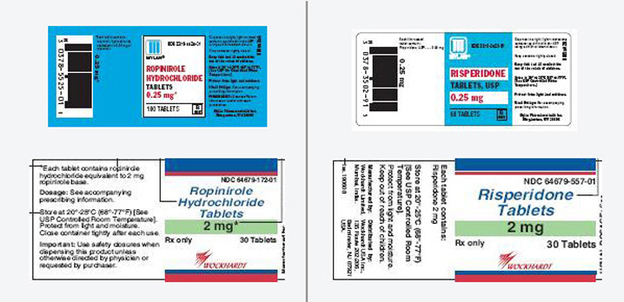
  • Lack of standardized packaging may increase confusion for patients.

👉 In short: while compounding pharmacies can provide personalized solutions, the downsides include less regulation, higher costs, safety risks, and limited evidence of efficacy compared to FDA-approved medications.

COMMENTS APPRECIATED

EDUCATION: Books

SPEAKING: Dr. Marcinko will be speaking and lecturing, signing and opining, teaching and preaching, storming and performing at many locations throughout the USA this year! His tour of witty and serious pontifications may be scheduled on a planned or ad-hoc basis; for public or private meetings and gatherings; formally, informally, or over lunch or dinner. All medical societies, financial advisory firms or Broker-Dealers are encouraged to submit an RFP for speaking engagements: CONTACT: Ann Miller RN MHA at MarcinkoAdvisors@outlook.com -OR- http://www.MarcinkoAssociates.com

Like, Subscribe and Refer

***

***

PARADOX : Government Health Information is Trusted?

By Staff Reporters

***

***

A paradox is a statement that appears at first to be contradictory, but upon reflection then makes sense. This literary device is commonly used to engage a reader to discover an underlying logic in a seemingly self-contradictory statement or phrase. As a result, paradox allows readers to understand concepts in a different and even non-traditional

***

***

GOVERNMENT HEALTH INFORMATION IS TRUSTED?

Classic Definition: Despite the PP-ACA, there is ambivalence about the role of the US Government as a source of quality healthcare information. 

Modern Circumstance: Of brands presented to respondents in a Consumer Reports (50 percent), and AARP (37 percent) survey, they outpolled the “US Government Healthcare Quality Reporting Website” (36 percent) and Medicare Website (32 percent).

Paradox Example: The focus groups expressed “mixed reactions and raised doubts about government involvement in quality ratings information. At least one participant in each group expressed skepticism about trusting ‘the government’ to compile information.”

Younger consumers especially questioned the relevance of Medicare measures to the non-elderly population. Yet participants gravitated to “.gov” websites over “.org” websites as a more authoritative source.

CITE: Williams, Jason: Health Affairs, December 28, 2016

COMMENTS APPRECIATED

EDUCATION: Books

Like, Refer and Subscribe

***

***

DAILY UPDATE: FBI and FDA as Stock Markets Crash

MEDICAL EXECUTIVE-POST TODAY’S NEWSLETTER BRIEFING

***

Essays, Opinions and Curated News in Health Economics, Investing, Business, Management and Financial Planning for Physician Entrepreneurs and their Savvy Advisors and Consultants

Serving Almost One Million Doctors, Financial Advisors and Medical Management Consultants Daily

A Partner of the Institute of Medical Business Advisors , Inc.

http://www.MedicalBusinessAdvisors.com

SPONSORED BY: Marcinko & Associates, Inc.

***

http://www.MarcinkoAssociates.com

Daily Update Provided By Staff Reporters Since 2007.
How May We Serve You?
© Copyright Institute of Medical Business Advisors, Inc. All rights reserved. 2025

REFER A COLLEAGUE: MarcinkoAdvisors@outlook.com

SPONSORSHIPS AVAILABLE: https://medicalexecutivepost.com/sponsors/

ADVERTISE ON THE ME-P: https://tinyurl.com/ytb5955z

Your Referral Count -0-

***

CITE: https://www.r2library.com/Resource

  • The FBI has uncovered $14.6 billion worth of fraudulent claims submitted to Medicare, Medicaid and other government health care programs, the agency said on Monday in conjunction with the Department of Justice (DOJ). The investigation resulted in 324 defendants being charged, including 96 medical professionals.
  • Now, the DOJ, FBI and HHS say they are collaborating to create a health care data fusion center that will help them identify, investigate and prosecute health care fraud.
  • And yesterday, the entities announced a DOJ-HHS False Claims Act Working Group, in which HHS will refer potential False Claims Act violations to the DOJ. Read more about the working group, its members and its goals here.

CITE: https://tinyurl.com/2h47urt5

Stocks: US equities tumbled from record highs, dragged down by megacaps, as President Trump reignited the dormant trade war with fresh tariff warnings against major trading partners (more on that in a sec). Meanwhile, the dollar bounced 0.5% against a basket of other currencies.

Commodities: Oil gained despite OPEC+ deciding to raise crude production by 548,000 barrels per day beginning in August, a larger-than-expected increase. Ultimately, Wall Street analysts expect oil futures to drop below $60 a barrel by the end of the year due to the increase in production.

CITE: https://tinyurl.com/tj8smmes

Read: FDA Commissioner Marty Makary MD is revamping the agency, with plans to use more AI assistance. (the Wall Street Journal)

Visualize: How private equity tangled banks in a web of debt, from the Financial Times.

COMMENTS APPRECIATED

PLEASE SUBSCRIBE: MarcinkoAdvisors@outlook.com

Thank You

***

***

***

***

EDUCATIONAL TEXTBOOKS: https://tinyurl.com/4zdxuuwf

***

DAILY UPDATE: Dr. Marty Makary Appointed to FDA as Stock Markets Continue Rise

MEDICAL EXECUTIVE-POST TODAY’S NEWSLETTER BRIEFING

***

Essays, Opinions and Curated News in Health Economics, Investing, Business, Management and Financial Planning for Physician Entrepreneurs and their Savvy Advisors and Consultants

Serving Almost One Million Doctors, Financial Advisors and Medical Management Consultants Daily

A Partner of the Institute of Medical Business Advisors , Inc.

http://www.MedicalBusinessAdvisors.com

SPONSORED BY: Marcinko & Associates, Inc.

***

http://www.MarcinkoAssociates.com

Daily Update Provided By Staff Reporters Since 2007.
How May We Serve You?
© Copyright Institute of Medical Business Advisors, Inc. All rights reserved. 2025

REFER A COLLEAGUE: MarcinkoAdvisors@outlook.com

SPONSORSHIPS AVAILABLE: https://medicalexecutivepost.com/sponsors/

ADVERTISE ON THE ME-P: https://tinyurl.com/ytb5955z

Your Referral Count -0-

CITE: https://www.r2library.com/Resource

Stat: $1.5 billion. That’s how much a lawsuit alleged hospitals lost because of under funding for facilities serving low-income patients. The Supreme Court ruled against the push for more reimbursement. (Healthcare Dive)

Read: An exclusive interview with Marty Makary, the newly appointed FDA commissioner, on cuts, vaccines, and his future goals. (MedPage Today)

CITE: https://tinyurl.com/2h47urt5

🟢 What’s up

  • Big day for Big Oil: Shell rose 2.81% on better-than-expected earnings, Chevron inched 1.73% higher after beating on profits but missing on revenue, and Exxon Mobil eked out a 0.38% gain after reporting a big boost in production thanks to a recent acquisition.
  • MicroStrategy climbed 3.35% despite reporting a bigger EPS loss than expected. Shareholders must have liked hearing CEO Michael Saylor call the company the Domino’s Pizza of crypto.
  • Maplebear, which does business as Instacart, rose 13.62% after missing analyst estimates but issuing strong fiscal guidance for the coming quarter.
  • Dexcom popped 16.17% on strong earnings for the glucose monitor manufacturer.
  • Five Below rose 11.88% after the discount retailer raised its revenue guidance for the quarter ahead.
  • Wolfspeed exploded 23.89% higher as shareholders cheered the departure of the semiconductor stock’s CFO and a short squeeze took traders by surprise.

What’s down

  • Take Two Interactive Software tumbled 6.66% after the video game maker announced the release of its highly anticipated Grand Theft Auto 6 will be delayed until next May.
  • Reddit fell 4.15% despite crushing analysts’ EPS estimates, while daily active users soared 31% year over year.
  • Block plummeted 20.43% after the company behind Square and Cash App missed earnings estimates and cut its fiscal forecast due to macro uncertainty.
  • Roku sank 8.50% despite beating analysts’ revenue estimates this quarter, but predicting a worse-than-expected quarter ahead.
  • Atlassian beat top and bottom line forecasts, but the software maker still sank 8.99% after issuing weak guidance for the current quarter.
  • GoDaddy lost 8.36% after the domain registrar projected lower revenue for the coming quarter than analysts expected.

CITE: https://tinyurl.com/tj8smmes

Visualize: How private equity tangled banks in a web of debt, from the Financial Times.

COMMENTS APPRECIATED

PLEASE SUBSCRIBE: MarcinkoAdvisors@outlook.com

Thank You

***

***

***

***

EDUCATIONAL TEXTBOOKS: https://tinyurl.com/4zdxuuwf

***

DAILY UPDATE: OpenAI, FDA, Roche & Rite Aid as Stocks Soar

MEDICAL EXECUTIVE-POST TODAY’S NEWSLETTER BRIEFING

***

Essays, Opinions and Curated News in Health Economics, Investing, Business, Management and Financial Planning for Physician Entrepreneurs and their Savvy Advisors and Consultants

Serving Almost One Million Doctors, Financial Advisors and Medical Management Consultants Daily

A Partner of the Institute of Medical Business Advisors , Inc.

http://www.MedicalBusinessAdvisors.com

SPONSORED BY: Marcinko & Associates, Inc.

***

http://www.MarcinkoAssociates.com

Daily Update Provided By Staff Reporters Since 2007.
How May We Serve You?
© Copyright Institute of Medical Business Advisors, Inc. All rights reserved. 2025

REFER A COLLEAGUE: MarcinkoAdvisors@outlook.com

SPONSORSHIPS AVAILABLE: https://medicalexecutivepost.com/sponsors/

ADVERTISE ON THE ME-P: https://tinyurl.com/ytb5955z

Your Referral Count -0-

CITE: https://www.r2library.com/Resource

  • OpenAI would be open to buying Chrome if Google is forced by a federal court to sell the web browser, the company’s ChatGPT head said yesterday.
  • The FDA suspended milk quality tests in some dairy products due to reduced capacity stemming from federal workforce cuts, Reuters reported.
  • Roche, the Swiss pharmaceutical giant, is investing $50 billion in US manufacturing to circumvent President Trump’s tariffs, the company said yesterday.
  • Rite Aid is preparing to sell itself in pieces ahead of a possible second bankruptcy, Bloomberg reported.

CITE: https://tinyurl.com/2h47urt5

What’s up

  • Intel surged 5.54% on reports that the chipmaker plans to cut 20% of its workforce.
  • Oklo gained 8.60% after OpenAI CEO Sam Altman announced he’s stepping down as chairman of the board of the nuclear power startup.
  • Duolingo popped 10.01% after Morgan Stanley initiated coverage of the language learning company, calling it a “best-in-class consumer internet asset.”
  • Cava climbed 6.29% due to an upgrade from analysts at Bernstein, who think the bowl slop stock will not only survive but thrive in an economic downturn.
  • Amphenol rose 8.21% thanks to impressive earnings for the high-speed cable company, coupled with a solid fiscal outlook.
  • Vertiv Holdings jumped 8.60% after the data center company posted an impressive quarterly profit and raised its fiscal forecast.
  • SAP rose 7.47% following the software stock’s strong profit performance last quarter.
  • Novavax soared 19.52% on the news that the FDA has asked for more clinical data about its Covid vaccine.

What’s down

  • Enphase Energy plunged 15.65% thanks to a big miss on both the top and bottom lines for the solar tech stock.
  • Going down: Elevator manufacturer Otis Worldwide fell 6.64% on an earnings miss thanks to fewer orders from Chinese customers.
  • Online learning platform Chubb fell 2.17% after announcing a 38% decline in net income last quarter.
  • Baker Hughes may have beaten profit forecasts last quarter, but the oilfield operator’s revenue miss sent shares tumbling 6.44%.
  • Bristol Myers Squibb lost 2.59% after the pharma giant announced its schizophrenia drug Cobenfy performed poorly in Phase 3 trials.

CITE: https://tinyurl.com/tj8smmes

  • Stocks surged first thing this morning after President Trump said the media blew things out of proportion and that he has “no intention” of firing Jerome Powell. He also said he would be “very nice” to China in tariff negotiations.
  • Treasury Secretary Scott Bessent also did some damage control, touting the opportunity for a “big deal” between the US and China.
  • The combination sent a relief rally sweeping through markets, and while the euphoria faded by mid-afternoon, all three indexes ended the day in the green.
  • Gold fell and bitcoin rose as investors took on more risk (see below), while oil dropped on reports that OPEC+ may hike its crude output after its meeting next month.

COMMENTS APPRECIATED

PLEASE SUBSCRIBE: MarcinkoAdvisors@outlook.com

Thank You

***

***

***

***

EDUCATIONAL TEXTBOOKS: https://tinyurl.com/4zdxuuwf

***

DAILY UPDATE: Measles, Mental Health and Lab Tests

MEDICAL EXECUTIVE-POST TODAY’S NEWSLETTER BRIEFING

***

Essays, Opinions and Curated News in Health Economics, Investing, Business, Management and Financial Planning for Physician Entrepreneurs and their Savvy Advisors and Consultants

Serving Almost One Million Doctors, Financial Advisors and Medical Management Consultants Daily

A Partner of the Institute of Medical Business Advisors , Inc.

http://www.MedicalBusinessAdvisors.com

SPONSORED BY: Marcinko & Associates, Inc.

***

http://www.MarcinkoAssociates.com

Daily Update Provided By Staff Reporters Since 2007.
How May We Serve You?
© Copyright Institute of Medical Business Advisors, Inc. All rights reserved. 2025

REFER A COLLEAGUE: MarcinkoAdvisors@outlook.com

SPONSORSHIPS AVAILABLE: https://medicalexecutivepost.com/sponsors/

ADVERTISE ON THE ME-P: https://tinyurl.com/ytb5955z

Your Referral Count -0-

CITE: https://www.r2library.com/Resource

Stat: $30,000–$50,000. That’s the estimated cost to address one case of measles, making the growing outbreak quite pricey for the US public health system, a CDC official said Tuesday. (NBC)

Quote: “These are still children with illnesses, and they want to be in their home city, where their family can visit them.”—Cynthia Rogers, a pediatric psychiatrist at St. Louis Children’s Hospital, on resistance against pediatric mental health hospitals being built in some communities (KFF)

CITE: https://tinyurl.com/2h47urt5

Read: An FDA effort to better regulate laboratory-developed tests (LDTs) has hit a major hurdle. (Medtech Dive)

CITE: https://tinyurl.com/tj8smmes

Visualize: How private equity tangled banks in a web of debt, from the Financial Times.

COMMENTS APPRECIATED

PLEASE SUBSCRIBE: MarcinkoAdvisors@outlook.com

Thank You

***

***

***

***

EDUCATIONAL TEXTBOOKS: https://tinyurl.com/4zdxuuwf

***

MEDICAL DEVICES: Special Considerations

By Staff Reporters

***

***

INFORMATION TECHNOLOGY CONSIDERATIONS FOR MEDICAL DEVICES

In 2013, the Food and Drug Administration (FDA) issued its first cybersecurity safety communication, followed in 2014 by final guidance. It struck a reasonable balance between new regulations (almost none) and guidance (in the form of non-binding recommendations).

In 2015, the Federal Trade Commission (FTC) released a staff report entitled Internet of Things: Privacy & Security in a Connected World, in which it recommend that Internet of Things (IoT) style devices, which of course include medical and clinical devices, need to maintain a good security posture. It’s worth noting that the FDA, FTC, and other government regulators are centering on a few key guidelines. The following recommendations come directly from the FTC report.

Companies should build security into their devices at the outset, rather than as an afterthought. As part of the security by design process, companies should consider:

  • Conducting a privacy or security risk assessment
  • Minimizing the data they collect and retain
  • Testing their security measures before launching their products
  • Companies should train all employees about good security, and ensure that security issues are addressed at the appropriate level of responsibility within the organization
  • Companies should retain service providers that are capable of maintaining reasonable security and provide reasonable oversight for these service providers.
  • When companies identify significant risks within their systems, they should implement a defense-in-depth approach, in which they consider implementing security measures at several levels.
  • Companies should consider implementing reasonable access control measures to limit the ability of an unauthorized person to access a consumer’s device, data, or even the consumer’s network.
  • Companies should continue to monitor products throughout the life cycle and, to the extent feasible, patch known vulnerabilities

According to colleague Shahid N. Shah MS, the FTC report and FDA guidelines are remarkably consistent. When thinking of cybersecurity and data privacy, engineers tend to think about authentication, authorization, and encryption. Those are the relatively easy topics. For safety-critical devices, however, things are much more difficult and need to encompass a larger surface of questions, including but not limited to:

  • Asset Inventory: Is the device discoverable, and can it associate itself with standard IT inventory systems so that revision management, software updates, and monitoring can be automated?
  • Cyber Insurance: Does the device have enough security documentation to allow it to be insured by standard cyber insurance riders?
  • Patching: How is the firmware, operating system (OS), or application going to be patched by IT staff within hospitals (or the home for remote devices)?
  • Internal Threats: Has the device been designed to circumvent insider (hospital staff, network participants, etc.) threats?
  • External Threats: Has the device been designed to lock down the device from external threats?
  • Embedded OS Security: Is the device sufficiently hardened at the operating system level, such that no extraneous software components, which increase the attack surface, are present?
  • Firmware and Hardware Security: Are the firmware and hardware components sourced from reputable suppliers and free of state-sponsored spying?
  • Application Security: Is the Microsoft Security Development Lifecycle (SDL) or similar software security assurance process integrated into the engineering process?
  • Network Security: Have all network protocols not in use by the device been turned off so that they are not broadcasting?
  • Data Privacy: What data segmentation, logging, and auditing is being done to ensure appropriate data privacy?
  • HIPAA Compliance: Have proper steps been followed to ensure Health Insurance Portability and Accountability Act (HIPAA) compliance?
  • FISMA Compliance: If you’re selling to the federal government, have proper steps, such as use of Federal Information Processing Standard (FIPS) certified encryption, been followed to ensure Federal Information Security Management Act (FISMA) compliance?
  • Data Loss Prevention (DLP): Is there monitoring in place to ensure data leakage outside of the device doesn’t occur?
  • Vulnerabilities: Have common vulnerabilities such as the Open Web Application Security Project (OWASP) Top 10 been reviewed?
  • Data Sharing: Are proper data sharing agreements in place to allow sharing of data across devices and networks?
  • Password Management: Are passwords hardcoded into the device or made configurable?
  • Configuration Protection: Are configuration files properly check-summed and protected against malicious changes?

ASSESSMENT

It is vital to perform a security assessment on a healthcare practice to understand the environment, identify risks and perform risk mitigation. A one-time security assessment with risk mitigation is not sufficient in 2025. This is a continuous process that needs to be performed religiously to maintain a secure and compliant practice.

COMMENTS APPRECIATED

Refer, Like and Subscribe

***

***

DAILY UPDATE: Newsmax Surges but HHS, FDA, CDC & Zelle Go Down as Jittery Stock Markets Rise

MEDICAL EXECUTIVE-POST TODAY’S NEWSLETTER BRIEFING

***

Essays, Opinions and Curated News in Health Economics, Investing, Business, Management and Financial Planning for Physician Entrepreneurs and their Savvy Advisors and Consultants

Serving Almost One Million Doctors, Financial Advisors and Medical Management Consultants Daily

A Partner of the Institute of Medical Business Advisors , Inc.

http://www.MedicalBusinessAdvisors.com

SPONSORED BY: Marcinko & Associates, Inc.

***

http://www.MarcinkoAssociates.com

Daily Update Provided By Staff Reporters Since 2007.
How May We Serve You?
© Copyright Institute of Medical Business Advisors, Inc. All rights reserved. 2025

REFER A COLLEAGUE: MarcinkoAdvisors@outlook.com

SPONSORSHIPS AVAILABLE: https://medicalexecutivepost.com/sponsors/

ADVERTISE ON THE ME-P: https://tinyurl.com/ytb5955z

Your Referral Count -0-

CITE: https://www.r2library.com/Resource

Stocks looked like a very concerning EKG recently, fluctuating throughout as investors weighed today’s tariff announcement. The Newsmax meme stock kept on surging, stacking a 180% gain on top of Monday’s 735% spike to skyrocket over 900% since the conservative media outlet went public earlier this week.

CITE: https://tinyurl.com/2h47urt5

U.S. stocks whipped through another dizzying day Wednesday in the final hours before President Donald Trump’s unveiling of the tariffs promised as part of his “Liberation Day,” which could drastically remake the global economy. The S&P 500 rose 0.7%, but only after careening between an earlier loss of 1.1% and a later gain of 1.1%. It’s had a pattern this week of opening with sharp drops only to finish the day higher.

The Dow Jones Industrial Average added 235 points, or 0.6%, and the NASDAQ composite climbed 0.9%. Both also veered from sharply lower in the morning to sharply higher in the afternoon before doubling back.

CITE: https://tinyurl.com/tj8smmes

Mass layoffs at health agencies begin. The purge of thousands of Health and Human Services (HHS) employees announced last week by Secretary Robert F. Kennedy Jr. started yesterday, with senior leaders at the FDA, CDC, and other departments saying they had been pushed out. Among those removed were the FDA’s chief tobacco regulator, its top veterinarian, and medical officers in charge of new drug approvals.

f you like to use Zelle to send money to others, you need to find a new solution. On April 1st, the digital payment app shut down.

Visualize: How private equity tangled banks in a web of debt, from the Financial Times.

COMMENTS APPRECIATED

PLEASE SUBSCRIBE: MarcinkoAdvisors@outlook.com

Thank You

***

***

***

***

EDUCATIONAL TEXTBOOKS: https://tinyurl.com/4zdxuuwf

***

DAILY UPDATE: Pfizer’s Conflict as NASDAQ and Bitcoin Sink along with Consumer Confidence

MEDICAL EXECUTIVE-POST TODAY’S NEWSLETTER BRIEFING

***

Essays, Opinions and Curated News in Health Economics, Investing, Business, Management and Financial Planning for Physician Entrepreneurs and their Savvy Advisors and Consultants

Serving Almost One Million Doctors, Financial Advisors and Medical Management Consultants Daily

A Partner of the Institute of Medical Business Advisors , Inc.

http://www.MedicalBusinessAdvisors.com

SPONSORED BY: Marcinko & Associates, Inc.

***

http://www.MarcinkoAssociates.com

Daily Update Provided By Staff Reporters Since 2007.
How May We Serve You?
© Copyright Institute of Medical Business Advisors, Inc. All rights reserved. 2025

REFER A COLLEAGUE: MarcinkoAdvisors@outlook.com

SPONSORSHIPS AVAILABLE: https://medicalexecutivepost.com/sponsors/

ADVERTISE ON THE ME-P: https://tinyurl.com/ytb5955z

Your Referral Count -0-

CITE: https://www.r2library.com/Resource

Health experts have expressed conflict of interest concerns after the FDA‘s drug chief quit for a top job in Big Pharma. Pfizer announced this week that Dr. Patrizia Cavazzoni, former director of the FDA’s Center for Drug Evaluation and Research (CDER), will join the company as its chief medical officer.

CITE: https://tinyurl.com/2h47urt5

The tech-heavy NASDAQ Composite (^IXIC) finished the volatile trading day down around 1.3%, dragged down by shares of Magnificent Seven players like Nvidia (NVDA) and Tesla (TSLA). The benchmark S&P 500 (^GSPC) dropped roughly 0.4%, while the Dow Jones Industrial Average (^DJI) reversed earlier session declines to end the day in the green, up about 0.4%.

Some of the biggest market moves also came from the cryptocurrency space, where the price of bitcoin (BTC-USD) tumbled below $90,000 for the first time since November. Bitcoin touched a low closer to $86,000 in the early morning hours, its lowest level since early November. Prices stabilized to just around $88,000 at the market close.

CITE: https://tinyurl.com/tj8smmes

Visualize: How private equity tangled banks in a web of debt, from the Financial Times.

COMMENTS APPRECIATED

PLEASE SUBSCRIBE: MarcinkoAdvisors@outlook.com

Thank You

***

***

***

***

EDUCATIONAL TEXTBOOKS: https://tinyurl.com/4zdxuuwf

***

DAILY UPDATE: New Non-Opioid Medication as Stock Markets Pop

MEDICAL EXECUTIVE-POST TODAY’S NEWSLETTER BRIEFING

***

Essays, Opinions and Curated News in Health Economics, Investing, Business, Management and Financial Planning for Physician Entrepreneurs and their Savvy Advisors and Consultants

Serving Almost One Million Doctors, Financial Advisors and Medical Management Consultants Daily

A Partner of the Institute of Medical Business Advisors , Inc.

http://www.MedicalBusinessAdvisors.com

SPONSORED BY: Marcinko & Associates, Inc.

***

http://www.MarcinkoAssociates.com

Daily Update Provided By Staff Reporters Since 2007.
How May We Serve You?
© Copyright Institute of Medical Business Advisors, Inc. All rights reserved. 2025

REFER A COLLEAGUE: MarcinkoAdvisors@outlook.com

SPONSORSHIPS AVAILABLE: https://medicalexecutivepost.com/sponsors/

ADVERTISE ON THE ME-P: https://tinyurl.com/ytb5955z

Your Referral Count -0-

CITE: https://www.r2library.com/Resource

FDA recently approved the first new kind of painkiller since 1998. The drug, called Journavx and made by Vertex Pharmaceuticals, is a non-opioid medication, and the company says it comes with “no evidence of addictive potential.” One downside? At $15.50 per pill, it’s not cheap, and it’s not clear yet how much insurers will cover.

CITE: https://tinyurl.com/2h47urt5

US stocks closed higher on Wednesday as investors weighed President Trump’s latest 25% tariff salvo and digested the Federal Reserve minutes for insight into future policy.

The benchmark S&P 500 (^GSPC) moved up about 0.2%, hitting a fresh record high of 6,144.15, after notching a record on Tuesday as well. The NASDAQ Composite (^IXIC) and the Dow Jones Industrial Average (^DJI) both rose about 0.1%.

Wednesday’s minutes from the Fed’s January meeting revealed most central bank officials supported holding policy at restrictive levels amid concerns about persistent inflation.

CITE: https://tinyurl.com/tj8smmes

Visualize: How private equity tangled banks in a web of debt, from the Financial Times.

COMMENTS APPRECIATED

PLEASE SUBSCRIBE: MarcinkoAdvisors@outlook.com

Thank You

***

***

***

***

EDUCATIONAL TEXTBOOKS: https://tinyurl.com/4zdxuuwf

***

WHAT TRUMP’S ELECTION WIN COULD MEAN FOR HEALTH CARE

By Dr. Bertalan Meskó, MD PhD

***

***

Regarding AI, the emphasis will shift away from the regulatory environment towards technology companies making their own decisions. Trump also promised to repeal Biden’s executive order on AI because it “hinders AI Innovation”.

Regarding health care, Trump said he would let Robert F. Kennedy “go wild” on health. Being a vaccine doubter and having made many unscientific claims about health, this could be a huge risk to digital health and the FDA’s job on regulating technologies. READ MORE

COMMENTS APPRECIATED

Subscribe Today!

***

***

DAILY UPDATE: FluMist, Neural Data and the Jobs Report

MEDICAL EXECUTIVE-POST TODAY’S NEWSLETTER BRIEFING

***

Essays, Opinions and Curated News in Health Economics, Investing, Business, Management and Financial Planning for Physician Entrepreneurs and their Savvy Advisors and Consultants

Serving Almost One Million Doctors, Financial Advisors and Medical Management Consultants Daily

A Partner of the Institute of Medical Business Advisors , Inc.

http://www.MedicalBusinessAdvisors.com

SPONSORED BY: Marcinko & Associates, Inc.

***

http://www.MarcinkoAssociates.com

Daily Update Provided By Staff Reporters Since 2007.
How May We Serve You?
© Copyright Institute of Medical Business Advisors, Inc. All rights reserved. 2024

REFER A COLLEAGUE: MarcinkoAdvisors@msn.com

SPONSORSHIPS AVAILABLE: https://medicalexecutivepost.com/sponsors/

ADVERTISE ON THE ME-P: https://tinyurl.com/ytb5955z

Your Referral Count -0-


The FDA just approved FluMist from AstraZeneca for self- or caregiver administration for the prevention of influenza virus subtypes A and B.

Plus, August’s revised jobs report showed the US actually created 159,000 jobs, up from 142,000 initially reported last month.

People in CA will have explicit rights to their own “neural data”—covering anything a person thinks or physically/emotionally feels—which is designed to prevent companies from gathering and selling that type of personal info

COMMENTS APPRECIATED

PLEASE SUBSCRIBE: MarcinkoAdvisors@msn.com

Thank You

https://www.amazon.com/Comprehensive-Financial-Planning-Strategies-Advisors/dp/1482240289/ref=sr_1_1?ie=UTF8u0026amp;qid=1418580820u0026amp;sr=8-1u0026amp;keywords=david+marcinko

***

***

***

EDUCATIONAL TEXTBOOKS: https://tinyurl.com/4zdxuuwf

***

DAILY UPDATE: Markets & Economy USA

By Staff Reporters

***

***

  • Markets: Wall Street life was looking good last week as all the major indexes clinched their third consecutive winning week. Stocks were a mixed bag for Friday, but the Dow Jones scored another record close. Bristol Myers Squibb rose after the FDA approved its schizophrenia drug as the first new treatment for the condition in decades.
  • Economy: The FOMC’s favorite inflation gauge came in lower than expected for last month, likely clearing the way for Jerome Powell and the Federal Reserve to keep cutting interest rates.

CITE: https://www.r2library.com/Resource

COMMENTS APPRECIATED

Thank You

***

***

AbbVie: The Economic Recession Index?

The BOTOX Predictor Index?

By Staff Reporters

***

***

It’s looking more than likely that we’ll see a recession in the next year, and Americans are preparing themselves by taking steps like delaying major purchases, allocating more of their income to savings, and staying in jobs they don’t love. Another thing they’re not doing? Getting Botox. And that’s bad news for AbbVie; according to Neal Freyman of Morning Brew.

AbbVie, one of the biggest drug manufacturers in the US, brought Botox into its medical aesthetics portfolio—which also includes the popular dermal filler Juvederm—in 2020, when it bought rival drug maker Allergan for $63 billion. AbbVie CEO Richard Gonzalez said during the company’s Oct. 28th earnings call that the company expects the aesthetics business to take a hard hit in 2024 as recession fears cause consumers to be more cautious with their spending.

“Based on all the data we’ve been observing, especially in the US, with both the consumer-confidence index and real personal consumption expenditures trending down and continued high inflation, these factors are putting pressure on consumer’s discretionary spending,” Gonzalez said.

AbbVie lowered its 2022-23 full-year forecast for its aesthetics business by $600 million, down to $5.3 billion. After the earnings call, AbbVie’s stock fell 4.3%. Through the third quarter of 2022, Botox has brought in $1.97 billion for the aesthetics business. The third quarter saw $637 million in cosmetic Botox sales, down from an expected $640 million. Gonzalez said he doesn’t think the hit on sales will last long, though.

***

***

“As consumer confidence improves, we would once again expect the market growth to accelerate. Our aesthetics portfolio experienced a rapid and sustained recovery following the 2008, 2009 recession,” Gonzalez said.

But Botox also faces a new competitor, called Daxxify, which just got FDA approval in September. Made by Revance Therapeutics, the drug may last longer: In clinical trials, Daxxify injections lasted six to nine months, while Botox injections typically last three months.

***

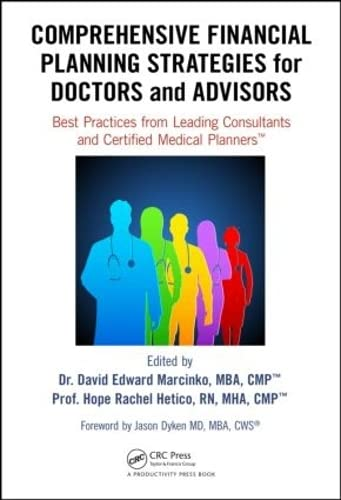
ORDER: https://www.routledge.com/Comprehensive-Financial-Planning-Strategies-for-Doctors-and-Advisors-Best/Marcinko-Hetico/p/book/9781482240283

***

COMMENTS APPRECIATED

Thank You

***

DAILY UPDATE: Turn Key Health, Intel, Coke and Eli Lilly

MEDICAL EXECUTIVE-POST TODAY’S NEWSLETTER BRIEFING

***

Essays, Opinions and Curated News in Health Economics, Investing, Business, Management and Financial Planning for Physician Entrepreneurs and their Savvy Advisors and Consultants

Serving Almost One Million Doctors, Financial Advisors and Medical Management Consultants Daily

A Partner of the Institute of Medical Business Advisors , Inc.

http://www.MedicalBusinessAdvisors.com

SPONSORED BY: Marcinko & Associates, Inc.

***

http://www.MarcinkoAssociates.com

Daily Update Provided By Staff Reporters Since 2007.
How May We Serve You?
© Copyright Institute of Medical Business Advisors, Inc. All rights reserved. 2024

REFER A COLLEAGUE: MarcinkoAdvisors@msn.com

SPONSORSHIPS AVAILABLE: https://medicalexecutivepost.com/sponsors/

ADVERTISE ON THE ME-P: https://tinyurl.com/ytb5955z

Your Referral Count -0-

The FDA said shortages of Eli Lilly’s popular weight loss and diabetes drugs are over.

Coca-Cola must pay $6 billion in back taxes and interest to the Internal Revenue Service, a federal tax court ruled. Coke is appealing but will pay the bill for now.

CITE: https://www.r2library.com/Resource

Stat: 40.1%. That’s the percentage of people in the US who said they had “a lot of trust” in physicians and hospitals in January 2024, down from 71.5% in April 2020. (JAMA Network Open)

Quote: “We can usher people here and they can get the help that they need because the hospitals are clearly overwhelmed.”—Yolanda Gales, a program director with a Maryland County mobile crisis response team, on the opening of the county’s first 24/7 mental health centers (the Washington Post)

Read: One report says that dozens of incarcerated patients died while under the care of Turn Key Health Clinics. (the Marshall Project)

Careers in care: Indeed has a dedicated job board for healthcare pros. It features employers with top company ratings for your perusing pleasure. Check it out.*

CITE: https://tinyurl.com/2h47urt5

Stocks plunged Friday as an unexpectedly bleak jobs report had investors second-guessing the Fed’s decision to wait until September to cut interest rates. Intel suffered its worst drop in 50 years and traded at its lowest price since 2013 after it missed on earnings, announced major layoffs, and suspended its dividend.

CITE: https://tinyurl.com/tj8smmes

Visualize: How private equity tangled banks in a web of debt, from the Financial Times.

COMMENTS APPRECIATED

PLEASE SUBSCRIBE: MarcinkoAdvisors@msn.com

Thank You

***

***

***

***

EDUCATIONAL TEXTBOOKS: https://tinyurl.com/4zdxuuwf

***

DAILY UPDATE: Hims & Hers, MSFT-AI, Neuralink, FDIC and New Market Highs

MEDICAL EXECUTIVE-POST TODAY’S NEWSLETTER BRIEFING

***

Essays, Opinions and Curated News in Health Economics, Investing, Business, Management and Financial Planning for Physician Entrepreneurs and their Savvy Advisors and Consultants

Serving Almost One Million Doctors, Financial Advisors and Medical Management Consultants Daily

A Partner of the Institute of Medical Business Advisors , Inc.

http://www.MedicalBusinessAdvisors.com

SPONSORED BY: Marcinko & Associates, Inc.

***

http://www.MarcinkoAssociates.com

Daily Update Provided By Staff Reporters Since 2007.
How May We Serve You?
© Copyright Institute of Medical Business Advisors, Inc. All rights reserved. 2024

REFER A COLLEAGUE: MarcinkoAdvisors@msn.com

SPONSORSHIPS AVAILABLE: https://medicalexecutivepost.com/sponsors/

ADVERTISE ON THE ME-P: https://tinyurl.com/ytb5955z

***

Microsoft unveiled new PCs with AI-powered features.

CITE: https://www.r2library.com/Resource

Hims & Hers stock soared as much as 38% on the news that it’ll provide GLP-1 injections with the same active ingredient as Ozempic or Wegovy for just $199/month—an 85% discount compared to Wegovy’s ~$1,350 monthly price tag (without insurance).

***

FDIC Chair Martin Gruenberg will resign after an investigation found widespread sexual harassment at the agency. But he won’t step down until a successor is named.

CITE: https://tinyurl.com/2h47urt5

The FDA granted Elon Musk’s neurotech company Neuralink, approval to place its brain chip into a second human test subject using a new method designed to correct issues that arose after its inaugural insertion in January, per the Wall Street Journal.

And, Optum Rx is shaking up its pharmacy model. The business says it will make drug costs more predictable and transparent for clients.

CITE: https://tinyurl.com/tj8smmes

  • All three indexes ended the day higher after Fed Governor Christopher Waller stopped by CNBC and mentioned he doesn’t think raising interest rates is in the cards, even if the Fed is waiting for more data before making cuts. The NASDAQ continued to hit new all-time highs today as investors place their bets before Nvidia’s earnings announcement tomorrow afternoon, and the S&P 500 hit yet another record.
  • Copper continued to rise as the market comes to terms with the metal’s importance, while oil fell on the news that the Biden administration will release 1 million barrels of gasoline this summer from the Northeast reserve. Meanwhile, ethereum continued to climb on the news that a new ETF may be joining the fray.

Here’s where the major benchmarks ended:

  • The S&P 500 index rose 13.28 points (0.3%) to 5,321.41; the Dow Jones Industrial Average® ($DJI) gained 66.22 points (0.2%) to 39,872.99; the NASDAQ Composite advanced 37.75 points (0.2%) to 16,832.62.
  • The 10-year Treasury note yield (TNX) lost more than 2 basis points to 4.414%.
  • The CBOE Volatility Index® (VIX) fell 0.29 to 11.86.

Banking and consumer staples were among the market’s strongest performers Tuesday, while utility shares extended a sharp upswing over the past month. The Dow Jones Utility Average® ($DJU) added 0.5% and closed at a 12-month high. Transportation companies were among the weakest performers.

In other markets, Gold (/GC) futures slipped from Monday’s record high above $2,454 per ounce, while Silver (/SI) futures ended near a 12-year high around $32.21. Gold futures are still up 17% this year due to several factors, including reports of China’s central bank buying actual gold as well as escalating conflict in the Middle East. Gold is viewed by some as a safe-haven asset during periods of heightened geopolitical tension.

COMMENTS APPRECIATED

PLEASE SUBSCRIBE: MarcinkoAdvisors@msns.com

Thank You

***

***

***

***

EDUCATIONAL TEXTBOOKS: https://tinyurl.com/4zdxuuwf

***

FDA: Regulation of Laboratory Tests

By Staff Reporters

***

***

The Food and Drug Administration wants to make sure that if someone is analyzing your blood and urine, it’s worth your time, so the agency just finalized regulations to govern the $10 billion lab test industry. Tests designed by laboratories have long gone without government scrutiny, but the FDA said the time has come to ensure these tests are accurate—though the new standards will be phased in over several years.

There are currently about 80,000 medical tests available from ~1,200 labs, per the FDA, and those will mostly be grandfathered in. Still, the industry has pushed back, saying the regulations will inhibit innovation, and could sue to block the rules from taking effect.

CITE: https://www.r2library.com/Resource

COMMENTS APPRECIATED

Please subscribe today!

Thank You

***

***

***

“RIGHT TO TRY” ACT: Individual Patient Treatments

TO FIX THE FDA APPROVAL’S FLAW

By Staff Reporters

***

***

DEFINITION: Right-to-try laws are United States state laws and a federal law that were created with the intent of allowing terminally ill patients access to experimental therapies (drugs, biologics, devices) that have completed Phase I testing but have not been approved by the Food and Drug Administration (FDA).

Right to Try 2.0 laws could help fix FDA’s approval process; Right to Try for Individualized Treatments

This law would allow patients suffering from rare and genetic diseases to try personalized treatments not yet approved by the FDA, as long as they have the support of their physician and have exhausted other treatment options. This policy would have an outsized impact on patients with rare diseases. Although rare diseases have small patient pools by definition, collectively, about 30 million Americans are estimated to have a rare disease.

What’s more, 80% of these rare diseases are genetic in nature, and 95% have no FDA-approved treatment.

COMMENTS APPRECIATED

Thank You

***

***

DAILY UPDATE: Canadian Drugs, ACA and the Mixed Stock Markets

By Staff Reporters

***

SPONSOR: http://www.MarcinkoAssociates.com

***

***

States that have long pushed the FDA to allow drug importation from Canada touted the move as a major step forward in their efforts to lower prescription drug spending and rein in healthcare costs. But while the idea of importing drugs from Canada is new for states, some businesses have been using existing drug import pathways to help consumers save money on certain high-cost medications.

***

More than 20 million US residents—a record number, according to the Biden administration—have signed up for health insurance through the Affordable Care Act’s marketplaces. (the New York Times)

***

Here’s where the major benchmarks ended:

Stocks were a mixed bag yesterday as investors pored over the first big earnings reports and new data showing that wholesale prices surprisingly went down in December. Airlines took a hit after Delta beat earning expectations but lowered its profit forecast.

  • The S&P 500 index rose 3.59 points (0.1%) to 4,783.83, up 1.8% for the week; the Dow Jones Industrial Average® (DJI) fell 118.04 points (0.3%) to 37,592.98, up 0.3% for the week; the NASDAQ Composite rose 2.57 points to 14,972.76, up 3.1% for the week.
  • The 10-year Treasury note yield (TNX) fell about 3 basis points to 3.943%.
  • The CBOE® Volatility Index (VIX) rose 0.26 to 12.70.

Retailers and consumer discretionary shares were among the market’s weakest performers Friday, and regional banks were also under pressure. The KBW Regional Banking Index (KRX) fell 2% for the week and ended at a one-month low. Energy shares led gainers behind strength in crude oil futures. The small-cap-focused Russell 2000® Index (RUT) ended little-changed for the week but is still down 3.8% so far this year.

CITE: https://www.r2library.com/Resource

COMMENTS APPRECIATED

Thank You

***

***

DOWN: Digital Health Care Funding

By Dr. David Edward Marciniko MBA CMP

SPONSOR: http://www.MarcinkoAssociates.com

***

***

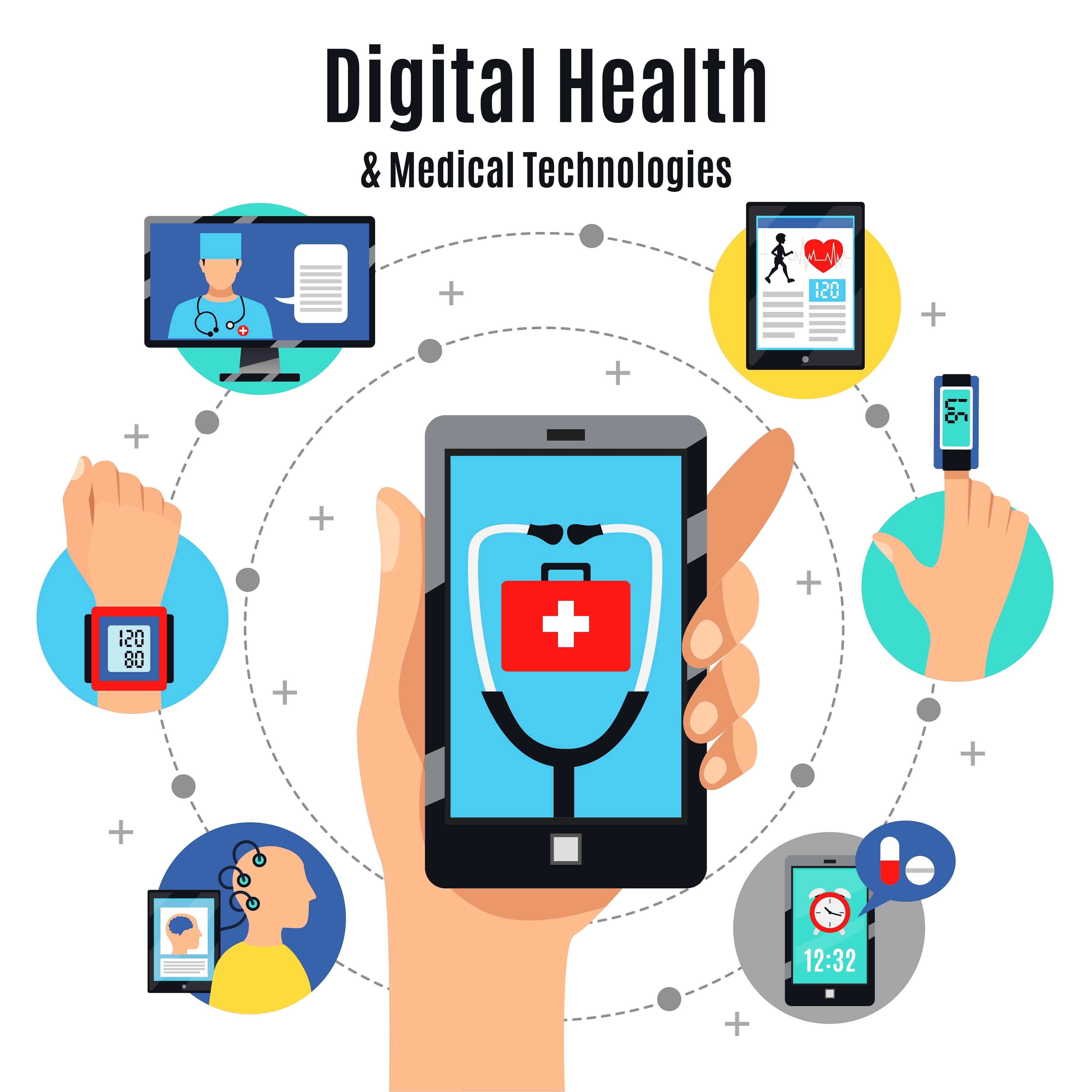
DEFINITION: According to the Food and Drug Administration [FDA], the broad scope of digital health includes categories such as mobile health (mHealth), health information technology (IT), wearable devices, tele-health and tele-medicine, and personalized medicine. From mobile medical apps and software that support the clinical decisions doctors make every day to artificial intelligence and machine learning, digital technology has been driving a revolution in health care. Digital health tools have the vast potential to improve our ability to accurately diagnose and treat disease and to enhance the delivery of health care for the individual. Digital health technologies use computing platforms, connectivity, software, and sensors for health care and related uses. These technologies span a wide range of uses, from applications in general wellness to applications as a medical device. They include technologies intended for use as a medical product, in a medical product, as companion diagnostics, or as an adjunct to other medical products (devices, drugs, and biologics). They may also be used to develop or study medical products.

Cite: http://tinyurl.com/2jbafuc7

***

As many investors predicted, digital health funding took a dive in 2023, according to Rock Health’s year-end funding report. Startups got creative to stay afloat but many digital health founders will have to “face the music” in 2024, the VC firm’s analysts say.

CITE: https://www.r2library.com/Resource

Editor’s Note: I am on the Advisory Board of Medblob™a start-up based in Boston, MA. The digital mission of Medblob™ is to improve community and national health by allowing patients to better manage their health, providers to better treat their patients, and researchers to have the best information to discover cures to the most prevalent and pernicious diseases.

COMMENTS APPRECIATED

Thank You

***

***

DAILY UPDATE: “Medical Properties Trust” Tanks, FDA Approves Canadian Drugs and Medicare Advantage Health Plan [Part C] Patient Traps

By Staff Reporters

***

SPONSOR: http://www.MarcinkoAssociates.com

***

Markets: Stocks climbed a bit on Friday as investors took in the news that the US added more jobs than expected in December, capping off an epic 2023 for the labor market. But it wasn’t a bright start to the year, as all three major averages broke a nine-week winning streak. Stock spotlight: The country’s largest hospital landlord, Medical Properties Trust, tanked after revealing that its biggest tenant was $50 million behind on rent.

***

Yesterday, the Food and Drug Administration (FDA) approved Florida’s request to import bargain medications from the country. It’s the first state to get permission from the agency to bring in medications from Canada under a law Congress passed 20 years ago to help Americans pay less for drugs. Florida officials say ordering cheaper drugs for conditions like HIV and diabetes from Canadian wholesalers will save Medicaid and other state programs $150 million over the first year.

CITE: https://www.r2library.com/Resource

***

Older Americans say they feel trapped in Medicare Advantage plans.

READ HERE: http://tinyurl.com/yck2yb8z

COMMENTS APPRECIATED

Thank You

***

***

DAILY UPDATE: Economy Modest, Sickle Cell CRISPR Therapy Approved and Stock Markets Rise

By Staff Reporters

***

SPONSOR: http://www.MarcinkoAssociates.com

***

According to the Organization for Economic Cooperation and Development’s November economic outlook report, global growth is on track to stay modest this year and into 2024. And, while gross domestic product growth has been stronger than anticipated in 2023 so far, it’s now “moderating on the back of tighter financial conditions, weak trade growth and lower business and consumer confidence,” the report’s authors noted. The OECD anticipates global GDP growth of 2.9% in 2023, and a dip to 2.7% in 2024. 2025 looks better, with predicted global growth of 3%.

***

The Food and Drug Administration on Friday approved a powerful treatment for sickle cell disease, a devastating illness that affects more than 100,000 Americans, the majority of whom are Black. The therapy, called Casgevy, from Vertex Pharmaceuticals and CRISPR Therapeutics, is the first medicine to be approved in the United States.

CRISPR: https://medicalexecutivepost.com/2022/08/06/crispr-play-by-play-of-an-experiment/

Here is where the major benchmarks ended:

The S&P 500® Index (SPX) was up 0.41% at 4,604.46, up marginally for the week; the Dow Jones Industrial Average (DJI) was up 130 points (0.36%) at 36,247.87, up marginally for the week; the NASDAQ Composite® (COMP) was up 63.98 points (0.45%) at 14,403.97, up 0.7% for the week.The 10-year Treasury note yield (TNX) was up 10 basis points at 4.235%. The CBOE Volatility Index (VIX) was down 5.44% at 12.35.

CITE: https://www.r2library.com/Resource

COMMENTS APPRECIATED

Refer a Colleague: MarcinkoAdvisors@msn.com

Your referral Count: 0

Thank You

***

***

NEUROLINK: Brain Chips Rejected by the FDA?

By Staff Reporters

***

The FDA has reportedly rejected an application from Neuralink.

Recall, Neuralink is Elon Musk’s medical device company to test its brain implants in humans.

LINK: https://neuralink.com/

Neuralink Corporation is an American neurotechnology company that develops implantable brain–computer interfaces (BCIs) based in Fremont, California. Founded by Elon Musk and a founding team of seven scientists and engineers, Neuralink was launched in 2016 and was first publicly reported in March 2017.

Since its founding, the company has hired several high-profile neuroscientists from various universities. By July 2019, it had received $158 million in funding (of which $100 million was from Musk) and was employing a staff of 90 employees. At that time, Neuralink announced that it was working on a “sewing machine-like” device capable of implanting very thin (4 to 6 μm in width) threads into the brain, and demonstrated a system that read information from a lab rat via 1,500 electrodes. They had anticipated starting experiments with humans in 2020, but have since moved that projection to 2023.

Several neuroscientists and publications, including the MIT Technology Review, have been critical of claims made by Musk about Neuralink, calling some of the technological promises “highly speculative”. In March 2023, Reuters reported that the Food and Drug Administration rejected a 2022 application for human trials.

The agency had several concerns, including the risk of tiny wires in the chip shifting to other areas of the brain.

***

COMMENTS APPRECIATED

Thank You

ORDER: https://www.amazon.com/Dictionary-Health-Information-Technology-Security/dp/0826149952/ref=sr_1_5?ie=UTF8&s=books&qid=1254413315&sr=1-5

***

GSK: Zantac Risks and American Depository Receipt Shares

By Staff Reporters

***

***

GlaxoSmithKline

***

GSK (GSK) American Depository Shares lost ~2% pre-market yesterday after a new report from Bloomberg Businessweek claimed that the British drug maker chose to keep quiet on the cancer risks of the recalled heartburn medication Zantac. Zantac, also known as ranitidine, was pulled from the U.S. market in 2020 amid concerns over the unacceptable levels of potential human carcinogen, N-nitrosodimethylamine (NDMA).

Since then, the makers of Zantac generics, including Sanofi (SNY) (OTCPK:SNYNF), GSK (GSK), Pfizer (PFE), and Boehringer Ingelheim GmbH, have faced thousands of lawsuits for failure to adequately warn health risks of the antacid.

Citing court filings, studies, FDA transcripts, and new drug applications obtained through the Freedom of Information Act requests, Bloomberg said that the FDA considered the cancer risks when green lighting the medication, but GSK (GSK) withheld key study data.

CITE: https://www.r2library.com/Resource/Title/0826102549

***

COMMENTS APPRECIATED

Thank You

***

ORDER: https://www.routledge.com/Risk-Management-Liability-Insurance-and-Asset-Protection-Strategies-for/Marcinko-Hetico/p/book/9781498725989

***

Medical CBD: No FDA Advocacy

By Staff Reporters

***

The Food and Drug Administration said it can’t vouch for the safety of cannabidiol (CBD)—a nonpsychoactive compound found in marijuana and hemp plants—and because of that, it can’t regulate it. Instead, it’s calling on lawmakers to help supervise $12 CBD lavender sodas.The FDA said that CBD doesn’t fit the mold of the dietary supplements and food additives it typically monitors, such as ginseng and caffeine.

POT: https://contrarianedge.com/should-you-invest-in-marijuana-stocks/?uid=5f78aa3cd815b&utm_source=IMA++-+Main+Articles&utm_campaign=b43e790647-MARIJUANA_STOCKS_RESEND&utm_medium=email&utm_term=0_f1c90406d1-b43e790647-55139025

The agency claims the science is lacking on the safety of long-term CBD use, let alone on any potential perks—like preventing diabetes or aiding sleep.

No-2-Drugs: https://medicalexecutivepost.com/2022/04/20/just-say-no-to-drugs/

Derived from Hemp

Congress legalized hemp four years ago, and most CBD is derived from hemp, not marijuana. As a result, CBD got kicked off the controlled substances list and got lobbed from the Drug Enforcement Administration’s desk to the FDA’s.

Mental Health Drugs: https://medicalexecutivepost.com/2022/10/07/drugs-and-county-mental-health-programs/

Since then, the FDA’s been less active in regulating CBD than a teen in a ’90s anti-marijuana ad. That’s resulted in a chaotic and confusing marketplace, and CBD industry players were hoping the FDA would soon start reining it in.

Drug Middlemen: https://medicalexecutivepost.com/2022/03/14/drugs-money-and-the-middleman/

***

ORDER: https://www.amazon.com/Dictionary-Health-Information-Technology-Security/dp/0826149952/ref=sr_1_5?ie=UTF8&s=books&qid=1254413315&sr=1-5

***

COMMENTS APPRECIATED

Thank You

***

NEW FDA DRUGS and Money

By Staff Reporters

***

***

New medicines launched by US drug makers reached a median price of $222,003 last year, according to Reuters. These astronomical prices were fueled by three very-expensive gene therapies approved by the FDA. In fact, one of them, from Hemgenix, costs $3.5 million, making it the most expensive drug ever.

Congress did cap annual drug price increases via the Inflation Reduction Act, but that doesn’t cover the cost of new medications. Drug-makers, meanwhile, say the cost of their drugs doesn’t reflect what patients pay out-of-pocket for them.

MORE: https://www.msn.com/en-us/health/other/fda-approves-new-drug-lecanemab-that-appears-to-slow-early-mild-alzheimer-s/ar-AA163pDq?cvid=ee09eaf5a43f49bca0eb3a775051002e

***

COMMENTS APPRECIATED

Thank You

***

ORDER: https://www.amazon.com/Dictionary-Health-Insurance-Managed-Care/dp/0826149944/ref=sr_1_4?ie=UTF8&s=books&qid=1275315485&sr=1-4

***

The COMPOUNDING PHARMACY?

By Staff Reporters

***

DEFINITION:

What is compounding in a pharmacy?

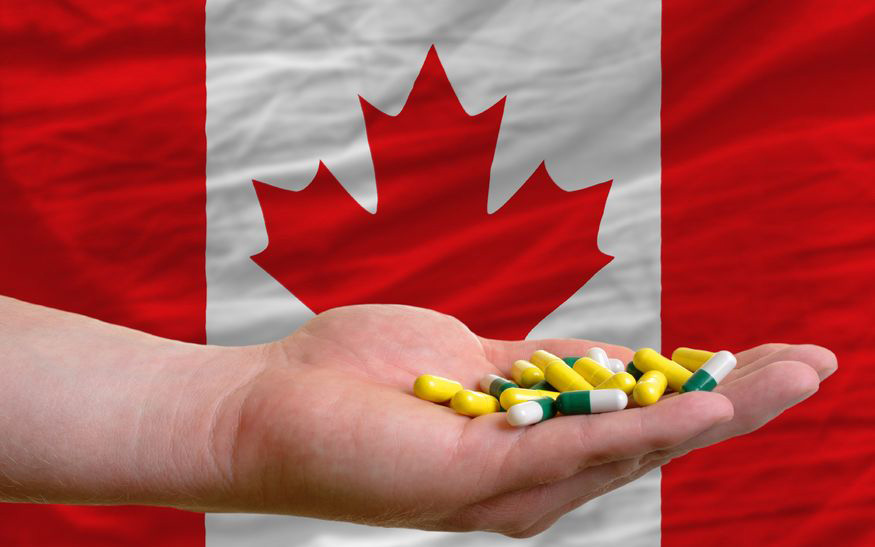
Drug compounding is often regarded as the process of combining, mixing, or altering ingredients to create a medication tailored to the needs of an individual patient. Compounding includes the combining of two or more drugs. Compounded drugs are not FDA-approved.

CITE: https://www.r2library.com/Resource/Title/082610254

What is the difference between a regular pharmacy and a compounding pharmacy?

Both types of pharmacies prepare medications prescribed for a patient by a doctor. The main difference is that a regular pharmacy provides commercial medications in standardized dosages, while a compounding pharmacy can customize medication based on a patient’s specific needs.

Are compounded drugs FDA approved?

Compounded drugs are not FDA approved. And what this means is FDA does not verify the safety effectiveness or quality of compounded drugs before they’re marketed.

FDA: https://www.fda.gov/drugs/human-drug-compounding/compounding-and-fda-questions-and-answers

***

COMMENTS APPRECIATED

Thank You

***

https://www.amazon.com/Dictionary-Health-Insurance-Managed-Care/dp/0826149944/ref=sr_1_4?ie=UTF8&s=books&qid=1275315485&sr=1-4

****

UPDATE: Markets, Money and Covid

***

  • Markets: Down big one day, up big the next—that’s the Omicron-era stock market for you. Stocks surged yesterday following a 3-day losing streak, with travel companies leading the way.
  • Covid: The FDA is set to authorize Covid pills from Pfizer and Merck this week, Bloomberg reports. These treatments, which are intended to be taken by vulnerable people shortly after they are infected, could significantly reduce the burden on strained hospitals. Experts say the pills are a pandemic medical milestone second only to vaccines.
  • CITE: https://www.r2library.com/Resource/Title/082610254

***

***

COMMENTS APPRECIATED.

Thank You

***

FDA: Database of Artificial Intelligence-Based Medical Devices

***

Faces of digital health 001 How long can you live with the help of digital  health? (Dr. Bertalan Mesko) | by Tjaša Zajc | Faces Of Digital Health |  Medium

By Bertalan Meskó, MD PhD

***

Two years ago, I was searching in the FDA’s database of artificial intelligence-based medical devices. The database had no such segment. What could I do? Started creating our own.

Together with fellow researchers at The Medical Futurist Institute, we created the first open-access, online database of FDA-approved A.I.-based technologies that got published in the prestigious journal npj Digital Medicine last year. Since then, we have repeatedly called upon the FDA to do its own database (and even offered ours), and finally, this past week the breakthrough happened: the FDA listed our database as a publicly available resource on the subject. I tell you why this step is important below.

Take care,
Berci
Bertalan Meskó, MD
The Medical Futurist

***

YOUR COMMENTS ARE APPRECIATED.

Thank You

***

***

PODCASTS: FDA Pharmaceutical Industry Ties

CONFLICTS OF INTEREST?

The New York Times Had an Excellent Article on the FDA on September 2, 2021.

The Article Described How the FDA Began Receiving Funding from the Pharmaceutical Industry Itself to Pay for FDA Employee Salaries in 1992–a Potential Conflict-of-Interest. Subsequently, a Study Found that 1/3 of Drugs Approved by the FDA Were Found to Have Safety Problems from 2000 -2010. Another Potential Conflict-of-Interest is Number of FDA Regulators Who Leave Their Positions to Take High-Paying Jobs at Pharmaceutical Companies.

By Eric Bricker MD

FDA rescinds emergency authorization for COVID-19 antibody treatment  bamlanivimab | TheHill

PODCAST:

***

YOUR COMMENTS ARE APPRECIATED.

Thank You

****

***

Cyber-Security Considerations for “Mission-Critical” Medical Devices

Join Our Mailing List 

Understanding the balance between new regulations (almost none) and guidance (in the form of non-binding recommendations)

By Shahid N. Shah MS

Shahid N. ShahTHEN …

In 2013, the Food and Drug Administration (FDA) issued its first cybersecurity safety communication, followed in 2014 by final guidance.

It struck a reasonable balance between new regulations (almost none) and guidance (in the form of non-binding recommendations).

NOW …

In 2015, the Federal Trade Commission (FTC) released a staff report entitled Internet of Things: Privacy & Security in a Connected World, in which it recommend that Internet of Things (IoT) style devices, which of course include medical and clinical devices, need to maintain a good security posture. It’s worth noting that the FDA, FTC, and other government regulators are centering on a few key guidelines.

Six Recommendations

The following six recommendations come directly from the FTC report:

  1. Companies should build security into their devices at the outset, rather than as an afterthought. As part of the security by design process, companies should consider:
  • Conducting a privacy or security risk assessment
  • Minimizing the data they collect and retain
  • Testing their security measures before launching their products
  1. Companies should train all employees about good security, and ensure that security issues are addressed at the appropriate level of responsibility within the organization
  2. Companies should retain service providers that are capable of maintaining reasonable security and provide reasonable oversight for these service providers.
  3. When companies identify significant risks within their systems, they should implement a defense-in-depth approach, in which they consider implementing security measures at several levels.
  4. Companies should consider implementing reasonable access control measures to limit the ability of an unauthorized person to access a consumer’s device, data, or even the consumer’s network.
  5. Companies should continue to monitor products throughout the life cycle and, to the extent feasible, patch known vulnerabilities

The FTC report and FDA guidelines are remarkably consistent. When thinking of cybersecurity and data privacy, engineers tend to think about authentication, authorization, and encryption. Those are the relatively easy topics.

*** circuit***

Mission Critical Medical Devices

For “mission-critical” medical safety devices, however, things are much more difficult and need to encompass a larger surface of questions, including but not limited to:

  • Asset Inventory: Is the device discoverable, and can it associate itself with standard IT inventory systems so that revision management, software updates, and monitoring can be automated?
  • Cyber Insurance: Does the device have enough security documentation to allow it to be insured by standard cyber insurance riders?
  • Patching: How is the firmware, operating system (OS), or application going to be patched by IT staff within hospitals (or the home for remote devices)?
  • Internal Threats: Has the device been designed to circumvent insider (hospital staff, network participants, etc.) threats?
  • External Threats: Has the device been designed to lock down the device from external threats?
  • Embedded OS Security: Is the device sufficiently hardened at the operating system level, such that no extraneous software components, which increase the attack surface, are present?
  • Firmware and Hardware Security: Are the firmware and hardware components sourced from reputable suppliers and free of state-sponsored spying?
  • Application Security: Is the Microsoft Security Development Lifecycle (SDL) or similar software security assurance process integrated into the engineering process?
  • Network Security: Have all network protocols not in use by the device been turned off so that they are not broadcasting?
  • Data Privacy: What data segmentation, logging, and auditing is being done to ensure appropriate data privacy?
  • HIPAA Compliance: Have proper steps been followed to ensure Health Insurance Portability and Accountability Act (HIPAA) compliance?
  • FISMA Compliance: If you’re selling to the federal government, have proper steps, such as use of Federal Information Processing Standard (FIPS) certified encryption, been followed to ensure Federal Information Security Management Act (FISMA) compliance?
  • Data Loss Prevention (DLP): Is there monitoring in place to ensure data leakage outside of the device doesn’t occur?
  • Vulnerabilities: Have common vulnerabilities such as the Open Web Application Security Project (OWASP) Top 10 been reviewed?
  • Data Sharing: Are proper data sharing agreements in place to allow sharing of data across devices and networks?
  • Password Management: Are passwords hardcoded into the device or made configurable?
  • Configuration Protection: Are configuration files properly check-summed and protected against malicious changes?

Conclusion

Your thoughts and comments on this ME-P are appreciated. Feel free to review our top-left column, and top-right sidebar materials, links, URLs and related websites, too. Then, subscribe to the ME-P. It is fast, free and secure.

ABOUT

Mr. Shahid N. Shah is an internationally recognized healthcare thought-leader across the Internet. He is a consultant to various federal agencies on technology matters and winner of Federal Computer Week’s coveted “Fed 100″ Award, in 2009. Over a twenty year career, he built multiple clinical solutions and helped design-deploy an electronic health record solution for the American Red Cross and two web-based eMRs used by hundreds of physicians with many large groupware and collaboration sites. As ex-CTO for a billion dollar division of CardinalHealth, he helped design advanced clinical interfaces for medical devices and hospitals. Mr. Shah is senior technology strategy advisor to NIH’s SBIR/STTR program helping small businesses commercialize healthcare applications. He runs four successful blogs: At http://shahid.shah.org he writes about architecture issues; at http://www.healthcareguy.com he provides valuable insights on applying technology in health care; at http://www.federalarchitect.com he advises senior federal technologists; and at http://www.hitsphere.com he gives a glimpse of HIT as an aggregator. Mr. Shah is a Microsoft MVP (Solutions Architect) Award Winner for 2007, and a Microsoft MVP (Solutions Architect) Award Winner for 2006. He also served as a HIMSS Enterprise IT Committee Member. Mr. Shah received a BS in computer science from the Pennsylvania State University and MS in Technology Management from the University of Maryland. 

Speaker: If you need a moderator or speaker for an upcoming event, Dr. David E. Marcinko; MBA – Publisher-in-Chief of the Medical Executive-Post – is available for seminar or speaking engagements. Contact: MarcinkoAdvisors@msn.com

OUR OTHER PRINT BOOKS AND RELATED INFORMATION SOURCES:

Product Details

Product DetailsProduct DetailsProduct Details

The Medical App Debacle

Join Our Mailing List

Regulating the App Store

[By Adam Ghosh]

Back when Apple first released the idea of the app store to the public, they probably had no idea how proliferate it would be and how it would weave itself into countless workplaces and individuals’ hands.  A quick look on the store today will return you with some 700,000 apps of which 13,000 are health-related.  With so many apps being released on a weekly basis, the credibility as well as the usefulness of some of these applications began to be called into question (a good example of which is an “x-ray” app which just shows pre-rendered images and responds to movements made by the smartphone).

Enter the FDA

To combat this, the FDA has been working on a set of rules and guidelines that will better weed out the less than ideal applications that could potentially lead to misdiagnosis, as well as a host of other problems associated with individuals receiving information that has not been upheld by a healthcare professional or a credible source.

The problem with these apps comes down to one of categorization.  The FDA has the ability to regulate apps that enter the app store that have tags as “medical software,” but not those that have been submitted under the category of “wellness.”  As you can imagine, apps that have not had their credibility upheld generally don’t get submitted under the first category, but rather the second.  The real problem with this happens when a “wellness” app suggest or recommends healthcare advice that has not been backed up an industry professional and consequently may lead to some serious health problems.

Example:

Let’s take a closer look at a good example of this in action.  A ways back, a large number of software companies were capitalizing on the idea of the pedometer and the ability to track one’s footsteps throughout the day.  It was only a matter of time before the app store saw its versions enter the hands of iPhone users across the globe. The issue?  Some of these apps were just fine, giving users the ability to track their steps and better calculate the amount of calories burned over a given period of time.  However, if the same app has any wording linking the amount of steps you take to weight management or obesity then it moves out of the realm of simply being a wellness application and instead becomes a medical app that has not been thoroughly regulated.

Even though it is a suggestion that has become common knowledge (exercise leading to weight loss) the application has indeed violated the app stores regulatory language.  Often times, the software companies behind these aren’t even aware a violation has occurred until they receive a message detailing the removal of said app from the store. It is this exact problem that the FDA seeks to correct but the changes won’t come overnight.

The process will start with an evaluation of a given app to determine the risk level it poses and if the information given is inaccurate or not fleshed out enough.  Representatives in charge of this movement have stated several times that the process won’t be as all encompassing as once imagined.  The pedometer example is a good indicator of apps that might be passed by when a decision is being made.  While a certain pedometer app may not have a licensed professional substantiating its health claims, the risk an obese person has from exercising is fairly low and thus not a priority of the FDA to regulate said app.

smart phone mobile ME-P

Real Issues

The real issue lies with apps that are more closely tied to high-risk adverse health conditions like cancers, heart problems or acute viruses.  If an app gives you a series of pictures of individuals with a certain kind of rash that is indicative of “X” virus and a user then takes medical advice on the assumption that they share the same symptoms, a serious problem has occurred.

With such a high propensity for misdiagnosing, the FDA isn’t asking that you blatantly ignore or cease to use all applications that have not been backed up by an expert.  The FDA is rather suggesting that individuals use their best judgment when seeking out advice via the app store.  If something appears serious visit a physician or a doctor, not an automated response from an app you paid .99 cents for.

Assessment

The FDA hopes to put the final touches on their regulatory guidelines sometime in the next two months.  When the guidelines go live, you can expect to see a huge change to the quality and quantity of the medical apps that are released onto the iOS store.

About the Author:

Adam Ghosh has over twenty years experience as a researcher in the medical field. In that time he has worked with allergists and vascular surgeons, and everyone in between. Now he supplements his early retirement by contributing to: http://www.weatherbyhealthcare.com

Conclusion

Your thoughts and comments on this ME-P are appreciated. Feel free to review our top-left column, and top-right sidebar materials, links, URLs and related websites, too. Then, subscribe to the ME-P. It is fast, free and secure.

Speaker: If you need a moderator or speaker for an upcoming event, Dr. David E. Marcinko; MBA – Publisher-in-Chief of the Medical Executive-Post – is available for seminar or speaking engagements. Contact: MarcinkoAdvisors@msn.com

OUR OTHER PRINT BOOKS AND RELATED INFORMATION SOURCES:

Product Details

Docs on Pharma Payroll Have Blemished Records

Limited Credentials

By Charles Ornstein , Tracy Weber and Dan Nguyen
ProPublica, Oct. 18, 2010, 11:52 p.m.

Join Our Mailing List 

The Ohio medical board concluded [1] that pain physician William D. Leak had performed “unnecessary” nerve tests on 20 patients and subjected some to “an excessive number of invasive procedures,” including injections of agents that destroy nerve tissue.

Yet the finding, posted on the board’s public website, didn’t prevent Eli Lilly and Co. from using him as a promotional speaker and adviser. The company has paid him $85,450 since 2009.

In 2001, the U.S. Food and Drug Administration ordered [2] Pennsylvania doctor James I. McMillen to stop “false or misleading” promotions of the painkiller Celebrex, saying he minimized risks and touted it for unapproved uses.

Still, three other leading drug makers paid the rheumatologist $224,163 over 18 months to deliver talks to other physicians about their drugs.

In Georgia

And in Georgia, a state appeals court in 2004 upheld [3] a hospital’s decision to kick Dr. Donald Ray Taylor off its staff. The anesthesiologist had admitted giving young female patients rectal and vaginal exams without documenting why. He’d also been accused of exposing women’s breasts during medical procedures. When confronted by a hospital official, Taylor said, “Maybe I am a pervert, I honestly don’t know,” according to the appellate court ruling.

Last year, Taylor was Cephalon’s third-highest-paid speaker out of more than 900. He received $142,050 in 2009 and another $52,400 through June.

Leak, McMillen and Taylor are part of the pharmaceutical industry’s white-coat sales force, doctors paid to promote brand-name drugs to their peers — and if they’re convincing enough, get more physicians to prescribe them.

Drug companies say they hire the most-respected doctors in their fields for the critical task of teaching about the benefits and risks of their drugs.

ProPublica Investigates

But an investigation by ProPublica uncovered hundreds of doctors on company payrolls who had been accused of professional misconduct, were disciplined by state boards or lacked credentials as researchers or specialists.

This story is the first of several planned by ProPublica examining the high-stakes pursuit of the nation’s physicians and their prescription pads. The implications are great for patients, who in the past have been exposed to such heavily marketed drugs as the painkiller Bextra and the diabetes drug Avandia — billion-dollar blockbusters until dangerous side effects emerged.

“Without question the public should care,” said Dr. Joseph Ross, an assistant professor of medicine at Yale School of Medicine who has written about the industry’s influence on physicians. “You would never want your kid learning from a bad teacher. Why would you want your doctor learning from a bad doctor, someone who hasn’t displayed good judgment in the past?”

To vet the industry’s handpicked speakers, ProPublica created a comprehensive database [4] that represents the most accessible accounting yet of payments to doctors. Compiled from disclosures by seven companies, the database covers $257.8 million in payouts since 2009 for speaking, consulting and other duties. In addition to Lilly and Cephalon, the companies include AstraZeneca, GlaxoSmithKline, Johnson & Johnson, Merck & Co. and Pfizer.

Although these companies have posted payments on their websites — some as a result of legal settlements — they make it difficult to spot trends or even learn who has earned the most. ProPublica combined the data and identified the highest-paid doctors, then checked their credentials and disciplinary records.

Not all Companies Comply

That is something not all companies do.

A review of physician licensing records in the 15 most-populous states and three others found sanctions against more than 250 speakers, including some of the highest paid. Their misconduct included inappropriately prescribing drugs, providing poor care or having sex with patients. Some of the doctors had even lost their licenses.

More than 40 have received FDA warnings for research misconduct, lost hospital privileges or been convicted of crimes. And at least 20 more have had two or more malpractice judgments or settlements. This accounting is by no means complete; many state regulators don’t post these actions on their web sites.

In interviews and written statements, five of the seven companies acknowledged that they don’t routinely check state board websites for discipline against doctors. Instead, they rely on self-reporting and checks of federal databases. Only Johnson & Johnson and Cephalon said they review the state sites.

ProPublica found 88 Lilly speakers who have been sanctioned and four more who had received FDA warnings. Reporters asked Lilly about several of those, including Leak and McMillen. A spokesman said the company was unaware of the cases and is now investigating them.

“They are representatives of the company,” said Dr. Jack Harris, vice president of Lilly’s U.S. medical division. “It would be very concerning that one of our speakers was someone who had these other things going on.”

Leak, the pain doctor, and his attorney did not respond to multiple messages. The Ohio medical board voted to revoke Leak’s license in 2008. It remains active as he appeals in court, arguing that the evidence against him was old, the witnesses unreliable and the sentence too harsh.

In an interview, McMillen denied nearly all of the allegations in the FDA letter and blamed his troubles on a rival firm whose drug he had criticized in his presentations.

“I’m more cautious now than I ever was,” said McMillen, who said he also does research. “That’s why I think a lot of the companies use me. I’m not taking any risks.”

Taylor said that the allegations against him were “old news” from the 1990s and that regulators had not sanctioned him. “It had nothing to do with my skills as a physician,” said Taylor, noting that he speaks every other week around the country and sometimes abroad. “Even my biggest detractors in that situation lauded my skills as a physician. That’s what’s most important.”

Disclosures are just the start

Payments to doctors for promotional work are not illegal and can be beneficial. Strong relationships between pharmaceutical companies and physicians are critical to developing new and better treatments.

There is much debate, however, about whether paying doctors to market drugs can inappropriately influence what they prescribe. Studies have shown that even small gifts and payments affect physician attitudes. Such issues have become flashpoints in recent years both in courtrooms and in Congress.

All told, 384 of the approximately 17,700 individuals in ProPublica’s database earned more than $100,000 for their promotional and consulting work on behalf of one or more of the seven companies in 2009 and 2010. Nearly all were physicians, but a handful of pharmacists, nurse practitioners and dietitians also made the list. Forty-three physicians made more than $200,000 — including two who topped $300,000.

Physicians also received money from some of the 70-plus drug companies that have not disclosed their payments. Some of those interviewed could not recall all the companies that paid them, and certainly not how much they made. By 2013, the health care reform law requires [5] all drug companies to report this information to the federal government, which will post it on the Web.

The busiest — and best compensated — doctors gave dozens of speeches a year, according to the data and interviews. The work can mean a significant salary boost — enough for the kids’ college tuition, a nicer home, a better vacation.

Top Paid Speakers

Among the top-paid speakers, some had impressive resumes, clearly demonstrating their expertise as researchers or specialists. But others did not –contrary to the standards the companies say they follow.

Forty five who earned in excess of $100,000 did not have board certification in any specialty, suggesting they had not completed advanced training and passed a comprehensive exam. Some of those doctors and others also lacked published research, academic appointments or leadership roles in professional societies.

Experts say the fact that some companies are disclosing their payments is merely a start. The disclosures do not fully explain what the doctors do for the money — and what the companies get in return.

In a raft of federal whistleblower lawsuits [6], former employees and the government contend that the firms have used fees as rewards for high-prescribing physicians. The companies have each paid hundreds of millions or more to settle the suits.

The disclosures also leave unanswered what impact these payments have on patients or the health care system as a whole. Are dinner talks prompting doctors to prescribe risky drugs when there are safer alternatives? Or are effective generics overlooked in favor of pricey brand-name drugs?

“The pressure is enormous. The investment in these drugs is massive,” said Dr. David A. Kessler, who formerly served as both FDA commissioner and dean of the University of California, San Francisco School of Medicine. “Are any of us surprised they’re trying to maximize their markets in almost any way they can?”

From Drug Reps to Doc Reps

For years, drug companies bombarded doctors with pens, rulers, sticky notes, even stuffed animals emblazoned with the names of the latest remedies for acid reflux, hypertension or erectile dysfunction. They wooed physicians with fancy dinners, resort vacations and personalized stethoscopes.

Concerns that this pharma-funded bounty amounted to bribery led the industry to ban most gifts voluntarily [7]. Some hospitals and physicians also banned the gift-givers: the legions of drug sales reps who once freely roamed their halls.

So the industry has relied more heavily on the people trusted most by doctors — their peers. Today, tens of thousands of U.S. physicians are paid to spread the word about pharma’s favored pills and to advise the companies about research and marketing.

Recruited and trained by the drug companies, the physicians — accompanied by drug reps — give talks to doctors over small dinners, lecture during hospital teaching sessions and chat over the Internet. They typically must adhere to company slides and talking points.

These presentations fill an educational gap, especially for geographically isolated primary care doctors charged with treating everything from lung conditions to migraines. For these doctors, poring over a stack of journal articles on the latest treatments may be unrealistic. A pharma-sponsored dinner may be their only exposure to new drugs that are safer and more effective.

Oklahoma pulmonologist James Seebass, for example, earned $218,800 from Glaxo in 2009 and 2010 for lecturing about respiratory diseases “in the boonies,” he said. On a recent trip, he said, he drove to “a little bar 40 miles from Odessa,” Texas, where physicians and nurse practitioners had come 50 to 60 miles to hear him.

Seebass, the former chair of internal medicine at Oklahoma State University College of Osteopathic Medicine, said such talks are “a calling,” and he is booking them for 2011.

The fees paid to speakers are fair compensation for their time away from their practices, and for travel and preparation as well as lecturing, the companies say.

Dr. Samuel Dagogo-Jack has a resume that would burnish any company’s sales force: He is chief of the division of endocrinology, diabetes and metabolism at the University of Tennessee Health Science Center. Dagogo-Jack conducts research funded by the National Institutes of Health, has edited medical journals and continues to see patients.

While most people are going home to dinner with their families, he said, he is leaving to hop on a plane to bring news of fresh diabetes treatments to non-specialist physicians “in the trenches” who see the vast majority of cases.

Since 2009, Dagogo-Jack has been paid at least $257,000 by Glaxo, Lilly and Merck.

“If you actually prorate that by the hours put in, it is barely more than minimum wage,” he said. (A person earning the federal minimum wage of $7.25 would have to work 24 hours a day, seven days a week for more than four years to earn Dagogo-Jack’s fees).

Product Details 

Big Pharma Benefits

For the big pharmaceutical companies, one effective speaker may not only teach dozens of physicians how to better recognize a condition, but sell them on a drug to treat it. The success of one drug can mean hundreds of millions in profits, or more. Last year, prescription drugs sales in the United States topped $300 billion, according to IMS Health, a healthcare information and consulting company.

Glaxo’s drug to treat enlarged prostates, Avodart — locked in a battle with a more popular competitor — is the topic of more lectures than any of the firm’s other drugs, a company spokeswoman said. Glaxo’s promotional push has helped quadruple Avodart’s revenue to $559 million in five years and double its market share, according to IMS.

Favored speakers like St. Louis pain doctor Anthony Guarino earn $1,500 to $2,000 for a local dinner talk to a group of physicians.

Guarino, who made $243,457 from Cephalon, Lilly and Johnson & Johnson since 2009, considers himself a valued communicator. A big part of his job, he said, is educating the generalists, family practitioners and internists about diseases like fibromyalgia, which causes chronic, widespread pain — and to let them know that Lilly has a drug to treat it.

“Somebody like myself may be able to give a better understanding of how to recognize it,” Guarino said. Then, he offers them a solution: “And by the way, there is a product that has an on-label indication for treating it.’’

Guarino said he is worth the fees pharma pays him on top of his salary as director of a pain clinic affiliated with Washington University. Guarino likened his standing in the pharma industry to that of St. Louis Cardinals first baseman Albert Pujols, named baseball player of the decade last year by Sports Illustrated. Both earn what the market will bear, he said: “I know I get paid really well.”

Is Anyone Checking Out There?

Simple searches of government websites turned up disciplinary actions against many pharma speakers in ProPublica’s database.

The Medical Board of California filed a public accusation against psychiatrist Karin Hastik in 2008 and placed her [8] on five years’ probation in May for gross negligence in her care of a patient. A monitor must observe her practice.

Kentucky’s medical board placed Dr. Van Breeding on probation [9] from 2005 to 2008. In a stipulation filed with the board, Breeding admits unethical and unprofessional conduct. Reviewing 23 patient records, a consultant found Breeding often that gave addictive pain killers without clear justification. He also voluntarily relinquished his Florida license.

New York’s medical board put Dr. Tulio Ortega on two years’ probation [10] in 2008 after he pleaded no contest to falsifying records to show he had treated four patients when he had not. Louisiana’s medical board, acting on the New York discipline, also put him on probation [11] this year.

Yet during 2009 and 2010, Hastik made $168,658 from Lilly, Glaxo and AstraZeneca. Ortega was paid $110,928 from Lilly and AstraZeneca. Breeding took in $37,497 from four of the firms. Hastik declined to comment, and Breeding and Ortega did not respond to messages.

Their disciplinary records raise questions about the companies’ vigilance.

“Did they not do background checks on these people? Why did they pick them?” said Lisa Bero, a pharmacy professor at University of California, San Francisco who has extensively studied conflicts of interest in medicine and research.

Disciplinary actions, Bero said, reflect on a physician’s credibility and willingness to cross ethical boundaries.

“If they did things in their background that are questionable, what about the information they’re giving me now?” she said.

Sanctions Found

ProPublica found sanctions ranging from relatively minor misdeeds such as failing to complete medical education courses to the negligent treatment of multiple patients. Some happened long ago; some are ongoing. The sanctioned doctors were paid anywhere from $100 to more than $140,000.

Several doctors were disciplined for misconduct involving drugs made by the companies that paid them to speak. In 2009, Michigan regulators accused one rheumatologist of forging a colleague’s name to get prescriptions for Viagra and Cialis. Last year, the doctor was paid $17,721 as a speaker for Pfizer, Viagra’s maker.

A California doctor who was paid $950 this year to speak for AstraZeneca was placed on five years’ probation by regulators in 2009 after having a breakdown, threatening suicide and spending time in a psychiatric hospital after police used a Taser on him. He said he’d been self-treating with samples of AstraZeneca’s anti-psychotic drug Seroquel, medical board records show.

Other paid speakers had been disciplined by their employers or warned by the federal government. At least 15 doctors lost staff privileges at various hospitals, including one New Jersey doctor who had been suspended twice for patient care lapses and inappropriate behavior. Other doctors received FDA warning letters for research misconduct such as failing to get informed consent from patients.

Pharma companies say they rely primarily on a federal database listing those whose behavior in some way disqualifies them from participating in Medicare. This database, however, is notoriously incomplete.

The industry’s primary trade group says its voluntary code of conduct is silent about what, if any, behavior should disqualify physician speakers.

“We look at it from the affirmative — things that would qualify physicians,” said Diane Bieri, general counsel and executive vice president of the Pharmaceutical Research and Manufacturers of America.

Some physicians with disciplinary records say their past misdeeds do not reflect on their ability to educate their peers.

Family medicine physician Jeffrey Unger was put on probation [12] by California’s medical board in 1999 after he misdiagnosed a woman’s breast cancer for 2½ years. She received treatment too late to save her life. In 2000, the Nevada medical board revoked Unger’s license for not disclosing California’s action.

As a result, Unger said, he decided to slow down and start listening to his patients. Since then, he said, he has written more than 130 peer-reviewed articles and book chapters on diabetes, mental illness and pain management.

“I think I’ve more than accomplished what I’ve needed to make this all right,” he said. During 2009 and the first quarter of 2010, Lilly paid Unger $87,830. He said he also is a paid speaker for Novo Nordisk and Roche, two companies that have not disclosed payments.

The drug firms, Unger said “apparently looked beyond the record.”

Companies Make their Own Experts

Last summer, as drug giant Glaxo battled efforts to yank its blockbuster diabetes drug Avandia from the market, Nashville cardiologist Hal Roseman worked the front lines.

At an FDA hearing, he borrowed David Letterman’s shtick [13] to deliver a “Top Five” list of reasons to keep the drug on the market despite evidence it caused heart problems. He faced off [14] against a renowned Yale cardiologist and Avandia critic on the PBS NewsHour, arguing that the drug’s risks had been overblown.

“I still feel very convinced in the drug,” Roseman said with relaxed confidence. The FDA severely restricted access to the drug last month citing its risks.

Roseman is not a researcher with published peer-reviewed studies to his name. Nor is he on the staff of a top academic medical center or in a leadership role among his colleagues.

Roseman’s public profile comes from his work as one of Glaxo’s highest-paid speakers. In 2009 and 2010, he earned $223,250 from the firm — in addition to payouts from other companies.

Pharma companies often say their physician salesmen are chosen for their expertise. Glaxo, for example, said it selects “highly qualified experts in their field, well-respected by their peers and, in the case of speakers, good presenters.”

ProPublica found that some top speakers are experts mainly because the companies have deemed them such. Several acknowledge that they are regularly called upon because they are willing to speak when, where and how the companies need them to.

“It’s sort of like American Idol,” said sociologist Susan Chimonas, who studies doctor-pharma relationships at the Institute on Medicine as a Profession in New York City.

“Nobody will have necessarily heard of you before — but after you’ve been around the country speaking 100 times a year, people will begin to know your name and think, ‘This guy is important.’ It creates an opinion leader who wasn’t necessarily an expert before.”

To check the qualifications of top-paid doctors, reporters searched for medical research, academic appointments and professional society involvement. They also interviewed national leaders in the physicians’ specialties.

In numerous cases, little information turned up.

Las Vegas endocrinologist Firhaad Ismail, for example, is the top earner in the database, making $303,558, yet only his schooling and mostly 20-year-old research articles could be found. An online brochure [15] for a presentation he gave earlier this month listed him as chief of endocrinology at a local hospital, but an official there said he hasn’t held that title since 2008.

And several leading pain experts said they’d never heard of Santa Monica pain doctor Gerald Sacks, who was paid $249,822 since 2009.

Neither physician returned multiple calls and letters.

A recently unsealed whistleblower lawsuit against Novartis [16], the nation’s sixth-largest drug maker by sales, alleges that many speakers were chosen “on their prescription potential rather than their true credentials.”

Speakers were used and paid as long as they kept their prescription levels up, even though “several speakers had difficulty with English,” according to the amended complaint filed this year in federal court in Philadelphia.

Speaking to Each Other

Some physicians were paid for speaking to one another, the lawsuit alleged. Several family practice doctors in Peoria, Ill., “had two programs every week at the same restaurant with the same group of physicians as the audience attendees.”

In September, Novartis agreed to pay [17] the government $422.5 million to resolve civil and criminal allegations in this case and others. The company has said it fixed its practices and now complies with government rules.

Roseman, who has been a pharma speaker for about a decade, acknowledged that his expertise comes by way of the training provided by the companies that pay him. But he says that makes him the best prepared to speak about their products, which he prescribes for his own patients. Asked about Roseman’s credentials, a Glaxo spokeswoman said he is an “appropriate” speaker

Assessment

Getting paid to speak “doesn’t mean that your views have necessarily been tainted,” he said.

Plus pharma needs talent, Roseman said. Top-tier universities such as Harvard [18] have begun banning their staffs from accepting pharma money for speaking, he said. “It irritates me that the debate over bias comes down to a litmus test of money,” Roseman said. “The amount of knowledge that I have is in some regards to be valued.”

Related News:

Editor’s Note: ProPublica Director of Research Lisa Schwartz and researcher Nicholas Kusnetz contributed to this report

Conclusion

Your thoughts and comments on this ME-P are appreciated. Feel free to review our top-left column, and top-right sidebar materials, links, URLs and related websites, too. Then, subscribe to the ME-P. It is fast, free and secure.

Speaker: If you need a moderator or speaker for an upcoming event, Dr. David E. Marcinko; MBA – Publisher-in-Chief of the Medical Executive-Post – is available for seminar or speaking engagements. Contact: MarcinkoAdvisors@msn.com

OUR OTHER PRINT BOOKS AND RELATED INFORMATION SOURCES:


Product Details  Product Details

GE Violated Danish Drug Reporting Law

In the Omniscan Case

By Jeff Gerth, ProPublica – June 17, 2010 5:59 pm EDT

Join Our Mailing List 

General Electric’s health care unit failed to promptly and completely inform regulators about a patient who died after experiencing adverse effects from the company’s MRI drug Omniscan, Danish drug regulators concluded in a ruling last month.

Danish Medicines Agency

The finding by the Danish Medicines Agency comes in the case of a Danish woman who had been injected with Omniscan for a magnetic resonance scan in 2002 and gradually became immobilized and died of a lung embolism the following year. The woman, Birthe Madsen, is believed to be among the first patients whose use of Omniscan and similar medical imaging drugs was associated with a rare and potentially crippling disease now known as nephrogenic systemic fibrosis [1], or NSF. Hundreds of patients became ill after Madsen’s death, before regulators and drug companies learned enough about the risks to begin issuing alerting doctors a few years later.

Government Insurance Agency

Reviewing the reasons Madsen died, a Danish government insurance agency determined in 2004 that Omniscan caused her immobility and in turn her death. Although this was relayed to GE Healthcare, the company did not immediately report it to the medicines agency as required, nor did a follow-up include the insurance agency’s conclusion that Madsen’s death could be attributed to the drug.

Although the reporting lapses violated Danish drug law, the medicines agency told GE Healthcare in a May 21 letter that the statute of limitations had expired and it would not pursue further action against the company. GE Healthcare maintains that its reporting about Omniscan’s side effects has been proper, and spokesman Jeff DeMarrais said in an e-mail that the woman’s death was not initially attributed to Omniscan because the fatal embolism occurred during a lengthy course of treatment “following the patient’s adverse reaction.”

The ruling by the Danish Medicine Agency, coming years after the reporting lapse, appears to have been prompted by an inquiry last October from a member of the Danish parliament about the agency’s response after cases of NSF first came to light in early 2006.

[picapp align=”none” wrap=”false” link=”term=denmark&iid=5207011″ src=”http://view2.picapp.com/pictures.photo/image/5207011/low-angle-view-amalienborg/low-angle-view-amalienborg.jpg?size=500&imageId=5207011″ width=”323″ height=”529″ /]

Contesting Lawsuits

GE currently is contesting more than 400 lawsuits [2] involving U.S. patients who say they contracted the disease after being injected with Omniscan. The company says it acted properly to protect patients and denies its drug causes NSF. Some manufacturers of competing products also have been sued, but in far fewer numbers than GE.

One of the major points of debate in the litigation concerns what GE Healthcare knew [2] and disclosed to regulators about Omniscan’s risks. The company contends it has been proactive and cooperative, while the plaintiffs claim the company failed to disclose damaging information about the drug and put patients in jeopardy.

Critics of GE Healthcare say more forthright disclosure might have helped doctors and regulators respond earlier and more effectively. Among them is Madsen’s son, Casper Schmidt, a Copenhagen lawyer who has carefully documented her case and the actions of various Danish authorities.

“If my mother’s case had been reported more accurately, and if the company had to explain why a patient died,” Schmidt said in an e-mail, “it would have helped enable doctors and regulators to better understand the disease earlier.”

US and European Drug Makers

Drug manufacturers in the United States and Europe are required to promptly report serious adverse reactions so that regulators and medical providers can monitor a product’s safety. They also must update the reports as new information about a case develops. In the U.S., the Food and Drug Administration logs the reports in a database [3].

At the time Madsen was exposed to Omniscan in 2004, tens of millions of patients who had undergone MRIs had been safely injected with such products, known as contrast agents, to enhance the images.

Omniscan [4], approved for use in the United States in 1993, is among a class of such agents that rely on gadolinium, a highly toxic metal. The body normally eliminates the drug quickly after treatment, except in some patients who have impaired kidney function.

Madsen was such a patient. According to Schmidt’s timeline of her treatment, she had at least one dialysis treatment before being injected with Omniscan in January 2002 to evaluate whether her veins were healthy enough for a kidney transplant. She experienced a cascade of crippling symptoms until her death in October 2003 at age 55.

Madsen’s adverse reactions prompted a medical review by a Danish government insurance agency, called Patientforsikringen, or Patient Insurance Agency, to see whether she had suffered drug side effects that might qualify her for state compensation.

The review determined that while Madsen died of a pulmonary embolism, her “immobilization was caused by the acknowledged pharmaceutical injury.”

That conclusion was reported to GE Healthcare on June 1, 2004, but the company failed to relay the information as required, the Danish Medicines Agency said in its May letter. In addition, the agency said a follow-up report from GE Healthcare, while noting several of Madsen’s adverse reactions, was insufficient because it did not repeat the state insurance agency’s finding that she died from an embolism due to being immobilized.

The GE Spokesman

DeMarrais, the GE spokesman, said that at the time, the company’s drug safety experts had a different understanding of Madsen’s death.

“Our filings regarding the case in question reflect that, as of 2004,” DeMarrais wrote, “our (drug safety) unit had not concluded, based on the information available at the time and in good faith, that the patient’s death had been caused by the adverse event that had been linked to the administration of Omniscan, but rather by a pulmonary embolism occurring during a protracted medical course following the patient’s adverse reaction.”

In its May letter, the Danish Medicines Agency said it had combed its files and could find no report from GE about Madsen in June 2004. DeMarrais, however, said the company believes a report was sent that month “at the same time as it was sent to other regulators, as confirmed by the FDA’s receipt of this filing.”

ProPublica Inquiry

At ProPublica’s request, Conor McKechnie, another company spokesman, provided a copy of the FDA filing [5] with Madsen’s name and some other information redacted. (The filing was on the letterhead of Amersham Health, the British maker of scanning drugs that GE acquired in late 2003 and early 2004.)

The filing references “new information” from the Danish insurance agency and states that the patient involved “suffered pulmonary embolism due to immobilization and died.” But it does not quote the insurance agency’s conclusion that “pharmaceutical injury” was to blame for Madsen’s immobility.

McKechnie said the FDA filing is accurate and mentioned immobilization, the embolism and death. DeMarrais said GE Healthcare also has submitted half a dozen more supplemental filings on the case over the last six years. “It would be a mistake,” he added, “to attach unwarranted significance to this particular case at this juncture.”

“It is our position that, consistent with the relevant health risk communication protocols, we provided complete and timely reports to the DMA and other global authorities regarding the adverse events associated with Omniscan that were reported to us,” DeMarrais said in his e-mail.

Dr. Sidney Wolfe, director of the health research group at the consumer watchdog organization Public Citizen, said GE should have been more forthcoming in 2004.

“Incomplete and misleading reports such as this undermine the ability of the government to make decisions more quickly to improve the public health,” said Wolfe, who is on an FDA advisory committee [6] that late last year reviewed Omniscan and other contrast agents.

In May 2006, following the disclosure of 20 NSF cases in Copenhagen, GE Healthcare issued a safety alert to the DMA and regulators around the world. It discussed the new cases and attached a brief description of each one. In the section involving Madsen, the company reported her death as “unrelated to Omniscan.”

By 2007, at the urging of regulators, the manufacturers of gadolinium-based agents put warnings about NSF on their labels. Three years later, much about the disease remains a mystery [7], including the exact cause. Patients experience a painful hardening or thickening of skin around the joints. The disease can be disfiguring and may attack internal organs.

Current Updates

As of last fall, the Patientforsikringen had reviewed 38 cases in which people exposed to Omniscan had suffered injury or death. In 26 cases, the insurance agency determined that GE Healthcare’s drug was the likely cause, according to a spokesman. In those cases, including Madsen’s, the agency made payments to the victims or their relatives.

[picapp align=”none” wrap=”false” link=”term=General+Electric&iid=8962953″ src=”http://view2.picapp.com/pictures.photo/image/8962953/general-electric-ceo-and/general-electric-ceo-and.jpg?size=500&imageId=8962953″ width=”380″ height=”537″ /]

Assessment

GE Healthcare has the opportunity to appeal the insurance agency’s decisions but has not done so, the Patientforsikringen spokesman said in an e-mail last fall. McKechnie said the company did not appeal because it was not a direct party to the agency’s decision.

DeMarrais said the company would respond to the Danish Medicines Agency’s finding of a reporting violation, which can be appealed.

Madsen’s name is redacted in the May 21 letter from the agency, but it was confirmed by her son and by matching the details in the letter with other public information.

Link: http://www.propublica.org/feature/ge-violated-danish-drug-reporting-law-in-omniscan-case

Conclusion

Your thoughts and comments on this ME-P reprint are appreciated. Feel free to review our top-left column, and top-right sidebar materials, links, URLs and related websites, too. Then, be sure to subscribe. It is fast, free and secure.

Get our Widget: Get this widget!

Our Other Print Books and Related Information Sources:

Practice Management: http://www.springerpub.com/prod.aspx?prod_id=23759

Physician Financial Planning: http://www.jbpub.com/catalog/0763745790

Medical Risk Management: http://www.jbpub.com/catalog/9780763733421

Healthcare Organizations: www.HealthcareFinancials.com

Health Administration Terms: www.HealthDictionarySeries.com

Physician Advisors: www.CertifiedMedicalPlanner.com

Subscribe Now: Did you like this Medical Executive-Post, or find it helpful, interesting and informative? Want to get the latest ME-Ps delivered to your email box each morning? Just subscribe using the link below. You can unsubscribe at any time. Security is assured.

Link: http://feeds.feedburner.com/HealthcareFinancialsthePostForcxos

Sponsors Welcomed: And, credible sponsors and like-minded advertisers are always welcomed.

Link: https://healthcarefinancials.wordpress.com/2007/11/11/advertise

Why Hospital IT is Almost like a Retail Mall

Hospital Bar-Coding Systems

By Brent A. Metfessel; MD, MIS

www.HealthcareFinancials.com

Given anticipated benefits in patient safety, the FDA required in April 2006, that bar codes be installed on all medications used in hospitals and dispensed based on a physician’s order.  The bar code must contain at least the National Drug Code (NDC) number, which specifically identifies the drug. 

Unfortunately, by 2008 only about 18% of hospitals used bedside bar coding systems. Nevertheless, this ruling heightened the priority of implementing hospital-wide systems for patient/drug matching using bar codes and implementation that is still growing rapidly today.

Procedures

Conceptually, the procedure for bar coding is as follows:

  • The drug is given to the nurse or other provider for administration to the patient.
  • Once in the patient’s room, the provider scans the bar code on the patient’s identification badge, which positively identifies the patient.
  • The medication container is then passed through the scanner, which then identifies the drug.
  • The computer matches the patient to the drug order.  If there is not a match, including drug, dosage, and time of administration, an alert is displayed in real-time, enabling correction of the error prior to drug administration.

Enter the FDA

The FDA estimates that over 500,000 fewer adverse events will occur over the next 20 years, a result of an expected 50% decrease in drug dispensing and administration errors. The decrease in pain, suffering, and lengths of stay from drug errors is estimated to result in $93 billion in savings over the next 20 years. 

Avoidance of litigation, decreased malpractice premiums, reduction in inventory carrying costs, and increase in revenue from more accurate billing result from the improvement in quality and efficiency of care.

This makes implementation of bar coding technology relatively low-risk, although there needs to be sufficient informatics capability to capture and store drug orders.

Estimated Cost Savings

For a bar coding system, a 300-bed hospital may expect up-front costs of $700,000 to $1.5 million with about $150,000 in maintenance fees annually.  The returns, however, in terms of improved patient safety and cost of care make an investment in bar coding technology one of the more cost-effective information systems investments.

Assessment

Also, given the increasing consumerism in healthcare, prospective patients will be more assured of care quality from a hospital investing in state-of-the-art technology in this area, giving the medical center a competitive advantage.

Conclusion

Thus, hospitals are becoming more like retail businesses every day … finally!

And so, your thoughts and comments on this ME-P are appreciated. Feel free to review our top-left column, and top-right sidebar materials, links, URLs and related websites, too. Then, be sure to subscribe. It is fast, free and secure.

Speaker: If you need a moderator or speaker for an upcoming event, Dr. David E. Marcinko; MBA – Publisher-in-Chief of the Medical Executive-Post – is available for seminar or speaking engagements. Contact: MarcinkoAdvisors@msn.com

Get our Widget: Get this widget!

Our Other Print Books and Related Information Sources:

Practice Management: http://www.springerpub.com/prod.aspx?prod_id=23759

Physician Financial Planning: http://www.jbpub.com/catalog/0763745790

Medical Risk Management: http://www.jbpub.com/catalog/9780763733421

Healthcare Organizations: www.HealthcareFinancials.com

Health Administration Terms: www.HealthDictionarySeries.com

Physician Advisors: www.CertifiedMedicalPlanner.com

Subscribe Now: Did you like this Medical Executive-Post, or find it helpful, interesting and informative? Want to get the latest ME-Ps delivered to your email box each morning? Just subscribe using the link below. You can unsubscribe at any time. Security is assured.

Link: http://feeds.feedburner.com/HealthcareFinancialsthePostForcxos

Sponsors Welcomed

And, credible sponsors and like-minded advertisers are always welcomed.

Link: https://healthcarefinancials.wordpress.com/2007/11/11/advertise

Product DetailsProduct DetailsProduct Details     

Dr. Deborah Peel vs. Ms. Mary Grealy on Patient Privacy

Physician versus Lobbyist

By Darrell K. Pruitt; DDS

On March 23, 2010 Dr. Deborah Peel, a psychiatrist in private practice and the founder of Patient Privacy Rights (www.patientprivacyrights.org) posted an opinion piece titled: “Your Medical Records Aren’t Secure” in the Wall Street Journal.

http://online.wsj.com/article/SB10001424052748703580904575132111888664060.html

Her still popular article soon picked up 217 comments – reflecting respectable interest in the conundrum. Since then, her message of caution has gained momentum on the Internet in the security industry, and has even spilled over into appearances on Fox News, MSNBC and PBS in the last week.

Dr. Peel’s Case

Dr. Peel argues that even though the President claims digital health records will reduce costs and improve quality, they could undermine safe and effective care if patients become afraid to confide in their doctors.

“The solution is to insist upon technologies that protect a patient’s right to consent to share any personal data. A step in this direction is to demand that no federal stimulus dollars be used to develop electronic systems that do not have these technologies.”

It is easy to understand why Dr. Peel’s opinions draw the ire of HIT stakeholders both inside and outside government.

Dr. Peel concludes:

“Privacy has been essential to the ethical practice of medicine since the time of Hippocrates in fifth century B.C. The success of health-care reform and electronic record systems requires the same foundation of informed consent patients have always had with paper records systems. But if we squander billions on a health-care system no one trusts, millions will seek treatment outside the system or not at all. The resulting data, filled with errors and omissions, will be worth less than the paper it isn’t written on.” 

Dr. Peel is currently on a campaign to encourage Americans to sign her “Do not disclose” petition.

http://patientprivacyrights.org/do-not-disclose/

HIT Stakeholders Speak Up

Recently, the Wall Street Journal featured an opposing opinion to Dr. Peel’s in an article titled “Industry Rep Calls Patient Privacy ‘Overblown’ Worry”

http://online.wsj.com/article/SB10001424052748704094104575144110418562490.html?mod=googlenews_wsj#articleTabs%3Darticle

Ms. Grealy’s Case

Mary R. Grealy, President of the Healthcare Leadership Council, a coalition of chief executives from the health-care industry, posted her objections to Dr. Peel’s warnings about the dangers of digital records versus paper:

“Dr. Peel seeks to frighten people into believing electronic health records are more vulnerable than paper ones, which is not the case. She fails to acknowledge the important role of the HIPAA in protecting health information, or the extraordinary steps hospitals, health plans and physicians have taken to assure confidentiality. Building upon HIPAA, federal laws adopted this year strongly encourage encryption of data included in electronic health records and have imposed new criminal and civil penalties for violating an individual’s privacy.” 

“More importantly, though, if Dr. Peel’s prescription for this hyperbolic problem were to be followed, it’s actually our health that will be less secure. Burdening patients with the responsibility of deciding what health information should be divulged and what should be shielded from medical professionals brings an infinite array of possible consequences. Would the average patient know what information a surgeon needs in order to perform a complex procedure? It’s highly doubtful”.

“In a broader sense, draconian restrictions on the essential flow of medical information would have society-wide repercussions. It would affect the ability of public health officials to report and track incidences of disease. It would undermine the Food and Drug Administration’s capability to monitor the quality and safety of medical products, and product recalls would be hampered”.

“Perhaps most importantly, medical research into lifesaving cures and treatments would be severely hindered by restricted access to health information. Stymieing the necessary transfer of data contained in one diagnosis, one prescription or one lab test could mean the difference between life and death. That is a very high price to pay in order to address overblown privacy concerns”.

Mary R. Grealy

[Washington]

_____________________________________

Assessment

Mary Grealy doesn’t have a petition to sign.

Whereas Dr. Peel turns to patients for support, Ms. Grealy, President of the Healthcare Leadership Council, a coalition of chief executives from the health-care industry, turns to Washington.

Conclusion

And so, your thoughts and comments on this ME-P are appreciated. Feel free to review our top-left column, and top-right sidebar materials, links, URLs and related websites, too. Then, be sure to subscribe to the ME-P. It is fast, free and secure.

Link: http://feeds.feedburner.com/HealthcareFinancialsthePostForcxos

Our Other Print Books and Related Information Sources:

Practice Management: http://www.springerpub.com/prod.aspx?prod_id=23759

Physician Financial Planning: http://www.jbpub.com/catalog/0763745790

Medical Risk Management: http://www.jbpub.com/catalog/9780763733421

Healthcare Organizations: www.HealthcareFinancials.com

Health Administration Terms: www.HealthDictionarySeries.com

Physician Advisors: www.CertifiedMedicalPlanner.com

Subscribe Now: Did you like this Medical Executive-Post, or find it helpful, interesting and informative? Want to get the latest ME-Ps delivered to your email box each morning? Just subscribe using the link below. You can unsubscribe at any time. Security is assured.

Link: http://feeds.feedburner.com/HealthcareFinancialsthePostForcxos

Sponsors Welcomed

And, credible sponsors and like-minded advertisers are always welcomed.

Link: https://healthcarefinancials.wordpress.com/2007/11/11/advertise

Product DetailsProduct DetailsProduct Details

The FDA and eMR Regulation?

One HIT Futurist’s Opinion

By Staff Reporters

A few years ago, Shahid N. Shah wrote that the FDA should be paying closer attention to healthcare IT systems and consider regulating those systems; in other words – regulating them the same as any other drug, medical device or foodstuff.

After all, some healthcare IT systems can kill just as easily as inappropriate medical care.

Link: http://www.healthcareguy.com/2010/02/24/thank-goodness-the-fda-could-start-regulating-healthcare-it-systems/

Our View

We agree that hospital IT systems and eMRs can, do, and will kill when not used or implemented properly.

And, it’s a shame that we may need the government to improve quality; but perhaps the fear of regulation will do the trick. In fact, we’ve also warned of similar adverse unintended consequences of eMRs and related HIT systems, previously on this ME-P.

Link: https://healthcarefinancials.wordpress.com/2009/12/23/will-electronic-records-raise-the-legal-standard-of-care-and-increase-malpractice-risk/#comments

About Shahid Shah

Shahid is CEO of Netspective, a Java/.NET consultancy that specializes in healthcare IT with an emphasis on e-health, EMRs, data integration, and legacy modernization. He is also a valued thought-leader for the ME-P, who will be contributing the HIT chapter for the third edition of our best selling book: www.BusinessofMedicalPractice.com to be released later this Spring.

Conclusion

And so, your thoughts and comments on this ME-Pare appreciated. Should eMRs be regulated by the FDA? Does the FDA need to put even more on its plate and has it done a good job until now? Do we really need more governmental intervention in healthcare?

Your thoughts and comments on this ME-P are appreciated. Feel free to review our top-left column, and top-right sidebar materials, links, URLs and related websites, too. Then, subscribe to the ME-P. It is fast, free and secure.

Link: http://feeds.feedburner.com/HealthcareFinancialsthePostForcxos

Speaker: If you need a moderator or speaker for an upcoming event, Dr. David E. Marcinko; MBA – Publisher-in-Chief of the Medical Executive-Post – is available for seminar or speaking engagements. Contact: MarcinkoAdvisors@msn.com

OUR OTHER PRINT BOOKS AND RELATED INFORMATION SOURCES:

Product DetailsProduct DetailsProduct Details

About the ASTER Pilot Project

Improving the Reporting of Adverse Events

By Staff Reporters

SkeletonAccording to its website, ‘ASTER’ stands for “ADE Spontaneous Triggered Event Reporting”. The ASTER study was conceived as a proof-of-concept project for a new model of gathering and reporting spontaneous adverse drug events (ADEs).


A Collaborative Project 

ASTER is a collaboration of the following organizations and individuals:

  • Brigham and Women’s Hospital (Dr. David Bates is sponsor, Dr. Jeffrey Linder is Lead Investigator)
  • Partners Healthcare – use of the Longitudinal Medical Record
  • CDISC (an international standards group)         
  • CRIX International (a public/private not-for-profit organization)
  • Pfizer Incorporated

Assessment

ASTER will implement automated ADE collection in an ambulatory clinic electronic health record (eHR). It employs a flexible standard for data collection known as “Retrieve Form for Data” (RFD) from CDISC and Integrating the Healthcare Enterprise (IHE), and will use CRIX International to host the application. The application allows direct downloading of data from the EHR and will forward the report to the FDA in the proper formats for electronic reporting of individual case safety reports (ICSRs).

http://www.asterstudy.com

www.hhnmag.com/hhnmag_app/jsp/articledisplay.jsp?dcrpath=HHNMAG/Article/data/05MAY2009/0905HHN_Inbox_Medication&domain=HHNMAG

Conclusion

And so, your thoughts, post and comments on this Medical Executive-Post are appreciated. Feel free to review our top-left column, and top-right sidebar materials, links, URLs and related websites, too. Then, be sure to subscribe to the ME-P. It is fast, free and secure.

Link: http://feeds.feedburner.com/HealthcareFinancialsthePostForcxos

Speaker: If you need a moderator or speaker for an upcoming event, Dr. David E. Marcinko; MBA – Publisher-in-Chief of the Executive-Post – is available for seminar or speaking engagements. Contact: MarcinkoAdvisors@msn.com  or Bio: www.stpub.com/pubs/authors/MARCINKO.htm

Get our Widget: Get this widget!

Our Other Print Books and Related Information Sources:

Practice Management: http://www.springerpub.com/prod.aspx?prod_id=23759

Physician Financial Planning: http://www.jbpub.com/catalog/0763745790

Medical Risk Management: http://www.jbpub.com/catalog/9780763733421

Healthcare Organizations: www.HealthcareFinancials.com

Health Administration Terms: www.HealthDictionarySeries.com

Physician Advisors: www.CertifiedMedicalPlanner.com

Subscribe Now: Did you like this Medical Executive-Post, or find it helpful, interesting and informative? Want to get the latest ME-Ps delivered to your email box each morning? Just subscribe using the link below. You can unsubscribe at any time. Security is assured.

Link: http://feeds.feedburner.com/HealthcareFinancialsthePostForcxos

Sponsors Welcomed

And, credible sponsors and like-minded advertisers are always welcomed.

Link: https://healthcarefinancials.wordpress.com/2007/11/11/advertise

The Pfizer Website

A Medication Safety Initiative

Staff Writers

Pfizer, Inc will be launching a website, now under beta construction, on medication safety to help consumers weigh drug risks and benefits. This is considered, by some, an unusual move in an industry often criticized as using marketing practices that oversell drug benefits and downplay risks.

Patient Advocacy

According to the Associated Press on September 16, Pfizer plans to promote the site by working with medical and patient advocacy groups, as well as with online advertising on websites targeting medical professionals and patients.

Assessment

The detailed future site will include sections written for patients and for health professionals, with plain-English explanations, engaging graphics and clips of video hosts discussing important points. It will also have a prominent link to information about how to report a drug side effect to Medwatch, the Food and Drug Administration [FDA] reporting program.

Conclusion

Your thoughts and comments are appreciated. Is it about time to launch this patient safety initiative; or far too late?

Practice Management: http://www.springerpub.com/prod.aspx?prod_id=23759

Physician Financial Planning: http://www.jbpub.com/catalog/0763745790

Medical Risk Management: http://www.jbpub.com/catalog/9780763733421

Healthcare Organizations: www.HealthcareFinancials.com

Health Administration Terms: www.HealthDictionarySeries.com

Physician Advisors: www.CertifiedMedicalPlanner.com

Speaker: If you need a moderator or speaker for an upcoming event, Dr. David E. Marcinko; MBA – Publisher-in-Chief of the Executive-Post – is available for seminar or speaking engagements. Contact: MarcinkoAdvisors@msn.com  or Bio: www.stpub.com/pubs/authors/MARCINKO.htm

Subscribe Now: Did you like this Executive-Post, or find it helpful, interesting and informative? Want to get the latest E-Ps delivered to your email box each morning? Just subscribe using the link below. You can unsubscribe at any time. Security is assured.

Link: http://feeds.feedburner.com/HealthcareFinancialsthePostForcxos

Copyright 2008 iMBA Inc: All rights reserved, USA, unless otherwise noted. Use is restricted to Executive-Post subscribers only. No redistribution is allowed. To avoid violation of iMBA Inc copyright restrictions and redistribution policy, please register for your own free Executive-Post membership. Detailed information and registration links are available at:

Link: http://feeds.feedburner.com/HealthcareFinancialsthePostForcxos

Referrals: Thank you in advance for your electronic referrals to the Executive-Post