BOARD CERTIFICATION EXAM STUDY GUIDES Lower Extremity Trauma
[Click on Image to Enlarge]
ME-P Free Advertising Consultation
The “Medical Executive-Post” is about connecting doctors, health care executives and modern consulting advisors. It’s about free-enterprise, business, practice, policy, personal financial planning and wealth building capitalism. We have an attitude that’s independent, outspoken, intelligent and so Next-Gen; often edgy, usually controversial. And, our consultants “got fly”, just like U. Read it! Write it! Post it! “Medical Executive-Post”. Call or email us for your FREE advertising and sales consultation TODAY [678.779.8597] Email: MarcinkoAdvisors@outlook.com
Medical & Surgical e-Consent Forms
ePodiatryConsentForms.com
iMBA Inc., OFFICES
Suite #5901 Wilbanks Drive, Norcross, Georgia, 30092 USA [1.678.779.8597]. Our location is real and we are now virtually enabled to assist new long distance clients and out-of-town colleagues.
ME-P Publishing
SEEKING INDUSTRY INFO PARTNERS?
If you want the opportunity to work with leading health care industry insiders, innovators and watchers, the “ME-P” may be right for you? We are unbiased and operate at the nexus of theoretical and applied R&D. Collaborate with us and you’ll put your brand in front of a smart & tightly focused demographic; one at the forefront of our emerging healthcare free marketplace of informed and professional “movers and shakers.” Our Ad Rate Card is available upon request [678-779-8597].
Prediction markets occupy a fascinating space at the intersection of economics, finance, and collective intelligence. They operate on a simple but powerful premise: when people are allowed to trade contracts whose value depends on the outcome of future events, the resulting prices can reveal something close to the crowd’s best estimate of the probability of those events. Although prediction markets are often associated with political forecasting or sports outcomes, their relevance to finance and investing has grown steadily. They offer a unique lens through which to understand expectations, aggregate information, and potentially improve decision‑making in environments defined by uncertainty.
At their core, prediction markets function much like traditional financial markets. Participants buy and sell contracts that pay out if a specific event occurs. If a contract tied to a particular outcome trades at 0.65, that price can be interpreted as the market assigning a 65 percent probability to that outcome. This probabilistic interpretation is one of the reasons prediction markets have attracted attention from investors and analysts. Financial markets themselves are, in many ways, giant prediction mechanisms. Stock prices reflect expectations about future earnings, interest rates reflect expectations about inflation and monetary policy, and commodity prices reflect expectations about supply and demand. Prediction markets simply make the forecasting element explicit.
One of the most compelling arguments for prediction markets is their ability to aggregate dispersed information. In any complex system, no single individual possesses all relevant knowledge. Instead, information is scattered across countless people, each holding fragments of insight. Traditional forecasting methods—expert panels, surveys, or institutional research—often struggle to capture this distributed intelligence. Prediction markets, by contrast, harness incentives. Participants who believe they possess superior information are motivated to trade on it, pushing prices toward more accurate estimates. This mechanism mirrors the way financial markets incorporate new information into asset prices, but prediction markets do so with a clarity that financial markets sometimes lack.
In the context of investing, prediction markets can serve several functions. First, they can act as supplementary forecasting tools. Investors constantly grapple with uncertainties: Will a central bank raise interest rates? Will a major company meet its earnings targets? Will a geopolitical event disrupt supply chains? Prediction markets can provide real‑time, market‑based probabilities for such events. While they are not infallible, they offer a transparent and dynamic alternative to traditional forecasts, which may be slower to update or influenced by institutional biases.
Second, prediction markets can help investors understand sentiment. Market psychology plays a significant role in asset pricing, and prediction markets can reveal how participants collectively perceive risk. For example, a prediction market tied to the likelihood of a recession can offer insight into macroeconomic expectations that might not yet be fully reflected in bond yields or equity valuations. This sentiment‑tracking function can be especially useful during periods of volatility, when traditional indicators may send conflicting signals.
Third, prediction markets can be used internally within organizations. Some companies have experimented with internal markets to forecast product launch timelines, sales outcomes, or operational risks. These internal markets often outperform official forecasts because employees feel freer to express their true expectations anonymously. For investors analyzing such companies, the existence of internal prediction markets can signal a culture that values transparency and data‑driven decision‑making.
Despite their promise, prediction markets face several limitations and challenges. One of the most significant is liquidity. For a prediction market to produce reliable probabilities, it needs a sufficient number of informed participants. Thinly traded markets can be distorted by a few traders, leading to inaccurate or unstable prices. This contrasts with major financial markets, where deep liquidity helps ensure that prices reflect broad consensus rather than isolated opinions.
Another challenge is regulatory uncertainty. Because prediction markets involve trading contracts tied to future events, they can resemble gambling in the eyes of regulators. This has limited their growth in some jurisdictions and created ambiguity around what types of markets can legally operate. In the financial world, where compliance and regulatory clarity are essential, this uncertainty can deter institutional participation.
Prediction markets also face the issue of manipulation. In theory, a trader with deep pockets could push prices in a particular direction to influence public perception. While financial markets face similar risks, prediction markets are often smaller and more vulnerable to such distortions. However, proponents argue that manipulation attempts are usually short‑lived because other traders can profit by pushing prices back toward more accurate levels.
A deeper philosophical question concerns whether prediction markets truly offer insight or merely reflect the biases of their participants. Like any market, they are shaped by the incentives, beliefs, and limitations of the people who trade in them. If participants are poorly informed or overly influenced by emotion, prediction markets may simply mirror those flaws. Yet this critique applies equally to traditional financial markets, which are also imperfect aggregators of information.
Looking ahead, the role of prediction markets in finance and investing is likely to expand as technology lowers barriers to participation and as data‑driven decision‑making becomes more central to economic life. Advances in blockchain technology, for example, have enabled decentralized prediction markets that operate without centralized control. These platforms can attract global participation, potentially increasing liquidity and reducing regulatory friction. For investors, this evolution could create new tools for understanding risk, gauging sentiment, and making more informed decisions.
Prediction markets will not replace traditional financial analysis, nor will they eliminate uncertainty. But they offer a distinctive and valuable perspective. By transforming expectations into tradable assets, they illuminate the collective judgment of participants in a way that is both transparent and dynamic. For investors navigating an increasingly complex world, prediction markets represent another instrument in the toolkit—one that blends economic theory, behavioral insight, and the power of crowds.
SPEAKING: Dr. Marcinko will be speaking and lecturing, signing and opining, teaching and preaching, storming and performing at many locations throughout the USA this year! His tour of witty and serious pontifications may be scheduled on a planned or ad-hoc basis; for public or private meetings and gatherings; formally, informally, or over lunch or dinner. All medical societies, financial advisory firms or Broker-Dealers are encouraged to submit an RFP for speaking engagements: CONTACT: Ann Miller RN MHA at MarcinkoAdvisors@outlook.com -OR-http://www.MarcinkoAssociates.com
Exchange‑traded funds (ETFs) have been one of the most transformative innovations in modern investing. Since the first U.S. ETF launched in the early 1990s, they have grown from a niche product to a dominant force, reshaping how individuals and institutions build portfolios. Their rise has been so dramatic that it’s fair to ask whether ETFs have already peaked. Are they past their prime, or are they simply entering a more mature—and still powerful—phase of their evolution?
To answer that, it helps to understand why ETFs became so popular in the first place. They offered something investors had long wanted: low‑cost, diversified exposure to markets without the high fees and underperformance that plagued many actively managed mutual funds. ETFs also traded like stocks, giving investors flexibility and transparency that mutual funds couldn’t match. These advantages fueled explosive growth, especially as passive investing gained cultural and academic momentum. For years, ETFs were the fresh, disruptive alternative to traditional funds.
But today, the landscape looks different. ETFs are no longer the scrappy upstarts; they are the establishment. With trillions of dollars in assets and thousands of products on the market, the ETF ecosystem is crowded, competitive, and increasingly complex. This shift has led some observers to argue that ETFs have reached saturation—that the innovation wave has crested and the industry is coasting on past success.
There is some truth to the idea that the ETF boom has matured. Many of the most useful, broad‑market ETFs already exist, and new launches often feel like variations on a theme. Investors can choose from dozens of S&P 500 ETFs, dozens more bond ETFs, and an overwhelming array of thematic funds that slice the market into ever‑narrower niches. When a market becomes this saturated, it’s natural to wonder whether the era of groundbreaking ETF innovation is behind us.
Yet maturity is not the same as decline. In fact, the very saturation that critics point to is evidence of the ETF’s enduring relevance. Investors continue to demand these products, and issuers continue to create them because ETFs remain one of the most efficient vehicles for accessing markets. Even if the pace of novelty has slowed, the core value proposition—low cost, liquidity, transparency—has not diminished.
Moreover, ETFs are still evolving in meaningful ways. One of the most significant developments in recent years has been the rise of actively managed ETFs. For decades, ETFs were synonymous with passive investing, but that boundary has blurred. Active managers have embraced the ETF structure because it offers tax advantages and lower operating costs compared to traditional mutual funds. This shift has opened the door to new strategies and has attracted investors who want the benefits of active management without the drawbacks of older fund structures. Far from being past their prime, ETFs are expanding into territory once considered off‑limits.
Another area of growth is fixed‑income ETFs. Bond markets have historically been opaque and difficult for individual investors to navigate. ETFs have changed that by offering simple, liquid access to everything from government bonds to high‑yield credit. During periods of market stress, bond ETFs have even served as price discovery tools, providing transparency when underlying bond markets were sluggish. This role suggests that ETFs are not just surviving—they are becoming integral to how modern markets function.
The rise of thematic and specialized ETFs also complicates the “past their prime” narrative. While some of these funds are gimmicky or short‑lived, others have tapped into genuine long‑term trends such as clean energy, cybersecurity, and artificial intelligence. These products allow investors to express views on specific sectors or technologies without picking individual stocks. Even if not every thematic ETF succeeds, the category reflects ongoing experimentation and investor interest.
***
***
Of course, ETFs are not without challenges. Their popularity has raised concerns about market concentration, especially in large index funds that hold significant portions of major companies. Some critics argue that passive investing distorts price signals or contributes to market bubbles. Others worry about liquidity risks in certain types of ETFs, particularly those holding less liquid assets. These debates are important, but they do not indicate that ETFs are fading. Instead, they show that ETFs have become so influential that their impact must be carefully examined.
Ultimately, the question of whether ETFs are past their prime depends on how one defines “prime.” If it means rapid, explosive growth driven by novelty, then yes—the early era of ETF disruption has passed. The industry is more mature, more crowded, and less defined by breakthrough innovation than it once was. But if “prime” refers to relevance, utility, and influence, then ETFs are arguably stronger than ever. They have become foundational tools for investors of all types, from retirees to hedge funds. Their evolution into active strategies, fixed‑income markets, and thematic investing shows that they are still adapting to new demands.
ETFs may no longer be the newest thing in finance, but they remain one of the most powerful. Rather than being past their prime, they appear to be settling into a long, stable middle age—one defined not by hype, but by enduring value.
SPEAKING: Dr. Marcinko will be speaking and lecturing, signing and opining, teaching and preaching, storming and performing at many locations throughout the USA this year! His tour of witty and serious pontifications may be scheduled on a planned or ad-hoc basis; for public or private meetings and gatherings; formally, informally, or over lunch or dinner. All medical societies, financial advisory firms or Broker-Dealers are encouraged to submit an RFP for speaking engagements: CONTACT: Ann Miller RN MHA at MarcinkoAdvisors@outlook.com -OR-http://www.MarcinkoAssociates.com
Certificate‑restricted stock shares are actual shares of company stock issued to an employee, but the physical or electronic certificate representing those shares is marked with restrictions. These restrictions typically prevent the employee from selling, transferring, pledging, or otherwise disposing of the shares until certain conditions are met. Unlike stock options, which give the right to buy shares in the future, restricted shares make the employee an immediate shareholder. That means voting rights and potential dividends begin right away, even though the shares cannot yet be freely traded.
The restrictions are usually tied to time‑based vesting, performance milestones, or both. Time‑based vesting might require the employee to remain with the company for a set number of years before the shares become fully transferable. Performance‑based vesting might require the company to hit revenue targets, profitability goals, or other measurable outcomes. Until vesting occurs, the certificate itself serves as a legal reminder that the shares are not yet fully owned in the economic sense.
Why companies use certificate‑restricted stock
Companies issue restricted stock for several strategic reasons. One is retention. Because the shares vest over time, employees have a financial incentive to stay with the company. Another is alignment. By giving employees real ownership, companies encourage decisions that support long‑term value creation rather than short‑term gains. Restricted stock also helps companies manage dilution more predictably than stock options, since the number of shares issued is fixed at the time of the grant.
For private companies, certificate‑restricted stock is especially useful. Without a public market for shares, restrictions help maintain control over who holds equity and prevent early employees from selling shares to outside parties. The certificates ensure that the company can enforce transfer limitations even if someone tries to circumvent internal policies.
How restrictions work in practice
Restrictions are typically spelled out in a grant agreement and reinforced by legends printed on the stock certificate. These legends might state that the shares cannot be sold until a vesting date, that they are subject to repurchase by the company if the employee leaves, or that they must comply with securities laws before transfer. In many cases, the company retains physical possession of the certificate until vesting occurs. When vesting is complete, the company removes the restrictive legends and delivers the certificate to the employee or updates the electronic record to reflect unrestricted ownership.
If the employee leaves the company before vesting, the unvested shares are usually forfeited or repurchased at the original issue price, which is often nominal. This mechanism protects the company from giving away equity to individuals who do not contribute to long‑term growth.
Tax and economic considerations
Restricted stock has unique tax characteristics. Because the employee receives actual shares at the time of the grant, the value of those shares may be considered taxable income once restrictions lapse. Some employees choose to accelerate taxation by making what is known as an 83(b) election, which allows them to pay tax on the value of the shares at the time of the grant rather than at vesting. This can be advantageous if the company’s value is expected to rise significantly, but it carries risk: if the shares never vest or decline in value, the employee cannot recover the taxes already paid.
Economically, restricted stock is often viewed as less risky than stock options. Options can become worthless if the stock price falls below the exercise price, while restricted shares retain some value as long as the company remains solvent. This makes restricted stock attractive for employees who prefer more predictable compensation and for companies that want to offer meaningful incentives without encouraging excessive risk‑taking.
Broader implications for employees and companies
For employees, certificate‑restricted stock represents both opportunity and constraint. It offers a direct stake in the company’s success, but it also ties that value to continued employment and company performance. The restrictions can feel limiting, especially if the employee wants liquidity or if the company’s future is uncertain. Still, many employees view restricted stock as a sign of trust and a pathway to long‑term wealth.
For companies, restricted stock is a tool for shaping culture and behavior. It encourages employees to think like owners, supports retention, and aligns incentives across teams. It also signals confidence: issuing real shares rather than options suggests that the company believes in its long‑term value.
Certificate‑restricted stock shares ultimately reflect a balance between granting ownership and maintaining control. They reward commitment, protect corporate interests, and create a shared sense of purpose between employees and the organization. If you want to tailor this essay toward a specific industry or company type, I can shape it more precisely.
SPEAKING: Dr. Marcinko will be speaking and lecturing, signing and opining, teaching and preaching, storming and performing at many locations throughout the USA this year! His tour of witty and serious pontifications may be scheduled on a planned or ad-hoc basis; for public or private meetings and gatherings; formally, informally, or over lunch or dinner. All medical societies, financial advisory firms or Broker-Dealers are encouraged to submit an RFP for speaking engagements: CONTACT: Ann Miller RN MHA at MarcinkoAdvisors@outlook.com -OR-http://www.MarcinkoAssociates.com
The phrase “Make America Healthy Again” captures a national aspiration that goes far beyond physical wellness. It speaks to a collective desire for strength, resilience, and unity at a time when the country faces complex challenges that touch every aspect of life. Health is not merely the absence of illness; it is the foundation of a thriving society. When people are healthy, communities flourish, economies grow, and the nation as a whole becomes more capable of meeting the demands of the future. Reimagining what it means to make America healthy again requires looking at health in its broadest sense—physical, mental, social, and environmental—and understanding how each dimension shapes the country’s long‑term vitality.
At the most basic level, physical health remains a central pillar of national well‑being. Chronic diseases, preventable conditions, and unequal access to care continue to affect millions of Americans. These issues are not just medical; they influence productivity, family stability, and economic opportunity. A healthier America begins with empowering individuals to take control of their well‑being through education, access to nutritious food, and environments that support active living. But personal responsibility alone is not enough. A society that values health must ensure that every person—regardless of income, geography, or background—has the tools and support needed to live a healthy life. This includes reliable healthcare, preventive services, and communities designed to promote wellness rather than hinder it.
Mental health is another essential component of a healthy nation. In recent years, conversations about stress, anxiety, depression, and burnout have become more open, reflecting a growing recognition that mental well‑being is inseparable from physical health. A country cannot thrive when large portions of its population feel overwhelmed, isolated, or unsupported. Making America healthy again means reducing stigma, expanding access to mental health resources, and fostering environments—schools, workplaces, and neighborhoods—where people feel safe, connected, and valued. When mental health is prioritized, individuals are better able to contribute to their families, communities, and the broader society.
Social health, though less frequently discussed, plays a powerful role in shaping national wellness. Strong communities are built on trust, cooperation, and shared purpose. Yet many Americans feel disconnected from one another, divided by political tensions, economic disparities, and cultural differences. Rebuilding social health requires creating spaces where people can come together, listen to one another, and work toward common goals. It means strengthening local institutions, supporting families, and encouraging civic engagement. When people feel connected, they are more likely to support one another, make healthier choices, and contribute to a more stable and compassionate society.
Environmental health is equally important. Clean air, safe water, and healthy ecosystems are not luxuries; they are prerequisites for human well‑being. Communities exposed to pollution or environmental hazards often experience higher rates of illness and reduced quality of life. Making America healthy again involves protecting natural resources, promoting sustainable practices, and ensuring that all communities—especially those historically overlooked—have access to safe, healthy environments. A nation that cares for its environment is ultimately caring for its people.
***
***
Economic health also intersects with personal and national wellness. When individuals struggle to afford housing, food, or medical care, their health inevitably suffers. A strong economy provides stability, opportunity, and the resources needed to invest in public health, education, and infrastructure. But economic health is not just about growth; it is about fairness and access. Ensuring that all Americans have the chance to succeed strengthens the entire nation and reduces the long‑term costs associated with poor health outcomes.
Ultimately, making America healthy again is not a single policy, program, or slogan. It is a mindset—a commitment to valuing human well‑being as the foundation of national strength. It requires collaboration across political lines, sectors, and communities. It asks individuals to take responsibility for their own health while also recognizing the importance of collective action. It challenges leaders to think long‑term and prioritize investments that support the physical, mental, social, and environmental health of the nation.
A healthy America is a more resilient America. It is a country where children grow up with opportunities, where adults can pursue meaningful lives, and where communities are strong enough to face challenges together. The path forward may be complex, but the goal is simple: a nation where every person has the chance to live a healthy, fulfilling life. That vision—rooted in dignity, opportunity, and shared purpose—is what it truly means to make America healthy again.
SPEAKING: Dr. Marcinko will be speaking and lecturing, signing and opining, teaching and preaching, storming and performing at many locations throughout the USA this year! His tour of witty and serious pontifications may be scheduled on a planned or ad-hoc basis; for public or private meetings and gatherings; formally, informally, or over lunch or dinner. All medical societies, financial advisory firms or Broker-Dealers are encouraged to submit an RFP for speaking engagements: CONTACT: Ann Miller RN MHA at MarcinkoAdvisors@outlook.com -OR-http://www.MarcinkoAssociates.com
Redefining Access, Value and the Patient Experience
Concierge medicine has gained steady traction across many medical specialties, but its relevance to podiatry is especially compelling. Podiatrists sit at the intersection of primary care, chronic disease management, biomechanics, and minor surgical intervention. They often treat conditions that profoundly affect mobility, independence, and quality of life. Yet podiatry practices face the same pressures that challenge the broader healthcare system: shrinking reimbursements, rising administrative burdens, and patient panels that grow faster than the time available to serve them. Concierge medicine offers podiatrists a model that can restore time, autonomy, and depth to the patient relationship while elevating the standard of care.
At its core, concierge medicine replaces the high‑volume, insurance‑driven model with a membership‑based structure that allows clinicians to limit their patient load and provide more personalized, accessible care. For podiatrists, this shift can be transformative. Foot and ankle issues often require ongoing monitoring, detailed biomechanical assessments, and frequent follow‑ups. In a traditional practice, these needs can be difficult to meet when appointment slots are compressed into ten‑ or fifteen‑minute increments. Concierge podiatry, by contrast, allows for extended visits, same‑day access, and direct communication between patient and provider. This creates space for deeper evaluation, more thoughtful treatment planning, and a more collaborative approach to long‑term foot health.
One of the strongest arguments for concierge podiatry is the nature of the conditions podiatrists treat. Many patients struggle with chronic issues such as diabetic neuropathy, peripheral vascular disease, recurrent wounds, or structural deformities that require ongoing attention. These conditions do not resolve with a single visit; they evolve, fluctuate, and often require proactive management. In a concierge model, podiatrists can monitor these patients more closely, intervene earlier, and spend the time necessary to educate them about prevention and self‑care. This can reduce complications, improve outcomes, and foster a sense of partnership that is difficult to achieve in a high‑volume setting.
Concierge podiatry also aligns well with the growing emphasis on preventive care. Many foot and ankle problems—such as tendon injuries, stress fractures, or progressive deformities—develop gradually and can be mitigated with early intervention. A concierge structure allows podiatrists to conduct more comprehensive biomechanical evaluations, gait analyses, and footwear consultations. It also gives them the freedom to integrate services that are often squeezed out of traditional practice models, such as personalized orthotic management, fall‑risk assessments, or long‑term monitoring for athletes. Patients benefit from a more holistic approach that prioritizes prevention rather than simply reacting to acute problems.
***
***
Another advantage of concierge podiatry is accessibility. Foot pain can be debilitating, and delays in care often worsen the underlying condition. Concierge patients typically enjoy same‑day or next‑day appointments, direct messaging with their podiatrist, and the ability to address concerns quickly before they escalate. For individuals with diabetes, mobility limitations, or demanding schedules, this level of access can be invaluable. It also reduces reliance on urgent care centers or emergency departments, where foot issues may not receive specialized attention.
From the podiatrist’s perspective, concierge medicine offers a path to greater professional satisfaction. Many podiatrists enter the field because they enjoy building long‑term relationships and helping patients maintain mobility and independence. Yet the realities of insurance‑based practice—documentation requirements, declining reimbursements, and the pressure to see more patients in less time—can erode that sense of purpose. A concierge model restores control over scheduling, reduces administrative strain, and allows podiatrists to practice in a way that reflects their values. This can help prevent burnout and create a more sustainable career.
Of course, concierge podiatry is not without challenges. The most common criticism of concierge medicine in general is that it may limit access for patients who cannot afford membership fees. When a podiatrist transitions to a concierge model and reduces their patient panel, some individuals may need to seek care elsewhere. In communities with limited access to foot and ankle specialists, this can create gaps in care. Podiatrists considering this model must weigh the benefits of improved care for a smaller group of patients against the potential impact on the broader community.
Another challenge is determining which services are included in the membership fee and which remain billable through insurance. Podiatry encompasses a wide range of procedures—from routine nail care to surgical interventions—and patients may misunderstand what their membership covers. Clear communication is essential to avoid confusion and maintain trust. Some concierge podiatrists choose a hybrid model, where the membership fee covers enhanced access and preventive services, while procedures and surgeries are billed separately. Others opt for a fully cash‑based practice. Each approach has advantages, but all require transparency.
***
***
Despite these complexities, the potential for concierge medicine to elevate podiatric care is significant. As patients increasingly seek personalized, relationship‑driven healthcare, podiatrists are well positioned to offer a concierge experience that feels both meaningful and practical. Foot and ankle health is foundational to overall well‑being, and many patients are willing to invest in a model that prioritizes mobility, comfort, and long‑term function.
Looking ahead, concierge podiatry may continue to evolve in creative ways. Some practices may integrate wellness services such as physical therapy, nutrition counseling, or sports performance programs. Others may develop specialized concierge offerings for athletes, older adults, or individuals with diabetes. Technology may also play a role, enabling remote monitoring of gait, pressure distribution, or wound healing. The flexibility of the concierge model allows podiatrists to tailor their services to the unique needs of their patient population.
Ultimately, concierge medicine offers podiatrists an opportunity to reimagine how they deliver care. It provides a framework that values time, expertise, and human connection—elements that are often lost in traditional practice. While it may not be the right fit for every clinician or every community, it represents a powerful alternative for podiatrists who want to deepen their relationships with patients, enhance the quality of their care, and build a practice that reflects the true spirit of their profession.
SPEAKING: Dr. Marcinko will be speaking and lecturing, signing and opining, teaching and preaching, storming and performing at many locations throughout the USA this year! His tour of witty and serious pontifications may be scheduled on a planned or ad-hoc basis; for public or private meetings and gatherings; formally, informally, or over lunch or dinner. All medical societies, financial advisory firms or Broker-Dealers are encouraged to submit an RFP for speaking engagements: CONTACT: Ann Miller RN MHA at MarcinkoAdvisors@outlook.com -OR-http://www.MarcinkoAssociates.com
A physician‑focused financial plan is a specialized approach to personal financial management designed to address the unique challenges, opportunities, and career patterns that medical professionals experience. While the core principles of financial planning—budgeting, saving, investing, and risk management—apply to everyone, physicians face circumstances that make a generic plan insufficient. Long training periods, delayed earnings, high student debt, demanding work schedules, and complex compensation structures all shape the financial lives of doctors. A physician‑focused financial plan recognizes these realities and provides a tailored roadmap that supports both long‑term stability and personal well‑being.
One of the defining features of a physician’s financial journey is the delayed start to earning a full income. Most physicians spend more than a decade in education and training, often accumulating significant student loan debt while earning modest resident salaries. A physician‑focused financial plan begins by acknowledging this imbalance between early‑career income and debt. It helps physicians understand repayment options, prioritize high‑interest loans, and choose strategies that align with their career goals and lifestyle. This early planning is essential because the decisions made during residency can influence financial outcomes for decades.
Another key element of a physician‑focused financial plan is managing the transition from training to practice. This period often brings a dramatic increase in income, but it also introduces new financial responsibilities. Physicians may face relocation costs, licensing fees, malpractice insurance, and the need to establish emergency savings. Without a structured plan, the sudden jump in earnings can lead to lifestyle inflation—spending that rises as quickly as income. A tailored financial plan helps physicians create intentional habits, allocate new income wisely, and build a foundation for long‑term wealth rather than short‑term consumption.
Compensation structures in medicine also require specialized planning. Many physicians receive income from multiple sources, such as base salaries, bonuses, call pay, or production‑based incentives. Some work as employees, while others operate as independent contractors or partners in a practice. Each arrangement carries different tax implications, retirement plan options, and insurance needs. A physician‑focused financial plan helps navigate these complexities by clarifying how income is taxed, identifying opportunities for tax‑advantaged savings, and ensuring that physicians take full advantage of employer‑sponsored benefits or self‑employed retirement plans.
Risk management is another area where physicians have distinct needs. Because their income is often high and their work can be physically and emotionally demanding, protecting their earning potential is critical. Disability insurance, for example, is especially important for physicians, as an injury or illness could prevent them from practicing in their specialty. A physician‑focused financial plan evaluates the appropriate level of coverage, the importance of “own‑occupation” definitions, and the role of supplemental policies. Life insurance, malpractice coverage, and asset protection strategies also play a central role in safeguarding a physician’s financial future.
***
***
Investing is a major component of any financial plan, but physicians often face unique considerations. Their late start in earning means they have fewer years to build retirement savings, making efficient investing essential. A physician‑focused plan helps determine appropriate asset allocation, risk tolerance, and long‑term strategies that account for the physician’s career stage and goals. It also addresses common pitfalls, such as overly conservative investing due to fear of market volatility or overly aggressive investing to “catch up.” The goal is to create a balanced, disciplined approach that supports sustainable growth.
Tax planning is another area where physicians benefit from specialized guidance. High incomes can push physicians into top tax brackets, making tax‑efficient strategies especially valuable. A physician‑focused financial plan explores opportunities such as maximizing retirement contributions, using health savings accounts, evaluating charitable giving strategies, and considering the tax implications of practice ownership. Thoughtful tax planning can significantly increase long‑term wealth by reducing unnecessary liabilities.
Work‑life balance and burnout are also important considerations in a physician‑focused financial plan. Physicians often work long hours and face intense pressure, which can influence financial decisions. A well‑designed plan supports not only financial goals but also personal well‑being. It helps physicians align their spending with their values, plan for meaningful time off, and create financial flexibility that allows for career changes, reduced hours, or early retirement if desired. In this way, the plan becomes a tool for enhancing quality of life, not just accumulating wealth.
Estate planning is another essential component. Physicians often accumulate significant assets over their careers, and a tailored plan ensures that these assets are protected and distributed according to their wishes. This includes creating wills, establishing trusts, designating beneficiaries, and planning for potential estate taxes. These steps provide peace of mind and protect loved ones from unnecessary complications.
Ultimately, a physician‑focused financial plan is a comprehensive, personalized strategy that addresses the financial realities of a medical career. It integrates debt management, income planning, risk protection, investing, taxes, and long‑term goals into a cohesive framework. More importantly, it recognizes that physicians are not just high‑earning professionals—they are individuals with demanding careers, personal aspirations, and unique financial pressures. By providing clarity, structure, and confidence, a physician‑focused financial plan empowers doctors to build secure, fulfilling lives both inside and outside the exam room.
SPEAKING: Dr. Marcinko will be speaking and lecturing, signing and opining, teaching and preaching, storming and performing at many locations throughout the USA this year! His tour of witty and serious pontifications may be scheduled on a planned or ad-hoc basis; for public or private meetings and gatherings; formally, informally, or over lunch or dinner. All medical societies, financial advisory firms or Broker-Dealers are encouraged to submit an RFP for speaking engagements: CONTACT: Ann Miller RN MHA at MarcinkoAdvisors@outlook.com -OR-http://www.MarcinkoAssociates.com
Mensa is one of those organizations that tends to spark curiosity the moment its name comes up. People often imagine a secretive club of geniuses solving impossible puzzles in dimly lit rooms. The reality is far more grounded—and far more interesting. Mensa is, at its core, a global community built around a single criterion: high measured intelligence. But what that simple requirement has created over the decades is a surprisingly diverse network of thinkers, hobbyists, professionals, and lifelong learners who share a fascination with ideas.
Founded in 1946 in England, Mensa began with an idealistic mission: to gather the brightest minds regardless of background, politics, or profession, and to use that collective intelligence for the betterment of humanity. The founders envisioned a society where intellect could be a unifying force rather than a dividing one. Over time, Mensa expanded far beyond its origins, eventually becoming an international organization with chapters in dozens of countries and members from nearly every walk of life.
Membership is based solely on scoring within the top two percent on an approved intelligence test. That threshold is intentionally simple. Mensa does not evaluate academic degrees, professional achievements, or social status. It doesn’t matter whether someone is a scientist, a mechanic, a student, or a retiree. If they meet the cognitive requirement, they’re in. This openness is part of what makes the organization unique. It creates a space where people who might never cross paths in everyday life can connect through shared intellectual curiosity.
What draws people to Mensa varies widely. For some, it’s the appeal of belonging to a community that values quick thinking and problem‑solving. For others, it’s the social aspect—local chapters host game nights, lectures, dinners, and special interest groups that range from astronomy to cooking to science fiction. Mensa’s annual gatherings, especially in larger countries, can feel like a blend of academic conference, festival, and family reunion. Members often describe these events as energizing because they offer a rare environment where lively debate and quirky interests are not just accepted but encouraged.
Another dimension of Mensa’s identity is its commitment to intellectual enrichment. Many chapters run programs for gifted youth, offering support to children who may feel out of place in traditional school settings. Others organize scholarship competitions or community service projects. While Mensa is not a research institution, it does foster an atmosphere where learning is a lifelong pursuit. Members frequently share articles, host discussions, and create clubs centered on everything from mathematics to creative writing. The organization’s publications, both local and international, serve as platforms for essays, puzzles, humor, and commentary contributed by members themselves.
***
***
Despite its positive aspects, Mensa is not without criticism. Some argue that relying on standardized intelligence tests oversimplifies the concept of intelligence. Human cognitive ability is complex, multifaceted, and influenced by culture, environment, and opportunity. A single score cannot capture creativity, emotional intelligence, or practical problem‑solving skills. Others feel that the organization can sometimes lean toward self‑congratulation, attracting people who are more interested in the status of membership than in contributing to the community. These critiques are not new, and Mensa itself acknowledges that intelligence is only one part of a person’s identity.
Still, the organization’s longevity suggests that it fulfills a real need. Many members describe Mensa as a place where they finally feel understood. Growing up, they may have been the kid who asked too many questions, finished assignments early, or felt out of sync with peers. Mensa offers a space where intellectual intensity is normal rather than unusual. That sense of belonging can be powerful, especially for people who have spent much of their lives feeling different.
In the modern world, where information is abundant and attention is fragmented, Mensa occupies an interesting niche. It is not a think tank or a political group. It does not claim to solve global problems or dictate what intelligence should be used for. Instead, it provides a framework for connection—an invitation for people who enjoy thinking deeply to meet others who share that inclination. In a sense, Mensa’s greatest strength is not the intelligence of its members but the community that forms when people with curious minds gather.
***
***
Ultimately, Mensa is a reminder that intelligence, while often treated as a competitive metric, can also be a source of camaraderie. It shows that people with high cognitive ability are not a monolith; they are as varied in personality, interests, and life experiences as any other group. What unites them is not superiority but curiosity—a desire to explore ideas, challenge assumptions, and engage with the world in a thoughtful way.
Whether one views Mensa as an elite club, a social network, or simply a gathering of people who enjoy mental stimulation, its impact is undeniable. It has created a global space where intellect is celebrated, conversation is valued, and learning never really stops. And in a world that often rushes past nuance and depth, that kind of space is worth appreciating.
SPEAKING: Dr. Marcinko will be speaking and lecturing, signing and opining, teaching and preaching, storming and performing at many locations throughout the USA this year! His tour of witty and serious pontifications may be scheduled on a planned or ad-hoc basis; for public or private meetings and gatherings; formally, informally, or over lunch or dinner. All medical societies, financial advisory firms or Broker-Dealers are encouraged to submit an RFP for speaking engagements: CONTACT: Ann Miller RN MHA at MarcinkoAdvisors@outlook.com -OR-http://www.MarcinkoAssociates.com
The breakup of the Medical Act represents one of the most significant turning points in the evolution of modern healthcare governance. For decades, the Act served as a foundational framework that regulated medical practice, established professional standards, and defined the relationship between the state, medical institutions, and practitioners. Its dissolution did not occur suddenly; rather, it emerged from a complex interplay of political pressures, professional disputes, and shifting societal expectations. Understanding the breakup requires examining both the structural weaknesses within the Act itself and the broader forces that made its continuation untenable.
At its core, the Medical Act was designed to centralize authority over medical licensing and professional conduct. When it was first introduced, this centralization was seen as a necessary step toward ensuring uniform standards and protecting the public from unqualified practitioners. Over time, however, the rigidity of the Act became a source of tension. Medical knowledge expanded rapidly, new specialties emerged, and healthcare delivery became increasingly complex. Yet the Act remained anchored in assumptions that no longer reflected the realities of modern medicine. Many practitioners argued that the Act constrained innovation, limited professional autonomy, and failed to adapt to new models of care.
One of the major catalysts for the breakup was the growing dissatisfaction among medical professionals who felt that the Act imposed excessive bureaucratic oversight. Licensing procedures, disciplinary mechanisms, and continuing education requirements were often criticized as outdated or overly punitive. Younger practitioners, in particular, viewed the Act as an obstacle to entering the profession, citing long delays, inconsistent evaluation standards, and a lack of transparency. These frustrations fueled calls for reform, but attempts to revise the Act repeatedly stalled due to political disagreements and resistance from established institutions that benefited from the status quo.
Another factor contributing to the breakup was the increasing involvement of non‑physician healthcare providers in delivering essential services. Nurses, physician assistants, pharmacists, and other allied health professionals sought expanded scopes of practice to meet rising patient demand. However, the Medical Act was built around a physician‑centric model that did not easily accommodate these shifts. As collaborative care models became more common, the Act’s limitations became more apparent. Conflicts emerged over authority, responsibility, and professional boundaries, creating friction within the healthcare system. The inability of the Act to adapt to these new dynamics weakened its legitimacy and fueled arguments for its dissolution.
Public expectations also played a significant role. Patients became more informed, more vocal, and more demanding of accountability. They expected transparency in medical decision‑making, greater access to care, and more equitable treatment across communities. Yet the Medical Act was often criticized for protecting professional interests rather than prioritizing patient welfare. High‑profile cases involving malpractice, discrimination, or regulatory failures eroded public trust. Advocacy groups argued that the Act lacked sufficient mechanisms for patient representation and that its disciplinary processes were opaque and slow. As public pressure mounted, political leaders found it increasingly difficult to defend the existing framework.
***
***
The breakup of the Medical Act was ultimately driven by a convergence of these pressures. When reform efforts repeatedly failed, stakeholders began to explore alternative regulatory models. Some advocated for decentralization, arguing that regional or specialty‑specific bodies could respond more effectively to local needs. Others pushed for a more integrated system that would regulate all healthcare professionals under a unified framework, promoting collaboration and reducing duplication. The eventual dissolution of the Act opened the door to these new possibilities, though not without controversy.
The consequences of the breakup have been far‑reaching. On one hand, it created opportunities for modernization. New regulatory structures have been more flexible, more responsive to emerging trends, and more inclusive of diverse healthcare professions. Licensing processes have been streamlined, interdisciplinary collaboration has improved, and patient advocacy has gained a stronger voice in governance. Many practitioners feel that the new system better reflects the realities of contemporary healthcare and supports innovation rather than hindering it.
On the other hand, the transition has not been without challenges. The breakup initially created uncertainty, as practitioners and institutions navigated shifting rules and responsibilities. Some critics argue that decentralization has led to inconsistencies in standards, making it harder to ensure uniform quality of care. Others worry that the new system may lack the strong oversight mechanisms that once protected the public. Balancing flexibility with accountability remains an ongoing struggle, and debates continue over how best to regulate a rapidly evolving healthcare landscape.
In many ways, the breakup of the Medical Act symbolizes a broader transformation in society’s understanding of healthcare. It reflects a shift away from rigid, hierarchical models toward more dynamic, collaborative, and patient‑centered approaches. While the dissolution of such a longstanding framework inevitably brought disruption, it also created space for innovation and reform. The legacy of the Medical Act lives on in the structures that replaced it, shaped by the lessons learned from its strengths and its shortcomings.
Ultimately, the breakup was not merely a legal or administrative event; it was a reflection of changing values, expectations, and realities. As healthcare continues to evolve, the story of the Medical Act serves as a reminder that regulatory systems must remain adaptable, transparent, and responsive to the needs of both practitioners and the public.
SPEAKING: Dr. Marcinko will be speaking and lecturing, signing and opining, teaching and preaching, storming and performing at many locations throughout the USA this year! His tour of witty and serious pontifications may be scheduled on a planned or ad-hoc basis; for public or private meetings and gatherings; formally, informally, or over lunch or dinner. All medical societies, financial advisory firms or Broker-Dealers are encouraged to submit an RFP for speaking engagements: CONTACT: Ann Miller RN MHA at MarcinkoAdvisors@outlook.com -OR-http://www.MarcinkoAssociates.com
The theory emerged during a period when stock trading was dominated by institutions and wealthy individuals. Small investors, who could not afford 100‑share blocks, often purchased odd lots. Analysts observed that these traders tended to enter the market after prices had already risen significantly and to sell only after declines had already occurred. The odd‑lot theory formalized this observation into a broader claim: odd‑lot investors consistently act on emotion rather than analysis, making them a useful signal of crowd psychology.
Two assumptions sit at the heart of the theory:
Odd‑lot traders are generally uninformed. They are presumed to lack access to research, professional advice, or disciplined strategies.
Their behavior is reactive rather than predictive. They buy after feeling confident and sell after feeling fearful, which often means they are late to major turning points.
From these assumptions, analysts concluded that odd‑lot buying was a bearish sign and odd‑lot selling was bullish.
How the theory was used
Market services once tracked odd‑lot purchases and sales, publishing weekly statistics. Analysts interpreted these numbers in several ways:
Odd‑lot buying as a sell signal. If small investors were aggressively buying, it suggested optimism had peaked.
Odd‑lot selling as a buy signal. Heavy selling implied capitulation, a point at which fear had driven out the last hesitant holders.
Odd‑lot short selling as a bullish sign. Because odd‑lot traders were thought to be poor market timers, their attempts to short the market were interpreted as a sign that prices were likely to rise.
These interpretations were not mechanical rules but sentiment cues. The theory functioned similarly to modern contrarian indicators such as surveys of investor confidence or measures of retail trading activity.
Why the theory gained traction
The odd‑lot theory resonated for several reasons. First, it aligned with the broader belief that markets are driven by cycles of fear and greed. Small investors, lacking experience, were seen as especially vulnerable to these emotional swings. Second, the theory offered a simple, intuitive tool for identifying market extremes. In an era before sophisticated data analytics, any observable pattern in investor behavior was valuable. Finally, the theory fit the narrative that professional investors were more rational and disciplined, reinforcing the idea that the “smart money” moved opposite the crowd.
Limitations and criticisms
Despite its historical appeal, the odd‑lot theory has significant weaknesses.
Its assumptions about small investors are overly broad. Not all odd‑lot traders were uninformed; many simply lacked the capital to buy round lots.
Market structure has changed dramatically. Fractional shares, online brokerages, and algorithmic trading have blurred the distinction between small and large investors.
Retail investors today are more diverse. Some are inexperienced, but others are highly sophisticated, using advanced tools and strategies.
Empirical support is inconsistent. Studies over time have shown mixed results, with odd‑lot activity not reliably predicting market turning points.
SPEAKING: Dr. Marcinko will be speaking and lecturing, signing and opining, teaching and preaching, storming and performing at many locations throughout the USA this year! His tour of witty and serious pontifications may be scheduled on a planned or ad-hoc basis; for public or private meetings and gatherings; formally, informally, or over lunch or dinner. All medical societies, financial advisory firms or Broker-Dealers are encouraged to submit an RFP for speaking engagements: CONTACT: Ann Miller RN MHA at MarcinkoAdvisors@outlook.com -OR-http://www.MarcinkoAssociates.com
Blinded medical payments have emerged as a compelling approach to addressing some of the most persistent challenges in modern healthcare systems. At their core, these payment structures are designed to separate the financial aspects of care from the clinical decision‑making process. By obscuring or “blinding” the cost of specific services from either the patient, the provider, or both, the model aims to reduce conflicts of interest, encourage unbiased medical judgment, and create a more equitable healthcare experience. Although the concept may seem counterintuitive in a system where transparency is often championed, blinded payments offer a nuanced strategy for improving trust, fairness, and outcomes.
One of the primary motivations behind blinded medical payments is the desire to minimize the influence of financial incentives on clinical decisions. In many traditional payment models, providers are acutely aware of the reimbursement rates associated with different procedures. This awareness can unintentionally shape treatment recommendations, even when clinicians strive to act solely in the patient’s best interest. Blinded payment systems attempt to remove this pressure by ensuring that providers do not know the exact compensation tied to each service. Without this knowledge, the theory goes, decisions are more likely to be guided by clinical need rather than financial reward. This can be particularly valuable in specialties where high‑cost procedures are common and where the potential for overuse is well documented.
Patients, too, can benefit from a degree of blinding. When individuals are confronted with detailed cost information at the point of care, they may feel compelled to make decisions based on price rather than medical necessity. This dynamic can lead to underuse of essential services, delayed treatment, or heightened anxiety during an already stressful moment. By shielding patients from granular cost details until after care is delivered, blinded payment systems aim to preserve the integrity of the clinical encounter. The patient can focus on understanding their condition and the recommended treatment, rather than navigating a complex and often confusing financial landscape.
Another important dimension of blinded medical payments is their potential to reduce disparities. In many healthcare systems, providers may unconsciously adjust their recommendations based on assumptions about a patient’s ability to pay. Even well‑intentioned clinicians can fall into patterns of offering different options to different socioeconomic groups. Blinding payment information helps counteract this tendency by ensuring that all patients are presented with the same range of medically appropriate choices. This can contribute to more consistent care across populations and help narrow gaps in outcomes that have persisted for decades.
***
***
However, blinded medical payments are not without challenges. Critics argue that withholding cost information from patients undermines their autonomy. In an era where consumer‑driven healthcare is increasingly emphasized, some believe that individuals should have full access to pricing details so they can make informed decisions about their care. Others worry that blinding providers to reimbursement rates may reduce accountability or make it more difficult to evaluate the cost‑effectiveness of different treatments. These concerns highlight the delicate balance between transparency and impartiality, and they underscore the need for thoughtful implementation.
Operationally, blinded payment systems require sophisticated administrative structures. Healthcare organizations must develop mechanisms to process claims, allocate funds, and track utilization without revealing sensitive financial details to clinicians or patients. This can be resource‑intensive, especially for smaller practices or systems with limited technological infrastructure. Additionally, the success of blinded payments depends on trust—trust that the system is fair, that reimbursement is adequate, and that no party is being disadvantaged by the lack of visibility.
Despite these complexities, blinded medical payments represent a meaningful attempt to address the misaligned incentives that often distort healthcare delivery. They challenge the assumption that more information is always better and instead propose that strategic withholding of information can sometimes lead to more ethical and equitable outcomes. As healthcare systems continue to evolve, blinded payments may serve as one of several innovative tools aimed at creating a more patient‑centered and value‑driven environment.
SPEAKING: Dr. Marcinko will be speaking and lecturing, signing and opining, teaching and preaching, storming and performing at many locations throughout the USA this year! His tour of witty and serious pontifications may be scheduled on a planned or ad-hoc basis; for public or private meetings and gatherings; formally, informally, or over lunch or dinner. All medical societies, financial advisory firms or Broker-Dealers are encouraged to submit an RFP for speaking engagements: CONTACT: Ann Miller RN MHA at MarcinkoAdvisors@outlook.com -OR-http://www.MarcinkoAssociates.com
The pecking order theory is one of the most influential ideas in corporate finance because it offers a simple but powerful explanation for how firms choose among different sources of funding. Rather than treating financing decisions as purely mathematical exercises, the theory argues that managers follow a predictable hierarchy shaped by information, risk, and the desire to avoid sending negative signals to the market. This hierarchy places internal funds at the top, debt in the middle, and equity at the bottom. Understanding why this order exists reveals much about how real companies behave and why capital structure choices often deviate from textbook models.
At the heart of the pecking order theory is the idea that managers know more about their firm’s prospects than outside investors. This information gap creates a problem: whenever a company raises external capital, investors must interpret the decision without full knowledge of the firm’s true condition. Because of this, financing choices become signals. Some signals are reassuring, while others raise doubts. The theory argues that managers, aware of how their decisions will be interpreted, choose financing methods that minimize the risk of sending negative signals.
Internal financing sits at the top of the hierarchy because it avoids the information problem entirely. When a firm uses retained earnings, no outside party needs to evaluate the firm’s value or future prospects. There is no need to justify the decision to lenders or convince investors that the firm is worth its current valuation. Internal funds are also cheaper because they do not involve underwriting fees, interest payments, or dilution of ownership. For these reasons, firms prefer to rely on internal cash flow whenever possible. This preference explains why profitable firms often carry less debt: they simply do not need to borrow.
When internal funds are insufficient, firms turn to debt. Debt is preferred over equity because it sends a more neutral signal to the market. Borrowing does require external evaluation, but lenders focus primarily on the firm’s ability to repay rather than its long‑term growth prospects. As a result, issuing debt does not imply that managers believe the firm is overvalued. In fact, taking on debt can sometimes signal confidence, since managers are committing the firm to fixed payments that they believe it can meet. Debt also avoids ownership dilution, which managers and existing shareholders often want to prevent. Although debt increases financial risk, the theory argues that managers accept this risk before considering equity because the informational costs of issuing equity are even higher.
Equity sits at the bottom of the hierarchy because it sends the strongest negative signal. When a firm issues new shares, investors may interpret the decision as a sign that managers believe the stock is overpriced. If managers truly thought the firm was undervalued, they would avoid issuing equity and instead rely on internal funds or debt. Because investors fear that equity issuance reflects insider pessimism, stock prices often fall when new shares are announced. This reaction reinforces the reluctance of managers to issue equity unless they have no other choice. Equity becomes the financing method of last resort, used only when internal funds are exhausted and additional debt would create excessive financial risk.
The pecking order theory helps explain several real‑world patterns that traditional models struggle to address. For example, firms do not appear to target a specific debt‑to‑equity ratio, even though many theories suggest they should. Instead, leverage tends to rise when internal funds are low and fall when profits are strong. This behavior aligns closely with the pecking order: firms borrow when they must and repay debt when they can. The theory also explains why young, fast‑growing firms often rely heavily on external financing. These firms have limited internal funds and may not yet have the credit history needed for large loans, forcing them to issue equity despite the negative signal it may send.
Another strength of the theory is its ability to account for managerial behavior. Managers often prefer financing choices that preserve control and minimize scrutiny. Internal funds and debt allow managers to maintain greater autonomy, while equity introduces new shareholders who may demand influence or oversight. The theory captures this preference by placing equity at the bottom of the hierarchy.
Despite its strengths, the pecking order theory is not without limitations. It assumes that information asymmetry is the dominant factor in financing decisions, but real firms face many other considerations. Tax advantages, bankruptcy risk, market conditions, and strategic goals all influence capital structure choices. Some firms issue equity even when internal funds and debt are available, especially if they want to reduce leverage or take advantage of favorable market valuations. These exceptions do not invalidate the theory but show that it is one lens among many.
SPEAKING: Dr. Marcinko will be speaking and lecturing, signing and opining, teaching and preaching, storming and performing at many locations throughout the USA this year! His tour of witty and serious pontifications may be scheduled on a planned or ad-hoc basis; for public or private meetings and gatherings; formally, informally, or over lunch or dinner. All medical societies, financial advisory firms or Broker-Dealers are encouraged to submit an RFP for speaking engagements: CONTACT: Ann Miller RN MHA at MarcinkoAdvisors@outlook.com -OR-http://www.MarcinkoAssociates.com
Reputational risk has become one of the most consequential and complex challenges facing modern banks. In an industry built fundamentally on trust, reputation functions as a form of capital—intangible yet immensely valuable. When customers deposit money, purchase financial products, or rely on a bank for advice, they are placing confidence in the institution’s integrity, competence, and stability. Because of this, reputational damage can undermine a bank’s ability to attract customers, retain investors, and maintain regulatory goodwill. In severe cases, it can even threaten a bank’s survival. Understanding the nature, drivers, and management of reputational risk is therefore essential for any financial institution operating in today’s environment.
Reputational risk refers to the potential for negative public perception to harm a bank’s business operations, financial position, or stakeholder relationships. Unlike credit or market risk, reputational risk is not easily quantified. It is shaped by public sentiment, media narratives, and stakeholder expectations, all of which can shift rapidly. A single incident—whether a data breach, compliance failure, or poorly handled customer complaint—can escalate into a broader crisis if it signals deeper cultural or operational weaknesses. Because reputation is cumulative, built over years but vulnerable to sudden erosion, banks must treat it as a strategic asset requiring continuous attention.
One of the primary drivers of reputational risk is regulatory non‑compliance. Banks operate in a heavily regulated environment, and violations—such as money‑laundering failures, sanctions breaches, or misleading product disclosures—can quickly become public scandals. Even when fines are manageable, the reputational fallout can be far more damaging. Customers may question the bank’s ethical standards, while regulators may impose heightened scrutiny. In some cases, non‑compliance suggests systemic governance issues, prompting investors to reassess the bank’s long‑term stability. Because compliance failures often become headline news, they can shape public perception more powerfully than technical financial metrics.
Another major source of reputational risk is operational failure. Technology outages, cybersecurity breaches, and payment system disruptions can erode customer confidence, especially as banking becomes increasingly digital. A bank that cannot reliably safeguard data or provide uninterrupted access to accounts risks appearing incompetent or careless. Cyber incidents are particularly damaging because they raise concerns about privacy and financial security—two pillars of trust in the banking relationship. Even when the root cause is external, such as a sophisticated cyberattack, customers often hold the bank responsible for inadequate defenses.
Customer treatment also plays a central role in shaping reputation. Banks interact with millions of individuals and businesses, and each interaction contributes to the institution’s public image. Poor customer service, unfair fees, aggressive sales practices, or mishandled complaints can accumulate into a perception that the bank prioritizes profit over people. In the age of social media, individual negative experiences can spread rapidly, influencing broader sentiment. Conversely, banks that demonstrate empathy, transparency, and responsiveness can strengthen their reputational resilience, even when mistakes occur.
***
***
Corporate culture and leadership behavior are equally important. Scandals involving executives—such as conflicts of interest, unethical conduct, or mismanagement—can tarnish the entire organization. Stakeholders often interpret leadership failures as indicators of deeper cultural problems. A bank perceived as having a toxic or complacent culture may struggle to attract talent, maintain employee morale, or convince regulators that it can self‑govern effectively. Because culture influences decision‑making at every level, it is both a source of reputational vulnerability and a potential safeguard.
The consequences of reputational damage can be far‑reaching. Customers may withdraw deposits or move business to competitors, reducing liquidity and revenue. Investors may lose confidence, increasing funding costs or depressing share prices. Regulators may impose stricter oversight, limiting strategic flexibility. Business partners may distance themselves to avoid association with controversy. In extreme cases, reputational crises can trigger self‑reinforcing cycles: negative publicity leads to customer attrition, which weakens financial performance, which in turn fuels further negative publicity. The collapse of trust can be swift, even if the underlying financial fundamentals remain sound.
Given these stakes, effective management of reputational risk requires a proactive and integrated approach. Banks must embed reputational considerations into strategic planning, risk assessment, and daily operations. This begins with strong governance frameworks that emphasize ethical conduct, transparency, and accountability. Leadership must set the tone by modeling integrity and prioritizing long‑term trust over short‑term gains. Clear policies, robust internal controls, and continuous monitoring help prevent misconduct and operational failures before they escalate.
Communication is another critical component. When incidents occur, banks must respond quickly, honestly, and empathetically. Attempts to minimize or obscure problems often backfire, deepening public distrust. Transparent communication—acknowledging mistakes, explaining corrective actions, and demonstrating commitment to improvement—can mitigate reputational harm. Stakeholders are more forgiving when they perceive sincerity and responsibility.
Building reputational resilience also involves cultivating strong relationships with customers, employees, regulators, and communities. Banks that consistently demonstrate social responsibility, customer‑centric values, and community engagement create goodwill that can buffer against negative events. Investing in cybersecurity, customer service, and ethical training further strengthens the institution’s ability to prevent and withstand reputational shocks.
Ultimately, reputational risk is inseparable from the broader identity and purpose of a bank. It reflects not only what the institution does, but how it behaves and what it stands for. In a competitive and highly scrutinized industry, reputation is a differentiator that can drive loyalty, growth, and long‑term success. By treating reputation as a strategic priority—protected through strong governance, ethical culture, operational excellence, and transparent communication—banks can navigate the complexities of modern finance while maintaining the trust that underpins their existence.
SPEAKING: Dr. Marcinko will be speaking and lecturing, signing and opining, teaching and preaching, storming and performing at many locations throughout the USA this year! His tour of witty and serious pontifications may be scheduled on a planned or ad-hoc basis; for public or private meetings and gatherings; formally, informally, or over lunch or dinner. All medical societies, financial advisory firms or Broker-Dealers are encouraged to submit an RFP for speaking engagements: CONTACT: Ann Miller RN MHA at MarcinkoAdvisors@outlook.com -OR-http://www.MarcinkoAssociates.com
The Doctor of Science (ScD) degree occupies a distinctive place within the landscape of advanced academic and professional education. Although less commonly discussed than the PhD, the ScD represents a rigorous pathway for individuals seeking to contribute original, high‑level research to scientific and technical fields. Its history, structure, and contemporary relevance reveal a degree designed to cultivate deep expertise, methodological sophistication, and the capacity to solve complex problems through systematic inquiry.
At its core, the ScD is a research doctorate. Like the PhD, it requires candidates to demonstrate mastery of a discipline, identify a meaningful research question, and produce a dissertation that advances knowledge. The distinction between the two degrees is often more cultural than structural. In many institutions, the ScD is awarded in fields with a strong quantitative or applied scientific orientation, such as engineering, public health, computer science, or biostatistics. This association with technical disciplines has shaped the perception of the ScD as a degree emphasizing analytical rigor and practical impact.
The structure of ScD programs typically mirrors that of PhD programs: coursework, comprehensive examinations, and a multi‑year research project culminating in a dissertation. However, the ScD often places additional emphasis on methodological training and the application of scientific principles to real‑world challenges. Students may engage in interdisciplinary collaborations, work with industry or government partners, or contribute to large‑scale research initiatives. This applied orientation reflects the degree’s historical roots in scientific problem‑solving and its ongoing relevance in fields where research is closely tied to practice.
***
***
One of the defining features of the ScD is its flexibility across institutions. Some universities treat the ScD and PhD as interchangeable, differing only in name. Others reserve the ScD for specific departments or use it to signal a particular research tradition. This variability can create confusion, but it also highlights the degree’s adaptability. Rather than being constrained by a single definition, the ScD evolves to meet the needs of the disciplines it serves. In engineering, for example, the ScD may emphasize design, modeling, and innovation. In public health, it may focus on epidemiological methods, population‑level analysis, and the development of evidence‑based interventions.
Despite these variations, the ScD consistently demands a high level of intellectual independence. Candidates are expected not only to master existing knowledge but also to generate new insights. This process requires creativity, persistence, and the ability to navigate uncertainty. The dissertation, as the capstone of the degree, serves as a demonstration of these qualities. It is both a scholarly contribution and a testament to the candidate’s readiness to join the community of researchers and practitioners who shape scientific progress.
The value of the ScD extends beyond academia. Graduates often pursue careers in government agencies, research institutes, private industry, and nonprofit organizations. Their training equips them to analyze complex systems, design data‑driven solutions, and lead interdisciplinary teams. In an era defined by rapid technological change and global challenges—from climate science to public health—these skills are increasingly essential. The ScD prepares individuals not only to understand scientific problems but to address them with rigor and creativity.
Another important dimension of the ScD is its role in promoting scientific leadership. The degree cultivates the ability to communicate research findings, mentor emerging scholars, and contribute to the development of scientific policy and practice. Graduates may become faculty members, research directors, or technical experts whose work influences both scientific understanding and societal outcomes. The ScD thus serves as a bridge between advanced scholarship and practical impact.
In contemporary discussions about doctoral education, the ScD stands as a reminder that scientific inquiry is both a theoretical and applied endeavor. While the PhD remains the most widely recognized research doctorate, the ScD offers an alternative pathway that aligns closely with the needs of technical and scientific fields. Its emphasis on methodological depth, interdisciplinary collaboration, and real‑world application makes it a compelling option for individuals committed to advancing science in ways that directly benefit society.
Ultimately, the Doctor of Science degree represents a commitment to rigorous research and meaningful contribution. It embodies the belief that scientific knowledge, when pursued with discipline and imagination, has the power to illuminate complex problems and drive innovation. For students drawn to this mission, the ScD offers a challenging and rewarding journey into the heart of scientific discovery.
SPEAKING: Dr. Marcinko will be speaking and lecturing, signing and opining, teaching and preaching, storming and performing at many locations throughout the USA this year! His tour of witty and serious pontifications may be scheduled on a planned or ad-hoc basis; for public or private meetings and gatherings; formally, informally, or over lunch or dinner. All medical societies, financial advisory firms or Broker-Dealers are encouraged to submit an RFP for speaking engagements: CONTACT: Ann Miller RN MHA at MarcinkoAdvisors@outlook.com -OR-http://www.MarcinkoAssociates.com
Financial scams have become a defining challenge of the modern American economy. As technology evolves and financial systems grow more complex, scammers continually adapt, exploiting vulnerabilities in human psychology, digital infrastructure, and regulatory gaps. While the specific tactics shift over time, the underlying goal remains constant: to separate people from their money. Understanding the most prevalent and damaging scams is essential for building a more informed and resilient public. The following analysis explores ten of the most significant financial scams in the United States, examining how they operate and why they continue to succeed.
***
***
1. Phishing and Identity Theft
Phishing remains one of the most widespread and effective financial scams in the country. It relies on deception rather than technical sophistication, tricking individuals into revealing sensitive information such as Social Security numbers, bank credentials, or credit card details. Scammers often impersonate trusted institutions—banks, government agencies, or major retailers—using emails, text messages, or fake websites. Once personal data is obtained, criminals can open fraudulent accounts, drain bank balances, or sell the information on illicit markets. The persistence of phishing stems from its simplicity and the sheer volume of attempts; even a tiny success rate yields substantial profit.
2. IRS and Government Impersonation Scams
Government impersonation scams exploit fear and authority. Fraudsters pose as IRS agents, Social Security officials, or law enforcement officers, claiming the victim owes money, faces arrest, or must verify personal information. These scams often target older adults, immigrants, or individuals unfamiliar with government procedures. The scammers’ aggressive tone and threats of legal consequences create a sense of urgency that overrides rational judgment. Despite widespread public warnings, these scams continue to thrive because they tap into deep-seated anxieties about government power and financial responsibility.
3. Investment and Ponzi Schemes
Investment scams, including Ponzi and pyramid schemes, have a long history in the United States. They promise high returns with little or no risk—an enticing proposition that often lures even financially savvy individuals. Ponzi schemes rely on using new investors’ money to pay earlier participants, creating the illusion of legitimate profit. Eventually, the scheme collapses when new investments dry up. These scams succeed because they exploit trust, often spreading through social networks, religious communities, or professional circles. The combination of social pressure and the allure of easy wealth makes them particularly destructive.
4. Romance Scams
Romance scams have surged with the rise of online dating platforms and social media. Scammers create fake personas, build emotional connections with victims, and eventually fabricate crises that require financial assistance. These scams are not only financially devastating but emotionally traumatic. Victims often feel ashamed, which can delay reporting and allow scammers to continue operating. The success of romance scams lies in their slow, deliberate manipulation; by the time money is requested, the victim may feel deeply bonded to someone who never existed.
5. Tech Support Scams
Tech support scams prey on individuals’ fear of losing access to their devices or data. Scammers pose as representatives from major technology companies, claiming the victim’s computer is infected or compromised. They persuade victims to grant remote access or pay for unnecessary services. Once inside the device, scammers may install malware, steal information, or lock the user out entirely. These scams often target older adults or those less comfortable with technology, but anyone can fall victim during a moment of panic.
6. Credit Repair and Debt Relief Scams
In a country where many people struggle with debt, credit repair and debt relief scams exploit financial vulnerability. Fraudulent companies promise to erase bad credit, negotiate with creditors, or eliminate debt entirely. They often charge high upfront fees and deliver little or nothing in return. Some even instruct clients to engage in illegal practices, such as creating new identities. These scams persist because they offer hope to people who feel overwhelmed by financial pressure, making them susceptible to unrealistic promises.
***
***
7. Lottery and Sweepstakes Scams
Lottery scams typically begin with a message claiming the recipient has won a large prize. To collect it, the victim must pay taxes, processing fees, or insurance costs. Of course, no prize exists. These scams often target older adults, who may be more trusting or more likely to respond to unsolicited communication. The psychological hook is powerful: the idea of sudden wealth can cloud judgment, especially when the scammer uses official‑sounding language and fabricated documentation.
8. Business Email Compromise (BEC)
BEC scams are among the most financially damaging schemes affecting American businesses. Criminals infiltrate or spoof corporate email accounts to trick employees into wiring funds or revealing sensitive information. These scams often involve extensive research and social engineering, making them highly convincing. A scammer might impersonate a CEO requesting an urgent transfer or a vendor sending updated payment instructions. Because the communication appears legitimate and the transactions are often routine, victims may not realize anything is wrong until the money is gone.
9. Mortgage and Real Estate Scams
Real estate transactions involve large sums of money, making them prime targets for fraud. Scammers may pose as lenders offering unrealistic mortgage terms, title companies requesting wire transfers, or landlords advertising properties they do not own. In some cases, criminals steal the identities of property owners and attempt to sell homes without their knowledge. These scams exploit the complexity of real estate processes, where multiple parties and documents create opportunities for deception.
10. Cryptocurrency Scams
The rapid growth of cryptocurrency has created fertile ground for new forms of fraud. Scammers promote fake coins, fraudulent exchanges, or high‑yield investment programs. Some impersonate celebrities or financial influencers to lend credibility to their schemes. Because cryptocurrency transactions are irreversible and often anonymous, victims have little recourse once funds are transferred. The combination of technological novelty, speculative excitement, and limited regulation makes this one of the fastest‑growing categories of financial scams in the United States.
Conclusion
Financial scams in the United States are diverse, adaptive, and increasingly sophisticated. They exploit human emotions—fear, hope, trust, loneliness—as much as technological vulnerabilities. While law enforcement and regulatory agencies work to combat these schemes, public awareness remains the most powerful defense. Understanding how these scams operate empowers individuals to recognize warning signs, question suspicious requests, and protect themselves and their communities. As long as money and technology continue to evolve, scammers will follow, making vigilance an essential part of modern financial life.
SPEAKING: Dr. Marcinko will be speaking and lecturing, signing and opining, teaching and preaching, storming and performing at many locations throughout the USA this year! His tour of witty and serious pontifications may be scheduled on a planned or ad-hoc basis; for public or private meetings and gatherings; formally, informally, or over lunch or dinner. All medical societies, financial advisory firms or Broker-Dealers are encouraged to submit an RFP for speaking engagements: CONTACT: Ann Miller RN MHA at MarcinkoAdvisors@outlook.com -OR-http://www.MarcinkoAssociates.com
A multiple‑choice test is one of the most widely used assessment formats in education, professional certification, and psychological measurement. Its defining feature is simple: each question presents a prompt and a set of possible answers, from which the test‑taker must select the correct or best option. Although the structure appears straightforward, the multiple‑choice test is a sophisticated tool shaped by decades of research on learning, cognition, and measurement. Understanding what a multiple‑choice test is requires looking beyond its surface format and examining its purpose, design, strengths, limitations, and the ways it influences how people learn and demonstrate knowledge.
The Structure and Purpose of Multiple‑Choice Tests
At its core, a multiple‑choice test is designed to measure knowledge, skills, or reasoning in a standardized and efficient way. Each question—often called an “item”—contains two main parts: the stem and the alternatives. The stem presents the problem, scenario, or question. The alternatives include one correct answer, known as the key, and several incorrect answers, known as distractors. The test‑taker’s task is to identify the key among the distractors.
This structure serves a clear purpose: to evaluate whether someone can recognize accurate information or apply knowledge to a specific situation. Because the answer choices are predetermined, scoring can be objective and consistent. This makes multiple‑choice tests particularly useful in large‑scale settings such as school exams, professional licensing tests, and standardized assessments. They allow thousands—or even millions—of people to be evaluated using the same criteria, with results that can be compared fairly across individuals and groups.
Designing Effective Multiple‑Choice Questions
Although the format seems simple, writing high‑quality multiple‑choice questions is a demanding process. A good item must be clear, unambiguous, and aligned with the skill or concept being assessed. The stem should present a meaningful problem rather than a trivial fact, and the distractors must be plausible enough to challenge someone who has not fully mastered the material.
The best multiple‑choice questions do more than test memorization. They can assess higher‑order thinking by asking test‑takers to analyze scenarios, apply principles, evaluate evidence, or solve problems. For example, a question in a biology exam might present a real‑world situation and ask which explanation best fits the observed data. In this way, multiple‑choice tests can measure complex reasoning when they are carefully constructed.
Another important aspect of design is fairness. A well‑designed test avoids cultural bias, overly tricky wording, or clues that unintentionally reveal the answer. The goal is to measure knowledge or skill—not reading speed, test‑taking tricks, or familiarity with a particular cultural reference. Achieving this level of fairness requires careful review, pilot testing, and revision.
***
***
Strengths of Multiple‑Choice Tests
One of the major strengths of multiple‑choice tests is efficiency. They allow instructors and institutions to assess a large amount of content in a relatively short time. Because scoring is objective, results can be processed quickly and consistently, reducing the potential for human error or subjective judgment.
Another advantage is reliability. When items are well‑designed, multiple‑choice tests can produce stable and repeatable results. This reliability is crucial in high‑stakes settings such as medical licensing exams or university admissions, where decisions must be based on trustworthy measures.
Multiple‑choice tests also offer diagnostic value. Patterns of correct and incorrect responses can reveal which concepts students understand and which require further instruction. For teachers, this information can guide lesson planning and targeted support. For learners, it can highlight strengths and weaknesses, helping them focus their study efforts more effectively.
Finally, multiple‑choice tests can assess a wide range of cognitive skills. While they are often associated with factual recall, they can also measure comprehension, application, analysis, and even aspects of critical thinking. The key is thoughtful item design that challenges students to use knowledge rather than simply recognize it.
Limitations and Criticisms
Despite their strengths, multiple‑choice tests are not without limitations. One common criticism is that they encourage guessing. Because the correct answer is always present, a test‑taker might select it by chance rather than through understanding. While this effect can be reduced by including more distractors or using statistical scoring methods, it cannot be eliminated entirely.
Another limitation is that multiple‑choice tests may oversimplify complex skills. Some abilities—such as writing, creativity, collaboration, or open‑ended problem solving—cannot be captured well through fixed response options. For example, evaluating a student’s ability to construct a persuasive argument or design an experiment requires formats that allow for extended responses.
Multiple‑choice tests can also create a narrow focus on test preparation. When students know they will be assessed through this format, they may prioritize memorizing isolated facts rather than developing deeper understanding. This phenomenon, sometimes called “teaching to the test,” can limit the richness of learning experiences.
Additionally, poorly written items can introduce bias or confusion. Ambiguous wording, irrelevant details, or distractors that are obviously incorrect can distort results. In such cases, the test may measure test‑taking ability more than actual knowledge.
The Role of Multiple‑Choice Tests in Learning
Multiple‑choice tests influence not only how knowledge is measured but also how it is learned. When used thoughtfully, they can reinforce learning by encouraging retrieval practice—the act of recalling information from memory. Research shows that retrieval strengthens memory and improves long‑term retention. Taking a multiple‑choice test can therefore help students learn, not just demonstrate what they know.
However, the impact depends on how the tests are integrated into instruction. Frequent low‑stakes quizzes can support learning by providing regular opportunities for practice and feedback. In contrast, high‑stakes exams that determine grades or advancement may create anxiety and narrow students’ focus to short‑term performance.
Multiple‑choice tests can also support metacognition. When students review their results, they gain insight into what they understand and where they need improvement. This self‑awareness is a key component of effective learning.
Why Multiple‑Choice Tests Persist
Despite ongoing debates about their limitations, multiple‑choice tests remain a central part of modern assessment. Their persistence is not simply a matter of convenience. They offer a combination of efficiency, reliability, and scalability that few other formats can match. In large educational systems, they provide a practical way to evaluate learning across diverse populations.
Moreover, advances in test design have expanded what multiple‑choice tests can measure. Computer‑based testing allows for adaptive assessments that adjust difficulty based on performance, providing a more precise measure of ability. Scenario‑based items can simulate real‑world decision‑making, making the test more authentic and meaningful.
Conclusion
A multiple‑choice test is far more than a set of questions with predetermined answers. It is a carefully designed tool for measuring knowledge, reasoning, and understanding. Its structure allows for efficient, objective, and reliable assessment, making it invaluable in educational and professional contexts. At the same time, its limitations remind us that no single format can capture the full range of human abilities.
When used thoughtfully, multiple‑choice tests can support learning, provide meaningful feedback, and help institutions make informed decisions. Understanding what they are—and what they are not—allows educators and learners to use them more effectively. Ultimately, the multiple‑choice test endures because it strikes a balance between practicality and precision, offering a structured way to evaluate what people know in an increasingly complex world.
SPEAKING: Dr. Marcinko will be speaking and lecturing, signing and opining, teaching and preaching, storming and performing at many locations throughout the USA this year! His tour of witty and serious pontifications may be scheduled on a planned or ad-hoc basis; for public or private meetings and gatherings; formally, informally, or over lunch or dinner. All medical societies, financial advisory firms or Broker-Dealers are encouraged to submit an RFP for speaking engagements: CONTACT: Ann Miller RN MHA at MarcinkoAdvisors@outlook.com -OR-http://www.MarcinkoAssociates.com
An Internet Protocol (IP) address is a numerical identifier assigned to network interfaces participating in an IP‑based network. It functions as the cornerstone of packet‑switched communication, enabling devices to locate, identify, and exchange data across interconnected networks. At a technical level, an IP address encodes both host identity and network topology, allowing routers to forward packets efficiently through hierarchical addressing structures.
IP Address Structure and Protocol Versions
The two dominant versions of the Internet Protocol—IPv4 and IPv6—define the format and semantics of IP addressing.
IPv4, defined in RFC 791, uses a 32‑bit address space. These 32 bits are typically represented in dotted‑decimal notation, divided into four octets. The address space provides possible addresses, roughly 4.3 billion. IPv4 addresses are logically divided into network and host portions, historically using classful addressing (Classes A, B, C), though modern networks rely on Classless Inter‑Domain Routing (CIDR). CIDR allows arbitrary prefix lengths, expressed as a suffix such as /24, enabling more efficient allocation and route aggregation.
IPv6, defined in RFC 8200, expands the address space to 128 bits, represented in eight groups of hexadecimal values separated by colons. The enormous address space— possible addresses—supports hierarchical routing, stateless address autoconfiguration (SLAAC), and built‑in support for multicast and anycast addressing. IPv6 eliminates broadcast traffic entirely, replacing it with more efficient multicast mechanisms.
Address Types and Scopes
IP addresses can be categorized by scope and function:
Unicast: Identifies a single network interface. Most traffic on the internet is unicast.
Multicast: Identifies a group of interfaces; packets are delivered to all group members.
Broadcast (IPv4 only): Targets all hosts on a local network segment.
Anycast (primarily IPv6): Assigned to multiple interfaces; packets are routed to the nearest instance based on routing metrics.
Additionally, addresses can be public (globally routable) or private (RFC 1918 for IPv4, Unique Local Addresses for IPv6). Private addresses require Network Address Translation (NAT) to communicate with the public internet, a workaround that became essential due to IPv4 exhaustion.
Static vs. Dynamic Assignment
IP addresses may be assigned statically or dynamically:
Static addressing involves manual configuration and is common for servers, routers, and infrastructure requiring predictable reachability.
Dynamic addressing uses the Dynamic Host Configuration Protocol (DHCP). DHCP automates address assignment, lease renewal, and configuration of parameters such as default gateways and DNS servers.
In IPv6 networks, dynamic assignment may use DHCPv6 or SLAAC. SLAAC allows hosts to generate their own addresses using router advertisements and interface identifiers, reducing administrative overhead.
Routing and Packet Delivery
IP addresses are integral to routing—the process by which packets traverse networks. When a host sends a packet, it encapsulates data in an IP header containing source and destination addresses. Routers examine the destination address and consult their routing tables to determine the next hop. Routing protocols such as OSPF, BGP, and IS‑IS maintain these tables by exchanging topology information.
The hierarchical nature of IP addressing enables route aggregation, reducing the size of global routing tables. For example, a provider may advertise a single /16 prefix representing thousands of customer networks.
DNS and Address Resolution
Human‑readable domain names must be translated into IP addresses before communication can occur. The Domain Name System (DNS) performs this translation. When a user enters a URL, the system queries DNS resolvers, which return the corresponding A (IPv4) or AAAA (IPv6) records.
On local networks, the Address Resolution Protocol (ARP) maps IPv4 addresses to MAC addresses. IPv6 uses Neighbor Discovery Protocol (NDP) for similar functionality, leveraging ICMPv6 messages.
Security and Privacy Considerations
IP addresses reveal network topology and can expose approximate geographic location. Attackers may use them for reconnaissance, scanning, or targeted attacks. Techniques such as NAT, VPNs, and IPv6 privacy extensions help mitigate exposure by masking or rotating interface identifiers.
Conclusion
An IP address is far more than a simple identifier; it is a fundamental component of the Internet Protocol suite, enabling routing, addressing, and communication across global networks. Its structure, allocation mechanisms, and interaction with routing and resolution protocols form the backbone of modern digital infrastructure. As the internet continues to scale and diversify, the role of IP addressing—particularly IPv6—remains central to the performance, security, and scalability of global communication systems.
SPEAKING: Dr. Marcinko will be speaking and lecturing, signing and opining, teaching and preaching, storming and performing at many locations throughout the USA this year! His tour of witty and serious pontifications may be scheduled on a planned or ad-hoc basis; for public or private meetings and gatherings; formally, informally, or over lunch or dinner. All medical societies, financial advisory firms or Broker-Dealers are encouraged to submit an RFP for speaking engagements: CONTACT: Ann Miller RN MHA at MarcinkoAdvisors@outlook.com -OR-http://www.MarcinkoAssociates.com
Although both pathologists and morticians work with the deceased, their professions serve entirely different purposes within society. Each plays a distinct role in the broader systems of medicine, public health, and funeral care. Understanding the differences between these two careers requires looking closely at their training, responsibilities, work environments, and the impact they have on families and communities. While they may intersect at certain points—particularly when a death requires medical investigation—their missions diverge sharply: one seeks to understand disease and determine causes of death, while the other focuses on caring for the deceased and supporting the living through the grieving process.
A pathologist is a medical doctor who specializes in diagnosing diseases by examining tissues, organs, bodily fluids, and sometimes the entire body through autopsy. Their work is rooted in science and medicine. Becoming a pathologist requires extensive education: four years of undergraduate study, four years of medical school, and several years of residency training in pathology. Many pathologists also pursue fellowships to specialize further in areas such as forensic pathology, hematopathology, or neuropathology. This long educational path reflects the complexity of their work. Pathologists must understand the mechanisms of disease, interpret laboratory results, and collaborate with other physicians to guide patient care.
One of the most recognized branches of pathology is forensic pathology, which focuses on determining the cause and manner of death in cases that are sudden, unexpected, or suspicious. Forensic pathologists perform autopsies, collect evidence, and may testify in court. Their findings can influence criminal investigations, public health decisions, and legal outcomes. However, not all pathologists work with the deceased. Many spend their careers in laboratories analyzing biopsies, blood samples, and other specimens to diagnose illnesses in living patients. In this sense, pathologists are essential to modern medicine, even if they are often behind the scenes.
A mortician, also known as a funeral director or embalmer, works within the funeral industry to care for the deceased and support grieving families. Their responsibilities include preparing bodies for burial or cremation, coordinating funeral services, handling legal documents such as death certificates, and guiding families through decisions during an emotionally difficult time. Morticians may also embalm bodies, a process that preserves the remains for viewing and slows decomposition. This requires technical skill, attention to detail, and a deep respect for cultural and religious practices surrounding death.
Unlike pathologists, morticians do not attend medical school. Instead, they typically complete a degree in mortuary science, which includes coursework in anatomy, embalming, restorative art, ethics, grief counseling, and business management. After completing their education, they must pass state licensing exams and often serve an apprenticeship. While their training is shorter and more focused on practical skills, it demands a unique blend of technical ability and emotional intelligence. Morticians must be comfortable working with the deceased while also providing compassionate support to the living.
The work environments of pathologists and morticians also differ significantly. Pathologists usually work in hospitals, medical laboratories, universities, or medical examiner offices. Their daily tasks involve analyzing samples, writing reports, consulting with physicians, and occasionally performing autopsies. Their interactions with families are limited, except in forensic cases where they may need to explain findings. Morticians, on the other hand, work in funeral homes, crematories, or mortuaries. Their work is highly public-facing. They meet with families, plan services, coordinate logistics, and ensure that cultural traditions are honored. Morticians often become trusted guides during one of the most vulnerable moments in a family’s life.
Despite their differences, both professions share a commitment to dignity and truth. Pathologists seek truth through scientific investigation, uncovering the causes of illness and death. Their work can bring closure to families, contribute to medical knowledge, and support justice. Morticians provide dignity by caring for the deceased with respect and helping families navigate grief. They create spaces for remembrance, ritual, and healing. In their own ways, both professions help society confront the reality of death—one through understanding, the other through compassion.
Another key distinction lies in the emotional demands of each role. Pathologists must maintain scientific objectivity, even when dealing with tragic or disturbing cases. Their focus is on accuracy, evidence, and medical insight. Morticians, however, must balance professionalism with empathy. They interact daily with people experiencing profound loss, requiring patience, sensitivity, and strong interpersonal skills. While both careers involve exposure to death, the emotional landscapes they navigate are quite different.
SPEAKING: Dr. Marcinko will be speaking and lecturing, signing and opining, teaching and preaching, storming and performing at many locations throughout the USA this year! His tour of witty and serious pontifications may be scheduled on a planned or ad-hoc basis; for public or private meetings and gatherings; formally, informally, or over lunch or dinner. All medical societies, financial advisory firms or Broker-Dealers are encouraged to submit an RFP for speaking engagements: CONTACT: Ann Miller RN MHA at MarcinkoAdvisors@outlook.com -OR-http://www.MarcinkoAssociates.com
For many people, renting a home or apartment feels like a temporary or transitional stage, something less permanent than homeownership and therefore less in need of formal protection. Yet this assumption often leads renters to overlook one of the most important safeguards available to them: renter’s insurance. While landlords typically carry insurance for the building itself, that coverage does not extend to a tenant’s personal belongings or liability. Renter’s insurance fills that gap, offering a surprisingly robust layer of protection at a relatively low cost. Understanding what renter’s insurance covers, how it works, and why it matters can help renters make informed decisions that protect their financial stability and peace of mind.
At its core, renter’s insurance is designed to protect personal property. Many renters underestimate the value of their belongings, assuming that they do not own enough to justify insurance. But when you add up the cost of furniture, electronics, clothing, kitchenware, and other essentials, the total value can easily reach several thousands of dollars. A single fire, burst pipe, or break‑in could wipe out years of accumulated possessions. Renter’s insurance provides reimbursement for these losses, allowing tenants to replace what was damaged or stolen without bearing the full financial burden. Policies typically cover a wide range of events, including theft, vandalism, smoke damage, and certain types of water damage. For renters who rely on their belongings for work or daily living, this protection can be invaluable.
Another major component of renter’s insurance is liability coverage. This aspect of the policy protects renters if they are found legally responsible for injuries or property damage that occur within their rented space. For example, if a guest slips on a wet floor and suffers an injury, the renter could be held liable for medical expenses or legal fees. Without insurance, these costs could be financially devastating. Liability coverage also extends to accidental damage caused by the renter to someone else’s property. Even a small mishap—like a kitchen fire that spreads to a neighboring unit—can result in significant costs. Renter’s insurance helps shield tenants from these unexpected financial risks, offering a safety net that many people do not realize they need until it is too late.
A lesser‑known but highly valuable feature of renter’s insurance is coverage for additional living expenses. If a rental unit becomes uninhabitable due to a covered event, such as a fire or severe water damage, the policy can help pay for temporary housing, meals, and other necessary expenses. This benefit ensures that renters are not left scrambling for a place to stay or forced to pay out‑of‑pocket for hotel rooms while repairs are underway. In moments of crisis, having this support can make a significant difference in maintaining stability and reducing stress.
One of the most compelling aspects of renter’s insurance is its affordability. Compared to other types of insurance, premiums for renter’s policies are generally low, often costing less per month than a typical streaming subscription. This affordability makes it accessible to a wide range of renters, including students, young professionals, and families. The relatively small investment can yield substantial financial protection, making renter’s insurance one of the most cost‑effective forms of coverage available. For many renters, the peace of mind alone is worth the modest monthly expense.
***
***
Despite its benefits, renter’s insurance remains underutilized. Some renters assume that their landlord’s insurance will cover their belongings, not realizing that the landlord’s policy only protects the building structure. Others believe that their possessions are not valuable enough to insure, or they simply have not taken the time to explore their options. Education plays a key role in addressing these misconceptions. When renters understand what is at stake and how renter’s insurance works, they are more likely to recognize its importance and take steps to protect themselves.
Choosing the right renter’s insurance policy involves evaluating personal needs and understanding the different types of coverage available. One important decision is whether to select actual cash value coverage or replacement cost coverage. Actual cash value policies reimburse the depreciated value of items, while replacement cost policies cover the cost of buying new items at current prices. Although replacement cost coverage is typically more expensive, it often provides more meaningful protection, especially for essential items like electronics or furniture. Renters should also consider the policy’s deductible, coverage limits, and any optional add‑ons that may be relevant to their situation.
Ultimately, renter’s insurance is about more than protecting belongings; it is about safeguarding financial well‑being and creating a sense of security. Life is unpredictable, and even the most careful renter cannot control every circumstance. Whether it is a break‑in, a kitchen accident, or a burst pipe, unexpected events can disrupt daily life and lead to significant expenses. Renter’s insurance offers a practical, affordable way to prepare for these possibilities. By investing in a policy, renters take an important step toward protecting themselves, their possessions, and their future stability.
SPEAKING: Dr. Marcinko will be speaking and lecturing, signing and opining, teaching and preaching, storming and performing at many locations throughout the USA this year! His tour of witty and serious pontifications may be scheduled on a planned or ad-hoc basis; for public or private meetings and gatherings; formally, informally, or over lunch or dinner. All medical societies, financial advisory firms or Broker-Dealers are encouraged to submit an RFP for speaking engagements: CONTACT: Ann Miller RN MHA at MarcinkoAdvisors@outlook.com -OR-http://www.MarcinkoAssociates.com
Risk management has become an essential component of modern medical practice, shaping how physicians deliver care, communicate with patients, and navigate an increasingly complex healthcare environment. While medicine has always involved uncertainty, today’s physicians face heightened scrutiny, evolving regulations, and rising patient expectations. Effective risk management is not merely about avoiding lawsuits; it is about fostering safer clinical environments, strengthening trust, and supporting high‑quality care. When approached proactively, it becomes a framework that protects both patients and practitioners.
At its core, risk management begins with recognizing the areas where errors, misunderstandings, or system failures are most likely to occur. Clinical decision‑making is an obvious focal point. Physicians must constantly balance diagnostic possibilities, weigh treatment options, and consider potential complications. Even with strong clinical judgment, risks arise when information is incomplete, when symptoms are ambiguous, or when time pressures limit thorough evaluation. To mitigate these challenges, physicians increasingly rely on structured clinical protocols, decision‑support tools, and multidisciplinary collaboration. These strategies help reduce variability in care and ensure that critical steps are not overlooked.
Communication is another central pillar of risk management. Many malpractice claims stem not from clinical mistakes but from breakdowns in communication—unclear explanations, unmet expectations, or perceived dismissiveness. Physicians who take the time to listen carefully, explain diagnoses and treatment plans in accessible language, and invite questions create a foundation of trust that can prevent conflict later. Informed consent is a particularly important aspect of this process. When patients fully understand the benefits, risks, and alternatives of a proposed intervention, they are better equipped to make decisions and less likely to feel blindsided if complications arise. Clear documentation of these conversations further strengthens the physician’s position and ensures continuity of care.
Documentation itself is a powerful risk‑management tool. Accurate, timely, and thorough medical records serve multiple purposes: they guide clinical decision‑making, support communication among care teams, and provide a factual account of events if questions arise later. Physicians who document not only what they did but why they made certain decisions create a transparent narrative that reflects thoughtful, patient‑centered care. Conversely, incomplete or inconsistent records can create vulnerabilities, even when the care provided was appropriate.
***
***
Another important dimension of risk management involves staying current with medical knowledge and regulatory requirements. Medicine evolves rapidly, and outdated practices can expose physicians to unnecessary risk. Continuing education, peer review, and participation in quality‑improvement initiatives help physicians maintain competence and identify areas for improvement. Regulatory compliance—whether related to privacy laws, prescribing rules, or reporting obligations—is equally critical. Violations, even unintentional ones, can lead to legal consequences and damage professional credibility.
Systems‑based risk management has also gained prominence. Many errors arise not from individual negligence but from flawed processes or communication gaps within healthcare organizations. Physicians who engage in system‑level improvements—such as refining hand off procedures, participating in morbidity and mortality reviews, or advocating for safer workflows—contribute to a culture of safety that benefits everyone. This collaborative approach recognizes that risk management is not solely the responsibility of individual clinicians but a shared commitment across the healthcare team.
Emotional intelligence plays a surprisingly influential role as well. When adverse events occur, patients and families often look to the physician for honesty, empathy, and reassurance. A compassionate response can de‑escalate tension and preserve the therapeutic relationship, even in difficult circumstances. Many institutions now encourage physicians to participate in disclosure training, which helps them navigate these conversations with clarity and sensitivity. Addressing the emotional impact on physicians themselves is equally important; burnout, fatigue, and stress can impair judgment and increase the likelihood of errors. Supporting physician well‑being is therefore an indirect but vital component of risk management.
Ultimately, effective risk management is not about practicing defensively or avoiding complex cases. It is about creating an environment where safety, transparency, and continuous improvement are woven into everyday practice. Physicians who embrace these principles are better equipped to navigate uncertainty, maintain strong patient relationships, and deliver care that aligns with both ethical and professional standards. In a healthcare landscape that continues to evolve, risk management remains a dynamic and indispensable part of responsible medical practice.
SPEAKING: Dr. Marcinko will be speaking and lecturing, signing and opining, teaching and preaching, storming and performing at many locations throughout the USA this year! His tour of witty and serious pontifications may be scheduled on a planned or ad-hoc basis; for public or private meetings and gatherings; formally, informally, or over lunch or dinner. All medical societies, financial advisory firms or Broker-Dealers are encouraged to submit an RFP for speaking engagements: CONTACT: Ann Miller RN MHA at MarcinkoAdvisors@outlook.com -OR-http://www.MarcinkoAssociates.com
SPEAKING: Dr. Marcinko will be speaking and lecturing, signing and opining, teaching and preaching, storming and performing at many locations throughout the USA this year! His tour of witty and serious pontifications may be scheduled on a planned or ad-hoc basis; for public or private meetings and gatherings; formally, informally, or over lunch or dinner. All medical societies, financial advisory firms or Broker-Dealers are encouraged to submit an RFP for speaking engagements: CONTACT: Ann Miller RN MHA at MarcinkoAdvisors@outlook.com -OR-http://www.MarcinkoAssociates.com
The term “INVEST Act” has appeared in multiple financial policy discussions over the past several years, and although it may sound like a single, well‑defined piece of legislation, it actually refers to a range of proposals aimed at encouraging investment, reforming tax treatment, and strengthening long‑term financial security. In the world of finance, the acronym has been used repeatedly because it signals a clear legislative intention: to stimulate economic growth by making investment easier, more attractive, or more accessible. Understanding the INVEST Act in a financial context therefore requires examining the major themes that these proposals share, the problems they attempt to solve, and the broader implications for investors, businesses, and households.
One of the most common uses of the INVEST Act label appears in proposals designed to increase capital investment within the United States. These versions of the act typically focus on adjusting the tax code to encourage companies to expand, innovate, and hire. They may include provisions such as accelerated depreciation schedules, expanded tax credits for research and development, or incentives for domestic manufacturing. The underlying logic is straightforward: when businesses face lower after‑tax costs for investing in equipment, technology, or facilities, they are more likely to undertake projects that boost productivity and create jobs. By lowering barriers to capital formation, these proposals aim to strengthen the country’s long‑term economic competitiveness.
Another major interpretation of the INVEST Act centers on reforming capital gains taxation. In this version, lawmakers propose changes intended to reward long‑term investment rather than short‑term speculation. These reforms might include simplified capital gains brackets, reduced tax rates for assets held over extended periods, or deferral options that allow investors to reinvest gains without immediate tax consequences. The goal is to encourage individuals and institutions to commit capital to productive, long‑horizon ventures such as infrastructure, innovation, or business expansion. Supporters argue that a tax system favoring patient investment helps stabilize financial markets and channels resources toward activities that generate sustainable economic growth.
A third category of INVEST Act proposals focuses on retirement savings. In these cases, the acronym is often used to highlight the importance of long‑term financial security for American workers. These proposals typically aim to expand access to retirement plans, increase contribution limits, or provide tax credits to small businesses that establish retirement programs for their employees. Some versions emphasize automatic enrollment or improved portability, making it easier for workers to maintain consistent savings even as they change jobs. By strengthening the retirement system, these proposals seek to address the growing concern that many households are not saving enough to support themselves later in life. The INVEST Act, in this context, becomes a tool for promoting financial stability and reducing future reliance on social safety nets.
In addition to these targeted reforms, the INVEST Act label has also been applied to broader economic‑development initiatives. These proposals aim to direct private capital into underserved or economically distressed regions. They may expand programs such as Opportunity Zones, offer tax incentives for investment in rural or low‑income areas, or support public‑private partnerships that fund infrastructure and community development. The intention is to use financial policy as a lever to reduce geographic inequality and stimulate growth in areas that have struggled to attract investment. By encouraging capital to flow into regions that need it most, these versions of the INVEST Act attempt to create more balanced and inclusive economic progress.
Although the specific details vary across proposals, the financial versions of the INVEST Act share a common philosophy: investment is a cornerstone of economic strength, and public policy can play a meaningful role in shaping how and where investment occurs. Whether the focus is corporate expansion, capital gains reform, retirement security, or regional development, each version reflects an effort to align financial incentives with long‑term national priorities. These proposals recognize that markets do not always allocate capital in ways that maximize social or economic well‑being, and that targeted policy interventions can help correct imbalances or encourage beneficial behavior.
The diversity of proposals that fall under the INVEST Act umbrella also highlights the complexity of financial policymaking. Encouraging investment is not a single, simple task; it touches on taxation, regulation, household behavior, business strategy, and regional development. As a result, the INVEST Act has become a flexible legislative brand—one that can be adapted to different economic challenges and political goals. While this flexibility can sometimes create confusion about what the act specifically entails, it also reflects the broad recognition that investment, in all its forms, is essential to the country’s future prosperity.
In sum, the INVEST Act in finance is best understood not as a single law but as a recurring legislative theme aimed at strengthening the nation’s economic foundation. Whether through tax incentives, retirement reforms, or development programs, these proposals share a commitment to promoting long‑term growth and financial stability. By examining the various interpretations of the INVEST Act, one gains insight into the evolving priorities of financial policy and the ongoing effort to create an economy that supports innovation, security, and opportunity.
SPEAKING: Dr. Marcinko will be speaking and lecturing, signing and opining, teaching and preaching, storming and performing at many locations throughout the USA this year! His tour of witty and serious pontifications may be scheduled on a planned or ad-hoc basis; for public or private meetings and gatherings; formally, informally, or over lunch or dinner. All medical societies, financial advisory firms or Broker-Dealers are encouraged to submit an RFP for speaking engagements: CONTACT: Ann Miller RN MHA at MarcinkoAdvisors@outlook.com -OR-http://www.MarcinkoAssociates.com
Long‑duration investing is often described as the art of patience in a world that rewards immediacy. It asks investors to look beyond the noise of daily market swings and instead focus on the slow, compounding power of time. While the concept may sound simple, its practice requires discipline, emotional steadiness, and a willingness to embrace uncertainty. Yet for those who commit to it, long‑duration investing remains one of the most reliable paths to building meaningful, lasting wealth.
At its core, long‑duration investing is grounded in the idea that value reveals itself gradually. Businesses do not transform overnight. Innovations take years to mature, management teams need time to execute their strategies, and competitive advantages strengthen—or erode—over long cycles. By extending the investment horizon, an investor positions themselves to benefit from these structural forces rather than being whipsawed by short‑term volatility. Markets can be irrational in the moment, but over time they tend to reward companies that consistently grow earnings, reinvest wisely, and maintain strong competitive positions.
One of the most powerful advantages of long‑duration investing is compounding. When returns are reinvested year after year, the growth curve becomes exponential rather than linear. The early years may feel slow, but as the base grows, the effect accelerates. This dynamic is often underestimated because humans naturally think in straight lines, not curves. Long‑duration investors, however, learn to appreciate that the most meaningful gains often occur after years of steady accumulation. The patience required is substantial, but so is the payoff.
Another benefit of a long horizon is the ability to look past short‑term market sentiment. Markets are influenced by countless unpredictable events—economic data releases, political developments, investor mood swings, and even social media narratives. These forces can cause prices to deviate significantly from underlying value. Short‑term traders attempt to navigate this turbulence, but long‑duration investors can treat it as background noise. By focusing on fundamentals rather than fluctuations, they avoid the emotional traps that lead to buying high, selling low, and constantly reacting to headlines.
Long‑duration investing also encourages deeper thinking about the quality of the businesses one owns. When the goal is to hold an investment for many years, the criteria for selection naturally become more rigorous. Investors must consider whether a company has durable competitive advantages, a resilient business model, strong leadership, and the ability to adapt to changing environments. This mindset shifts the focus from short‑term catalysts to long‑term value creation. It also reduces the need for constant trading, which can erode returns through taxes, fees, and poor timing.
***
***
Of course, long‑duration investing is not without challenges. The biggest obstacle is psychological. Humans are wired to seek immediate results and to avoid discomfort. Watching an investment decline in value—even temporarily—can trigger fear and self‑doubt. The temptation to abandon a long‑term plan in favor of short‑term action is ever‑present. Successful long‑duration investors learn to manage these emotions. They develop conviction through research, maintain perspective during downturns, and remind themselves that volatility is not the enemy—impulsive decisions are.
Another challenge is the need for flexibility. Long‑duration investing does not mean holding an asset forever regardless of new information. Businesses change, industries evolve, and competitive landscapes shift. A long horizon should not become an excuse for complacency. Instead, it should provide the space to evaluate changes thoughtfully rather than reactively. When the original investment thesis no longer holds, a disciplined investor must be willing to adjust course.
Despite these challenges, the long‑duration approach remains compelling because it aligns with how real value is created. Wealth built slowly tends to be more stable and resilient. It is the product of thoughtful decisions, consistent habits, and a willingness to endure periods of uncertainty. In a world that increasingly prioritizes speed, long‑duration investing offers a refreshing counterpoint: a strategy rooted in patience, discipline, and the belief that time is an ally rather than an adversary.
Ultimately, long‑duration investing is less about predicting the future and more about positioning oneself to benefit from it. It is a philosophy that rewards those who can look beyond the moment and trust in the power of compounding, the resilience of strong businesses, and the steady march of time. For investors willing to embrace its principles, it offers not just financial returns but a calmer, more thoughtful way of engaging with markets—and that may be its greatest advantage.
SPEAKING: Dr. Marcinko will be speaking and lecturing, signing and opining, teaching and preaching, storming and performing at many locations throughout the USA this year! His tour of witty and serious pontifications may be scheduled on a planned or ad-hoc basis; for public or private meetings and gatherings; formally, informally, or over lunch or dinner. All medical societies, financial advisory firms or Broker-Dealers are encouraged to submit an RFP for speaking engagements: CONTACT: Ann Miller RN MHA at MarcinkoAdvisors@outlook.com -OR-http://www.MarcinkoAssociates.com
Understanding the Foundations of Financial Protection
Insurance plays a quiet but essential role in modern life. It is one of the few tools that helps individuals, families, and businesses manage uncertainty in a world where accidents, illnesses, natural disasters, and unexpected losses can occur at any moment. At its core, insurance is a system of risk transfer: a policyholder pays a relatively small, predictable premium to an insurer, who in turn promises financial protection against specific, larger risks. Over time, different types of insurance have evolved to address different needs. Understanding these categories not only helps people make informed decisions but also highlights how deeply insurance is woven into the structure of society.
Health Insurance
Health insurance is often considered the most essential type because medical care can be extremely expensive. A single hospital stay or emergency procedure can create financial strain for even the most prepared households. Health insurance helps reduce this burden by covering part or all of the cost of doctor visits, hospitalizations, surgeries, medications, and preventive care. Policies vary widely, from employer-sponsored plans to individual policies and government programs. Regardless of the structure, the purpose remains the same: to ensure that people can access medical care without facing overwhelming financial consequences.
Life Insurance
Life insurance addresses a different kind of risk—the financial impact of a person’s death on their dependents. When the insured person passes away, the insurer pays a lump sum to the beneficiaries. This money can replace lost income, cover funeral expenses, pay off debts, or support long-term financial goals such as education. There are two major forms: term life insurance, which provides coverage for a specific period, and whole life insurance, which lasts for the insured’s lifetime and often includes a savings component. Life insurance is especially important for families who rely on one or more income earners.
Auto Insurance
For anyone who owns or drives a vehicle, auto insurance is both a legal requirement in most places and a practical necessity. It protects drivers financially if they cause an accident, damage property, or injure someone. Many policies also cover damage to the insured’s own vehicle from collisions, theft, vandalism, or natural events. Auto insurance is typically divided into components such as liability, collision, and comprehensive coverage. Because driving involves constant exposure to risk, auto insurance is one of the most widely purchased forms of protection.
Homeowners and Renters Insurance
A home is often the largest investment a person makes, and protecting it is crucial. Homeowners insurance covers the structure of the home and the personal belongings inside it against risks like fire, theft, storms, and other hazards. It also includes liability protection if someone is injured on the property. Renters insurance serves a similar purpose for those who do not own their homes, covering personal belongings and liability but not the building itself. These policies provide peace of mind by ensuring that a single disaster does not lead to financial ruin.
Disability Insurance
While many people think about protecting their property, fewer consider protecting their ability to earn an income. Disability insurance fills this gap by providing income replacement if a person becomes unable to work due to illness or injury. Short‑term disability covers temporary conditions, while long‑term disability can provide support for years or even decades. Because the loss of income can be more financially damaging than the loss of property, disability insurance is a critical but often overlooked component of financial planning.
Business Insurance
Businesses face a wide range of risks, from property damage to lawsuits to employee injuries. Business insurance is a broad category that includes many specialized policies. General liability insurance protects against claims of injury or property damage caused by the business. Property insurance covers buildings, equipment, and inventory. Workers’ compensation insurance provides benefits to employees who are injured on the job. More specialized forms, such as cyber insurance or professional liability insurance, address modern risks that have emerged with technological and economic changes. For companies of all sizes, insurance is essential to maintaining stability and continuity.
***
***
Travel Insurance
Travel insurance has grown in popularity as more people explore the world. It typically covers trip cancellations, lost luggage, medical emergencies abroad, and other unexpected events that can disrupt travel plans. While not always necessary, it can be extremely valuable when traveling internationally, where healthcare systems and costs may differ significantly from those at home.
Why Insurance Matters
Across all these categories, the underlying purpose of insurance remains consistent: to reduce the financial impact of unpredictable events. It allows individuals and businesses to plan for the future with greater confidence. Without insurance, many people would be unable to recover from major setbacks, and many businesses would struggle to survive unexpected losses. Insurance also contributes to broader economic stability by spreading risk across large groups of people.
Conclusion
Insurance may not be the most exciting topic, but its importance is undeniable. By understanding the different types of insurance—health, life, auto, homeowners, renters, disability, business, and travel—people can make informed decisions about the protections they need. Each type addresses a specific category of risk, and together they form a comprehensive safety net that supports financial security and resilience. In a world full of uncertainties, insurance remains one of the most reliable tools for safeguarding the future.
SPEAKING: Dr. Marcinko will be speaking and lecturing, signing and opining, teaching and preaching, storming and performing at many locations throughout the USA this year! His tour of witty and serious pontifications may be scheduled on a planned or ad-hoc basis; for public or private meetings and gatherings; formally, informally, or over lunch or dinner. All medical societies, financial advisory firms or Broker-Dealers are encouraged to submit an RFP for speaking engagements: CONTACT: Ann Miller RN MHA at MarcinkoAdvisors@outlook.com -OR-http://www.MarcinkoAssociates.com
Probate is one of those legal terms that most people have heard but few truly understand until they are forced to confront it. At its core, probate is the court‑supervised process of settling a deceased person’s estate. It ensures that debts are paid, assets are distributed, and the decedent’s wishes—if expressed in a valid will—are carried out. Although probate can feel intimidating or bureaucratic, it plays a crucial role in maintaining order, fairness, and clarity during a time that is often emotionally difficult for families.
The probate process begins when someone dies owning property in their name alone. If the person left a will, the document must be submitted to the appropriate court so that it can be validated. This step confirms that the will meets legal requirements and reflects the decedent’s true intentions. If there is no will, the estate is considered “intestate,” and state law determines who inherits the property. In either case, the court appoints someone—called an executor when named in a will or an administrator when appointed by the court—to manage the estate.
One of the executor’s first responsibilities is to identify and secure the decedent’s assets. This can include everything from bank accounts and real estate to personal belongings and digital property. The executor must also notify creditors, pay outstanding debts, and handle tax obligations. These tasks require careful record‑keeping and transparency, because the executor is acting as a fiduciary, meaning they must put the estate’s interests above their own. This fiduciary duty is one of the reasons probate exists: it provides oversight and accountability at a time when emotions and financial stakes can run high.
Probate also serves to protect the rights of heirs and beneficiaries. When a will is submitted to the court, interested parties have the opportunity to contest it if they believe it is invalid or the product of undue influence. While will contests are relatively rare, the probate system provides a structured way to resolve disputes. Without such a process, disagreements among family members could escalate into prolonged and costly conflicts. Probate offers a forum where questions can be answered, evidence can be evaluated, and decisions can be made impartially.
Despite its benefits, probate is often criticized for being slow, expensive, and public. The timeline varies widely depending on the complexity of the estate, but even simple cases can take months to complete. Larger or more complicated estates may take years. Court fees, attorney fees, and administrative costs can reduce the value of the estate before assets reach the beneficiaries. Additionally, because probate filings are generally public records, anyone can access information about the estate’s assets and distributions. For families who value privacy, this openness can feel intrusive.
***
***
These drawbacks have led many people to explore ways to avoid probate altogether. Strategies such as creating a living trust, designating beneficiaries on financial accounts, or holding property jointly with rights of survivorship can allow assets to pass directly to heirs without court involvement. While these tools can be effective, they require careful planning and ongoing maintenance. Avoiding probate is not always the best or simplest option, especially for individuals with complex financial situations or blended families. Probate, for all its imperfections, provides structure and legal certainty that can be reassuring.
Another important aspect of probate is its role in preventing fraud. When someone dies, there is potential for confusion or manipulation, especially if the person had significant assets or complicated relationships. Probate requires documentation, verification, and court approval at each step. This oversight helps ensure that assets are not misappropriated and that the decedent’s intentions are honored. It also protects vulnerable beneficiaries, such as minors or individuals with disabilities, by ensuring that their inheritances are managed responsibly.
Probate can also serve as a moment of clarity for families. The process forces a thorough accounting of the decedent’s financial life, which can reveal forgotten assets, unresolved debts, or important documents. While this can be emotionally challenging, it can also bring closure. By the end of probate, the estate is settled, disputes are resolved, and beneficiaries can move forward with certainty.
In many ways, probate reflects the intersection of law, family, and legacy. It is not merely a legal procedure but a societal mechanism for honoring the past and protecting the future. While it may seem cumbersome, it exists to ensure fairness, transparency, and order at a time when those qualities are most needed. Understanding probate—its purpose, its steps, and its limitations—empowers individuals to make informed decisions about their own estate planning and helps families navigate the process with greater confidence.
Probate may never be a process people look forward to, but with knowledge and preparation, it becomes far less daunting. It is, ultimately, a safeguard: a way to ensure that a person’s final affairs are handled with care, integrity, and respect.
SPEAKING: Dr. Marcinko will be speaking and lecturing, signing and opining, teaching and preaching, storming and performing at many locations throughout the USA this year! His tour of witty and serious pontifications may be scheduled on a planned or ad-hoc basis; for public or private meetings and gatherings; formally, informally, or over lunch or dinner. All medical societies, financial advisory firms or Broker-Dealers are encouraged to submit an RFP for speaking engagements: CONTACT: Ann Miller RN MHA at MarcinkoAdvisors@outlook.com -OR-http://www.MarcinkoAssociates.com
A capital call is a notice sent to investors requesting that they contribute additional capital to a private equity fund. Capital calls are made when the fund manager has identified a new investment opportunity that requires additional funds.
Investors must be prepared to respond to capital calls with the required funds in a timely manner, as failure to do so could result in penalties or even the loss of their investment.
Carried Interest: Understanding the Concept
Carried interest is a form of incentive fee paid to private equity fund managers. This fee is calculated as a percentage of the profits generated by the fund’s investments.
Carried interest is often criticized as a tax loophole, as it is treated as capital gains, which are taxed at a lower rate than ordinary income.
Deal Flow: What it Means for Investors
Deal flow refers to the number of potential investment opportunities that a private equity firm evaluates. A robust deal flow is important for private equity firms, as it provides a pipeline of potential investments to consider.
Investors may want to investigate a private equity firm’s deal flow as part of their due diligence process, as a strong deal flow can indicate the firm has a good track record of finding attractive investment opportunities.
Due Diligence: A Key Step in Private Equity Investing
Due diligence is the process of evaluating a potential investment opportunity to assess its viability. This process involves a thorough investigation of the company’s financials, operations, and management team.
Due diligence is a critical step in the private equity investment process, as it helps to identify potential risks associated with an investment opportunity. Investors who skip due diligence do so at their own risk.
Exit Strategy: How Private Equity Firms Make Money
Exit strategy refers to the plan that private equity firms have in place to cash out of their investments. Private equity firms typically exit investments through an initial public offering (IPO), a sale to another company, or a management buyout.
Exit strategy is critical to the private equity investment process, as it is how investors ultimately make returns on their investments.
Fund of Funds: An Overview
A fund of funds is a type of investment fund that invests in other investment funds. In the private equity space, fund of funds typically invest in a portfolio of private equity funds.
Fund of funds can be a good way for investors to gain exposure to a wider range of private equity investments with less risk than investing in individual funds.
General Partner vs Limited Partner: What’s the Difference?
The general partner is the party responsible for managing the private equity fund and making investment decisions. Limited partners, on the other hand, are typically passive investors who provide capital but have little involvement in the investment process.
The distinction between general partners and limited partners is important for investors to understand, as it can impact their level of involvement in the investment process.
Investment Horizon: A Crucial Factor in Private Equity Investments
Investment horizon refers to the length of time an investor plans to hold an investment. In the private equity space, investment horizons can be several years or even a decade.
Investment horizon is a critical factor for investors to consider, as it impacts the level of liquidity they will have and the returns they can expect to make on their investment.
Leveraged Buyout (LBO): Definition and Examples
A leveraged buyout is a type of acquisition where the acquiring company uses a significant amount of debt to finance the purchase. The idea is that the acquired company’s assets will be used as collateral to secure the debt.
Leveraged buyouts can be an effective way for private equity firms to acquire companies with minimal capital investment. However, the use of leverage also increases the risk associated with these types of acquisitions.
Management Fee vs Performance Fee: Understanding the Two
The management fee is the fee paid to the general partner for managing the private equity fund. The performance fee, or carried interest, is paid based on the fund’s performance and returns generated for investors.
The distinction between management fees and performance fees is important for investors to understand, as it affects the level of fees they will be responsible for paying.
Pitchbook: A Guide to Creating an Effective Pitchbook
A pitchbook is a presentation used by private equity firms to pitch their investment strategy to potential investors. An effective pitchbook should be clear, well-organized, and provide a compelling rationale for why investors should consider investing in the fund.
Investors reviewing a fund’s pitchbook should look for evidence of a well-thought-out investment strategy and a track record of successful investments.
Private Placement Memorandum (PPM): What it is and Why It Matters
A private placement memorandum is a legal document provided to potential investors that details the terms of the private equity fund. It includes information on the fund’s investment strategy, expected returns, fees, and risks associated with the investment.
Reviewing a fund’s private placement memorandum is a critical step in the due diligence process, as it provides investors with a comprehensive understanding of the investment opportunity.
Recapitalization: A Strategy for Restructuring a Company
Recapitalization is a strategy used by private equity firms to restructure a company’s capital structure. This can involve issuing debt to pay off equity holders or issuing equity to pay off debt holders.
Recapitalization is often used to improve a company’s financial position and increase its value, making it a key tool in the private equity arsenal.
Valuation Techniques Used in Private Equity Investing
Valuation techniques are used to determine the value of a private company. These techniques can include discounted cash flow analysis, market multiples analysis, and asset-based valuation.
Understanding valuation techniques is important for investors, as it allows them to evaluate the relative value of investment opportunities and make informed investment decisions.
The idea of a physician who is also an accountant might sound unusual at first, almost like two worlds that rarely intersect. One is rooted in diagnosing illnesses, understanding human physiology, and providing compassionate care. The other revolves around financial statements, regulatory compliance, and strategic fiscal planning. Yet when these two disciplines come together in a single professional, the result is a uniquely capable individual who can navigate both the complexities of modern healthcare and the equally intricate world of financial management. As healthcare systems grow more complicated and financially pressured, the combination of medical expertise and accounting acumen becomes not only valuable but transformative.
Physicians traditionally focus on clinical decision‑making, patient outcomes, and the ethical dimensions of care. Their training emphasizes scientific reasoning, empathy, and the ability to make high‑stakes decisions under uncertainty. Accountants, on the other hand, are trained to think in terms of precision, structure, and long‑term financial sustainability. They understand how organizations allocate resources, manage risk, and maintain compliance with regulatory frameworks. When one person embodies both sets of skills, they gain a rare vantage point: the ability to see how clinical decisions ripple through the financial health of a practice, hospital, or healthcare system.
One of the most significant advantages of this dual expertise is the ability to bridge the communication gap between clinicians and administrators. In many healthcare organizations, physicians and financial officers often struggle to fully understand each other’s priorities. Physicians may feel that financial constraints undermine their ability to provide optimal care, while administrators may worry that clinical decisions are made without regard for cost efficiency or long‑term sustainability. A physician‑accountant can translate between these two perspectives, helping each side understand the other’s reasoning. This can lead to more balanced decision‑making, where patient care remains central but financial realities are acknowledged and managed responsibly.
Another area where this combination shines is in private practice management. Running a medical practice is, at its core, running a business. Physicians who lack financial training often find themselves overwhelmed by budgeting, billing systems, tax obligations, and regulatory compliance. Mistakes in these areas can be costly, both financially and legally. A physician who is also an accountant is far better equipped to manage these responsibilities. They can design efficient billing workflows, interpret financial reports, and make informed decisions about staffing, equipment purchases, and long‑term investments. This not only strengthens the practice but also allows the physician to maintain greater autonomy and stability in an increasingly competitive healthcare landscape.
***
***
Beyond individual practices, physician‑accountants can play influential roles in healthcare policy and leadership. Healthcare spending is a major concern in many countries, and policymakers often struggle to balance cost control with quality of care. Professionals who understand both the clinical and financial dimensions of healthcare are uniquely positioned to contribute to policy development, hospital administration, and health‑system reform. They can evaluate the economic impact of clinical guidelines, assess the cost‑effectiveness of new technologies, and design reimbursement models that incentivize high‑quality care without creating unnecessary financial burdens.
The dual training also enhances ethical decision‑making. Financial pressures in healthcare can sometimes lead to conflicts of interest or difficult trade‑offs. A physician‑accountant is better prepared to navigate these dilemmas because they understand the financial implications without losing sight of the ethical obligations inherent in medical practice. They can advocate for solutions that protect patient welfare while ensuring that resources are used responsibly. This balanced perspective can help organizations avoid short‑sighted decisions that might compromise care or create long‑term financial instability.
Of course, becoming both a physician and an accountant requires an extraordinary level of dedication. Medical training alone demands years of study, residency, and ongoing professional development. Adding accounting education—whether through a degree, certification, or extensive coursework—requires additional time and effort. Yet for those who pursue this path, the rewards can be substantial. They gain a level of professional versatility that few others possess, and they can shape healthcare environments in ways that purely clinical or purely financial professionals cannot.
In a rapidly evolving healthcare landscape, the intersection of medicine and accounting is becoming increasingly relevant. Rising costs, complex insurance systems, and the growing emphasis on value‑based care all demand professionals who can think across traditional disciplinary boundaries. Physicians who are also accountants embody this interdisciplinary approach. They bring clarity to financial decisions, insight to clinical operations, and a holistic understanding of how healthcare systems function. Their unique skill set positions them as leaders who can help shape a more efficient, ethical, and sustainable future for healthcare.
SPEAKING: Dr. Marcinko will be speaking and lecturing, signing and opining, teaching and preaching, storming and performing at many locations throughout the USA this year! His tour of witty and serious pontifications may be scheduled on a planned or ad-hoc basis; for public or private meetings and gatherings; formally, informally, or over lunch or dinner. All medical societies, financial advisory firms or Broker-Dealers are encouraged to submit an RFP for speaking engagements: CONTACT: Ann Miller RN MHA at MarcinkoAdvisors@outlook.com -OR-http://www.MarcinkoAssociates.com
Posted on February 15, 2026 by Dr. David Edward Marcinko MBA MEd CMP™
Dr. David Edward Marcinko MBA MEdCMP
Eugene Schmuckler PhD MBA MEd CTS
***
***
A paradox is a logically self-contradictory statement or a statement that runs contrary to one’s expectation. It is a statement that, despite apparently valid reasoning from true or apparently true premises, leads to a seemingly self-contradictory or a logically unacceptable conclusion. A paradox usually involves contradictory-yet-interrelated elements that exist simultaneously and persist over time. They result in “persistent contradiction between interdependent elements” leading to a lasting “unity of opposites”.
***
1. The Paradox of Skill
As more investors become skilled, skill matters less.
When everyone is highly skilled, outperformance becomes mostly luck because the competition is too tight.
2. The Market Efficiency Paradox
Markets are efficient because people believe they are not.
If everyone believed markets were efficient, no one would try to exploit mispricings—and markets would become inefficient.
3. The Liquidity Paradox
Liquidity is abundant until you need it most.
In crises, assets that were easy to trade suddenly become impossible to sell at a fair price.
4. The Volatility Paradox
Strategies that appear safe (low volatility) can be the most dangerous.
Strategies that look risky (high volatility) can be safer long-term.
Example: selling insurance-like options feels safe—until it blows up.
5. The Risk Paradox
Taking more risk can lead to lower returns if the risks are poorly compensated.
Taking less risk can lead to higher returns if it keeps you invested through downturns.
6. The Diversification Paradox
Diversification always feels unnecessary before a crisis and always feels insufficient during one.
7. The Time Paradox
The longer your time horizon, the less risky stocks become.
But the longer your time horizon, the harder it is to stay disciplined.
8. The Cash Paradox
Holding cash feels safe, but over long periods it’s one of the riskiest assets because inflation quietly destroys it.
9. The Contrarian Paradox
Being contrarian works only when you’re right.
Most of the time, the crowd is correct—so being contrarian for its own sake is a losing strategy.
10. The Information Paradox
More information doesn’t always lead to better decisions.
Sometimes it leads to overconfidence, noise-chasing, and worse outcomes.
11. The Performance Paradox
The best-performing funds are often the worst-performing funds right before and after their peak.
Investors chase past returns and end up buying high and selling low.
12. The Leverage Paradox
Leverage boosts returns—until it destroys them.
The more leverage you use, the more fragile your portfolio becomes.
13. The Behavioral Paradox
You can know all the right investing principles and still fail because behavior > knowledge.
14. The “Do Nothing” Paradox
Doing nothing is often the most profitable strategy.
But doing nothing is psychologically the hardest thing to do.
SPEAKING: Dr. Marcinko will be speaking and lecturing, signing and opining, teaching and preaching, storming and performing at many locations throughout the USA this year! His tour of witty and serious pontifications may be scheduled on a planned or ad-hoc basis; for public or private meetings and gatherings; formally, informally, or over lunch or dinner. All medical societies, financial advisory firms or Broker-Dealers are encouraged to submit an RFP for speaking engagements: CONTACT: Ann Miller RN MHA at MarcinkoAdvisors@outlook.com -OR-http://www.MarcinkoAssociates.com
A concept of tax fairness that states that people with different amounts of wealth or different amounts of income should pay tax at different rates. Wealth includes assets such as houses, cars, stocks, bonds, and savings accounts. Income includes wages, interest and dividends, and other payments.
A business authorized by the IRS to participate in the IRS e-file Program. The business may be a sole proprietorship, a partnership, a corporation, or an organization. Authorized IRS e-file Providers include Electronic Return Originators (EROs), Transmitters, Intermediate Service Providers, and Software Developers. These categories are not mutually exclusive. For example, an ERO can at the same time, be a Transmitter, a Software Developer, or an Intermediate Service Provider, depending on the function being performed.
Assuming all other dependency tests are met, the citizen or resident test allows taxpayers to claim a dependency exemption for persons who are U.S. citizens for some part of the year or who live in the United States, Canada, or Mexico for some part of the year.
Amount that taxpayers can claim for a “qualifying child” or “qualifying relative”. Each exemption reduces the income subject to tax. The exemption amount is a set amount that changes from year to year. One exemption is allowed for each qualifying child or qualifying relative claimed as a dependent.
This allows tax refunds to be deposited directly to the taxpayer’s bank account. Direct Deposit is a fast, simple, safe, secure way to get a tax refund. The taxpayer must have an established checking or savings account to qualify for Direct Deposit. A bank or financial institution will supply the required account and routing transit numbers to the taxpayer for Direct Deposit.
The transmission of tax information directly to the IRS using telephones or computers. Electronic filing options include (1) Online self-prepared using a personal computer and tax preparation software, or (2) using a tax professional. Electronic filing may take place at the taxpayer’s home, a volunteer site, the library, a financial institution, the workplace, malls and stores, or a tax professional’s place of business.
Electronic preparation means that tax preparation software and computers are used to complete tax returns. Electronic tax preparation helps to reduce errors.
The Authorized IRS e-file Provider that originates the electronic submission of an income tax return to the IRS. EROs may originate the electronic submission of income tax returns they either prepared or collected from taxpayers. Some EROs charge a fee for submitting returns electronically.
Free from withholding of federal income tax. A person must meet certain income, tax liability, and dependency criteria. This does not exempt a person from other kinds of tax withholding, such as the Social Security tax.
Amount that taxpayers can claim for themselves, their spouses, and eligible dependents. There are two types of exemptions-personal and dependency. Each exemption reduces the income subject to tax. While each is worth the same amount, different rules apply to each.
A program sponsored by the IRS in partnership with participating states that allows taxpayers to file federal and state income tax returns electronically at the same time.
The federal government levies a tax on personal income. The federal income tax provides for national programs such as defense, foreign affairs, law enforcement, and interest on the national debt.
Provides benefits for retired workers and their dependents as well as for disabled workers and their dependents. Also known as the Social Security tax.
To mail or otherwise transmit to an IRS service center the taxpayer’s information, in specified format, about income and tax liability. This information-the return-can be filed on paper, electronically (e-file).
Determines the rate at which income is taxed. The five filing statuses are: single, married filing a joint return, married filing a separate return, head of household, and qualifying widow(er) with dependent child.
Spending and income records and items to keep for tax purposes, including paycheck stubs, statements of interest or dividends earned, and records of gifts, tips, and bonuses. Spending records include canceled checks, cash register receipts, credit card statements, and rent receipts.
A foster child is any child placed with a taxpayer by an authorized placement agency or by court order. Eligible foster children may be claimed by taxpayers for tax benefits.
Money, goods, services, and property a person receives that must be reported on a tax return. Includes unemployment compensation and certain scholarships. It does not include welfare benefits and nontaxable Social Security benefits.
You must meet the following requirements: 1. You are unmarried or considered unmarried on the last day of the year. 2. You paid more than half the cost of keeping up a home for the year. 3. A qualifying person lived with you in the home for more than half the year (except temporary absences, such as school). However, a dependent parent does not have to live with the taxpayer.
Taxes on income, both earned (salaries, wages, tips, commissions) and unearned (interest, dividends). Income taxes can be levied on both individuals (personal income taxes) and businesses (business and corporate income taxes).
Performs services for others. The recipients of the services do not control the means or methods the independent contractor uses to accomplish the work. The recipients do control the results of the work; they decide whether the work is acceptable. Independent contractors are self-employed.
A person who represents the concerns or special interests of a particular group or organization in meetings with lawmakers. Lobbyists work to persuade lawmakers to change laws in the group’s favor.
An economic system based on private enterprise that rests upon three basic freedoms: freedom of the consumer to choose among competing products and services, freedom of the producer to start or expand a business, and freedom of the worker to choose a job and employer.
You are married and both you and your spouse agree to file a joint return. (On a joint return, you report your combined income and deduct your combined allowable expenses.)
You must be married. This method may benefit you if you want to be responsible only for your own tax or if this method results in less tax than a joint return. If you and your spouse do not agree to file a joint return, you may have to use this filing status.
Used to provide medical benefits for certain individuals when they reach age 65. Workers, retired workers, and the spouses of workers and retired workers are eligible to receive Medicare benefits upon reaching age 65.
When the amount of a credit is greater than the tax owed, taxpayers can only reduce their tax to zero; they cannot receive a “refund” for any excess nonrefundable credit.
Allow taxpayers to “sign” their tax returns electronically. The PIN, a five-digit self-selected number, ensures that electronically submitted tax returns are authentic. Most taxpayers can qualify to use a PIN.
Taxes on property, especially real estate, but also can be on boats, automobiles (often paid along with license fees), recreational vehicles, and business inventories.
Benefits that cannot be withheld from those who don’t pay for them, and benefits that may be “consumed” by one person without reducing the amount of the product available for others. Examples include national defense, streetlights, and roads and highways. Public services include welfare programs, law enforcement, and monitoring and regulating trade and the economy.
To be a qualifying child, the dependent must meet eight tests: (1) relationship, (2) age, (3) residence, (4) support, (5) citizenship or residency, (6) joint return, (7) qualifying child of more than one person, and (8) dependent taxpayer.
There are tests that must be met to be a qualifying relative, they are: (1) not a qualifying child, (2) member of household or relationship, (3) citizenship or residency, (4) gross income, (5) support, (6) joint return, and (7) dependent taxpayer.
If your spouse died in 2010, you can use married filing jointly as your filing status for 2010 if you otherwise qualify to use that status. The year of death is the last year for which you can file jointly with your deceased spouse. You may be eligible to use qualifying widow(er) with dependent child as your filing status for two years following the year of death of your spouse. For example, if your spouse died in 2010, and you have not remarried, you may be able to use this filing status for 2011 and 2012. This filing status entitles you to use joint return tax rates and the highest standard deduction amount (if you do not itemize deductions). This status does not entitle you to file a joint return.
Compensation received by an employee for services performed. A salary is a fixed sum paid for a specific period of time worked, such as weekly or monthly.
Similar to Social Security and Medicare taxes. The self-employment tax rate is 15.3 percent of self-employment profit. The self-employment tax is calculated on Schedule SE—Self-Employment Tax. The self-employment tax is reported on Form 1040, U.S. Individual Income Tax Return.
If on the last day of the year, you are unmarried or legally separated from your spouse under a divorce or separate maintenance decree and you do not qualify for another filing status.
Provides benefits for retired workers and their dependents as well as for the disabled and their dependents. Also known as the Federal Insurance Contributions Act (FICA) tax.
Develops software for the purposes of (1) formatting electronic tax return information according to IRS specifications, and/or (2) transmitting electronic tax return information directly to the IRS.
For dependency test purposes, support includes food, clothing, shelter, education, medical and dental care, recreation, and transportation. It also includes welfare, food stamps, and housing provided by the state. Support includes all income, taxable and nontaxable.
Interest income that is not subject to income tax. Tax-exempt interest income is earned from bonds issued by states, cities, or counties and the District of Columbia.
The amount of tax that must be paid. Taxpayers meet (or pay) their federal income tax liability through withholding, estimated tax payments, and payments made with the tax forms they file with the government.
Money and goods received for services performed by food servers, baggage handlers, hairdressers, and others. Tips go beyond the stated amount of the bill and are given voluntarily.
Taxes on economic transactions, such as the sale of goods and services. These can be based on a set of percentages of the sales value (ad valorem-sales taxes), or they can be a set amount on physical quantities (“per unit”-gasoline taxes).
The concept that people in different income groups should pay different rates of taxes or different percentages of their incomes as taxes. “Unequals should be taxed unequally.”
A system of compliance that relies on individual citizens to report their income freely and voluntarily, calculate their tax liability correctly, and file a tax return on time.
This provides free income tax return preparation for certain taxpayers. The VITA program assists taxpayers who have limited or moderate incomes, have limited English skills, or are elderly or disabled. Many VITA sites offer electronic preparation and transmission of income tax returns.
Compensation received by employees for services performed. Usually, wages are computed by multiplying an hourly pay rate by the number of hours worked.
Money, for example, that employers withhold from employees paychecks. This money is deposited for the government. (It will be credited against the employees’ tax liability when they file their returns.) Employers withhold money for federal income taxes, Social Security taxes and state and local income taxes in some states and localities.
Telephonic or electronic advice for medical professionals that is:
Objective, affordable, medically focused and personalized
Rendered by a pre-screened financial consultant or medical management advisor
Offered on a pay-as-you-go basis, by phone or secure e-mail transmission
The iMBA Discussion Forum™ is a physician-to-advisor telephone or e-mail portal that connects independent financial professionals and medical management consultants, with doctors or healthcare executives desiring affordable and unbiased financial or business advice on an as-needed, pay-per-use basis.
Medical professionals and healthcare executives can now receive direct access to pre-screened iMBA professionals in the areas of Practice Enhancement, Investing, Financial Planning, Asset Allocation, Portfolio Management Taxes, Insurance, Mortgage and Lending, Practice Management, Information Technology, Human Resources and Employee Benefits. To assist our doctor / healthcare executive members, we can be contracted with per-minute or per-project fees, and contacted by client phone, email or secure instant messaging.
The iMBA Discussion Forum™ is designed to fill a growing need for medically focused financial or managerial advice that traditional consultants have not been able to serve. Most financial “consultants” either charge high sales commissions, or levy a percentage of fees for managing client assets. And, management consultants tend to extend their scope of engagement to tangential areas not originally needed, or wanted.
Typically, financial advisors also require clients to meet minimum asset level thresholds ($500,000 to $750,000, or more), or pay thousands of dollars in consulting fees to receive their services. These fee structures have created inherent conflicts of interest and significant barriers for an increasing number of time-compressed and economically constrained physicians or healthcare executives.
Now, with the iMBA Discussion Forum™, all physicians and executive clients can receive unbiased financial advice, and objective business opinions, on their own terms, anytime-anywhere.
The iMBA Discussion Forum™ eliminates conflicts of interest by providing advice on a per-use basis, so you pay only for what you want and need. iMBA does not sell financial or business products. The result is a unique “no pressure”, and “no conflicts-of-interest experience.”
Get started with your consultation, now! Receive only the advice you need and pay for, from a medically focused and qualified doctor-advisor looking after your best interests.
Contact Us Now! How the iMBA Discussion Forum Works:
Contact Us
Request an iMBA Discussion Forum™ Conference Schedule
Pre-Pay a Small Retainer of $1,500
Receive Scheduled Advice via Conference Call or email transmission
SPEAKING: Dr. Marcinko will be speaking and lecturing, signing and opining, teaching and preaching, storming and performing at many locations throughout the USA this year! His tour of witty and serious pontifications may be scheduled on a planned or ad-hoc basis; for public or private meetings and gatherings; formally, informally, or over lunch or dinner. All medical societies, financial advisory firms or Broker-Dealers are encouraged to submit a RFP for speaking engagements: MarcinkoAdvisors@outlook.com
Physicians are entrepreneurial by nature and take great pride in the creation of their businesses. Market pressures are motivating physicians to be proactive and to make informed decisions concerning the future of their businesses. The decision to sell, buy or merge while often financially driven and is inherently an emotional one. Other economic reasons for a practice valuation include changes in ownership, determining insurance coverage for a practice buy-sell agreement or upon a physician owners death, establishing stock options, or bringing in a new partner.
Practice appraisals are also used for legal reasons such as divorce, bankruptcy, breach of contract and minority shareholder complaints. In 2002, the Financial Accounting Standards Board (FASB) issued rules that required certain intangible assets to be valued, such as goodwill. This may be important for practices seeking start-up, service segmentation extensions, or operational funding.
Estate Planning is another reasons for a medical practice appraisal and the considerations that go along with it are discussed here.
***
***
Estate Planning
Medical practice valuation may be required for estate planning purposes. For a decedent physician with a gross estate of more than $1 million, his or her assets must be reported at fair market value on an estate tax return. If lifetime gifts of a medial practice business interest are made, it is generally wise to obtain an appraisal and attach it to the gift tax return.
Note that when a “closely-held” level of value (in contrast to “freely traded,” “marketable,” or “publicly traded” level) is sought, the valuation consultant may need to make adjustments to the results. There are inherent risks relative to the liquidity of investments in closely held, non-public companies (e.g., medical group practice) that are not relevant to the investment in companies whose shares are publicly traded (freely-traded). Investors in closely-held companies do not have the ability to dispose of an invested interest quickly if the situation is called for, and this relative lack of liquidity of ownership in a closely held company is accompanied by risks and costs associated with the selling of an interest said company (i.e., locating a buyer, negotiation of terms, advisor/broker fees, risk of exposure to the market, etc.).
Conversely, investors in the stock market are most often able to sell their interest in a publicly traded company within hours and receive cash proceeds in a few days. Accordingly, a discount may be applicable to the value of a closely held company due to the inherent illiquidity of the investment. Such a discount is commonly referred to as a “discount for lack of marketability.”
Discount for lack of marketability is typically discussed in three categories: (1) transactions involving restricted stock of publicly traded companies; (2) private transactions of companies prior to their initial public offering (IPO); and, (3) an analysis and comparison of the price to earnings (P/E) ratios of acquisitions of public and private companies respectively published in the “Mergerstat Review Study.”
With a non-controlling interest, in which the holder cannot solely authorize and cannot solely prevent corporate actions (in contrast to a controlling interest), a “discount for lack of control,” (DLOC), may be appropriate. In contrast, a control premium may be applicable to a controlling interest. A control premium is an increase to the pro rata share of the value of the business that reflects the impact on value inherent in the management and financial power that can be exercised by the holders of a control interest of the business (usually the majority holders).
Conversely, a discount for lack of control or minority discount is the reduction from the pro rata share of the value of the business as a whole that reflects the impact on value of the absence or diminution of control that can be exercised by the holders of a subject interest.
Several empirical studies have been done to attempt to quantify DLOC from its antithesis, control premiums. The studies include the Mergerstat Review, an annual series study of the premium paid by investors for controlling interest in publicly traded stock, and the Control Premium Study, a quarterly series study that compiles control premiums of publicly traded stocks by attempting to eliminate the possible distortion caused by speculation of a deal.
SPEAKING: Dr. Marcinko will be speaking and lecturing, signing and opining, teaching and preaching, storming and performing at many locations throughout the USA this year! His tour of witty and serious pontifications may be scheduled on a planned or ad-hoc basis; for public or private meetings and gatherings; formally, informally, or over lunch or dinner. All medical societies, financial advisory firms or Broker-Dealers are encouraged to submit an RFP for speaking engagements: CONTACT: Ann Miller RN MHA at MarcinkoAdvisors@outlook.com -OR-http://www.MarcinkoAssociates.com
New stock market indices are frequently created to track emerging sectors, regional markets, or particular investment strategies. However, some of the recent and notable stock market indices introduced in recent years focus on new trends or themes such as technology, sustainability, and ESG (Environmental, Social, and Governance) factors. Here are a few noteworthy examples:
1. S&P 500 ESG Index (2021)
One of the newer and increasingly popular indices is the S&P 500 ESG Index, launched in 2021. This index tracks the performance of the companies within the S&P 500 that meet certain environmental, social, and governance (ESG) criteria. The S&P 500 ESG Index aims to provide a more sustainable and socially responsible alternative to the traditional S&P 500 index. It excludes companies involved in industries like tobacco, firearms, or fossil fuels, reflecting the growing interest in socially responsible investing.
2. Nasdaq-100 ESG Index (2021)
Another significant ESG-focused index is the Nasdaq-100 ESG Index, also introduced in 2021. This index tracks the Nasdaq-100, which is typically made up of the 100 largest non-financial companies listed on the Nasdaq stock exchange, but it filters those companies to include only those with strong ESG scores. Given the rapid growth of ESG investing, indices like this one are becoming increasingly important for socially-conscious investors.
3. Global X Metaverse ETF Index (2022)
The Global X Metaverse ETF Index, introduced in 2022, is another example of a new market index targeting a specific, emerging sector. This index focuses on companies involved in the development of the metaverse, which encompasses technologies like virtual reality (VR), augmented reality (AR), and other digital experiences. As the concept of the metaverse gains popularity, this index is designed to provide investors with exposure to companies working within this new virtual space.
4. FTSE All-World High Dividend Yield ESG Index (2022)
This is an example of a more niche index, combining high-dividend yield investing with ESG factors. Introduced by FTSE Russell in 2022, this index is designed for investors looking for companies with high dividend yields while also considering sustainability and ethical investment criteria. It is part of a broader trend where investors seek to combine solid financial returns with socially responsible practices.
5. Bitcoin and Digital Assets Indices
As cryptocurrency continues to grow in prominence, more indices focused on digital assets and cryptocurrency have emerged. For instance, the S&P Bitcoin Index and the Nasdaq Crypto Index were created to provide benchmarks for the growing market of cryptocurrencies and blockchain technology companies. These indices help investors track the performance of digital currencies and crypto-related stocks or funds.
Why Are New Indices Created?
New stock market indices are created for several reasons:
Emerging Market Trends: As new sectors like the metaverse, AI, and ESG investing become more relevant, indices are developed to capture the performance of these new areas.
Investor Demand: As investors look for more targeted strategies, whether for ethical investing or to gain exposure to emerging technologies, indices are created to meet those demands.
Financial Innovation: As financial products like ETFs (Exchange-Traded Funds) gain popularity, they require benchmarks or indices to track performance.
Conclusion
While the S&P 500 ESG Index and Nasdaq-100 ESG Index are among the newest mainstream indices focusing on socially responsible investing, there are also many other niche indices targeting rapidly growing sectors like the metaverse, cryptocurrencies, and digital assets. These indices reflect the evolving nature of global markets and the increasing interest in themes such as sustainability and technological innovation. With such rapid change in the financial landscape, it’s likely that even more specialized indices will continue to emerge in the coming years.
A growing number of surveys measure physician compensation, encompassing a varying depth of analysis. Physician compensation data, divided by specialty and subspecialty, is central to a range of consulting activities including practice assessments and valuations of healthcare enterprises. The AMA maintains the most comprehensive database of information on physicians in the U.S., with information on over 940,000 physicians and residents, and 77,000 medical students. Started in 1906, the AMA “Physician Masterfile,” which contains information on physician education, training, and professional certification information, is updated annually through the Physicians’ Professional Activities questionnaire and the collection and validation efforts of AMA’s Division of Survey and Data Resources (SDR).A selection of other sources of healthcare related compensation and cost data is set forth below.
“Physician Characteristics and Distribution in the U.S.” is an annual survey based on a variety of demographic information from the Physician Masterfile dating back to 1963. It includes detailed information regarding trends, distribution, and professional and individual characteristics of the physician workforce.
“Physician Socioeconomic Statistics”, published from 2000 to 2003, was a result of the merger between two prior AMA annuals: (1) “Socioeconomic Characteristics of Medical Practice”; and, (2) “Physician Marketplace Statistics.” Data has compiled from a random sampling of physicians from the Physician Masterfile into what is known as the Socioeconomic Monitoring System, which includes physician age profiles, practice statistics, utilization, physician fees, professional expenses, physician compensation, revenue distribution by payor, and managed care contracts, among other categories.
The Medical Group Management Association’s (MGMA) “Physician Compensation and Production Survey” is one of the largest in the U.S. with approximately 3,000 group practices responding as of the 2023 edition publication. Data is provided on compensation and production for 125 specialties. The survey data are also published on CD by John Wiley & Sons ValueSource; the additional details available in this media provide better bench marking capabilities.
The MGMA’s “Cost Survey” is one of the best known surveys of group practice income and expense data, having been published in some form since 1955, and obtaining over 1,600 respondents, combined, for the 2008 surveys: “Cost Survey for Single Specialty Practices” and “Cost Survey for Multispecialty Practices.” Data is provided for a detailed listing of expense categories and is also calculated as a percentage of revenue and per FTE physician, FTE provider, patient, square foot, and Relative Value Unit (RVU). The survey provides information on multispecialty practices by performance ranking, geographic region, legal organization, size of practice, and percent of capitated revenue. Detailed income and expense data is provided for single specialty practice in over 50 different specialties and subspecialties.
The “Medical Group Financial Operations Survey” was created through a partnership between RSM McGladrey and the American Medical Group Association (AMGA), and provides benchmark data on support staff and physician salaries, physician salaries, staffing profiles and benefits, and other financial indicators. Data is reported as a percent of managed care revenues, per full-time physician, and per square foot, and is subdivided by specialty mix, capitation level, and geographic region with detailed summaries of single specialty practices in several specialties.
“Statistics: Medical and Dental Income and Expense Averages” is an annual survey produced by the National Society of Certified Healthcare Business Consultants (NSCHBC), formerly known as the National Association of Healthcare Consultants (NAHC), and the Academy of Dental CPAs. It has been published annually for a number of years and the “2023 Report Based on 2022 Data” included detailed income and expense data from over 2,700 practices and 4,900 physicians in 62 specialties.
***
***
Medical Specialty Trends
The characteristics of both the practice and the profitability of different physician specialties vary greatly. Information on trends affecting specific specialties should further refine the types of industry information gathered including changes in treatment, technology, competition, reimbursement, and the regulatory environment. For many of the subspecialties, oversupply and under supply issues and the corresponding demand and compensation trends are central to the analysis of potential future earnings and the value of established medical entities. Information that is available and that may be gathered can range from broad practice overviews to, for example, specific procedural utilization demand and forecasts for a precise local geographic area.
A large number of national and state medical associations and organizations gather and produce information on these various aspects of the practice of different individual physician specialties and subspecialties. Information may be found in trade press articles, medical specialty associations and their publications, national surveys, specialty accreditation bodies, governmental reports and studies, and elsewhere. The American Medical Association’s (AMA) as well as the MGMA both publish comprehensive physician practice survey information.
SPEAKING: Dr. Marcinko will be speaking and lecturing, signing and opining, teaching and preaching, storming and performing at many locations throughout the USA this year! His tour of witty and serious pontifications may be scheduled on a planned or ad-hoc basis; for public or private meetings and gatherings; formally, informally, or over lunch or dinner. All medical societies, financial advisory firms or Broker-Dealers are encouraged to submit an RFP for speaking engagements: CONTACT: Ann Miller RN MHA at MarcinkoAdvisors@outlook.com -OR-http://www.MarcinkoAssociates.com
The Origins and Current Status of Cryptocurrency: A 2025 Perspective
Introduction
Cryptocurrency has evolved from a niche technological experiment into a global financial force. In just over a decade, it has disrupted traditional banking, inspired new economic models, and sparked debates about the future of money. As of 2025, cryptocurrencies are not only investment assets but also tools for innovation, decentralization, and financial inclusion. This essay explores the origins of cryptocurrency, its evolution, and its current status in the global economy.
Origins of Cryptocurrency
The Pre-Bitcoin Era
Before Bitcoin, digital currency was a theoretical concept explored by cryptographers and computer scientists. In the 1980s, David Chaum introduced DigiCash, an early form of electronic money that prioritized privacy. Though innovative, DigiCash failed commercially due to lack of adoption and centralization.
Other attempts, like Hashcash and B-money, laid the groundwork for decentralized systems but never materialized into functioning currencies. These efforts, however, contributed key ideas that would later be incorporated into Bitcoin.
In 2008, an anonymous figure (or group) known as Satoshi Nakamoto published the Bitcoin white paper: “Bitcoin: A Peer-to-Peer Electronic Cash System.” This document proposed a decentralized currency that used blockchain technology to validate transactions without a central authority.
Bitcoin officially launched in January 2009 with the mining of the genesis block. Early adopters were cryptographers, libertarians, and tech enthusiasts. The first real-world Bitcoin transaction occurred in 2010 when Laszlo Hanyecz paid 10,000 BTC for two pizzas — now commemorated as Bitcoin Pizza Day.
Bitcoin’s design solved the double-spending problem and introduced a transparent, immutable ledger. Its supply was capped at 21 million coins, making it deflationary by design.
Evolution and Expansion
Rise of Altcoins
Bitcoin’s success inspired the creation of alternative cryptocurrencies, or “altcoins.” Litecoin (2011), Ripple (2012), and Ethereum (2015) introduced new functionalities. Ethereum, in particular, revolutionized the space by enabling smart contracts — self-executing agreements coded directly onto the blockchain.
Smart contracts laid the foundation for decentralized applications (dApps), decentralized finance (DeFi), and non-fungible tokens (NFTs). These innovations expanded crypto’s use cases beyond simple transactions.
ICO Boom and Regulatory Pushback
In 2017, the crypto market experienced a massive bull run fueled by initial coin offerings (ICOs). Startups raised billions by issuing tokens, often without clear business models or regulatory oversight. While some projects succeeded, many failed or turned out to be scams.
Governments responded with crackdowns. The U.S. Securities and Exchange Commission (SEC) began classifying certain tokens as securities, requiring registration and compliance. China banned ICOs and crypto exchanges altogether.
Despite the volatility, the 2017–2018 cycle cemented crypto’s place in mainstream finance and attracted institutional interest.
Cryptocurrency in the 2020s
COVID-19 and the Digital Gold Narrative
The COVID-19 pandemic in 2020 accelerated crypto adoption. As governments printed trillions in stimulus, concerns about inflation grew. Bitcoin was increasingly viewed as “digital gold” — a hedge against fiat currency devaluation.
Major companies like Tesla, MicroStrategy, and Square added Bitcoin to their balance sheets. PayPal and Visa began supporting crypto transactions. The narrative shifted from speculation to legitimacy.
Ethereum and the DeFi Explosion
Ethereum’s ecosystem exploded with the rise of DeFi platforms like Uniswap, Aave, and Compound. These services allowed users to lend, borrow, and trade assets without intermediaries. Total value locked (TVL) in DeFi surpassed $100 billion by 2021.
Ethereum also became the backbone of the NFT boom. Artists, musicians, and creators used NFTs to monetize digital content, leading to record-breaking sales and mainstream attention.
As of 2025, the global cryptocurrency market has added over $600 billion in value year-to-date, with a total market capitalization exceeding $2.5 trillion.
Posted on January 26, 2026 by Dr. David Edward Marcinko MBA MEd CMP™
***
***
By Dr. David Edward Marcinko MBA MEd
***
Milton Friedman: Champion of Free Markets
Milton Friedman was a towering figure in the field of economics, renowned for his unwavering advocacy of free-market capitalism and limited government intervention. Born in 1912 in New York City and raised in Rahway, New Jersey, Friedman rose from modest beginnings to become a Nobel laureate and a leading voice of the Chicago School of Economics.
Friedman’s academic journey began at Rutgers University, where he earned a degree in mathematics and economics. He later pursued graduate studies at the University of Chicago and Columbia University, where he was mentored by prominent economists like Simon Kuznets. His intellectual foundation laid the groundwork for a career that would challenge prevailing economic thought and reshape public policy.
One of Friedman’s most significant contributions was his development of monetarism, a theory emphasizing the role of governments in controlling the money supply to manage inflation and economic stability. In contrast to Keynesian economics, which advocated for active fiscal policy and government spending, Friedman argued that excessive government intervention often led to inefficiencies and inflation. His research demonstrated that inflation is “always and everywhere a monetary phenomenon,” a principle that became central to modern macroeconomic policy.
Friedman’s influence extended beyond academia. His 1962 book, Capitalism and Freedom, articulated a powerful case for economic liberty as a foundation for political freedom. He argued that voluntary exchange and competitive markets were essential for individual choice and prosperity. The book also introduced the Friedman Doctrine, which posited that the primary responsibility of business is to increase its profits, a view that sparked ongoing debates about corporate social responsibility.
In 1976, Friedman was awarded the Nobel Memorial Prize in Economic Sciences for his work on consumption analysis, monetary history, and stabilization policy. His Permanent Income Hypothesis, which suggests that people base their consumption on expected long-term income rather than current income, revolutionized understanding of consumer behavior.
Friedman’s ideas had profound policy implications. He was a vocal critic of the draft and successfully advocated for an all-volunteer military. He also proposed the concept of school vouchers, allowing parents to choose schools for their children, which laid the foundation for modern school choice movements. His work influenced leaders like Ronald Reagan and Margaret Thatcher, who embraced free-market reforms during their administrations.
Despite his acclaim, Friedman’s views were not without controversy. Critics argued that his emphasis on deregulation and privatization sometimes overlooked social equity and environmental concerns. Nonetheless, his legacy remains deeply embedded in economic thought and public discourse.
Milton Friedman passed away in 2006, but his ideas continue to shape debates on economic policy, freedom, and the role of government. His belief in the power of markets and individual choice remains a cornerstone of classical liberalism and a guiding light for economists and policymakers around the world.
SPEAKING: Dr. Marcinko will be speaking and lecturing, signing and opining, teaching and preaching, storming and performing at many locations throughout the USA this year! His tour of witty and serious pontifications may be scheduled on a planned or ad-hoc basis; for public or private meetings and gatherings; formally, informally, or over lunch or dinner. All medical societies, financial advisory firms or Broker-Dealers are encouraged to submit an RFP for speaking engagements: CONTACT: Ann Miller RN MHA at MarcinkoAdvisors@outlook.com -OR-http://www.MarcinkoAssociates.com
Posted on January 25, 2026 by Dr. David Edward Marcinko MBA MEd CMP™
***
***
A paradox is a logically self-contradictory statement or a statement that runs contrary to one’s expectation. It is a statement that, despite apparently valid reasoning from true or apparently true premises, leads to a seemingly self-contradictory or a logically unacceptable conclusion. A paradox usually involves contradictory-yet-interrelated elements that exist simultaneously and persist over time. They result in “persistent contradiction between interdependent elements” leading to a lasting “unity of opposites”.
Classic Definition: Artificial intelligence (AI) refers to computer systems capable of performing complex tasks that historically only a human could do, such as reasoning, making decisions, or solving problems. The term “AI” describes a wide range of technologies that power many of the services and goods we use every day – from apps that recommend TV shows to chat-bots that provide customer support in real time.
Modern Circumstance: The role of artificial intelligence in health care is becoming an increasingly topical and controversial discussion. There remains uncertainty about what is achievable regarding ongoing medical artificial intelligence research. Although there are some people who believe that artificial intelligence will be used, at best, as a tool to assist clinicians in their day-to-day activities, there are others who believe that job automation and replacement is a looming threat.
Paradox Example: Moravec’s paradox is a phenomenon observed by robotics researcher Hans Moravec, in which tasks that are easy for humans to perform (eg, motor or social skills) are difficult for machines to replicate, whereas tasks that are difficult for humans (eg, performing mathematical calculations or large-scale data analysis) are relatively easy for machines to accomplish.
***
***
For example, a computer-aided diagnostic system might be able to analyze large volumes of images quickly and accurately but might struggle to recognize clinical context or technical limitations that a human radiologist would easily identify.
Similarly, a machine learning algorithm might be able to predict a patient’s risk of a specific condition on the basis of their medical history and laboratory results but might not be able to account for the nuances of the patient’s individual case or consider the effect of social and environmental factors that a human physician would consider.
In surgery, there has been great progress in the field of robotics in health care when robotic elements are controlled by humans, but artificial intelligence-driven robotic technology has been much slower to develop.Thus far, research into clinical artificial intelligence has focused on improving diagnosis and predictive medicine.
Assessment
Moravec’s paradox also highlights the importance of maintaining a human element in the health-care system, and the need for collaboration between humans and technology to achieve the best possible outcomes.
Conclusion
In the field of medicine, it is becoming indisputable that artificial intelligence will have a role in population health analysis, predictive medicine, and personalized care.
However, for now, the job of doctors seems safe from automation.
Cite: Shuaib A: The increasing role of artificial intelligence in health care: will robots replace doctors in the future? Int J Gen Med. 2020; 13: 891-896
Artificial Intelligence (AI) is revolutionizing the banking industry by enhancing efficiency, security, and customer experience. This 500-word essay explores how AI is transforming banking operations and shaping the future of financial services.
Artificial Intelligence (AI) has emerged as a transformative force in the banking sector, reshaping traditional operations and introducing innovative solutions to age-old challenges. As financial institutions strive to remain competitive in a rapidly evolving digital landscape, AI offers tools that enhance efficiency, improve customer service, and bolster security.
One of the most visible applications of AI in banking is customer service automation. AI-powered chatbots and virtual assistants are now commonplace, handling routine inquiries, guiding users through transactions, and offering personalized financial advice. These systems operate 24/7, reducing wait times and freeing human agents to focus on complex issues. For example, banks like Bank of America and JPMorgan Chase have deployed AI-driven assistants that interact with millions of customers daily, providing seamless support and improving satisfaction.
AI also plays a crucial role in fraud detection and risk management. By analyzing vast amounts of transaction data in real time, AI systems can identify unusual patterns and flag potentially fraudulent activities. Machine learning algorithms continuously adapt to new threats, making fraud prevention more proactive and effective. This not only protects customers but also saves banks billions in potential losses.
In the realm of credit scoring and loan approvals, AI has introduced more nuanced and inclusive models. Traditional credit assessments often rely on limited data, excluding individuals with thin credit histories. AI, however, can evaluate alternative data sources—such as utility payments, social media behavior, and employment history—to generate more accurate credit profiles. This enables banks to extend services to underserved populations while minimizing default risks.
Operational efficiency is another area where AI shines. Through process automation, banks can streamline back-office functions like document verification, compliance checks, and data entry. Robotic Process Automation (RPA), powered by AI, reduces human error and accelerates workflows, leading to significant cost savings and improved accuracy.
Moreover, AI enhances personalized banking experiences. By analyzing customer behavior and preferences, AI systems can recommend tailored financial products, investment strategies, and budgeting tools. This level of personalization fosters deeper customer engagement and loyalty.
Despite its benefits, the integration of AI in banking is not without challenges. Data privacy concerns, regulatory compliance, and ethical considerations must be addressed to ensure responsible AI deployment. Banks must invest in robust governance frameworks and transparent algorithms to maintain trust and accountability.
Looking ahead, the role of AI in banking will only expand. Emerging technologies like natural language processing, predictive analytics, and AI-driven cybersecurity will further revolutionize the industry. As banks continue to embrace digital transformation, AI will be at the forefront, driving innovation and redefining the future of finance.
In conclusion, Artificial Intelligence is not just a technological upgrade for banks—it is a strategic imperative. By harnessing AI’s capabilities, financial institutions can deliver smarter, safer, and more customer-centric services, positioning themselves for long-term success in the digital age.
SPEAKING: ME-P Editor Dr. David Edward Marcinko MBA MEd will be speaking and lecturing, signing and opining, teaching and preaching, storming and performing at many locations throughout the USA this year! His tour of witty and serious pontifications may be scheduled on a planned or ad-hoc basis; for public or private meetings and gatherings; formally, informally, or over lunch or dinner. All medical societies, financial advisory firms or Broker-Dealers are encouraged to submit an RFP for speaking engagements: CONTACT: Ann Miller RN MHA at MarcinkoAdvisors@outlook.com -OR-http://www.MarcinkoAssociates.com
Here are some widely used heuristics in economics:
Growth & Investment
Rule of 70: To estimate how long it takes for an economy to double in size, divide 70 by the annual growth rate. For example, at 2% growth, GDP doubles in 35 years.
Okun’s Law: For every 1% drop in unemployment, GDP increases by roughly 2% — a rough link between labor and output.
Taylor Rule: A guideline for setting interest rates based on inflation and economic output gaps. Central banks use it to balance inflation and growth.
Inflation & Employment
Phillips Curve: Suggests an inverse relationship between inflation and unemployment — lower unemployment can lead to higher inflation, and vice versa.
NAIRU (Non-Accelerating Inflation Rate of Unemployment): The unemployment rate at which inflation remains stable. Going below it may trigger rising prices.
Fiscal & Monetary Policy
Balanced Budget Multiplier: Increasing government spending and taxes by the same amount can still boost GDP — because spending has a stronger immediate effect.
Debt-to-GDP Ratio Threshold: Economists often flag a ratio above 90% as a potential risk to economic stability, though this is debated.
Trade & Exchange
Purchasing Power Parity (PPP): Over time, exchange rates should adjust so that identical goods cost the same across countries — a rule used to compare living standards.
J-Curve Effect: After a currency devaluation, trade deficits may worsen before improving due to delayed volume adjustments.
Trade
Leading Indicators: Metrics like stock prices, manufacturing orders, and consumer confidence often signal future economic shifts.
Recession Rule of Thumb: Two consecutive quarters of negative GDP growth typically indicate a recession — though not officially definitive.
These rules simplify complex relationships, but they’re not foolproof. They’re best used as starting points for analysis, not as rigid laws.
SPEAKING: Dr. Marcinko will be speaking and lecturing, signing and opining, teaching and preaching, storming and performing at many locations throughout the USA this year! His tour of witty and serious pontifications may be scheduled on a planned or ad-hoc basis; for public or private meetings and gatherings; formally, informally, or over lunch or dinner. All medical societies, financial advisory firms or Broker-Dealers are encouraged to submit an RFP for speaking engagements: CONTACT: Ann Miller RN MHA at MarcinkoAdvisors@outlook.com -OR-http://www.MarcinkoAssociates.com
Gold has long been regarded as a cornerstone of wealth preservation, and its role within modern investment portfolios continues to attract scholarly attention. As both a tangible asset and a financial instrument, gold embodies characteristics that distinguish it from equities, fixed income securities, and other commodities. Its historical resilience, inflation-hedging capacity, and diversification benefits render it a subject of considerable importance in portfolio construction and risk management.
Historical and Monetary Significance
Gold’s enduring appeal is rooted in its function as a monetary standard and store of value. For centuries, gold underpinned global currency systems, most notably through the gold standard, which provided stability in international trade and monetary policy. Although fiat currencies have supplanted gold in official circulation, its symbolic and practical role as a measure of wealth persists. This historical continuity reinforces investor confidence in gold as a reliable repository of value during periods of economic uncertainty.
Inflation Hedge and Safe-Haven Asset
A substantial body of empirical research demonstrates that gold serves as a hedge against inflation and currency depreciation. When consumer prices rise and fiat currencies weaken, gold tends to appreciate, thereby preserving purchasing power. Moreover, gold’s status as a safe-haven asset is particularly evident during geopolitical crises, financial market turbulence, and systemic shocks. In such contexts, investors reallocate capital toward gold, seeking protection from volatility in traditional asset classes. This defensive quality underscores gold’s utility in stabilizing portfolios during adverse conditions.
Diversification and Risk Management
From the perspective of modern portfolio theory, gold offers diversification benefits due to its low correlation with equities and bonds. Incorporating gold into a portfolio reduces overall variance and enhances risk-adjusted returns. Studies suggest that even modest allocations—typically ranging from 5 to 10 percent—can improve portfolio resilience by mitigating downside risk. This non-correlation is especially valuable in environments characterized by heightened uncertainty, where traditional diversification strategies may prove insufficient.
Investment Vehicles and Accessibility
Gold’s versatility as an investment is reflected in the variety of instruments available to investors. Physical bullion, in the form of coins and bars, provides tangible ownership but entails storage and insurance costs. Exchange-traded funds (ETFs) offer liquidity and ease of access, while mining equities provide leveraged exposure to gold prices, albeit with operational risks. Futures contracts and derivatives enable sophisticated strategies, though they demand expertise and tolerance for volatility. The breadth of these vehicles ensures that gold remains accessible across diverse investor profiles.
Limitations and Critical Considerations
Despite its strengths, gold is not without limitations. Unlike equities or bonds, gold does not generate income, such as dividends or interest. This absence of yield can constrain long-term portfolio growth, particularly in low-inflation environments. Furthermore, gold prices are subject to volatility, influenced by investor sentiment, central bank policies, and global demand dynamics. Overexposure to gold may therefore hinder portfolio performance, underscoring the necessity of balanced allocation.
Conclusion
Gold’s dual identity as a historical store of value and a contemporary financial instrument secures its relevance in portfolio construction. Its inflation-hedging capacity, safe-haven qualities, and diversification benefits justify its inclusion as a strategic asset. Nevertheless, prudent management is essential, given its lack of yield and susceptibility to volatility. Within a scholarly framework of portfolio theory, gold emerges not as a panacea but as a complementary asset, enhancing resilience and stability in the face of evolving economic landscapes.
SPEAKING: Dr. Marcinko will be speaking and lecturing, signing and opining, teaching and preaching, storming and performing at many locations throughout the USA this year! His tour of witty and serious pontifications may be scheduled on a planned or ad-hoc basis; for public or private meetings and gatherings; formally, informally, or over lunch or dinner. All medical societies, financial advisory firms or Broker-Dealers are encouraged to submit an RFP for speaking engagements: CONTACT: Ann Miller RN MHA at MarcinkoAdvisors@outlook.com -OR-http://www.MarcinkoAssociates.com
The Impact of Medical Equipment Tariffs on Healthcare Systems
Tariffs on medical equipment have become a contentious issue in global trade and healthcare policy, particularly in the United States. These import taxes, designed to protect domestic industries and generate government revenue, can have unintended consequences when applied to essential healthcare supplies. As the U.S. healthcare system relies heavily on imported medical devices, consumables, and components, tariffs can significantly affect costs, accessibility, and innovation.
One of the most immediate impacts of medical equipment tariffs is the increase in operational costs for hospitals and healthcare providers. According to the American Hospital Association, the U.S. imported nearly $15 billion in medical equipment in 2024, much of it from countries like China. Recent tariff hikes on items such as syringes, respirators, gloves, and medical masks have raised concerns about affordability and supply chain stability. These cost increases are particularly burdensome for rural hospitals and smaller health systems, which operate on tighter budgets and have less flexibility to absorb price shocks.
Tariffs also disrupt supply chains by introducing unpredictability into procurement strategies. Unlike market-driven price changes, tariffs are policy-based and often implemented with little warning. This volatility can affect everything from disposable supplies to high-tech imaging equipment. Long-term contracts may temporarily shield hospitals from tariff impacts, but as these agreements expire, renegotiations often reflect the new cost realities. Manufacturers, in turn, may respond by relocating production, adding surcharges, or reducing product lines to manage tariff-related risks.
Beyond cost and logistics, tariffs can hinder innovation in the medical field. Many U.S.-based manufacturers rely on imported components to build advanced medical devices. When these parts become more expensive due to tariffs, companies may scale back research and development or pass costs onto consumers. This can slow the adoption of cutting-edge technologies and reduce the competitiveness of domestic firms in the global market.
***
***
From a policy perspective, the rationale for imposing tariffs on medical equipment is often rooted in national security and economic protectionism. However, critics argue that such measures may weaken health security by limiting access to critical supplies during emergencies, such as pandemics or natural disasters. The National Taxpayers Union has emphasized that tariffs on personal protective equipment and other medical goods can undermine preparedness and increase vulnerability.
To mitigate these challenges, healthcare systems and policymakers must explore strategic solutions. These include advocating for tariff exemptions on essential medical supplies, diversifying sourcing strategies, and investing in domestic manufacturing capabilities. Additionally, standardizing procurement practices and implementing cost-saving measures can help health systems navigate tariff-related pressures more effectively.
In conclusion, while tariffs may serve broader economic goals, their application to medical equipment demands careful consideration. The stakes are high—not just in terms of dollars, but in the quality and accessibility of patient care. A balanced approach that protects domestic interests without compromising health outcomes is essential for a resilient and equitable healthcare system.
SPEAKING: ME-P Editor Dr. David Edward Marcinko MBA MEd will be speaking and lecturing, signing and opining, teaching and preaching, storming and performing at many locations throughout the USA this year! His tour of witty and serious pontifications may be scheduled on a planned or ad-hoc basis; for public or private meetings and gatherings; formally, informally, or over lunch or dinner. All medical societies, financial advisory firms or Broker-Dealers are encouraged to submit an RFP for speaking engagements: CONTACT: Ann Miller RN MHA at MarcinkoAdvisors@outlook.com -OR-http://www.MarcinkoAssociates.com
The contrasting economic philosophies of John Maynard Keynes and Friedrich Hayek have shaped not only macroeconomic policy but also approaches to investing. While both thinkers sought to understand and improve economic systems, their views diverge sharply on the role of government, market behavior, and investor decision-making.
Keynesian economics emphasizes the importance of aggregate demand in driving economic growth. Keynes argued that markets are not always self-correcting and that government intervention is necessary during downturns to stimulate demand. In the context of investing, Keynesian theory supports counter-cyclical strategies. Investors following this approach might increase exposure to equities during recessions, anticipating that fiscal stimulus will boost corporate earnings and market performance. Keynes himself was a successful investor, known for his contrarian style and long-term focus. He advocated for active portfolio management, believing that markets are driven by psychological factors and herd behavior, which create mispricings that savvy investors can exploit.
In contrast, Hayekian economics is rooted in classical liberalism and the belief in spontaneous order. Hayek argued that markets are efficient information processors and that decentralized decision-making leads to better outcomes than centralized planning. From an investment standpoint, Hayekian theory favors passive strategies and minimal interference. Investors aligned with Hayek’s philosophy might prefer index funds or diversified portfolios that reflect market signals rather than attempting to time the market or predict government actions. Hayek was skeptical of the ability of any individual or institution to possess enough knowledge to outsmart the market consistently.
The Keynesian approach tends to be more optimistic about the power of policy to influence markets. For example, during economic crises, Keynesians may expect stimulus packages to revive demand and thus invest in sectors likely to benefit from increased government spending. Hayekians, on the other hand, may view such interventions as distortions that lead to malinvestment and eventual corrections. They might invest more cautiously during periods of heavy government involvement, anticipating inflation, asset bubbles, or regulatory overreach.
Risk perception also differs between the two schools. Keynesians may see risk as cyclical and manageable through diversification and active management. Hayekians view risk as inherent and unpredictable, best mitigated through adherence to market fundamentals and long-term discipline.
In practice, modern investors often blend elements of both approaches. For instance, they may use Keynesian insights to anticipate short-term market movements while relying on Hayekian principles for long-term portfolio construction. The rise of behavioral finance has also added nuance, validating Keynes’s view of irrational market behavior while reinforcing Hayek’s skepticism of centralized forecasting.
Ultimately, the choice between Keynesian and Hayekian investing reflects deeper beliefs about how economies function and how much control investors—or governments—really have. Keynesians embrace adaptability and intervention, while Hayekians champion restraint and trust in the market’s invisible hand. Both offer valuable lessons, and understanding their differences can help investors navigate complex financial landscapes with greater clarity.
SPEAKING: Dr. Marcinko will be speaking and lecturing, signing and opining, teaching and preaching, storming and performing at many locations throughout the USA this year! His tour of witty and serious pontifications may be scheduled on a planned or ad-hoc basis; for public or private meetings and gatherings; formally, informally, or over lunch or dinner. All medical societies, financial advisory firms or Broker-Dealers are encouraged to submit a RFP for speaking engagements: MarcinkoAdvisors@outlook.com
Renting vs. Buying: Why Doctors Should Weigh Their Housing Options Carefully
For medical professionals, the decision to rent an apartment or buy a home is more than a matter of personal preference—it’s a strategic financial and lifestyle choice. Doctors often face unique circumstances that influence their housing decisions, including high student debt, demanding work schedules, and frequent relocations during training. Whether renting or buying, each option offers distinct advantages and challenges that doctors should consider carefully to align with their career stage, financial goals, and personal needs.
🩺 Early Career Considerations
Doctors typically spend years in medical school, followed by residency and possibly fellowship training. During this time, income is modest, and job stability is limited. Renting an apartment offers flexibility, which is crucial for early-career physicians who may need to relocate for training or job opportunities. Renting also requires less upfront capital—no down payment, closing costs, or property taxes—which can be appealing for those managing student loans or saving for future investments.
Moreover, renting allows doctors to live closer to hospitals or medical centers without the burden of home maintenance. With long shifts and unpredictable hours, the convenience of a managed property can be a significant relief. In urban areas where real estate prices are high, renting may be the only feasible option until income increases.
🏡 Financial Implications of Buying
As doctors progress in their careers and begin earning higher salaries, buying a home becomes a more attractive option. Homeownership builds equity over time, offering a long-term investment that renting cannot match. Mortgage interest and property taxes are often tax-deductible, which can reduce the overall cost of owning a home. Additionally, real estate tends to appreciate, providing potential financial gains if the property is sold later.
Doctors with stable employment and plans to stay in one location for several years may benefit from buying. It creates a sense of permanence and allows for customization of the living space. Owning a home also provides opportunities to generate passive income through renting out part of the property or investing in additional real estate.
However, buying a home comes with significant upfront costs and ongoing responsibilities. Down payments, closing fees, insurance, and maintenance expenses can add up quickly. Doctors must assess whether their financial situation supports these costs without compromising other goals, such as retirement savings or paying off debt.
***
***
🔄 Lifestyle Flexibility vs. Stability
Renting offers unmatched flexibility. Doctors who anticipate frequent moves—whether for fellowships, job changes, or personal reasons—may prefer the ease of ending a lease over selling a home. Renting also allows for exploring different neighborhoods or cities before committing to a permanent residence.
On the other hand, buying a home provides stability and a sense of community. Doctors with families may prioritize settling in a good school district or creating a long-term home environment. Homeownership can also foster deeper connections with neighbors and local organizations, contributing to overall well-being.
💼 Professional Image and Personal Satisfaction
For some doctors, owning a home is a symbol of success and professional achievement. It can enhance credibility and confidence, especially in private practice or community-based roles. A well-maintained home may also serve as a venue for hosting colleagues, patients, or professional events.
Yet, it’s important not to let societal expectations dictate financial decisions. Renting does not diminish a doctor’s accomplishments, and in many cases, it’s the more prudent choice. The key is aligning housing decisions with personal values and long-term goals rather than external pressures.
🧠 Strategic Decision-Making
Ultimately, the choice between renting and buying should be guided by thoughtful analysis. Doctors should consider:
Career stage: Are you in training, newly practicing, or well-established?
Financial health: Do you have savings, manageable debt, and a stable income?
Location plans: Will you stay in the area for at least 5–7 years?
Lifestyle needs: Do you value flexibility or long-term stability?
Market conditions: Is it a buyer’s or renter’s market in your desired location?
Consulting with financial advisors, real estate professionals, and mentors can provide valuable insights. Tools like rent vs. buy calculators and local market analyses can also help doctors make informed decisions.
SPEAKING: Dr. Marcinko will be speaking and lecturing, signing and opining, teaching and preaching, storming and performing at many locations throughout the USA this year! His tour of witty and serious pontifications may be scheduled on a planned or ad-hoc basis; for public or private meetings and gatherings; formally, informally, or over lunch or dinner. All medical societies, financial advisory firms or Broker-Dealers are encouraged to submit an RFP for speaking engagements: CONTACT: Ann Miller RN MHA at MarcinkoAdvisors@outlook.com -OR-http://www.MarcinkoAssociates.com
Posted on January 11, 2026 by Dr. David Edward Marcinko MBA MEd CMP™
By Dr. David Edward Marcinko MBA MEd
***
***
The 3-5-7 investing rule is a practical framework designed to help traders and investors manage risk, maintain discipline, and improve long-term profitability. Though not a formal financial regulation, it serves as a guideline for structuring trades and portfolios with clear boundaries. The rule is especially popular among retail traders and those seeking a simple yet effective way to navigate volatile markets.
At its core, the 3-5-7 rule breaks down into three components:
3% Risk Per Trade: This principle advises that no single trade should risk more than 3% of your total capital. For example, if your trading account holds $10,000, the maximum loss you should accept on any one trade is $300. This limit helps protect your portfolio from catastrophic losses and ensures that even a series of losing trades won’t wipe out your account.
5% Exposure Across All Positions: This part of the rule suggests that your total exposure across all open trades should not exceed 5% of your capital. It encourages diversification and prevents over-leveraging. By capping overall exposure, traders can avoid being overly reliant on a few positions and reduce the impact of market-wide downturns.
7% Profit Target: The final component sets a goal for each successful trade to yield at least 7% profit. This ensures that your winning trades are significantly larger than your losing ones. Even with a win rate below 50%, maintaining a favorable risk-reward ratio can lead to consistent profitability over time.
Together, these numbers form a balanced strategy that emphasizes risk control and reward optimization. The 3-5-7 rule is particularly useful in volatile markets, where emotional decision-making can lead to impulsive trades. By adhering to predefined limits, traders can stay focused and avoid common pitfalls like revenge trading or chasing losses.
One of the key advantages of the 3-5-7 rule is its adaptability. Traders can adjust the percentages based on their risk tolerance, market conditions, and account size. For instance, during periods of high volatility, one might reduce the per-trade risk to 2% or lower. Conversely, in stable markets, slightly higher exposure might be acceptable. The rule is not rigid but serves as a flexible foundation for building a disciplined trading strategy.
Moreover, the 3-5-7 rule promotes consistency. By applying the same criteria to every trade, investors can evaluate performance more objectively and refine their approach over time. It also helps in setting realistic expectations and avoiding the trap of overconfidence after a few successful trades.
In conclusion, the 3-5-7 investing rule is a simple yet powerful tool for managing risk and enhancing trading discipline. It provides a structured approach to position sizing, portfolio exposure, and profit targeting. Whether you’re a novice trader or a seasoned investor, incorporating this rule into your strategy can lead to more confident, calculated, and ultimately successful trading decisions.
SPEAKING: Dr. Marcinko will be speaking and lecturing, signing and opining, teaching and preaching, storming and performing at many locations throughout the USA this year! His tour of witty and serious pontifications may be scheduled on a planned or ad-hoc basis; for public or private meetings and gatherings; formally, informally, or over lunch or dinner. All medical societies, financial advisory firms or Broker-Dealers are encouraged to submit an RFP for speaking engagements: CONTACT: Ann Miller RN MHA at MarcinkoAdvisors@outlook.com
A medical economic white elephant is a healthcare-related investment—such as a hospital, device, or system—that consumes vast resources but fails to deliver proportional value, often becoming a financial burden rather than a benefit to public health.
In economic terms, a white elephant refers to an asset whose cost of upkeep far exceeds its utility. In the medical field, this concept manifests in projects or technologies that are expensive to build, maintain, or operate, yet offer limited practical use, accessibility, or return on investment. These ventures often begin with noble intentions—improving care, advancing technology, or expanding access—but end up draining resources due to poor planning, misaligned incentives, or lack of demand.
One prominent example is the construction of underutilized hospitals or specialty centers in regions with low patient volume. Governments or private entities may invest heavily in state-of-the-art facilities without conducting thorough needs assessments. The result: gleaming buildings with advanced equipment but few patients, high operating costs, and staff shortages. These facilities often struggle to stay open, becoming financial sinkholes that divert funds from more pressing healthcare needs.
Medical devices and technologies can also become white elephants. For instance, robotic surgical systems or high-end imaging machines are sometimes purchased by hospitals to boost prestige or attract patients, despite limited clinical necessity or trained personnel. These devices require costly maintenance, specialized training, and may not significantly improve outcomes compared to traditional methods. When reimbursement rates don’t justify their use, they become liabilities.
***
***
Electronic health record (EHR) systems offer another cautionary tale. While digitizing patient records is essential, some EHR implementations have ballooned into multi-million-dollar projects plagued by inefficiencies, poor interoperability, and user dissatisfaction. Hospitals may invest in proprietary systems that are difficult to integrate with others, leading to fragmented care and wasted resources. In extreme cases, these systems are abandoned or replaced, compounding the financial loss.
The consequences of medical white elephants are far-reaching. They can strain public budgets, increase healthcare costs, and erode trust in institutions. In developing countries, such projects may be funded by international aid or loans, saddling governments with debt while failing to improve population health. Even in wealthier nations, misallocated resources can mean fewer funds for primary care, preventive services, or community health initiatives.
***
***
Avoiding medical white elephants requires rigorous planning, stakeholder engagement, and evidence-based decision-making. Health systems must assess actual needs, forecast demand, and consider long-term sustainability. Cost-benefit analyses should include not only financial metrics but also health outcomes, equity, and accessibility. Transparency and accountability are key to ensuring that investments serve the public good.
In conclusion, the concept of a medical economic white elephant highlights the importance of aligning healthcare investments with real-world needs and outcomes. While innovation and expansion are vital, they must be grounded in practicality and sustainability.
By learning from past missteps, health systems can prioritize value-driven care and avoid the costly pitfalls of overambitious or poorly conceived projects.
SPEAKING: Dr. Marcinko will be speaking and lecturing, signing and opining, teaching and preaching, storming and performing at many locations throughout the USA this year! His tour of witty and serious pontifications may be scheduled on a planned or ad-hoc basis; for public or private meetings and gatherings; formally, informally, or over lunch or dinner. All medical societies, financial advisory firms or Broker-Dealers are encouraged to submit an RFP for speaking engagements: CONTACT: Ann Miller RN MHA at MarcinkoAdvisors@outlook.com -OR-http://www.MarcinkoAssociates.com
Posted on January 6, 2026 by Dr. David Edward Marcinko MBA MEd CMP™
By Dr. David Edward Marcinko MBA MEd
Professor Eugene Schmuckler PhD MBA MEd CTS
***
***
Navigating the Challenges of Passive-Aggressive Patients in Healthcare
In the complex landscape of healthcare, effective communication between providers and patients is essential for accurate diagnosis, treatment adherence, and overall patient satisfaction. However, passive-aggressive behavior—characterized by indirect resistance, subtle obstruction, and veiled hostility—can significantly hinder this process. Passive-aggressive patients present unique challenges that require emotional intelligence, patience, and strategic communication skills from healthcare professionals.
Passive-aggressive behavior often stems from underlying feelings of fear, resentment, or a perceived lack of control. Patients may feel overwhelmed by their diagnosis, skeptical of medical advice, or frustrated by systemic issues such as long wait times or insurance complications. Rather than expressing these concerns openly, they may resort to behaviors such as missed appointments, vague complaints, sarcasm, or noncompliance with treatment plans. These actions, though subtle, can disrupt care continuity and erode trust between patient and provider.
One of the most difficult aspects of managing passive-aggressive patients is identifying the behavior early. Unlike overt aggression, passive-aggression is cloaked in ambiguity. A patient might nod in agreement during a consultation but later ignore medical instructions. They may offer compliments laced with sarcasm or express dissatisfaction through third parties rather than directly. These indirect signals can leave providers confused and uncertain about the patient’s true feelings or intentions.
***
***
Addressing passive-aggressive behavior requires a nuanced approach. First, providers must cultivate a nonjudgmental environment where patients feel safe expressing concerns. Active listening, empathy, and validation can encourage more direct communication. For example, acknowledging a patient’s frustration with wait times or side effects can open the door to honest dialogue. Providers should also be mindful of their own reactions, avoiding defensiveness or dismissiveness, which can exacerbate the behavior.
Setting clear boundaries and expectations is another key strategy. Passive-aggressive patients often test limits subtly, so it’s important to reinforce the importance of mutual respect and accountability. Documenting interactions, treatment plans, and patient responses can help track patterns and ensure consistency. In some cases, involving mental health professionals may be beneficial, especially if the behavior is rooted in deeper psychological issues.
Ultimately, the goal is to transform passive-aggressive dynamics into constructive partnerships. This requires time, effort, and a willingness to engage with patients beyond surface-level interactions. When successful, it can lead to improved outcomes, greater patient satisfaction, and a more harmonious clinical environment.
In conclusion, passive-aggressive patients pose a unique challenge in healthcare, but they also offer an opportunity for providers to refine their communication skills and deepen their understanding of patient psychology. By fostering openness, setting boundaries, and responding with empathy, healthcare professionals can navigate these interactions effectively and promote better health outcomes for all.
SPEAKING: Dr. Marcinko will be speaking and lecturing, signing and opining, teaching and preaching, storming and performing at many locations throughout the USA this year! His tour of witty and serious pontifications may be scheduled on a planned or ad-hoc basis; for public or private meetings and gatherings; formally, informally, or over lunch or dinner. All medical societies, financial advisory firms or Broker-Dealers are encouraged to submit an RFP for speaking engagements: CONTACT: Ann Miller RN MHA at MarcinkoAdvisors@outlook.com
Posted on January 6, 2026 by Dr. David Edward Marcinko MBA MEd CMP™
By Dr. David Edward Marcinko MBA MEd
***
***
Change is an inevitable force in healthcare, driven by evolving patient needs, technological innovation, regulatory requirements, and the pursuit of improved outcomes. Effective change management—the structured approach to transitioning individuals, teams, and organizations from a current state to a desired future state—is essential in medical practice. Without it, even the most promising reforms risk failure due to resistance, miscommunication, or lack of alignment.
🌐 Drivers of Change in Healthcare
Several factors necessitate change in medical practice:
Technological Advancements: Electronic health records (EHRs), telemedicine, and artificial intelligence are reshaping how care is delivered.
Policy and Regulation: Compliance with new laws, such as HIPAA updates or value-based care initiatives, requires adaptation.
Patient Expectations: Modern patients demand accessible, personalized, and efficient care.
Workforce Dynamics: Staffing shortages, burnout, and the need for interdisciplinary collaboration push organizations to rethink workflows.
🔑 Principles of Change Management
Successful change management in healthcare rests on a few core principles:
Clear Vision and Leadership: Leaders must articulate why change is necessary and how it aligns with organizational goals.
Stakeholder Engagement: Physicians, nurses, administrators, and patients should be involved early to foster buy-in.
Communication: Transparent, consistent messaging reduces uncertainty and builds trust.
Training and Support: Staff must be equipped with the skills and resources to adapt to new systems or processes.
Measurement and Feedback: Continuous evaluation ensures that changes achieve intended outcomes and allows for course correction.
⚙️ Models of Change Management
Healthcare organizations often rely on established frameworks:
Kotter’s 8-Step Model: Emphasizes urgency, coalition-building, and embedding change into culture.
Lewin’s Change Theory: Focuses on unfreezing current practices, implementing change, and refreezing new behaviors.
ADKAR Model: Highlights individual adoption through awareness, desire, knowledge, ability, and reinforcement.
These models provide structured pathways to manage complex transitions, such as implementing new clinical guidelines or adopting digital health platforms.
💡 Challenges in Healthcare Change
Despite best efforts, change in medical practice faces obstacles:
Resistance from Staff: Clinicians may fear loss of autonomy or increased workload.
Resource Constraints: Financial limitations can hinder technology adoption or training programs.
Cultural Barriers: Long-standing traditions in medical practice can slow acceptance of new methods.
Patient Impact: Poorly managed change may disrupt continuity of care or erode trust.
Addressing these challenges requires empathy, flexibility, and strong leadership.
🌱 The Importance of Adaptability
Healthcare is uniquely sensitive because it directly affects human lives. Effective change management ensures that transitions improve patient safety, enhance efficiency, and support staff well-being. By fostering a culture of adaptability, medical practices can respond to crises—such as pandemics—while continuing to deliver high-quality care.
✅ Conclusion
Change management in healthcare is not merely about implementing new systems; it is about guiding people through transformation. When leaders communicate clearly, engage stakeholders, and provide support, change becomes an opportunity rather than a threat. In a field where innovation and patient-centered care are paramount, mastering change management is essential for sustainable success.
SPEAKING: Dr. Marcinko will be speaking and lecturing, signing and opining, teaching and preaching, storming and performing at many locations throughout the USA this year! His tour of witty and serious pontifications may be scheduled on a planned or ad-hoc basis; for public or private meetings and gatherings; formally, informally, or over lunch or dinner. All medical societies, financial advisory firms or Broker-Dealers are encouraged to submit an RFP for speaking engagements: CONTACT: Ann Miller RN MHA at MarcinkoAdvisors@outlook.com
Posted on January 5, 2026 by Dr. David Edward Marcinko MBA MEd CMP™
By Dr. David Edward Marcinko MBA MEd
***
***
In today’s healthcare landscape, small medical practices face a dual threat: the emotional toll of provider burnout and the growing risk of cyberattacks. While these challenges may seem unrelated, both can have devastating financial and operational consequences. Fortunately, the right insurance coverage can serve as a critical safety net, helping practices stay resilient in the face of adversity.
1. Prioritize Cyber Liability Insurance
Cyberattacks on healthcare providers are on the rise, with small practices often being prime targets due to limited IT resources. A single ransomware attack or data breach can lead to HIPAA violations, patient trust erosion, and costly legal battles. Cyber liability insurance is no longer optional—it’s essential. This coverage typically includes data breach response, legal fees, notification costs, and even ransom payments. When selecting a policy, ensure it covers both first-party (your practice’s losses) and third-party (claims from affected patients or partners) liabilities.
Burnout can lead to high staff turnover, workplace tension, and even wrongful termination claims. EPLI protects your practice from lawsuits related to employment issues such as discrimination, harassment, and retaliation. As burnout increases the likelihood of HR-related disputes, having EPLI in place can prevent a bad situation from becoming financially catastrophic.
3. Review Malpractice and Professional Liability Policies
While malpractice insurance is a given, it’s crucial to review your policy regularly. Burnout can increase the risk of medical errors, and some policies may have exclusions or limitations that leave your practice vulnerable. Ensure your coverage limits are adequate and that your policy includes tail coverage if you’re planning to retire or close your practice.
4. Invest in Business Interruption Insurance
Cyberattacks and burnout-related staffing shortages can disrupt operations. Business interruption insurance helps cover lost income and operating expenses during downtime. This can be a lifeline if your electronic health records system is compromised or if you need to temporarily close due to staff burnout or illness.
***
***
5. Bundle Policies for Better Rates and Coverage
Many insurers offer bundled packages tailored to healthcare providers. These may include general liability, property, malpractice, and cyber coverage under one umbrella. Bundling not only simplifies management but can also lead to cost savings and fewer coverage gaps.
6. Work with a Healthcare-Savvy Insurance Broker
Navigating the insurance landscape can be complex. Partnering with a broker who specializes in healthcare ensures your policy is tailored to your unique risks. They can help you identify coverage gaps, negotiate better terms, and stay compliant with evolving regulations.
Conclusion
Small practices are the backbone of community healthcare, but they face mounting pressures from both internal and external threats. By proactively investing in comprehensive insurance coverage—especially cyber liability and employment practices liability—practices can protect their financial health and focus on what matters most: delivering quality patient care. In an era where burnout and cybercrime are increasingly common, insurance isn’t just a safety net—it’s a strategic asset.
SPEAKING: Dr. Marcinko will be speaking and lecturing, signing and opining, teaching and preaching, storming and performing at many locations throughout the USA this year! His tour of witty and serious pontifications may be scheduled on a planned or ad-hoc basis; for public or private meetings and gatherings; formally, informally, or over lunch or dinner. All medical societies, financial advisory firms or Broker-Dealers are encouraged to submit an RFP for speaking engagements: CONTACT: Ann Miller RN MHA at MarcinkoAdvisors@outlook.com
Posted on December 31, 2025 by Dr. David Edward Marcinko MBA MEd CMP™
By Dr. David Edward Marcinko MBA MEd
***
***
A Comparative Essay
Retirement planning is a cornerstone of financial security, and employers often provide structured plans to help employees prepare for the future. Two prominent options are Defined Benefit (DB) Plans and Cash Balance Plans. While both fall under the umbrella of employer-sponsored retirement programs, they differ significantly in design, funding, and how benefits are communicated to participants. Understanding these distinctions is essential for employers deciding which plan to offer and for employees evaluating their retirement prospects.
Defined Benefit Plans
A Defined Benefit Plan is the traditional pension model. It promises employees a specific retirement benefit, usually calculated based on a formula that considers salary history, years of service, and age at retirement. For example, a plan might provide 2% of the employee’s final average salary multiplied by years of service.
Key Features:
Employer Responsibility: The employer bears the investment risk and is obligated to deliver the promised benefit regardless of market performance.
Predictable Income: Employees receive a guaranteed monthly payment for life, often with survivor benefits.
Funding Requirements: Employers must contribute enough to meet actuarial obligations, which can be costly and complex.
Decline in Popularity: Due to high costs and liabilities, DB plans have become less common in the private sector, though they remain prevalent in government and unionized workplaces.
Advantages for Employees:
Security of lifetime income.
No need to manage investments directly.
Often includes inflation adjustments or survivor benefits.
Challenges for Employers:
Heavy funding obligations.
Sensitivity to interest rates and market fluctuations.
Long-term liabilities that can strain balance sheets.
Cash Balance Plans
***
***
A Cash Balance Plan is technically a type of Defined Benefit Plan but operates more like a hybrid between DB and Defined Contribution (DC) plans. Instead of promising a monthly pension, the plan defines benefits in terms of a hypothetical account balance. Each year, the employer credits the account with a “pay credit” (a percentage of salary or a flat dollar amount) and an “interest credit” (either a fixed rate or tied to an index).
Key Features:
Account-Based Presentation: Employees see a notional account balance that grows annually, making benefits easier to understand.
Employer Responsibility: The employer still manages investments and guarantees the interest credit, meaning the investment risk remains with the employer.
Portability: Benefits can often be rolled into an IRA or another retirement plan if the employee leaves the company.
Popularity Among Professionals: Cash Balance Plans are increasingly used by small businesses and professional practices (like medical or law firms) to allow higher contributions and tax deferrals.
Advantages for Employees:
Transparent account balance that feels similar to a 401(k).
Portability of benefits upon job change.
Potential for larger accumulations, especially for high earners.
Challenges for Employers:
Still responsible for funding and guaranteeing returns.
Requires actuarial oversight and compliance with pension regulations.
Can be complex to administer compared to pure DC plans.
Comparison
While both plans are employer-funded and fall under defined benefit rules, their differences are notable:
Aspect
Defined Benefit Plan
Cash Balance Plan
Benefit Format
Lifetime monthly pension
Hypothetical account balance
Risk
Employer bears investment risk
Employer bears investment risk
Employee Perception
Complex, formula-based
Simple, account-based
Portability
Limited
High (can roll over)
Popularity
Declining in private sector
Growing among small businesses/professionals
Conclusion
Defined Benefit Plans and Cash Balance Plans represent two approaches to retirement security. The former emphasizes guaranteed lifetime income, offering stability but imposing heavy obligations on employers. The latter modernizes the pension concept by presenting benefits as account balances, improving transparency and portability while still requiring employer guarantees. For employees, Cash Balance Plans often feel more tangible and flexible, while Defined Benefit Plans provide unmatched security. For employers, the choice depends on balancing cost, risk, and workforce needs. Ultimately, both plans underscore the importance of structured retirement savings and highlight the evolving landscape of employer-sponsored benefits.
SPEAKING: Dr. Marcinko will be speaking and lecturing, signing and opining, teaching and preaching, storming and performing at many locations throughout the USA this year! His tour of witty and serious pontifications may be scheduled on a planned or ad-hoc basis; for public or private meetings and gatherings; formally, informally, or over lunch or dinner. All medical societies, financial advisory firms or Broker-Dealers are encouraged to submit an RFP for speaking engagements: CONTACT: Ann Miller RN MHA at MarcinkoAdvisors@outlook.com -OR-http://www.MarcinkoAssociates.com
The Modigliani-Miller Theorem asserts that under ideal market conditions, a firm’s value is unaffected by its capital structure—that is, whether it is financed by debt or equity. This principle revolutionized corporate finance and remains foundational in understanding how firms make financing decisions.
The Modigliani-Miller Theorem (M&M), developed by economists Franco Modigliani and Merton Miller in 1958, is a cornerstone of modern corporate finance. It posits that in a world of perfect capital markets—where there are no taxes, transaction costs, bankruptcy costs, or asymmetric information—the value of a firm is independent of its capital structure. In other words, whether a company is financed through debt, equity, or a mix of both does not affect its overall market value.
The theorem is built on two key propositions. Proposition I states that the total value of a firm is invariant to its financing mix. This implies that investors can replicate any desired capital structure on their own, making the firm’s choice irrelevant. Proposition II addresses the cost of equity: as a firm increases its debt, the risk to equity holders rises, and so does the required return on equity. However, this increase offsets the benefit of cheaper debt, keeping the overall cost of capital constant.
Initially, the M&M Theorem was criticized for its unrealistic assumptions. Real-world markets are far from perfect—companies face taxes, bankruptcy risks, and information asymmetries. Recognizing this, Modigliani and Miller later revised their model to include corporate taxes. In this modified version, they showed that debt financing can create value because interest payments are tax-deductible, effectively reducing a firm’s taxable income and increasing its value.
***
***
Despite its limitations, the M&M Theorem has profound implications. It provides a benchmark for evaluating the impact of financing decisions and helps isolate the effects of market imperfections. For instance, it explains why firms might prefer debt in a tax-heavy environment or avoid it when bankruptcy costs are high. It also underpins the concept of arbitrage in financial markets, suggesting that investors can create homemade leverage to mimic corporate strategies.
In practice, the theorem guides corporate managers, investors, and policymakers. Managers use it to assess whether changes in capital structure will truly enhance shareholder value or merely shift risk. Investors rely on its logic to understand the trade-offs between debt and equity. Policymakers consider its insights when designing tax codes and regulations that influence corporate behavior.
Critics argue that the theorem oversimplifies complex financial realities. Behavioral factors, agency problems, and market frictions often distort the neat predictions of M&M. Nonetheless, its elegance and clarity make it a vital tool for financial analysis. It encourages a disciplined approach to capital structure, reminding decision-makers to focus on fundamentals rather than financial engineering.
In conclusion, the Modigliani-Miller Theorem remains a foundational theory in finance. While its assumptions may not hold in the real world, its core message—that value stems from a firm’s operations, not its financing choices—continues to shape how we think about corporate value and financial strategy.
SPEAKING: Dr. Marcinko will be speaking and lecturing, signing and opining, teaching and preaching, storming and performing at many locations throughout the USA this year! His tour of witty and serious pontifications may be scheduled on a planned or ad-hoc basis; for public or private meetings and gatherings; formally, informally, or over lunch or dinner. All medical societies, financial advisory firms or Broker-Dealers are encouraged to submit an RFP for speaking engagements: CONTACT: Ann Miller RN MHA at MarcinkoAdvisors@outlook.com -OR-http://www.MarcinkoAssociates.com
Posted on December 30, 2025 by Dr. David Edward Marcinko MBA MEd CMP™
By Dr. David Edward Marcinko MBA MEd
***
***
In the field of investment analysis, one of the most important challenges is balancing risk and reward. Investors want to maximize returns, but they also want to minimize the chances of losing money. Traditional measures such as the Sharpe Ratio have long been used to evaluate risk‑adjusted performance, but they treat all volatility the same. This means that both upward and downward swings in returns are penalized equally, even though investors generally welcome upside volatility. To address this limitation, the Sortino Ratio was developed as a more refined tool that focuses specifically on downside risk.
Definition and Formula
The Sortino Ratio measures the excess return of an investment relative to the risk‑free rate, divided by the standard deviation of negative returns. In formula form:
σd\sigma_d = standard deviation of downside returns
This formula highlights the unique feature of the Sortino Ratio: it only considers harmful volatility, ignoring fluctuations that exceed expectations.
Why It Matters
The key advantage of the Sortino Ratio is its ability to separate “good” volatility from “bad” volatility. Upside volatility, which represents returns above the target or minimum acceptable rate, is not penalized. Downside volatility, which represents returns below expectations, is penalized heavily. This distinction makes the Sortino Ratio especially useful for investors who prioritize capital preservation. For example, retirees or individuals saving for short‑term goals may prefer investments with higher Sortino Ratios because they indicate stronger protection against losses.
Practical Applications
The Sortino Ratio has several practical uses:
Portfolio Evaluation: Investors can compare funds or strategies using the Sortino Ratio. A higher ratio suggests better risk‑adjusted performance.
Risk Management: By focusing on downside deviation, managers can identify investments that minimize losses during downturns.
Goal‑Oriented Investing: For individuals with specific financial targets, the Sortino Ratio helps ensure that chosen investments align with their tolerance for risk.
For instance, a mutual fund with a Sortino Ratio of 2 is generally considered strong, meaning it generates twice the return per unit of downside risk.
Comparison with the Sharpe Ratio
While both the Sharpe and Sortino Ratios measure risk‑adjusted returns, they differ in how they treat volatility. The Sharpe Ratio penalizes all fluctuations, whether positive or negative. The Sortino Ratio, however, only penalizes harmful volatility. This makes the Sortino Ratio more investor‑friendly, especially for those who care more about avoiding losses than capturing every possible gain. In practice, the Sharpe Ratio is better for broad comparisons across asset classes, while the Sortino Ratio is better for evaluating downside protection in portfolios.
Limitations
Despite its strengths, the Sortino Ratio is not without limitations:
Data Sensitivity: It requires accurate downside deviation data, which can be difficult to calculate.
Threshold Choice: Results vary depending on the minimum acceptable return chosen.
Context Dependence: It should be used alongside other metrics, such as the Sharpe or Treynor Ratios, for a complete picture of risk and return.
Conclusion
The Sortino Ratio is a powerful tool for investors who want to measure performance while minimizing exposure to harmful volatility. By focusing exclusively on downside risk, it provides a more realistic assessment of whether returns justify the risks taken. While not perfect, it complements other risk‑adjusted metrics and is especially valuable for investors with low tolerance for losses. In today’s uncertain markets, understanding and applying the Sortino Ratio can help investors make smarter, more resilient decisions.
SPEAKING: Dr. Marcinko will be speaking and lecturing, signing and opining, teaching and preaching, storming and performing at many locations throughout the USA this year! His tour of witty and serious pontifications may be scheduled on a planned or ad-hoc basis; for public or private meetings and gatherings; formally, informally, or over lunch or dinner. All medical societies, financial advisory firms or Broker-Dealers are encouraged to submit an RFP for speaking engagements: CONTACT: Ann Miller RN MHA at MarcinkoAdvisors@outlook.com -OR-http://www.MarcinkoAssociates.com







 Support our online development, and advance our onground research initiatives in free market economics, as we seek to showcase the brightest Next-Gen minds.
THE ME-P DISCLAIMER: Posts, comments and opinions do not necessarily represent iMBA, Inc., but become our property after submission. Copyright © 2006 to-date. iMBA, Inc allows colleges, universities, medical and financial professionals and related clinics, hospitals and non-profit healthcare organizations to distribute our proprietary essays, photos, videos, audios and other documents; etc. However, please review copyright and usage information for each individual asset before submission to us, and/or placement on your publication or web site. Attestation references, citations and/or back-links are required. All other assets are property of the individual copyright holder.
Support our online development, and advance our onground research initiatives in free market economics, as we seek to showcase the brightest Next-Gen minds.
THE ME-P DISCLAIMER: Posts, comments and opinions do not necessarily represent iMBA, Inc., but become our property after submission. Copyright © 2006 to-date. iMBA, Inc allows colleges, universities, medical and financial professionals and related clinics, hospitals and non-profit healthcare organizations to distribute our proprietary essays, photos, videos, audios and other documents; etc. However, please review copyright and usage information for each individual asset before submission to us, and/or placement on your publication or web site. Attestation references, citations and/or back-links are required. All other assets are property of the individual copyright holder.


























































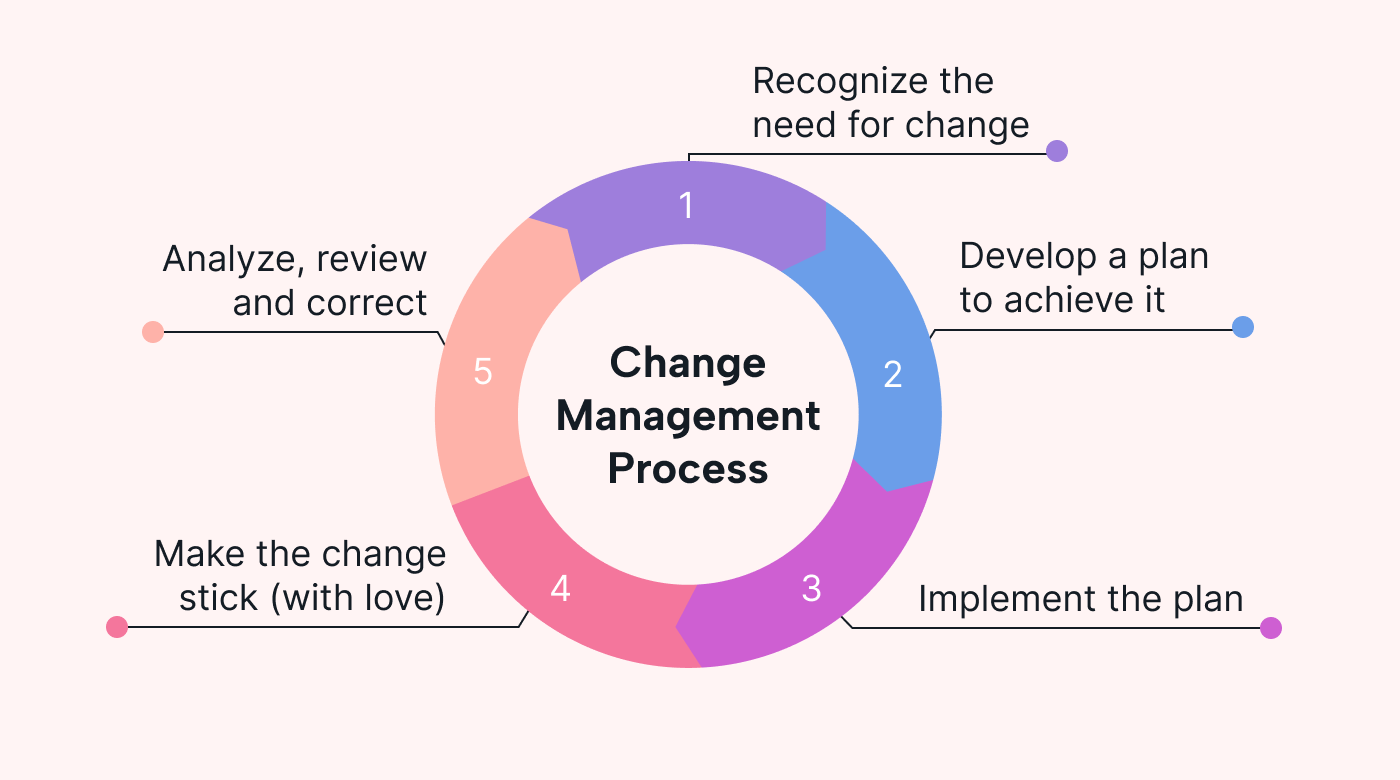







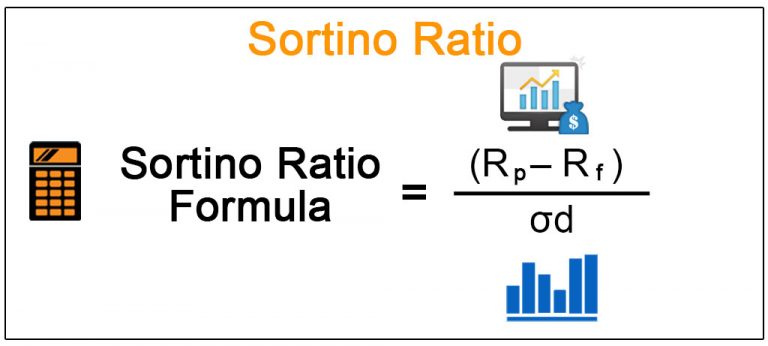

 The Leading Business Education Network for Doctors, Financial Advisors and Health Industry Consultants