Understanding the Boomerang Effect in Psychology and Medicine

DEFINITION

By Staff Reporters

***

***

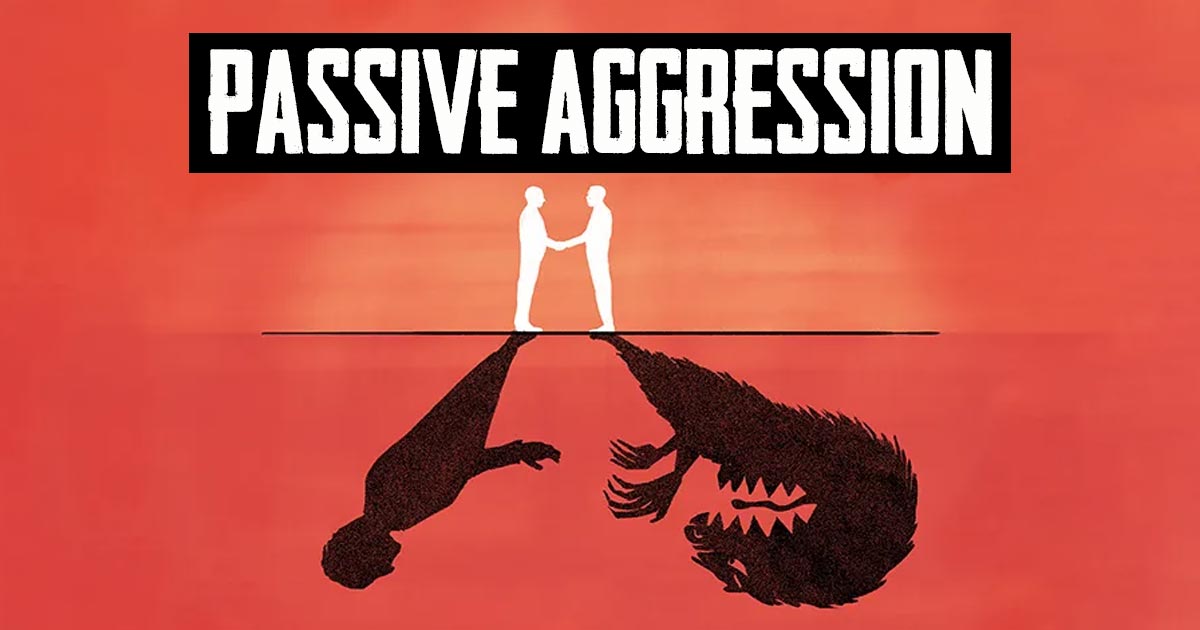
Classic Definition: The Boomerang[ing] paradox is a feedback loop or cycle where events come back positively or negatively. It is an interconnection between people that looks like an ecosystem.

Modern Circumstance: When our thoughts and words energetically go out into the world, it has the same effect as the boomerang. It will go all the way out and come back around. That part of the creation model is our thinking and speaking. We’re unconscious and co-creating our reality. The Boomerang effect is everywhere: politics, business, relationships, economics, environment, marketing, psychology and healthcare, etc.

PSYCHOLOGY

Paradox Example: Research has found that teaching people and patients about psychological biases can help counteract biased behavior. On the other hand, due to the innate need for preservation of a positive self-image, it is likely that teaching people about biases they hold, may cause a boomerang paradoxical effect in cases where being associated with a specific bias implies negative social connotations

MEDICINE

Paradox Example: Recent examples of a boomerang paradoxical drug effects is with osteoporosis medications such as Actonel, Boniva and Fosamax. These all belong to a class of drugs called bisphosphonates. They are supposed to strengthen bones, but some doctors report that long-term use of these drugs may actually pose a risk of certain unusual fractures.

ECONOMICS

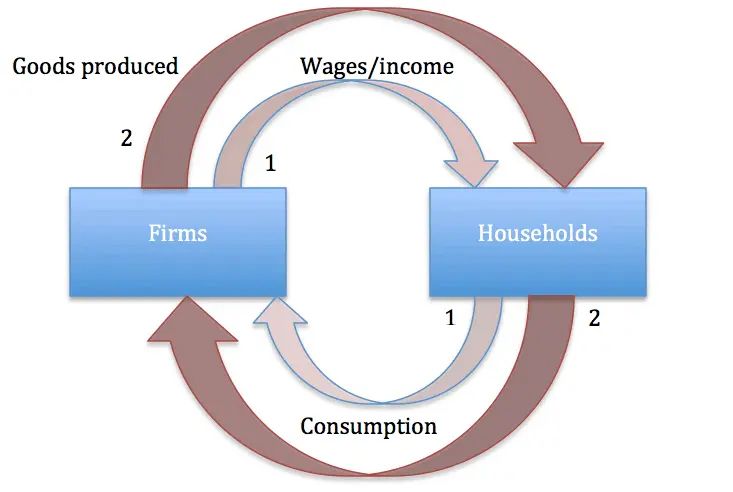
Paradox Example: A characteristic of advanced economies like Australia is continual growth in household income and plunging costs of electric appliances, resulting in rapid growth in peak demand. The power grid in turn requires substantial incremental generating and network capacity, which is utilized momentarily at best. The result is the Boomerang Paradox, in which the nation’s rising wealth has created the pre-conditions for fuel poverty.

***

The Medical Executive-Post is a  news and information aggregator and social media professional network for medical and financial service professionals. Feel free to submit education content to the site as well as links, text posts, images, opinions and videos which are then voted up or down by other members. Comments and dialog are especially welcomed. Daily posts are organized by subject. ME-P administrators moderate the activity. Moderation may also conducted by community-specific moderators who are unpaid volunteers.

COMMENTS APPRECIATED

***

***

Like and Refer

STOCK MARKET INDEX OPTIONS: Puts and Calls

By Dr. David Edward Marcinko MBA MEd

SPONSOR: http://www.MarcinkoAssociates.com

***

***

Understanding Stock Market Options: A Strategic Investment Tool

Stock market options are financial instruments that offer investors a versatile way to participate in the equity markets. Unlike traditional stock trading, options provide the right—but not the obligation—to buy or sell an underlying asset at a predetermined price within a specified time frame. This flexibility makes options a powerful tool for hedging, speculation, and income generation.

There are two primary types of options: calls and puts. A call option gives the holder the right to buy a stock at a specific price, known as the strike price, before the option expires. Investors typically purchase call options when they anticipate a rise in the stock’s price. Conversely, a put option grants the right to sell a stock at the strike price, and is used when an investor expects the stock to decline. Each option contract typically represents 100 shares of the underlying stock.

Options are traded on regulated exchanges such as the Chicago Board Options Exchange (CBOE), and their prices are influenced by several factors. These include the underlying stock’s price, the strike price, time until expiration, volatility, and prevailing interest rates. The premium, or cost of the option, reflects these variables and represents the maximum loss for the buyer.

***

***

One of the most compelling uses of options is hedging. Investors can use options to protect their portfolios against adverse price movements. For example, owning put options on a stock can offset potential losses if the stock’s value drops. This strategy is akin to purchasing insurance and is especially valuable during periods of market uncertainty.

Options also enable speculative strategies with limited capital. Traders can leverage options to bet on price movements without owning the underlying asset. While this can lead to significant gains, it also carries substantial risk, particularly if the market moves against the position. Therefore, understanding the mechanics and risks of options is crucial before engaging in such trades.

Another popular strategy involves writing options, or selling them to collect premiums. Covered call writing, for instance, involves holding a stock and selling call options against it. This generates income but caps potential upside if the stock surges beyond the strike price. Similarly, cash-secured puts allow investors to earn premiums while potentially acquiring stocks at a discount.

Despite their advantages, options are not suitable for all investors. Their complexity and potential for rapid loss require a solid grasp of financial concepts and disciplined risk management. Regulatory bodies and brokerages often require investors to pass suitability assessments before granting access to options trading.

In conclusion, stock market options are dynamic instruments that offer a range of strategic possibilities. Whether used for hedging, speculation, or income, they provide flexibility that traditional stock trading cannot match. However, their effective use demands education, experience, and a clear understanding of market behavior. For informed investors, options can be a valuable addition to a diversified financial toolkit.

COMMENTS APPRECIATED

EDUCATION: Books

SPEAKING: Dr. Marcinko will be speaking and lecturing, signing and opining, teaching and preaching, storming and performing at many locations throughout the USA this year! His tour of witty and serious pontifications may be scheduled on a planned or ad-hoc basis; for public or private meetings and gatherings; formally, informally, or over lunch or dinner. All medical societies, financial advisory firms or Broker-Dealers are encouraged to submit an RFP for speaking engagements: CONTACT: Ann Miller RN MHA at MarcinkoAdvisors@outlook.com -OR- http://www.MarcinkoAssociates.com

Like, Refer and Subscribe

***

***

ECONOMICS: Micro V. Micro Differences

By Dr. David Edward Marcinko MBA MEd

***

***

Understanding the Differences Between Microeconomics and Macroeconomics

Economics is the study of how societies allocate scarce resources to meet the needs and wants of individuals. It is broadly divided into two main branches: microeconomics and macroeconomics. While both aim to understand economic behavior and decision-making, they differ significantly in scope, focus, and application. Understanding these differences is essential for grasping how economies function at both individual and national levels.

2025 Nobel: https://medicalexecutivepost.com/2025/10/14/nobel-prize-economics-2025/

Microeconomics: The Study of Individual Units

Microeconomics focuses on the behavior of individual economic agents—such as consumers, firms, and households—and how they make decisions regarding resource allocation. It examines how these entities interact in specific markets, how prices are determined, and how supply and demand influence economic outcomes.

Key concepts in microeconomics include:

  • Demand and Supply: Microeconomics analyzes how the quantity of goods demanded by consumers and the quantity supplied by producers interact to determine market prices.
  • Elasticity: This measures how responsive demand or supply is to changes in price or income.
  • Consumer Behavior: Microeconomics studies how individuals make choices based on preferences, budget constraints, and utility maximization.
  • Production and Costs: It explores how firms decide on the optimal level of output and the costs associated with production.
  • Market Structures: Microeconomics categorizes markets into perfect competition, monopolistic competition, oligopoly, and monopoly, each with distinct characteristics and implications for pricing and output.

Microeconomic analysis is crucial for understanding how specific sectors operate, how businesses strategize, and how consumers respond to changes in prices or income. For example, a company might use microeconomic principles to determine the price point that maximizes profit or to assess the impact of a new competitor entering the market.

Macroeconomics: The Study of the Economy as a Whole

Macroeconomics, on the other hand, deals with the performance, structure, and behavior of an entire economy. It looks at aggregate indicators and phenomena, such as national income, unemployment, inflation, and economic growth. Macroeconomics seeks to understand how the economy functions at a broad level and how government policies can influence economic outcomes.

Key areas of macroeconomics include:

  • Gross Domestic Product (GDP): This measures the total value of goods and services produced within a country and serves as a key indicator of economic health.
  • Unemployment: Macroeconomics examines the causes and consequences of unemployment and the effectiveness of policies aimed at reducing it.
  • Inflation and Deflation: It studies changes in the general price level and their impact on purchasing power and economic stability.
  • Fiscal and Monetary Policy: Macroeconomics evaluates how government spending, taxation, and central bank actions influence economic activity.
  • International Trade and Finance: It explores exchange rates, trade balances, and the impact of globalization on national economies.

Macroeconomic analysis is essential for policymakers, economists, and financial institutions. For instance, central banks use macroeconomic data to set interest rates, while governments design fiscal policies to stimulate growth or curb inflation.

Interdependence Between Micro and Macro

Despite their differences, microeconomics and macroeconomics are deeply interconnected. Micro-level decisions collectively shape macroeconomic outcomes. For example, widespread consumer spending boosts aggregate demand, influencing GDP and employment levels. Conversely, macroeconomic conditions—such as inflation or interest rates—affect individual behavior. A rise in interest rates may discourage borrowing and reduce consumer spending, impacting businesses at the micro level.

Economists often use insights from both branches to develop comprehensive models and forecasts. For instance, understanding consumer behavior (micro) helps predict changes in aggregate consumption (macro), which in turn informs policy decisions.

Austrian Economics: https://medicalexecutivepost.com/2025/10/11/keynesian-versus-austrian-economics/

Conclusion

Microeconomics and macroeconomics offer distinct yet complementary perspectives on economic activity. Microeconomics provides a granular view of individual decision-making and market dynamics, while macroeconomics offers a broader understanding of national and global economic trends. Together, they form the foundation of economic theory and practice, guiding businesses, governments, and individuals in making informed decisions.

A well-rounded grasp of both branches is essential for anyone seeking to understand how economies function and evolve in an increasingly complex world.

COMMENTS APPRECIATED

EDUCATION: Books

SPEAKING: Dr. Marcinko will be speaking and lecturing, signing and opining, teaching and preaching, storming and performing at many locations throughout the USA this year! His tour of witty and serious pontifications may be scheduled on a planned or ad-hoc basis; for public or private meetings and gatherings; formally, informally, or over lunch or dinner. All medical societies, financial advisory firms or Broker-Dealers are encouraged to submit an RFP for speaking engagements: CONTACT: Ann Miller RN MHA at MarcinkoAdvisors@outlook.com -OR- http://www.MarcinkoAssociates.com

Like, Refer and Subscribe

***

***

Unlock Your Career with Micro-Certifications

Micro-Credentials on the Rise

KNOWLEDGE RICHES IN SPECIALTY NICHES

DR. DAVID EDWARD MARCINKO MBA MEd CMP

SPONSOR: http://www.CertifiedMedicalPlanner.org

***

***

Do you ever wish you could acquire specific information for your career activities without having to complete a university Master’s Degree or finish our entire Certified Medical Planner™ professional designation program? Well, Micro-Certifications from the Institute of Medical Business Advisors, Inc., might be the answer. Read on to learn how our three Micro-Certifications offer new opportunities for professional growth in the medical practice, business management, health economics and financial planning, investing and advisory space for physicians, nurses and healthcare professionals.

Micro-Certification Basics

Stock-Brokers, Financial Advisors, Investment Advisors, Accountants, Consultants, Financial Analyists and Financial Planners need to enhance their knowledge skills to better serve the changing and challenging healthcare professional ecosystem. But, it can be difficult to learn and demonstrate mastery of these new skills to employers, clients, physicians or medical prospects. This makes professional advancement difficult. That’s where Micro-Certification and Micro-Credentialing enters the online educational space. It is the process of earning a Micro-Certification, which is like a mini-degree or mini-credential, in a very specific topical area.

Micro-Certification Requirements

Once you’ve completed all of the requirements for our Micro-Certification, you will be awarded proof that you’ve earned it. This might take the form of a paper or digital certificate, which may be a hard document or electronic image, transcript, file, or other official evidence that you’ve completed the necessary work.

Uses of Micro-Certifications

Micro-Certifications may be used to demonstrate to physicians prospective medical clients that you’ve mastered a certain knowledge set. Because of this, Micro-Certifications are useful for those financial service professionals seeking medical clients, employment or career advancement opportunities.

Examples of iMBA, Inc., Micro-Certifications

Here are the three most popular Micro-Certification course from the Institute of Medical Business Advisors, Inc:

  • 1. Health Insurance and Managed Care: To keep up with the ever-changing field of health care physician advice, you must learn new medical practice business models in order to attract and assist physicians and nurse clients. By bringing together the most up-to-date business and medical prctice models [Medicare, Medicaid, PP-ACA, POSs, EPOs, HMOs, PPOs, IPA’s, PPMCs, Accountable Care Organizations, Concierge Medicine, Value Based Care, Physician Pay-for-Performance Initiatives, Hospitalists, Retail and Whole-Sale Medicine, Health Savings Accounts and Medical Unions, etc], this iMBA Inc., Mini-Certification offers a wealth of essential information that will help you understand the ever-changing practices in the next generation of health insurance and managed medical care.
  • 2. Health Economics and Finance: Medical economics, finance, managerial and cost accounting is an integral component of the health care industrial complex. It is broad-based and covers many other industries: insurance, mathematics and statistics, public and population health, provider recruitment and retention, health policy, forecasting, aging and long-term care, and Venture Capital are all commingled arenas. It is essential knowledge that all financial services professionals seeking to serve in the healthcare advisory niche space should possess.
  • 3. Health Information Technology and Security: There is a myth that all physician focused financial advisors understand Health Information Technology [HIT]. In truth, it is often economically misused or financially misunderstood. Moreover, an emerging national HIT architecture often puts the financial advisor or financial planner in a position of maximum uncertainty and minimum productivity regarding issues like: Electronic Medical Records [EMRs] or Electronic Health Records [EHRs], mobile health, tele-health or tele-medicine, Artificial Intelligence [AI], benefits managers and human resource professionals.

Other Topics include: economics, finance, investing, marketing, advertising, sales, start-ups, business plan creation, financial planning and entrepreneurship, etc.

How to Start Learning and Earning Recognition for Your Knowledge

Now that you’re familiar with Micro-Credentialing, you might consider earning a Micro-Certification with us. We offer 3 official Micro-Certificates by completing a one month online course, with a live instructor consisting of twelve asynchronous lessons/online classes [3/wk X 4/weeks = 12 classes]. The earned official completion certificate can be used to demonstrate mastery of a specific skill set and shared with current or future employers, current clients or medical niche financial advisory prospects.

Mini-Certification Tuition, Books and Related Fees

The tuition for each Mini-Certification live online course is $1,250 with the purchase of one required dictionary handbook. Other additional guides, white-papers, videos, files and e-content are all supplied without charge. Alternative courses may be developed in the future subject to demand and may change without notice.

***

Contact: For more information, or to speak with an academic representative, please contact Ann Miller RN MHA CMP™ at Email: MarcinkoAdvisors@msn.com [24/7].

***

Understanding 4 Key Financial Psychological Biases

By Staff Reporters

SPONSOR: http://www.MarcinkoAssociates.com

***

***

The following are 4 common financial psychological biases.  Some are learned while others are genetically determined (and often socially reinforced).  While this essay focuses on the financial and investing implications of these biases, they are prevalent in most areas in life.

STOCK MARKET: https://medicalexecutivepost.com/2024/10/13/stock-market-a-zero-sum-bias/

Loss aversion affected many investors during the stock market crash of 2007-08 or the flash crash of May 6, 2010 also known as the crash of 2:45. During the crash, many people decided they couldn’t afford to lose more and sold their investments.

Of course, this caused the investors to sell at market troughs and miss the quick, dramatic recovery.

Overconfident investing happens when we believe we can out-smart other investors via market timing or through quick, frequent trading.

Data convincingly shows that people who trade most often under-perform the market by a significant margin over time.

Mental accounting takes place when we assign different values to money depending on where we got it.

For instance, even though we may have an aggressive saving goal for the year, it is likely easier for us to save money that we worked for than money that was given to us as a gift.

Herd mentality makes it very hard for humans to not take action when everyone around us does.

For example, we may hear stories of people making significant profits buying, fixing up, and flipping homes and have the desire to get in on the action, even though we have no experience in real estate.

CITE: https://www.r2library.com/Resource/Title/0826102549

COMMENTS APPRECIATED

Thank You

***

***

Understanding Doctorate Degrees: A Clear Guide

By Staff Reporters

Is the Doctor – In?

SPONSOR: http://www.CertifiedMedicalPlanner.org

INFO-GRAPHIC

***

***

What Is a Doctorate Degree?

Doctorate, or doctoral, is an umbrella term for many degrees — PhD among them — at the height of the academic ladder. Doctorate degrees fall under two categories, and here is where the confusion often lies. 

The first category, Research (also referred to as Academic) includes, among others:

  • Doctor of Philosophy (PhD)
  • Doctor of Business Administration (DBA)
  • Doctor of Education (EdD)
  • Doctor of Theology (ThD) 

The second category, Applied (also referred to as Professional) includes, among others:

  • Doctor of Medicine (MD)
  • Doctor of Podiatric Medicine (DPM)
  • Doctor Of Osteopathic Medicine (DO)
  • Doctor of Dental Surgery (DDS)
  • Doctor of Optometry (OD)
  • Doctor of Psychology (PsyD)
  • Juris Doctor (JD) 

As you can see, applied doctorates are generally paired with very specific careers – medical doctors, podiatrists, dentists, optometrists, psychologists, and law professionals. 

When it comes to outlining the differences between a PhD and doctorate, the real question should be, “What is the difference between a PhD and an applied doctorate?” The answer, again, can be found in the program outcomes. The online Doctor of Psychology at UAGC, for example, lists outcomes that are heavily focused on the ability to put theory into practice in a professional setting. For example: 

  • Apply best practices in the field regarding professional values, ethics, attitudes, and behaviors
  • Exhibit culturally diverse standards in working professionally with individuals, groups, and communities who represent various cultural and personal backgrounds
  • Utilize a comprehensive psychology knowledge base grounded in theoretical models, evidence-based methods, and research in the discipline
  • Integrate leadership skills appropriate in the field of psychology
  • Critically evaluate applied psychology research methods, trends, and concepts

Bottom line: As the PhD is more academic, research-focused, and heavy on theory, an applied doctorate degree is intended to master a subject in both theory and practice. 

Can a PhD Be Called a Doctor?

The debate over whether a PhD graduate should be called a doctor has existed for decades, and if you’re a member of this exclusive club, you’ll no doubt hear both sides of the argument during your lifetime. After all, if a PhD is a doctor, can a person with a doctoral degree in music – the Doctor of Musical Arts (DMA) – be called a doctor as well?

Those in favor argue that having “Dr.” attached to your name indicates that you are an expert and should be held in higher regard. For some, the debate is at the heart of modern gender disparity. For example, on social media and in some academic circles, there is an argument that female PhD holders should use the “Dr.” title in order to reject the notion that women are less worthy of adding the title to their name once they have earned a doctoral degree.

The American Psychological Association has, for years, challenged the Associated Press (AP) and other news outlets to broaden its use of “Dr.” beyond those that practice medicine – MDs, podiatrists, dentists, etc. – in its reporting. However, the organization was rebuked, as the AP argued that, “It comes down to a basic distinction. Psychologists earn PhDs, and AP style allows the ‘Dr.’ title only for those with medical degrees.”

The AP has, thus far, refused to change their style guide when it comes to the “doctor question.” 

COMMENTS APPRECIATED

Refer and Subscribe

***

***

FINANCIAL PLANNERS: Part Time Employment Difficulties

By Staff Reporters

SPONSOR: http://www.CertifiedMedicalPlanner.org

***

***

Why It Is Difficult to Be a Part-Time Financial Planner Today

In theory, part-time financial planning offers flexibility and work-life balance, making it an attractive option for professionals seeking reduced hours. However, in practice, the role of a financial planner has evolved into a demanding, full-time commitment. The complexity of financial markets, client expectations, regulatory requirements, and technological advancements make part-time financial planning increasingly difficult to sustain.

One of the primary challenges is client relationship management. Financial planning is deeply personal and trust-based. Clients expect consistent communication, timely updates, and proactive advice. A part-time planner may struggle to maintain the same level of responsiveness as full-time counterparts, especially during volatile market conditions or life-changing events like retirement, divorce, or inheritance. Delayed responses or limited availability can erode client confidence and damage long-term relationships.

***

***

Another obstacle is the rapid pace of financial change. Tax laws, investment products, insurance regulations, and retirement planning strategies are constantly evolving. Staying current requires ongoing education, certifications, and industry engagement. For part-time planners, keeping up with these changes while managing clients and administrative tasks can be overwhelming. Falling behind risks offering outdated or suboptimal advice, which could lead to compliance issues or client dissatisfaction.

Regulatory compliance adds another layer of complexity. Financial planners must adhere to strict standards set by organizations like FINRA, the SEC, and state regulators. These include documentation, disclosures, fiduciary responsibilities, and continuing education. Compliance is non-negotiable and time-consuming, regardless of hours worked. Part-time planners face the same scrutiny and liability as full-time professionals, but with fewer hours to manage the workload.

Technology, while a powerful tool, also presents challenges. Clients increasingly expect digital access to their portfolios, real-time updates, and virtual meetings. Managing these platforms requires technical proficiency and regular maintenance. Part-time planners may find it difficult to keep systems updated, troubleshoot issues, or provide tech support, especially if they lack dedicated staff.

Business development is another hurdle. Building and maintaining a client base requires networking, marketing, and referrals. Part-time planners often have limited time to attend events, follow up with leads, or cultivate relationships. This can hinder growth and make it difficult to compete with full-time advisors who are more visible and accessible.

Finally, there’s the issue of income and scalability. Many financial planners earn through commissions, assets under management (AUM), or fee-based models. Part-time work often means fewer clients and lower revenue, which can make it hard to justify the costs of licensing, insurance, software, and office space. Without scale, profitability becomes a challenge.

In conclusion, while the idea of part-time financial planning may seem appealing, the realities of the profession make it difficult to execute effectively. The demands of client care, compliance, education, and business development require consistent attention and availability. Unless the industry adapts to support flexible models, part-time financial planners will continue to face significant barriers to success.

COMMENTS APPRECIATED

EDUCATION: Books

SPEAKING: ME-P Editor Dr. David Edward Marcinko MBA MEd will be speaking and lecturing, signing and opining, teaching and preaching, storming and performing at many locations throughout the USA this year! His tour of witty and serious pontifications may be scheduled on a planned or ad-hoc basis; for public or private meetings and gatherings; formally, informally, or over lunch or dinner. All medical societies, financial advisory firms or Broker-Dealers are encouraged to submit an RFP for speaking engagements: CONTACT: Ann Miller RN MHA at MarcinkoAdvisors@outlook.com -OR- http://www.MarcinkoAssociates.com

Like, Refer and Subscribe

***

***

Essential Glossary of Health Insurance Terms

GLOSSARY OF TERMS

ORDER HERE: https://www.amazon.com/Dictionary-Health-Insurance-Managed-Care/dp/0826149944/ref=sr_1_4?ie=UTF8&s=books&qid=1275315485&sr=1-4

THANK YOU

***

Understanding the Tele-Medicine Paradox in Healthcare

By Dr. David Edward Marcinko MBA MEd

***

***

A paradox is a logically self-contradictory statement or a statement that runs contrary to one’s expectation. It is a statement that, despite apparently valid reasoning from true or apparently true premises, leads to a seemingly self-contradictory or a logically unacceptable conclusion. A paradox usually involves contradictory-yet-interrelated elements that exist simultaneously and persist over time. They result in “persistent contradiction between interdependent elements” leading to a lasting “unity of opposites”.

THE TELE-MEDICINE PARADOX

Classic Definition: Refers specifically to the treatment of various medical conditions without seeing the patient in person. Healthcare providers may use electronic and internet platforms like live video, audio, PCs, tablets, or instant messaging to address a patient’s concerns and diagnose their condition remotely.

Modern Circumstance: This may include giving medical advice, walking them through at-home exercises, or recommending them to a local provider or facility. Even more exciting is the emergence of telemedicine apps which give patients access to care right from their phones or computer screens.

Paradox Examples: Treating certain conditions remotely can be challenging. Tele-medicine is often used to treat common illnesses, manage chronic conditions, or provide specialist services. If a patient is dealing with an emergent or serious condition, the remote provider suggests they seek in-person medical care.

COMMENTS APPRECIATED

EDUCATION: Books

SPEAKING: Dr. Marcinko will be speaking and lecturing, signing and opining, teaching and preaching, storming and performing at many locations throughout the USA this year! His tour of witty and serious pontifications may be scheduled on a planned or ad-hoc basis; for public or private meetings and gatherings; formally, informally, or over lunch or dinner. All medical societies, financial advisory firms or Broker-Dealers are encouraged to submit an RFP for speaking engagements: CONTACT: Ann Miller RN MHA at MarcinkoAdvisors@outlook.com -OR- http://www.MarcinkoAssociates.com

Like and Subscribe

***

***

***

Understanding Medical Office Cancellation Fees

By Dr. David Edward Marcinko MBA MEd

***

***

Can a physician medical provider charge an office cancellation fee?

According to the American Medical Association’s Code of Medical Ethics, physicians can charge fees for “missed appointments or appointments not cancelled in advance in keeping with the published policy of the practice”, and they should “clearly notify patients in advance of fees charge” (Opinion 11.3. 2) [28].

And so, if you miss a doctor’s appointment these days, you could get hit with a “no-show” fee of up to $150 — or more for some specialties.

Is it legal for an insurance company to charge a cancellation fee?

These practices are typically legal. They help businesses ensure they can recoup the lost revenue due to no-shows or last-minute cancellations.

Cancellation fees are permitted, but seldom collected absent unusual circumstances, such as a great deal of work having been provided.

QUESTION: As a doctor [MD, DO, DPM or DDS], do you charge an office cancellation fee? If so, how much is it?

COMMENTS APPRECIATED

EDUCATION: Books

Like, Refer and Subscribe

***

***

Stock Markets, Commodities and Crypto-Currency

By Staff Reporters and A.I.

***

***

  • Stocks: Stock Market Indexes recovered yesterday from their losses, though the Dow remained in the red.
  • Commodities: Gold is rising above $4,200 to another new all-time high. Meanwhile, oil dropped to nearly a five-month low as trade tensions raised the specter of slowing economic growth.
  • Crypto: Bitcoin, ethereum, and altcoins of all shapes and sizes remain repressed after a massive selloff last weekend erased billions in crypto positions.

COMMENTS APPRECIATED

EDUCATION: Books

Like, Refer and Subscribe

***

***

The Role of Market Makers in Financial Markets

By Staff Reporters

SPONSOR: http://www.MarcinkoAssociates.com

***

***

A Market Maker exists to “create a market” for specific company securities by being willing to buy and sell those securities at a specified displayed price and quantity to broker-dealer firms that are members of the exchange.

These firms help keep financial markets liquid by making it easier for investors to buy and sell securities–they ensure that there is always someone to buy and sell to at the time of trade.

COMMENTS APPRECIATED

Subscribe and Like

***

***

How Dark Patterns Manipulate Your Online Choices

Physicians and All Web Surfers Beware!

By Staff Reporters

***

Dark Patterns are tricks used in websites and apps that make you do things that you didn’t mean to, like buying or signing up for something. The purpose of this site is to spread awareness and to shame companies that use them.

****

WTF is dark pattern design? | TechCrunch

***

PODCAST: https://www.darkpatterns.org/

YOUR COMMENTS ARE APPRECIATED.

***

RISK MANAGEMENT: https://www.routledge.com/Risk-Management-Liability-Insurance-and-Asset-Protection-Strategies-for/Marcinko-Hetico/p/book/9781498725989

Thank You

***

***

What is the S&P 500 Stock Index?

By A.I. and Staff Reporters

SPONSOR: http://www.MarcinkoAssociates.com

***

***

The S&P 500, short for the Standard & Poor’s 500 Index, is one of the most widely followed stock market indices in the world. It tracks the performance of 500 of the largest publicly traded companies in the United States, offering a broad snapshot of the overall health and direction of the U.S. economy. Created in 1957 by the financial services company Standard & Poor’s, the index has become a benchmark for investors, analysts, and economists alike.

Composition and Criteria The S&P 500 includes companies from a wide range of industries, such as technology, healthcare, finance, energy, and consumer goods. To be included in the index, a company must meet specific criteria: it must be based in the U.S., have a market capitalization of at least $14.5 billion (as of 2025), be highly liquid, and have a public float of at least 50% of its shares. Additionally, the company must have positive earnings in the most recent quarter and over the sum of its most recent four quarters.

Some of the most recognizable names in the S&P 500 include Apple, Microsoft, Amazon, Johnson & Johnson, JPMorgan Chase, and ExxonMobil. These companies are selected by a committee that reviews eligibility and ensures the index remains representative of the broader market.

How It Works The S&P 500 is a market-capitalization-weighted index, meaning that companies with larger market values have a greater influence on the index’s performance. For example, a significant movement in Apple’s stock price will affect the index more than a similar movement in a smaller company’s stock. This weighting system helps reflect the real impact of large corporations on the economy.

The index is updated in real time during trading hours and is used by investors to gauge market trends. It also serves as the basis for many investment products, such as mutual funds and exchange-traded funds (ETFs), which aim to replicate its performance.

VIX: https://medicalexecutivepost.com/2025/10/12/vix-the-stock-market-fear-gauge/

Why It Matters The S&P 500 is considered a leading indicator of U.S. equity markets and the economy as a whole. When the index rises, it often signals investor confidence and economic growth. Conversely, a decline may indicate uncertainty or economic slowdown. Because it includes companies from diverse sectors, the S&P 500 provides a more balanced view than narrower indices like the Dow Jones Industrial Average, which only tracks 30 companies.

Investment and Strategy Many investors use the S&P 500 as a benchmark to measure the performance of their portfolios. Passive investment strategies, such as index funds, aim to match the returns of the S&P 500 rather than beat it. This approach has gained popularity due to its low fees and consistent long-term performance.

In summary, the S&P 500 is more than just a number—it’s a powerful tool that reflects the pulse of the American economy. By tracking the performance of 500 major companies, it offers insights into market trends, investor sentiment, and economic health. Whether you’re a seasoned investor or just starting out, understanding the S&P 500 is essential to navigating the world of finance.

VIX Today: 20.81USD▲ +1.78 (+9.35%) today

COMMENTS APPRECIATED

EDUCATION: Books

Like, Refer and Subscribe

***

***

NOBEL PRIZE: Economics 2025

By Staff Reporters

***

***

STOCKHOLM (AP) — Three researchers who probed the process of business innovation won the Nobel memorial prize in economics Monday for explaining how new products and inventions promote economic growth and human welfare, even as they leave older companies in the dust.

Their work was credited with helping economists better understand how ideas and technology succeed by disrupting established ways — a process as old as steam locomotives replacing horse-drawn wagons and as contemporary as e-commerce shuttering shopping malls.

The award was shared by Dutch-born Joel Mokyr, 79, who is at Northwestern University; Philippe Aghion, 69, who works at the Collège de France and the London School of Economics; and Canadian-born Peter Howitt, 79, who is at Brown University.

COMMENTS APPRECIATED

EDUCATION: Books

Like, Refer and Subscribe

***

Understanding Investment Fees: A Guide for Physicians

SPONSOR: http://www.MarcinkoAssociates.com

By Dr. David Edward Marcinko MBA MEd CMP™

***

***

MEDICAL COLLEAGUES BEWARE!

Investment fees still matter for physicians and all of us, despite dropping dramatically over the past several decades due to computer automation, algorithms and artificial intelligence, etc. And, they can make a big difference to your financial health. So, before buying any investment thru a financial advisor, planner, manager, stock broker, etc., it’s vital to understand these two often confusing costs.

***

***

Fee Only: Paid directly by clients for their services and can’t receive other sources of compensation, such as payments from fund providers. Act as a fiduciary, meaning they are obligated to put their clients’ interests first

Fee Based: Paid by clients but also via other sources, such as commissions from financial products that clients purchase. Brokers and dealers (registered representatives) are simply required to sell products that are “suitable” for their clients. Not a fiduciary.

EDUCATION: Books

SPEAKING: Dr. Marcinko will be speaking and lecturing, signing and opining, teaching and preaching, storming and performing at many locations throughout the USA this year! His tour of witty and serious pontifications may be scheduled on a planned or ad-hoc basis; for public or private meetings and gatherings; formally, informally, or over lunch or dinner. All medical societies, financial advisory firms or Broker-Dealers are encouraged to submit a RFP for speaking engagements: MarcinkoAdvisors@outlook.com 

COMMENTS APPRECIATED

Refer, Like and Subscribe

***

***

Understanding Male Personality Types: Alpha to Zeta

By AI and Staff Reporters

***

***

Alpha Male and Beta Male are terms for men derived from the designations of alpha and beta animals in ethology. They may also be used with other genders, such as women, or additionally use other letters of the Greek alphabet (such as sigma. The popularization of these terms to describe humans has been widely criticized by scientists. Both terms have been frequently used in internet memes.

The term beta is used as a pejorative self-identifier among some members of the manosphere, particularly incels, who do not believe they are assertive and/or traditionally masculine, and feel overlooked by women. It is also used to negatively describe other men who are not deemed to be assertive, particularly with women. In internet culture, the term sigma male is also frequently used, gaining popularity in the late 2010s, but has since been used jokingly, often being used with incel.

Note: Incel is a portmateau of “involuntary celibate”) is a term associated with an online subculture of mostly male and heterosexual people who define themselves as unable to find a romantic or sexual despite desiring one. They often blame, objectify and denigrate women and girls as a result.

PORTMANTEAU: https://medicalexecutivepost.com/2019/06/25/what-is-a-portmanteau/

Delta Males are very responsible and keep the world moving. Highly adaptable, deltas are known for their competence and work ethic rather than their leadership and ambition. Delta Males love learning new skills for the sake of improving themselves, not for power or extrinsic successes. Because of this, they often have a very healthy work-life balance. They’re dependable and unpretentious. Common personality traits: hardworking, loyal and responsible. Careers they excel at are accountant, dentist, engineer and firefighter. If you’re a delta male, your work often speaks for itself. People trust you, so consider being more proactive and taking initiative at work; you’ll be rewarded for it and won’t necessarily need to be in the spotlight.

Gammas Males tend to be insecure about status and may overestimate their status. They’re unhappy with their position, so they try to convince themselves that they’re Sigmas. A Gamma Male is described as intelligent, romantic, and empathetic. While he has some female traits, he has difficulty understanding and dating women. But, unlike alphas, gammas avoid conflict at all costs and care deeply about what other people think of them. They lack the leadership skills and confidence to be on top.

Omega Males are skilled introverts who don’t need external validation. Pop culture portrays them as the shyer, more reserved yin to the zeta male’s yang. They’re independent and very comfortable in their own company. They’d rather spend time coming up with (usually brilliant) new ideas and inventions of their own instead of socializing with others. They have uncouth but delightful senses of humor and their theories often change the world for the better. Common personality traits are self-motivated, strategic and quiet. Careers they excel at are chemist, composer, inventor and mathematician. If you’re an omega male, your ideas are likely ingenious.

Sigma Males are rebellious leaders with lots of life experience while delta males are responsible companions who you want by your side. Common personality traits are nurturing and wise. Careers they excel at are entrepreneur, philosopher, professor, or therapist.

Zeta Males are one-of-a-kind progressives. There’s a reason the zeta male is the least talked about personality type in pop culture. They’re rare nonconformists who don’t care what other people think. They know themselves and refuse to change to fit into the rigid social standards of society. Zeta males are fierce creatives who blaze new paths for themselves and others. Zeta Males are nonconformist creatives, gamma males are charismatic nomads, and omega males are sharp intellectuals with boundless ideas. Careers they excel at are actor, artist, musician or writer. Common personality traits are creative, independent and self-aware.

QUESTION: Doctors, Agents, Accountants and Financial Advisors: What is your male personality type?

COMMENTS APPRECIATED

EDUCATIONAL TEXTBOOKS: https://tinyurl.com/4zdxuuwf

Like and Subscribe

***

***

CRYPTO-CURRENCY: Crisis Risks

By Staff Reporters and A.I.

SPONSOR: http://www.CertifiedMedialPlanner.org

***

***

The Looming Cryptocurrency Crisis: Risks on the Horizon

Cryptocurrency has revolutionized the financial landscape, offering decentralized alternatives to traditional banking and investment systems. However, as digital assets become more integrated into global markets, concerns about a potential future cryptocurrency crisis are mounting. From regulatory uncertainty to systemic vulnerabilities, the risks associated with crypto are increasingly being scrutinized by economists, governments, and investors.

One of the most pressing concerns is regulatory instability. Cryptocurrencies operate in a fragmented legal environment, with different countries adopting varying stances—from full embrace to outright bans. The lack of unified global regulation creates loopholes that can be exploited for money laundering, tax evasion, and fraud. If major economies suddenly impose strict regulations or sanctions, it could trigger a rapid devaluation of crypto assets and erode investor confidence.

Another risk stems from market volatility and speculative behavior. Unlike traditional assets backed by tangible value or government guarantees, cryptocurrencies are often driven by hype, social media trends, and speculative trading. This creates a fragile ecosystem where prices can swing wildly. A sudden crash—similar to the 2022 Terra/Luna collapse—could wipe out billions in investor wealth and destabilize related financial institutions.

***

***

Technological vulnerabilities also pose a threat. While blockchain is considered secure, the platforms built on it are not immune to hacks, bugs, or exploitation. High-profile breaches of exchanges and wallets have already resulted in massive losses. As crypto adoption grows, so does the incentive for cybercriminals to target these systems. A coordinated attack on a major exchange or blockchain network could have cascading effects across the entire crypto economy. Geopolitical tensions may also catalyze a crisis. For instance, recent reports suggest that aggressive trade policies—such as the U.S. imposing 100% tariffs on Chinese imports—can indirectly impact crypto markets by shaking investor sentiment and triggering sell-offs.

The interconnection with traditional finance is another area of concern. As banks and hedge funds increasingly invest in crypto, the line between decentralized finance and conventional markets blurs. This integration means that a crypto collapse could spill over into broader financial systems, potentially triggering a global crisis. The 2023 banking collapses, which were partially linked to crypto exposure, serve as a warning of how intertwined these systems have become.

Geopolitical tensions may also catalyze a crisis. For instance, recent reports suggest that aggressive trade policies—such as the U.S. imposing 100% tariffs on Chinese imports—can indirectly impact crypto markets by shaking investor sentiment and triggering sell-offs. In such scenarios, cryptocurrencies may not serve as the safe haven they were once believed to be.

Lastly, overreliance on stablecoins and algorithmic assets introduces systemic risk. Many investors use stablecoins to hedge volatility, but these assets are only as stable as their underlying reserves and governance. If a major stablecoin fails, it could lead to a liquidity crunch and panic across exchanges and DeFi platforms.

In conclusion, while cryptocurrency offers transformative potential, it also carries significant risks that could culminate in a future crisis. To mitigate these dangers, stakeholders must push for clearer regulations, stronger technological safeguards, and more transparent financial practices. Without proactive measures, the next financial meltdown may not come from Wall Street—but from the blockchain.

NOTE: A crypto mogul has been found dead inside his luxury car in Ukraine after the digital currency market nosedived. Konstantin Galich, 32, also known as Kostya Kudo, has died after one of the worst turmoils shook the cryptocurrency market. The entrepreneur, who became a well-known figure in the crypto industry, was reportedly found with a gunshot wound to his head in his black Lamborghini parked up in Kyiv’s Obolonskyi neighbourhood. His death was later confirmed on his Telegram channel in a post saying ‘Konstantin Kudo tragically passed away. The causes are being investigated. We will keep you posted on any further news.’

COMMENTS APPRECIATED

EDUCATION: Books

Like, Refer and Subscribe

***

***

ACUTE CARE MEDICINE: Defined

By A.I. and Staff Reporters

SPONSOR: http://www.CertifiedMedicalPlanner.org

***

***

ACUTE CARE MEDICINE

Classic: Acute care is a branch of secondary health care where a patient receives active but short-term treatment for a severe injury or episode of illness, an urgent medical condition, or during recovery from surgery. In medical terms, care for acute health conditions is the opposite from chronic care, or longer term care.

Modern: Acute care is active, short-term treatment for a severe injury or episode related to illness, an urgent medical condition or recovery from surgery.

HOSPITAL: https://medicalexecutivepost.com/2008/12/08/the-acute-care-inpatient-hospital/

***

***

Examples: The following are considered acute care facilities:

  • Hospital (General Acute Care as well as Psychiatric, Specialized and Rehabilitation Hospitals; and Long Term Acute Care or LTAC)
  • Ambulatory Care Facility.
  • Home Health Agency.
  • End Stage Renal Disease Facility (dialysis center)
  • Hospice.

EMERGENT CARE: https://medicalexecutivepost.com/2025/05/03/medicine-emergent-care/

COMMENTS APPRECIATED

EDUCATION: Books

Like, Refer and Subscribe

***

***

Understanding Stockbrokers: Roles and Responsibilities

DEFINITION

By Staff Reporters

SPONSOR: http://www.MarcinkoAssociates.com

***

***

Buying or selling stocks requires access to one of the major exchanges, such as the New York Stock Exchange (NYSE) or the National Association of Securities Dealers Automated Quotations (NASDAQ). To trade on these exchanges, you must be a member of the exchange or belong to a member firm. Member firms and many individuals who work for them are licensed as brokers or broker-dealers by the Financial Industry Regulatory Authority (FINRA). 

INSURANCE AGENT: https://medicalexecutivepost.com/2025/04/27/insurance-agents-v-brokers/

And so, a stockbroker executes orders in the market on behalf of clients. A stockbroker may also be known as a registered representative or investment advisor. Most stockbrokers work for a brokerage firm and handle transactions for several individual and institutional customers. Stockbrokers are often paid on commission, although compensation methods vary by employer.

Remember: SBs work for their firm and not the client. Stock brokers are not fiduciaries.

FINANCIAL ADVISOR: https://medicalexecutivepost.com/2025/04/01/financial-advisors-vital-critical-thinking-skills-to-master/

COMMENTS APPRECIATED

The Medical Executive-Post is a  news and information aggregator and social media professional network for medical and financial service professionals.

Feel free to submit education content to the site as well as links, text posts, images, opinions and videos which are then voted up or down by other members. Comments and dialog are especially welcomed.

Daily posts are organized by subject. ME-P administrators moderate the activity. Moderation may also conducted by community-specific moderators who are unpaid volunteers.

Like and Refer

Invite Dr. Marcinko

***

***

VIX: The Stock Market “Fear Gauge”

By A.I. and Staff Reporters

***

***

The VIX, or CBOE Volatility Index, is often called the “fear gauge” of the stock market. It measures the market’s expectations for volatility over the next 30 days, based on options prices for the S&P 500.

MORE: https://medicalexecutivepost.com/2025/06/30/vix-fear-index-down/

When the VIX is high, it typically signals investor anxiety or uncertainty; when it’s low, it suggests confidence and stability.

Current VIX Snapshot 10/12/25

COMMENTS APPRECIATED

EDUCATION: Books

Like, Refer and Subscribe

***

***

Austrian vs Keynesian Economics Explained

Austrian Economics vs. Keynesian Economics in One Simple Chart

Courtesy of 

***

AE-vs_-KE-326x1024

***

***

***

***

***

Conclusion

Your thoughts and comments on this ME-P are appreciated. Feel free to review our top-left column, and top-right sidebar materials, links, URLs and related websites, too. Then, subscribe to the ME-P. It is fast, free and secure.

Speaker: If you need a moderator or speaker for an upcoming event, Dr. David E. Marcinko; MBA – Publisher-in-Chief of the Medical Executive-Post – is available for seminar or speaking engagements.

OUR OTHER PRINT BOOKS AND RELATED INFORMATION SOURCES:

Risk Management, Liability Insurance, and Asset Protection Strategies for Doctors and Advisors: Best Practices from Leading Consultants and Certified Medical Planners™8Comprehensive Financial Planning Strategies for Doctors and Advisors: Best Practices from Leading Consultants and Certified Medical Planners™

***

Understanding Paradox vs. Oxymoron

By Staff Reporters

DEFINITIONS

***

***

Difference between Paradox and Oxymoron

According to Mackenzie Marcinko PhD, many people tend to confuse a paradox with an oxymoron, and it’s not hard to see why. Most oxymoron examples appear to be compressed version of a paradox, in which it is used to add a dramatic effect and to emphasize contrasting thoughts. Although they may seem greatly similar in form, there are slight differences that set them apart.

A paradox consists of a statement with opposing definitions, while an oxymoron combines two contradictory terms to form a new meaning. But because an oxymoron can play out with just two words, it is often used to describe a given object or idea imaginatively.

As for a paradox, the statement itself makes you question whether something is true or false. It appears to contradict the truth, but if given a closer look, the truth is there but is merely implied.

COMMENTS APPRECIATED

The Medical Executive-Post is a  news and information aggregator and social media professional network for medical and financial service professionals. Feel free to submit education content to the site as well as links, text posts, images, opinions and videos which are then voted up or down by other members. Comments and dialog are especially welcomed. Daily posts are organized by subject. ME-P administrators moderate the activity. Moderation may also conducted by community-specific moderators who are unpaid volunteers.

Refer and Like

***

***

What is the Dow Jones Industrial Average?

DEFINED

By A.I. and Staff Reporters

SPONSOR: http://www.MarcinkoAssociates.com

***

***

The Dow Jones Industrial Average (DJIA), often referred to simply as “the Dow,” is one of the oldest and most well-known stock market indices in the world. It was created in 1896 by Charles Dow, the co-founder of The Wall Street Journal, and is designed to represent the performance of the broader U.S. stock market, specifically focusing on 30 large, publicly traded companies. These companies are considered leaders in their respective industries and serve as a barometer for the overall health of the U.S. economy.

The Composition of the DJIA

The DJIA includes 30 companies, which are selected by the editors of The Wall Street Journal based on various factors such as market influence, reputation, and the stability of the company. These companies represent a wide array of sectors, including technology, finance, healthcare, consumer goods, and energy. Notably, the companies chosen for the DJIA are not necessarily the largest companies in the U.S. by market capitalization, but rather those that are most indicative of the broader economy. Some of the prominent companies listed in the DJIA include names like Apple, Microsoft, Coca-Cola, and Johnson & Johnson.

However, the list of 30 companies is not static. Over time, companies may be added or removed to reflect changes in the economic landscape. For example, if a company experiences significant decline or no longer represents a leading sector, it might be replaced with another company that better reflects modern economic trends. This periodic reshuffling ensures that the DJIA continues to be a relevant measure of economic activity.

How the DJIA is Calculated

The DJIA is a price-weighted index, which means that the value of the index is determined by the share price of the component companies, rather than their market capitalization. To calculate the DJIA, the sum of the stock prices of all 30 companies is divided by a special divisor. This divisor adjusts for stock splits, dividends, and other corporate actions to maintain the integrity of the index over time. The price-weighted method means that higher-priced stocks have a greater impact on the movement of the index, regardless of the overall size or economic weight of the company.

For instance, if a company with a higher stock price like Apple experiences a significant change in value, it will influence the DJIA more than a company with a lower stock price, even if the latter has a larger market capitalization. This makes the DJIA somewhat different from other indices, like the S&P 500, which is weighted by market cap and gives more weight to larger companies in terms of their economic impact.

Significance of the DJIA

The DJIA is widely regarded as a barometer of the U.S. stock market’s performance. Investors and analysts closely monitor the movements of the Dow to gauge the overall health of the economy. When the DJIA rises, it generally suggests that investors are optimistic about the economic outlook and that large companies are performing well. Conversely, when the DJIA falls, it often signals economic uncertainty or a downturn in market conditions.

Despite being a narrow index, with only 30 companies, the DJIA holds substantial sway in financial markets. It is widely covered in the media and is often cited in discussions about the state of the economy. In fact, the performance of the DJIA is considered a key indicator of investor sentiment and economic confidence.

However, the DJIA has its limitations. Since it only includes 30 companies, it does not necessarily represent the broader market or capture the performance of smaller companies. Other indices, like the S&P 500, which includes 500 companies, offer a more comprehensive view of the market’s performance.

Conclusion

The Dow Jones Industrial Average is a key metric for understanding the state of the U.S. economy and the stock market. Although it has evolved over the years, it continues to provide valuable insights into the performance of large, influential companies. While it is not a perfect reflection of the market as a whole, the DJIA remains one of the most important and widely recognized indices in global finance. Through its historical significance and its role in shaping market sentiment, the Dow has cemented its place as a cornerstone of financial analysis.

COMMENTS APPRECIATED

EDUCATION: Books

Like, Refer and Subscribe

***

***

Understanding Behavioral Finance Paradoxes

By Staff Reporters

SPONSOR: http://www.MarcinkoAssociates.com

***

***

 “THE INVESTOR’S CHIEF problem—even his worst enemy—is likely to be himself.” So wrote Benjamin Graham, the father of modern investment analysis.

With these words, written in 1949, Graham acknowledged the reality that investors are human. Though he had written an 800 page book on techniques to analyze stocks and bonds, Graham understood that investing is as much about human psychology as it is about numerical analysis.

In the decades since Graham’s passing, an entire field has emerged at the intersection of psychology and finance. Known as behavioral finance, its pioneers include Daniel Kahneman, Amos Tversky and Richard Thaler. Together, they and their peers have identified countless human foibles that interfere with our ability to make good financial decisions. These include hindsight bias, recency bias and overconfidence, among others. On my bookshelf, I have at least as many volumes on behavioral finance as I do on pure financial analysis, so I certainly put stock in these ideas.

At the same time, I think we’re being too hard on ourselves when we lay all of these biases at our feet. We shouldn’t conclude that we’re deficient because we’re so susceptible to biases. Rather, the problem is that finance isn’t a scientific field like math or physics. At best, it’s like chaos theory. Yes, there is some underlying logic, but it’s usually so hard to observe and understand that it might as well be random. The world of personal finance is bedeviled by paradoxes, so no individual—no matter how rational—can always make optimal decisions.

As we plan for our financial future, I think it’s helpful to be cognizant of these paradoxes. While there’s nothing we can do to control or change them, there is great value in being aware of them, so we can approach them with the right tools and the right mindset.

Here are just seven of the paradoxes that can bedevil financial decision-making:

  1. There’s the paradox that all of the greatest fortunes—Carnegie, Rockefeller, Buffett, Gates—have been made by owning just one stock. And yet the best advice for individual investors is to do the opposite: to own broadly diversified index funds.
  2. There’s the paradox that the stock market may appear overvalued and yet it could become even more overvalued before it eventually declines. And when it does decline, it may be to a level that is even higher than where it is today.
  3. There’s the paradox that we make plans based on our understanding of the rules—and yet Congress can change the rules on us at any time, as it did just last year.
  4. There’s the paradox that we base our plans on historical averages—average stock market returns, average interest rates, average inflation rates and so on—and yet we only lead one life, so none of us will experience the average.
  5. There’s the paradox that we continue to be attracted to the prestige of high-cost colleges, even though a rational analysis that looks at return on investment tells us that lower-cost state schools are usually the better bet.
  6. There’s the paradox that early retirement seems so appealing—and has even turned into a movement—and yet the reality of early retirement suggests that we might be better off staying at our desks.
  7. There’s the paradox that retirees’ worst fear is outliving their money and yet few choose the financial product that is purpose-built to solve that problem: the single-premium immediate annuity.

How should you respond to these paradoxes? As you plan for your financial future, embrace the concept of “loosely held views.”

In other words, make financial plans, but continuously update your views, question your assumptions and rethink your priorities.

COMMENTS APPRECIATED

Subscribe, Refer and Like

***

***

Epidemiology Insights: Immunity Types

On Basic Epidemiology and Public Health

Courtesy: www.CertifiedMedicalPlanner.org

Active Immunity develops after exposure to a disease-causing infectious microorganism or other foreign substance, such as following infection or vaccination.

Acquired Immunity develops during a person’s lifetime. There are two types of acquired immunity: active immunity and passive immunity.

LINK: https://www.amazon.com/Dictionary-Health-Insurance-Managed-Care/dp/0826149944/ref=sr_1_4?ie=UTF8&s=books&qid=1275315485&sr=1-4

Passive Immunity develops after a person receives immune system components, most commonly antibodies, from another person. Passive immunity can occur naturally, such as when an infant receives a mother’s antibodies through the placenta or breast milk, or artificially, such as when a person receives antibodies in the form of an injection (gamma globulin injection). Passive immunity provides immediate protection against an antigen, but does not provide long-lasting protection.

LINK: https://aidsinfo.nih.gov/understanding-hiv-aids/glossary/2/acquired-immunity

Assessment: Your comments are appreciated.

***

Product DetailsProduct DetailsProduct Details

***

VALUE BASED MEDICAL CARE: A Paradigm Shift in Healthcare

By A. I.

***

***

Value-Based Medical Care: A Paradigm Shift in Healthcare

In recent years, the healthcare industry has undergone a transformative shift from volume-driven services to outcome-focused care. This evolution is embodied in the concept of value-based medical care, a model that emphasizes delivering high-quality healthcare while controlling costs and improving patient outcomes. Unlike traditional fee-for-service systems, which reward providers for the quantity of services rendered, value-based care aligns incentives with the value of care provided—measured by patient health outcomes relative to the cost of achieving them.

Core Principles of Value-Based Care

At its heart, value-based medical care is built on several foundational principles:

  • Patient-Centeredness: Care is tailored to individual needs, preferences, and values, promoting shared decision-making and holistic treatment.
  • Quality Over Quantity: Providers are rewarded for improving health outcomes, reducing hospital readmissions, and preventing disease rather than performing more procedures.
  • Integrated Care Delivery: Coordination among healthcare professionals ensures seamless transitions between services, reducing fragmentation and duplication.
  • Data-Driven Accountability: Performance metrics and health analytics guide clinical decisions and track progress toward better outcomes.
  • Cost Efficiency: By focusing on prevention and effective management of chronic conditions, value-based care aims to reduce unnecessary spending.

Benefits for Patients and Providers

For patients, value-based care offers a more personalized and proactive approach to health. It encourages preventive screenings, chronic disease management, and wellness programs that lead to longer, healthier lives. Providers benefit from shared savings programs, performance bonuses, and stronger relationships with their patients. Moreover, healthcare systems can allocate resources more effectively, reducing waste and improving overall population health.

COMMENTS APPRECIATED

EDUCATION: Books

Like, Refer and Subscribe

***

***

Stocks, Commodities, Japan & France

By A.I.

***

***

  • Stocks: The S&P 500 hit its seventh record close in a row today, its longest win streak since May. The NASDAQ was buoyed by big tech, while the DJIA fell.
  • Commodities: Oil climbed thanks to a decision by OPEC+ to boost crude production at a more modest rate than experts expected. Gold continued its record run, rising above $3,900 for the first time ever, while bitcoin hovered just below a new all-time high.
  • Japan and France: Japanese stocks rose after the country elected its first female prime minister, and French stocks dropped after its prime minister quit less than a month into the job.

COMMENTS APPRECIATED

EDUCATION: Books

Like, Refer and Subscribe

***

UnitedHealthcare CEO Reveals $6.5 Billion Medical Cost Spike

By Fierce Healthcare [7/29/25]

***

***

UnitedHealthcare CEO Tim Noel offered investors a deeper look at the medical cost spike that’s plaguing the insurance giant’s finances. He said during the company’s earnings call that pricing assumptions set by the company “were well short of actual medical costs” for 2025. UHC’s current outlook, he said, instead reflects an additional $6.5 billion in medical costs, with more than half, or about $3.6 billion, coming from its Medicare plans.

Noel said that in Medicare Advantage specifically, the team is looking to adjust pricing and benefit designs to account for the cost pressures, which they anticipate will stretch into much of 2026.

It has also decided to exit certain markets largely with plans that are more loosely designed, such as PPOs, in a move that will impact 600,000 beneficiaries.

Source: Paige Minemyer, Fierce Healthcare [7/29/25]

COMMENTS APPRECIATED

EDUCATION: Books

SPEAKING: ME-P Editor Dr. David Edward Marcinko MBA MEd will be speaking and lecturing, signing and opining, teaching and preaching, storming and performing at many locations throughout the USA this year! His tour of witty and serious pontifications may be scheduled on a planned or ad-hoc basis; for public or private meetings and gatherings; formally, informally, or over lunch or dinner. All medical societies, financial advisory firms or Broker-Dealers are encouraged to submit an RFP for speaking engagements: CONTACT: Ann Miller RN MHA at MarcinkoAdvisors@outlook.com -OR- http://www.MarcinkoAssociates.com

Like and Subscribe

***

***

Understanding Population Health: Trends and Impacts

A Different Perspective on Population Health

By Dr. David Edward Marcinko MBA MEd CMP®

SPONSOR: http://www.CertifiedMedicalPlanner.org

Definition

Population health has been defined as “the health outcomes of a group of individuals, including the distribution of such outcomes within the group”. It is an approach to health that aims to improve the health of an entire human population or cohort. http://www.HealthDictionarySeries.org

History

In fact, the nominal “father of population health” is colleague and Dean David B. Nash MD MBA of Jefferson Medical School in Philadelphia. And, although I attended Temple University down the street, David still wrote the Foreword to my textbook years later; Financial Management Strategies for Hospitals and Healthcare Organizations [Tools, Techniques, Checklists and Case Studies].

Factors

Now age, income, location, race, gender  and education are just a few characteristics that differentiate the world’s population. These are called ”disparities” and they have a major impact on people’s lives; especially their healthcare. And, I’ve written about them before.  Perform a ME-P “search” for more.

So, it’s only natural that we’re keeping an eye on two major demographic trends: aging baby boomers and maturing Millennials [1982-2002 approximately].

Why it’s important

The impact of large population shifts propagate throughout an economy benefitting certain sectors more than others and influencing a country’s growth prospects; tantalizing investing ideas?

Example:

For example, as baby boomers retire, we’ll likely see higher spending on health care, but less on education and raising children. Likewise, tech-savvy Millennials will likely prioritize consumption on experiences over cars and houses [leading economic indicator].

So, can we profit from these trends?

Assessment

Well maybe – maybe not! Overall economic prospects may not be completely affected by these trends. Spending habits on combined goods and services will shift, rather than rise or decline.

So, be careful. What matters most for your investment success is your demographics and investing according to your personal circumstances and goals [paradox-of-thrift].

Conclusion

Your thoughts and comments on this ME-P are appreciated. Feel free to review our top-left column, and top-right sidebar materials, links, URLs and related websites, too. Then, subscribe to the ME-P. It is fast, free and secure.

Speaker: If you need a moderator or speaker for an upcoming event, Dr. David E. Marcinko; MBA – Publisher-in-Chief of the Medical Executive-Post – is available for seminar or speaking engagements. https://medicalexecutivepost.com/dr-david-marcinkos-bookings/

Subscribe: MEDICAL EXECUTIVE POST for curated news, essays, opinions and analysis from the public health, economics, finance, marketing, IT, business and policy management ecosystem.

***

INVESTING TRANSFORMATION: Artificial Intelligence

By Co-Pilot and A. I.

SPONSOR: http://www.CertifiedMedicalPlanner.org

***

***

Artificial Intelligence and Investing: A Transformative Partnership

Artificial Intelligence (AI) is revolutionizing the world of investing, reshaping how decisions are made, risks are assessed, and portfolios are managed. As financial markets grow increasingly complex and data-driven, AI offers powerful tools to navigate this landscape with greater precision, speed, and insight.

At its core, AI refers to systems that can perform tasks typically requiring human intelligence—such as learning, reasoning, and problem-solving. In investing, this translates into algorithms that can analyze vast amounts of financial data, detect patterns, and make predictions with remarkable accuracy. Machine learning, a subset of AI, enables these systems to improve over time by learning from new data, making them especially valuable in dynamic markets.

One of the most significant applications of AI in investing is algorithmic trading. These systems can execute trades at lightning speed, responding to market fluctuations in milliseconds. By analyzing historical data and real-time market conditions, AI-driven trading platforms can identify optimal entry and exit points, often outperforming human traders. High-frequency trading firms have long relied on such technologies to gain competitive advantages.

AI also enhances portfolio management through robo-advisors—digital platforms that use algorithms to provide personalized investment advice. These tools assess an investor’s goals, risk tolerance, and time horizon, then construct and manage a diversified portfolio accordingly. Robo-advisors democratize access to financial planning, offering low-cost, automated solutions to individuals who might not afford traditional advisory services.

Risk assessment is another area where AI shines. By processing alternative data sources—such as social media sentiment, news articles, and satellite imagery—AI can uncover hidden risks and opportunities. For instance, a sudden spike in negative sentiment around a company on Twitter might signal reputational issues, prompting investors to reevaluate their positions. AI models can also forecast macroeconomic trends, helping investors anticipate shifts in interest rates, inflation, or geopolitical events.

Moreover, AI is transforming fundamental analysis. Natural language processing (NLP) allows machines to read and interpret earnings reports, SEC filings, and analyst commentary. This enables investors to extract insights from unstructured data that would be time-consuming to analyze manually. AI can even detect subtle linguistic cues that may indicate a company’s future performance or management’s confidence.

Despite its advantages, AI in investing is not without challenges. Models can be opaque, making it difficult to understand how decisions are made—a phenomenon known as the “black box” problem. There’s also the risk of overfitting, where algorithms perform well on historical data but fail in real-world scenarios. Ethical concerns, such as bias in data and the potential for market manipulation, must also be addressed.

In conclusion, AI is reshaping the investing landscape, offering tools that enhance efficiency, accuracy, and accessibility. While it’s not a panacea, its integration into financial markets marks a profound shift in how capital is allocated and wealth is managed. As technology continues to evolve, investors who embrace AI will be better positioned to thrive in an increasingly data-driven world.

COMMENTS APPRECIATED

EDUCATION: Books

Refer, Like and Subscribe

***

***

Understanding Hedge Funds: A Comprehensive Guide

By Staff Reporters

SPONSOR: http://www.CertifiedMedicalPlanner.org

***

***

SPONSOR: http://www.MarcinkoAssociates.com

QUESTION: What is a Hedge Fund?

A hedge fund is a limited partnership of private investors whose money is pooled and managed by professional fund managers. These managers use a wide range of strategies, including leverage (borrowed money) and the trading of nontraditional assets, to earn above-average investment returns. A hedge fund investment is often considered a risky, alternative investment choice and usually requires a high minimum investment or net worth. Hedge funds typically target wealthy investors.

MANAGERS: https://medicalexecutivepost.com/2025/05/23/hedge-fund-hiring-separate-managers/

The hedge fund manager I am considering also runs an offshore fund under a “master feeder” arrangement.

A PHYSICIAN’S QUESTION: What does this mean? In which fund should I invest?

The master feeder arrangement is a two-tiered investment structure whereby investors invest in the feeder fund. The feeder fund in turn invests in the master fund. The master fund is therefore the one that is actually investing in securities. There may be multiple feeder funds under one master fund. Feeder funds under the same master can differ drastically in terms of fees charged, minimums required, types of investors, and many other features – but the investment style will be the same because only the master actually invests in the market.

A master feeder structure is a very popular arrangement because it allows a portfolio manager to pool both onshore and offshore assets into one investment vehicle (the master fund) that allocates gains and losses in an asset-based, proportional manner back to the onshore and offshore investors. All investors, both offshore and onshore, get the same return.  In this manner, the portfolio manager, despite offering more than one fund with different characteristics to different populations, is not faced with the dilemma of which fund to favor with the best investment ideas.

PENSION PLANS: https://medicalexecutivepost.com/2025/05/18/medical-practice-pension-plan-hedge-fund-difficulties/

A manager may offer an offshore fund because there is demand for that manager’s skill either abroad, where investors may wish to preserve anonymity, or more commonly where investors simply do not wish to become entangled with the United States tax code. American citizens should generally avoid the offshore fund, since American citizens are taxed on their allocated share of offshore corporation profits whether or not a distribution occurs. Therefore, there is no benefit for most American taxpayers investing in an offshore fund.

Tax-exempt institutions, such as medical foundations, in the United States may have reason to consider an offshore hedge fund, however. Domestic tax-exempt organizations are generally not subject to unrelated business taxable income (UBTI) – the portion of hedge fund income that comes about as a result of the use of leverage – when investing with an offshore corporation.  If the same tax-exempt organization were to invest in a domestic fund, and if UBTI was generated, then the organization would have to pay taxes on that UBTI. Most domestic hedge funds generate UBTI.

FEES: https://medicalexecutivepost.com/2025/04/05/hedge-fund-wrap-fees/

COMMENTS APPRECIATED

EDUCATION: Books

Read, Review, Like, Refer and Subscribe

***

***

GAO RREPORT: Rising Physician Consolidation Increases Prices

By Health Capital Consultants, LLC

***

***

On September 22, 2025, the Government Accountability Office (GAO) released a report estimating “the Extent and Effects of Physician Consolidation.” The GAO, the non-partisan audit, evaluation, and investigative arm of Congress, undertook the analysis of physician consolidation in response to lawmakers’ request.

This Health Capital Topics article reviews the GAO report and stakeholder reactions. (Read more…) 

COMMENTS APPRECIATED

EDUCATION: Books

Refer, Like and Subscribe

***

Understanding Machine Learning Distillation

DEFINITION

By Staff Reporters

***

***

What is distillation? In machine learning, distillation is a technique for transferring knowledge from a large, complex model (often called the teacher model) to a smaller, simpler model (the student model). This process helps the smaller model achieve similar performance to the larger one while being more efficient in terms of computation and memory usage.

Distillation steps: The main steps in knowledge distillation are: [1.] Train the student model by using these predictions, along with the original dataset, to mimic the teacher model’s behavior. And, [2.] use the teacher model to generate predictions for the dataset.

Cite: ChatGPT via MSFT

COMMENTS APPRECIATED

Subscribe and Refer

***

***

VARIABLE ANNUITIES: Retired Physicians Beware!

By A.I. and Dr. David Edward Marcinko MBA MEd CMP

SPONSOR: http://www.CertifiedMedicalPlanner.org

***

***

After a lifetime of hard work practicing medicine and saving, you’re at the retirement finish line. Instead of a paycheck, you’re relying on your nest egg and investment income to cover the bills. Picking the right investments is even more important, as you won’t have much chance to recover as a retired MD, DO, DPM or DDS.

“You made it to the top of the mountain through a systematic approach and are trying to make your way down safely,” says retirement planner John Gillet John Gillet in Hollywood, Fla. “Why throw all caution to the wind and try something different now?”

***

***

Definitions

An annuity is an insurance contract designed to grow your money and then repay it as income. There are different versions. An immediate annuity turns your lump sum into future guaranteed income payments, like your own personal pension. They are simple to understand with no or small fees.

Fixed annuities pay a guaranteed interest rate over a set period to grow your money, like 5% a year for five years. These options could make sense as part of a retirement plan.

A variable annuity, on the other hand, invests your savings in mutual funds. While you can buy riders that guarantee a minimum income, you’ll be paying very much for it. “All in, the annual fees can be 3% or more of your balance,” says Jeff Bailey, an advisor from Nashville. “That’s a huge withdrawal rate from your portfolio versus investing on your own.”

The variable annuity will lock up your money for years. If you cancel early, you owe a surrender charge that could start at 7% or more of your annuity balance before gradually going down as time goes by. “Clients believe they can walk away with their contract value, but that’s often not true,” says Bailey.

COMMENTS APPRECIATED

EDUCATION: Books

SPEAKING: Dr. Marcinko will be speaking and lecturing, signing and opining, teaching and preaching, storming and performing at many locations throughout the USA this year! His tour of witty and serious pontifications may be scheduled on a planned or ad-hoc basis; for public or private meetings and gatherings; formally, informally, or over lunch or dinner. All medical societies, financial advisory firms or Broker-Dealers are encouraged to submit an RFP for speaking engagements: CONTACT: Ann Miller RN MHA at MarcinkoAdvisors@outlook.com -OR- http://www.MarcinkoAssociates.com

Like and Subscribe

***

***

Understanding Pre-Payment Health Plans

By Staff Reporters

SPONSOR: http://www.CertifiedMedicalPlanner.org

***

***

Classic: A pre-payment plan refers to health insurance plans that provide medical or hospital benefits in service rather than dollars, such as the plans offered by various Health Maintenance Organizations. A method providing in advance for the cost of predetermined benefits for a population group, through regular periodic payments in the form of premiums, dues, or contributions including those contributions that are made to a health and welfare fund by employers on behalf of their employees!

Modern:  A Prepaid Group Practice Plan specifies health services are rendered by participating physicians to an enrolled group of persons, with a fixed periodic payment made in advance by (or on behalf of) each person or family. If a health insurance carrier is involved, a contract to pay in advance for the full range of health services to which the insured is entitled under the terms of the health insurance contract.

Examples:

  • Pre-Paid Hospital Service Plan: The common name for a health maintenance organization (HMO), a plan that provides comprehensive health care to its members, who pay a flat annual fee for services.
  • Pre-Paid Premium: An insurance or other premium payment paid prior to the due date. In insurance, payment by the insured of future premiums, through paying the present (discounted) value of the future premiums or having interest paid on the deposit.
  • Pre-Paid Prescription Plan: A drug reimbursement plan that is paid in advance.

COMMENTS APPRECIATED

Refer and Like

***

***

The Growing Hedge Fund Market [More Than Just Elites]

By Dr. David Edward Marcinko MBA MEd CMP

http://www.MarcinkoAssociates.com

***

***

ME-P readers might believe the hedge fund industry is a small, exclusive club of elites, rich investors. But a new count by Preqin shows that it’s actually a large—and growing—sector of investing.

CITE: https://www.r2library.com/Resource/Title/0826102549

In fact, there may be more hedge funds globally (30,000+) than Burger King locations (18,700), and more more hedge fund managers than Taco Bell managers, per the FTE

HISTORY HEDGE FUNDS: https://medicalexecutivepost.com/2022/06/22/hedge-funds-history/

REG D: https://medicalexecutivepost.com/2022/01/14/the-private-placement-regulation-d-securities-exemption/

PODCAST: https://medicalexecutivepost.com/2023/02/22/video-on-hedge-fund-manager-michael-burry-md/

COMMENTS APPRECIATED

Thank You

***

ORDER: https://www.routledge.com/Comprehensive-Financial-Planning-Strategies-for-Doctors-and-Advisors-Best/Marcinko-Hetico/p/book/9781482240283

***

SEPTEMBER: Stock Markets

By A.I.

***

***

2025: With just two days left in September—and the third quarter—stocks rose throughout a month that is historically the worst any for the market.

RELATED: https://medicalexecutivepost.com/2025/09/29/sell-rosh-hashana-buy-yom-kippur/

The major indexes ticked lower last week, though, as artificial intelligence names like Oracle got hit after some analysts expressed concerns over the eye-watering costs of the AI build-out.

MORE: https://medicalexecutivepost.com/2025/09/10/stock-market-beware-manipulation-schemes/

COMMENTS APPRECIATED

EDUCATION: Books

Like, Refer and Subscribe

***

***

Unlocking the Power of Compounding in Investments

SPONSOR: http://www.MarcinkoAssociates.com

***

***

Time is both our ally and our enemy?

In the case of financial investments, compounding interest relies on time to reveal its true magic.

Here’s how: a young investor can invest less money over a longer period of time than an older investor who invests more money over a shorter period and ends up with more in the end. Compounding returns grow exponentially, making time more than an ally – but a force of the universe driving growth. 

Time is certainly our ally in investing, but according to ME-P Editor Dr. David Edward Marcinko MBA MEd, you’ll kick yourself wishing you had invested earlier when you witness compounding after a few years (or a decade).

COMMENTS APPRECIATED

Refer and Subscribe

***

***

SERIES #65 EXAM: Uniform Investment Adviser Law

By A.I. and FINRA

SPONSOR: http://www.CertifiedMedicalPlanner.org

***

***

The Series 65 exam — the NASAA Investment Advisers Law Examination — is a North American Securities Administrators Association (NASAA) exam administered by FINRA.

The exam consists of 130 scored questions and 10 unscored questions. Candidates have 180 minutes to complete the exam. In order for a candidate to pass the Series 65 exam, they must correctly answer at least 92 of the 130 scored questions.

The Series 65 exam will only be available online for candidates who require a testing accommodation.

For additional information about this exam, including the content outline, please visit the exams page on the NASAA website.

Like, Refer and Subscribe

EDUCATION: Books

***

***

Overcoming Financial Psychological Traps

By Dr. David Edward Marcinko MBA MEd

SPONSOR: http://www.MarcinkoAssociates.com

***

***

Psychological Traps

As human beings, our brains are booby-trapped with psychological barriers that stand between making smart financial decisions and making dumb ones. The good news is that once you realize your own mental weaknesses, it’s not impossible to overcome them. 

PARADOX: https://medicalexecutivepost.com/2025/01/05/maurice-allais-behavioral-finance-paradox/

In fact, Mandi Woodruff, a financial reporter whose work has appeared in Yahoo! Finance, Daily Finance, The Wall Street Journal, The Fiscal Times and the Financial Times among others; related the following mind-traps in a September 2013 essay for the finance vertical Business Insider; as these impediments are now entering the lay-public zeitgeist:

  • Anchoring happens when we place too much emphasis on the first piece of information we receive regarding a given subject. For instance, when shopping for a wedding ring a salesman might tell us to spend three months’ salary. After hearing this, we may feel like we are doing something wrong if we stray from this advice, even though the guideline provided may cause us to spend more than we can afford.
  • Myopia makes it hard for us to imagine what our lives might be like in the future. For example, because we are young, healthy, and in our prime earning years now, it may be hard for us to picture what life will be like when our health depletes and we know longer have the earnings necessary to support our standard of living. This short-sightedness makes it hard to save adequately when we are young, when saving does the most good.
  • Gambler’s fallacy occurs when we subconsciously believe we can use past events to predict the future. It is common for the hottest sector during one calendar year to attract the most investors the following year. Of course, just because an investment did well last year doesn’t mean it will continue to do well this year. In fact, it is more likely to lag the market.
  • Avoidance is simply procrastination. Even though you may only have the opportunity to adjust your health care plan through your employer once per year, researching alternative health plans is too much work and too boring for us to get around to it. Consequently, we stick with a plan that may not be best for us.
  • Loss aversion affected many investors during the stock market crash of 2008. During the crash, many people decided they couldn’t afford to lose more and sold their investments. Of course, this caused the investors to sell at market troughs and miss the quick, dramatic recovery.
  • Overconfident investing happens when we believe we can out-smart other investors via market timing or through quick, frequent trading. Data convincingly shows that people who trade most often under perform the market by a significant margin over time.
  • Mental accounting takes place when we assign different values to money depending on where we get it from. For instance, even though we may have an aggressive saving goal for the year, it is likely easier for us to save money that we worked for than money that was given to us as a gift.
  • Herd mentality makes it very hard for humans to not take action when everyone around us does. For example, we may hear stories of people making significant profits buying, fixing up, and flipping homes and have the desire to get in on the action, even though we have no experience in real estate.

EDUCATION: Books

SPEAKING: Dr. Marcinko will be speaking and lecturing, signing and opining, teaching and preaching, storming and performing at many locations throughout the USA this year! His tour of witty and serious pontifications may be scheduled on a planned or ad-hoc basis; for public or private meetings and gatherings; formally, informally, or over lunch or dinner. All medical societies, financial advisory firms or Broker-Dealers are encouraged to submit a RFP for speaking engagements: MarcinkoAdvisors@outlook.com 

COMMENTS APPRECIATED

Refer and Subscribe

***

***

PARADOX : Government Health Information is Trusted?

By Staff Reporters

***

***

A paradox is a statement that appears at first to be contradictory, but upon reflection then makes sense. This literary device is commonly used to engage a reader to discover an underlying logic in a seemingly self-contradictory statement or phrase. As a result, paradox allows readers to understand concepts in a different and even non-traditional

***

***

GOVERNMENT HEALTH INFORMATION IS TRUSTED?

Classic Definition: Despite the PP-ACA, there is ambivalence about the role of the US Government as a source of quality healthcare information. 

Modern Circumstance: Of brands presented to respondents in a Consumer Reports (50 percent), and AARP (37 percent) survey, they outpolled the “US Government Healthcare Quality Reporting Website” (36 percent) and Medicare Website (32 percent).

Paradox Example: The focus groups expressed “mixed reactions and raised doubts about government involvement in quality ratings information. At least one participant in each group expressed skepticism about trusting ‘the government’ to compile information.”

Younger consumers especially questioned the relevance of Medicare measures to the non-elderly population. Yet participants gravitated to “.gov” websites over “.org” websites as a more authoritative source.

CITE: Williams, Jason: Health Affairs, December 28, 2016

COMMENTS APPRECIATED

EDUCATION: Books

Like, Refer and Subscribe

***

***

The Economy, Stocks and Commodities

By. A.I. and Staff Reporters

SPONSOR: http://www.CertifiedMedicalPlanner.org

***

***

  • Economy: Headline PCE rose from 2.6% on an annual basis in July to 2.7% in August, while core PCE stayed flat at 2.9%—all in line with analyst expectations.
  • Stocks: Solid inflation numbers helped equities arrest their recent selloff and offset the latest batch of tariffs. However, all three major indexes still ended the week lower than where they started.
  • Commodities: Oil climbed as Ukrainian drones continue to strike Russian energy infrastructure. Meanwhile, gold hit another all-time high, and rose above $3,800 for the first time ever at one point today.

COMMENTS APPRECIATED

EDUCATION: Books

Like, Refer and Subscribe

***

***

The Importance of Public Relations in Healthcare

By Dr. David Edward Marcinko MBA MEd CMP

SPONSOR: http://www.CertifiedMedicalPlanner.org

***

***

Public Relations [PR] is differentiated than advertising in that an advertiser pays for and has control over the message. It differs from personal selling in that the message is non-personal, i.e., not directed to a particular individual patient. We pay for advertising but pray for public relations. Public relations are not controllable but it is free; advertising is not free. PR suggests that “good news or bad news”; just spell the doctors name correctly

Change Management is the discipline that guides how we prepare, equip and support individuals to successfully adopt to change in order to drive organizational success and outcomes.

For example, a senior doctor may retire, become ill, or a junior associate might become a practice partner. How will patients be affected?

Crisis Management is the precautions and identification of threats to an organization and its stakeholders, and the methods used by the organization to deal with these threats.

For example, recall in 1982, that Tylenol™ commanded 35 percent of the over-the-counter analgesic market in America and it represented nearly 17 percent of Johnson & Johnson’s profits. But, when seven people died from consuming the tainted drug, a national panic ensued. Moreover, Americans started to question the safety of all over-the-counter medications.

Fortunately, J&J commenced the proto-typical positive crisis response in the following way:

  • J&J acted quickly, with complete candidness about what happened and within hours of learning of the deaths, J&J installed toll-free numbers for consumers, sent alerts to healthcare providers nationwide, and stopped advertising the product. J&J recalled 31 million bottles of Tylenol™ capsules and offered replacement products free of charge. J&J did not wait for evidence to see whether the contamination might be more widespread.
  • J&J’s leadership was in the lead and seemed in full control throughout the crisis. The chairman was admired for his leadership to pull Tylenol™ capsules off the market and his forthrightness in dealing with the media. The Tylenol™ crisis led the news every night on every station for six weeks.
  • J&J placed consumers first. J&J spent more than $100 million for the recall and re-launch of Tylenol™. The stock which had been trading near a 52-week high just before the tragedy, dropped for a time, but recovered to its highs only two months later.
  • J&J accepted responsibility. The disaster could have been described in many different ways: as an assault on the company, as a problem somewhere in the process of getting Tylenol™ from J&J factories to retail stores, or as the acts of a crazed criminal. Yet, the company accepted full responsibility.
  • J&J sought to ensure that measures were taken to prevent a recurrence of the problem. J&J introduced tamper-proof packaging that would make it much more difficult for a similar incident to occur in the future.
  • J&J presented itself prepared to handle the short-term damage in the name of consumer safety. Within a year of the disaster, J&J’s share of the analgesic market, which had fallen to 7 percent from 37 percent following the poisoning, had climbed back to 30 percent.

This wildly successful response in now the stuff of graduate and business school case models for excellence in teaching!

PRM stands for Patient Relationship Management, which is a system for managing all interactions with current and potential patients, families, friends, referring physicians, clinics and hospitals. The goal is simple: improve relationships to grow your medical practice. PRM technology helps medical practices and clinics stay connected to patients, streamline processes, and improve profitability.

When people talk about PRM, they’re usually referring to a PRM system: software that helps track each interaction with a patient or elated others. That can include practice sales calls, treatment or service plans, marketing e-mails, website, social media and more. PRM tools can unify patient and practice data from many sources and even use Artificial Intelligence [AI] to help better manage relationships across the entire doctor– patient lifecycle – spanning departments described elsewhere in the Marketing, Advertising and Sales ME-Ps.

EDUCATION: Books

SPEAKING: Dr. Marcinko will be speaking and lecturing, signing and opining, teaching and preaching, storming and performing at many locations throughout the USA this year! His tour of witty and serious pontifications may be scheduled on a planned or ad-hoc basis; for public or private meetings and gatherings; formally, informally, or over lunch or dinner. All medical societies, financial advisory firms or Broker-Dealers are encouraged to submit an RFP for speaking engagements: CONTACT: Ann Miller RN MHA at MarcinkoAdvisors@outlook.com 

References:

1. Purcarea, Victor: The impact of marketing strategies in healthcare systems.  J. Med Life. 2019 Apr-Jun;12(2):93–96. doi: 10.25122/jml-2019-1003

READINGS:

Marcinko, DE and Hetico, HR: The Business of Medical Practice [3rd Edition]. Springer Publishing, New York, 2010.

Marcinko, DE and Hetico, HR: Hospitals & Healthcare Organizations [Management Strategies, Operational Techniques, Tools, Templates and Case Studies].  Productivity Press, New York, 2012.

Marcinko, DE and Hetico, HR: Financial Management Strategies for Hospitals and Healthcare Organizations [Tools, Techniques, Checklists and Case Studies]. Productivity Press, New York, 2012.

COMMENTS APPRECIATED

Like and Subscribe

***

Stocks, Bonds and Crypto-Currrency

By A.I. and Staff Reporters

***

***

  • Bonds: The 10-year Treasury yield popped on solid economic data yesterday, including weekly jobless claims falling to their lowest since mid-July and Q2 GDP rising unexpectedly.
  • Stocks: But good news for the labor market and economy is bad news for anyone hoping the Federal Reserve cuts interest rates next month, and the major indexes sank for a third day in a row yesterday. All eyes now turn to today’s key PCE reading.
  • Crypto: Digital assets continued to tumble yesterday with ether falling below $4,000 for the first time in months. There may be more pain ahead: $22 billion in crypto options expire today.

COMMENTS APPRECIATED

EDUCATION: Books

Like, Refer and Subscribe

***

***

Essential Health Dictionary Series for Professionals

***

HEALTH DICTIONARY SERIES

VISIT: https://healthdictionaryseries.wordpress.com/

By Ann Miller RN MHA

[An Internet WIKI CROWD-SOURCED Curation Project]*

To keep up with the ever-changing healthcare industrial complex, we must learn new definitions and re-learn old terminology in order to correctly apply it to practice. By aggregating the most up-to-date abbreviations, acronyms, definitions and terms, the Health Dictionary Series offers a wealth of information to help understand the ever-changing terms-of-art in healthcare today.

Each 10,000 item handbook is essential for doctors, nurses, benefits managers and insurance agents, CPAs, and administrators; as well as graduate and under graduate students and professors. Our goal to for each dictionary to be designated as a Doody’s Core Title. 

Dictionary of Health Insurance and Managed Care

With more than 8,000 definitions, 4,000 abbreviations and acronyms, and a 3,000 item oeuvre of resources, readings, and nomenclature derivatives, this dictionary covers the Medicare, managed care and Medicaid, private insurance, Veteran’s Administration and PP-ACA language of the entire health and long-term care insurance sector.

Product DetailsProduct DetailsProduct Details

Dictionary of Health Economics and Finance

Health economics and finance is an integral component of the health care industrial complex. Its language is a diverse and broad-based concept covering many other industries: accounting, mathematics, the actuarial sciences, stochastics and statistics, salary reimbursements, physician payments, compensation and forecasting are all commingled arenas.

Product DetailsProduct DetailsProduct Detailsm

 Dictionary of Health Information Technology Security

There is a myth that all healthcare stakeholders understand the meaning of information technology jargon. In truth, the vernacular of contemporary systems is unique, and often misused or misunderstood. Moreover, emerging Heath Information Technology (HIT) thru the HITECG initiatives; in the guise of terms, definitions, acronyms, abbreviations and standards; often puts the non-expert in a position of maximum uncertainty and minimum productivity.

Product DetailsProduct DetailsProduct Details

 *NOTE: A wiki website allows users to add or update content using their browser thru a hosted server created by the collaborative effort of site visitors. The Hawaiian term “wiki wiki” means “super fast.”

HDS

****

Financial Self-Discovery for Medical Professionals

By Dr. David Edward Marcinko; MBA MEd CMP

PHYSICIAN COACHING: https://marcinkoassociates.com/process-what-we-do/

***

***

SPONSOR: http://www.CertifiedMedicalPlanner.org

A Financial Self Discovery Questionnaire for Medical Professionals

For understanding your relationship with money, it is important to be aware of yourself in the contexts of culture, family, value systems and experience.  These questions will help you.  This is a process of self-discovery.  To fully benefit from this exploration, please address them in writing.  You will simply not get the full value from it if you just breeze through and give mental answers.  While it is recommended that you first answer these questions by yourself, many people relate that they have enjoyed the experience of sharing them with others who are important to them. 

As you answer these questions, be conscious of your feelings, actually describing them in writing as part of your process. 

Childhood

  • What is your first memory of money?
  • What is your happiest moment with Money? Your most unhappy?
  • Name the miscellaneous money messages you received as a child.
  • How were you confronted with the knowledge of differing economic circumstances among people, that there were people “richer” than you and people “poorer” than you?

Cultural heritage

  • What is your cultural heritage and how has it interfaced with money?
  • To the best of your knowledge, how has it been impacted by the money forces?  Be specific.  
  • To the best of your knowledge, does this circumstance have any motive related to Money?
  • Speculate about the manners in which your forebears’ money decisions continue to affect you today? 

Family

  • How is/was the subject of money addressed by your church or the religious traditions of your forebears?
  • What happened to your parents or grandparents during the Depression?
  • How did your family communicate about money?
  • How?  Be as specific as you can be, but remember that we are more concerned about impacts upon you than historical veracity.
  • When did your family migrate to America (or its current location)?
  • What else do you know about your family’s economic circumstances historically?

Your parents

  • How did your mother and father address money?
  • How did they differ in their money attitudes?
  • How did they address money in their relationship?
  • Did they argue or maintain strict silence?
  • How do you feel about that today?

Please do your best to answer the same questions regarding your life or business partner(s) and their parents.

Childhood: Revisited

  • How did you relate to money as a child?  Did you feel “poor” or “rich”? 
    Relatively?  Or, absolutely?  Why?
  • Were you anxious about money?
    Did you receive an allowance?  If so, describe amounts and responsibilities.
  • Did you have household responsibilities?
  • Did you get paid regardless of performance?
  • Did you work for money?

If not, please describe your thoughts and feelings about that.

***

***

Same questions, as a teenager, young adult, older adult.

Credit

  • When did you first acquire something on credit?
  • When did you first acquire a credit card?
  • What did it represent to you when you first held it in your hands?
  • Describe your feelings about credit.
  • Do you have trouble living within your means?
  • Do you have debt?

Adulthood

  • Have your attitudes shifted during your adult life?  Describe.

Why did you choose your personal path? 
a)      Would you do it again?
b)      Describe your feelings about credit.

Adult attitudes

  • Are you money motivated? 
    If so, please explain why?  If not, why not? 
    How do you feel about your present financial situation? 
    Are you financially fearful or resentful?  How do you feel about that?
  • Will you inherit money?  How does that make you feel?
  • If you are well off today, how do you feel about the money situations of others? 
    If you feel poor, same question. 
  • How do you feel about begging?  Welfare?
    If you are well off today, why are you working?
  • Do you worry about your financial future?
  • Are you generous or stingy?  Do you treat?  Do you tip?
  • Do you give more than you receive or the reverse?  Would others agree?
  • Could you ask a close relative for a business loan?  For rent/grocery money?
  • Could you subsidize a non-related friend?  How would you feel if that friend bought something you deemed frivolous? 
  • Do you judge others by how you perceive they deal with their Money?
    Do you feel guilty about your prosperity?
    Are your siblings prosperous?
  • What part does money play in your spiritual life?
  • Do you “live” your Money values?

Conclusion

There may be other questions that would be useful to you.  Others may occur to you as you progress in your life’s journey. The point is to know your personal money issues and their ramifications for your life, work, and personal mission. 

This will be a “work-in-process” with answers both complex and incomplete.  Don’t worry. 

Just incorporate fine-tuning into your life’s process.

COMMENTS APPRECIATED

Read, Like, Refer and Subscribe

***

***

VALUE STOCKS: Discovering Under Priced Investment Gems

BY DR. DAVID EDWARD MARCINKO; MBA MEd CMP™

***

***

SPONSOR: http://www.MarcinkoAssociates.com

Value Stocks – Looking for Bargains!

The bargain-hunting value style is looking for shares that are under priced in relation to the company’s future potential. A physician value investor will invest in a company in the expectation that its shares will increase in value over time. Value investing is based essentially on quantitative criteria; asset values, cash flow, and discounted future earnings. The key properties of value shares are low Price/Earnings, Price/Sales ratios, and normally higher dividend yields. 

On observing a company’s earnings growth, a value manager will decide whether to buy shares based on the company’s consistency or recovery prospects.

The key research questions are: 1) Does the current P/E ratio warrant an investment in a slow growth company or, 2) Is the company a higher growth candidate that has dropped in price due to a temporary problem.  If this is the case, will the company’s earnings growth recover, and if so, when? The key to value investing is to find bargain shares (priced low historically or for temporary and/or irrational reasons), avoiding shares that are merely cheap (priced low because the company is failing).

The buying opportunity is identified when a company undergoing some immediate problems is perceived to have good chances of recovery in the medium to long term.  If there is a loss in market confidence in the company, the share price may fall, and the value investor can step in. Once the share price has achieved a suitable value, reflecting the predicted turnaround in company performance, the shareholding is sold, realizing a capital gain.

And, a potential risk in value investing is that the company may not turn around, in which case the share price may stay static or fall.

EDUCATION: Books

SPEAKING: Dr. Marcinko will be speaking and lecturing, signing and opining, teaching and preaching, storming and performing at many locations throughout the USA this year! His tour of witty and serious pontifications may be scheduled on a planned or ad-hoc basis; for public or private meetings and gatherings; formally, informally, or over lunch or dinner. All medical societies, financial advisory firms or Broker-Dealers are encouraged to submit a RFP for speaking engagements: MarcinkoAdvisors@outlook.com 

COMMENTS APPRECIATED

Like, Refer and Subscribe

***

***

Understanding Merger Arbitrage Strategies

Subscribe to continue reading

Subscribe to get access to the rest of this post and other subscriber-only content.

TEAL TALK DAY: September 23rd, 2025

BEACH

By A.I. and Staff Reporters

***

***

Let’s talk.

September 23rd is Global Teal Talk Day, founded by Ovarcome.

Over 300,000 women are diagnosed annually with ovarian cancer, worldwide. Gather your friends, wear teal for a day out together and talk. Wearing teal is not enough.

Talk About Ovarian Cancer.

MORE: https://ovarcome.org/events/teal-talk-day/

COMMENTS APPRECIATED

EDUCATION: Books

Like, Refer and Subscribe

***