BOARD CERTIFICATION EXAM STUDY GUIDES Lower Extremity Trauma
[Click on Image to Enlarge]
ME-P Free Advertising Consultation
The “Medical Executive-Post” is about connecting doctors, health care executives and modern consulting advisors. It’s about free-enterprise, business, practice, policy, personal financial planning and wealth building capitalism. We have an attitude that’s independent, outspoken, intelligent and so Next-Gen; often edgy, usually controversial. And, our consultants “got fly”, just like U. Read it! Write it! Post it! “Medical Executive-Post”. Call or email us for your FREE advertising and sales consultation TODAY [678.779.8597] Email: MarcinkoAdvisors@outlook.com
Medical & Surgical e-Consent Forms
ePodiatryConsentForms.com
iMBA Inc., OFFICES
Suite #5901 Wilbanks Drive, Norcross, Georgia, 30092 USA [1.678.779.8597]. Our location is real and we are now virtually enabled to assist new long distance clients and out-of-town colleagues.
ME-P Publishing
SEEKING INDUSTRY INFO PARTNERS?
If you want the opportunity to work with leading health care industry insiders, innovators and watchers, the “ME-P” may be right for you? We are unbiased and operate at the nexus of theoretical and applied R&D. Collaborate with us and you’ll put your brand in front of a smart & tightly focused demographic; one at the forefront of our emerging healthcare free marketplace of informed and professional “movers and shakers.” Our Ad Rate Card is available upon request [678-779-8597].
There’s almost $6 trillion of cash sitting on the sidelines in money-market funds, with the potential for some portion of it to be reallocated into “carefully selected risk assets.”
This is according to Ali Dibadj, chief executive of London-based Janus Henderson Investors, which had $308.3 billion in assets under management as of September. About $187.9 billion, or 61%, of that was in equity strategies.
***
Here’s where the major benchmarks ended:
The S&P 500 index was up 26.83 points (0.6%) at 4,594.63, up 0.8% for the week; the Dow Jones Industrial Average® (DJI) was up 294.61 points (0.8%) at 36,245.50, up 2.4% for the week; the NASDAQ Composite was up 78.81 points (0.6%) at 14,305.03, up 0.4% for the week.
The 10-year Treasury note yield was down about 14 basis points at 4.213%.
The CBOE® Volatility Index (VIX) was down 0.27 at 12.65.
Friday’s gains followed the market’s strongest month of the year, as the S&P 500 and NASDAQ surged 8.9% and 10.7% in November, respectively, their best monthly performances since July 2022. Among sectors, the KBW Regional Bank Index (KRX) jumped 5.3% Friday, and retail shares were also among the top gainers.
Shares of smaller companies extended a recent rally as the small-cap-focused Russell 2000® Index (RUT) gained 3.1% for the week and ended at a 2-1/2-month high.
The S&P 500 index was up 17.22 points (0.4%) at 4,567.80, up 8.9% for the month; the Dow Jones Industrial Average was up 520.47 points (1.5%) at 35,950.89, up 8.8% for the month; the NASDAQ Composite was down 32.27 points (0.2%) at 14,226.22, up 10.7% for the month.
The 10-year Treasury note yield (TNX) was up about 6 basis points at 4.33%.
CBOE® Volatility Index (VIX) was down 0.07 at 12.91.
The Dow’s gain Thursday was driven in part by Salesforce (CRM), which soared nearly 9% after the cloud software company reported stronger-than-expected quarterly results. The technology sector was otherwise soft, with the NASDAQ-100® (NDX) down 0.7% but still up 10.7% for the month. Small-cap stocks also posted a firm November, illustrated by a monthly gain of nearly 9% in the Russell 2000® Index (RUT).
And, Nathan Peterson, director of derivatives analysis at the Schwab Center for Financial Research, said the weakness in tech shares likely reflected consolidation after firm gains earlier this month. The NASDAQ Composite may also face some technical resistance around 14,350, a level where sellers stepped in back in July.
A ransomware attack has caused a health care chain, which operates 30 hospitals in six states, to move patients from some of its emergency rooms to other hospitals, while putting certain procedures on pause, the company announced.
According to a statement from Ardent Health Services, the attack happened on November 23rd. The company said as a result of the attack, it took its network offline and suspended user access to its information technology applications, including the software used to document patient care.
***
***
Here is where the major benchmarks ended:
Here’s where the major benchmarks ended:
The S&P 500® index was down 4.31 points (0.1%) at 4,550.58; the Dow Jones Industrial Average was up 13.44 points at 35,430.42; the NASDAQ Composite ® was down 23.27 points (0.2%) at 14,258.49.
The 10-year Treasury note yield (TNX) was down about 8 basis points at 4.261%.
CBOE ® Volatility Index (VIX) was up 0.29 at 12.98.
General Motors plans to sharply increase cash return to shareholders, as Chief Executive Mary Barra seeks to reassure investors about the health of GM’s core car-making business after setbacks in fledgling pursuits such as electric and driver-less vehicles.
The company just announced it will work to offset higher labor expenses from its new contract with the United Auto Workers and unionized employees in Canada. The contracts will add a total of $9.3 billion in costs over about four years, including $1.5 billion next year, higher than analysts had estimated.
Barra is trying to jump-start GM’s flailing shares while also refocusing investors on the underlying strength of its main business: selling gas- and diesel-powered trucks and SUVs. It marks a shift in the message from recent years, during which the CEO sought to recast GM as a tech company poised to transcend the messy world of car manufacturing.
GM said it would log strong profits this year despite a six-week strike that shaved $1.1 billion from its bottom line in the third and fourth quarters. The company expects full-year operating profit of $11.7 billion to $12.7 billion, after withdrawing its guidance last month during the strike
Apple is pulling the plug on its credit card partnership with Goldman Sachs Group, the Wall Street Journal reported on Tuesday. The tech giant recently sent a proposal to the Wall Street bank to exit the contract in the next 12 to 15 months, the report said, citing people briefed on the matter.
***
Senators Elizabeth Warren (Democrat) and Mike Braun (Republican) sent a letter to the US Department of Health and Human Services last week, asking it to investigate whether large insurance companies are hiking prescription drug prices at pharmacies they own
***
***
Here is where the major benchmarks ended:
Here’s where the major benchmarks ended:
The S&P 500® index (SPX) was up 4.46 points (0.1%) at 4,554.89; the Dow Jones Industrial Average was up 83.51 points (0.2%) at 35,416.98; the NASDAQ Composite® (COMP) was up 40.73 points (0.3%) at 14,281.76.
The 10-year Treasury yield was down about 6 basis points at 4.33%.
The CBOE® Volatility Index (VIX) was little-changed at 12.69.
Semiconductor and transportation shares were among the weakest performers Tuesday, and regional banks were also under pressure. Small cap stocks also lagged. The Russell 2000® Index (RUT) fell about 0.4% for its lowest close in a week.
Retailers and utilities were among the firmest sectors. In other markets, the U.S. Dollar Index (DXY) weakened to its lowest level since mid-August, reflecting expectations that U.S. interest rates have peaked.
Wall Street is gearing up for rate cuts. Yep! Twenty months after the Federal Reserve began a historic campaign against inflation, investors now believe there is a much greater chance that the central bank will cut rates in just four months than raise them again in the foreseeable future.
Interest-rate futures indicated last week a roughly 60% chance the Fed will lower rates by a quarter-of-a-percentage point by its May 2024 policy meeting, up from 29% at the end of October, according to CME Group data. The same data has pointed to four cuts by the end of the year. And, investors, battered by the Fed’s efforts to slow the economy, have reacted by driving the S&P 500 up nearly 9% this month. That is despite the wagers reflecting different possible paths for the economy, not all of them favorable for stocks.
Of course, investors look ahead to the release this week of key US inflation data that could provide a guide for the Federal Reserve’s plans for interest rates going into the new year.
The S&P 500 Index was down 8.91 points (0.2%) at 4,550.43; theDow Jones Industrial Average® (DJI) was down 56.68 points (0.2%) at 35,333.47; the NASDAQ Composite® was down 9.83 points (0.1%) at 14,241.02.
The 10-year Treasury note yield (TNX) was down about 10 basis points at 4.387%.
CBOE Volatility Index® (VIX) was up 0.23 at 12.69.
Transportation shares were among the weakest performers Monday, and energy was also soft behind a drop in crude oil futures. Weakness in many retail stocks suggested some concern over consumer spending given high interest rates and slower job growth. The S&P Retail Select Index (SPSIRE) fell 0.6% but is still up 8.2% for the month. Consumer discretionary and real estate shares were among the few gainers.
Many wanted to discount Black Friday this year, but discounts only made it stronger. Despite analysts’ tepid outlook, the shopping holiday generated a record $9.8 billion in online sales in the US, a 7.5% increase over a year ago, according to Adobe Analytics
Here is where the major benchmarks ended the month:
The S&P 500 has had a sensational month—up nearly 8.7%. It’s one of the best Novembers on record. Since 1928, the S&P has gained more than 8% in November fewer than 10 times, per Bloomberg.
And, don’t expect things to slow today—Adobe predicts a record $12 billion in sales on Cyber Monday, a 5.4% increase over last year and the biggest online shopping day in US history. Retailers are set to cut prices by 30% on electronics, one of the biggest sales drivers over the past week.
Shopping data reveals that Q4 isn’t as important as one might expect. For example, the holiday quarter in 2022 accounted for 26.8% of the year’s sales, just a hair over the 25% mark if sales were evenly spread across the year, per the US Census Bureau. Of course, some types of retailers depend on the holiday quarter far more than others. Discretionary retailers (which sell the things you want, but don’t need…aka gifts) rely on Q4 for up to 40% of their yearly sales, according to McKinsey. For department stores, clothing stores, and toy stores, the holiday season really is make-or-break. GameStop, for instance, recorded 37% of its annual revenue last year in the last three months of 2022.
But for other retailers, Q4 isn’t such a big deal. People apparently read throughout the year because book stores only depend on the fourth quarter for 27.4% of sales. People also need to eat food all year long: Q4 accounted for 26.3% of sales for grocery stores.
Meanwhile, gas stations, car dealerships, and building material companies perform worse in the holiday quarter than at other times of the year.
The S&P 500 Index was 2.72 up points (0.1%) at 4,559.34, up 1% for the week; the Dow Jones Industrial Average®(DJI) was up 117.12 points (0.3%) at 35,390.15, up 1.3% for the week; the NASDAQ Composite was down 15.00 points (0.1%) at 14,250.85, up 0.9% for the week.
The 10-year Treasury note yield (TNX) was up about 5 basis points at 4.47%.
CBOE Volatility Index (VIX) was down 0.34 at 12.46.
Posted on November 24, 2023 by Dr. David Edward Marcinko MBA MEd CMP™
By Staff Reporters
***
***
Elevated mortgage rates are set to keep sellers of previously owned homes out of the market heading into next year, but sales will “bottom out” in early 2024, Fannie Mae said this week, before a rebound the following year.
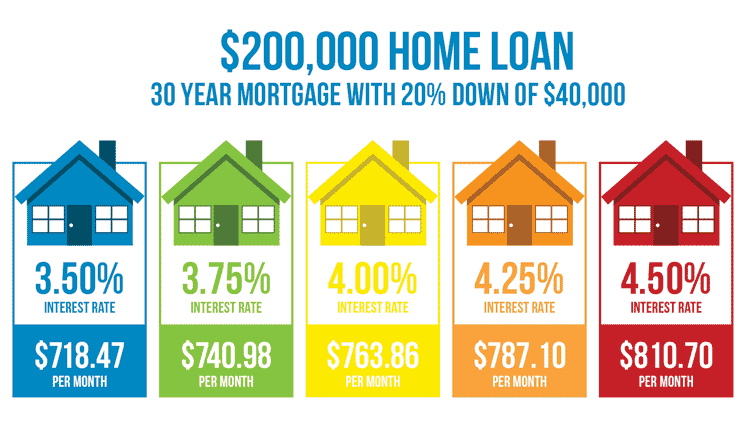
Mortgage rates hovered near 8 percent as recently as October, the highest level it has hit since the turn of the millennium, which has scared used homeowners from selling their homes as many prefer to stay in lower rates secured in years past. This “lock in effect,” as Fannie Mae analysts describe it, has added to a depleted supply of homes available for buyers and helped push up prices.
Posted on November 23, 2023 by Dr. David Edward Marcinko MBA MEd CMP™
***
Thanksgiving is a trading holiday. Both the New York Stock Exchange and the Nasdaq are closed. Black Friday, one of the biggest shopping days of the year, is a half day for the stock market. Both stock exchanges close at 1:00 p.m. ET, with eligible options trading until 1:15 p.m. Normal trading hours resume on the Monday after Thanksgiving, also known as Cyber Monday, when many online retailers host major sales.
***
***
Thanks to plummeting prices at the pump, US drivers will save a collective $1.2 billion this Thanksgiving travel period, and day, compared to last year, according to GasBuddy. The average price per gallon is down nearly 46 cents from a year ago, and more than 50,000 stations now show gas prices at $2.99/gallon or less.
***
Narrow traffic lanes are safer than wide ones. Researchers at Johns Hopkins analyzed more than 1,000 streets in seven major cities across the US and found that narrower roads mitigated traffic collisions in certain conditions. The study did not find a significant difference between roads 9-feet wide and those 10- or 11-feet wide, but it did conclude that traffic accidents increase 1.5x when a road widens from 9 feet to 12 feet. Traffic fatalities are the leading cause of death for Americans aged 1–54.
***
Walgreens will close most of its pharmacies and stores on Thanksgiving Day for the first time in the company’s history, executives said last Thursday. The move to close more than 8,700 stores for the federal holiday comes as some Walgreens workers staged a three-day walkout this fall to push for improved working conditions and increased staffing numbers, Reuters reported.
***
***
Here is where the major benchmarks ended on Wednesday:
The S&P 500 Index was up 18.43 points (0.4%) at 4,556.62, near a four-month high close; the Dow Jones Industrial Average®(DJI) was up 184.74 points (0.5%) at 35,273.03; the NASDAQ Composite was up 65.88 points (0.5%) at 14,265.86.
The 10-year Treasury note yield (TNX) was down about 1 basis point at 4.41%, after earlier dropping to a two-month low under 4.37%.
CBOE Volatility Index (VIX) was down 0.50 at 12.85.
Communications services and technology were among the strongest performers Wednesday. Food and beverage companies were also firm. Energy shares were among the weakest performers Wednesday behind a drop of over 1% in WTI Crude Oil futures (/CL). ), which fell following reports OPEC delayed a weekend meeting until November 30th, a possible reflection of cartel members struggling to reach consensus over production cuts. WTI crude ended just under $77 a barrel, down 19% from a 2023 high above $95 in late October.
Nvidia reported another quarter of record sales and gave a strong revenue outlook, pointing to red-hot demand for chips that underpin the artificial-intelligence boom. Huge investments in AI by tech giants from Microsoft to Amazon.com and by other large corporations have helped propel Nvidia’s sales to unprecedented levels in recent quarters.
***
The chief executive of Binance, the largest global cryptocurrency exchange, plans to step down and plead guilty to violating criminal U.S. anti-money-laundering requirements, in a deal that may preserve the company’s ability to continue operating, according to people familiar with the matter. And, the U.S. Department of Justice has just brought criminal charges against Binance and its billionaire founder and CEO, Changpeng Zhao.
Here is where the major benchmarks ended:
The S&P 500 Index was down 9.19 points (0.2%) at 4,538.19; the Dow Jones Industrial Average® (DJI) was down 62.75 points (0.2%) at 35,088.29; the NASDAQ Composite was down 84.55 points (0.6%) at 14,199.98.
The 10-year Treasury note yield (TNX) was down about 2 basis points at 4.404%.
The CBOE Volatility Index® (VIX) was down 0.06 at 13.35.
Financial and technology shares were among the weakest sectors Tuesday, with the KBW Regional Banking Index (KRX) dropping 2.1%. Small-cap stocks also gave back some of a recent rally, as the Russell 2000® Index(RUT) fell 1.3% after touching a two-month high Monday. Health care, materials and utilities were among the few sectors to post gains.
Posted on November 21, 2023 by Dr. David Edward Marcinko MBA MEd CMP™
HSAs and FSAs
By Staff Reporters
***
***
As cold and flu season truly sets in, major home delivery platforms are now allowing customers to purchase products using their health benefits.
***
Two major healthcare deals closed last week, including a $3 billion merger between Virgin Pulse and third-party administrator HealthComp, on the heels of a relatively quiet year for healthcare M&A deals.
And … Redesign Health has launched Harmonic Health. The digital health company’s care team will partner with PCPs, neurologists, healthcare systems and ACOs to deliver comprehensive dementia care.
Stocks started the short trading week by ticking upward yesterday. Microsoft climbed to its highest in a year after appearing to be the winner in OpenAI’s Sam Altman drama.
Read: Recommendations on books, classes, and music from Bill Gates. (GatesNotes)
***
Here is where the major US stock market benchmarks ended:
The S&P 500 Index was up 33.36 points (0.7%) at 4,547.38; the Dow Jones® Industrial Average (DJI) was up 203.76 points (0.6%) at 35,151.04; the NASDAQ Composite®was up 159.05 points (1.1%) at 14,284.53.
The 10-year Treasury note yield (TNX) was down about 2 basis points at 4.42%.
CBOE Volatility Index® (VIX) was down 0.39 at 13.41.
Strength in technology was illustrated by the Philadelphia Semiconductor Index (SOX), which jumped almost 2% and neared a four-month high. Communications services shares were also strong, as were energy companies, helped by a second-straight day of sharp gains in crude oil futures.
The small-cap focused Russell 2000 Index (RUT) rose 0.5% to a two-month high, following last week’s 5.4% rally that outpaced its large-cap counterparts.
And, Bayer’s stock had its worst day ever, dropping the company’s value by ~$8 billion, after a US jury ordered it to pay $1.56 billion over claims its Roundup weedkiller caused cancer and the company had to stop the trial for its top drug candidate because it wasn’t working.
Here is where the major benchmarks ended on Friday:
The S&P 500 Index (SPX) was up 5.78 points (0.1%) at 4,514.02, up 2.2% for the week; the Dow Jones Industrial Average (DJI) was up 1.81 points at 34,947.28, up 1.9% for the week; the NASDAQ Composite was up 11.81 points (0.1%) at 14,125.48, up 2.4% for the week.
The 10-year Treasury note yield was down about 1 basis point at 4.439%.
CBOE’s Volatility Index (VIX) was down 0.54 at 13.78.
Retail shares were among Friday’s strongest sectors, helped by a nearly 30% surge by Gap (GPS) after the apparel company stronger-than-expected quarterly results. Energy companies were also higher thanks to a nearly 4% rise in WTI Crude Oil futures (/CL). Oil prices are still down 20% from a 2023 peak of more than $95 posted in late September.
In other markets, the U.S. dollar index dropped 1.8% for the week to touch its weakest level since September 1st, reflecting stepped-up expectations that interest rates have peaked.
Over the course of the last few weeks, Cathie Wood of ARKK has been offloading the firm’s holdings in Roku, Inc. (NASDAQ:ROKU). Across all of her firm’s funds, Wood has sold stock in the streaming company totaling over $56 million. The move comes after Roku released its financials for q3.
Here is where the major benchmarks ended:
The S&P 500 Index was up 5.36 points (0.1%) at 4,508.24; the Dow Jones Industrial Average was down 45.74 points (0.1%) at 34,945.47; the NASDAQ Composite was up 9.84 points (0.1%) at 14,113.67.
The 10-year Treasury note yield (TNX) was uabout 9 basis points at 4.445%.
Cboe’s Volatility Index (VIX) was up 0.14 at 14.32.
Walmart’s commentary weighed on the retail sector. Energy was also a laggard, as crude oil futures fell 5% to a four-month low of less than $73 a barrel, in part because record U.S. crude production has boosted supply.
Senate leaders voted Wednesday night in favor of the short-term government funding bill the House passed Tuesday night ahead of Friday’s shutdown deadline. House Speaker Mike Johnsonpitched a two-step plan that he described as a “laddered CR” — or continuing resolution — that will keep the government funded at 2023 levels. The bill extends government funding until January 19th for the Veterans Affairs, Transportation, Housing and Urban Development and Energy departments, as well as for military construction. The rest of the government is funded until February 2nd, 2024.
Here is where the major benchmarks ended:
The S&P 500® Index (SPX) was up 7.18 points (0.2%) at 4,502.88; the Dow Jones Industrial Average was up 163.51 points (0.5%) at 34,991.21; the NASDAQ Composite was up 9.45 points (0.1%) at 14,103.84.
The 10-year Treasury note yield (TNX) was up about 10 basis points at 4.541%.
CBOE’s Volatility Index (VIX) was up 0.02 at 14.18.
Retail and financial shares were among Wednesday’s strongest performers. The KBW Regional Banking Index (KRX) rose 1.3% to a 2½-month high. Transportation and consumer staples were also higher. Energy shares were one of the few laggards as crude oil futures sank more than 2% after the Energy Department reported a larger-than-expected increase in U.S. crude inventories.
US Economic leaders are looking to the past for some inspiration on how to deal with the present—the only issue is, no one seems to be able to agree which past era they should be studying. But, predictions diverge, for example.
Meanwhile economists at the White House say the inflationary period after World War II acts as a better guide because pent-up demand from the pandemic will eventually fade away.
UBS disagrees with both, saying the 1990s more closely resembles the economic climate world leaders are currently attempting to navigate. A note from the UBS Chief Investment Office, led by Jason Draho, questioned whether the 2020s would act as “another roaring 20s” seen a century before. During this period, technological advances led to a rapid increase in productivity, while major industries like automotive, film and chemicals took off. The data suggests today’s economy has officially entered a new regime, UBS outlined: “A regime is defined by its growth, inflation, and rate attributes. These are all at their highest levels since prior to the global financial crisis (GFC).”
Here is where the major benchmarks ended:
The S&P 500 Index was up 84.15 points (1.9%) at 4,495.70; the Dow Jones Industrial Average (DJI) was up 489.83 points (1.4%) at 34,827.70; the NASDAQ Composite (COMP) was up 326.64 points (2.4%) at 14,094.38.
The 10-year Treasury note yield (TNX) was down about 18 basis points at 4.453%.
CBOE’s Volatility Index (VIX) was down 0.60 at 14.16.
The small-cap focused Russell 2000 Index (RUT), which has lagged large-cap benchmarks for most of the year, jumped more than 5% Tuesday. Small-caps are often seen as being more exposed to the economic cycle and had suffered because of concerns that high interest rates could push the economy into recession.
Other interest rate-sensitive sectors, such as real estate, materials, and utilities, also saw outsize gains.
Posted on November 14, 2023 by Dr. David Edward Marcinko MBA MEd CMP™
By Staff Reporters
***
***
DEFINITION: In the USA shutdowns occur when funding legislation required to finance the Federal Government is not enacted before the next fiscal year begins. In a shutdown, the federal government curtails agency activities and services, ceases non-essential operations, furloughs non-essential workers, and retains only essential employees in departments that protect human life or property. Shutdowns can also disrupt state, territory and local levels of government.
Fortunately, prices held steady for consumers and are growing at a slower pace, the U.S. government just reported Tuesday morning, as overall prices in October were the same as what consumers paid in September.
The Bureau of Labor Statistics says prices in October were unchanged as gasoline prices declined and shelter costs continued to rise. The Consumer Price Index rose 3.2% compared to a year ago, the latest sign that inflation is slowing down as interest rates rise and the job market gives up some of its recent strength.
And, the stock markets rocked upward as Presidents Biden and Xi meet in San Francisco and Congress counts down toward a possible government shutdown. As stocks were a mixed bag yesterday as investors kept their eyes trained on Washington for the latest inflation good news data and to see whether lawmakers can hammer out a budget deal to keep the government from shutting down on Friday.
Yet, Boeing stock took off following reports that China may soon end its freeze on the 737 Max, as well as the announcement of several deals for new aircraft, including Emirates’s $52 billion order for 95 planes.
Posted on November 14, 2023 by Dr. David Edward Marcinko MBA MEd CMP™
By Staff Reporters
***
***
Michigan-based healthcare nonprofit McLaren Health Care notified more than 2 million people about a data breach exposing personal information on Thursday, according to a data breach notification report. Unauthorized access to McLaren systems began on July 28th and lasted through August 23rd before the company noticed it a week later on August 31st, according to a notice on the McLaren website.
***
***
And, top US mortgage lender Mr Cooper has confirmed that “certain customer data” may have been exposed following a recent cyberattack. Precisely which data could have been exposed remains unconfirmed as the company continues to investigate “around the clock,” but affected customers are being promised complimentary credit monitoring services in due course.
***
And so, here is where the major benchmarks ended today:
The S&P 500® Index (SPX) was down 3.69 points (0.1%) at 4,411.55; the Dow Jones Industrial Average was up 54.77 points (0.2%) at 34,337.87; the NASDAQ Composite (COMP) was down 30.36 points (0.2%) at 13,767.74.
The 10-year Treasury note yield was up about 1 basis point at 4.636%.
CBOE’s Volatility Index (VIX) was up 0.59 at 14.76.
Energy shares were among the strongest performers Monday, with an assist from stronger crude oil futures, which jumped for a second straight day but remain near 3½-month lows touched last week. Health care and consumer staples were also higher. Utilities led decliners, with the Dow Jones Utility Index (DJU) falling to its lowest level in over a week.
From a technical standpoint, chart patterns “remain in the bulls’ favor,” Nathan says, with the S&P 500 closing above 4,400 and its 100-day moving average (currently just above 4,402) for the second day in a row. He pegs key near-term resistance at roughly 4,500. That’s about where the index encountered resistance in late August and early September, with 4,600 a key intermediate hurdle for the bulls.
World Kindness Day, an international holiday that was formed in 1998, to promote kindness throughout the world and is observed annually on November 13th as part of the World Kindness Movement. It is observed in many countries including the United States, Canada, Japan, Australia and the U.A.E. World Kindness Day presents us with the opportunity to reflect upon one of the most important and unifying human principles. On a day devoted to the positive potential of both large and small acts of kindness, try to promote and diffuse this crucial quality that brings people of every kind together.
***
And, stocks markets are on a roll with almost too many trophies to hand out. The NASDAQ had its best day since May on Friday, while the S&P 500 has gained for nine of the last 10 sessions, rising 7.2% in that period. Falling bond yields have investors thinking the market is poised for a rally to close out 2023.
Regardless of the technology infra-structure, there are generally four types of fees that an online investment platforms charge:
Trading Fees: Any fixed charge attached to each trade that you make. This will typically be either a flat fee or what’s known as the “spread,” when your broker charges you based on the difference between the buying and the selling price of an asset.
Trading Commissions: This is when a broker will charge you for each trade you make based on a percentage of the volume or value of each trade.
Inactivity Fees: Any fees that the broker charges you for not trading, such as for keeping money in a brokerage account.
Non-Trading/Other Fees: Any form of fee for using this platform not covered above. For example, a brokerage might charge you for making deposits into your account, taking money out of it or signing up for additional services.
Posted on November 11, 2023 by Dr. David Edward Marcinko MBA MEd CMP™
By Staff Reporters
Today is Veterans Day, when Americans honor all who have served our country in the armed forces. It’s celebrated on November 11th each year because on that morning in 1918 (at the 11th hour of the 11th day of the 11th month), the Allied nations and Germany signed an armistice that ended the fighting in World War I.
***
SPONSOR: MarcinkoAssociates.com
***
Moody’s credit rating agency downgraded its outlook on the US government from ‘stable’ to ‘negative’, citing the risks to the nation’s fiscal strength and the political polarization in Congress. The agency has maintained the US’s current top-grade AAA rating, but has raised the possibility that it may be cut in the future. While the move does not automatically mean it will downgrade America’s creditworthiness, it increases the chances. Even the prospect of a US downgrade could hurt Americans’ investment portfolios, make it even more expensive for them to borrow money, and make it more costly for the government to pay off its debts.
These effects would likely be even more painful if Moody’s does eventually downgrade the US debt. The nation’s diminished fiscal strength, undone by extreme partisanship in Washington, was a key driver of the action, according to a statement from Moody’s.
***
***
YET: Here is where the major benchmarks ended on Friday:
The S&P 500 Index was up 67.89 points (1.6%) at 4,415.24, up 1.3% for the week; the Dow Jones Industrial Average was up 391.16 points (1.2%) at 34,283.10, up 0.7% for the week; the NASDAQ Composite was up 276.66 points (2.1%) at 13,798.11, up 2.4% for the week.
The 10-year Treasury note yield was down about 1 basis point at 4.622%.
CBOE’s Volatility Index (VIX) was down 0.11 at 14.20.
Nearly every market sector gained Friday, with semiconductors and other tech shares leading the pack. The Philadelphia Semiconductor Index (SOX) jumped more than 4% to its highest level in more than two months. Consumer discretionary and energy companies were also strong, the latter thanks to a nearly-2% gain in crude oil futures.
But small-caps continued to lag their bigger counterparts, with the Russell 2000 Index (RUT) rising 1.1% Friday, though it was still down 3.1% for the week.
Posted on November 10, 2023 by Dr. David Edward Marcinko MBA MEd CMP™
By Staff Reporters
***
***
The NYSE and the NASDAQ will follow a regular schedule on Friday, the day before Veterans Day. The U.S. bond market, which may be poised for a big comeback next year if yields continue to fall, will be open Friday as usual.
***
The major indexes ended a brief winning streak after comments from Fed Chairman Jerome Powell stoked concerns over interest rates. More interest-rate hikes are still a possibility to bring inflation under control, he said. In a dramatic campaign to tamp down inflation, the Federal Reserve has raised the benchmark federal funds rate to a range of 5.25% to 5.5%, a 22-year high.
Here is where the major stock market benchmarks ended:
The S&P 500 Index was down 35.43 points (0.8%) at 4,347.35; the Dow Jones Industrial Average was down 220.33 points (0.7%) at 33,891.94; the NASDAQ Composite was down 128.97 points (0.9%) at 13,521.45.
The 10-year Treasury note yield was up about 12 basis points at 4.632%.
CBOEs Volatility Index (VIX) was up 0.84 at 15.28.
Nearly every market sector was under pressure Thursday, with consumer discretionary and health care among the weakest performers. Energy shares were an exception, thanks to a rebound in crude oil futures, though oil prices remain near the 3½-month lows touched earlier this week. The U.S. dollar index (DXY) strengthened for the fourth- straight day.
Yet, the billionaire Larry Fink says investors should be 100% in equities right now if they can handle it? Can you?
***
Amazon.com is turning to Prime members to bolster its healthcare business, an industry where the company has sought to expand for years. The tech giant just revealed plans to offer its millions of Amazon Prime subscribers a low-cost annual membership to One Medical, the primary-care business Amazon purchased for $3.9 billion earlier this year. Amazon says Prime subscribers can now become One Medical members for $9 a month, or $99 a year. The typical cost to become a One Medical member is $199 annually.
The S&P 500 continued to an eighth positive day, building on its longest hot streak in two years, while the Dow inched downward, ending its best run since July. Warner Bros. Discovery suffered its worst day since March 2021 after reporting that although Barbie raked in $1.5 billion for the company, it still lost money last quarter.
Here is where the major benchmarks ended:
The S&P 500 Index was up 4.40 points (0.1%) at 4,382.78; the Dow Jones Industrial Average was down 40.33 points (0.1%) at 34,112.27; the NASDAQ Composite was up 10.56 points (0.1%) at 13,650.41.
The 10-year Treasury note yield (TNX) was down about 6 basis points at 4.511%.
CBOE’s Volatility Index (VIX) was down 0.36 at 14.45.
Retailers and banks were among the weakest performers Wednesday. Energy stocks also slipped in step with WTI crude oil futures, which touched a 3½-month low of under $75 a barrel on escalating concern over global demand. Real estate was one of the few sectors to rise Wednesday.
The U.S. dollar index (DXY) rose to a seven-week high earlier in the day before fading.
Posted on November 8, 2023 by Dr. David Edward Marcinko MBA MEd CMP™
By Staff Reporters
***
***
The Senate on Tuesday confirmed Dr. Monica M. Bertagnolli, a cancer surgeon who currently leads the National Cancer Institute, as the next director of the National Institutes of Health, overriding the objections of Senator Bernie Sanders of Vermont, the chairman of the Senate health committee.
***
The U.S. regulator charged with overseeing the Federal Home Loan Bank system said in a report on Tuesday the system is overdue for an update in terms of its structure and operation. The Federal Housing Finance Agency emphasized in the report there needs to be a clearer distinction between the purpose of those banks, which is to aid liquidity needs at banks in a bid to facilitate mortgage lending, with the Federal Reserve, which should serve as a source of emergency liquidity for banks.
Here is where the major stock market benchmarks ended:
The S&P 500 Index was up 12.40 points (0.3%) at 4,378.38; the Dow Jones Industrial Average was up 56.74 points (0.2%) at 34,152.60; the NASDAQ Composite (COMP) was up 121.08 points (0.9%) at 13,639.86.
The 10-year Treasury note yield (TNX) was down about 9 basis points at 4.571%.
CBOE’s Volatility Index (VIX) was down 0.08 at 14.81.
The small-cap-focused Russell 2000 Index (RUT) fell a second day, reflecting concerns about the economy tipping over into recession.
Energy stocks fell as WTI crude oil futures tumbled more than 4% to a 3½-month low on concerns about softening demand from China.
Posted on November 7, 2023 by Dr. David Edward Marcinko MBA MEd CMP™
By Staff Reporters
***
***
We’ve all known the AI audit is coming—but a new report from KPMG proves just how popular AI has already become in the audit process. The report polled more than 200 financial reporting leaders in the US between July and August. The headline takeaway? The AI audit is already close to ubiquitous.
Sixty-five percent of respondents said they’re already using AI in their job functions, while 49% said they’ve “piloted or deployed generative AI solutions.” Meanwhile, 71% said they expect to use AI “extensively in the next three years.”
Microsoft and Amazon are reportedly in the midst of a mega deal summing up to approximately $1 billion.The deal will help Amazon acquire 550,000 Microsoft 365 E5 licenses for its corporate workers, alongside one million Microsoft 365 F5 licenses for its front line employees.Amazon employees already use traditional, on-premises Microsoft Office software, but the company is now gearing up to transition to cloud-based productivity tools.
***
Here is where the major benchmarks ended:
The S&P 500 Index was up 7.64 points (0.2%) at 4,365.98; the Dow Jones Industrial Average was up 34.54 points (0.1%) at 34,095.86; the NASDAQ Composite (COMP) was up 40.50 points (0.3%) at 13,518.78.
The 10-year Treasury note yield was up about 9 basis points at 4.649%.
CBOEs Volatility Index (VIX) was down 0.02 at 14.89.
Oilfield services shares and other energy companies were among the weakest performers Monday despite crude oil futures rising after Saudi Arabia and Russia reaffirmed commitments to extra voluntary oil supply cuts until the end of the year.
The banking and real estate sectors were also under pressure. Health care stocks led gainers, as the S&P 500 Health Care Index (SP500-35) climbed to its highest level in nearly three weeks. The small-cap-focused Russell 2000 Index (RUT) dropped about 1.3%
As fellow doctors, we understand better than most the more complex financial challenges physicians can face when it comes to their financial planning. Of course, most physicians ultimately make a good income, but it is the saving, asset and risk management tolerance and investing part that many of our colleagues’ struggle with. Far too often physicians receive terrible guidance, have no time to properly manage their own investments and set goals for that day when they no longer wish to practice medicine.
For the average doctor or healthcare professional, the feelings of pride and achievement at finally graduating are typically paired with the heavy burden of hundreds of thousands of dollars in student loan debt.
You dedicated countless hours to learning, studying, and training in your field. You missed birthdays and holidays, time with your families, and sacrificed vacations to provide compassionate and excellent care for your patients. Amidst all of that, there was no time to give your finances even a second thought.
Between undergraduate, medical school, and then internship and residency, most young physicians do not begin saving for retirement until late into their 20s, if not their 30s. You’ve missed an entire decade or more of allowing your money and investments to compound and work for you. When it comes to addressing your financial health and security, there’s no time to waste.
And you may be misled by unscrupulous “advisors”.
For example:
Question: Do you know the difference between a “Fee-Only” and a “Fee-Based financial advisor? Not knowing may cost you tens of thousands of dollars, or more, in excessive advisory fees.
The current hiring market is slowing as the US economy added just 150,000 jobs last month. The employment gains reported by the Labor Department yesterday fell short of expectations and were almost half of the 297,000 jobs created in September. Still, there’s no need to hit the economic panic button. Though the unemployment rate ticked up slightly, to 3.9% in October, it’s been below 4% since late 2021, the longest sub-4% stretch in over 50 years. But the hiring slowdown may be a sign that the US economy is gently showing.
Now, the six-week United Auto Workers strike against the Big Three Detroit carmakers was the primary culprit in the automotive manufacturing sector shedding 33,000 people from payroll. On the flip side, healthcare, government, and construction were the top job creators, adding 58k, 51k, and 23k positions, respectively.
And, the jobs numbers were in the sweet spot for investors. Stocks posted their biggest weekly gain this year. And that’s because investors view the reduced appetite for new hires as a sign the Fed is succeeding at cooling the economy in its fight against inflation. This jobs report makes it even more likely that the FOMC will put the parking brake on its interest rate hikes, and some traders are betting that the central bank might even lower rates next year.
***
And, the victims of Sam Bankman-Fried‘s financial crimes could be set to recoup almost all of the $16 billion Solana that was lost when his crypto exchange FTX collapsed – unless the IRS steps in to seize the funds instead.
***
Finally, stocks closed out their best week all year after the “Goldilocks” October jobs report could put the Fed’s interest rate hikes on ice. And, Paramount pictures posted double-digit gains for the second straight session.
Posted on November 4, 2023 by Dr. David Edward Marcinko MBA MEd CMP™
“FALL BACK WEEKEND”
By Staff Reporters
***
***
The biggest U.S. hospital lobbying group just sued the Biden administration over new guidance barring hospitals and other medical providers from using trackers to monitor users on their websites. The American Hospital Association (AHA), along with the Texas Hospital Association and two nonprofit Texas health systems, filed a lawsuit against the U.S. Department of Health and Human Services (HHS) in federal court in Fort Worth, Texas. The lawsuit accuses the agency of overstepping its authority when it issued the guidance in December, 2022.
***
***
Bank of America customers have been warned of delays to deposits following an unspecified issue that is affecting “multiple financial institutions”. The company reassured customers on Friday that their accounts remained “secure” and that no action was needed. A statement appearing on customer phone applications read: “Some deposits from 11/3 may be temporarily delayed due to an issue impacting multiple financial institutions.
Wells Fargo and Chase just reported similar situations.
***
Here is where the major benchmarks ended:
The S&P 500 Index was up 40.56 points (0.9%) at 4,358.34; the Dow Jones Industrial Average (DJI) was up 222.24 points (0.7%) at 34,061.32, up 5.1% for the week; the NASDAQ Composite (COMP) was up 184.09 points (1.4%) at 13,478.28, up 6.6% for the week.
The 10-year Treasury note yield was down about 9 basis points at 4.577%.
CBOE’s Volatility Index (VIX) was down 0.75 at 14.91.
Banks and other financial companies led Friday’s gainers, on hopes easing Treasury yields will relieve some pressure on lenders’ balance sheets. The KBW Regional Banking Index (KRX) surged 3.3% to end at a seven-week high, while Goldman Sachs Group (GS) shares jumped 4.4% to lead Dow gainers.
Retailer shares were also strong, as were small-caps in general, as the Russell 2000 Index (RUT) posted a gain of 7.6% for the week.
Posted on November 3, 2023 by Dr. David Edward Marcinko MBA MEd CMP™
By Staff Reporters
***
***
Even though the Federal Reserve announced its interest rate decision yesterday, Jerome Powell wasn’t the government official investors were most anxious to hear from.
Instead, he was upstaged by Treasury Secretary Janet Yellen, who gave an update on the size of upcoming bond auctions. Although many were concerned about the US selling new debt into a market where interest rates are high and demand for bonds has flagged (pushing yields way up), the market liked what she had to say.
Yellenexplained that the government would focus on shorter-term notes rather than longer-term ones, which prompted a rally for 10 and 30 year bonds.
Merck reported $640 million in sales for its Covid-19 drug, Lagevrio, in Q3 earnings, blowing past analyst expectations of $140.8 million. Covid drug sales have dropped for most big pharma companies this year, with Pfizer lowering its total expected 2023 earnings by about $9 billion due mostly to declining Paxlovid sales. Merck attributed the boost to increasing demand for Lagevrio in Japan.
***
California’s largest health system agreed to a $200 million settlement on October 12th following an investigation that found the system has failed to provide timely behavioral health appointments for patients and has canceled more than 100,000 appointments.
Kaiser Permanente, which also runs a health plan, will “undertake a systemic overhaul” of its behavioral health services, Mary Watanabe, director of the Department of Managed Health Care (DMHC), the regulatory body that oversees managed care plans in California, said in a statement. The DMHC began investigating Kaiser in May 2022 after the Oakland-based health system saw a 20% increase in behavioral health patient complaints in 2021, the DMHC said in a statement.
President President Biden spoke Tuesday afternoon on what the White House has called a crackdown on “junk fees” in retirement planning. Such fees chip away at account balances over time, leading to lifetime savings that are up to 20% less than if advisors were held to the highest standards, according to a White House statement.
Under current regulations, advisors who provide advice to workers rolling their 401(k) or related plan into an individual retirement account are generally not considered a fiduciary—that is, a professional who must put clients’ interests ahead of their own. This means that an advisor could steer an investor into, say, an annuity that pays the advisor a big commission, even if it’s not the best option for the investor. In some cases, commission costs and other fees are baked into the product, as opposed to paid outright, and investors don’t realize that they are silently eating into returns over time.
***
The Federal Reserve left interest rates unchanged Wednesday as it continues to track inflation and the health of the economy. The central bank voted unanimously to leave its primary interest rate in the range of 5.25% to 5.50%. U.S. interest rates are the highest they’ve been in 23 years. That means interest rates on loans such as mortgages have gone up sharply, and so have payments on Treasury bonds and interest-bearing accounts.
Here is where the major benchmarks ended:
The S&P 500 Index was up 44.06 points (1.1%) at 4,237.86; the Dow Jones Industrial Average (DJI) was up 221.71 points (0.7%) at 33,274.58; the NASDAQ Composite was up 210.23 points (1.6%) at 13,061.47.
The 10-year Treasury note yield (TNX) was down about 11 basis points at 4.761%.
CBOE’s Volatility Index (VIX) was down 1.30 at 16.84.
In addition to technology, communication services and utilities were among the strongest sectors Wednesday. Energy shares were under pressure as crude oil futures extended this week’s slump and ended at a two-month low. The U.S. dollar index (DXY) tumbled from an earlier rally to a one-month high, potentially reflecting expectations that domestic interest rates may be near a peak.
KANSAS CITY, Mo.—A federal jury just found the National Association of Realtors and large residential brokerages liable for about $1.8 billion in damages after determining they conspired to keep commissions for home sales artificially high. The verdict could lead to industry wide upheaval by changing decades-old rules that have helped lock in commission rates even as home prices have skyrocketed—which has allowed real-estate agents to collect ever-larger sums. It comes in the first of two antitrust lawsuits arguing that unlawful industry practices have left consumers unable to lower their costs even though internet-era innovations have allowed many buyers to find homes themselves online.
The Sitzer/Burnett class action lawsuit alleged that some of the nation’s largest real estate companies, including NAR, Keller Williams, Anywhere (formerly, Realogy), RE/MAX, Berkshire Hathaway’s HomeServices of America and two of its subsidiaries conspired to inflate commissions.
Over 12% of American families, or over 16 million, are millionaires, per the WSJ.
Median net worth for the 80th-90th income percentile saw net worth gains of 69% from 2019 to 2022.
The upper-middle class is growing and becoming wealthier, particularly among those aged 55-74.
It’s not just the top 1% that’s getting richer — over 16 million American families now have a net worth over $1 million. That’s over 12% of American families, according to a Wall Street Journal analysis of the Federal Reserve’s Survey of Consumer Finances of over 4,600 American households. This compares to just 9.8 million families who were millionaires in 2019, the WSJ found.
The analysis further noted how nearly eight million families have wealth over $2 million, compared to 4.7 million in 2019. This was particularly pronounced among families in the 55-74 age range. On the whole, median net worth — which measures household assets like houses and vehicles, minus debts like mortgages and student loans — rose an inflation-adjusted 37% between 2019 and 2022 up to around $193,000. Meanwhile, the average net worth rose to over $1 million, though this is skewed by extremely wealthy Americans.
Net worth has increased for all income percentiles even amid rising interest rates, though while the top 10% jumped from $1.84 million to $2.65 million, the bottom 20% rose from $10,780 to $16,900.
Finally, here is where the major US stock market benchmarks ended:
Economists expect the Fed to leave interest rates unchanged today, allowing previous rate increases to take greater hold of the economy and granting the central bank time to assess whether another hike will be necessary. Investors and policymakers will closely scour comments made by Fed Chair Jerome Powell for clues about the central bank’s path over the remainder of the year.
The S&P 500 Index was up 26.98 points (0.7%) at 4,193.80, down 2.2% for the month; the Dow Jones Industrial Average was up 123.91 points (0.4%) at 33,052.87, down 1.4% for the month; the NASDAQ Composite was up 61.76 points (0.5%) at 12,851.24, down 2.8% for the month.
The 10-year Treasury note yield was up about 3 basis points at 4.909%.
CBOE’s Volatility Index (VIX) was down 1.61 at 18.14.
Real estate and financial shares were among the strongest performers Tuesday. Semiconductor companies were also higher. Energy shares lagged as crude oil futures extended their slide, dropping to near $81 a barrel to end at a two-month low. The U.S. dollar index (DXY) strengthened to near 11-month highs in the wake of a Bank of Japan (BoJ) policy shift.
Posted on October 31, 2023 by Dr. David Edward Marcinko MBA MEd CMP™
By Staff Reporters
***
***
The S&P 500 Index posted its first gain in four sessions as investors looked ahead to key earnings and economic reports.
Here is where the major benchmarks ended:
The S&P 500 Index was up 49.45 points (1.2%) at 4,166.82; the Dow Jones Industrial Average (DJI) was up 511.37 points (1.6%) at 32,928.96; the NASDAQ Composite was up 146.47 points (1.2%) at 12,789.48.
The 10-year Treasury note yield was up about 4 basis points at 4.888%.
CBOE’s Volatility Index (VIX) was down 1.52 at 19.75.
Communications services and transportation shares were among the strongest performers Monday, with the latter sector boosted by better-than-expected quarterly results from two big trucking companies. Financial companies were also strong.
Energy stocks were also modestly higher despite crude oil futures falling 3% to less than $83 a barrel—a two-month low.
Posted on October 30, 2023 by Dr. David Edward Marcinko MBA MEd CMP™
By Staff Reporters
***
***
Statistic: 13%. That’s how much Amazon’s revenue grew last quarter. The behemoth saw business picking up after a tough 2022 and cost-saving measures taking effect to boost the bottom line. The company also said it had its “biggest ever” Prime day sale this past quarter. (CNBC)
***
In 2019, Capital One bank was hit by a cyber attack that resulted in the exposure of millions of its customers’ data. The incident led to a collective complaint against the bank by its customers. After a long legal process, Capital One agreed to pay $190 million in compensation to the 98 million affected customers.
***
The Biden administration announced this week the creation of 10 biotech hubs across the US under its Tech Hubs program, with each hub eligible to apply for up to $75 million to invest in areas like research and development and job creation. The hubs are spread across the US, primarily in rural areas, and are part of a $500 million investment from the Biden administration that’s intended to boost the tech industry’s growth beyond the coasts.
Posted on October 28, 2023 by Dr. David Edward Marcinko MBA MEd CMP™
By Staff Reporters
Today, October 28th, has been the best day of the entire year for stocks since 1950, according to Dr. David Edward Marcinko MBA of http://www.MarcinkoAssociates.com. Black Monday (also known as Black Tuesday in some parts of the world due to timezone differences) was the global, severe and largely unexpected stock market crash on Monday, October 19th, 1987. Worldwide losses were estimated at US$1.71 trillion. The severity of the crash sparked fears of extended economic instability or even a reprise of the Great Depression.
Of course it’s a Saturday this year; today.
***
***
One large health system with hospitals in Virginia and Ohio this year cut off in-network access to consumers enrolled in some Anthem Blue Cross Blue Shield Medicare and Medicaid health insurance plans. Two doctors groups with Scripps Health in San Diego are terminating contracts with private Medicare plans over concerns about payments and routine denials.
Inflation’s summer decline slowed last month. Still, inflation has improved enough recently for Federal Reserve officials to hold interest rates steady at their meeting next week.
The personal-consumption expenditures price index, the Fed’s preferred inflation gauge, rose 0.4% in September from the prior month, the same pace as in August, the Commerce Department said Friday. But so-called core prices, which exclude volatile food and energy categories, increased 0.3% in September from the prior month, compared with a 0.1% rise in August. Higher prices for services drove the increase.
***
Here is where the major benchmarks ended:
The S&P 500 Index was down 19.86 points (0.5%) at 4,117.37, down 2.5% for the week and down 10.6% from a July peak; the Dow Jones Industrial Average (DJI) was down 366.71 points (1.1%) at 32,417.59, down 2.1% for the week; the NASDAQ Composite was up 47.41 points (0.4%) at 12,643.01, down 2.6% for the week.
The 10-year Treasury note yield (TNX) was down about 1 basis point at 4.835%.
CBOE’s Volatility Index (VIX) was up 0.61 at 21.29.
Banking and energy were among the weakest sectors Friday, with the latter under pressure despite strength in crude oil futures. Another leg down in small-cap stocks suggested investors are growing increasingly concerned about the economy, as the Russell 2000 Index (RUT) closed at its lowest level in nearly three years and dropped 2.6% for the week.
Posted on October 27, 2023 by Dr. David Edward Marcinko MBA MEd CMP™
By Staff Reporters
***
Pfizer, a key producer of the COVID-19 vaccine, has revised its earnings outlook for 2023, cutting its projected earnings per share and revenue estimates. Pfizer saw its 2022 revenue surpass a record $100 billion as company CEO Albert Bourla vowed that everyone will have a “perfectly normal life with just injection maybe once a year.” Bourla received a 36% pay hike and netted $33 million through the pandemic.
***
***
The U.S. economy grew at its fastest pace in nearly two years in the third quarter as higher wages from a tight labor market helped to power consumer spending, again defying dire warnings of a recession that have lingered since 2022. Gross domestic product increased at a 4.9% annualized rate last quarter, the fastest since the fourth quarter of 2021, the Commerce Department’s Bureau of Economic Analysis said in its advance estimate of third-quarter GDP growth. Economists polled by Reuters had forecast GDP rising at a 4.3% rate.
The S&P 500® Index (SPX) was down 49.54 points (1.2%) at 4,137.23; the Dow Jones Industrial Average (DJI) was down 251.63 points (0.8%) at 32,784.30; the NASDAQ Composite was down 225.62 points (1.8%) at 12,595.61.
The 10-year Treasury note yield (TNX) was down about 11 basis points at 4.845%.
CBOE’s Volatility Index (VIX) was up 0.49 at 20.68.
Energy shares were among the weakest-performing sectors Thursday after a larger-than-expected increase in U.S. oil inventories last week sent WTI crude futures down more than 2% to a two-week low. Communication services and technology were also lower.
The market’s overall weakness belied some notable pockets of strength, including in banks and utilities, as the KBW Regional Banking Index (KRX) jumped more than 3%. Small-caps offered possible signs that a recent steep downdraft may be waning, with the Russell 2000 Index (RUT) dropping to a 12-month low earlier in the day before recovering to close about 0.7% higher.
Posted on October 26, 2023 by Dr. David Edward Marcinko MBA MEd CMP™
By Staff Reporters
***
***
October is Physical Therapy Month, a time to celebrate the contributions that physical therapists, their aides, and assistants make to the industry. There are more than 300 million annual physical therapy visits in the US, and the profession is estimated to be worth $46 billion, according to the American Physical Therapy Association. Make sure to take some time to appreciate any physical therapists in your life.
***
The United Auto Workers union said it reached a tentative labor contract with Ford that, if ratified, would mark the biggest gains for unionized auto workers in decades. The deal includes a 25% pay bump over the four years of the contract, cost-of-living adjustments that had been previously suspended, and a quicker timeline for new workers to reach the highest wage ($40 an hour for assembly workers by the end of the contract).
***
Here is where the major benchmarks ended:
The S&P 500 Index was down 60.91 points (1.4%) at 4,186.77; the Dow Jones Industrial Average (DJI) was down 105.45 points (0.3%) at 33,035.93; the NASDAQ Composite was down 318.65 points (2.4%) at 12,821.22.
The 10-year Treasury note yield was up about 11 basis points at 4.946%.
CBOE’s Volatility Index (VIX) was up 1.30 at 20.27.
Communication services and technology were among the market’s weakest sectors Wednesday, with the Philadelphia Semiconductor Index (SOX) dropping more than 4%. Small-cap stocks also remained under pressure, with the Russell 2000 Index (RUT) falling more than 1% to near a 13-month low.
Small-caps are often seen as being more sensitive to the domestic economic cycle because they tend to conduct most of their business in the United States. Utilities and consumer staples were among the few areas of strength.
Posted on October 25, 2023 by Dr. David Edward Marcinko MBA MEd CMP™
ByStaff Reporters
***
***
Google and Microsoft, the two tech giants, reported big jumps in earnings revenue, another sign that Big Tech’s growth has rebounded following last year’s downturn?
Google parent Alphabet reported 11% revenue growth to about $77 billion for the third quarter, thanks mainly to increased advertising sales.
Meanwhile, Microsoft’s revenue jumped 13% to $56.5 billion as AI created more demand for its products. Still, it wasn’t all rosy: Alphabet shares fell in extended trading after it missed on revenue estimates for its cloud division.
Meta reports its third-quarter earnings today, and Amazon posts tomorrow.
Posted on October 25, 2023 by Dr. David Edward Marcinko MBA MEd CMP™
By Staff Reporters
***
***
A bipartisan group of 33 attorneys general is suing Meta over addictive features aimed at kids and teens, according to a complaint filed Tuesday in a federal court in California. The support from so many state AGs of different political backgrounds indicates a significant legal challenge to Meta’s business.
***
Here is where the major benchmarks ended today:
The S&P 500 Index was up 30.64 points (0.7%) at 4,247.68; the Dow Jones Industrial Average (DJI) was up 204.97 points (0.6%) at 33,141.38; the NASDAQ Composite (COMP) was up 121.55 points (0.9%) at 13,139.87.
The 10-year Treasury note yield was down about 2 basis points at 4.815%.
CBOE’s Volatility Index (VIX) was down 1.51 at 18.89.
Utilities were among the strongest performers Tuesday, with the Philadelphia Utility Index (UTY) rising nearly 3%. Semiconductors and communications services shares were also higher.
Energy stocks were pressured by a more than 2% drop in WTI crude oil futures, which briefly fell under $83 a barrel.
Posted on October 24, 2023 by Dr. David Edward Marcinko MBA MEd CMP™
And … Bill Gross Speaks
By Staff Reporters
***
***
The yield on the 10-year Treasury bond shot above 5% in early trading yesterday—hitting its highest since 2007 and rattling investors—before retreating a bit so everyone could chill out. While a high return on long-term government debt sounds like something only a Wall Street wonk would fret about, it can raise borrowing costs for everyone from homebuyers to small businesses.
Treasury yields have been rising steadily for almost two years as investors kept anticipating (correctly) that Jerome Powell would raise interest rates to combat persistent inflation.
Bond yields are used as the measure against which lots of other interest rates are set, so recent sky-high yields have contributed to the current eye-popping mortgage rates, which have made homeownership 52% more expensive than renting, and they’re part of the reason why the number of Americans struggling to make car payments is at its highest since at least 1994.
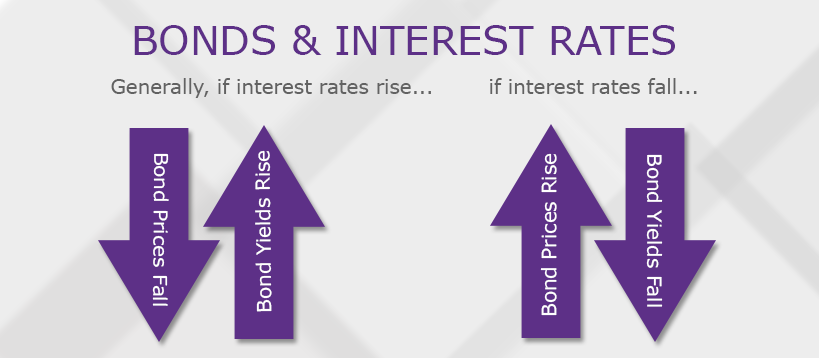
Yields crossed the symbolically significant 5% mark yesterday because investors rushed to sell off 10-year bonds, making them cheaper, per supply and demand—that boosted the bond yields, since yields move in the opposite direction from price.So, why did Wall Street press “sell” on Treasurys?
It’s usually a sign of confidence in the economy, but some analysts are concerned that this time, investors are shedding government debt because they perceive the US as being a spendthrift as the deficit grows. However, the traditional psychology may also be at play: The influential billionaire investor Bill Ackman is believed to have single-handedly stopped yesterday’s bond market sell-off by saying he’d ended his bet on 30-year Treasury bond prices falling because he thinks there is “too much risk in the world” and the economy isn’t as strong as it seems. The 10-year bonds dropped back to 4.85% yesterday afternoon.
Posted on October 24, 2023 by Dr. David Edward Marcinko MBA MEd CMP™
By Staff Reporters
***
***
Here is where the major benchmarks ended today:
The S&P 500® Index (SPX) was down seven points (0.2%) at 4,217.04; the Dow Jones Industrial Average (DJI) was down 191 points (0.6%) at 32,936.41; the NASDAQ Composite was up 35 points (0.3%) at 13,018.33.
The 10-year Treasury note yield was down about nine basis points at 4.845%.
CBOE’s Volatility Index (VIX) was down 1.4 points at 20.35.
The communication services, technology, and consumer discretionary were the best sector performers, thanks in part to gains in big tech companies.
Energy was the laggard Monday, as WTI crude dropped 2.6% to below $86 a barrel.
Posted on October 23, 2023 by Dr. David Edward Marcinko MBA MEd CMP™
By Staff Reporters
***
***
The 2023 federal budget deficitsurged by 23% to $1.7 trillion, leaving the US in its deepest yearly fiscal hole outside of the Covid era, according to the Treasury Department, which released the data on Friday.
But a closer look reveals the financial picture is even worse than the headline #s suggest.
The Treasury recorded the Biden administration’s ~$300 billion student loan forgiveness program as a cost last year, but it was struck down by the Supreme Court and never took effect, resulting in the Treasury considering it a savings this year.
That means the year over year increase effectively doubled from $1 trillion in 2022 to $2 trillion in 2023.
***
The benchmark 10-year Treasury bond yield rose above 5% and to its highest since 2007 on Monday, as a roaring U.S. economy led investors to expect interest rates to stay high for an extended period. The combination of those higher yields and risk of a wider conflict in the Middle East soured sentiment at the start of a week full of mega-cap earnings and key data, and pushed global shares down to seven-month lows.
***
Chevron said it would buy Hess in an all-stock deal worth $53 billion, the second major oil tie-up this month following Exxon Mobil’s deal to buy Pioneer Natural Resources. The U.S. energy company said buying Hess would upgrade and diversify its portfolio, marking Chevron’s entrance into an Exxon-led partnership overseeing a generational oil find in Guyana, while picking up additional U.S. shale assets largely in North Dakota. Chevron also highlighted the attraction of Hess’s assets in the Gulf of Mexico and its natural-gas business in Southeast Asia.
Posted on October 21, 2023 by Dr. David Edward Marcinko MBA MEd CMP™
By Staff Reporters
***
***
The U.S. government on Friday posted a $1.695 trillion budget deficit in fiscal 2023, a 23% jump from the prior year as revenues fell and outlays for Social Security, Medicare and interest costs on the federal debt rose significantly.
The Treasury Department said the deficit was the largest since a COVID-fueled $2.78 trillion gap in 2021 and marks a major return to ballooning deficits after back-to-back declines during President Joe Biden’s first two years in office. The deficit comes as Biden is asking Congress for $100 billion in new foreign aid and security spending, including $60 billion for Ukraine and $14 billion for Israel, along with funding for U.S. border security and the Indo-Pacific region.
The S&P 500® Index was down 53.84 points (1.3%) at 4,224.16, down 2.4% for the week; the Dow Jones Industrial Average (DJI) was down 286.89 points (0.9%) at 33,127.28, down 1.6% for the week; the NASDAQ Composite was down 202.37 points (1.5%) at 12,983.81, down 3.2% for the week.
The 10-year Treasury note yield was up about 8 basis points at 4.907%.
CBOE’s Volatility Index (VIX) was up 0.26 at 21.71.
Small-cap stocks, which are considered to be more exposed to economic uncertainty, were also soft, as the Russell 2000 Index (RUT) dropped to a 12-month low and was 2.2% lower for the week.
Gold futures rose 2.3% for the week and ended near a three-month high, as the fighting in the Middle East fueled demand for assets considered to be safe havens. Volatility based on the VIX spiked to its highest level since March.
In the last 20 months, the US Federal Reserve has jacked up interest rates to a 22-year high to tame soaring inflation. And inflation has come down to about half of its June 2022 peak. But the economy is still strong.
The Fed’s rate-hiking jamboree was expected to slow hiring, spending, and broader economic growth as unfortunate side effects of popping the inflation balloon. However, a series of recent reports shows that the US economy is still roaring in the ’20s:
Jobs: Employers smashed expectations by adding 336,000 jobs in September, and the unemployment rate remains at a low level of 3.8%.
Spending: Retail sales also blew past estimates in September, a sign that American consumers remain the undisputed shopping world champs. This probably helped: Americans’ household wealth surged 37% from 2019 to 2022, according to Fed data released on Wednesday. That’s more than double the second-highest increase on record.
Economy: After the strong retail sales numbers came out this week, Morgan Stanley raised its Q3 economic growth outlook to 4.9% from 4.5%. Context: One year ago this week, Bloomberg economists predicted a 100% chance of a recession…within a year.
Posted on October 20, 2023 by Dr. David Edward Marcinko MBA MEd CMP™
By Staff Reporters
***
Bond yields, which impact borrowing costs for all kinds of loan products, moved higher this week as investors fretted over higher-for-longer interest rates. After notching a 16-year-record earlier this month, the yield on the 10-year Treasury bond continued to surge on Thursday, rising to 4.958%.
The S&P 500 Index was down 36.60 points (0.9%) at 4,278.00; the Dow Jones Industrial Average (DJI) was down 250.91 points (0.8%) at 33,414.17; the NASDAQ Composite was down 128.13 points (1.0%) at 13,186.18.
The 10-year Treasury note yield was up about 9 basis points at 4.988%.
CBOE’s Volatility Index (VIX) was up 2.09 at 21.31.
Powell’s speech and Treasury yields at least partly overshadowed earnings reports from a few major companies, including Netflix (NFLX), whose shares soared 16% after the company reported stronger-than-expected quarterly results.
Otherwise, most areas of the market eroded, with consumer discretionary and real estate among the weakest-performing sectors. Energy shares held up somewhat better as crude oil futures rose for the fifth day in the past six and ended near a three-week high above $89 a barrel.
Gold futures jumped 1% and closed near a three-month high.
Posted on October 19, 2023 by Dr. David Edward Marcinko MBA MEd CMP™
By Staff Reporters
***
***
Infinite banking is a complicated financial insurance concept. What’s more, borrowing from a whole life insurance policy rather than a bank introduces a unique set of problems. These loans don’t have set repayment schedules but they do accrue interest. Here’s what you should know about borrowing from an insurance policy:
PROs:
Easier to secure than a bank loan, especially if you have bad credit.
May only take a few days to receive funds.
Interest rates may be lower than other loans.
CONs:
You may need to pass a physical to qualify for an insurance policy.
Policy loans can decrease the death benefit.
Premiums can run significantly higher than comparable term policies
Payment issues can result in losing your policy and/or paying tax penalties.
Interest rates may be variable and fixed rates can be high.
Borrowing limits are often capped at a percentage of the cash value.
It can take years to accrue enough cash value to take out a significant loan.
Posted on October 19, 2023 by Dr. David Edward Marcinko MBA MEd CMP™
By Staff Reporters
***
***
Though high interest rates have consumers and businesses feeling the pinch, they’ve been a boon to the US’s largest banks. JPMorgan Chase, Citigroup, and Wells Fargo all had stronger-than-expected third-quarter results. In total, the banks earned $22 billion in profit, more than a third higher than in Q3 2022, the Wall Street Journal reported. Their combined revenue was $81 billion, or 14% higher than last year.
Bank stocks dipped last month following the Fed’s meeting, where it held interest rates steady. But though high rates have hurt some smaller banks, they’ve helped keep the large banks’ net interest margins healthy according to CNBC. JPMorgan’s Net Interest Income (NII) was up 30% year over year, rising to $22.9 billion. Wells Fargo’s declined slightly from last quarter, but was still 8% higher than it was last year.
The US economy remains strong, but shows some signs of slowing, bank executives said during recent earnings calls. JPMorgan and Citi took note of consumer spending, with JPMorgan CFO Jeremy Barnum saying, “we are coming on off a very low base. And so there’s a hope and an expectation that we are on the path to normalization and improvement.”
The average cost for a family health insurance plan offered through an employer jumped 7% this year to $23,968 − the highest rate increase in a decade, according to the annual employer health benefits survey released yesterday by KFF, a nonprofit health policy organization. Prices are far higher than they were a year ago, when premiums increased by 1%.
***
Here is where the major benchmarks ended:
The S&P 500 Index was down 58.60 points (1.3%) at 4,314.60; the Dow Jones Industrial Average (DJI) was down 332.57 points (1.0%) at 33,665.08; the NASDAQ Composite was down 219.44 points (1.6%) at 13,314.30.The 10-year Treasury note yield was up about 6 basis points at 4.906%.CBOE’s Volatility Index (VIX) was up 1.42 at 19.30.
Weaker-than-expected quarterly results from some airlines and shipping companies weighed on the transport sector, with the Dow Jones Transportation Average (DJT) sinking 3.4% to end near a four-month low. Financial shares were also lower, with the KBW Regional Banking Index (KRX) dropping nearly 3%. Energy was one of the few areas of strength after WTI Crude Oil futures (CLZ3) jumped above $87 a barrel to a two-week high following a larger-than-expected drop in U.S. supplies. Gold futures rose 1.4% near a two-month high.
Posted on October 18, 2023 by Dr. David Edward Marcinko MBA MEd CMP™
By Staff Reporters
***
***
The IRS recently announced some welcome news for higher-income workers with 401-k[s] and similar retirement plans. The agency delayed implementing a new rule that would have required catch-up contributions made by people earning over $145,000 to be directed into an after-tax Roth account.
The S&P 500 Index was down 0.43 point at 4,373.20; the Dow Jones Industrial Average was up 13.11 points at 33,997.65; the NASDAQ Composite (COMP) was down 34.24 points (0.3%) at 13,533.75.
The 10-year Treasury note yield was up about 13 basis points at 4.84%.
CBOE’s Volatility Index (VIX) was up 0.68 at 17.89.
Technology shares were among the market’s weakest performers Tuesday, with the Philadelphia Semiconductor Index (SOX) dropping more than 1%. Banks and retailers did better.
The KBW Regional Banking Index (KRX) rose 2% to end near a four-week high. Small-cap stocks were also higher, with the Russell 2000 Index (RUT) gaining more than 1%.
The average net worth of someone younger than 35 years old is $76,300, as of 2019. From there, average net worth steadily rises within each age bracket. Between 35 to 44, the average net worth is $436,200, while between 45 to 54 that number increases to $833,200. Average net worth cracks the $1 million mark between 55 to 64, reaching $1,175,900.
Average net worth again rises for those ages 65 to 74, to $1,217,700, before falling to $977,600 for someone over age 75.
John English, of the Ford Foundation, once observed that:
[T]he thing that is most interesting to me is that every one of the managers is able to give me a chart that shows me he was in the first quartile or the first decile. I have never had a prospective manager come in and say, ‘We’re in the fourth quartile or bottom decile’.
According to Wayne Firebaugh CPA, CFP® CMP™ most medical endowment funds today, even those with internal investment staff, rely heavily upon consultants and external managers.
In fact, a 2006 Commonfund Benchmarks Healthcare Study revealed that 85% of all surveyed institutions relied upon consultants with an even greater percentage of larger endowments relying upon consultants. The common reasons given by endowments for such reliance are augmenting staff and oddly enough, cost containment. In essence, the endowment staff’s job becomes one of managing the managers.
Manager Selection
Even those endowments that use consultants to assist in selecting outside managers remain involved in the selection and monitoring process. Interestingly, performance should generally not be the overriding criterion for selecting a manager. Selecting a manager could be viewed as a two-step process in which the endowment first establishes its initial allocation and determines what classes will require an external manager. The second part of the process is to select a manager that due diligence has indicated to have two primary characteristics: integrity and a repeatable and sustainable systematic process. These characteristics are interrelated, as a manager who embodies integrity will also strive to follow the established investment selection process.
Of Medical-Managers
In medicine, obtaining the best care often means consulting a specialist. As a manager of managers, the average endowment should seek specialist managers within a given asset class. Just as physicians and healthcare institutions gain additional insight and skill in their area of specialty, investment managers may be able to gain informational or system advantages within a given concentrated area of investments.
Assessment
Since most plan managers are seeking positive alpha by actively managing certain asset classes, many successful endowments will use a greater number of external managers in the concentrated segments than they will in the larger, more efficient markets.
Conclusion
Your thoughts and comments on this ME-P are appreciated. Feel free to review our top-left column, and top-right sidebar materials, links, URLs and related websites, too. Then, subscribe to the ME-P. It is fast, free and secure.
Speaker: If you need a moderator or speaker for an upcoming event, Dr. David E. Marcinko; MBA – Publisher-in-Chief of the Medical Executive-Post – is available for seminar or speaking engagements. Contact: MarcinkoAdvisors@msn.com
OUR OTHER PRINT BOOKS AND RELATED INFORMATION SOURCES: