BOARD CERTIFICATION EXAM STUDY GUIDES Lower Extremity Trauma
[Click on Image to Enlarge]
ME-P Free Advertising Consultation
The “Medical Executive-Post” is about connecting doctors, health care executives and modern consulting advisors. It’s about free-enterprise, business, practice, policy, personal financial planning and wealth building capitalism. We have an attitude that’s independent, outspoken, intelligent and so Next-Gen; often edgy, usually controversial. And, our consultants “got fly”, just like U. Read it! Write it! Post it! “Medical Executive-Post”. Call or email us for your FREE advertising and sales consultation TODAY [678.779.8597] Email: MarcinkoAdvisors@outlook.com
Medical & Surgical e-Consent Forms
ePodiatryConsentForms.com
iMBA Inc., OFFICES
Suite #5901 Wilbanks Drive, Norcross, Georgia, 30092 USA [1.678.779.8597]. Our location is real and we are now virtually enabled to assist new long distance clients and out-of-town colleagues.
ME-P Publishing
SEEKING INDUSTRY INFO PARTNERS?
If you want the opportunity to work with leading health care industry insiders, innovators and watchers, the “ME-P” may be right for you? We are unbiased and operate at the nexus of theoretical and applied R&D. Collaborate with us and you’ll put your brand in front of a smart & tightly focused demographic; one at the forefront of our emerging healthcare free marketplace of informed and professional “movers and shakers.” Our Ad Rate Card is available upon request [678-779-8597].
Posted on April 10, 2022 by Dr. David Edward Marcinko MBA MEd CMP™
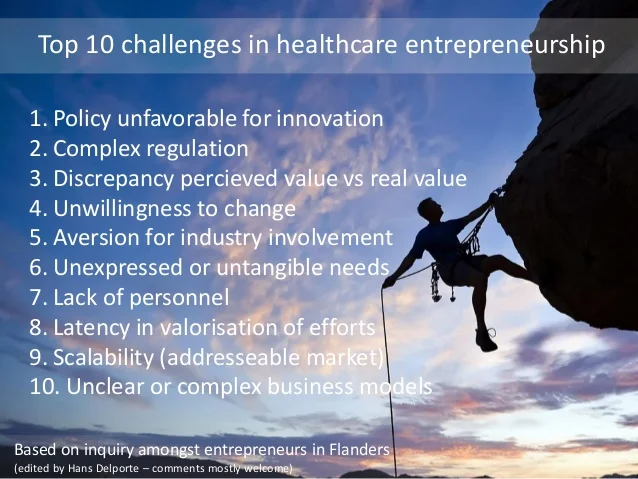
SPUR INNOVATION
The Dallas Morning News Reported that Healthcare Costs Per Capita in the Dallas-Fort Worth Metro Area are Higher than New York City, Houston, Miami, Chicago, Atlanta and Washington, D.C.
Posted on April 9, 2022 by Dr. David Edward Marcinko MBA MEd CMP™
MANAGEMENT STRATEGIES, TOOLS TEMPLATES AND CASE STUDIES
***
Reviews:
Hospitals and Health Care Organizationsis a must-read for any physician and other health care provider to understand the multiple, and increasingly complex, interlocking components of the U.S. health care delivery system, whether they are employed by a hospital system, or manage their own private practices.
The operational principles, methods, and examples in this book provide a framework applicable on both the large organizational and smaller private practice levels and will result in better patient care. Physicians today know they need to better understand business principles and this book by Dr. David E. Marcinko and Professor Hope Rachel Hetico provides an excellent framework and foundation to learn important principles all doctors need to know. ―Richard Berning, MD, Pediatric Cardiology
… Dr. David Edward Marcinko and Professor Hope Rachel Hetico bring their vast health care experience along with additional national experts to provide a health care model-based framework to allow health care professionals to utilize the checklists and templates to evaluate their own systems, recognize where the weak links in the system are, and, by applying the well-illustrated principles, improve the efficiency of the system without sacrificing quality patient care. … The health care delivery system is not an assembly line, but with persistence and time following the guidelines offered in this book, quality patient care can be delivered efficiently and affordably while maintaining the financial viability of institutions and practices. ―James Winston Phillips, MD, MBA, JD, LLM
I used to be an Associate Director in a state physician health program (PHP) and I served as a consultant when the state of North Carolina audited its PHP. Now, roughly twice a month I am contacted by a physician somewhere in the U.S. who is, effectively, being extorted.
How are they being extorted? These physicians are forced to either pay tens of thousands of dollars to for-profit evaluation/treatment centers or else lose their ability to practice medicine.
EDITOR’S NOTE: Colleague J. Wesley Boyd, M.D., Ph.D., is a professor of psychiatry and medical ethics at Baylor College of Medicine. He is also a lecturer on global health and social medicine at Harvard Medical School. He writes on issues of social justice, human rights, immigration and asylum, access to care, and substance use disorders. And, he is the author of the book, Almost Addicted, which won the Will Solemine Award for Excellence in Medical Writing from the New England American Medical Writer’s Association. Dr. Boyd also contributed to our major textbook on Risk Management, Liability Insurance and Asset Protection Strategies for Doctors and Advisors. We appreciate his work and contributions.
Posted on March 31, 2022 by Dr. David Edward Marcinko MBA MEd CMP™
***
A basic understanding of hospital finance is crucial as leaders continue to create policy that shapes healthcare financing. This updated 30,000-foot view of hospital finance is intended to shed some light on the complex system.
Posted on March 30, 2022 by Dr. David Edward Marcinko MBA MEd CMP™
By Staff Reporters
To all our valued physicians readers and subscribers
***
You have always been the shield defending and healing patients in our communities. Now more than ever, you have become a guiding light through uncertainty as we navigate toward a brighter future.
This is our chance to thank you for your hard work and incredible impact!
Posted on March 28, 2022 by Dr. David Edward Marcinko MBA MEd CMP™
BY HEALTH CAPITAL CONSULTANTS, LLC.
DEFINITION: The False Claims Act, also called the “Lincoln Law”, is an American federal law that imposes liability on persons and companies who defraud governmental programs. It is the federal Government’s primary litigation tool in combating fraud against the Government. The law includes a provision that allows people who are not affiliated with the government, called “relators” under the law, to file actions on behalf of the government. Persons filing under the Act stand to receive a portion of any recovered damages.
On February 1, 2022, the U.S. Department of Justice (DOJ) announced their recovery of $5.6 billion in settlements and judgments from civil cases involving fraud and false claims for fiscal year (FY) 2021. Over $5 billion was recouped from the healthcare industry for federal losses alone, and included recoveries from drug and medical device manufacturers, managed care providers, hospitals, pharmacies, hospice organizations, laboratories, and physicians.
***
This figure is more than double the amount of healthcare-related recoveries secured in FY 2020, which totaled $1.8 billion. (Read more…)
Posted on March 27, 2022 by Dr. David Edward Marcinko MBA MEd CMP™
****
There are a zillion digital health companies on the market, each praising their own solution/product as they can. It is up to the market to decide if these are any good. But how would patients, hospital systems, clinics or even investors decide on their added value? With the help of experts.
It is the 4th time we collect The TOP100 Digital Health Companies. A curated list of the best companies of the thousands we encounter while doing our work at The Medical Futurist. Of them, we chose a hundred that represent the following key values: mindset for innovation, truly disruptive technology, viable business model and a clear dedication to digital health.
Take care, Berci Bertalan Meskó, MD The Medical Futurist
Posted on March 26, 2022 by Dr. David Edward Marcinko MBA MEd CMP™
By Eric Bricker MD
Their 8 Point Strategy Included: 1) CDHP, 2) Centers-of-Excellence, 3) Narrow Network, 4) Rx Formulary Changes, 5) Spousal Surcharge, 6) COBRA Members to the Exchange, 7) 2nd Opinion Program … AND 8) Moved Health Plan Control from HR to a Chief Medical Officer AND Kept a Short Leash on their ASO Carrier.
Posted on March 25, 2022 by Dr. David Edward Marcinko MBA MEd CMP™
By Staff Reporters
***
***
• General internal medicine: 4370 (4% of this workforce) • Family medicine: 3624 (3% of this workforce) • General pediatrics: 1320 (2% of this workforce) • Obstetrics/gynecology: 1563 (4% of this workforce) • Geriatrics: 149 (3% of this workforce) • Preventive medicine: 93 (2% of this workforce)
Posted on March 21, 2022 by Dr. David Edward Marcinko MBA MEd CMP™
By Staff Reporters
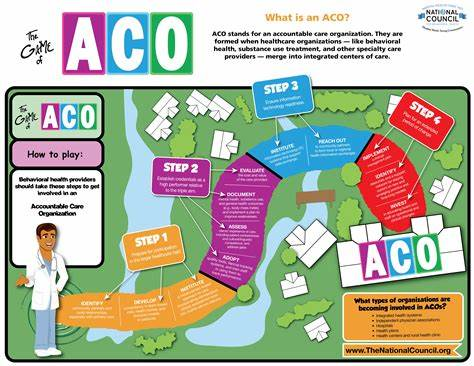
DEFINITION: An accountable care organization (ACO) is a group of doctors, hospitals, and other health care providers that work together on your care. Their goal is to give you — and other people on Medicare — better, more coordinated treatment. The largest effort in payment innovation in Medicare is a portfolio of accountable care organization (ACO) programs that include the Medicare Shared Savings Program (MSSP), the Next Generation model, and Comprehensive End Stage Renal Disease model. But drawbacks include limited choice as some patients will have trouble finding doctors outside of a specific group. The shortage of options could lead to higher patient costs. And, referral restrictions as ACOs provide doctors incentives to refer to specialists within the group.
In a recent survey from AKASA healthcare finance leaders ranked the biggest challenges in recruiting and retention within the revenue cycle as healthcare organizations navigate significant staffing gaps across the board.
Posted on March 19, 2022 by Dr. David Edward Marcinko MBA MEd CMP™
ARE WE SURPRISED?
By Staff Reporters
***
***
Hospital Employment Declined 2.5% in 2020-Q2
• Health care employment levels declined from 22.2 million in 2019 to 21.1 million in 2020 • Health care employment levels rebounded to 21.8 million in 2021-Q2 • Dentist offices employment declined 10% in 2020-Q2 • Skilled nursing facility employment declined 8.4% in 2020-Q2 • Hospital employment declined 2.5% in 2020-Q2
Posted on March 17, 2022 by Dr. David Edward Marcinko MBA MEd CMP™
***
Advancing the Science of Medicine with a Priceless, No Cost Option
Everything we know about the human body comes from studying whole body donors. At MedCure, they connect you or your loved ones to the physicians, surgeons, and researchers who are continuing this vital work. Their discoveries and innovations help people live longer, make treatments less invasive, and create new ways to prevent illness or disease.
They are constantly overwhelmed by the incredible generosity and selflessness of donors. MedCure honors their gifts by covering, upon acceptance, all expenses related to the donation process. These costs include transportation from the place of passing, cremation, and a certified copy of the death certificate, as well as the return of cremated remains to the family or a scattering of the ashes at sea. By request, they can provide a family letter that shares more detailed information on how you or your loved one contributed to medical science.
Posted on March 16, 2022 by Dr. David Edward Marcinko MBA MEd CMP™
By Staff Reporters
****
The IRS considers taxpayers married if they are legally married under state law, live together in a state-recognized common-law marriage, or are separated but have no separation maintenance or final divorce decree as of the end of the tax year.
Of the 150.3 million tax returns filed in 2016, the latest year for which the IRS has published statistics, 3.07 million belonged to twosomes who filed separately.
These partners reported individual income and expenses on individual tax returns.
By filing separately, their similar incomes, miscellaneous deductions or medical expenses likely helped them save taxes.
***
Filing separately with similar incomes
A couple may pay the IRS less by filing separately when both physician spouses work and earn about the same amount.
When they compare the tax due amount under both joint and separate filing statuses, they may discover that combining their earnings puts them into a higher tax bracket.
Their savings depends on a variety of other factors, however, including their investment situation and whether they have children.
The “married filing separately” status cuts the deductions for IRA contributions and eliminates certain tax credits, among other tax breaks.
Using miscellaneous deductions by filing separately (for tax years prior to 2018)
Miscellaneous deductions can lower taxable income, but in order to enter them on Schedule A, they must add up to more than 2% of adjusted gross income (AGI).
Physician or other spouses with union dues, job-search costs, tax-preparation fees and un-reimbursed business expenses may find their miscellaneous deductions don’t qualify when their higher combined income raises their AGI.
A spouse who travel frequently for business could rack up a sizable tally in airline fees for baggage and itinerary changes that makes the miscellaneous deduction worth pursuing.
Beginning in 2018, these types of miscellaneous expenses are no longer deductible.
Filing separately to save with unforeseen expenses
Unless out-of-pocket medical expenses exceed 7.5% of AGI for 2021, they don’t qualify as a deduction.
Casualty losses must also total more than 10% of AGI and occur in a federally declared disaster area.
The spouse with the loss or substantial medical outlay calculates deductibility against his or her own lower AGI when the couple files separate returns. When one spouse can lower taxable income this way, married filing separately might trim a couple’s overall tax burden.
Filing separately to guard the future
When you don’t want to be liable for your partner’s tax bill, choosing the married-filing-separately status offers financial protection: the IRS won’t apply your refund to your spouse’s balance due. Separate returns make sense to prevent the IRS from seizing a spouse’s tax refund when the other has fallen behind on child support payments.
Couples in the process of divorcing may shun joint returns to avoid post-divorce complications with the IRS, while a spouse who questions her partner’s tax ethics may feel more comfortable living a separate tax life.
Couples living in community-property states should consider state law when deciding how to file.
Posted on March 16, 2022 by Dr. David Edward Marcinko MBA MEd CMP™
Our broken healthcare supply chain – what can be done
By Dr. Marion Mass MD
Dr. Marion Mass graduated from Medical School at Duke University. She completed internship and residency at Northwestern University’s Robert Lurie Children’s Hospital in Chicago. Dr. Mass has worked in the Philadelphia area as a pediatrician for 21 years.
Posted on March 15, 2022 by Dr. David Edward Marcinko MBA MEd CMP™
By Staff Reporters
****
54% of Pharmacists Lack Time to Complete Their Job Effectively
According to the “2022 Medication Access Report“:
• 54% of pharmacists said they lack time to complete their job effectively. • Of the 54%, 81% cited inadequate staffing and 73% cited time-consuming administrative tasks. • Physicians felt strained by unprecedented demands, with 42% reporting burnout and 69% feeling depressed.
A study conducted by the RAND Corporation and published in the January 2022 issue of the Journal of the American Medical Association (JAMA) seeking to determine whether health systems primarily incentivize volume or value in their physician compensation models found that almost all physicians are still compensated through a volume-based model that rewards productivity over the value of care provided.
These study results are in direct contradiction to the longstanding narrative that the U.S. healthcare delivery system is shifting away from volume-based reimbursement and toward VBR. (Read more…)
Beginning in 2022, there will be few situations in which a patient can receive a bill for out-of-network care they believed would be covered by their insurance company. This new rule should especially benefit patients in emergency situations who don’t have the time or luxury to dig up the details on every provider they encounter.
The No Surprises Act also requires insurance companies to provide patients with at least 90 days of coverage if an in-network provider moves out of network. That way, patients aren’t forced to switch providers immediately if such a move happens while they’re in the middle of a treatment plan.
Now, the No Surprises Act does have its limitations. Patients can still get a bill for out-of-network care if they visit an urgent care clinic for non-emergency purposes. Also, if consumers are informed that the care they’re about to receive is out of network and they give written consent to move forward, then they may get billed for that care even once the new rule takes effect.
Posted on March 11, 2022 by Dr. David Edward Marcinko MBA MEd CMP™
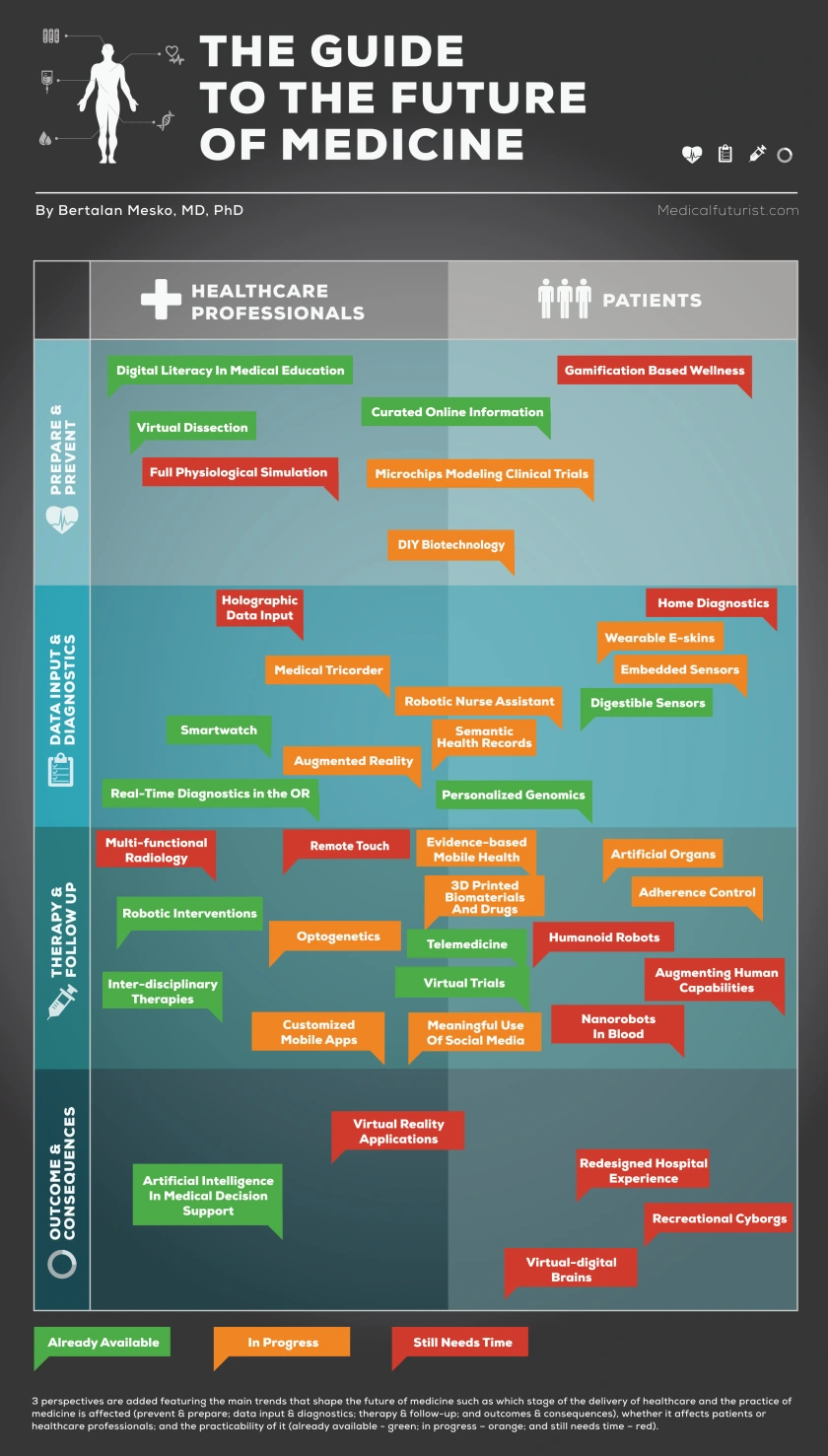
The Medical Futurist
By Dr. Bertalan Meskó MD PhD
***
I’m so happy and proud that I can finally share with you the biggest project The Medical Futurist has ever worked on: The Digital Health Course.
Today, we publicly launch the digital platform where you can learn about everything we and I personally find important about digital health. I mean EVERYTHING!
In this course I break down everything I’ve learned over the last 15 years about the future of healthcare and digital health, what changes are taking place now and over the next 5+ years, what impact they’ll have on you as a healthcare decision-maker, and exactly what you should be doing today to best position yourself or your company for this inevitable reality.
We designed this course to provide you with a complete overview of digital health, guide you through the technological aspects, and equip you to be able to predict and forecast what’s coming next.
From the basics and its definition, to why it’s a cultural transformation that is happening now, how it is a paradigm shift of care, how you can spot trends in it and forecast the near future.
***
***
As I guide you personally through the course, I have put my heart, brain and soul into the whole curriculum.
If you’ve browsed the internet in the last couple of months, the term ‘metaverse’ is likely to have been thrown at you at least once. Facebook rebranded itself after the concept and other companies are adopting the metaverse with their own spin; betting heavily that it will be the next iteration of the internet where we will work and play alike.
It was time to dive into what the metaverse could mean to delivering healthcare.
While the Great Resignation among physicians and other clinicians has been well reported, a potential onslaught of retirements by senior executives may further impact hospitals and health systems at an already precarious time.
This Health Capital Topics article will discuss some of the key challenges and issues surrounding healthcare’s Great Retirement and Great Resignation. (Read more…)
When trying to decide whether to buy a used car or a new one, it’s typically financially wiser to buy used. But if you want to buy new, you should plan to drive the car for 10 years or more.
Better yet – do not buy a new vehicle.
***
The 20/4/10 rule for buying a vehicle
If you have to borrow when buying a car, to avoid spending more than you can afford you should put down at least 20%, keep the loan limited to no more than four years (to avoid interest), and spend no more than 10% of your gross income on transportation costs (which includes the car payment, parking, gas, and insurance).
Posted on March 1, 2022 by Dr. David Edward Marcinko MBA MEd CMP™
***
Dr. Eric Bricker Explains How Medicare Can Take Money Back from Hospitals if itWants. If the Hospital Thinks Medicare is Being Unfair, the Appeals Process Takes 3 Years!
Posted on February 23, 2022 by Dr. David Edward Marcinko MBA MEd CMP™
***
By Staff Reporters
***
***
A recent American College of Healthcare Executives’ survey of 310 hospital CEOs shows:
• 94% have personnel shortages in registered nursing field • 85% have personnel shortages in technicians field • 67% have personnel shortages in therapists field • 45% have personnel shortages in primary care physicians field • 43% have personnel shortages in physician specialists field • 31% have personnel shortages in physician extenders and specially certified nurses field
Paul Edward Farmer (October 26, 1959 – February 21, 2022) was an American medical anthropologist and physician. Farmer held an MD and PhD from Harvard University, where he was the Kolokotrones University Professor and the chair of the Department of Global Health and Social Medicine at Harvard Medical School. He was the co-founder and chief strategist of Partners In Health (PIH), an international non-profit organization that since 1987 has provided direct health care services and undertaken research and advocacy activities on behalf of those who are sick and living in poverty. He was professor of medicine and chief of the Division of Global Health Equity at Brigham and Women’s Hospital.
Dr. Farmer had written extensively on health and human rights, the role of social inequalities in the distribution and outcome of infectious diseases, and global health.
The Physician Executive Summary is always included at the beginning of a formal business plan and represents a brief synopsis of the medical prarctice entire plan. Its appearance, grammar and style should be sharp and crisp as it represents an enticement for the reader to maintain interest and contribute intelligent or economic input into the new venture.
It should contain information about the practice, advertising and marketing opportunities, physician management, proposed financing with four Pro Forma financial statements, business operations and exit strategy. This last point, while unpleasant is often overlooked by naive practitioners. Business experts however, look favorably upon an escape plan and view it as the mark of mature professional that realizes the possibility of success as well as failure.
****
***
Ultimately, the plan must explain to potential investors how you will make the practice profitable and produce the required Return on Investment (ROI) for them. It must describe medical services, patient acceptance and benefits, provider qualifications and accomplishments, the amount of capital required, market size, potential practice growth rate, and market niche.
Additional information may include office location, proximity to labor, transportation, license requirements, business entity status, proprietary technology and potential working agreements with various insurance, managed care, ACA and HMO plans. If all of the above seems bewildering to the uninitiated, you are correct.
Remember however, that if you do not have, or can’t borrow the funds to begin a private practice, you will just have to become an employed practitioner until you can. It is therefore imperative to start off on the right foot, with a sound business plan, as you begin your medical career.
The International Franchise Association (IFA) estimates that that about $1 trillion in sales, or 40% of all retail sales, were made through franchised establishment last year. On the positive side, franchises offer a branded practice concept with management training and access to proprietary methods, marketing and advertising campaigns and a host of support.
Moreover, there are franchises available for virtually every healthcare product or service, including: diet, weight loss and fitness; vein care and laser surgery; vitamins, nutriceuticals and pharmaceuticals; plastic and cosmetic surgery; dermatology, tanning and skin care; home healthcare and extended, etc. Some well know established healthcare and medical franchises are: Doctors Express, Being There Senior Care, Home Care Assistance, Personal Training Institute, Inches-A-Weigh, Remedy Intelligent Staffing, Visiting Angels, Unlimited MedSearch, prnYourHealth and Any Lab Test Now, etc.
On the downside, franchises incur high start-up costs, rules and obligations, payment of franchise percentages and many contractual obligations. Questions to consider when contemplating this business entity include:
Franchise stability, track record, licensing and costs.
Training, support and proximity of other franchises.
Independence, ownership laws, contracts and dispute resolutions,
Screening methods, market size and potential market share.
Replacement cost and transferability?
For more information on Uniform Franchise Offerings Circulars (UFOCs) contact www.FranChoice.com or:
Posted on February 4, 2022 by Dr. David Edward Marcinko MBA MEd CMP™
By Staff Reporters
***
***
A recent Johns Hopkins analysis of 676 U.S. health systems found that these 4 health systems contributed to healthcare overuse the most:
• St. Dominic Health Services in Jackson, Mississippi • USMD Health System in Irving, Texas • Community Medical Centers in Clovis, California • Care New England Health System in Providence, Rhode Island
Posted on February 3, 2022 by Dr. David Edward Marcinko MBA MEd CMP™
Decentralized Autonomous Organizations in Health Care?
By Staff Reporters
****
DEFINITION: A decentralized autonomous organization (DAO), sometimes called a decentralized autonomous corporation (DAC), is an organization represented by rules encoded as a computer program that is transparent, controlled by the organization members and not influenced by a central government. A DAO’s financial transaction record and program rules are maintained on a blockchain.
Whether you do contract work or have your own small business, tax deductions for the self-employed physician consultant and/or medical executive or nurse consultant, etc., can add up to substantial tax savings.
With self-employment comes freedom, responsibility, and a lot of expense. While most self-employed people celebrate the first two, they cringe at the latter, especially at tax time. They might not be aware of some of the tax write-offs to which they are entitled.
When it comes time to file your returns, don’t hesitate to claim the benefits you get for being the boss. As a self-employed success story, you’ve earned them.
FORM 1099NEC: Form 1099 NEC is one of several IRS tax forms used in the United States to prepare and file an information return to report various types of income other than wages, salaries, and tips. The term information return is used in contrast to the term tax return although the latter term is sometimes used colloquially to describe both kinds of returns.
“Many times an overlooked deduction is educational expenses. If one is taking courses or buying research material to be more effective in their work, this can be deductible.”
Individual Retirement Plans (IRAs)
One of the best tax write-offs for the self-employed physician consultant is a retirement plan. A person with no employees can set up an individual 401 (k). “You can contribute $19,500 in 2021 as a 401(k) deferral, plus 25 percent of net income.”
If you have employees, consider a SIMPLE (Savings Incentive Match Plan for Employees) IRA—an IRA-based plan that gives small employers a simplified method to make contributions to their employees’ retirement. As of 2021, an employee may defer up to $13,500 and employees over 50 may contribute an additional $3,000.
“A third retirement plan is Simplified Employee Pension IRA (SEP IRA).” The employer may contribute the lesser of 25 percent of income or $58,000 in 2021. If the employer has eligible employees, an equal percentage of their income must be contributed.
Recall that retirement plans are “absolutely the No. 1 tax deduction. The government is helping fund retirement.”
Business use of home or dwelling
Now, most self-employed taxpayers’ businesses start as home-based businesses. These people need to know portions of business costs are deductible and so “It is very important that you keep track of expenses relating to your housing costs.”
If your gross income from your business exceeds your total expenses, then you can deduct all of your expenses related to the business use of your home. If your gross income is less than your total expenses, your deduction will be limited to the difference between your gross income and the sum of all business expenses you would pay if the business was not in your home. Those expenses could include telephone lines, the Internet, and other costs to do business.
You must also have a home office that is truly used for work and the Internal Revenue Service may require you to document this.
***
Deducting automobile expenses
If you travel for business, even short distances within your own city, you may deduct the dollar value of business miles traveled on your tax return. The taxpayer may file the actual expense s/he incurred, or use the standard mileage rate prescribed by the IRS, which is 56 cents as of 2021. The IRS allowable mileage rates should be checked every year as they can change.
“If you decide to use actual car expenses, be sure to include payments, depreciation, registration, insurance, garage rent, licenses, repairs and maintenance, and parking and toll fees.” AND, “If you decide to use the standard mileage rate, it would be in your best interest to keep a log—daily, weekly or monthly—of miles driven to distinguish personal use from business use.”
Depreciation of property and equipment
Some self-employed people may purchase property and equipment for a business. If they expect that property to last longer than one year, it should be depreciated on the tax return.
Claims regarding property, according to the IRS, must meet the following criteria: You must own the property and it must be used or held to generate income. The property should have an estimated useful life, meaning you should be able to guess how long you can generate income with it. It may not have a useful life of one year or less, and may not be purchased and disposed of in the same year.
Certain repairs on property used for business may also be deducted.
Educational expenses
Any educational expense is potentially tax-deductible.
“Many times an overlooked deduction is educational expenses. “If one is taking courses or buying research material to be more effective in their work, this can be deductible.”
Think about any books, web courses, local college courses, or other classes or materials that you have purchased to improve your job or business. It’s easy to forget a work-related webinar or business e-book that was purchased online, so remember to save e-receipts.
Also recall that subscriptions to trade or professional publications and donations to business organizations, both of which are frequently necessary for the continuation and growth of your business.
Other areas to explore
Other deductions that can be easily missed are advertising and promotional expenses, banking fees, and air, bus, or train fare. Restaurant meals and other entertainment costs may be written off as long as they are necessary business expenses.
And, consider health insurance premiums, which in most cases represent a credit rather than a tax deduction. “A credit goes directly against one’s taxes, rather than a reduction of income.”
Regardless of which expenses you discover that you may write off, the most important thing is to keep accurate records throughout the year. Save receipts, including e-mail receipts, and file or log them so you have easy access to them at tax time. Not only does keeping receipts, mileage logs, and other expense records make filing taxes easier, but it also facilitates a system that allows you to track changes from year to year.
***
Long-term tax-saving strategies
Don’t just look at last-minute write-offs when considering self-employment tax deductions. Think about laying down some long-term strategies for money savings from year to year—particularly if you are a high earner.
“Accountants typically tell you what you have to pay but they don’t always tell you strategies to reduce your payments.”
To reduce your gross taxable income, consider setting up a defined-benefit pension plan. This plan is based on your age and income: The older you are and the higher your earnings, the more you are allowed to contribute. An alternative plan is an age-weighted profit-sharing plan, which is similar and can benefit those who have several employees.
Another strategy for high-earning business owners who own their own building through a limited liability company or similar business structure is to pay themselves rent. This rent is used to pay down the mortgage, but it is also considered a business expense for tax purposes.
Self-employed professionals required to have liability insurance should consider setting up their own insurance company. A captive insurance company is one that insures the risks of the business—or businesses, in the case of a cooperative. Its premiums can be tax-deductible.
But, if money accumulates and claims are minimal, the money taken out is taxable under capital gains. This is not a retirement strategy, but that it can save you money by allowing you to “pay yourself” instead of an insurance company and still deduct the premiums.
Assessment
With any of these more complicated, long-term strategies, consult with a business attorney, CPA/EA or financial planner to ensure you have the best plan possible for your business.
Posted on January 23, 2022 by Dr. David Edward Marcinko MBA MEd CMP™
By Staff Reporters
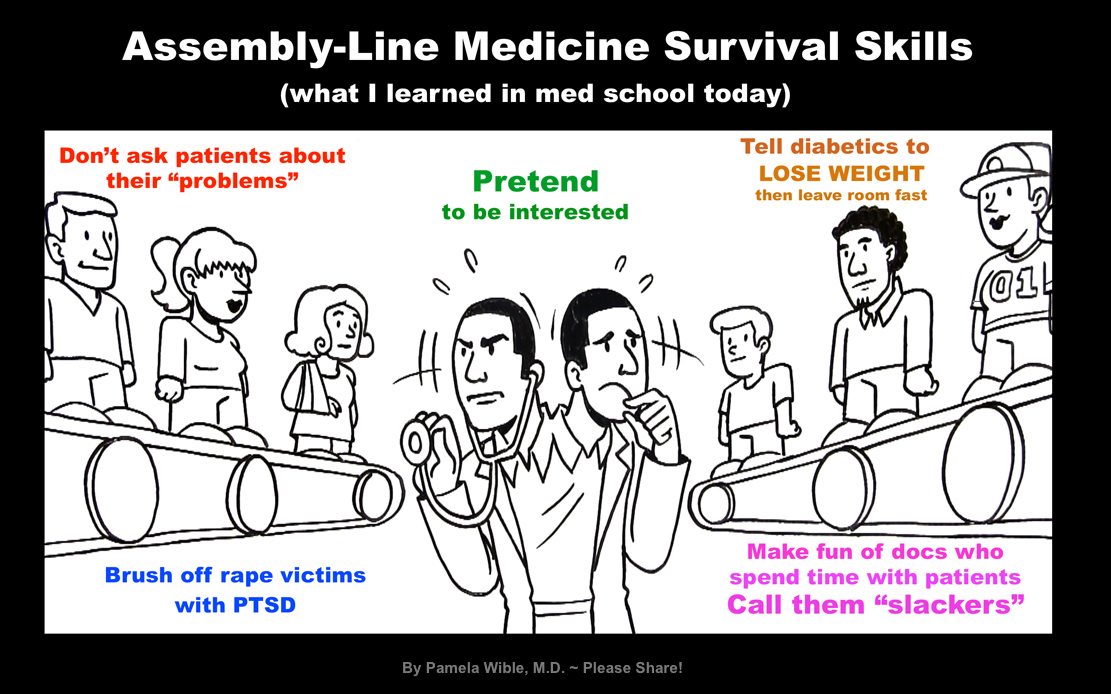
Medical education in the U.S. and Canada has changed considerably in the last several decades.
***
According to the AMA, the major changes are the following:
Reducing medical school programs leading to the medical degree to three years. Since graduate medical education (i.e., residency) is many years in duration and includes virtually all the information, that would be part of the typical fourth year..
Introducing clinical medicine early in the curriculum.
Including medical information and activities into the basic science component of the curriculum.
De-emphasizing inactive learning by markedly reducing the number of lectures and employing problem-based learning (PBL) which typically takes place in small groups (e.g., 6-8 students led by a single faculty member).
Employing objective structured clinical examinations (OSCE) in which students are asked to solve a problem in which they are faced with a simulated patient and are asked to solve a clinical problem. Students are evaluated as to how well they communicate/interact with patients, take a medical history, arrive at a clinical diagnosis, and come up with a treatment plan. The simulated patients are trained to act as if they were actual patients. The OSCE includes individual students interacting with a single patient, emulating a real patient-doctor interaction. How well the student performs is evaluated by a faculty member observing the activity via video and by the simulated patient who evaluates the student doctor for such activities as his/her communication skills.







 Support our online development, and advance our onground research initiatives in free market economics, as we seek to showcase the brightest Next-Gen minds.
THE ME-P DISCLAIMER: Posts, comments and opinions do not necessarily represent iMBA, Inc., but become our property after submission. Copyright © 2006 to-date. iMBA, Inc allows colleges, universities, medical and financial professionals and related clinics, hospitals and non-profit healthcare organizations to distribute our proprietary essays, photos, videos, audios and other documents; etc. However, please review copyright and usage information for each individual asset before submission to us, and/or placement on your publication or web site. Attestation references, citations and/or back-links are required. All other assets are property of the individual copyright holder.
Support our online development, and advance our onground research initiatives in free market economics, as we seek to showcase the brightest Next-Gen minds.
THE ME-P DISCLAIMER: Posts, comments and opinions do not necessarily represent iMBA, Inc., but become our property after submission. Copyright © 2006 to-date. iMBA, Inc allows colleges, universities, medical and financial professionals and related clinics, hospitals and non-profit healthcare organizations to distribute our proprietary essays, photos, videos, audios and other documents; etc. However, please review copyright and usage information for each individual asset before submission to us, and/or placement on your publication or web site. Attestation references, citations and/or back-links are required. All other assets are property of the individual copyright holder.

















































 The Leading Business Education Network for Doctors, Financial Advisors and Health Industry Consultants