CITYBLOCK Health Raises $400 Million Dollars

By Heather Landi

***

Cityblock Health has raised $400 million in its latest funding round. This brings the value of the startup to a whopping $5.7 billion. The company focuses on delivering care to patients in marginalized groups, aiming to provide care for 10 million patients by the end of the decade. Two key parts of the company’s strategy is integrating community support into care plans and connecting members with resources and specialized providers.

According to a spokesperson for Cityblock Health, “We can confirm that Cityblock has raised a new round of capital as we continue to accelerate our plans to empower more people across the country more quickly. Millions of marginalized and lower-income people across the U.S., including those who receive their healthcare through Medicaid plans, continue to lack sufficient access to integrated, community-based health services. We are leveraging this investment to reach more people and have an even greater impact.”

To read more, click here.

(Source: Fierce Healthcare, September 7th, 2022)

***
COMMENTS APPRECIATED

Thank You

***

INVESTING: https://www.routledge.com/Comprehensive-Financial-Planning-Strategies-for-Doctors-and-Advisors-Best/Marcinko-Hetico/p/book/9781482240283

***

More About the End of AMAZON CARE!

By Health Capital Consultants, LLC

***

***

The End of Amazon Care: A Setback in Amazon’s Healthcare Experiment?

On August 24, 2022, Amazon announced its plans to shut down Amazon Care at the end of 2022. The e-commerce giant determined that Amazon Care, a medical care service it uses internally and sells to employer health plans, was not the “right long-term solution for [Amazon’s] enterprise customers” because it is not a “complete enough offering for the large enterprise customers [Amazon has] been targeting.”

This Health Capital Topics article will discuss the history of Amazon Care and what this move may mean for Amazon’s larger healthcare efforts. (Read more…)

***

COMMENTS APPRECIATED

Thank You

***

RELATED: https://thehealthcareblog.com/blog/2022/08/29/amazons-coitus-interruptus-in-or-out/

MORE: https://www.amazon.com/Financial-Management-Strategies-Healthcare-Organizations/dp/1466558733/ref=sr_1_3?ie=UTF8&qid=1380743521&sr=8-3&keywords=david+marcinko

***

Inflation and Crypto-Currency

***

***

By Staff Reporters

***

The inflation-proof nature of cryptocurrency works in the same way as stocks– inflation will cause prices to increase so companies can charge more for their goods which means people are willing to pay.

However, since cryptocurrencies are fairly new and not backed by anything at this point it’s better if they make up a small portion of your portfolio instead of trying to go all in with one coin unless you have enough money lying around where losing some won’t hurt too much.

A lot of corporate investment portfolios have started to include crypto because let’s face it, inflation matters.

***

COMMENTS APPRECIATED

Thank You

RELATED: https://www.routledge.com/Comprehensive-Financial-Planning-Strategies-for-Doctors-and-Advisors-Best/Marcinko-Hetico/p/book/9781482240283

***

HOME VALUES: Appraised vs. Assessed vs. Fair Market Value

KNOW THE THE DIFFERENCE

By Staff Reporters

***

As doctors, nurses and medical professionals try to get an idea of what their home is worth, please go into the process with the knowledge that the concept of “value” can carry a different definition depending on who’s assigning it.

***

Home Value Estimator | What Is Your House Worth?

For example:

  • Appraised value – The appraised value of your home is the number assigned to it by a professional appraiser. This value is especially important when a home buyer is getting a mortgage. The lender will typically require a professional appraisal to verify that the borrower hasn’t agreed to an unrealistic valuation.
  • Assessed value – The assessed value of your home is the figure assigned to it by the county where it’s located for property tax purposes. While an appraisal involves someone inspecting the interior and exterior of your home, assessments are often conducted in a mass approach by using pricing trends.
  • Fair market value – The fair market value of your home doesn’t involve a professional. Instead, it involves other people just like you who might be willing to pay more because they love a home or a certain neighborhood. So, for example, an appraised value might be $300,000, but a recent surge in buying activity and limited supply might motivate a buyer to go above that price. On the flip side, keep in mind that those buyers might be willing to pay less than what you believe it’s worth, too.
  • CITE: https://www.r2library.com/Resource/Title/082610254

***

MORTGAGES: https://medicalexecutivepost.com/2022/01/23/manual-mortgage-underwriting-what-is-it-really/

RENT v. BUY: https://medicalexecutivepost.com/2017/03/14/the-apartment-rent-vs-home-buy-decision/

MORTGAGE CALCULATOR: https://www.msn.com/en-us/money/personalfinance/use-this-calculator-to-find-out-how-much-house-you-really-can-afford/ar-AATkoSK?li=BBnb7Kz

***

COMMENTS APPRECIATED

Thank You

Subscribe to the Medical Executive-Post

MORE: https://www.amazon.com/Comprehensive-Financial-Planning-Strategies-Advisors/dp/1482240289/ref=sr_1_1?ie=UTF8&qid=1418580820&sr=8-1&keywords=david+marcinko

***

UPDATE: Gold, Peer-2-Peer Payment, Pediatric Vax and the Lumber Markets

By Staff Reporters

***

***

The price of gold dropped below $1,800 an ounce and appears hyper-focused on the soaring U.S. Dollar Index, which rose to 107.15. Over the last five days, the index is up by more than two points, and has risen five points over the last 30 days.

The minimal reporting threshold for peer-to-peer payment platform transactions has decreased from $20,000 (or 200 transactions) to just $600 because of a provision in the American Rescue Plan Act of 2021. That means that businesses that use platforms like Venmo, Cash App, PayPal, and even storefronts like Etsy and eBay can expect to receive 1099-K forms for the 2022.

Children in the US are getting vaccinated at a lower rate than the rest of the nation, with only 300,000 kids under five receiving the vaccine since it became available two weeks ago. Health officials say this was expected since most parents want to get their kids vaccinated at a doctor’s office.

Finally, lumber markets were a harbinger of economic shifts during the pandemic and today’s slumping prices could be just as prescient. Lumber prices hit a record $1,607 per thousand board feet in May 2021, due to soaring demand for new homes, a boom in DIY home renovation activities, and production and supply chain issues stemming from the pandemic. Twelve months later, lumber prices collapsed to $648, a more than 50% decrease from $1,464 in March. 

***

COMMENTS APPRECIATED

Thank You

***

***

What Really is a STABLECOIN?

Types with Guide

By Staff Reporters

***

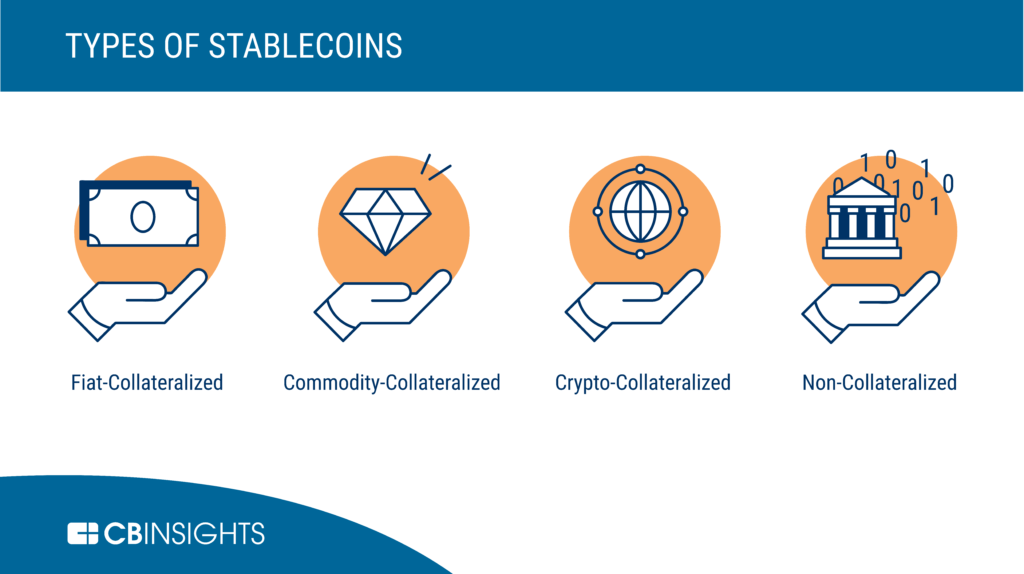
According to Investopedia, a stablecoin is a class of cryptocurrencies that attempt to offer price stability and are backed by a reserve asset. Stablecoins have gained traction as they attempt to offer the best of both worlds—the instant processing and security or privacy of payments of cryptocurrencies, and the volatility-free stable valuations of fiat currencies.

***

***

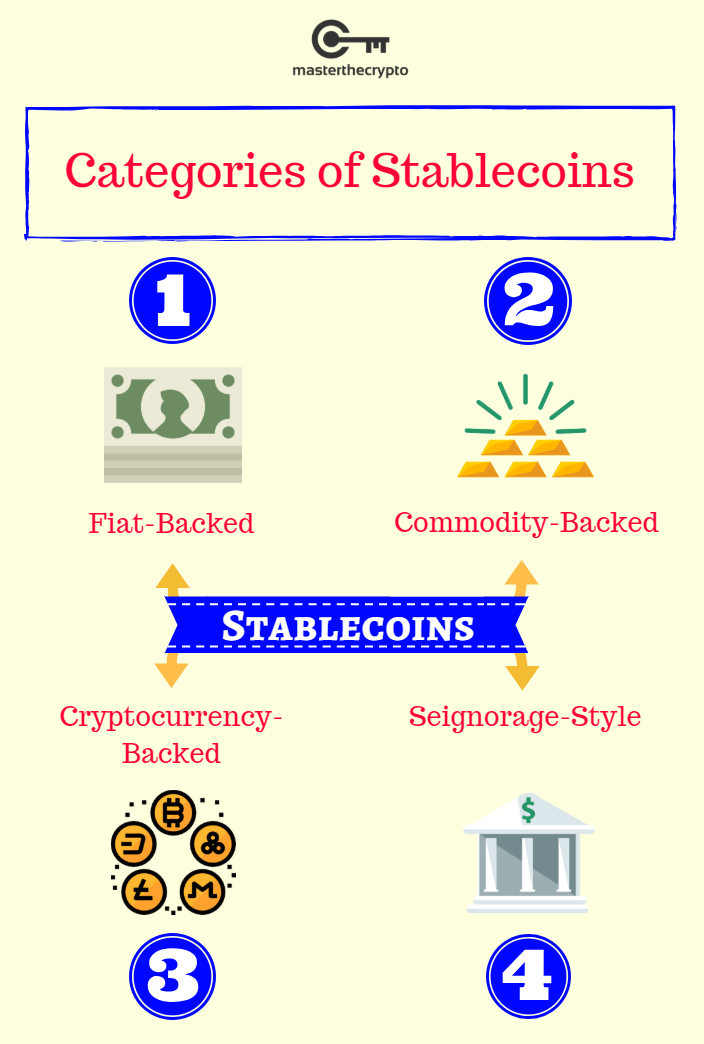
Stablecoins are cryptocurrencies where the price is designed to be pegged to a cryptocurrency, fiat money, or to exchange-traded commodities (such as precious metals or industrial metals).

CITE: https://www.r2library.com/Resource/Title/082610254

***

Key Points

  • Stablecoins are cryptocurrencies that attempt to peg their market value to some external reference.
  • Stablecoins may be pegged to a currency like the U.S. dollar or to a commodity’s price such as gold.
  • Stablecoins achieve their price stability via collateralization (backing) or through algorithmic mechanisms of buying and selling the reference asset or its derivatives.

***

***

COMMENTS APPRECIATED

Thank You

***

***

UPDATE: The FOMC, Markets and Cinco deMayo

By Staff Reporters

***

***

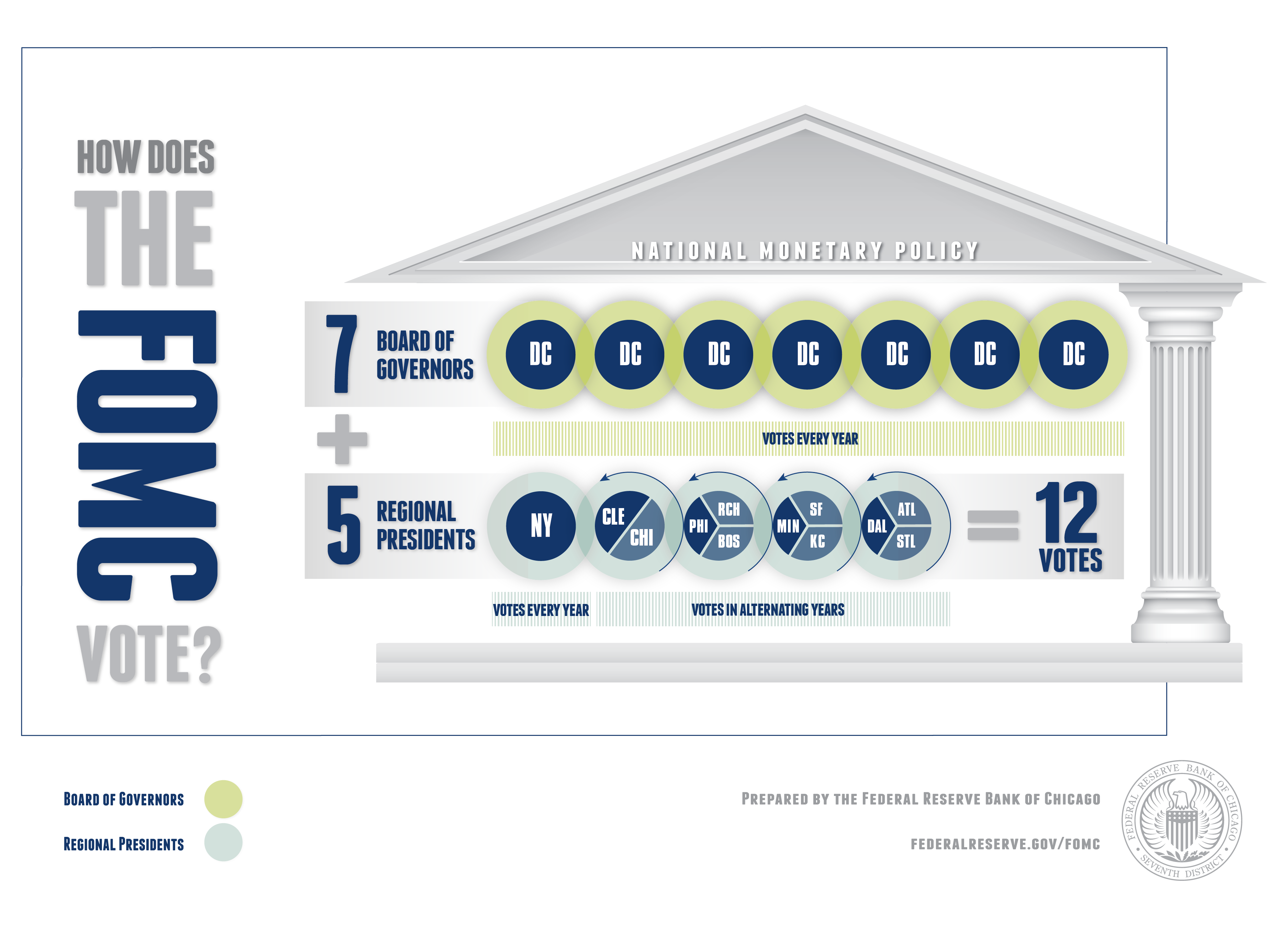
FOMC: The Federal Reserve approved a rare half-percentage-point interest rate increase and announced plans to shrink its $9 trillion asset portfolio starting next month in an effort to reduce inflation that is running at a four-decade high.

Markets: Stocks boomed after Fed Chair Jerome Powell spoke. Still, JPMorgan CEO Jamie Dimon pegged the probability of a recession at 33% and a “soft landing” (lower inflation, no recession) also at 33%.

And Lyft, the ride-hailing company lost nearly 30% of its value after its profit outlook came in below forecast. Uber tried to distance itself from its ailing rival, saying that it does not need to spend money recruiting drivers like Lyft does.

Cinco deMayo commemorates the defeat of French forces by the Mexican army at the Battle of Puebla in 1862, but its popularity jumped in the 1980s, when beer companies leveraged it in aggressive marketing campaigns. Now, Cinco de Mayo is a day for celebrating Mexican culture and, interestingly, it’s now more popular in the US than in Mexico.

***

COMMENTS APPRECIATED

Thank You

***

****

On Doctors Investing in Commercial Real Estate

Join Our Mailing List 

Want a good way to build wealth? Own commercial real estate -OR-not!

By Rick Kahler CFP® http://www.KahlerFinancial.com

Rick Kahler CFPReal estate is one of the largest asset classes in the world. The family home is the largest asset many middle-class Americans own. And real estate makes up a significant portion of the net worth of many wealth accumulators.

Direct Ownership

Directly owning real estate is not an investment for the faint of heart, the armchair investor, or the uneducated. Most wealth accumulators would do well to leave direct ownership of real estate to the pros and invest in real estate investment trusts (REITs) instead.

Some Guidelines

Still, the lure of investing in a tangible asset like real estate is enticing for high risk tolerant investors who need a sense of control and interaction with their investments. If you are among them, here are a few guidelines that may keep you on a profitable path.

1. Don’t attempt to purchase investment real estate without the help of a commercial real estate specialist who is a fiduciary bound to look out for your best interest. Engage a Certified Commercial Investment Member (CCIM) with years of training and experience in analyzing and acquiring investment real estate. To find a CCIM near you, go to http://www.ccim.com.

2. You will sign a disclosure agreement that will tell you who the Realtor represents. Be sure the Realtor you engage represents you and not the seller, both parties, or neither party.

3. Never trust the income and expense data provided by the seller’s Realtor. While a seller represented by a CCIM will have a greater chance of supplying you with accurate data, most will significantly understate expenses and overstate the capitalization rate. Selling Realtors often understate the average annual cost of repairs and maintenance. I estimate this annual expense at 10%.

4. Another often understated expense is management. Many owners manage their own properties, so the selling broker doesn’t include an estimate for management expenses. They should. Real estate doesn’t manage itself, ever. You will either need to hire professional management or do your own management (always a scary proposition). Even if you do it yourself, you have an opportunity cost of your time, so you must include a management fee in the expenses. Most small residential apartments and single-family homes will pay 10% of their rents to a manager.

5. You must verify all the costs presented to you by the seller’s Realtor. Demand copies of at least the last three and preferably five years of tax returns. Research utilities, property taxes, legal fees, insurance costs, repairs, maintenance costs, replacement reserves, tax preparation, and management fees. As a rule of thumb, expenses will average 40% of rental income on average-aged properties where the tenants pay all utilities except water. Newer properties may have expenses as low as 35%, while older properties can be as high as 50%.

6. By subtracting the vacancy rate and stabilized expenses from the rent, you will find the net operating income. This is the income you will put in your pocket—assuming the property is paid for. By dividing the net operating income by the purchase price, you will find the return you will receive on your investment, called the capitalization or “cap” rate. In Rapid City, for example, the cap rate tends to be 4% for single-family homes, 5% to 8% for duplexes to eight-plexes, and 8% to 12% for larger residential and commercial properties.

Home for Sale

Assessment

Yes, Physician-investors and all of us can build wealth with real estate. You just need to educate yourself, work hard, start conservatively, think long-term, and be prepared for lean years. This is not a quick or easy path to riches.

More:

Conclusion

Your thoughts and comments on this ME-P are appreciated. Feel free to review our top-left column, and top-right sidebar materials, links, URLs and related websites, too. Then, subscribe to the ME-P. It is fast, free and secure.

Link: http://feeds.feedburner.com/HealthcareFinancialsthePostForcxos

Speaker: If you need a moderator or speaker for an upcoming event, Dr. David E. Marcinko; MBA – Publisher-in-Chief of the Medical Executive-Post – is available for seminar or speaking engagements. Contact: MarcinkoAdvisors@msn.com

OUR OTHER PRINT BOOKS AND RELATED INFORMATION SOURCES:

LEXICONS: http://www.springerpub.com/Search/marcinko
PHYSICIANS: www.MedicalBusinessAdvisors.com
PRACTICES: www.BusinessofMedicalPractice.com
HOSPITALS: http://www.crcpress.com/product/isbn/9781466558731
CLINICS: http://www.crcpress.com/product/isbn/9781439879900
ADVISORS: www.CertifiedMedicalPlanner.org
BLOG: www.MedicalExecutivePost.com

Product Details  Product Details

UPDATE: Domestic Stocks Fall Amid FOMC Comments

By Staff Reporters

***

***

US. stocks faltered and were dragged down by losses in tech, as investors weighed remarks by Federal Reserve [FOMC] Governor Lael Brainard that indicated policymakers were ready to act more aggressively to rein in inflation. Investors also monitored reports indicating the U.S. and European Union are expected to unveil more sanctions against Russia on Wednesday.

The S&P 500 tumbled 1.3%, and the Dow Jones Industrial Average shed 280 points after climbing for two straight trading sessions. The NASDAQ Composite plunged 2.3% to log its biggest drop in three weeks and erase gains from a tech rally that helped the index pop on Monday. Meanwhile, the 10-year U.S. Treasury yield jumped to 2.56%, its highest level since May 2019.

CITE: https://www.r2library.com/Resource/Title/082610254

Brainard, who is awaiting a confirmation vote to serve in the central bank’s number two role, said at a conference on Tuesday that the Fed can raise interest rates more aggressively to dampen the high rate of inflation felt by Americans, also noting that officials will likely start shrinking asset holdings in a about a month (a move that could have the effect of further raising long-term interest rates).

“Currently, inflation is much too high and is subject to upside risks,” Brainard said. “The Committee is prepared to take stronger action if indicators of inflation and inflation expectations indicate that such action is warranted.”

***

COMMENTS APPRECIATED

Thank You

Subscribe to the Medical Executive-Post

***

***

UPDATE: Crypto Advertisements on Super Bowl Sunday 2022

The Crypto Bowl and the Dot Com Bowl?

By Staff Reporters

***

CRYPTO CURRENCY: Tonight, about 117 million people will watch celebrities pitch cryptocurrency on the Super Bowl. In what’s being dubbed the “Crypto Bowl,” a batch of crypto exchanges including FTX, Coinbase, and Crypto.com, will air Super Bowl commercials at a cost of up to $7 million per 30-second spot. The game is even being held at a stadium named after SoFi, a company that offers crypto trading.\

BEWARE: https://www.msn.com/en-us/news/us/meet-the-crocodile-of-wall-street-rapper-accused-of-laundering-billions-of-dollars-in-crypto/ar-AATNmv6?li=BBnb7Kz

This isn’t the first time startups from an emerging industry have used the Super Bowl to introduce themselves to a mass audience. Does anyone remember the 2000 Super Bowl between the Rams and the Titans? That was known as the “Dot-Com Bowl.” Startups that were part of the dot-com wave of the early internet bought nearly 20% of the total ad slots in what is considered the peak of that tech bubble.

CITE: https://www.r2library.com/Resource/Title/082610254

Well, that bubble burst. In fact, according to journalist Neal Freyman, of the 14 dot-com companies that purchased Super Bowl ads that year, four are still active, five were acquired, and five (including Pets.com, OnMoney.com, and Epidemic.com) are either defunct or their status is unclear.

***

COMMENTS APPRECIATED

Thank You

Subscribe to the Medical Executive-Post

***

***

***

FRANCHISE Healthcare Opportunities?

***

dave-2

BY DR. DAVID E. MARCINKO MBA CMP®

CMP logo

SPONSOR: http://www.CertifiedMedicalPlanner.org

Healthcare Business and Medical Franchises

The International Franchise Association (IFA) estimates that that about $1 trillion in sales, or 40% of all retail sales, were made through franchised establishment last year.  On the positive side, franchises offer a branded practice concept with management training and access to proprietary methods, marketing and advertising campaigns and a host of support.

Moreover, there are franchises available for virtually every healthcare product or service, including: diet, weight loss and fitness; vein care and laser surgery; vitamins, nutriceuticals and pharmaceuticals; plastic and cosmetic surgery; dermatology, tanning and skin care; home healthcare and extended, etc. Some well know established healthcare and medical franchises are:  Doctors Express, Being There Senior Care, Home Care Assistance, Personal Training Institute, Inches-A-Weigh, Remedy Intelligent Staffing, Visiting Angels, Unlimited MedSearch, prnYourHealth and Any Lab Test Now, etc.

On the downside, franchises incur high start-up costs, rules and obligations, payment of franchise percentages and many contractual obligations. Questions to consider when contemplating this business entity include:

  • Franchise stability, track record, licensing and costs.
  • Training, support and proximity of other franchises.
  • Independence, ownership laws, contracts and dispute resolutions,
  • Screening methods, market size and potential market share.
  • Replacement cost and transferability?

For more information on Uniform Franchise Offerings Circulars (UFOCs) contact www.FranChoice.com or:

Frandata

1130 Connecticut Avenue, NW

Washington DC 20036

202.659.8640

http://www.frandata.com

International Franchise Association

1350 New York Avenue, NW

Washington, DC 20005

202.628.800

http://www.franchise.org


Also visit:
www.aafd.org; www.franNet.com

INVITE DR. MARCINKO: https://medicalexecutivepost.com/dr-david-marcinkos-

***
YOUR COMMENTS ARE APPRECIATED.

***

Thank You

***

PODCASTS: What is a STABLECOIN?

HEDGE AGAINST INFLATION

By Dr. David E. Marcinko MBA CMP®

CMP logo

SPONSOR: http://www.CertifiedMedicalPlanner.org

***

What Are Stablecoins? - CB Insights Research

***

DEFINITION: Stablecoins are blockchain-based digital currencies that have been created with the aim to have a stable value. Stablecoins achieve price-stability through various different methods such as a peg against a fiat currency or a commodity, through collateralization against other cryptocurrencies or through algorithmic coin supply management.

CITE: https://www.r2library.com/Resource/Title/0826102549

Every stable coin includes a specific set of mechanisms that mostly behave in the same way. In general, stable coins keep collateral of the asset and manage the supply. In this way, they incentivize the market, which allows trade of the coin for no more or less than $1.

A stable coin can be considered the best depending on several factors: It should be stable. PAX is one the most stable stablecoin. It should be liquid and available on most exchanges. It should be backed by FIAT. PAX is 100% collateralized in US bank accounts. It should be regulated. It should be redeemable.

MORE: https://www.msn.com/en-us/money/markets/treasury-fed-fear-stablecoins-could-disrupt-financial-system/ar-AAOE7lO?li=BBnb7Kz

PODCAST #1: https://www.youtube.com/watch?v=O3rVWLhBIPo

PODCAST #2: https://www.youtube.com/watch?v=GsSSLDzKCOE

YOUR COMMENTS ARE APPRECIATED.

Thank You

***

Understanding Commodities Investing

Join Our Mailing List

Investing in Raw Materials

[By Staff Writers]

According to Jeff Coons, PhD, CFP™, a commodity is a standardized asset that is typically used as an input for production of one or more products.  Almost any raw material or product that has very consistent characteristics irrespective of the producer (i.e., little to no differentiation between producers) may be considered a commodity.

Commodity Examples:

Examples of commodities that are traded broadly in the financial markets include food products, such as wheat and pork bellies, and metals, such as gold and aluminum.  In most cases, the trading of commodities is done through futures.

A Supply / Demand Hedge

Commodities do not have ongoing cash payments associated with them. Instead, a commodity’s value is a result of supply and demand for the asset as a consumable or as an input for other goods. 

Thus, while some physician-investors use commodity futures as a hedge to offset changes in the value of the commodity between now and the date the commodity is needed by the investor, others will make commodity investments based upon a belief that the supply/demand relationship will change in their favor. 

GOLD: https://medicalexecutivepost.com/2021/12/18/gold-investing/

Assessment

In the latter case, commodities represent a knowledge-based market in which an investor must believe that he/she has a better perspective on the future price of the commodity than other speculators. Consequently, if a physician-investor does not have superior information regarding the future supply and demand for the commodity, then commodity investments become generally less attractive as compared to investments providing ongoing cash payments.

Conclusion

Your thoughts and comments on this ME-P are appreciated. Feel free to review our top-left column, and top-right sidebar materials, links, URLs and related websites, too. Then, subscribe to the ME-P. It is fast, free and secure.

Link: http://feeds.feedburner.com/HealthcareFinancialsthePostForcxos

Speaker: If you need a moderator or speaker for an upcoming event, Dr. David E. Marcinko; MBA – Publisher-in-Chief of the Medical Executive-Post – is available for seminar or speaking engagements. Contact: MarcinkoAdvisors@msn.com

OUR OTHER PRINT BOOKS AND RELATED INFORMATION SOURCES:

DICTIONARIES: http://www.springerpub.com/Search/marcinko
PHYSICIANS: www.MedicalBusinessAdvisors.com
PRACTICES: www.BusinessofMedicalPractice.com
HOSPITALS: http://www.crcpress.com/product/isbn/9781466558731
CLINICS: http://www.crcpress.com/product/isbn/9781439879900
BLOG: www.MedicalExecutivePost.com
FINANCE: Financial Planning for Physicians and Advisors
INSURANCE: Risk Management and Insurance Strategies for Physicians and Advisors

Product Details  Product Details

The “BADLANDS” Off-Shore Tax Havens in South Dakota

By Morning Brew, NF and Staff Reporters

One of the world’s most prolific offshore tax havens is located more than 1,000 miles from any shore.

The US state of South Dakota now rivals notorious tax shelters like Panama, the Cayman Islands, and Switzerland as a destination for the top 0.01% to shield their  wealth from the grubby hands of tax authorities, the newly released Pandora Papers show.

Product Details

CITE: https://www.r2library.com/Resource/Title/0826102549

Quick recap: The Pandora Papers, published one week ago, represent one of the biggest leaks of financial docs in history. They show how celebrities, world leaders, and business magnates take advantage of opaque financial laws to hold onto as much of their wealth as they can…and, in some cases, get away with crimes.

And while none of that is particularly surprising, what is surprising is the changing geography of tax havens. The ultrarich are taking their money out of traditional tax shelters like the island of Jersey (one of the Channel Islands) and stashing it in rural US states like Nevada, Wyoming, and, most of all…South Dakota.

  • Of the more than 200 US trusts appearing in the Pandora Papers, 81 were located in South Dakota.

South Dakota’s trust industry held $367 billion in anonymous, untraceable assets in 2020, a nearly 4x increase from $75.5 billion in 2011. And these trusts aren’t catering to cattle ranchers who made it big—they’re linked to individuals in 40 different countries outside the US.

The bigger issue? 28 US-based trusts are linked to individuals or companies accused of misconduct overseas, such as money laundering, bribery, and human rights abuses, per the Washington Post.

***

Badlands National Park Has Stunning Landscapes and Diverse Wildlife -  Here's How to Experience It (Video) | Travel + Leisure

And now the question you’ve all been waiting for…

Why South Dakota?

It’s not why most people arrive in South Dakota—by accident. For decades, the state has intentionally loosened regulations on its financial services sector to grow its economy and create finance jobs, particularly in the city of Sioux Falls.

This deregulation push, spurred by trust industry insiders, turned a South Dakotan trust into “the most potent force-field money can buy,” wrote the Guardian’s Oliver Bullough.

By setting up a trust in South Dakota…

  • Your assets are protected from claims by creditors, angry clients, or even your ex-spouse (a level of security not afforded by other tax havens).
  • You are not subject to income tax, inheritance tax, or capital gains tax in the state…because South Dakota has none of those.
  • You never actually have to go to South Dakota.

In sum, if you’re a shady billionaire or a corrupt president of a Latin American country with something to hide, South Dakota looks like a mighty attractive place to shield your fortune from governments.

Or, rather, the US more broadly is an attractive place to hide your wealth. After years of bashing “offshore” havens for sheltering tax avoiders, the US has moved up to second in the world rankings for financial secrecy.

YOUR COMMENTS ARE APPRECIATED.

MORE: https://www.msn.com/en-us/money/markets/the-worlds-rich-and-powerful-are-stashing-dollar500-billion-in-this-tax-haven/ar-AAPw6Ny?li=BBnb7Kz

MORE: https://www.msn.com/en-us/news/politics/opinion-the-reason-its-so-easy-for-wealthy-americans-to-hide-their-money-%e2%80%94-and-how-to-stop-it/ar-AAPzf9W?li=BBnb7Kz

Thank You

Comprehensive Financial Planning Strategies for Doctors and Advisors: Best Practices from Leading Consultants and Certified Medical Planners™

ORDER: https://www.routledge.com/Comprehensive-Financial-Planning-Strategies-for-Doctors-and-Advisors-Best/Marcinko-Hetico/p/book/9781482240283

***

Risk Management, Liability Insurance, and Asset Protection Strategies for Doctors and Advisors : Best Practices from Leading Consultants and Certified Medical Planners™ book cover

***

RISK MANAGEMENT: https://www.routledge.com/Risk-Management-Liability-Insurance-and-Asset-Protection-Strategies-for/Marcinko-Hetico/p/book/9781498725989

***

PODCAST: On Older Doctors Selling Out to PRIVATE EQUITY

BY ERIC BRICKER MD

***

YOUR COMMENTS ARE APPRECIATED.

Thank You.

CITE: https://www.r2library.com/Resource/Title/0826102549

***

***

PODCAST: Private Equity Firms Are Making Partial Purchases of Physician Practices.

Older Doctors Sell Out to Private Equity

Private Equity Firms Are Making Partial Purchases of Physician Practices

BY ERIC BRICKER MD

***

The Deals Are Frequently Structured as Follows:

–The Private Equity Firm Offers an Up Front Lump Sum of Money and Administrative Services Such as Billing and Collections for the Practice.

–In Return, the Doctors in the Practice Agree to Have 30-40% of All Future Revenue Go to the Private Equity Firm.

The Up Front Lump Sum Can Be Equal to as Much as 10 – 20 Years of Income for a Physician.

The Older Doctors in the Practice Who Are Usually the Partners Frequently Take This Deal, Resulting in the Younger Partners Making Less Take-Home Pay.

Implication for Employers:

Private Equity Firms Create Larger Group Practices to Have Better Negotiating Leverage with Commercial Insurance Carriers and Obtain Higher Fee-for-Service Reimbursement.

Overall Healthcare Costs for Physician Services Go Up, While the Take-Home Pay for Doctors Goes Down… and the Private Equity Firm Keeps the Difference.

NOTE: The Older Doctors Who Are Paid the Lump Sum Are Still Required to Stay at the Practice for a Certain Number of Years After the Transaction.

YOUR THOUGHTS AND COMMENTS ARE APPRECIATED

***

DIY Textbooks: https://medicalexecutivepost.com/2021/04/29/why-are-certified-medical-planner-textbooks-so-darn-popular/

THANK YOU

***

The Massacre of Hedge Fund Business

Join Our Mailing List

By Michael Zhuang

Michael Zhuang

The Massacre of Hedge Fund Business

 ***
I took the sensationalist title from a CNBC article I read recently. The articles talks about,  and I quote,
” … hedge funds, as a category, is experiencing the worst quarter of outflows since the bottom of the financial crisis … there were an avalanche of stories about the industry’s nearly systematic underperforming.”
Readers of my newsletter and blog, The Investment Scientist,  can thank me later for warning them years ago.
Examples
On April 28, 2011, I published “A Balanced Portfolio to Avoid (II): Hedge Funds Don’t Deliver Outstanding Returns.” Let me quote my former self:
“Hedge funds are often peddled as an unique asset class that are uncorrelated with the market. In reality, hedge funds are as much an asset class as Las Vegas is.”
The unspoken message is: you should expect to lose money.
On August 15, 2012, I published “Why You should Avoid Hedge Funds.
” I wrote that article after I read the book by former hedge fund industry insider Simon Lack, “The Hedge Fund Mirage.”  I summarized the book in one sentence for my readers: “Between 1998 and 2010, hedge fund fees totaled $440 billion vs. $9 billion profits for investors.”
Note: Hedge fund performance reporting is voluntary – unprofitable hedge funds need not report – so even the $9 billion profit figure should be taken with a grain of salt.
On June 13, 2013, I was aghast at SEC Chairwoman Mary Jo White’s proposal to allow hedge funds to market to the public. That day, I wrote a sarcastic piece “Why Allowing Hedge Funds to Market to The Public is Such A Good Idea.”
In the concluding paragraph I wrote:
“What’s unfair about the existing hedge fund rule is that only the top 1% get that bragging right. The rest of us don’t even know such a wonderful opportunity exists to transfer our puny wealth to the hedge fund managers who are really the top 0.1%.”
***
dollar-1029742_640
***
Assessment
I hope somewhere out there a reader or two did not buy into the hedge fund hype because of my writings. That would make all the midnight oil I have burned worth it!

Conclusion

Your thoughts and comments on this ME-P are appreciated. Feel free to review our top-left column, and top-right sidebar materials, links, URLs and related websites, too. Then, subscribe to the ME-P. It is fast, free and secure.

Speaker: If you need a moderator or speaker for an upcoming event, Dr. David E. Marcinko; MBA – Publisher-in-Chief of the Medical Executive-Post – is available for seminar or speaking engagements. Contact: MarcinkoAdvisors@msn.com

OUR OTHER PRINT BOOKS AND RELATED INFORMATION SOURCES:

Risk Management, Liability Insurance, and Asset Protection Strategies for Doctors and Advisors: Best Practices from Leading Consultants and Certified Medical Planners™8Comprehensive Financial Planning Strategies for Doctors and Advisors: Best Practices from Leading Consultants and Certified Medical Planners™

***

Cars and Houses Roar the Economy Back to Life?

 Join Our Mailing List 

On cars and houses

josh[By Josh Velazquez CMPS]

jvelazquez@bankingunusual.com

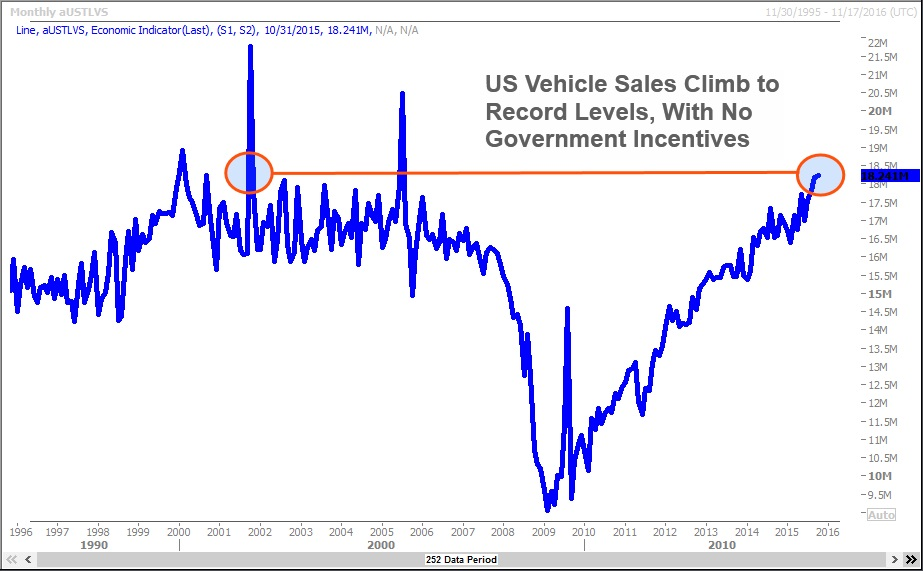
The US economy is roaring back to life as measured by the two largest purchases that people make: cars and houses. The interesting thing is that the uptick in sales is not being driven by artificial government incentives.

Instead, consumer demand is the main driver. It’s also interesting to note the impact of housing on your local economy.

***

untitled-1

***

According to data compiled by the Bureau of Economic Analysis (BEA) and the National Association of Realtors (NAR), the value of construction as well as real estate and rental and leasing represents approximately 16.8% of the US economy, but the impact is much larger in some states.

More:

Click here to check out the impact of housing in your state.

***

untitled-2

***

Conclusion

Your thoughts and comments on this ME-P are appreciated. Feel free to review our top-left column, and top-right sidebar materials, links, URLs and related websites, too. Then, subscribe to the ME-P. It is fast, free and secure.

Speaker: If you need a moderator or speaker for an upcoming event, Dr. David E. Marcinko; MBA – Publisher-in-Chief of the Medical Executive-Post – is available for seminar or speaking engagements. Contact: MarcinkoAdvisors@msn.com

***

Jaguar V8

***

OUR OTHER PRINT BOOKS AND RELATED INFORMATION SOURCES:

Comprehensive Financial Planning Strategies for Doctors and Advisors: Best Practices from Leading Consultants and Certified Medical Planners(TM)

***

Housing Wealth Continues to Rise

Join Our Mailing List

Back to pre-financial-crisis levels?

josh

[By Josh Velazquez CMPS]

jvelazquez@bankingunusual.com

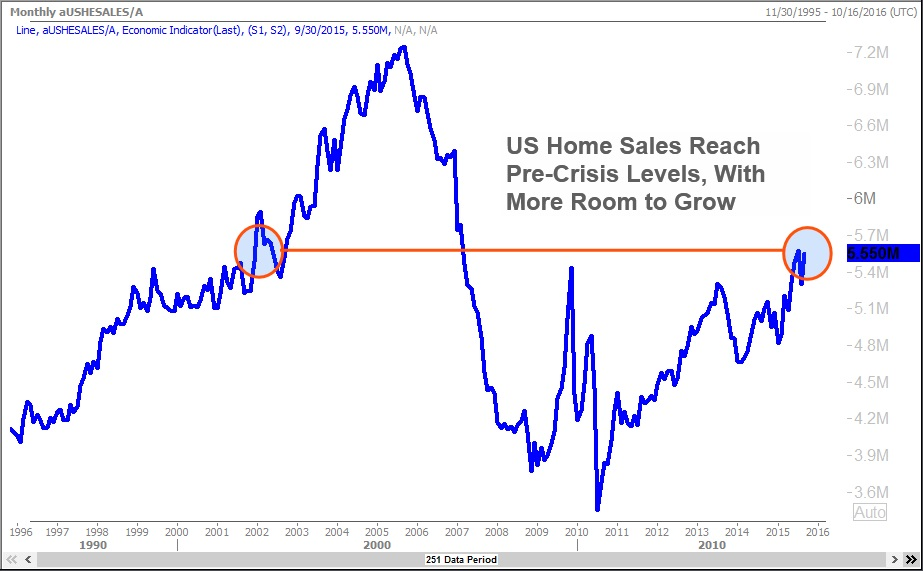
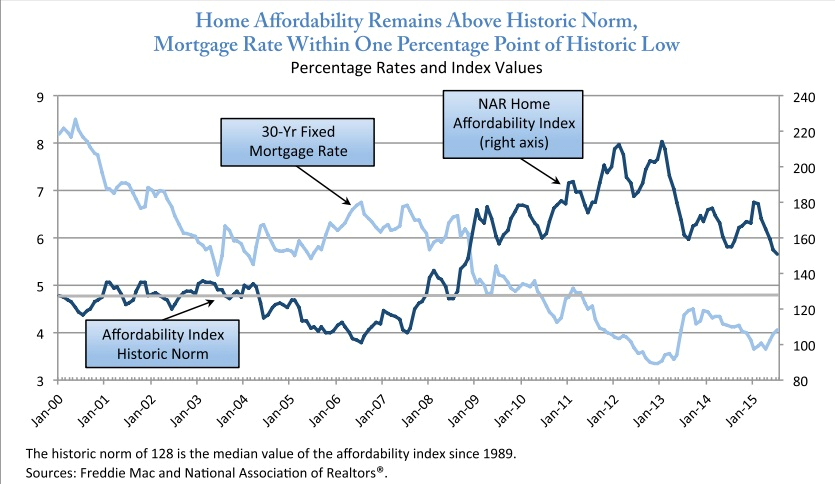
The amount of equity that Americans have in their homes has risen back up to pre-financial-crisis levels.

The interesting thing is that it still seems like there is room to grow because housing affordability is still very comfortably above its historical average (see chart below).

This is partly due to the fact that mortgage rates remain low and home ownership is still very affordable relative to renting a house.

***

untitled-1

***

Bottom line: if you or someone you know missed the opportunity to purchase a home a few years ago, it may not be too late to ride this wave higher!

 *** untitled-2

***

Conclusion

Your thoughts and comments on this ME-P are appreciated. Feel free to review our top-left column, and top-right sidebar materials, links, URLs and related websites, too. Then, subscribe to the ME-P. It is fast, free and secure.

***

Drs. Home

***

Speaker: If you need a moderator or speaker for an upcoming event, Dr. David E. Marcinko; MBA – Publisher-in-Chief of the Medical Executive-Post – is available for seminar or speaking engagements. Contact: MarcinkoAdvisors@msn.com

OUR OTHER PRINT BOOKS AND RELATED INFORMATION SOURCES:

[PHYSICIAN FOCUSED FINANCIAL PLANNING AND RISK MANAGEMENT COMPANION TEXTBOOK SET]

  Risk Management, Liability Insurance, and Asset Protection Strategies for Doctors and Advisors: Best Practices from Leading Consultants and Certified Medical Planners™ Comprehensive Financial Planning Strategies for Doctors and Advisors: Best Practices from Leading Consultants and Certified Medical Planners™

***

Ben Bernanke: Buy One Suit, Get Three Free

Join Our Mailing List

Linear thinking is dangerous

vitaly[By Vitaliy Katsenelson, CFA]

Linear thinking is dangerous. It is the easiest form of reasoning, lying on the path of least resistance. The simpler the path, the more readily people will march along it. Linear arguments are easy to make, as they require the least amount of evidence — past data points with a straight line drawn through them.However, the larger the crowd that follows the wrong line of reasoning, the more people pile in, and the greater the consequences if they are proved wrong.

A lot of things in nature, and thus in investing, are not linear. A past trend may or may not persist into the future. Events don’t happen in a vacuum; they are observed, studied and capitalized on — which in the case of investing may preclude a company’s future from resembling its past. As I write this, I think of successful companies whose achievements attracted competition, which then marginalized them.

Some things are inherently nonlinear, their behavior reminiscent of a pendulum’s: The further they swing in one direction, the harder they’ll go in the opposite direction. It is very dangerous to default to linearity with such nonlinear phenomena, as the more confident we become in the swing (the more linearity we observe), the closer we are to the pendulum’s reversing course.

Price-earnings ratios often follow a pendulum behavior. If you look at high-quality dividend-paying stocks — the Coca-Colas and Procter & Gambles of the world — they are now changing hands at more than 20 times earnings. Their recent performance has driven linear thinkers to pile into them, expecting more of the same in the future. Don’t! These stocks were beneficiaries of a swing in the P/E pendulum as it went from low to average and then to above-average levels.

Pattern recognition is an important contributor to success in investing. Mark Twain once said that history doesn’t repeat itself, but it rhymes. If you can identify a rhyme (that is, see a pattern) relating to the current situation, then you can develop a framework to analyze and forecast it. But what if the current situation is very different — if it doesn’t rhyme with anything in the past? This is where the ability to draw parallels becomes helpful. It allows you to overlay rhymes (patterns) from other companies, industries or even fields. Building analogous frameworks is a cure for linear thinking; it helps us see nonlinearity and facilitates the creation of nonlinear mental models.

Then there is pseudolinearity: things that seem to be linear but are forced into linearity by extrinsic factors. This was a subtopic of my presentation at the Valuex Vail investing conference in June. I drew a parallel between two entities that suddenly looked analogous: Jos. A. Bank Clothiers, a Hampstead, Maryland–based retailer of men’s apparel, and the Federal Reserve.

***

rote

***

Jos. A. Bank

Jos. A. Bank has always been a very promotional retailer. It would jack up prices, then run sales for consumers happy to be deceived — a typical American retail tale. But sometime in 2008, Jos. A. Bank went promotional on steroids. You could not watch CNBC for an hour without seeing one of its ads. The company started out by encouraging you to buy one suit and get one free. Then you got two free suits. Finally, it started giving away Android phones with suit purchases. For a while this past March, Jos. A. Bank offered consumers the opportunity to buy one suit and get three free.

There are several problems with the strategy: It does not emphasize the quality of the suits or the company’s great service, and the ads aren’t helping to build a brand but are intended just to pimp sales at Jos. A. Bank, as if it were a grocery store with USDA choice beef on sale.

This brings us to the latest quarter. Jos. A. Bank’s same-store sales dropped 8 percent, but what really piqued my interest was this explanation by its CEO, R. Neal Black, during its earnings call in June: “Since 2008, at the beginning of the financial crisis and the recession, the overall sales picture has been one of volatility, and strong promotional activity has been consistently and effectively driving our sales increases. This strategy was designed with 18 to 24 months of effectiveness in mind, and we stuck with it for more than 60 months since — as the economy remained weak. Now the strategy has become less effective.”

What Jos. A. Bank has really been doing since the financial crisis is running its own version of quantitative easing. The company had a temporary strategy that was supposed to get people into its stores during the recession — much like the Fed’s original QE, which was designed to provide liquidity in a time of crisis — but the recovery that ensued was not to Jos. A. Bank’s liking. So just as the Fed implemented QE2, and then QE3 when the economy did not improve to its satisfaction, the retailer followed with more QE.

It is understandable why Jos. A. Bank’s management did what it did. The company was being responsible to its employees — it didn’t want to close stores or have layoffs — and it had to report quarterly to shareholders. The focus shifted from building a long-term sustainable franchise to using short-term measures to grow earnings the next quarter and the quarter after that.

There are many lessons that one can draw from the parallels between Jos. A. Bank’s behavior and the Fed’s handling of our economy. First, it is very hard to challenge someone who has a linear argument. Let’s say that a year ago you talked to Jos. A. Bank’s management and raised the question of the sustainability of their advertising strategy. They’d have pointed to four years of success, and they’d have been right, at least up to that moment. They would have had four years of data points and a bulletproof linear argument, and you would have had your common sense and little else.

***

suit-869380__180

***

Ben Bernanke

Right now Ben Bernanke looks like a genius. He can show you all the data points in the recovery, but so could Jos. A. Bank, and this leads us to a second lesson: Pain is postponable, but it is cumulative. During Jos. A. Bank’s quarterly call, its CEO also said: “The decline in traffic is because existing customers are returning slightly less frequently. . . . It makes sense when you consider the saturating effect of our intense promotional activity over the past several years.”

With every sale Jos. A. Bank stole its future purchases, because when you buy one suit and get three for free, you may not need to buy another one for a while.But there is also a snowball effect that you cannot ignore: Every ad chipped away at the company’s brand. Now when you show someone that you wear a Jos. A. Bank suit, they don’t think about its quality, just that you have two or three more suits in your closet.

There is a cost to our recovery — a bloated Federal Reserve balance sheet and our addiction to low interest rates. Of course, we spread that addiction globally.

According to Hugh Hendry, founding partner and CIO of London-based hedge fund firm Eclectica Asset Management, rising U.S. bond yields have driven global yields higher. “In Brazil for instance, the biggest emerging debt market, no company has been able to raise debt abroad since mid-May as borrowing costs soared to a four-year high in June, at 7.1 percent,” he wrote in a recent investment letter.

The Fed is betting on George Soros’ theory of reflexivity, in which people’s biases and actions can change the economy: Instead of the wagon being towed by the horse, the wagon, in expectation that it will be towed by the horse, starts moving on its own, thereby motivating the horse to start towing the wagon.Lower interest rates drive people to riskier assets, and as asset values go up, people feel confident and spend money, and the economy grows. But this policy puts us on very shaky ground, because reflexivity cuts both ways: If asset prices start to decline, confidence declines — and so will the economy. Now there are a lot more savers owning riskier assets than they otherwise would have, and their wealth is at risk of getting wiped out.

The third lesson from the parallels between the Fed and Jos. A. Bank: We are in the midst of a game of musical chairs, and when the music stops, no one wants to be left standing around holding risky assets. Everyone is focused on the Fed’s tapering, and they are right to do so. Just as we saw with Jos. A. Bank, economic promotions cannot go on forever. With every sale the company had to increase the ante, giving away more and more to get people to come into its stores. The Fed may continue to buy Treasuries and mortgage securities, but the purchases will be less and less effective. And the music may stop on its own, without the Fed doing anything about it.

Last, pseudolinearity eventually leads to high uncertainty and thus lower valuations. Put yourself in the shoes of an investor analyzing Jos. A. Bank today. Before buying the stock, you’d have to answer the following questions: What is the company’s earnings power? How much did its promotional strategy damage the brand? And how much in future sales did that strategy steal?

Assessment

In the wake of Jos. A. Bank’s own five-year, nonstop version of QE, it is difficult to answer these questions with confidence. The company’s earnings power is uncertain, and investors will be willing to pay less for a dollar of uncertain earnings, thus resulting in a lower P/E. At some point, when U.S. economic activity weakens, investors will have to answer similar questions about the U.S. and global economies. And as they look for answers, they’ll be putting a lower P/E on U.S. stocks.

ABOUT

Vitaliy N. Katsenelson CFA is Chief Investment Officer at Investment Management Associates in Denver, Colo. He is the author of Active Value Investing (Wiley 2007) and The Little Book of Sideways Markets (Wiley, 2010).  His books were translated into eight languages.  Forbes Magazine called him “The new Benjamin Graham”.  

Conclusion

Your thoughts and comments on this ME-P are appreciated. Feel free to review our top-left column, and top-right sidebar materials, links, URLs and related websites, too. Then, subscribe to the ME-P. It is fast, free and secure.

Speaker: If you need a moderator or speaker for an upcoming event, Dr. David E. Marcinko; MBA – Publisher-in-Chief of the Medical Executive-Post – is available for seminar or speaking engagements. Contact: MarcinkoAdvisors@msn.com

OUR OTHER PRINT BOOKS AND RELATED INFORMATION SOURCES:

***

[WHERE LEARNING IS A plus+]

Career Development, Products and Services

“The informed voice of a new generation of fiduciary advisors for healthcare”

CMP logo

http://www.CertifiedMedicalPlanner.org 

 Our New Text – “Take a Peek Inside – Now Available

Comprehensive Financial Planning Strategies for Doctors and Advisors: Best Practices from Leading Consultants and Certified Medical Planners(TM)

                              logos

“BY DOCTORS – FOR DOCTORS – PEER REVIEWED – FIDUCIARY FOCUSED”

***

What is a Hedge Fund and I’m Here to Help?

Join Our Mailing List

What is a Hedge Fund? – You’re a Moron and I’m Here to Help.

***

***

investmentcenter5

More:

Conclusion

Your thoughts and comments on this ME-P are appreciated. Feel free to review our top-left column, and top-right sidebar materials, links, URLs and related websites, too. Then, subscribe to the ME-P. It is fast, free and secure.

Speaker: If you need a moderator or speaker for an upcoming event, Dr. David E. Marcinko; MBA – Publisher-in-Chief of the Medical Executive-Post – is available for seminar or speaking engagements. Contact: MarcinkoAdvisors@msn.com

OUR OTHER PRINT BOOKS AND RELATED INFORMATION SOURCES:

Comprehensive Financial Planning Strategies for Doctors and Advisors: Best Practices from Leading Consultants and Certified Medical Planners(TM)

Front Matter with Foreword by Jason Dyken MD MBA

logos

“BY DOCTORS – FOR DOCTORS – PEER REVIEWED – FIDUCIARY FOCUSED”

***

More on Options Trading

Join Our Mailing List

By Dunham & Tate

Two business school students telling you how it is.

Options Trading (for Morons Like You).

Photo of hands of businesspeople during discussing

Physician-executives during options trade discussion!

More:

Conclusion

Your thoughts and comments on this ME-P are appreciated. Feel free to review our top-left column, and top-right sidebar materials, links, URLs and related websites, too. Then, subscribe to the ME-P. It is fast, free and secure.

Speaker: If you need a moderator or speaker for an upcoming event, Dr. David E. Marcinko; MBA – Publisher-in-Chief of the Medical Executive-Post – is available for seminar or speaking engagements. Contact: MarcinkoAdvisors@msn.com

OUR OTHER PRINT BOOKS AND RELATED INFORMATION SOURCES:

Comprehensive Financial Planning Strategies for Doctors and Advisors: Best Practices from Leading Consultants and Certified Medical Planners(TM)

Front Matter with Foreword by Jason Dyken MD MBA

logos

“BY DOCTORS – FOR DOCTORS – PEER REVIEWED – FIDUCIARY FOCUSED”

***

FinFair 2015

***

 ADVERTISEMENT

FF

Truly one of the Most Groundbreaking FinTech & Alternative Finance Programs to Come to Wall Street

Discussions will include:

  • Applications of Reg A+ from small business capital formation to private debt securitizations
  • Enhancing small cap deal distribution & aftermarket support
  • How Reg A+ will Impact Community Investing
  • An introduction to next-Gen Broker Dealers and online financing platforms
  • How Financial Advisors and RIAs will benefit from Reg A+
  • Building vibrant venture exchanges
  • New trends in liquidity and clearing
  • Diversifying fixed-income portfolios with P2P, P2B and P2R debt
  • Distinguishing between a FinTech bubble or a financial revolution.

po

REGISTER HERE

For those who can’t join us in person on the 29th, feel free to join us virtually.

Clear here for details on FinFair’s live broadcast

***

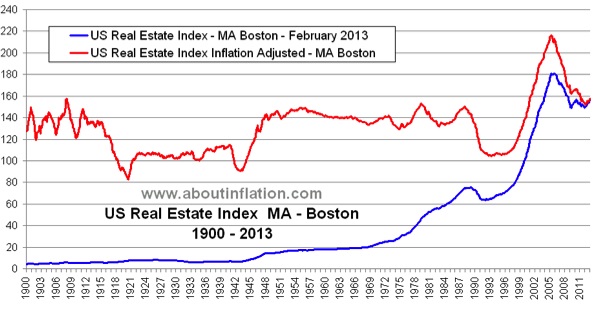
US Real Estate Investing Index 2015

Join Our Mailing List

Update July 2015

pb

Patrick Bourbon CFA

[Bourbon Financial Management

***

real estate

Conclusion

Your thoughts and comments on this ME-P are appreciated. Feel free to review our top-left column, and top-right sidebar materials, links, URLs and related websites, too. Then, subscribe to the ME-P. It is fast, free and secure.

Speaker: If you need a moderator or speaker for an upcoming event, Dr. David E. Marcinko; MBA – Publisher-in-Chief of the Medical Executive-Post – is available for seminar or speaking engagements. Contact: MarcinkoAdvisors@msn.com

OUR OTHER PRINT BOOKS AND RELATED INFORMATION SOURCES:

Risk Management, Liability Insurance, and Asset Protection Strategies for Doctors and Advisors: Best Practices from Leading Consultants and Certified Medical Planners™8Comprehensive Financial Planning Strategies for Doctors and Advisors: Best Practices from Leading Consultants and Certified Medical Planners™

“The medical education system is grueling and designed to produce excellence in medical knowledge and patient care. What it doesn’t prepare us for is the slings and arrows that come our way once we actually start practicing medicine. Successfully avoiding these land mines can make all the difference in the world when it comes to having a fulfilling practice. Given the importance of risk management and mitigation, you would think these subjects would be front and center in both medical school and residency – ‘they aren’t.’

Thankfully, the brain trust over at iMBA Inc., has compiled this comprehensive guide designed to help you navigate these mine fields so that you can focus on what really matters – patient care.”

  Dennis Bethel MD [Emergency Medicine Physician]

Medical Practice as a Portfolio Asset Class?

Join Our Mailing List

Valuing the Quintessential Alternative Investment

By Dr. David Edward Marcinko MBA CMP™

[Editor-in-Chief] www.CertifiedMedicalPlanner.org

Dr. MarcinkoAs all FAs, and informed physician investors know, the investment industry and Modern Portfolio Theory [MPT] strives to make optimal ‘allocations’ into different ‘asset classes’; according to some defined risk tolerance level or efficient frontier.

Equities, fixed income, property, private equity, emerging markets and so, are all ‘asset classes’, into which physician investors and mutual fund or portfolio managers will make an allocation of their total funds under management. It is quite proper for them to do this as they seek to balance the risk and potential returns for their own; ME, Inc., or other clients’ money.

But, by creating a “new” asset class, this concept opens the door to significant capital flows; advisory and management fees. Hence; the unrelenting innovation of Wall Street, and its’ commission driven and fee-seeking mavens, is unending.

Making an Impact

This secular and non-secular concept is broadly known as “impact investing”; and may be illustrated using Social Security as an example.

So, Wall Street opines,  if you’re not counting on Social Security benefits as a part of an overall asset allocation strategy, you may be missing out on bigger gains in a retirement portfolio. Those of this ilk say that retirement investors should consider the value of their Social Security as a portion of their fixed-income investments. Others believe it may be too risky for some.

The Strategy

Generally, adopting such strategy would mean shifting a big portion of investible assets out of bonds and into stocks. And, into the hands of money managers, stock brokers, wealth and endowment fund for a fee; of course. This is akin to those financial advisors who rightly or wrongly goaded clients a decade ago, to not pay off a home mortgage and instead reposition the free cash flow into a rising; and then falling; market.

Of course, there are detractors, as well as proponents, of this emerging financial planning philosophy.

Vanguard Group

Jack Bogle, founder of the Vanguard Group, often cites his penchant for basing one’s asset allocation on age. (If you’re 40 years old, you have 40% of your investments in fixed income and 60% in equities. By the time you’re 60, you’ve got 60% in fixed income, 40% in equities).

Example:

So, let’s consider Social Security, citing a physician with $300,000 in an investment portfolio, and capitalizing the stream of future payments.

If the $300,000 is all in equity funds, even equity-index funds, and $300,000 in Social Security, you are already at 50/50″ fixed income versus equities.  The next step is a conversation as a DIYer or ME Inc physician investor or advisory client. This is the nexus of where Social Security meets risk management.

Now, how will the doctor feel when market goes up and down? Some may believe the concept, but not enjoy the inevitable more fluctuating self-directed 401-k, or 403-b plan. So, one must be comfortable with taking on a larger stock position.

Source: Andrea Coombes; MarketWatch, September, 2013.

http://money.msn.com/mutual-fund/social-security-as-part-of-your-portfolio

MD

The Negative

Others experts, like Paul Merriman, opine that Social Security is not an asset class and the idea is fundamentally flawed and should not be a part of anyone’s portfolio.

Why? As classically defined, a portfolio is composed of financial assets. A financial asset is something that can be sold. Social Security cannot be bought and sold. Because of that, it has a market value of zero.

Source: Paul Merriman, MarketWatch, November 2013

Assessment

Therefore, the definitional decision is left up to the informed reader, modern physician or enlightened advisor. Is a medical practice an asset class?

MORE: About iMBA Inc Expertise in Healthcare Valuation

MORE: Social Security as an Asset Class?

Conclusion

Your thoughts and comments on this ME-P are appreciated. Feel free to review our top-left column, and top-right sidebar materials, links, URLs and related websites, too. Then, subscribe to the ME-P. It is fast, free and secure.

Link: http://feeds.feedburner.com/HealthcareFinancialsthePostForcxos

Speaker: If you need a moderator or speaker for an upcoming event, Dr. David E. Marcinko; MBA – Publisher-in-Chief of the Medical Executive-Post – is available for seminar or speaking engagements. Contact: MarcinkoAdvisors@msn.com

OUR OTHER PRINT BOOKS AND RELATED INFORMATION SOURCES:

DICTIONARIES: http://www.springerpub.com/Search/marcinko
PHYSICIANS: www.MedicalBusinessAdvisors.com
PRACTICES: www.BusinessofMedicalPractice.com
HOSPITALS: http://www.crcpress.com/product/isbn/9781466558731
CLINICS: http://www.crcpress.com/product/isbn/9781439879900
BLOG: www.MedicalExecutivePost.com
FINANCE: Financial Planning for Physicians and Advisors
INSURANCE: Risk Management and Insurance Strategies for Physicians and Advisors

Product Details  Product Details

Product DetailsProduct Details

Product Details

Financial Freedom through Commercial Real Estate Education and Investing

Join Our Mailing List

A Viable Alternate Investment Class for Physicians?

By Dennis Bethel MD  www.nesteggrx.com

dennis-bethelI’ve worked as an Emergency Medicine Physician for over a decade now.

Most of that time, I’ve also been investing in real estate.

Real estate has been good to me and I’ve been asked to share my story with this ME-P

RESIDENTIAL REAL ESTATE

Not long after graduating from residency in 2002, I began investing in real estate.  I watched my father-in-law make some money in residential real estate (1 – 4 units), read some books, and jumped in feet first.  I purchased and rented out single family homes, a triplex, and multiple four-plexes (quads).  What I didn’t realize at the time was that I made two critical errors.

My First Mistake

The first mistake was that I purchased residential real estate when I should have gone bigger and purchased commercial multifamily.  I had limited resources and I thought bigger properties were out of my reach.  At that time, I had not heard of fractional investing.

My Second Mistake

The second error, that is inherent to residential real estate, is that I became a landlord.  At times I managed properties and at other times I employed a property manager and limited myself to managing the manager.  Regardless, I was putting in a significant amount of time at my unintended second career as a landlord without the desired compensation.

Not Scaleable

Since there are no economies of scale with residential real estate the cash flow is small and unpredictable.  I was on the long, hard path to financial freedom.  The rents from my properties would someday replace my income as a physician, however, that wasn’t going to happen until I paid off the mortgages completely.  Until then it was going to be too inconsistent and I would have to ride several market cycles including the very painful down-turns.

THE MOVE TO COMMERCIAL REAL ESTATE

Unfortunately, chronic understaffing in the ER coupled with increased regulation and the rigors of shift-work had begun to catch up to me.  I was beginning to feel the effects of burnout.  I began to question whether I could make it 30 years.  I began to see earned-income as a trap in which you trade your valuable time for heavily-taxed income.

Then some devastating news, my wife tested positive for the BRCA (breast cancer) gene mutation.  That was a game changer.  I could no longer rest on my laurels, slowly burning out waiting for a comfortable retirement.  The future was uncertain, and I needed to ensure our wealth.  Come what may, I was determined that she would get the best health care money could buy.

I knew real estate was an incredible wealth building investment vehicle and my path to financial freedom.  In fact, 90% of the Forbes 400 (wealthiest people in the US) either made or retain their wealth in real estate.  While I was doing far better than my colleagues who invested in the stock market, I knew that I could do better.

My New Mission

I made it my mission to become an expert in real estate.  I read even more books as well as attended numerous conferences and seminars.  I invested heavily in my education, took advanced real estate investing classes, retained mentors, and developed networks.  I also grew my experience, buying and selling more properties.

I learned that although real estate won’t make you rich overnight, it needn’t take 30 years either.  I needed to transition out of residential real estate and go bigger into commercial multifamily.  I ultimately landed on multifamily, because shelter is a basic need.  People will give up their luxuries long before they give up the roof over their head.  The difference is that I now look for properties that are between 80 – 250 units.  These types of properties afford the investor true economies of scale that provide for predictable multisource income.  I invest in these properties fractionally, pooling my money with other like-minded investors.

MULTISOURCE INCOME

Real estate is the only investment I know of in which the investor makes his or her money in four different ways.

  • Cash Flow (monthly, quarterly, or yearly distributions of net profits)
  • Appreciation (increasing value of the property as net operating income increases)
  • Tax Benefits (can result in little to no taxes on income and gains)
  • Principal Pay Down (Increased equity as the loan gets paid down by the residents)

Multisource income is an incredible benefit of multifamily commercial real estate investing.  In fact, in all of my commercial properties, I have been able to obtain double-digit returns year after year.  Making money and compounding those gains is what investing is all about.

###

real estate

###

SAFETY PROFILE

While all investments have risk, the safety profile of multifamily commercial real estate is impressive.  Let’s compare it to business.  We’ve all heard that 9 out of every 10 businesses fail.  These failures are not just limited to small business.  Every year, many big businesses fail as well.  Names like Circuit City, Hostess, Borders, and Mervyns just to name a few.  Many other, well known, national brands teeter on the brink of insolvency.

In contrast, the commercial multifamily properties I invest in meet current Fannie Mae underwriting standards.  Nationally these properties have a paltry 1% – 2% foreclosure rate.  That rate is even lower in the best markets.  In the hands of a quality syndicator, in thriving markets, utilizing proven property management these properties are FAR safer than stocks for capital preservation, equity growth, and current income.

Additional safety measures include the use of non-recourse lending, the ability to insure against loss, and the use of sole purpose entity structures to eliminate any liability risk.

The “Conversation”

Switching from residential real estate to commercial has enabled me to provide for my family and has allowed me to work only part-time in the emergency department.  A few years ago, I walked into the physician lounge and overheard a conversation between two colleagues.  Both around 20 years my senior, were lamenting their inability to retire.  They had each invested heavily in the stock market without any diversification into real estate.  They bemoaned the fact that they had each worked 25 – 30 years in medicine and were nowhere close to retirement.  They wondered how I could afford to work so many fewer shifts than them with two young boys to raise.

An Eye-Opener

This interaction was eye-opening.  I was grateful for the decisions I had made but saddened by the fate of my 60 year old colleagues.  I’ve watched far too many of them push back retirement as the stock market and economic cycles ruined their plans.

Assessment

I knew I could help.  I have recently started an educational website intended to demystify the subject of real estate investing.  My mission is to help physicians and other health care workers find financial freedom through real estate investing and education.

We also provide quality real estate investments for busy professionals looking to diversify a portion of their portfolio out of the stock market and into commercial multifamily real estate without having to become a landlord.  We do this by helping like-minded professionals pool their resources together to buy quality multimillion dollar assets as fractional investors.

I invite you to visit my website at www.nesteggrx.com and explore the content to learn more about real estate and see if it might be right for you.

NOTE: This ME-P is NOT a personal or professional endorsement.

More:

Physician’s Acquiring Real-Estate

Conclusion

Your thoughts and comments on this ME-P are appreciated. Feel free to review our top-left column, and top-right sidebar materials, links, URLs and related websites, too. Then, subscribe to the ME-P. It is fast, free and secure.

Link: http://feeds.feedburner.com/HealthcareFinancialsthePostForcxos

Speaker: If you need a moderator or speaker for an upcoming event, Dr. David E. Marcinko; MBA – Publisher-in-Chief of the Medical Executive-Post – is available for seminar or speaking engagements. Contact: MarcinkoAdvisors@msn.com

OUR OTHER PRINT BOOKS AND RELATED INFORMATION SOURCES:

DICTIONARIES: http://www.springerpub.com/Search/marcinko
PHYSICIANS: www.MedicalBusinessAdvisors.com
PRACTICES: www.BusinessofMedicalPractice.com
HOSPITALS: http://www.crcpress.com/product/isbn/9781466558731
CLINICS: http://www.crcpress.com/product/isbn/9781439879900
BLOG: www.MedicalExecutivePost.com
FINANCE: Financial Planning for Physicians and Advisors
INSURANCE: Risk Management and Insurance Strategies for Physicians and Advisors

Product DetailsProduct DetailsProduct Details

Product Details  Product Details

Product DetailsProduct Details

What to do with a $25,000 Windfall?

Join Our Mailing List

What Do … You Do?

Doctor – Suddenly you receive a check for a large sum of money?

This infographic has some suggestions on what to do with that extra cash that will have a positive effect on your finances in the long-run.

###

mint-windfall-25kkf-copy

Assessment

Now, suppose the windfall was $250,000 or $2,500,000 or even more! What to do?

Conclusion

Your thoughts and comments on this ME-P are appreciated. Feel free to review our top-left column, and top-right sidebar materials, links, URLs and related websites, too. Then, subscribe to the ME-P. It is fast, free and secure.

Speaker: If you need a moderator or speaker for an upcoming event, Dr. David E. Marcinko; MBA – Publisher-in-Chief of the Medical Executive-Post – is available for seminar or speaking engagements. Contact: MarcinkoAdvisors@msn.com

OUR OTHER PRINT BOOKS AND RELATED INFORMATION SOURCES:

  Risk Management, Liability Insurance, and Asset Protection Strategies for Doctors and Advisors: Best Practices from Leading Consultants and Certified Medical Planners™
Comprehensive Financial Planning Strategies for Doctors and Advisors: Best Practices from Leading Consultants and Certified Medical Planners™

A Value Investing Metaphor for Doctors

Join Our Mailing List

Via a Cats and Dogs Allegory

By Rick MS CFP® ChFC CCIM www.KahlerFinancial.com

Rick Kahler CFP“I’d really like a Maine Coon cat, but they cost around $800. I’m not going to pay that much for a cat.”

The man who said this paid $500 for his purebred Lab. Obviously, he’s willing to spend money on things he enjoys, like hunting dogs. Yet when it comes to paying cold hard cash for a cat, he draws the line.

So, apparently, do a lot of other people. I have quite a few clients who are happy to spend hundreds of dollars for a particular breed of dog. I don’t know of a single client who has ever spent that much for a particular breed of cat.

Utility

Except my wife. Marcia has just begun breeding and selling Balinese cats, worth $1,000 each. She asked me why people are so much more willing to write checks for purebred dogs than they are for cats.

She didn’t buy my argument that dogs are inherently more intelligent, friendly, and worthwhile than cats.

If that isn’t the explanation, what is? Maybe it’s because the basic reason people buy purebred dogs or cats is to get specific looks and personality traits. Most dog breeds are quite distinct; anyone can tell a Great Dane from a Bichon Frise. Yet the only cat many people even recognize as a separate breed is probably the Siamese.

Maybe dogs are seen as more useful. I don’t know of any hunting cats, Seeing Eye cats, or watch cats. Still, that doesn’t explain all those Chihuahuas and tiny terriers that sell for hundreds of bucks a pound.

Value?

The point here is that whether a given commodity is seen as valuable depends on a variety of factors. Utility is one. In early Deadwood, Dakota Territory, an enterprising freighter brought in a load of cats and sold them at a premium to pioneers desperate for mouse and rat control. In that case, cats were more valuable than dogs.

Supply and Demand Economics

Supply and demand is another factor. A house that’s worth $150,000 in Box Elder, South Dakota, might be worth $600,000 in San Francisco, where unarguably more people would like to live. When there’s an over-abundance of cheap goods in the form of unwanted kittens flooding the market, people may be less likely to pay real cash for even purebred cats.

Commodity

Another reason people value one commodity over another is that they have been persuaded to see it as worth more. In Biblical times, frankincense and myrrh were highly prized and worth their weight in gold. Today, one pound of frankincense and myrrh goes for $13.95 on Amazon, while one pound of gold sells for around $24,000.

###

gold bars

Gold

Fifteen times more gold is mined each year than platinum, the rarest of all precious metals, yet gold sells for more per ounce. Why? Gold has a long history of being perceived as the world’s most precious metal.

Designer Clothes

For much the same reason, people will pay a hundred bucks or more for a pair of designer blue jeans when they could get essentially the same thing for $19.99 at a discount store. The brand name jeans are seen as more valuable.

Marketing and Perceived Value

The simple reason for this is marketing.

When it comes to perceived value, dogs have benefitted from better marketing than cats. Just think of heroic military dogs, hard-working Seeing Eye dogs, and screen stars like Lassie rescuing people from burning buildings. Even the Taco Bell Chihuahua gets to advertise fast food. Cats get to advertise kitty litter and cat food.

Assessment

Cats just need to find a better advertising agency. They have some work to do if they want to come up with a slogan to top “Man’s Best Friend.”

Conclusion

Your thoughts and comments on this ME-P are appreciated. Feel free to review our top-left column, and top-right sidebar materials, links, URLs and related websites, too. Then, subscribe to the ME-P. It is fast, free and secure.

Speaker: If you need a moderator or speaker for an upcoming event, Dr. David E. Marcinko; MBA – Publisher-in-Chief of the Medical Executive-Post – is available for seminar or speaking engagements. Contact: MarcinkoAdvisors@msn.com

OUR OTHER PRINT BOOKS AND RELATED INFORMATION SOURCES:

Product Details  Product Details

For Doctors Considering Rental House Investments?

Join Our Mailing List

Risks versus Rewards

By Rick Kahler MS CFP® ChFC CCIM www.KahlerFinancial.com

Landlord!

The very word implies wealth, authority, and status. Maybe that’s one of the reasons there are so many books and seminars claiming to teach you how to build wealth by owning rental property.

Yes, medical professionals can get rich as a landlord. Doctors can go broke, too.

And, in between those two extremes, you can find yourself dealing with a bunch of problems like leaking roofs, non-paying tenants, and economic downturns. The risks of building wealth with real estate are substantial. This is true whether you want to become the biggest property owner in town or just buy a second home as a rental to help finance your retirement.

Points of Consideration

With real estate prices still low after the collapse of the housing bubble, and with the current low interest rates, it may be a great time to buy a second home. Before even considering such a purchase, though, here are some important points to consider:

1. Do you plan to eventually live in the house yourself? If so, buying it now and having a tenant pay the mortgage for you might be a great move. Still, you need to take the following factors into consideration and make your decision carefully.

2. Will you need current income from the property? Then you’ll need to be able to buy it without a mortgage. Otherwise, the mortgage and other expenses will eat up most of the rent payments, and you won’t have any cash flow.

3. Do you have the time and skills to manage the property yourself? Water heaters quit, pipes need replaced, and furnaces go on the blink. Will you be able to do your own maintenance or spend the money to hire it done? Are you available to check out prospective tenants and show the property? A management company can relieve you of the hassles of arranging for repairs and vetting tenants. You’ll still pay the bills, though, plus fees of perhaps ten percent of the rent.

4. Be realistic to the point of pessimism about your expected return. Assume that expenses—repairs, maintenance, taxes, and insurance—will be about 50% of the gross rental income. Always figure the income based on a property being vacant for several months of the year.

5. Be aware that a more expensive house won’t necessarily provide a corresponding increase in rent. The rental market eventually tops out. If a $150,000 house rents for $800 a month, a $350,000 house may only rent for about $1400.

6. If your main reason for owning real estate is investment income, and you have a small amount of money or don’t want the risk and management headaches of owning a house, a real estate investment trust (REIT) is often a wiser choice than owning real estate directly.

7. Be patient. If you over-buy income property and try to get rich quick, you risk losing it all. At one-time, Rapid City lost a number of military jobs and rental properties were sitting vacant. As I scrambled to make mortgage payments, it felt as if I didn’t own my rental houses, they owned me. Right now I have interests in companies that own paid-for rental property, but getting to that point took over 30 years.

Assessment

The IRS classifies some income from rental property as “passive.” Trust me, there’s nothing passive about being a landlord. Owning rental property can certainly be one way to add to your net worth and contribute to a comfortable retirement. Just like any other form of wealth-building, however, it requires education, good decision-making, an awareness of the risks, and plenty of effort.

Conclusion

Your thoughts and comments on this ME-P are appreciated. Feel free to review our top-left column, and top-right sidebar materials, links, URLs and related websites, too. Then, subscribe to the ME-P. It is fast, free and secure.

Link: http://feeds.feedburner.com/HealthcareFinancialsthePostForcxos

Speaker: If you need a moderator or speaker for an upcoming event, Dr. David E. Marcinko; MBA – Publisher-in-Chief of the Medical Executive-Post – is available for seminar or speaking engagements. Contact: MarcinkoAdvisors@msn.com

Our Other Print Books and Related Information Sources:

Health Dictionary Series: http://www.springerpub.com/Search/marcinko

Practice Management: http://www.springerpub.com/product/9780826105752

Physician Financial Planning: http://www.jbpub.com/catalog/0763745790

Medical Risk Management: http://www.jbpub.com/catalog/9780763733421

Hospitals: http://www.crcpress.com/product/isbn/9781439879900

Physician Advisors: www.CertifiedMedicalPlanner.org

Product Details  Product Details

Product Details

Wind Energy Alternate Investments

Join Our Mailing List

Calm or Gusty?

By Children’s Home Society of Florida Foundation

The Energy Department released the “2011 Wind Technologies Market Report” this week. It noted that there was substantial growth for wind energy, but significant uncertainty about its future.

Federal Aviation Administration

In a parallel development this week, the Federal Aviation Administration issued tentative approval of Cape Wind, a planned wind farm off the shore of Cape Cod and Nantucket Island. The 130 wind turbines of Cape Wind will stand 440 feet tall. The wind farm is opposed by the Alliance to Protect Nantucket Sound.

However, the FAA approved the wind farm and noted that the towers would be required to include appropriate lights and be painted in colors that made them more visible to aircrafts. With the FAA approval, the Cape Wind developers may now seek final financing and could receive a 25 year lease from the federal government.

2011 Growth

The energy report on wind technology showed significant growth in 2011. Approximately 6.8 GW (gigawatts) of new wind energy capacity were added in the United States.

Of all the new energy facilities created, wind represented 32% of the total in 2011. However, total wind capacity is now just 3.3% of America’s electricity demand. Cape Wind will be the first major offshore U.S. wind project.

China Rising

The world leader in wind energy is China. The U.S. is now in second place with about 20% of global wind capacity. The states with major commitments to wind energy are Texas, California, Iowa, Minnesota, North Dakota and South Dakota.

Assessment

The major concern affecting wind energy in 2013 is the potential loss of federal and state wind tax benefits.

In addition, wind faces substantial competition from natural gas. With the development of “fracking,” natural gas production has substantially increased. With a large new supply of natural gas, there are now sufficient reserves to support the U.S. needs for 100 years. This increased supply reduces the cost of natural gas and makes it more attractive than wind energy.

Conclusion

Your thoughts and comments on this ME-P are appreciated. Feel free to review our top-left column, and top-right sidebar materials, links, URLs and related websites, too. Then, subscribe to the ME-P. It is fast, free and secure.

Link: http://feeds.feedburner.com/HealthcareFinancialsthePostForcxos

Speaker: If you need a moderator or speaker for an upcoming event, Dr. David E. Marcinko; MBA – Publisher-in-Chief of the Medical Executive-Post – is available for seminar or speaking engagements. Contact: MarcinkoAdvisors@msn.com

Our Other Print Books and Related Information Sources:

Health Dictionary Series: http://www.springerpub.com/Search/marcinko

Practice Management: http://www.springerpub.com/product/9780826105752

Physician Financial Planning: http://www.jbpub.com/catalog/0763745790

Medical Risk Management: http://www.jbpub.com/catalog/9780763733421

Hospitals: http://www.crcpress.com/product/isbn/9781439879900

Physician Advisors: www.CertifiedMedicalPlanner.org

Product Details  Product Details

Public Misconceptions of Private Equity

Join Our Mailing List

A Political Season Review

By Rick Kahler CFP® MS ChFC CCIM

www.kahlerfinancial.com

During tax time and this very political season, some of the attacks on Mitt Romney as a Presidential candidate have focused on his tenure with the private equity firm Bain Capital. Critics and rivals have denounced Romney as “profiteering off the backs of fired workers,” and running a “vulture capital” rather than a “venture capital” fund. A PAC supporting Newt Gingrich even produced a documentary about Bain which tries hard to leave viewers with the idea that capitalism isn’t evil, but private equity firms are.

The Negative Impressions

Some of this negativity may come from a lack of understanding as to what “private equity” really means. Here’s my explanation.

First, equity just means “common stock.” Whether equity is public or private depends on whether the company lists its shares on a public exchange, like the New York Stock Exchange or the NASDAQ, or is privately held.  When you purchase a share of common stock, either directly or through a mutual fund, you buy it from a public stock exchange where anyone can buy or sell shares of stock. Private equity shares, however, are bought and sold privately, just like houses or small businesses.

One of the benefits of a public exchange is that it makes owning a slice of a company exceedingly affordable. For example, for about $600 you can own a share of Apple, the largest company in the U.S. If Apple were privately held, you would need $500 billion to buy it. If you were a little short on cash but still wanted a piece of Apple, you and 999 of your closest friends could pool your resources. You’d only need $500 million each.

That is exactly what a private equity company does. It brings together substantial investors, usually institutions, pooling their money to purchase companies not available on public exchanges. This requires raising or borrowing amounts that may be in the billions of dollars. The minimum to invest in a public equity company is often one million to 25 million dollars or more, putting it out of reach of most Americans.

An Asset Class

However, that doesn’t mean John Q. Public doesn’t own a slice of the private equity pie. Public pension funds, like the South Dakota Retirement System, have invested over $200 billion in private equity funds. The SDRS invests over 10% of its $7.8 billion fund in private equity. Many investment officers and committees feel this is such an important asset class that not holding a portion of their portfolio in private equity would violate their fiduciary duty to the fund.

Why Invest Privately?

Why invest in companies that are privately held? They often are purchased for lower prices than their publicly traded cousins, which makes owning them more profitable. In other cases a private equity firm will purchase a company that is failing or purchase a public firm and make it private.

In most every case, the private equity company’s aim is to try and improve the profitability of the company in the hope of reselling it at a profit or taking it public. Sometimes this is successful; sometimes it isn’t.

Goals of Private Equity Firms

What is the goal of a private equity company? Why, to produce a return for its investors, of course. Like any other business, its ultimate goal is not to create jobs. While more jobs may be a byproduct of creating better profitability, that isn’t always the case. Nor should it be.

Assessment

Failing to turn around a struggling company or laying off a division that is sucking a company dry in order to save the company isn’t evil. It is a natural and crucial component of a competitive free market system, a system that has given the U.S. one of the highest standards of living the world has ever known.

Conclusion

Your thoughts and comments on this ME-P are appreciated. Feel free to review our top-left column, and top-right sidebar materials, links, URLs and related websites, too. Then, subscribe to the ME-P. It is fast, free and secure.

Link: http://feeds.feedburner.com/HealthcareFinancialsthePostForcxos

Our Other Print Books and Related Information Sources:

Health Dictionary Series: http://www.springerpub.com/Search/marcinko

Practice Management: http://www.springerpub.com/product/9780826105752

Physician Financial Planning: http://www.jbpub.com/catalog/0763745790

Medical Risk Management: http://www.jbpub.com/catalog/9780763733421

Healthcare Organizations: www.HealthcareFinancials.com

Physician Advisors: www.CertifiedMedicalPlanner.com

Subscribe Now: Did you like this Medical Executive-Post, or find it helpful, interesting and informative? Want to get the latest ME-Ps delivered to your email box each morning? Just subscribe using the link below. You can unsubscribe at any time. Security is assured.

Link: http://feeds.feedburner.com/HealthcareFinancialsthePostForcxos

Sponsors Welcomed: And, credible sponsors and like-minded advertisers are always welcomed.

Link: https://healthcarefinancials.wordpress.com/2007/11/11/advertise

Product Details  Product Details

Physician’s Update on Dividend-Paying Stocks

Join Our Mailing List

But Some Doctors Ask – Why All the Hype?

By David K. Luke MIM CMPcandidate [www.CertifiedMedicalPlanner.com]

www.NetWorthAdvice.com

In an effort to help the US economy recover, the Federal Reserve has lowered interest rates to historically low levels. Furthermore, the Fed has announced its intent to keep interest rates low until 2014. Classic income-producing investments such as savings accounts and certificates of deposit pay next to nothing.

Borrowing Good – Saving Bad!

Borrowers are being rewarded, but savers are being punished. Low interest rates may have spurred the economy somewhat, but they have been devastating for retired people who have a low tolerance for risk. Physicians, other investors and their advisors are turning toward alternatives that pay higher returns, but these vehicles necessarily carry more risk. Among these alternatives, some investors are considering the purchase of stocks that pay reliable dividends.

Assessment

But, is this an appropriate strategy for mature doctors and similar retirees? What are the potential benefits and drawbacks?

Conclusion

Your thoughts and comments on this ME-P are appreciated. Feel free to review our top-left column, and top-right sidebar materials, links, URLs and related websites, too. Then, subscribe to the ME-P. It is fast, free and secure.

Link: http://feeds.feedburner.com/HealthcareFinancialsthePostForcxos

Speaker: If you need a moderator or speaker for an upcoming event, Dr. David E. Marcinko; MBA – Publisher-in-Chief of the Medical Executive-Post – is available for seminar or speaking engagements. Contact: MarcinkoAdvisors@msn.com

OUR OTHER PRINT BOOKS AND RELATED INFORMATION SOURCES:

Product Details

Product Details  Product Details

Product Details

A Real Estate Market Update

Join Our Mailing List 

Hot or Not?

The largest real estate social network ActiveRain Corp just surveyed 1,835 real estate agents and real estate brokers in the US and Canada to understand if the real estate market and economy are poised for recovery in 2012, both nationwide and in local markets.

Source: ActiveRain

Conclusion

Your thoughts and comments on this ME-P are appreciated. Feel free to review our top-left column, and top-right sidebar materials, links, URLs and related websites, too. Then, subscribe to the ME-P. It is fast, free and secure.

Link: http://feeds.feedburner.com/HealthcareFinancialsthePostForcxos

Speaker: If you need a moderator or speaker for an upcoming event, Dr. David E. Marcinko; MBA – Publisher-in-Chief of the Medical Executive-Post – is available for seminar or speaking engagements. Contact: MarcinkoAdvisors@msn.com

OUR OTHER PRINT BOOKS AND RELATED INFORMATION SOURCES:

DICTIONARIES: http://www.springerpub.com/Search/marcinko
PHYSICIANS: www.MedicalBusinessAdvisors.com
PRACTICES: www.BusinessofMedicalPractice.com
HOSPITALS: http://www.crcpress.com/product/isbn/9781466558731
CLINICS: http://www.crcpress.com/product/isbn/9781439879900
BLOG: www.MedicalExecutivePost.com
FINANCE: Financial Planning for Physicians and Advisors
INSURANCE: Risk Management and Insurance Strategies for Physicians and Advisors

Product Details  Product Details

The “Collective Trust” – A New Financial Product?

Join Our Mailing List 

Much Like a Mutal Fund – But Less Transparent

By Staff Reporters

Recently, we received this query from a physician-investor. So, we went right to the innovator of this financial product for the answer.

A collective trust is similar to a mutual fund that only sells to institutional investors like 401-k and 403-b plans. Because a collective trust doesn’t take on retail investors, it’s exempt from some regulatory requirements, so beware!

But, not having to deal with retail investors also makes the costs lower.

Link: http://thefinancebuff.com/collective-trust-vs-mutual-fund-whats-the-difference.html

Assessment

The BlackRock EAFE Equity Index Collective Trust invests in stocks in developed countries, tracking the MSCI EAFE index.

Conclusion

And so, your thoughts and comments on this ME-P are appreciated. Please review our top-left column, and top-right sidebar materials, links, URLs and related websites, too. Then, subscribe to the ME-P. It is fast, free and secure.

Link: http://feeds.feedburner.com/HealthcareFinancialsthePostForcxos

Speaker: If you need a moderator or speaker for an upcoming event, Dr. David E. Marcinko; MBA – Publisher-in-Chief of the Medical Executive-Post – is available for seminar or speaking engagements. Contact: MarcinkoAdvisors@msn.com

Our Other Print Books and Related Information Sources:

Health Dictionary Series: http://www.springerpub.com/Search/marcinko

Practice Management: http://www.springerpub.com/product/9780826105752

Physician Financial Planning: http://www.jbpub.com/catalog/0763745790

Medical Risk Management: http://www.jbpub.com/catalog/9780763733421

Healthcare Organizations: www.HealthcareFinancials.com

Physician Advisors: www.CertifiedMedicalPlanner.com

Subscribe Now: Did you like this Medical Executive-Post, or find it helpful, interesting and informative? Want to get the latest ME-Ps delivered to your email box each morning? Just subscribe using the link below. You can unsubscribe at any time. Security is assured.

Link: http://feeds.feedburner.com/HealthcareFinancialsthePostForcxos

Sponsors Welcomed: And, credible sponsors and like-minded advertisers are always welcomed.

Link: https://healthcarefinancials.wordpress.com/2007/11/11/advertise

Product Details

Is Malta a Hedge Fund Haven?

Join Our Mailing List 

Island in the Mediterranean Sea – South of Sicily (Italy)

By Dr. David Edward Marcinko MBA CMP

[Editor-in-Chief]

OK; I’ve written about hedge funds before, on this ME-P and in our www.MedicalBusinessAdvisors.com print publications for various textbooks, handbooks, white papers and journal. And, we discuss the concept in our online educational www.CertifiedMedicalPlanner.org program, as well. Some medical professionals love them, and some financial advisors use them in their work; others do not.

Of course, I’ve written frequently about my colleague – the now retired and newly anointed philanthropist  and uber-hedge fund manager Mike Burry MD; ad nauseam.

Link: https://medicalexecutivepost.com/2010/03/24/video-on-hedge-fund-manager-michael-burry-md/

But, now there is a new wrinkle on the island that I first visited about ten years ago, while on a working vacation

Rising Visibility

Malta–yes, Malta–has quietly leveraged the rising transparency imperative to attract hedge funds. There was a time when the quaint island sought to play on the traditional terrain, offering anonymity and a “laissez-faire regulatory regime,” not to mention very low taxes, as in no capital gains taxes and no taxes on dividends; all while English speaking and USD currency denominated.

Maybe back then, no more today, if this essay is to be believed.

Link: http://www.bloomberg.com/news/2012-01-05/malta-lures-connecticut-hedge-funds-with-300-days-of-sun-aided-by-eu-rules.html

Image 1

Why Malta?

Link: http://www.firstgozo.com/maltafacts.htm

Malta

Assessment

While many leading domiciles for offshore hedge funds remain in the Caribbean–notably the Cayman Islands, the British Virgin Islands, Bermuda, and the Bahamas–the island of Mata is drawing attention, especially from European funds.

Conclusion

Your thoughts and comments on this ME-P are appreciated. Feel free to review our top-left column, and top-right sidebar materials, links, URLs and related websites, too. Then, subscribe to the ME-P. It is fast, free and secure.

Link: http://feeds.feedburner.com/HealthcareFinancialsthePostForcxos

Speaker: If you need a moderator or speaker for an upcoming event, Dr. David E. Marcinko; MBA – Publisher-in-Chief of the Medical Executive-Post – is available for seminar or speaking engagements. Contact: MarcinkoAdvisors@msn.com

OUR OTHER PRINT BOOKS AND RELATED INFORMATION SOURCES:

DICTIONARIES: http://www.springerpub.com/Search/marcinko
PHYSICIANS: www.MedicalBusinessAdvisors.com
PRACTICES: www.BusinessofMedicalPractice.com
HOSPITALS: http://www.crcpress.com/product/isbn/9781466558731
CLINICS: http://www.crcpress.com/product/isbn/9781439879900
BLOG: www.MedicalExecutivePost.com
FINANCE: Financial Planning for Physicians and Advisors
INSURANCE: Risk Management and Insurance Strategies for Physicians and Advisors

Product Details  Product Details

Comprehensive Financial Planning Strategies for Doctors and Advisors: Best Practices from Leading Consultants and Certified Medical Planners™

Knowledge Doctors Need to Survive the Financial Crisis on Wall Street

Dictionary of Health Economics and Finance 


Dictionary of Health Economics and Finance


Speaker: If you need a moderator or speaker for an upcoming event, Dr. David E. Marcinko; MBA – Publisher-in-Chief of the Medical Executive-Post – is available for seminar or speaking engagements. Contact: MarcinkoAdvisors@msn.com


Does Financial Regulation Kill Jobs?

Perhaps Not!

By Marian Wang
ProPublica, Sept. 12, 2011, 1:20 pm

Join Our Mailing List

With the presidential campaign in motion, and President Obama urging immediate passage of his new jobs bill, the attention in Washington has shifted almost exclusively to the economy and job creation. And, that means a shift away from regulation, right? Not necessarily.

Growth Spurts?

Some regulators and financial industry experts are predicting the opposite—that new financial regulations will spur some growth.

For example, The New York Times’ DealBook blog cited derivatives regulation [1] as one example. Dodd-Frank requires a substantial chunk of the $600-trillion derivatives market to trade on exchanges or on new electronic trading platforms.

“I have no doubt that these new regulations, instituting new types of clearing, trading and reporting platforms, will foster a landslide of hiring in the financial sector,”

Bart Chilton of the Commodity Futures Trading Commission said in a recent speech cited by the Times. As another New York Times piece noted, previous financial regulation laws have resulted in additional jobs for accountants and lawyers [2], at least.

But, separate from the jobs created to actually handle new regulation, others have pointed out that regulations can have a long-term, positive effect on overall economic growth by preventing the types of crises that put an industry on life-support.

The Studies

Last year, two studies by central bankers and regulators found that the short-term impacts of stricter capital requirements were “significantly smaller” than the estimates published by banking groups, the Times reported.

Rather, the studies said that stricter regulation would lead to more long-term growth [3] by preventing future crises.

Banks see higher capital requirements

  • Which require them to have more financial cushion to balance out risk-taking as a damper on profits.
  • And, they have repeatedly warned that tougher rules will hamper lending, reduce investment and slow economic growth.

Assessment

But, not everyone sees it that way. Swiss regulators, for instance, indicated last year that they would impose even tougher capital standards on their country’s banks on the premise that investors would rather put their trust [4]—and their dollars—in safer banks.

Conclusion

And so, your thoughts and comments on this ME-P are appreciated. Feel free to review our top-left column, and top-right sidebar materials, links, URLs and related websites, too. Then, subscribe to the ME-P. It is fast, free and secure.

Link: http://feeds.feedburner.com/HealthcareFinancialsthePostForcxos

Speaker: If you need a moderator or speaker for an upcoming event, Dr. David E. Marcinko; MBA – Publisher-in-Chief of the Medical Executive-Post – is available for seminar or speaking engagements. Contact: MarcinkoAdvisors@msn.com

Our Other Print Books and Related Information Sources:

Health Dictionary Series: http://www.springerpub.com/Search/marcinko

Practice Management: http://www.springerpub.com/product/9780826105752

Physician Financial Planning: http://www.jbpub.com/catalog/0763745790

Medical Risk Management: http://www.jbpub.com/catalog/9780763733421

Subscribe Now: Did you like this Medical Executive-Post, or find it helpful, interesting and informative? Want to get the latest ME-Ps delivered to your email box each morning? Just subscribe using the link below. You can unsubscribe at any time. Security is assured.

Link: http://feeds.feedburner.com/HealthcareFinancialsthePostForcxos

Sponsors Welcomed: And, credible sponsors and like-minded advertisers are always welcomed.

Link: https://healthcarefinancials.wordpress.com/2007/11/11/advertise

Product Details  Product Details

A Review of Current Personal Finance and Investment Literature

Current Synopsis [Around the Literary World of Economics]

By Dr. Peter Benedek CFA

http://retirementaction.com/

Investors will grapple with more turbulence surrounding Europe’s deepening debt problems this week and the prospect of another round of dismal data on the faltering U.S. economy. So, let us listen while Doctor Benedek speaks.

Dr. David E. Marcinko; FACFAS, MBA, CMP[Publisher-in-Chief]

In the Globe and Mail’s “In an emergency, is your info safe?” Dianne Nice suggests a teachable moment associated with the recent US andOntario tornadoes, north-eastern earthquake and hurricane threat. Specifically, she suggests that we consider taking steps to safeguard our important papers, should our home be destroyed. The ICBA recommends keeping important documents in a bank safe: marriage certificate, tax returns, property deeds, birth certificates insurance policies, credit card number, and list of household valuables for insurance claims, paper or electronic copies of important computer records. Additionally consider keeping copies in the home in sealed plastic bags (Probably not a bad idea.)

Scott Willenbrock in the Financial Analysts Journal’s “Diversification return, portfolio rebalancing, and the commodity return puzzle” argues that “the underlying source of the diversification return is the rebalancing, which forces the investor to sell assets that have appreciated in relative value and buy assets that have declined in relative value, as measured by their weights in the portfolio. Although a buy-and-hold portfolio generally has a lower variance than the weighted average variance of its assets, it does not earn a diversification return. Diversification is often described as the only “free lunch’’ in finance because it allows for the reduction of risk for a given expected return. Diversification return might be described as the only “free dessert” in finance because it is an incremental return earned while maintaining a constant risk profile. The contrarian activity of rebalancing, however, must be performed to earn the diversification return; diversification is a necessary but not sufficient condition. Although an un-rebalanced portfolio generally has reduced risk, it does not earn a diversification return and suffers from a varying risk profile. The control of risk, together with the diversification return, is a powerful argument for rebalanced portfolios.”

In the CFA Institute’s Financial Analysts Journal’s “The winners’ game” Charles Ellis looks at the investment profession’s challenges and opportunities. He writes that the investment profession has made three errors:  two of commission and one of omission. He writes that “In addition to the two errors of commission—accepting the increasingly improbable prospect of beat-the-market performance as the best measure of our profession and focusing more and more attention on business achievements rather than on professional success— we have somehow lost sight of our best professional opportunity to serve our clients well and shifted our focus away from effective investment counseling. Some of the help clients need is in understanding that selecting managers who will actually beat the market over the long term is no longer a realistic assumption or a “given” … most investors need help in developing a balanced, objective understanding of themselves and their situation: their investment knowledge and skills; their tolerance for risk in assets, incomes, and liquidity; their financial and psychological needs; their financial resources; their financial aspirations and obligations in the short and long run … Our profession’s clients and practitioners would all benefit if we devoted less energy to attempting to “win” the loser’s game of beating the market and more skill, knowledge, and time to helping clients recognize market realities, understand themselves as investors, and clarify their realistic objectives and then stay the course that is best for each of them.” (Charles Ellis is the author of the must read book entitled“Winning the Loser’s Game- Timeless Strategies for Successful Investing”.)

Glenn Ruffenach in the WSJ SmartMoney’s “5 best online retirement guides” provides a list from  “One of the most comprehensive and valuable sites online is also among the least known: the Employee Benefits Security Administration.”

In WSJ SmartMoney’s “Why Wall Street’s forecast can’t be trusted” Alex Tarquinio writes that “Over the years, some market forecasters have been about as accurate as, well, weather forecasters… But some financial planners ignore the Wall Street prognostications altogether. George Papadopoulos, the owner of the eponymous financial planning firm in Novi, Mich., says most stock strategists tend to be too bullish, save a few who are “perma-bears.” Ignore the headline number, he says, and “focus on what you can control,” like finding a good balance of stocks and bonds for your portfolio.” (Now there is some sensible advice; ignore talking-heads, ‘strategists’, ‘prognosticators’ and soothsayers. Remember there are very few things that you can actually control: your spend-rate, saving-rate, investment fees and costs, asset allocation and rebalancing.)

In the Globe and Mail’s “Hunting high and low for safe yields” John Heinzl enumerates some of the available options for ‘safe yields’ and concludes that none come even close to paying off your 4% mortgage which at 40% tax rate gives you 6.67% guaranteed.

In Bloomberg’s “Homeowners on East Coast may have to pay for earthquake damage” Leondis and Ody report that “Earthquake protection is generally excluded from standard homeowners’ insurance policies, and consumers have to purchase coverage either as a separate policy…“For most of us, having earthquake insurance doesn’t make sense,” said Sheryl Garrett, founder of Shawnee Mission, Kansas-based Garrett Planning Network Inc., a network of fee-only financial planners. That’s because residents of areas where earthquakes rarely occur generally don’t need the coverage, and policies in parts of the country with frequent earthquakes are more expensive to compensate for the increased risk, she said.”

In the Globe and Mail’s “Vanguard to launch six ETFs in Canada” Shirley Won reports that Vanguard is launching “six exchange-traded funds (ETFs) inCanada. The stock ETFs include Vanguard MSCI Canada and the Vanguard MSCI Emerging Markets, as well as the Vanguard MSCI U.S. Broad Market and Vanguard MSCI EAFE, which will both be hedged to Canadian dollars. The bond category includes Vanguard Canadian Aggregate Bond and Vanguard Canadian Short-Term Bond ETFs.”

Real Estate

On the Canadian front, in the Globe and Mail’s “Most housing ‘reasonably affordable’: RBC” Steve Ladurantaye reports that Vancouver house prices are in “uncharted territory” and “it would take 92 per cent of the median household’s pretax income to own a bungalow in the city at current prices – the highest reading yet in its quarterly national survey on affordability. However according to RBC most (other) Canadian cities offered reasonably affordable” housing options in the second quarter compared to the first. Nationally, a condo required 29.2 per cent of pretax household income (a 0.8 per cent increase), a bungalow 43.3 per cent (1.7 per cent) and a detached home 49.3 per cent (1.8 per cent)… The bank’s affordability index looks at the proportion of pre-tax household income needed to service the costs of owning different categories of homes at current market values. Its standard measure is a 1,200-square-foot bungalow, and the carrying costs include mortgage payments (principal and interest), property taxes and utilities.”

However in the WSJ’s “Toronto wary of condo correction” (note this is in WSJ, not the Globe and Mail or the National Post) Monica Gutschi reports that “A condominium-building boom is lifting Canada’s largest city into the same stratosphere as London, Sydney, Vancouver and Miami, but deepening the worries about a potential tumble…Toronto is a long way from Miami, but the condominium boom north of the border has begun to evoke ominous comparisons, even among real-estate agents. TheToronto area is home to 1,198 condo projects with 210,000 units, according to research firm Urbanation. About 40,000 additional condominium units are under construction, including 16,000 set to hit the market next year. “There’s more supply coming than the market really needs, unless we have a stronger economy than we have today,” says independent housing economist Will Dunning…As many as 60% of recent condominium buyers in Toronto are investors who bought their units from developers before construction began—and then sold their condos…But buyers whose condominiums are investments are getting squeezed. Stagnant rents make it harder to cover mortgage payments.”

On the US front, in Bloomberg’s “Home prices decline 5.9% in second quarter” Kathleen Howley reports that “Home prices in the U.S. fell 5.9 percent in the second quarter from a year earlier, the biggest decline since 2009, as foreclosures added to the inventory of properties for sale…Purchases decreased 3.5 percent to a 4.67 million annual rate, the weakest since November.” Furthermore Nick Timiraos in WSJ’s  “Home-loan delinquencies rise again” reports that “The Mortgage Bankers Association said 12.87% of mortgage loans on one-to-four-unit homes were 30 days or longer past due or in the foreclosure process at the end of the second quarter, representing more than 6.3 million households. The second-quarter figure was down from 14.4% one year earlier but up from 12.84% at the end of March…While mortgage delinquencies remain highest in states hard hit by the housing bubble—such as Nevada, California and Florida—the inventory of loans in foreclosure is highest in states that require banks to obtain court approval when they foreclose on homeowners. Nationally, about 4.4% of all loans were in foreclosure at the end of June. Of the nine states that exceeded the national average, all but one—Nevada—have a judicial foreclosure process. Foreclosure rates were highest inFlorida (14.4%),Nevada (8.2%),New Jersey (8%),Illinois (7%),Maine andNew York (5.5%).”

In Florida context, in Palm Beach Post’s “Palm Beach County home sales slump in July from previous month” Kimberly Miller reports that “A Florida Realtors report released Thursday found 972 single-family Palm Beach County homes traded hands in July, a 21 percent increase from the same time in 2010, but an 18 percent drop from the previous month. The median sales price in Palm Beach County fell 17 percent from last year to $187,900 – a price not seen consistently since 2002. Statewide, sales of existing homes fell 12 percent in July from the previous month, but were up 12 percent compared to July 2010. The median sales price of $136,500 remained mostly stable…The inventory of homes for sale in Palm Beach County was down to an eight month supply in June, a 46.5 percent decrease from 2010 and down 62 percent from 2009, according to the Realtors Association of the Palm Beaches. That may change soon. Forbes, as well as Realtor Dean Hooker, owner of Pompano Beach-based Southeast REO, said banks are preparing to release more foreclosures for re-sale. Also in the PBP is Jeff Ostrowski’s article “Foreclosure-related sales’ prices fall, and the discount widens” in which ne reports that “The average price of a foreclosure sold inPalm BeachCounty in the second quarter was $116,642, down from $142,997 a year ago. And the discount for foreclosure sales compared to non-foreclosure sales widened to 38 percent this year from 23 percent a year ago. There were 3,253 distressed sales – including foreclosure sales, pre-foreclosure sales and sales after a lender has taken ownership – inPalm BeachCounty in April, May and June, according to RealtyTrac. Those sales made up 37 percent of all transactions in the county. In St. Lucie County, 701 foreclosure deals in the quarter accounted for 44 percent of all sales. Statewide, there were 34,558 foreclosure sales in the second quarter, accounting for 35 percent of all sales in the state.”

In the Globe and Mail’s “Foreign buyers see value in U.S. real estate” Simon Avery writes that with Florida prices off typically 50% since the peak, low mortgage rates, the strong Canadian dollar: ” As an alternative investment, U.S. real estate may never look so attractive to Canadians again…At the moment, the best deals in the Miami area are in South Beach, an area where the properties on average are older. There are currently 172 properties listed under $150,000 and 50 per cent of them are within walking distance to the beach. Generally, these are small, art deco-style, low rises. Their monthly maintenance fees run $320 or less and the sizes range from 240 square feet to 440 square feet.” (That doesn’t sound that cheap for an average of 340 SF units comes to about $441/SF…bargain??? You be the judge.)

Things to Ponder

In the Globe and Mail’s “Amid slowdown, Fed has few tools left” Kevin Carmichael discusses the limited remaining options available for the Fed to provide stimulus to rekindleUS growth and employment. The real problem, however, might be related to that “these aren’t normal times. When businesses and consumers would rather save than spend, as currently is the case in theUnited States, the power of monetary policy is muted. Corporations are sitting on some $2-trillion (U.S.) in profits and the household savings rate has climbed to more than 5 per cent from zero before the financial crisis, even though the cost of borrowing already is at record-low levels… What theU.S. economy needs is a massive jolt to demand that would encourage companies to hire and invest. The best way to do that, many economists argue, is through fiscal policy.”

Jack Hough in WSJ SmartMoney’s “Treasurys versus stocks: spot the safe one” provides some support to Jeremy Siegel’s arguments that “bonds are in a bubble and stocks are good deal”. Arnott says that the 10-year Treasurys yield about zero, given nominal yields of 2.1% and past year’s inflation of 3.6%; whereas the S&P 500 dividend yield is 2.3%. “Bond yields are usually larger because stock dividends tend to grow over time and bond coupons don’t, so bond buyers typically want to be compensated for this…The choice is between stocks’ higher and rising yield and bonds’ lower and flat one…The third reason is that stocks have a better chance of keeping up with inflation…Dividends have rarely looked safer…Today’s payments are 29% of S&P 500 profits. That’s the lowest level since 1900, and perhaps in history…(but) Economists have slashed growth forecasts for most rich economies, and many put the chances of renewed U.S. recession at a coin flip.” So it depends on your horizon/risk tolerance, but “savers with a decade to wait” will find the arguments for stocks persuasive. But not everyone agrees that the metrics are valid. For example, in the Financial Times Lex column’s “Equities: metrics of the trade” discusses pundits indicating that based on P/E ratios and dividend yields compared to bond yields, it is time to buy stocks. Lex suggests that “the big flaw with this approach is that current or near-future earnings are very unlikely to represent an equilibrium return from stocks… It is a fact that company returns normalise, so a much longer earnings period against which to compare stock prices is needed. Inflation also needs be taken into account, as do accounting changes over time. Robert Shiller’s cyclically adjusted p/e ratio is a step in the right direction. Such an approach holds the S&P 500 to be anywhere up to 40 per cent overvalued… Likewise, history shows there to be no predictive power comparing equity and bond yields. Why should there be? Dividends are risky and rise with inflation; coupons are risk free and do not. It is like buying apples because pears are cheap. There are good reasons why stocks might rally – flaky valuation metrics are not among them.”

In the Guardian’s “Rating agencies suffer ‘conflict of interest’, says former Moody’s boss” Rupert Neate reports that “ratings agencies suffer from a conflict of interest because they are paid by the banks and companies they are supposed to rate objectively.”This salient conflict of interest permeates all levels of employment, from entry-level analyst to the chairman and chief executive officer of Moody’s corporation,” Harrington said in a filing to theUS financial regulator the Securities and Exchange Commission (SEC), which is considering new rules to reform the agencies. Harrington claims that Moody’s uses a long-standing culture of “intimidation and harassment” to persuade its analysts to ensure ratings match those wanted by the company’s clients.” (Recommended by the CFA Institute Financial Newsbrief)

In Bloomberg’s “Baby Boomers selling shares may depress stocks for decades, Fed paper says” Vivien Lou Chen writes that “Aging baby boomers may hold down U.S. stock values for the next two decades as they sell their investments to finance retirement, according to researchers from the Federal Reserve Bank of San Francisco … Jeremy Siegel, 65, a finance professor at the University of Pennsylvania’s Wharton School in Philadelphia, has also researched the link between demographics and U.S. stocks. He said that growth in developing countries should generate enough demand to absorb a baby-boomer selloff and “keep stock prices high.””

In the Financial Times’ “Inflation a danger for safe havens” Steve Johnson argues that the US/UK/German 10-year government bonds yielding in the 2-2.2% range is due to their perceived “safe haven” status from the wild swings of the markets. “But these miserly yields must also reflect investors’ confidence that inflation will be muted over the next decade. How logical is this assumption?…this insouciance about the prospects for inflation misses the international dimension, that stemming from rising import prices … (but) For the seven US recessions between 1957 and 1991, commodity prices on average fell 1.6 per cent during the period between the start of the recession and two years after its end. The equivalent figure for the two recessions so far this century is a rise of 27.3 per cent… Rather than enjoying a tailwind from falling commodity prices and low inflation rates, it may become the norm for recession-ravaged developed nations to face a commodity headwind and stubbornly high inflation.”

Assessment

And finally, in the NYT’s “In Korea, the game of trading has rules” Floyd Norris writes that “Finance ought to provide an economy with an efficient means of allocating capital. It should provide a means of price discovery of assets, whether real or financial. It should provide a safe and reliable payments system. Financial innovations are worthwhile if, and only if, they help in those areas.  All too often, players see financial innovations as providing ways to manipulate the system and make money off less savvy traders.” In South Korea things are changing. Four traders were indicted for intentionally manipulating stock prices for profit, specifically for causing a market drop. “Countries around the world felt called upon to bail out banks during the financial crisis. That made sense because a functioning financial system is necessary. But these kind of games are not necessary, whether or not they are criminal. These charges provide an endorsement of the Volcker Rule, named for Paul A. Volcker, the former Federal Reserve chairman, and included in the Dodd-Frank law in theUnited States, which sought to restrict proprietary trading by banks whose deposits are insured. If such games are to be played, let them be played by others.“ The article concludes with the need for prison terms for these traders to insure a deterrent effect  (Thanks to DB for recommending.)

Conclusion

And so, your thoughts and comments on this ME-P are appreciated. Feel free to review our top-left column, and top-right sidebar materials, links, URLs and related websites, too. Then, subscribe to the ME-P. It is fast, free and secure.

Link: http://feeds.feedburner.com/HealthcareFinancialsthePostForcxos

Speakers: If you need a moderator or speaker for an upcoming event, Dr. Peter Benedek and Dr. David E. Marcinko; MBA – Publisher-in-Chief of the Medical Executive-Post – are available for seminar or speaking engagements. Contact: MarcinkoAdvisors@msn.com

Other Print Books and Related Information Sources for Doctor and Advisors:

Health Dictionary Series: http://www.springerpub.com/Search/marcinko

Practice Management: http://www.springerpub.com/product/9780826105752

Physician Financial Planning: http://www.jbpub.com/catalog/0763745790

Medical Risk Management: http://www.jbpub.com/catalog/9780763733421

Healthcare Organizations: www.HealthcareFinancials.com

Physician Advisors: www.CertifiedMedicalPlanner.com

Subscribe Now: Did you like this Medical Executive-Post, or find it helpful, interesting and informative? Want to get the latest ME-Ps delivered to your email box each morning? Just subscribe using the link below. You can unsubscribe at any time. Security is assured.

Link: http://feeds.feedburner.com/HealthcareFinancialsthePostForcxos

Sponsors Welcomed: And, credible sponsors and like-minded advertisers are always welcomed.

Link: https://healthcarefinancials.wordpress.com/2007/11/11/advertise

Product DetailsProduct DetailsProduct Details       

Product Details  Product Details

   Product Details 

Merrill Lynch Investigated for CDO Deal Involving Magnetar

Hedge Fund Probed

By Marian Wang

ProPublica, June 15, 2011, 3:10 pm

Join Our Mailing List 

The Securities and Exchange Commission is investigating whether Merrill Lynch short-changed investors and gave undue influence to the hedge fund Magnetar in the creation of a $1.5-billion mortgage-backed security deal.

The investigation, which was first reported [1] by the Financial Times ($), appears to be the agency’s first probe of Merrill Lynch’s CDO business since the financial crisis. (Check our bank investigations cheat sheet [2] for which other firms are being probed.) Here’s the FT:

The investigation is one of several SEC probes into banks that helped underwrite billions of dollars of collateralised debt obligations, securities comprised of mortgages or derivatives linked to them.

It also marks a broadening of the SEC’s investigation into the role of collateral managers, institutions that help select the assets included in CDOs.

Podcast

Latest Episode: Senior editor Susan White shares some parting thoughts on ProPublica and the editing process before she leaves to move back to California.

Listen

The deal that the SEC is investigating—a collateralized debt obligation, or CDO, called Norma—was detailed both in our reporting last year [3] and in a report [4] by the Financial Crisis Inquiry Commission released in January. Norma was one of more than two dozen CDO deals [5] done by Magnetar, whose bets against a number of CDOs earned it billions in the waning days of the housing boom.

As the FCIC detailed, Magnetar helped select the assets that went into Norma even though it had a $600 million bet that would pay off substantially if the CDO failed. As we reported [6], Magnetar often invested in the portion of the CDO that was riskiest and hardest for the banks to sell. Banks typically gave such investors—equity investors—more say in how the deal was structured. (Magnetar isn’t named as a target of the investigation and had no responsibility to investors. It has also maintained that it did not have a strategy to bet against the housing market.)

In the offering documents for Norma, there’s no mention of Magnetar’s role in asset selection, according to the FCIC. Investors were told that an independent collateral manager, NIR Capital Management, would be selecting the assets with their best interest in mind. The report concluded: “NIR abdicated its asset selection duties… with Merrill’s knowledge.”

Bank of America

Bank of America, which took over Merrill Lynch in 2008, declined our request for comment. The firm’s general counsel told [4] the Financial Crisis Inquiry Commission that it was “common industry practice” for equity investors to have input during the asset selection process, though the collateral manager had final say.

NIR Capital Management

NIR Capital Management is also being investigated by the SEC, according to the FT. The firm did not immediately respond to our request for comment. (The Wall Street Journal did an impressively detailed story in 2007 on how NIR came to be manager [7] of the Norma deal.)

Magnetar declined our earlier requests for comment on Norma, but FT reports it has denied claims [1] that it selected the assets for Norma.

Assessment

As we reported, the SEC had launched a probe of Merrill’s CDO business 2007, but that investigation petered out without resulting in any charges.

Conclusion

Your thoughts and comments on this ME-P are appreciated. Feel free to review our top-left column, and top-right sidebar materials, links, URLs and related websites, too. Then, subscribe to the ME-P. It is fast, free and secure.

Link: http://feeds.feedburner.com/HealthcareFinancialsthePostForcxos

Speaker: If you need a moderator or speaker for an upcoming event, Dr. David E. Marcinko; MBA – Publisher-in-Chief of the Medical Executive-Post – is available for seminar or speaking engagements. Contact: MarcinkoAdvisors@msn.com

OUR OTHER PRINT BOOKS AND RELATED INFORMATION SOURCES:

DICTIONARIES: http://www.springerpub.com/Search/marcinko
PHYSICIANS: www.MedicalBusinessAdvisors.com
PRACTICES: www.BusinessofMedicalPractice.com
HOSPITALS: http://www.crcpress.com/product/isbn/9781466558731
CLINICS: http://www.crcpress.com/product/isbn/9781439879900
BLOG: www.MedicalExecutivePost.com
FINANCE: Financial Planning for Physicians and Advisors
INSURANCE: Risk Management and Insurance Strategies for Physicians and Advisors

Product Details  Product Details

Misdirection in Goldman Sachs’s Housing Short

Goldman Sachs appears to be trying to clear its name

By Jesse Eisinger

ProPublica, June 15, 2011, 3:10 pm

Join Our Mailing List 

The compelling Permanent Subcommittee on Investigations report on the financial crisis [1] is wrong, the bank says. Goldman Sachs didn’t have a Big Short against the housing market.

About The Trade

In this column, co-published with New York Times’ DealBook, I monitor the financial markets to hold companies, executives and government officials accountable for their actions. Tips? Praise? Contact me at jesse@propublica.org

But the size of Goldman’s short is irrelevant.

No one disputes that, by 2007, the firm had pivoted to reduce its exposure from mortgages and mortgage securities and had begun shorting the market on some scale. There’s nothing wrong with that. Don’t we want banks to reduce their risk when they see trouble ahead, as Goldman did in the mortgage markets?

Nor should shorting itself be seen as a bad thing. Putting money behind a bet that a stock (or bond or commodity or derivative) is overpriced is necessary for the efficient functioning of capital markets. Short-sellers can keep prices from getting out of whack and help deflate bubbles.

The problem isn’t that Goldman went short and reduced risk — it’s how.

It is How … Short?

To establish many of its short positions, the Senate report says, Goldman created new securities, backed them with its good name, and then strung together misleading statements to its customers about what it was actually doing. By shorting the way it did, the bank perverted the market instead of correcting it.

Take Hudson Mezzanine, a $2 billion collateralized debt obligation created by Goldman in 2006 [2]. In marketing material, the firm wrote that “Goldman Sachs has aligned incentives with the Hudson program.”

I suppose that was technically true: Goldman had made a small investment in the C.D.O. and therefore had an aligned incentive with the other investors. But the material failed to mention the firm’s much larger bet against the C.D.O. — a huge adverse incentive to its customers’ interests.

Goldman told investors that the Hudson assets had been “sourced from the Street,” which most investors would understand to mean that Goldman had purchased the assets from other broker-dealers. In fact, all the assets had come from Goldman’s own balance sheet, the Senate report found.

In his April 2010 testimony to the Senate, Goldman’s chief executive, Lloyd C. Blankfein, argued that Goldman was merely making a market in these securities and derivatives, matching willing and sophisticated buyers and sellers. But, Goldman was acting like an underwriter, not a market maker.

As the underwriter, Goldman threw its marketing muscle behind Hudson Mezzanine and other C.D.O.’s. When the bank’s salespeople ran into trouble selling the securities, they begged for help from the executives who created them. One requested material to give to clients about “how great” the sector was. One needed the aid to get a client to invest, to be “THERE AND IN SIZE,” according to e-mails cited in the report.

Sometimes, Goldman took advantage of the opaque markets. According to the Senate report, Goldman executives had extensive concerns about the prices of its 2007 Timberwolf C.D.O. Goldman sold the C.D.O. securities anyway, often at higher prices than it had them recorded on its books. In summer 2007, Goldman marked some Timberwolf assets at 55 cents on the dollar, but sold similar securities to an Israeli bank at 78.25 cents at the same time, according to the report. Oh, well, tough luck!

Goldman’s Famous Mantra

For decades, Goldman’s famous mantra was to be “long-term greedy” and a central element of that was putting customers first. In these C.D.O.’s, the bank’s customers were “only first in the same way that on Thanksgiving, the turkey is first,” a former C.D.O. professional told me.

Goldman declined to address these specific disclosures from the report. A spokesman maintained the firm fulfilled its obligations to buyers of these kinds of C.D.O.’s, which were made up of derivatives. The customers were large and sophisticated investors who knew that one side had to be long while the other was short. And they knew, or should have known, that Goldman might be on the other side.

“It was fully disclosed and well known to investors that banks that arranged synthetic C.D.O.’s took the initial short position,” a spokesman wrote in an e-mail.

True, but few thought that the bank that had created and hawked the C.D.O.’s expected them to fail.

Goldman’s techniques harmed the capital markets. Goldman brought something into the world that didn’t exist before. Instead of selling something — thereby decreasing the price or supply of it — and giving the market a signal that it was less desirable, Goldman did the opposite. The firm created more mortgage investments and gave the world the signal that there was more demand, for C.D.O.’s and for the mortgages that backed them.

Assessment

By shorting C.D.O.’s, Goldman also distorted the pricing of the underlying assets. The bank could have taken the securities it owned and sold them en masse in a fairly negotiated sale, though it likely would have gotten less for them than it was able to make by shorting the C.D.O.’s it created.

Because of Goldman’s actions, the financial system took greater losses than there otherwise would have been. Goldman’s form of shorting prolonged the boom and made the crisis that followed much worse.

Goldman executives surely hope to change the subject from the firm’s specific actions to a more general discussion of how much and when it shorted. We shouldn’t let them.

Link: http://www.propublica.org/thetrade/item/misdirection-in-goldman-sachss-housing-short/

Conclusion

Your thoughts and comments on this ME-P are appreciated. Feel free to review our top-left column, and top-right sidebar materials, links, URLs and related websites, too. Then, subscribe to the ME-P. It is fast, free and secure.

Link: http://feeds.feedburner.com/HealthcareFinancialsthePostForcxos

Speaker: If you need a moderator or speaker for an upcoming event, Dr. David E. Marcinko; MBA – Publisher-in-Chief of the Medical Executive-Post – is available for seminar or speaking engagements. Contact: MarcinkoAdvisors@msn.com

OUR OTHER PRINT BOOKS AND RELATED INFORMATION SOURCES:

DICTIONARIES: http://www.springerpub.com/Search/marcinko
PHYSICIANS: www.MedicalBusinessAdvisors.com
PRACTICES: www.BusinessofMedicalPractice.com
HOSPITALS: http://www.crcpress.com/product/isbn/9781466558731
CLINICS: http://www.crcpress.com/product/isbn/9781439879900
BLOG: www.MedicalExecutivePost.com
FINANCE: Financial Planning for Physicians and Advisors
INSURANCE: Risk Management and Insurance Strategies for Physicians and Advisors

Product DetailsProduct DetailsProduct Details

Product Details  Product Details

CBO Director Elmendorf Discusses Budget Deficits

Considering the Fiscal Commission Recommendations

By Children’s Home Society of Florida Foundation

Join Our Mailing List 

Last week, on February 10th, the House Budget Committee held a hearing and Congressional Budget Office (CBO) Director Douglas Elmendorf discussed the federal budget deficit. Director Elmendorf emphasized the importance of addressing the deficit and also noted that the Fiscal Commission recommendations are a useful addition to the current discussion.

Of Paul Ryan

Chairman Paul Ryan noted that there still is a major problem with unemployment. According to Chairman Ryan, the recession ended in June of 2009 and between that time and December of 2010, “payroll employment rose by a mere 6/100 of 1% (0.06%).” Chairman Ryan noted that it is essential to restore growth in America. He advocated “low taxes, reasonable regulations sound money and spending restraint.”

Of Chris Van Hollen

Ranking Member Chris Van Hollen (D-MD) also responded to Director Elmendorf. He indicated a willingness to address the deficit. Rep. Van Hollen suggested that “Democrats and Republicans must work together now to put our nation on a fiscally sustainable path and we stand ready to do that.”

Assessment

However, Rep. Lloyd Doggett (D-TX) expressed concern that Chairman Ryan was focusing excessively on spending rather than on tax deductions. Rep. Doggett noted, “Dollar for dollar, cutting funding for cancer research or local law enforcement has the same effect on the deficit as closing a tax loophole that allows a Wall Street corporation to benefit by stashing their tax dollars offshore.” Rep. Doggett suggests that tax deductions will need to be reduced in order to address the deficit challenge.

Conclusion

And so, your thoughts and comments on this ME-P are appreciated. Feel free to review our top-left column, and top-right sidebar materials, links, URLs and related websites, too. Then, subscribe to the ME-P. It is fast, free and secure.

Speaker: If you need a moderator or speaker for an upcoming event, Dr. David E. Marcinko; MBA – Publisher-in-Chief of the Medical Executive-Post – is available for seminar or speaking engagements. Contact: MarcinkoAdvisors@msn.com and http://www.springerpub.com/Search/marcinko

Our Other Print Books and Related Information Sources:

Health Dictionary Series: http://www.springerpub.com/Search/marcinko

Practice Management: http://www.springerpub.com/product/9780826105752

Physician Financial Planning: http://www.jbpub.com/catalog/0763745790

Medical Risk Management: http://www.jbpub.com/catalog/9780763733421

Healthcare Organizations: www.HealthcareFinancials.com

Physician Advisors: www.CertifiedMedicalPlanner.com

Subscribe Now: Did you like this Medical Executive-Post, or find it helpful, interesting and informative? Want to get the latest ME-Ps delivered to your email box each morning? Just subscribe using the link below. You can unsubscribe at any time. Security is assured.

Link: http://feeds.feedburner.com/HealthcareFinancialsthePostForcxos

Sponsors Welcomed: And, credible sponsors and like-minded advertisers are always welcomed.

Link: https://healthcarefinancials.wordpress.com/2007/11/11/advertise

Product DetailsProduct DetailsProduct Details       

Product Details  Product Details