2009 HCG Medical Staff Salary Survey

ADVERTISEMENT

The Health Care Group

[By Cheryl Sprows]salary-survey

Personnel costs continue to be the highest expense item for most medical, dental and other practices.

The Health Care Group’s® 2009 Staff Salary Survey is designed to help you structure an effective staff compensation package that will benefit your medical practice or clinic.

Published annually, the 2009 Staff Salary Survey provides salary and fringe benefit information for 38 different job positions:

  • Compare the salaries your practice is paying its staff members.
  • Establish salary classes.
  • Learn the market rate of pay for new hires. 
  • Evaluate your practice’s benefit package.

To make the search for location-specific information easier, the summary reports for each position are organized by Geographic Region and Metropolitan Statistical Area. They are also presented by Practice Specialty and by Practice Gross Revenue.

Link: www.healthcaregroup.com

Multi Use Potential

The information in the Staff Salary Survey can be put to a wide range of uses, such as comparing your practice’s salary amounts and benefits to the national and regional averages in the Survey. These data are also vital to benchmarking salary and pay-related expenses in a medical, dental or other practice.

Economic Trend Analysis

Data can also be used for trend analysis. Despite tightening reimbursements and continuing overall economic stagnation in health care, practices still need to reward good workers by giving raises to employees who warrant them. A productive and motivated staff is a practice’s best investment. Some practices recognize the need to raise salaries higher than the “average” increase. Because it is a “seller’s market” with respect to qualified and experienced employees in many regions of the country, both initial salaries and annual increases may need to be higher to attract and retain staff.

Fringe Benefits

Medical, dental and other practices continue to provide good fringe benefits for full-time and regular part-time employees. With so many practices needing a mix of full-time and part-time employees, providing benefits to regularly scheduled part-time staff is essential.

Assessment

Personnel costs continue to be a significant expense item for most practices. The Health Care Group’s 2009 Staff Salary Survey is designed to help you structure an effective and fair staff compensation package that will benefit your practice and employees. Click below to view the Table of Contents for the 2009 Staff Salary Survey:

Link: http://thehealthcaregroup.com/TOC/2009SSSTOC.pdf

To Order

Choose one of the following methods to order the 2009 Staff Salary Survey:

1. Online: direct link

https://www.thehealthcaregroup.com/pc-18-4-staff-salary-survey.aspx

2. Telephone: (800) 473-0032, extension 3350 (have your credit card information available)

3. Mail: Send completed Publication Order Form to:

THE HEALTH CARE GROUP
140 W. Germantown Pike, Suite 200
Plymouth Meeting, PA 19462-1421

4. Fax: Fax completed Publication Order Form to: (610) 828-3658

Click below link to view and print Publication Order Form for mail and fax orders.

https://www.thehealthcaregroup.com/temp/2009PubOrderformFeb2009.pdf

Conclusion

Your thoughts and comments on this ME-P are appreciated. Feel free to review our top-left column, and top-right sidebar materials, links, URLs and related websites, too. Then, subscribe to the ME-P. It is fast, free and secure.

Speaker: If you need a moderator or speaker for an upcoming event, Dr. David E. Marcinko; MBA – Publisher-in-Chief of the Medical Executive-Post – is available for seminar or speaking engagements. Contact: MarcinkoAdvisors@msn.com

OUR OTHER PRINT BOOKS AND RELATED INFORMATION SOURCES:

Product DetailsProduct Details

About ENURGI

Transforming Home Health Care Services

Staff Reporters56382989

According to its website, ENURGI is a revolutionary web-based healthcare services company that connects families and patients in need, with local clinical caregivers across the country.

Online Empowerment

ENURGI allows patients, family members and caregivers to independently manage the care process through on-line scheduling, messaging, referral and direct payment transactions.

A Caregiver Database

ENURGI’s goal is to transform the delivery of home health care services across the country. It is the first web-based company to aggregate and create a clinical caregiver database for families and patients in need of home health care to access and connect with.

Assessment

By harnessing the power of technology, ENURGI has accumulated over 1,000,000 clinicians within its caregiver database for families/patients in need to access when seeking a licensed clinician, certified nurses aide or home health aide.

Link: http://www.enurgi.com

Conclusion

And so, your thoughts and comments on this Medical Executive-Post are appreciated. Is this not the perfect post to conclude our four part series on: At Home or Nursing Home Care for Long Term Care? Opinions from physicians, medical case and geriatric care managers, and LTC insurance agents are especially valued.

Speaker: If you need a moderator or speaker for an upcoming event, Dr. David E. Marcinko; MBA – Publisher-in-Chief of the Executive-Post – is available for seminar or speaking engagements. Contact: MarcinkoAdvisors@msn.com  or Bio: www.stpub.com/pubs/authors/MARCINKO.htm

Our Other Print Books and Related Information Sources:

Practice Management: http://www.springerpub.com/prod.aspx?prod_id=23759

Physician Financial Planning: http://www.jbpub.com/catalog/0763745790

Medical Risk Management: http://www.jbpub.com/catalog/9780763733421

Healthcare Organizations: www.HealthcareFinancials.com

Health Administration Terms: www.HealthDictionarySeries.com

Physician Advisors: www.CertifiedMedicalPlanner.com

Subscribe Now: Did you like this Medical Executive-Post, or find it helpful, interesting and informative? Want to get the latest E-Ps delivered to your email box each morning? Just subscribe using the link below. You can unsubscribe at any time. Security is assured.

Link: http://feeds.feedburner.com/HealthcareFinancialsthePostForcxos

Call for Resignation of GDA’s Tommy Irvin

GDA and the National Salmonella Scandal

By Dr. David Edward Marcinko; MBA, CMP™dr-david-marcinko5

[Editor-in-Chief]

Tommy Irvin is the longest serving statewide official in Georgia, as well as in the United States.  Since 1969, he has served as Georgia’s Agriculture Commissioner. He was elected to his 10th four-year term this past November 2006. And, according to the Georgia Department of Agriculture’s website,

Pride and integrity run deep in Georgia. Our fruit, vegetable and nut growers strive to bring you the very best in quality, variety, dependability, and value.

The site states that Commissioner Irvin was recognized nationally for his service as an agriculture leader with broad experiences and keen insights. He continues to be sought after on the local, state and regional levels not only for his knowledge and experience but also for his political acumen in working with diverse groups and individuals.

Oh, really! What about the Peanut Corporation of American [PCA] salmonella incident that is now unfolding in the small town of Blakely, in South Georgia and nationally? 

About the GDA

Georgia Department of Agriculture [GDA] was established in 1874. While it is the oldest state department of agriculture in the US; Irvin is not quite as old. And, it is not a branch of USDA; but maybe it should be?

The department’s mission is to provide excellence in services and regulatory functions, to protect and promote agriculture and consumer interests, and to ensure an abundance of safe food and fiber for Georgia, America, and the world by using state-of-the-art technology and a professional workforce. The department has 696 employees under the leadership of Commissioner of Agriculture Tommy Irvin.

But, according to current news reports, the GDA has only 16 peanut plant inspectors and is spread far too thin.

GDA Units

Units within the department include: Administration, Animal Industry, Consumer Protection, Plant Industry and Marketing. The Georgia Department of Agriculture regulates, monitors, or assists with the following areas: grocery stores, convenience stores, food warehouses, bottling plants, food processing plants, pet dealers and breeders, animal health, gasoline quality and pump calibration, antifreeze, weights and measures, marketing of Georgia agricultural products domestically and internationally, pesticides, structural pest control, meat processing plants, seed quality, Vidalia onions, state farmers markets, plant diseases, nurseries and garden centers, fertilizer and lime, potting soil; feed, boll weevil eradication, apiaries, Humane Care for Equines Act, bottled water, peanuts and other responsibilities.

The Salmonella Peanut Butter Incident

As of Friday, January 23, 2009, Irvin is alerting consumers to the recall of more products that may contain peanut ingredients, supplied by Peanut Corporation of America, which is the subject of an FDA investigation concerning recent Salmonella outbreaks.

Death Toll

For a complete list of recalled products, see http://www.fda.gov/opacom/7alerts.html
 

The following companies are recalling products:

Aspen Hills, Inc of Garner, Iowa is recalling of some cookie dough products. The products are sold nationwide in 3 lb. pails, and 3 lb. corrugated boxes to distributors who are involved in fund raising.

The following products are recalled:

Baker Jo’s Peanut Butter, Peanut Butter Chocolate Chunk, and Monster 3 lb. pails – Date codes: 08273, 08281
Ovens of Ashley Monster 3 lb. pails – Date code: 08273
Gourmet Cookie Dough Peanut Butter, and Peanut Butter Chocolate Chunk 3 lb. pails – Date code: 08273
Gigi’s Peanut Butter 3 lb. pail – Date code: 08281 Gigi’s Peanut Butter 3 lb. corrugated box – Date code: 08277
Arizona Gold Peanut Butter, and I love Peanut Butter 3 lb. pails – Date code: 08281
ABC Dough Peanut Butter 3 lb. pails – Date codes: 08261, 08263, 08268, 08277, 08288, 08297  

No other Aspen Hills products are included in the recall. Consumers who have purchased the recalled products should dispose of them. Those with questions can contact Aspen Hills at 888-273-0302.
 

South Bend Chocolate Company

The South Bend Chocolate Company of South Bend, Ind. is recalling the following candies sold under the company brand name:

Assorted chocolates in 5 ounce (Products with labels reading 121 and 121R,UPC #4482300121 are under recall), 8 ounce (Products with labels reading 122, 122DK and 122R, UPC #4482300122 are under recall), 12 ounce (Products with labels reading 123 and 123DK, UPC #4482300123 are under recall) and 26 ounce (Product 124, UPC #4482300124 is under recall) boxes. [Note: the sugar free assorted chocolates are not affected, and are not part of the recall].

Hoosiers in 1.5 ounce (Product 010, UPC# 4482300011) and 3.0 ounce (Product 011, UPC# 4482300010.  [Note:  These are corrected sizes].
Valentine Heart, 14 ounces (Products with labels reading 1020 and 1020R, UPC #4482310201 are under recall).

Additionally Christmas gift boxes (CC, CCLG, CCXL and CCXXL) and any other gift baskets may have included the assorted chocolate boxes.

The following products are also being recalled and are sold to retail stores in bulk for sales of smaller quantities to their customers: 

4.5lb Peanut Butter Fudge, Product 228, UPC #4482300228
4 lb. Hoosiers, Product 410, UPC #4482300410
5 lb. Peanut Butter Meltaway, Milk Chocolate, Product 204, UPC #4482300204
5 lb. Peanut Butter Meltaways-Dark Chocolate, Product 204D, UPC #4482302044
4.5lb Peanut Butter Chocolate Fudge, Product 229, UPC #4482300229

Replacement products that are not under recall can be distinguished from recalled products by the presence of a round gold sticker, which are placed on the bottom of the boxes and/or baskets of replacement products that are not being recalled.

Consumers who have purchased the recalled products should discard them or return them to the place of purchase. Those with questions may contact the South Bend Chocolate Company at 574-233-2577.

Rain Creek Baking Company

The Rain Creek Baking Corporation of Madera, Calif. is recalling of Sinbad and Rain Creek Baking Company branded dessert products produced with peanut butter. The products will be marked with an “exp” (as in expiration date), “best before” date or a lot code. The expiration date or the best before date will read July 22, 2009 and prior. Lot numbers are 08182 sequentially through 08366 and 09001 sequentially through 09022. These lot numbers can be found on the bottom label next to the ingredient statement:

SinbadSweets.com 12pc Peanut Butter Princess     
0 38105 10304 3
Sinbad® Special Baklava Assortment
0 38105 10933 0
19 pc Bakery and Sweets
0 38105 10985 4
Sinbad® Sweets Enrobed Peanut Butter Princesses
0 38105 10996 0
Sinbad® Sweets Enrobed Peanut Butter Baskets
0 77589 37133 0
Rain Creek Baking Company® Peanut Butter Princesses
0 38105 20013 1
Rain Creek Baking Company® Peanut Butter Turtles
0 38105 20026 1
Rain Creek Baking Company® Peanut Butter Turtle Shells
0 38105 20031 5
Sinbad® Baklava & Sweets
0 38105 20101 5
Sinbad® Baklava & Sweets
0 38105 20102 2
Sinbad® Baklava & Sweets
0 38105 20103 9
Sinbad® Galleta estilo Baklava
0 38105 20106 0
Sinbad® Baklava & Sweets
0 38105 20117 6
Sinbad® Baklava & Sweets
0 38105 20120 6
Sinbad® Baklava & Sweets
0 38105 20124 2
Sinbad® Baklava & Sweets
0 38105 20127 5
Sinbad® Sweets Peanut Butter Princess Baklava
0 38105 20128 2
Sinbad® Baklava & Sweets
0 38105 20129 9
Sinbad® Baklava & Sweets
0 38105 20130 5
Sinbad® Galletas estilo Baklava
0 38105 20180 0
Rain Creek Baking Company® Baklava Assortment *
0 38105 20211 1
Rain Creek Baking Company® Baklava Assortment
0 38105 20213 5
Sinbad® Baklava & Sweets
0 38105 21335 3
Sinbad® Sweets European Baklava Assortment *
0 38105 21339 1
Sinbad® Sweets Baklava & Sweets
0 38105 21375 9
Sinbad® Sweets Baklava & Sweets
0 38105 21382 7
Sinbad® Sweets Caffe Sweets
0 38105 22143 3
Rain Creek Baking Corporation® Baklava Assortment *
0 38105 22280 5
Michael’s Baklava Assortment
0 38105 22297 3
Rain Creek Baking Corporation® Hand Crafted Baklava
0 38105 22306 2
Items with an asterisk (*) are the only 2009 produced items (when looking for lot numbers). Consumers who have purchased the following products with the expiration dates listed should dispose of the products or return them to the place of purchase for a full refund.

Chef Jay’s Food Products

Chef Jay’s Food Products of Las Vegas, Nev. is recalling some peanut butter-related products. The following products, in all sizes and packages, with the “Best By” dates ranging from 06/Sept/09 thru 16/Jan/10 are included in the recall: 

Peanut Butter Tri-O-Plex Duo Bar (100 gram)
Peanut Butter Tri-O-Plex Cookie (85 gram)
Peanut Butter Chocolate Chip Tri-O-Plex Cookie (85 gram)
Peanut Butter Chocolate Chip Tri-O-Plex Lite Bites Cookie (57 gram)
Peanut Butter Tri-O-Plex Brownie (85 gram)

Consumers who have purchased the recalled products are urged to dispose of them immediately but may retain the package with the “Best By” dates ranging 06/Sept/09 thru 16/Jan/10 in order to receive replacement product.

Those with questions regarding product replacement can find these details at www.chefjays.com, by emailing customerservice@chefjays.com or calling 702-450-7711. 

Arbonne International

Arbonne International, LLC, Irvine, Calif. is recalling certain lots of Arbonne Figure 8 Chews because the products contain peanut butter. The recall includes only the Arbonne Figure 8 Chews with the following lot numbers (with shipping dates ranging from October 27, 2008 to January 19, 2009):

A8296-8291 / EXPIRATION DATE 10/2009
A8331-8291 / EXPIRATION DATE 10/2009
A8331-8309 / EXPIRATION DATE 11/2009
B8331-8309 / EXPIRATION DATE 11/2009
C8331-8309 / EXPIRATION DATE 11/2009
A8336-8291 / EXPIRATION DATE 10/2009

The chews were sold in individual packages and as a component of the Go Figure 8 30-Day Program Set and the Figure 8 Ready, Set, Go! Vanilla product bundles. The lot number for Arbonne Figure 8 Peanut Butter Chews may be found on the lower left back panel of the bag.

Arbonne will replace the product with Arbonne Figure 8 Chocolate Chews or refund the money paid for the recalled product. In order to exchange the product or receive a refund, the consumer must provide the lot number of the recalled product. If Arbonne consumers are unsure if they have the recalled product, they are requested to contact the Arbonne Customer Service Center. Requests for refunds, product exchanges or other questions should be addressed to Arbonne’s Customer Service Center at 1-800-ARBONNE.

Parker Products, Inc.

Parker Products, Inc., Fort Worth, Texas has announced the recall of the following products. The products are sold nationwide in bulk pack cases as an ingredient to manufacturers and companies for private label.  
None of these products are sold directly to consumers.

Chocolate Peanut Butter Cup 1442
Manufactured on 11/6/08, lot code 08296, 30 pound case.
Peanut Butter Cookies & Crème Organic Bark 2348
Manufactured on 10/3/08, lot code 08277, 10 pound case.
Peanut Butter Milk Blend 2310
Manufactured on 07/31/08, lot code 08184, 30 pound case.
Consumers who have purchase the recalled products should dispose of them. Those with questions regarding this recall may contact Parker Products at 800-433-5749.

General Nutrition Centers, Inc.

General Nutrition Centers, Inc. (GNC), Pittsburgh, Pa, is issuing a voluntary recall of some Peanut Butter Soft Chews.

The recall involves only GNC Triflex Peanut Butter Soft Chews with lot numbers ending in 8275 and 8255. The product’s ten digit lot number can be found on the bottom of the product’s package. No other GNC brand products have been impacted by the recall. Those who have purchased the recalled product should discard it. Consumers with questions or who would like a refund may contact GNC’s Customer Service at 888-462-2548.

Jimmy’s Chocolate Chip Cookies, Inc.

Jimmy’s Chocolate Chip Cookies, Inc., Fair Lawn, N.J. is recalling certain packages of cookies that have peanut butter as an ingredient. The products subject to recall include Jimmy’s Cookies and One Smart Cookie Peanut Butter Chocolate Chunk cookies in retail pack sizes 4 oz, 12.5 oz, and 18 oz. and cookie dough in 15 lb, 20 lb and 25 lb foodservice pack sizes with pack dates 12/4/08 – 1/14/09. No other Jimmy’s Cookies or One Smart Cookie retail packages are included in this recall. Jimmy’s Cookies and One Smart Cookie brands are distributed in most Eastern, Southern and Midwestern states through supermarket in store bakeries, convenience stores and lunch trucks.  The packaging is clear plastic, round, rectangular, or octagonal, with a label bearing the brand name. Consumers who have purchased the recalled cookies should either discard or return them to the place of purchase for a full refund. Questions may be directed to the company at 800-937-5050.

Trader Joe’s

Trader Joe’s of Monrovia, Calif. is recalling three peanut butter-related products. The recalled products include private label Peanut Butter Chewy Coated & Drizzled Granola Bars, 7.4-ounce (UPC 88713), Nutty Chocolate Chewy Coated & Drizzled Granola Bars 7.4-ounce (UPC 88721) and Sutter’s Formula Cookies, 16-ounce (SKU 00176).

The affected Sutter’s Formula Cookies were sold only in Trader Joe’s stores located in Southern California, Arizona, New Mexico and Nevada. The Peanut Butter Chewy Coated & Drizzled Granola Bars and Nutty Chocolate Chewy Coated & Drizzled Granola Bars were sold at Trader Joe’s stores nationwide.

Consumers who have purchased these items (any date code) are urged to return them to any Trader Joe’s for a full refund.  Those with questions may contact Trader Joe’s Customer Service at 626-599-3817.

As of Jan 24, 2009 – The peanut butter salmonella outbreak has now killed at least eight people, and sickened 550 others in 43 states. A Minnesota woman in her eighties is the latest victim. Enough is enough!

Assessment

I studied, if you can call it that, almost 15 years ago for my Georgia State insurance license. Then, as is now, there was only one question about the GDA. The answer was always the same; Irvin. He was one powerful dude in the sticks of South Georgia and usually ran unopposed for his position [think Boss Hogg in the “Dukes of Hazard”]. But now, we ask that you call and demand the resignation of Tommy Irvin. After 40 years, he deserves the rest; and so do we. We sure don’t need any more RIPs.

Georgia Department of Agriculture
19 Martin Luther King, Jr. Dr, SW
Atlanta, Georgia  30334

Tele: (404) 656-3645
Toll Free: (800) 282-5852
TTY: (404) 657-8387

Furthermore, if you call the Georgia Department of Agriculture during regular business hours, 8 a.m. to 4:30 p.m., you will always be greeted by a person, not a machine:

“We believe when you contact your Department of Agriculture, you should be able to talk directly to a person who can give you the individual attention that you deserve and expect.”

Industry Index Indignation Rating: 90

Conclusion

And so, your thoughts and comments on this Medical Executive-Post are appreciated. Tell the live-person at the GDA that “Irvin must go”; or leave a message on their new machine. Of course, defenders of Irvin are also asked to opine, and defend him, in good-faith. Perhaps former President Jimmy Carter will chime-in on the Irvin controversy?

Subscribe Now: Did you like this Medical Executive-Post, or find it helpful, interesting and informative? Want to get the latest E-Ps delivered to your email box each morning? Just subscribe using the link below. You can unsubscribe at any time. Security is assured.

Link: http://feeds.feedburner.com/HealthcareFinancialsthePostForcxos 

About Healthcare Financials.com

Healthcare Organizations [Financial Management Strategies]

By Hope Rachel Hetico; RN, MHA
Managing Editor
hetico3

This 2-volume, quarterly subscription print publication will reshape the hospital management landscape by following three important principles www.HealthcareFinancials.com

1. World Class Advisory Board

First, we have assembled a world-class editorial advisory board and independent team of contributors and asked them to draw on their experience in economic thought leadership and managerial decision making in the healthcare industrial complex. Like many readers, each struggles mightily with the decreasing revenues, increasing costs, and high consumer expectations in today’s competitive healthcare marketplace.  Yet, their practical experience and applied operating vision is a source of objective information, informed opinion, and crucial information for this manual and its quarterly updates.

2. Writing Style

Second, our writing style allows us to condense a great deal of information into each quarterly issue.  We integrate prose, applications and regulatory perspectives with real-world case models, as well as charts, tables, diagrams, sample contracts, and checklists.  The result is a comprehensive oeuvre of financial management and operation strategies, vital to all healthcare facility administrators, comptrollers, physician-executives, and consulting business advisors.

3. Compelling Content

Third, as editors, we prefer engaged readers who demand compelling content. According to conventional wisdom, printed manuals like this one should be a relic of the past, from an era before instant messaging and high-speed connectivity. Our experience shows just the opposite. Applied healthcare economics and management literature has grown exponentially in the past decade and the plethora of Internet information makes updates that sort through the clutter and provide strategic analysis all the more valuable. Oh, it should provide some personality and wit, too! Don’t forget, beneath the spreadsheets, profit and loss statements, and financial models are patients, colleagues and investors who depend on you.

Assessment

ho-journal1

Rest assured, Healthcare Organizations [Financial Management Strategies] will become an important peer-reviewed vehicle for the advancement of working knowledge and the dissemination of research information and best practices in our field. In the years ahead, we trust these principles will enhance utility and add value to both your print and this e-companion subscription.

Conclusion

Most importantly, we hope to increase your return on investment. If you have any comments or would like to contribute material or suggest topics for a future update, please contact us.

Speaker: If you need a moderator or speaker for an upcoming event, Dr. David E. Marcinko; MBA – Publisher-in-Chief of the Executive-Post – is available for seminar or speaking engagements. Contact: MarcinkoAdvisors@msn.com  or Bio: www.stpub.com/pubs/authors/MARCINKO.htm

Subscribe Now: Did you like this Medical Executive-Post, or find it helpful, interesting and informative? Want to get the latest E-Ps delivered to your email box each morning? Just subscribe using the link below. You can unsubscribe at any time. Security is assured.

Link: http://feeds.feedburner.com/HealthcareFinancialsthePostForcxos

Physician Retirement Threats and Opportunities

Investing Vehicle Updates for Modernity

By Steven Podnos; MD, MBA, CFP®

coins

Most physicians count on their retirement plans for the bulk of their financial security. Yet, few of us understand the intricate workings of these plans, and are therefore misled or at the least miss out on a number of cost savings and benefits. Here are some examples to consider, especially during this time of financial upheaval:

1. Jim L, an endocrinologist in private practice, works with his wife as office manager and has four other employees.  Jim had a “free” prototype profit sharing plan with a well known brokerage and has been putting 15% of his total employee compensation away every year in order to fund about $35,000 dollars a year into his own plan.  He pays his wife $60,000 dollars a year in order to get a $9,000 dollar annual contribution for her, but at a social security cost of the same $9,000 dollars.  His plan is invested in a variety of “loaded” mutual funds and stocks at the brokerage, and he was not really sure how it was doing in terms of performance.

Change:

The plan was changed to a customized 401k/profit sharing plan using a Third Party Administrator at a cost of 2500 dollars.  Jim’s wife lowered her salary to $20,000 dollars, which saved over $5,000 dollars a year in social security taxes.  Yet Jim and his wife were now able to contribute over $65,000 dollars in pretax money (rather than $44,000 dollars in prior years.  His employee cost for the plan dropped from 15% of a $100,000dollar payroll to 6%, another annual savings of $9,000 dollars. 

2. Statewide Healthcare medical group had an insurance based “retirement” plan.  All of the investments allowed were wrapped in variable annuity/insurance wrappers with an annual expense ratio of between 2 and 4% annually. The plan was “free” to the group but did not allow any differentiation in benefits or contributions between the physicians and their employees

Change:

An unbundled 401k/profit sharing plan was designed that allowed physicians to contribute the maximum in salary deferral and profit sharing contributions. Using an age-weighted contribution formula, the physicians were able to put away 14% of their salary in the profit sharing plan as compared with a 5% contribution for employees.  The new investment portfolios carried an annual cost well below 1% annually and were actively monitored by a fee only fiduciary advisor, mostly relieving the group from the fiduciary responsibility for the fund investments.

3. Kirk L, an orthopedic surgeon employed his wife and 5 employees in a busy practice.  He is 55 years of age and looking towards retirement in ten years.  He had a reasonably well designed 401k/profit sharing plan advisor which let him and his wife put away about 70-75 thousand dollars a year with an employee cost of about 15 thousand dollars. He was beginning to worry about not having enough savings to make his retirement goal.

Change:

Kirk and two of his younger employees were switched to a new Defined Benefit plan, but also continued in the 401k salary deferral plan. Kirk’s wife and the remaining employees stayed in the old plan and his wife’s salary was reduced to lower Social Security costs.  With the new plan, Kirk and his wife are now putting away about $200,000 dollars in pretax contributions annually at a marginally higher cost for the employees.

Poorly Designed Retirement Plans

None of these stories are unusual, in fact they are typical.  Most physician retirement plans are poorly designed, expensive and misunderstood.  Few existing plans are updated to capture the many positive changes made in tax law over the last decade.  Many plans are shoddily designed to catch the “quick” dollar, with financially terrible consequences to the physicians.

Qualified Plans

And so, I’ll review the most common types of retirement plans available to medical practices and discuss the pros, cons and specific opportunities each type for most practices. Note that most of these plans are considered “qualified” plans by the US Government.  Being qualified means that contributions to the plans are allowed to be deducted as business expenses and that the plan assets are generally protected from creditors.  In exchange, the government requires extensive paperwork and mandatory contributions for employees on the lower end of the salary scale. 

1. SEP-IRA

The SEP-IRA allows a fixed percentage of salary (up to 25% of W2 income) to be contributed to individual IRAs of most employees (including the physicians). There can be no discrimination in what percentage of compensation is used between owner/managers and lower paid employees, making this a relatively expensive plan in terms of employee funding. There is no component of salary deferral by employees, and all plan funding is immediately “vested” (belongs to the employee immediately if they leave employment).

The advantages of the SEP plan include a minimum of paperwork and ease of setup. Generally, SEP-IRA plans are used by small family owned businesses with few to no outside employees. It does work well for physicians that act as Independent Contractors (no employees) such as many Emergency Room physicians.  However, an individual contractor with an income of less than around $170,000 dollars can actually put more pre-tax money away in a Self-Employed 401k plan.

2. SIMPLE-IRA

This plan is another relatively easy one to set up and administer. It allows companies that have less than 100 employees to open individual IRA accounts for employees. The employees may defer salary in amounts of $10,500-$13,000 (depending on age), and the employer supplies a “match.” All money in the plan is immediately vested. The match is generally (but not always) a dollar for dollar matching contribution of up to 3% of the employee’s compensation.

For example, a company owner with a compensation of 100,000 dollars would be able to defer salary in an amount of up to $13,000 (if age 50 or older), and then have the company “match” 3% or $3,000 more. A SIMPLE IRA plan is a good choice for small businesses in which the owners are highly compensated, and few employees wish to defer salary. The disadvantages of the SIMPLE-IRA are immediate vesting for the matched funds, and relatively low total amounts of contributions compared to other qualified plans. 

NOTE:

I have seen these plans work well in small practices that wish to avoid paperwork, have few to no employees that wish to defer salary, and who don’t mind the limited ability to make contributions.  Note one unusual feature of this plan, in that the 3% match has no limits. I have seen one physician with a small group of employees and an income of $600,000 dollars per year put away 13,000 in salary deferrals and another ($600K X 3%) 18K in the match at no employee cost!

3. 401k/PROFIT SHARING PLAN

This is by far the most common type of qualified plan in existence.  These plans actually have three components:


a)       401k salary deferral-In 2008, employees may defer between 15,500 and 20,500 dollars. This money and earnings on it are not subject to Federal income tax until withdrawn in retirement, and are immediately vested.

b)       A “match”-this is an optional part of the plan in which an employer may offer to contribute a matching amount of dollars to give employees an incentive to participate.  Matching funds are usually subject to vesting on a time schedule.

c)       Profit sharing-like the match, this is a discretionary contribution by the employer of up to 25% of payroll and usually subject to vesting.


It is crucial to have a skilled plan designer customize a 401K plan for your individual practice.  The most common abuse of these plans is the use of “cookie cutter” prototype plans used by brokerages and insurance companies. These prototype plans are for the convenience and profit of the person “selling” the plan, and are a solid negative for the practice. Customization allows the physicians to have maximal participation at the lowest employee cost.

There is also a self employed 401k option for small practices that have no full time employees other than the physician and spouse. They operate in much the same way, but with little expense and much less paperwork.

4. DEFINED BENEFIT PLAN

Once common, these plans are now rarely used by most companies. They are based completely on company contributions to a fund (no salary deferral) that are actuarially designed to produce a set benefit amount at retirement. All the risk for providing the promised benefit is the responsibility of the employer, which is an advantage when the major beneficiary is the physician. Defined Benefit plans work best for practices in which the physician/employee ratio is low and the physician(s) is approaching age 50 or older. The advantage of this plan is allowing much higher contributions on a pretax basis, with the disadvantage of higher administrative costs. These plans work extremely well for high income businesses employing one individual (plus or minus a spouse) who is nearing age 50 or over. However, physician practices that employ a spouse or physicians of different ages can often use a Defined Benefit Plan in conjunction with a 401k/profit sharing plan to great benefit as in example three.

Assessment

Doctors have a tremendous opportunity to review and enhance the retirement plan options. Although the article focuses on these medical professionals and related occupations, much of the material applies to other professional and business clients.  A relationship with a good Third Party Administrator [TPA] and some independent study are invaluable to your ability to perform this function well.

Conclusion

Dr. Podnos is a fee-only financial planner and the author of “Building and Preserving Your Wealth, A Practical Guide to Financial Planning for Affluent Investors” (available at Amazon.com and bookstores). He can be reached at Steven@wealthcarellc.com And so, your thoughts and comments on this Medical Executive-Post are appreciated.

Speaker: If you need a moderator or speaker for an upcoming event, Dr. David E. Marcinko; MBA – Publisher-in-Chief of the Executive-Post – is available for seminar or speaking engagements. Contact: MarcinkoAdvisors@msn.com  or Bio: www.stpub.com/pubs/authors/MARCINKO.htm

Our Other Print Books and Related Information Sources:

Practice Management: http://www.springerpub.com/prod.aspx?prod_id=23759

Physician Financial Planning: http://www.jbpub.com/catalog/0763745790

Medical Risk Management: http://www.jbpub.com/catalog/9780763733421

Healthcare Organizations: www.HealthcareFinancials.com

Health Administration Terms: www.HealthDictionarySeries.com

Physician Advisors: www.CertifiedMedicalPlanner.com

Subscribe Now: Did you like this Medical Executive-Post, or find it helpful, interesting and informative? Want to get the latest E-Ps delivered to your email box each morning? Just subscribe using the link below. You can unsubscribe at any time. Security is assured.

Link: http://feeds.feedburner.com/HealthcareFinancialsthePostForcxos

Recent Elder Housing Updates

Legal Protections, Home Equity Resources and Housing Options

By Staff Reporters

insurance-book1

Recently, significant updates and expanded coverage of the housing market for the elderly has occurred. Several items include efforts to protect consumers, and senior medical professionals, from current difficulties in the housing market. For example, these include the following three updates:

1. FINRA on Reverse Mortgages

An alert issued by the Financial Industry National Regulatory Authority (FINRA), warns that:

“as more Americans near retirement age, some financial institutions are aggressively marketing reverse mortgages as an easy, cost-free way for retirees to finance lifestyles – or to pay for risky investments  that can jeopardize their financial futures.” 

FINRA’s position is that such vehicles should be used only as a last resort.

2. HECM on Primary Residences

The Home Equity Conversion Mortgage Demonstration (HECM) program, which was first authorized by Congress in 1987, helps elderly homeowners meet their financial needs and provides borrowers with insurance against lender default. Now, homeowners can also use a HECM to purchase a primary residence if they are able to use cash on hand to pay the difference between the HECM proceeds and the sales price plus closing costs for the property they are purchasing.

3. ERA Home-Keeper Program

As a result of the passage of the Housing and Economic Recovery Act of 2008, Fannie Mae announced the discontinuance of its Home Keeper reverse mortgage program, effective as of December 31, 2008.  Some state programs encourage the use of reverse mortgages, in contrast to federal warnings, as a financial tool to help elderly homeowners pay for home and community services so they can “age in place.”

Conclusion

And so, your thoughts and comments on this Medical Executive-Post are appreciated, as we follow-up our four part series on: At Home or Nursing Home Care for Long Term Care. Comments from physicians and LTC insurance agents are especially valued.

Speaker: If you need a moderator or speaker for an upcoming event, Dr. David E. Marcinko; MBA – Publisher-in-Chief of the Executive-Post – is available for seminar or speaking engagements. Contact: MarcinkoAdvisors@msn.com  or Bio: www.stpub.com/pubs/authors/MARCINKO.htm

Our Other Print Books and Related Information Sources:

Practice Management: http://www.springerpub.com/prod.aspx?prod_id=23759

Physician Financial Planning: http://www.jbpub.com/catalog/0763745790

Medical Risk Management: http://www.jbpub.com/catalog/9780763733421

Healthcare Organizations: www.HealthcareFinancials.com

Health Administration Terms: www.HealthDictionarySeries.com

Physician Advisors: www.CertifiedMedicalPlanner.com

Subscribe Now: Did you like this Medical Executive-Post, or find it helpful, interesting and informative? Want to get the latest E-Ps delivered to your email box each morning? Just subscribe using the link below. You can unsubscribe at any time. Security is assured.

Link: http://feeds.feedburner.com/HealthcareFinancialsthePostForcxos


Goodbye Julie Gerberding MD

CDC Accused of Information Stone-Walling

By Dr. David Edward Marcinko; MBA, CMP™dr-david-marcinko3

Julie Louise Gerberding; MD, MPH [born August 22, 1955, Estelline, South Dakota] is an infectious disease expert who was the former Director of the Centers for Disease Control and Prevention [CDC], and administrator for the Agency for Toxic Substances and Disease Registry [ATSDR] here in Atlanta, Georgia.

Allegedly never held in much esteem by the local medical community and her employees, it is with some insider schadenfreude that she announced her resignation – from a leadership position that began in 2002 – effective January 20, 2009.

Controversial Stewardship

Soon after her arrival at the CDC, Gerberding began an overhaul of the agency’s organizational structure. Since then, several senior scientists either left or announced plans to do so. She is regarded as having been a highly controversial director, whose stewardship was inculcated in several noxious healthcare incidents, such as:


  • Terrorism and Counter-Terrorism
  • Hurricane Karina
  • Autism Vaccine Controversy
  • AIDS and Retroviruses
  • Tuberculosis [MDR-TB and XDR-TB]

Freedom of Information Act

The FOIA presumes that federal records belong to citizens and puts the onus on government to justify why they should be blinded; with proprietary trade-secrets, medical privacy issues or national security as reasonable exemptions. The law is intended to allow citizens to hold government accountable.

CDC Obfuscation

However, it is because of alleged FOIA obfuscations that we believe Gerberding’s resignation, at the Obama Administration’s request, was a correct one.

For example, although the law requires a response within 20 days, a breaking local report in the Atlanta-Journal-Constitution newspaper [February 1, 2009: by Alison Young, CDC Can be Slow to Release Documentation] documents that information requests have been pending for more than 12 months, with some more than two years.    

Environmental Scanning

Perhaps, the most noxious initiative, under Gerberding’s tenure however, was the so-called policy on “environment-scanning” or, monitoring the news-media, internet space, blogs and other venues to identify “emerging threats to the agencies’ reputation.”   

Assessment

The acting CDC director is non-physician Richard Besser.

Additional Information Sources:


NOTE: If you have a tip or experience regarding governmental healthcare, economics or financial information stonewalling, we want to hear from you.

Conclusion

And so, your thoughts and comments on this Medical Executive-Post are appreciated. Are you saddened or delighted to see the departure of Dr. Julie Gerberding from the CDC?

Speaker: If you need a moderator or speaker for an upcoming event, Dr. David E. Marcinko; MBA – Publisher-in-Chief of the Executive-Post – is available for seminar or speaking engagements. Contact: MarcinkoAdvisors@msn.com  or Bio: www.stpub.com/pubs/authors/MARCINKO.htm

Subscribe Now: Did you like this Medical Executive-Post, or find it helpful, interesting and informative? Want to get the latest E-Ps delivered to your email box each morning? Just subscribe using the link below. You can unsubscribe at any time. Security is assured.

Link: http://feeds.feedburner.com/HealthcareFinancialsthePostForcxos

Enhancing Revenue Cycles with Recondo

About SurePayHealthPayment Processing

Staff Reporters

stk305087rknConsumer-driven health care [CDHC], high-deductible health plans [HDHPs], medical and health savings accounts [MSAs/HSAs] are changing the rules of revenue cycle management for medical practices, clinics, retail facilities and hospitals. In fact, compared to other industry segments, health care payment processing remains extremely inefficient; for example, the retail segment settles payments for less than two percent of revenue, and financial services settles payments for less than one percent. Some health economists even estimate that if health care could settle payments even for 10 percent of revenue, savings would exceed $100 billion.

Graphs: http://www.recondotech.com/pdf/HSA-AHIP-January-2008.pdf

About Recondo Technolgy

According to the website, Recondo Technology was formed by a veteran team of experienced software developers with a singular goal: to build tools that help hospitals, offices and medical clinics accelerate patient payments and streamline claims to payers; especially in the emerging Consumer Directed Health Care model of US health care.

Product Offerings

Recondo is an early pioneer in verifying patient information, financially approving and clearing patients, predicting payment accurately, and automating the Medicaid/charity approval process. Recondo offers: 

· Real-time access to information that ensures payment sources for services are properly identified prior to, during, and after care delivery.

· Statement processing that handles approximately 300 million patient documents annually for healthcare providers throughout the country. 

Link: http://www.recondotech.com

Assessment

Accelerating the healthcare cash conversion cycle is a desirable business goal, especially if collection occurs at the point-of-contact. Nevertheless, all medical professionals should realize that their guiding principle should always be: Omnia pro Aegroto [all for the patient].   

Conclusion

And so, your thoughts and comments on this Medical Executive-Post are appreciated; especially from our retail and concierge medical practitioners and subscribers.

Speaker: If you need a moderator or speaker for an upcoming event, Dr. David E. Marcinko; MBA – Publisher-in-Chief of the Executive-Post – is available for seminar or speaking engagements. Contact: MarcinkoAdvisors@msn.com  or Bio: www.stpub.com/pubs/authors/MARCINKO.htm

Subscribe Now: Did you like this Medical Executive-Post, or find it helpful, interesting and informative? Want to get the latest E-Ps delivered to your email box each morning? Just subscribe using the link below. You can unsubscribe at any time. Security is assured.

Link: http://feeds.feedburner.com/HealthcareFinancialsthePostForcxos

At-Home or Nursing-Home for Long Term Care [Part III]

Cost and Duration of Long-Term Care at Home

By Dr. David Edward Marcinko; FACFAS, M.B.A., CPHQ™, CMP™

By Thomas A. Muldowney; M.S.F.S., CLU, ChFC, CFP® CMP™

By Hope Rachel Hetico; R.N., M.H.A., CPHQ™, CMPdr-david-marcinko1

This is the third post, in an exclusive four part series for the ME-P titled: At-Home or Nursing Home Care for Long-Term.”

Average Nursing Home Stays

It is generally agreed that if short, recuperative stays are excluded, the average stay in a nursing home is about 21/2 years. Nursing home studies show that residents experience four types of stay before death: 12 percent remain for less than 90 days; 21 percent stay between 91 and 365 days; 43 percent stay for up to five years; and 24 percent stay longer than five years. It is not possible to know in advance which type of stay you or your family may experience. But, put in another way, two-thirds stay more than one year and one-quarter stay more than five years. Most seniors also have home care services before entering a nursing home.

Custodial Services 

Custodial nursing home services are paid from the elder’s savings or by Medicaid. The current estimated annual cost for a nursing home resident is about $35-40,000. However, the annual cost for a nursing home in metropolitan areas may be at least twice as much.

Assessment

In the past decade, nursing home charges increased 8 percent a year. At a minimum, these costs may be expected to climb at a 5 percent annual rate in the future.

Conclusion

Your thoughts and comments on this ME-P are appreciated. Feel free to review our top-left column, and top-right sidebar materials, links, URLs and related websites, too. Then, subscribe to the ME-P. It is fast, free and secure.

Link: http://feeds.feedburner.com/HealthcareFinancialsthePostForcxos

Speaker: If you need a moderator or speaker for an upcoming event, Dr. David E. Marcinko; MBA – Publisher-in-Chief of the Medical Executive-Post – is available for seminar or speaking engagements. Contact: MarcinkoAdvisors@msn.com

OUR OTHER PRINT BOOKS AND RELATED INFORMATION SOURCES:

DICTIONARIES: http://www.springerpub.com/Search/marcinko
PHYSICIANS: www.MedicalBusinessAdvisors.com
PRACTICES: www.BusinessofMedicalPractice.com
HOSPITALS: http://www.crcpress.com/product/isbn/9781466558731
CLINICS: http://www.crcpress.com/product/isbn/9781439879900
BLOG: www.MedicalExecutivePost.com
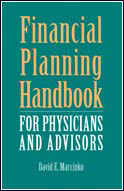
FINANCE: Financial Planning for Physicians and Advisors
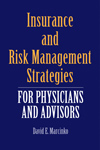
INSURANCE: Risk Management and Insurance Strategies for Physicians and Advisors

Product DetailsProduct DetailsProduct Details

Product Details  Product Details

Launching our ME-P Advertising Initiative

Learning and Growing with your Help

By Medical Executive-Post Staff stk321042rkn

This complimentary and companion blog forum for the 2-volume, 1,200 pages, quarterly print-journal at www.HealthcareFinancials.com provides the very latest news, information, insider reports, rated commentary, white-papers, professional posts and ranked subject matter information on the health care industrial complex. We see it as a “between-the-issues” communications forum, with in-vivo knowledge repository integrated with a ranking utility and professional social network for modernity.

Linking Stakeholders

In other words, we link movers-shakers and promote those in the profession with financial advisors, medical management consultants and health economists. All stakeholders of the healthcare industrial complex are invited to read, vote, submit posts and become involved with us.

Complimentary Resources

In order to make these high-level resources available to you at no cost, we promote our in-house textbooks, dictionaries, white papers, handbooks and print journal; online. www.MedicalBusinessAdvisors.com We also promote our consulting services, seminars, speaking engagements and online education program in heath economics and management for consultants www.CertifiedMedicalPlanner.com  

Soon, we intend to sparsely sell ads to sponsors interested in reaching out to our informed audience.

Privacy Assured

Of course, our sponsors will require some anonymous, aggregate data for reporting purposes

www.HealthDictionarySeries.com But, at no time will personal information or e-mail address be shared with vendors, sponsors or other sites. Please feel free to review our privacy policy.

Assessment

Don’t forget to send in your informed posts, and comments, too! Deep subject matter content is our lifeblood.

Read, rant, rate, rank and rave!

Please be sure to subscribe here for increased functionality.

Link: http://feeds.feedburner.com/HealthcareFinancialsthePostForcxos

Conclusion

And so, your thoughts and comments on this Medical Executive-Post are appreciated. Will subscribers object to some focused and target-specific advertisements on this blog-site? Or, shall we remain purists? Why or why not?

Speaker: If you need a moderator or speaker for an upcoming event, Dr. David E. Marcinko; MBA – Publisher-in-Chief of the Executive-Post – is available for seminar or speaking engagements. Contact: MarcinkoAdvisors@msn.com  or Bio: www.stpub.com/pubs/authors/MARCINKO.htm

Subscribe Now: Did you like this Medical Executive-Post, or find it helpful, interesting and informative? Want to get the latest E-Ps delivered to your email box each morning? Just subscribe using the link below. You can unsubscribe at any time. Security is assured.

Link: http://feeds.feedburner.com/HealthcareFinancialsthePostForcxos

About Doctor Evidence.com

Join Our Mailing List

Providing Evidence Based and Medical Data Driven Solutions

[Staff Reporters]solo-consultant

Doctor Evidence.com is devoted to delivering revolutionary solutions to address the current deficiency in the evidence-based clinical market. Unlike most “evidence-based” companies that summarize and reference evidence found in clinical studies, Doctor Evidence actually delivers answers derived directly from the clinical data. It is this Data-Driven approach that makes Doctor Evidence a unique company, offering the highest level of transparency in the marketplace today.

Mission

According to their website, The Doctor Evidence mission is:

to improve clinical outcomes by finding and delivering medical evidence to healthcare professionals, medical associations, policy makers and manufacturers through revolutionary solutions that enable anyone to make informed decisions and policies using medical data that is more accessible, relevant and readable.

Goals

Doctor Evidence aims to succeed in achieving their mission by providing state-of-the-art tools and technologies that find, categorize, store and convert complex medical information from clinical studies into distributive databases to be delivered in a user-friendly format. A team of clinicians, librarians, and IT specialists work in tandem with medical or lay clients to increase the value of their most important asset: clinical evidence.

Assessment

You are invited to investigate the technologies and services of Doctor Evidence and report back to us with your findings.

Link: www.DoctorEvidence.com

Channel Surfing the ME-P

Have you visited our other topic channels? Established to facilitate idea exchange and link our community together, the value of these topics is dependent upon your input. Please take a minute to visit. And, to prevent that annoying spam, we ask that you register. It is fast, free and secure.

Conclusion

Your thoughts and comments on this ME-P are appreciated. Feel free to review our top-left column, and top-right sidebar materials, links, URLs and related websites, too. Then, subscribe to the ME-P. It is fast, free and secure.

Speaker: If you need a moderator or speaker for an upcoming event, Dr. David E. Marcinko; MBA – Publisher-in-Chief of the Medical Executive-Post – is available for seminar or speaking engagements. Contact: MarcinkoAdvisors@msn.com

OUR OTHER PRINT BOOKS AND RELATED INFORMATION SOURCES:

Product Details  Product Details

Proposed Disallowance of Fair Market Value for FLPs

On the HR 436 Proposal for FLPs

By Linda Trugman; CPAtrugman, MBA, ABV, ASA, MCBA

On January 9, 2009 the US House of Representatives introduced HR 436. The Bill would establish the federal estate tax exemption at $3,500,000, and set the tax rate for estates exceeding that amount at 45 percent, eliminating the currently scheduled 2010 phase-out and subsequent reversion to pre-Bush tax cut levels with the $1 million exclusion and a 55 percent tax rate.

Estate Planning Technique Elimination

Importantly, the Bill, if enacted as proposed, would remove a popular estate planning technique by eliminating most discounts associated with what is referred to generically as family limited partnerships [FLPs, a general term applied to closely held asset holding companies often holding non-business assets].

FLP Non-Controlling Interests

Currently, when a physician-investor or any other individual transfers a non-controlling interest in a FLP, whether by gift or at death, the interest is valued at the price that a willing buyer would pay for the partnership interest, or fair market value. Since such FLP interests are not publicly traded, and do not represent a controlling interest in the partnership, business appraisers often assign substantial discounts in valuing these interests.

Case Model:

For example, a 10 percent limited partnership interest in a partnership that holds $1 million worth of securities would not be valued at $100,000 under current law. Rather, because a buyer of the partnership interest cannot sell the interest on the open market, nor exert control prerogatives on the partnership, he or she would pay materially less for the interest [perhaps 30 percent to 50 percent less]. 

Elimination of FMV Standards

The Bill as drafted would be effective for transfers occurring after the date of enactment. However, there is always the possibility that any final statute might be applied retroactively. While the fate of this piece of legislation is uncertain, it may reflect the attitude of the new administration towards keeping and strengthening the estate tax. 

If HR 436 becomes law, appraisers would no longer be allowed to apply Fair Market Value standards to valuing these non-control FLP interests; they would not be able to apply any discounts to “non-business” assets held by partnerships or other entities. Instead, those assets would be valued as though they were transferred directly to the recipient. 

Assessment

The Bill as drafted would be effective for transfers occurring after the date of enactment. However, there is always the possibility that any final statute might be applied retroactively. While the fate of this piece of legislation is uncertain, it may reflect the attitude of the new administration towards keeping and strengthening the estate tax. I have attached the proposed legislation to this post.

File:  hr-436 

Conclusion

And so, your thoughts and comments on this Medical Executive-Post are appreciated.

Speaker: If you need a moderator or speaker for an upcoming event, Dr. David E. Marcinko; MBA – Publisher-in-Chief of the Executive-Post – is available for seminar or speaking engagements. Contact: MarcinkoAdvisors@msn.com  or Bio: www.stpub.com/pubs/authors/MARCINKO.htm

Our Other Print Books and Related Information Sources:

Practice Management: http://www.springerpub.com/prod.aspx?prod_id=23759

Physician Financial Planning: http://www.jbpub.com/catalog/0763745790

Medical Risk Management: http://www.jbpub.com/catalog/9780763733421

Healthcare Organizations: www.HealthcareFinancials.com

Health Administration Terms: www.HealthDictionarySeries.com

Physician Advisors: www.CertifiedMedicalPlanner.com

Subscribe Now: Did you like this Medical Executive-Post, or find it helpful, interesting and informative? Want to get the latest E-Ps delivered to your email box each morning? Just subscribe using the link below. You can unsubscribe at any time. Security is assured.

Link: http://feeds.feedburner.com/HealthcareFinancialsthePostForcxos

WorldFocus Interviews Uwe Reinhardt PhD

How We Compare to Canada’s Healthcare System

Staff Reporters56359795

WorldFocus interviewed Uwe Reinhardt PhD on January 28, 2009.

In this extended interview, Dr. Reinhardt, a leading adviser on health care economics and professor of political economy at Princeton University, compares the Canadian and American health care systems.

Reinhardt criticizes the US health care culture and expresses his optimism about the new Obama administration.

Video: http://worldfocus.org/blog/2009/01/28/how-the-us-measures-up-to-canadas-health-care-system/3783/#comments

Conclusion

And so, your thoughts and comments on this Medical Executive-Post are appreciated. Decide for yourself; is Uwe correct; or not? Why, or why not? Despite Democratic control, is healthcare reform even likely?

Speaker: If you need a moderator or speaker for an upcoming event, Dr. David E. Marcinko; MBA – Publisher-in-Chief of the Executive-Post – is available for seminar or speaking engagements. Contact: MarcinkoAdvisors@msn.com  or Bio: www.stpub.com/pubs/authors/MARCINKO.htm

Our Other Print Books and Related Information Sources:

Practice Management: http://www.springerpub.com/prod.aspx?prod_id=23759

Physician Financial Planning: http://www.jbpub.com/catalog/0763745790

Medical Risk Management: http://www.jbpub.com/catalog/9780763733421

Healthcare Organizations: www.HealthcareFinancials.com

Health Administration Terms: www.HealthDictionarySeries.com

Physician Advisors: www.CertifiedMedicalPlanner.com

Subscribe Now: Did you like this Medical Executive-Post, or find it helpful, interesting and informative? Want to get the latest E-Ps delivered to your email box each morning? Just subscribe using the link below. You can unsubscribe at any time. Security is assured.

Link: http://feeds.feedburner.com/HealthcareFinancialsthePostForcxos

On Physician Leadership Today

Past versus Present in the Health 2.0 Era

By Susan Bock; MAOM, SPHRmedfrd1210

If you don’t know where you’re going, any road can take you there.

Hundreds, if not thousands, of books, articles and training materials have been published on leadership skills; far fewer for physicians of course; but the basics remain the same.

Self Help Proliferation

Why is there such a proliferation of paper devoted to this subject? Perhaps, it is due to the fact that business leadership today is ever so different from leadership of yesterday. Every aspect of leadership has been under intense scrutiny, by employees, industry experts, physician-executives and business gurus. Much like healthcare today, the very form of leadership is in a state of evolution – changing, modifying and redefining its core values. A multitude of leadership theories or models have been developed, revised, reviewed and assessed by the experts. What is needed, therefore, is an integration of several models specifically appropriate for today’s healthcare business environment and modern healthcare executive.  

Yesterday’s Death Knoll for Medicine

Replication of the leadership skills of yesterday is the death knoll for business today; especially for the business of healthcare. Leadership is no longer based on managing, directing, or supervising [top-down or command and control model].  As stated by James S. Doyle in his book The Business Coach [A Game Plan for the New Work Environment],

 “Today’s employees … do not respond well to bosses. Quite simply, they have plenty of other options where they will be treated as full members of a team.” 

Societal norms, generational beliefs and expanding diversity in healthcare are, in part, contributing to the new business environment. Likewise, medical leaders are required to respond, react and re-direct in the moment.

What Makes a Leader?

In a recent Harvard Business Review publication, What Makes a Leader”, author Daniel Goleman says that the desired traits most often sited were intelligence, toughness, determination, and vision.  A sufficient level of technical and analytical ability is even more essential now that we have moved into the new millennium. 

However, the leadership skills of this era are placing much more emphasis on the so-called ‘soft skills’ or ‘emotional intelligence’ and this may very well be the key attribute that distinguishes outstanding healthcare leaders from those who are merely adequate.

Multi Generations

It is common to have three generations represented in any organization. We have the Baby-boomers, Gen X and now, Gen Y. The Baby Boomer generation is saying with some sadness, “It sure isn’t want it used to be!”, while Generation Xers are saying “It’s about time things changed!” and the latest generation to enter the medical workforce, Gen Y’s, are saying “Ready or not, we’re here”. 

Each generation is extraordinarily complex, bringing various skills, expertise and expectations to the work environment. Determining the best methods to unite such diverse thinking is one of the many challenges faced by business leaders.

Assessment

Is it any wonder that many leaders in the Baby Boomer generation find themselves at a loss? The days of functional leadership are gone and suddenly, no one cares about the expertise of the Baby Boomers or how they climbed the corporate ladder, in medicine or elsewhere. The concept of ‘paying your dues’ is as foreign to the younger generations as is life without email, wikis or social networks. Still not convinced? Just think about the election of Barack Obama as 44th president of these United States. Leadership in the era of Health 2.0 is no longer about controlling or dictating with intense focus on the bottom line; it is about collaboration, empowerment and communication. 

Conclusion

And so, your thoughts and comments on this Medical Executive-Post are appreciated. How does the digital generation change the leadership equation in healthcare today?

Speaker: If you need a moderator or speaker for an upcoming event, Dr. David E. Marcinko; MBA – Publisher-in-Chief of the Executive-Post – is available for seminar or speaking engagements. Contact: MarcinkoAdvisors@msn.com  or Bio: www.stpub.com/pubs/authors/MARCINKO.htm

Our Other Print Books and Related Information Sources:

Practice Management: http://www.springerpub.com/prod.aspx?prod_id=23759

Physician Financial Planning: http://www.jbpub.com/catalog/0763745790

Medical Risk Management: http://www.jbpub.com/catalog/9780763733421

Healthcare Organizations: www.HealthcareFinancials.com

Health Administration Terms: www.HealthDictionarySeries.com

Physician Advisors: www.CertifiedMedicalPlanner.com

Subscribe Now: Did you like this Medical Executive-Post, or find it helpful, interesting and informative? Want to get the latest E-Ps delivered to your email box each morning? Just subscribe using the link below. You can unsubscribe at any time. Security is assured.

Link: http://feeds.feedburner.com/HealthcareFinancialsthePostForcxos

At-Home or Nursing-Home for Long Term Care [Part I]

Cost and Duration of Long-Term Care at Home

By Dr. David Edward Marcinko; FACFAS, M.B.A., CPHQ™, CMP™

By Thomas A. Muldowney; M.S.F.S., CLU, ChFC, CFP® CMP™

By Hope Rachel Hetico; R.N., M.H.A., CPHQ™, CMPdr-david-marcinko

This is the first post in an exclusive four part series for the ME-P titled: At-Home or Nursing Home Care for Long-Term Care.”

Remaining at Home

It is not surprisingly, eighty-five percent of married elders prefer to remain at home instead of moving to a nursing home or some other senior care facility. Staying at home is easier, more comfortable, and less traumatic. Home care statistics are limited, but three years is the estimated average number of years that elders will require custodial care services. This estimate also may combine home care followed by nursing home care. And, the anecdotal healthcare experience of two authors [DEM and HRH] confirms this period length.

Incremental LT Cost Approach

Quantifying the annual incremental costs of LTC home custodial services is difficult. Today, a high percentage of home care services are provided by unpaid family members, friends, or volunteer organizations. In the future, however, there will be fewer available unpaid caregivers, and more elders will have to pay for home custodial care.

Because of this potential shortage of caregivers, new business opportunities are springing up and, as usual, let the buyer beware. Many of these new businesses, for a fee, contract with a family that needs home LTC for a family member.  Upon contract, the new LTC business owner begins a search for a candidate caregiver who will live in your house and care for your parent or spouse. Often the in-home caregivers have difficulty speaking the language or may not be familiar with local customs.

Furthermore, many of them wish to be paid in cash rather than by check. As you might imagine, background checks, tax compliance and other legal considerations are of utmost importance.  Career education and career experience are also very important. Be sure that if you look for such a caregiver, you must exercise thorough due diligence so that your loved one will be cared for properly.

LTC Costs Vary Widely

LTC home care cost estimates vary widely by location and type of service. At present, the average annual cost for a live-in, full-time aide in the United States (especially if part-time help to relieve a full-time aide is added) is estimated at $40,000, the same as the estimated cost of staying at a nursing home for a year. If living expenses are added to costs for custodial aides, LTC home care costs can be more expensive than nursing home costs.

For three shifts of paid LTC custodial services, home care costs may exceed $100,000 annually; more than triple the current estimated cost for nursing home care. These numbers should not be surprising.  In a nursing home environment, one caregiver may be able to provide care for multiple patient/residents. This reduces the cost per patient. In your private home, your personal caregiver can give only care to a single patient.

Custodial Aide Costs

Costs for custodial aides in the fragmented, rapidly expanding, competitive home care industry may increase at a faster rate than the Consumer Price Index [CPI]. Employed aides will replace family caregivers. The Bureau of Labor Statistics [BLS] indicates that jobs for home health aides, human service workers, and personal and home care aides are expected to grow faster than any other industry in terms of total jobs.

In the next decade, there will be more than 2 million home care jobs, and they will become a larger component of total gross domestic product expenditures. Using an estimated three-year home care requirement and current estimated costs, and allowing for 15 years of inflation at 5 percent, $225,000 per person is a reasonable estimate to use for financial planning purposes.

Assessment

However, in some metropolitan or suburban areas, such as New York City, the cost should be increased by at least 100 percent. Of course, three years of required care is an estimate. About one-third of the people who require nursing home care will need it for more than three years. Presumably, nursing home care will be preceded by home care. Moreover, only one full-time aide was assumed. Some elders also will require additional part-time help.

And so, your thoughts and comments on this Medical Executive-Post, which represents the first in a series of four parts on: At Home or Nursing Home Care for Long Term Care, are appreciated. Comments from physicians and LTC insurance agents are especially valued.

Conclusion

Feel free to review our top-left column, and top-right sidebar materials, links, URLs and related websites, too. Then, subscribe to the ME-P. It is fast, free and secure.

Speaker: If you need a moderator or speaker for an upcoming event, Dr. David E. Marcinko; MBA – Publisher-in-Chief of the Medical Executive-Post – is available for seminar or speaking engagements. Contact: MarcinkoAdvisors@msn.com

OUR OTHER PRINT BOOKS AND RELATED INFORMATION SOURCES:

Join Our Mailing List

About Health CEOs for Healthcare Reform

A Coalition from the New America Foundation

Staff Reporters

stk312038rkn

Many pundits posit that real health reform will entail quality, affordable coverage for all Americans and a restructured health care delivery system. And, a growing number of health industry leaders understand they must reorganize their business models to realize these goals.

Health CEOs for Reform

Recognizing that business as usual is no longer a sustainable model in health care, a diverse coalition of six CEOs from across the health care sector have come together to form Health CEOs for Health Reform [HC4HR]. The coalition, facilitated by the New America Foundation, brings together health industry leaders with a unique willingness to transform their business models to create a more sustainable health system.

Guiding Principles

According the its website, the group’s members are committed to moving past broad policy concepts toward detailed blueprints that reconcile the legislative goals and principles of lawmakers with the operational realities of our health care system. The coalition is built on the following three principles:


  1. Health reform is an urgent priority for our nation and should not be postponed.
  2. Meaningful health reform entails quality, affordable health coverage for all and delivery system reform. This will require all stakeholders to move away from “business as usual.”
  3. A more sustainable health system will require all health care stakeholders to offer and accept changes to their business models as part of a catalytic package that will better serve everyone.

Assessment

The CEOs announced the formation of HC4HR in an event at the National Press Club. Senator Sheldon Whitehouse [D-RI] provided a Congressional keynote for the event, stressing the importance of health reform in our national agenda and applauding the leadership shown by HC4HR.

Link: http://www.newamerica.net/events/2008/ceos_health_reform

Conclusion

And so, your thoughts and comments on this Medical Executive-Post are appreciated. Do we really need another group to discuss healthcare reform? We all know the problems of divergent stakeholder interest. Is this the time for solutions, or another group reframing the problem?

Speaker:If you need a moderator or speaker for an upcoming event, Dr. David E. Marcinko; MBA – Publisher-in-Chief of the Medical Executive-Post – is available for seminar or speaking engagements. Contact: MarcinkoAdvisors@msn.com  or Bio: www.stpub.com/pubs/authors/MARCINKO.htm

Subscribe Now:Did you like this Medical Executive-Post, or find it helpful, interesting and informative? Want to get the latest ME-Ps delivered to your email box each morning? Just subscribe using the link below. You can unsubscribe at any time. Security is assured.

Link: http://feeds.feedburner.com/HealthcareFinancialsthePostForcxos

Product Details


Myths and Solutions for Healthcare Reform

Enter the Primary Care Docs, NPs, PAs and DNPs

Staff Reportersidea

Conclusion

And so, your thoughts and comments on this Medical Executive-Post are appreciated. Would more family practitioners, and professional medical care extenders, help or hinder true healthcare reform?  

Speaker: If you need a moderator or speaker for an upcoming event, Dr. David E. Marcinko; MBA – Publisher-in-Chief of the Executive-Post – is available for seminar or speaking engagements. Contact: MarcinkoAdvisors@msn.com  or Bio: www.stpub.com/pubs/authors/MARCINKO.htm

Our Other Print Books and Related Information Sources:

Practice Management: http://www.springerpub.com/prod.aspx?prod_id=23759

Physician Financial Planning: http://www.jbpub.com/catalog/0763745790

Medical Risk Management: http://www.jbpub.com/catalog/9780763733421

Healthcare Organizations: www.HealthcareFinancials.com

Health Administration Terms: www.HealthDictionarySeries.com

Physician Advisors: www.CertifiedMedicalPlanner.com

Subscribe Now: Did you like this Medical Executive-Post, or find it helpful, interesting and informative? Want to get the latest E-Ps delivered to your email box each morning? Just subscribe using the link below. You can unsubscribe at any time. Security is assured.

Link: http://feeds.feedburner.com/HealthcareFinancialsthePostForcxos

On Ingenix and Delta Dental

Or, Birds of a Feather; etc. etc

By Darrell K. Pruitt; DDS

pruitt10

Introduction

Just a quick note while I’m working on other material. As anyone can see from reading Rabia Mughal’s DrBicuspid article, “Dentists or patients: Who should get the insurance check?” Delta Dental is simply a sleazy company that dentists should shun to protect their patients’ welfare.

http://www.drbicuspid.com/index.aspx?sec=sup&sub=pmt&pag=dis&ItemID=301436&wf=34

It is unethical to sign a contract with Delta Dental, and I will help Delta show you why. Here is a sample of Delta sleaze I intend to present:

Arlene Furlong on Delta Dental

On September 17, 2008, Arlene Furlong posted an article about Delta Dental on ADA News Online titled “Delta caps rates nationally for two networks.”

http://www.ada.org/prof/resources/pubs/adanews/adanewsarticle.asp?articleid=3218

Furlong writes:

“A contract provision that holds dentists to Delta’s maximum allowed fee for non-covered services will affect all of Delta’s Premier and Preferred Provider Organization participating dentists throughout the country by January 2011.″.

The Upshot 

This means that if a Delta preferred provider wishes to make up for the profit lost from providing Delta customers 25% discounts on dentistry, which works out to over half the dentist’s pay after expenses are deducted, doing more cosmetic dentistry will no longer help keep the doors open.  Delta, like a sleazy dentistry broker, is telling its providers that it will demand discounts on everything for its customers. Think about it. It is beyond unfair business practice. It is tyranny.

Invading the Dental Homes 

And now, Mughal tells us that Delta Dental intends to break up dental homes – where patients enjoy the benefits of continuity of care from dentists they prefer.  Why does Delta harm their clients like that? 

Ari Adler, the communications administrator at Delta Dental of Indiana says it is a matter of dentists stealing something from the network:

“Direct reimbursement to out-of-network dentists is a problem because it allows them to enjoy the benefits provided by the network without following cost guidelines and quality control measures of the network”, [Adler] added.

Quality control; you mean like UnitedHealthcare’s Ingenix? 

When one thinks about it, since dentists will only be paid half of what they are paid today, no matter what they do for dental patients, quality control could indeed become a new issue, just like the appearance of black-market dentistry. 

My Beat 

I will be covering quality control by dental consultants soon. Did you know that they have their own national organization? It is called the American Association of Dental Consultants (AADC). I bet you didn’t know this: Less than a year ago, Dr. Gordon Christiansen as well as Dr. John Luther, Senior Vice-President of the ADA, spoke at their annual convention in Scottsdale, Arizona. Delta Dental was Dr. John Luther’s employer before he came to work for the ADA. Hmm, I wonder?

Wait, there’s more:  the AADC’s largest sustaining sponsor is UnitedHealthcare Dental. http://aadc.org/site/sponsors.php

The Ingenix Scandal

Have you heard of UnitedHealthcare’s company called Ingenix?  New York Attorney General Andrew Cuomo caught Ingenix being creative with physicians’ FOIA-disclosable data for cost-control purposes (profit), and calling it quality control.  Ingenix was marketing its professional number-cooking scheme to insurers across the nation before Cuomo saw through their deceit and recently demanded Ingenix to be dissolved. 

Transparent Feudal Mechanisms 

One can see that incest probably worked well for royalty in Europe until literacy and the free-market brought transparency to their self-perpetuating feudal machinations. I will be watching for a name and email address of an appropriate Delta Dental official to contact about Delta’s sleazy business practices.  At some point in this thread (which I can keep active for years), I intend to make someone from Delta Internet-famous among dentists, just like Trajan King, CEO of Intelligent Dental Marketing. Suggestions from readers and subscribers are always appreciated.  Please, no in-laws.

Assessment 

It is time to come out and defend yourself in front of a hostile audience, you good ol’ boys from Delta Dental … or not.  Your old command-and-control tricks don’t stand a chance in a transparent marketplace, and I will show you that silence is lame defense as well. Someone on your team is trapped. Please, let’s talk sooner than later.

Conclusion

Your thoughts and comments on this ME-P are appreciated. Feel free to review our top-left column, and top-right sidebar materials, links, URLs and related websites, too. Then, subscribe to the ME-P. It is fast, free and secure.

Link: http://feeds.feedburner.com/HealthcareFinancialsthePostForcxos

Speaker: If you need a moderator or speaker for an upcoming event, Dr. David E. Marcinko; MBA – Publisher-in-Chief of the Medical Executive-Post – is available for seminar or speaking engagements. Contact: MarcinkoAdvisors@msn.com

OUR OTHER PRINT BOOKS AND RELATED INFORMATION SOURCES:

DICTIONARIES: http://www.springerpub.com/Search/marcinko
PHYSICIANS: www.MedicalBusinessAdvisors.com
PRACTICES: www.BusinessofMedicalPractice.com
HOSPITALS: http://www.crcpress.com/product/isbn/9781466558731
CLINICS: http://www.crcpress.com/product/isbn/9781439879900
BLOG: www.MedicalExecutivePost.com
FINANCE: Financial Planning for Physicians and Advisors
INSURANCE: Risk Management and Insurance Strategies for Physicians and Advisors

Product DetailsProduct DetailsProduct Details

America’s Safest Hospitals

Join Our Mailing List

[Behind the Numbers]

[By Staff Reporters]56382989

Did you know that at Missouri Baptist Medical Center in St. Louis, it only takes 90 seconds to save a life? While all hospitals keep staff on-call for emergencies, Missouri Baptist has implemented a rapid response program through which anyone, even family members, can call a team of clinicians to the bedside of a distressed patient within 90 seconds.

An Idea from Down-Under

As seen in Forbes, January 27, 2009, Missouri Baptist imported the idea from Australia, with an overall emphasis on safety that is evident not only in its innovative programs, but also in its numbers.

The Internal Data

According to reported internal data, only 48% of patients die as would be expected given their diagnoses. With outcomes like these, it’s no surprise that Missouri Baptist was designated by HealthGrades, a private hospital rating company in Golden, Colo., as one of the safest in the country. In its seventh annual study of “quality and clinical excellence”, known as Behind the Numbers, HealthGrades identified 270 hospitals out of 5,000 that collectively had a 28% lower mortality rate and 8% lower complication rate than the national average. The list reflects the top 5% of hospitals nationwide.

About HealthGrades

The HealthGrades [NASDAQ: HGRD] site promotes the firm as a leading healthcare ratings organization, providing ranking and profiles of hospitals, nursing homes and physicians to consumers, corporations, health plans and other hospitals. Millions of consumers and hundreds of the nation’s largest employers, health plans and hospitals rely on HealthGrades’ independent ratings, consulting and products to make healthcare decisions based on the quality of care. Founded in 1999, the firm has over 160 employees www.HealthGrades.com

Assessment

Now, what ever happened to governmental reporting, the Joint Commission, etc? Of course, after the IOM Report on Crossing the Quality Chasm in 2001, this type of service may be more important than ever.

Link: quality-chasm3

Conclusion

Your thoughts and comments on this ME-P are appreciated. Feel free to review our top-left column, and top-right sidebar materials, links, URLs and related websites, too. Then, subscribe to the ME-P. It is fast, free and secure.

Link: http://feeds.feedburner.com/HealthcareFinancialsthePostForcxos

Speaker: If you need a moderator or speaker for an upcoming event, Dr. David E. Marcinko; MBA – Publisher-in-Chief of the Medical Executive-Post – is available for seminar or speaking engagements. Contact: MarcinkoAdvisors@msn.com

OUR OTHER PRINT BOOKS AND RELATED INFORMATION SOURCES:

LEXICONS: http://www.springerpub.com/Search/marcinko
PHYSICIANS: www.MedicalBusinessAdvisors.com
PRACTICES: www.BusinessofMedicalPractice.com
HOSPITALS: http://www.crcpress.com/product/isbn/9781466558731
CLINICS: http://www.crcpress.com/product/isbn/9781439879900
ADVISORS: www.CertifiedMedicalPlanner.org
BLOG: www.MedicalExecutivePost.com

Product DetailsProduct Details

Teaching Bedside Manners

Join Our Mailing List

Notes on Learning Ethics and Compassion

[By Staff Reporters]red-appple

According to a report cited by the New York Times, January 29th 2009, the journal Academic Medicine [AM] published its findings on medical ethics and professional compassion in the academic teaching environment.

Traditional [Last-Gen] Mindset

Unfortunately, it often seems a negative truism that good doctor bedside manner is something you are born with, rather than a learned behavior.  Think Gregory House; MD.

The Academic Medicine Report

However, a new study published in this month’s issue of Academic Medicine seems to prove that effort does matter, and that compassionate learning is possible. Even established physicians and clinicians can be re-inspired to adopt new humanistic skills, becoming better teachers and role models in the process.

Assessment

Will increased transparency in medicine and emerging collaborative health 2.0 initiatives change this traditional point-of-view?

Conclusion

Your thoughts and comments on this ME-P are appreciated. Feel free to review our top-left column, and top-right sidebar materials, links, URLs and related websites, too. Then, subscribe to the ME-P. It is fast, free and secure.

Speaker: If you need a moderator or speaker for an upcoming event, Dr. David E. Marcinko; MBA – Publisher-in-Chief of the Medical Executive-Post – is available for seminar or speaking engagements. Contact: MarcinkoAdvisors@msn.com

OUR OTHER PRINT BOOKS AND RELATED INFORMATION SOURCES:

Product DetailsProduct Details

About the AHCJ

Advancing Public Understanding of Healthcare Issues

Staff Reportersmedfrd1210

According to its website, the Association of Health Care Journalists [AHCJ] is an independent, nonprofit organization dedicated to advancing public understanding of health care issues. 

Currently, there are more than 1,000 members in the AHCJ www.HealthJournalism.org

History

The idea for an Association of Health Care Journalists was born at a conference of health care reporters in Bloomington, Ind., in March of 1997. As it happened, several journalists, who had felt the need for such a group, crossed paths at that conference, which was sponsored by the Henry J. Kaiser Family Foundation. J. Duncan Moore, a reporter for Modern Healthcare magazine, and Melinda Voss, then a health reporter for the Des Moines Register, organized the initial meeting.

Mission

The mission of the Association of Health Care Journalists is to improve the quality, accuracy and visibility of health care reporting, writing and editing. AHCJ is classified as a 501(c) (6), a nonprofit professional trade association.

Goals

  1. To support the highest standards of reporting, writing, editing, and broadcasting in health care journalism for the general public and trade publications.
  2. To develop a strong and vibrant community of journalists concerned with all forms of health care journalism.
  3. To raise the stature of health care journalism in newsrooms, the industry, and the public, as a whole.
  4. To promote understanding between journalists and sources of news about how each can best serve the public.
  5. To advocate for the free flow of information to the public.
  6. To advocate for the improvement of professional development opportunities for journalists who cover any aspect of health and health care.

Assessment

For membership and contact information:

Association of Health Care Journalists
Missouri School of Journalism
10 Neff Hall –
Columbia, MO 65211 USA

Conclusion

And so, your thoughts and comments on this Medical Executive-Post are appreciated. Do we need more journalists reporting on the status of the healthcare industrial complex; or do we need real subject matter experts? Nevertheless, we are supporters of healthcare journalistic transparency.

Speaker: If you need a moderator or speaker for an upcoming event, Dr. David E. Marcinko; MBA – Publisher-in-Chief of the Executive-Post – is available for seminar or speaking engagements. Contact: MarcinkoAdvisors@msn.com  or Bio: www.stpub.com/pubs/authors/MARCINKO.htm

Subscribe Now: Did you like this Medical Executive-Post, or find it helpful, interesting and informative? Want to get the latest E-Ps delivered to your email box each morning? Just subscribe using the link below. You can unsubscribe at any time. Security is assured. 

Link: http://feeds.feedburner.com/HealthcareFinancialsthePostForcxos

Ban on Referenced Based Drug Pricing

Join Our Mailing List

A Medicare and CMS Three-Sixty

[By Staff Reporters]rboa_16

According to Jane Zhang and Vanessa Fuhrmans of the Wall Street Journal, on January 10, 2009, the last days of the Bush administration saw a proposed ban that allows private insurers to charge Medicare beneficiaries stiff penalties if they choose brand-name drugs instead of cheaper generic drugs.

Referenced Based Pricing

Under reference-based drug pricing, the penalty for insisting on a brand-name drug often amounts to the price difference between the drug and the generic version, plus a copayment. In some cases, that leaves patients paying the full price of the brand-name drug. In contrast, buyers of brand-name drugs when there is no generic equivalent are charged just a copayment. Nearly 10% of drug plans used the pricing technique to steer beneficiaries to lower-cost generics www.HealthDictionarySeries.com 

CMS Announcement

Of course, the announcement from the Centers for Medicare and Medicaid Services came after lawmakers and patient advocates protested that reference-based pricing made it difficult for consumers to calculate drug costs.

CMS Renouncement

But, the agency reversed itself 360 degrees this week, proposing to ban such pricing for the 2010 drug plans. The WSJ reported that complicated formulas made it “very difficult to accurately convey the extent of expected out-of-pocket spending” for prescription drugs. And, “The basis for this decision is our belief that reference-based pricing may be inherently misleading to beneficiaries and inconsistent with our goal of improving transparency.”

The Pfizer-Wyeth Drug Deal

Following the ban, investors appeared skeptical about the just announced Pfizer-Wyeth drug deal. Pfizer will pay $68 billion for Wyeth, which is the biggest in the drug sector since 2000. The merger comes as Pfizer faces the difficult hurdle of dealing with patent expirations for some of its biggest drugs, including its cholesterol-lowering Lipitor, which makes up about 25% of the company’s overall sales.

Assessment

The ban is part of CMS’s criteria for prescription-drug plans that insurers will offer for 2010. The criteria won’t be final until March, leaving a narrow window for the Obama administration to change them.

Conclusion

Your thoughts and comments on this ME-P are appreciated. Feel free to review our top-left column, and top-right sidebar materials, links, URLs and related websites, too. Then, subscribe to the ME-P. It is fast, free and secure.

Speaker: If you need a moderator or speaker for an upcoming event, Dr. David E. Marcinko; MBA – Publisher-in-Chief of the Medical Executive-Post – is available for seminar or speaking engagements. Contact: MarcinkoAdvisors@msn.com

OUR OTHER PRINT BOOKS AND RELATED INFORMATION SOURCES:

Product DetailsProduct DetailsProduct Details

***

About Hiperwall.com

Cool New Video Wall Creations – for Medicine?

Staff Reporters56371220

Hiperwall software enables anyone to build a scalable, high performance video wall from ordinary computers, monitors and an ethernet network.

Many Content Types

Hiperwall allows viewing in any combination of content types:


  • Ordinary graphic images
  • Extremely large graphic images, up to 1 gigabyte or larger
  • Digital movies, including standard and HDTV format
  • Streaming content from cameras and other live sources
  • Live “sender” feeds that let a room full of people view the constantly changing screen displays of one or more computers

Hiperwall has the ability to resize and relocate each content object anywhere on the video wall, within a single monitor or across multiple monitors. It is as easy as moving and resizing windows on the desktop of your personal computer. Hiperwall also provides advanced capabilities like zoom, rotation, shading and transparency, enabling users to examine content with increased flexibility and effectiveness. It is based on technology originally developed by researchers from the University of California at Irvine, and is now available for use by anyone www.Hiperwall.com

Assessment

Now, what does this all have to do with healthcare? Well, think digital radiology, cardiology, PET, CT and MRI scans, and others graphically intensive specialties? For example, an early client was Stanford University Medical School and Samsung Electronics. Still, with few other clients and only a hand-full of employees, consider overall costs, viability and follow-up support. Nevertheless, on January 24, 2009 – Information Week named the company as the “Startup-of-the-Week.”

Conclusion

And so, your thoughts and comments on this Medical Executive-Post are appreciated; especially from you daring early-adopters, out there! Think PACS [picture archiving and communication systems].

Speaker: If you need a moderator or speaker for an upcoming event, Dr. David E. Marcinko; MBA – Publisher-in-Chief of the Executive-Post – is available for seminar or speaking engagements. Contact: MarcinkoAdvisors@msn.com  or Bio: www.stpub.com/pubs/authors/MARCINKO.htm

Subscribe Now: Did you like this Medical Executive-Post, or find it helpful, interesting and informative? Want to get the latest E-Ps delivered to your email box each morning? Just subscribe using the link below. You can unsubscribe at any time. Security is assured.

Link: http://feeds.feedburner.com/HealthcareFinancialsthePostForcxos

Healthcare and the Recession

Join Our Mailing List

Physician and Hospital Pricing Pressure

[By Staff Reporters]life-preserver

As reported in Modern Physician Online, by Dan Bowman, new metadata coming from the federal government suggests that the current financial meltdown and domestic recession has impacted hospital and physician charges, as implicated by their revenues.

USBLS on Physician Charges

According to data from the US Bureau of Labor Statistics [USBLS], retail prices charged by doctors rose 2.9 percent in 2008, compared with 4.1 percent the year before. Wholesale prices for physicians were up 1.2 percent last year, compared with 4 percent in 2007.

USBLS on Hospital Charges

Hospitals meanwhile, were up 5.9 percent in 2008, compared with 8.3 percent the year before. Wholesale prices for hospital services, for their part, were up 1.5 percent last year, falling from a 3.8 percent increase in 2007.

Assessment

Link: www.ModernHealthcare.com

Conclusion

Your thoughts and comments on this ME-P are appreciated. Feel free to review our top-left column, and top-right sidebar materials, links, URLs and related websites, too. Then, subscribe to the ME-P. It is fast, free and secure.

Link: http://feeds.feedburner.com/HealthcareFinancialsthePostForcxos

Speaker: If you need a moderator or speaker for an upcoming event, Dr. David E. Marcinko; MBA – Publisher-in-Chief of the Medical Executive-Post – is available for seminar or speaking engagements. Contact: MarcinkoAdvisors@msn.com

OUR OTHER PRINT BOOKS AND RELATED INFORMATION SOURCES:

DICTIONARIES: http://www.springerpub.com/Search/marcinko
PHYSICIANS: www.MedicalBusinessAdvisors.com
PRACTICES: www.BusinessofMedicalPractice.com
HOSPITALS: http://www.crcpress.com/product/isbn/9781466558731
CLINICS: http://www.crcpress.com/product/isbn/9781439879900
BLOG: www.MedicalExecutivePost.com
FINANCE: Financial Planning for Physicians and Advisors
INSURANCE: Risk Management and Insurance Strategies for Physicians and Advisors

Product Details  Product Details

Valuation and Small Business Appraisal Basics

Join Our Mailing List

Applied Methodology with “Hands-On” Practice for Doctors                      

By Lester Barenbaum; PhD

By Michael Saponara; JD, CPAhands2

The market value of a publicly traded company’s equity can be calculated at a point in time by multiplying its share price by the number of shares of common stock outstanding.  The share price is determined in the public marketplace by buyers and sellers who trade the stock. 

The Buyers

Buyers of publicly traded company shares such as IBM expend money now (invest) for the right to receive uncertain future economic benefits. The price (value) an investor pays for a share is based upon his or her assessment of the size, timing and certainty of receiving future economic benefits. 

The Sellers

Likewise, a seller of IBM equity is willing to forego his or her expectation of future economic benefits if the investor believes that the benefits given up are worth less than the proceeds (value) from selling the ownership position.  Thus, the share price of IBM at a given point in time represents the value of future economic benefits as perceived by buyers and sellers of IBM equity at a point in time.

Assessment

This value is observable through transactions in the marketplace. In contrast, closely held businesses generate also economic benefits for their owners but the value of those companies cannot be directly observed by activity in traded markets.

Link: bizvaluationsbarenbaum11

Channel Surfing the ME-P

Have you visited our other topic channels? Established to facilitate idea exchange and link our community together, the value of these topics is dependent upon your input. Please take a minute to visit. And, to prevent that annoying spam, we ask that you register. It is fast, free and secure.

Conclusion

Your thoughts and comments on this ME-P are appreciated. Feel free to review our top-left column, and top-right sidebar materials, links, URLs and related websites, too. Then, subscribe to the ME-P. It is fast, free and secure.

Speaker: If you need a moderator or speaker for an upcoming event, Dr. David E. Marcinko; MBA – Publisher-in-Chief of the Medical Executive-Post – is available for seminar or speaking engagements. Contact: MarcinkoAdvisors@msn.com

OUR OTHER PRINT BOOKS AND RELATED INFORMATION SOURCES:

Product DetailsProduct DetailsProduct Details

On Episodes of Medical Care

Join Our Mailing List

Another Medical Payment Paradigm Shift

einstein

[By Ann Miller; RN, MHA]

 “Any intelligent fool can make things bigger, more complex, and more violent. It takes a touch of genius — and a lot of courage — to move in the opposite direction.”

Currently, the Centers for Medicare and Medicaid Services [CMS] pay hospitals a single prospectively determined amount under the inpatient prospective payment system [IPPS] for all care given to an inpatient. Physicians who provide other care to patients are paid separately – accordingly to a Medicare physician fee schedule – for each service they perform http://www.HealthDictionarySeries.org

The ACE Project

A newer project, called the Acute Care Episode demonstration, will soon test whether a global payment will better align the incentives for both types of providers leading to better quality and greater efficiency; beginning in January 2009 www.HealthcareFinancials.com.

Bundled Payment Advocates

Like Einstein’s statement on simplicity, we are believers in bundling payments for medical providers. If done correctly, episodic medical care bundling may be an acceptable compromise for all. The current Medicare payment system treats physicians like virtual offending criminals. Every potential health claim is fraud; although this situation probably wouldn’t change. Any formula that buries E&M coding is a system worth evaluating. Many docs easily double the number of patients seen if paperwork and documentation was not so onerous. Not sure this is always a good thing; however. Bundling forces physicians to reevaluate, what is necessary and what isn’t. There is a much unnecessary productivity in medical care. “Too much friction – not enough movement” 

Assessment

Fee-for-service medicine has a way of creating business that need not be created. Will less be done under bundled care – will diagnostic care be upgraded for increased reimbursements?  Will episodic coding consultants come out of the wood-work? Maybe! And, can we can look at the DRG and MS-DRG experience as a potential harbinger of the future?

Conclusion

Your thoughts and comments on this ME-P are appreciated. Feel free to review our top-left column, and top-right sidebar materials, links, URLs and related websites, too. Then, subscribe to the ME-P. It is fast, free and secure.

Speaker: If you need a moderator or speaker for an upcoming event, Dr. David E. Marcinko; MBA – Publisher-in-Chief of the Medical Executive-Post – is available for seminar or speaking engagements. Contact: MarcinkoAdvisors@msn.com

OUR OTHER PRINT BOOKS AND RELATED INFORMATION SOURCES:

Product DetailsProduct DetailsProduct Details

What’s Up with Plaid Management?

Join Our Mailing List

A “Cold-Call” Cowboy for Financial Advisors

[By An Anonymous Subscriber]gears

We have been getting annoying cold robo-calls, monthly for about a year now, from one Tim Smith. It seems as though Mr. Smith is a financial services matchmaker from Plaid Management, who brokers deals between clients and those in the financial services [sales] industry desperate for them. His firm may also do this with patients and medical professionals too; but, at what cost?

Our Internet Search

So, as a financial advisory firm, we did a web search for his company in Houston. Of course, you can too. According to the site, Smith founded The Plaid Group as a resource to help companies improve financial performance by simplifying and stabilizing their business operations. So, he is not working for the client prospect or patient-consumer; at all. But, he does seem to have a marketing history that includes a Fortune 500 Diversified Financial Services Corporation; and in a gamut of industries that include CPAs, IT, law, training, employee assessment folks, and marketing firms. Yet we know nothing else about him, good or bad, sans his cheesy and automated cold-call techniques.

Why Plaid?

Plaid is a fabric with a consistent, repeatable, and predictable pattern. Like Tim, we’ve taken that idea and applied it to his constant gear-like marketing activities.

Assessment

In other words, we have placed his firm on our Do Not Call list; with email message block. If inclined, you can too; or not! The decision is your own; but caveat emptor. Here is the contact info:

The Plaid Group
PO Box 25247
Houston, TX 77265-5247
713-627-3569 info@plaidgroup.com

Channel Surfing the ME-P

Have you visited our other topic channels? Established to facilitate idea exchange and link our community together, the value of these topics is dependent upon your input. Please take a minute to visit. And, to prevent that annoying spam, we ask that you register. It is fast, free and secure.

Conclusion

Your thoughts and comments on this ME-P are appreciated. Feel free to review our top-left column, and top-right sidebar materials, links, URLs and related websites, too. Then, subscribe to the ME-P. It is fast, free and secure.

Speaker: If you need a moderator or speaker for an upcoming event, Dr. David E. Marcinko; MBA – Publisher-in-Chief of the Medical Executive-Post – is available for seminar or speaking engagements. Contact: MarcinkoAdvisors@msn.com

OUR OTHER PRINT BOOKS AND RELATED INFORMATION SOURCES:

Quality Improvement Origins in Healthcare

Join Our Mailing List

Lessons Learned from the Business Space

[By Henry H. Goldman PhD CPCM]

“We arrived in different ships, but we’re all in the same boat now.”

The real beginnings of the “Quality Initiative” in the United States came after W. Edwards Deming, Joseph Juran, and others returned from Japan in the late 1950s. These men and their colleagues had answered a call from the United States Government to assist in the reconstruction of Japanese industry following World War II. Their techniques and methodologies had raised the industrial output of Japan to heights not previously envisioned. Along with this huge increase in industrial output was the understanding that Japanese made products were better than similar products produced in the United States. That, somehow, the Japanese culture had contributed to a level of quality heretofore not seen.

INTRODUCTION

American industries had begun to feel the impact of Japanese manufacturing by the mid 1980s. Pre-war imports from Japan had, noticeably, lacked quality. The goods were shoddily produced, had not warranties, were unreliable, and “cheap” in every sense of the word.

The quality of Japanese goods arriving in the United States and Western Europe during the late 1970s and into the 1980s was higher than anyone had expected. The rules set down by Deming and Juran had permitted the manufacturing of goods of superior quality. The Japanese began to be recognized, world-wide, for their output of electronic goods, of automobiles, and other sectors of the economy that required very detailed hands-on work. In most cases, robots rapidly replaced the hands-on applications and computer directed production became the norm. Most American industrial output was mechanized, but not as yet computerized nor was the manufacturing output heavily robotic.

PRECURSORS TO THE QUALITY INITIATIVE

Practicing managers, management theorists, and teachers of management at the nation’s colleges and universities began to recognize that changes would be necessary in management as a discipline if the United States, in particular, was to keep up with the quality production seen first in a rebuilt Western Europe and then in Japan. A number of ideas were put forth that were, ultimately, to become the under pinning of what was to be the American quality initiative.

The first well known “new management” technique, developed in the late 1960s by Peter Drucker, James Odione, J.D. Batten, and others was “Management by Objectives” (MBO). The purpose and objective of MBO was to motivate managers to really accomplish something. “Managing by Objectives” permitted managers to set down for themselves a strategic plan. Implementation of this plan was the identification of what the manager, in concert with senior management, could realistically accomplish in a given time period. David N. Chalk carried this idea forward in his, “Management by Commitment.” Chalk suggested that MBO did not go far enough. Much of what should have been achieved had not been accomplished. He strongly advocated MBC. The “commitment” was in the form of a written contract. There were penalties if the contract was not met. Managers working in a MBC environment were encouraged to keep senior management well aware of any problems that might hinder the meeting of the specified goals and objectives. There was a “no surprise” management style in MBC oriented companies.

Peter Pyhrr wrote his groundbreaking book, Zero-Base Budgeting: A Practical Management Tool for Evaluating Expenses, in 1973. ZBB quickly became a management buzzword and Pyhrr’s book rapidly became the most purchased business book in history, to that time. The underlying advantage of Zero-Based Budgeting was that the managers had to be given the authority and the responsibility to manage their own budgets. Line item budgets were no longer necessary. Managers, working under ZBB, requested a “least-cost” budget. This was a budget that permitted the manager’s functional area to meet its mission, but at a minimum level required to discharge that mandate. The technique effectively raised the intuitive thinking of managers. It had the effect of reducing operating expenses, overall. An additional benefit came from the mental exercises that determined which programs would go and which would not. It permitted excess funds to be redirected to the improvement of product quality and the improvement of the firm’s business processes.

While American managers and American industry was still trying to digest ZBB and the changes that it wrought another management idea came forth. Professor William Ouchi, then teaching at the University of California, Los Angeles, published his, Theory Z: How American Business can meet the Japanese Challenge, in 1981. This was the first widely read recognition that the Japanese were doing something right. It was the first recognition that American industry had not understood the thrust of the Japanese effort to produce quality products at an affordable price. These ideas, then, became the floor for what would become the American Quality Initiative in the late 1980s and has held forth strongly into the new millennium.

***

model

***

THE EVOLUTION OF BUSINESS QUALITY PROGRAMS IN THE UNITED STATES

If ZBB was the management buzzword of the 1970s and early 1980s, “Total Quality Management” (TQM) was the first quality buzzword. TQM became a new way of life in American industry. Companies all over the United States began to learn how to apply the Deming-Juran ideas of quality in their own product areas. Book publishers were inundated with TQM oriented manuscripts. Dozens of books were published on quality. Like ZBB before it, TQM was offered in all sorts of industries, service and manufacturing. One began to hear of TQM in colleges and universities, TQM in health care, TQM in service industries. TQM was everywhere. The idea of quality that TQM advocated was not often understood. Quality was now to become everyone’s job. Ford Motor Company went on television to advertise that “Quality was Job One.” The new Quality Initiative required, ideally, that quality began at the lowest level in the corporation and rose to the top, while, at the same time, quality was pushed downward in the organization.

Each employee on an assembly line, for example, had to become “his brother’s keeper.” Since everyone’s job was “quality”, it was necessary to repair the damage done by another that may not have completed the job. Maybe someone else had to tighten the screw to avoid the quality control office from sending the product back to salvage and rework. Teamwork became the rule, rather than the exemption. Other “managerial” words began to creep into the vernacular of corporations: “empowerment,” “customer service,” “quality circles,” etc. Ford Motor Company at one time had nearly 5,000 suppliers. Each product delivered to Ford had to be inspected at the inbound point. Inbound Inspection was a department unto itself. It employed hundreds of inspectors spread across tens of sites, all of which were geographically dispersed. Under TQM – Job One, suppliers had to agree that their products would meet certain specific quality requirements agreed to by both the supplier and by Ford. If the supplier agreed to provide Ford with only the highest quality of goods, then Ford would not perform inbound inspection. Only about ten percent of Ford’s vendors would or could commit to that level of excellence. The resulting savings in reducing the number of inbound inspections and the reassignment of quality inspectors saved Ford millions of dollars over the past two decades.

The Total Quality Management ideal was evidenced in a number of ways. Those companies that implemented a TQM, or, as some called it, TQMS, for Total Quality Management System(s) program, quickly discovered that “quality” was only one part of the overall Initiative. There were, in fact, ten clearly identifiable aspects of TQM, each of which was a stand-alone attribute of Total Quality Management, and/or, all subsequent quality programs like the Malcolm Baldridge Award Program, ISO 9000, Six Sigma, and the host of programs and theories accompanying any quality installation. The include, but are not limited to “Benchmarking,” Business Process Re-engineering “BPR,” Continuous Quality Improvement (CQI), and “Continuous Process Improvement” (CPI). Each of these represented a change in management style or, in some case, a change in corporate culture. These are discussed below.

Customer Involvement:

The “Q” in TQM includes the full product/service life cycle. This demands that the customers’ needs, desires, and requirements be fully integrated into the design and development of the products or services. This argues that the customer is an equal partner in the cycle. It follows then; that customer requirements can be directly converted into specific design and definite production and delivery schedules. These issues can be addressed in a team dedicated to this end. The Japanese utilize “Quality Function Deployment Teams” (QFDT). This fully integrated approach results in better designs, fewer design changes, faster production, earlier delivery, and with an overall higher quality.

Management Responsibilities:

Under TQM, quality is accepted as everyone’s job, but it goes beyond that. There must be a perception that everyone has a commitment to quality. This is really a link-back to the “Management by Commitment” (MBC) doctrine of the late 1970s and early 80s. It remains, however, management’s firm responsibility for the highest perceived as well as actual quality.

Management has as its primary task under TQM to acquire participation and commitment from both the organization’s internal and external customers. Participation, involvement, and commitment are tied together as management responsibilities for producibility.

Company Cultural Change:

The toughest part of implementing any quality program in any company or institution is changing the organization’s culture. The chief executive officer must be committed to change, not just give lip service to it. The core to TQM or, for that matter, any of the several quality programs, is the buy-in of senior management to change the culture of the organization to support the individual’s pursuit of quality.

The cultural change requires a complete reorientation of job descriptions and duties. It requires a collaborative rather than an adversarial work force. The phrase, “it’s not my job,” cannot work in a quality environment. Quality programs cannot work where employees refuse to be “their brothers’ keepers.” This collaborative working system is difficult to implement, but not impossible to achieve. It involves certain basic changes to the traditional American work ethic of “rugged individualism.” It suggests that the individual employee must become a partner in the enterprise and be just as concerned about quality as the CEO. Quality really does become everybody’s business.

Quality requires new thinking about the relationships that have traditionally existed between labor and management. It requires a new direction for American industry; a new partnership must be forged between management and the shop floor, between management and staff, and between line and staff management.

Statistical Orientation:

Statistical thinking is a basic element in all of the quality programs, but especially in Total Quality Management. Statistics has become the communication tool of TQM. Several different statistical concepts are invoked for the purpose of eliminating surprises. Statistical Process Control (SPC) and Statistical Quality Control (SQC) are evaluatory techniques used to measure the increase in quality output.

The statistical controls guide both management and production processes. “Statistical thinking strives to separate the common causes of variation from the special causes so that both can be controlled and improved.”

Statistical controls are necessary in order to measure the differences in improvement. They are required to accurately measure the changes brought on by installing any quality program, but especially, TQM.

Continuous Measurable Improvement (CMI):

Each process, regardless of whether it’s a management, engineering, marketing, production, or support function is subject to continuous improvement that can be measured based on the statistical controls discussed above. The idea of cmi (always expressed in lower case to indicate that it is a process rather than a program) is to increase the satisfaction of both the internal and external customer bases. The long-term goal of cmi is to increase satisfaction, while lowering employee time and material cost. This process has to become a way-of-life for each member of the organization, top to bottom, and bottom to top.

Employee Empowerment:

TQM describes individual participation and commitment as “empowerment.” Each employee becomes, at the same time, both a producer and a consumer. All individuals must be granted the authority to make quality decisions at their own levels of responsibility. The employees must demand and deliver products or services at the highest possible quality. This empowerment for high quality flows down through the organization and out the door until the product reaches the end user. Perfection is the goal, anything less is or should be unacceptable.

Individual commitment to and participation in the quality concept allows an employee to reject a product that he or she perceives as having fallen below that goal of perfection. It stops products from being delivered in order to make schedules when it is understood that the customer will return the item for repair, or in some cases, for completion. The empowered, committed, participative employee will make every effort to satisfy the customer, regardless of what that may entail.

Employee empowerment, individual participation, and committed management represents a whole new direction for American industry. This becomes an entirely new way to manage the quality function. It changes the mentality of the worker. It places quality ahead of other objectives such as cost or speed of delivery. Quality becomes the primary objective.

Vendor Quality; Supplier Integration:

Quality must begin outside the company, flow through it, and exit to the end user. Vendor quality, therefore, must be assured. When the supplier is involved and brought into the quality process, the supplier becomes and integral component of TQM or whatever quality process is being used. If the actual quality of the materials is “perfect” than the need for receiving inspection is eliminated. The materials arrive when needed, need not be inspected, and are immediately inserted into the manufacturing process. The Quality Initiative calls this process “Just-In-Time” (JIT).

This approach calls for a commitment on the part of the supplier that results in lengthy, exclusive (single source) agreements. It demands that suppliers adopt their own Quality Initiative. It becomes an upstream – downstream partnership.

Teamwork:

Teamwork is the essence and strength of all quality programs, but especially of TQM, not in the sense of the 1980s idea of “Quality Circles”, but as a whole new approach to teamwork. Teams can be created along functional lines or the teams can be cross functional. Teams can be problem solving or they can be innovative. They can even be both. These teams can become quality deployment teams. In every sense, they are teams with multi-departments represented. Production can learn to work with marketing, engineering with sales. Outside departments become partners with production. Vendor representatives can serve on “satisfaction teams.”

The entire operation is based on teamwork; working together to achieve mutually agreed upon goals. Teamwork permits the creation of a fully integrated management system with quality as its overriding goal.

***

Entrepreneur

***

Competitive Benchmarking:

This feature of all quality programs is defined as the continuous process of measuring products, services, and techniques against the perceived leaders in the field.

The basic idea is to gain a competitive advantage through a strict and detailed comparison of your company to your competition. If you can’t be better, can you at least be different? These differences can be seen in companies like FedEx and UPS. Both are carriers of small packages. FedEx relies on its reputation for being the “best.” The story is told that management expert Tom Peters was so used to having FedEx answer the phone on the first ring that when he called and the phone was not answered immediately, he concluded that he had misdialed. UPS, on the other hand, does not want to be a FedEx. They are different. UPS is a certified ISO 9003 service supplier. The company adheres to the ISO standard as set forth in the ISO Quality Manual. Unfortunately, the customer service staff at UPS has not been brought under the “quality umbrella.” Most of them are unaware of what the ISO Certification means. Hence, quality falls down. It is not enough just to write the numbers on your trucks, it has to be written in the hearts and minds of the employees.

Benchmarking suggests that we should learn as much as we can about our competitors, including trying to understand their strategies. If we emulate the best in our industry, if we discover their secrets, we just might become better than they are.

Cycle Time Reduction:

Under all of the quality programs, cycle time is defined as the length of time it takes to deliver a product or service, from inception to customer acceptance and satisfaction. All of the current quality programs, as a by-product, reduce cycle time. Close cooperation among the various components of quality programs will reduce cycle time. There can only be quicker response, faster production, and higher customer satisfaction. Shorter cycle time (sometimes called “fast cycle time”) will decrease costs, increase management effectiveness, and ensure overall satisfaction with the product or the service.

Quality, in all of its manifestations, is truly the wave of the future. Quality has applicability in every type of organization. When manufacturing and service companies, government and education, realize that customer satisfaction must become the highest goal of all organizations, then will the quality of American goods and services match or exceed the perceived quality of products and services made or offered offshore.

To accomplish this, we must begin to think along new lines, we must come to believe that, “quality involves living the message of the possibility of perfection and infinite improvement, living it day in and day out, decade by decade.”

ISO 9000: AN OVERVIEW

ISO 9000 is a universal, quality assurance (not quality “control”) management system endorsed by European Union and many other countries, particularly those in Southeast Asia. It is a checklist of functions, policies and rules considered necessary to assure the quality of a company’s products and services. The ISO 9000 family of standards was designed to be a generic process that can be used by manufacturing and service companies, worldwide.

The ISO 9000 family of standards sees quality as a process. Thus, the standard examines quality from beginning to end-user and considers service to be a part of the overall standard. ISO 9000 was developed by the International Standards Organization, and details about the scope and implementation of the standard were established in 1987. The standards have been revised several times since then, most recently in 2001.

The ISO standards have been broadened over the last few years to include issues dealing with non-quality. As an example, there is a set of environmental standards now used worldwide under the general heading of ISO 14000. A brand new ISO standard has just been announced that will deal with “Knowledge Management” as a distinct discipline. This standard was codified and published in late, 2002.

SIX SIGMA

The most recent innovation in quality assurance is known as “Six Sigma.” Six Sigma takes the statistical elements present in Total Quality Management and in ISO 9000 and raises them to the most important piece of quality. The overall goal of Six Sigma is bottom-line improvement. As such, it differs little from the other techniques. The proponents of this methodology claim that a full-scale implementation of Six Sigma will do at least the following:

  • Increase productivity
  • Reduce cycle time
  • Highlight reduced defects
  • Have high levels of outgoing quality
  • Standardize improvement efforts within the organization
  • Simplify improvement efforts, i.e., Business Process Engineering (BPR)
  • Improve customer satisfaction
  • Make a “dramatic” increase in the bottom-line

All of the ISO families of standards make use of trained auditors who assist companies wanting to achieve ISO certification. It can take up to a full year for an organization to become ISO 9000 certified. Companies and other kinds of organizations accomplishing the certification are well recognized in countries around the world. In Singapore or Malaysia is common to see full-page advertisements in the local newspapers heralding the accomplishment. A senior government official will usually preside at the ceremony where the certification document is present by ISO executives. Generally, companies must be recertified every three years, sooner if necessary.

Six Sigma auditors are referred to by their level of accomplishment under Six Sigma guidelines. There are four levels of inspectors’ training:

Black Belt:

The Black Belt level is held by individuals who have been trained in the Six Sigma methodology and have experience in leading Functional Process Improvement Action Teams.

Green Belt:

Holders of the Six Sigma Green Belt are team members in the Six Sigma Process Improvement Action Teams.

Master Black Belt:

The holder of this level of achievement acts as the organization-wide Six Sigma Program Manager. He or she, oversees Black Belts and improvement projects, while providing guidance to Black Belts as necessary. A Master Black Belt teaches other Six Sigma students and helps them to achieve higher level status.

Six Sigma Champion:

Usually a top executive or senior manager who “talks-the-talk”, and “walks-the-walk”, of Six Sigma. He/she is the catalyst behind the organization’s Six Sigma implementation. He/she has the ear of executive management.

SUMMARY

Each one of the techniques that have been developed to assist companies grow their quality have merit. Some are much easier to implement than are others. Some require a great deal of structure, while others are more informal. The Baldridge Criteria, for example, permits organizations to perform their own self-study. They can measure themselves against the criteria. Help is available, if required.

The ISO and Six Sigma methodologies are, understandably, quite complex in of themselves. Consulting firms, worldwide, have devoted their efforts to qualify their clients to the appropriate program. Implementation and certification can become very expensive, not including recertification after three years, as in the case of the ISO 9000 family of standards.

Each of these programs has helped to raise the idea of perceived and real quality, both to the internal customer, the employees, and to the external customer. These criteria have spun off even more complex standards that have become industry-specific. There are now standards that have been pattered after the ISO 9000 standard applicable to the automotive industry. Another set of standards has been applied to the aerospace industry. Boeing and Airbus build their aircraft with a set of ISO 9000-like standards, unique to the individual company.

Overall, these varying techniques have prioritized quality to become a focus point on product and service. Those companies that ignore quality will not be successful in the new era of global business.


REFERENCES ON GENERAL QUALITY ISSUES

·         Byham, William C. ZAPP! The Lightening of Empowerment. New York: Harmony Books, 1988. ISBN 0-517-58283-X.

·         Dobyns, Lloyd and Clare Crawford-Mason. Quality or Else: The Revolution in World Business. Boston: Houghton-Mifflin, 1991. ISBN 0-395-57439-0.

·         Harrington, H. James. The Improvement Process: How America’s Leading Companies Improve Quality. New York: McGraw-Hill, 1987. ISBN 0-07-026754-5.

·         Wellins, Richard. S., William C. Byham and Jeanne M. Wilson. Empowered Teams: Creating Self-Directed Work Groups that Improve Quality, Productivity, and Participation. San Francisco: Jossey-Bass, 1991. ISBN 1-55542-353-1.

·         Zeithaml, Valarie A., A. Parasuraman and Leonard L. Berry. Delivery Quality Service: Balancing Customer Perceptions and Expectations. New York: Free Press, 1990. ISBN 0-02-935701-2.

REFERENCES ON BENCHMARKING

·         Bogan, Christopher E. and Michael J. English. Benchmarking for Best Practices: Winning Through Innovative Adaptation. New York: McGraw-Hill, 1994. ISBN 0-07-006375-3.

·         Leibfried, Kathleen H. J. and C. J. McNair. Benchmarking: A Tool for Continuous Improvement. New York: Harper Business, 1992. ISBN 0-88730-548-2.

REFERENCES ON ISO 9000

·         Rabbitt, John T. and Peter A. Bergh. The ISO 9000 Book: A Global Competitor’s Guide to Compliance and Certification. White Plains, NY: Quality Resources, 1993. ISBN 0-8144-5175-6; 0-527-91721-4.

REFERENCES ON TOTAL QUALITY MANAGEMENT

·         Berry, Thomas H. Managing the Total Quality Transformation. New York: McGraw-Hill, 1991. ISBN 0-07-005071-6.

·         Biech, Elaine. TQM for Training. New York: McGraw-Hill, 1994. ISBN 0-07-005210-7.

·         Caronelli, Marlene. Total Quality Transformations. Amherst, MA: HRD Press, 1991. ISBN 0-87425-161-3.

·         Crosby, Philip B. Quality is Free: The Art of Making Quality Certain. New York: New American Library, 1979.

·         Garvin, David A. Managing Quality: The Strategic and Competitive Edge. New York: The Free Press, 1988. ISBN 0-02-911380-6.

·         Guaspari, John. I Know it When I See It: A Modern Fable About Quality. New York: AMACOM, 1985. ISBN 0-8144-5787-8.

·         Harrington, HJ. Total Improvement Management: The Next Generation Performance Improvement. New York: McGraw-Hill, 1995. ISBN 007-026770-7.

·         Hunt, V. Daniel. Quality in America: How to Implement A Competitive Quality Program. Homewood, IL: Business One Irwin, 1992. ISBN 1-55623-536-4.

·         Saylor, James H. TQM Field Manual. New York: McGraw-Hill, 1992. ISBN 0-07-157791-2.

BOOKS BY JOSEPH M. JURAN

·         Juran on Leadership for Quality: An Executive Handbook. New York: The Free Press, 1989. ISBN 0-02-916682-9.

·         Juran on Planning for Quality. New York: The Free Press, 1988. ISBN 0-02-916681-0.

·         Juran’s Quality Control Handbook. New York: McGraw- Hill, 1988. ISBN 0-07-033176-6.

Channel Surfing the ME-P

Have you visited our other topic channels? Established to facilitate idea exchange and link our community together, the value of these topics is dependent upon your input. Please take a minute to visit. And, to prevent that annoying spam, we ask that you register. It is fast, free and secure.

Conclusion

Your thoughts and comments on this ME-P are appreciated. Feel free to review our top-left column, and top-right sidebar materials, links, URLs and related websites, too. Then, subscribe to the ME-P. It is fast, free and secure.

Speaker: If you need a moderator or speaker for an upcoming event, Dr. David E. Marcinko; MBA – Publisher-in-Chief of the Medical Executive-Post – is available for seminar or speaking engagements. Contact: MarcinkoAdvisors@msn.com

OUR OTHER PRINT BOOKS AND RELATED INFORMATION SOURCES:

Product DetailsProduct Details

RIA Merger Mania and the Medical PPMC Fiasco

What is Old is New Again -or- Lessons Learned

By Dr. David Edward Marcinko; MBA, CMP™

 dr-david-marcinko9According to the article Great Expectations-Disappointing Realities that recently appeared in Registered Representative, a trade magazine for the financial services industry, by John Churchill, the booming stock market of the last five years saw many Registered Investment Advisory [RIA] firms sell a portion of their future cash flows in return for cash and stock in an acquiring consolidating firm. This is known as a roll-up, or consolidator, business model. I am quite familiar with it, as both a doctor and financial advisor. I believe my dual perspective of both camps is somewhat unique, as well.

The NYSE Collapse

As the stock market collapsed in 2008-09, many RIAs who previously sold stakes to these “roll-up” consolidator firms began scrambling to pay quarterly preferred disbursements.  What gives, many implored? As a reformed Certified Financial Planner™, RIA representative, financial advisor and insurance agent, I can draw many parallels from these present day RIA consolidators to the similar Physician Practice Management Corporation roll-up fiasco of 1999-2000? Indeed, I can, and will [www.HealthcareFinancials.com]

My Experience with Medical Practice Consolidators

As a clinician and surgeon, I was the past president of a privately held regional Physician Practice Management Corporation [PPMC] in the Midwest. I assumed this route about a decade ago, by happenstance and background, when I helped consolidate 95 solo medical practices with about $50 million in revenues. But, our small company’s IPO roll-up attempt was aborted due to adverse market conditions, in 1999. Fortunately, a conservative business model based on debt, not the equity which was all the rage at the time, saved us right before the crash of 2000. So, we harvested fiscally conservative physicians who lost only a few operational start-up bucks; but no significant dollars.

On the other hand, those PPMCs roll-ups based on equity lost much more. In fact, according to the Cain Brothers index of public PPMCs, more than 95% of all equity value was lost by doctor-investors hoping to cash in on Wall Street’s riches they did not rightly deserve; not by practicing medicine but by betting on rising stock prices. So, projecting a repeat disaster from medicine, to the contemporary RIA consolidator business model, was not a great leap for me. And unfortunately, this was one of the few times I was all too correct in my prognostications.

PPMC’s Today

The type of medical consolidator or roll-up, formally called the Physician Practice Management Corporation [PPMC], was left for dead by the year 1999. Even survivors like Pediatrix Medical Group saw its stock drop precipitously. And, more than a few private medical practices had to be bought back by the same physicians that sold out to the PPMCs originally.

RIA Example

I sure hope this does not occur with FAs, as well. But, if an entity is being bought back and accounts receivables are being purchased, FAs should be careful not to pick this item up as income twice. The costs can be immense to the RIA practice, as later clients of mine learned the hard way.

Buy-Backs

For example, let’s say a family practice [or RIA?] purchased itself back from a PPMC, or RIA consolidator. Part of the mandatory purchase price, approximately $200,000 (the approximate net realizable value of the accounts receivable), was paid to the PPMC to buy back accounts receivable [ARs] generated by the physicians buying back their practice. Now, if an office administrator unknowingly begins recording the cash receipts specifically attributable to the purchased accounts receivable as patient fee income; trouble begins to brew. If left uncorrected, this error can incorrectly added $200,000 in income to this practice and cost it (a C Corporation) approximately $70,000 in additional income tax ($200,000 in fees x 35% tax rate). The error in the above example is that the PPMC [or RIA consolidator] must record the portion of the purchase price it received for the accounts receivable as patient [advisory] fee income. The buyer practice has merely traded one asset – cash – for another asset, the accounts receivable [ARs].  When the practice collects these particular receivables, the credit is applied against the purchased accounts receivable (an asset), rather than to patient [RIA] fees.  

RIA Revolution Follows PPMC Evolution

Today, surviving medical PPMCs are evolving from first generation multi-specialty national concerns, to second generation regional single specialty groups [my type], to third generation regional concerns, and finally to fourth generation Internet enabled service companies providing both business to business [B2B] solutions to affiliated medical practices, as well as business like consumer health solutions to plan members [healthcare 2.0]. I trust this sort of positive morphing will occur, over time, with the RIA consolidators. Perhaps yes, or no [www.HealthDictionarySeries.com]

RIA Consolidators

Among the most distressed RIA roll-up entities today may be the publically traded National Financial Partners and its more than 180 acquired firms, with more than 320 members in 41 states and Puerto Rico. NFP specializes in life insurance and wealth transfers, corporate and executive benefits, and financial planning and investment advisory services. Jessica M. Bibliowicz has been NFP’s President and CEO since inception in 1999. She is the daughter of Sandy Weill, and a member of the Board of Overseers for the Weill Medical College and Graduate School of Medical Sciences of Cornell University. NFP’s stock has declined from a high of $56 more than a year ago, to a current trading range of $3-4.           

And the Question Is?

And so, the question that MDs and RIAs should have asked when contemplating this business model was simply this: would I but the stock of an acquiring roll-up company if I were not part of the deal?

Valuable Consideration

Why? When MDs and RIAs sell to a consolidator, part of their “valuable consideration” is stock equity, so confidence and a conscientious work ethic is important. But, these “‘sell-out” entities are not retirement vehicles according to former financial advisor Hope Rachel Hetico; RN, MHA, CMP™ – a nurse executive and managing partner for www.MedicalBusinessAdvisors.com. Hope is also managing editor of this blog forum.

Assessment

More pointedly, according to one seller mentioned in the Churchill article,

“the whole [consolidator] pyramid is built on cash flows based on incremental growth and hugely optimistic projections of that growth”.  

Conclusion

Rest assured, the consolidator business model can be very successful; just think H. Wayne Huizenga’s Blockbuster Video and Waste Management, Inc. And so, your thoughts and comments on this Medical Executive-Post are appreciated? Why didn’t consolidation work in medicine, or with the RIAs? Or, reframed, why did consolidation work in the garbage collections industry and video store space? Can the fiercely independent RIA space learn something from the fiercely independent medical space?

Speaker: If you need a moderator or speaker for an upcoming event, Dr. David E. Marcinko; MBA – Publisher-in-Chief of the Executive-Post – is available for seminar or speaking engagements. Contact: MarcinkoAdvisors@msn.com  or Bio: www.stpub.com/pubs/authors/MARCINKO.htm

Our Other Print Books and Related Information Sources:

Practice Management: http://www.springerpub.com/prod.aspx?prod_id=23759

Physician Financial Planning: http://www.jbpub.com/catalog/0763745790

Medical Risk Management: http://www.jbpub.com/catalog/9780763733421

Healthcare Organizations: www.HealthcareFinancials.com

Health Administration Terms: www.HealthDictionarySeries.com

Physician Advisors: www.CertifiedMedicalPlanner.com

Subscribe Now: Did you like this Medical Executive-Post, or find it helpful, interesting and informative? Want to get the latest E-Ps delivered to your email box each morning? Just subscribe using the link below. You can unsubscribe at any time. Security is assured.

Link: http://feeds.feedburner.com/HealthcareFinancialsthePostForcxos


About National Compliance Services, Inc.

Want, Need or Risk Reduction Mechanism?
Staff Reporters

cmp-logo6

As readers and subscribers to the Medical Executive Post, and our related print periodicals, dictionaries and books are aware, choosing the right financial consulting firm, or consultant, is always a challenging task www.HealthCareFinancials.com Today, this is true more than ever, given the financial meltdown and the all too obvious shenanigans of Wall Street www.HealthDictionarySeries.com Lay and physician investors alike are affected; along with related financial advisors of all stripes, degrees and designations [spurious or more credible] www.MedicalBusinessAdvisors.com

National Compliance Services

According to the National Compliance Services, Inc. [NCS] website, an experienced team of customer-oriented professionals is in place that strives to meet personal and corporate compliance needs so that clients can focus on areas of expertise www.NCSonline.com

A Protean Focus

NCS operates in the financial compliance and regulatory services industry. Its strength may be in providing efficient, and reasonably priced products and services for many different sub-arenas, such as: investment and financial advisors, hedge and mutual funds, stock-brokers and broker-dealers. Their customized services are designed to structure a compliance program that is appropriate for any individual, or firm’s unique regulatory needs. NCS works to ensure compliance with applicable federal and/or state rules and regulations.

Range of Products and Services

NCS has offered its personalized services to more than 6,000 clients, both domestically and internationally. Their consultants include former regulatory examiners, accountants, attorneys, and other individuals with extensive hands-on industry experience.

Verification Services

NCS also offers a standard or customized line of verification services to Mutual Funds, Hedge Funds, Custodians, Broker-Dealers, Investment Advisers, and Third-Party Vendors. Verification services can be customized to include any or all of the following:

  • Firm Registration/Notice Filing with the Proper Jurisdiction(s)
  • Adviser Representative Registration(s)
  • Adviser Representative Degree(s) or Professional Designation(s)
  • Firm Reported Disciplinary History
  • Adviser Representative Reported Disciplinary History
  • Proper Registration of Solicitors
  • Proper Registration of Wholesalers and Third-Party Vendors
  • Bank Background and Activity Reports, and
  • OFAC Checks, etc.

Assessment

Moreover, claims of verification for over 15,000 Registered Investment Advisers, and Investment Adviser Representatives, seem plausible. For example, NCS recently contacted www.CertifiMedicalPlanner.com to verify the good-standing of a member and charter-holder.

Contact Info:

For further information, please contact:

Alex Aghyarian
National Compliance Services, Inc
Verification Technician
Phone: 561.330.7645 ext 302 and Fax: 561.330.7044
aaghyarian@ncsonline.com

Conclusion

And so, your thoughts and comments on this Medical Executive-Post are appreciated. Verification in most any space is worthwhile of course; but is membership in a vague or nebulous organization helpful or harmful to the uninitiated?

Speaker: If you need a moderator or speaker for an upcoming event, Dr. David E. Marcinko; MBA – Publisher-in-Chief of the Executive-Post – is available for seminar or speaking engagements. Contact: MarcinkoAdvisors@msn.com  or Bio: www.stpub.com/pubs/authors/MARCINKO.htm

Our Other Print Books and Related Information Sources:

Practice Management: http://www.springerpub.com/prod.aspx?prod_id=23759

Physician Financial Planning: http://www.jbpub.com/catalog/0763745790

Medical Risk Management: http://www.jbpub.com/catalog/9780763733421

Healthcare Organizations: www.HealthcareFinancials.com

Health Administration Terms: www.HealthDictionarySeries.com

Physician Advisors: www.CertifiedMedicalPlanner.com

Subscribe Now: Did you like this Medical Executive-Post, or find it helpful, interesting and informative? Want to get the latest E-Ps delivered to your email box each morning? Just subscribe using the link below. You can unsubscribe at any time. Security is assured.

Link: http://feeds.feedburner.com/HealthcareFinancialsthePostForcxos

An Open Letter on eMRs from Hayward Zwerling MD

On eMRs Dangers and Expenses

Submitted by Darrell K. Prutt; DDS55909808

Like communicable diseases that nobody wants to discuss; eMRs are dangerous, incredibly expensive and not worth having for free.  

A Fresh Look at eMRs

A couple of weeks ago, Hayward Zwerling, M.D. uncovered a fresh look at what makes current eMRs so lame, and clinically described the underlying problem in a blunt way that only a doctor with clinical experience can do. Dr. Zwerling’s informative comment on Boston.com is in response to Lisa Wangsness’ Jan. 1 article, “Letter highlights hurdles in digitizing health records.”  

We should have known that CCHIT would draw parasites for natural reasons.   

http://people.boston.com/articles/nation/?p=articlecomments&activityId=6778798549471809193

Dr. Hayward Zweling Speaks

Under the Federal Government’s direction, CCHIT has been given the task of promoting IT (information technology) within the health care industry. Approximately half of CCHIT’s Board of Directors work for medical insurance companies, commercial medical informatic companies, physicians employed by very large group practices or eMR companies. As a result, CCHIT’s priorities have been tailored to reflect the interests of it’s Board of Directors, rather than the needs of the physicians and the health interests of our society at large.

CCHIT Force

CCHIT is now attempting to coerce physicians to purchase specific, expensive and “CCHIT certified” electronic medical record programs, which are designed to collect medical information. This information is “quantified; ” thereby creating a huge repository of all US healthcare interactions. As 16% of the US GDP is spent on healthcare, the amount of information that will be stored in these databases is massive and will eventually be available (for sale) to third parties. One can logically conclude that those organizations that have access to this information will be able to exert a hugh influence on the future of US healthcare.

Enter the Non-CCHIT Vendors

There are now several hundred non-CCHIT certified eMRs on the market which provide low cost and innovative solutions that are not otherwise available to physicians. If CCHIT’s influence remains unchecked, many small eMR companies will be forced out of business. The end result will be extremely disruptive to small medical practices, while forcing them to adopt expensive and bloated software while creating a frighteningly comprehensive healthcare database.

Unique Position

As a practicing physician who also has more than 15 years experience incorporating IT into small medical practice, I am in a unique position to understand the needs of the healthcare community and the potential of health IT. I am a firm believer that the appropriate use of health IT can improve the quality of healthcare. However, it is my opinion that the Federal Government needs to force the Certification Commission for Health Information Technology to alter their priorities so that they mirror the needs of the the majority of the medical community, rather than the interests of CCHIT’s Board of Directors and their representative companies. This can only be accomplished by replacing CCHIT’s Board of Directors, who has a financial interest in the health information technology industry, with people who have no financial connection to the medical-health IT-pharmaceutical industrial complex.

Eisenhower’s Farewell Address

In President Eisenhower’s Farewell Address, he said ” … we must guard against the acquisition of unwarranted influence … by the military-industrial complex … Only an alert and knowledgeable citizenry can compel the proper meshing of the huge industrial and military machinery … so that … liberty may prosper …”

The size of US’s medical-health IT-pharmaceutical industrial complex now rivals the size of its’ military-industrial complex and the parallel between the two industries is too obvious to be discounted. If we choose to ignore this historical precedent, then the future of healthcare in the USA will be controlled by several powerful industries, whose priorities do not necessarily parallel the health interests of our society. And once these industries take control of the health industry, their political influence will ensure that they will remain in control for many decades into the future.

Hayward Zwerling; MD, FACP, FACE

President, ComChart Medical Software

The Lowell Diabetes & Endocrine Center

Information Resources, LLC, Denver, Colorado

Speaker: If you need a moderator or speaker for an upcoming event, Dr. David E. Marcinko; MBA – Publisher-in-Chief of the Executive-Post – is available for seminar or speaking engagements. Contact: MarcinkoAdvisors@msn.com  or Bio: www.stpub.com/pubs/authors/MARCINKO.htm

Subscribe Now: Did you like this Medical Executive-Post, or find it helpful, interesting and informative? Want to get the latest ME-Ps delivered to your email box each morning? Just subscribe using the link below. You can unsubscribe at any time. Security is assured.

Link: http://feeds.feedburner.com/HealthcareFinancialsthePostForcxos

Product DetailsProduct DetailsProduct Details       

Emergence of Online Doctors

Health 2.0 e-Consultations

Staff Reporters

insurance-book3

Did you ever wish that you could talk to a doctor without schlepping all the way to a crowded medical office where you’ll probably pick up even more germs? Well, if you live in Hawaii, you may be in luck. 


Computerworld Speaks to the Healthcare Industry

According to Computerworld, January 15, 2009, the Hawaii Medical Service Association (HMSA) just launched a new program where patients can connect with doctors over a standard Internet connection or telephone. The service is available 24 hours a day to anyone in the state.

Several Medical Specialties Available

Customers of the insurer pay $10 and non-HMSA members pay $45 per session. About 140 local doctors, including family physicians, cardiologists, ophthalmologists, pediatricians, psychiatrists and surgeons, have signed up to be available for questions.

Is Hawaii the Vanguard?

“HMSA’s Online Care is making Hawaii’s health care system more accessible to patients by overcoming the constraints of time, distance, mobility or lack of insurance,” so says Michael Gold, HMSA’s executive vice president and chief operating officer.

Assessment

HMSA, an independent licensee of the Blue Cross and Blue Shield Association, also notes that this is the first health plan in the US to provide state residents with online service. Now, we ask, is it coincidental that Hawaii is President-elect Barack Obama’s home state?

Conclusion

And so, your thoughts and comments on this Medical Executive-Post are appreciated. For example, what are the liability issues of this new health 2.0 dialog?

Speaker: If you need a moderator or speaker for an upcoming event, Dr. David E. Marcinko; MBA – Publisher-in-Chief of the Executive-Post – is available for seminar or speaking engagements. Contact: MarcinkoAdvisors@msn.com  or Bio: www.stpub.com/pubs/authors/MARCINKO.htm

Our Other Print Books and Related Information Sources:

Practice Management: http://www.springerpub.com/prod.aspx?prod_id=23759

Physician Financial Planning: http://www.jbpub.com/catalog/0763745790

Medical Risk Management: http://www.jbpub.com/catalog/9780763733421

Healthcare Organizations: www.HealthcareFinancials.com

Health Administration Terms: www.HealthDictionarySeries.com

Physician Advisors: www.CertifiedMedicalPlanner.com

Subscribe Now: Did you like this Medical Executive-Post, or find it helpful, interesting and informative? Want to get the latest E-Ps delivered to your email box each morning? Just subscribe using the link below. You can unsubscribe at any time. Security is assured.

Link: http://feeds.feedburner.com/HealthcareFinancialsthePostForcxos

Medicare SGR Formula Fix

Join Our Mailing List

The Daschle Imperative

[By Staff Reporters]caduceus

According to American Medical News, January 19, 2009, Tom Daschle, appearing at his first confirmation hearing to be Health and Human Services [HHS] secretary, pledged to replace Medicare’s sustainable growth rate [SGR] formula with a system that bundles payments in an attempt to reward good patient outcomes.

Recommendations

Apparently, Daschle also promised to examine inefficiencies in private Medicare plans, discourage tobacco use, support the training of primary care physicians and work with lawmakers in a bipartisan manner. Reports suggested that Medicare’s SGR formula “just isn’t working right.”

Expiring Patches

The latest in a series of temporary SGR reform payment patches expires at the end of 2009. If Congress doesn’t act before Jan. 1, 2010, doctors will undergo an estimated 21% Medicare pay cut. Any new formula should focus on bundling payments based on episodes of care instead of paying per procedure. Daschle said in the News reported, “I’m not one who supports the so-called performance- based approach, but I do believe that there are episodic ways with which to look at reimbursement that give us a lot more latitude” to reward better outcomes.

Assessment

He did not elaborate further.

Conclusion

Your thoughts and comments on this ME-P are appreciated. Feel free to review our top-left column, and top-right sidebar materials, links, URLs and related websites, too. Then, subscribe to the ME-P. It is fast, free and secure.

Link: http://feeds.feedburner.com/HealthcareFinancialsthePostForcxos

Speaker: If you need a moderator or speaker for an upcoming event, Dr. David E. Marcinko; MBA – Publisher-in-Chief of the Medical Executive-Post – is available for seminar or speaking engagements. Contact: MarcinkoAdvisors@msn.com

OUR OTHER PRINT BOOKS AND RELATED INFORMATION SOURCES:

LEXICONS: http://www.springerpub.com/Search/marcinko
PHYSICIANS: www.MedicalBusinessAdvisors.com
PRACTICES: www.BusinessofMedicalPractice.com
HOSPITALS: http://www.crcpress.com/product/isbn/9781466558731
CLINICS: http://www.crcpress.com/product/isbn/9781439879900
ADVISORS: www.CertifiedMedicalPlanner.org
BLOG: www.MedicalExecutivePost.com

Product DetailsProduct DetailsProduct Details

Protecting Your Pension

A Book Report for “Dummies”

Staff Reportersnyse

According to one review, this aptly-titled book Protecting Your Pension for Dummies [Wiley-July 2007, 978-0-470-10213] has proven to be prophetic in its early warnings against money-hungry financial advisors [FAs].

Watch the “Advisors”

The text, written by pension litigators Robert D. Gary and Jori Bloom Naegele, cautioned about hidden fees for financial advisors, lack of benchmarks for financial performance, inappropriate and risky investments, and heavily weighted distribution of plan investments in shaky company stock; etc. In other words, the traditional industry “bar of suitability”, is both ethically and legally low.

Assessment

For example, did you know that the financial services [read “sales”] industry has no definition for the term “financial advisor?”  According to one source, it can be a “butcher, baker or candle-stick maker.” Of course, there are many fine financial services salesmen and consultants “out-there”. But, finding one may be difficult. And, does it not seem that an increasingly number of pundits, like the authors of this book, and others, suggest their numbers are fewer and farther between than the industry itself suggests?

Terms: www.HealthDictionarySeries.com

Conclusion

And so, your thoughts and comments on this Medical Executive-Post are appreciated. Are medical professionals, and the lay public, finally realizing that far too many of these FAs [read stock-brokers] are not fiduciaries working on your behalf; do not have to disclose conflicts of interest, and do not put client interests first?

Speaker: If you need a moderator or speaker for an upcoming event, Dr. David E. Marcinko; MBA – Publisher-in-Chief of the Executive-Post – is available for seminar or speaking engagements. Contact: MarcinkoAdvisors@msn.com  or Bio: www.stpub.com/pubs/authors/MARCINKO.htm

Our Other Print Books and Related Information Sources:

Practice Management: http://www.springerpub.com/prod.aspx?prod_id=23759

Physician Financial Planning: http://www.jbpub.com/catalog/0763745790

Medical Risk Management: http://www.jbpub.com/catalog/9780763733421

Healthcare Organizations: www.HealthcareFinancials.com

Health Administration Terms: www.HealthDictionarySeries.com

Physician Advisors: www.CertifiedMedicalPlanner.com

Subscribe Now: Did you like this Medical Executive-Post, or find it helpful, interesting and informative? Want to get the latest E-Ps delivered to your email box each morning? Just subscribe using the link below. You can unsubscribe at any time. Security is assured.

Link: http://feeds.feedburner.com/HealthcareFinancialsthePostForcxos

Troubles Brewing for Physician Owned Hospitals

Financial Problems Predicted

Staff Reporterscrazy-house

According to the Wall Street Journal, January 22, 2009, a bill making its way through Congress to provide more low-income children with health-insurance coverage might mean financial trouble for scores of physician owned hospitals.  


Emergence and Growth

The very existence of doctor-owned hospitals is controversial. But, their numbers have tripled to about 200 since 1990.

The Supporters

Supporters say these hospitals, which usually focus on several lucrative services, such as cardiac care or orthopedics, are highly efficient, saving expenses for both patients and insurance programs, including Medicare.

More: www.HealthcareFinancials.com

The Critics

Critics say physicians who refer patients to hospitals with an ownership stake drive up costs, because they order more tests or perform unnecessary surgery. They argue that such hospitals also cherry pick healthy patients hurting surrounding non-profits hospitals.

Assessment

According to Pete Stark, chairman of the House Ways and Means health subcommittee, the proposed legislation would prohibit “the unethical kickbacks that physicians receive from ownership hospitals, most of which are of questionable safety and quality.”

Conclusion

And so, your thoughts and comments on this Medical Executive-Post are appreciated. Do you agree, or disagree with the thesis; why or why not? Does this mean that not-for-profit hospitals, for-profit entities, or those hospitals with training programs don’t order un-needed tests? Are these hospitals and physician-investors, “crazy” or colorful and sane? 

Speaker: If you need a moderator or speaker for an upcoming event, Dr. David E. Marcinko; MBA – Publisher-in-Chief of the Executive-Post – is available for seminar or speaking engagements. Contact: MarcinkoAdvisors@msn.com  or Bio: www.stpub.com/pubs/authors/MARCINKO.htm

Our Other Print Books and Related Information Sources:

Practice Management: http://www.springerpub.com/prod.aspx?prod_id=23759

Physician Financial Planning: http://www.jbpub.com/catalog/0763745790

Medical Risk Management: http://www.jbpub.com/catalog/9780763733421

Healthcare Organizations: www.HealthcareFinancials.com

Health Administration Terms: www.HealthDictionarySeries.com

Physician Advisors: www.CertifiedMedicalPlanner.com

Subscribe Now: Did you like this Medical Executive-Post, or find it helpful, interesting and informative? Want to get the latest E-Ps delivered to your email box each morning? Just subscribe using the link below. You can unsubscribe at any time. Security is assured.

Link: http://feeds.feedburner.com/HealthcareFinancialsthePostForcxos

Discount Dentistry Brokers

Join Our Mailing List

More … on Sleazy Defenseless Companies

By Darrell K. Pruitt; DDS

I just came across a deceptive advertisement for a discount dentistry broker.

Yea, I know! What’s new? 

Why do we as healthcare providers silently allow naïve consumers to be so brazenly misled by sleazy businesses like Universal Benefit Plans and Universal Dental Plan, when we know they cheat their clients out of healthcare dollars?

Massachusetts Non-Profits

In a press release that announces their joint outreach initiative to aid Massachusetts nonprofits, it says Universal Dental Plan provides “… guaranteed rate discounts of 20-50% on all procedures.”

http://news.prnewswire.com/DisplayReleaseContent.aspx?ACCT=104&STORY=/www/story/01-06-2009/0004949991&EDATE=

Off the Top 

Just think – 20-50% off what – a super-inflated “retail” price? Dentists’ overhead easily tops 60%. If a dentist is losing 10% of his or her retirement just to do an intricate procedure for a gullible and trusting consumer who has no idea what is happening, how well do you think that work of art will chew? 

A Madoff Investment

Universal Dental Plan sounds almost as good as a Bernard L Madoff Investment, except that Ponzi tycoon Madoff accidentally promised quality before the wheels fell off. Universal Benefit Plans and Universal Dental Plan are sleazy companies who will never attempt to defend themselves on the Internet. They know better.

Assessment

This has been fun. Let’s do it again. And, if sleazy attorneys don’t like what I have to say about these two sleazy clients, come and get me.  But you better bring a ladder and a sack lunch. I’m not worried. I’ve said the same thing about Delta Dental, and they haven’t the guts to face me either [“Such a ‘Sleazy’ Company” on this Medical Executive-Post].

https://healthcarefinancials.wordpress.com/2008/09/19/%E2%80%9Csuch-a-sleazy-company%E2%80%9D/

Note: Dr. Pruitt blogs at PenWell and other dental sites, where this post first appeared.

Channel Surfing the ME-P

Have you visited our other topic channels? Established to facilitate idea exchange and link our community together, the value of these topics is dependent upon your input. Please take a minute to visit. And, to prevent that annoying spam, we ask that you register. It is fast, free and secure.

Conclusion

Your thoughts and comments on this ME-P are appreciated. Feel free to review our top-left column, and top-right sidebar materials, links, URLs and related websites, too. Then, subscribe to the ME-P. It is fast, free and secure.

Speaker: If you need a moderator or speaker for an upcoming event, Dr. David E. Marcinko; MBA – Publisher-in-Chief of the Medical Executive-Post – is available for seminar or speaking engagements. Contact: MarcinkoAdvisors@msn.com

OUR OTHER PRINT BOOKS AND RELATED INFORMATION SOURCES:

Product DetailsProduct DetailsProduct Details

ADA Mission Creep

Will that Be “Paper” or “Electrons?”pruitt1

[By Darrell K. Pruitt; DDS]

What is the mission of the American Dental Association? Is it the ADA’s obligation to keep failing dental insurance companies afloat – regardless of how much it raises the cost of providing dental care in the nation? Even necessary fee increases limit access. And so, what can the ADA possibly be thinking?

ADA News Online 

Recently, an article written by Arlene Furlong was posted on the ADA News Online with the title, “ADA studies scanning – Paper claim filers may benefit from sending scanned, printed radiographic images.”

http://www.ada.org/prof/resources/pubs/adanews/adanewsarticle.asp?articleid=3319

Of Possible Benefit 

The title promises that paper claim filers may benefit from scanned radiographic images. Do you know who definitely will benefit if radiographs don’t have to be returned to dentists? Two Dental insurance companies who were quoted in the article: American Health Insurance Plans [AHIP] and Delta Dental Plans Association [DDPA]. See: “Such a ‘Sleazy’ Company”.

https://healthcarefinancials.wordpress.com/2008/09/19/%E2%80%9Csuch-a-sleazy-company%E2%80%9D/

Outline of Arlene Furlong’s Article:

THE PROBLEM

“Dentists and their office staff report frustration in trying to keep track of varying policies.”

THE CAUSE

“Third-party payers continue to use different criteria to determine when images are needed to support claims adjudication, and if and how those radiographs will be returned to dentists.”

THE QUALIFIED SOLUTION

“Dentists who use digital radiography and file electronic claims can easily submit images electronically.”

THE COST

“Standard images, including single periapical films, panorex films and full-mouth films were scanned on four different scanners priced between $99 and $299.”

In addition, in order for a dentist to legally transmit digital patient information contained in one scanned periapical radiograph, one must be a HIPAA-covered entity. Furlong failed to mention the HIPAA liability that is not a problem with paper. It happens often when she writes articles as a favor to eHR stakeholders.

ADA CONCLUSION

Dr. Jeffrey Sameroff, a member of the ADA Councils on Dental Practice and Dental Benefit Programs (CDP) says:

“We still recommend dentists file electronic claims, but this option might be the next best thing for dentists who still submit on paper.”

THE QUALIFICATION

“Delta Dental Plans Association [DDPA} members told the councils that printed images from scanned radiographs would be adequate for initial claim review.”

Blue Cross Blue Shield Association and the National Association of Dental Plans [NADP] did not respond.

Ambiguous

The ambiguity and non-committal is obviously the reason that in spite of Dr. Sameroff’s enthusiasm, Furlong can only promise that it may or may not benefit ADA members to follow the advice in her article – but that we should nevertheless do it anyway just to get along with everyone. [The issue of whether the method of sending insurance companies radiographs affects dental care for patients is not addressed].

My Critique

This means that even after buying a scanner, Delta Dental can capriciously make the dentist still send the originals anyway. How good is that investment? Does it provide hope of a return, or does it encourage stakeholders to delay payments to dentists and pocket the interest? When insurance consultants question my ability to properly diagnose dental problems without actually meeting my patients, I will always mail them original radiographs that I expect to be returned because I think it should cost the insurance company a token amount of money to demand information from me.  Who cares if the US Post Office pockets some profit.  Postal workers need jobs too.

Unfettered

Without some sort of restraint, why should Delta Dental stop second-guessing me if delaying payment costs them nothing – even when I am expected to provide for free whatever they request to help their clients receive the benefit that Delta owes them?

What exactly is the mission of the ADA?

I would be a very foolish businessman to fall for this transparent trick – perpetrated by the ADA Councils on Dental Practice and Dental Benefit Programs (CDP). Of course, I’m not new in the neighborhood. I recall a similar article from May 9, 2006 by Arlene Furlong that most ADA members either never read or don’t remember. Its optimistic title is “It’s time to apply for a national provider identifier.” http://www.ada.org/prof/resources/topics/npi.asp

Selling Points

In order to persuade members to “volunteer” for the NPI, Furlong provided three selling points. As you can see for yourself, they are as laughable as Dr. Jeffrey Sameroff’s comments:

1. Providers, including dentists, will not have to maintain multiple, arbitrary identifiers required by dental plans, nor remember which number to use with which plan.

2. Electronic claims function more efficiently by introducing another element of standardization to processing.

3. It contains no vital intelligence about the provider’s name, location, specialty, patients or qualifications.

Rationalization

And so, to think that the best of Furlong’s three rationalizations – for “volunteering” – for an NPI number! The very best reason she gives for ADA members to trustingly expose their businesses’ proprietary information as FOIA – disclosable data – data which would otherwise be considered Constitutionally-protected private business information – is so that dental office managers will not have to remember numerous numbers.

DDPA 

What will sleazy dental insurance companies like Delta Dental do with the FOIA-disclosable information that ADA members are tricked into allowing them to manipulate?  Delta Dental, with the help of Arlene Furlong and the CDP, will determine American dentists’ reputations and pay scales according to their proprietary algorithms which will always seem to favor Delta Dental’s profitability and not their clients’ welfare.  It is called “P4P,” or Pay-for-Performance and it is part of George Bush’s mandate for healthcare reform.

Assessment

The CDP, a rogue collection of ambitious stakeholders, not practicing dentists, has expensive solutions that are desperately reaching for non-problems to solve. For every dollar I must raise my fees for even good ideas, a child in my neighborhood goes to bed with a toothache. Shouldn’t the ADA be more concerned about access to care than insurance companies’ postage expense?

Conclusion

Your thoughts and comments on this ME-P are appreciated. Feel free to review our top-left column, and top-right sidebar materials, links, URLs and related websites, too. Then, subscribe to the ME-P. It is fast, free and secure.

Speaker: If you need a moderator or speaker for an upcoming event, Dr. David E. Marcinko; MBA – Publisher-in-Chief of the Medical Executive-Post – is available for seminar or speaking engagements. Contact: MarcinkoAdvisors@msn.com

OUR OTHER PRINT BOOKS AND RELATED INFORMATION SOURCES:


Product DetailsProduct Details

Defining Medical Sentinel-Events

Join Our Mailing List

Shedding Light on Unexpected Occurrences

[By Staff Writers]lighthouse2

According to the Joint Commission on the Accreditation of Healthcare Organizations [JCAHO]:

“A sentinel event is an unexpected occurrence involving death or serious physical or psychological injury, or the risk thereof.  Serious injury specifically includes loss of limb or function. The phrase, “or the risk thereof” includes any process variation for which a recurrence would carry a significant chance of a serious adverse outcome. Such events are called “sentinel” because they signal the need for immediate investigation and response.”

About The Joint Commission

The Joint Commission on the Accreditation of Healthcare Organizations is an independent, not-for-profit organization. The Joint Commission accredits and certifies more than 15,000 health care organizations and programs in the United States. Joint Commission accreditation and certification is recognized nationwide as a symbol of quality that reflects an organization’s commitment to meeting certain performance standards.

Mission 

In support of its mission to improve the quality of health care provided to the public, the Joint Commission includes the review of organizations’ activities in response to sentinel events in its accreditation process, including all full accreditation surveys and random unannounced surveys.

Sentinel Event Glossary of Terms

Link: http://www.jointcommission.org/SentinelEvents/se_glossary.htm

Assessment

Of course, there are other accrediting organizations besides the JCAHO. These include DNV Healthcare Inc., a division of the Norwegian company Det Norske Veritas [DNV]. DNV has recently been charged with immediately determining if hospitals are in compliance with the Medicare Conditions of Participation [COP]. The company’s authority to accredit hospitals runs through September 26, 2012. DNV joins the American Osteopathic Association [AOA] as the only other national hospital accrediting agency approved by the Centers for Medicare and Medicaid Services [CMS].

Conclusion

Your thoughts and comments on this ME-P are appreciated. Feel free to review our top-left column, and top-right sidebar materials, links, URLs and related websites, too. Then, subscribe to the ME-P. It is fast, free and secure.

Link: http://feeds.feedburner.com/HealthcareFinancialsthePostForcxos

Speaker: If you need a moderator or speaker for an upcoming event, Dr. David E. Marcinko; MBA – Publisher-in-Chief of the Medical Executive-Post – is available for seminar or speaking engagements. Contact: MarcinkoAdvisors@msn.com

OUR OTHER PRINT BOOKS AND RELATED INFORMATION SOURCES:

DICTIONARIES: http://www.springerpub.com/Search/marcinko
PHYSICIANS: www.MedicalBusinessAdvisors.com
PRACTICES: www.BusinessofMedicalPractice.com
HOSPITALS: http://www.crcpress.com/product/isbn/9781466558731
CLINICS: http://www.crcpress.com/product/isbn/9781439879900
BLOG: www.MedicalExecutivePost.com
FINANCE: Financial Planning for Physicians and Advisors
INSURANCE: Risk Management and Insurance Strategies for Physicians and Advisors

Product DetailsProduct DetailsProduct Details

HIT and Privacy Issues

Join Our Mailing List

Complications Retard Links to Medical Data

[By Staff Reporters]56371998

According to the New York Times, January 18, 2009, President-elect Barack Obama’s plan to link up doctors and hospitals with new information technology, as part of an ambitious job-creation program, is imperiled by a bitter and seemingly intractable dispute over how to protect the privacy of electronic medical records [eMRs and eHRs].

Health Law Policy and Administration

Lawmakers, caught in a cross-fire of lobbying by the health care industry and consumer groups, have thus far been unable to agree on privacy safeguards that would allow patients to control the use of their medical records.

Congress Steps-In

Congressional leaders plan to provide $20 billion for such technology in an economic stimulus bill whose cost could top $825 billion. The Times reported in a speech outlining his economic recovery plan, that Mr. Obama said, “We will make the immediate investments necessary to ensure that within five years all of America’s medical records are computerized.”

Assessment

Digital medical records could prevent medical errors, save lives and create hundreds of thousands of jobs, as Mr. Obama has said in the past. But, can they really? Many posts and comments on this blog suggest otherwise. 

Channel Surfing the ME-P

Have you visited our other topic channels? Established to facilitate idea exchange and link our community together, the value of these topics is dependent upon your input. Please take a minute to visit. And, to prevent that annoying spam, we ask that you register. It is fast, free and secure.

Conclusion

Your thoughts and comments on this ME-P are appreciated. Feel free to review our top-left column, and top-right sidebar materials, links, URLs and related websites, too. Then, subscribe to the ME-P. It is fast, free and secure.

Speaker: If you need a moderator or speaker for an upcoming event, Dr. David E. Marcinko; MBA – Publisher-in-Chief of the Medical Executive-Post – is available for seminar or speaking engagements. Contact: MarcinkoAdvisors@msn.com

OUR OTHER PRINT BOOKS AND RELATED INFORMATION SOURCES:

Product DetailsProduct DetailsProduct Details

ICD-10 Deadline Delay Achieved

Join Our Mailing List

Two-Year Postponement Announced

[By Staff Reporters]

The Department of Health and Human Services [DHHS] just released the final rule for implementing the ICD-10 [International Classification of Diseases] CM [Clinical Modification] and ICD10-PCS [Procedure Coding System] insurance coding initiatives.

The Delay

The compliance deadline was shifted from October 1, 2011; as proposed in the original rule; to October 1, 2013.

What it is?

The ICD provides codes to classify diseases and a wide variety of signs, symptoms, abnormal findings, complaints, social circumstances and external causes of injury or disease. Every health condition can be assigned to a unique category and given a code, up to six characters long. Such categories can include a set of similar diseases.

Assessment

The proposed rule was issued last August and presented for public comments.

Conclusion

Your thoughts and comments on this ME-P are appreciated. Feel free to review our top-left column, and top-right sidebar materials, links, URLs and related websites, too. Then, subscribe to the ME-P. It is fast, free and secure.

Speaker: If you need a moderator or speaker for an upcoming event, Dr. David E. Marcinko; MBA – Publisher-in-Chief of the Medical Executive-Post – is available for seminar or speaking engagements. Contact: MarcinkoAdvisors@msn.com

OUR OTHER PRINT BOOKS AND RELATED INFORMATION SOURCES:

Product Details

[Un] Predictable HIM Behavior

Predictable Reaction – Unknown Results

By Darrell K. Pruitt; DDSpruitt8

I posted this on the PennWell forum, and notified Lisa A. Algeo, editor of Advance for Health Information Professionals website, that I intend to adjust her reputation. 

http://community.pennwelldentalgroup.com/forum/topics/itching-to-start-something-in?page=1&commentId=2013420%3AComment%3A23719&x=1#2013420Comment23719

A few weeks ago, on December 15, when I posted “Itching to Start Something in HIM’s neighborhood,” I think we all suspected that my Advance website project would not end well for Advance. 

http://community.pennwelldentalgroup.com/forum/topics/itching-to-start-something-in

This is how I closed the initial comment of the doomed conversation:  “If I get any action, I’ll post it here on this thread. If there are no responses from the stakeholders, we’ll have some fun with the website itself.”

Time to Have Fun 

You knew it would happen. I consider it my civic duty to make an example of the Advance website and its archaic, slow-moving editorial policies.  I intend to make it clear to impressionable good ol’ boys that these days, customers should never be taken for granted.  Any one of us can reach out and grab you.  And now, the time has come to publicly adjust the reputation of an editor to show you how it is done.

Advance for Health Information Professionals

It looks like the information management specialists at the Advance for Health Information Professionals website cannot manage this provider’s information. That is regrettable, but it is as predictable as human nature in the absence of competition. The leaders of the Advance website, which caters to healthcare IT vendors, forgot that providers like me are the market.  That is a predictable poor business habit that reliably develops when there is lack of accountability in the marketplace.  It was this mentality produced the 1975 East-German Trabant automobile – the worst car ever.  Four years later, similar market protectionism in the US spawned the 1979 Ford Pinto – the second worst car ever.  Now we have eMRs that are so poor that they require Medicare kick-backs to entice doctors to even try them. 

History to Decide

In a few years, history could easily show that value and safety in healthcare didn’t matter as much to the Obama administration as preserving American jobs in the healthcare IT industry. That would be a harmful and avoidable waste.  As far as I can tell, it is up to me to stop healthcare IT before it gets to dentistry, any way I can.  If it becomes entertainment, so be it. Up until today, I had been graciously allowed to post occasional comments following the inviting Advance article “Help Write the History of HIM (Health Information Management).”  (no byline)

http://community.pennwelldentalgroup.com/forum/topics/will-pawlenty-drive-dentistry

Medical Executive-Post

Over the last month, I provided the website some of my best (polite) work.  Versions of the several of the pieces I posted on the Advance website went on to become fairly popular with Medical Executive-Post’s audience.

https://healthcarefinancials.wordpress.com/?s=darrell+pruitt+dds

Creative Disagreements 

Even though I was admittedly looking for a [polite] fight going into this adventure, I still thought there was a chance that information professionals, of all people, would be interested in an accurate history of HIM – including the perspective of a provider who is on the business end of their expensive and dangerous products.  As incredible as it sounds, it turns out that some information professionals don’t want truth at all. Creative history is not beyond the ethics of this type of ambitious, mandate-hugging collection of entrepreneurs.

Many of you who should know better; still cite a widely discredited 2005 Rand study that estimates that $77 billion will be saved in healthcare if providers will just go ahead and purchase expensive IT products. It makes no difference to this crowd that the study – funded by healthcare IT interests – was transparently one sided in favor of those who purchased the results as a business investment.

Advance Editor Responds 

Yesterday, shortly after submitting “Will Pawlenty drive dentistry out of Minnesota?” to the Advance website, I received the following email from Lisa A. Algeo, editor of Advance for Health Information Professionals (except dentists).

Hi Mr. Pruitt;

“I’m going to stop posting your comments, as they really aren’t relevant toward the article you’re posting on. Our audience does not consist of dentists.”

Sincerely,

Lisa A. Algeo

Editor

LAlgeo@advanceweb.com

Assessment

It is my opinion that Lisa A. Algeo and Advance for Health Information Professionals are irrelevant.  Now let’s see if I can make my opinion stick on Google, just like I did for another Advance contributor, Mark Rempe, vice president of Iron Mountain Health Information Services. 

Reference: (See “Bad move, Mark Rempe”) http://community.pennwelldentalgroup.com/forum/topics/itching-to-start-something-in?page=1&commentId=2013420%3AComment%3A22893&x=1#2013420Comment22893

Or; just googlesearch his name – my comment will return to his first page soon. Information is the product and digitalization the tool. Not the other way around. 

Conclusion

And so, your thoughts and comments on this Medical Executive-Post are appreciated. Was this predictable HIM behavior from Advance? 

Note: Dr. Pruitt blogs at PenWell and others sites, where this post first appeared.

Speaker: If you need a moderator or speaker for an upcoming event, Dr. David E. Marcinko; MBA – Publisher-in-Chief of the Executive-Post – is available for seminar or speaking engagements. Contact: MarcinkoAdvisors@msn.com  or Bio: www.stpub.com/pubs/authors/MARCINKO.htm

Our Other Print Books and Related Information Sources:

Practice Management: http://www.springerpub.com/prod.aspx?prod_id=23759

Physician Financial Planning: http://www.jbpub.com/catalog/0763745790

Medical Risk Management: http://www.jbpub.com/catalog/9780763733421

Healthcare Organizations: www.HealthcareFinancials.com

Health Administration Terms: www.HealthDictionarySeries.com

Physician Advisors: www.CertifiedMedicalPlanner.com

Subscribe Now: Did you like this Medical Executive-Post, or find it helpful, interesting and informative? Want to get the latest E-Ps delivered to your email box each morning? Just subscribe using the link below. You can unsubscribe at any time. Security is assured.

Link: http://feeds.feedburner.com/HealthcareFinancialsthePostForcxos

The Health Dictionary Series

What it is – How it works

By Dr. David Edward Marcinko; MBA, CMP™

By Hope Rachel Hetico; RN, MHA, CMP™

dhimc-book11

Each useful and up-to-date printed reference dictionary in the 3 volume comprehensive “Health Dictionary Series” Wiki project lists and defines more than ten thousand plus words, abbreviations, acronyms, slang-terms, initialisms and specialized non-clinical health terms; alphabetically.

First conceived as an ambitious and much needed project by the Institute of Medical Business Advisors Inc, in 2007, www.MedicalBusinessAdvisors.com, the “Health Dictionary Series” will contain more than 50,000 items upon completion in 2010; to be updated periodically thereafter. Three dictionaries have been released, to date 

For All Medical Specialties

Physicians, dentists, medical practitioners and allied healthcare professionals; clinic, practice and hospital administrators, managers and executives; nurses, business, graduate and medical school students; benefits managers, TPAs, HMOs and payers; financial planners, accountants, insurance agents and IT consultants; government officials, policy and decision makers, and all savvy patient consumers will find a wealth of information in these 4 volumes.

An iMBA Wiki Project

Your contributions are invited as a modern health 2.0 initiative.

Assessment

The series has even been electronically coupled as an interactive Wiki-like Collaborative Lexicon Submission Service; or social network to maintain continuous subject-matter expertise and peer-reviewed user input. And so, you too are invited to submit terms and join us.

Speaker: If you need a moderator or speaker for an upcoming event, Dr. David E. Marcinko; MBA – Publisher-in-Chief of the Executive-Post – is available for seminar or speaking engagements. Contact: MarcinkoAdvisors@msn.com  or Bio: www.stpub.com/pubs/authors/MARCINKO.htm

Subscribe Now: Did you like this Medical Executive-Post, or find it helpful, interesting and informative? Want to get the latest E-Ps delivered to your email box each morning? Just subscribe using the link below. You can unsubscribe at any time. Security is assured.

Link: http://feeds.feedburner.com/HealthcareFinancialsthePostForcxos

Product DetailsProduct DetailsProduct Details       

Checklists: Homer Simpson’s Moment of Clarity on Medical Quality

Accountants do it – Attorneys do it – Why Not Docs?

By Dr. David Edward Marcinko; MBA, CPHQ, CMP™insurance-book2

Like the Nike slogan, hospitals should just do-it! Make checklists, that is! A new report by the Associated Press, on January 15, 2009, suggests simple checklists might improve medical quality and save hospitals $15 billion a year.  

NEJM Study

The study was led by Atul Gawande MD, now a Harvard surgeon and medical journalist, and just published in the New England Journal of Medicine [NEJM]. The 19-item checklist, used in the study, was far more detailed than what is required for most institutions. In summary, doctors who followed a checklist of steps cut death rates from surgery, almost in half, and complications by more than a third in a large study on how to avoid blatant operating room mistakes.

The Checklist

The 19 point surgical checklist was developed by the World Health Organization [WHO] and includes common sense, and inexpensive, measures like these two:

  • Prior to the patient being given anesthesia, make sure relevant anatomy is marked, and everyone knows if the patient has an allergy.
  • After surgery, check that all the needles, sponges and instruments are accounted for.
  • Before the checklist was introduced, 1.5 percent of patients in a comparison group died within 30 days of surgery at eight hospitals. Afterward, the rate dropped to 0.8 percent — a 47 percent decrease. Duh; as Homer Simpson might say! Not exactly rocket science; is it?

Skeptics Exist

However, Dr. Peter Pronovost – a Johns Hopkins University researcher in my hometown of Baltimore – led a highly influential checklist study a few years back on cutting infection rates from various intravenous tubes. He was a skeptic of this study because the researchers collected their own data and acknowledged the possibility that results were partly skewed because folks perform better when observed.

A Next-Gen Quality Proponent

I have been a fan of Atul since his medical school and surgical training days as a resident at Brigham and Women’s Hospital in Boston. I even cited him as a precocious young up-start in the preface of my book, Insurance and Risk Management Strategies for Physicians and Advisors. His own works, of course, are best-sellers: Complications: A Surgeon’s Notes on an Imperfect Science, and Better: A Surgeon’s Notes on Performance. In fact, I often posit that he is a leading example of next-gen quality gurus, following in the foot-steps of Robert Wachter MD before him, and John E. Wennberg MD, MPH of the Dartmouth Atlas, before Bob.

My Experiences

Yet, far too many medical quality issues are being blindly addressed with powerful information technology systems. But, do we really need RFID tags to ensure proper side surgery, or bar codes bracelets for newborns? For example, while a medical student from Temple University back in the late seventies, I was observing surgery during an orthopedic rotation and noted the wrong extremity had been prepped and draped, awaiting the surgeons’ incision. Luckily, my big mouth was an advantage at the time. Decades later, at birth, I helped deliver my own daughter and immediately splashed a (far-too-large) swatch of gentian-violet on her left heel as an identifier; cheap … effective … simple. It did horrify the youngish nursing staff, but not so the more mature PICU staff. These, and related issues, might be alleviated with some managerial common sense; along with a dose of mindset change.

Assessment

With the Obama administration about to spend massive amounts of money on eHRs and other sophisticated – but largely unproven and non inter-operable HIT systems – medical quality improvement measures; perhaps it’s time to take a breath, think and KISS! 

Most medical practices, clinics and hospitals ought not [should not] operate at full capacity, and maybe the best patient care is driven by demand (needs) – and not the supply driven (wants) of administrators, doctors, stockholders and private [physician owned] hospitals and/or other stakeholders. Still, financial advisors do-it, automobile mechanics do-it; so why don’t docs and hospitals do it… the checklist-thing?

Conclusion

Your thoughts and comments on this ME-P are appreciated. Feel free to review our top-left column, and top-right sidebar materials, links, URLs and related websites, too. Then, subscribe to the ME-P. It is fast, free and secure.

Speaker: If you need a moderator or speaker for an upcoming event, Dr. David E. Marcinko; MBA – Publisher-in-Chief of the Medical Executive-Post – is available for seminar or speaking engagements. Contact: MarcinkoAdvisors@msn.com

OUR OTHER PRINT BOOKS AND RELATED INFORMATION SOURCES:

Product Details  Product Details

Product DetailsProduct Details

Financial Advisory “F” Bomb

Placing Client Interest before Self-Interest

Staff Writers

cmp-logo5

We are taking an informal poll, and are asking two key questions of financial intermediary modernity.


#1. As a financial advisor, regardless of designation, do you require a brokerage arbitration agreement; or not? Why or why not?

#2. Does this document place client interest first – as in a true fiduciary relationship – at all times? Please explain your rationale.

#3. Regardless of your philosophy – pro or con – regarding the use of arbitration agreements, do you give clients the option of selecting a fiduciary relationship; or not? Is it in writing?  

Conclusion

And so, your thoughts and comments on this Medical Executive-Post are appreciated. Please respond; clients, doctors, laymen and FAs; etc. Is this query the ultimate “F” bomb?

Speaker: If you need a moderator or speaker for an upcoming event, Dr. David E. Marcinko; MBA – Publisher-in-Chief of the Executive-Post – is available for seminar or speaking engagements. Contact: MarcinkoAdvisors@msn.com  or Bio: www.stpub.com/pubs/authors/MARCINKO.htm

Our Other Print Books and Related Information Sources:

Practice Management: http://www.springerpub.com/prod.aspx?prod_id=23759

Physician Financial Planning: http://www.jbpub.com/catalog/0763745790

Medical Risk Management: http://www.jbpub.com/catalog/9780763733421

Healthcare Organizations: www.HealthcareFinancials.com

Health Administration Terms: www.HealthDictionarySeries.com

Physician Advisors: www.CertifiedMedicalPlanner.com

Subscribe Now: Did you like this Medical Executive-Post, or find it helpful, interesting and informative? Want to get the latest E-Ps delivered to your email box each morning? Just subscribe using the link below. You can unsubscribe at any time. Security is assured.

Link: http://feeds.feedburner.com/HealthcareFinancialsthePostForcxos

Market Driven Healthcare

Keep Practicing Medicine

By Dr. David Edward Marcinko; MBA, CMP™

By Hope Rachel Hetico; RN, MHA, CMP™biz-book2

In the second edition our book, the Business of Medical Practice, we cite Regina E. Herzlinger, PhD, the Nancy R. McPherson professor of business administration and chair at Harvard Business School, and mother of a physician-daughter. Regina was a guest lecturer at Piedmont Hospital, here in Atlanta, GA last year, as we were fortunate to heed her advice decades ago.

Herzlinger Speaks

In her musings, Regina opines that there is little wonder that some physicians become depressed and want to give up their careers entirely when pondering the future of medicine, managed care and related compensation issues?

Healthcare Update

In fact, the newest Medicare Trustees Report projects a 4.7% reduction in physician reimbursements in 2009 and 37% in cumulative cuts over the next nine years. It notes that each year for the next decade will feature a roughly 5% cut in doctors’ pay – unless Congress steps in – while the costs to physicians of providing care increase by more than 2%. Trustees also noted that spending on Medicare Part B continues to rise at alarming levels and puts growing strain on beneficiary and government pocketbooks.

In response, the Bush administration repeated its call for nearly $36 billion in Medicare reductions over five years to hospitals and non-physicians, and pushed again for a physician quality reporting program that would lead to reimbursements based on individual performance against predetermined standards. What path the new Obama Administration will pursue is still not known?

Market Driven Healthcare

Nevertheless, Herzlinger implores in her book, Market Driven Healthcare, “don’t give up practice, yet.” Pragmatically, the future is bright and offers great opportunity to early adaptors who have the foresight to change medicine for the better and be handsomely compensated, too! But, physicians’ inability to deal with competitive market forces is well known and many are loath to deal with them.

Assessmentcmp-logo4

And so, one way is to seek a strategic competitive advantage is with additional education through a traditional Master’s Degree in Business Administration (MBA); or a new-wave online distance-education resource like the Certified Medical Planner program in health economics and medical management for financial advisors and healthcare consultants (CMP™). Tuition, textbooks and fees may be tax deductible. In this way, doctors may maintain their place as salary and compensation leaders in the U.S. labor force www.CertifiedMedicalPlanner.com

Conclusion

And so, your thoughts and comments on this Medical Executive-Post are appreciated.

Speaker: If you need a moderator or speaker for an upcoming event, Dr. David E. Marcinko; MBA – Publisher-in-Chief of the Executive-Post – is available for seminar or speaking engagements. Contact: MarcinkoAdvisors@msn.com  or Bio: www.stpub.com/pubs/authors/MARCINKO.htm

Our Other Print Books and Related Information Sources:

Practice Management: http://www.springerpub.com/prod.aspx?prod_id=23759

Physician Financial Planning: http://www.jbpub.com/catalog/0763745790

Medical Risk Management: http://www.jbpub.com/catalog/9780763733421

Healthcare Organizations: www.HealthcareFinancials.com

Health Administration Terms: www.HealthDictionarySeries.com

Physician Advisors: www.CertifiedMedicalPlanner.com

Subscribe Now: Did you like this Medical Executive-Post, or find it helpful, interesting and informative? Want to get the latest E-Ps delivered to your email box each morning? Just subscribe using the link below. You can unsubscribe at any time. Security is assured.

Link: http://feeds.feedburner.com/HealthcareFinancialsthePostForcxos

About Hyoumanity

The Persistent Non-Diagnosis Dilemma

By Dr. David Edward Marcinko; MBA, CMP™dr-david-marcinko4

It is well known that computerized information systems [CIS] are increasingly being used to analyze the cost-effectiveness and quality of care given by medical providers. And, providers are slowly receiving clarity in the methods used to track their practice patterns, whether the tracking includes the cost of the practice, quality of care (such as frequency of preventive services that a practice provides), and/or outcomes monitoring.

Using information systems for such purposes is part of the growing field of medical informatics, which can be defined as the applied science at the junction of the disciplines of medicine, business, and information technology, which supports the healthcare delivery process and promotes measurable improvements in both quality of care and cost-effectiveness [Source: Medical College of Wisconsin, and www.HealthDictionarySeries.com].

Health Risk Assessment Data

Although HRA data are not generally used to profile care processes per se, such measures help to determine which members are at highest risk for chronic illness in the future, such as heart disease. And, according to our Business of Medical Practice print-book colleague – Brent A. Metfessel MD, MIS – patients usually fill out such surveys directly, as many Internet sites have sprung up which include free HRAs and calculation of risk scores. Included in HRA surveys are smoking history, dietary habits, general health questions, energy levels, emotional health, driving habits, and other parameters. Providers may use these results as guides to ascertain which members need the most intensive intervention and thus help prevent poor future outcomes http://www.springerpub.com/prod.aspx?prod_id=23759

None address the emerging problem of persistent non-diagnosis, however.

The Problem

Therefore, Bradley Kittredge of Hyoumanity suggests that a significant dilemma is emerging when addressing – or not addressing – HRA data relative to persistent non-diagnosis. In other words, the persistent non-diagnosis dilemma may represent a significant under-recognized and under-addressed emerging problem in our healthcare system today.

Not Iatric

This situation is unlike iatrogenic conditions which may be defined as those conditions that are physician induced [complications, “never-events”, allergic reactions, un-necessary treatments, interventions and/or surgery, etc]. More formally; iatros means physician in Greek, and-genic, meaning induced-by, is derived from the International Scientific Vocabulary [ISV]. Combined, of course, they become iatrogenic, meaning physician-induced. Iatrogenic disease is obviously, then, disease which is caused by a physician [www.iatrogenic.org].

The Definition

Blogger Kittredge – an MBA/MPH candidate for 2009 at the Haas School of Business at UC Berkeley and a Brian Maxwell Fellow – defines persistent non-diagnosis as:

“any patient who experiences clinical symptoms that five or more doctors are unable to diagnose.”

And, he opines that every day, thousands of Americans are desperately seeking answers to complex medical conditions that doctors are unable to diagnose.

Quality Improvement Initiatives

Findings ways to improve the process of diagnosis and the handling of these tough cases for both patients and doctors will reduce costs, improve health outcomes, and dramatically impact lives. It is the stuff of such medical quality improvement icons like Robert M. Wachter MD, Professor and Associate Chairman of the Department of Medicine at UCSF and my colleague and print-journal Foreword contributor David B. Nash; MD, MBA of the Jefferson Medical College in Philadelphia, PA www.HealthcareFinancials.com

Assessment

Currently, Brad is working to build an online tool to assist with complex and difficult diagnoses, which he considers among the biggest problems in medical care. His technical off-spring, Hyoumanity, is committed to improving awareness and understanding of the prevalence, causes, and implications of persistent non-diagnosis – and misdiagnosis – and to the development of tools to assist and empower patients and doctors to resolve complex cases [http://hyoumanity.blogspot.com]. We wish him well.

Conclusion

And so, your thoughts and comments on this Medical Executive-Post are appreciated.

Speaker: If you need a moderator or speaker for an upcoming event, Dr. David E. Marcinko; MBA – Publisher-in-Chief of the Executive-Post – is available for seminar or speaking engagements. Contact: MarcinkoAdvisors@msn.com  or Bio: www.stpub.com/pubs/authors/MARCINKO.htm

Our Other Print Books and Related Information Sources:

Practice Management: http://www.springerpub.com/prod.aspx?prod_id=23759

Physician Financial Planning: http://www.jbpub.com/catalog/0763745790

Medical Risk Management: http://www.jbpub.com/catalog/9780763733421

Healthcare Organizations: www.HealthcareFinancials.com

Health Administration Terms: www.HealthDictionarySeries.com

Physician Advisors: www.CertifiedMedicalPlanner.com

Subscribe Now: Did you like this Medical Executive-Post, or find it helpful, interesting and informative? Want to get the latest E-Ps delivered to your email box each morning? Just subscribe using the link below. It’s free. You can unsubscribe at any time. Security is assured.

Link: http://feeds.feedburner.com/HealthcareFinancialsthePostForcxos