BOARD CERTIFICATION EXAM STUDY GUIDES Lower Extremity Trauma
[Click on Image to Enlarge]
ME-P Free Advertising Consultation
The “Medical Executive-Post” is about connecting doctors, health care executives and modern consulting advisors. It’s about free-enterprise, business, practice, policy, personal financial planning and wealth building capitalism. We have an attitude that’s independent, outspoken, intelligent and so Next-Gen; often edgy, usually controversial. And, our consultants “got fly”, just like U. Read it! Write it! Post it! “Medical Executive-Post”. Call or email us for your FREE advertising and sales consultation TODAY [678.779.8597] Email: MarcinkoAdvisors@outlook.com
Medical & Surgical e-Consent Forms
ePodiatryConsentForms.com
iMBA Inc., OFFICES
Suite #5901 Wilbanks Drive, Norcross, Georgia, 30092 USA [1.678.779.8597]. Our location is real and we are now virtually enabled to assist new long distance clients and out-of-town colleagues.
ME-P Publishing
SEEKING INDUSTRY INFO PARTNERS?
If you want the opportunity to work with leading health care industry insiders, innovators and watchers, the “ME-P” may be right for you? We are unbiased and operate at the nexus of theoretical and applied R&D. Collaborate with us and you’ll put your brand in front of a smart & tightly focused demographic; one at the forefront of our emerging healthcare free marketplace of informed and professional “movers and shakers.” Our Ad Rate Card is available upon request [678-779-8597].
Posted on February 28, 2025 by Dr. David Edward Marcinko MBA MEd CMP™
CLARINET LESSONS
By Staff Reporters
***
***
In 1962, a parent was able to deduct the cost of their child’s clarinet lessons and the instrument itself, after they were prescribed by an orthodontist to fix the child’s overbite, according to a report by Boston University School of Law.
Unsurprisingly, it initially went to court, where it was ruled that it qualified as a legitimate medical expense (despite not being the most traditional treatment).
So, when it comes to the IRS, it’s not always about prescriptions or surgeries — sometimes, even clarinet lessons can count.
Posted on February 28, 2025 by Dr. David Edward Marcinko MBA MEd CMP™
DEFINITION
By Staff Reporters
***
***
Mishing, a term coined by Zimperium, covers all sorts of mobile-first phishing techniques: Smishing (SMS/text-based phishing), Quishing (QR code phishing), voice phishing, Wi-Fi-based phishing (the so-called “Evil Twin” attack), and many others.
Zimperium says organizations are increasingly relying on mobile devices for business operations, including multi-factor authentication, mobile-first applications, and more, and cyber criminals are taking notice, tailoring their phishing attacks for mobile devices, successfully evading traditional anti-phishing measures designed for desktops. As a result, businesses urgently need to adopt mobile-specific security, Zimperium stresses.
Smishing, for example, is now the most common mobile phishing vector, accounting for 37% of attacks in India, 16% in the US, and 9% in Brazil. Quishing, on the other hand, is described as an emerging threat, with notable activity in Japan (17%), the US (15%), and India (11%).
Furthermore, 3% of phishing sites use device-specific redirection, showing benign content on desktops while targeting mobile devices with phishing payloads.
Note: Zimperium, Inc. is a global leader in mobile device and app security, offering real-time, on-device protection against both known and unknown threats on Android, iOS and Chromebook endpoints. The company was founded under the premise that the then current state of mobile security was insufficient to solve the growing mobile security problem. At the time, most mobile security was a port from traditional endpoint security technologies.
Posted on February 28, 2025 by Dr. David Edward Marcinko MBA MEd CMP™
MEDICAL EXECUTIVE-POST–TODAY’SNEWSLETTERBRIEFING
***
Essays, Opinions and Curated News in Health Economics, Investing, Business, Management and Financial Planning for Physician Entrepreneurs and their Savvy Advisors and Consultants
“Serving Almost One Million Doctors, Financial Advisors and Medical Management Consultants Daily“
A Partner of the Institute of Medical Business Advisors , Inc.
A new bill could change Medicare coverage requirements for Americans across the country. With Medicare was set to run out of funding for telehealth coverage by the end of March, Democratic Representative Ro Khanna of California has introduced the Telehealth Coverage Act to continue the services.
Stocks plummeted on Thursday as tech sold off following Nvidia’s (NVDA) latest earnings report while investors took stock of the economy amid President Trump’s latest tariff pledges.
The S&P 500 (^GSPC) fell more than 1.6%, while the tech-heavy NASDAQ Composite (^IXIC) dropped 2.8%. The Dow Jones Industrial Average (^DJI) dropped 0.4%.
Investors dug into Nvidia’s quarterly earnings beat, which signaled plenty of scope for growth as it eased worries about DeepSeek and faltering AI demand. The results initially met a muted response as its profit outlook raised doubts on Wall Street. Nvidia’s stock erased early morning gains to dropped more than 8%.
Posted on February 27, 2025 by Dr. David Edward Marcinko MBA MEd CMP™
By Staff Reporters
***
***
February is National Cancer Prevention Month. While life can become unpredictable with challenges and setbacks like a cancer diagnosis, there are many things you can do today to reduce your risk of developing this illness. So, the experts at Mary Bird Perkins Cancer Center recommend the following
LIFESTYLE HABITS
Eat healthy: Eating well-balanced meals that include fruits and vegetables, whole grain foods, low or non-fat dairy products, and limited red or processed meats can all help reduce cancer risks.
Exercise: Aim for at least 150 minutes of moderate-intensity or 75 minutes of vigorous-intensity activity each week. Physical activity lowers stress hormones, improves the immune system, and is associated with living a long, healthy life. Regular participation in physical activity has been linked to a decreased risk of colon, breast, lung, and endometrial cancer.
Maintain a healthy weight: Try to achieve and maintain a healthy weight throughout your life.
Avoid tobacco: Don’t smoke or use smokeless tobacco.
Limit alcohol: Drink alcohol in moderation, if at all.
Posted on February 27, 2025 by Dr. David Edward Marcinko MBA MEd CMP™
By Staff Reporters
***
***
Becoming a speech language pathologist requires earning a master’s degree accredited by ASHA (American Speech-Language-Hearing Association). A doctorate will take a minimum of three years to complete in addition to the master’s degree. These subjects are typically studied:
Aphasia
Fluency disorders
Craniofacial disorders
Augmentative communication
Disorders of phonology and articulation
Swallowing disorders
Cognitive effects on language
In speech pathology, there are several different choices when it comes to the most advanced degrees in the business:
Doctor of Philosophy in Speech Pathology (PhD)– A PhD is the oldest and most traditional type of doctoral degree. This path is most closely associated with research and academic study of speech pathology. PhDs may be heavily invested in becoming professors in SLP or in performing high-level research that drives the field forward with groundbreaking new therapies or diagnostic programs.
Doctor of Clinical Speech Pathology (SLP-D) – The SLP-D is the clinical doctorate in speech pathology. The education is just as advanced and in-depth as in a PhD program, but the focus is more on treatment and working directly with patients than with research and academics.
Doctor of Education (EdD)– Although an EdD is not technically a degree specific to speech pathology, many practitioners consider earning an EdD as their most advanced degree. That’s because so many speech pathologists practice in education specifically. According to ASHA, 43 percent of SLPs work in schools.
The US Department of Labor [USDOL] does not track the specific salaries offered to doctoral-level speech pathologists. But according to 2020 data, the top ten percent in the profession can make more than $122,790 per year.
Again, while a PhD, EdE or SLP-D may use the title “Dr,” they are different than an MD/DO/DPM/DDS/DMD as they cannot write prescriptions or perform surgery.
Posted on February 27, 2025 by Dr. David Edward Marcinko MBA MEd CMP™
VIRAL AUDIO DEBATES
By Staff Reporters
***
***
Auditory Illusions are like magic tricks for your ears. They make you hear things that aren’t there or misinterpret sounds. Think of the famous “Yanny or Laurel” debate – two people hear completely different words from the same audio clip.
NOTE: Yanny or Laurel is an auditory illusion that became popular in May 2018, in which a short audio recording of speech can be heard as one of two words. 53 percent of over 500,000 respondents to a Twitter poll reported hearing a man saying the word “Laurel”, while 47 percent of people reported hearing a voice saying the name “Yanny”. Analysis of the sound frequencies has confirmed that both sets of sounds are present in the mixed recording, but some users focus on the higher-frequency sounds in “Yanny” and cannot seem to hear the lower sounds of the word “Laurel”. When the audio clip is slowed to lower frequencies, the word “Yanny” is heard by more listeners, while faster playback loudens “Laurel.”
According to colleague Dan Ariely PhD, our brains love patterns, sometimes too much, leading us to hear phantom sounds or misinterpret music lyrics. It’s a reminder that our senses are easily fooled, so don’t believe everything you hear.
Investing in Growth Stocks – Catching the Momentum [BIG-MO]
The growth style of investing focuses on companies with strong earnings and accelerating capital growth. A growth investor will make investment decisions based on forecasts of continuing growth in earnings. Growth investing emphasizes qualitative criteria, including value judgments about the company, its markets, its management, and its ability to extract future earnings growth from the particular industry.
Quantitative indicators of interest to the growth investor include high Price/Earnings ratios, Price/Sales ratios, and low dividend yields. A high P/E ratio suggests that the market is prepared to pay more per share in anticipation of future earnings. A low dividend yield suggests that the company is reinvesting rather than distributing profits. These indicators are considered in relation to the company’s immediate competitors. The companies with the highest P/E ratios relative to their industry will often be dominant within their market segment and have strong growth prospects. Growth investors will generally focus on premium and leading-edge companies.
***
***
Some industry sectors by their nature have stronger growth characteristics, particularly more innovative and speculative industries.
For example, during the bull market run on the U.S. stock markets during the late 1990s, the technology sector was a major area of growth investment. On observing strong earnings growth, a growth investor will decide whether to buy shares based on whether the company’s growth is going to continue at its present rate, to increase, or to decrease. If it is expected to increase, the growth investor will consider it a candidate for purchase. The key research question is: at what point will the company’s growth flatten out, or fall? If a company’s growth rate slows or reverses, it is no longer attractive to a growth investor. Growth investors are normally prepared to pay a premium for what they believe to be high quality shares. The potential downside in growth investing is that if a company goes into sudden decline and the share price falls, you can lose capital value rapidly.
Growth stocks, like the current “Magnificent-Seven“, carry high expectations of above-average future growth in earnings and above-average valuations. Investors expect these stocks to perform well in the future and are willing to pay high P/E multiples for this expected growth. The danger is that the price may become too high. Generally, once a company sports a P/E ratio above 50, the risk significantly escalates. Many technology growth stocks traded at a P/E ratio of above 100 during 1999. This is unsustainable. No company in the history of the stock market has been able to maintain such a high P/E level for a sustained period of time.
SPEAKING: Dr. Marcinko will be speaking and lecturing, signing and opining, teaching and preaching, storming and performing at many locations throughout the USA this year! His tour of witty and serious pontifications may be scheduled on a planned or ad-hoc basis; for public or private meetings and gatherings; formally, informally, or over lunch or dinner. All medical societies, financial advisory firms or Broker-Dealers are encouraged to submit a RFP for speaking engagements: MarcinkoAdvisors@outlook.com
Posted on February 27, 2025 by Dr. David Edward Marcinko MBA MEd CMP™
MEDICAL EXECUTIVE-POST–TODAY’SNEWSLETTERBRIEFING
***
Essays, Opinions and Curated News in Health Economics, Investing, Business, Management and Financial Planning for Physician Entrepreneurs and their Savvy Advisors and Consultants
“Serving Almost One Million Doctors, Financial Advisors and Medical Management Consultants Daily“
A Partner of the Institute of Medical Business Advisors , Inc.
Health experts have expressed conflict of interest concerns after the FDA‘s drug chief quit for a top job in Big Pharma. Pfizer announced this week that Dr. Patrizia Cavazzoni, former director of the FDA’s Center for Drug Evaluation and Research (CDER), will join the company as its chief medical officer.
The tech-heavy NASDAQ Composite (^IXIC) finished the volatile trading day down around 1.3%, dragged down by shares of Magnificent Seven players like Nvidia (NVDA) and Tesla (TSLA). The benchmark S&P 500 (^GSPC) dropped roughly 0.4%, while the Dow Jones Industrial Average (^DJI) reversed earlier session declines to end the day in the green, up about 0.4%.
Some of the biggest market moves also came from the cryptocurrency space, where the price of bitcoin (BTC-USD) tumbled below $90,000 for the first time since November. Bitcoin touched a low closer to $86,000 in the early morning hours, its lowest level since early November. Prices stabilized to just around $88,000 at the market close.
While health care is not “do-it-yourself,” an informed patient can be an asset. A poorly informed patient, on the other hand, clearly complicates treatment. Assume the responsibility of being the primary information source and educator for your patient. To help deal with a self-diagnosing patient, consider the following as suggested by: David B. Troxel, MD, Medical Consultant to The Doctors Company:
Encourage patients to always check with you about the accuracy of information obtained from external sources. Use the intake time to find out what Internet information the patient has found.
Directly discuss what the patient has read, even if the patient’s external source is a good one in your professional opinion. The exchange enhances your relationship with the patient and can increase treatment compliance. Welcome questions, and help put the patient’s information in the appropriate context.
Provide your patient with a list of Web sites that provide accurate information, such as the Centers for Disease Control and Prevention (www.cdc.gov). Make sure the patient understands the limitations of the Internet.
Document in the patient’s chart your diagnosis, your treatment management plan, and medication prescribed, as well as the reasons behind your decisions.
SPEAKING: Dr. Marcinko will be speaking and lecturing, signing and opining, teaching and preaching, storming and performing at many locations throughout the USA this year! His tour of witty and serious pontifications may be scheduled on a planned or ad-hoc basis; for public or private meetings and gatherings; formally, informally, or over lunch or dinner. All medical societies, financial advisory firms or Broker-Dealers are encouraged to submit a RFP for speaking engagements: MarcinkoAdvisors@outlook.com
Posted on February 26, 2025 by Dr. David Edward Marcinko MBA MEd CMP™
BREAKING NEWS
By Staff Reporters
***
***
WASHINGTON, Feb 25 (Reuters) – U.S. President Donald Trump signed an executive order on Tuesday aiming to improve price transparency on healthcare costs by directing federal agencies to strictly enforce a 2019 order he signed during his first term.
The order directs the Departments of the Treasury, Labor, and Health and Human Services to within 90 days come up with a framework to enforce Trump’s 2019 executive order forcing health insurers and hospitals to disclose healthcare cost details.
***
***
This includes requiring the disclosure of actual prices not estimates, update existing guidance or proposing new regulations that ensure price information is standardized, and updating or issuing enforcement policies that guarantee compliance.
“You’re not allowed to even talk about it when you’re going to a hospital or see a doctor. And this allows you to go out and talk about it,” Trump told reporters as he signed the order. “It’s been unpopular in some circles because people make less money, but it’s great for the patient.”
Posted on February 26, 2025 by Dr. David Edward Marcinko MBA MEd CMP™
AMERICAN DENTAL ASSOCIATION
By ADA and Staff Reporters
***
Every day should be about children’s dental health
This is the message behind the ADA’s National Children’s Dental Health Month resources for 2025. Observed nationally each February, the recognition brings together thousands of dedicated professionals, health care providers and educators to promote the benefits of good oral health to children, their caregivers, teachers and many others.
The ADA is offering new materials to celebrate and promote the importance of children’s dental health, not only during the month of February, but all year.
Posters and flyers emphasizing the importance of brushing are available for free download in two kid-friendly, topical designs and two sizes, 8.5″x11″ and 11″x17″. Matching coloring sheets are offered in 8.5″x11″. All materials have instructions for proper brushing and are available in English and Spanish from ADA.org/NCDHM.
***
***
In addition, the ADA’s 2025 Brushing Calendar is available for free download. This 12-month calendar is valuable year-round for promoting healthy behaviors like brushing twice a day with a fluoride toothpaste to help prevent dental disease. Kids can track their daily brushing and flossing routines and exercise their creativity by coloring the calendar image for each month.
Another tool, the NCDHM Program Planning Guide, provides resources for program coordinators, dental societies, teachers and parents to promote the benefits of good oral health to children. The guide includes easy-to-do activities, program planning tips, a sample NCDHM proclamation and more.
“The sooner children understand the value of good oral health habits, the more likely they are to continue these habits well into adulthood,” said ADA President Brett Kessler, D.D.S. “The ADA is proud that NCDHM will once again equip some of the most influential figures in kids’ lives — like parents, educators and health care providers — to help set our nation’s kids on the path to a lifetime of healthy smiles and healthier lives.”
National Children’s Dental Health Month observances began with a one-day event in Cleveland and a one-week celebration in Akron, Ohio, in February 1941. Since then, the concept has evolved into a nationwide program.
The ADA held the first national observance of Children’s Dental Health Day on February 8th, 1949. The one-day event became a week long event in 1955, and in 1981 the program was extended to a month long celebration known today as National Children’s Dental Health Month.
Posted on February 26, 2025 by Dr. David Edward Marcinko MBA MEd CMP™
MEDICAL EXECUTIVE-POST–TODAY’SNEWSLETTERBRIEFING
***
Essays, Opinions and Curated News in Health Economics, Investing, Business, Management and Financial Planning for Physician Entrepreneurs and their Savvy Advisors and Consultants
“Serving Almost One Million Doctors, Financial Advisors and Medical Management Consultants Daily“
A Partner of the Institute of Medical Business Advisors , Inc.
In great news for investors, a new study found that major healthcare companies have paid out $2.6 trillion to shareholders over the past 20 years in the form of dividends and share buybacks, and those payments are increasing. Bad news for patients: Some of that money could’ve been spent on, well, healthcare. The study, published Februrary 10th in JAMA, found that publicly traded S&P 500 healthcare companies paid shareholders a total of $170.2 billion in 2022, up 315% from payouts of just $54 billion in 2001.
The S&P 500 fell 0.5%. The NASDAQ 100 slid 1.2%. A gauge of the “Magnificent Seven” mega-caps sank 2.2%. Nvidia Corp.’s shares slid 2.8% on the eve of the company’s results, while Tesla slumped 8.4% to fall below $1 trillion in market value. The DJIA was up.
Posted on February 25, 2025 by Dr. David Edward Marcinko MBA MEd CMP™
DEFINITION
“Show Me the Money”
By Staff Reporters
***
***
In some situations, an inheritance might complicate an estate and add to the estate tax burden. If there are sufficient assets and income to accomplish financial goals, more assets are not needed. A disclaimer may be useful. This is an unqualified refusal to accept a gift or inheritance, that is, when you “just say no”. You have decided not to accept a sizable gift made under a will, trust or other document.
When you disclaim the property, certain requirements must be met:
The disclaimer must be irrevocable;
The refusal must be in writing;
The refusal must be received within nine months;
You must not have accepted any interest in the property; and
As a result of the refusal, the property will pass to someone else.
The property passes under the terms of the decedents will, as if you had predeceased the decedent. If the filer of the disclaimer has control, the property will be included in the disclaimant’s estate and can only be passed to another as a gift for as an inheritance. The intent of the disclaimer is to renounce and never take control of the property.
While in Omaha for the Berkshire Hathaway annual meeting one year, I participated in an investment panel hosted by a local chapter of the Young Presidents’ Organization. I had the privilege of sharing the stage with such industry giants as Tom Russo, a partner of Gardner Russo & Gardner (famous for knowing more about consumer stocks than the management that runs them), and Tom Gayner, president and CIO of Markel Corp., a specialty insurance company that on many levels resembles the Berkshire of 30 years ago.
We were asked how much time a value investor should spend on macro forecasting. Usually macro forecasting is frowned upon in the value investing community, and Berkshire CEO Warren Buffett has everything to do with that. He is famous for saying (and I am paraphrasing), “My decision making would not change even if I knew what the Federal Reserve will do with interest rates next month.” There is sound logic behind this: Forecasting the economy is incredibly difficult in the short run. The economy is not unlike a black box with hundreds of gauges on it that in the near term give you conflicting readings about what’s inside it.
For this reason macro forecasting was disapproved of by value investors, and for 20 years this attitude paid off. The economic climate was favorable, the stock market was in overdrive, price-earnings ratios were expanding. Macro did not matter — until the housing bubble and financial crisis. Value investors who had had their heads in the sand got annihilated.
Things in life often swing, pendulum-like, from one extreme to another. Right after a crisis every investor is a macro expert. It’s kind of hilarious: Investors who just a few years earlier didn’t even know the names of most economic indicators are now spitting them out in conversations as though they had absorbed them with their mother’s milk. So what should investors do — become macro experts or economic ignoramuses?
Believe it or not, there is a logical and, more important, a practical answer to this question. As an investor you want to spend very little time on forecasting the weather (that is, what the Fed will do with interest rates next month or the rate of growth of the economy). Weather forecasting, first of all, is not always accurate, but it will certainly consume a lot of time and energy, and the forecasts have a very finite shelf life. Yesterday’s weather is irrelevant today. As long as you own companies that can survive rain without catching pneumonia — even a few weeks of rain — weather forecasting is a waste of time. This is what Buffett was implying by saying he didn’t want to be a macro forecaster.
However, instead of being a weatherman (or weatherwoman), as an investor you want to pay serious attention to “climate change” — significant shifts in the global economy that can impact your portfolio. This is exactly what Buffett did over the past few decades — he was warning about the weak dollar because of trade-deficit imbalances (he even put on a trade that bet against the dollar). He also warned about derivatives — “weapons of mass destruction” — and tried to cleanse them from the portfolio of General Re (an insurance company Berkshire acquired) as fast as he could.
Posted on February 25, 2025 by Dr. David Edward Marcinko MBA MEd CMP™
MEDICAL EXECUTIVE-POST–TODAY’SNEWSLETTERBRIEFING
***
Essays, Opinions and Curated News in Health Economics, Investing, Business, Management and Financial Planning for Physician Entrepreneurs and their Savvy Advisors and Consultants
“Serving Almost One Million Doctors, Financial Advisors and Medical Management Consultants Daily“
A Partner of the Institute of Medical Business Advisors , Inc.
A grand jury is investigating criminal misconduct at a Silicon Valley fintech firm where customer funds went missing, and has questioned an executive who raised alarms before the company collapsed, people familiar with the matter said. Synapse connected financial technology firms with banks, helping startups that marketed flashy savings apps find a place to park their digital customers’ funds. The middleman managed billions of dollars at its peak, before its sudden collapse in April left thousands of people unable to access their money.
The US Department of Justice is reportedly investigating the insurance giant UnitedHealthcare for its Medicare billing practices. The federal government is examining whether UnitedHealthcare is using patient diagnoses to illegally increase the lump sum monthly payments received through the Medicare Advantage program, according to a report in the Wall Street Journal.
US stocks sold off into the close on Monday as investors weighed the prospects of President Donald Trump’s tariff policies and also shifted focus to this week’s Nvidia (NVDA) earnings.
The Dow Jones Industrial Average (^DJI) was little changed on the heels of its worst week since October. The S&P 500 (^GSPC) fell 0.5%, while the tech-heavy NASDAQ Composite (^IXIC) fell 1.2%.
Posted on February 24, 2025 by Dr. David Edward Marcinko MBA MEd CMP™
By Staff Reporters
***
***
The Reform of “Free” State Education: Arthur Seldon and the Education Voucher Scheme (1957-88), Hsiao-Yuh KuHistory of Education: , v53 n4 p748-772 2024
***
Arthur Seldon (1916-2005) was a significant British neo-liberal economist in the second half of the twentieth century. From 1957 to 1988, as the “engine room” of the Institute of Economic Affairs, Seldon had been advocating the reform of “free” state education. He vigorously argued for education vouchers, by which each parent could be provided with purchasing power and school choice.
From the mid-1960s, his ideas gradually attracted the attention of the Conservatives and contributed to the rise of the New Right and Thatcherism in the 1980s. Despite this, previous literature seldom explores Seldon’s work in relation to education in greater depth. To fill the lacuna, this paper aims to provide a deeper understanding of Seldon’s neo-liberal ideas about education and his approaches in promoting reform agenda.
Posted on February 24, 2025 by Dr. David Edward Marcinko MBA MEd CMP™
By Staff Reporters
***
***
Orthorexia is an obsession with eating healthy food. For people who develop the eating disorder, the intention to eat nutritious food turns into a fixation. Instead of generally striving to eat more healthy foods, people with OCD orthorexia cut out entire food groups they feel aren’t healthy, which can result in nutritional deficiencies, mental health challenges, and social isolation.
The signs of orthorexia can also be very difficult to identify, says Sadi Fox, PhD, a licensed psychotherapist who has been working with people with eating disorders for 10 years. Since eating healthy is generally perceived as a good thing, people with orthorexia might be praised for their disorder, not know they have a problem, and not end up getting the help they need—which is the case for some patients who work with Fox. “A lot of people are just like, ‘Whoa, I didn’t even realize how deep [into my eating disorder] I was,’” she says.
People with orthorexia might make food choices based on different approaches they see on social media, but that doesn’t necessarily mean it’s backed by science, says Fox. Narrowing down the foods you eat, especially based on misinformation, is a “slippery slope” for other disordered behaviors, she adds.
Posted on February 24, 2025 by Dr. David Edward Marcinko MBA MEd CMP™
FULL ARTICLE WITH TAKE AWAY POINTS
By Vitaliy Katsenelson CFA
***
***
Key Take Away Points
The Consumer Electronics Show revealed that robotaxis are expanding beyond just Waymo, with multiple players entering the market – this fragmentation could actually benefit Uber’s switchboard system and transform sectors like school transportation.
Chinese EV manufacturers have leapfrogged traditional auto manufacturing much like Africa skipped landlines for mobile phones – their fresh designs and cost advantages could seriously challenge Western incumbents if tariffs weren’t a factor.
Autonomous and remote-controlled equipment is set to revolutionize traditional industries like construction, mining, and farming – transforming physically demanding jobs into office work and potentially reshaping immigration policy needs.
The path to cracking the US market has fundamentally changed – companies no longer need traditional retail gatekeepers like Best Buy or Costco, just a product and Amazon advertising budget, as demonstrated by companies like Renpho.
Brand value remains crucial in an era of rapid technology commoditization – your observations of the 15 Oura ring competitors and the GoPro story demonstrate that without strong brand differentiation, even good products can’t command premium pricing in today’s market.
***
***
Full Article
I wrote this from Las Vegas, where my son Jonah and I were at CES (the Consumer Electronics Show).
In investing and life, it’s very easy to get tunnel vision – doing what works and staying in your comfort zone. I wanted to attend CES to shake myself out of this pattern.
It’s hard to describe how massive this event is. It sprawls through five enormous pavilions at the Las Vegas Convention Center and takes up two floors of the Venetian Hotel. It is attended by over one hundred thousand people.
Here are my initial, off-the-cuff, somewhat random thoughts from CES.
Robotaxis There were several robotaxi companies here, in addition to Alphabet’s Waymo. Multiple robotaxis are going to hit the market over the next few years; it won’t be just Waymo. Most will start geofenced (they’ll work in specific areas), just like Waymo did.
This is good news for Uber: The more fragmented the robotaxi market, the more players are in this market, the more valuable is Uber’s switchboard system (which will bring higher utilization to robotaxi operators).
This will also hugely transform public transportation. Think about school buses – that market is primed for disruption since most buses follow the same route every day in a relatively small area.
Chinese EVs Chinese electric cars are awesome. This reminds me of what happened in Africa. Most of Africa skipped phone landlines completely and went straight to wireless phones. Similarly, Chinese automakers weren’t great at making regular gas-powered cars (everyone else had dominated that space), so they just leapfrogged straight to electric cars. And leapfrog they did – they’ll make even Tesla work hard.
I can’t speak for their reliability, but their designs are fresh; and without labor unions mandating how many workers need to screw in a single lightbulb, they’re much cheaper than Western alternatives.
If they hit the US market without tariffs, they would decimate the incumbents – similar to what Japanese carmakers did in the early 80s to the Big Three.
Machines on Autopilot Autonomous and remote-controlled equipment is going to change construction, mining, and farming completely. Imagine excavators digging dirt on a project in the middle of nowhere, operated remotely from air-conditioned urban offices – maybe even by experienced operators brought out of retirement.
Jobs that were physically demanding and that pulled workers away from their families are going to become regular nine-to-five office jobs. This means workers can have normal family lives and work longer – way past when they’d normally have to retire due to the physical demands of the job.
Or picture a colony of Caterpillar trucks working autonomously 24/7 at a mine site. The efficiency and safety gains would be huge. You’ll still need workers, but different workers, and fewer of them.
Think about agriculture. All those jobs that “Americans don’t want to do” will be done by tractors or other farm equipment going through strawberry fields, using AI to spray pesticides only where needed and collecting apples and oranges.
Here’s an economic observation with slight policy overtones: The nature of the job market will change. This is one of those turning points in history where our immigration policy should be forward-thinking, adjusted for the world where AI will be playing a larger role in it (that is inevitable), not just focused on the past and today’s needs.
***
***
Cracking the US Market China has a significant competitive advantage in manufacturing; it has a very robust ecosystem and well-oiled supply chain – nothing new here. Its labor is no longer the cheapest, but Chinese manufacturing is getting more automated.
We talked to one of the chief designers of Renpho, a Hong Kong company that makes digital scales (among other gadgets) and is the number one seller of those scales on Amazon. They outsource all manufacturing to China, and the factory that manufactures their scales is completely automated.
What’s also interesting is that in the past, to break into the US market, you had to have relationships with Best Buy and Costco. They were the gatekeepers and also the quality-control testers. Today, all you need is a product. You have direct access to the US consumer through Amazon – you just have to be willing to spend on Amazon advertising to promote your product.
Brand or Bust It’s incredible how fast technology gets commoditized. There are literally fifteen (!) companies selling Oura-like rings (sleep-tracking biometric devices worn as a ring; I’ve been wearing one for five years).
In technology, you need to keep moving all the time or you’ll be eaten by the competition (true in life in general), but you also need a strong brand. I couldn’t tell the difference between my Oura ring and the fifteen replicas, most of them sold at a fraction of Oura’s price. But I trust Oura, and that’s the power of the brand.
I remember researching GoPro stock after it got bombed out (down 80%). During our research, I found that GoPro was selling their cameras for $300-400, while Chinese-made, no-name replicas were sold on Amazon for $40. These replicas didn’t have GoPro’s brand, but they had tens of thousands of five-star (hard to fake) reviews on Amazon. GoPro may have been exceptional (loved by pros), and these no-name cameras were just okay, but they were 10 times cheaper.
I put GoPro stock into the “too hard” pile and moved on – thank God I did; after declining 80%, the stock fell another 80%.
This brings me back to the value of a brand. GoPro wasn’t worth 10x more to consumers than Chinese no-name alternatives. Can Oura command 10x pricing over its no-name competitors? I don’t know. That’s the beauty of investing – I don’t have to have an actionable opinion on everything. With time I have become very comfortable saying “I don’t know.” Investing is one of the few professions where you don’t have to have an answer for everything. “I don’t know” should be the default answer, unless you do know. Which isn’t that often.
Global Tech Showdown Korean companies are really dominating screen technology. LG and several other Korean companies showed off transparent, glass-like LCD screens at CES. Imagine sitting in your self-driving car, and your windows are both regular see-through glass and LCD screens at the same time. Our lives are slowly becoming what we used to see in sci-fi movies, and these screens are definitely a leap in that direction.
CES is a truly global show, with technology on display that spans every aspect of our future. There were a lot of companies from Asia (especially China). In certain pavilions focused on consumer or business hardware, China completely dominated the exhibits. There were quite a few large American companies and many American startups, mostly focused on software (though all their hardware was manufactured in Asia). America still dominates in software.
A few, mainly Chinese, companies were showcasing their humanoid robots. One robot was slowly but accurately moving and stacking boxes in a defined area. Others were roaming more freely and were good at avoiding objects. At this point, these robots have the IQ of a smart dog, an average cat (now cat lovers will love me), or Siri. I bet in a few years this will have changed.
I was only mildly surprised by how few European companies were at the show. It’s a very broad generalization, but Europe seems to be running on fumes of past glory. Western Europe has become a pro at regulation and mastered the redistribution of wealth (activities that don’t help innovation or economic growth), and not much else. Yes, there are exceptions, but that’s the point – they are exceptions. If Europe doesn’t change course, eventually it will run out of fumes.
The beauty of learning is that you don’t always know everything you’ve learned at the moment of learning. Often, you’re just depositing data points that will crystallize into insights at a much later date. I don’t know if CES will become an every-year tradition or something I do sporadically, but it’s definitely fertile ground for learning.
Posted on February 23, 2025 by Dr. David Edward Marcinko MBA MEd CMP™
By Staff Reporters
***
***
ORIGINAL: May 2021 | Matt Cohlmia
As the future of healthcare becomes digitized, the threat of disruption to health systems has never been greater. Despite their best intentions, the flood of new competitors and ever-proliferating modalities of care each compete for patient attention, creating the potential for a fragmented, confusing, and impersonal patient experience. At the same time, health systems possess the breadth of care, the access to data, and the patient trust to become their community’s preferred partner in care.
But to achieve success, they must leverage these resources to create easy to navigate and personalized experiences for their patients, and for the first time ever, those are within reach.
Posted on February 23, 2025 by Dr. David Edward Marcinko MBA MEd CMP™
By Staff Reporters
***
***
A Doctor of Physical Therapy (DPT) helps people improve their mobility and physical functioning, manage pain, and prevent disability. After earning an undergraduate degree, a person can enroll in a DPT program, which is typically three years. The curriculum includes courses in biology, anatomy, physiology, kinesiology (movement), neurology, cardiopulmonary (heart and lung) rehabilitation, behavioral sciences, and pharmacology.
Clinical rotations are a major component of DPT education. They may perform clinical rotations in various settings including a PT clinic, hospital, nursing care facility, rehabilitation clinic, and school. At the end of their coursework and clinical rotation, a student earns a DPT degree but still must pass a state licensure exam to practice as a physical therapist.2
On average, a DPT in the U.S. makes $105,710 per year, according to 2024 statistics.
While a DPT may use the title “Dr,” they are different from an MD/DO/DPM/DDS. A DPT cannot write prescriptions or perform surgery. A DPT is also different from a PhD (Doctor of Philosophy). DPT is treatment-focused, whereas the PhD is research-focused.
It has been said that most ordinary people should have at least three to six months of living expenses (not including taxes) in a cash-equivalent reserve fund that is easily accessible (i.e., liquid). The amount needed for a one-month reserve is equal to the amount of expenses for the month, rather than the amount of monthly income. This is because during no-income months there is no income tax.
However, the situation might not be the same for physicians in today’s harsh economic climate.
The New Realities
Now, some physician-focused financial advisors, financial planners and Certified Medical Planners™ suggest even more reserve fund savings; up to two years. That’s because many factors come into play when determining how much a particular doctor’s family should have.
For example:
Does the family have one income or two? If the doctor is in a dual-income family with stable incomes and they live on a single income, the need for a liquid reserve is less.
How stable is the doctor’s income source? If a sole provider with an unstable income who spends all of the income each month, the need for a liquid cash reserve is high.
Does the doctor own the practice, work in a clinic, medical group, hospital or healthcare system? In other words – employee (less control) or employer (more control).
What is the doctor’s medical specialty and how has managed care penetrated his locale, or affected her focus? What about a DO, DDS/DMD or DPM, etc.
How does the family use its income each month; does it have a saver, spender, or investor mentality?
Does the family anticipate the possibility of large expenses occurring in the future (medical practice start-up costs or practice purchase; children, medical school student debts; auto or home loans; and/or liability suits, etc)?
Pan physician lifestyle?
The Past
In the ancient past, a doctor may have opted for a nine-twelve month reserve if the need for security was high – and a six-to-nine month reserve if the need for security was low. But today, even more may be needed. How about 15-18 months, or more? Perhaps even 24 months!
So, the following questions may be helpful in determining the amount of reserve needed by the physician:
1. How long would it take you to find another job in your medical specialty if you suddenly found yourself unemployed – same for your spouse?
2. Would you have to relocate – same for your spouse?
3. How much do you spend each month on fixed or discretionary expenses and would you be willing to lower your monthly expenses if you were unemployed?
Assessment
Once the amount of reserve is determined, the doctor should use the appropriate investment vehicles for the funds.
At minimum, the reserve should be invested in a money market fund. For larger reserves, an ultra-short-term bond fund might be appropriate for amounts over three-six months. While even larger reserves might be kept in a short term bond fund depending on interest rates and trends.
So, what do the initials M.D. really mean? … More Dough!
How much reserve do you have and where is it stashed?
SPEAKING: Dr. Marcinko will be speaking and lecturing, signing and opining, teaching and preaching, storming and performing at many locations throughout the USA this year! His tour of witty and serious pontifications may be scheduled on a planned or ad-hoc basis; for public or private meetings and gatherings; formally, informally, or over lunch or dinner. All medical societies, financial advisory firms or Broker-Dealers are encouraged to submit a RFP for speaking engagements: MarcinkoAdvisors@outlook.com
Scambaiters pose as potential victims to waste the time and resources of scammers, gather information useful to authorities, and publicly expose scammers. They may document scammers’ tools and methods, warn potential victims, provide discussion forums, disrupt scammers’ devices and systems using remote access trojans and computer viruses, or take down fraudulent webpages, while some scam baiters simply call scammers to annoy them and waste their time dealing with a scam baiter, therefore allowing scammers less time to scam potential victims.
Some scambaiters are motivated by a sense of civic duty, some simply engage for their own amusement, or a combination of both.
Posted on February 22, 2025 by Dr. David Edward Marcinko MBA MEd CMP™
By Staff Reporters
***
***
According to colleague Eugene Schmuckler PhD MBA MEd, the Stockdale Pardox suggests that “You must never confuse faith that you will prevail in the end—which you can never afford to lose—with the discipline to confront the most brutal facts of your current reality, whatever they might be.”
Marcinko Associates is a financial guide. We help answer your questions in an empowering way. We educate and empower medical colleagues to understand their financial picture and to make better financial decisions. We strive to simplify everything, clear up confusion, and address specific needs and goals.
Whatever your financial situation, we do not shame, criticize, or sell. We enrich, educate and empower. We work with medical colleagues at every stage of their financial journey, through big life personal changes to annual employment reviews, in order to help them understand, invest, and protect their money and autonomy.
And, like the famed ‘Tibetan Sherpas“, we guide physician entrepreneurs from medical practice business plan creation, funding, start-up operations and strategic management improvement to maximize profits and stream-line patient care quality initiatives.
SPEAKING: Dr. Marcinko will be speaking and lecturing, signing and opining, teaching and preaching, storming and performing at many locations throughout the USA this year! His tour of witty and serious pontifications may be scheduled on a planned or ad-hoc basis; for public or private meetings and gatherings; formally, informally, or over lunch or dinner. All medical societies, financial advisory firms or Broker-Dealers are encouraged to submit a RFP for speaking engagements: MarcinkoAdvisors@outlook.com
9. We act with honesty, integrity and are always straightforward. 8. We strive to be innovative, creative, iconoclastic, and flexible. 7. We admit and learn from mistakes and don’t repeat them. 6. We work hard always as competitors are trying to catch up. 5. We treat others with dignity and respect. 4. We are the onus of consulting advice for the well being of others. 3. We fight complacency as former success is in the past. 2. The best management styles are timeless, not timely. 1. Our clients are colleagues and always come first.
SPEAKING: Dr. Marcinko will be speaking and lecturing, signing and opining, teaching and preaching, storming and performing at many locations throughout the USA this year! His tour of witty and serious pontifications may be scheduled on a planned or ad-hoc basis; for public or private meetings and gatherings; formally, informally, or over lunch or dinner. All medical societies, financial advisory firms or Broker-Dealers are encouraged to submit a RFP for speaking engagements: MarcinkoAdvisors@outlook.com
Posted on February 22, 2025 by Dr. David Edward Marcinko MBA MEd CMP™
MEDICAL EXECUTIVE-POST–TODAY’SNEWSLETTERBRIEFING
***
Essays, Opinions and Curated News in Health Economics, Investing, Business, Management and Financial Planning for Physician Entrepreneurs and their Savvy Advisors and Consultants
“Serving Almost One Million Doctors, Financial Advisors and Medical Management Consultants Daily“
A Partner of the Institute of Medical Business Advisors , Inc.
Stat: 700,000. That’s how many “unnecessary and expensive” injections pain management company Pain MD gave patients over eight years, according to court documents in a healthcare fraud case that led to four employees pleading guilty or being convicted. (KFF Health News)
Quote: “A small measles outbreak could be the start of a public health catastrophe that is completely preventable.”—Alok Patel, a pediatrician at Stanford Children’s Health, on why he worries about the current US measles outbreak (ABC News)
U.S. stocks plummeted on Friday on poor economic news. Consumer confidence weakened to the lowest level since November 2023, even as long-run inflation expectations rose to the highest since 1995. The services purchasing managers’ index fell into contractionary territory and January home sales contracted by more than expected.
The Dow Jones Industrial Index plunged by 724 points, or 1.6%, as of 3:30 p.m., the S&P 500 slid 1.6% and the NASDAQ Composite index fell about 2.1%. Adding to the negative sentiment: UnitedHealth fell almost 7% on news of a Justice Department investigation.
Satisficing is a business decision-making strategy or cognitive heuristic that entails searching through the available alternatives until an acceptability threshold is met.
The term economic satisficing, a portmanteau of satisfy and suffice, was introduced by Herbert A. Simon in 1956, although the concept was first posited in his 1947 book Administrative Behavior. Simon used satisficing to explain the behavior of decision makers under circumstances in which an optimal solution cannot be determined. He maintained that many natural problems are characterized by computational intractability or a lack of information, both of which preclude the use of mathematical optimization procedures.
He observed in his Nobel Prize in Economics speech that “decision makers can satisfice either by finding optimum solutions for a simplified world, or by finding satisfactory solutions for a more realistic world. Neither approach, in general, dominates the other, and both have continued to co-exist in the world of management science”.
“Satisficing” – a made-up word created by combining satisfactory and sufficient – indicates something good, but not great. Like the Canadian single-payer health system, like Medicare-for-All.
Posted on February 21, 2025 by Dr. David Edward Marcinko MBA MEd CMP™
By Dan Ariely PhD
THE IRRATIONAL ECONOMIST
***
***
Of course you don’t need a human financial advisor … until you do. Today, we’ve had unfettered internet access to a wide range of investments, opinions and models for at least two decades. So, why the bravado to go it alone; fifteen positive years for equities, since 2009! Yet, the DJIA, S&P 500 and NASDAQ just plunged and plummeted today!
The financial advisor’s role is to remove the human element and emotion from investing decisions for something as personal as your wealth. Emotion drives the retail investor to sell low (fear) and buy high (greed). This is the reason why the average equity returns for retail investors is less than half of the S&P 500’s returns.
No, of course you don’t need a human financial advisor … until you do.
Understanding how economic behavior factors into health and health care decisions can benefit anyone interested in this field. However, the following groups of individuals may benefit most from the study of health economics:
Medical providers: Doctors, nurses, and assistants can evaluate new treatments, technologies, and services to determine ways to deliver value-based care. Medical providers benefit from understanding the economics behind these developments [MD/DO, DPM, DDS/DMD, RN, PA, etc].
Administrators: Health care administrators process insurance co-payments and manage financial metrics for health care providers. Learning the intricacies of health care economics can provide the necessary context as they liaise with insurance providers and use new technologies to process payments.
Policymakers or public health officials: Those who are in charge of policy decisions at the local, state, federal, or international levels benefit from understanding the economic relationship between stakeholders and the general public.
Business leaders: Because many Americans receive private insurance, health care becomes a major expense for employers. Business leaders must understand the health economics outlook to appease their employees, shareholders, and even their customers.
SPEAKING: Dr. Marcinko will be speaking and lecturing, signing and opining, teaching and preaching, storming and performing at many locations throughout the USA this year! His tour of witty and serious pontifications may be scheduled on a planned or ad-hoc basis; for public or private meetings and gatherings; formally, informally, or over lunch or dinner. All medical societies, financial advisory firms or Broker-Dealers are encouraged to submit a RFP for speaking engagements: MarcinkoAdvisors@outlook.com
Posted on February 21, 2025 by Dr. David Edward Marcinko MBA MEd CMP™
MEDICAL EXECUTIVE-POST–TODAY’SNEWSLETTERBRIEFING
***
Essays, Opinions and Curated News in Health Economics, Investing, Business, Management and Financial Planning for Physician Entrepreneurs and their Savvy Advisors and Consultants
“Serving Almost One Million Doctors, Financial Advisors and Medical Management Consultants Daily“
A Partner of the Institute of Medical Business Advisors , Inc.
The Dow Jones Industrial Average (^DJI) fell roughly 450 points, or around 1%. The S&P 500 (^GSPC) dropped 0.5%, pulling back after its second record close in a row on Wednesday, while the tech-heavy NASDAQ Composite (^IXIC) also lost about 0.5%.
Worries grew about coming headwinds for corporate America after Walmart beat on quarterly profit but issued cautious 2026 fiscal year guidance. Shares of the retail giant tumbled more than 6%. Walmart’s decline combined with more roughly 4% drops in Goldman Sachs (GS) and JPMorgan (JPM) weighed on the Dow.
Posted on February 20, 2025 by Dr. David Edward Marcinko MBA MEd CMP™
UPDATE
By PayPal and Staff Reporters
***
***
NOTE: Information provided by PayPal is not intended to be and should not be construed as tax advice. For questions about your specific tax situation, please consult a tax professional.
Payment processors, including PayPal, are required to provide information to the US Internal Revenue Service (IRS) about customers who receive payments for the sale of goods and services above the reporting threshold in a calendar year.
Will I have to pay taxes when sending and receiving money on PayPal – what exactly is changing?
The Internal Revenue Service (IRS) announced transitional reporting requirements for payments received for goods and services. These requirements will lower the Form 1099-K reporting threshold over a 3-year period from the previous threshold of more than $20,000 in goods and services transactions and more than 200 goods and services transactions in a calendar year. We’ve summarized the IRS thresholds for Form 1099-K below.
Posted on February 20, 2025 by Dr. David Edward Marcinko MBA MEd CMP™
BREAKING NEWS OF NEW DEADLINE
By Staff Reporters
***
***
The Treasury Department has set a new deadline of March 21st 2025 for millions of businesses to fulfill a new reporting requirement on “beneficial ownership information,” after a court order allowed the federal agency to start enforcing the measure.
The Corporate Transparency Act, which Congress enacted in 2021, requires small businesses to disclose the identity of people who directly or indirectly own or control the company. The measure aims to prevent criminals from hiding illicit activity conducted through shell companies or opaque ownership structures, according to the Treasury.
Posted on February 20, 2025 by Dr. David Edward Marcinko MBA MEd CMP™
SAVE A LIFE
By Dr. David Edward Marcinko MBA MEd and Staff Reporters
***
***
Did you know more than 23,000 children experience cardiac arrest outside of the hospital each year?
Learn CPR today so you can be ready and become a part of the Nation of Lifesavers. Because no one, especially our most precious ones, should face a life-changing moment alone.
Posted on February 20, 2025 by Dr. David Edward Marcinko MBA MEd CMP™
MEDICAL EXECUTIVE-POST–TODAY’SNEWSLETTERBRIEFING
***
Essays, Opinions and Curated News in Health Economics, Investing, Business, Management and Financial Planning for Physician Entrepreneurs and their Savvy Advisors and Consultants
“Serving Almost One Million Doctors, Financial Advisors and Medical Management Consultants Daily“
A Partner of the Institute of Medical Business Advisors , Inc.
FDA recently approved the first new kind of painkiller since 1998. The drug, called Journavx and made by Vertex Pharmaceuticals, is a non-opioid medication, and the company says it comes with “no evidence of addictive potential.” One downside? At $15.50 per pill, it’s not cheap, and it’s not clear yet how much insurers will cover.
US stocks closed higher on Wednesday as investors weighed President Trump’s latest 25% tariff salvo and digested the Federal Reserve minutes for insight into future policy.
Wednesday’s minutes from the Fed’s January meeting revealed most central bank officials supported holding policy at restrictive levels amid concerns about persistent inflation.
Posted on February 19, 2025 by Dr. David Edward Marcinko MBA MEd CMP™
By Staff Reporters
SPONSOR: MarcinkoAssociates.com
***
***
Capital Market: This is a market where buyers and sellers engage in the trade of financial assets, including stocks and bonds. Capital markets feature several participants, including:
Companies: Firms that sell stocks and bonds to investors
Institutional investors: Investors who purchase stocks and bonds on behalf of a large capital base
Mutual funds: A mutual fund is an institutional investor that manages the investments of thousands of individuals
Hedge funds: A hedge fund is another type of institutional investor, which controls risk through hedging—a process of buying one stock and then shorting a similar stock to make money from the difference in their relative performance
Posted on February 19, 2025 by Dr. David Edward Marcinko MBA MEd CMP™
By Staff Reporters
***
***
Optometry Doctor [OD]: An optometrist has an Optometry Doctor (OD) degree and can assess overall eye health and the quality of a person’s vision through a comprehensive examination. They diagnose and treat many eye disorders that do not require surgery or further specialized care. An optometrist can also identify symptoms of other health conditions that may affect the eyes, such as diabetes. Some also specialize in a field like pediatric care.
Optometrists [OD] and ophthalmologists [MD/DO] are both eye doctors, but they have different types of training and areas of expertise. If you need an eye exam—and think you may need glasses or contact lenses—an optometrist is a good first choice. To become an optometrist, a person needs to complete four years of additional education after a bachelor’s degree. Sometimes they complete a residency as well.
Now, ODs are licensed doctors and can prescribe medication. However, optometrists have a defined scope of practice that that revolves largely around the eyes. Optometrists can not prescribe all the same medications that your family doctor or ophthalmologist can.
So, if your eye issue requires surgery, or for specific conditions related to your eyes or overall health, you’ll want to visit an ophthalmologist [MD/DO].
On average, an optometrist in the U.S. makes about $131,860 per year, according to 2023 statistics.
Posted on February 19, 2025 by Dr. David Edward Marcinko MBA MEd CMP™
Bilinguals show evidence of brain maintenance in Alzheimer’s disease
By Staff Reporters
***
***
A new analysis of neuro-imaging data has found that individuals with Alzheimer’s disease who speak only one language (monolinguals) have reduced hippocampal volume in the brain. This reduction was not observed in individuals who speak at least two languages (bilinguals).
Posted on February 19, 2025 by Dr. David Edward Marcinko MBA MEd CMP™
MEDICAL EXECUTIVE-POST–TODAY’SNEWSLETTERBRIEFING
***
Essays, Opinions and Curated News in Health Economics, Investing, Business, Management and Financial Planning for Physician Entrepreneurs and their Savvy Advisors and Consultants
“Serving Almost One Million Doctors, Financial Advisors and Medical Management Consultants Daily“
A Partner of the Institute of Medical Business Advisors , Inc.
US stocks were mixed on Tuesday to begin a holiday-shortened week of trading, with potential policy moves by the Federal Reserve and President Donald Trump in focus.
The benchmark S&P 500 (^GSPC) rose nearly 0.2%, with most of the games coming in the final 10 minutes of trading, to hit a fresh record close of 6,129.58. Meanwhile, the Dow Jones Industrial Average (^DJI) and NASDAQ Composite (^IXIC) finished barely in the green.
Stocks on Wall Street were largely cautious after Monday’s closure for Presidents Day as investors debate the future path of interest rates. Fed officials over the long weekend signaled a firm belief that rates should stay at current levels to combat rising inflation.
Treasury yields stepped higher as investors sought more clues to the chances of rate cuts this year, given recent data failed to give a clear steer. The benchmark 10-year yield (^TNX) rose to trade around 4.54%.
Whether you know it, or not, inflation is your biggest financial and investing enemy. Fortunately, the rule of 70 will tell you in how many years the value of money will be halved.
For example, you just need to divide 70 with the rate of inflation. So if the rate of inflation is 7%, then 70/7 = 10 years. Therefore, in 10 years, your 100 note will be worth 50.
Note: The phrase rule of thumb refers to an approximate method for doing something, based on practical experience rather than theory. This usage of the phrase can be traced back to the 17th century and has been associated with various trades where quantities were measured by comparison to the width or length of a human adult thumb.
Posted on February 18, 2025 by Dr. David Edward Marcinko MBA MEd CMP™
LEGIT or NOT?
By Staff Reporters
***
***
A new pathway will result in a degree called the “Doctor of Medical Science” (DMS); this training is designed for someone—not a physician—to practice clinical medicine with all of the privileges afforded to a medical doctor in the discipline of primary care.
Lincoln Memorial University (LMU) recently announced the start of this new program. In a recent press release they stated, “Lincoln Memorial University is pleased to announce a new type of medical training with its launch of the brand new Doctor of Medical Science (DMS) degree. The only one of its kind, this program bridges the gaps between physician and physician assistant (PA) training for the development of a new type of doctoral trained provider to aid Appalacia and other health care shortage areas.”
The DMS will be for Physician Assistants who have at least three years experience in clinical practice. The curriculum will be a two year program and will consist of 50 credits. The first year will have online didactics delivered by clinical and PhD specialists on staff at LMU-DeBusk College of Osteopathic Medicine and other teaching hospitals. The second year will be more online didactics specific to a clinical specialty.
LMU has already received approval for this program from the Southern Association of Colleges and Schools Commission on Colleges.
Posted on February 18, 2025 by Dr. David Edward Marcinko MBA MEd CMP™
By Staff Reporters
***
***
Motivated Reasoning is the tendency to process information in a way that aligns with your desires and preconceptions. It’s like having rose-colored glasses for your beliefs.
Motivated reasoning (motivational reasoning bias) is a cognitive and social response in which we, consciously or sub-consciously, allow emotion-loaded motivational biases to affect how new information is perceived. Individuals tend to favor evidence that coincides with their current beliefs and reject new information that contradicts them, despite contrary evidence.
According to Wikipedia, motivated reasoning can be classified into two categories: 1) Accuracy-oriented (non-directional), in which the motive is to arrive at an accurate conclusion, irrespective of the individual’s beliefs, and 2) Goal-oriented (directional), in which the motive is to arrive at a particular conclusion.
Furthermore, colleagueDan Ariely PhD suggests that when we encounter any new information, we twist and turn it to fit our existing views. This mental gymnastics helps us avoid cognitive dissonance but can also lead us astray.
So, next time you’re defending your viewpoint, ask yourself: am I seeing this clearly, or is it motivated reasoning at play?
Posted on February 18, 2025 by Dr. David Edward Marcinko MBA MEd CMP™
DEFINITION
By Staff Reporters
***
***
Variable Universal Life Insurance: Permanent life insurance that allows the policyholder to vary the amount and timing of premiums and, by extension, the death benefit. Universal life insurance policies accumulate cash value which grows tax deferred. Within certain limits, policyholders can direct how this cash value will be allocated among sub-accounts offered within the policy.
Several factors will affect the cost and availability of life insurance, including age, health, and the type and amount of insurance purchased. Life insurance policies have expenses, including mortality and other charges. If a policy is surrendered prematurely, the policyholder also may pay surrender charges and have income tax implications. You should consider determining whether you are insurable before implementing a strategy involving life insurance.
Any guarantees associated with a policy are dependent on the ability of the issuing insurance company to continue making claim payments.
Posted on February 17, 2025 by Dr. David Edward Marcinko MBA MEd CMP™
By Staff Reporters
***
***
LONDON (Reuters) – European shares rose to record levels on Monday, led by defense stocks, as the region’s political leaders called for an emergency summit on the Ukraine war amid growing U.S. calls to boost military spending for security.
The pan-European STOXX 600 index was last up 0.4%, as a gauge of defense and aerospace stocks surged almost 4% to lifetime peaks, having already more than doubled in value since Russia invaded Ukraine three years ago
Posted on February 17, 2025 by Dr. David Edward Marcinko MBA MEd CMP™
MSFT-HUG Update
By Dr. David Edward Marcinko; MBA MEd
***
***
MSHUG: Microsoft Healthcare Users Group (MS-HUG) unified with the Healthcare Information and Management Systems Society (HIMSS) as part of the HIMSS Users Group Alliance Program in October 2003.
Today, the unification strengthens the commitment of HIMSS and MS-HUG to better serve their members and the industry through a shared strategic vision to provide leadership and healthcare information technology solutions that improve the delivery of patient care.
Posted on February 17, 2025 by Dr. David Edward Marcinko MBA MEd CMP™
DEFINITIONS
By SBA and Staff Reporters
***
***
Acquisition
The acquiring of supplies or services by the federal government with appropriated funds through purchase or lease.
Affiliates
Business concerns, organizations, or individuals that control each other or that are controlled by a third party. Control may include shared management or ownership; common use of facilities, equipment, and employees; or family interest.
Best and Final Offer
For negotiated procurements, a contractor’s final offer following the conclusion of discussions.
Certificate of Competency
A certificate issued by the Small Business Administration (SBA) stating that the holder is “responsible” (in terms of capability, competency, capacity, credit, integrity, perseverance, and tenacity) for the purpose of receiving and performing a specific government contract.
Certified 8(a) Firm
A firm owned and operated by socially and economically disadvantaged individuals and eligible to receive federal contracts under the Small Business Administration’s 8(a) Business Development Program.
Contract
A mutually binding legal relationship obligating the seller to furnish supplies or services (including construction) and the buyer to pay for them.
Contracting
Purchasing, renting, leasing, or otherwise obtaining supplies or services from nonfederal sources. Contracting includes the description of supplies and services required, the selection and solicitation of sources, the preparation and award of contracts, and all phases of contract administration. It does not include grants or cooperative agreements.
Contracting Officer
A person with the authority to enter into, administer, and/or terminate contracts and make related determinations and findings.
Contractor Team Arrangement
An arrangement in which (a) two or more companies form a partnership or joint venture to act as potential prime contractor; or (b) an agreement by a potential prime contractor with one or more other companies to have them act as its subcontractors under a specified government contract or acquisition program.
Defense Acquisition Regulatory Council (DARC)
A group composed of representatives from each Military department, the Defense Logistics Agency, and the National Aeronautics and Space Administration and that is in charge of the Federal Acquisition Regulation (FAR) on a joint basis with the Civilian Agency Acquisition Council (CAAC).
Defense Contractor
Any person who enters into a contract with the United States for the production of material or for the performance of services for the national defense.
Electronic Data Interchange
Transmission of information between computers using highly standardized electronic versions of common business documents.
Emerging Small Business
A small business concern whose size is no greater than 50 percent of the numerical size standard applicable to the Standard Industrial Classification code assigned to a contracting opportunity.
Equity
An accounting term used to describe the net investment of owners or stockholders in a business. Under the accounting equation, equity also represents the result of assets less liabilities.
Fair and Reasonable Price
A price that is fair to both parties, considering the agreed-upon conditions, promised quality, and timeliness of contract performance. “Fair and reasonable” price is subject to statutory and regulatory limitations.
Federal Acquisition Regulation (FAR)
The body of regulations which is the primary source of authority governing the government procurement process. The FAR, which is published as Chapter 1 of Title 48 of the Code of Federal Regulations, is prepared, issued, and maintained under the joint auspices of the Secretary of Defense, the Administrator of General Services Administration, and the Administrator of the National Aeronautics and Space Administration. Actual responsibility for maintenance and revision of the FAR is vested jointly in the Defense Acquisition Regulatory Council (DARC) and the Civilian Agency Acquisition Council (CAAC).
Full and Open Competition
With respect to a contract action, “full and open” competition means that all responsible sources are permitted to compete.
Intermediary Organization
Organizations that play a fundamental role in encouraging, promoting, and facilitating business-to-business linkages and mentor-protégé partnerships. These can include both nonprofit and for-profit organizations: chambers of commerce; trade associations; local, civic, and community groups; state and local governments; academic institutions; and private corporations.
Joint Venture
In the SBA Mentor-Protégé Program, an agreement between a certified 8(a) firm and a mentor firm to perform a specific federal contract.
Mentor
A business, usually large, or other organization that has created a specialized program to advance strategic relationships with small businesses.
Negotiation
Contracting through the use of either competitive or other-than-competitive proposals and discussions. Any contract awarded without using sealed bidding procedures is a negotiated contract.
Partnering
A mutually beneficial business-to-business relationship based on trust and commitment and that enhances the capabilities of both parties.
Prime Contract
A contract awarded directly by the Federal government.
Protégé
A firm in a developmental stage that aspires to increasing its capabilities through a mutually beneficial business-to-business relationship.
Request for Proposal (RFP)
A document outlining a government agency’s requirements and the criteria for the evaluation of offers.
SCORE
Counselors to America’s Small Business is a 12,400-member volunteer association sponsored by the SBA. SCORE matches volunteer business-management counselors with present prospective small business owners in need of expert advice.
Small Business
A business smaller than a given size as measured by its employment, business receipts, or business assets.
Small Business Development Centers (SBDC)
SBDCs offer a broad spectrum of business information and guidance as well as assistance in preparing loan applications.
Small Business Innovative Research (SBIR) Contract
A type of contract designed to foster technological innovation by small businesses with 500 or fewer employees. The SBIR contract program provides for a three-phased approach to research and development projects: technological feasibility and concept development; the primary research effort; and the conversion of the technology to a commercial application.
Small Disadvantaged Business Concern
A small business concern that is at least 51 percent owned by one or more individuals who are both socially and economically disadvantaged. This can include a publicly owned business that has at least 51 percent of its stock unconditionally owned by one or more socially and economically disadvantaged individuals and whose management and daily business is controlled by one or more such individuals.
Standard Industrial Classification (SIC) Code
A code representing a category within the Standard Industrial Classification System administered by the Statistical Policy Division of the U.S. Office of Management and Budget. The system was established to classify all industries in the US economy. A two-digit code designates each major industry group, which is coupled with a second two-digit code representing subcategories.
Subcontract
A contract between a prime contractor and a subcontractor to furnish supplies or services for the performance of a prime contract or subcontract.
Posted on February 17, 2025 by Dr. David Edward Marcinko MBA MEd CMP™
By Staff Reporters
***
***
U.S. Stock Markets will be closed for Presidents Day. But crypto trading takes no days off.
The Presidents Day holiday was originally intended to celebrate the birthday of the first President George Washington on February 22nd, according to the Library of Congress. The holiday is still formally designated as Washington’s Birthday by the Office of Personnel Management. Washington’s birthday was an informal holiday during the country’s early existence and President Rutherford B. Hayes formalized the holiday in 1879, according to History.com. The holiday’s proximity to the birthday of President Abraham Lincoln on February 12th caused the general public to link the two and later expand the celebration to all presidents.
***
Berkshire Hathaway, the investment conglomerate led by Warren Buffett, reduced its holdings in two US banks. Bank of America (BoA) and Citigroup shares were sold in the final quarter of 2024. The move, disclosed in a regulatory filing last Friday, comes as Buffett continues to trim Berkshire’s stock portfolio, favoring safer investments such as US Treasury bills.
***
Wall Street just dumped nearly every dollar of the $12.5 billion in loans that helped Elon Musk buy Twitter—now called X—in 2022. A group of seven major banks, led by Morgan Stanley, offloaded $4.74 billion of the debt last Friday, selling more than their planned $3 billion as investors flooded in with $12 billion in orders, according to a report from the Financial Times.
Posted on February 16, 2025 by Dr. David Edward Marcinko MBA MEd CMP™
***
INFLUENCERS
Reach Industry Pros, Executives and Decision-Makers with Ease!
Thank you for your interest in advertising on, or sponsoring the ME-P, the web’s only site integrating medical practice management with personal financial planning for all industry professionals.
Why should your company sponsor or advertise on the ME-P?
• Reader loyalty. Not only does the ME-P receive a mind-boggling number of page views and visits each month, its readers are loyal. • Reader stature. ME-P readers are experienced industry pros, executives and decision-makers. • Selective advertising. The ME-P is a free read that’s off the radar of the big-ad companies. Your ad here stands out as personal and different. • Supporting the ME-P makes a big difference and costs only a fraction of other online publications with far fewer readers. • Cost. CPM is reasonable and low compared to other sites.
E-mail us for a full packet, but give a look to these results from the ME-P’s annual reader survey:
* 89% of readers said the ME-P influences their perception of products and companies * 34% said that ME-P sponsorship alone give them a higher interest or appreciation for those companies * 754% said the ME-P has some, a good bit, or a lot of industry influence
Contact me and I’ll e-mail you a rate card. Your support makes a difference!
Posted on February 16, 2025 by Dr. David Edward Marcinko MBA MEd CMP™
By Staff Reporters
***
***
Complimentary Glow Effect is when something looks better simply because it’s next to something else that’s attractive. It’s like standing next to a supermodel to get a boost to your own appearance.
Marketers use this all the time by pairing products with glamorous images to make them more appealing. It’s a visual trick that our brains fall for every time.
So, according to colleague Dan Ariely PhD, the next time you’re tempted by a shiny new gadget, remember: it might just be basking in the complimentary glow of clever marketing.
Posted on February 16, 2025 by Dr. David Edward Marcinko MBA MEd CMP™
DEFINITION
By Staff Reporters
***
***
The Karpman drama triangle is a social model of human interaction proposed by San Francisco psychiatrist, Stephen B. Karpman in 1968. The triangle maps a type of destructive interaction that can occur among people in conflict. The drama triangle model is a tool used in psychotherapy, specifically transactional analysis. The triangle of actors in the drama are persecutors, victims and rescuers.
Karpman described how in some cases these roles were not undertaken in an honest manner to resolve the presenting problem, but rather were used fluidly and switched between by the actors in a way that achieved unconscious goals and agendas.
The outcome in such cases was that the actors would be left feeling justified and entrenched, but there would often be little or no change to the presenting problem, and other more fundamental problems giving rise to the situation remaining unaddressed.
Posted on February 16, 2025 by Dr. David Edward Marcinko MBA MEd CMP™
By Staff Reporters
***
***
Infinite banking is not a product or service offered by a specific institution. It’s a concept promoted as a way you can “be your own bank” to have more control over your money.
Infinite banking is a strategy in which you buy a life insurance policy that accumulates interest-earning cash value and take out loans against it, “borrowing from yourself” as a source of capital. Then eventually pay back the loan and start the cycle all over again. To whit:
Buy a cash value life insurance policy, which you own and control.
Pay policy premiums, a portion of which builds cash value.
Cash value earns compounding interest.
Take a loan out against the policy’s cash value, tax-free.
Repay loans with interest.
Cash value accumulates again, and the cycle repeats.
If you use this concept as intended, you’re taking money out of your life insurance policy to purchase everything you’d need for the rest of your life. Cars. Houses. Airplane tickets. Netflix.
So, when you pay back the policy loan, just as you’d have to pay back any mortgage, auto loan, or credit card, you’re paying yourself back.
Nelson Nash popularized this concept in his book Becoming Your Own Banker.







 Support our online development, and advance our onground research initiatives in free market economics, as we seek to showcase the brightest Next-Gen minds.
THE ME-P DISCLAIMER: Posts, comments and opinions do not necessarily represent iMBA, Inc., but become our property after submission. Copyright © 2006 to-date. iMBA, Inc allows colleges, universities, medical and financial professionals and related clinics, hospitals and non-profit healthcare organizations to distribute our proprietary essays, photos, videos, audios and other documents; etc. However, please review copyright and usage information for each individual asset before submission to us, and/or placement on your publication or web site. Attestation references, citations and/or back-links are required. All other assets are property of the individual copyright holder.
Support our online development, and advance our onground research initiatives in free market economics, as we seek to showcase the brightest Next-Gen minds.
THE ME-P DISCLAIMER: Posts, comments and opinions do not necessarily represent iMBA, Inc., but become our property after submission. Copyright © 2006 to-date. iMBA, Inc allows colleges, universities, medical and financial professionals and related clinics, hospitals and non-profit healthcare organizations to distribute our proprietary essays, photos, videos, audios and other documents; etc. However, please review copyright and usage information for each individual asset before submission to us, and/or placement on your publication or web site. Attestation references, citations and/or back-links are required. All other assets are property of the individual copyright holder.












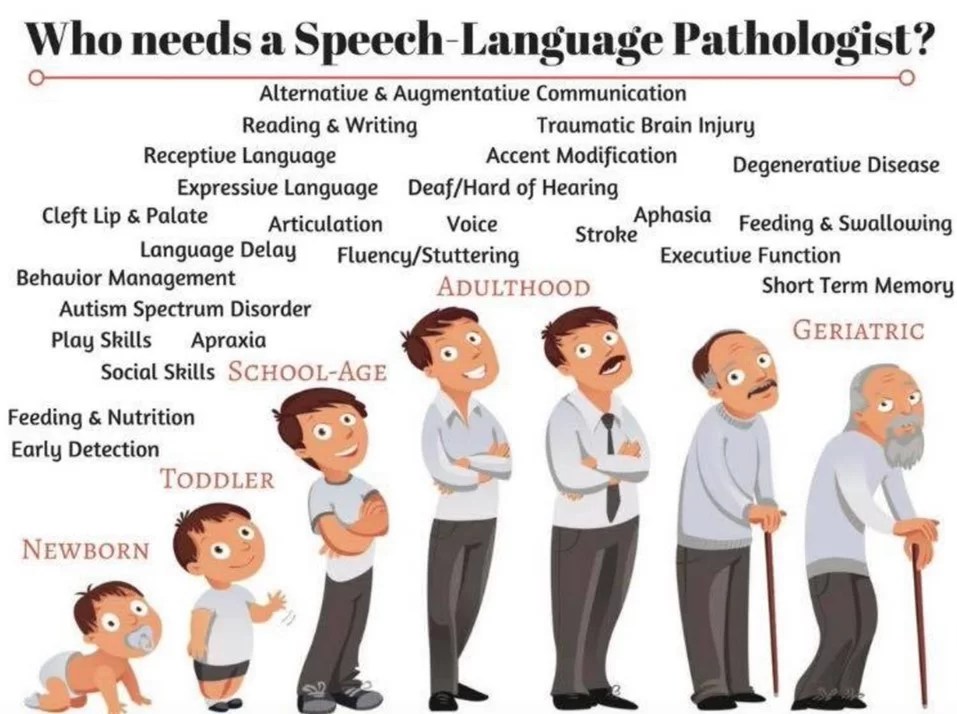







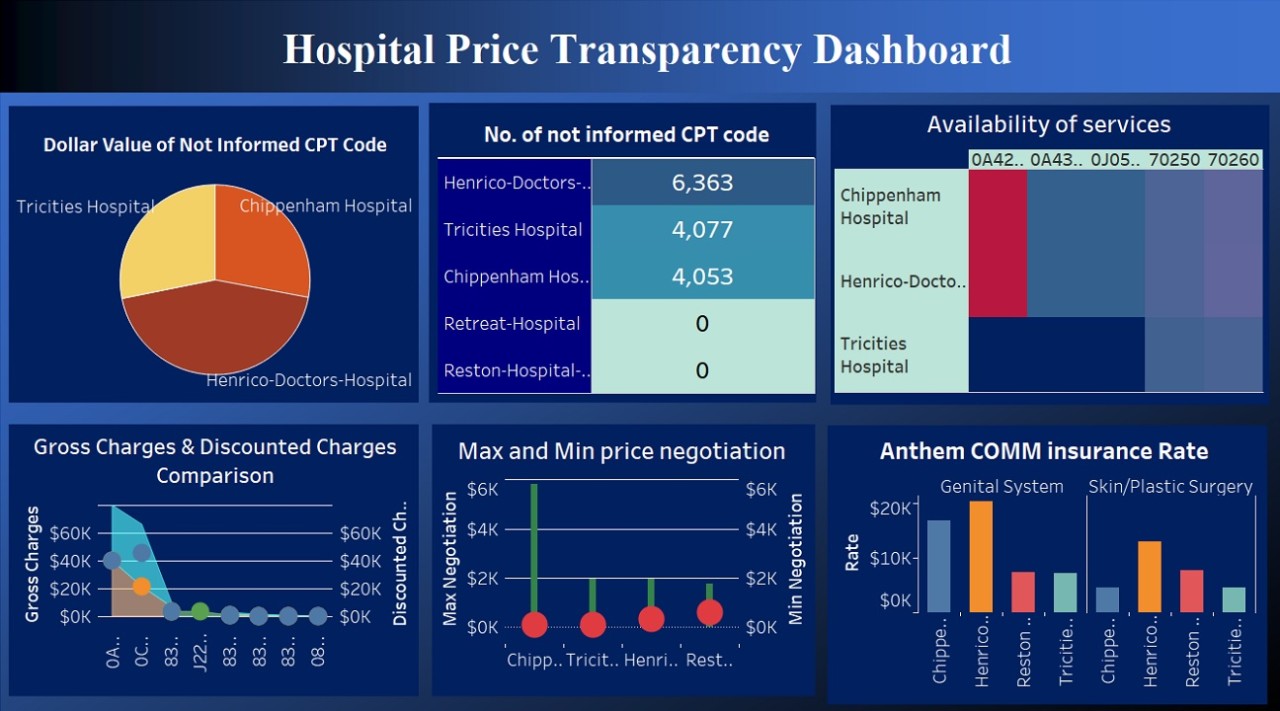


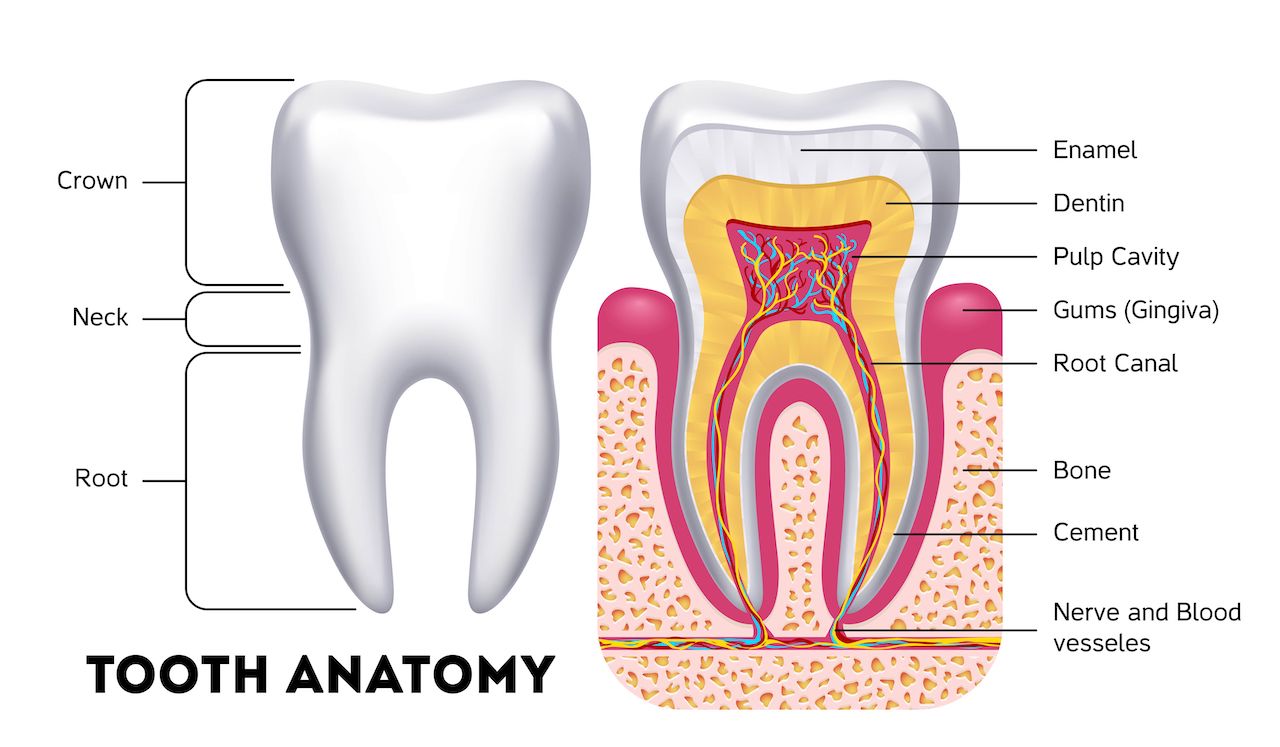









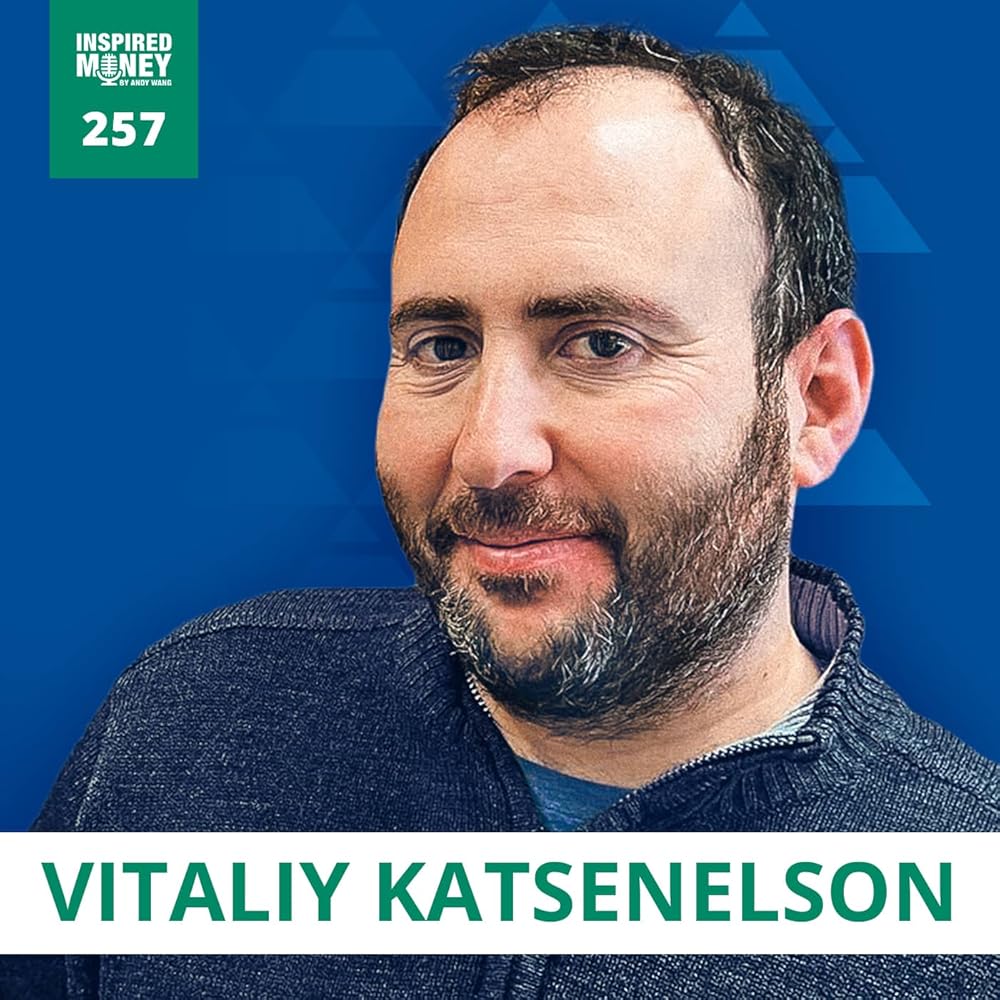

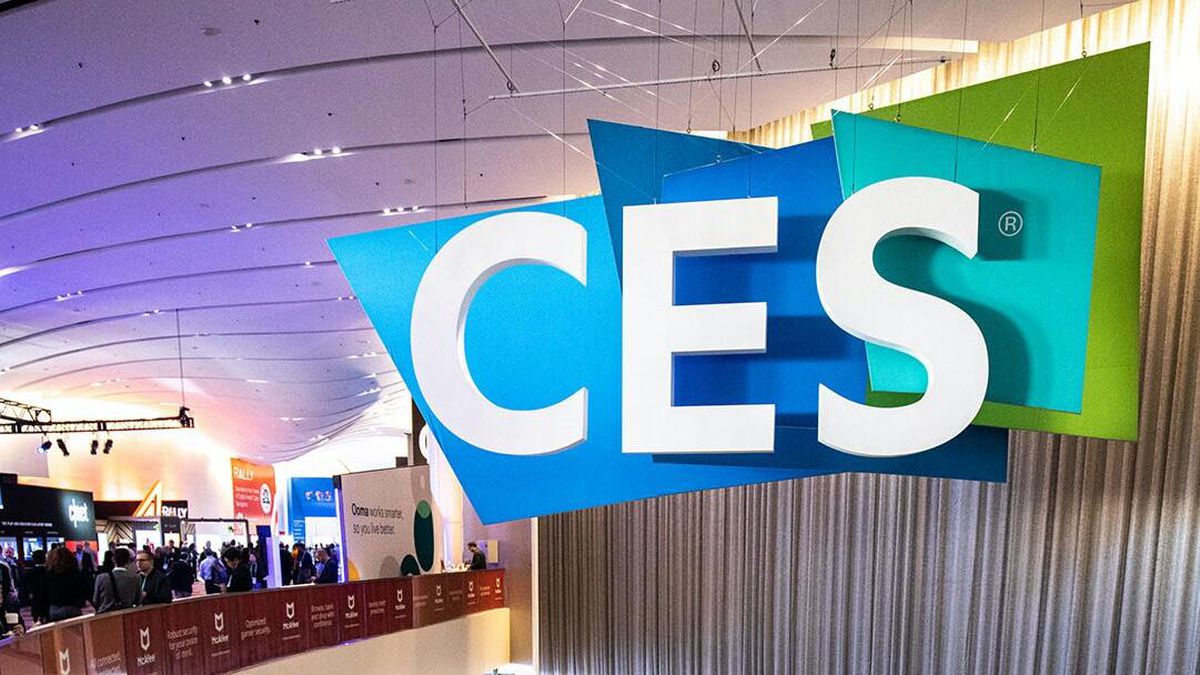

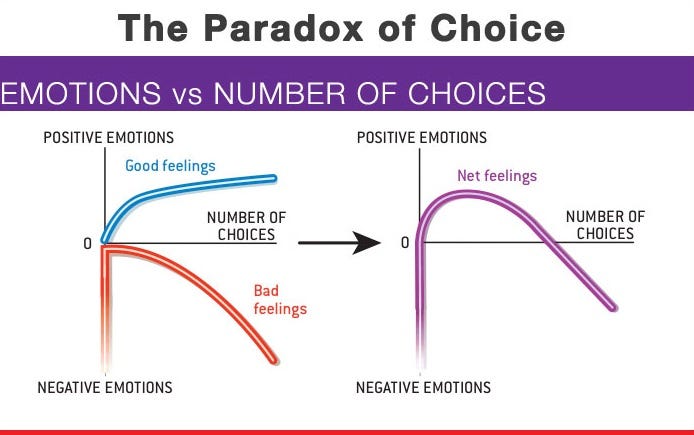












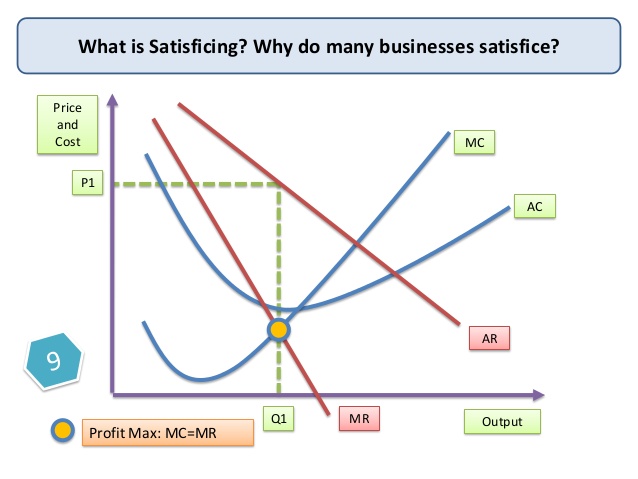 ***
***









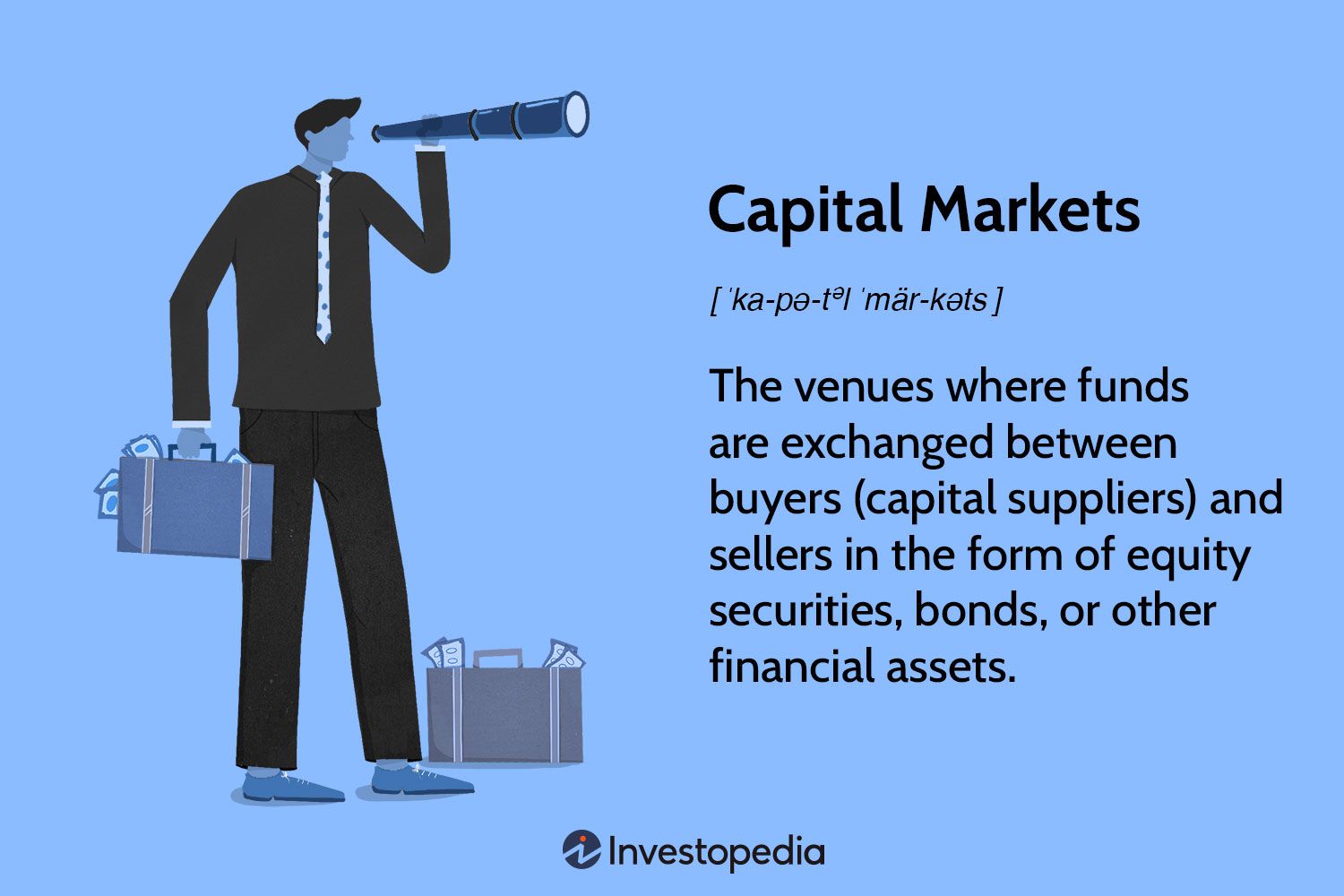

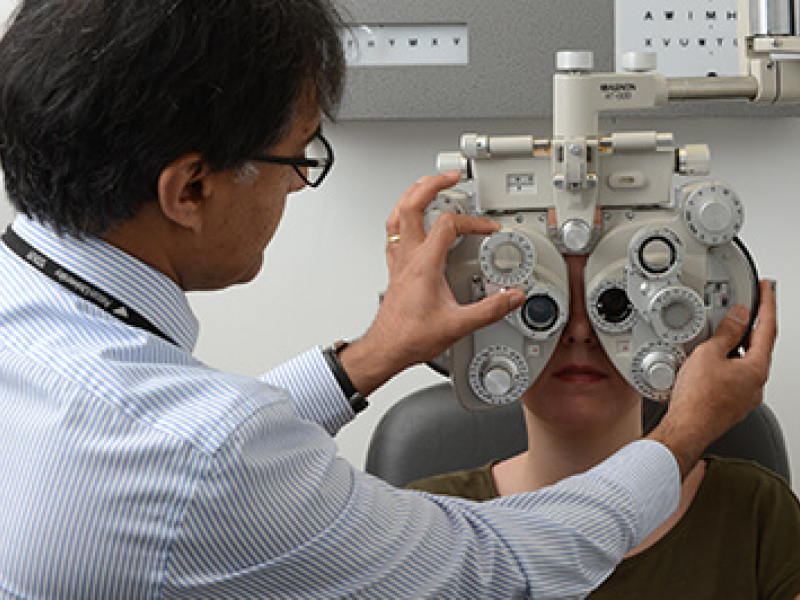

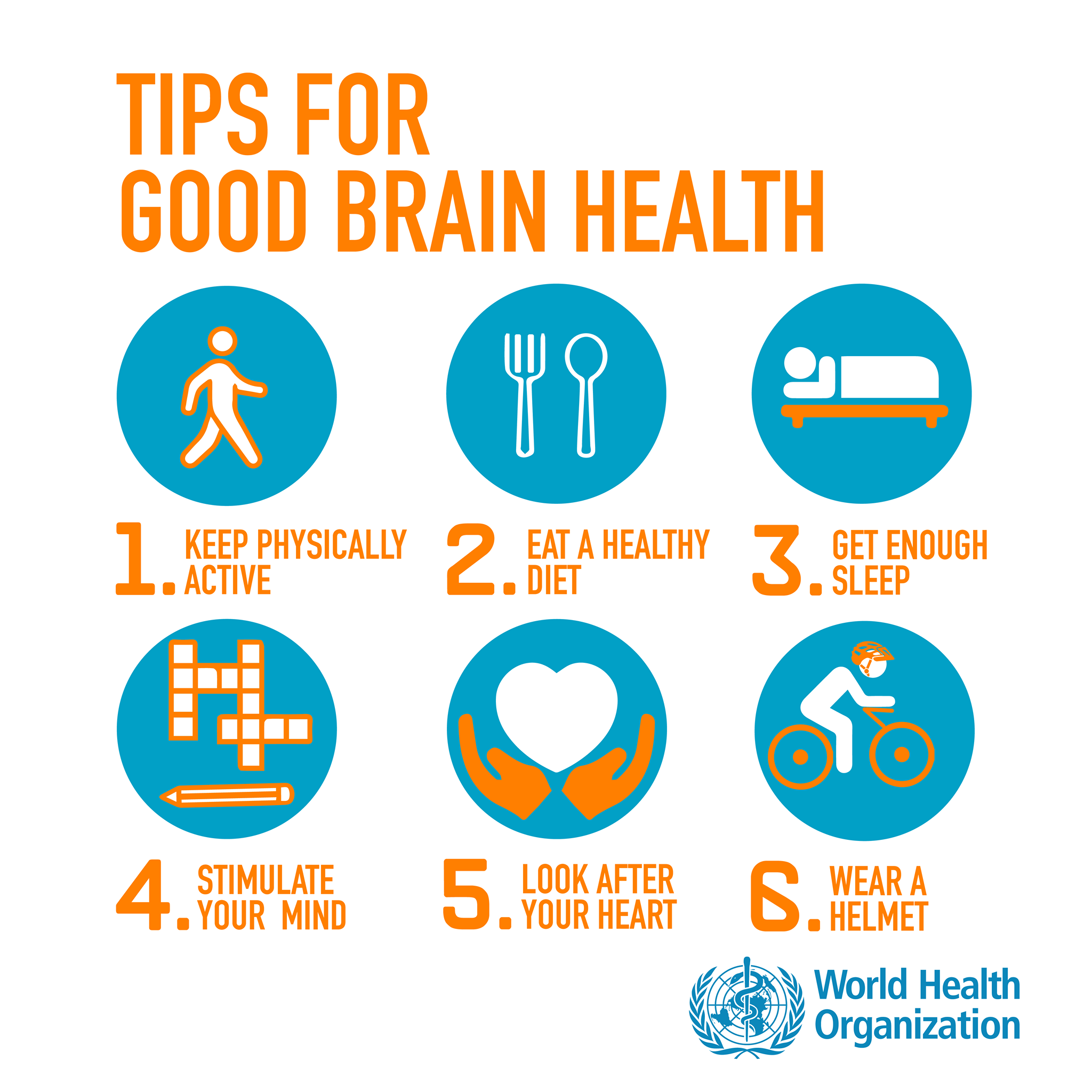


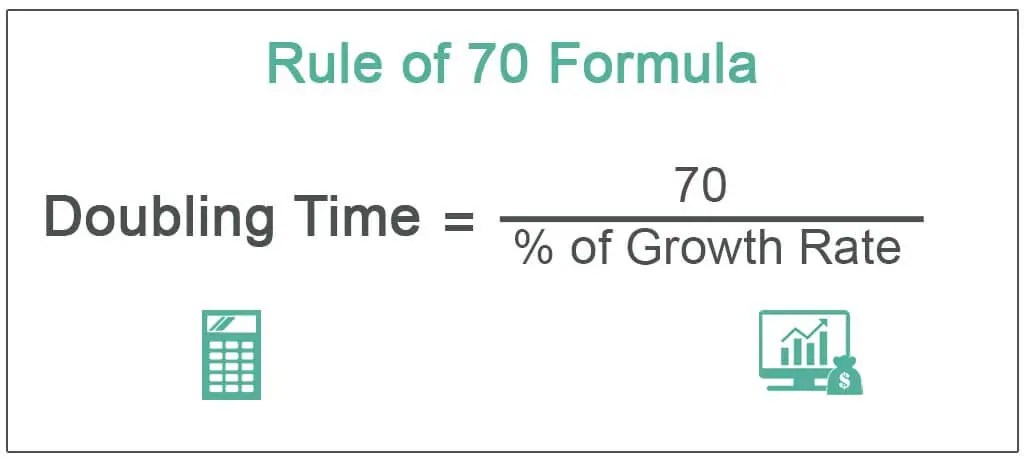


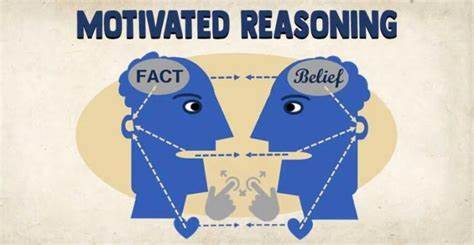












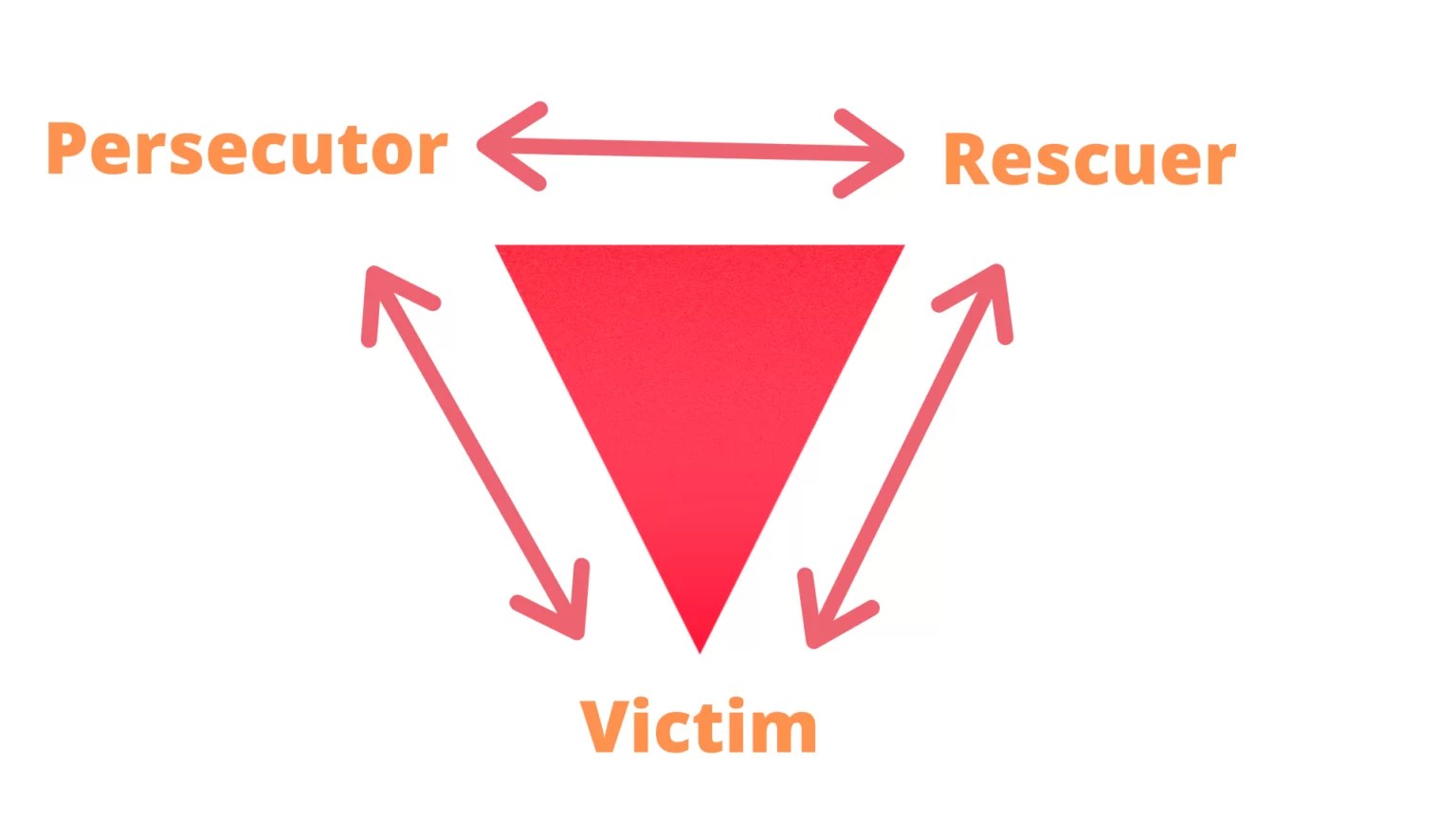

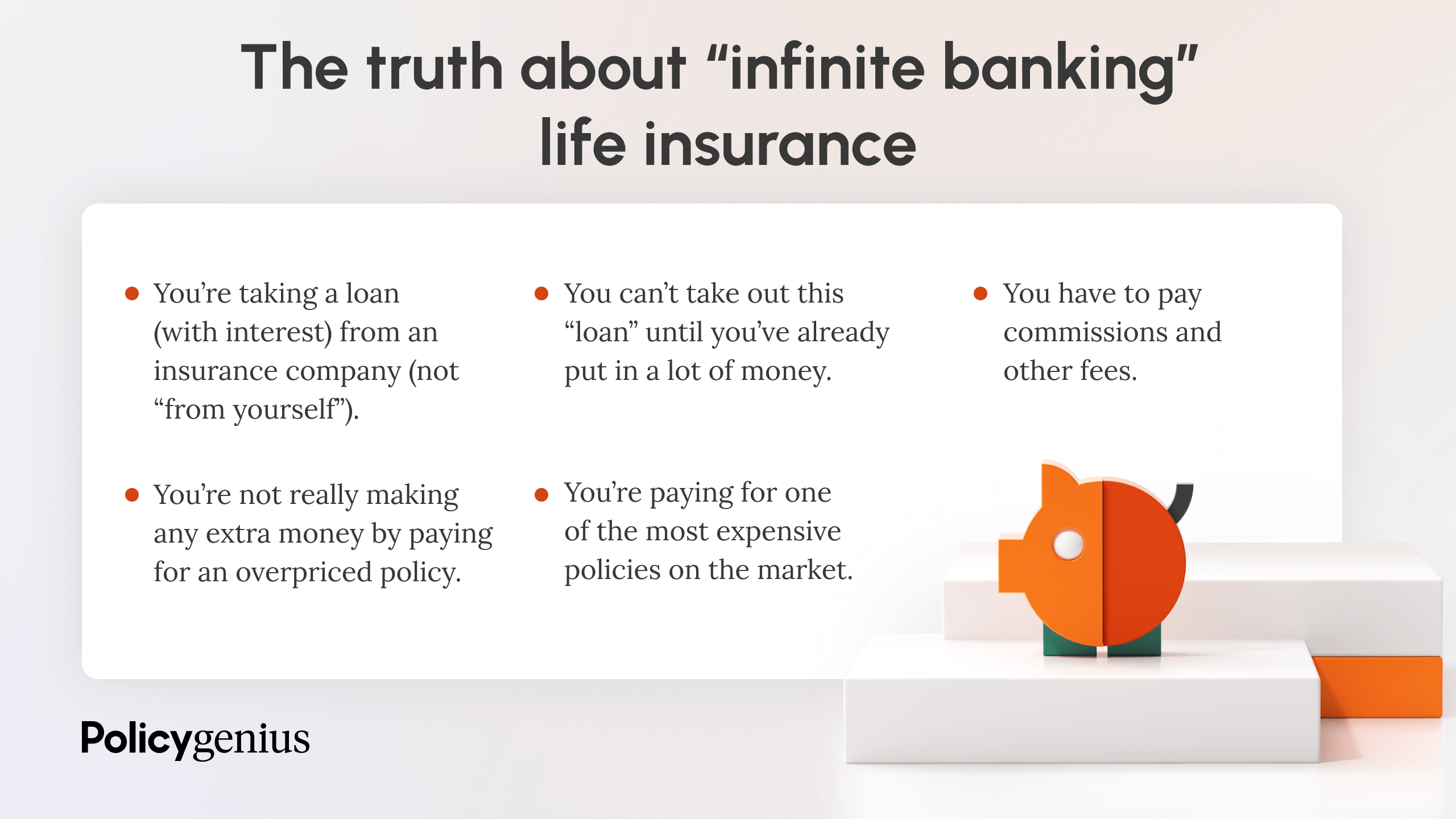

 The Leading Business Education Network for Doctors, Financial Advisors and Health Industry Consultants