MONEY SUPPLY: Measurement Tools

By Dr. David Edward Marcinko MBA MEd

BASIC DEFINITIONS

***

***

Money supply measures—M0, M1, M2, and M3—are essential tools used by economists and policymakers to assess liquidity, guide monetary policy, and understand economic health. Each measure reflects a different level of liquidity and plays a unique role in financial analysis.

The money supply refers to the total amount of monetary assets available in an economy at a specific time. It includes various forms of money, ranging from physical currency to more liquid financial instruments. To better understand and manage economic activity, central banks and economists categorize money into different measures based on liquidity: M0, M1, M2, and M3.

M0, also known as the monetary base or base money, includes all physical currency in circulation—coins and paper money—plus reserves held by commercial banks at the central bank. It represents the most liquid form of money and is directly controlled by the central bank through tools like open market operations and reserve requirements.

M1 builds on M0 by adding demand deposits (checking accounts) and other liquid deposits that can be quickly converted into cash. It includes:

  • Physical currency held by the public
  • Traveler’s checks
  • Demand deposits at commercial banks

M1 is a key indicator of immediate spending power in the economy. A rapid increase in M1 can signal rising consumer activity, while a decline may indicate tightening liquidity.

M2 expands further by including near-money assets—those that are not as liquid as M1 but can be converted into cash relatively easily. M2 includes:

  • All components of M1
  • Savings deposits
  • Money market securities
  • Certificates of deposit (under $100,000)

M2 is widely used by economists and the Federal Reserve to gauge intermediate-term economic trends. It reflects both spending and saving behavior, making it a critical tool for forecasting inflation and guiding interest rate decisions.

M3, though no longer published by the Federal Reserve since 2006, includes M2 plus large time deposits, institutional money market funds, and other larger liquid assets. M3 provides a broader view of the money supply, especially useful for analyzing long-term investment trends and credit expansion. Some countries, like the UK and India, still track M3 for macroeconomic planning.

These measures are not just academic—they have real-world implications. For instance, during the COVID-19 pandemic, the U.S. saw a historic surge in M2 due to stimulus payments and quantitative easing. This expansion raised concerns about future inflation, which materialized in subsequent years. Monitoring money supply helps central banks adjust monetary policy to maintain price stability and support economic growth.

In conclusion, money supply measures offer a layered view of liquidity in the economy, from the most liquid (M0) to broader aggregates (M3).

Understanding these categories helps policymakers, investors, and businesses anticipate economic shifts, manage inflation, and make informed financial decisions.

COMMENTS APPRECIATED

EDUCATION: Books

SPEAKING: Dr. Marcinko will be speaking and lecturing, signing and opining, teaching and preaching, storming and performing at many locations throughout the USA this year! His tour of witty and serious pontifications may be scheduled on a planned or ad-hoc basis; for public or private meetings and gatherings; formally, informally, or over lunch or dinner. All medical societies, financial advisory firms or Broker-Dealers are encouraged to submit an RFP for speaking engagements: CONTACT: Ann Miller RN MHA at MarcinkoAdvisors@outlook.com -OR- http://www.MarcinkoAssociates.com

Like, Refer and Subscribe

***

***

Austrian vs Keynesian Economics Explained

Austrian Economics vs. Keynesian Economics in One Simple Chart

Courtesy of 

***

AE-vs_-KE-326x1024

***

***

***

***

***

Conclusion

Your thoughts and comments on this ME-P are appreciated. Feel free to review our top-left column, and top-right sidebar materials, links, URLs and related websites, too. Then, subscribe to the ME-P. It is fast, free and secure.

Speaker: If you need a moderator or speaker for an upcoming event, Dr. David E. Marcinko; MBA – Publisher-in-Chief of the Medical Executive-Post – is available for seminar or speaking engagements.

OUR OTHER PRINT BOOKS AND RELATED INFORMATION SOURCES:

Risk Management, Liability Insurance, and Asset Protection Strategies for Doctors and Advisors: Best Practices from Leading Consultants and Certified Medical Planners™8Comprehensive Financial Planning Strategies for Doctors and Advisors: Best Practices from Leading Consultants and Certified Medical Planners™

***

Stocks, Commodities and Bonds

By Staff Reporters and A.I.

***

***

*Stock data as of market close. Here’s what these numbers mean.
Stocks: The Russell 2000 went 967 days without hitting a new record high until Thursday. But, it looks like it will have to keep waiting for the next one—the small-cap-focused index fell, even as the DJIA, NASDAQ and S&P 500 rose to new closing highs on Friday.*
Bonds: 2-year yields and 10-year yields both hit two-week intra-day highs even after the FOMC cut interest rates, indicating that traders still aren’t sure how the economy will perform in the months ahead.
Commodities: Arabica futures fell on reports that lawmakers will introduce a bipartisan bill to exempt coffee from tariffs.

COMMENTS APPRECIATED

EDUCATION: Books

Like, Refer and Subscribe

***

***

BEWARE: Stocks and the U.S. Stock Markets?

By A.I.

***

***

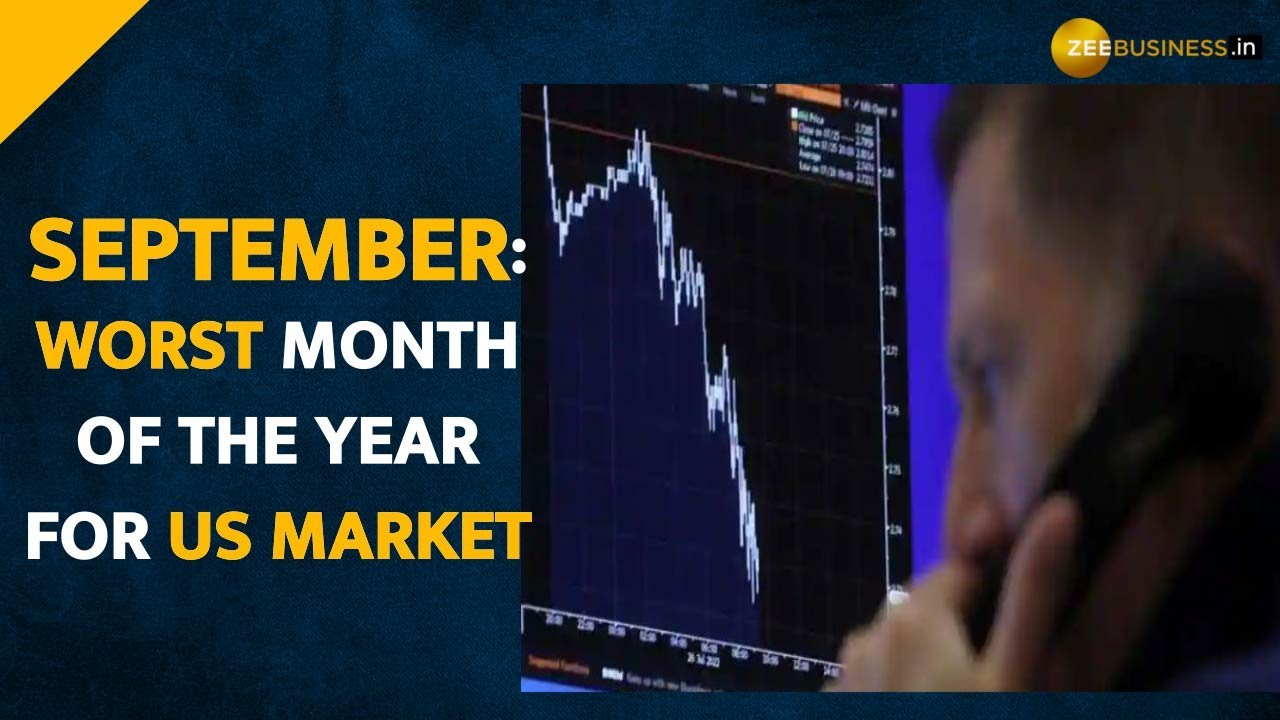
  • Markets: After a day off for Labor Day, Wall Street is entering September with little confidence as stocks shrugle with tariffs and AI-slowdown jitters to rise for four straight months. September has historically been the weakest month for US stocks, plus a hugely consequential Federal Reserve meeting looms on September17th.
  • Stock spotlight: An already booming Celsius hit a 52-week high last week after Pepsi said it would up its stake in the energy drink maker.

COMMENTS APPRECIATED

EDUCATION: Books

Like, Refer and Subscribe

***

***

Stocks, Commodities and the FOMC

***

***

  • Stocks: The final trading day of the summer was bad as a selloff in technology stocks took indexes down from recent all-time highs.
  • Fed drama: A judge did not issue a ruling on Fed Governor Lisa Cook’s bid for a temporary restraining order against President Trump, delaying it a few more days and leaving Cook in limbo.
  • Commodities: Gold hit a new all-time high as traders worried about the possibility of the Federal Reserve losing its independence.

COMMENTS APPRECIATED

Refer, Like and Subscribe

***

***

Stocks, Bonds and Trade Craft

By A.I.

***

***

  • Bonds: Long-term Treasury yields rose and short-term yields fell after President Trump fired Fed Governor Lisa Cook opening the gap between 5-year and 30-year yields to its widest point in three years.
  • Stocks: Equities barely budged on the latest FOMC drama with investors’ attention fully focused on Nvidia earnings tomorrow afternoon.
  • Trade Craft: President Trump vowed retaliation against countries that apply a digital services tax against US tech companies. He may also slap a 200% tariff on China if that country restricts trade on rare earth magnets.

COMMENTS APPRECIATED

EDUCATION: Books

Read, Refer and Subscribe

***

***

Stocks Up, Bond Yields Down as Commodities Rise and Fall

By A.I and ME-P Staff Reporters

SPONSOR: http://www.CertifiedMedicalPlanner.org

***

***

  • Stocks: The stock markets rose today after Jerome Powell opened the door to interest rate cuts. The Dow soared to a new all-time high, while small-cap stocks in the Russell 2000 had a banner day.
  • Bonds: Yields fell while the chances of a rate cut after the Fed’s next meeting in September rose to 83%.
  • Commodities: Gold rose on rate cut hopes while oil fell as peace talks between Ukraine and Russia stalled. But the biggest winner is coffee: prices have risen for six straight days to cap off its biggest weekly gain since 2021.

COMMENTS APPRECIATED

EDUCATION: Books

Like and Subscribe

***

***

Stocks, Technology and FOMC Drama

By A.I. and Staff Reporters

***

***

  • Technology: Fears of an A.I. bubble continue to climb after MIT published a report that 95% of companies using generative A.I. programs have nothing to show for it, despite pouring billions of dollars into this space.
  • Stocks: Another day of technology stocks selling off pulled the S&P 500 and NASDAQ lower yesterday, with investors rotating out of some of the hottest names and sectors in the market.
  • FOMC Drama: President Trump demanded the resignation of Fed Governor Lisa Cook for allegations of mortgage fraud. Meanwhile, the minutes from the July FOMC meeting revealed a growing divide between central bankers.

COMMENTS APPRECIATED

EDUCATION: Books

Like and Subscribe

***

***

Stocks, Crypto & Stock Markets

SPONSOR: http://www.CertifiedMedicalPlanner.org

By A.I.

***

***

  • The Fed Drama: A White House official said President Trump will likely fire Jerome Powell soon. Stocks sank at the thought of the Fed head being shown the door, offsetting the pleasant surprise of a flat wholesale inflation reading.
  • Markets: Stocks managed to recoup their losses after Trump said it’s “highly unlikely” that he will fire Powell, but bonds remained shaken.
  • Crypto: Bitcoin bounced higher after the crypto bills currently under consideration in the House of Representatives cleared a key hurdle.

COMMENTS APPRECIATED

Like and Subscribe

***

***

Stocks, Commodities and the FOMC

By A.I.

***

***

  • Stocks: The S&P 500 and Dow tumbled on a mixed bag of bank earnings, while the NASDAQ was buoyed by big news for Nvidia.
  • Federal Reserve Drama: Treasury Secretary Scott Bessent reassured investors that Jerome Powell isn’t getting the boot.
  • Commodities: Oil fell just a bit as Donald Trump is about to hit his 50-day deadline for Russia.

COMMENTS APPRECIATED

Like and Subscribe

***

***

Bonds, Socks and Nvidia

By A.I.

SPONSOR: http://www.CertifiedMedicalPlanner.org

***

***

  • Stocks: The major indexes plowed higher with the minutes of the last FOMC meeting showing that officials were not at all united about when to begin cutting rates. Investors also treated more tariff letters sent by President Trump to seven more countries including Iraq and the Philippines as not vital.
  • Bonds: US Treasuries snapped a five-day losing streak after a $39 billion sale of 1-year notes was met with solid demand.
  • Nvidia: Worth 4-trillion dollars.

COMMENTS APPRECIATED

Like and Subscribe

***

***

DAILY UPDATE: OpenAI & Microsoft as Stock Markets Surge

MEDICAL EXECUTIVE-POST TODAY’S NEWSLETTER BRIEFING

***

Essays, Opinions and Curated News in Health Economics, Investing, Business, Management and Financial Planning for Physician Entrepreneurs and their Savvy Advisors and Consultants

Serving Almost One Million Doctors, Financial Advisors and Medical Management Consultants Daily

A Partner of the Institute of Medical Business Advisors , Inc.

http://www.MedicalBusinessAdvisors.com

SPONSORED BY: Marcinko & Associates, Inc.

***

http://www.MarcinkoAssociates.com

Daily Update Provided By Staff Reporters Since 2007.
How May We Serve You?
© Copyright Institute of Medical Business Advisors, Inc. All rights reserved. 2025

REFER A COLLEAGUE: MarcinkoAdvisors@outlook.com

SPONSORSHIPS AVAILABLE: https://medicalexecutivepost.com/sponsors/

ADVERTISE ON THE ME-P: https://tinyurl.com/ytb5955z

Your Referral Count -0-

***

CITE: https://www.r2library.com/Resource

OpenAI is giving its employees a mandatory week long vacation to stave off a poaching spree launched by Meta.

Microsoft announced another round of layoffs—its largest in years—expected to impact thousands of workers across Xbox and other divisions, including 830 from its Redmond, Washington, HQ.

CITE: https://tinyurl.com/2h47urt5

The S&P 500 and NASDAQ Composite tallied fresh record closing highs on Thursday, buoyed by a stronger-than-expected jobs report that helped dampen expectations for a Federal Reserve interest-rate cut in July. But after lagging their trendier rivals earlier in the year, the Russell 2000 and Dow Jones Industrial Average are finally starting to play catch up. On Thursday, the Russell 2000 turned positive for 2025 for the first time since February, as a rally that started in June has accelerated in July.

Many investors have been waiting patiently for small-cap stocks to break out. But aside from a few false starts over the past two years, they have mostly continued to lag their large-cap rivals. However, some investors believe things could finally be changing.

A team of strategists at Barclays pointed out on Wednesday that a proposed increase to interest-expense tax deductions in President Trump’s budget bill could boost small-cap companies’ earnings by double digits, due to their higher interest burdens. “This market broadening out is a heathy sign,” said Craig Johnson, chief market technician at Piper Sandler, during an interview with MarketWatch on Thursday. More small-cap participation inevitably means investors are developing more of a taste for stocks beyond information technology, which powered much of the market’s gains in 2023 and 2024.

CITE: https://tinyurl.com/tj8smmes

Friday, July 4, 2025

  • All U.S. markets will be closed in observance of Independence Day.
  • There will be no Pre-Market or After-Hours trading sessions.

Visualize: How private equity tangled banks in a web of debt, from the Financial Times.

COMMENTS APPRECIATED

PLEASE SUBSCRIBE: MarcinkoAdvisors@outlook.com

Thank You

***

***

***

***

EDUCATIONAL TEXTBOOKS: https://tinyurl.com/4zdxuuwf

***

Stocks, Bonds & Commodities

By A.I.

***

***

COMMENTS APPRECIATED

Like and Subscribe

***

***

Stocks, Bonds and Safe Havens

By A.I.

SPONSOR: http://www.CertifiedMedicalPlanner.org

***

***

COMMENTS APPRECIATED

Like and Subscribe

***

***

Deals, Stocks and the FOMC

By A.I.

SPONSOR: http://www.CertifiedMedicalPlanner.org

***

***

  • Deals: Stocks popped at the open yesterday on the news that Canada has rescinded the digital services tax in order to lure the US back to the negotiating table. Meanwhile, Bloomberg reported that the EU will accept a 10% universal tariff in exchange for some key concessions.
  • Stocks: The S&P 500 and the NASDAQ both hit new record highs today, with the S&P 500 wrapping up its best quarter since Q4 20
  • The Fed: President Trump published a handwritten note asking Jerome Powell to cut interest rates, even as the White House considers new ways to replace the Fed Chair. Meanwhile, Goldman Sachs now sees the chances of the Fed cutting interest rates in September as “somewhat above 50%.”

COMMENTS APPRECIATED

Like and Subscribe

***

***

Stocks, Commodities and Japanese Trade

By AI

***

***

  • Stocks: Markets kicked off Friday trading on a high note thanks to comments from Federal Reserve Governor Christopher Waller that the central bank could lower interest rates as soon as next month.
  • Commodities: Oil prices tumbled at the open after President Trump pushed back his decision to involve the US in the conflict between Israel and Iran by two weeks.
  • Trade: Stocks gave up their early gains on reports that Japan has canceled high-level meetings with the US after President Trump told the country to spend more on defense.

COMMENTS APPRECIATED

Like, Refer and Subscribe

***

***

Stocks, Economy and Commodities

By AI

***

***

  • Stocks: Investors looked past the escalating conflict between Iran and Israel, even as President Trump mulled his options for a US intervention, and stocks rose ahead of today’s Federal Reserve meeting.
  • Economy: Trump called Jerome Powell “a stupid person” hours before the Fed Chair decided to keep interest rates where they were Stocks fell thanks to the Fed’s prediction that inflation will rise to 3.1% by the end of the year, above previous forecasts of 2.8%.
  • Commodities: Gold fell just a hair as analysts called the commodity’s top, while platinum climbed to a four-year high.

COMMENTS APPRECIATED

Like, Refer and Subscribe

***

***

INVESTING: Stocks, Bonds & Oil Updates

Generated by AI

SPONSOR: http://www.CertifiedMedicalPlanner.org

***

***

  • Stocks: The S&P 500 touched 6,000 points for the first time since February and wrapped up its fifth positive week in the past seven following a better-than-expected jobs report. The vibes got even better in the afternoon following a President Trump announcement that the US and China trade teams will meet in London on Monday. STOCKS: https://medicalexecutivepost.com/2025/04/18/stocks-basic-definitions/
  • Bonds: Treasury yields ticked up in response to the solid May jobs report, a sign that investors were reducing bets on the scale of rate cuts this year. That’s not what Trump wants to hear: He urged Fed Chair Jerome Powell to slash interest rates by a jumbo-sized full point to pour “rocket fuel” on the economy. REVENUE BONDS: https://medicalexecutivepost.com/2024/12/20/bonds-revenue/
  • Oil: Oil prices have gone sideways for three straight weeks now, trading within a $4 range around $65/barrel since the middle of May. We’ll let you know when something interesting happens. CRUDE OIL: https://medicalexecutivepost.com/2024/08/14/wti-crude-oil/

EDUCATION: Books

COMMENTS APPRECIATED

Like and Subscribe

***

***

Tariffs, Private Sector Jobs, Interest Rates, Gold and the US Dollar

BREAKING NEWS!

By Staff Reporters with AI Generation

SPONSOR: http://www.CertifiedMedicalPlanner.org

***

***

  • 50% tariffs on steel and aluminum went into effect today. To celebrate, President Trump hopped on Truth Social to put China’s President Xi on blast ahead of an expected call between the two heads of state. And, Temu lost 58% of its daily users thanks to tariffs.
  • The president also pushed Jerome Powell to “LOWER THE RATE” following terrible private sector job numbers. Stocks are seemingly immune to tough trade talk and interest rate rants at this point, but bond yields sank on fears of slower economic growth.
  • The US dollar slipped, propelling gold higher as investors sought safety.

COMMENTS APPRECIATED

Like and Subscribe

***

***

DAILY UPDATE: Fed Holds Interest Rates Steady as Stock Markets Rise

MEDICAL EXECUTIVE-POST TODAY’S NEWSLETTER BRIEFING

***

Essays, Opinions and Curated News in Health Economics, Investing, Business, Management and Financial Planning for Physician Entrepreneurs and their Savvy Advisors and Consultants

Serving Almost One Million Doctors, Financial Advisors and Medical Management Consultants Daily

A Partner of the Institute of Medical Business Advisors , Inc.

http://www.MedicalBusinessAdvisors.com

SPONSORED BY: Marcinko & Associates, Inc.

***

http://www.MarcinkoAssociates.com

Daily Update Provided By Staff Reporters Since 2007.
How May We Serve You?
© Copyright Institute of Medical Business Advisors, Inc. All rights reserved. 2025

REFER A COLLEAGUE: MarcinkoAdvisors@outlook.com

SPONSORSHIPS AVAILABLE: https://medicalexecutivepost.com/sponsors/

ADVERTISE ON THE ME-P: https://tinyurl.com/ytb5955z

Your Referral Count -0-

CITE: https://www.r2library.com/Resource

The Federal Reserve is still firmly in wait-and-see mode.

The Fed left its key interest rate unchanged again Wednesday and gave no hint it plans to lower it soon as President Donald Trump’s sweeping tariffs raise the risks of both another inflation spike and recession. But officials signaled they’re growing increasingly concerned about both hazards.

CITE: https://tinyurl.com/2h47urt5

What’s up

  • Netflix rose 1.56% after the streamer revamped its homepage and rolled out new AI search tools.
  • Nvidia popped 3.10% on news that President Trump will rescind Biden-era global chip curbs.
  • Advanced Micro Devices rose just 1.76% despite the chipmaker beating earnings and forecasting solid growth ahead.
  • Lions Gate Entertainment soared 20.77% after it finalized the separation of its studio and STARZ business segments into two distinct companies.
  • Logitech rose 1.46% thanks to an upgrade from UBS analysts who say the device maker is well-positioned to capitalize on Gen Alpha, 94% of whom play video games.
  • Charles River Laboratories popped 18.81% after the pharmaceutical company raised its full-year guidance above Wall Street’s expectations.
  • Rockwell Automation gained 11.90% on a beat-and-raise quarter thanks to higher demand for domestic manufacturing.

What’s down

  • Super Micro Computer fell 1.40% after the AI server maker missed on revenue last quarter and forecast slower revenue growth this quarter.
  • WW International, better known as Weight Watchers, plummeted 43.04% on the news that the company is going bankrupt.
  • Marvell Technology plunged 8.02% after the data storage manufacturer postponed its investor day—never a good sign.
  • Rivian Automotive tumbled 5.78% on management’s forecast that vehicle deliveries will be lower than expected this year.
  • Arista Networks beat Wall Street’s estimates but fell 4.76% after it warned that its margins will be squeezed in the coming quarters.
  • Sarepta Therapeutics plummeted 21.45% after posting a bigger-than-expected loss last quarter and projecting slower revenue growth this quarter.

CITE: https://tinyurl.com/tj8smmes

Visualize: How private equity tangled banks in a web of debt, from the Financial Times.

COMMENTS APPRECIATED

PLEASE SUBSCRIBE: MarcinkoAdvisors@outlook.com

Thank You

***

***

***

***

EDUCATIONAL TEXTBOOKS: https://tinyurl.com/4zdxuuwf

***

DAILY UPDATE: CVS Exits ACA Marketplace as Markets Flounder

MEDICAL EXECUTIVE-POST TODAY’S NEWSLETTER BRIEFING

***

Essays, Opinions and Curated News in Health Economics, Investing, Business, Management and Financial Planning for Physician Entrepreneurs and their Savvy Advisors and Consultants

Serving Almost One Million Doctors, Financial Advisors and Medical Management Consultants Daily

A Partner of the Institute of Medical Business Advisors , Inc.

http://www.MedicalBusinessAdvisors.com

SPONSORED BY: Marcinko & Associates, Inc.

***

http://www.MarcinkoAssociates.com

Daily Update Provided By Staff Reporters Since 2007.
How May We Serve You?
© Copyright Institute of Medical Business Advisors, Inc. All rights reserved. 2025

REFER A COLLEAGUE: MarcinkoAdvisors@outlook.com

SPONSORSHIPS AVAILABLE: https://medicalexecutivepost.com/sponsors/

ADVERTISE ON THE ME-P: https://tinyurl.com/ytb5955z

Your Referral Count -0-

CITE: https://www.r2library.com/Resource

Aetna is waving goodbye to the ACA marketplace. Executives announced during CVS Health’s Q1 2025 earnings call on May 1 that the insurance giant is withdrawing from the individual marketplace created under the Affordable Care Act, as the company expects to lose as much as $400 million from that part of the business in 2025.

CITE: https://tinyurl.com/2h47urt5

Stocks sank a bit today while investors remain in wait-and-see mode. All eyes are on Jerome Powell & Co. this Wednesday: The market thinks the Fed will stay put until June, while some pros think the next rate cut will be in July.

Among the major indexes, the Dow Jones industrials fared best, though it was only up 0.1%. McDonald’s and UnitedHealth led blue chips with gains of more than 1%. Apple lagged most, dropping 2.6%. Chevron skidded more than 2%. The NASDAQ composite fell 0.4%. Trade Desk outperformed here, rallying more than 3%, while Charter Communications and Fortinet each rose nearly 3%. Meanwhile, On Semiconductor and Grail lagged, diving more than 8% and 4%, respectively. The S&P 500 dropped 0.4%. The benchmark index’s sectors were mixed, but with a slight downside bias. Energy and consumer discretionary were getting hit the hardest. Industrials and consumer staples made the best gains.

CITE: https://tinyurl.com/tj8smmes

🟢 What’s up

  • Skechers exploded 24.35% after the footwear retailer inked a deal with 3G Capital to go private.
  • Electronic Arts climbed 2.41% on the news that it has teamed up with Major League Soccer to offer four matches via its mobile gaming platform this year.
  • United Airlines rose 1.07% despite its announcement that it’s cutting some flights out of Newark, New Jersey, where apparently flying is terrible.
  • Howard Hughes Holdings gained 2.81% thanks to a $900 million investment in the real estate company from Bill Ackman’s Pershing Square.

What’s down

  • Sunoco sank 5.64% on the oil & gas company’s plans to acquire Canadian gas station chain Parkland Corporation for $9.1 billion.
  • Shell fell 2.28% on reports that the company is considering ways to acquire rival BP.
  • ON Semiconductor lost 8.35% despite outpacing analysts’ estimates on both the top and bottom lines, as shareholders focused on warnings of weaker demand.
  • Tyson Foods fell 7.75% after the meat giant missed sales estimates and warned revenue will remain flat in the coming year.
  • Loews may have beaten analysts’ estimates on revenue, but the luxury hospitality stock still fell 1.77% after missing on profits.
  • Wolfspeed, which is a company name we will never get tired of writing, gave up another 8.52% following a wild short squeeze last week.

COMMENTS APPRECIATED

PLEASE SUBSCRIBE: MarcinkoAdvisors@outlook.com

Thank You

***

***

***

***

EDUCATIONAL TEXTBOOKS: https://tinyurl.com/4zdxuuwf

***

JOHN B. TAYLOR’S: Monetary Policy Rule

SPONSOR: http://www.CertifiedMedicalPlanner.org

By Staff Reporters

***

***

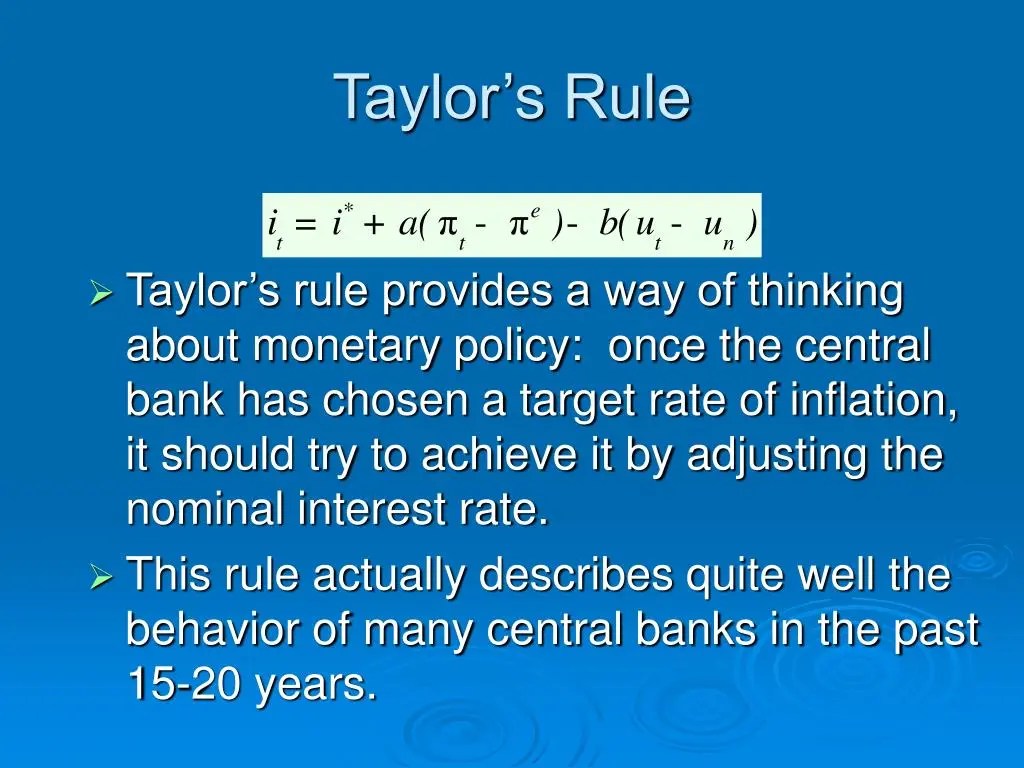
Named for a U.S. economist, the JB Taylor Rule is a mathematical monetary-policy formula that recommends how much a central bank should change its nominal short-term interest rate target (such as the U.S. Federal Reserve’s federal funds rate target) in response to changes in economic conditions, particularly inflation and economic growth. It’s typically viewed as guideline for raising short-term interest rates as inflation and potentially inflationary pressures increase. The rule recommends a relatively high interest rate (“tight” monetary policy) when inflation is above its target or when the economy is above its full employment level, and a relatively low interest rate (“easy” monetary policy) under the opposite conditions.

To illustrate, the monetary policy of the FOMC changed throughout the 20th century. The period between the 1960s and the 1970s is evaluated by Taylor and others as a period of poor monetary policy; the later years typically characterized as stagflation. The inflation rate was high and increasing, while interest rates were kept low. Since the mid-1970s monetary targets have been used in many countries as a means to target inflation.

However, in the 2000s the actual interest rate in advanced economies, notably in the US, was kept below the value suggested by the Taylor rule.

COMMENTS APPRECIATED

Like and Refer

***

***

DAILY UPDATE: Microsoft Tempers A.I. as Hershey Buys LesserEvil and Stock Markets Crater!

MEDICAL EXECUTIVE-POST TODAY’S NEWSLETTER BRIEFING

***

Essays, Opinions and Curated News in Health Economics, Investing, Business, Management and Financial Planning for Physician Entrepreneurs and their Savvy Advisors and Consultants

Serving Almost One Million Doctors, Financial Advisors and Medical Management Consultants Daily

A Partner of the Institute of Medical Business Advisors , Inc.

http://www.MedicalBusinessAdvisors.com

SPONSORED BY: Marcinko & Associates, Inc.

***

http://www.MarcinkoAssociates.com

Daily Update Provided By Staff Reporters Since 2007.
How May We Serve You?
© Copyright Institute of Medical Business Advisors, Inc. All rights reserved. 2025

REFER A COLLEAGUE: MarcinkoAdvisors@outlook.com

SPONSORSHIPS AVAILABLE: https://medicalexecutivepost.com/sponsors/

ADVERTISE ON THE ME-P: https://tinyurl.com/ytb5955z

Your Referral Count -0-

CITE: https://www.r2library.com/Resource

Microsoft is reportedly pulling back on data center projects around the world as it reexamines its AI plans. Hershey reportedly bought the popcorn brand LesserEvil for $750 million.

CITE: https://tinyurl.com/2h47urt5

US stocks cratered on Friday with the Dow Jones Industrial Average (^DJI) plunging more than 2,200 points after China stoked trade-war fears and Fed Chair Jerome Powell warned of higher inflation and slower growth stemming from tariffs.

The Dow pulled back 5.5% to enter into correction territory. Meanwhile, the S&P 500 (^GSPC) sank nearly 6%, as the broad-based benchmark capped its worst week since 2020. The tech-heavy NASDAQ Composite (^IXIC) dropped 5.8% to close in bear market territory.

CITE: https://tinyurl.com/tj8smmes

Visualize: How private equity tangled banks in a web of debt, from the Financial Times.

COMMENTS APPRECIATED

PLEASE SUBSCRIBE: MarcinkoAdvisors@outlook.com

Thank You

***

***

***

***

EDUCATIONAL TEXTBOOKS: https://tinyurl.com/4zdxuuwf

***

DAILY UPDATE: NIH, FDA, CMS and HHS Nominees as Stock Markets Collapse

MEDICAL EXECUTIVE-POST TODAY’S NEWSLETTER BRIEFING

***

Essays, Opinions and Curated News in Health Economics, Investing, Business, Management and Financial Planning for Physician Entrepreneurs and their Savvy Advisors and Consultants

Serving Almost One Million Doctors, Financial Advisors and Medical Management Consultants Daily

A Partner of the Institute of Medical Business Advisors , Inc.

http://www.MedicalBusinessAdvisors.com

SPONSORED BY: Marcinko & Associates, Inc.

***

http://www.MarcinkoAssociates.com

Daily Update Provided By Staff Reporters Since 2007.
How May We Serve You?
© Copyright Institute of Medical Business Advisors, Inc. All rights reserved. 2025

REFER A COLLEAGUE: MarcinkoAdvisors@outlook.com

SPONSORSHIPS AVAILABLE: https://medicalexecutivepost.com/sponsors/

ADVERTISE ON THE ME-P: https://tinyurl.com/ytb5955z

Your Referral Count -0-

CITE: https://www.r2library.com/Resource

Dr. Jay Bhattacharya is officially the new NIH director. The Senate voted to confirm the Stanford University professor’s appointment on March 26 in a 53–47 vote. Marty Makary MD was also confirmed as FDA commissioner in the same hearing in a 56–44 vote. The appointments come as additional “healthcare disruptors,” alongside Robert F. Kennedy Jr.’s confirmation as HHS secretary and Mehmet Oz’s nomination as head of the Centers for Medicare and Medicaid Services. The nominees have faced backlash from the medical community following their controversial stances on topics like vaccinations and alternative medical practices.

CITE: https://tinyurl.com/2h47urt5

US stocks tanked on Friday as Wall Street grappled with President Trump’s escalating trade war and weighed signs of reinvigorated inflation pressures as consumer sentiment plummets.

The Dow Jones Industrial Average (^DJI) dropped more than 700 points or nearly 1.7%, while the benchmark S&P 500 (^GSPC) fell almost 2%. The NASDAQ Composite (^IXIC) dropped 2.7% as tech stocks led the declines.

CITE: https://tinyurl.com/tj8smmes

As noted above, the major averages fell on Friday after the release of a hotter-than-expected Personal Consumption Expenditures index reading, which includes the Federal Reserve’s preferred inflation gauge of “core” PCE. The reading showed prices increased more than expected last month, rising 0.4% month over month and 2.8% year over year, continuing a stubborn plateau on the path to the Fed’s 2% target.

Visualize: How private equity tangled banks in a web of debt, from the Financial Times.

COMMENTS APPRECIATED

PLEASE SUBSCRIBE: MarcinkoAdvisors@outlook.com

Thank You

***

***

***

***

EDUCATIONAL TEXTBOOKS: https://tinyurl.com/4zdxuuwf

***

PHYSICIAN NET WORTH: Versus Average Family

By Dr. David Edward Marcinko MBA MEd CMP®

SPONSOR: http://www.MarcinkoAssociates.com

***

***

Average Net Worth of an American Family

Both median and average family net worth surged between 2019 and 2022, according to the U.S. Federal Reserve. Average net worth increased by 23% to $1,063,700, the Fed reported in October 2023, the most recent year it published the data. Median net worth, on the other hand, rose 37% over that same period to $192,900.

You might wonder why the average and median net worth figures are so different. That’s because when you take the average of something, you add together every value in a data set and then divide that figure by the number of individual values.

When calculating a median, you simply look at the middle figure within a data set. That said, an average figure can be significantly higher or lower than a median figure if there are extreme outliers – meaning a group of people with significantly more net worth than the rest of the group can bring the average higher.

Average Net Worth by Age

The average net worth of someone younger than 35 years old is $183,500, as of 2022. From there, average net worth steadily rises within each age bracket. Between 35 to 44, the average net worth is $549,600, while between 45 and 54, that number increases to $975,800. Average net worth surges above the $1 million mark between 55 to 64, reaching $1,566,900.

Average net worth again rises for those ages 65 to 74, to $1,794,600, before falling to $1,624,100 for the 75 and older group. The median net worth within every single age bracket, however, is much lower than the average net worth.

***

***

Physicians [MD/DO] Net Worth by Specialty

A 2023 Medscape report shows the top 10 specialties with the most survey respondents saying they are worth more than $5 million.

  1. Plastic Surgery (31% of all survey respondents)
  2. Orthopedics (28%)
  3. Gastroenterology (25%)
  4. Urology (23%)
  5. Cardiology (22%)
  6. Ophthalmology (18%)
  7. Radiology (17%)
  8. Oncology (17%)
  9. Pathology (14%)
  10. Ob/Gyn (14%)

EDUCATION: Books

SPEAKING: Dr. Marcinko will be speaking and lecturing, signing and opining, teaching and preaching, storming and performing at many locations throughout the USA this year! His tour of witty and serious pontifications may be scheduled on a planned or ad-hoc basis; for public or private meetings and gatherings; formally, informally, or over lunch or dinner. All medical societies, financial advisory firms or Broker-Dealers are encouraged to submit a RFP for speaking engagements: CONTACT: MarcinkoAdvisors@outlook.com 

COMMENTS APPRECIATED

Subscribe, Refer, Like and Read

***

FOMC: Interest Rates Remain Steady

BREAKING NEWS!

***

***

The Federal Reserve just opted to hold interest rates steady as officials reckon with fearful markets and concerns of an economic slowdown sparked by the trade wars launched by President Donald Trump and his efforts to overhaul and dismantle government agencies.

After a two-day meeting of its monetary policy committee in Washington, D.C., the Fed announced it would hold its rate target at a range of 4.25% to 4.50%. Investors anticipated the move. The Fed’s target rate remains a full percentage point lower than it was when the Fed pivoted to cutting rates last September.

COMMENTS APPRECIATED

Subscribe, Read and Refer

***

***

DAILY UPDATE: Vanguard, US Jobs and UnitedHealthcare as the Markets Tank

MEDICAL EXECUTIVE-POST TODAY’S NEWSLETTER BRIEFING

***

Essays, Opinions and Curated News in Health Economics, Investing, Business, Management and Financial Planning for Physician Entrepreneurs and their Savvy Advisors and Consultants

Serving Almost One Million Doctors, Financial Advisors and Medical Management Consultants Daily

A Partner of the Institute of Medical Business Advisors , Inc.

http://www.MedicalBusinessAdvisors.com

SPONSORED BY: Marcinko & Associates, Inc.

***

http://www.MarcinkoAssociates.com

Daily Update Provided By Staff Reporters Since 2007.
How May We Serve You?
© Copyright Institute of Medical Business Advisors, Inc. All rights reserved. 2025

REFER A COLLEAGUE: MarcinkoAdvisors@outlook.com

SPONSORSHIPS AVAILABLE: https://medicalexecutivepost.com/sponsors/

ADVERTISE ON THE ME-P: https://tinyurl.com/ytb5955z

Your Referral Count -0-

The U.S. added 143,000 jobs in January, fewer than economists expected, but the unemployment rate inched down to 4% from 4.1%, beating forecasts. Forecasters surveyed by Dow Jones had anticipated 169,000 payroll gains in January, after a surprisingly large 256,000 jump in December.

CITE: https://www.r2library.com/Resource

Last month, the Securities and Exchange Commission said Vanguard would pay more than $100 million to settle charges for misleading statements related to capital gains distributions and tax consequences for retail investors who held Vanguard Investor Target Retirement Funds in taxable accounts.

CITE: https://tinyurl.com/2h47urt5

Major U.S. equities indexes moved lower to close out the trading week as the January jobs report showed slower-than-expected hiring but a down tick in the unemployment rate. Despite the slump in job additions, the overall resilience in the labor market could encourage the Federal Reserve to hold off on additional interest-rate cuts. The S&P 500 and the Dow ended Friday’s session with daily losses of roughly 1.0%. The tech-heavy NASDAQ fell 1.4%.

CITE: https://tinyurl.com/tj8smmes

Most notable this month is the appointment of Tim Noel as the new CEO of UnitedHealthcare after former CEO Brian Thompson was fatally shot in New York City in December.

Visualize: How private equity tangled banks in a web of debt, from the Financial Times.

COMMENTS APPRECIATED

PLEASE SUBSCRIBE: MarcinkoAdvisors@outlook.com

Thank You

***

***

***

***

EDUCATIONAL TEXTBOOKS: https://tinyurl.com/4zdxuuwf

***

DAILY UPDATE: HSA Reform & BoA Paper Bond Losses as Wall Street Tanks!

MEDICAL EXECUTIVE-POST TODAY’S NEWSLETTER BRIEFING

***

Essays, Opinions and Curated News in Health Economics, Investing, Business, Management and Financial Planning for Physician Entrepreneurs and their Savvy Advisors and Consultants

Serving Almost One Million Doctors, Financial Advisors and Medical Management Consultants Daily

A Partner of the Institute of Medical Business Advisors , Inc.

http://www.MedicalBusinessAdvisors.com

SPONSORED BY: Marcinko & Associates, Inc.

***

http://www.MarcinkoAssociates.com

Daily Update Provided By Staff Reporters Since 2007.
How May We Serve You?
© Copyright Institute of Medical Business Advisors, Inc. All rights reserved. 2024

REFER A COLLEAGUE: MarcinkoAdvisors@outlook.com

SPONSORSHIPS AVAILABLE: https://medicalexecutivepost.com/sponsors/

ADVERTISE ON THE ME-P: https://tinyurl.com/ytb5955z

Your Referral Count -0-

 Healthcare insurance plans could undergo major changes under the incoming Trump administration thanks to a new bill being introduced this week seeking to reform health savings accounts. Rep. Chip Roy (R-TX) introduced the Healthcare Freedom Act on Thursday seeking to reform the healthcare system by expanding health savings accounts to broaden coverage for U.S. taxpayers and “give Americans the quality of care they deserve.”

CITE: https://www.r2library.com/Resource

Barron’s estimates that Bank of America’s paper losses on a portfolio of $568 billion of bonds, mostly U.S. agency mortgage securities, could widen to $111 billion or more, compared with $86 billion at the end of September.

CITE: https://tinyurl.com/2h47urt5

US stocks plunged Friday as investors digested a better-than-expected jobs report that soured expectations of future rate cuts from the Federal Reserve. The Dow dropped by 697 points, closing at 41,938, while the S&P 500 fell by 1.5% and the tech-heavy NASDAQ index was lower by 1.6%. The three indices all finished the week in the red as Friday’s selloff erased the week’s previous gains.

The selloff comes as the economy added 256,000 jobs in December, far outpacing expectations of around 153,000 jobs. While strong job growth signals a healthy economy, it raises the question of how soon the central bank needs to cut interest rates again. Traders now expect just a 2.7% chance the Fed will cut rates at its policy meeting later this month, according to the CME FedWatch Tool.

CITE: https://tinyurl.com/tj8smmes

Visualize: How private equity tangled banks in a web of debt, from the Financial Times.

COMMENTS APPRECIATED

PLEASE SUBSCRIBE: MarcinkoAdvisors@outlook.com

Thank You

***

***

***

***

EDUCATIONAL TEXTBOOKS: https://tinyurl.com/4zdxuuwf

***

OPEN / CLOSED: Today and Tomorrow?

By Staff Reporters

***

***

Is the Stock Market Open or Closed on New Year’s Eve?

Bond markets will close early at 2 p.m. Eastern on Tuesday, while the New York Stock Exchange and the NASDAQ Stock Market will hold regular hours from 9:30 a.m. to 4 p.m. Eastern. Over-the-counter markets, where securities trade over a broker-dealer network rather than a major exchange, will keep normal hours.

Is the Stock Market Open or Closed on New Year’s Day?

Both the U.S. bond and stock markets will be closed in observance of New Year’s Day. Over-the-counter markets will be shut, too.

What About International Markets?

Foreign exchanges, such as the London Stock Exchange, the Euronext Paris, the Stock Exchange of Hong Kong, the Shanghai Stock Exchange, and the Tokyo Stock Exchange, will be closed on Wednesday, January 1st.

Will Banks and Post Offices Be Open?

Federal Reserve banks and United States Post Service locations will be closed in observance of New Year’s Day.

COMMENTS APPRECIATED

Refer and Subscribe

***

PCE: Personal Consumption Expenditures

By Staff Reporters

Sponsor: http://www.MarcinkoAssociates.com

***

***

PCE or the Personal Consumption Expenditures (“PCE”) price deflator—comes from the Bureau of Economic Analysis’ quarterly report on U.S. gross domestic product—and is based on a survey of businesses and is intended to capture the price changes in all final goods, no matter the purchaser.

Because of its broader scope and certain differences in the methodology used to calculate the PCE price index, the Federal Reserve (“the Fed”) holds the PCE deflator as its preferred, consistent measure of inflation over time.

COMMENTS APPRECIATED

Subscribe and Refer

***

***

FREDDIE MAC: (FHLMC-Federal Home Loan Mortgage Corporation)

By Staff Reporters

***

***

Freddie Mac (FHLMC-Federal Home Loan Mortgage Corporation)

Freddie Mac is a GSE [government-sponsored enterprise] established by Congress. It’s similar to Fannie Mae with a publicly owned corporate structure. (Freddie Mac’s stock (FRE) trades on the New York Stock Exchange.) These two giant GSEs increase liquidity in the U.S. mortgage market by purchasing mortgages from lenders, then typically repackaging (securitizing) the debt and reselling it to investors, helping to create a “secondary” market for mortgages.

The GSEs’ main purpose is to assure that mortgage money is available for borrowers. But they don’t lend money directly. Instead, they purchase mortgages from “primary” lenders like mortgage companies, banks, and credit unions. That allows the primary lenders to replenish their funds and lend more money to home buyers. The GSEs finance their mortgage purchases by issuing mortgage-backed securities (MBS) and other debt instruments (often referred to as agency debt, even though, technically, the GSEs aren’t government agencies). GSE debt is considered to have relatively high credit quality based on its implicit government backing, reinforced by what happened during the Financial Crisis in 2008.

Since Fannie Mae and Freddie Mac were placed into government conservatorship in September 2008, the government has pledged to support any shortfall in the balance sheets of the two GSEs. The U.S. Treasury has said it will ensure that both GSEs can maintain a positive net worth and fulfill all of their financial obligations. This statement of support lends credence to the very high credit ratings of MBS and other debt issued by Fannie and Freddie.

COMMENTS APPRECIATED

Like and Subscribe

***

***

DAILY UPDATE: Healthcare Satisfaction Poll as Stock Markets Close Flat

MEDICAL EXECUTIVE-POST TODAY’S NEWSLETTER BRIEFING

***

Essays, Opinions and Curated News in Health Economics, Investing, Business, Management and Financial Planning for Physician Entrepreneurs and their Savvy Advisors and Consultants

Serving Almost One Million Doctors, Financial Advisors and Medical Management Consultants Daily

A Partner of the Institute of Medical Business Advisors , Inc.

http://www.MedicalBusinessAdvisors.com

SPONSORED BY: Marcinko & Associates, Inc.

***

http://www.MarcinkoAssociates.com

Daily Update Provided By Staff Reporters Since 2007.
How May We Serve You?
© Copyright Institute of Medical Business Advisors, Inc. All rights reserved. 2024

REFER A COLLEAGUE: MarcinkoAdvisors@outlook.com

SPONSORSHIPS AVAILABLE: https://medicalexecutivepost.com/sponsors/

ADVERTISE ON THE ME-P: https://tinyurl.com/ytb5955z

Your Referral Count -0-

CITE: https://www.r2library.com/Resource

Americans aren’t satisfied with healthcare.

Gallup’s annual Health and Healthcare poll released on December 6th found that the US adult rating of healthcare quality is the lowest it’s been since 2001, with 54% of respondents saying they believe the healthcare system has “major problems” and 16% saying it’s in a “state of crisis.” In 2001, 53% viewed healthcare positively.

CITE: https://tinyurl.com/2h47urt5

US stocks closed little changed as a rebound from the previous day’s sell-off flopped with a hawkish outlook from the Federal Reserve on its path for interest rates looming over markets.

The Dow Jones Industrial Average (^DJI) ended a 10-day losing streak, its longest in 50 years, as it closed just above the flat line on Thursday. Meanwhile, the S&P 500 (^GSPC) and tech-heavy NASDAQ Composite (^IXIC) both fell about 0.1%.

The 10-year Treasury yield (^TNX) continued its trek higher on Thursday, rising roughly seven basis points to hit 4.57% for its highest levels since May.

CITE: https://tinyurl.com/tj8smmes

Visualize: How private equity tangled banks in a web of debt, from the Financial Times.

COMMENTS APPRECIATED

PLEASE SUBSCRIBE: MarcinkoAdvisors@outlook.com

Thank You

***

***

***

***

EDUCATIONAL TEXTBOOKS: https://tinyurl.com/4zdxuuwf

***

FOMC: Cuts Interest Rates

BREAKING NEWS!

SPONSOR: http://www.MarcinkoAssociates.com

By Staff Reporters

***

***

The Federal Reserve cut interest rates by a quarter of a percentage point just now, delivering relief for borrowers at the central bank’s last meeting before President-elect Donald Trump takes office next month. The central bank predicted fewer rate cuts next year than it had previously indicated, however, suggesting concern that inflation may prove more difficult to bring under control than policymakers thought just a few months ago.

The move marked the third consecutive interest rate cut since the Fed opted to start dialing back its fight against inflation in the fall. The FOMC has lowered interest rates by a percentage point in recent months.

However, the Fed’s forecast said it anticipates only a half a percentage point of rate cuts next year and another half-percent cut in 2026.

COMMENTS APPRECIATED

Subscribe and Refer

***

***

Fractional Reserve VERSUS Gerbil Banking

Cons from the Austrian School of Economics

By Staff Reporters

***

***

According to Coinmena, fractional reserve banking is a system in which banks are only required to have a fraction of bank deposits from their customers backed by actual cash on hand or available for withdrawal. This is done to expand the economy by enabling banks to free idle capital for commercial lending while keeping a sufficient amount for customer withdrawals.

The creation of the fractional reserve?

The fractional reserve system was first established by the Swedish Riksbank in 1668 after establishing the first central bank in the world. The idea came about after banks realized that there is a minimal chance that all the customers would come to claim their money from the bank at once; therefore, instead of hoarding the money in a vault, it could be used to grow and expand the economy through commercial loans. Fractional reserve banking became more popular around the world after the U.S. enacted The Federal Reserve Act of 1913, which created the Federal Reserve Bank, now known as the U.S. Central bank.

CITE: https://www.r2library.com/Resource/Title/0826102549

How does it work?

When a customer deposits money into their bank account, the money is no longer directly theirs. The bank holds custody of the customer deposits, and they provide the customer with a deposit account that they can withdraw their money from upon demand.

The bank now has full control of the money as the custodian. The bank can opt to reserve a small percentage of the deposited amount (fractional reserve) and loan the rest or use it for another commercial purpose. The reserve amount usually ranges between 3% to 10%. Although, during harsh economic times, the central banks can lower this reserve requirement to 0%. The Covid-19 pandemic forced central banks around the world to lower the reserve requirement to help stimulate the economy.

 Example

  • Customer A deposits 100,000 AED in Bank 1. Bank 1 loans Customer B 90,000 AED
  • Customer B deposits 90,000 AED in Bank 2. Bank 2 loans Customer C 81,000 AED
  • Customer C deposits 81,000 AED in Bank 3. Bank 3 loans Customer D 72,900 AED
  • Customer D deposits 72,900 AED in Bank 4. Bank 4 loans Customer E 65,610 AED
  • Customer E deposits 65,610 AED in Bank 5. Bank 5 loans Customer F 59,049 AED

 As you can see, the original amount of 100,000 AED has been expanded to represent deposited money for five accounts, and the total existing money supply is 468,559 AED, including the final loan. This is a basic representation of the money multiplier effect.

The system works on the basic principles of debt. The money deposited into the bank by a customer is considered a debt (liability) on the bank to the customer and an asset for the customer. The banks then loan out this money with an interest rate to make a profit for themselves and have the principal amount to pay back their original debt to the depositor (customer).

Pros & Cons of fractional reserve

Banks have the most benefit from a fractional reserve system as this is the way they make their profits. Additionally, customers can also earn interest through their savings or deposit account paid from the interest profits made by the bank. Governments also support this system because it encourages spending and provides economic stability and growth.

Economists from the Austrian School of Economics argue that this system is unsustainable and risky given that most countries rely on a credit-based system and not hard money. Additionally, a fractional reserve system runs the risk of a bank run. Essentially, if people lose faith in a bank to be able to pay back all the depositor’s money, it would trigger a  “run on the banks” or “bank run.” It is not typical behavior for customers to go claim their money from the bank all at once, but it has happened in the past, with the most notorious example being the 1929 Great Depression in the U.S. In this case, the banks would only be able to pay out only 3% of depositors, equal to the fractional reserve requirement.

More: https://www.sofi.com/learn/content/what-is-fractional-reserve-banking/

Related: https://www.washingtonpost.com/washington-post-live/2023/03/21/former-fdic-chair-sheila-bair-global-banking-system/?utm_campaign=mb&utm_medium=newsletter&utm_source=morning_brew

***

GERBIL BANKING

Link: https://fortune.com/2023/03/23/gerbil-banking-preceded-the-great-depression-were-seeing-it-again-today/

COMMENTS APPRECIATED

Thank You

***

ORDER: https://www.routledge.com/Comprehensive-Financial-Planning-Strategies-for-Doctors-and-Advisors-Best/Marcinko-Hetico/p/book/9781482240283

***

FEDERAL RESERVE: Lowers Interest Rates as Expected

By Staff Reporters

BREAKING NEWS

***

***

Jerome Powell and the Federal Reserve Bank just said that it is cutting its benchmark interest rate by 0.50 percentage points, marking the first reduction in four years and moving to ease borrowing costs as inflation-weary consumers are grappling with high rates on everything from mortgages to credit cards.

It is the first drop in the federal funds rate — or what banks charge each other for short-term loans — since the U.S. central bank lowered rates to nearly zero in March 2020 amid an economic standstill caused by the pandemic.

But as prices surged during the health crisis, the FOMC repeatedly hiked rates into a target range of 5.25% to 5.5%, the highest in 23 years, in an effort to curb inflation.

CITE: https://www.r2library.com/Resource

COMMENTS APPRECIATED

Thank You

***

***

FOMC: Interest Rate Cut Today?

At 2 pm EST Today

By Staff Reporters

***

***

ABOUT THE FEDERAL OPEN MARKET COMMITTEE

The term “monetary policy” refers to the actions undertaken by a central bank, such as the Federal Reserve, to influence the availability and cost of money and credit to help promote national economic goals. The Federal Reserve Act of 1913 gave the Federal Reserve responsibility for setting monetary policy.

The Federal Reserve controls the three tools of monetary policy–open market operations, the discount rate, and reserve requirements. The Board of Governors of the Federal Reserve System is responsible for the discount rate and reserve requirements, and the Federal Open Market Committee is responsible for open market operations. Using the three tools, the Federal Reserve influences the demand for, and supply of, balances that depository institutions hold at Federal Reserve Banks and in this way alters the federal funds rate. The federal funds rate is the interest rate at which depository institutions lend balances at the Federal Reserve to other depository institutions overnight.

Changes in the federal funds rate trigger a chain of events that affect other short-term interest rates, foreign exchange rates, long-term interest rates, the amount of money and credit, and, ultimately, a range of economic variables, including employment, output, and prices of goods and services.

Cite: https://www.federalreserve.gov/monetarypolicy/fomc.htm

***

And so, the macroeconomic FOMC is kicking off at 2pm ET today, when the Fed will announce the first interest rate cut in over four years. But, financial watchers are split between two predictions: a standard 0.25% cut or a more aggressive one of 0.5% (investors are betting on the latter, while many analysts think the former).

Regardless of its size, today’s rate cut and subsequent ones are expected to make borrowing cheaper for consumers and businesses, with ripple effects throughout the economy.

CITE: https://www.r2library.com/Resource

COMMENTS APPRECIATED

Thank You

***

***

STOCK MARKETS: Summer Ends at Record High

By Staff Reporters

Sponsored By: http://www.MarcinkoAssociates.com

***

***

Stock Markets celebrated Labor Day 2024 and the end of summer with the Dow Jones Industrial Average closing at another record high and the S&P 500 clinching its fourth straight winning month. The Fed’s favorite inflation gauge came in as expected, providing yet another sign pointing to a September interest rate cut.

CITE: https://www.r2library.com/Resource

And Intel rose on reports that the beleaguered micro chip maker is considering various options, including breaking up the business, to overcome its slump.

COMMENTS APPRECIATED

Thank You

***

***

INFLATION: Update FOMC

By Staff Reporters

***

***

Jerome Powell said the Fed won’t wait for 2% inflation to cut rates

The central bank won’t wait to hit its inflation target before bringing interest rates down but wants to have “greater confidence” that inflation will get there in order to make cuts, Powell said at the Economic Club of Washington, DC, in his first public event since June’s cooling inflation numbers came out.

CITE: https://www.r2library.com/Resource

MEDICAL INFLATION: https://medicalexecutivepost.com/2023/03/30/medical-economics-healthcare-inflation/

However, the FOMC chair wasn’t willing to get into specifics about when rate cuts might be coming.

COMMENTS APPRECIATED

Thank You

***

***

DAILY UPDATE: Wall Street Stocks, Dow Dogs, Commodities, Gold, the Fed, Yen and Bitcoin

MEDICAL EXECUTIVE-POST TODAY’S NEWSLETTER BRIEFING

***

Essays, Opinions and Curated News in Health Economics, Investing, Business, Management and Financial Planning for Physician Entrepreneurs and their Savvy Advisors and Consultants

Serving Almost One Million Doctors, Financial Advisors and Medical Management Consultants Daily

A Partner of the Institute of Medical Business Advisors , Inc.

http://www.MedicalBusinessAdvisors.com

SPONSORED BY: Marcinko & Associates, Inc.

***

http://www.MarcinkoAssociates.com

Daily Update Provided By Staff Reporters Since 2007.
How May We Serve You?
© Copyright Institute of Medical Business Advisors, Inc. All rights reserved. 2024

REFER A COLLEAGUE: MarcinkoAdvisors@msn.com

SPONSORSHIPS AVAILABLE: https://medicalexecutivepost.com/sponsors/

ADVERTISE ON THE ME-P: https://tinyurl.com/ytb5955z

***

If you can believe it, Friday was the final trading day of the first half of 2024. It might be a good time to reflect on your New Year’s resolutions to see how you’re measuring up halfway through the year.

CITE: https://www.r2library.com/Resource

Dogs of the Dow: The 139-year-old index has never looked more its age, with components Nike, Intel, and Boeing all down more than 30% in 2024. The Dow has gained less than 4% this year.

CITE: https://tinyurl.com/2h47urt5

But, the S&P 500 gained a sublime 15% in H1, and Nvidia alone was responsible for more than a third of that gain. The maker of AI chips surged ~150% since Jan. 1st to become the most valuable company in the USA at one point.

Going into 2024, investors were expecting the Fed to cut interest rates six times. There hasn’t been a single rate cut yet, but that hasn’t stopped the S&P from notching 31 all-time closing highs, good for the second-best tally of records this century. Stocks have overcome the Fed’s delay thanks to strong earnings, a sturdy economy, and AI fever.

Commodities soar and a currency plummets. Cocoa boomed nearly 85% over shortage concerns. Gold hit a record high last month. The Japanese yen has slumped to a 38-year low against the US dollar.

Bitcoin got a boost from new ETFs, but it’s getting boring.

CITE: https://tinyurl.com/tj8smmes

COMMENTS APPRECIATED

PLEASE SUBSCRIBE: MarcinkoAdvisors@msn.com

Thank You

***

***

***

***

EDUCATIONAL TEXTBOOKS: https://tinyurl.com/4zdxuuwf

***

DAILY UPDATE: Hims & Hers, MSFT-AI, Neuralink, FDIC and New Market Highs

MEDICAL EXECUTIVE-POST TODAY’S NEWSLETTER BRIEFING

***

Essays, Opinions and Curated News in Health Economics, Investing, Business, Management and Financial Planning for Physician Entrepreneurs and their Savvy Advisors and Consultants

Serving Almost One Million Doctors, Financial Advisors and Medical Management Consultants Daily

A Partner of the Institute of Medical Business Advisors , Inc.

http://www.MedicalBusinessAdvisors.com

SPONSORED BY: Marcinko & Associates, Inc.

***

http://www.MarcinkoAssociates.com

Daily Update Provided By Staff Reporters Since 2007.
How May We Serve You?
© Copyright Institute of Medical Business Advisors, Inc. All rights reserved. 2024

REFER A COLLEAGUE: MarcinkoAdvisors@msn.com

SPONSORSHIPS AVAILABLE: https://medicalexecutivepost.com/sponsors/

ADVERTISE ON THE ME-P: https://tinyurl.com/ytb5955z

***

Microsoft unveiled new PCs with AI-powered features.

CITE: https://www.r2library.com/Resource

Hims & Hers stock soared as much as 38% on the news that it’ll provide GLP-1 injections with the same active ingredient as Ozempic or Wegovy for just $199/month—an 85% discount compared to Wegovy’s ~$1,350 monthly price tag (without insurance).

***

FDIC Chair Martin Gruenberg will resign after an investigation found widespread sexual harassment at the agency. But he won’t step down until a successor is named.

CITE: https://tinyurl.com/2h47urt5

The FDA granted Elon Musk’s neurotech company Neuralink, approval to place its brain chip into a second human test subject using a new method designed to correct issues that arose after its inaugural insertion in January, per the Wall Street Journal.

And, Optum Rx is shaking up its pharmacy model. The business says it will make drug costs more predictable and transparent for clients.

CITE: https://tinyurl.com/tj8smmes

  • All three indexes ended the day higher after Fed Governor Christopher Waller stopped by CNBC and mentioned he doesn’t think raising interest rates is in the cards, even if the Fed is waiting for more data before making cuts. The NASDAQ continued to hit new all-time highs today as investors place their bets before Nvidia’s earnings announcement tomorrow afternoon, and the S&P 500 hit yet another record.
  • Copper continued to rise as the market comes to terms with the metal’s importance, while oil fell on the news that the Biden administration will release 1 million barrels of gasoline this summer from the Northeast reserve. Meanwhile, ethereum continued to climb on the news that a new ETF may be joining the fray.

Here’s where the major benchmarks ended:

  • The S&P 500 index rose 13.28 points (0.3%) to 5,321.41; the Dow Jones Industrial Average® ($DJI) gained 66.22 points (0.2%) to 39,872.99; the NASDAQ Composite advanced 37.75 points (0.2%) to 16,832.62.
  • The 10-year Treasury note yield (TNX) lost more than 2 basis points to 4.414%.
  • The CBOE Volatility Index® (VIX) fell 0.29 to 11.86.

Banking and consumer staples were among the market’s strongest performers Tuesday, while utility shares extended a sharp upswing over the past month. The Dow Jones Utility Average® ($DJU) added 0.5% and closed at a 12-month high. Transportation companies were among the weakest performers.

In other markets, Gold (/GC) futures slipped from Monday’s record high above $2,454 per ounce, while Silver (/SI) futures ended near a 12-year high around $32.21. Gold futures are still up 17% this year due to several factors, including reports of China’s central bank buying actual gold as well as escalating conflict in the Middle East. Gold is viewed by some as a safe-haven asset during periods of heightened geopolitical tension.

COMMENTS APPRECIATED

PLEASE SUBSCRIBE: MarcinkoAdvisors@msns.com

Thank You

***

***

***

***

EDUCATIONAL TEXTBOOKS: https://tinyurl.com/4zdxuuwf

***

DAILY UPDATE: Cooling Labor Markets with Unemployment Rate Uptick

MEDICAL EXECUTIVE-POST TODAY’S NEWSLETTER BRIEFING

***

Essays, Opinions and Curated News in Health Economics, Investing, Business, Management and Financial Planning for Physician Entrepreneurs and their Savvy Advisors and Consultants

Serving Almost One Million Doctors, Financial Advisors and Medical Management Consultants Daily

A Partner of the Institute of Medical Business Advisors , Inc.

http://www.MedicalBusinessAdvisors.com

SPONSORED BY: Marcinko & Associates, Inc.

***

http://www.MarcinkoAssociates.com

Daily Update Provided By Staff Reporters Since 2007.
How May We Serve You?
© Copyright Institute of Medical Business Advisors, Inc. All rights reserved. 2024

REFER A COLLEAGUE: MarcinkoAdvisors@msn.com

SPONSORSHIPS AVAILABLE: https://medicalexecutivepost.com/sponsors/

ADVERTISE ON THE ME-P: https://tinyurl.com/ytb5955z

***

A cooling labor market raises hopes for a rate cut in the summer. The latest Labor Department data shows the US added 175,000 jobs in April, but much less than the 300,000 added in March and also less than economists expected. Meanwhile, the unemployment rate ticked up to 3.9% from 3.8% in March, and wages rose less than anticipated. All that bad news for us was music to the ears of investors who are holding out hope that the Federal Reserve might still cut interest rates this summer despite most recent economic data showing that inflation is sticking around.

CITE: https://www.r2library.com/Resource

Rate cuts appear to be back on the 2024 menu following Friday’s softer-than-expected jobs report, fueling gains for all three major stock indexes last week. With the report calming worries that inflation is ticking back up, investors now project a 50% likelihood that the Federal Reserve will reduce rates in September.

Coinbase is benefiting from the hype around new bitcoin ETFs. The crypto exchange reported a $1.2 billion quarterly profit last week, and net revenue rose by 115%.

CITE: https://tinyurl.com/2h47urt5

COMMENTS APPRECIATED

PLEASE SUBSCRIBE: MarcinkoAdvisors@msns.com

Thank You

***

***

***

***

EDUCATIONAL TEXTBOOKS: https://tinyurl.com/4zdxuuwf

***

DAILY UPDATE: The CHIPS and Science Act & the FOMC as Stocks Edge Higher

MEDICAL EXECUTIVE-POST TODAY’S NEWSLETTER BRIEFING

***

Essays, Opinions and Curated News in Health Economics, Investing, Business, Management and Financial Planning for Physician Entrepreneurs and their Savvy Advisors and Consultants

Serving Almost One Million Doctors, Financial Advisors and Medical Management Consultants Daily

A Partner of the Institute of Medical Business Advisors , Inc.

http://www.MedicalBusinessAdvisors.com

SPONSORED BY: Marcinko & Associates, Inc.

***

http://www.MarcinkoAssociates.com

Daily Update Provided By Staff Reporters Since 2007.
How May We Serve You?
© Copyright Institute of Medical Business Advisors, Inc. All rights reserved. 2024

REFER A COLLEAGUE: MarcinkoAdvisors@msn.com

Your Referral Count -0-

SPONSORSHIPS AVAILABLE: https://medicalexecutivepost.com/sponsors/

ADVERTISE ON THE ME-P: https://tinyurl.com/ytb5955z

***

It’ll be a big week for hot takes on the US economy, after the Federal Reserve meeting Tuesday and Wednesday and the April jobs report dropping Friday. Because inflation has been sticking around, the FOMC is expected to hold interest rates steady at this meeting and for the foreseeable future. On the jobs front, economists are projecting another strong month for employment growth.

CITE: https://www.r2library.com/Resource

In 2022, with bipartisan support, Congress passed the CHIPS and Science Act, an ambitious plan to juice domestic manufacturing of a product vital to national security: semiconductors. Two years later, the government has doled out more than half of the CHIPS Act’s $39 billion in incentives. According to the Financial Times

  • Chip companies and their suppliers have announced US investments of $327 billion over the next 10 years, per the Semiconductor Industry Association.
  • Construction of manufacturing facilities for computing and electronics devices has jumped 15x, government data shows.
  • By 2030, the US will likely produce around 20% of the world’s most advanced chips, according to USCommerce Secretary Gina Raimondo. Right now, it’s making 0%.

The proposed factories are massive and could transform regional economies. Micron, which received $6.1 billion in federal grants last week, plans to invest $100 billion in a manufacturing campus near Syracuse.

CITE: https://tinyurl.com/2h47urt5

Here’s where the major benchmarks ended:

  • The S&P 500® index (SPX) rose 16.21 points (0.3%) to 5,116.17, its highest close in over two weeks; the Dow Jones Industrial Average® ($DJI) gained 146.43 points (0.4%) to 38,386.09, the NASDAQ Composite® ($COMP) advanced 55.18 points (0.4%) to 15,983.08.
  • The 10-year Treasury note yield (TNX) fell more than 5 basis points to 4.616%.
  • The CBOE Volatility Index® (VIX) declined 0.36 to  14.67.

Communication services shares were among the market’s weakest performers Monday, reversing last Friday’s upswing as Alphabet (GOOGL) dropped more than 3% and Meta Platforms (META) lost 2.4%. Banks and retailers were also soft. The Philadelphia Semiconductor Index (SOX) climbed for the sixth-straight day and ended near a three-week high even though its biggest member, Nvidia (NVDA), ended little changed.

In other markets, the U.S. Dollar Index ($DXY) faded from early gains but is still up about 1% in April, driven by expectations domestic rates will remain high. “The U.S. dollar’s strength continues to reflect the relative strength of the economy and the wide interest rate differentials between the United States and other major developed markets,” Schwab Center for Financial Research analysts said in a report.

Despite last week’s strength, the S&P 500 index and the NASAQ Composite are still down 2.6% and 2.4%, respectively, for April and on track to break five-month winning streaks.

CITE: https://tinyurl.com/tj8smmes

Humana expects to exit Medicare Advantage (MA) markets in 2025, company executives told investors. The company reported its first quarter earnings April 24th. Humana posted $741 million in net income in the first quarter of 2024, beating investor expectations, but pulled its 2025 earnings guidance. 

COMMENTS APPRECIATED

PLEASE SUBSCRIBE: MarcinkoAdvisors@msns.com

Thank You

***

***

***

***

EDUCATIONAL TEXTBOOKS: https://tinyurl.com/4zdxuuwf

***

DAILY UPDATE: Nvidia in Medicine, IRs and the Big Banks

By Staff Reporters

SAFE SOLAR ECLIPSE DAY

***

***


NVIDIA
is accelerating the pace of healthcare innovation! Last week they unveiled a suite of AI microservices for developers, launched cutting-edge healthcare AI tools, and deepened their collaborations with giants like Johnson & Johnson. Plus, they’re ramping up investment in clinical trials and drug design. 

Do you ever struggle with finding the best sources of information about healthcare AI? Check out my new video, where I share my favorite newsletters, websites, sub-reddits, and a list of must-follow experts. With this toolkit, you won’t miss anything important. Also, I hope you enjoyed a restful and Happy Spring Break – should you celebrate it!

Bertalan Meskó, PhD
The Medical Futurist

READ MORE: https://www.cnbc.com/2024/03/24/nvidias-ai-ambitions-in-medicine-and-health-care-are-becoming-clear.html?utm_source=The+Medical+Futurist+Newsletter&utm_campaign=f5908296a8-EMAIL_CAMPAIGN_2024_04_07_Resend&utm_medium=email&utm_term=0_efd6a3cd08-f5908296a8-399696053&mc_cid=f5908296a8&mc_eid=40fee31c25

***

Last week, several Fed officials said they were in no rush to slash interest rates in 2024, which investors have been banking on this year. Meanwhile, oil prices have risen to five-month highs due to concerns about supply shocks in key areas around the world.

And, Wall Street is preparing for a crammed week, with crucial inflation data dropping on Wednesday and big banks (JPMorgan, Wells Fargo, Citigroup) inaugurating earnings season on Friday. The pressure is on companies to post beefy profits to back up their strong stock performance in Q1.

CITE: https://www.r2library.com/Resource

COMMENTS APPRECIATED

Subscribe Today

Thank You

***

***

***

A-POLITICAL: Investing SPAC Initial Public Offering of DJT Stock

By Staff Reporters

***

***

Markets: The stock market kicked off its short trading week down as some investors questioned the enthusiasm around the Fed’s recent assurances that it’s still planning three rate cuts this year.

But Digital World Acquisition Corporation roared as the shell company that’s merging with Donald Trump’s Truth Social and will begin trading under its new ticker, DJT, today.

Digital World Acquisition Corp. (Nasdaq: DWAC) is a special purpose acquisition company formed for the purpose of effecting a merger, capital stock exchange, asset acquisition, stock purchase, reorganization or similar business combination with one or more businesses.

SPACS: https://medicalexecutivepost.com/2022/06/13/spac-v-direct-listing-v-ipo/

And, it popped after Trump got good news from a New York appeals court.

CITE: https://www.r2library.com/Resource/Title/082610254

COMMENTS APPRECIATED

***

***

DAILY UPDATE: Warm Inflation Mixes Stocks

By Staff Reporters

***

***

DEFINITION: Creeping, or mild, inflation occurs when prices rise slowly. According to the Federal Reserve, when prices increase by 2% or less, it benefits economic growth. This kind of mild inflation makes consumers expect that prices will keep going up, which boosts demand.

And so, inflation was a bit warmer last month as consumer prices rose 3.2% in February, the Labor Department just reported, up from the 3.1% that economists expected. That marks the second straight month that inflation came in higher than forecast. The data reinforces the Fed’s position to wait until inflation is tamed before cutting interest rates. Still, the central bank is widely expected to cut rates sometime later this year despite yesterday’s less-than-ideal report. It will meet next week to continue deliberations on a potential rate reduction.

CITE: https://www.r2library.com/Resource

Here’s where the major benchmarks ended:

  • The S&P 500® index (SPX) fell 9.96 points (0.2%) to 5,165.31; the Dow Jones Industrial Average gained 37.83 points (0.1%) to 39,043.32; the NASDAQ Composite® (COMP) declined 87.87 points (0.5%) to 16,177.77.
  • The 10-year Treasury note yield (TNX) rose almost 4 basis points to 4.192%.
  • The CBOE Volatility Index® (VIX) fell slightly to 13.75. 

Energy shares were among the market’s strongest performers Wednesday behind gains in crude oil prices. Brent crude futures (/BZ), the global benchmark, rose above $84 to end at their highest level since early November after Ukrainian strikes on oil refineries in Russia stirred concern over supply disruptions. The S&P Energy Index ($SP500#10) jumped 1.5% and reached its highest level since late October, while the S&P 500 Materials Index ($SP500#15) rose almost 1% and ended at a record high.

COMMENTS APPRECIATED

Thank You

***

***

DAILY UPDATE: Inflation Data Pending

By Staff Reporters

***

***

Key inflation data incoming: February’s consumer price index report on Tuesday will provide fresh data to help the Fed decide when to lower interest rates. Last week, Chair Jerome Powell said he needed “just a bit more evidence” that inflation was coming back down to normal levels before reducing rates, though “we’re not far from it,” he acknowledged.

CITE: https://www.r2library.com/Resource

COMMENTS APPRECIATED

Thank You

***

***

DAILY UPDATE: Nike Stock Down but US Debt Burden Up Per Household

By Staff Reporters

***

***

Nike is planning to restructure and lay off 2% of its staff, more than 1,500 people, as consumers pull back on spending.

***

If the total U.S. debt were divided by every household in the country, each household would get about $252,000, according to a September tweet from The Kobeissi Letter.

And, Jerome Powell, the Chair of the Federal Reserve, shared his concerns regarding the fiscal direction of the United States during a “60 Minutes” interview with Scott Pelley. 

Powell said, “The U.S. is on an unsustainable fiscal path,” emphasizing that the growth of the national debt is outstripping the growth of the economy. 

CITE: https://www.r2library.com/Resource

COMMENTS APPRECIATED

Thank You

***

***

DAILY UPDATE: New CDC Covid-19 Guidelines as the Stock Markets Go Lower

By Staff Reporters

***

***

The CDC may update Covid-19 isolation guidelines from five days to 24 hours if an individual is fever-free without medication—standardizing the protocol for the disease with the same rule for the flu and RSV. (the New York Times)

Here’s where the major benchmarks ended:

Stocks slumped into the long weekend yesterday, snapping a five-week weekly winning streak when they fell in the wake of wholesale price data that shows inflation is probably not as tamed as the Fed would like it to be. But Coinbase gave the latest indication that the crypto winter has thawed. The crypto exchange’s stock rose after it reported its first quarterly profit in two years.

  • The S&P 500 index fell 24.16 points (0.5%) to 5,005.57, down 0.4% for the week; the Dow Jones Industrial Average® (DJI) lost 145.13 points (0.4%) to 38,627.99, down 0.1% for the week; the NASDAQ Composite® (COMP) declined 130.52 points (0.8%) to 15,775.65, down 1.3% for the week.
  • The 10-year Treasury note yield (TNX) rose over 4 basis points to 4.285%.
  • The CBOE Volatility Index® (VIX) rose 0.23 to 14.24.

Communications services and transportation shares were among the market’s weakest performers Friday, while energy companies firmed behind strength in crude oil futures. The small-cap Russell 2000® Index (RUT) fell 1.4% Friday but still ended the week with a gain of 1.1%, its second straight weekly advance.

CITE: https://www.r2library.com/Resource

COMMENTS APPRECIATED

Thank You

***

***