BOARD CERTIFICATION EXAM STUDY GUIDES Lower Extremity Trauma
[Click on Image to Enlarge]
ME-P Free Advertising Consultation
The “Medical Executive-Post” is about connecting doctors, health care executives and modern consulting advisors. It’s about free-enterprise, business, practice, policy, personal financial planning and wealth building capitalism. We have an attitude that’s independent, outspoken, intelligent and so Next-Gen; often edgy, usually controversial. And, our consultants “got fly”, just like U. Read it! Write it! Post it! “Medical Executive-Post”. Call or email us for your FREE advertising and sales consultation TODAY [678.779.8597] Email: MarcinkoAdvisors@outlook.com
Medical & Surgical e-Consent Forms
ePodiatryConsentForms.com
iMBA Inc., OFFICES
Suite #5901 Wilbanks Drive, Norcross, Georgia, 30092 USA [1.678.779.8597]. Our location is real and we are now virtually enabled to assist new long distance clients and out-of-town colleagues.
ME-P Publishing
SEEKING INDUSTRY INFO PARTNERS?
If you want the opportunity to work with leading health care industry insiders, innovators and watchers, the “ME-P” may be right for you? We are unbiased and operate at the nexus of theoretical and applied R&D. Collaborate with us and you’ll put your brand in front of a smart & tightly focused demographic; one at the forefront of our emerging healthcare free marketplace of informed and professional “movers and shakers.” Our Ad Rate Card is available upon request [678-779-8597].
Markets: The stock market was closed yesterday to give investors time to celebrate New Year’s Day 2024. As the just passed old year, 2023, provided plenty of reasons to pop bottles and celebrate:
For example, global stock markets had their best year since 2019, and all three major US indexes finished the year higher than they started it, with tech company gains pushing the NASDAQ up the most. Even among tech giants, Nvidia was a standout, boosted by A.I. suddenly being everywhere.
But, all major markets are down as of this posting time, today.
The year-end physician, nurse and/or medical employee reviews in general aren’t very effective at motivating employees in ACOs, and VBC organizations, etc.
And, according to a Gallup [non-medical worker] poll, only 14% of employees “strongly agreed” that a performance review inspired them to improve. But in recent years, some workplaces have changed how they conduct performance reviews—or abandoned them altogether especially in technology.
A decade ago, Microsoft disbanded its version of stack ranking, the practice pioneered by General Electric CEO Jack Welch in the 1980s in which the company would rank every employee. Experts say it hurts morale and can create a toxic work culture.
Netflix has around 10,000 employees but has eschewed the year-end review for informal conversations during the year.
Google revamped its system last May by reducing performance reviews from twice to once a year.
Apple dropped performance reviews completely.
Healthcare business and corporate employees want feedback, even physicians, but it has to be useful.
PERSONAL APPROACH
Now that you’ve set your personal goals on your landmark date (New Year 2024), how you pursue it will go a long way toward whether you achieve it. There are generally two ways to tackle the goals you’ve set for yourself—and one yields more success than the other.
Avoidance goals: While this works well when it comes to your ex-medical partner or spouse, it’s not how you want to attack resolutions. Avoidance goals include “stop eating sweets” or “watch less TV.”
Approach goals: Instead of avoiding a behavior, you create a new one. Your goals would be “eating more vegetables” or “reading more books” to replace the habits you want to shake.
And, a recent study found that approach goals are more likely to be accomplished (59%) than avoidance goals (47%) across a wide range of potential resolutions. Good luck with that!
Posted on December 31, 2023 by Dr. David Edward Marcinko MBA MEd CMP™
***
The S&P 500 has climbed about 24% in 2023, hovering right around its all-time high. And, the NASDAQ Composite is up 44%, although the tech-heavy index still has some ground to cover before it starts carving out new all-time highs of its own.
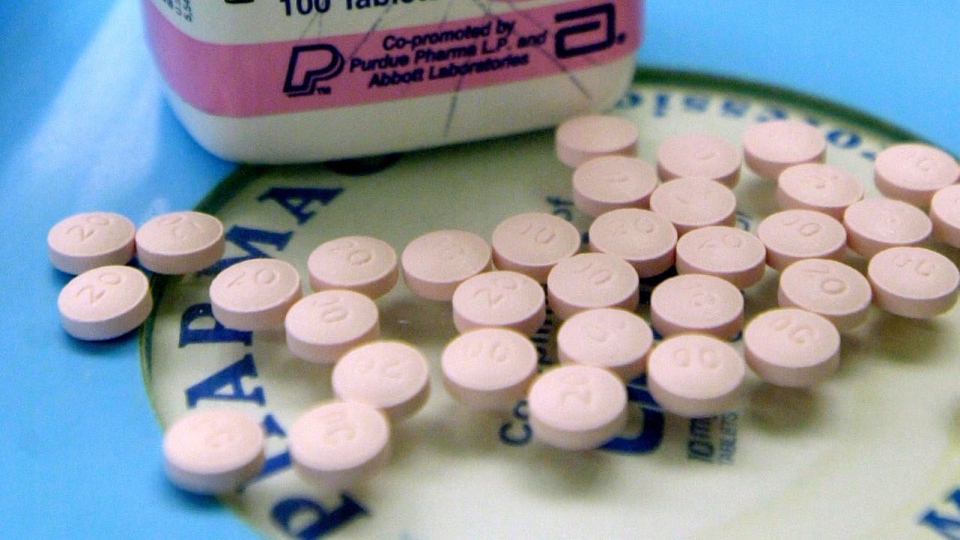
Consulting firm McKinsey and Co. has agreed to pay $78 million to settle claims from insurers and health care funds that its work with drug companies helped fuel an opioid addiction crisis. The agreement was revealed late Friday in documents filed in federal court in San Francisco. The settlement must still be approved by a judge.
Under the agreement, McKinsey would establish a fund to reimburse insurers, private benefit plans and others for some or all of their prescription opioid costs. The insurers argued that McKinsey worked with Purdue Pharma – the maker of OxyContin – to create and employ aggressive marketing and sales tactics to overcome doctors’ reservations about the highly addictive drugs. Insurers said that forced them to pay for prescription opioids rather than safer, non-addictive and lower-cost drugs, including over-the-counter pain medication. They also had to pay for the opioid addiction treatment that followed.
The S&P 500 index fell 13.52 points (0.28%) to 4,769.83; the Dow Jones Industrial Average® was down 20.56 points (0.05%) at 37,689.54; the NASDAQ Composite® (COMP) was down 83.78 points (-0.56%) at 15,011.35.
The 10-year Treasury note yield (TNX) rose nearly 2 basis points to 3.86%.
The CBOE® Volatility Index (VIX) finished nearly unchanged at 12.51, still near recent four-year lows.
The S&P 500 and Dow Jones Industrial Average posted their ninth consecutive weekly advances, but the NASDAQ Composite finished slightly lower for the week, hurt in part by a soft performance from Apple (AAPL). The Russell 2000® Index (RUT) fell 1.18% on Friday but climbed 15% for the year.
A health system in Michigan has experienced its second cybersecurity breach this year, affecting more than 1 million patients, according to state officials. Michigan Attorney General Dana Nessel announced Tuesday there was a breach at HealthEC, a vendor that provides services to Corewell Health’s southeast Michigan properties. The breach exposed patients’ personal and medical information.
***
***
With Nvidia and Tesla on the rise, acronyms like FAANG and MAMAA no longer cut it: The top tech giants (Amazon, Alphabet, Apple, Meta, Google, plus Nvidia and Tesla) have now been dubbed the “Magnificent Seven.” Buoyed by the generative AI gold rush, they were responsible for 29% of the S&P 500’s total value.
Here is where the major benchmarks ended:
Here’s where the major benchmarks ended:
The S&P 500 index was up 1.77 points at 4,783.35; the Dow Jones Industrial Average was up 53.58 points (0.1%) at 37,710.10; the NASDAQ Composite® (COMP) was down 4.04 points at 15,095.14.
The 10-year Treasury note yield (TNX) was up nearly 6 basis points at 3.844%.
The CBOE® Volatility Index (VIX) was up 0.03 at 12.46.
The S&P 500, Dow Jones Industrial Average, and NASDAQ Composite are all on track for a ninth consecutive weekly advance. Other parts of the market Thursday turned in mixed performances. The Russell 2000® Index (RUT) fell 0.4% but is still on track for a seventh consecutive weekly gain and has climbed 17% for the year.
3,200 business startups failed in 2023, according to PitchBook data. Those startups raised more than $27 billion combined, or roughly the 2022 GDP of Cambodia. (Business Insider).
***
Here’s where the major benchmarks ended:
The S&P 500 index was up 6.83 points (0.1%) at 4,781.58; the Dow Jones Industrial Average was up 111.19 points (0.3%) at 37,656.52; the NASDAQ Composite® (COMP) was up 24.60 points (0.2%) at 15,099.18.
The 10-year Treasury note yield was down over 9 basis points at 3.791%.
The CBOE® Volatility Index (VIX) was down 0.49 at 12.50.
Small-cap stocks continued a strong finish to the year as the Russell 2000® Index (RUT) gained 0.3% to settle at its highest level since April 2022. Retailer shares were among the market’s strongest performers amid reports of strong holiday sales. The S&P Retail Select Industry Index (SPSIRE) rose 0.6% and ended near an 11-month high.
In other markets, the U.S. dollar traded around $1.11 versus the euro (EUR/USD), its weakest level since late July and a reflection of expectations that lower rates in the United States will prompt investors to seek higher returns elsewhere.
Consumer spending grew solidly this holiday season, rebuking concerns of a slowdown and reinforcing positive signals about the U.S. economy as it approaches the end of a tumultuous year.
Buying among shoppers rose 3.1% over the holidays compared to the same period last year, according to data released on Tuesday by Mastercard SpendingPulse, which measures in-store and online purchases from November 1st to December 24th across all forms of payment. The data is not adjusted for inflation.
***
Here’s where the major benchmarks ended:
The S&P 500 index was up 20.12 points to 4,774.75 up 0.42%; the Dow Jones Industrial Average was up 159.36 points at 37,54533, up 0.2% ; the NASDAQ Composite® (COMP) was up 81.6 points to 15,074.57 up 0.54% to start the week.
The 10-year Treasury note yield (TNX) was down 1 basis point to 3.895%.
The CBOE® Volatility Index (VIX) was down 0.38% to 12.98.
Small-cap stocks continued to outpace their larger cousins, a common theme lately. The Russell 2000® Index rose Tuesday following six weeks of gains. Financials and real estate sectors were among strongest S&P 500 performers during the session, and the Russell 2000 has a heavy exposure to financials. In other markets, the U.S. Dollar Index (DXY) extended its recent slide and now trades at five-month lows, reflecting ideas that potentially lower interest rates may prompt investors to seek higher returns elsewhere.
With just three trading days left in 2023, the S&P 500 and other major equity benchmarks are poised to turn in a strong year that may more than make up for 2022’s losses. With Tuesday’s gains factored in, the SPX is closing in on its all-time high close just below 4,800 posted in early 2022. Through Tuesday, the S&P 500 was up more than 24% for the year, after tumbling 19.4% in 2022. The Dow Jones Industrial Average and the NASDAQ Composite were up 13% and 44%, respectively, after losing 8.8% and 33% in 2022.
Festivus is a secular holiday on December 23rd as an alternative to the pressures and commercialism of the Christmas Season. Originally created by author Daniel O’Keefe, Festivus entered popular culture after it was made the focus of the 1997 Seinfeld episode which O’Keefe’s son, Dan,co-wrote.
The non-commercial holiday’s celebration includes a Festivus dinner, an unadorned aluminum Festivus pole, practices such as the “airing of grievances” and “feats of strength”, and the labeling of easily explainable events as “Festivus miracles”. The TV episode refers to it as “a Festivus for the rest of us”.
It has been described both as a parody holiday festival and as a form of playful consumer resistance. Journalist Allen Salkin describes it as “the perfect secular theme for an all-inclusive December gathering”.
***
***
(Bloomberg) — Drug-makers are slow-walking products to market to get around President Joe Biden’s plan to lower medication prices.
Companies from Roche Holding AG to biotech Alnylam Pharmaceuticals Inc. are among those delaying or evaluating therapies in light of the government’s new ability to negotiate for lower prices. Firms that normally try to sell drugs as soon as possible are suspending clinical trials and shifting timelines, while patient groups are demanding change.
Here is where the major benchmarks ended:
Here’s where the major benchmarks ended:
The S&P 500 index was up 7.88 points (0.2%) at 4,754.63, up 0.8% for the week; the Dow Jones Industrial Average was down 18.38 points at 37,385.97, up 0.2% for the week; the NASDAQ Composite® (COMP) was up 29.11 points (0.2%) at 14,992.97, up 1.2% for the week.
The 10-year Treasury note yield (TNX) was up about 1 basis point at 3.901%.
The CBOEe® Volatility Index (VIX) was down 0.62 at 13.03.
Small-cap stocks continued a strong finish to the year. The Russell 2000® Index (RUT) rose 0.8% Friday to end at its highest level since April 2022 and rose 2.5% for the week, the small-cap benchmark’s sixth consecutive weekly gain. Regional banks and utilities were also among the strongest performers. In other markets, the U.S. Dollar Index (DXY) extended its recent slide and dropped to its weakest level since late July, reflecting ideas an outlook for lower interest rates may prompt investors to seek higher returns elsewhere.
Finally, with just four trading days left in 2023, the S&P 500 and other major equity benchmarks are poised to turn in a strong year that may more than make up for 2022’s losses. Through Friday, the S&P 500 was up nearly 24% for the year, after tumbling 19.4% in 2022. The Dow Jones Industrial Average and the NASDAQ Composite were up 13% and 43%, respectively, after losing 8.8% and 33% in 2022.
Posted on December 23, 2023 by Dr. David Edward Marcinko MBA MEd CMP™
OPEN ENROLLMENT
***
***
According to new data released by Hiya, a company that tracks phone fraud and spam, calls offering phony health plans and fraudulent Medicare support skyrocketed between October and November this year, coinciding with the start of the marketplace open-enrollment period that runs from November 1st through January 16th, 2024.
Whether the automated message purports to be from Dale at Elite Medicare Options or Ashley from the Health Enrollment Center (both real examples that Hiya has documented), the fraud-protection platform found that most scammers will try to get their target to interact with a button- or voice-activated menu.
The menu might be disguised as a survey of Medicare coverage or an option to opt out of receiving future calls, according to Hiya, but either way, the person who responds to the automated call could be in trouble.
Almost $1 billion in assets belonging to the founders of cryptocurrency hedge fund Three Arrows Capital have been frozen by a British Virgin Islands court, according to the firm’s liquidator. The court issued an order preventing co-founders Su Zhu and Kyle Davies, as well as Davies’ wife Kelly Chen, from transferring or selling assets worth up to $1.14 billion, the liquidator Teneo said in an emailed statement, adding that it estimates creditors are owed roughly $3.3 billion.
***
Here is where the major benchmarks ended:
Here’s where the major benchmarks ended:
The S&P 500® index (SPX) was up 48.40 points (1.0%) at 4,746.75; the Dow Jones Industrial Average was up 322.35 points (0.9%) at 37,404.35; the NASDAQ Composite®(COMP) was up 185.92 points (1.3%) at 14,963.87.
The 10-year Treasury note yield (TNX) was up about 1 basis point at 3.89%.
The CBOE® Volatility Index (VIX) was down 0.02 at 13.65, after earlier rising to 14.49.
Among market sectors, Micron Technology’s gain helped send the Philadelphia Semiconductor Index (SOX) up 2.8%. Retail and transportation shares were also among the strongest performers.
The Russell 2000® Index (RUT), which is largely small cap focused, rose 1.7% and is on track for a sixth consecutive weekly gain.
Astronomical winter begins at the winter solstice, which is the shortest day of the year. This means days get longer during winter—very slowly at first, but at ever-larger daily intervals as the March Equinox approaches, heralding the start of spring.
Locations closer to the poles experience larger differences in day length throughout the year, so winter days are shorter there. In Toronto, the shortest day is just under 8 hours and 56 minutes long; in Miami, roughly 2000 kilometers or 1200 miles farther south, it lasts about 10 hours and 32 minutes.
Places within the polar circles experience polar night during all or part of the winter season when the Sun does not rise at all.
Here is where the major benchmarks ended:
Here’s where the major benchmarks ended:
The S&P 500 index (SPX) was down 70.02 points (1.5%) at 4,698.35; the Dow Jones Industrial Average (DJI) was down 475.92 points (1.3%) at 37,082.00; the NASDAQ Composite® (COMP) was down 225.28 points (1.5%) at 14,777.94.
The 10-year Treasury note yield (TNX) was down about 6 basis points at 3.858%.
The CBOE® Volatility Index (VIX) was up 1.14 at 13.67.
Shares of semiconductors and banks were among the weakest performers Wednesday, giving back some recent gains after ranking among upside leaders during the recent rally.
Transportation shares also slumped behind weakness in FedEx. The Dow Jones Transportation Index (DJT) fell 1.5% and ended at its lowest level in a week.
“Bad financial advice by unscrupulous financial advisers driven by their own self-interest can cost a retiree up to 1.2% per year in lost investment,” President Biden said. “That doesn’t sound like much but if you’re living long, it’s a lot of money.
“Over a lifetime, it can add up to 20% less money when they retire. For a middle-class household, that can amount to tens of thousands of dollars over time.”
Americans who owe back taxes will be given an incentive to pay up after the Internal Revenue Service it would waive nearly $1 billion in late-payment penalties. Roughly 4.6 million individual taxpayers who owe for tax years 2020 and 2021 will be eligible for the penalty relief. The IRS is extending the olive branch because it stopped sending out many collection letters during the pandemic. It hoped the letter halt would help struggling taxpayers and reduce its backlog. The long absence of these computer-generated letters had big consequences for taxpayers. Americans’ debt on unpaid back taxes had been growing with interest and penalties, and many were likely in the dark about just how much they owed.
Here is where the major benchmarks ended:
Here’s where the major benchmarks ended:
The S&P 500 index was up 27.81 points (0.6%) at 4,768.37; the Dow Jones Industrial Average was up 251.90 points (0.7%) at 37,557.92; the NASDAQ Composite® (COMP) was up 98.03 points (0.7%) at 15,003.22.
The 10-year Treasury note yield (TNX) was down about 3 basis points at 3.924%.
The CBOE® Volatility Index (VIX) was down 0.03 at 12.53.
Energy shares extended an early week rally behind a continued rebound in WTI Crude Oil futures (/CL), which rose for a fifth straight day and ended near a three-week high above $74 per barrel.
Banks and retailers were also particularly firm. The S&P 500 Retail Select Industry Index (SPSIRE) surged over 2% and ended at its highest level in over 10 months.
And, Tuesday’s big winner was Affirm, whose shares skyrocketed 15% after the buy now, pay later company announced it’s expanding its Walmart partnership to include the retailer’s self-checkout kiosks.
The Federal Reserve’s pivot last week to an easier monetary policy made many investors more bullish toward stocks. You can count Goldman Sachs among them. It has raised its year-end 2024 target for the S&P to 5,100 from 4,700. The new forecast represents an 8% increase from 4,740 on Dec. 18. Goldman has a three-month target of 4,800 and a six-month target of 4,900.
Here is where the major benchmarks ended:
Here’s where the major benchmarks ended:
The S&P 500 index was up 21.37 points (0.5%) at 4,740.56; the Dow Jones Industrial Average was up 0.86 points at 37,306.02; the NASDAQ Composite was up 90.89 points (0.6%) at 14,904.81.
The 10-year Treasury note yield (TNX) was up about 2 basis points at 3.946%.
The CBOE® Volatility Index (VIX) was up 0.25 at 12.53.
Energy shares were among Monday’s strongest performers behind a rally in WTI Crude Oil futures (/CL), which jumped 1.7% to end at a two-week high amid concern over supply disruptions following attacks on ships in the Red Sea.
Communication services and consumer staples were also firm. Financials gave back some of last week’s sharp gains, with the KBW Bank Index (BKX) down nearly 1%.
The IRS Quietly Changed the Rules on Children’s Inheritance
The IRS just issued Revenue Ruling 2023-2, which had a substantial impact on estate planning, particularly where an irrevocable trust is involved.
In the last decade or so, more families have begun utilizing irrevocable trusts to protect their assets from spend-down in order to qualify for government benefits, such as Medicaid and VA Aid and Attendance. Prior to the issuance of this ruling, it was unclear whether assets passing to beneficiaries through an irrevocable trust would receive a step-up in basis, thereby eliminating any capital gains taxes that would otherwise be owed.
Historically, assets that are disposed of during an individual’s lifetime are subject to capital gains taxes on the increase in value of that asset over time. The amount of capital gains owed is determined largely by the difference between the value at the time of purchase and the value at the time of transfer.
Delta Dental of California data breach exposed info of 7 million people
“Delta Dental of California and its affiliates are warning almost seven million patients that they suffered a data breach after personal data was exposed in a MOVEit Transfer software breach.Delta Dental of California provides 24 months of free credit monitoring and identity theft protection services to impacted patients to mitigate the risk of their exposed data.”
Markets: The Magnificent Seven technology mega-cap stocks—Microsoft, Apple, Alphabet, Nvidia, Tesla, Meta, and Amazon—have surged 75% this year, while the other 493 companies in the S&P 500 have gained 12%. The Magnificent Seven now account for nearly 30% of the entire index’s value, per the WSJ.
Stock spotlight: Speaking of the S&P 500, it’s getting a prominent new member—Uber will join the index today. With a market cap of $127 billion, Uber is the most valuable company that hadn’t yet been included in the S&P 500, and it celebrated by notching a 52-week high last week.
“We kept hearing nightmare stories about Americans not getting the treatment that they needed because insurance companies were denying them care. But we didn’t have enough data to show just how extensive and deep the problem was.”—
Bill Smith, founder of mental health advocacy coalition Inseparable, on patients with mental health diagnoses not receiving care (NPR)
***
***
The NASDAQ closed at an all-time high yesterday, breaking the record it set in November 2021, as technology stocks continued to rally on the news that the Fed may cut interest rates next year.
DocuSign shot up following reports that the $11 billion company whose tech lets you use your signature without a pen could be up for sale.
Twenty-eight healthcare companies, including CVS Health , are signing U.S. President Joe Biden’s voluntary commitments aimed at ensuring the safe development of artificial intelligence (AI), a White House official said yesterday. The commitments by healthcare providers and payers follow those of 15 leading AI companies, including Google, OpenAI and OpenAI partner Microsoft to develop AI healthcare models responsibly.
***
***
Health insurance company Humana is being accused of allegedly wrongfully denying care to elderly patients, who are enrolled in Medicare Advantage Plans, using an augmented intelligence model “to override” physicians’ orders on “necessary care patients require,” according to a new lawsuit.
The lawsuit, filed by two Humana Medicare Advantage Plan customers on December th 12 in Kentucky, claims that Humana uses an AI model called nH Predict, and it allegedly has a high error rate. And allegedly, despite knowing that it’s inaccurate, the company still uses it.
The S&P 500 index was up 12.46 points (0.3%) at 4,719.55; the Dow Jones Industrial Average was up 158.11 points (0.4%) at 37,248.35; the NASDAQ Composite® (COMP) was up 27.59 points (0.2%) at 14,761.56.
The 10-year Treasury note yield (TNX) was down about 11 basis points at 3.923%, falling under 4% for the first time since early August.
The CBOE® Volatility Index (VIX) was up 0.25 at 12.44.
Financial shares remained among the market’s strongest post-FOMC gainers, reflecting ideas that lower interest rates will boost profit margins for banks. Goldman Sachs (GS) rallied nearly 6%, the second-best gain among Dow companies, and hit a 23-month high. The KBW Bank Index (BKX), which includes major companies like Bank of America (BAC) and Citigroup (C) as well as several regional lenders, surged 5% to a nine-month high.
Also, the small-cap Russell 2000® Index (RUT) continued to outgain large-cap counterparts, rising 2.7% to a 4 ½-month high.
The holidays can be a stressful time for many, especially emergency healthcare workers, as Emergency Departments and ERs tend to get crowded. Holiday-related injuries spike in December, from slipping in the snow or falling while decorating to overindulging in holiday cocktails. So, to all the emergency healthcare providers working on holidays this year, the ME-P thanks you very much.
Here’s where the major benchmarks ended:
The S&P 500 index was up 63.39 points (1.4%) at 4,707.09; the Dow Jones Industrial Average was up 512.30 points (1.4%) at 37,090.24; the NASDAQ Composite was up 200.57 points (1.4%) at 14,733.96.
The 10-year Treasury note yield (TNX) was down about 18 basis points at 4.024%.
The CBOE® Volatility Index (VIX) was up 0.14 at 12.21.
Financial shares led Wednesday’s gainers, reflecting ideas that lower interest rates will boost profit margins for banks. The KBW Regional Banking Index (KRX) surged nearly 6% and ended at its highest level in over four months. The Fed’s outlook for slower growth in 2024, but no recession, also appeared to drive optimism among smaller companies, which are considered to have greater exposure to economic downturns. The small-cap Russell 2000® Index (RUT) outpaced its bigger counterparts, gaining 3.5% and ending at a four-month high.
Treasury yields fell sharply, with the 10-year note dropping to a four-month low just above 4%.
Posted on December 13, 2023 by Dr. David Edward Marcinko MBA MEd CMP™
By Dr. David Edward Marcinko MBA
***
***
DEFINITION: A general review of research on frailty defined it more specifically as “a state characterized by reduced physiological reserve and loss of resistance to stressors caused by accumulated age-related deficits.”
Between 10 and 15% of older adults are considered frail. But how do doctors measure frailty? One tool is called the Frailty Index for Elders (FIFE) and consists of 10 items that are scored zero to 10, with zero indicating no frailty, one to three indicating that there is a risk of frailty, and four or above indicating that the individual is considered frail in that item.
Another frailty index, used byDalhousie University in Canada, requires 30 variables to be measured and is regarded more as a comprehensive measure of one’s overall health.
It’s important to understand that maintaining good health and fitness is not just about avoiding illness and injury, reaching overhead for that jar of peanut butter on the top shelf, and walking the dog farther than just around the block. It’s also about recovering more quickly when you get sick or injured, which everyone does eventually.
Kentucky-based healthcare provider NortonHealthcare has confirmed that it has suffered a significant ransomware attack that may have put the data of millions of its patients at risk. In a filing to the Maine Attorney General on December 8th, the healthcare giant said that 2.5 million individuals had been affected by the breach.
***
***
Meanwhile, the nation’s largest pharmacy chains have handed over Americans’ prescription records to police and government investigators without a warrant, a congressional investigation found, raising concerns about threats to medical privacy. Though some of the chains require their lawyers to review law enforcement requests, three of the largest — CVS Health, Kroger and Rite Aid, with a combined 60,000 locations nationwide — said they allow pharmacy staff members to hand over customers’ medical records in the store.
The policy was revealed in a letter sent to Xavier Becerra, the secretary of the Department of Health and Human Services, by Sen. Ron Wyden (D-Ore.) and Reps. Pramila Jayapal (D-Wash.) and Sara Jacobs (D-Calif.).
HIPAA anyone?
***
Here’s where the major benchmarks ended:
The S&P 500 index was up 21.26 points (0.5%) at 4,643.70; the Dow Jones Industrial Average®(DJI) was up 173.01 points (0.5%) at 36,577.94; the NASDAQ Composite® (COMP) was up 100.91 points (0.7%) at 14,533.40.
The 10-year Treasury note yield (TNX) was down about 3 basis points at 4.206%.
The CBOE® Volatility Index (VIX) was down 0.56 at 12.07.
Technology shares were among Tuesday’s strongest performers despite a 12% drop in Oracle (ORCL), which plunged after reporting lighter-than-expected quarterly revenue late Monday. The Philadelphia Semiconductor Index (SOX) posted its highest close since January 2022.
Financial shares were also firm. Energy shares were under pressure because WTI Crude Oil futures (/CL) extended a slump below $70 per barrel and settled at its lowest price since late June.
The final FOMC meeting of the year will take place this week, and like most work meetings in mid-December, not a whole lot is going to happen. Chair Jerome Powell is widely expected to leave interest rates unchanged as inflation continues its descent to a 2% target. But 2024 planning is in full swing, and investors are desperate to learn when the Federal Reserve thinks it will need to cut rates next year.
***
Here is where the major stock index benchmarks ended:
The S&P 500 index was up 18.07 points (0.4%) at 4,622.44; the Dow Jones Industrial Average® (DJI) was up 157.06 points (0.4%) at 36,404.93; the NASDAQ Composite was up 28.51 points (0.2%) at 14,432.49.
The 10-year Treasury note yield (TNX) was little-changed at 4.239%.
The CBOE® Volatility Index (VIX) was up 0.28 at 12.63.
In addition to retailers, semiconductor company shares also posted outsized gains Monday, boosted in part by a jump of nearly 10% in Broadcom (AVGO). The Philadelphia Semiconductor Index (SOX) gained more than 3% and ended near a two-year high. Transportation companies were also strong.
In other markets, Natural Gas futures (/NG) plunged more than 6% to a six-month low, reflecting warmer-than-normal U.S. temperatures and excess supplies.
Finally, the so-called Magnificent Seven stocks of Apple, Microsoft, Alphabet, Amazon.com, Nvidia, Tesla and Meta Platforms each fell at least 0.8%. Meta led the declines, dropping 2.2%. But only one out of 11 S&P 500 sectors fell. Even the information technology sub-index ticked higher, reflecting gains outside of the largest companies in the sector.
United Kingdom Regulators Looking into Microsoft’s Partnership with OpenAI
A British watchdog is asking for feedback on whether Microsoft’s $13 billion, 49% stake in the ChatGPT-maker’s for-profit division constitutes a merger, the WSJ just eported. So, if the agency decides to launch a formal investigation into whether the partnership creates an unfair advantage in the artificial intelligence industry, it could eventually force the companies to change how they operate.
And, following OpenAI’s dramatic firing and rehiring of CEO Sam Altman last month, Microsoft was given a “nonvoting observer” seat on the OpenAI board.
Aetna Better Health of Georgia has invested $510,000 in 17 local organizations that offer services for individuals experiencing food insecurity and homelessness across the state of Georgia.
“A holistic approach to health care starts with ensuring each individual has stable and consistent access to healthy, nutritious foods, as well as a safe place to live,” said Sonya Nelson, division president at Aetna Medicaid. “By partnering with local organizations committed to improving the quality of life for all Georgians, we can help ensure people’s most basic needs are fulfilled and they’re able to prioritize care for themselves and their families.”
The S&P 500 heads into the week at its highest level of the year after Friday’s solid jobs report suggested that the Fed could be all clear for a “soft landing”—bringing inflation back to normal without sending the economy into a recession. The S&P and Dow have posted gains for six straight weeks, their longest streak since 2019.
***
But, the week’s big winner was Paramount, which spiked on reports that Shari Redstone might sell the entertainment giant.
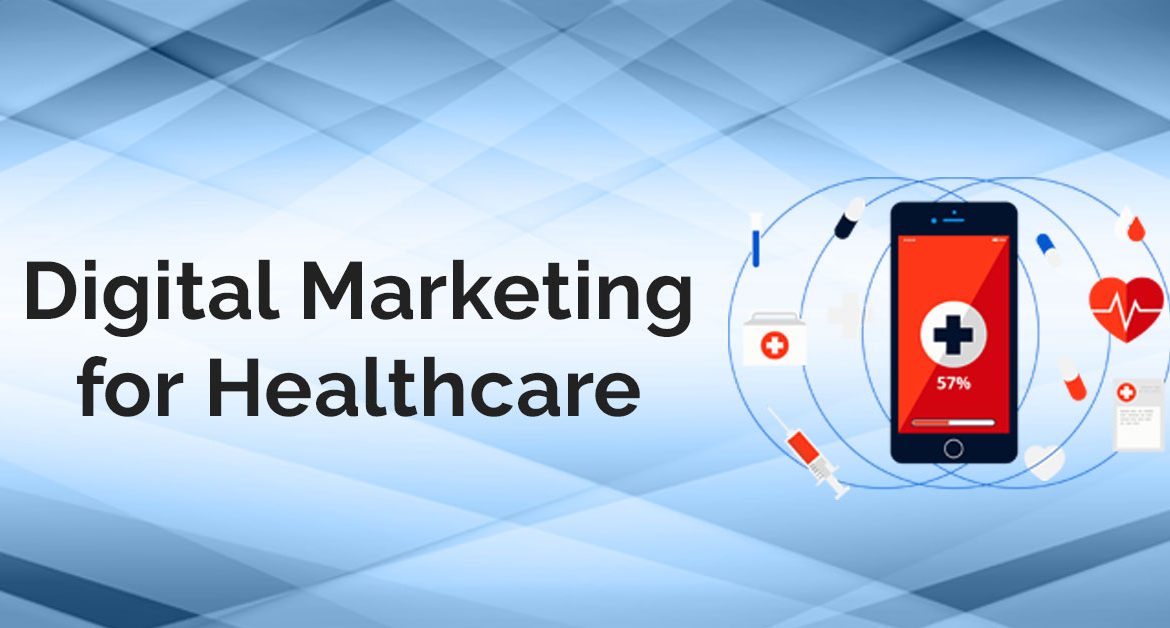
A strong online presence is crucial for any medical or healthcare businesses, but many are struggling to figure out where to invest their marketing dollars. It is important to diversify marketing efforts and not rely solely on one channel, as changes in the industry are inevitable. Search marketing, direct marketing, and social media are three key components that healthcare organizations should incorporate in their marketing campaigns.
Search marketing has evolved over the years with changes in Google’s algorithms and the saturation of the market, requiring a focus on quality content and the expertise of an expert.
Direct marketing is becoming more popular, with lead generation companies and email marketing being effective and budget-friendly tactics. Social media is constantly evolving and increasing in price, with networks like Facebook and Twitter pushing paid advertisements.
While social media should not be the focal point of a healthcare organization’s marketing campaign, it is an integral component that can contribute to search engine rankings.
***
***
Overall, a well-rounded marketing strategy that incorporates these three elements is crucial for success. A strong online presence is crucial for healthcare businesses, and diversifying marketing efforts across search marketing, direct marketing, and social media is important for success. Search marketing has changed with Google’s algorithms and increased ad costs, while direct marketing and social media have become more popular. Social media also affects search engine rankings.
Experts estimate that it can cost more than $1 million to recruit and train a replacement for a doctor who leaves the profession because of burnout. But, as no broad calculation of burnout costs exists, Dr. Tait Shanafelt [Mayo Clinic researcher and Stanford Medicine’s first Chief Physician Wellness Officer] said Stanford, Harvard Business School, Mayo Clinic and the American Medical Association (AMA) are further cost estimating the issue. Nevertheless, Shanafelt and other researchers have shown that burnout erodes job performance, increases medical errors, and leads doctors to leave a profession they once loved.
Fortunately, we can help. From formal coaching to second career opinions, mentoring and advising, we can help with our remediation executive career programs. Regardless of what is happening in your life, it is wonderful to have a non-partial, confidential and informed career coach and sounding board on your side.
CITE: JAMA Internal Medicine [Effect of a Professional Coaching Intervention on the Well-Being and Distress of Physicians].
After grappling with high inflation for more than two years, American consumers are now seeing an economic trend that many might only dimly remember: falling prices — but only on certain types of products.
Deflation is impacting so-called durable goods, or products that are meant to last more than three years, Wall Street Journal reporter David Harrison told CBS News. As Harrison noted in his reporting, durable goods have dropped on a year-over-year basis for five straight months and dropped 2.6% in October from their September 2022 peak.
These items are products such as used cars, furniture and appliances, which saw big run-ups in prices during the pandemic. Used cars in particular were a pain point for U.S. households, with pre-owned cars seeing their prices jump more than fifty percent in the first two years of the pandemic.
Here is where the major benchmarks ended:
The S&P 500 Index was up 36.25 points (0.8%) at 4,585.59; the Dow Jones Industrial Average was up 62.95 points (0.2%) at 36,117.38; the NASDAQ Composite was up 193.28 points (1.4%) at 14,339.99.
The 10-year Treasury note yield (TNX) was up about 2 basis points at 4.144%.
The CBOE® Volatility Index (VIX) was up 0.09 at 13.06.
Tech sector strength was highlighted by the Philadelphia Semiconductor Index (SOX), which gained nearly 3%. Financial shares were also among the strongest performers, as the KBW Regional Banking Index (KRX) rose 2% and ended at a four-month high. In other markets, WTI crude oil futures (/CL) posted the market’s first gain in six days after earlier dropping to its lowest level since late June.
Apple regains a $3 trillion market cap and is on track to end the year as the world’s most valuable company for the 5th time in a row.
Today marks the 82nd anniversary of the attack on Pearl Harbor that drew the US into WWII.
Here’s where the major benchmarks ended:
The S&P 500® index (SPX) was down 17.84 points (0.4%) at 4,549.34; the Dow Jones Industrial Average® (DJI) was down 70.13 points (0.2%) at 36,054.43; the NASDAQ Composite® (COMP) was down 83.20 points (0.6%) at 14,146.71.
The 10-year Treasury note yield (TNX) was down about 5 basis points at 4.117%.
The CBOE® Volatility Index (VIX) was up 0.10 at 12.95.
Energy shares were again among the market’s weakest performers as crude oil futures extended a slump, closing below $70 per barrel for the first time since late June on concerns over slowing global demand. And, Liz Ann Sonders of Schwab said a “somewhat stealthy” rotation continued under the market’s surface, with the S&P 500® Equal Weight (SPXEW) and Russell 2000®(RUT) indexes outperforming both the S&P 500 and NASDAQ over the past month or so. She also noted a defensive tone to Wednesday’ trading, illustrated by strength in utilities and weakness in technology.
Nearly 60% of doctors who practice as employees of hospitals and other corporate entities say that non-physician practice ownership results in lower quality patient care, per a new survey commissioned by the Physicians Advocacy Institute. Loss of face time with patients and greater focus on finances negatively impact quality, they say.
Here is where the major benchmarks ended:
Here’s where the major benchmarks ended:
The S&P 500 index was down 2.60 points (0.1%) at 4,567.18; the Dow Jones Industrial Average was down 79.88 points (0.2%) at 36,124.56; the NASDAQ Composite® (COMP) was up 44.42 points (0.3%) at 14,229.91.
The 10-year Treasury note yield was down about 11 basis points at 4.18%.
The CBOE® Volatility Index (VIX) was down 0.23 at 12.85.
Energy shares were among Tuesday’s weakest performers on pressure from slumping crude oil futures, which dropped for a fourth consecutive day and hit a five-month low amid concern over global demand. Retail and transportation sectors were also soft. Technology and consumer discretionary shares were among the few gainers.
Here is where the major benchmarks ended yesterday:
The S&P 500® index (SPX) was down 24.85 points (0.5%) at 4,569.78; the Dow Jones Industrial Average® (DJI) was down 41.06 points (0.1%) at 36,204.44; the NASDAQ Composite (COMP) was down 119.54 points (0.8%) at 14,185.49.
The 10-year Treasury note yield (TNX) was up about 4 basis points at 4.264%.
The BOE® Volatility Index (VIX) was up 0.45 points at 13.08.
Technology and communications services shares were among the weakest performers Monday, with the Philadelphia Semiconductor Index (SOX) dropping 1.2%, its lowest level since mid-November.
By contrast, many smaller companies held up better. The small-cap-focused Russell 2000® Index (RUT) rose 1% and ended at a three-month high, extending a recent upswing. In other markets, gold futures (GC) plunged after earlier posting an intraday record above $2,152 an ounce.
The Internal Revenue Service (IRS) is raising the stakes for those who underpay their taxes by ratcheting up the interest penalty that will be assessed in next spring’s tax filing season. Earlier this fall, the IRS increased its interest penalty on estimated tax underpayments to 8% – a notable jump from 3% just two years ago. The IRS indicated that the interest rate penalty is determined every quarter and that for taxpayers other than corporations the assessed rate is the federal short-term rate plus three percentage points.
***
Speaking of a possible US economic “soft-landing“, the S&P 500closed at a 2023 high on Friday, the VIX (Wall Street’s “fear gauge”) has fallen to a nearly four-year low, and December has been the third-best month for the S&P since 1928. Even crypto is on a roll as bitcoin topped $40,000 for the first time since May 2022.
As we reported, the S&P 500 had its best day of the year on Friday as stocks kept their November rally rolling right into December. Pfizer, however, fell to its lowest since March 2020 after announcing that it’s pulling the plug on its experimental twice-a-day weight loss pill because it caused too many negative side effects even as pharmaceutical companies are rushing to serve the growing weight loss market.
***
And, Panera Breadfiled IPO paperwork, the Financial Times reported. And it’s not the only household name that’s anticipated to hit brokerage apps next year as more companies are once again considering going public. The past two years have been an IPO stale mate as rising interest rates led to a tepid market for newcomers. Last year, Panera itself aborted a public listing it was planning via a special purpose acquisition company [SPAC] due to harsh market conditions.
But, things might be different in 2024. Fast-fashion behemoth Shein also recently filed paperwork for what could be a blockbuster IPO that raises as much as $90 billion, per Bloomberg. The publication says that more companies are rumored to be thinking about joining the potential IPO bonanza. For example:
Kim Kardashian might list her $4 billion undergarment brand, Skims.
Reddit is supposedly flirting with the idea of going public. It would be the first major social media IPO in years, and it’s been in the offing since last year, when Reddit was valued at $15 billion.
However, all IPOs have not done well:
The Birkenstock and Instacart IPOs fell short of expectations according to investment data from Dealogic
Three out of four companies that IPOed this year were trading below their offer prices as of the middle of last month.
Companies debuting on the public markets raised a meager $20 billion so far this year, a slight rebound from 2022 but a ~90% decline from 2021.
There’s almost $6 trillion of cash sitting on the sidelines in money-market funds, with the potential for some portion of it to be reallocated into “carefully selected risk assets.”
This is according to Ali Dibadj, chief executive of London-based Janus Henderson Investors, which had $308.3 billion in assets under management as of September. About $187.9 billion, or 61%, of that was in equity strategies.
***
Here’s where the major benchmarks ended:
The S&P 500 index was up 26.83 points (0.6%) at 4,594.63, up 0.8% for the week; the Dow Jones Industrial Average® (DJI) was up 294.61 points (0.8%) at 36,245.50, up 2.4% for the week; the NASDAQ Composite was up 78.81 points (0.6%) at 14,305.03, up 0.4% for the week.
The 10-year Treasury note yield was down about 14 basis points at 4.213%.
The CBOE® Volatility Index (VIX) was down 0.27 at 12.65.
Friday’s gains followed the market’s strongest month of the year, as the S&P 500 and NASDAQ surged 8.9% and 10.7% in November, respectively, their best monthly performances since July 2022. Among sectors, the KBW Regional Bank Index (KRX) jumped 5.3% Friday, and retail shares were also among the top gainers.
Shares of smaller companies extended a recent rally as the small-cap-focused Russell 2000® Index (RUT) gained 3.1% for the week and ended at a 2-1/2-month high.
The Fed’s preferred inflation measure increased 3% in October, down from 3.4% in September and getting closer to the central bank’s much-ballyhooed target of 2%. A drop in gas prices—down 4.9% from the previous month—was a major factor. Increases in core prices, which strip out food and energy costs, also slowed last month. In the last six months, core inflation has grown at a 2.5% annual rate—down significantly from 5.1% last year.
The news means the Fed will likely keep interest rates unchanged at its final 2023 meeting on December 12t and 13th.
The S&P 500 index was up 17.22 points (0.4%) at 4,567.80, up 8.9% for the month; the Dow Jones Industrial Average was up 520.47 points (1.5%) at 35,950.89, up 8.8% for the month; the NASDAQ Composite was down 32.27 points (0.2%) at 14,226.22, up 10.7% for the month.
The 10-year Treasury note yield (TNX) was up about 6 basis points at 4.33%.
CBOE® Volatility Index (VIX) was down 0.07 at 12.91.
The Dow’s gain Thursday was driven in part by Salesforce (CRM), which soared nearly 9% after the cloud software company reported stronger-than-expected quarterly results. The technology sector was otherwise soft, with the NASDAQ-100® (NDX) down 0.7% but still up 10.7% for the month. Small-cap stocks also posted a firm November, illustrated by a monthly gain of nearly 9% in the Russell 2000® Index (RUT).
And, Nathan Peterson, director of derivatives analysis at the Schwab Center for Financial Research, said the weakness in tech shares likely reflected consolidation after firm gains earlier this month. The NASDAQ Composite may also face some technical resistance around 14,350, a level where sellers stepped in back in July.
A ransomware attack has caused a health care chain, which operates 30 hospitals in six states, to move patients from some of its emergency rooms to other hospitals, while putting certain procedures on pause, the company announced.
According to a statement from Ardent Health Services, the attack happened on November 23rd. The company said as a result of the attack, it took its network offline and suspended user access to its information technology applications, including the software used to document patient care.
***
***
Here is where the major benchmarks ended:
Here’s where the major benchmarks ended:
The S&P 500® index was down 4.31 points (0.1%) at 4,550.58; the Dow Jones Industrial Average was up 13.44 points at 35,430.42; the NASDAQ Composite ® was down 23.27 points (0.2%) at 14,258.49.
The 10-year Treasury note yield (TNX) was down about 8 basis points at 4.261%.
CBOE ® Volatility Index (VIX) was up 0.29 at 12.98.
At Marcinko & Associates our clients traditionally includephysicians [MD, MBBS and DO], dentists [DDS and DMD], podiatrists [DPM], Registered Nurses [RNs], Certified Registered Nurse Anesthetists [CRNA], Physician Assistants [PA] and Nurse Practitioners [NP]. A growing cohort of clients include medical technologists, physical, speech and occupational therapists, etc.
The above are naturally segregated into three career tranches: 1. New practitioners, 2] Mid-Career practitioners and 3] Mature practitioners. We serve them all and are fully prepared for any special needs situation that may arise in any tranche [death, divorce, adverse risk event and/or bankruptcy, etc].
Marcinko & Associates understands the complexity of financial and non-financial deal terms because we are also doctors. Our “hard” knowledge of your business comes from being actual healthcare facility owners, operators and medical practitioners [with additional professional licenses and expertise] enabling us to effectively analyze your business, take corrective measures and present your healthcare entity in the best possible and accurate light.
***
But, if you’re looking at this website, chances are you are fed up, burned out, seeking practice management techniques or a better work-life balance. Or, you are looking for a new non-clinical career, thinking of finance, investing, retirement, or all of the above. Perhaps you are just looking to regain the joy and meaning in your medical or professional career? This is known as “soft” psychology, coaching, personal consulting or fraternal advice.
***
Regardless, of your “soft” personal or “hard” corporate needs, our transparent Fees for Service [FFS] model is moderated for all colleagues based on the acuity and urgency of their engagements. Reduced rates and/or limited charity work may also be possible.
Apple is pulling the plug on its credit card partnership with Goldman Sachs Group, the Wall Street Journal reported on Tuesday. The tech giant recently sent a proposal to the Wall Street bank to exit the contract in the next 12 to 15 months, the report said, citing people briefed on the matter.
***
Senators Elizabeth Warren (Democrat) and Mike Braun (Republican) sent a letter to the US Department of Health and Human Services last week, asking it to investigate whether large insurance companies are hiking prescription drug prices at pharmacies they own
***
***
Here is where the major benchmarks ended:
Here’s where the major benchmarks ended:
The S&P 500® index (SPX) was up 4.46 points (0.1%) at 4,554.89; the Dow Jones Industrial Average was up 83.51 points (0.2%) at 35,416.98; the NASDAQ Composite® (COMP) was up 40.73 points (0.3%) at 14,281.76.
The 10-year Treasury yield was down about 6 basis points at 4.33%.
The CBOE® Volatility Index (VIX) was little-changed at 12.69.
Semiconductor and transportation shares were among the weakest performers Tuesday, and regional banks were also under pressure. Small cap stocks also lagged. The Russell 2000® Index (RUT) fell about 0.4% for its lowest close in a week.
Retailers and utilities were among the firmest sectors. In other markets, the U.S. Dollar Index (DXY) weakened to its lowest level since mid-August, reflecting expectations that U.S. interest rates have peaked.
Posted on November 28, 2023 by Dr. David Edward Marcinko MBA MEd CMP™
***
By Staff Reporters
Giving uesday is a Movement that Unleashes the Power of Radical Generosity Around the World
Giving Tuesday re-imagines a world built upon shared humanity and generosity.
***
A global network collaborates year-round to inspire generosity around the world, with a common mission to build a world where generosity is part of everyday life.
Whether it’s making someone smile, helping a neighbor or stranger out, showing up for an issue or people we care about, or giving some of what we have to those who need our help, every act of generosity counts, and everyone has something to give.
Wall Street is gearing up for rate cuts. Yep! Twenty months after the Federal Reserve began a historic campaign against inflation, investors now believe there is a much greater chance that the central bank will cut rates in just four months than raise them again in the foreseeable future.
Interest-rate futures indicated last week a roughly 60% chance the Fed will lower rates by a quarter-of-a-percentage point by its May 2024 policy meeting, up from 29% at the end of October, according to CME Group data. The same data has pointed to four cuts by the end of the year. And, investors, battered by the Fed’s efforts to slow the economy, have reacted by driving the S&P 500 up nearly 9% this month. That is despite the wagers reflecting different possible paths for the economy, not all of them favorable for stocks.
Of course, investors look ahead to the release this week of key US inflation data that could provide a guide for the Federal Reserve’s plans for interest rates going into the new year.
The S&P 500 Index was down 8.91 points (0.2%) at 4,550.43; theDow Jones Industrial Average® (DJI) was down 56.68 points (0.2%) at 35,333.47; the NASDAQ Composite® was down 9.83 points (0.1%) at 14,241.02.
The 10-year Treasury note yield (TNX) was down about 10 basis points at 4.387%.
CBOE Volatility Index® (VIX) was up 0.23 at 12.69.
Transportation shares were among the weakest performers Monday, and energy was also soft behind a drop in crude oil futures. Weakness in many retail stocks suggested some concern over consumer spending given high interest rates and slower job growth. The S&P Retail Select Index (SPSIRE) fell 0.6% but is still up 8.2% for the month. Consumer discretionary and real estate shares were among the few gainers.
Many wanted to discount Black Friday this year, but discounts only made it stronger. Despite analysts’ tepid outlook, the shopping holiday generated a record $9.8 billion in online sales in the US, a 7.5% increase over a year ago, according to Adobe Analytics
Here is where the major benchmarks ended the month:
The S&P 500 has had a sensational month—up nearly 8.7%. It’s one of the best Novembers on record. Since 1928, the S&P has gained more than 8% in November fewer than 10 times, per Bloomberg.
And, don’t expect things to slow today—Adobe predicts a record $12 billion in sales on Cyber Monday, a 5.4% increase over last year and the biggest online shopping day in US history. Retailers are set to cut prices by 30% on electronics, one of the biggest sales drivers over the past week.
Shopping data reveals that Q4 isn’t as important as one might expect. For example, the holiday quarter in 2022 accounted for 26.8% of the year’s sales, just a hair over the 25% mark if sales were evenly spread across the year, per the US Census Bureau. Of course, some types of retailers depend on the holiday quarter far more than others. Discretionary retailers (which sell the things you want, but don’t need…aka gifts) rely on Q4 for up to 40% of their yearly sales, according to McKinsey. For department stores, clothing stores, and toy stores, the holiday season really is make-or-break. GameStop, for instance, recorded 37% of its annual revenue last year in the last three months of 2022.
But for other retailers, Q4 isn’t such a big deal. People apparently read throughout the year because book stores only depend on the fourth quarter for 27.4% of sales. People also need to eat food all year long: Q4 accounted for 26.3% of sales for grocery stores.
Meanwhile, gas stations, car dealerships, and building material companies perform worse in the holiday quarter than at other times of the year.
The S&P 500 Index was 2.72 up points (0.1%) at 4,559.34, up 1% for the week; the Dow Jones Industrial Average®(DJI) was up 117.12 points (0.3%) at 35,390.15, up 1.3% for the week; the NASDAQ Composite was down 15.00 points (0.1%) at 14,250.85, up 0.9% for the week.
The 10-year Treasury note yield (TNX) was up about 5 basis points at 4.47%.
CBOE Volatility Index (VIX) was down 0.34 at 12.46.
Nvidia reported another quarter of record sales and gave a strong revenue outlook, pointing to red-hot demand for chips that underpin the artificial-intelligence boom. Huge investments in AI by tech giants from Microsoft to Amazon.com and by other large corporations have helped propel Nvidia’s sales to unprecedented levels in recent quarters.
***
The chief executive of Binance, the largest global cryptocurrency exchange, plans to step down and plead guilty to violating criminal U.S. anti-money-laundering requirements, in a deal that may preserve the company’s ability to continue operating, according to people familiar with the matter. And, the U.S. Department of Justice has just brought criminal charges against Binance and its billionaire founder and CEO, Changpeng Zhao.
Here is where the major benchmarks ended:
The S&P 500 Index was down 9.19 points (0.2%) at 4,538.19; the Dow Jones Industrial Average® (DJI) was down 62.75 points (0.2%) at 35,088.29; the NASDAQ Composite was down 84.55 points (0.6%) at 14,199.98.
The 10-year Treasury note yield (TNX) was down about 2 basis points at 4.404%.
The CBOE Volatility Index® (VIX) was down 0.06 at 13.35.
Financial and technology shares were among the weakest sectors Tuesday, with the KBW Regional Banking Index (KRX) dropping 2.1%. Small-cap stocks also gave back some of a recent rally, as the Russell 2000® Index(RUT) fell 1.3% after touching a two-month high Monday. Health care, materials and utilities were among the few sectors to post gains.
At Marcinko & Associates our clients traditionally includephysicians [MD, MBBS and DO], dentists [DDS and DMD], podiatrists [DPM], Registered Nurses [RNs], Certified Registered Nurse Anesthetists [CRNA], Physician Assistants [PA] and Nurse Practitioners [NP]. A growing cohort of clients include medical technologists, physical, speech and occupational therapists, etc.
The above are naturally segregated into three career tranches: 1. New practitioners, 2] Mid-Career practitioners and 3] Mature practitioners. We serve them all and are fully prepared for any special needs situation that may arise in any tranche [death, divorce, adverse risk event and/or bankruptcy, etc].
Marcinko & Associates understands the complexity of financial and non-financial deal terms because we are also doctors. Our “hard” knowledge of your business comes from being actual healthcare facility owners, operators and medical practitioners [with additional professional licenses and expertise] enabling us to effectively analyze your business, take corrective measures and present your healthcare entity in the best possible and accurate light.
***
But, if you’re looking at this website, chances are you are fed up, burned out, seeking practice management techniques or a better work-life balance. Or, you are looking for a new non-clinical career, thinking of finance, investing, retirement, or all of the above. Perhaps you are just looking to regain the joy and meaning in your medical or professional career? This is known as “soft” psychology, coaching, personal consulting or fraternal advice.
***
Regardless, of your “soft” personal or “hard” corporate needs, our transparent Fees for Service [FFS] model is moderated for all colleagues based on the acuity and urgency of their engagements. Reduced rates and/or limited charity work may also be possible.
Why Your Medical Internet Marketing Campaign Isn’t Effective
A strong online presence is crucial for healthcare businesses, but many are struggling to figure out where to invest their marketing dollars. It is important to diversify marketing efforts and not rely solely on one channel, as changes in the industry are inevitable.
Search marketing, direct marketing, and social media are three key components that healthcare organizations should incorporate in their marketing campaigns. Search marketing has evolved over the years with changes in Google’s algorithms and the saturation of the market, requiring a focus on quality content and the expertise of a PPC expert.
Direct marketing is becoming more popular, with lead generation companies and email marketing being effective and budget-friendly tactics. Social media is constantly evolving and increasing in price, with networks like Facebook and Twitter pushing paid advertisements. While social media should not be the focal point of a healthcare organization’s marketing campaign, it is an integral component that can contribute to search engine rankings.
Overall, a well-rounded marketing strategy that incorporates these three elements is crucial for success. A strong online presence is crucial for healthcare businesses, and diversifying marketing efforts across search marketing, direct marketing, and social media is important for success. Search marketing has changed with Google’s algorithms and increased ad costs, while direct marketing and social media have become more popular. Social media also affects search engine rankings.
Stocks started the short trading week by ticking upward yesterday. Microsoft climbed to its highest in a year after appearing to be the winner in OpenAI’s Sam Altman drama.
Read: Recommendations on books, classes, and music from Bill Gates. (GatesNotes)
***
Here is where the major US stock market benchmarks ended:
The S&P 500 Index was up 33.36 points (0.7%) at 4,547.38; the Dow Jones® Industrial Average (DJI) was up 203.76 points (0.6%) at 35,151.04; the NASDAQ Composite®was up 159.05 points (1.1%) at 14,284.53.
The 10-year Treasury note yield (TNX) was down about 2 basis points at 4.42%.
CBOE Volatility Index® (VIX) was down 0.39 at 13.41.
Strength in technology was illustrated by the Philadelphia Semiconductor Index (SOX), which jumped almost 2% and neared a four-month high. Communications services shares were also strong, as were energy companies, helped by a second-straight day of sharp gains in crude oil futures.
The small-cap focused Russell 2000 Index (RUT) rose 0.5% to a two-month high, following last week’s 5.4% rally that outpaced its large-cap counterparts.
And, Bayer’s stock had its worst day ever, dropping the company’s value by ~$8 billion, after a US jury ordered it to pay $1.56 billion over claims its Roundup weedkiller caused cancer and the company had to stop the trial for its top drug candidate because it wasn’t working.
News last week that inflation eased more than expected in October solidified the view that the Federal Reserve is done with its most aggressive rate-hike campaign in four decades. And that could be a boon for the stock market and your 401(k).
Over the last 10 rate hike cycles dating to 1974, the S&P 500 index rose an average 14.3% in the 12 months following the Fed’s final rate increase, according to an analysis by Ryan Detrick, chief market strategist at Carson Group.
***
Stocksclimbed to reach their third positive week in a row for the first time since summer, boosted by data showing inflation is on its way down. And, the Gap soared as the retailer reported strong sales last quarter at both Old Navy and its namesake stores.
In a shocking move, the OpenAI’s board of directors pushed out CEO Sam Altman, one of the world’s most prominent tech executives. The company said that Altman “was not consistently candid in his communications with the board,” and thus the board lost its confidence in Altman’s ability to lead.
OpenAI, and Altman, became household names this year after the company’s ChatGPT chatbot sparked a frenzy around the field of generative artificial intelligence. OpenAI, which has received $13 billion in investment from Microsoft, is reportedly valued at $86 billion. CTO Mira Murati will keep the CEO seat warm for now.
Here is where the major benchmarks ended on Friday:
The S&P 500 Index (SPX) was up 5.78 points (0.1%) at 4,514.02, up 2.2% for the week; the Dow Jones Industrial Average (DJI) was up 1.81 points at 34,947.28, up 1.9% for the week; the NASDAQ Composite was up 11.81 points (0.1%) at 14,125.48, up 2.4% for the week.
The 10-year Treasury note yield was down about 1 basis point at 4.439%.
CBOE’s Volatility Index (VIX) was down 0.54 at 13.78.
Retail shares were among Friday’s strongest sectors, helped by a nearly 30% surge by Gap (GPS) after the apparel company stronger-than-expected quarterly results. Energy companies were also higher thanks to a nearly 4% rise in WTI Crude Oil futures (/CL). Oil prices are still down 20% from a 2023 peak of more than $95 posted in late September.
In other markets, the U.S. dollar index dropped 1.8% for the week to touch its weakest level since September 1st, reflecting stepped-up expectations that interest rates have peaked.







 Support our online development, and advance our onground research initiatives in free market economics, as we seek to showcase the brightest Next-Gen minds.
THE ME-P DISCLAIMER: Posts, comments and opinions do not necessarily represent iMBA, Inc., but become our property after submission. Copyright © 2006 to-date. iMBA, Inc allows colleges, universities, medical and financial professionals and related clinics, hospitals and non-profit healthcare organizations to distribute our proprietary essays, photos, videos, audios and other documents; etc. However, please review copyright and usage information for each individual asset before submission to us, and/or placement on your publication or web site. Attestation references, citations and/or back-links are required. All other assets are property of the individual copyright holder.
Support our online development, and advance our onground research initiatives in free market economics, as we seek to showcase the brightest Next-Gen minds.
THE ME-P DISCLAIMER: Posts, comments and opinions do not necessarily represent iMBA, Inc., but become our property after submission. Copyright © 2006 to-date. iMBA, Inc allows colleges, universities, medical and financial professionals and related clinics, hospitals and non-profit healthcare organizations to distribute our proprietary essays, photos, videos, audios and other documents; etc. However, please review copyright and usage information for each individual asset before submission to us, and/or placement on your publication or web site. Attestation references, citations and/or back-links are required. All other assets are property of the individual copyright holder.






























 The Leading Business Education Network for Doctors, Financial Advisors and Health Industry Consultants