BOARD CERTIFICATION EXAM STUDY GUIDES Lower Extremity Trauma
[Click on Image to Enlarge]
ME-P Free Advertising Consultation
The “Medical Executive-Post” is about connecting doctors, health care executives and modern consulting advisors. It’s about free-enterprise, business, practice, policy, personal financial planning and wealth building capitalism. We have an attitude that’s independent, outspoken, intelligent and so Next-Gen; often edgy, usually controversial. And, our consultants “got fly”, just like U. Read it! Write it! Post it! “Medical Executive-Post”. Call or email us for your FREE advertising and sales consultation TODAY [678.779.8597] Email: MarcinkoAdvisors@outlook.com
Medical & Surgical e-Consent Forms
ePodiatryConsentForms.com
iMBA Inc., OFFICES
Suite #5901 Wilbanks Drive, Norcross, Georgia, 30092 USA [1.678.779.8597]. Our location is real and we are now virtually enabled to assist new long distance clients and out-of-town colleagues.
ME-P Publishing
SEEKING INDUSTRY INFO PARTNERS?
If you want the opportunity to work with leading health care industry insiders, innovators and watchers, the “ME-P” may be right for you? We are unbiased and operate at the nexus of theoretical and applied R&D. Collaborate with us and you’ll put your brand in front of a smart & tightly focused demographic; one at the forefront of our emerging healthcare free marketplace of informed and professional “movers and shakers.” Our Ad Rate Card is available upon request [678-779-8597].
Posted on February 7, 2022 by Dr. David Edward Marcinko MBA MEd CMP™
By Staff Reporters
***
DEFINITION: A stock split or stock divide increases the number of shares in a company. For example, after a 2-for-1 split, each investor will own double the number of shares, and each share will be worth half as much. A stock split causes a decrease of market price of individual shares, but does not change the total market capitalization of the company: stock dilution does not occur.
Google parent company Alphabet said it would split its stock 20–1. That means in July 2022, Alphabet shareholders will receive 19 more shares for every one that they own. It doesn’t mean they’ll be 20x richer—the price of the stock they hold will drop a proportional amount. If the stock split were to happen now, Alphabet’s share price would fall from $2,865 to $143.
Why does it matter?
In many ways, it doesn’t. A stock split does not change the value of the company. It’s simply a way to increase the number of shares outstanding.
Think of it like slicing a pizza. At a share price of almost $3,000, Alphabet’s slices were a wide a monstrosity. With the stock split, it’s cutting company ownership into smaller portions. But, in the end, the pizza isn’t growing—there are just more slices to be shared.
So why do it? By making the slices of its company smaller, it hopes that more people will look at them and say, “Well I guess one couldn’t hurt.” Alphabet said the goal of the stock split is to attract more small-time investors who might have been intimidated by buying in at such a steep share price.
Only 27 other stocks in the S&P 500 have share prices above $500 besides Alphabet.
And, there’s evidence this bit of corporate inception can be effective. To see why, let’s look at what happened when two other tech giants, Tesla and Apple, split their stock recently.
When Apple split its stock 4–1 in July 2020, retail investors upped their purchases from $150 million per week to nearly $1 billion, according to Vanda Research.
When Tesla split its stock 5–1 in August 2020, retail investing jumped from $30–$40 million/week to $700 million.
There may be another play for Alphabet here—and that is to pad its resume for inclusion in the iconic Dow Jones Industrial Average. Because the Dow is weighted by share price (an antiquated system, to be sure), Alphabet at its current price would overwhelm all of the companies. It would become the Alphabet Industrial Average. At $247, it becomes a much more attractive candidate for the Dow.
Posted on February 5, 2022 by Dr. David Edward Marcinko MBA MEd CMP™
By Staff Reporters
***
Markets: The stock market was downright crazy last week. A day after Meta [Facebook] suffered the worst one-day drop in value in US stock market history (losing more than $230 billion), Amazon set the record for the biggest one-day gain on Wall Street (adding $191 billion). As for the major indexes, the S&P 500 and NASDAQ posted their best week so far this year.
Economy: The jobs report stunned experts by adding 467,000 jobs last month, far more than expected and a sign of an extraordinarily strong labor market. In even better news, the government said it had under-counted the number of jobs added in November and December by more than 700,000.
Posted on February 5, 2022 by Dr. David Edward Marcinko MBA MEd CMP™
By Staff Reporters
***
An interval fund is a type of closed-end fund with shares that do not trade on the secondary market. Instead, the fund periodically offers to buy back a percentage of outstanding shares at net asset value (NAV). The rules for interval funds, along with the types of assets held, make this investment largely illiquid compared with other funds.
Posted on February 4, 2022 by Dr. David Edward Marcinko MBA MEd CMP™
***
By Staff Reporters
***
In a spin-off, a company would distribute a number of shares to its investors. Each investor would receive shares of the new company for every share they owned.
In a split-off, investors would be allowed to directly trade none, all, or part of their owned shares. The exchange would likely retire outstanding shares for remaining investors. But investors must be convinced to voluntarily make that trade, so “sweeteners” are often included.
An equity carve-out, also known as a split-off IPO or a partial spin-off, is a type of corporate reorganization, in which a company creates a new subsidiary and subsequently IPOs it, while retaining management control
But, Snap Inc. and Pinterest Inc. came roaring back after upbeat results eased fears that a slowdown at rival Facebook reflected an industry-wide social media slump.
IRS: Regardless of the stock markets, the IRS just assembled a ‘surge team’ of 1,200 staffers to tackle filing backlogs and the busy tax season this year.
COVID-19: Medicare to start paying for at-home tests.
JOBS: The January jobs report due this morning will have several Covid issues that will make the numbers extremely confusing to interpret (folks out sick with Omicron, for example).
Posted on February 3, 2022 by Dr. David Edward Marcinko MBA MEd CMP™
What it is?
By Staff Reporters
***
Some doctors and other taxpayers may receive IRS Letter 6475, which references the third Economic Impact Payment. While most recipients eligible for this stimulus check have already received their money in full, some taxpayers might now be eligible or entitled to more money based on their 2021 tax information by claiming a Recovery Rebate Credit on their upcoming tax return. Those people will need this form to confirm how much of the third stimulus check they already received from the government, if they received any at all. Learn more here.
Posted on February 3, 2022 by Dr. David Edward Marcinko MBA MEd CMP™
By Staff Reporters
***
Stock Markets: S&P 500, DJIA and NASDAQ booked their 4th straight day of gains with technology shares in focus.
And, Facebook rattled investors by posting a rare profit decline, driven by the company’s heavy spending on its vision for a so-called Metaverse while simultaneously confronting advertising challenges on its existing services. The company, formerly known as Facebook, posted net income of nearly $10.3 billion in the final three months of last year, a decline 8% from the same period in the prior year and below Wall Street analysts’ projections. For Meta, the disappointing earnings add to its challenges. It’s in the middle of a number of regulatory fights and also looking to justify its strategic shift to bet on an immersive internet known as the metaverse. Meanwhile, other platforms like TikTok and YouTube are gaining ground with younger users.
Several other social media companies also fell hard after the bell, including Twitter, Pinterest and Spotify, which also released disappointing results. And PayPal fell hard, too!
IRS: The Internal Revenue Service is adding about 1,200 employees to its rolls to help the agency navigate what will likely be one of the most challenging tax filing seasons in years.
Mike Milken: Is headed to the latest power base for U.S. financiers and politicians: South Florida. The income tax-free, palm tree-lined oasis is where New York’s ultra-wealthy have long decamped for the winter, but are increasingly making their permanent home. The 75-year-old billionaire kicks off the first Milken Institute South Florida Dialogues on Friday. The six-day preliminary agenda of island and mansion hopping has Ken Griffin talking national security in South Beach, and Sonia and Paul Tudor Jones hosting tennis matches at their oceanfront Palm Beach estate Casa Apava. The format is similar to the dialogues he’s presented in the Hamptons for years.
Posted on February 2, 2022 by Dr. David Edward Marcinko MBA MEd CMP™
WHAT IT IS – HOW IT WORKS – WHY?
UPDATE: Hits $90 dollars/barrel
By Staff Reporters
***
What it is: Exactly what it sounds like. The North American crude oil benchmark, known as West Texas Intermediate (WTI), is one of three main oil benchmarks used around the globe. While WTI is sourced primarily from Texas, it’s considered one of the highest-quality oils and is often refined into gasoline.
How it works: WTI is the physical commodity behind oil futures contracts traded on the New York Mercantile Exchange. Oil futures = financial instruments that allow investors to buy “abstract oil.” When the futures contract expires, that investment is converted into IRL oil, cashed out, or rolled into a future futures contract.
Why it matters: Oil prices are affected by economic conditions, supply and demand, and geopolitical forces. The coronavirus pandemic caused a historic collapse in prices this spring, and while prices have stabilized, the outlook is shaky.
Posted on February 2, 2022 by Dr. David Edward Marcinko MBA MEd CMP™
By Staff Reporters
***
STOCK MARKET: Alphabet Inc., announced a 20-for-1 stock split in the form of a one-time special stock dividend, aiming to draw a wider audience for its shares.
Covid: Pfizer asked the FDA to authorize its two-dose Covid shot for children under 5 years old. Those 19 million children represent the only age group that isn’t currently eligible to get a Covid vaccine.
NHTSA: The National Highway Traffic Safety Administration (NHTSA) has cited more reckless driving since the pandemic began, including drivers not wearing seat belts and blowing through speed limits.
Posted on February 1, 2022 by Dr. David Edward Marcinko MBA MEd CMP™
By Staff Reporters
***
Stock Markets: Despite the big gains yesterday, the S&P and NASDAQ still wrapped up their worst month since March 2020 (history suggests stocks will rebound, though)?
Posted on January 31, 2022 by Dr. David Edward Marcinko MBA MEd CMP™
By Staff Reporters
***
Markets: Stocks just finished a period of high volatility and biotech companies in particular are feeling unsteady. The sector is off to its worst start to a year since 2016 and Moderna is the worst performer in the S&P 500.
Social Media: More than 95,000 people lost a collective $770 million due to fraud on social media last year, a new FTC report found. That represents 25% of all reported losses to fraud in 2021 and a breathtaking 18x increase over social media scam losses in 2017. Driving the surge was bogus cryptocurrencies. In fact, investment-related scams were the most prevalent type of fraud on social media, accounting for 37% of all losses. Romance scams (24%) were No. 2, and online shopping scams (14%) won the bronze medal.
Employment: The January employment rate dropped, but with Omicron forcing so many Americans to call out sick last month, the data may be specious. Economists polled by Dow Jones are estimating the economy added 200,000 jobs last month.
Posted on January 30, 2022 by Dr. David Edward Marcinko MBA MEd CMP™
By Staff Reporters
****
StocksMarkets: The stock indexes surged higher—and the Dow [DJIA] had its best day of 2022. Just how volatile was the market this week? The S&P swung at least 2.25% every single day…and ended up on Friday afternoon around where it will start today Monday morning.
Economy: New data showed that overall compensation climbed 4% annually last quarter, the biggest jump in two decades. That’s still not enough to keep up with inflation, which is climbing at its fastest pace since 1983.
PANDEMIC: Americans are not OK during the pandemic. According to the General Social Survey, the share of people who said they were “very happy” plunged from 31% in 2018 to 19% in 2021, while the share of people who were “not too happy” surged from 13% to 24%. Over the past few decades, the very happy people had outnumbered the not-too-happies by about three to-one.
Posted on January 29, 2022 by Dr. David Edward Marcinko MBA MEd CMP™
By Staff Reporters
***
Stock Market: US stocks jumped yesterday with the NASDAQ 100 surging more than 3% as a wave of corporate earnings results helped investors overcome fears of a hawkish Federal Reserve.
Federal Reserve: Friday’s action helped the broader stock market indices end the week mostly flat after a series of volatile trading sessions sparked by the Federal Reserve’s Wednesday meeting. The Dow Jones Industrial Average recorded a swing of 1,100 points on Monday alone.
Economy: Americans are the most pessimistic about the economy they’ve been in a decade — with spirits even lower than in the early pandemic lock-downs in spring 2020. The University of Michigan’s Consumer Sentiment Index sank to 67.2 from 70.6 in January, according to data published Friday. Economists surveyed by Bloomberg expected sentiment to slide to 68.7. The final January figure is the lowest since November 2011 and sits 11.8 points below levels seen one year ago.
Cyber-Crime: Lazarus, a known cyber-crime group with ties to the North Korean government, has managed to abuse the MSFT Windows Update Client to distribute malware, cybersecurity researchers from Malwarebytes have found. In a blog post detailing their findings, the researchers said they were investigating a phishing campaign impersonating Lockheed Martin, an American aerospace, arms, defense, information security, and technology corporation.
Posted on January 28, 2022 by Dr. David Edward Marcinko MBA MEd CMP™
By Staff Reporters
***
Markets: Volatility continued on Wall Street, with stocks giving up big gains early in the day to close lower. Netflix avoided the sell-off thanks to billionaire hedge fund manager Bill Ackman, who bought a stake in the company worth nearly $1.1 billion. And, Robinhood stock fell 12% after hours Thursday when it revealed a wider loss than expected.
Supreme Court: Justice Stephen Breyer formally announced his retirement at the White House yesterday, and President Biden affirmed his campaign promise to appoint the first-ever Black woman to the highest court in the land.
FCC: The Federal Communications Commission (FCC) voted unanimously yesterday to require the Comcasts and Verizons of the world to create broadband “nutrition labels” that lay out cost, speed, and data allowances of internet offerings more clearly for consumers as early as November.
Posted on January 27, 2022 by Dr. David Edward Marcinko MBA MEd CMP™
By Staff Reporters
***
Markets: Stocks were in the green yesterday until Fed Chair Jerome Powell explained that the Federal Reserve Open Market Committee was planning to start hiking interest rates in March to combat soaring inflation. Then, they tanked and Treasury yields rose sharply higher. Microsoft still had a solid day after its superb earnings report offered bullish signs for the entire software industry. But, stock markets in Asia tumbled to their lowest in nearly 15 months after America’s central bank chief confirmed widely expected plans to tackle higher inflation with an increase in interest rates this year, beginning in March. And finally, Cryptos got crushed, again!
FOMC: “With inflation well above 2 percent and a strong labor market, the Committee expects it will soon be appropriate to raise the target range for the federal funds rate,” said Chairman Powell.
Posted on January 27, 2022 by Dr. David Edward Marcinko MBA MEd CMP™
By Staff Reporters
***
***
IBM has reportedly placed its Watson Health division on the auction block again
Watson is a question-answering computer system capable of answering questions posed in natural language, developed in IBM’s DeepQA project by a research team led by principal investigator David Ferrucci. Watson was named after IBM’s founder and first CEO, industrialist Thomas J. Watson.
Stock Markets: US stocks staged a big afternoon comeback for the second day in a row … but still not big enough to close in the green. American Express was the top performer in both the S&P and the Dow after the company reported its highest billings volume ever in Q4. And, enthusiasm over meme stocks more broadly appears to be dwindling along with cryptos. And, while NASDAQ took a hit, Microsoft reported quarterly sales of more than $50 billion for the first time ever.
Economy: The weight of the financial world is on Jerome Powell’s shoulders today. The Federal Reserve chair will provide an update on the central bank’s views on sky-high inflation and its plan for interest rate hikes this year (though none are expected until March).
Pandemic: Pfizer and BioNTech started clinical trials for an Omicron-specific vaccine yesterday. The results will help the pharma partners decide whether to replace their current jab formula with one that targets the most dominant Covid variant. The new vaccine is being tested both as a three-shot series for un-vaccinated participants and as a booster for the already vaccinated.
The business cycle is also known as the economic cycle and reflects the expansion or contraction in economic activity. Understanding the business cycle and the indicators used to determine its phases may influence investment or economic business decisions and financial or medical planning expectations. Although often depicted as the regular rising and falling of an episodic curve, the business cycle is very irregular in terms of amplitude and duration.
Moreover, many elements move together during the cycle and individual elements seldom carry enough momentum to cause the cycle to move. However, elements may have a domino effect on one another, and this is ultimately drives the cycle. We can also have a large positive cycle, coincident with a smaller but still negative cycle, as seen in the current healthcare climate of today.
First Phase: Trough to Recovery (production driven)
Scenario: A depressed GNP leads to declining industrial production and capacity utilization. Decreased workloads result in improved labor productivity and reduced labor (unit) costs until actual producer (wholesale) prices decline.
Second Phase: Recovery to Expansion (consumer driven)
Scenario: CPI declines (due to reduced wholesale prices) and consumer real income rises, improving consumer sentiment and actual demand for consumer goods.
Third Phase: Expansion to Peak (production driven)
Scenario: GNP rises leading to increased industrial production and capacity utilization. But, labor productivity declines and unit labor costs and producer (wholesale) prices rise.
Fourth Phase: Peak to Contraction (consumer driven)
Scenario: CPI rises making consumer real income and sentiment erode until consumer demand, and ultimately purchases, shrink dramatically. Recessions may occur and economists have an alphabet used to describe them.
For example, with a V, the drop and recovery is quick. For U, the economy moves up more sluggishly from the bottom. A W is what you would expect: repeated recoveries and declines. An L shaper recession describes a prolonged dry economic spell or even depression.
NOTE: Historically, contractions have had a shorter duration than expansions.
Bull and Bear Markets for Medical Professionals
A bull market is generally one of rising stock prices, while a bear market is the opposite. There are usually two bulls for every one bear market over the long term.
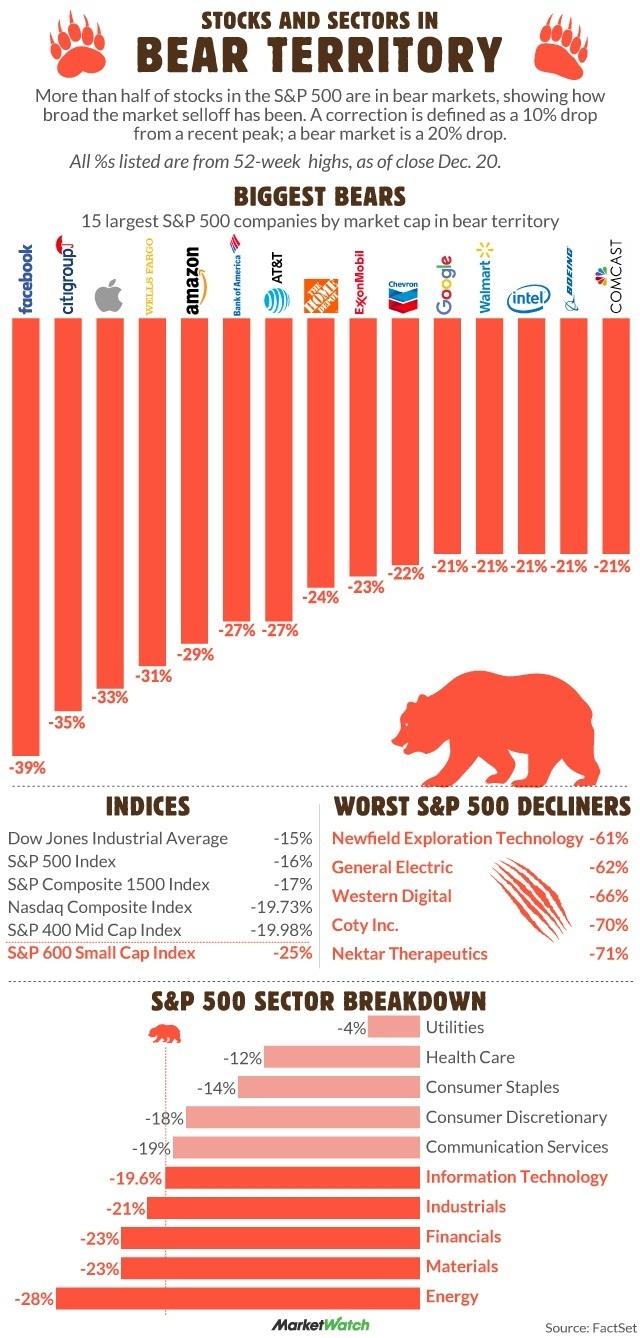
More specifically, a bear market is defined as a drop of twenty percent or more in a market index from its high, and can vary in duration and severity. While a bull market has no such threshold requirement to exist, other than they exist between these two periods of sharp decline.
Whither the Bear?
As a doctor, your action plan in a bear market depends on many variables, with perhaps your age being the most important:
In your 30s:
Pay off debts, school or practice loans.
Invest in safe money market mutual funds, cash or CDs.
Start retirement plan or 401-K account.
In your 40s:
Increase your pension plan or 401-K contributions.
Stay weighted more toward equity investments.
Review your goals, risk tolerance and portfolio.
In your 50s:
Position assets for ready cash instruments.
Diversify into stock, bonds and cash.
Retirement:
Maintain 3 years of ready cash living expenses.
Reduce, but still maintain your exposure to equities.
ASSESSMENT: So, where are we right now in the economic business cycle? Your thoughts are appreciated.
Posted on January 25, 2022 by Dr. David Edward Marcinko MBA MEd CMP™
By Staff Reporters
***
StockMarkets: The major equity indexes staged a thrilling comeback to close solidly in positive territory. At one point, the NASDAQ was down nearly 5% and the S&P entered correction territory.
Mark Cuban: The billionaire owner of the Dallas Mavericks just launched an online pharmacy for generic drugs that looks to cut out middlemen and combat pharmaceutical industry price gouging by offering steep discounts. Set up as CostPlusDrugs.com with 100 generic drugs to treat conditions like diabetes and asthma. Cost Plus will not accept health insurance but claims its prices will still be lower than what people would typically pay at a pharmacy. “All drugs are priced at cost plus 15%!” Cuban tweeted.
Posted on January 25, 2022 by Dr. David Edward Marcinko MBA MEd CMP™
FOR PHYSICIANS AND ALL OF US!
Br. Dr. David E. Marcinko MBA
By Staff Reporters
***
It’s been announced that January 24th 2022 is the official start of the tax filing season. This means it’s that time of year again to buy some pricey tax software and prepare your return on your own, hire a tax prep pro, CPA, or take advantage of the Free File Program from the IRS.
A Capital Gain [CG] occurs when you sell something for more than you spent to acquire it. This happens with investments, but it also applies to personal property, such as a car. Every physician and taxpayer should understand these basic facts about capital gains taxes.
Capital gains aren’t just for doctors or rich people
Anyone who sells a capital asset should know that capital gains tax may apply. And as the Internal Revenue Service points out, just about everything you own qualifies as a capital asset. That’s the case whether you bought it as an investment, such as stocks or property, or for personal use, such as a car or a big-screen TV.
If you sell something for more than your “basis” in the item, then the difference is a capital gain, and you’ll need to report that gain on your taxes. Your basis is usually what you paid for the item. It includes not only the price of the item, but any other costs you had to pay to acquire it, including:
Sales taxes, excise taxes and other taxes and fees
Shipping and handling costs
Installation and setup charges
In addition, money spent on improvements that increase the value of the asset—such as a new addition to a building—can be added to your basis. Depreciation of an asset can reduce your basis.
In most cases, your home is exempt
The single biggest asset many people have is their home, and depending on the real estate market, a homeowner might realize a huge capital gain on a sale. The good news is that the tax code allows you to exclude some or all of such a gain from capital gains tax, as long as you meet three conditions:
You owned the home for a total of at least two years in the five-year period before the sale.
You used the home as your primary residence for a total of at least two years in that same five-year period.
You haven’t excluded the gain from another home sale in the two-year period before the sale.
If you meet these conditions, you can exclude up to $250,000 of your gain if you’re single, $500,000 if you’re married filing jointly.
Length of ownership matters
If you sell an asset after owning it for more than a year, any gain you have is a “long-term” capital gain. If you sell an asset you’ve owned for a year or less, though, it’s a “short-term” capital gain. How much your gain is taxed depends on how long you owned the asset before selling.
The tax bite from short-term gains is significantly larger than that from long-term gains – typically 10-20% higher.
This difference in tax treatment is one of the advantages a “buy-and-hold” investment strategy has over a strategy that involves frequent buying and selling, as in day trading.
People in the lowest tax brackets usually don’t have to pay any tax on long-term capital gains. The difference between short and long term, then, can literally be the difference between taxes and no taxes.
Capital losses can offset capital gains
As anyone with much investment experience can tell you, things don’t always go up in value. They go down, too. If you sell something for less than its basis, you have a capital loss. Capital losses from investments—but not from the sale of personal property—can be used to offset capital gains.
If you have $50,000 in long-term gains from the sale of one stock, but $20,000 in long-term losses from the sale of another, then you may only be taxed on $30,000 worth of long-term capital gains.
$50,000 – $20,000 = $30,000 long-term capital gains
If capital losses exceed capital gains, you may be able to use the loss to offset up to $3,000 of other income. If you have more than $3,000 in excess capital losses, the amount over $3,000 can be carried forward to future years to offset capital gains or income in those years.
Business income isn’t a capital gain
If you operate a business that buys and sells items, your gains from such sales will be considered—and taxed as—business income rather than capital gains.
For example, many people buy items at antique stores and garage sales and then resell them in online auctions. Do this in a businesslike manner and with the intention of making a profit, and the IRS will view it as a business.
The money you pay out for items is a business expense.
The money you receive is business revenue.
The difference between them is business income, subject to employment taxes.
Whether you have stock, bonds, ETFs, cryptocurrency, rental property income or other investments, this info is vital to increase your tax knowledge and understanding all while doing your taxes.
Posted on January 24, 2022 by Dr. David Edward Marcinko MBA MEd CMP™
By Staff Reporters
Stock Markets: The S&P is off to its worst start to a year since 2016. The NASDAQ is in a correction. And the week ahead features a busy earnings slate and a Federal Reserve meeting.
CovisPandemic: Tony Dr. Fauci said he is “confident as you can be” that the Omicron wave in the US will peak by mid-February. In a growing number of states, that peak has already come and gone and cases are plunging in states like New York and Florida. Other states, such as Oklahoma, Idaho, and Wyoming, are still reporting an uptick in new Covid cases.
Crypto-Currency: Crypto investors, meanwhile, wish they got the weekend off like stock traders, because bitcoin, ethereum, and other digital tokens continued to sink.
Federal Reserve: Federal Reserve officials will get together on Tuesday and Wednesday against the backdrop of quaking markets. Investors will want to hear an update on Chair Jerome Powell’s views on inflation. This Fed meeting will likely be the last before an anticipated interest rate hike in March. And, a blizzard of companies will report including nearly half of the Dow’s 30 giants (American Express, 3M, IBM, and more) and tech heavyweights such as Apple, Microsoft, and Tesla.
Tax Season: The income tax filing season opens today and government officials warn it could be bumpy due to a depleted IRS. The Treasury says to file early, file online, and request your refund via direct deposit to avoid the severe headaches.
Posted on January 22, 2022 by Dr. David Edward Marcinko MBA MEd CMP™
By Staff Reporters
***
Stock Markets: The S&P and NASDAQ suffered their worst week since the pandemic began, tumbling 5.7% and 7.55%, respectively. But Peloton bounced back after Thursday’s wipe-out when CEO John Foley assured employees that execs “feel good about right-sizing our production.”
Covid Pandemic: A third dose of either Moderna or Pfizer-BioNTech’s Covid vaccine provided significant protection against severe disease in the US, according to three real-world reports that dropped yesterday. One analysis showed that the boosters were 90% effective at preventing hospitalization.
Posted on January 21, 2022 by Dr. David Edward Marcinko MBA MEd CMP™
By Staff Reporters
***
Markets: The S&P 500 closed below 4,500 points for the first time since October after a heavy sell-off in the final hour of the trading day. Netflix stock tumbled in after-hours trading when it revealed slowing subscriber growth for the prior and current quarters.
Economy: The number of people filing jobless claims took an unexpectedly big jump last week after a period of historically low readings. The pop is likely a sign of Omicron disruptions hitting the labor market, and economists expect it to be temporary.
Posted on January 20, 2022 by Dr. David Edward Marcinko MBA MEd CMP™
BY STAFF REPORTERS
***
StockMarkets: The NASDAQ made it official, closing in correction territory yesterday (meaning a 10% drop from a recent high). Meanwhile, Microsoft’s massive deal to acquire Activision Blizzard rippled across markets: Gaming company Take-Two Interactive got a bump (perhaps because it, too, could be a takeover target), while Microsoft rival Sony plunged nearly 13% in Tokyo trading.
Economy: President Biden has overseen a historic recovery in the labor market, where the unemployment rate has plunged to 3.9% from a pandemic high of 14.8%. The problem is there is currently too much money chasing too few goods. Inflation hit its highest rate since 1982 in December, while wages haven’t kept up with price growth.
Covid: The pandemic continues to rage despite the availability of vaccines. More people died of Covid in the US in 2021 than in 2020. Getting Americans vaccinated has proven to be a major challenge. President Biden’s vaccine mandate on large employers was blocked by the Supreme Court, and only 63.8% of Americans are fully vaccinated putting it behind virtually all of its wealthy peers.
Posted on January 20, 2022 by Dr. David Edward Marcinko MBA MEd CMP™
WHAT IT IS – HOW IT WORKS – WHY?
****
Noteworthy Socks
What it is: A stock is a little sliver or “share” of a company that you can purchase and own. They usually take the form of “common” shares (which have voting rights that can influence some corporate decisions) or “preferred” shares (which don’t have voting rights, but do offer an edge when it comes to receiving dividends, or quarterly payments made to shareholders).
How it works: Companies sell shares on a stock exchange through an initial public offering; an IPO helps raise money to fuel more growth. Companies can also sell extra batches of stock to raise even more money later on and lower share prices; many end up selling millions or billions of shares in total. In the market, share prices usually fluctuate based on supply and demand.
Why it matters: Stocks can move with the broader market, but isolated events from earnings reports to product unveils to C-suite shakeups to Elon Musk tweeting can also affect how investors see a company’s future growth potential, thus sending prices up or down. We’ll occasionally highlight individual stocks and explain what happened to excite or spook investors.
Posted on January 18, 2022 by Dr. David Edward Marcinko MBA MEd CMP™
WE ARE NOTCONSUMING AND THE MARKETS ARE DOWN
By Staff Reporters
***
A Theory of the Consumption Function
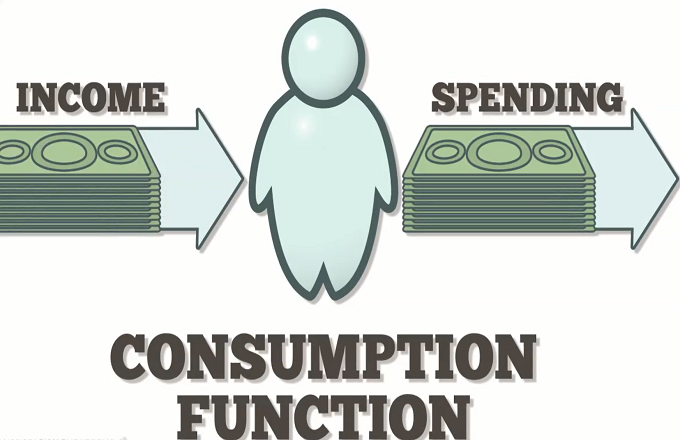
One of Milton Friedman’s most popular works, A Theory of the Consumption Function, challenged traditional Keynesian viewpoints about the household. This work was originally published in 1957 by Princeton University Press, and it reanalyzed the relationship displayed “between aggregate consumption or aggregate savings and aggregate income.”
Now, according to Wikipedia, Friedman’s counterpart Keynes believed people would modify their household consumption expenditures to relate to their existing income levels. Friedman’s research introduced the term “permanent income” to the world, which was the average of a household’s expected income over several years, and he also developed the permanent income hypothesis. Friedman thought income consisted of several components, namely transitory and permanent. He established the formula y = y p + y t {\displaystyle y=y_{p}+y_{t}} in order to calculate income, with p representing the permanent component, and t representing the transitory component.
Milton Friedman’s research changed how economists interpreted the consumption function, and his work pushed the idea that current income was not the only factor affecting people’s adjustment household consumption expenditures. Instead, expected income levels also affected how households would change their consumption expenditures. Friedman’s contributions strongly influenced research on consumer behavior, and he further defined how to predict consumption smoothing, which contradicts Keynes’ marginal propensity to consume. Although this work presented many controversial points of view which differed from existing viewpoints established by Keynes, A Theory of the Consumption Function helped Friedman gain respect in the field of economics. His work on the Permanent Income Hypothesis is among the many contributions which were listed as reasons for his Sveriges-Riskbank Prize in Economic Sciences. His work was later expanded on by Christopher D. Carroll, especially in regards to the absence of liquidity constraints.
Posted on January 18, 2022 by Dr. David Edward Marcinko MBA MEd CMP™
By Staff Reporters
***
Markets: The stock market was closed for Martin Luther King Jr. Day. Maybe a day off is just what the market needs to score its first winning week of 2022. But … For many stocks, 2022 was a real bear of a year. More than 220 US-listed companies with a market cap of $10+ billion are down at least 20% from their peaks. And things are even worse in the tech-heavy NASDAQ, where 39% of companies have dropped at least half from their all-time highs.
Economy: A combo of Omicron disruptions, higher inflation, and shortages of everything has caused forecasters to lower their projections for economic growth this quarter. Analysts surveyed by the WSJ dropped their Q1 forecast to 3% annual growth from 4.2% back in October.
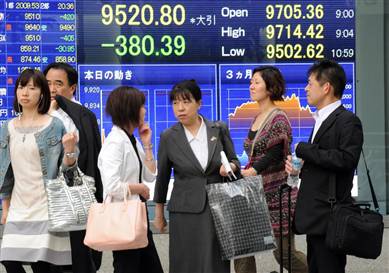
China: World shares were mixed after China reported that its economy expanded at an 8.1% annual pace in 2021, though growth slowed to half that level in the last quarter. And, Paris, Frankfurt, Tokyo and Shanghai advanced while Hong Kong and Seoul declined.
You can also listen to a professional narration of this article on iTunes, Google & online.
Mr. Market was less than kind to our portfolio over the last few months, and especially the last few weeks. I cannot tell you how little it worries us what Mr. Market thinks about our stocks at any particular point in time. We love* our portfolio even if the Mr. Market doesn’t fancy it today.
Also, before we take Mr. Market seriously, let us tell you about the rationality of Mr. Market lately. The World Health Organization (WHO) names each variant of the Covid virus by going to the next letter of the Greek alphabet. After Delta, which is currently the most predominant variant of the virus ravaging the world, there must have been nine others that were not important enough because we never heard of them. Why nine? Because when the latest variant of concern was found in South Africa, it emerged that the letter Nu was supposed to be applied to it. But Nu sounds a lot like new. WHO didn’t want to confuse people, so it skipped to the next letter in the Greek Alphabet, which is Xi – oops, that’s the Chinese supreme dictator. So, for the sake of global political stability, that letter was skipped, too.
This brings us to Omicron, the name of the latest variant.
This is where this story gets a bit more interesting.
The one disruption that really puzzles me is the labor shortage. There are millions of jobs going unfilled today. I hear stories of Starbucks stores being closed due to a lack of workers. Every service that has a heavy labor component has gotten worse – be it restaurants, ride-sharing, or pharmacies. There happens to be a cryptocurrency, one of thousands, that is also named Omicron. I still cannot grasp the logic behind it, but that cryptocurrency was up 900% on the day the South African variant was christened. There must have been a trading algorithm or a lot of bored investors looking for the next gamble, to drive something seemingly worthless up 900%.
That is the drunken Mr. Market that is pricing our stocks today.
I am going to repeat what you will find me saying several times in the letter: We own businesses that are priced, not valued, by Mr. Market thousands of times a day. We have done a lot of work on each company in the portfolio, and through diligent research we have reached the conclusion that each is worth more than the price it is changing hands at today. Are we going to be right about each and every stock? Of course not. This is a numbers game. But we use a time-tested methodology centered on common sense and the cash flows these businesses generate. Also, this is not our first rodeo. We’ll go on making small tweaks, taking advantage of Mr. Market’s manic-depressive moods, at least when it comes to anything that generates cash flows.
Of course, we could change our investment process and load up on the cryptocurrency called Pi Coin, which happens to take its name from the letter in the Greek alphabet that follows Omicron. But I think we all agree we should stick to our knitting, buying high-quality businesses that are significantly undervalued. (Anyway we already loaded up on pie during Thanksgiving.)
Our advice – enjoy this holiday season. Spend time with your loved ones; don’t look at your portfolio. Let us worry about it – after all, we own the same stocks you do.
A future is a financial derivative that represents the purchase of a particular investment at a predetermined date. Futures are traded on a wide range of investments (e.g., baskets of stocks, interest rates, currencies and commodities) and are useful tools for controlling the risk of cash flow timing for those that wish to lock in a particular price for a security.
Futures versus Options
Likewise, they also provide some insight as to the expected future price in the market of the security.
The key difference between futures and options is that futures obligate both parties to make the agreed upon transaction, whereas options give the option holder the right, but not the requirement, to make the transaction.
Trades
Futures are typically traded on an organized exchange, such as the Chicago Board of Trade (e.g., interest rate and stock index futures) or the Chicago Mercantile Exchange (e.g., foreign exchange and stock futures). The design of the contract traded on an exchange typically includes a pre-defined contract size and delivery month.
Margin Maintenance
Also, futures transactions generally require maintaining a margin deposit (i.e., a fraction of the trade value held in reserve to help ensure the final settlement at the contract settlement date) and the recognition of gains and losses on a daily basis with movements in contract prices.
Assessment
The pricing of a futures contract is based upon the price of the underlying security (e.g., the S&P 500 Index price), the opportunity cost of cash (e.g., current borrowing rates) and any distributions expected from the security over the period (e.g., dividends).
Timothy J. McIntosh is Chief Investment Officer and founder of SIPCO. As chairman of the firm’s investment committee, he oversees all aspects of major client accounts and serves as lead portfolio manager for the firm’s equity and bond portfolios. Mr. McIntosh was a Professor of Finance at Eckerd College from 1998 to 2008. He is the author of The Bear Market Survival Guideand the The Sector Strategist.
Conclusion
Your thoughts and comments on this ME-P are appreciated. Feel free to review our top-left column, and top-right sidebar materials, links, URLs and related websites, too. Then, subscribe to the ME-P. It is fast, free and secure.
Speaker: If you need a moderator or speaker for an upcoming event, Dr. David E. Marcinko; MBA – Publisher-in-Chief of the Medical Executive-Post – is available for seminar or speaking engagements. Contact: MarcinkoAdvisors@msn.com
Your thoughts and comments on this ME-P are appreciated. Feel free to review our top-left column, and top-right sidebar materials, links, URLs and related websites, too. Then, subscribe to the ME-P. It is fast, free and secure.
Speaker: If you need a moderator or speaker for an upcoming event, Dr. David E. Marcinko; MBA – Publisher-in-Chief of the Medical Executive-Post – is available for seminar or speaking engagements. Contact: MarcinkoAdvisors@msn.com
OUR OTHER PRINT BOOKS AND RELATED INFORMATION SOURCES:
Just like real estate, butter has been around for thousands of years. Sometime in the 1800’s someone decided that there was a need for something that looked like butter, tasted similar to butter, but wasn’t butter. Along came margarine. Real estate investment trusts (REITs) are the margarine of the real estate investing world.
NAREIT, the National Association of Real Estate Investment Trusts, answers the question
“What is a REIT?” in the following way:
“A REIT, or Real Estate Investment Trust, is a type of real estate company modeled after mutual funds. REITs were created by Congress in 1960 to give all Americans – not just the affluent – the opportunity to invest in income producing real estate in a manner similar to how many Americans invest in stocks and bonds through mutual funds. Income-producing real estate refers to land and the improvements on it – such as apartments, offices or hotels. REITs may invest in the properties themselves, generating income through the collection of rent or they may invest in mortgages or mortgage securities tied to the properties, helping to finance the properties and generating interest income.”
While REITs typically own real estate, investors in REITs do not. REITs are paper assets that represent interest in a company that owns and operates income producing properties. In essence they are real estate flavored stock. As such, REITs are generally highly correlated with the stock market.
***
***
TERMINOLOGY
When discussing REITs, you encounter the following terminology – public, private, traded, and non-traded. Public REITs can be designated as non-traded or traded depending on whether or not they are traded on a stock exchange.
Since traded REITs are traded on the stock exchange, they enjoy a high degree of liquidity just like any other stock. Unfortunately, traded REITs tend to follow the economic cycles and can closely correlate with the stock market. This can lead to a higher degree of volatility than what is usually seen with physical real estate. Additionally, they do not afford the investor the tax-advantages that come with investments in physical real estate.
Private REITs and non-traded public REITs are not traded on an exchange. These are usually offered to accredited investors through broker-dealer networks. These REITs are illiquid and generally have high fees. They have been plagued with transparency issues as well as conflicts of interest. Valuation of this stock is difficult and can be misleading to the investor. Due diligence is very important as the quality of non-traded REITs can vary widely.
Posted on January 14, 2022 by Dr. David Edward Marcinko MBA MEd CMP™
By Staff Reporters
Markets: The NASDAQs 3-day rally fizzled as everything from Big Tech (Microsoft) to Smaller Tech (Snap) sold off.
On the other hand, Ford, one of the best performing companies in the S&P last year, notched a market cap of $100 billion for the first time in its 118-year history.
TODAY: Big banks will kick off Q4 earnings season.
Posted on January 13, 2022 by Dr. David Edward Marcinko MBA MEd CMP™
BY STAFF REPORTERS
***
Stock Markets: An inflation report couldn’t stop stocks from pushing higher yesterday, likely because it wasn’t worse than expected. Biogen shares tumbled after Medicare said it would limit coverage of its controversial $28,000 Alzheimer’s drug, Aduhelm; as the ME-P has noted.
Covid Pandemic: The current Omicron wave is projected to peak by January 19th in the US, according to an influential model from the University of Washington. Then, cases are expected to plummet “simply because everybody who could be infected will be infected,” Washington professor Ali Mokdad told the AP. Cases appear to have already peaked in Britain.
Posted on January 12, 2022 by Dr. David Edward Marcinko MBA MEd CMP™
By Larry Culp
***
Hi David,
Earlier this week, GE’s Chairman and CEO Larry Culp shared a note with employees reflecting on GE’s priorities as we enter the new year. “Ten days into 2022, our work has already begun,” Larry said in his note. “I am excited for our road ahead.”
As we shared in November, GE is on a path to become three stronger, more focused companies positioned to lead in aviation, healthcare, and energy. Here are our priorities for the year ahead to take us there:
Ensure safety is always first.
Build on our progress to further strengthen GE for today and tomorrow.
Lead in areas of urgent global need – Future of Flight, Precision Health and the Energy Transition.
Lay the groundwork for the creation of three independent companies – starting with Healthcare – positioned to succeed on their own.
Posted on January 12, 2022 by Dr. David Edward Marcinko MBA MEd CMP™
BY STAFF REPORTERS
***
StockMarkets: Stocks ticked higher as investors zeroed in on Senate testimony from Fed Chair Jerome Powell, who is up for a second term. Powell said the Fed would do what’s necessary to get inflation back to normal levels.
Banks: Bank of America decided to make life a little less difficult for account holders without piles of cash. The bank—America’s second largest—announced on Tuesday that it would reduce overdraft fees by around 70%, from $35 to $10. BofA is also scrapping a $12 non-sufficient funds fee (for bouncing a check or making an automated overdraft) and will eliminate transfer fees for its overdraft protection service.The decision comes on the recently shined heels of similar moves by other large banks.
Capital One announced last month that it was eliminating overdraft fees altogether.
In August, JPMorgan increased its charge-incurring overdraft amount to $50 (it was previously $5).
PNC Bank introduced a 24-hour grace period on overdraft penalties.
Posted on January 11, 2022 by Dr. David Edward Marcinko MBA MEd CMP™
A Historic Review
***
***
Assessment
A correction is typically defined as a 10% drop for a stock or an index from a recent peak, while a bear market is a 20%-plus decrease.
Conclusion
Your thoughts and comments on this ME-P are appreciated. Feel free to review our top-left column, and top-right sidebar materials, links, URLs and related websites, too. Then, subscribe to the ME-P. It is fast, free and secure.
Speaker: If you need a moderator or speaker for an upcoming event, Dr. David E. Marcinko; MBA – Publisher-in-Chief of the Medical Executive-Post – is available for seminar or speaking engagements.
Subscribe: MEDICAL EXECUTIVE POST for curated news, essays, opinions and analysis from the public health, economics, finance, marketing, IT, business and policy management ecosystem.
Posted on January 10, 2022 by Dr. David Edward Marcinko MBA MEd CMP™
By Staff Reporters
***
Markets: Stocks are off to a sputtering start in 2022, and they could be in for more upheaval this week with a big inflation report due, Fed Chair Jerome Powell’s confirmation hearing on Capitol Hill, and the beginning of earnings season.
NASDAQ: Last week, the tech-heavy NASDAQ fell 4.5% for its worst week since February 2021. And the ARK Innovation ETF, which is full of high-growth tech companies, plunged 11%.
Bonds: Over in the bond market, yields (or the return you can get from buying a bond) are surging. On Friday, the yield for the 10-year Treasury note hit its highest level since January 2020. Now, While rising yields are generally a bullish sign for the economy, they also make riskier assets—like expensive tech stocks—less attractive compared to other names that may get a boost from higher interest rates. The Dow, for example, with its many financial services companies, lost just 0.29% last week.
Good News: Billionaire investor Chamath Palihapitiya said US stocks could rebound rapidly after the recent sell-off. He said there’s “a ton” of money waiting on the sidelines in products such as money market accounts.
Posted on January 9, 2022 by Dr. David Edward Marcinko MBA MEd CMP™
Understanding Risks and Benefits
By Timothy J. McIntosh CFP® MPH CFA CMP®
Medical professionals might not know rupees from ringgits, but any investor should consider the benefits of currency investing. Buying currencies allow for a hedge against the U.S. dollar and also permit for an investor to take advantage of major movements of foreign currencies for profit.
Today, it is easier than ever to invest in currencies through mutual funds or exchange traded funds. U.S. investors are impacted by foreign currency fluctuations through international stock and bond exposure.
Advantages
The advantage of investing in currencies is the investment generally has limited correlation with other real or liquid assets. Medical professionals can initiate the process of currency investing by starting a forex account. In many instances, an account can be opened with minimal investment.
Taxation
One caveat is the tax consequences, as currency-based profits are taxed as ordinary income rather than the more favorable capital gains rate.
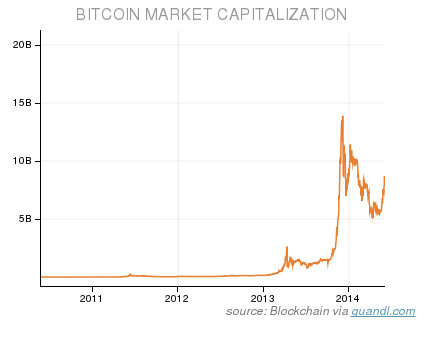
The commercial use of Bitcoin, illicit or otherwise, is currently diminutive compared to its use by speculators, which has led to extreme price volatility. Companies and merchants have an enticement to recognize the currency because transaction fees are lower than the 2 to 3% classically imposed by the major credit card companies like Visa®.
Assessment
Given the fact that Bitcoin is a new currency with extreme volatility, medical professionals should be very cautious with any potential investment.
Your thoughts and comments on this ME-P are appreciated. Feel free to review our top-left column, and top-right sidebar materials, links, URLs and related websites, too. Then, subscribe to the ME-P. It is fast, free and secure.
Speaker: If you need a moderator or speaker for an upcoming event, Dr. David E. Marcinko; MBA – Publisher-in-Chief of the Medical Executive-Post – is available for seminar or speaking engagements. Contact: MarcinkoAdvisors@msn.com
OUR OTHER PRINT BOOKS AND RELATED INFORMATION SOURCES:
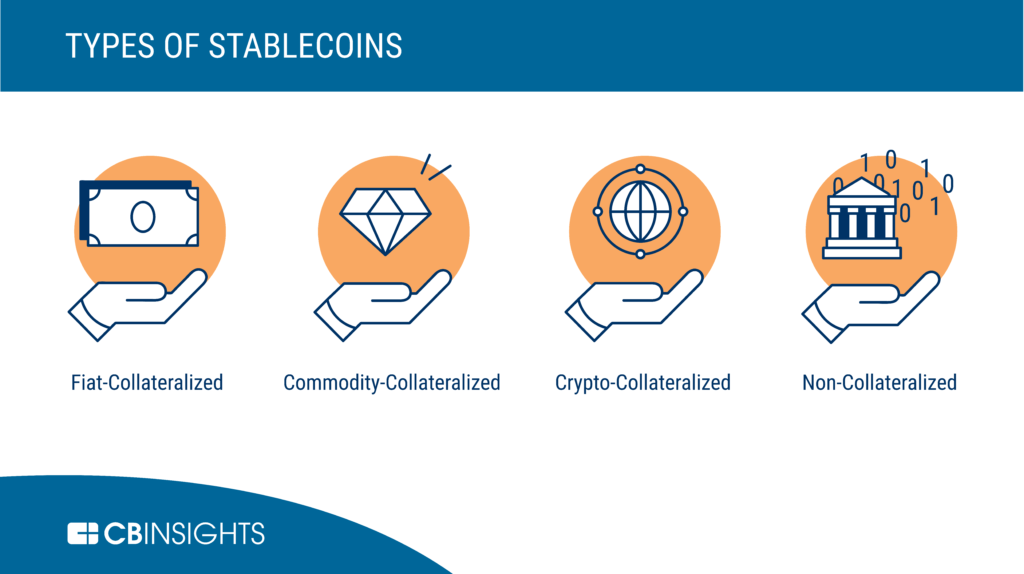
DEFINITION: Stablecoins are blockchain-based digital currencies that have been created with the aim to have a stable value. Stablecoins achieve price-stability through various different methods such as a peg against a fiat currency or a commodity, through collateralization against other cryptocurrencies or through algorithmic coin supply management.
Every stable coin includes a specific set of mechanisms that mostly behave in the same way. In general, stable coins keep collateral of the asset and manage the supply. In this way, they incentivize the market, which allows trade of the coin for no more or less than $1.
A stable coin can be considered the best depending on several factors: It should be stable. PAX is one the most stable stablecoin. It should be liquid and available on most exchanges. It should be backed by FIAT. PAX is 100% collateralized in US bank accounts. It should be regulated. It should be redeemable.
Posted on January 9, 2022 by Dr. David Edward Marcinko MBA MEd CMP™
***
By Ike Devji, J.D.
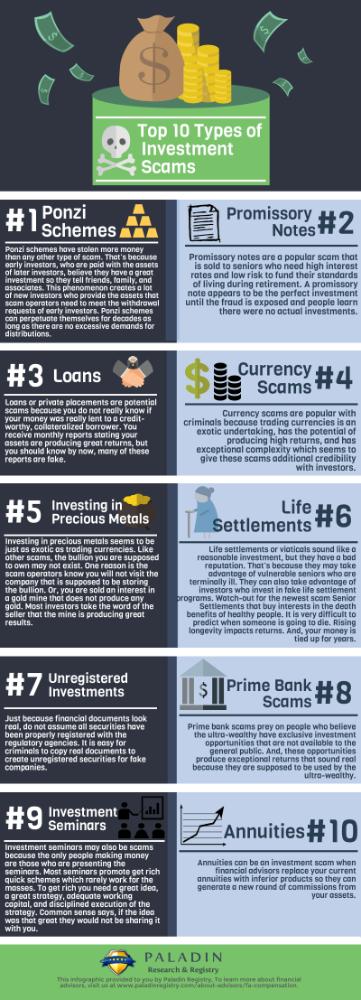
Crypto currency is all the rage and continues to make some coin investors small fortunes even as prices swing widely and scams emerge. These are some basic defensive measures to keep your digital wallet safe.
Posted on January 8, 2022 by Dr. David Edward Marcinko MBA MEd CMP™
By Staff Reporters
Stock Markets: The S&P is off to its worst start to a year since 2016, and the NASDAQ fell 4.5% this week—its worst drop since February 2021. The Fed’s hawkish pivot + rising bond yields are really pounding technology stocks.
Crypto-Currency: Bitcoin fell to its lowest level since last September, and other cryptos like ethereum and solana are also in the doghouse. It appears as though the Fed’s move to raise borrowing costs and the turmoil in mining powerhouse Kazakhstan are dragging down prices.
Posted on January 7, 2022 by Dr. David Edward Marcinko MBA MEd CMP™
By Staff Reporters
***
NASDAQ Markets: The good news—if you own tech stocks—is that they didn’t fall as much yesterday as they had in the previous two days. NASDAQ comp: 15,080.87 at the close.
Posted on January 6, 2022 by Dr. David Edward Marcinko MBA MEd CMP™
By Staff Reporters
***
Markets: Already through a rough day, stocks dove even lower after the Fed released the minutes from its December meeting. Tech companies continued to get clobbered as rising bond yields make their shares less attractive.
About the Federal Reserve Minutes: Inflation anxiety was real at the central bank’s previous meeting, and officials signaled they could hike interest rates “sooner or at a faster pace” than previously expected to cool down prices.
Posted on January 5, 2022 by Dr. David Edward Marcinko MBA MEd CMP™
By Staff Reporters
***
The stock market was very sharply mixed yesterday, and the NASDAQ Composite took the brunt of the damage. Even as the Dow Jones Industrial Average was up triple digits, the NASDAQ fell almost 2% as of 1:45 p.m. ET; and finishing down 210.08 points or (-1.33%).
Physicians and other investors looking at the biggest stocks in the NASDAQ would have to go through three dozen stocks on the list before finding a single one that rose more than 1%. Many of the top tech giants were down 1% to 5% or more on the day. Yet there were some winning NASDAQ stocks, and a few in particular might seem surprising to those used to seeing more popular names among top performers.
Bond yields gained thanks to bullish attitudes around economic growth.
Economy: The Great Resignation rolls on as a record 4.5 million Americans quit their jobs in November. That’s equivalent to 3% of the workforce.
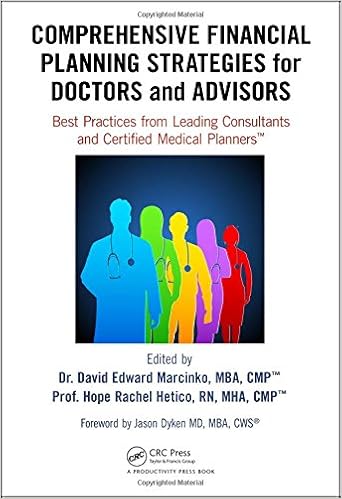
The physician, nurse, or other medical professional should easily recognize that there are a vast array of opportunities, obstacles, and pitfalls when it comes to managing one’s finances. Still, with some modicum of effort, the basic aspects of insurance, investments, taxes, accounting, portfolio management, retirement and estate planning, debt reduction, asset protection and practice management can be largely self-taught. Yet, it is realized that nuances and subtleties can make a well-intentioned financial plan fall short. The devil truly is in the details. Moreover, none of these areas can be addressed in isolation. It is common for a solution in one area to cause a new set of problems in another.
Accordingly, most health care practitioners would be well served to hire [independent, hourly compensated and prn] financial help. Unlike some medical problems, financial issues may not cause any “pain” or other obvious symptoms. Medical professionals tend to have far more complex financial situations than most lay people. Despite the complexities of the new world of health reform, far too many either do nothing; or give up all control totally, to an external advisor. This either/or mistake can be costly in many ways, and should be avoided.
In reality, and at various time in their careers, the medical professional needs a team comprised of at least a financial analyst, lawyer, management consultant, risk manager [actuary, mathematician or insurance counselor] and accountant. At various points in time, each member of the team, or significant others, will properly assume a role of more or less importance, but the doctor must usually remain the “quarterback” or leader; in the absence of a truly informed other, or Certified Medical Planner™.
This is necessary because only the doctor has the personal self-mandate with skin in the game, to take a big picture view. And, rightly or wrongly, investments dominate the information available regarding personal finance and the attention of most physicians. One is much more likely to need or want to discuss the financial markets with their financial advisor than private letter rulings by the IRS, or with their estate planning attorney or tax accountant. While hiring for expertise is a good idea, there is sinister way advisors goad doctors into using all their retail services; all of the time. That artifice is – the value of time.
True integrated physician focused and financial planning is at its core a service business, not a product or sales endeavor. And, increasingly money is more likely to be at the top of the list for providers as the healthcare environment is contracting.
So, eschewing the quarterback model of advice, and choosing to self-educate thru this book and elsewhere, may be one of the best efforts a smart physician can make.
Posted on January 3, 2022 by Dr. David Edward Marcinko MBA MEd CMP™
WHAT IT IS – HOW IT WORKS – WHY?
By Staff Reporters
***
What it is: With its use as a commodity tracing back to Ancient Lydian merchants over 2,500 years ago, gold has the most staying power of any indicator on this list. When investors talk about gold prices today, they’re most likely referring to the price per ounce of gold bullion (those gold bars bad guys keep in briefcases).
How it works: Gold is priced in U.S. dollars around the world. Investors can buy physical gold in the form of bullion or coins or go for more intangible gold securities, such as futures, ETF shares, or investments in gold mining companies.
Why it matters: In a 21st century economy where currencies aren’t pegged to the gold standard and credit cards are the medium of exchange, some investors argue gold is a relic. But others turn to the metal for diversification or as a “safe-haven asset”—something to buy during times of geopolitical or economic uncertainty because it holds onto its value.
Posted on January 3, 2022 by Dr. David Edward Marcinko MBA MEd CMP™
By Staff Reporters
***
StockMarkets: The three major equity indexes begin 2022 near record highs after closing out their best 3-year performance since 1999. The top-performing S&P sectors: Energy, whose 48% annual gain was its best ever (thank you, soaring oil prices). Real estate was the second-best performing sector at 42%, while tech and financials both rose 33%. The biggest winner in the S&P was Devon Energy, which gained nearly 190%. Ford, Moderna, and nine others in the index more than doubled their stock price. Microsoft rose 51%, and Apple’s 34% gain has it sitting close to a $3 trillion market capitalization.
Covid Medicine: Omicron has caused a rapid explosion of Covid cases in the US—the 7-day rolling average of nearly 400,000 new cases on Saturday was more than double the number from one week before. With hospitalizations also ticking higher, officials are warning that health systems will be overloaded before the Omicron wave is expected to peak in mid-January. And, Dr. Anthony Fauci said yesterday that health officials are looking at adding a negative test requirement after five days of quarantine. Under existing guidance, you can emerge from isolation without showing a negative test.







 Support our online development, and advance our onground research initiatives in free market economics, as we seek to showcase the brightest Next-Gen minds.
THE ME-P DISCLAIMER: Posts, comments and opinions do not necessarily represent iMBA, Inc., but become our property after submission. Copyright © 2006 to-date. iMBA, Inc allows colleges, universities, medical and financial professionals and related clinics, hospitals and non-profit healthcare organizations to distribute our proprietary essays, photos, videos, audios and other documents; etc. However, please review copyright and usage information for each individual asset before submission to us, and/or placement on your publication or web site. Attestation references, citations and/or back-links are required. All other assets are property of the individual copyright holder.
Support our online development, and advance our onground research initiatives in free market economics, as we seek to showcase the brightest Next-Gen minds.
THE ME-P DISCLAIMER: Posts, comments and opinions do not necessarily represent iMBA, Inc., but become our property after submission. Copyright © 2006 to-date. iMBA, Inc allows colleges, universities, medical and financial professionals and related clinics, hospitals and non-profit healthcare organizations to distribute our proprietary essays, photos, videos, audios and other documents; etc. However, please review copyright and usage information for each individual asset before submission to us, and/or placement on your publication or web site. Attestation references, citations and/or back-links are required. All other assets are property of the individual copyright holder.









 in order to calculate income, with p representing the permanent component, and t representing the transitory component.






















 The Leading Business Education Network for Doctors, Financial Advisors and Health Industry Consultants